LISTEN: Kenny Roby, “Silver Moon (For Neal)”

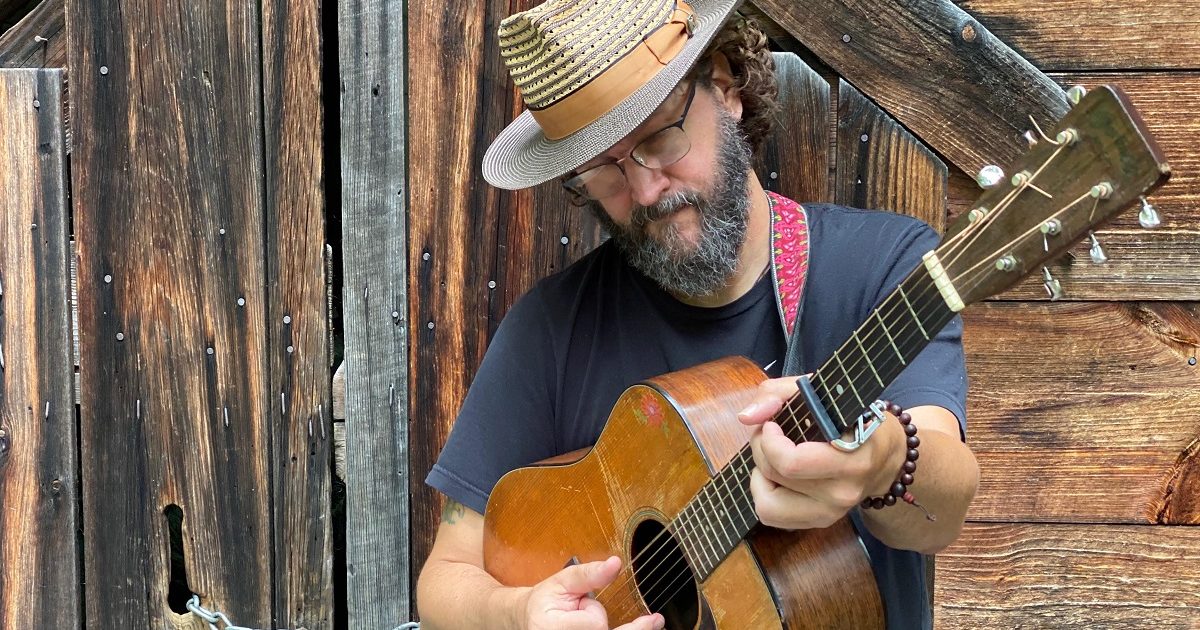
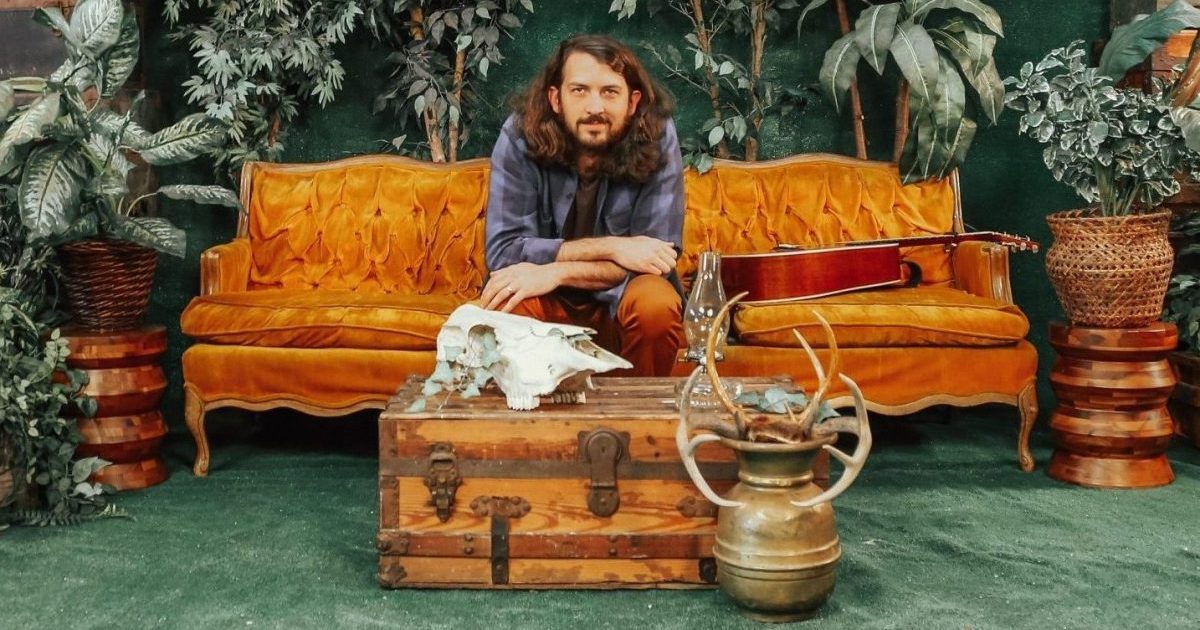
Artist: Kenny Roby
Hometown: Raleigh, North Carolina
Song: “Silver Moon (For Neal)”
Album: The Reservoir
Release Date: August 7, 2020
Label: Royal Potato Family

In Their Words: “I had the idea for this song the night after the memorial show for my friend Neal Casal at The Capitol Theatre in Port Chester, New York, in September of last year. Dave Schools, who was taking the helm as producer for The Reservoir in Neal’s place, and I were standing outside the venue with other friends and performers, and he said, ‘Look at that moon!’ It was a giant bright silver crescent. We all just stood there and gawked at it. A beautiful sight at the end of a beautiful but heartbreaking night. Late the next night in the hotel I thought of the idea for the chorus. And the following morning as Dave and I stood waiting for a taxi to take us back to the city, I had the idea for the first verse. It was about the gathering in tribute to our friend and us singing the old gospel song ‘Farther Along’ together for the encore.

“Six days later I came back from South Carolina to New York to sort of pick up the pieces and start recording the new record. Before heading up to Woodstock, I was walking around New York City alone early one morning and thinking about Neal and other friends when the idea for the second verse came to me. I went back to our friend Gary’s apartment where Neal’s 1952 Gibson SJ-45 was. I quickly scribbled the new lyrics down and grabbed Neal’s guitar and made a demo of the song to send to Dave and Gary. Oddly enough I also finished the verses to ‘I’m Gonna Love Again’ that morning, which I had started the day before, and demoed it on Neal’s guitar. So the only two songs that I wrote after Neal’s death were written in the same week, finished on the same morning, and demoed on his guitar.” — Kenny Roby


Photo credit: Gary Waldman

The Show On The Road – Leyla McCalla

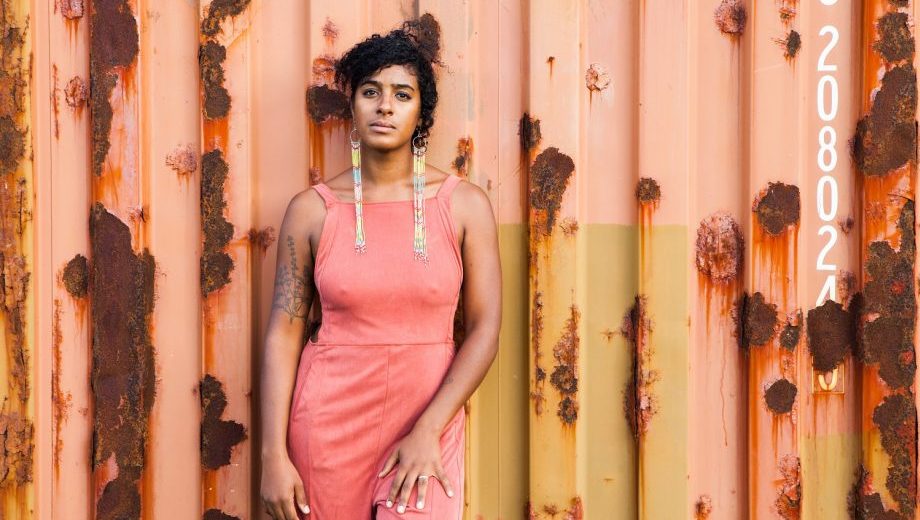
This week The Show On The Road features a conversation with Leyla McCalla, a talented, multi-lingual cellist, banjoist, and singer/songwriter.

LISTEN: APPLE PODCASTS


Born in New York, raised in New Jersey, and McCalla is now based in New Orleans, where she raises three kids (she often tours with them in tow). McCalla often honors her Haitian heritage, bringing listeners into a vibrant world of Creole rhythms and forgotten African string-band traditions by introducing them to a new audience with her own powerful creative vision.

You may know McCalla as an integral part of two different roots supergroups: the Carolina Chocolate Drops and Our Native Daughters. But for much of the last decade, she has put out heady, ever-surprising solo projects. The latest, The Capitalist Blues, harnesses the brassy, percussive sounds of New Orleans; her previous record, A Day for the Hunter, A Day for the Prey, was also a standout, putting her gorgeous cello-work center stage while also examining powerful Haitian proverbs and Haiti’s often-overlooked, tragic history.

LISTEN: Dirk Powell, “I Ain’t Playing Pretty Polly” (with Rhiannon Giddens)

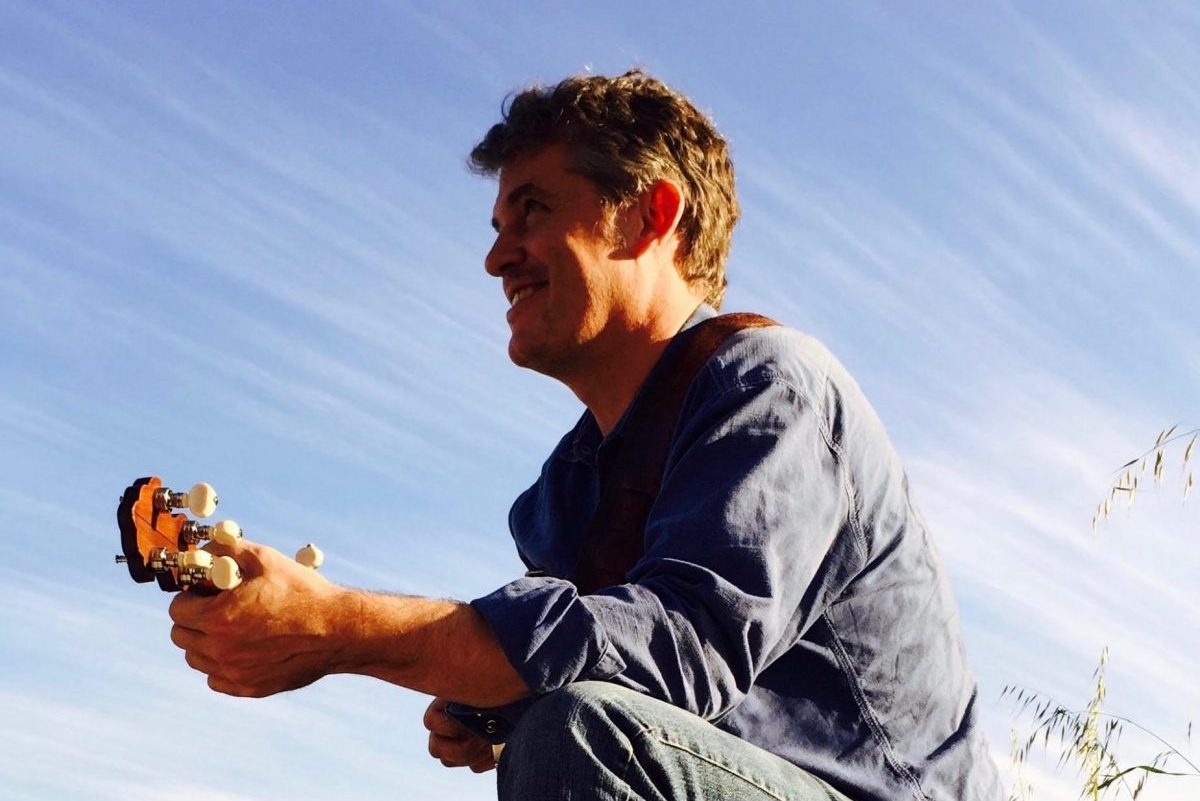
Artist: Dirk Powell
Hometown: Lafayette, Louisiana
Song: “I Ain’t Playing Pretty Polly” (with Rhiannon Giddens)
Album: When I Wait for You
Release Date: September 4, 2020
Label: Compass Records

In Their Words: “I grew up playing and singing ‘Pretty Polly.’ I was really proud to have learned a unique version of it in the ‘overhand’ banjo style from my grandfather in Kentucky. One evening I was singing it during a soundcheck and heard the words ‘he stabbed her through the heart and her heart’s blood did flow’ coming out of my mouth… and I just stopped cold in the middle of the verse. I thought about my grandmother, my mother, my daughters. I thought about pervasive violence against women and the way men are given the bulk of the story in songs like these, and often some kind of twisted romantic glory or sympathy, and I said to myself, ‘I’m never singing this song again.’ I will not give any more energy to the stories of men who hurt, abuse, and kill women. Period.

“For some people, there are complexities — some say the songs are a needed warning to young people, or just dramatic tales, or that tradition trumps looking at them this way. But, for me… I’m just never singing them again. I’m done. I’ve seen the looks of hurt and confusion on my daughters’ faces when violent words like these are accepted or brushed aside. And I’ve seen fear in my grandmother’s eyes as she gave warnings to my sisters about men. Instead, I choose to sing, as I do here, about women like my Aunt Myrtle and men like my Uncle Clyde, who were together from the 1930s to the 2000s. Their relationship was full of love and sweetness and gratitude and respect. Those are the stories I actually know, from my own life, and those are the stories I’m going to tell.” — Dirk Powell


Photo credit: Joan Baez

LISTEN: Xanthe Alexis, “The Offering”

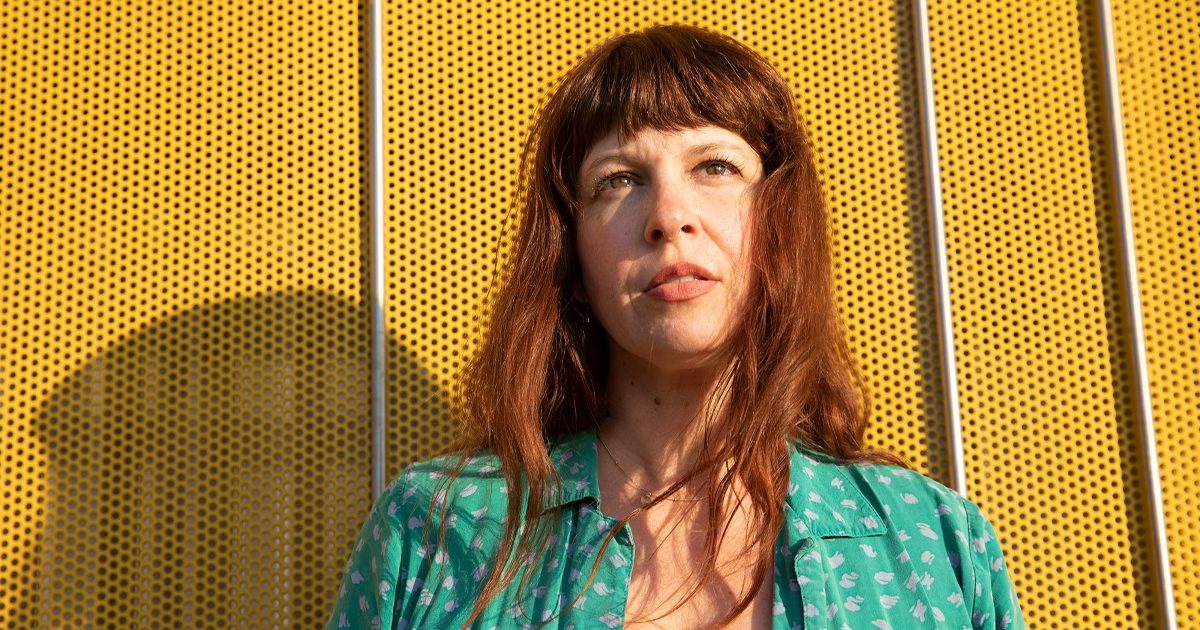
Artist: Xanthe Alexis
Hometown: Colorado Springs, Colorado
Song: “The Offering”
Album: The Offering
Release Date: August 21, 2020

In Their Words: “I see ‘The Offering’ as a voice of an omniscient narrator, The Oracle, The Mother. She is beckoning the listener to open. Offering a promise of protection. A presence of the mystical, the benevolent. When I wrote this song, I was in need of guidance and reassurance. These words soothed my heart that is so often straining under the weight of our collective suffering. I hope it does the same for others too.” — Xanthe Alexis


Photo credit: Luigi Scorcia

LISTEN: Warren Givens, “You’re on My Mind” (Featuring Ivy Givens)

Artist: Warren Givens
Hometown: Asheville, North Carolina
Song: “You’re on My Mind” (Featuring Ivy Givens)
Album: Rattle the Cages
Release Date: August 7, 2020

In Their Words: “In case it isn’t obvious, this is a good old-fashioned breakup song. I wrote it soon after releasing my first full-length record, when we were touring pretty heavily, about a short-lived fling that turned out to have a pretty lasting impact. Even though the song is about a breakup I went through, my idea at the time was to write a melody that Ivy (my sister) could sing. It was really fun to write something that was totally out of my range and to see how she really brought it to life. This is the only song on the record with someone besides Seth Kauffman (my producer and engineer) and me playing. Ivy flew down from New York and we gathered around one big dynamic mic — old-school bluegrass style. We did guitar, fiddle, and our vocals live, maybe two takes tops, and then Seth added the drums, bass, and electric guitar.” — Warren Givens


Photo credit: West Givens

WATCH: Sabine McCalla Gives a Striking Performance of “Baby, Please Don’t Go”

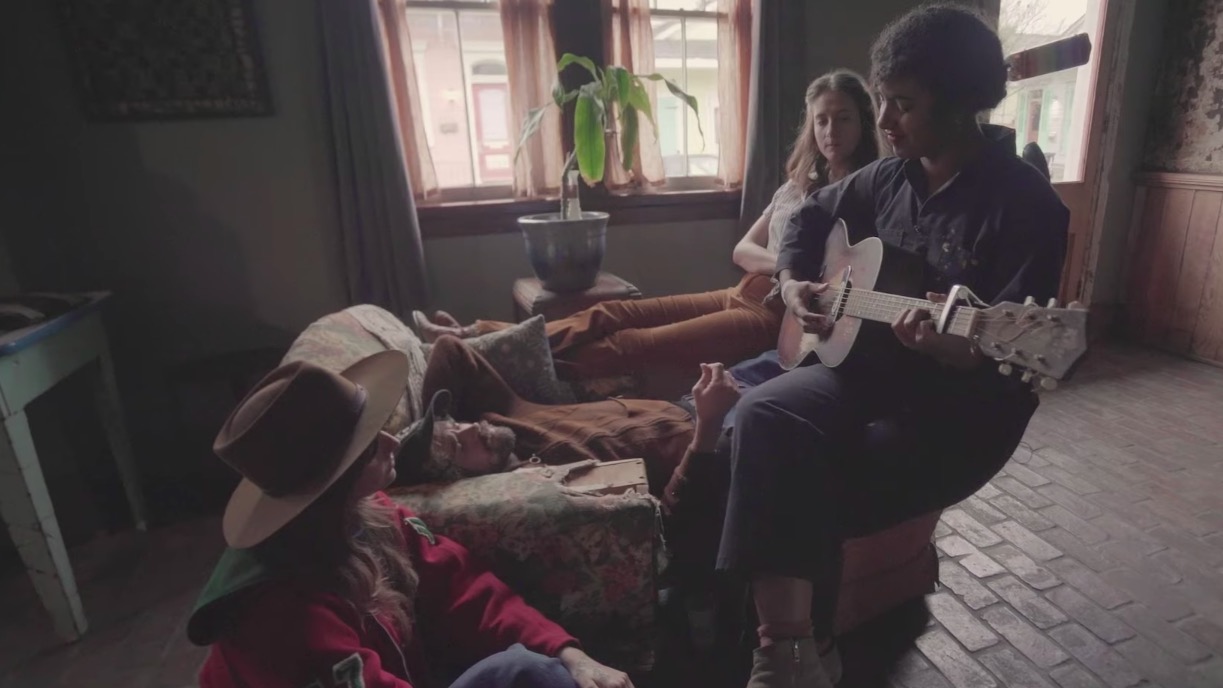
In March, when artists, businesses, and schools were stepping into a new normal built around public health and safety, New Orleans folk singer Sabine McCalla was preparing for a feature on the popular roots music series Western AF. She selected “Baby, Please Don’t Go,” a tender ballad written to a fleeting foreigner after a whirlwind romance. McCalla gently sings what many could not bear to say, and does so with a hypnotic look in her eyes.

Like the Mona Lisa, McCalla wears a beautiful calmness, seeming at times to hold a soft smile that veils other emotions. The New Orleans based singer/songwriter is joined by an entourage of collaborators who add whimsical, airy harmonies to the fondest portions of the song. The physical arrangement of the group — they sprawl over a couch, spilling into each other’s laps and arms —  instills a sense that McCalla is sharing a painful memory with friends, in conversation. Western AF creates a window into a fragile musical moment as Sabine McCalla delivers a raw performance of this striking song. 


The String – Adia Victoria

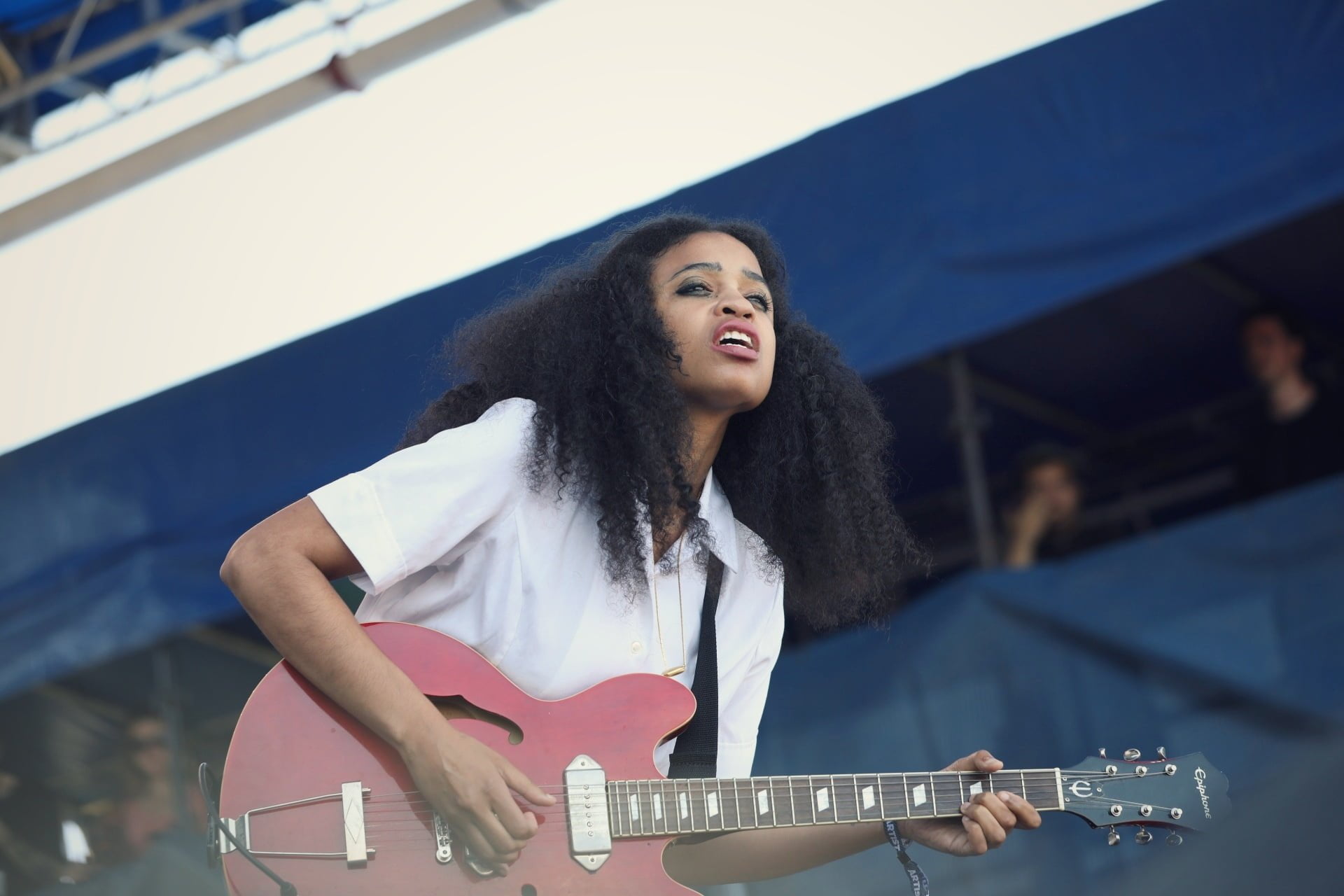
Adia Victoria taps the lineage and resolve of the early Blues queens with a sound made for “the now” on her 2019 album, Silences.

LISTEN: APPLE PODCASTS

Victoria’s journey from South Carolina to Atlanta and then to Nashville reads like no other artist of recent memory. She works hard to set herself apart from the institutional trappings of the indie music business. Critically acclaimed and sharply thoughtful, this made for a fascinating and challenging conversation.


Photo credit: Daniel Jackson at Newport Folk Fest 2019 for BGS

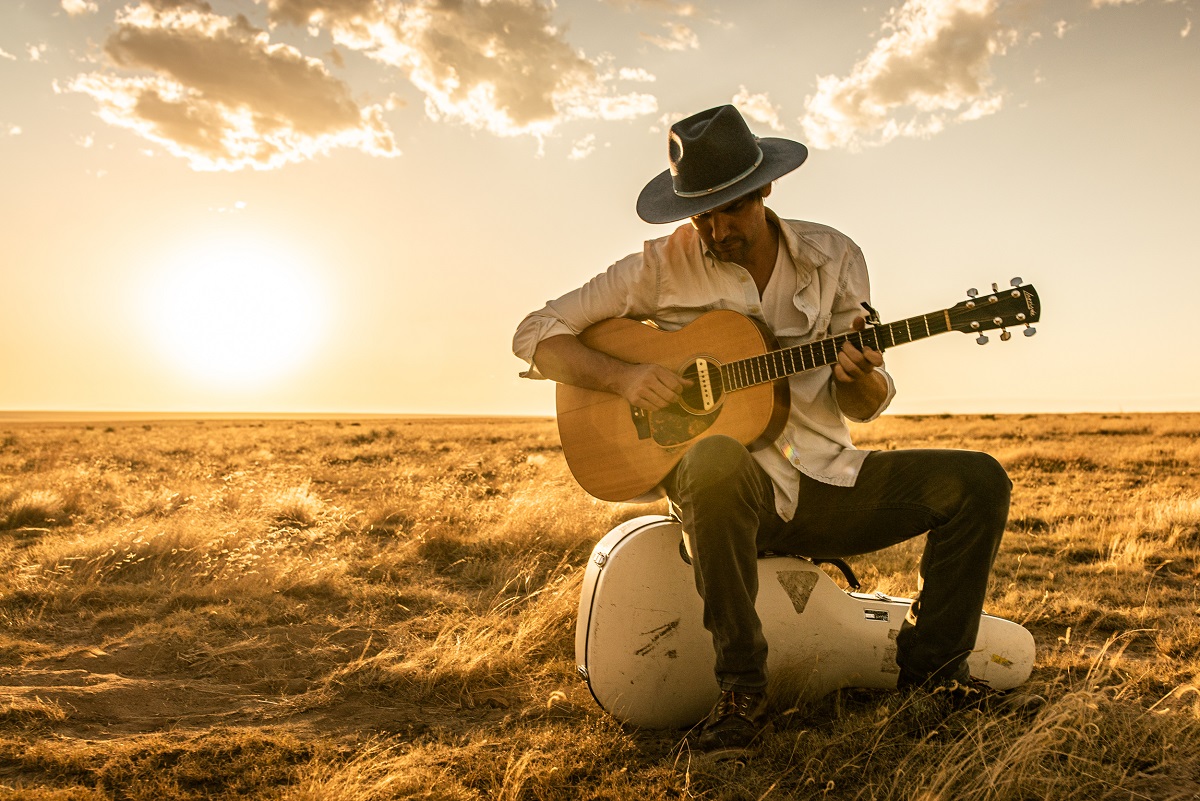
MIXTAPE: Daniel Rodriguez’s Songs of Authenticity

I love all types of music and song. How beautiful a thing to hear the invisible insides of someone shared outwardly. A culmination of dynamic forces, experiences and sensibilities dialed into pulsating, Pythagorean waveforms, giving color to the space in between. The only catch is we have to trust what we’re hearing is authentic. Whether it’s the tonal intention of a singer or the specific touch of an instrumentalist, the song has to move me in some way or else I’m changing the station. Authenticity is subjective to each listener where no authority exists, though goosebumps, tears, movement, lofty notions and inspiration have always been my litmus tests to playing something thrice or more.

Here’s a list of songs that have moved me in some way worthy of mention. Also, if you’re so moved, check out my album Sojourn of Burning Sun out on August 28. — Daniel Rodriguez

Bill Monroe – “Uncle Pen”

From what I hear, this song is Bill giving gratitude and paying tribute to his actual uncle, Pen [James Pendleton Vandiver]. Pen played the fiddle at family gatherings and inspired Bill to join the musical world. The song structure of “Uncle Pen,” though only a few chords, is kind of complex. It’s a jubilant song with a great melody and has those goosebumping, Appalachian harmonies that Bill and his band often showcased. Probably what I like most about the song is that it appears to skip a beat before the head of each verse. It happens during a G run directly after the chorus that impossibly lands at the head of the next section. Simple genius.

Gregory Alan Isakov – “Amsterdam”

I like pretty much all of Gregory’s songs and his recordings. Catching his band live or him solo is a remarkable experience. I’m lucky to call him a longtime friend and I keep my fandom of his music separate from that. Gregory paints imagery that is most times not specific, which leaves you, as a listener, more in an abstract state of mind. Yet he threads a powerful emotion throughout, which his voice and arrangements unavoidably invoke. He uses imagery of a woman often, which comes across as more a mythical character of the sacred feminine, rather than one of a romantic endeavor. This is apparent in “Amsterdam”: “That howling wind, she’s waving hi, her other hand’s in mine.” The song ascends towards the end in some epic way when Greg moves his voice up an octave and sings “Churches and trains, they all look the same to me now / They shoot you some place, while we ache to come home somehow.” Goosebumps to follow.

Bruce Springsteen – “Youngstown”

The Boss has never failed to paint us the pictures of the struggling American working class. Our popular culture seems to only highlight the celebrities and billionaires, and yet The Boss celebrates and sheds light on the untold stories of the common man, the backbone of our culture. His stories are always rich with the American story, full of its hypocrisies and triumphs. “Youngstown” paints a very real picture of the uphill and endless bogging down of industry and war. The arrangement has a suiting Americana feel, stripped down and intimate. The pedal steel and fiddle give an eerie voice to the emotion of the character in the story who sings, “My sweet Jenny, I’m sinking down, here darling in Youngstown.”

John Prine – “Lake Marie”

When John Prine passed on earlier this year I cried constantly for three days. I’ve been lucky enough to catch him live more than a few times at festivals that we both played. The authenticity in his delivery has healing properties that only a few possess. John touches on all the hidden sadnesses and joys of humanity, and gives color to the seemingly opaque hidden corners of the human condition. “Lake Marie” is a special song with all the ingredients: New love, tenured love, relationship struggles and cold-blooded murder. John delivers this story in a very light-hearted and humorous way. He speaks the verses and accentuates certain parts, which become vital to the song’s DNA. The chorus is maybe the best chorus ever written, beautiful and joyous, juxtaposed with a very brutal and tragic story.

Levon Helm – “The Mountain” (written by Steve Earle)

Just like any song that Levon sings of someone else’s, he makes it his own. That is very much the case with “The Mountain” by Steve Earle. Steve recorded a great version of this song with Del McCoury, but my favorite version is the one Levon sings. It’s about the coal industry brutalizing the natural wonder of a homeplace. Removing mountaintops from where once majestic mountains stood. Filling in swimming holes that you once could cool off from the summer’s heat within its cool mountain runoff. Levon brings you there to those mountains, and he takes you to that swimming hole, and then he shows you the pain of it being no more.

Gillian Welch – “Everything is Free”

When speaking of Gillian’s songs it would be prudent to also mention David Rawlings. The line is blurred when trying to understand who wrote what — and it’s fitting that their voices in harmony become an entity of grace and grit that is alive and well. “Everything Is Free” is a song that hits home for the majority of musicians and artists who are at large suffering in an age where the fruits of their labors are taken for granted. This is certainly reflected by our culture, which would ironically feel the worth of music in its absence. In regards to this, Gillian sings: “If there’s something that you wanna hear you can sing it yourself.”

Leon Bridges – “River”

I’m not a religious person, but I am spiritual. Even though Leon uses biblical terminology in this beautiful song of yearning, and being cleansed from your sins — it’s the intention of the song that shines through and transcends all the negative connotations that might come with organized religion. It’s the true Christian values that are evoked here, of actively wanting to become a better person. It sounds like it was recorded live around one mic in a big room and really captures a beautiful moment of music.

Bob Dylan – “Murder Most Foul”

Bob is my favorite artist and songwriter. I love all the phases of his expression. I don’t subscribe to picking a favorite era or compare everything he creates to what he produced in the 1960s. This brings us to “Murder Most Foul,” a recent release of his. It is a nearly seventeen-minute song that talks about the day and days that followed the assassination of John F. Kennedy. Bob beautifully describes this tragic and heightened moment in history, giving us a stream of consciousness of images peripherally and directly happening around the time of the assassination. The production of this song is very minimal which allows the lyrics to be absorbed and breathe.

Mandolin Orange – “Wildfire”

Growing up and residing in the hills of North Carolina, Mandolin Orange has lived and been more than aware of the culture that exists below the Mason-Dixon Line. Not buying into the rhetoric of those holding on to the nostalgia of the Confederacy, Mandolin Orange gives a historical and psychological look at the wildfire that unfortunately still is fueled today. “Wildfire” is a bit of medicine to us all, and carries a hope that some who might need the medicine most. Listen to this song that is served in the musical genre of its commonplace.

The Del McCoury Band – “Hot Wired” (written by Shawn Camp)

This song is a hoot. It’s very well-written, witty and might even spark a belly laugh or two. It talks about all the things the author’s girlfriend is capable of hot-wiring. My favorite lyric is “She might hot wire your Chevy, she might hot wire your Ford / And if she ever gets to Heaven she might hot wire the Lord.” Del breaks the bluegrass rules on this song and introduces an electric guitar after singing about his girlfriend hot-wiring his acoustic guitar to play like the “doggone Rolling Stones.”

Billie Holiday – “Strange Fruit” (written by Abel Meeropol)

This song is so powerful. Billie Holiday recorded it in 1939. The emotion and dynamics of her timing are delivered in a powerful and haunting way. The fruit that hangs from the trees is not fruit at all. [The song’s titular analogy references lynchings of Black folks.] It is perplexing to me that humanity can stoop so low to such an evil as to think one is inferior to another, where murder is rationalized within such a vitriolic mindset. In this specific case it is rationalized within the minds of pale complexion below the Mason-Dixon line. How those trees still stand and the fruit still hangs, though embedded within policy, social structures, the psychology of an unexamined people and history books with whole chapters missing. Music and song throughout time has been utilized to pass stories down and convey emotions. This is a song that passes down and conveys a traumatic truth; its shockwaves still crash on the shores of our everyday.

Josh Ritter – “Girl in the War”

This is one of my favorite songs. I’ve had the fortunate opportunity to play a bunch of shows with Josh and actually back him up on this song with my old band. I’ve heard him say in an interview that this song is about America. I’ll take his word for it. I’m not quite sure what the song is about myself, but I do know it’s a goosebumper. The recording of the song is stunning and I sure do like to play this song around the fire at gatherings.


Photo credit: Jesse Borrell

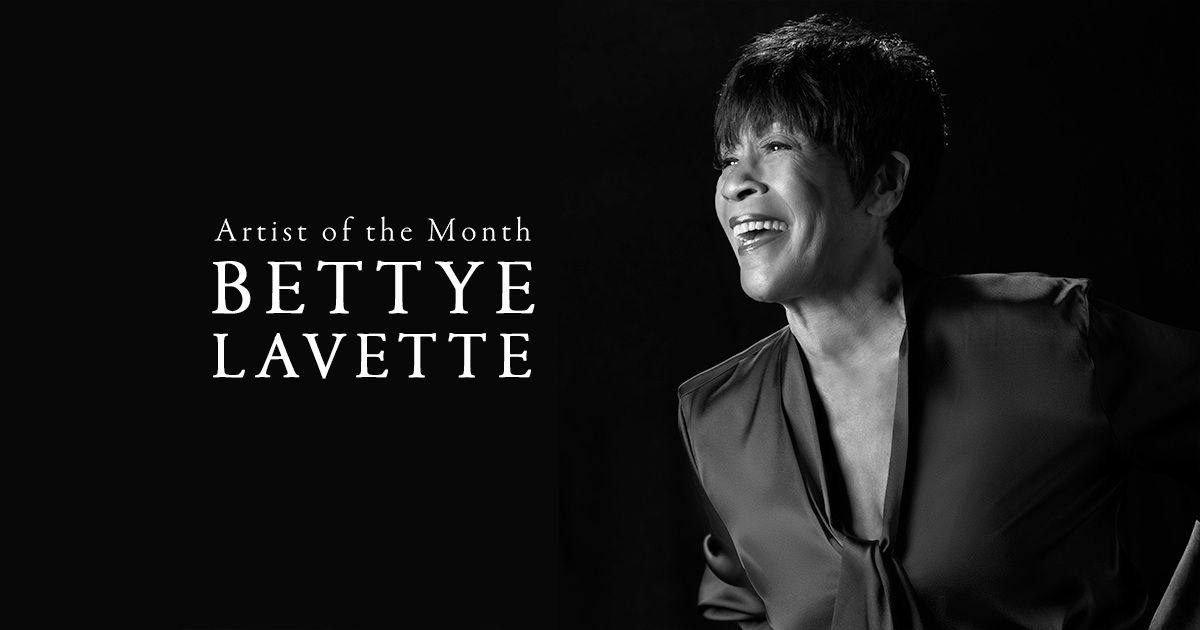
Artist of the Month: Bettye LaVette

The very definition of persistence, Bettye LaVette is among the newest inductees into the Blues Music Hall of Fame, yet she pulls her material from nearly every imaginable corner of music. In addition to her distinguished R&B output that dates to the 1960s, she has interpreted the greats of folk and country music, ranging from Bob Dylan and Patty Griffin to George Jones and Dolly Parton. Now the five-time Grammy nominee is honoring many of the Black women who inspire her with Blackbirds, a collection that takes its name from the Beatles standard. However, as LaVette has stated before, Paul McCartney wrote the song about a Black woman (as British slang refers to a girl as a “bird”). In LaVette’s rendition, though, she is the one who’s been waiting… and waiting… and waiting for this moment to arrive. And, in a specific allusion to this moment in history, to be free.

Set for release on the venerated Verve label, Blackbirds alights on August 28, though the Detroit-raised diva has already issued a stunning rendition of Billie Holiday’s “Strange Fruit,” as well as Nina Simone’s “I Hold No Grudge” and Sharon Robinson’s “One More Song.” (Songs recorded by Ruth Brown, Lou Rawls, Dinah Washington, and jazz vocalist Nancy Wilson are featured on the album, too.) Read our two-part interview — part one here, part two here — with this candid and compelling entertainer, who’s now based in New Jersey and enjoy our BGS Essentials playlist of August’s Artist of the Month, Bettye LaVette.


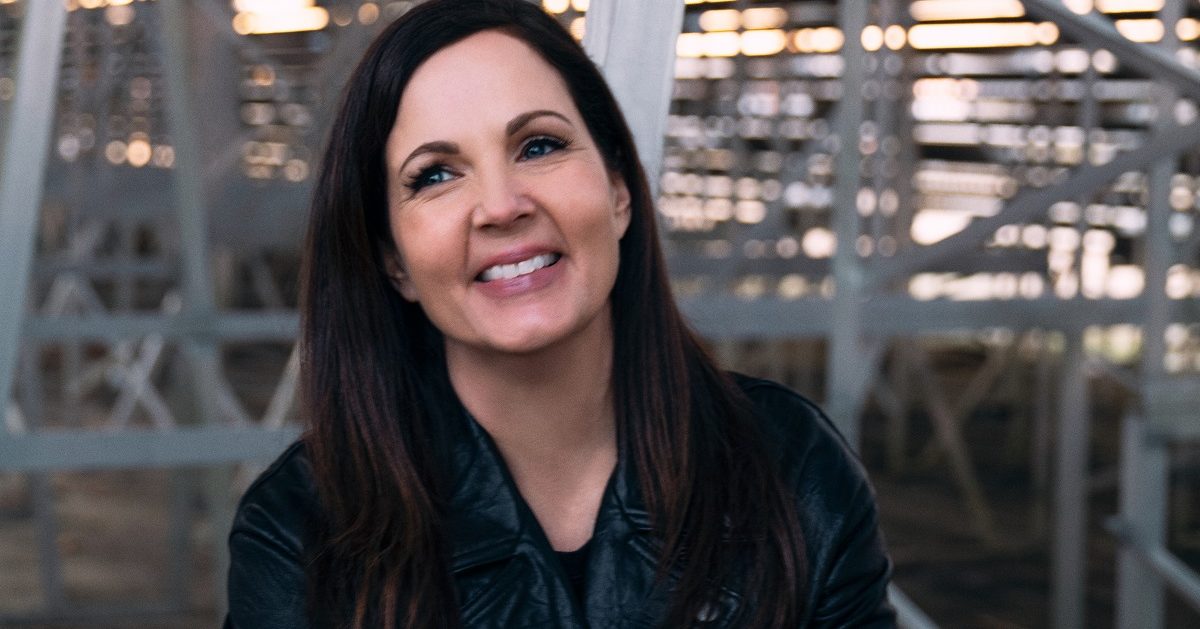
Lori McKenna Shows Love of Every Kind on ‘The Balladeer’

When it comes to capturing life’s big loves — romantic ones, sure, but also the love between siblings, parents, children, and friends — Lori McKenna is one of the strongest songwriters of our time. The Stoughton, Massachusetts-based singer finds fodder in the everyday moments that most of us overlook, reminding us that every day is worth singing about.

Her new album The Balladeer, produced by Dave Cobb, embraces the same openness, expert wordplay, and quiet wisdom that have become her hallmarks. “This Town Is a Woman” uses extended metaphor to reflect on the push-pull of a hometown. Perceptive songs like “When You’re My Age” and “Til You’re Grown” offer hope and direction to a younger generation, while “Good Fight” is an ode to hard-won, imperfect, lifelong love. The Balladeer shows McKenna at her best.

BGS caught up with McKenna by phone about where she found the courage to try open mic night, the advice she’d give to aspiring artists, and the family moments that keep her centered.

BGS: How did you first begin writing songs?

McKenna: I started writing songs with my two older brothers that were songwriters. They always wrote songs in their bedrooms and that’s what I would always do with my siblings. I grew up just outside of Boston and we were listening to singer/songwriters and talk radio and things like that, but not a lot of country music. But strangely enough, the first song I wrote was a country song about… a rodeo? [Laughs] My mother was like, Where did this come from? I joke now that I must’ve brought it along with me from another life.

How did that evolve into performing and writing professionally?

It was really unexpected. I’m sure my husband would say this as well, but I didn’t know that I could do music for a living. I never sang outside of our house, because I had such a strange voice — certainly, compared to my siblings, I have like the weirdest voice out of all of us. My siblings all sing so beautifully. [Laughs] I never thought that I really could do it.

I always say my kids really gave me the courage to really step out and try. I started doing open mics around here in the Boston area because we have this really great community of venues and a great acoustic or live music scene. But it was especially a surprise to me more than anybody else, that I could do this. It has been such a big part of my life since and I’m very thankful for it.

“This Town Is a Woman” finds so many ways to drive home the metaphor: “You curse her every time she tries to change / and when you’re not happy, you swear that she’s to blame,” which sounds like a tumultuous relationship, or “The way you talk is partly her fault / From the back roads to the church parking lot,” which sounds more motherly. What was the first example that clicked for you, that told you this was a comparison you could make?

The song came to me in a strange conversation that I had with Dave Cobb on the phone one day. He called, and he was talking about putting together a record of women singer/songwriters in the Nashville community. The next day, I was driving my daughter to school, and it just occurred to me that if a town could have a gender — you know, the way they name storms after women, or boats, or whatever — surely a town would be a woman. I mean, there’s just no question.

It’s very motherly, in my brain. She’s gonna let you grow up and push you out, but she’s gonna wait right there for you to come home if you need her. She’s always gonna see you as yourself. She’s gonna know things about you that nobody else knows. It’s that calling; that call of the blood, the call of the hometown. Springsteen talks about it in Springsteen on Broadway, how he couldn’t wait to get out of there and now he lives five minutes from where he grew up. We all have that in us. And if so, it’s definitely because … well, it’s a woman.

And you live in the same town where you grew up. What do you love about where you live?

I think there’s just something in my bones about New England; it would be hard for us to leave here. I live just up the road from where I grew up in this town — I could walk to my dad’s house — and my husband grew up here as well. Our kids had some of the same teachers we had. Family is such a big part of both of our lives. I’m the youngest of six kids. My mom passed away when I was little, and when that happened my family just hunkered in on each other. The older I get, the more I realize that my siblings are such a big part of my life. I need to be around them.

You write a lot about family, specifically about motherhood. You were young when your mother passed away, but is there any specific way you feel she shaped you, particularly as a writer?

There’s some sort of button that was pressed when we lost my mother. I had just turned seven, and when there’s a death of someone that big in a family, and you’re that young, everyone’s going to come up to you and explain that your emotion is warranted: This is a real emotion, you should have it, it’s your right to have it and own it. When kids have really blissful lives, everyone’s brushing off their emotions a lot. You’ll be okay. You fell, but you can get up. You don’t need a Band-Aid. You’re tough. But because at such a young age, I had this family around me that said, “You’re sad, and it’s okay,” it stuck with me. I gave my emotions, when they came to me, a little bit more space than some people are able to. Me having the right to a very powerful emotion at such a young age informed a lot about being a songwriter.

What advice would you give someone who’s just embarking on a career as a songwriter and artist?

The biggest thing they have to be careful of is not changing themselves to bend toward what is in style at the moment. I was so lucky, in so many ways, that I started so much later than everybody else. I was too set in my ways to change very much. Your best asset is to be yourself — nothing is going to be always right for everybody, so you might as well. I think with any kid growing up, they have to learn not to look at social media and feel like it’s a lesson book on how to be. You have to be who you are right this minute, and it may be different next year, but you still have to be who you are as an artist — even if it’s an artist that’s not ready.

You recorded the title track a little differently than the others on The Balladeer, two vocals singing in unison throughout. Why?

That was one of my favorite production moves of the record. It was Dave Cobb’s idea and I’ve never done it on a whole song before. Making demos over the years, there are times where you’ll double your vocal on a chorus, but that song actually doesn’t have a chorus. [Laughs] That’s the reason he thought to do that. He didn’t tell me he was going to do it: We tracked live, and when we finished, he said, go ahead and sing it again. I said, What do you mean? It’s over! You’re crazy! And it just came out so good. To a producer, a song like that, without a chorus, is a little bit of a challenge. And he just brought it to life.

The main character in that song struggles with an insecurity — the idea that if she stops being sad, she won’t be able to write. Have you encountered that fear in the songwriting world — in yourself or in collaborators?

I definitely have had that conversation with people over the years, and I’ve always been kind of the opposite of it. I’ve been so lucky in my career and in my life, and I’ve had so many blessings — things I don’t even know how I got so lucky to do. People sometimes ask me, “How are your songs so sad when you’re so happy?” … But I think your job as an artist or as a songwriter is to learn how to not always need the pain to be able to write. Pain cannot always have to inform your craft. Once I discovered that character in “The Balladeer,” I liked the idea of her being challenged by that, and then coming back and realizing that there is pain in life no matter what — it just doesn’t have to be all of it.

So many of your songs are a good reminder of that balance, the good and the bad. Right now, is there anything in your life that centers you when things get tough?

That’s such a good question, especially now, because we don’t really know what’s next. Every day is like four days, emotionally. This whole time and space thing is like… you forget what day of the month it is, but you’ve had four emotions before lunchtime. For me, I still draw from music, and I’ve had really, really great dinners in the backyard with my kids, because everyone’s slowed down a bit.

In the past, my husband and I have taken the kids on vacation, tried to do all these things to make all these moments. But this year my favorite moments have been sitting in the backyard, with takeout, and talking to each other. We’ve all had to slow down a little bit, and as scary as that seems sometimes, I’ve tried to find the beauty in it. Watching most people around me find the beauty in it has been rewarding, too.


Photo credit: Becky Fluke