WATCH: Chris Knight, “I’m William Callahan”

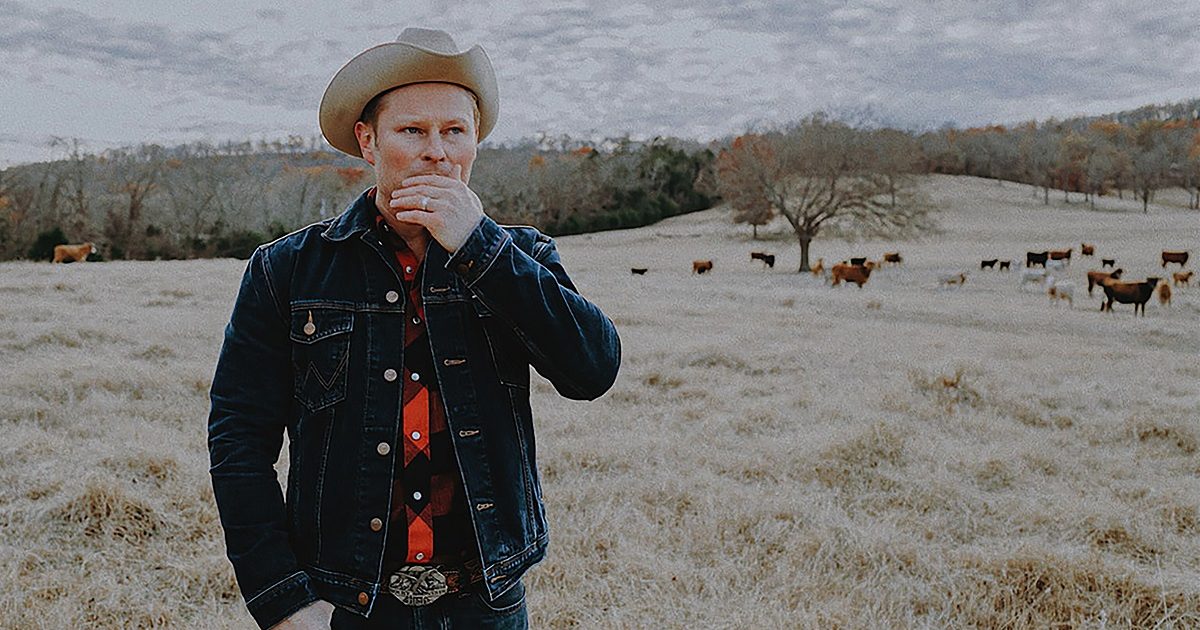
Artist: Chris Knight
Hometown: Slaughters, Kentucky
Song: “I’m William Callahan” (Niangua Coffee Sessions)
Album: Almost Daylight
Label: Thirty Tigers

In Their Words: “I wrote ‘William Callahan’ with a friend of mine, Tim Krekel. We both were staff writers for Bluewater Music then. We wrote it and went on to the next song. I pulled the song back out before Almost Daylight and rewrote some lines and completely changed the melody. It’s probably my favorite song on the album now.” — Chris Knight

“While we were in Kentucky filming Chris’ recent music videos, we decided to take some time one afternoon and film a few live performances behind Chris’ barn. The acoustic performances turned out to be some of the most intimate, raw songs we’ve ever captured.” — Nathaniel Maddux, Slate & Glass, director


Photo credit: Ray Kennedy

WATCH: Market Junction, “Nebraska”

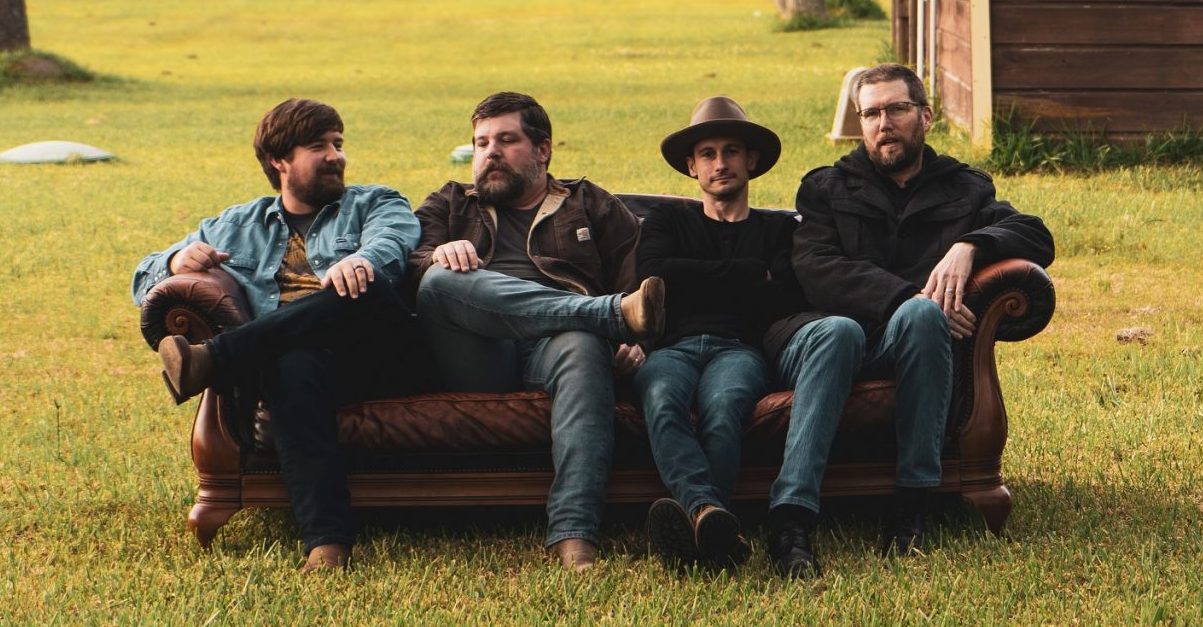
Artist: Market Junction
Hometown: Houston, Texas
Song: “Nebraska”
Album: Burning Bridges
Release Date: Aug. 7, 2020

In Their Words: “What we are most afraid of is that this dream of making a living in music and simultaneously being the fathers and husbands we know we need to be is impossible. This song is a foreshadowing of that fear. Sometimes you have to speak your fears out loud to relieve the tension in your own chest. ‘Nebraska,’ at least in this song, is less about a geographical location but more of a metaphor for whatever place you find yourself lost in.” — Matt Parrish, Market Junction


Photo credit: Jason Allison

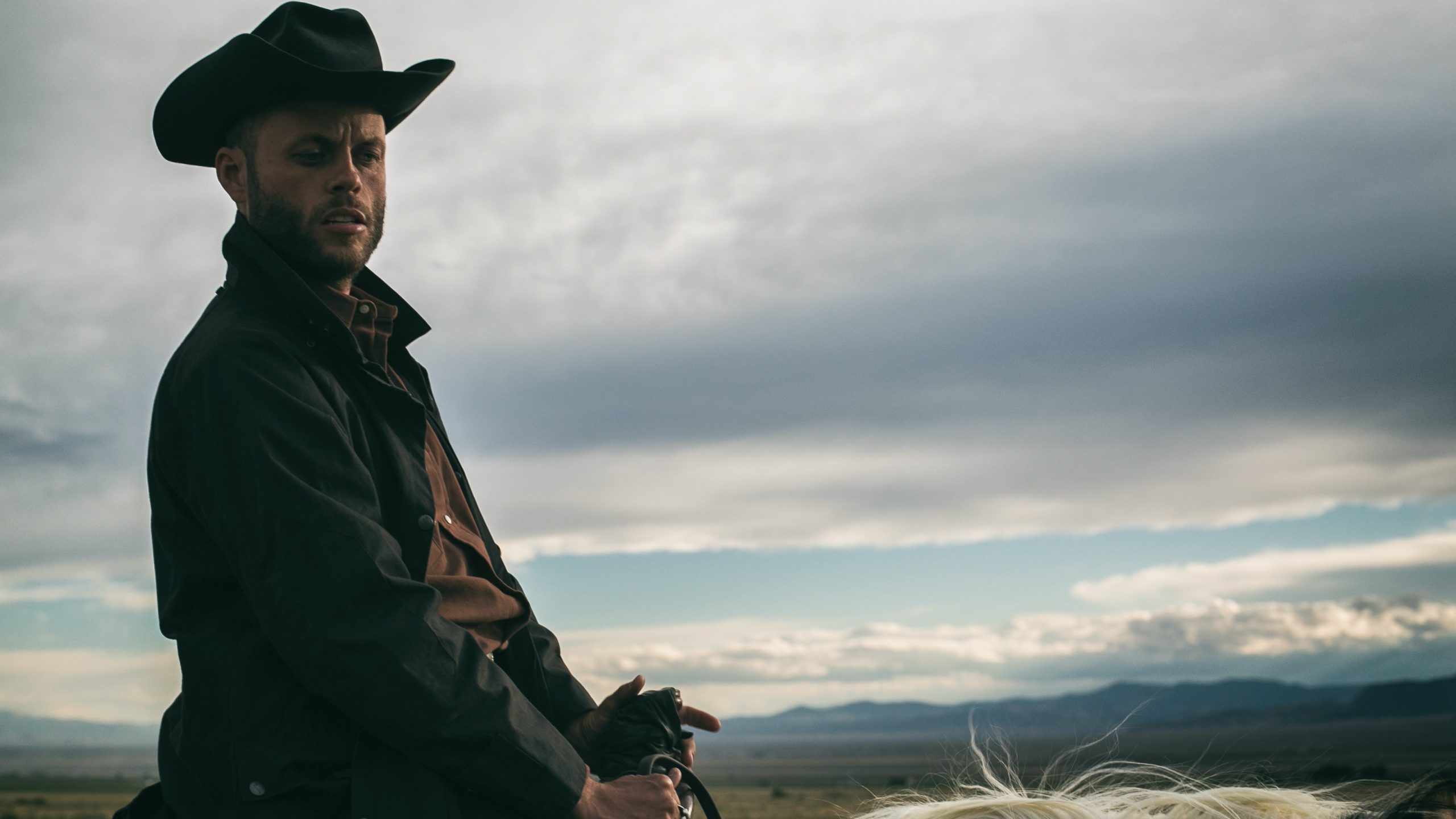
WATCH: Charley Crockett, “Run Horse Run”

Artist: Charley Crockett
Hometown: San Benito, Texas / Austin, Texas
Song: “Run Horse Run”
Album: Welcome to Hard Times
Release Date: July 31, 2020 (album)
Label: Son of Davy/Thirty Tigers

In Their Words: “I remember seeing the races at Louisiana Downs in New Orleans when I was a kid. I remember the tension in people’s hands while they waited to see who would win. Like a coin flipping in the air. The dirt flying behind those horses as they ran. They looked like they were running as if they’re life depended on it. I’d say it did.” — Charley Crockett


Photo credit: Bobby Cochran

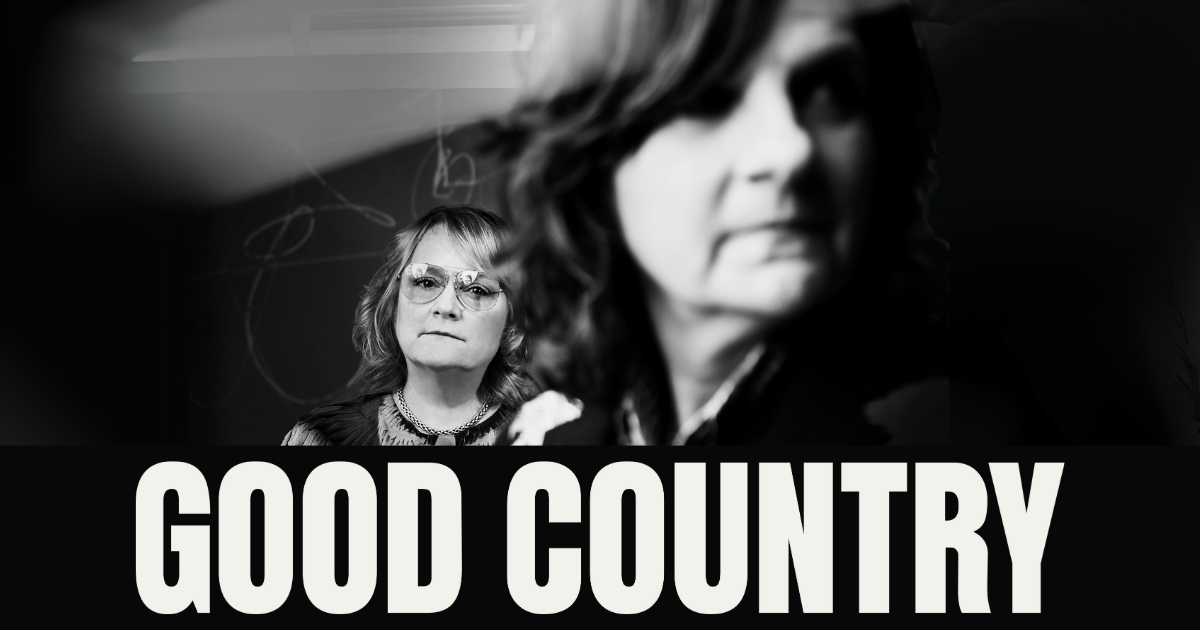
Indigo Girls Expand “Country Radio” With Black, Brown and Queer Musicians

Hollywood, the 2020 Netflix series from director-screenwriter Ryan Murphy, is a resplendent show dripping in Art Deco that does not wholly reimagine Los Angeles’ golden era, but rather subtly inserts a quintessential question: “What if?”

What if Hollywood hadn’t been as… ___-ist? (Sexist, racist, misogynist, ageist, etc.) If one happens to be born into a region, a folkway, a culture, an art form that doesn’t include you, or that doesn’t quite love you back, one often doesn’t realize it until it’s too late. And then what? Do we, the rural, country-loving queers, wait around for our Ryan Murphy to reimagine the world to better include us? Not quite.

For Emily Saliers and Amy Ray of Indigo Girls — and, for that matter, almost each and every queer who has ever loved roots music — that “What if?” question is existential, but it also doesn’t matter. What if country music loved LGBTQ+ folks? The lyrics of “Country Radio,” a track off the duo’s sixteenth studio album, Look Long, tell it plainly: “But as far as these songs will take me/ Is as far as I’ll go/ I’m just a gay kid in a small town/ Who loves country radio.”

While curating the following playlist of their favorites from country music airwaves and songs they wish were included there, Saliers and Ray offer a quite simple solution actionable in each present moment: Be who you are, listen to the music that brings you joy, love who you love — and be anti-racist.

Emily Saliers: [I began with the idea:] What are the songs that I listened to that I latched onto, that sort of gave me a feeling of “I can’t get into this song [because of its heteronormativity], but I love this song so much”? One of the first songs that came to mind is “Mama’s Song” by Carrie Underwood. 

I should preface this by saying, I don’t expect that there can’t be heteronormative country songs, or that queer life has to be explicitly represented in songs, it’s not that. It’s the feeling of the way a song moves me emotionally, but then it stops me a little bit short of being able to fully experience it because of the language or the obvious implications of man and woman.

I love Carrie Underwood’s voice and she’s taken more of a harder, pop direction since “Mama’s Song,” but she sings this so beautifully. She’s talking to her mother, “He is good… he treats me like a real man should,” and yet the beauty of her song [is in] her telling her mom that’s she’s going to be okay. 

Amy Ray: For me it’s a little different because I never had the experience of feeling like I wish I could put myself in a song. I think it’s because, gender-wise, I always just related to the male singers. I kinda have that gender dysphoria, you know? [Chuckles] I have these filters that sort of make it my own — probably out of necessity, from growing up loving the Allman Brothers, Pure Prairie League, and Randy Travis so much. [Sings] “Amie, whatcha gonna do?” Pure Prairie League!

It’s very odd — Emily’s perspective on this is something I can understand, and I agree that it’s this weird disconnect with country music. We have to kind of acclimate it to ourselves, in some way, using some kind of trick in our minds. But I’ve always had that internal translator…

ES: Another example is Brett Young’s “In Case You Didn’t Know.” Now this is a song that you can listen to and fit your own queer life into it — as far as I remember it doesn’t have any gender pronouns. Then I watched the video and of course he’s singing to a woman who comes into the audience and he plays to her, alone. It’s a love song to his girlfriend — or wife or partner or whatever — so I could live in that song and think back to relationships and apply it in my own life, but then I watched the video and that door shut a little bit.

AR: I love Angaleena Presley, the Pistol Annies. Presley is such a great writer. “Better Off Red” is one of my favorite songs that she’s written… Honestly, if I hear songs, if I like it, I just put myself in it. I don’t really think about it or worry about it. It’s a survival mechanism from my youth, not that it’s the right thing to do. It’s built inside me.

…I thought you couldn’t be a country singer if you were gay and left-wing and a complete dyke. That made me feel more alienated than the songs themselves, that idea of its inaccessibility. Or, if you went to a show and you were sitting there in that audience, in the early days before it all kind of busted open, you would feel scared. Or judged. Or uncomfortable.

ES: Think about what a splash that song by Little Big Town, “Girl Crush,” had. Just the implication of a lesbian relationship or feelings! That song was a big hit, but it got people talking. [Probably] the majority of the people in this world lean more heteronormative, so they’re representing themselves in these songs. There’s absolutely nothing wrong with that. 

I wouldn’t want to listen to just albums that are for and by queer people, oh my god. No way! But we have to have them as part. I think about what an influence Ferron was, how much Amy and I love Ferron. When her first album came out, it was like, “Oh my gosh this is one of the best songwriters in the country and she’s queer!” I can’t describe how important it was to have an artist like that.

Even Lil Nas X, who had the number one hit forever-ever-ever with Billy Ray Cyrus. It’s awesome to know that he’s queer! And a guy like Young Thug, a rapper out of Atlanta, who’s not gender normative by any stretch, to me. It’s interesting. It’s good to have a mish mosh! It’s not that the majority of songwriters out there can’t be represented in their own songwriting, we just have to have ours, as well.

AR: [We] should add Amythyst Kiah. Amythyst is amazing.

[Racism] is the pivotal struggle of the Americana scene and the roots scene. How do you honor Black and Brown folks who want to be in this scene — and maybe some of them don’t even want to be in this scene because even Americana is rooted in questionable legacy. How much do people of color want to be immersed in that scene when it still feels so racist? Even the best parts of it. It’s a huge question to unwrap and it has to do with such a long history of where country music came from.

We stole the banjo and put it in our hillbilly music in the mountains and called it our own. We forgot all the stuff we learned from “our slaves,” you know? It’s crazy to me, if you think about the racist roots of where a lot of this comes from. Merging this racist legacy with this incredible populist music — music for the people, like Woody Guthrie, like the Carter Family. You get those two things bumping up against each other constantly, how do you entangle that and make this a space where it doesn’t matter what color you are? Where it doesn’t matter what your religious persuasion, or your political party, or your gender, or your sexual preference, or anything.

I think the way we deal with it is by all of us thinking all the time and being mindful of [that racist history]. And including [Black artists] in our playlists and touring with them. Some people are like, “What does it mean if you’re forcing this integration? Is it just going through the motions?” No! No, no, no.

ES: I’ll [echo] the things that Amy said, practically: Tour with Black musicians or Brown musicians or musicians who have not been able to feel that they’re welcome and make everybody welcome. Like Amythyst or Chastity Brown. Those are artists of color who have been discriminated against, who feel other-than in the world of their genres.

I think, first, we all — we white people, we people “of no color,” we “colorless” people — should dig deep, identify our own racism and how far it goes, how much we use it. Break it down, talk about it, identify it in each other. Really start from the core of things and hopefully act outwardly as a result of what we’ve dug through, inwardly. Try to heal and fix, you know? We’ve got to ask artists of color what their experience is like and why it’s like that. I’ve got to assume that there must be some Black artists, who if they hear a song from a white, country, roots singer about the freedom of driving down a dark, country road, they’re not going to feel the same way about the history of Black people down dark country roads. A lot of it is context and, as Amy says, there’s so much to be unraveled. But we are at a tipping point.

AR: Sister Rosetta Tharpe, I feel like there’s a lot of crossover, to me from that and the beginnings of early rock ‘n’ roll. That’s kind of what Elvis Presley was doing and borrowing from. I think about that sometimes, that territory. I like old recordings, like field recordings almost, of all the Alan Lomax type stuff he would collect. Field songs, prison songs. I think a lot of country writers have taken from that stuff, you know? 

I remember an interview with Kathleen Hanna that really resonated with me. She said, when they ask you who your favorite artists are, most of us name all these male artists. That’s who we can think of, because that’s who’s archived the best. Straight men, bands, and writers. If you sit down and really think about who you love and make a list of the women and the queer folks — this is what she was talking about, she wasn’t talking about color at the time or race or the social construct of race — and you take that list to your interviews and rattle off those names, you’ll be more honest, because you’ll be talking about who you really listen to and not just trying to remember [anyone] off the top of your head. 

People are so out of the habit — and so in the habit — of white supremacy that we don’t even know how to do the right things, just in our instincts. We have to learn, write it down, so we remember to do it.


Photo credit: Jeremy Cowart

This interview has been edited and condensed for clarity.
LISTEN: The Sons of the Soul Revivers, “It Isn’t Safe”

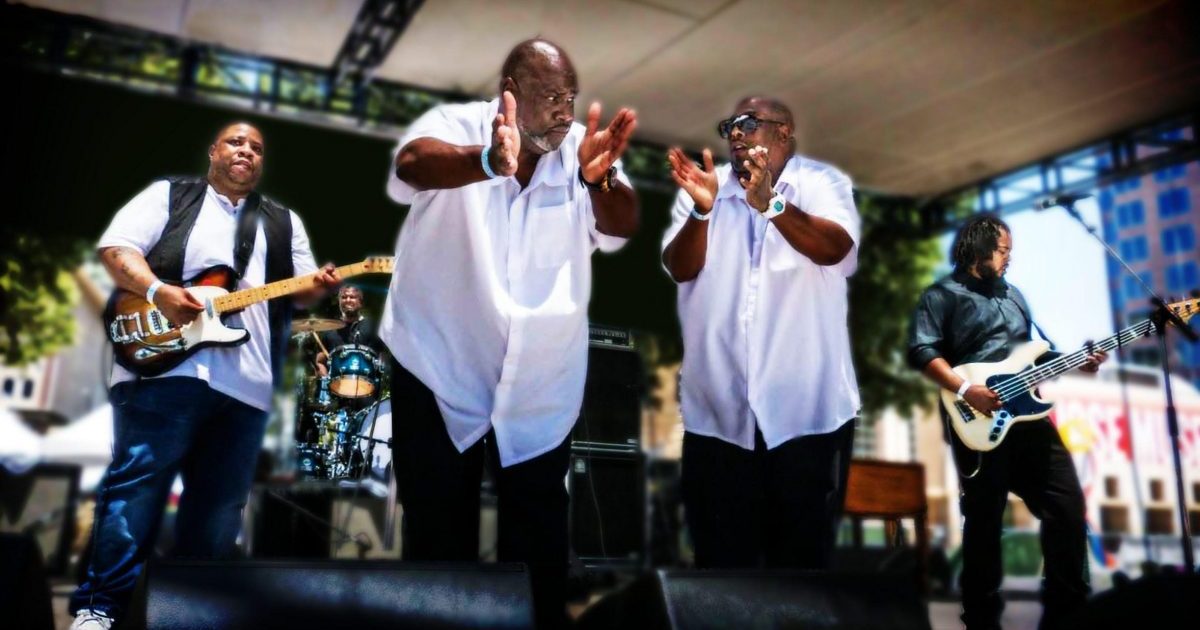
Artist: The Sons of the Soul Revivers
Hometown: Vallejo, California
Song: “It Isn’t Safe”
Album: Songs We’ll Always Sing: A Tribute to the Pilgrim Jubilees
Release Date: July 12, 2020
Label: Little Village Foundation

In Their Words: “Ever since I heard the album the Pilgrim Jubilees put out in 1973, the title is Don’t Let Him Down, I think I’ve gravitated especially to this song, ‘It Isn’t Safe.’ It was the last song on the ‘B’ side. And Cleve Graham, the leader of the Jubilees, shared with us the premise of that song. They were in Chicago, and Cleve said his brother Clay, who’s no longer with us, may he rest in peace, walked in and had a disgusted look on his face. Walking back from church, he’d seen two men attacking a lady. And Clay said, ‘You know what? It isn’t safe anywhere anymore.’ And he wrote the song.

“The message in it, from 1973 and here we are in 2020, and the message is still on point. The distrust of law enforcement, and law enforcement distrusts the public… we have yet to come to a common ground on how we can get along. I’m hoping and praying that this song will resonate with people in general. The lyric goes, ‘We should treat sin just like dirt, and with the broom of faith we should sweep it aside.’ I love that. It’s the only way we’re going to survive. ‘Do unto others as you would have them do to you, I declare that this is all you have to do. It isn’t safe….'” — James Morgan, The Sons of the Soul Revivers


Photo courtesy of the Sons of the Soul Revivers

LISTEN: Michaela Anne, “Good Times”

Artist: Michaela Anne
Hometown: Nashville, Tennessee
Single: “Good Times”
Label: Yep Roc Records

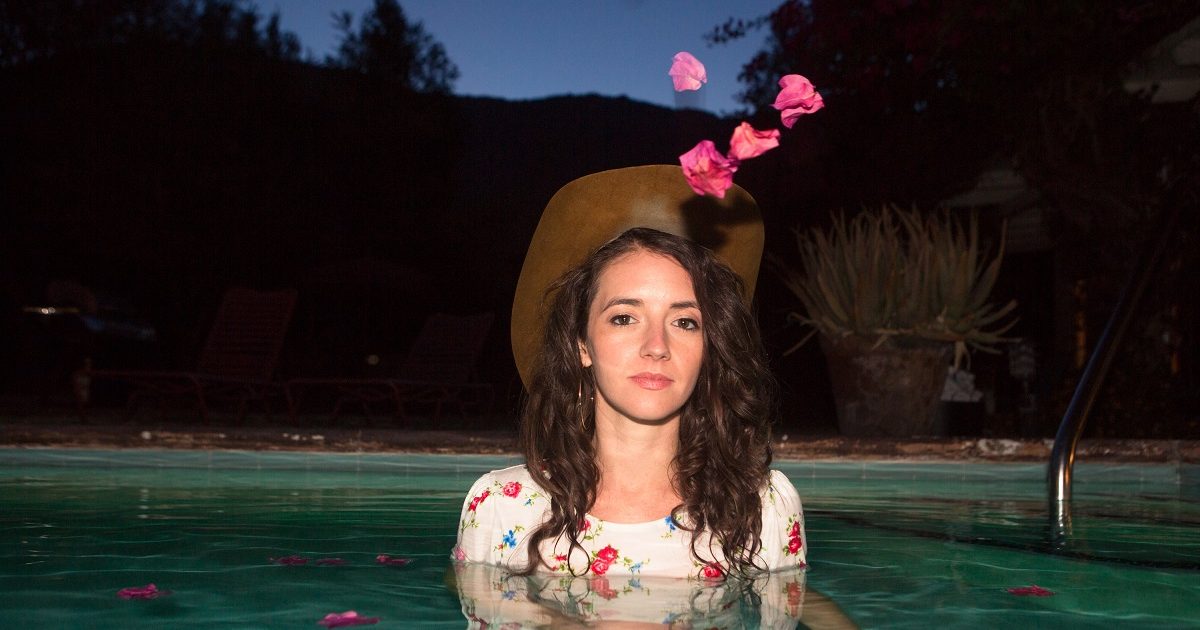
In Their Words: “Hope and optimism are two things I have to work hard to keep. I often write songs as reminders or affirmations for myself and for the people I love. ‘Good Times’ is a prime example of that. Trying to remember the blue sky is always there behind the clouds.” — Michaela Anne


Photo credit: Matt Wignall

BGS Long Reads of the Week // June 26

The BGS archives are simply a wealth of rootsy reading material. Each week we share our favorite longer, more in-depth articles, stories, and features to help you pass the time — summertime, COVID-19 time, or any ol’ free time you might have! We post our #longreadoftheday picks across our social media channels [on FacebookTwitter, and Instagram]. But of course, if you get ’em all right here in our weekly collection, that’s fine too!

This week’s long reads are about revitalization, reverence, rainbows, and real wisdom.

John Moreland Figures Out How to Love Music Again

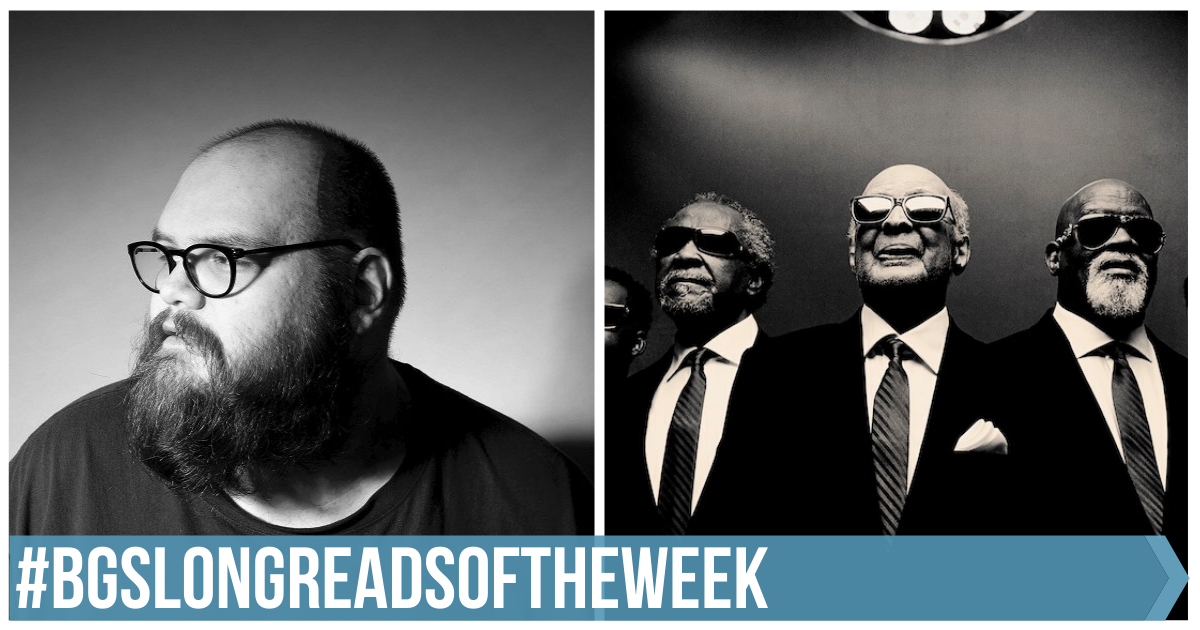
We love a long read, yes, but we definitely love a birthday more! On Monday, we combined the two (as we do), celebrating Oklahoma singer/songwriter John Moreland’s day-of-birth with a revisit to our February interview about his latest album, LP5. While some listeners may have found the record to be something of a departure for Moreland, for his part, the “out there” elements of the music are what helped him learn to love creating again. [Read more]


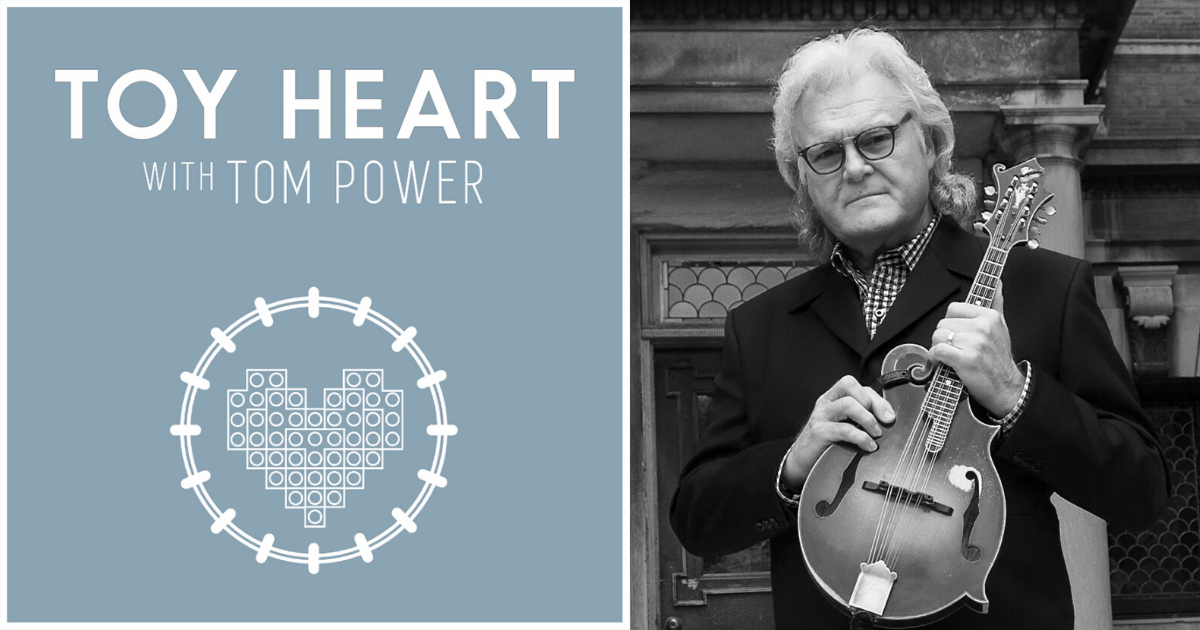
Ricky Skaggs – Toy Heart: A Podcast About Bluegrass

Yes, this is a podcast, so technically this is a long listen rather than a long read, but we have good reason. Four years ago this week, Dr. Ralph Stanley passed away. As more and more of our bluegrass forebears leave us, their memories are even more important. On a recent episode of Toy Heart, hosted by Tom Power, Ricky Skaggs shared stories of his time with Ralph, the Clinch Mountain Boys, and Keith Whitley. It’s worth a listen to honor one of the most pivotal popularizers of this music. [Listen to the episode]


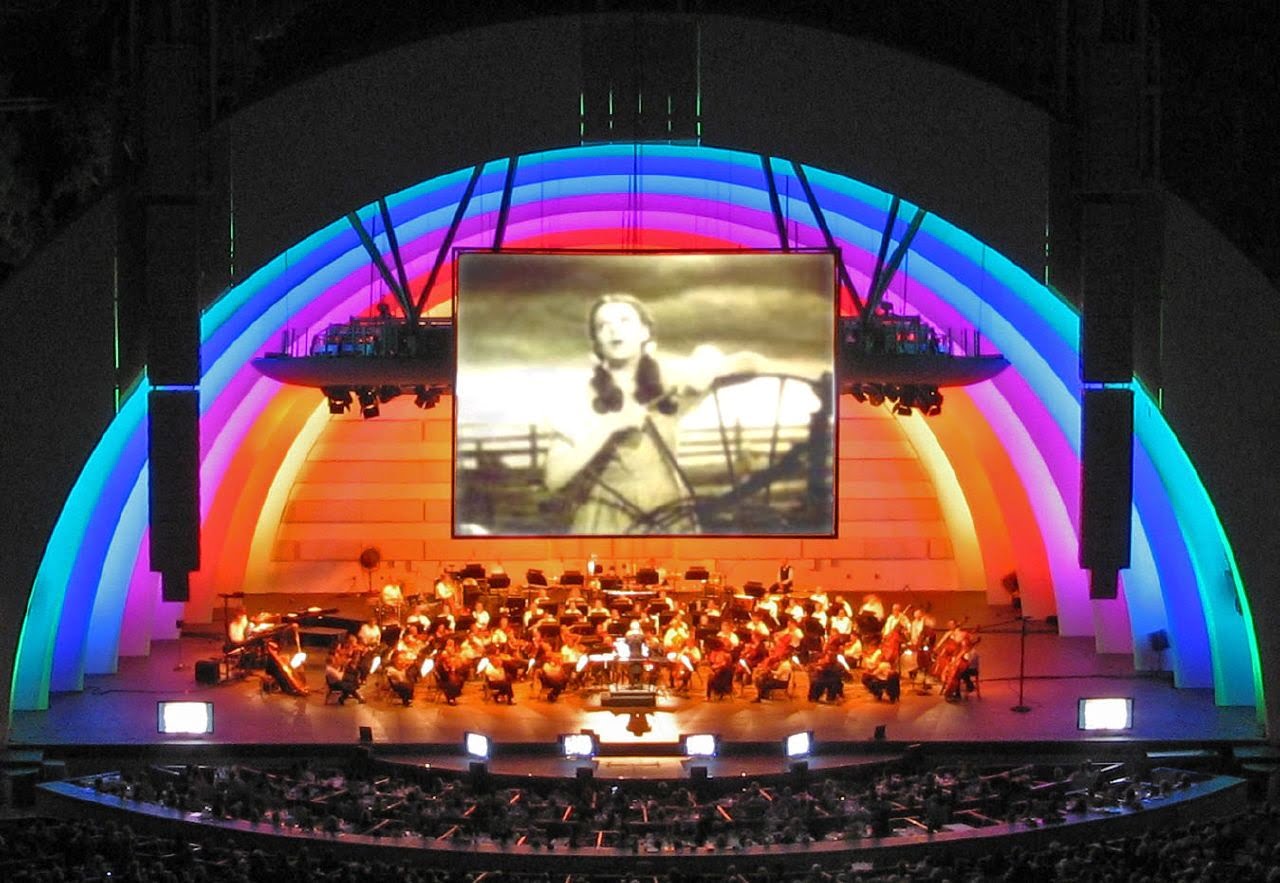
Way Above the Chimney Tops: A Pride Celebration of “Over the Rainbow”

Pride month is always full of rainbows, but never enough roots music! A couple of years ago we collected a handful of our favorite folky, country, bluegrassy, rootsy, ukulele-strumming renditions of “Over the Rainbow” to celebrate Pride month and each year since it’s been well worth a revisit. What cover of “Over the Rainbow” is your favorite? Did it make the list? [Read & listen here]


Counsel of Elders: Blind Boys of Alabama’s Jimmy Carter on Singing From Your Spirit

One quote from our 2017 interview with Blind Boys of Alabama founding member Jimmy Carter is enough to confirm this edition of Counsel of Elders’ excellence: “People ask me, ‘You’ve been doing this for almost seven decades, what keeps you going?’ I tell them, ‘When you love what you do — and we love what we’re doing — that keeps you motivated.'” 

You’re going to want to read the rest! [Read the full interview]


Photo of John Moreland: Crackerfarm
Photo of Blind Boys of Alabama: Jim Herrington

MIXTAPE: Kyle Nix’s Fiddle Tunes & Bluegrass Songs That Inspire

Hey everyone! My name is Kyle Nix and I fiddle for the Turnpike Troubadours. I’m also a solo artist and have a record coming out June 26 called Lightning on the Mountain & Other Short Stories. As a bluegrass fiddler and songwriter, I’ve put together a list of fiddle tunes and bluegrass songs from artists that have inspired me through my journey and continue to do so every time I hear them play. Hope ya enjoy these ditties! — Kyle Nix

Michael Cleveland – “Lee Highway Blues”

Michael is the most dynamic fiddler I’ve ever seen and perhaps the most dynamic musician. Incredible player.

Sara Watkins – “Long Hot Summer Days”

Sara and I are close to the same age and I’d see her at bluegrass festivals from time to time. I think it’s pretty neat that my band (Turnpike Troubadours) and Sara both recorded John Hartford’s “Long Hot Summer Days” around the same time. Love her version!

Byron Berline – “Flyin’ Fingers”

Byron’s a friend and a hero of mine. I’m always learning from him and he’s still got a fire in his belly. He composed and recorded “Flyin’ Fingers” a few short years ago and it’s a fine example of how he’s still “got it.”

Sierra Hull – “From Now On”

Sierra is one of the virtuosos. She makes it look easy. Big fan right here! Dig the tune “From Now On.”

Chance McCoy and the Appalachian String Band – “Yew Piney Mountain”

Love this version of “Yew Piney Mountain” by Chance McCoy. Chance is a real talent, from The Appalachian String Band to Old Crow Medicine Show.

Kenny Baker “First Day in Town”

Huge fan of Kenny Baker’s fiddling and his melodies abound. “First Day in Town” is a mean one!

John Hartford – “Steamboat Whistle Blues”

John Hartford’s Aereo-Plain is one of my favorite albums and “Steamboat Whistle Blues” is one of my faves on the record.

Aubrey Haynie – “Bill Cheathem”

A stellar version of “Bill Cheathem” here by Aubrey Haynie — a fantastic, killer fiddler!

Alison Krauss & Union Station – “Man of Constant Sorrow”

This is the one that kicked off the bluegrass craze of the early 2000s. Each member of this band, a Giant.

Ricky Skaggs & Kentucky Thunder – “Shady Grove”

I remember the first time I heard this version…. My eyes about bugged out! Blisteringly fast, clean as a whistle. Outrageously good!

Byron Berline – “Sally Goodin”

Byron’s version of Sally Goodin is the quintessential version of the song. Here, he’s joined by Bill Monroe and Earl Scruggs… and it’s beautiful, man!


Photo Credit: Amber Watson

WATCH: Aaron Burdett, “Dirt Poor”

Artist: Aaron Burdett
Hometown: Saluda, North Carolina
Song: “Dirt Poor”
Label: Organic Records

In Their Words: “This new video for ‘Dirt Poor’ is shot at my childhood home, where my folks still live. It includes old scrapbook photos of my family and their friends, interspersed with shots of my daughter playing in the same places and in the same way my brothers and I did back in the ’80s. To me, this song at depth is about nostalgia and aging and time. Things are totally different now, but also the same as they were way back when. As hard as it is to remember to do, we should all try to cherish the moment we’re in now, today. It may well be what we’re looking back on years down the road as the ‘good old days.’ Hope you enjoy it!” — Aaron Burdett


Photo credit: Sandlin Gaither

LISTEN: Matt Lovell, “The Way That It Was”

Artist: Matt Lovell
Hometown: Nashville, Tennessee
Song: “The Way That It Was”
Album: Nobody Cries Today
Release Date: June 19, 2020

In Their Words: “‘The Way That It Was’ is probably the most personal song on the album. I wrote it with my friend Mike Applegate during a tumultuous time that happened to fall right before the recording of Nobody Cries Today. I think everyone probably has experienced some version of the story told in this song — some ‘way that it was’ that they have left behind. Anyone who knows me personally will know exactly what I’m referencing in this song, and will likely hear the tired pain in my voice as I sing about my ‘way that it was.’ As a gay man of Southern origin, my road to self-acceptance was a long one, with many stops along the way. Nearly losing my life in a shooting somehow created just the sort of disruption needed to help me find that acceptance — both for myself and for the world I’m living in.” — Matt Lovell


Photo credit: Jason Lee Denton