Luck Reunion 2019 in Photographs

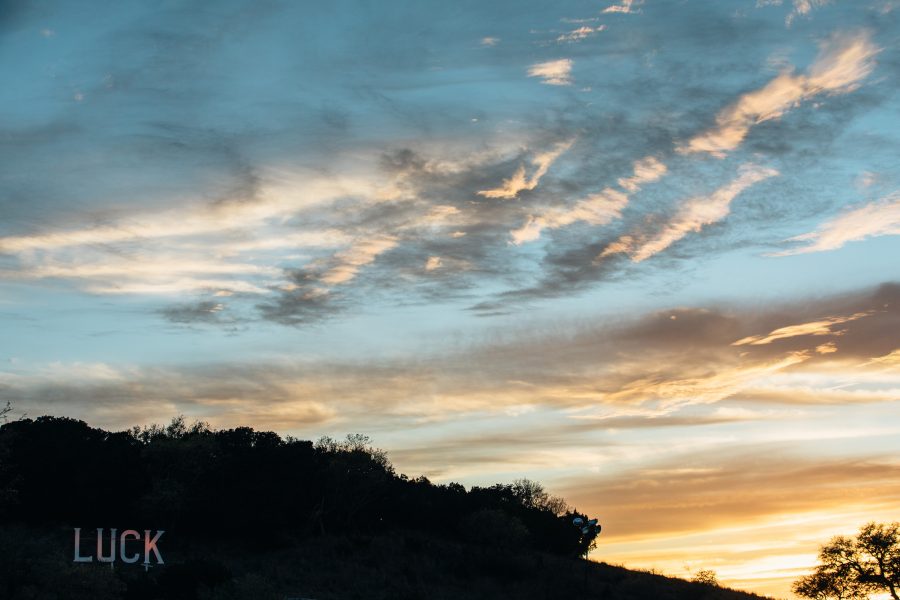
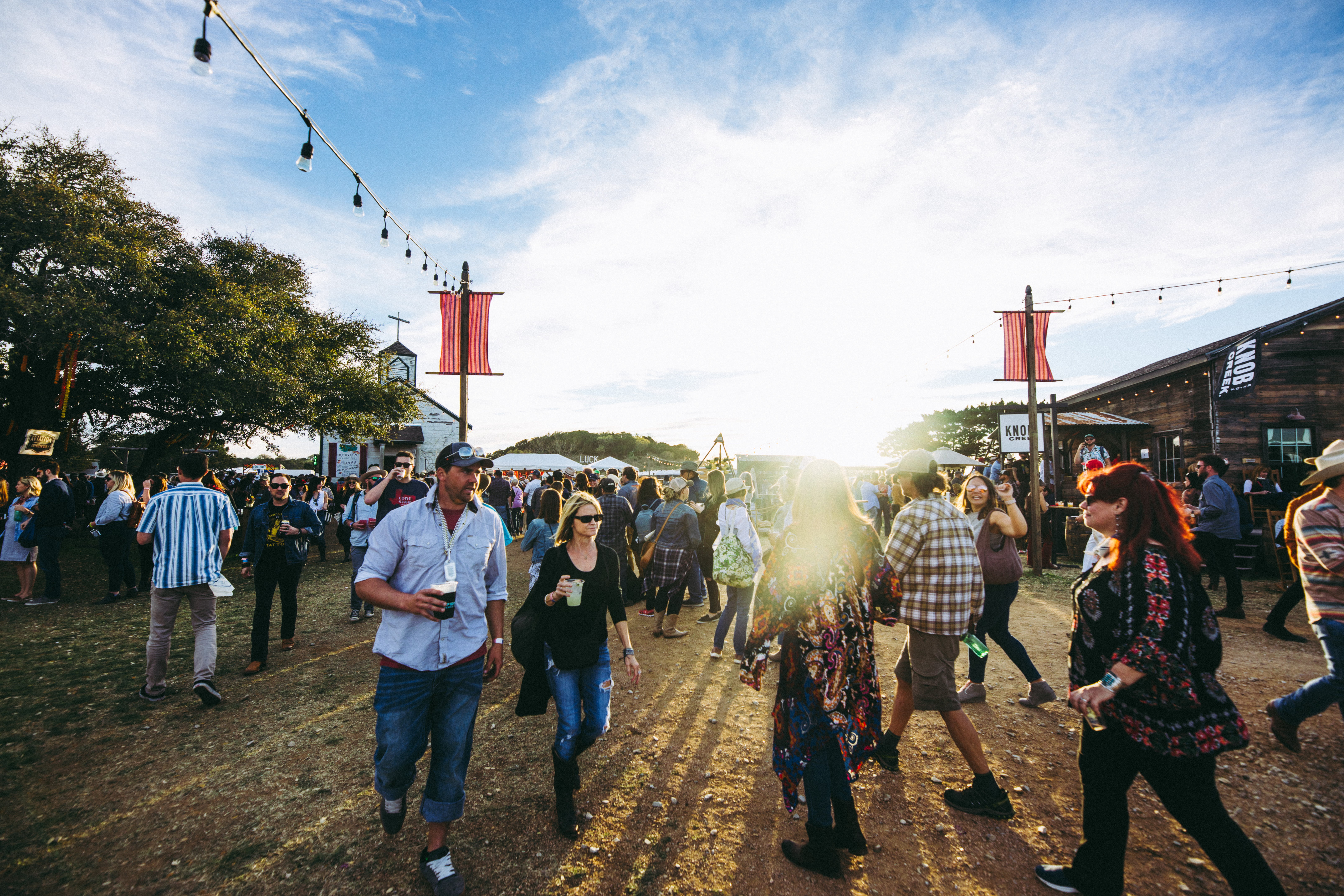
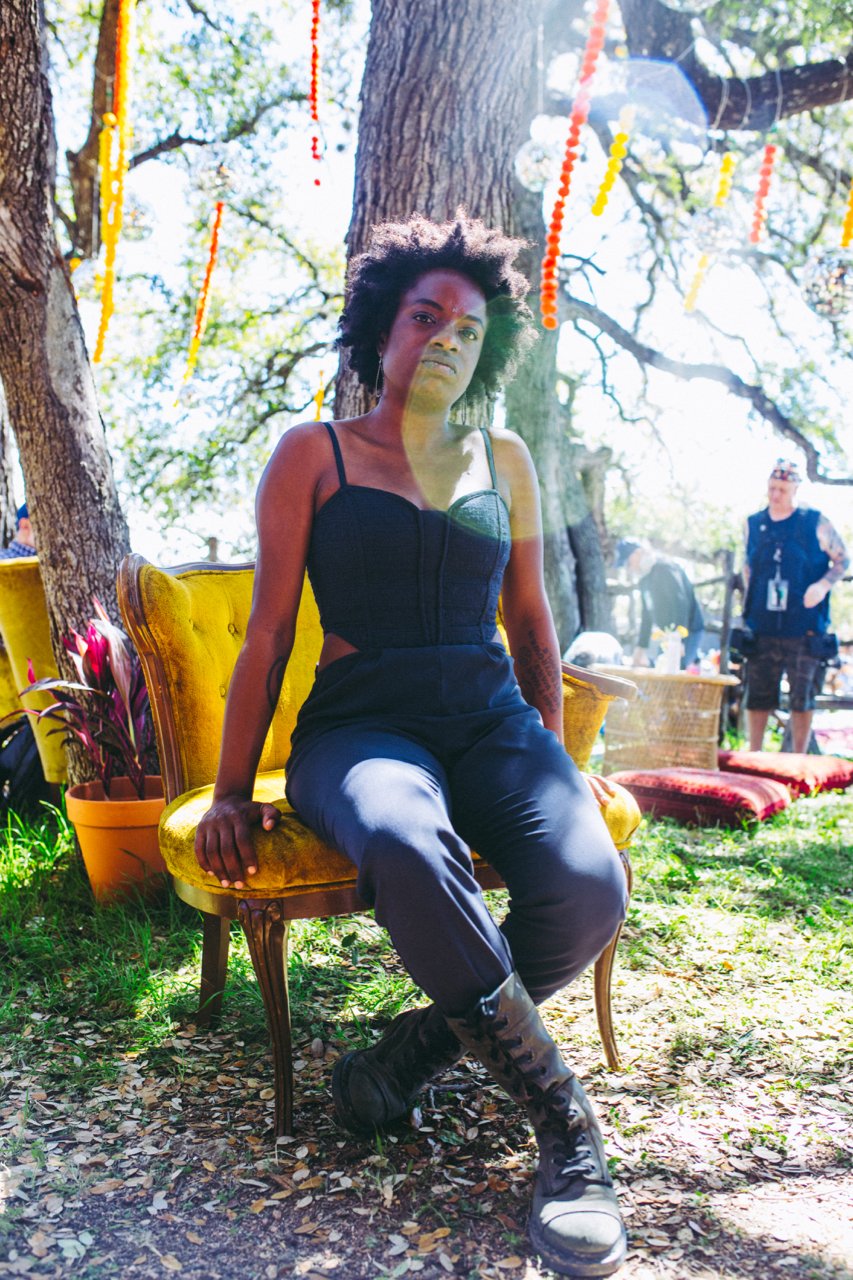
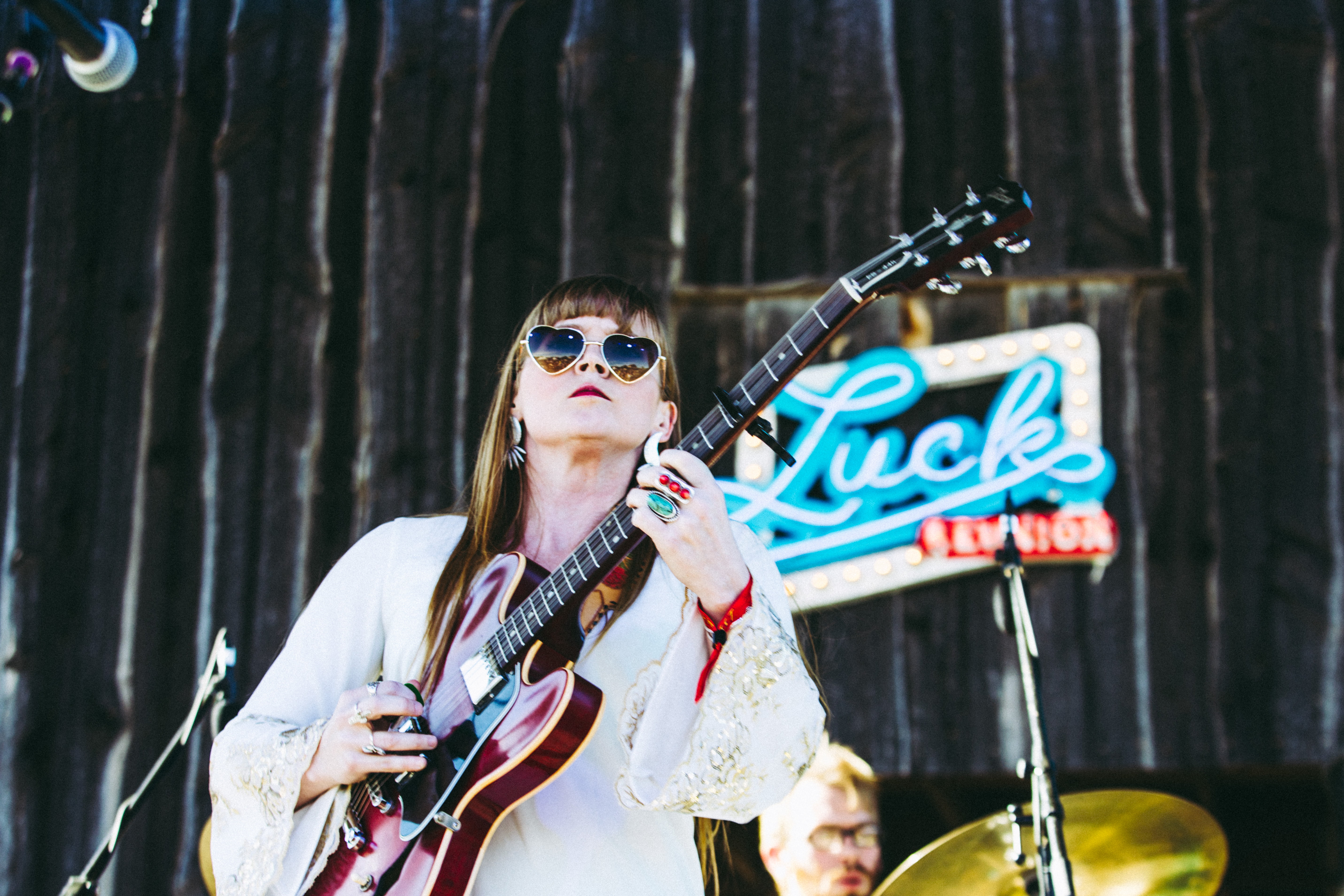
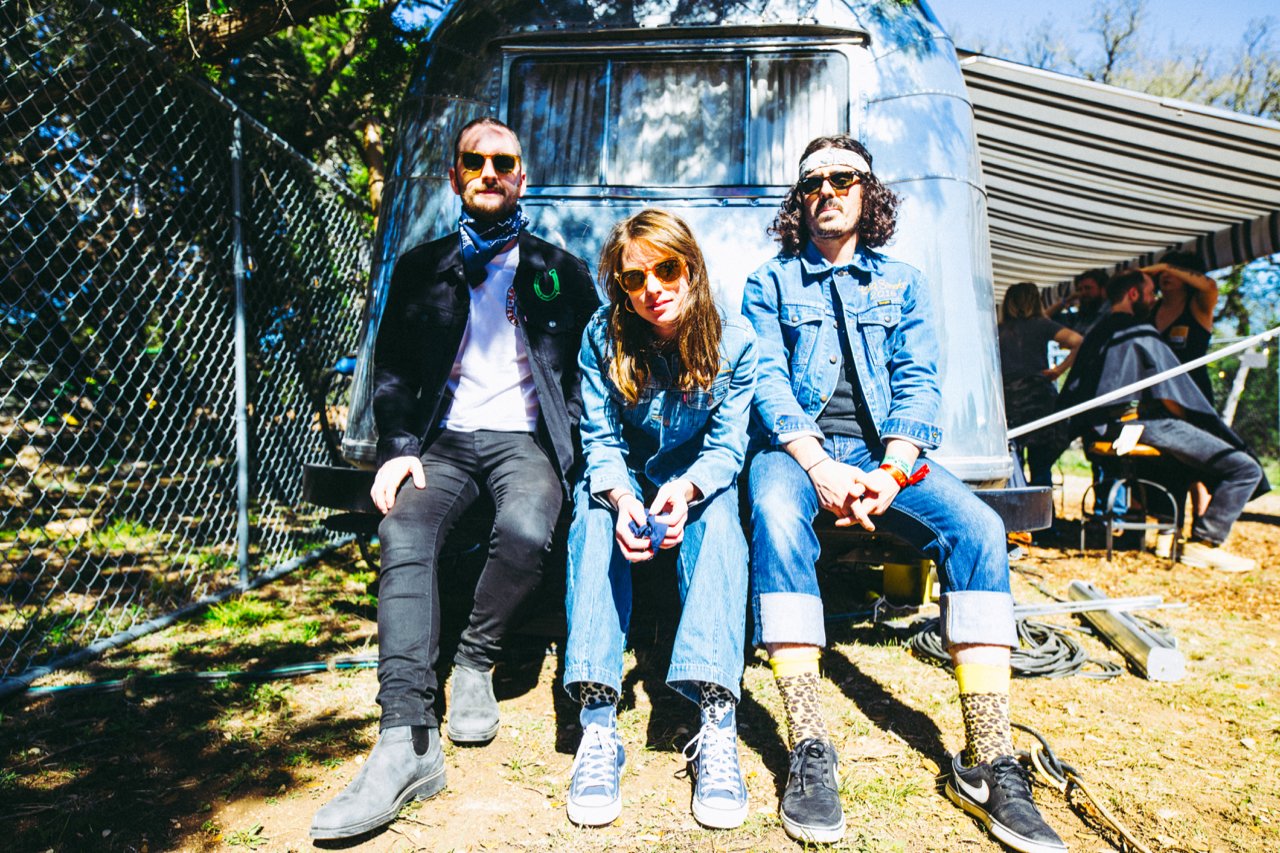
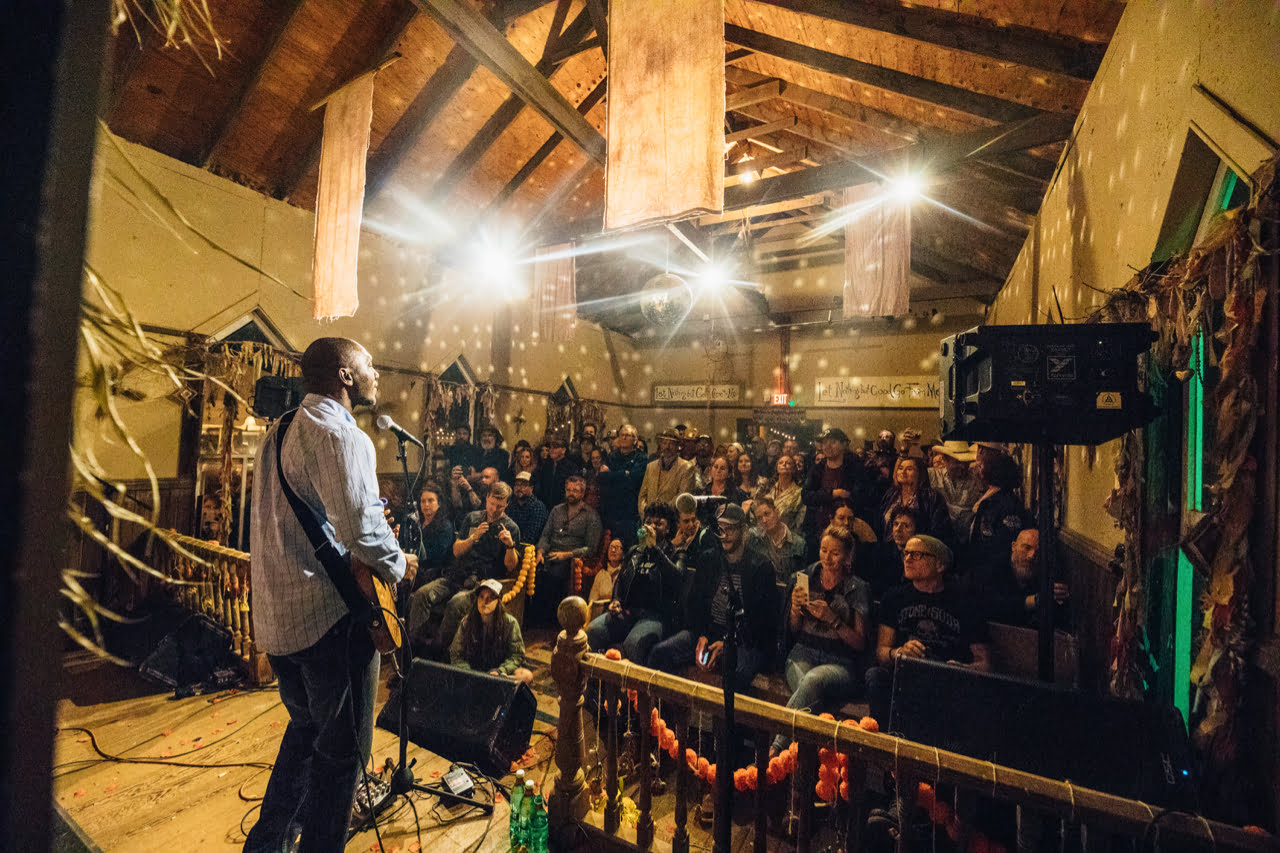
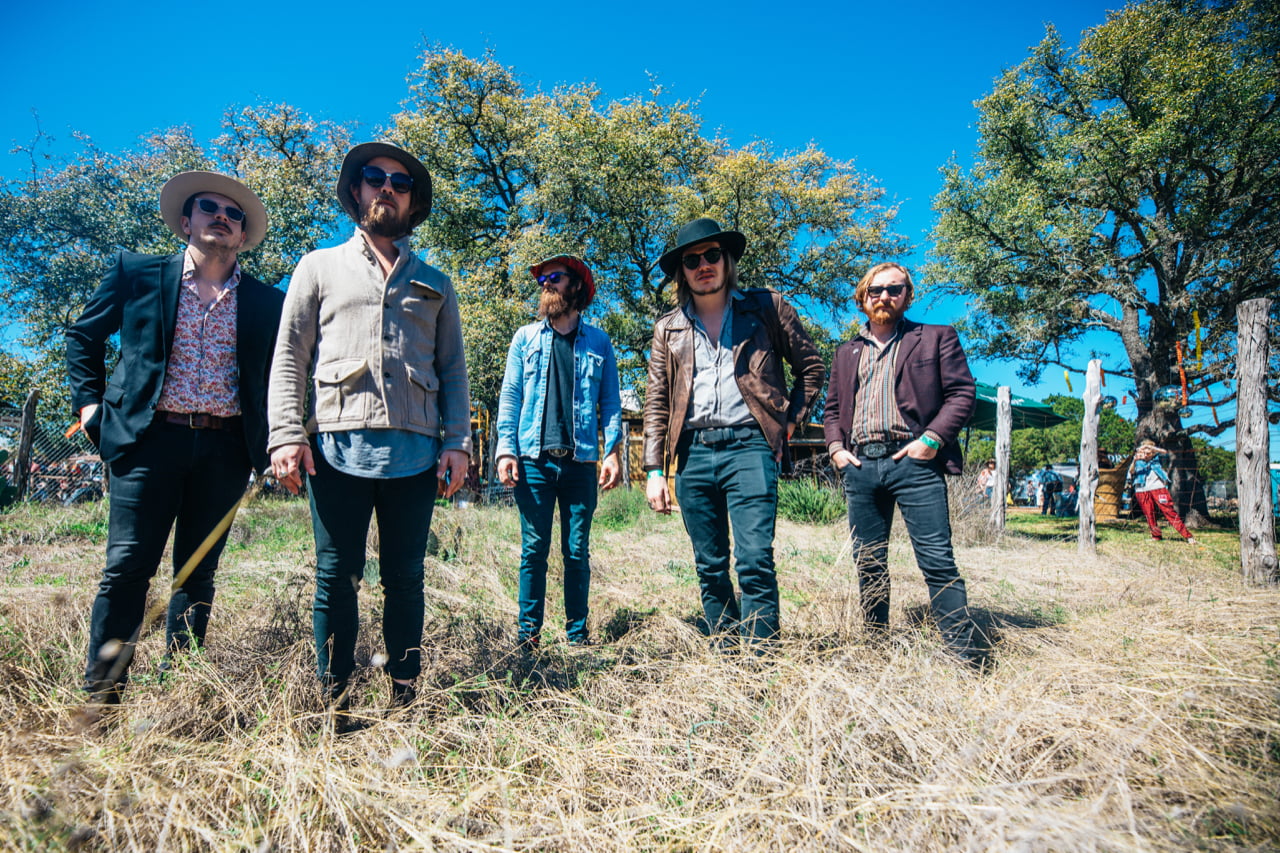
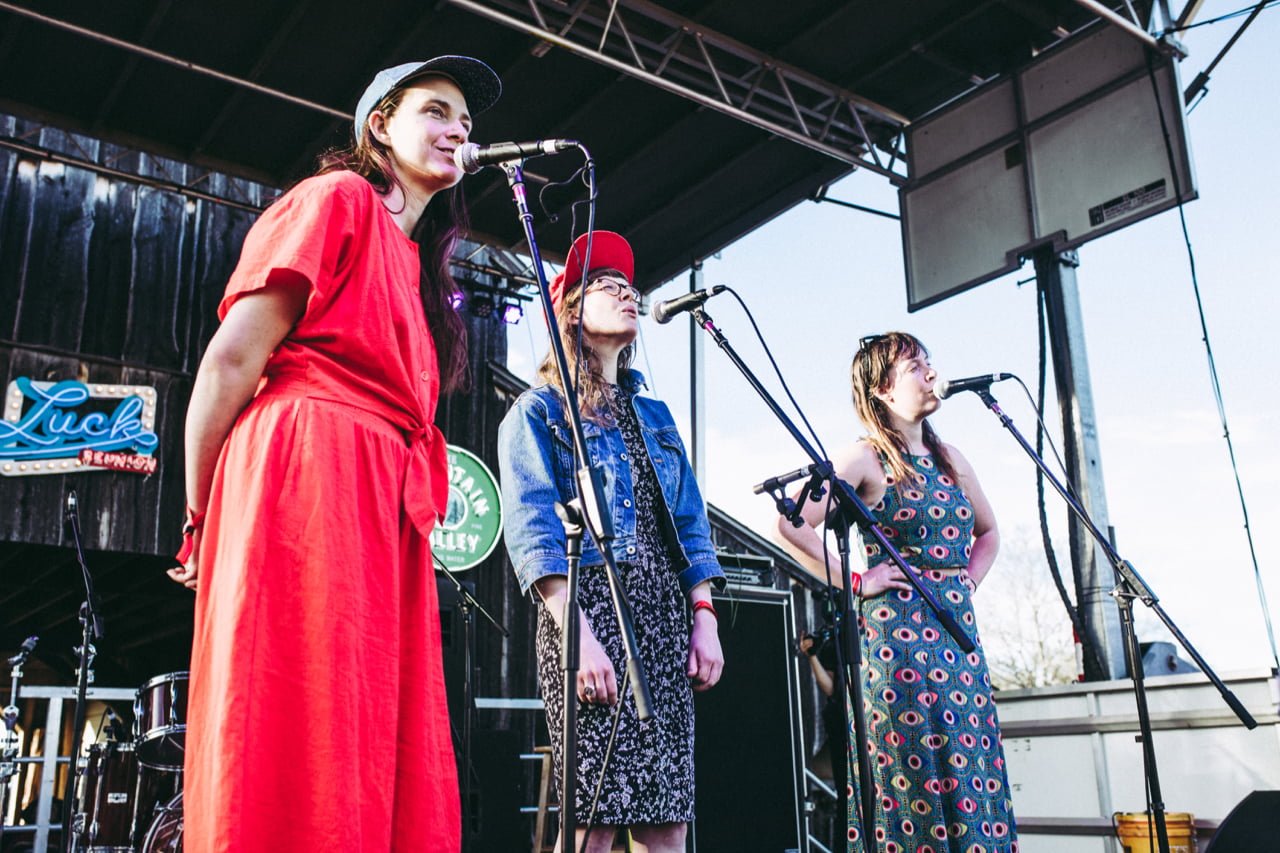
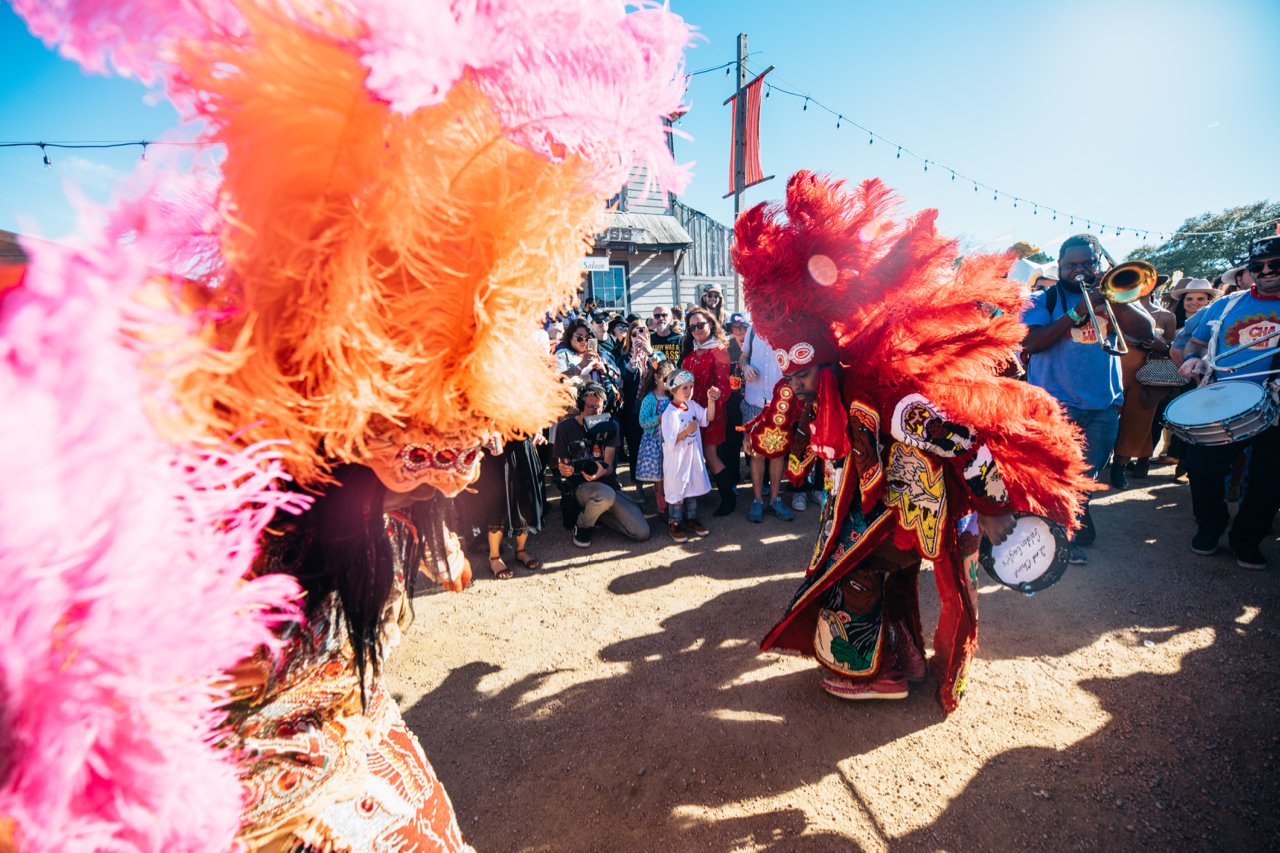
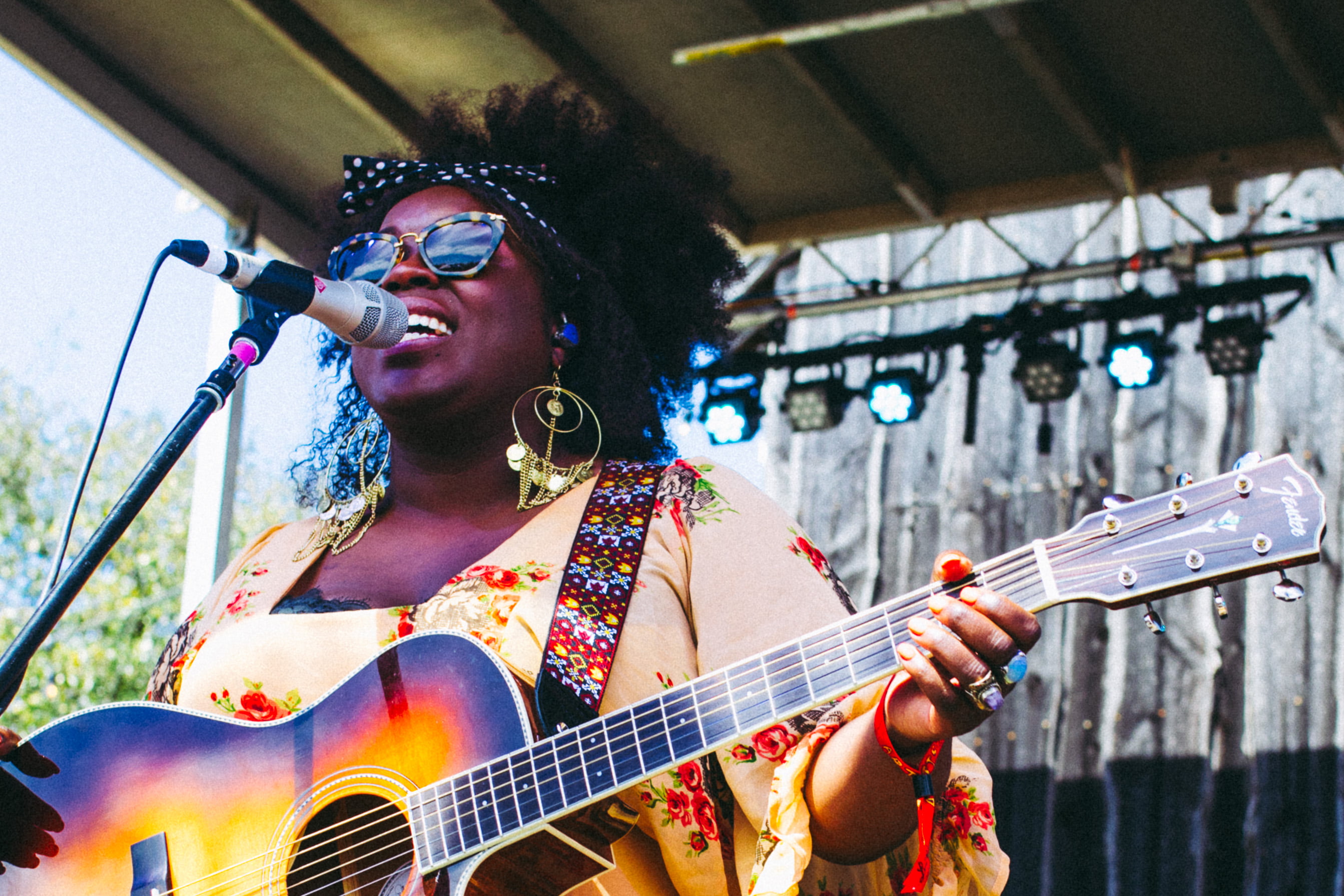
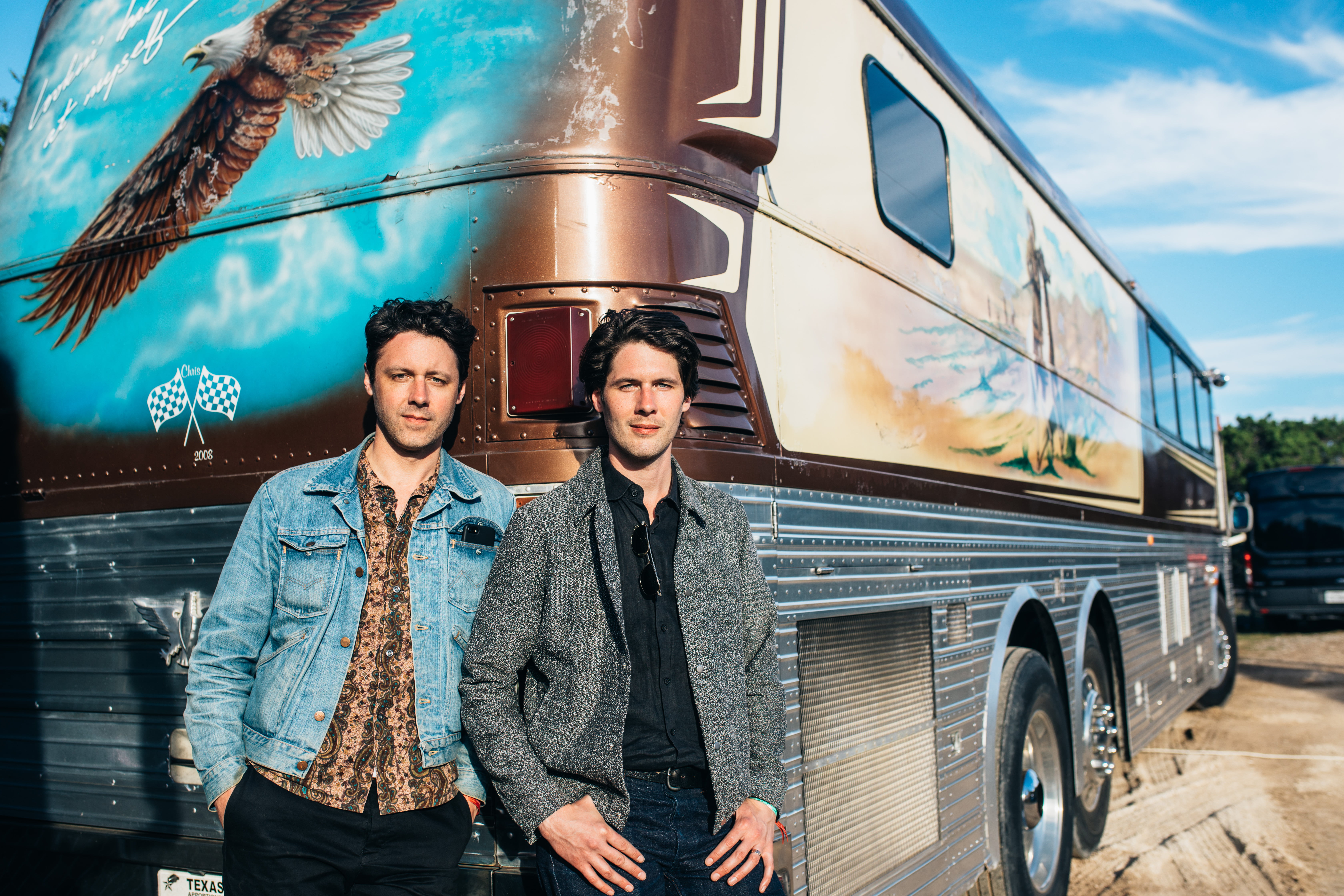
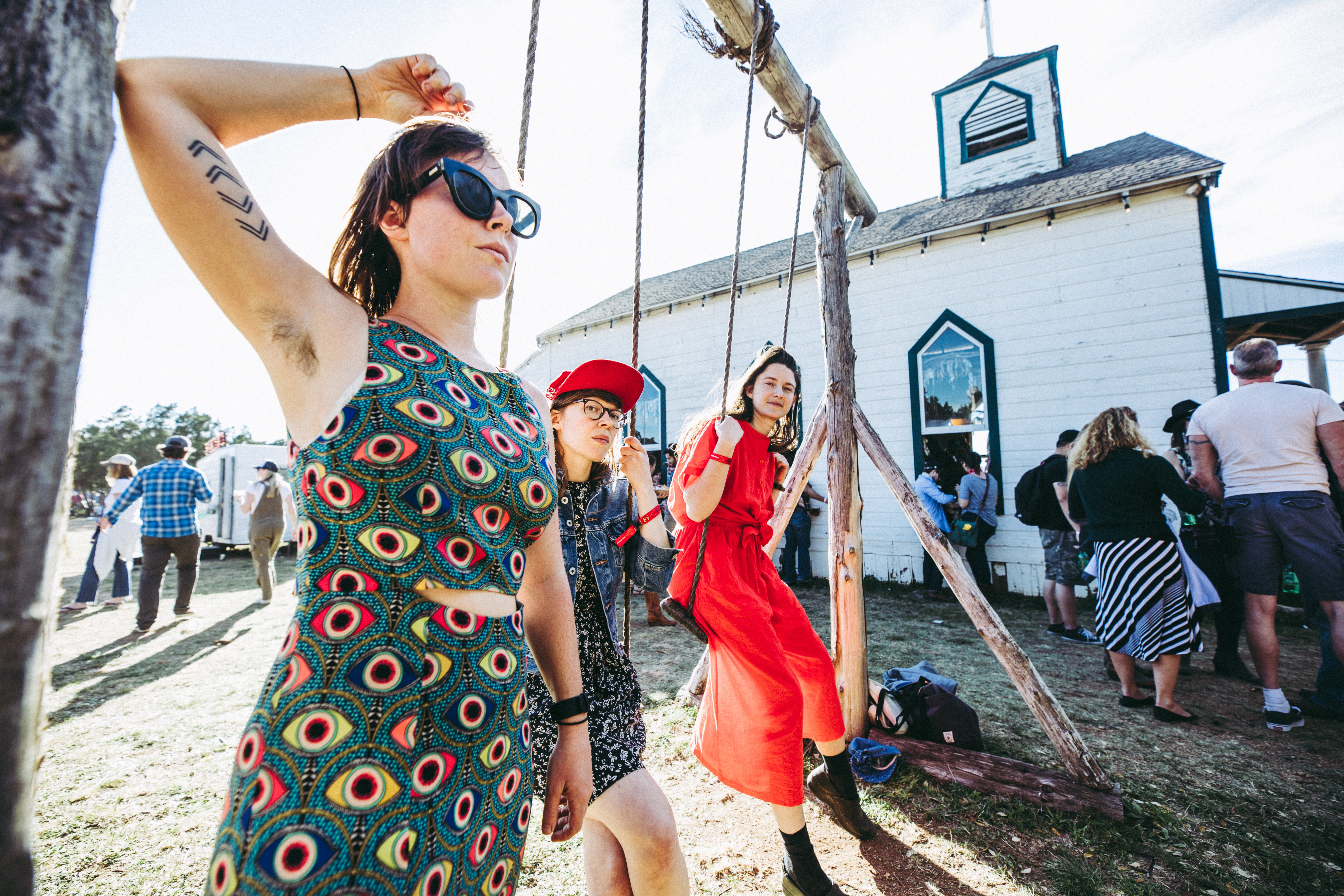
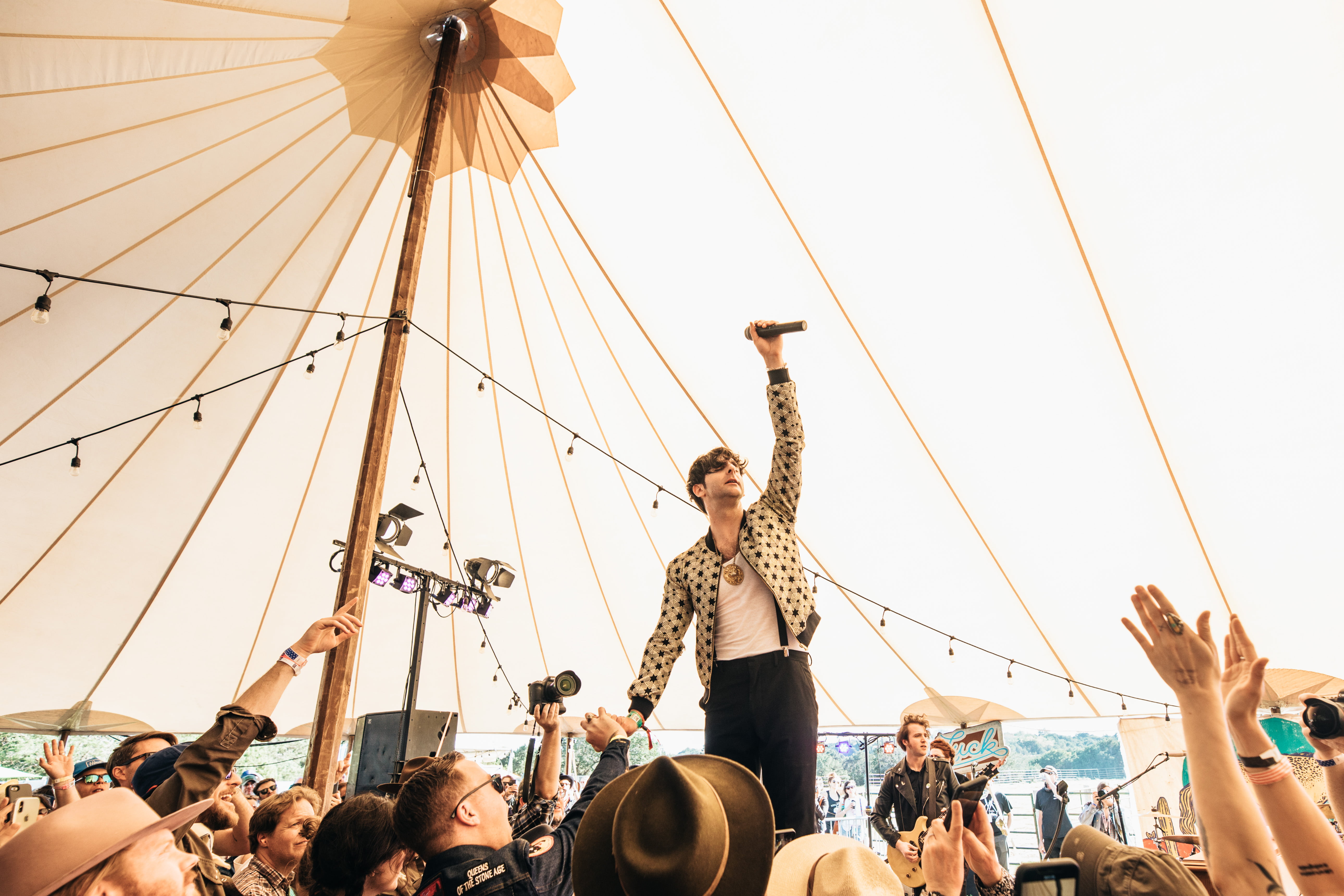
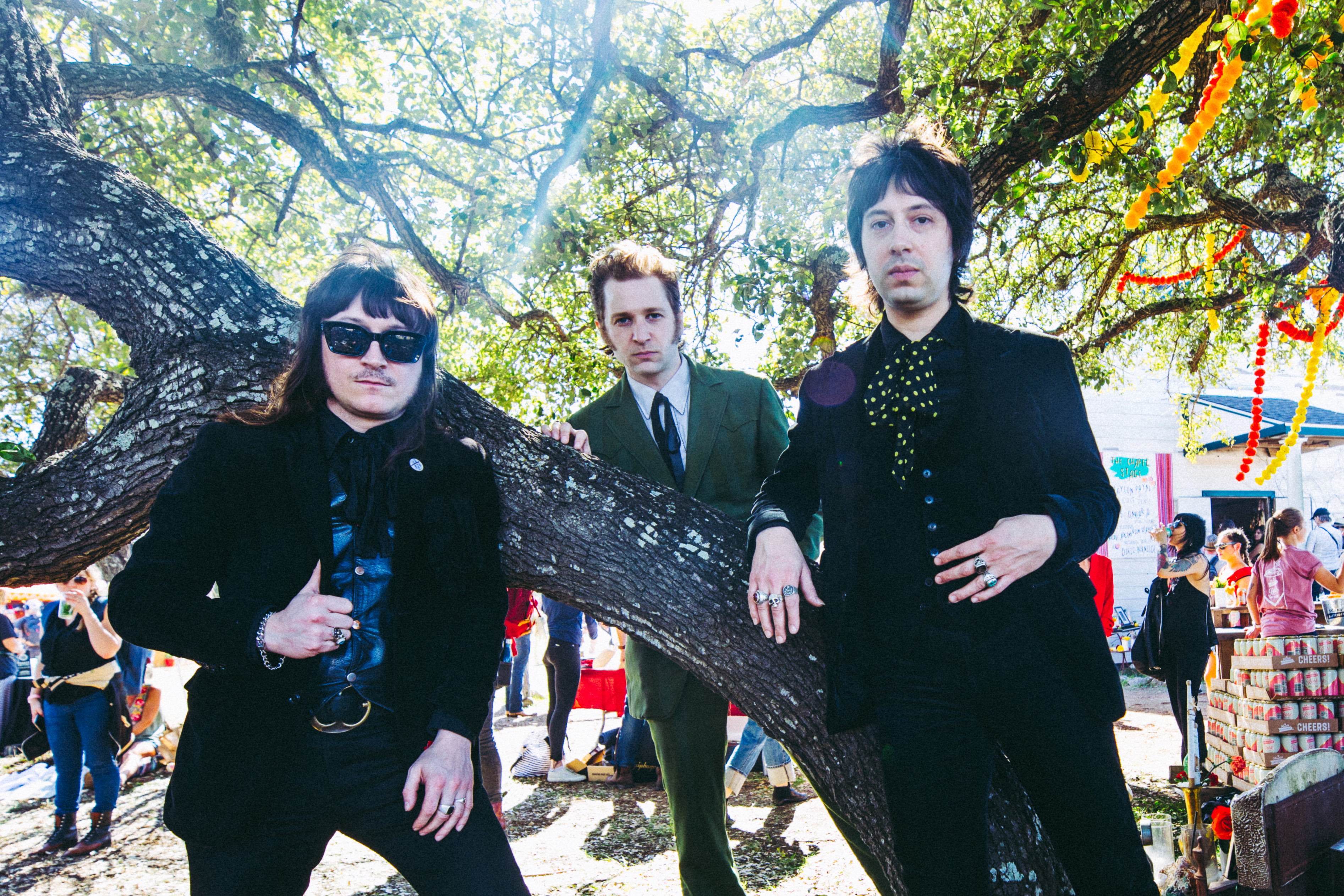
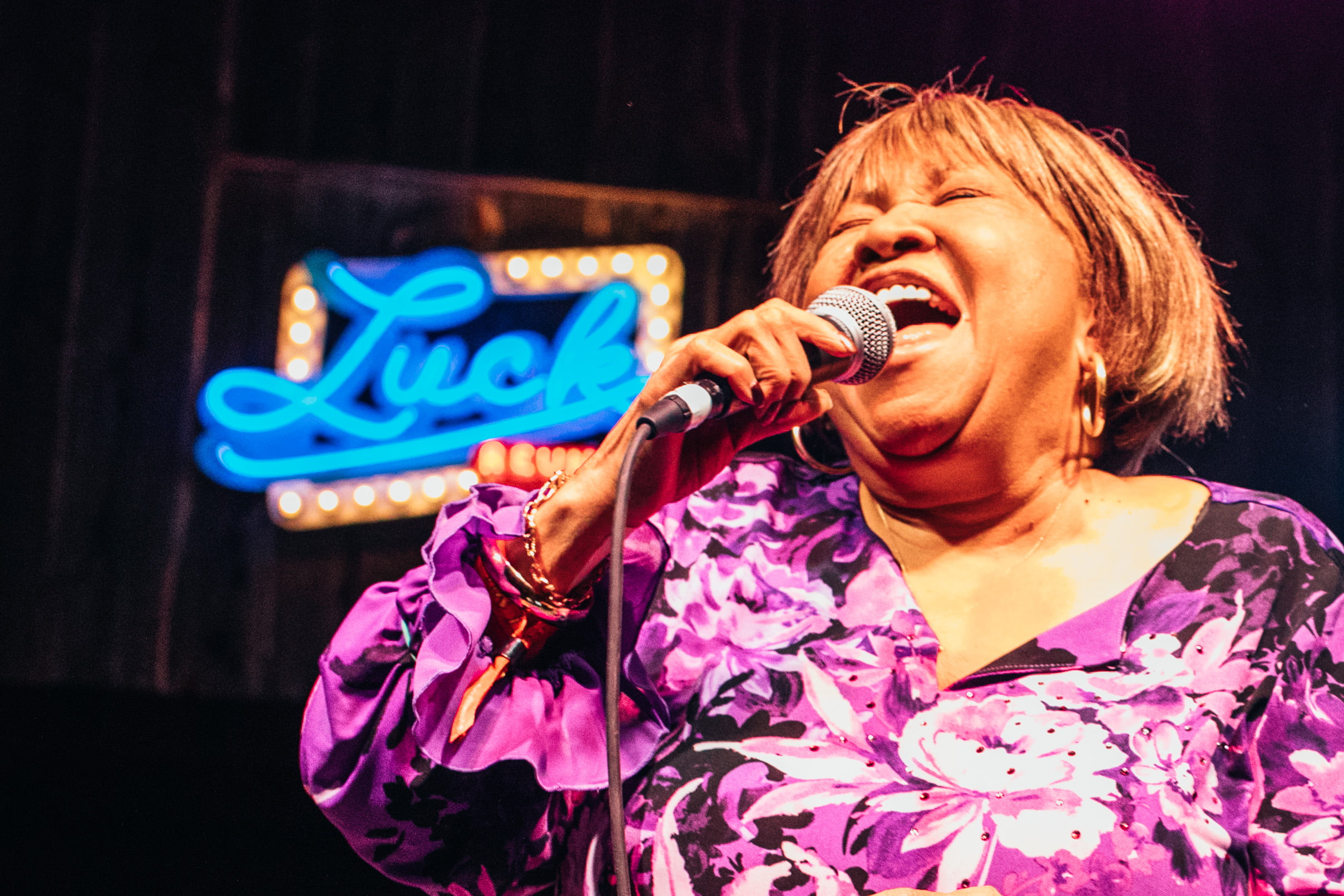
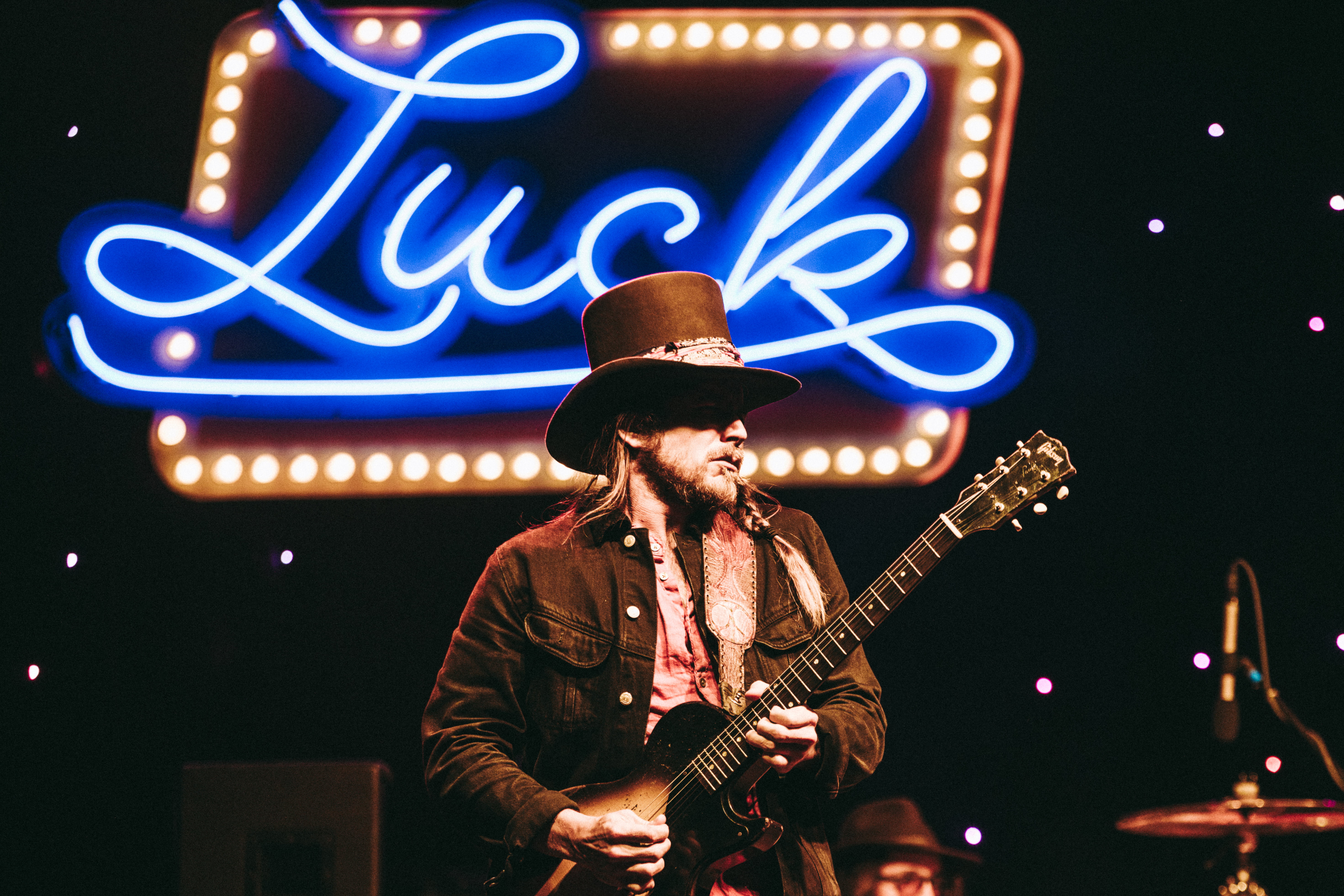
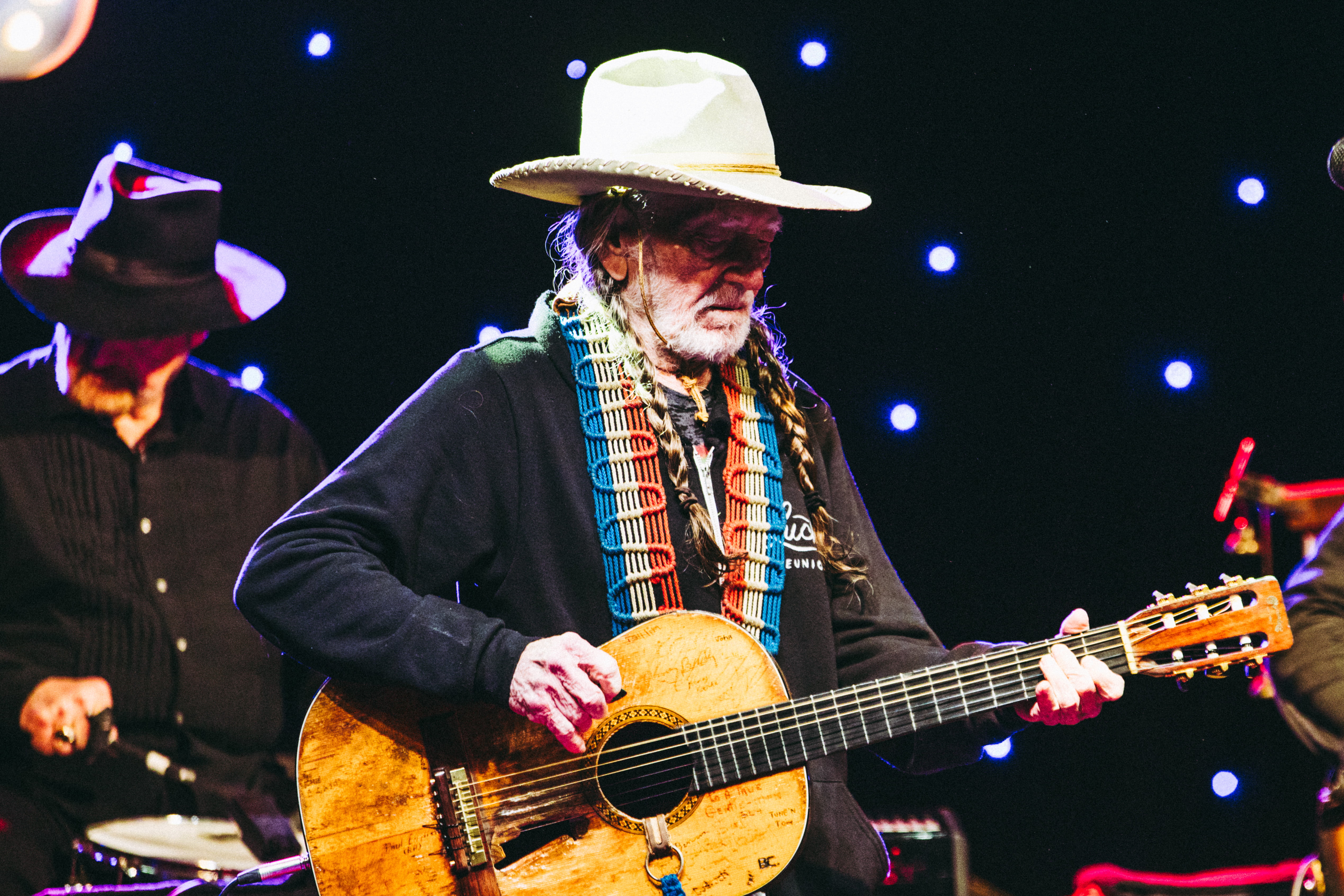
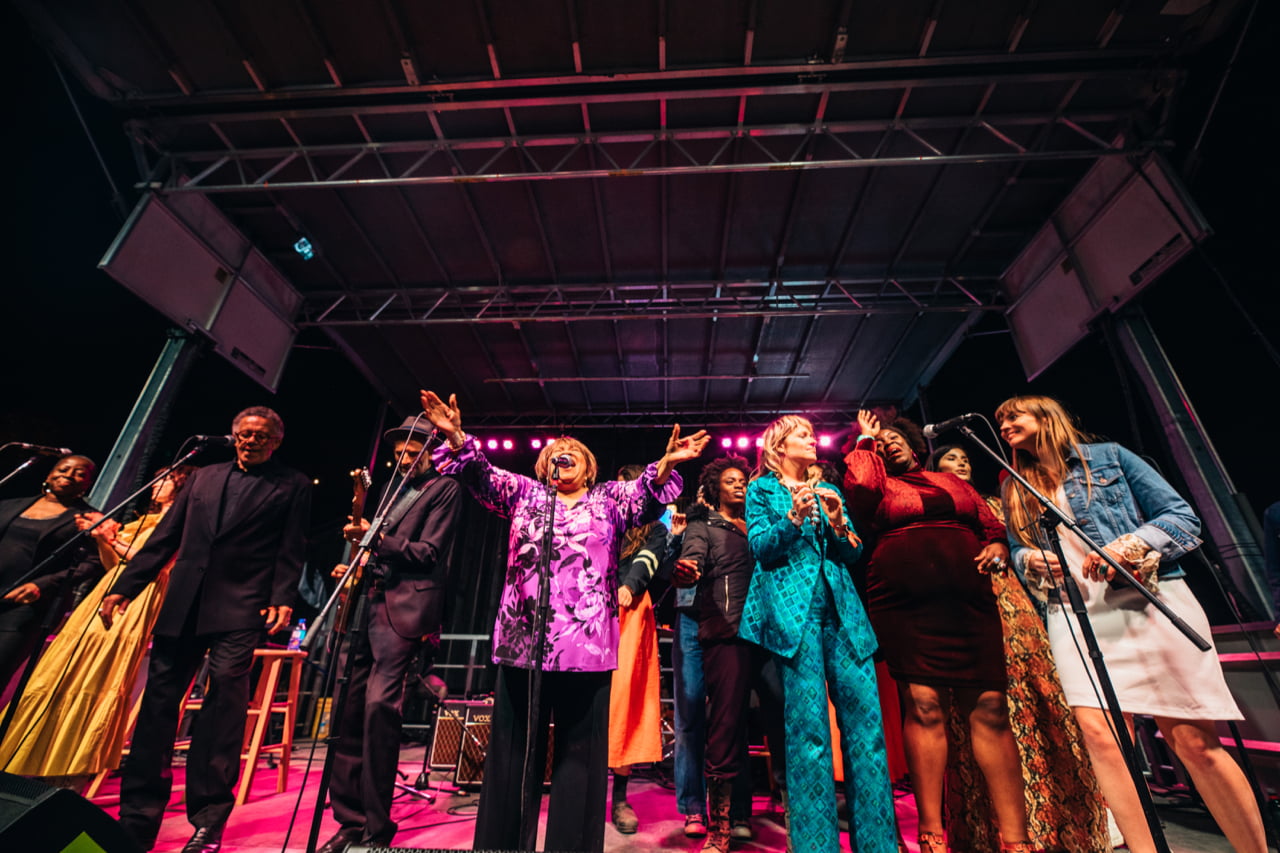
By all accounts, Luck Reunion may be the single best day of SXSW and this year they outdid themselves once again. BGS photographer Daniel Jackson was on hand through the seas of western wear and clouds of pot smoke, in the pit and behind the scenes, shooting stage photos and portraits, capturing the one-of-a-kind vibe and stellar lineup of Luck.


All photos by Daniel Jackson

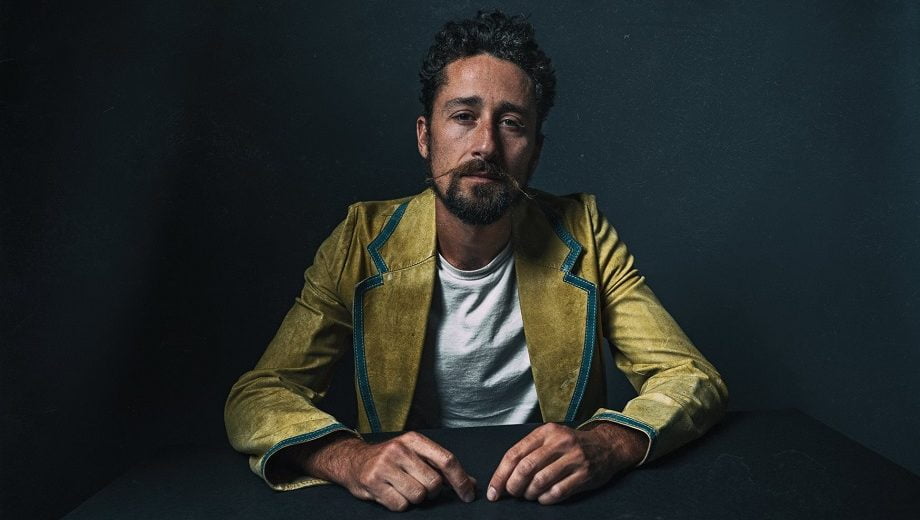
WATCH: The Suitcase Junket, “Old Machine”

Artist: The Suitcase Junket
Hometown: Amherst, Massachusetts
Song: “Old Machine”
Album: Mean Dog, Trampoline
Release Date: April 5, 2019
Label: Signature Sounds Recordings

In Their Words: “A couple years ago I started working on a song and wrote the line ‘I made some moonshine.’ I hadn’t ever made moonshine so I kind of figured I didn’t have any business putting it in a song, but being the stubborn and curious sort I decided to go ahead and make the stuff instead of scrapping the song. I had been making wine and mead for a few years and had a basement full of bottles, some good, some questionable, some just bad. I made myself a stovetop still and turned a bunch of weird wine into even weirder moonshine. Then I finished the song. It came out better than the hooch.” — Matt Lorenz, The Suitcase Junket
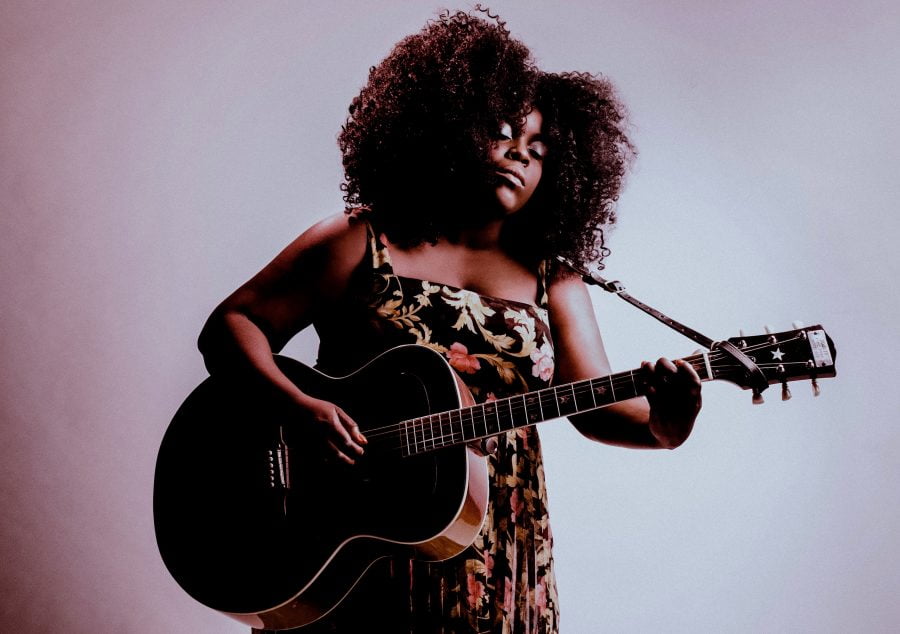

Photo credit: David Jackson

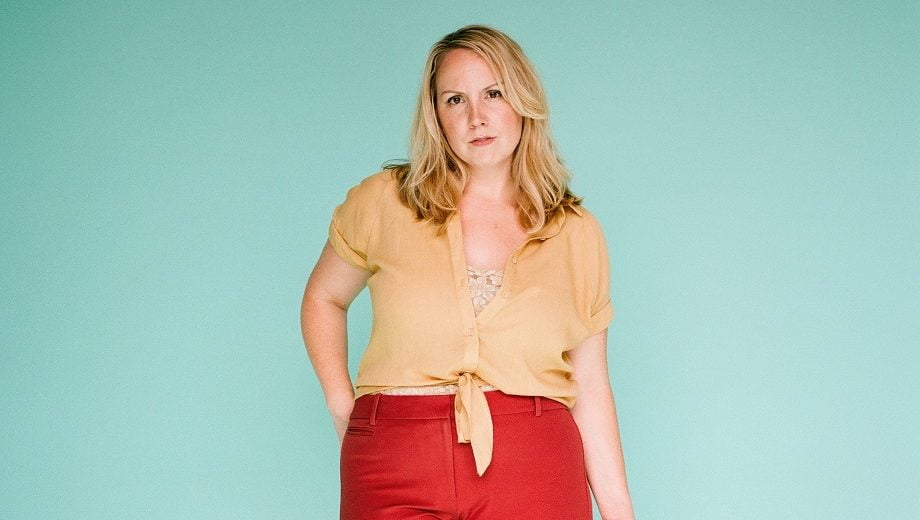
Gig Bag: Mary Bragg

Welcome to Gig Bag, a BGS feature that peeks into the touring essentials of some of our favorite artists. This time around, Mary Bragg details the items she always has nearby when out on the road.

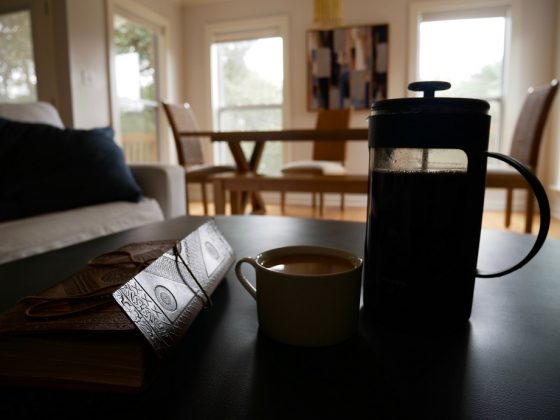
For me, there’s not a much better morning on tour than one that immediately starts with a good cup of coffee. My travel French press means all I have to locate is hot water; I bring my own beans, and voila, caffeine moments begin — usually paired with my journal full of scribbles, free-writing, and loads of to-do lists.


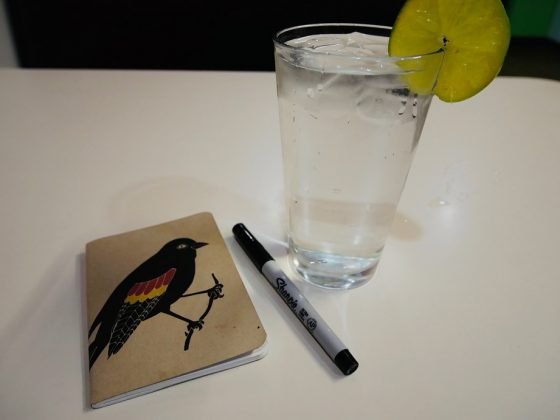
The tiny journal that fits in any bag. I carry one with me all the time — at home and on the road, in case something interesting falls out of the sky. And a Sharpie, too, both for writing and the emergency CD-signing.


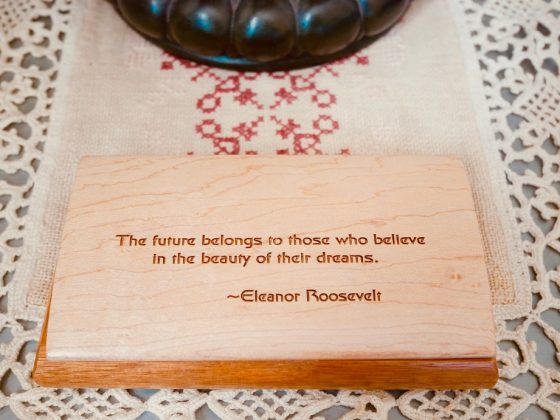
My sweet travel jewelry box that makes me feel at home, carved with a little inspiration from the one and only Eleanor Roosevelt.


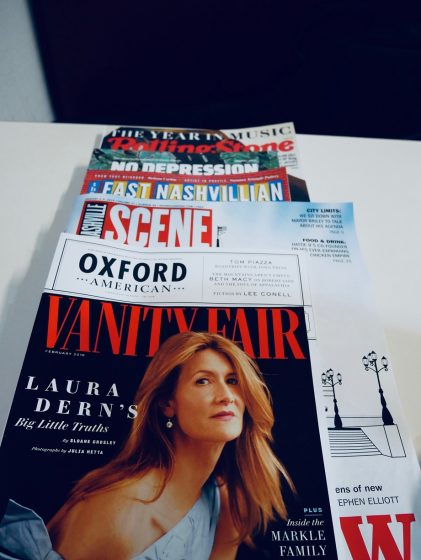
A whole host of my favorite print media for moments when I can sneak in a little quality journalism. (Ahem, journalism major here.)


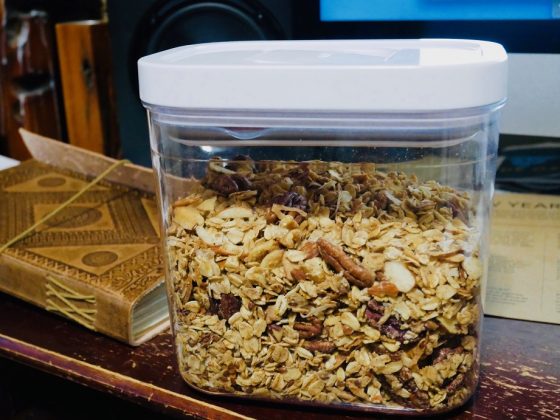
The trustiest road snack: homemade granola. Schedules can be pretty wacky on tour, and you never know when you’re going to need a solid protein boost. Granola does the trick for me, on its own or with yogurt; I make it at home all the time and keep a stash in the car, especially for moments when I’m unexpectedly hungry and in the middle of nowhere.


Photo credit: Laura E. Partain

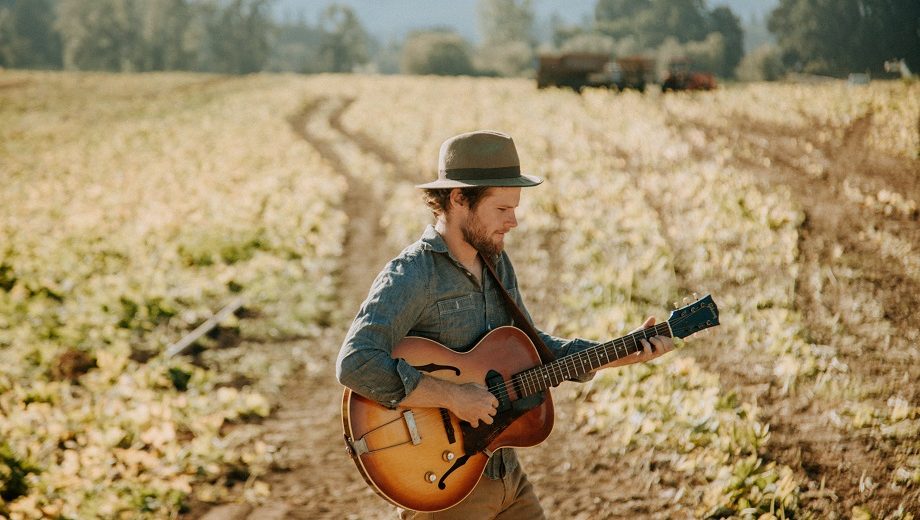
LISTEN: Ky Burt, “Small Town Dream”

Artist: Ky Burt
Hometown: Portland, Oregon
Song: “Small Town Dream”
Album: The Sky in Between
Release Date: April 5, 2019
Label: Woodstove Records

In Their Words: “I wrote ‘Small Town Dream’ in honor of the small towns I’ve lived in and traveled through across America. This song is my observation of the oldest towns that are still barely hanging on, where the roots run deep but the pockets lay thin. It is a testament of the enduring spirit and struggles of a country that is modernizing quicker than its antiquated towns can keep up with. And for myself and others, the enduring small town represents a slower way of life, a struggle to preserve community, and a place where old stories still live on the front porch steps.” — Ky Burt


Photo credit: Chelsea Donoho

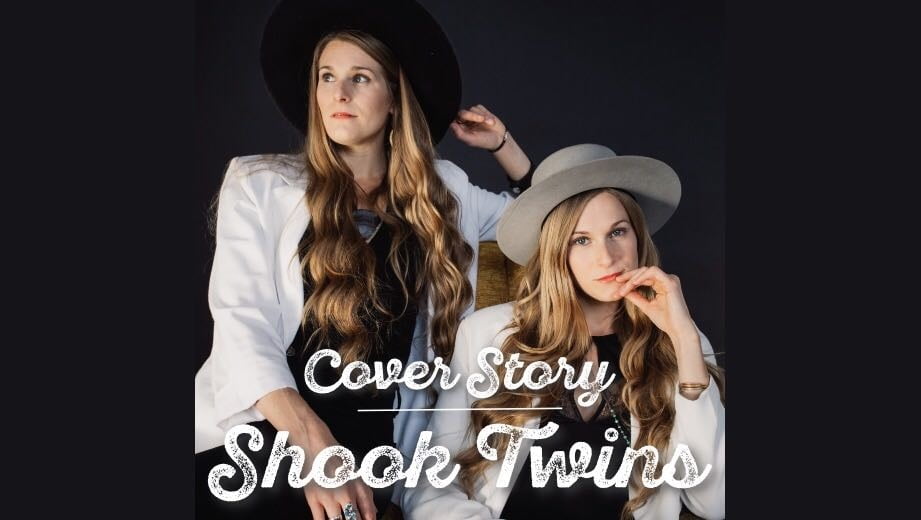
Shook Twins Pay Tribute to Honorable Men on ‘Some Good Lives’

Shook Twins — the duo composed of sisters Laurie and Katelyn Shook — have abided by the label “quirky” ever since they released their first album, You Can Have the Rest, in 2008. Their process of integrating unexpected sounds, looping, and multiple instruments (including a golden egg typically used for percussive flares) may seem unconventional, but those touches serve as thoughtful embellishments to elevate their honeyed voices.

On their new album, Some Good Lives, the Portland, Oregon-based musicians put those voices to use in praise of good men. At a time when women’s narratives have increasingly come to the fore, Shook Twins instead focus on the positive influence certain men have had on their lives. The choice suggests there’s room to strike a balance, rather than cast one gender aside to uplift another.

Following in the footsteps of their archivist grandmother, Some Good Lives is an amalgamation five years in the making — a blend of original songs and “found sound,” of a sort. Katelyn spoke to the Bluegrass Situation about the band’s new project.

BGS: Your grandfather played piano — you even include a clip of it on the album. So it seems like you have music in your blood.

Katelyn Shook: Yeah, that was our first musical experience. We’d go over to their house and lie under his grand piano. He was totally untrained, just [flying by] the seat of his pants. That’s why I had to put those snippets on there, because it’s so Grandpa. We started singing really young and fell in love with it. We chose to be in choir but we didn’t pick up instruments until we were 17.

“Grandpa Piano” and “Moonlight Sonata” aren’t really “found sound” pieces, but they provide an interesting texture to the tracks that you wrote. What was the thinking behind including those?

I wanted to sprinkle those in because it goes with the theme of Some Good Lives. I realized that a lot of the songs were about somebody or dedicated to somebody, and all of them happened to be men, which blew my mind. I was resistant to it at first, like, “Now is not the age of man!” I just wanted to honor women. But then I had to realize and keep in check that there’s a balance, and we need to remember and honor the good men in everybody’s lives.

We’d grown up with such good men, and that’s what made my life so balanced. Most of them have passed away, except for two, so I sprinkled in “Grandpa Piano” because there was not really a song dedicated to my grandpa, but he was such a big musical influence on us.

Considering that so many people want to make room for new stories, how have you made the case that now is a time to also share stories about men, even if they’re positive?

I don’t know. I don’t know that I’ve made that case. We’ve always lived by example, and talking with all the women around me, I honestly feel like Laurie and I are very rare in our generation to have such positive male impacts in our lives. It’s funny when a theme pops up. It’s not like we went into this record like, “We want to honor the good men.” It just came out.

On “Dog Beach,” which was originally written by your grandfather Ted, you added your harmonies to an old recording. How did you retain that original, almost old-timey sound quality?

That song is a trip! It’s a long story, but I’ll try to keep it short. My grandma was an archivist, and she had this tape recorder always going. Anytime we had a campfire with our family, we made [Ted] play that song, and he was always resistant to it because he never thought it was a great song. But it was the only one he ever wrote. Ted passed away in 2015 from this massive, traumatic heart attack out of the blue. It was terrifying, horrible. After he passed away, my dad was listening through those tapes, and we heard “Dog Beach” on there. We didn’t even know it’d been recorded — Laurie and I were 5 at the time.

I heard that, and I got the idea to sing this with him one last time. We were in Portland, and we had a whole bunch of friends over— including his ex-wife and his daughter, who’s our best friend — and I had the tape with me and a shitty tape player. I put it in to play it, and we’d sing along and record it. I hit play and it ate the tape. I was like, “No!” But I knew it wasn’t the only copy — we had another one at home — so I called my boyfriend, woke him up (because he was staying with my parents), and I made him go inside with my dad and look for this extra tape. They found the other tape, they found a tape player, put it in there, and it ate the tape.

It sounds like at this point Ted didn’t want you to share it.

Exactly, but I knew he was just fucking with us because he was always resistant to playing it at campfires. So they took the tape out and they put it together — it didn’t break, it just unwound. Then my boyfriend went to sit in the car, which was the only other tape player we had at the house. If you go back and listen to his recording, you can hear his puffy coat rustling. He’s in the car just voice memoing it on his iPhone, and then he emails me the voice memo, and we play the voice memo in the living room. This all took an hour. It’s emailed through time and space. I don’t know, it’s the way it worked out. It was such a crazy night.

What was the recording process like? I know it took a few years to get to that place after your last album, but it seems like it was worth that wait.

This process was a lot different. We normally block 20 days, and we go to the studio and knock it all out. But this time we took our sweet-ass time. We did it in several chunks. We’d been playing these songs live, and we might choose not to do that with our next album, but I really like to because it lets the song marinate. We recorded three songs first and then we’d listen back to them, and since we’d been playing them live, we added more stuff to it. It was a cool way to do it but it took forever.

I think “Vessels” might be one of my favorites on the new album, both for the message and for the vocals.

That one is really special to us, too. It’s dedicated to one of the men who’s still alive, but he has a brain tumor. We wrote it right after we found out he had it.

Is he around your age?

He’s four years older, but he’s super healthy and super young. It’s super nuts. When we wrote it, we were still in that phase where he could die at any moment. It’s a really gnarly brain tumor. Nobody survives this. It’s a total miracle that he’s come this far — it’s been like five years now. But we were in this state of shock and terror, we had our moments of coming to grips with it. That song was us accepting that we’re just vessels, and we have to say goodbye sometimes, and we have to be thankful that we got you at all. It’s narrow, singing to him, but it’s a broad statement to everybody about accepting your death, your friend’s death, and finding a way to be ok with it.

Vocally, we really like what Laurie did. That’s another song that Gregory Alan Isakov helped out on. She took four songs to him. She repeats lines, talking; I really like that effect because it made it this ghostly statement. Isakov helped make it sound more vibey; we call it adding “God noise,” where he adds all this weird ass-shit, and he tweaks it in Pro Tools, but the stuff he comes up with, he’s a total genius. His essence, his God noise, made that song extra special for sure.

Familial harmonies have their own kind of magic, but as twins you have similar vocal cords, which seems like it could pose a challenge at times. What kind of thought process have you put into your arrangements?

We use that vocal identicalness to our advantage. We’ve started to experiment with more unison singing. It’s trippy because people try to achieve that in the studio, where they double themselves, and you can’t really tell there’s two tracks, but there’s an essence. That’s what it sounds like. Harmony-wise, it’s mostly Laurie; it just comes out of her. When we analyze it, sometimes we’ll totally overlap and all of a sudden one voice will naturally go lower and one will go higher. We don’t do the typical harmony. We intertwine. It’s very trippy.

As twins, how have you managed to forge a sense of individuality in the duo?

It sounds weird, but it’s never been an issue to express ourselves individually. We’ve always been Shook Twins. We actually strive to be more of a duo. Sometimes we play solo and it doesn’t feel right; we don’t enjoy it as much. I think we’re definitely strongest together. We’ve never had a competition issue. We always say, “We’re the twin-iest twins we know.” Most times we meet other twins and they all have their own lives. It’s kind of weird to us. We’ve always had the exact mindset about everything. It’s crazy.

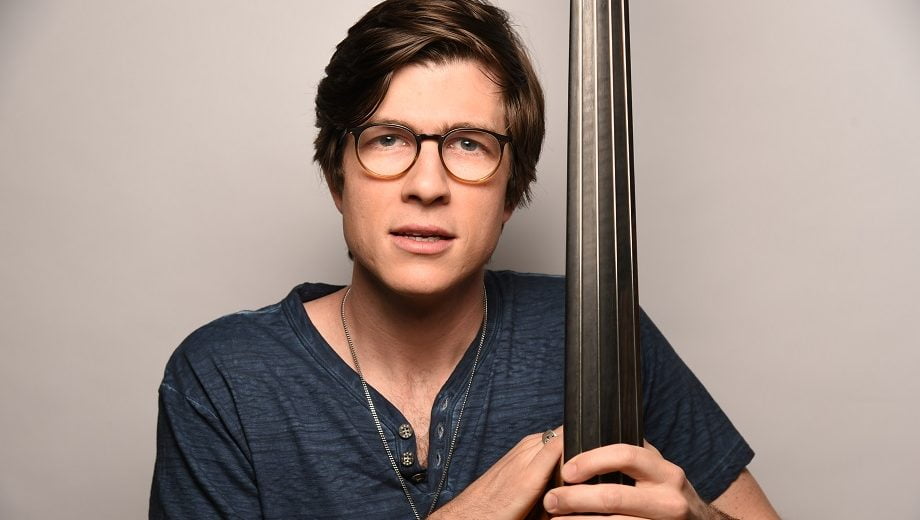
BGS 5+5: Scott Mulvahill

Artist: Scott Mulvahill
Hometown: Friendswood, Texas (near Houston)
Latest album: Himalayas
Personal nicknames (or rejected band names): I played one show as “Scott Hill” towards the end of college. I was self-conscious about my rather different last name, but after that I just decided to embrace it. If Jake Gyllenhaal can do it…

What’s your favorite memory from being on stage?

A few years ago, I played a show in Nashville where I gathered a bunch of friends to cover all of Paul Simon’s Graceland album, which is one of my desert island records. It was as fun as it sounds!! But we had a moment of true magic when the power went out in the building. Everyone in the room gathered in and gave us light from their cell phones, and we sang the song “Homeless” acoustically — just my upright and about 10 singers, no PA [system]. It was so powerful, and a moment of chaos was turned into something beautiful. We actually captured it all on video and it’s on YouTube. After we finished the song, the power miraculously came back on and we finished the show. That was such a great moment that I recorded that arrangement of that song and included it on my album.

What’s the toughest time you ever had writing a song?

I just finished a new one that I re-wrote about five times. Eventually I had verses in a decent form, and I ended up writing the chorus with my brilliant friend Ben Shive. At that point it was good, but still not quite there, so I took it into a co-write with the great Beth Nielsen Chapman, and we edited it line by line and she made it so much stronger. So that was a long process, but worth it because I think the end result is pretty special. I’m excited to record it.

What rituals do you have, either in the studio or before a show?

I don’t believe in pre-show rituals, besides a very simple warm-up of singing or playing just about anything. I’ll sing a few notes, noodle on bass, mostly just relax. If I had some elaborate ritual that I depended on, I think that would be a mental crutch more than a help. I’ll hear singers talk about certain warm-up routines, or how dairy will throw you off, how you must drink honey, and stuff like that. I want to get my technique and experience to a level where I’m not worried about things like milk ruining my show. Was it really the milk?

If you had to write a mission statement for your career, what would it be?

To always get down to the truth, to find the edge of my abilities, and try to spend as much time there as possible. A song can’t be too vulnerable or too personal in my opinion. The more personal and vulnerable, the more distinct and powerful it’s likely to be. People are looking to artists to be brave in their music, to speak truths from their own angle, and that’s my goal.

How often do you hide behind a character in a song or use “you” when it’s actually “me”?

At times I’ve done this without knowing it; I’ve written songs that feel powerful, and only half-way through writing it do I realize that it’s about me and my real-life events. I almost never purposefully write characters, and I wish I could… it’s a different approach that I just don’t know how to do convincingly yet. So my songs to date are almost all autobiographical. And that doesn’t prevent them from being relatable for people. For almost every song I sing, I have a person in mind that I conjure while I sing the song, and that helps me re-enter the emotional space of when the song was written. For songs that are about real events, I want them to feel as real as possible for the audience.


Photo credit: David Dobson

LISTEN: Buffalo Wabs & The Price Hill Hustle, “The Wind”

Artist: Buffalo Wabs & The Price Hill Hustle
Hometown: Cincinnati, Ohio
Song: “The Wind”
Album: Stranger in the Alps
Release Date: March 15, 2019

In Their Words: “‘The Wind’ came quickly as a natural co-writing situation, with Bill Baldock (bass) supplying lyrics and Matt Wabnitz (guitar) on music and arrangement. It’s an introspective departure from some of the high-octane numbers we do. The 12/8 time makes this a lilting waltz, something not akin to anything in our catalog. Scott Risner stretches his chops on the archtop guitar, departing from the bevy of instruments he’s already incorporated into the group, to deliver beautiful counter-melodies.” –Buffalo Wabs & Price Hill Hustle


Photo credit: Kenny Dunn

Caleb Elliott Combines ’70s Soul, Strings, and Sad Songs on ‘Forever to Fade’

Caleb Elliott’s Forever to Fade is a truly unique artistic statement, one that combines cinematic string arrangements with Muscle Shoals-inspired grooves. It’s a musical hodgepodge in which you can hear everything from hints of ’70s soul (“Makes Me Wonder”) to what Elliott calls “my little Harry Nilsson moment” (“Try,” a forbidden love song that features some cheeky whistling).

But those sounds weren’t ones he grew up listening to. His parents were followers of The Message, the teachings of evangelical faith healer William Branham, whose 1961 Armageddon prophecy reportedly inspired cult leader Jim Jones to set up his Jonestown settlement the following decade. This strict religious upbringing meant there was no TV in their house and secular music was strongly discouraged.

“I would venture to say no, I was not allowed [to listen to secular music], but the technically right answer was I could do what I want, it was just very frowned upon,” Elliott explains. “And especially like the churches we were going to, it was very frowned upon. We were guided towards the contemporary Christian realm, which was as rock ‘n’ roll as it got for us. Switchfoot was my Beatles, you know, in high school.” He laughs. “Sad to say. I probably shouldn’t be telling you that. I didn’t really get exposed to the good stuff until a little later.”

Raised in Louisiana, Elliott started playing the cello in third grade and “it sort of became my little kid identity because no one else played the cello, and I wasn’t bad at it,” he explains. But his real exposure to pop and rock music didn’t happen until much later in life.

“I remember going off to college and my taste in music was still very, very underdeveloped,” he continues. “I was on a long arc of discovery. I don’t feel like I started listening to really, really good stuff until I was in my twenties, even after college. I mean, I delved a little bit into the Beatles but I dove more into like Neil Young and Bob Dylan when I got more towards my mid-twenties—really when I started hanging out with better songwriters and that’s who they were listening to. And I was like, ‘Wow!’ I started to get it.”

For the past seven years or so, Elliott has made his living as a sideman, touring with the likes of Nicole Atkins, Dylan LeBlanc, and Travis Meadows and becoming a string-section staple at Single Lock Records, the Alabama-based label and studio co-founded by The Civil Wars’ John Paul White and Alabama Shakes’ Ben Tanner, recording with White, Lera Lynn, Donnie Fritts, and more.

Being surrounded by songwriters and spending time with them on the road and in the studio not only helped shape his musical tastes — Elliott says it also informed his own songwriting style.

“I don’t think there’s any way for it not to,” he says. “People ask about influences a lot. It’s a really common question, but I think for some folks, your greatest influences are the people you spend time with, and I think that’s been the case for me. The way I approach songwriting and just everything has changed a ton since I’ve had the opportunity to tour. And then touring led to more studio opportunities, and I’ve been able to be around people who have been doing this at a high level for a long time. And it’s had a huge impact on me in a lot of ways. I don’t think there’s any substitute for it. I’ve always been envious of the cats that grow up in this, you know. It’s a level of understanding of the whole thing that’s innate for them. For the rest of us, we’ve gotta go out there and figure it out.”

One spin of Forever to Fade and you’ll be able to tell he’s already got it figured out. And while the arrangements may be what came to him first (“I’m always thinking about a string line,” he says. “Always.”), the album’s lyrics are equally important to Elliott.

“Get Me Out of Here” tells the story of a love triangle, each of its three verses centered around one of the three characters involved. The title track deals with the feeling of being trapped or stuck in a bad relationship. And while he notes that these situations aren’t necessarily autobiographical, Elliott says much of the record is inspired by unhealthy relationships he’s witnessed.

“A lot of these songs on the record are inspired by dysfunctional relationships or needing to push through to a better place in your life and making hard choices, like whether or not you want to move forward or keep dealing with it,” he explains. “I think the title itself lends itself really well to that because for people who are caught up in those unhealthy relationships, it feels like they’re gonna be there forever and there’s nothing they can do to get out cleanly.”

Ultimately, he hopes that people going through a similar situation in their own lives will be able to hear Forever to Fade and feel understood.

“Recently I did a house concert and I got on this little spiel about how sad songs are better,” he says. “Happy songs are great, but you can’t commiserate with a happy song. There’s just more depth of emotion on the other side of things I think with sad songs, and whenever you find something like that that you can latch onto, it can help you get through what you’re going through a lot better than a happy song could. And so hopefully maybe somebody out there is going through something in their life that this helps them get through.”

He adds, “Dysfunctional relationships can be tough, you know. Letting go of people that you loved, or that it hasn’t been a healthy thing, or standing your ground on things in your life. Coming to terms in those ways can be very difficult, and maybe somebody will be able to find some hope in here. That would be really nice if it helps them get through a hard time.”

Working with Single Lock on the record was always Elliott’s top choice, he says, but he never presumed that a deal with them was a foregone conclusion.

“It was never a given on that level,” he says. “However, I’ve worked with Ben a lot over the past several years as a cellist. I’ve kind of been his go-to guy for the strings, and so when it came time for me to pick someone to record my songs with, he’s always been my favorite engineer and producer to work with, and I feel like he’s one of the best I’ve ever worked with. So that was the obvious choice for me, to ask him if he wanted to help me record my record. Down the line, after we got it kind of going, apparently there was a conversation between a couple of the guys at Single Lock about basically asking Ben what he’s been up to. They had a sit-down listen and they kept coming back to a couple of my songs. That’s when they sat me down and said, ‘Hey, we really like what you’ve been doing. We’d be interested in helping you put this out.’ It was sort of an organic thing.”

Elliott says that connection to his music on that level is his ultimate goal, but for now, he’s focused on getting it out there and in the ears of as many people as possible.

“More than anything my personal goal is to tour my butt off as much as possible,” he says. “I’m hoping this thing gets going. It’d be really cool. I’m a lifer, you know? This is what I do. And I’ve been very fortunate that I play the cello and that’s been able to lead to a lot of sideman work. I’ve played cello and guitar and background harmonies for people, but it’s such a treat to be able to sing my own songs.”


Photo credit: Joshua Black Wilkins

WATCH: Eddie Heinzelman, “Wherever You Go” (Feat. Radney Foster)

Artist: Eddie Heinzelman
Hometown: Brookville, Indiana (currently lives in Nashville)
Song: “Wherever You Go” (Feat. Radney Foster)
Album: Wherever You Go
Label: One Louder

In Their Words: “This song idea was initially inspired by my daughters as they were graduating high school and preparing to go to college and pursue their future. I took the idea to Radney who loved the idea and as we began writing, it took on a broader meaning. It’s a message to anyone who chases a dream or is looking at what lies ahead. I end my shows each night with this song to let everyone know they are never alone and that like my daughters, they can take my love with them wherever they go.” –Eddie Heinzelman


Photo credit: Barbara Potter Photography

Britain’s Yola Blends Soul, Country, and ’60s Pop on Astonishing Debut

If you’ve ever had the good fortune of being in the audience for one of Yola’s live shows, you will have been utterly blown away not only by the power of the British singer/songwriter’s voice and the intensity of her songs’ arrangements, but also by the bedlam her audiences devolve into in the presence of such a commanding, charming, visibly strong black woman. Yola owns each of these unabashed facets of her identity with bright-eyed self-awareness and unbridled joy, all of which pour forth from her astonishing debut album, Walk Through Fire.

This grandiose power that Yola possesses is deliberately not the focal point of the album, though. She and her collaborator/producer Dan Auerbach have artfully balanced the wildness of Yola’s experiences in myriad genres (pop, electronic, and rock among them) with the subtlety and nuance that her deft songwriting demands. It’s not just an album sung by a “strong black woman,” it’s not just country-soul, it’s not just a late ’60s/early ’70s pop throwback, it’s not just a collection of heart-wrenching, impossibly visceral love songs — it’s effortlessly and masterfully all of the above.

We sat down with Yola during her release week press gambit in Nashville and began our conversation recapping this year’s Grammy Awards.

BGS: In one of her Grammy acceptance speeches this year Brandi Carlile called Americana  “An island of misfits.” I wonder if you agree — and what do you feel like you bring to this island of misfits?

Yola: I do agree. I think Brandi Carlile is on point by saying that. It feels as though people have congregated in Americana, maybe even running from other genres. It’s a place where we are celebrating eclecticism and being open and we’re at least seeking to be diverse — and trying to understand that diversity, instead of having fingers in the ears. There’s a little bit more to the scene. It allows people like Brandi Carlile to rise to the top, and rightfully so, because of their talent!

I have found, for me, that after being associated with a lot of different genres over the years, I’ve had to fight to just be me. I’ve had to do as much fighting in this particular scene, because everyone’s crossing something with something or being more unexpected than other genres. Doing shows at AmericanaFest and in this particular scene has given me a chance to develop. Full stop. And to get started.

When I first started I was pretty terrified to do what I was doing. Americana allows me to be like, “Hi, okay, I’m the black British woman with the afro — no, not the other one, the one called Yola.” [Laughs] And I can go, “Okay, I’m going to mix some soul with some country, but not in the way you think I’m going to do that.” Yes there’s going to be a ’60s pop sound in there, but again, probably not in the way you think I’m going to do that, either. Maybe it is my Britishness that is giving me the angle from which I approach each thing.

I feel like the album is decidedly country-soul, and it’s interesting to me because we’re in this community — Americana with a capital A — that is majority-white.

Mhmm. Heck yeah!

We’re working on diversity, like you said, but we’re a work in progress. So I wonder how you feel your blackness is part of that country-soul designation and how much of that is not connected to your blackness, as well. I feel like so many people, especially in the audience for your shows, see you step up on stage and they’re ready to scream and holler because there’s a “strong black woman” presence on stage–

Yes.

So I wonder do you feel a differentiation between what you’re establishing as country-soul for country-soul’s sake, and how much comes from your identity as a black woman?

Well, I think it starts with identity, because everything starts from within and from where you think you fit. Where do I fit? I think my entire musical journey has been based on where the frick I fit.

An island of misfits.

Yes, exactly. I found a bunch of weirdos that were as weird as I was and was like, “This is great!” [Laughs] That’s what has led me where I want to go, musically. It’s about finding what my voice wants to do. It’s all about the physicality of my voice, it’s got a soft side, almost choral, that then flips to this big, yelly, slightly more Tina [Turner] side. I can move very smoothly from one to the other. My voice is a seesaw in that situation. I need to be able to be the fullness of myself, so that’s kind of where the country-soul comes from — from within.

That’s at least physically what it is, as well as growing up listening to that music, listening to people who were already doing what I’m doing. I’m by no means inventing the wheel or even reinventing it, for that matter. It’s something that’s just been done. Ray Charles has done it. Mavis is doing it. Maybe the way I’m doing it, with this retro pop kind of angle, is something that others haven’t done, necessarily. But that is narrow in comparison to the vast eclecticism of my musical taste. It’s out of control how broad a day’s playlist can sound.

We’ve talked about this, because I want you to make a bluegrass record!

[Laughs] You’re like, “Are you ready to do that?” And I’m like, “Hey, I’ve got so many genres to get through right now!”

Add it to the list.

Just tack it on, you know? I don’t know if I’m going to go all the way like, Beck levels of breadth. He’s covered some ground, it’s impressive. But I’m enjoying this kind of freedom right now. As fun as it is knowing that country and soul are always going to come out, it’s nice to be able to be free enough to explore gospel and blues and rock and roll and pop. You can hear from the record there are probably four comfortable genres within it and they all move completely seamlessly from one to the next. That’s what I love about music. I love how close it all is.

Going back to the physicality of your voice for a moment, one of the things that struck me about the album is that it feels like you’re laying back–

Mmmm. You know me!

It feels like you’re being reserved, your signature Yola-dialed-up-to-eleven isn’t there all of the time. Talk me through that less-is-more decision making process.

Certainly, the songs kind of spoke for themselves. When you finish writing a song you can decide whether you’re going to tack a big ol’ outro on the end of it and then whether you’re going to freaking scream to the heights of the ceiling on that outro. But I thought, I don’t know whether I listen to albums where the singer is going hell-for-leather, top to bottom, all the way through. I like to listen to albums top to bottom and I like a bit of a gradient. So as the songs come, one by one, I kind of have a look and think, “Okay, I don’t think the song needs this.” It’s about trying to respect the song and the will of the song. Sometimes the song really needs it, like “It Ain’t Easier.” I’m going to go there! [Laughs] I was purposefully selective and I think it was each song that led me.

The songs do feel like they’re all related, but they’re all distinct. For instance, “Still Gone” and “Keep Me Here” back to back feel like the same story told from slightly different perspectives.

They are! “Still Gone,” in my mind is about being in a relationship. You met someone, they were amazing, then whoever the heck that person was, they fucked off and the person you end up with is your consolation prize. You’re looking over your shoulder thinking, “Oh, still gone!” It’s like chasing the dragon, but it’s the person you were dating. That first hit, that’s the one. Everything else after just pales in comparison. It’s very much that moment of realization, that moment before you start checking out of the new relationship, when you start staring off into the distance.

That faraway look in your eye!

That faraway look in your eye! It’s all tied together. That’s the precursor feeling. It’s the “You’re literally everywhere, but you’re not here” situation.

So “Keep Me Here” turns that same idea on its ear.

It does! Because you haven’t got the guts to be alone. You’re being a chicken. You’re being fed, again, chasing the dragon. Like, “That first hit was good, can’t we just have that bit?” No, you can’t. You have to have the full wonderful person — especially when they’re not wonderful, that’s challenging. You’re just hoping for those little moments, those little glimpses that keep you hooked in. In my situation, I was working with my ex, my partner at the time, and so it was very much like being totally hooked, and musically hooked, and socially hooked, and all of these hooks become something that keep you holding on in light of glaringly horrible interactions in every part of your life. I think it takes a lot of self esteem to grow up enough to realize you need to move on. The twenties are not really the time when self esteem is at its full!

It’s funny that we begin that “chasing the dragon” when we’re in our twenties when we have no idea what that thing actually is.

[Laughs] Exactly! We have no idea! But we’re just desperately going for the thing. It felt good that one time, maybe it will happen again. It’s about as well-advised as taking smack, you know? It shouldn’t be like a hit, though. It should be consistent. But you don’t learn about the healthy ways of doing life until you have the experience.


Photo credit: Alysse Gafkjen