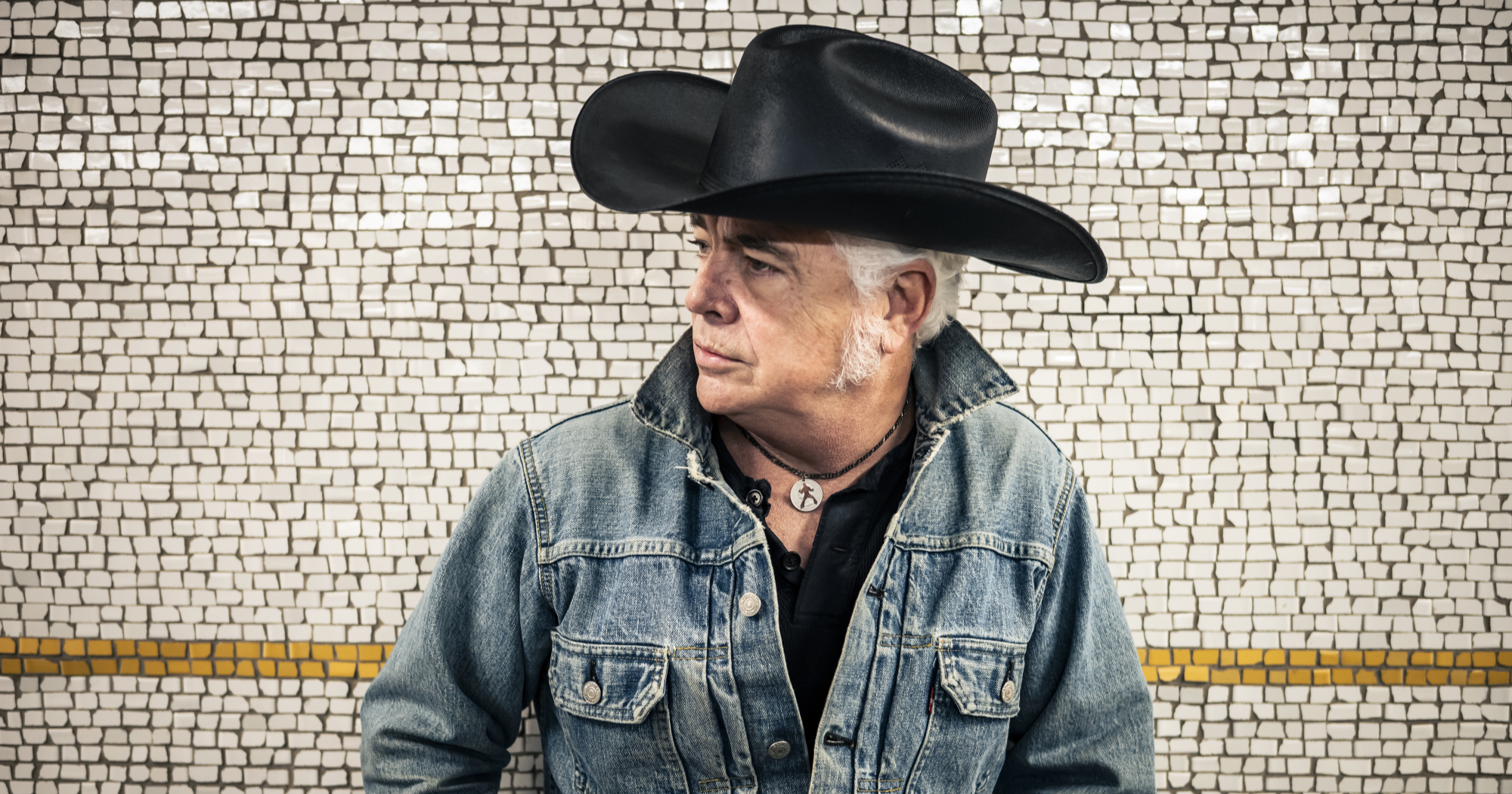
Dale Watson’s Ameripolitan Today Playlist

Ameripolitan music can be best defined as original music with prominent roots influence, and it has four categories: honky tonk, Western swing, rockabilly, and outlaw. My Mixtape features a song by an artist that represents the roots and then I’ll play a new artist that directly was influenced by them. You can hear the natural growth of country music when you listen to Lefty Frizzell and Merle Haggard or Kitty Wells and Loretta Lynn back to back. (Many of the roots artists had nicknames, I miss that.)

While some may hear an artist’s influence and say they are copying them, I’m of the opinion that John Lennon shared when asked about The Beatles’ influences. He said, and I paraphrase here, “One’s originality comes out in their inability to imitate their influences.” Very well said. – Dale Watson

“Who’s Gonna Take The Garbage Out” – Loretta Lynn, Ernest Tubb

Ernest Tubb had a distinctive voice as you hear on this song he sings with Loretta Lynn. Here’s the Texas Troubadour with the Coal Miner’s Daughter.

“My Wife Thinks You’re Dead” – Junior Brown

And no one is more evidently influenced by him than Junior Brown.

“Undo the Right” – Johnny Bush

Johnny Bush, otherwise known as the “Country Caruso,” was a drummer for Ray Price, the Cherokee Cowboy, before going out on his own. You would definitely hear that influence if you back-to-back Ray Price to Johnny Bush. Both are huge influences to every singer that grew up in Texas.

“Texas Honky Tonk” – Justin Trevino

This young man from Texas is carrying the Bush torch.

“D-I-V-O-R-C-E” – Tammy Wynette

The First Lady of Country Music, Tammy Wynette was married to the Possum, George Jones. She is easily at the top of women that influenced the newer singers.

“Houston Belongs To Me” – Sunny Sweeney

Singing her own divorce song, here’s Sunny Sweeney!

“Big Balls in Cowtown” – Bob Wills & His Texas Playboys

In the Western swing category this is the master, Bob Wills & His Texas Playboys.

“Riding High in Texas” – Asleep at the Wheel, Billy Strings

Though they’ve been around a while, they still burn up the road and proudly wear Bob Wills as their biggest influence. Ian Stewart sings as guest picker Billy Strings shines.

“Here in Frisco” – Merle Haggard

The Hag has influenced generations and even in death he still does. He once told me he forgot he wrote this song and was glad I brought it up so he can add it to his playlist again.

“This Highway” – Zephaniah OHora

Zephaniah OHora is now based in Nashville and he’s got a lot of great original songs. On this song you can hear the Hag in him.

“Bob Wills Is Still the King” – Waylon Jennings

In the outlaw world there is none more influential than Waylon, and in Texas we were all influenced by Bob Wills.

“Long White Line” – Sturgill Simpson

This particular song draws heavily on Waylon’s influence. And I like it.

“Ramblin’ Man” – Hank Williams

Hank Williams’ voice is one of the most recognizable in music. His songs are timeless and still inspire singers and songwriters alike.

“Thunderstorms and Neon Signs” – Wayne Hancock

You can definitely hear Hank in Wayne Hancock, but his own voice is definitely original, too – as well as his great songwriting.

“Guitars, Cadillacs” – Dwight Yoakam

Dwight Yoakam has influenced many a newcomer. Just as he was obviously influenced by Buck Owens. He came along when Nashville needed reminded of its roots.

“Lost in the City Lights” – Johnny Falstaff

Though not well known as of yet, Johnny Falstaff is picking up Dwight’s hat.

“Blue Kentucky Girl” – Loretta Lynn

The Coal Miner’s Daughter definitely left big shoes to fill, but her sassy songs inspired many women artists.

“Don’t You Ever Give Up On Love” – Brennen Leigh

That inspiration can be traced right to Brennen Leigh.

“Good Hearted Woman” – Waylon Jennings, Willie Nelson

Here’s the quintessential outlaw song by the most famously influential artists, the Red Headed Stranger, Willie Nelson, and Waymore, sometimes called Wautawsha, Waylon Jennings.

“Willie Waylon and Whiskey” – Dale Watson

The last song I’ll put in here’s is mine, because with pride I will state, yes, I am heavily influenced by Willie and Waylon. And sometimes whiskey.


Photo Credit: Jacob Blinkenstaff

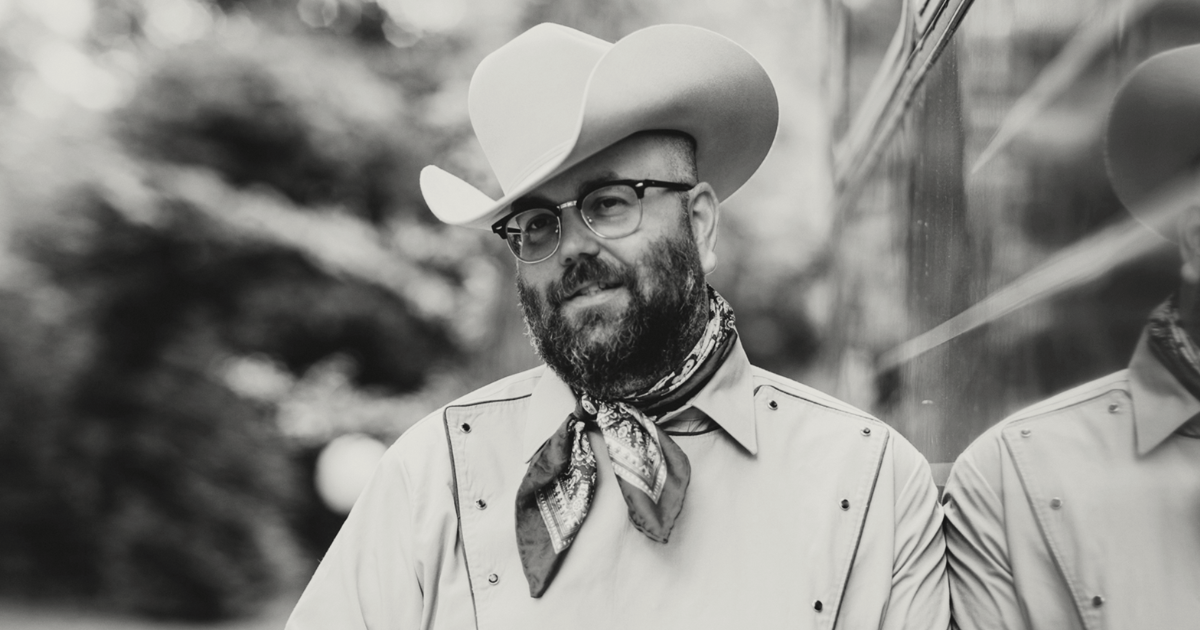
The Latest of Joshua Hedley’s Many Hats

As one of Nashville’s key classic-country connoisseurs, fiddle maestro Joshua Hedley has long been a musician of many hats. In 2018 his first solo album Mr. Jukebox tapped 1960s-style countrypolitan. 2022’s Neon Blue embraced the lush warmth of the ‘90s-era format, and he regularly thrills crowds with cover sets from across time at the famed Nashville honky-tonk, Robert’s Western World. Yet with his new album All Hat, Hedley dons the metaphorical cap he’s long obsessed over – the wide-brimmed stetson of his Western Swing heroes.

A titan of twang and perhaps Broadway’s finest down-home devotee of the traditional arts, All Hat finds the lifelong Bob Wills fan going back to his roots. Produced by Western Swing icon and Asleep at the Wheel founder Ray Benson, the album captures the upbeat joy of an eminently danceable (yet often overlooked) country style, which Hedley has been loving and learning since he was 8 years old.

Over 11 tracks of old-style originals, he celebrates a genre defined by jaunty rhythms and euphoric solos meant to keep a crowd dancing long into the night. With an already-respected resumé, Hedley still calls All Hat his “pièce de resistance,” and feels Western Swing deserves its due in this era of cultural callbacks.

“It’s definitely not seen the renaissance that say bluegrass or the outlaw country sound have,” he laments.

Joshua Hedley spoke with Good Country about the new album, the differences between Western Swing and other country styles, and what it’s like to be produced by one of your heroes. Plus, he explains how “getting stoned and playing country music” is the best cure for creative burnout.

Your new album is called All Hat. But that term is famously used to describe posers – and you don’t fit that bill when it comes to country. So why are you calling it All Hat?

Joshua Hedley: Well some people disagree, man. [Laughs] I don’t know what constitutes “not a poser.” I would think playing country music since you were 8 would take care of that, but apparently not.

Really?

It is what it is. I don’t really give a shit, but it was just kind of poking fun at myself and those criticisms. I just think it’s funny. But honestly, for the album, I was working on a different album. I was writing for something else and I was on the road with Asleep at the Wheel and Brennen Leigh – we were doing a package show tour together – and I was just hanging out with Ray. He was like, “You ought to let me make a record on you.” I’ve been wanting to do another Western Swing album for a long time and I was just like, “This is it.” When Ray Benson wants to make a record on you, you make a fucking Western Swing record.

It came out really great. I’m enjoying it for sure. I wonder, how are you feeling about your craft these days? Like you said you’ve been doing this since… well, your whole life really.

Man, I’m feeling good about it these days. This album in particular has been just a joy all the way around. Writing – it was really fun. Recording – it was really fun. Playing these songs live is super fun, and it’s something I’ve been needing. You get pretty burned out when you do it this much. I come off the road and I go back to playing music just at home. When you play like that, you get burnt out hard – and I was really burnt out. This record is kind of pulling me out of the burnout.

That’s interesting. I’ve been watching you at Robert’s Western World for years and it’s always felt like you had that dialed in. I mean, you’ve earned the respect of everybody in the field, and you could probably be making a more commercial play, but it seems like you’re more inspired to make music with your friends and do small residencies. Is that a more satisfying life?

Definitely. I’ve done a lot of touring and all of that, but when I’m really having fun is when I’m down at Robert’s or Dee’s [Country Cocktail Lounge] or Skinny Dennis. I’ve been playing these solo acoustic shifts at Dee’s, it’s just two hours a week and I just sit there with my guitar and get stoned and play country songs. It’s kind of empty in there, and I get to do whatever I want. I forgot how much fun I have doing that, so I’ve been leaning more towards playing at Robert’s and doing the honky-tonk thing lately, just because at the end of the day, you got to do what makes you happy. If I was going to do something I wasn’t enjoying, then I could get a desk job and probably make a lot more money than I make doing this.

Maybe.

I wonder, do you ever feel like you know a secret that some of your peers are missing? I mean, when you talk about that burnout phase, and being able to sit down and just get stoned and play country music, is that a secret hack of the lifestyle?

I don’t know about a hack or anything like that, but for me, I am having the most fun when I am playing covers and just singing old songs that I really love. You hear a great song on the radio and the feeling that you get from hearing that song? Imagine the feeling you get from singing it. That’s my jam.

You’ve been calling All Hat your “pièce de resistance.” And I cannot speak French, so I can’t say that phrase. But how do you figure?

I love country music in all its forms – well… maybe not all its forms. But most of its forms. Western Swing has always been my very favorite thing to play and sing, and I actually made a tribute to Bob Wills when I was 15 with Buddy Spicher and his band up here in Nashville.

What? Really?

Yeah, it’s all Bob Wills covers, and a lot of ’em, I think probably I learned them from Asleep at the Wheel. … It’s just always been on my mind that I should write one of these instead of just doing Bob Wills songs, and always wanted to do it. And then getting to do it with somebody like Ray and with the players who are on the album – guys I’ve looked up to my whole life. I don’t know, it’s just the vibe was in the room and this record came out better than I could ever imagine.

Tell me a little bit about your songwriting on this one. What do you do differently when you’re writing a Western Swing tune?

Oh yeah. It is actually quite different because a lot of those melodies come out of the pop world. And when I say pop, I mean like ’30s and ’40s pop.

Like the original pop.

The original pop. Big band music and stuff like that. Country’s very structured, at least the classic kind that I do to where you’re verse, chorus, turnaround, chorus, outro, something like that. It’s real regimented and formulaic and it’s a different approach to writing Western Swing. A lot of those songs are just one verse, and then you play a bunch of solos, and then you just repeat that verse and take it home, which is a very jazz standards thing to do.

I guess I never thought of that.

Like on “Fresh Hot Biscuits.” I kind of approached that how Bob and them would approach “Ida Red” or something, which is really just a fiddle tune that he wrote words to. I leaned into borrowing old lines from old blues songs and tried to find some of those old lines. Like in “All Hat” – “I know a gal up over the hill/ She won’t do it, but her sister will.” That line’s as old as time.

Right. So the structure, is that because it’s made for dancing?

Yeah, the vocal is secondary a lot of the time, and the lyrics certainly are. It’s more about dancing and the whole thing evolved out of square dance culture and callers where there weren’t lyrics to the songs. It was just a guy telling you what to do on the dance floor. The lyrics are kind of secondary to the overall vibe, and the musicianship is really a big part of it, too.

I did want to ask you about “Stuck in Texas” because that one’s got Ray on it. It’s got that jumpy beat, and a little bit of yodeling in there, too. Where did that one come from?

I had wrote several songs that had really similar chord progressions at that time. I had written them in a row, and I was trying to get out of that. And I’m also trying to push myself on guitar to write outside of three chords, four chords. I just kind of came up with that. I was thinking about the Sons of the Pioneers when I wrote that song, wanting a real good guy, cowboy-movie cowboy. Thinking about Gene Autry and stuff. Then it was just a no brainer for Ray to step in on. Mr. Texas.

What’s it like to be produced by a guy like Ray Benson? Is it different than playing in his band?

It is different than playing in his band because his band is his brainchild and he knows exactly what he wants it to sound like. I think he recognized that this was my brainchild and we all kind of did it together. Ray, he kind of choreographed a lot of it being like, “We should throw the ensemble part here and twin this,” and “We got to have fiddle on the intro,” that sort of thing. But a lot of it was just a group of guys that play together all the time getting together and playing these songs. And what happened was just natural.

You said somewhere in your bio that you grew up playing fiddle with guys who were in their 50s and 60s, and learning from them. I just wonder, is that what you aspire to be one day?

Yeah, definitely. There’s actually this kid Nash [Grier] that comes down to Robert’s whenever Brazilbilly plays and it’s always a treat. He’s like six or seven years old and he’s a really great fiddle player. He comes up and he sings “Hey, Good Lookin'” and he plays “Orange Blossom Special” behind his back – all the little things I used to do when I was his age. Now that I’m 40 years old, I’m like, “Man, look at that little guy.” It really brings back memories. I was that kid and I love seeing a new generation embracing all this stuff. It’s really special to get to pass it on.

What you hope people take away from this one. I know it’s a labor of love for you and a lot of fun to do, but what do you hope people get from this thing? Do you want to spark a revival?

I don’t know about any revival, but I hope people have fun with it. I hope that they don’t take it too serious. Music can get so heavy these days, and I get it. But I want to remind folks that you can just keep it light and make a great record. Sometimes it’s nice to just dance, to just do some two-stepping, learn how to polka and not be so serious all the time. It’s all fun. That’s why we got into this. So I just want people to remember to enjoy themselves.


Photo Credit: Joshua Black Wilkins

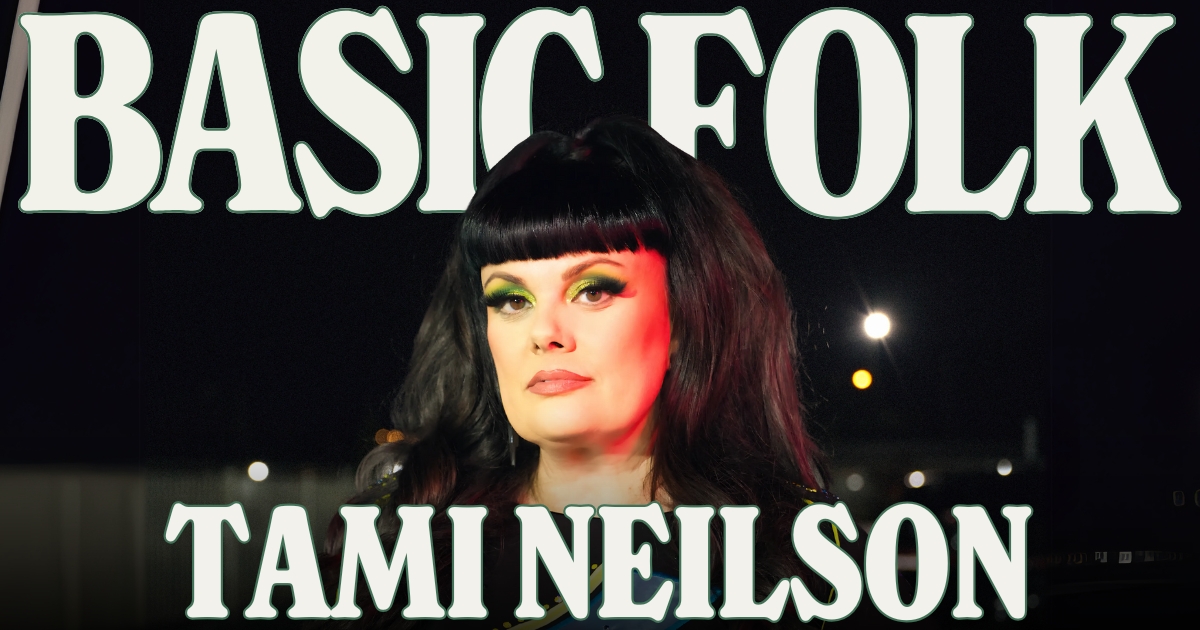
Basic Folk: Tami Neilson

In recent years, Tami Neilson has been learning to carry both great joy and great sorrow simultaneously. The New Zealand-based, Canada-born powerhouse’s new album, Neon Cowgirl, is named after the towering electric figure on a sign that’s overlooked Broadway in Nashville watching over Tami’s career since she was 16 years old. The songs were born from a five-month family road trip combined with a major musical tour that would allow Tami the once-in-a-lifetime chance to really give it her all with her career. It was the chance for her children to experience what her life was like at their age, when she toured the country with her family’s band, led by her eccentric and wildly lovable dreamer-father, Ron Neilson. Before she got the chance to hit the road for that trip, Tami landed in the ICU with sepsis and nearly lost her life. She blessedly recovered, but found that all her priorities centered around trip/tour had changed.

LISTEN: APPLE • SPOTIFY • AMAZON • MP3

In our Basic Folk conversation, we talk about the songs on Neon Cowgirl, her dear friendship and collaborations with Willie Nelson, and Tami’s exciting performances at the Grand Ole Opry. One of the songs on Neon Cowgirl, “Keep On,” was inspired by a cosmic conversation she had with Wynonna Judd. Judd, to her surprise, quoted the same exact phrase – “Keep on, keep on, keep on” – that Tami’s late father had written in one of her most cherished letters. We also talk a lot about her brother, Jay Neilson. For all of her career and life, Jay has been by her side as her guitarist, co-writer, and musical partner. Last July, Jay suffered a rare and debilitating brain injury that he is still recovering from. Tami and Jay have not been able to perform together since that injury. She shares what it’s been like to be without Jay and how it’s been for him to be so public about his condition.

Tami Neilson and I first connected during the pandemic. She was a guest on the podcast after she released her 2020 album, Chickaboom! and again after she released her fifth album, Kingmaker, in 2022. Since those chats, I have loved following her career, listening to her new music, and experiencing her highs and lows with her. She’s one of my favorite guests and I’m thrilled to welcome Tami back to talk about her wonderful new record.


Photo Credit: Alexa King Stone

LISTEN: Rod Gator, “Out Here in Echo Park”

Artist: Rod Gator (aka Rod Melancon)
Hometown: Wright, Louisiana
Song: “Out Here in Echo Park”
Album: For Louisiana
Release Date: September 17, 2021
Label: Blue Élan Records

In Their Words: “I wrote ‘Out Here in Echo Park’ during my last year living in Echo Park. Every evening I’d walk five miles down to the L.A. River and sit along the bank. It was one of the most peaceful times of my life. During the walk I’d hear Spanish music playing from windows and watch the sun slowly set. East L.A. means a lot to me. It’s where I go in my mind when I feel overwhelmed. I picture myself sitting along the L.A. River. I miss Echo Park everyday. It’s the place where I finally began to feel comfortable in my own skin.” — Rod Gator


Photo credit: David McClister

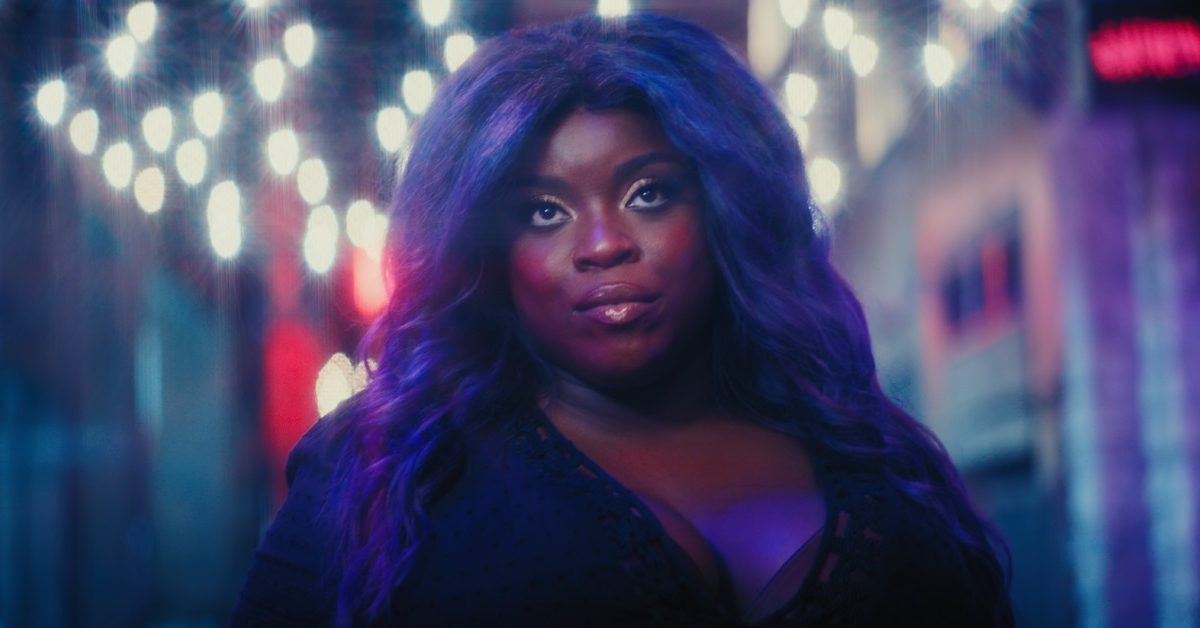
WATCH: Yola, “Starlight”

Artist: Yola
Hometown: Brighton, England
Song: “Starlight”
Album: Stand for Myself
Release Date: July 30, 2021
Label: Easy Eye Sound

In Their Words: “I wanted to put something into the world that showed people what my dating life is like now. I’m currently single, yes, but I’m not neglected or some soulless sex robot. The volume of media dedicated to showing dark skinned Black women having a nice normal time in romantic situations, be it true love or just dating, is still lacking in my opinion. ‘Starlight’ is a song about looking for positive physical, sexual and human connections at every level of your journey towards love.

“The world seems to attach a negative trope of cold heartlessness to the concept of any sexual connection that isn’t marriage; this song looks through a lens of warmth specifically when it comes to sex positivity. Understanding the necessity of every stage of connection and that it is possible for every stage of your journey in love, sex and connection to be nurturing. Temporary or transitory doesn’t have to be meaningless or miserable. In the right situations every connection can teach us something valuable about who we are, what we want and what is healthy.” — Yola


Photo credit: Ford Fairchild

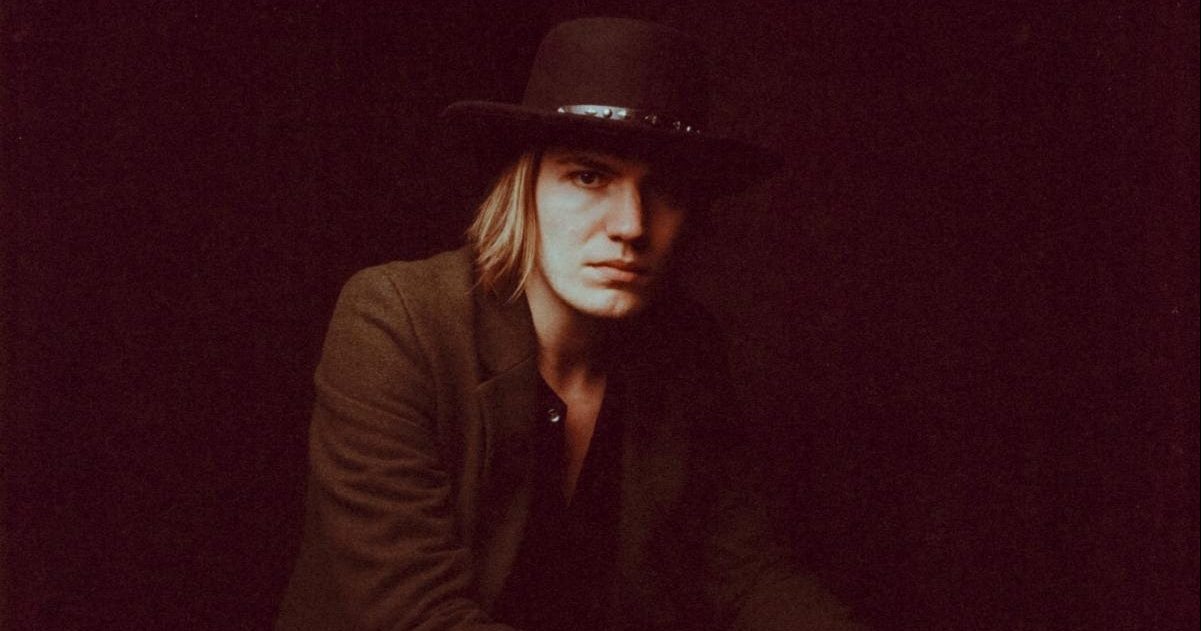
WATCH: Dylan LeBlanc, “Gentle on My Mind”

Artist: Dylan LeBlanc
Hometown: Muscle Shoals, Alabama
Song: “Gentle on My Mind”
Album: Pastimes EP
Release Date: June 18, 2021
Label: ATO Records

In Their Words: “I come from a heavy country music background. My father made his living as a writer for the Nashville Machine growing up. My grandfather in the early ’70s in his early thirties was convinced to make payments on a Gibson guitar on consignment at the local music store along with a songbook with the scales and chords and hit songs of the era inside with directions on how to play them. He loved this song and it was heavily played around the house and passed and sang at gatherings and parties where everyone was drinking and laughing and feeling no pain as they say. I love the story of this song about a drifter roaming from place untethered to anyone or anything therefore making the moment of missing his muse more pure. I can relate as I have naturally always wanted to roam from place to place and be free. I love this song so much and it holds a nostalgic and wonderful place in my heart.” — Dylan LeBlanc


Photo credit: Alysse Gafkjen

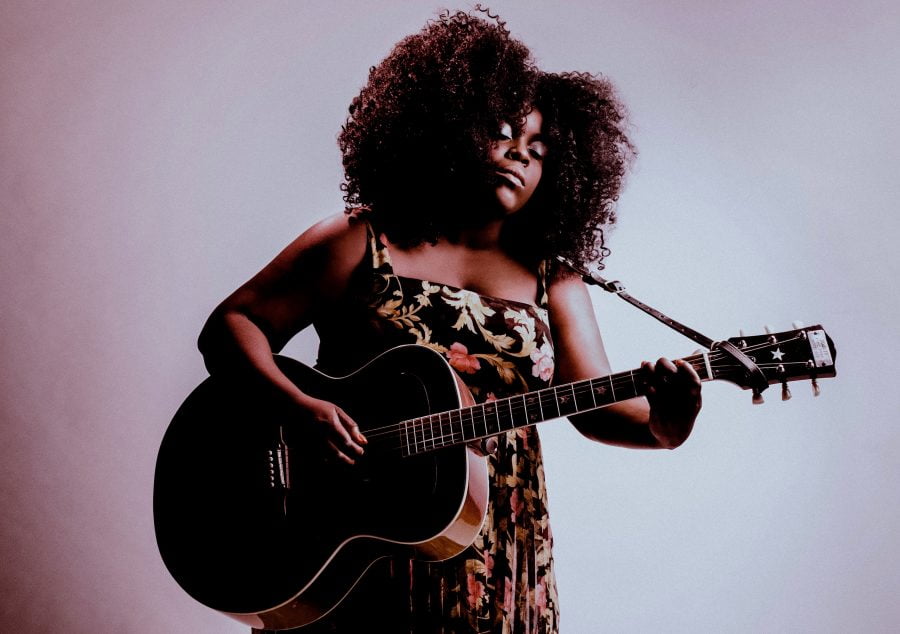
Britain’s Yola Blends Soul, Country, and ’60s Pop on Astonishing Debut

If you’ve ever had the good fortune of being in the audience for one of Yola’s live shows, you will have been utterly blown away not only by the power of the British singer/songwriter’s voice and the intensity of her songs’ arrangements, but also by the bedlam her audiences devolve into in the presence of such a commanding, charming, visibly strong black woman. Yola owns each of these unabashed facets of her identity with bright-eyed self-awareness and unbridled joy, all of which pour forth from her astonishing debut album, Walk Through Fire.

This grandiose power that Yola possesses is deliberately not the focal point of the album, though. She and her collaborator/producer Dan Auerbach have artfully balanced the wildness of Yola’s experiences in myriad genres (pop, electronic, and rock among them) with the subtlety and nuance that her deft songwriting demands. It’s not just an album sung by a “strong black woman,” it’s not just country-soul, it’s not just a late ’60s/early ’70s pop throwback, it’s not just a collection of heart-wrenching, impossibly visceral love songs — it’s effortlessly and masterfully all of the above.

We sat down with Yola during her release week press gambit in Nashville and began our conversation recapping this year’s Grammy Awards.

BGS: In one of her Grammy acceptance speeches this year Brandi Carlile called Americana  “An island of misfits.” I wonder if you agree — and what do you feel like you bring to this island of misfits?

Yola: I do agree. I think Brandi Carlile is on point by saying that. It feels as though people have congregated in Americana, maybe even running from other genres. It’s a place where we are celebrating eclecticism and being open and we’re at least seeking to be diverse — and trying to understand that diversity, instead of having fingers in the ears. There’s a little bit more to the scene. It allows people like Brandi Carlile to rise to the top, and rightfully so, because of their talent!

I have found, for me, that after being associated with a lot of different genres over the years, I’ve had to fight to just be me. I’ve had to do as much fighting in this particular scene, because everyone’s crossing something with something or being more unexpected than other genres. Doing shows at AmericanaFest and in this particular scene has given me a chance to develop. Full stop. And to get started.

When I first started I was pretty terrified to do what I was doing. Americana allows me to be like, “Hi, okay, I’m the black British woman with the afro — no, not the other one, the one called Yola.” [Laughs] And I can go, “Okay, I’m going to mix some soul with some country, but not in the way you think I’m going to do that.” Yes there’s going to be a ’60s pop sound in there, but again, probably not in the way you think I’m going to do that, either. Maybe it is my Britishness that is giving me the angle from which I approach each thing.

I feel like the album is decidedly country-soul, and it’s interesting to me because we’re in this community — Americana with a capital A — that is majority-white.

Mhmm. Heck yeah!

We’re working on diversity, like you said, but we’re a work in progress. So I wonder how you feel your blackness is part of that country-soul designation and how much of that is not connected to your blackness, as well. I feel like so many people, especially in the audience for your shows, see you step up on stage and they’re ready to scream and holler because there’s a “strong black woman” presence on stage–

Yes.

So I wonder do you feel a differentiation between what you’re establishing as country-soul for country-soul’s sake, and how much comes from your identity as a black woman?

Well, I think it starts with identity, because everything starts from within and from where you think you fit. Where do I fit? I think my entire musical journey has been based on where the frick I fit.

An island of misfits.

Yes, exactly. I found a bunch of weirdos that were as weird as I was and was like, “This is great!” [Laughs] That’s what has led me where I want to go, musically. It’s about finding what my voice wants to do. It’s all about the physicality of my voice, it’s got a soft side, almost choral, that then flips to this big, yelly, slightly more Tina [Turner] side. I can move very smoothly from one to the other. My voice is a seesaw in that situation. I need to be able to be the fullness of myself, so that’s kind of where the country-soul comes from — from within.

That’s at least physically what it is, as well as growing up listening to that music, listening to people who were already doing what I’m doing. I’m by no means inventing the wheel or even reinventing it, for that matter. It’s something that’s just been done. Ray Charles has done it. Mavis is doing it. Maybe the way I’m doing it, with this retro pop kind of angle, is something that others haven’t done, necessarily. But that is narrow in comparison to the vast eclecticism of my musical taste. It’s out of control how broad a day’s playlist can sound.

We’ve talked about this, because I want you to make a bluegrass record!

[Laughs] You’re like, “Are you ready to do that?” And I’m like, “Hey, I’ve got so many genres to get through right now!”

Add it to the list.

Just tack it on, you know? I don’t know if I’m going to go all the way like, Beck levels of breadth. He’s covered some ground, it’s impressive. But I’m enjoying this kind of freedom right now. As fun as it is knowing that country and soul are always going to come out, it’s nice to be able to be free enough to explore gospel and blues and rock and roll and pop. You can hear from the record there are probably four comfortable genres within it and they all move completely seamlessly from one to the next. That’s what I love about music. I love how close it all is.

Going back to the physicality of your voice for a moment, one of the things that struck me about the album is that it feels like you’re laying back–

Mmmm. You know me!

It feels like you’re being reserved, your signature Yola-dialed-up-to-eleven isn’t there all of the time. Talk me through that less-is-more decision making process.

Certainly, the songs kind of spoke for themselves. When you finish writing a song you can decide whether you’re going to tack a big ol’ outro on the end of it and then whether you’re going to freaking scream to the heights of the ceiling on that outro. But I thought, I don’t know whether I listen to albums where the singer is going hell-for-leather, top to bottom, all the way through. I like to listen to albums top to bottom and I like a bit of a gradient. So as the songs come, one by one, I kind of have a look and think, “Okay, I don’t think the song needs this.” It’s about trying to respect the song and the will of the song. Sometimes the song really needs it, like “It Ain’t Easier.” I’m going to go there! [Laughs] I was purposefully selective and I think it was each song that led me.

The songs do feel like they’re all related, but they’re all distinct. For instance, “Still Gone” and “Keep Me Here” back to back feel like the same story told from slightly different perspectives.

They are! “Still Gone,” in my mind is about being in a relationship. You met someone, they were amazing, then whoever the heck that person was, they fucked off and the person you end up with is your consolation prize. You’re looking over your shoulder thinking, “Oh, still gone!” It’s like chasing the dragon, but it’s the person you were dating. That first hit, that’s the one. Everything else after just pales in comparison. It’s very much that moment of realization, that moment before you start checking out of the new relationship, when you start staring off into the distance.

That faraway look in your eye!

That faraway look in your eye! It’s all tied together. That’s the precursor feeling. It’s the “You’re literally everywhere, but you’re not here” situation.

So “Keep Me Here” turns that same idea on its ear.

It does! Because you haven’t got the guts to be alone. You’re being a chicken. You’re being fed, again, chasing the dragon. Like, “That first hit was good, can’t we just have that bit?” No, you can’t. You have to have the full wonderful person — especially when they’re not wonderful, that’s challenging. You’re just hoping for those little moments, those little glimpses that keep you hooked in. In my situation, I was working with my ex, my partner at the time, and so it was very much like being totally hooked, and musically hooked, and socially hooked, and all of these hooks become something that keep you holding on in light of glaringly horrible interactions in every part of your life. I think it takes a lot of self esteem to grow up enough to realize you need to move on. The twenties are not really the time when self esteem is at its full!

It’s funny that we begin that “chasing the dragon” when we’re in our twenties when we have no idea what that thing actually is.

[Laughs] Exactly! We have no idea! But we’re just desperately going for the thing. It felt good that one time, maybe it will happen again. It’s about as well-advised as taking smack, you know? It shouldn’t be like a hit, though. It should be consistent. But you don’t learn about the healthy ways of doing life until you have the experience.


Photo credit: Alysse Gafkjen

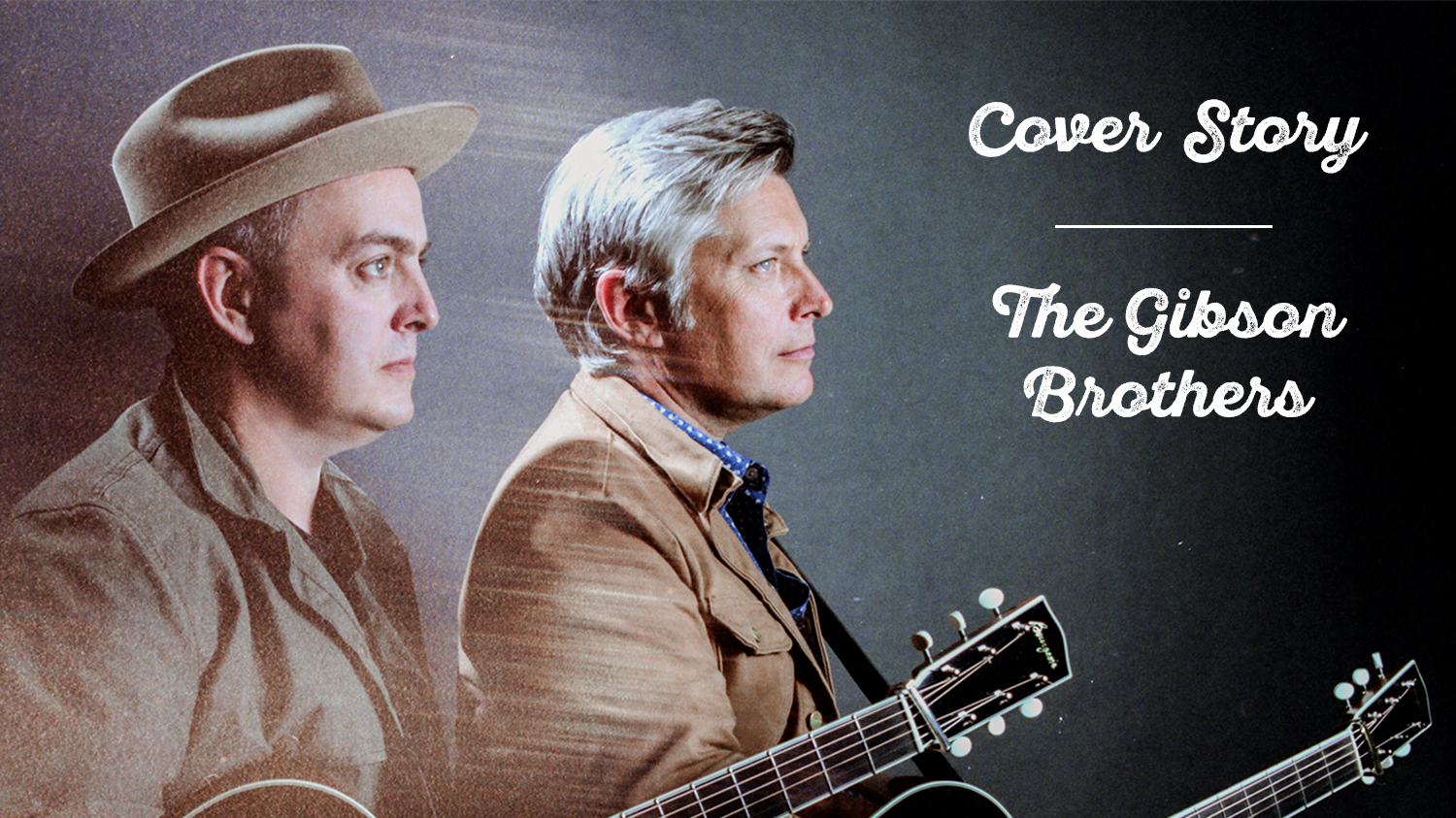
The Gibson Brothers Still Call It Music, Just Not Bluegrass

Featuring the stunning blood harmonies of days gone by and an abiding love for classic sounds, The Gibson Brothers long ago earned the respect of the bluegrass establishment – even scoring back-to-back wins as the International Bluegrass Music Association’s (IBMA) Entertainer of the Year in 2012 and 2013. Even so, they’ve always cultivated an adventurous spirit.

Having grown up on a dairy farm in the far north of New York State, sandwiched between the Adirondack Mountains and Quebec’s provincial border, their musical appetite was as varied as their home was removed from the bluegrass heartland – from Flatt & Scruggs to Celtic traditionals, and from Tom Petty and The Eagles to French-Canadian fiddle tunes. Throughout their two-decade recording career, The Gibson Brothers have subtly mixed bluegrass reverence with a hint of rock refreshment, but with their new album, Mockingbird, Eric and Leigh Gibson have taken a bold creative departure – at least for the time being.

Mockingbird’s 11 tracks still feature their celebrated close harmonies, but also pull heavily from the countrified world of late 60s/early 70s rock, all masterminded by producers Dan Auerbach (of The Black Keys) and David Ferguson (Johnny Cash’s American Recordings series). Freewheeling and fun, but also rooted in the crisp refinement of their past success, the boisterous rural funk of tracks like “Sweet Lucinda” stands alongside breezy Laurel-Canyon rock in “Cool Drink of Water,” while “Travelin’ Day” explores a trad-country template and R.E.M.’s seminal 90s hit “Everybody Hurts” becomes a swaying example of country R&B.

“The impetus behind the music was that we had done bluegrass our whole career, and when we got talking about the next record, we really just decided we didn’t want to do the same old thing again,” he explains. “It’s not because we were ashamed of what we were doing. We love what we do. There was no intention of anything. This all really happened naturally.”

“I think people love a band where they found them,” banjo-playing lead singer Eric Gibson adds. “But it was so exciting that we didn’t have time to think about ‘Oh, is this gonna upset people who are used to what we’ve done in the past?’ We just dove into the process and had a ball.”

Speaking with The Bluegrass Situation by phone, The Gibson Brothers dug into the inspiration for Mockingbird – and the creative avalanche that followed.

The obvious question here is “What made you want to get away from bluegrass?” But I feel like being from upstate New York might have had something to do with it. Is your approach to bluegrass a little different?

Leigh: We started learning how to play bluegrass when we were 11 and 12, and the guy who taught lessons at our local store played five-string banjo and guitar, among other things. Our father just happened to have both of those instruments, but he didn’t have a banjo because he was into Celtic music. So the guy we took lessons from taught Eric out of the Earl Scruggs method book, and I think that’s what pointed us in the direction of bluegrass.

Eric: Yeah, and once we heard Flatt & Scruggs it really drew us in, but if we hadn’t gotten into the Scruggs handbook, we probably would have played something else.

So what was the idea behind Mockingbird? Do you think of it as a rock and roll album?

Eric: There are definitely elements of rock and roll, but I hear country in it, too. I don’t know where it neatly fits. I’ve heard some people call it an Americana record, but on top of it all I hear the brother harmony. I think it’s that, weaving through a variety of styles.

Leigh: We wanted to do something different, and originally we had some tunes that didn’t fit neatly into the box of a bluegrass band. But we didn’t know we were gonna make a whole album. We were just looking to record some tracks.

Eric: And we ended up not recording any of the songs we were thinking about. We just wrote a bunch of new ones! … When we went to Nashville and started working with Dan Auerbach and David Ferguson, they asked us, “Do you wanna make a country record?” And we said, “Let’s just write songs and see what they need.” They handled the producing chores and did a beautiful job, and came up with sounds that I know I couldn’t have come up with.

You reached out to Ferguson to produce Mockingbird first, and I know he also engineered your first Nashville bluegrass album, Another Night of Waiting. Why was he at the top of the list for this project?

Leigh: [Laughs] Because he’s fun.

Eric: He’s a character and once you meet him you don’t forget him. We’d see him here or there and he’s been doing all kinds of big things in the last 20 years. He’s the one who engineered all those late-career Johnny Cash albums with Rick Rubin. He’s worked with U2, and lately he’s been working with Sturgill Simpson and Tyler Childers. We’d see him and he’d say, “Why don’t you come record some music with ol’ Ferg?”

Leigh: And I’d say “I don’t think we can afford you, Ferg.” And he’d be like, “You’re right, you can’t.” [Laughs]

Eric: But we were riding around DelFest on a golf cart with him in 2017 and he brought it up again, and by fall we were feeling a little restless. We kept listening to records that he worked on in the van, and I think Leigh was the one who said “Maybe we should call Ferg.” I said, “Why do you think I’ve been playing all these albums over and over again!”

So then Ferguson suggests bringing in Dan Auerbach from The Black Keys. Was that a surprise?

Leigh: I was floored, to be honest. Our manager called me and said, “Well, Ferg’s first action as your producer is to bring on another producer, and it’s Dan Auerbach.” [Laughs] So I called Eric and I couldn’t believe it.

Eric: What was funny was Leigh said, “Is this something you’d be interested in?” And I was like, “Duh!” This is the kind of thing that falls out of the sky and you have to go for it.

I read that the whole album was written and recorded in just a few days. Is that unusual for you?

Eric: Yeah, we’ve never worked like that before. … Every day it would be Leigh and Dan and me, plus one other writer. We didn’t go in with any melodies. I had a couple of lines jotted down but we hardly used any of those. A lot of it just came out of conversations we were having at Dan’s studio kitchen table, like “Travelin’ Day.” Dan said, “You know, Ferg lost his stepdad a few days ago,” and we got to talking about that. Ferg said, “He really showed us how it’s done. He was brave at the end.” We said, “Our dad was the same way.”

It’s interesting that you started off with something so heavy, because the album doesn’t come across heavy at all.

Eric: It’s not. That first song is pretty heavy, but there’s a lot of love songs on there, and we hadn’t written a lot of love songs in the past.

Leigh: Dan and Ferg showed us how to love. [Laughs]

“Love the Land” seems like a reference back to you roots on the farm. Where did that come from?

Eric: That was written with Joe Allen.

Leigh: With that song, obviously Eric and I have a background of shared memories, so we’re probably thinking about the same thing as we’re writing it. But Joe’s from Oklahoma and Dan’s from Ohio, so they’re thinking about different things. I remember talking to Dan and he said, “Man, I need to get outside more. I miss it.” It’s kind of funny that it’s wherever your head is at the time. If we sat down with the same guys tomorrow, something totally different would come out.

Eric: Dan loved that we kept showing up early. I’d apologize and Dan would say, “No, no, make yourselves at home.” So we’d go back to that kitchen area and he has this beautiful vinyl collection. We’d put on different records and I think sometimes they would influence the direction of the day. Like, that one has a very Don Williams feel, and I think we were listening to Don Williams that morning.

Why did you pull Mockingbird out of that song as the album title?

Eric: Just because that kept jumping out of my head. Joe came up with the line, something like “Mockingbird, if you haven’t heard / Never been a sound so sweet.” I loved that, so I actually Googled “mockingbird.” [Laughs] It turns out they can sing a variety of songs. They don’t just sing the same thing every day, and I thought “Wow, that’s kind of what we’re doing here.”

I’m sure you’ve been asked a million times, but did the cover of R.E.M.’s “Everybody Hurts” come out of left field?

Eric: Totally out of left field.

Leigh: Just before the last day of tracking, Dan said, “Think of a song from the 80s or 90s that everybody knows but no one would think of you doing.” So Eric and I talked about it on the way back to the hotel and came up with something by a female artist, and we got to the studio the next day and Ferg is like, “So what song did you choose?” We told him and he’s like, “Oh, I hate that song.” Allen Parker, who is Dan’s in-house engineer, said “Hey, how about ‘Everybody Hurts’?” I had heard the song – you couldn’t miss it if you’re a person my age – but I never in a million years would have thought about doing it. Those guys went and charted it, and it had such a comfortable, funky feel, that we were compelled to learn it.

Do you think your fans saw this album coming?

Eric: No. I mean, it’s a hard question. If they’ve really been paying attention to us over the years, it shouldn’t come as a big surprise because we’ve recorded stuff by Tom Petty and The Band and The Rolling Stones and Mark Knopfler. We have a variety of tastes.

Leigh: I think there are certain fans who see you as one thing, and if you do something else it can be upsetting, but no one twisted our arm to do this. It’s absolutely what we wanted to do and we’re proud of it, but we didn’t do this to offend anybody. If somebody is offended, there’s nothing we can really do about that except say, “Look at our track record and all this other stuff we’ve done that you really love. Why not give this a chance?”


Photo by Alysse Gafkjen