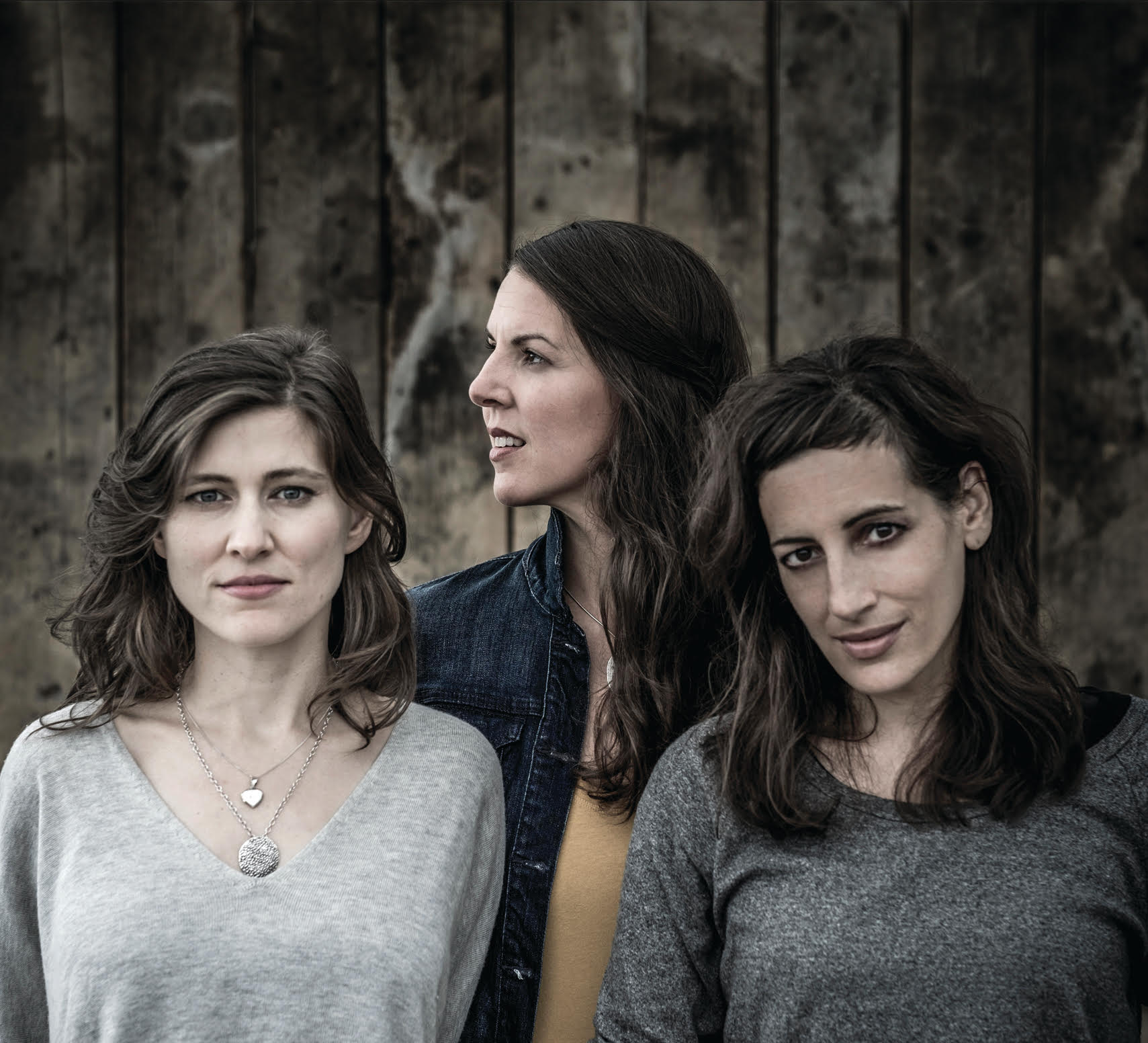
Baylen’s Brit Pick: The Southern Companion

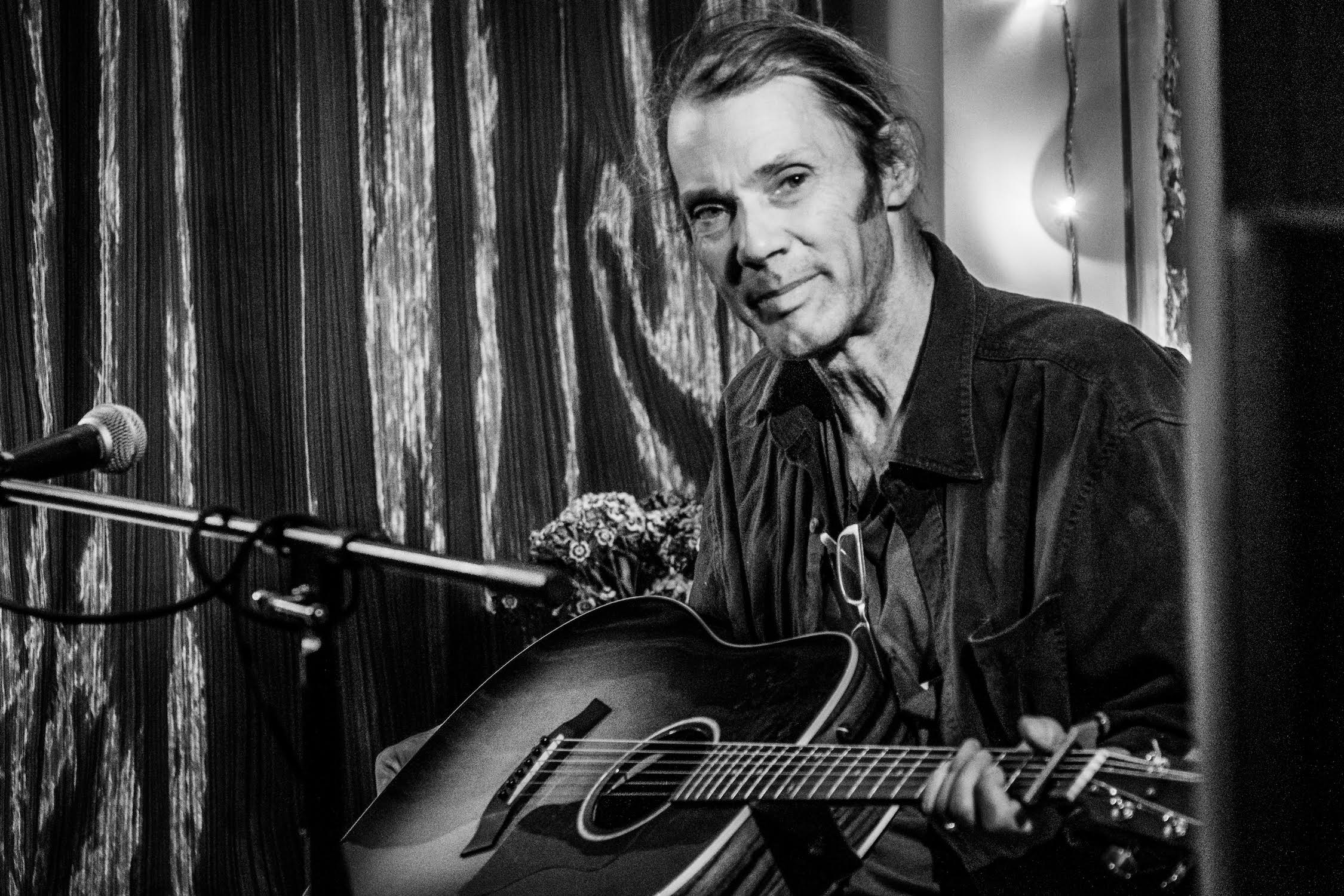
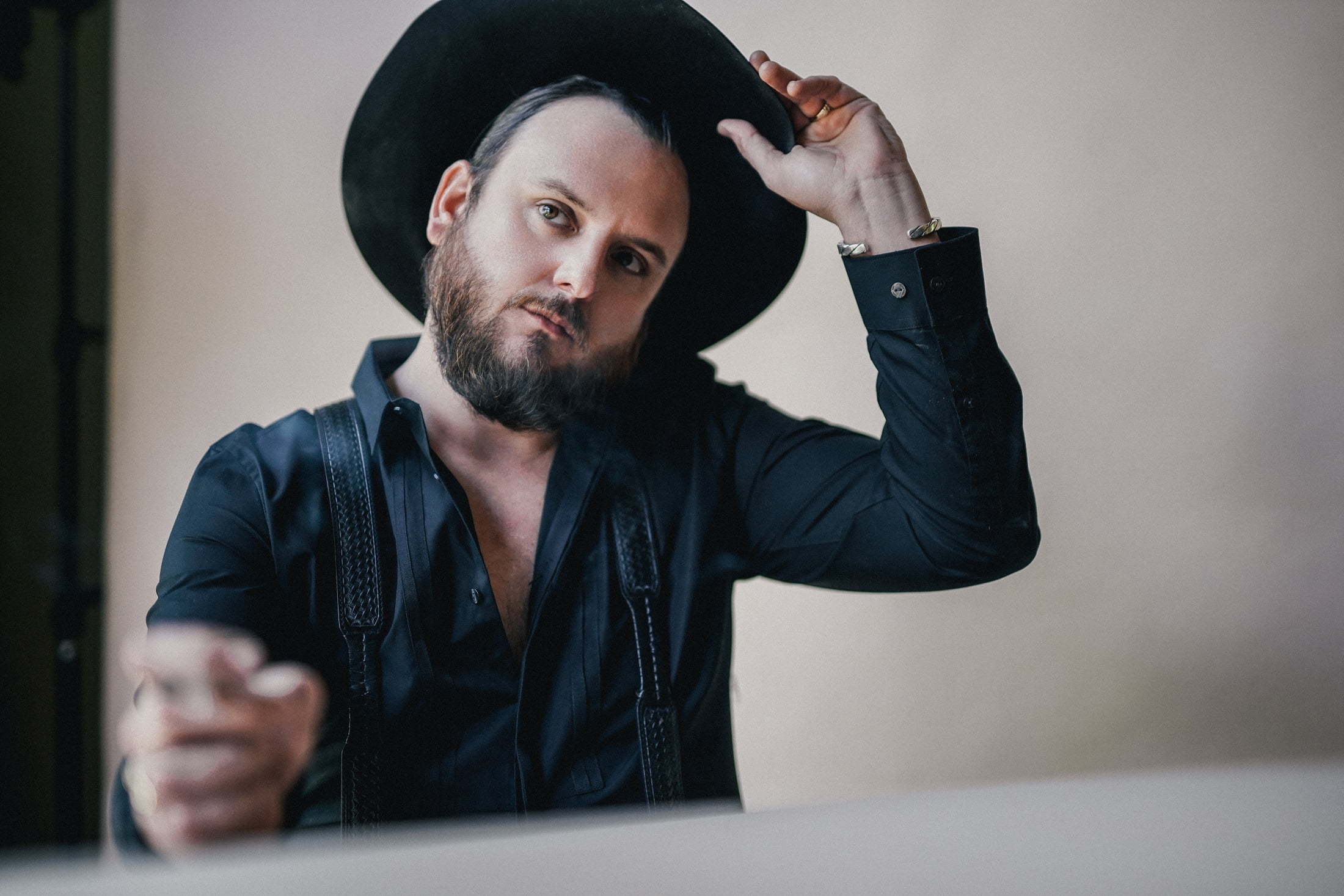
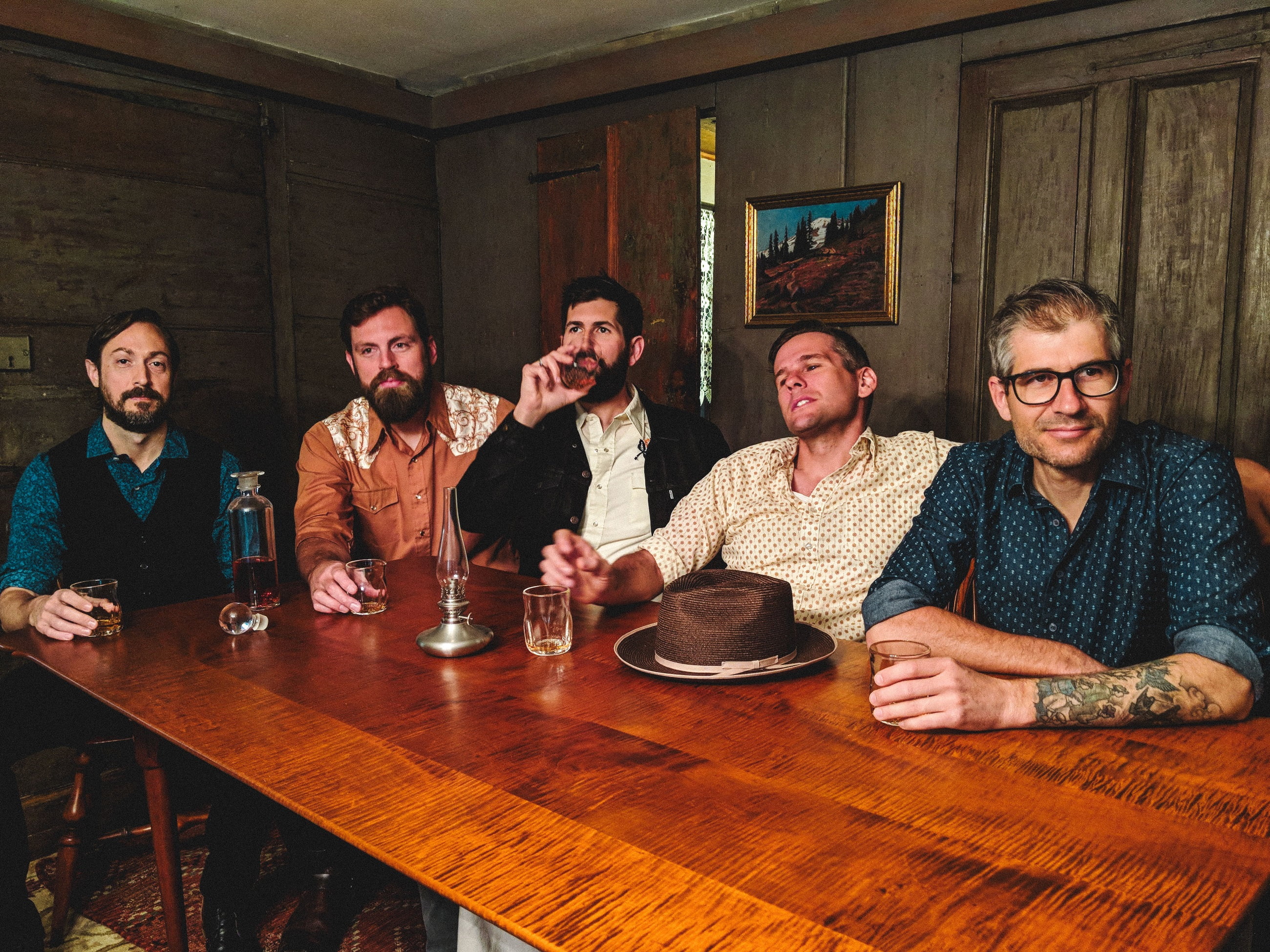
Artist: The Southern Companion
Hometown: Lymington, Hampshire
Latest Album: 1000 Days of Rain

Sounds Like: Counting Crows, The Black Crowes, (yes they sound like two bands with “crows” in their names. Never thought about a crow genre before, but there ya go). They also remind me of some non-crow artists like Eric Church, Tom Petty, and Ryan Adams.

Why You Should Listen: The musicianship in this band is off the charts, with members having played for Lana Del Rey, Tom Jones, James Morrison, Rumer, and Vanessa May, these guys aren’t messing around.  They’ve played together on and off for more than 20 years, and you can hear that in their debut album 1000 Days Of Rain. Yes, it took them two decades to get around to making an album, but sometimes good things take a while – come on, they were busy.

The comfort and musical version of “finishing each other’s sentences” that comes from a band that’s known each other and played together for so long isn’t something you can fake. This band is tight and it sounds like they are having the time of their lives. In a different place and time, lead singer Darren Hodson’s voice would have made him a 90’s “modern rock” god and that’s a wonderful thing as far as I’m concerned. His voice and this album remind me of so many bands I was listening to growing up, that I almost had to check I didn’t already have 1000 Days of Rain on cassette somewhere.

That’s not to say this album is a pastiche or retro, far from it, but the influences are clear. That’s something they acknowledge with a bit of old school yesteryear glorification on “Wrong Side of the 70s.” For an emotional deep dive, check out “Dead Man Walking.” This album has been out for a minute, but it’s taken me until now to fully appreciate it, and sometimes that’s how it goes. I just hope we don’t have to wait another 20 years for more music from them.


Photo credit: Wilky


As a radio and TV host, Baylen Leonard has presented country and Americana shows, specials, and commentary for BBC Radio 2, Chris Country Radio, BBC Radio London, BBC Radio 2 Country, BBC Radio 4, BBC Scotland, Monocle 24, and British Airways, as well as promoting artists through his work with the Americana Music Association UK, the Nashville Meets London Festival, and the Long Road (the UK’s newest outdoor country, Americana, and roots festival). Follow him on Twitter: @HeyBaylen

WATCH: Malcolm Holcombe, “Black Bitter Moon”

Artist: Malcolm Holcombe
Hometown: Weaverville, North Carolina
Song: “Black Bitter Moon”
Album: Come Hell or High Water
Release Date: September 14, 2018
Label: Singular Recordings

In Their Words: “This world is full of goodness and a lot of positivity, but it seems like I can relate to the underdog and the downtrodden, for obvious reasons. Those types of songs seem to strike a nerve more deeply than the ‘Yellow Brick Road,’ because I think it’s a struggle for all of us to try to do the next right thing. Some people have the spiritual chemistry to be able to achieve that more easily than others, but I think we all struggle with getting up in the morning and trying to live in our own skin.” — Malcolm Holcombe


Photo credit: Jamie Kalikow

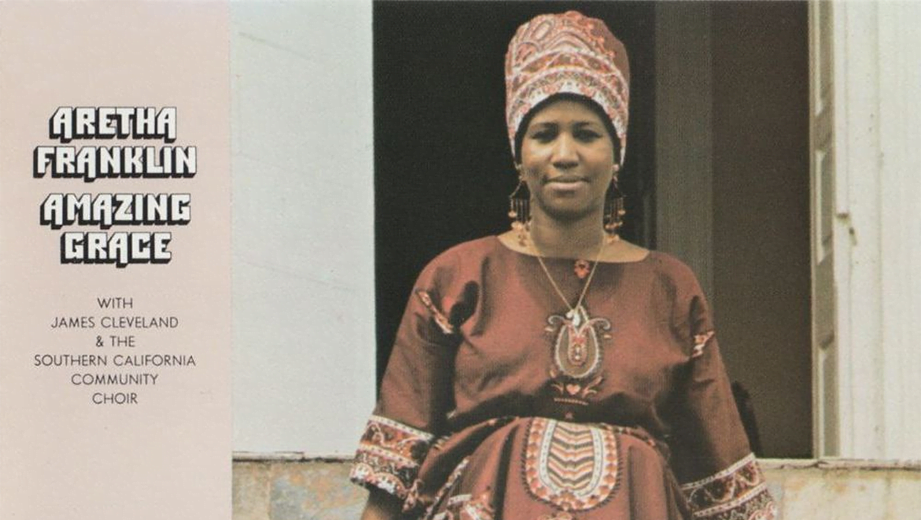
Canon Fodder: Aretha Franklin, ‘Amazing Grace’

Listen to Aretha Franklin sing “Amazing Grace.” The hymn was nearly 200 years old when she tore into it on her 1972 double-live gospel album with the same title. Her version is nearly eleven minutes, and she spends most of that time wringing those lines of every emotion that has ever been felt in those intervening centuries. Aretha delivers those lines like she’s preaching, and the congregation answers in kind: applauding when she hits that high note on “a wretch like MEEEE” and voicing their excited approval when she locates untranscribable vowels in those simple words “amazing grace.” It is a vibrant collaboration between performer and audience, each pushing the other to new heights of spiritual ecstasy. The Southern California Community Choir comes in like a band of angels, but Aretha isn’t even done yet. Instead, she shakes them off and tests the limits of her upper register.

That is just one of many goose bump-inducing moments on Amazing Grace, which remains her best-selling album as well as the best-selling black gospel album of all time. While it has been overshadowed by the secular albums she recorded for Atlantic Records in the late 1960s and by her unprecedented comeback albums in the 1980s, it remains a touchstone in her catalog, an album that explains her complicated relationship to the gospel world as well as to the pop charts. Beyond that, it’s just an incredible set of music, with all the intensity, all the purposefulness, and all the spontaneity of her own or anybody else’s live albums. Amazing Grace surpasses even her 1971 Live at the Fillmore West, which is saying a lot because that album is a stone classic.

It is, however, an unusual album in her catalog: Title track aside, her voice is often subsumed into a larger choir. She was never one to be upstaged (the only instance I have found is when the violence outside the 1968 Democratic National Convention overshadowed her performance of the national anthem inside), but she slips in and out of the choir, harmonizing with them one moment and soloing the next. The point of the album—the point of gospel, in general—is to share the spotlight with a host of friends and family. Aretha understood that gospel was not a solitary pursuit; the music is not private or internalized.

Rather, it is public, communal: the sound of many voices united in a joyful noise unto the Lord. Even when she is pushing heavenward on “Amazing Grace,” she is no longer the diva she was in the secular world; perhaps this project offered her some escape from the royal demands of pop stardom, the tabloids printing rumors, the endless tours, the complicated business machinations, the physical drain of being the best-known pop singer on the planet. In church, surrounded by people she loved and trusted and admired, with only God as her audience, perhaps she felt at ease.

Nearly fifty years later, the origins of the project are still debated. Jerry Wexler, president of Atlantic Records, claims he encouraged her to record a gospel album, believing she needed to issue a major statement after so many singles-oriented albums. Aretha, however, claims the idea was hers all along, as was the plan to record it live in church. Others claim her father, the Rev. C.L. Franklin, pressured her to reconnect with the church, although he had instilled in her at a young age the belief that spiritual gospel and secular pop both sprung from the same well of black history. “If you want to know the truth,” proclaims a very proud C.L. during his short sermon, “she has never left the church!”

Aretha surrounded herself with some of her gospel heroes, including James Cleveland (the King of Gospel to her Queen of Soul) conducting the choir. Also taking part were her brothers and sisters, her grandmother, and her idol and mentor Clara Ward of the Famous Ward Singers. According to David Ritz’s 2015 biography Respect: The Life of Aretha Franklin, Wexler “was determined to sneak the devil’s rhythm section into church,” which meant hiring some of the session musicians that had been backing Aretha on her recent records: bass player Chuck Rainey, drummer Bernard Purdie, guitarist Cornell Dupree, and percussionist Pancho Morales. Even that rhythm section is in dispute, however, as Aretha denied the devil had anything to do with the way they played.

And that is where the disputes end, because as soon as Aretha enters on the opener “Mary, Don’t You Weep,” she presides over the album. She is the choir director, the producer, the soloist, the choir member, the preacher. She hammered out the track list with Cleveland in the weeks before the performances, favoring a repertoire that mixed old hymns and new pop songs often in the same arrangements. “Precious Lord, Take My Hand” bleeds so gracefully into “You’ve Got a Friend” that it’s nearly impossible to distinguish Thomas A. Dorsey’s composition with Carole King’s hit. She swaggers through Marvin Gaye’s “Wholly Holy” as well, but the most commanding arrangement is her gospelization of “You’ll Never Walk Alone,” which had recently debuted in Rodgers & Hammerstein’s Carousel. Not exactly churchly fare, but Aretha and the musicians playing with her find the kernel of spiritual steadfastness in each one. “He walks beside you,” the choir testifies, and she interjects, “He’ll put all of his angels beside you!”

Perhaps she doesn’t mean heavenly angels. Perhaps she means earthly angels: the people up on stage with her and the people down in the pews. In those words are echoes of the Civil Rights movement, a reminder of all the marches and demonstrations that showed strength and righteousness in unity. Gospel was integral to those events; in fact, Aretha performed with Martin Luther King Jr. repeatedly both as a gospel singer and a pop star. Perhaps that connection is what made Amazing Grace so popular at the time; it’s definitely what makes the album so powerful nearly fifty years later.

“Can I get y’all to help me sing?” she exhorts the congregation on closer “Never Grow Old,” and by “congregation” I mean everyone in the church and everyone who ever listens to the album. No one can sing to the heavens like Aretha, but by inviting everyone to sing along, these performances continue to provide an example of how all of America might sing in one beautifully harmonized voice.

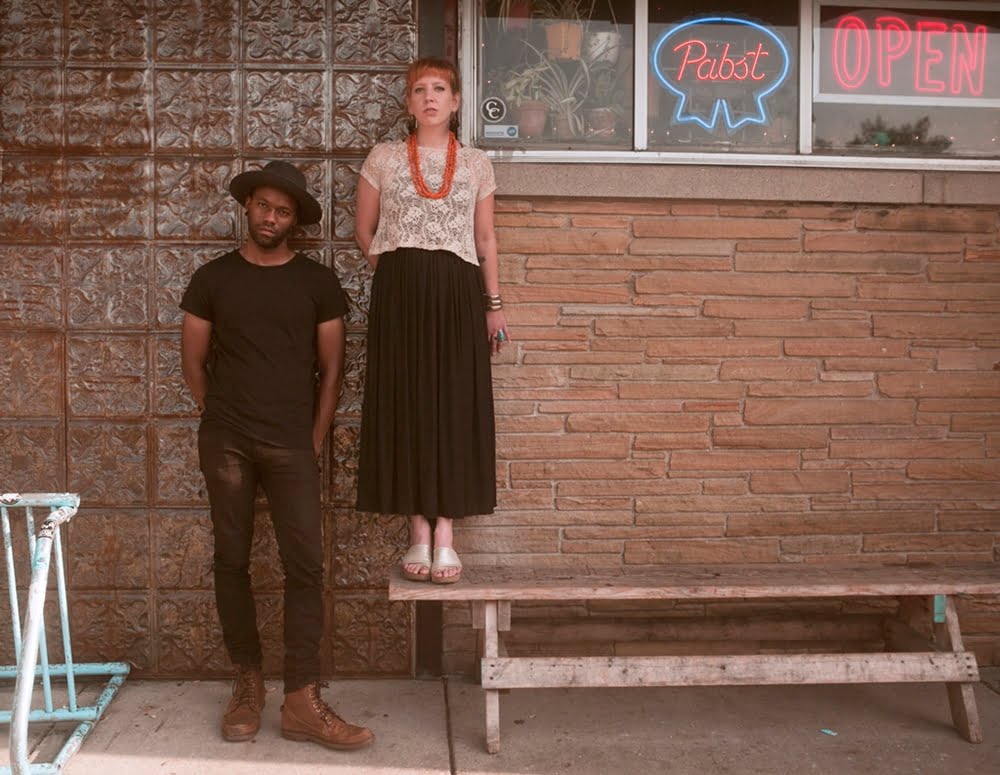
LISTEN: Nickel&Rose, ‘Americana’

Artist name: Nickel&Rose
Hometown: Milwaukee, Wisconsin
EP: Americana
Release Date: September 14, 2018

In Their Words: “The EP was inspired by over a year of touring, presenting American folk music to European audiences as well as side gigs playing bluegrass and blues in the US. It made us rethink what “Americana” really is. We wanted to show that we have respect for Americana as it is but also that we feel it needs to be moved in new directions. Each song on the EP is a inspired by American music but performed through our own experiences.” — Carl Nichols

“Americana is sonically our most traditional release yet. We didn’t necessarily set out to be an Americana folk band but the more we played and wrote, the more we identified with that genre. On this release we explored a lot of the roots of Americana and tried to pay homage to the music and the people who made it what it is today while challenging exactly what that looks and sounds like. Throughout the EP, we grapple with our personal experiences of loss, but in the end I think we persevere. We are able to say what we need to and perhaps offer listeners a little compassion. We can’t necessarily say to listeners everything is going to be okay, but we can relate our challenges and say that we got through it and so can you.” — Johanna Rose


Photo credit: Amanda Mills

The Long Road Ahead: A Visit With Danni Nicholls

Take heed, all Americana fans in the UK. Danni Nicholls will be taking the stage on the final day of the Long Road Festival at Stanford Hall in Leicestershire. Leading up to her appearance, the talented singer-songwriter fielded a few questions from The Bluegrass Situation.

As a performer, what do you enjoy most about festivals?

I think the collective good energy that you usually find at festivals is my favourite thing. Everyone has come together to have a good time and that can be infectious. I’ll usually get to bump into friends/fellow artists too which is always lovely. I love to go off and try to discover great new music too.

The life of a touring musician is certainly unpredictable. How do you like to pass the time when you have a couple of free hours on the road?

Ha, sure is! I like to try to see a bit of the place I’m playing in – not just the inside of the venue. I’ll usually go for a wander if there’s some time to kill, and try not to get too lost! I’ve stumbled across some beautiful, memorable places that way.

Do you consider yourself a collector of guitars? And do you have a favorite one that you like to use when you write songs?

I wouldn’t consider myself a collector as such but I do have quite a few that I’ve acquired over the years! My prized possession is my first ever guitar which I inherited from my uncle Heathcliffe when I was 16. It’s a stunning Burns London 1964 shortscale jazz guitar. A real beaut. But my main touring guitar is an acoustic parlour, a Tanglewood TW73 E called Meryl. She’s feisty but sweet and mellow when you get to know her. She’s my favourite for writing on as well as playing live.

How did your grandmother’s record collection influence the kind of music you’re writing and recording now?

Massively! The music that filled her house and so many family parties was mostly American roots – lots of country, soul and rock n roll. It’s deep rooted in my soul and my music. Feels like home.

How would you describe your first visit to Nashville?

Unforgettable. Really – it was like a dream, I remember walking down a side street and turning onto Broadway where so many of my heroes have walked and known so well and feeling this rush of energy and joy. Seeing the Ryman, Tootsies where the likes of Patsy Cline would have hung out before crossing over to Ernest Tubb’s place. My first night in the city I ended up on stage in two of the bars singing old country songs being backed by these incredible musical strangers and I felt so welcome and included. I was hooked and have explored and fallen in love with many more parts of the city since then and I’m so grateful to have had that opportunity.

What are you working on now?

I just returned from Nashville where I have recorded my third studio album with the wonderful, talented Jordan Brooke Hamlin (Indigo Girls, Lucy Wainwright-Roche) at the new and wondrous studio MOXE, out in the woods just north of the city. I’m very excited to be getting it into shape to send off out into the world in early 2019.

When you finish a song that you’re proud of, who is the first person that gets to hear it?

My cat, Winnie. Yes I think of her as a person. I should maybe address that.

For those people who come to see you at the Long Road Festival, what do you hope they take away from that experience?

I hope they can find some connection, some resonance perhaps. By going out singing my truth I hope to contribute to raising positive vibrations, so I hope they walk away with a little lift, a smile, or at least a bit of one of the songs stuck in their heads.


Photo courtesy of the artist

Spreading the Message: A Conversation With Paul Cauthen

You want to believe Paul Cauthen when he tells you, “I’m an everyday guy, walking the earth like anyone else.” But with a booming voice both on stage and over the phone, it’s easy to understand why he’s become a towering figure in Texas music and beyond.

Cauthen released a striking new EP titled Have Mercy in June – and while its songs aren’t necessarily religious, they absolutely make a statement about his views of the world. Incidentally, Cauthen’s next stop is Nashville, as he brings the all-star Big Velvet Revue to Americanafest for the first time on Wednesday (Sept. 12) at The Basement East.

I like the rhythm and the arrangement of “Everybody’s Walkin’ This Land.” Do you feel like that sets the tone for this EP?

Yeah, man. That song is a staple of the EP. Beau Bedford and I wrote it at his place there in Dallas. We knew this song was going to do something, and be something. It’s got the message, you know?

What I find interesting about that message is that you’re saying you’re going to be praying for fascists and racists. That’s a pretty bold statement to kick off a record. Did you get any pushback from that? Or has anybody questioned you on that?

Oh yeah, you know… usually it’s the nihilists and racists that are the ones bitching. I think either way there are all types of people in this world and you can’t please them all, ever. If you try to live in this world and please all people, you’re going to let yourself down and be really depressed. I just try to spread my message and don’t try to preach too much. It’s an open mindset EP. It’s not “Do this” or “Do that.” It’s “This is what I’m doing. This is what I believe.” Honestly, in this world, that’s what everybody needs to get a hold of – what you truly believe in.

I would imagine that your audience is pretty diverse, though.

Yeah, man, it really is. We’ve got all ages that love our music, all ethnicities. It’s been all over the map. When we played Pickathon, we had guys who were from Russia, I think, and they really dug our band. They went on and on about our band because they’d never heard real Texas music. That’s what this is – it’s Texas music. That’s what I tell people. I’ve gathered my own little recipe of Texas music over the years.

Your song “Tumbleweed” definitely sounds like Texas. Were you chasing that certain sound?

Oh yeah, man, that song is definitely Texas. It’s about a girl who just leaves, a girl that’s a nomad. The tumbleweed is a reference to a woman who can’t be stopped. She’s a drifter, a gypsy, you know? She’s gypsying around Terlingua, Marfa, and Big Bend, all around those areas. I’ve spent a lot of time out there.

How do you take care of your voice? On that song in particular, you’re belting it, but you tour a lot, too. How do you make sure you don’t blow your voice out?

I’m thinking about it every day. I check it every morning. I drink a bunch of tea. I smoke less and drink less brown liquor. I go warm-up. You’ve got to really breathe, and when you feel your voice really hurting, you’ve got to pay attention to it. You don’t over-exert your voice — those nights that your voice feels a little raw, don’t go up there with beer or liquor or any alcohol before the show. It dries out your throat. And you know, just being mindful of it.

I’ve dealt with my voice for my whole life. I’ve been going hoarse since I was 9 years old, since I’ve been loud speaking and singing for my whole life. You know, it happens, but I’m never going to have surgery for my voice. You know, I’ve got a nodule on my [vocal cord] on the right side, but so did all the people who have a distinctive rasp to their voice. It gives texture, like an aged wine.

I’ve read that your grandfather inspired your song, “Little Son.”

Yeah, he’s the guy. Jim Paul is his name. He had two daughters – my mom and my aunt. So they named me after my granddad’s last name.

How did that song come to you?

It’s just about when you’re someone that somebody looks up to. And you actually have some great advice to give somebody that they can learn. It seems like he knew he was going to go at a young age. … He was really blunt with me, almost to a fault, like telling me there was no Santa Claus. He’d say, “Me, your grandmother, your mom and your dad worked hard all year to put presents under the tree.” He was just that guy. He’d say, “Listen here! Listen here!”

When you sing “Resignation,” you have so many rhymes and the pattern and rhythm is so fast. When did you learn how to rhyme and the power of words?

Oh, I’ve loved Grimm’s Fairy Tales all the way up to Dr. Seuss. When I was a kid, I’d be rhyming stuff with my granddad, making up funny little rhymes. My granddad would rewrite verses for hymns when I was little. He’d sit at the end of the table, get a legal pad and a pen out, and write notes for the sermon. I’d help him with lines and help him with rhymes, too. It was kind of instilled.

I wanted to ask about the background vocals on the EP. I love to hear the women’s voices coming through. Do you travel with background singers?

Yeah, we definitely travel with the singers, but it just depends. Sometimes if we hit the road for a long one, we’ll just keep it thin. But yeah, Taylor Lumby and Becky Middleton did some BGV’s on “My Cadillac” and “Have Mercy.” They’re great!

On “Have Mercy,” I noticed how the dynamics really come into play on that song.

That song, I really wanted it to be like J.J. Cale or Tony Joe White. That dynamic is really chill. That’s what we were going for on that. And we did a pretty damn good job, especially now live. We’re really getting into this vibe with it. It’s super fun to play and it’s grooving as shit. So, we’re excited because we’re having fun out here playing these songs. That’s why we keep working. If it’s not fun, who the hell wants to do it?


Photo credit: Jody Domingue
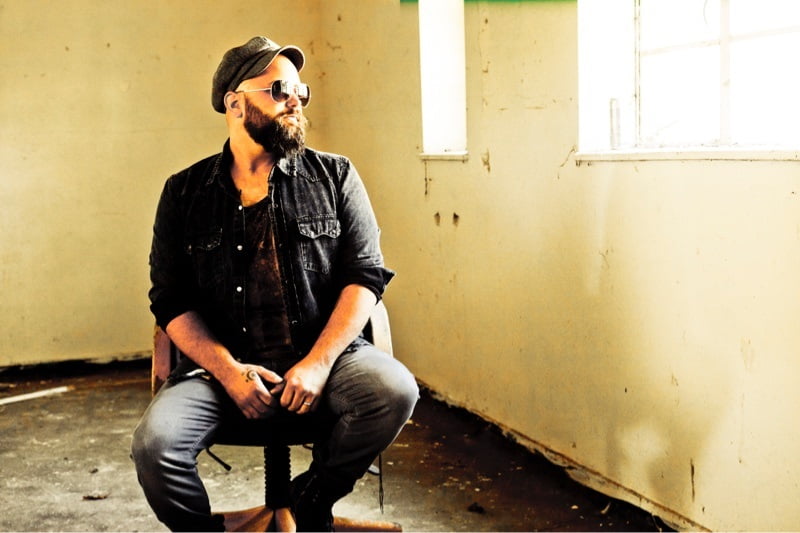
WATCH: The Steel Wheels, “Working on a Building”

Artist: The Steel Wheels
Hometown: Harrisonburg, Virginia
Song: “Working on a Building”
Album: Working On A Building / Red Rocking Chair
Release Date: September 7, 2018
Label: Big Ring Records

In Their Words: “We decided to go back to our roots and have some fun with a couple old traditional songs this year. In a time of great distraction and short attention spans, it’s great to remember there are songs that have been around and continue to take hold of the imagination today. This song also has a message for us today: let’s build something positive together. The Steel Wheels are donating a portion of the proceeds of this song to Build United, an organization whose aim is to provide affordable housing for people in need.” — The Steel Wheels


Photo credit: The Steel Wheels

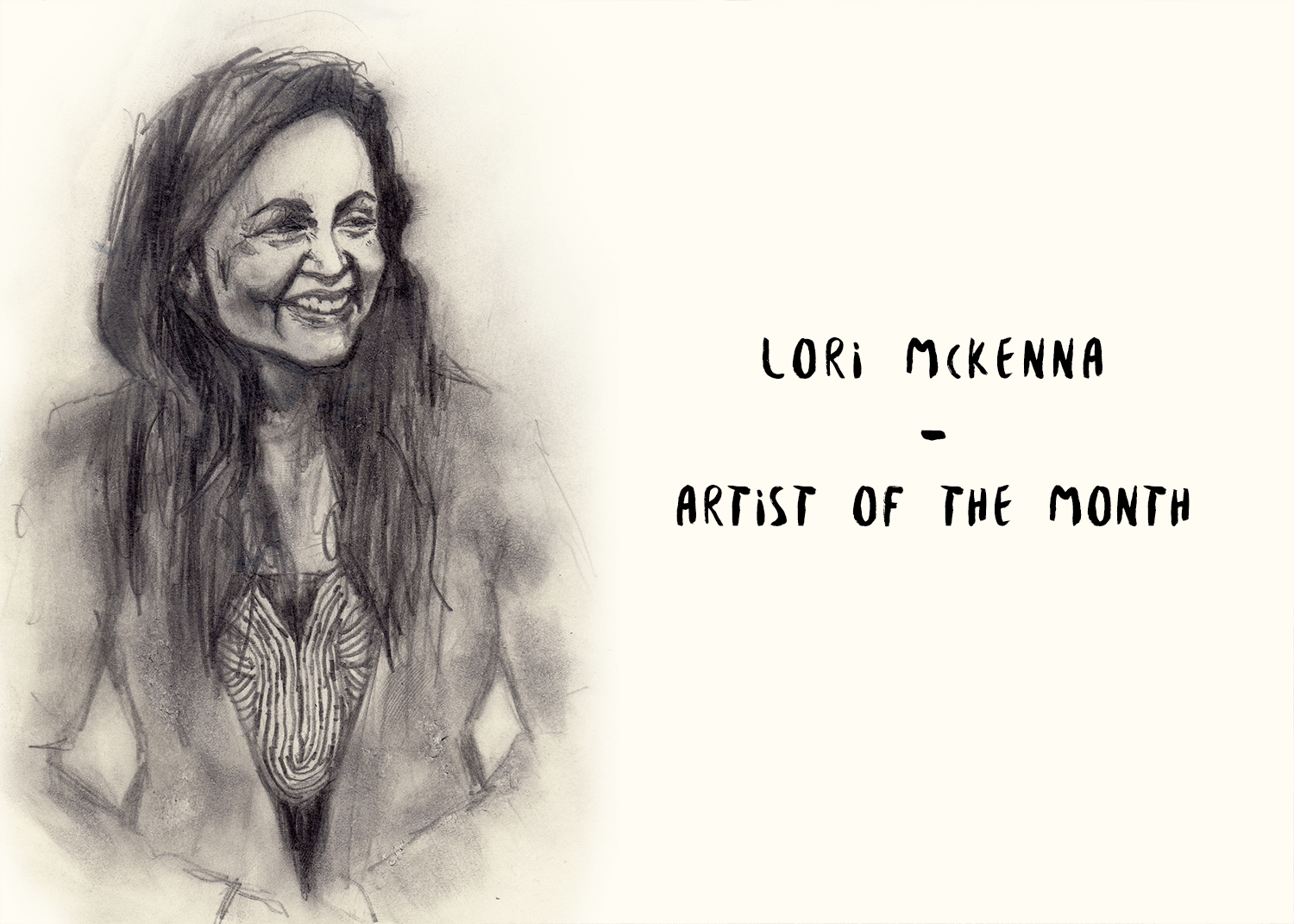
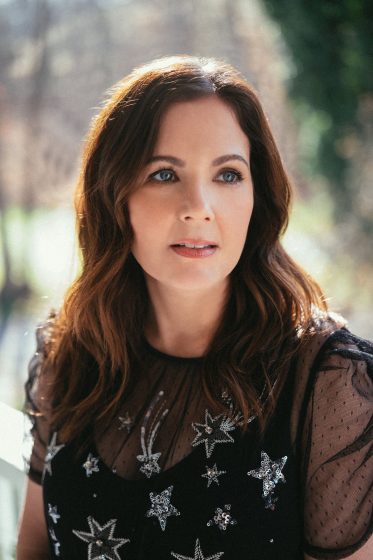
Lori McKenna Finds Comfort and Reflection in ‘The Tree’

Some writers seek out the truth, excavating situations to uncover a universality that shines some light of understanding on the world. For others, the relationship works another way. Hungry to be heard, the truth seeks them out, and time and again makes itself known.

For Grammy-winning singer-songwriter Lori McKenna, the latter seems to be the case. Her lyricism, sketched from life’s myriad everyday scenes—hearth fires, heartbreak, and the like—strikes upon central truths to an almost uncanny extent. Listening back through her catalog, which now numbers eleven albums with her new release The Tree, it’s as if she wields some otherworldly wisdom and has been kind enough to share it with listeners.

McKenna’s the first to admit it’s all a “happy mistake.” As she explains, “I think my brain starts small and it takes me a minute to see if there’s a bigger message in there.”

Small has been McKenna’s modus operandi since her 2000 debut album Paper Wings and Halos. She regularly portrays characters’ private interiors, snapshotting quiet moments typically shared with oneself, a partner, a parent, or even the small town one wishes to escape. On The Tree, McKenna found herself identifying in larger ways with what she was writing, even if she hadn’t set out to hold a mirror up to her life. “The more you write, the more comfortable you get in your craft, the more of you reflects back in it, even if it’s a character that isn’t you,” she says.

Time’s circularity informed several songs on The Tree. At a moment when her aging father needed more help and her children needed less, she was struck by the roles she was being asked to play. “Your mom role is getting less intense, and your child role—as far as helping parents—gets a little thicker,” she says. “I think a lot of people get to exactly to this place.”

McKenna took all the fears and pain that go along with aging, and penned a beautiful ode to the daring act of living. On “People Get Old,” with a slight twang to her vocals, she sings: “Time is a thief/ Pain is a gift/ The past is the past, it is what it is / Every line on your face tells a story somebody knows/ It’s just how it goes/ You live long enough, the people you love get old.” The catch is the last line: “You live long enough.” Life can and does hurt like hell, but if you’re lucky you’ll make it long enough to acquire all those scars.

Though she’s been writing and playing for herself since she first picked up a guitar as a teenager in Massachusetts, McKenna’s obvious talent for distilling greater wisdoms down into a hook caught Nashville’s attention early on in her career. Faith Hill recorded three of her songs—”Fireflies,” “Stealing Kisses,” and “If You Ask”—on her 2005 album Fireflies, and set into motion a relationship with Music City that continues to this day. McKenna has gone on to pen songs for some of the biggest names in contemporary country music. “I had never tried to write a song for someone else,” she explains about when she first visited Nashville.

In 2016 she teamed with producer Dave Cobb to release The Bird & the Rifle, a critically-acclaimed project that led to two award nominations from the Americana Music Association — for Artist of the Year and Song of the Year (“Wreck You,” written with Felix McTeigue), as well as three Grammy nominations. She reunited with Cobb for The Tree sessions as well.

McKenna now splits her time between Boston and Nashville, visiting once or twice a month to work on songs. She speaks fondly of her adopted city. “I fell in love with the community. Nashville is such a songwriter town. They really honor their songwriters,” she says. “I have to pinch myself sometimes when I think about the group of people that I get to write with because it’s not just that they’re all great writers. I’ve really found a group that I feel so comfortable with. [An idea] might not be right and it might even be kinda stupid, but they won’t judge me. They’ll say, ‘Well, let’s see. How can we make that work?’ The people that you feel bravest around are the best people to be creative with.”

Among their many collaborations together, McKenna, Hillary Lindsey, and Liz Rose wrote “Girl Crush,” which Little Big Town recorded for their 2014 album Pain Killer. The song focuses on a woman who finds herself developing a complex desire for her ex via his new love interest. It’s jealousy painted in layers: “I want to taste her lips/ Yeah, ‘cause they taste like you.” Despite complaints to pull the song from country radio due to a growing controversy about whom the central figure wanted, it went on to earn McKenna her first Grammy—for Best Country Song. She repeated the following year for “Humble and Kind,” recorded by Tim McGraw.

When it comes to the success of “Girl Crush,” McKenna says she, Lindsey, and Rose weren’t anticipating a hit. “We didn’t think anybody would cut the song—we just chased the song,” she explains. “That song was about reminding ourselves how we want to write the best song we can and reaching that goal on our level.” That same sentiment pops up on The Tree’s final track, “Sing It Like Patsy Would.” McKenna, Lindsey, and Rose wrote the gut-honest song, which details the strife and success of the creative path, but ultimately ends with the important point: Let the love for the work drive you. If you’re looking for fame, you’re in it for the wrong reasons.

The work clearly drives McKenna and other songwriters in Nashville, but the question looms about why men continue to dominate the country charts. “I think overall if you had to figure out why is there are fewer women on country radio—and I’ve never asked anybody this so I might be wrong—I think it may have something to do with the fact that women are less likely to write a party song,” she muses. “They do, but when you look at the women who have become the biggest part of country music, most of their songs—the biggest songs—are statement songs. They say things that men can’t really get away with. Tammy Wynette, Loretta Lynn, they’re saying things.”

Whether or not country radio ever wakes up to the imbalance in its formatting remains to be seen. Even McKenna admits the conversation has been going on for some time. “Ever since [I arrived in Nashville in 2005], I’ve heard people say, ‘The woman thing is coming around. You just watch. I can feel it.’ It’s funny because it always does feel like it’s going to turn.”

In the meantime, she and her cohorts will continue writing the songs that make people sit up and take notice, that help shift the conversation. She says with a chuckle, “I love landing in Nashville and going, ‘Somebody’s writing a great song right now.’ It’s just a given.”


Photo credit: Becky Fluke
Illustration: Zachary Johnson

WATCH: The Wailin’ Jennys, ‘Wildflowers’

Artist: The Wailin’ Jennys
Hometown: Winnipeg, Manitoba
Song: “Wildflowers”
Album: Fifteen
Label: Red House Records

In Their Words: “We’re so excited to release our fan-sourced video for our version of Tom Petty’s classic ‘Wildflowers.’ It ended up more beautiful than we could have imagined thanks to our fans submitting gorgeous and meaningful images and video. All of them clearly illustrate each person’s concept of love and freedom. It is a video full of pure joy and we couldn’t be more proud to release it to the world! We hope you love it as much as we do.” — Nicky Mehta


Photo courtesy of Red House Records

LISTEN: Joshua Hyslop, “No Roots”

Artist: Joshua Hyslop
Hometown: Vancouver, Canada
Song: “No Roots” (by Alice Merton)
Release Date: September 7, 2018
Label: Nettwerk

In Their Words: “With my tour supporting Great Lake Swimmers across the USA this fall, I wanted to try covering a song that was stylistically different from my music. Someone from my record label sent me ‘No Roots’ by Alice Merton, and I thought it would be fun to try it from a folk perspective. I’d never heard her music before so I didn’t have a planned approach, but after I listened through the song once I picked up my guitar and banjo and quickly started piecing together my own version.” — Joshua Hyslop


Photo credit: Jesse Milns