Basic Folk: Laurie Lewis

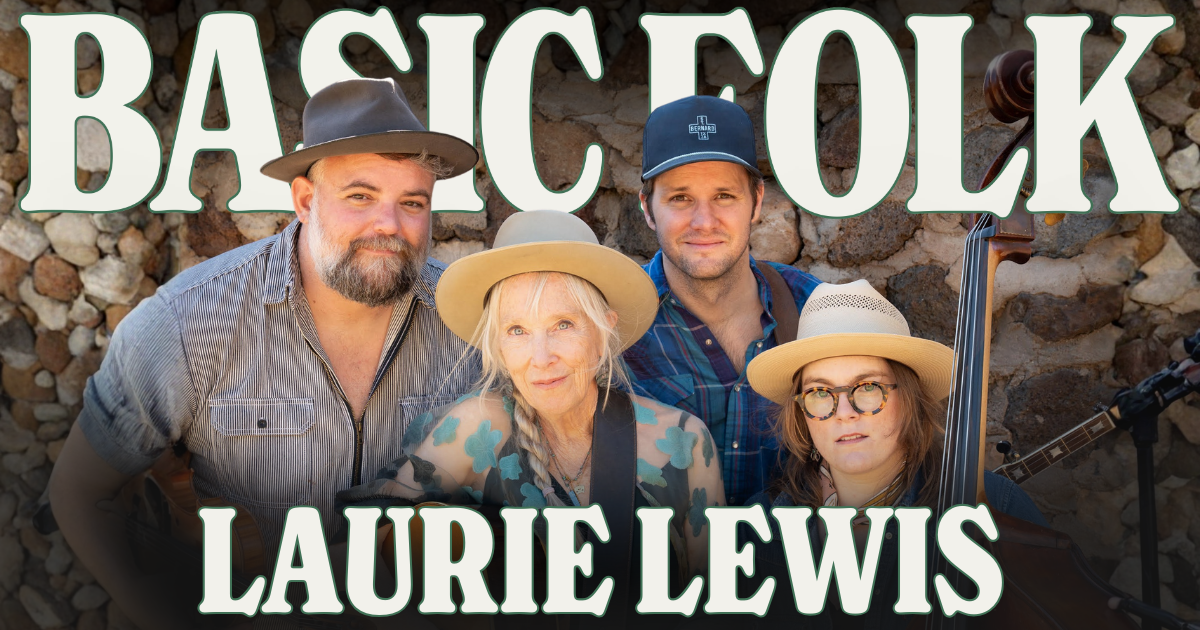
A foundational participant in the ’70s Bay Area bluegrass scene, Laurie Lewis knows the power of collaboration. She’s been a part of an ensemble in recent years that’s called Laurie Lewis & the Right Hands, with Laurie on fiddle, guitar, and vocals, Brandon Godman on fiddle, George Guthrie on banjo, and Hasee Ciaccio on bass. That group plays a huge part in her new album, O California!, a collection of songs that explore our own places in the natural world and in each other’s hearts. It also serves as a love letter to her home state. One standout track, the traditional “Fair and Tender Ladies,” is a duet with Ciaccio, which brings the song’s cautionary tale to life. In our Basic Folk conversation, Laurie talks about what it’s been like to learn traditional songs before actually catching their meaning, long after figuring out the tune.

LISTEN: APPLE • SPOTIFY • AMAZON • MP3

Lewis emphasizes the communal and collaborative nature that defines her musicianship. She recounts her early exposure to music played socially when her father and his friends gathered at their home to play classical music when she was young. She credits that experience with solidifying her decision to learn to play, so she could have as much fun as they did. Laurie also opens up about her path to finding independence from her father’s expectations and her eventual return to music through modern dance and folk tradition. She touches on her passion for nature, recounting transformative hiking experiences, and reveals her thoughts on collaboration and mentorship within the music community.

Additionally, Lewis reflects on the profound impact of losing her voice in 2021 and the emotional journey of rediscovering her musical identity. We wrap up our conversation talking about her friend Alice Gerrard, whom she covers on the new album. After we hung up, Laurie emailed me an addendum about Alice that I wanted to share: “I forgot to say, when you asked me about Alice Gerrard, that I also greatly admire her community involvement in the music she loves, as evidenced by her starting and running the Old Time Herald for so many years. She’s a remarkable person. Plus, she trained her dog to fetch a beer out of the fridge for her and then put the empty can in the recycling!” Incredible.


Want more? Check out our recent Cover Story interview with Laurie Lewis.

Photo Credit: Dawn Kish
Basic Folk: Naomi Westwater

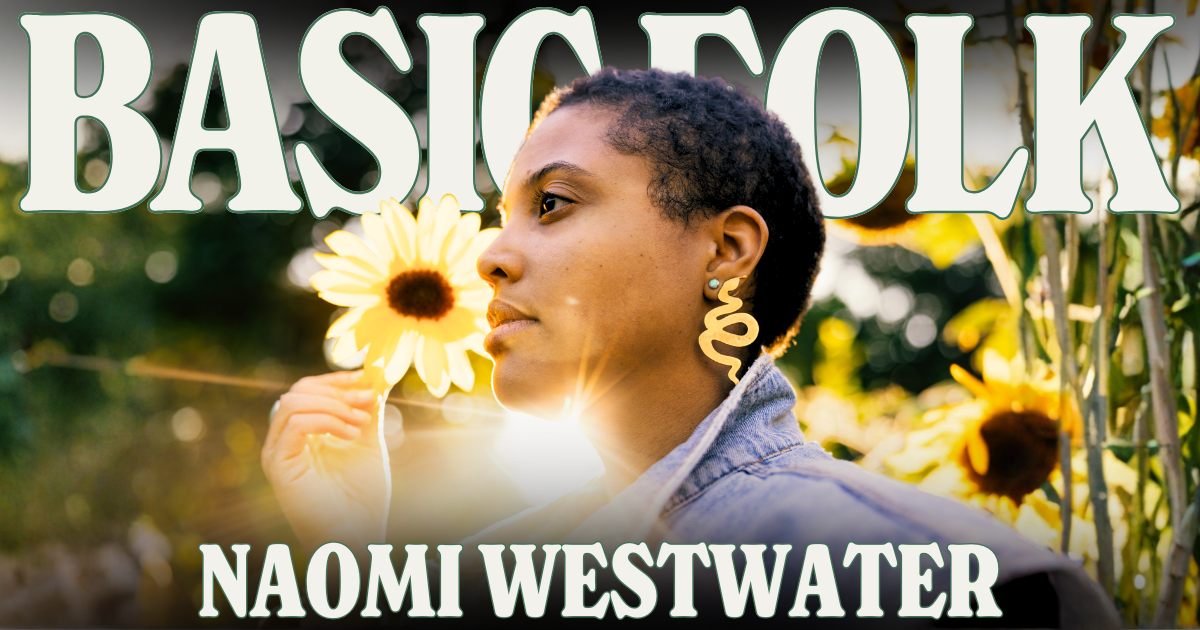
Something you might notice about Boston musician Naomi Westwater is that they have both sides of the brain on lock. They are very good at community organizing, grant applying, advocating, and other “left-brained” activities. However, they are also a creative, deeply spiritual, open-hearted person, traits typically associated with the right brain. That’s not always something that goes hand-in-hand, but it is a beautiful thing when it does!

Westwater, who identifies as queer and Black-multiracial, grew up on Cape Cod in Massachusetts, where they never felt like they fit in. Thanks to their parents, there was a lot of music being played: reggae, jazz, funk, classic rock and ’70s feminist folk. There was always a deep connection with nature, which plays into their spiritual practice and their songwriting, two areas they previously kept separate.

LISTEN: APPLE • SPOTIFY • AMAZON • MP3

On their album, Cycle & Change (released May 9, 2025), Naomi made an effort to fully embrace her identity as a songwriter and a witch. She shares, “Each song ties back to its seasonal context, weaving a story that spans spring’s hopeful beginnings, summer’s vibrancy, autumn’s introspection, and winter’s quietude…” Right in the final stretch of preparing to release the album, all these very hard things happened: the sudden loss of Naomi’s father; they went through a divorce; and they relocated. It was as if, with the album, they had created the blueprint for remaining grounded during these challenging life changes. We get into all of this on Basic Folk, as well as navigating self-advocacy while struggling to get their endometriosis and adenomyosis diagnosed and treated and the impact their father’s death had on their creativity.


Photo Credit: Ally Schmaling

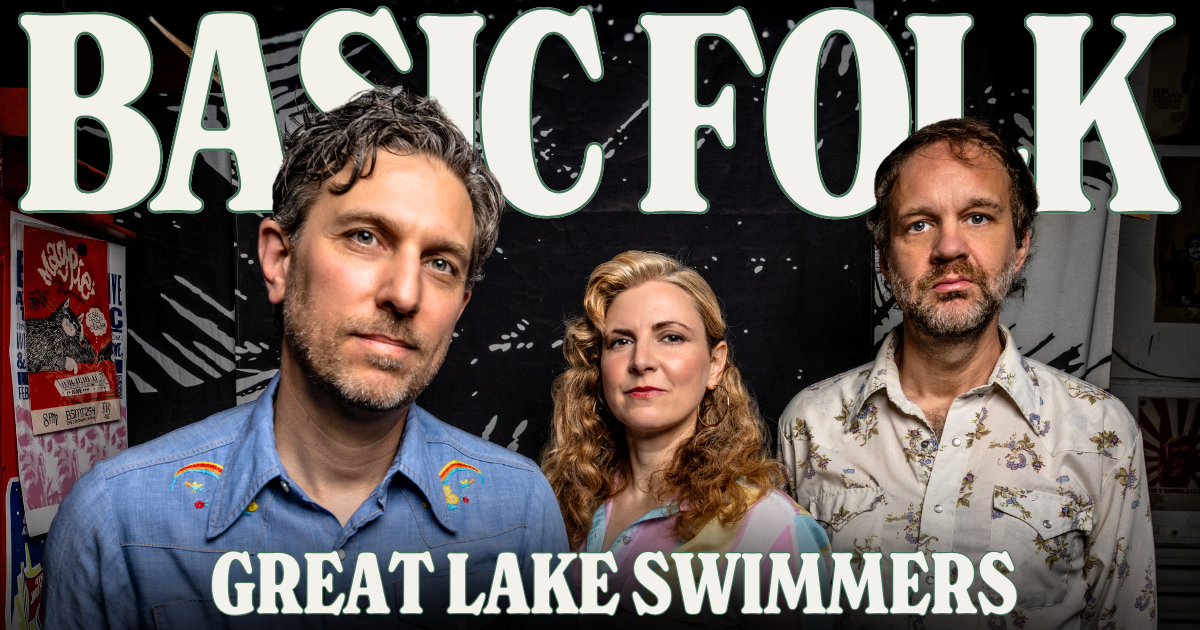
Basic Folk: Great Lake Swimmers

Accidental bandleader and beloved Canadian Tony Dekker joins us to talk about Great Lake Swimmers‘ new album, Caught Light. Tony is up to old tricks again, like recording in a remote and weird place (in a century-old farmhouse in the middle of the woods) and working with his merry band of rotating musician friends, including producer Darcy Yates (Bahamas). The album was recorded in three days, the shortest amount of time he’s ever spent on a record. In that very fast process, he had to learn to let go of control. In our Basic Folk conversation, he shares what he’s learned about the beauty of letting go. We also get into how Tony feels most capable of confronting environmental and political themes in his songwriting and daily practice.

LISTEN: APPLE • SPOTIFY • AMAZONMP3

In recent years, Dekker has moved his family from Toronto, the big city, back to the Niagara area in Ontario where he grew up, to establish a small town community and life. We revisit his early years in Wainfleet, Ontario, discussing the ins and outs of his family’s farm, his love of country radio, and talent for picking any instrument. He learned the joy of playing music at a young age. The reward of music was enough, and that notion has translated into how Great Lake Swimmers operates and what kind of bandleader he is. As stated before, the fact that he is the group’s bandleader is an accident, since he only wanted to organize the band and act as a background member. Finding himself more and more on the frontline, he did some serious work learning how to be a good leader and how to operate a band that’s made up of good friends. It’s clear that Tony’s figured out how to be a humble leader and friend as his collaborators return to his orbit time and time again.


Photo Credit: Robert Georgeff

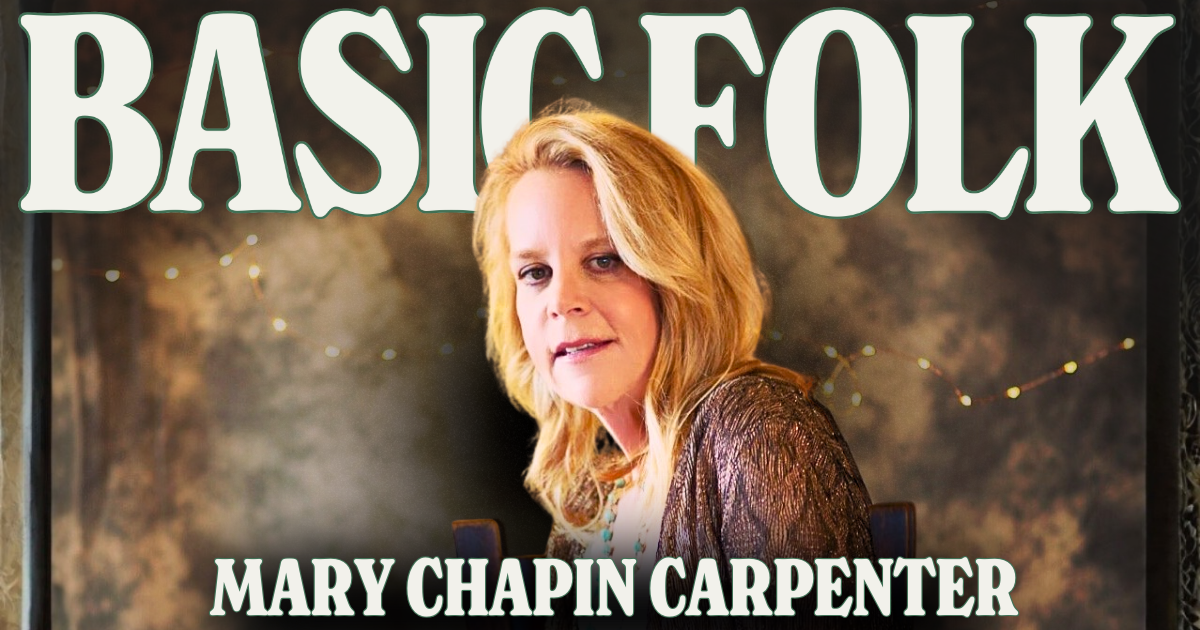
Basic Folk: Mary Chapin Carpenter

Mary Chapin Carpenter’s latest album, Personal History, is as lush in production and color as the beautiful farmland she calls home in Virginia. Carpenter will often wake up early for sunrise walks with her dog, Angus, and one of several daily cups of coffee (of course) to start the day. In our Basic Folk conversation, she reflects on how living in this serene farmhouse has brought her peace, drawing parallels to Carl Sandberg’s “creative hush.” Mary Chapin also discusses her method of “song walking” as a tool to overcome writer’s block, often accompanied by her pets.

LISTEN: APPLE • SPOTIFY • AMAZON • MP3

Carpenter goes on to touch on her evolving relationship with fame and the importance of surrounding herself with grounded people; she reveals her younger self was shy, and talks about how being less concerned with others’ opinions has empowered her over time. We cover her connection to the Celtic music community and how it inspired her collaborative album Looking for the Thread with Scottish musicians Julie Fowlis and Karine Polwart. That record was her first with Josh Kaufman as producer and it worked so well, she decided to have him produce her new solo album, too. We also chat about “hyphen-gate,” due to her double first name, the process of feeling visible and valued, and the impact of Elizabeth Strout on her perspective of songwriting.


Photo Credit: Aaron Farrington

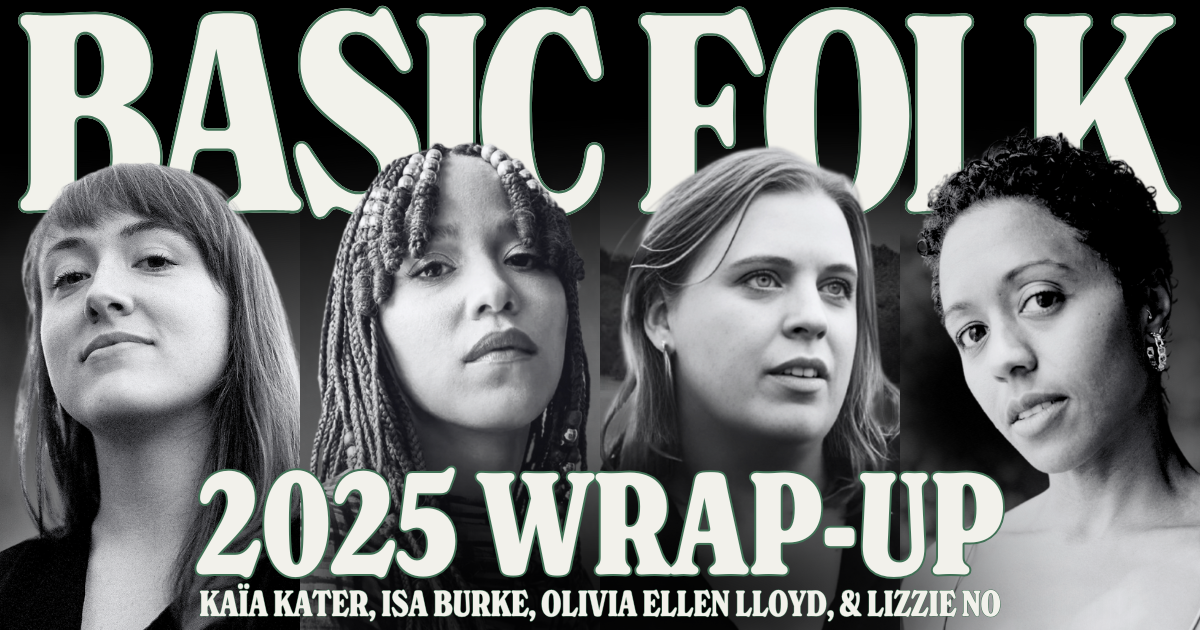
Basic Folk: 2025 Wrap-Up

To send 2025 off into the great abyss, we have a sensational year-end Basic Folk roundtable featuring Lizzie’s group chat: Kaia Kater, Olivia Ellen Lloyd, and Isa Burke.  It can feel so challenging to know which media you can trust and whose takes you can really take to the bank. There is no one we trust more to wrap up this wild and wacky year than these gals. We turned to them at the end of 2025 to hear their hot takes, what they’re grateful for, what they’ve learned, and what four poppin’ folk musicians were up to in this crazy year in the industry.

LISTEN: APPLE • SPOTIFY • AMAZON • MP3

We also share a couple of Basic Folk clips from 2025! Our most-listened-to episode featured Ani DiFranco and Carsie Blanton onboard Cayamo, so of course we wanted to share a portion of their conversation about periods. Lizzie tees up a clip from her favorite episode featuring Cindy’s  meet-cute moment with Morgan Toney. Morgan spoke of how he started to get more familiar with his Indigenous musical heritage and shares incredible insights about how to connect with your cultural heritage as a marginalized artist.

Lizzie & Cindy then get into what each has been up to this year, together and separately. They especially reflect on their trip to Alaska with Parlor in the Round, the pod’s new baby, Lizzie’s Yallidarity Social Club podcast, and the latest on their dogs – including one emergency surgery to remove a six-month-old corn cob. Goodbye, 2025!


Lead Image: Olivia Ellen Lloyd by Mandi Fountain Photos; Isa Burke by Sam Kassirer; Kaia Kater by Janice Reid; Lizzie No courtesy of the artist.

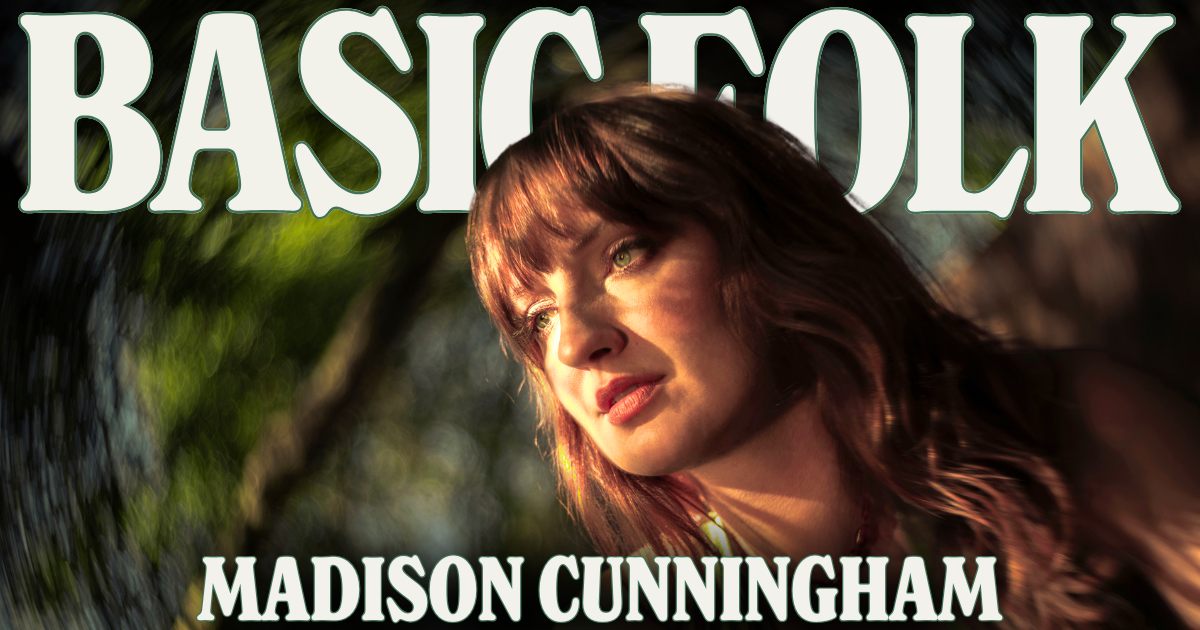
Basic Folk: Madison Cunningham

Our episode with Madison Cunningham was one of those all-time Basic Folk moments where a guest gets really deep really quickly. I’m so grateful to have had the chance to speak with this brilliant young torchbearer of the folk tradition to celebrate the release of her new album, Ace. Cunningham grew up in the church, an environment which shaped her earliest memories of music. From the very beginning she had a sense of togetherness and transcendence in music which remains today and is represented throughout her catalogue. It was fascinating to hear Madison describe how she developed into a commanding solo performer, renegotiating her relationship with spirituality and individuality along the way.

LISTEN: APPLE • SPOTIFY • AMAZON • MP3

After the massive impact of her GRAMMY-winning 2022 album, Revealer, and collaborations with artists like Andrew Bird, Cunningham summoned all her creative, form-breaking powers for her new album. As we talked through the track list and arrangements I got the sense that this is an artist who is always challenging herself to release control. She lets things fall apart and then puts the pieces back together according to her own imagination. This is freedom. Her reflections on heartbreak feel intimate, thoughtful, hopeful, and unique. Ace may or may not be a “Folk” album by aesthetic measures, but it is certainly an outstanding example of world-building in the singer-songwriter format. Whether on piano or guitar, Cunningham has a focused way of expressing herself that makes me want to know what unpredictable gems she will create next. Long live the creativity of independent women!


Photo Credit: Sean Stout

Basic Folk: Frazey Ford

Frazey Ford has always loved soul music. She fell in love with Otis Redding at age 11 and discovered people like Ann Peebles along the way, but it was Al Green that really knocked her out. She loved the layers, the expression, and especially his voice. She completely dove in and even started an Al Green cover band.

Although she had been perfecting her soul sound, the band that took off for Ford was, of course, The Be Good Tanyas. She talks in our Basic Folk interview about how the trio really worked to perfect quiet, beautiful country music rooted in her love of soul. She took that love into her solo career with her first record, Obadiah. Even though her solo debut was mostly a folk record, documentary filmmaker Robert Gordon heard one of those songs on the radio. He sent her an email and invited her to work with Al Green’s band, The Hi Rhythm Section. That invitation was the inception of her second album, 2014’s Indian Ocean.

LISTEN: APPLE • SPOTIFY • AMAZON • MP3

Now seeing a deluxe edition release in 2025, Indian Ocean captured Ford coming into her own as a solo artist. Working with brothers Charles (organ), Leroy (bass), and Teenie (guitar) Hodges, The Hi Rhythm Section taught her so much about groove, space, and collaboration. In our conversation, Frazey revisits those sessions and the lessons they brought. She talks about how the brothers had always wanted to record with a folk artist and what kind of care and attention they brought to her songs. She reflects on her time working with Teenie, who died before Indian Ocean was released, but not before it was finished. We also get into her early life with her hippie family, her many creative outlets, and her fashion ethos.


Photo Credit: Lauren D Zbarsky

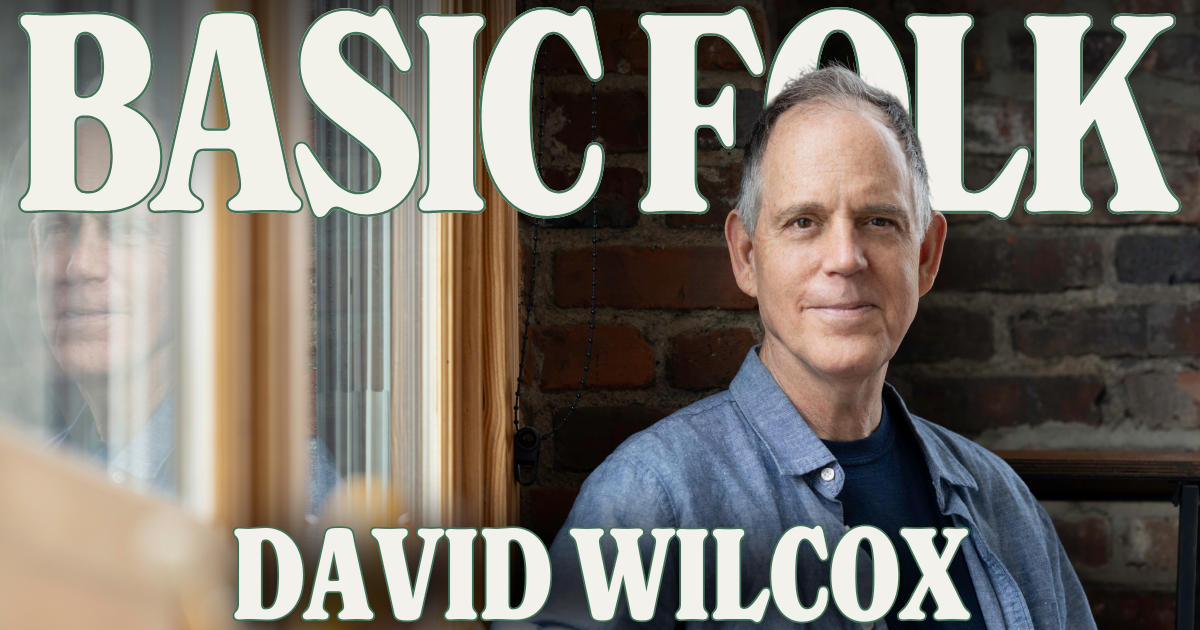
Basic Folk: David Wilcox

Asheville, North Carolina-based songwriter David Wilcox has been through some s-h-i-t. A difficult childhood in Northeast Ohio sent him seeking answers – mostly on his bicycle – in an attempt to get away. He has spent his lifetime leaning into his problems and digging into their roots at the source: his own heart. He decided to see what lessons his heart had been trying to teach him and, at 67 years old, he’s still listening and learning. He claims to have the answer of how to heal your heart and how to do it in two minutes; he lays it out in our conversation.

LISTEN: APPLE • SPOTIFY • AMAZON • MP3

We also talk about his new album, The Way I Tell the Story. Our conversation continues his exploratory journey, through the lens of his wife’s Parkinson’s diagnosis, retelling the story of his childhood, and staying calm in an emergency and in the aftermath of Hurricane Helene, which devastated his community. We discuss how David was able to walk the line of acknowledging his talents without getting too caught up in the hot-and-fast success he experienced at the start of his career. He explains when it’s best to feel the depths of sorrow versus disassociating, and he talks about his lifelong love of cycling and how it continues to be a meditation and a life-saver. David is full of gems and wisdom – I think I’ll be listening back to this edition of Basic Folk many times over.


Photo Credit: Lynne Harty

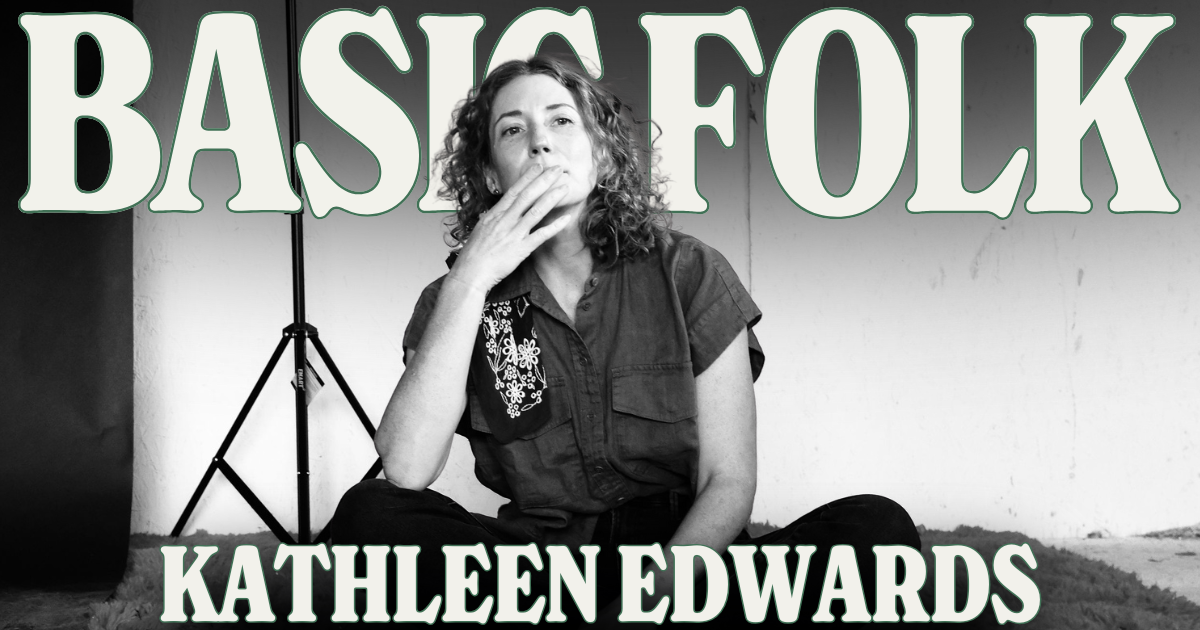
Basic Folk: Kathleen Edwards

Kathleen Edwards claims that she’s now a pretty frequent crier after not crying for the first 30 years of her life. One reason for this change is the connectedness she has been feeling since leaving music and starting her coffee shop, Quitters. In our Basic Folk conversation, Edwards tears up talking about the cover of her new album Billionaire, which was shot by a former Quitters employee, Riley. Riley – along with a fellow employee Amanda – traveled to Nashville in 2019 to watch Kathleen perform. The event was a pinnacle moment in her adult life, especially because, sadly, Amanda has since passed away.

LISTEN: APPLE • SPOTIFY • AMAZON • MP3

Kathleen also discusses her folk music roots, which began during her days at a bucolic childhood summer camp where her counselor suggested that she could make a career out of writing and performing songs. She gives a hat tip to Ani DiFranco, who she cites as a major influence musically and personally. Through Ani’s example, she learned that success in the music business meant being self-reliant.

Edwards talks about overcoming clinical depression, her decision to take a hiatus from music to open Quitters coffee shop, and how that period impacted her life and career. She delves into the making of the new album, highlighting the contributions of Jason Isbell and other collaborators to the project. Throughout our chat, Kathleen emphasizes the importance of authenticity, self-reliance, and the role of humor and vulnerability in her music – and life.


Photo Credit: Lead image by Kate York; alternate images by Mike Dunn.

Basic Folk:
Rissi Palmer & Miko Marks

This time on Basic Folk, we are checking in with country singer-songwriter and Color Me Country radio host Rissi Palmer and Americana/country artist Miko Marks. The two close friends both came up as Black women in country music in the early part of the 21st century where they experienced gatekeepers and discrimination in the industry, but undeniable love from listeners. Both stepped away from music for several years, but have since come back and found their audiences, artistic grooves, and industry independence. We last spoke with the pair in 2023 (you gotta go listen to that convo if you missed it!) and we have wanted them back on ever since!

LISTEN: APPLE • SPOTIFY • AMAZON • MP3

Rissi and Miko dive into who they think is making waves and positive change in country and Americana. We talk about rising pop-country singer Tanner Adell and her 2023 hit “Buckle Bunny,” a song that’s clearly written for a different kind of country music fan (read: young Black women). Rissi mentions having Mississippi country sensation KIRBY on her show recently and promises her Miss Black America to be a monster of an album. There was a lot of consensus on the podcast that Madeline Edwards has released the best album of 2025 with her record Fruit, where she digs into the extreme grief and extreme joy she experienced after her brother passed away.

Elsewhere, we also touch on the pair’s experiences at Rhiannon Giddens’ inaugural Biscuits & Banjos fest in Durham earlier this year, an event dedicated to reclamation and exploration of Black music. We talk about Alice Randall’s new compilation, My Black Country – The Songs of Alice Randall, a collection of Randall compositions recorded by Black women – including selections performed by both Miko and Rissi. We talk about audiences in London versus the US, a contrast BF co-host Lizzie as well as Rissi and Miko have experienced first hand. In fact, Rissi has been curating a Color Me Country stage at The Long Road Festival in Leicestershire, England, for the past four years. We hope you learn something new, get some insight into what’s happening in Americana for musicians who are Black, and gain some joy from listening to Rissi and Miko’s hilarious banter.


Photo Credit: Cedrick Jones