You Gotta Hear This: New Music From Bronwyn, Sophie Wellington, and More

Welcome to our weekly collection of new music! You Gotta Hear This…

First thing today, you should know it’s a bluegrass-rich week in our roundup – which we love! The Binoculars start us off on a strong bluegrassy foot with their cover of “Lorene,” a Louvin Brothers song that will be included on the duo’s upcoming album, Double Whammy, out July 17. Like the Louvin Brothers themselves, the Binoculars do a great job of bridging rootsy sonic territories, country, bluegrass, old-time, and more. For a taste of bluegrass gospel, we’re celebrating the release of Eighteen Mile’s new album, Peace Be Still (out today), with the title track, written by vocalist and guitarist Jack Ritter. It’s fresh, modern bluegrass built on faith and tradition.

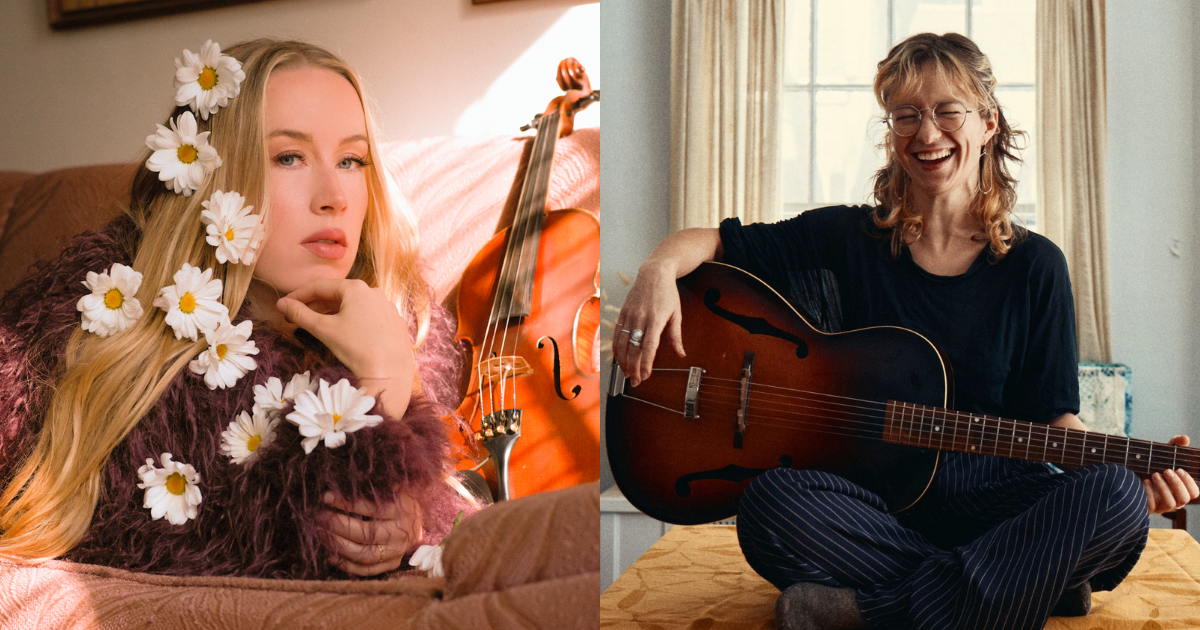
We’ve got several great fiddlers represented in our list today, too. A huge – and still-growing name – on the current bluegrass and jamgrass scene, Bronwyn Keith-Hynes, is dropping her surname for a new era under a mononym, Bronwyn. Today, Bronwyn announces her upcoming album Rattlin’ Bones, her first LP under the new name, which will release in August. We’re sharing the track from which the LP draws its title, “Sticks and Stones.” It showcases the growth in Bronwyn’s songwriting over time – and features Darrell Scott. Plus, if you’re familiar with fiddler Libby Weitnauer, she’s now releasing music under the artist name Libby Dale. “Empty Tank,” which came out yesterday, is indie Americana with a Gothic, Appalachian undertone and excellent rootsy touches. Dale’s songwriting is impeccable and the production is built on a fascinating blend of roots styles.

An old-time and Americana favorite, Sophie Wellington, has unveiled a new single and video, “Scolding Wife.” Wellington has a new album coming in early July. This track and video showcase her unique, multi-hyphenate approach to music-making; it’s a simple, stripped-down arrangement featuring only guitar and percussion – provided by dance. It’s lovely and entrancing, no matter how basic or elemental in its construction. Singer-songwriter Kate Waters has a new song out this week, too. “Words” arrived on June 10, juxtaposing steel guitar, mandolin, and acoustic guitar in a folk-meets-string band-meets-Americana sound. It’s a contemplative lyric that searches inward and outward for the right thing to say.

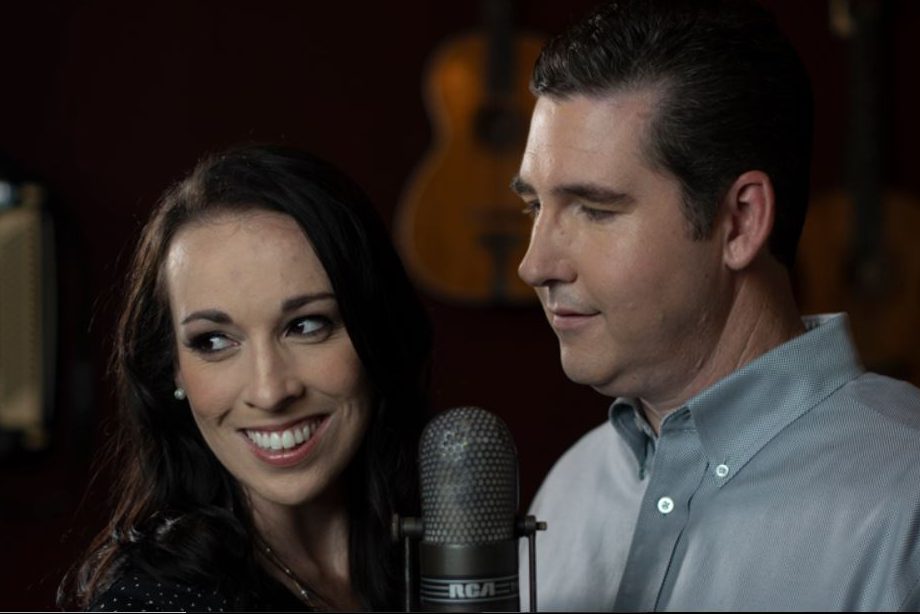
You’ll enjoy the music video for the title track of Dailey & Vincent’s album, A Beautiful Life, released today. This feel-good song is the duo’s special way of sharing what they’re grateful for. We’re also thankful that Bill Anderson and Jon Randall (who co-wrote “Whiskey Lullaby”) teamed with Carrie Underwood to write it. And our own Justin Hiltner (editor of BGS and Good Country) and Jon Weisberger (BGS contributor) are back on the site again – for the first time since 2022 – as musicians and artists, rather than writer or editor. Hiltner & Weisberger just announced they’ve signed with Mountain Home Music Company to release music as a duo again. “Marinda” is their first single with Mountain Home, a song about a woman in California built on low-tuned long-neck banjo and an all-star band – that includes Libby Dale (Weitnauer) on fiddle, by chance, as well. We hope you enjoy the track and don’t mind the BGS team’s bias, we think these guys are pretty okay and, yeah… maybe, just maybe, You Gotta Hear This, too!

There’s plenty of bluegrass, Americana, old-time, and more to enjoy. Get scrolling and get listening– You Gotta Hear This!

The Binoculars, “Lorene”

Artist: The Binoculars
Hometown: Brooklyn, New York
Song: “Lorene”
Album: Double Whammy
Release Date: July 17, 2026
Label: Jalopy Records

In Their Words: “As huge fans of the Louvin Brothers, it’s hard to resist covering all of their songs. ‘Lorene’ really stood out to us, as a secular number and with a letter-writing theme! We both frequent the postal service for transmitting love letters and postcards. There is a spirit in handwritten letters that just can’t be replicated in a text or in the vacuum of social media. We find the lyrics strike an even more dynamic chord in these modern times, where rejection can be felt in a single swipe, and the appetite for approval and response is insatiable and aggressive. This song transports us to a slower more ponderous time, when that ache of not knowing your lover’s position gnaws at your heart. You can feel those empty mailbox blues.” – The Binoculars


Bronwyn, “Sticks and Stones”

Artist: Bronwyn
Hometown: Charlottesville, Virginia
Song: “Sticks and Stones”
Album: Rattlin’ Bones
Release Date: June 12, 2026 (single); August 14, 2026 (album)

In Their Words: “‘Sticks and Stones’ started coming to me a couple years ago as I was lying awake in the middle of the night, rolling down the road on the bus. It was a rough ride through the mountains, enough to rattle your bones, and some lines from the chorus started banging around in my head as I was drifting in and out of sleep. The chorus is the heart of this devil-may-care traveling song: ‘Sticks and stones/ Burning down the highway/ Rattling bones/ I don’t need no heartache/ I’ve been gathering a whole lotta sticks and stones…’

“‘Sticks and Stones’ has a hard-won swagger to it, a feeling borne out of years of being on the road as well as the requisite slight romanticism of it that keeps me going. That feeling is clearly heard in the last verse— ‘Heard a guy on a record singing walk that line/ He was saying what I’ve been thinking all my life/ Turned it up loud enough my truck began to shake.’ It’s self-sufficient, self-aware, and a little bit pissed off.” – Bronwyn

Track Credits:
Bronwyn – Fiddle, lead vocal, songwriter
Darrell Scott – Harmony vocal
Harry Clark – Mandolin
Bryan Sutton – Guitar
Frank Evans – Banjo
Jeff Picker – Bass


Dailey & Vincent, “A Beautiful Life”

Artist: Dailey & Vincent
Hometown: Nashville, Tennessee
Song: “A Beautiful Life”
Album: A Beautiful Life
Release Date: June 12, 2026
Label: Pillar Stone Records

In Their Words: “There are songs you record because they’re great songs, and then there are songs that become part of your story. ‘A Beautiful Life’ became that song for us. It captures so much of what we believe – that even through life’s challenges, we have so much to be thankful for.” – Jamie Dailey

“This song became the title track because it perfectly reflects where Jamie and I are today. We’ve been blessed beyond measure, and this lyric serves as a reminder to never take those blessings for granted. It’s a celebration of faith, family, friendship, and the gift of life itself.” – Darrin Vincent

Track Credits:
Greg Morrow – Drums
Craig Young – Bass
Seth Taylor – Acoustic guitar
Andy Leftwich – Fiddle, mandolin
Michael Rojas – Piano
James Mitchell – Electric guitar
Jamie Dailey – Lead vocal
Jaelee Roberts – Harmony vocal
Darrin Vincent – Harmony vocal


Libby Dale, “Empty Tank”

Artist: Libby Dale
Hometown: Nashville, Tennessee
Song: “Empty Tank”
Album: Freehand
Release Date: June 11, 2026 (single)

In Their Words: “‘Empty Tank’ was inspired by recordings like Lucinda Williams’ ‘Crescent City’ and Emmylou Harris’ ‘Leaving Louisiana’ – both twisted anthems for less-than-perfect places. It’s an airing of grievances and a love letter for my life in Nashville. Pothole-riddled streets, the music industry rat race, and summer heat are certainly prominent characters, but so are good dances and a great band. Producer Thomas Bryan Eaton helped me bring this track to life with a fantastic rhythm section (Chris Gelb and Jonathan Beam) and the GRAMMY-winning mixing chops of Justin Francis. All parties mentioned brought the relentless groove and thunk I had envisioned for the song. ‘Empty Tank’ is the second single off my debut LP, Freehand, due in October of this year.” – Libby Dale


Eighteen Mile, “Peace Be Still”

Artist: Eighteen Mile
Hometown: Upstate South Carolina
Song: “Peace Be Still”
Album: Peace Be Still
Release Date: June 12, 2026 (album)

In Their Words: “I wrote ‘Peace Be Still’ on the better side of a bad year. While the tune was there, I struggled to find words that could convey my testimony throughout the song. The more I thought about my testimony and walk with Christ, the words came quickly and became what you hear today. I wanted this song to not only be a personal testimony of God’s grace and mercy, but a message to those who are struggling that my Lord and Savior can provide peace that is beyond all understanding. I’m so honored and never would have thought that a song I wrote would become the title track of our first album with Mountain Home. I’m so thankful to my friends for choosing it.” – Jack Ritter, lead vocalist, guitarist, songwriter

Track Credits:
Jack Ritter – Acoustic guitar, lead vocal
Hallie Ritter – Upright bass, harmony vocal
Carson Aaron – Acoustic guitar, harmony vocal
Savannah Aaron – Fiddle
Steve Pettit – Mandolin
Rob Ickes – Resonator guitar


Justin Hiltner & Jon Weisberger, “Marinda”

Artist: Justin Hiltner & Jon Weisberger
Hometown: Nashville, Tennessee & Brevard, North Carolina
Song: “Marinda”
Release Date: June 12, 2026
Label: Mountain Home Music Company

In Their Words: “On a mountaintop in Western North Carolina I met a fabulous woman named Marinda. ‘Like Miranda, but with the letters swapped,’ I think she told me. She’s a great cook, made us a delicious lentil salad. Then she told me where she was from: Marin County, California. I couldn’t believe it. Marinda from Marin.

“There are so many bluegrass songs that take their titles from women’s names, I guess it was time Jon and I added such a track to our catalog of co-writes. I love how this one turned out, evoking iconic and familiar images of California and singing praises to a powerful, entrancing woman. She may be a fictionalized version of my friend Marinda, but her inspiration comes all the way through. I love the long-neck, low-tuned banjo here and the way the fiddle, banjo, and mandolin all join in together on the melodic hook. When I’m missing the Bay Area – or Marinda’s lentil salad – I play this tune.” – Justin Hiltner

Track Credits:
Justin Hiltner – Banjo, lead vocal, songwriter
Jon Weisberger – Upright bass, harmony vocal, songwriter
Seth Taylor – Acoustic guitar
Libby Weitnauer – Fiddle
Jenni Lyn Gardner – Mandolin
Wendy Hickman – Harmony vocal

(Editor’s Note: Justin Hiltner is the editor for BGS and Good Country, and Jon Weisberger is a former contributor to BGS.)


Kate Waters, “Words”

Artist: Kate Waters
Hometown: Dallas and Houston, Texas, and Taos, New Mexico
Song: “Words”
Album: Some Comfort
Release Date: June 10, 2026 (single); August 21, 2026 (album)

In Their Words: “This is the oldest song on the record, from my earliest stages of songwriting as an adult. I was wrestling with why I felt intimidated by writing lyrics, like words couldn’t ever fully capture what I wanted to say. I mean, that’s why I’m a musician, truly.

“The sentiment still holds true – words can do a lot, but they also fail a lot of the time. We see it so much these days, politically speaking – people talking past each other and never truly understanding one another. I’m a music therapist, and as someone who’s worked professionally with nonspeaking people for most of my professional life, I know how important it is to tune into other aspects of communication and human connection.” – Kate Waters


Sophie Wellington, “Scolding Wife”

Artist: Sophie Wellington
Hometown: Staunton, Virginia
Song: “Scolding Wife”
Album: Her Bright Smile Haunts Me Still
Release Date: June 8, 2026 (single); July 10, 2026 (album)
Label: Adhyâropa Records

In Their Words: “This fiddle tune has complex phrasing and tells an intriguing melodic story. Marion Reece, the source fiddler for this tune, plays this in calico tuning (AEAC#) which give it haunting, suspended quality. While I can’t remember where I first learned this tune, I fell in love with it again in 2025 when playing it with Sally Jablonsky and Stefan Amidon at Cascade of Music and Dance, a social dance camp run by Country Dance & Song Society. We played this tune late into the night, locking in with one another and allowing the space to breathe and the notes to sing. For me, old-time music shines brightest in my friendships and shared memories of playing. I’m fascinated with how to best adapt this music for guitar, allowing it to feel fluid and free on that instrument.” – Sophie Wellington

Track Credits:
Sophie Wellington – Guitar, percussive dance

Video Credits: Pat Piasecki and Chris Dempsey, with special thanks to Barbara Hauser.


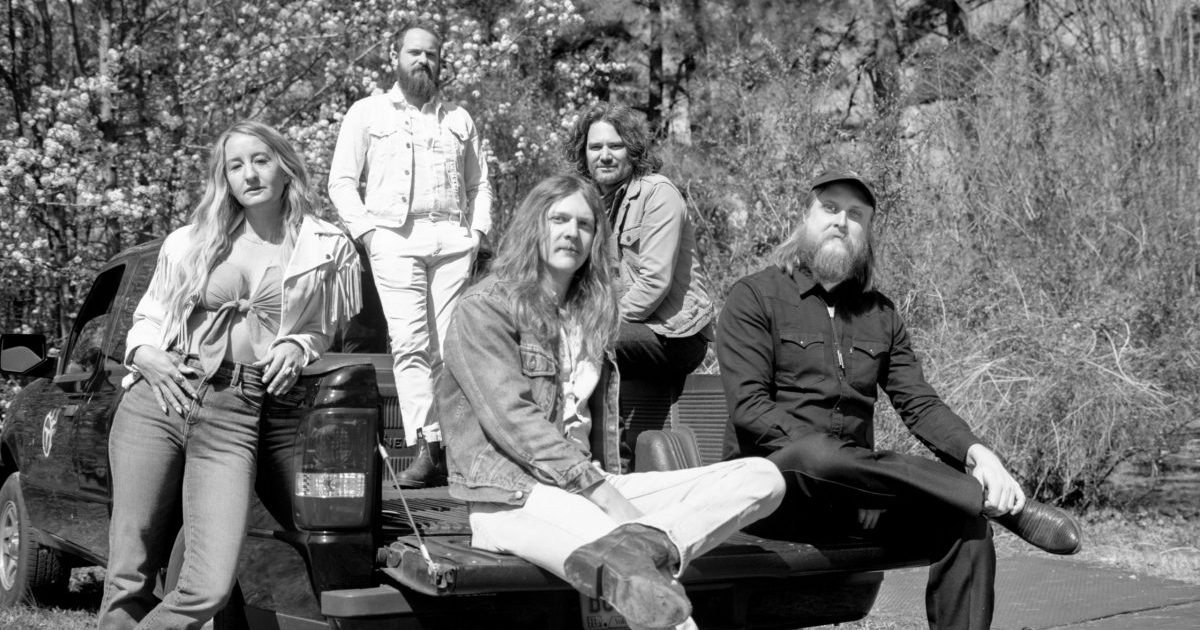
Photo Credit: Bronwyn by Alexa King Stone; Sophie Wellington by Pat Piasecki.
BGS 5+5: Teddy and the Rough Riders

Artist: Teddy and the Rough Riders
Hometown: Nashville, Tennessee
Latest Album: Teddy and the Rough Riders
Personal nicknames: TRR, Teddy

Which artist has influenced you the most … and how?

Well, since there are way too many artists who have had singular, exceptional influences on us, I’ll have to just pick one amongst many! But someone special that comes to mind for me is Bill Monroe. For me he took the song formula to the moon, maybe from speeding up Jimmie Rodgers and other traditionals to breakneck speeds, and singing as high as humanly possible. To me he breaks through bluegrass. As a creator he made these simple, beautiful melodies that can be felt beyond genre, as he certainly was in his day.

What was the first moment that you knew you wanted to be a musician?

Growing up in Nashville there was a plethora of rock house shows and gatherings. One in particular I was around 15 years old when I saw this band Jeff the Brotherhood, and they just had this stripped-down, two-piece, driving minimalist rock sound. The scene around them was exploding and I truly felt like I got to be a part of it right then and there. That made me believe I could actually play music. It took our buddy Carter setting up a honky-tonk night every Sunday 7-9 at Santa’s Pub in 2011 to be fully convinced to play real country music, though!

What rituals do you have, either in the studio or before a show?

Jack and I love to rehearse singing together before a big show. I play mandolin and sing the high harmony, and Jack plays guitar and sings lower. But we do a huge Louvin Brothers routine, kind of doing the high lonesome, blood harmony thing. It’s just great practice and lets us all warm up solidly and relieve stress before a show.

Which elements of nature do you spend the most time with and how do those impact your work?

Nashville is surrounded by great hikes. We go to Sewanee, Tennessee, where a good many friends have family cabins out there. That will put a song in your mind, it’s a pretty special place. We all go out to Percy Priest Lake together and listen to music and sit in the sun and swim. We have access to canoes and a lot of our friends are good at efficiently camping. I definitely write songs about those experiences all the time.

Since food and music go so well together, what is your dream pairing of a meal and a musician?

In Nashville there’s an exceptional Southern-style meat-and-three called Arnold’s Country Kitchen. Well, naturally we go there a good bit, but before his death, and for longer than I know probably, John Prine would go there every Thursday before a writing session and get the meatloaf. We’d go and see him ride in his huge black Escalade and go to town. So to me, John Prine and a big ole meatloaf and three sides from Arnold’s is the stuff of legend!


Photo Credit: Monica Murray

Growing Up in Bluegrass, Carly Pearce and Sonya Isaacs Come Full Circle

Carly Pearce and Sonya Isaacs can both trace their musical roots back to bluegrass, even as their individual careers have introduced them to fans beyond that genre. A rising country star, Pearce is a native of Taylor Mill, Kentucky, who just released her third album, 29: Written in Stone. She cites Isaacs — a sterling vocalist and instrumentalist in the gospel group The Isaacs — as one of her biggest vocal influences. Meanwhile, the Isaacs salute some of their own favorite songs with The American Face, a new album blending new material and well-chosen covers. These artists’ professional paths converged this fall when Pearce and, later, The Isaacs, were welcomed into the cast of the Grand Ole Opry.

Calling in to BGS, Carly Pearce and Sonya Isaacs converse about their formative years as musicians, their education in bluegrass harmony, and their immediate response to “Easy Going,” a cool collaborative cut on 29: Written in Stone.

BGS: Let’s start by talking about “Easy Going.” Carly, what was it about the song that made you want to bring in Sonya and Ben Isaacs to sing with you?

Pearce: When I was writing this song, I could hear the harmony. I grew up loving music and harmony and all of those things. As soon as we finished writing it and knew that we wanted it to be on the project I just heard The Isaacs. I grew up loving them and loving their harmonies. Nobody sings harmony better than the Isaacs family, so I asked Sonya.

Sonya, what did you think when you first heard the song?

Isaacs: I love Carly’s voice, too, and I was like, “Well, I’m sure anything that she wants us to sing on will be amazing. And knowing how she loves harmony singing, I thought, “This is gonna be really fun.” Of course, she’s one of the most incredible female vocalists of all time, I think. So, when she played us the song, I flipped out over it. I absolutely loved the song, and I was like, “I can’t wait to get in the studio!” … It was a good a vocal exercise, a good stretch! [Laughs] And it was a challenge because she’s so good, but that’s my favorite kind of session. We had a blast and I love the song.

I like the arrangement because you’re giving the musicians a chance to step out and do what they do best. It feels like a band record in some ways.

Pearce: Yeah! They were all so inspired in the studio by the song and I remember telling Shane McAnally and Josh Osborne, my producers, “Hang on, hang on, and let them do their thing.” I love instrumental bluegrass music, so I wanted to have that element and that feel in the song.

I do want to explore the bluegrass background that you both have. Sonya, can you kind of tell me how bluegrass fits into your overall musical direction?

Isaacs: Yeah. Our dad has been playing bluegrass all of his life. He’s 74 now and he grew up loving bluegrass. The Stanley Brothers, Bill Monroe, all of the legends of bluegrass. Dad loved it first, and when Carter Stanley passed away, my dad actually filled in for him with Ralph for a while and sang Carter’s part. He really fit that style. Dad always instilled a love for bluegrass music, especially traditional bluegrass music, into us kids. He taught us how to play our instruments. He was very key in teaching us the first things we ever learned. Over the years, with our own writing and different influences and artists that we’ve discovered along the way that had a little more of a contemporary sound, our style morphed and changed a little bit away from the more traditional bluegrass sound, but it’s always been the root of everything that we’ve ever loved.

Let’s talk about your dad a bit because the Isaacs just won an IBMA Award for a recording of “Garden Tomb,” which he wrote. I’m curious how that song came back into the forefront.

Isaacs: Dad moved to Kentucky about 20 years ago after he and Mom divorced. He hasn’t really traveled with us or been in the recording part of what we do for all those years. But, of course, he made pop-up appearances when we were around. So, Joe Mullins reached out to us — we love Joe Mullins and the whole Mullins family — because he was doing this project called Industrial Strength Bluegrass and wanted the Isaacs to be a part of it. [The project was named IBMA Album of the Year in September.] Joe has always loved the song “Garden Tomb” that my dad wrote many, many years ago. It was one of our earlier hits that we had many years ago. So, we thought it would be a good idea to do that song.

Our dad is, to me, one of the most underrated legends of bluegrass music. Mainly I think because he chose to do gospel instead of mainstream bluegrass, he was overlooked a lot. So we said, “We’ve got to get Dad in here to sing on this.” And then we decided to add the Oak Ridge Boys, to give it even more of an inclusive feeling. They agreed to come in and they were so proud of it. And my dad felt so honored that it was his song that was on this project. We’re very proud of this whole album — and to be from Ohio. This whole album is artists that are from Ohio or lived in Southern Ohio. It was a full-circle thing for us.

Carly, I know you joined a bluegrass band around the age of 11, right?

Pearce: I did, yeah. I sang in a bluegrass gospel band. That’s how I got my start on stage, outside of the childhood talent shows and things like that. I fell in love with it and feel like I understood what it meant to really be able to sing. I learned a lot of things in those years I was in that band, traveling around and watching bands like the Isaacs. There is no faking that harmony in that music! I think it made me a better singer today because of it.

You’re both known now for singing with other people. Carly, you’ve had a couple of hit duets, and Sonya, you’ve been singing with your family for a long time. Did bluegrass help you build that foundation, in terms of being able to blend your voice with another voice?

Isaacs: Absolutely. Anybody that can sing the third part with the Louvin Brothers, or with Ralph and Carter Stanley, it really teaches you to sing harmony and to find the part. You can listen to a Ralph Stanley song and hear all his vocal licks, and you can compare it to a Mariah Carey vocal lick. Even though they’re completely different styles, they’re both working their vocal cords and it takes a great skill and talent to be able to do the runs and licks that they do. So, absolutely, growing up singing along with those old records and finding that third part was very instrumental in me learning to sing harmony.

Pearce: For sure. The joy, for me, of singing is sometimes getting to collaborate with other vocalists and people that I love and adore. I’m such a fan of their voices. Sonya knows this, but so much of what I feel like people know my voice could be — kind of the flip into my head voice — is because I was trying to emulate Sonya’s voice when I was growing up, going to watch her sing. That’s why singing with her is so special for me.

Isaacs: Aww. It’s crazy because… how old are you Carly?

Pearce: I’m 31.

Isaacs: So, I’m 16 years older than her. It’s so funny for me to hear her say that she grew up listening to the Isaacs, and emulating me, because I don’t feel like I’m that much older, but I am. I’m just in denial, I guess, but I am so honored that she would say that! [Laughs]

Speaking of influences, Carly, you have Patty Loveless on your record, singing with you on “Dear Miss Loretta.” What was going through your mind when you heard her voice come in on that song?

Pearce: Oh, I sat in my car and bawled my eyes out. Patty and Sonya are two of my biggest influences and to have them be so gracious to be a part of my album, it’s something you dream of.

And it’s a song about Loretta Lynn no less. You really went for it, making Kentucky proud. Growing up, were you pretty well aware of the bluegrass history in Kentucky?

Pearce: Oh, for sure. My grandpa played clawhammer banjo and I grew up listening to Flatt & Scruggs and Bill Monroe and Ralph Stanley. I definitely understood how many people come out of the state of Kentucky, like the Judds. I think that’s where I really started to fall in love with music — by listening to people who came from Kentucky.

Sonya, on The American Face record, you have six songs from the past and an equal number of new songs. Are there any of those that you’d want a bluegrass fan to check out?

Isaacs: The instrumentation on this record, and that we’ve always done, leans toward that contemporary acoustic sound with the addition of a few extra instruments like piano. But our roots are always going to be that acoustic sound, and that’s how we are live. But I think “We Can Work It Out” — the Beatles cover that we did — is very acoustic and fun. We have a song “More Than Words” that was originally recorded 30 years ago by a rock ‘n’ roll group called Extreme. We did that stripped down with just upright bass, some snaps and vocals. I guess it’s not really considered a bluegrass song but the vocals are definitely influenced by that. There are quite a few songs on here that the bluegrass fans would really, really like.

It feels like you’re both having this moment, where you received an invitation to join the Grand Ole Opry and you’re winning industry awards. People are really noticing both of you right now. What are you enjoying the most about this time in your career?

Pearce: I’m sure that Sonya would say the same thing, but moments like becoming a member of the Grand Ole Opry — that’s something that I wanted and dreamed of and hoped for my whole entire life. And now to say that I am a part of that family is so surreal for me. All of these things, the childhood dreams, are coming true. You hope that when you’re writing music and singing and doing all of these things that it’s impactful and that people are going to care. And the fact that I feel like people care is so special.

Isaacs: Ditto to that. That’s a great answer. Again, it goes back to growing up. Dad instilled a great love for bluegrass music but hand-in-hand with that is that old classic country sound. I think nowadays, the classic country would fall more into a bluegrass category than even current country, because it’s changed and evolved so much since those days. Dad always instilled in us in love for the Grand Ole Opry as well, so it was full-circle again to be inducted and to be an Opry sister with Carly. We’ve known her for years and we’ve written together and we go way back. It is a really neat time to get to share these moments.


Photo credit: Nicole Sherwood

LISTEN: Sinner Friends, “Unforgivable You”

Artist: Sinner Friends (Grace van’t Hof and Conner Vlietstra)
Hometown: Detroit, Michigan; Johnson City, Tennessee
Song: “Unforgivable You”
Album: Sinner Friends Miss You (The Quarantine EP)
Release Date: April 1, 2021
Label: Bigtone Records

In Their Words: “When Sinner Friends cut bluegrass, we do it like our heroes did: everyone is in one space, there are no separate vocal tracks, we don’t overdub solos, and the result is a snapshot of one vital moment. Like Page Ross’ lyrics, ‘Unforgivable You’ is raw and compelling. It weaves the messy web of a breakup followed by a one-sided attempt at reconciliation which, by the end, has the listener questioning the boundaries of the narrator’s tenacity. It’s clear that our protagonist has turned antagonist and his love interest would “rather that [he] stay away.” Sentimentality swirled with confusing choices is Sinner Friends’ favorite flavor, and this song is a savory example. We were privileged to be joined on this session at Bigtone Records by Josiah Nelson on fiddle and Max Etling on bass.” — Grace van’t Hof and Conner Vlietstra, Sinner Friends


Photo credit: Billie Wheeler

LISTEN: Susan Werner, “To Be There”

Artist: Susan Werner
Hometown: Philadelphia, Pennsylvania
Song: “To Be There”
Album: Flyover Country
Release Date: September 27, 2020

In Their Words: “In the early months of this year I’d been writing a ‘country’ album, and when the pandemic hit I thought, ‘Well, we aren’t the first generation to face something like this, somebody must have written a plenty good song already.’ I went through the Carter Family and Louvin Brothers and Hazel Dickens catalogs and couldn’t find anything about a flu; black lung yes, influenza no. Having written a ‘gospel’ album in 2007, I remembered that one element of the best gospel music is hope, the anticipation of something better, whether on Earth or in Heaven. And in this moment, everybody on Earth is united in hope, hope that we arrive safely on the other side of this dark time to see and embrace our friends and family, to hold them close, and for the musically inclined among us, to stand shoulder to shoulder with them and hear them singing on either side of us. That was always Heaven itself to me; I don’t know that until this year I realized it.

“I grew up in a kind of magically musical singing family; my farming parents and all six kids, we’d spontaneously harmonize in the car on the way to church, to my grandparents’ farms for holidays. We had no idea other families did not do this, by the way. I was home in Iowa this February (yes, for the caucuses) and went with my folks to church — I’m an agnostic, honestly, I just go to see friends and family and to sing with them. To my left I heard my father, to my right, my mother. Who knew that something could arise that would take that, singing, away from us? Unthinkable. So I had to weave that into the lyrics of this ‘hymn.’ Heaven might have singing angels, but I know for a fact Earth does and I can’t wait to get back in the company of others in church or on stage or in the bar, it’s all good and it’s all the work of God.” — Susan Werner


In the ’80s and ’90s, These 10 Women Made Bluegrass Better

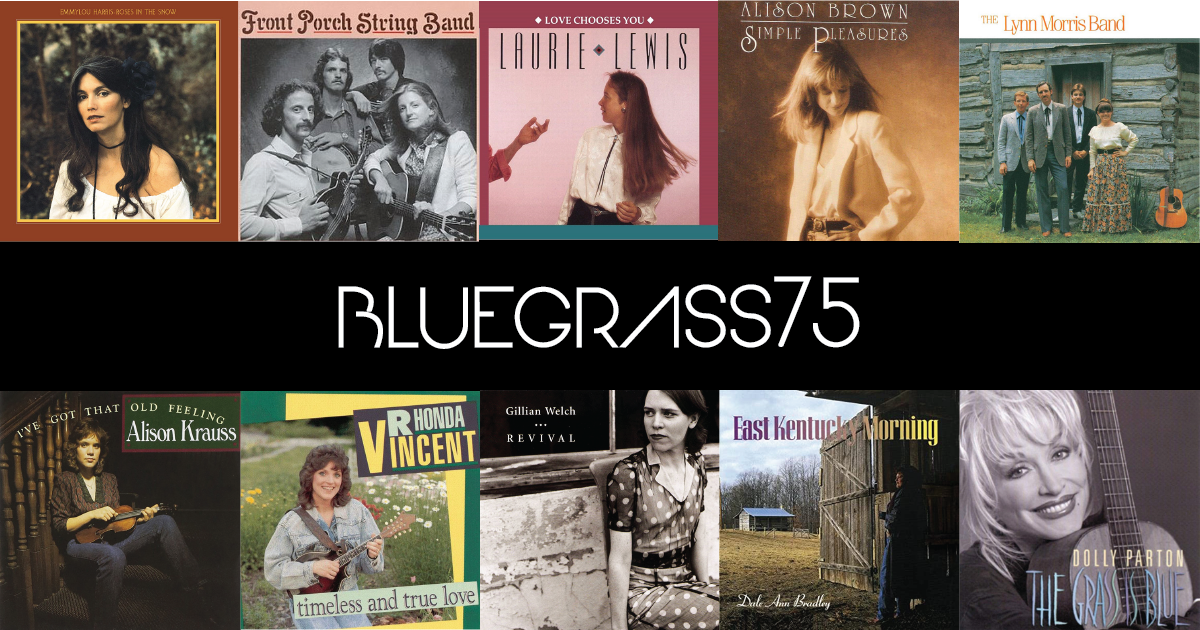
With this year marking the 75th anniversary of bluegrass, it’s remarkable to note that women emerged as a creative force at roughly the halfway point between then and now. Of course, female musicians have been part of the fabric of bluegrass from the start, with Mother Maybelle Carter, Sally Ann Forrester, and Hazel & Alice among those serving as inspirations through the decades.

However, the role of women as bandleaders, rather than in a supporting role, began to change in the ’80s and flourished in the ’90s. As part of our Bluegrass 75 series, BGS commends these 10 women who carried bluegrass forward with a combination of undeniable talent, strong material, and a refreshing new perspective.

Emmylou Harris

One of the most visible country artists of the ’70s turned her attention to bluegrass, with a support team she deserves (Ricky Skaggs, Jerry Douglas, Dolly Parton, etc.) Her material ranges from the Louvin Brothers to Paul Simon, though that exquisite voice makes the album seamless. It’s one of her finest albums in a brilliant catalog.


Claire Lynch

With a crystalline soprano, Claire Lynch first gained notice as a lead vocalist and guitarist with Front Porch String Band, which released an indie album in 1980 that was picked up by Rebel Records in 1983. The poignant track, “Hills of Alabam,” which she co-wrote, shows her gift for melody and her ability to sing with sincerity.


Laurie Lewis

A key figure of the West Coast bluegrass scene, Laurie Lewis can fiddle with the traditionalists, then hush a crowd with a beautiful acoustic ballad like “Love Chooses You.” As the acolyte of a generation before her, Lewis actively takes an interest in the bluegrass scene’s rising talent, as evidenced on her latest work, an album of duets entitled and Laurie Lewis.


Alison Brown

As a picker, Alison Brown has made her mark on countless recordings and won the 1991 IBMA Award for Banjo Player of the Year. She’s also a co-founder of Compass Records, a producer, and a Grammy-winning artist. At times blazing, and other times mellow, Brown consistently finds just the right tone on her albums’ instrumentals.


Lynn Morris

Blessed with a sweet but persuasive voice, Lynn Morris knew how to get the storyline across, whether she’s reminiscing about “Mama’s Hand” or laying down the law in “You’ll Get No More of Me.” As a banjo player, she had incredible chops, and her grace on stage (and off) has made her one of the bluegrass family’s most beloved figures.


Alison Krauss

A gifted vocalist, bandleader, and fiddler, Alison Krauss kept her early career focused on bluegrass, though her material would soon find its way to millions of country listeners, too. Being a former child prodigy herself, she served as a role model for a generation of younger pickers, while showing traditionalists that bluegrass is indeed in good hands.


Rhonda Vincent

Coming up in a family band, singer and mandolin picker Rhonda Vincent has been working in bluegrass for decades, though she’s always finding ways to keep things fresh. Still, her early albums remain some of her most satisfying work. As a bandleader, she keeps the energy up on stage, and her outgoing personality makes her a true entertainer.


Gillian Welch

While few would consider her albums to be bluegrass proper, Gillian Welch has exerted tremendous influence on its community. A 1993 winner of Merlefest’s Chris Austin Songwriting Contest, Welch has seen originals like “By the Mark” and “Caleb Meyer” become standards, and though she didn’t grow up in Appalachia, her songs somehow embody its heritage.


Dale Ann Bradley

A sterling discovery from the New Coon Creek Girls lineup, Dale Ann Bradley launched her solo career by selecting relatable material along with a surprise or two (including a U2 cover). It’s a template that still serves her well. The title track of East Kentucky Morning captures the mood and melancholy that she continues to convey so well.


Dolly Parton

It’s hard to imagine now, but Dolly Parton had dropped off the mainstream radar in the mid ’90s. Then her first bluegrass album proved what her fans knew all along — she represents her mountain people well. A wonderful mix of familiar favorites and new material, The Grass Is Blue solidified her reputation as one of music’s most important voices.

(Editor’s note: Explore more of our Bluegrass 75 Artist of the Month coverage.)


WATCH: Kristina Murray, “Tell Me”

Artist: Kristina Murray
Hometown: Nashville, Tennessee
Song: “Tell Me”
Album: Southern Ambrosia (2018)
Label: Loud Magnolia Records

In Their Words: “Soon after I moved to Nashville, I met musician and writer Logan Ledger and we became fast friends over of our love of traditional country music; soon we discovered that our voices complemented each other well, too, so we played out a bit as a duo and wrote a few songs together. One afternoon I said straight up, ‘I want to write a classic country duet.’ We then proceeded to get stoned and listen to hours of vinyl records by the Louvin Brothers, The Beach Boys, George Jones & Gene Pitney, and on and on… we almost didn’t even start writing! But Logan pulled out the melody and first line, and the rest of the verses spilled out from there.

“A month or so later, on a sunny May afternoon, I wrote the chorus. Frank Carter Rische’s vocal part next to mine on the recording is what really makes the song for me; he is so emotive and follows my voice effortlessly. Though the inspiration for the song came originally from a traditional era, I’m proud of the timeless and vibe-y feel of ‘Tell Me.’ Truly, the video is up for individual interpretation, but after I watched it a few times, I think it’s about a woman who initially feels defeated by an impending breakup but then turns it on its head, burns it down, and perhaps realizes she’s better off.” — Kristina Murray


Photo credit: James Paul Mitchell

Darin & Brooke Aldridge’s ‘Inner Journey’ Always Leads Back to Bluegrass

The first time they ever sang together, Darin and Brooke Aldridge harmonized on “The Prettiest Flower,” an old hymn familiar to any Baptist church. They’ve scarcely stopped since then, with their latest album Inner Journey placing their stunning musical blend at its center on classics like “Teach Your Children Well” as well as songs written by the likes of Kasey Chambers, First Aid Kit, and Nanci Griffith.

“Brooke and I have always been trying to develop our sound. On this one, we stayed true to our bluegrass roots in some of the material,” Darin says. “We’re more of a vocal band. We can base things around Brooke’s singing and our duet style and harmonies, and we want our songs to send a message out that speaks to us.”

Versatile enough to sing a Louvin Brothers song one minute and a Bryan Adams song the next, the married couple commands a musical vocabulary that nonetheless lends itself to bluegrass. Darin Aldridge co-produced the project — their first for Rounder Records and sixth overall — with Mark Fain. And on the afternoon following this interview, Brooke Aldridge picked up her third consecutive IBMA female vocalist trophy, indicating that their audience is on this journey too.

BGS: This album begins with “I Found Love,” which has a tie to Earl Scruggs, right?

Darin: It does. I listened to that on a plane ride back from somewhere in New England and I had my iPod with me and the Earl Scruggs and Friends record was on there, with Vince Gill and Rosanne Cash singing it. I just thought, “Man, that would be a good grass-up number right there for us.” It’s a pretty good tempo and a duet and it speaks to what I was just saying – about what I want to get out there, in our life and in our history, and what we want to go forward with. Then I got to looking at the writing credits and it was Earl and Randy Scruggs and our buddy Vince. That was perfect. That’s all we needed.

Brooke: It’s one of those positive songs that we set out to do a long time ago when we first started making records. We talked about how we wanted to have a positive and uplifting message in most everything that we ever recorded. Some people have told us down through the years that we weren’t going to do very well doing that kind of thing. But I think that’s not the case at all! We’ve done very well sticking true to what we love and what we believe in, in each other.

But when you hear a good heartbreak song like “Every Time You Leave,” how do you respond?

Brooke: Oh, gosh, you just realize how true those words are. Because just like “Every Time You Leave,” we’ve all been through hard relationships or hard times in our families where we’ve lost loved ones or things haven’t worked out quite the way we wanted. I think that really speaks measures to me when we’re listening to songs like that and trying to decide what’s going to affect somebody out there listening.

Darin: The harmony speaks to us as well. We got to do that song with our buddy Jimmy Fortune. We got to tour a lot with Jimmy in the last couple of years and wanted to get a good song that represented that out there on the road for our singing together, and it just comes perfectly.

I want to ask you about “Your Lone Journey.” I learned that from a Doc Watson record.

Darin: Yeah, we did, too.

Why did you choose to include that song on here?

Darin: We got to visit Doc and become friends with him through MerleFest, through him being in North Carolina. A friend of mine took me up to visit him at his house about a year before he died. We’d been featured in Bluegrass Unlimited maybe a couple months before, and Rosa Lee brought the magazine to us when we got there. She said, “I’ve been reading about you all and glad that you all are here.”

She got to telling us the story of how she wrote that song. She was just sweeping in her kitchen, wasn’t she, Brooke?

Brooke: Yeah. And I think the words just came to her. She was sweeping and her and Doc arranged it, I guess, and made it theirs. What a great-sounding song.

Darin: Yeah, we sat there with them in the living room and talked about that, and he got to talking about Merle, and when he couldn’t wait to see him in heaven with his own eyes again. It is powerful, man. We just wanted to include that and it’s got an old-timey feel to it. Brooke’s got a really good mountain voice as well. It really fits.

Brooke: What Doc and Rosa Lee had brought to the music over the years and what they mean to us — we definitely wanted to include one by them. And it was funny because Doc kept saying that a lot of people title this song, “Your Long Journey.” And he’s like, “That’s not how Rosa Lee wrote it. It’s ‘Your Lone Journey.’” We made sure to get that right on this record.

Darin, have you been playing guitar your whole life?

Darin: I started probably 12, 13, something like that.

Never put it down?

Darin: Nah, I picked up the mandolin when I was 15 or 16. My brother and his baseball buddies had a little basement band. They’d all get around — he was a drummer – and pick on rock music and stuff like that, so I slowly learned that. I’d listen to the tunes after they’d quit playing and I’d start figuring them out, so I could sit in with them. Then the next week or two, I’d learned the tunes better than they had. Then their guitar player would ask me, “How’s that really go?”

Brooke: A little Van Halen? (laughs)

Darin: Yeah, all that stuff — ‘80s hair band stuff, I was big on [that]! Then I got to singing more in church as I grew and got into a gospel band through some buddies in the marching band. They went to church somewhere and said, “You play and sing — you got a banjo?” I actually had a banjo at the time but really hadn’t learned how to play it. I was like, “Oh, yeah, I can play banjo.” So I learned real quick, just so I could be in the band and start picking and singing. And I quickly moved to the mandolin after that. One of the guys could just play in a certain amount of keys, A and D maybe.

Ricky Skaggs has always been a huge influence and I wanted to do something I saw him do on the Opry, which was a quartet with a mandolin and guitar. Since we were singing in churches a lot, I wanted to do some of that material like Bill Monroe did. I recorded [the Opry] on a VHS tape, so I went upstairs with the mandolin and watched it. This song was in G, so I sat down and figured out the notes on the mandolin. I come down there to show it to him so he could play it, because I was the guitar player in the band. He said, “No, man, you just play mandolin.” [All laugh] So I just started playing mandolin from then on.

Brooke, did you start singing when you were around 12 or 13, too?

Brooke: Probably from the time I could talk, I started singing. My mom, my sisters and I used to sing in church. As I was getting a little bit older, my parents realized at an early age that I could pick up lyrics to a song just by hearing at one time. They started putting me in singing competitions. The school system where I was, in Avery County, used to have a yearly talent show. It would start out in the elementary schools, and if you placed first, second, or third you went onto the county-wide talent show and got to showcase your talent in front of everybody.

Those kinds of things, and doing community events and competitions all throughout my childhood, really prepared me for loving this more so when I got to adulthood. And so it’s been a neat journey. After Darin and I met, I had goals and dreams, of course, just like everybody in the music business does. We still talk about how we never imagined we’d get to do some of this stuff we’ve gotten to do. It’s been really cool to see those things become reality.

What are you looking forward to the most with this record coming out?

Darin: It’s been a few years since we put one out. I think we’ve grown a lot in those two years, and everything that’s followed, with what we’ve been doing, recording, trying to say as artists. We have grown maturely, too, in our music. And I think this record reflects that.

Brooke: I think that’s why we chose the title that we did, Inner Journey, because as kids, you imagine or dream about things that you can be when you grow up. And then, when you come into adulthood, you stop and think about where you came from, and what you’ve gotten to do, and if your heart really followed that path from a child to now. And I feel like ours definitely has. It’s been our inner journey. God has put us exactly where we needed to be at that exact moment.


Linda Ronstadt Talks Bluegrass (Part 2 of 2)

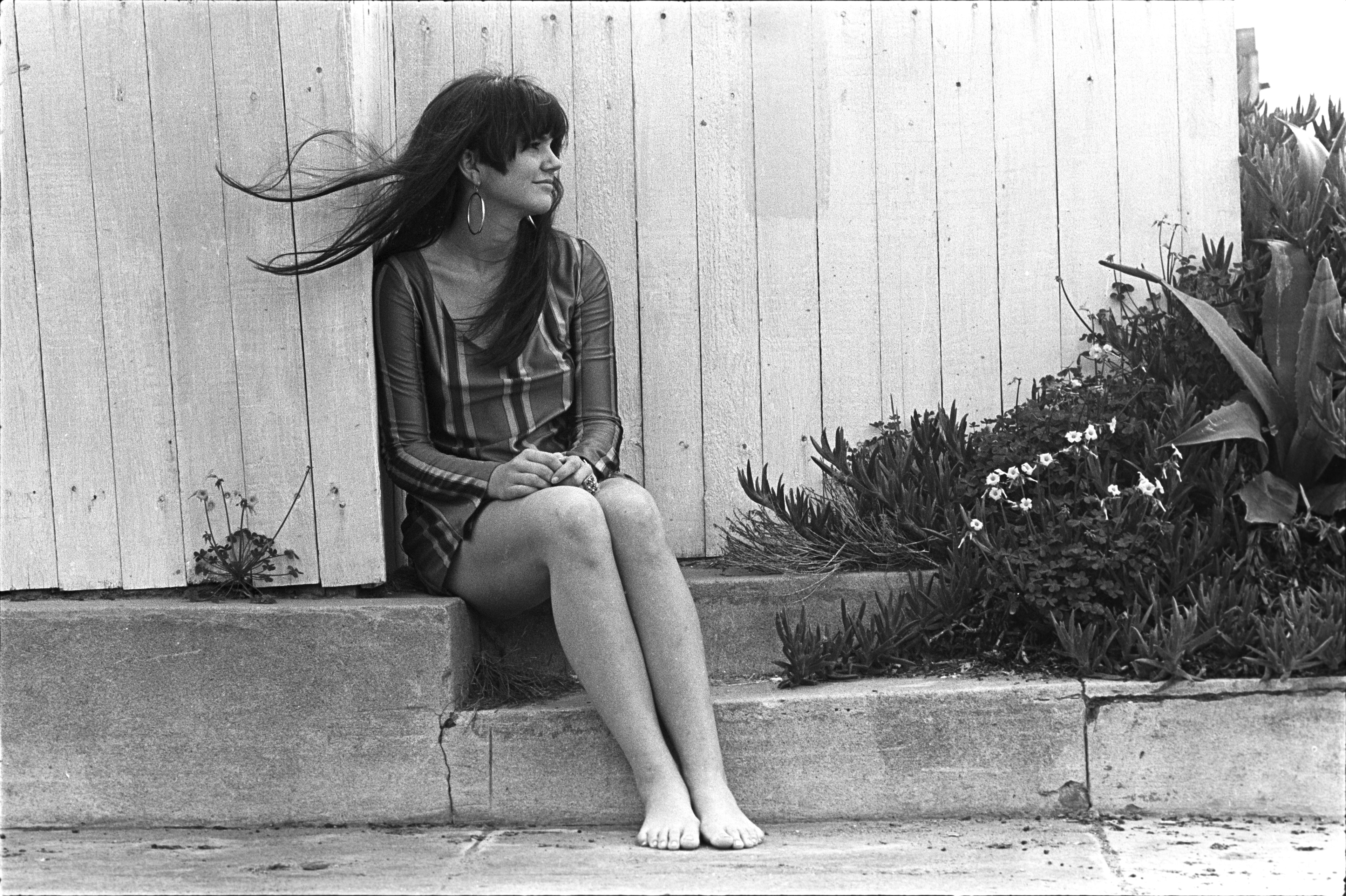
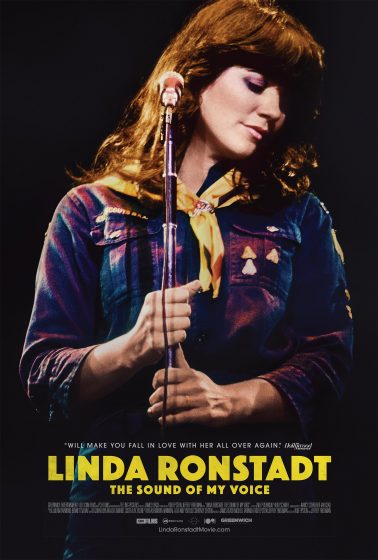
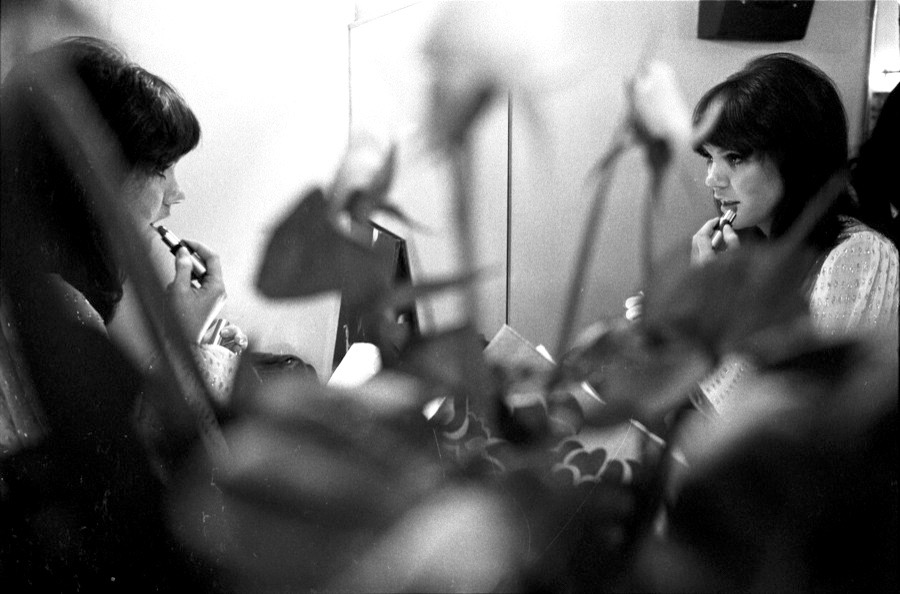
In honor of the new documentary film, Linda Ronstadt: The Sound of My Voice, and in appreciation of her connection to bluegrass — and in an attempt to shout it from the proverbial rooftops! — we’re reprinting Dan Mazer’s 1996 Bluegrass Unlimited interview with Ronstadt split into two parts, but in its entirety on BGS. Special thanks to the team at Bluegrass Unlimited for partnering with BGS to spotlight how bluegrass has touched one of the most important and truly iconic voices to ever grace this planet.

(Read part one of “Linda Ronstadt Talks Bluegrass” here.)

“Linda Ronstadt Talks Bluegrass”
By Dan Mazer. Bluegrass Unlimited, June 1996

…Our conversation moved to a discussion of Alison Krauss’ musicianship. Krauss seems to have an incredible variety of influences, which come out when she wants them to. “And in an appropriate manner,” Ronstadt continued. “There seems to be a general agreement among all the people that I know – whose various subjectivities are very strict and very demanding – that Alison has the best taste of any of those people.

“Every fiddle player that I’ve ever worked with will be tempted to play sound(s) like donkeys braying; or just play too much – play ‘flash’ licks in an inappropriate manner. (I call it) ‘The Paganini Syndrome.’ And Alison never is.

“Her pitch is completely stunning! I’m a pitch nazi, and she’s even a little more strict than I am, in terms of pitch. And the thing that I like the very best about her playing is her rhythm. She’s got that great, easy, loping sense of the groove that bluegrass players generally don’t have. When it’s right, of course, it’s got a great swing to it. But bluegrass players have a tendency to get a little stiff and a little on top of the groove. And she never does! I don’t think she’s played with drummers that much, but we put her together with Jim Keltner, and it was just an amazing thing. She’s got the same sense of the groove that he does, and he has the effortless pocket. I consider her as good as any musician I’ve ever worked with. My cousin (David Lindley) said she was his favorite fiddle player ever. And I love her. And also, she owns Maria Callas’ bed! (Laughter) I don’t know why, or how she managed to get her hands on it, but she did. I was jealous. I wanted to be the one to get it. Emmylou Harris and I are both Maria Callas fans. Slobbering, drooling Maria Callas fans!” 

When asked to comment on other bluegrass acts, Ronstadt confessed that she doesn’t listen to any modern music of any style. In fact, she was unfamiliar with many of the major country acts. Nor had she ever heard of the IBMA. “Honestly, the only ones I know (are) Ricky Skaggs, Alison, and (the) Seldom Scene,” she said. “But before that, it really was those original guys (Flatt and Scruggs and Monroe). I mean, it was such a short-lived era. And before that, the Blue Sky Boys, which wasn’t really bluegrass, but which really sorta fed right into it. I love those guys, and I listen to the Louvin Brothers a lot. So I listen to all the stuff that led right up to it. 

“I know very little of any kind of contemporary music. I just don’t. I listen to NPR, and I listen to Maria Callas and them, and I listen to a lot of Mexican music, and that’s about it. And if it penetrates through that it’s usually because Emmy calls me up, or John Starling calls me up, or Quint Davis. Quint Davis is the guy that runs the New Orleans Jazz and Heritage Festival, and he put on that thing on the Mall for the inauguration. That’s where I saw Alison. I was just blown away by her!

“I don’t know modern stuff. I haven’t a clue. It seems like when we did the ‘Trio’ record, nobody was interested in traditional music. And then that record was pretty successful, and at that point, Ricky Skaggs was extremely successful, but all of a sudden, I don’t know. I don’t watch this type of stuff on television. I haven’t got the vaguest idea, and I don’t listen to the radio. I have a great respect for anything that anybody does. I mean, I think it’s just so hard to make a record – any record – that I don’t like to put myself in the position of, ‘This is good, and that’s not good,’ like a bean-counter. But I have to say that (modern country fails) to capture my interest.

“There’s always music in front of my face. If I was gonna sit and listen to Mozart, (and) someone said, ‘OK, this is gonna be it (you can only listen to Mozart) forever,’ I’d go, ‘OK.’ And if someone was playing me some Mexican traditional music, and they said, ‘This is gonna be it forever,’ I’d go, ‘OK.’ Because there’s enough in any of those things, to (keep me interested). 

“Somebody came over to my house the other day with some musicians from Madagascar. They sit down in my kitchen and played this Malagassi music, and it just blew me through the wall! So, if they had said at that point, ‘Well, you’re gonna have to sing a little Malagassi now,’ I would’ve said, ‘Well, OK. Fine!’ I could’ve got right down and sung with them, and had no problem at all. But I can only concentrate on one thing at a time, and if that thin is interesting, I just don’t have any particular need to shift my attention. 

“When John Starling comes out to visit me, he sits down at my kitchen table with his guitar, and we start singing. I get pried back to English. But I’d really rather sing in Spanish or Italian. Because all that stuff (bluegrass and country) is based on rural southern pronunciation. And in Spanish – if I’m singing a Latin jazz thing that’s a Caribbean base, I have to push myself from my northern Mexican rural accent into a Caribbean accent, which is painful for me. I find it an unpleasant way to pronounce the language, but I have to do it in order to get the rhythms right. So I do it. I really push myself into that other accent. But I prefer singing in my own accent – the accent of my family’s region. I can just get so much more sound out of my voice in that language.” 

Over the course of a career, an artist makes many decisions based upon the age-old dilemma of commercialism versus artistic merit. What the public wants to buy is not always what the artists likes [sic] to paint, play, or sing. Ms. Ronstadt has lately recorded opera, Big Band and Mexican music, none of which usually sells platinum in today’s market. It seems that she has reached a point in which she doesn’t have to worry about selling a certain number of records; her musical decisions are now totally artistic. “Well, they were to start with, too. It’s just that I wasn’t as good at executing them!” She protested with a laugh. “And I find that now. I’m making my choices based on an artistic thing, but I am also finding that my choices were made for me when I was a baby. It’s getting harder, though. I do find that the record companies have a tendency to stick their oar in a lot more now. It’s very nervous-making. Although, the one person that I’ve allowed to submit material and give advice – I don’t always take it, but I always consider it – is (Asylum Records President) Kyle Lehning. He’s an amazing guy! He really, genuinely likes music, first of all, which is rare for a record person. Second of all, he’s extremely knowledgeable, and he has great taste in songs. And he seems dedicated to the idea of trying to save what he can that’s quality, and nurture it.

“(The latest project) started with several nagging phone calls from John Starling!” She laughed. “John Starling doesn’t get down behind traditional Mexican music! And then Emmy calling me, because Emmy and I are such fans of the McGarrigle Sisters. We were talking about doing some television stuff. We were just trying to think of how we could get in the living room together again with John Starling. So we started working on tunes, like the Carter Family songs that only Emmy and I would be interested in. And maybe John Starling or Claire Lynch, or somebody. John had, a long time ago, sent us Claire Lynch records, saying, ‘You really gotta sing with this girl. She’s real wonderful.’ So claire and Emmy and I have done some stuff together. 

“And then, I’ve been working with Valerie Carter. She put a record out in the ‘70s. Everybody in Hollywood was after her. She’s an extraordinary singer, and she was exceptionally beautiful. She was about 19, I think, then. Lowell George and Mick Jagger and Jackson Browne and J.D. Souther and Danny Kortchmar – everybody wanted to work with her. Everybody tried to, and then George Massenberg, who is my production partner – who I met through John Starling – did produce a record from her, and so did Lowell George. I sang on it. Then she just had some problems, and she dropped out of sight for about 15 years, which was really a tragedy for us. ‘Cause she’s one of those girls that can sing as well as Whitney Houston. She’s got that kind of chops. But it doesn’t sound like her. It’s a very distinctive voice. But that kind of ability. It was too bad, ‘cause she was (a) really interesting singer. So she’s now been singing on the road with James Taylor a lot. I used her to sing a lot on my last record, that I put out. The blend between her and me and Emmy was just really magical! So we’ve done some stuff together, the three of us. 

“But what Emmy and I wanted to do was just explore. See what we could go find out there. We wanted to push the limits a little bit, and see what we could find in terms of texture, combining styles, of things that we liked that don’t always fit in one little (category). Like the McGarrigle Sisters. Where do you put that? It’s not really traditional folk music, and it’s got traditional roots. It certainly isn’t bluegrass. And the sentiment is too unbridled for current pop, ‘cool’ standards. But it’s very intelligent music. 

“There’s other stuff that is kind of like that; that’s kind of ‘out there.’ And there’s some stuff that’s just real, real traditional. So we’ve just been fooling around with various singers. And then I sang with Claire Lynch and my cousin John, who’s got a wonderful voice – on two songs.” 

Although she maintains that after a project is finished she doesn’t care what happens, Ronstadt is intensely involved in its creation. “Oh, I mix everything! I do every single thing,” she declared. “I make the record, I do the arrangements, I do the harmony arrangements, I do a lot of the instrumental arrangements. Nothing is done on the record without me being there. But when it’s finished, I never listen to it again. You can take it and throw it off a cliff, for all I care. I’ve heard it and I’ve done it, and that’s the experience; and now I go on to something else. So at that point, I surrender it to the record company, and they do whatever. They can shoot it with a gun if they want to. I don’t care what they do. Long as they don’t shoot me.” 

Returning to the topic of bluegrass, Ronstadt commented, “I understand what [the banjo] does, rhythmically. And I appreciate what it does – that syncopated thing; the difference in all those accents. 

“I think of the banjo kinda like I think of the trumpet in mariachi, which is: trumpet was brought in about the same time that the resonator was added onto the back of the banjo. It was a ‘radio’ event, and a good one. It was a really good thing; it needed that high end to cut through. But if somebody came to bed and blew a trumpet in my ear, I’d get annoyed! If somebody came to bed with me and started plucking a banjo, I would probably jump right up to the ceiling! But it’s a great instrument in the orchestral blend. It’s really got a great place. And I don’t think the banjo will ever go out of style. 

“Those other instruments are a lot more flexible. They can bear a lot more. I’ve really become a complete mandolin fan, ‘cause I’ve been working with David Grisman. I just think he’s a genius. I knew his playing. I knew he was considered a ‘hot chops’ player. I think he plays bluegrass sometimes, but he really predates and transcends all of that stuff completely. I mean, he can play like a classical player. I’ve never heard anybody with dynamics like that, and I’ve never played with anybody that could play with a vocalist; and play little internal harmonies. He just flits around like a little hummingbird – all around the vocal line – and plays a beautiful little harmony for a while, and then he goes off to a rhythm pattern, then he comes back. He has great ideas for voicings, and he has very, very good rhythm ideas. I just love to work with him. I think he’s brilliant.

“You know what I think is missing from bluegrass at this point? And from all that kind of traditional music? Dancing. That’s what I discovered with Mexican music, was that it is dance music. Period. I think, as is fiddle (music). As soon as you uncouple it from (dancing), the music changes. It’s the same way with pop music. As soon as it became recorded music – people started dancing in discos to recorded music – the music stopped being alive, and it stopped changing in a real vital way. Started changing in a more static, strange, mechanized way. 

“So my suggestion, to the bluegrass world would be, one should never uncouple that music from dancing. There should always be dancers involved with bluegrass music.” 

The author commented that singing is also something that’s been taken away from most people and given only to professionals. “Yeah, it’s an outrage! In Mexican culture, everyone sings,” she responded. “Everyone knows all the words, and they all sing. We sing at the dinner table. Whatever you’re doing, you sing. You sing in a funeral, you sing at a birthday, you sing at a wedding. You sing if you’re happy, you sing if you’re sad. It’s a thing you get to do to help you along with your life. Everyone should sing. It’s a biological necessity. Even little babies sing. I mean, even when they’re pre-verbal, you hear them kind of leaning into a sound.”

(Read part one of “Linda Ronstadt Talks Bluegrass” here.)


Photos and artwork courtesy of Shore Fire Media
Article appears courtesy of Bluegrass Unlimited

22 Top Bluegrass Duos

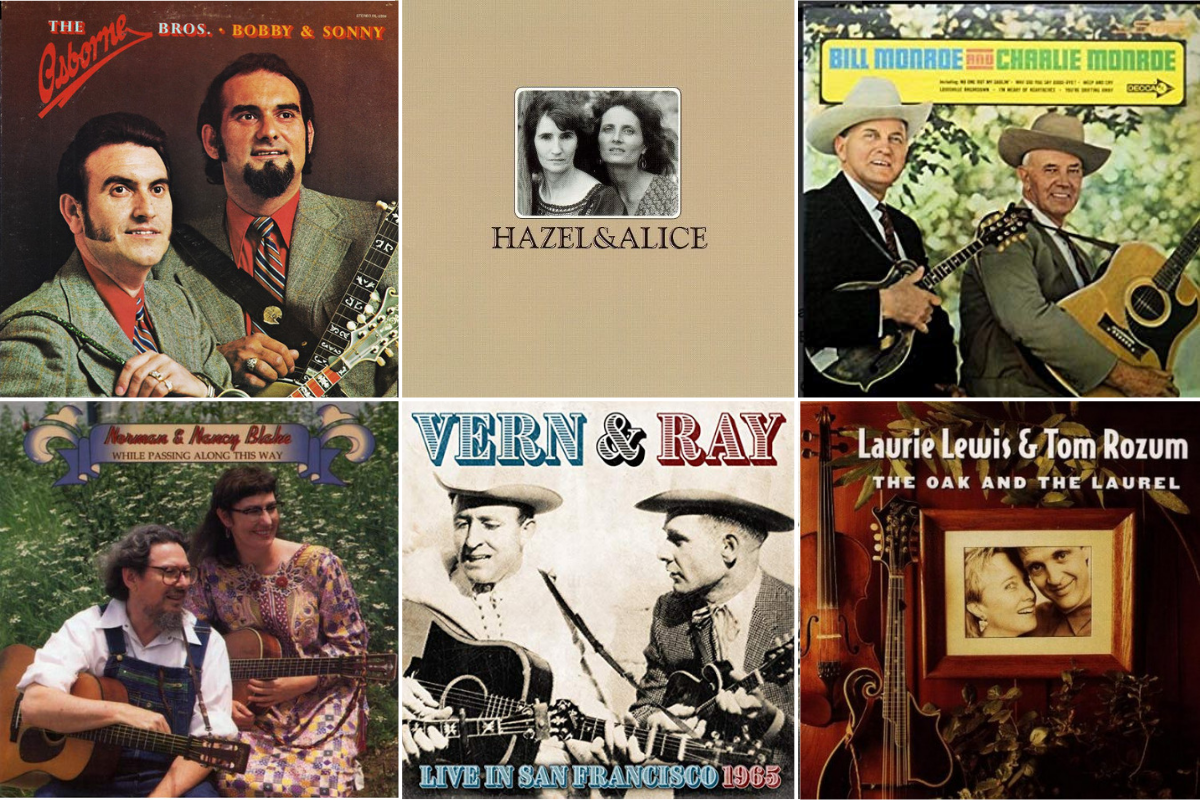
Everyone knows that in the early days of bluegrass, before that term was even coined, all you needed to make a “band” was two people and two instruments. Fiddle and banjo? Sure. But in those days, they’d take whatever they could get. Duos are still a strong presence in the music today, in brother/sibling duos, spouse-led bands, and legendary collaborations.

Check out these twenty-two bluegrass pairings — and their accoutrement — on BGS:

Bill & Charlie Monroe

Before Bill Monroe, the Father of Bluegrass, made his indelible mark on the genre (quite literally giving it its name), he was already a popular performer with his brothers Charlie and Birch. Birch left The Monroe Brothers in the mid-1930s, and Charlie and Bill went on to enjoy success on the road, in the studio, and on the radio — until rising tensions and a fateful fight in 1938 caused them to split ways. But, without that fight, we may not have “bluegrass” at all.

Flatt & Scruggs

December 1945. The Ryman Auditorium. Nashville, Tennessee. Bill Monroe and his Blue Grass Boys stepped on stage for the Grand Ole Opry with Lester Flatt and Earl Scruggs among their ranks for the very first time and bluegrass as we know it today was born. Flatt & Scruggs left Monroe in 1948 to join forces and went on to become one of the few ubiquitous, household names of bluegrass.

Hazel Dickens & Alice Gerrard

Undeniably trailblazers, Hazel Dickens & Alice Gerrard are widely regarded as the first women in bluegrass to capture the “high lonesome” sound popularized by Monroe, the Stanley Brothers, and others. They toured across the U.S., often supporting causes that benefited forgotten, downtrodden people from all backgrounds and walks of life. They were inducted into the Bluegrass Music Hall of Fame in 2017.

The Stanley Brothers

Natives of the music-rich southwest corner of Virginia, Carter and Ralph Stanley were prolific recording artists and touring musicians in bluegrass’s first generation. Countless songs written and/or popularized by the Stanley Brothers and their backing band, the Clinch Mountain Boys, are staples of the genre today. Carter passed in 1966 and Ralph continued until his death in 2016 with the Clinch Mountain Boys — who still tour today with Ralph’s son, Ralph II.

Don Reno & Red Smiley

Unsung trailblazers of the first generation of bluegrass pickers, Reno & Smiley were tireless innovators with a jovial, sometimes silly flair to their songs and instrumental prowess. Their duets are simply some of the best in all of bluegrass. The duo performed together off and on from the early 1950s to the 1970s — but both passed away much too young, Smiley in 1972 at the age of 46 and Reno in 1984 at the age of 58. Reno’s frenetic, electric and pedal steel guitar-infused licks remain unmatched in banjo picking today.

Jim & Jesse McReynolds

With matching suits and impeccable pompadours brothers Jim and Jesse McReynolds often brought rockabilly, rock ‘n’ roll, mainstream country and pop sensibilities to their take on sibling harmonies and bluegrass brother duos. Jesse’s crosspicking on the mandolin was — and continues to be — absolutely astonishing. Jim passed in 2002, Jesse continues to perform on the Grand Ole Opry to this day. At the time of this writing, he is ninety years old.

Laurie Lewis & Tom Rozum

Laurie Lewis often takes top billing — as leader of the Right Hands and before that, the Bluegrass Pals, and others — but since 1986 her musical partner Tom Rozum has almost constantly been at her side on the mandolin and harmonies. Their duo recording, The Oak and the Laurel, was nominated for a Grammy in 1995. Here is the album’s title track:

Bill Monroe & Doc Watson

What is there to say? Two of the folks who paved the way for this genre, laying a foundation so strong and far-reaching that we still can’t fully comprehend its impact. Bill and Doc collaborated on more than one occasion and we, as fans and disciples, are lucky that so many of these moments are captured in recordings and videos.

Del McCoury & David “Dawg” Grisman

At face value, an unlikely combo, but their friendship goes back to the early 1960s and their musical endeavors together began soon after. As Del slowly but surely became a bastion for traditional bluegrass aesthetics applied broadly, Dawg embraced jammy, jazzy, new acoustic sounds that sometimes only register as bluegrass-adjacent because they come from the mandolin. Opposite sides of the same coin, their duet makes total sense while at the same time challenging everything we think we know about the music. In this clip, Dawg sings tenor to Del — not many would be brave enough to try!

Ricky Skaggs & Keith Whitley

They got their start together in the Clinch Mountain Boys with Ralph Stanley, making some of the best recordings in the history of the band’s many iterations. Before they both struck out on wildly successful, mainstream careers they recorded a seminal duo album together, Second Generation. It remains one of the most important albums in the bluegrass canon — especially as far as duos/duets go.

Norman & Nancy Blake

Norman is well known for his flatpicking prowess, which has graced recordings by John Hartford, Bob Dylan, the Nitty Gritty Dirt Band, and so many others. He and his wife, Nancy, were married in 1975 after having begun their musical forays together a year or so earlier. Nancy’s command of many instruments — cello, mandolin, and fiddle among them — balances neatly with Norman’s jaw-dropping, singular style on the flattop. Their inseparable harmonies and timeless repertoire are merely icing on the cake.

Jimmy Martin & Ralph Stanley

How their first album together, First Time Together (cough), is not more well-known is truly impossible to understand. The King of Bluegrass and the Man of Constant Sorrow twining their extraordinary voices must have been ordained by a higher power. It’s a good thing they answered the call. Be careful, Jimmy’s percussive G-runs feel like a slap in the face — in the best way.

Darrell Scott & Tim O’Brien

Their live albums together and their co-written masterpieces belong in every museum and shrine to roots music around the world. Both of these triple threat (Quadruple? Quintuple? When do we stop counting?) musicians are rampantly successful in their own right, but together they are simply transcendent. Their cut of “Brother Wind” deserves a listen right this instant and “House of Gold” gives you the harmony acrobatics gut punch you need every time. It was nearly impossible to choose just one, but here’s a hit that was recorded once by a little group called the Dixie Chicks.

Ricky Skaggs & Tony Rice

Again, words fail. Skaggs & Rice is a desert island record. Each and every time these two have graced a recording or a stage together, magic has been made, from their days with J.D. Crowe & the New South and on. We only wish that they could have done more together.

Vern & Ray

Vern Williams and Ray Park were California’s original bluegrass sons. Though they were both born and raised in Arkansas, they relocated to Stockton, California, as adults. They’re often credited with “introducing” bluegrass music to the West Coast. They disbanded in 1974 (both passed in the early 2000s), but their influence is palpable to this day, even if they’re sorely unheard of east of the Mississippi. This deserves correction! Immediately!

Eddie & Martha Adcock

Eddie is a pioneering banjo player who’s a veteran of both Bill Monroe’s Blue Grass Boys and The Country Gentlemen, two decidedly legendary and influential acts. His style is somewhat wacky, certainly singular, but effortlessly bluegrass and traditional as well. He married Martha in the late 1970s and the pair have toured prolifically as a duo. In 2008, Eddie underwent brain surgery to correct debilitating hand tremors. He was kept awake, playing the banjo during the procedure — and there is jaw-dropping film of this online!

Dailey & Vincent

When Dailey & Vincent burst onto the scene in the mid-aughts after both having notable careers as sidemen, the bluegrass community rejoiced at the reemergence of a wavering art form within the genre — traditional duo singing. However, Jamie and Darrin, whether they knew it at the time or not, had their sights set much higher. Now more of a full-blown stage show than a bluegrass band, their recordings and concerts are a high-energy, charismatic, and downright entertaining mix of classic country, Southern gospel, quartet singing, and yes, bluegrass.

Kenny & Amanda Smith

Husband and wife Kenny and Amanda first recorded together in 2001, going on to win IBMA’s Emerging Artist of the Year award two years later. They’ve now cut eight albums together, all clean, clear, crisp modern bluegrass that centers on Amanda’s impossibly bright vocals, which maintain a personal, country hue alongside Kenny’s fantastic flatpicking. SON!

Tom T. & Dixie Hall

Two of the most recent inductees into the Bluegrass Music Hall of Fame, Tom T. and Dixie Hall wrote hundreds and hundreds of songs cut by country, bluegrass, and Americana artists alike. Tom T.’s reputation and chart-topping originals tend to eclipse Dixie, but he is unyielding in his efforts to point that same spotlight at his beloved wife instead, who passed away in 2015. Though she never performed — definitely not to the extent that Tom T. did — the marks she left on bluegrass, country, and her partnership with her husband are indelible. This number was co-written by the pair:

The Louvin Brothers

Recipients of IBMA’s Distinguished Achievement Award in 1992, the Louvin Brothers are another example of early bluegrassers who enjoyed the amorphous, primordial days of the genre before it became more and more sequestered from mainstream country and country radio. Their duets are iconic, with counter-intuitive contours and lines that bands and singers still have difficulty replicating to this day. Their most famous contribution to the American music zeitgeist, though, might not be their music, but the spectacular cover art for their 1959 album, Satan Is Real. If you haven’t seen it, Google it right now.

Delia Bell & Bill Grant

Natives of Texas and Oklahoma, respectively, Delia Bell and Bill Grant met through Bell’s husband, Bobby, in the late 1950s. Between their band, the Kiamichi Mountain Boys, and their duo project they recorded more than a dozen albums together through the 1980s. Famously, Emmylou Harris became a fan when she heard their cut of “Roses in the Snow,” which Harris went on to record on her eponymous bluegrass record. Bell died in 2018.

The Osborne Brothers

Though they popularized a style of three-part harmony that had never been heard before — the infamous “high lead” harmony stack — their band, no matter who it may have included over the years, was undeniably helmed and anchored by Bobby and Sonny. (Which does explain the name.) You may remember “Rocky Top” and “Ruby” first and foremost in their discography, but the hits they’ve contributed to the bluegrass songbook are innumerable. Here’s one such classic.