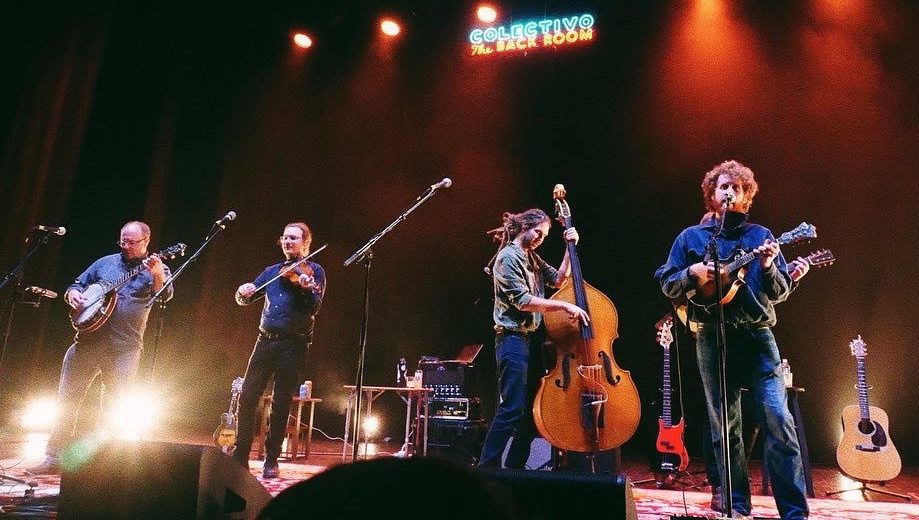
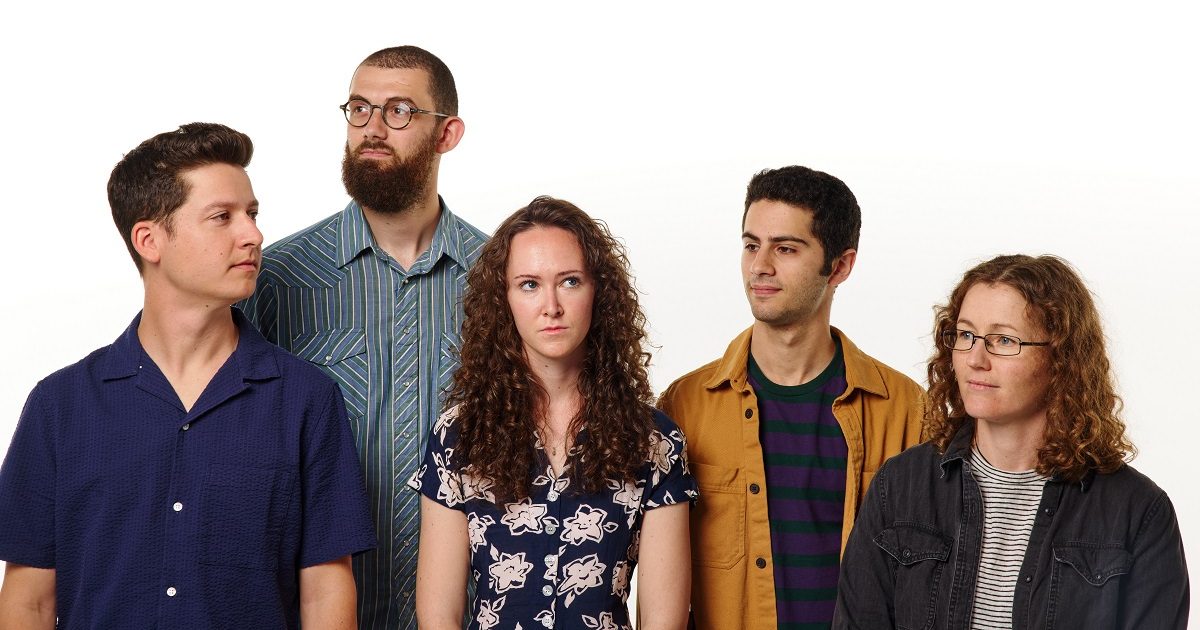
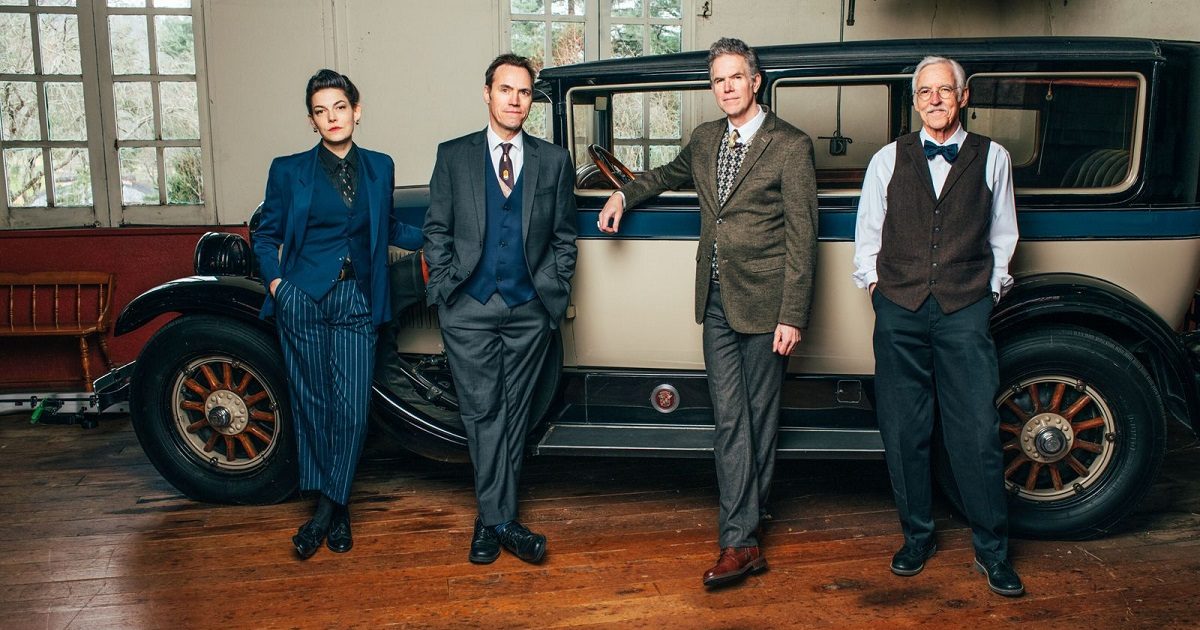
LISTEN: Chris Jones & The Night Drivers, “The Price of Falling”

Artist: Chris Jones & The Night Drivers
Hometown: Nashville, Tennessee
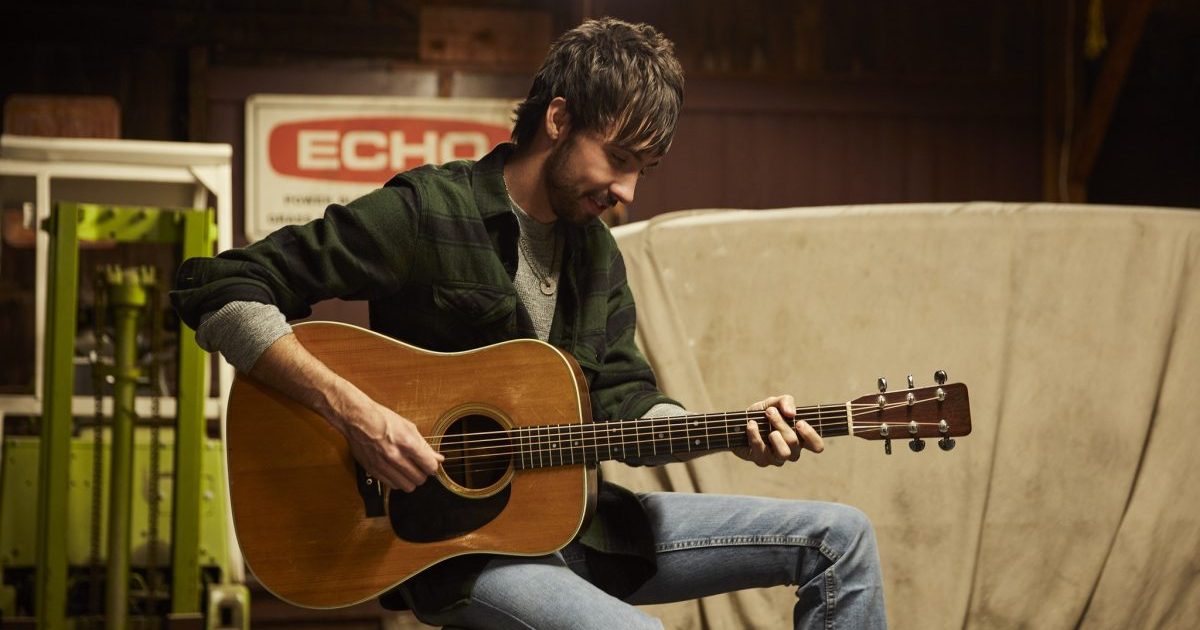
Song: “The Price of Falling”
Release Date: January 20, 2023
Label: Mountain Home Music Company

In Their Words: “The addition of Grace van’t Hof and Marshall Wilborn to The Night Drivers started a new era of creativity for the band and for me personally, and our first album together showed the positive results of that. Still, most of it was recorded during the pandemic while we weren’t touring. This is our first single from our not-yet-released second album, which was our first opportunity to record as a band that has grown together, instrumentally and vocally. Everything felt more comfortable and intuitive. ‘The Price of Falling’ is an uptempo song I wrote about the up and down sides of falling in love. The arrangement is designed to highlight the instrumental give and take that feels very easy and natural to us now.” — Chris Jones

Crossroads Label Group · The Price Of Falling – Chris Jones & The Night Drivers

Photo Credit: Sandlin Gaither

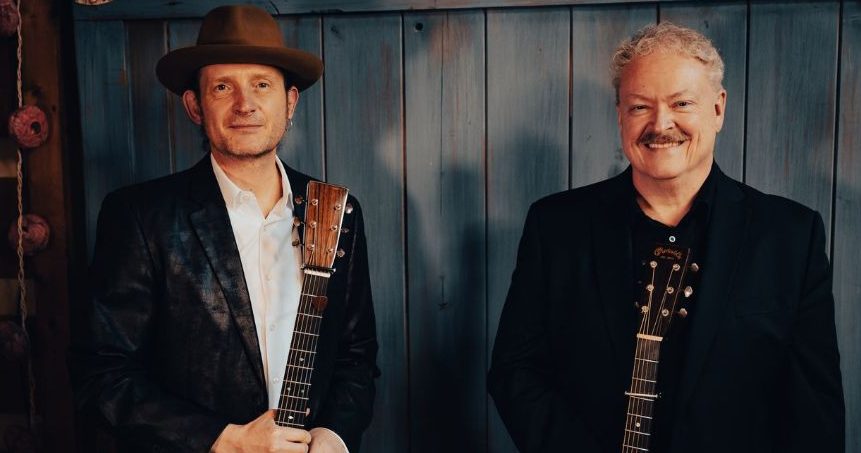
LISTEN: The Gibson Brothers, “One Minute of You”

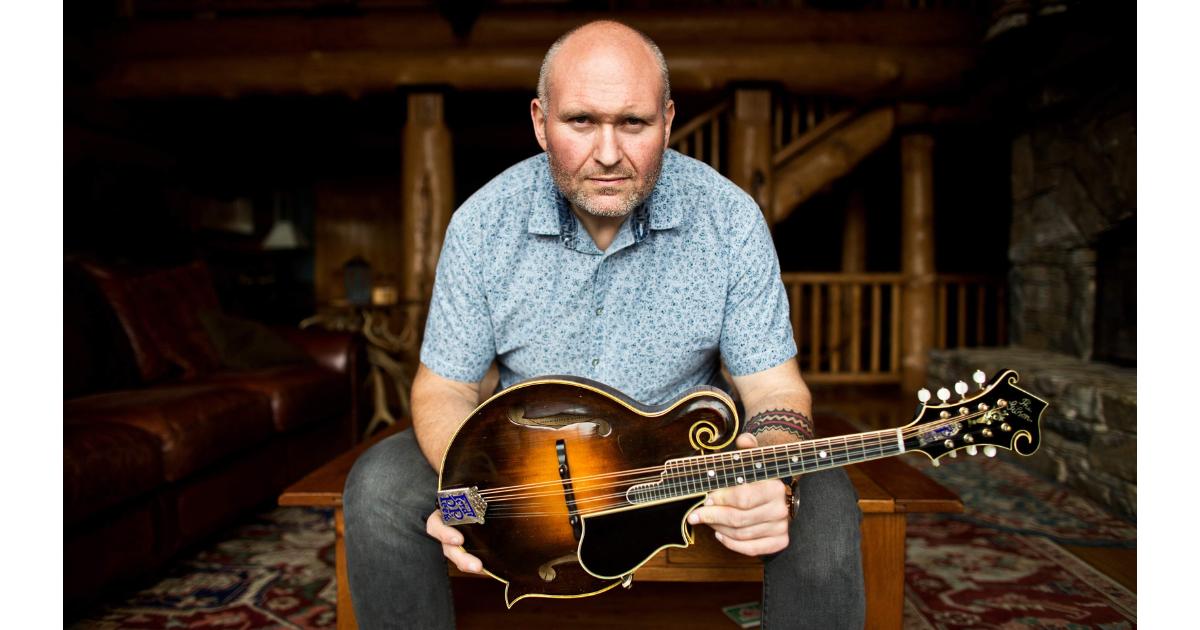
Artist: The Gibson Brothers
Hometown: Ellenburg Depot, New York
Song: “One Minute of You”
Album: Darkest Hour
Release Date: January 27, 2023

In Their Words: “I’m the proud father of three kids — Jack, Annie and Joey. They are everything to me. As involved in a family as a dad can be, I guess he can still be surprised by the ones he’s closest to. My daughter Annie is a marvel to me. When she was a little girl, she was one of the shyest kids I’ve ever seen. I never expected her to become so gregarious. And to watch her grow into the active and involved young woman she’s become is such a gift. So here’s my song for Annie Gray. We’ll be playing ‘One Minute of You’ in each of our upcoming shows. It’s quickly become one of my all time favorite songs to sing.” — Leigh Gibson, The Gibson Brothers


Photo Credit: Allen Clark

Bluegrass Memoirs: Jackson, Kentucky Bluegrass

[Editor’s note: Photos by Carl Fleischhauer]

On Monday August 7, 1972, with fresh memories of Maritimes old-time and bluegrass, I drove from New Brunswick to New England to join my wife and kids, who were house-sitting for my in-laws in Norwich, Vermont. 

On Thursday the 10th I headed south. A fourteen-hour drive brought me to Morgantown, West Virginia, the home of my friend and partner in research, photographer and film-maker Carl Fleischhauer, then employed at West Virginia University. We’d known each other for twelve years. (Our stories are in Bluegrass Odyssey: A Documentary in Pictures and Words, 1966-86 [U of IL Press 2001]). We were about to embark on fieldwork.

During the preceding year, when I began planning for the book Bluegrass: A History, I asked Carl to help me think about photos. In addition to documenting bluegrass festivals and other venues he, with Sandy Rothman, had recently looked for traces of earlier days in a field trip to the old Monroe home in Rosine, Kentucky. Now, we made plans for our own field trip. Carl would take photos. I would make notes and do interviews. 

We spent that Friday in Morgantown looking at Carl’s photos and films and listening to LPs as we prepared for the research. At the end of the evening, my notes say,

Did some picking.

Early Saturday morning we piled in my new Toyota with our gear (cameras, tape recorder, axes, tent, sleeping bags) and headed southwest, crossing into Kentucky from Huntington, WV and snaking down through the mountains to Jackson, the seat of Breathitt County. Three hundred miles; we arrived around 2 o’clock.

There we headed just outside of town for Bill Monroe’s Second Annual Kentucky Blue Grass Festival. When I went to Canada in 1968, Bill Monroe had one festival a year at Bean Blossom in Indiana. Now he was running a bunch in other states, as were other artists. Festivals were the big news in bluegrass music in 1972. We sought to document the bluegrass festival experience.

Later others would write about this, like Bob Artis (“An Endless Festival” in Bluegrass [1975]) and Robert Owen Gardner (The Portable Community [2021]). Here’s how my notes from Jackson begin:

West of town on main hwy, down short steep road. Paid camping & Sat. fees, never did pay for Sunday. Parked & walked down to the stage area — tent set up, natural amphitheatre, uncovered stage, bad sound. Lots of cops around on Saturday.

Made contact with Pete & Marion Kuykendall, and agreed to move in next to them to camp. Set up tent, attempted to speak to Monroe but he was busy coping with the Goins Bros. problem of being hassled by the cops for drinking. Later Kuykendall said that cops had asked Monroe for $ (3 or 6 hundred) and he had refused to pay off so they were taking it out in fines. Lots of racing around on Sat. with flashing lights et al, but they stayed away on Sunday.

Listened then to IT’S A CRYING TIME, hot & exciting Japanese bluegrass band. Then back to Kuykendall’s bus/home whatall. Thunderstorm; discovery that cassette recorder didn’t work on batteries because plug distorts switch; got it running eventually. Oldest Kuykendall girl Sam/Ginger comes in with bass player of above-mentioned Japanese band, then leaves. Kuykendalls are a bit worried about this but Carl & I both notice later that a number of young girls (McLain girls, for example) are hanging around, with this group.

Dinner with Kuykendalls. Frank & Marty Godbey come in and are around for the rest of the evening. Mostly we sit & talk, though I went down to the amphitheatre to catch Jim & Jesse and the Japanese bands. Came back, then returned to catch Monroe. Afterwards listened to picking group in tent near us. Did mainly Emerson & Waldron, Newgrass Revival, Bluegrass Alliance, Gentlemen, etc. Chromatic banjo. Noisy night in Carl’s tent, as sessions went on late and busses started early. I got a spider bite.

Bill Monroe (center) and the Blue Grass Boys at the Second Annual Kentucky Bluegrass Festival, Jackson KY, Saturday, August 12, 1972. Bandmembers include Monroe Fields, bass; Jack Hicks, banjo; Joe Stuart, guitar (hidden); Monroe, mandolin; and Kenny Baker, fiddle.

I’d known the Kuykendalls since 1966. Pete, a 1996 inductee to the Bluegrass Hall of Fame, was a musician, record collector, producer, publisher, and, since 1970 owner-editor of the first and leading bluegrass monthly Bluegrass Unlimited.

Pete Kuykendall, editor of Bluegrass Unlimited, in his RV parked in the camping area at the Second Annual Kentucky Bluegrass Festival, Jackson KY, Saturday August 12, 1972.

Pete and I had already been corresponding about bluegrass history when we met on Labor Day weekend 1966 at the second Roanoke Bluegrass Festival. Subsequently, I visited the Kuykendalls in Virginia where Pete encouraged me to write for the then all-volunteer magazine he would later own. I began with a review of the festival, published the following January — the first of eight articles I did for BU in 1967.

Photo made by Pete Kuykendall’s son Billy with one of Carl Fleischhauer’s cameras. Carl is seated at left with two other cameras on the table. This photo was made at the time of Neil Rosenberg’s (top of head above stove) interview of Pete Kuykendall, editor of Bluegrass Unlimited, in his RV at the Second Annual Kentucky Bluegrass Festival, Jackson KY, Saturday, August 12, 1972. In the background, at left, is Pete’s wife and Bluegrass Unlimited co-manager Marion Kuykendall.

By 1970 Pete and Marion were running BU full-time; I’d done an article for them earlier in 1972 (eventually I would write a monthly column) so we had been in touch recently by mail and phone. Conversations with Pete were never brief! He loved to share the business scuttlebutt and he had plenty since they were selling the magazine at festivals every weekend and had just launched BU’s own annual festival. 

I think this may have been the first time I met the Godbeys. From Lexington, and before that, Columbus, Ohio, they had been following the bluegrass scene for a decade. Frank is a musician who is still performing these days. By 1972 he and Marty had begun writing and publishing photos in BU. For them, as for me, hanging out with the Kuykendalls was a good way to keep up on the bluegrass news. People were already talking about starting an industry association, though that — the IBMA — wouldn’t happen until 1986. Pete was one of its founders.

Neil Rosenberg (facing camera) interviewing Pete Kuykendall, editor of Bluegrass Unlimited, in his RV parked in the camping area at the Second Annual Kentucky Bluegrass Festival, Jackson KY, Saturday, August 12, 1972. In the background, with an air rifle, is Pete’s son Billy Kuykendall.

With the growth of the festivals came clubs, newsletters, and magazines. Bluegrass enthusiasts (many of them musicians) followed their favorites to festivals and other venues. Paths crossed; networks grew. The politics of bands was a favorite discussion topic.

Over the course of the festival, I made note of gossip about the always changing bands. Ricky Skaggs had just left Ralph Stanley — there were rumors about where he was headed next. Was Bill working to get Ralph Stanley on the Opry? Some thought so. The II Generation was said to be splitting up. Stories were told of bluegrass festival camp followers. 

At this Jackson, Kentucky festival were a bunch of bands that had been appearing at Bill Monroe’s other 1972 festivals — Monroe, Jim & Jesse, Flatt, Reno & Harrell, the Goins, Ralph Stanley — mature musicians who’d been working with this music for a substantial period of time and who stuck close to the early models of which they were, often, the authors. Classic bluegrass, one could say. 

What the audience didn’t hear was the kind of stuff we’d heard from the jammers late Saturday night, like “One Tin Soldier,” The Bluegrass Alliance’s cover of a song popularized in the film Billy Jack. Their bluegrass version, with Sam Bush’s lead voice and Tony Rice’s harmonies and guitar work, was a hit, a big step on the road to newgrass.

The Japanese bands were new to the scene. Japanese bluegrass began in the early sixties. In 1971, Bluegrass 45 came from Kobe, Japan, with the sponsorship of their label, Rebel, to tour U.S. bluegrass festivals. They made a big hit at Monroe’s Bean Blossom festival with their showmanship and musical savvy. This year they were back, along with another Japanese outfit, It’s A Crying Time.

Visiting from Japan, the band It’s a Crying Time performs at the Second Annual Kentucky Bluegrass Festival, Jackson KY, Saturday, August 12, 1972. Band members include Eiichi “Ei’ Shimizu, banjo; Kazuyoshi “Kazu” Onishi, mandolin; Satoshi “Sato” Yamaguchi, guitar; Akira “May” Katsumi, bass.

Monroe had booked the Japanese bands as a novelty, something you couldn’t see just anywhere in the bluegrass world. As I mentioned in my field notes, I found It’s A Crying Time’s music “hot & exciting,” and I was not the only one in the audience reacting this way. They came to the attention of Lester Flatt, who, after watching them rehearse, invited mandolinist Kazu Onishi to join him on stage at his final set. 

Backstage moment at the Second Annual Kentucky Bluegrass Festival, Jackson KY, Saturday, August 12, 1972. Akira Katsumi, Kazu Onishi,
Lester Flatt, and Akira Otsuka. Otsuka was Kazu’s friend from the Japanese scene, a member of the Bluegrass 45.

This video comes from the Bluegrass 45’s appearance at Carlton Haney’s Camp Springs festival:

They are announced at the beginning of the video by emcee, writer, and DJ Bill Vernon. Vernon was here at Jackson, as I learned Sunday morning when I went down to the early morning gospel show. Pete Kuykendall introduced me to Bill there, and we had a long chat about the politics of the bluegrass industry. I wrote in my notes:

A very loquacious and complex person.

At that morning’s gospel show, the music came to a stop as a fundamentalist preacher began his sermon. At that point, I noted:

Bill Vernon cut out from the morning sermon, he’d had enough…

During the preacher’s sermon at the gospel program at the Second Annual Kentucky Bluegrass Festival, Jackson KY, Sunday, August 13, 1972. Bill Monroe (wearing a black suit) is seated in the audience area at left.

I stayed and heard some good music, noting:

The gospel section’s high point was when the Goins Bros. did “Somebody Touched Me” and Eleanor Parker came on stage & started clapping hands and singing; Monroe caught on and came up to join in too.

During the gospel program at the Second Annual Kentucky Bluegrass Festival, Jackson KY, Sunday, August 13, 1972. When the Goins Brothers band performed “Somebody Touched Me,” they were joined on stage by Eleanor and Rex Parker and Bill Monroe. Eleanor and Bill joined the Goins trio at the main microphone while Rex sang and played mandolin at the “stage right” microphone.

This kind of spontaneity, which gave festivals their appeal, was not there all the time. Jim & Jesse, I wrote, had:

A good show, with Jim Brock sounding especially good, but … a cut and dried quality to it all.

Describing Lester Flatt and his Nashville Grass, I concluded:

To me the whole band sounded tired, lackluster.

But Flatt’s final set was enlivened when It’s A Crying Time mandolinist and tenor Kazu Onishi came on stage to sing “Salty Dog Blues” with him. 

During my times around the stage area, I had a chance to talk with Monroe and with some of the musicians I’d gotten to know during my years as a backstage regular at Bean Blossom, like Birch Monroe, Joe Stuart, and Roland White.

I arranged with Birch, who was busy helping Bill run the festival, for an interview, to take place later in the week at his home in Martinsville, Indiana.

Joe Stuart offstage at the Second Annual Kentucky Bluegrass Festival, Jackson KY, Saturday, August 12, 1972.

Joe told me about his experiences playing bluegrass in Canada with Charlie Bailey. He’d even appeared in Newfoundland.

Roland, whom I’d known since his days as a Blue Grass Boy, was now playing with Lester Flatt. He told me they were working solid, playing festivals every weekend.

Here’s what I wrote about the audience:

Audience — bluegrass die-hards from Ohio, Ky., D.C., Carolinas. Few freaks. Appear to be about 50% campers, 50% local people. Certainly no more than 1500-2000, on Saturday, though figure of 3000 was bandied about. Bill moved his Ky festival to Jackson from Ashland this year because the turnout at Ashland was dropping. Fact, bluegrass ain’t as popular in Kentucky as it is elsewhere — Ohio, D.C.

Audience on the hillside natural amphitheater at the Second Annual Kentucky Bluegrass Festival, Jackson KY, Saturday, August 12, 1972.

The festival closed with a finale, orchestrated by Monroe. At the first festivals in the mid-60s, which were created to honor Monroe, such events were somewhat spontaneous, but by now, seven years after the first one, these events were highly ritualistic. By the time it happened, I noticed that the Kuykendalls had left. They were not the only ones.

The finale performance at the Second Annual Kentucky Bluegrass Festival, Jackson KY, Sunday, August 13, 1972. At the center, in white suits, are Bill Monroe and Lester Flatt. Here are a few of the other performers, left to right: Curly Ray Cline (on the ramp), Melvin Goins (guitar, facing camera), Kenny Baker (fiddle, white hat, wearing a suit), Joe Stuart (just behind Baker, partly hidden), Buck Ryan (fiddle, white belt), Jack Hicks (banjo, white hat, wearing suit), Paul Warren (fiddle, white hat, at microphone), Vic Jordan (banjo, facing forward), Ralph Stanley (banjo, dark suit, hidden behind McCormick), Haskell McCormick (banjo, in profile), Monroe and Flatt with Don Reno (wearing white) partly hidden behind them, Raymond W. McLain and sister Alice McLain (hidden behind Flatt), Jesse McReynolds (mandolin, wearing striped jacket), Ruth McLain (bass, behind McReynolds), Raymond K. McLain (guitar, no hat), Roland White (mandolin, white hat), Rex Parker (mandolin, striped shirt), and Monroe Fields (leaning on van).

We packed up soon after and headed west for Lexington. I was hoping to interview J.D. Crowe.

[To be continued]


Thanks to Akira Otsuka and Carl Fleischhauer

Rosenberg is an author, scholar, historian, banjo player, Bluegrass Music Hall of Fame inductee, and co-chair of the IBMA Foundation’s Arnold Shultz Fund.

Photo of Neil V. Rosenberg by Terri Thomson Rosenberg.

Edited by Justin Hiltner

Top 10 Sitch Sessions of the Past 10 Years

Since the beginning, BGS has sought to showcase roots music at every level and to preserve the moments throughout its ever-developing history that make this music so special. One of the simplest ways we’ve been able to do just that has been through our Sitch Sessions — working with new and old friends, up-and-coming artists, and legendary performers, filming musical moments in small, intimate spaces, among expansive, breathtaking landscapes, and just about everywhere in between. But always aiming to capture the communion of these shared moments.

In honor of our 10th year, we’ve gathered 10 of our best sessions — viral videos and fan favorites — from the past decade. We hope you’ll enjoy this trip down memory lane!

Greensky Bluegrass – “Burn Them”

Our most popular video of all time, this Telluride, Colorado session with Greensky Bluegrass is an undeniable favorite, and we just had to include it first.


Rodney Crowell and Emmylou Harris – “The Traveling Kind”

What more could you ask for than two old friends and legends of country music reminiscing on travels and songs passed and yet to come, in an intimate space like this? “We’re members of an elite group because we’re still around, we’re still traveling,” Emmylou Harris jokes. To which Rodney Crowell adds with a laugh, “We traveled so far, it became a song.” The flowers were even specifically chosen and arranged “to represent a celestial great-beyond and provide a welcoming otherworldly quality … a resting place for the traveling kind.” Another heartwarming touch for an unforgettable moment.


Sarah Jarosz and Aoife O’Donovan – “Some Tyrant” 

In the summer of 2014, during the Telluride Bluegrass Festival we had the distinct pleasure of capturing Sarah Jarosz and Aoife O’Donovan’s perfectly bucolic version of “Some Tyrant” among the aspens. While out on this jaunt into the woods, we also caught a performance of the loveliest ode to summertime from Kristin Andreassen, joined by Aoife and Sarah.


Rhiannon Giddens – “Mal Hombre”

Rhiannon Giddens once again proves that she can sing just about anything she wants to — and really well — with this gorgeously painful and moving version of “Mal Hombre.”


Tim O’Brien – “You Were on My Mind”

Is this our favorite Sitch Session of all time? Probably. Do we dream of having the good fortune of running into Tim O’Brien playing the banjo on a dusty road outside of Telluride like the truck driver in this video? Definitely.

Enjoy one of our most popular Sitch Sessions of all time, featuring O’Brien’s pure, unfiltered magic in a solo performance of an original, modern classic.


Gregory Alan Isakov – “Saint Valentine”

Being lucky in love is great work, if you can find it. But, for the rest of us, it’s a hard row to hoe. For this 2017 Sitch Session at the York Manor in our home base of Los Angeles, Gregory Alan Isakov teamed up with the Ghost Orchestra to perform “Saint Valentine.”


The Earls of Leicester – “The Train That Carried My Girl From Town”

In this rollicking session, the Earls of Leicester gather round some Ear Trumpet Labs mics to bring their traditional flair to a modern audience, and they all seem to be having a helluva time!


Sara and Sean Watkins – “You and Me”

For this Telluride session, Sara and Sean Watkins toted their fiddle and guitar up the mountain to give us a performance of “You and Me” from a gondola flying high above the canyon.


Punch Brothers – “My Oh My / Boll Weevil”

The Punch Brothers — along with Dawes, The Lone Bellow, and Gregory Alan Isakov — headlined the 2015 LA Bluegrass Situation festival at the Greek Theatre (a party all on its own), and in anticipation, the group shared a performance of “My Oh My” into “Boll Weevil” from on top of the Fonda Theatre in Hollywood.


Caitlin Canty feat. Noam Pikelny – “I Want To Be With You Always”

We’ll send you off with this delicate moment. Released on Valentine’s Day, Caitlin Canty and Noam Pikelny offered their tender acoustic rendition of Lefty Frizzell’s 1951 country classic love song, “I Want to Be With You Always.”


Dive into 8 of our favorite underrated Sitch Sessions here.

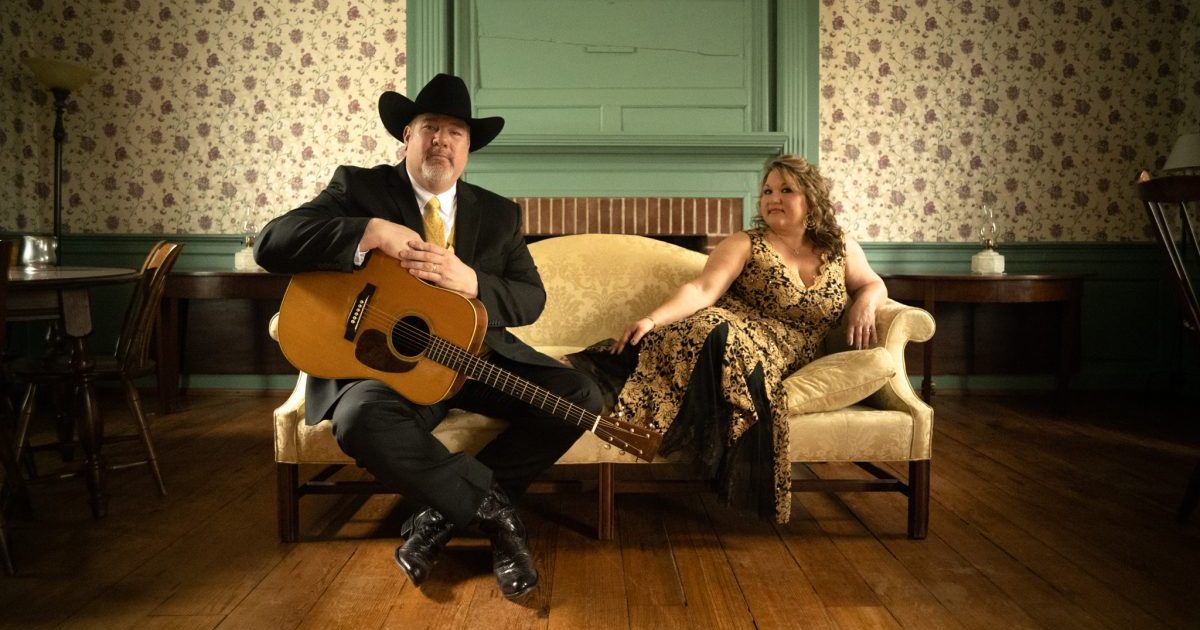
WATCH: Larry Sparks, “Mama’s Apron Strings”

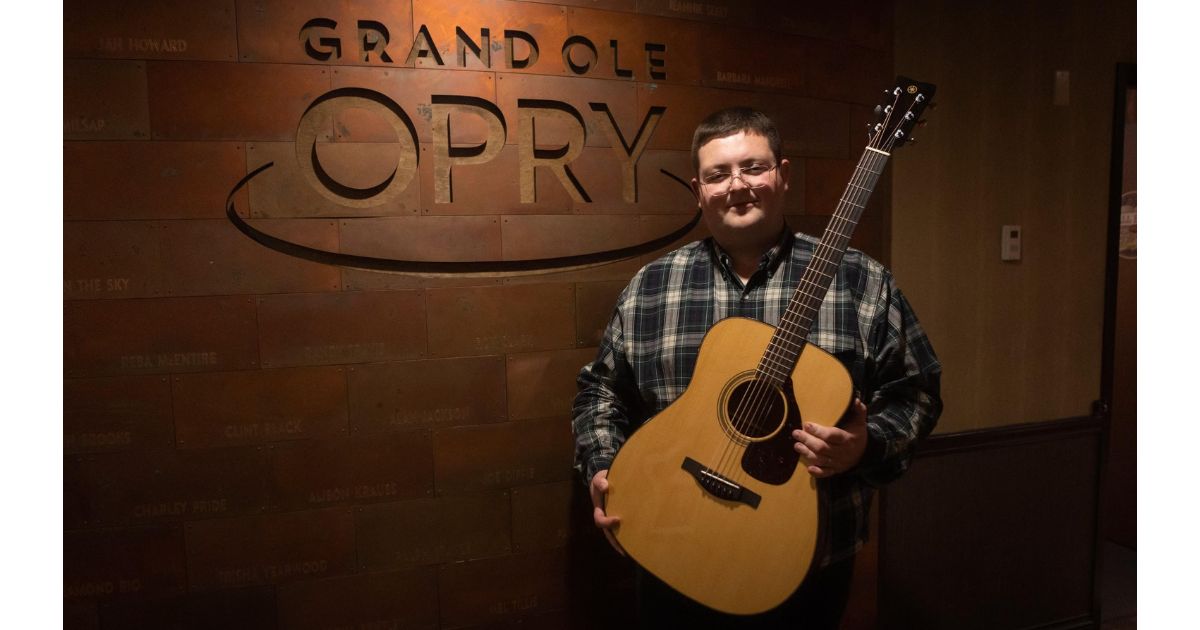
Artist: Larry Sparks
Hometown: Lebanon, Ohio
Song: “Mama’s Apron Strings”
Album: It’s Just Me
Release Date: March 31, 2023
Label: Rebel Records

In Their Words: “‘Mama’s Apron Strings’ was a way of life back in the day. Women used them for working in the home and yet sometimes they would also offer up something sweet in their pockets for the children. This generation of folks were great people. Their first love was caring for their family and providing for their needs. It reminds me of my own mom and the ways she cared for our family. When it came time to make a video for ‘Mama’s Apron Strings’ it seemed right to film it at my house. I guess I am a ‘kinda back in the day’ person: my home is 145 years old and I have a few old cars including the 1950 Dodge used in the video. God has been good to me through the years and I hope everyone will enjoy this video for my current single ‘Mama’s Apron Strings.’” — Larry Sparks


Photo Credit: Michael Wilson

What’s Del McCoury Really Like? We Asked Three People Who Know Him Best

There might not be a more universally beloved figure in the bluegrass world than Del McCoury. Offstage as well as on, he carries himself with a self-assured grace that is both regal and welcoming — bluegrass royalty in every sense. We talked to three of the people he’s closest to about the experience of really knowing Del McCoury up close.

Alan Bartram, bassist in The Del McCoury Band

“Joining the Del McCoury Band was one of those fortuitous right-place-right-time things, and they made it so easy. He’s as laid-back as you imagine. The same happy-go-lucky guy you see on stage is like that all day. There’s no ‘stage persona’ he changes into, and he’s not strict about anything so long as you’re taking care of business. Just do your thing and everything’s cool. I couldn’t think of a better boss.

“If he ever gets mad, it’s real subtle. Unless you’re around him a lot, you’d never even know it. There are days when he might not be in the best mood, but there’s never an outburst or a rampage. You’d have to know him to pick up signs he’s annoyed about something. Going on 84 years old, he can still get up at 4:30 a.m., fly somewhere, drive a rental van to the gig, soundcheck, go through the whole day and then get onstage at 9 p.m. and just kill it for two hours. I’ll be just whupped, but he’s still crushin’ it. And the longer he sings, the stronger he gets. God, I hope I have that stamina at his age. He hasn’t lost anything, even after we were shut down for most of 2020. Taking a lot of time off at his age, you can lose a step. I swear he didn’t.

“I’ll tell an embarrassing story on myself to show how cool he is. A few weeks ago, there was a Grand Ole Opry show on a weeknight – and I somehow forgot all about it. Had it on my calendar but just completely spaced it. So I get a call: ‘Hey, man, you playing with us tonight?’ And you know that feeling when your heart just drops? Oh my God. At that point, there was no way I could get there in time. I’m 40 minutes away, they’re on in 10. Mark Fain from the Opry house band had to fill in for me that night. I still can’t believe I did that.

“Now Del does not really use a cellphone, so I had to wait until he got home to call him. So I call, Jean answers: ‘Alan, is something wrong?’ ‘Nothing’s wrong,’ I said, ‘except I forgot I was supposed to be at the Opry tonight.’ And she giggles just as Del walks in. ‘You wanna talk to him?’ ‘Oh yeah, I need to.’ So he gets on the phone and I say, ‘Del, I am so sorry. There’s no excuse. I really blew it, just completely spaced on it.’ And he says, ‘Oh, that’s all right. If I didn’t have Jean telling me when to be down there, I’d have probably missed it, too.’ He could not have been sweeter, which was a relief. I was able to sleep that night. That’s a pretty good picture of who Del is.”


Rhonda McCoury, daughter of Del and Jean McCoury

“I don’t play music, no. Dad showed me a few things when I was a kid. But then I realized I didn’t want to get on stage and do that: ‘If I learn this, I’ll have to get on stage like Dad does! Uh uh, not for me.’

“Mom handled most of the discipline, while Dad was very easygoing. He was the one who’d help us with homework after dinner. If mom ever said, ‘Wait ’til your father gets home,’ we’d just get talked to. And we’d rather have taken a beating, we never wanted to disappoint Dad.

“He’s the epitome of greatest father in the world. Patient, working his tail off all the time. If someone’s car wasn’t running, he would fix it. If there was some math we didn’t understand, he would explain it. Back then we had to put covers on our school books, and he’d help do that.

“He had the logging day job for a long time but didn’t seem frustrated by that. He’d grown up on a farm, working from the time he was a kid. I never heard him complain. He worked for our uncle’s company and could take any time off he needed. But over time, he did realize, ‘This is a little dangerous and maybe I should not do it for the rest of my life.’ Then when the boys started playing, too, that’s when he really got focused on music more.

“He’s not really different, offstage or on. What you see is what you get. He’s always been laid-back and funny, loves to tell stories. He doesn’t change much – except for his suit. There’s no grey area, this is him and it’s the way he’s always been. Like anybody else, you don’t want to make him mad. But 99 percent of the time he’s calm and mild-mannered. About all he does is think about music.

“About the only time he ever gets nervous before a show is when it’s the Opry – especially at the Ryman, where he played with Bill Monroe. But mostly, he never gets too nervous. Maybe a little frustrated if allergies kick up and affect him, not that anyone else would notice the way he does. ‘I’m not of right voice today.’ He just enjoys music so much, nerves never boil to the surface. It became even more enjoyable when the boys started playing, and they’ve just gotten better and better over the years. That’s the most fun for him, onstage with them.

“Mom and Dad have a pool, which Dad loves. He’ll be tinkering with the bus and jump in the pool to cool off. Deer and turkeys are always around the house; he’ll feed them, and he likes to deer-watch. You’ll wonder where he is and then see him standing in the pool watching the deer or turkey walk by, and all you see is his head.

“When we were kids, Dad was just our dad and music was what he did for a living, no different from anyone else’s dad’s job. Ours plays music and sings. But he’s always loved it so much. He had music on all the time, the band guys were over to rehearse inside and outside the house. School nights, we’d go to sleep hearing the band play downstairs.”


Dierks Bentley, Country Artist and Friend


Photo by Chris Hollo, Courtesy of the Grand Ole Opry

“I moved to Nashville in 1994 to be a country singer and was really disillusioned with the scene at the time. It just did not feel authentic and I didn’t know how it would fit for me. I was having a hard time until I randomly went to the Station Inn on a Tuesday night. Walked in and saw these guys wearing loose, baggy clothes and playing bluegrass. I just fell in love with it on the spot. Jason Carter, who was the fiddler for Del McCoury Band, became one of my best friends and turned me on to a lot of bluegrass. It quickly became my favorite genre.

“That’s how I got to know Del’s band. I drove with Jason out to the Telluride Bluegrass Festival in 1997, which is where I finally met Del himself. Nicest guy ever, always with a big smile. Del just is who he is. Driving back cross-country in my truck afterward, we got pulled over by the Arkansas State Police, who claimed they smelled marijuana as we drove by at 75 miles per hour. They had the dogs out sniffing the tires, doing the big search. ‘Man,’ I said, ‘we’re just going back from the Telluride Bluegrass Festival.’ To them that meant we were a bunch of hippies. But they finally let us go and I got Jason back in time for the Tuesday night gig at the Station Inn.

“They say Nashville’s a 10-year town, and it took me almost that long to get a record deal. That was 2002. My first record, I brought the Del McCoury Band in to cut a song for it. Second record, too. I also suggested to Del that he cut Sinatra’s ‘Learnin’ the Blues’ and got a credit in the liner notes, which was about the biggest moment of my fledgling career up to that point. I have yet to get my own Del McCoury Band cut, but it’s on my wish list. Some songwriters want a George Strait cut, but I want the Del McCoury Band – and I’ve made enough money that it’s actually true! As you know, there’s no money in bluegrass. I’d like to do a Del & Dierks album at some point, too.

“I tell people all the time that Del McCoury really is responsible for the success I’ve had in country music. His work ethic is something everybody can learn from, and also the way he doesn’t compete with anybody else. That’s why he and the band are always laughing, having fun, in a good mood. The only person you’re competing with is yourself from the day before, trying to get better. In a town where everybody else talks shit all the time, they all enjoy what they’re doing because they’re not looking at what others are doing. Sure, Del looks back to Bill Monroe. But as far as contemporaries go, I’ve never seen a group of guys more present and having more fun. That’s an approach I’ve taken with country music, just trying to compete with myself. Whatever success I’ve had, it’s because of that.”

Photo credit: Daniel Jackson

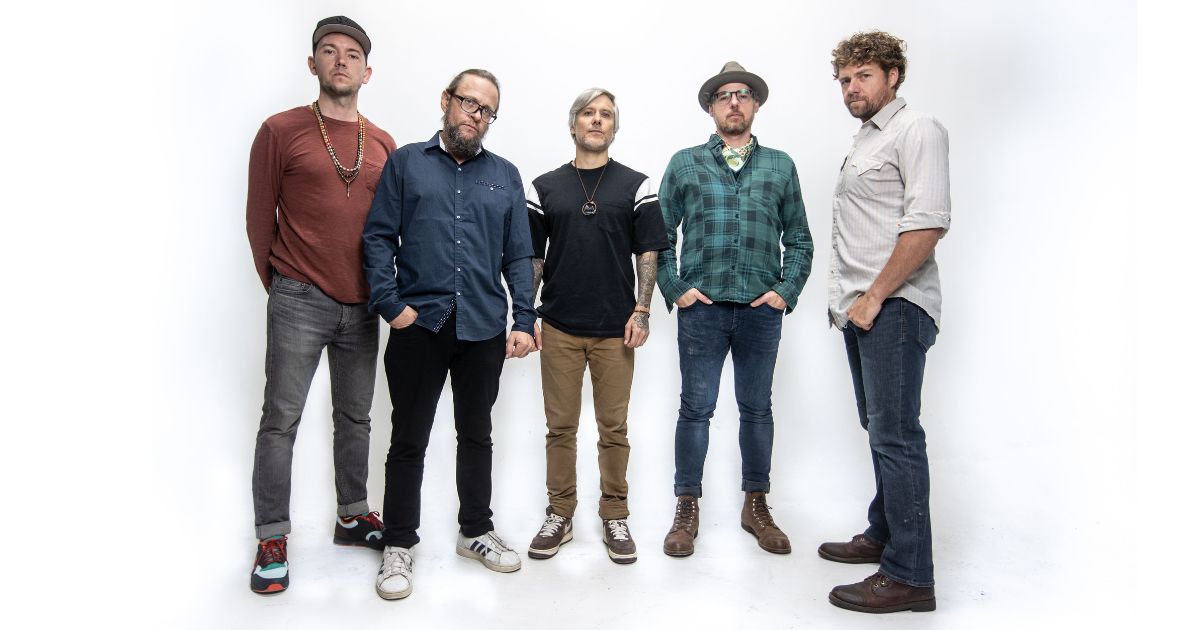
LISTEN: Rob Ickes & Trey Hensley, “Living In a Song”

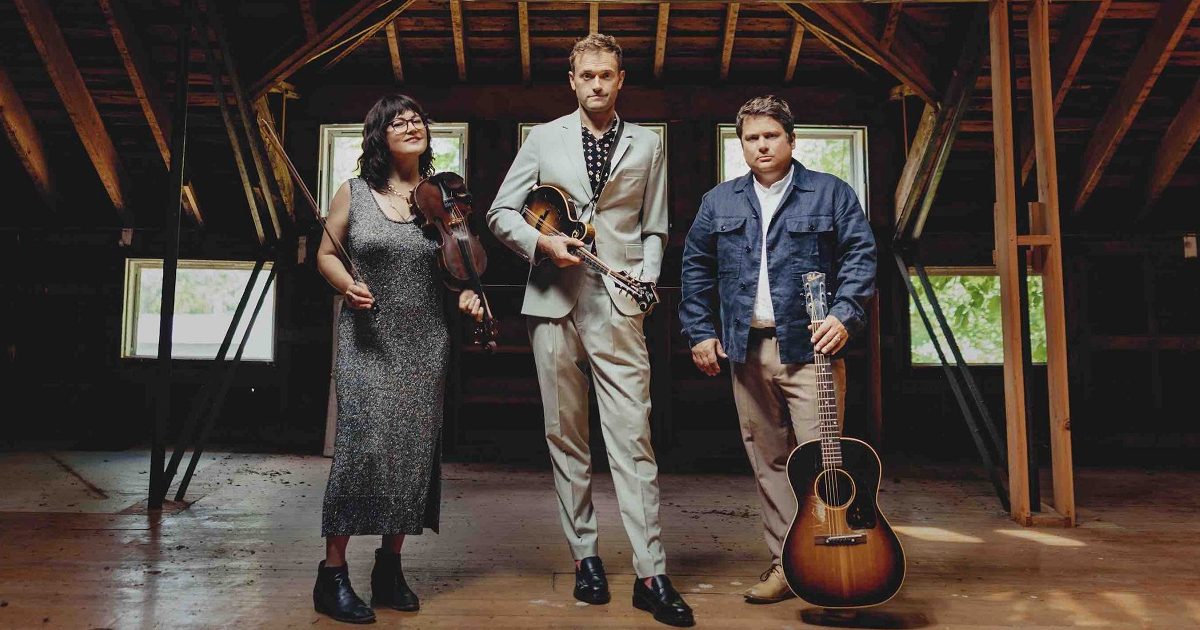
Artist: Rob Ickes & Trey Hensley
Hometown: Nashville, Tennessee
Song: “Living In a Song”
Album: Living In a Song
Release Date: February 10, 2023
Label: Compass Records

In Their Words: “This is a song that Trey started after a long weekend of touring. Our producer Brent Maher and I finished it with him, and I just love it. I like the way Trey sings the first verse. It kills me every time! I guess one of the things that’s different on this album is that I’m singing a lot more of the harmonies. I’ve always sung a little bit, but I’ve definitely dug into it more lately. I love the tenor harmony part, and I love the sound of duets, so it’s been fun to take over more of that role in our group.” — Rob Ickes

“This song just appeared one day when we had a particularly long leg of a tour, and we were having a particularly long drive through Ohio. I’ve always loved sad songs and traveling songs, so this one just felt natural. I wrote a big chunk of this song in just a few minutes in a hotel room on that previously mentioned trip and finished it up with Rob and Brent Maher. Like a lot of other songs, this one is partly fact and partly fiction…you can decide which is which.” — Trey Hensley


Photo Credit: Jeff Fasano

BGS Wraps: Williamson Branch, “Joy to the World”

Artist: Williamson Branch
Hometown: Nashville, Tennessee
Song: “Joy to the World”
Album: Very Merry Christmas
Label: Pinecastle Records

In Their Words: “Christmas time has always been the most joyful of celebrations for our family. We love the silliness of claymation cartoons, as well as the gifts under a festive Christmas tree. But ultimately, we celebrate the time when God came to dwell among us. Very Merry Christmas is our musical expression of the joy that we experience in every aspect of the holiday season. ‘Joy to the World’ the Lord is come! That’s a great reason for celebration. And what better way to celebrate than with banjos, fiddles and voices raised in praise?” — Kevin Williamson, Williamson Branch

MIXTAPE: The Women in Roots Music Who Inspired Justin Hiltner’s ‘1992’

For the past eight or so years I’ve been making this joke that we (the music industry) should “Give women Americana.” As in, if we gave the entire genre — and bluegrass and country and old-time and folk, for that matter — to women and femmes and non-men, I wouldn’t so much miss the men and the music would certainly be well cared for and well set up for the future. 

My point, as I continue to make this joke year after year to many puzzled reactions, is that women and femme roots musicians have and will always be my favorite artists, creators, songwriters, and pickers. As I crafted my debut solo album, 1992 – often with incredibly talented women like producers and engineers (and pickers) Cathy Fink & Marcy Marxer, mastering engineer Anna Frick, photographer Laura E. Partain – the music that inspired, informed, and challenged me most through this release was all made by women. (Ask me sometime about my monthly Spotify playlist, Don’t Need No Man.)

When BGS approached me to make a Mixtape to celebrate 1992, I knew I had to share some of the women who helped me realize, musically, artistically, socially, emotionally, that there could be a home for me in bluegrass, largely because they had created such a home exactly for me. Here are a few of my bluegrass, old-time, and country inspirations, all of whom have filtered into this album in one way or another. – Justin Hiltner

Ola Belle Reed – “High On the Mountain”

1992 was tracked in Ashe County, North Carolina, in a little town called Lansing nestled into the Blue Ridge Mountains, right where Tennessee, Virginia, and North Carolina meet. I love it out there on the mountain, in the wind, in the clouds, on the rocky little road cuts and switchbacks through the hills. Lansing also happens to be the hometown of a legendary Appalachian musician and bluegrass forebear, Ola Belle Reed. A banjo she once owned and had signed hung on the wall beside me while I tracked every song. I definitely see my album as stemming from the lineage of Ola Belle, humbly and gratefully.

Cathy Fink & Marcy Marxer – “Hold Each Other Up”

I’ve been so lucky to collaborate with folk icons, Grammy winners, and children’s music legends Cathy & Marcy in so many different contexts and scenarios, every single one delightful and fulfilling. They’re amazing mentors and encouragers and while we recorded 1992 we had to take the chance to channel their amazing attitudes and worldviews into a COVID-inspired (or -instigated) track, “Hold Each Other Up.” I love getting to pick and sing with these two, and their engineering, production, wisdom, and guidance all made this record possible.

Laurie Lewis – “I’m Gonna Be the Wind”

Long before I ever got the chance to tour and perform with Laurie Lewis she was a hero of mine, someone I looked up to and knew would be a bluegrass legend and stalwart who could or would accept me for who I am. Turns out, often in bluegrass, it is okay to meet your heroes, because when we met and I got to work for her, it turned out I was absolutely right. Her writing style, her artistic ethos, and the way she infuses pure bluegrass energy and her personality into everything she does reminds me I can be who I am, play the music I play, and write the way I write. This song picks me up whenever I’m down and gives me self-confidence and optimism when I need it most.

Alice Gerrard & Hazel Dickens – “Mama’s Gonna Stay”

I never had the honor of meeting Hazel before she passed in 2011, but Alice Gerrard and I have become friends over the past six years and honestly, if 17-year-old Justin knew he’d become friends with this Bluegrass Hall of Famer, he’d die. We happen to share a birthday, too. Alice is a gem, a trailblazer, an unassuming and unrelenting activist and organizer and community builder. She inspires me in all of the above, but especially in her willingness, across her entire career, to write music about things no one else was writing about. This song, which Laurie Lewis turned me onto (she performs it as well), is a perfect example.


View this post on Instagram


A post shared by Justin Hiltner (@hiltnerj)


Elizabeth Cotten – “Wilson Rag”

Playing shows and recording totally solo is often terrifying. Especially as a bluegrass banjo player used to playing in five-piece lineups. It took many years and lots and lots of practice time and experimental shows to figure out how exactly I wanted to arrange songs, build shows, create and ride a storytelling arc during my shows, guide an audience, and do all of that confidently with just a voice and banjo. Artists and pickers like Elizabeth Cotten gave me frames of reference for what I was doing that felt solidly bluegrass, but still building a show and sound that feels fully realized and not lacking for being minimal.

Missy Raines – “Where You Found Me”

Missy Raines is another hero of mine that I feel so lucky to now call a friend. Despite coming from different generations and very different circumstances we have so much in common. It just sometimes astounds me that we can have seemingly endless conversations around if bluegrass (or country or roots music) are accepting and open; meanwhile one of the winningest pickers in the history of bluegrass and the IBMA – that is, Missy Raines – has always been both accepting and open. Who needs the sexist, homophobic, womanizing, problematic elements of bluegrass when you have absolute badass legends like Missy!? I once covered this song for a “Cover Your Friends” show and it continues to devastate me to this day.

Caroline Spence – “Scale These Walls”

When I first moved to town, Caroline Spence was one of maybe four or five people I knew in all of Nashville. We spent a lot of time together in those early years, back in 2011 and 2012, and pretty soon after that we wrote a song together, “Pieces.” We both loved it a lot, performed it here and there with different lineups and bands, but it never landed on a record ‘til now. “Scale These Walls,” from Caroline’s most recent album, is constantly stuck in my head. I love how it showcases her jaw-dropping skill for writing dead-on hooks that feel so organic and never corny. I love this song.

Molly Tuttle – “Crooked Tree”

Molly Tuttle and I wrote “Benson Street,” a track off my new album, together about five or six years ago. It’s a cute little number about longing told through the lens of an idyllic Southern summer. I love every chance I get to make music or write music with Molly. She’s a constant source of inspiration for me and proof positive that you can be a proverbial crooked tree in bluegrass and still carve a pathway to success. Plus, she’s another great example of a picker who can command an entire audience totally solo. Trying to steal tricks from Molly Tuttle? Couldn’t be me.

Rhiannon Giddens – “Following the North Star”

Rhiannon Giddens is the blueprint. When I think about my artistic future and the way I want to be able to glide between media, between contexts, between areas of expertise and subject matter, between pop and roots and so many other musical communities, I think of Rhiannon. The way she has built her career around her artistic and political perspective, so that no matter what she does it feels grounded in her personality and selfhood is exactly how I want to be as an artist and creator. Plus, I always want to be as big of a music nerd and as big of an old-time nerd as her. 

Maya de Vitry – “How Bad I Wanna Live”

Maya is one of those writers and musicians who just makes me feel seen and heard and understood, and I know I’m only one in a huge host of people who would say the same. The vulnerability and transparency in her writing and the emotional and spiritual availability within it are astounding. Plus, she’s almost always, constantly challenging herself to consider the ways she creates and makes music outside of consumerism and art as a commodity. I moved to Nashville to be challenged, musically and artistically, by those around me and I feel so lucky to have Maya around me and a member of my community.

Courtney Hartman – “Moontalk”

Courtney Hartman’s “Moontalk” makes me feel like every single song I’ve ever written about the moon is good and right and allowable. (We both have quite a few songs about the moon, actually.) “Moontalk” feels like Mary Oliver incarnate in bluegrass-informed picking and singing. It feels meditative and contemplative, but not timid or insular – something I’m always trying to accomplish in solo contexts. I’m constantly inspired by Courtney and the way she centers community building in her music and life. She’s another one who, though she thrives performing and making music solo, you know that music came from a multitude of folks pouring through her.

Dale Ann Bradley – “He’s the Last Thing On My Mind”

I thank a few artists who have inspired and influenced me in a huge way in 1992’s liner notes and Dale Ann Bradley is one of them. I feel like I am constantly ripping off and (poorly) mimicking her vocal runs, phrasing, licks, and delivery. I think she might have the best bluegrass voice of all time, or at least it’s very very high up on the list. When I first moved to town I worked as an intern at Compass Records and just getting to be a small part of the team that worked a handful of her records meant so much to me.

Lee Ann Womack – “Last Call”

Lee Ann Womack is another who I thank in the album’s liner notes, another who I emulate vocally as much as I can get away with. I used to wear out this track and this album, Call Me Crazy, listening on repeat over and over. When I found out this song was co-written by an openly gay songwriter, it rocked my world. I already heard so much queerness in LAW’s catalog, and this confirmation came at a time when I needed to feel like I was given permission to exist in bluegrass, country, and Nashville. I know now that no one needs that permission, but it was critical then.

Linda Ronstadt – “Adios”

During the 1992 recording session I recorded a solo banjo rendition of this song, one I’ve been performing for years at shows. It means so much to me and Linda’s performance is stunning in its power and tenderness, a combination I’m often striving for. I hope to release it some time soon as a single, then again on a deluxe vinyl edition of 1992. It will not be the last time I pay tribute to Linda and her incredible career and catalog – plus, she is a huge bluegrass fan! It just makes sense to me.

Dolly Parton, Emmylou Harris, Linda Ronstadt – “Wildflowers”

When I had the pleasure of being a guest on the hit podcast Dolly Parton’s America, I sang this song and “Silver Dagger” among a few other from Dolly’s catalog that I felt had queer under/overtones. The response to my on-air picking was enormous, and there were immediate demands to release my versions of the songs. Cathy, Marcy and I recorded “Wildflowers” together during the 1992 sessions and it’s one of my favorite tracks that resulted from that week on the mountain. It’s gotten quite a lot of play, which I’m so grateful for, and always gives me an opportunity to talk about Trio and Dolly and how the story in “Wildflowers” parallels many a queer journey. It’s the perfect track to round out this Mixtape and I thank you for reading and listening along.


Photo credit: Laura E. Partain

Del in December: BGS Celebrates a True Bluegrass Legend All Week Long

With a welcoming smile and an incredibly expressive tenor voice, Del McCoury has enchanted audiences since the 1960s. He’s that rare entertainer who’s both confident and humble, giving him the ability to fit in anywhere from bluegrass festivals to Bonnaroo. Every time we’ve been able to spend time with Del over the years, it’s been a privilege. In a small gesture of gratitude, we celebrate his artistic endeavors this week in a series we’re calling Del in December.

In the days ahead, look for a decade-by-decade recap of McCoury’s exceptional life and career written by North Carolina journalist David Menconi. We’ll also share one of our favorite interviews with Del about his album, Almost Proud, which just received a Grammy nomination. In addition, there’s an exclusive holiday video coming up, as well as a testimonial from Del’s inner circle who tell us what he’s really like as a boss, a father, and a friend. (No surprise: He’s a great guy!)

We’ve been fortunate to share many of Del McCoury’s most recent collaborations on BGS, including his recordings with Vince Gill, Junior Sisk, and Billy Strings. We even got an invitation to his 80th birthday party at the Grand Ole Opry. Perhaps our favorite moment, though, is this special video from The Bluegrass Situation archives of McCoury teaming up with fellow bluegrass legend Sam Bush. Stick around ’til the end and check out Del’s banjo pickin’ skills, too!


Photo Credit: Daniel Jackson