WATCH: Elias Alexander & Maura Shawn Scanlin, “Wildflower”

Artist: Elias Alexander, Maura Shawn Scanlin, Ramblxr
Hometown: Portland, OR
Song: “Wildflower”
Album: Wildflower (single)
Release Date: June 1, 2023 (single); June 7, 2023 (video)

In Their Words: “‘Wildflower’ combines a fiddle tune with a lo-fi disco groove to take the listener on a journey through a field of wildflowers to a sunset dance party with friends. I’ve always loved the presence and emotionality that Maura brings to her fiddle playing. When she sent me this newly composed reel that she had written within the bagpipe scale, I took a lot of time to listen to the tune and tease out the corners of the melody. Like many tunes in the bagpipe scale, the tonality could be interpreted a number of different ways, but as I played around with it, I found this sort-of disco counter melody emerging.

“During the lockdowns of 2020 and 2021 I became obsessed with music production, in the way that term is used in pop and hip-hop (i.e. beatmaking), and I’ve been most drawn to the kind of lo-fi groovy bedroom pop sounds of artists like Clairo or Dominic Fike.

“Electronic drum beats, synths, and other pop production techniques are often eschewed in folk and traditional music, but I think it’s time we re-evaluate that. These tools are technology, in the same way that the violin is technology, and they all serve as tools for expression of the human spirit. I started my project ‘Ramblxr’ as a way to bridge the two worlds of acoustic traditional music and electronics, with the goal of staying true to my musical roots, taste, and evolving sensibilities.

“Maura laid down some beautiful strings, and we both hummed the countermelody to bring the track to a climax that feels like a sunset dance party with friends in a field of wildflowers in early June. I hope you enjoy the ride!” – Elias Alexander


Photo Credit: Elias Alexander by Anna Colliton; Maura Shawn Scanlin by Louise Bichan.

MIXTAPE: Wila Frank’s Cinematic Folk

Ever since I started making music, it’s been in this sort of folk-infused soundtrack sort of style. When I was little, I would imagine that I was in a film constantly. I would hear music in my head supporting the emotions I may be feeling. It sort of helped me express my feelings to myself and figure out what sort of character I want to be in this life. My brother is famous for his excellent mixtapes and he introduced me to most of my favorite contemporary artists, many of whom make music in this way; fusing together modern attitudes and techniques with personal impressions of roots music.

There’s something about traditional sounds that really resonate with me. I grew up in a rural place and spent my childhood playing the fiddle. Folk music has always been connected to nature and the sounds that go along with it. Nature is where I do my best self-reflection. The hypnotic rhythm of an acoustic guitar line repeated. The rich, molasses drones of the violin. 

On my debut album Black Cloud, I intentionally challenged myself to produce in a more edgy, alt-rock style. However, I could not escape many of the musical sensibilities I grew up with. You can hear undertones of trad music in my guitar playing, in the song forms, vocal inflections, and choice of vocabulary. This playlist starts off with the first track on my new record and ends with a song from my folk duo with Emily Mann, Paper Wings. Both are songs I wrote and feel very close to my heart. The songs in between have all been inspirations to me over the years and demonstrate of the cinematic quality realized when folk techniques are fused into modern creations and vice-versa. Hope you enjoy. – Wila Frank

“Tonight” – Wila Frank

I wrote Tonight over a rolling guitar line inspired by traditional banjo techniques. While the rest of the production is quite contemporary, you can hear elements of folk influence in my singing. Especially in the line “It’s a long and lonesome road” — a reference to lyrics you would hear in a bluegrass song.

“Fire Snakes” – Laura Veirs 

This has been a favorite song of mine forever. I love the beautiful and unusual contradiction of the acoustic guitar line with the artificial beat. To me, it makes the song feel more emotionally vital and critical. The strings at the end are a luscious bonus.

“Desert Island Disk” – Radiohead

This song reminds me of the trance-like quality of a lot of traditional Malian guitar playing such as Ali Farke Toure who I’m also obsessed with. The simplicity of the production on this song is essential and perfectly supports the beautiful message of the lyrics.

“Walkin’ Boss” – Sam Amidon

This is the only trad American folk song on the playlist. Sam Amidon has a really neat way of taking old Appalachian songs and bringing them into a new contemporary light. The rhythm of the banjo and drums together make you wanna groove and bring out the power of the lyrics.

“Psyche” – Massive Attack

I included this one because the repeating artificial guitar line reminds me of the banjo and is a cool example of the magic achieved when electronic artists sample natural sounds. This particular song was an essential inspiration for me in coming up with the guitar line on my song “Tonight.” When it comes to cinematic music and transporting the listener to a new world, you can’t get any better than Massive Attack. 

“Imitosis” – Andrew Bird

I was obsessed with Andrew Bird when I was a kid for his witty lyrical style, use of the violin as a support instrument for his songs, and the unapologetic quirkiness of his music. On this album, he fuses all kinds of music and makes something completely unique.

“Ecstasy” – Crooked Still

I grew up going to a lot of music camps and owe much of my musical development to various members of Crooked Still. Aoife was one of the first singers I learned from and I was lucky enough to spend a lot of time around this music. I love this album in particular and how this song fuses Appalachian fiddle tones with classical string parts.

“The Weekend” – Dave Rawlings Machine

This song features pop chords, but has Dave Rawlings signature guitar style all over it. It’s a fun Americana-style story of a song. I like how the violin parts sound almost like they’re imitating synthetic strings. A cool example of folk music imitating pop music. 

“Dog Walkers of the New Age” – Breathe Owl Breathe

One of my favorite albums ever. Completely unique and vibey. The lyrics are quirky and witty, and somehow get at an essential emotion of feeling less alone. 

“Grizzly Man” – Rockettothesky

The shimmering acoustic guitar in this track brings this beautiful and spooky song to life. This is the only song I really know from this band, but the haunting, witchy vocal style in this song has stuck with me through the years and has an essence of woodsy appeal.

“Dyin Day” – Anaïs Mitchell

Anaïs Mitchell does a really nice job of innovating within the structure of a song itself. There are elements of traditional call and response in this song, religious references and images of nature, but somehow it still feels relevant and potent.

“Carrie & Lowell” – Sufjan Stevens

This was an incredibly influential album for a lot of people I think. Stevens’ swirling guitar style paired with the vocal effects and simplistic percussive elements make it feel like a pop song without any overly artificial elements. There’s even banjo on this song, but used almost like you would use an arpeggiated synth.

“Middle Distance Runner” – Sea Wolf

To me, this is a perfect pop song with a folk song structure. I love the natural guitar tones and the use of real sounds as percussion. 

“The History of a Cheating Heart” – Damon Albarn

One of my favorite artists, producers, and songwriters of all time. Damon Albarn released this solo record in 2014 upon which he plays this song paired down with acoustic guitar. There’s very minimal production featuring dry and stark strings along with a chorus of harmonies on the bridge. It’s rare to hear such a minimal song recorded at such a high level and the result is beautiful.

“Clementine” – Paper Wings

I wrote Clementine on a writing retreat we went on in Big Sur. Emily and I spent the week sitting in the sun amongst the trees and flowers overlooking the ocean. This is really a simple pop love song, but we paired it down and sang it in harmony over fiddle drones. Arranged this way, it became stark and vulnerable and the essence of the song revealed itself. The imagery of nature became more vivid, and the emotions came across as more sincere.


Photo Credit: David Piñeros

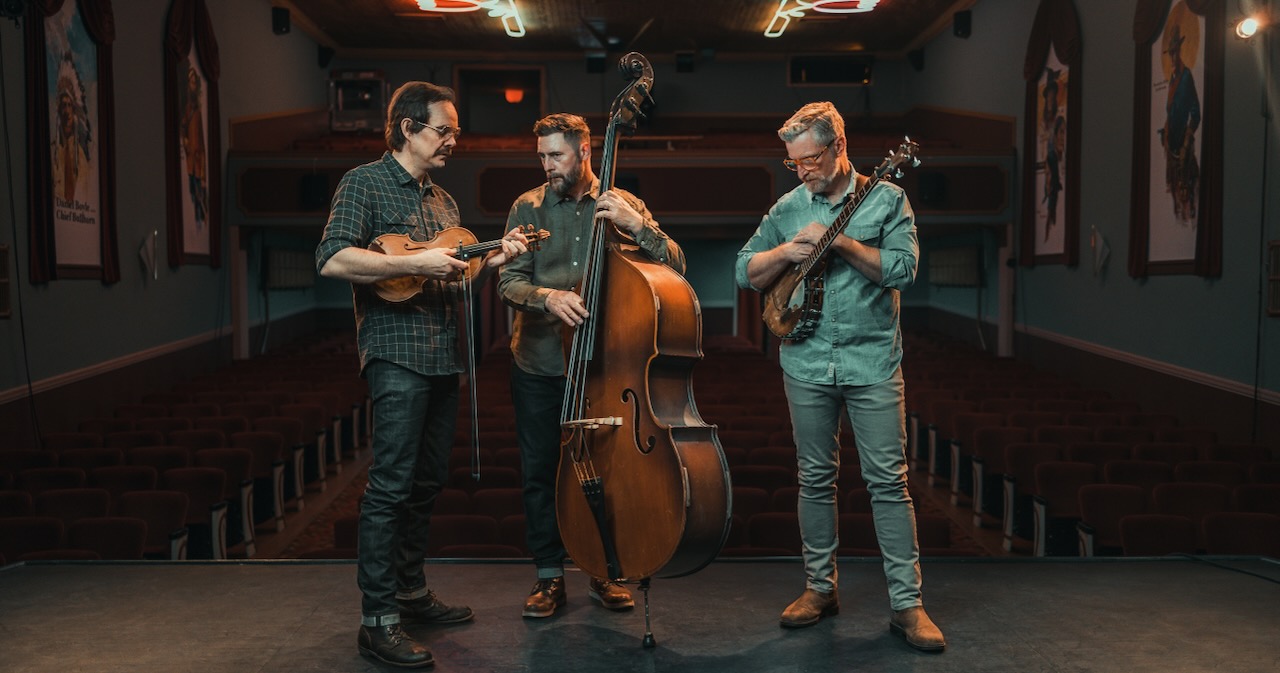
WATCH: The Lonesome Ace Stringband, “Crossing the Junction / Deer River”

Artist: The Lonesome Ace Stringband
Hometown: Toronto, ON / Horsefly, BC
Song: “Crossing the Junction / Deer River”
Release Date: June 2, 2023

In Their Words: “The Junction is the neighborhood in Toronto that John and I live at either end of. In the early days of the pandemic, one of us would have to cross the Junction every time we wanted to get together to play music. There was such an uncertain and ominous vibe to everything at that time, even something as simple as walking across your own neighborhood seemed fraught and uncertain. I think you can feel that tension in this tune we wrote together.

“The second tune in this medley is named after a river I grew up fishing in Eastern Ontario. There are lots of waterfalls, and plunge pools as the river runs from pool to pool – I think you can hear it tumble along, especially in the first part of this tune.” – Chris Coole


Photo Credit: Joel Louis Varjassy

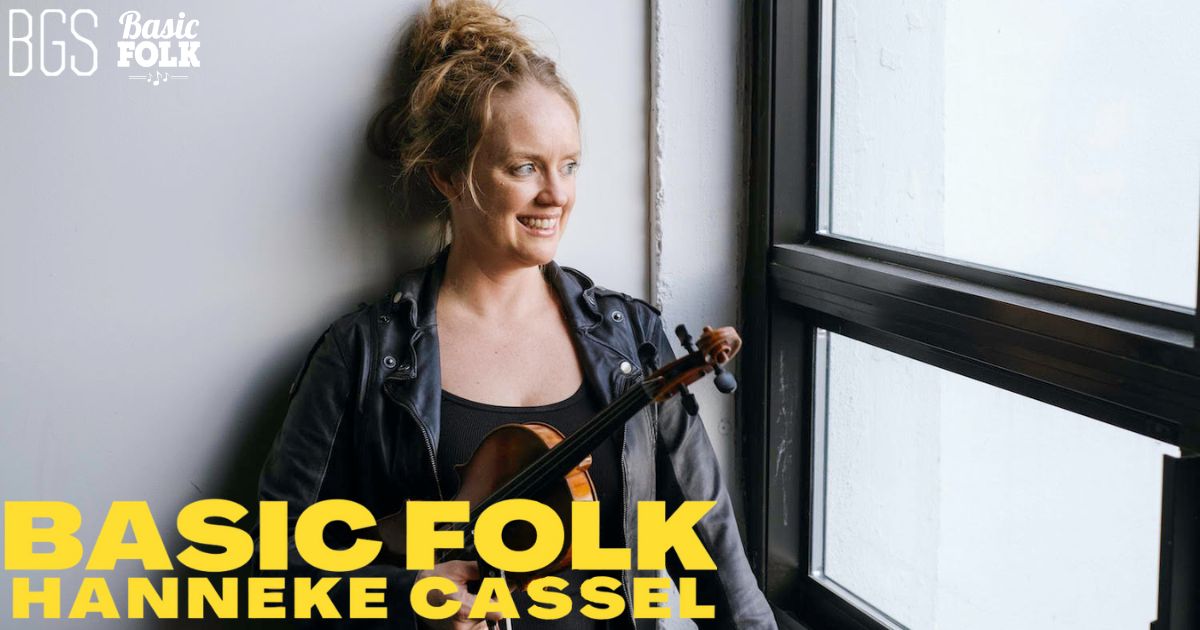
Basic Folk – Hanneke Cassel

Fiddler Hanneke Cassel has been a big Celtic star for decades and comes to the pod to try and teach me the difference between Irish and Scottish music. Just kidding all you Hanneke-heads! But seriously, she helps me keep some things straight. She’s been fusing all different styles of music for a long time and her latest album Infinite Brightness weaves her signature flowing Celtic style along with traces of Americana, old-time (but she tells me she’s not an old-time or a bluegrass player), a hint of classical, and maybe even Texas Swing, which was how she first started on the fiddle. Well, she actually started playing classical and found it hard to read music, but eventually discovered a fiddling competition and fell in love with the instrument.

LISTEN: APPLE • SPOTIFY • STITCHERAMAZON • MP3

In our conversation, Hanneke reflects back on her youthful playing and how she decided to go to Berklee College of Music in Boston. Once there and along with Laura Cortese and Lissa Schneckenburger, she was at the forefront of a fiddle revolution that continues to this day in New England. She talks about her teachers who connected her to the music she loves most, the importance of encouragement from her peers and the inspiration for her to do the same for the next generation. Also, there are lots of Matt Smith references in this episode, so if you are not familiar: Matt Smith runs the historic Club Passim in Harvard Square, Cambridge and is the center point for many touring and New England folk musicians. There is no one like Hanneke! Her new album is a delight and I’m so happy to have her on the pod!


Photo Credit: Kelly Lorenz

WATCH: Phoebe Hunt, “Nothing Else Matters”

Artist: Phoebe Hunt
Hometown: Austin, Texas
Song: “Nothing Else Matters”
Album: Nothing Else Matters
Release Date: July 28, 2023
Label: Thirty Tigers

In Their Words: “This song originally came from a title that Maya DeVitry came up with on a co-writing session at my house. We were sharing a cup of tea and I was lamenting the feeling of not being able to call up the guys in my band just to jam. We all used to live in Brooklyn together, but now we’ve all moved to different places in the country. I was sharing with her that I hadn’t realized that a part of me was grieving for that. Maya took those emotions and filtered them into the first verse of the song. When she played me that first verse, I started crying. Zooming out, it feels like it’s a ‘coming of age’ song.

“These songs [on Nothing Else Matters] have never even been played with a full band. It was really a different process to work from the inside out instead of from the outside in. I just realized that there is this tiny little world inside of me, my own little reality. In the past few years, I have gotten to really spend time there, and this album is my way of sharing that tiny little world with others.

“I came to see that my voice and fiddle are enough, that I am enough. And that was our rule: no bells, no whistles, no overdubs, no frills. I believed that standing on my own two feet, with the instrument I’ve given thirty years of my life to, singing the songs that come from my heart can be enough. And I hope this record can give that kind of permission to the listener, allowing them to find their truest expression, no matter what their limitations or circumstances look like.” — Phoebe Hunt


Photo Credit: Nicola Gell

Japanese Musician Bosco Maintains the Tradition of Old-Time Fiddle and Banjo

Takaki Kosuke, affectionately known as Bosco, has long been part of the tapestry of old-time music. Growing up in Japan, he found American folk music and began traveling to the United States as a teenager. Now 62, Bosco holds a deep respect for the stories and the people behind the tunes, which is evident in every note he plays. A light heart full of memories and passion infuses his music with flow, solidity, and earthiness. His fiddle style is impeccably drawn from the very best of the “old-timers” yet uniquely marked by his own empathetic nature, making him one of the inimitable old-time musicians of his generation.

Could you introduce yourself?

My real name is Kosuke. Born the 8th of January, 1961. One of my first trips to the States, I stayed with Mike Ross in Michigan. He took me to the Wheatland Festival where he introduced me to his wife Mary: “This is Kosuke from Japan.” We both said hi, nice to meet you, we shook hands and then Mary asks Mike: “Is his name Bosco???” The other people there loved it. And then someone gave me a baseball cap which says BOSCO. It just stuck!

Is your family musical?

My mother’s aunt was a professional singer. She was quite popular in Japan. My mother loves music, she sings a lot. I have an older brother and I got his old guitar when I was 12, 13 years old. Then on my first trip to the States…I wasn’t into music so much around that time, but somehow I picked up the dulcimer.

How did you discover old-time music?

New Lost City Ramblers. The Carter Family. I listened to Japanese contemporary folk music, which is influenced by American folk music, and I started listening to Bob Dylan and Jack Elliot and then I found the Carter Family, Woody Guthrie, the blues…

How did you start playing fiddle?

I started playing fiddle tunes on the dulcimer. And I got a mountain-style banjo and started going to a small coffeehouse in Tokyo. My uncle wanted to be a violinist. He bought a violin, but he just couldn’t play it. So he gave it to me! It was a cheap Suzuki, but I started to learn on that. I already knew some fiddle tunes on dulcimer and banjo, so I started to play the melodies on fiddle.

When did you start coming to America?

My first trip to the States was when I was in high school. I was interested in American pop culture. Then John Herrmann came to Japan. That was BIG. I was 17 when I met John, he didn’t fiddle much, not the way he fiddles now, but it was my first time to be with an old-time musician from the States. After he went back to the States I decided to visit. That’s how it started. I went to the States almost every year in the ‘80s. In the ‘90s I got out of school — I’m an acupuncturist — and then I met my guru of acupuncture and I didn’t go to the States in the ‘90s at all. In ‘02 or ‘01, Alice [Gerrard] put on an International Old Time Music event at Merlefest. Then my coming to the States started again.

Tell me about your early experiences with old-time music in the States.

Old-time music found me. It suits me! Early on I took a fiddle class at Augusta with Gerry Milnes and he brought some real old-time fiddlers like Melvin [Wines] and Ernie [Carpenter], and the first time I heard Ernie: WOWWWWWWW!!!! Oh, Ernest! Totally different from New Lost City Ramblers! The banjo instructor was Dwight Diller. After Augusta he asked me to stay with him and took me to see Hammonses. Hammonses, they’re very poor. I was a kid from Tokyo, and all my images of America were like San Francisco and New York…and this…wow, this is REAL. Where they live. Not only the music. The landscape, and how they live…it just got me.

And then I met someone who took me to see Tommy Jarrell. Tommy…POW!!! So powerful, so energetic. Really different from Hammonses. Hammonses are more laid-back, real country people. But Tommy’s like someone from New York! His sense of humor, and he welcomes everybody. Grandfather to all of us from outside Southern Appalachian culture. Talking about culture is a very deep subject. On the surface, Japan is much like Western culture, not like other parts of Asia. Because Japan lost the War, then all the Western culture changed Japan, covered all the stuff beneath. All of us on the internet now, I don’t feel any difference as far as I am here and you are over there. I stay with old-time friends; it’s community. It feels more comfortable to stay with them than with a stranger in Japan. I visit old-time friends in Europe, and feel very comfortable with them, too. It’s like a lost family.

Has the internet and social media changed the way you connect with the community?

It makes it deeper. Like David Bragger, who produced my CD. The first time I met him: Oh, I know this guy! I felt close to him. And some I met back in the ‘80s, back when I started music…even some I never talked with, we saw each other at festivals, played a couple of tunes…we never talked, but we feel close now.

How would you describe your playing style?

In the ‘80s young people played “hippie style”…what they call “festival style” now. At that time everybody stood up. Now people will sit down, but back then, NEVER. They’d stand in a tight circle and play and play and play. So I was more into that kind of stuff. I almost forgot how Hammonses played. Even the tunes from Hammonses I played in hippie style. Even back in Japan, Round Peak/hippie style. But then! Jimmy Triplett came to Japan one summer to study in Kyoto. We got together almost every week to play. When I heard his fiddle: WOW. This is the kind of music I wanted to play at the beginning, when I was with Hammonses and with Ernie. So now I listen to more of the old stuff, old field recordings…

How did the Tiki Parlour project come about?

I played Quarantine Happy Hour. After the show I had a high time, I really enjoyed the comments. Some people I’ve not seen for 20 years, or people I saw at festivals back in the ‘80s and thought wow, these people, they sound great…They made good comments and so I got really excited. Then David asked me to make a solo CD and I’m like YES! OK! So I recorded it here in my home, straightaway.

It’s just you, solo?

Just me. I got to listen to my own recording and judge it. That’s hard. One day: Oh, this is great! And other days: God, it sucks! Pretty good! Oh, no! This is awful! The hardest part was writing the liner notes in English.

Memory and connection are a big part of the notes.

When I met Maggie Hammons she couldn’t sing or play banjo anymore. But my one and only banjo instruction book had Maggie on the cover…Maggie! There are lots of pictures in the liner notes, photos I took on those first trips. And another thing! When I met Hammonses, Tommy, other old people back then, I couldn’t speak much English. And I had just started fiddle. If I could meet them now I could ask more, not only about the music but about their life. And learn more by watching them. So sometimes I feel: Oh, I wish I could meet them now! But on the other hand, I meet the young people and they’re like: WOW! You met Tommy?!?! You met Burl [Hammons]?!?! You met Hammonses?!?! So I think: I am one of the last generations who met those old-timers who learned the music before the radio days. And I feel lucky to have met them before it was too late.

Is there a message you hope to send with this project?

We talked about community. It’s not divided by nationality. It’s more like something above. Above those individual groups of the nations, groups of the nationalities, groups of the colors. Something above these things. You can connect up there. I can’t be friends with everybody, everybody in the world. I hate some people, some hate me. It’s normal, you can’t be friends with everybody. But you can connect with other people on some level. Maybe if I get older and spiritually if I get much higher I can connect with more people. But now…it’s…steps.

Do you ever wish you had moved to America?

That’s the reason I became an acupuncturist. Ray Alden asked me what my father does. I said, he’s a doctor. “Eastern medicine?” No, Western. “Ohhhh….with Eastern medicine you can make a living here.” That’s when I was still in college. Aha! So I checked out the acupuncture school here. Ray Alden made me an acupuncturist. But then I finished acupuncture school and got licensed and then I met my acupuncture guru and decided to study with him. So moving to the States never happened.

You have an interesting story.

Most people expect a more interesting story, how I found old-time music. But it’s much the same story as people in New York, how they find old-time music, people in Boston, how they find old-time music. It’s just…met the right people at the right time. If old-time didn’t find me I would be a totally different person now. A totally different life, without the music. But it’s not just the music. It’s community.


Photo Credit: David Bragger

LISTEN: Hanneke Cassel, “Last Alleluia”

Artist: Hanneke Cassel
Hometown: Somerville, Massachusetts
Song: “Last Alleluia”
Album: Infinite Brightness
Release Date: April 14, 2023
Label: Cassel Records

In Their Words: “I wrote ‘Last Alleluia’ several years ago, originally as a farewell tune for some good friends who were moving away. My friend had been my pastor for many years and the name comes from a thing he would do every year around Easter involving burying a piece of paper that had the word ‘Allelulia’ written on it, and then pulling it out on the Sunday morning of Easter. I went on to orchestrate the tune for the band Childsplay — a group with 20+ fiddles that I played in for many years. One of the members of the group, Molly Gawler, choreographed an amazing dance to the piece that painted a beautiful picture of birth, life, and death — and much of the joy and grief that goes with it. Ultimately, this piece was used as a lament to mourn the loss of my pastor’s wife, who died in 2019 from pancreatic cancer. The tune now carries tremendous grief with it, but also inspires celebration of a much loved person and a well-lived life.” — Hanneke Cassel

Hanneke Cassel · Last Alleluia

Photo Credit: Kelly Lorenz

On ‘Lovin’ Of The Game’ Michael Cleveland Brings His Bluegrass Community to the World

The entire world is learning what the bluegrass community has always known: Michael Cleveland is a once-in-a-lifetime talent. Cleveland has long enjoyed critical acclaim inside the bluegrass circles he grew up in – he is a 10-time winner of the IBMA Fiddle Player of the Year Award – but, given this genre’s inward-facing bent, his fiery, impassioned playing has most often reached listeners and fans who are already diehard acolytes. 

Now, with his sixth studio release, Lovin’ Of The Game, Cleveland’s star is objectively rising. Recent collaborations with stratospherically famous pickers like Béla Fleck and Billy Strings – both of whom appear on the new project – along with several jaw-dropping viral videos have demonstrated to the world beyond bluegrass conferences and festivals that Cleveland is worth paying attention to. 

And it’s all thanks to his truly unique voice on his instrument. The American public, and roots music fans across the globe, understand rip-roaring fiddle just as well as they relate to a speedy banjo breakdown or a screaming, arena rock guitar solo. With every note Cleveland pulls from his fiddle, there’s a grit, an ease, endless emotion, and a winking sparkle that all at once conjure the aggression of Charlie Daniels and the tenderness of “Ashokan Farewell.” It’s infinitely appealing, even to uninitiated fans, and it’s a delectable gateway drug, a window into a vibrant instrumental tradition that most folks only interact with casually. With Cleveland’s playing, every listener is given permission to love the most elemental parts of bluegrass, old-time, and country music – and to feel like it’s something they discovered for themselves. 

They are certainly discovering it. Six albums down and Cleveland is continuing to put one foot in front of the other, with constant innovation and enthusiasm, and a long view that envisions endless opportunities for new albums, new collaborations, and new music to be made. All the while, he’s bringing hundreds and thousands of new fans into these rootsy genres. Michael Cleveland shows all of us how much joy – and fire – can be found in the Lovin’ Of The Game

This is your sixth studio release – it’s not a “sophomore album” or a third or fourth record, even – you’ve got quite a lot of miles under your feet at this point and have made quite a few albums. What’s your perspective at this point, looking back and looking ahead? 

MC: What I wanted to show with this album and with [the last album,] Tall Fiddler, is that I still love and will always play traditional bluegrass, but I can and like to do a lot more than that. I wanted to definitely show that on this record, because a couple of people that I talked to recently – Béla Fleck being one of them, I heard Béla say in an interview, “I wasn’t really sure if Michael would want to play with me.” And I thought, “Who wouldn’t want to play with Béla Fleck!?” It’s kind of a no-brainer! I get what he’s saying, though, in the sense that a lot of people are comfortable in what they do, they’re happy doing that, and they might not want to stray too far from that. That’s not necessarily the case with me. I wanted to have some different stuff on this record, a lot of traditional bluegrass, but some things that push the envelope a little bit and let people know that I do like to do more than just straight-ahead bluegrass.

As far as straight-ahead bluegrass albums, to be quite honest with you, the albums that I did early on – like Flamekeeper and Let ‘Er Go, Boys! – as far as straight-ahead bluegrass goes, those would be my favorite albums. Not because of anything that I did on those albums, but because of the band. The bands on those albums and the groove that they play is like no other. Audie Blaylock, Jesse Brock, Jason Moore, who we recently lost last year, Tom Adams, Charlie Cushman, and people like that – I dunno if there’s a way to top those albums. We could do different material, but the groove and the feel that those guys played is like no other. So, the thing is to do something that’s a little different from that.

I view your fiddling as so innovative and cutting edge; when we hear you play, we’re hearing your musical thoughts just pouring out on your instrument. You can be couched so firmly in “tradition” and still be innovative, but then on the outside looking in, when a listener isn’t necessarily a diehard bluegrass fan, your playing can feel just traditional. Now that you’re getting well-deserved notoriety not just in bluegrass, but further afield too, how does it feel to try to show people your musical perspective when traditional bluegrass means different things to different people? 

You know, that’s my favorite audience, and I think a favorite audience of my band, to play to. We like to play bluegrass festivals and we always hope to play bluegrass festivals, but man, I like to play bluegrass for people that have never heard it before. Any time I’ve ever done that it’s been well received. If it’s put in the right situation, like seeing what Billy Strings is doing now. He’s playing traditional bluegrass and thousands and thousands of people are hearing that that have never heard it before or would have never paid attention to bluegrass. 

We did a couple of shows with the Louisville Orchestra here. We’re talking the Kentucky Center for the Arts’ Whitney Hall. I think it held like, 2,400 people. And it was a full house! Some of them probably knew what bluegrass was, some of them were there to see us, but I would guess that a far larger number of people were there and probably didn’t know what bluegrass was or what to expect. It went like gangbusters! [Laughs] It really did. Any time I’ve been in a situation like that where bluegrass is presented to an audience that isn’t familiar with it, it’s great. That’s what I like to do more than anything these days. 

It’s hard to look at it objectively, given that it’s me, but it gives me hope that there’s a future for bluegrass. And that it’s not just the stereotype that people think of – that it’s Deliverance. I think mainly, it’s encouraging to see new people getting into it, whether it’s me or Billy Strings or anybody else. I think that’s a good thing. 

Bluegrass is so much about community, it feels like a family. Your albums are so collaborative, whether they’re centered on your band Flamekeeper or not. I sense your community represented so strongly on this record, you’re working with Jeff White producing again, you’ve got old and new friends on the record. But I also wanted to give you a chance to talk about Bill Wolf and Eddie Wells, friends of yours in music who recently passed on and you dedicated the album to.

For records like this, it’s so fun for me to not only get to collaborate with people that I’ve worked with in recent years, but to find the right song that would suit these situations. It’s one thing to have Billy Strings or somebody come in and sing something, and they could sing anything and it would be good, but to find a song that they can actually own and it sounds like something they do, that’s a little harder. My producer, Jeff White, he’s a huge help in picking songs. I have to say this time, we had a lot of good songs to choose from. 

The community thing– number one, I like to get my favorite players, people that I really enjoy playing with whether they’re a “name” or not. My buddy Cody Looper, he played on “Five Points.” I love playing with Cody. He played in my band for about a year or so and he has a job where all of a sudden he wasn’t able to get time off so he had to leave the band. We all hated it, and we still keep in touch and get together to play every once in a while. Anytime I can have him on something I like to do that, because he’s just so fun to play with. Like Lloyd Douglas on Fiddler’s Dream, he played banjo on that album. Lloyd is another one of those guys that maybe not a lot of people are aware of, but he’s just as good as a lot of the people out here killing it.

It’s about who will fit the song. That’s very important to me. It’s got to fit, whoever you get on it has gotta be somebody who can contribute to the song – not just a name. 

And you mentioned Bill Wolf and Eddie Wells, they’re two guys who I’ve probably known since I was really little. Oddly enough, I didn’t really get to know them until I was older. Then Bill, I think, retired from Ford around ‘96 or ‘97 when I had my local band and we started playing together. Those two guys, when I wasn’t on the road, through high school and even up until a couple of years ago, if I was hanging out and jamming at a festival or doing some local gig or having a jam at the house, those two guys would be there. I learned more about music, dynamics as a band, how to play together as a band, and singing trios from those two – Bill Wolf and Eddie Wells and my other friend Cecil Jackson, those three guys singing together was the best. They’d sing Country Gentlemen stuff like no other. I learned a lot and played a lot of music over the years with those two guys and they passed away really not too far apart from each other. I miss them a lot and I wanted to do this album in memory of them and as a way to say thanks for all I learned being around them and all the good times we had together. 

One song that really jumped out at me on the record is a special version of “Temperance Reel,” which I’ve heard Luke Bulla perform over the years. I love how Luke and Tim O’Brien’s voices are blending together on the track – I love how stripped down it is. Can you talk about recording that one? 

I had heard Luke Bulla sing that song a few years ago, I think it was in 2017. Jeff White and Laura White were married and Jeff asked me to be the best man at his wedding. I went down there for that and they had a rehearsal and the night of the rehearsal it was also Ronnie McCoury’s birthday, so there was a big picking party over at this house. Everybody was there. Just about everybody you can think of in Nashville who played bluegrass was there. Luke sang this song and I remember hearing it and really liking it. While working on the album, Jeff was doing a bunch of dates with Lyle Lovett and Luke was in the band. Jeff mentioned that Luke was singing “Temperance Reel” and I happened to ask, “Has he ever recorded that?” Jeff said yes, but he hadn’t released it or something like that. I knew it would sound good with three fiddles and it was my idea to keep it to just the fiddles, we just had to see if we could make it sound full enough to work. 

There’s something about Luke and Tim’s voices, they’re so reedy that they really sound like they’re blending with the fiddles and the bowing. 

It’s wild! I couldn’t be happier with how it turned out. I love not only Tim’s singing, but the part that he plays, the third part on the fiddle. It’s got this Celtic thing to it, too, that really added a lot to the whole track. 

What’s next? What are you excited for? I know you’re deep in the throes of releasing this album, and you’re gaining so much momentum and getting great national press …

Man, I don’t know what’s going to come of this but we’ve never had so much go on at the time of an album release. [Laughs] I’m thrilled about what’s happening so far. It’s already so much more than we would have dreamed of. It will be cool to see what happens. 

I do a lot of session work here at the house, people hire me to work on tracks and I’ve got a studio at home, so I record pretty much every day that I’m home. And the band has a pretty busy summer lined up and I’ve got some more dates with Béla Fleck and My Bluegrass Heart coming. Lots of stuff going on! And I’m working on some new projects that hopefully we’ll be able to tell you about pretty soon. 


Photo credit: Amy Richmond

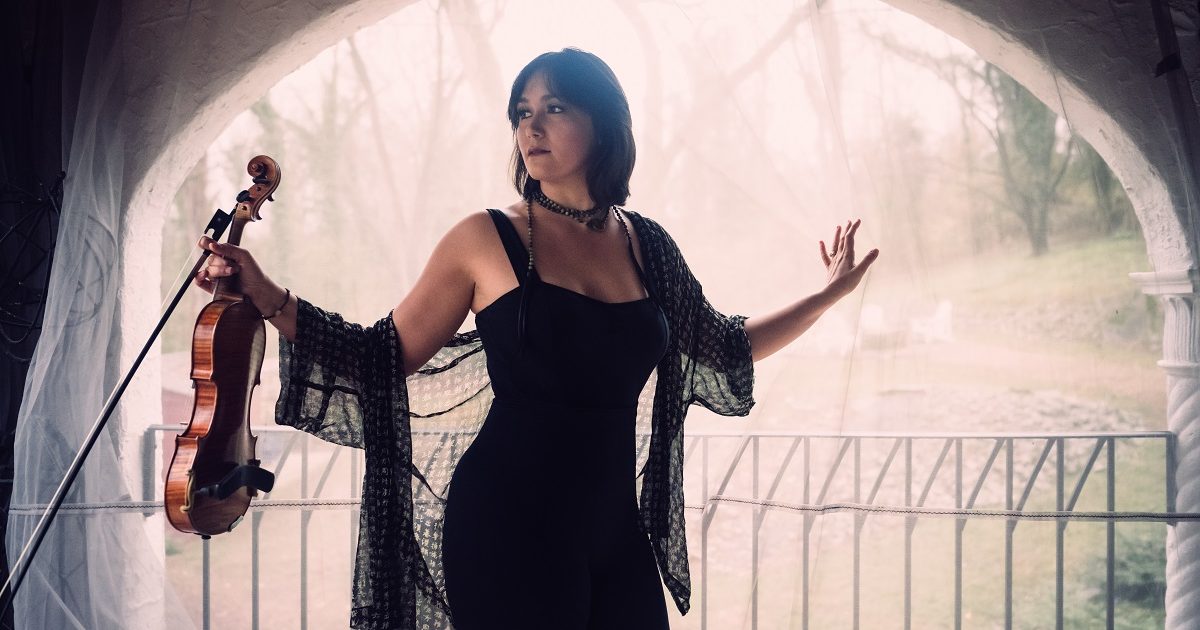
WATCH: Maura Shawn Scanlin, “Nuala’s Tune”

Artist: Maura Shawn Scanlin
Hometown: Based in Boston, Massachusetts; from Boone, North Carolina
Song: “Nuala’s Tune”
Album: Maura Shawn Scanlin
Release Date: May 5, 2023

In Their Words: “We recorded this track out in the Catskills of New York at a beautiful studio called Spillway Sounds at the end of September, with Eli Crews engineering. I was really lucky to be joined by Owen Marshall on bouzouki and Conor Hearn on guitar — some of my favorite musicians ever! We had a sweet day at the studio recording this tune and one other that will also be on the album, and our friend Dylan Ladds came out to shoot a video for this track during the golden hour. The name for this tune comes from a very sweet and very energetic dog named Nuala! This is the first single from my upcoming album and I am so excited to share it. Thank you for listening and watching this video! I hope you enjoy the music.” — Maura Shawn Scanlin


Photo Credit: Louise Bichan

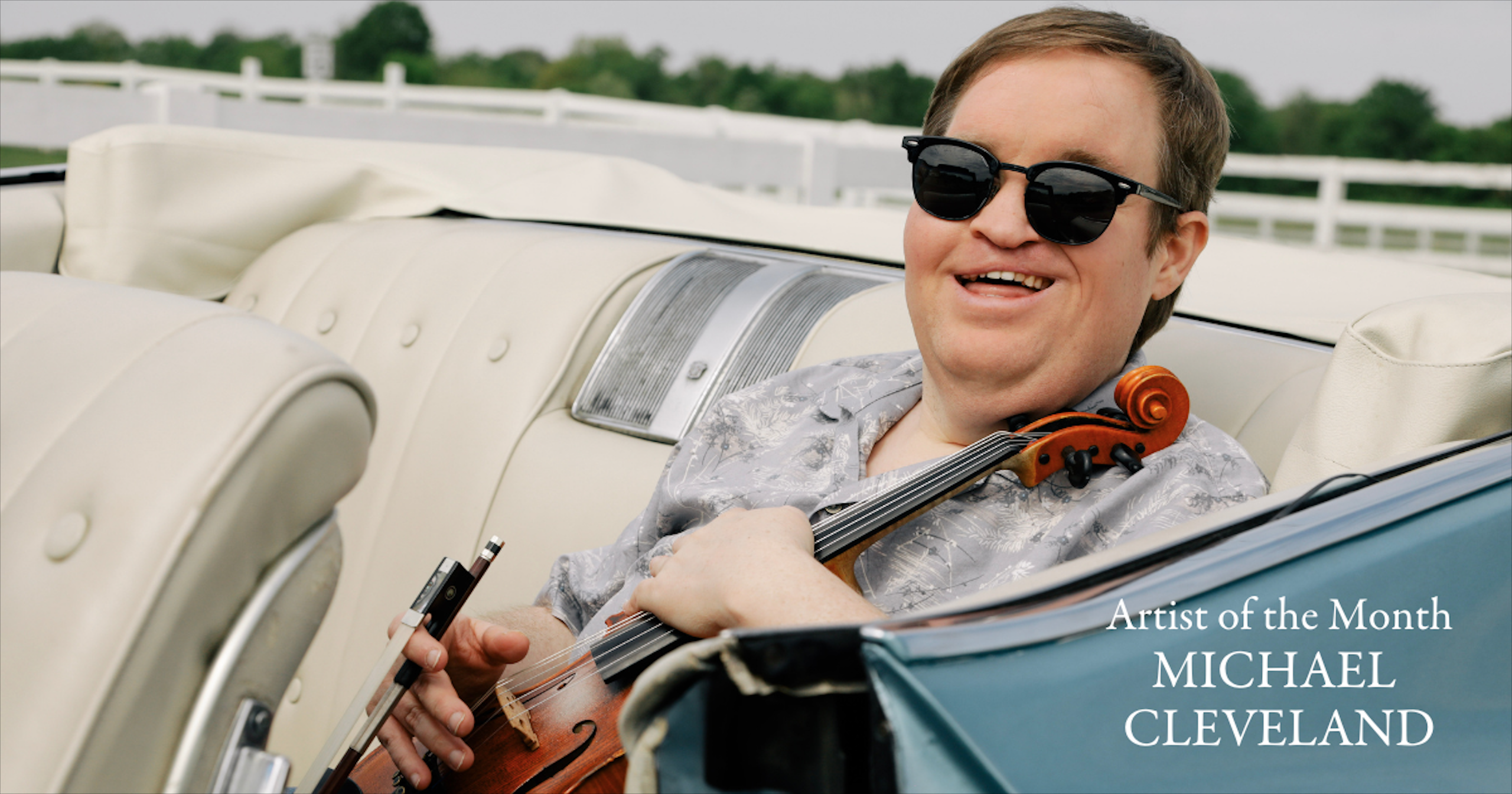
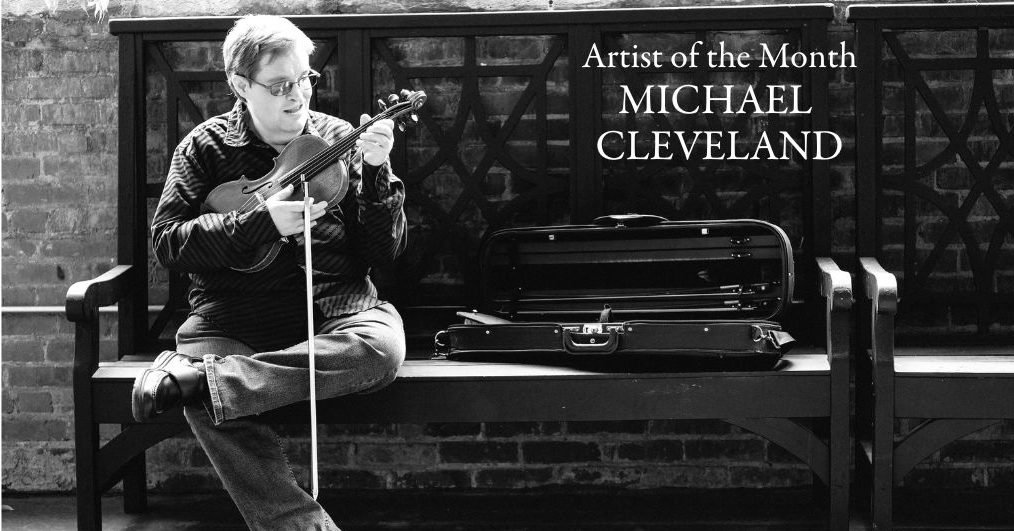
Artist of the Month: Michael Cleveland

Michael Cleveland is likely the most awarded fiddler of our era. Along with a Grammy for best bluegrass album and dozens of IBMA trophies, he’s also won our admiration and respect. You can hear the joy in his fiddling, while his friendly disposition helps him stay on the first-call list for bluegrass recording sessions. He’s gathered an impressive list of collaborators for his sixth studio album, Lovin’ of the Game, releasing this month on Compass Records. Guests range from Jerry Douglas and Béla Fleck, to Vince Gill and Charlie Starr of Blackberry Smoke.

Cleveland titled the new album after a Judy Collins classic that he recorded with his band, Flamekeeper. “The song is about prospectors and gamblers,” he has said, “but for me, the ‘loving of the game’ has always been loving being a part of the musical community and all that being a musician has brought to me.”

Beneath his calm demeanor, though, Cleveland is driven to create. Born completely blind, he’s also lost 80 percent of his hearing in the left year. Nonetheless, he’s been making albums for 25 years, toured with legends like Rhonda Vincent before stepping out with Flamekeeper, and collected all-star admirers like Billy Strings and Bryan Sutton. Vince Gill, who lends his voice to the true blue heartbreaker “I Wish I Knew Now What I Knew Then,” counts himself among a legion of fans. “He plays fearless and it’s intoxicating to play with him because he makes you play fearless,” Gill says. “He takes no prisoners but he plays with restraint and a soul. He plays without abandon.”

As we celebrate Michael Cleveland as our BGS Artist of the Month for March, we’ll unveil a brand new performance video filmed in Nashville, as well as exclusive career-spanning interview. Because we’ve been fans for a long time, we’ll also share some of our favorite moments from the Bluegrass Situation archive (like the time he picked his desert island fiddler for us.) Meanwhile, enjoy our BGS Essentials playlist with Michael Cleveland below.


Photo Credit: Amy Richmond