Christian Sedelmyer, “Brain Scan”

If you have happened to spend any amount of time inside an MRI machine (as this writer has), you’ll know it’s not a particularly comfortable experience. Claustrophobia is almost guaranteed, as your body is ushered into a tiny, cramped tube where patients are instructed to lay impossibly still for as long as the gigantic magnet and coils rotate, whine, and grind around your body. If you’re lucky, and your particular imaging orders don’t require otherwise, some MRI machines are equipped with music through magnet-safe earbuds (“What Pandora station would you like to listen to today?”) or, in one rare case for this writer, Netflix was projected through a series of relayed mirrors to allow Parks & Recreation to appear within the machine.

MRI machines are loud, and the noise is not particularly pleasant. Bumping and squealing and repetitive clunks and bangs become like a sound bath, as your brain attempts to make sense of the cavalcade of random noises. Some patients pick out sounds and gibberish syllables from the noise (I often hear “DAD! DAD! DAD! DAD! DAAAAD!”), while others simply let the cacophony wash over them hypnotically. Others cannot help but be swept away by the adrenaline-boosting, horror film-esque atonal soundtrack.

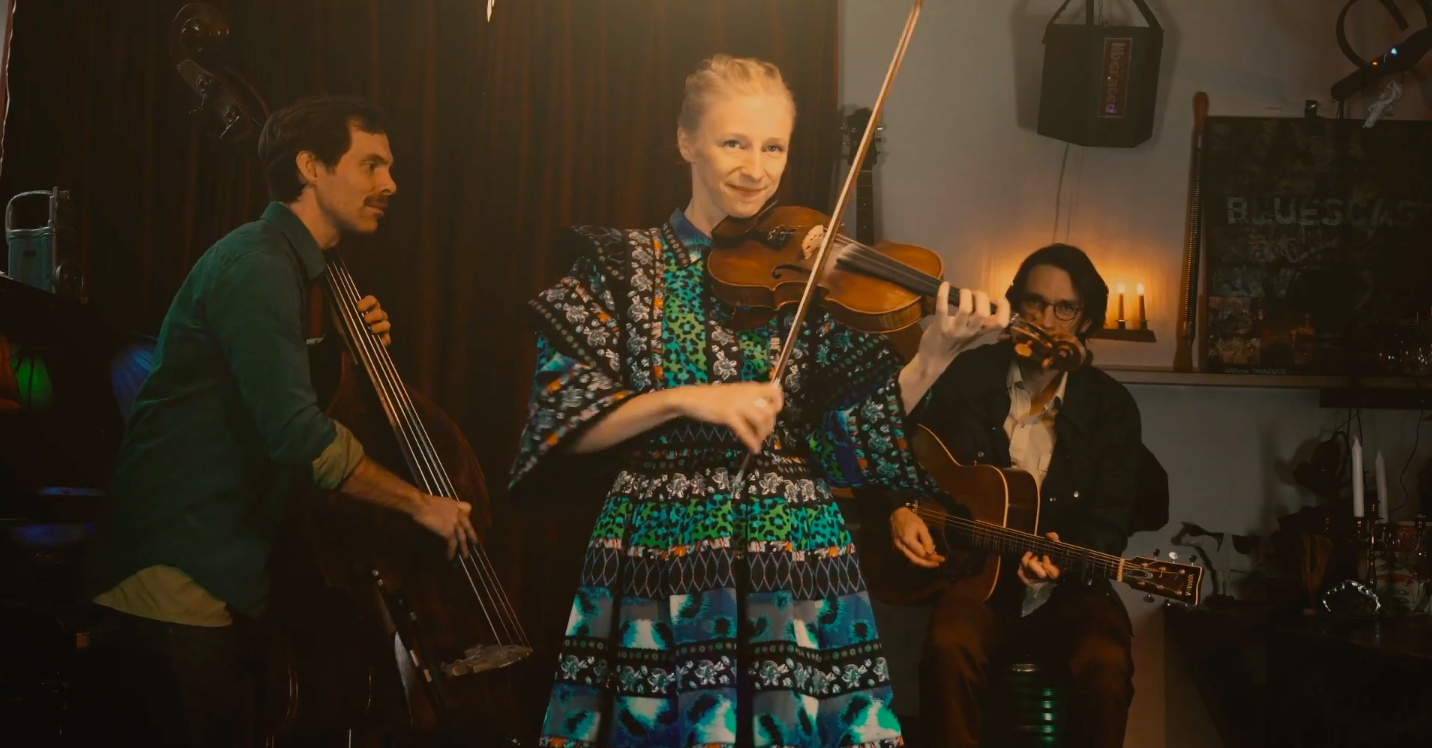
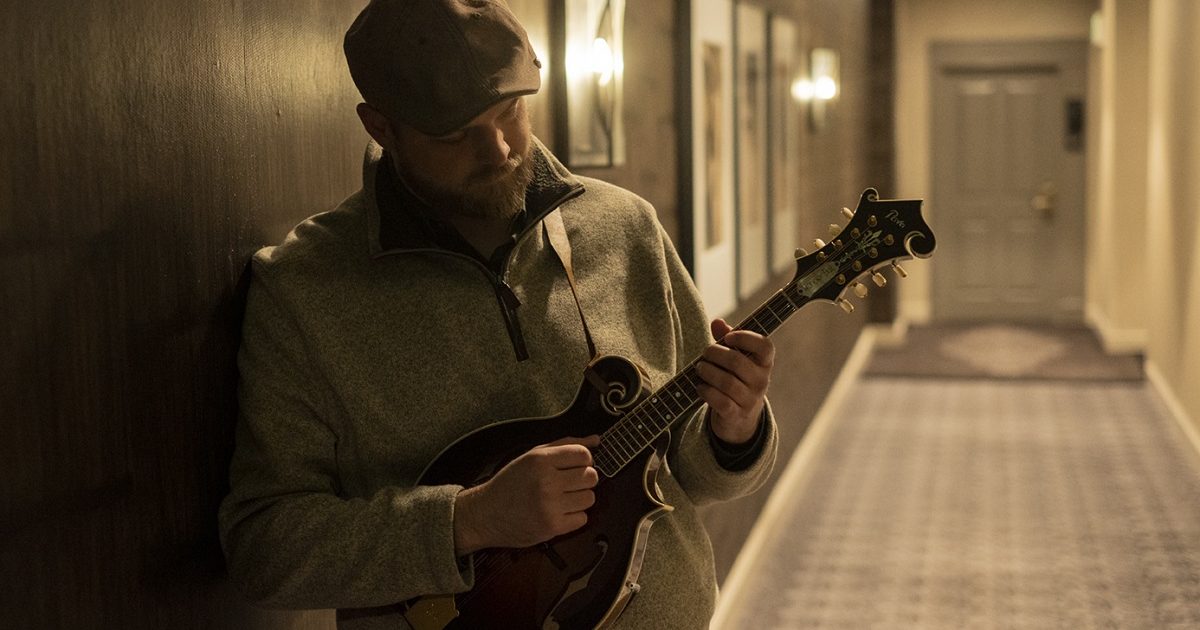
On his brand new solo album, Ravine Palace, Grammy-nominated fiddler Christian Sedelmyer (Jerry Douglas Band, 10 String Symphony) proffers a gorgeous alternative to that soundtrack. “Brain Scan” is a tune that certainly calls to mind the prerequisite din of an MRI machine, but with slippery bowed chromaticisms and Sedelmyer’s signature musical wit — plus a healthy dose of joy, something often suspiciously absent from radiology departments. Andrew Marlin (Mandolin Orange) on mandolin, Eli West (Cahalen Morrison & Eli West) on guitar and clawhammer banjo, and Clint Mullican (also Mandolin Orange) on bass follow along with rapt attention, combining the detail-affixed listening of chamber music with the sly lilt and energy of old-time.

Even while the foursome toys with the dissonant themes of the melody throughout the tune the aesthetics here will always be more palatable, enjoyable, and irresistible than a gigantic piece of magnetic medical equipment — no one is surprised, here — but “Brain Scan” still captures the anxieties, uncertainties, and inevitabilities of such a procedure uncannily. In a package any listener would be happy to encounter, whether through scan-safe earphones or not.

Forgiving Herself, Maya de Vitry Feels Better and Better on New Solo Album

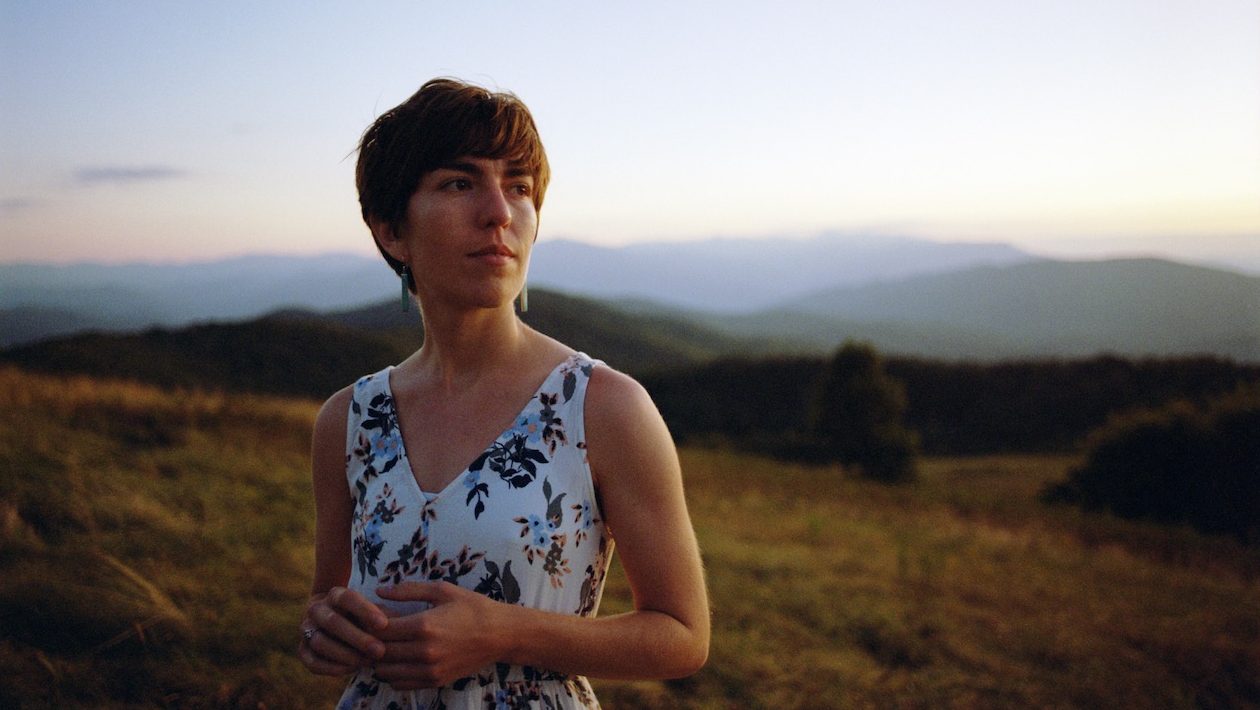
When Maya de Vitry quit her most recent full-time touring gig, she did it for self-preservation. Before her solo debut Adaptations was released in 2019, the multi-instrumentalist and singer/songwriter prioritized her life by centering community, home, and a sense of place in what had often been a frantic, taxing, and nomadic daily life.

Her second, just-released album, How to Break a Fall, was tracked almost immediately after Adaptations hit shelves, and with a harder, more grizzled, rockier aesthetic it demonstrated the growth and transformation that had occurred in the meantime. A sense of movement, of excited, unapologetic momentum permeates the Dan Knobler-produced project. Where Adaptations had seen de Vitry through a transition to stillness, How to Break a Fall was poised to carry her into still another new period for the budding solo artist. 

Enter a global pandemic. With nearly all of that momentum and her entire release cycle squandered on a music industry that had to shutter itself in the face of COVID-19, de Vitry found herself once again prioritizing, enjoying each individual moment at home, focusing on community in whatever shape it can take at this point, and baking banana bread, too. It turns out practice does make perfect. 

BGS spoke to de Vitry over the phone, immediately diving into how serendipitous this collection of songs is for a moment of global pausing.

BGS: The last record, Adaptations, was written in isolation and now you’ve landed with this new record, How to Break a Fall, and on the back end of it you’ve ended up in isolation again. I wondered if you’ve thought about that? Or considered the strange symmetry, the way that these records are bookended by the idea of intentional solitude?

de Vitry: [Laughs] Wow, I absolutely did not connect those dots and that is so wild. It’s so ironic, because I was feeling very frustrated and angry about losing all of these shows this spring and I was finally feeling like [I was ready to get on the road] — because with Adaptations I didn’t tour really at all. I wasn’t emotionally or mentally healthy enough to be touring my music, I wasn’t ready to be on stage. Then this time, I felt emotionally healthy to go out there and play shows and it was like, “Oh, but the world has another health situation going on.” 

In some ways, How to Break a Fall was also written in isolation. I had kind of cut myself off a bit from the East Nashville scene, because I needed some space from the patterns and circles of people. I needed space from touring and leaving [the Stray Birds]. I was working at Starbucks while I was writing the album and I was essentially in isolation. You go to work for eight hours, come home, and you’re just in your house again. It was still voluntary, and I definitely still had some community. I could still pop out and play a show. 

I’m kind of an introverted person, so I’m always in isolation when I’m writing — in some way. I’ve been writing so much in the last couple of weeks. I was ready to kind of emerge, I was ready to go and be out there, and in interaction, instead of isolation. Now it’s like mandatory isolation and I’m going to write.

What does that feel like to you? Does it feel like a grinding of the gears? Like, “Oh, hold on, we’ve gotta turn this ship around and it’s going to take some effort and energy for me to go back into the writing frame of mind when I was ready to be in the outward-facing, extroverted frame of mind.”

It feels like muscle memory. It’s like a pivot. That part of it has not been difficult. I think accessing the writing part, the inward part of being an artist, is [always] within reach. I get as much satisfaction from creating the stuff as I do performing the stuff, if not more. I would say the process of writing an album, recording an album, and being in the studio with people is so fulfilling to me. Just creating it. There’s almost a grieving process when that’s over. Then there’s the next thing, when the songs come alive… I was looking forward to that, seeing how the songs would live and evolve and change. How they would land, out there in the world in real time with people. What other choice do I have? Let’s just pivot. Let’s write another record. [Laughs]

“Better and Better” is about the idea of building something and the song feels pertinent in this moment of… pausing, let’s say, because I think we could all eventually agree that life isn’t about being the best, it’s about being better. It’s about being better than the moment before, the day before, the year before. How do you see that song’s potential for connecting with listeners right now?

That song was like the doorway for writing the rest of that album and it was the doorway because, through writing it, I was realizing that I was actually unwell. Some of the things I was singing about, those lyrics were all things that I wanted to believe, and I realized that I had to make changes. I had to stop doing something that felt normal. I had to leave the band that I was in, I had to stop touring for a while, and yeah, that in some ways does remind me of this moment, too. The only thing we really can control right now is how we take care of ourselves — and that’s also sort of the only thing we ever can control. But it’s easier to feel that when it feels like other things are so outside of our control. 

I felt myself stop, stock still in the moment that I heard the line, “Forgiving myself is the most I can do” go by, because I don’t think a lot of people realize that’s what we’re doing every day right now, to get through. Letting ourselves just be enough. Where does that line come from for you?

That line is specifically about staying. About staying in the situation I was in. Before I was in [the Stray Birds], I was a musician. I was playing fiddle tunes, I was really into old-time music, I was writing songs, and I started to draft up what would be a solo record — in like 2009 and 2010. Then the band became like an invisible fence. There was no room for anyone to be doing anything outside of the band. There was no physical room, for all of the time we were on the road, and there was no emotional room with the interpersonal dynamic of the band. It was not possible to continue to be myself, to nurture my own voice as a writer and musician and also be a member of that band, because of the environment of the band. 

Forgiving myself, in that line, is about forgiving my nineteen-year-old self for not knowing any better at the time. And forgiving myself for my fears, because it was easier [to avoid them instead]. It’s vulnerable to sing your lyrics at all, ever, and I’m forgiving myself for those fears I had. Instead of standing up with my name and my lyrics, it was easier to climb inside the identity of a band and feel protected and more secure.


Which is quite the contrast from How to Break a Fall, because, to me, this record feels like a statement, a declaration for women to be allowed to take up space. And to be allowed to access and enjoy as much of the oxygen in those spaces as they like. Songs like “Something In the Way She Moves,” “Gray,” definitely “Open the Door” all speak to this. And the rock ‘n’ roll aesthetic often feels angry and impassioned, but the music doesn’t feel hostile in the way that it channels those energies.

That’s one hundred percent right. That comes from that process of forgiveness. It comes from walking through that doorway, the doorway being “Better and Better,” and walking into this landscape of songs and being receptive to writing that story. I think the record doesn’t sound hostile because it’s not. These are the songs, these are the sounds that I felt like making, this is a story. These things are true for me. 

There’s this video of Sister Rosetta Tharpe playing incredible guitar, walking up and down this train platform, it’s an iconic taking-up-of-space. An iconic expression of joy. That kind of spirit is what’s behind this music and this record. For as much as I can control what people can get from it, I would hope that some of what it unlocks or awakens is, “Huh… there are a lot of female characters on this record taking up space and doing what they want.”

It’s not hostile because it’s taking the responsibility of going inward by going to my own interior and inviting listeners to go into their interiors and see what’s going on in there. In the song “Revolution” it’s like, What are these walls? What’s inside of me? If this is the way that my eyes have been trained to see, what new world am I going to see? If I can’t shift the lens or something on the inside, how am I going to see a world that’s [different?] It’s happened so many times in history, whether it’s women’s rights or gay rights or the civil rights movement. We have to practice imagining the impossible. That’s connected to why it’s not hostile. 

When that’s the reason behind the music and the intent behind the record, the volume of it or whether it’s an electric or an acoustic guitar or if it’s rock or folk — none of that matters to me. [Laughs] This is the story I’m telling! 


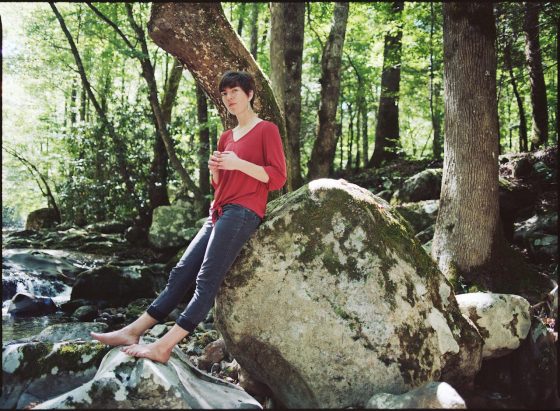
All photos: Laura Partain

LISTEN: Daryl Mosley, “A Few Years Ago”

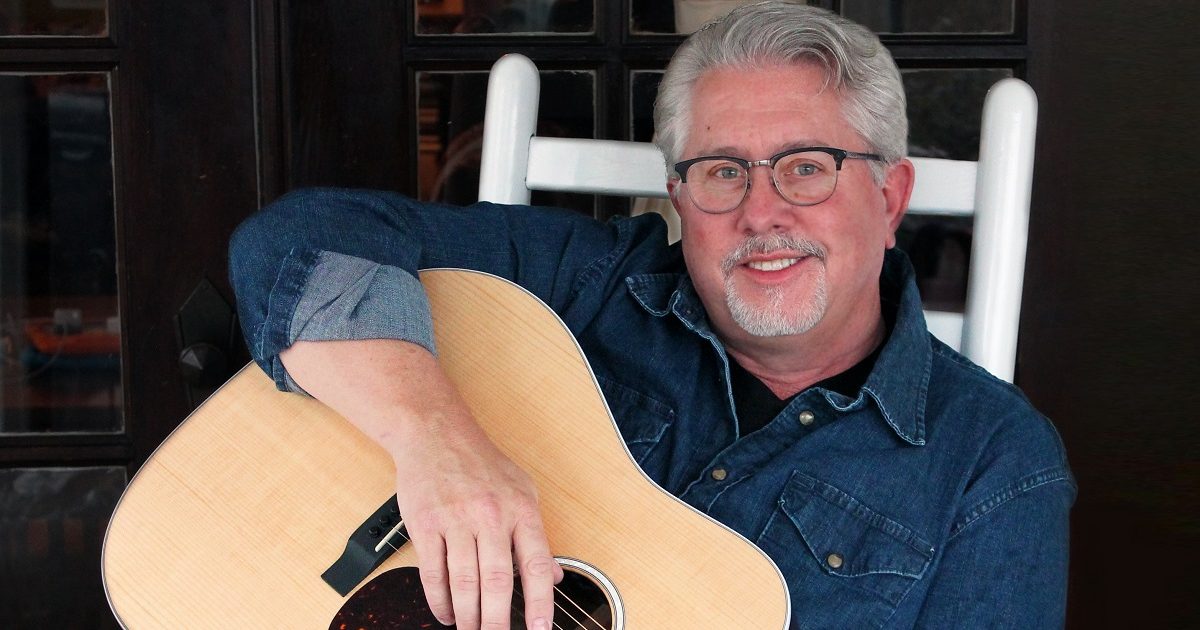
Artist: Daryl Mosley
Hometown: Waverly, Tennessee
Song: “A Few Years Ago”
Album: The Secret of Life
Release Date: May 22, 2020
Label: Pinecastle Records

In Their Words: “I think as you age, you become more introspective. These days I seem to have much more clarity about my past, both professionally and personally. I have some wonderful memories of experiences I’ve had and as I look back on them, I would not change a thing. But I also have some real regrets in some of the decisions I made and how those things turned out. But you realize that on the road of life, there is no place to turn around. You can’t change any of it. All you can do is appreciate the positive experiences and hopefully learn from the negative experiences and grow as a person. That’s what ‘A Few Years Ago’ is about — accepting the past and your responsibility in it, and moving forward as a wiser, better individual.” — Daryl Mosley


Photo credit: Patty Lindley

WATCH: Old Crow Medicine Show, “Quarantined”

Artist: Old Crow Medicine Show
Hometown: Nashville, Tennessee
Song: “Quarantined”
Release Date: May 15, 2020

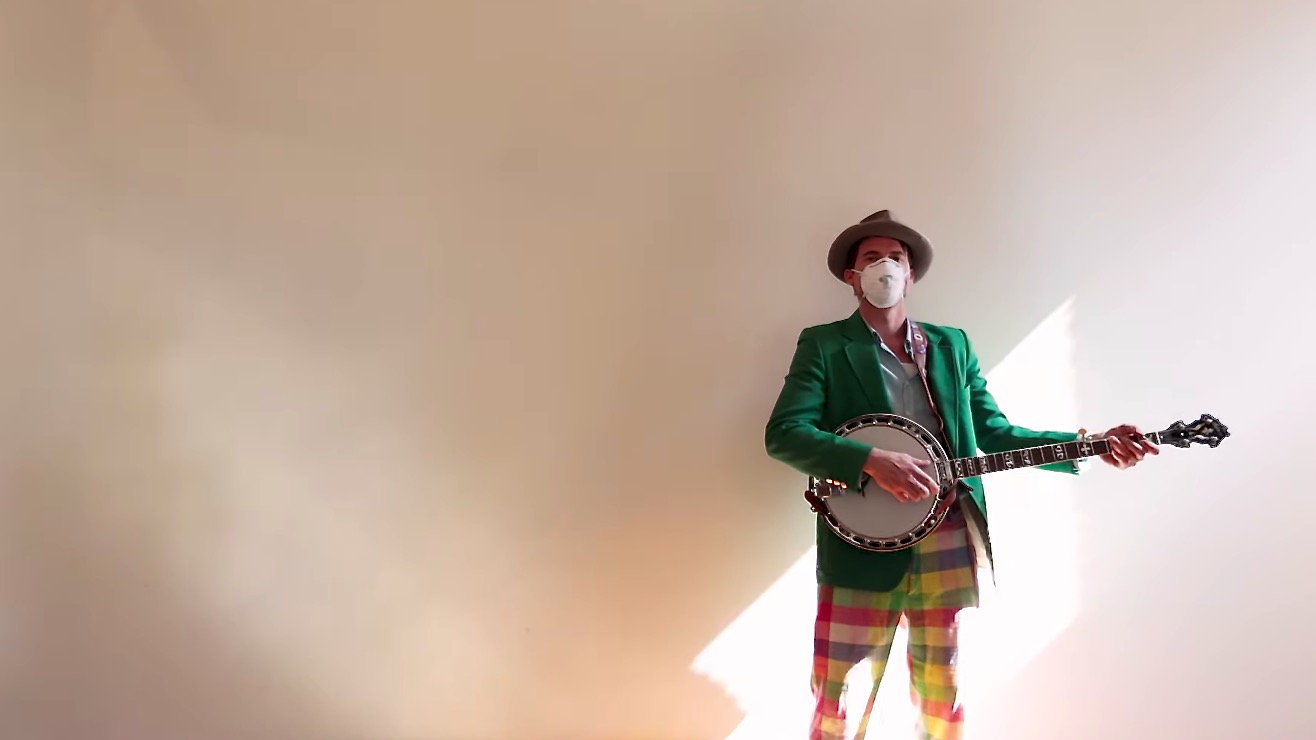
In Their Words: “Hey Bluegrass Situation friends, the Old Crows are wishing you all health and wellness this spring. We’ve been going a little stir-crazy here in Nashville as of late, but thankfully the healing power of music has been particularly strong and the band and I have felt some deep cleansing thanks to new songs and projects. The latest is a tune written and recorded under self quarantine, with a little homespun video that embraces the crazy homeschool dad feeling so pervasive around my house. So… sit back, put on your face mask, and pucker up!” — Ketch Secor, Old Crow Medicine Show


WATCH: Lena Jonsson Trio, “Rallpersgubben kör timmer”

Artist: Lena Jonsson Trio
Hometown: Järvsö, Sweden
Song: “Rallpersgubben kör timmer” (“Old man Rallper drives timber”)
Album: Stories from the Outside
Release Date: May 2, 2020.
Label: Hedgehog Music

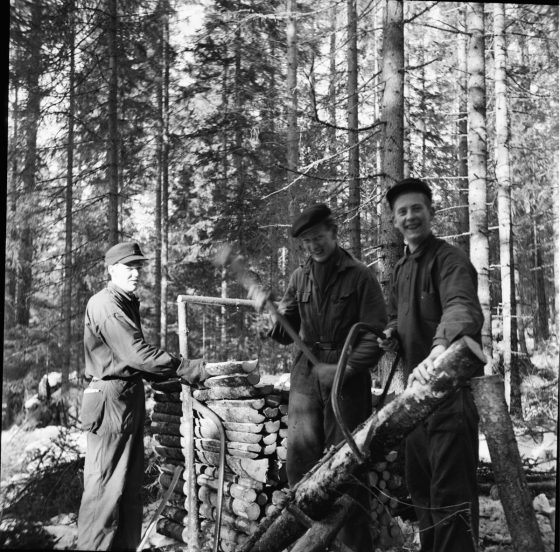
In Their Words: “I was visiting my parents’ house, where I grew up, over Christmas and they had been looking at old archive photos from the village. It was photos of people, houses, and forests. There was one specified photo of Rallpersgubben that caught my attention when he was working in the forest with some friends. It was such a nice document on that time and life in the village, so I got really inspired and wrote this tune.” — Lena Jonsson


LISTEN: Turkeyfoot, “In the Mountains”

Artist: Turkeyfoot
Hometown: Denver, Colorado
Song: “In the Mountains”
Album: Promise of Tomorrow
Release Date: June 5, 2020

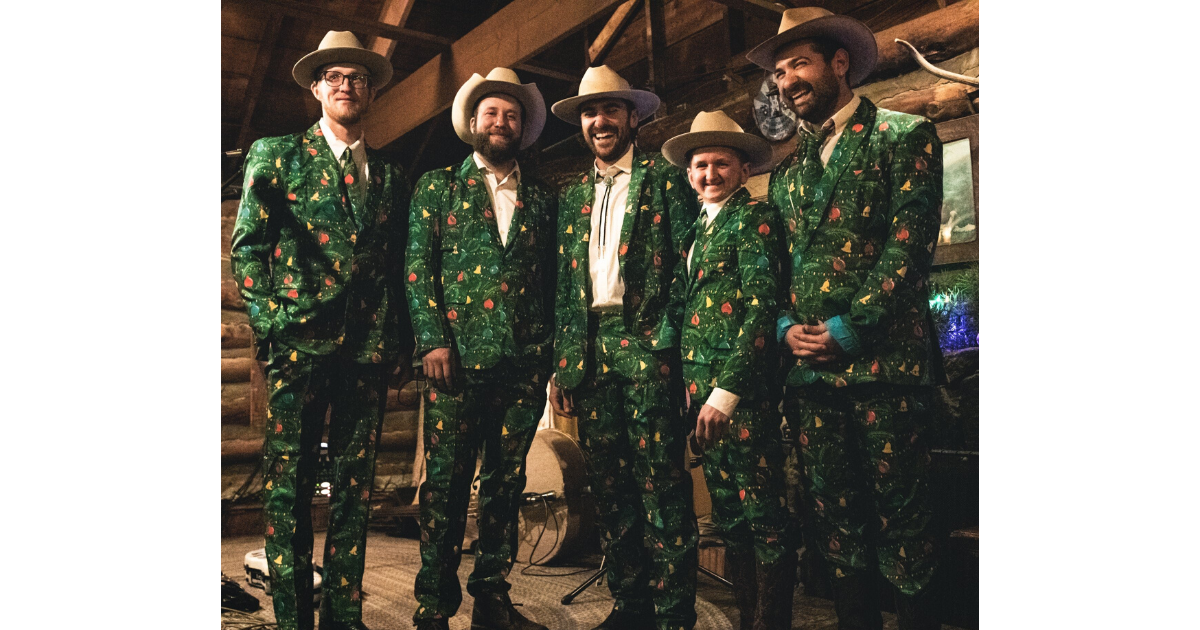
In Their Words: “‘In the Mountains’ is a song following the old-school bluegrass vein of ‘cabin songs,’ but with a bit more modern feel to the arrangement and dynamics. The song was written by guitar/dobro player Dave Pailet and arranged collaboratively by the members of Turkeyfoot. An isolated cabin buried deep in the winter snow and the surrounding mountainside serve as the backdrop for a story of loss, mourning, and a burning question, forever unanswered. We hope you enjoy this single and invite you to check out our first full-length album released on June 5th!” — Turkeyfoot


Photo credit: Chris Weist of Woodbelly

Laurie Lewis & Friends, “Dear Old Dixie (Live)”

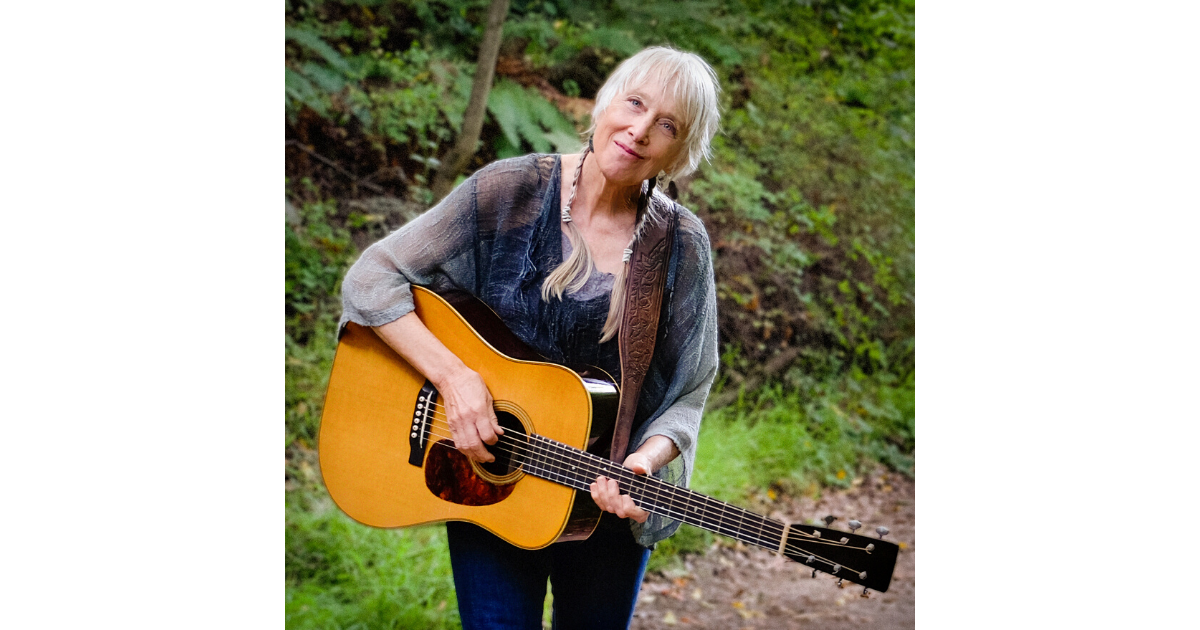
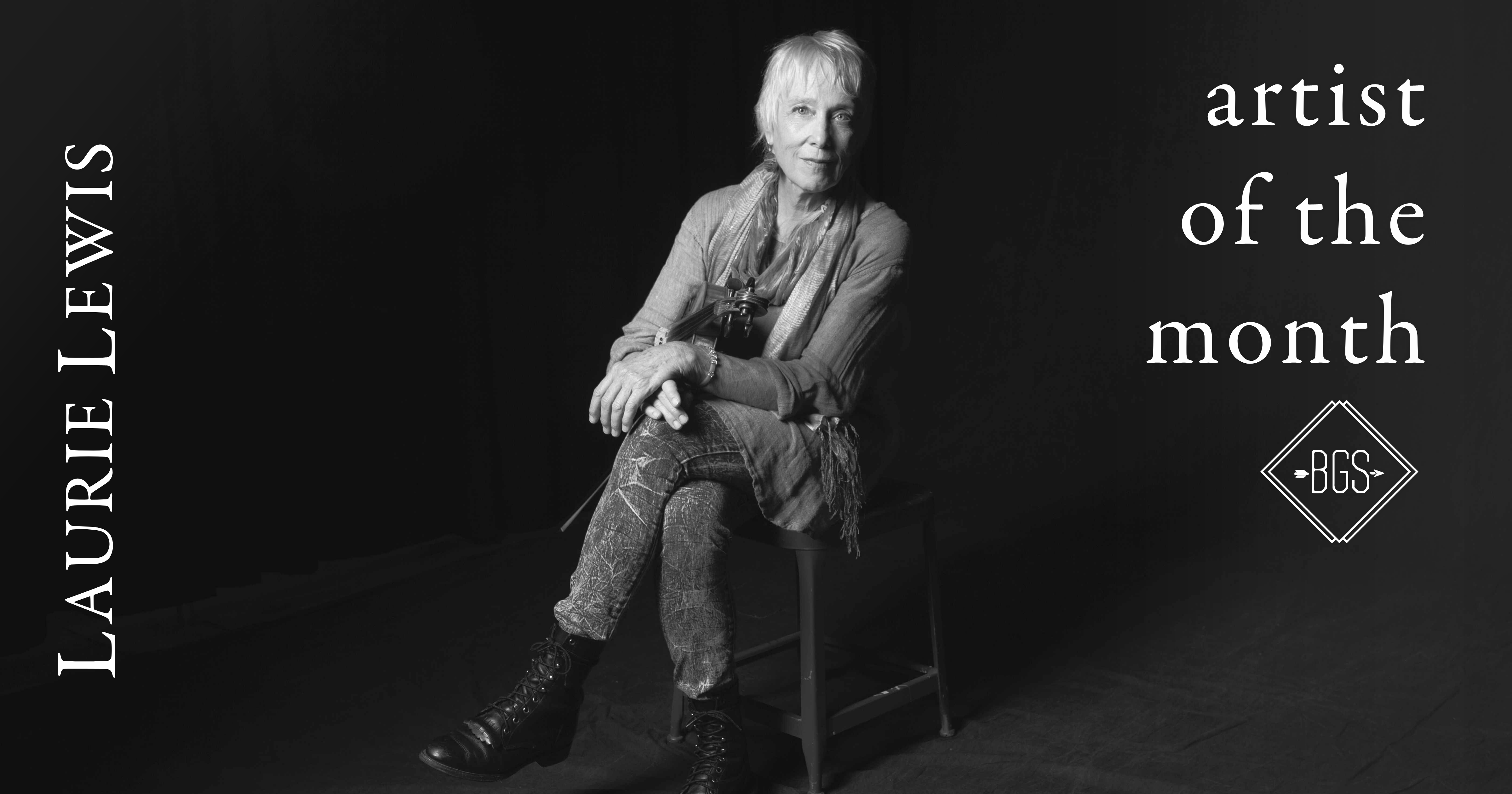
This edition of Tunesday turned out to be an oddly circuitous task. We often take this space to highlight our Artists of the Month, pointing out instrumentals from throughout their catalogs and across their careers, but for singer, songwriter, guitarist, poet, frontwoman, and long-distance hiker Laurie Lewis, the tunes are simply in too-short supply. Not because they don’t exist, but because Lewis’ cosmic level lyricism tends to eclipse her virtuosic command of the majority of bluegrass’s titular instruments. You may most often see her with a dreadnought strapped around her shoulders, but rest a fiddle there instead and you’re bound to enjoy some of the best bluegrass fiddling — with an even sprinkling of contest style, West Coast country, and the melody-driven old-time of the Pacific Northwest throughout.
In this clip from a live performance on The Texas Connection in 1992, Lewis is joined by longtime musical partner and bandmate Tom Rozum as well as Sally Van Meter, Alan Munde, Peter Rowan, Peter McLaughlin, and Cary Black on a sleek and stupefying rendition of “Dear Old Dixie.” It’s a banjo number, naturally, so Munde kicks it off with an uncharacteristically normative, Scruggs-like play through the melody. The remaining bandmates each take a turn, but the fire’s really lit when Lewis saws out her own solo, reminding all of us that she only ends up placing herself behind the guitar more often than not because she chooses to. With slippery, deliciously dissonant double stops she capitalizes upon the signature energy and showmanship concentrated within every note, every bow stroke, and every string pluck she issues.
While a quick stroll through her catalog, especially on streaming platforms, may not immediately land you in a pile of recordings of burning Bill Monroe tunes, or contemplative waltzes, or danceable hornpipes, you’ll probably find yourself confounded by the natural imagery, tender emotion, and raw spiritual power of her lyrics instead. That’s understandable. With a little digging, though, that picture of a legendary artist’s work can be expanded to include lifelong rations of indomitable pickin’ like this, too. And it ought to.

Photo courtesy of the artist.

The String – Katie Pruitt

Katie Pruitt has been known as a phenom ready for big things in Nashville for a few years now. With patience and enough maturity to get the music exactly as she intended, Pruitt has now made her debut on Rounder Records.


LISTEN: APPLE PODCASTS

The album Expectations is a bold, ambitious, and succulent collection, and vividly honest as well, with songs documenting a difficult journey from a conservative family in Georgia to a proud gay woman in Music City. This is a 25-year-old singer, songwriter, and guitarist poised for big things. Also in the hour, the journey of Arkansas born fiddler Jenee Fleenor. She was named CMA Musician of the Year and she’s releasing her first recordings of her own music after years supporting others.

A Role Model and Mentor, Laurie Lewis Still Seeks Out Bluegrass Masters (Part 2 of 2)

Laurie Lewis’ new album, and Laurie Lewis, is as much a tribute to her strong relationships as it is to her musical talents. Featuring old friends like Kathy Kallick, Todd Phillips, and Tom Rozum, and younger collaborators like Tatiana Hargreaves, Molly Tuttle, and Leah Wollenberg, her embrace of great friends and great music is on full display. In the second half of our conversation, the IBMA Award-winning artist talks about her history in the Bay Area, her aspirations and challenges, and the things that give her joy.

Editor’s Note: Read part one of our BGS Artist of the Month interview with Laurie Lewis.

BGS: Years ago, you and Kathy Kallick gave bluegrass a female voice. Were you conscious of breaking barriers at the time? And are you aware of what a model you are to women our age?

I appreciate that in hindsight. In the moment, we were just trying to make the best music we could make together, and we were both in a musical community in the Bay Area that didn’t have the barriers that the outside world had for women in bluegrass. We were doing what we wanted to do, what was fun for us. And not thinking that it was the most special thing or groundbreaking or ceiling-shattering stuff.

It was when I started performing more outside the Bay Area that I began to realize that what we had been doing was unusual. But at that point, I was just headstrong and I was just going to do what I wanted to do and not be stopped. I had disdain for festivals that would only book one girl bandleader at a festival, while they would book 12 male bandleaders at a festival. It pissed me off, but it didn’t stop me. And things are still a little bit like that — it’s amazing how slowly things change.

Did you set out to mentor young women?

Life for me just sort of unfolds, and I have to say I don’t set out to do these things in advance. I didn’t decide, “Now that I’m a wise older woman…” to mentor younger people. What actually started it was when younger people started showing up at music camps. I was a little afraid of that, because most music camps I had been doing were with adults. And I was a little afraid of my ability to relate to and coach young people.

When I was first asked to teach at a fiddle camp specifically for young people, I was sort of daunted by it. But the relationships that grew out of that camp have been incredibly important to me. Tatiana was there — she also went to Bluegrass at the Beach when she was like seven, that’s when we met. And Emily Mann, who wrote one of the songs I sang with Molly, was a preteen at that camp.

It has been a thrill to watch them blossom. It has been so gratifying to me. I don’t have children, and that’s a choice on my part, but I really appreciate them. I really enjoy hanging out with them and being able to have them in my life. I didn’t decide to focus on young women, but I suppose just because I am a woman, that has happened. People want role models – to see someone who’s like them. I am more like a young woman than I am like a teenage boy!

Any comments about being a role model?

Well, I feel very, very grateful that that’s happened. I’m really just trying to do the best I can do and play what’s in my heart and express myself in the best way I can, which seems to be through music. I am very gratified that people see me as a role model. I have a feeling of responsibility about that — so I better not fuck up.

Why is teaching important to you?

I get very excited teaching about things that excite me. Music excites me, and I want to spread the gospel. I am evangelistic about things like Chubby Wise’s fiddle playing, and how his solos are the bedrock of bluegrass fiddling. Singing harmonies, and how to work on making a vocal blend, are is endlessly fascinating to me, so I like a chance to talk about it and explore it with other people.

It also helps me, because when I am teaching I go back to the masters and I listen again to things maybe I haven’t listened to in 10 years. I always hear new things and I always learn myself. It keeps the music fresh for me in that way. It’s not just a one-way street. Teaching’s definitely a two-way street.

Do you want to talk about your shyness? You’ve said you are incredibly shy, and yet when you are on stage you fill auditoriums with your presence and your energy. How does that work?

I’ve certainly conquered a lot of my shyness. Shyness is really fear-based. You have to learn to face your fears. And in many, many instances, by facing them they just melt away. They are like a wraith. They just go away. I have learned that over the years. I used to be afraid to talk on the phone. It was so hard for me to call people up and just be a regular person on the phone and have a one-on-one conversation. I made myself do it. I made myself get on stage. I made myself open up to an audience. Sometimes it’s easier to open up to an audience than it is to open up to three people in the room with you. Strength in numbers when it comes to shyness.

I was really shy — and I’m not so shy any more. I still very seldom will talk to strangers. I told Tom yesterday that I was on a hike, and I met this young man and we talked a whole lot (this guy was named after Superman’s father, Jor-El). Tom said, “How did you start talking to him?” And I said, “I don’t know, it was a beautiful day….” and Tom said, “This is so unlike you.” It is unlike me that I would talk to a stranger, but we had a very great conversation. It turns out we were both born in Long Beach, we have a lot in common. … I’m still breaking down my barriers. By the time I’m 90 I’ll be talking to anybody and everybody. You won’t be able to shut me up.

How is today feeling for you? You have this great new album – and the world is upside down.

It’s frustrating, but — it’s just my own little personal problem. It’s really too bad, but so many people are suffering so much right now. I don’t have it in me to be all upset about it being a bad time for me. The album will still be here, the music will still be here when the virus has run its course. The virus is not going to kill my music.

How are you keeping your spirits up?

I go up into the hills and I walk. And right now it’s springtime, it is so beautiful. The world is just so gorgeous. There are wildflowers everywhere. If you can get out into nature, it is the most healing balm that I know of, and that’s what works for me. It makes the human problems seem so small, and it connects me to the universe. It takes me outside of myself.

What’s next for you?

I’m loving playing with the current Right Hands configuration: Brandon Godman on fiddle, Patrick Sauber on banjo and Haselden Ciaccio on bass (along with Tom). We’ve been planning a new album. We’ve got so many things we’re cooking up: new songs and old stuff that we’ve been doing. I feel like we need to have a record of how we sound together.

Do you have a special goal, something that you want to achieve that you haven’t done before? 

I would really love it if other people would sing some of my songs and make them part of the folk tradition. That would thrill me more than anything. I would like to get interviewed by Terry Gross. That would be pretty great! Of course, because I’ve been doing this for so long I would like to get broader recognition, but I’m fine with things the way they are. But mostly I’m just very, very grateful that I get to do what I want to do. I can put together a life out of it and I can keep playing. I’m in my 70th year. I just feel lucky.


Photo credit: Jeff Fasano
LISTEN: Nate Lee, “Love Medicine”

Artist: Nate Lee
Hometown: Nashville, Tennessee
Song: “Love Medicine”
Album: Wings of a Jetliner
Release Date: June 12, 2020
Label: Adverb Records

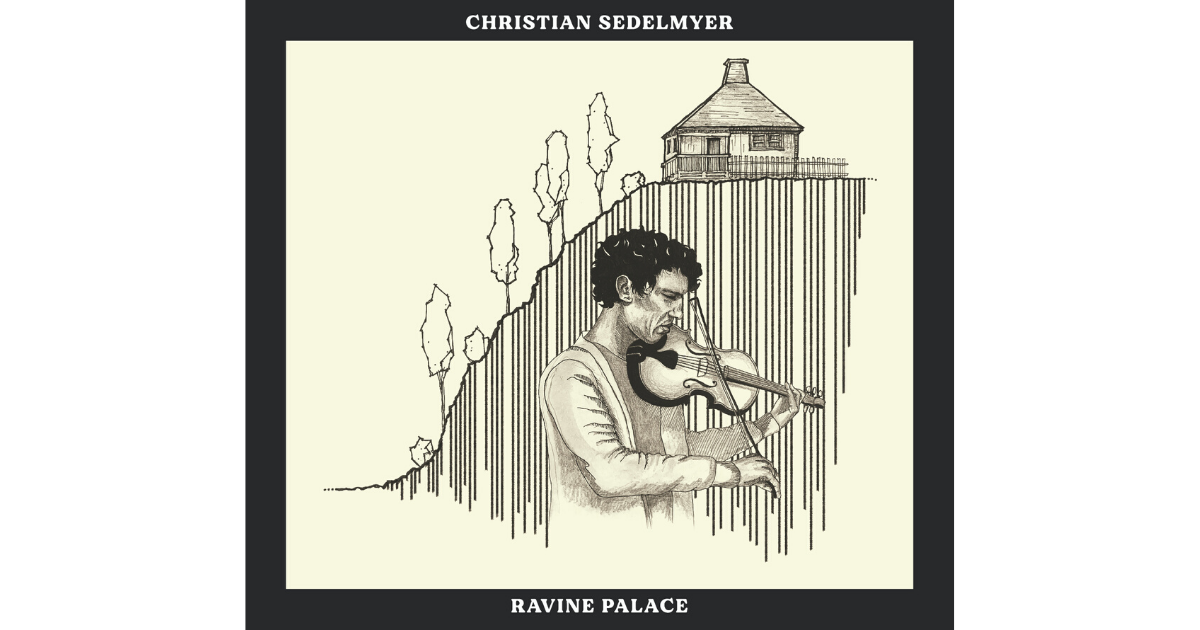
In Their Words: “’Love Medicine’ embodies all the things I wanted for Wings of a Jetliner — toneful players, exciting rhythm, meaningful lyrics, and songs that are brand new, or presented in a new way. From the beginning stages of planning the album, I wanted the instrumentalists to be the main event, with their solos heavily featured and not just an afterthought. Professor Dan Boner, who produced Wings of a Jetliner, is an accomplished instrumentalist himself and he really helped my vision come alive by creating an environment where everyone was comfortable trying new things and letting their ideas flow. Wyatt Rice, Bronwyn Keith-Hynes, Ned Luberecki, and Todd Phillips are world-class players, and trading solos with them was thrilling!

“My dear friend Chris Sanders, who wrote ‘Love Medicine,’ has a masterful grasp of chordal harmony and dissonance that perfectly supports the song’s message about addiction. Her harmonic choices, influenced by the Red Hot Chili Peppers, offer a perfect tonal palette for improvisation. Although ‘Love Medicine’ was written about addiction, the lyrics resonate with people who are in all kinds of tough situations. The first line is especially resonant during this time of social distancing: ‘Draw the line, close the door, ain’t gonna cross that threshold no more.'” — Nate Lee


Photo credit: Scott Simontacchi