John Reischman: Between the Salish Sea and Salt Spring

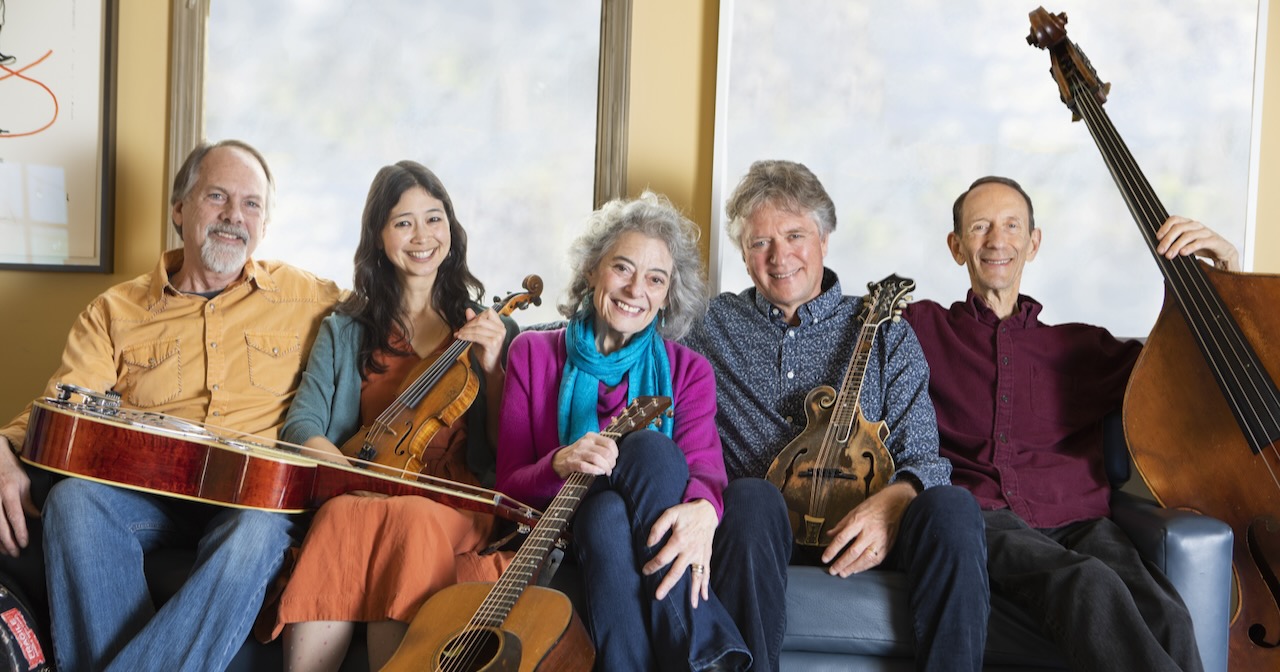
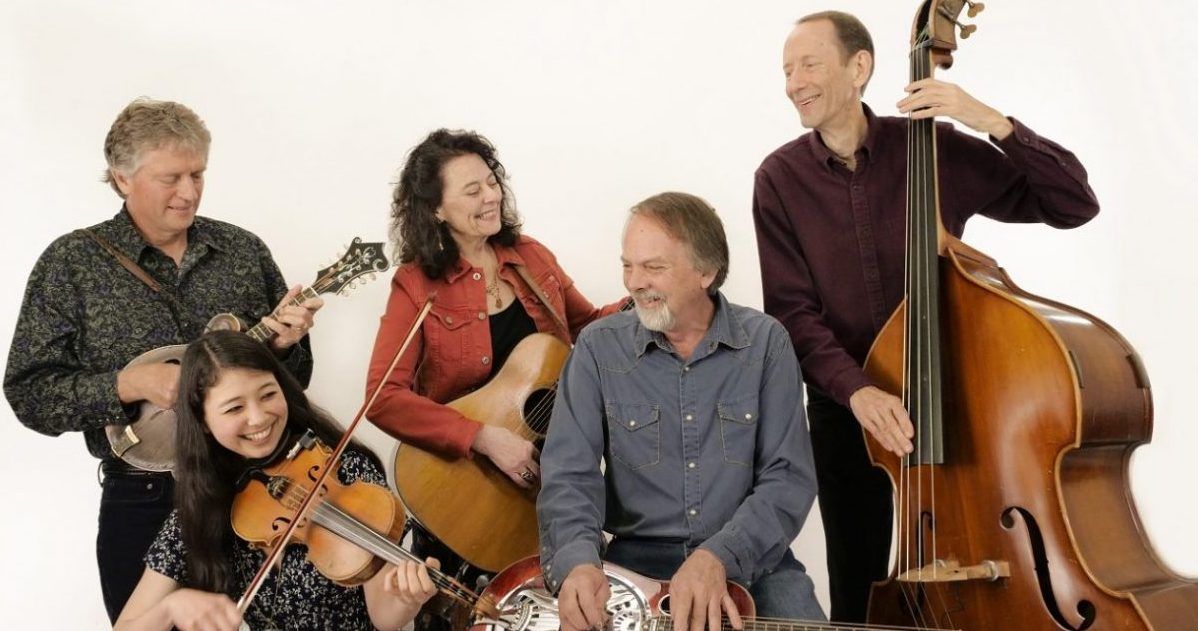
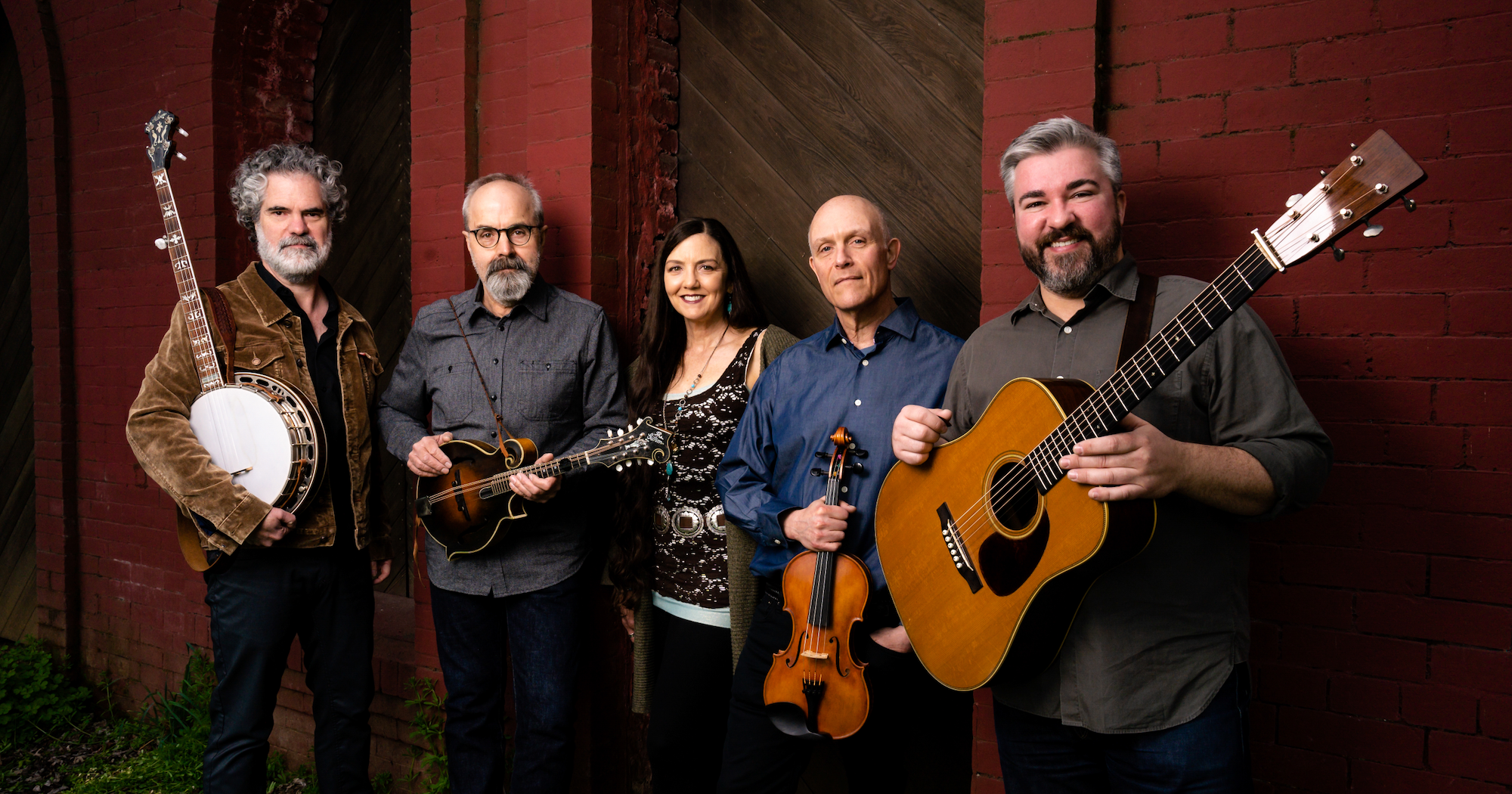
There are no U.S./Canada border wars when it comes to John Reischman. The revered mandolin master was born in Northern California but has lived in British Columbia since the early 1990s. His longtime band, the Jaybirds, are a quartet that includes two members who are also based in British Columbia (bassist/vocalist Trisha Gagnon and banjoist Nick Hornbuckle) and two who reside in America (fiddler Greg Spatz lives in Eastern Washington and guitarist/vocalist Patrick Sauber is from Southern California).

Their latest album, The Salish Sea, refers to the body of water between Vancouver Island and the British Columbia mainland. The record is their first since 2017’s On That Other Green Shore along with being the first to feature “new” guitarist Sauber on the entire album. The song “The Salish Sea” not only serves as the album’s title, but also is part of an original “Bluegrass Concerto” that Reischman was commissioned to create for FreshGrass in 2024. The honor is just one example in a long line of accolades for Reischman, who began his career in the Bay Area bluegrass/folk scene of the 1970s (including a stretch with the Tony Rice Unit) before moving to Canada, where he started the Jaybirds as well as performing solo and in other groupings.

In recent years, Reischman has seen his song “Salt Spring” become something of a modern bluegrass classic. He spoke with the BGS from his home in Vancouver about “Salt Spring” as well as The Salish Sea, his famous Lloyd Loar mandolin, and how he got into bluegrass music.

What was the process of putting the new album together?

John Reischman: There was one venue in Washington State where we had a residency. It was in the fall, in a beautiful spot. It was just ideal. So we took the extra day, worked up like six new tunes, and then started performing them right away. I guess this was October of ‘23.

And then you recorded the album in Vancouver?

In December of ‘23, I wanted the band to check out the studio here in Vancouver, where we ended up ultimately recording. I just want to make sure everybody was cool with it. I knew I liked it, because I had used it for my solo record, New Time & Old Acoustic. They all liked it. At the end of any tour we had that was close to Vancouver in 2024, I’d book a day or two in the studio, and we’d go record two or three or four songs. We were able to perform all this material mostly before we recorded it. … And it was great, because we’d be warmed up from the tour and we’d go in and track some tunes.

This album was the first in a while, and also the first that Patrick Sauber was fully on it.

Right, On That Other Green Shore came out in 2017. That was kind of the tail end of our time with [guitarist] Jim Nunally being a band member. He was exploring other things and decided he’d leave the band. We had a few more tracks to do… and we had some dates on the calendar.

I thought of Patrick immediately, because I’d known him for many years and I thought he’d be good. So he signed on for a tour and then another tour and it was just like, “This works great.” We asked him to join and he immediately said yes. He was a great fit.

How did the Jaybirds come together in the first place?

I didn’t really set out to have a band, except for the fact that I had a solo record called Up in the Woods. There was a local festival, so I put the band together to help promote the record. Seemed like a good idea. And I liked playing with all those people and it just continued on.

It’s called John Reischman and the Jaybirds, because I conceived of it. My name was probably the most well known at the time, but I wanted to be integrated into a bluegrass band. People present stuff, and I almost always accept it. Mostly it’s a pretty democratic presentation, I think. That’s what I like. It’s not Gladys Knight & the Pips.

Can you talk about the title track and how it’s also part of a larger project?

I had been asked to write what they call a “Bluegrass Concerto” by the East Coast festival FreshGrass, and I came up with these three tunes that work together. The first tune was the first movement, which ultimately was called “The Salish Sea.” I thought this will be my contribution to the new Jaybirds record, because they were involved with the performance of the Concerto.

We performed it [at FreshGrass in 2024] and I really liked the idea of having two mandolins and I’ve always loved two fiddles. I knew Darol Anger was going to there, so I asked him if he’d play twin fiddles on it. And then Sharon Gilchrist is a good friend and great mandolinist; we’ve played a lot together, and I asked her to play a mandolin on two of the three pieces.

I’ve got to acknowledge David Grisman, because the music is influenced by his “Dawg Music.” It’s also the sound that I initially heard on his first solo record, The David Grisman Rounder Record. He incorporated harmony mandolin on a lot of it.

It must have been very inspiring and gratifying to receive this commission.

You know, I’ve written a lot of tunes and a lot of folks have learned my tunes, which is really gratifying. But to have been commissioned to write this and have the confidence of this great festival and organization, yeah it was.

I had plenty of time to work on it and the time that it mostly came together was when I think my wife was visiting family. I had the house to myself. That first piece, in particular, really developed over a period of time. The second one [“The Family’s Farewell”], I came up with the A part pretty quickly and it took a while to get a bridge for it.

The third part [“The Little River Ramble”] was similar. … The thing about the concerto format is the third movement typically has an extended solo section and it’s often a bender where it’s just the featured soloist playing solo without any accompaniment. But I wasn’t really comfortable so much with that. I thought, I’ll just have it break down and I’ll solo all through there but have it build back up.

I’m really happy with the response it has gotten. Even playing it just as the five-piece band, I think the band sounds great on it. It’s only like icing on the cake when the twin fiddles and the twin mandolins are there.

And this spring, you’re going to record the entire concerto?

At the end of March, we’re going to be on tour on the East Coast and the FreshGrass Festival has a recording studio. They offered to make the studio available, so we’re going to record that just as we performed it, with Darol and Sharon joining in. That will be part of a solo record, even though I’m using those musicians. And I have other sessions planned. I’ve done one session that will add to the whole thing. Those three tunes of the concerto will just be one component of the new recording.

“Salt Spring,” one of your older songs, has become a highly popular instrumental now in the bluegrass world. How much of a pleasant surprise has that been?

It’s kind of remarkable to me that it’s as popular as it is. I mean, I’m not complaining. It’s great. … But it’s interesting how it’s just traveled all over and people think it’s just a traditional tune in some circles. They have no idea that it was composed by me. That’s cool, too.

The Jaybirds recorded it and it came out on a CD in 2001. We were at a music camp with some folks from Colorado and they learned it. I think that’s largely the beginning of it getting circulated among other people – where they took it back to Colorado. They’re the “patient zero,” I guess.

I know that a certain generation of Berklee students were playing it a lot, and maybe a bit later – maybe 10 years later. It’s pretty cool having people play your tune when you’re not there. That CD was never available digitally until recently, but we made a video of it around 2011… and that was the source, I think, for a lot of people learning it.

And then you recorded it again with Molly Tuttle, Alex Hargreaves, Max Schwartz, and Allison de Groot on your 2021 solo album New Time & Old Acoustic.

I didn’t have all the material when I started that whole project, but I knew I wanted to re-record “Salt Spring” with some of these younger musicians who had grown up playing it.

What do you remember about writing it? And why do you think so many musicians have gravitated to playing it?

I was on Salt Spring Island [in British Columbia] staying with some friends and they had a little old turn-of-the-century Martin small-body guitar. I was just playing the guitar and I was playing out of a D chord shape, and the A part of the tune just kind of took shape under my fingers. It was memorable enough that I don’t think I had to record it to remember it. The B part was just this little phrase I would play on the mandolin, just noodling around … so I just kind of stuck it on there and it worked pretty well.

I think the thing about the tune is the basic melody is very simple, but the way I played on the mandolin, the technique I use, is not quite cross-picking. But it falls into a right-hand pattern that sort of mimics the way the frailing banjo is played with that “bum-ditty, bum-ditty, down-down up, down-down up” pick stroke. So, these extra “down ups” are drone notes and that just kind of enhance the whole overall effect. Because of that, it lays out really nicely on the banjo. Then on the fiddle, you can add drones and add to it that way. And on the guitar also, you can fall into that kind of “bum-ditty” pattern as well.

I think you can learn the tune pretty easily. It’s not super challenging like some fiddle tunes where they’re very detailed in the melody. It’s pretty straight and so I think that’s partly why people gravitate towards it.

You grew up in Northern California. How did you get interested and involved in music, specifically bluegrass music?

Have you heard of a guitar player named Robben Ford? He grew up in the same town where I did in Northern California. He was in a high school band with my neighbors. I must have been 12 or 13. They were rehearsing on a patio and I went over to listen. I was interested in music and I heard them play the Freddie King tune “Hideaway,” which Eric Clapton recorded on the John Mayall & the Blues Breakers record. My brother Steve had that record. I recognized the tune and I thought, “What? This is impossible. This sounds as good as the record!”

From then on, I was just focused on trying to play the guitar. I had taken guitar lessons prior to that, but it didn’t really work. But there were guitars around the house. So that was the thing that really sparked my interest in learning to play. But I was open to all kinds of music. I’d have access to the PBS station KQED and they’d often air Pete Seeger’s Rainbow Quest, where he’d have different folk musicians, bluegrass musicians, old-time musicians. I thought, “Oh, this is cool!” And then the mainstream presentation of bluegrass with The Beverly Hillbillies, having Flatt & Scruggs on it, and the Dillards and the Country Boys playing on The Andy Griffith Show.

At some point, I had access to a mandolin, which I associated [with] bluegrass music, and taught myself to play it. I tuned it to an open chord for a long time, like a banjo, which was incorrect. And I didn’t use a pick. But eventually I got things squared away.

I discovered the John Hartford Aereo-Plain record. I saw them on TV as well. That was very inspiring. Then I discovered Norman Blake and Vassar Clements. I come to find out they had their own records. … That first Norman Blake record, I couldn’t believe it. I just flipped over that, and I thought, “This is so great!” And I’d heard Doc Watson at that point, so I just got really interested in it, and focused on that music, primarily.

So, was the Good Ol’ Persons your first significant band?

Yeah, it was the first real pro band I was ever in, and I was a fan of theirs before that. I [had] lived in San Francisco for a short while and saw their original lineup, which included all women. And it was exciting to get the opportunity to play with these folks. Because I was living near Eugene, Oregon, and I was just playing the mandolin all the time – a lot with my brother, Steve – but I wasn’t in a band, and I was working on a farm, just part-time. And a friend from the Oregon bluegrass scene had joined them and they needed a mandolin player. He said, “I know a guy.”

That placed me in the Bay Area, which was a great scene. There were lots of good bluegrass bands. And the Grisman Quintet was there. … But the thing that set Good Ol’ Persons apart was their original material, because Kathy [Kallick] is a fantastic songwriter. And Paul Shelasky, who was in the band, also wrote great songs. That opened the door for me to try and write tunes – because, “Oh, these guys write tunes. I’ll try it.” I wrote a few and people liked them. That just gave me encouragement to keep at it, which I have done.

So consequently, when Grisman and Tony Rice parted ways, Tony was aware of me. He’d heard me play at the local bar. He wanted to put a band together and needed a mandolin player. So, I went to the audition and he hired me.

You are well known for having an antique Gibson Lloyd Loar mandolin. What do you think makes those mandolins so special?

I guess that [mandolin] was kind of the ultimate expression of Gibson mandolins. But there’s plenty of new makers and a lot of them are using that basic design. So, aesthetically and as far as the craft of the instruments, some of these builders are way better than the Gibson mandolins were to look at, but the Gibsons have 100 years of aging and playing.

I think the playing of the instrument contributes hugely to its sound. Because, if there’s a Lloyd Loar that left the factory and went into someone’s closet and never came out for 50 years, I don’t think it’s going to sound like one like mine that has been played consistently over time.

I feel fortunate to be the caretaker for this great instrument. I think for most bluegrass musicians, it’s not only the music, but it’s the tools. These vintage instruments, like the Martins from the ‘30s and ‘40s, and Gibson mandolins from the ‘20s, and old banjos, it’s just a vibe that goes along with the music and aesthetic.


Photo courtesy of John Reischman.
Nora Brown and Stephanie Coleman Bring Old-Time to NPR’s Tiny Desk

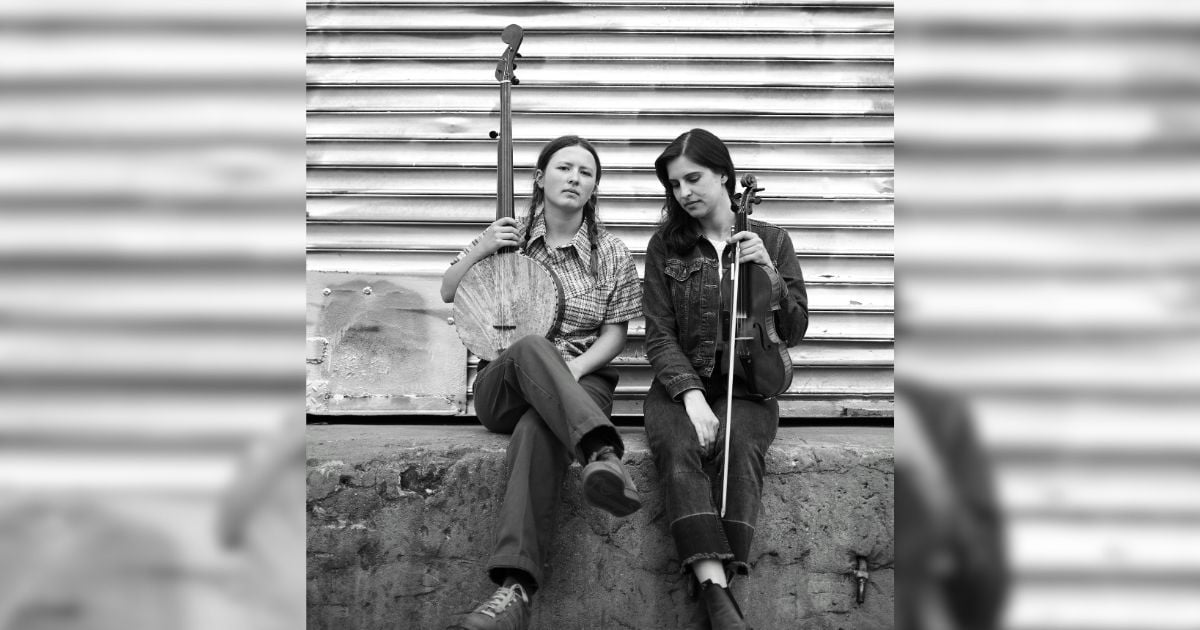
Perhaps the most remarkable skill of New York-based old-time duo Nora Brown and Stephanie Coleman is their ability to place canonical old-time material – fiddle tunes, ballads, breakdowns, hornpipes, transatlantic lyrics, and more – firmly in the present. Aided and abetted by their youth and their now longstanding musical collaboration, the two deftly entwine together timelessness and the fleeting, effervescent moment, leaving listeners on the edges of their seats as we cling to the temporal and seemingly miraculous space that opens up between them.

Brown and Coleman thrive behind NPR’s fabled Tiny Desk, all at once broad and bold while tender and understated, simple. Unadorned, but flush and full. Their new EP together, Lady of the Lake, features two of the numbers they performed at NPR’s headquarters in D.C., the title track and “Copper Kettle.” But they open their mini concert with a set, “Across the Rocky Mountains” and “The Old Blue Bonnet,” with Brown on guitar, before switching to her signature clawhammer banjo. For being so young – she only recently dropped the “Little” from her former stage moniker, Little Nora Brown – her voice carries an ancient ache. As their vocals resonate together in close harmony, Brown and Coleman remind of so many old-time, string band, and bluegrass duos that came before them, like Hazel & Alice, Laurie Lewis & Kathy Kallick, Cathy Fink & Marcy Marxer, and many more.

We hope then, like those impactful and influential duos that came before them, that Nora Brown and Stephanie Coleman continue to gift us with gorgeous music such as this for many decades to come.


Photo courtesy of Nick Loss-Easton Media

LISTEN: Kathy Kallick Band, “Just Lonesome Ol’ Me & the Radio”

Artist: Kathy Kallick Band
Hometown: San Francisco Bay Area, California
Song: “Just Lonesome Ol’ Me & the Radio”
Album: The Lonesome Chronicles
Release Date: September 19, 2023 (single); October 17, 2023 (album)
Label: Live Oak Records

In Their Words: “People of different ages will feel their engagement with radio in different ways. As part of a family gathered around the radio for a specific show, as a teenager listening to a transistor radio under their pillow, as a traveler on a long car trip with the radio tuned in to whatever signal it can find, or as a listener with that favorite show tuned in on a laptop from anywhere in the world, the radio means connection. In that bizarre time of lockdown, we all looked for ways to ‘be’ with other people, and a dear friend and I started having a listening date, tuning in to the same radio show from our separate places, and commenting to each other via email, text, or calling on the phone. It made us feel like we were having a little party!” – Kathy Kallick

Track Credits:
Kathy Kallick: composer, lead vocal, guitar
Annie Staninec: tenor vocal, fiddle
Greg Booth: baritone vocal, dobro
Tom Bekeny: mandolin
Cary Black: bass

Photo Credit: Anne Hamersky

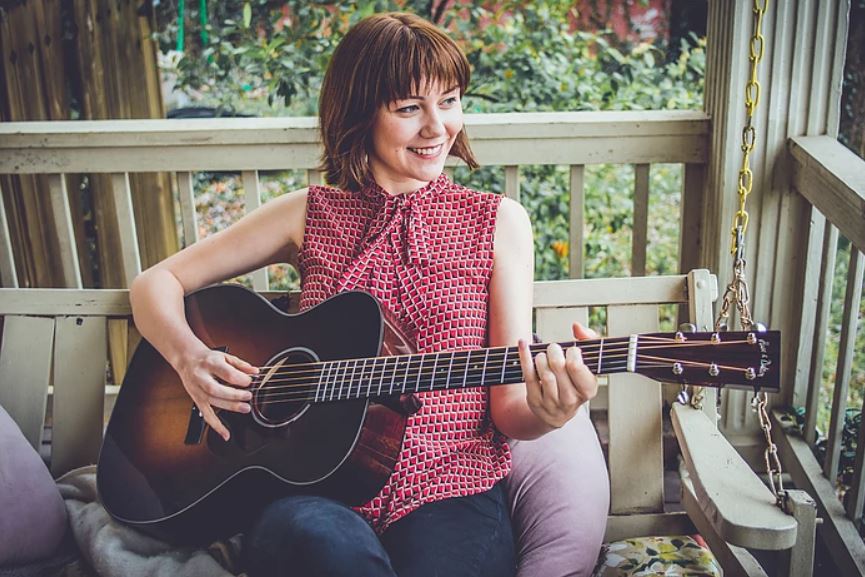
The Inspirations and Issues Behind Molly Tuttle’s ‘City of Gold’

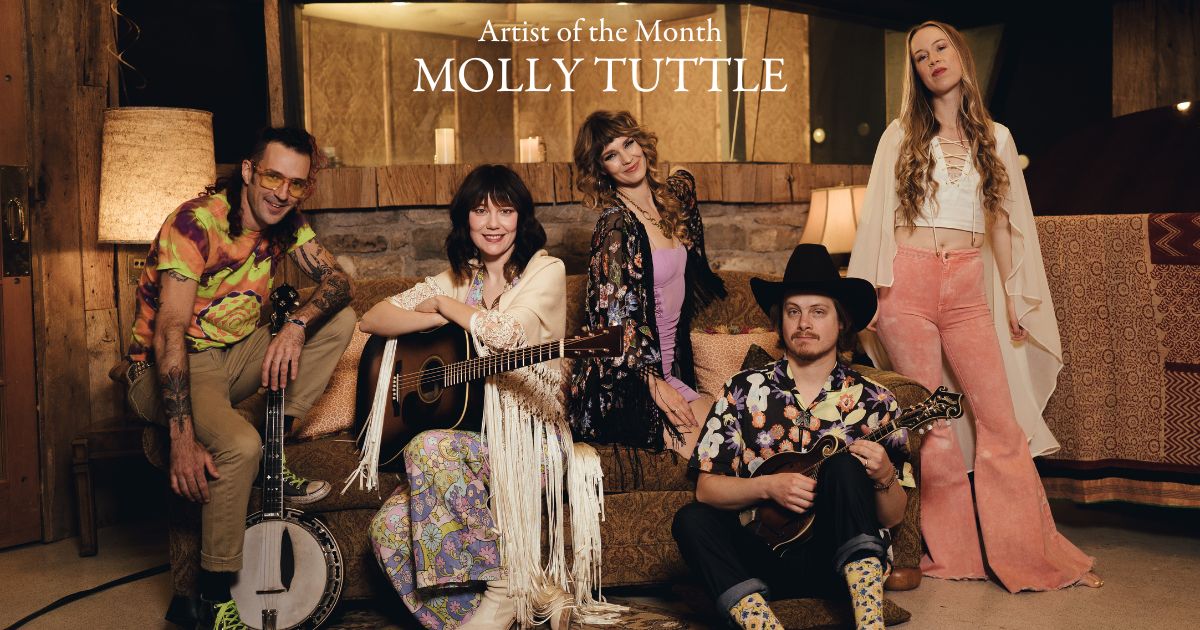
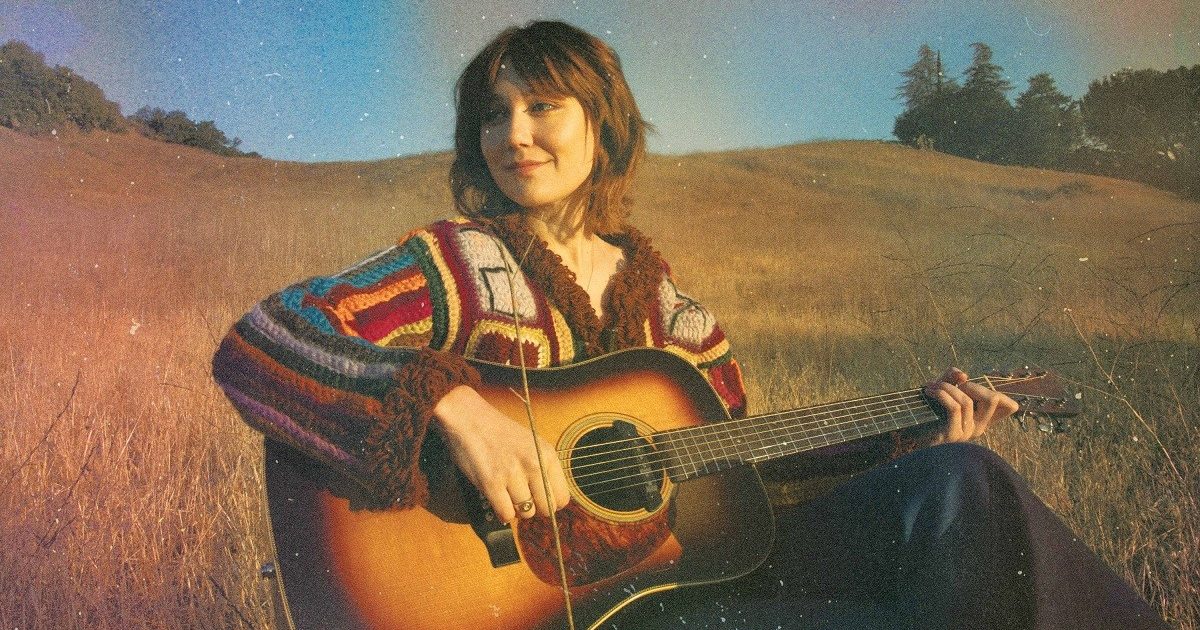
Over the course of her lifelong career in bluegrass, Americana and roots music, we’ve had the pleasure of interviewing and connecting with Grammy Award winner Molly Tuttle on quite a few occasions. When we selected Tuttle and her band, Golden Highway, as our Artist of the Month, we wanted to open a space to discuss her career and music in a fresh light – and we could think of no better context for such a conversation than Basic Folk. 

We asked Basic Folk podcast hosts Cindy Howes and Lizzie No – who featured Tuttle on the show once prior, in 2022 – to sit back down with the International Folk Award and Americana Award winner to discuss her brand new album, City of Gold, and to dig deeper into the creative output of this buzzworthy guitar player, songwriter, and business woman. 

Watch for the full podcast episode to drop later this month, but for now enjoy these excerpts from Cindy and Lizzie’s conversation with Molly Tuttle. 

Cindy Howes: Molly Tuttle, welcome to Basic Folk again. It’s so great to have you back on the podcast. 

Molly Tuttle: Thank you so much for having me back. It’s great to be here with you guys.

CH: Before we start our interview, I want to set the tone for our conversation. Molly Tuttle is being highlighted as Bluegrass Situations’ Artist of the Month, which is so awesome. The tone of our interview today is LYLAS. Do you know what LYLAS is?

Lizzie No: It’s spelled L-Y-L-A-S.

MT: LYLAS. Okay. I don’t know that.

LN: What it means is: “Love you like a sister.”

CH: Oh yeah. So we are total LYLAS. This is like a fun trip to the mall. This is like a really fun cruise around the harbor with your gal pals.

MT: Oh my gosh, that’s so fun. Well, it’s perfect because I’m actually in a hotel outside of Missoula. And there’s a strip mall nearby. So shopping has been on my mind today. Great.

CH: We’ll all get mani pedis together.

LN: Yes. French tip.

CH: So, when approaching the writing on City of Gold, you asked yourself, “How do I tell my story through bluegrass?” Which I can relate to, as somebody who’s sort of tried to distance themselves from folk music for a really long time. And now I am fully leaning into it. So, I take [it as] you asking that question of yourself, like “How can I fit my Molly Tuttle-ness into a world that can be rigid, patriarchal, and maybe different from what you stand for.” So how true is that? And how have these songs helped you take control of the bluegrass narrative and tradition?

MT: I think that’s something I’ve always kind of struggled with. I remember when I first started writing songs, I just thought, “I don’t know how to write a bluegrass song.” I can write a song, but they never ended up sounding like bluegrass to me and I just didn’t feel like my story fit into the bluegrass narrative of the songs that I grew up singing. 

I always loved songwriters like Hazel Dickens, who wrote bluegrass songs from a woman’s perspective, wrote songs about the struggles that she had as a woman in the music industry and as a working woman, and songs about workers’ rights and things she believed in. I grew up with two really strong role models, Laurie Lewis and Kathy Kallick, out in the Bay Area. I remember early on I would go out to [Kathy Kallick’s] house and she would make me tea and listen to my songs. She always told me that when she was first getting started writing bluegrass songs, she kind of felt the same way as me. Like, maybe her story didn’t belong in the genre. But she met Bill Monroe, and he encouraged her, “Don’t try to write a song that sounds like a song I would have written, write a song from your own perspective.” 

So she wrote a song called “Broken Tie” about her parents getting a divorce. She said every time she was at a festival with Bill Monroe, he specifically requested that song. That was an inspiring story to me. But when I started writing songs for Crooked Tree, it was suddenly like a floodgate opened. I think I just found my people to write with, found my groove, and ended up with a collection of songs that kind of told my story, [told] about things I believed in, and [told] my family history and personal experiences. And then other songs that were just, you know, from a woman’s perspective, or from a perspective that I resonate with. 

For [City of Gold], it was fun to kind of continue that and also expand it to be songs that I felt like were inspired by my band members, or inspired by experiences we’d had on the road. This felt more like a collective vision in a way.

LN: Okay, let’s talk about Crooked Tree. The title track from your last record was partly inspired by your experience living with alopecia. You’ve said that as a kid you would wear hats and then wigs, and then you learned to talk about your wig. Eventually, you started to get more comfortable going without. Now that you’re touring with Golden Highway a ton, you sometimes take your wig off when you play that song, which is such a powerful moment of joy, courage, and vulnerability. As a performer, I can relate to those moments where you bring a little bit extra of yourself and you share a part of yourself that you might normally keep private. How do you get to that right mood? How do you gauge if the crowd is like the right crowd to share about your alopecia experience?

MT: It’s also based on how I’m feeling. I took off my wig a few times last year. But I didn’t do it as much as maybe I wanted to, or maybe I should have, just because I wasn’t always sure what to say. I’ve had so many experiences of trying to explain alopecia to people and they still think I’m sick or still feel bad for me. And it’s so hard sometimes to put it in words that aren’t going to bring the mood down at the show, you know, I want people to be having a good time. I want it to be this fun, inspiring moment, not a moment where people can go, “I feel so bad for you.”

Recently, I performed and told my whole story [for] a keynote speech at this alopecia conference out in Denver, Colorado. I think that was such an important step for me. Just getting to share my story and reflect on the pain of growing up having this really visible difference, but also like, the joy and why it’s so important to me to share that with others and share the message that it’s okay to be different. It’s okay to be a “Crooked Tree.” This last weekend, we played in Michigan, and I did take off my wig and I felt like I finally nailed what I said and the perfect mood. Everyone was cheering and it was just a moment of celebration. I think I’m gonna just continue doing that more and more, but I find that it’s so helpful for me to check in with the alopecia community and feel that support from other people who know exactly how I feel. That makes me feel confident to share my message with the world and maybe sometimes be like, “I don’t care how it’s received, maybe I’m not sure how it’s gonna be received, but I’m going to do it anyway.” That just comes with time. And I guess I’ve had to grow kind of a thick skin. It used to be a lot harder for me.

CH: The new album, City of Gold, the songs were mostly written by you and your partner Ketch Secor of Old Crow Medicine Show. What is the writing process like with you and Ketch? Like, how do you bring out the best in each other’s writing?

MT: We’re both quite different writers. He’s very fast paced. He throws out ideas and lines. [While I’ll] think it over. I’m kind of more internal. I think about the lines. We balance each other out in a way where I might think a lot about what exactly we are saying, and then he’s good. If I get stuck on something, [he can] kind of keep it moving. But our writing process is always different. It’s nice, because we’re together a lot. So we can write in a lot of different circumstances. Some of the songs we wrote in the car, like on a road trip, just throwing lines back and forth. Maybe he’d be driving, I’d be writing the lines on my phone. Maybe we’re talking about something at home or listening to music and sitting down with instruments, kind of more the conventional way of writing. I find it so hard to fit writing into my life, especially when I’m on tour and I’m on the go so much. [It’s so nice that] we got into a groove with it, where we were just doing it all the time, and it felt more naturally intertwined into my day-to-day life.

LN: The bluegrass community was a huge source of inspiration for you. Of this record, you said, “One of the things I love most about this music is how so much of the audience plays music as well.” And that you hope that people will sing along and maybe play those songs with their friends, almost like we’re all a part of one great big family. Now, how do you walk the line of making a sophisticated, bitchin’ bluegrass record, while keeping it simple enough for others who might not be musical geniuses to play along?

MT: The beauty of bluegrass music is that most of the songs have like three or four chords. You can play them really simple, you can just strum along and play as slow as you want. Beginner bluegrass musicians might go to a jam of people at the same level as them and play these songs in a lot simpler of a way. Then, as you get better and better you can play it faster, you can play more complicated solos, you can really play with the dynamics. There are infinite ways to make the songs more and more complex and sophisticated as you progress in your musical abilities. 

On City of Gold, I did kind of stray away from that “three chords and the truth” format a little more than I did on my last record. It was fun, because we were working on these arrangements as a band, which was a lot different process than I’ve ever done before in the studio. I’ve always gone in with my songs and gathered musicians that I don’t normally play with on the road – studio musicians. I have a lot of my bluegrass heroes on the record, and you’re kind of learning the songs and playing them by a chart, but for this album, we really took the time to develop more complicated arrangements and add in new sections that stray away from the key. These songs are a little less accessible to the standard bluegrass jam. But I think there’s still a few that people could learn to play at any level.

• • •

CH: Okay, now we’re going to talk specifically about some of the songs on the new album, City of Gold, starting with the first song, “El Dorado.” Right now I am rewatching Deadwood, so I am super into this song. As a kid, you took a field trip to Coloma, the site of California’s first gold strike and it was the first time you heard about the legendary El Dorado, the City of Gold. In the song you sing, “El Dorado, city of gold, city of fools.” You said, “Just like gold fever, music has always captivated me.” So who are the characters in the song – like gold rush Kate from the Golden State – and how do you connect with these fools?

MT: I wrote the song with Ketch and I don’t know [exactly] how it came about… [But I told him,] when I was a kid, every school would send the kids off to gold country. You’d go to different places. The person who taught my class how to pan for gold, for some reason I have like a very vivid memory of him. He had this gold nugget on a chain around his neck and he showed us how to pan for gold. He was like, “You might find a flake of gold, but if you find an actual nugget of gold, we’re not gonna let you keep that, you have to give it back to us.” [Laughs] I remember being like, I really want to find like a nugget of gold and just squirrel it away and not tell this guy about it. So that kind of stuck with me. 

CH: Literally every kid in your class thought that!

MT: Yeah! Like, we’re gonna strike it rich at this goldmine!

We were kind of doing some research on Coloma and found that it’s in El Dorado County. That seemed like a good place to start with a song just inspired by that character, but also thinking about all these characters who came together and we’re all trying to strike it rich. I feel like that is such a theme in our society. You know, we have these like little, mini gold rushes – everyone being like, “This is the next big thing. We’re all going to make so much money off of this.” But for me, I didn’t get into music thinking this is gonna make me rich, but it is something I’ve chased after for many years now.

CH: What do you think is the current gold rush? Is it dispensaries? Vape stores?

MT: The thing that just popped into my head, it’s a couple years old, maybe like a year past its prime, is crypto currency. I think I don’t know where that stands. But I think we’re a little bit past that.

• • •

LN:  The second track on this album is “Where Did All the Wild Things Go?” Which is a song about gentrification’s corrosive effect on the character of once-vibrant neighborhoods nationwide – which I can very much relate to living in Brooklyn. I’d love to hear about your neighborhood where you live now. Is there a specific tradition or neighborhood institution or restaurant or store that is so special about your neighborhood? That you’re passionate about preserving? And how are you and your neighbors trying to keep your neighborhood weird and wild?

MT: Well, my neighborhood is East Nashville, and before I got there, it was totally different. It’s just in constant flux. It really changed so much when we had the tornado hit [in 2020] that took out tons of the local businesses that never returned. A lot of people moved out. The pandemic just kind of sped all of that up. Coming out of lockdown I was like, “Whoa, this is so different. Like, where do I even live anymore?”

I don’t really know how to answer how I’m trying to preserve it. I feel like I’m living in a different city every time I come back from tour, basically. Nashville’s always changing, just constantly growing, so many businesses are moving here. I do feel like there’s this constant sense of everyone missing the old Nashville. I don’t think that I was even around for the like “old Nashville” as many people who grew up in the city know it. So maybe I’m part of the problem in a way, really. I moved there just eight years ago…

• • •

CH: The next thing we want to talk about is “San Joaquin,” a new, old-style railroad song. There’s such a romance surrounding trains in song. You’ve always loved singing about trains. There is that long tradition of trains and folk songs. What do you think it is about trains that have captured artists’ hearts since they’ve been around?

MT: I think as artists, especially as musicians, we kind of have this roving spirit, where we want to see the world, we want to travel. I feel like a lot of musicians, myself included, we romanticize trains as this early way of getting across the country. And still, you’ll see musicians from time to time doing a train tour. Of course you have buskers who might hop on a train across the country and play all over the place. Now, I’ve never done that, but I think it’s just this thing that’s romanticized, especially by musicians. I’ve always loved singing [train songs]. There’s so many bluegrass train songs, but I didn’t know a specifically California bluegrass train song, so I felt like it was time to write one.

CH: What’s your favorite train song?

MT: That’s such a good question. The first one that popped into my head was Larry Sparks’ song, “I’d Like To Be A Train.” He doesn’t just want to ride a train. He wants to be a train.

• • •

CH: The song “Next Rodeo” you say, “…Reflects the miles I’ve put in with my band, Golden Highway, which has clocked in well over 100 shows.” That’s in the press release, so it’s probably 200+ shows at this point, and we’ll give a shout out to Bronwyn Keith-Hynes. Let me know if I’m mispronouncing anyone’s name–

MT: We have so many nicknames for Bronwyn in the band. We saw a YouTube comment on one of our videos where I introduce her and someone said, “What’s the fiddle player’s name? I couldn’t catch that.” Someone wrote “Ron Winky Pies.” We often call her Ron Winky Pies.

CH: Yes, that sounds right. Well, she is a hell of a fiddler. Also Dominick Leslie on the mandolin, Shelby Means on bass, and Kyle Tuttle, who is playing banjo. Can you talk about the ease and connection you feel with Golden Highway? What’s the feeling that you get when you’re on stage – and, when did it start gelling for everyone?

MT: After I made Crooked Tree, first I started thinking about who I wanted to take the songs on the road with. On the record I had the band name Golden Highway, but I didn’t actually have a band yet, so it’s kind of funny. I did it in reverse a little bit. 

Dominick played on the whole record. I called him and I was like, “Hey, do you want to play with me next year?” And he said yes. So I had one band member. I was just trying to fill in the rest of the band thinking like, “Who’s gonna bring the most personality to this project? Who’s gonna bring a unique voice?” The whole record was all about being who you are, [about] individuality. I wanted to choose people who I felt like their personalities really shine through – and their music and their playing and their stage presence.

I got my dream band. We’ve all been friends in one way or another for like the past decade, so it was a cool experience. I’ve never had that before where I have this band in my head, I imagine the people playing together, and then it happens and it’s better than I could have imagined. It felt really cool. In the past I’ve had wonderful bandmates, but it’s never been this kind of brainchild where I’m trying to concoct my dream bluegrass band that will have this unique personality to it. 

We all got together and everyone already knew each other and already played together in different configurations just through the bluegrass scene over the years. It all kind of started gelling really quickly. Our first couple shows we’re just kind of like, “Wow, this is something special!”

• • •

CH: We do want to ask a question about Jerry Douglas, who co-produced the record with you and is the master of the Dobro. How has your relationship with him as a producer shaped how you think about your own recordings?

MT:  On this record, especially on “Stranger Things,” I just felt like I needed to hear him play on it. We had this funny thing we’d say in the studio, “Make us AKUS” – make us Alison Krauss and Union Station – cause they’re like our heroes. [Laughs]

When we got to that song we’re like, “We need that iconic Jerry Douglas dobro part.” It’s such a spooky song and he just knows how to accompany a song [like that] so well and that’s part of why I felt like he was the dream producer. He understands the musicianship side of things. He’s such a master of his instrument, but then he also has this deep connection to songs and vocalists and just knows exactly what to play behind the vocal.

That’s something I really kind of leaned on him for, just getting the best performance out of everyone, instrumentally. He has just the greatest ear. He hears a pitchy note here or like a wrong note there and really pushes everyone to do their best performance, but then he also has this side of him that’s extremely tasteful and he knows how to get behind a song and not overpower it.

LN: I want to talk about “Down Home Dispensary,” which is such a fun song. I’m fascinated by the way you’ve framed this issue, which is very hot in the news… legalizing marijuana. The way it’s framed in “Down Home Dispensary” is like a very fun political pitch about how Southern culture can evolve and is evolving. Why did you feel it was really important to frame this as a “Down Home Dispensary?” And do you notice an evolution in the way that Southerners and your audiences, more broadly, are relating to marijuana use? 

MT: I think like the South is still the holdout. It’s not legal in most places in the South, but I feel like it’s become almost a bipartisan issue, where people are getting behind it. We play it and we’ve been playing it live and people are cheering no matter who they are. They’re like cheering for the “Down Home Dispensary,” because it’s this thing that’s become normalized in our society, but it still is technically not legal. That was one that Ketch and I originally wrote to be an Old Crow [Medicine Show] song and then they didn’t cut it. It’s so much fun!

CH: It’s sort of like a book end to “Big Backyard.” The world can be your down home dispensary, your  backyard. You can make home and freedom anywhere. 

MT: I thought it was like a funny angle to to go about it. You’re talking to a politician and just being like, you should really do this, because you’re gonna make a lot of money like this is in your best interest.

LN: How has living and working in Tennessee changed how you see your responsibilities as a feminist artist?

MT: I’m confronted with things in Tennessee that I never imagined would happen. Where I live, abortion is not legal in Tennessee at all, it was one of the first states to basically ban it for any reason.

That was really like a dark moment in our history as a country to just be going backwards completely. It’s something that I’ve feared since I was a teenage girl, like, what if this got taken away? And what if I couldn’t make decisions for my body? I can’t [access this healthcare] in the state where I live, I could maybe travel somewhere else if needed, but who knows if [someone else] could. They could make it more and more impossible to have access to this. It just breaks my heart for all the people who now don’t have that choice and don’t have the privilege of being able to go somewhere where they can get this health service.

[When writing “Goodbye Mary”] I was thinking about a story my mom told me growing up of my grandmother, whose name was Mary. She had a friend who was in an abusive relationship and she wanted to leave this relationship, but she ended up getting pregnant. So my grandmother and her friend, she would push her friend down the stairs, they would try anything to get rid of the baby. It’s a really, really dark story. But it’s somewhere that we’re going again, as a nation. When we were writing it, we were talking about my grandmother. That’s not something that happened to my grandmother personally, but it’s something that her generation had to deal with.

LN: I think it’s so important to link abortion access to women’s experiences of intimate partner violence. A lot of people who claim to be pro-life don’t want to admit that access to abortion is also access to freedom and the ability to leave an abusive situation. It’s just one more way of actually having freedom in your own body. That’s a really powerful story. It’s just so important, I think, for musicians to be talking about this issue, especially those of us that live in Nashville or are working in country and folk and bluegrass.

MT: It’s really scary to talk about, I was so scared to put that song on my record. Jerry was the one who was like, “We have to.” It was his favorite song. He was like, “If we’re gonna record one song, it needs to be this one.” And I was like, “I’m scared.”

This issue is one I care about so deeply. And it’s one of the most important social issues to me. But it’s also like, you get kind of the most backlash for it.

LN: Have you played this live yet? 

MT: We haven’t, no. We’ve worked it up. And once the record is out, I think we will start playing it. But we haven’t tried it live yet.

LN: You got this. 

MT: Yeah, totally. Thank you. 

LN: Thank you. Thank you for this telling this story. I think that the bluegrass community needs to hear it and the world needs to hear it. I think it’s really important.

• • •

(Editor’s Note: This conversation has been abridged and lightly edited for flow and grammar. Cindy Howes’ and Lizzie No’s full Basic Folk conversation featuring Molly Tuttle will be available next week on BGS – or wherever you get podcasts.)


Photo Credit: Chelsea Rochelle

Kathy Kallick Honors Her Mother’s Legacy While Establishing Her Own

Kathy Kallick’s first musical influence was her mother, Dodi.

Music historian Larry Ehrlich wrote, “Dodi Kallick’s voice could be as tender as Carter Stanley, as plaintive as Piaf, or as cutting as a straight razor. It could bring sorrow to your heart or a smile to your lips.”

Although central to Chicago’s folk scene, Dodi never recorded in a studio. But an uncovered reel-to-reel of radio broadcasts inspired Kathy Kallick to follow her 2002 project, My Mother’s Voice, with an 18-track sequel. On Disc 1, Kathy invited friends to perform the songs she learned from her mother, and Dodi’s voice is heard on Disc 2. The collection’s title track, “What Are They Doing in Heaven Today,” appears on both.

Since 1975, when Kallick began performing with Good Ol’ Persons, her voice and songwriting have been central to the Bay Area’s bluegrass and folk scene. That group not only launched a highly talented group of women into bluegrass, but it added new concepts, melodic lines and interpretations to the genre. Since that time, Kathy has released more than 20 albums, many of them filled with her original songs, and she has won awards for her children’s albums.

With the exception of a bass-player change, The Kathy Kallick Band’s current configuration has been together since 2009. They continue to record and tour, and as individuals and a band, they contributed to her new tribute to her mother.


BGS: Why have you made another tribute album to your mom after 20 years?

Kallick: My Mother’s Voice was a project that my mother was very involved in, choosing the songs, giving me the lyrics, talking about where she learned the songs. And when I got to the end of that project, she said, “but there’s still so many more songs.” And I said, “Well, Mom, maybe we’ll have volume two.”

Then these recordings were discovered a few weeks before she passed away. I couldn’t listen to them for a long time because it just made me too sad. After about three years, I started being able to listen, and they were so beautiful. And I remembered our conversation about volume two. She passed away 13 years ago. After thinking about it for years, there finally came a time when I wasn’t in the middle of a band recording or a solo recording or duet record. That was about four years ago.

How did you choose the other musicians who accompanied you?

The musicians were chosen for different reasons. I loved recording “Footprints In the Snow” with the Kathy Kallick Band, because this current band can really chomp on a bluegrass classic and do it justice. And “Footprints In the Snow” is one of the most iconic bluegrass songs to me. I definitely hear Bill Monroe’s version in my mind.

When I had the opportunity to record with Molly Tuttle, who I’ve known since she was a tiny child, I picked “Put My Little Shoes Away.” Having Molly play the clawhammer guitar gave it this oomph that was so spectacular to me. We had been at the Grass Valley Bluegrass Festival, and Molly came straight from the festival, a little frazzled, hot and sweaty and sunburned. She ran across the street, got a coffee, and came back, and we started in and came up with the way we wanted to do it. It was just so pleasing and spontaneous.


“Little Moses” is a song I loved hearing my mother sing, and I sang it with her. Inviting Cliff Perry and Laurel Bliss was a clear choice, because they’re such Carter Family specialists. Their knowledge is deep, and they really have a spectacular way of presenting the Carter Family [material]. And for the title song, “What Are They Doing in Heaven Today,” I thought about who I was going to get on that track from the first second of thinking of this album. And I would come up with different ideas – flying to Nashville, maybe somebody’s coming through town, like that. Then the pandemic happened. And the whole project was put on hold for two years.

Last year, I got together with Laurie Lewis and Suzy Thompson for our birthday lunch. And in the car on the way home, I started thinking about playing the song with those two, and it felt perfect. It was the first time the three of us ever sang together. We got together in Suzy’s backyard, all of us wearing masks, and we started playing this song. And we all started crying. It was so poignant to be together and play music with other people. And of course, that song is so moving.

I met Tristan Scroggins when he was in high school, and I just loved his playing. I loved his rhythm chop, which was so reminiscent to me of John Reischman’s rhythm chop, which to me was the heartbeat of bluegrass. “Sitting on Top of the World” is such an iconic bluegrass song, and there are so many ways to play it, and Tristan has such a wide vocabulary of styles on the mandolin.


When you were growing up, did your mother teach you about music and singing, or did you just pick it up by osmosis?

I would say it was osmosis with a couple of succinct suggestions. She did show me some things on the guitar. And my father did too. He was a classical guitar player who also played a little bit of folky stuff. My mom said to me, “If you care about the words you’re singing, then sing them so people can understand what you’re saying.” That was a big piece of advice that I have followed for my entire time of playing music. And then singing with her. I learned things by trying to match her phrasing, of course, and come up with notes that sounded nice with her notes. I only sang with her a little bit, but I started singing with her when I was about 6.

Your daughters (Juniper Waller and Riley Thompson) sing with you on this project. Have you always sung together?

Much in the way my mom never consciously groomed me to sing with her, I never did that with my kids either. Every once in a while, we would take out all the guitars and everybody would get to hold one, and Peter or I would show them a chord. But they weren’t particularly interested in it. It was kind of fun to do one time for an hour or a minute.

My older daughter has become a professional musician. She plays in a funk, R&B blues band. She is a dynamite diva on stage with her own style that is very different from mine. And after middle school rock band, our younger kid has never demonstrated any interest in playing or singing. But she definitely was up for singing “Wild Side of Life” with me, which is one that I sang with my mom. It was just delightful and surprising that it happened so easily and worked so well. They jumped right in and just nailed it. Neither of them sounds like me, they don’t sound like each other. But when the three of us blended our voices to sing in harmony on the last chorus, it was so satisfying. And so out of the blue. We’d never done anything like it before, but we may do it again.


You grew up in the folk world, where women’s voices were an integral part of the genre. In that respect, how was your transition to the national bluegrass scene?

How did I move from the urban Chicago, more egalitarian, folk world, to this southern rural white man’s world? I think the answer is, I didn’t realize what was happening quite at first.

The core of the all-women Good Ol’ Persons group had already been getting together when I was invited to join them. The Bay Area was already inclusive to women when I got here. The men were welcoming. There were other women role models. Then Good Ol’ Persons decided to go into Paul’s Saloon and play three songs and knock their eyes out, with our all-woman band – and that was a new thing. There had been one woman in this band and one woman in that band, but we had this “we’re gonna show them” kind of feeling at the time.

I loved the music, I loved the scene. At the time, I didn’t realize how uphill the path was going to be, and I didn’t realize how entrenched the misogyny was in this style of music. When we started traveling outside of the Bay Area and encountering the actual good old boys’ network, it was surprising and uncomfortable. And I realized at some point that I was a trailblazer. I hadn’t set out necessarily to be the trailblazer, but I was, because I was leading a band. That was often awkward and uncomfortable for people who ran festivals. They began to say, “Okay, there are going to be women performing. Let’s have one female-fronted band.” Festivals would balk at having Laurie Lewis’ band or Claire Lynch and my band, even though the bands are very different. “But we already have a woman.” There is still so much resistance to women having an equal role in teaching, in performing, in what gets played on the radio. These days I like to play in a mixed-gender band. It feels more like a family.

How did you your music fare during the pandemic?

The pandemic hit me hard. I stopped playing music for the most part and learned that I’m not a person who sits in a room by themselves and plays music. I tried to make myself do it, and it began to feel like having to do sit-ups. I stopped because I was afraid it was going to ruin my love of music. So, I wrote a novel instead.

How did you get started on that?

Partway through the pandemic, I’d darned all the holes in my socks and sweaters, and I thought I really needed to do something. So, I finished a novel I had started years earlier. Then I started a second novel. And that one really took hold of me. Partway through that novel. I had to stop and write a short story, which I thought would take me about till lunch, but actually took me a month. Then I went back and finished the second novel, which I feel really good about. The thing that is similar to writing songs is the way the novel began to just take over. I let the novel say where it was going, instead of feeling like I had to adhere to my original idea. That’s the same way I write songs. I let the song take the lead and tell me how it’s going to go. This is what my muse does. It lets song or story take over, and I’m not in charge anymore. I love that.


You’ve been in the bluegrass arena since 1975. What are you most proud of?

Well, there have been a number of musicians who had big starts and made a bigger splash than I did ever, and then sort of wafted away for one reason or another. You know, it’s hard to sustain a music career. It’s extra challenging for women who have children. And I weathered that. I took my first child with me everywhere, with a series of optimistic volunteers who thought going on tour with the Good Ol’ Persons would be such fun. We wore them out pretty quickly, but it worked. I feel really lucky. And also tenacious, because I have longevity, I have managed to continue to play music, to perform, to create, to be inspired. I’m not hugely successful. I’m not a household name. But I’m very proud of the place that I’ve carved out in this music. Nobody else sounds like me, and nobody else does what I do, and I feel good about it.

Do other women tell you that you have been a role model for them?

Yes! And I love that. I think about the women who were role models for me: Of course, my mom is the first one, as moms are for almost every woman. But I am just tickled to be a role model for younger women in the music world and for women my age who were trying to get to play music when people were closing them out. They saw me doing it and thought, “Okay, maybe it can be done. I’m going to hang in there and do it.”


Photo Credit: Irene Young

LISTEN: Molly Tuttle, “She’ll Change”

Artist: Molly Tuttle
Hometown: Palo Alto, California, and Nashville, Tennessee
Song: “She’ll Change”
Release Date: November 17, 2021
Label: Nonesuch Records

In Their Words: “I’ve always loved the rare bluegrass songs that are sung by women about women. Songs like ‘It’s Hard to Tell the Singer From the Song’ by Hazel Dickens, and ‘Ellie’ by Kathy Kallick. I wanted to write my own bluegrass song about a badass woman who lives by her own rules. ‘She’ll Change’ is my homage to the strong musical women who helped me find my own voice.” — Molly Tuttle


Photo Credit: Samantha Muljat

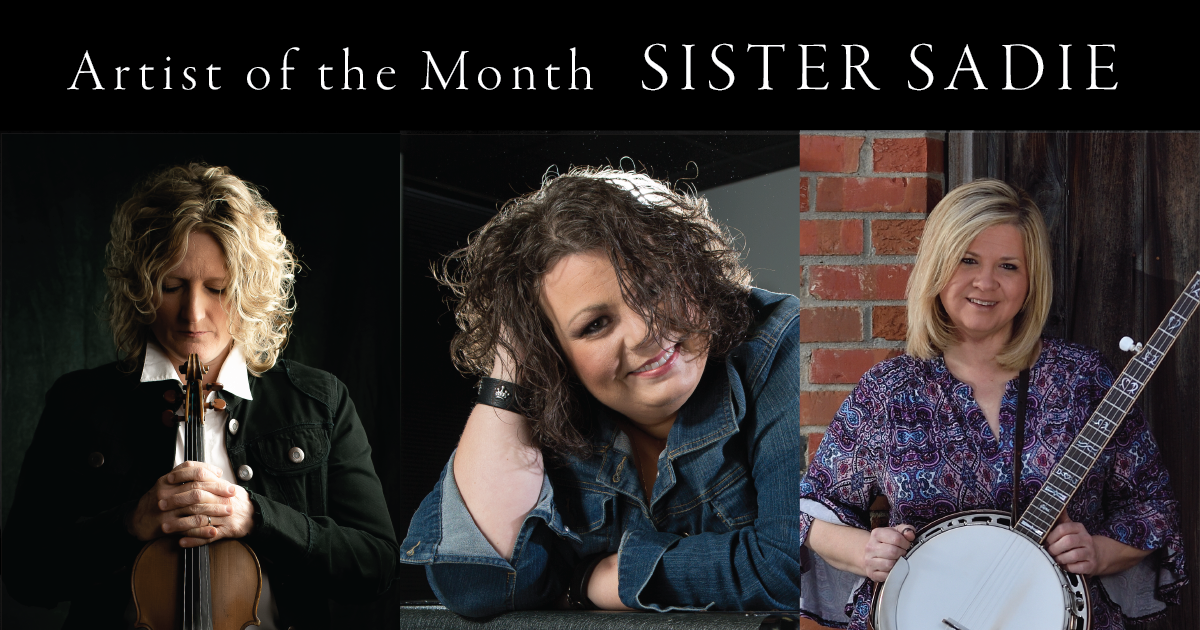
Sister Sadie: Bluegrass Entertainers, Teachers, and Most of All, Friends

Sister Sadie is a bluegrass supergroup featuring no-holds-barred instrumental and vocal talent presented as world-class entertainment. To list each member’s history in bluegrass and their accomplishments would take up more space than this entire interview, but their music speaks for itself. These women have spent their lives perfecting their craft. The band originally formed to play a one-off show at the historic Station Inn in Nashville. Once they started playing, they knew that they had found something special.

Since that night they have gone on to perform on the Grand Ole Opry, receive a Grammy nomination, and rack up two historic awards from the International Bluegrass Music Association. In 2019 they were the first all-female group to win IBMA Vocal Group of the Year and in 2020 they became the first all-female group to win IBMA Entertainer of the Year. These awards represent not only their individual lifetimes’ worth of hard work and passion, but also the work and love that they put into their music and each other.

BGS caught up with three of the band’s founding members — Tina Adair (mandolin, vocals), Gena Britt (banjo, vocals), and Deanie Richardson (fiddle) — for our Artist of the Month interview.

BGS: Since IBMA was virtual this year I haven’t gotten to see any of y’all in person to congratulate you on your award. I imagine this recognition must feel exciting since you’ve all been playing for your entire lives. Does winning Entertainer of the Year hold any special significance to you?

Tina Adair: I’ve been singing on stage since I was 3 years old. As big of a ham as I am now, I was as big a ham back then, too. I’ve always loved the stage and I love entertaining people and making people feel good and having a good time. I think people go out to see shows to get a break from the everyday world and to enjoy music because music is very therapeutic. It’s always been a goal of mine to make sure that people leave smiling bigger than they did coming into the show and feeling like they’re part of something. I know that Gena and Deanie are the same, all we’ve ever known has been music, you know? It’s not just a part of our lives — it is our life. So to get to do this as a profession, just makes us even luckier. And then to be recognized by your peers. Entertainer of the Year has always been something that I’ve dreamed about all my life. It’s been very special and we’re very honored and grateful.

Gena Britt: That’s pretty much everything I would’ve said.

Deanie Richardson: Yeah, that was pretty good. I’d say we’ve all been going to IBMA since we were teenagers. We all dreamed of being nominated for awards, but I don’t know if we ever thought it would happen. And like Tina said, that Entertainer of the Year category is special for some reason, so winning is just the icing on the cake. It means that we’ve not only gone out and played our best, but entertained them. Tina’s a great entertainer. She can grab that crowd and take them on a big journey. They’ll laugh and cry and anything they need to feel emotionally she can do that with an audience. To pull this off, to experience these awards and what we’ve accomplished together as five friends who have grown up knowing each other and going to IBMA that’s the really special part for me.

You all have this connection to mentoring the next generation, which is such a big part of the bluegrass tradition. How do you feel about being able to influence the generation of bluegrass in general and of women and bluegrass?

TA: Each of us has had such a lifelong journey, and we’re not old, but we’re middle aged now. So we’ve got some experiences to share. With age comes wisdom. I’ve been [working] at Belmont [University] for 20 years now. Personally I love that college age, because it’s such a transitional period in a person’s life. That’s the age where you’re coming into being a young adult and learning to make decisions. I love to be involved in lives at that point in time. I love to be able to provide advice to the kids and share any kind of tips. One of the best pieces of advice I always give to my students that I learned from one of my mentors is to do something every day to help forward yourself towards a goal or the career that you want to go after. Whether you spend five minutes on it or 10 hours that day on it, do something every single day.

And then, as far as influencing women and everything, I hope I can be an influence to a female that doesn’t fit the typical mold of what people think you’re supposed to look like in society. You know what I mean? People who need to be encouraged to get on stage or find the courage to want to learn how to play something even if they’re just sitting in their living room. I think that’s important — having that self-confidence and awareness of knowing who you are and knowing what you stand for. And being okay with yourself. Lord knows I’m not a size four, but it doesn’t matter. I’ve got the confidence of a size two. I love people. And I think if you give love to people then they’re gonna give back to you. I really feed off the energy of an audience because if I’m interacting with them and they’re interacting with me, then they’re invested just as much as I’m invested in them, you know? If I can influence one person that may have thought they couldn’t do something but changed their mind after seeing a Sister Sadie show, then that’s made our journey worth it.

DR: We’re not ones to harp on this whole “We’re women, blah, blah, blah.” But there are lots of women out there who paved the way for us like Laurie Lewis, Lynn Morris, and Kathy Kallick. We look up to them and they made it possible for us to win these awards. Somebody said the other day in an interview, “No woman has ever won this award” or all-female band or whatever. It is a male-dominated business, but there have always been women in this genre. There have been women always working towards what we just accomplished and they helped us get to where we are. And I hope that we’re paving the way for the next group of women to come right behind us. I think we’re working past saying, “Here are some women, and they just did this.” Because, you know what? We’re freaking good. And we just did this. Eighty percent of my roster that I teach is young girls playing fiddle and I want them to not have to worry about being a man or a woman. I want them to just want to be good, or to be the best, and to get out there and do this because that’s their goal.

Gena, I had a question for you because you played in Petticoat Junction, which is another historically significant, all-female group. Do you feel like there’s much of a difference performing in an all-female group now versus back then?

GB: Back then, there were a few other all-female bands, and at the time, if you called a promoter to book a show or something, they would say, “Well, we’ve already got a female band that weekend. We don’t need another female band.” I think we’ve grown so much since then. It hasn’t completely gone away, but we have stepped away from that. Yes, we are women, we are in our 40s, we all have these jobs that we’re doing, like, I have a day job and everything. But people are recognizing our music and we’ve been given these awards, because we’re carrying our own and we’re doing as best we can as musicians.

It’s great to see all of that progress. Bluegrass has this thing where men age into reverence, kind of no matter how talented they are. If you’ve been around for long enough, then people recognize that you have some wisdom which is turned into social capital. But women don’t seem to get that same treatment. It seems like it’s much harder for them to age into legends. You just stop hearing about them as much. It’s a really unsettling phenomenon. So I think it’s doubly exciting for you all to, uh, as… I’m trying so hard to not say, and I’m not saying at all that you guys are —

TA: Just say it, Tristan!

You’re only older than me! You’re not old, I’m just a baby.

TA: I mean, we’re all one step away from menopause. At least I really hope I am, because if I’m not, there’s something else wrong with me. [Laughs]

GB: I was 18 when I joined Petticoat Junction. That was 30 years ago. I’m 48. That gives some perspective on how long we’ve been out here doing this.

You’ve been doing this your entire lives and have been actively involved in the scene the entire time and I think it’s reflected in your music. You’re all talented musicians. The music that you play has its own sound, but clearly has a lot of different influences. How do you bridge the gap between bluegrass and folk and country and blues?

DR: Going into the studio and picking material is a hard thing for five people to do, and as women who all have different tastes and different senses of artistic creativity, it’s a challenge. Everybody brings songs to the table and then we choose as a unit what we think works as a band. That’s a hard process for us, but I feel like, at the end of the day, we work really well through our differences. Hell, we’re probably gonna break into a fight, but it’s gonna be alright. We’re gonna make it through it. And at the end of the day, there’s gonna be 12 songs on the record that we can kick ass on. Part of it comes down to Tina has a singing style that works for her, Gena has a singing style, and Dale Ann had one as well. So that brings in the blues, the hardcore traditional, the folky, from each of us.

GB: It’s all those influences. The East Kentucky, Alabama and the blues from Tina, I’m straight-ahead, traditional bluegrass from here in the heart of North Carolina. And it’s like you said, it is a cohesive sound. We’re all together. All those influences do help create our sound.

TA: It’s what brings it together.

You all clearly put a lot of work and love into your music and it’s really paid off.

DR: The one thing I am most proud of about this band is that we started as five friends played that show at the Station Inn. It went from there to another show, to another show, to a record to another record, to a Grammy nomination, to the Opry, to Vocal Group of the Year, to Fiddle Player and Entertainer of the Year. I wouldn’t have won that Fiddle Player or the Year award without this band so I’m truly grateful for all of that. But we’ve done this all by ourselves. We are five women who love each other, who work through our differences, and who have worked hard together.

We’ve done the booking, we’ve done the managing, we’ve done the publicity — it’s all been organic. It’s not something we’ve gone out and pushed, it’s not something we’ve gone out and publicized a great deal. It’s just all happened organically. It took on its own life. Everything that has happened with Sister Sadie has happened because it was meant to happen. And it’s just out of our love for this music and for each other. That is what I’m most proud of. Five women who raise kids, who work day jobs, who teach, who play professionally. Five women who have done this together. I’m super, super proud of that.

TA: Me, too. I want to piggyback off of that because that’s an important point. We didn’t start off to make it big or anything. We just wanted to play music together and instead of doing it in our living room, we thought, “Well, we could do it at the Station Inn, and that would be fun.” Because Station Inn is like all of our home away from home. So that’s how it all started. I think everything has a time and a place and everything happens the way it’s supposed to happen. I think that night at the Station Inn was supposed to happen. That is what led us down this road to accomplishing and achieving some things that have been lifelong dreams of ours that may not have ever come true had Sister Sadie not been formed. We just love each other dearly and hopefully that comes across. I hope the concept of Sister Sadie comes across as nothing more than we’re trying to love. I love people, we love each other, and love making music. We love bluegrass.


Photo credits: Deanie Richardson by Kerrie Richardson; Tina Adair by John Dorton; Gena Britt by Mike Carter

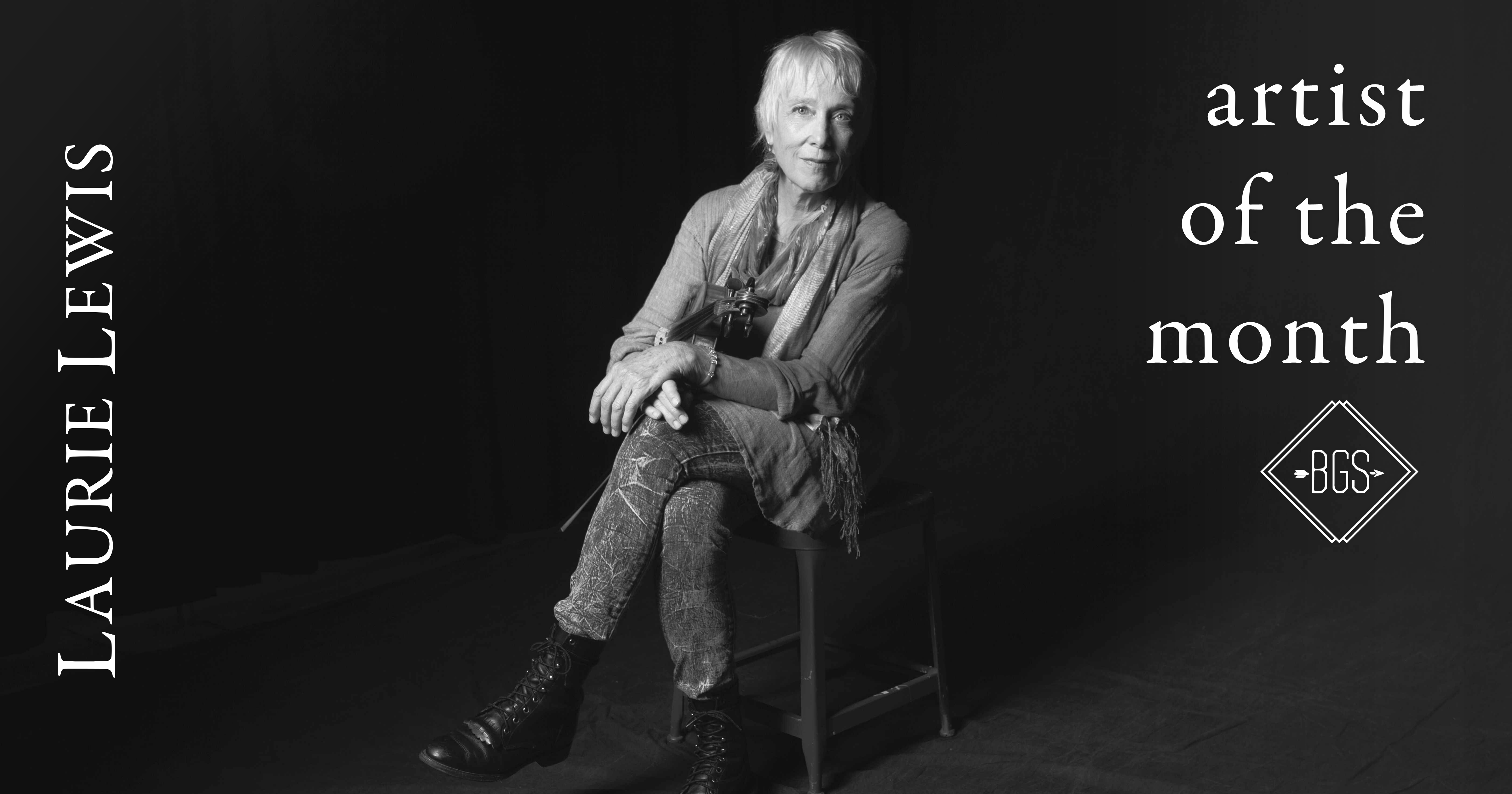
A Role Model and Mentor, Laurie Lewis Still Seeks Out Bluegrass Masters (Part 2 of 2)

Laurie Lewis’ new album, and Laurie Lewis, is as much a tribute to her strong relationships as it is to her musical talents. Featuring old friends like Kathy Kallick, Todd Phillips, and Tom Rozum, and younger collaborators like Tatiana Hargreaves, Molly Tuttle, and Leah Wollenberg, her embrace of great friends and great music is on full display. In the second half of our conversation, the IBMA Award-winning artist talks about her history in the Bay Area, her aspirations and challenges, and the things that give her joy.

Editor’s Note: Read part one of our BGS Artist of the Month interview with Laurie Lewis.

BGS: Years ago, you and Kathy Kallick gave bluegrass a female voice. Were you conscious of breaking barriers at the time? And are you aware of what a model you are to women our age?

I appreciate that in hindsight. In the moment, we were just trying to make the best music we could make together, and we were both in a musical community in the Bay Area that didn’t have the barriers that the outside world had for women in bluegrass. We were doing what we wanted to do, what was fun for us. And not thinking that it was the most special thing or groundbreaking or ceiling-shattering stuff.

It was when I started performing more outside the Bay Area that I began to realize that what we had been doing was unusual. But at that point, I was just headstrong and I was just going to do what I wanted to do and not be stopped. I had disdain for festivals that would only book one girl bandleader at a festival, while they would book 12 male bandleaders at a festival. It pissed me off, but it didn’t stop me. And things are still a little bit like that — it’s amazing how slowly things change.

Did you set out to mentor young women?

Life for me just sort of unfolds, and I have to say I don’t set out to do these things in advance. I didn’t decide, “Now that I’m a wise older woman…” to mentor younger people. What actually started it was when younger people started showing up at music camps. I was a little afraid of that, because most music camps I had been doing were with adults. And I was a little afraid of my ability to relate to and coach young people.

When I was first asked to teach at a fiddle camp specifically for young people, I was sort of daunted by it. But the relationships that grew out of that camp have been incredibly important to me. Tatiana was there — she also went to Bluegrass at the Beach when she was like seven, that’s when we met. And Emily Mann, who wrote one of the songs I sang with Molly, was a preteen at that camp.

It has been a thrill to watch them blossom. It has been so gratifying to me. I don’t have children, and that’s a choice on my part, but I really appreciate them. I really enjoy hanging out with them and being able to have them in my life. I didn’t decide to focus on young women, but I suppose just because I am a woman, that has happened. People want role models – to see someone who’s like them. I am more like a young woman than I am like a teenage boy!

Any comments about being a role model?

Well, I feel very, very grateful that that’s happened. I’m really just trying to do the best I can do and play what’s in my heart and express myself in the best way I can, which seems to be through music. I am very gratified that people see me as a role model. I have a feeling of responsibility about that — so I better not fuck up.

Why is teaching important to you?

I get very excited teaching about things that excite me. Music excites me, and I want to spread the gospel. I am evangelistic about things like Chubby Wise’s fiddle playing, and how his solos are the bedrock of bluegrass fiddling. Singing harmonies, and how to work on making a vocal blend, are is endlessly fascinating to me, so I like a chance to talk about it and explore it with other people.

It also helps me, because when I am teaching I go back to the masters and I listen again to things maybe I haven’t listened to in 10 years. I always hear new things and I always learn myself. It keeps the music fresh for me in that way. It’s not just a one-way street. Teaching’s definitely a two-way street.

Do you want to talk about your shyness? You’ve said you are incredibly shy, and yet when you are on stage you fill auditoriums with your presence and your energy. How does that work?

I’ve certainly conquered a lot of my shyness. Shyness is really fear-based. You have to learn to face your fears. And in many, many instances, by facing them they just melt away. They are like a wraith. They just go away. I have learned that over the years. I used to be afraid to talk on the phone. It was so hard for me to call people up and just be a regular person on the phone and have a one-on-one conversation. I made myself do it. I made myself get on stage. I made myself open up to an audience. Sometimes it’s easier to open up to an audience than it is to open up to three people in the room with you. Strength in numbers when it comes to shyness.

I was really shy — and I’m not so shy any more. I still very seldom will talk to strangers. I told Tom yesterday that I was on a hike, and I met this young man and we talked a whole lot (this guy was named after Superman’s father, Jor-El). Tom said, “How did you start talking to him?” And I said, “I don’t know, it was a beautiful day….” and Tom said, “This is so unlike you.” It is unlike me that I would talk to a stranger, but we had a very great conversation. It turns out we were both born in Long Beach, we have a lot in common. … I’m still breaking down my barriers. By the time I’m 90 I’ll be talking to anybody and everybody. You won’t be able to shut me up.

How is today feeling for you? You have this great new album – and the world is upside down.

It’s frustrating, but — it’s just my own little personal problem. It’s really too bad, but so many people are suffering so much right now. I don’t have it in me to be all upset about it being a bad time for me. The album will still be here, the music will still be here when the virus has run its course. The virus is not going to kill my music.

How are you keeping your spirits up?

I go up into the hills and I walk. And right now it’s springtime, it is so beautiful. The world is just so gorgeous. There are wildflowers everywhere. If you can get out into nature, it is the most healing balm that I know of, and that’s what works for me. It makes the human problems seem so small, and it connects me to the universe. It takes me outside of myself.

What’s next for you?

I’m loving playing with the current Right Hands configuration: Brandon Godman on fiddle, Patrick Sauber on banjo and Haselden Ciaccio on bass (along with Tom). We’ve been planning a new album. We’ve got so many things we’re cooking up: new songs and old stuff that we’ve been doing. I feel like we need to have a record of how we sound together.

Do you have a special goal, something that you want to achieve that you haven’t done before? 

I would really love it if other people would sing some of my songs and make them part of the folk tradition. That would thrill me more than anything. I would like to get interviewed by Terry Gross. That would be pretty great! Of course, because I’ve been doing this for so long I would like to get broader recognition, but I’m fine with things the way they are. But mostly I’m just very, very grateful that I get to do what I want to do. I can put together a life out of it and I can keep playing. I’m in my 70th year. I just feel lucky.


Photo credit: Jeff Fasano

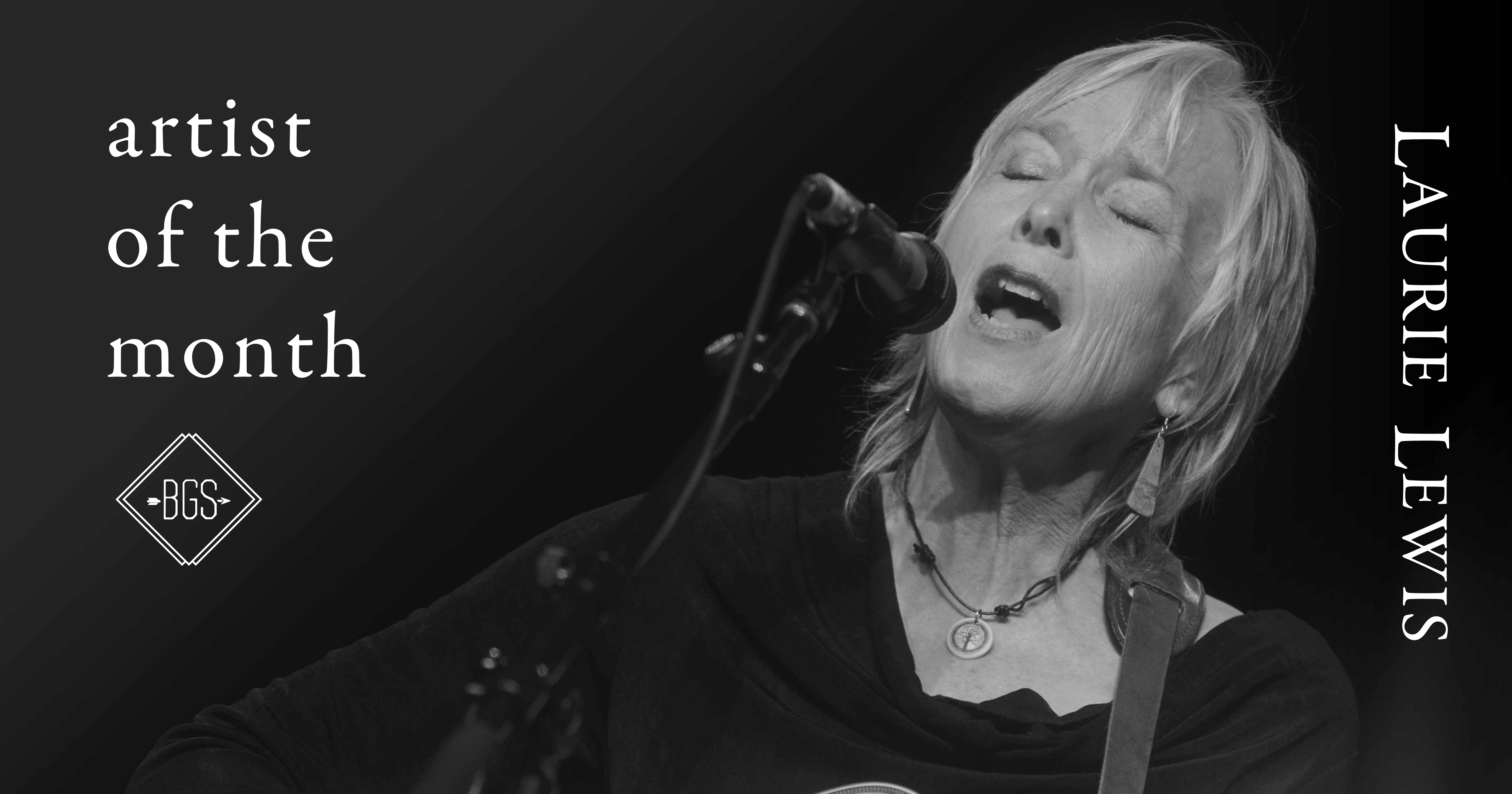
On New Duet Album, Laurie Lewis Gathers Old Friends and Close Companions (Part 1 of 2)

Laurie Lewis has lived most of her life in Berkeley, California, yet she’s primarily associated with music from Appalachia. A highly respected producer, she is admired equally for her singing, songwriting, fiddling and arranging, and her influences range from old-time and bluegrass to swing and jazz.

In 1986, Lewis released her first solo album, Restless Rambling Heart, which included seven original songs. Since then, she has recorded more than 20 albums with a variety of musical friends. She holds numerous honors from the International Bluegrass Music Association, as well as Grammy nominations for her own albums and collaborations.

Now nearly 35 years into her career, Lewis regularly pays tribute to female bluegrass pioneers, performs with and fosters a new generation of female musicians, and teaches at many of the nation’s most acclaimed music camps. BGS caught up with her by phone to discuss her new duet album, and Laurie Lewis, featuring old friends and new musical partners alike.

BGS: Why a duet album?

Lewis: It came about accidentally. I had an idea that I wanted to record a duet on (the Carter Family song) “You are My Flower.” Molly Tuttle and I got together to try it out and we had so much fun playing and singing that we went upstairs to my little studio. We turned on the microphones and just sang and played. It was so musically full, it didn’t need anything else. I thought, “Thank heavens, I have finally gotten around to singing this duet the way I’d wanted to for the last 20 or 30 years.” Then I got together with Tatiana Hargreaves. When we toured together, she and I worked up a tune I had written that she played on the fiddle, and I just loved that and I wanted to capture that. Then we got excited and did another song – and then I had three songs! I thought, “Maybe I’m making a duet album.”

Tom Rozum and I had worked out the Monroe Brothers’ version of “Will the Circle be Unbroken” for a Monroe tribute, and I just loved the way that sounded, and I thought we definitely should record that. It snowballed from there. I had lots of duet ideas where I thought a particular friend would be perfect on a particular song. So I went about collecting the versions of the songs. I recorded more things than are on the album. I have a few that are held back, just because I didn’t want it to be super-long and have people lose interest halfway through thinking they would never get to the end!

How did you decide to keep the instrumentation so spare – no more than two voices and two instruments?

After listening to what I recorded with Molly and Tati, I really liked what I heard. I fell in love with playing as a duet with Tom. We’re both essentially band musicians and used to having a whole band surrounding us, not just picking up the slack, but filling out the sound. When we started playing as a duo many years ago, it seemed really scary to both of us – and really empty. But we kept doing it, and I fell in love with the emptiness, that loose weave that you get with just two people and two instruments. And the way it becomes a conversation – my favorite way to have a conversation, just one on one.

How did you choose your partners and songs?

They’re all people who I have had long musical relationships or long friendships with. I’ve known Molly and Leah Wollenberg since they were babies. As the project went on, it felt as if these are some of my closest companions in life. These are the core people who have made a huge difference to my musical life in one way or the other

One of the last things I recorded for the album was “Old Friend” with Kathy Kallick. As the album started to take shape, I realized, “Oh my God, I have to have Kathy on here.” We have been singing partners and friends for more than 40 years. I just have to have her on here. But I couldn’t think of a song. The idea came to me as I was backpacking in the mountains: “‘Old Friend,’ of course!” It was recorded originally in 1989 and we’ve been friends much longer. It seemed like the perfect vehicle for us at this point.

Do you write specifically for an album, or do you just come up with songs, say, when you’re hiking, and then it shows up on an album?

Yes. I would say yes to both of those. For instance, I never expected “The Pika Song” [to end up] on the new album. I was just making up a little poem about pikas when I was hiking on the John Muir Trail. And then I was sitting around playing the banjo one day and I started singing it. When I mentioned it to Tatiana, she told me that some friend had just said that she thought the pika was [a perfect animal to match] Tati. She got really excited – she’d never seen one, but she got to hear all about them and play on the song and sing about them, so that was pretty fun.

Sometimes I will write things specifically for a group or for an album. I have lots of songs that I just don’t finish and sometimes the impetus of recording an album is what pushes me to commit to being done. So in that way I do write for albums. And sometimes just because the creative juices start flowing when you’re in a recording situation, a new song just comes along. And I’m grateful for that.

Did you choose songs that represented your own versatility?

Oh, no. I didn’t think about that. I really just thought about who was the right person to sing with on a particular song. Like the songs I did with Nina Gerber. There is nobody I would rather do certain songs with than Nina Gerber. “My Last Go Round” is a Rosalie Sorrels song. Nina worked closely with Rosalie and I got to play with her a few times. I recorded that song on a tribute album for Rosalie, and when we played the tribute concert, I played it for the first time with Nina. It felt so deep and healing. Music has a real way of being able to soothe and heal grief, and it really felt good to do it with her, and we’ve been doing it every time we play together since then. Nina’s electric guitar is the absolute perfect thing for “This is Our Home.” She fell right into it, just knew exactly what to play. She’s a mind reader.

Todd Phillips and I occasionally play “Baby, That Sure Would Go Good” in concert. We did it for years, but I never thought about recording it. When suddenly I was doing a duet album, I thought it would be perfect. And of course it was really fun. Todd’s bass playing is just out of this world. I mean that in every way you can think of. It’s crazy, but it’s great.

Tell us about “Troubled Times,” which is so appropriate right now. When you wrote it, were you thinking of something specific?

I wrote that about 20 years ago. I honestly cannot remember what inspired me to write it. It had some other verses, at least one other verse which I left out, because it wasn’t as good as the ones I used. I think it was politically motivated at the time, motivated to the outside world and my reaction to what was going on, but I can’t remember what specific event or events inspired it.

I had only performed with Leah Wollenberg once, at the Freight & Salvage, although I’ve known her all her life. One day I said to her, “Would you come over and sing one of my songs with me so I would have a recording of it”? I really didn’t know how it would go. So she came over and we recorded it. When I listened to it I said, “This is good! This is great!” So I asked her if she would be on the album. I think that I’ve just been sitting on that song waiting for the right combination of events, but also the right combination of voices to sing it with me.

Can you talk about the role of friendship in your music? You sustain such long-term friendships and musical partnerships. Is that unique to you?

I don’t think that’s unique to me. Musicians communicate very deeply through shared music. It’s impossible to play heartfelt music with other people without loving them, or at least learning to love them. And once you love somebody, you want to keep them in your life. So if there’s a problem, you work it out. You address it. You don’t let things go by and be on the surface. It’s what we do — we forge personal relationships that are strengthened through music, or are begun through music and continue past music.

Editor’s Note: Read part two of our Artist of the Month interview with Laurie Lewis.


Photo credit: Maria Camillo

A Desire to Inspire: A Conversation With Molly Tuttle

I can’t pin down the year I first heard Molly Tuttle picking a few tunes in a Sugar Hill Records suite at the IBMA’s World of Bluegrass, but I know it was before the event’s 2013 move to Raleigh, and I know I wasn’t the first to pay attention to her guitar playing. Indeed, it was only a few more years until Bryan Sutton called her name as a picker to listen to in the course of accepting one of his ten IBMA Guitar Player of the Year trophies—and just two years after that, last fall, she accepted the same award herself.  

Even so, her growing recognition among bluegrassers has led to a higher profile for Molly in the broader musical world; she earned the Folk Alliance’s Song of the Year award in February, and a nomination for this year’s Americana Music Association’s Instrumentalist of the Year title, too. Between that, her own eclectic outlook, and the predispositions of journalists unfamiliar with the bluegrass world, it’s not hard to see why the musical substance of her engagement with the genre can sometimes be given short shrift. Yet the fact is, she appears to be as happy tearing through a bluegrass classic in the company of her youthful contemporaries—or with a certified bluegrass legend or three—as she is playing anything else.

I was reminded of this shortly before our interview, when Instagram presented me with a snippet of video that showed her sitting in with the East Nashville Grass, a collection of pickers who mostly work in other bands, at a ‘grass-friendly’ Madison club—and since the next Molly Tuttle record is still likely months away, it seemed like a good place to start the conversation.

Just this morning, I saw a video of you sitting in with the East Nashville Grass guys, ripping on some bluegrass—“White Freightliner Blues,” which I know you’ve been doing for a while—and it got me to wondering. Your dad was a music teacher when you were growing up; was he more of a folk guy, or an acoustic guy generally, or a bluegrass guy?

What my dad always loved was bluegrass. He grew up playing bluegrass, and that’s really what he studied and what he loves. But he did end up playing some folkier music; he played in a band called the Gryphon Quintet, which was all people who worked at Gryphon Music, the store he teaches out of. And that was jazzier stuff, some swing stuff, four-part harmony arrangements, and some of their stuff was kind of folky, too. So he ended up playing a bunch of different styles, but he really comes from bluegrass.

So when the family band got started, it was a bluegrass band.

Yeah!

You’re getting out beyond the bluegrass audience these days, into the larger musical world, and there’s been a whole line of people over the years who have done that. What do you think you’ve learned as a bluegrass musician that you carry with you when you do all this other stuff?

I think one of the most valuable things I learned was improvising and making up my own solos. Just being creative, really, because it’s such a creative genre. Some of the most incredible improvisers in the world are bluegrass musicians and you can really carry that into any genre—those improvisational concepts, you can take those in so many different directions. So that’s something I feel bluegrass really taught me, something I can use for the rest of my life.

And also, technique. I think it’s so important in bluegrass to have great technique, to be able to play fast, slow…I think that was really helpful for me to learn. And the style itself is so authentic. It has this raw feeling to it, and my favorite bluegrass is old bluegrass, where it’s all so live and energetic—just real, authentic stories from their lives. I think that’s really inspiring.

I’ve heard from some younger musicians that when they found a bluegrass jam or something like that when they were getting started, the older guys were really encouraging and supportive—and then, when they started getting into other kinds of music, those folks weren’t so supportive. Have you run into that?

A little bit. People just like what they like, so people who love traditional bluegrass aren’t as supportive as others about me branching out and doing new stuff. But I haven’t run into too many people who are openly discouraging me from doing what I want—it’s just not their cup of tea, so they’re not as excited.

When you started putting the Molly Tuttle Band together, how did you decide what you wanted? Was that a question in your mind—am I going to have a banjo player?

It kind of was! But it was like the right musicians just sort of presented themselves to me. I’ve played with Wes [Corbett] for three years now and he’s such an amazing musician—he’s so versatile. He plays amazing stuff on my songs that are more singer-songwritery, but he’s an incredible bluegrass musician, too. So it’s been a great fit for me. I think the bluegrass band just made sense. But then, I’ve been working on a new album that has drums on everything, and electric guitars, so I think going forward I’m going to be trying out different band lineups.

Are you working on your new record a few days at a time, or did you set aside a big block of time to make a whole record?

We had six days where we got all the tracks done; eleven songs, all with the same band. We did that at Sound Emporium and it was mostly all live. And then I went in and did harmony overdubs, I overdubbed some vocals, put some other instruments on, tracked strings—that was really fun. Nathaniel Smith worked out these really great string arrangements with Rachel Baiman and Mike Barnett, so they came in. And then we got some special guests on it—Sierra [Hull] came in and played, which was fun. So it’s just been going into the studio and finishing things up whenever I’m back from touring.

So maybe the next big release coming out that you’re on is a Roland White tribute project. And there was definitely an element there of you kind of playing the part of Clarence White on the tunes that you did. How do you prepare for that, for playing the part of Clarence White?

I just went and listened to recordings of Clarence. And with “I Am a Pilgrim,” there’s this great YouTube video of Clarence and Roland playing it, and Clarence was playing the coolest stuff ever. I teach at camps sometimes, and last summer, I thought it would be fun to teach a workshop on Clarence White, so I transcribed his rhythm playing on that, and was teaching it to people. So that was a good one to get to do, because I already knew some of the licks, and I’m obsessed with his playing on that song—it was fun to try to get into that mindset.

It seems like you really succeeded in being Molly Tuttle, but also Molly Tuttle playing Clarence White.

That’s what I was trying to do, so that’s good to hear.

We played a house concert a few weeks ago, where [12-year-old fiddler] Clare Brown and her dad came out and opened for us. I heard her doing a soundcheck with “White Freightliner Blues,” and I thought, I’ll bet I know where she learned that. Does it freak you out that there are even younger musicians coming up who are influenced by you?

I think that’s so exciting and that’s what I wanted to do with my music since really early on: inspire the younger generation, especially younger girls. I think it’s really important for them to see the generation of women before them doing it. So that’s one of the things that keeps me going with my music, to see something like that.

Who were you seeing that way? Who did you look up to?

When I was a kid I looked up to Laurie Lewis, Kathy Kallick, Keith Little, Bill Evans, my dad—all these Bay Area people. There’s a really great scene there and they were all so supportive of me. But especially Laurie and Kathy, seeing them lead their own bands and play shows. They were my biggest heroes and I thought they were the coolest, and I still do.

Is it important to you to keep an eye on and try to inspire young musicians to play bluegrass in particular?

I think it’s a really great tradition, especially for kids, because it’s such a supportive community. And there are jams, so you can get together with other kids your age. That’s a really healthy thing for kids to do for fun. For me, it was really great in high school to have that, to go to festivals, and get together for jams, and play shows—that was a great outlet for me. It’s a great genre for kids to play, and it’s really important to keep carrying on the bluegrass tradition, to keep it alive, so I think it’s great to encourage kids to play it.


Photo credit: Kaitlyn Raitz