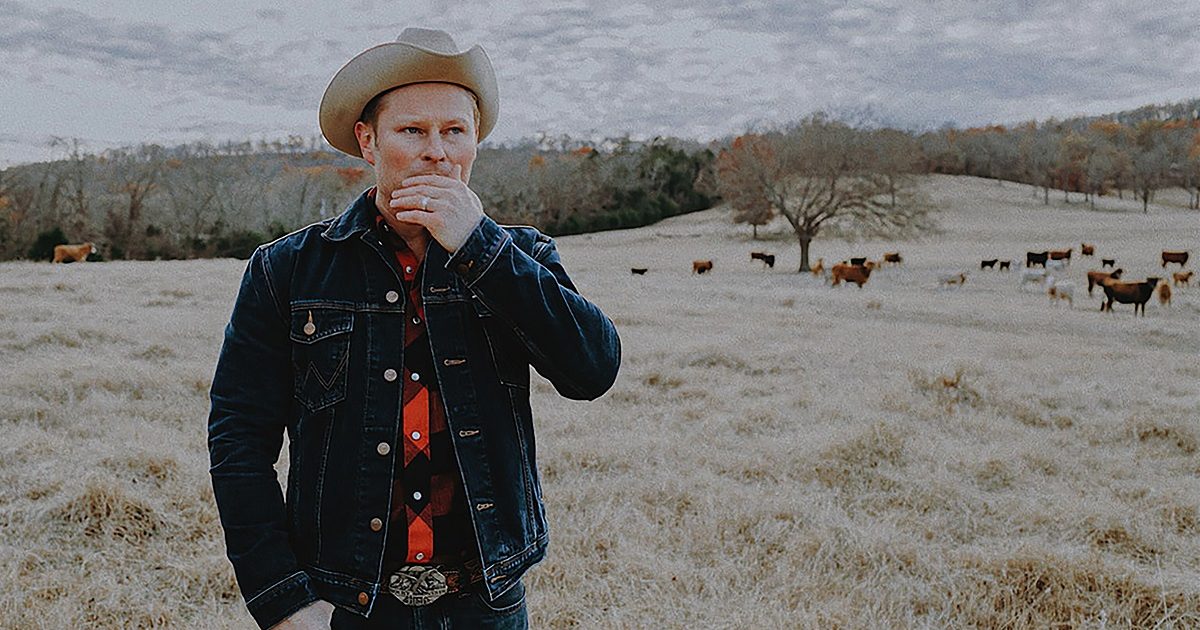
LISTEN: Mike Barnett, “Righteous Bell” (Featuring Sarah Jarosz)

Artist: Mike Barnett
Hometown: Nashville, Tennessee
Song: “Righteous Bell” (featuring Sarah Jarosz)
Album: + 1
Release Date: September 11, 2020
Label: Compass Records

In Their Words: “I wrote this just before the 2016 presidential election. Looking back, there is much work to be done before any ‘righteous bell’ is rung. The juxtaposition of the propelling, changing instrumental and the grounding, unchanging vocal melody creates a sort of galvanizing tension that hopefully inspires the listener to take action — voting, conversing, learning, protesting, etc. Just like in an old-time jam, the vocal melody and lyric fuels the fiddles and banjos, and everyone feeds off each other’s energy. Sarah Jarosz’s powerful singing and driving clawhammer banjo brought this song to life.” — Mike Barnett


Photo credit: Stacie Huckeba

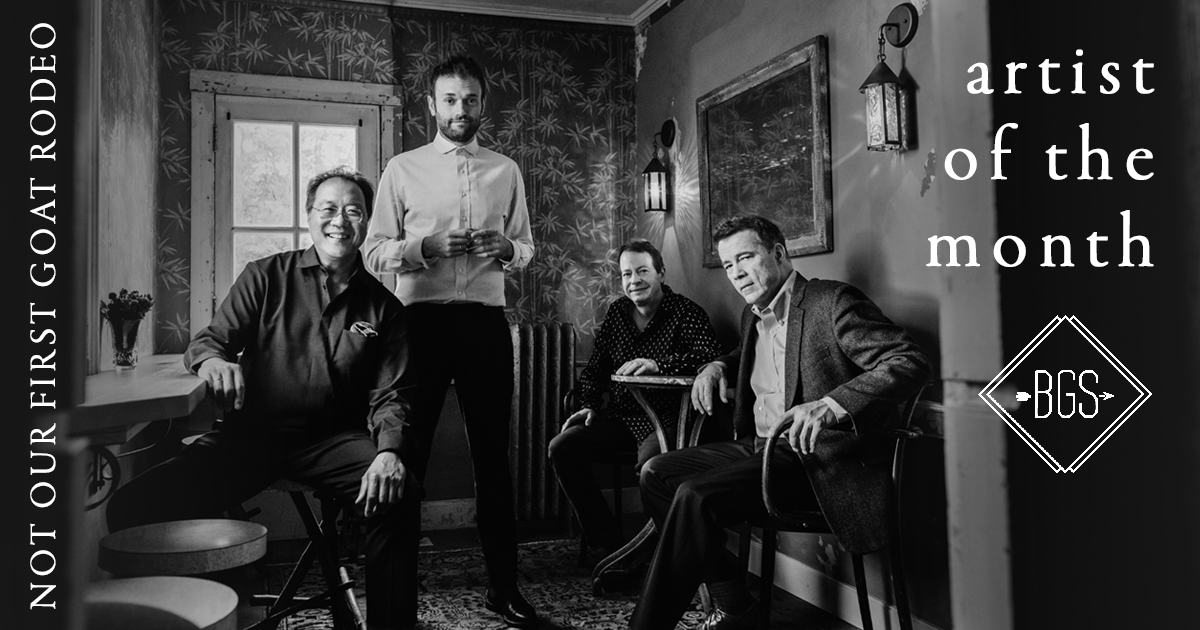
Artist of the Month: Not Our First Goat Rodeo (Yo-Yo Ma, Stuart Duncan, Edgar Meyer, and Chris Thile)

A remarkable blend of improvisation and composition, Not Our First Goat Rodeo is the just-released second volume of music from four American acoustic icons: Yo-Yo Ma, Stuart Duncan, Edgar Meyer, and Chris Thile. The eclectic group chose their name based on the aviation term “goat rodeo,” indicating a delicate situation in which 100 things need to go right to avoid disaster.

That intricacy is apparent throughout Not Our First Goat Rodeo, and so is the band members’ mutual respect and sense of joy that stems from collaboration. One such example is “The Trappings,” a cinematic piece featuring Aoife O’Donovan, who lent her talents to the first collection and returns as a guest vocalist for the new project, too.

Sharing the story behind the track, Yo-Yo Ma recalls: “‘The Trappings’ came out of a question of aesthetics. I believe Edgar was talking about pop music, how he used to think, ‘Oh, if something’s too poppy, I’m not going to like it.’ But that’s like saying ‘classical music is boring,’ or that jazz, rock, rhythm and blues are one way, or even ‘people from different countries are’…. You know that as soon as you make a general statement like that, it’s not true, because you can think of hundreds, thousands of exceptions. ‘The Trappings’ is one of those.”

The group’s initial set, 2011’s The Goat Rodeo Sessions, is a classical crossover masterpiece that won Grammy Awards for Best Folk Album as well as Best Engineered Album, Non-Classical. The critically acclaimed project also spent 11 weeks at No. 1 on Billboard‘s bluegrass albums chart. Nine years (and many other outside projects) later, the group’s camaraderie and undeniable chemistry remain intact.

Yo-Yo Ma observes, “What is so amazing about playing with Chris, Edgar, Stuart, and Aoife is that when I’m working with them, I’m almost not a full participant, because I’m actually a fan. I’m such a big fan that I approach what they’re doing with a mixture of wonder and awe at these fellow musicians whom I feel very close to, but who are doing things that are almost beyond my imagination.”

This month BGS will conduct interviews with each of the ensemble’s members about Not Our First Goat Rodeo as well as their individual inspirations and insights. Check out our Tunesday Tuesday featuring “Voila!” and enjoy this brand new Essentials Playlist featuring music from Yo-Yo Ma, Stuart Duncan, Edgar Meyer, and Chris Thile.

Read part one with Stuart Duncan here. Read part two with Edgar Meyer here. Read part three with Chris Thile here. Read part four with Yo-Yo Ma here.


Photo credit: Josh Goleman

MIXTAPE: Kyle Nix’s Fiddle Tunes & Bluegrass Songs That Inspire

Hey everyone! My name is Kyle Nix and I fiddle for the Turnpike Troubadours. I’m also a solo artist and have a record coming out June 26 called Lightning on the Mountain & Other Short Stories. As a bluegrass fiddler and songwriter, I’ve put together a list of fiddle tunes and bluegrass songs from artists that have inspired me through my journey and continue to do so every time I hear them play. Hope ya enjoy these ditties! — Kyle Nix

Michael Cleveland – “Lee Highway Blues”

Michael is the most dynamic fiddler I’ve ever seen and perhaps the most dynamic musician. Incredible player.

Sara Watkins – “Long Hot Summer Days”

Sara and I are close to the same age and I’d see her at bluegrass festivals from time to time. I think it’s pretty neat that my band (Turnpike Troubadours) and Sara both recorded John Hartford’s “Long Hot Summer Days” around the same time. Love her version!

Byron Berline – “Flyin’ Fingers”

Byron’s a friend and a hero of mine. I’m always learning from him and he’s still got a fire in his belly. He composed and recorded “Flyin’ Fingers” a few short years ago and it’s a fine example of how he’s still “got it.”

Sierra Hull – “From Now On”

Sierra is one of the virtuosos. She makes it look easy. Big fan right here! Dig the tune “From Now On.”

Chance McCoy and the Appalachian String Band – “Yew Piney Mountain”

Love this version of “Yew Piney Mountain” by Chance McCoy. Chance is a real talent, from The Appalachian String Band to Old Crow Medicine Show.

Kenny Baker “First Day in Town”

Huge fan of Kenny Baker’s fiddling and his melodies abound. “First Day in Town” is a mean one!

John Hartford – “Steamboat Whistle Blues”

John Hartford’s Aereo-Plain is one of my favorite albums and “Steamboat Whistle Blues” is one of my faves on the record.

Aubrey Haynie – “Bill Cheathem”

A stellar version of “Bill Cheathem” here by Aubrey Haynie — a fantastic, killer fiddler!

Alison Krauss & Union Station – “Man of Constant Sorrow”

This is the one that kicked off the bluegrass craze of the early 2000s. Each member of this band, a Giant.

Ricky Skaggs & Kentucky Thunder – “Shady Grove”

I remember the first time I heard this version…. My eyes about bugged out! Blisteringly fast, clean as a whistle. Outrageously good!

Byron Berline – “Sally Goodin”

Byron’s version of Sally Goodin is the quintessential version of the song. Here, he’s joined by Bill Monroe and Earl Scruggs… and it’s beautiful, man!


Photo Credit: Amber Watson

Best of: Live From Here

This month brought the unfortunate news that Live From Here, hosted by Chris Thile, has been cancelled.

The American Public Media-produced radio show, previously known as A Prairie Home Companion, has been beloved by listeners since its inception in 1974, and continued in 2016 when the series was rebranded as Live From Here, with Thile leading the way.

The show was cut from production as a result of COVID-19’s widespread impact on the music and entertainment industries. On his socials, Thile graciously acknowledged the decision, stating the purpose of Live From Here as “a celebration of live, collaborative audible art.”

So, without further hesitation, let’s look at 11 of our favorite Live From Here moments.

“Dean Town” – Vulfpeck & Chris Thile

Perhaps one of the most loved Live From Here moments was Thile’s guest performance with Vulfpeck on their classic, “Dean Town.” One has every reason to assume that eye contact between Thile and Joe Dart is still going strong at this very moment.


“Fiddle Sticks” — Billy Contreras

It may be one of the lesser-viewed bits from the show, but this “Fast-AF” fiddle tune feature by Billy Contreras is certainly not short on notes. Two and a half minutes of pure double stops and bass walks.


“Lovesick Blues” — Brandi Carlile, Ben Folds, Chris Thile, & Sarah Jarosz

Ever wondered if Brandi Carlile could yodel on par with Jimmie Rodgers — or everyone’s favorite Walmart yodeling kid, Mason Ramsey? Well, look no further than this early Live From Here collaboration with Carlile, Thile, Ben Folds, and Sarah Jarosz.


“Change” – Mavis Staples

“Say it loud, say it clear!” We’ve shared this powerful performance from the legendary Mavis Staples before, but it is even more relevant now. Things are starting to change around here!


“Toy Heart / Marry Me / Jerusalem” – I’m With Her

Almost 10 minutes of mind blowing harmony and togetherness from I’m With Her, all beloved guests throughout the show’s course. As Thile so happily declares at the end, “There’s not a better band — in the world — than I’m With Her.”


“In Da Club” / Musician Birthdays – Julian Lage, O’Donovan, Thile, and More

What could be better than the composer of 50 Cent’s “In Da Club” jamming with Chris Thile, or Julian Lage playing Django Reinhardt? Oh that’s right: it’s Aoife O’Donovan singing Dolly Parton’s “9 to 5.”


“Blue Skies” – Andrew Bird & Chris Thile

Not only does this pair look quite the same, but their playing together is divine, and one of the last Live From Here moments we were graced with before shutdown.


“Kodachrome” – Paul Simon

This one’ll make you think all the world is a sunny day. Just look at Thile’s face!


“Can’t Find My Way Home (Blind Faith)” – Rachael Price

The tonal map of this moment is pure magic. Lake Street Dive’s Rachael Price supported by Thile’s harmony, Mike Elizondo’s bass lines, Brittany Haas’s fiddle playing — need we say more?


“Winter Boy” – Amanda Brown

Since Thile’s takeover as host, Live From Here has always had a strong female vocalist on stage. From Aoife O’Donovan to Sarah Jarosz to Gaby Moreno to more recent guest Amanda Brown — these women have been an integral part of the show’s cast and performance. Enjoy Brown’s beautiful take on this Buffy Sainte-Marie classic. 


“Hard Times” – Chris Thile

It only seems right to acknowledge the many efforts of the Live From Here cast and crew to bring listeners the show, recast as “Live From Home,” in the wake of the COVID-19 pandemic and global shutdown. For the last three months, those at the show worked tirelessly to bring us the weekly program, with the help of dozens of musicians, show regulars, and the #LiveFromHome social media campaign.

All we have left to say is — thank you to Chris Thile, all of the musicians, crew, and those who made Live From Here possible. And we hope these “Hard Times” we’re all living in together come again no more.


Photo credit: Nate Ryan

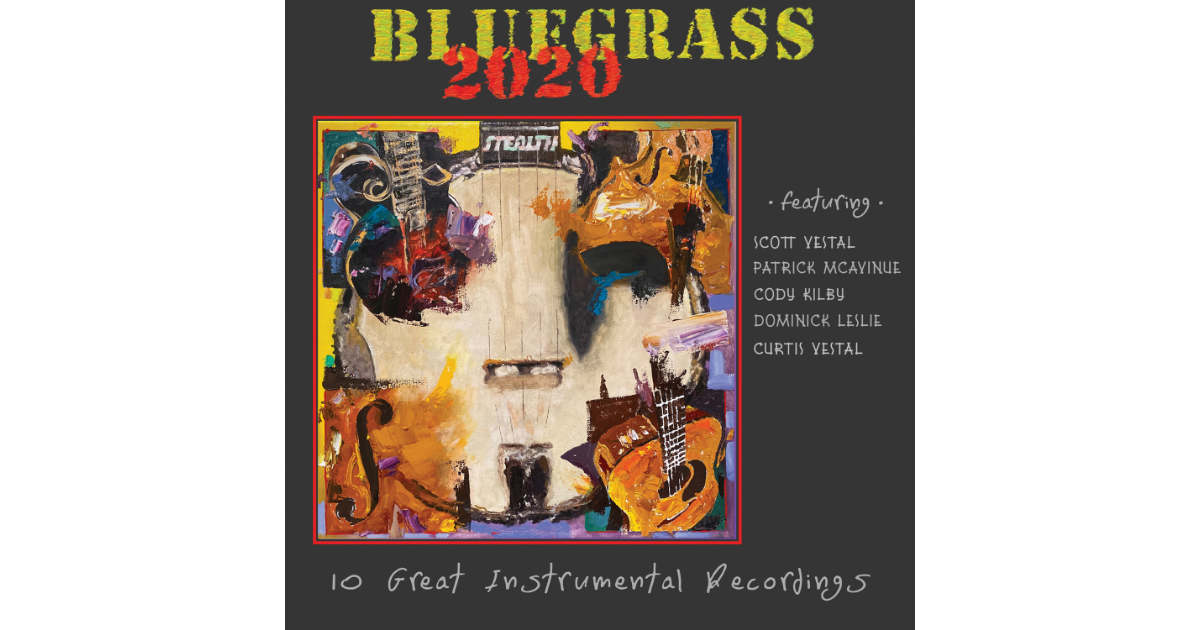
LISTEN: Bluegrass 2020, “Vanleer” (Feat. Scott Vestal, Patrick McAvinue, Cody Kilby, Dominick Leslie & Curtis Vestal)

Artist: Bluegrass 2020, featuring Scott Vestal, Patrick McAvinue, Cody Kilby, Dominick Leslie, and Curtis Vestal
Hometown: Greenbrier, Tennessee
Song: “Vanleer”
Album: Bluegrass 2020
Release Date: June 26, 2020
Label: Pinecastle Records

In Their Words: “I wrote this tune around 2004 and had totally forgotten about it until a few weeks before the Bluegrass 2020 session. The name is from the beautiful countryside of Vanleer, TN about an hour and a half west of Nashville where my wife, Alice, grew up. We were married there in the middle of Bear Creek on a gigantic rock. There are caves, creeks, plains, hills, and valleys. The tune has 5 parts with the various instruments weaving in and out of the melodies, much like the landscape of Vanleer.” — Scott Vestal, Bluegrass 2020


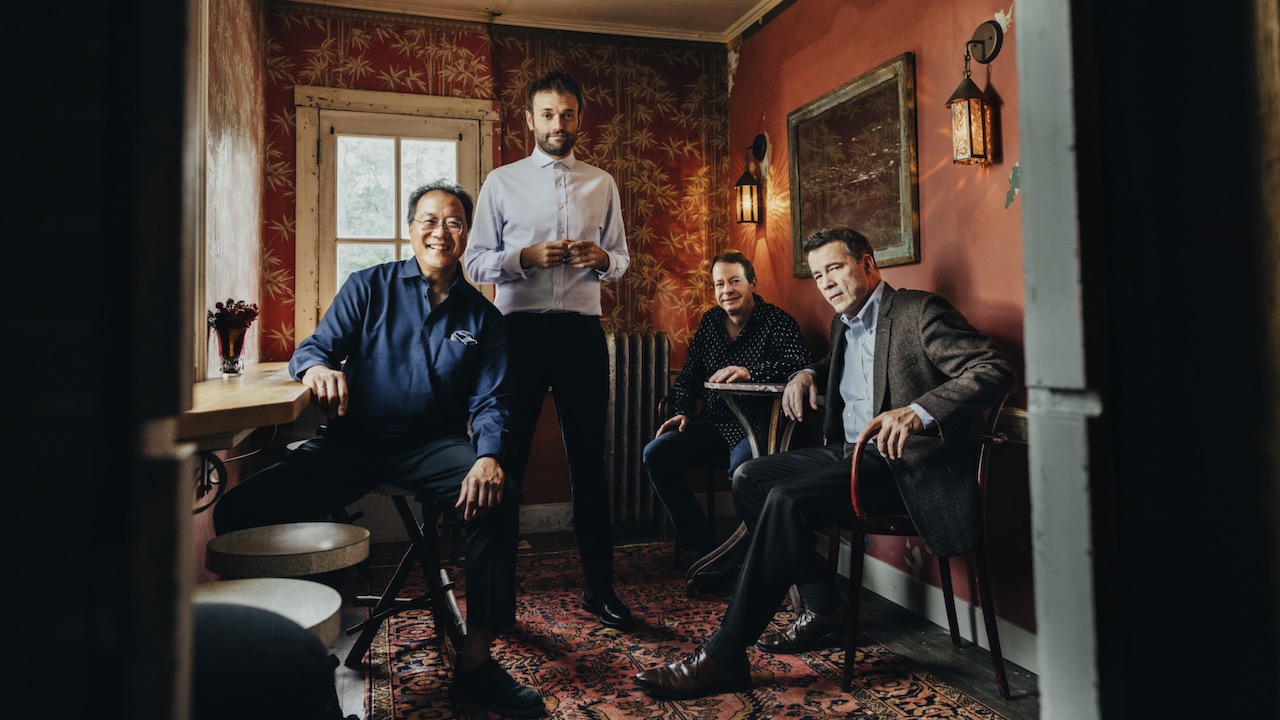
Not Our First Goat Rodeo, “Voila!”

Reader, I’ve been a musician my entire life, but I must admit I am decidedly green for a music writer. This fact is due in no small part to my young age and by a proper count, my years spent as “journalist” are fewer than a decade. At the end of 2019, as my colleagues were considering the past ten years’ worth of music in hindsight, I realized for me that period of time’s soundtrack was far foggier. To my present self, my memory seemed shockingly barren. The crux being, I suppose, that I hadn’t consumed much music then, and I wrestled with the intention of recalling albums that were significant — culturally or otherwise. 

Except one album, 2011’s The Goat Rodeo Sessions by Yo-Yo Ma, Stuart Duncan, Edgar Meyer, and Chris Thile (and guest Aoife O’Donovan). I had just moved to Nashville, and I remember making a special trip to the FYE in Midtown to buy the album on release day. Out of a decade’s worth of music, that record has rightly been considered among the best — even in my own pothole-filled memories. “Here and Heaven” remains one of Chris Thile and Aoife O’Donovan’s greatest creative feats, but alas, this is Tunesday Tuesday. And this is not 2011. 

Sorry to bring you back to our appalling present, but it’s 2020. And, as if this virtuosic quartet (plus O’Donovan) read all of our collective minds, remembering their album-of-the-decade… Voila! They’ve given us Not Our First Goat Rodeo. And on it, this gorgeous, lilting, Dickensian-folk string quartet, “Voila!” Yes, a string quartet, with Thile setting down the mandolin to play “twin” to Duncan.

For a sophomore album, of course this ensemble feels veteran. This is not their first time riding these goats in this arena. This outing feels more ornery, more confident, brash, and joyously off-kilter. Where these world-class musicians and improvisers have aged since 2011, like this writer, those years have clearly manifested themselves here through a musical wink and a smirk, rather than a frown. Which is reason enough Not Our First Goat Rodeo will probably still be with us ten years on, too.


Photo credit: Josh Goleman

BGS Long Reads of the Week // June 19

Summer approaches, the heat and humidity are here, at BGS South in Nashville the fireflies are alight every night, and it’s the perfect season for a porch swing reading session (if you can stand a little sweatin’).

The BGS archives will keep you stocked for just such an occasion! Each week, as we share our favorite longer, more in-depth articles, stories, and features to help you pass the time, we post our #longreadoftheday picks… yes, daily across our social media channels [on FacebookTwitter, and Instagram]. But of course, here’s the weekly round-up, too. Get your long reads wherever you like!

This week’s stories cast daylight, share wisdom, get toes tapping, revisit old memories, and much more.

Grace Potter Sets the Scene with Dramatic Daylight

An excellent long read for starting us out, with this one you’ll get a bit of fresh air and a whole lotta Daylight, Grace Potter’s most recent album, which was released last fall. Our interview explores the cinematic quality of the album, how Potter built her band post-Nocturnals, and little things too — like how bluegrass and southern California resonate within her. Grace Potter’s voice is commanding, on the stage or on the page. [Read the interview]


Hear Six of Our Favorite Instrumentals on IBMA’s Second-Round Ballot

We debuted Tunesday Tuesday in January 2018 for a pretty simple reason. Roots music has a world-class stable of talented pickers, and unlike other more commercial genres, that talent is something of a prerequisite — especially in bluegrass! This short list-formatted Tunesday is a perfect long read/listen, and even though the IBMA Awards’ second-round ballot is now closed, you may need to do some studying for the final ballot still to come this summer! [Get listening]


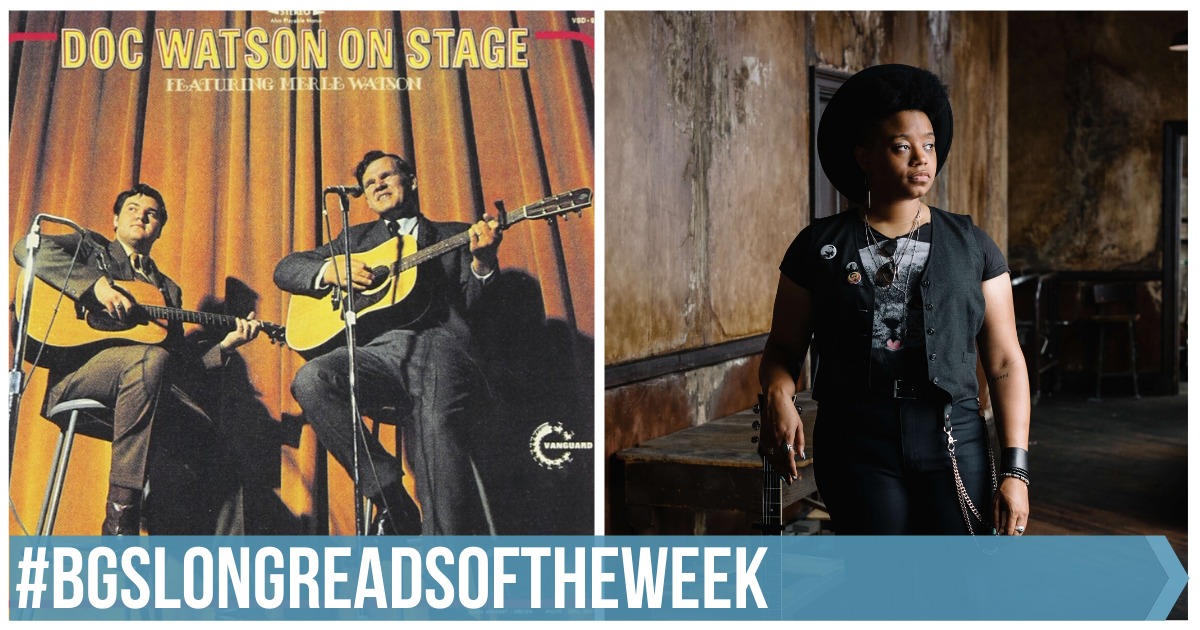
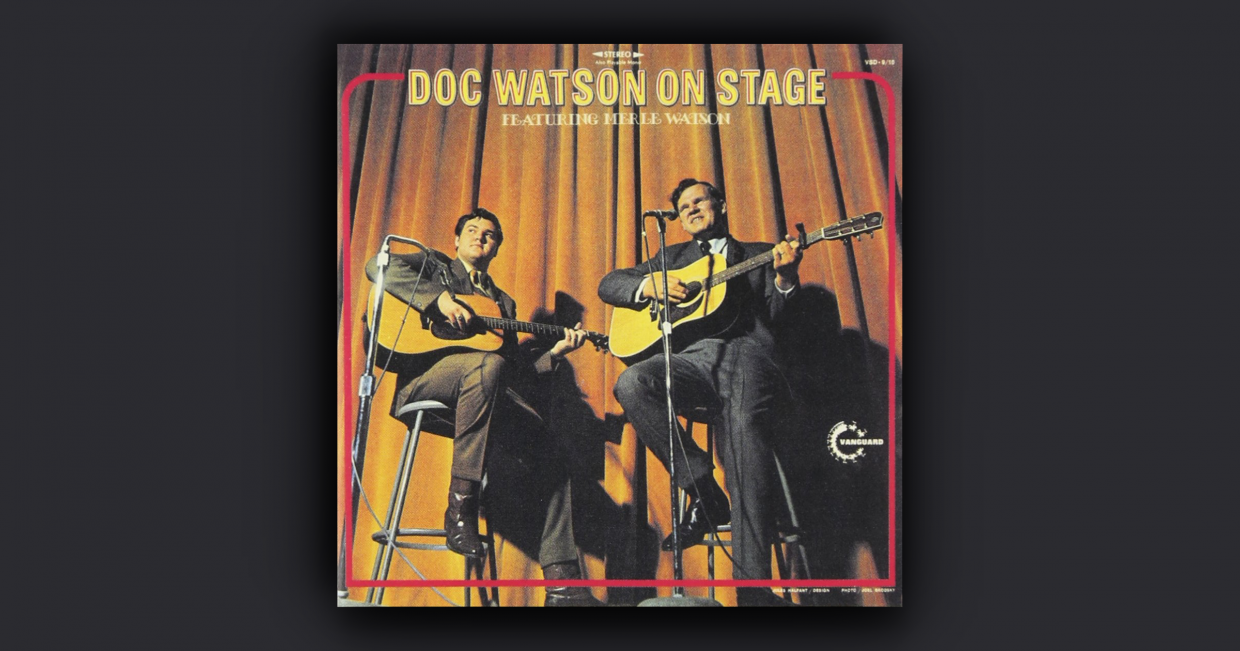
Doc Watson: Live Memories and Moments

Anyone who ever had the extreme good fortune of seeing Doc Watson perform live can easily recount their favorite moments remembered from his time on stage. Lucky for any of us who can’t get enough of those memories, Watson put so many of them down on recordings and live tapes. Stroll a bit back through the catalog of those live performances with BGS. [Read more]


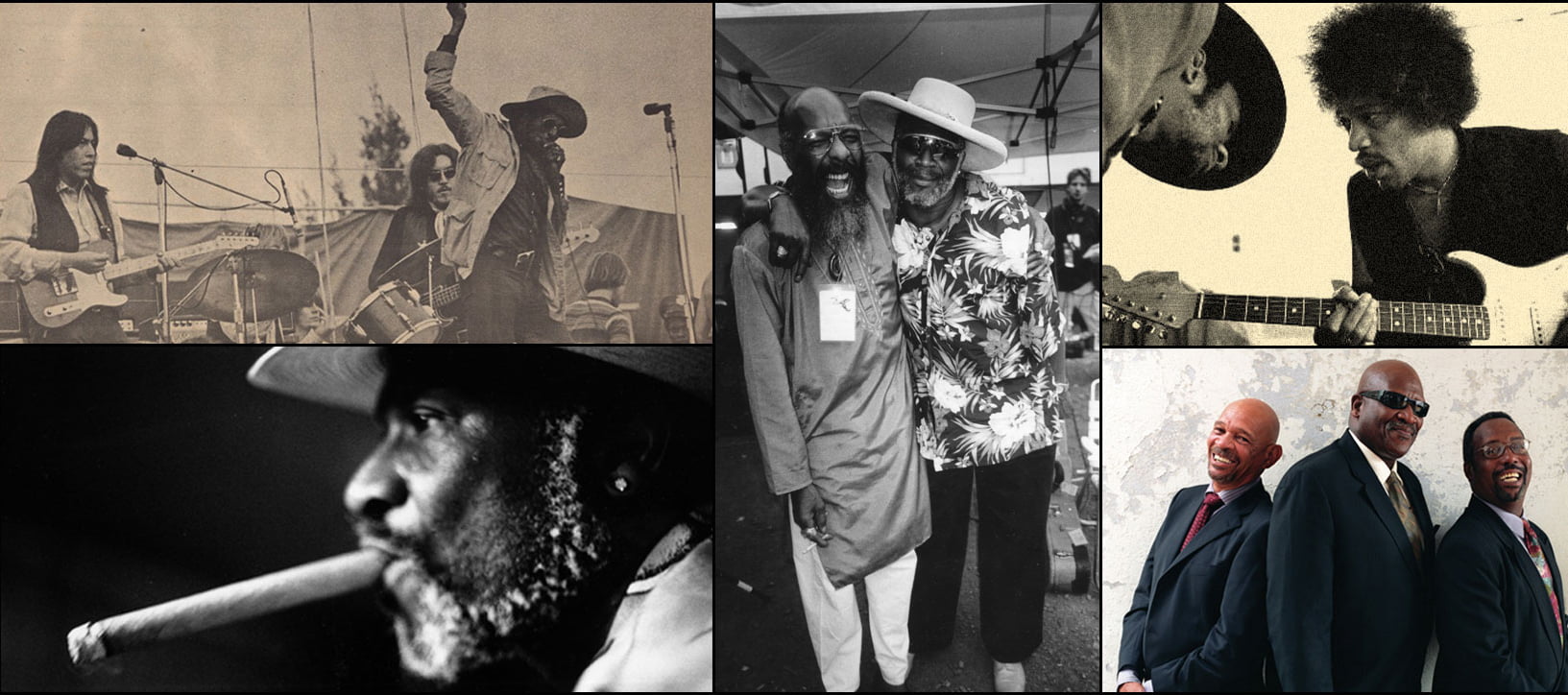
Counsel of Elders: Taj Mahal on Understanding the World

And he understands it! The wisdom and storytelling gifted to us by blues innovator and legend Taj Mahal in this 2016 interview is not only perfect for a long read pick, but it was perfect for a #ThrowbackThursday, too. The voices and perspectives of our elders are vital as we struggle for a more just future, and our musical elders have plenty of insight to pass on, as well. [Read the whole interview]


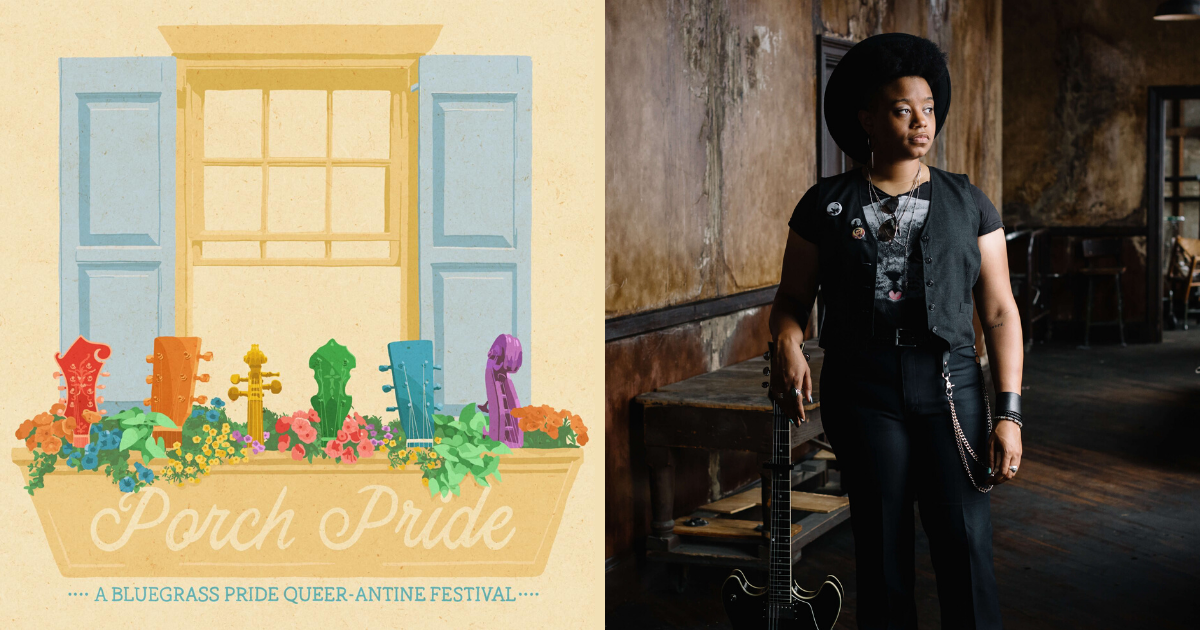
Bluegrass Pride Invites LGBTQ+ Roots Music Fans to Porch Pride Festival

In a little over a week our friends at Bluegrass Pride will hold their online Pride festival, Porch Pride, featuring performances by queer artists, musicians, and bands and their allies — such as Jake Blount, Tatiana Hargreaves, Cathy Fink & Marcy Marxer, and Molly Tuttle. In advance of the event, we spoke to Bluegrass Pride’s Executive Director, Kara Kundert, and artist Amythyst Kiah about Pride, roots music, and what to expect from the festival. [Read more]


Photo of Amythyst Kiah: Anna Hedges

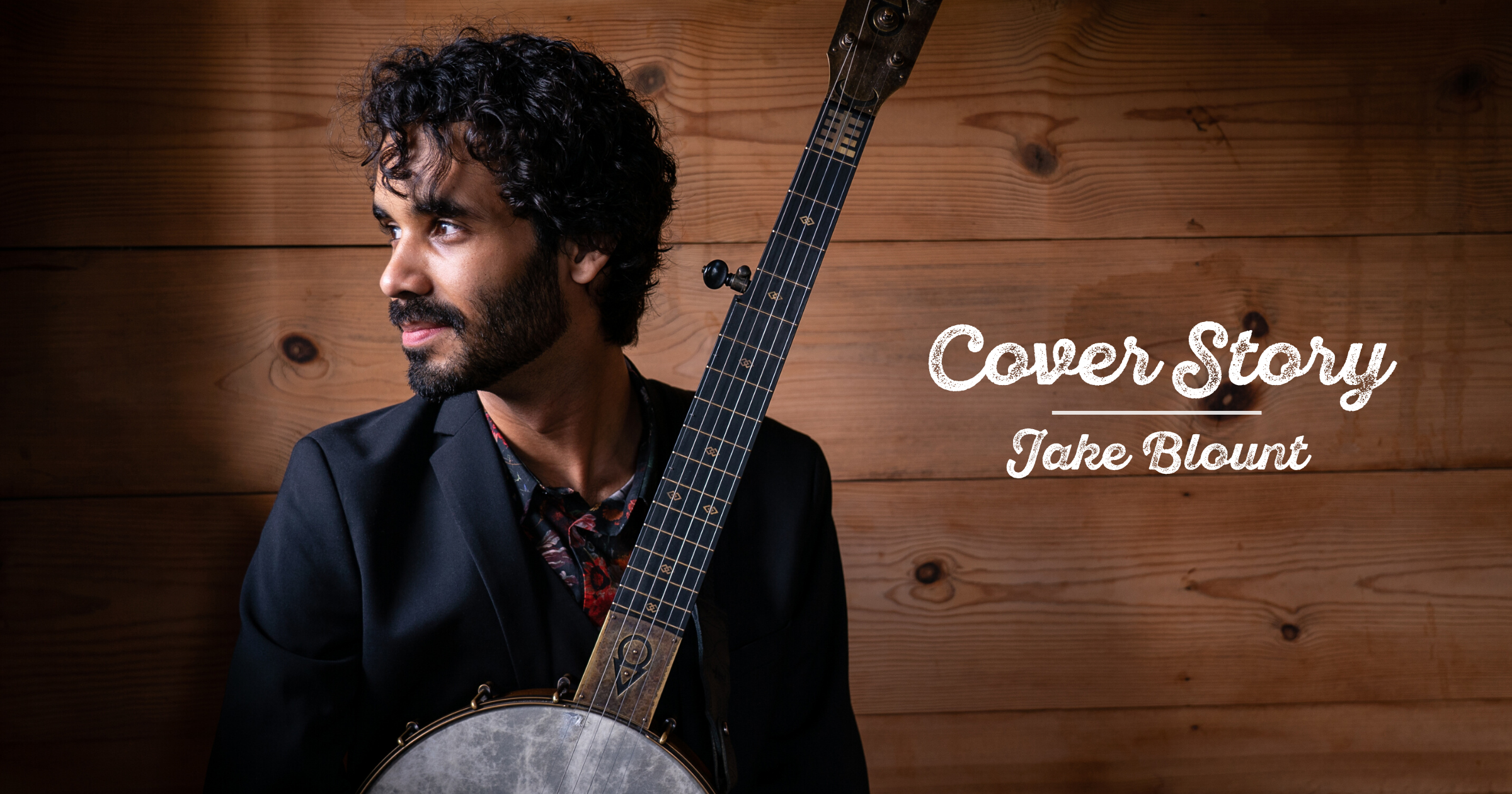
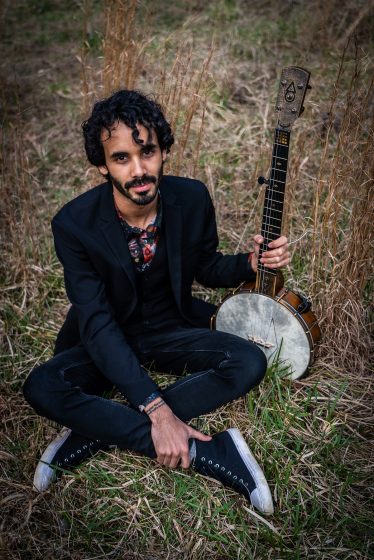
Jake Blount Looks Deeper into the Black Traditions of Old-Time Music

It is long known that Black artists in the twentieth century who spoke out against white supremacy often paid for it with their lives. As a Black man and a queer person, Jake Blount is intimately familiar with this history. In the liner notes of his new album Spider Tales, Blount predicts “escalating patterns of violence and ecological crises that threaten the survival of our species.” In the same breath he urges us to remember the ancestors who felt “the same grief, powerlessness, and fury” — and found a way to survive through wit and wisdom.

Spider Tales features a band of mostly queer artists, with Blount on banjo and fiddle. His tune and song choices introduce us to musicians long ignored. Familiar songs are reinterpreted, their fangs reinstated. Through this process, he takes us on a journey of rage, revolution and muffled voices made louder. We are the better for it.

BGS spoke with Blount, who grew up in Washington, D.C., but is now based in Rhode Island, about Spider Tales and his focus on the marginalized among us.

BGS: The title of Spider Tales is a nod to the trickster of Akan mythology, Anansi, who as you stated in your liner notes, weaponizes his wit and wisdom against oppressors more powerful than himself. And that’s what Black folks have had to do since the Middle Passage. Everything had to be subversive as a matter of survival. Can you speak about your process and musical choices in bringing that subversion to the forefront on this album?

Blount: For me the tricky part of bringing out these kinds of hidden meanings, and the mass significance of a lot of these songs, was that I had to pick songs that spoke in metaphors but put them together in a way that the metaphors became obvious. Finding a way to be loyal to the art form and not just be totally explicit with what was being said, but still make the message apparent to people, was really difficult.

I think a lot of that came down to how I framed things in the liner notes, but also the songs that I picked. Picking some things that were more familiar, some things that were not…some things that are more explicit and more direct and some things that are not. Being mindful of the track order helped tie things together and, I would hope, clarify the common thread between all the songs.

I want to ask you about your arrangement of “Where Did You Sleep Last Night” by Leadbelly. I hear this song a lot at jams. Some people refer to it as “In the Pines” and it’s often framed as being from one embittered lover to another. Your version of the song has this kind of bereft energy, almost frightening. What drew you to interpret this song in the way you did?

It’s partially an artifact of the fact that I first heard the song from hearing Kurt Cobain play it… I’m sure there’s some Nirvana energy lingering from middle school Jake in this recording. [Laughs] But even aside from that, when I listened to the Leadbelly version, I heard that song in a vacuum before I was ever involved in traditional music in any particular depth. I never really thought of it as a love song. It’s spoken, ostensibly, from one romantic partner to another sure, but it seems like it’s about disappearing and dying.

To me, you’re losing somebody — somebody is going away from you. That resonated because I grew up hearing stories from my dad about how there were people who just disappeared. I think we have this picture in our heads of racial violence in the south as lynchings; that of course did happen, but also there’s this other narrative of people just vanishing in the woods, and everyone would kind of have to assume what had happened.

I wound up connecting to that strongly because I came up during high school and college working with LGBTQ advocacy groups, volunteering my time and organizing with other youth. Doing that, you see a lot of people lose their homes, get kicked out of their houses, get incarcerated. You see a lot of people die. That song spoke to me on that level of “these are people who are just going away.” It reminds me of all the times that a friend would just drop off the map. A week or two later, you realize “Oh, I haven’t seen this person.” That kind of thing happened frequently when I was younger. It definitely still happens to people in that age group now, so that’s where my interpretation of the song comes out of.

This version of “Boll Weevil” is one of the best I’ve heard. I always knew it as coming from Tommy Jarrell, but I read in your liner notes that he learned the tune from a Black woman at a festival backstage. He never saw fit to credit her, which is why she’s still unnamed today. Reading that made me feel some type of way about the manner in which Black people — and Black women — have been forgotten by history, forgotten now. I wonder if it was a similar feeling for you. How did you deal with emotionally processing what you were learning while you were researching these tunes?

I think I’ve been so immersed in the ephemera of old-time fiddle music for long enough that it almost doesn’t surprise me anymore, which is sad, but Tommy Jarrell is someone who has a pattern of doing that. I feel like there are multiple older source musicians from that generation who would reference having learned from Black people but wouldn’t name them or wouldn’t give a complete name.

“Brown Skin Baby” is another tune like that on the album. Jabe Dillon learned it from an older Black fiddler and the only name he gave was Old Dennis. You can’t Google “Old Dennis.” There’s very specific information that oftentimes [white musicians] give with other white sources. But Black sources don’t get treated the same way.

Part of the reason I was so meticulous about the liner notes here is to avoid doing that a second time, because it still sometimes happens where people don’t credit the sources or sometimes don’t look up the sources. I’ll be the first to say that you don’t have to learn everything from a source recording — that’s not necessarily honest to the way the tradition has worked throughout history either. But I think it’s important to have a relationship with the musicians who cultivated the music we are now enjoying.

Yeah, I think especially with people like Cecil Sharpe and [John] Lomax, it’s like, Cecil Sharpe made his way through West Virginia. In his diaries he was so obsessed with this purity of old-time music, and white people, and actively refusing to record anyone else. It must have been such a sliver of what was going on at the time and of the knowledge that could have been passed down.

Exactly. Even like the later folks, there are folks who made a lot of recordings of Black people and were like “I need to find the Blackest music that I can so I’m going to go to prisons!” and it’s like, “You’re only really Black if you’re in jail for it.” [Laughs incredulously] That’s the mentality that carries through in that sort of scholarship and even today.

I always think it’s best to focus on the most marginalized among us and it’s really important that the working-class traditions be emphasized and accepted and made part of the canon. But I also think it’s really important for today’s Black people to know that there was prosperity in our communities going back that far. The Black middle class, which was ascendant at the time many of these first recordings were being made, never got examined by the folks making the recordings. It’s a tremendous loss to me because you would get to hear from people who were maybe articulating the experience of navigating how to become, in a capitalist sense, successful for a Black person in the late 1800s and early 1900s.

What would have been the songs about the Greenwood District in Tulsa? There are all of these really incredible things that happened and these really horrifying ways that white supremacists would crack down on Black people for attaining that level of success that are part of the story and ought to be told. Because we focused so narrowly for so long on Black musical traditions that were coming out of super rural country places, even though a lot of Black people had moved to the city by that time — I feel your pain that there is a great deal that is lost when we focus so narrowly on this thing that fulfills our stereotype notion of what we should be looking for.

I love the last song on the album, “Mad Mama’s Blues,” which comes from Josie Miles. That first line, “I want to set the world on fire,” is so great, the melody is flirtatious, but the lyrics are furious. Can you talk about why you chose that song as the album closer?

I feel like the album couldn’t have been timed better if we’d known about what was going to happen in Minneapolis. My whole mission with this album was to show people that this has been coming for hundreds of years. There’ve been warnings and people have been trying to speak on it and they haven’t been heard. I think putting [this song] as the closing note on the album felt perfect to me because it is very explicit in its emotional expression and what it gets across to the listener — but at the same time, it is masked in this jumpy upbeat, sort of silly presentation. It’s like the 1920s “Hey Ya!” [Both laugh] It’s like a bop, and you’re like “Yes Queen!” and then you’re like “Oh, he’s killing people.”

I think that’s a really valuable part of the Black musical tradition. To me it provides us an interesting lens to look back on the fiddle tunes. For so many people when they hear fiddle and banjo, they’re like “Oh this is a happy song! I’m going to start dancing now” and really there can be so much hidden inside of that.

People are sometimes more concerned with their expectations for what a piece of music is going to be than what it actually is. Putting this song at the close is saying: “Your musical assumptions about the content here would not be correct.” You then have to go back and examine the other [songs] with the idea in mind that perhaps you need to look more deeply than you otherwise might in order to understand what’s being said.


Editor’s Note: Blount will be featured in the Bluegrass Situation Presents: A St. Patrick’s Day Festival at New York’s New Irish Arts Center, participating in an opening night jam session with clawhammer banjoist Allison de Groot, fiddler Tatiana Hargreaves, and traditional dancer Nic Gareiss on March 17 as well as a headlining performance with Gareiss on March 18.

All photos: Michelle Lotker
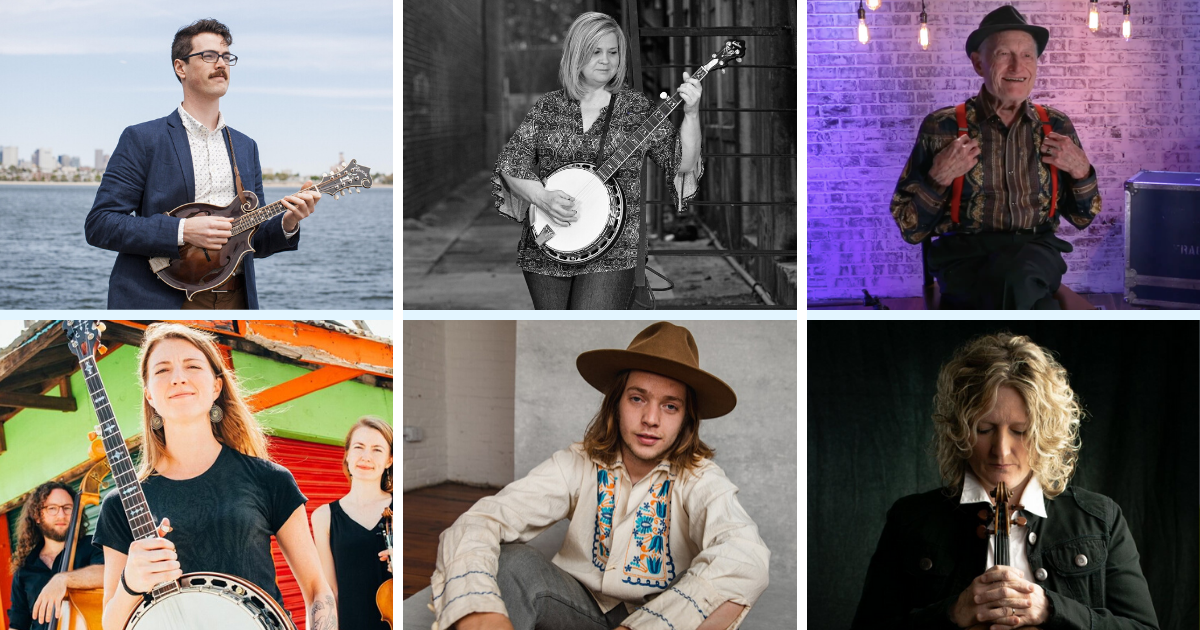
Hear Six of Our Favorite Instrumentals on IBMA’s Second-Round Ballot

We debuted Tunesday Tuesday in January 2018 for a pretty simple reason. Roots music has a world-class stable of talented pickers, and unlike other more commercial genres, that talent is something of a prerequisite. Whether blues or bluegrass or country or folk, there’s something about American roots music that goes hand in hand with virtuosic playing ability. It’s one of the main reasons BGS loves string band music. 

The 20 tunes that advanced to this year’s second-round IBMA ballot in the Instrumental Recording of the Year category showcase a wide range of the talent that draws us to instrumentals, so why not go through a half-dozen of our favorites? Some of these folks have been featured in their own Tunesday Tuesday before, some are newcomers, but two things unite all of them: You’ll be tapping a toe and looking up whether your IBMA membership has lapsed or not after listening to any of the following instrumentals. 

“Bish Bash Bosh” – David Benedict

An outlier in this category for more than one reason, mandolinist David Benedict’s “Bish Bash Bosh” is a breath of fresh air thanks to its tender intro, its languid tempo, and the musical wiggle room afforded to the track by each. Fiddler Mike Barnett and IBMA Award-winning veterans Missy Raines (bass) and David Grier (guitar) are each sensitive, empathetic sounding boards for Benedict’s themes, unspooling and embellishing them expertly. More tender-yet-gritty instrumentals in this category going forward, please!


“Big Country” – Gena Britt

Can’t get much more bluegrass than a tune like “Big Country” and Gena Britt’s right hand! The Sister Sadie banjo player’s solo album, Chronicle: Friends and Music, showcases not only her spotlessly crisp, bread-and-butter approach to Scruggs-style banjo, but her singing voice and her sparkly group of musical friends, too. It’s refreshing to hear banjo playing that’s truly unconcerned with ego, while remaining happily in a pretty much traditional lane. If it ain’t broke, after all… 


“Princess and the Pea” – The Gina Furtado Project

Two incredible, banjo-playing Ginas/Genas back to back! Gina Furtado’s debut record with her band, the Gina Furtado Project, features this delightfully medieval, fairy tale tune with a more-joyful-than-most minor-key motif. Furtado reminds all of us that her playing contains many more influences than we often assume, with subtle call backs to Tony Rice and John Carlini-tinged eras in bluegrass’s new acoustic circles. Even the tune’s production guides listeners’ ears in this direction. It’s another excellent sonic “ear break” on the ballot.


“Soldier’s Joy” – Jesse McReynolds (Feat. Michael Cleveland)

A Bluegrass Hall of Fame inductee and the oldest living member of the Grand Ole Opry, Jesse McReynolds epitomizes what it means to be a bluegrass legend and forebear — and he’s still picking. On a recording with umpteen-time IBMA Award-winning fiddler Michael Cleveland, McReynolds shows his audience exactly why he deserves every accolade he’s received and more. Given his age (McReynolds will turn 91 this year) and inevitable decline in mobility and dexterity, you’d expect a gracious caveat herein to allow for the recordings “warts” and “raw moments,” but damn if his playing isn’t as clean as ever! An award-winning, award-deserving mandolinist, no doubt.


“Chickens in the House” – Deanie Richardson

That fiddler, educator, and multi-instrumentalist Deanie Richardson does not have an IBMA Award unto herself yet is a true injustice. Also a member of Sister Sadie with Gena Britt, Richardson has been a lifelong presence in bluegrass and fiddle contest scenes around the US, and has toured with Vince Gill, Patty Loveless, Bob Seger, and been house fiddler on the Grand Ole Opry. “Chickens in the House” features some timeless fiddling chicken imitations, as well as a languid backstep feel that clicks up a few BPM as the band goes, so watch your feet should they get to shufflin’ without your say-so.


“Guitar Peace” – Billy Strings

Until snagging his first proper IBMA Awards just last year for Best New Artist and Guitar Player of the Year, flatpicking phenomenon Billy Strings has gone generally underappreciated by voting members. His crowds, his shows, and his fans are extraordinary in bluegrass, jamgrass, and similar communities – the roots music sphere continues to watch his ascent with something like a slack jaw. Though it’s unlikely he’ll dominate this year’s IBMA Awards, this trance, solo acoustic guitar track, “Guitar Peace,” which features a calming, buzzing drone and plenty of Strings’ trademark six-string acrobatics, deserves the nod. 


Photo credits: David Benedict by Louise Bichan; Gena Britt courtesy of the artist; Gina Furtado Project by Sandlin Gaither; Jesse McReynolds still; Deanie Richardson by Kerrie Richardson; Billy Strings by Shane Timm. 

MIXTAPE: High Fidelity’s Traveling Music

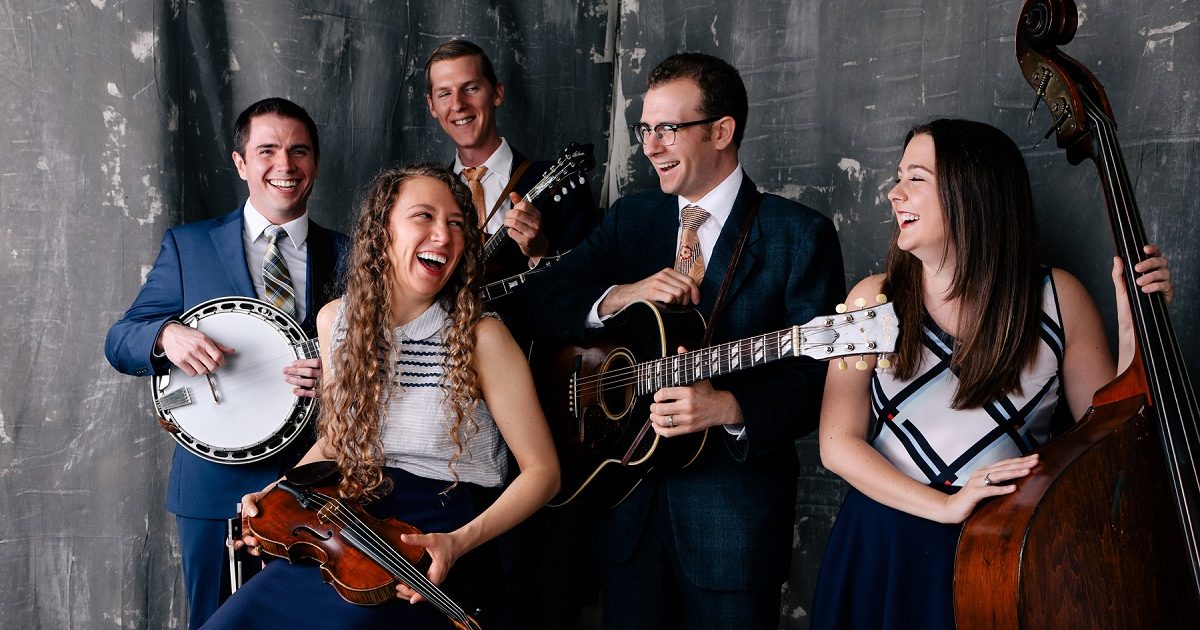
While High Fidelity is known for representing a specific niche in the bluegrass music landscape from the 1950s and early ‘60s, each member brings a diverse palate of musical tastes and styles. This playlist is a fine example of some of the diverse listening one might hear on our travels. Some of us remember making mixtapes of our favorite songs and tunes in the days of the cassette. Well, our van still has a cassette player in it! I hope you’ll enjoy listening to some of the music that inspires us, and maybe I should run off a tape of this for our next trip! — Jeremy Stephens, High Fidelity

Flatt & Scruggs – “Earl’s Breakdown”

This is probably the first song that really lit a fire under me to love and play bluegrass music. I first heard it on a red 8-track tape. I was absolutely drawn to Earl’s banjo playing and the famous section of the song where he tunes the second string down a whole step and then brings it right back up. Honestly though, the part of the tune that tore me up and still tears me up is Everett Lilly’s mandolin break. When I first heard that break, I thought it was the most incredible thing ever. Still is the best 15 seconds of mandolin playing on record. — Kurt Stephenson

Don Reno – “Coffee Cup”

I love “Coffee Cup,” because it showcases Don Reno’s banjo playing and creativity to the max. Though Reno didn’t write the song, he had a masterful arrangement of it. I believe it demonstrates nearly every signature technique that is unique to Don Reno. Each solo (they’re all banjo solos) is an adventure, and a fun one at that! — KS

Lonesome River Band – “Say I Do”

I always credit Lonesome River Band with sparking my interest in contemporary bluegrass sounds. My first LRB album was One Step Forward and my favorite song on the album is “Say I Do.” I love the groove, the harmonies, the chord structure, and especially the musical groove. Kenny Smith plays an incredible and beautiful guitar solo, which is followed by a banjo solo from Sammy Shelor. That particular banjo solo taught me so much about dynamics; especially in regards to coming out of a solo and leading in to the vocal. — KS

Reno & Smiley – “Country Boy Rock ‘N Roll”

I’m a country boy and I like to rock and roll, so this song fits. I remember picking up the album that included this song at a flea market when I was about 12 or 13, and it was my very first introduction to Reno & Smiley. — Daniel Amick

Tim O’Brien – “Wind”

I like this song because it’s a good song. It speaks to my soul. We have wind at my house. — DA

Punch Brothers – “Boll Weevil”

As a farmer sometimes I deal with crop failure, bugs, and drought. The goal is of course to problem solve and see beyond the failures to the success just on the other side, but seeing this as a story from the bug’s perspective is pretty interesting. — DA

Jim & Jesse – “Did You Ever Go Sailing”

The In the Tradition album by Jim & Jesse is the first album I remember consciously listening to, the first instance I remember understanding what an album was and what it meant to be an artist. When I would go to 3-year-old preschool, I listened to this on cassette continually and just wore the tape out. My first favorite song was this one. I still love everything about that album and this song! Glen Duncan’s fiddling, Allen Shelton’s banjo playing, and of course Jesse’s mandolin playing are just the cream of the crop, with the added bonus of Roy Huskey Jr. on upright bass. Jim is featured here singing lead on the verses and jumping to harmony on the choruses, making for an all-around awesome arrangement! — Corrina Rose Logston

Red Smiley & the Bluegrass Cut-Ups – “It’s Raining Here This Morning”

Tater Tate’s fiddling has been a huge influence on me, and it’s something I go back to over and over again for inspiration. This particular cut features Tater front and center just wearing it out! I love a song in the key of F like this, and this cut is just exceptional. Red Smiley’s flawless lead singing is like golden drops of honey. Billy Edwards’s playing out of open F on the banjo is the epitome of my happy place. It just doesn’t get much better than this for me! — CRL

Sarah Siskind – “Lone Tree”

It might surprise fans of High Fidelity that most of my “newer” music listening is outside the realm of traditional bluegrass. In fact, outside of the High Fidelity setting, my own solo artistry and songwriting is like a musical amalgam drawn from many diverse sources throughout my life. I love Sarah Siskind’s artistry and draw so much inspiration from her music. It’s hard to pick favorites but this particular song is pretty high up on the list for me! And, fun fact, Jeremy Stephens was staying with Sarah’s mom and dad the year that Jeremy and I met each other at SPBGMA in 2009! — CRL

Homer & Jethro – “Tennessee, Tennessee”

I knew I wanted to include a Homer & Jethro number, but I didn’t know just which one. I’ve always admired their ability to integrate belly laugh-inducing lyrics to some serious mandolin precision. “Tennessee, Tennessee” is one that I’ve always wanted me and Corrina to cover. That last verse makes me lol every time. — Vickie Vaughn

Tim O’Brien & Darrell Scott – “Walk Beside Me”

This is the opening song to my desert island record. I just need one and this record, Real Time, is IT. That GROOVE, though. I’ve listened to this song at least a hundred times and the repeating mandolin hook paired with the mandola toward the end of it makes me feel like I. CAN. DO. ANYTHING. Thanks for that confidence, Tim & Darrell. — VV

Jim Oblon (with Larry Goldings & Jim Keltner) – “Copperhead”

I’ve known Jim for a while. I met him here in Nashville before I even knew what he was musically capable of. Friends later told me that he was Paul Simon’s drummer. Now we’re old friends and I try to be cool when I see him now and again at the gym and I try to refrain from nerding out over yet another musical discovery I had while listening to his records. Get a load of this RIFF on “Copperhead.” Not showcased on this recording is Jim’s incredible vocal prowess. Make sure you take time to find a song of his to hear that. You’re welcome. — VV

Kilby Snow – “Close By”

I’ve loved the autoharp since my Mamaw got me one for my sixth birthday from the secondhand store she worked at. I didn’t start playing it seriously until I saw my banjo mentor, Troy Brammer, playing autoharp when I was in my early teens. I’ve gone quite a few years without playing it seriously, but since we’ve all been shut in at home, I’ve been playing autoharp almost exclusively around the house for a couple months now. My favorite of all the autoharp players is Kilby Snow from Grayson County, Virginia. He played autoharp left-handed upside down, and did these open-bar “drag” notes to make it sound like the roll on a five-string banjo. This is a great Bill Monroe number played by Kilby on the harp, and it’s one I’ve found myself playing quite a bit lately. I learned to play his style right handed from his son Jim when I visited him in Oxford, Pennsylvania, in 2006. — JS

United Sacred Harp Convention – “Sherburne 186”

I first heard sacred harp shape-note singing on a 78 RPM record at Kinney Rorrer’s home. Kinney is a serious record collector and has been a mentor to me in the history of old time music. After first hearing the singing on that 78, I was hooked, and I couldn’t get enough of Sacred Harp. I learned to read and sing the shape notes and listened to many recordings of Sacred Harp conventions. Of all my listening, this recording of this tune has stood out to me, and I wanted to include it here. Hope y’all like it! — JS

Reno & Smiley and the Tennessee Cut-Ups – “Mountain Church”

There is no set of recordings that I have returned to over and over for more than 20 years, except for Reno & Smiley’s 1953 and early 1954 recordings. The tone, feel, playing, and singing of these 24 sides sum up everything that I really love about Reno & Smiley’s corner of bluegrass music. This era of their work has greatly informed what I bring to the table stylistically with High Fidelity. “Mountain Church” is one of my favorites of Reno & Smiley and we perform it occasionally in High Fidelity. — JS


Photo credit: Amy Richmond