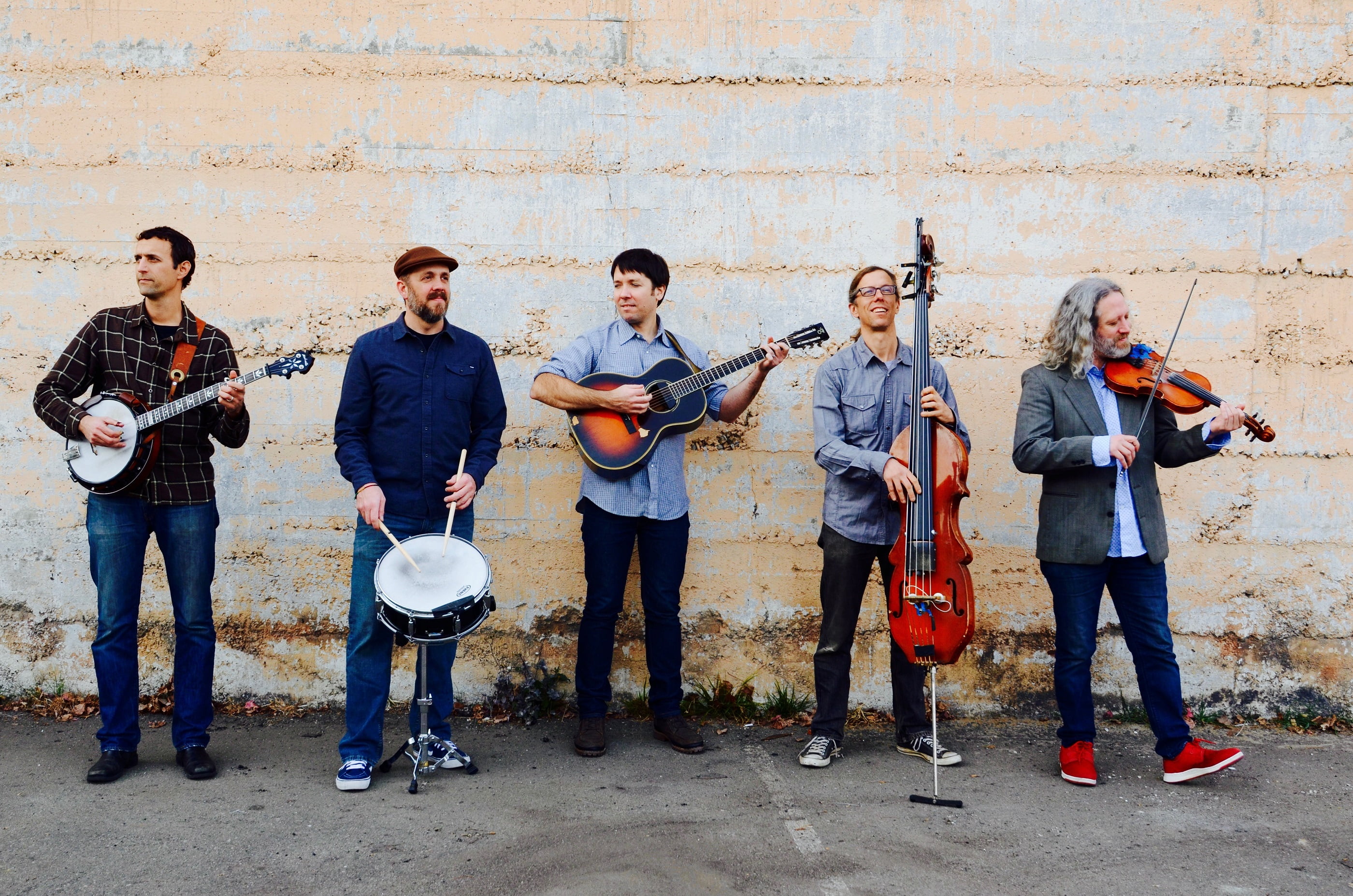
Punch Brothers, “Three Dots and a Dash”

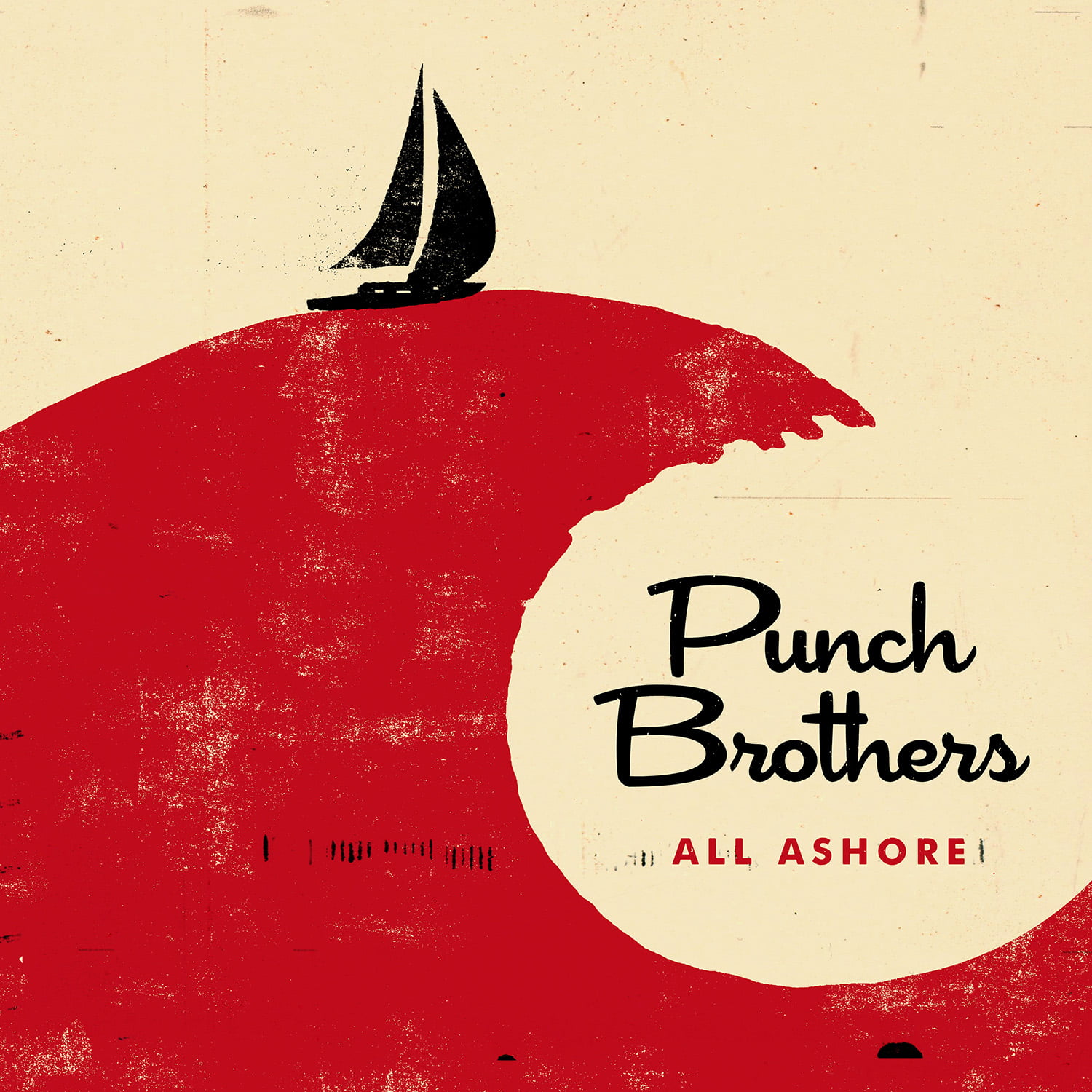
The Punch Brothers begin “Three Dots and a Dash” with their best impression of the blips of a telegraph wire — or perhaps the bouncy, cyclical polyrhythms that we most associate with the soundtracks of news programs on TV and the radio — but this low-hanging, tangible thread of metaphor and text painting quickly falls away, enshrouded and enveloped by much more complicated beauty. The Punch Brothers embrace the befuddling, confounding, sometimes overwrought detail and musical acrobatics in their composing and arranging like a magician would, painstakingly poring over every last detail of their magnum opus illusion, leaning into the unwieldy and counterintuitive, knowing that these are the most compelling and awe-inspiring moments.

“Three Dots and a Dash” anchors these more lofty components with the pulsing, beating, metronomic undercurrent. That approach keeps the entire song bound together while myriad melodic narratives may pull listeners down one of so many theatrical, cinematic rabbit holes. So, when it dawns on a listener that “Three Dots and a Dash” also references a traditional, Tiki-style cocktail — a nod to the album’s title, All Ashore, as well as an homage to the band’s love of beach-ready libations and leis being a fundamental accessory in their current stage wear — that syncopated urgency brings their ears back to the core. And then, when it’s realized that in Morse code, three dots and a dash designate the letter V, which often stands as an abbreviation for “victory,” we realize two things: first, that once again, there is never just one take away from the beautiful, complicated, string band-centered art that the Punch Brothers execute on a higher level than almost anyone else operating within similar aesthetics, today; and secondly, that complex music is not inextricably bogged down by its own intricacies, when victorious, it can be intensified, deepened, and enriched by them.

A Radical Woman: A Conversation With Lindsay Lou

Lindsay Lou had some reservations about the cover of her new album, Southland, her first not to bear the name of her backing band the Flatbellys. That much is understandable, as the photo depicts the singer/songwriter/guitarist perched on a rock in the woods, nude except for a hat and her long hair.

“We woke up at 3 a.m. and snuck into Cummins Falls State Park, just outside of Nashville,” she explains. “There’s this beautiful waterfall that draws people from all over the area, people from different political backgrounds and religious backgrounds, all sharing in this common, unifying experience of submerging into nature, cooling down in the river. Everybody takes their clothes off to swim—not to the degree that I did, but what’s the difference?”

The photo stuck with her—partly because she liked how it conveyed both strength and vulnerability, or perhaps strength through vulnerability. “The thing I love about that image is the light of the sunrise coming over the waterfall and lighting up the mist. I like seeing myself as part of that beauty, as part of something much larger than myself.” But there is still a stigma attached to the nude female body, despite it being 2018 and all. So she called up her grandmother and asked her advice. “She said, if you’re not being radical, it’s a wasted life. Don’t shy away from it, because that’s what the world needs. Love is radical.”

Nancy Timbrook ought to know. Lindsay Lou says, “In 1969, after dropping out of high school to get married, she decided she wanted to be a teacher. She got her GED and went to college, all while raising eight children.” Taking a job at a school in Detroit, she heard her students routinely dropping the f-bomb, but rather than scold them, she turned it into a lesson, even writing FUCK in big letters on the chalkboard. She spent the night in jail; later, she was the subject of a Time magazine article called “Obscenity: The English Lesson.” Grandma Timbrook remains one of Lindsay Lou’s greatest influences, musical or otherwise.

“She’s a radical woman.”

That’s what Lindsay Lou aspires to on Southland: radical in every sense of the term. The album chronicles a period of great change in her life, not just the move from Michigan to Nashville and all the mixed emotions of leaving home, but an even more remarkable change in her music. Building off the bluegrass-stained acoustic pop of 2015’s Ionia, Southland is her boldest album, her most daring, with clever interpolations of pensive folk, spry rock, twangy country, high-flying jazz, old-school R&B, swampy southern soul, even a little bit of punk. Her confident synthesis of so many different styles and sounds may be the most radical aspect of Southland.

Lindsay Lou spoke with the Bluegrass Situation from her front porch in Nashville, where she occasionally jams with her neighbors (which is all the more fun when Billy Strings live across the street). “It’s elevating to be surrounded by so many people you admire and just to be part of what’s happening in the scene. Moving here felt like coming home even though we had never lived her before.”

You’re home again after a long tour of Europe and Australia.

We did a month in the UK, and then we did our first tour of Australia for another month. That was nice. I got to spend my birthday on the northern beaches in Sydney. What I found was that they’re really happy you’re there and really eager to hear you play, and I think the kind of music we play demands a certain degree of listening. We played this outdoor festival in Dorset, in southern England, and we played to this huge crowd of mostly young people. I was really floored by how everyone was engaged and listening to us, even though they were all drinking and partying. Once we started playing, they were all really engaged. And that is encouraging.

Was that the first time you’ve played some of these songs, or did you have a chance to work these songs out before recording the new album?

Even though we just released it, this album will be two years old in November. We made it and then we thought, “Let’s hang on to this and see if we can put together a proper team to release it.” I don’t know if I’ll ever do that again. The way the music industry works now, I think it’s best to release things right after you make them, when they’re fresh and they’re still real to you. So we played these songs for a year onstage before we ever released the record. But now I’ve already got a new batch of songs.

You could pull a Kanye and create the album cover on the way to the release party.

That’s basically how we did Ionia. We recorded it in October 2014 and we had it in hand for a Germany tour by November. It was a crazy feat, but it pays homage to that moment and to the realness of the music you’ve created. That’s the way to do it. But talk to me when we start the next one and maybe I’ll have a different opinion.

Southland seems to map out a period of great change. Does that protracted release schedule change your perspective on these songs?

Totally. My relationship with my songs is always changing. I find myself singing songs that I wrote years ago and feeling like, Man, this was such a truth to me at the time and now it means something completely different. But a record is a record of time. I love that when you listen to a song that you’ve been listening to since you were 10 years old, and all of a sudden you hear the lyrics for the first time. Whatever is happening in your life, your experiences—everything gives those lyrics a new context and a new meaning. I think of a song as a baby. When I write a song, it’s like, Oh, I have a new baby. And then I get to see that baby grow up and take in influence from all of the people who were part of its upbringing. It’s exciting to see a song take for from other people who aren’t me.

The title track on the new album, “Southland,” for example. We made the record in eight days in Maine with Sam Kassirer, but we felt like it needed one more track. I sent a handful of new songs to Sam, and we whittled it down to that one, “Southland.” I went back to Maine by myself and I recorded that song. I played electric bass, acoustic guitar, electric guitar, and sang lead and all of the harmonies. That track is just a bunch of me on top of myself, like those early Joni Mitchell recordings where she’s singing all her own harmonies. But I can’t do it live. The band breathed their own life into the song, so it takes a new form.

And the band continues to change, which means the songs continue to evolve.

The band has been evolving since the beginning. What happened was, the Flatbellys was this cool, traditional bluegrass band of young college kids that I met and ended up marrying one of them. Josh [Rilko], who I married, is the only original Flatbelly left in the band. When we made that first record, it made sense to tour as Lindsay Lou and the Flatbellys, since we thought people already knew who they were. So when we were getting ready to put Southland out, we didn’t feel like that name was reflecting us anymore. We were going through another lineup shift and going out into some new territory. We couldn’t think of a better name, so we just dropped Flatbellys.

It’s not a complete change, and I’m not sure it was the right time to make that change. It might have ended up causing confusion for people, because people were coming up to me asking if I’d hired a new band. Josh got a haircut and PJ doesn’t have his beard anymore, so I guess it looked like I was with a whole new group of people. And we’ve added a drummer to our live performances, which is a huge change. But the music is what it is no matter what you call it.

But the music on Southland sounds very different from anything else you’ve done. Especially with music that might be described as traditional or acoustic, is there a risk in branching out that way? Is there a chance you might alienate a portion of your audience?

I think there definitely is. But as an artist you have to do what feels like your own truth. If it doesn’t feel like honesty, if it doesn’t feel like the art that you want to create for yourself, then it’s not going to have the elements of truth that art has to have. If you’re making it only to keep certain people in your audience, then it’s going to have a certain sense of falsity to it. But I’ve been on the other side that. I listened to a lot of punk rock when I was a kid, and I always hated when a band would start to sound more polished. It’s like they’re selling out because I love what they were and I don’t love what they’re becoming. But I’ve discovered as an artist, I have to put that aside. I have to do what feels right to me.

I was just talking to Andy Falco from the Infamous Stringdusters, and he was going on about how all of us are just trying to create art that we’re proud of. That’s what we’re all working toward. I find myself listening to a lot of my peers, like the Wood Brothers and Greensky Bluegrass and Billy Strings and the Stray Birds. When I listen to their music, I feel like I’m listening to right now. I’m listening to the world through their eyes. And that’s what I’m trying to do—create something that sounds like the world I’m living in.

I don’t think you could find a more compelling or complex subject than that, especially at this particular moment in history.

I don’t want to shy away from the ugliness. It’s a part of the truth, we’re all experiencing it, so there’s desperation and there is sadness and loss and it’s all in there right alongside the beauty and the positivity. I think on this record more than any other record I’ve embraced that sadness and instead of running away from it. In my youth I wanted to sugarcoat everything. I wanted to put a positive spin on everything. It felt like that was how you make it through a tough time: You just have to be super positive about it. But as I’ve come into myself as an adult, I’ve found that you can’t run away from it.

That reminds me of the line in “Go There Alone,” the one that goes, “All we are is blind, but if we can hear the music, we’ll be alright.”

That was a cool songwriting experience writing that song. It carries a lot of weight for me as an artist. I wrote half of it, and when I got together with the guys for a musical retreat—which we do periodically—I played them as much of that song as I had. I told them that when I stop, just say the first things that come to your mind. They did that, giving me some good words and phrases to play with. When everybody else went to bed, I stayed up all night putting it all together. That was where that line came from. And I believe that’s true. Music is a way of moving forward, but also a ways of creating beauty in the face of all the roadblocks we run into. It illuminates our blind spots. Creating beauty is a radical exercise.

Don’t miss Lindsay Lou on the Bluegrass Situation Stage at Bourbon & Beyond, held Sept. 22-23 in Louisville, Kentucky.


Photo credit: Scott Simontacchi

BGS 5+5: AHI

Artist: AHI (pronounced “Eye”)
Hometown: Brampton, Canada
Latest album: In Our Time
Personal nicknames (or rejected band names): Alleycat

Which artist has influenced you the most … and how?

Bob Marley has by far been my greatest influence. Coming from a Caribbean background (Jamaican/Trinidadian) there’s an obvious cultural connection, but for me it goes a little deeper than just music. I don’t sound like Bob, and I don’t try to, but there was a time in my life when I felt no music was satisfying in the way Bob Marley and the Wailers made me feel, so I decided that if it didn’t exist then I would create it. Bob Marley for me is like a messenger of good and an uplifting revolutionary.

What was the first moment that you knew you wanted to be a musician?

Music is something I’ve always enjoyed and I’ve wanted to be a musician as far back as I can remember. But there really weren’t any musicians in my family so becoming a musician wasn’t really an option in my house. I come from a family of educators and I was probably going to end up being a teacher or professor myself. Writing was a big part of my childhood and my teen years so I naturally gravitated to poetry and rapping, but nothing musical other than my off-key belting as I ran through the hallways of my school.

It wasn’t until my early 20s that I decided to really focus on singing and learning how to play the guitar. Then came the moment I truly knew I was going to be a musician, while I was backpacking across Ontario and I met a kind stranger just outside of Thunder Bay who helped me realign my life and purpose. But even then I really didn’t decide to make music a serious profession until my first child turned 1, about 8 years ago. That first year of fatherhood put a lot into perspective for me, and it gave me the drive to establish myself as a credible artist.

What’s the toughest time you ever had writing a song?

I try to stay away from tough songs to write. Any song that has been really tough to write was probably scrapped and will never see the light of day. I don’t think writing a song should be a tough process; if it’s not flowing or you don’t feel like you’re making progress, then put it down.

However, of all the songs that have landed on any of my projects, I will say that “Just Pray” may have gone through the most revision. A lot of folks are going to assume the song is autobiographical, but I much rather say it’s “autobio-fictional.” I spent a lot of time with the lyrics on that one because I really wanted to draw on as much of my life as possible, so that I could sing it with a conviction and passion, but I didn’t want it to become a verbatim retelling of my childhood. So finding the right balance took a lot of edits and rewrites.

If you had to write a mission statement for your career, what would it be?

My career mission statement would be “When you’re walking in your purpose, the Heavens bow down to honour your footsteps.” My music career is very closely attached to my faith, values and lifestyle. A great part of my life has been focused on uncovering my purpose and that comes out in my music. What I’ve learned is that when you are working towards your goals and you’re really zoned in on your purpose, people will feel that energy coming off you and they’ll want to help you accomplish more. The coolest look in the world is when you see someone who you know is doing what they are meant to do.

How often do you hide behind a character in a song or use “you” when it’s actually “me”?

I hope I never feel like I have to hide behind a character in a song. Whatever I write, even if it’s not about me, I want to be able to empathize with the story so much that the listen thinks I’m singing my own song. My music is the opposite of hiding behind a character. I would sooner jump into the skin of a character and try to express what they may be feeling. I want people to believe every word I say, even if I’m speaking on behalf of someone else.


Photo credit: Jess Baumung

All the Things: A Conversation With The Milk Carton Kids (2 of 2)

In the second half of our conversation with the Milk Carton Kids, Kenneth Pattengale and Joey Ryan openly shared their disagreement over some pretty serious issues. The pre-release publicity for their new album, All the Things That I Did and All the Things That I Didn’t Do, revealed some of the life experiences the two have been through since their last album. Pattengale dealt with cancer and the painful end of a seven-year relationship; Ryan had a child. And they have a real difference of opinion on whether those things should be brought to listeners’ attention as the subject of these new songs. But beneath the bickering, you may still sense the milk of human kindness.

[Read the part one of our conversation with Milk Carton Kids.]

The fact that you guys live in different cities now [Pattengale has moved from L.A. to Nashville], does that help or hurt the relationship?

Kenneth: The jury’s still out on that one. [Laughs.] It seems to be fine, for now.

Obviously a big part of why people love you on stage is the rapport you guys have on stage. It must feel a little strange now when you have a band on stage and suddenly there are other people there waiting for you to talk.

Kenneth: It’s become such a part of our identity, and I’m kind of confounded as to why. Anything that anybody’s ever laughed at on stage that we’ve said, it’s just what we do in the car or on the phone. And sometimes it’s funny and sometimes it’s not, and we’ve learned how to make it read a little better for an audience with the timing, but it’s how we always are.

With you guys being in such different places geographically as well as probably emotionally, was it easy to sort of come together and write on the same page? There’s a pretty consistent mood to a lot of the album, or at least some sort of thematic undertow, despite your different experiences.

Kenneth: I think that just might reflect a commonality of vision. Because truthfully the songs on this album are the most singular Joey and I have ever written. Outside of “One More for the Road,” which we wrote together in a different era before our band existed, every single song on this record was written by one or the other of us, lyrically. It was not like our song “New York” on Prologue where we sat down together and wrote lines and talked about what would happen to the story if we changed this or that. I showed up with that song “All the Things,” and Joey said, “Would you consider changing this word?” And I said, “Nope!” The same thing for “Unwinnable War,” “Blindness,” and “Just Look at Us Now” when he wrote those.

Joey: The thing that I’m really proud of in terms of the album having a commonality amongst the songs is the thing that the band brought to bear on it. I have a real fondness for albums that sound like they’re played by a band in a room, and where the whole album is sort of treated conceptually, not necessarily from a writing standpoint, but from a recording and production standpoint. And while we did have some musicians come in and out for certain songs, the core of the band that was there for the 11 days that we recorded gives such a strong identity to the record that ties songs together that could feel very disparate… as opposed to something where everybody said, “Okay, let’s take it one song of time. What does this song need? What does that one need?”

There are some very stark, end-of-relationship type songs in here, or maybe the ends of things that aren’t even relationships — looking back on the past, or doing something for the last time. Was it daunting to write in a really direct fashion where there is pretty emotional stuff happening?

Kenneth: Not daunting. Maybe where there existed more insecurity or preciousness in years past, there’s just maybe less f—s given, and maybe some confidence that’s come with artistic, if not financial, success. We seem to have an audience that’ll listen to us. I think that that engenders a specific amount of courage in digging deeper and being more honest, and it was maybe time to do that anyway, so the stars aligned on that front.

And as a songwriter, the hardest thing you can ever search for is honesty. And when you have these sort of traumatic events that happen, that’s a real easy way to sort of cherry-pick some relatable honesty. You don’t ever want to have to suffer to do that. That would be silly. But while it’s there, you might as well take advantage, you know, when you get dumped after seven years.

Joey: It’s true. There was some real stuff that happened.

Kenneth: But with Joey, when Joey had kids, it’s so funny — they write in the press release about him having kids like it’s some seismic shift that nobody’s ever gone through and experienced before. [Laughs.] It’s literally the basis of human existence, and somebody in our organization said, “Man, people are going to be really shocked that Joey had kids!”

Joey: I know. [Sarcastically.] I wish we would just focus on the unique heartaches, like, you know, a breakup.

Kenneth: I wasn’t talking about that. I was talking about beating cancer.

Joey: Oh, yeah, that’s true. That’s something almost nobody’s ever done. [Long pause, followed by awkward laughter.] The whole point that you were making was that they’re relatable! That means that everybody goes through it. But some shit happened in our lives.

Kenneth: Yeah, but having kids…

Joey: My favorite part of Kenneth is when he talks about having kids — either like birthing them, or taking care of them. It’s really cute, Kenneth. Keep going.

Kenneth: Joey went from just wandering around life aimlessly with all this free time to then having kids and having a bunch of people hired to take care of ‘em so that he can just wander around aimlessly with all the free time, but having kids at home that somebody else is taking care of. Just a seismic experiential shift! Everything changed!

Joey: Anyway, to get back to the truth of it all, some shit happened in our lives over the course of the last few years, and there was something to write about. And…

Kenneth: I don’t know.

Joey: We’re not going to argue about this. It’s unquestionably true, and we can list them if you want, but they’ve already been listed in our press release, and…

Kenneth: I would argue that all that happened is we just became better writers.

Joey: Before you finish interrupting me…

Kenneth: You’re interrupting me, technically.

Joey: All right, well, let me finish interrupting you then before you jump back in. It’s the decent thing to do. I mean, you only have to listen to the songs to know what we’ve gone through, which is the whole point of the record. … A lot of things which were actually profound shifts in our lives and ways of perceiving reality happened, and so for me it became easier to write more directly and truthfully than it had been at least on the last record. It’s the reason that I like to write songs, to process things.

Kenneth: I have trouble seeing it, because… Sorry, I know Joey thinks I’m just sandbagging everything now, but I’m not. This is my honest take on it. I think Joey’s always written some really nice songs, and he’s writing them better than ever, and I don’t actually see a very different change. The same thing’s true with me. I’ve always written the best song that I’m capable of.

So whether or not I’ve gotten better at songwriting over the last few years, or if it needs to be contextualized for people to understand that it comes out of some life event, I call bullshit on it, because that to me is just a formal, contextualizing sales pitch for what’s actually just a collection of the best songs that we could write over the last three years. And I think it happens to be better than the ones that came before it, and we’ll see if everybody else agrees.

Joey: It’s interesting for you to reject that sort of attachment to it. But (the closing track) “All the Things” is about your breakup, as is “You Break My Heart,” and there’s no other way to say it than that’s you processing your breakup. I mean, that is a song that you wrote that’s about your breakup. So whether it’s better or worse than others…

Kenneth: Well, I have an issue with that, because it’s not that… Why are you laughing? I’ve being very serious here.

Joey: I’m excited to see how you’re going to say that your song “All the Things” is not about the ending of your relationship.

Kenneth: Because it’s exactly the opposite of that! It has nothing to do with the breakup. It’s about chronicling six years of my life that I look back on very fondly. It has to do with trying to say something that is maybe not able to be said out loud unless you put it in poetry and song. I don’t think that it resounds with people because the human experience is all about breaking up…

I mean, in some ways, yes, maybe it took the trauma of a breakup to put it into words, but it’s about celebrating what was a really beautiful relationship between two people. And frankly, if I’m half the writer that anybody thinks I am, I could have written that song at any moment during the six years, even before it all ended. That song is about reflecting the human condition as I see it and how it relates to me personally, and to couch it in some breakup thing seems like a headline that a publicist thinks would grab some attention. I think that’s crazy. [Pauses.] Did I do a sufficient job?

Joey: I think that was the best you could have done.


Photo credit: Joshua Black Wilkins

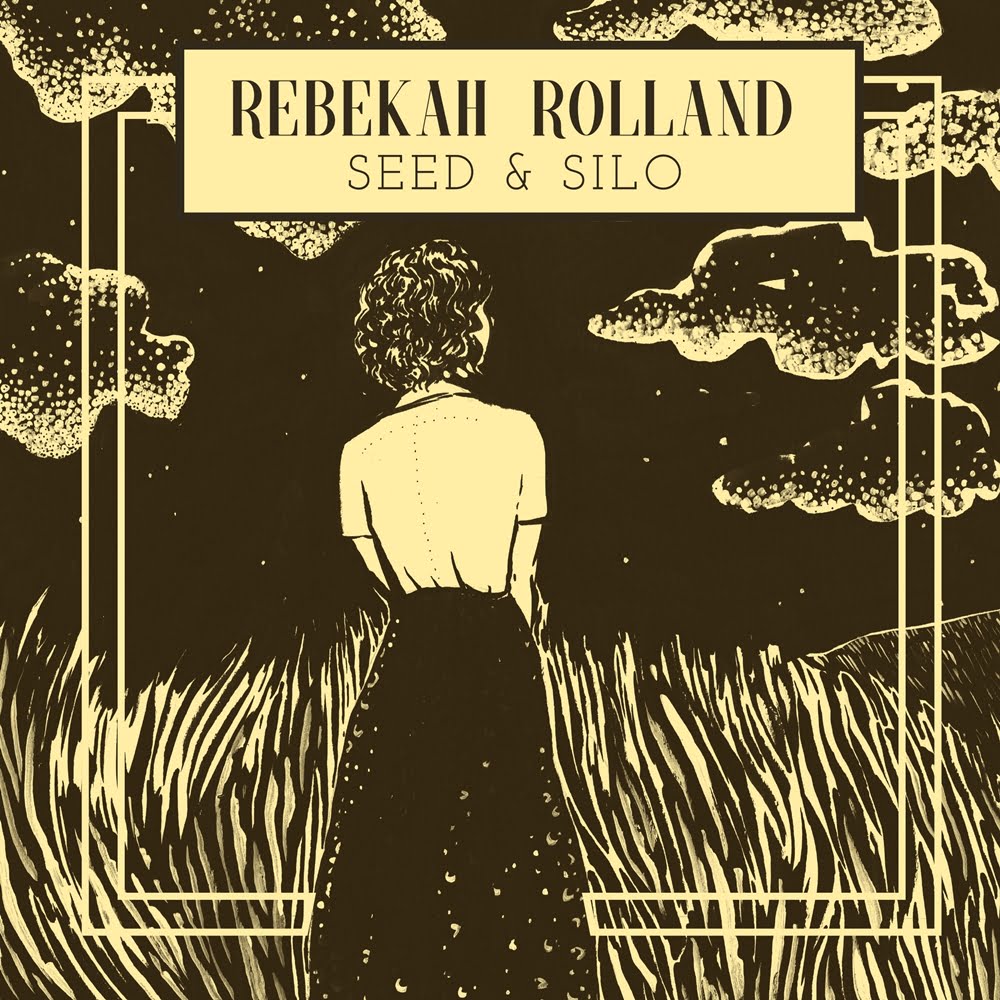
STREAM: Rebekah Rolland, ‘Seed & Silo’

Artist: Rebekah Rolland
Location: Tuscon, AZ
Album: Seed & Silo
Release Date: July 20, 2018

In Their Words: “I wanted to convey the vivid and intimate situations that we all experience. They’re the memories of people, places, and events that — for whatever reason — carry us through the years. It struck me that most of these things seem insignificant and, yet, they’ve affected us in really powerful ways.” — Rebekah Rolland

LISTEN: Hot Buttered Rum, “Sitting Here Alone”

Artist: Hot Buttered Rum
Hometown: San Francisco, California
Song: “Sitting Here Alone”
Album: Lonesome Panoramic
Release Date: July 20, 2018

In Their Words
– “I’d long had the dream of having a cabin in the woods. Removed from the busy rat race, I’d be able to have a clear vision to make my masterpiece, right? Well, I got the opportunity a few years ago to do this on my friend’s 100-acre farm in the Santa Cruz Mountains. I poured a foundation, built a wall tent, doors, an outdoor kitchen. I put in a desk, wood stove, a bed, a couch. It was a ten-minute walk uphill through a redwood forest to reach the place. Epic! Remote! Serene! I’d finally have the headspace to make my best music…I did write a lot of music there (most of Limbs Akimbo), but I was also struck by how life feels about the same even when your dreams come true. I’m still an insecure, distractible dude, no matter where I am! “I thought I’d have it made if I could only get away/and find a little cabin in the woods/I’ll be so content with no entanglements/and life will flow freely as it should.” All this fits into a general trend in my life of being less of an aspiring loner and more engaged with and committed to other people, and all the good and bad things that come with them.” – Nat Keefe


Photo credit: Matt Sharkey

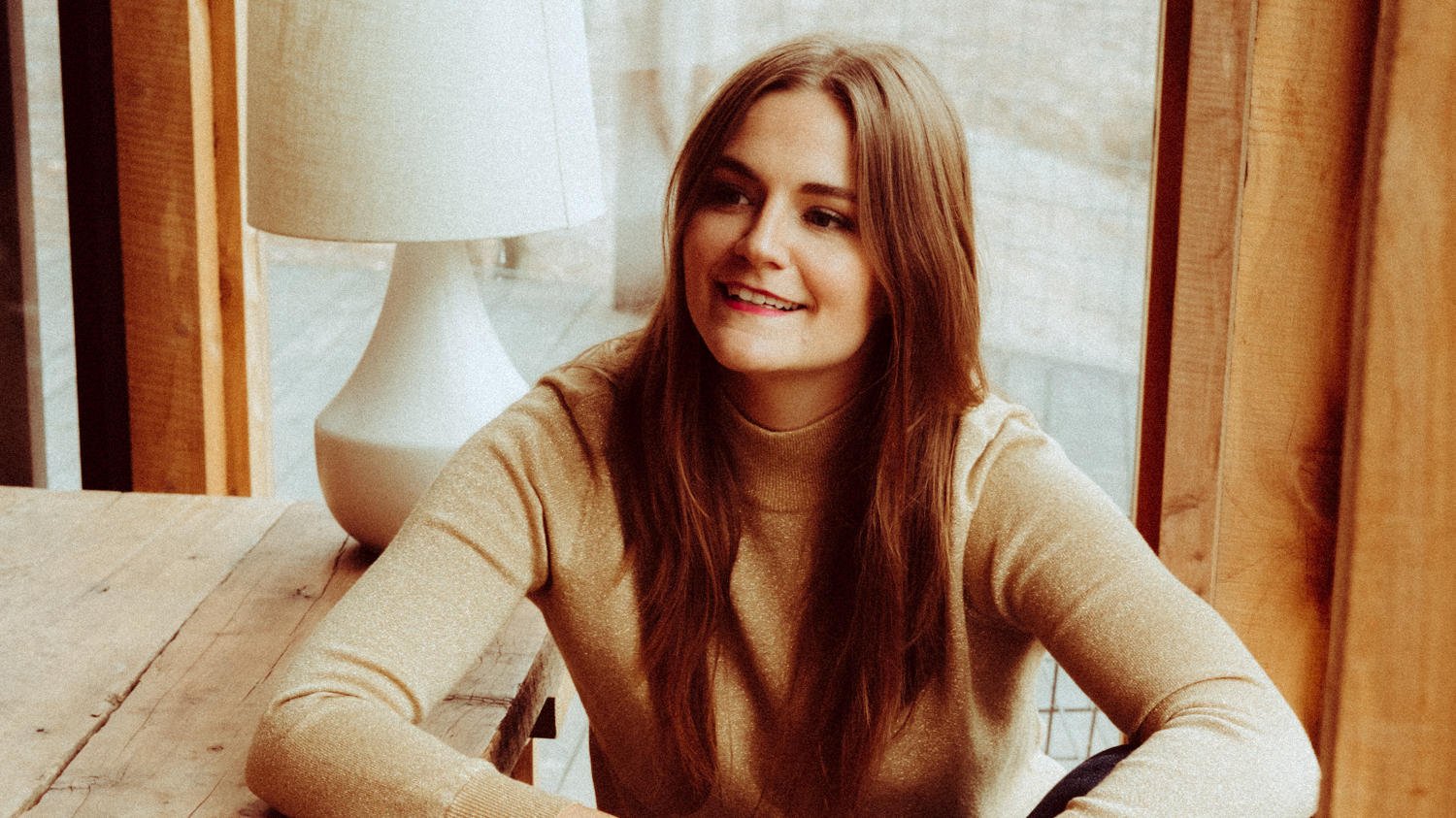
Allowing Herself to Be Free: A Conversation with Erin Rae

Quiet may come off as meek, but don’t be fooled; strong doesn’t necessarily present in overly clamorous ways. That’s the central truth Erin Rae unearths on her new album Putting on Airs. Across twelve hushed tracks, her haunting voice depicts the ways in which the past looms over the present, especially how the scenes we witness as children build their own imposing edifices in the psyche. On the title track, she sings with bare-bones honesty, “I never did learn to like myself/ Been chasing down anyone that might could help/ Lure them in with charm, come out stealing.”

Putting on Airs is as much about calling out herself as exploring the circumstances that formed her, but through it all the Nashville-based songwriter’s honesty is manifested through her clear-eyed vocals and deft lyricism. She wants to heal, and her music, functioning like a salve, allows her to do exactly that. For example, on “Bad Mind,” she sings about a lesbian aunt who faced discrimination decades ago in the Alabama court system and how that, and other adolescent experiences, shaped the perception of her own sexuality.

Recorded in Appleton, Wisconsin, during winter’s muted apex, Erin Rae worked with co-producers Jerry Bernhardt and Dan Knobler to make full use of the space—a former Franciscan monastery known as The Refuge. As a result, the production lives, breathes, and echoes, giving her the room to use her voice, both literally and lyrically.

These songs are so tender, and that descriptor strikes me in two ways: Tender like a bruise, and tender as in full of care. When you were writing them, did one apply more than the other?

I think it’s a little bit of both. With “Putting on Airs” in particular, I was like, “Am I just being harsh on myself?” My mom’s Buddhist now, so I’m really [thinking] like, “Is this being kind? Is this causing harm?” It’s been helpful to me to own that behavior and, yeah, it is uncomfortable to feel the reality of that and the consequences of that and how it affects other people and myself. But also, by owning it and saying it, my hope is to continue to get more free from that. It’s a little bit of both: It’s tender temporarily.

How have you seen your songwriting shift on this album?

I guess I’ve always used songwriting to process through my own stuff; it’s been very cathartic for me. My last record was tying my own experience in with that of my parents or close friends. There’s still an element of that, but I feel like this record has become more directly about me. I didn’t really intend for these songs to be that, like “I’m going to call myself out.” “Putting on Airs” is about people-pleasing where it’s harmful to myself and other people, where eventually you just become dishonest in a way.

No kidding. That line, “Lure them in with charm, come out stealing,” got me right in the gut. It almost hurts to hear but it’s so true.

It’s like, “I want you to like me!”

It’s almost like a safety mechanism at first, but it’s interesting how you say it can become self-harming at a point.  

My dad is super outgoing. He’s one of those people who’s never met a stranger. That’s how I am as well, but learning in a way to make sure…especially as far as it goes with relationships. That’s really what I’m focusing on in that song.

Ok, we have to talk about “June Bug.” That transition to the old-timey piano at the two-minute mark is stunning. That riff says so much, and coming after all you’ve confessed, hangs even all the more beautifully.

At the Refuge up there in Appleton, there’s this giant chapel and all these monks’ quarters, 60 little individual bedrooms, and a lounge area on the first floor. It was in the middle of winter, it was still snowing, and the Fox River is right out the back. The room has a wall of windows, so you could see the snow and the bald eagles. There are two hallways, and in the center of that is where we had a lot of tracking stuff set up and the computer and all the gear. Then we ran guitar amps and put the drums in the chapel, so you hear that huge open sound. We tracked vocals in there so we had the room sound.

I have these fond memories of everyone being super sweet to each other. Basically, Jerry played everything. I think he had tracked that piano part and then Dan, when he was mixing everything, surprised Jerry by putting that into the end of the song, because the song otherwise would just be a minute and a half long. We had this beautiful piano track that Jerry had done in this space, and Dan surprised us with the old timey piano outro, and I thought Jerry was going to cry. It was really great.

I’m especially interested in the labels that circulate around Southern women. To that end, “Mississippi Queen” is such a striking song. How have you attempted to battle against the labels about who women should or shouldn’t be?

Nashville is like a blue spot surrounded by red. It’s a town full of creatives. I’ve got a family member that lives in Mississippi and my dad grew up in Missouri, but whenever you go back to more traditional Southern cities, it’s kind of like, “Oh yeah, people more or less adhere to these cultural norms that feel a little outdated to me.” But I’m always drawn to a sense of tradition. The only way I’ve known how to challenge anything is personally, like internally making sure that I’m clear.

That’s what a lot of this record’s about—allowing myself to be free to see what my own personal truth is, so that, hopefully, I’m able to lend that to others and give other people that space. Even in thinking that that’s a way I want to live, it’s still difficult. I empathize with people that have grown up in a more traditional city; I feel like it takes a conscious effort to grow up and be open-minded if it’s not the norm.

Right, if it’s not modeled for you it’s even harder to practice.

My parents are super open-minded and I still grew up in the South and absorbed a lot of the social norms, so I can’t imagine how hard it is for someone else [who didn’t] to feel free enough. With a more conservative or strictly religious background, it’s hard work for everybody to be more open-minded.

The past six months have been fruitful for singer-songwriters wishing to challenge heteronormativity, including projects from H.C. McEntire and Sarah Shook. Why do you think now is such a powerful moment for such visibility?

So much progress that had been made was starting to feel uncertain with this new administration. It kind of worked out to be a timely thing, especially with the song “Bad Mind,” and that story being born out of the state of Alabama. When Roy Moore was almost elected, I was like, “It’s all happening in the same time.” I think it’s so important to keep the conversation going and make opportunities to heal around this stuff, around sexuality, while it’s all being threatened.

It does feel like a backlash, similar to what took place in the ‘80s after women had made significant strides in the ‘70s.

Music helps us process. One image that came to mind while you were talking about a backlash is the Women’s March—the second one that happened recently in Nashville. It ended with a big concert at Bicentennial Mall, and Alanna Royale and Becca Mancari were both performing there. Alanna has always represented real womanhood for me, being a strong and powerful woman. She’s full of life. It was this really beautiful moment to walk with all these people—dads, and little kids, and folks old and young—through Nashville, and then end up at this powerful, beautiful concert with people that I admire in our community. It was such a beautiful way to tie it all together.


Photo credit: Marcus Maddox

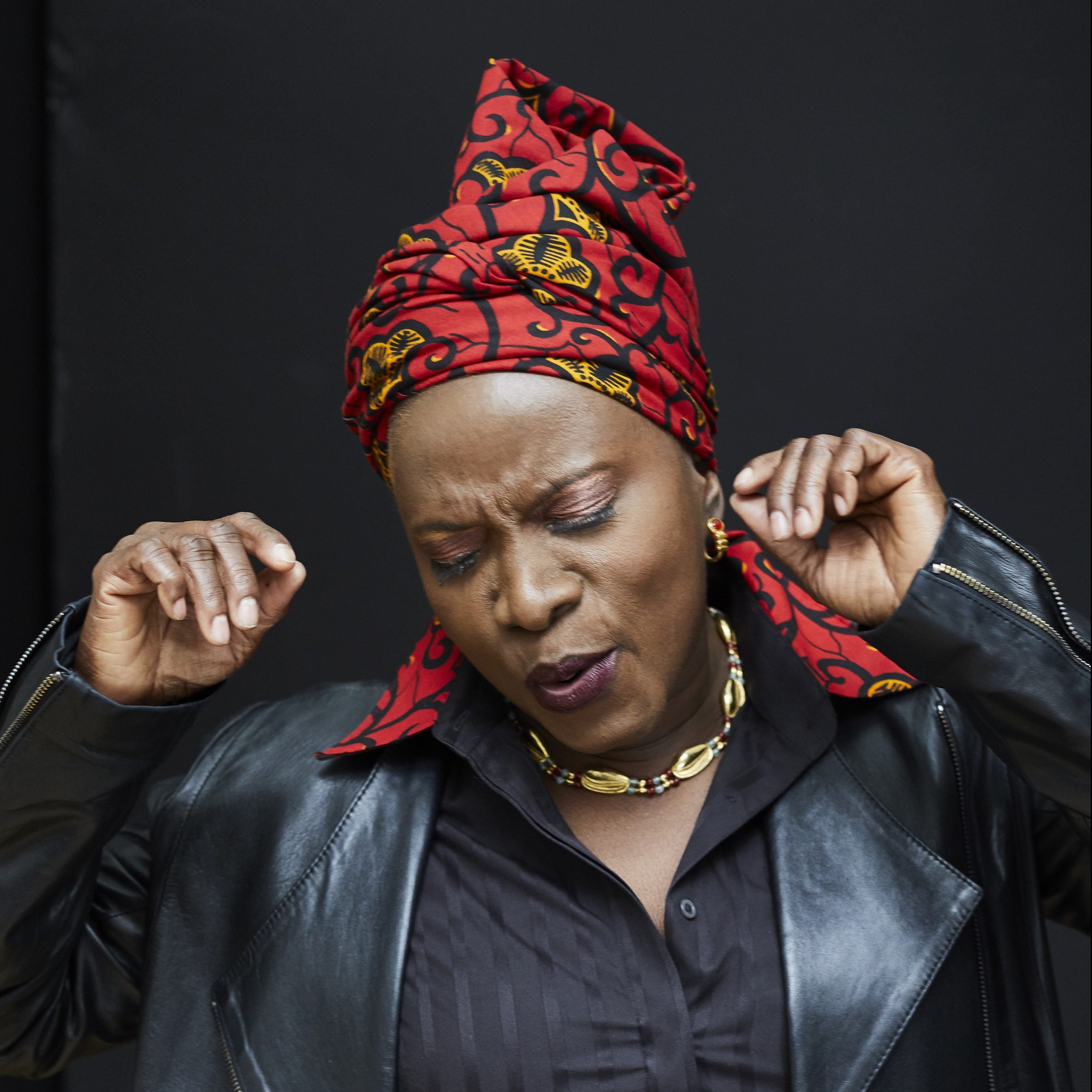
Small World: African Influences Shape ‘Remain in Light,’ Then and Now

She is moving to describe the world
Night must fall now. Darker, darker
She has got to move the world, got to move the world, got to move the world
She has messages for everyone
— “The Great Curve,” Talking Heads

Remain in Light was, arguably, the album of the year for 1980.

Remain in Light may well be, arguably, the album of the year for 2018.

On the surface, it might seem obvious and inevitable for an African-rooted artist to take on Talking Heads’ landmark, even if it took 38 years. African inspirations, particularly that of Nigerian Afrobeat king Fela Kuti, are the alchemical core of the stunning amalgamation of African, Caribbean and American funk, experimental rock and David Byrne’s oddball, seemingly stream-of-consciousness poetry. It was the culmination of the band’s collaborations with Brian Eno and an album pretty much unlike anything else before it. And, in turn, it was if not the spark then at least a catalyst for an explosion of discovery and exploration of African styles among artists (Peter Gabriel and Paul Simon foremost among them) and fans alike around the world, an influence still reverberating today. Arcade Fire, anyone? Vampire Weekend?

But Angélique Kidjo has never, ever in her career done anything obvious. This is no exception. But it is hard to conceive of a better match of music and artist than this. Obvious? No. Inevitable? No. Perfect? Yes. Her highly personal re-imagining/repatriation (or rematriation) of this album is every bit as bracing and as revolutionary an artistic achievement as the original in its own right, and a fulfillment of that discovery and exploration that the original Remain in Light helped launch.

Kidjo didn’t merely extract the burbling rhythms and elastically elliptical lines and reshape them as Afrobeat or highlife. She applied her own depth of vision to the material, her own cultural roots, and her embrace of many musical streams to make something distinctly hers, in some places blending in the traditional tunes she grew up with in Benin, in others broadening the perspective to what might be called Afro-Global. And, crucially, she locked into the often-perplexing, arty off-kilter lyrics and invested them with her complex, incisive worldview, adding new words here in there, sometimes in Fon, the language of her father.

Most of the songs start with Kidjo’s voice, single or multi-tracked, chanting in Fon or Yoruban (her mother’s language) as if a call from Mother Africa, a herald for what is to come. The opening “Born Under Punches” becomes a fight against oppression (“All…. I want… is to breathe”). “The Great Curve” shapes Byrne’s amorphous imagery into a forceful paean to women’s empowerment, propelled on a rubbery bass line and blaring brass. “Seen and Not Seen,” given an almost rural sound with its percussion-centric mosaics, looks at the skin bleaching many have done in Africa under cultural pressures.

The biggest challenge may have been the album’s best-known song, “Once in a Lifetime,” famed for the indelibly quirky video that accompanied it back in the pre-MTV days. Where Byrne more spoke/yelped than sang the verses detailing a sense of modern existential confusion (“This is not my beautiful house! This is not my beautiful wife!”) over an almost proto-techno roil, Kidjo turns it into a challenge to find meaning in the world, to create meaning, with a soaring, full-voiced melody on top of a rousing, rumbling highlife-derived tapestry.

Collaborating with producer Jeff Bhasker, whose credits include Rihanna, Kanye West and Harry Styles, she brought in an accomplished and fitting cast to help. Kuti’s long-time drummer and musical director Tony Allen is a driving force on “Houses in Motion” and “Cross-Eyed and Painless.” Kidjo felt inspired to add words from Kuti’s song “Lady” on the latter. Other guests include her fellow Benin-raised guitarist Lionel Loueke on three songs and Ezra Koenig from Vampire Weekend (whom she had sing on “Listening Wind” in Fon!)

Now, of course, Talking Heads had the benefit of working on a largely blank slate. Sure, there were many African bands that “modernized” traditional styles, most famously Kuti, who mixed hard James Brown funk and elongated electric jazz with fierce socio-political statements, running afoul of his country’s oppressive military government in the process. And the Anglo-Ghanian band Osibisa had at least moderate success in England with its mix of traditional rhythms and Western funk, though outside of the U.K. it was known more for its Afro-fantastical cover art by Yes’ designer Roger Dean.

There were the occasional hits that came out of Africa — South African singer Miriam Makeba with “Pata Pata” in 1967, her countryman and then-husband trumpeter Hugh Masekela with “Grazing in the Grass” reaching No. 1 on the U.S. pop and R&B charts in 1968 and Cameroonian saxophonist Manu Dibango with “Soul Makossa” in 1971 (its “mama-say, mama-sa” chant made familiar to the masses when Michael Jackson used it, uncredited, in 1982 on Thriller’s “Wanna Be Startin’ Something”). But these were isolated and “exotic,” not part of a wave. And there were occasional, isolated experiments with uses of African styles, to varying effect. The most prominent and artistically bold was Joni Mitchell’s use of a field recording of the Drummers of Burundi as the primary feature of the song “The Jungle Line,” a stark portrait of suburbia from her 1975 album The Hissing of the Summer Lawns.

Talking Heads, working with English musician, producer and aesthetic philosopher Eno, had dipped their collective toe into these rich waters with “I Zimbra” from the preceding album, Fear of Music, and shortly before starting Remain in Light, Byrne and Eno had drawn heavily on African music, much via samples, on the experimental musical collage My Life In the Bush of Ghosts. Around that time, the band’s married bassist and drummer (Tina Weymouth and Chris Frantz) vacationed in the Caribbean and became entranced with Haitian Voudou music, which they brought into the sessions for the next album, at which Kuti’s 1973 album Afrodisiac was also a constant presence. An unfinished outtake from Remain in Light, included in an expanded 2006 reissue, is even titled “Fela’s Riff.”

Where Fear of Music was about, well, fear, paranoia and isolation, Remain in Light looked out to the world with some perplexity, but ultimately celebrating its wonders in both the words and music. Byrne is revisiting much of the music now on his dazzlingly staged tour, the Remain in Light material perfectly complementing his new looks at modern life from his current American Utopia album.

Kidjo’s album comes, though, not just in the shadow of the original, but of a great wealth of other African and African-inspired music that came after. An early key was veteran Nigerian star King Sunny Adé’s Juju Music, with its buoyant rhythms and slinky Nashville-Hawaii steel guitar. Island Records founder Chris Blackwell had signed Adé in hopes to make him “the African Bob Marley,” this being shortly after Marley, his signature star, had died. That was an overreach, as Adé resisted most attempts to make his music, generally presented in long, sinuous tracks, more fitting for Western ears and radio programmers. Even with support from Stevie Wonder (whose unmistakable harmonica graces a song on the 1984’s Aura album), there was little-to-no chance of this music finding a spot in the American mainstream. It did, though, spur increased interest in African music, and many who saw Adé’s early-‘80s U.S. concerts cite that as a revelatory turning point.

Obviously, Paul Simon’s Graceland really got things going in 1986, both for the music itself and the debate stirred over the propriety of his methods and of his defiance of the cultural ban imposed on Apartheid-oppressed South Africa. Regardless, the music shined a light on the various South African musicians he used in the sessions and on the mbaqanga and other styles on which he drew.

After Graceland, the floodgates opened: There were dozens of releases from Africa (and elsewhere) on such dedicated labels as Island’s Mango imprint, Virgin’s Earthworks (which had already put out the landmark The Indestructible Beat of Soweto compilation) and, of course, Byrne’s Luaka Bop and Peter Gabriel’s Real World, the latter in conjunction with the WOMAD organization and its revelatory world music festivals. Malian guitarist Ali Farka Touré teamed for the brilliant 1994 album Talking Timbuktu with American guitarist Ry Cooder. Kuti’s North American tours in the late 1980s and early 1990s are still talked about breathlessly by those fortunate to experience them, and the years since his death in 1997 have seen numerous reissue projects of his catalog and impressive music and concerts from his sons Femi and Seun, each both carrying on and expanding the legacy. And ultimately choreographer Bill Jones’ Tony-winning production, Fela!, a music-and-dance-filled account of life on Kuti’s compound outside of Lagos, brought his legend to a mass audience.

And there’s the extensive work of Kidjo herself, signed by Blackwell to Island in 1991. That launched a singular career of impact and innovation, of a distinctively creative spirit, which has seen her drawing on everything from Sidney Bechet to the Gershwins to Jimi Hendrix and Santana, to teaming with Philip Glass on a project setting Yoruba songs for a full orchestra, to 2014’s EVE, dedicated to the strengths of African women and built on a foundation of field recordings she made throughout that continent. In 2008 in the Staples Center press room after her Djin Djin was awarded a Grammy for best world music album, she sharply told this writer that she rejected the very term world music because it in its very nature lumped together many unrelated styles and artists and ignored the kind of individuality and reach she brought to her art.

“What does it mean?” she said, almost seething. “Why do we categorize people?”

She continued: “Through music, every one of us can take what is in us to proceed onward in our life and roll out improvement in this world… We all must be perceived for what we do. There is only one humankind.”

No wonder she heard something that spoke to her in Remain in Light. No wonder she was able to take that and make it shine with such fresh and intensely personal light. And it, too, will remain.


Photo credit: Danny Clinch

WATCH: Worry Dolls, “Tidal Wave”

Artist: Worry Dolls
Hometown: London, England
Song: “Tidal Wave”
Album: Go Get Gone (Deluxe Edition)
Release Date: July 13, 2018
Label: Bread & Butter Music / SFE

In Their Words: ​”​The first verse of the song was a voice memo on ​my phone for nearly a year that ​I kept coming back to but couldn’t really figure out what it was about. I knew tidal wave was a metaphor for when it feels like life is coming at you at full force and there’s nothing you can do to stop it. But it wasn’t until I lost an extremely close family member last summer, very tragically and suddenly, that I came back to the song and realised it was about grief. When you’re grieving they say it comes in waves, but for me it felt like a tidal wave.

Around the same time, I had just got my first Gibson and it was this gorgeous Sheryl Crow edition Southern Jumbo with this beautiful rich, warm bass. Zoe was using a vintage Earl Scruggs banjo and when we got the instruments home, this song just poured out. It was like the stars had finally aligned. Quite soon after finishing it, we produced it ourselves and recorded it live in a converted cowshed just outside of London!​” ​– ​Rosie Jones, Worry Dolls


Photo credit: Finlay O’Hara

Closer to Self-Acceptance: A Conversation with River Whyless

Bands grow. Styles evolve. Lineups shift. Genre identifiers morph to accept those changes while the music industry holds certain expectations for reinventions and reimaginations. It’s refreshing, then, when you happen across a band that isn’t bogged down by those precedents, choosing to just follow their songs and their true selves wherever they may lead.

The folk-pop outfit River Whyless finds themselves on this trajectory with their third album, Kindness, A Rebel. The product is not gratuitous, heavy-handed, or obvious, and it never stumbles or attempts to assert that “the old River Whyless is dead,” because true reinvention is never about demolition and rebuilding. It’s about finding the skeletal structure that was already there and allowing it to shine on its own, set apart. Drummer Alex Walters jumped on the phone to unpack the integral aspects of self-acceptance and self-celebration that blossomed on this beautiful testament to allowing oneself to just be.

This record seems to be as much about personal growth for each of you individually as it is about changes for the band as a whole. Why do you think those two things coincided here?

Alex McWalters: I think those things are always connected in some way. Whenever you make a piece of art, your life is always factored into that, there’s always growth. [It’s partly] because we’re now in our early 30s and feeling really lucky that we’re still able to make music and be a band. With that, there are a lot of adjustments you have to make as you head into the next phase of life. Ryan [O’Keefe] just got married, my girlfriend and I just bought some property and we’re working on building a house, and Halli [Anderson] moved to Oregon with her sweetheart. A lot of big life things are happening.

I guess this is a record about grappling with how to be a band in a different phase of your life. It’s honestly a little more challenging when you have more responsibilities outside of a band. Whereas, when we were in our 20s, it was like we were homeless. We lived on the road. Our whole lives were the band. It’s a much different way of operating professionally and creatively than it was 10 years ago. It’s exciting, but also challenging to continue doing it in this way.

How do you all feel that growth comes through the music, overtly? I hear it in “The Feeling of Freedom” and I hear it in “Another Shitty Party” — which I feel echoes my own personal growth through young adulthood — but how do you feel that perspective comes through?

I think “Another Shitty Party” is a great example. I hold this new record up against the one we did before, two years ago, in terms of the way it feels — I sort of have an inside view as to how it was made, so it’s a little hard to convey to someone who wasn’t there. It feels like we sort of embraced whatever came out of us this time and didn’t try quite so hard to be a certain way or accomplish a certain thing with the music. There were a lot more growing pains in the last record, as far as figuring out how to make three or four songwriters coherent.

This time we just went with it. We just let the songs be the songs. With that, the idea of “Another Shitty Party” is sort of connected to a bigger idea of coming a little bit closer to self-acceptance and trying to be honest with who you are in the world. The idea of going to a party and walking away from that feeling like, “There’s no reason I had to be there!” is a metaphor for the larger feeling of being in a band and trying to be cool. Let’s just stop trying to be cool and just be us.

Something that we aren’t necessarily taught as kids or teenagers is that sort of self-acceptance, that acknowledgement, is such an integral part of what we refer to as “maturity.” It’s getting to a point of being able to accept yourself as whomever you are, having been morphed by all of the factors of our lives. What brought that to the surface for you?

I’m not sure if it was conscious. Maybe it was also having reached some level of, I guess, gratification in terms like, “Oh, the last tour we did went really well.” I think part of maturity is you have to learn what works and what doesn’t. Some people aren’t as lucky to reach that point of self-acceptance to where you can say, “No, I don’t want to partake in this.” Or, “I don’t agree with that and I’m not going to do it.” It can sometimes require a lot of work to get to the point where you’re able to be mature. Some of that was just us being a little more confident than we were before.

Also, it’s just hard to avoid the elephant in the room as far as the current political situation and feeling like we didn’t say or do enough. Not that we could have done anything [specific], or that we even knew what to do, or maybe we shouldn’t have done anything, but we had that sense of, “Oh man, what just happened and how do we go forward?”

Taking responsibility of that and taking it onto ourselves is also a very mature idea.

Precisely.

And kindness really is a rebellious act right now. I think that was one of my biggest takeaways from the album. Like, “Oh shit, yeah, being just a kind human being at this point in this weird political, divisive period, is rebellious.”

Absolutely. You hit that right on the head.

I hear you reckoning with that on “Born in the Right Country.” This is something that I think about a lot right now, about how we can address these sort of personal perspectives we have while we also acknowledge our own privilege and our own complicity, too. How did you reconcile that conflict with yourselves and through that song?

The song was written by Ryan and I think it’s interesting, because, like I said, we all had a very intense reaction to the election. There’s a lot to have to work through once you realize that Donald Trump is your president. We are four white people in a band and our life has been pretty peachy and, for the most part, is continuing to be pretty peachy, so anything we say about Donald Trump or the people who voted for Donald Trump has to be self-aware. You have to go through a process of recognizing where you’re coming from when you speak and how you sound and what your actions actually say without you realizing you’re saying it.

There was a point at which that song was introduced to the band and we all wondered if we even wanted to go there. What does this mean? How will it be interpreted? What good does it really do? What is this song really going to accomplish besides sounding like four white people complaining about Donald Trump? And maybe it still does, but I think an important part of it was trying to get into that three-minute song a part about us having a certain responsibility that we have to figure out how to own, as far as being who we are and what we could or could not have done more of.

Personally, I thought 100 percent that he was going to lose, so I was very complacent and complicit in terms of the whole thing. That alone says to me that I was kind of blind. There was a whole lot I wasn’t seeing or that I was refusing to see. And what does that say about my situation and how removed I am from the pain that people are feeling?

Talking about growth and maturity as a band, there’s an expected trajectory in these roots genres for bands to go from string band into more pop-influenced sounds. You guys seem to be on that track. But your music seems to be on this trajectory because it feels like this music is song-driven first. Why do you think that is?

I don’t know if I have a very concrete answer, but I think some of it has to do with the organic evolution. On our first record, we had a different bass player, so we introduced a new player to the band and that inevitably has an effect on how it sounds. With that, there’s also a shift in the power dynamic of the band, for lack of a better way of putting it, where one lead songwriter’s vision isn’t steering the ship anymore — at least not totally. That has a lot to do with how the evolution has happened.

Again, also just letting go. Just letting what comes out come out and not trying to steer it any direction, genre-wise or sound-wise. We obviously have influences and things we’re into and that’s what influences the sound of the moment we’re in, but outside of that I think we just kind of let go of what we want to be and just let it be what it is. It’s so much easier said than done.

Another outgrowth of self-acceptance.

I would say so. I never really thought of it like that, but now that you say it…


Photo credit: Shervin Lainez