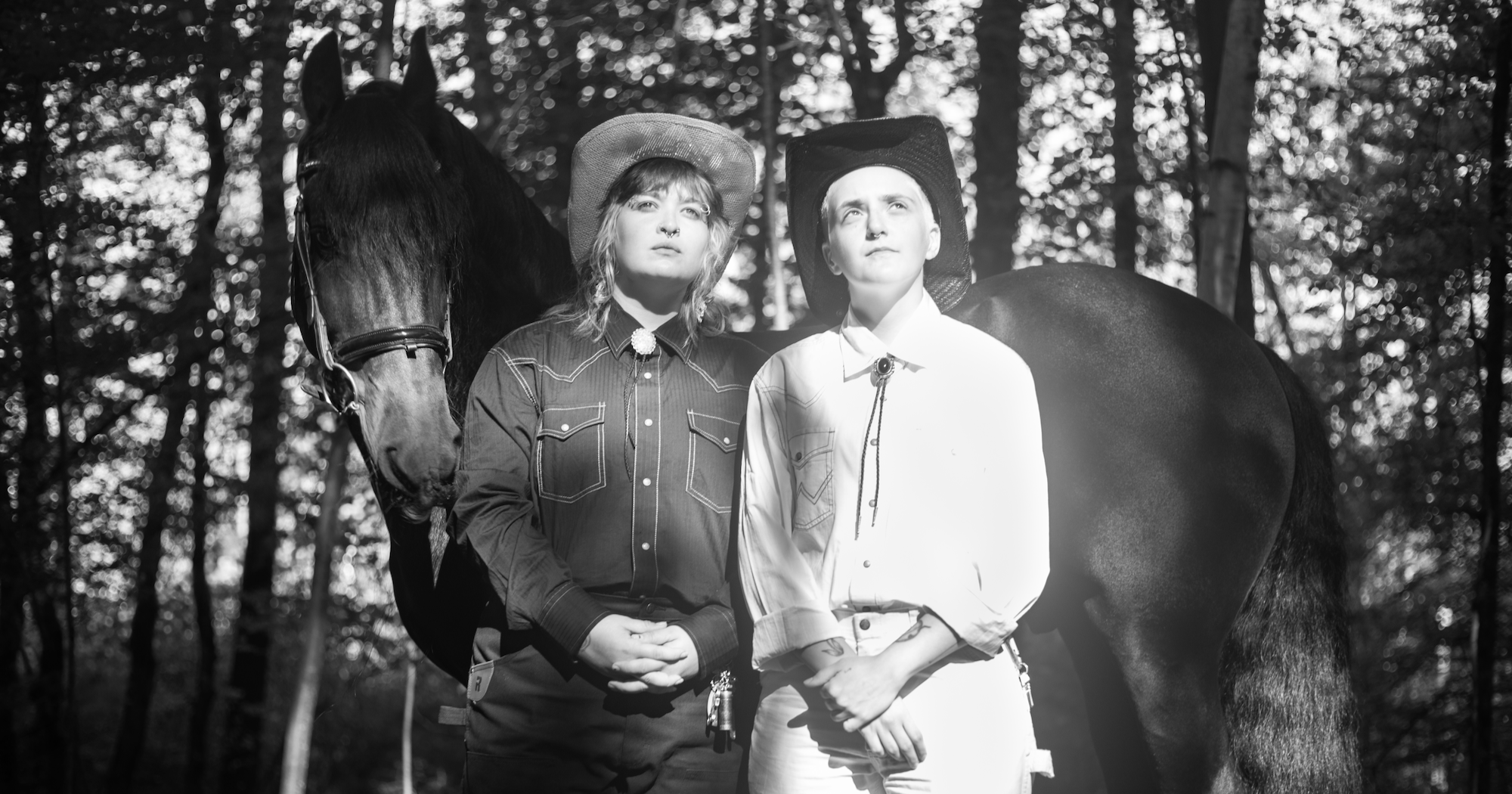
Sweet Petunia Grew Into Their Foggy Mountain Mental Breakdown

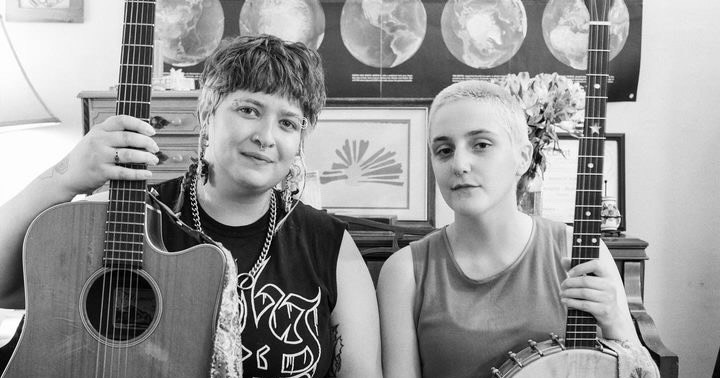
Little did Mairead Guy and Maddy Simpson know upon enrolling in Greg Liszt’s 21st Century String Band ensemble at Berklee College of Music that the course of their musical careers were about to be forever altered. Upon being paired up for a rehearsal by chance, Mairead and Maddy unearthed their musical synastry quickly. The two wove a vocal blend of sibling-like precision and their musical instincts coalesced with ease. After several jam sessions, the inevitable was clear – Mairead and Maddy were meant to make music together. With banjos in hand, the two joined forces to establish the cherished Boston alt-folk duo, Sweet Petunia.

2026 sees Sweet Petunia unfurling its petals even further – on March 13, the duo released their inaugural LP, Foggy Mountain Mental Breakdown via Ani DiFranco’s Righteous Babe Records, their first release since their 2021 EP, Lovingly. Laden with ripe lyrics and expansive sonic landscapes, Sweet Petunia harvests new growth with 12 tracks navigating dynamic emotional thresholds and lyrics that cover themes from gender identity to toxic relationships to heartbreak and beyond.

BGS was elated to sit back down with Sweet Petunia and discuss all things Foggy Mountain Mental Breakdown.

We last got to chat in 2024 for One to Watch. What has the shape of the last two years looked like for y’all?

Maddy Simpson: Lowkey pretty crazy! We started working with a booking agent and got hooked up with our label, Righteous Babe. We’re also in talks with a manager, so we’ve kind of legitimized in that way. I think the last time we spoke we didn’t have any of that.

So exciting! How has that changed the scope of your project?

Mairead Guy: They’ve been doing this so much longer and the range of people that they can connect us with is so vast compared to what we’ve been able to build so far, which is really cool.

MS: Yeah, it’s interesting to have other perspectives to bounce off of, too. The team is very thoughtful in many ways and they think of things that we would have never thought of. It does feel like this has legitimized the record and the band in a big way. Not that we weren’t legit before, but now we’re thinking about things on a much wider scale.

Speaking of which, congratulations on the new record! What about this moment in time do you feel like influenced the birth of Foggy Mountain Mental Breakdown?

MS: Truly, once we started working with the label, we just wanted to get it out as quickly as possible. March just worked best for them to slot it in, so we went with it!

MG: And March 13th must be a cosmically good day to put out an album, because we have a couple friends putting out albums that same day – Anjimile and Grace Givertz.

How fortuitous! So what was it like putting this album together? How was it different from the process for your EP, Lovingly?

MS: We recorded Foggy Mountain Mental Breakdown essentially four years ago at this point. It was our first try recording a full-length album and we did it in a kind of hybrid format – some in a couple different home studios, and then an actual recording studio. It was the first time we really brought in additional people to play on it, which was cool. We were much more thoughtful about the arrangements and the production and all that. It was the biggest thing we’ve ever done, and it was a lot, but it was incredible to see how it all turned out.

MG: We definitely learned a lot about what works and what doesn’t and what we want for next time. Even if all that was the only thing that came about from this process, it would have made it worth it.

Could you say more about what you learned?

MS: I think we both grew a lot. I learned a lot more about what I wanted and how I want things to sound. It was really awesome to work with some really close friends of ours; I learned more about collaborating, which was really cool. I also learned that it takes a really long time to put out a full-length record. Even once it’s finished, it takes quite a while, which I already knew in theory, but then to live it – it can take years sometimes, which is crazy.

MG: I feel similarly. It is cool to have the time to dedicate to thinking about the way that you want things to sound in their recorded form. That was great to learn about, especially differentiating between the ways in which that can be helpful and then also the ways in which you can get stuck in a loop of overthinking.

Now I have to ask, the title of the album is Foggy Mountain Mental Breakdown, and I’m curious if there’s anything you’d like to say about the influences behind that – Earl Scruggs, mental health, etc.?

MG: We thought it was funny! We were around a lot of bluegrass at the time – I think we came up with it at a bluegrass festival, and then a lot of our songs are pretty sad. There was sort of this trend where a lot of people were giving their projects jokey names that were plays on words, like Dolly Spartan or Chet Faker. Stuff like that was popular at the time.

MS: And it’s a little bit of an “if you know you know” vibe, because nobody knows “Foggy Mountain Breakdown” unless you play roots music and if you do, it’s the most old news bluegrass song. It’s like “Free Bird.” But then normal people have no idea what it means, which is kind of silly. It’s also a nod to our origins. Though we never really played bluegrass music, for the first three or so years that we were a band, we were almost exclusively around traditional roots music and a lot of those people were playing bluegrass. It is a huge part of our band, even though we’re more so old-time people, we love bluegrass.

The folks over at BGS definitely catch your drift!

So on FMMB, there’s a ton of lush instrumentation — what was that like? How did you find the additional musicians for all of these orchestrations?

MS: Most of the people that played on the album were people that we knew who were friends and musical collaborators of ours already. We know a lot of musicians, so it was pretty easy to put a lineup together. For example, we knew Lucy Nelligan – who plays all the fiddle on the album – from college and had played with her before. It was really a no-brainer to just have her come in and track a bunch of fiddle, just letting her go and do whatever she was gonna do. It’s cool to have that trust built with people where you know they’re going to produce quality tracks. We’re lucky that we are around so many amazing and talented musicians.

“Wilting” is the track with all the woodwinds and that was really cool because our producer, Leah Gutman, found a bunch of people to play on that session. All those people are now friends of ours, though at the time we didn’t really know any of them that well. It’s wonderful to see how our relationships have grown over time with the people that live in our community and play in our scene. For “Wilting,” our friend Christian Schmidt, who’s my roommate, played flute, but then our friend Brendan Wright from the band Tiberius was playing clarinet. And Miles Chandler from Clifford came in and played, our friend Nate Scaringi and our friend Maria – all these people that we’ve gotten to know over the years, but they were virtually strangers when they came in and tracked that song.

Do y’all have any dream collabs?

MS: Dolly Parton. Sabrina Carpenter got to do it, so…

Oh, and Willie Nelson! I’d really love to play Luck Reunion.

MG: Paul Simon. Or like, Simon & Garfunkel 30 years ago. When they reunited at Central Park we could’ve opened. Or Rhiannon Giddens would be cool.

MS: Gillian Welch and Dave Rawlings would also be awesome.

What track on the album do you each feel a deepest kinship to? Or is that like asking a parent to choose their favorite child?

MS: Hmm. I really like how “In David’s Living Room” turned out. I really love all of the auxiliary stuff that happens. I remember when Leah and I were cooking on that, I was just very excited with the direction that track was going in, because it felt like our indie moment in a record that’s pretty traditional. Though there’s other moments like that too, I think that’s my standout right now.

MG: For me, it’s probably “Grub.” That’s just one of my favorite songs that we’ve ever worked on together. You know, there’s a lot of songs on the album that, because they’re so old, don’t necessarily feel as relevant to where I am now, but “Grub” is one that I feel very protective of. The flute that Christian put on it is just so beautiful. It was also really fun to record — we did it on a 4-track while sitting on Maddy’s washer-dryer. Plus my roommate, Riley Halliday, made a beautiful stop-motion puppet music video for it.

Oh, tell me more about the music video.

MG: Yeah, so my roommate Riley – they’re an incredible visual artist, and they are really good at making puppets. We came to them about three years ago, probably, and asked them if they’d be interested in making this video. They did a combination of stop-motion, claymation, hand-drawn animation, and puppets that they built completely themself. They handbuilt everything and made this perfect video that I feel just represents the song so well.

Talented friends seriously make the world go round! Was there anything outstandingly difficult about making this album?

MG: Well, I was living in Maine at the time, so I was commuting down every weekend. In terms of life, it was great for me to be down there every weekend, but it definitely made things take a little bit longer. And it was harder, for sure, because we couldn’t just pop in really quick and do something. Everything had to be planned out pretty far in advance.

MS: Yeah, that was tough. Also, it’s really expensive to put out a record. Often it’s something most people can’t do unless they crowdfund or save up hella money for. For us, it just took a lot of saving and being very smart with money – and lowkey we ran out of money in the process. So if anyone wants to buy some merch!

A hypothetical for you – if you each could wake up tomorrow having mastered any instrument, what would it be?

MS: I’ve actually been thinking about this a lot lately, because I kind of want to learn how to play the drums. Our friend Andre M is so crazy on the drums. He has this beautiful technique – it’s very beautiful to watch him play. Every time I see his band, I’ll have like one Miller High Life and then I’ll be like, “I’m gonna do that!” So yeah, I’d definitely love to learn how to play the drums better.

MG: I always thought that I maybe have the vibe of a bass player, so that could be fun. Maybe we’ll start our drum and bass era – we could be a drum and bass duo.

I’d so be here for that. How would you each sum up FMMB in five words?

MG: College angst and bad dreams.

MS: Lowkey sad, but it’s chill.

Okay, y’all killed that.

So what’s coming up for y’all? Where can the good people find you?

MS: We are going on an album release tour in April. We’ll be out for most of April and the beginning of May all over the place – the Northeast and the South. We’re so excited to be playing five dates supporting Ani DiFranco. Our full list of tour dates is out now. Come through!


Photo Credit: JJ Gonson
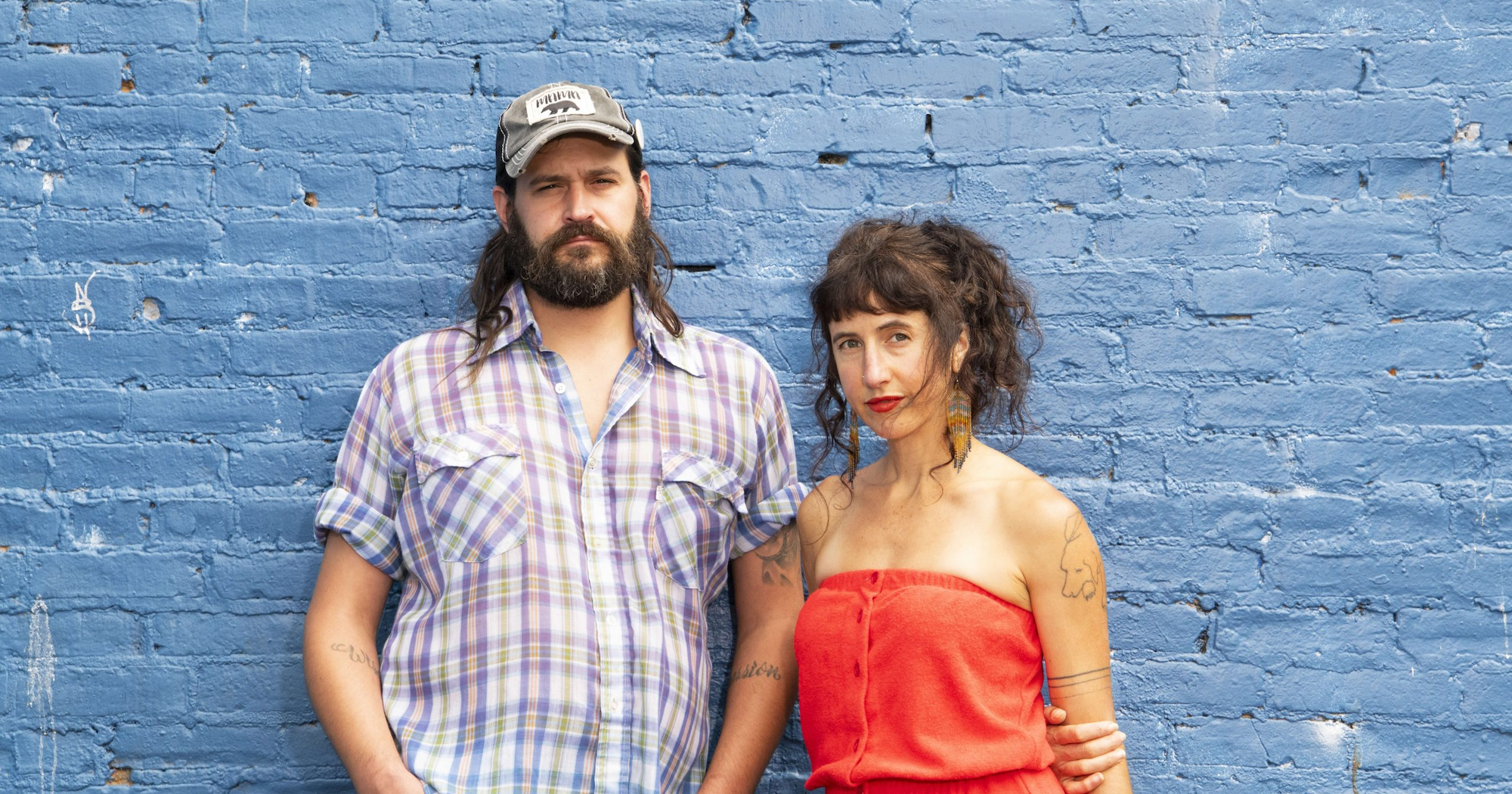
The Lowest Pair Are as Enchanting as Ever

It’s fitting to enjoy the Lowest Pair’s new album, Always as Young as We’ll Ever Be, in the opening weeks of a new year. In particular, the song “Give It All Away” gently offers a theme of letting go amid an orchestration of acoustic guitar, banjo, and other subdued instrumentation. As the song swells, a soft percussion begins to underscore a sense of renewal.

“I feel the lightest when I give it all/ Give it all away,” sings Kendl Winter in the opening moments; she’s later joined by bandmate Palmer T. Lee when they harmonize on a simple yet poetic lyric: “Before the sun, there was the rain/ Before the rain, there was the sun.”

Indeed, it’s been quite a few seasons – six years in fact – since the Lowest Pair released an album of their own. The duo enlisted Tucker Martine to produce the new project, recorded in Portland, Oregon. There are some surprising musical textures for longtime fans of the duo, but at the heart of the Lowest Pair, there’s still the welcoming vibe that’s enchanted listeners since their 2014 debut album.

“We were really excited about the recording situation, being with Tucker Martine in his studio, and having such beautiful musicians paint our songs, to flesh them out more than just the two of us,” Winter says. “They really did lean into the medium of the studio and the sounds that were available to us. There are a lot of instruments and musicians…”

“… A lot of other people’s ideas coming into the mix. We were just feeling open to that,” Lee adds.

Although both Winter and Lee are reluctant to divulge too much about the meanings behind the songs, listeners will certainly relate to lyrics about making it through rough patches (“Diamonds”) and learning to find comfort in the unknown (“Uncertain Seas”). The album’s country-tinged closing track, “Thorn,” is an elegant ode to getting past the pain.

“You visit these things that hurt often. I mean, we all do,” says Winter, who wrote the song. “That’s what grief is, right? You’re kind of hoping you’ll figure it out, and then it’ll go away. …

“With Always as Young as We’ll Ever Be, the whole theme is now, and now, and now, and trying to be in the present with things. There’s a love and there’s a ‘go to hell’ in that song. There’s a wanting to hold things sacred but also let them go.”

The album is actually named for a song that didn’t make the final track listing; Martine loved the phrase so much that he insisted the band should keep it as the title. The words are wistful enough to also call to mind the 2009 bluegrass festival in Minnesota, where Palmer, Lee, and a few other musicians stayed up late jamming along the Mississippi River.

“That was really pretty special!” Winter recalls. “Both of us were playing banjos in different bluegrass bands at the same festival. I saw Palmer playing and singing and I loved his voice and I loved his melodic style. I still hadn’t seen a bunch of other banjo players exploring more, like, off-the-grid playing and more melodic approaches. And after he played, I think I said something about it, right?”

“Well, I think the first time, you were just like, ‘Hey, nice banjo playing.’ And I was like, ‘Thanks, random person,” Lee remembers with a laugh. “Then maybe a few hours later, you were just like, ‘I really dug your melodic style,’ And it’s like, ‘Oh… you’re a banjo player.’”

Growing up in Arkansas, Winter heard the banjo in bluegrass, but considered herself more of a punk rocker. Hearing Béla Fleck & the Flecktones changed her perception of what tones and sounds could come from the instrument. Lee, a Minnesota native, inherited two banjos – one from each side of his family – when his relatives heard about his burgeoning interest in music. He dismantled them both to create one instrument specifically suited to his personal taste.

Several years later, after that initial encounter at the riverbank, Winter decided to quit her band; Lee asked if she needed a singing partner. Remembering their easy musical bond, she invited him to Olympia, Washington, where she’d relocated in her early twenties. In turn, he asked her to make a duo record with some time he’d already booked. Thus, the Lowest Pair was born.

“I think, serendipitously, both of our bands were falling apart at the same time, and I was exploring ideas about how to move forward in my career,” Lee says. “It was like, maybe if I collaborate with somebody and make a record that way, that could be a way forward.”

Now living about a mile apart in Olympia, Winter and Lee will be touring the Pacific Northwest this spring. At the merch table they’ll have some lino-cut carvings and prints, new posters, stickers, and T-shirts, and of course, vinyl copies of Always as Young as We’ll Ever Be. (The album art is a watercolor painted by Winter’s mother, Jill Morgan.) Along with the new material, they’ll also be mixing in catalog cuts like “Too Late, Babe” and “Rosie.”

Asked about the enduring popularity of the former song, Lee chalks it up to placement on an editorial playlist when it was released as a single in 2020. “I have this vague memory at one point of someone after a show mentioning that we played a really good cover of that ‘Too Late, Babe’ song,” he says. “That was like, ‘Hell, yeah!’”

As for “Rosie,” Winter says, “Yeah, that one’s still in the set list. That one is a really early one. I was playing that even before we had started the Lowest Pair. And it’s really interesting what people latch onto, because it’s simple. I mean, I wrote it crying.

“I think with songs, you can kind of feel the ones that come from your heart. They did the thing. They gave you the goosebumps when you wrote it, and then they continue to have that effect, and it’s pretty cool.”

That emotional effect remains in place for Always as Young as We’ll Ever Be, too.

“I took a lot of space from it and hadn’t listened to it for a few months before we started talking about what we’re gonna do with it,” Lee says of the album. “And I remember being kind of surprised. You know, there’s an amount of pride and accomplishment. I was grateful to have contributed to it.”


Photo Credit: Sarah Cass

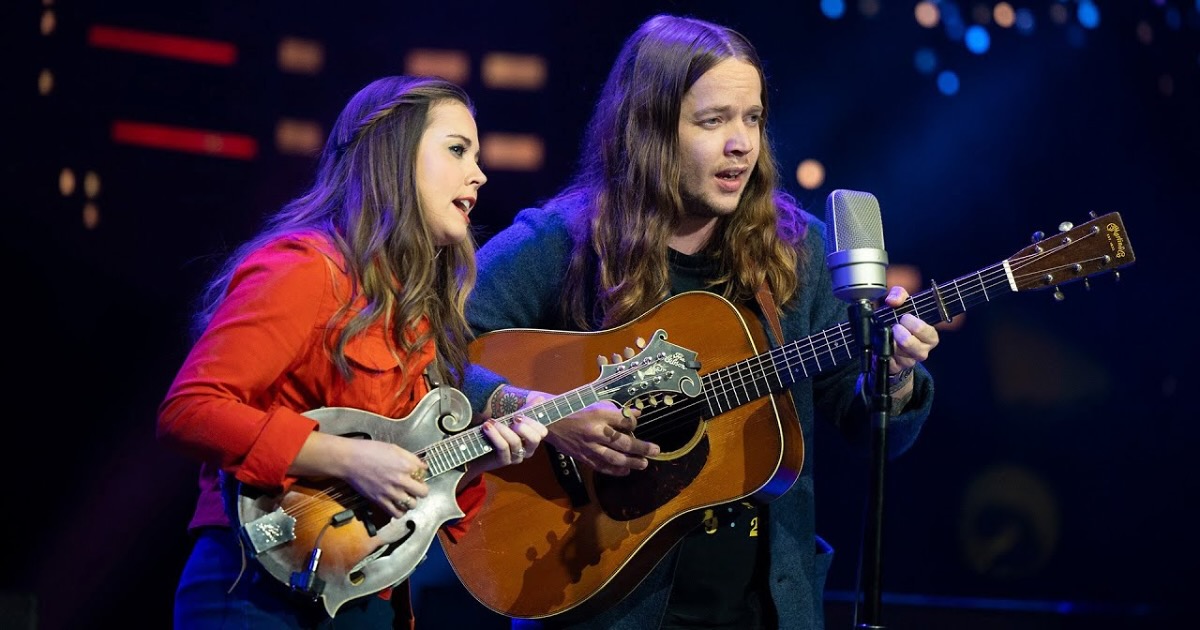
Sierra Hull & Billy Strings Do Traditional Bluegrass Justice with a Duet on Austin City Limits

Last week, Austin City Limits released an excellent bluegrass performance from their Austin City Limits Celebrates 50 Years broadcast, which debuted on April 4 on PBS. Mandolinist Sierra Hull and guitar phenom Billy Strings appeared on the special ACL show, performing a classic bluegrass number, “Midnight on the Stormy Deep,” a traditional song that entered the bluegrass canon via Bill Monroe himself. (Watch above.) It’s a popular duet, whether at jam sessions or on stage, and in this iteration finds the forward-thinking pair of Hull and Strings employing more retro sounds. Both are adept at these tones and textures, but tend to opt for more envelope-pushing picking on their own songs and creations. It’s lovely to hear both players in a bit more reserved a setting, with moments of star power shining through their tasteful playing and careful listening.

It’s striking how crisp, clean, and precise Hull and Strings render the song, but the grit and gristle that we tend to associate with bluegrass – and that “high lonesome sound” – are evident, certainly not in short supply. Hull’s solos are playful with zany touches and bluesy licks. Strings holds down the resonant lead vocal part while Hull adds the high harmony, both singing the lyric entirely in duet, because that’s how it goes! Strings pulls hard through his own solo with his signature confidence and boldness, while reminding his listeners how pivotal an influence Doc Watson has been across his career.

Hull and Strings are no strangers to collaborating, and in many contexts. Remember that time they covered Post Malone together? And well before Postie’s country foray and Strings’ track features on it. Hull has been known to guest on Strings’ shows, and vice versa. Their backstage cover of “What Does the Deep Sea Say” taped at the Ryman Auditorium has hundreds of thousands of views; “Midnight on the Stormy Deep,” meanwhile, has amassed nearly 200,000 views since it landed on YouTube late last week. Plus, Strings fans will recognize the track, not only from the bluegrass songbook, as it were, but from Strings’ own discography as well. He dueted with bluegrass legend and Hall of Famer Del McCoury on a version of the number a few years back. We never tire of it.

Whatever the many factors that led to Hull and Strings picking “Midnight on the Stormy Deep” together on ACL, they all add up to a live performance that’s easy, confident, and fun, and ultimately speaks to the deep and wide roster of young and younger bluegrass professionals who are keeping this music alive and in the limelight. For the coming generations and as-yet uninitiated new bluegrass fans, too.


Read our recent Cover Story interview with Sierra Hull on her brand new album here.

Read our recent exclusive interview with Billy Strings here.

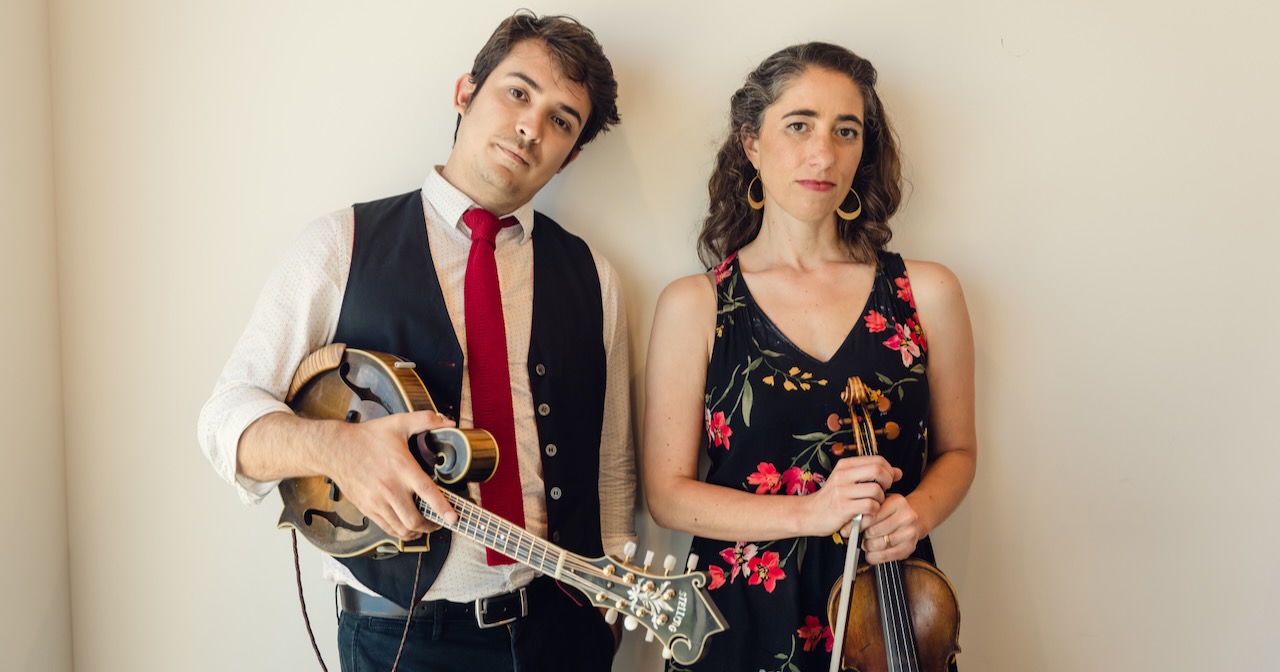
Combining Classical and Bluegrass, Scroggins & Rose Improvise and Inspire on ‘Speranza’

Acutely expressive, profoundly innovative, and ceaselessly gripping, Scroggins & Rose are masters of sonic storytelling. The project consists of Alisa Rose (violin) and Tristan Scroggins (mandolin), both virtuosic talents with a sprawling list of credits each in their own right. While Scroggins primarily forays in the bluegrass sphere and Rose spent her musical upbringing largely studying classical music, the two alchemize a blend of genres to achieve their distinct style.

The duo’s third collection, Speranza, relays a moving dialogue between fiddle and mandolin, drawing upon a diverse range of musical influences to weave together a thoughtful assortment of colors and textures. Initial ideas for the project began back in the quarantine days of 2020, and Speranza – which consists of six immersive instrumentals, a dynamic assortment of original and familiar tunes – now arrives nearly five years later in a moment where its intonations of hope feel just as crucial.

BGS had the pleasure of sitting down with Scroggins & Rose to discuss their origins, influences, and the percolation of their most recent release.

Congratulations on the album release! To start us off, could you talk about how the two of you came into playing together?

Alisa Rose: We both taught at NimbleFingers, which is a camp in British Columbia.

Tristan Scroggins: It’s a bluegrass week of workshops that has been going on for a couple decades. I always describe it on stage as “sleepaway camp for adults who want to learn how to play the banjo and drink.”

AR: There’s a really nice feel at that camp. Tristan was in a band with his dad at the time, so I did some shows with them there. Then one night, I remember the two of us improvising by a picnic table and we just had a really nice musical chemistry where we follow each other’s ideas around. Immediately it felt like, “Oh, this is a good musical fit.”

TS: At that time I was playing with my dad in Jeff Scroggins & Colorado, and we were touring full-time. So I just ended up in California a lot and I would tack on extra time to come hang out with Alisa. And we started writing music and playing shows. I live in Nashville now, so these days it’s more of a deliberate effort when I come out to collaborate.

At this point you’ve been able to flesh out that musical chemistry over the course of three collections. What would you say unites your musicality or differentiates it?

AR: I think when we improvise, it’s playful and creative and experimental – we’re not afraid to leave what may be reasonable behind, and sometimes that takes us to good places, and sometimes we fall on our faces. We also have a similar sense of rhythm and how we respond to it. It allows us to improvise freely because we feel rhythm in the same way. So that’s where we unify, but we have really different musical backgrounds.

Could you tell me more about that?

AR: Sure. Growing up I played a little bit of fiddle, but mostly I grew up in the classical world. I was a Suzuki kid, so I learned by ear initially, which I think has allowed me to play a lot of different music, but I was learning primarily classical violin growing up. Tristan grew up very much in the bluegrass world, and I’ve studied bluegrass and I’ve played in bluegrass bands, but I still have a different sense of melody and expressiveness. I think a lot about how to make music really expressive emotionally and I play with timings – those two things are less common in the bluegrass world.

TS: I think it’s been really valuable for me, generally musically and especially in the context of this project, to be exposed to those different ways of thinking about playing. I grew up playing with my dad, and in mandolin contests just learning how to play bluegrass, which does instigate this question of, is bluegrass expressive or not? I think it is sort of, but it’s so different from how classical music is expressive or how jazz is expressive. I’ve had to work a lot on navigating that challenge, because for me, I didn’t go to school at all for music. So much of how I play is very instinctual and this project often has me figuring out how to adapt those instincts in order to have more options, especially since there’s just two of us. We have to really be on the same page a lot of the time and work together to fill in spaces or leave holes where we want them to be – they have to line up, and it’s really obvious if they don’t.

Speranza does an excellent job at combining those classical and bluegrass sensibilities to achieve expression while still leaning into roots-like melodies. Can you tell me about the impetus behind your latest release? What drove you to create this third collection?

AR: So our first collection, Grana, was very improvised and we were a new duo. Basically we set out to make a demo – we wanted to record, like, three tunes and get some gigs. We got an Airbnb, rented some recording equipment, had our awesome engineer friend set it up for us, and we just hit record over and over for a weekend. By the end it seemed like it was an album, so that’s how that one came to be. Very improvised, very sort of exploratory. There were like 1000 takes of everything. Well, not actually 1000 because we didn’t have that long, but there was definitely a sort of trial and error of figuring out what we wanted to create.

And then for the second album, Curios, we worked out everything. We rearranged everything and really sought to emphasize the strength of melodies. A lot of that album was about making the melodies come out. To me, it’s also an exploration of different sound colors. We worked with Wes Corbett on that one and he helped bring that out in that album. We really tried to shape each tune into a little story, so they’re more composed. Some have solo sections, but they’re more like little pieces and arches – I mean, I would call them miniatures, but really they’re sort of standard length for bluegrass. In the classical world they might be considered miniatures– little, crafted, sparkly gems.

But we put [Curios] out in the pandemic, which was very anticlimactic. We were supposed to have a release tour and we worked really hard on that album for a long time. We had received a great grant from FreshGrass and were able to do a lot of things in the way we wanted. We worked with Dave Sinko as our engineer, who was awesome, and recorded in this pretty church in Nashville with Egyptian stained glass.

So the third one, Speranza, is more organic. We’ve grown as a duo in terms of creating, so we decided that instead of writing a whole record of stuff we would write and record as we went, or write and improvise as we went, and do some of both. So I believe this album combines the freedom of the first album and the shape and craft of the second album. And the material for Speranza came out of the pandemic – that was such a crazy time. Life seems sort of normal now, but a lot of the tunes started in that time and then we finished them once we could get back together.

TS: I think that in a lot of ways Speranza feels very shaped by the reality of the pandemic, 2020, things getting shut down – the first stuff that we worked on remotely, because we had to. It feels wild that we’ve been working on this for years now. It’s funny, similarly to the pandemic, it doesn’t feel like that was five years ago. We recorded it over different sessions and then mixed it over different sessions.

AR: “Pandemic Buddy” and “Reaper” are the darkest ones – those I did write in like that first month of the pandemic, but I just came up with the beginning idea and then as a duo, over two or three or four visits, we finished writing the pieces together. We’re often coming up with ideas, kind of sitting with them, and then recording voice memos and listening to them. It takes us a fair amount of time to do it and we really flesh out the arrangement and how our parts fit together in person. That tends to be pretty time-intensive. Basically we’re writing the pieces, but we’re memorizing them at the same time, with space for improv – everything is fluid, but the basic composition is pretty worked out. So our compositional process is pretty spacious and lengthy.

What was inspiring you during the composition of these pieces? Any art that you were ingesting or other cultural touchstones of during that moment?

AR: In the beginning of the pandemic, Tristan did a tune challenge, which is where some of these songs started. There was a word prompt every day to write a tune about. For example, “Reaper” began with the prompt “death.” “Pandemic Buddy” was for the prompt “friend.” It was a really nice way to channel energy at the beginning of the pandemic, when everything was crazy. I spent hours every day writing these tunes and trying to get a good video, and I think I got a little better at them as I went.

TS: I mean, it’s sort of an obvious one, but we talk a lot about Mike Marshall and Darol Anger. It’s the same mando and violin pairing, but I love listening to them and listening to other people who do this kind of new acoustic music/composing. I spend a lot of time in Nashville with Wes Corbett. Wes produced our second album, but he’s also a friend of mine, and I helped him with publicity for his first album, which has a lot of really beautifully written instrumental pieces.

It’s interesting – we spent so much time working on this in chunks and that was a very different part of my brain than the part of that was working very hard on, like, Texas-style fiddle tunes. Those weren’t crossing over, exactly. I think rather than being influenced by something specific, it’s more that I try to cultivate something within myself by listening to both stuff I like and new stuff. Absorbing all of that, letting it ferment inside, and then figuring out how to express that all together, rather than trying to emulate any one thing.

AR: I tend to think that when composing, everything you’ve ever listened to, everything that ever resonated with you and definitely anything you’ve ever played with your body or had in your body – whether you danced to it, or you physically played it – is a part of your musical sensibility. I don’t know what I was listening to when I was writing these tunes, but I definitely love Darol Anger and Mike Marshall. I also love Schubert string quartets, I love Beethoven piano sonatas, and I love Debussy piano music – I love a lot of different kinds of music, and I think all of that is part of what comes out. That’s all part of what’s in my head when I’m conceiving of new material.


Photo Credit: Lenny Gonzalez

You Gotta Hear This: New Music From Mason Via, Golden Shoals, and More

Our weekly premiere round-up kicks off this fine Friday with a new video from singer-songwriter Kelley Mickwee from her upcoming release; it’s the title track and her favorite song from her upcoming album, “Everything Beautiful.”

We continue with some bluegrassy old-time from duo Golden Shoals, showcasing “Milwaukee Blues,” a staple on their set lists and at their live performances. And, fellow bluegrass artist and songwriter Mason Via brings us his brand new single co-written with Charlie Chamberlain entitled, “Falling.”

To wrap up the week in premieres, don’t miss two new BGS-produced video sessions that hit the site this week. First, the latest in our Yamaha Sessions featuring shredder Trey Hensley, followed up by a bonus DelFest Session from Mountain Grass Unit celebrating their new EP, which dropped today.

It’s all right here on BGS and frankly, You Gotta Hear This!


Kelley Mickwee, “Everything Beautiful”

Artist: Kelley Mickwee
Hometown: Austin, Texas
Song: “Everything Beautiful”
Album: Everything Beautiful
Release Date: September 27, 2024
Label: Kelley Mickwee Music

In Their Words: “My favorite track on the record. A love song, which are rare and hard for me to write. This one started as a poem, sitting on my back porch one late afternoon as the dragonflies swarmed the yard and the hummingbirds fought over the feeder. I was all of a sudden just overcome with such deep love in my heart. Sent some words to my dear friend, Seth Walker, and he put this beautiful melody to it before I even woke up. It’s the first song we have written together of what I hope is many more to come.” – Kelley Mickwee


Golden Shoals, “Milwaukee Blues”

Artist: Golden Shoals
Hometown: Nashville, Tennessee and Vancouver, British Columbia, Canada
Song: “Milwaukee Blues”
Release Date: September 27, 2024

In Their Words: “‘Milwaukee Blues’ has been a staple of our live show for years. It’s got a fun, silly vibe, but it’s about the very real perils of hoboing in the 1920s. That smiling on the outside/crying on the inside dichotomy is one of the most fascinating things about bluegrass and old-time music. Though we focus more on our original songs, our early tours were always based around fiddler’s conventions – Mt. Airy, Galax, Clifftop, etc. Playing old fiddle tunes and songs is how we started to forge our own sound and how we met our dearest musical pals. We’ve released collaborative old-time albums before (Milkers and Hollers and Tune Hash), but this is our first time stripping it down to the duo. We usually do one or two of these tunes at each show and we wanted to get them down for posterity, and for the old-time fans! Tracks will continue to trickle out over the next year, culminating in a full 14-track album.” – Mark Kilianski


Mason Via, “Falling”

Artist: Mason Via
Hometown: Nashville, Tennessee
Song: “Falling”
Album: Mason Via
Release Date: September 20, 2024 (single)
Label: Mountain Fever Records

In Their Words: “I co-wrote this song with Charlie Chamberlain, who’s known for his work on several Songs From The Road Band albums. We initially crafted this track as a companion piece to ‘Melt in the Sun,’ another song on the upcoming record. Originally, we intended for it to be recorded with my psychedelic electric side project as a rock and roll party anthem. It wasn’t planned for this bluegrass album, but after bassist and dobro player Jeff Partin singled it out as his favorite from the extensive list of songs I shared with him and the producer, I decided to include it at the last minute. I’m glad we included it because it blends that distinctive Mountain Heart newgrass drive with lyrics that are perfect for getting people moving.” – Mason Via

Track Credits:
Written by Mason Via & Charlie Chamberlain.
Mason Via – Lead vocals, guitar
Aaron Ramsey – Mandolin
Jason Davis – Banjo
Jim Van Cleve – Fiddle
Jeff Partin – Bass, Dobro
Kyser George – Guitar
Brooks Forsyth – Baritone harmony
Nick Goad – Tenor harmony


Yamaha Sessions: Trey Hensley, “Can’t Outrun the Blues”

Our Yamaha Sessions continue, highlighting the top-notch Yamaha FG series of acoustic guitars and the killer musicians who utilize them. This time, we’re back with guitarist, singer-songwriter, GRAMMY nominee, and reigning IBMA Guitar Player of the Year Trey Hensley. For his second session in the series, he performs a growling original, “Can’t Outrun the Blues,” that highlights the grit and attack of his custom Yamaha FG9 R, resonant and bold in open E.

Hensley’s techniques are bluegrass through and through, with clarity and athleticism to his flatpicking that stand out even among his incredibly talented contemporaries. The ‘grassy skeletal structure behind his approach to the instrument is merely a springboard into other textures and styles. Here, in a modal and bluesy number, you can certainly hear the influence rock and roll, down home and contemporary blues, Southern rock, and country chicken pickin’ have on Hensley’s own writing and composition.

More here.


DelFest Sessions: Mountain Grass Unit, “Lonesome Dove”

For a special bonus edition of our DelFest Sessions from earlier this year, we return to Cumberland, Maryland and the banks of the Potomac River for an encore performance by bluegrass four-piece, Mountain Grass Unit. On September 20, the group will release a brand new EP, Runnin’ From Trouble, which features this original number, “Lonesome Dove,” as the lead track. In fact, at the time of the session’s taping, the band had just recorded the song a week prior.

“We had an amazing time at the riverside DelFest Session performing our new song, ‘Lonesome Dove,'” said mandolinist Drury Anderson via email. “Watching people float down the river while we recorded made the experience even more special. It was an honor to be part of such a unique series!”

More here.


Photo Credit: Mason Via by Michael Weintrob; Golden Shoals by Mike Dunn.

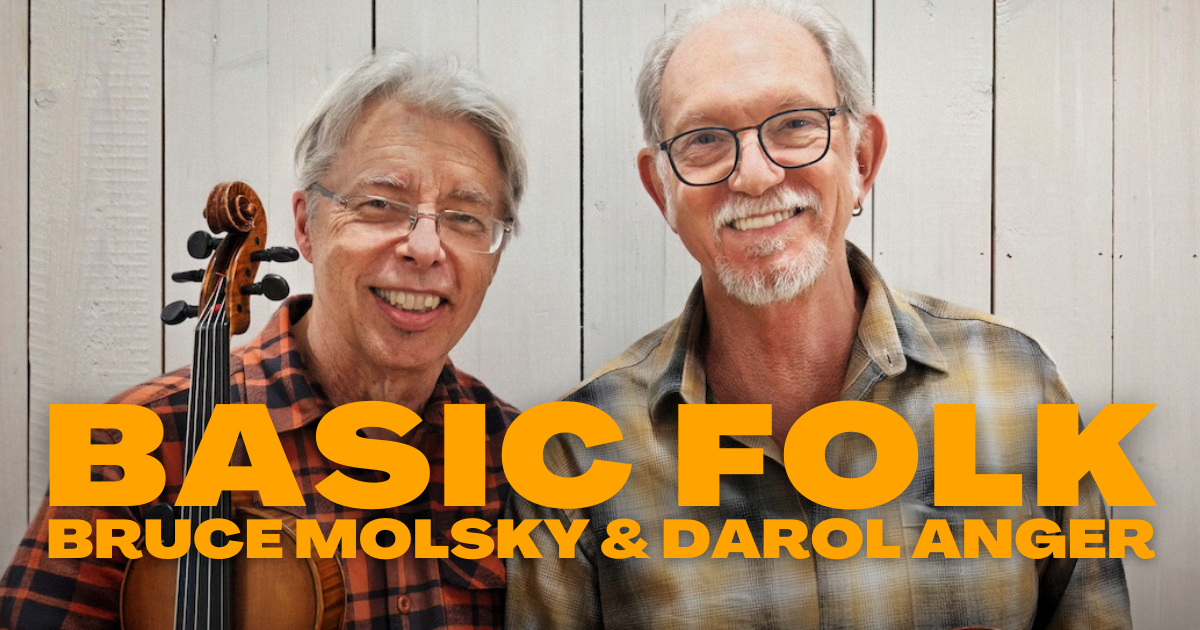
Basic Folk: Bruce Molsky & Darol Anger

The names Bruce Molsky and Darol Anger have come up more often than not when talking to fiddlers on Basic Folk. The pair have single-handedly mentored hundreds of our favorites in fiddle music at Berklee College of Music in Boston, Darol’s online music school, music camps, festivals, and more. The pair joined us on the occasion of their newest folk music collab, their new album Lockdown Breakdown. Folk music has often been associate with nerdiness, so we get right into their nerdy roots with Bruce’s love of fountain pens, his background in mechanical engineering, and all facts about American roots music, bluegrass, and fiddle music you can stand.

LISTEN: APPLE • SPOTIFY • AMAZON • MP3

Both talk about their origins: Bruce in the Bronx and Darol in Northern California, which eventually led him to become a co-founding member of the David Grisman Quintet. We discuss the social aspect of the old time and bluegrass world and how that has translated into the way they each approach socializing. Then, we get into the thousands of fiddle lessons they’ve given younger players and why they like to mentor younger generations.

And of course, we chat about the album, which was recorded live in a Nashville studio in just a few days. Darol and Bruce talk about what the energy was like in the room for all their live takes during the session. It was a pleasure to speak with these two very funny, very influential musicians! They are doing incredible and important work.


Photo Credit: Jeppe Blomgren

One to Watch: Boston-Based Alt Folk Duo Sweet Petunia

From the crosshairs of the Boston folk community and punk/DIY scene emerges Sweet Petunia, an innovative duo consisting of multi-instrumentalist songwriters Maddy Simpson and Mairead Guy. A synthesis of banjos, queerness, emotive lyricism, and life-affirming harmonies, the pair’s music explores the fluidity of futurity, even when anchored in centuries of tradition.

With two EPs and several singles under their belt, Sweet Petunia graces the ears of multitudes with an active touring schedule and their vigorous participation in the Boston music scene. The queer alt folk duo’s commitment to community and uplifting overlooked histories only deepen the resounding impact that their music inspires.

So, to start things off, how did the two of you first meet?

Maddy Simpson: We both went to Berklee College of Music and we got placed into the same ensemble, 21st Century String Band, taught by Greg Liszt, who is an incredible banjo player. One day we were supposed to have an additional rehearsal with another guy that was in the ensemble, but he stood us up (shoutout Rob with your Legends of Zelda beanie with a brim!) The two of us showed up for the rehearsal and he never came. So we just had 45 minutes to talk to each other. We ended up talking about our goals, the music we liked, and found out that we had a lot of similar likes and plans for the future. So we decided to get together and play some music. When we did, immediately we were like, “Okay, let’s be in a band.”

What does your musical chemistry with one another feel like?

MS: Well, we always joke that we’re related. I mean, we do sound very similar when we sing together. So it kind of feels like we’re like a family band even though we’re not related.

Mairead Guy: Yeah, I mean it just works – really well. Obviously we put in a lot of work into what we do. But a lot of it feels very easy when we’re playing and arranging together. We have similar intuitions about the way things should go, and that makes it really fun and special to play together.

What is your process like when you songwrite and arrange together? And what’s it like arranging with two banjos?

MG: Most of the time we come to each other with an almost-completed song. Sometimes we write together, but usually we come together once the song is pretty much finished and arrange it from there. And that’s just a lot of playing it over and over and over and over, trying different things and seeing what sticks and what pops out.

That works! How did each of you come to the genre and/or the banjo?

MS: I came to folk music through the folk revival of the ’60s. I listened to a lot of Simon & Garfunkel growing up and then when I was a little bit older, I got into the folk revival revival, so like Mumford & Sons, The Head and the Heart, The Lumineers, and that kind of stuff. I had no idea that was just the tip of a really big iceberg – I didn’t really discover true traditional music until college, when I got really into old-time music and ’50s country blues and that kind of thing.

The reason I started playing banjo is that obviously it was pretty present in the music that I was listening to like all throughout high school and my childhood, but when I got to college I had a dorm-mate who played banjo. He was a banjo principal and he would play banjo in the lounge and the laundry room – just everywhere. One day I told him that I was interested and he said, “If you buy a banjo, I’ll give you lessons.” So over Thanksgiving break I went home, bought a banjo, came back, and started taking lessons with him. And then I started taking lessons with other people at Berklee and that was it for me – it became my primary instrument.

MG: So, I grew up in Virginia. There’s a lot of traditional, old-time bluegrass around in that area and a lot of my family is pretty musical – my uncle and aunt and my great uncle and his longtime partner. We’re are all professional musicians and my great uncle was a phenomenal clawhammer banjo player. My brother plays the banjo and I’d always wanted to play it, because it’s such a beautiful instrument. When Maddy and I first started playing together, we had a lot of songs where we would trade our instruments around. When she switched to banjo I thought it was the perfect time to finally sink my teeth in and do it. Similarly to her, once I picked one up I was like, “Oh my God, why haven’t I been doing this the whole time?” Yeah, it’s an addictive instrument to play.

I noticed that the stylization of a lot of your lyrics is super unique and you have several songs with strong narratives. Can you talk a bit about the song “Quilt Too Big to Fold”? I’ve had it on repeat for weeks.

MS: Thank you. Yeah, I wrote that song for a class. We were given this assignment to write a story song. And I was thinking a lot and sort of had this refrain in my head, “All you do is sit all day and sew.” So I did some journaling about all of the things that you can sit and sew. Fiber arts are really important to me and at the time of writing that song I was really into embroidery and I was getting really into visible mending – dabbling in this world of fiber arts.

I started thinking about all of the different fiber mediums you can have. And I started to think about quotes. And then, obviously, I’m also gay. I had already seen the AIDS Memorial Quilt, so I began to look into it more deeply. The quilt was started by a lesbian and was just one of the many forms of activism that came out of the AIDS crisis. The song sort of formed around that pretty quickly. It was easy to write given the fact that I’m queer and then just creating this work of fiction where I did a lot of thinking about what it would be like to go through that, taking my own passions and interests in sort of like translating them into a historical lens. And it was really an interesting process.

Really, really amazing stuff. I also saw that you both played an integral part in Club Passim’s inaugural Pride show? Can you talk a little bit about that and what that was like?

MG: Oh it was all Maddie! Well, we played it together, but it was all Maddie.

MS: Mairead kept me sane – I was freaking out the whole time. I was given the opportunity to curate Club Passim’s first ever truly Pride-themed show. We’ve done Pride open mics and once we had a queer festival, but that was during COVID, so it was all online. So we’ve had some queer-centered events before, but this was the first ever show specifically dedicated to Pride Month.

I was given this opportunity through The Folk Collective, which is an initiative that Passim is spearheading right now. Basically, it’s a cohort of 12 artists and cultural thought leaders that live in and around Boston. Passim has invited them into the club to synthesize what the future of folk music could be like, since folk music has, in the cultural narrative, been seen as a really white-washed and male-centric genre. So it’s 12 people of varying marginalized identities and people of all ages and races and gender identities and sexual identities coming together to talk about what the future of folk music could look like.

I was given an opportunity through the Folk Collective to bring together six queer acts who are making music either directly inspired by or within the traditional genre. We had several performers who played super traditional instruments – I mean, we both played banjo and we had somebody who plays the mountain dulcimer, which was really cool. We had somebody else who did country blues and talked about gender non-conforming people in the genre. And we also had some incredible singer-songwriters as well. It ended up being a crazy night of celebrating queer identities and also celebrating the traditional music that everybody at Club Passim loves so much. It was very, very awesome.

MG: Hell yeah. Beautiful night – Maddie put so much time and effort and care into curating all of these artists and making this happen in such an important and cognitive way, and it was just such an incredible thing to ride along the coattails of.

Hopefully there are many more! In general, what does the community feel like in Boston, within the folk scene, and how do you see Sweet Petunia fitting into it?

MG: I think that Maddie and I have a particular perspective on it just because we work at Club Passim, so we see all the musicians that pass through. But I mean, as is evidenced by the event that we just had, there is a pretty wide community of queer and trans folk musicians who are drawing inspiration from traditional roots music. And even beyond tradition, things like the pedal or lap steel are becoming super popular in different genres of music. Even the banjo people are using electric banjo to get a super sick like electric guitar tone and that sort of thing.

MS: Yeah, I was just gonna say that we sit in a really weird intersection, because we’re not quite in the traditional folk scene. We’re also really established within the DIY scene as well, which is primarily indie rock and hardcore music in Boston. But because we exist in both circles we get the best of both worlds. Sometimes we get asked to play punk shows, but we also can play listening room venues like Passim.

Outside of the folk and Americana scene, what are your biggest influences right now?

MS: I love slowcore and also the huge bootgaze thing that’s happening right now. I feel like I exist in the perfect time to be 25 and into DIY music, because most of the music being made around here at this point has some bootgaze element.

Could you define bootgaze?

MS: It’s like shoegaze-inspired country music. Or country-inspired shoegaze music. Some blur into indie rock, some are just shoegaze bands that use country instrumentation or come from a place where country music is the main genre. The band Wednesday is probably the biggest right now. They sort of pioneered the genre. MJ Lenderman, Florry – there’s lots to explore if you look up bootgaze or countrygaze.

What about you, Mariead?

MG: I mean, definitely same. I’ve also really been loving a lot of hyperpop and pop music recently. Just like the energy in songs like that is so interesting. I’ve been thinking a lot about the banjo as a similar percussion to a drum machine in a super fast hyperpop song. I’ve been trying to think about ways to incorporate that because most of the songs that I write make you feel kind of bad, but I think it’d be kind of fun to write songs that made you feel kinda good.

I think you’re onto something! Do you two have any fun projects coming up?

MG: We’re working on a Dolly Parton cover EP. Every year for Halloween since 2019 (except for 2020 because of COVID) we have done a Dolly Parton cover set. And so this will be our fifth year of Dolly Parton cover sets. So we wanted to do a little something to commemorate it.

MS: Yeah, it’s gonna be really fun. That’s coming in October. There will be a bill for a cover show. So if people are local to Boston, they can come to that.

That is so exciting! So you’re our One to Watch, but who are you watching? Are there any artists, creatives, musicians, etc. that you’re appreciating especially right now?

MS: I think that my one to watch is Roman Barten-Sherman, the person from Passim’s Pride show who does traditional country blues. She’s incredible. She’s so good. She is so smart. And so well-read and knowledgeable about early American country blues. During her shows she’ll introduce every song with so much knowledge about the genre and people who play it. She knows so much about gender-nonconforming and trans individuals and Black women who have contributed to the genre. She knows everything – it’s crazy. And then she’ll play the song and it’s the best fucking thing you’ve ever heard. She’s just so good. I think she’s going to take over the world. She’s my one to watch.

MD: I definitely second that – she’s one of the people I was thinking of. I would also say Jarsch. Just absolutely incredible, visceral songwriting. Beautiful lyricism relating to both the pain and joy of queerness and gender and life itself – religious trauma, all sorts of things. Everytime I see her play I literally just cry and cry. It’s so beautiful. She’s the only person I’ve seen able to yield a guitjo in an appropriate manner, and she just has so much love for what she’s doing and the community she’s in. I feel very lucky to know her. Definitely a one to watch.


Photo Credit: Barry Schneier

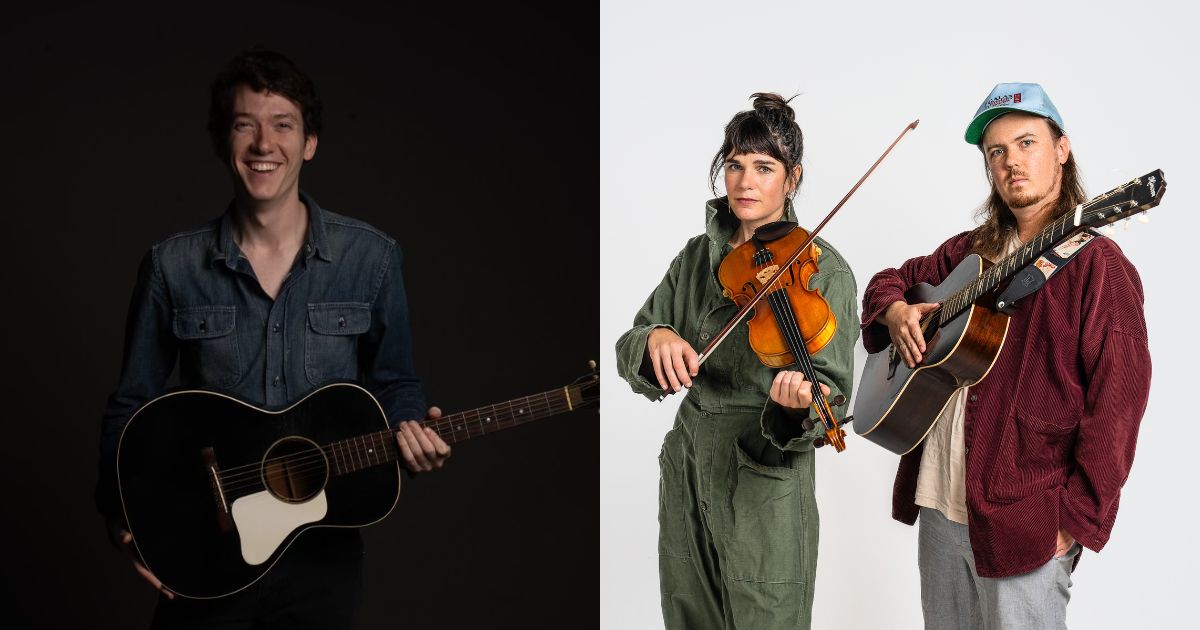
Out Now: Great Aunt

Great Aunt is an Australian folk duo composed of Megan Bird and Chelsea Allen. For a small outfit, they showcase a wide array of instruments – including mandolin, resonator guitar, acoustic guitar, double bass, percussive instruments, and vocals – with detailed harmonic arrangements.

Their music is groovy, with a foot-stomping feel as the base underlying relatable lyrics and stories, primarily drawing from Appalachian folk, bluegrass, and gospel music. Great Aunt is a duo with an impressive log of tours, festival shows, and releases that they’ve independently managed. Their most recent single, “What’s A Girl To Do Now,” covers issues around body image, identity, gender, safety, and equality.

We are eagerly awaiting the release of their debut full-length album, It’s All Downhill From Here, expected later this year. In the meantime, we are honored to highlight this incredible duo from all the way down in Australia, Great Aunt.

You just released “What’s A Girl To Do Now?” This powerful song addresses the struggles that women face around being “woman enough” – body image, identity, and more. Could you share more about the inspiration and meaning behind this song?

We started writing it when a lot of awful things were happening to women in our parliament that no man was ever held accountable for. We then spent a lot of time reflecting from our own place of privilege, as we watched First Nations women dying in [state] custody and the trans community being politicized and targeted by extreme acts of violence. We wanted to acknowledge how discrimination and acts of violence against women further intensifies at the intersections of race and gender. There’s a lot of work to do to support each other and fight for equity, where everyone feels safe, included, and as valued as any other woman. Space is infinite, there’s a place for all of us, except TERFs maybe.

You’re planning to release your debut full-length album, It’s All Downhill From Here, later this year. What has that process been like for you? What might listeners expect to hear from this much-anticipated release?

A diverse range of folk songs and a lot of personal stories to tell. We’ve been recording and mixing it ourselves with a vision to have some common themes throughout the album. Our main goal is to remain honest and sincere, and to try and translate that into the album.

As independent artists, what has the process been like for you to secure so many festival placements and shows? How do you balance the creative side of being artists with the business needs to book shows, attend conferences, and promote your music? 

We are fiercely independent! The balance is often skewed towards the business side of things with the amount of touring we’ve accomplished in the last 12 months, including three U.S. tours. The admin feels never ending, to say the least, but we both divide and conquer with festival applications, booking tours, and the PR side of things. We even do our own artwork!

Now that we’ve put in the effort, we’re starting to get invited to festivals and events around the world, which is really exciting. This year we’re balancing it in favor of writing and recording, while we start booking our next U.S. tour for 2025!

What’s your ideal vision for your future?

In the short sighted future – to continue touring the U.S., Australia, and abroad.

More importantly, we want to continue to embrace and help grow this music community so we can all thrive. We know that without the help of this community we really wouldn’t have had the incredible experiences we’ve had, so we will continue to pay it forward however we can.

What is your greatest fear?

We fear for all of us. That things don’t get better and we never find our way as humans. The feeling of being unable to make an impact or calling for change and it falls on deaf ears, is the crossroads a lot of us have been at for a while now. We see this as key as western countries enter the next round of elections.

What is your current state of mind?

Burnout and worry, yet still optimistic? Right now we make sure we find pockets of joy, away from our devices and the news.

What would a “perfect day” look like for you?

Starting off with a big pot of coffee… or two. Then sitting in our pajamas together, in our home studio, writing and recording music throughout the day, maybe sneak in a video game or two. Then we head to a show. It doesn’t matter if we or someone else we admire is on the stage, but it’s a room full of friends and heartfelt stories.

Why do you create music? What’s more satisfying to you, the process or the outcome?

It’s a form of communication and expression that is a part of both of us. Creating or writing music is a constant process of growth and exploration. When we “finish” writing a song, record it down, and release it, it still continues to grow and evolve as we perform it.

Do you create music primarily for yourself or for others?

Our songs start from personal experience, a reflection of something from our lives. While we don’t write music with an audience, we do hope that someone out there listening to it feels less alone, and can hold onto that connection.

What’s the best advice you’ve ever gotten?

That a career in music is a long journey.

Who are your favorite LGBTQ+ artists and bands?

Some of the best music out there right now is queer music, and the list is forever growing. Adeem the Artist, Jessye DeSilva, Wiley Gaby, Crys Matthews, Brittany Ann Tranbaugh, Julie Nolen, and the beacon of light that is Allison Russell! Oh my!

We also adore Flamy Grant, Karen & the Sorrows, Amythyst Kiah, Jake Blount, and some local Australian favs are Charlotte Le Lievre, Little Wise, the Double Dole String Band, Kerryn Fields, Hana and Jessie-Lee’s Bad Habits, This Way North, and the Tuck Shop Ladies.

For anyone reading this who might not be out of the closet, were there any specific people, musicians, or resources that helped you find yourself as a queer individual?

I, [Megan], was lucky enough to attend this place called Rock’n’Roll High School in Melbourne. It was a place started by Stephanie Bourke, an icon in Australian music. She created a safe space for young women, non-binary, and queer folks to start bands and taught us how to navigate the industry. On reflection, I distinctly remember I felt safe to be myself and finally found a place of belonging, where my queerness or size wasn’t singled out as an issue to fix. It was a significant turning point for me, and it came at the perfect time.

I came out when I was a young teen, and was fighting to live every day. I had the support of my family, but was constantly abused at school and even the school itself told my parents I didn’t belong. It nearly had a devastating impact. Please. Hold on. Find a space that makes you feel alive. Find people and community that don’t question or challenge your identity, and let you just be, that is your family. If you haven’t found it yet, please don’t give up. When you do find these people, the feeling of liberation will overwhelm you with joy. Great Aunt loves you, we’re rooting for you.

What does it mean to you to be an LGBTQ+ musician?

Being a musician helped me process and get comfortable within my own skin when trying to understand my own identity. We’re queer women, our music is written from our perspective, and our songs are literal stories from our lives, so it’s inherently queer music. We don’t underestimate the importance of visibility and allyship. It’s critical for us that our music is a safe space for everyone.

What has it been like for you as Australian artists touring in the US?

As folk music has such deep seated roots within American culture, we are always humbled by the breadth of the music community in the U.S. and how welcoming and supportive they have been to us. We reflect on how lucky we are to be able to do this, and the listening rooms we’ve played that have been full to the brim with people we now call friends. There’s no music scene like it.

What are your release and touring plans for the next year?

There’ll be a couple of U.S. tours, that’s for sure. Once we have this album out, we’re already thinking about another release to follow shortly after, and really want to make the most of a slightly quieter tour schedule this year.


Photo courtesy of the artist.

Out Now is presented in partnership with our friends at Queerfest. Learn more about this Nashville-based queer-centered event and collective here.

Viv & Riley’s Tradition and Innovation on Basic Folk

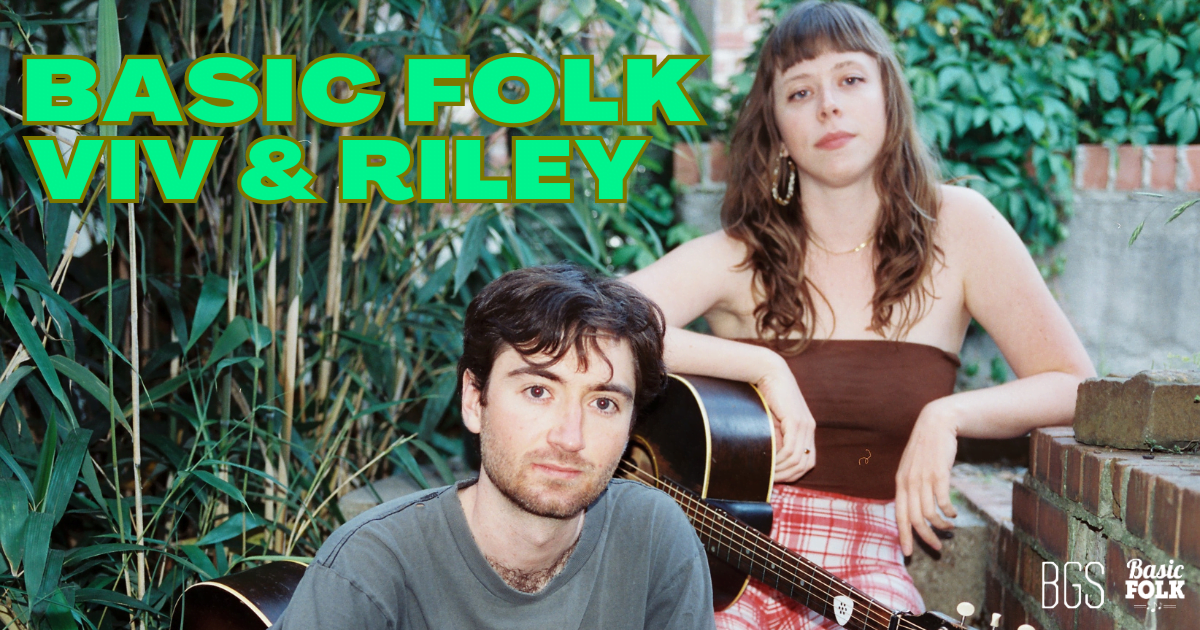
Vivian Leva and Riley Calcagno, known as Viv & Riley, dive deep into the nuances of old-time music, their folk influences, and the process behind their album, Imaginary People. The duo, who ​met ​at ​a ​music ​camp ​in ​Port ​Townsend, ​Washington, trace their roots from Riley’s disciplined musical practice to Viv’s intuitive approach. The two found inspiration from growing up in the Seattle area listening to KEXP to living in Portland, Oregon, to their current home in Durham, North Carolina. Drawing on their experiences at fiddlers conventions and music camps, Viv & Riley reflect on the transformative power of collaboration and the vibrant community that has shaped their unique sound in their duo as well as their other band, The Onlies.

LISTEN: APPLE • SPOTIFY • STITCHERAMAZON • MP3

As they share insights into their songwriting process, the episode unravels the intricate layers of Imaginary People, delving into the harmonious blend of indie roots and experimental production that defines their latest release. With a nod to their eclectic influences, including the supportive atmosphere of Durham, North Carolina, the duo discusses the evolution of their sound under the guidance of producer Alex Bingham from Hiss Golden Messenger, who produced their latest album.


Photo Credit: Libby Rodenbough

WATCH: The Montvales, “Lou”

Artist: The Montvales
Hometown: Knoxville, Tennessee, but currently residing in Cincinnati, Ohio
Song: “Lou”
Album: Born Strangers
Release Date: February 2, 2024

In Their Words: “I spent a year teaching English in a small town in France. My baby niece came to visit during that time and I got to take her to the ocean for the first time. I showed her beaches, vineyards, and forests.

“Sometimes being far away makes troubling news of home feel more vivid. Threats to American public land felt especially heartbreaking as I watched my niece grow to love the land for the first time. I wrote this song imagining a future in which she gets to love all the mountains, beaches, and forests that I love. It felt like the only acceptable option was a world passed on to her intact.” – Sally Buice

Track Credits: Produced by Mike Eli LoPinto
Engineered by Sean Sullivan
Mixed by Jake Davis
Mastered by Kevin Butler


Photo Credit: Suzi Kern
Video Credit: Contrary Western