The Show On The Road – Matt the Electrician

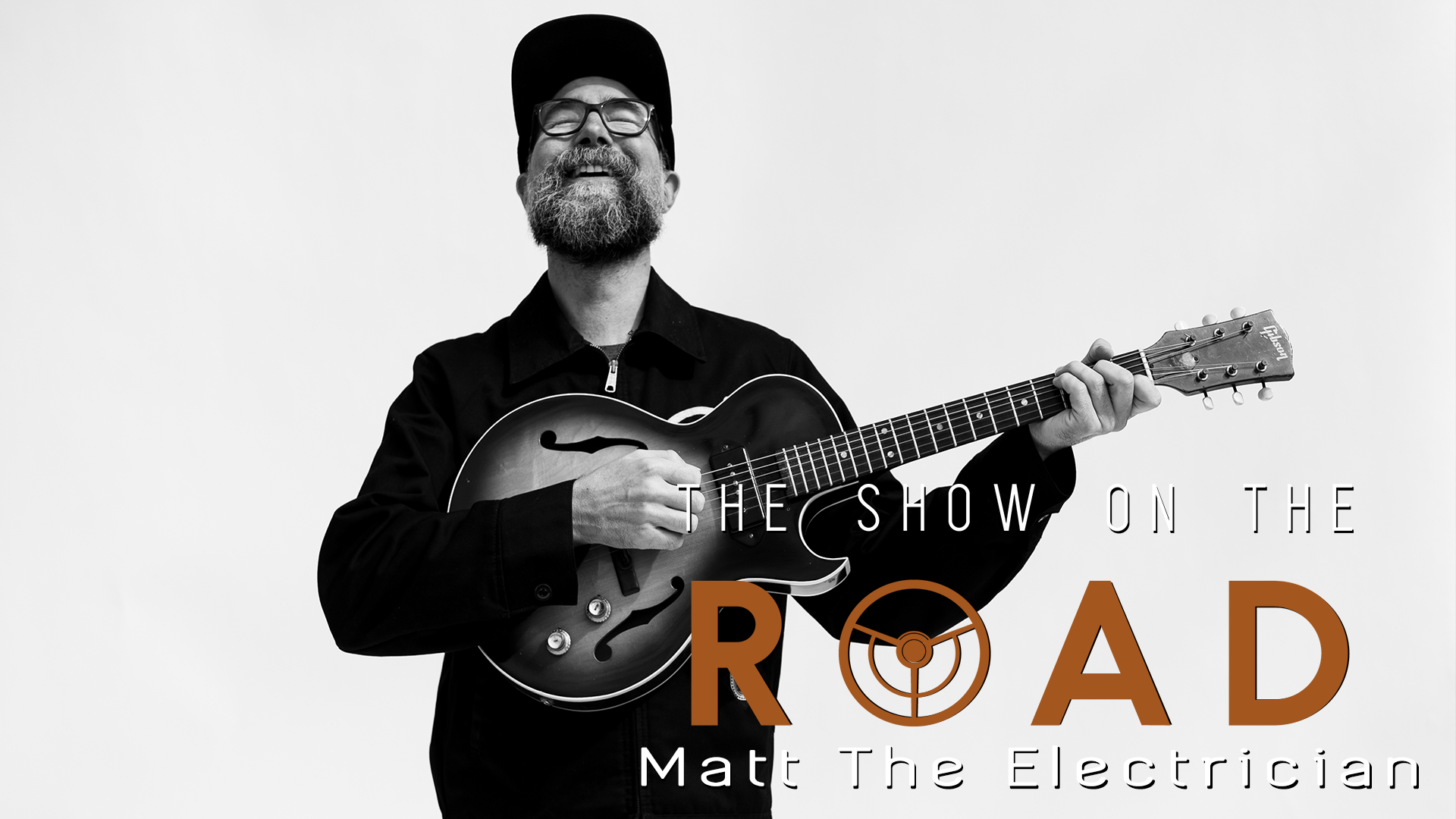
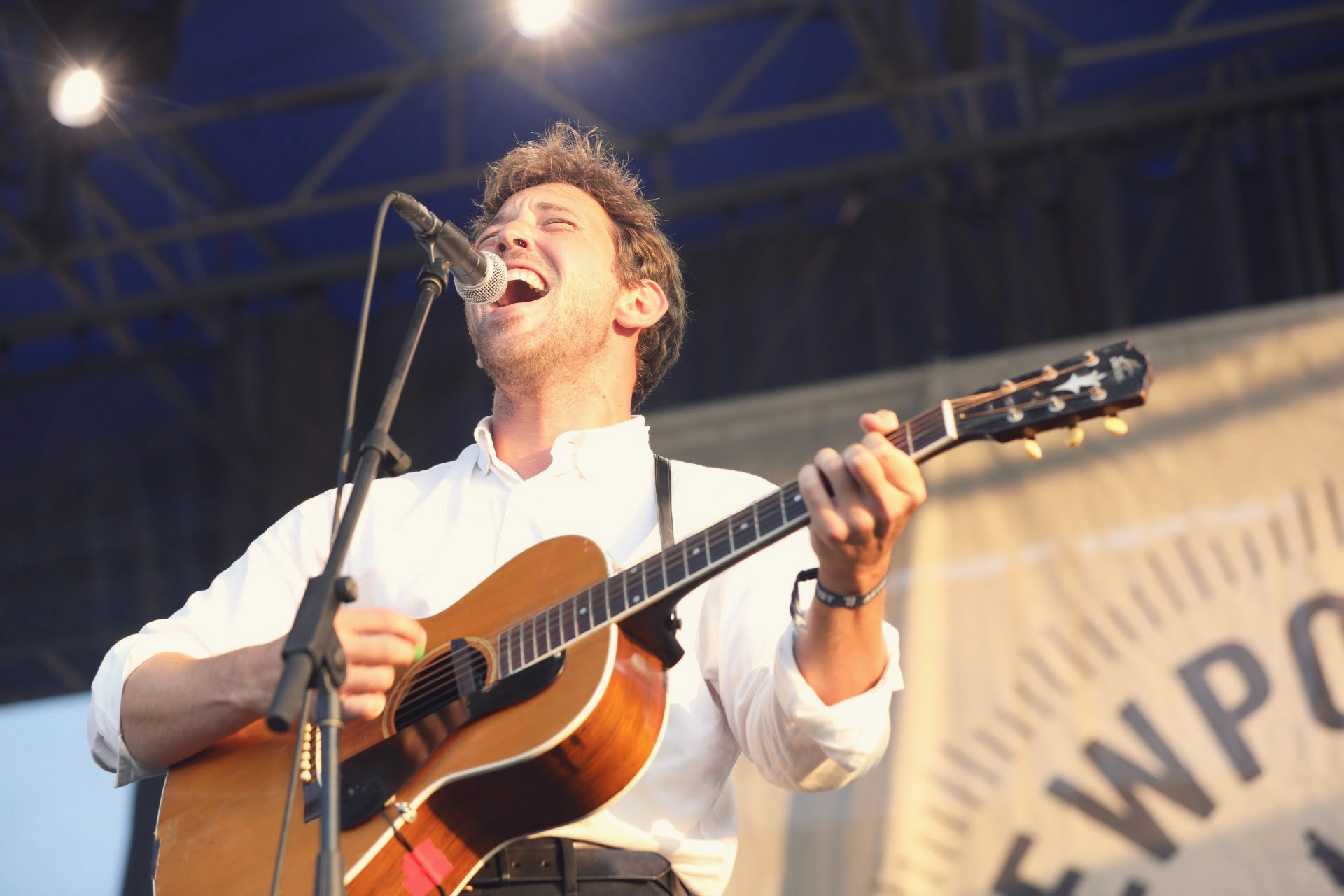
This week, Matt the Electrician — a kind-hearted songwriter and cunning craftsman of smile-inducing folk songs that retain the one thing we might need most in our jackknifed new century: hope.
LISTEN: APPLE PODCASTS • MP3

While the artist not known as Matt Sever may still be able to fix the sparking wires behind your walls with his nimble bear hands, he found a line of work even more daring, dangerous, and financially precarious. What did he set his sights on back in the 1990s? Being a roving folk singer.

Matt’s been at this a while, he looks more like your cool tatted shop teacher than the next big arena money maker for the major labels. So, letting the people who have put him up in their houses and cooked him a warm meal on the road support the music their own way? It’s kind of beautiful. In fact, his sturdy fanbase just lovingly funded his next record, for which he’ll be working with a producer for the very first time, and that producer is none other than Tucker Martine. He’ll be heading up to Tucker’s studio in Portland, Oregon to start the project in October.

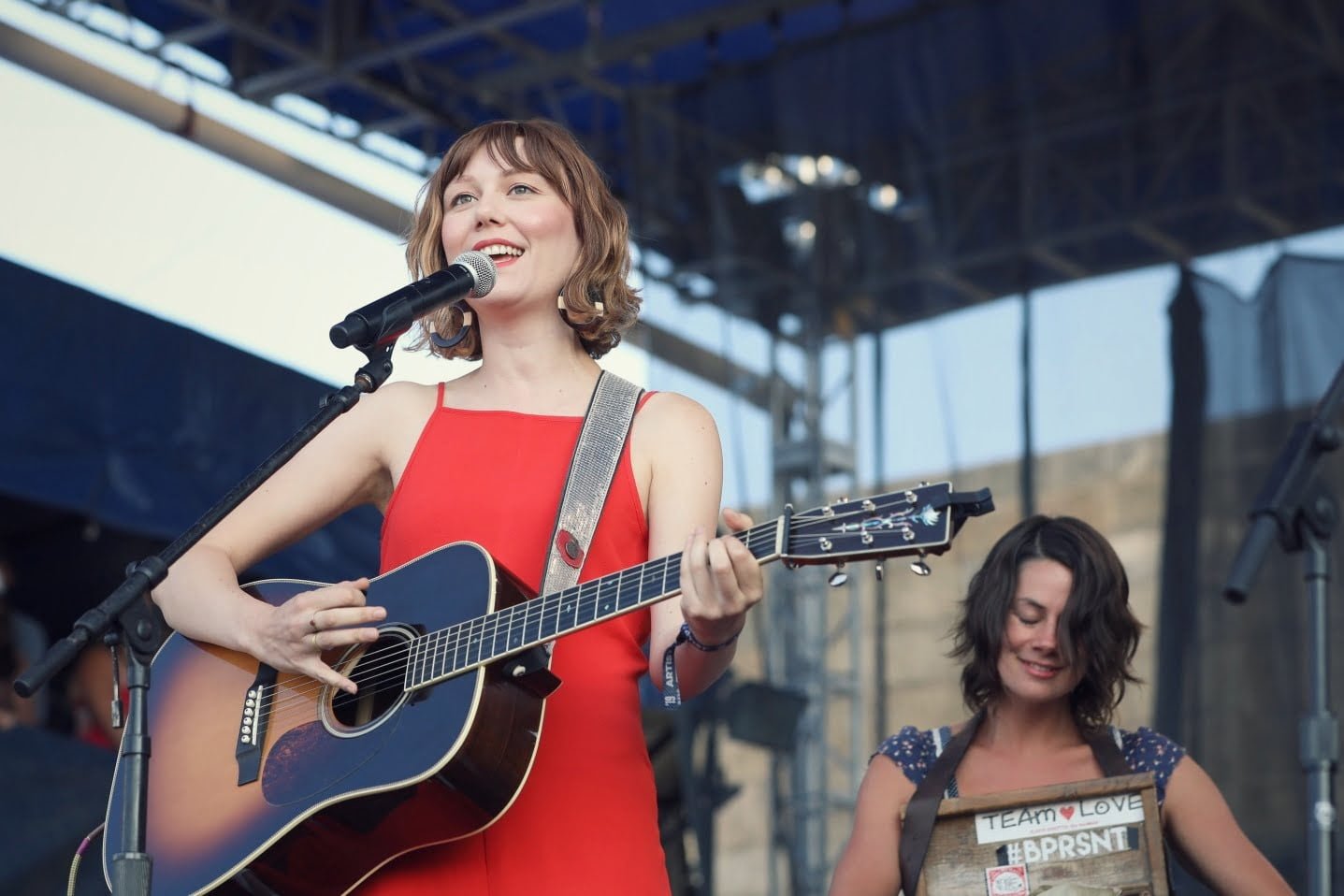
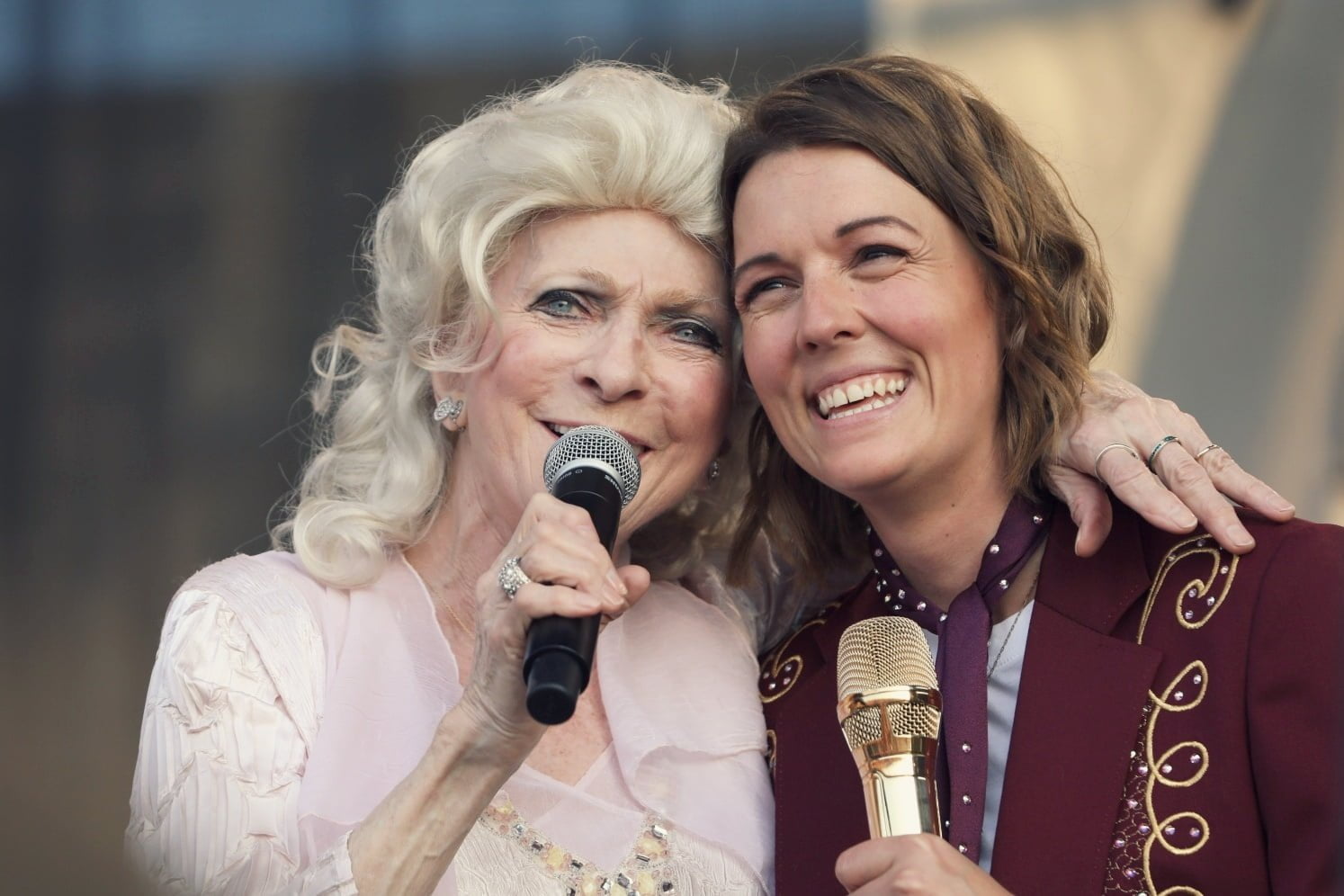
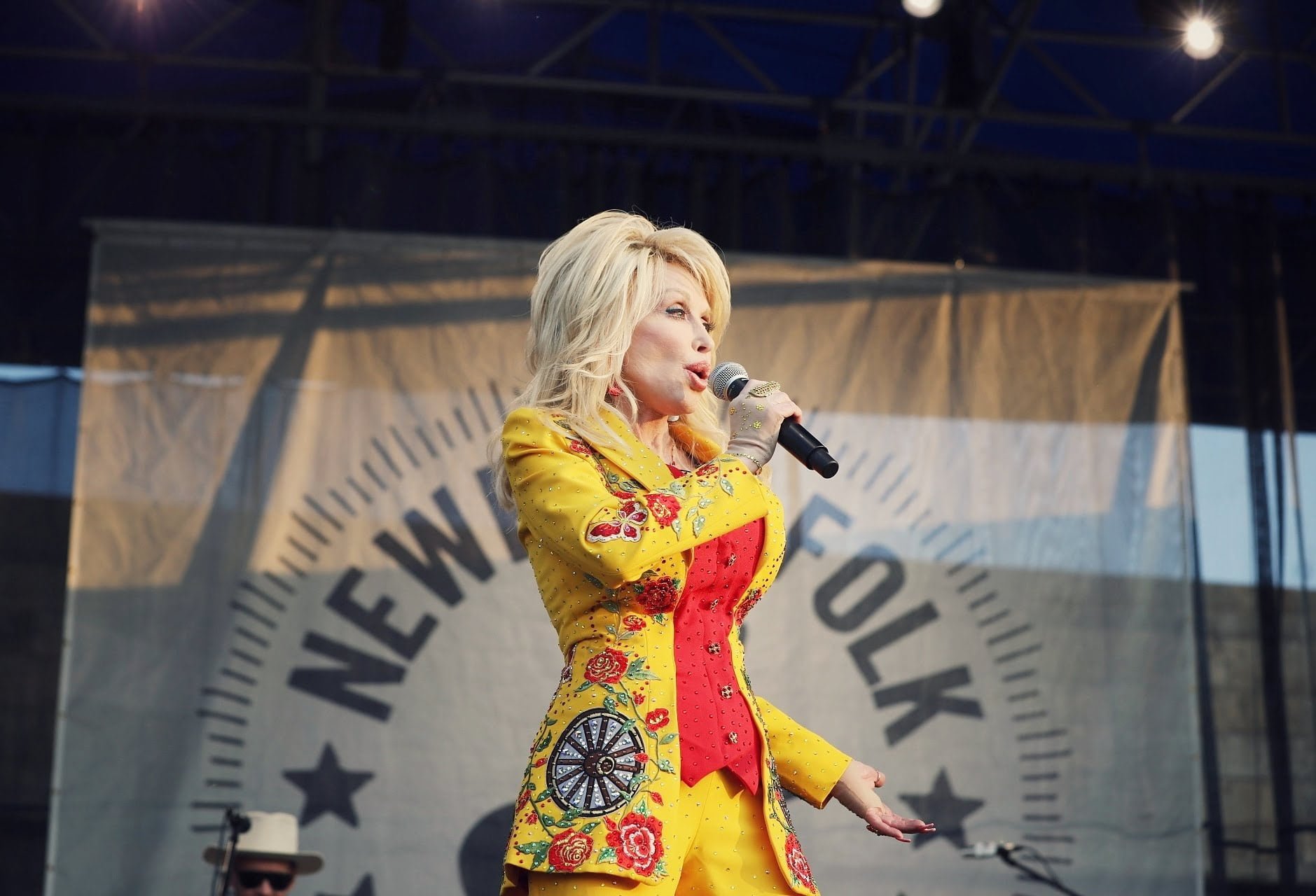
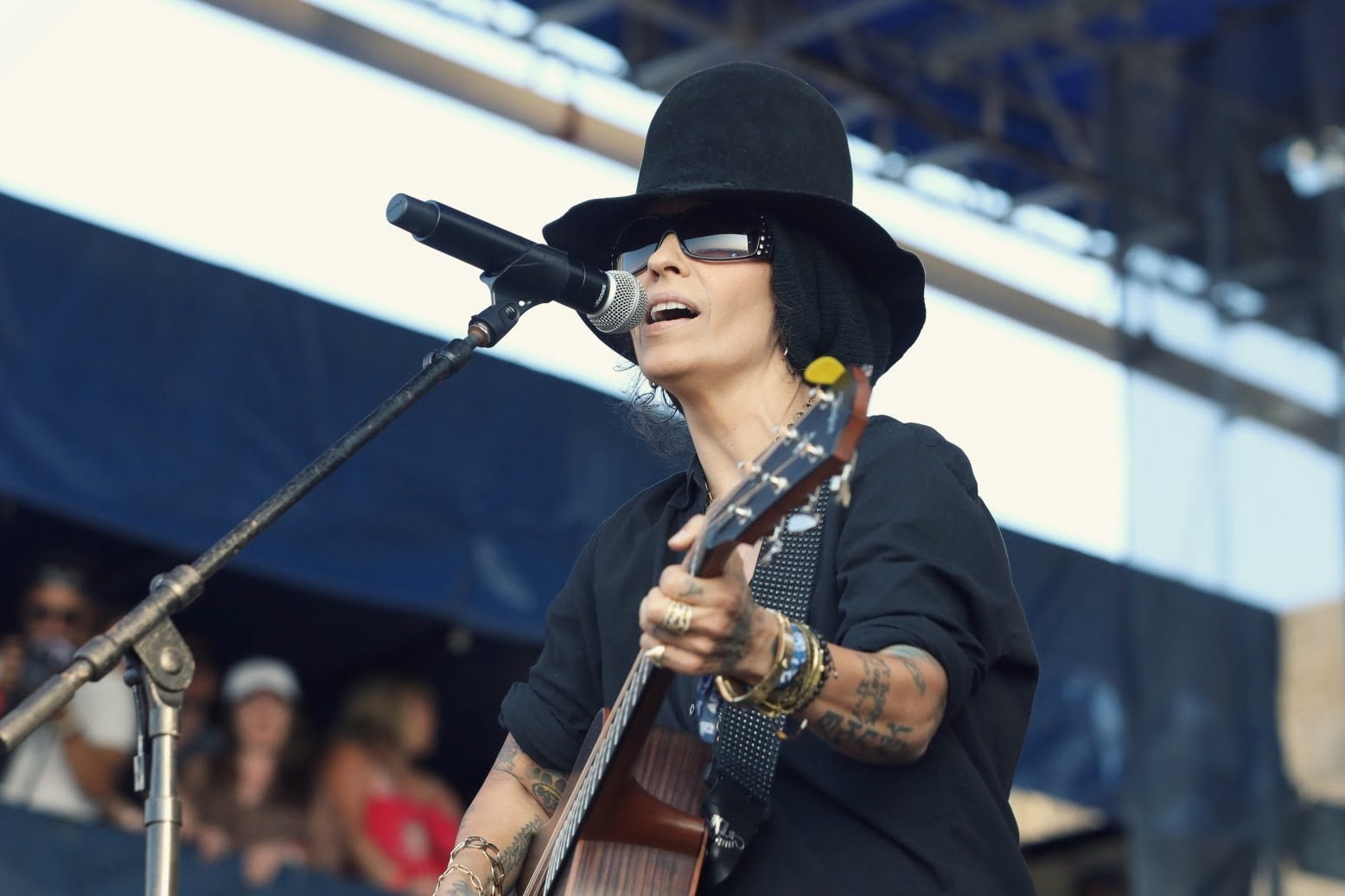
Be Together: Newport Folk Fest 2019 in Photographs

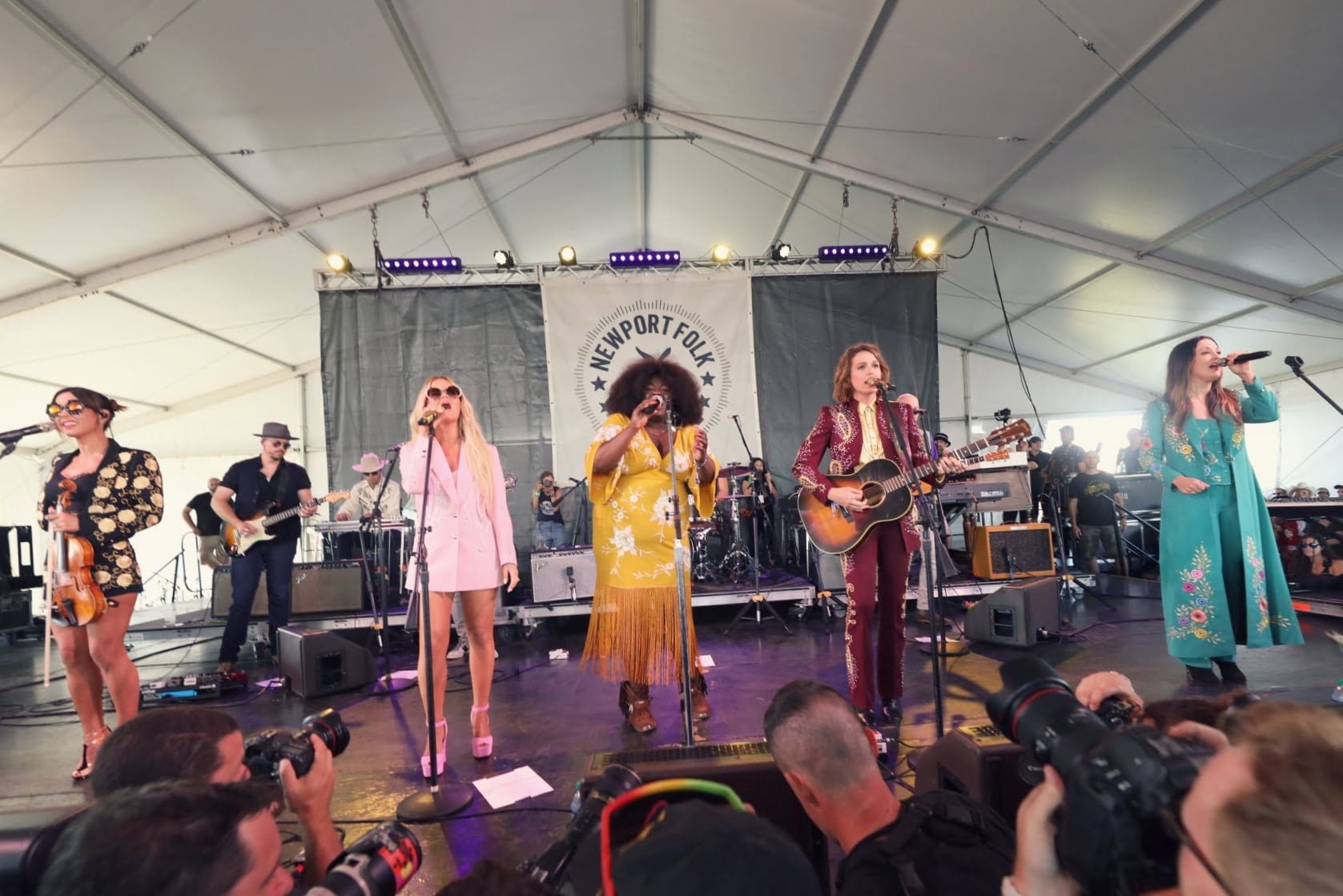
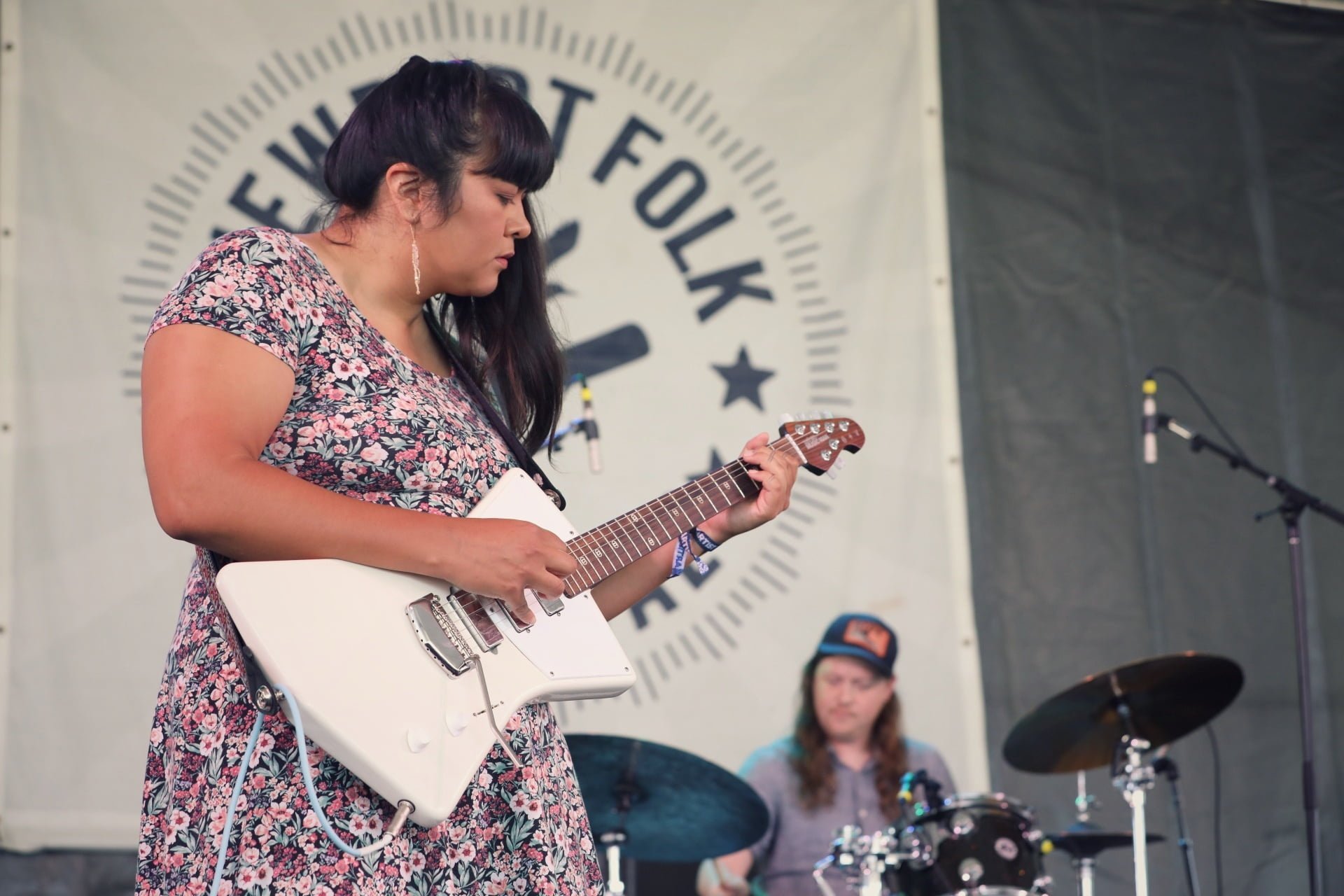
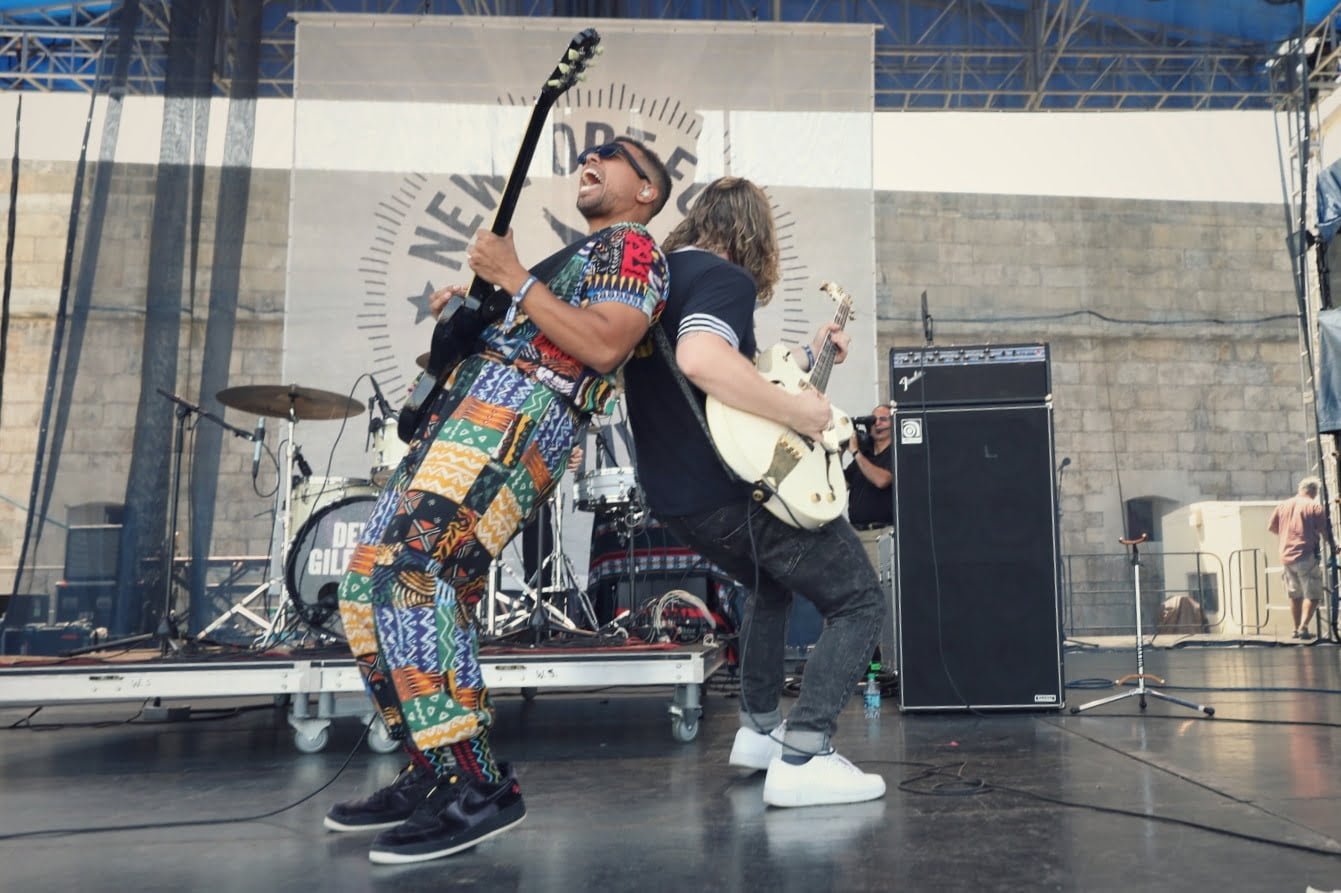
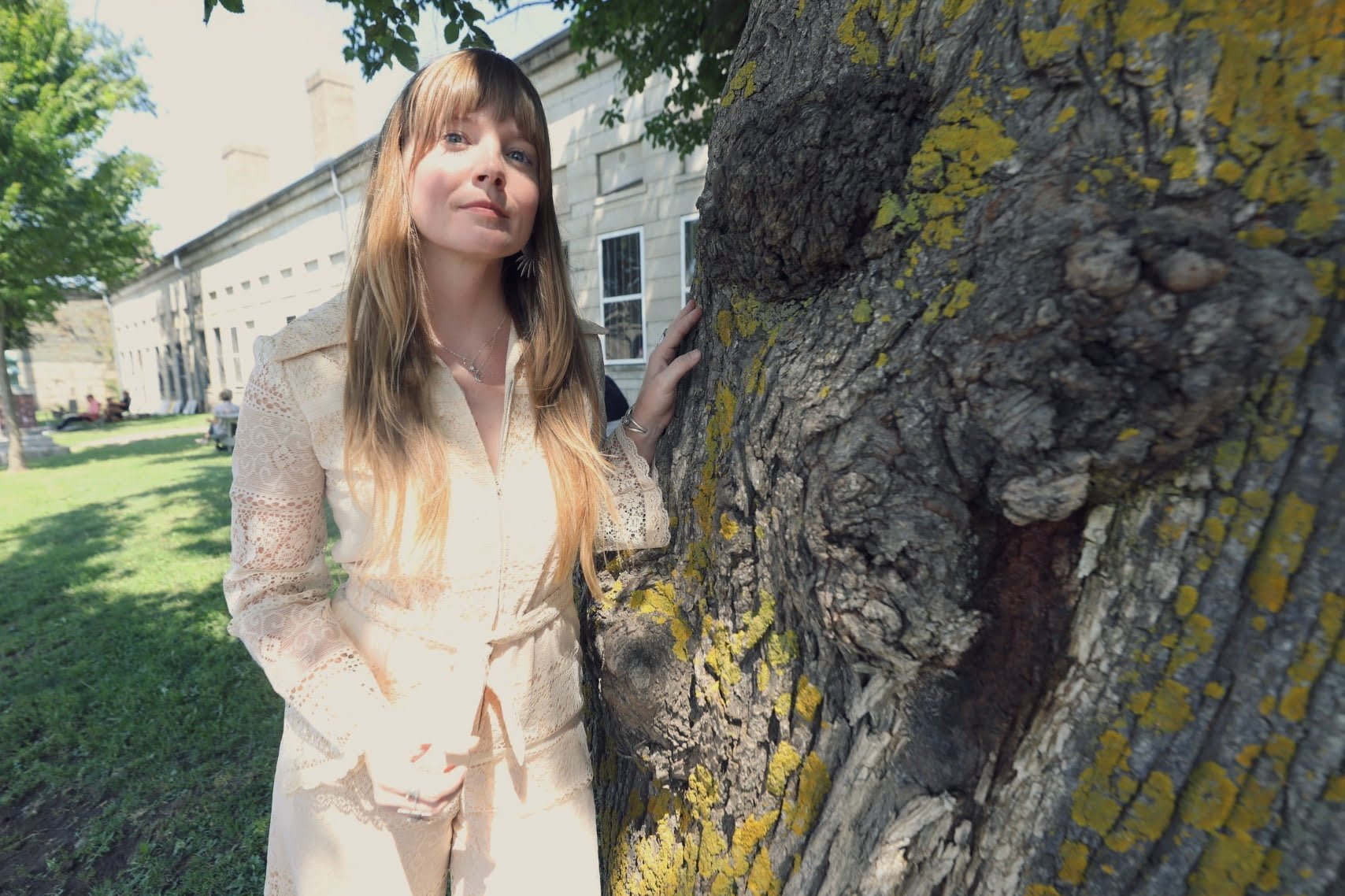
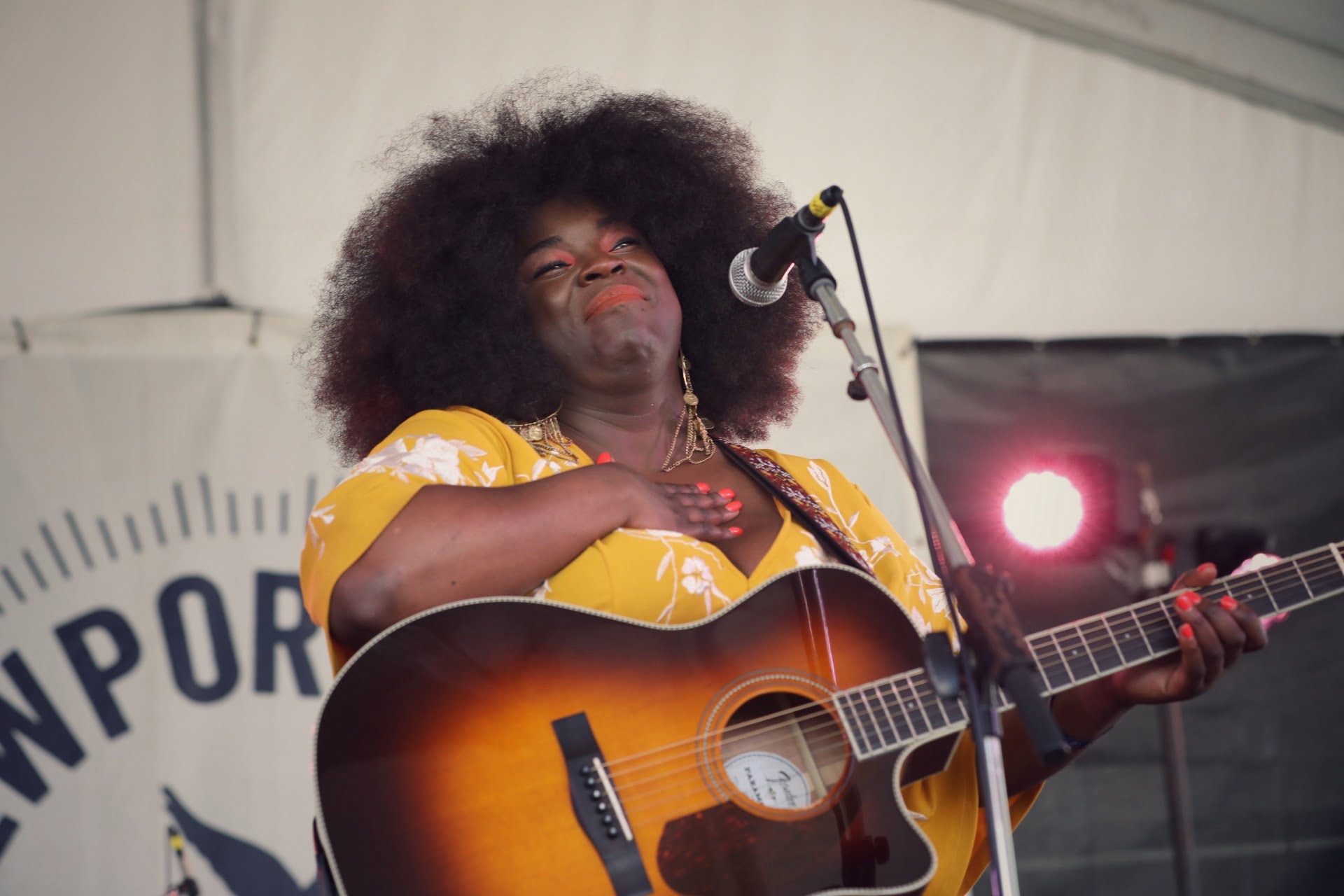
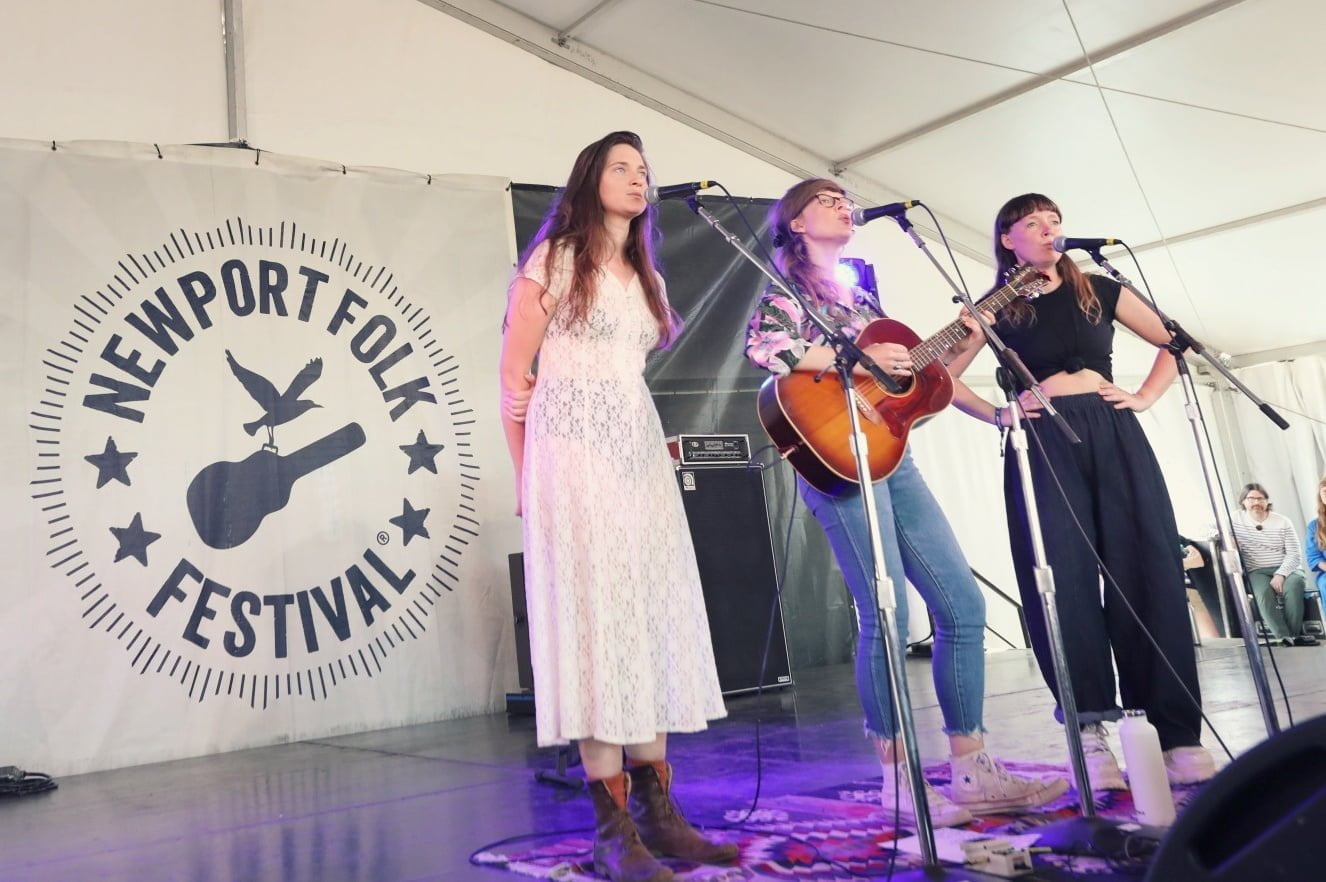
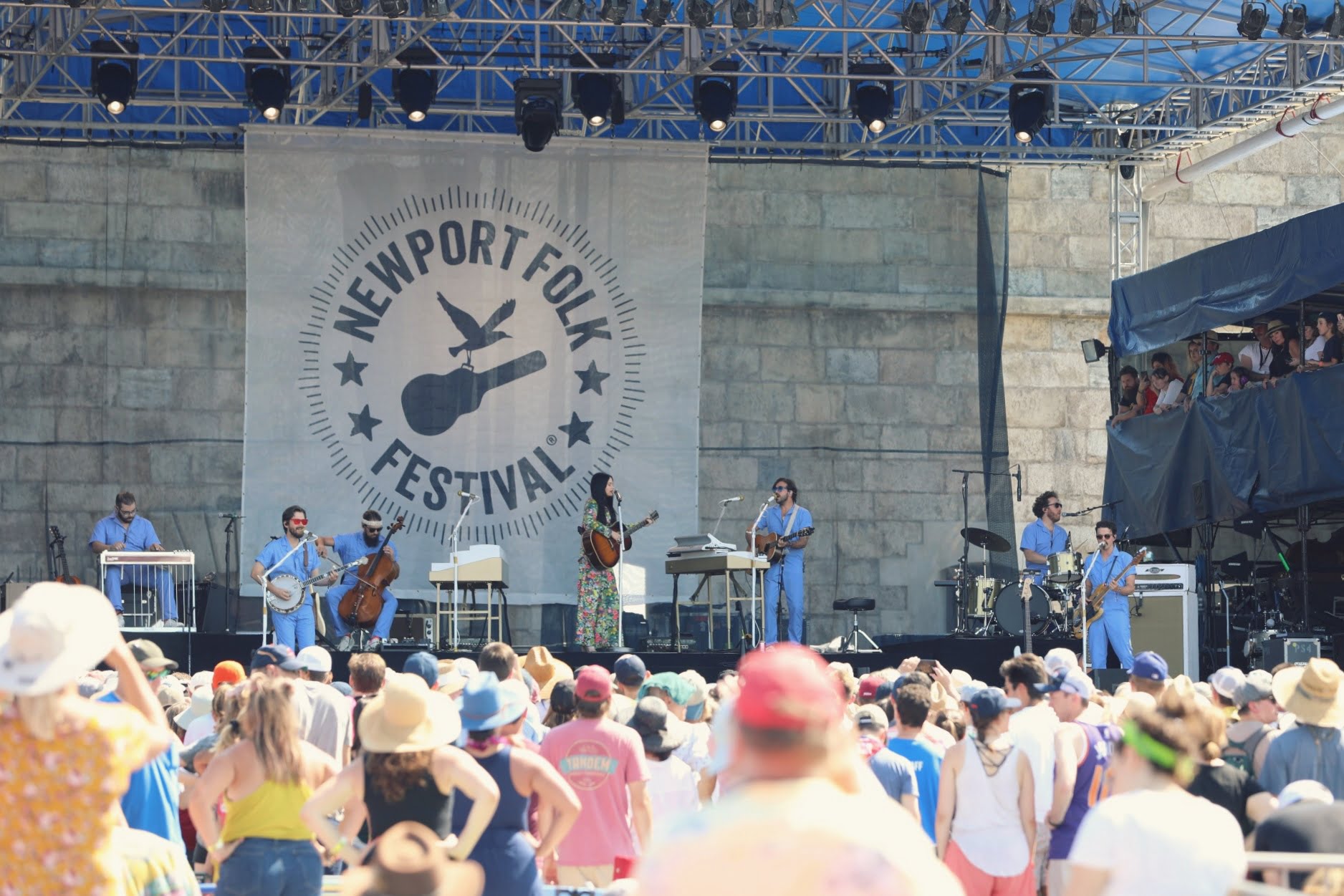
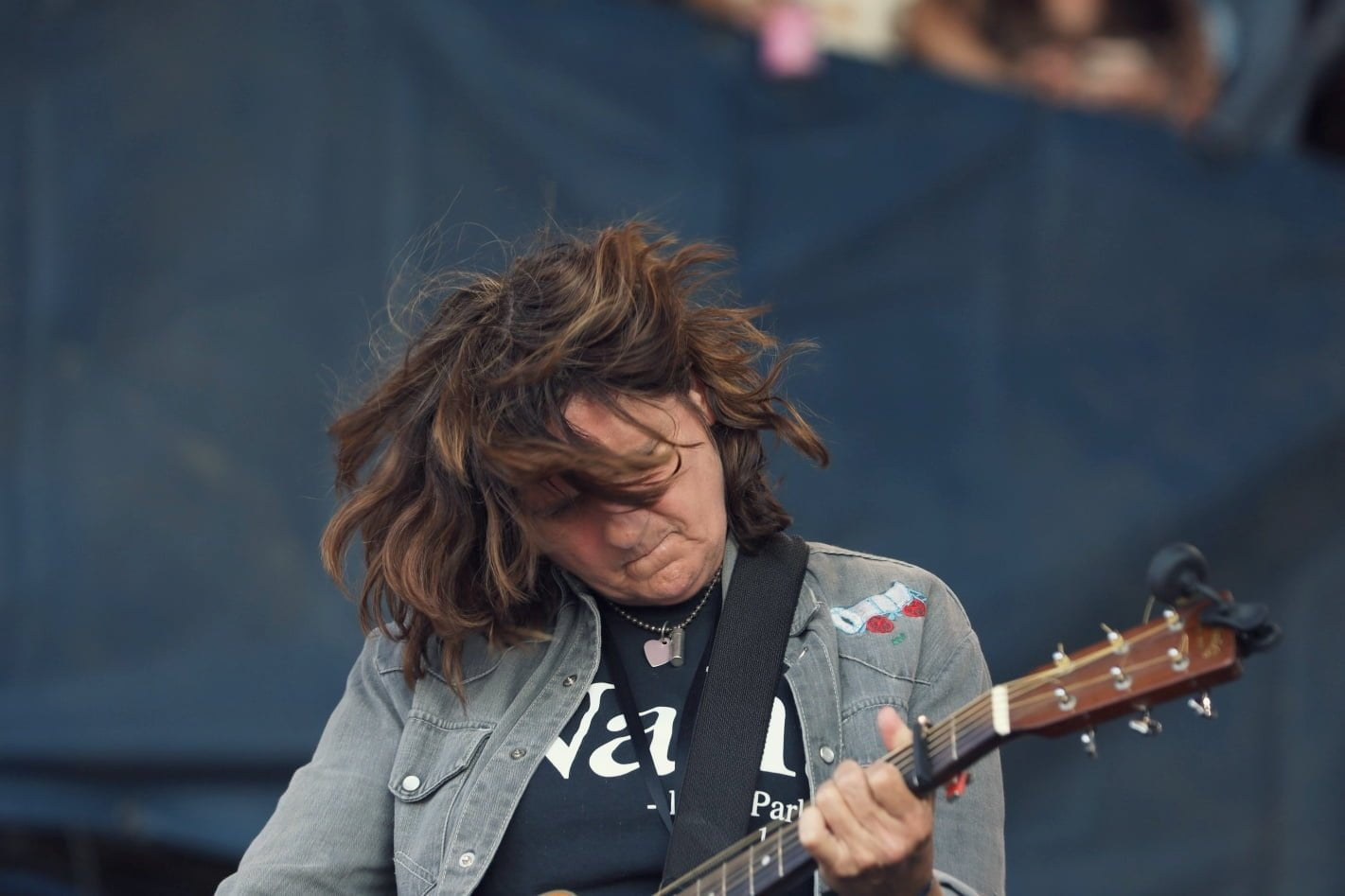
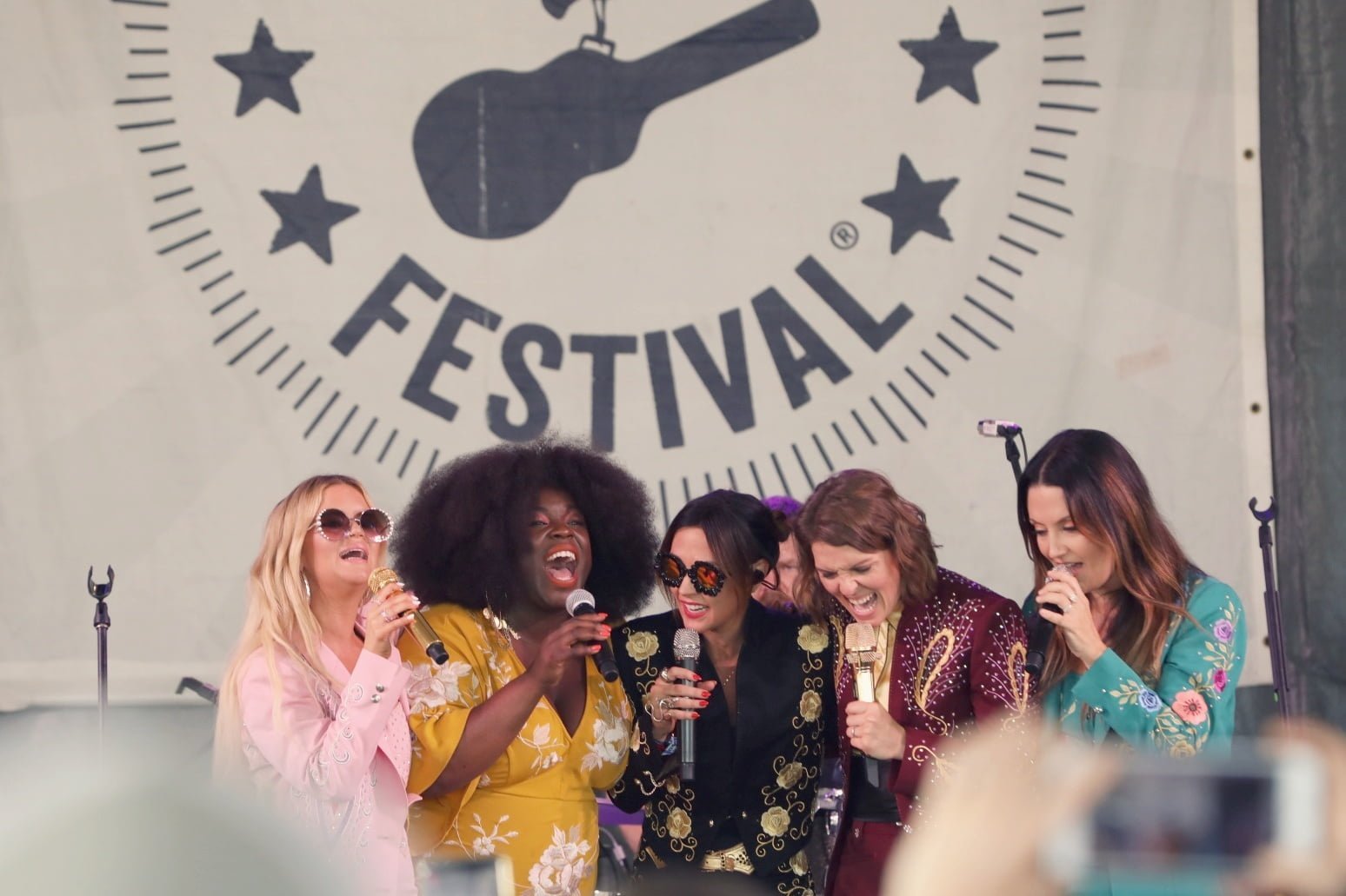
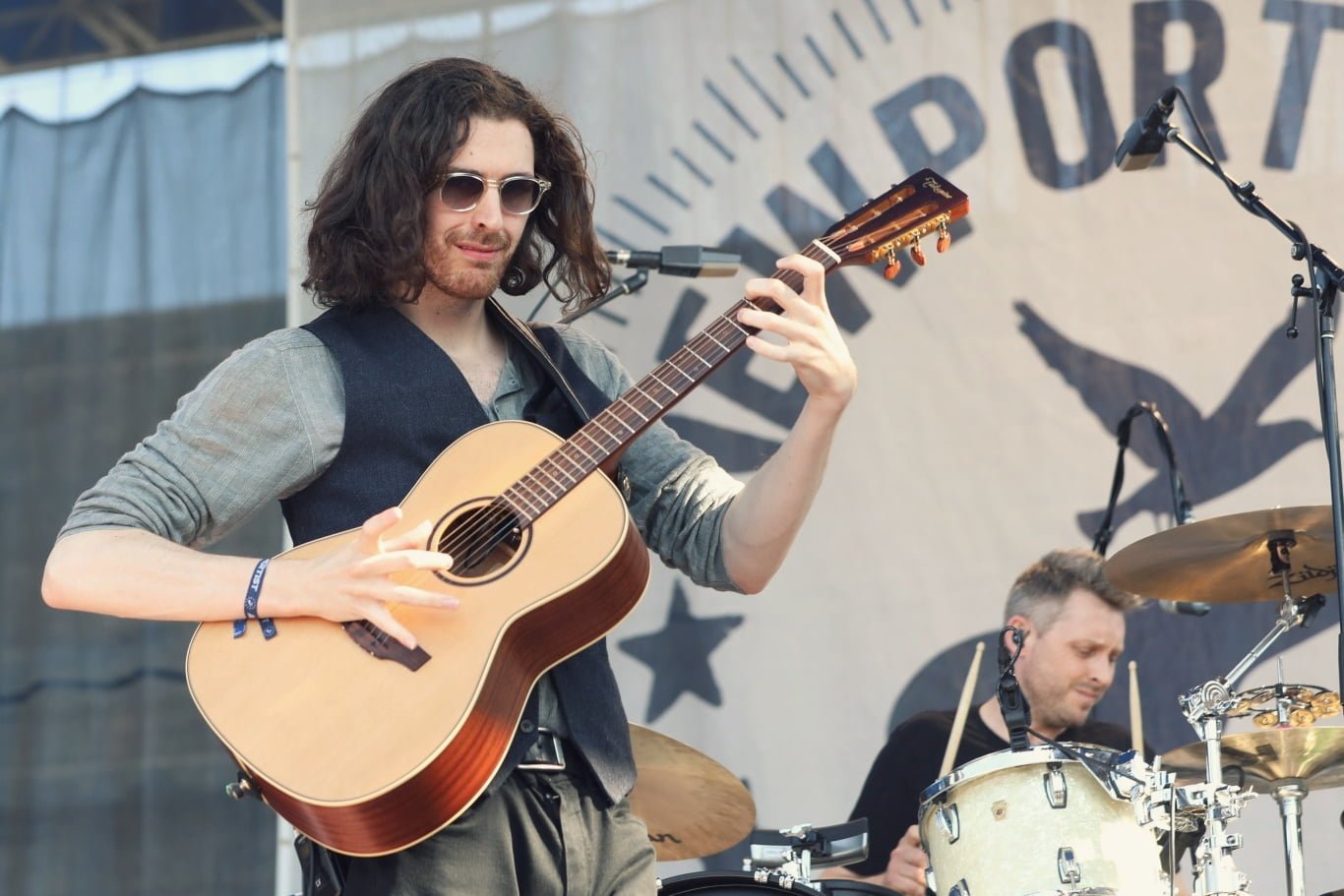
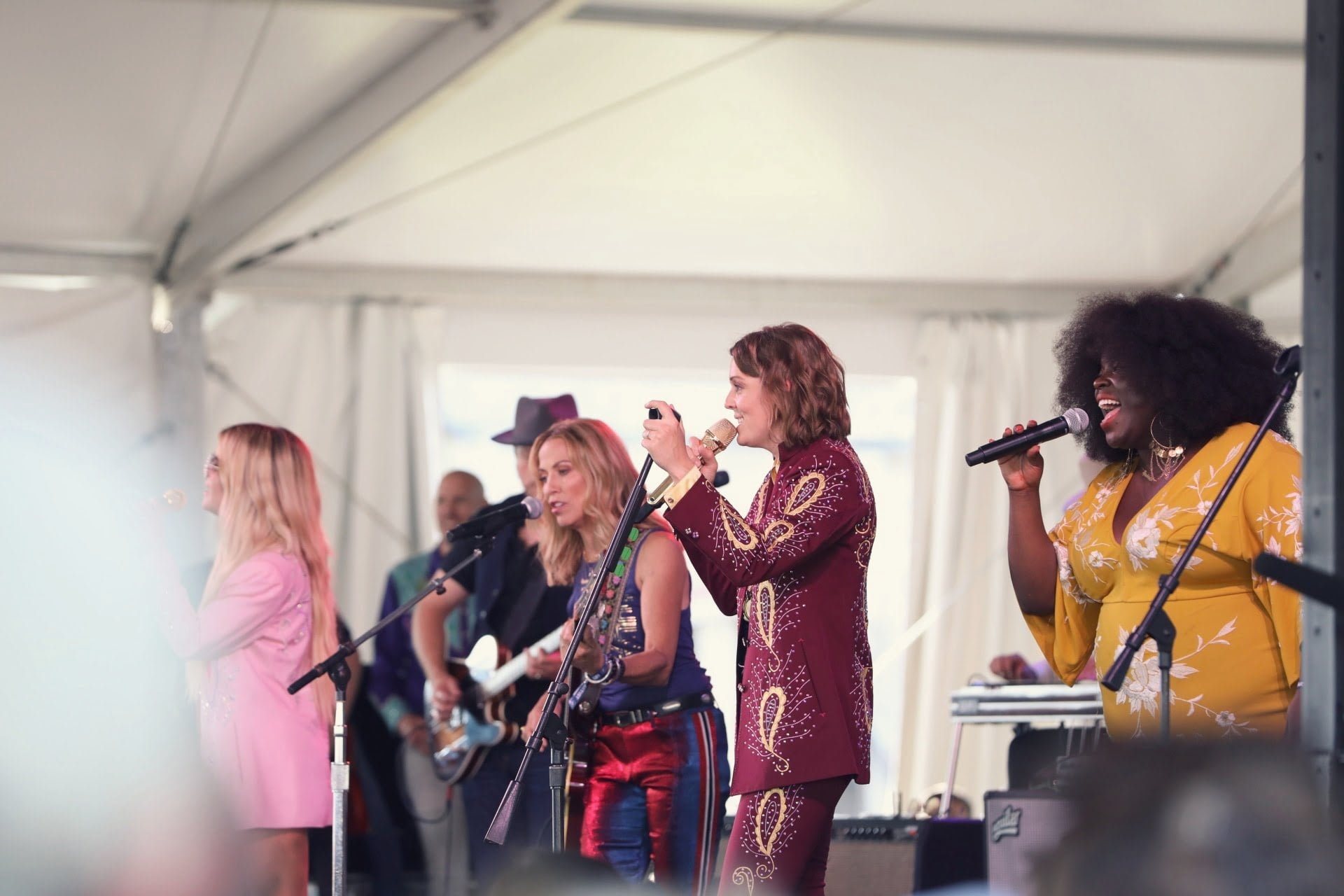
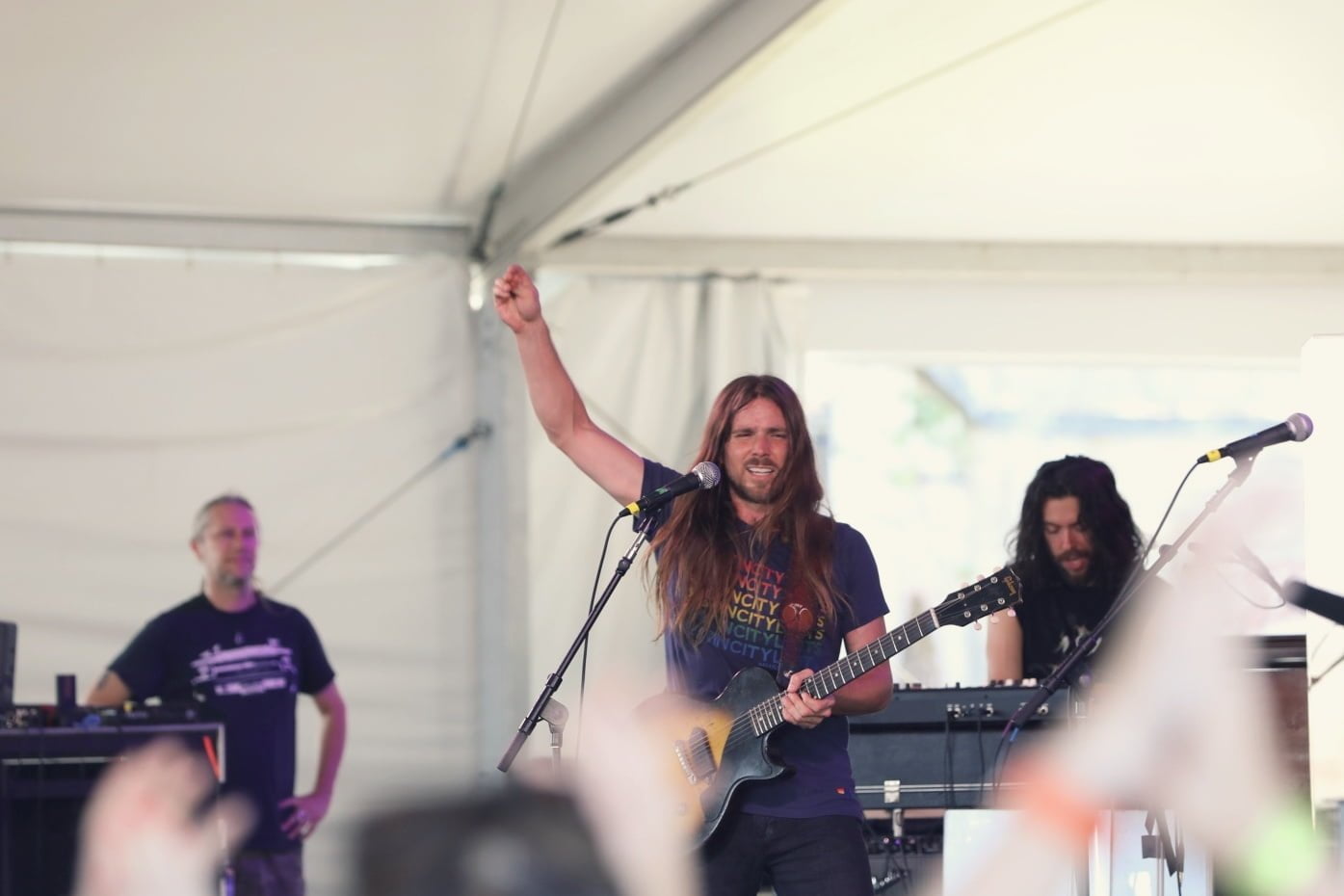
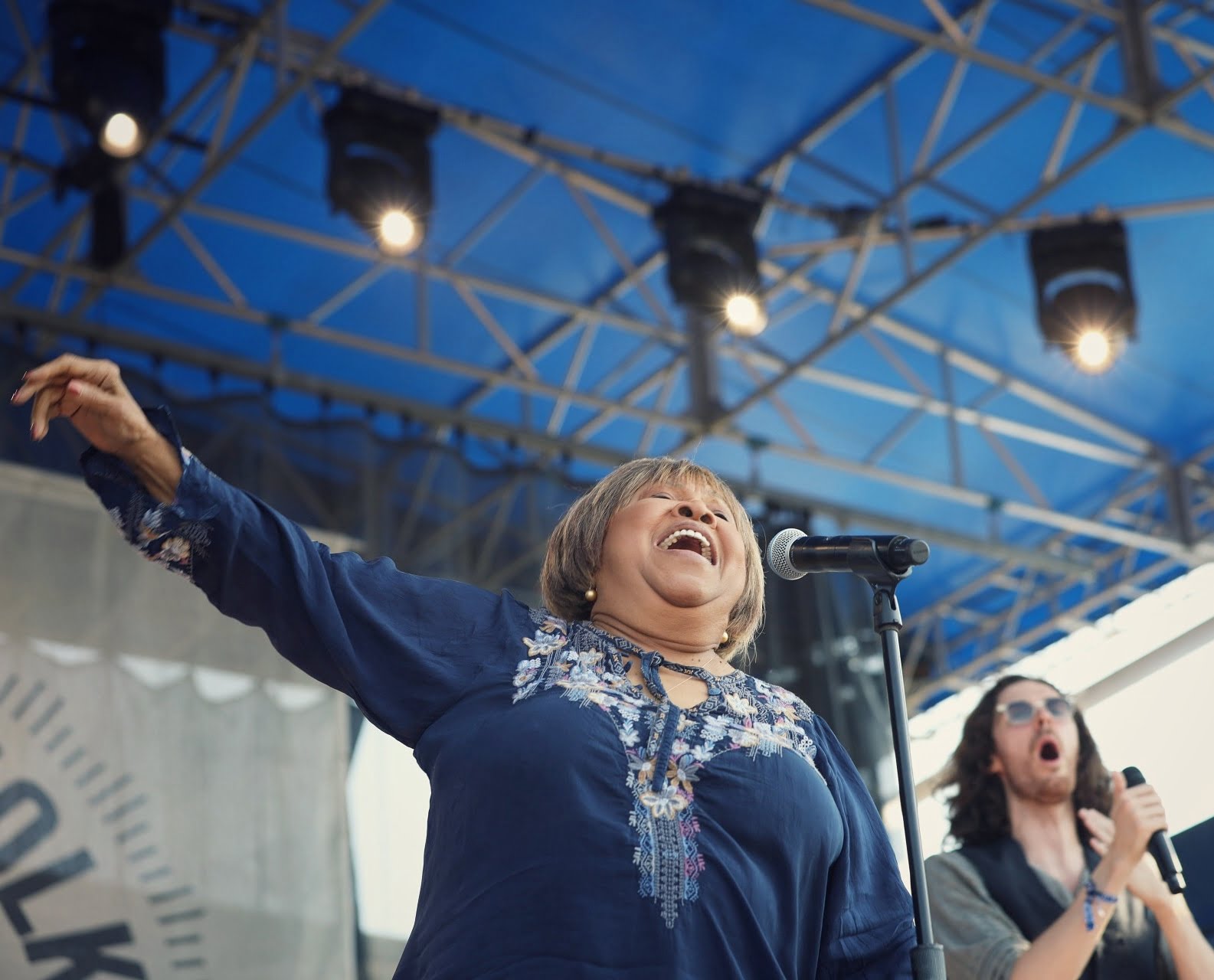
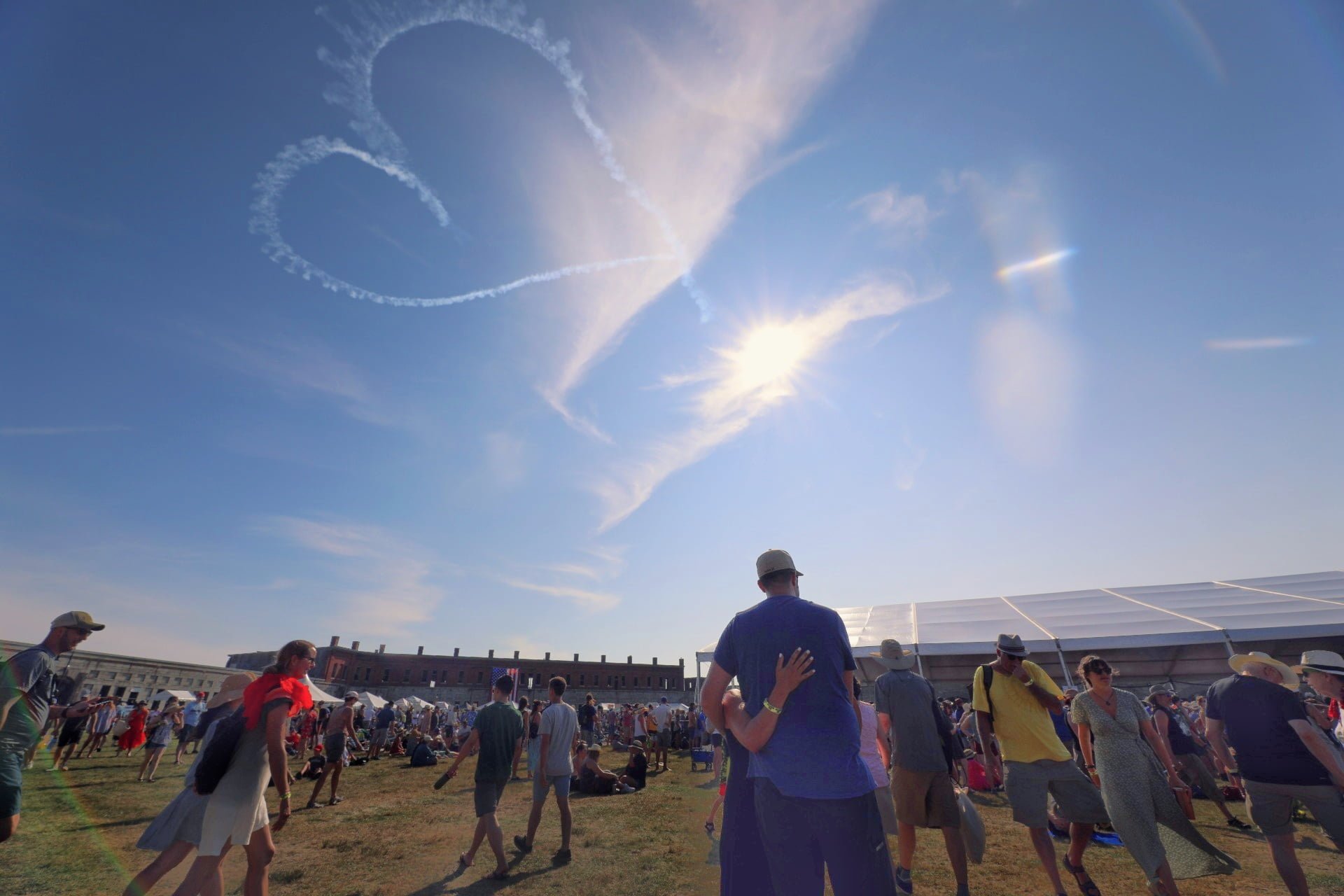
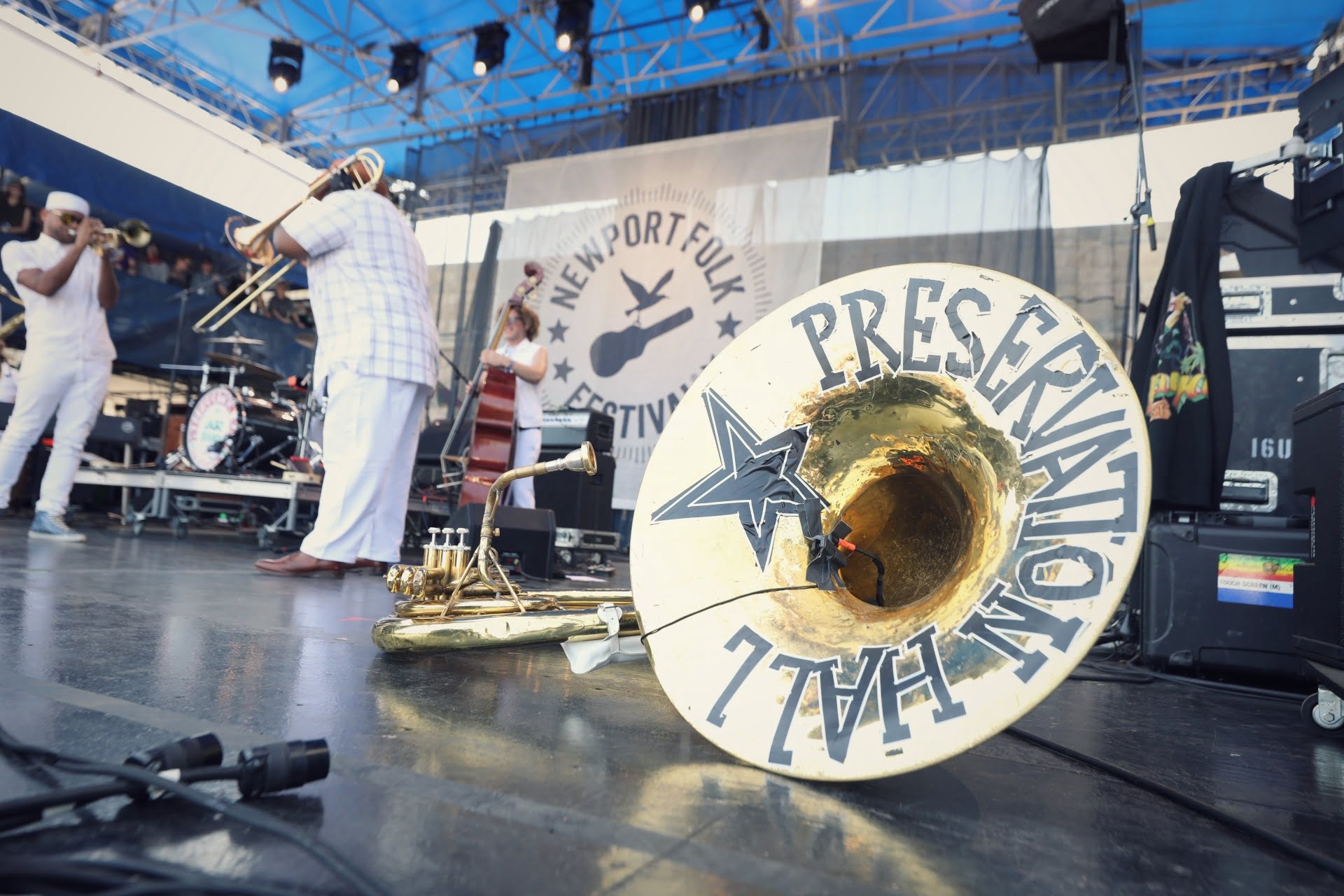
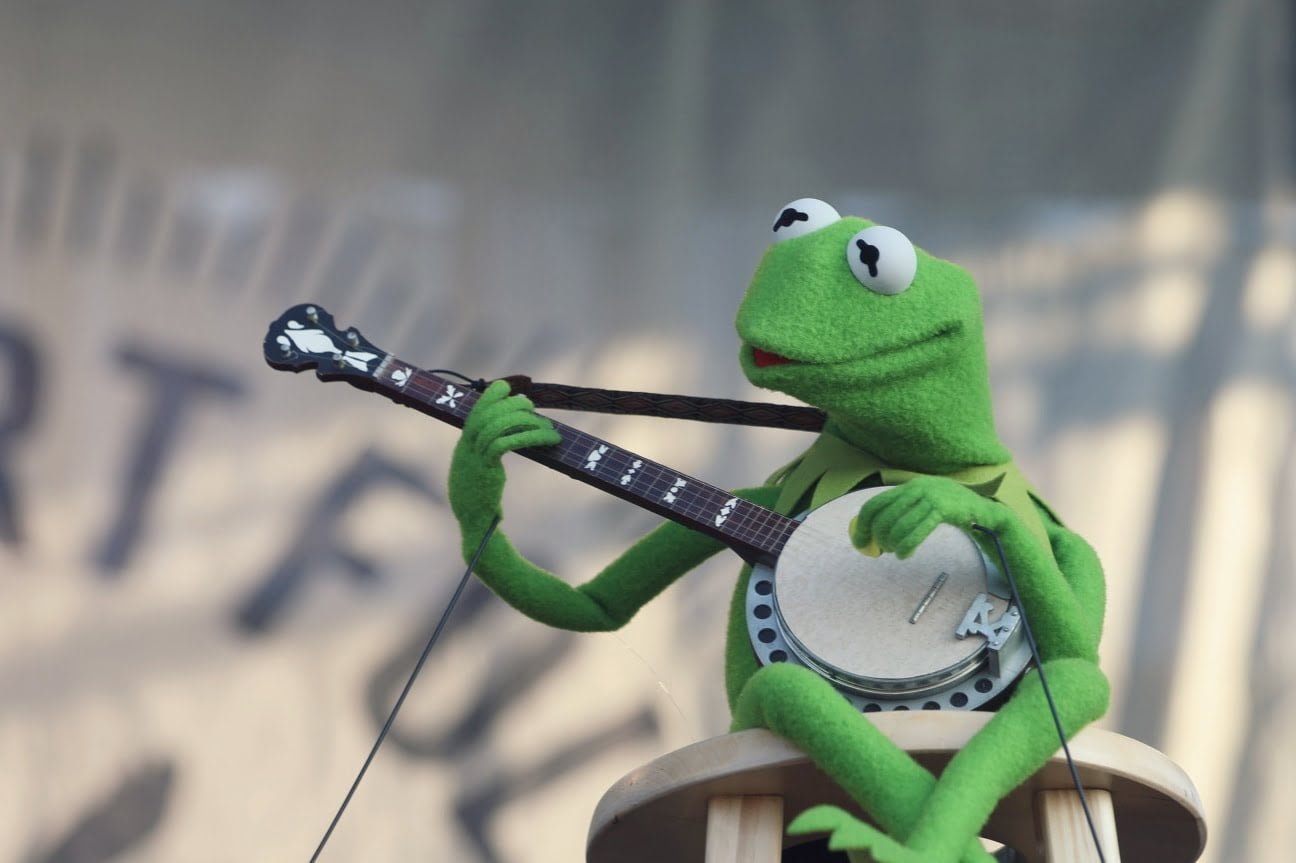
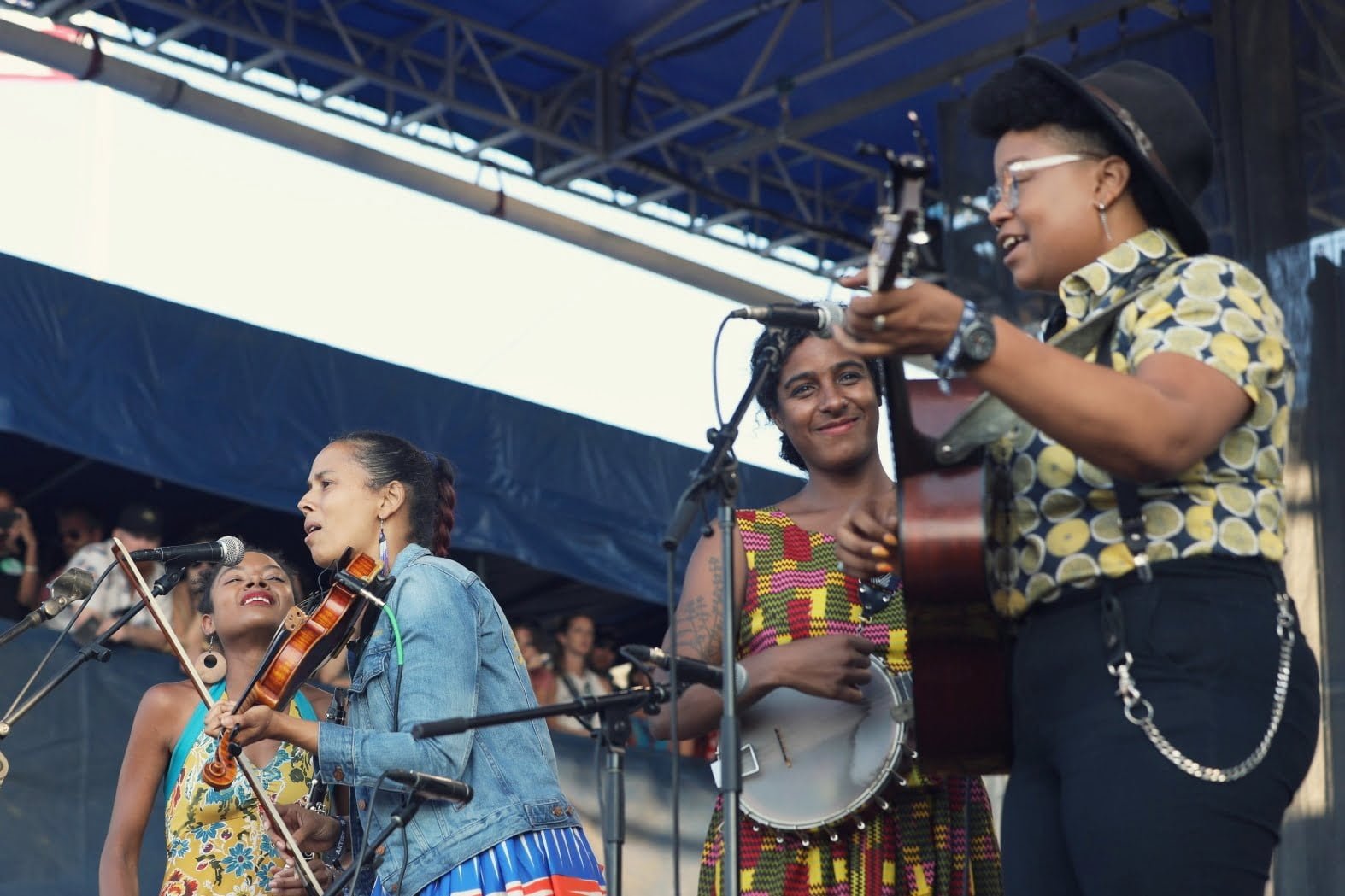
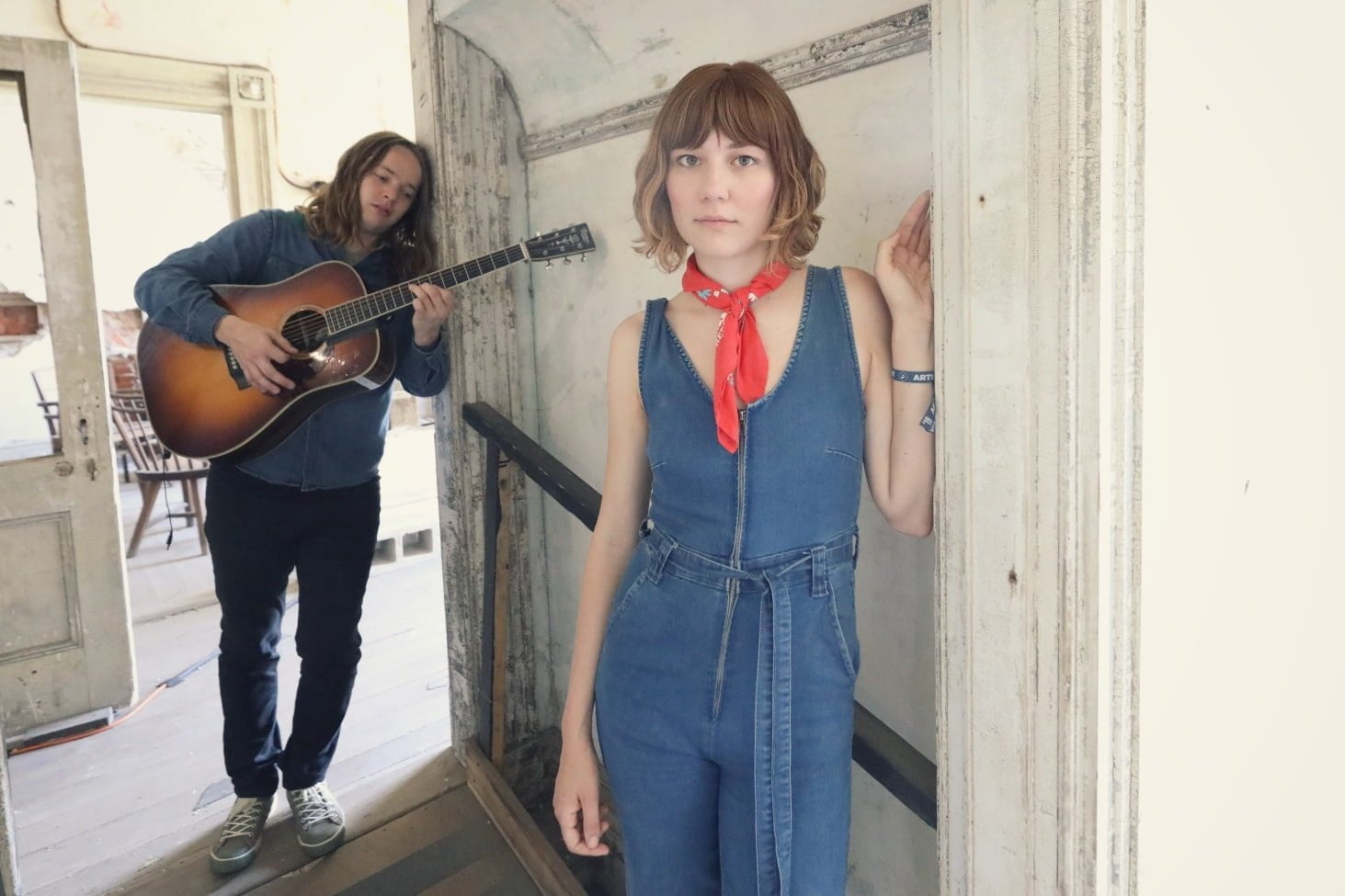
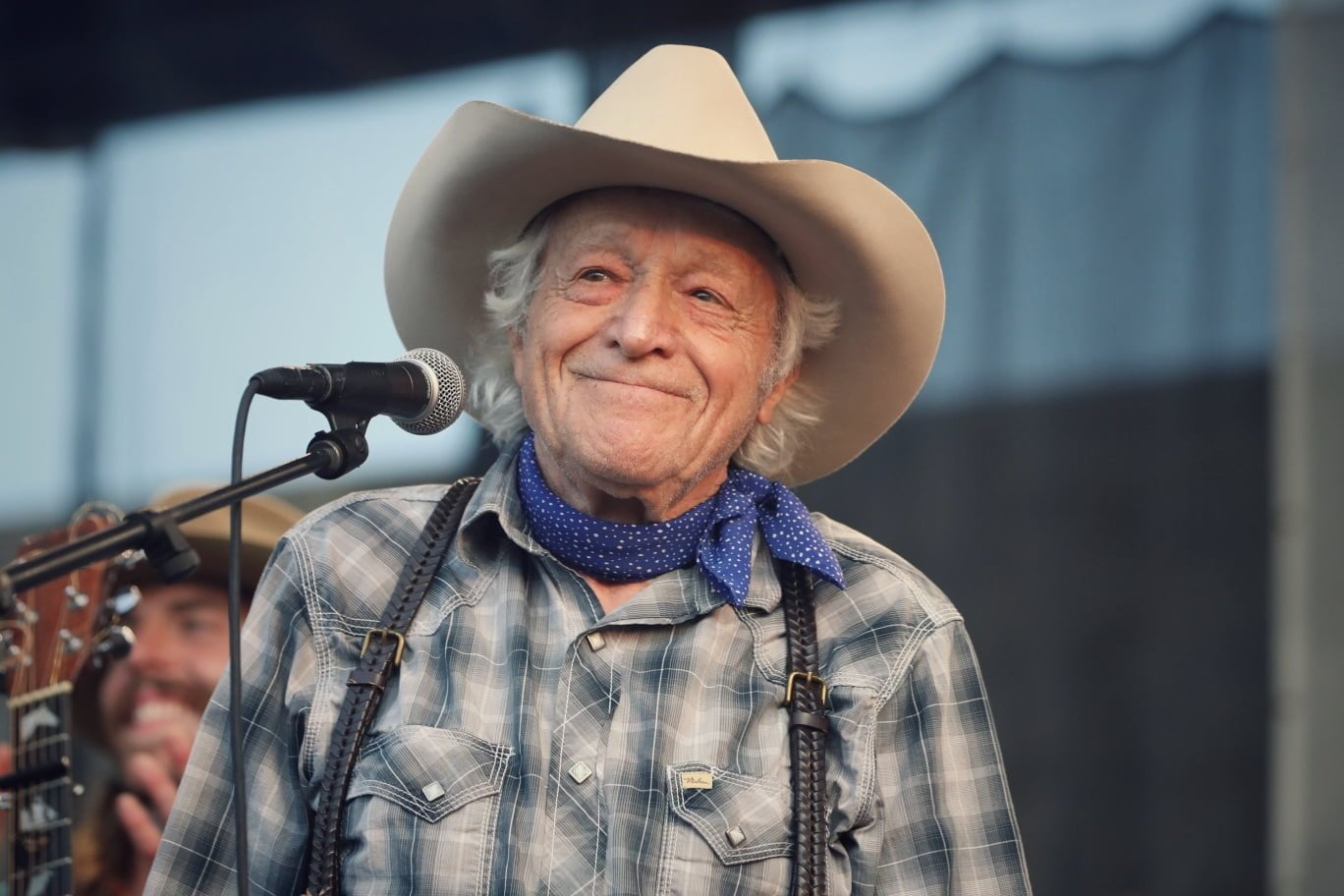
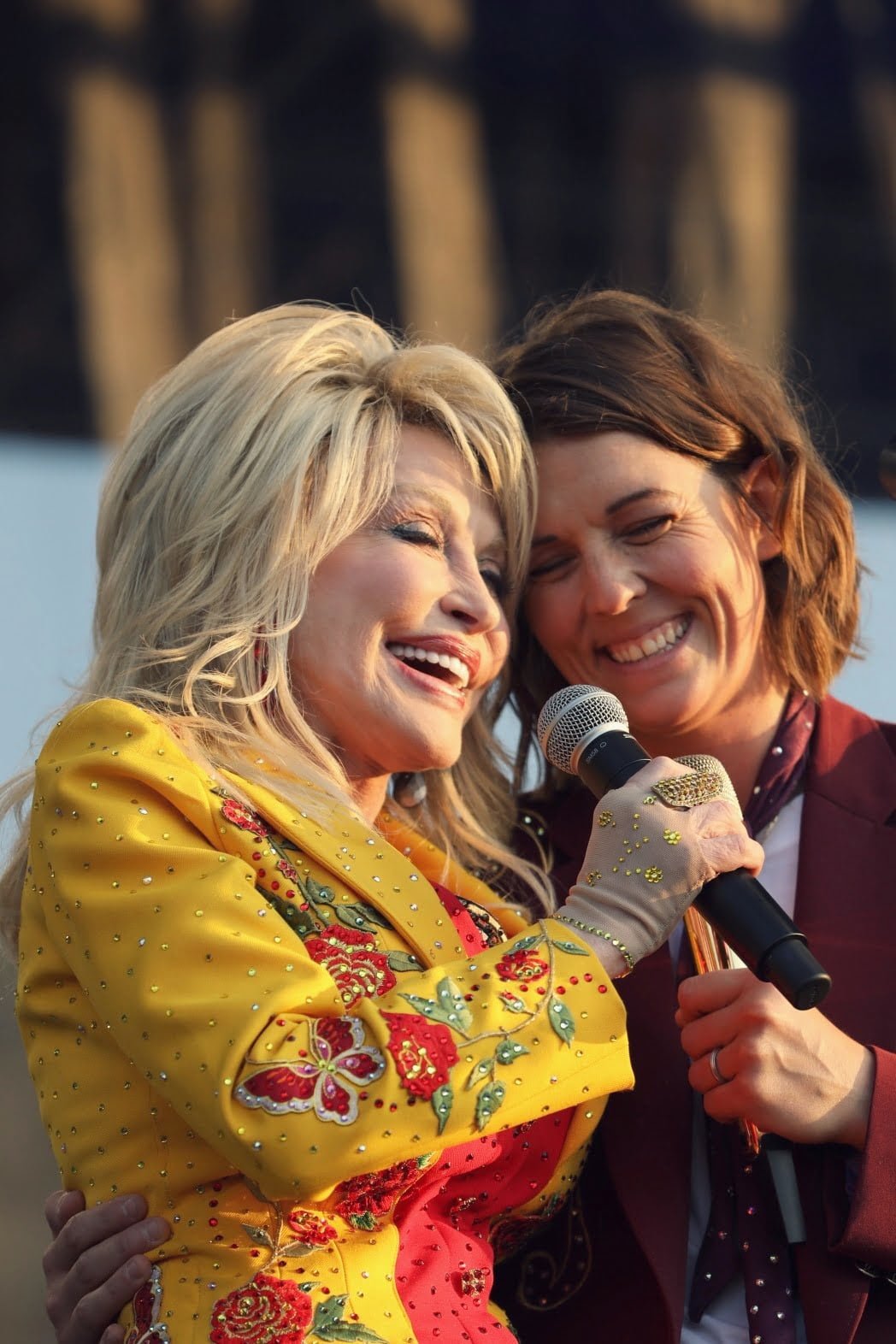
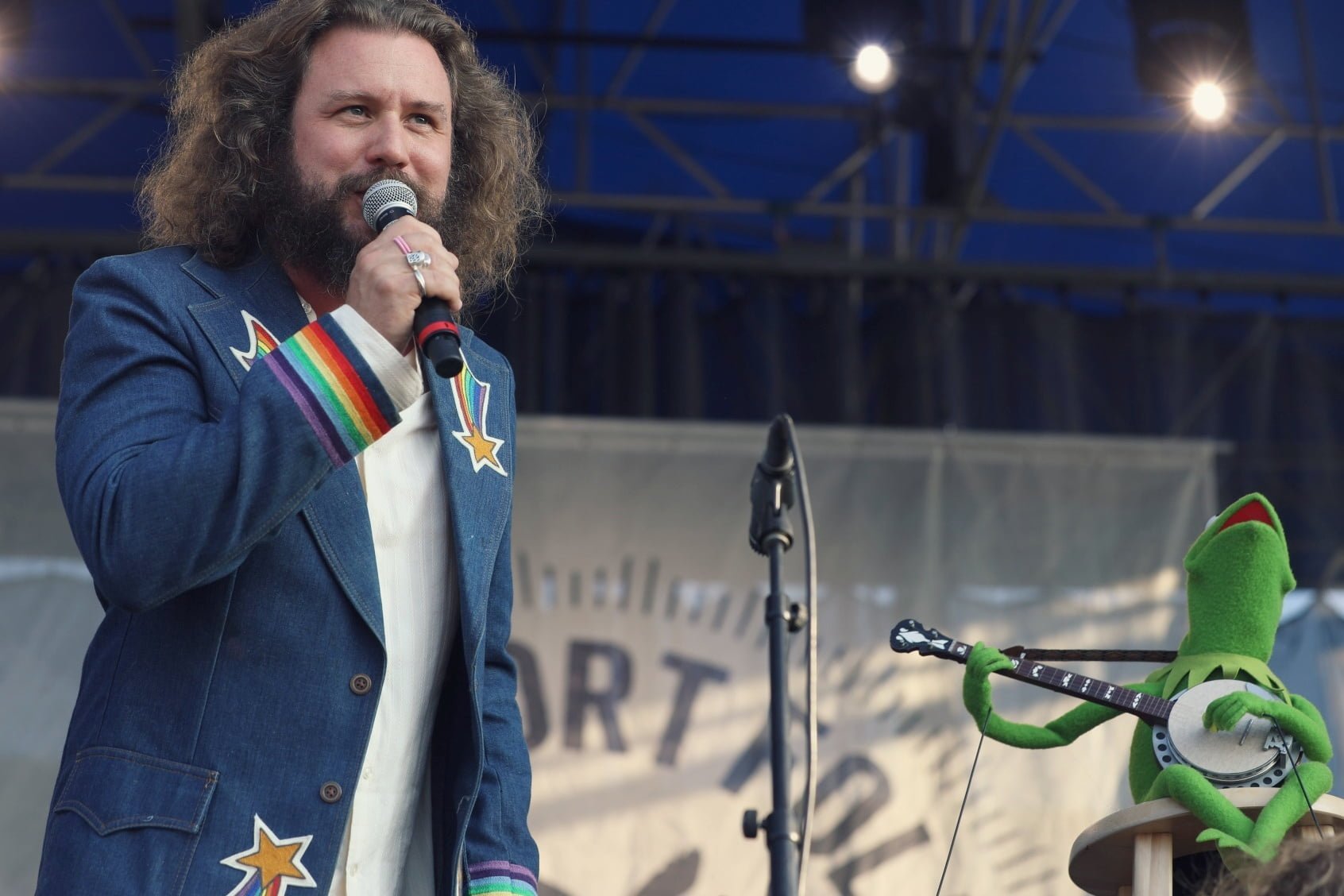
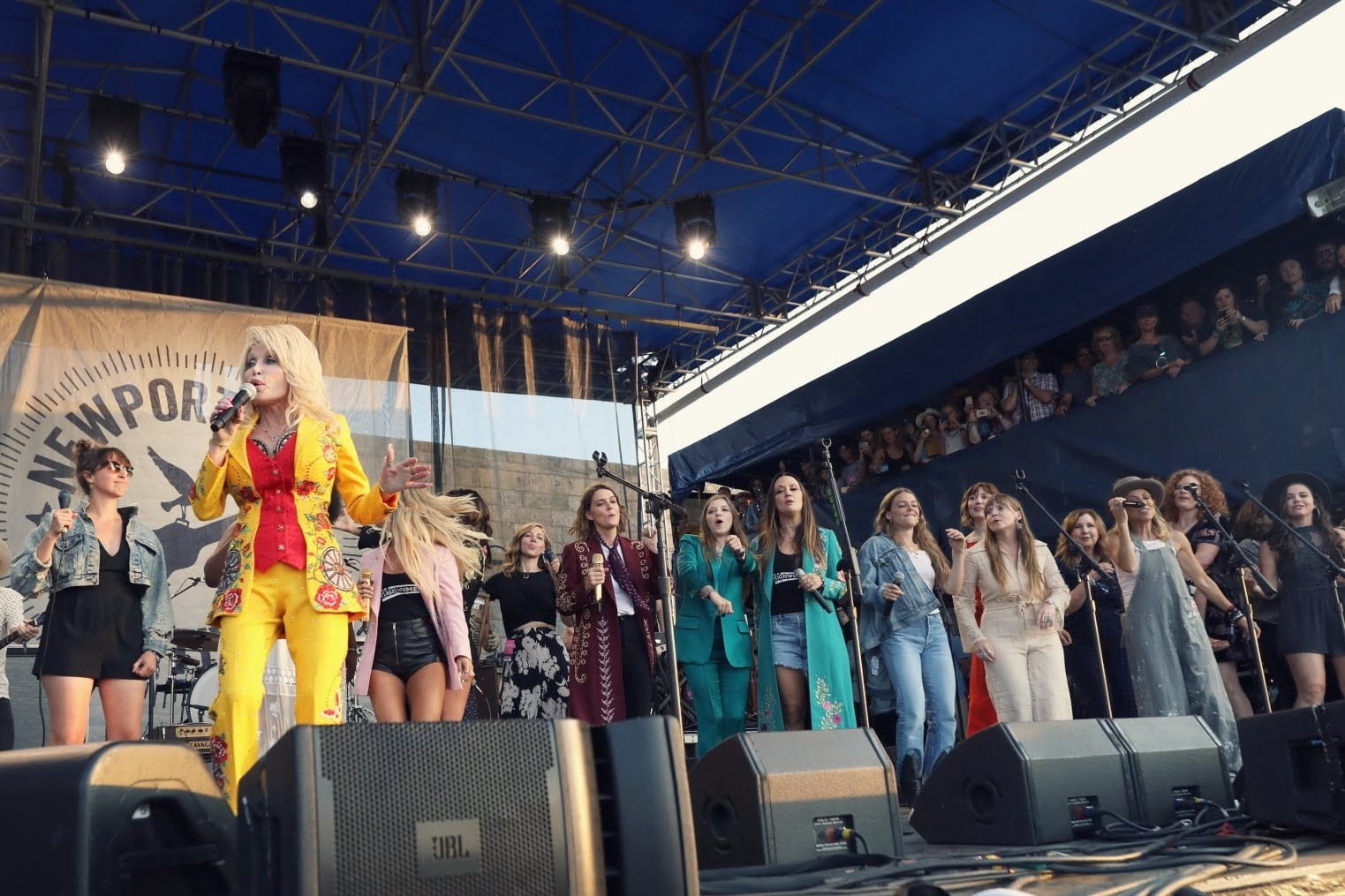
Newport Folk Festival has always played host to singular, incomparable, once-in-a-lifetime musical moments. As you read this you can almost certainly think of at least a handful of examples, right off the top of your head. This year carried on that tradition and then some, displaying absolute magic across the festival’s four stages over the course of the weekend. Too many headline-worthy moments were sprinkled throughout, but BGS photographer Daniel Jackson was on hand to capture this folk and roots lightning in a bottle — from the performance debut of super supergroup The Highwomen to celebrating 80 years of Mavis Staples to surprise guests that make being green and looking cheap seem easy and effortless.

Perhaps the most meaningful take away from the festival, though, was not its star-studded stages, but its mantra — a timely reminder in this particular global moment: Be present. Be kind. Be open. Be together. Folk music, in all of its forms, carves out just such a space to allow for this togetherness. See it for yourself in these photographs from Newport Folk Fest 2019.


All photos: Daniel Jackson

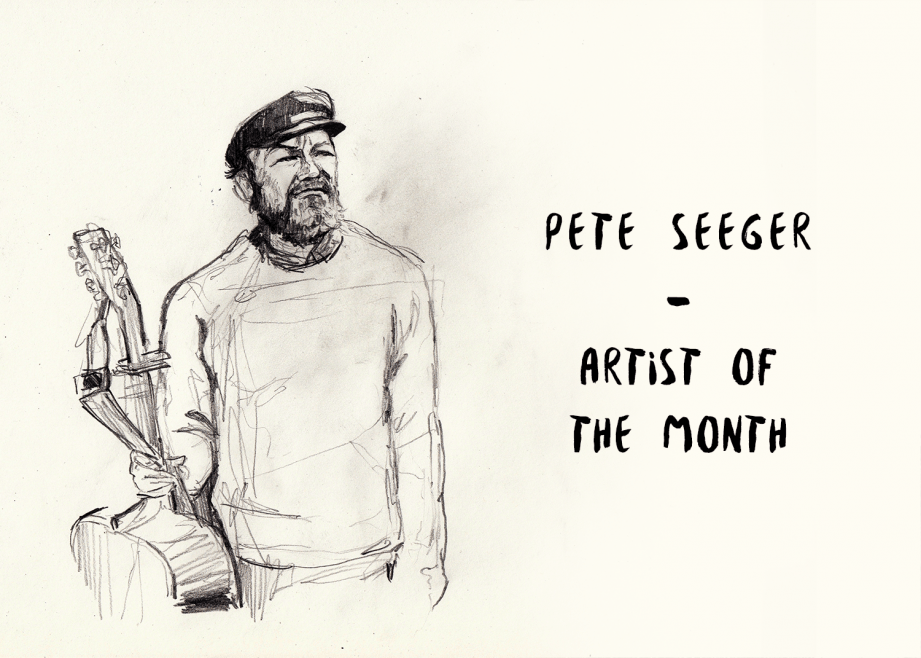
ARTIST OF THE MONTH: Pete Seeger

Beyond the significance of May 2019 being BGS Artist of the Month Pete Seeger’s 100th birthday month, this is a chance to recognize that Pete is an artist for every month. His gentle cantor, amiable smile, expertise on both banjo and guitar, rattling voice, respect for the music of the past while making it relevant for the present, political awareness, and constant fight for social justice make him a man for all seasons.

All month long, BGS will be celebrating Pete’s legacy — a legacy that lingers years after his passing. To kick things off, here’s our all-encompassing playlist of the Essential Pete Seeger to get you up to speed. And if you want to dig deeper, check out Pete Seeger: The Smithsonian Folkways Collection, which includes a 200-page book with essays, commentary, photographs, and liner notes, along with six CDs of classic and unreleased music.


Illustration: Zachary Johnson

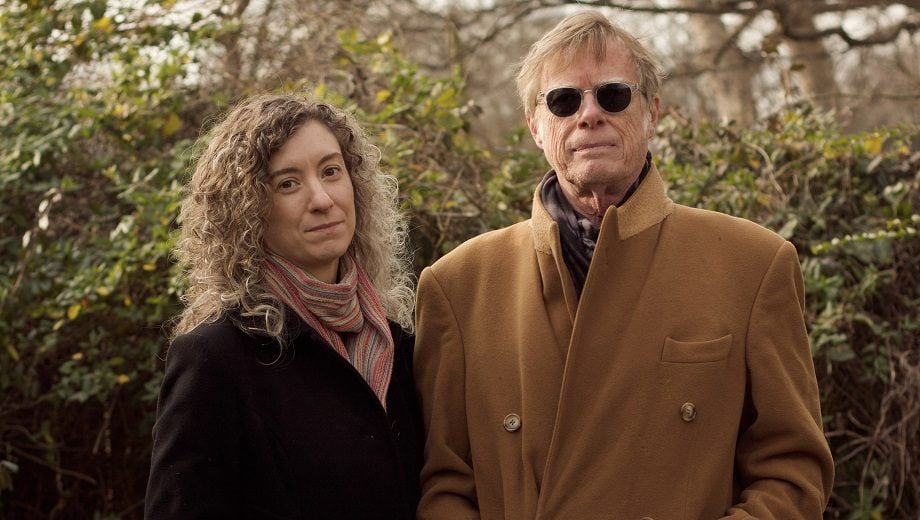
LISTEN: Kieran Kane & Rayna Gellert, “Ain’t Got Jesus”

Artist: Kieran Kane & Rayna Gellert
Hometown: Kane – Queens, New York | Gellert – Elkhart, Indiana
Song: “Ain’t Got Jesus”
Album: When The Sun Goes Down
Release Date: March 20, 2019
Label: Dead Reckoning Records

In Their Words “This song began with Kieran noodling around on the octave mandolin. I loved the riff he was playing, so I picked up the guitar and started playing along. The seeds of the lyrics came from the world of old-time music — Leake County Revelers, Fiddlin’ John Carson, and others — but, in true ‘folk process’ fashion, we sewed them together with modern references. And, as so often happens when writing songs, the initial direction of the song fractured into multiple layers of meaning. We recently had someone at a show holler, ‘What is that song about?’ While it’s tempting to launch into an explanation of intent, it’s more fun to let people hear what they hear.” — Rayna Gellert


Photo credit: Lucas Kane

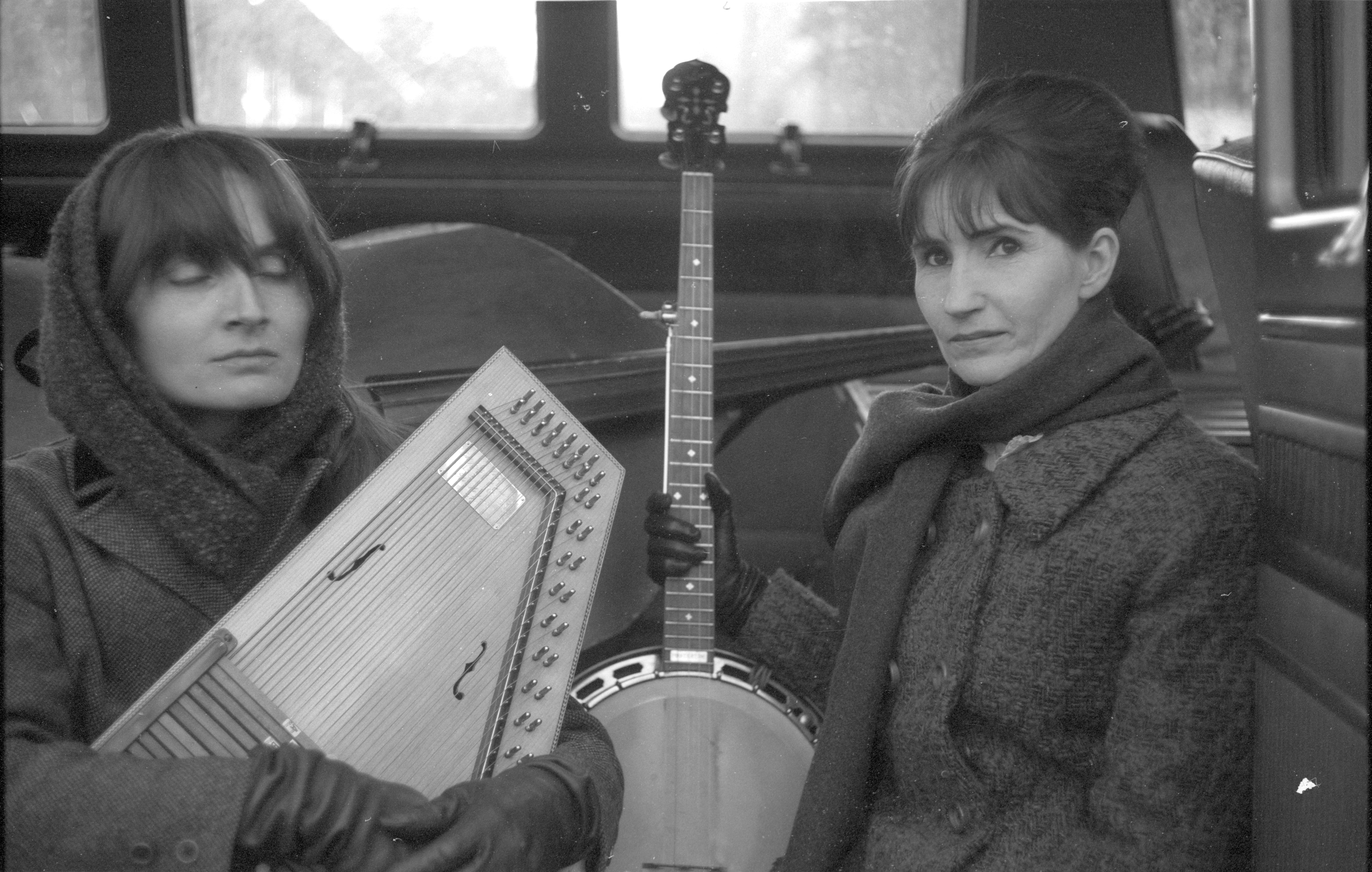
Alice Gerrard: Unearthed Tapes and Unintentional Activists

A cursory scan of the track listing for the new Free Dirt Records release, Hazel Dickens & Alice Gerrard Sing Me Back Home: The DC Tapes, 1965-1969, doesn’t reveal any sort of agenda or political bent, though that might be expected. The duo has long been celebrated for their unabashed approach to not only being women in a male-dominated genre in a male-dominated world, but also for writing and recording protest songs and feminist old time anthems, performing at political and activist events, and touring the South with integrated show bills. Hazel and Alice were so impeccably equipped to lift up these working class and feminist issues, because, at their core, they were always simply expressing their own lives, their own truths, and their own stories. No overt, obvious rallying cry of a song would be necessary. (Though they do have many, many of those sorts of songs in their catalogs.)

The undeniable legacy of protest and activism and lifting up the forgotten among us, continued and propagated by Alice Gerrard still today, is a striking reminder of the limitless value of allowing personal voices, true self-expression, and individual advocacy to shine clearly and crisply through art — especially roots and vernacular musics — without editing, or shame, or fear.

We began our conversation travelling back to the ’60s, examining this set of songs, how they came to be, and how the organic activism of Hazel & Alice blossomed of its own accord through their music all along, whether they knew it or not. 

I wonder, what goes through your mind when you listen to this album? What is it like to go back and revisit those points in history when you were working up those songs, figuring out your voices, and what you wanted to accomplish musically — and how you wanted to position yourselves, musically?

You know, I had totally forgotten that I even had those tapes, I just came across them. I was giving a bunch of stuff, a bunch of tapes and stuff like that, to the folks at UNC (University of North Carolina), so in the back of my closet was this box, I pull it out, and there were these reel-to-reel tapes. Some of them said, “A&H Practice.” So, I listened, and the first thing I thought was, “Well oh my god, some of this is really nice!” Then I realized that it was a lot of stuff that we had never recorded.

 We had just agreed to go on this tour that Anne Romaine had put together, this Southern tour. She was from Gastonia, North Carolina, living in Atlanta at the time. She was very into the civil rights movement and was friends with Bernice Reagon, who was also in Atlanta. Bernice was an African American woman who was the founder of Sweet Honey in the Rock. Anne wanted to start this tour, the idea being that if a tour of traditional music went around the South, it would be kind of a new thing. And it could be political in the sense that it could be traditional musicians, it could be integrated, black and white, and it could go around and speak to the struggles of working people. At that time, a lot of these musicians, like Dock Boggs and Lily May Ledford, they were being “discovered” and taken up north — to New York, and Newport Folk Festival, Philly Folk Festival, stuff like that. They were definitely sort of underappreciated in their home regions in the South. The idea was to just stay in the South, with this tour. It was always going to be a few white and a few black musicians.

She had asked Hazel and me to be on it, but she couldn’t afford [for us] to have a band, so we were trying to figure out stuff that we could do, just the two of us. I think that’s why we were kind of messing around with me doing some breaks, and Hazel playing guitar, which she didn’t usually do. What it sort of brought back — she had moved from Baltimore to Washington and I was living in Washington. My husband had been killed in this automobile accident, so I was living in this house with my four kids and she moved in for a while, before she got an apartment. It was those years [that we made the tapes], in D.C., when I was living there. We were just practicing stuff, like, “Let’s try this, see if maybe I can play an autoharp break” or, “See if I can play the banjo.” I’d work up these little guitar breaks for some things, and it just brought all that back to me when I listened to it. Some of that stuff seems pretty good! Although, it was definitely field recording quality. [Laughs] The kids would come in, doors would slam, stuff like that.

People think of the Hazel & Alice canon of material as having that through line of activism, Southern activism, and protest. Going down the list of songs on this record, one wouldn’t necessarily feel that any one of them would jump out at you as fitting those categories. But yet, you were working up all of these songs for a tour of the South, as an act of protest and activism. This is something so important to your and Hazel’s legacy — at the time, and maybe looking back now, how did that fit into how you were making music and why you were making music? How intentionally were you making that your mission statement?

I think when we started out, it was not intentional. We were kinda clueless. I’ll take the risk of speaking for Hazel. [Chuckles] I for sure was pretty clueless and I think, to some extent, she was too. We were surprised when we’d go do a concert somewhere and there’d be a whole lot of women in the audience. You know, “What’s going on?!” I remember being at some motel, we were around the swimming pool and I had my daughter with me, and the promoter of the event there came up saying, “I just came from the women’s liberation movement! It was really great!” And I said, “What’s women’s liberation?” [Laughs] Really! I think we were kind of surprised when there was attention coming to us and we would see lots and lots of women at the concerts we’d do. The first time we did this one festival in Canada we did a workshop and I sang the “Custom Made Woman Blues” for the first time and got a standing ovation and they made me do it again!

We were a little bit clueless. I think these things were happening because we had our own feelings about things and we started to express that. I don’t think we were aware of the effect that it was having. The other thing that happened when we started going on these tours, because they were so political in nature, we were tuned into what was going on. We’d do a tour of the Mountain South, then a tour of the Deep South, and sometimes we were playing in communities for various events like an anti-strip mining thing or this biscuit place in Big Stone Gap, Virginia, that was started by some nuns, so we were sort of tuned in. For me, for sure — I read Night Comes to the Cumberlands — it was a huge learning experience. I had never been in those types of situations before.

Hazel, of course, grew up with it. So I think what happened with her, being on those tours, it gave her permission to speak. It encouraged her giving voice to feelings that she already had. That’s why she really started writing a lot of songs. For me, it just introduced me to and raised my consciousness about a lot of things. Those tours got us started.

There’s a beauty in that it started so organically for you, because I think the most effective and visceral and immediate way to translate these messages of politics or activism through music is when the message is as natural and intrinsic in a human being as possible. Clearly you and Hazel were just being yourselves, expressing yourselves, through your music — that in itself was political and people responded to it. I think that’s the best way to effect change: to be ourselves, true and pure, unadulterated.

That was the whole point of those tours. It wasn’t to stand up and preach to people, but if Roscoe Holcomb gets up there and sings a song — by the way, those were the people going on these tours. Roscoe Holcomb, Dock Boggs, Bessie Jones, people who had lived these lives and had been affected by whatever had been going on, politically. Strip mining ruined Roscoe’s well, you know, so he could just stand up there and live his life. It was amazing. It was a great thing. Someone should write a book on that tour and organization!

Do you ever think back and wish that you could’ve just had the musical careers and experiences of your male contemporaries without all of the rest tacked on? Without the constant clarification and added phrases like: “Important women in bluegrass.” Do you ever wish you could do it all again and do it just for the music?

Well, you are what you are. I think you have to accept that. I don’t think I’d be who I am without that. So it doesn’t really bother me. What bothers me is when people call me “spry.” Like, “She’s 84, she’s really spry.” [Laughs]

[Laughs] So the ageism is more bothersome than anything else.

You know what, in a lot of ways, it really is.

Hazel, I know that she had many, many, really bad experiences before she and I teamed up. It was the usual kind of sexist crap. She’d put up with it most of the time, but she was very aware of it. But when we started singing together, I had become a part of this whole scene around Washington D.C. — and she became a part of it, too — which was a mix of young, sort of college-educated or at least high school-educated, middle-class folks. A bunch of young people who weren’t like [sexist]. I felt when we started that we were surrounded by a very supportive community. I never felt like they didn’t want us to do anything because we were women. They were really encouraging. I didn’t experience those things. I felt like we were lucky to have guys around us that were supportive.

I do remember, before Hazel and I started singing together, I would go with my husband– boyfriend? Whatever he was at that moment. We’d go to Baltimore to listen to Hazel and whomever she was playing with, she had a band, and we’d go listen to them practice. I did feel at those times sort of compelled to join the other women in the kitchen. [Laughs] Even though I really wanted to be in the other room!

When did you start feeling that change? When you met up with those folks in D.C.?

Yeah… more so. There weren’t a lot of women in what we were doing. I think part of what was going on was these guys, who’d moved up from the South, living in these hardscrabble places in the city, there was a lot of hard work involved, there was a lot of drinking, women had a perfect right to feel shit upon a lot of the time. Their husbands ran around on them, they’d get drunk. So it felt sometimes that we were treading a fine line in trying to be part of the music in that situation and context, and yet, not make the women dislike you because of it. It was a weird little thing going on there. But that didn’t happen in the D.C. scene.

Let’s talk about the present for second — what do we do in the face of the “shut up and sing” mentality that’s so rampant right now? This idea that if somebody on stage has political views that are different than somebody in the audience, that’s a problem. Roots music has always been built upon speaking truth and speaking to the most basic, concrete, ground-level needs of humanity. How do we translate the value of that in a modern context?

That seems to be the environment these times. I feel like I don’t care — I do pay attention to where I am. At the time, I do care about the context of where I am, usually, but I feel like you need to say what you have to say. It’s easier when it’s in a friendly environment, like Shout & Shine [the showcase]. That was a no-brainer. Everybody there was right behind me, one hundred percent. But if I went to… oh, I dunno…

Fill-in-the-blank.

Yeah.

That’s something we want to be cognizant of anyways, because reaching people that are further away from our frame of reference and our point of view requires us to be aware of context and to allow nuance into the situation.

Exactly.

Now there’s this local band, the New Deal String Band, college kids from around here back in the ’70s and ’80s. They were one of the first Southern hippie bands before the other hippie Southern band — I’m blanking on the name. [Laughs] They would go to the Galax Fiddlers’ Convention back in the day. They had long hair, but they were really good players and Leroy [Savage] was a really great singer. It was a little bit of a toxic environment. People didn’t like long-haired hippies and were likely to start a fight with you as not. Leroy used to say, “We’d get in there, with our long hair, but if we could get our instruments out and start playing before a fight broke out, we’d be okay.” [Laughs] Because of their music! It really does transcend a lot of barriers. You can start with the music and then maybe you can make some inroads.

Getting to know people — it doesn’t hurt to make friends first and then play the music or take a position or whatever. I think sometimes that goes a longer way toward more permanent changes than busting in–

And raising hell.

Yeah. [Laughs] They have something to say, too. I might not agree with everything, but… [sighs] I don’t know, you know… it’s complicated!!


Photo credit: Betsy Siggins

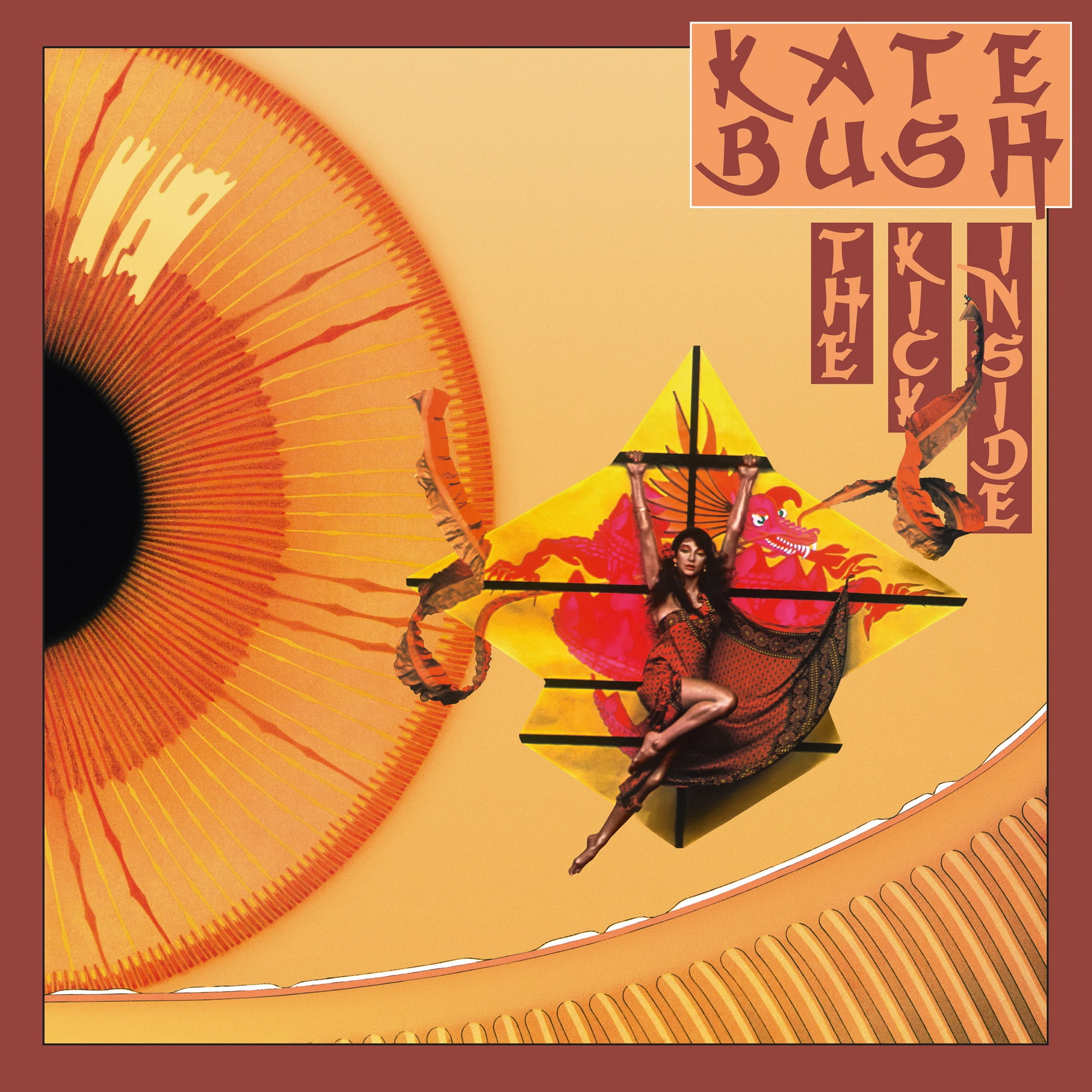
Canon Fodder: Kate Bush, ‘The Kick Inside’

Poor Lizzie Wan meets a dark end every time someone sings her song. In the ancient Scottish tune that takes her name as its title, the young lady finds herself pregnant out of wedlock and confronts the father, who happens to be her own brother Geordy. His solution to their dire predicament is to withdraw his sword, decapitate her, and dismember her body. Afterward, he tries to convince their mother that the blood is from his beloved greyhound, but the truth proves inconcealable. At song’s end he is planning to flee: “Oh, I will dress myself in a new suit of blue,” goes one version of the lyrics, “and sail into some far country.” With its heir absent, the family will flounder in disrepute.

Even the grisliest murder ballads, such as “Knoxville Girl” and “Banks of the Ohio,” carry similar subtext: Imagining the murdered woman is pregnant with the killer’s child provides some motivation for what often sounds like a senseless killing. In “Lizzie Wan,” however, the pregnancy is complicated by the father’s relationship to the mother. Incest ballads are not uncommon, but they represent a taboo even more forbidden than violence. So it’s all the more remarkable that Kate Bush had the audacity to rewrite “Lizzie Wan” on her 1978 debut, The Kick Inside. The title track imagines a very different ending for the story, one that grants its distressed protagonist more sympathy and more agency in her fate. Rather than confront her brother, she leaves home and escapes to who knows where, saving not only her own life but also that of her unborn child. Rather than a victim, Lizzie becomes something closer to a hero.

There is nothing in Bush’s version, either musically or lyrically, that explicitly points to its source material. Coming at the end of an album that is very elaborate in its pop arrangements, the song strips away everything but the most basic elements: voice, piano, and minor orchestral flourishes. “The Kick Inside” sounds hushed relative to the elaborate songs that precede it, but still intensely idiosyncratic, emphasizing her graceful vocal swoops and pirouettes. Her performance, as eccentric and potentially off-putting as it may be, reinforces the empathy of her lyrics, which take the form of Lizzie’s parting letter to her lover/brother: “This kicking here inside makes me leave you behind,” Bush sings. “No more under the quilt to keep you warm. Your sister I was born.”

Bush was only a teenager when she undertook such a highly ambitious project to rewrite a centuries-old ballad. Her version betrays a potent strain of adolescent romanticism (“You must lose me like an arrow shot into the killer storm”), yet she displays a sensitivity that seems beyond her years. “The Kick Inside” usefully complicates the narrative by neither condoning nor condemning its protagonist for her predicament. It feels like an act of supreme mercy that Bush allows Lizzie to survive her own song after centuries of being murdered. We can sing along without participating in the violence against her.

In its inspiration “The Kick Inside” is a very different kind of folk song, but it does not sound like folk music. Forty years after its release, it sounds like nothing we associate with roots music. Rather, it’s anchored in the rock and pop of the late 1970s, incorporating some of the jazziness of Van Morrison, the sophisticated melodicism of the Beatles, and some of the artsy conceptuality of Pink Floyd, but all toward very different ends. She belongs to the generation that popularized punk, yet she is only punk insofar as she vociferously rejects certain commercial aspects of pop music. It’s not that she’s not a folkie; it’s that she’s not anything other than Kate Bush, a genre consisting of only one artist.

Growing up in Bexleyheath, Kent, in the southeast of England, Bush began writing songs when she was 11 years old, the most prodigious talent in an intensely musical family. Her mother specialized in traditional Irish dance, and her brothers were active in the Kent folk scene; in fact, brother Paddy plays mandolin on The Kick Inside. Her family produced a tape of 50 demos of her original songs and shopped it around to record labels, with very little luck. Eventually the tapes—which have since been widely bootlegged—found their way to David Gilmour, guitarist for Pink Floyd, who helped secured a contract with EMI. The label placed the teenager on retainer until they felt she was old enough to release an album and handle her success.

Perhaps they underestimated her. Bush emerges as a headstrong and even visionary artist almost from the start, with very rigid ideas of how she wants to present herself and her music. EMI originally wanted to release “James and the Cold Gun,” a rock-inflected tune that suggests a more aggro Carole King, as the first single previewing The Kick Inside. Bush not only objected but managed to convince them to release “Wuthering Heights” instead. It was a risk: The song is based on Emily Brontë’s 1847 novel, sung from the point of view of a ghost haunting the moors and pining for a living lover. It was hardly a formula for chart success, especially when Bush postponed the single by a month when she was unhappy with the artwork EMI provided. When it was finally released in January 1978, Bush was vindicated. By February “Wuthering Heights” was the number one song in England, and she made history by becoming the first woman to top the UK charts with a self-penned song.

Released in March 1978, The Kick Inside reveals a young artist positioning herself strategically between the ancient and the modern, between folklore and pop music. Sounding very much of its moment, it is nevertheless an album populated by ghosts and spirits. Not goth but certainly gothic, it is an album of hauntings. Some are literal: That’s Catherine Earnshaw’s spirit tapping at the window in “Wuthering Heights.” Other are figurative: The spellbinding music she describes in “The Saxophone Song” seems to have supernatural origins and powers, and the mysterious lover in “The Man with the Child in His Eyes” only appears “when I turn off the light.” Remarkably these ghosts are not diminished by the modern sound of The Kick Inside. Rather, they thrive in that friction between the old and the new.

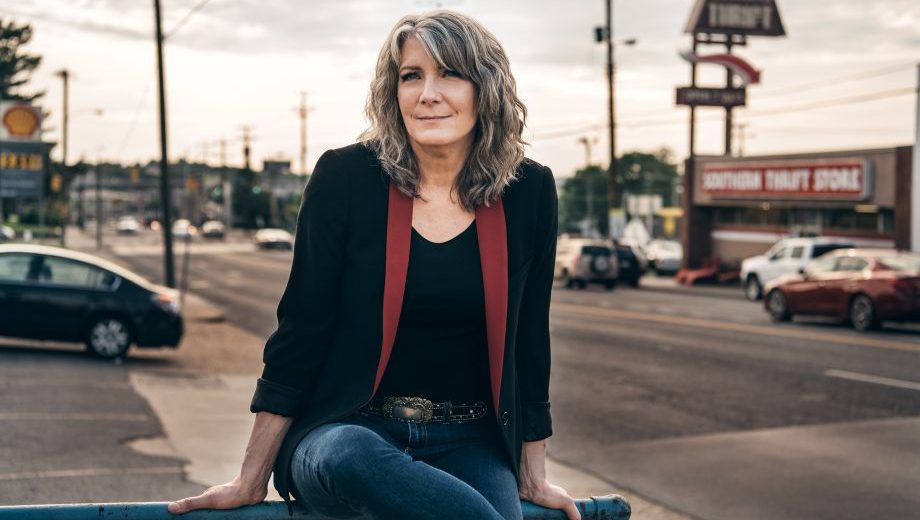
After Struggling to Sing, Kathy Mattea Soars on ‘Pretty Bird’

Kathy Mattea’s latest album, Pretty Bird, is in many ways a continuation of the West Virginia native’s journey back to the simple Appalachian sounds of her homeland. Hints of the region’s acoustic roots have popped up throughout her Grammy-winning country career, best known to most folks for her signature song, 1988’s “Eighteen Wheels and a Dozen Roses.”

With 2008’s Coal, Mattea leaned into the music of the West Virginia mountains like never before, singing about the complicated area export that is still a political hot potato in 2018. The acoustic evolution continued with 2012’s Calling Me Home, but Mattea faced an evolution of a different kind leading up to Pretty Bird.

A few years ago, Mattea suddenly discovered her voice was changing, and she couldn’t hit the notes she once found with ease. In this Q&A, Mattea explains how she worked through her vocal challenges with the eclectic group of songs she recorded for the new project.

In the past decade, you’ve stripped away a lot of the instrumentation from your music to explore more acoustic sounds. Over the past few years, you’ve also had to relearn how to use your singing voice. Did that experience of first stripping away layers from your music help prepare you to later rebuild your voice?

It felt like that, only much more extreme. I didn’t have a choice except to strip away. When I tried to do it the way I always knew how to do it, it wouldn’t work. So, I didn’t know when I began this process if what I was experiencing was the beginning of the end of my singing voice, or if it was just a shift, just a change. For instance, the transition in my chest voice to head voice, not to get too technical, had gone down a half-step after I went through menopause. So, my body has been singing the same songs in the same keys for many years and would just go for the way it knew to hit a certain note, and it wouldn’t happen. I went, “What is going on?”

Was there a physical problem with your voice or was it just part of the process of getting older?

Really, it was the latter. There was nothing wrong with my voice except that it felt wrong because it was unfamiliar. So, it wasn’t like an injury or anything like that. I got to hear Kenny Rogers during this time. He was on his final tour and he was like, “Look, I have no voice left, but I love these songs, and you guys love these songs. So, I’m coming out to sing them for you one more time.” He’s very open about it and I thought, “Yeah, I can’t do that. I’m not wired that way.” If I can’t sing in a way that I feel like I’m really expressing myself, I will have to stop. I knew this about myself. So, I thought, “OK, I’ve got to answer the question.”

Who was there with you as you went through the process of relearning your voice?

Once a week, Bill Cooley, who has played guitar for me for 28 years, would come to my house, and we’d just jam in the afternoon. We’ll just brainstorm, because sometimes, in that open-ended time, that’s when the creative process happens and surprises happen. I said, “Bill, I’ve got to get to know my voice. I’ve got to experiment around and bump up against the edges.” So, I started throwing out songs that were really different than anything I’d ever done. They were God-awful in the beginning, but it started to open up.

You’ve recorded with Tim O’Brien many times, and he’s also from West Virginia. What were you looking for from him as a producer on Pretty Bird?

I realized during this process that I needed to make another record. The songs I’d put together were all so crazy different from each other! I couldn’t figure out how I was going to do “Pretty Bird” and “October Song” and “Mercy Now” and “Chocolate on My Tongue” all on the same record and make it hang together. I’m just chewing on this and chewing on this. Then one night, I woke up at 3 o’clock in the morning and said out loud in bed, “Tim O’Brien has to produce this record! He’ll know exactly what to do!” I’ve heard Tim do jazz-flavored stuff, blues-flavored stuff, bluegrass stuff, mountain stuff — all that. He does it all from a deep understanding.

I definitely see you being drawn to documenting the way of life in West Virginia as well as the music. What’s prompting you there?

When I was growing up, I was completely eaten up by music. But there wasn’t a lot of formal training around me. So, I would learn whatever I could from anyone who would teach me. My friend’s dad had a bluegrass band and he’d jam with me. I did community theater and I did folk music in my church. We had a little folk mass thing. Choral music in school, but there was nobody around to teach me the roots music of my place. So, that woke up in me in a big way later in my life. That last album, Calling Me Home, was about that sense of place that exists in Appalachia that has been lost in so much of the rest of the culture.

Most of my family lives back in the same basic area that we all grew up in and that our parents grew up in. Cousins, second cousins, third cousins now living just a few miles from where our moms were born. So, there is a sense that the contour of the land, the mountains, the river — all of that is like a member of your family. Bill, my guitar player, he’s from Southern California, and he was like, “Kathy, why don’t people move out and move away for jobs and stuff?” I’m like, “Bill, it’s not that simple.” You don’t leave your family. You don’t leave the nest, basically. And there’s a whole exodus of people to Detroit to work in factories and stuff when all the mines shut down. There’s a whole culture of displaced people that pine for what that is and come back home eventually.

I think of it as being an expatriate, you know? Even though I moved to Tennessee when I was 19, I think of myself as a West Virginian who lives in Tennessee.

Getting into the songs you chose, let’s start out with Mary Gauthier’s “Mercy Now.” Why does it appeal to you right now?

As we had this election, and it was very contentious, and there was all this tension and polarization and all the cultural stuff was going on, I just found myself listening to that song. I pulled it out and I would listen to it every day. So, one day I said, “Bill, I’ve been listening to this song, and it really gives me a lot of solace. It’s really different than anything I’ve ever done but I want to try.” I wanted to sing that song because in a time when people are polarizing, it’s really great to say, “I have pain. I have angst. I am scared. I am upset, and I need help from some place bigger than me.”

I love it because it’s not a “You, you, you” song. It’s an “I’m looking at this, and I don’t know what to do, and I need some help from something bigger than me.” Mercy doesn’t come from me. It’s a kind of grace that comes in from somewhere else. And I thought, “Man, how lucky am I? I get to sing that song every night.” The interesting thing is my audience doesn’t know that song. So, I get to bring that song to a whole new group of people. That’s been a really satisfying experience.

I hear a similar theme in “I Can’t Stand Up Alone.” It has a real gospel flavor with The Settles Singers backing you up. It seems to me that it would speak to the community that you’ve been leaning on during your issues with your voice.

To me, “I Can’t Stand Up Alone” is like the straight-at-it gospel version of “Mercy Now.” “Can’t Stand Up Alone” is like, “Honey, you need the Lord!” [Laughs] I love the contrast of two different approaches to basically the same thing. I’m not very overt about it, but a lot of the process of this was really praying. I felt like I was praying a prayer and feeling my way in the dark over and over again.

You start the album with “Chocolate on My Tongue,” which is an ode to the small joys in life, and then you go right into “Ode to Billie Joe.” It’s such a left turn. Tell me about that juxtaposition.

Hey, I’m not pretending that all that stuff makes sense! [Laughs] I love “Chocolate on My Tongue.” It’s so playful and, for me, to have gone through such a struggle with my voice and to come out with something that light and playful — and to allow myself the freedom to do that, was such a gift.

Then, “Ode to Billie Joe,” to me, is like a familiar, old friend. Those of us of a certain age know that and have memories of that song growing up. I found that when I went to sing it, that there’s this low end — this low register in my voice that was always there, but never this rich. When I found that, it was the moment I turned the corner from thinking of my voice as something diminished to seeing that it was opening into something new that was beautiful. I was astonished by how that song brought that about in my voice.

The last song on the record is “Pretty Bird” by Hazel Dickens. You’re singing it a capella. That had to be a vulnerable experience given all that you’ve gone through.

I have loved “Pretty Bird” for a long time and I wanted to do it on my last album. I lived with it. I wrestled with it. I danced with it. It’d pin me down, and then I’d pin it down. I could not find my way into the song. I could not sing it. I could not make it come out. I think the reason is that if you tighten up at all, it will just die in your mouth. It won’t work. I couldn’t pull back enough.

One night, [my husband] Jon is on the road and I’m home alone. I’m taking a shower before I go to bed that night and I just start singing that song. I’m like, “Oh my God! I don’t know! I think I’m singing it! I think this is happening!” But I’m soaped up now and I’m soaking wet. So, I keep singing, and I rinse off and dry off. The whole house is buttoned up for the night and my cell phone is plugged in downstairs. So, I grabbed the landline and I called my voicemail and I sang it into the voicemail so I have a record of what I did — so I’d know which key I was in and where it lay and explore from there. The next thing, I was like, “OK, I’ve got it.”

I haven’t done it live very much. So, it is still super vulnerable. I’ve been making myself pull it out and do it in the show because it’s the title song for my record. It feels like taking all my clothes off. But it’s like, “Well, you’ve been through a process, and what you’ve learned, Kathy, is that it’s not about perfection. It’s about being real.” This is as blatant a demonstration of that as I can give people. You just have to trust that they’ll get it.


Photo by Reto Sterchi

WATCH: Ben Somers, “Sideman”

Artist: Ben Somers
Hometown: London, England
Song: “Sideman”
Album: Poor Stuart
Release Date: September 7, 2018
Label: Rock Creature Records (MOFOHIFI)

In Their Words: “A year or so ago I stepped in on bass with a touring bluegrass band from the US. There was a somewhat difficult dynamic with the personalities in the band. One of the leaders of the group was overheard referring to us as ‘sideman’ in trying to placate another of the leaders who was, pretty unjustly unhappy with our input. It was confusing to see exactly how little some performers understand the level of support we can give as ‘sideman.’ Listen and you’ll get the picture.” — Ben Somers


Photo credit: Bobby Williams

Nic Gareiss: The Subtle Art of Queering Traditional Dance

American music and dance have always gone hand-in-hand. Immigrants, bringing their folk traditions, art, and music to North America, combined and cross-pollinated with and stole and borrowed from the art and music of Native Americans, African Slaves, and African Americans. In that beautiful, conflicted, human, melting pot way we arrived at the incredible roots genres of our modern time. Dance had always been an integral part of that reckoning, of the growth, adaptation, and molding of our country’s vernacular music, but at the advent of the recording industry and the commercialization of music, musical dance and percussive dance were left by the wayside. They fell from ubiquity and popularity, largely relegated to preservationist, folklorist, familial, and rural niches.

Nic Gareiss doesn’t believe that dance belongs in those shadowed corners of our musical realms. A percussive dancer, scholar, and ethnochoreologist (think ethnomusicologist, but for dance — choreography), Gareiss devotes his creativity to bringing dance as music back into the traditional and vernacular genres that have slowly but surely lost nearly all of its influence. In the process, he explores greater ideas about his listeners’ and audiences’ expectations about the relationships of dance and melody, dancer and musician, dance partner and dance partner, song and singer, and performer and audience. Not only does he “queer” dance, by stripping it of its normative trappings, and laying its essentials bare, he also queers its heteronormativity, its patriarchal tendencies, and its binaryism — in a fashion that’s supremely gorgeous to both the ears and the eyes.  

A good starting point would just be that we’re a music site, right? We cover music, not so much dance. Some readers might need a quick briefing on your mantra that “dance is music.” Can you give people a quick 101 on your worldview that dance is something that’s essential to music, not just tangential to it?

I work as a dancer who makes sound. The traditions that I study and continue to study — and love — are dance traditions that are percussive. Whether that’s Appalachian clogging, Irish step dancing, or step dance from Canada, all of these dance forms have as their impetus rhythm-making with the feet and body. Also characteristic of these styles is the fact that they occur in environments where traditional music is being played. One might actually argue, and I would probably puckishly argue, that the soundscape that’s created by dancers is actually as much a part of the soundscape of traditional music as someone playing a fiddle or a banjo.

It’s interesting that that is an extant truth about vernacular music — especially American vernacular musics — but the way that American music has grown and evolved, it’s extirpated dance from itself, and then brought it back in, in different ways.

I think that because of the commercialization of music over the years, especially because of recording technology, dance hasn’t had as prominent a role, sonically. For some reason people didn’t think that the sound of a moving body was worth recording as much as the sound of another moving body, but holding a guitar. [Chuckles] What I’m interested in doing as I work mostly with musicians, and usually musicians that come from folk music backgrounds of some kind, is creating dance for listening. That manifests in mostly concerts, but also in some recordings, some teaching, some lecturing — there are a lot of things that make up my year along those lines.

One of those things is Solo Square Dance, a show that you’ve worked up, which strips away all of the old-time music and folk music that’s a part of these forms of dance and just showcases the actual, physical dancing — the part that had been lost, perhaps due to that commercialization, like you were just saying.

Exactly. In Solo Square Dance there are no musicians, except for me! [Laughs] There are no sounds except the sounds that I create myself, using my voice, using my feet, snapping my fingers, whistling. The idea is to reference and pay homage to traditional music and dance as a symbiotic entity. Because I don’t play instruments in that show, that means that traditional music shows up almost as a specter, or as a concept of something that’s been erased, so you can still feel a trace of it. It’s not just the idea of traditional music as a nebulous canon of the music writ large. Instead, there are actually specific pieces of music that come from, say, the fiddle playing of Tommy Jarrell or a traditional Irish dance tune that shows up in a tribute to one of my Irish dance teachers. There is various music in the show, it’s just music as made through a sounding body without a prosthesis, without an instrument.

Something that you’re also digging into with Solo Square Dance is leaving behind a whole host of presuppositions and expectations about dance, but you specifically call out heteronormativity. There are so many layers here, because you have to unpack that dance is music, and that it’s always been an integral part of these musical styles, but then you have to unpack that dance is inherently heteronormative, too. That’s a lot of ground to cover!  

The interesting thing for me came out of these video clips of Bascom Lamar Lunsford dancing on the porch, in this film by David Hoffman that was shot in 1962. [In the film] Bascom is demonstrating what it would be like to be in a square dance, but he only has one body to do it, instead of the usual eight people that it takes to make up a square. I saw that and thought that that was kind of inherently lonely and beautiful. But also, it somehow simultaneously was merry and celebratory. I think Bascom’s reimagining or demonstrating of the square dance is kind of a queer thing — and by “queer,” in this moment, I mean a set of stylistics that are somehow “beyond,” somehow an outsider, that have that “crooked” or critical relationship to the normative. Making that first piece a solo square dance and building the rest of the show around it, I tried to think so much about the way that dance possibly enacts some kind of revolutionary potential. Through touch, through interaction of sound and gesture, through [considering] what it might be like to have communities that move together, and what it might be like to have an individual that a community watches.

In all those things, I kept coming up against this idea that there are, indeed, heteronormative facets of that. Like [in square dancing] when we say, “Gents, swing your corner lady.” We say only “gents” and “ladies.” We say only, “Gents do this.” So there’s also a patriarchal power there, in who does what to whom. There’s also a binary that doesn’t allow for, perhaps, the existence of something like polyamory, where there are multiple people involved in a romantic or physical connection. I started thinking about what it would be like, if instead of singing, [Sings] “I’m gonna get that, get that, get that, I’m gonna get that pretty little girl,” what is it like if someone who performs the gender that I perform sings about someone who has a similar gender as themself? That subtle switch turns more than I ever could’ve imagined. It didn’t take putting on heels and a feather boa to queer square dance, just the simple expression of speaking about intimacy, thinking about the gender dynamics of that special social form, and then creating that little shift in the reiteration of that call. Which, I’m really happy about! At first, to decide, I’m gonna “queer” traditional dance — it’s a little bit of an arduous project. I’m finding that it’s these subtle nuance shifts that maybe make the biggest strides to imagining anti-normative futures as well as pasts.

I read an interview of yours, years ago now, in which you mentioned so succinctly that straight people have always let their identities shine through their art, so why wouldn’t queer people do that, too? That was a groundbreaking moment for me, realizing that my identity has an equal right to being included in my art, because no one else is filtering out their identities, their identities just happen to be the norm. It doesn’t take a lot of effort, like you were just saying, it just takes a change in perspective to open that paradigm up. How do we help all kinds of folks to realize that anti-normative future that you see?

I think it’s important to remember that queer people are not a facet of postmodernity. Queerness has always existed.

That’s such an important point! It just hasn’t always been visible.

Right. When we think about traditional music, oftentimes we relate that not only to a particular place, but a particular time. It’s important to remember that there have always been LGBTQIA+ people in those historical moments, again, whether those people were allowed to visible or whether it was okay for them to be visible is another question. Now, some of what we’re starting to see is nascent queerness beginning to whisper, or to sing, or to dance. That feels like a very exciting time, but we’re not inventing that. Queerness [has] been around for a long time.

For example, people who sing ballads, who maybe keep the pronoun of the song the same, or maybe switch pronouns to express a sexual object choice that is somehow other than straight, this is a simple, subtle way people have always enacted some kind of queer performance. And for a long time! I don’t only think that it’s always related to romantic connections, to be honest. I really like the idea of queerness as a critical set of stylistics. For instance, my relationship to percussive dance is a little queer — or bent — because I had a teacher who always said, “There will be no scraping in our class.” That means, in percussive dance, good technique is a sharp, short, adroit connection to the floor, where you strike your foot against the ground, but you don’t leave it on the ground. That, for me, sort of became a provocation. It made me want to slide my foot, to whisper, to create this foot-to-floor fricative, for many reasons: One, it got me closer to a fiddle’s bow, sliding slowly across the strings, but secondly, simply for the pure joy of transgressing! It opens this world of other tambours I didn’t have access to before.

So then, in conclusion, if a reader and roots music fan is looking to have their ideas about traditional and percussive dance queered, where will they be able to find you in the near future?

Solo Square Dance will continue to tour, there are shows in Ireland and Scotland lined up. I have a new project called DuoDuo with cellist Natalie Haas, guitarist Yann Falquet, harpist Maeve Gilchrist, and myself. That project is out on the road. Also, my band, This Is How We Fly, is getting together to make our third record starting in November, which is very exciting. Then, in the fall, I’m touring with this incredible tap dancer, who is also interested in vernacular dance forms, vernacular jazz and swing — his name is Caleb Teicher. We have a duo dance project, again a project without any instruments! Just us, making the music with our bodies and voices.

Because dance is music, damnit.

Exactly! And, to be honest, music is dancing as well! [Laughs] I found, in my collaborations with musicians, when there’s a moving body on stage, musicians begin to consider their own bodies a little bit more. They start to think about where they stand and how they move. It’s actually an interesting metamorphosis to witness and be engaged with. It reminds everyone that if one person can cross the sound/movement divide, if a dancer can be heard, maybe a musician can be seen!


Editor’s Note: Gareiss will be featured in the Bluegrass Situation Presents: A St. Patrick’s Day Festival at New York’s New Irish Arts Center, participating in an opening night jam session with fiddler-banjoist Jake Blount, clawhammer banjoist Allison de Groot and fiddler Tatiana Hargreaves on March 17 as well as a headlining performance with Blount on March 18.

Photo credit: Darragh Kane

LISTEN: Bill and the Belles, ‘DreamSongs, Etc.’

Artist: Bill and the Belles
Hometown: Johnson City, Tennessee
Album: DreamSongs, Etc.
Release Date: August 24, 2018
Label:
Jalopy Records

In Their Words:DreamSongs, Etc. captures the sound we’ve worked tirelessly in developing over the past three and a half years incorporating influences from a variety of times and places that were once representative of country music. We think listeners will find these songs refreshing in their simplicity and delivery, and hope the joy we experienced in creating this record transcends to their listening experience. We hope timelines become blurred… that the music can speak for both the here and now yet remind us of our past bringing listeners a sense of comfort and familiarity in a time that’s anything but. The voices and songs of America’s past float around all of us up in the ethos and we do our best to remain conscious and aware of those sounds when they call. We try and take those sounds to turn them into something that will resonate with people today. More than anything we hope these songs lift your spirits.” — Bill and the Belles


Photo credit: Josh Littleton