Harmonics with Beth Behrs: Kristin Chenoweth

This week on Harmonics, in honor of Mental Health Awareness Month, we bring you an emotional conversation with Tony- and Emmy-winning actress and singer Kristin Chenoweth.

LISTEN: APPLE • SPOTIFY • STITCHERAMAZON • POCKET CASTS • MP3

Having recently lost a lifelong voice teacher and dear friend to COVID-19 at the time of this interview, Kristin Chenoweth brings a very open conversation about grief and mental health, talking with host Beth Behrs about her struggles with depression and anxiety during the pandemic, and throughout her life — accepting that she does need to acknowledge her mental health struggles, even though due to her public persona, most people expect her to be “rainbows and glitter” 24/7.


Listen and subscribe to Harmonics through all podcast platforms and follow Harmonics and Beth Behrs on Instagram for series updates!

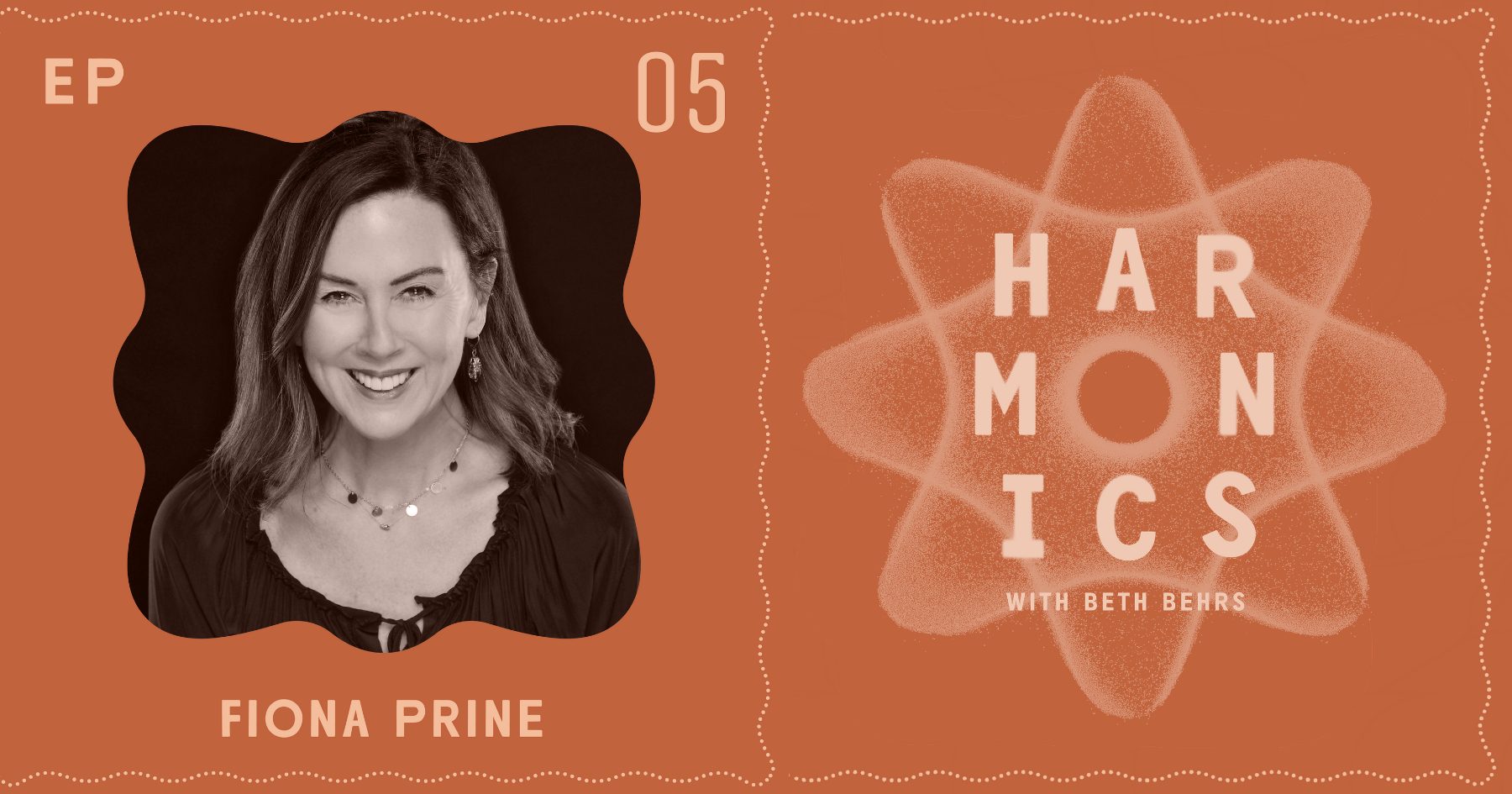
Harmonics with Beth Behrs: Fiona Prine

This week on Harmonics, we kick off our Americana April series with a conversation with Fiona Prine, President of Nashville’s Oh Boy Records, and wife and former manager of the late great songwriter John Prine.

LISTEN: APPLE • SPOTIFY • STITCHERAMAZON • POCKET CASTS • MP3

Fiona and Beth talk about John’s recent posthumous Grammy wins (and Fiona’s experience accepting the award on his behalf) as well as their love story, mental health, growing up in Ireland, her work with non-profit Thistle Farms, and so much more.

Fiona is undoubtedly a well-respected figure in the Nashville community in her own right: As a role model in the music business, as an activist, in fostering community, and in her loving spirit, and as an extremely successful manager and industry professional. She has also been able to keep the spirit of John’s incredible legacy alive a year after his passing.


Listen and subscribe to Harmonics through all podcast platforms and follow Harmonics and Beth Behrs on Instagram for series updates!

This episode of Harmonics is brought to you by BLUblox: blue light blocking glasses, backed by science. Reclaim your energy and block out the unhealthy effects of blue light on your mental and physical health. Take 15% off your order with code “HARMONICS”

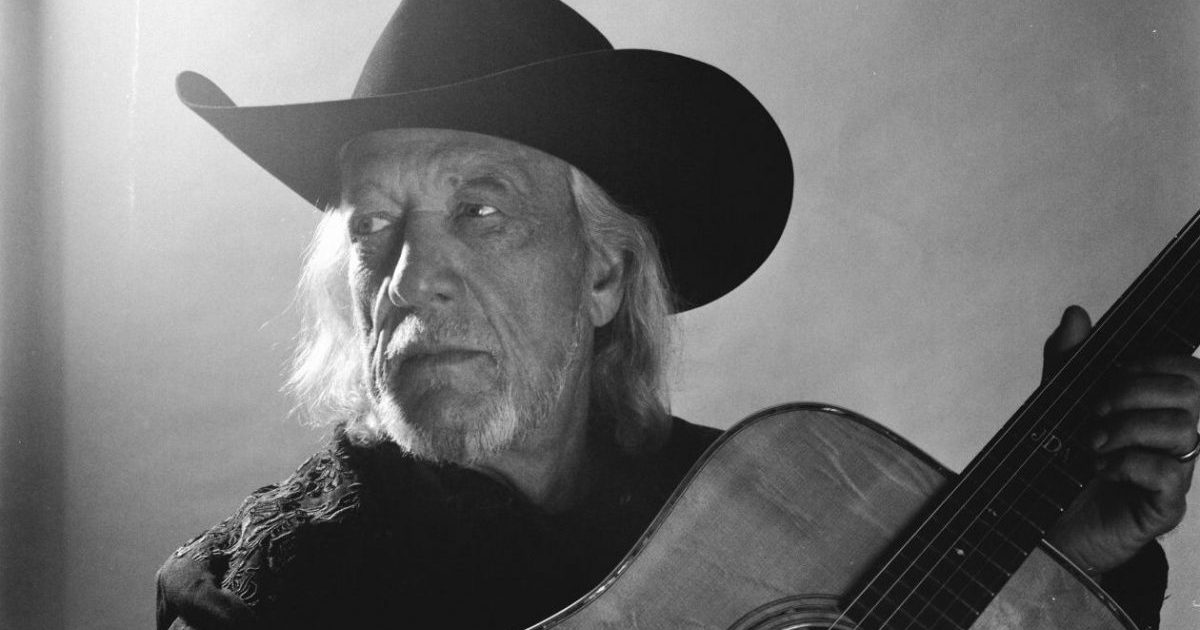
After Nearly Dying, John Anderson Adds ‘Years’ to His Life

Over the past few years, country crooner John Anderson’s inimitable voice escaped him after suffering health issues and brushes with death. Through the creation of his new album, Years, he found it again.

In the album’s opening song, he opines, “There were people placing bets that I’d be dead and gone/But I’m still hanging on.” Although he does not disclose details, he does concede that the illness affected his hearing and, in his words, “I had nearly died a couple of times.” Listening through the album produced by Dan Auerbach and David Ferguson, it is clear that now Anderson is doing more than just hanging on; he’s creatively thriving. He tells BGS what it was like getting back in the studio, how he’s spending his time amidst the pandemic, and his feelings about making music these days.

BGS: Tell me a little bit about how Dan Auerbach came into your life.

Anderson: Actually we were introduced through a mutual friend by the name of Jeremy Tepper. He does a lot of work for Sirius/XM Radio. We’ve been friends a long time and he called me one morning and said, “I was with this guy the other day and we were talking about you and I would really like you to get together.” I said, “Well sure, I’m really not doing much these days.”

He asked if he could give Dan my number and I said, “By all means, give it to him!” The next day or so I got a call from Dan and we ended up setting up a meeting to get together and talk. Originally mainly just to talk about writing some songs together. At the time he was busy producing some other acts. I thought they might need some material and I thought I might help them write some.

What was your writing process like for this record? I’ve read you had some surprise co-creators on this one. What was that like?

We did. It was great. Looking back, I have to thank Dan and Dave Ferguson (aka Fergie). They were both involved in setting up the writing appointments. As it turned out, I got to write not only with some heroes, but some great old friends. It was really a joy. Writing these songs was a real pleasure for me. And it was at a time when I really needed to do some writing and get some music out of me. I’d been sick for a couple of years and hadn’t been able to do much writing or performing. At this point, I was recovering and really wanting to get back into my music.

This was all really good for me as far as writing the songs. We wrote for a couple of days, then the recording part came up. I remember saying, “Boys, I don’t know. That’d be great, but I’m really not sure I can do it.” I think it was Fergie who said, “We think you can.” I looked at him real serious and said, “Really?” And they both nodded. There wasn’t a lot said. It was a pretty solemn time there. I remember saying, “Well, if I do it, I’m going to treat it like it is the last one I’ll ever do.” Just because I was in that frame of mind at the time, mostly due to physical health reasons.

What was the moment like when you stepped up to the mic for the first time?

For me, singing is really something I’ve, thank the Lord, never really had to think about it, when it is time to step up to the mic. I do spend a lot of time thinking about singing, mind you. Most of my life I’ve walked around humming a tune. And maybe humming it a different little way. But when it is time to go into the studio or when I step up to the mic, I’m kind of on autopilot. I’m mainly trying to deliver the song, whatever the song is.

That certainly comes across in your singing.

Well, thank you. I want it to be real, in every kind of way. I’ve been a real stickler for that through my career. Sometimes you pay a price for that and sometimes it doesn’t turn out as good as you thought. On the other hand, when it is all over you can be proud of doing your own thing.

When you had those songs together, what was the recording process like? Did you cut them all at once or piecemeal?

We went in like three or four days one week and then we took a little break. I don’t even think we took a week break. We cut Monday through Thursday it seems and then took the weekend off and showed back up Monday. We had about 20 songs to choose from that we’d written over the previous months. I’ll always recall that as a really good time in my life. It really helped me to heal up. Even to the point today, I almost forget I was ever sick.

That’s so great.

It’s a blessing, is was it is. It took a lot of praying to get it. And now I am, and have been, well enough long enough that now the music is back on autopilot. I just do it all the time.

There’s a heaviness on this record as it deals so pointedly with mortality. On the flip side, it explores the simple pleasures in life and these elements really balance the record. Can you tell us some of the simple pleasures you are finding in life in these strange times?

I kind of found them a bit earlier through the songs and doing this record in a time when yeah, I had nearly died a couple of times. So, mortality is certainly in some of these songs, as far as my influence on them. Now there again, I can’t take the credit for any single song on the record because we had a lot of great help writing them. But my influence is a lot about mortality and the part in the songs about being thankful. That was kind of where I was at the time.

And you know what? As far as the situation right now and playing shows. … That’s been probably the biggest part of my life ever outside of my family has been going and playing the music to the fans. That’s pretty much all I have dealt with for the last fifteen years. As I’ve not been actively in the recording business, my live shows are what mean the most to me. It is a little bit difficult not knowing if or when or how we’ll be playing again to crowds. That’s been on my mind.

On the other hand, I feel very blessed to still feel healthy and have a great outlook. I’m still trying to write and sing most every day and doing a lot of gardening work and doing a lot of fishing. Fishing and gardening is what I’ve been doing and trying to play with my grandchildren. You have to save up energy to go do that.

How did the collaboration with Blake Shelton come about?

Blake is an old friend. I was a fan of Blake’s when I first heard him and then come to find out, he’s told people I was one of his biggest inspirations. At the time, when we were recording this record, low and behold we got a call from Blake’s people asking if we’d be interested in going on tour with him. For me, I did have to cancel tours previously on account of my hearing was nearly gone at the time. I didn’t have a working band. I hadn’t been on the road in a while.

I told them I didn’t have all that together and they said it was just for a few songs a night and his band will back you up. I said, “Really? That’d be a real treat. That’s like chocolate cake.” So it did work out and about the time the tour worked out we were finishing some of the tracks on this record and I said, “I’d love it if Blake could come in and sing with me on this.” We asked him and he was very gracious and did. Not only that, he invited me on the tour the next year also. Blake Shelton is a true hero of mine at this point. The tour was called Heroes and Friends and he’ll always be one of my heroes.

Do you ever revisit your old records? With all you’ve been through, do you view those songs in a different light?

Oh, I do. And I have been lately. That’s part of what I’ve been doing in this solitary time. What’s really been going through my mind lately are some of the songs that I thought were just as good as anything that I had ever written but really nobody got to hear them. Maybe I have twenty of them. I’ve been thinking about going in. It’s strange that you’d mention old stuff, and I’m talking about even from the time I was a teenager. Just things that I might go in and work on. Mainly just to pull it together and have that piece of work together, those songs. I’m thinking about that lately.


Photo credit: Alysse Gafkjen

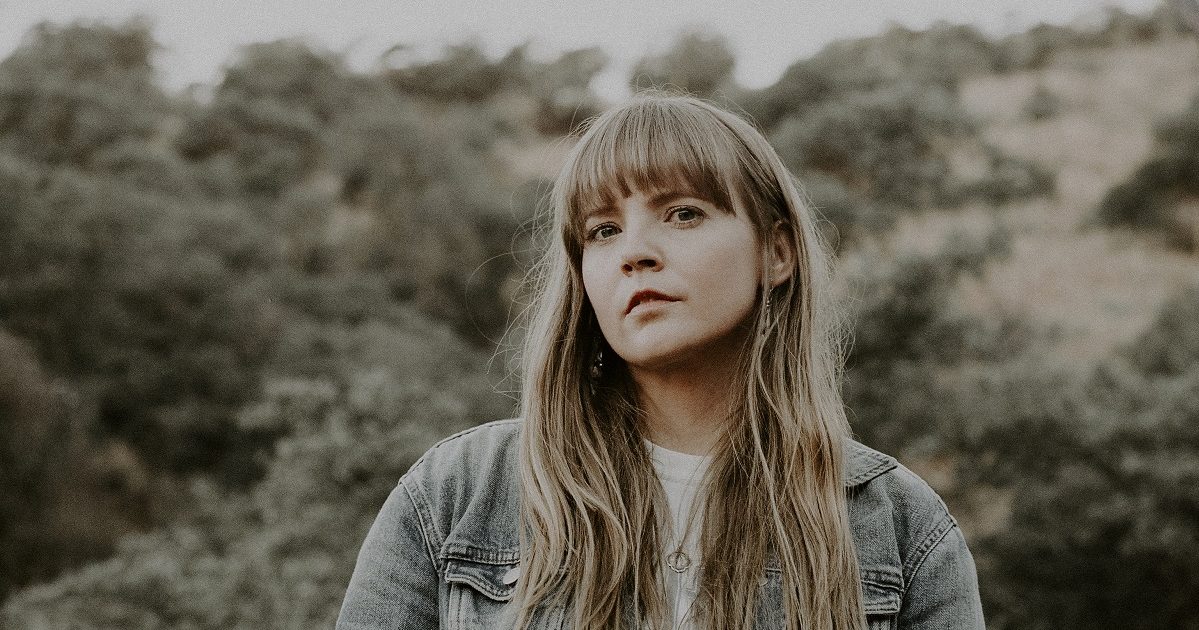
WATCH: Courtney Marie Andrews, “Burlap String”

Artist: Courtney Marie Andrews
Hometown: Phoenix, Arizona
Song: “Burlap String”
Album: Old Flowers
Release Date: July 24, 2020
Label: Fat Possum Records

In Their Words: “More than a decade ago, I would travel from my home in Phoenix, Arizona, to a quirky little historic Mexican border town in the southeastern hills of Arizona called Bisbee. In Bisbee, all the musicians play in old saloons, making a small but honest living off of tip jars. This special place became my haven as an artist. The entire town is ripe with characters and creativity. During my visits there, I befriended a local musician couple, whose moniker was Nowhere Man and a Whiskey Girl. They became my DIY musician mentors, being fifteen years older than me, and showing me it was possible to pay rent off of playing music. I adored them, and we did lots of shows together throughout my early twenties.

“About five years ago now, they both died unexpectedly within twenty-four hours of each other. Losing them was a devastating blow. They were a large part of the Arizonan community. I still go back to Bisbee often, as it’s where my heart belongs in many ways. During one of my visits a couple years ago, I discovered a special place called Young Blood Hill. It’s a hike to a sacred and rocky peak, littered with catholic influenced memorials, shrines and crosses. It turned out to be a place where many of my personal revelations happened, so naturally I chose to shoot the album cover for Old Flowers there.

“Unknowingly, while shooting the album cover under the last full moon of the decade, Nowhere Man and a Whiskey Girl’s memorial ended up in many of the press shots. When showing them to someone in town, they remarked how sweet it was that Amy and Derrick made it into those photos. It came as a beautiful gift and surprise, for I was unaware it was their memorial at the time. With that gift, I decided to shoot my music video for ‘Burlap String’ on Young Blood Hill. By the end of the video, I am placing flowers on Derrick and Amy’s memorial, as a way of reckoning with their loss and each loss we grieve throughout our lifetime. Though this song was written for one of the great loves of my own lifetime, I wish to place flowers on heartbreak’s memorial as well.” — Courtney Marie Andrews


Photo credit: Sam Stenson

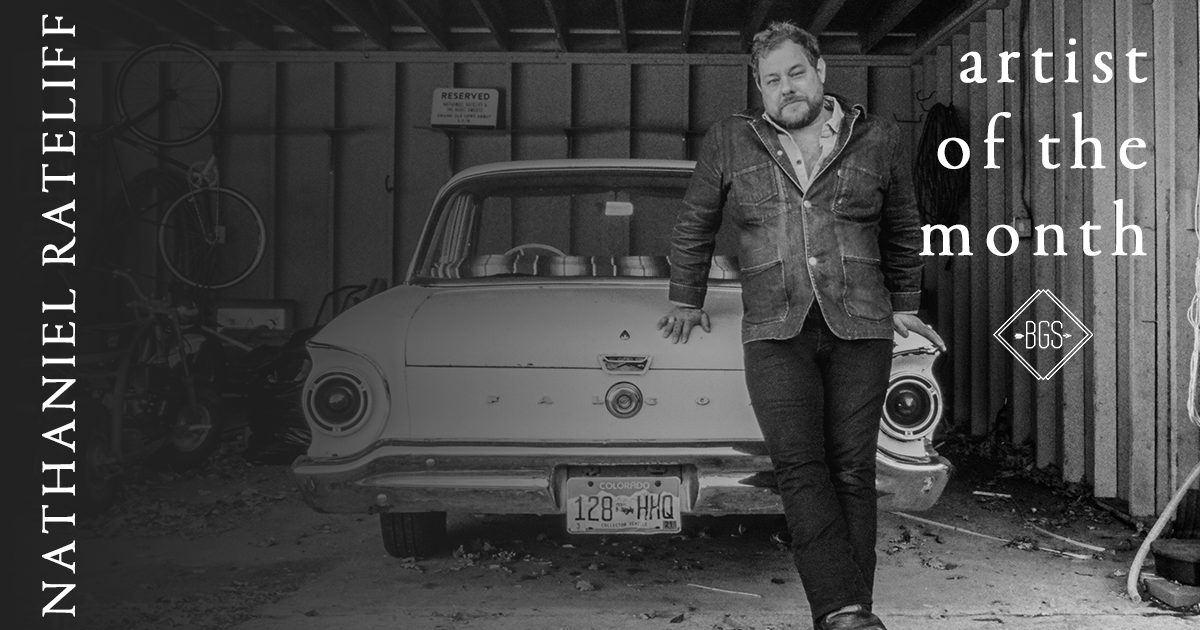
The Hurt Behind Nathaniel Rateliff’s ‘And It’s Still Alright’ (Part 1 of 2)

Nathaniel Rateliff’s And It’s Still Alright retains much of the soul and swagger of his work with his band the Night Sweats, but its subtler arrangements and sparser atmosphere offer more room for Rateliff to showcase his introspective side as both a songwriter and vocalist. Songs like the title track, which chronicles the aftermath of unexpected loss, and the poignant “Time Stands,” hark back to his salad days as a solo singer-songwriter while also marking his immense artistic growth over the past decade.

As his first full-length solo album in seven years, And It’s Still Alright comes on the heels of two acclaimed albums from Rateliff and the Night Sweats, both of which released via STAX Records and found the Missouri-born artist digging deeper into rock-influenced soul and R&B music.

Rateliff originally planned to make the new album alongside friend, frequent collaborator, and beloved producer Richard Swift, who died unexpectedly in July 2018 at the age of 41. Swift’s passing is a heavy presence across the LP in myriad ways, including Rateliff’s decision to record the bulk of And It’s Still Alright at Swift’s National Freedom studio in College Grove, Oregon.

Below, read part one of our conversation with Rateliff, held in the weeks leading up to And It’s Still Alright‘s release.

BGS: You’ll release And It’s Still Alright in just a couple of weeks. What are you feeling as you anticipate having this new music out in the world?

Rateliff: I’m excited. I’m excited to share it. This is kind of the first time that me and the band have done real rehearsals. [Laughs] I feel like with the Night Sweats we’d be like, “Oh, we know these songs,” and just kind of rock through them. These songs have such a different intention than that, and there’s so much more subtlety in performing them live together. It’s been an interesting yet fun challenge to figure that all out together.

Having been a few years since you last put together a project that wasn’t with the Night Sweats, what was behind your decision to move forward with another solo album this time around?

When we were making the last Night Sweats record, I had a lot of these songs that I was working on. I was sharing them with Richard. We had intended to make this record together before he passed away. So I guess I followed through on my commitment to him in making this record. We tried to do it the way we thought he would do it.

What did those early song ideas, as well as those early conversations with Richard about what you envisioned for the album, sound like? Was there a moment or a song that made the project feel like it had clicked for you?

I remember playing “All Or Nothing” — I had the chord progression for it, and some of the words; it wasn’t really done yet — and I was kind of sharing it with Richard and he was like, “Man, I love this. You can’t be too Nilsson, man.” And so I would say, “OK. We’ll see how Nilsson we can get.” That was one of the things I wanted the record, or at least some of the songs, to have, that feel and similar approach to Harry Nilsson’s. Then a lot of the songs had a lot to do with Richard passing away, and some of our similar struggles that we shared in our personal lives and in our friendship together. So it seemed fitting to follow through and make a record.

Would you be open to sharing a bit about what you were feeling after he did pass, and when you made the decision that you were going to follow through with the album? How did doing the work feel in the wake of his passing?

It’s devastating, still. I still think about Richard and miss him most days, you know? He had this amazing ability to make the people around him feel very loved. As far as a creative partner, he was my favorite person to really work with. I really hadn’t intended on working with anybody else. So a really big part of the process of making this record was to go back to his studio. It has such a sound and feel to it there, so it kind of made me feel like he was with us in some way…

The band and I had all worked a lot with Richard and kind of new some of his tricks, which he was super open and willing to show us when he was still around. We really tried to approach it like, “What would Richard do?” song-by-song. Then there’s always that point in the process when you listen to the songs and say, “OK, what is there too much of here?” and kind of strip it back. Then we added a bunch of things to it. [Laughs]

The title track is so powerful and is one of several songs I’ve found myself returning to often since first sitting down to listen through the album. What was the experience of writing that song like for you? Did it bring about any healing for you?

I had a bunch of songs that I was writing with Richard in mind. When we were in Cottage Grove making this record in March, I’d had that song and was sitting at the kitchen table having coffee in the morning and just kind of instantly wrote it all out. At first, when you’re listening to it, the words came out so naturally that you don’t really take the time to question or examine what you’re trying to express personally. There was a moment in the recording process when I was like, “Oh fuck, I can’t believe I’m writing about this.” It’s heartbreaking at first but there is an element of healing to it. Sometimes to relinquish things you just have to say them out loud.

Read Part two of our interview with Nathaniel Rateliff.


Photo credit: Rett Rogers

LISTEN: Faustina Masigat, ‘One Day’

Artist: Faustina Masigat
Hometown: Portland, OR
Song: “One Day”
Album: Faustina Masigat
Release Date: January 26, 2018
Label: Mama Bird Recording Co.

In Their Words: “I lost a lot of people and places I loved in the years leading up to recording this album. I wrote ‘One Day’ about the grief process — the feeling that one’s grief can seem endless and cyclical, even timeless.” — Faustina Masigat

Photo credit: Vincent Bancheri

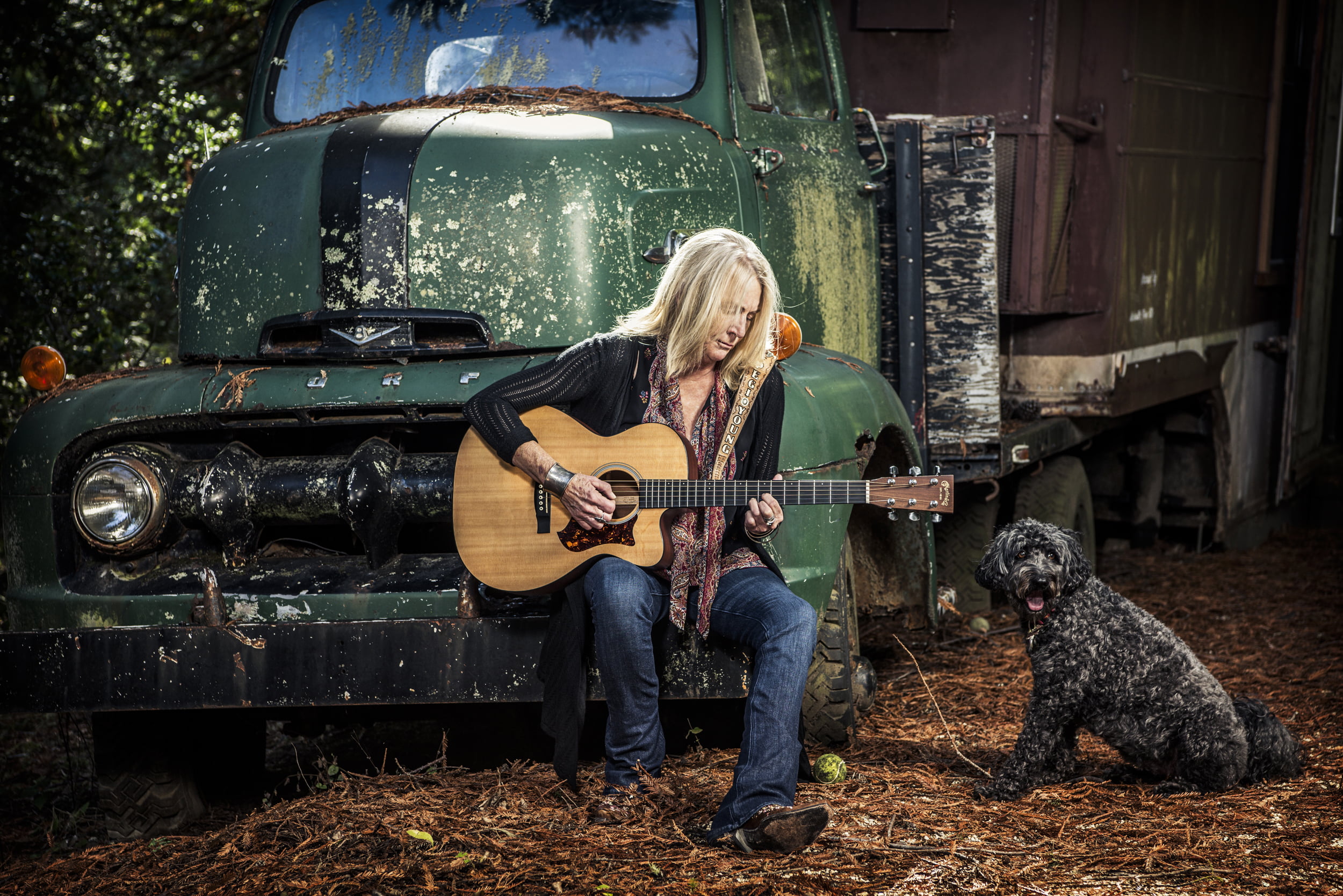
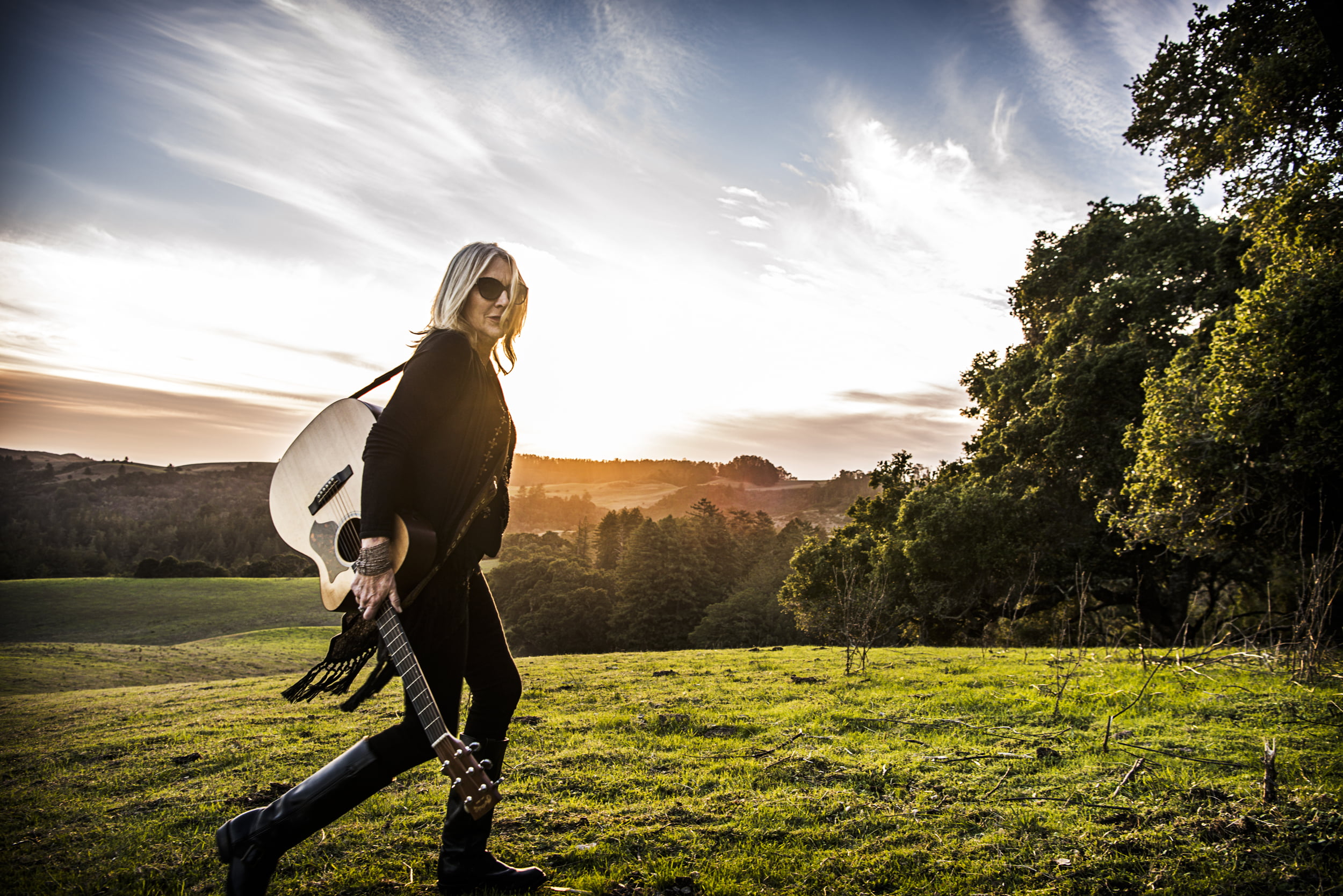
Counsel of Elders: Pegi Young

There’s no more apt summary for Pegi Young’s newest album, Raw, than the title itself. An honest songwriter through and through, she didn’t pull any punches when she faced grief head-on following the life-altering news she received in 2014: Her husband Neil was filing for divorce. The 12 songs that resulted from that kind of hurt — recorded with her band, the Survivors — move from the accusatory “Why’d You Have to Ruin My Life?” to the bare “A Thousand Years.” An electric blues guitar accentuating the latter reflects her bruise, still purple and tender, while she tries to parse out what reasons might exist for this change of heart. “Took a sip of her leftover tea. Thought about her new reality. He’s in her children’s faces. He’s in her heart and soul,” she sings, her voice edging near despondency.

But while Young allows herself to linger in the hurt, anger, and shock that defines the first half of the album, she doesn’t stay there. This is no bitter pill, but a reflection gazing outward and inward. And for all the clichés about strength that follow from such tragedies, there’s something to be said about finding the fortitude to simply get up, get out of bed, and begin the act of self-discovery once again. On “You Won’t Take My Laugh from Me,” the way Young pronounces “laugh” comes close to making a larger proclamation: “You won’t take my life from me.” While 2014 left her with different endings than she anticipated, she’s found ways to forge new beginnings. Raw ends with two covers, Nancy Sinatra’s “These Boots Were Made for Walking” and Don Henley’s “Heart of the Matter,” notes of independence and forgiveness, both of which Young applies to herself, as well as to her situation. There’s a reason she runs with a band called Survivors and, with her newest work, listeners can see why.

When did you realize you needed to write your way through this hurt?

I’ve always written, so I started writing pretty quickly. That was about all I could do for a while. I was pretty frozen. Thank goodness I had that — and have that — as an outlet.

But, from a creative standpoint, tragedy can affect output since our drive to create is so often so tied energy, motivation, etc.

I didn’t have songs per se, but I had loads of words. We went on a little tour, and then we lost our bass player, Rick Rosas. A lot of losses in 2014; it was pretty rough. Spooner Oldham and Kelvin Holly and I went back to L.A., and we holed up in a hotel room. That was in early 2014, and that’s when my words started to take the shape of songs. It was a real collaborative process. I’d never done that specifically before. I usually came into the studio to present what I wanted to try, but I’d have a skeleton of a melody. In this case, I didn’t have anything. I just had these words. I didn’t play a note on this record. I went into a depression so I didn’t play — I didn’t do a lot of things that I previously enjoyed doing — I had to climb my way out of a pretty significant depression.

That actually reminds me of what British folk singer Shirley Collins experienced after her husband left her — she lost her voice. Have you managed to find your way back to your instruments again?

I have. Yeah. We just came off a tour, and I played guitar on some songs. I have a couple of pianos here in my house. I took piano as a little girl, so I understand the keyboard in ways that I don’t really understand the guitar neck, even still. I know chords, but if I don’t know, I fish around and find something that sounds good, and bring it to Kelvin and say, “I don’t know what this is …” and he translates it for the rest of the band. My chords are a little odd, you know. [Laughs]

How lovely that you have a translator!

Oh, he’s terrific. He, in many ways, is our bandleader. Everybody’s got their niche. Our newest Survivor is Shonna Tucker.

I was so excited to hear you’d brought her into the mix.

A dynamic bass player, just really cool. Rick Rosas left some really big shoes to fill, and she stepped in, and I think he would be pleased. Plus, she’s got a beautiful voice, so her harmony vocals with me are just terrific.

What has it been like playing these songs live? Has it felt empowering?

I cherry-picked which ones I do live. Some of them are dated to me now. I liken the record to the stages of grief, but I didn’t think about that when I was writing. It takes you through — at least I believe, and I hope it translates that way to others — the journey with me. And it’s not just my journey. A lot of people go through loss and grief, whether it be from divorce or death. It’s part of the human condition; the Buddha says suffering is the first noble truth. It starts off with what may appear to be an angry song, but I look at anger as a very secondary emotion to deep hurt, so that’s where that one came from, and we don’t do that one live anymore. That feeling has gone so far into the past that I have trouble conjuring that one up. We stick with some of the other ones on the record that are more reflective. I think the record ends on a note of forgiveness.

When you talk about some of the earlier songs being angry, were you ever concerned or aware about playing into the stereotype of the scorned woman?

Well, I think that goes back to what other people think about me as being none of my business. It’s music, you know? I can’t control how people receive what I put out. I just put out what feels honest and true to me, and then how people interpret that is completely out of my control.

And the album title so perfectly summarizes your perspective anyway.

Yeah, we were pushing around for a title, and hadn’t come up with one yet. I was listening to the work we had done on a drive today — I love to listen to music in my car — and it just came to me. This record is very raw. There’s no sugar coating how I feel in this record.

I appreciate that you don’t shy away from being candid.

It took over a year to make the record. Luckily, when I was stuck and in the depression that I talked about earlier, it didn’t last. Ultimately, I believe — for me — I had to get up out of bed. I had to stop saying, as soon as I opened my eyes, “Oh, when will this day be over?”

How did you begin discovering your own strength again?

We are in control of our own happiness. Ultimately, with the help of my family, my kids, my professional support team, my friends, my siblings, everybody was there rooting for me and that really helped a lot. I had to get back up and start putting one foot in front of the other and get on with it, and ultimately accept what’s happened. Maybe not understand why … or understand fully why, I should say. In a long-term marriage, there’s always bumps. I was looking at this couple, they were in their 90s (it was an online thing), and it was “What’s the secret to your long marriage?” The man said, “A sense of humor,” which I’ve heard many many times and I agree with that, and forgiveness.

I know, but this is something no one expects to have to forgive when they get married.

Well, look, I’ve focused on forgiving myself, because there are always two parts. It’s never one person’s fault that a marriage doesn’t make it. There are things that happen in the course of a marriage, and there’s equal opportunity to take responsibility for not making it. Well, we made it to a finish line. I’m not blameless. I have to work on my own part and, in doing so, I think by forgiving myself it will definitely help in general with forgiveness all around.

It reminds me of a line you have in “Obsession” off your last album, Lonely in a Crowded Room: “It takes patience with yourself.” I’ve always appreciated that sentiment.

Yeah, that’s something I’m learning still. [Laughs]

Does it get easier?

It might be a life-long work in progress. We can all be kinda hard on ourselves. I know I tend to be really hard on myself. I strive for perfection, perhaps, but I know I’m just a human being, and we make mistakes, and we try to correct the course, and we try to do better, and that’s all we can ask of ourselves, I think.

Absolutely. You have to be kind to yourself because there’s so much expected of everyone.

And maybe women more than men, I’m not sure, because I’ve only inhabited a woman’s body, but I think maybe it’s just part of societal expectations. I’m almost in my mid-60s, and there were certain expectations placed on us. My daughter, for instance, I think she’s fairly representative of this newer generation — she’s in her early 30s — and there’s not the same expectations placed on her, in terms of roles and who does what, and how we’re supposed to be the nurturers and the caretakers. That’s a lot of work trying to take care of everybody else’s happiness! [Laughs] We really have no control over it.

Right, mothers tend to sacrifice their happiness for the sake of others.

Yeah. And not worrying about pursuing your own dreams, in terms of that being selfish. The happier a person I am, the better I am for everybody around me.

No kidding. Well, on that note, thank you for what you’ve shared on this latest album.

Thank you. I’ve been receiving really positive comments from people, when we were out playing shows. The primary feedback I was getting was that, rather than the victim or the woman scorned or whatever, it was more a message of empowerment. That’s all I could hope for: to be able to share with others my journey and that you can survive it. Speaking of: The Survivors! What a name. Who knew?

You picked it before it became necessary.

We are indeed Survivors.