BGS Receives IBMA Distinguished Achievement Award

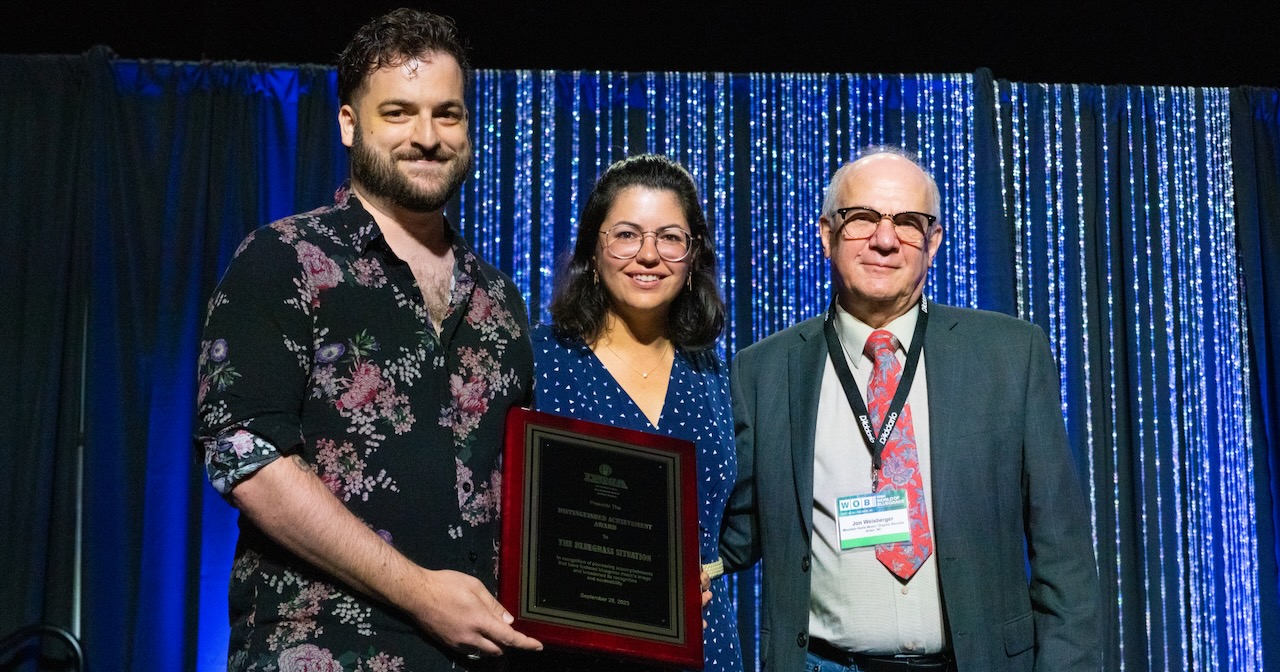
(Editor’s Note: On Thursday, September 28, 2023, BGS contributor, musician, songwriter, and bluegrass industry leader Jon Weisberger presented BGS with IBMA’s Distinguished Achievement Award at the organization’s annual business conference. Below, enjoy Weisberger’s award presentation speech, adapted for print, and photos from the Industry Awards luncheon.)

The International Bluegrass Music Association’s Distinguished Achievement Award was created as the organization’s first honor, just a year after its 1985 founding. Among the first recipients were Bill Monroe, gospel songwriter Albert E. Brumley, and (now-BGS contributor) Neil V. Rosenberg.

After 1991, when the Hall of Honor (now the Bluegrass Music Hall of Fame) was established, the DAA became a way to recognize a variety of accomplishments — a lifetime of achievement for many recipients, but also activities taking place in more compressed timespans, as when the Coen Brothers and T Bone Burnett were recipients in 2001 for the singular act of creating the film, O Brother, Where Art Thou?, and the accompanying soundtrack album. And while most of the recipients are people, some are entities, like WSM’s Grand Ole Opry (2000), the Station Inn (2003), and Bluegrass Unlimited magazine (2016).
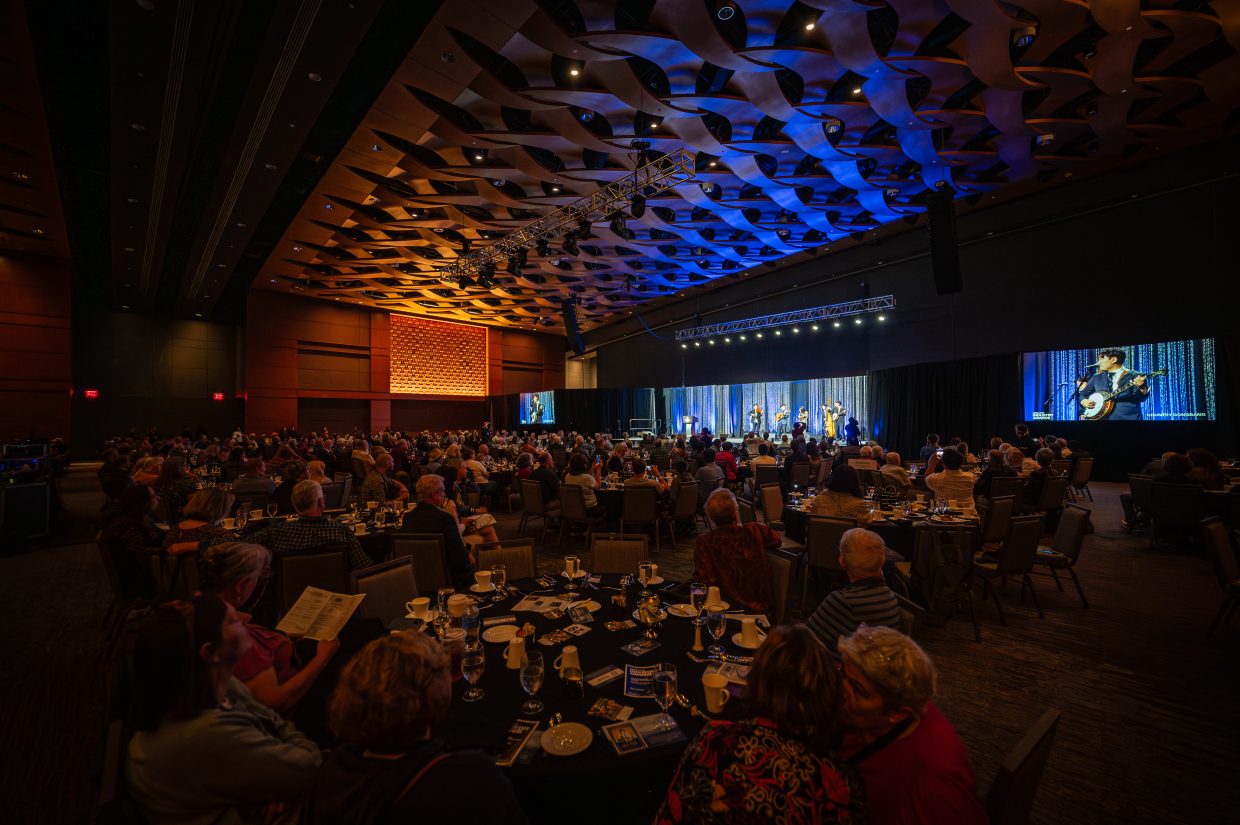
Country Gongbang, of South Korea, perform during the IBMA Industry Awards Luncheon. (Photo by Rob Laughter)

Either way, the award criteria direct the selection committee to consider those who “have fostered bluegrass music’s image with developments that will broaden the music’s recognition and accessibility.” Further, the award criteria state, “Their contributions should be unique given the relative period of time in which they were made and should embody the spirit of one who pioneers or opens new possibilities for the music.” These are descriptions that fit the Bluegrass Situation perfectly.

Having celebrated its 10th anniversary just last year, this site contains an extensive amount of material that recalls a multitude of highlights from that first decade. So rather than recount them, I chose, when presenting the award—an invitation for which I’m deeply grateful — to recognize what Ed Helms, Amy Reitnouer Jacobs, their dedicated staff and many contributors have done to broaden the music’s recognition and accessibility and open new possibilities for the music is to look at why these things are important and how they have met the challenge.

For more than 50 years, bluegrass music has been dependent, for the renewal of its audiences and of its musicians, on exposure beyond its cloistered garden. From The Beverly Hillbillies through the Nitty Gritty Dirt Band’s Circle album through the mainstream success of Ricky Skaggs and Alison Krauss to O Brother and, more recently, artists like Molly Tuttle and Billy Strings, our music has needed not only community-building institutions that cater to those already familiar with it, but a plethora of vehicles that expose new audiences to this music.
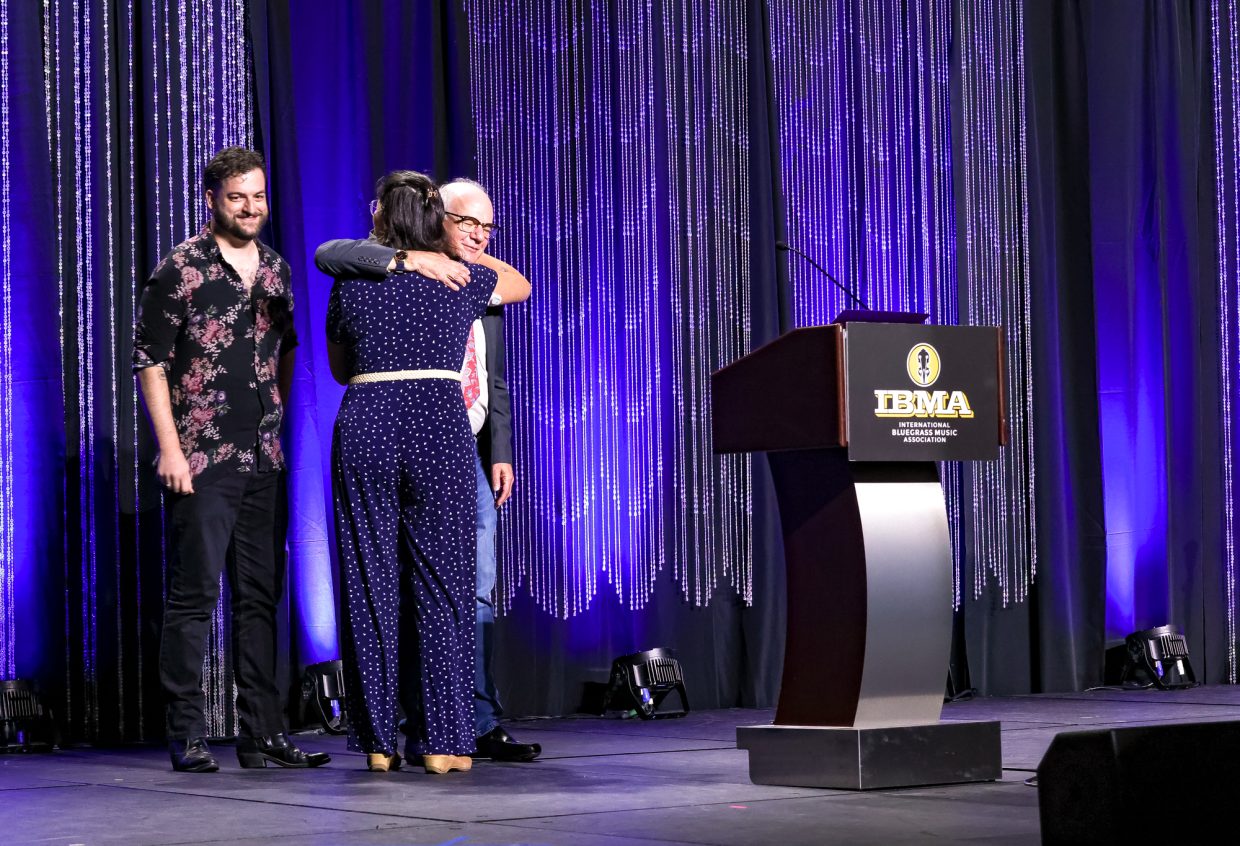
BGS executive director Amy Reitnouer Jacobs reacts to Jon Weisberger’s DAA presentation. Justin Hiltner, managing editor, looks on. (Photo by Willa Stein)

This is how many people, including many in the IBMA, first became aware of bluegrass, and in the past decade, no one has done more to introduce this music to new audiences than the Bluegrass Situation. By covering the broad range of roots music under its “bluegrass” rubric, and by insisting on presenting the full range of bluegrass music and musicians in all their diversity, the Sitch has invited hundreds of thousands into the fold — and the same is true of the events the Bluegrass Situation has organized and sponsored.

Indeed, one of the Sitch’s distinctive contributions has been its dual role as a chronicler of the broad array of bluegrass and related musical artists and as a presenter, bringing the artists and the music they make directly to audiences. Especially through its curated stages at major music festivals, the Bluegrass Situation has introduced thousands — tens of thousands by now — to artists like bluegrass Hall of Famers Ricky Skaggs, Del McCoury, and Sam Bush.
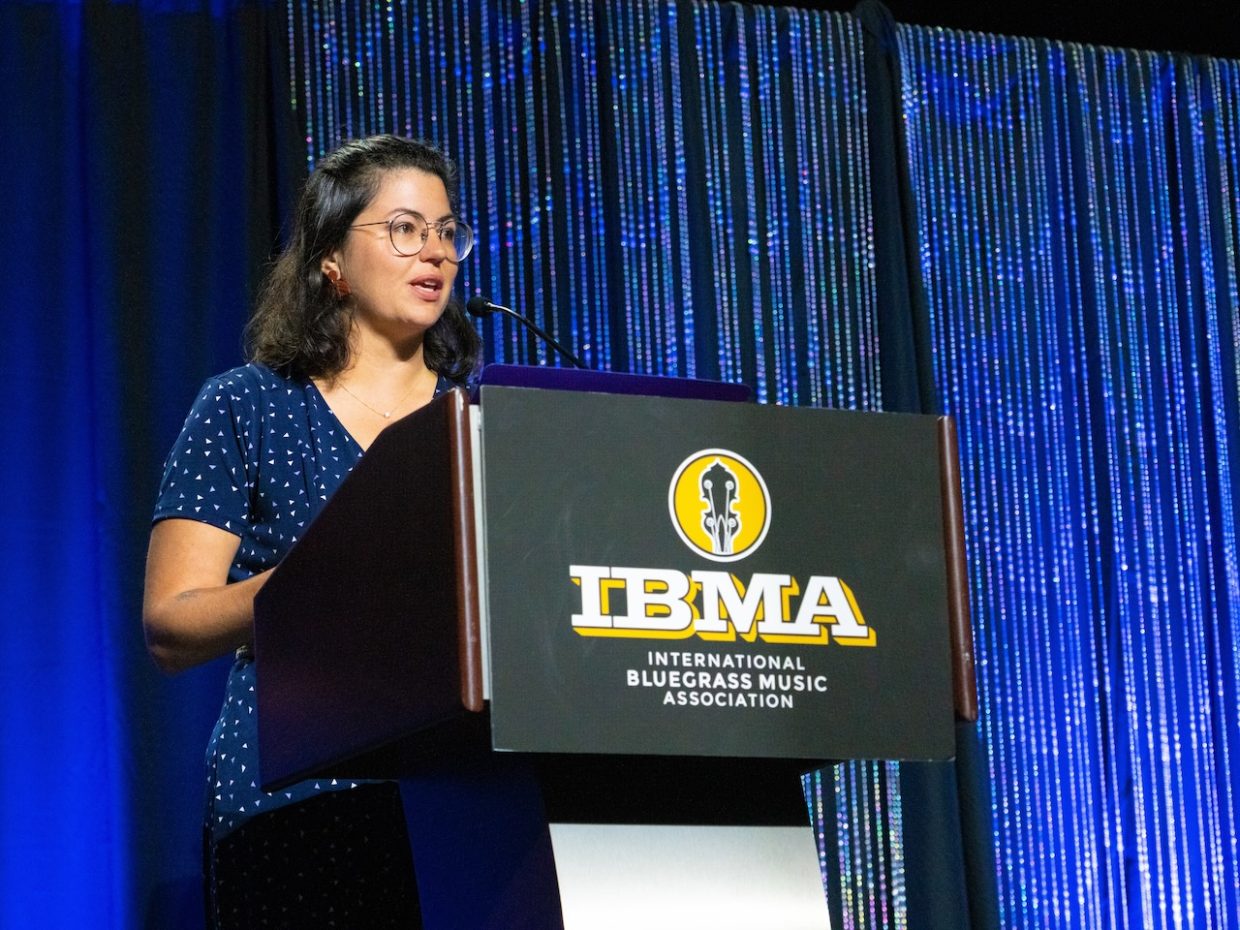
Amy Reitnouer Jacobs speaks to the Industry Awards Luncheon audience. (Photo by Dan Schram)

In this way, the Sitch has spent more than a decade devoted both to the important work of bringing a wide variety of roots music to audiences across the country and around the world, and to the important work of bringing the whole array of bluegrass artists, from Larry Sparks, Junior Sisk, Michael Cleveland, and High Fidelity to the Infamous Stringdusters, Leftover Salmon, Molly Tuttle, and Billy Strings to the attention of those attracted to the Sitch’s website and events by its coverage and presentation of all the other roots music artists within their purview. So, someone who visits the site to read an Allison Russell feature has an opportunity to learn about Lynn Morris, while another who attends the Bourbon & Beyond festival to see The Black Keys might have their ear caught by the sound of Dan Tyminski or The Cleverlys performing on the Sitch’s curated stage.

These are the kinds of connections — and the kind of day in, day out, year in and year out work — that, in the words of the Distinguished Achievement Award criteria, “broaden the music’s recognition and accessibility.” These are the ways in which bluegrass is able to draw in new generations of fans — and new generations of musicians and industry activists, too. For more than 10 years, now, Ed Helms, Amy Reitnouer Jacobs and the Bluegrass Situation have been doing the work, and all of us in the bluegrass community have benefitted from their efforts. It gave me great pleasure to present them with this award.
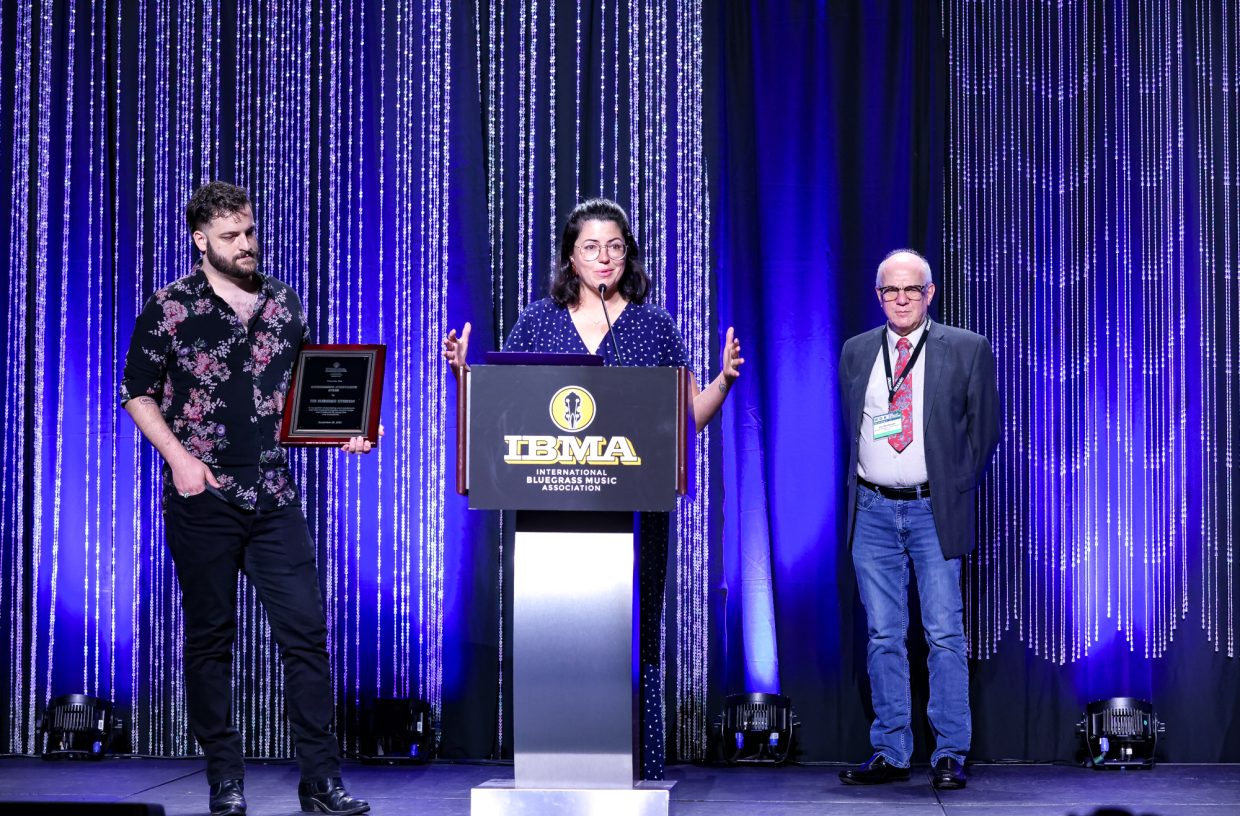
L to R: Justin Hiltner, Amy Reitnouer Jacobs, Jon Weisberger at the 2023 IBMA Industry Awards Luncheon. (Photo by Willa Stein)

Photos by Rob Laughter, Dan Schram, and Willa Stein as noted; Lead image of Hiltner, Reitnouer Jacobs, and Weisberger by Dan Schram; All photos courtesy of IBMA.
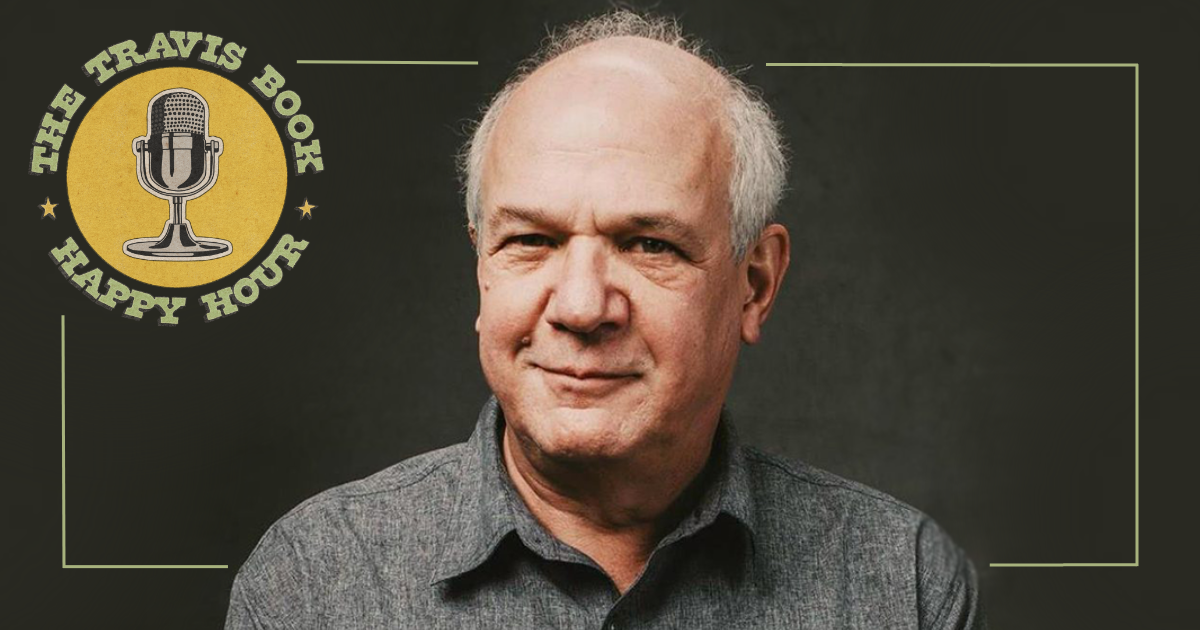
The Travis Book Happy Hour: Jon Weisberger

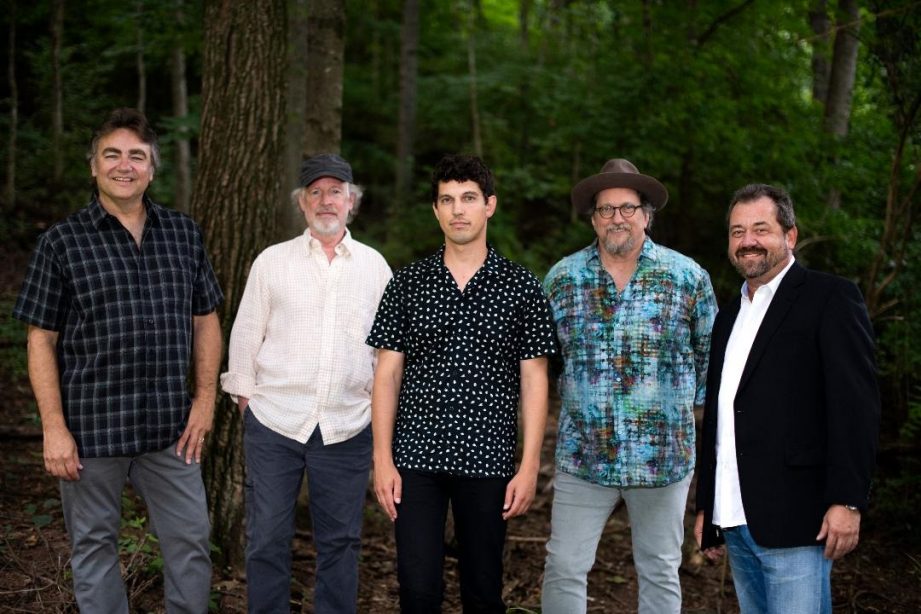
When The Stringdusters were in Nashville around 2006 or 2007, our dobro player lived next door to Jon Weisberger in Madison, right on the Cumberland River. There were two houses on the property; Andy lived in one, Jon lived in the other. I was sleeping in Andy’s guest room and there were regular picking parties at The Compound, as we now refer to it. A few years ago I suggested Jon move to Brevard, he looked into it, and I’m happy to say I’m now neighbors with my favorite co-writing partner. Jon’s written with just about everybody in bluegrass, but recently his most notable songs have been with Billy Strings. In fact, Jon helped write “California Sober,” a song Billy recently recorded with Willie Nelson. A music historian, writer, bassist, and king of the charcoal grill, I was thrilled to get to know more about one of the most-liked people in bluegrass.

LISTEN: APPLE • SPOTIFY • STITCHER • AMAZON • MP3

This podcast is an edited distillation of the full-length happy hour which aired live February of 2021. Huge thanks to Jon Weisberger and Tommy Maher.

Timestamps:

0:09 – Soundbyte
0:52 – Introduction
2:18 – Bill’s live introduction
2:47 – “Wasted on the Way”
5:30 – Interview
41:19 – “Pearl of Carolina”
45:00 – “Windy In Nashville”
49:24 – “Blowin’ On A Lonesome Breeze”
53:05 – Outro


Editor’s note: The Travis Book Happy Hour is hosted by Travis Book of the GRAMMY Award-winning band, The Infamous Stringdusters. The show’s focus is musical collaboration and conversation around matters of being. The podcast is the best of the interview and music from the live show recorded in Asheville, North Carolina.

The Travis Book Happy Hour Podcast is brought to you by Thompson Guitars and is presented by Americana Vibes and The Bluegrass Situation as part of the BGS Podcast Network. You can find the Travis Book Happy Hour on Instagram and Facebook and online at thetravisbookhappyhour.com.


Photo courtesy of the artist

LISTEN: Unspoken Tradition, “Moments”

Artist: Unspoken Tradition
Hometown: Cherryville, North Carolina
Song: “Moments”
Release Date: May 19, 2023
Label: Mountain Home Music Company

In Their Words: “I’m so happy to be giving ‘Moments’ a second life. I originally recorded this song, written by our producer Jon Weisberger and Andy Hall of the Infamous Stringdusters, on my solo album, and in the intervening years it has grown to be one of my favorites. I think my own journey reflects the subject material — with more than a decade of hindsight, it takes on a different meaning in thinking about how fleeting time can seem, how the moments of our lives can ‘turn us all around, lift us up or knock us down.’ I’m excited for Unspoken Tradition to put our own spin on this poignant song!” — Sav Sankaran, Unspoken Tradition


Photo Credit: Sandlin Gaither

LISTEN: The Infamous Stringdusters, “I’d Rather Be Alone”

Artist: The Infamous Stringdusters
Song: “I’d Rather Be Alone”
Album: A Tribute to Flatt & Scruggs
Release Date: April 21, 2023
Label: Americana Vibes

In Their Words: “The concept of paying tribute to the grandfathers or originators of bluegrass is one we bounced around for a while and after Bill Monroe, the most logical, I think any bluegrass musician would agree, is Flatt & Scruggs. They’re legendary and without Earl’s banjo, bluegrass just doesn’t exist the way we know it today. For the album, each of us brought a song to the table that we wanted to sing and that had meaning to us. I reached out to my friend Jon Weisberger and asked him if he’d suggest a song that he thought hadn’t been overdone and would suit my voice. I was thrilled when he suggested ‘I’d Rather Be Alone’ because I was familiar with it but hadn’t really played it much or learned the lyrics and it was a perfect fit. It’s a lament and it’s a sad song but it’s so beautiful. The way the melody hangs the line out there — ‘You say you’re sorry that you went awaaaaay’ — it’s just classic Flatt & Scruggs!” — Travis Book, The Infamous Stringdusters


Photo Credit: Greg Grogan

LISTEN: Bluegrass at the Crossroads, “Cricket” (Feat. Gina Furtado)

Artist: Bluegrass at the Crossroads
Song: “Cricket” (written by Jon Weisberger and Justin Hiltner)
Album: Bluegrass at the Crossroads
Release Date: September 23, 2022
Label: Mountain Home Music Company and Organic Records

In Their Words: “Justin Hiltner brought this song’s idea and first verse — inspired by watching his cat, Porkchop, playing with a wounded cricket — to a co-writing session in the fall of 2020. I was reminded instantly of the old fiddle tune, ‘Cricket On the Hearth,’ and that put us in an old-time mood that dictated the lyric’s ‘countdown’ format and the music’s structure, with its instrumental-only second part. A few months later, when I started looking at material for the third of our Bluegrass at the Crossroads collaborations, I remembered the song and thought its lyrical whimsy and musical flavor would fit Gina Furtado well. Thanks to her fine singing and some great playing by the entire group — Gina, Chris Davis of the Grascals, the Travelin’ McCourys’ Cody Kilby, Sav Sankaran from Unspoken Tradition and the always amazing Andy Leftwich — it turned out to be one of my favorite tracks from the whole project.” — Jon Weisberger, producer

“When Jon Weisberger told me that he and his co-writer, Justin Hiltner, thought I’d be a good fit for singing ‘Cricket,’ I was very flattered. There is a gleeful obstinance in the mood and lyrics that really cracks me up, and I can absolutely relate to that sentiment. It was super fun recording this one, especially with such a great band lineup!” — Gina Furtado


Players: Chris Davis – mandolin; Gina Furtado – banjo, lead vocal; Cody Kilby – guitar; Andy Leftwich – fiddle; Sav Sankaran – bass
Photo Credit: Sandlin Gaither

LISTEN: Justin Hiltner & Jon Weisberger, “Walking Into Gloryland”

Artist: Justin Hiltner & Jon Weisberger
Hometown: Nashville, Tennessee, and Brevard, North Carolina
Song: “Walking Into Gloryland” (featuring Ashleigh Caudill, Wendy Hickman, Corrina Rose Logston, Darren Nicholson, and Laura Ray)
Album: Room at the Table
Release Date: May 27, 2022

In Their Words: “Jon and I both adore bluegrass gospel, so when we began brainstorming our next release together the idea for a gospel project was a true lightbulb moment. We pulled a few songs from Jon and Ashleigh Caudill’s co-write catalog, wrote a new one together, and selected a couple of traditional hymns that I grew up singing. We love to treat music-making as an exercise in community building as well, so we tried to think outside of our usual circles to gather the pickers and singers for this set of songs. We’re so proud of the result and even more proud of the message in this EP!” — Justin Hiltner

“We’ve always firmly believed that bluegrass is for everyone. With this EP, we want to make the point that all of bluegrass is for everyone — bluegrass gospel, too.” — Jon Weisberger


Photo credit: Jammer Hiltner Photo

The Infamous Stringdusters’ Travis Book and Jeremy Garrett Take the Long View

Now in their 17th year, the Infamous Stringdusters have established themselves as one of the most prominent and prolific bands in modern bluegrass. Asked if he ever thought the Stringdusters would be together that long, bassist Travis Book candidly replies, “Yes. That was the plan when we started the band, not to be side guys working for someone else or to go it alone. If we needed to, any of us could be a bandleader at this point. When we started, our plan was to do this for as long as we could. Looking at each other, we all wanted this group to keep making music together for 30 or 40 years. I hope that’s not conceited or hubris to say.”

Fiddle player Jeremy Garrett adds, “I’ve been in side bands and seen the writing on the wall as to how far you can go that way, as opposed to taking the risk of taking the leap yourself. Many struggle and have difficulty with that. Every time I think about it, I’m glad we took the risk. It’s a big step to believe in yourself enough to do that, and I feel lucky that we realized that early on. We’ve all spent a long time in the trenches, building it up. Looking back, we have an awesome band and business, and we still love each other. We’re having the time of our lives out here.”

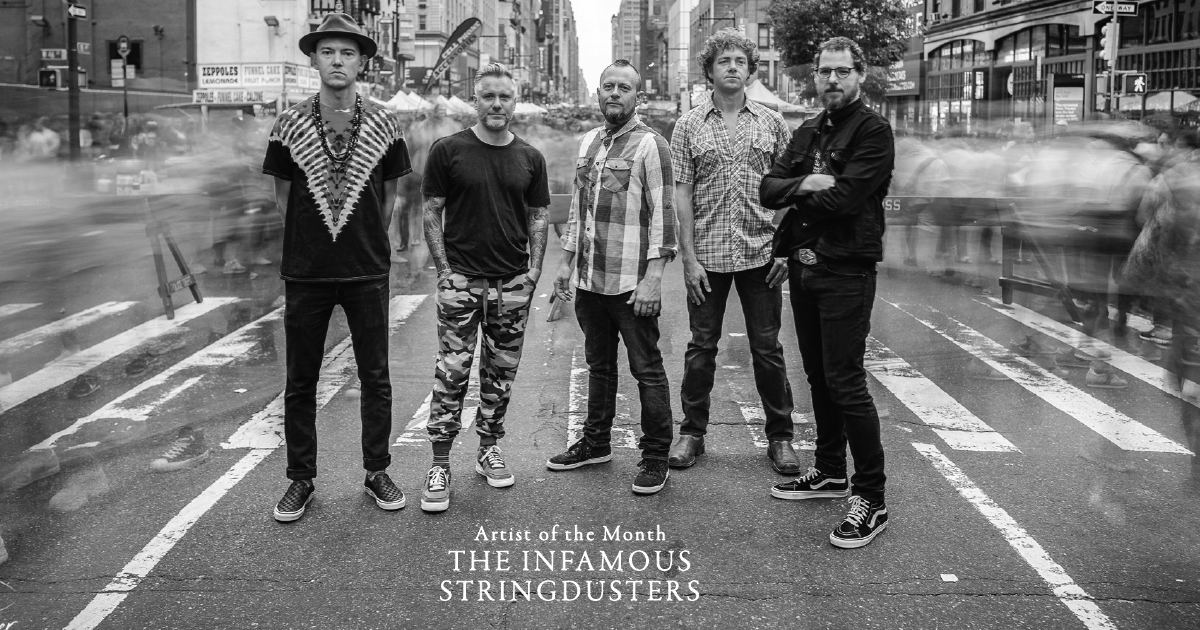
The band’s musical passion and mutual respect are evident on their new album, Toward the Fray, and indeed throughout their catalog. In April, they’ll head to Las Vegas where A Tribute to Bill Monroe is nominated for a Grammy Award in the Best Bluegrass Album category. (They won their first Grammy for their 2017 project, Laws of Gravity.) BGS caught up with the Stringdusters — our Artist of the Month for March — for a series of three conversations on the road. Here is part two with Book and Garrett, who each wrote multiple songs for Toward the Fray.

Editor’s Note: Read our BGS Artist of the Month interview with Andy Hall and Andy Falco.

BGS: So you’re up for another Grammy, and of course you’re going, right?

Travis Book: We are. When they rescheduled it to April in Las Vegas, that just so happened to be the weekend we’ll be at Wondergrass. We have Sunday off and it’s within driving distance, so we’ll bus down there. We went the first two times, too. Even though it’s a massive undertaking and not cheap, you’ve got to go. We make it a priority. It can be hard for people who aren’t intimately involved with the music industry to understand what we’re doing. You know, aunts or uncles thinking “our nephew and his little bluegrass band.” Winning a Grammy definitely helped them have a better perspective on us having some success. It especially made my dad happy. He’s a hardcore music fan, subscribes to the magazines. He’s the one who turned me onto Pearl Jam and Radiohead. He was happier about it than anybody.

Were you into alternative rock first, before bluegrass?

Book: That and classic rock — Led Zeppelin, Jethro Tull, Pink Floyd. That was the music that really got me, although I remember wearing out Red Hot Chili Peppers’ Blood Sugar Sex Magik in middle school. Getting from there to bluegrass wasn’t that complicated. I was into Grateful Dead and Phish when I ran into some guys in a garage jam band that needed a bass player. When that ended, the guitar player asked if I’d ever played bluegrass. He was from Georgia, turned me on to Yonder Mountain String Band, Old and In the Way. We started jamming on bluegrass and the harmony singing is what really got me into it.

I grew up singing hymns with my parents, and those three-part harmonies really resonated as fundamental. Singing is my jam, it’s why I got into music in the first place, and singing harmonies is what drew me in. It was not long until bluegrass was all I wanted to do, go to bluegrass and folk festivals. I’d go to the college library and print off pages and pages of traditional bluegrass lyrics. Bluegrass Album Band, I learned all that stuff. I thought it was so cool that you could go anywhere with acoustic instruments, no electricity required, and have this massive shared lexicon you could play with people.

On the new album, your song “Pearl of Carolina” is particularly good.

Book: I co-wrote that with Jon Weisberger, my neighbor in Brevard, North Carolina. The hook to that song came from me writing a script for my show, Travis Book Happy Hour, which livestreams from the Grey Eagle in Asheville. I’d say it’s Late Night meets eTown. I was trying to write an introduction: “Live from Asheville, it’s BLANK of Carolina.” I was wondering what should go there, “pearl” came to mind and then I thought, “That should be a song.” The melody and chord change came to me while I was riding my bike, and I sang that into my phone. It felt a little “country” to me and I did not have the guts to finish it. That descending chord change seemed a little down the middle. The main thing Jon helped with was making sure I didn’t dilute it and miss the opportunity to write it right. He really kept me on track. It’s a song that feels like it wrote itself.

Jeremy, you have side-hustle projects, too — a new solo record, right?

Jeremy Garrett: Yep, River Wild. Music abounds. It’s a really good time right now, music flowing out of everyone. I’m stoked to be coming out of the pandemic with great new songs and tunes to play. There’s the Stringdusters album, and my record is out March 25. We can’t stop creating, writing about things in our world. As a musician and aspiring poet, I want to put things into words and share them.

Since you’re writing material for both the group and your own thing, how do you know where a song should go?

Garrett: There’s definitely a Stringdusters flavor, to where I can usually tell if something will be a Stringdusters song right away. Not always, I do get surprised sometimes. When we do the show-and-tell song-sharing, I’ll keep one wildcard song I throw out to see what everyone thinks and sometimes that’s the one that catches their ears. A lot of times I know the spice level needed to bring to the Stringdusters pot — a certain energy that will go over good live. That’s our MO, bringing the live show in the hottest way we can.

Travis, you mentioned that “Pearl of Carolina” initially felt too country. Another of your songs here, “I’m Not Alone,” seems like it could also pass for country.

Book: I try to stay out of my own way with that stuff. I remember Paul McCartney saying about early Beatles songs, “We didn’t write them to be memorable, we wrote them that way because we had to remember ’em ourselves.” There’s something to be said for songs that stick with you and are memorable. I can come up with crazy ideas, but the stuff that keeps running around in my head days later, that’s when I know I’m onto something. The older I get, the less afraid I am about writing stuff that’s straightforward. You want to make music that’s quality and creative, complex, interesting. But it’s better if it resonates and sticks, becomes a part of lives and minds.

All three songs I wrote for this album are in that vein. “Pearl of Carolina” is a little more complicated, but “I’m Not Alone” is just that one-line chorus. The first three lines are the same melody, the third line I reharmonize; change the chord structure, then the last line the lead drops down to something very similar to the baritone part from the first two lines. It’s such a simple idea, but it still knocks me on my ass when I listen. It makes the chorus pop right out. The old me might have thought it was too sappy or not complicated enough. I feel fortunate to have grown up enough to get past that. It seems so simple, but essential, like a mantra.

Beyond who plays what instrument, how would you summarize each person’s role in the Stringdusters?

Garrett: I think we are that rare democracy among bands. Everyone has their individual talents, things they’re better suited for. But I think we’re all into the big picture. That’s something we often discuss all together, vibing on the same wavelength about the band’s trajectory, how to create records and unify messages with five different guys. There are issues where we disagree, but we almost never have to vote on it. We just talk it out and eventually come around to being of the same mind about it almost all the time. We’re lucky that way. Panda (banjo player Chris Pandolfi) is very technically minded, handles a lot of the business, and Travis is a great booking agent, keeps an eye on the schedule because he knows how to make that flow. We hope to all bring something to the table. It’s always been that way.

Book: Everyone can kind of choose their level of engagement. We’re all allowed to integrate and contribute however we want. Business, music, interpersonal stuff all continues to move along and different people are engaged with different parts at different levels. But every year, we grow more alike. Every tour, we’re more on the same page. Ten years ago, there were a lot more differences of opinion than there are now. To me, the decision-making on goal-setting, recording, the way to approach shows and everybody’s role musically is all so much easier now than a decade ago.

Garrett: Even a decade ago, it was already better than most bands. We’ve always been lucky for sure.

Book: A major priority is keeping everyone involved and equal and on the same page to make sure everyone gets what they need out of this. Everyone has an equal say and there’s no bandleader. That can make it challenging to be a fan. So much is going on and everybody gets a chance to lead. If you just want to be fed the same singer doing the same type of songs all night, we’re maybe not the band for you. It’s highly dynamic. Any given song or even moment, a different guy can be the leader. That’s part of what keeps us interesting as a band — everybody getting a chance to take the reins, get support and then on to the next thing. We’re Jeremy’s backing band during his solo, then mine when I’m singing the hook. Moment to moment, everyone is fully supported.


Want to win tickets to see the Infamous Stringdusters at the Echoplex in Los Angeles? Enter our ticket giveaway.

Photo Credit: Jay Strausser Visuals

With ‘Distance and Time,’ Becky Buller Gives Us More Heart, More Fiddle

In the business of bluegrass, it’s one thing to have a song on the radio or win some fiddle contests. But when you have a total of 10 IBMA awards between your fiddling, singing, and songwriting, then you might really have something. And Becky Buller has it.

Her new record, Distance and Time, is out now on Dark Shadow Recording, following 2018’s acclaimed Crêpe Paper Heart, while 2014’s Tween Earth and Sky ended the 10-year gap after her debut Little Bird. Known of us, Buller included, knew that we’d be spending an eternity in 2020 socially-distanced, yet Buller’s new set of songs is just the thing to keep us company as we head into winter.

BGS sat down with Buller to talk about the new album, her songs, and fiddlers — lots of them.

There is so much collaboration on this album and your work in general, between your songwriting and the featured guests. Why is that important to you?

Oh, it’s just fun to have a chance to work with these people. And of course, my band is doing the bulk of the work on the record, and they’re amazing! I do a lot more co-writing these days than I used to do, it just helps me get in the right headspace. Making that appointment forces me to sit down and write, which is really hard to do these days, because I’m wearing so many hats. It’s hard to focus on the writing as much as I’d like to. When I have the songwriting appointments, it’ll get me all excited about writing. I’ll even do some writing on my own, afterwards. 

“The Ride” is quite jammy, and “I Dream in Technicolor” is, well… technicolor! Knowing you, I wasn’t surprised to hear such diversity in the aesthetic. What’s inspired you to take this unique approach towards bluegrass?

With this record we were trying to stay rooted in the bluegrass tradition, but reach a little further forward. Most of the songs feature my band, standard bluegrass instrumentation. We did include drums on “Salt and Light” — Chris Brown and his drums of renown — that’s a first for me. Of course the Isaacs just added angelic harmony to that song. “I Dream in Technicolor” was a stretch, that’s more the progressive side of bluegrass music.

And of course we’ve got the more traditional, “The Barber’s Fiddle,” so I feel like there’s something for everybody on this album. We just tried to put together a collection of songs that offered diversity, but had that common thread of bluegrass. I personally like it when the songs on a record are diverse, it keeps me listening. So, that’s what I wanted to present. We recorded a cover, “Woodstock,” the day before the world shut down. The very last track that we tracked for the record.

Your voice fits so well with the Fairfield Four. What’s it been like to work with them multiple times now?

I just love their music so much. There is so much soul, and depth. I just feel the spirit moving when they sing. So it was a thrill to get back in the studio with them. It’s also the first time I’ve recorded a co-write with Jon Weisberger. We’ve had a really good track record of getting cuts with other artists, but this is the first time I’ve recorded one of our co-writes.

For someone who’s just getting interested in bluegrass, who are some of the fiddlers that you’d suggest as a gateway into bluegrass? Bluegrass Fiddle 101.

Well, Stuart Duncan. Particularly the Nashville Bluegrass Band’s Waitin’ For the Hard Times to Go record. Alison Krauss, Every Time You Say Goodbye for an album reference. It’s so good. Jason Carter, on Del & the Boys. Anything by Michael Cleveland! Kenny Baker’s Kenny Baker Plays Bill Monroe. And Eddie Stubbs on the Johnson Mountain Boys’ Live at the Old Schoolhouse.

Your show on the road is fierce, and I can already envision the way these songs will fit in. What does this set of songs mean to you now, though, when there aren’t many live performance opportunities?

Well, especially the song “More Heart, Less Attack,” I’ve been performing for a few years now. We finally had a chance to record it, and it’s so timely. It’s fortuitous that it came out when it did. It just encourages people to be kind to one another, and we need that so much now. Also, we chose the title Distance and Time before the pandemic. Ironic…


Photo credit: Jason Myers

WATCH: Jeremy Garrett, “I Can’t Lay Your Lovin’ Down”

Artist: Jeremy Garrett
Hometown: Loveland, Colorado
Song: “I Can’t Lay Your Lovin’ Down”
Album: Circles
Label: Organic Records

In Their Words: “‘I Can’t Lay Your Lovin’ Down’ was a song that I co-wrote with Jon Weisberger and Josh Shilling. I just loved the vibe of the tune and how it fit with my style, so I decided to record it on my upcoming solo release, Circles. I blend guitar, mandolin and fiddle with a looper to create this arrangement for the song. Conner Pannell shot the video for me and I love how he captured this song. All of it was shot in the studio, partly while tracking and in-between takes.” — Jeremy Garrett


Photo credit: J.Mimna Photography

The Ringers, Created by Jerry Douglas, Will Play IBMA Wide Open Bluegrass Festival

IBMA World of Bluegrass announced its Main Stage schedule, as well as three special performances, for the Wide Open Bluegrass Festival next month in Raleigh, North Carolina.

Sam Bush will make a guest appearance with Del McCoury Band, while and a new band created by Jerry Douglas called the Ringers will perform for the first time ever. Douglas formed the group with Ronnie McCoury, Todd Phillips, Christian Sedelmyer, and Dan Tyminski.

In addition, a special performance titled “You Gave Me a Song”: Celebrating the Music of Hazel Dickens & Alice Gerrard will feature Alice Gerrard, Laurie Lewis, Allison de Groot & Tatiana Hargreaves, Cathy Fink & Marcy Marxer, Justin Hiltner, Jon Weisberger, and Eliza Meyer.

Wide Open Bluegrass is the free weekend festival that takes place at Raleigh’s Red Hat Amphitheater and on seven additional stages in downtown Raleigh on September 27-28.

These artists join previously announced talent such as I’m With Her (Sara Watkins, Sarah Jarosz, & Aoife O’Donovan), Doyle Lawson & Quicksilver, Balsam Range, Sister Sadie, Frank Solivan & Dirty Kitchen, and Molly Tuttle for Main Stage performances at Red Hat Amphitheater for this year’s festival. Performances at Red Hat Amphitheater will begin at 5 pm and will feature premier bluegrass acts for six hours.

The performances at Raleigh’s Red Hat Amphitheater will be open to the public for free, subject to venue capacity. A limited number of reserved seats in prime sections of the venue are available for purchase to ensure admittance for every performance.

Here is the schedule for the Main Stage performances at Red Hat Amphitheater for the 2019 Wide Open Bluegrass festival:

Friday, September 27
5:00 – Sister Sadie
6:05 – Balsam Range
7:15 – Molly Tuttle
8:25 – I’m With Her (Sara Watkins, Sarah Jarosz, Aoife O’Donovan)
9:45 – The Ringers featuring Jerry Douglas, Ronnie McCoury, Todd Phillips, Christian Sedelmyer, and Dan Tyminski

Saturday, September 28
5:00 – “You Gave Me a Song”: Celebrating the Music of Hazel Dickens & Alice Gerrard
6:10 – Frank Solivan & Dirty Kitchen
7:15 – Doyle Lawson & Quicksilver
8:30 – Del McCoury Band, with Sam Bush, and Special Guests (more to be announced)