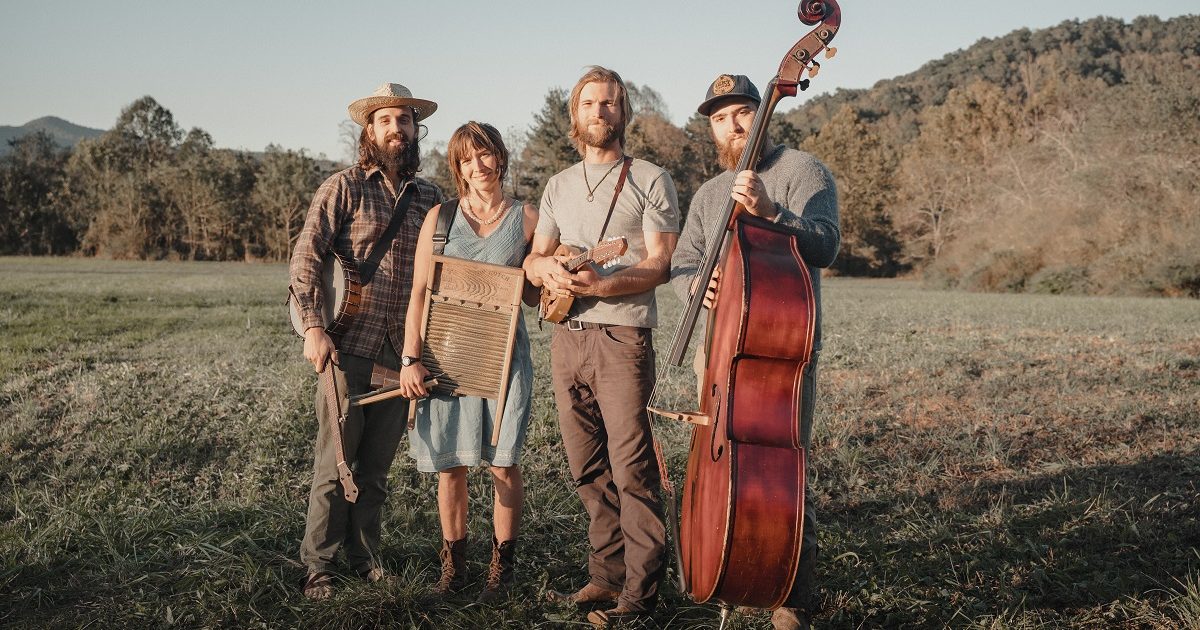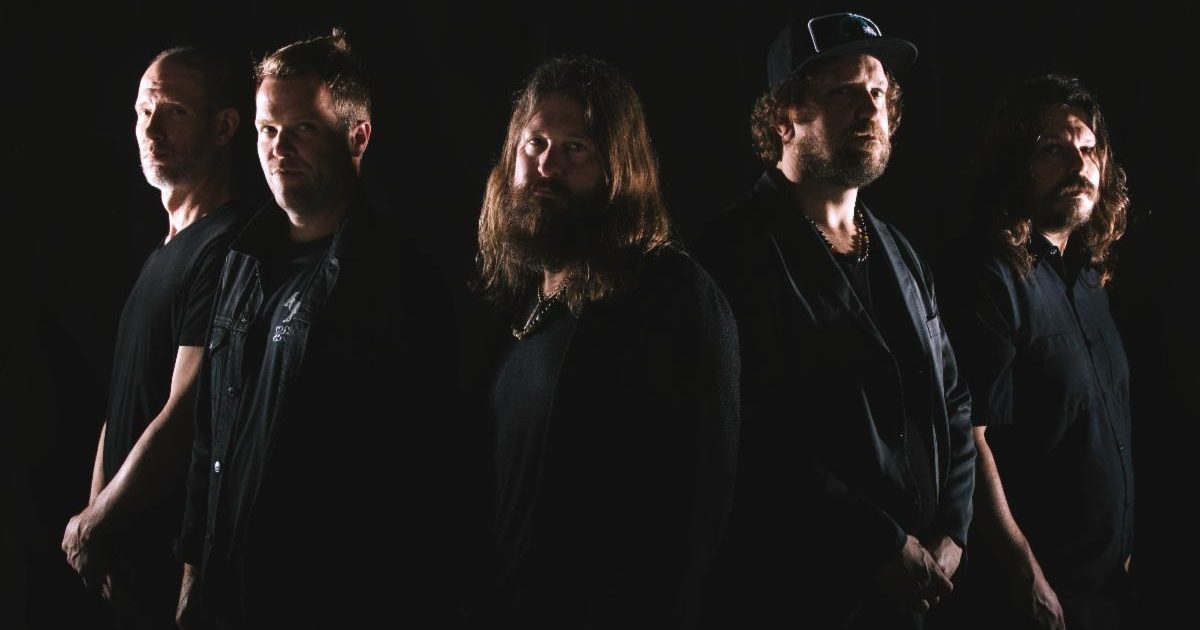
Greensky Bluegrass Embrace Musical Therapy Throughout ‘Stress Dreams’

For a band as enmeshed in the live-show experience as Greensky Bluegrass, COVID-19 has been a heavy load to bear. Through cancelled shows, isolation and a two-decade milestone that came and went without proper celebration, a band notorious for letting their creative freak flag fly on hot-rod fusions of bluegrass, jam rock and Americana was cooped up … and stressed out. But not anymore.

Now back on the road and releasing that pent-up energy, Greensky Bluegrass have dropped their eighth studio album, Stress Dreams, which helps capture their difficult chapter in unique terms. For the first time, new members contributed songs to a project surely born of the moment, but not limited by it either. Fresh sounds, expansive arrangements and the most inspired storytelling of their career helped drive the group off the couch and back where they belong, with their ambition clearly intact.

“We’ve accomplished a lot,” dobro player Anders Beck tells The Bluegrass Situation. “We have an incredibly loyal fanbase. We play three nights at Red Rocks that are sold out [each year]. We’ve done it, whatever it is. But for me the idea of someone who’s never heard this band hearing this album, that’s what’s exciting to me, and I hope that happens. … We’re never gonna be [the biggest band in the world], but I hope the sincerity of our music comes through, and the sincerity of these five friends who support each other.”

Just before the album arrived, Beck called in to chat about Stress Dreams — and where the band finds itself, two decades in and one pandemic down.

BGS: You’ve just passed the 20th anniversary of the band, and this album makes it seems like everyone is still inspired by making music. How cool is to still feel that way after so long?

Anders Beck: Yeah, it’s crazy to me. It really is. It’s insane to think the band has been doing this for that long. I joined the band [13 years ago], but Dave [Bruzza], Paul [Hoffman] and [Michael Arlen] Bont, when they were living in Kalamazoo, they were literally like 19- or 20-year-olds. … The first time they played was a Halloween party at Dave’s house full of stoner crazy people, and someone asked what the name of the band was. They didn’t have one, so someone said, “You should call it Greensky Bluegrass.” It was the first time they played! To me it’s really funny.

At the time they were a traditional bluegrass band, and for the first seven years or so they played around a single mic. But the joke of Greensky Bluegrass, the pun at the heart of it, is that “Greensky” is the opposite of “Bluegrass,” right? That’s why it was funny, it was a joke. But then as we have evolved, we have become more like our name than anyone could have imagined! I was talking to someone about it the other day, and it was like “We play bluegrass, but we also play the opposite of bluegrass, and that’s what Greensky Bluegrass is.” The name that someone made up at a house party has really come to fruition.

Last time we talked, it was 2019 and All for Money was just coming out. A big part of that was capturing the passion of the live show, so what was the approach for Stress Dreams?

We had sort of planned on making a record around 2020 or so, and then, you know, a global pandemic hit. We didn’t see each other for months and everything was shut down, so I think we all started writing a little more topically. … It was weird for us, and the songs sort of evolved because of the situation we were in. It was incredibly unique, and not something I expected – and also not something I’d ever choose to do again. But to have our bass player, [Mike] Devol, for example, who has never written a song (or at least never showed us a song he wrote), all the sudden he sends us these songs that are unbelievable, like “Stress Dreams,” “New and Improved,” and “Get Sad.”

Even I wrote a song called “Monument,” and it’s the first one I’ve ever written for an album of ours. … After COVID, I just felt like I had something to write about, and that’s what “Monument” is. The reality is you spend so much time building something, and then suddenly it’s just kind of swept away. The rug gets pulled out from under you. … But we decided that we didn’t want it to be a sad song — like it should be optimistic — so we made the melody and chords and the whole vibe like, if this is the first song we play when we come back, and there’s 10,000 people in a field at Telluride or Bonnaroo or something, let’s make it feel like that vibe. So we did, and it worked! Playing that song at Red Rocks this year, after having one or two years cancelled, it was fucking emotional.

How did recording Stress Dreams work out? Was that one of the first times you could all get back together?

Totally. We did some pre-production in Winter Park, Colorado, where we went to a cabin and started sharing songs for like five days. … Then we all flew to Vermont, and this was like the height of COVID. Like, sketchy times. At the studio, we were nervous about getting COVID from the studio people, and they were nervous about getting COVID from us, so they literally just handed us the keys. It was awesome. … We were there for two weeks. Then we went home for a month or two, listening, then we go back to Asheville to Echo Mountain, where we’ve recorded before. That place feels really comfortable. We did two weeks there, then went home for a while and then came back to do two more weeks [in Asheville]. It was almost, I don’t want to say leisurely, but we had time to fuck around.

That’s not the normal pace, since you’re usually busy on the road. Did that have on any impact on how the sound evolved? I noticed a lot more classic rock-y guitars and pianos.

Well, the electric guitar sound is me on dobro, and that’s evolved from our live shows. I’ve created this thing with my dobro where I put an electric-guitar pickup on it, and Paul Beard, who builds my dobros, helped me do that. So, I can flip a switch and it goes to an amp, so it’s actually a real electric guitar. …

Like on “Grow Together,” I was playing my dobro through twin Marshall stacks, the exact year and setup that Jimi Hendrix used. Glen, our engineer, was like, “Well, you know what Jimi did,” and he flipped some cables around and I sent a video of it to Jerry [Douglas], and he texted me back like, “Did it feel like it was about explode?” [Laughs] … The piano player is Holly Bowling, who got famous by transposing the Phish and Grateful Dead jams note for note. She’s one of the two “sixth members” of our band, and Sam [Bush] is the other sixth member. [laughs]

After a lot of tension and anxiety in the album’s first few acts, it ends on a more hopeful note with “Grow Together” and “Reasons to Stay.” Did you purposely try to leave fans with that feeling?

The idea at the end, the feeling for me is that we made it through. “Reasons to Stay” was kind of a late addition to the album, and at first I was like “I don’t know,” but then two hours later I was like “This song is the shit! It’s cool and sexy.” Then songs like “Give a Shit,” which are fun songs. Paul showed me that and I was like, “Yeah buddy, good job.” Then you’ve got songs like “Get Sad,” which is one Devol wrote, and that’s just intense. I remember when he showed us that and I was like, “Jesus Christ dude, that is emotional stuff.”

Maybe this is too much, but when we record albums, there’s always a weird something weighing on you. All your favorite bands, at some point you’re like, “Man, I liked the last album better.” At a certain point that happens, and I personally don’t feel like that has happened to us yet. Every album we make, I feel like the growth is important and real. We keep creating Greensky music through this evolution of ourselves, and it’s such an interpersonal process.

We’re just being ourselves, and we used to be so nervous about “Are we playing bluegrass or not?” And all the traditional people hate us or whatever because we had the word bluegrass in our name – but they didn’t get the joke! Greensky is the opposite! We had to spend so much time explaining that “We’re like bluegrass, but we’re not,” that it was hard for a while to deal with that. I think now, it’s evolved enough that we’re just ourselves. And it feels good.


Photo Credit: Dylan Langille
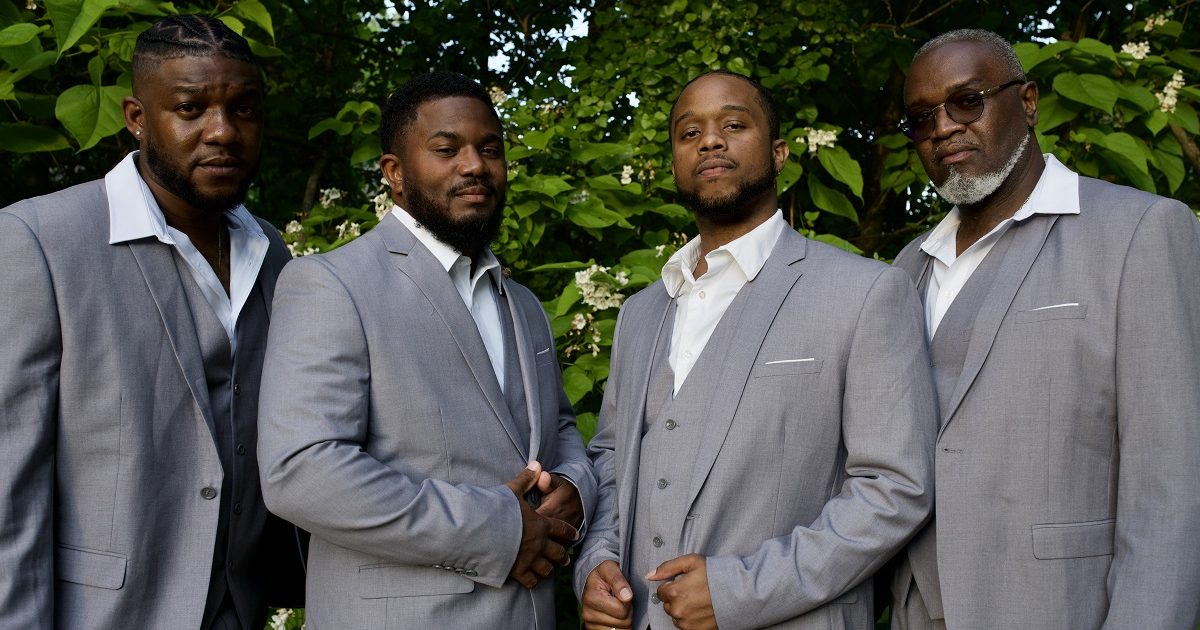
LISTEN: Dedicated Men of Zion, “Lord Hold My Hand”

Artist: Dedicated Men of Zion
Hometown: Eastern North Carolina
Single: “Lord Hold My Hand”
Album: The Devil Don’t Like It
Release Date: March 3, 2022
Label: Bible & Tire Recording Co.

In Their Words: “The difference in making this album from the last album was the level of comfort. With the first album we were all getting to know one another. I found personally with myself that my level of pressure is much higher when I am working with someone for the first time. So, I would say one key difference in making the first album and the second was comfort level. It was Bruce [Watson, founder of Bible & Tire Recordings] that made everyone comfortable in the first album. Which in return made the second album very much comfortable for everyone. Working with Bruce has been one of the greatest experiences that I have personally experienced working with producers. Bruce has a way of pushing an artist to get the best out of them without the artist ever knowing that they are being pushed. I do not want to sound cheesy bragging about Bruce. However, the guy is just extraordinary as a person as well as a producer.

“Let’s talk about the band. Somehow Bruce has brought together a group of guys that can bend music around any kind of song and make it work. Bruce found a group of guys that are extraordinary musicians with the humblest attitudes ever. We have had session after session and in most cases when we finish, we are burned out and ready to go. However, the sessions that we have had at Delta Sonics are like none other. It is as if when the session is over everybody just wants to stay and enjoy one another. I credit this to Bruce and the band. Our first album posed the biggest challenge for our group. We were just like many artists today attempting to stay with the times and present creativity through our songs. Bruce presented us with an entirely different style. At first, we were reluctant but we were willing to give it a try.

“To make a long story short we dived into the songs to try and recapture the originality of the song. When we joined up with Bruce and the band it happened. ‘Lord Hold My Hand’ kept its original feel, while progressed and converted to sacred soul music. With our second album, The Devil Don’t Like It, we were excited and had a new level of expectations. Just like before, we went into the studio with Bruce and the band, and they excelled our expectations and took sacred soul music to another level. Trust me when I tell you an outstanding band and a great producer can really bring the best out of an artist and a song. Bruce’s vision of preserving the originality of sacred soul music has shown to be educational, unique and inspiring.” — Anthony “Amp” Daniels, Dedicated Men of Zion


Photo Credit: Bill Reynolds

LISTEN: Pretty Little Goat, “30 Mile Run”

Artist: Pretty Little Goat
Hometown: Western North Carolina
Song: “30 Mile Run”
Album: Big Storm
Release Date: Single: February 4, 2022; Album: March 25, 2022

In Their Words: “The lyrics to ‘30 Mile Run’ are inspired by various stories I heard growing up about a real legendary mountaineer and moonshiner named Palmo McCall. My dad and I occasionally traveled up the mountain behind our house where Palmo lived. I remember trying his whiskey once; some people even said he would burn the stuff in his truck. He had a kind soul and a good heart, but had a habit of getting in trouble with the law. Palmo is gone, but his legend lives on. I just wanted to do my part in keeping his ‘mountain man’ character alive in a fun way by writing this song and recording it with the band.” — Josh Carter, Pretty Little Goat

Pretty Little Goat · 30 Mile Run

Photo Credit: Leahy Brevard

Carolina Calling, Asheville: A Retreat for the Creative Spirit

LISTEN: APPLE • SPOTIFY • STITCHERAMAZON • YOUTUBEMP3


Asheville, North Carolina’s history as a music center goes back to the 1920s and string-band troubadours like Lesley Riddle and Bascom Lamar Lunsford, and country-music pioneer Jimmie Rodgers. But there’s always been a lot more to this town than acoustic music and scenic mountain views. From the experimental Black Mountain College that drew a range of minds as diverse as German artist Josef Albers, composer John Cage, and Albert Einstein, Asheville was also the spiritual home for electronic-music pioneer Bob Moog, who invented the Moog synthesizer first popularized by experimental bands like Kraftwerk to giant disco hits like Donna Summer’s “I Feel Love.”

It’s also a town where busking culture ensures that music flows from every street corner, and it’s the adopted hometown of many modern musicians in a multitude of genres, including Pokey LaFarge, who spent his early career busking in Asheville, and Moses Sumney, a musician who’s sonic palette is so broad, it’s all but unclassifiable.

In this premiere episode of Carolina Calling, we wonder and explore what elements of this place of creative retreat have drawn individualist artists for over a century? Perhaps it’s the fact that whatever your style, Asheville is a place that allows creativity to grow and thrive.

Subscribe to Carolina Calling on any and all podcast platforms to follow along as we journey across the Old North State, visiting towns like Shelby, Greensboro, Durham, Wilmington, and more.


Music featured in this episode:

Bascom Lamar Lunsford – “Dry Bones”

Jimmie Rodgers – “My Carolina Sunshine Girl”

Kraftwerk – “Autobahn”

Donna Summer – “I Feel Love”

Pokey LaFarge – “End Of My Rope”

Moses Sumney – “Virile”

Andrew Marlin – “Erie Fiddler (Carolina Calling Theme)”

Moses Sumney – “Me In 20 Years”

Steep Canyon Rangers – “Honey on My Tongue”

Béla Bartók – “Romanian Folk Dances”

New Order – “Blue Monday”

Quindar – “Twin-Pole Sunshade for Rusty Schweickart”

Pokey LaFarge – “Fine To Me”

Bobby Hicks Feat. Del McCoury – “We’re Steppin’ Out”

Squirrel Nut Zippers – “Put A Lid On It”

Jimmie Rodgers – “Daddy and Home”

Lesley Riddle – “John Henry”

Steep Canyon Rangers – “Graveyard Fields”


BGS is proud to produce Carolina Calling in partnership with Come Hear NC, a campaign from the North Carolina Department of Natural & Cultural Resources designed to celebrate North Carolinians’ contribution to the canon of American music.

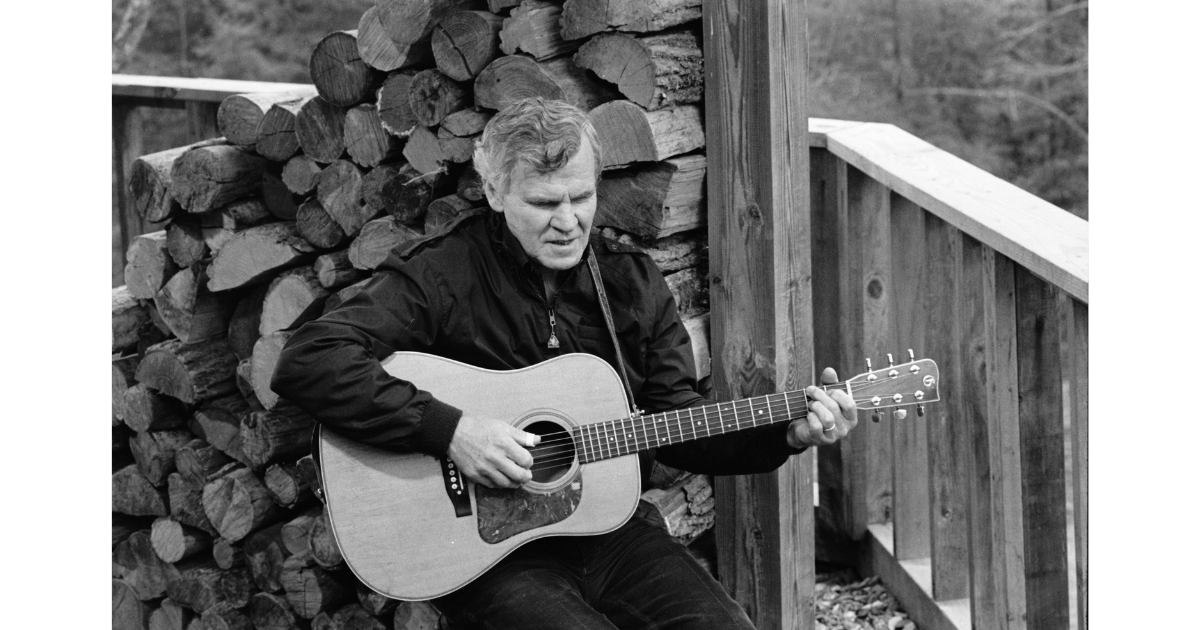
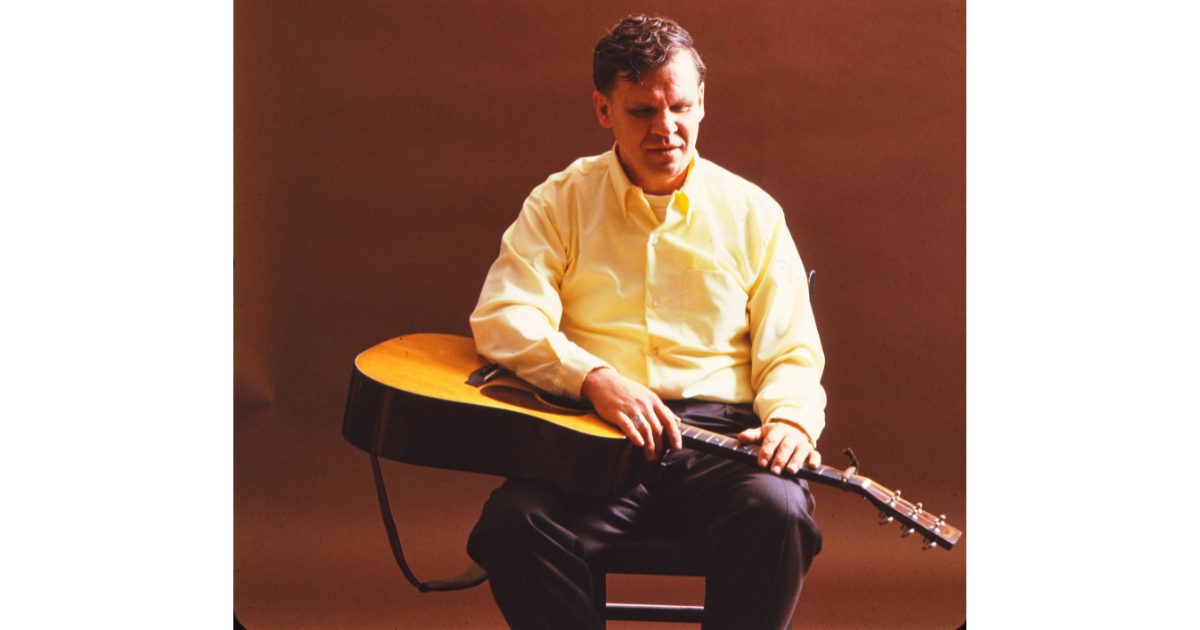
On a New Box Set Spanning Doc Watson’s Career, These 10 Songs Stand Out

I first heard Doc Watson’s music when I was a child, as Doc was a featured artist on the first album I ever listened to from beginning to end, the 1964 Elektra/Folkways 4-LP compilation set The Folk Box. From that initial exposure to Doc’s fluid acoustic guitar playing and resonant singing I acquired a few of his 1960s albums on the Vanguard label. I became a fan, and like many others I witnessed Doc’s legend expand in the wake of his participation in the Nitty Gritty Dirt Band’s popular 1972 album Will the Circle Be Unbroken. Throughout the 1970s Doc toured constantly, and he recorded frequently, but his music didn’t significantly change, as he continued to explore his distinctive “Traditional Plus” repertoire into the 1980s and beyond. On several occasions I heard him perform in concert alongside his son Merle, a formidable guitar player in his own right, and bassist T. Michael Coleman.

In 1984 my work for the National Park Service brought me to the same mountainous North Carolina county in which Doc lived, in the high Blue Ridge not far from the Tennessee-North Carolina boundary. My landlord, who learned of my interest in Doc’s music and who knew the Watson family, offered to arrange for me to meet Doc. While I never pursued such a meeting, I continued to seek out every opportunity to hear Doc’s music. Some years later I moved to Johnson City, a valley community in East Tennessee, and learned that Doc had been a key member of a Johnson City-based country band during the 1950s, long before he achieved national recognition. It was comforting to still be living in “Doc country.”

In my position at East Tennessee State University I researched Appalachia’s music history and taught Appalachian Studies, and everyone I met (young and old, local and from elsewhere) always agreed that Doc was special—that he was one of America’s greatest folk artists yet in his everyday demeanor “just one of the people.” For much of his long career through his death in 2012 Doc was Appalachia’s unofficial cultural ambassador who brought people together in rapt attention to his singular musical gifts, of course, but also in shared appreciation of the roots music heritage that Doc simultaneously preserved and transformed. And his gifts and his impact will live on in the recordings he made and in individual and collective memories of this humble and inspiring master musician.

For me, then, it has been the honor of a lifetime to co-produce (with Scott Billington and Mason Williams) and to contribute liner notes for Craft Recordings’ new box set Doc Watson: Life’s Work, A Retrospective. Containing 101 key recordings by Doc over 4 CDs and featuring an 88-page book with extensive notes and rare photographs, Life’s Work celebrates the legacy of this master musician. The first comprehensive overview of Doc’s life and recording career, the set is intended equally for longtime fans of his music and for those unfamiliar with him. The following ten recordings from Life’s Work are examples of Doc’s “Traditional Plus” repertoire, and it is hoped that these examples will help illustrate why he is widely considered as among the most important figures in the history of American roots music.

“Storms Are on the Ocean” (Jean Ritchie & Doc Watson)

In 1963 Ralph Rinzler coordinated a double-bill at Gerde’s Folk City in Greenwich Village featuring established folk star Jean Ritchie and newcomer to the urban folk music revival circuit Doc Watson, who performed a set together. Fortunately for posterity, Ritchie’s husband George Pickow recorded the proceedings, and that same year Folkways Records released the album Jean Ritchie and Doc Watson at Folk City. One performance recorded during the Folk City set–of The Carter Family’s early country classic “Storms Are on the Ocean,” originally recorded at the 1927 Bristol Sessions and based on a traditional Scottish ballad–captured the wistful sweetness in A.P. Carter’s lyrics and also demonstrated Doc’s gifts at duet singing.


“And Am I Born to Die”

This Methodist hymn, composed by 18th Century English minister Charles Wesley, was included in The Sacred Harp (1844) converted into a shape-note arrangement entitled “Idumea.” (The soundtrack for the 2003 film Cold Mountain featured the angular minor-key harmonies from a shape-note performance of “Idumea” to set the mood for a key scene.) Acknowledging that he first heard “And Am I Born to Die” when he was a 2-year-old sitting on his mother’s lap at Mount Paran Baptist Church near his home in Deep Gap, North Carolina, Doc related that his a cappella hymn-singing style was strongly influenced by that of his grandfather Smith Watson. This recording, among some 1964 field recordings made of Doc and his family in Deep Gap by Rinzler and Daniel Seeger, was finally released (with other recorded performances from various members of the Watson family) on the 1977 album Tradition.


“That Was the Last Thing on My Mind”

Throughout his long career, Doc performed and recorded a repertoire he himself referred to as “Traditional Plus.” This repertoire incorporated material from many genres and sources: traditional music, of course, but also songs composed by early country recording artists as well as by contemporary songwriters. One of the latter songs recorded by Doc, “The Last Thing on My Mind,” was written and first recorded in 1964 by Tom Paxton. The next year, Peter, Paul and Mary and The Kingston Trio covered the song, but those versions pale in comparison to Doc’s 1966 rendition, featured on his Vanguard album Southbound. Doc would record the song again and frequently perform it live, including at Merlefest (where in 2001 he performed the song in a duet with another fan of Paxton’s song, Dolly Parton). Doc remained a fan of Tom Paxton, recording several Paxton songs over the years.


“Alberta”

Frequently recording affectionate interpretations of blues compositions, Doc was a fan of several genres of Black music. Originally a steamboat work song sung by Black roustabouts, “Alberta” was performed over the years by many musicians associated with the urban folk music revival, from Lead Belly and Burl Ives to Odetta and Bob Gibson. Doc developed his rendition of “Alberta” not from those examples but from a version on the 1963 RCA Victor LP Come All Ye Fair and Tender Ladies, which featured folk revival-era songs crooned by Bonanza actor Pernell Roberts.


“Matty Groves”

“Matty Groves”—from Doc’s 1967 album for Vanguard Home Again!—was the musician’s rendition of a 17th century ballad chronicling an adulterous relationship between an aristocratic woman and a commoner man; the woman’s husband, who was a Lord, discovers the tryst and kills both his wife and her lover. Doc performs this grisly ballad with an expressive yet restrained voice, revealing his familiarity with traditional balladry. This performance, clocking in at 6:07, underscores his keen memory (so many verses!) and his flawless sense of timing (his guitar accompaniment was understated and delicate yet propulsive).


“Nothing to It” (Lester Flatt and Earl Scruggs with Doc Watson)

Doc first recorded this instrumental (credited to him but probably influenced by the old-time song “I Don’t Love Nobody”) as a solo piece for his 1966 Southbound album. Impressed by Doc’s dexterity on the guitar, the sound engineer asked the guitarist “What the heck was that?” Doc answered, “Aw, nothing to it.” The title was ironic because the tune was indeed quite challenging. The next year Doc brought the tune to sessions for Flatt & Scruggs’ next album, invited to participate by Earl Scruggs, who was in awe of Doc’s virtuosity on the guitar. This bluegrass-band version of the tune was released by the Columbia label on the 1967 Strictly Instrumental album. Doc, in turn, was fascinated by Scruggs’ banjo style, and the two North Carolinians would perform together on stages and for records throughout their long careers.


“Deep River Blues”

First recorded by The Delmore Brothers in 1933 with its original title “I’ve Got the Big River Blues,” “Deep River Blues” was one of Doc’s most requested songs, and he clearly enjoyed performing it. Yearning to play this song on his guitar occasioned one of Doc’s most important stylistic breakthroughs on the instrument: he learned how to incorporate aspects of Merle Travis’s finger-style technique (known as “Travis picking”) into his own style. As Doc himself said of “Deep River Blues” in notes included in the 1971 book The Songs of Doc Watson: “This blues was introduced to me in the late thirties by a Delmore Brothers recording. … I never could figure a way to get even a resemblance of the sound that they got until I began to hear Merle Travis pick the guitar. When Merle plays the guitar, he gets a rhythmic beat going by bouncing his thumb back and forth on the bass strings, which he mutes with the edge of the palm of his hand. I worked out that little back-up part first, but it took me about ten years before I got the whole thing sounding the way I wanted it.” Doc recorded this song on several occasions, with a particularly fine rendition captured during a 1970 concert and issued on his live album for Vanguard, On Stage.


“Tennessee Stud” (with Nitty Gritty Dirt Band)

As Doc says in the spoken introduction to this legendary recording, “Jimmy Driftwood wrote this thing.” “This thing” is the song that would inspire one of Doc’s definitive performances—one that reached the broadest imaginable audience by becoming a favorite among roots music DJs and also among an ever-expanding circle of music fans who discovered The Nitty Gritty Dirt Band’s influential 1972 album for the United Artists label, Will the Circle Be Unbroken. “Jimmy Driftwood” was the pen name for James Corbett Morris, an Arkansas native who composed such hit “historical” songs as “The Battle of New Orleans.” Driftwood’s song “Tennessee Stud,” lyrically inspired by his wife’s grandfather’s horse, was composed in 1958 and was recorded the next year by Eddy Arnold, one of Doc’s favorite country singers. Other country artists would record the song—Chet Atkins, Jerry Reed, Johnny Cash, and Hank Williams Jr.—and Doc himself first recorded it for his 1966 album Southbound. But Doc’s version backed by The Nitty Gritty Dirt Band, recorded in August 1971, quickly took the reins as the definitive version of the song.


“Summertime”

Many musicians might shy away from covering “Summertime,” among the most frequently recorded songs since it was composed by George and Ira Gershwin/DuBose Heyward for the opera Porgy and Bess (1935). But not Doc. No song or tune was too familiar for him, as he could make any piece he performed his own. Other musicians had bigger hits with “Summertime”—Billie Holiday’s version rose to #12 hit in 1936, while Billy Stewart’s peaked at #10 in the Billboard Hot 100 in 1966—but surely Doc’s version of “Summertime,” appearing on his album Elementary Doctor Watson (released in 1972 on the Poppy label), is among the greatest recorded performances of this classic from the American songbook.


“Corrina Corrina” (Doc & Merle Watson)

First documented in a 1918 sheet music arrangement entitled “Has Anyone Seen My Corrine?” and recorded later that same year by Vernon Dalhart for the Edison label, this traditional blues chestnut (sometimes called “Corrine, Corrina”) has been championed over the years by countless musicians—by blues musicians like Blind Lemon Jefferson (1930), by “Hillbilly” musicians like Clayton McMichen (1929), by pop and rock covers by Bill Haley & His Comets (1955), Ray Peterson (a #9 pop hit in 1960), and Bob Dylan (1962). Similarly, musicians working in such niche genres as Western swing and Cajun have included “Corrina, Corrina” in their repertoires. Doc and his son Merle Watson recorded their version for their 1973 Grammy Award-winning album Then and Now.


About Ted Olson

Ted Olson, Professor of Appalachian Studies at East Tennessee State University, is the author of many articles, essays, encyclopedia entries, poems, and reviews published in a range of books and periodicals. He has produced many documentary albums of Appalachian music, and for his work as a music historian he has received an International Bluegrass Music Association Award; three Independent Music Awards; the Ramsey Award for Lifetime Achievement from the East Tennessee Historical Society; and seven Grammy Award nominations. Olson is presently serving as co-host (with Dr. William Turner) of the podcast Sepia Tones: Exploring Black Appalachian Music​.

Photo Credit: Hugh Morton Collection (black and white image); Charles Frizzell (color image)

BGS & Come Hear NC Explore the Musical History of North Carolina in New Podcast ‘Carolina Calling’

The Bluegrass Situation is excited to announce a partnership with Come Hear North Carolina, and the latest addition to the BGS Podcast Network, in Carolina Calling: a podcast exploring the history of North Carolina through its music and the musicians who made it. The state’s rich musical history has influenced the musical styles of the U.S. and beyond, and Carolina Calling aims to connect the roots of these progressions and uncover the spark in these artistic communities. From Asheville to Wilmington, we’ll be diving into the cities and regions that have cultivated decades of talent as diverse as Blind Boy Fuller to the Steep Canyon Rangers, from Robert Moog to James Taylor and Rhiannon Giddens.

The series’ first episode, focusing on the creative spirit of retreat in Asheville, premieres Monday, January 31 and features the likes of Pokey LaFarge, Woody Platt of the Steep Canyon Rangers, Gar Ragland of Citizen Vinyl, and more. Subscribe to the show wherever you listen to podcasts, and be on the lookout for brand new episodes coming soon.

LISTEN: APPLE • SPOTIFY • STITCHERAMAZON • POCKET CASTS • YOUTUBE • MP3

LISTEN: River Whyless, “Fast Like a Match”

Artist: River Whyless
Hometown: Asheville, North Carolina
Song: “Fast Like a Match”
Release Date: January 14, 2022

In Their Words: “‘Fast Like a Match’ was written ever so quietly in the bathroom of my grandparents’ house in Montreat, North Carolina, late at night, and in between two tours. ‘Dim light’ refers to an appetite for passion; be it for the singular obsessive pursuit of purpose, or for the pursuit of a shared understanding with another; it doesn’t matter the venture, as long as it’s fierce.” — Halli Anderson, River Whyless


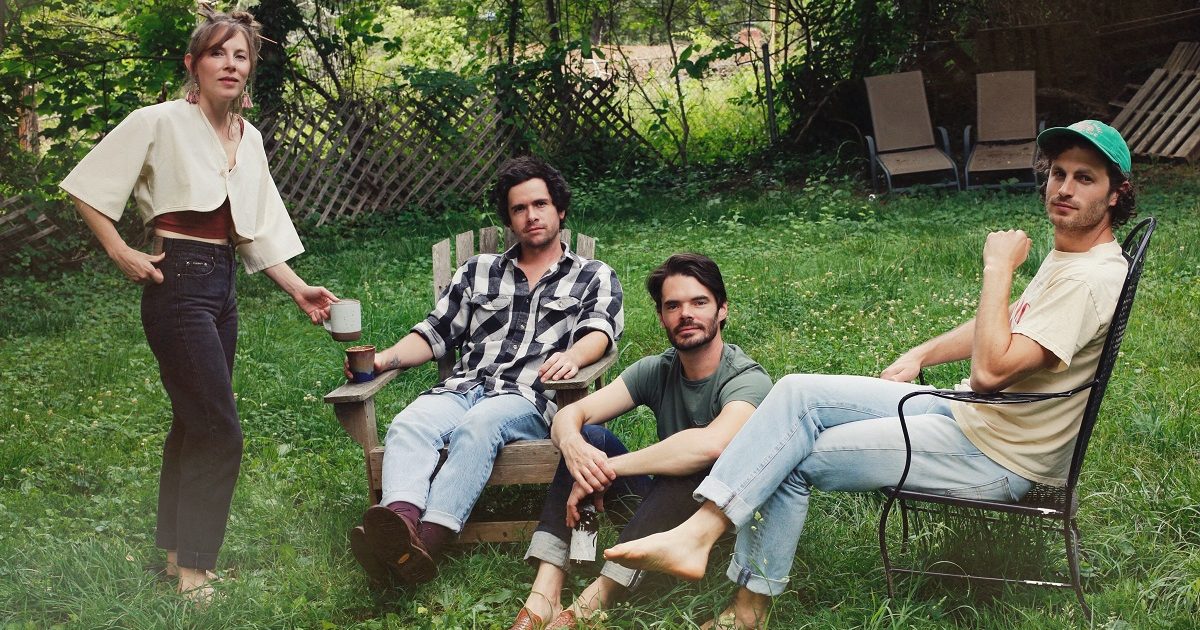
Photo Credit: Molly Milroy

LISTEN: Heather Sarona, “I’ll Be Lost”

Artist: Heather Sarona
Hometown: Holly Springs, North Carolina
Song: “I’ll Be Lost”
Album: Head Above Water
Release Date: January 28, 2022

In Their Words: “I wrote ‘I’ll Be Lost’ after I took a trip without my husband and realized I don’t know where to sleep in my bed without him next to me, anchoring me. When I got home, I wrote the first verse of the song quickly but I couldn’t figure out what to do with the second verse — the first has such a strong metaphor (‘You are the anchor in the ocean of my bed’). Where do you go from there? A year or so later, the word ‘weathervane’ popped into my head while I was playing through the beginning of the song, and from there it was an easy song to finish. I realized ‘weathervane’ was in my head from reading a book to my 2-year-old and pointing out the pictures to him. Songwriting inspiration truly comes from everywhere. Sarah McCombie joins me on this track on clawhammer banjo and Libby Rodenbough on fiddle.” — Heather Sarona


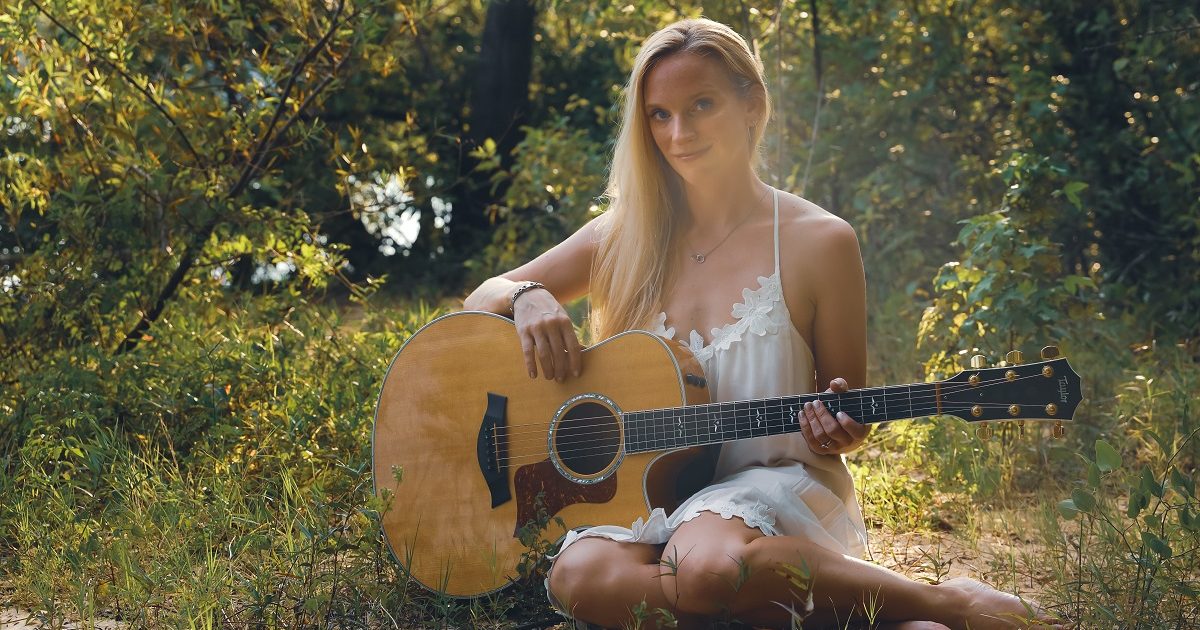
Photo credit: Buku Photos

WATCH: Sarah Shook & The Disarmers, “No Mistakes”

Artist: Sarah Shook & The Disarmers
Hometown: Chapel Hill, North Carolina
Song: “No Mistakes”
Album: Nightroamer
Release Date: February 18, 2021
Label: Thirty Tigers

In Their Words: “I’ve had my share of jealous and insecure partners and I know I’m not alone in that. ‘No Mistakes’ takes aim at such folks with the message to get a damn grip and grow the hell up. If you’ve been mistreating your partner, quit pretending they’re the problem. Own up to your shit. Apologize, mean it, work hard on yourself. Hope like hell they give you another chance but know they don’t owe it to you. People get trapped in cycles of serial monogamy with people who tear them down all the time. It’s more common than we’d like to admit and a lot of people never get out of that trap. I wanted the video for ‘No Mistakes’ to portray some of the good things one kind of healthy relationship can offer: true joy, deep friendship, shared interests, where both partners respect and value themselves and each other. No codependency. No manipulation. No controlling behavior. Just straight up love.” — Sarah Shook


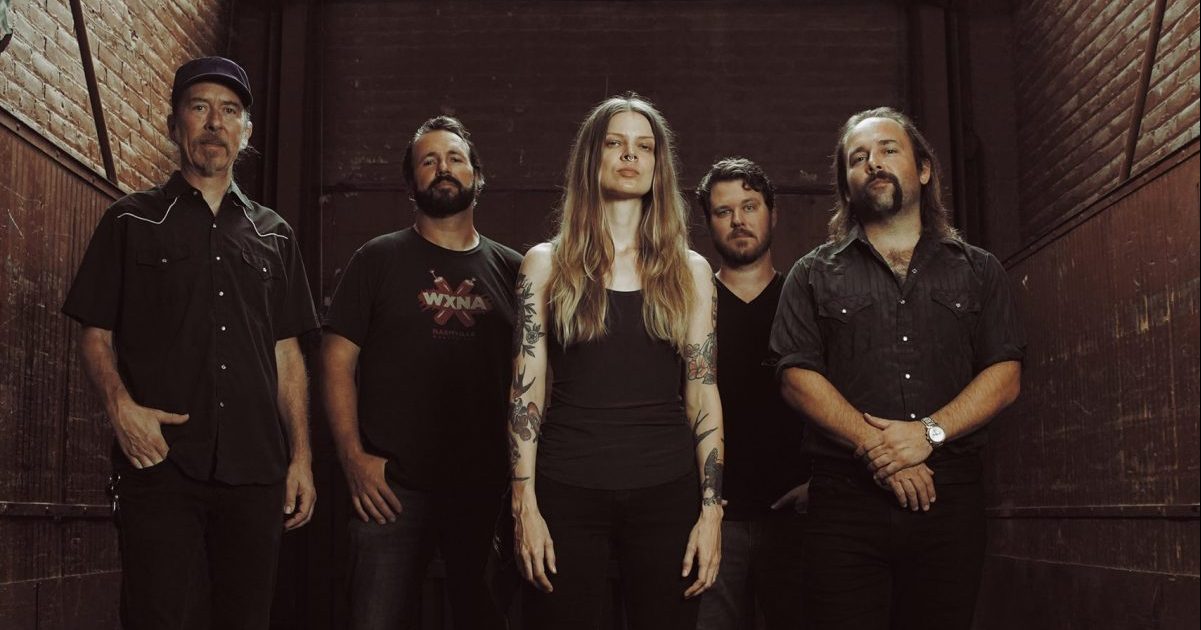
Photo Credit: Chad Cochran

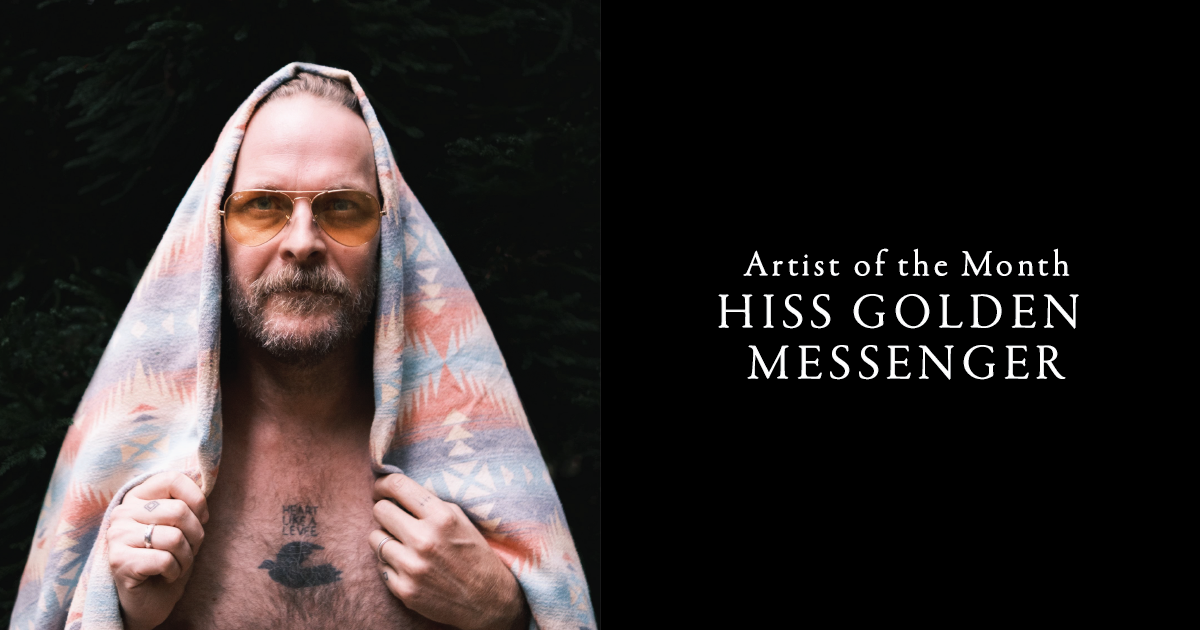
On ‘O Come All Ye Faithful,’ Hiss Golden Messenger’s M.C. Taylor Sees the Light

When M.C. Taylor presented his idea of a Hiss Golden Messenger holiday record last fall, the label team at Merge Records began scratching their heads. Anyone familiar with the singer-songwriter would agree he just doesn’t seem like the type.

But this juxtaposition is at the heart of Taylor’s intentions to create a more relatable soundtrack for a season he felt has been oversimplified by an excess of enduring holiday hymns and hits. As an artist, he has never connected with the holiday music resounding in big box stores throughout the season. Last winter, in the face of inconceivable global hurt, this flamboyant backdrop felt particularly jarring.

After he wrapped up the Quietly Blowing It LP in the summer of 2020, Taylor still felt the tugging desire to create. While the year stormed outside the tiny window of his home studio in Durham, North Carolina, he was determined to capture authenticity within an often-romanticized season. What began as yet another coping mechanism soon took shape as a Hiss Golden Messenger album, O Come All Ye Faithful.

“There were definitely moments when I was making it when I thought to myself: ‘Am I insane? Has the pandemic made me lose my compass on what my music is meant to do?’” Taylor tells BGS. “But once we were a couple of songs into it, everything sort of clicked into place. I was like, ‘This totally makes sense. This sounds like a Hiss record, actually.’”

A self-proclaimed “second-guesser,” Taylor found creative refuge in a more interpretative state of mind, rather than relying solely on his usual songwriting process. His only directives from the start were to make a record that feels “lush, slow, and contemplative.” Despite these uncharacteristic parameters, his purist approach to the album captures the poignant emotions of closing out a season, or a chapter.

As the year winds down, enjoy our BGS Artist of the Month interview with Hiss Golden Messenger’s M.C. Taylor.

BGS: The holiday album has been done by countless artists. What did you feel you could contribute or expand upon within this enduring tradition, and why is that important to you at this point?

Taylor: Well, I should say at the outset that I’m certainly not an expert on holiday music. I’ve realized that even more over the past couple of weeks when people, knowing that I’ve just made this record, will be like, “Oh man, you’re into holiday music. Have you heard this or that record?” And I’m like, “I haven’t heard any of it.” My collection of holiday records is remarkably thin. I have a handful of “holiday records” that I consistently return to.

But I’ve noticed that often the music I hear, the stuff that seems to get played out in public during the season, doesn’t hit the emotional note that I’m feeling. And it doesn’t really resonate with anyone I know either. This big, brash, brassy, super uptempo, almost turbocharged holiday music seems to be the background to this season, but I started to feel like maybe it doesn’t have to be. Maybe I can come up with something that feels more in step with how everybody I know feels around this time of year.

When did you write these three original tracks, and how do they fit into this concept?

I keep hedging my bets by calling it a seasonal record; I’m not sure how that’s exactly different from a holiday record. But these were all written with this record in mind.

The first one, “Hung Fire,” is a very intimate song and a meditation on this time of year and how hard it can be on many people. It’s sort of a meditation on suicide in a way, which is a bit heavy, but I felt like there was a place for it on this record. Aoife O’Donovan sings on that one. That was the first stuff that she sent back to me after I asked her to sing, and I was just like, “Oh my God!” She is an absolute ace in the hole. She’s one of the greatest singers that I know.

Lyrically, “By the Lights of St. Stephen” is loosely based on this old seasonal song called “The Wren” that I learned from a record by an English family acapella group called The Watersons. So, if you ever find that song, certain lines are similar, and then I kind of take it off into a different place.

I felt it was incumbent on me to nod towards Jewish seasonal traditions. My wife is Jewish, and my kids identify as Jewish, so we put Woody Guthrie’s “Hanukkah Dance” on there. And I was trying to work on another one, but it’s hard to fit the word ‘Hanukkah’ into a song. I had this idea of a song that featured candles, a big part of the tradition. I don’t know if anyone else hears this. Probably not. But I think of “Grace” as the other Hanukkah song.

From your perspective, why did “Shine a Light” and “As Long as I Can See the Light” work well with this theme?

I had a long list of songs I felt could be seasonal songs by association. Meaning if I put them together with other songs like “Silent Night” or “O Come All Ye Faithful,” they could be, in that context, interpreted as a song as it spoke to this particular time of year. Thematically, the record returns to the idea of light and dark, searching for light or a spark during a season that feels quite dark. It also uncovers the notion that we don’t understand light without darkness. I’ve always loved those tunes, and I wanted to see if we could do something to them that made them feel like they were supposed to be on the record.

When we spoke earlier this year, you felt uncertain about getting back on the road after adjusting to life at home. With your tour starting up again, has that feeling changed?

One thing I’ve grown to miss over the past couple of years, aside from playing live in front of people, is routine. And a tour gives me the closest thing that I have to a regular, everyday routine. I’ve always been a creature of habit, but the past couple of years brought this idea home that I function best with like a daily regimen; I like to know what I’m going to be doing. And I can’t say that I had that during this pandemic. Certainly, many of the traveling musicians I know were at loose ends as to what to do with themselves.

How did the pandemic and all the political fury affect your approach to this record?

This idea came in the fall of 2020, a few months after I finished Quietly Blowing It. Again, the approach goes back to this need for routine. I needed to be working on something that kept me busy in the days, and I also needed to be working on something that made me feel peaceful at a time full of chaos and anxiety. So, that was where I went. Music has always been a pretty dependable place for me to go. I’m not even sure that I would have made this record had we not been living in such a chaotic time that felt so full of uncertainty and grieving.

Growing up, what were your family’s traditions surrounding the holiday season? How do you feel that translates in these musical selections?

We celebrated Christmas, and my family was pretty tight. I grew up in Southern California, so I have this specific set of memories, like a beautiful, sunny Southern California Christmas Day — not the norm for most. Strangely, the soundtrack to Camelot was a constant. If you were to ask anybody in my family what holiday music you listen to, everybody would say Camelot. It took me until I was a full-grown adult to realize that that is not technically a holiday record. But somehow, it’s still really associated. If you place songs in the vicinity of the holidays, your brain will start making a connection.

Are there any particular points of nostalgia within your selections here?

It’s kind of a nostalgic feeling record, but I don’t know that it comes from childhood. The songs are not necessarily from my childhood, but I feel like the emotions within the record speak to a bittersweet set of emotions that have been with me since I was a kid. When I was quite young, I remember talking to my mom about the holidays, and she said: ‘This is always a really hard time of year for me.’ And I understood what she was saying. There is a sense of grief that comes with the closing of a year. I feel like that grief can be echoed in the natural world outside as we see things closing up for the winter before the hopefulness that comes with spring. My feelings about the winter holidays have always been a quiet time of contemplation.


Photo Credit: Chris Frasina