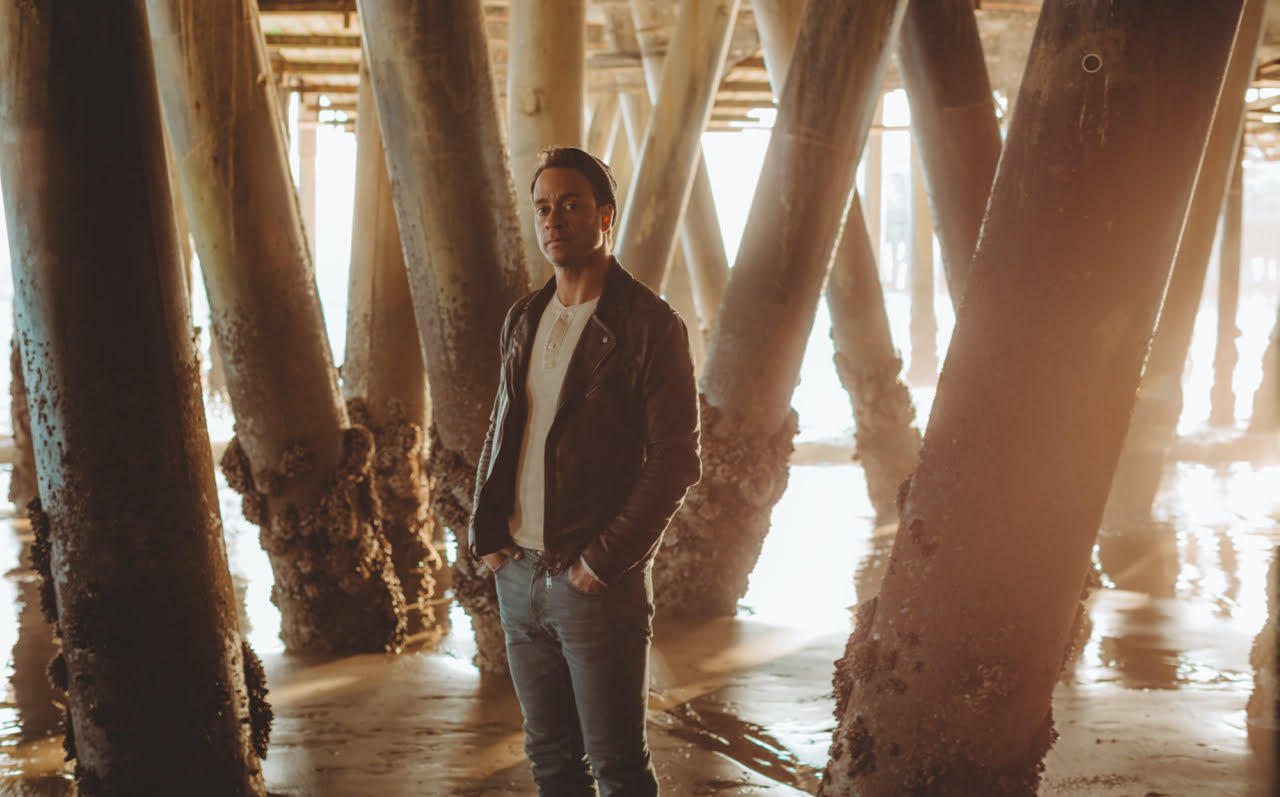
WATCH: Matt Campbell, “That’s The Way”

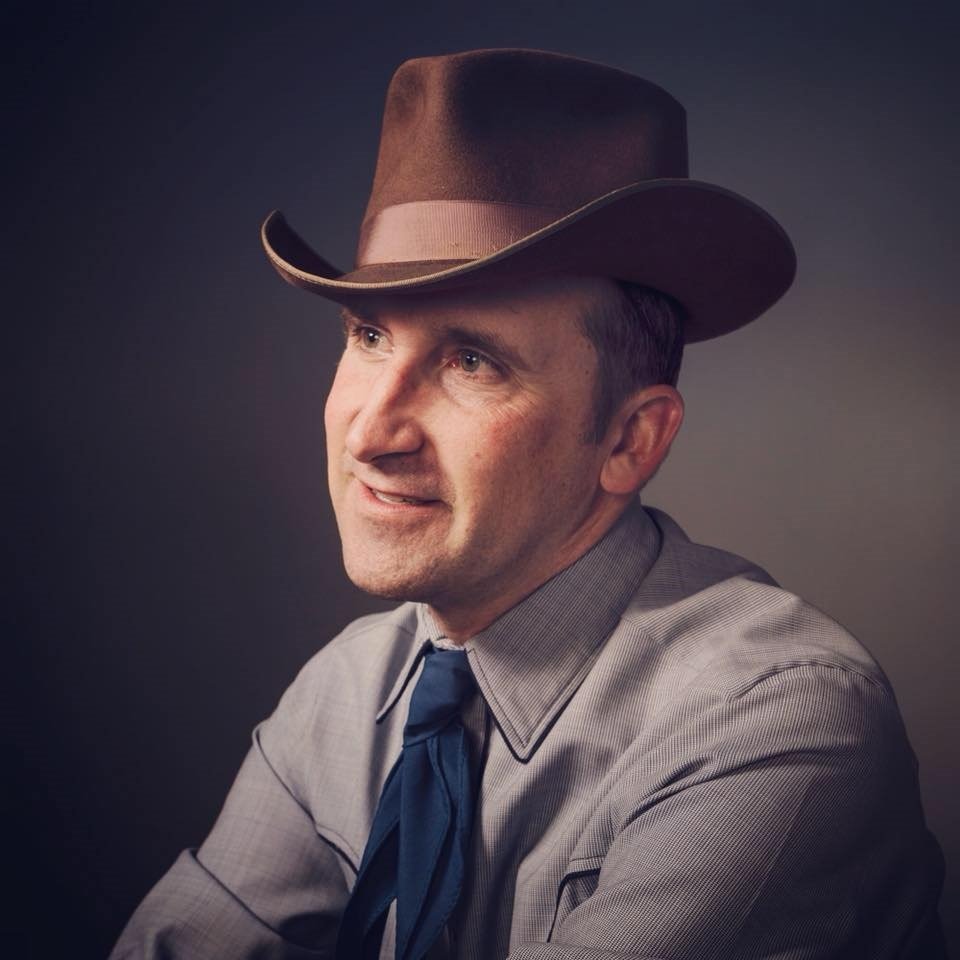
Artist: Matt Campbell
Hometown: Nashville, Tennessee
Song: “That’s The Way”
Album: The Man With Everything
Release Date: November 9, 2018
Label: Flour Sack Cape Records

In Their Words: “I woke up with the hook of the song in my head, not sure where it came from or what to do with it. I was listening to a lot of Merle Haggard at the time. Country music has a rich tradition of artists staking out political positions, but a lot of modern takes are full of platitudes or play to lowest common denominators. I’m staking out my own position in no uncertain terms, informed by my own experiences. I thought of it as Western Swing song, but the more the lyrics came together the phrasing turned into something closer to rap. I suppose that makes sense because my view is that you have to blur a few lines to make sense of America, if only for your own sanity.” — Matt Campbell


Photo credit: Emily Beaver

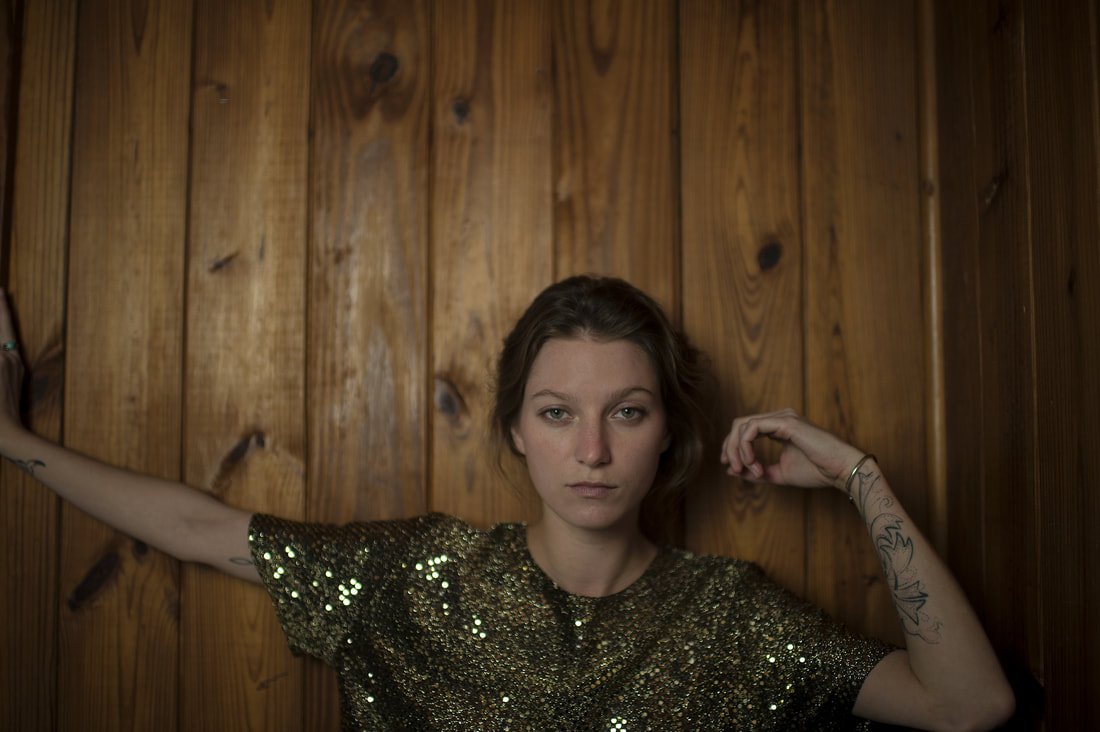
MIXTAPE: Carson McHone’s Recent & Relevant Playlist

Modern songs that deal with important topics. Not all of these songs pinpoint specific political or social issues but they contribute to the conversations I believe we need be having in society today. When I am frustrated or angry or scared about the state of the world, these are songs that inspire me to focus my energy. They remind me that art is relevant and in fact an important tool in the global discussion. — Carson McHone

“To the Boys” — Molly Burch

Molly is a local Austin favorite and her latest record covers lots of territory. This one’s very direct and delivers an undeniable punch. Also it’s super catchy!

“Glass Jar” – Tristen

Killer pop songs all over Tristen’s latest release. “Glass Jar” examines social media I believe … great imagery!

“Wild Blue Wind” — Erin Rae

Like Tristen, Erin Rae is based in Nashville and tapped in to some very relative issues including sexual identity and, in “Wild Blue Wind,” struggles with mental health. This song is so beautiful and it makes me cry every time I hear it.

“Bad Bad News” — Leon Bridges

This song is something else. It’s heavy, but it rises above and is groovy in every way. It’s my favorite thing from him so far…

“(Gone Is) All but a Quarry of Stone” – Premix Single — Daniel Romano

Both this song and the accompanying video are devastating. There’s something so beautiful and timeless about the melody and yet the song is haunting and foreboding, suggesting, well, just doom it seems. And I love this premix version.

“Little Movies” — Aaron Lee Tasjan

Another Nashvillian making waves and great music. “Little Movies” I believe also deals with the modern age of technology and social media, how we establish our presence on the screen, definitely a worthy topic for discussion.

“Boyfriend” — Marika Hackman

She’s not afraid to get dirty. Marika Hackman’s lyrics always dig deep. The music on her 2018 I’m Not Your Man album, this song in particular, is more raw and rockin’ than I’ve heard from her before and it’s totally killer.

“Image” — Lera Lynn

Every line is great. Relevant? I’d say especially these days!

“The Body Electric” — Hurray for the Riff Raff

This song does a beautiful job of reaching back in time and bringing a common, and dark, theme into the spotlight of modern times. The tune and the video are working on lots of levels, and they’re all very powerful.

“It Seemed the Better Way” — Leonard Cohen

The timing of his passing was uncanny. It certainly got darker, way darker. But he left us with a lifetime of just the most thoughtful art. We’ve got a lot of work to do and we’ve got his words and music to aspire to. Thank you Leonard Cohen.


Photo credit: Laura Hajar

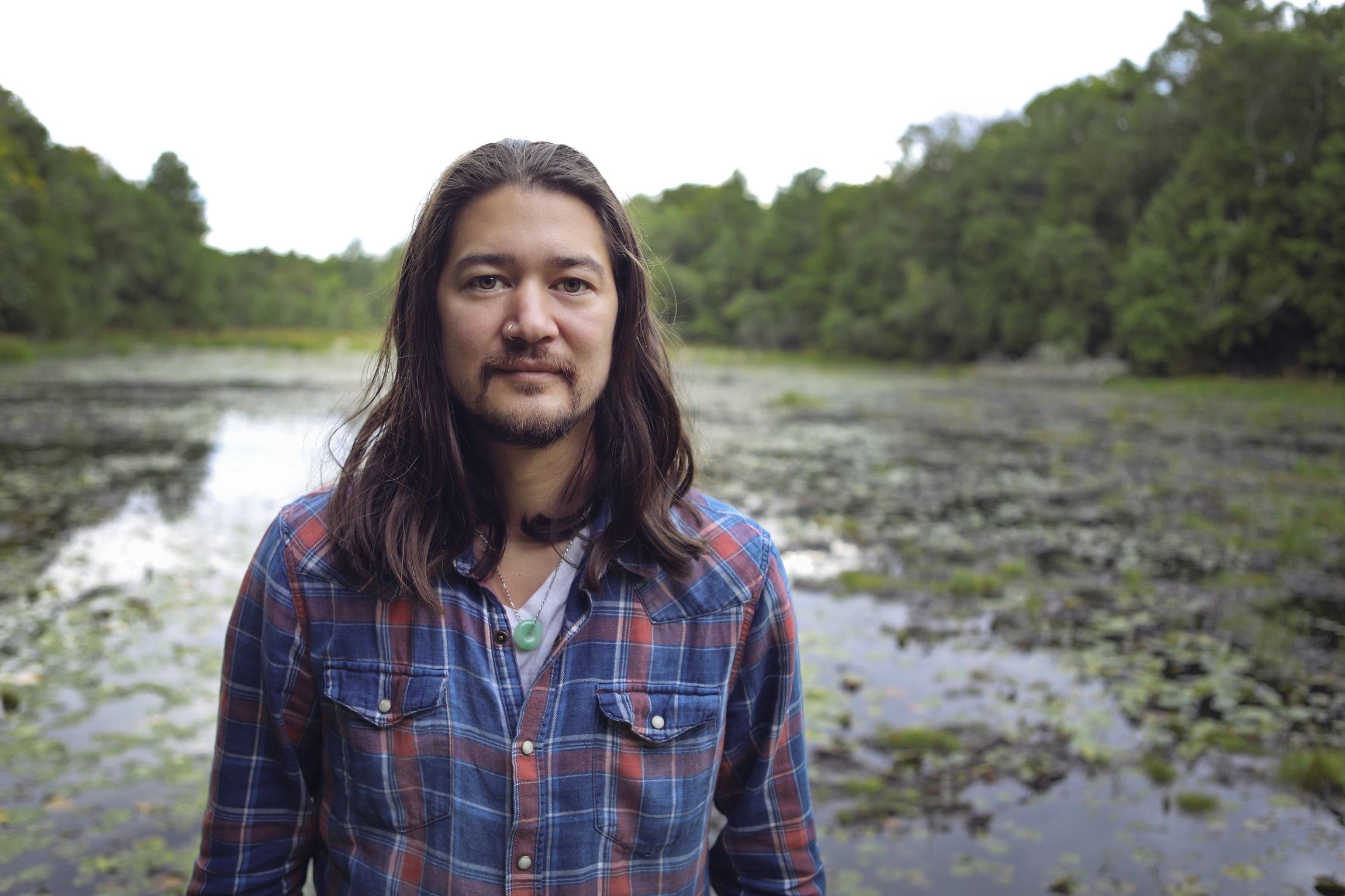
WATCH: Jay Psaros, “Dear Jane”

Artist: Jay Psaros
Hometown: Boston, Massachusetts
Song: “Dear Jane”
Album: The Trees Beyond the Town
Release Date: December 14, 2018
Label: PB and Jay Records

In Their Words: “Most love affairs require a third party, but not in this case. What happens when the affair is with oneself? A true story about a once-forbidden love, the selfish attempts to justify its validity, and ultimately, its one-sided demise.” — Jay Psaros


Photo Credit: Kayte Darling Photography

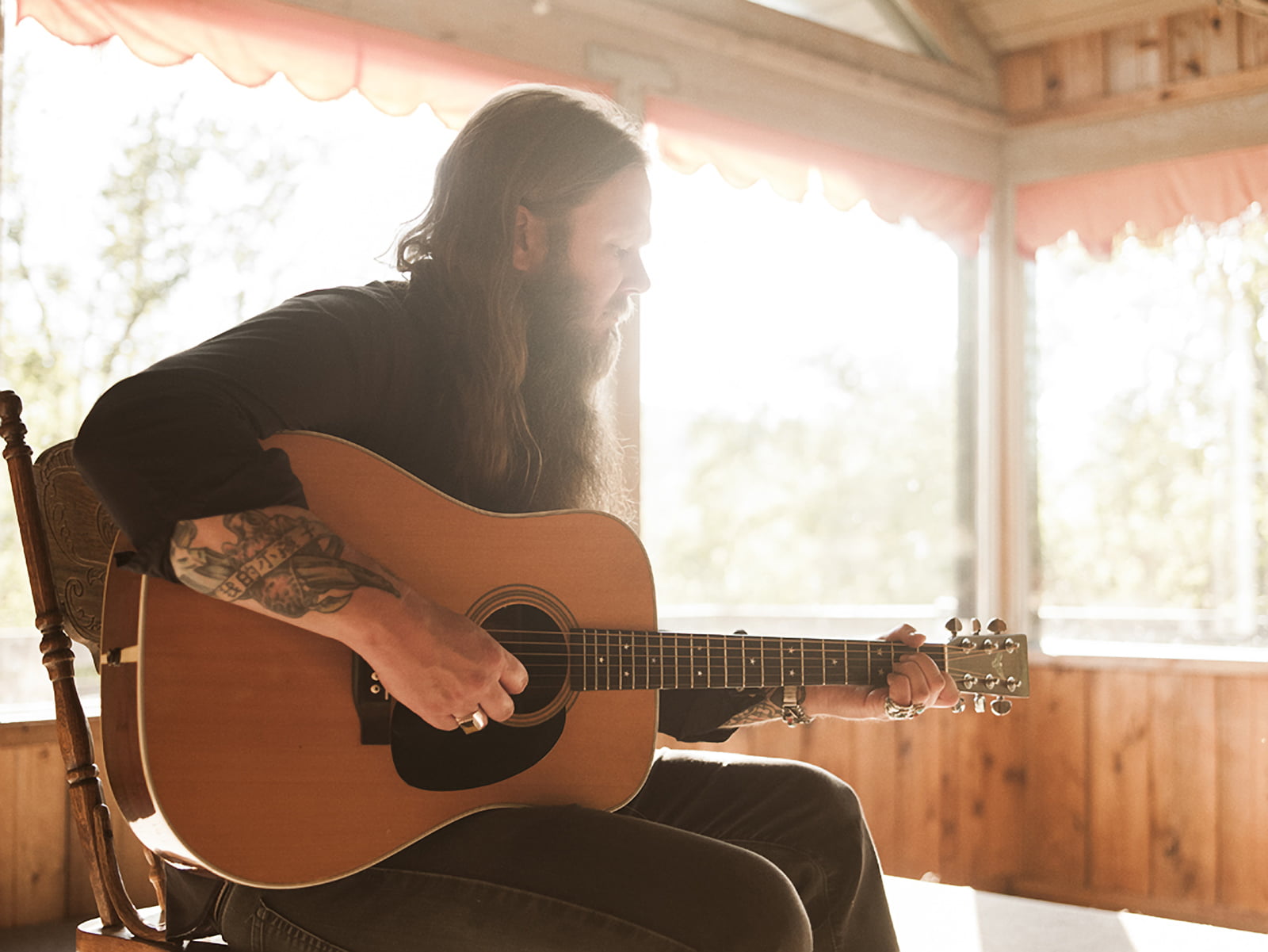
Whitey Morgan Won’t Settle on ‘Hard Times and White Lines’

Few bands deserve the sometimes-dubious title of “Outlaw Country” like Whitey Morgan and the 78’s. But after nearly 15 years of non-stop touring and boozy, honky-tonk rocking, the words of Rodney Crowell’s prescient “I Ain’t Living Long Like This” are starting to hit close to home.

With the Flint, Michigan-based band’s gritty fourth album, Hard Times and White Lines, Morgan takes a step back to examine his own fast-living ways — doing so with the same hard-edged-but-classic country sound and unflinching honesty his fans have come to expect. Alongside Rust Belt ballads like “What Am I Supposed to Do,” Ray Price-inspired two-steppers like “Around Here” and a trouble-brewing cover of ZZ Top’s “Just Got Paid,” Morgan and company offer some candid thoughts on the lifestyle they’ve become known for.

I can tell the album title speaks to your reality as an artist. But it’s interesting that your first album was called Honky Tonks and Cheap Motels, and now we’re at Hard Times and White Lines. After all these years, does it feel like nothing has changed?

The only thing that’s really changed is that the crowds are bigger and I can pay my bills on time. … But I’m glad we’ve done it the way we did. I can’t imagine having it any other way. I know too many people who get it handed to them, like they get an opening slot on a tour and they think they’ve got the world by the balls. Well, then all of a sudden the record label shelves their album because maybe it’s not that great, and this artist doesn’t know how to tour on his own because he’s never done it and doesn’t even know how to book a fucking hotel room because they’re used to having everything done for them, and now what? … I know that if it ever gets to the point where I have to go back to doing everything myself, I can do it, because I have done it.

You have the reputation of being an outlaw band, and fans have always loved the songs about drinking, drugging and staying out all night. But you’re not a kid anymore, and in fact you have a son now. Is your approach to that subject matter any different?

Definitely. It’s more of a reflective view than a “This is happening right now” thing. But I don’t think I’m ever gonna settle down to the point of some of these other guys who get old and they don’t allow any beer backstage at their shows, or no one in the band is allowed to smoke any weed before they play. I don’t imagine I’ll ever have that starchy of a shirt, because that’s when shit gets boring. The reputation was well-deserved in the old days, and it still is to some extent. I mean I go out there and a lot of the bigger bands we play with, they’re that way. Meanwhile I’m sitting here drinking three or four whiskeys before I play still, and to me that’s taming it down.

“Honky Tonk Hell” starts off the album, and to me it’s got this epic “Devil Went Down to Georgia” meets “Hotel California” feel. What’s it like to be stuck in a honky-tonk hell?

It’s like that line: “A man can get caught up.” I was caught up for a time, between the drinking and drugging and girls, and it’s almost like this place you keep getting sucked back into every night, whether it’s on the road or not. There’s guys who go to the same bar every night of their lives and they don’t play music or have anything to do with that world, and it’s kind of a take on that.

Anybody who has been to Nashville recently knows that we have a ton of hotels now. But I don’t think many of the tourists or bachelorette parties are familiar with The Fiddler’s Inn. You wrote a song about it, so could you explain for them what that place is like?

Yeah, The Fiddlers Inn is a lot different from most other places in Nashville now. It’s just an old travel lodge with lots of rooms, and it’s over there by the Grand Ole Opry House and the mall, all that shit, but it was there before all that. Just a classic old American roadside motel.

I don’t really know too much about it but I stayed there because me and my buddy Ward Davis were gonna try to write a song. I was staying at this other hotel that was kind of bullshit, so I said “I want to go over to Music City Bar and Grill tonight, because the Music City Playboys are playing” – they’re one of the best fucking bands in town that play on a regular basis. So we were drinking at Music City and already half in the bag, probably more, and we made this plan to write but kept procrastinating all day like “Ah, my notes are kind of empty right now.” We went over there and finally sat down with the guitars, and I just had this idea — “What if we wrote about this exact thing?”

The first line is about a guy sitting in a hotel room and he came here to write, but he can’t think of anything. And then the next verse is about what’s going on down the hall. We could have written a verse for every room because there are a million stories that happen every night at those places. Everybody’s on a different path, everybody’s coming from a different place.

You made your debut at the Ryman Auditorium this past year, and just thinking about where you guys came from, that’s a pretty big honky-tonk. What did it mean for you to be on that stage?

The first time I came to Nashville was probably 20 years ago, and like everybody says, it was a much different town back then. We’d go down and stay for a few days if we were playing a show, and sometimes we’d just go down to hang out because Broadway was still cool back then. There were at least five good bars where you could go hear real country music every day of the week, not just Sunday morning or whatever.

A lot of nights I would get drunk and disappear from the group, and just go sit on those front steps [of the Ryman]. [Playing there] was always something I wanted to happen, and I told myself I would never open for anybody there. I wanted the first time I was on that stage to be because the people were there to see me and my band. … It was an amazing night, and it went by so fast, but I tried to make as many memories as I could. I walked around before the show and just sat in different pews while it was empty just to see the different vantage points, because I had never even been in the building before. I never wanted to go inside until it was my day. I’m happy, but I don’t know if we’ll ever play there again. I’d almost rather just leave it one-and-done, and let that be my memory of the place.

I know your grandfather taught you about music and he meant a lot to you. And I read that he was also a guy who liked a drink at the local honky-tonk, but eventually gave it up. Do you see yourself following in his footsteps?

I mean, I imagine I can’t go on drinking forever if I want to continue putting on decent shows and have at least somewhat decent health. I’m gonna have to stop this shit eventually, but it’s probably not happening any time soon. I’m enjoying the fact I can still drink a bit and keep it together, and I’ve been singing and playing guitar better because I’ve been drinking less, but there are few things that I enjoy more than a good glass of whiskey and hanging out with my buddies. It just turns some shit on in my brain that nothing else turns on.


Photo Credit: Michael Mesfoto

WATCH: Tattletale Saints, “Bobby Where Did You Learn to Dance”

Artist: Tattletale Saints
Hometown: Nashville, Tennessee
Song: “Bobby Where Did You Learn to Dance”
Release Date: October 29, 2018
Label: Old Oak Music

In Their Words: “I began writing ‘Bobby’ after a show in Austin, Texas. We were drinking at The White Horse, a local honky-tonk and dance spot when the band on stage started jamming a Cajun groove. I knew my friend Bobby, who is legally blind, had learned to two-step at this very bar, and while reminiscing on the story I started singing the main hook along with the band and the song was born! The song kinda wrote itself and we tracked it live in Nashville with Oliver Craven (Stray Birds) on mandolin and Matty Alger on drums.”— Cy Winstanley, Tattletale Saints


Photo credit: Kaitlyn Raitz

A Minute in D’Hanis, Texas, With Jamie Lin Wilson

Welcome to “A Minute In …” — a BGS feature that turns musicians into hometown reporters. In our latest column, Jamie Lin Wilson takes us through D’Hanis, Texas.

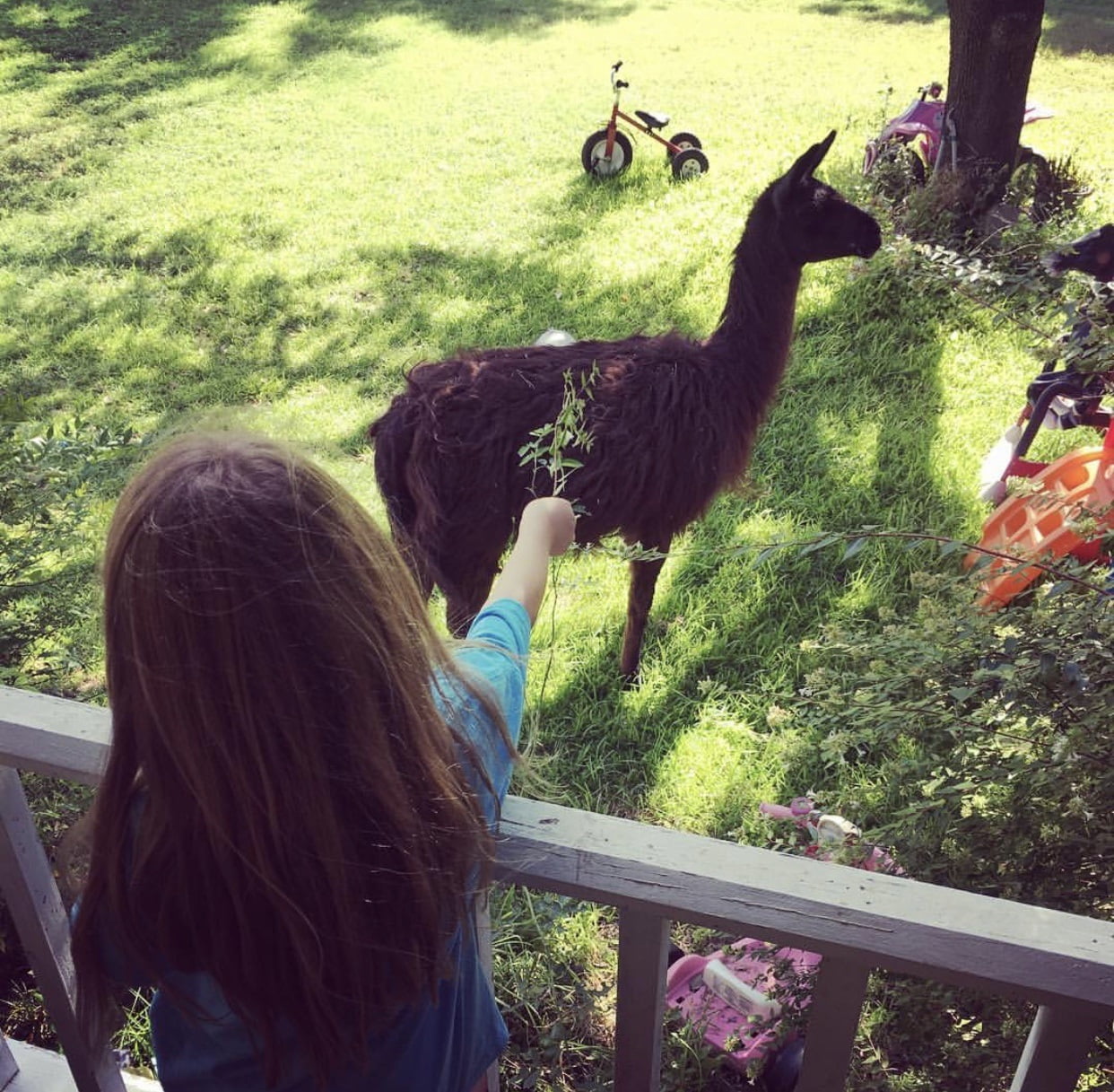
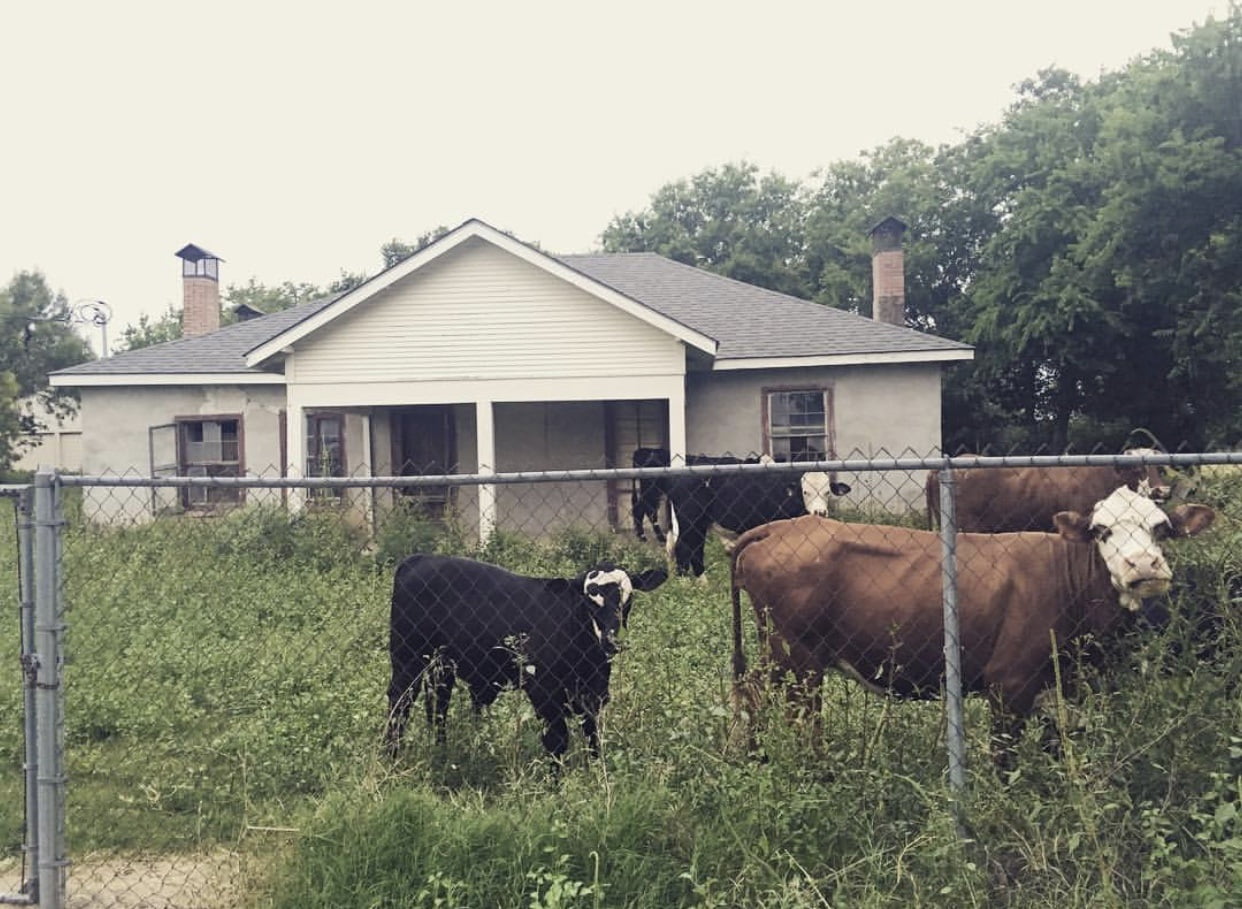
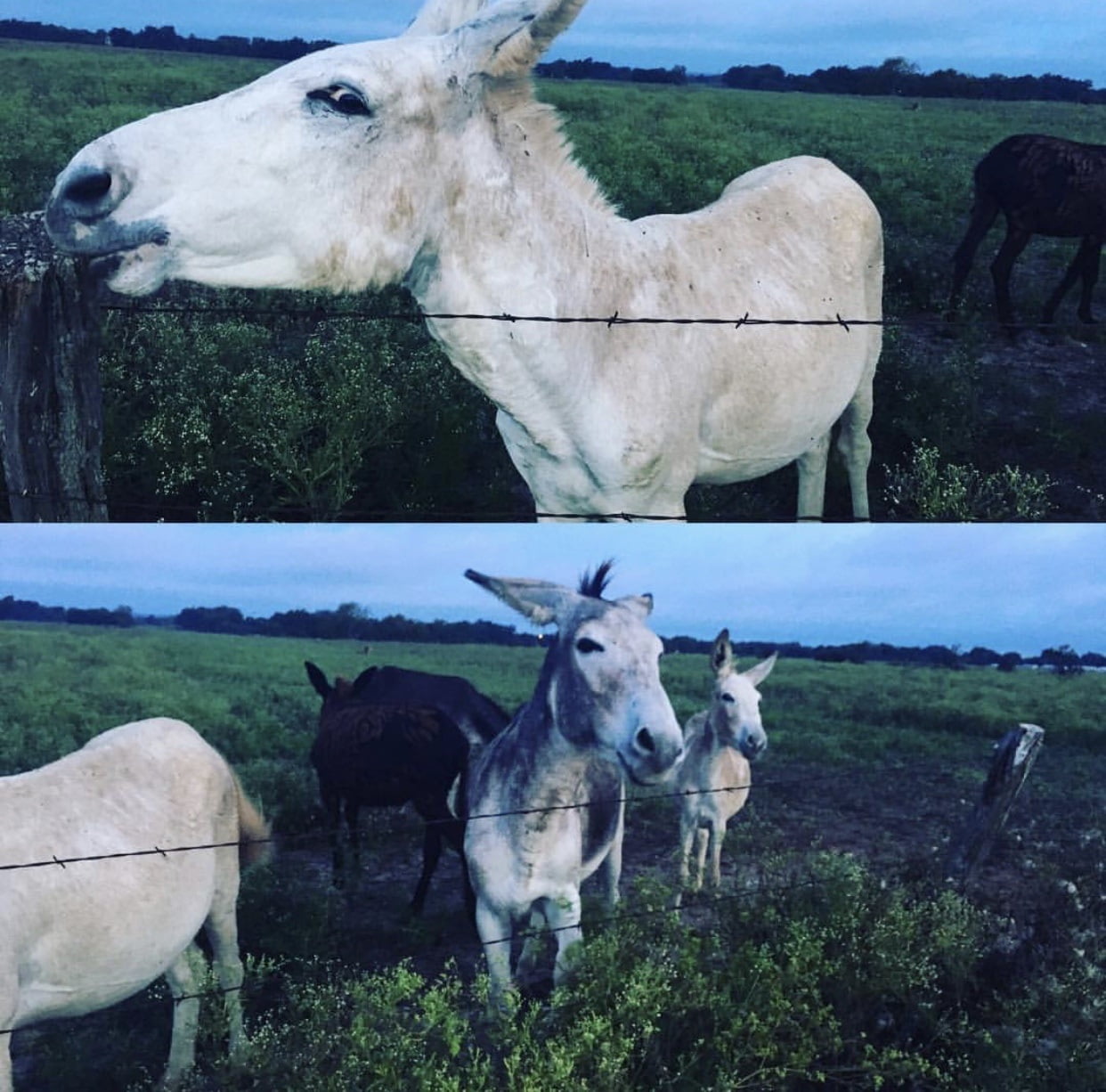
Folks ask me all the time why I live in such a small town. Why not Austin, or some other major city in Texas with a better music scene? Well, the short answer is because it’s nice to live around family, especially when raising your own. The long answer has a lot to do with the fact that I’d rather have to dodge goats and donkeys in the road than sit in traffic. The population of D’Hanis (pronounced by the locals as Dee-Hennis) is around 550, but Roy and I are doing our part in upping that number. We just welcomed our fourth baby, a boy, born right here in our house. Since there’s not a whole lot to see here, I’ll show you what I love so much about this town.

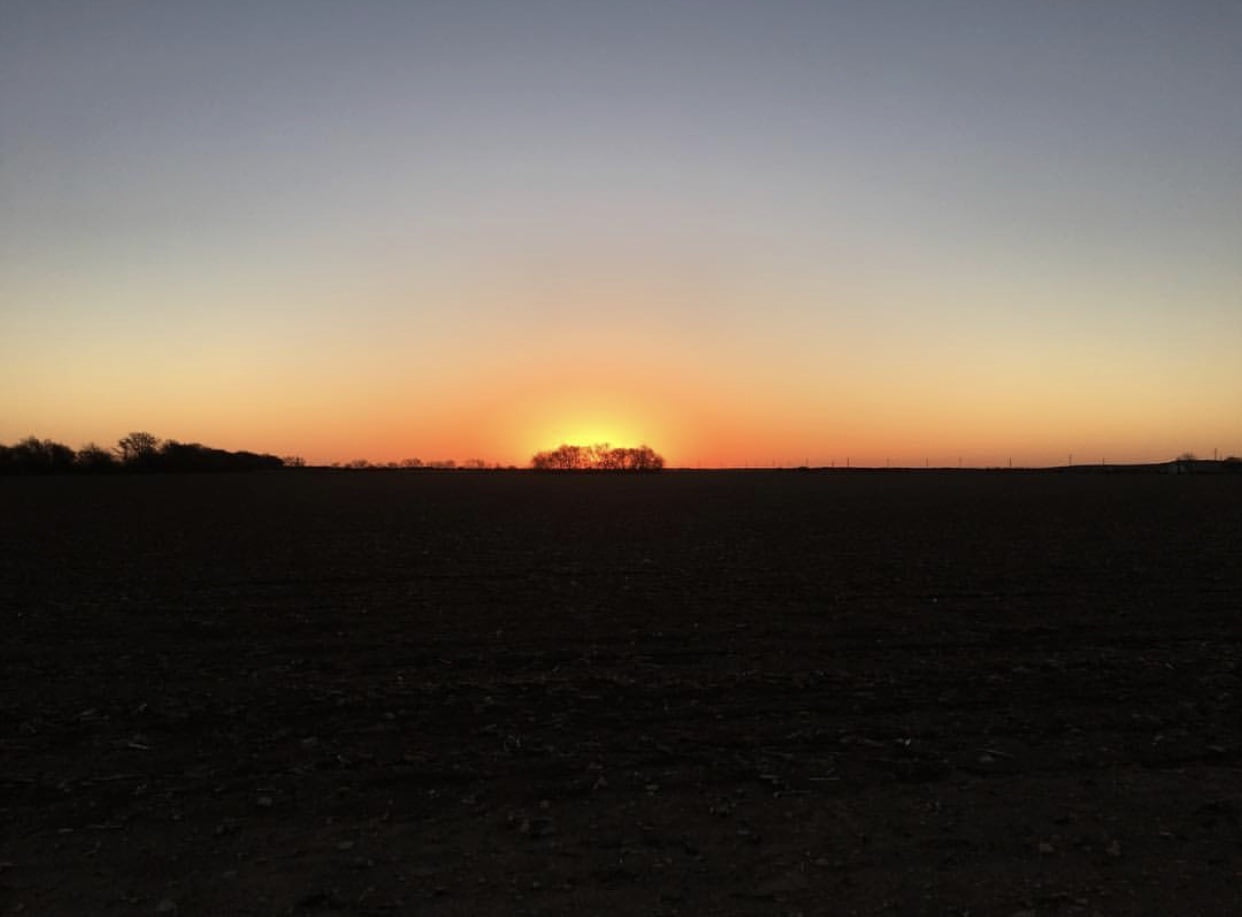
Sunsets/Sunrises: I like to walk early in the morning around what Roy’s family calls the Van Damme block. It’s about a two-mile walk around the perimeter, surrounded by farmland that is now or has been farmed by the Van Damme family. If a picture taken with a phone is this good, imagine what it looks like in real life.


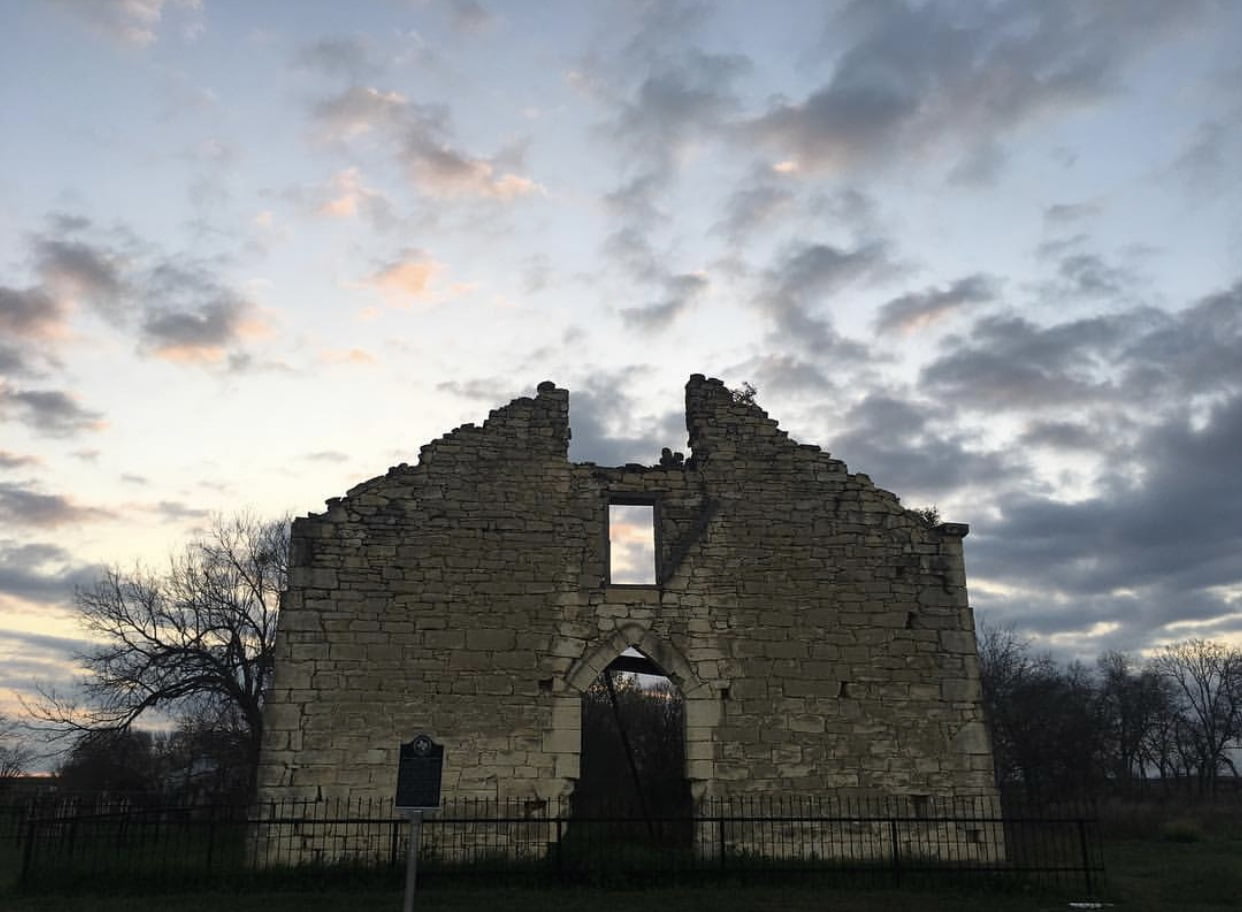
St. Dominic Church Ruins: I live in the area of town called Old Town, where the settlers first came. In the 1850s, they formed St. Dominic Church and this structure was built. In the early 1900s, the railroad came through and the town center moved a couple miles west. This church was abandoned and eventually destructed. It sits behind Roy’s aunt’s house, and just around the corner from ours. There’s an old cemetery next to it with graves from as early as the 1830s. My kids love to go read the stones–a history lesson in our own backyard.


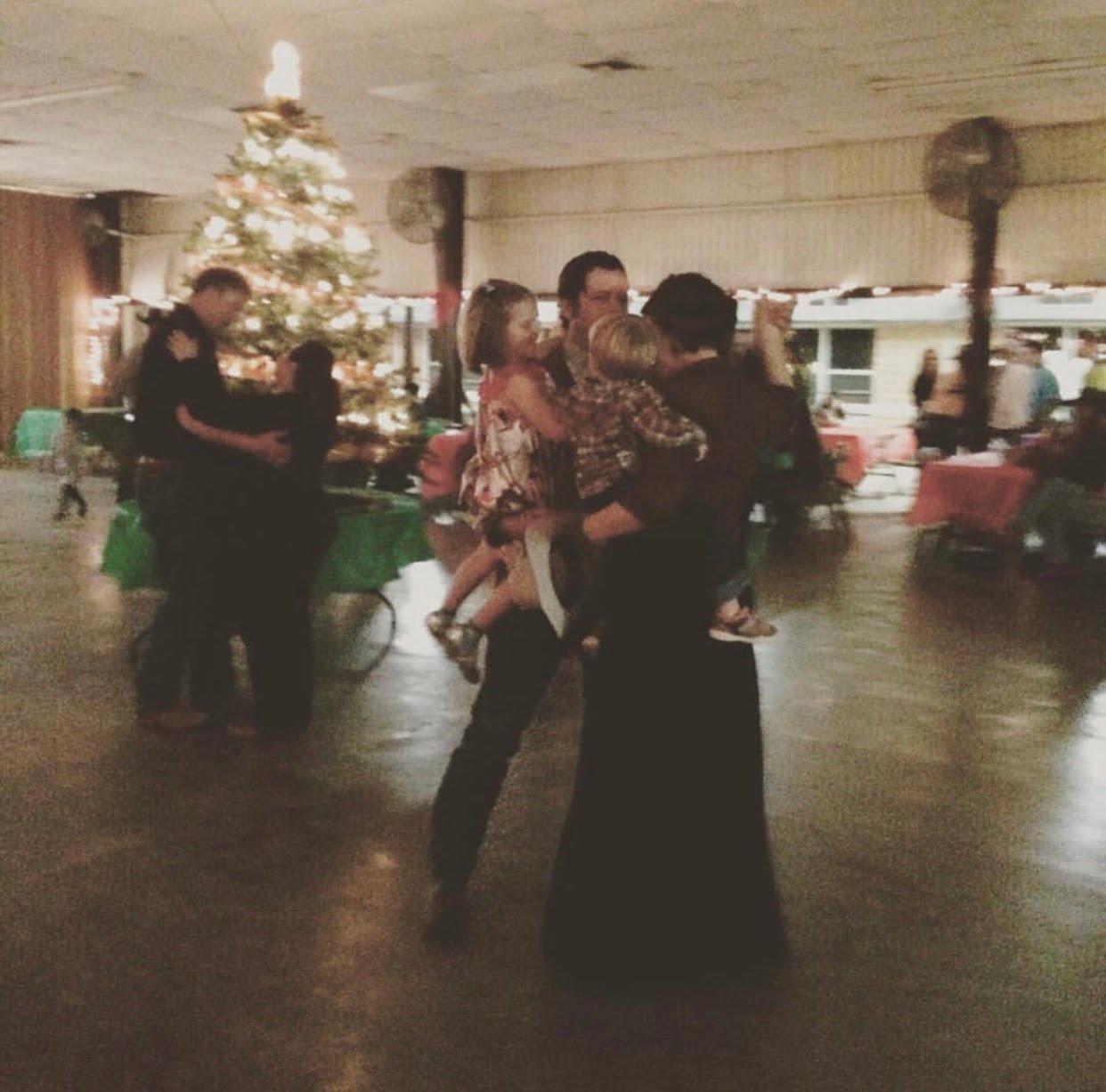
Parish Hall/Catholic Church: There is one church in D’Hanis and it’s Catholic. Most activities in town revolve around the church grounds. The Little League plays at the baseball field there (the only field in town), the soccer teams practice in the church yard, and prom and other school dances are held at the parish hall, along with other various fundraisers like the $100 raffle ($100 a ticket includes a steak dinner and you could win $5k!). This photo is of my family dancing at the annual Christmas Dance. On Christmas night, everyone brings their family out and dances to a local band playing old country music. It’s BYOB and they sell set-ups. The kids fall asleep under the tables with visions of sugar plums and parisa (see next photo) dancing through their heads.


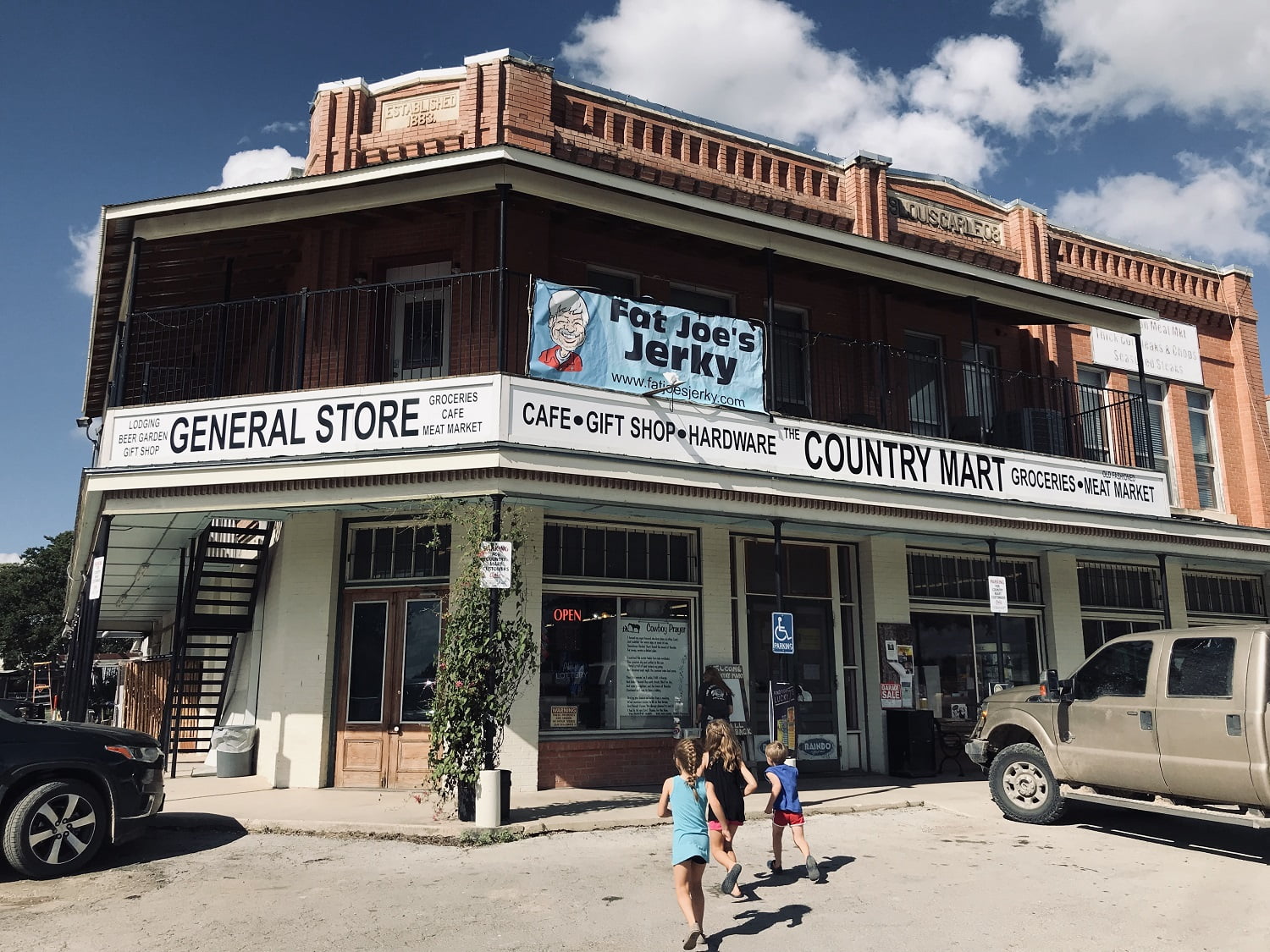
The Country Mart: If there was a hub of D’Hanis, this would be it. You can find pretty much anything you could need in here, and it’s open all the way till 7 pm. They have the best meat market around, selling steaks (especially for Tuesday and Friday open-pit night), ground meat, and parisa — an Alsatian dish that is basically lime juice-cured raw meat with onions, peppers, and cheese mixed in it. You eat it over crackers. It’s actually delicious. In the last few years they’ve started selling burgers and other daily specials at lunch. But get there either before 12 or after 1, because the high school kids have open campus.


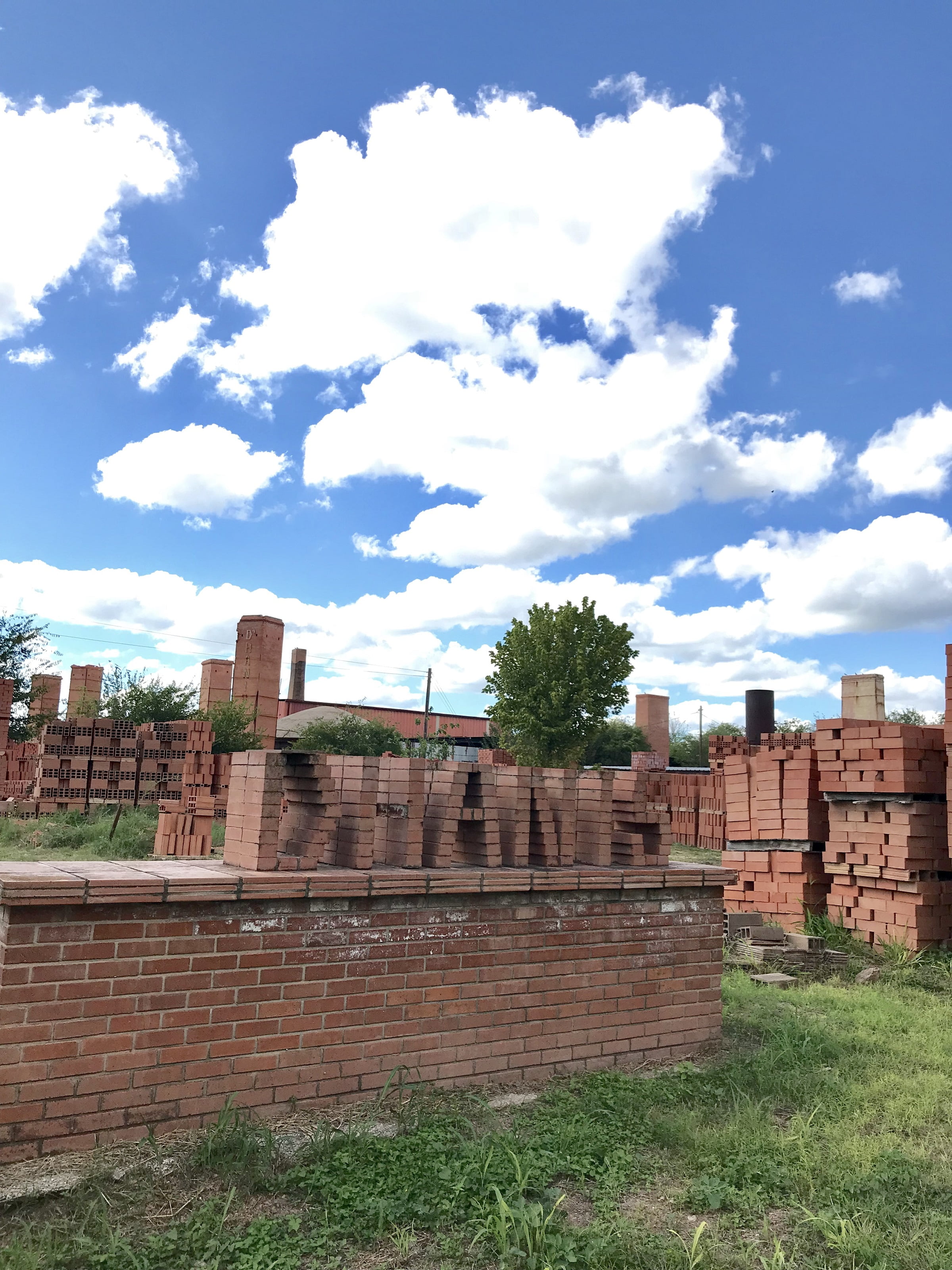
Brick Yard: We can’t talk about this area of Texas without mentioning the D’Hanis brick. You’ve probably seen one and wondered what that word was pressed into the side. They started producing bricks here in the 1890s and now I think they just make specialty orders. But you can’t drive around a block without seeing a house made of D’Hanis structural tile (it’s bigger than a normal brick, but smaller than a cinder block). It’s a beautiful orange clay color, and a great insulator. We lived in a tile house for nine years. If the house isn’t made of that, there’s at least a kitchen or bathroom floor with the 10- or 12-inch tiles. That’s what we have now.


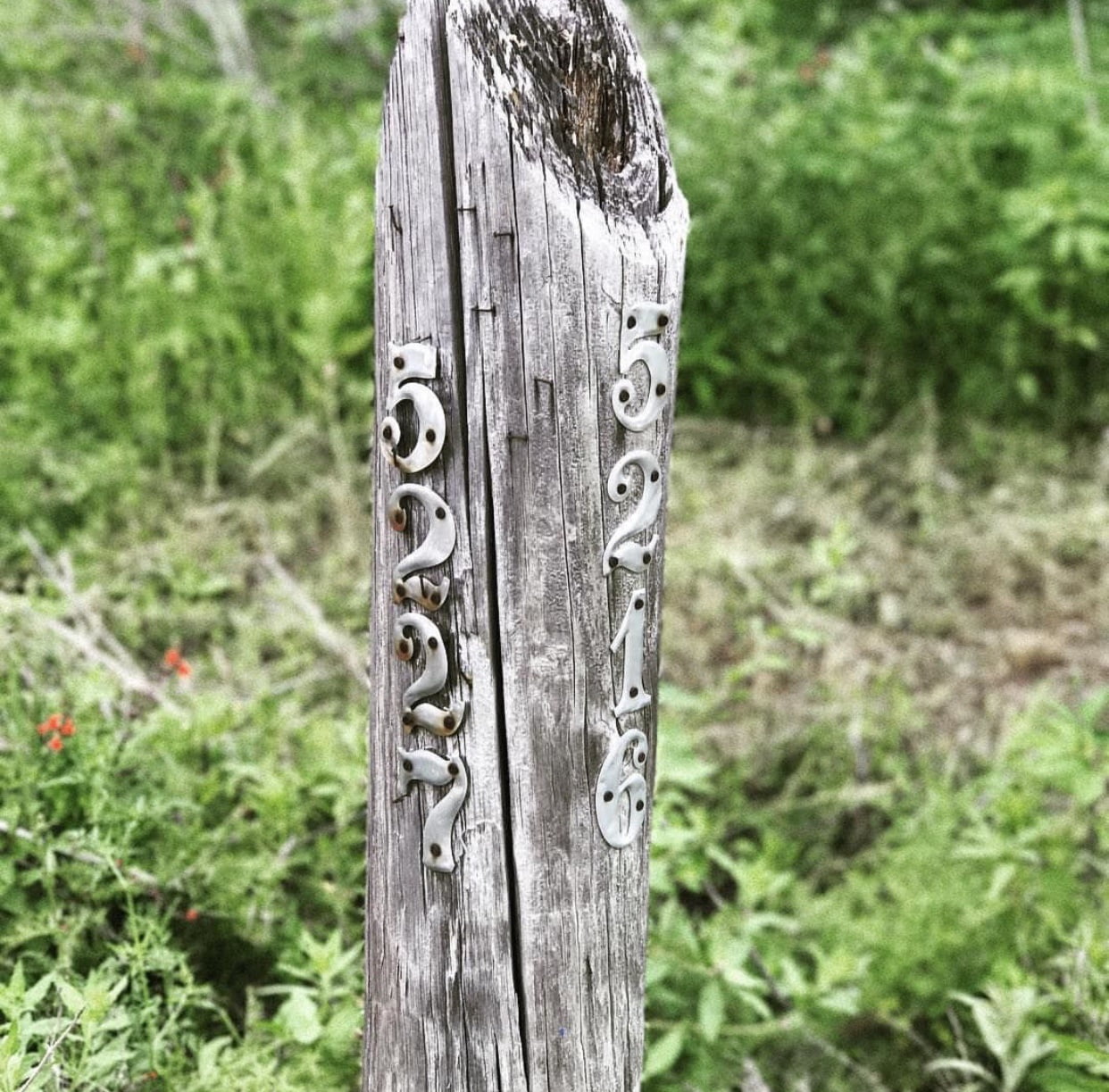
Neighbors! There’s a lot more about this little town that I love. If you’re interested in this little life we live out here, you can follow #realhousewivesofdhanis on Instagram. Here’s a quick look at some of our fun neighbors within walking distance of our house.


All photos: Jamie Lin Wilson

WATCH: Amos Lee, “Louisville”

Artist name: Amos Lee
Hometown: Philadelphia, PA
Song:“Louisville”
Album: My New Moon
Release Date: August 31, 2018
Label: Dualtone Records

In Their Words: “I’ve had some great times in Louisville, and some zany ones, and I wrote a song about someone who wants to get back home after a rough go of it. I love the bridge, and the fellow who mixed the album, Tchad Blake, absolutely took this song to the next level. Very honored that [producer] Tony Berg and Tchad both worked on this album. This video was directed by [filmmaker and photographer] Aaron Farrington at Estouteville Farm outside of Charlottesville, Virginia.” — Amos Lee


Photo credit: Brantley Gutierrez

LISTEN: On Big Shoulders, “Heavy Traffic Ahead”

Artist: On Big Shoulders, executive producer: Matt Brown
Hometown: Chicago, Illinois
Song: “Heavy Traffic Ahead”
Album: On Big Shoulders
Release Date: November 2, 2018
Label: Allograph Records

In Their Words: “Each On Big Shoulders track has a Chicago connection. We performed new songs from contemporary Chicago songwriters and covered older artists who recorded or lived here, ranging from The Delmore Brothers and Barbara Carr to Wilco and Bill Monroe. ‘Heavy Traffic Ahead’ is the first track. For that Monroe tune, we may have dialed up the ‘blue’ and dialed back the ‘grass.’ You’ll hear Steve Dawson on rhythm guitar and lead vocals, Brian Wilkie on lead guitar, Aaron Smith on bass, and Gerald Dowd on drums.

Produced by Art Satherley, head of country and blues A&R for Columbia Records, Bill Monroe’s recording of ‘Heavy Traffic Ahead’ was made just after 8:00 p.m. on Monday, September 16, 1946, in the WBBM-CBS studio in Chicago’s Wrigley Building. Though not released until 1949, it was the first song cut at this famous session featuring Monroe on mandolin and lead vocals, Lester Flatt on guitar, Earl Scruggs on banjo, Chubby Wise on fiddle, and Howard Watts on bass. The other two songs they recorded that night were ‘Blue Moon of Kentucky’ and ‘Toy Heart.’

On Big Shoulders features eleven of my favorite Chicago musicians: Steve Dawson, Brian Wilkie, Aaron Smith, Gerald Dowd, Elise Bergman, Gia Margaret, Keely Vasquez, Liam Davis, Anna & Evan Jacobson, and Liz Chidester. We recorded with engineer Shane Hendrickson at I.V. Lab Studios. Liam Davis co-produced, edited, and mixed the record.” — Matt Brown


Photo credit: Tim Brown

LISTEN: Martha Spencer, “My Heart Says Yes”

Artist: Martha Spencer
Hometown: Whitetop, Virginia
Song: “My Heart Says Yes”
Album: Martha Spencer
Release Date: October 26, 2018

In Their Words: “‘My Heart Says Yes’ features a duet of Frank Rische and myself on guitars and vocals. I guess it would be a love song in the ole-timey vein that talks about the tug of war of the mind – in wanting to stay or go, and caring for someone and realizing you might not be the best for them in the end. And I tried to pay a bit of homage to Hank Williams with the words ‘lost soul on the lost highway.’ It is one of my favorite songs on the album. Frank always does a great job with harmonizing vocally and on the guitar too.” — Martha Spencer


Photo credit: Christy Baird

Mountain Man: The Magic of Women in Harmony

The splendor of women’s voices raised in harmony has found fresh spirit in the modern folk era. From The Wailin’ Jennys to The Secret Sisters, groups built around visceral vocal blends — whether backed by instruments or a cappella — have continued the powerful legacy formed by the Carter Sisters, Hazel Dickens and Alice Gerrard, and other tenacious singers.

Mountain Man’s Amelia Meath, Alexandra Sauser-Monnig, and Molly Erin Sarlé discovered their harmonies while studying at a liberal arts college in Vermont, and turned their quick and fast friendship into the 2010 debut album, Made the Harbor. Then life pulled the members in different directions (Meath, for starters, co-founded electronic pop duo Sylvan Esso), and their next project took much longer to arrive than anyone anticipated.

Magic Ship, the trio’s sophomore album and their first on Nonesuch Records, finds the group experimenting with rhythm and cadence to give their original tracks a pop and flourish that doesn’t always exist in such partnerships. As friends who have found a kind of family in the way their voices blend, Magic Ship is about celebrating that bond and all its magic.

I saw you perform at Eaux Claires last year. Did you already have plans to record again, or did it take that set to see the bigger possibility?

Amelia: The Eaux Claires set was kind of a tester just to see if it felt the same to sing together, and what it would feel like to do that. After that set, we were immediately like, ‘Oh of course we’ll do a record. That’s a great idea.’

The audience was rapt.

Alexandra: That felt like such a special time because we had no idea after seven years, or whatever, how many people were going to show up—to have people continue to arrive and fill out the woods, and stand in places where it was not comfortable to stand just to try and hear a little bit. … I think festivals can be a tricky thing for a largely a cappella band, and that stage is the perfect festival translation for [such] a band.

In describing a trio of women’s voices, I feel like some people have resorted to hackneyed descriptions based on myth—like sirens. How do you see yourselves pushing back against that stereotype, or trying to do something within that image?

Molly: I imagine when we’re singing together, we’re not trying to do anything other than be ourselves, so I don’t see us as pushing back against it in any other way besides not trying to play into it.

Amelia: I think like with most things you do while you’re a woman, if you do it without thinking about it, you are being subversive in a lot of ways.

Alexandra: You’re just saying, “Fuck all of that, and we are who we are. Here we are.”

Molly: There is that thing that I like about this, other than the fact that sirens are people that pull men to their death, which is also funny. I do like the assignment of magic, which I think is something we get to live in when we sing together.

It’s interesting that you use the word “magic,” because harmonies that close are almost familial, like you only get it from sisters or brothers. How do you explain your closeness?

Alexandra: I feel like magic is the way that we commonly explain it to ourselves. When we first started singing together it did feel like powerful magic, like, “Whoa, this feels like nothing else has ever felt. It’s really cool and I want to do it more.” It feels like a really honest form of connection, and it’s a special, wild thing that we all happened to meet each other at the same time and discover this thing. Magic is part of the definition.

You cover Ted Lucas’ “Baby Where You Are,” and you’ve retained that to some degree. What was the recording process like for that particular track?

Amelia: For me, I learned about that record from our friend William Tyler who had something to do with its release in general, so I didn’t even know that he’s a Midwestern artist, but I like that. Recording it was really fun. It’s always so great to sit down and figure out a song with your pals.

What does the arranging process look like when you’re dealing with an original song?

Amelia: It looks like us singing it about five times and making suggestions, and that’s about it. Usually we’re like, “Ok, well uh we’ll do that. That sounds good.”

Molly: Similar to the way we work on the songs that we write as individuals and then bring together in that usually when we choose a cover, someone is holding down the main framework of the song, and then the other two are working around that to complete the feel.

So the lead always switches?

Alexandra: Yeah. And usually the notes we hit are kind of up to whoever has the idea of what part to hit. Sometimes we’ll be like, “Oh, there’s this note up here that we like. Will I just abandon my bass part and go up higher?” And then what harmony makes sense with that first initial, intuitive idea?

“Stella” and “Rang Tang Ring Toon” feel straight out of a traditional songbook. What inspired those songs? What was your composition process like?

Amelia: I wrote the song “Stella”— or I wrote the lyrics and the melody, and then we did the arrangements together, like we do with all of our songs — but I never really thought of it as being plucked from the past. At the time that I wrote it, I was thinking that we were going to be writing a children’s record, so I wanted to write a song about a kid playing outside in New York. That’s where it’s placed for me, in Manhattan in the 1980s.

Molly: It always reminded me of a Paul Simon song. Our manager Martin thought it was a song about a cat.

Situated next to “Stella,” you’ve got “Underwear,” which—and I mean this in the most loving way possible—is such a beautiful weirdo of a song. What inspired that?

Amelia: That was about dealing with turning into your parents in some ways, and also inspired by the search for the perfect pair of underwear, which is a real struggle.

Have you found one that you like? Is it a brand or a cut?

Amelia: No, and I keep on doing this thing where every time I find a pair that I think might be it, I’ll buy 30 of them and be like, “This is my underwear forever,” and then three weeks later, I’ll be like, “I don’t like this underwear anymore,” and I’ll have this sea of underwear.

Alexandra: I didn’t know you did that with underwear!

What do you do with the leftovers?

Amelia: I keep them and wear them out of guilt.

How do you decide which songs are best serviced by instruments and which are best left as an a capella affair?

Alexandra: I feel like often, Molly and I will write songs with a guitar, and those are the songs that have guitar. I don’t think we’ve ever retroactively added instrumentation to anything.

How have your other projects — Molly and Alexandra, your solo work, and Amelia, your work with Sylvan Esso — informed this new collection of songs?

Alexandra: I feel like so much of our music is about feeling, and where we are in life and I think having lived our lives in different directions from each other just informs it in a subconscious way. We have years of life lived to draw on, and years of experience in bands, or doing whatever that we’ve been doing, so I feel like we’re bringing more varied things to the table than we were when we were 20.

It’s brighter, too, even though the themes aren’t always!

Amelia: Yeah, bringing in the joy.

Alexandra: Bringing in the joy!

Necessary in this day and age.

Amelia: Darn tootin’.


Photo credit: Shervin Lainez