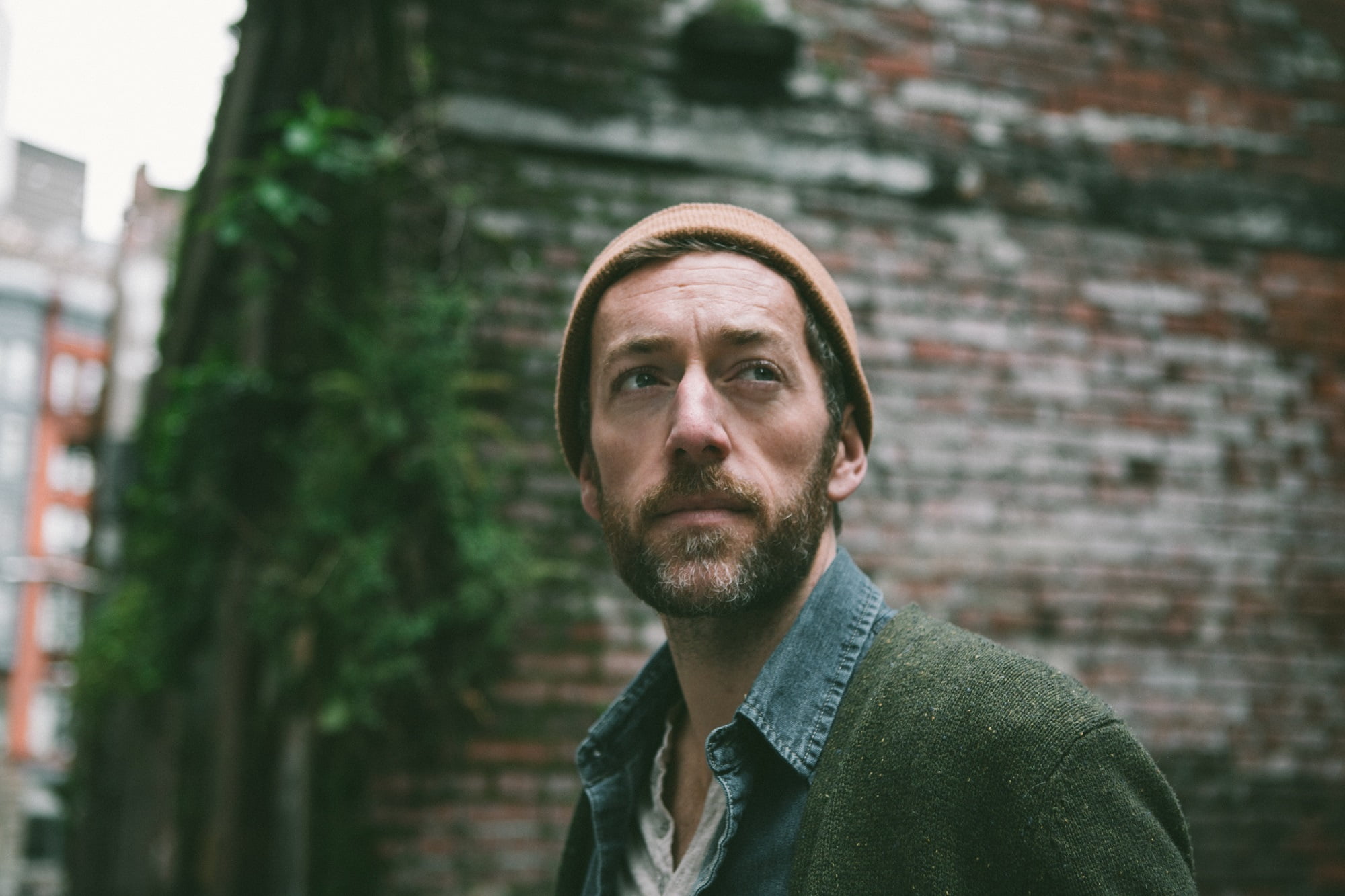
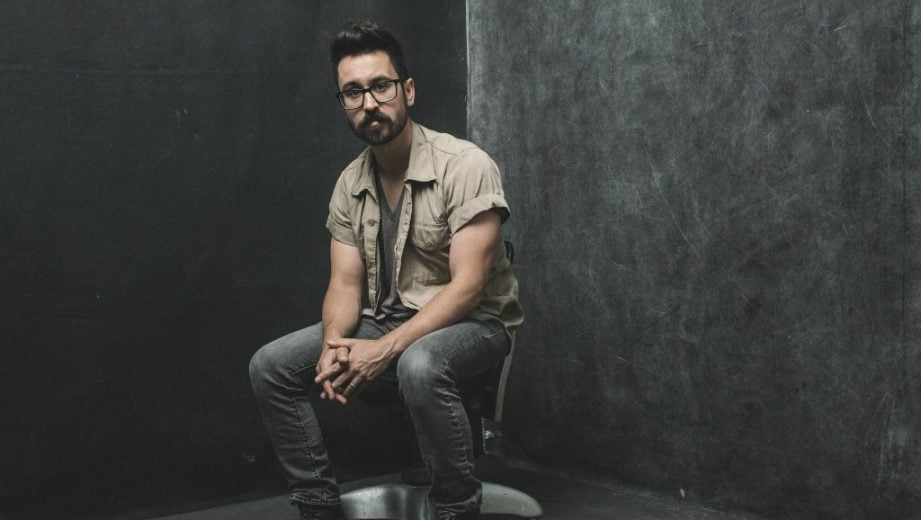
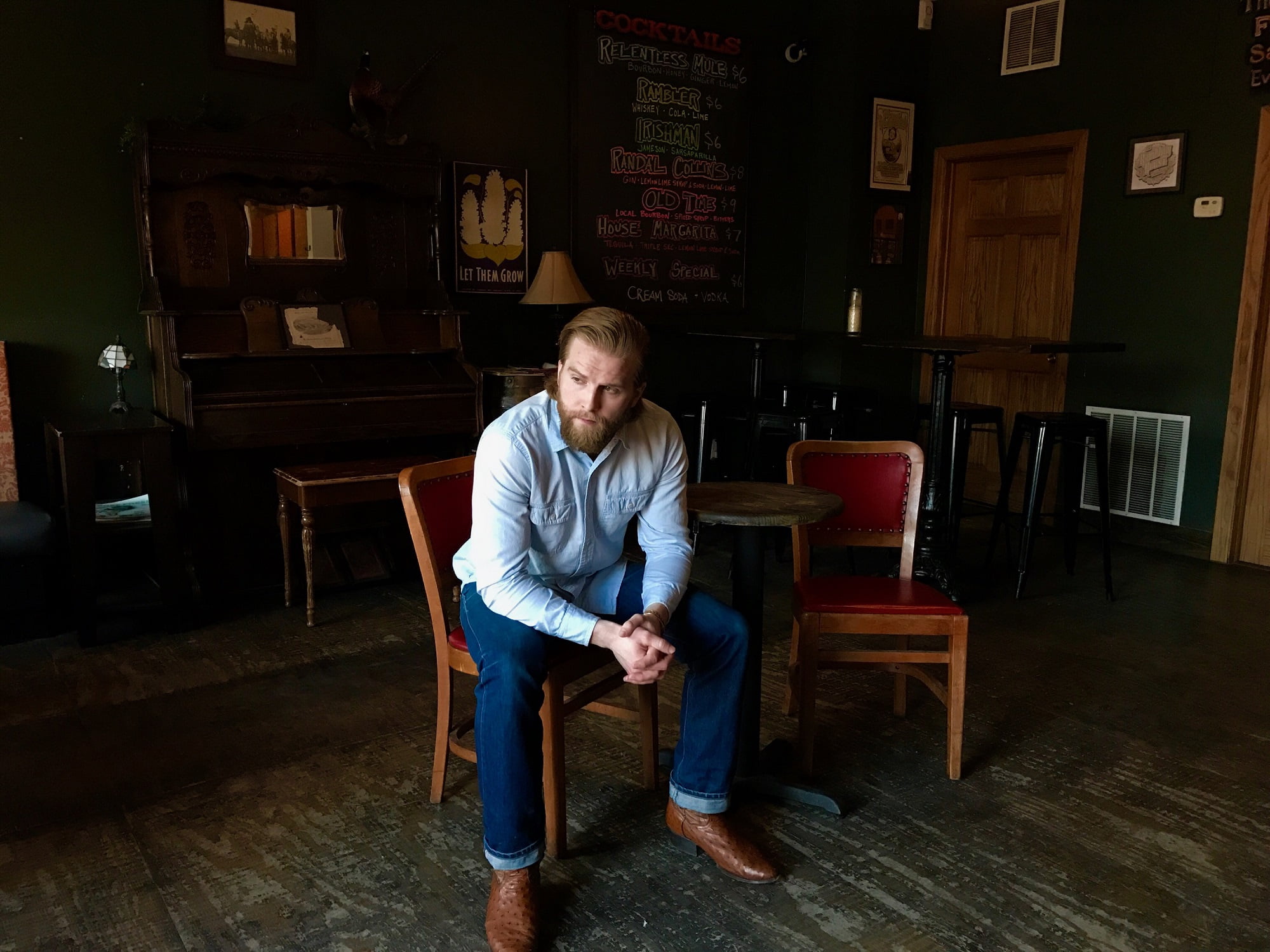
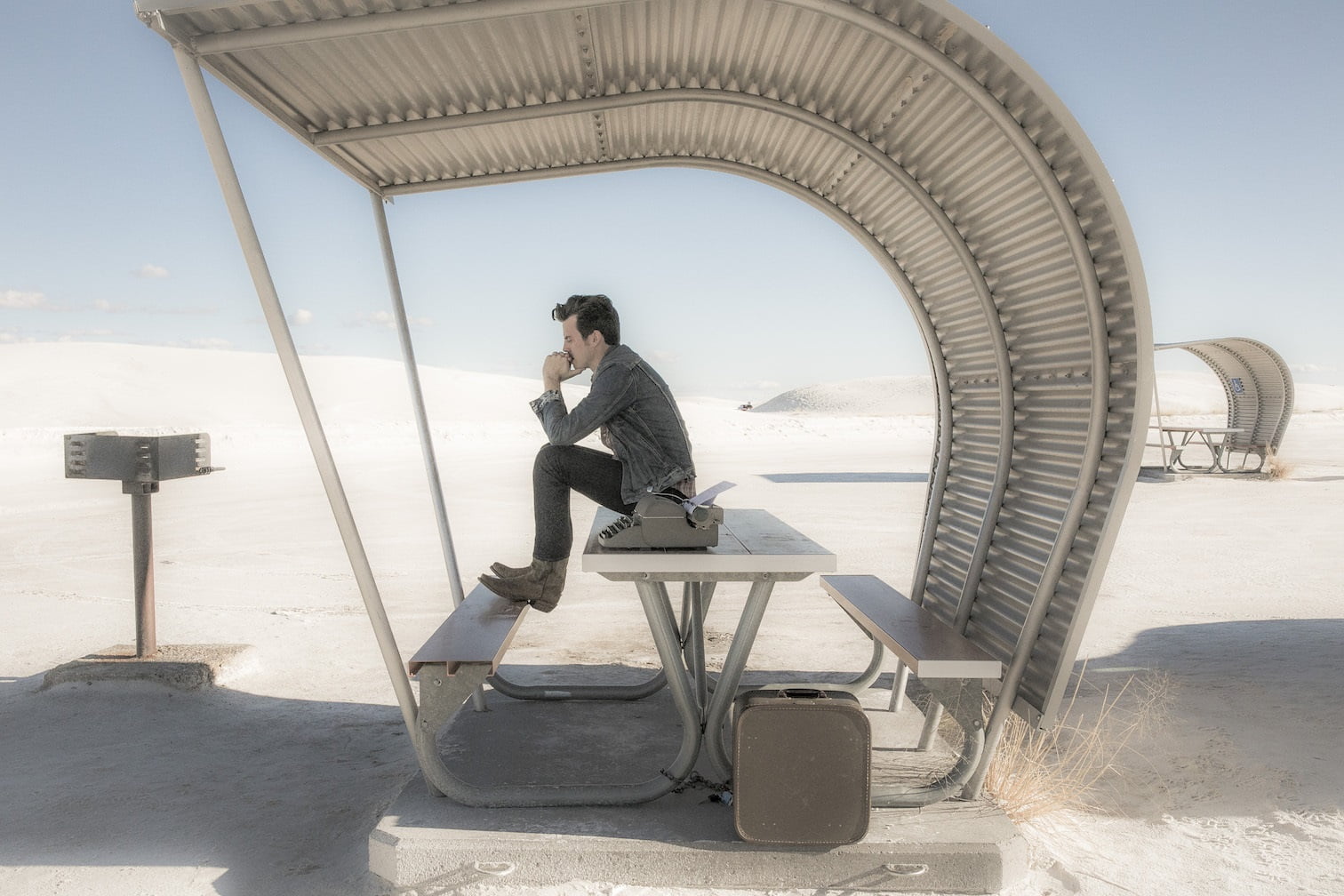
WATCH: Tomato/Tomato, “Take it on the Road”

Artist: Tomato/Tomato
Hometown: Saint John, New Brunswick, Canada
Song: “Take it on the Road”
Album: Canary in a Coal Mine
Single Release Date: November 2, 2018
Label: Denim on Denim Records

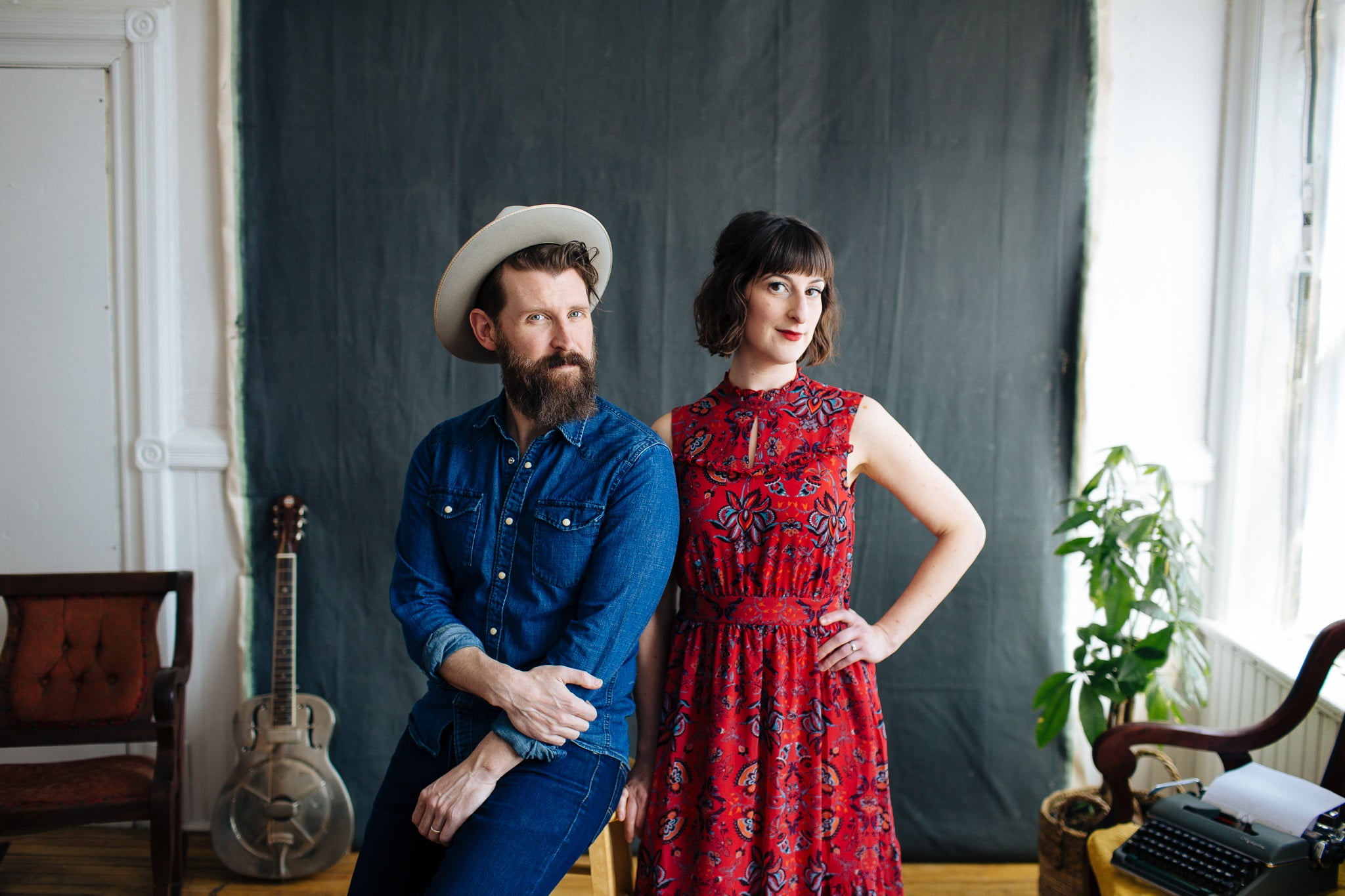
In Their Words: “‘Take it on the Road’ was recorded on 16 track tape, at the Bomb Shelter Studio in Nashville, Tennessee. and mixed by Andrija Tokic (Alabama Shakes, Langhorne Slim, Hurray for the Riff Raff). We wanted it to sound like a party that everyone is invited to — hence the mariachi trumpets! Written on John’s army green Olympia typewriter, ‘Take it on the Road’ expresses the need to pursue one’s goals and leave behind all the negativity that surrounds us in our day to day lives.” — Lisa McLaggan

“The video includes footage from our kitchen to London, England and, everywhere in between. We really wanted to give a behind the scenes perspective of what our life on the road involves. Planes, cars, boats — sorry no trains — it’s all there.” — John McLaggan


Photo credit: Nienke Izurieta

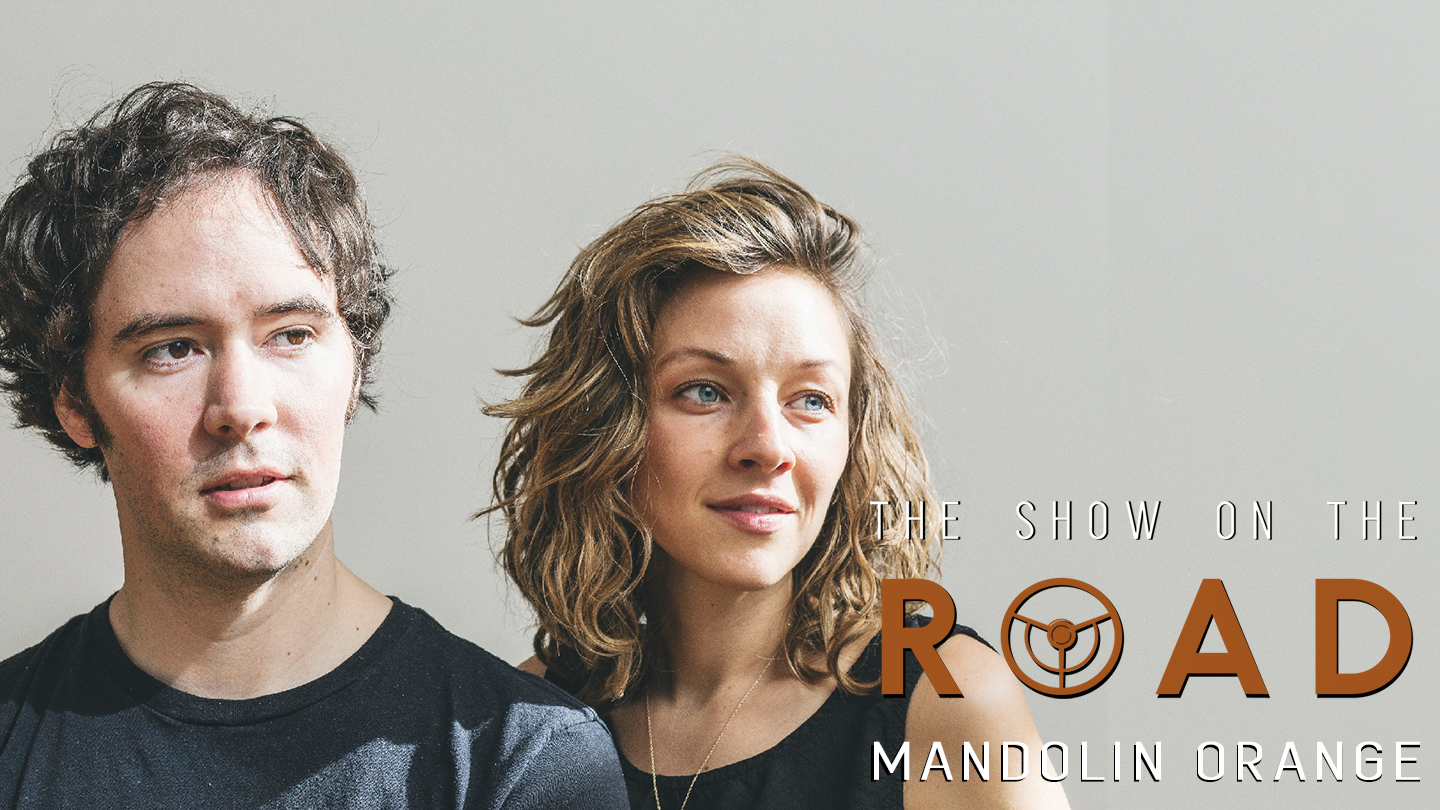
The Show On The Road – Mandolin Orange

For nearly ten years, Mandolin Orange, the North Carolina folk duo comprising of Andrew Marlin and Emily Frantz, have made their quietly powerful, deeply-entwined harmonies sing out from stages around the world, Red Rocks to Newport Folk Fest.

LISTEN: APPLE PODCASTSSTITCHER • MP3

Host Z. Lupetin talks with Emily and Andrew about how discussing Andrew’s southern family history and politics can be like fighting wildfires around the dinner table — and how Emily’s morning running routine has made her more in tune with each new city she arrives in on tour. Make sure you stick around to end of the show where Andrew and Emily play an exclusive performance of “That Wrecking Ball”.

Song – “That Wrecking Ball”

LISTEN: Jeff Cramer, “Big Man’s World”

Artist: Jeff Cramer
Hometown: Denver, Colorado
Song: “Big Man’s World”
Album: Northern 45
Release Date: January 25, 2019

In Their Words: “This song’s a bit of a deep cut for me. About a decade ago, just after graduating from college, I was working full-time at a ceramics factory in downtown Worcester, Massachusetts, and part-time at a wine bar. I had a tendency to do about as much wine drinking as serving in the role, which didn’t work out so well for the owner. One day, after having some sort of blow up in a relationship and likely over-serving myself as the bartender–immediately leading to a mutual agreement with the owner this wasn’t the right fit–I found myself alone in my room in Main South Worcester and wrote this song. Coming out of college with a super-practical philosophy degree, working two jobs, and overdrawing my bank account every week, it was easy to feel like a boy in a big man’s world. But even today, with a job, and at least a good long while without an overdraw, it’s just as easy to feel the same way–especially since the self-appointed ‘big man’ started running the show in DC.” — Jeff Cramer


Photo credit: Bridgette Aikens

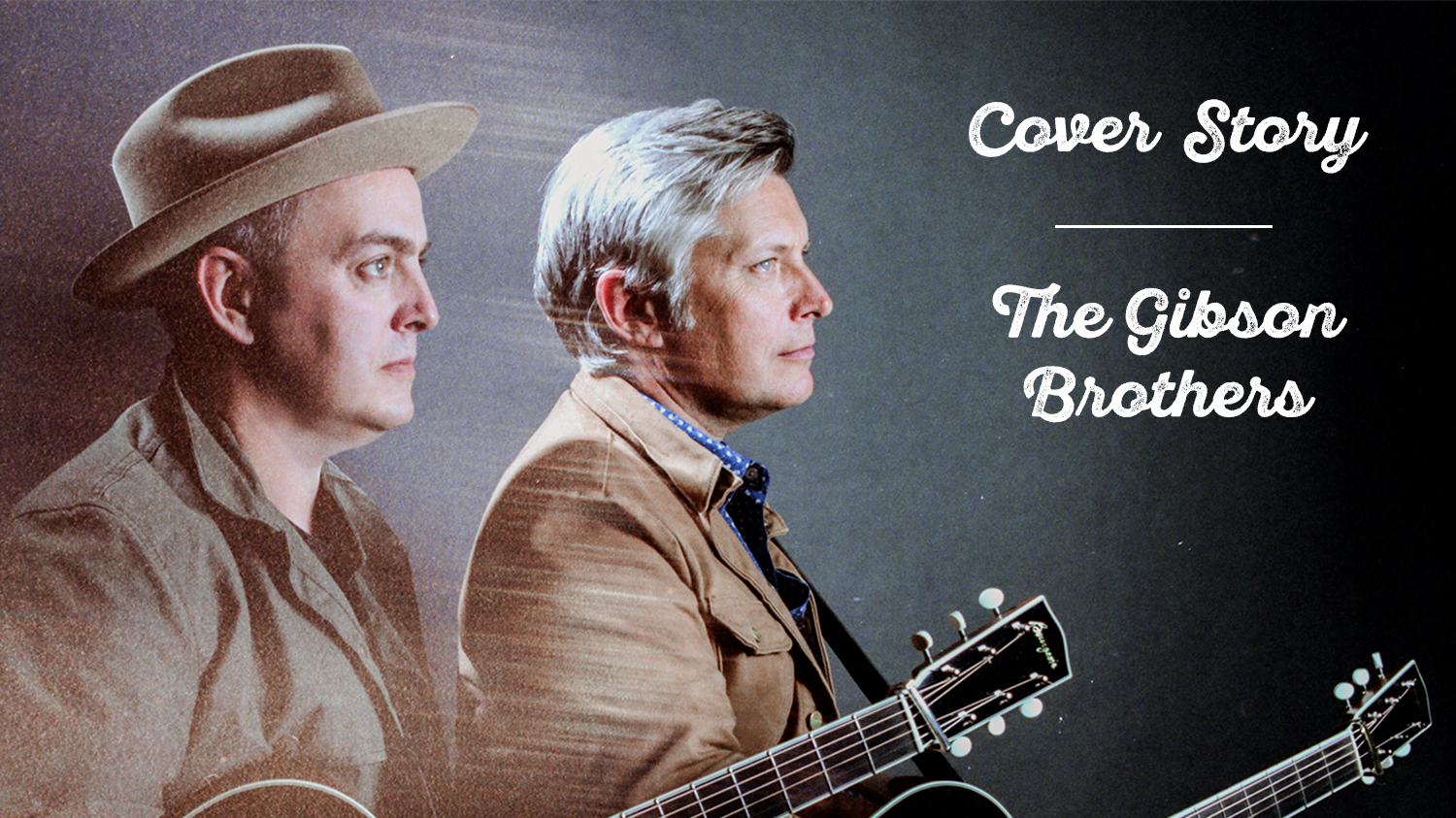
The Gibson Brothers Still Call It Music, Just Not Bluegrass

Featuring the stunning blood harmonies of days gone by and an abiding love for classic sounds, The Gibson Brothers long ago earned the respect of the bluegrass establishment – even scoring back-to-back wins as the International Bluegrass Music Association’s (IBMA) Entertainer of the Year in 2012 and 2013. Even so, they’ve always cultivated an adventurous spirit.

Having grown up on a dairy farm in the far north of New York State, sandwiched between the Adirondack Mountains and Quebec’s provincial border, their musical appetite was as varied as their home was removed from the bluegrass heartland – from Flatt & Scruggs to Celtic traditionals, and from Tom Petty and The Eagles to French-Canadian fiddle tunes. Throughout their two-decade recording career, The Gibson Brothers have subtly mixed bluegrass reverence with a hint of rock refreshment, but with their new album, Mockingbird, Eric and Leigh Gibson have taken a bold creative departure – at least for the time being.

Mockingbird’s 11 tracks still feature their celebrated close harmonies, but also pull heavily from the countrified world of late 60s/early 70s rock, all masterminded by producers Dan Auerbach (of The Black Keys) and David Ferguson (Johnny Cash’s American Recordings series). Freewheeling and fun, but also rooted in the crisp refinement of their past success, the boisterous rural funk of tracks like “Sweet Lucinda” stands alongside breezy Laurel-Canyon rock in “Cool Drink of Water,” while “Travelin’ Day” explores a trad-country template and R.E.M.’s seminal 90s hit “Everybody Hurts” becomes a swaying example of country R&B.

“The impetus behind the music was that we had done bluegrass our whole career, and when we got talking about the next record, we really just decided we didn’t want to do the same old thing again,” he explains. “It’s not because we were ashamed of what we were doing. We love what we do. There was no intention of anything. This all really happened naturally.”

“I think people love a band where they found them,” banjo-playing lead singer Eric Gibson adds. “But it was so exciting that we didn’t have time to think about ‘Oh, is this gonna upset people who are used to what we’ve done in the past?’ We just dove into the process and had a ball.”

Speaking with The Bluegrass Situation by phone, The Gibson Brothers dug into the inspiration for Mockingbird – and the creative avalanche that followed.

The obvious question here is “What made you want to get away from bluegrass?” But I feel like being from upstate New York might have had something to do with it. Is your approach to bluegrass a little different?

Leigh: We started learning how to play bluegrass when we were 11 and 12, and the guy who taught lessons at our local store played five-string banjo and guitar, among other things. Our father just happened to have both of those instruments, but he didn’t have a banjo because he was into Celtic music. So the guy we took lessons from taught Eric out of the Earl Scruggs method book, and I think that’s what pointed us in the direction of bluegrass.

Eric: Yeah, and once we heard Flatt & Scruggs it really drew us in, but if we hadn’t gotten into the Scruggs handbook, we probably would have played something else.

So what was the idea behind Mockingbird? Do you think of it as a rock and roll album?

Eric: There are definitely elements of rock and roll, but I hear country in it, too. I don’t know where it neatly fits. I’ve heard some people call it an Americana record, but on top of it all I hear the brother harmony. I think it’s that, weaving through a variety of styles.

Leigh: We wanted to do something different, and originally we had some tunes that didn’t fit neatly into the box of a bluegrass band. But we didn’t know we were gonna make a whole album. We were just looking to record some tracks.

Eric: And we ended up not recording any of the songs we were thinking about. We just wrote a bunch of new ones! … When we went to Nashville and started working with Dan Auerbach and David Ferguson, they asked us, “Do you wanna make a country record?” And we said, “Let’s just write songs and see what they need.” They handled the producing chores and did a beautiful job, and came up with sounds that I know I couldn’t have come up with.

You reached out to Ferguson to produce Mockingbird first, and I know he also engineered your first Nashville bluegrass album, Another Night of Waiting. Why was he at the top of the list for this project?

Leigh: [Laughs] Because he’s fun.

Eric: He’s a character and once you meet him you don’t forget him. We’d see him here or there and he’s been doing all kinds of big things in the last 20 years. He’s the one who engineered all those late-career Johnny Cash albums with Rick Rubin. He’s worked with U2, and lately he’s been working with Sturgill Simpson and Tyler Childers. We’d see him and he’d say, “Why don’t you come record some music with ol’ Ferg?”

Leigh: And I’d say “I don’t think we can afford you, Ferg.” And he’d be like, “You’re right, you can’t.” [Laughs]

Eric: But we were riding around DelFest on a golf cart with him in 2017 and he brought it up again, and by fall we were feeling a little restless. We kept listening to records that he worked on in the van, and I think Leigh was the one who said “Maybe we should call Ferg.” I said, “Why do you think I’ve been playing all these albums over and over again!”

So then Ferguson suggests bringing in Dan Auerbach from The Black Keys. Was that a surprise?

Leigh: I was floored, to be honest. Our manager called me and said, “Well, Ferg’s first action as your producer is to bring on another producer, and it’s Dan Auerbach.” [Laughs] So I called Eric and I couldn’t believe it.

Eric: What was funny was Leigh said, “Is this something you’d be interested in?” And I was like, “Duh!” This is the kind of thing that falls out of the sky and you have to go for it.

I read that the whole album was written and recorded in just a few days. Is that unusual for you?

Eric: Yeah, we’ve never worked like that before. … Every day it would be Leigh and Dan and me, plus one other writer. We didn’t go in with any melodies. I had a couple of lines jotted down but we hardly used any of those. A lot of it just came out of conversations we were having at Dan’s studio kitchen table, like “Travelin’ Day.” Dan said, “You know, Ferg lost his stepdad a few days ago,” and we got to talking about that. Ferg said, “He really showed us how it’s done. He was brave at the end.” We said, “Our dad was the same way.”

It’s interesting that you started off with something so heavy, because the album doesn’t come across heavy at all.

Eric: It’s not. That first song is pretty heavy, but there’s a lot of love songs on there, and we hadn’t written a lot of love songs in the past.

Leigh: Dan and Ferg showed us how to love. [Laughs]

“Love the Land” seems like a reference back to you roots on the farm. Where did that come from?

Eric: That was written with Joe Allen.

Leigh: With that song, obviously Eric and I have a background of shared memories, so we’re probably thinking about the same thing as we’re writing it. But Joe’s from Oklahoma and Dan’s from Ohio, so they’re thinking about different things. I remember talking to Dan and he said, “Man, I need to get outside more. I miss it.” It’s kind of funny that it’s wherever your head is at the time. If we sat down with the same guys tomorrow, something totally different would come out.

Eric: Dan loved that we kept showing up early. I’d apologize and Dan would say, “No, no, make yourselves at home.” So we’d go back to that kitchen area and he has this beautiful vinyl collection. We’d put on different records and I think sometimes they would influence the direction of the day. Like, that one has a very Don Williams feel, and I think we were listening to Don Williams that morning.

Why did you pull Mockingbird out of that song as the album title?

Eric: Just because that kept jumping out of my head. Joe came up with the line, something like “Mockingbird, if you haven’t heard / Never been a sound so sweet.” I loved that, so I actually Googled “mockingbird.” [Laughs] It turns out they can sing a variety of songs. They don’t just sing the same thing every day, and I thought “Wow, that’s kind of what we’re doing here.”

I’m sure you’ve been asked a million times, but did the cover of R.E.M.’s “Everybody Hurts” come out of left field?

Eric: Totally out of left field.

Leigh: Just before the last day of tracking, Dan said, “Think of a song from the 80s or 90s that everybody knows but no one would think of you doing.” So Eric and I talked about it on the way back to the hotel and came up with something by a female artist, and we got to the studio the next day and Ferg is like, “So what song did you choose?” We told him and he’s like, “Oh, I hate that song.” Allen Parker, who is Dan’s in-house engineer, said “Hey, how about ‘Everybody Hurts’?” I had heard the song – you couldn’t miss it if you’re a person my age – but I never in a million years would have thought about doing it. Those guys went and charted it, and it had such a comfortable, funky feel, that we were compelled to learn it.

Do you think your fans saw this album coming?

Eric: No. I mean, it’s a hard question. If they’ve really been paying attention to us over the years, it shouldn’t come as a big surprise because we’ve recorded stuff by Tom Petty and The Band and The Rolling Stones and Mark Knopfler. We have a variety of tastes.

Leigh: I think there are certain fans who see you as one thing, and if you do something else it can be upsetting, but no one twisted our arm to do this. It’s absolutely what we wanted to do and we’re proud of it, but we didn’t do this to offend anybody. If somebody is offended, there’s nothing we can really do about that except say, “Look at our track record and all this other stuff we’ve done that you really love. Why not give this a chance?”


Photo by Alysse Gafkjen
WATCH: Bob Bradshaw, “Every Little Thing”

Artist: Bob Bradshaw
Hometown: Boston, Massachusetts
Song: “Every Little Thing”

In Their Words: “‘Every Little Thing’ is a song about the small things that go wrong in a relationship, that can seem like the end of the world at the time. It’s a plea for keeping things in perspective. In the video, things haven’t worked out so well for the singer and, as he haunts the apartment where a relationship has ended, the next couple are being shown around by a realtor. Will they too come undone by ‘every little thing’?” — Bob Bradshaw


Photo credit: Liz Linder

LISTEN: Alex Dunn, “Will You Be”

Artist: Alex Dunn
Hometown: Seattle, Washington
Song: “Will You Be”
Album: Scattered Poems
Release Date: November 16, 2018

In Their Words: “I wrote this song a couple years ago, when I had just met and fallen in love with someone far, far away. It was an unrequited love. But the song isn’t really about that person. It is more about the feeling itself. The feeling of falling. A feeling so good. I was living in the little town of Saratoga, Wyoming, at the time and had just come back alone from the Rustic Bar, where a honky-tonk band was playing — so naturally, the two-step rhythm was coursing through my veins. I came dancing through the door, grabbed my guitar and wrote this tune in one go.” — Alex Dunn


Photo credit: Nicole Griffin

WATCH: Jonah Tolchin, “The Grateful Song (Thanksgiving)”

Artist: Jonah Tolchin
Hometown: Princeton, New Jersey
Song: “The Grateful Song (Thanksgiving)”
Label: Yep Roc Records

In Their Words: “I’ve found that there is a lack of opportunity to express gratitude in our culture. It’s my impression from observation that people may sometimes think that expressing gratitude outwardly is cliché or too ‘New Age-y.’ We live in an age of cynicism, and for understandable reasons. However, without the capacity to be truly grateful for the simple blessings of our life such as clean water, food to eat, friends, family, a roof over our head, love, the beauty of nature, etc., it is my belief that these things (and life in general) can be easily taken for granted.

“It’s a practice to maintain an energy of gratitude. The intention of the ‘sing-along’ style chorus of this song was for people at shows to be given that opportunity to generate the spirit of gratitude within themselves and as a collective. It may sound funny, but I’m grateful for the opportunity to be grateful. This song is a tool for myself to tap into that every time I sing it.” — Jonah Tolchin

WATCH: Sean McConnell, “Here We Go”

Artist: Sean McConnell
Hometown: Nashville, Tennessee
Song: “Here We Go” (stream the studio version)
Album: Secondhand Smoke
Release Date: February 8, 2019
Label: Big Picnic Records

In Their Words: “I am very taken with, and have spent my life listening for, that voice that speaks to you in the silence. The one that calls you on adventures, that steers you towards your truth, and that reminds you, or at least reminds me, that this universe is so much more than what we can experience with our five senses. I am a firm believer in signs and following them. This is a song about that kind of listening and watching. It was a real thrill to write it with my friend, the supremely talented Ian Fitchuk.

“This live video was made at Pentavarit studios where the ‘Secondhand Smoke’ record was mixed by my friend and sonic wizard Bobby Holland, who also recorded and mixed this live version. Performing alongside me is the amazing Ben Alleman who will be joining me on tour. I love this slowed-down and vibed-out take of this song. I hope you enjoy.”— Sean McConnell


Photo credit: Joshua Black Wilkins

LISTEN: Charles Wesley Godwin, “Coal Country”

Artist: Charles Wesley Godwin
Hometown: Morgantown, West Virginia
Song: “Coal Country”
Album: Seneca
Release Date: February 15, 2019

In Their Words: “This song is about the coal industry in West Virginia in the past and present. It’s my best attempt to articulate, through music, the mixed bag of good and bad that it’s brought to us. On one hand, it has given economic mobility to countless families, including my own, in the 20th and 21st centuries and it has contributed greatly to the economic strength of the United States these many years. On the other hand, it has also taken the lives of thousands of miners, scarred the land, and has a somewhat dark history of companies taking advantage of workers and violating their rights. This song was completely influenced by my father. He’d been crawling in coal for years when he was my age, so I just wanted to make something beautiful out of that sacrifice. This was the only way I knew how.” — Charles Wesley Godwin


Photo credit: Samantha Godwin

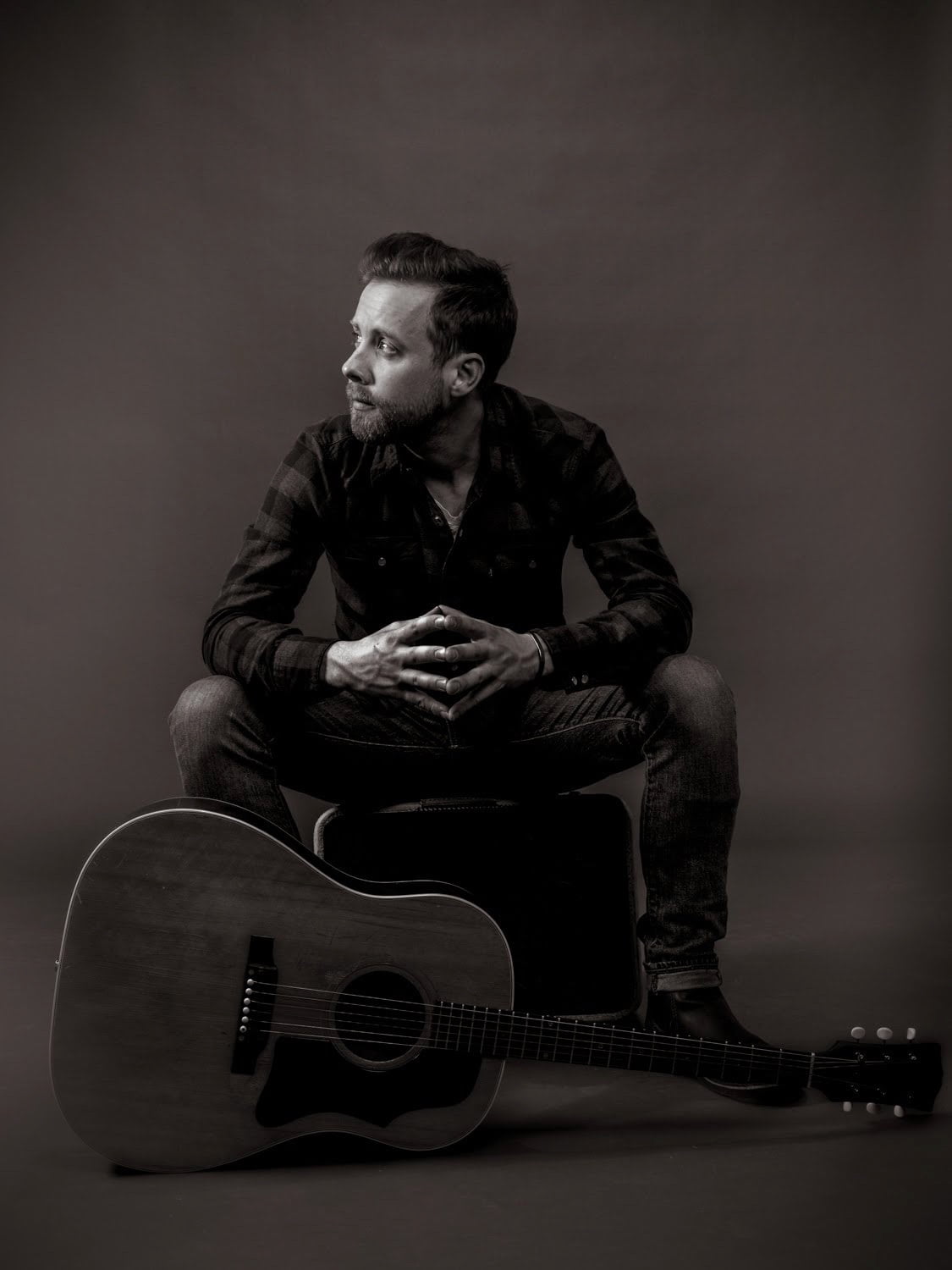
BGS 5+5: The Last Tycoon

Artist: The Last Tycoon
Hometown: East Atlanta, Georgia
Latest album: Oppenheimer Blues
Personal nicknames (or rejected band names): Johnny G’s Atomic Rock ‘n Roll Orchestra, Johnny Arkansas, John Gladwin

What’s your favorite memory from being on stage?

One night I was playing in Stockholm, Sweden, at a club in the oldest part of the city called Gamla Stan. The building was about 500 years old and the stage was in a little alcove with a few tunnels. It was winter and snowing heavily.

In the middle of the set an old Swedish guy in an overcoat was hanging around an alcove on the side of the stage. We were playing a blues tune and he jumped on stage and produced a harmonica and started to play a solo. We laughed and rolled along with it as he blew over a few choruses. The song ended, and the crowd erupted in applause and laughter. He said something to me in Swedish I didn’t understand, jumped off the stage and walked out into the cold Stockholm night.

I assumed that he was a friend of one of the other bands, but after the gig we realized neither the bands nor crowd had a clue who the man was. He just walked through the club with a harmonica in the right key, had a moment in the spotlight and left never to be heard from again. It was incredible. Often the best parts of gigs are the parts you don’t plan.

What other art forms — literature, film, dance, painting, etc — inform your music?

As a songwriter, I look for inspiration in all types of art forms – not just music. Anything can spark an idea for a song if you know where to look. The new album, Oppenheimer Blues, started while I was in New Mexico working on a TV pilot for CBS, and films became a constant frame of reference during the writing and recording of the album. I watch a film nearly every day. When I’m writing, sometimes a character can start off in a song and end up in a screenplay I’m writing – or vice versa. There isn’t much difference between the rhythm of a song and the rhythm of a script.

Since this record was born on a New Mexico film set, and this is a 5+5 piece, here are five films that inspired Oppenheimer Blues:

Hiroshima Mon Amour
Dr. Strangelove: Or How I Learned to Stop Worrying and Love the Bomb
Ace in the Hole
Night of the Hunter
Paris, Texas

What’s the toughest time you ever had writing a song?

There is craft in songwriting, but craft only gets you so far. Sometimes a song just takes time and you must give it space to grow. If a song doesn’t work, I don’t beat my head against the wall trying to make it. Instead, I try to find an oblique approach to coax it out of the ground.

The song on Oppenheimer Blues that was the trickiest to finish was “Lincoln County Oracle.” The song was inspired by the Oracle at Delphi from Greek history. A young woman would be selected to live in a cave, dance herself into a reverie and decide things of cultural, spiritual and political importance. I thought it would be great to put her into a 21st century trailer park in New Mexico. I had the tune but couldn’t get the verses to work, so I decided to write a screenplay for a short film based around the character. It took a little while but after finishing the script I was able to go back and complete the song.

Which elements of nature do you spend the most time with and how do those impact your work?

Oppenheimer Blues sprouted out of the New Mexico desert. I spend a lot of time camping and hiking out in the desert. Sitting under the stars on an ocean of dirt is a great place to do some writing. There’s a reason painters like Georgia O’Keeffe have been coming to the New Mexican desert for a century or more – there’s simply no place like it.

I often ran the trails on Sandia Mountain in Albuquerque and in the Jemez Mountains outside of Los Alamos while writing the record. We shot the music videos for the album on the Rio Grande Gorge in Taos, the Galisteo Basin outside Santa Fe and the White Sands National Monument in Alamogordo. Each place has its own unique look. It’s hard to explain to friends from the East Coast how compelling dirt and rocks can be to look at. But if you hang around long enough in the desert, you begin to notice that none of it looks alike and every sunset is more incredible than the last.

How often do you hide behind a character in a song or use “you” when it’s actually “me”?

I don’t mind having characters in my songs. If every song was autobiographical, then we would only have songs about writing songs (which I acknowledge is a popular subgenre in some corners of Nashville). Songs can have elements of yourself as well as characters that give you freedom to explore scenarios you could never in real life.

The opening track on Oppenheimer Blues is a song called “Where Shadows Grow.” It’s written from the perspective of a murderer who is driving across the desert. A friend of mine wanted a title song for a film he was making, so I gladly put on the black hat for that track. Unfortunately, the movie never got finished but I got a great song out of it. And honestly, it’s just more fun playing the bad guy sometimes.


Photo credit: Melanie Rosenthal