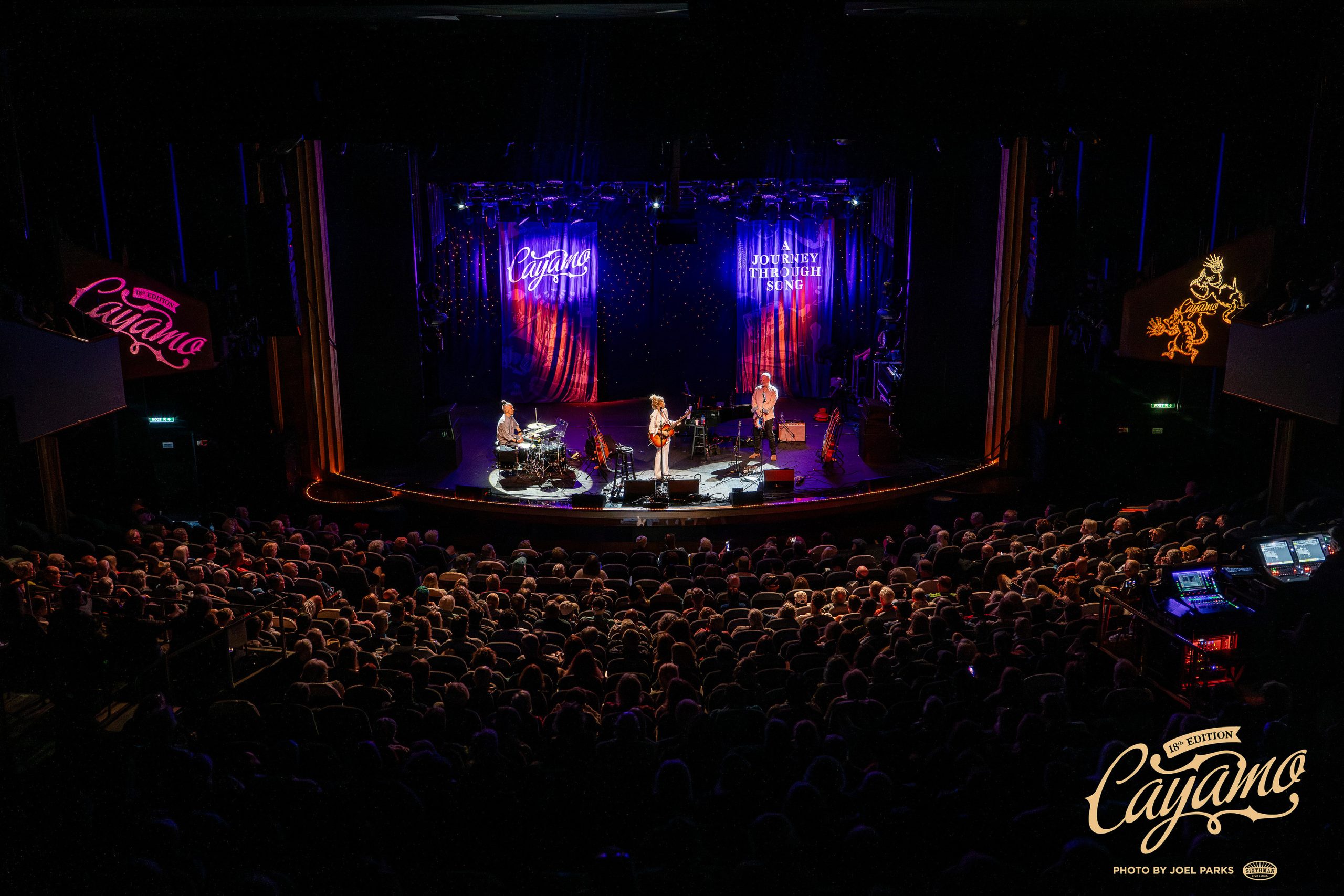
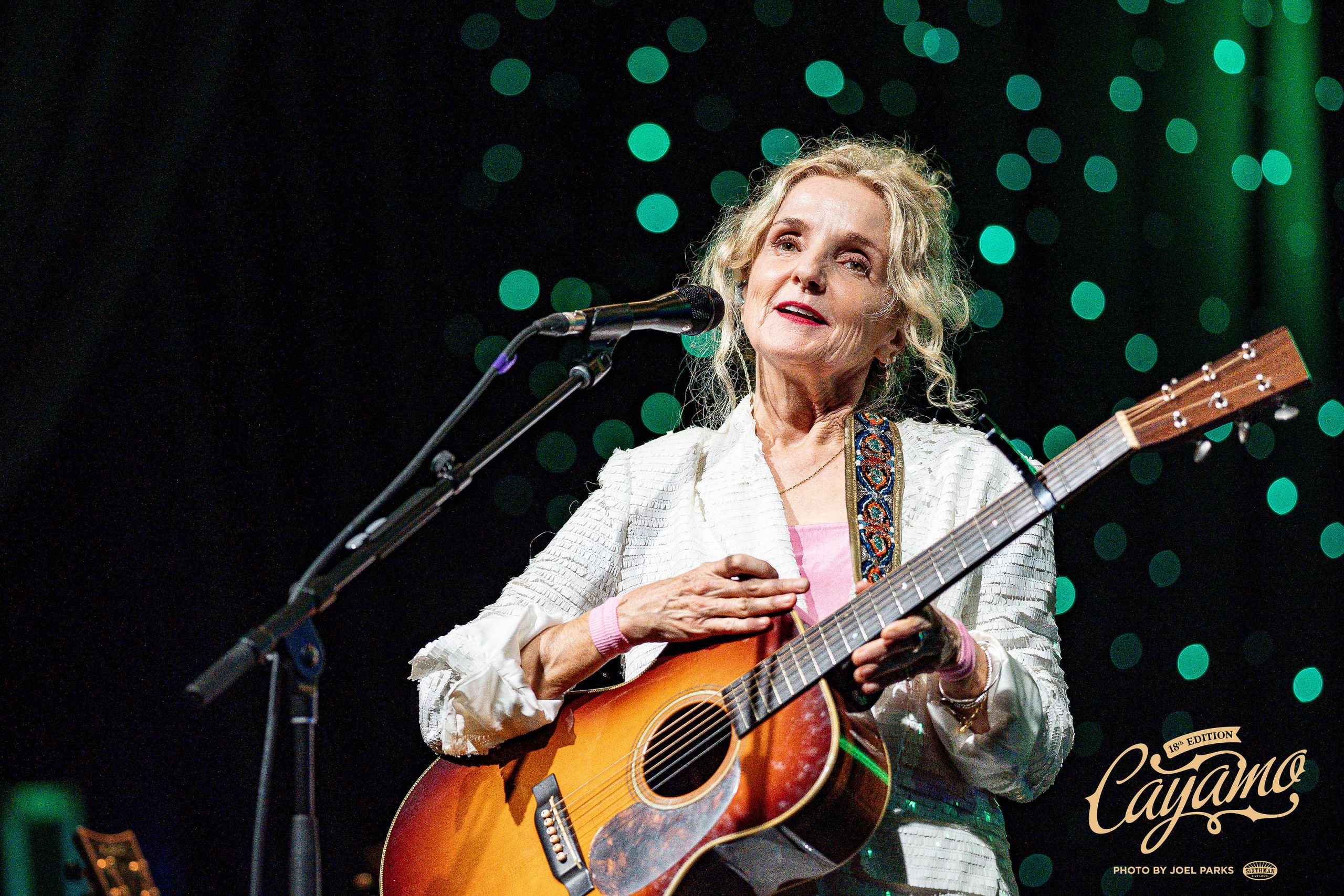
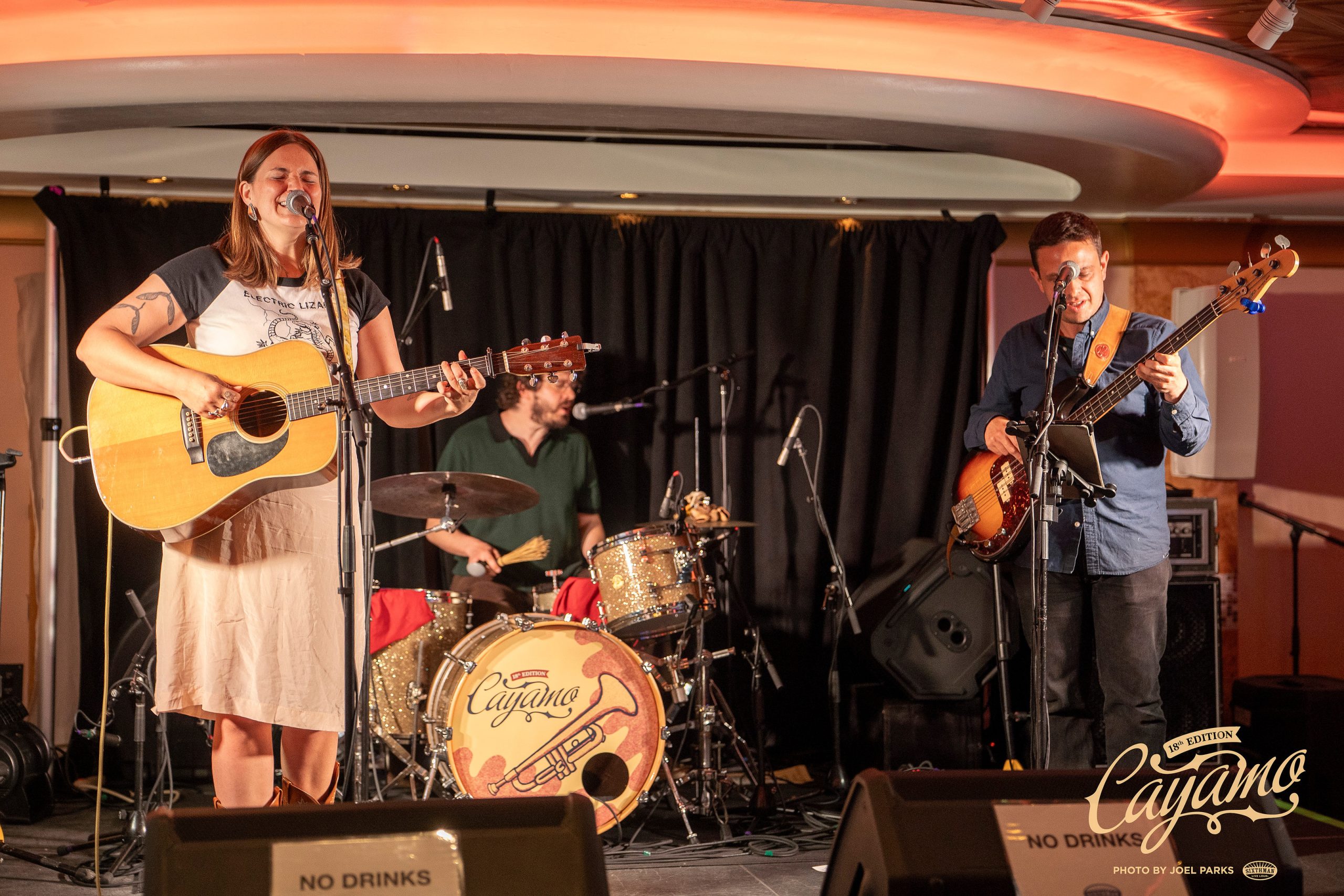
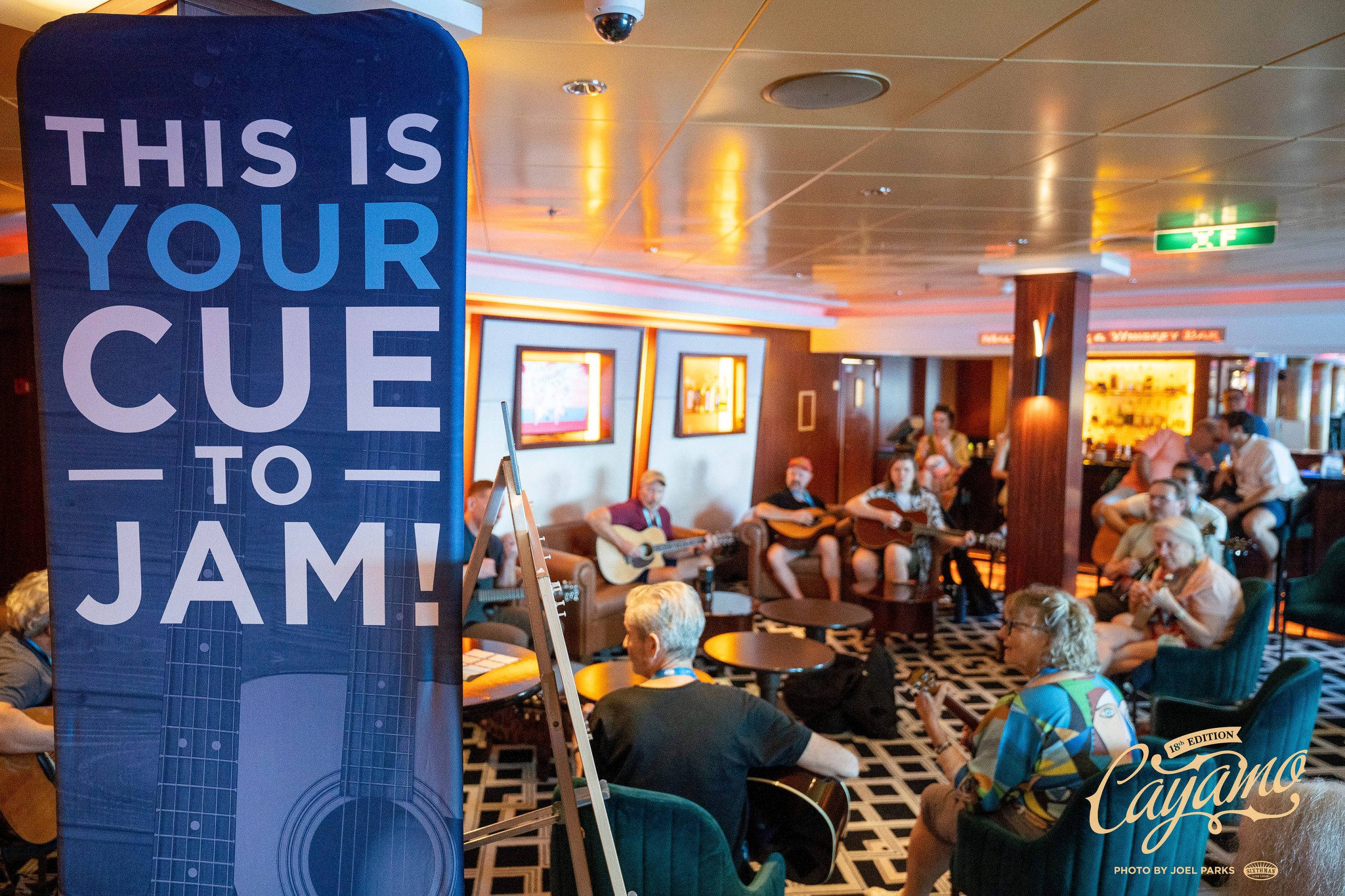
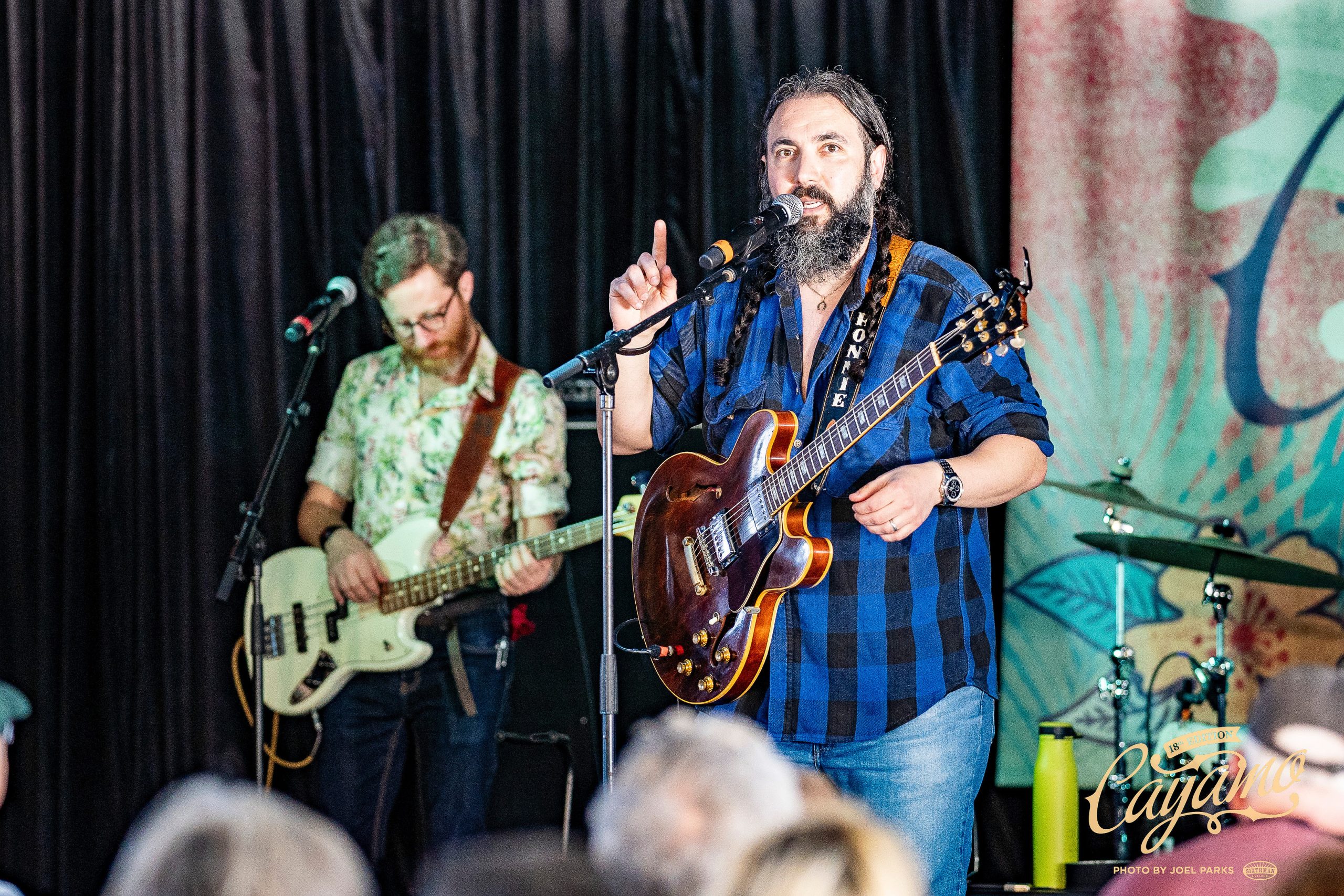
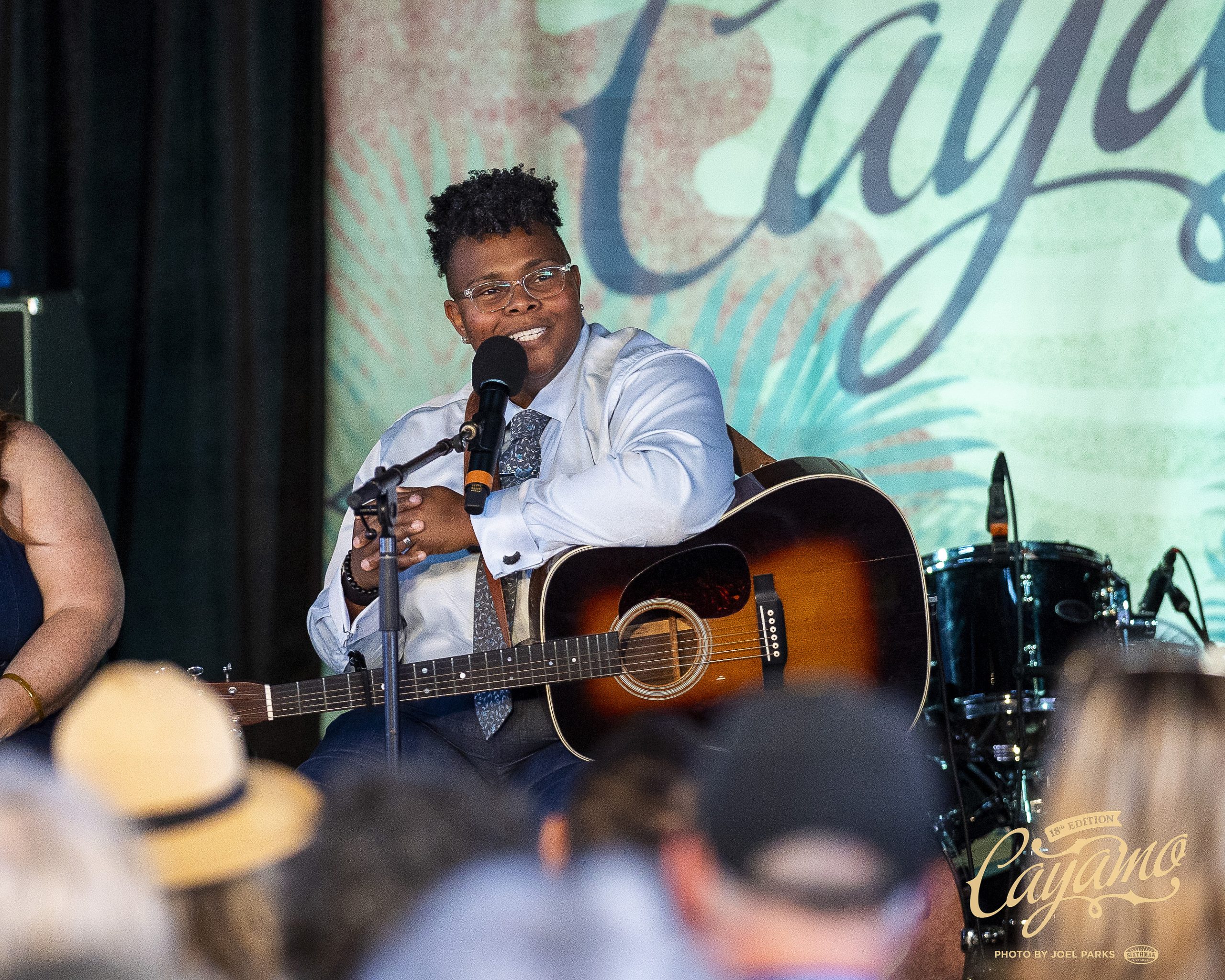
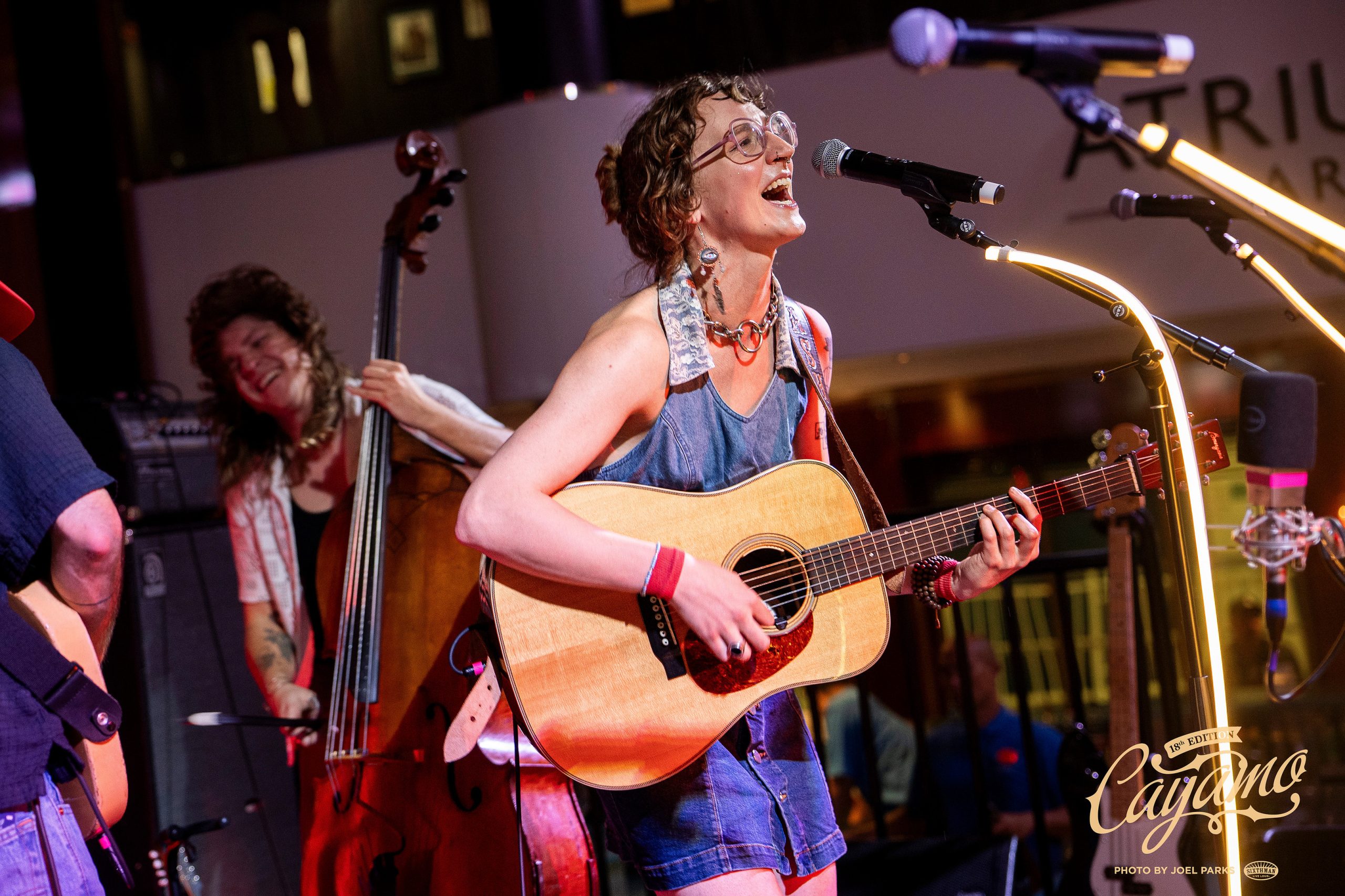
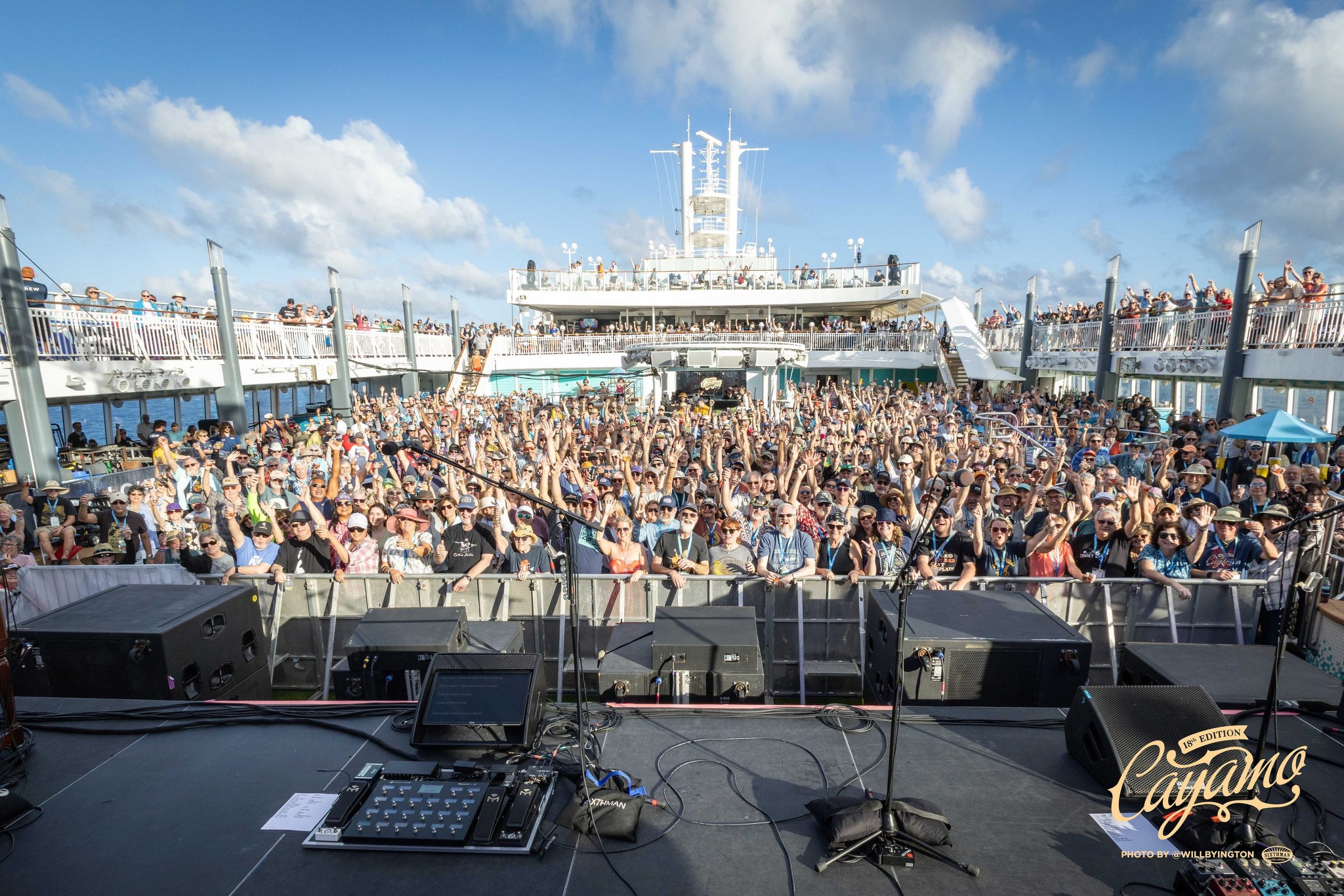
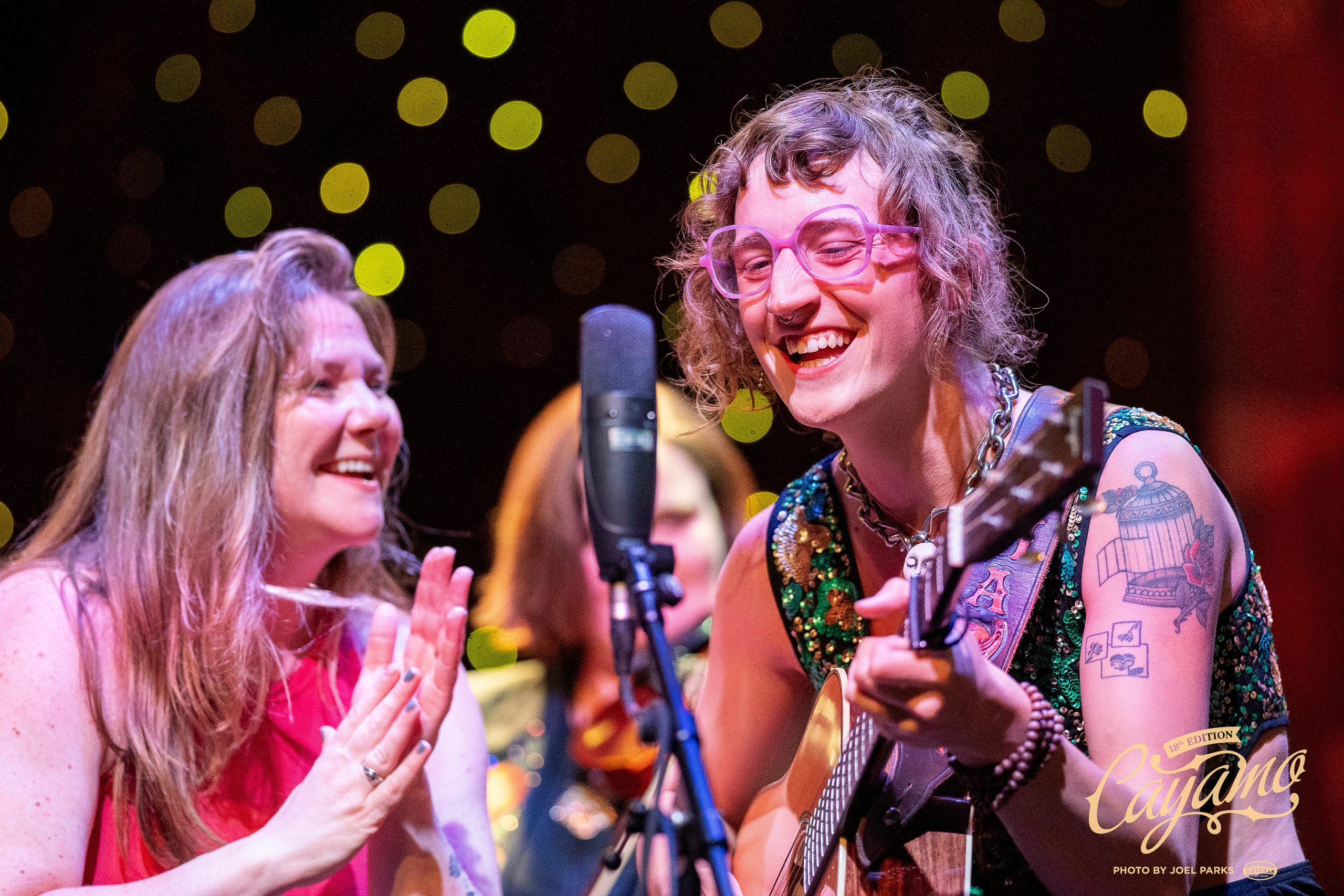
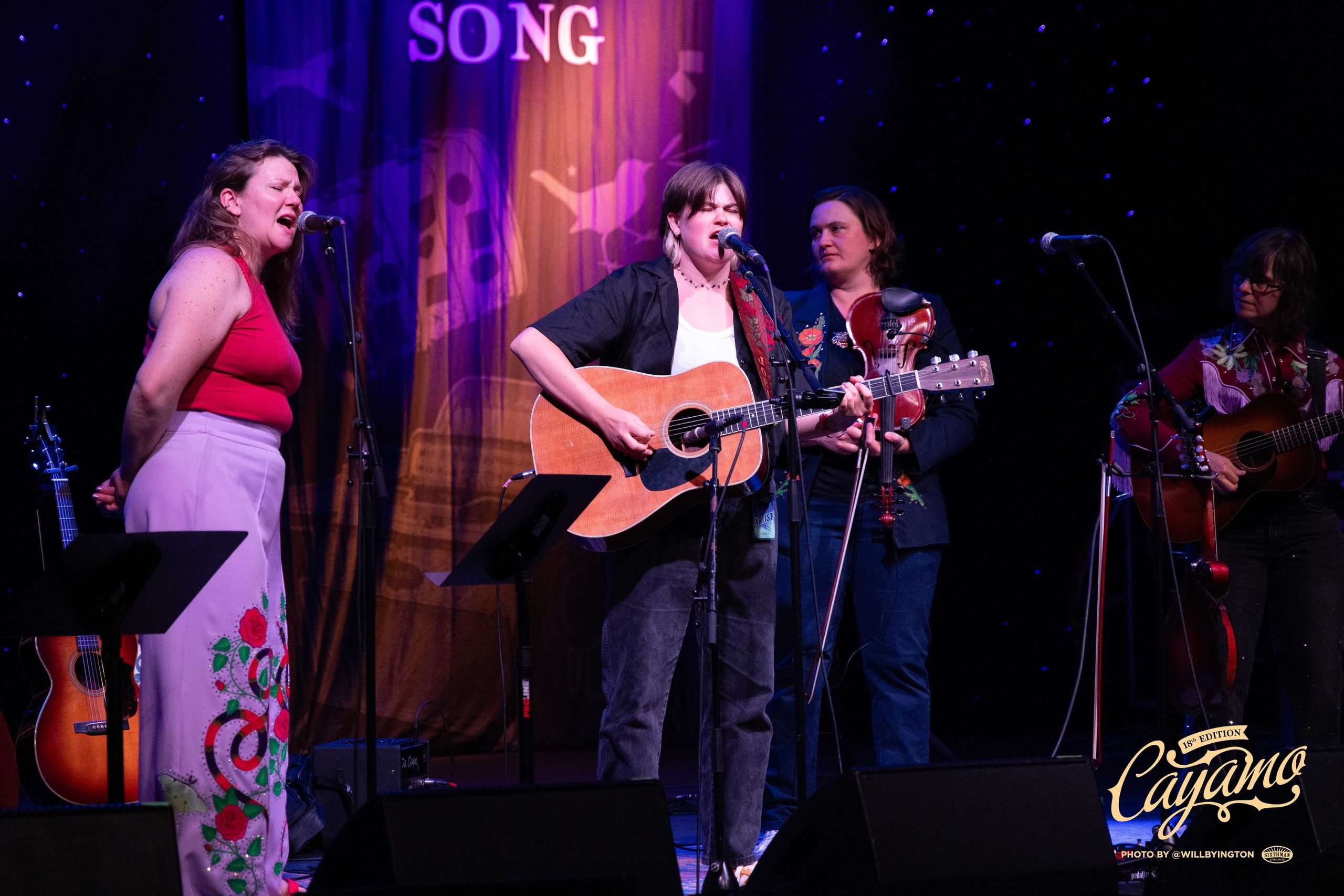
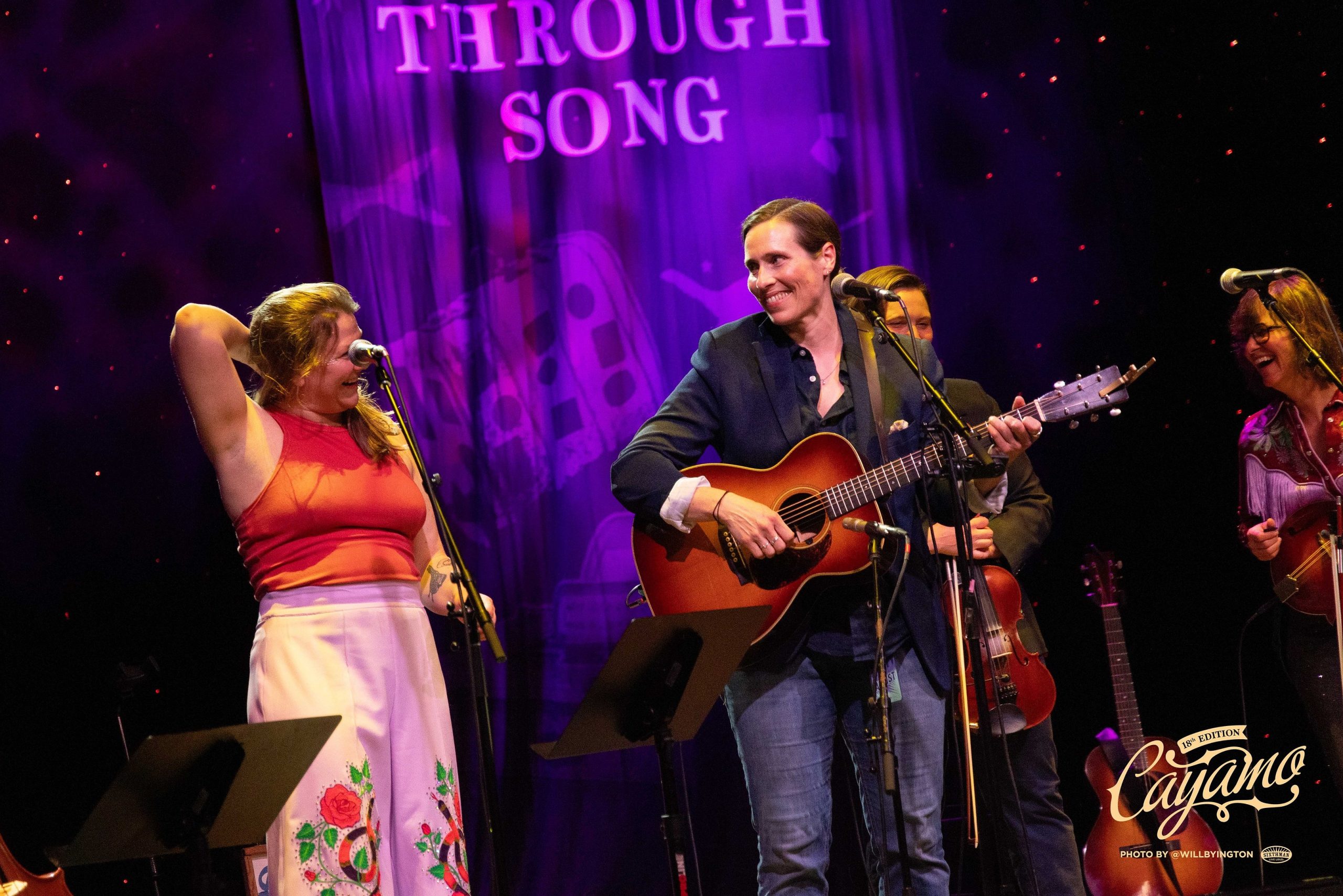
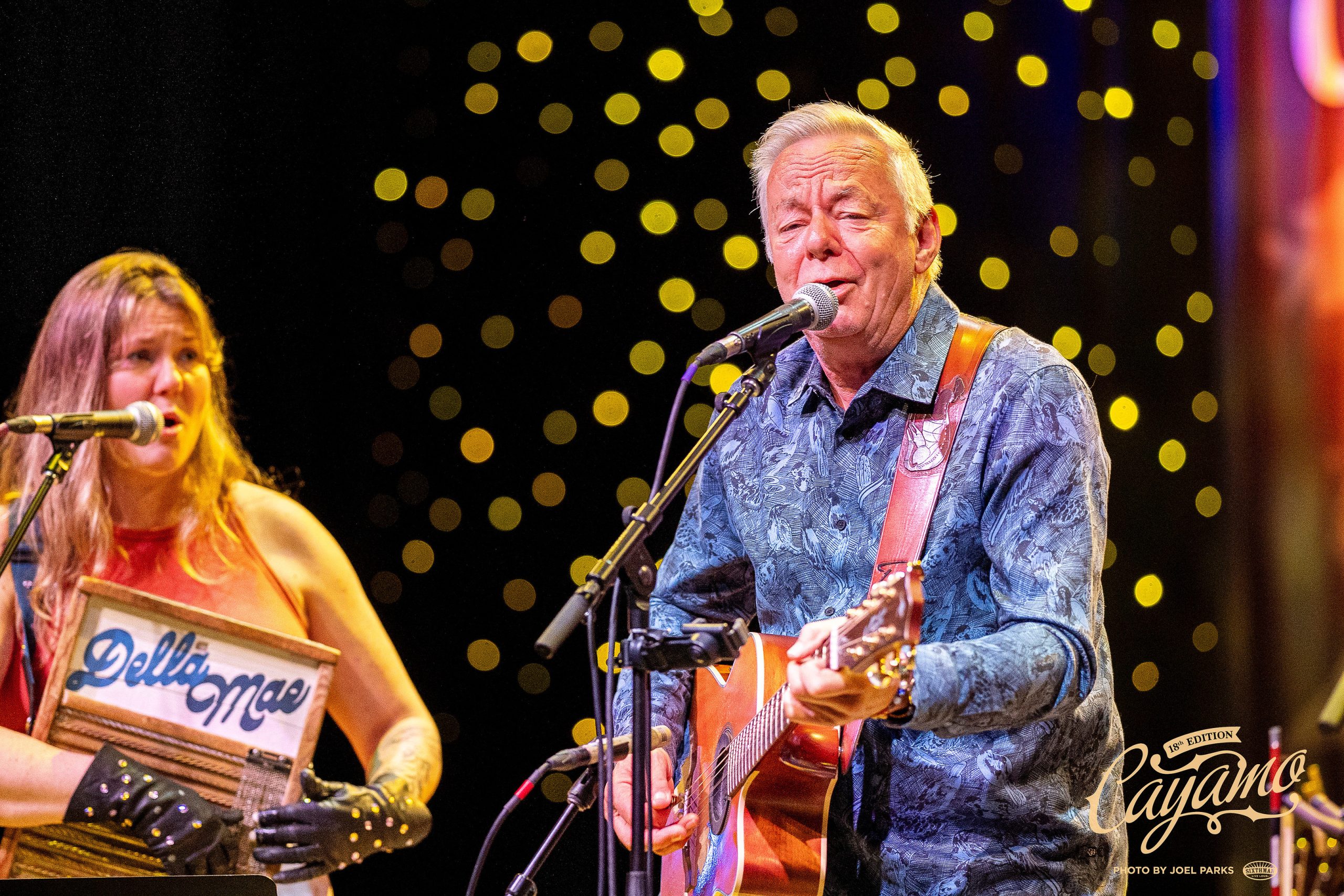
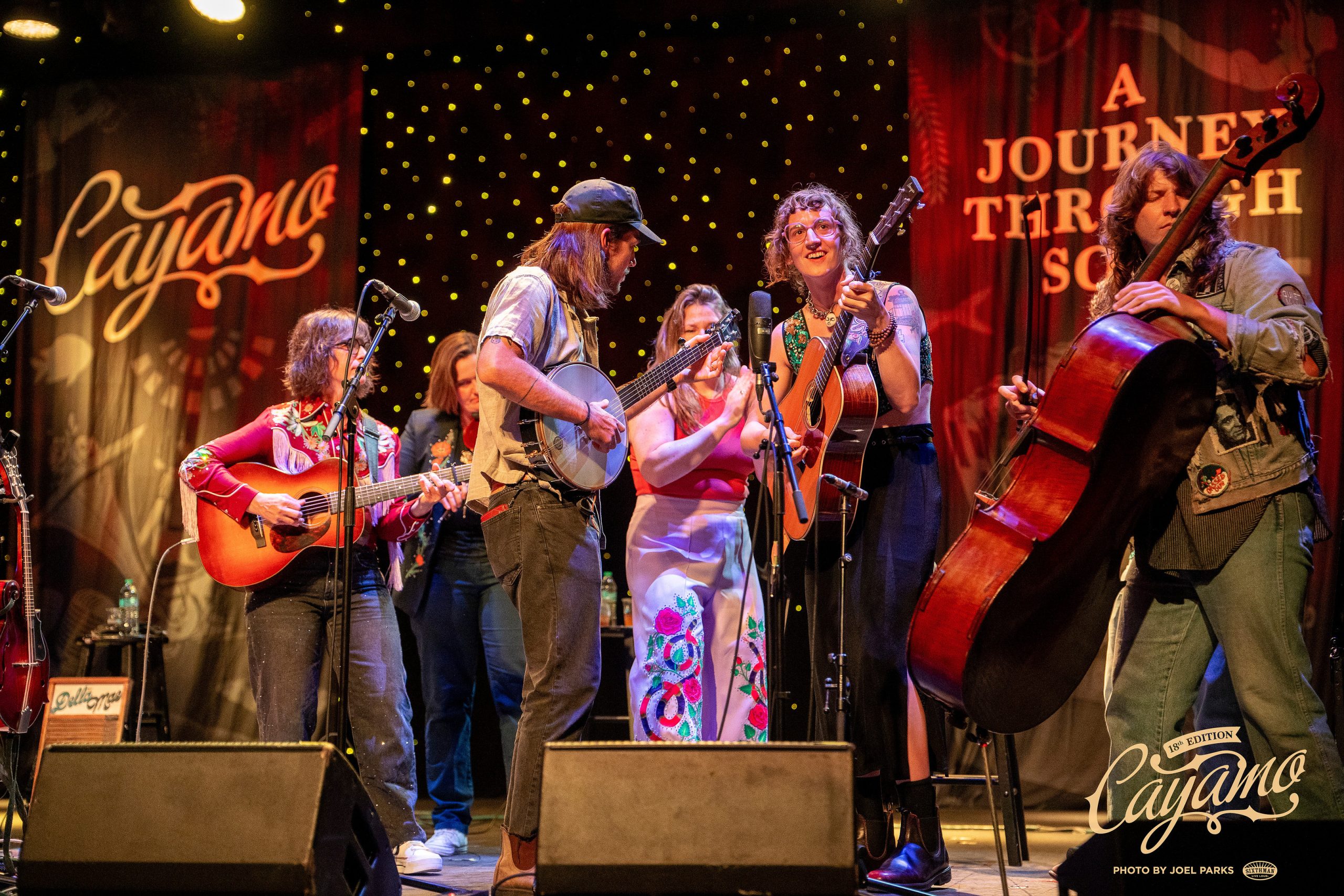
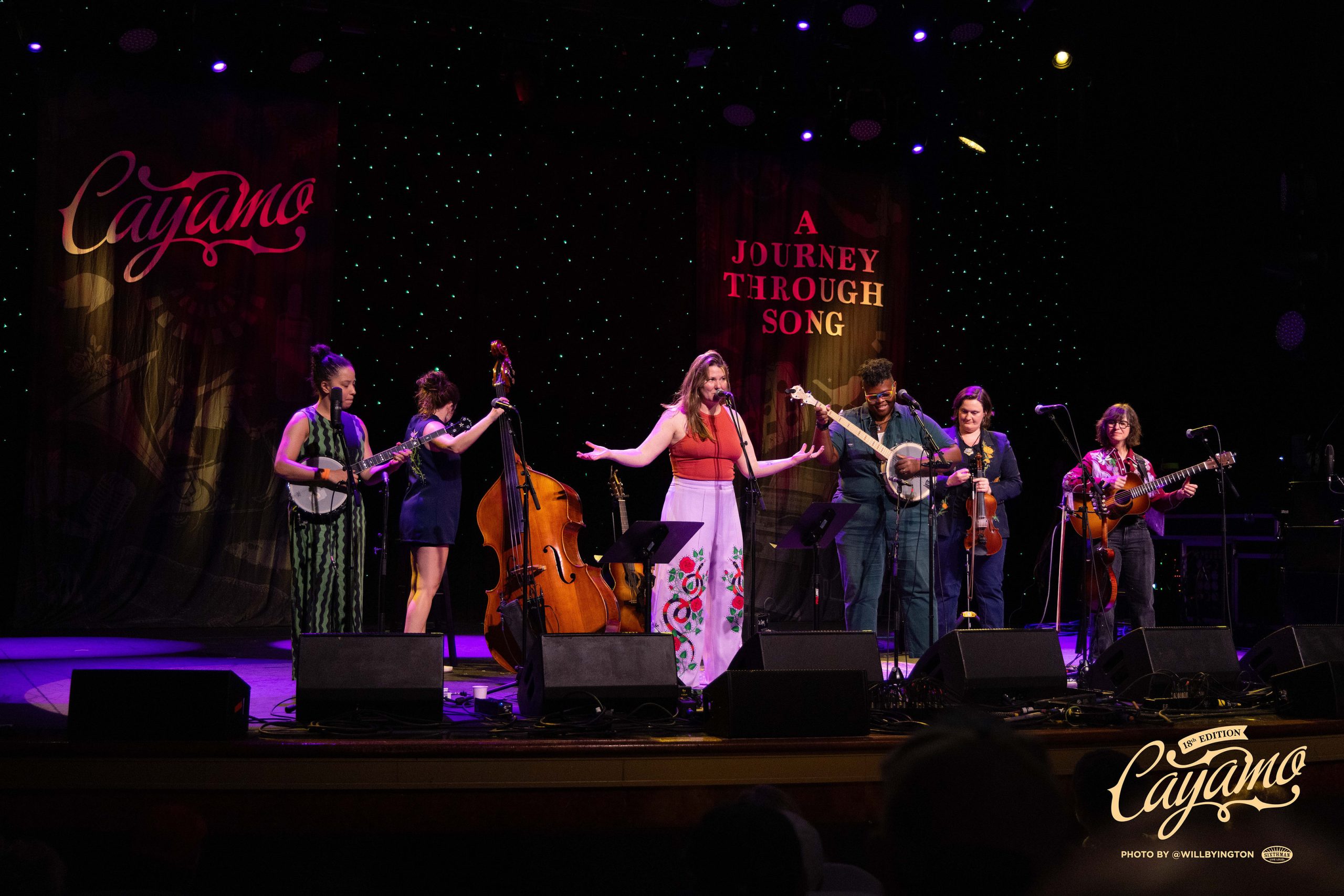
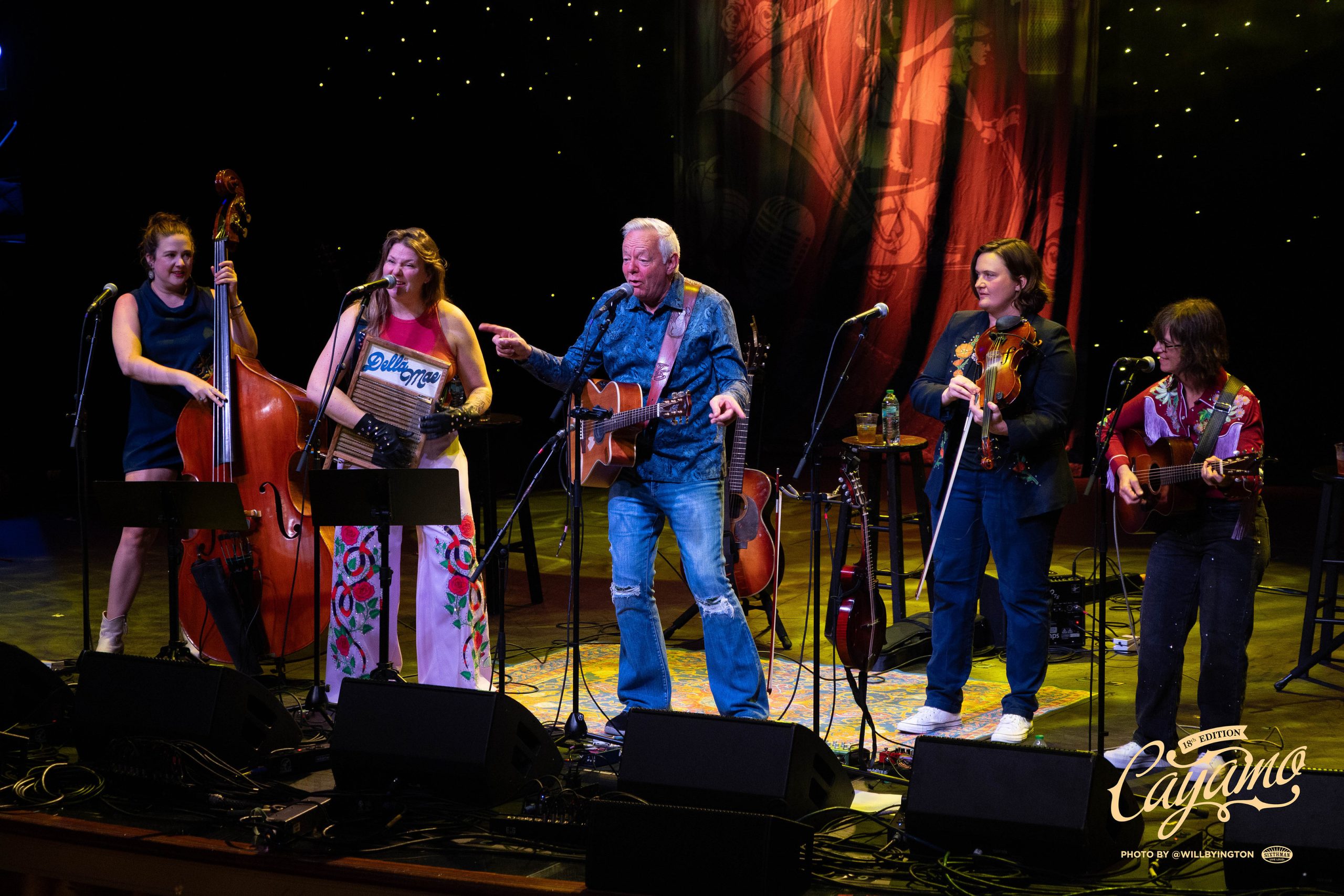
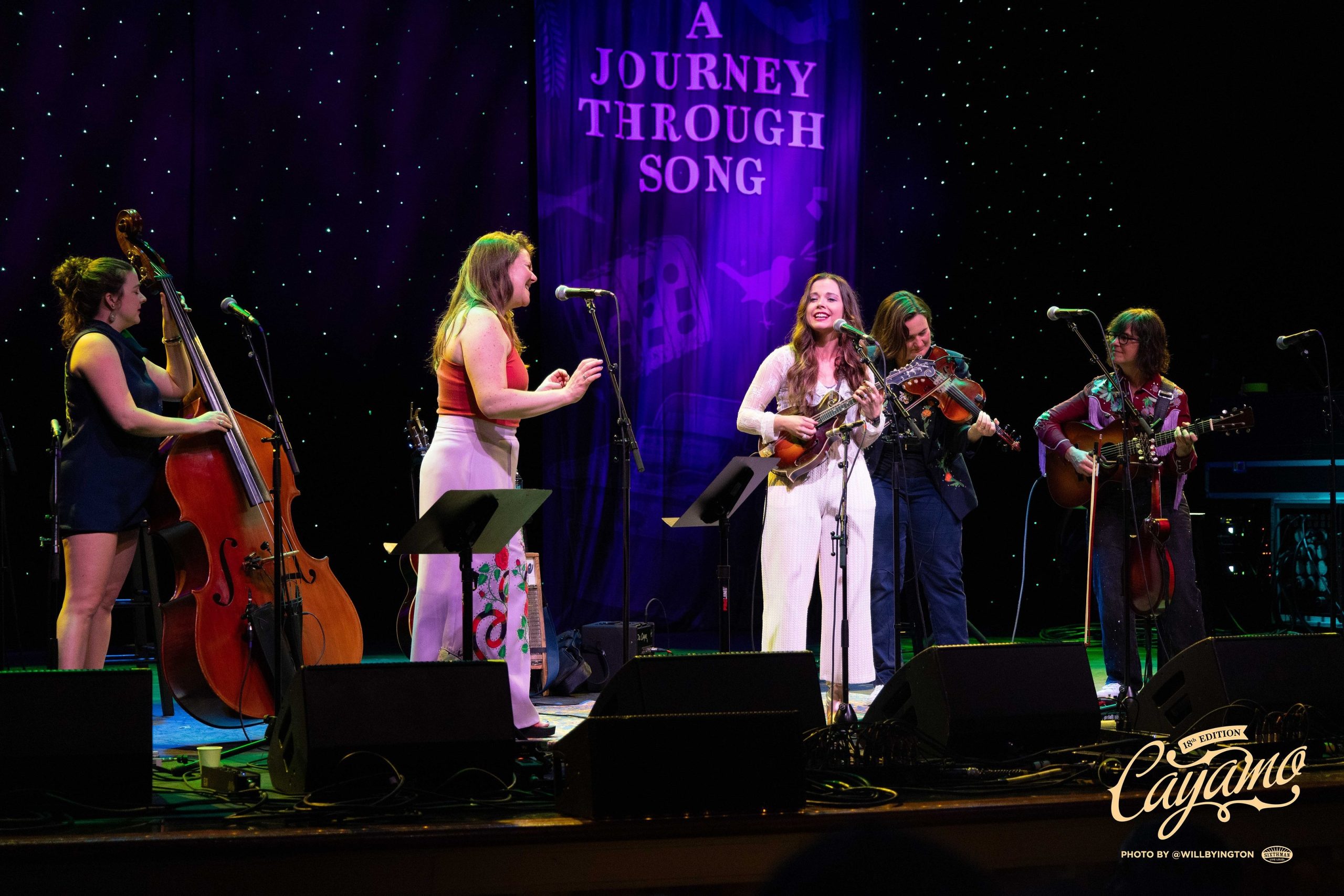
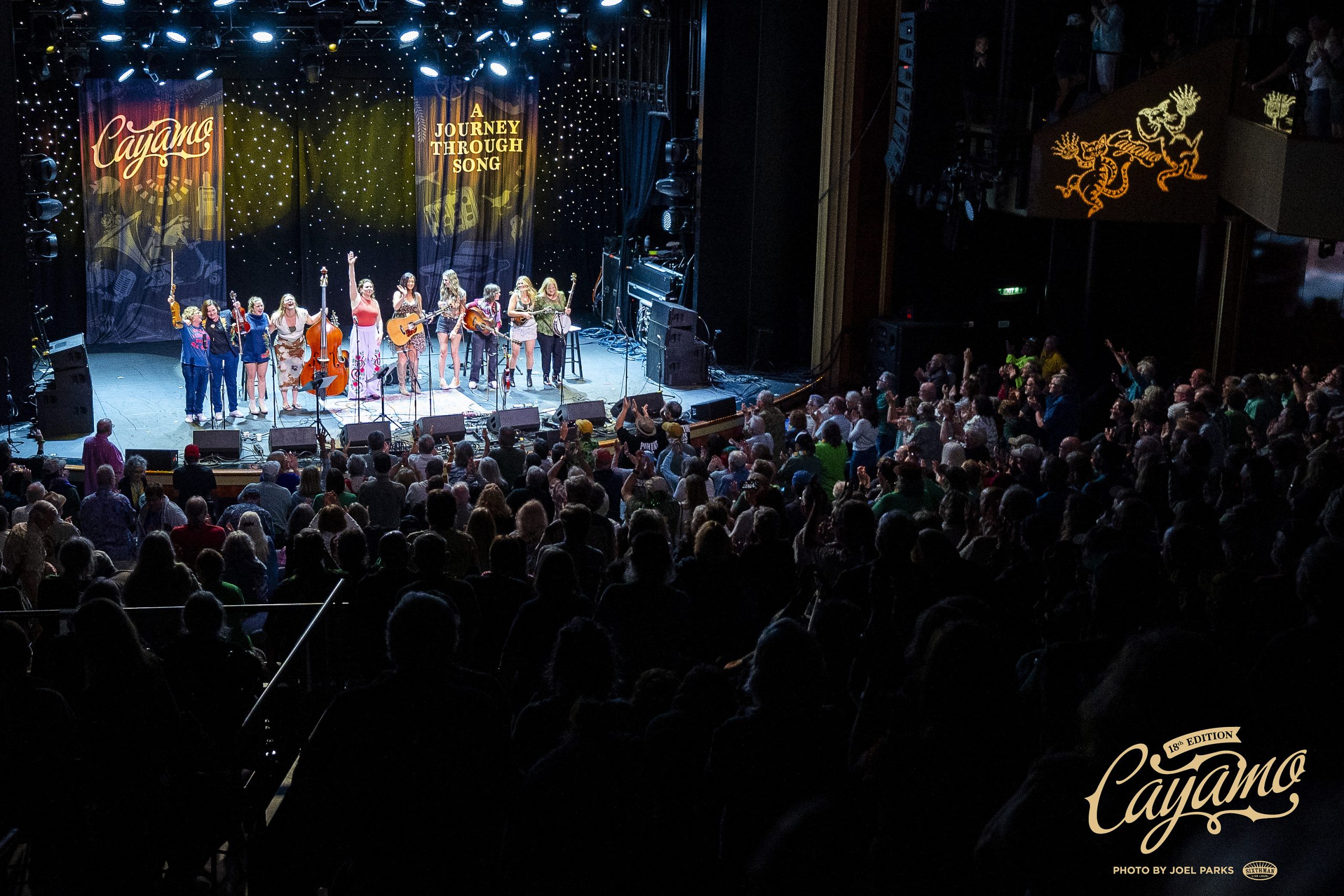
Last month, the BGS team once again embarked on Cayamo: A Journey Through Song, the 18th edition of the beloved week-long floating roots music festival that crisscrossed the Caribbean aboard the Norwegian Pearl. With performances by Jason Isbell & the 400 Unit, Dawes, Watchhouse, Patty Griffin, and many, many more, plus port visits in San Juan, Puerto Rico and Cayo Levantado, Dominican Republic, our team was more than ready to yet again partner with Cayamo and Sixthman to bring you special Basic Folk podcast live tapings on board and our fan favorite BGS Nightcap jam set, our fourth edition of the event.
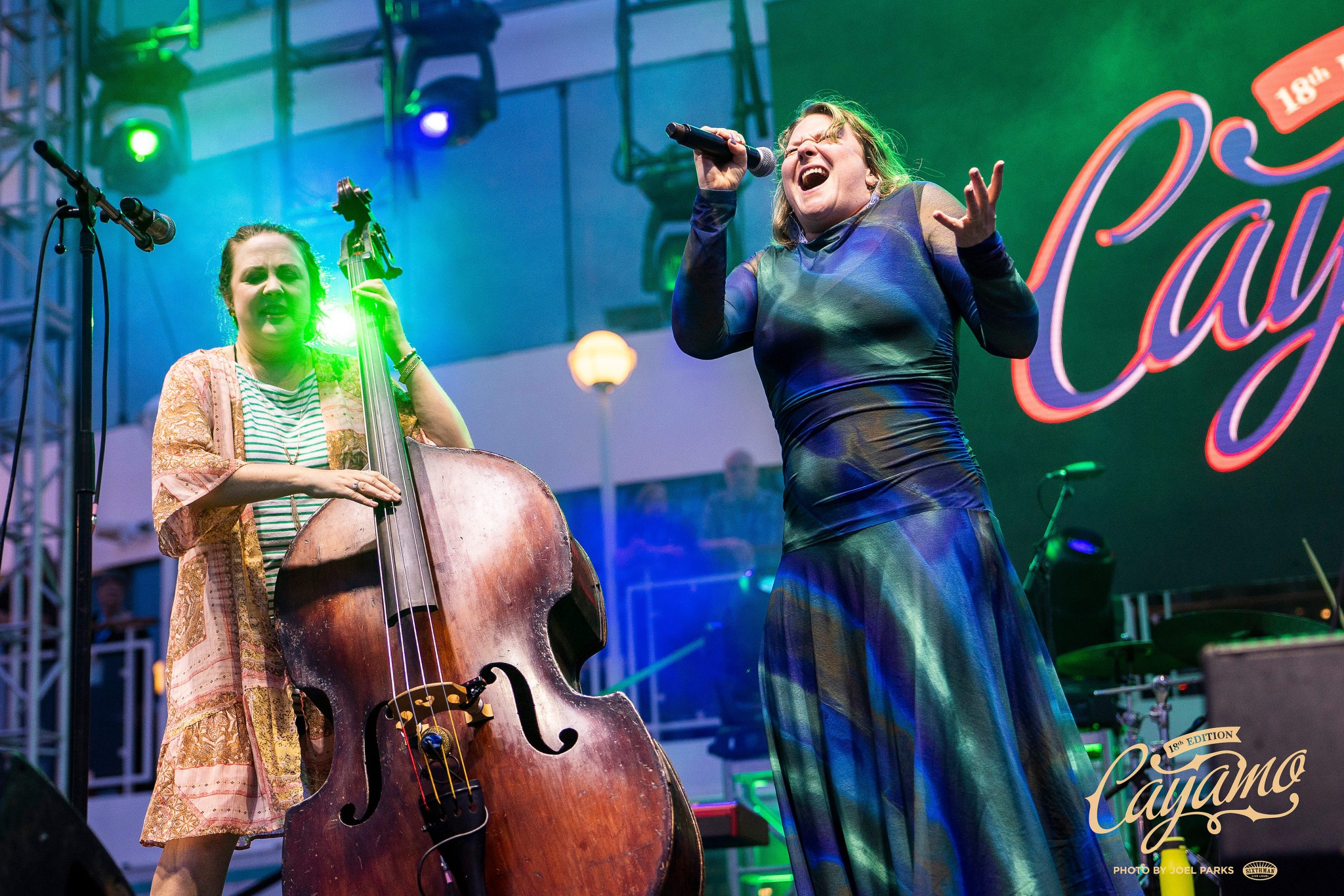
There’s no festival or live music event quite like Cayamo, where ardent roots music fans and the best and most buzzed-about artists and bands come together on a floating sanctuary to enjoy music, art, community, and togetherness – and a break from the wintry weather, too. Below, enjoy a couple of clips captured on board and a series of photos from Cayamo 2026 that clearly demonstrate the joy and fun of this one-of-a-kind event.
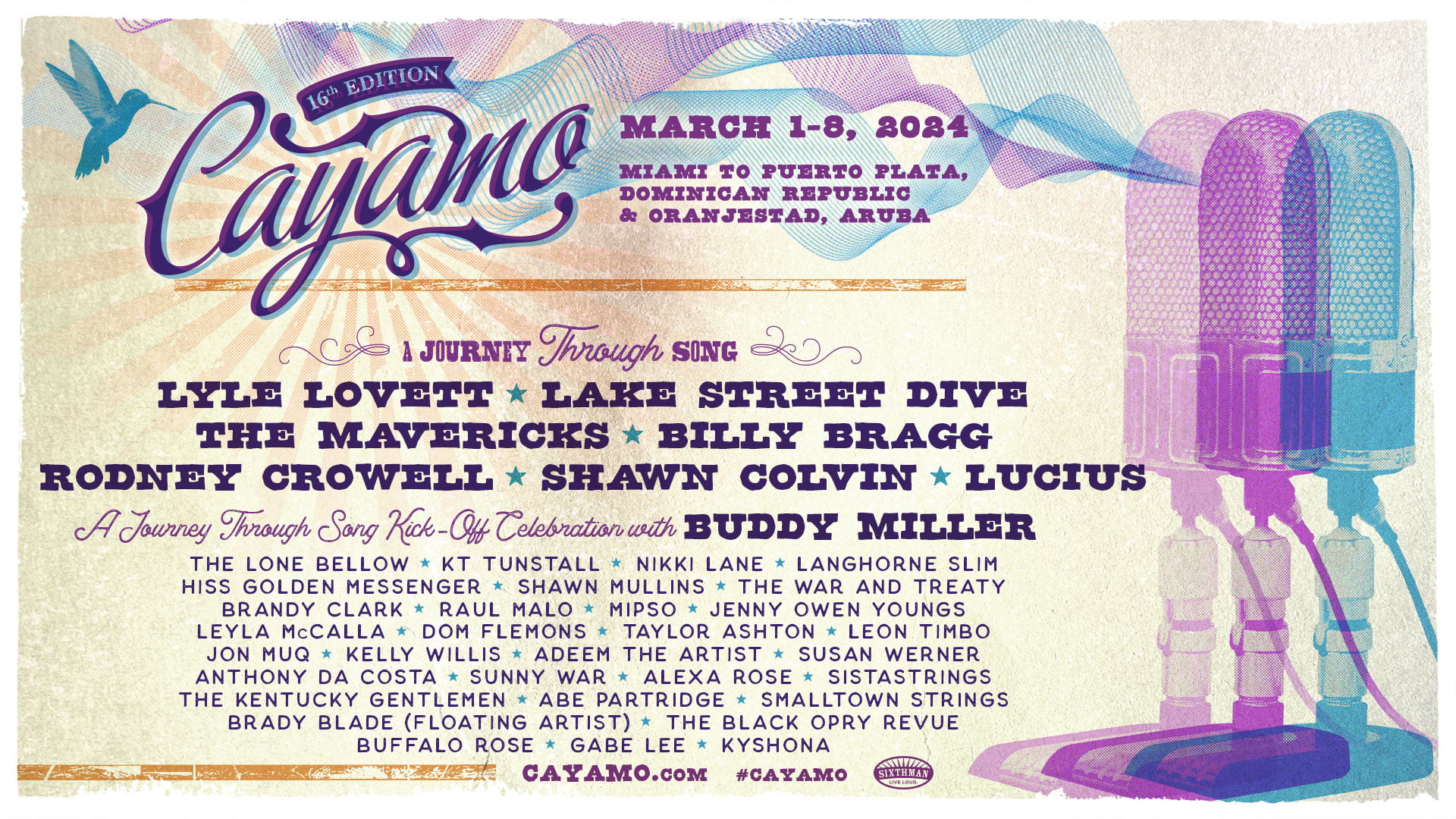
Great news, too! The 2027 lineup for Cayamo: A Journey Through Song has already been announced (see above). Tickets go on sale on April 16th at 2pm EDT, but you still have time to join the final presale. More info here.
Days 1 & 2
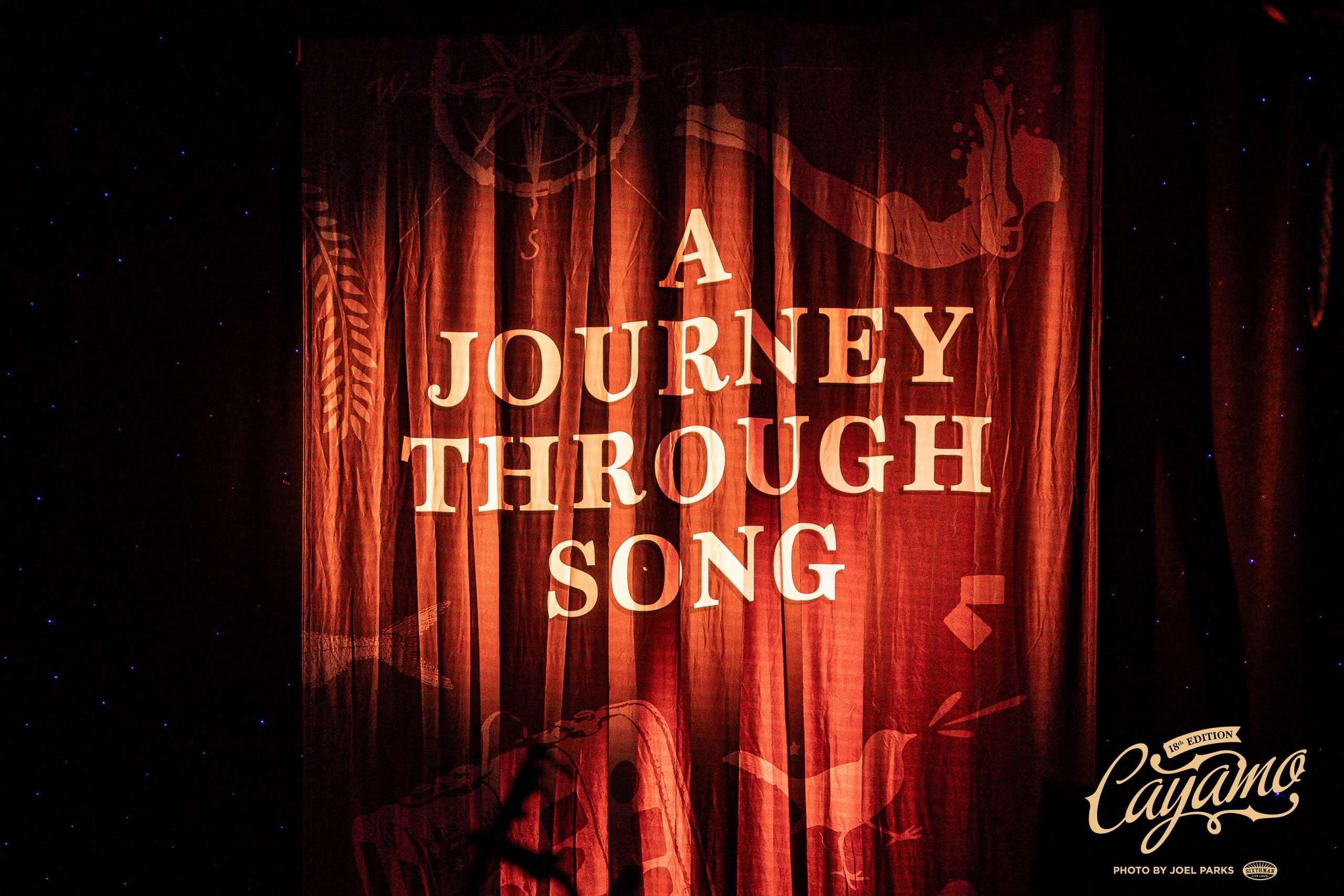
It's time for Cayamo: A Journey Through Song!
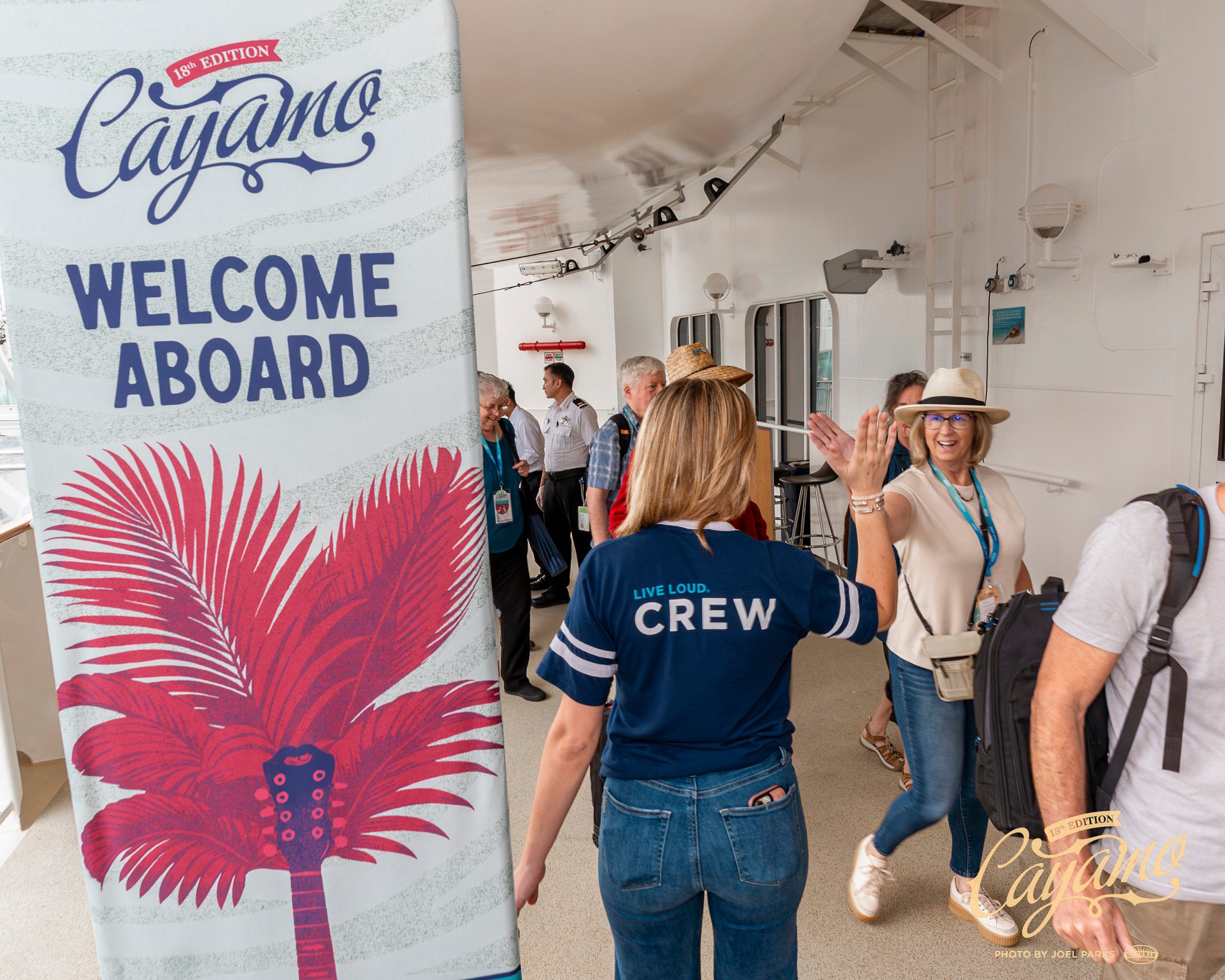
Welcome aboard...
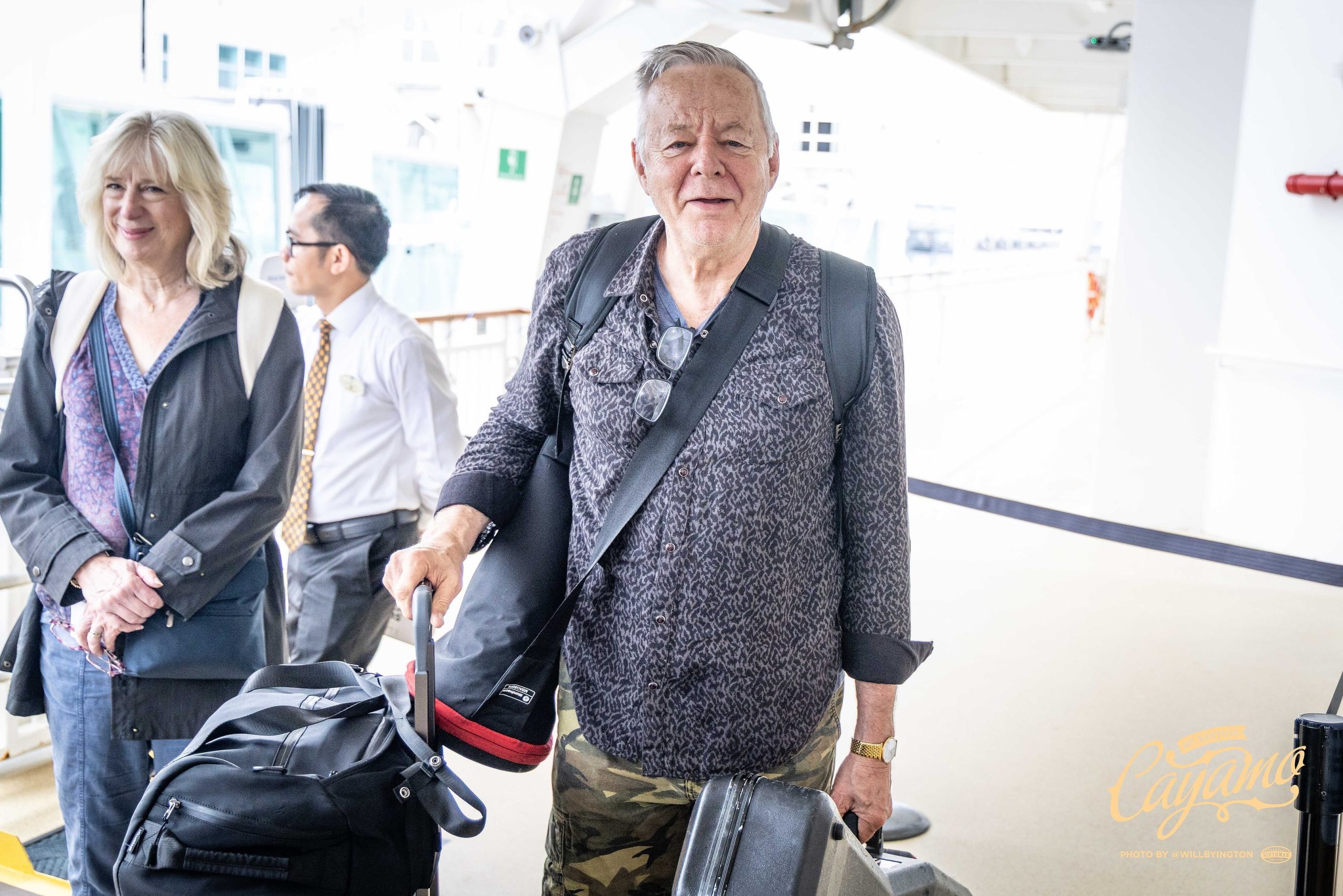
Tommy Emmanuel arrives.
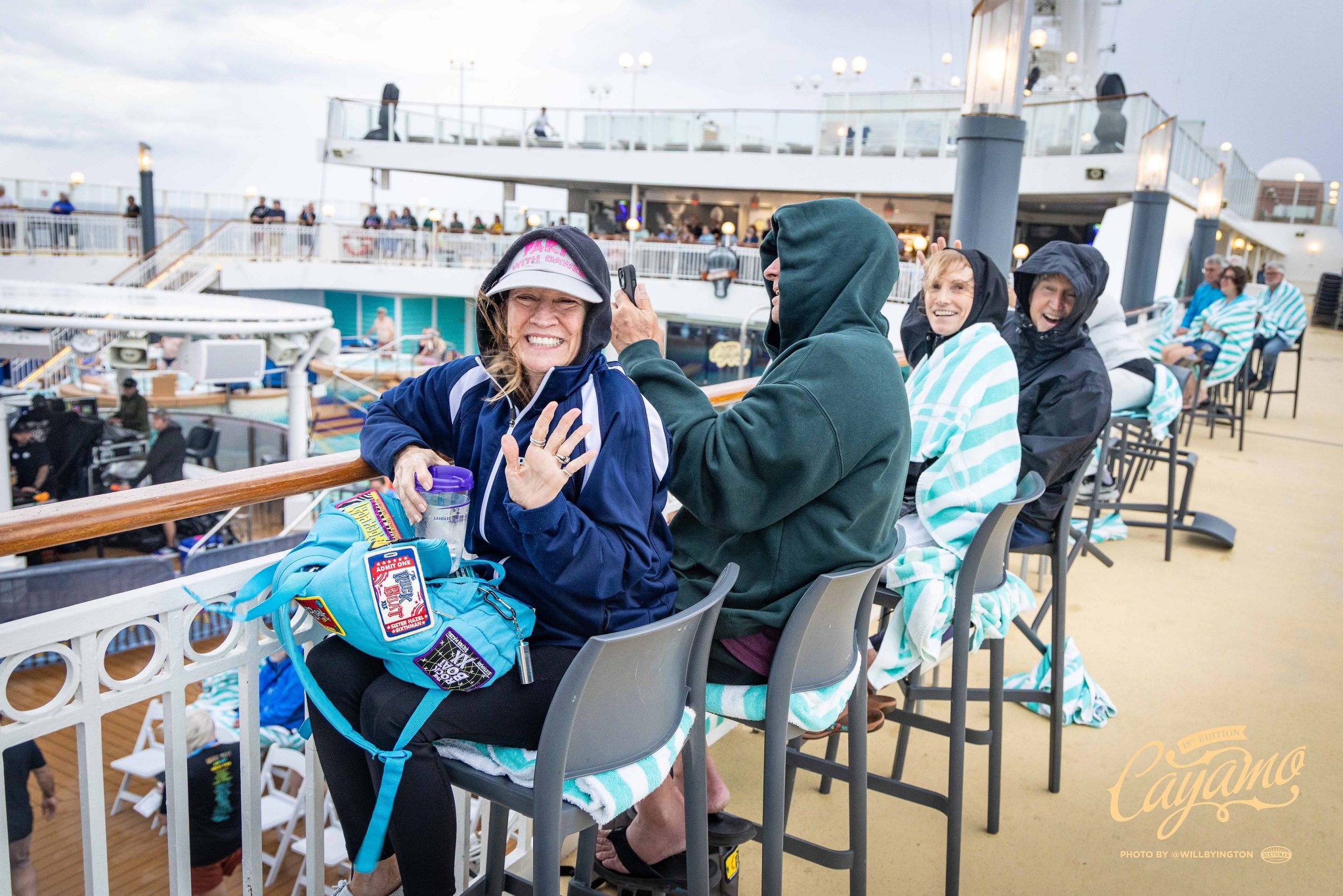
Fans brave the less-than-perfect weather before setting sail from Miami, FL.
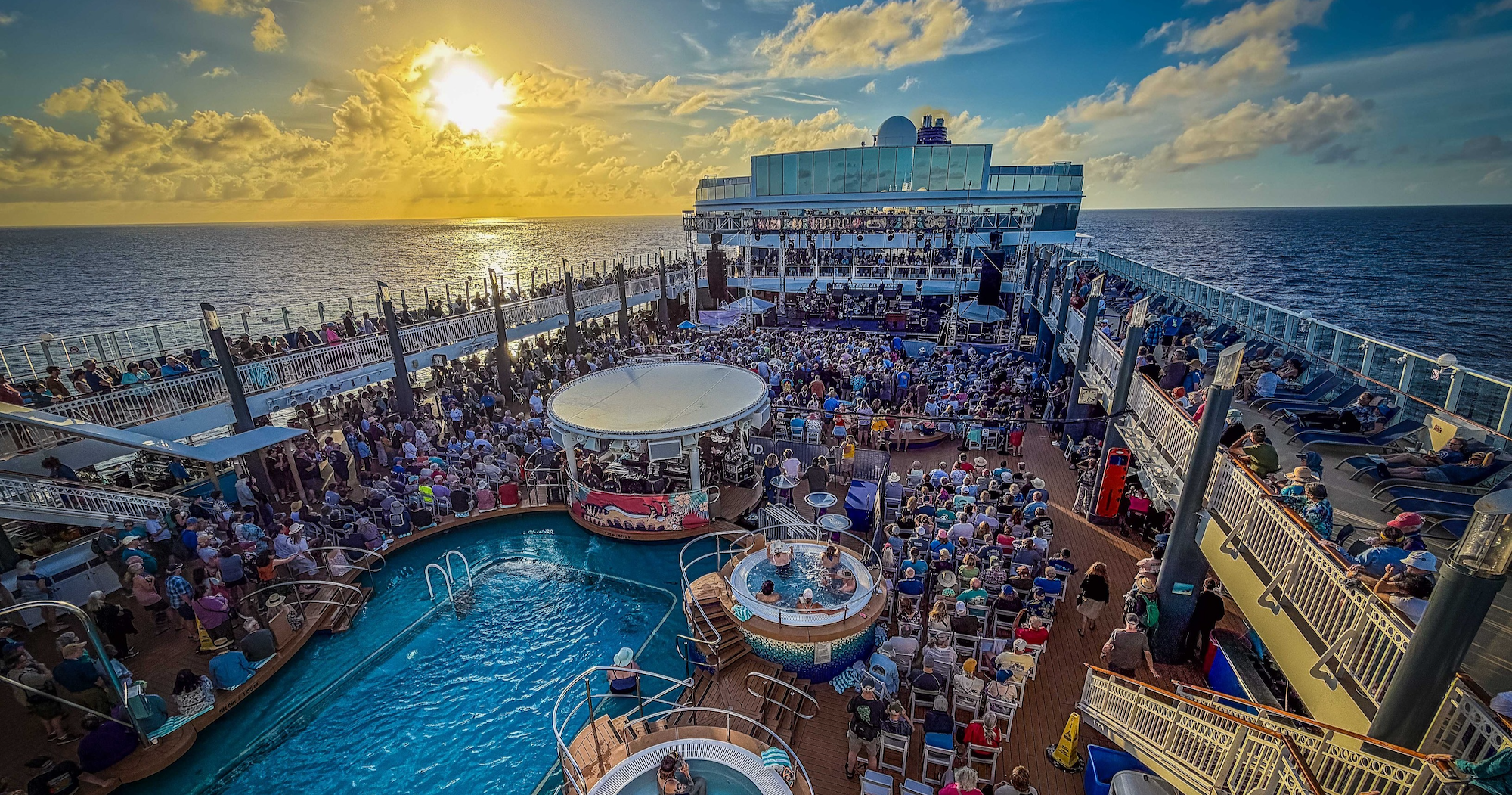
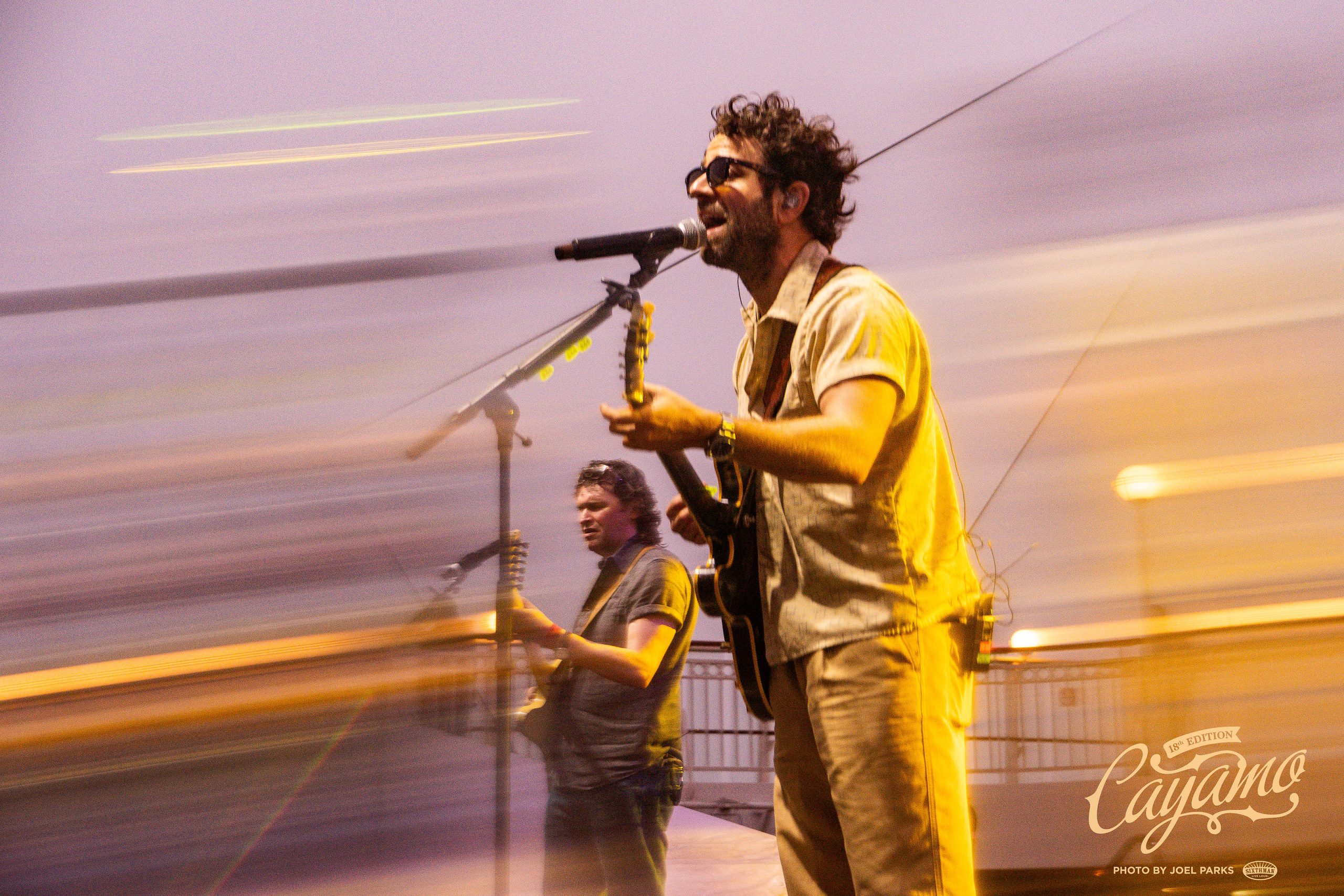
Dawes perform for the sail away set on the pool deck.
Rissi Palmer.
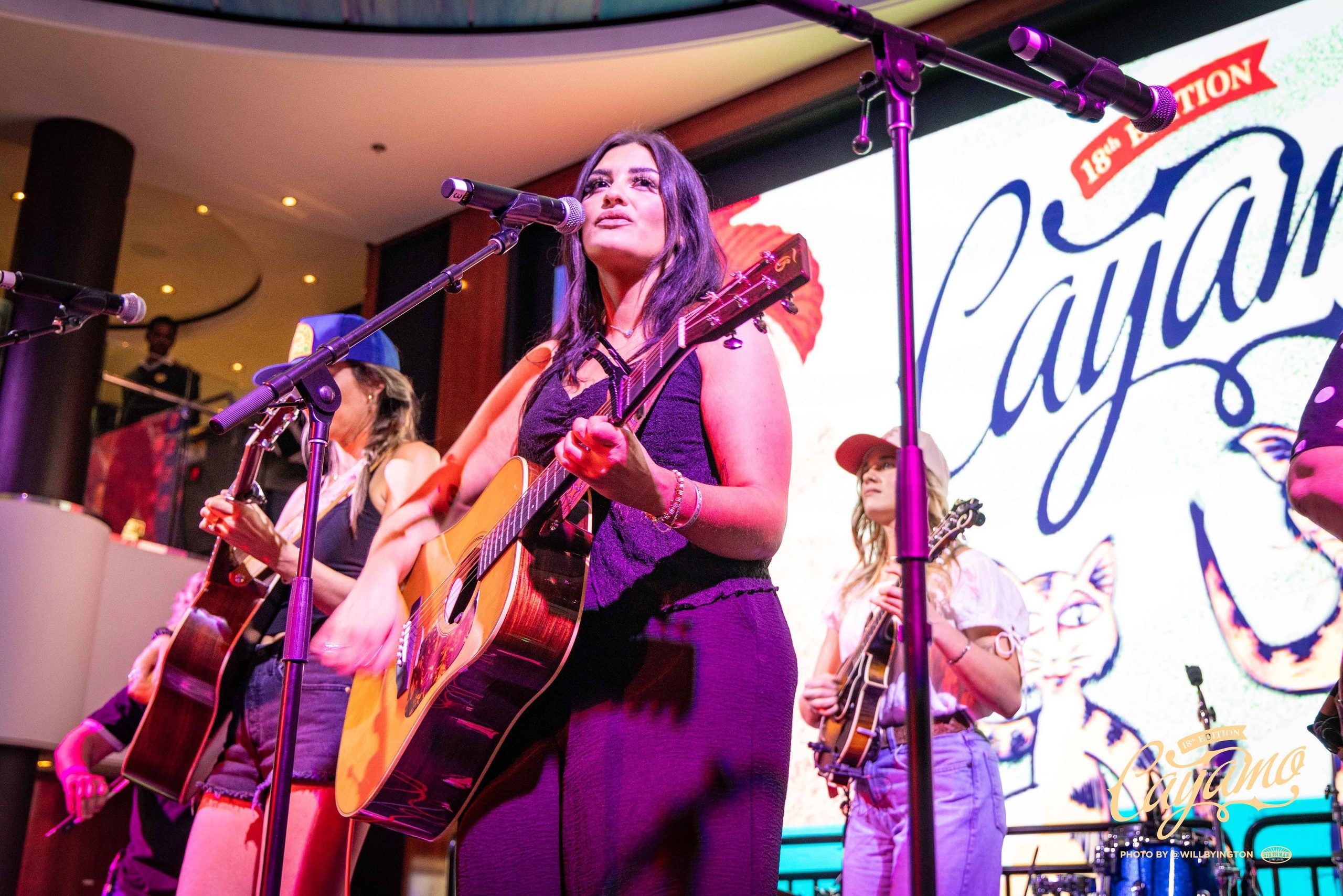
Sister Sadie.
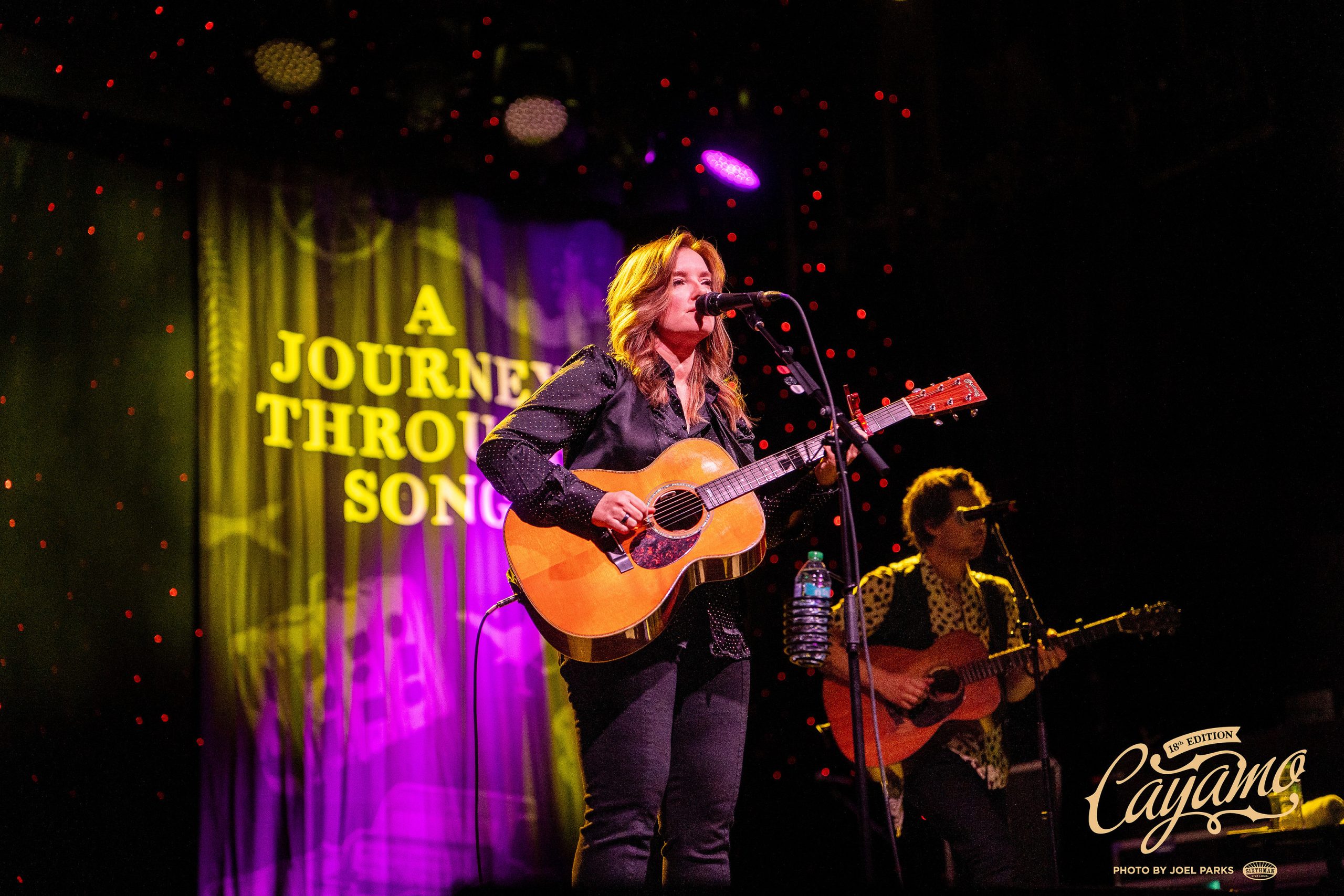
Patty Griffin performs to a packed theater.
Patty Griffin.
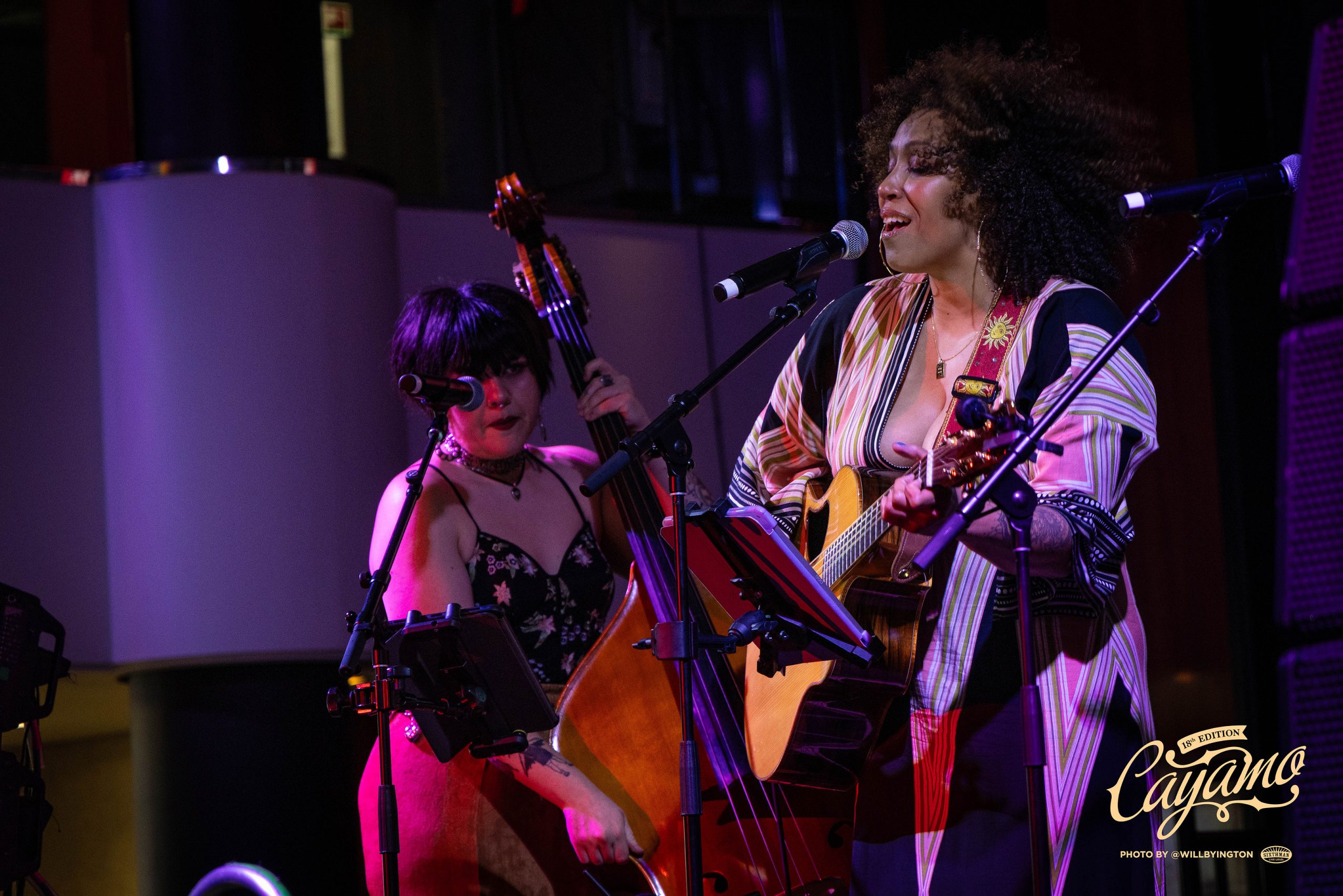
Erin Rae.
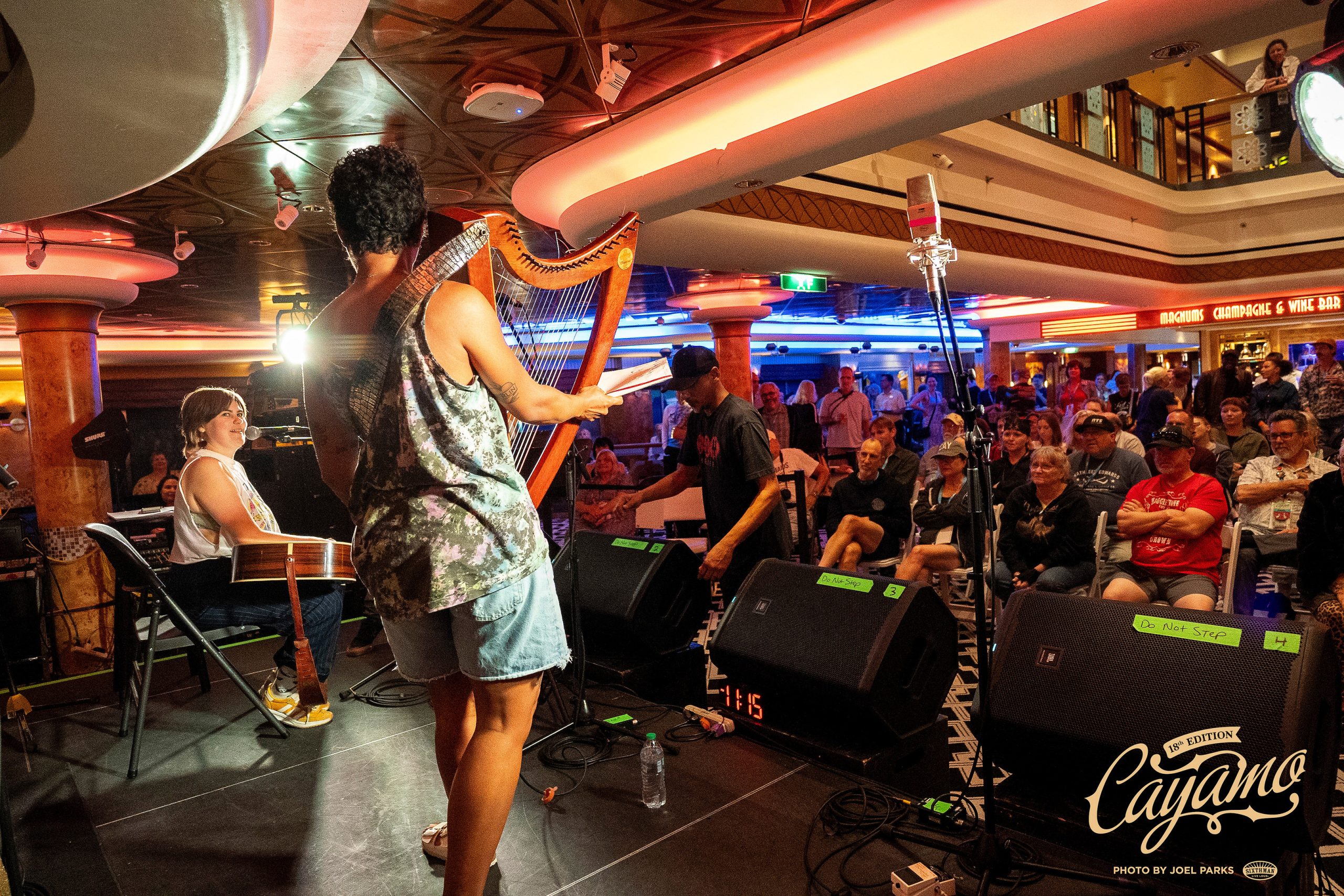
Did you bring your instrument? You can take part in the music, too!
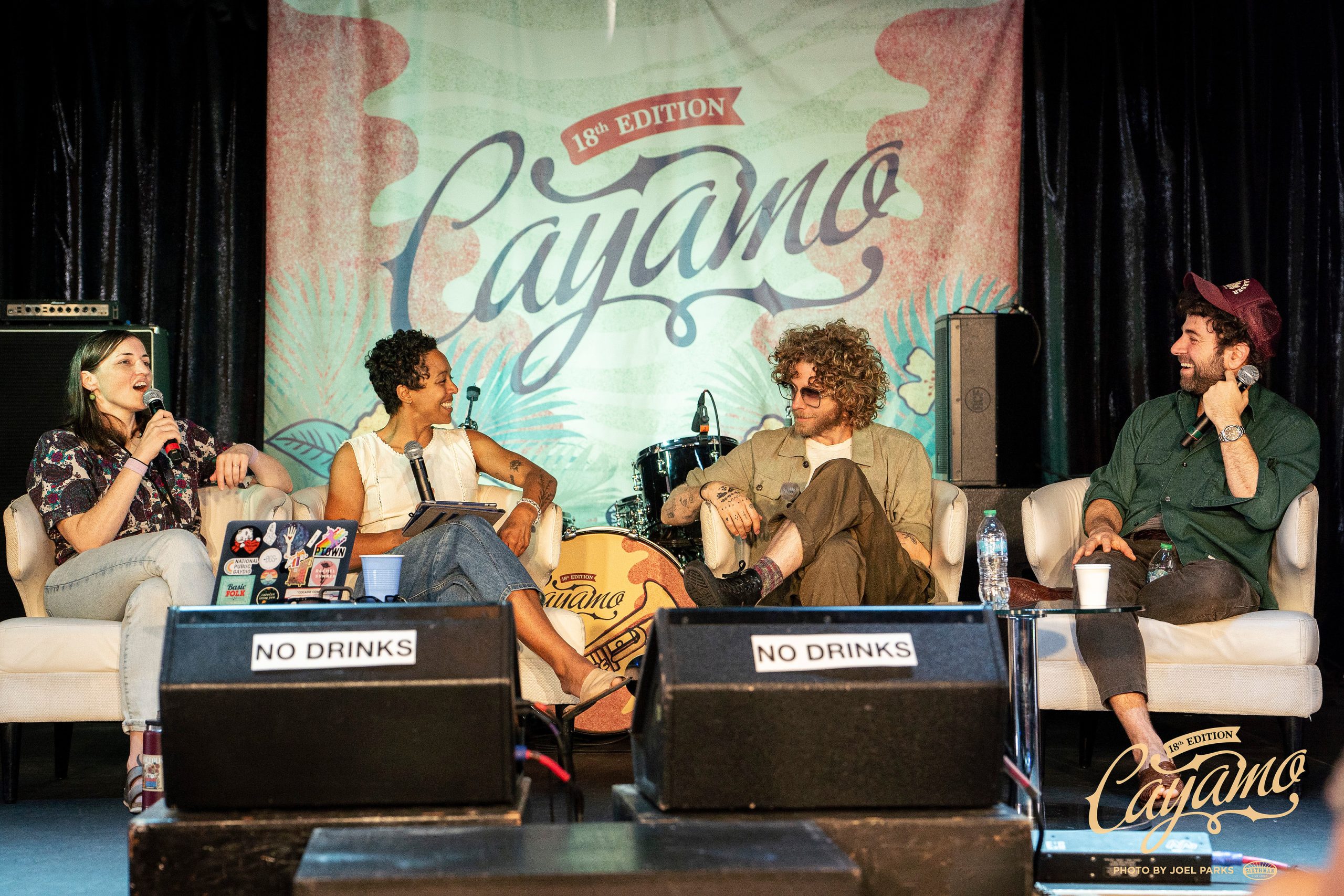
One of our live Basic Folk podcast tapings, hosted by Cindy Howes and Lizzie No and presented by the BGS Podcast Network.
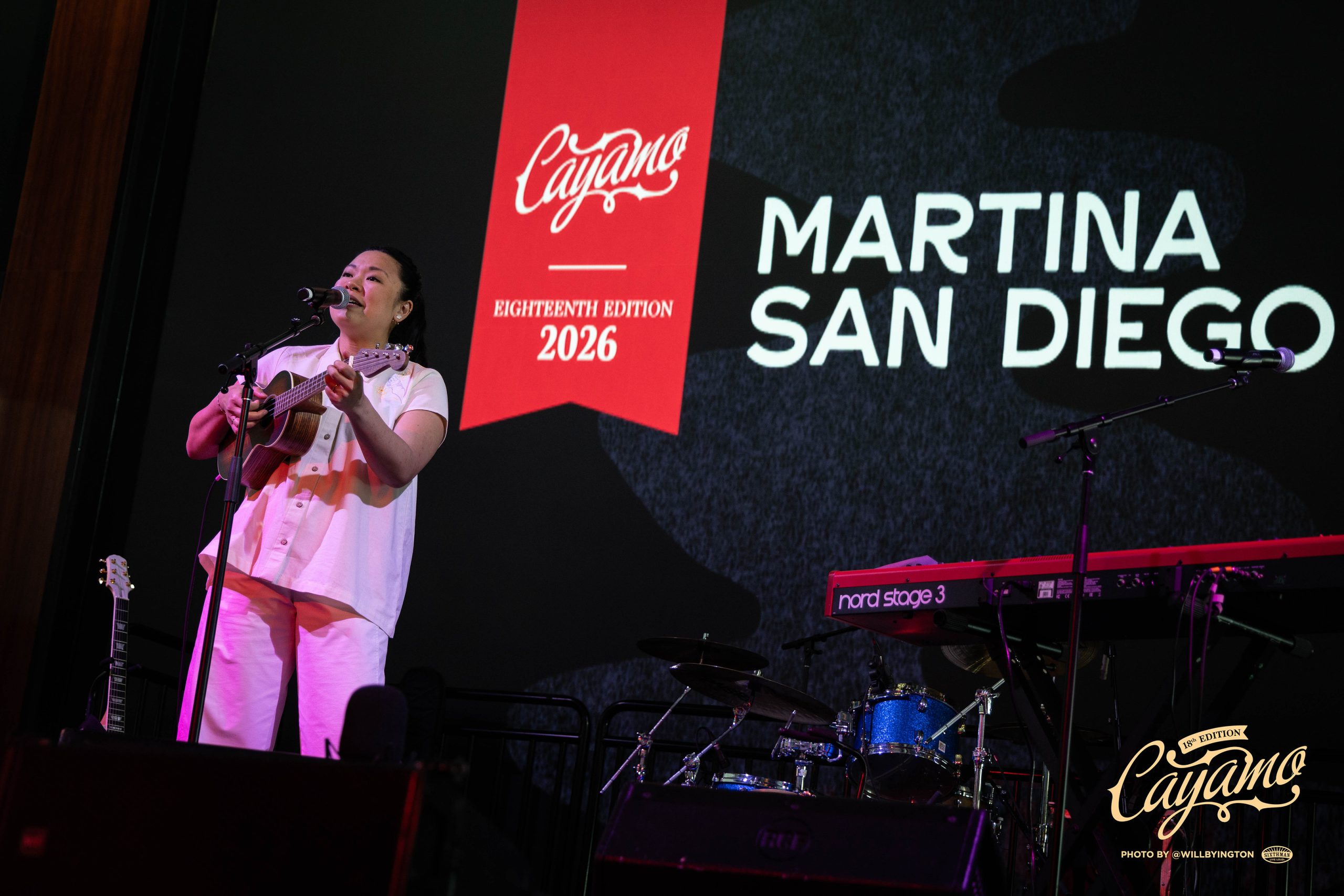
Martina San Diego.
Rose Cousins.
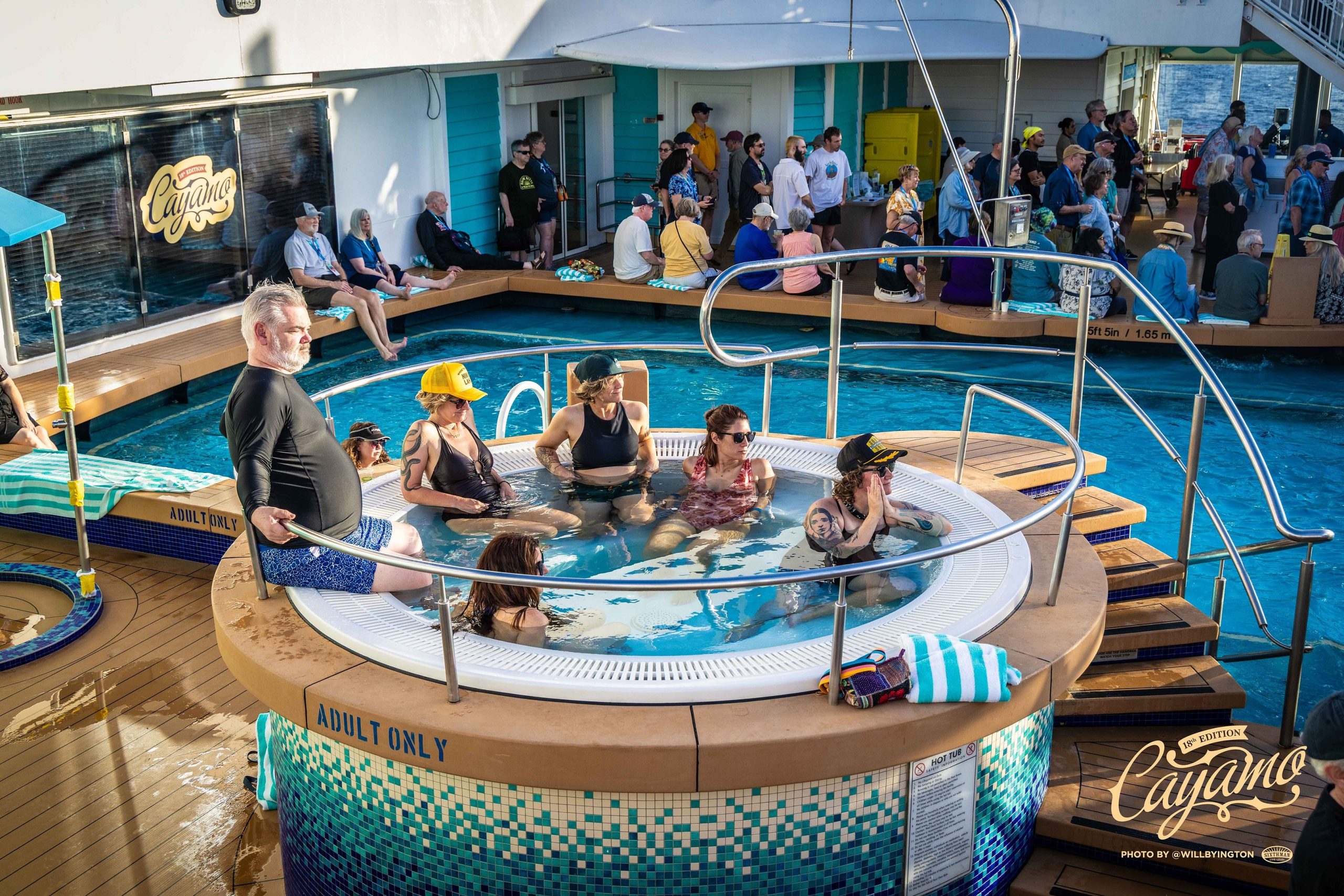
Enjoying tunes while soaking in the hot tub.
Ron Pope.
Crys Matthews.
Palmyra.
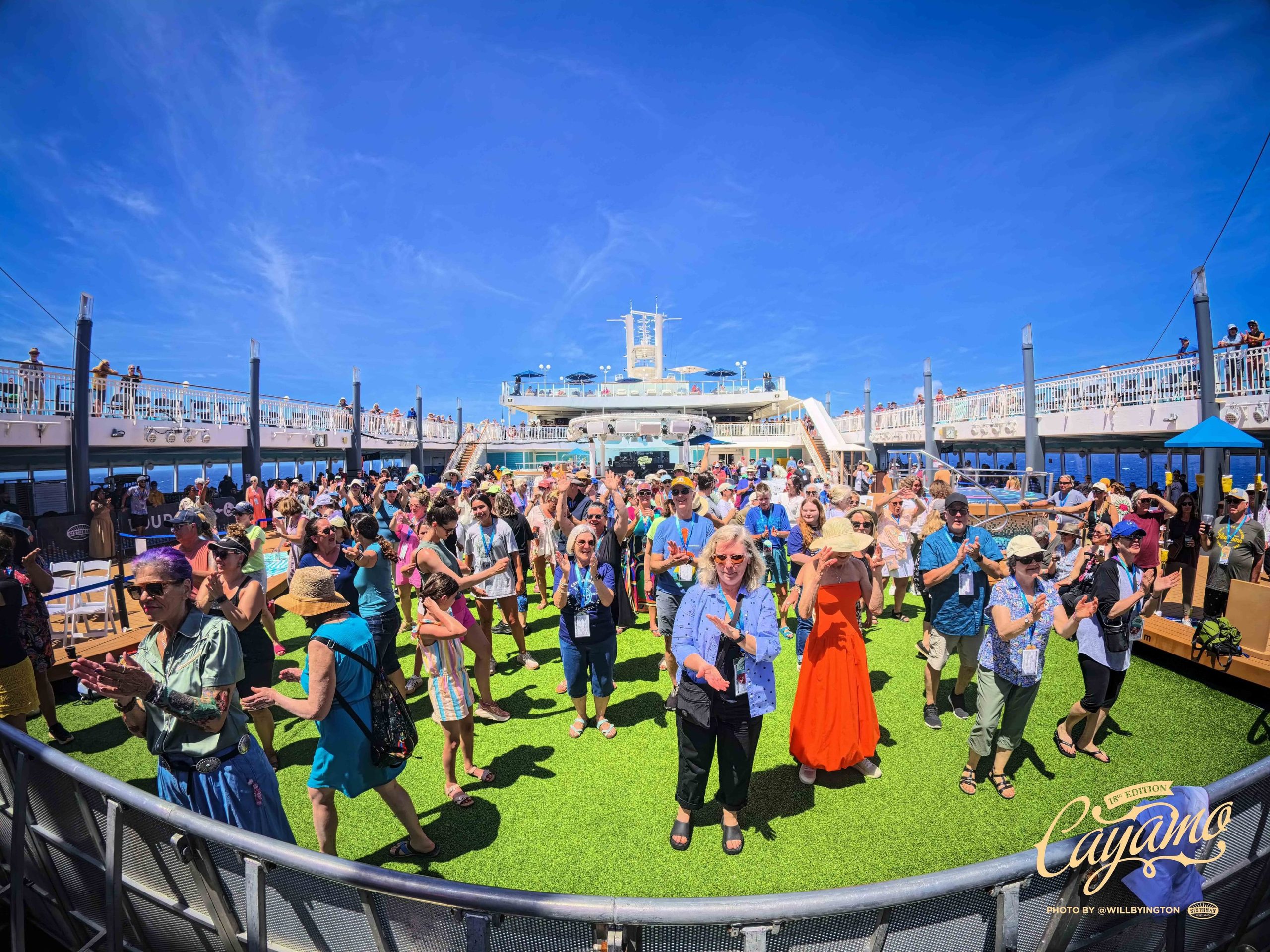
The adoring fans of Cayamo, filling out the pool deck.
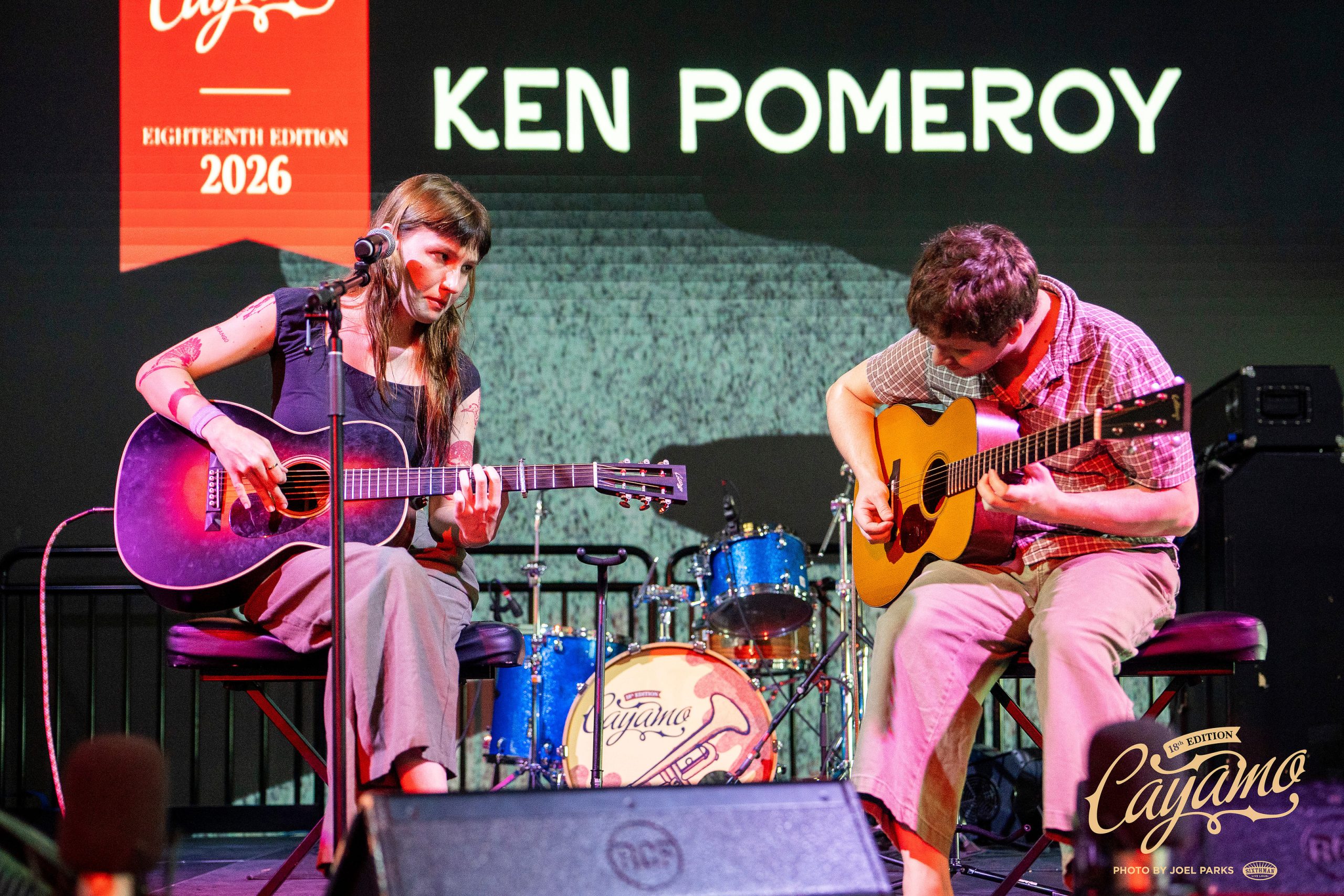
Ken Pomeroy.
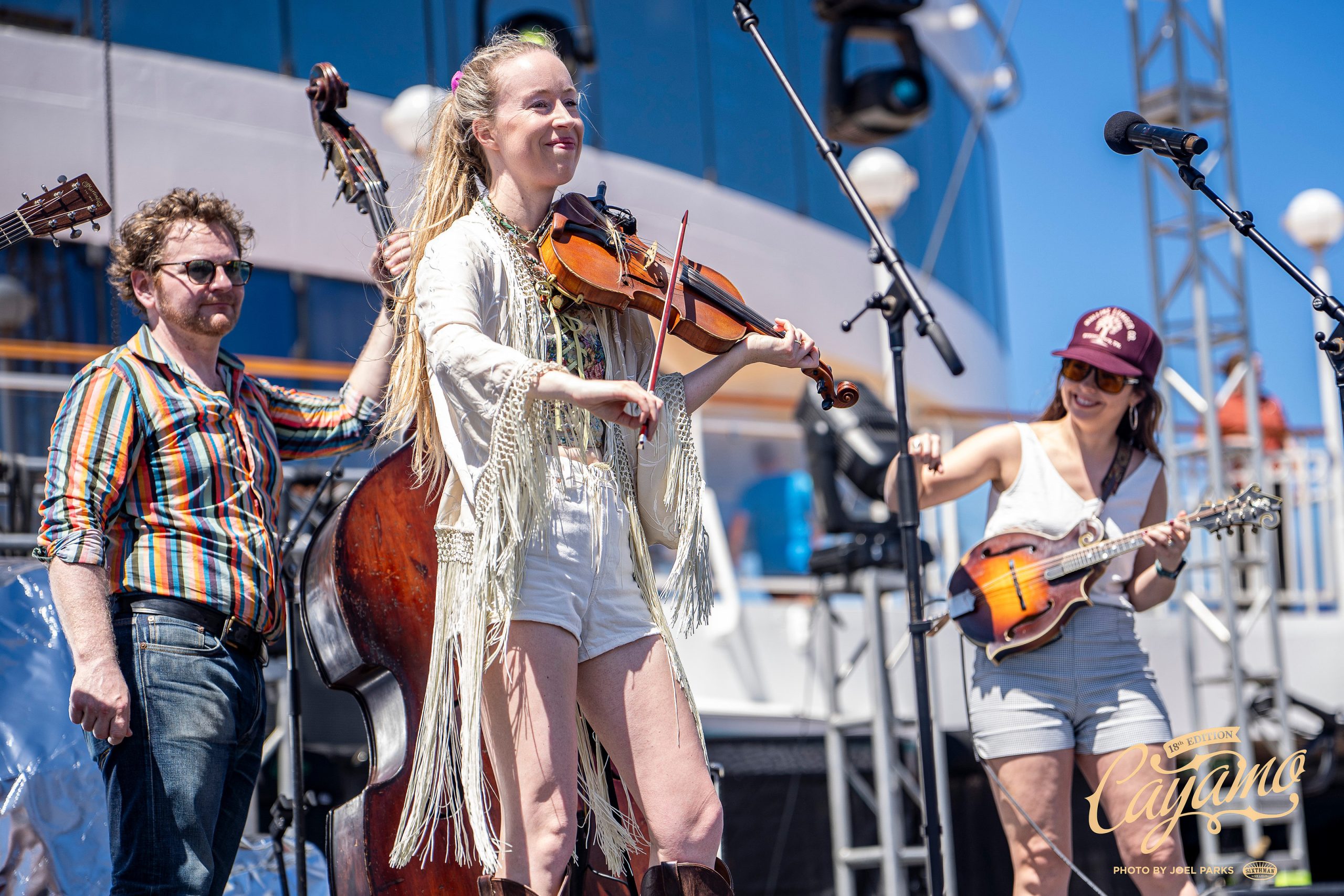
Bronwyn Keith-Hynes and band with special guest Sierra Hull.
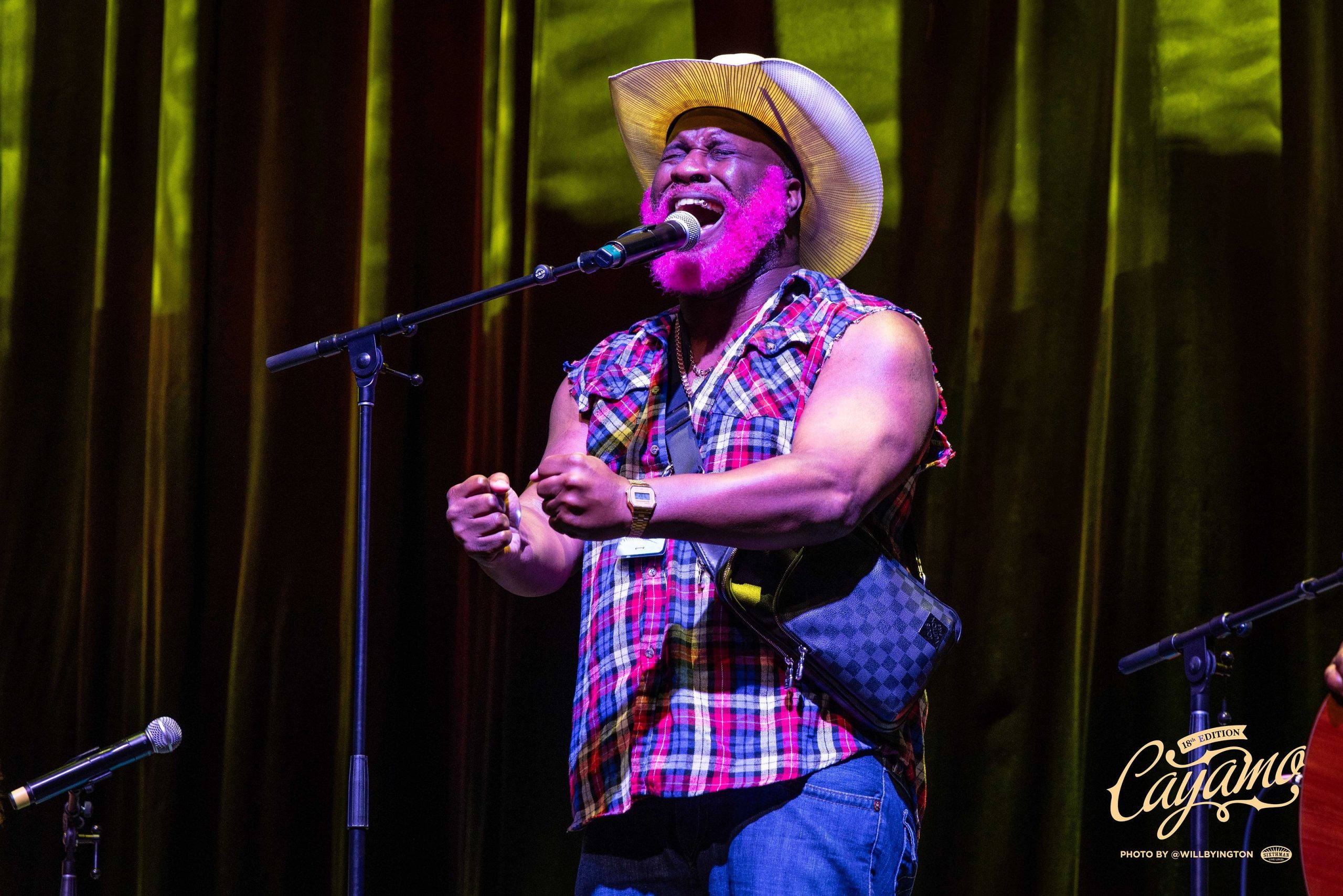
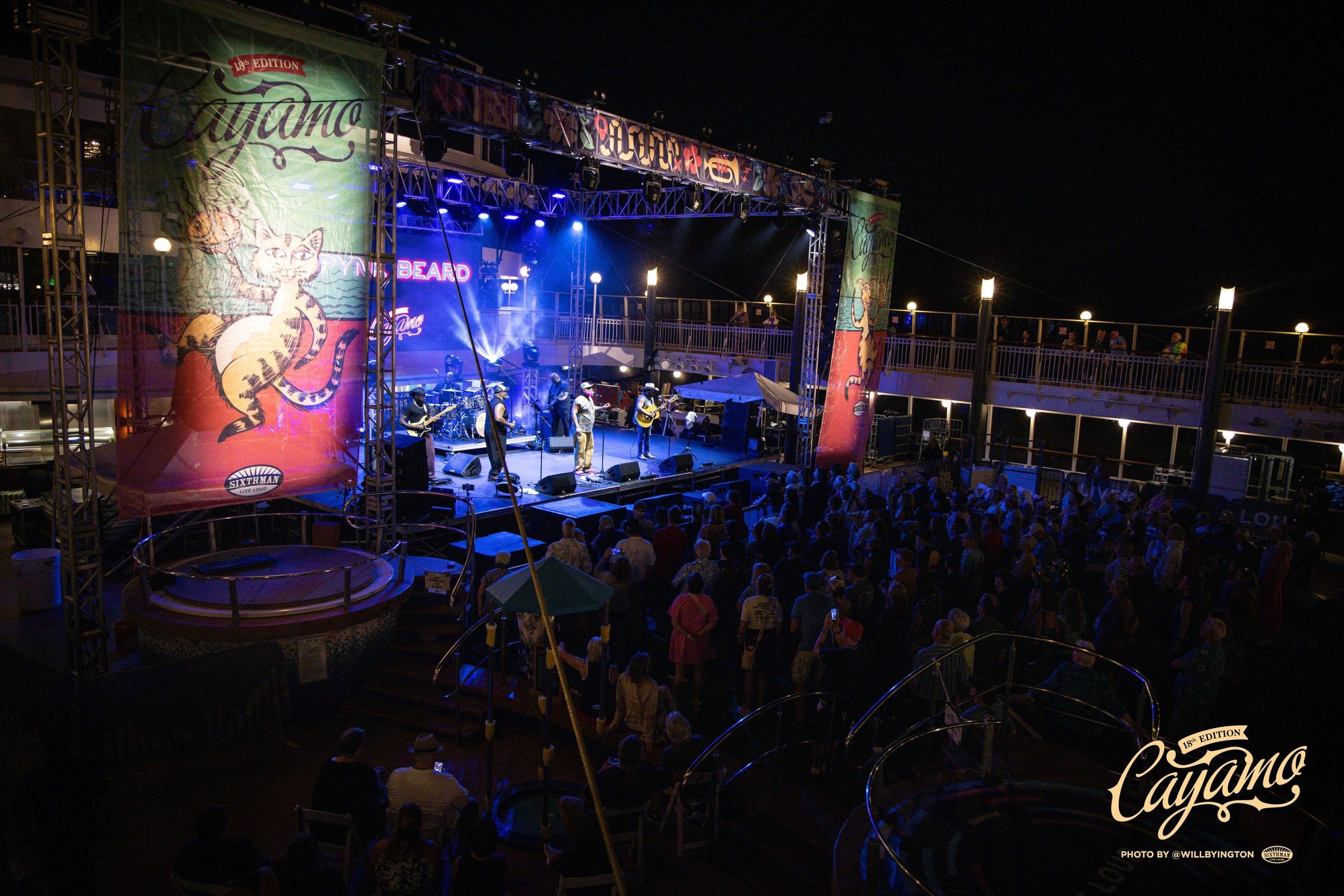
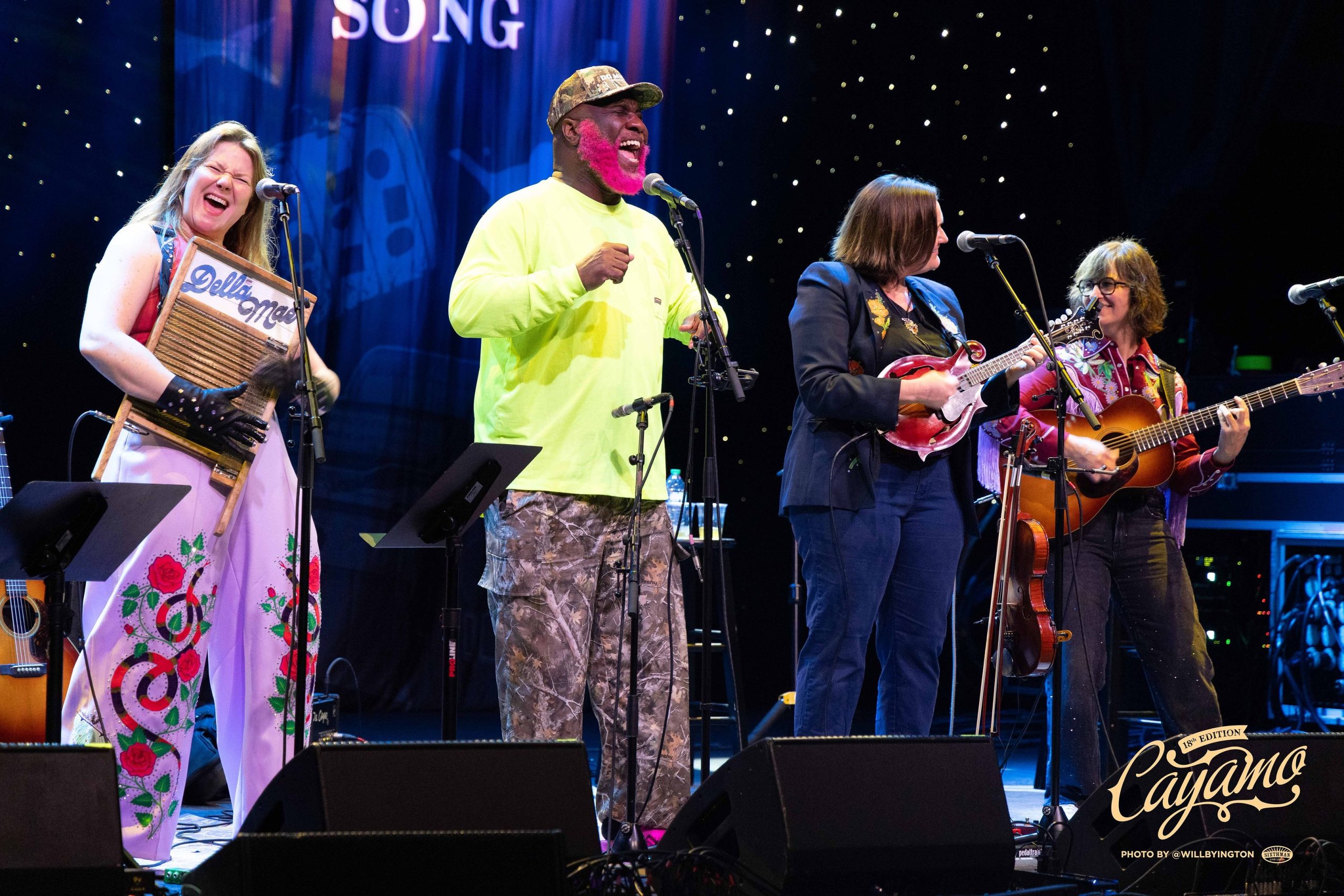
Pynk Beard
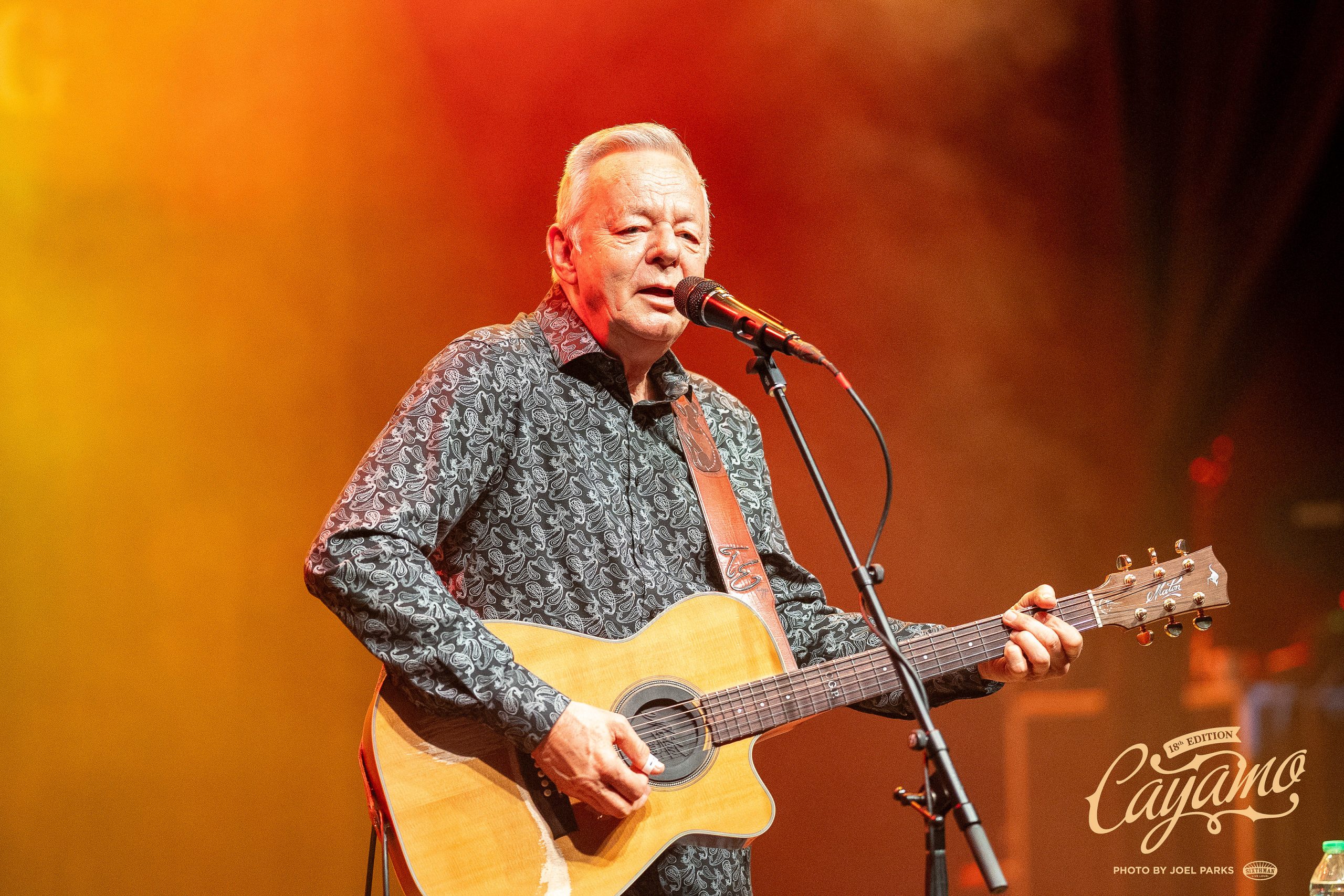
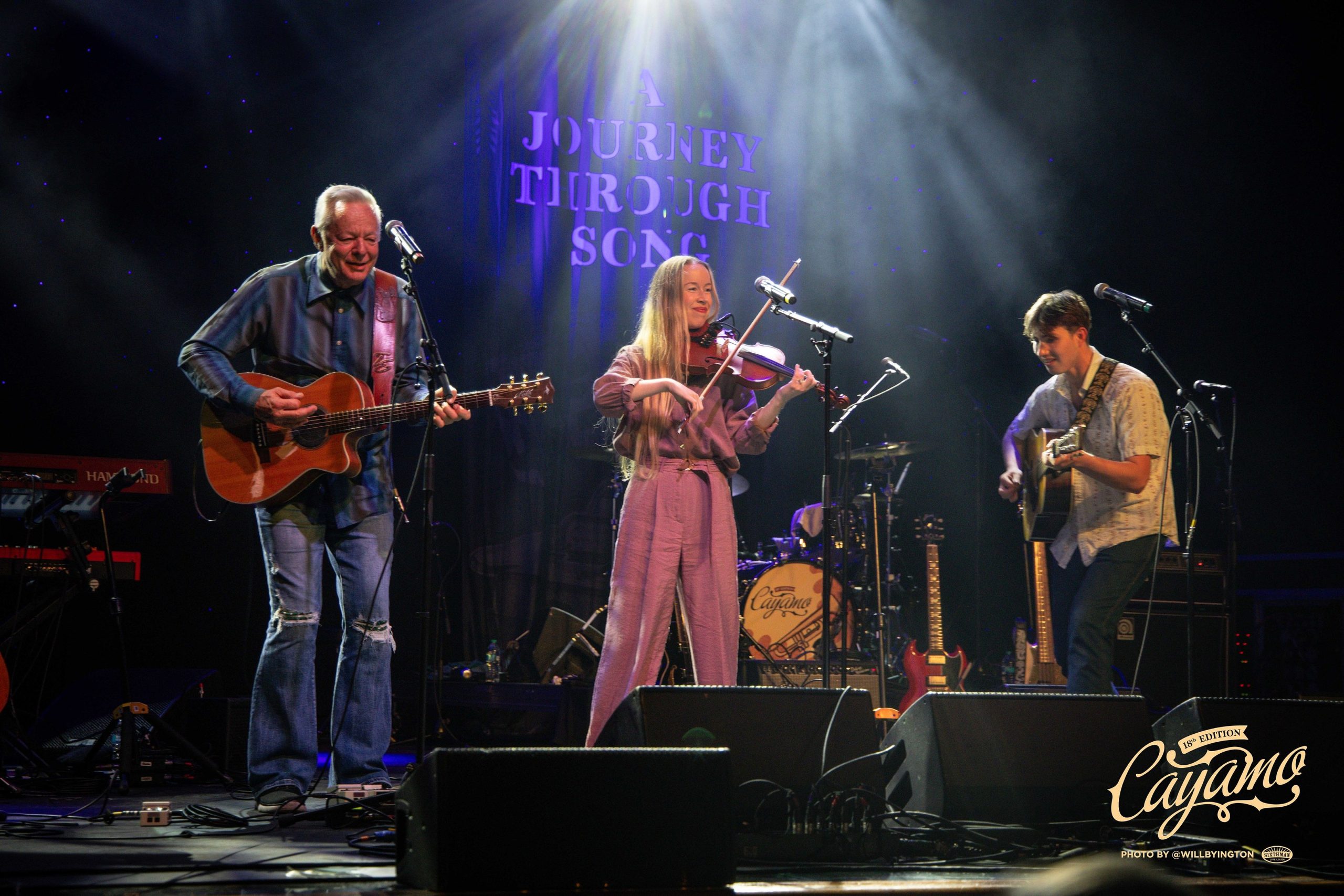
Tommy Emmanuel.
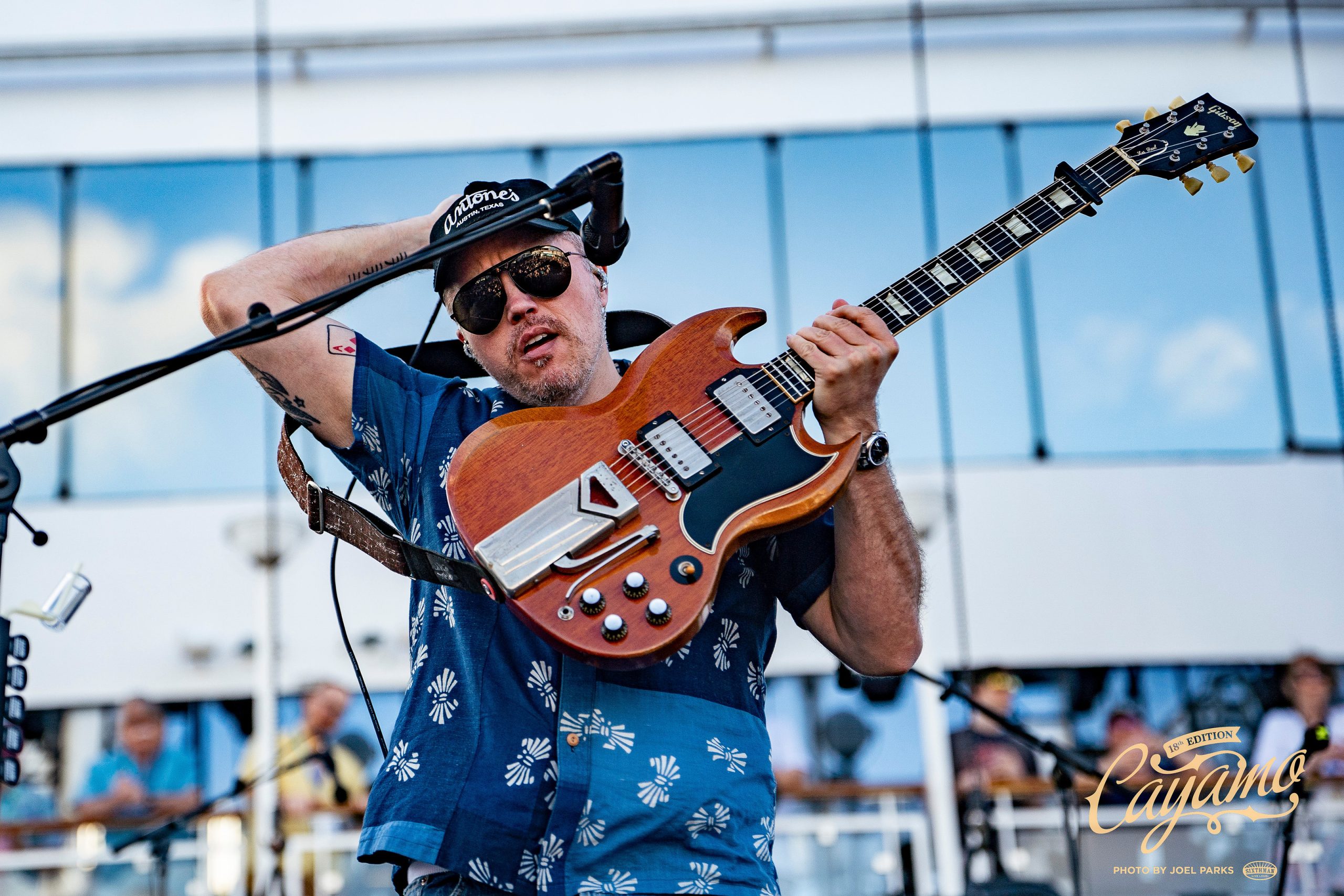
Jason Isbell strapping up.
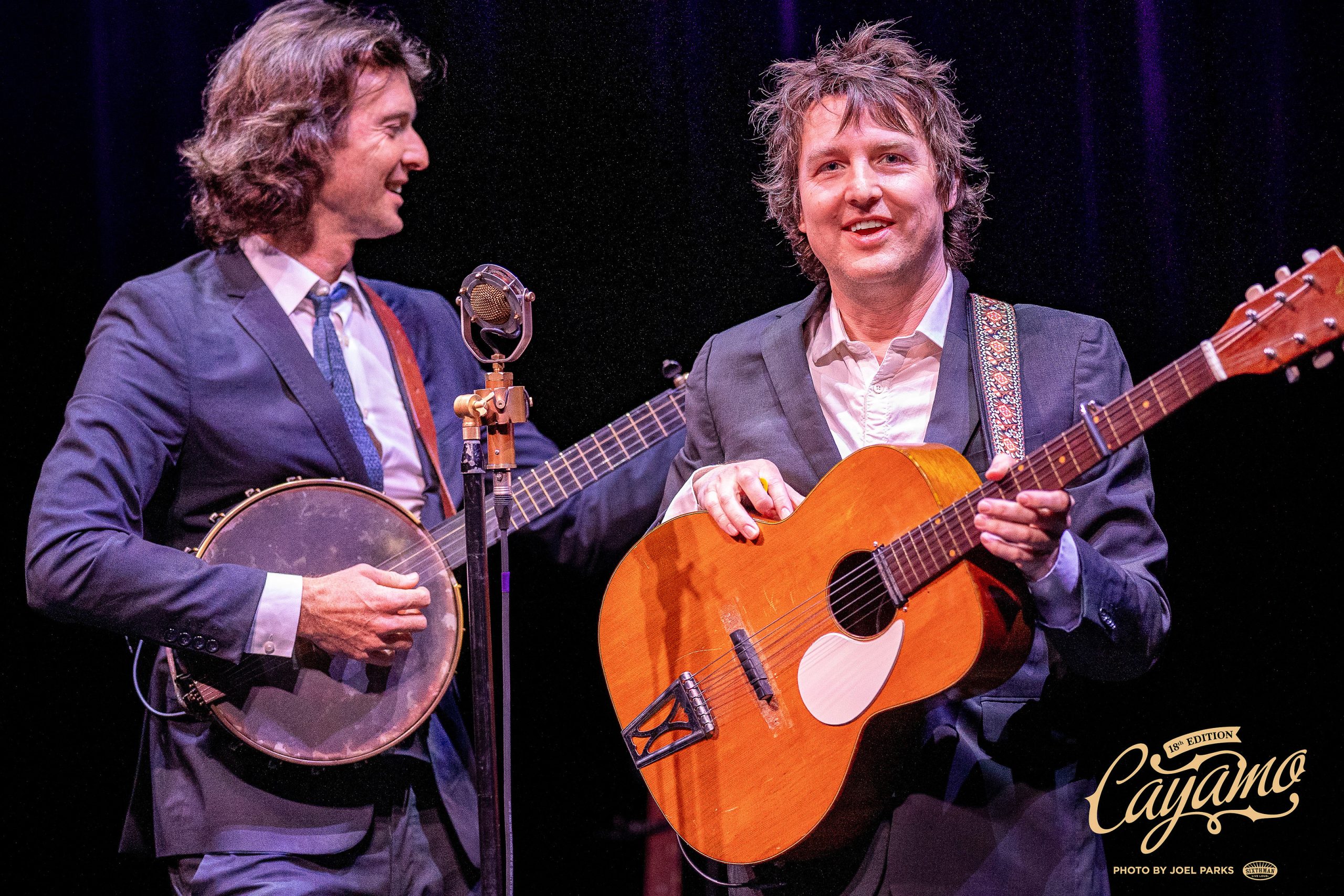
Sierra Hull and the Milk Carton Kids perform “Everybody’s Talking” at the Stardust Theater during Cayamo 2026, captured by BGS on board.
Days 3 & 4
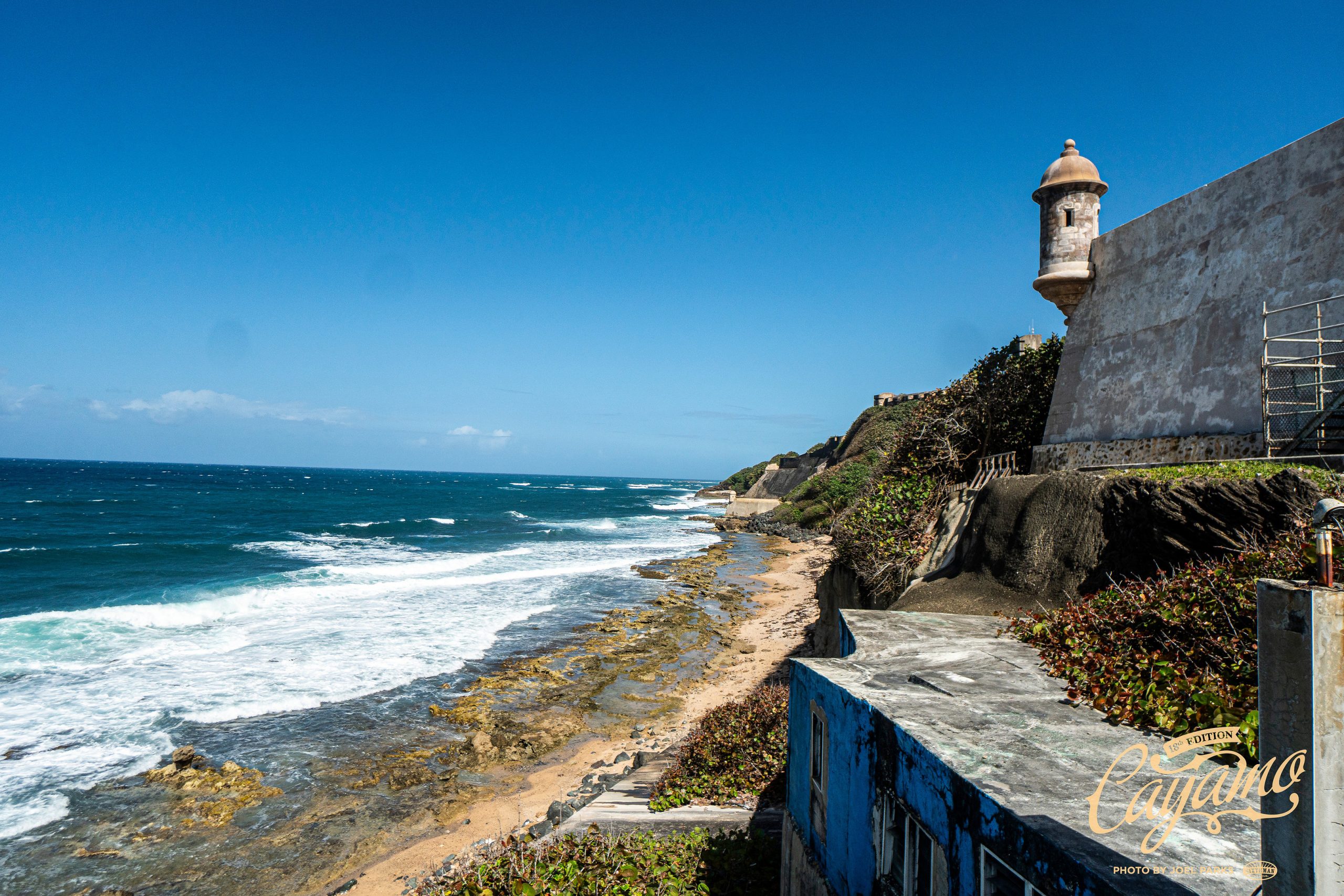
A gorgeous day to port in San Juan, Puerto Rico and leave the 'Norwegian Pearl' for some exploring.
Fortifications in Old San Juan.
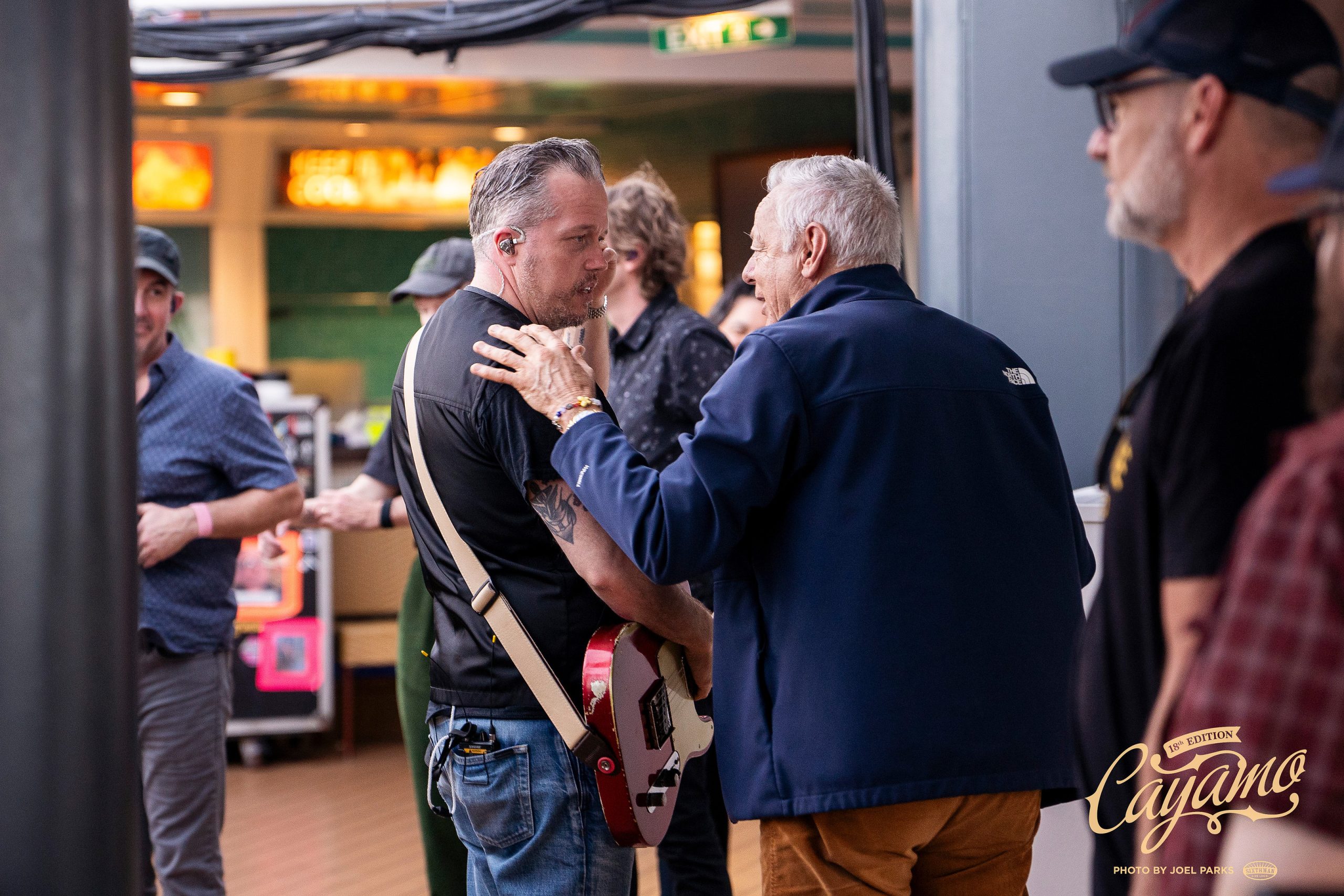
Jason Isbell and Tommy Emmanuel talk backstage.
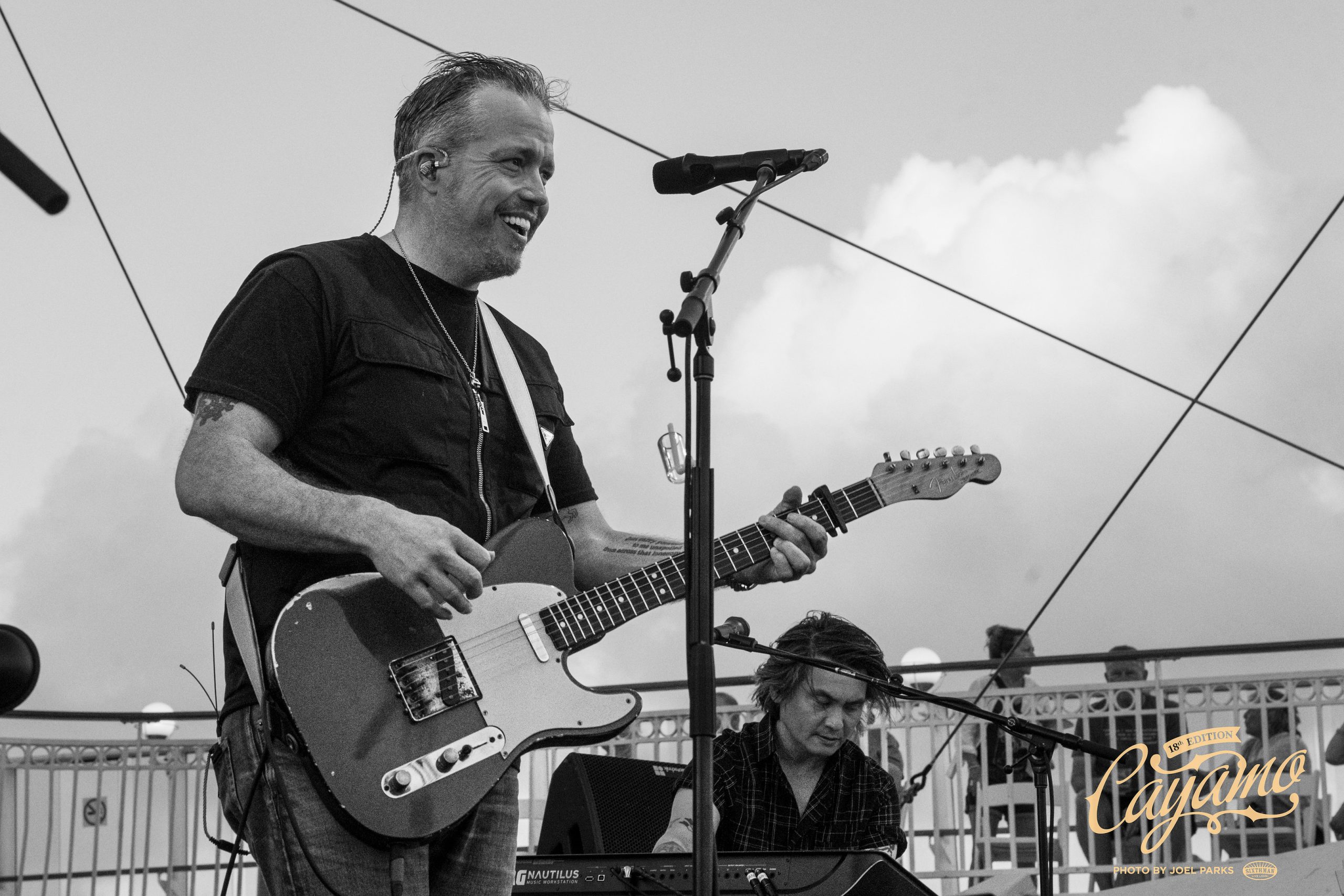
Jason Isbell.
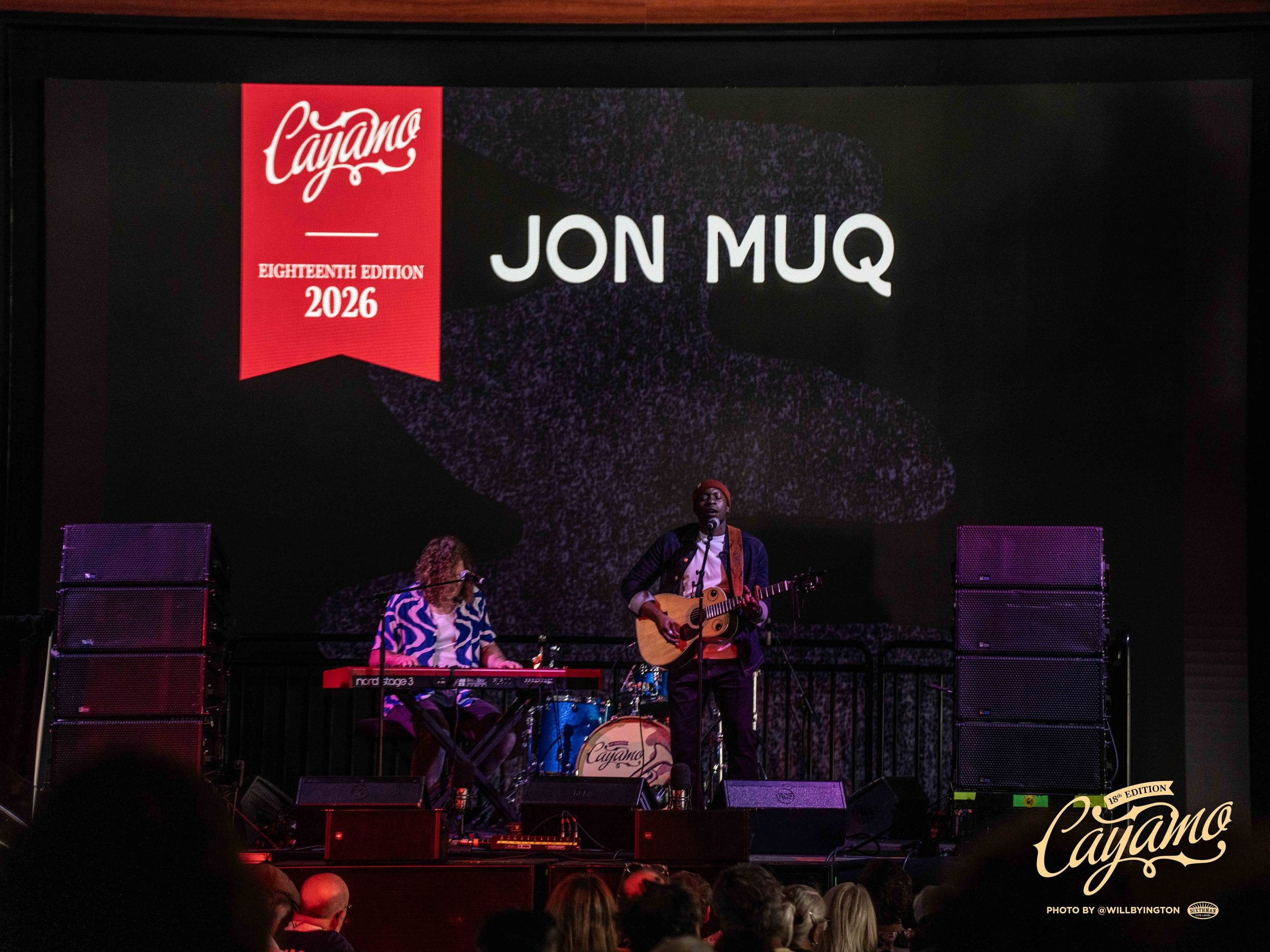
Jon Muq.
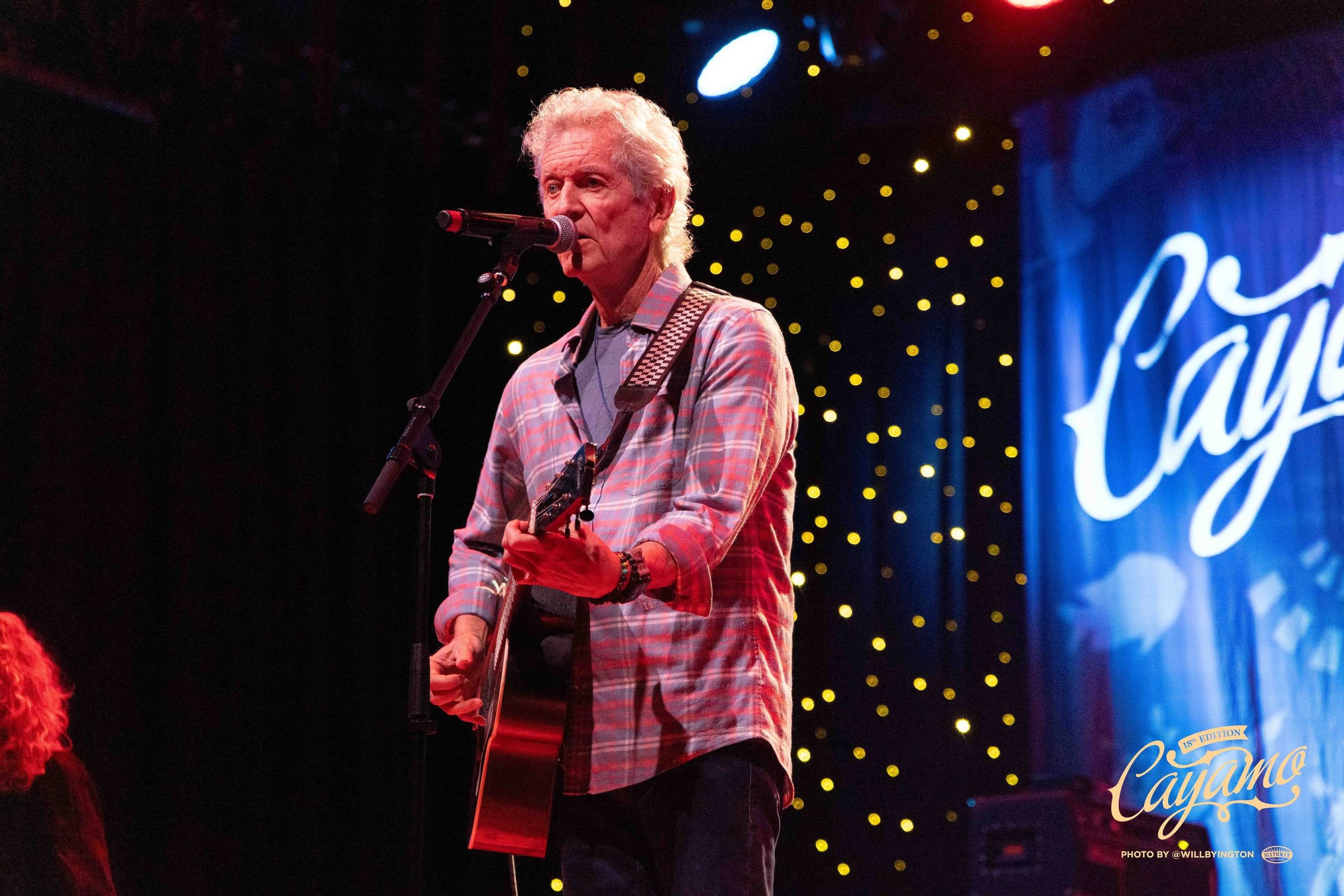
Rodney Crowell.
Sierra Hull performs on the pool deck.
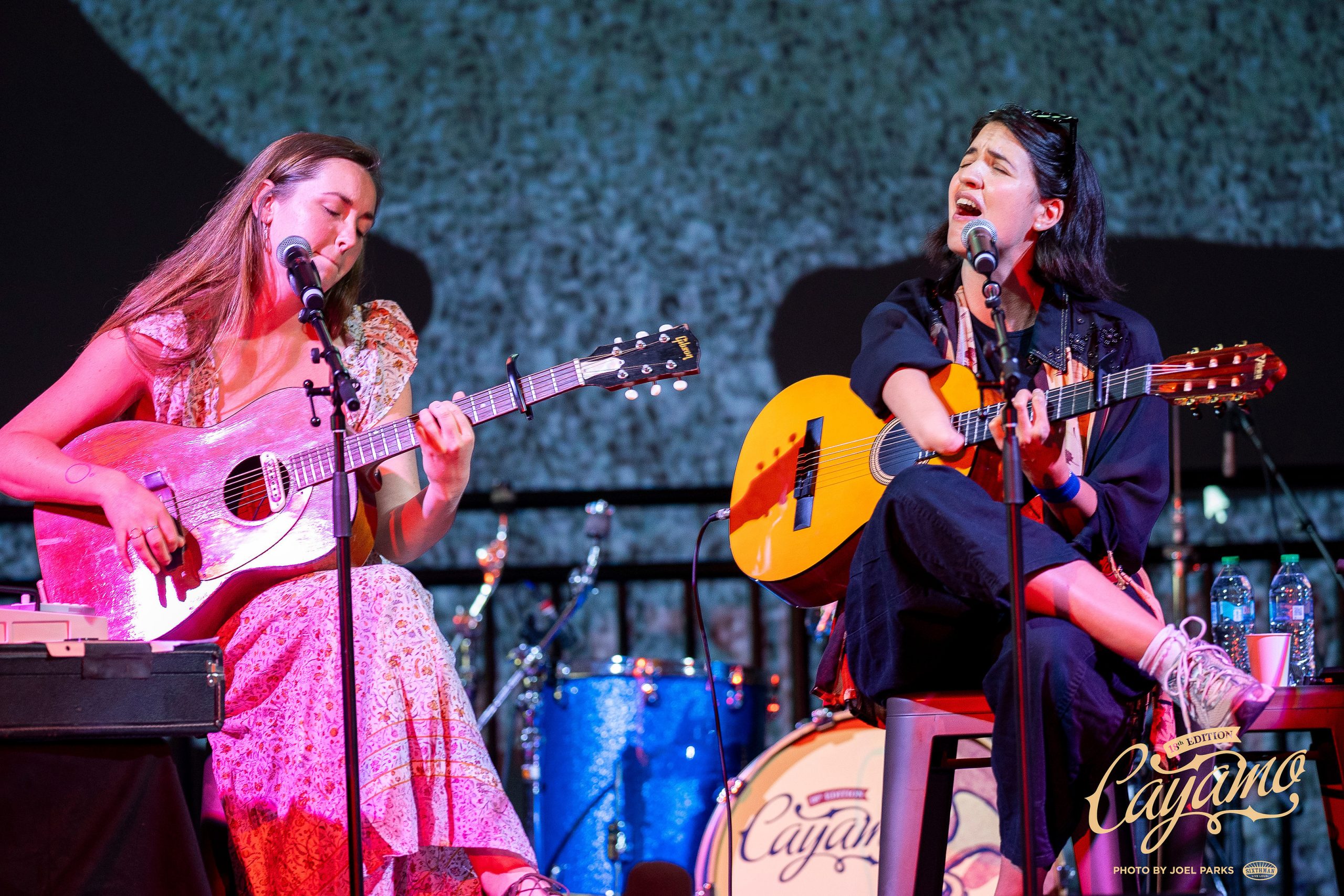
Jobi Riccio and Lizzie No.
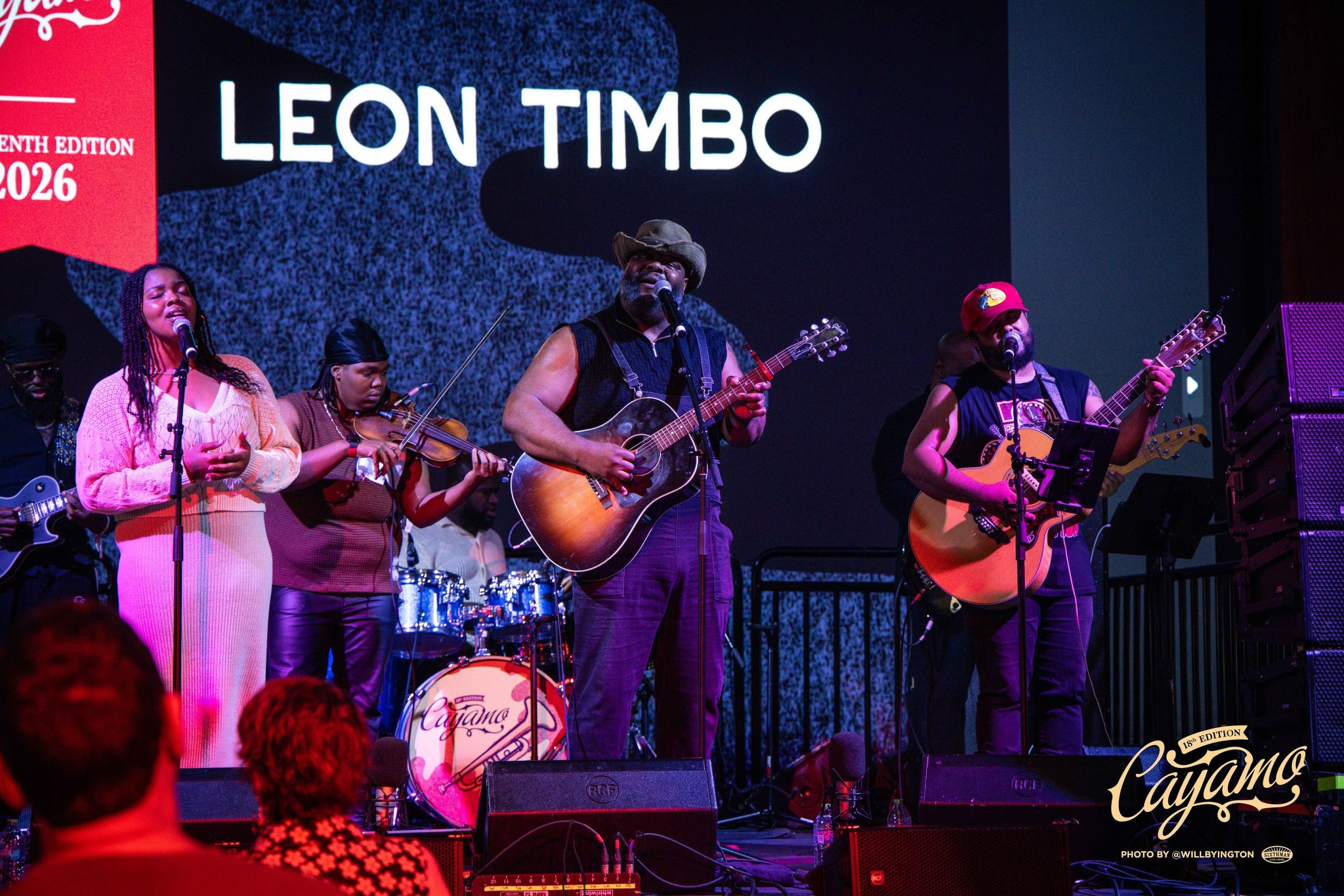
Leon Timbo and band.
Victoria Canal.
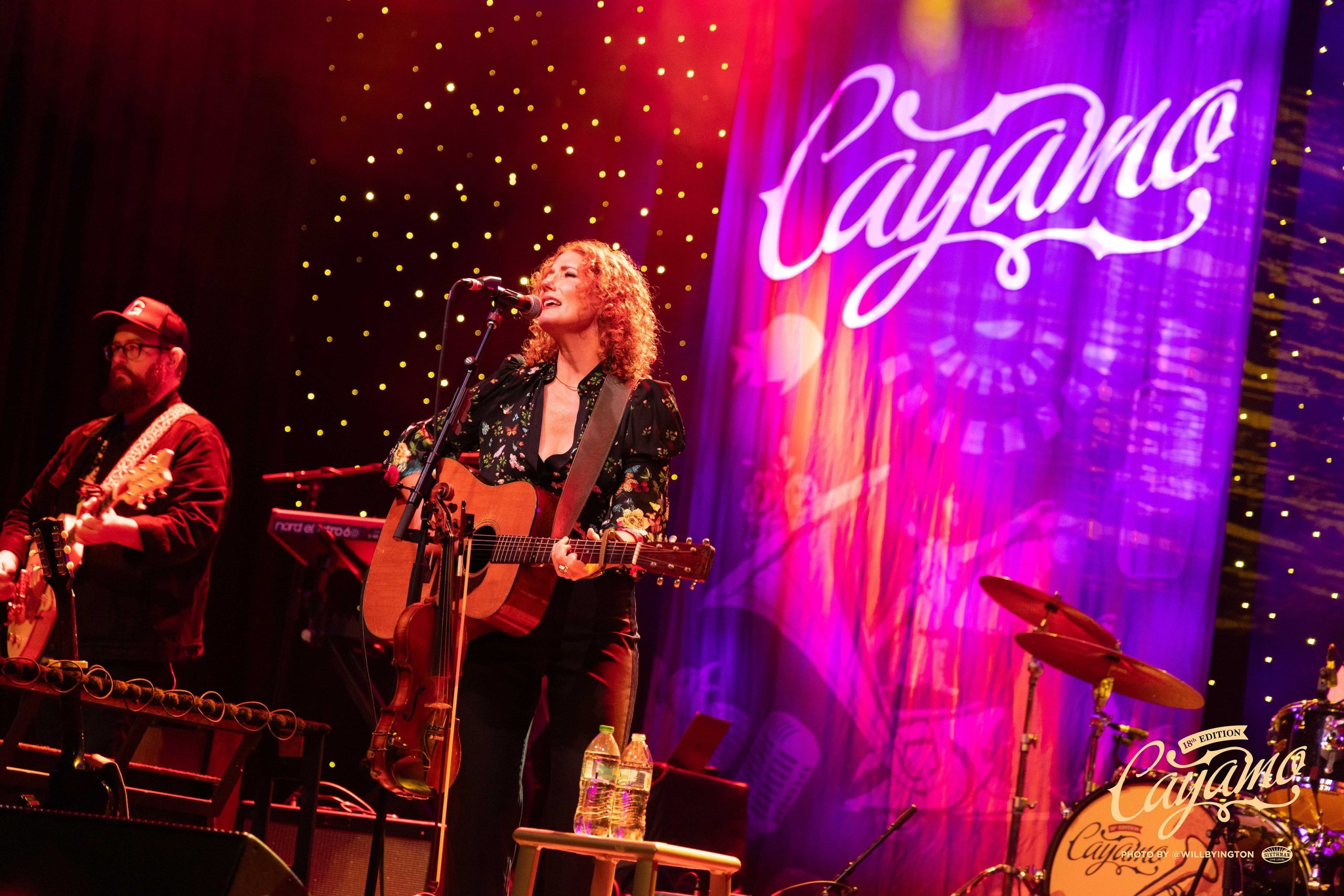
Kathleen Edwards.
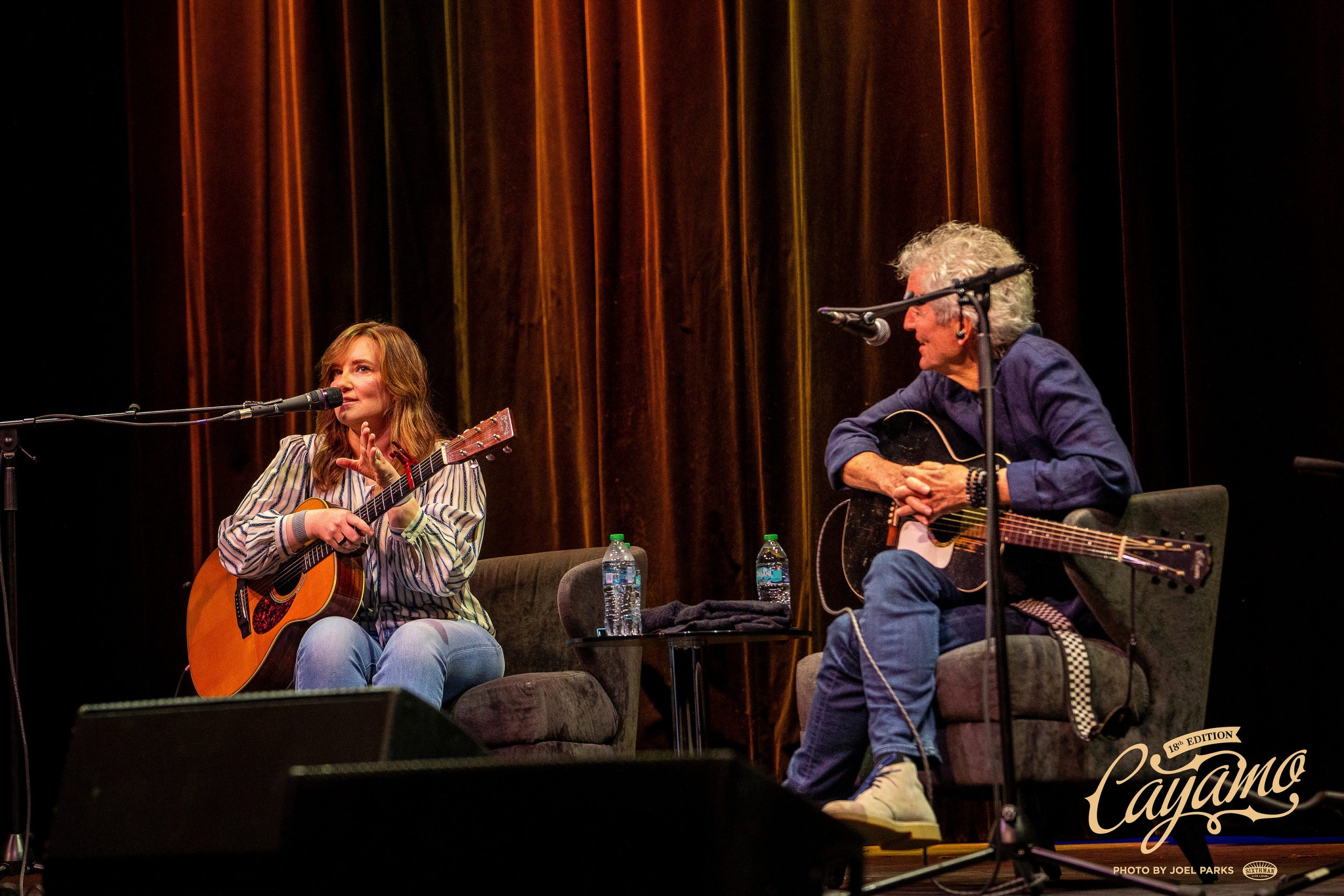
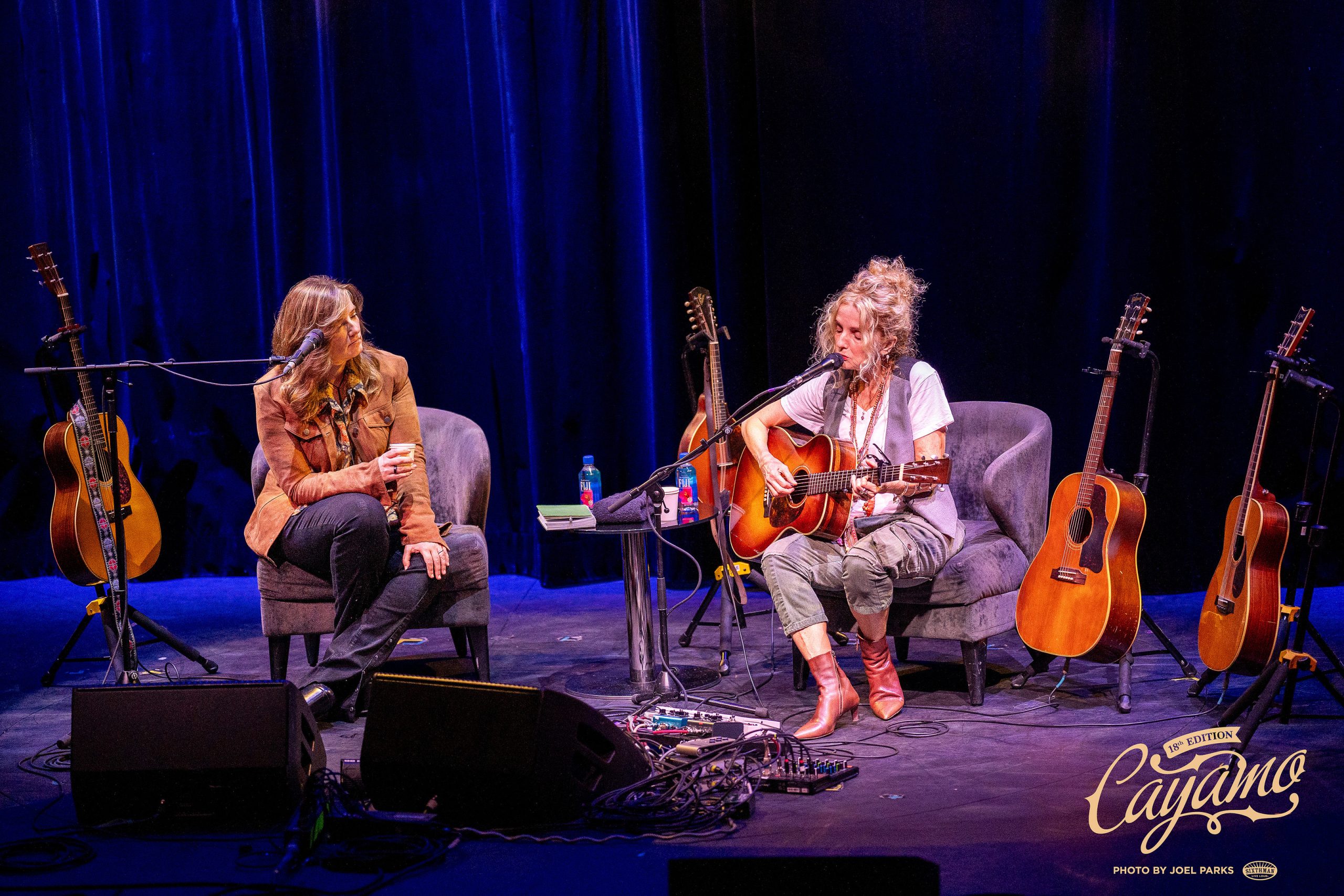
Brandy Clark and Rodney Crowell share songs and stories.
Bronwyn Keith-Hynes and her guitarist Grant Dresnok join Tommy Emmanuel on stage.
The Milk Carton Kids.
During our favorite event of the voyage – ahem, the BGS Nightcap of course – Kathleen Edwards joined Della Mae to perform “Six O’Clock News.” Thanks to Della Mae for recording and sharing this clip.
Days 5 & 6
It really is a floating festival!
Rodney Crowell performs.
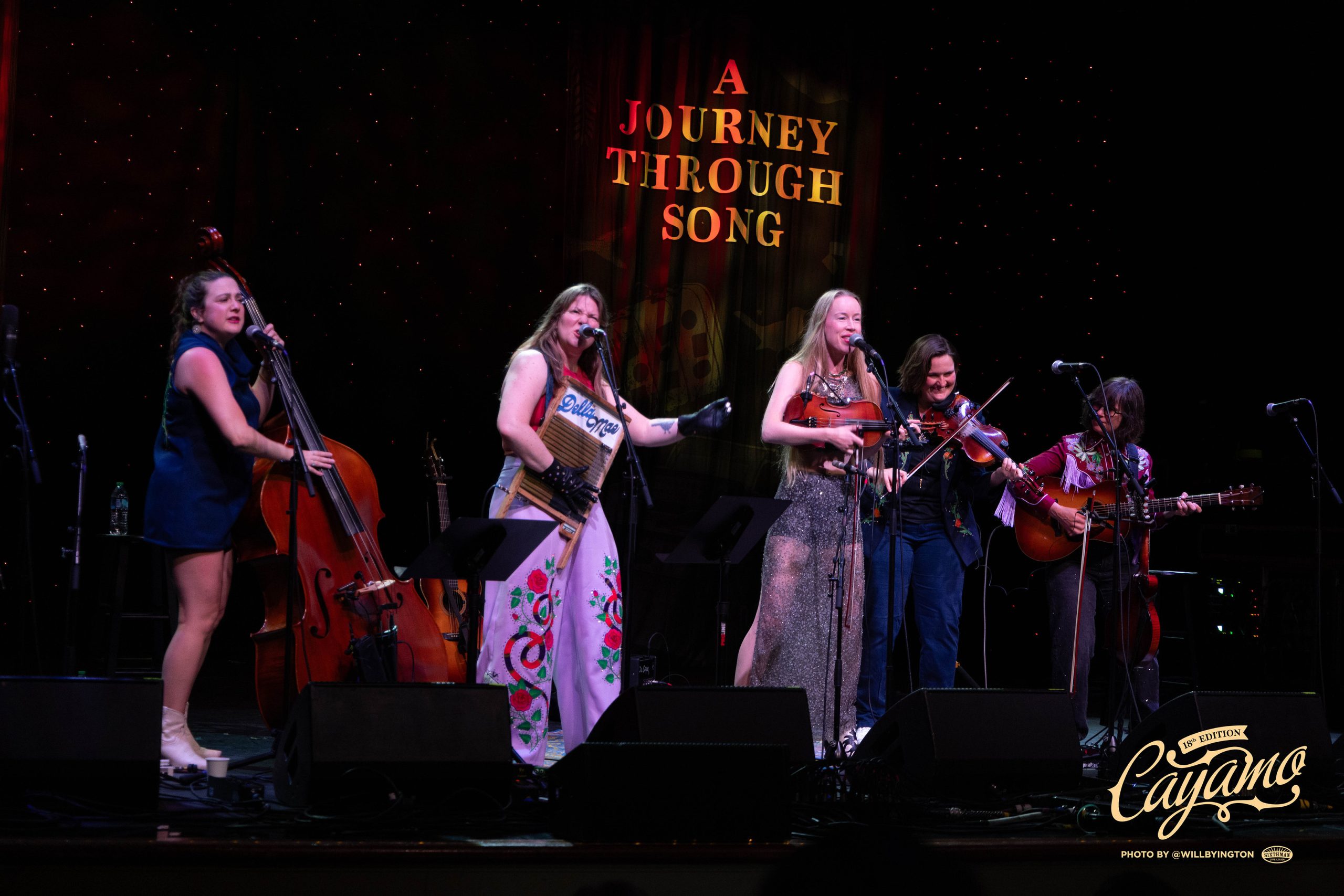
Palmyra with Della Mae.
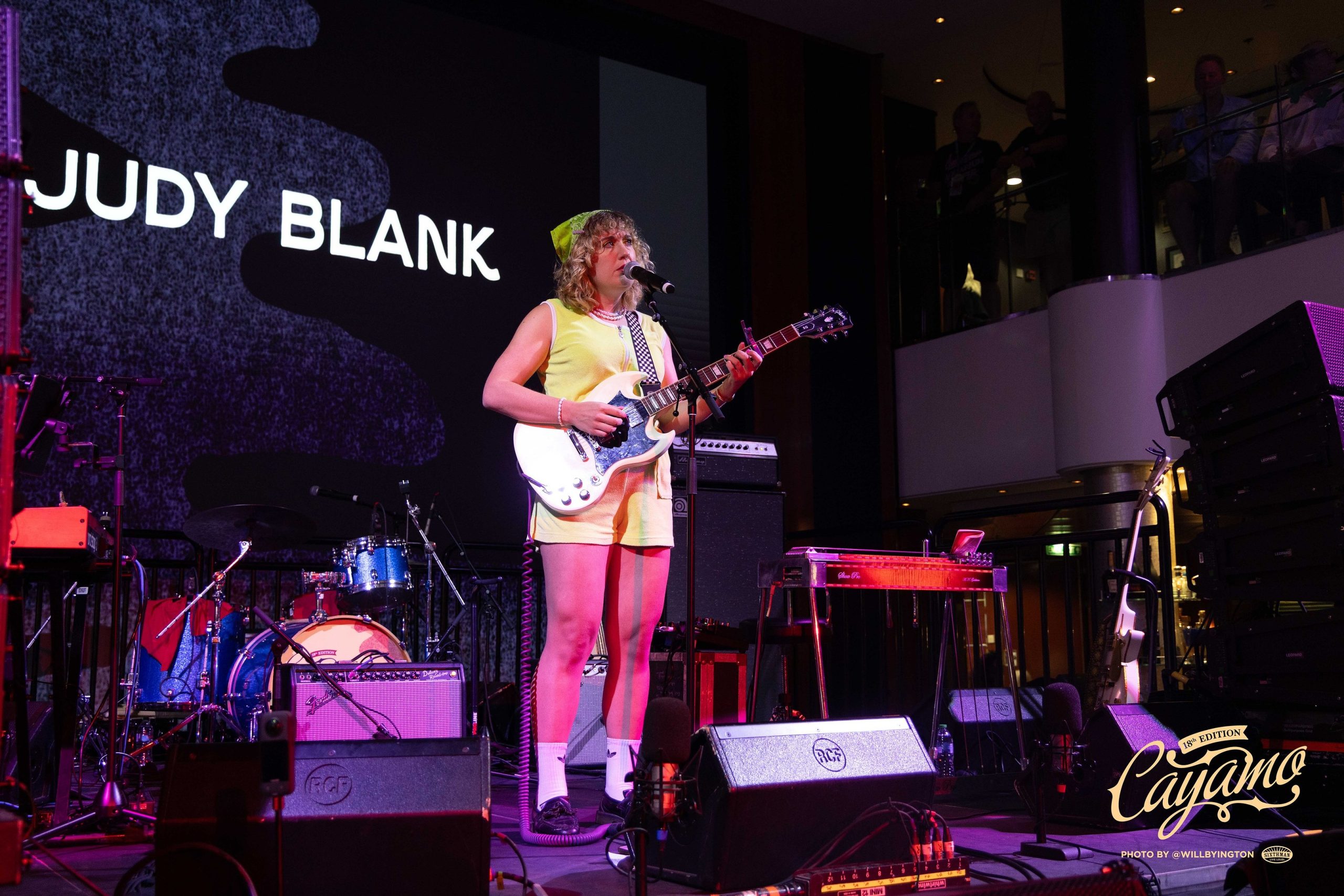
Judy Blank.
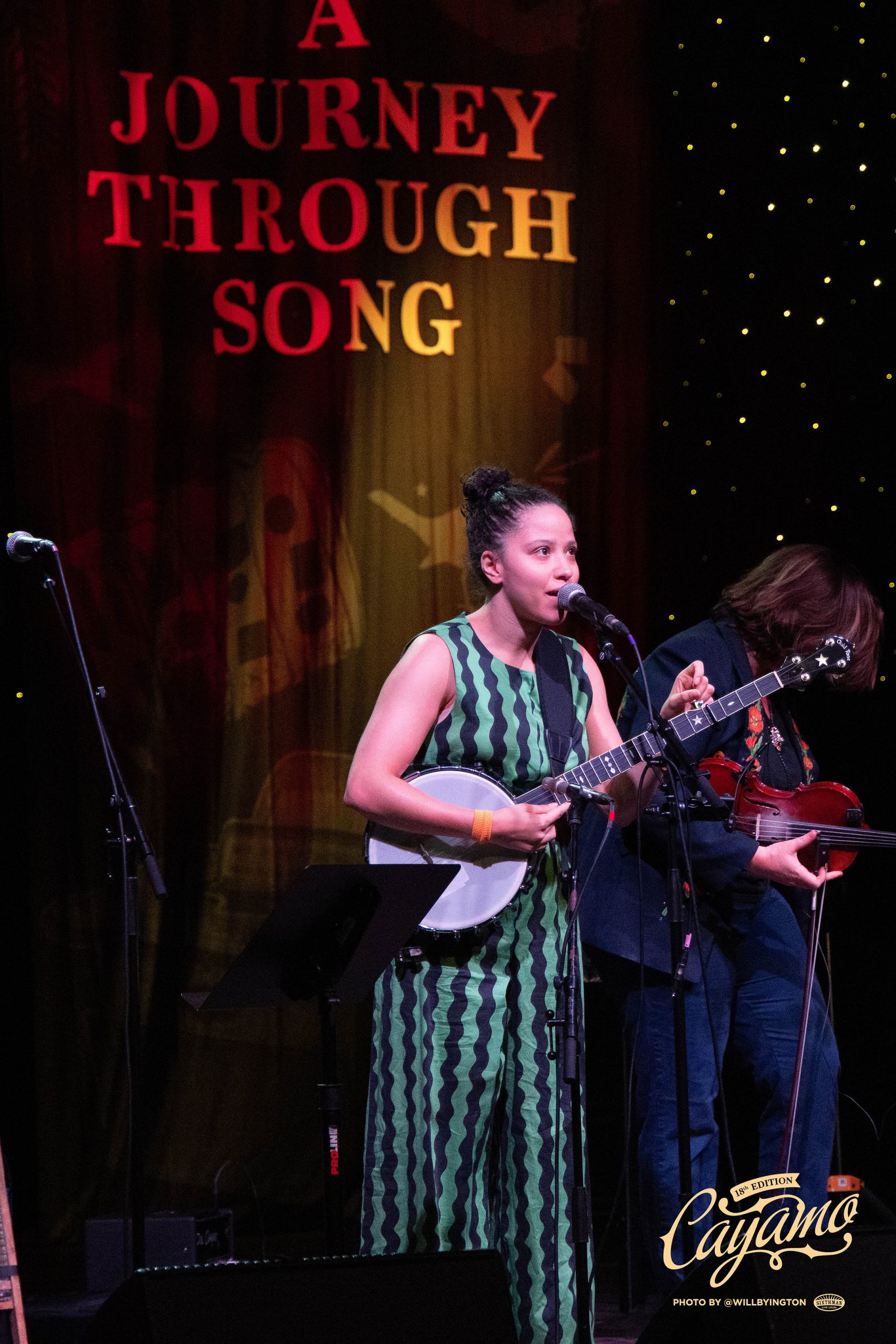
Kaia Kater.
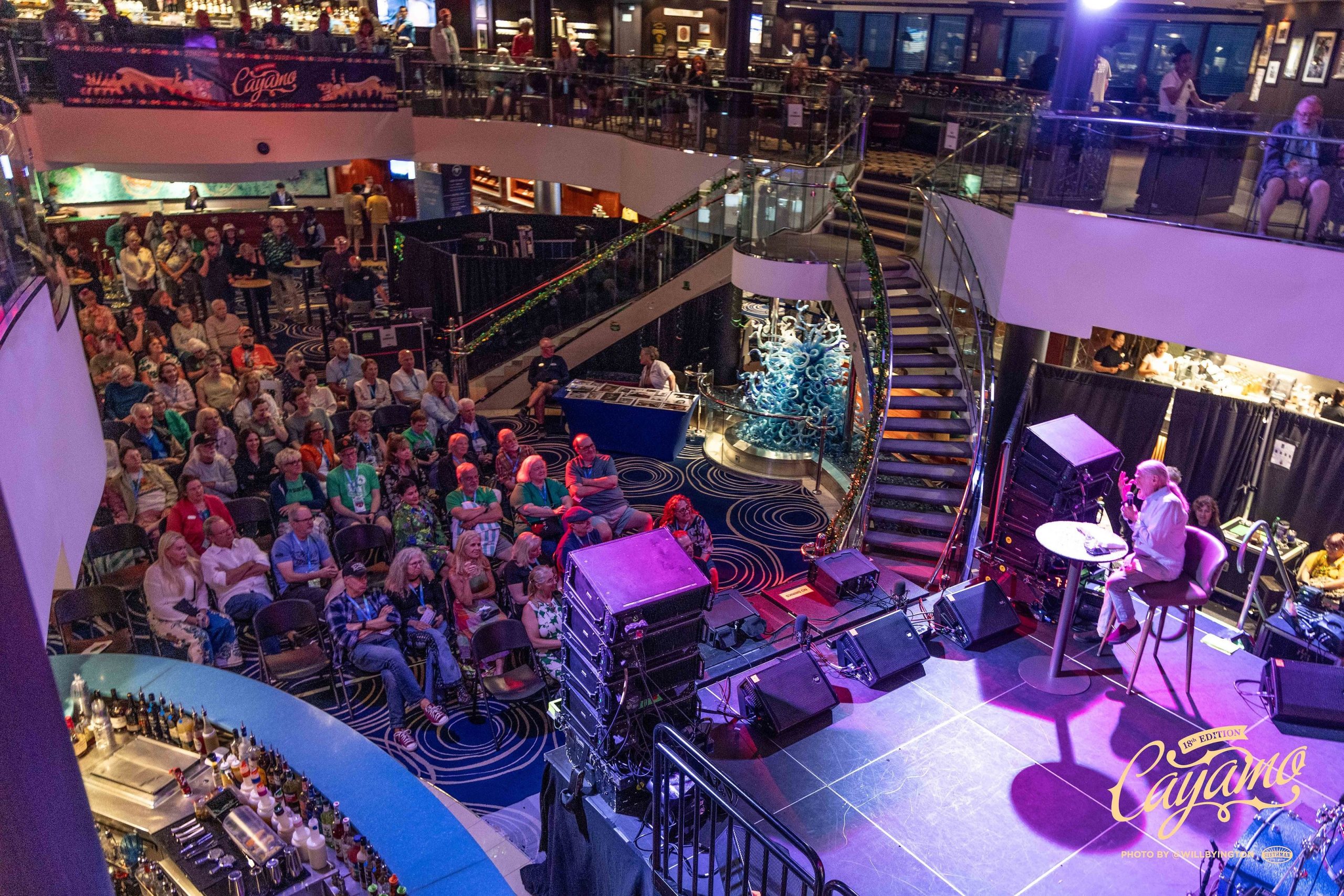
The entire ship becomes a setting for so many different sorts of events, panels, and sessions.
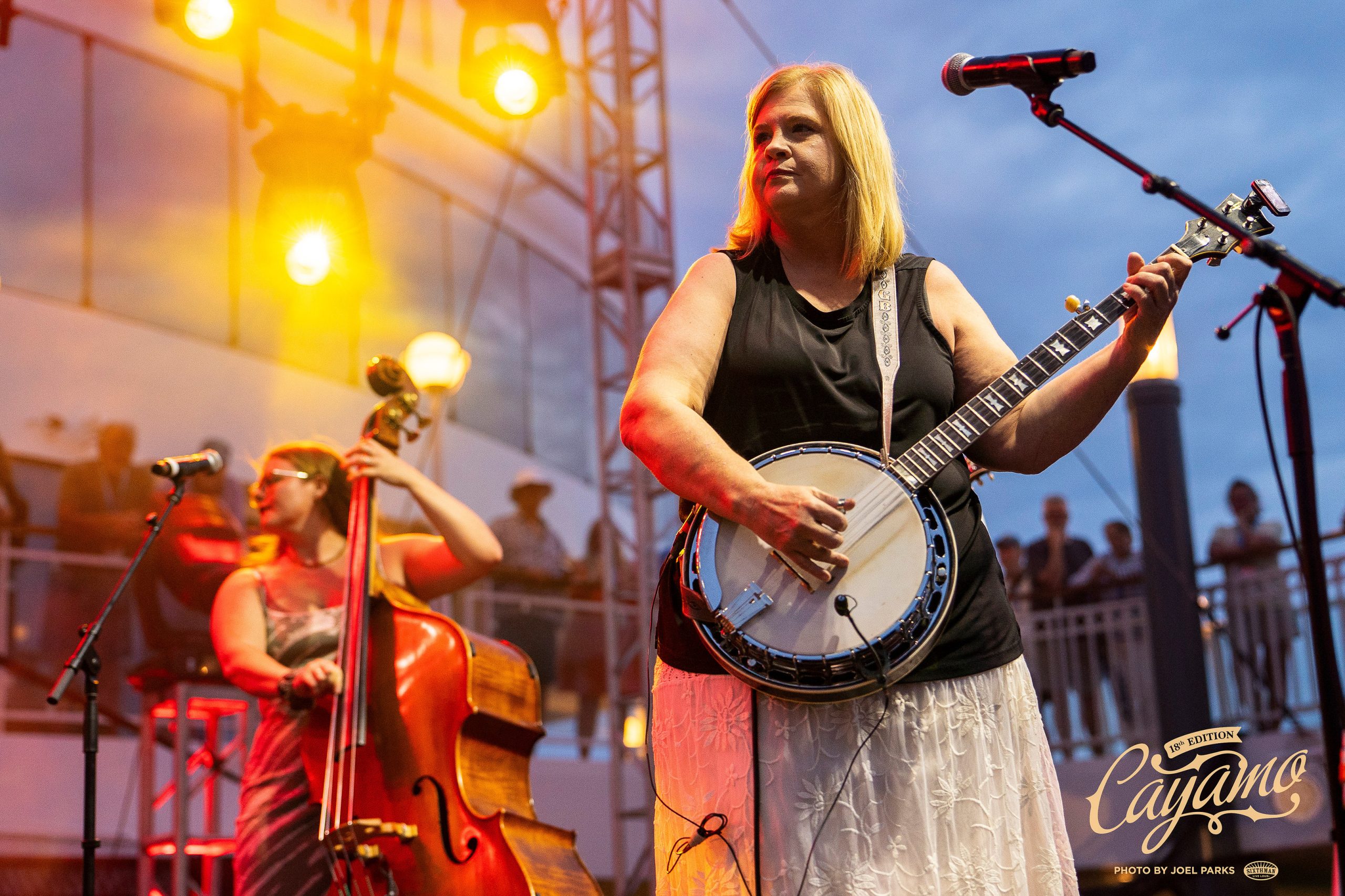
Banjoist Gena Britt of Sister Sadie.
Pynk Beard performs on the pool deck.
Brandy Clark and Patty Griffin, another crowd favorite event.
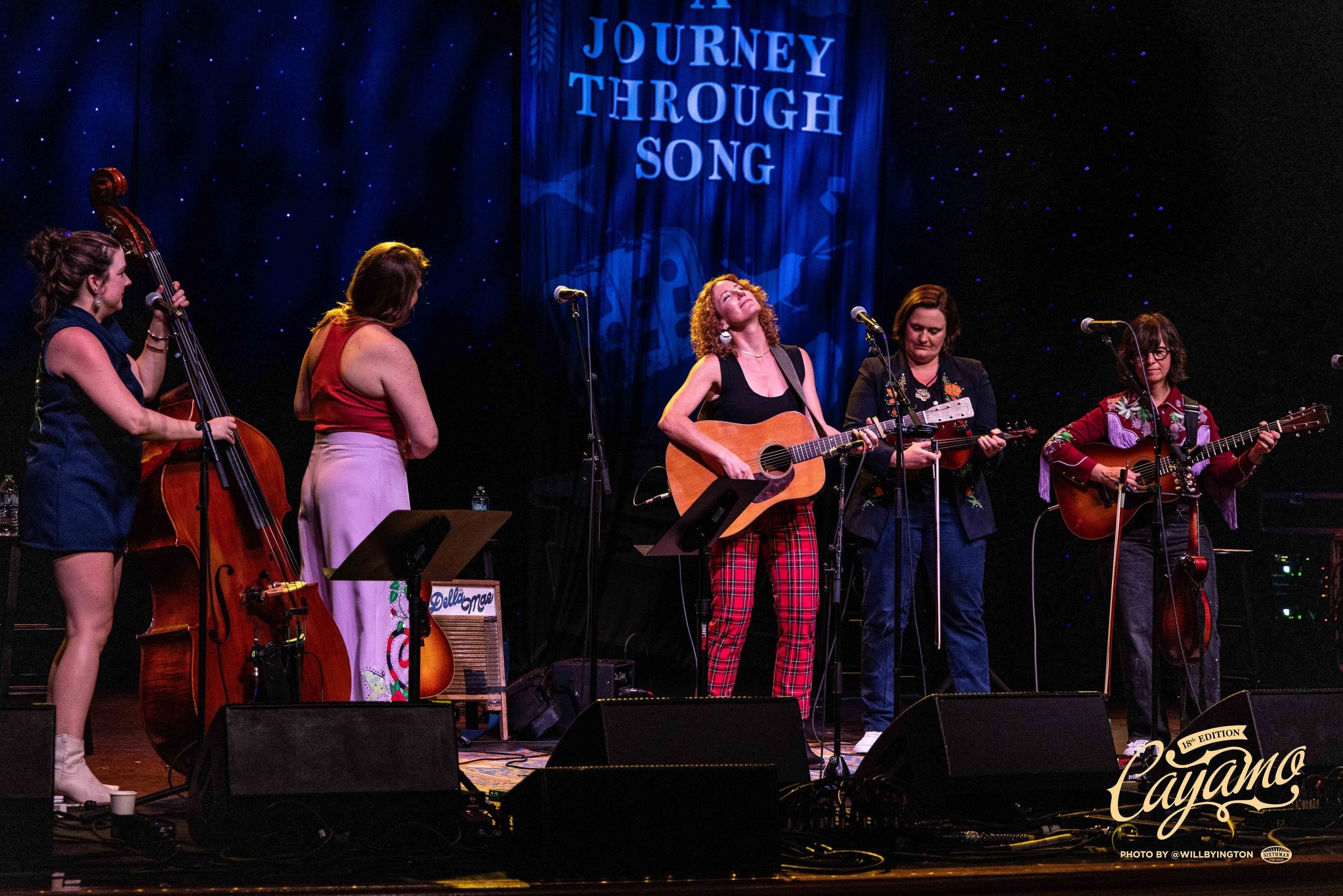
Della Mae.
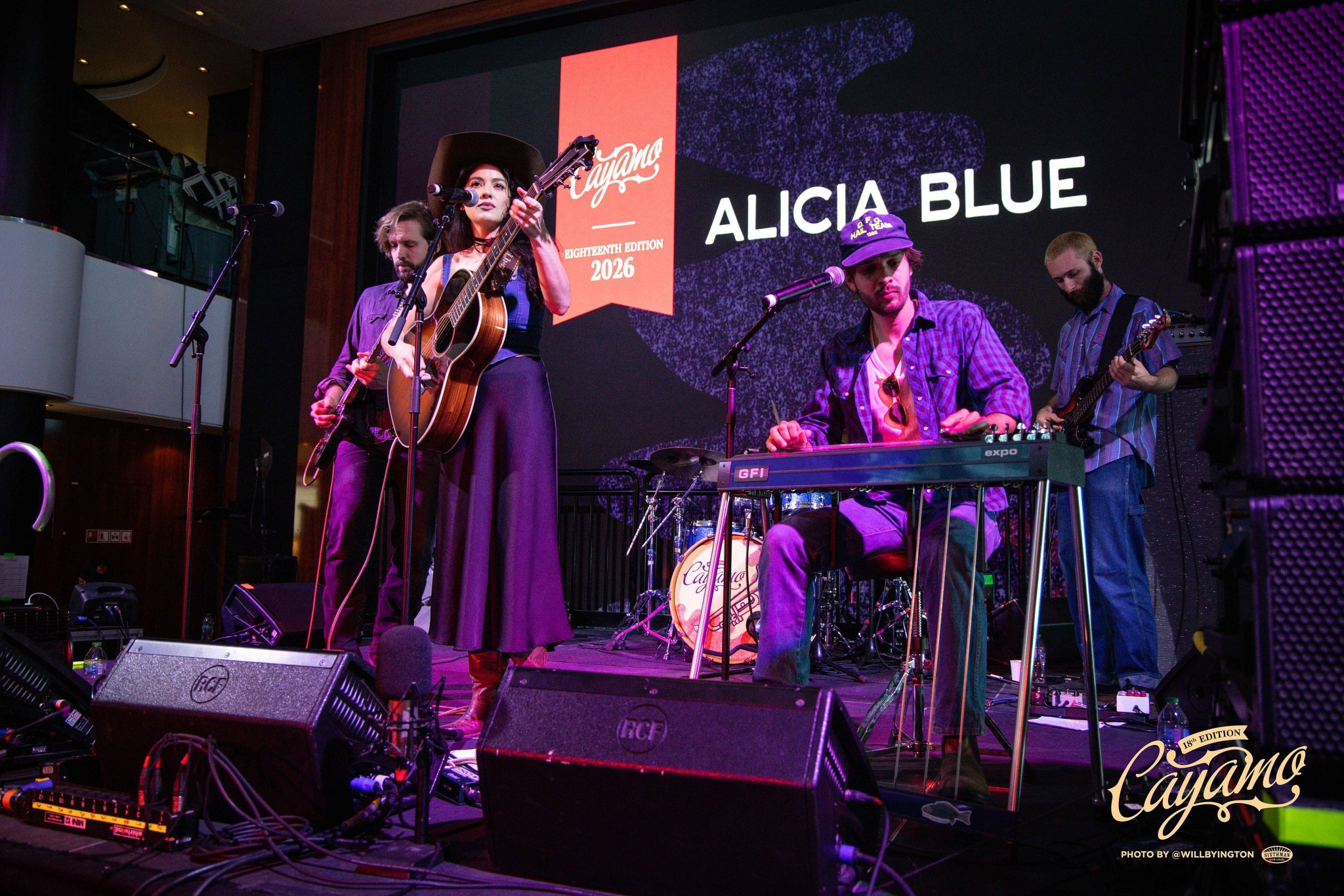
Alicia Blue.
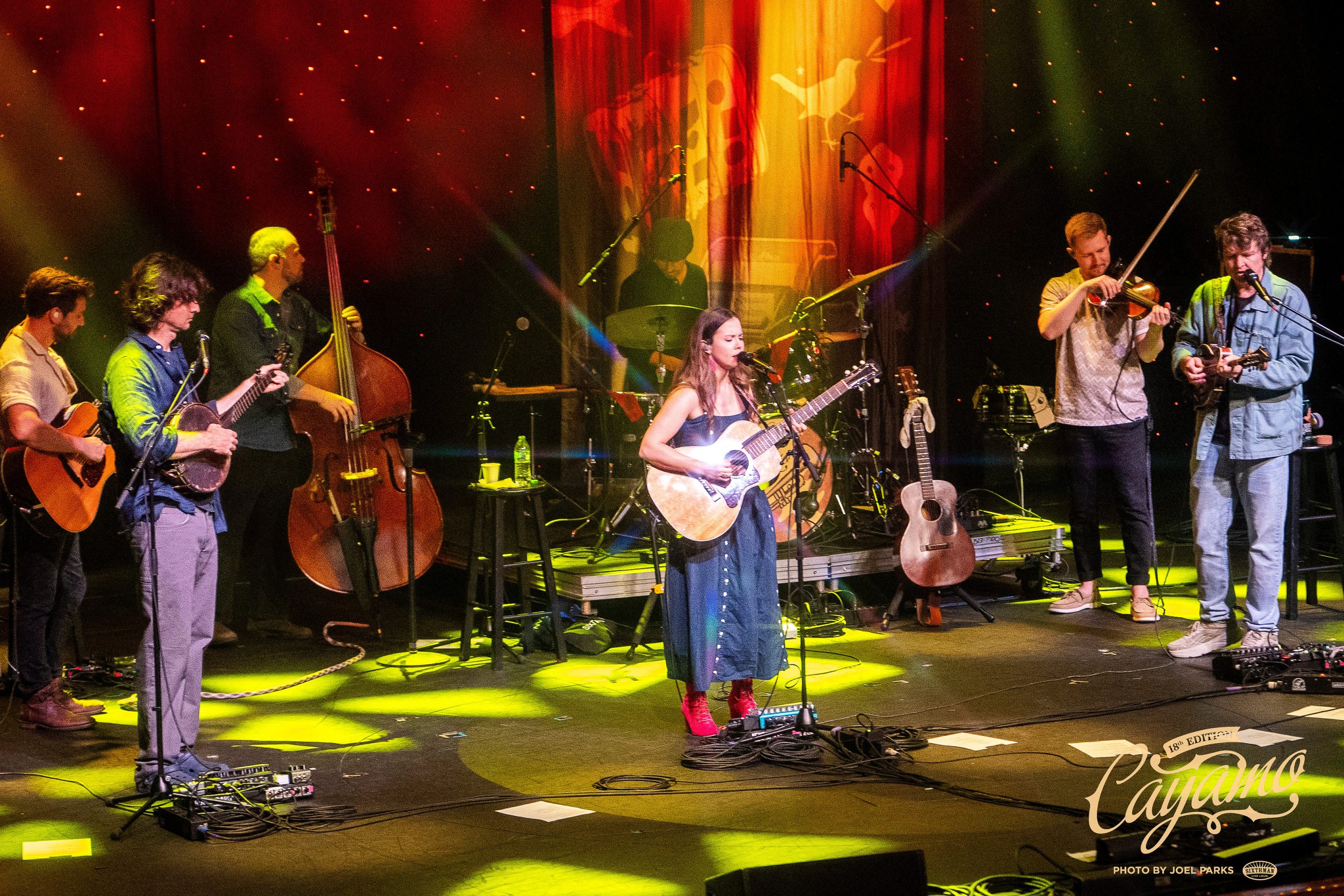
Sierra Hull and band joined by Milk Carton Kids.
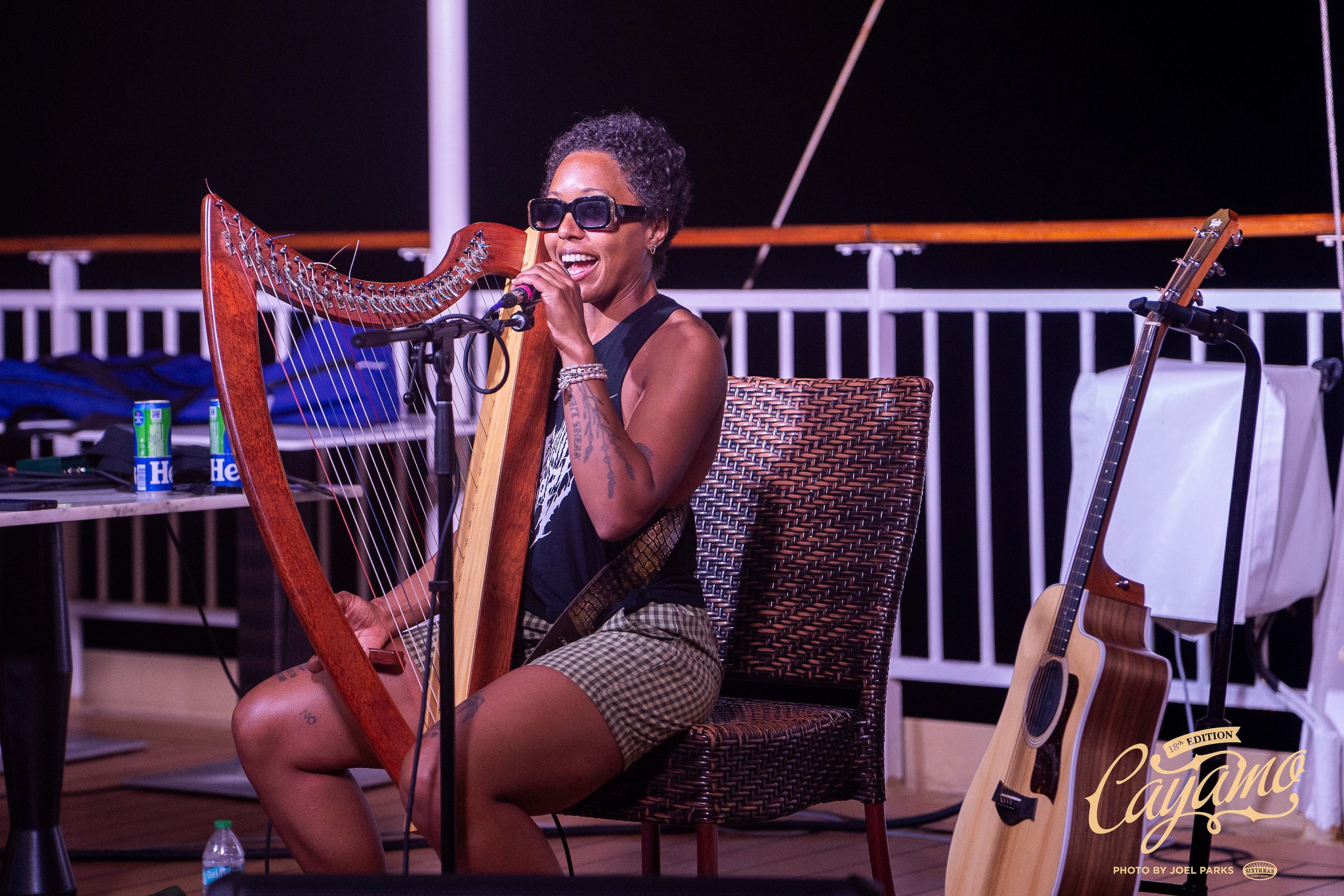
Lizzie No.
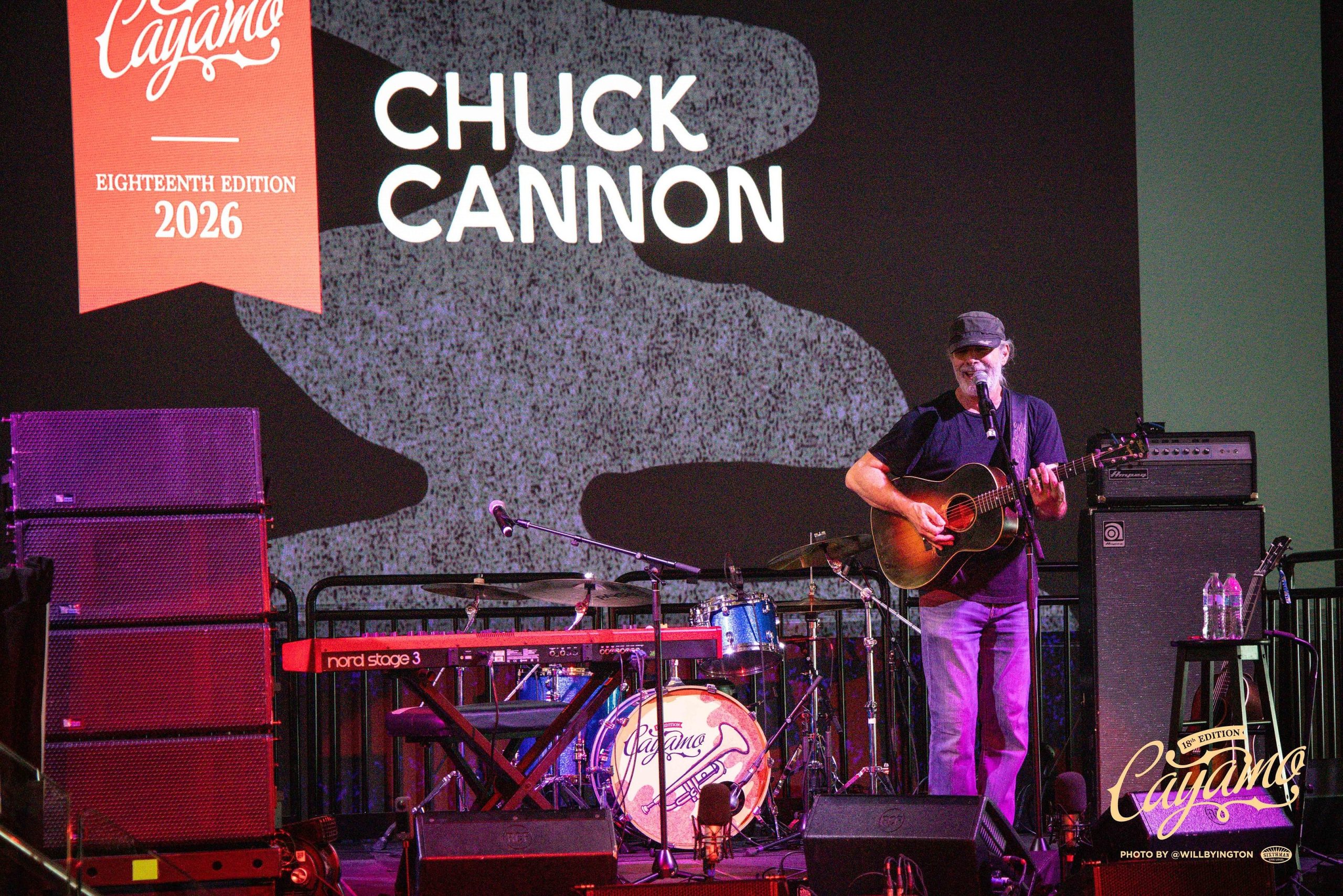
Chuck Cannon.
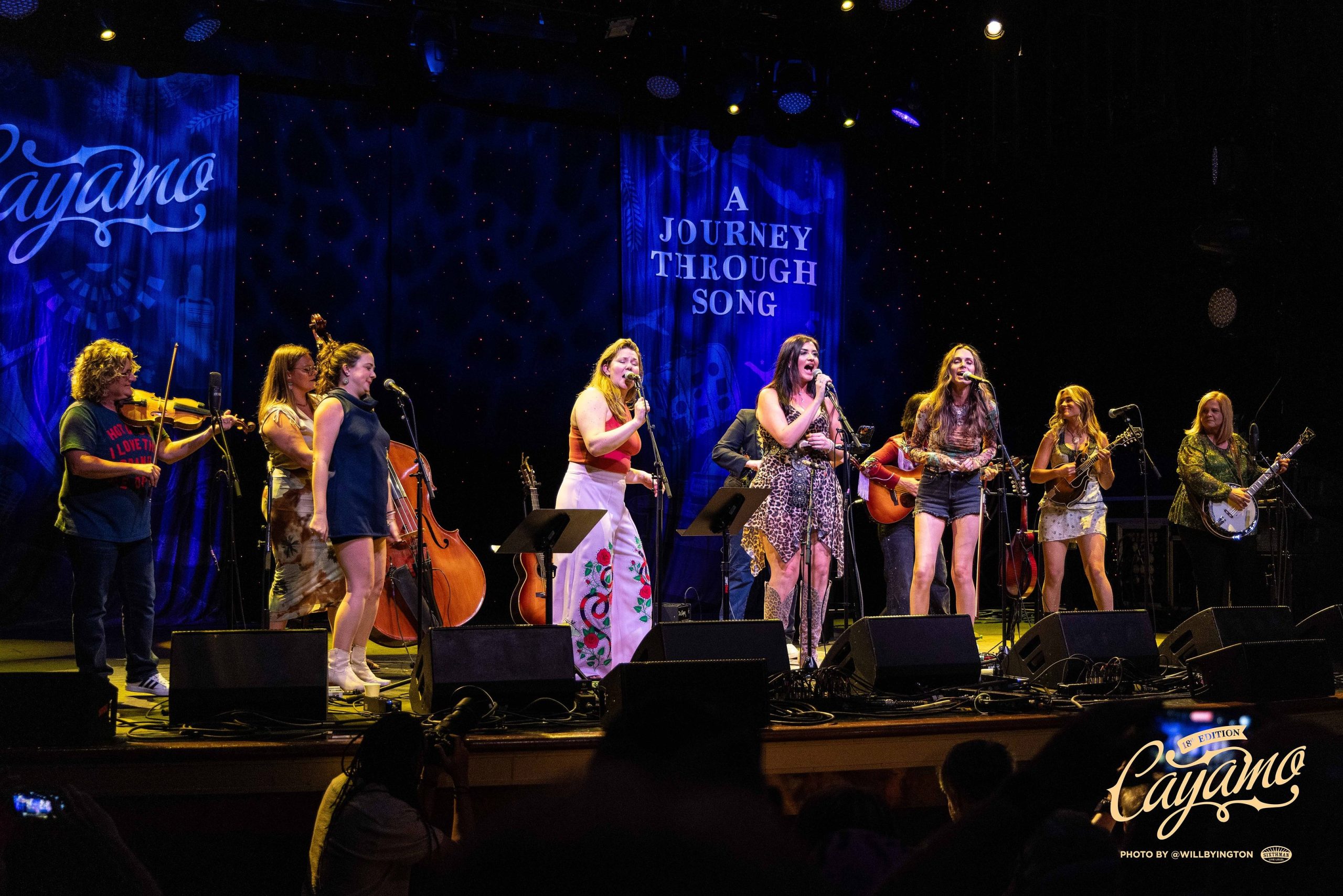
BGS Nightcap
Jobi Riccio joins our evening's hosts, Della Mae.
Rose Cousins.
Tommy Emmanuel and Celia Woodsmith of Della Mae.
Palmyra and Della Mae together, a match made in heaven.
Pynk Beard clearly got along great with our hosts!
Bronwyn Keith-Hynes made an appearance.
Kathleen Edwards. Watch a clip of her performance with Della Mae above.
Sister Sadie and Della Mae together equals real musical power.
Kaia Kater, Crys Matthews, and Della Mae on the BGS Nightcap.
Tommy Emmanuel on the BGS Nightcap with Della Mae.
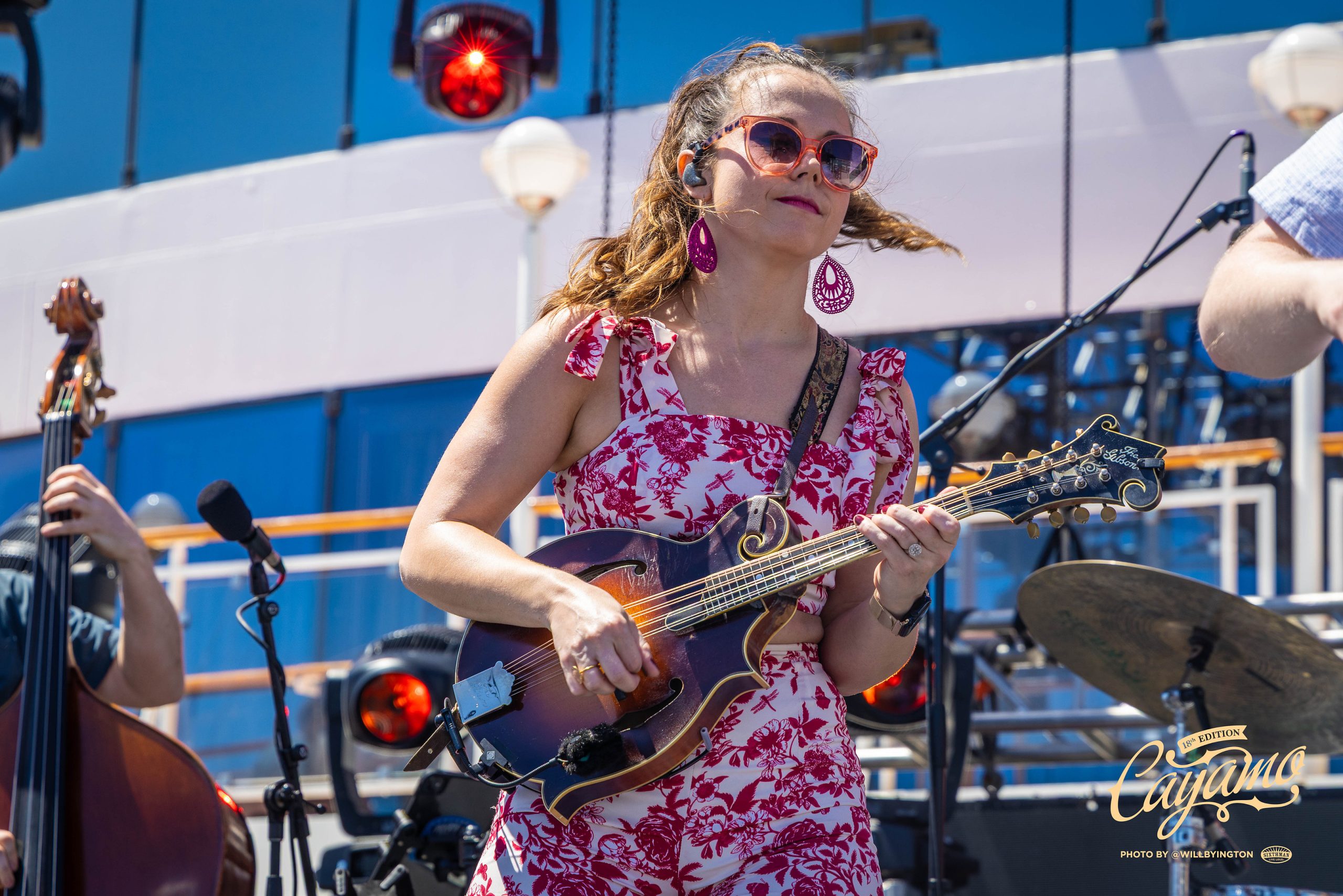
Sierra Hull.
What a night! Sister Sadie and Della Mae bid the audience goodnight.
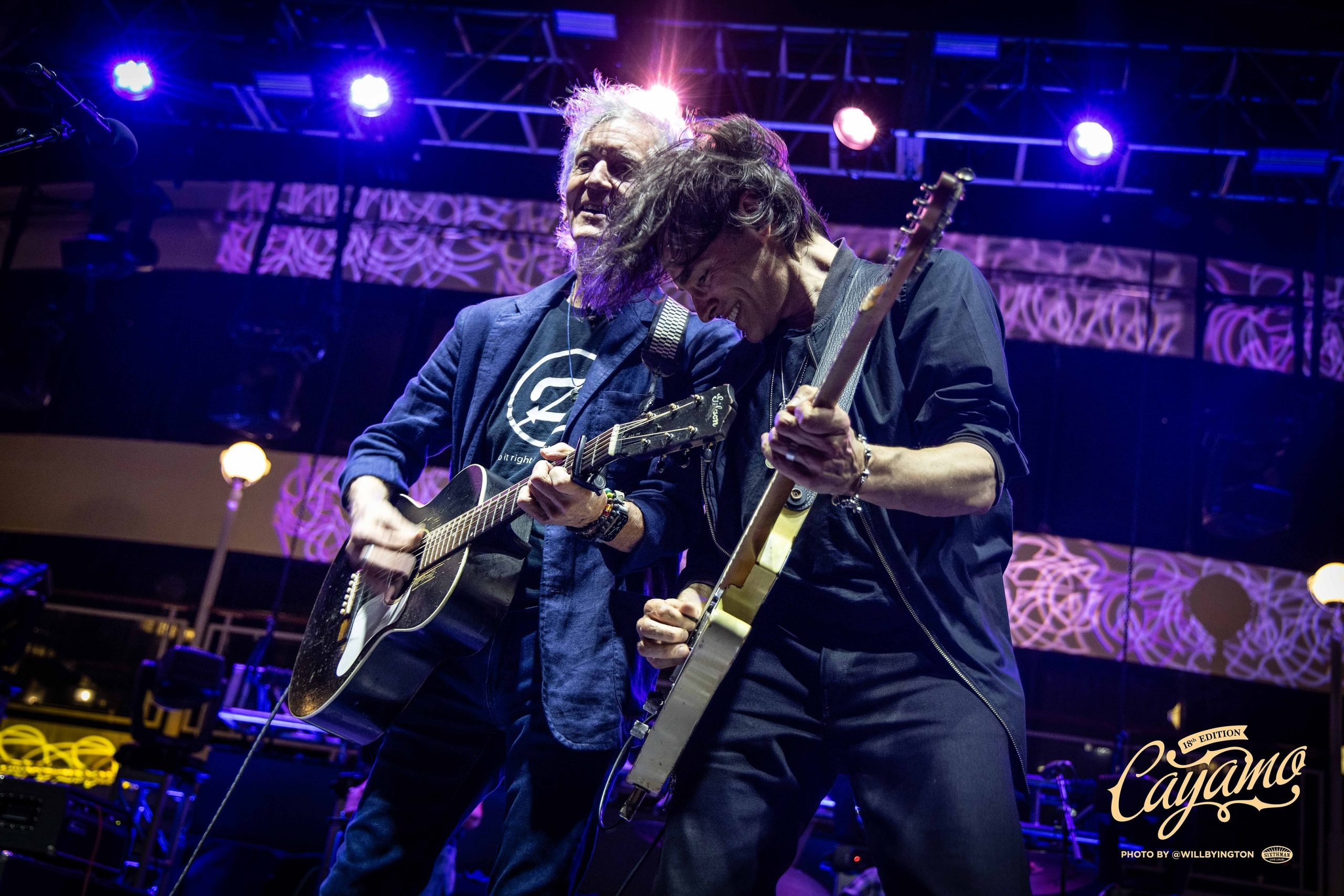
The BGS highlight of the week! A Nightcap jam session is our favorite pastime, especially aboard Cayamo. What a lineup of artists and bands and special collaborations. And this year it happened to fall on St. Patrick’s Day itself – perfect for a roots music party.
Day 7
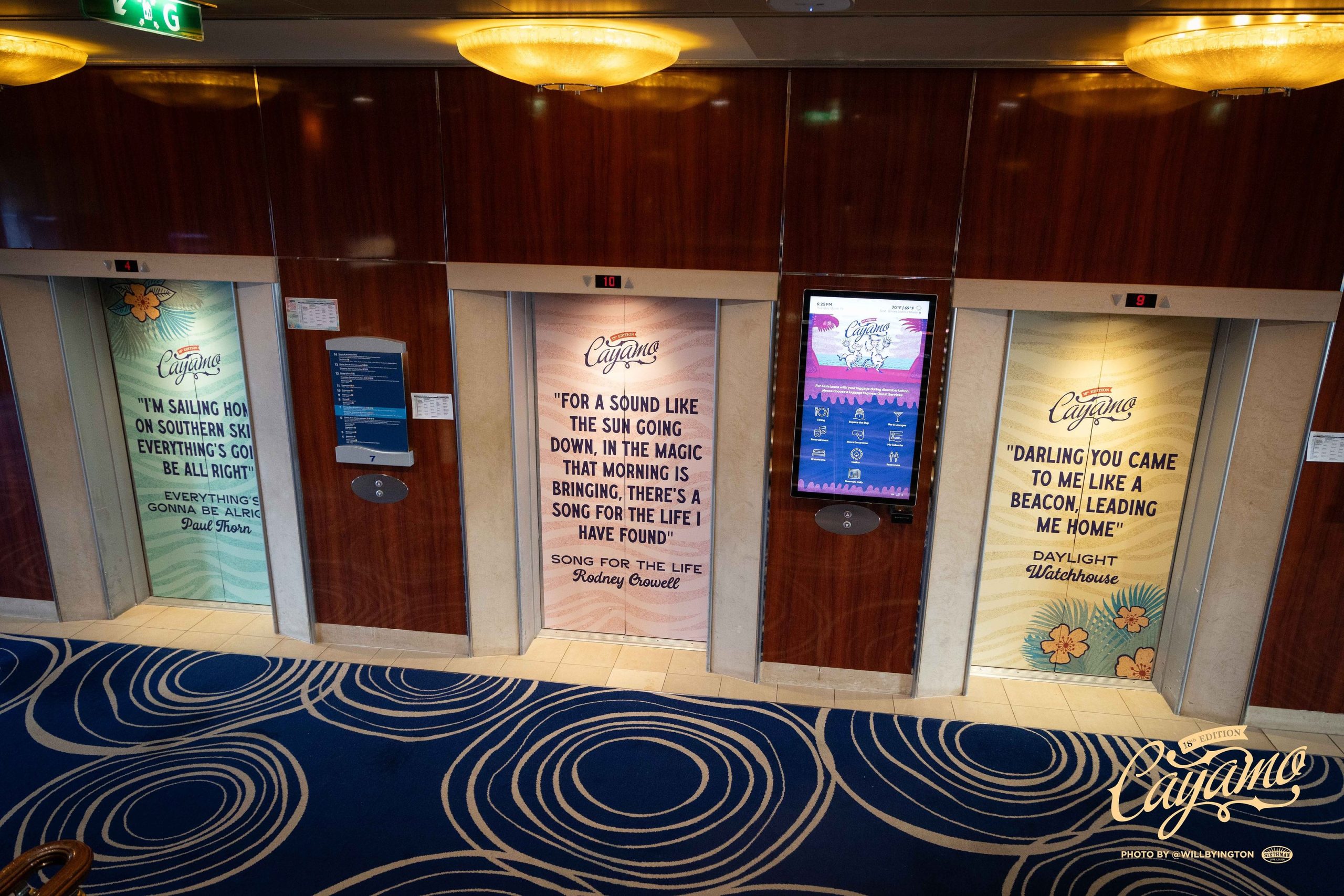
Everywhere you look, Cayamo, Sixthman, and Norwegian make the voyage a musicful experience.
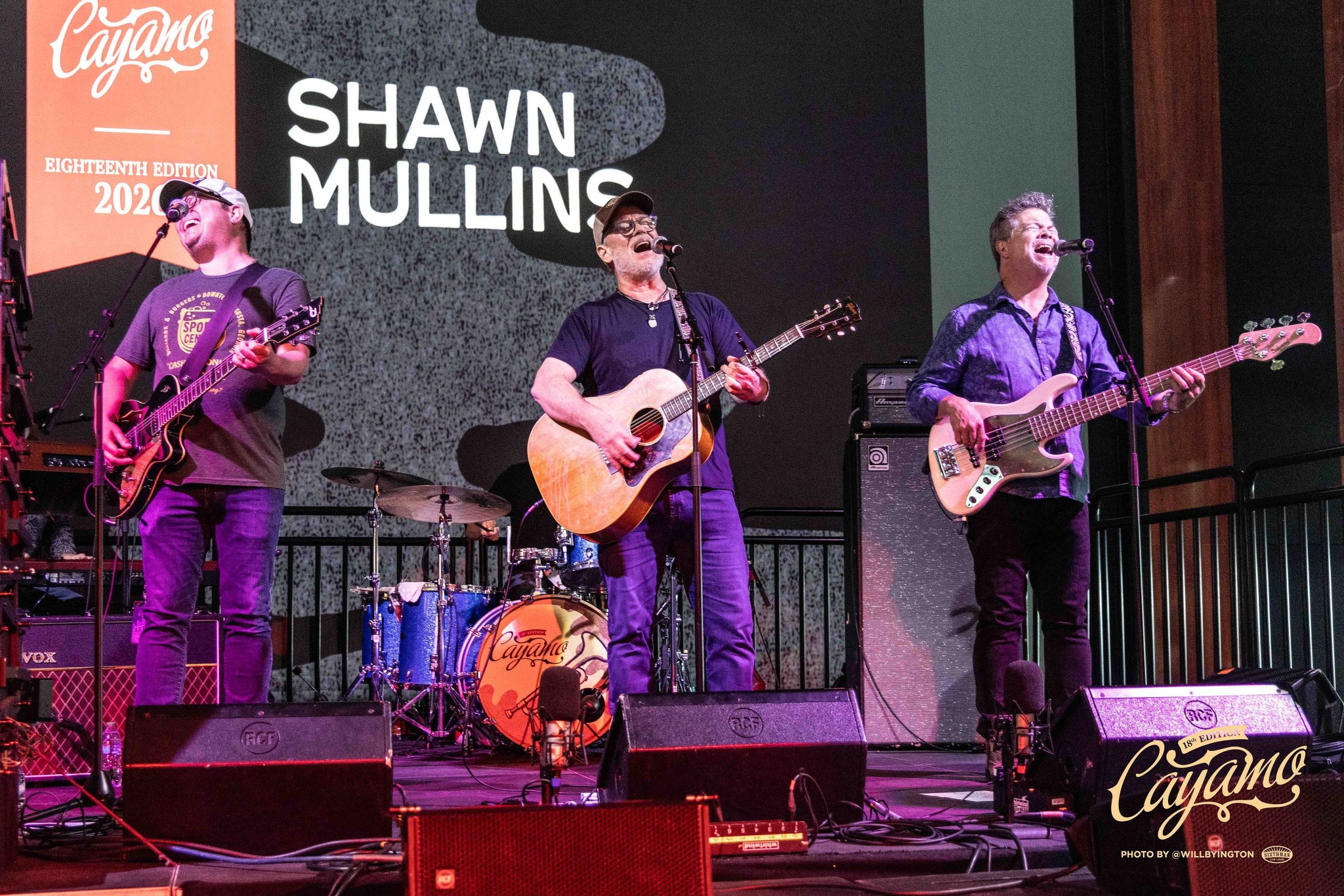
Shawn Mullins.
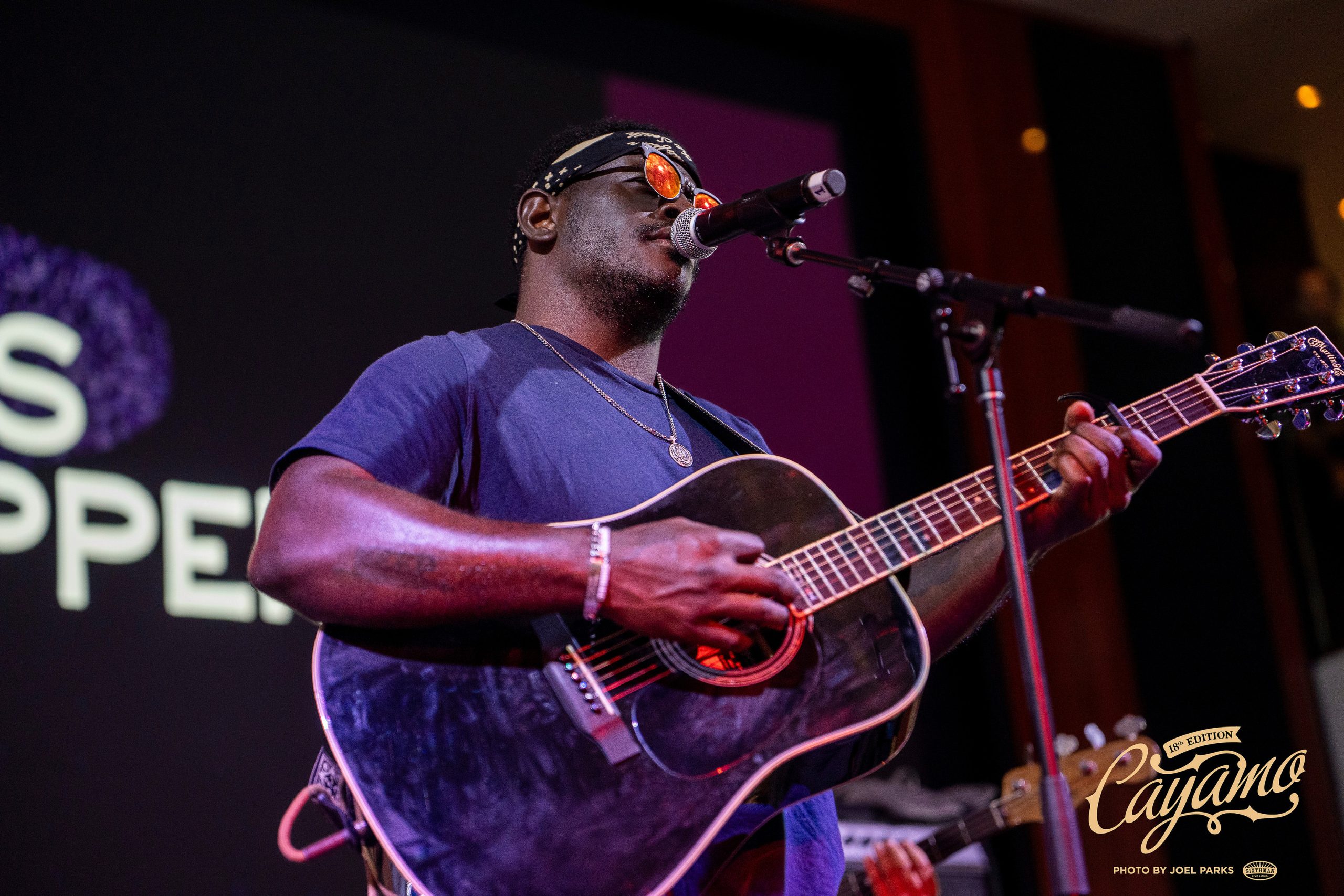
Kashus Culpepper brings country cinema to Cayamo.
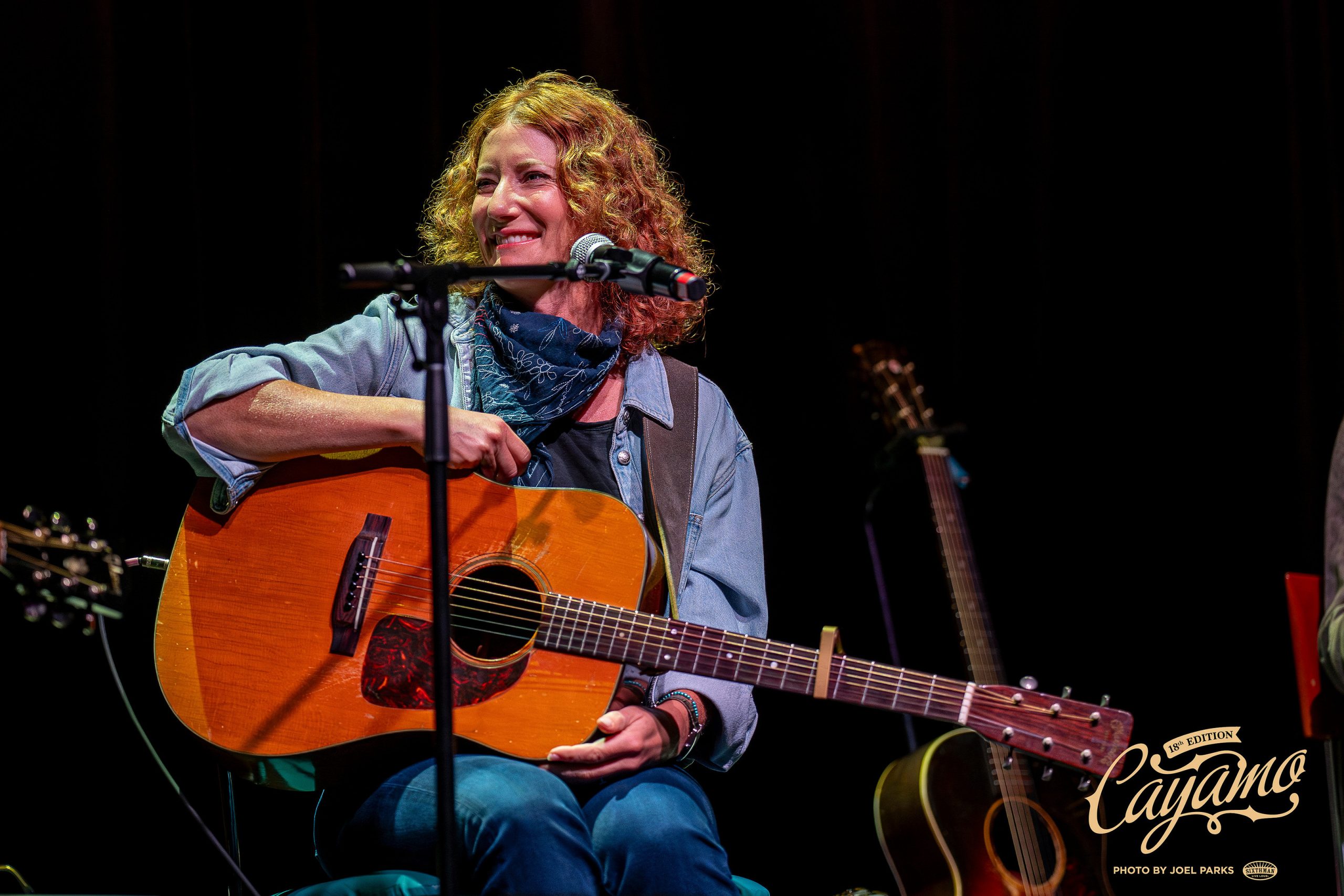
Kathleen Edwards.
Brandy Clark's full band set.
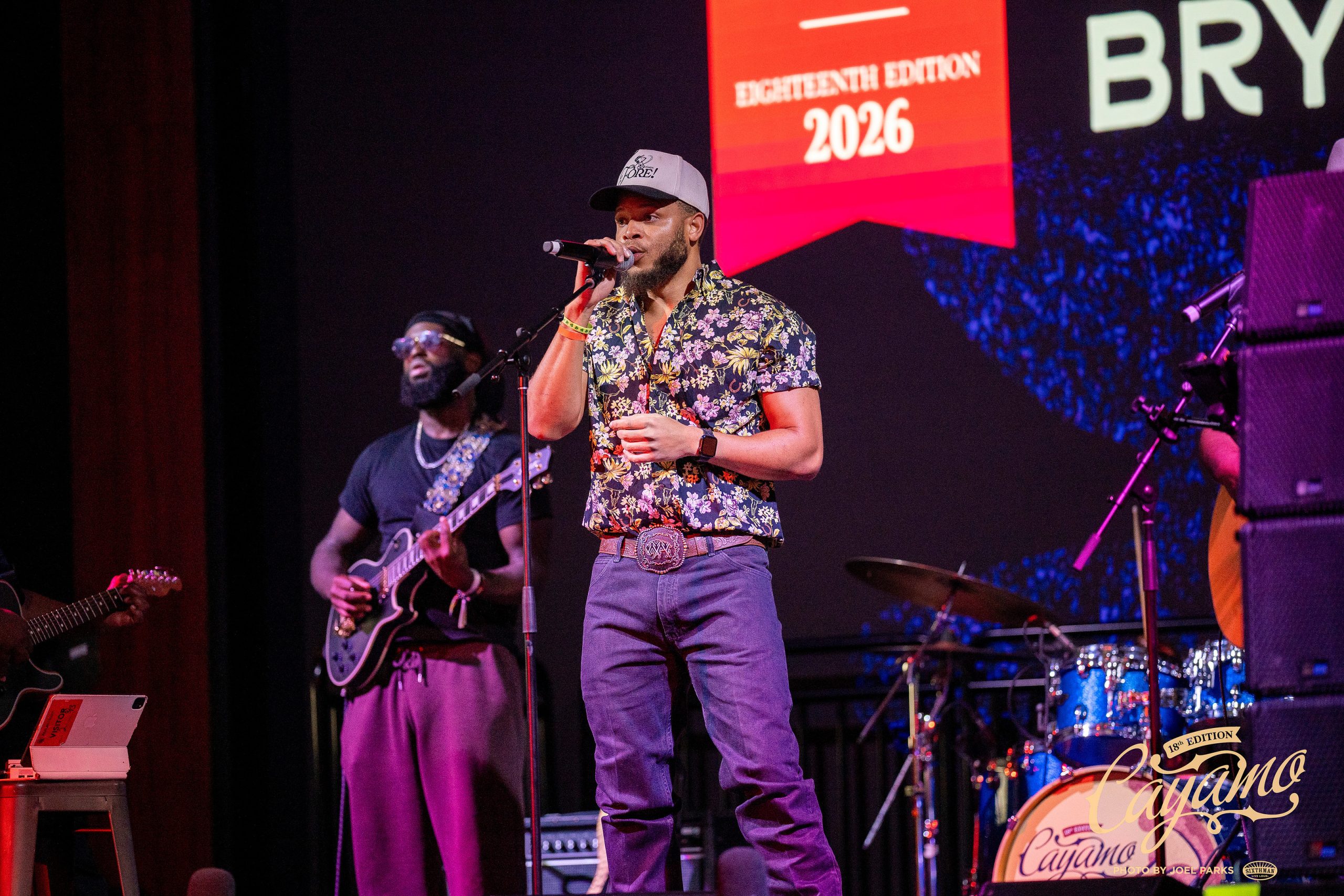
Tylar Bryant.
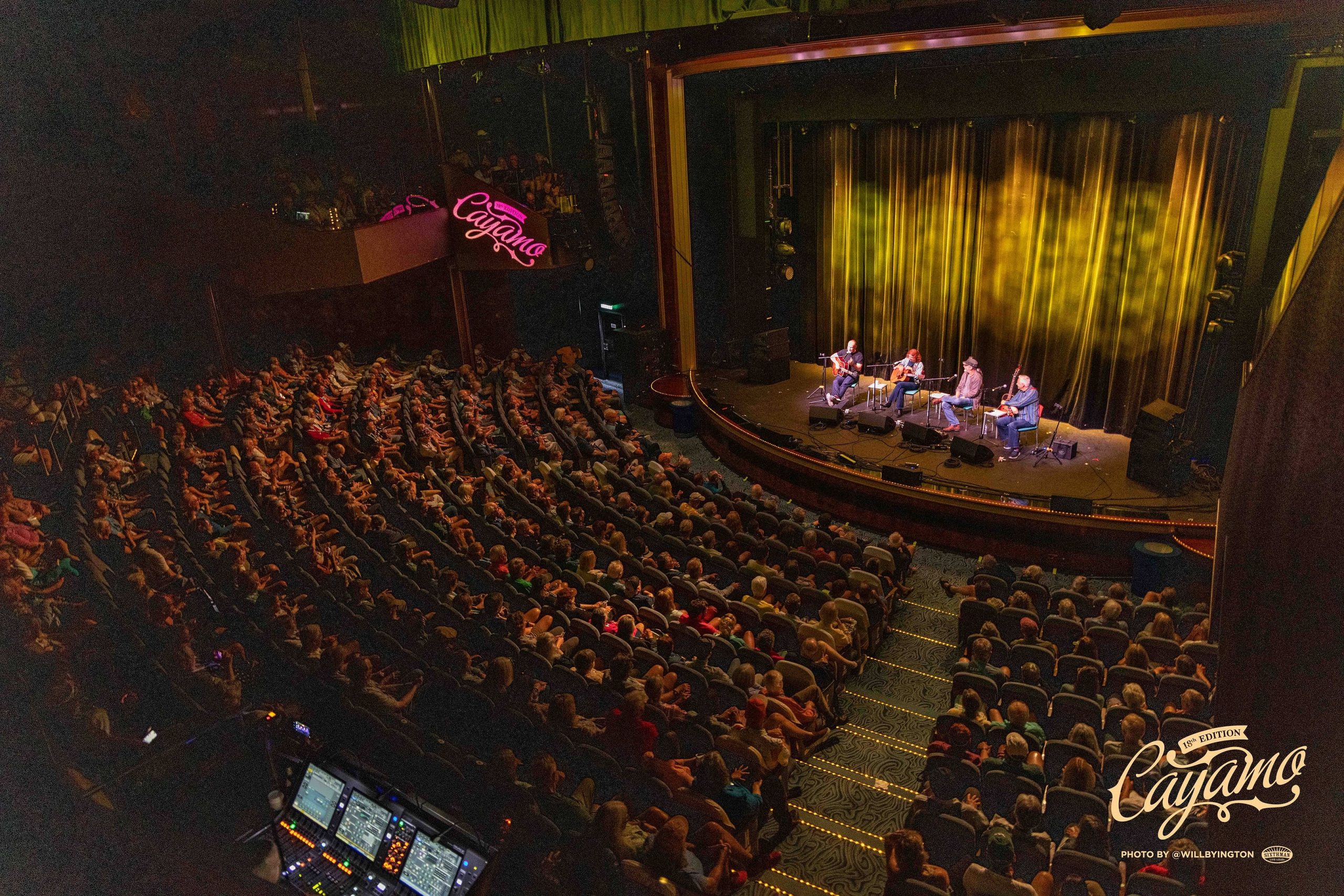
A star-studded round and a full house aboard Cayamo.
Photos courtesy of Sixthman, credits as listed in each watermark. Lead image: Will Byington.
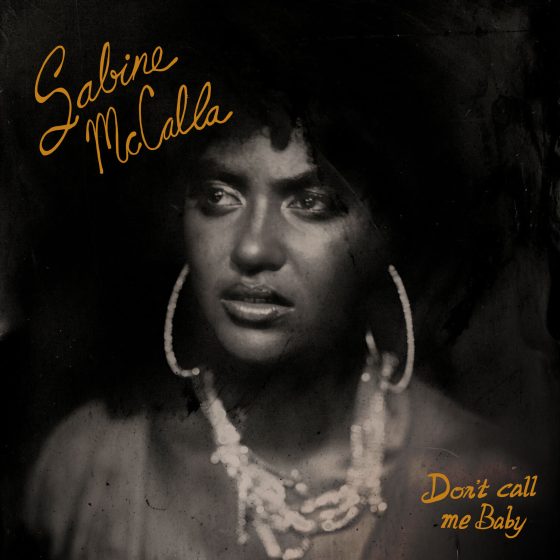
In 1853, a 29-year-old Parisian photographer, Adolphe-Alexandre Martin, delivered a paper to the French Academy of Sciences. In his text, he proposed a process for creating a photographic image on thin, chemically coated metal sheets: the tintype. Between the late 19th and early 20th centuries, his invention became the portrait medium of choice, especially across North America, eventually falling out of fashion in the 1930s. Strikingly evocative, tintypes imbue subjects with a surreal, dreamlike quality, offering an emotional portal into the past.
Over a century and a half later, the New Orleans-based Haitian American singer-songwriter Sabine McCalla, younger sister of the influential classical and folk musician Leyla McCalla, asked the tintype revival photographer Meg Turner to take her portrait. For an artist who draws from the past while seeking pathways forward, using an old medium to capture something new was an instinctive choice. Turner’s image became the cover art and a lodestar for the central feelings underpinning McCalla’s debut album, Don’t Call Me Baby, released through Kurt DeLashmet and Nick Shoulders’s Gar Hole Records label.
As we discuss later in this interview, the inspiration for Don’t Call Me Baby wasn’t born from a happy moment. Rather than sinking into sadness, McCalla juxtaposes joy and heartbreak, using narrative storytelling as a vehicle for catharsis across nine haunting, surreal songs. On “Sunshine Kisses” she recalls being lost in liminality after a breakup before letting loose on the classic rock and roll slanted singalong “Louisiana Hound Dog” (a co-write with Dan Auerbach from The Black Keys and Pat McLaughlin). By the time “Two of Hearts” arrives, our protagonist is singing about three different suitors.
Amid the paradisiac instrumentation surrounding her soothing voice, McCalla and her producers, Sam Doores (of The Deslondes) and Ajaï Combelic, collaborate with a cast of more than a dozen musicians from her musical community in New Orleans. Together, they blend rhythm & blues, country, folk, jazz, Tropicália, quiet storm soul, and doo-wop into hypnotic roots music. Song by song, the results reflect a lifetime spent studying traditions from across the Americas, Europe, the Caribbean, and Africa. Equal parts comforting, adventurous, and spicy, she serves up an Americana hotpot that speaks to the world while being informed by it.
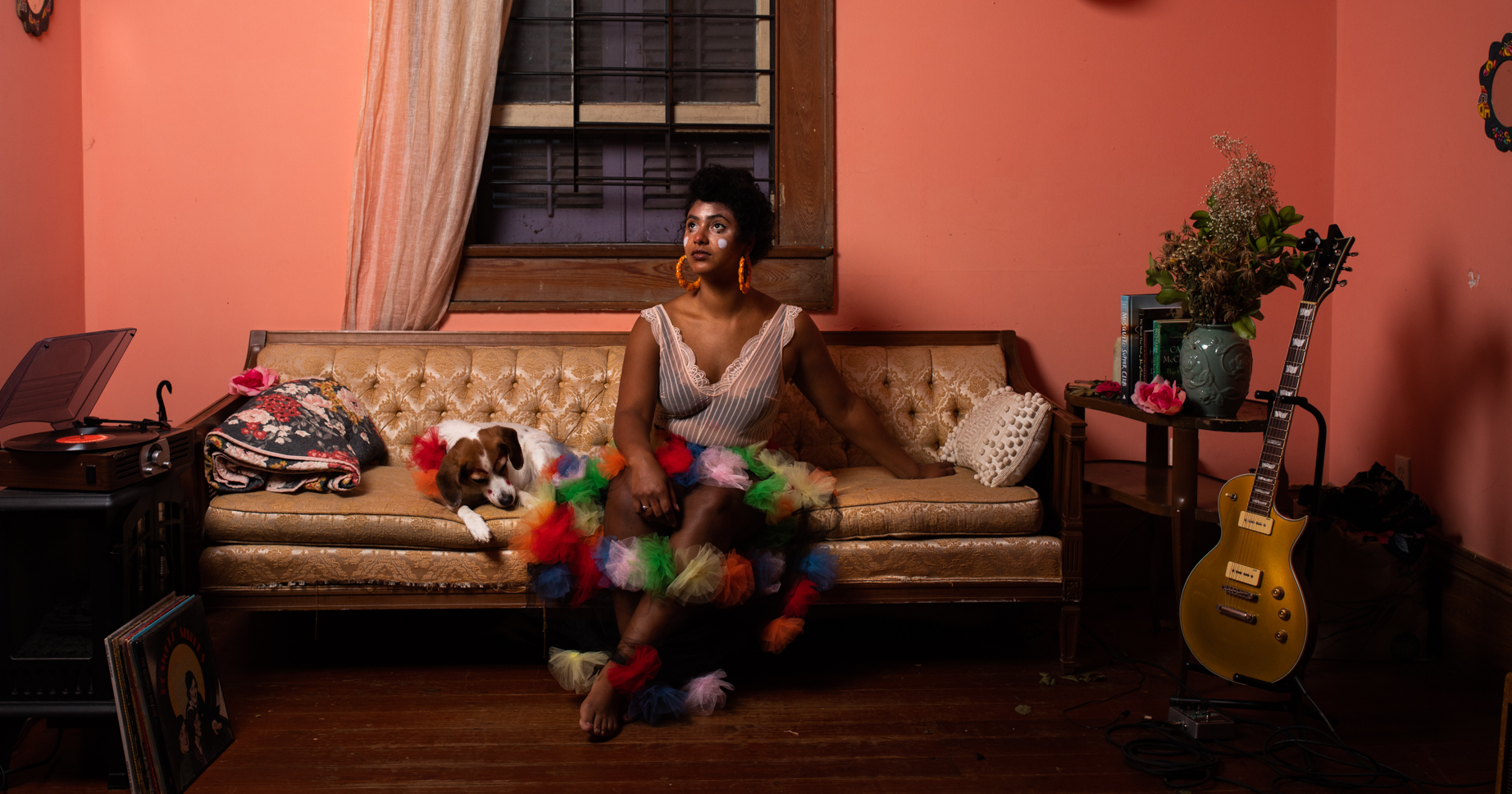
Last month, McCalla joined BGS on a video call. Sitting on a yellow couch surrounded by rosebud-hued walls and framed art, she spent just under an hour with us. In a discursive conversation, we explored the influence of life in Louisiana, her passion for musical history, and, given her background, the inevitability of her worldly confluence of sensibilities. A thoughtful speaker, McCalla isn’t the type to rush her answers. She’s also happy to keep a point simple or, when needed, throw in some extended anecdotes. Sometimes it’s not that deep; other times, it really is.
How important is a sense of place and location to your music?
Sabine McCalla: I don’t know. I mean, it is important. Louisiana and New Orleans have been characters in, or influenced my music a lot. But I’ve certainly written songs outside of New Orleans and Louisiana. I think any land we connect with is important when we’re writing songs.
From the outside looking in, it’s easy to surmise that there is a quality to New Orleans and the musical community that lives there that unlocked something in your artistry.
Yeah, it’s definitely been very inspiring. New Orleans is a very musical city. Nearly everyone you meet is a musician or plays more than one instrument. It’s incredibly culturally rich here. Learning to play music in this environment, you learn certain styles, or you learn with a focus on dancing. There’s a lot of rhythm & blues, soul, and second-line music, and people dancing in the street. I think dancing is something I was thinking of when I thought about how I want these songs to be listened to. Like I’m thinking of a honky-tonk dive bar, hot and steamy, lots of close dancing.
Who says you can’t dance to misery, right?
You certainly can. In fact, you’re probably a better dancer.
There’s something about the juxtaposition between a sad sentiment and a happy rhythm or melody that can be so moving.
I think innately we all want to experience pleasure, and we all have our pains that go with it. I think that’s what people are connecting with.
Unfortunately, or perhaps, fortunately, what is pleasure without pain?
Just a high.
New Orleans looms large in my mind as one of those places where traditions have been kept alive that don’t still exist elsewhere.
Yeah, for sure. There’s a tradition of passing down songs. There’s also so much space to create music here.
Don’t Call Me Baby is an ambitious album, but you succeed in your ambitions. You’ve braided a lot of threads together: different places, genres, periods of time. Was there a specific time in your life when you became interested in musical history, or looking to the past to find new ways to go forward?
I grew up playing classical music. Then I studied some old-time music from Appalachia. I’m interested in learning lots of old songs. I like listening to Harry Smith’s Anthology of American Folk Music. I feel like I’ve dug into a lot of pre-war recordings throughout the South and been inspired by ballad singing.
Like many people, I learned about the Anthology of American Folk Music through Bob Dylan and Joan Baez. There’s something about songwriters who go back and listen to their influences’ influences.
Totally. Shape-note singing is coming back into fashion now. I keep hearing about shape-note festivals around the country. My drummer, Howe Pearson, who also plays in The Deslondes, has been hosting a shape-note singing workshop every Monday.
What was it about the Anthology of American Folk Music that excited you?
They were songs I’d never heard before. I liked the quality of the voices on tape. So emotive and raw. And not just the Harry Smith anthology, Alan Lomax recordings too. I’ve always been interested in ethnomusicology. When I was younger, my sister and I had a mentor who played a lot of blues and jazz. I remember thinking he wrote these songs, until I realized, no, this white man from New Jersey did not write these songs. There’s this beautiful history of Black people in America who sang the blues and jazz and wrote so many songs that have been passed down.
Sometimes I wonder about the impact recorded music had on community singing. I’ve read that after phonograph records turned up, people became more self-conscious about singing at home. They’d hear these great singers and a shyness would set in.
People were keeping the songs they heard alive. They lived when there was no radio, so they were better keepers of songs than we are today. Now everything is so fast. There’s so much music, AI music, the industry pushing constant output, and not reviving songs. But I think a new resurgence of song revivals is happening.
You grew up in a Haitian family in New Jersey. Were your parents encouraging about music?
Yes and no. My sister’s also a musician. My mom was like, “Leyla’s the musician. You need to figure out your own path.” I was like, “No, I think I want to do this.” Both of my parents always encouraged choosing your own path and focusing on it.
It’s not always immediately obvious, but there’s a strong Haitian influence in American music.
Yeah, the Fugees! Lauryn Hill went to my high school. Her album The Miseducation of Lauryn Hill is like a bible to me. It’s a perfect album – the intros, outtakes, transitions. Lyrically empowering. I grew up on her songs. I’m grateful for my high school. We had amazing music teachers.
I graduated with SZA and Dave Authors, and a few others who’ve done great things. My sister Leyla McCalla went there, too. New Jersey is incredibly diverse. A lot of people immigrate to New York and then move into the suburbs, which my family did as well.
Did you grow up on a bit of everything musically?
Classical music. School trips to the opera. My parents played the Haitian groups Boukman Eksperyans and RAM. We listened to The Beatles, Bob Marley, and Rod Stewart.
When I think about Americana, I think about this confluence of cultures and musical traditions that came together in the South. When did it become attractive to you?
It all came together naturally. I was focused on pre-war songs, then going through decades of music. When I moved here, I got interested in The Boswell Sisters and songs collected in New Orleans in the early 1900s. Then I learned about Lonnie Johnson, the godfather of rock ’n’ roll. Through studying songs, I realized that it’s all Americana music. It influenced how I sang and created songs.
In a sense, there’s an inevitability to where you arrived.
I originally wrote and sang songs a cappella. That became my EP, Folk. My friends Leonie Evans and Steph Green helped with backup vocals. There wasn’t much thought about creating a larger sound until I met Eli “Paperboy” Reed. I’d already been listening to New Orleans R&B and soul, and when he put chords to my songs, I was like, “Oh, this is the sound I’ve been looking for.” That changed how I thought about songs. I also grew up listening to [the Tropicália singer-songwriter] Caetano Veloso. I’ve been trying to read his book Tropicalism, but there are so many references to Brazilian artists. It’s going to take forever.
After growing up in New Jersey, you moved to New Orleans, where this was all even more concentrated. There was a weekly jam session you’d go to called the All-Star Covered Dish Country Jamboree.
Yes. The first time I went was in 2014, probably in February. Joy Patterson came up to me – she runs it – and said, “I know who you are.” I was like, “Oh no, this lady…” But I loved it. My sister had been living here, so people were like, “Oh, you’re Leyla’s sister.” I think I saw Sam Doores’ doo-wop group with Casey Jane, Camille Weatherford, Emma Eisenhower, Jon Hatchett, and Max Bien Kahn; they did a little doo-wop show. I thought it was so cute. I wanted to know these people. And I’ve ended up working with all of them.
From there, it became a weekly ritual in your life, right?
Yeah, it was like a church. Going to this country night where I could talk about songs with people and hear a lot of old songs: classic country, classic R&B and soul. Those things lit my soul up.
After all these experiences, what’s your understanding of country music and where you could fit into it in 2025?
I don’t know. Maybe giving voice to other women of color who are interested in country music, not just hip-hop or R&B, but a diversity of sounds. I also lived in Ghana growing up, and lots of people listen to country music in Africa. What surprised me was going to Ghana and someone saying, “Where’s your cowboy hat?” I was like, “I’m from New Jersey, not Texas!”
I get the sense that a lot of your music is therapeutic storytelling.
Yeah, it is. It comes from the heart.
What sort of stories do people tell you about their experiences with your music?
The best one was in London. Someone said their friend’s father passed away and left her a boat. She went sailing for three months. They didn’t listen to music for most of it, then one day she put on my record and that’s all they listened to. That made my heart swell. It’s making me tear up now. Another woman told me she’d separated from her husband and, after hearing my music, reached out to him, saying she was ready to compromise. I was like, damn… Hopefully, this music lets people feel they’re not alone in their feelings.
How much has loneliness driven your music?
It’s been a huge component. I value my alone time, but sometimes it’s a detriment when I’m alone too long or ruminating too long.
You need something to break the feedback loop. Tell me about the backdrop to this album?
I was playing with a lot of ideas. Not everything made it onto the record. A friend visited – she’s an amazing stylist – and I wanted to get a tintype photo done by Meg Turner. We did makeup, hair, clothes, jewelry, so much dazzling stuff, so I’d be shiny in the sun. It was hot in New Orleans. Right before taking the photo, I got a text from someone I was dating, and that’s the true look of shock on my face. After I saw the picture, I was like, “Everything needs to be based around this photo.”
It’s an amazing photo.
Right after that, I wrote “Sunshine Kisses” and then I thought, “What else goes with this?”
What sort of ideas did you have about the threads you wanted to bring together in the music?
I was like: What are all my breakup songs? I wanted it to be haunting, but warm. Some songs I wrote during the pandemic felt too cold for this album. I originally wanted to name it Sudden Blue because I was thinking of a colder feeling. But something transpired while making it; the songs were given a new breath by the people I was working with: Sam Doores, Gina Leslie, Roy Brenc, Howe Pearson, and Ajaï Combelic. It was a warm feeling in the room, lots of laughter. And we were doing it during Mardi Gras, during carnival season, which was wild, because we’d play shows at night and then go into the studio in the morning.
It’s amazing how much other people can make a difference to a creative process.
Yeah. We fed off each other. If there’s negativity or self-consciousness, it’s felt in the music. We were all happy to work out ideas and nerd out about music.
Did you have a heartbreak record, not necessarily one you idolized, but a north star to look towards?
A few albums inspired me. Lauryn Hill’s The Miseducation of Lauryn Hill. Fiona Apple’s When the Pawn… There were also songs: Irma Thomas’s hits, and “Andromeda” by Weyes Blood. It’s such a powerful song about all the emotions we face. Feeling lonely, then liking the loneliness, then changing your mind five times a day.
Photo Credits: Lead image by Camille Lenain; album cover tintype by Meg Turner.
A deep reflection born from a time of the extreme silence and noise of the pandemic, Kaïa Kater’s new album, Strange Medicine (out today, May 17), digs into the feelings society tells us not to feel, imagines healing and revenge from abuses, and reckons with themes of racism and sexism of the past and today. While the undercurrents are heavy, the arrangements are gentle and flowing, juxtaposing our expectations of what we think it means to process the darkness in life with the truth that many emotions can exist simultaneously.
Written from home in Montreal, Strange Medicine takes us on a cathartic journey imagining characters interwoven with parts of Kater and parts of the world she observes. Drawing on inspiration from artists like Steve Reich, Brian Blade, and Johnny Greenwood and partnering with Montreal-based producer Joe Grass (The Barr Brothers and Elisapie), she took a different musical path than in the past.
Leaning into her primary instrument, banjo, Grass and Kater built the framework for each of the tracks slowly, starting with bedroom tracks and expanding to include arrangers like Franky Rousseau (Andrew Bird, Chris Thile) and Dominic Mekky (Caroline Shaw, Sara Bareilles) and musicians Rob Moose (Bon Iver, Phoebe Bridgers, Paul Simon), Robbie Kuster (Patrick Watson), and Phil Melanson (Andy Shauf, Sam Gendel). Kater spoke to BGS via Zoom.
Hi! How are you?
Kaia Kater: I’m okay! A couple of days ago I dropped my phone directly onto my laptop screen and it cracked. I had to go to Apple. So I am without a laptop, but thankfully have my 10-year-old iPad, bless her!
Apple is coming in clutch. Also, Apple product destroying Apple product is kind of funny.
Yeah, it’s an Apple-on-Apple hate crime. It’s terrible. I feel so weird about it. But I have AppleCare, which is good.
With the couple of sentences that you just said it’s no wonder the Department of Justice is looking into Apple as a monopoly. Vertical integration. Well, how are things going other than Apple problems?
The record is out in a week, so I’m excited. Thank you for doing this piece. I never take any press for granted, especially after the pandemic, when things were so terrible and hard.
What a weird time. Is that when you started writing this record?
Yeah, pretty much. I wrote my first song in April of 2020. We finished the record in 2023. So I would say like 2020 to 2022, was the writing window.
This album is a pandemic baby!
It is. Yeah, I’m proud of my little pandemic baby. Born out of a lot of feelings of stasis and confusion, but also just so fun to record. I think that there’s a lot of grief in the lyrics. But you can still vibe to sad songs, especially when they feel groovy. So that was the intent.
So when did you start recording it?
Let’s see, we went in to record in October of 2022 but the official recording days were preceded by a ton of demo days. So throughout 2021 and into 2022, I would go to my co-producer Joe’s studio in Montreal. We would just track stuff and either bring people in or ship the songs out to people and pay them a demo fee and have them kind of like splash around and see what their interpretation of the song was. That was kind of like how we selected personnel. I think we had a pretty strong idea of what we wanted to do by the time we got into the studio, which is so different from other projects I’ve been part of and other records I’ve done.
How was it different?
I guess, with the pandemic, I had the blessing of time, which I never had before really. With Nine Pin, I recorded on my winter break from college in my senior year, and then Grenades was done from start to finish in two weeks. And so with Strange Medicine, it was about two years. There are advantages and drawbacks to that. It is very easy to start second guessing some choices that you’d made in the previous calendar year, but I think it was to me such a novelty to be able to write and then listen back, and send the arrangement to someone and have them send their work back. It was so much more thoughtful because we had the time to do that.
That makes total sense. So you started writing it during the pandemic. What was your writing process like? Did you have ideas that you came into the lockdown with, or were you processing things in real time?
Well, originally I was like, “I’m never gonna play banjo again.” I don’t know what I was thinking. I think I was trying, to a certain extent, to escape my roots, transform, or do this phoenix thing. Where people are like, “Whoa! She was a banjo player and now she’s an electronic pop musician.” That was maybe a facet of my mid-20s to late 20s, having that crackling feeling that all the different paths your life can take feel like they’re narrowing. And so you’re kind of like fighting against that and going, “No, I still can transform again, musically.”
Really what led me to write more songs on the banjo, especially for Strange Medicine, was that it was really comforting to me. I think I went back to it after wanting to spread my wings. Once I was alone in a room I was like, “What do I want to do right now? I just wanna play banjo.” And for a long time that’s all I did. I didn’t really write. The songs trickled in bit by bit. But you know I definitely gave up that idea of trying to metamorphosize in the way that I thought I was going to. I think I did it in a different way.
Can you talk a little bit about what it meant to be in Montreal writing this record and just in general? What influence did the town have on this particular record? And how does the music community there influence you?
Well, it’s very experimental there. And there’s a kind of freedom and risk-taking. People are not afraid to have things fail or to have things not quite work. Even now, I’m sort of deconstructing the idea that I grew up with, this idea of what a songwriter is, which is that you work really hard at your craft, you play the song down. And the way that you improve every night is how you perfect and tighten the song as much as possible. I’ve been getting into this idea of improvisation.
I don’t know if it’s because the rent is cheaper there, so you don’t have to hustle as much. I just felt so much more space to play around.
While we’re on the subject of Montreal, you collaborated with Allison Russell on “In Montreal” about your shared hometown. I was curious since Aoife O’Donovan is from Massachusetts and you’re talking about witches on “The Witch” – was that a purposeful choice?
No, but that occurred to me about a week ago. I was making dinner, and I was like, “Wait. Aoife’s from Massachusetts!” It must have been in some way subconscious. I kind of see people as the roots that they’ve grown from. And definitely, when thinking about the features I wanted, I wanted it to make sense with who that person is. For example, with Taj Mahal, he’s who I learned about the black roots of the banjo from first. He was doing that in the ‘60s, and he has a lot of Calypso and Caribbean influences and heritage. Bringing him into a song about a Caribbean revolutionary felt like, “Well, of course.” I even wrote him a little letter explaining the song, because he’s 80. He doesn’t need to be on anybody’s record. And so I was like, “Let me tell you what the song is about, and maybe you’ll want to sing on it.”
That’s so cool. And how did the collaboration on “The Witch” come about?
Aoife has always been really supportive of me as a person and as an artist, going back to 2017. She’s kept me in mind for a lot of things and she’s suggested me for opportunities. She’s also really community-oriented. She’s very cognizant of supporting women musicians and young musicians. I’m a mega fan of hers.
I had written “The Witch” and I thought she would sound great on it. Fast forward to the end of the process, when all we had left to do was harmony vocals and I was really nervous to ask her because I think I was scared to get a no. But I’ve been practicing. You have to ask, because if you don’t ask you don’t receive anything. I texted her, and she immediately responded yes without even hearing the song. Then she laid down all these like really intricate harmony parts. She’s a genius.
Your voices are beautiful together. It works really well. And the Massachusetts thing — it’s perfect. While we’re on the subject of that song, what connects you to the stories of these women who were accused of witchcraft or adultery and were punished for it?
To me, it is the juxtaposition of having this perceived power in the minds of men as being capable of influence, capable of seduction and luring, and superseding a man’s high intelligence and thoughts of himself and overtaking will power. But then, when women were accused of being witches, their already limited power just absolutely disintegrated and they were executed by mobs. I was thinking a lot about these kind of polar ideas of women having so much power over men, but then we’re struggling to be taken seriously in a workplace or struggling to feel like we are on equal footing.
I think sexism and racism today are much more insidious – as are homophobia and transphobia. It’s so palpable. Being able to give voice to someone in history who may meet a different fate; maybe they try to kill her, and she’s like,”Ha! I survived. And now, aren’t you scared of me?”
The influence came from a lot of different places; the witches from Macbeth, and the Roald Dahl witches. They are all in our popular consciousness to a certain extent, and I think we have a fascination with them.
Absolutely. Let’s talk about the song “Floodlights.” It reminded me of Joni Mitchell for two reasons. One is the sonic palette and the orchestration reminded me of her. Second, I saw a video of her recently and she was talking about how a good song should make a listener think of themselves rather than of her. That’s obviously an objective idea, but this song, though focused on a romantic relationship, reminded me of some of my own, but also friendships and working relationships and how the dynamic of one person’s power over another can be so incredibly detrimental. But there is hope and life on the other side of that. It is a special way you tell the story in a cafe where the protagonist is feeling herself rise over a past love for the first time. I was wondering if you find that you have clarity around power dynamics yourself as you grow older as the protagonist does?
I’ve recently turned 30. And to me, that seems to be the absolute blessing of your 30s, that you have this kind of clarity and understanding of who you are and what you are willing and not willing to tolerate. That song itself is about an age-gap relationship that I was in. We had an 11-year age difference. I was super young. I was 18 or 19 when we got together, and this whole conception that I had was, “I’m mature and I’m actually better than the other women my age, because I have someone who is super mature and who thinks that I’m interesting. I’m also better than the women his age. There’s something special about me,” like I felt chosen.
That was such a powerful feeling at that time when so much of my self-esteem was dependent on what other people thought of me. Slowly, through the course of this relationship, I realized that he chose me, but not for the reasons that I thought I had been chosen.
I mean he was a walking red flag and I just did not trust my intuition to understand that. This wasn’t a good scenario, and now, on the other side of it, at 30, I couldn’t imagine dating a 20-year-old. There’s an inherent power dynamic there. I wrote the beginning of the song two years before I finished it, because in the beginning, I couldn’t think of an ending. I couldn’t have seen him at a bar (which really happened) and just been scared and left. I wanted to give the protagonist a better ending than that.
It sounds like you did a lot of processing on this record through your writing, like maybe you released some frozen anger. I think most women can relate to that in general, because we are so often encouraged or told to suppress that emotion. I was wondering how your relationship with anger and revenge evolved and shifted through the creation of this album?
I think therapy seems to be a theme in a lot of artists’ albums these days. I didn’t realize how much anger I carried until I went to therapy. I had always grown up thinking that any kind of anger is debasing yourself. You’re losing power and you’re not being your highest, most evolved self.
Every time I got angry, I felt like I’d failed to access my more evolved emotions. It was through therapy that I learned that anger is, in many ways, necessary. We are refusing to be treated a certain way.
I think adventuring through these ideas of revenge where it’s like, “Well, what if I don’t choose forgiveness? What about that? Why do I have to be the peaceable one? Why do I have to be the one to absorb all of your violence, and then somehow process it out so that we’re good?” I have to say, it was really fun to write these lyrics and not shy away from some more violent imagery, especially in “The Witch.”
I heard someone say something like, “Anything that’s human is mentionable. And anything that’s mentionable is manageable.” I think singing it out is so nice because it’s mentionable. It’s manageable.
Speaking of, this is a great segue. How does it feel to perform these songs live?
It feels really good. It feels vulnerable too, having lived with them so long during the pandemic. It’s interesting to start sharing them with people. I have this ritual where the day before a single comes out, I listen to the song on a walk. And I’m like, “Okay, this is the last time this is gonna be only mine.” I think that ritual has really helped me. It’s a really personal album in a lot of ways for me.
I’m looking forward to trying it out in many different configurations, continuing the idea of play that we started out with this record, and seeing the different ways it can evolve and change.
In a mere 10 days, Cayamo’s 16th edition will set sail from Miami for a week of Americana and roots music afloat on the beautiful Caribbean. Fans will spend the intimate week enjoying shows, collaborations, activities, and special events featuring the best musicians and artists in the roots music scene, all while porting in the Dominican Republic and Aruba. The voyage has been long sold out, but for the lucky folks who will be on board the Norwegian Pearl, BGS has a few tips, tricks, and event highlights you won’t want to miss from the jam packed Cayamo schedule.
If you aren’t a ticket holder for Cayamo 2024, join the waiting list – and it’s never too early to start planning next year! This one-of-a-kind roots music event is a truly special experience. Check out the list below for just a few reasons why Cayamo is such a hot ticket and why we’re so looking forward to being back on board with all of you in a few short days.
Buddy Miller’s Port Show Send-Off
Guitarist, producer, and Music City renaissance man Buddy Miller is no stranger to Cayamo, but this year he’s doing a very special port show to kick-off the entire voyage. Directly after the welcome toast on the pool deck on Friday, March 1, Miller will give the Norwegian Pearl a proper send off with the very first performance of the cruise. Catch his set from 3:45 to 5:00pm, with the all aboard call following at 5:30pm, then it’s bon voyage and goodbye to Miami!
As you can tell from this video shot from the audience on Cayamo 2019, you never know who is going to get up on stage with whom – we’re excited to see what special collaborations Miller puts on with other artists and pickers on the lineup.
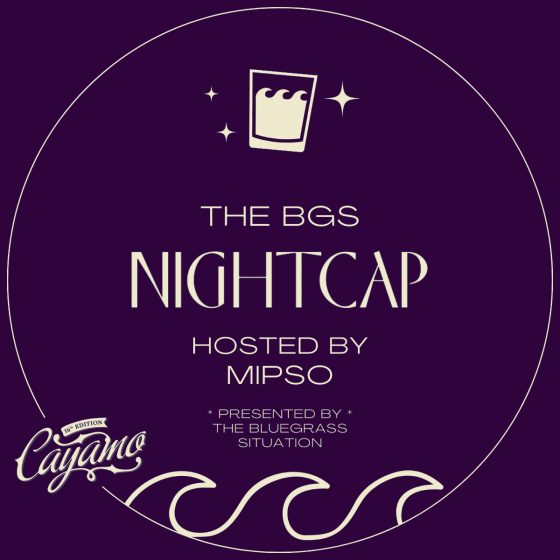
The BGS Nightcap Hosted by Mipso
One of the reasons we love Cayamo is getting to hang with and reconnect with so many of our friends! On Tuesday, March 5, at 11:00pm in the ship’s Stardust Theater we’ll reprise our popular Nightcap super jam show from last year, this time with our old pals Mipso as hosts. Speaking of special collaborations, there are bound to be many, many such collaborations at our Nightcap, so don’t miss it if you’ll be on board.
Cayamo Wine Tasting
Let’s continue with “hangs with friends” for another moment, because a bit earlier in the week, before our BGS Nightcap, Jacob Sharp of Mipso and our own executive director, Amy Reitnouer Jacobs, will be hosting a casual and friendly Cayamo Wine Tasting on Monday, March 4 from 1:00pm to 2:00pm in the ship’s Summer Palace. Sharp moonlights as a wine connoisseur and distributor when not making/playing music and our own Reitnouer Jacobs is known to love a good bottle, too. So if you’d like to sip and “nerd out” a bit about wine, soil, grapes, and winemaking, don’t miss the Cayamo Wine Tasting! It’s a perfect example of the unique types of events available to attendees. As the event description puts it, “Amy and Jacob’s friendship is based around sharing food, wine, and music that they see as emotionally poignant – and they’re excited to share that connection with you.”
BGS / Black Opry Artist Karaoke
Everyone loves karaoke and the teams at BGS and Black Opry certainly agree on that point! We couldn’t imagine a more fun cruise ship activity than getting together a bunch of the amazing artists on the Cayamo lineup to sing karaoke songs with the Black Opry house band backing them up. It’s sure to be a wild, hilarious, and enormously fun time. Catch the action in the Atrium on deck 7 on Wednesday, March 6 at 11:30pm. You never know who might show up to holler your favorite karaoke track!
Coffee & Conversation
Join the hosts of BGS’s podcast Basic Folk, Lizzie No and Cindy Howes, for a live-taped podcast conversation over coffee on Monday, March 4, at 9:00am. Their discussion, entitled, “Community/Commodity: Supporting and Sustaining Artists, Orgs, and Fans in the 21st Century,” will explore how the music industry, its artists, musicians, fans, and listeners can be active participants in creating a world where art isn’t just about consumption – and where music isn’t just a commodity. Bring your morning coffee or tea and enjoy a stimulating conversation that asks how events and organizations like Cayamo can be a model for more community-supported and community-engaging music in the future.
In today’s day and age, it seems like one must choose between capitalism or community… or is that really the case? Is there a way that these two can live side by side in the music industry? We’ll discuss all that and more in this very special live recording of FOLK DEBATE CLUB AT SEA! by Basic Folk.
Shows, Shows, Shows!
Of course, let’s not lose the forest for the trees, here. The most tantalizing part of Cayamo is indeed the limitless live shows, special concerts, and on-stage collaborations that the cruise is known for the world over. Boasting over 100 scheduled shows, there’s music for all tastes and from across the American roots spectrum. Below we’ll collect a handful we’re especially excited to catch on the ship.
We can’t wait to set sail with all of you on Cayamo 2024!
SistaStrings
You know them from their work with Peter Mulvey, Allison Russell, Brandi Carlile, Brandy Clark, and many more, but SistaStrings aren’t just a premier string duo working as side musicians with all your favs in Americana – they’re impeccable as a stand-alone group, too. We’ll be catching their set on Saturday, March 2, but we’ll also be keeping an eye out for them to pop up with many other performers on the lineup throughout the voyage.
Sunny War
Sunny War has long been a BGS favorite and she’s certainly one not-to-miss during Cayamo 2024. Her music is often touted for its combination of blues and punk, but even a fleeting exposure to her particular musical stylings reveals she is an artist all her own. There’s nobody out there who quite sounds like Sunny War.
Gabe Lee
If you’re looking for Good Country while on board Cayamo, look no further than Gabe Lee. A Nashville native, Lee offers a forward-looking, gritty, and real take on Music Row’s particular brand of country music. He’s an excellent songwriter and frontman who’s opened for most of your favorite roots artists and we can’t wait to see him shine on the ship.
Black Opry
OF COURSE we’re so excited Black Opry is on board Cayamo 2024. You won’t want to miss our karaoke event, but even more important is that you don’t miss their marquee event, the Black Opry Writer’s Round, which has been a tent pole of this collective’s work for the past several years. (That show is Monday, March 4, at 11:00am in the Stardust Theater.)
There’s a reason why Black Opry is showing up just about everywhere these days – and it’s not just Beyoncé going country. This collective centers the art and experiences of a group of folks who remain underserved and underrepresented in Nashville, on Music Row, and at events like these. And the artists they showcase are always of the highest quality.
In whatever iteration Black Opry will take during their many events on Cayamo, they will demonstrate yet again that these musicians, pickers, and singer-songwriters making American Roots music are joyfully carrying on an age-old tradition – while reminding all of us how none of these genres would exist without the vital contributions of Black folks and Black creators.
This website uses cookies to improve your experience. We'll assume you're ok with this, but you can opt-out if you wish.AcceptRejectRead More
Privacy & Cookies Policy
Privacy Overview
This website uses cookies to improve your experience while you navigate through the website. Out of these, the cookies that are categorized as necessary are stored on your browser as they are essential for the working of basic functionalities of the website. We also use third-party cookies that help us analyze and understand how you use this website. These cookies will be stored in your browser only with your consent. You also have the option to opt-out of these cookies. But opting out of some of these cookies may affect your browsing experience.
Necessary cookies are absolutely essential for the website to function properly. This category only includes cookies that ensures basic functionalities and security features of the website. These cookies do not store any personal information.
Any cookies that may not be particularly necessary for the website to function and is used specifically to collect user personal data via analytics, ads, other embedded contents are termed as non-necessary cookies. It is mandatory to procure user consent prior to running these cookies on your website.