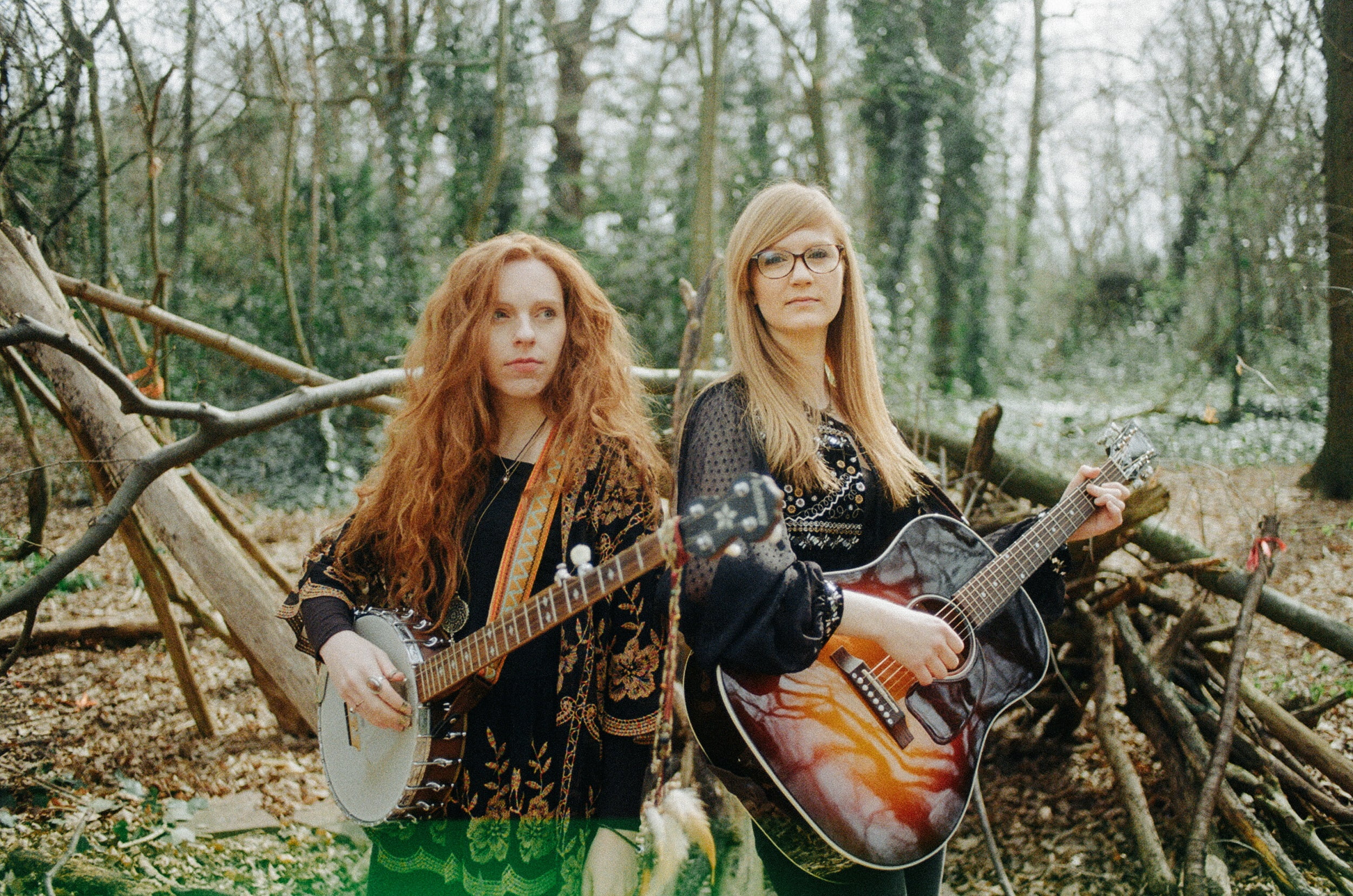
All the Things: A Conversation With The Milk Carton Kids (2 of 2)

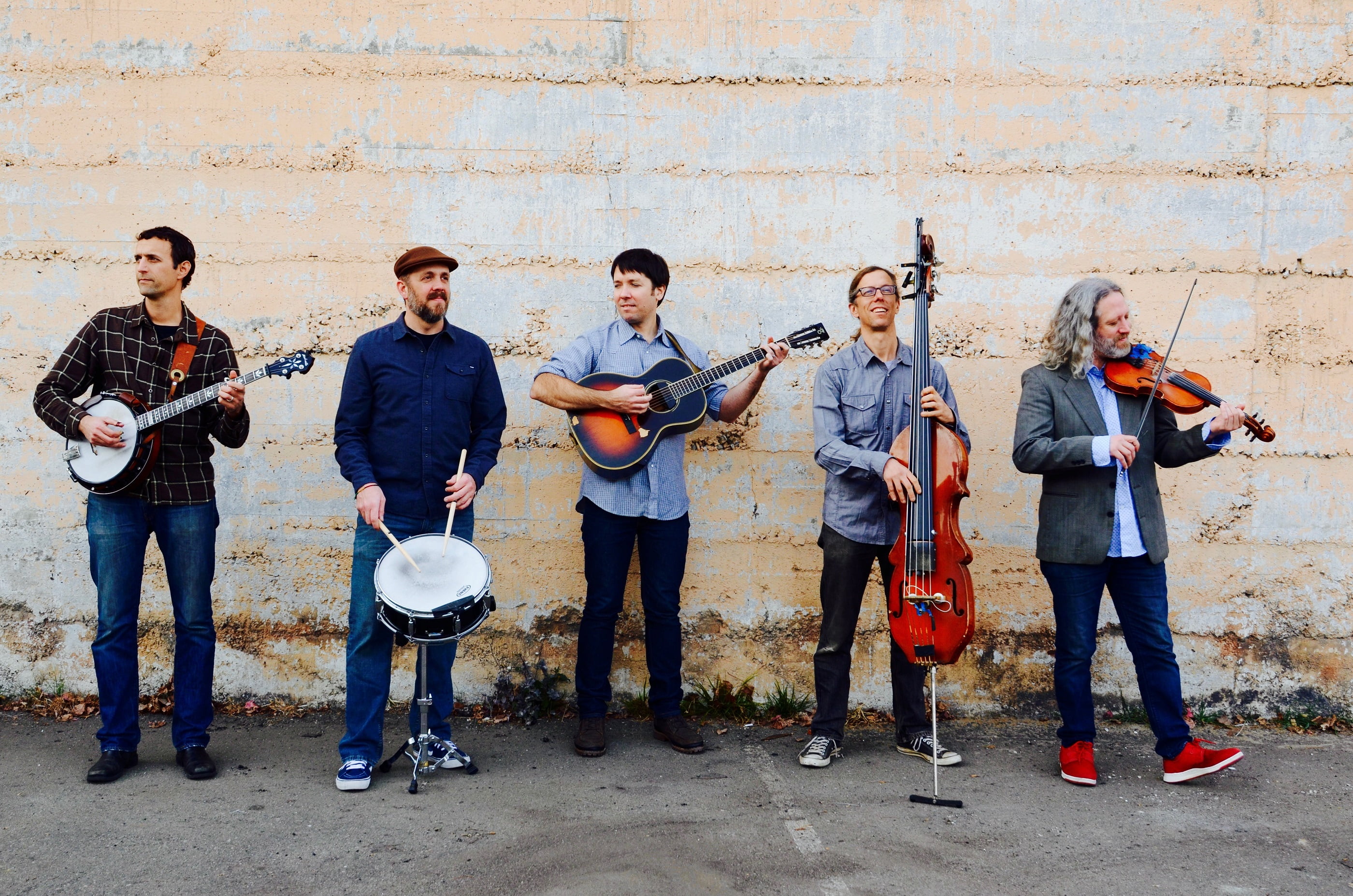
In the second half of our conversation with the Milk Carton Kids, Kenneth Pattengale and Joey Ryan openly shared their disagreement over some pretty serious issues. The pre-release publicity for their new album, All the Things That I Did and All the Things That I Didn’t Do, revealed some of the life experiences the two have been through since their last album. Pattengale dealt with cancer and the painful end of a seven-year relationship; Ryan had a child. And they have a real difference of opinion on whether those things should be brought to listeners’ attention as the subject of these new songs. But beneath the bickering, you may still sense the milk of human kindness.

[Read the part one of our conversation with Milk Carton Kids.]

The fact that you guys live in different cities now [Pattengale has moved from L.A. to Nashville], does that help or hurt the relationship?

Kenneth: The jury’s still out on that one. [Laughs.] It seems to be fine, for now.

Obviously a big part of why people love you on stage is the rapport you guys have on stage. It must feel a little strange now when you have a band on stage and suddenly there are other people there waiting for you to talk.

Kenneth: It’s become such a part of our identity, and I’m kind of confounded as to why. Anything that anybody’s ever laughed at on stage that we’ve said, it’s just what we do in the car or on the phone. And sometimes it’s funny and sometimes it’s not, and we’ve learned how to make it read a little better for an audience with the timing, but it’s how we always are.

With you guys being in such different places geographically as well as probably emotionally, was it easy to sort of come together and write on the same page? There’s a pretty consistent mood to a lot of the album, or at least some sort of thematic undertow, despite your different experiences.

Kenneth: I think that just might reflect a commonality of vision. Because truthfully the songs on this album are the most singular Joey and I have ever written. Outside of “One More for the Road,” which we wrote together in a different era before our band existed, every single song on this record was written by one or the other of us, lyrically. It was not like our song “New York” on Prologue where we sat down together and wrote lines and talked about what would happen to the story if we changed this or that. I showed up with that song “All the Things,” and Joey said, “Would you consider changing this word?” And I said, “Nope!” The same thing for “Unwinnable War,” “Blindness,” and “Just Look at Us Now” when he wrote those.

Joey: The thing that I’m really proud of in terms of the album having a commonality amongst the songs is the thing that the band brought to bear on it. I have a real fondness for albums that sound like they’re played by a band in a room, and where the whole album is sort of treated conceptually, not necessarily from a writing standpoint, but from a recording and production standpoint. And while we did have some musicians come in and out for certain songs, the core of the band that was there for the 11 days that we recorded gives such a strong identity to the record that ties songs together that could feel very disparate… as opposed to something where everybody said, “Okay, let’s take it one song of time. What does this song need? What does that one need?”

There are some very stark, end-of-relationship type songs in here, or maybe the ends of things that aren’t even relationships — looking back on the past, or doing something for the last time. Was it daunting to write in a really direct fashion where there is pretty emotional stuff happening?

Kenneth: Not daunting. Maybe where there existed more insecurity or preciousness in years past, there’s just maybe less f—s given, and maybe some confidence that’s come with artistic, if not financial, success. We seem to have an audience that’ll listen to us. I think that that engenders a specific amount of courage in digging deeper and being more honest, and it was maybe time to do that anyway, so the stars aligned on that front.

And as a songwriter, the hardest thing you can ever search for is honesty. And when you have these sort of traumatic events that happen, that’s a real easy way to sort of cherry-pick some relatable honesty. You don’t ever want to have to suffer to do that. That would be silly. But while it’s there, you might as well take advantage, you know, when you get dumped after seven years.

Joey: It’s true. There was some real stuff that happened.

Kenneth: But with Joey, when Joey had kids, it’s so funny — they write in the press release about him having kids like it’s some seismic shift that nobody’s ever gone through and experienced before. [Laughs.] It’s literally the basis of human existence, and somebody in our organization said, “Man, people are going to be really shocked that Joey had kids!”

Joey: I know. [Sarcastically.] I wish we would just focus on the unique heartaches, like, you know, a breakup.

Kenneth: I wasn’t talking about that. I was talking about beating cancer.

Joey: Oh, yeah, that’s true. That’s something almost nobody’s ever done. [Long pause, followed by awkward laughter.] The whole point that you were making was that they’re relatable! That means that everybody goes through it. But some shit happened in our lives.

Kenneth: Yeah, but having kids…

Joey: My favorite part of Kenneth is when he talks about having kids — either like birthing them, or taking care of them. It’s really cute, Kenneth. Keep going.

Kenneth: Joey went from just wandering around life aimlessly with all this free time to then having kids and having a bunch of people hired to take care of ‘em so that he can just wander around aimlessly with all the free time, but having kids at home that somebody else is taking care of. Just a seismic experiential shift! Everything changed!

Joey: Anyway, to get back to the truth of it all, some shit happened in our lives over the course of the last few years, and there was something to write about. And…

Kenneth: I don’t know.

Joey: We’re not going to argue about this. It’s unquestionably true, and we can list them if you want, but they’ve already been listed in our press release, and…

Kenneth: I would argue that all that happened is we just became better writers.

Joey: Before you finish interrupting me…

Kenneth: You’re interrupting me, technically.

Joey: All right, well, let me finish interrupting you then before you jump back in. It’s the decent thing to do. I mean, you only have to listen to the songs to know what we’ve gone through, which is the whole point of the record. … A lot of things which were actually profound shifts in our lives and ways of perceiving reality happened, and so for me it became easier to write more directly and truthfully than it had been at least on the last record. It’s the reason that I like to write songs, to process things.

Kenneth: I have trouble seeing it, because… Sorry, I know Joey thinks I’m just sandbagging everything now, but I’m not. This is my honest take on it. I think Joey’s always written some really nice songs, and he’s writing them better than ever, and I don’t actually see a very different change. The same thing’s true with me. I’ve always written the best song that I’m capable of.

So whether or not I’ve gotten better at songwriting over the last few years, or if it needs to be contextualized for people to understand that it comes out of some life event, I call bullshit on it, because that to me is just a formal, contextualizing sales pitch for what’s actually just a collection of the best songs that we could write over the last three years. And I think it happens to be better than the ones that came before it, and we’ll see if everybody else agrees.

Joey: It’s interesting for you to reject that sort of attachment to it. But (the closing track) “All the Things” is about your breakup, as is “You Break My Heart,” and there’s no other way to say it than that’s you processing your breakup. I mean, that is a song that you wrote that’s about your breakup. So whether it’s better or worse than others…

Kenneth: Well, I have an issue with that, because it’s not that… Why are you laughing? I’ve being very serious here.

Joey: I’m excited to see how you’re going to say that your song “All the Things” is not about the ending of your relationship.

Kenneth: Because it’s exactly the opposite of that! It has nothing to do with the breakup. It’s about chronicling six years of my life that I look back on very fondly. It has to do with trying to say something that is maybe not able to be said out loud unless you put it in poetry and song. I don’t think that it resounds with people because the human experience is all about breaking up…

I mean, in some ways, yes, maybe it took the trauma of a breakup to put it into words, but it’s about celebrating what was a really beautiful relationship between two people. And frankly, if I’m half the writer that anybody thinks I am, I could have written that song at any moment during the six years, even before it all ended. That song is about reflecting the human condition as I see it and how it relates to me personally, and to couch it in some breakup thing seems like a headline that a publicist thinks would grab some attention. I think that’s crazy. [Pauses.] Did I do a sufficient job?

Joey: I think that was the best you could have done.


Photo credit: Joshua Black Wilkins
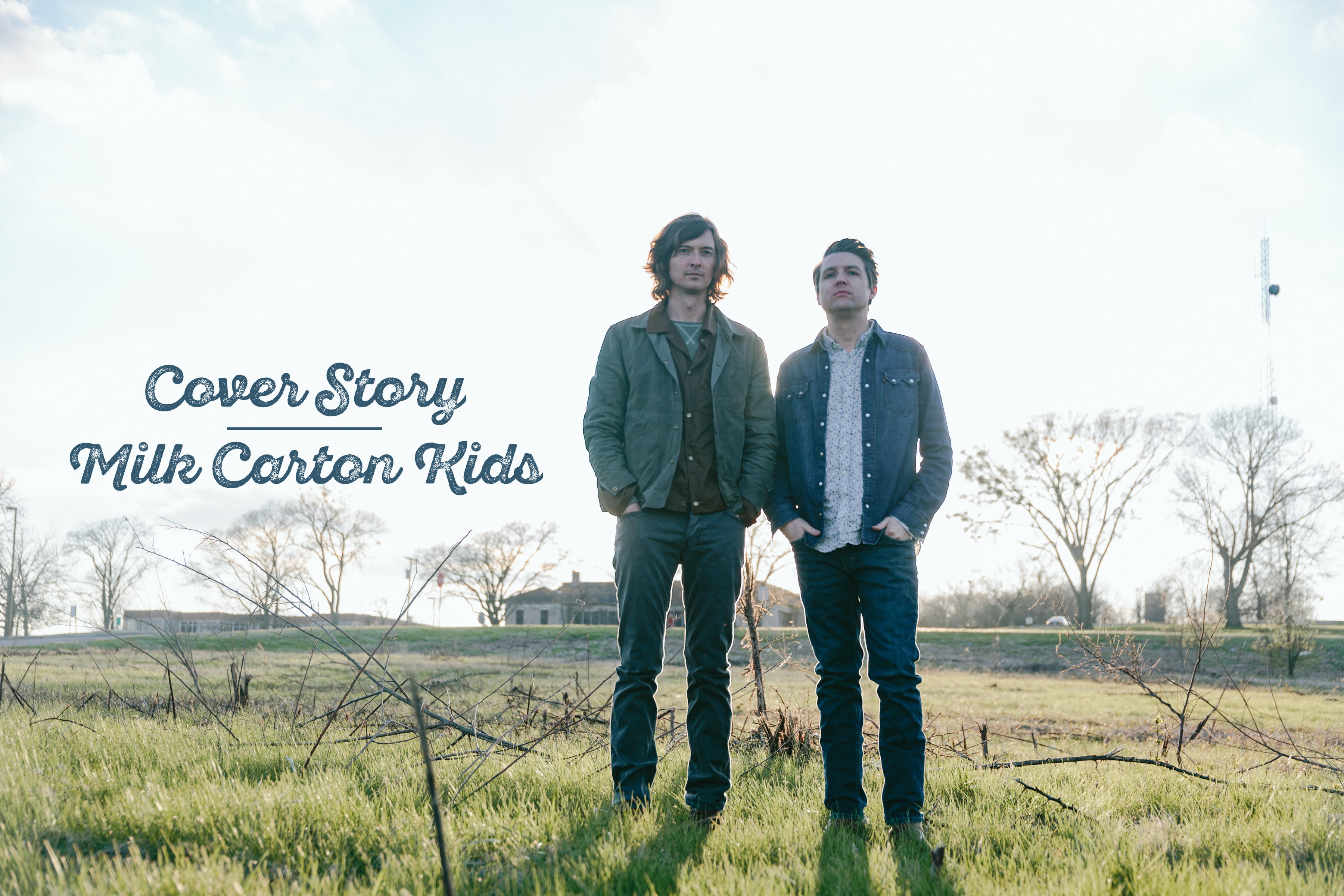
Dismissing the Suits: A Conversation With The Milk Carton Kids (1 of 2)

The Milk Carton Kids have been about nothing if not duality. That’s down to their very name, which evokes both comedy and tragedy, and their stage presence, in which some of the stateliest and most delicate songs possible are broken up by riotously deadpan banter. They’ve always been about duo-ality, too — two voices and guitars, gathered around a single microphone, contemplative Everlys for the 21st century, unaugmented by anything that would have seemed rank or strange to the Stanley Brothers back in the 1950s.

But now, suddenly, almost everything you know about the Milk Carton Kids is wrong — at least the formal elements. They’ve dropped the formal suits and picked up separate mics… and a full band, too, while they were at it. Could this be their Dylan-goes-electric moment? Not to worry — there probably won’t be any cries of “Judas!” greeting their fifth album, All the Things That I Did and All the Things That I Didn’t Do, or a touring ensemble that no longer fits in a single front seat. It’s not just that the new material is superb — although that never hurts — but that the fuller arrangements sound like a natural progression in what is still scaled for intimacy.

Before we get to the Kids, we queried producer Joe Henry for his thoughts about how necessary or smooth the transition was, going from duo to band configuration. He admitted there was at least the fleeting consideration of a backlash — “I don’t imagine it possible that the Kids weren’t individually and collectively pondering the response of an audience that has been so steadfast in their devotions to the band’s brazen and brave duo commitment to date.” But, Henry says, “I saw no evidence that the looming question gave them any pause… And no one involved that I’m aware of had any doubt that such a shift was now not only timely but imperative: they’d reached a point where the color of the light, so to speak, needed to reflect their growth as musicians and songwriters––this batch of songs being so particularly strong as to invite, nay, insist on a presentation equal in its evolution.”

The producer adds that the Kids are “still very much a duo in ethos and execution. There is real drama in the intimacy of Ken and Joey pushing up to a single mic in symbiotic solitude, and it was important to all three of us going in that that image remain intact ––even as new sonic weather kicked up and swirled around them.”

When we sat down with Kenneth Pattengale and Joey Ryan at a Van Nuys coffee shop in June, we found that off-stage they’re just like they are on-stage… only more so.

As part of changing things up, you’ve decided this is also the right time to go for street clothes in concert, right?

Joey: Talk about decisions that were never actually made.

Kenneth: Yeah, that one’s still TBD. I mean, we get on the tour bus tonight. Joey’s near his closet, but I didn’t bring anything from Nashville, so if I’m wearing a suit tomorrow, I’m gonna have to go to the Men’s Warehouse in Tucson. The advice I’ve gotten from literally everybody on earth is that they’re gonna be saddened to not see me in a suit, and that we should be wearing them. But… f— ‘em. [Laughs.]

Joey: Well, I never wanted to wear a suit. The reason that we wore suits in the beginning was as a part of a collection of survival techniques.

Kenneth: Given your druthers, you’d dress like an ass-clown, that’s why. And you can quote me on that!

Joey: [Sighs.] See, how can people not love us? No, it was a part of a suite of survival techniques that we developed when we were playing in very…

Kenneth: Techniques or tactics?

Joey: Techniques.

Kenneth: There are survival techniques? I think they’re mostly tactics. It’s interesting to hear you’ve developed survival technique. It sounds like something they’d sell in the Valley.

Joey: Those words are synonyms. It’s a survival tactic and a technique. In any case, in the early days, we were playing this really sonically fragile show, and the only places that would book us were like the smallest rock club or bar or coffee shop sometimes in town. In a dive bar, we would wear suits to visually indicate that it was just something different than what they would maybe expect to see in that room, so that you could have some chance for the first couple minutes of people taking note and going, “Alright, what is this gonna be? I’m going to shut up and listen for one song.” You at least have a song. You have that chance to get ‘em to stop talking loudly in the bars that they’re used to talking in and maybe pay attention to the show, because our show required that.

It’s not like an attention-seeking preciousness. It’s like a physical, sonic fragility that we had, because we mic-ed our guitars, and you just can’t turn it up that loud. The perfect example is how we played at the Beachland Tavern in Cleveland, Ohio, many times. It’s a great place but the beer fridge is louder than we could get the PA, so we had to ask the bar to unplug their beer fridge, and they were so accommodating. I don’t know what happened to the beer. And they would also bring in rows of folding chairs, which literally no other band would ever even ask them to do. But we always wanted to be in a theater where people would be able to receive what we were trying to present, and the suits were just part of that. Now, with the band…

Kenneth: You’re gonna go back to flip-flops!

Joey: With the band… [Long, exasperated pause.] See, people always say we’re antagonistic. I think it’s just him. No, with the band, we don’t have the sonic fragility that we had before. … And so the whole misdirection of wearing a suit in unexpected places is not required. That was a long way of saying: I’m excited to not wear suits.

How early or late in the process did you decide to go with a band for this album?

Joey: We decided three years ago in Dusseldorf, Germany that we weren’t going to make the next album as a duo… It was just a moment. It wasn’t like we even talked it out. [To Kenneth:] You were like, “I think we should probably do the full-band thing next.” And I was like, “Oh, thank God you said that, because I’ve been worrying about how to bring that up.” But you always break the ice.

Kenneth: Yeah. I’m a talker.

I’m always interested in how people who are identified with a very specific thing decide to change it up… or not. A lot of times, people back away from giving up the thing that people identify as unique.

Kenneth: It’s always risky to go down these philosophical rabbit holes in interviews like this, because invariably they come out not reading exactly as intended, but I’ll go anyway, because who gives a shit? One of our blind spots -– and I think it’s a common blind spot for artists specifically — is that Joey and I for a long time had a complete inability to understand what was good about our band, while also knowing it in our core. And it’s necessary. If we knew what that was, I think that we would lean into it, and it would get tired very quickly and wouldn’t mature and evolve.

But for the first year and a half of our band, Joey and I didn’t realize that we were good just because when we sang together, it sounded like something that people either had never heard before or hadn’t heard in a while, or it bore a trueness that was just apparent in its physics. Joey and I thought that it was a result of all the hard work we do about making sure our harmonies are tight or about phrasing or about all these marginal things that we quibble over. You really lose sight of what the fundamental thread is that actually is the reason the whole thing exists. And we still have that blind spot. There’s something that’s just innate in what you do from the beginning that we take for granted.

So what is the thing you have the blind spot about, that your audience totally gets?

Kenneth: To put it really simply, when Joey and I sing together, it reminds people of Simon and Garfunkel, the way they actually physically combine, like alchemy in the air, or the way the Everlys did it, or the Louvin Brothers. When Joey and I sing together, there is some physical chemistry that is actually, like, we have to try hard to f— it up. And we have from time to time, but we’ve got an advantage coming out of the gate to other people singing harmony together, in that there’s something that just works about it.

And then there’s a similar shared vision in our writing and stylistic choices, and even essential life administration, where, outside of a few blowouts where we figured out what the problem was, the way they rub together results in this strange band that people haven’t kicked out of life yet.

Read the second half of this interview.


Photo credit: Joshua Black Wilkins
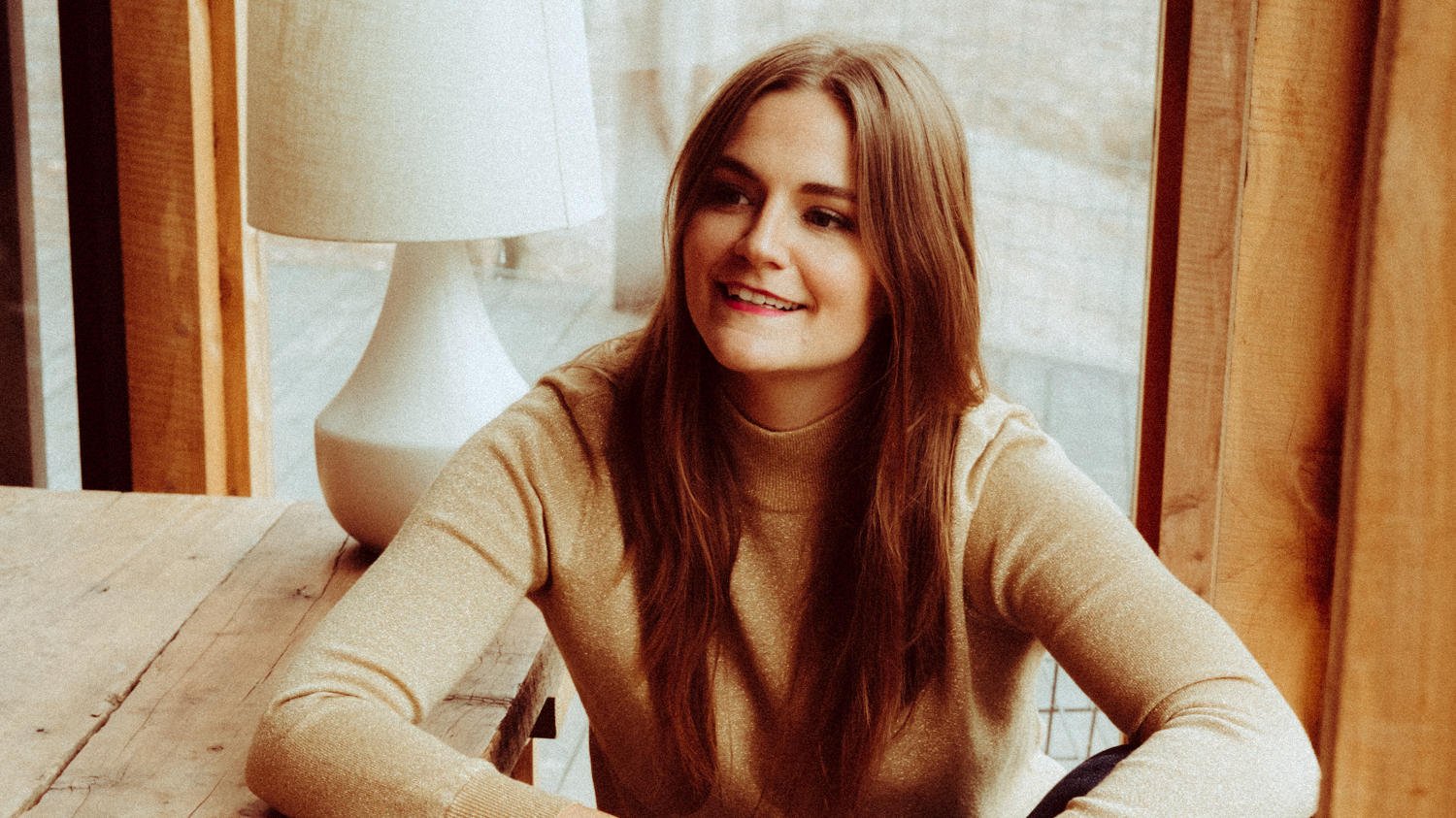
LISTEN: Hot Buttered Rum, “Sitting Here Alone”

Artist: Hot Buttered Rum
Hometown: San Francisco, California
Song: “Sitting Here Alone”
Album: Lonesome Panoramic
Release Date: July 20, 2018

In Their Words
– “I’d long had the dream of having a cabin in the woods. Removed from the busy rat race, I’d be able to have a clear vision to make my masterpiece, right? Well, I got the opportunity a few years ago to do this on my friend’s 100-acre farm in the Santa Cruz Mountains. I poured a foundation, built a wall tent, doors, an outdoor kitchen. I put in a desk, wood stove, a bed, a couch. It was a ten-minute walk uphill through a redwood forest to reach the place. Epic! Remote! Serene! I’d finally have the headspace to make my best music…I did write a lot of music there (most of Limbs Akimbo), but I was also struck by how life feels about the same even when your dreams come true. I’m still an insecure, distractible dude, no matter where I am! “I thought I’d have it made if I could only get away/and find a little cabin in the woods/I’ll be so content with no entanglements/and life will flow freely as it should.” All this fits into a general trend in my life of being less of an aspiring loner and more engaged with and committed to other people, and all the good and bad things that come with them.” – Nat Keefe


Photo credit: Matt Sharkey

A Desire to Inspire: A Conversation With Molly Tuttle

I can’t pin down the year I first heard Molly Tuttle picking a few tunes in a Sugar Hill Records suite at the IBMA’s World of Bluegrass, but I know it was before the event’s 2013 move to Raleigh, and I know I wasn’t the first to pay attention to her guitar playing. Indeed, it was only a few more years until Bryan Sutton called her name as a picker to listen to in the course of accepting one of his ten IBMA Guitar Player of the Year trophies—and just two years after that, last fall, she accepted the same award herself.  

Even so, her growing recognition among bluegrassers has led to a higher profile for Molly in the broader musical world; she earned the Folk Alliance’s Song of the Year award in February, and a nomination for this year’s Americana Music Association’s Instrumentalist of the Year title, too. Between that, her own eclectic outlook, and the predispositions of journalists unfamiliar with the bluegrass world, it’s not hard to see why the musical substance of her engagement with the genre can sometimes be given short shrift. Yet the fact is, she appears to be as happy tearing through a bluegrass classic in the company of her youthful contemporaries—or with a certified bluegrass legend or three—as she is playing anything else.

I was reminded of this shortly before our interview, when Instagram presented me with a snippet of video that showed her sitting in with the East Nashville Grass, a collection of pickers who mostly work in other bands, at a ‘grass-friendly’ Madison club—and since the next Molly Tuttle record is still likely months away, it seemed like a good place to start the conversation.

Just this morning, I saw a video of you sitting in with the East Nashville Grass guys, ripping on some bluegrass—“White Freightliner Blues,” which I know you’ve been doing for a while—and it got me to wondering. Your dad was a music teacher when you were growing up; was he more of a folk guy, or an acoustic guy generally, or a bluegrass guy?

What my dad always loved was bluegrass. He grew up playing bluegrass, and that’s really what he studied and what he loves. But he did end up playing some folkier music; he played in a band called the Gryphon Quintet, which was all people who worked at Gryphon Music, the store he teaches out of. And that was jazzier stuff, some swing stuff, four-part harmony arrangements, and some of their stuff was kind of folky, too. So he ended up playing a bunch of different styles, but he really comes from bluegrass.

So when the family band got started, it was a bluegrass band.

Yeah!

You’re getting out beyond the bluegrass audience these days, into the larger musical world, and there’s been a whole line of people over the years who have done that. What do you think you’ve learned as a bluegrass musician that you carry with you when you do all this other stuff?

I think one of the most valuable things I learned was improvising and making up my own solos. Just being creative, really, because it’s such a creative genre. Some of the most incredible improvisers in the world are bluegrass musicians and you can really carry that into any genre—those improvisational concepts, you can take those in so many different directions. So that’s something I feel bluegrass really taught me, something I can use for the rest of my life.

And also, technique. I think it’s so important in bluegrass to have great technique, to be able to play fast, slow…I think that was really helpful for me to learn. And the style itself is so authentic. It has this raw feeling to it, and my favorite bluegrass is old bluegrass, where it’s all so live and energetic—just real, authentic stories from their lives. I think that’s really inspiring.

I’ve heard from some younger musicians that when they found a bluegrass jam or something like that when they were getting started, the older guys were really encouraging and supportive—and then, when they started getting into other kinds of music, those folks weren’t so supportive. Have you run into that?

A little bit. People just like what they like, so people who love traditional bluegrass aren’t as supportive as others about me branching out and doing new stuff. But I haven’t run into too many people who are openly discouraging me from doing what I want—it’s just not their cup of tea, so they’re not as excited.

When you started putting the Molly Tuttle Band together, how did you decide what you wanted? Was that a question in your mind—am I going to have a banjo player?

It kind of was! But it was like the right musicians just sort of presented themselves to me. I’ve played with Wes [Corbett] for three years now and he’s such an amazing musician—he’s so versatile. He plays amazing stuff on my songs that are more singer-songwritery, but he’s an incredible bluegrass musician, too. So it’s been a great fit for me. I think the bluegrass band just made sense. But then, I’ve been working on a new album that has drums on everything, and electric guitars, so I think going forward I’m going to be trying out different band lineups.

Are you working on your new record a few days at a time, or did you set aside a big block of time to make a whole record?

We had six days where we got all the tracks done; eleven songs, all with the same band. We did that at Sound Emporium and it was mostly all live. And then I went in and did harmony overdubs, I overdubbed some vocals, put some other instruments on, tracked strings—that was really fun. Nathaniel Smith worked out these really great string arrangements with Rachel Baiman and Mike Barnett, so they came in. And then we got some special guests on it—Sierra [Hull] came in and played, which was fun. So it’s just been going into the studio and finishing things up whenever I’m back from touring.

So maybe the next big release coming out that you’re on is a Roland White tribute project. And there was definitely an element there of you kind of playing the part of Clarence White on the tunes that you did. How do you prepare for that, for playing the part of Clarence White?

I just went and listened to recordings of Clarence. And with “I Am a Pilgrim,” there’s this great YouTube video of Clarence and Roland playing it, and Clarence was playing the coolest stuff ever. I teach at camps sometimes, and last summer, I thought it would be fun to teach a workshop on Clarence White, so I transcribed his rhythm playing on that, and was teaching it to people. So that was a good one to get to do, because I already knew some of the licks, and I’m obsessed with his playing on that song—it was fun to try to get into that mindset.

It seems like you really succeeded in being Molly Tuttle, but also Molly Tuttle playing Clarence White.

That’s what I was trying to do, so that’s good to hear.

We played a house concert a few weeks ago, where [12-year-old fiddler] Clare Brown and her dad came out and opened for us. I heard her doing a soundcheck with “White Freightliner Blues,” and I thought, I’ll bet I know where she learned that. Does it freak you out that there are even younger musicians coming up who are influenced by you?

I think that’s so exciting and that’s what I wanted to do with my music since really early on: inspire the younger generation, especially younger girls. I think it’s really important for them to see the generation of women before them doing it. So that’s one of the things that keeps me going with my music, to see something like that.

Who were you seeing that way? Who did you look up to?

When I was a kid I looked up to Laurie Lewis, Kathy Kallick, Keith Little, Bill Evans, my dad—all these Bay Area people. There’s a really great scene there and they were all so supportive of me. But especially Laurie and Kathy, seeing them lead their own bands and play shows. They were my biggest heroes and I thought they were the coolest, and I still do.

Is it important to you to keep an eye on and try to inspire young musicians to play bluegrass in particular?

I think it’s a really great tradition, especially for kids, because it’s such a supportive community. And there are jams, so you can get together with other kids your age. That’s a really healthy thing for kids to do for fun. For me, it was really great in high school to have that, to go to festivals, and get together for jams, and play shows—that was a great outlet for me. It’s a great genre for kids to play, and it’s really important to keep carrying on the bluegrass tradition, to keep it alive, so I think it’s great to encourage kids to play it.


Photo credit: Kaitlyn Raitz

Allowing Herself to Be Free: A Conversation with Erin Rae

Quiet may come off as meek, but don’t be fooled; strong doesn’t necessarily present in overly clamorous ways. That’s the central truth Erin Rae unearths on her new album Putting on Airs. Across twelve hushed tracks, her haunting voice depicts the ways in which the past looms over the present, especially how the scenes we witness as children build their own imposing edifices in the psyche. On the title track, she sings with bare-bones honesty, “I never did learn to like myself/ Been chasing down anyone that might could help/ Lure them in with charm, come out stealing.”

Putting on Airs is as much about calling out herself as exploring the circumstances that formed her, but through it all the Nashville-based songwriter’s honesty is manifested through her clear-eyed vocals and deft lyricism. She wants to heal, and her music, functioning like a salve, allows her to do exactly that. For example, on “Bad Mind,” she sings about a lesbian aunt who faced discrimination decades ago in the Alabama court system and how that, and other adolescent experiences, shaped the perception of her own sexuality.

Recorded in Appleton, Wisconsin, during winter’s muted apex, Erin Rae worked with co-producers Jerry Bernhardt and Dan Knobler to make full use of the space—a former Franciscan monastery known as The Refuge. As a result, the production lives, breathes, and echoes, giving her the room to use her voice, both literally and lyrically.

These songs are so tender, and that descriptor strikes me in two ways: Tender like a bruise, and tender as in full of care. When you were writing them, did one apply more than the other?

I think it’s a little bit of both. With “Putting on Airs” in particular, I was like, “Am I just being harsh on myself?” My mom’s Buddhist now, so I’m really [thinking] like, “Is this being kind? Is this causing harm?” It’s been helpful to me to own that behavior and, yeah, it is uncomfortable to feel the reality of that and the consequences of that and how it affects other people and myself. But also, by owning it and saying it, my hope is to continue to get more free from that. It’s a little bit of both: It’s tender temporarily.

How have you seen your songwriting shift on this album?

I guess I’ve always used songwriting to process through my own stuff; it’s been very cathartic for me. My last record was tying my own experience in with that of my parents or close friends. There’s still an element of that, but I feel like this record has become more directly about me. I didn’t really intend for these songs to be that, like “I’m going to call myself out.” “Putting on Airs” is about people-pleasing where it’s harmful to myself and other people, where eventually you just become dishonest in a way.

No kidding. That line, “Lure them in with charm, come out stealing,” got me right in the gut. It almost hurts to hear but it’s so true.

It’s like, “I want you to like me!”

It’s almost like a safety mechanism at first, but it’s interesting how you say it can become self-harming at a point.  

My dad is super outgoing. He’s one of those people who’s never met a stranger. That’s how I am as well, but learning in a way to make sure…especially as far as it goes with relationships. That’s really what I’m focusing on in that song.

Ok, we have to talk about “June Bug.” That transition to the old-timey piano at the two-minute mark is stunning. That riff says so much, and coming after all you’ve confessed, hangs even all the more beautifully.

At the Refuge up there in Appleton, there’s this giant chapel and all these monks’ quarters, 60 little individual bedrooms, and a lounge area on the first floor. It was in the middle of winter, it was still snowing, and the Fox River is right out the back. The room has a wall of windows, so you could see the snow and the bald eagles. There are two hallways, and in the center of that is where we had a lot of tracking stuff set up and the computer and all the gear. Then we ran guitar amps and put the drums in the chapel, so you hear that huge open sound. We tracked vocals in there so we had the room sound.

I have these fond memories of everyone being super sweet to each other. Basically, Jerry played everything. I think he had tracked that piano part and then Dan, when he was mixing everything, surprised Jerry by putting that into the end of the song, because the song otherwise would just be a minute and a half long. We had this beautiful piano track that Jerry had done in this space, and Dan surprised us with the old timey piano outro, and I thought Jerry was going to cry. It was really great.

I’m especially interested in the labels that circulate around Southern women. To that end, “Mississippi Queen” is such a striking song. How have you attempted to battle against the labels about who women should or shouldn’t be?

Nashville is like a blue spot surrounded by red. It’s a town full of creatives. I’ve got a family member that lives in Mississippi and my dad grew up in Missouri, but whenever you go back to more traditional Southern cities, it’s kind of like, “Oh yeah, people more or less adhere to these cultural norms that feel a little outdated to me.” But I’m always drawn to a sense of tradition. The only way I’ve known how to challenge anything is personally, like internally making sure that I’m clear.

That’s what a lot of this record’s about—allowing myself to be free to see what my own personal truth is, so that, hopefully, I’m able to lend that to others and give other people that space. Even in thinking that that’s a way I want to live, it’s still difficult. I empathize with people that have grown up in a more traditional city; I feel like it takes a conscious effort to grow up and be open-minded if it’s not the norm.

Right, if it’s not modeled for you it’s even harder to practice.

My parents are super open-minded and I still grew up in the South and absorbed a lot of the social norms, so I can’t imagine how hard it is for someone else [who didn’t] to feel free enough. With a more conservative or strictly religious background, it’s hard work for everybody to be more open-minded.

The past six months have been fruitful for singer-songwriters wishing to challenge heteronormativity, including projects from H.C. McEntire and Sarah Shook. Why do you think now is such a powerful moment for such visibility?

So much progress that had been made was starting to feel uncertain with this new administration. It kind of worked out to be a timely thing, especially with the song “Bad Mind,” and that story being born out of the state of Alabama. When Roy Moore was almost elected, I was like, “It’s all happening in the same time.” I think it’s so important to keep the conversation going and make opportunities to heal around this stuff, around sexuality, while it’s all being threatened.

It does feel like a backlash, similar to what took place in the ‘80s after women had made significant strides in the ‘70s.

Music helps us process. One image that came to mind while you were talking about a backlash is the Women’s March—the second one that happened recently in Nashville. It ended with a big concert at Bicentennial Mall, and Alanna Royale and Becca Mancari were both performing there. Alanna has always represented real womanhood for me, being a strong and powerful woman. She’s full of life. It was this really beautiful moment to walk with all these people—dads, and little kids, and folks old and young—through Nashville, and then end up at this powerful, beautiful concert with people that I admire in our community. It was such a beautiful way to tie it all together.


Photo credit: Marcus Maddox

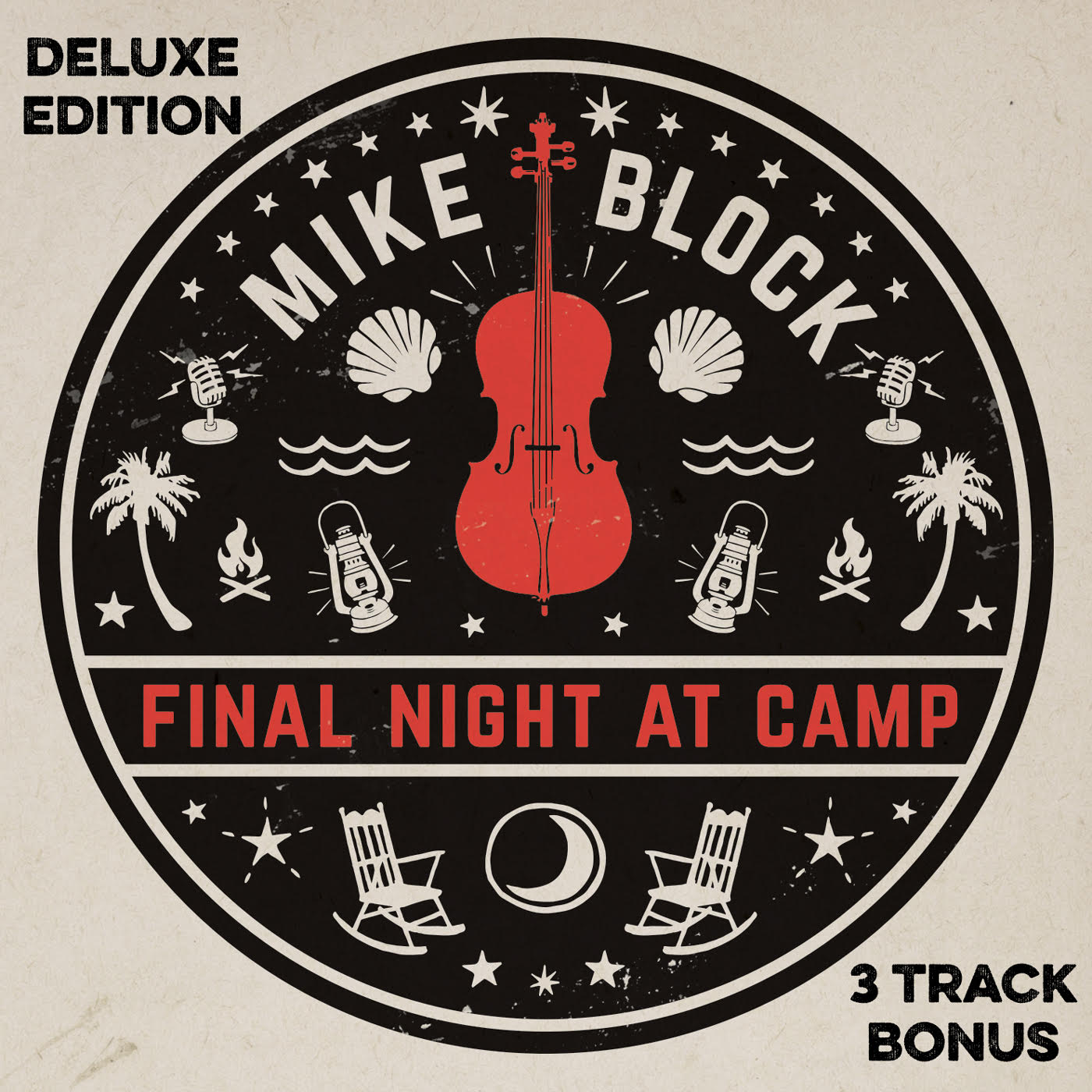
Mike Block, ‘Final Night at Camp’

Summertime = summer camp, doesn’t it? To musicians, though, camps of summer are only marginally related to The Parent Trap or Wet Hot American Summer motifs. Music camps borrow the familiar grounds, dormitories, and wood panel-clad mess halls and classrooms for a week or two here and there, when they would otherwise be left vacant, and then fill them with pickers and tunes. It’s an entirely different summer camp category, but they’re never less nostalgic, or memorable, or convivial, or sweltering than their more mainstream counterparts, even if they are a special breed of their own.

Mike Block, an acclaimed and traveled cellist, is a founder, proprietor, and curator of just such a music camp, and an experienced instructor at many others as well. His latest album, Final Night at Camp: Deluxe Edition, plays exactly like an end-of-week faculty concert, drawing on musicians and pickers who are just as familiar with the wonders and woes of folk music camps as he is. The title track seemingly mirrors a week a camp, for just as you begin to become comfortable and familiar with your surroundings, the craziness (sleep deprivation? One crazy, all-night jam? That one student who refuses to ask an actual question, opting for, “This is more of a comment, really…” instead?) sets in! On the cello-centered, original instrumental, that “craziness” is a wildly dissonant, dynamic breakdown, that reharmonizes the tune’s melodic hook fantastically and frenetically mid-song. But, just like camp, when everything settles, everything is finally sorted out and the time has elapsed, we’ve learned something — and we wish that the “Final Night at Camp” hadn’t come to a close so soon.

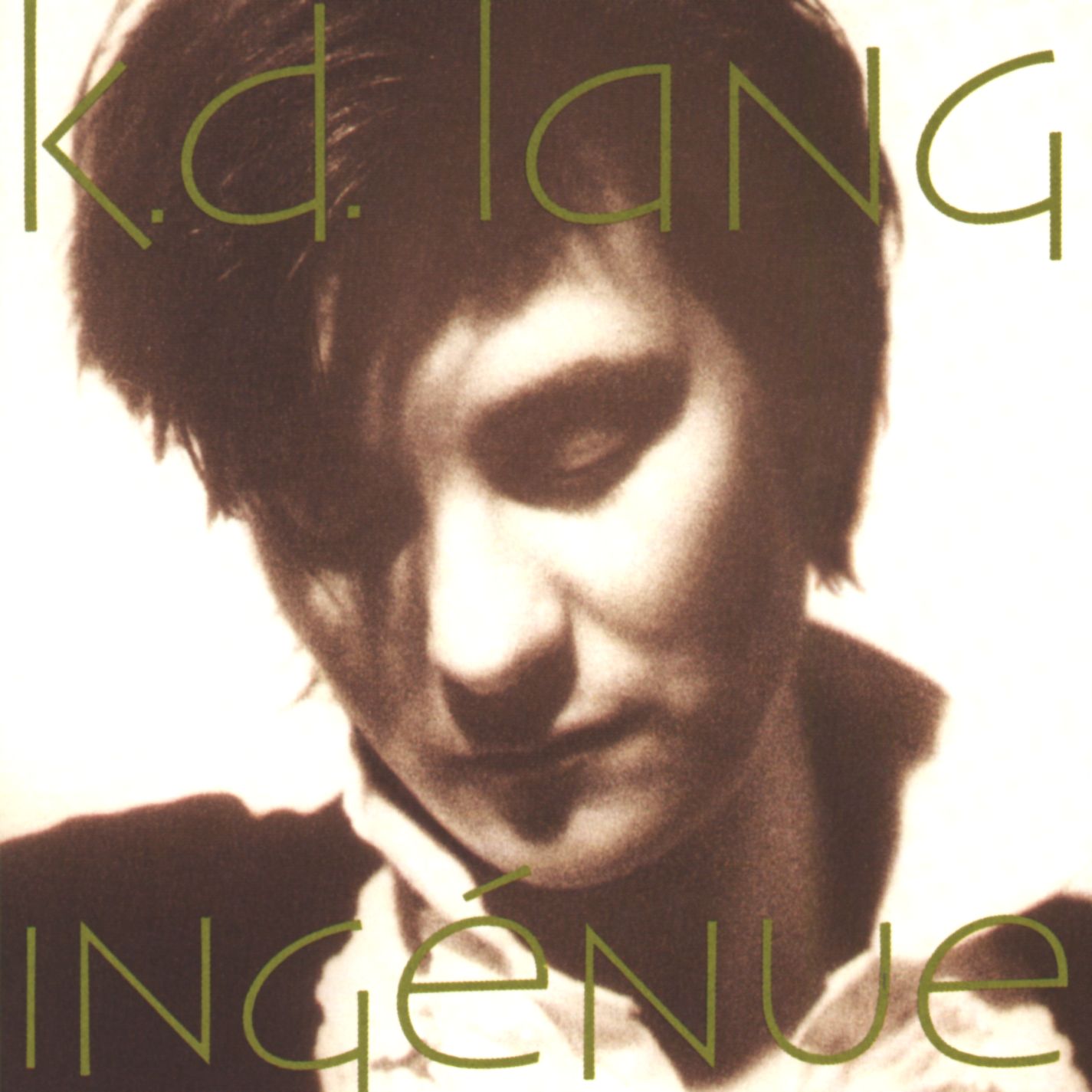
Canon Fodder: k.d. lang, ‘Ingénue’

For better or for worse, k.d. lang’s 1992 breakout album Ingénue will always be associated with her coming out. Throughout the late 1980s she had established herself as an unlikely country star, a traditionalist who sang like Patsy Cline and worked with Owen Bradley but whose short punk haircut and androgynous persona branded her as an eccentric like Lyle Lovett. Also, she was Canadian—not a roadblock to country stardom (see: Anne Murray, Shania Twain), but certainly another way in which she was an outsider in Nashville. Nevertheless, she made a place for herself in the country mainstream, winning a Grammy for “Crying,” her 1989 duet with Roy Orbison, and the album Absolute Torch and Twang, released the same year, proved a more-than-modest hit, peaking at No. 12 on the country charts.

And yet, there were rumors that lang was… well, you know. She had come out to her family, but had not made that an explicit part of her public persona, despite playing a lesbian in the independent film Salmonberries. So the media pried into her personal life, posing uncomfortably direct questions to which she carefully measured her answers. lang was going to be made a spokesperson for the LGBTQ+ community whether or not she wanted that responsibility. The pressure came from within that community as well as from without. According to Newsweek, Queer Nation, an activist organization founded in 1990, put up posters around New York with photos of entertainers branded with the words Absolutely Queer. The Advocate outed a top-ranking military official at a time when gays were not welcome in the military, just prior to President Clinton’s infamous “don’t ask, don’t tell” waffle.

To preempt being forcibly outed—essentially, to take control of her own story rather than let someone else come out for her—in 1992 lang gave a lengthy, at times very tense interview to The Advocate. Her sexuality was discussed only generally throughout the exchange, with lang officially calling herself a lesbian near the end of the article. “I feel like it’s a part of my life, my sexuality, but it’s not—it certainly isn’t my cause. But I also have never denied it. I don’t try to hide it like some people in the industry do.” This was largely unexplored territory for any artist, especially one in a traditionally conservative genre and especially one who was going to so radically change her sound.

In retrospect it’s hard to convey just how chancy and therefore how pivotal Ingénue was for lang, who rejected absolute twang for torch songs rooted in jazz and pop, in chanson and klezmer, in Gershwin and Weill, Holiday and Dietrich. She described it at the time as “postnuclear cabaret.” Especially in the 1990s when changing your sound or courting a wide audience could be viewed as selling out, the album was a calculated risk, a means of shedding a long-held persona that might alienate old fans without attracting new ones. Gone were the fringed Western wear and the Stetsons; what remained was that haircut and, most crucially, a voice that sounds like a starry midnight.

The personnel didn’t change, but her approach certainly did. lang worked with co-producers and co-songwriters Greg Penny and Ben Mink, the latter a member of her backing band the Reclines. But this is not a case of treating country songs to new arrangements. The change happens at a conceptual level. Ingénue is lang’s first collection of entirely original material. She and Mink wrote songs outside the country format to find new ways to use her voice and new emotions to express. “Season of Hollow Soul” sounds like a Weimar torch song, as though the singer is playing both Annie Bowles and Cliff Bradshaw in Cabaret. “Miss Chatelaine” is an exuberant love song that cheekily references lang’s own iconography, in this case the cover of Chatelaine magazine, which in 1988 named her Woman of the Year. To contrast the photograph’s Nudie suit glory, lang toyed with her own androgynous look, even performing in a formal gown on Arsenio Hall.

Deep into the twenty-first century, of course, country music seems by nature a porous genre, one which artists drift into and out of constantly, whether it’s a pop star looking for a career renewal (Darius Rucker), a tourist taking snapshots of Music Row (Sheryl Crow), or a country star looking to broaden their audience (Taylor Swift). But perhaps no artist has made that transition with more grace and finesse—with more sense of the inevitable—than lang, whose voice was so much bigger than one genre could contain. Ingénue not only showed how artfully she bend that voice and suppress that twang, but also demonstrated how she could use it to inhabit a very different desire than the pop charts typically allowed. For that accomplishment she’ll receive the 2018 Trailblazer Award at the Americana Music Honors & Awards in September.

The album has been tied to her coming out, a vehicle for her ascension not merely as a pop star but as a gay pop star. This is, of course, not the only interpretation of the album, but it’s one that lang herself reasserted in interviews. She was forthright about the inspiration for the album, confessing that it was inspired by the end of an affair with a married lover. lang was still in love, but accepted that the relationship was impossible; that contradiction became the spark that illuminated these new songs. No names were given, but the implication was that this married lover—the subjects of the lyrics, the object of desire—was a woman. This seems even more radical than the Advocate interview, a means by which lang insisted these songs were personal, first-person, and grounded in gay desire. “Can your heart conceal what the mind of love reveals,” she sings on “Mind of Love,” and if you miss that she’s talking to herself, she calls herself by name: “Why do you fight, Kathryn? … Why hurt yourself, Kathryn?”

Yet, Ingénue is about desire, not orientation. These songs express a sexual, physical, and emotional yearning that is specific to her as an individual, specific to her as a lesbian, but she conveys it in such a way as to be universal on some level: something that might resonate with any listener, regardless of their orientation or even their opinion on orientation. In 1992 this might have had a humanizing, normalizing effect, because the risk paid off and then some: Ingénue was an immense crossover hit, anchored by the smash “Constant Craving.”

That song in particular has stuck with lang ever since: her signature tune, a mainstay of every concert she performs. “I knew it was a hit, and I was mad at it for that. I felt that it was a sellout at the time,” she told the New York Times earlier this year. But it’s not hard to see why the song would resonate with her audience, as it expresses a resilience in the face of prejudice or suspicion. “Even through the darkest phase, be it thick or thin,” lang sings in that voice, which sounds neither angry nor outraged but observant, matter-of-fact, as though a “darkest phase” was natural. “Always someone marches brave, here beneath my skin.” lang draws out those syllables in the chorus, pushing against the backing vocals, putting her words on the off-beats, drawing out those syllables—the consonants in “constant,” the long vowel and sensuous V in “craving”—to hint at possibilities: Craving for what or for whom? Constant as both heroic and burdensome, never satisfied?

Whatever it might mean to any one potential listener, it “has always been.” This craving is natural, lang insists, coded deep into all humanity, as constant in 2018 as it was in 1992.

WATCH: Lorkin O’Reilly, “Huckleberry Finn”

Artist: Lorkin O’Reilly
Hometown: Catskill, New York
Song: “Huckleberry Finn”
Album: Heaven Depends
Release Date: August 24, 2018
Label: Team Love Records

In Their Words: “I wrote this song about spending summer holidays with my grandparents in Ballantrae. It’s a small town in the southwestern armpit of Scotland with one pub, a gas station and little else. Their house was full of cigarette smoke, the TV was always on and the fridge was always full of soda. Us kids would jump the wall into the junkyard next door and break old car windows with slingshots or kick a football against the garage door. I’ve been harboring a lot of guilt about leaving my family in the UK. It’s been almost 6 years since I moved to the US and a lot has changed. Writing this song was an attempt to reconnect with some of the better memories of my childhood.” – Lorkin O’Reilly


Photo credit: Patrick Glennon

BGS 5+5: Wild Rivers

Artist: Wild Rivers
Hometown: Toronto, Canada
Latest album: Eighty-Eight
Personal nicknames (or rejected band names): Wolf Island, Chancey Shoegaze (Andrew’s guitar pedal obsessed alias), Cortez the Killer (Khalid’s wannabe cowboy persona)

What other art forms — literature, film, dance, painting, etc. — inform your music?

The primary influences that inform our music are really our musical heroes. Many of the songs I write come out of listening to some piece of music, getting inspired by one part of it and examining and working around that. Film and TV are other inspirations that I think find their way into the songs. I’m intrigued by movies and TV that examine a specific character. There are so many movies right now that do an amazing job of showcasing a complex, flawed character, while allowing the audience to empathize with them. I think a lot of songwriting is doing just that, telling a story while unapologetically showing both the good and ugly sides of it. — Khalid Yassein

What’s the toughest time you ever had writing a song?

There have been many tough times writing songs. Not so much in an emotional sense, often the most difficult songs emotionally songs are the easiest for me to write. A lot of times in the last few years we’ve written songs where one part of it is really strong, so writing the rest of it to live up to that standard can be exceptionally hard. I’ve got some songs that have been in the works for a few years now, and you can absolutely hit a wall. It can be a lot of frustration, and sometimes 90% [of your time] can be spent toiling and thinking, and then in the span of a few minutes it suddenly becomes perfectly clear what you have to say. It’s about persistence and trying not to put too much pressure on what should be an organic experience. — KY

What rituals do you have, either in the studio or before a show?

We start every show with an off-stage huddle. We get into a circle, and whoever is feeling the most energetic will say a few words to pump us up. Then we count to 3, bonk our heads together and say “team!” It sounds pretty ridiculous, but it really gets us focused and in tune with one another. We haven’t developed many studio rituals yet, other than consuming lots of coffee and making Khal drink some whiskey when we want him to sound more raspy. — Andrew Oliver

Which elements of nature do you spend the most time with and how do those impact your work?

Living in Toronto, we experience the extremes of each season. From harsh winters to hot summers, and the beauty of mild springs and falls, it’s easy to be inspired by the changing landscape. Having distinct seasons also allows for memories to be tied to a specific time of year. I think this definitely informs my songwriting, as it creates a sort of nostalgia associated with each season. I know I definitely write more sad songs in the winter when I’m longing for a little sun. — Devan Glover

Getting away to spend time outside of the city is something we all love to do. Clearing your mind by spending time in nature can be very therapeutic, and always helps to put me in a creative headspace, so it probably indirectly informs a lot of my music and writing. Sometimes when I’m feeling stuck creatively, I’ll drive up to my cottage for a change of scene. — KY

How often do you hide behind a character in a song or use “you” when it’s actually “me”?

I usually write in first person, but I don’t think I’m fooling anyone with a sneaky pronoun change. If you think switching up “I” and “you” is going to protect yourself you’re probably in the wrong business! Most of our songs are really about us and our lives so we have to accept being vulnerable in a very public way. It can be difficult and scary but I think people can tell if you’re being authentic or if something is contrived. Some of my favourite writers say things in songs that are so raw and unashamed, and it’s incredible. Those are the lines that stick with you forever, they make you feel something. — KY


Photo credit: Laura Partain

WATCH: Worry Dolls, “Tidal Wave”

Artist: Worry Dolls
Hometown: London, England
Song: “Tidal Wave”
Album: Go Get Gone (Deluxe Edition)
Release Date: July 13, 2018
Label: Bread & Butter Music / SFE

In Their Words: ​”​The first verse of the song was a voice memo on ​my phone for nearly a year that ​I kept coming back to but couldn’t really figure out what it was about. I knew tidal wave was a metaphor for when it feels like life is coming at you at full force and there’s nothing you can do to stop it. But it wasn’t until I lost an extremely close family member last summer, very tragically and suddenly, that I came back to the song and realised it was about grief. When you’re grieving they say it comes in waves, but for me it felt like a tidal wave.

Around the same time, I had just got my first Gibson and it was this gorgeous Sheryl Crow edition Southern Jumbo with this beautiful rich, warm bass. Zoe was using a vintage Earl Scruggs banjo and when we got the instruments home, this song just poured out. It was like the stars had finally aligned. Quite soon after finishing it, we produced it ourselves and recorded it live in a converted cowshed just outside of London!​” ​– ​Rosie Jones, Worry Dolls


Photo credit: Finlay O’Hara