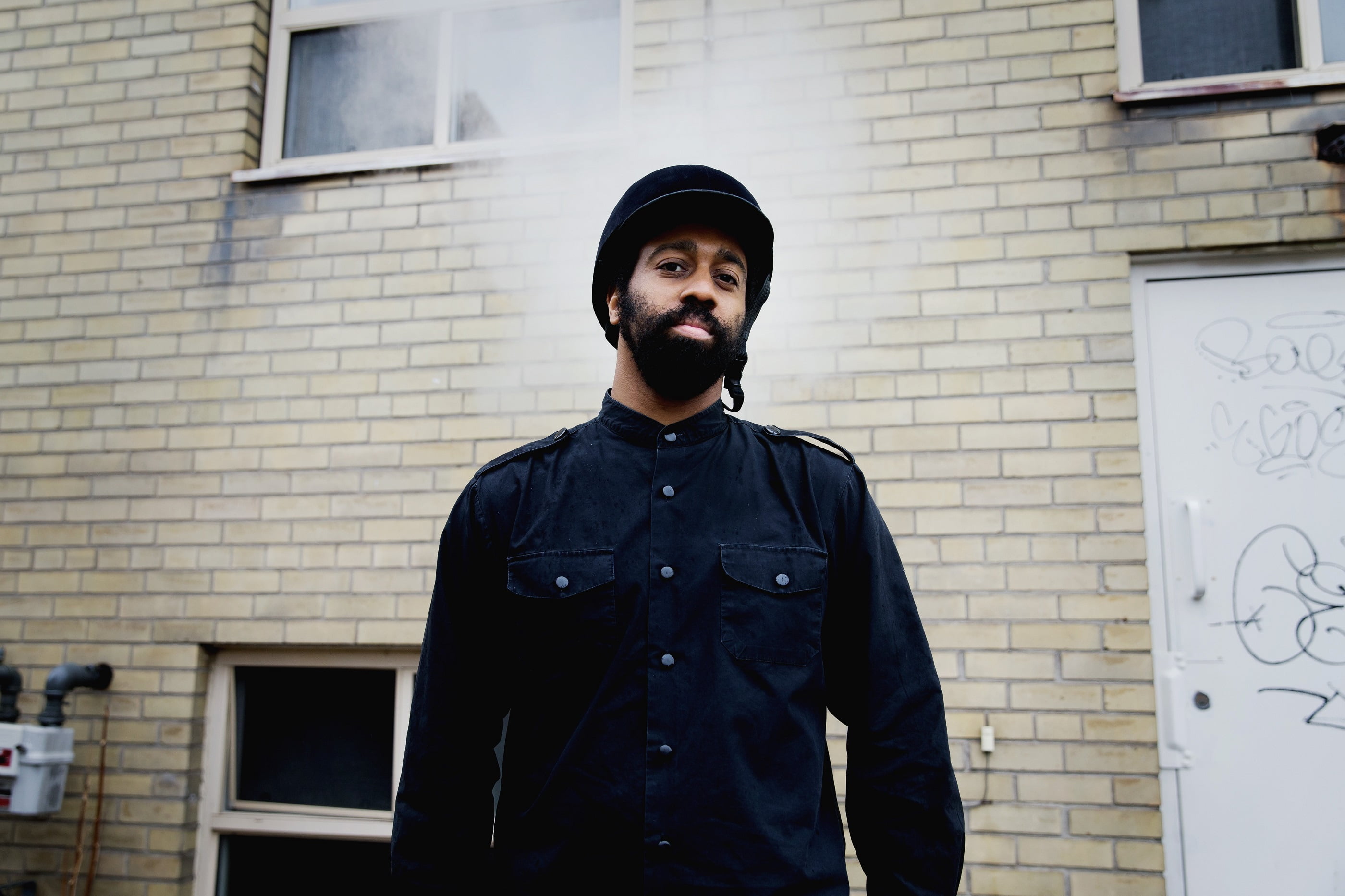
WATCH: The Unseen Strangers, “Church Street Blues”

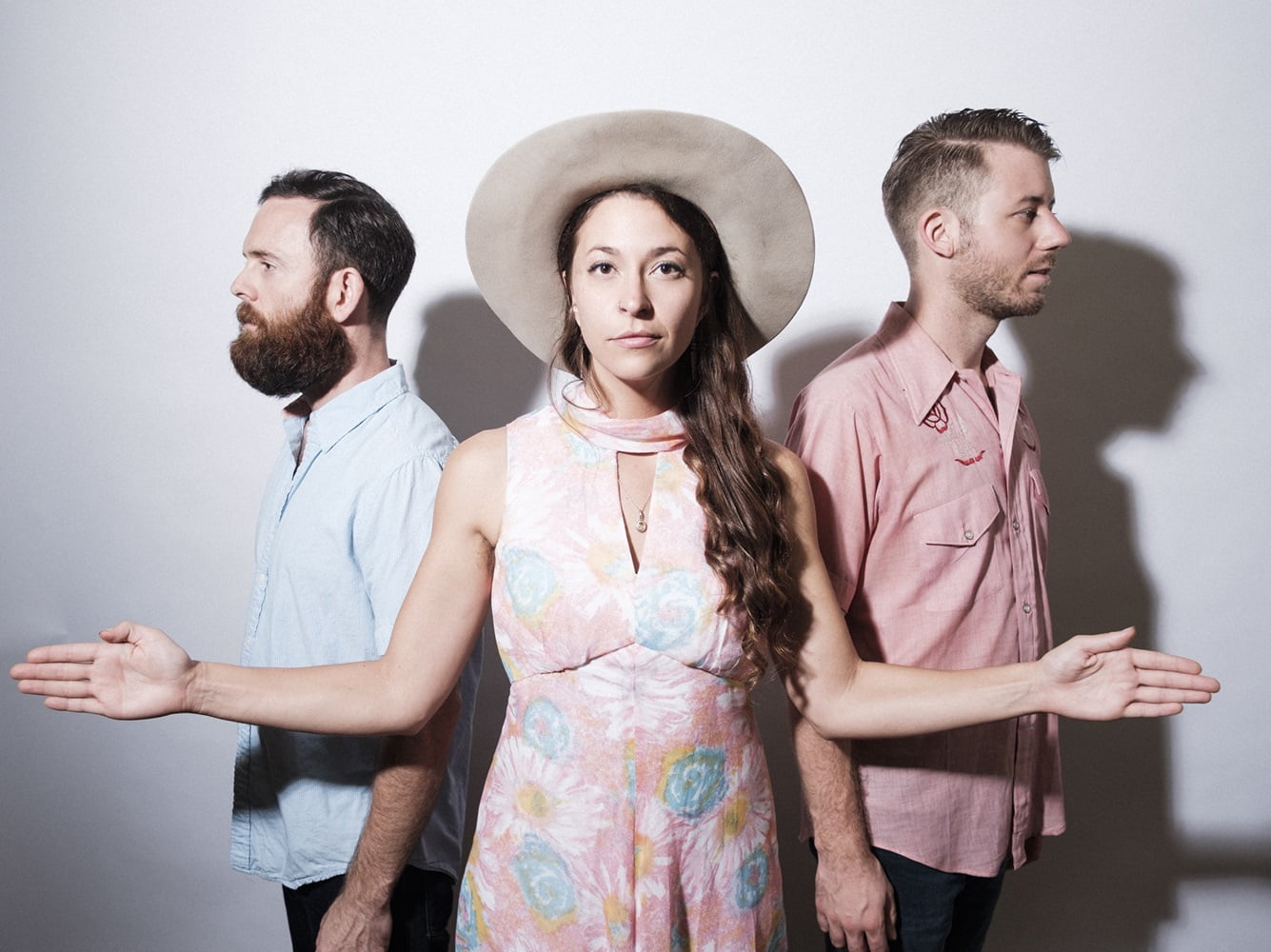
Artist: The Unseen Strangers
Hometown: Toronto, Ontario
Song: “Church Street Blues”

In Their Words: “We are massive Norman Blake fans in the Unseen Strangers and are always working up different songs of his. I started listening to this one when I first got into bluegrass guitar and digging into the music of Tony Rice, so there’s quite a bit of his version in there. ‘Church Street Blues’ is certainly a flatpicking classic and we are excited to share our arrangement with this video. It was recorded live in the Back 40 forest at the Tottenham Bluegrass Festival in Ontario. When we can’t agree on what song to play next we always just play this one.” — Adam Shier


Photo credit: Emma-Lee

Punch Brothers’ Gabe Witcher: Finding Narratives

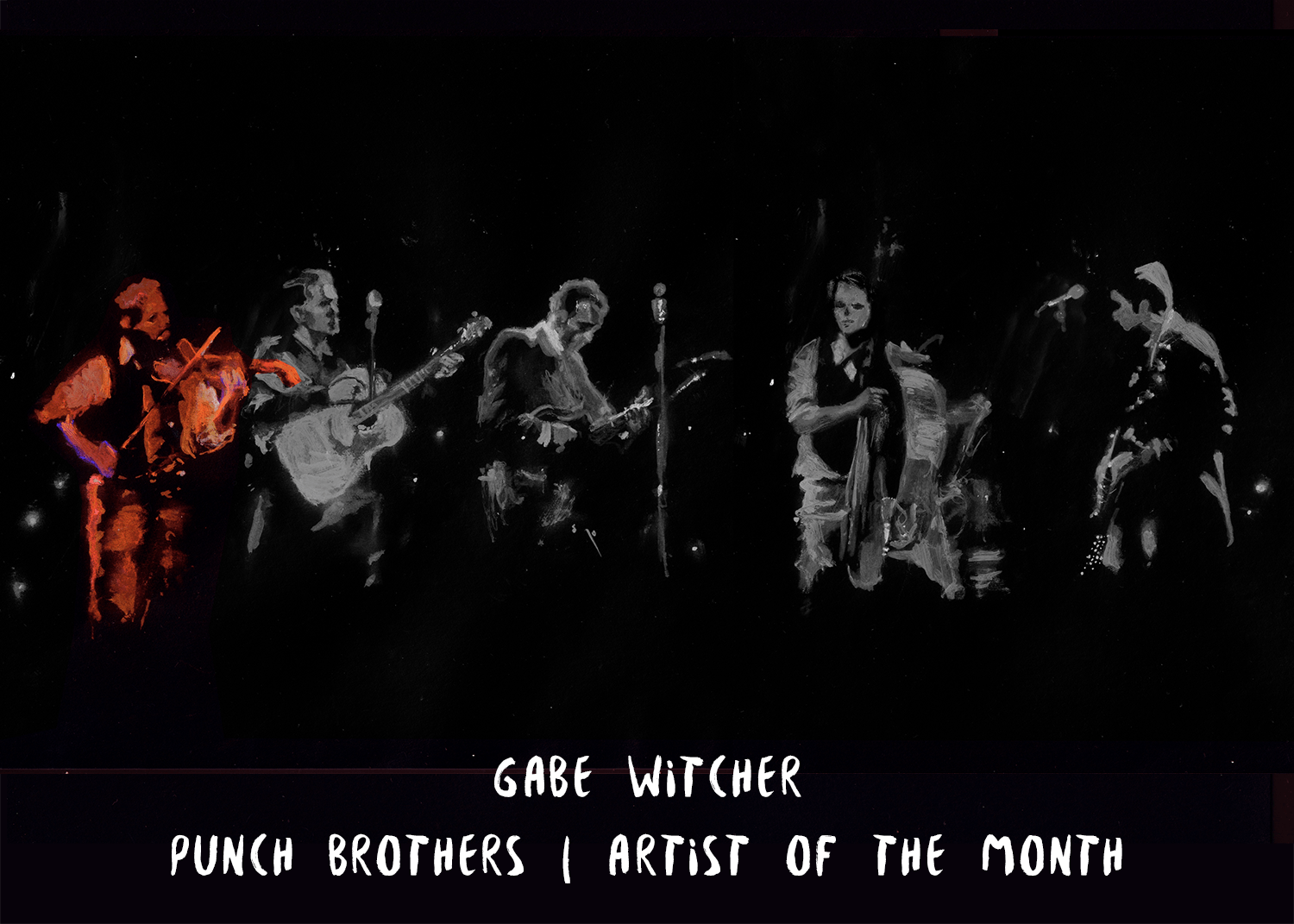
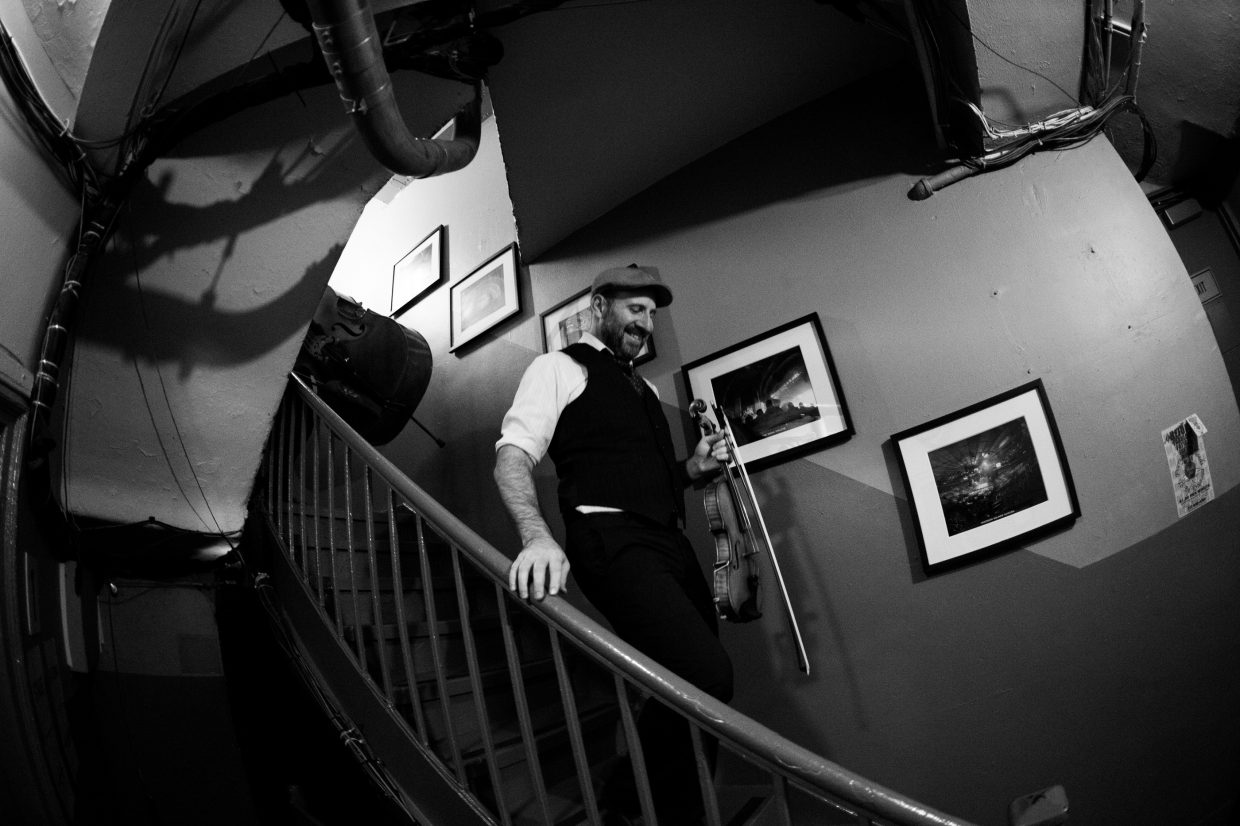
Gabe Witcher, the fiddle player – and some might say secret weapon – in Punch Brothers, has been a performer for nearly his whole life. As a kid, he toured the Southwest playing bluegrass with his family’s band; that’s how he met Chris Thile, forming a musical friendship that has spanned more than three decades. Though his stage presence is low-key, his musicianship is undeniable, playing as joyously or mournfully as a song requires. This is also true on Punch Brothers’ newest album, All Ashore.

In this interview, Witcher kicks off a five-part series as the Bluegrass Situation salutes the Artist of the Month: Punch Brothers.

I love the fiddle part you play on “Three Dots and a Dash.” I was wondering, how much of your music is arranged when you go in to record, or how much of it unfolds by feel when you’re in the studio?

Yeah, this record is a lot different than our previous records. We really had the bare minimum amount of time to get it done. Historically, there is a good deal of improvising on all, throughout our music, and so that’s always spontaneous every time we play – in the studio, out of the studio, whatever. But there is a good deal of highly-arranged stuff as well and historically that stuff would have been written and rehearsed for months leading up to getting into the studio … and we just didn’t have that luxury this time. So, while there’s a good deal of arranged things on the record, it all kind of came together in the studio anyway.

“Three Dots” is a good example where we had the form, we had the melodies, we knew “this is how the arrangement is going to unfold, this is who plays when, this is what the song’s going to do” when we got into the studio and played it a few times – and didn’t like it. So, we put the brakes on recording and went and huddled up in one of the corners of the studio for three or four hours and completely reworked the entire middle section of the song. From post-middle-solo until when the melody returns at the end.

It’s just one of those things: “This isn’t good enough yet, so let’s make it good enough.” When we did, when we finally got something we liked and went back in and recorded it, a lot of that section, I’d say it’s about 50/50 arranged and improvised. Solos are improvised, but we got something that we absolutely loved and that all happened in the moment in the studio. That is a new thing. That has never happened to us before because we had always historically gone in super prepared with, “This is the music, this is what it’s going to be.”

One of the things I love about this record is that what you’re hearing on the record is the first time any of these songs were performed to our satisfaction. You’re getting the excitement of us discovering this music and playing it for the first time. That’s always an exciting thing to hear.

Yeah. So you said bare minimum. What was the timeframe for this?

Oh, let’s see. I think we wrote the record in about four weeks. Not all together. We had three days in October, we had eight days in December and then two weeks in February to get it all situated. Then we recorded it over the course of three weeks in March. And then mixed in April.

The Phosphorescent Blues took almost three years to write. We had the luxury of writing it over the course of three years not work every day, of course. We might have worked twelve weeks total on it, but we had the chance to sit with things and revise, and change, and live with it. This one was more of a “Let’s just get it out.” And I think it worked to our benefit because everything feels super fresh on the record.

I read that you played on the score for Brokeback Mountain and Babel – and they both won the Oscar for best original score. Do you think there’s a cinematic component to Punch Brothers’ arrangements as well?

Yeah, absolutely there is. That’s a comment we get quite frequently. It’s not intentional, but I think everyone is in love with trying to find narratives that can happen instrumentally along with a lyrical narrative. We’re always trying to find textures and new ways to approach presenting musical ideas and finding interesting ways of getting you from point A to point B. I think there’s a definite classical music influence in that regard. Not only is the music supporting the lyrics in a vocal as it would in folk-based or pop music, but the music itself is also helping to create the narratives.

You in particular have a bluegrass background, from playing in your family’s band. How did that prepare you for this experience of touring with Punch Brothers?

Surprisingly enough, doing that is how Chris and I met. We met at a festival called Follows Camp Bluegrass Festival that happened in Southern California. My family would always go up and camp and play and my dad would emcee a lot of the time at that festival. There was a contest and our family band got booked to play it. I think it was the second year or the second time it happened. A 5-year-old Chris Thile just happened to be there that time. As he tells it, he saw me playing onstage with my dad and was like, “Oh my God, that’s so cool. Another kid plays!”

After we got done, we were introduced and immediately became friends. I think we played baseball in the road that ran along the campground, then spent the rest of the time playing tunes with each other. Doing that led directly, a couple decades later, to this band becoming a thing. Of course, you can’t discount the years and years and years spent learning the craft of playing, and playing in an ensemble, and performing. I didn’t know it at the time, but it’s a unique way to grow up.

The good news is, I got all the … well, not all, but a good portion of the dues-paying out of the way before I even knew I was paying any dues, so by the time I was out of high school I had a level of proficiency as a professional that most people don’t have the luxury of gaining until they are well into their 20s. I was able to hit the ground running. I went to college as well, for music, but I’ve got to say: music was there all along. The only thing that changed was that I finished school. So that went away but the music continued.

You were able to play with Bill Monroe as a kid, too, right?

Yeah, when I was 6, we were at the Strawberry Music Festival. This is the thing that launched the family band. My folks decided that we were going to go up to the Strawberry Music Festival, which at that time happened in Yosemite, California. I had been playing for almost a year at that point. We just went to camp and hang out and check it out. One of the days my dad and I were jamming at the campground, and people wandered around the campground, so people were coming in to listen. Then they’d wander off.

Monroe was playing that night at the festival. He was headlining the show that night and they had gotten him to do a workshop during the day, a mandolin workshop. My dad took me over to that. I didn’t know who that guy was. He was just some old guy up there playing. There were a couple hundred people at this workshop listening to Monroe, and right towards the end, and my dad would probably remember better than I do, but somehow, someone pointed me out and said, “Have you heard this guy play? You should pick a tune with him, Monroe.” And so Monroe got me onstage and he and I played a tune called “Gold Rush.” It’s actually one Byron Berline wrote when he was in Monroe’s band.

So Monroe and I played that tune and I got a pretty cool picture with Monroe afterwards. Then, later that day, probably because of that, the Strawberry folks asked if my dad and I would do what they call a ‘tweener set, where you go up and play two or three songs in between the main stage bands. So, Hot Rize was playing and then New Grass Revival was going to play after that. I think this was the day after Monroe played. So my dad was like, “Yeah, sure! Yeah, we’ll work up three songs.” So he grabbed a bass player and a guitar player and also asked Byron if he would sit in on the solo. And so we got up and played three songs, and Byron came out, and we played “Gold Rush” together. And it was so much fun, my dad said, “Hey, do you want to do this more?” And I said, “Sure!”


Illustration: Zachary Johnson
Photo: Courtesy of Red Light Management

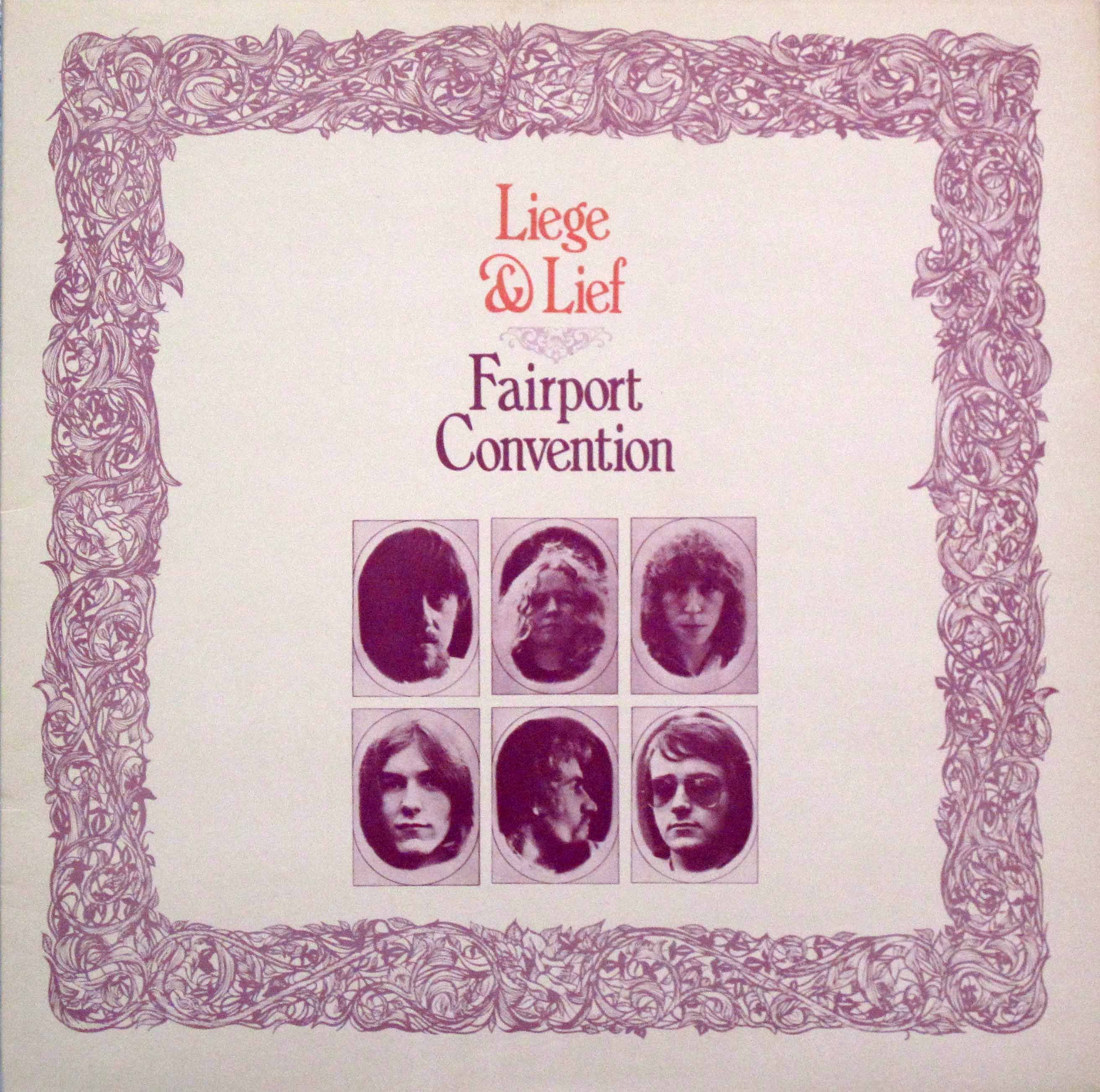
Canon Fodder: Fairport Convention, ‘Liege & Lief’

It was inevitable: If Fairport Convention hadn’t added rock guitars and a rhythm section to centuries-old folk tunes about bedeviled knights and fairy queens, someone else would have invented English folk rock. Released in December 1969, Liege & Lief sounded like a culmination of a scene that had been in resurgence for most of the decade, spilling out of pubs and social halls to offer an alternative to the frivolity of rock and roll as well as a sense of national identity at a time when the idea of British-ness seemed to be changing, even diluting. As such, it was a scene that was extremely guarded about its many centuries of source material and extremely suspicious of any innovation, whether it’s Davy Graham adding raga filigrees to his folk instrumentals or the Pentangle pushing the form into jazzier territory.

Earlier in that fateful year, Fairport Convention had taken a small step toward English folk rock while recording their third album, Unhalfbricking. It’s a varied album, one made by a band only just realizing its power but not yet shedding its American aspirations. It includes three Dylan covers, including a French-language version of “If You Gotta Go, Go Now,” as well as a Cajun number and a stunner called “Who Knows Where the Time Goes?” penned by singer Sandy Denny. Side One ends with an eleven-minute track called “A Sailor’s Life,” adapted from a 19th-century broadside and recorded in one take by the band. As Rob Young writes in 2011’s definitive Electric Eden: Unearthing Britain’s Visionary Music, the song contains “a historic few minutes: the first recorded use of drumsticks and drum kit on a rendition of an English folk song.”

Fairport Convention almost died before the album was even in stores. In May 1969, during a trip back to London from a gig in Birmingham, the band’s tour bus flipped down a ravine, killing drummer Martin Lamble and Jeannie Franklyn, girlfriend of guitarist Richard Thompson. Bass player Ashley Hutchings was thrown from the vehicle and spent a month in the hospital. Guitarist Simon Nicol was nearly crushed by their gear. Thompson suffered broken ribs. How does a band continue after such a tragedy? How do you make musicians when you’ve seen your instruments and your bandmates scattered across the highway?

What should have been the happiest moment of their career—the release of Unhalfbricking, their first charting album—was instead a time of misery and uncertainty, as Fairport Convention nearly went their separate ways. Instead, they retreated to the Hampshire on England’s remote southern shore, where their producer and friend Joe Boyd rented a crumbling manor called Farley House. There they grieved and recovered, played football in the yard, busked at the local cathedral to pay the milk bill, and rehearsed for hours and hours every day.

Given the trauma they had endured, it’s remarkable that Fairport Convention knew exactly what they wanted to do musically. Where once they wanted to be in Britain what the Byrds and the Band were in America, they wanted to build off the experiment of “A Sailor’s Life” and explore the intersections between rock and folk. More generally, they wanted to see what England’s past might have to say to its present and what its present might have to say to its past. Finally released from the hospital, Hutchings threw himself into the project, spending hours at the Cecil Sharp House in London, the famous repository of all things British folk. There he pored over handwritten journals, songbooks, cylinders, records, and documents to uncover songs like the magical-realist Scots ballad “Tam Lin” and the grisly murder ballad “Matty Groves.”

Pounding out the arrangements at Farley House, the band added a few originals, including Denny’s opener “Come All Ye,” which plays as a statement of renewed vigor and purpose. It’s a rousing number, loose and gangly and inviting, with Denny calling out each of the instruments and explaining their roles in this new music. Everyone joins in on the chorus, gregariously inviting the listener to join them on this journey: “Come all ye rolling minstrels and together we will try to rouse the spirit of the earth and move the rolling sky.” The song heralds something different and radical in the music: a new way to play old songs. It’s the drumsticks and drum kit, of course, but something else.

Replacing the sadly departed Martin Lamble in Fairport Convention was Dave Mattacks, whose biggest gig till then had been an Irish dance band. He plays for movement, emphasizing the bounce in his rhythms, making it less about how the stick hits the drum but what happens immediately after: the upswing of the stick, that sense of jubilant motion. He peppers his bright, buoyant beats with unexpected fills and rolls, pushing “Matty Groves” and “Tam Lin” along at a crisp clip. The innovation isn’t simply the introduction of rock drums into a folk context; instead, he’s thinking about how the instrument fits in this new setting, how it interacts with the other instruments, how he can mimics the jigs and reels of Thompson’s guitar and Dave Swarbrick’s fiddle. Somehow on Liege & Lief he makes his drum kit sound like a folk instrument.

And that’s an important aspect of this album’s enduring appeal. These songs are excitedly and boldly conceived, but they’re also beautifully executed: loose, casual, seemingly unrehearsed, messy in places but all the livelier and more spontaneous for it. All are deft and distinctive musicians: Denny a commanding and expressive singer, Hutching a bass player who emphasizes rhythm and melody equally, Thompson already a guitar hero on par with the overblown blues soloists of the era. There is between them a sense of elated and grateful collaboration, a sense of relief that the others are still there to play these songs together.

Ironic for a band that had survived such a tragedy, their greatest success marked a kind of breakup for Fairport Convention. Denny, featuring she would enjoy fewer opportunities to write new songs for the band, left the group for a too-brief solo career, dying in 1978 at the age of 31. Hutchings exited for the opposite reason: He felt Fairport would not continue to explore folk music as deeply and as persistently as he wanted, so he left to form Steeleye Span (whose 1970 debut Hark! The Village Wait picks up where Liege & Lief left off). Fairport soldiered on throughout the 1970s, shedding and absorbing new members, but the Farley House crew is considered the classic lineup.

Liege & Lief casts a long shadow over the band, however. They never quite topped it in terms of popularity or influence, perhaps because the questions they raise on these songs sounded so new and bold in 1969: How should we treat the past? How does it define us as citizens and as a collective? One of the joys of folk music is how it allows every generation to imprint itself on the music, which means that Fairport Convention might have been looking to the past but they were commenting on the present. The album may seem removed from the pop music of the era, from the end of the Beatles to the beginning of Zeppelin, from the ascension of the Stones to the first notes of heavy metal and prog, from hippies and rebels.

But they are very much a band of their moment. They transform “The Deserter” into a powerful anti-war anthem, and it doesn’t matter that the “Queen” in the lyrics is Victoria instead of Elizabeth. “Matty Groves” is a tale of sexual treachery, about a woman who rejects her husband’s riches to bed a younger, poorer man, but as Denny sings it, the song’s sexual politics are surprisingly progressive. The woman becomes a hero and a sexual martyr, her jealous husband a brutish villain: the establishment, a square, the Man.

Fairport Convention approached folk music from a distinctive generational vantage point, one with new technology, new pop culture, new attitudes toward England. Liege & Lief marks a very specific point in the history of folk music; it sounds deeply rooted in the late 1960s, yet it serves as an evergreen reminder that we are never beholden to history. Rather, the past is the raw material from which we fashion our future.

LISTEN: Beth Snapp, “Easy to Love”

Artist: Beth Snapp
Hometown: Kingsport, Tennessee
Song: “Easy to Love”
Album: Don’t Apologize (EP)
Release Date: August 31, 2018
Label: NewSong Recordings

In Their Words: “‘Easy to Love’ is a fun song, but for me, it’s a little deeper than a ditty about some girl planning for her future soulmate. It’s about someone who has fully accepted herself in all her strengths and weaknesses. In fashion with the EP, she is not apologizing for who she is, but instead sending out a disclaimer… she likes herself, she’s proud of where she came from, and if a certain someone can accept and love her for what she is, she’s open for discussion. Otherwise, she’s fine continuing down the path that she’s currently on!” — Beth Snapp


Photo credit: Justin Thomas

Palpable Joy: Newport Folk Fest 2018 in Photographs

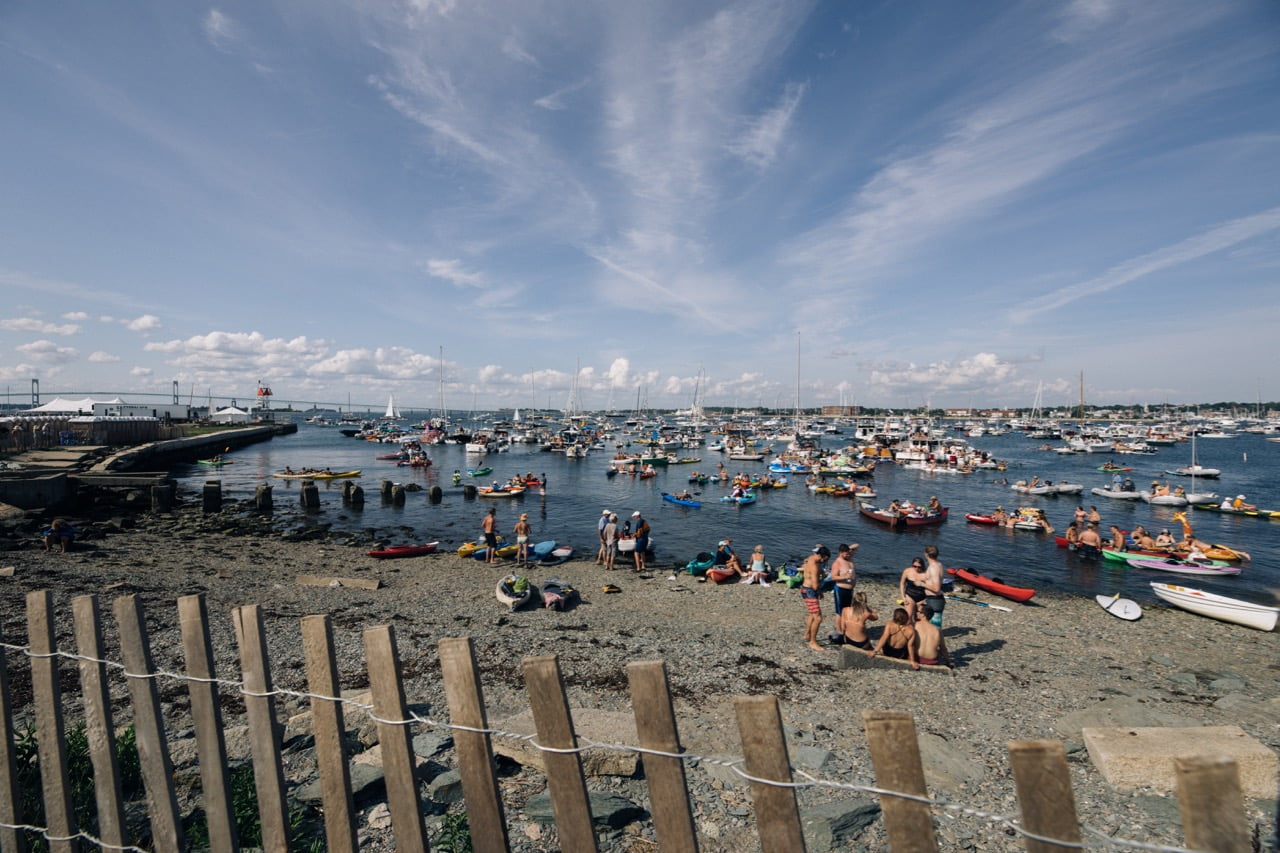
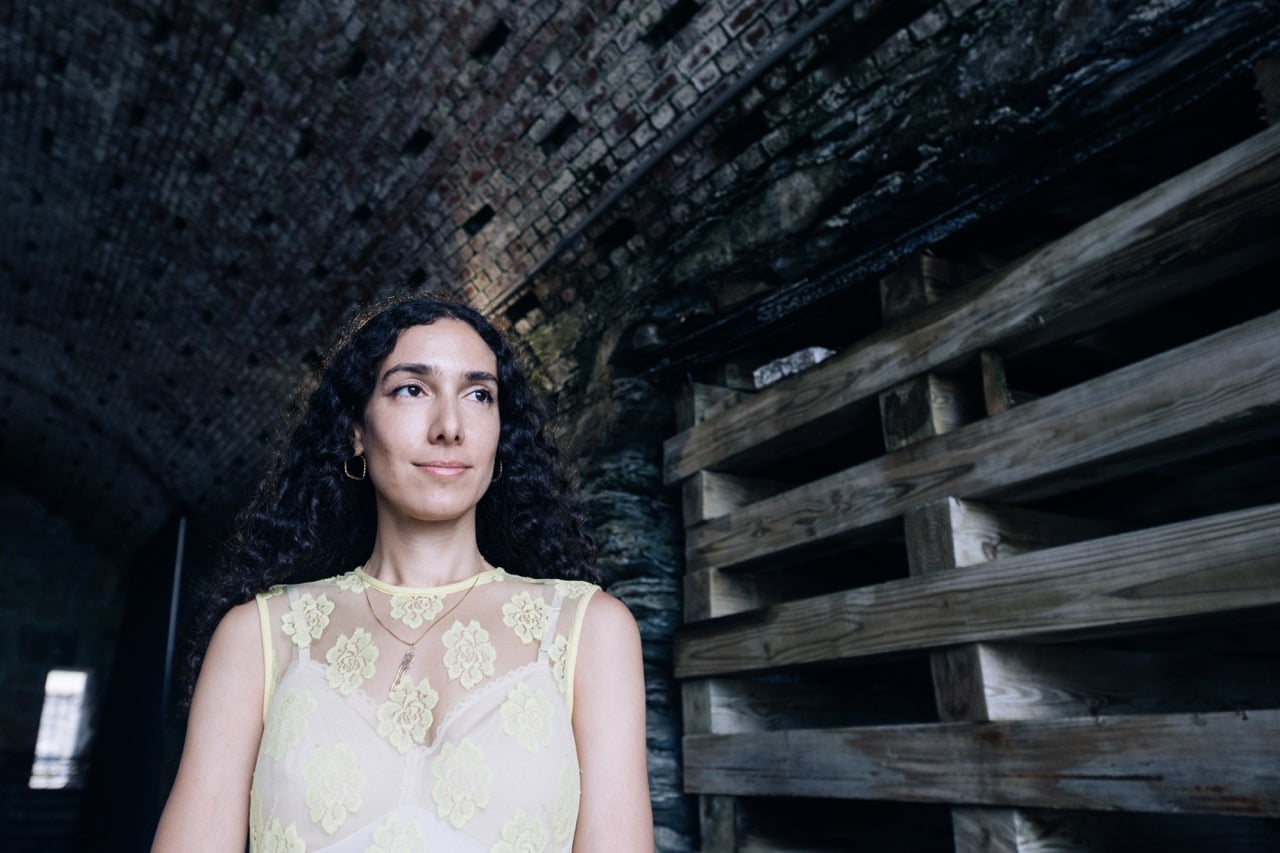
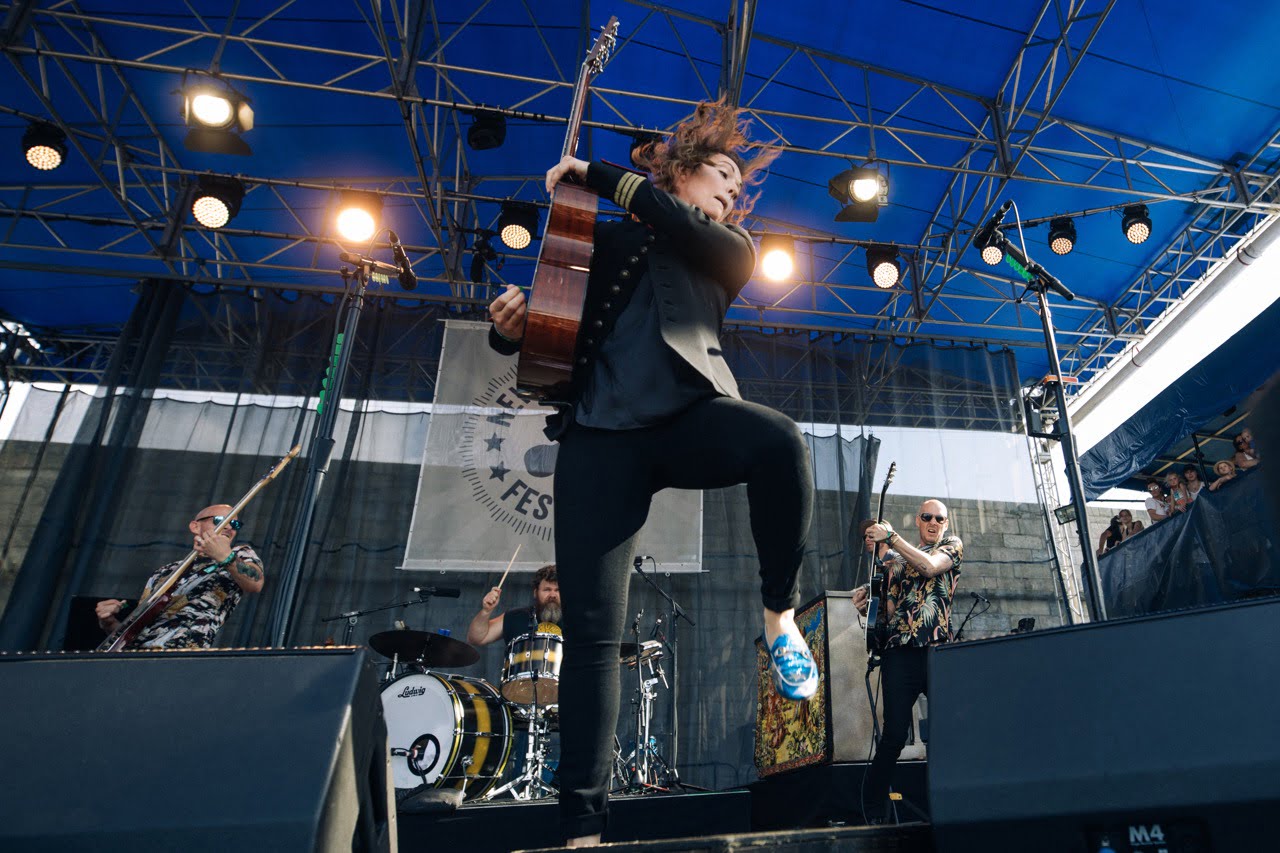
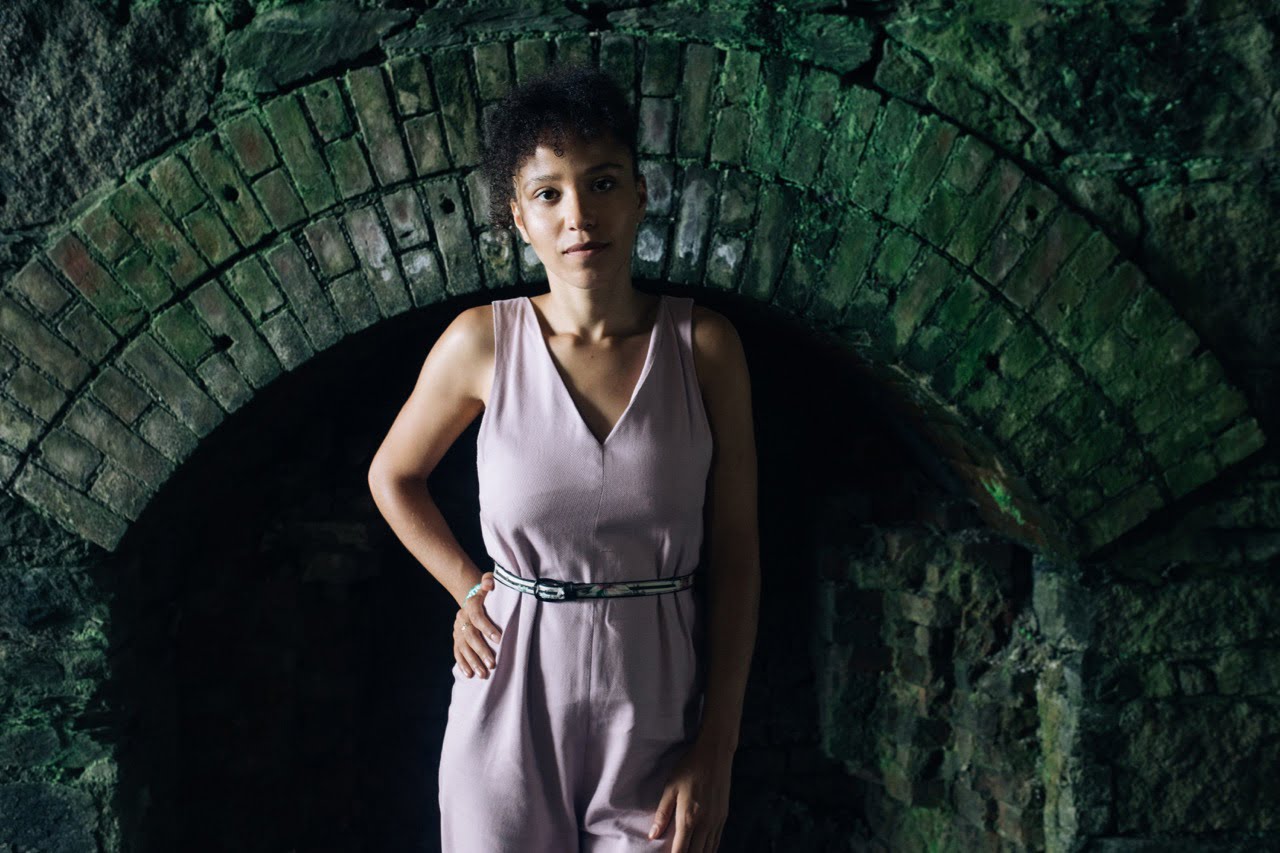
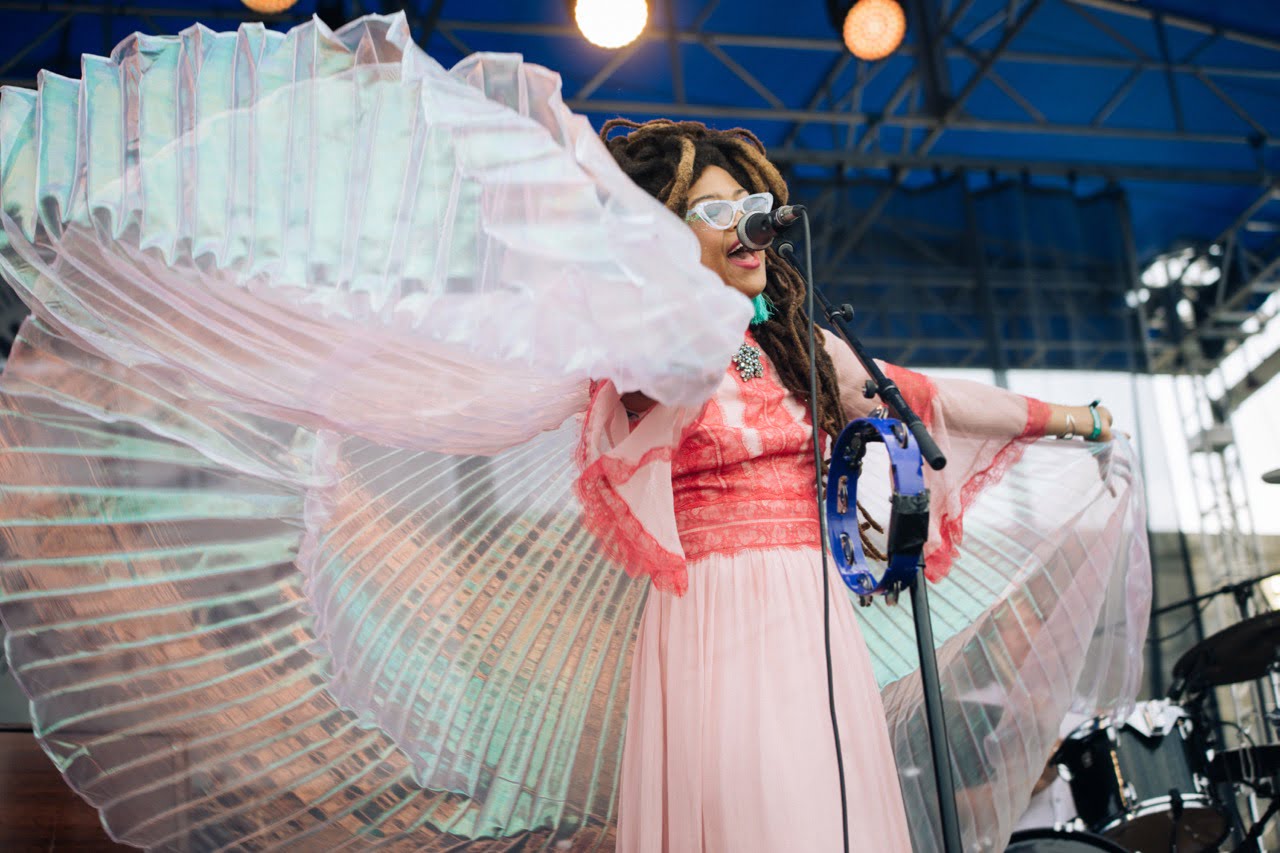
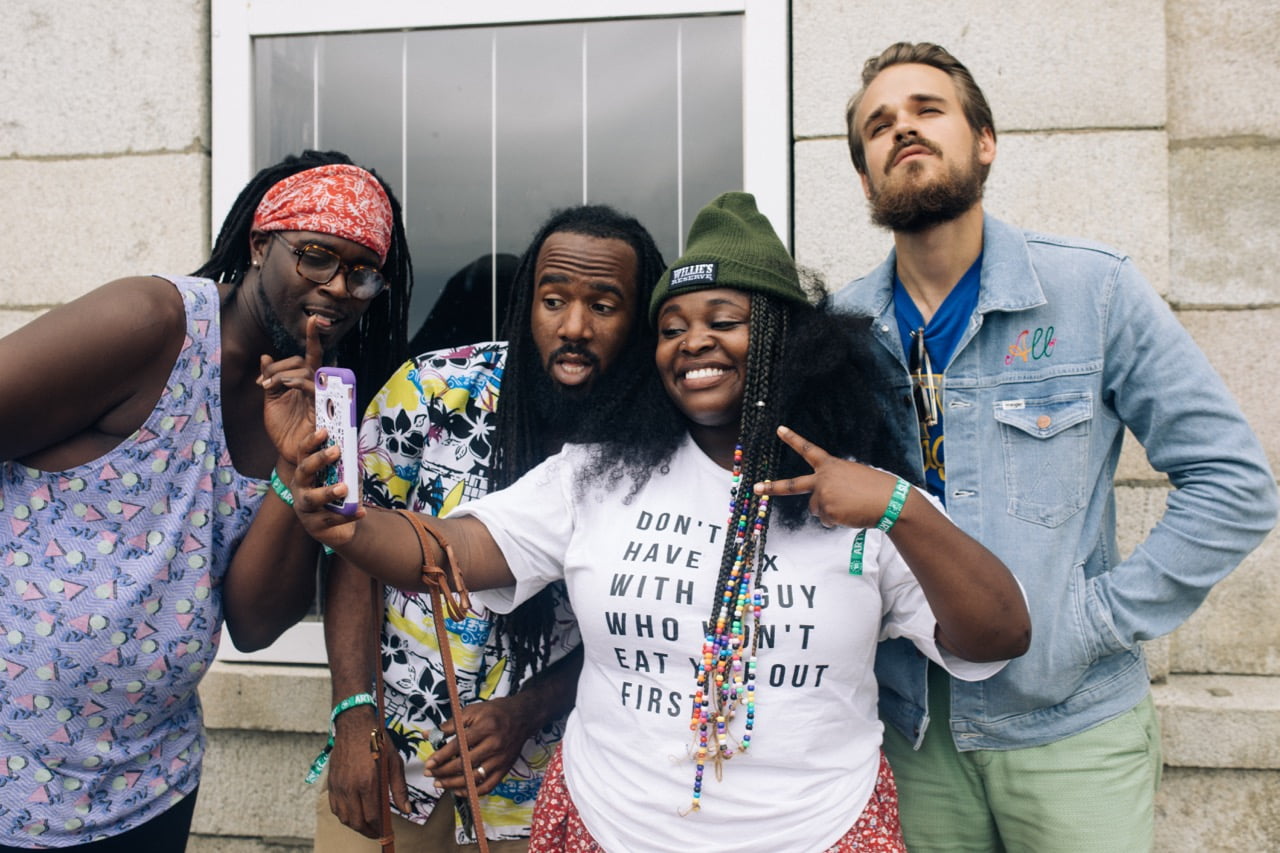
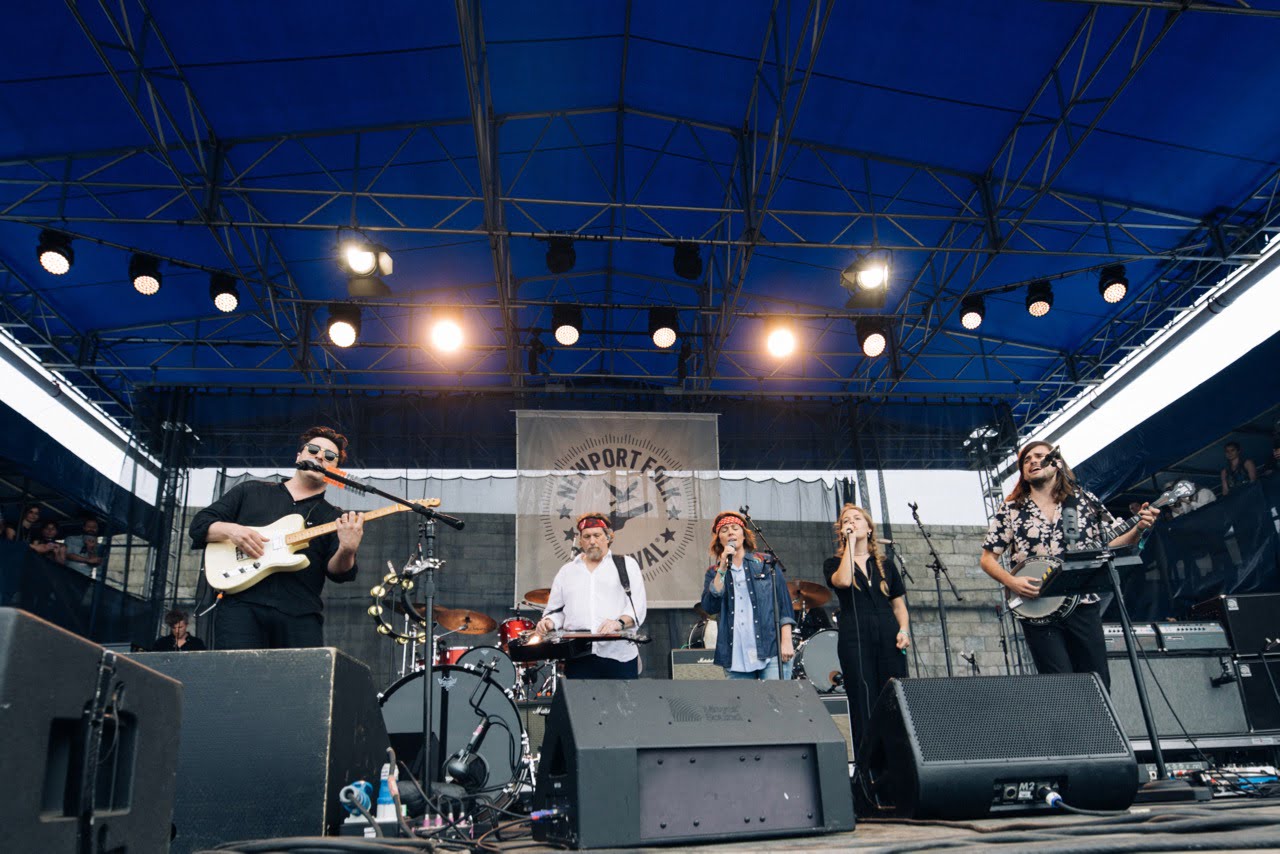
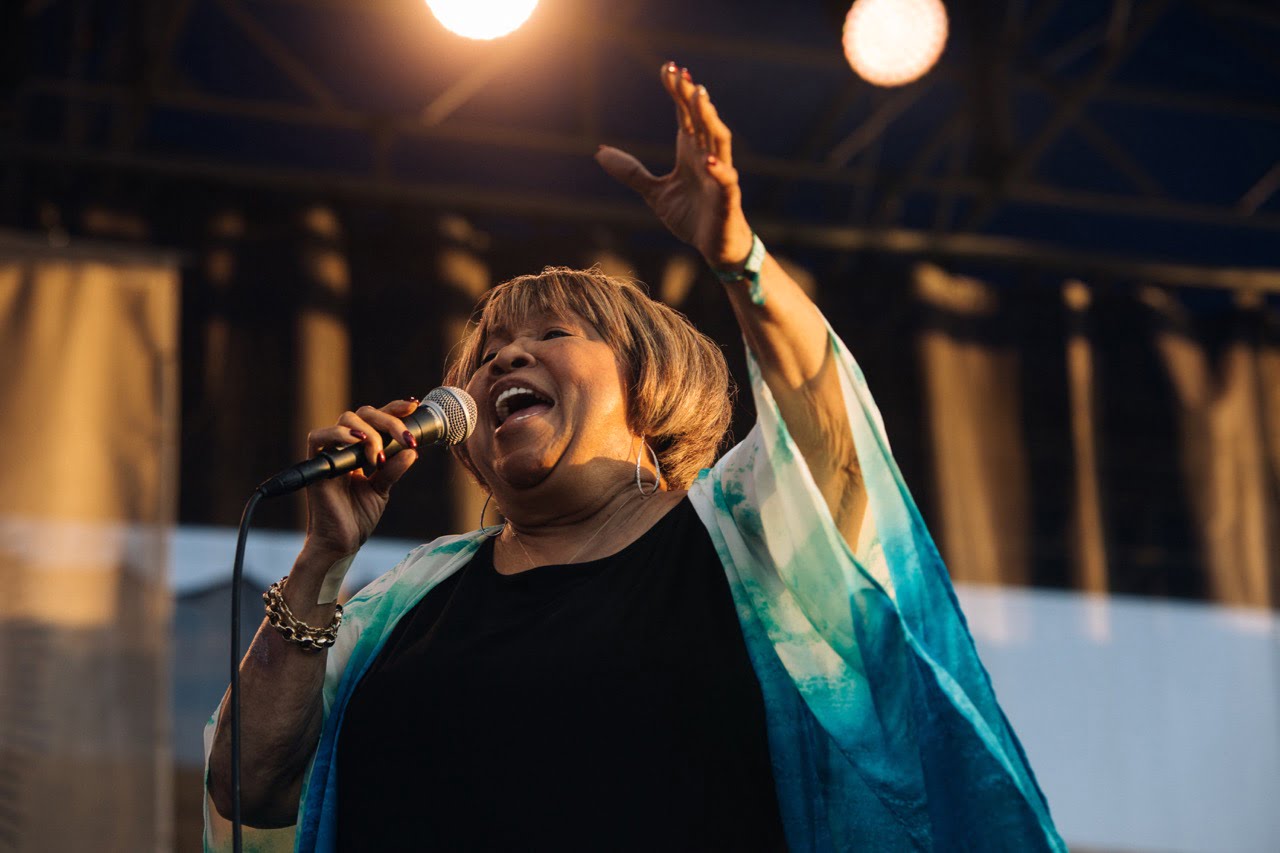
It seemed that this year’s unanimous refrain from Newport Folk Festival, from veteran attendees and newcomers alike, was a resounding, “I THINK I LOVE THIS FESTIVAL.” We think we do too. Based on these gorgeous images from NFF, we’d say each and every human being on site — on stage, in the crowd, or rocking on the waves — loves it, too. And that overwhelming love translates into palpable joy, from Mavis Staples’ first smile to Brandi Carlile’s final headbang, and in every strum, lick, and beat in between. 


Photos by Daniel Jackson

A Radical Woman: A Conversation With Lindsay Lou

Lindsay Lou had some reservations about the cover of her new album, Southland, her first not to bear the name of her backing band the Flatbellys. That much is understandable, as the photo depicts the singer/songwriter/guitarist perched on a rock in the woods, nude except for a hat and her long hair.

“We woke up at 3 a.m. and snuck into Cummins Falls State Park, just outside of Nashville,” she explains. “There’s this beautiful waterfall that draws people from all over the area, people from different political backgrounds and religious backgrounds, all sharing in this common, unifying experience of submerging into nature, cooling down in the river. Everybody takes their clothes off to swim—not to the degree that I did, but what’s the difference?”

The photo stuck with her—partly because she liked how it conveyed both strength and vulnerability, or perhaps strength through vulnerability. “The thing I love about that image is the light of the sunrise coming over the waterfall and lighting up the mist. I like seeing myself as part of that beauty, as part of something much larger than myself.” But there is still a stigma attached to the nude female body, despite it being 2018 and all. So she called up her grandmother and asked her advice. “She said, if you’re not being radical, it’s a wasted life. Don’t shy away from it, because that’s what the world needs. Love is radical.”

Nancy Timbrook ought to know. Lindsay Lou says, “In 1969, after dropping out of high school to get married, she decided she wanted to be a teacher. She got her GED and went to college, all while raising eight children.” Taking a job at a school in Detroit, she heard her students routinely dropping the f-bomb, but rather than scold them, she turned it into a lesson, even writing FUCK in big letters on the chalkboard. She spent the night in jail; later, she was the subject of a Time magazine article called “Obscenity: The English Lesson.” Grandma Timbrook remains one of Lindsay Lou’s greatest influences, musical or otherwise.

“She’s a radical woman.”

That’s what Lindsay Lou aspires to on Southland: radical in every sense of the term. The album chronicles a period of great change in her life, not just the move from Michigan to Nashville and all the mixed emotions of leaving home, but an even more remarkable change in her music. Building off the bluegrass-stained acoustic pop of 2015’s Ionia, Southland is her boldest album, her most daring, with clever interpolations of pensive folk, spry rock, twangy country, high-flying jazz, old-school R&B, swampy southern soul, even a little bit of punk. Her confident synthesis of so many different styles and sounds may be the most radical aspect of Southland.

Lindsay Lou spoke with the Bluegrass Situation from her front porch in Nashville, where she occasionally jams with her neighbors (which is all the more fun when Billy Strings live across the street). “It’s elevating to be surrounded by so many people you admire and just to be part of what’s happening in the scene. Moving here felt like coming home even though we had never lived her before.”

You’re home again after a long tour of Europe and Australia.

We did a month in the UK, and then we did our first tour of Australia for another month. That was nice. I got to spend my birthday on the northern beaches in Sydney. What I found was that they’re really happy you’re there and really eager to hear you play, and I think the kind of music we play demands a certain degree of listening. We played this outdoor festival in Dorset, in southern England, and we played to this huge crowd of mostly young people. I was really floored by how everyone was engaged and listening to us, even though they were all drinking and partying. Once we started playing, they were all really engaged. And that is encouraging.

Was that the first time you’ve played some of these songs, or did you have a chance to work these songs out before recording the new album?

Even though we just released it, this album will be two years old in November. We made it and then we thought, “Let’s hang on to this and see if we can put together a proper team to release it.” I don’t know if I’ll ever do that again. The way the music industry works now, I think it’s best to release things right after you make them, when they’re fresh and they’re still real to you. So we played these songs for a year onstage before we ever released the record. But now I’ve already got a new batch of songs.

You could pull a Kanye and create the album cover on the way to the release party.

That’s basically how we did Ionia. We recorded it in October 2014 and we had it in hand for a Germany tour by November. It was a crazy feat, but it pays homage to that moment and to the realness of the music you’ve created. That’s the way to do it. But talk to me when we start the next one and maybe I’ll have a different opinion.

Southland seems to map out a period of great change. Does that protracted release schedule change your perspective on these songs?

Totally. My relationship with my songs is always changing. I find myself singing songs that I wrote years ago and feeling like, Man, this was such a truth to me at the time and now it means something completely different. But a record is a record of time. I love that when you listen to a song that you’ve been listening to since you were 10 years old, and all of a sudden you hear the lyrics for the first time. Whatever is happening in your life, your experiences—everything gives those lyrics a new context and a new meaning. I think of a song as a baby. When I write a song, it’s like, Oh, I have a new baby. And then I get to see that baby grow up and take in influence from all of the people who were part of its upbringing. It’s exciting to see a song take for from other people who aren’t me.

The title track on the new album, “Southland,” for example. We made the record in eight days in Maine with Sam Kassirer, but we felt like it needed one more track. I sent a handful of new songs to Sam, and we whittled it down to that one, “Southland.” I went back to Maine by myself and I recorded that song. I played electric bass, acoustic guitar, electric guitar, and sang lead and all of the harmonies. That track is just a bunch of me on top of myself, like those early Joni Mitchell recordings where she’s singing all her own harmonies. But I can’t do it live. The band breathed their own life into the song, so it takes a new form.

And the band continues to change, which means the songs continue to evolve.

The band has been evolving since the beginning. What happened was, the Flatbellys was this cool, traditional bluegrass band of young college kids that I met and ended up marrying one of them. Josh [Rilko], who I married, is the only original Flatbelly left in the band. When we made that first record, it made sense to tour as Lindsay Lou and the Flatbellys, since we thought people already knew who they were. So when we were getting ready to put Southland out, we didn’t feel like that name was reflecting us anymore. We were going through another lineup shift and going out into some new territory. We couldn’t think of a better name, so we just dropped Flatbellys.

It’s not a complete change, and I’m not sure it was the right time to make that change. It might have ended up causing confusion for people, because people were coming up to me asking if I’d hired a new band. Josh got a haircut and PJ doesn’t have his beard anymore, so I guess it looked like I was with a whole new group of people. And we’ve added a drummer to our live performances, which is a huge change. But the music is what it is no matter what you call it.

But the music on Southland sounds very different from anything else you’ve done. Especially with music that might be described as traditional or acoustic, is there a risk in branching out that way? Is there a chance you might alienate a portion of your audience?

I think there definitely is. But as an artist you have to do what feels like your own truth. If it doesn’t feel like honesty, if it doesn’t feel like the art that you want to create for yourself, then it’s not going to have the elements of truth that art has to have. If you’re making it only to keep certain people in your audience, then it’s going to have a certain sense of falsity to it. But I’ve been on the other side that. I listened to a lot of punk rock when I was a kid, and I always hated when a band would start to sound more polished. It’s like they’re selling out because I love what they were and I don’t love what they’re becoming. But I’ve discovered as an artist, I have to put that aside. I have to do what feels right to me.

I was just talking to Andy Falco from the Infamous Stringdusters, and he was going on about how all of us are just trying to create art that we’re proud of. That’s what we’re all working toward. I find myself listening to a lot of my peers, like the Wood Brothers and Greensky Bluegrass and Billy Strings and the Stray Birds. When I listen to their music, I feel like I’m listening to right now. I’m listening to the world through their eyes. And that’s what I’m trying to do—create something that sounds like the world I’m living in.

I don’t think you could find a more compelling or complex subject than that, especially at this particular moment in history.

I don’t want to shy away from the ugliness. It’s a part of the truth, we’re all experiencing it, so there’s desperation and there is sadness and loss and it’s all in there right alongside the beauty and the positivity. I think on this record more than any other record I’ve embraced that sadness and instead of running away from it. In my youth I wanted to sugarcoat everything. I wanted to put a positive spin on everything. It felt like that was how you make it through a tough time: You just have to be super positive about it. But as I’ve come into myself as an adult, I’ve found that you can’t run away from it.

That reminds me of the line in “Go There Alone,” the one that goes, “All we are is blind, but if we can hear the music, we’ll be alright.”

That was a cool songwriting experience writing that song. It carries a lot of weight for me as an artist. I wrote half of it, and when I got together with the guys for a musical retreat—which we do periodically—I played them as much of that song as I had. I told them that when I stop, just say the first things that come to your mind. They did that, giving me some good words and phrases to play with. When everybody else went to bed, I stayed up all night putting it all together. That was where that line came from. And I believe that’s true. Music is a way of moving forward, but also a ways of creating beauty in the face of all the roadblocks we run into. It illuminates our blind spots. Creating beauty is a radical exercise.

Don’t miss Lindsay Lou on the Bluegrass Situation Stage at Bourbon & Beyond, held Sept. 22-23 in Louisville, Kentucky.


Photo credit: Scott Simontacchi
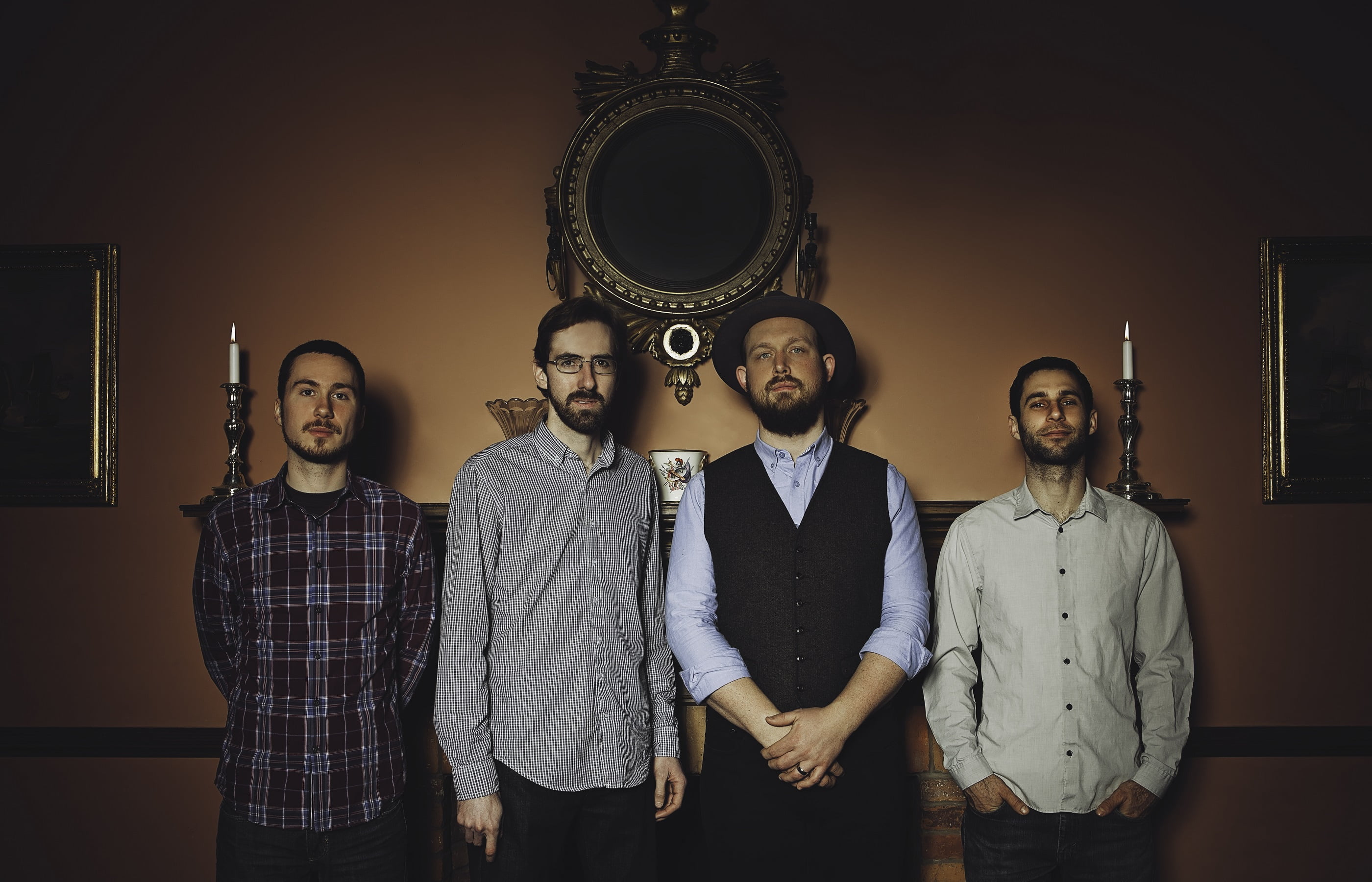
BGS 5+5: AHI

Artist: AHI (pronounced “Eye”)
Hometown: Brampton, Canada
Latest album: In Our Time
Personal nicknames (or rejected band names): Alleycat

Which artist has influenced you the most … and how?

Bob Marley has by far been my greatest influence. Coming from a Caribbean background (Jamaican/Trinidadian) there’s an obvious cultural connection, but for me it goes a little deeper than just music. I don’t sound like Bob, and I don’t try to, but there was a time in my life when I felt no music was satisfying in the way Bob Marley and the Wailers made me feel, so I decided that if it didn’t exist then I would create it. Bob Marley for me is like a messenger of good and an uplifting revolutionary.

What was the first moment that you knew you wanted to be a musician?

Music is something I’ve always enjoyed and I’ve wanted to be a musician as far back as I can remember. But there really weren’t any musicians in my family so becoming a musician wasn’t really an option in my house. I come from a family of educators and I was probably going to end up being a teacher or professor myself. Writing was a big part of my childhood and my teen years so I naturally gravitated to poetry and rapping, but nothing musical other than my off-key belting as I ran through the hallways of my school.

It wasn’t until my early 20s that I decided to really focus on singing and learning how to play the guitar. Then came the moment I truly knew I was going to be a musician, while I was backpacking across Ontario and I met a kind stranger just outside of Thunder Bay who helped me realign my life and purpose. But even then I really didn’t decide to make music a serious profession until my first child turned 1, about 8 years ago. That first year of fatherhood put a lot into perspective for me, and it gave me the drive to establish myself as a credible artist.

What’s the toughest time you ever had writing a song?

I try to stay away from tough songs to write. Any song that has been really tough to write was probably scrapped and will never see the light of day. I don’t think writing a song should be a tough process; if it’s not flowing or you don’t feel like you’re making progress, then put it down.

However, of all the songs that have landed on any of my projects, I will say that “Just Pray” may have gone through the most revision. A lot of folks are going to assume the song is autobiographical, but I much rather say it’s “autobio-fictional.” I spent a lot of time with the lyrics on that one because I really wanted to draw on as much of my life as possible, so that I could sing it with a conviction and passion, but I didn’t want it to become a verbatim retelling of my childhood. So finding the right balance took a lot of edits and rewrites.

If you had to write a mission statement for your career, what would it be?

My career mission statement would be “When you’re walking in your purpose, the Heavens bow down to honour your footsteps.” My music career is very closely attached to my faith, values and lifestyle. A great part of my life has been focused on uncovering my purpose and that comes out in my music. What I’ve learned is that when you are working towards your goals and you’re really zoned in on your purpose, people will feel that energy coming off you and they’ll want to help you accomplish more. The coolest look in the world is when you see someone who you know is doing what they are meant to do.

How often do you hide behind a character in a song or use “you” when it’s actually “me”?

I hope I never feel like I have to hide behind a character in a song. Whatever I write, even if it’s not about me, I want to be able to empathize with the story so much that the listen thinks I’m singing my own song. My music is the opposite of hiding behind a character. I would sooner jump into the skin of a character and try to express what they may be feeling. I want people to believe every word I say, even if I’m speaking on behalf of someone else.


Photo credit: Jess Baumung

Coming Around: A Conversation with Andrew Duhon

Andrew Duhon took a winding road to get to False River, his first album in five years. The New Orleans musician endured a crushing breakup that prompted the new suite of songs, then came up dry while looking for the right producer. Finally, the tide turned when he met Eric Masse, who ultimately helmed the sessions in his East Nashville studio, The Casino.

They both had a lot to live up to, as Duhon’s prior album, The Moorings, received a Grammy nomination for best engineered album. However, with touring band members Myles Week on bass and Max Zemanovic on drums, Duhon immersed himself in False River. With Masse’s guidance, the dynamics of Duhon’s voice are never drowned out. Instead, on thoughtful ballads and exuberant songs alike, his compelling baritone effortlessly converges with the band. He caught up with the Bluegrass Situation during a coffee break in Nashville.

I’m curious about the studio vibe for this record. How would you describe The Casino to somebody who’s never been in there?

Well, it is a garage recording studio, but of the finest standards. They did a good job to build it out and get some good sound in there. But as [Eric Masse] said, and I appreciated on our first phone call, he said, “You know, I call it The Casino because I gamble with artists’ careers.” He laughed immediately and I laughed. But I appreciated that because in our first phone call he made it very clear that he understood the gravity of what he was taking from me to create.

I think I could have gone much safer routes to put these songs down in their immortal form, but he helped us make a much bolder record and take some chances that I’m sure we wouldn’t have otherwise. On the first day of recording, he said, “We’re in Nashville right now and there’s 150 records being made today that are the singer-songwriter Nashville records. We can make one of those or we can make something else. We can make something different. We can try to make a cool record that’s never been made.” And there was no doubt that’s what we were there to do.

Well, that’s an interesting comment about the so-called Nashville songwriter record because that isn’t what you do at all. Have you ever lived here?

No.

No, so you wouldn’t even be that.

I did make my first record here. And you’re right, I think coming from New Orleans there’s more than osmosis from that place than from Nashville. But certainly I think I was first inspired by the stories in country songs. I would credit that as a reason why I’m trying to be a songwriter and not a poet. There’s something really special about the American songbook, so to speak.

What area of country music in particular are you thinking about?

Well, I remember that in my dad’s van, it was George Jones and Garth Brooks. Not everybody I was listening to was writing the songs, but there was an adherence to the story and they were really serving the song. So I appreciate that craft, for sure. … But I do enjoy, for the moment, only recording the songs I wrote myself. I’m open to the co-writing idea or recording other songs that just speak to you. But so far it’s been really a validating path to just figure out what I want to say.

Yeah. It seems to me that you figured it out, too.

No way, dude. I think I’m figuring out that I’m on the right path. You know, it still feels like I don’t see any rest stop up ahead or anything. It feels like, OK, if there’s two months, three months that go by where there’s not a new song to add to that path, then I start wondering what am I doing: “OK, wait, I’m out of balance, I need to go back to songwriting and stop putting on the business hat every day.”

I guess what I mean by that, it seems like you’re able to articulate after that breakup what was in your mind and that you were able to convey that on the record. Would you agree?

Oh, sure.

And I like “Comin’ Around” because it seems like you’re saying “Alright, I’m coming around to something better.” And then you explain where you’ve been, which I thought was an interesting way to structure that record. What was your frame of mind when you wrote that song?

Yeah, it has that little wordplay about the element of the spherical nature of the world, right? And this cute idea that if you walk in one direction you’ll end up back where you were, theoretically speaking. So to go away from something, but to be coming around in that physical sense, spherical sense, but also in a figurative sense like, “I didn’t like tomatoes as a kid, but I’m comin’ around.”

I love the idea that maybe coming around on that heartbreak means I’m coming around to that person – or I’m coming around to the idea that I’m just not going to be with that person. I like that there wasn’t really an answer in that song necessarily, but moving forward, what’s going to be the answer? At the time when I wrote that song, that’s what I needed. I needed to know that the only way back to her way straight ahead. I needed to go far enough away to really get an answer.

I wanted to ask you about melody. I think a lot of songwriters get asked about their lyrics so much but how much time do you spend on melody, making the songs stand apart?

I think I wander blindly through the dark when it comes to melody. I don’t think it’s innate to me, what a catchy melody is at all. I think I probably struggle to write something catchy. I will try things and especially on the road, I’ll try a lot of different interpretations. It was great for those years on the road with this band because they were always listening and I can hear them grunt with pleasure sometimes if I tried something they liked. “OK, grab that one and put that one in my pocket.”

And I think a lot of melodies were honed that way specifically, just improvising a new rendition of the same song and coming up with a new idea. … But then again, you know, the track is just another rendition that you sang. The producer picked his favorite version and I’ll sing it differently next time. I don’t always adhere to the same melody and I love the idea of writing a catchier melody, but it’s not my focus.

I think a lot of the music that I like has a sense of motion to it. That’s your life, basically, it seems like. Are you ever in one place for more than a couple months at a time?

No, that’s right. I love traveling songs myself, but not so obviously a traveling song, necessarily. But I think since getting out of college, it just started with me sleeping in my car and getting shitty shows that paid just enough to get gas and a meal and go to the next spot. But I thought that was going to introduce me to some new place that I hadn’t grown up in and I wouldn’t just be a product of my raising or the place that I grew up. I would find this new place.

And I learned two things since then. One, that I’m really lucky to be raised in New Orleans because that is a very special place. The other thing is, I think travel is more about changing everything around you while everything inside stays the same. So you really get a sense of “How do I react to all these different things?” You learn what’s in there, more than all these things that are changing, and you only get a snippet of.

It goes back to a line that I read in a homework assignment in English class in high school which was Ralph Waldo Emerson’s essay Self Reliance. And the line was, “To believe that what is true for you in your private heart is true for all men — that is genius.” And that was a new idea for me. To me it said, “Wait a minute, so if my quest in life is to go and seek out the goal, wherever it is, maybe it’s not out there. Maybe it’s in here. And that was a special moment. And I think it introduced me to my artistic will.

Yeah, well you have to have that to be an artist or a songwriter. I would think you have to believe you can say something in a way specific to you but also that someone else would enjoy.

Without a doubt, that is true. Without that theory, I’m wasting my time.


Photo credit: Hunter Holder

LISTEN: The War and Treaty, “If It’s in Your Heart”

Artist: The War and Treaty (Michael Trotter Jr. and Tanya Blount-Trotter)
Hometown: Albion, Michigan
Song: “If It’s in Your Heart”
Album: Healing Tide
Release Date: August 10, 2018
Label: Strong World/Thirty Tigers

In Their Words: “I had a friend who went through a terrible ordeal. I asked if she was ok and she said ‘yes’ but the truth was that she wasn’t and I felt it but didn’t act on it. ‘If It’s in Your Heart’ is everything I should’ve said to her to let her know that I was willing to go through the rain with her. I should’ve challenged her more and that’s what the song is about.” – Michael Trotter Jr.


Photo credit: David McClister

BGS 5+5: Lera Lynn

Artist: Lera Lynn
Hometown: Nashville, Tennessee
Latest album: Plays Well With Others

What other art forms — literature, film, dance, painting, etc — inform your music?

I’ve actually been using music a lot lately to inspire visual art. When I discovered the work of Basquiat, I was so relieved by his use of words in his paintings. Somehow it had never occurred to me to mix the two. I started using my own lyrics as a gateway to visual works. It really opened the door for me. Now, I am painting more than ever and always use music to guide my hand and ideas… It’s difficult for me to answer the question the other way around. I think everything inspires my music in some way. We are all bombarded with so many images, films, songs, words… The latest challenge for me has been in turning the noise off and focusing on the stuff that’s real.

What’s your favorite memory from being on stage?

I will never forget performing Neutral Milk Hotel’s “In The Aeroplane Over The Sea” on stage outside during Athfest in Athens, Georgia. Being from Athens, NMH was sacred music and I knew it was risky to cover one of their songs. At the end of the song, on the downbeat of the very last chord, lightning struck a building 20 feet from the stage. We’re all lucky to be alive! Several people were struck by bricks falling from the building–luckily no one was badly injured. There’s a video of the whole incident floating around on the net somewhere. I swore after that to never play that song again! Whether or not the gods were for or against our cover, we’ll never top that!

What was the first moment that you knew you wanted to be a musician?

I had planned on being an astronaut up until I found out that my vision is far too poor for such risky endeavors. Music had always been a regular part of my life as a child. So, I remember sitting in front of the TV, bummed out by the fact that I’d likely never make it to space, when Star Search came on. And the thought I had was, “Well, OK, I guess I’ll just do that instead.” If only it were that easy!

What’s the toughest time you ever had writing a song?

I struggle regularly to write. I kinda hate the process of writing, but love having written. Sometimes they come easy and all is right with the world. But usually, I have to squirm my way through it. One song in particular that I remember fighting with was “Fade Into the Black.” I knew I had a great verse, melody, and lyric and just couldn’t find the right chorus. I must have written 3 or 4 choruses that I trashed before settling on the one that made the record… And over the course of months! I’d have to take breaks from it, lest risk losing my mind.

What rituals do you have, either in the studio or before a show?

I’m sure my band is tired of hearing it by now, but I always sing the jazz standard “Lover Man” backstage about 30 mins before going on. I love that song because it’s beautiful and particularly well-suited for a vocal warm-up song since it covers so much ground range-wise. I also always have Throat Coat Tea with a splash of whiskey. On the last tour, I found it really helpful for my spirit to hoot and holler at the top of my lungs just before going on stage. Wow. That looks nutty in text.

Watch Lera Lynn’s Sitch Session.


Photo credit: Alysse Gafkjen