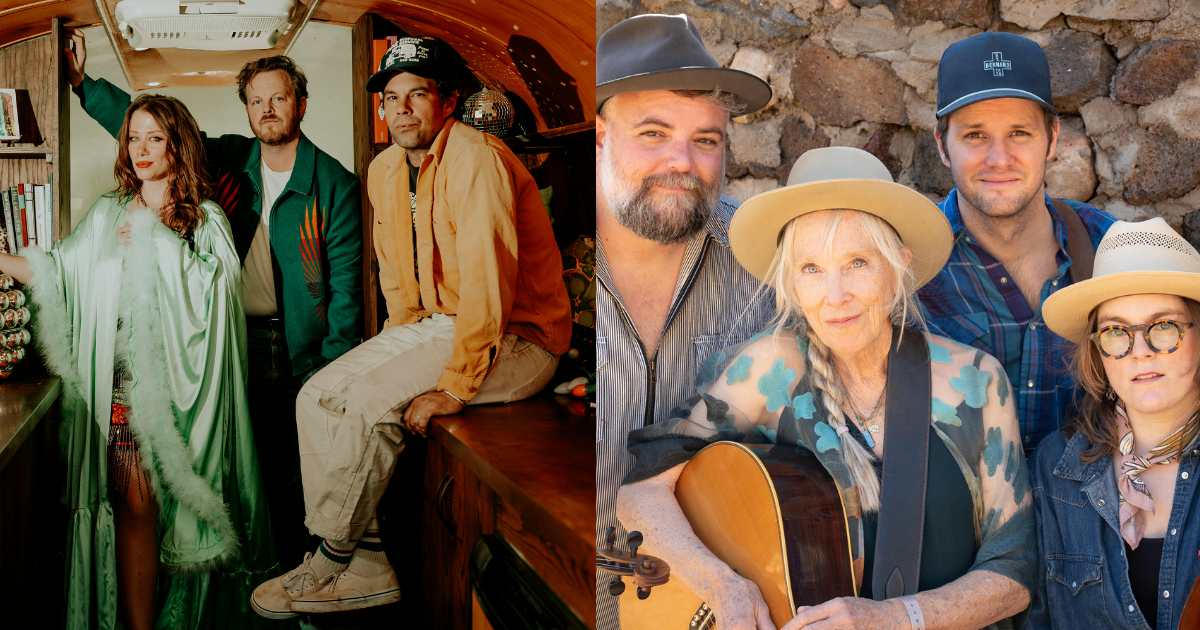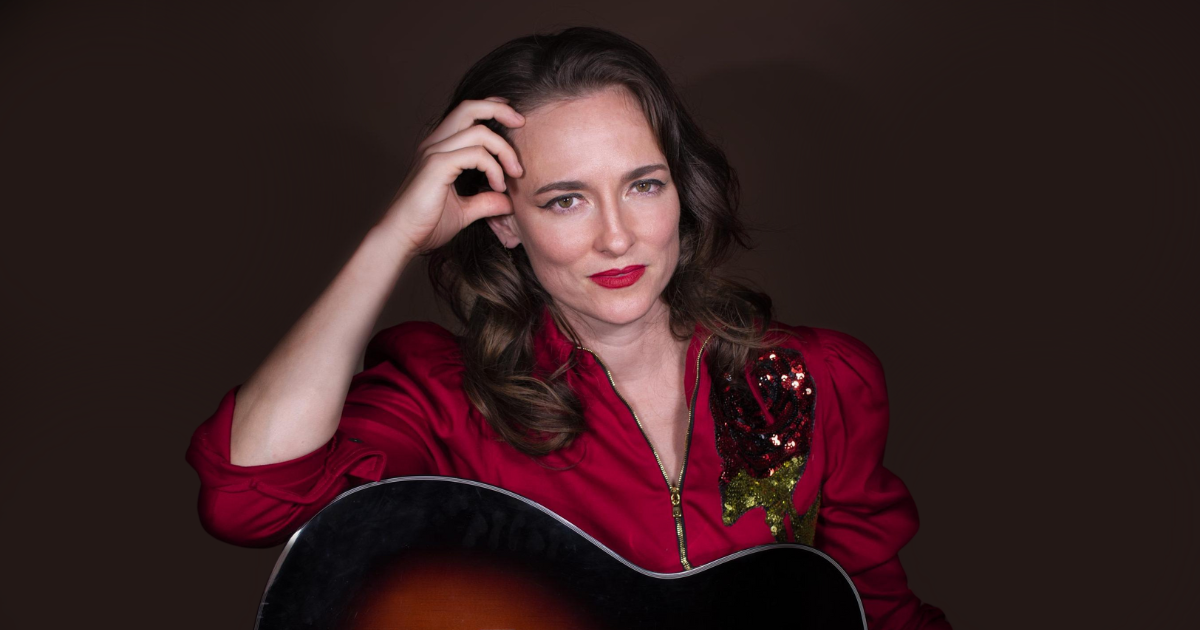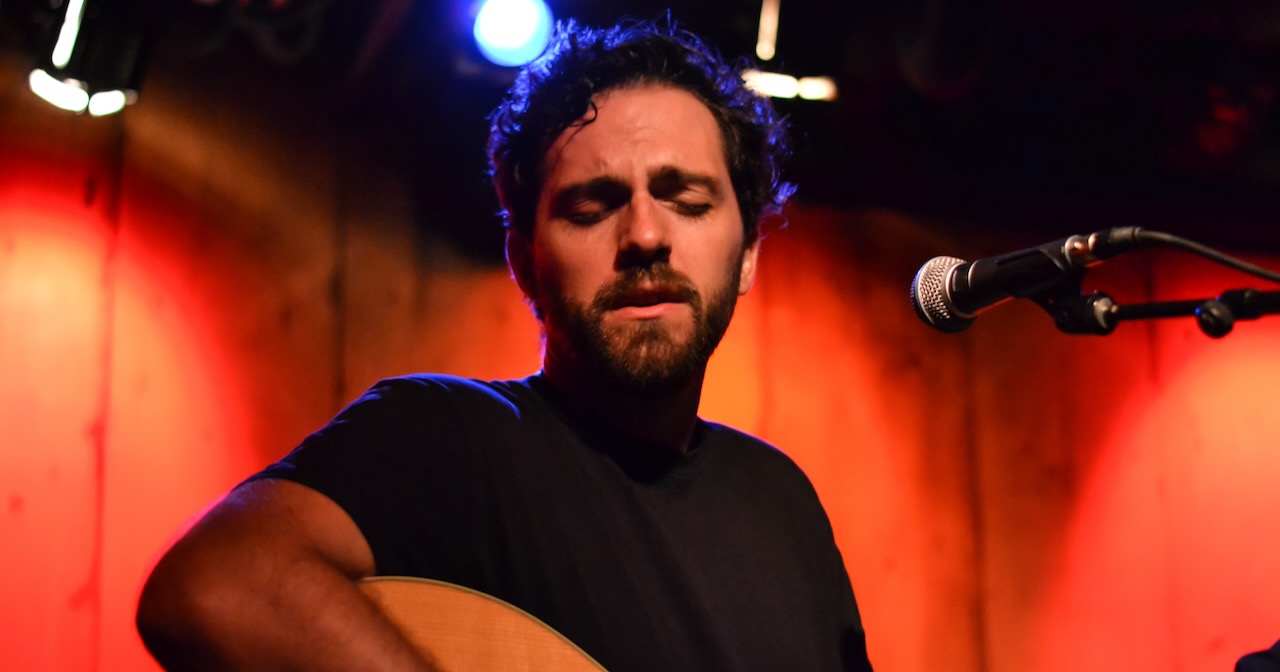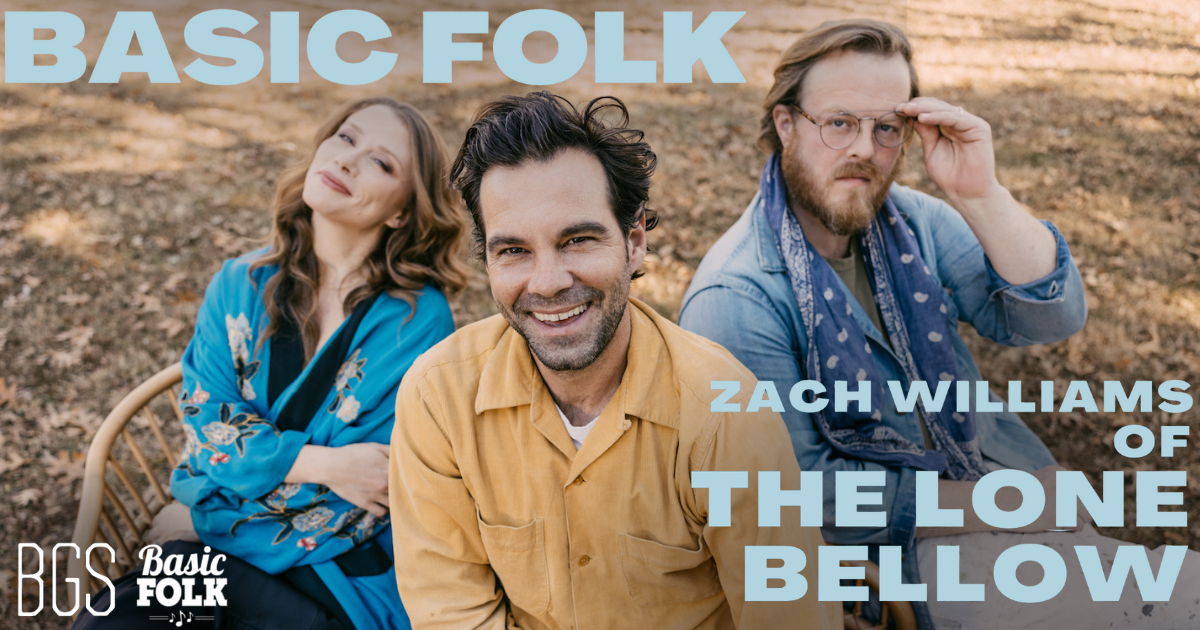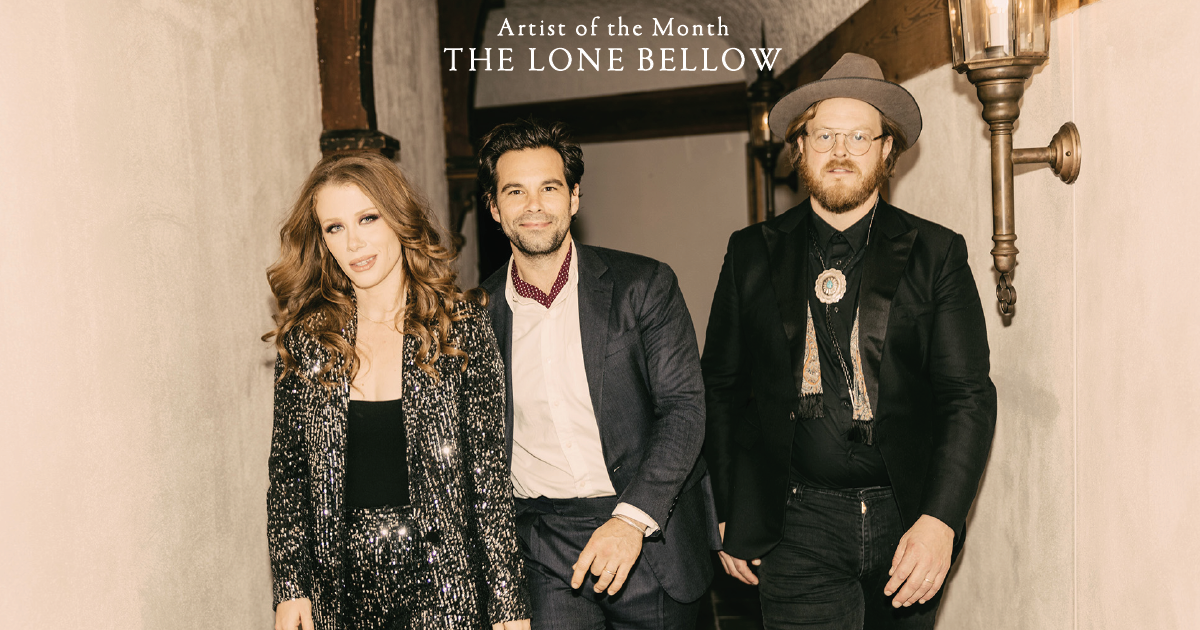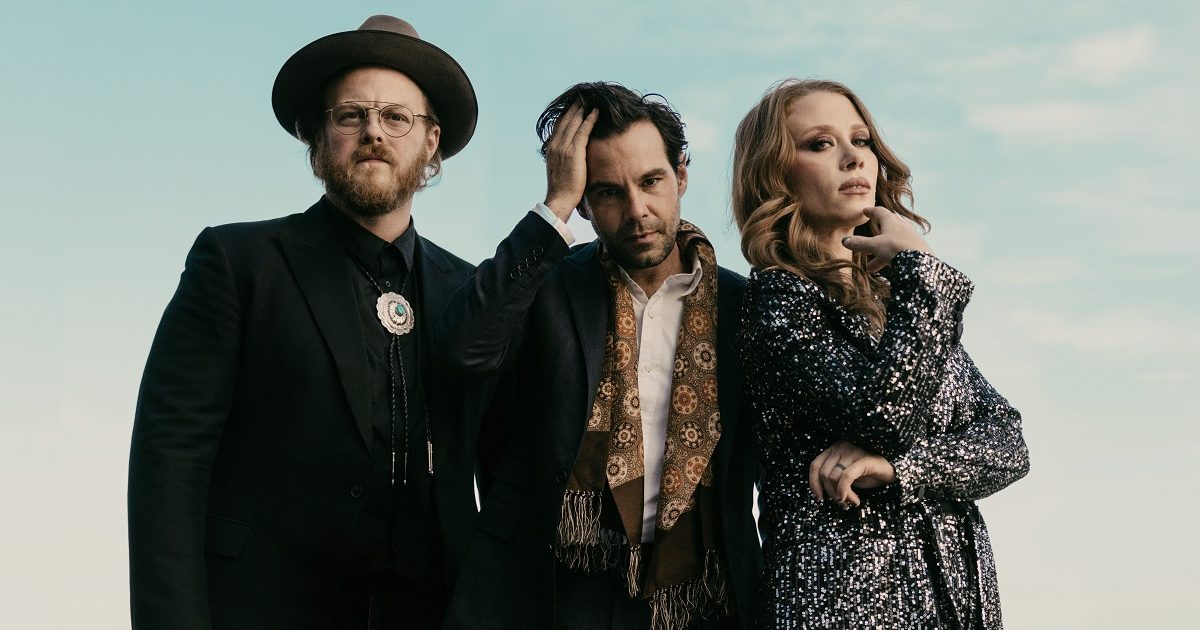
The Lone Bellow are far from alone with the launch of their new album, What a Time to Be Alive.
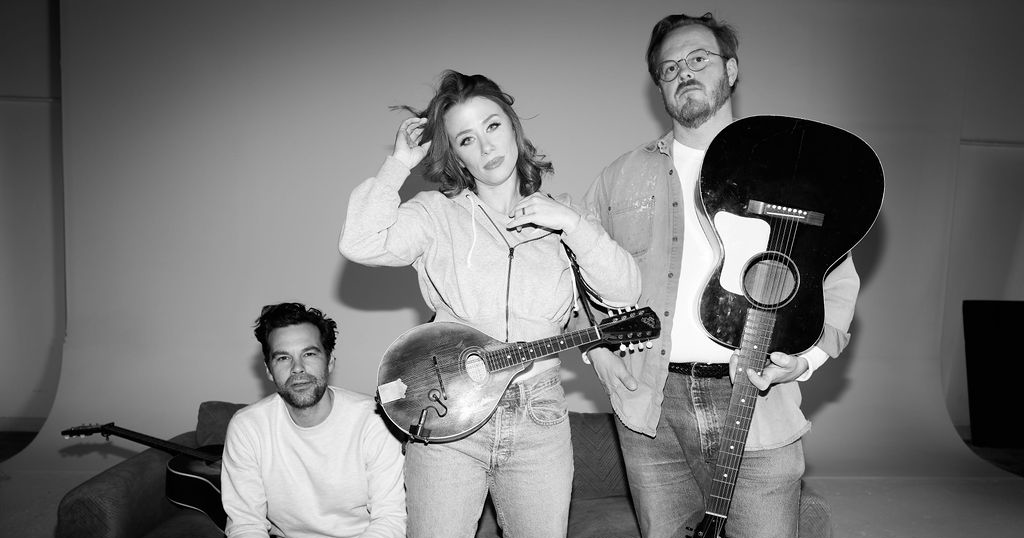
Released on their own label, the collection conveys a shared vision, even beyond the founding members of Zach Williams, Kanene Pipkin, and Brian Elmquist. Williams wanted to factor in the ideas from their touring bandmates – namely, multi-instrumentalist Tyler James (formerly of Escondido) and drummer Julian Doro (formerly of the Whigs), ensuring everybody felt like they had a say. The group prepared the bulk of the material in a formerly abandoned firehouse in Henderson, Kentucky and polished the project in Muscle Shoals, Alabama, with Elmquist serving as producer.
When the album was in the mixing phase, the hard drive storing the new music was stolen during a van break-in while the group were on tour in Chicago. The band turned to GoFundMe, hoping to recoup some of the costs of rerecording. They were surprised to wind up with nearly $25,000 in donations, arguably making their fans just as invested in the project as everyone else in the band.
Not unlike the Lone Bellow’s full-throttle live shows, the new music practically begs the listener to sing or shout along. Indeed, What a Time to Be Alive does feel communal.
“This is what our hope was with this one,” Williams says. “You know, this is our sixth record, and this is definitely a way of life for us, and we’re very, very grateful for it. But it was also the record where we were like, you know what? We don’t have to try to write some hit radio single. We don’t have to play some ambiguous game. We can just make the beautiful record that we want to make, and we’ll just release it in the way we want to release it.”
Zach Williams caught up with BGS by phone on a sunny afternoon in Nashville, where the group relocated from Brooklyn in 2016.
What was the energy in the studio like as this record was taking shape?
Zach Williams: We did this one a bit different than we’ve done other records. One of the main things that I love that we did with this one is, usually somebody writes a song, and they come in and that intellectual property belongs to the songwriter. That’s it. And I wanted to make a record where everything was just split evenly between all five members of the band, no matter what. We decided to do that and that really created a very different atmosphere to work in.
It alleviated a bit of the quiet little murmurs. … You know, when you’re making something with somebody, and you don’t have any ownership in the song, sometimes you can just show up and be like, “All right, I play the drums. Here’s me playing the drums. Bye.” But when it was like, “Hey, you’re going to have an actual piece of this thing,” everybody just showed up, ready to pour their whole selves into it.
One of the most fun songs on here is “Honeysuckle.” I haven’t heard The Lone Bellow do something with that kind of old-time vibe. How did it feel to put that song together?
George Jones and Willie and a few of the old guys, they would have these murder ballads, is what I call them. They would just be singing their little heart out about burying a guy. And I was like, “I want to write a murder ballad.” So that’s our murder ballad. I did change the last verse. The original last verse was talking about how the trash man didn’t know that he was carrying out dead bodies to a truck. I was like, “You know what? I’ll fix that. I’ll clean that up just a little bit.”
Personally, I usually don’t get to play guitar on records, because I’m not a technically savvy guitar player. The guitar is basically a means to an end for me to try to write a melody or lyrics. And on that one, Brian was like, “Hey, you have this way of playing this riff that you wrote that has a sense of humor to it, and I can’t do it.” So, I play my thing and then he doubles up and plays with me. And they decided to keep the little laughs that were in the microphone, where I’m literally laughing at myself because of how bad I think it sounds. Brian was like, “No, we’re keeping all the laughter.”
That’s a big thing that we did with this record. We kept a lot of the human nature of it. …We made this record a while back. We started our own little record label to release it. That took about a year to put that whole thing together, with Thirty Tigers and distribution and all that. So, we’ve been sitting on this record for a second, and this was before AI started dropping hits. Now I’m so glad that all of that human nature is captured in this record, because there’s no denying that it’s absolutely as real as it can get. And I hope that that will just ease some souls out there.
I like the line in “I’m Here for You” about slipping down the water slide. I could picture that exactly where you are in that scene.
That’s literally how I met my wife. I was 12 years old at summer camp. In the late ‘80s, early ‘90s, there was this couple called Jim and Tammy Faye Bakker and they had a strange Christian-themed theme park in South Carolina. After the poo hit the fan, they shut the theme park down, and then these other people opened it back up and called it New Heritage USA. The week that they opened it up was the week that I went there for summer camp.
At the turn of the century, [the Associated Press] collected the top 100 most influential pictures taken of the century. One of the top 100 pictures is of a man named Jerry Falwell in a suit sliding down that slide. It’s because of the story of how he corralled his way into taking over that whole establishment. … So, that’s literally the slide that that song mentions, and that’s just the memory of how I fell in love as a little boy, as a 12-year-old idiot, maybe even younger.
Are you a bluegrass fan? Or did you grow up listening to bluegrass?
Man, I’m a huge bluegrass fan. Being in a van with Kanene, who grew up in Fredericksburg, Virginia, she knows bluegrass! I grew up like white trash. So, if there’s like a white trash bluegrass…
I grew up in a family where you’d sit around in the basement and play music together. I think that’s a base level for bluegrass. And I grew up thinking that was totally normal and now I know it was not. So I’m really grateful for bluegrass.
How old were you when you picked up the guitar?
I picked up the guitar at, like, 13, but I didn’t have any guitar lessons or anything. I had a sweet Charvel, which was like Jackson Charvel. It was super heavy metal. I think someone gave it to me, but I didn’t know that you needed a guitar amp for the first several years. [Laughs] A scary amount of time passed where I was like, “I guess this is just how a guitar is supposed to sound.”
But you held on. There’s something about the guitar sound, I guess, that you loved.
Yeah, my grandpa played the guitar, and I would go and live with him in the summers. He would play old hymns at night. I’d fall asleep listening to him playing the old spirituals.
That makes a lot of sense, because one thing your band does as well as any band, it has that dynamic. It has that rise and fall of the voice and in the arrangements. I hadn’t thought about that being based in spirituals and gospel. Did that influence the way you write?
One hundred percent, man. For good and for bad, it’s there. All the baggage is there, and there were beautiful parts of growing up in that kind of culture, too. I don’t want to throw the baby out with the bathwater, but it was also pretty weird. … I grew up in a church where the pastor would run all the way around the room and jump up and down on the couches and scream and holler. It was wild. It was like big tent revival kind of stuff. We didn’t ever go down to snake handling or anything. But there was some wild stuff. And it wasn’t until probably college, and then living in New York, where I was like, “I don’t know if all that stuff was good for everybody.”
But the core of a human being, wanting to feel the beauty, wanting to feel the presence of God, if you want to call it God or energy, I believe that’s very real. That’s what I love about especially live shows is everybody literally invests in the night. They buy tickets and they show up, and we’re facing each other, and it’s like, we’re going to try to create something memorable here. I think, especially right now, it’s such an important moment to just feel alive and connect with other humans, face to face.
How would you personally describe that feeling of being on stage? What’s that energy like from your perspective?
Jim James gave an interview a couple months ago and he nailed it. Like, every night, I have a pretty bad wrestling match in my own mind of, “Am I doing this to try to entertain? Is there a competitive spirit in me where I want to try to sing better than other people?” And the best nights are when I can just be, and let go, and just be alive and a part of the moment. And it doesn’t happen a terrible amount.
What usually happens is, I’m in my head battling thoughts of impostor syndrome on stage in front of 2000 people, night after night, which is really annoying. You would think by now that I would be like, “It’s cool, everything’s fine.” But that’s just not how it works for me. So, on the nights when I can let go of that impostor syndrome and just be another spoke in the wheel, those are the nights where we all ascend to a different place in our souls. I love those nights.
Photo Credit: Emily Dorio