Laurie Lewis Chooses Tenacity Over Hope on New Album, ‘Trees’

Counting John Prine, Linda Ronstadt, and Wendell Berry among her fans, Laurie Lewis is arguably one of the most diversely influential figures in American roots music culture. She’s a songwriter, fiddler, frontwoman, performer, producer, teacher, and mentor. She’s been nominated for multiple Grammy awards and graced the stage at the Grand Ole Opry. The International Bluegrass Music Association has twice named Lewis Female Vocalist of the Year, and the association’s former executive director, Dan Hays, once called her “one of the preeminent bluegrass and Americana artists of our time and one of the top five female artists of the last 30 years.”

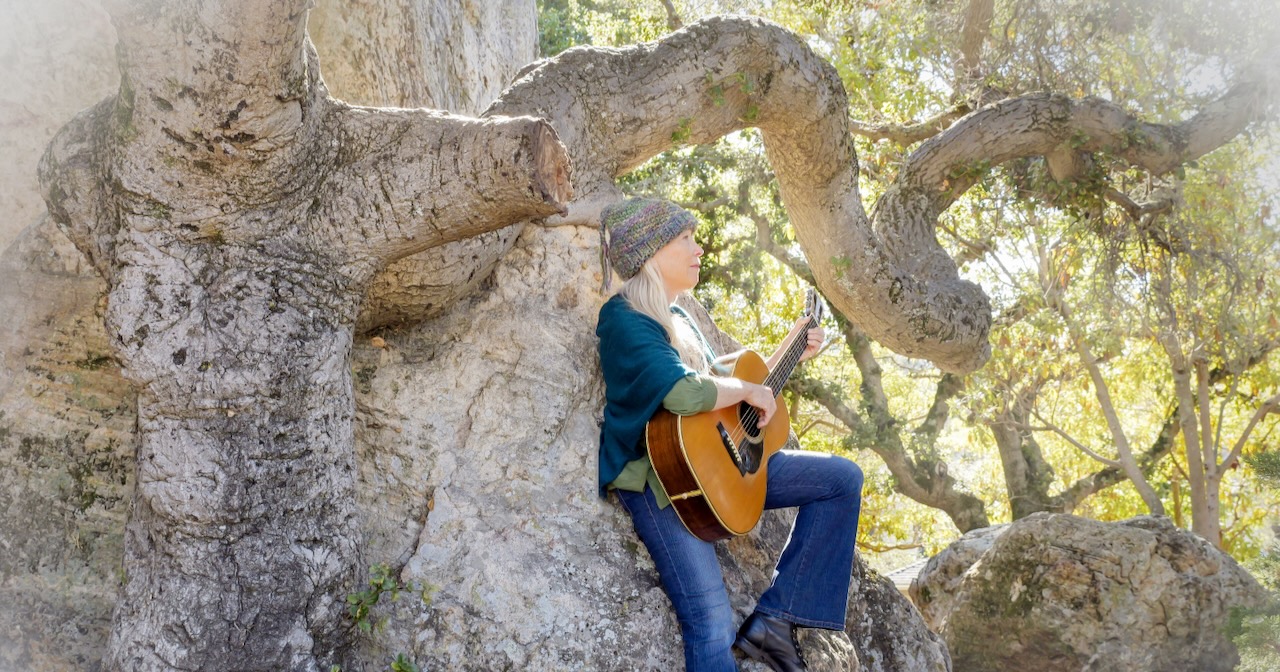
Lewis’s latest release — her 24th full-length record — pairs the artist’s musical mastery with her willingness and courage to face the full spectrum of life’s experiences. From personal grief to environmental despair, Lewis does not shield her eyes from difficult truths. In many ways, the album pays homage to its namesake, trees. When asked why, Lewis notes their tenacity. When something is tenacious, it grips firmly, with determination and persistence. Even in the face of immense challenge and uncertainty, trees abide in their purpose and work — and so does Laurie Lewis.

TREES is a long-play collection of songs that tenderly, earnestly, and sometimes joyfully explore what it means to exist on a vulnerable planet through times of loss and love. Supported by a band of masterful collaborators — Haselden Ciaccio (bass, vocals), Brandon Godman (fiddle, vocals), Patrick Sauber (banjo, vocals), George Guthrie (banjo, vocals, guitar), Tom Rozum (vocals, cover art), Andrew Marlin (mandolin), Sam Reider (accordion), and Nina Gerber (guitar) — Lewis dives into the deep end of sorrow and change with tenderness, authenticity, and Americana storytelling prowess.

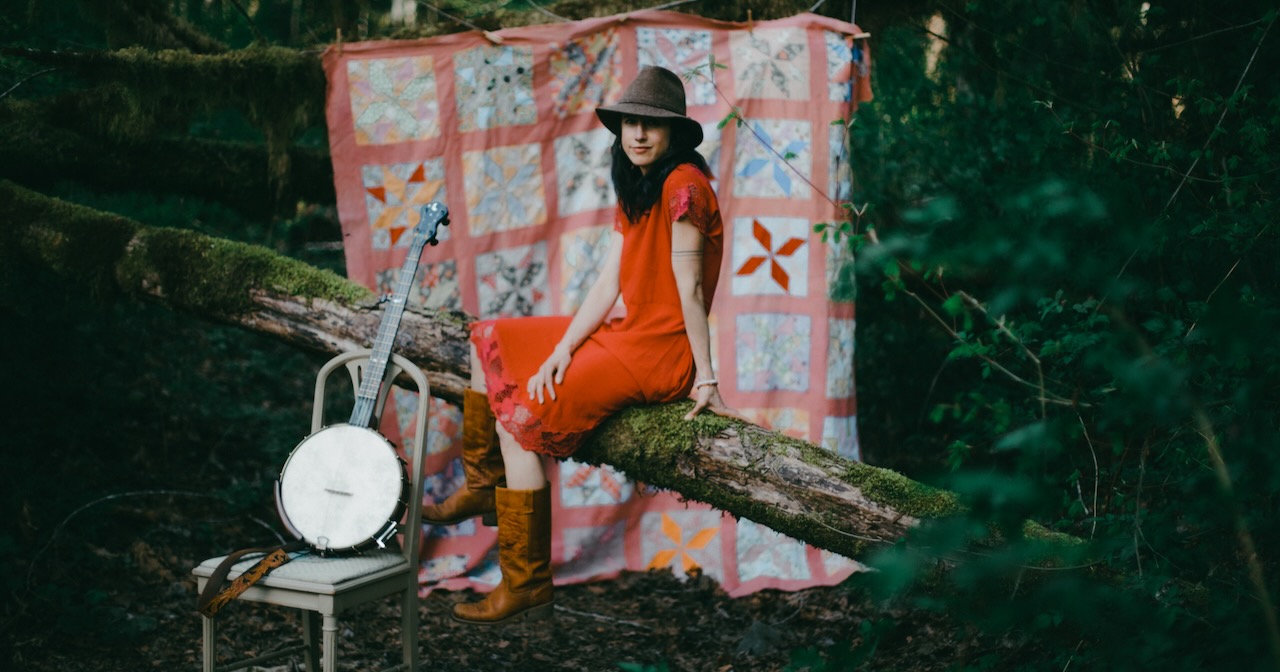
In the album’s liner notes, Lewis shares that TREES is the first project she’s made in nearly 30 years without the mandolin accompaniment of her partner Tom Rozum, who recently developed Parkinson’s disease. “This collection represents a difficult transition in my musical life,” Lewis shares. “Think of it as ‘Music Minus One.’”

From bright bluegrass tracks like “Just a Little Ways Down the Road” to the somber invocations of “Enough” and “The Banks Are Covered in Blue,” this album is intricate and complex, much like a healthy forest. The album brings us “Quaking Aspen,” showcasing Lewis’s characteristic lyrical fiddle style, and title track “Trees,” an a cappella bluegrass-gospel ballad that gently yet hauntingly denounces the violence of industrial civilization.

Always looking to the natural world for strength and guidance, TREES is about love — for life, for land, and for people. But love isn’t a purely hopeful or romantic thing; it encompasses both loss and pain, and Lewis gracefully and vulnerably reckons with both on this album.

You just returned from a string of shows playing songs from the new album. Where did you go?

Laurie Lewis: My string of shows was actually mostly a river trip. So I did play every night, but I was mostly spending the days in the canyons… On the Yampa River, which starts in Colorado and goes into Utah and flows into the Green River. It’s a really, really beautiful canyon.

I love that. When you were playing shows, how did it feel to share these new songs with the world?

I’ve been doing a lot of songs from the new album, yeah, and I’m really enjoying that. But also, in any of our sets with my band, we pull out the old ones, too.

Speaking of the older stuff, I listened to your first solo record, Restless Rambling Heart, directly after listening to your newest record from start to finish. The first thing I noticed was that the tempo has downshifted quite a bit from that first release. Does TREES feel more introspective to you than other records you’ve made?

Oh yeah, it definitely does — especially compared to Restless Rambling Heart.

You’ve collaborated with the great poet, writer, and activist Wendell Berry — he asked you to set some of his poems to music. What was that experience like?

It was really fantastic. I’m such a fan of Wendell Berry’s writing. It came about because I was putting out a songbook and the publisher said, “Well, you need to get some blurbs for the back.” I happened to be at a writing workshop and one of the writers there said, “Hey, do you know Wendell Berry?” And I said no, and he said, “Well, he’s a big fan of yours.” [He had been] at a writing conference with Wendell and Wendell asked if he knew me and, you know, small world sort of thing.

So I thought, Well, how do I get in touch with him? Maybe he could write me a blurb, who knows? But [Wendell] famously doesn’t do e-mail or anything like that, so I got his mailing address and wrote him a long-hand letter on one of those yellow legal pads, you know, and I sent it off to him. And lo and behold, he wrote back. He said, “Well, I really don’t know anything about music, and my wife says I can’t carry a tune in a bucket, so hadn’t I better say no to writing a blurb?” And I thought, Well… that’s a question, so it deserves to be answered. So I wrote back and said, “Of course you should say yes, because really, the only prerequisite for saying you like something is that you actually like it. It doesn’t matter that you don’t have a background in music. It’s a personal response.”

And he said, “Well yeah, okay. I’ve been telling people I’m not writing blurbs anymore because too many people ask me, but didn’t I write something in that first letter that you could take out [and use]?” And there was this really nice thing…

So we just ended up having this back-and-forth conversation. He sent me some books. I sent him some CDs. I finally got a chance to meet him, but eventually I just felt like this is a person who is so conscientious, he’s going to respond to whatever I write. And he’s so busy, and he’s got so much stuff to do, I don’t want to bother him anymore. So I kind of dropped the correspondence. I wish I hadn’t, but it felt like the right thing to do. I just didn’t want to be that pestering voice that he felt he had to write back to.

Did he get back in touch with you at some point? Is that how his request came to light?

In the midst of all our back and forth, he sent me a poem in the mail and asked if I wouldn’t mind terribly trying to put it to music. So I did. That was “Burley Coulter’s Song for Kate Helen Branch.” It was quite a puzzle, because it’s not a standard rhyme scheme or anything. I had to make it loop around like a little crooked fiddle tune to make it really work.

Trees aren’t just the theme of this album — they’re growing all over your creative imprint. Your label is called Spruce and Maple Music, for example. What is it about trees specifically that inspires you?

I love the tenacity of trees — the way they just wait ‘til you get out of the way and then come back. … There are too many humans on the earth. We take up way too much space and way too many resources and we’re crowding everybody else out. And by “everybody else” I mean all the animals and plants and everything that also shares our earth. I just feel that, you know, trees are these beneficent beings that just wait and take their time and come back whenever they’re given a chance. They’re responsible for the oxygen we breathe and for taking in the CO2 we release. They’re sort of purifying everything. So it makes me feel very hopeful… If we just get out of the way a little bit, trees can come in and help set the planet right again.

Speaking of trees, the title track on this album is written from such a unique perspective. You literally embody the voice of the trees. How did this idea come about? Had you written from the perspective of the natural world before?

Well actually, “The Maple’s Lament” … I think that was the first time I tried to embody a tree. But I’ve done a few songs like that since. “American Chestnuts,” from my Skippin’ and Flyin’ album is from the voice of the American chestnut trees, which were the main tree along the Appalachian Mountains before the Chinese chestnut blight.

Have you read The Overstory by Richard Powers?

You know, I have, and I thought, Well, this is my song! [Laughs] But I wasn’t inspired by the book.

I personally take comfort in the knowledge that the world will go on spinning without us, despite how powerful we imagine ourselves to be. What sustains you as a sensitive person who feels the weight of what’s happening in and to the world? What carries you through?

Well, that’s that hope – [in] the other beings on the earth, their ability to repair the damage we’re doing. But I don’t hold out a lot of hope for human beings to rein in our excesses. I just don’t. I unfortunately do not see that happening in a timely enough manner to prevent, for instance, desertification of much of the earth’s crust. I’ve never said this stuff in an interview before, but yeah– I do not hold out a lot of hope.

I really appreciate you saying that. I feel like we’re often pressured to feel hopeful, but sometimes it feels more important to just be present with our grief about what’s happening to the world. Where did your deep relationship with and love for the natural world begin?

Oh boy, well, lots and lots of places. From ages three to eight, I lived in Ann Arbor, Michigan, in this new subdivision a block from the country. I loved to ramble in the woods and just see the farms and stuff like that. When my family [moved to] Berkeley, California, it was really a shock for me, and I have to say, Tilden Park probably saved my life. It’s a big regional park that’s up over at the top of the Berkeley Hills. It’s a huge park — you could get lost in it for days. Being able to take the bus to the top of the hill and disappear into Tilden Park when I was a kid was the best thing ever, and it really helped me through a lot. So I would say Tilden was maybe the first place where I really sought refuge in the natural world.

In addition to environmental grief, you’ve spoken about the role personal grief played in the creation of this album, and the presence of these feelings is very tangible throughout. Has some part of you had to practice becoming more vulnerable as an artist over time, or did the process of sharing your pain through your songwriting come naturally?

I have been accused throughout my career of writing songs that are a little bit too easy to figure out, you know, where they’re from. They’re personal songs — people have noted that. [But] maybe they’re putting stuff in them that’s not actually there, and I believe that to be the case on some of the stuff. Writing has always been my best source of communication with the world and I think I’ve always just written from an emotional place. If my songs are deeper now, it’s because events in life are a lot harder when you’re 73 than when you’re 23 or 33 or 43.

One of the more uncommon forms of grief is the grief over the loss of one’s own voice. A few years ago, you lost your singing voice for six months. What was that experience like for you, as someone who’s spent so much of your life using your voice to connect with the world?

It was terrible. It was paresis, [so] the right side of my neck muscles were paralyzed, and I couldn’t move my larynx on the right side. It made singing very, very difficult, until it got to a point where my voice just quit. And I thought, I’m not gonna sing anymore. It took about six months to recover, and it hasn’t completely recovered. My voice is different now.

It was a very difficult time. I went to many doctors, and one said, “Well, you have about a 50/50 chance of getting your voice back.” And I’m going, “Those odds are just not good, you know? It could happen or not — it’s a coin toss.” That freaked me out.

But some amazing things happened in that time. I have an annual gig, the concert I do at the Freight & Salvage here in Berkeley, my hometown, over Thanksgiving weekend. When I had no voice, I didn’t want to give up my night, so I asked my friends to come and sing my songs. I put together a folder of tons of songs and nobody picked the same song. It was amazing. It was the most incredible healing night of music for me. I mean, it was really the best Laurie Lewis show ever and I never opened my mouth except to speak a little bit. It was really lovely. Out of anything, I think that helped me get my voice back.

I’m honestly tearing up a little hearing you talk about that. It really speaks to the power of community. Speaking of community and audiences, who do you write music for? When you’re writing a song or recording an album, do you have a particular listener or audience in mind?

Just myself, really. It’s very selfish. [Laughs] I mean, I just write for myself, what I’m feeling or what I’m observing. … That’s always the starting point. If I think up a story, it’s because I want to tell the story, you know? I want to hear the story. If it’s an emotional thing, it’s because it’s something I’m dealing with or going through. But after the initial thought, I try and use my craft to make the songs better so that somebody can actually understand what I’m singing about and talking about in my music. And that’s really the most gratifying thing, when a listener really responds. It’s just great.

You’ve described your music, particularly on this album, as a way of interpreting the voices of the landscapes you adore. How do you experience or receive the voices of the natural world? How did you learn to listen for these much-needed voices?

I’ve always been a fairly quiet person. I listen more than I speak. I’ve had to actually learn to speak, you know, out loud. But I think I just have an observational approach to the world. I would rather listen and observe people talking to me than jump in and add my own spin or make a lot of noise myself. The same thing is true in my relationship with the natural world. I’m an avid walker and I find that walking and listening and looking in the natural world is my favorite thing to do.

Do you have a favorite song on the album?

I like a lot of them actually. You know, they’re different moods. Speaking of walking, “Just a Little Ways Down the Road” I find to be just so fun to sing and play. And of course, “Enough.” It’s heart-wrenching for me. It’s still hard for me to play that song in public. It requires a really different audience. It’s not a festival song. It’s much quieter, so I hold it back a lot. I just love the sound of the instruments on that cut. But I really like them all, from “Just a Little Ways Down the Road” to “Rock the Pain Away.”

It depends on the mood too. If I talk about John Prine and I sing that song [“Why’d You Have to Break My Heart?”], that really goes over well with audiences. I truly appreciate that people connect with that song.

Do you have a favorite tree?

[Laughs] No. I do not have a favorite tree.

Fair enough. [Laughs]

The California buckeye – I think it’s the prettiest little tree ever. But then I see another, you know? I was just out in Colorado among the junipers. That was the main tree alongside the river, junipers and cottonwoods. Every one of those trees was astoundingly beautiful – and so tenacious.

Is there somewhere special close to home where you’ve been going recently to be with the trees?

Well, yes. I stick around home quite a bit, because I have a lot of caregiving to do with my partner. We had to cut down a tree in our yard a couple of years ago and I was very, very sad about cutting down this great big old blackwood acacia. But we had to do it – it was gonna fall over and wreak havoc. But it cleared the way for me to view these two enormous birch trees that are like four-stories high in the neighbors’ yard. Those two trees are just remarkable, through all the seasons. They’re so graceful, and they change so much. I’ve been enjoying those trees a lot from the kitchen.

And Tilden Park is still my go-to. It’s five minutes up the road, so I can get out and walk amongst the oaks and the laurels and, unfortunately, eucalyptus, which is an invasive fire-hazard tree around here, but they’re still beautiful.

It’s so special that you still get to spend time in the same place that meant so much to you as a kid. There’s really so much we could talk about, but is there anything else you’d like to share about the album?

I did it mostly with a very small group of fantastic musicians – my bandmates Hasee Ciaccio on bass, Brandon Godman on fiddle, Patrick Sauber on banjo, and then George Guthrie also on banjo and some guitar. It’s just been really great working with these wonderful people. What they bring to the songs and how they help shape the music, they really are part of the fabric of what makes this album what it is, and it feels important to me to share that.


Photo Credit: Irene Young
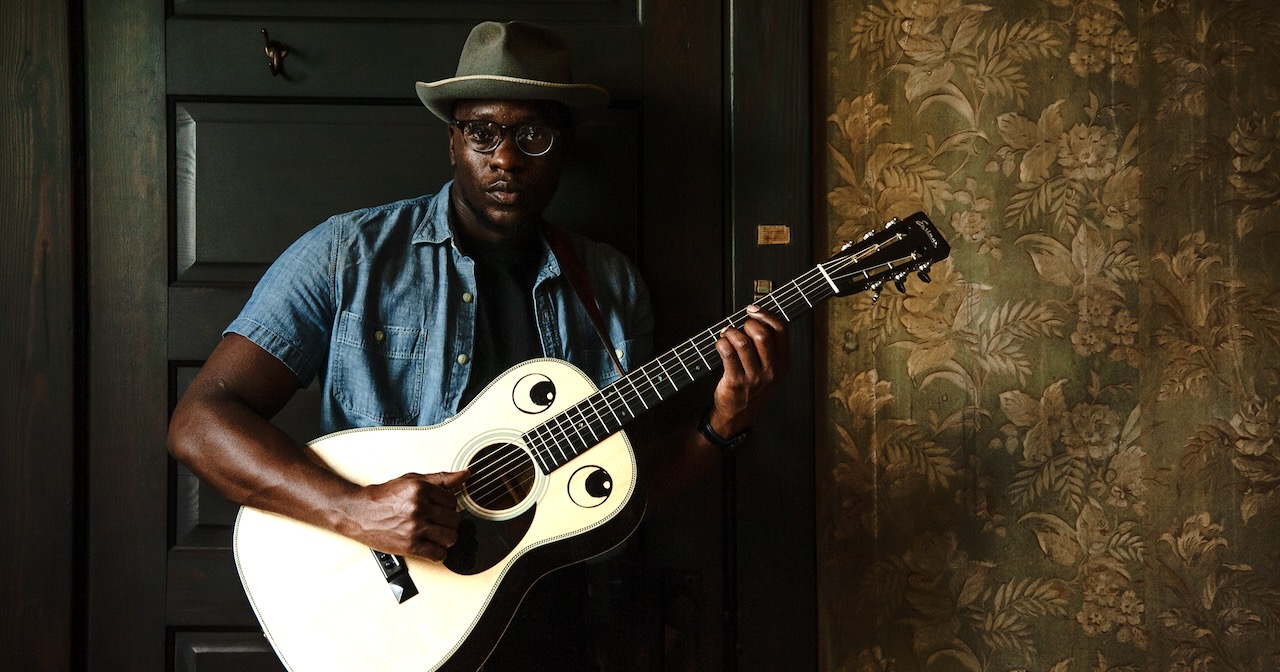
BGS 5+5: Jon Muq

Artist: Jon Muq
Hometown: Kampala, Uganda
Latest Album: Flying Away

If you didn’t work in music, what would you do instead?

I would work in construction or be a lawyer or a therapist.

If you were a color, what shade would you be – and why?

I would be green – green represents plants and herbs that heal us. I’d like to be the person that saves a person’s day

What would a perfect day as an artist and creator look like to you?

Cooking and having good healthy meal, editing projects I produce for friends, playing soccer with friends, having a cocktail in a dive bar watching a local band perform.

What was the first moment that you knew you wanted to be a musician?

It was when I was like 12, I went to this school that had a choir and when I listened to them sing, it was amazing then I knew I have to try singing. That’s where singing starts for me, but wanting to be a musician was never a plan, I just went with the flow of life and ended up being one… none of my friends even believe I sing.

Which elements of nature do you spend the most time with and how do those impact your work?

Gardening and soccer always reminds me that life is not all about just work, it calms my mind; when I get back to work I feel less pressured by the whole work system and pace.


Photo Credit: Jim Herrington

BGS 5+5: Kendl Winter

Artist: Kendl Winter
Hometown: Olympia, Washington
Latest Album: Banjo Mantras
Personal nicknames (or rejected band names): “Lower half of The Lowest Pair”

What other art forms – literature, film, dance, painting, etc. – inform your music?

I like this question, because I think everything you do, witness, consume, walk by, dance with, or touch informs your (my) music. Most books I’m reading make their way into my lyrics directly or indirectly. I know I’ve quoted or misquoted from E.E. Cummings, Richard Brautigan, Hafiz, Ursula K. Le Guin, Octavia Butler, Rumi, Rebecca Solnit, Thich Nhat Hanh, and probably so many others. All the authors and poets and spiritual leaders I’ve read or listened to and been moved by have woven their ponderings into mine and in turn the tumble of words that spill out onto my morning pages is often informed by those thoughts.

I watch a lot of film and I love movement. I go for long runs in the Northwest – or wherever I currently am – and the landscape informs my music, or the highway does, or the venue. I’m (we) are so porous and regularly trying to make sense of the cocktail of experience I’ve been sipping on. That said, this is an instrumental record, so for me it’s a new kind of transcription or interpretation of the collage of experiences in my head.

What was the first moment that you knew you wanted to be a musician?

My Hebrew school teacher back in Arkansas said he had a video of me as a 5 year-old singing to a stick of butter. In second grade, I wrote a song about landfills and saving the birds. My folks were both classically trained musicians, one a high school string teacher, and the other a low brass professor, so I had music and the example of disciplined musicians practicing around me all the time. As kids, my sister and I were often crawling through the orchestra pit in the Arkansas Symphony or falling asleep in the balcony.

I loved punk music and dabbled with guitar and drums though high school, although I don’t think I actually knew I wanted to be a musician until my early 20s, when I had just moved to Olympia. In the Little Rock area of Arkansas and in Olympia, Washington there was/is such a vibrant DIY scene for music. Some of my first attempts at performing were in Olympia and I had only written half-songs, so they were very short and with a lot of apologies.

What’s the toughest time you ever had writing a song?

I would say lately has been the toughest time for me, writing lyrics at least. Maybe that’s why I’ve been enjoying the spaciousness of instrumentals for a while with the Banjo Mantras. It’s felt less exacting to let my art be more ethereal and open to interpretation. Something about the last five years has made me feel less sure about what to share, in terms of my own verbal songwriting. I think I’m more self conscious or potentially private and maybe more aware of my voice in a way that makes me feel a bit uncertain of what more can be said from my vantage. Songwriting has always been such a huge piece of how I interpret life, though, and it’s an integral piece of my personal process. So I’m still writing, just having a more difficult time sharing it.

If you had to write a mission statement for your career, what would it be?

If I had to write a mission statement for my career, I guess it would be to let curiosity and interest/passion lead me. My music has never been easy to put in a genre and my voice and songwriting has changed over the years. It’s been great to work in the Lowest Pair, because my bandmate Palmer T. Lee is similar in that his sound is difficult to box in, and that both of us have roots and interest in traditional sounds, but are always curious about expanding upon the subject matter and textures in our duo. The Banjo Mantras are just an expansion of that I think. I love the sound of a solo banjo and wanted to share some of the meanderings I found in various tunings and grooves. But yeah, I think my mission statement would involve personal growth, following curiosity and passion, a focus on heart-centric themes, and a goal for connection.

Which elements of nature do you spend the most time with and how do those impact your work?

I spend at least an hour most days going outside for a run or walk. I live in one of the most beautiful places, the PNW, so a short jaunt from my house and I’m next to the Puget Sound inlet full of kingfishers, seagulls, blue herons, and mergansers depending on the season. Low tides and high tides, I see and hear eagles swooping about and on a rare sunny horizon I can see the Olympic Mountains. The other day, I came home with a sticky pocket full of cottonwood buds for my housemate to make a salve with. The nettles have just begun showing this spring. I go for regular wanderings and collect pictures and sounds and try to make a regular practice of noticing things. Less like a practice, and more like just the way my days are, but I recognize it as an integral part of my centering practice.


Photo Credit: Molley Gillispie

BGS 5+5: Kelley Mickwee

Artist: Kelley Mickwee
Hometown: Austin, Texas, by way of Memphis, Tennessee

Which elements of nature do you spend the most time with and how do those impact your work?

All of the elements. Mother Nature, the universe and the natural world are my religion and informs my spirituality, so I’d say nature inspires everything I do. As far as on the daily, I have to do something outside at some point no matter what the weather or where I am or how busy I get. It could be anything, from digging and planting in the garden, pruning, cutting the grass, and watering the plants to taking long hikes with my dog, Moe. If I am in town, you can usually find me at one of our off-leash dog hiking trails with Moe. It’s very centering and really impacts my mental health and general well being. Especially when the sun is shining. And THAT, in turn, gives me the inspiration, energy and right mindset to sit down with a pen or with my guitar to work on a song. Or do anything, really.

How often do you hide behind a character in a song or use “you” when it’s actually “me”?

Not enough. Ha! I learned pretty early on as a songwriter that for me to write the best lines I can, I have to just speak from experience from the first person and be as open and honest as I can or am comfortable. I definitely have many “character” songs about other people or from their stories, especially songs that are co-writes, because then you are sharing a narrative with another writer so who knows how many people/experiences are wrapped up in that one song? But, in general, I tend to write from a first-person experience or relationship. Especially if it’s a song I write alone or start on my own before sharing with a co-writer.

What other art forms — literature, film, dance, painting, etc. — inform your music?

I think as songwriters, we are constantly getting input from all kinds of sources and storing it away for when we sit down to write a song. This could be anything from a conversation we had, or another song we heard on the radio, or a movie we just watched. I have written several songs from quick lines I wrote down while watching a film or a documentary. And I am always searching for inspiration and guidance from poetry, especially lately. I took an online poetry course in 2020 and it really gave me some new tools to use when writing lyrics.

Since food and music go so well together, what is your dream pairing of a meal and a musician?

This one was easy! A locally sourced vegan meal in London with Paul McCartney. I am actually a pescatarian who doesn’t eat or drink dairy, so not technically a vegan. But…when in London with Paul McCartney!

What’s the toughest time you ever had writing a song?

Every time! It is not easy for me to complete a song. Very very rarely do they just roll off the end of my pen, or float down from the sky, just waiting to be written down. I have many songwriter friends who have story after story of songs just spilling out of them and it makes me envious of that feeling. I do have one maybe two that came out, say, in a day. But even those were painful and agonizing at times. Like finishing a thesis that’s due the next day. Gosh! That sounds awful. I just mean, I want every line to count and be the best line it can be and as honest and original as possible. I think that’s where the good stuff lives. And so, if it takes me a bit longer to get there, so be it. Because the end result, a song I am proud of and can’t wait to sing, is SO sweet and rewarding, in all of the ways.


Photo credit: Taylor Prinsen

BGS 5+5: Sarah Morris

Artist: Sarah Morris
Hometown: Minneapolis, MN
Latest Album: Hearts in Need of Repair
Personal Nicknames: Hmm. I’m called “mama” most of the time. But over the years, I’ve also been called Mo, Sarita, Little Sarah, and She’s-so-small. The last three are from when I waited tables back in the day and they were all to highlight the fact that I was the shortest of the servers named Sarah/Sara.

What’s your favorite memory from being on stage?

Recently, I had my album release show, and five of my favorite Minneapolis-area singer/songwriters got up on stage with me and formed a mini-choir for my song “On a Stone.” The audience was all-in, the band was all-in, and these beautiful voices were singing with me — it happened to be my birthday that night, and it felt like the perfect gift.

If you could spend 10 minutes with John Lennon, Dolly Parton, Hank Williams, Joni Mitchell, Sister Rosetta, or Merle Haggard how would it go?

Well, I’d pick Dolly, and I’m sure the first five minutes would be me smiling, stammering out “I love you,” if I could even get that far. I’d be so nervous, but then she would say something disarming that would make me laugh, and I would hopefully make sure to say “Thank you for writing such beautiful songs and sharing your voice with the world.”

What rituals do you have, either in the studio or before a show?

I always paint my nails the same color — Essie’s Smokin’ Hot — and I (almost) always have Maker’s Mark. Sometimes I play shows that aren’t bourbon-appropriate, and I’m mindful of that.

Which elements of nature do you spend the most time with and how do those impact your work?

Ooh — I do a LOT of my songwriting on walks/runs through my neighborhood and a few surrounding parks. I spend a lot of time looking at that space where the trees meet the sky, especially in the winter. I’m a real sucker for bare trees against an open blue sky. I sing about the sky maybe too much. Also, on my new album, trees, stones, waves, water all come up a few times.

How often do you hide behind a character in a song or use “you” when it’s actually “me”?

That’s a real thing. I write a lot of “I” songs where I just tell my story — or at least my story in that moment — but there are bits of me stuffed into every song. Also, I’ve written songs that are messages to myself — like my song “Confetti,” which is essentially my personal reminder to be kind, then be kinder still (to yourself and others). And also stop burying your head in your phone. I have a problem with checking my phone wayyyyyy too much. So, when I wrote the line, “There’s a chill from the people rushing by, every set of eyes glued to some phone,” I was really saying, “SARAH! Your kids see the top of your head too often! Show them your face and your eyes!”

Traveler: Your Guide to Jackson Hole

Jackson Hole, Wyoming, is quite literally a hole in the the Teton Mountain Range, created be a 50-mile long, flat valley. This small town, with about 9,500 permanent residents, is the type of place where you pull on your fanciest cowboy boots for a night out drinking whiskey. Found in the northwest corner of Wyoming, Jackson Hole is 6,237 feet high and 2.9 square miles in size. The Western nostalgia and Native American influences are pervasive throughout, making themselves known from statues to studded saddles. Jackson Hole is a city where the most recognizable neon sign in the “skyline” reads “Cowboy Bar,” but the culinary, art, and resort influences give the town a more debonair feel.

Getting There

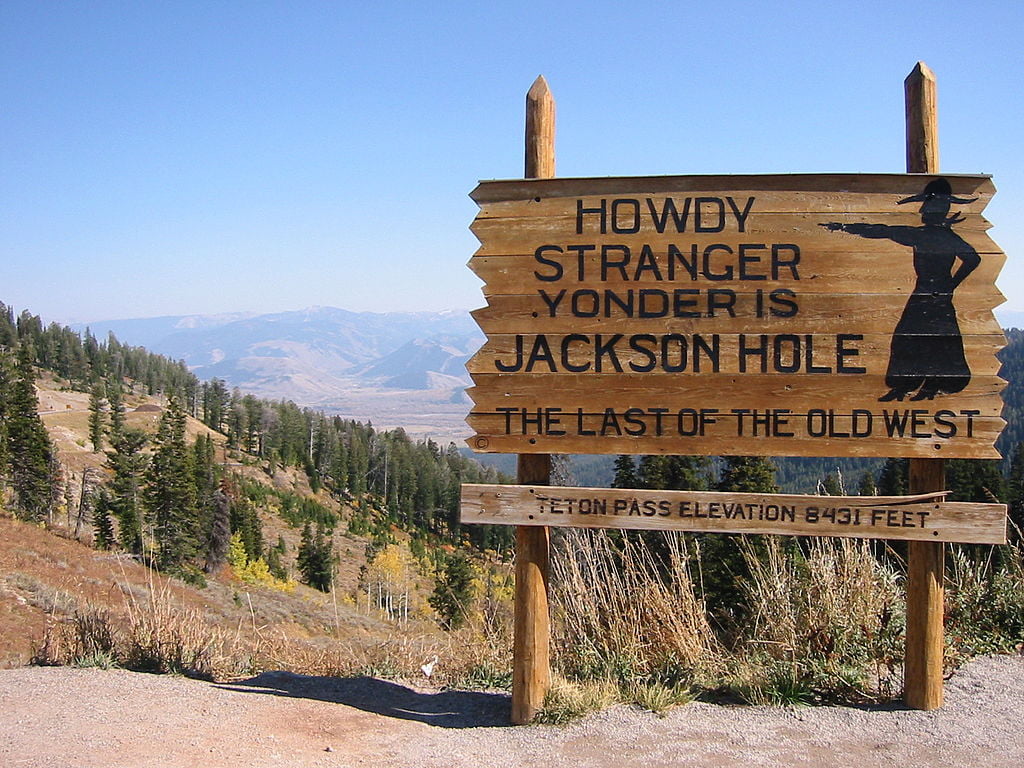
Yonder Is Jackson Hole. Photo credit: Dhtrible via Wikimedia

United, Delta, and American service Jackson Hole Airport (JAC), the only commercial airport in the U.S. within a national park. The town is 36 miles from the airport, 15 miles from the Idaho border, and 12 miles south of Teton Village. Within Jackson Hole, the public bus system, called START, is so efficient and easy to use you won’t need a car.

Stay

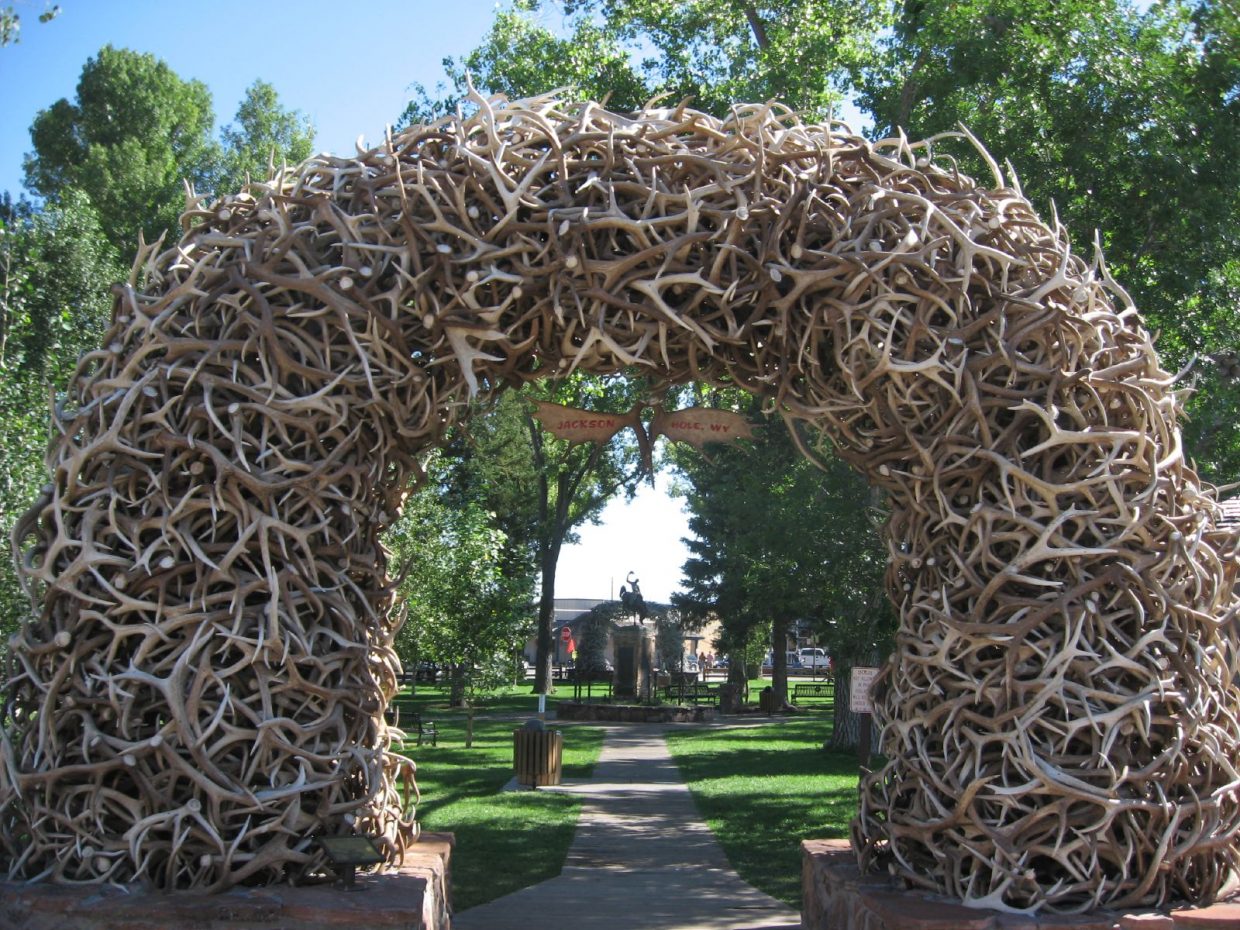
Antler Arch. Photo credit: Ken Lund via Wikimedia

Whether you’re looking for an opulent mountainside villa or a campsite with compost toilets, Jackson Hole has a manifold of accommodations. Alpine House’s European-style, certified eco-friendly lodge serves breakfast prepared by in-house chefs each morning. The Wort — pronounced “The Wirt” in local lingo — is a boutique hotel nearly 80 years in the making, offering quintessentially Western suites and the town’s most hoppin’ music venue, the Silver Dollar Showroom. If you’re rolling in it, Amangani’s rooms have expansive views of the Tetons, plus a ski-in lodge. On the opposite side of the ammenity spectrum, campgrounds abound. Try the Jackson Hole/Snake River Koa, Curtis Canyon Campground or the Hoback Campground.

Eat & Drink

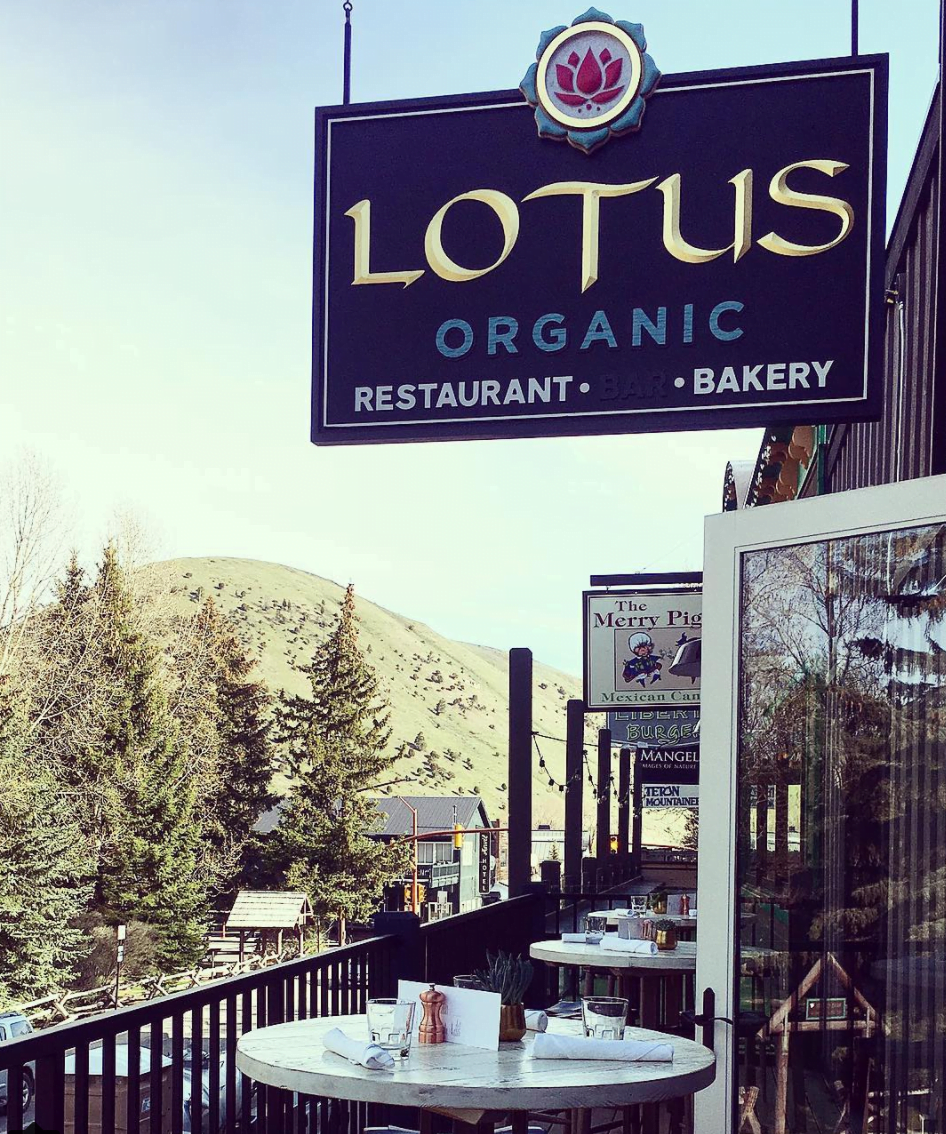
Lotus. Photo credit: @organiclotusjh on Instagram

From classic spots with speakeasy Western vibes like the White Buffalo Room’s house-aged steaks to Lotus’s raw pad Thai made with turnip noodles, this tiny town’s food scene runs the gamut.

Persephone is a popular French-style bakery offering breakfast and lunch options. Pro tip: Order the squash and ricotta toast, featuring creamy butternut squash and ricotta spread with crunchy pumpkin seeds and espresso salt. Their sister restaurant, Picnic, offers the same core baked goods, plus not-so-average breakfast items like biscuits & gravy with Dijon maple creme and goat cheese bacon crumbles. Pinky G’s is the late-night spot of choice, going on five years voted as Jackson Hole’s “Best Pizza.”

For a night out, start with drinks at the Handle Bar, where you can roast s’mores at your table while you sip whiskey neat. Then, head to the Coach for a night of dancing to the renowned Stagecoach Band, who also plays a weekly “Sunday Church” show on Sunday nights.

Adventure

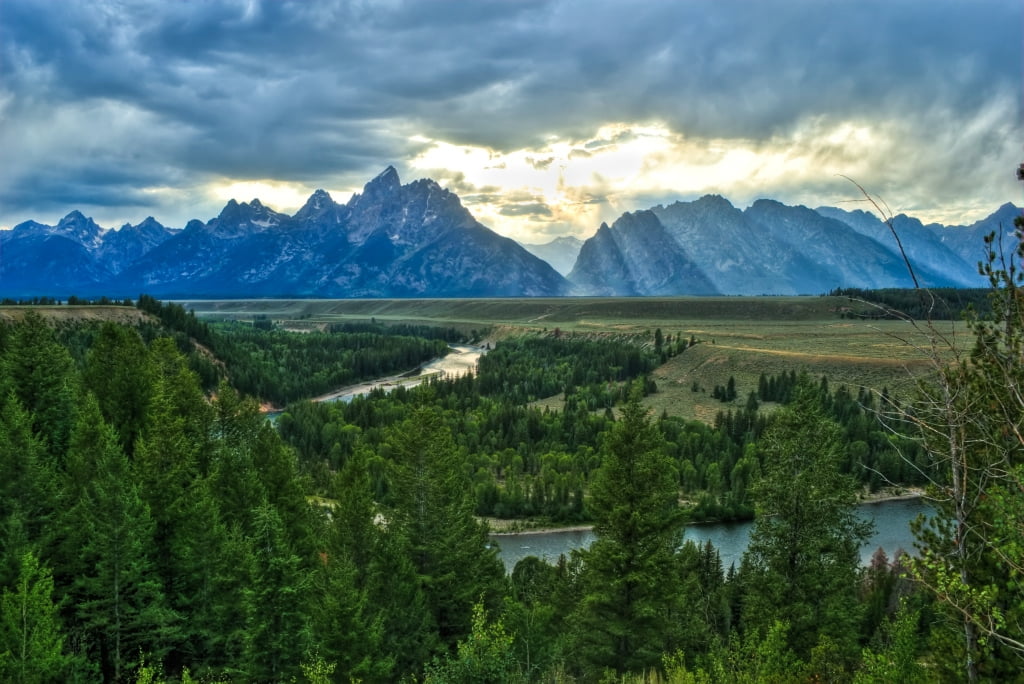
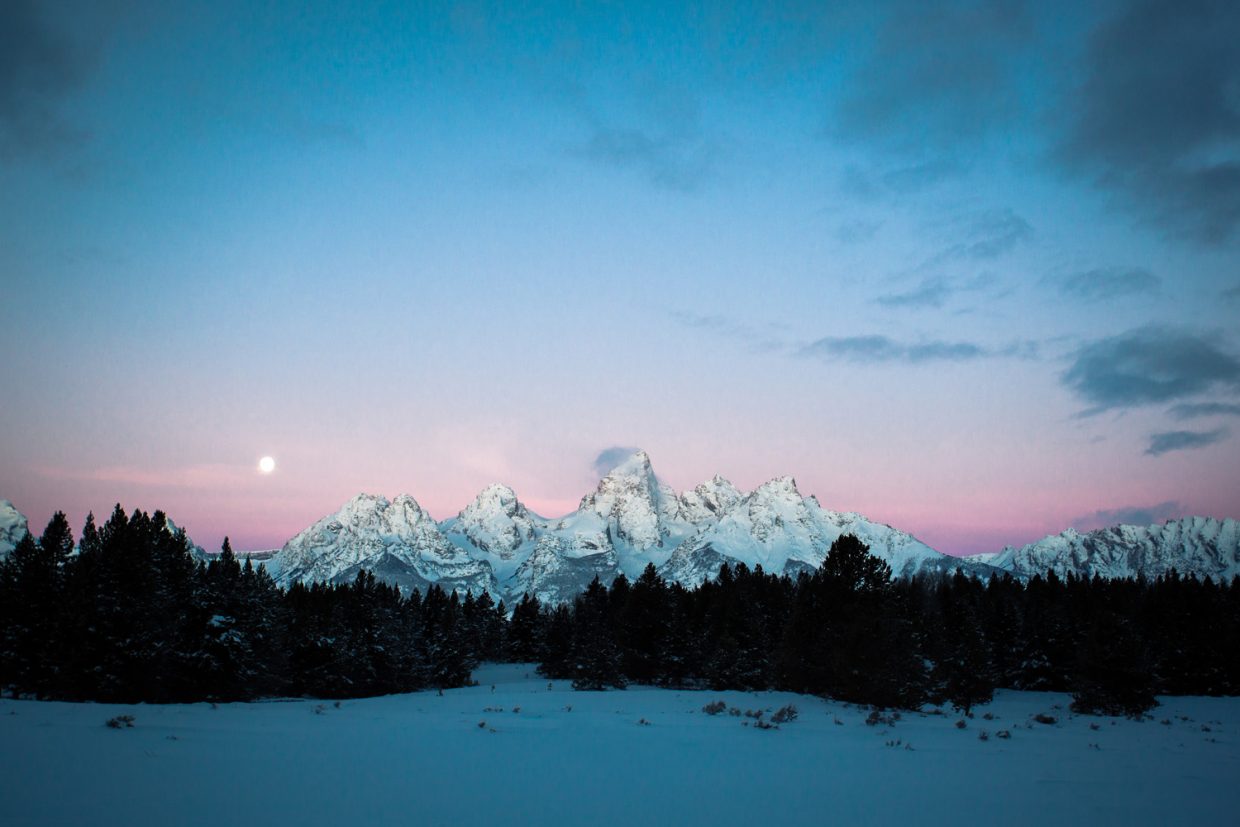
Grand Tetons National Park. Photo credit: Hawthorne Ave via Wikimedia

With two national parks, a national refuge, and myriad public parks situated in Jackson Hole, less than three percent of the land is privately owned. The other 97 percent is state or federal government-owned. All year, outdoorsy tourists roam Jackson Hole. Summer months are full of hiking, fly-fishing, and mountain biking, while winter is for skiing and snowboarding, and spring is the most active time for wildlife viewing.

The sheer grandeur of Grand Teton National Park is right in the name. You can’t go wrong meandering within the park, but don’t miss Cascade Canyon, Granite Canyon, and Amphitheater Lake. The park is a magnet for photographers and technical mountain climbers because of the size and breadth of the mountain range. The entrance fee is $30 per vehicle.

Grand Tetons. Photo credit: Jackson Hole Mountain Resort

Yellowstone National Park’s south entrance is 90 miles north of Jackson Hole, covering 3,500 square miles of land in Wyoming. It is the oldest national park, gaining status after photographers, painters, and sketchers captured and showed the wonders of the Tetons to Congress in 1872. The park sits on top of an ancient super-volcano and has more than 1,000 of miles of backcountry hiking. Also noteworthy is the National Elk Refuge with thousands of elk making the spot their home for the winter and spring. For the best chance of catching a glimpse of elk, head out with binoculars in the spring.

Of course Jackson Hole is predominantly a ski town, with several resorts close by like the challenging Snow King and the cornerstone of ski resorts in town, Jackson Hole Mountain Resort.

Art

National Museum of Wildlife Art. Photo credit: Daniel Mayer via Wikimedia

The art scene in Jackson Hole is distinctively Western and home to world-class organizations. From ornately decorated handmade leather saddles to scenes of buffalo upon canvas to jewelry adorned with large hunks of turquoise, strolling the galleries in Jackson Town Square won’t let you forget you’re in equestrian country. We recommend the Congressionally designated National Museum of Wildlife Art, RARE Gallery of Fine Arts, Astoria Fine Art, and Trailside Galleries. 

As for the musical arts, the Pink Garter Theatre hosts a variety of roots artists we love like Elephant Revival and the Lil Smokies. The Silver Dollar Show Room has a bluegrass show every Tuesday night featuring their house band, One Ton Pig, and the Mangy Moose is a solid choice for drinks and live music apres skiing. Our roots music brethren gather in Grand Targhee Resort for the Targhee Bluegrass Festival. Catch classics like Sam Bush, Tim O’Brien, Railroad Earth, and Greensky Bluegrass at this fest recurring yearly since 1988.

Traveler: Your Guide to Sedona

Whether you’re finding spiritual healing at the “vortexes,” hiking Coffee Pot Rock, or practicing morning meditation at a wellness spa, Sedona, Arizona, is brimming with opportunities for introspection. Touted as the “red rock playground,” the town is informed by the landscape and is home to many sacred structures, including labyrinths, stupas, and medicine wheels.

Stemming from Native American influences, Sedona’s immense metaphysical community offers healers, intuitives, and spiritual guides. Deep, red canyons and clear, star-studded skies make every turn look like a movie backdrop, which is why John Wayne has visited more than once.

Getting There

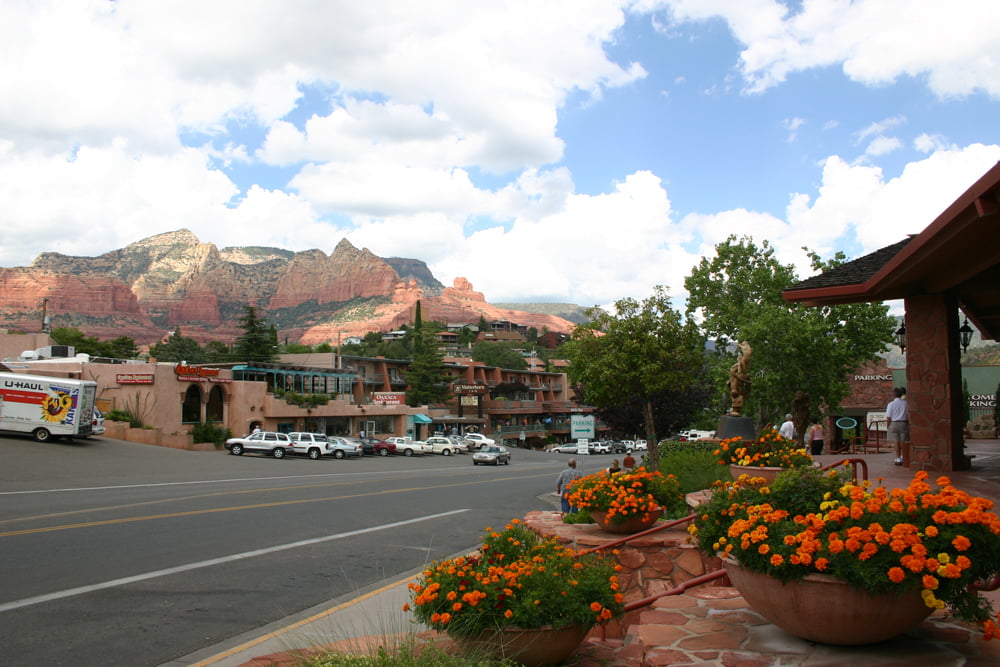
Sedona is centrally located two hours north of Phoenix, two hours south of the Grand Canyon, and 30 miles south of Flagstaff, so the opportunities for day trips are numerous. The closest major airport is the Phoenix Sky Harbor International Airport (PHX). While in Sedona, trolleys are an admittedly touristy, but albeit worth it way to see the area. Try the Sedona Trolley or the Red Rock Magic Trolley.

Where to Stay

You can go as high-brow or as bare-bones as you like with style ranging from wellness spas to camping in a canyon. Sumptuous retreats like Enchantment Resort and Red Agave Resort offer wellness packages and all-inclusive experiences. If you’re looking for a more humble abode (read: cheaper), La Petite Sedona fits the bill and has expansive views of the red rocks. Accommodations in Sedona are one of the most enchanting parts of the trip, so go all out — you’re on vacation.

Eats & Drinks

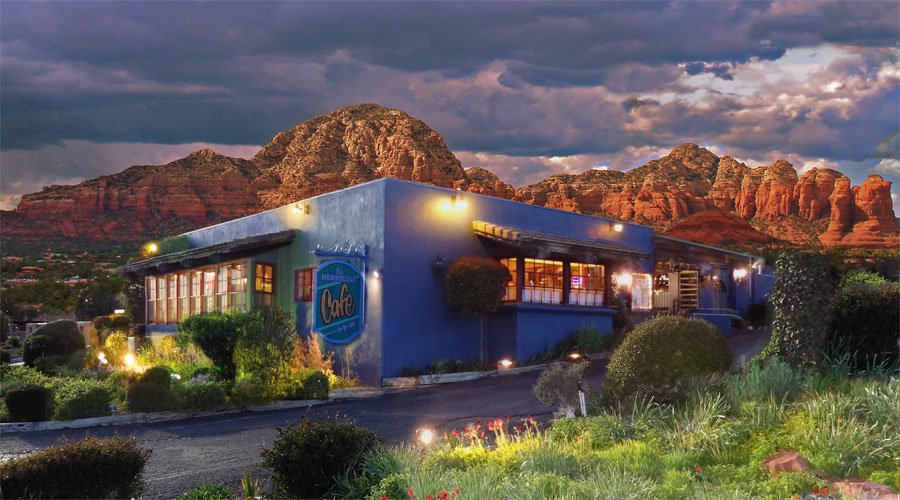
Photo: Heartline Café via Heartline Café’s Facebook

First settled because of the year-round water and fertile soil, Sedona was well-positioned to become the culinary hotspot it is now. Trout from Oak Creek and wine from grapes grown on Arizona’s lush hillsides are menu staples. Check out Heartline Café for fresh and healthy food with a view of the red rocks and a dog-friendly patio. Coffee Pot Restaurant is your go-to for a diner-style restaurant and aptly named after Coffee Pot Rock, of which you’ll have spectacular views while eating omelettes.

As you might expect, you can find some crunchy restaurants like ChocolaTree Organic Oasis, whick only uses “local artesian well water” to create their menu of entirely organic and gluten-free goods. Sound Bites Grill has a robust live music calendar, ranging from jazz to rock and serves a full menu including “Fleetwood Mac & Cheese.” For Arizona brews, head to Oak Creek Brewery and Grill for multi-award-winning beer and a full menu.

The Arts

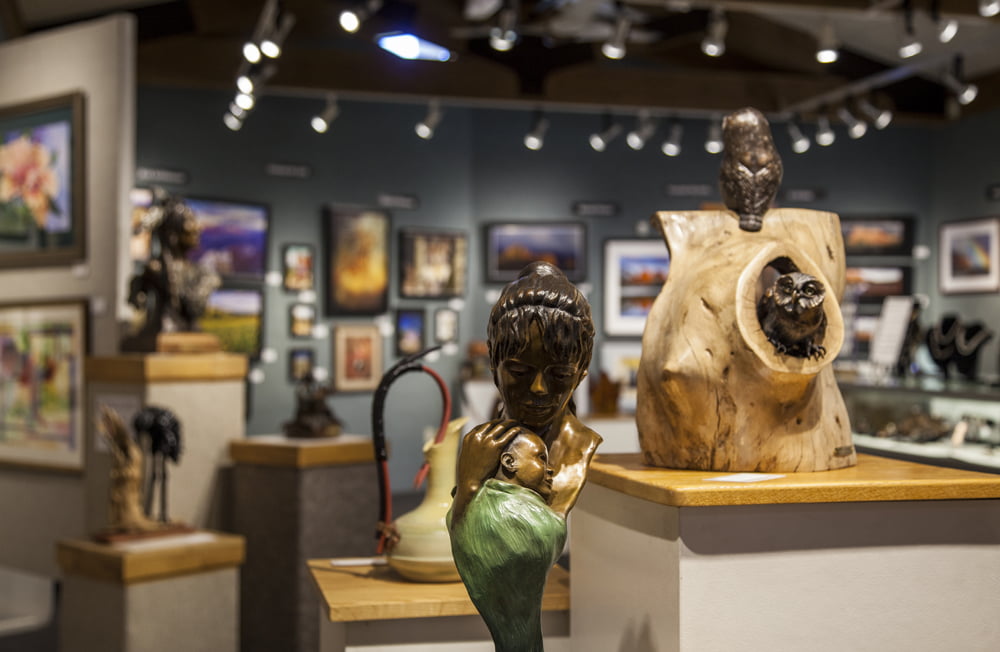
Photo: Gallery Sculptures by Sedona Chamber of Commerce & Tourism Bureau

A definably artful town, Sedona’s hand-woven rugs, Western bronzes, and turquoise adorn every gallery along Gallery Row. Native American influences are dominant in local art. German Dada artist Max Ernst’s most famous work, Capricorn, was inspired by the rugged landscape in Sedona, where he lived for years. The Tlaquepaque Arts & Crafts Village (pronounced T-la-keh-pah-keh) is fashioned after a traditional Mexican village and was originally conceived as an artists’ haven — this spot is the go-to for seeing and buying handmade local art.

The Outdoors

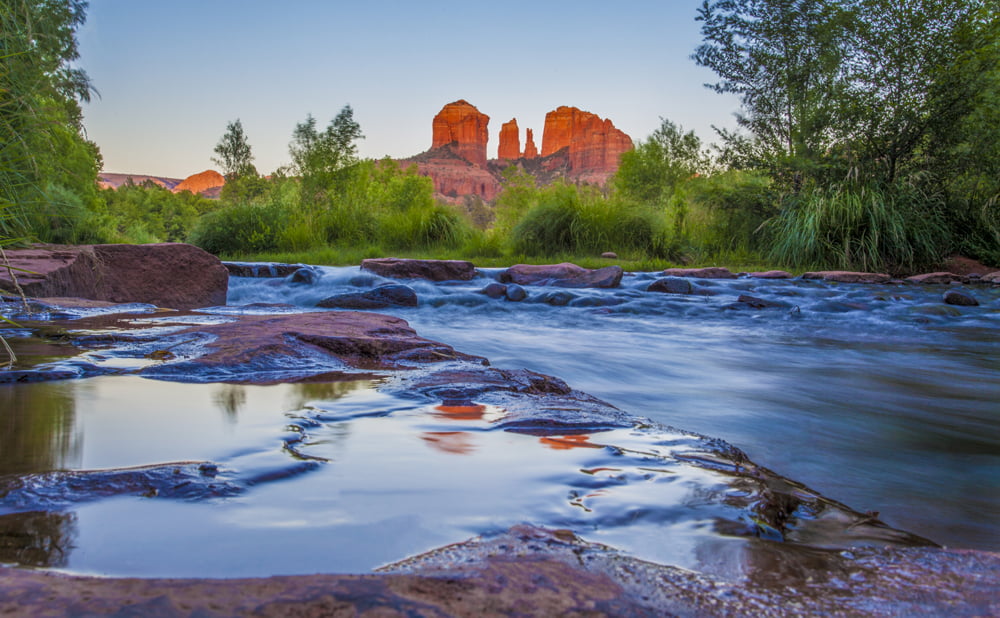
Photo: Cathedral Rock by Sedona Chamber of Commerce & Tourism Bureau

Not only are the surrounding red rocks and canyons astonishing, they are also easily accessible, presenting a world of hiking and biking trails. The red rock formations were named after their shapes and offer some pretty humorous titles from Coffee Pot Rock to Snoopy and Woodstock. Cathedral Rock and Bell Rock are two popular hikes. Bell Rock is also one of the most prominent vortex sites in Sedona, if you buy into the notion of Earth’s energy converging in a swirling concentration. A popular tourist destination, local healers and intuitives categorize the vortexes as female, male, or balanced and tout their positive effect on the body and human consciousness, although there’s no electricity involved.

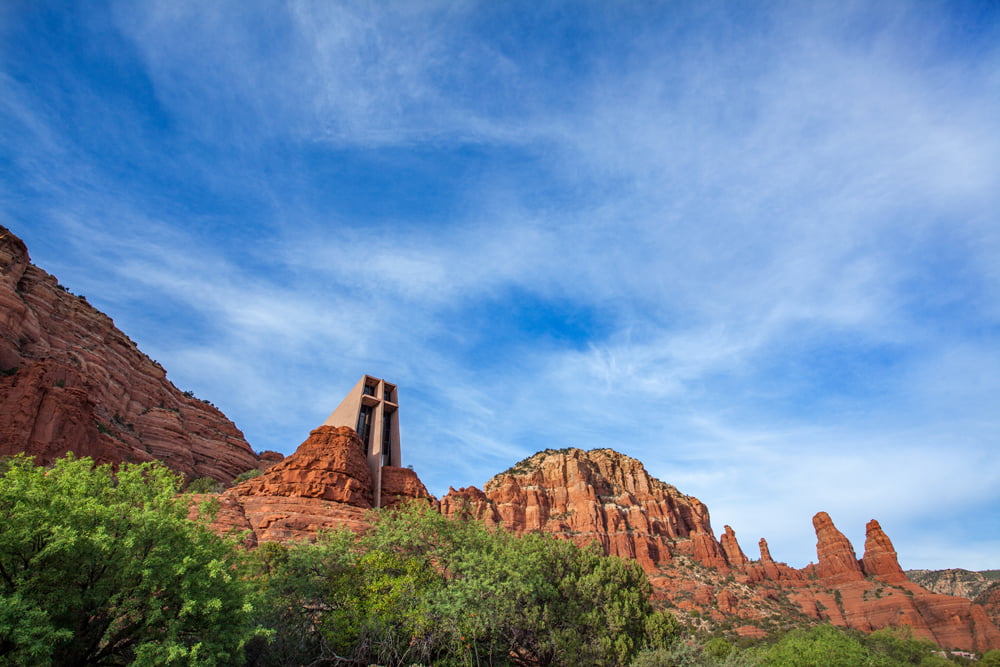
Photo: Chapel of the Holy Cross by Sedona Chamber of Commerce & Tourism Bureau

The Chapel of the Holy Cross is an old Catholic church built into the rock formations — an architectural feat free for the public to explore.

Festivals

Yep, they deserve their very own category in this bumpin’ festival destination town. There’s a festival for every hobby. Bird watcher? The Sedona Hummingbird Festival brings bird onlookers to town in July. Music fan? You’ll love the Red Rocks Music Festival. Film fiend? The Sedona International Film Festival in February brings worldwide talent to town. Wino? Taste local spirits at the Sedona Winefest. Bike lover’s rejoice! The Sedona Mountain Bike Festival highlights the bike culture and expansive trail network in town yearly.


Lede photo by Sedona Chamber of Commerce & Tourism Bureau

A Minute In Troy with Sean Rowe

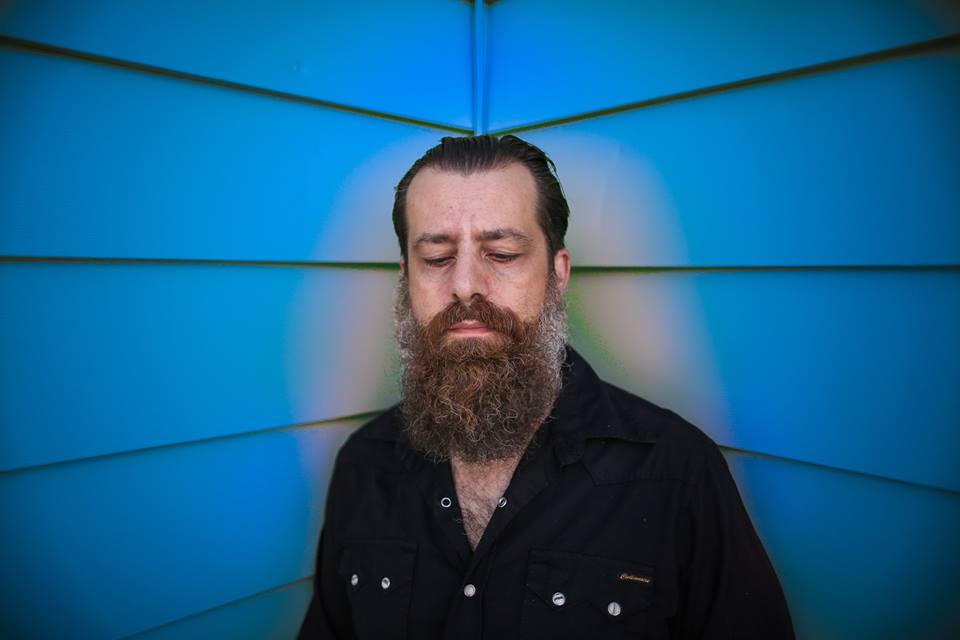
Welcome to “A Minute In …” — a BGS feature that turns our favorite artists into hometown reporters. In our latest column, Troy, New York’s Sean Rowe takes us on a tour of his favorite parks, restaurants, and beer bars. The songwriter just released New Lore.

I’m a Troy Boy, through and through. I was born and raised in and around these streets and have watched Troy, New York, go from being a rundown, forgotten city to the new “upstate Williamsburg.”  The streets I roamed as a kid, and my uncle’s restaurant where I washed dishes as a teenager, are now pretty damn hip — places with names like Peck’s Arcade and Superior Merchandise. And while I love to get a good whiskey on the rocks at Peck’s and a fancy cortado at Superior, my old favorites still stick with me, just like the old blues records I listened to while daydreaming of my rock and roll career as a kid on 15th Street. Here are a few of my old and current haunts.

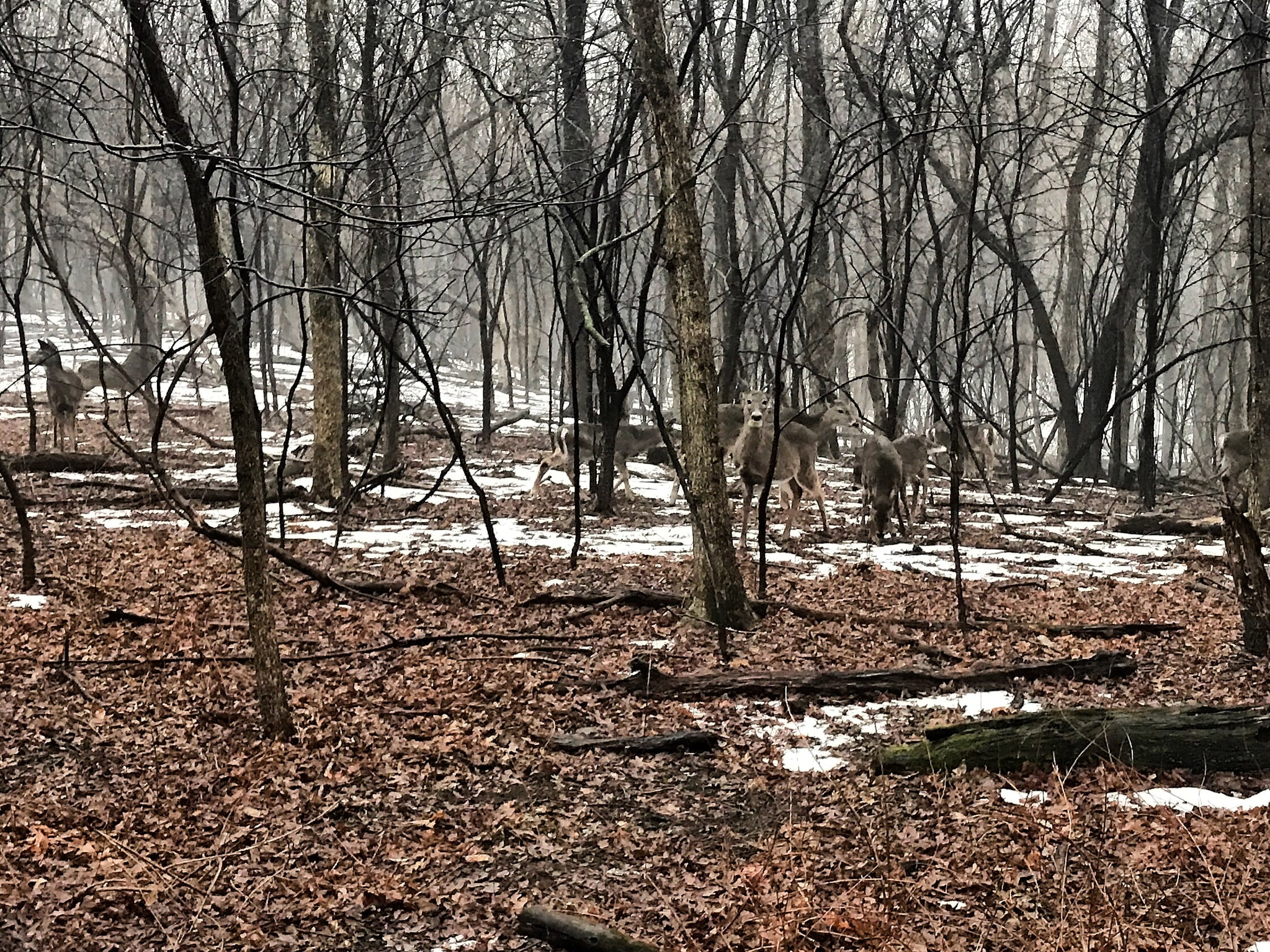
Peebles Island State Park: Now, while this place is not in Troy proper, it’s close enough and so magical that I couldn’t leave it out. The three-mile island overlooks the place where the Mohawk and Hudson Rivers meet, and it’s an incredibly beautiful and historic place in the Mohawk creation story. The deer are everywhere here. It is my place of peace — where I go when I am road-weary and I need a way to reconnect. In early March of 2007, I found a young, lifeless buck lying in the walking trail. At the time, I was attending a wilderness survival school and I was eager to use my newfound skills to process the deer for food, tools, and clothing. Still got the deer hide with me to this day. This place, it’s unparalleled for me.  ​

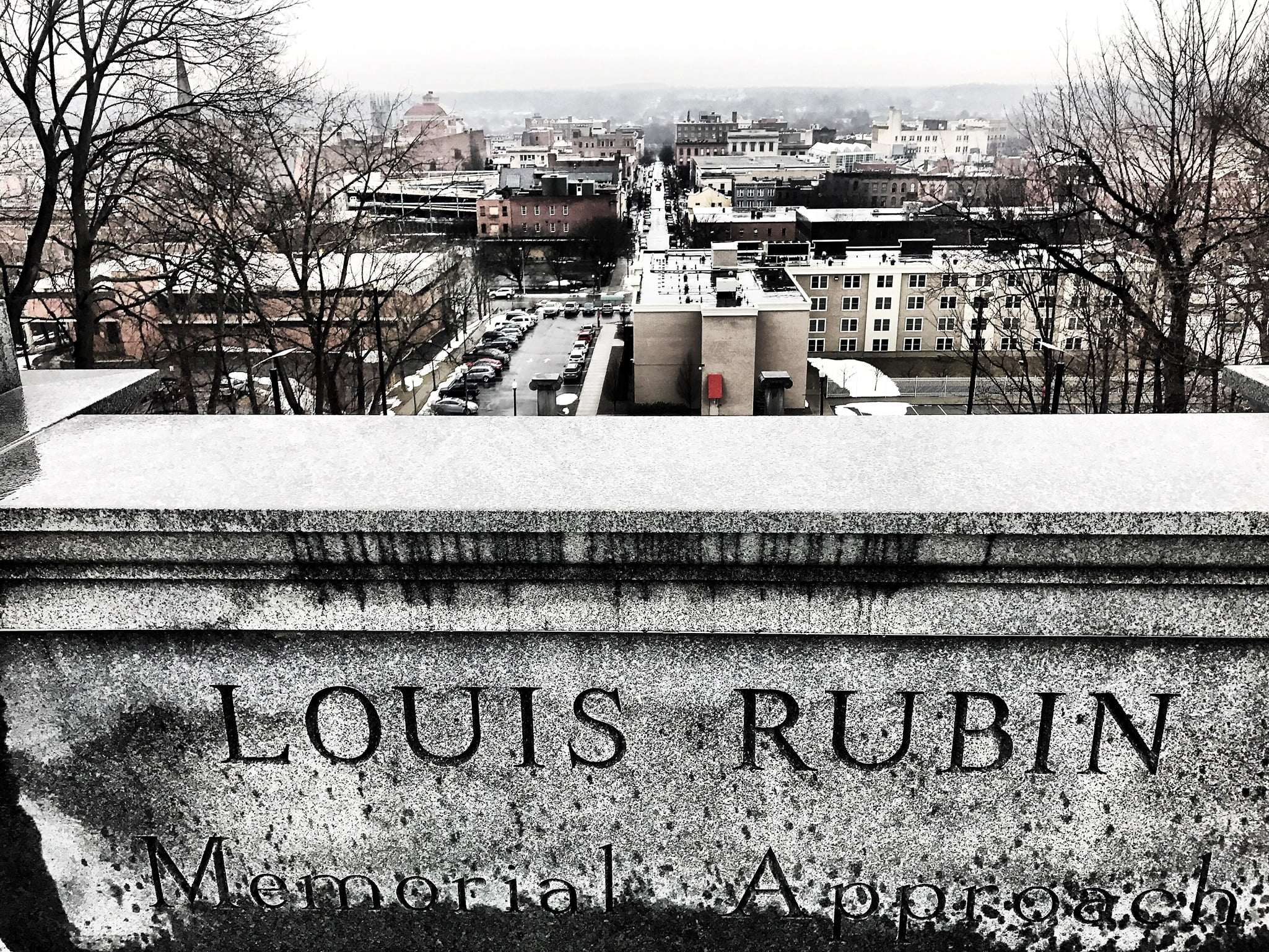
Louis Rubin Approach (a.k.a. “The Steps”): Now this … this is classic Troy. It’s the view from the top of the “steps” at RPI (Rensselaer Polytechnic Institute) which were built in 1907. Over the years, the huge staircase has gotten several makeovers, and now it’s where I go to run, Rocky-style. I still dream that Mick will be waiting for me at the top with some sides of beef to punch, but … hasn’t happened yet.  

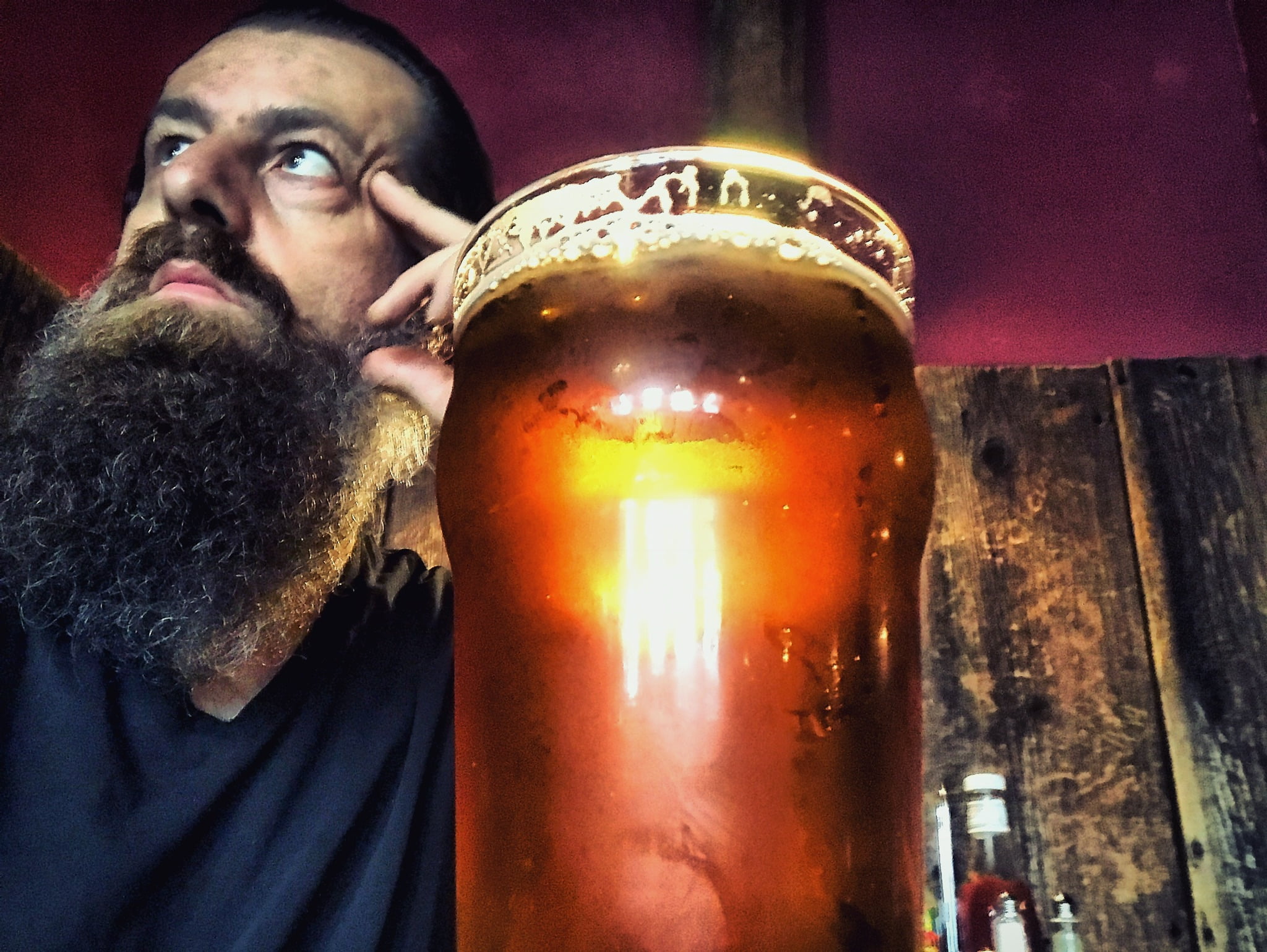
The Ale House: If you are a Trojan, as you would be called, then you’ve frequented the Ale House. It’s a classic, and it’s my Cheers bar … Ya know, everyone knows my name. The place is tiny — I’ve graduated from playing here to playing at their venue across the street called the Hangar — but it’s just that coziness that makes you feel all warm and fuzzy inside. That might also be the amazing wings … or the beers … or the Hembold’s hot dogs … or the Mexican night menu on Wednesdays …

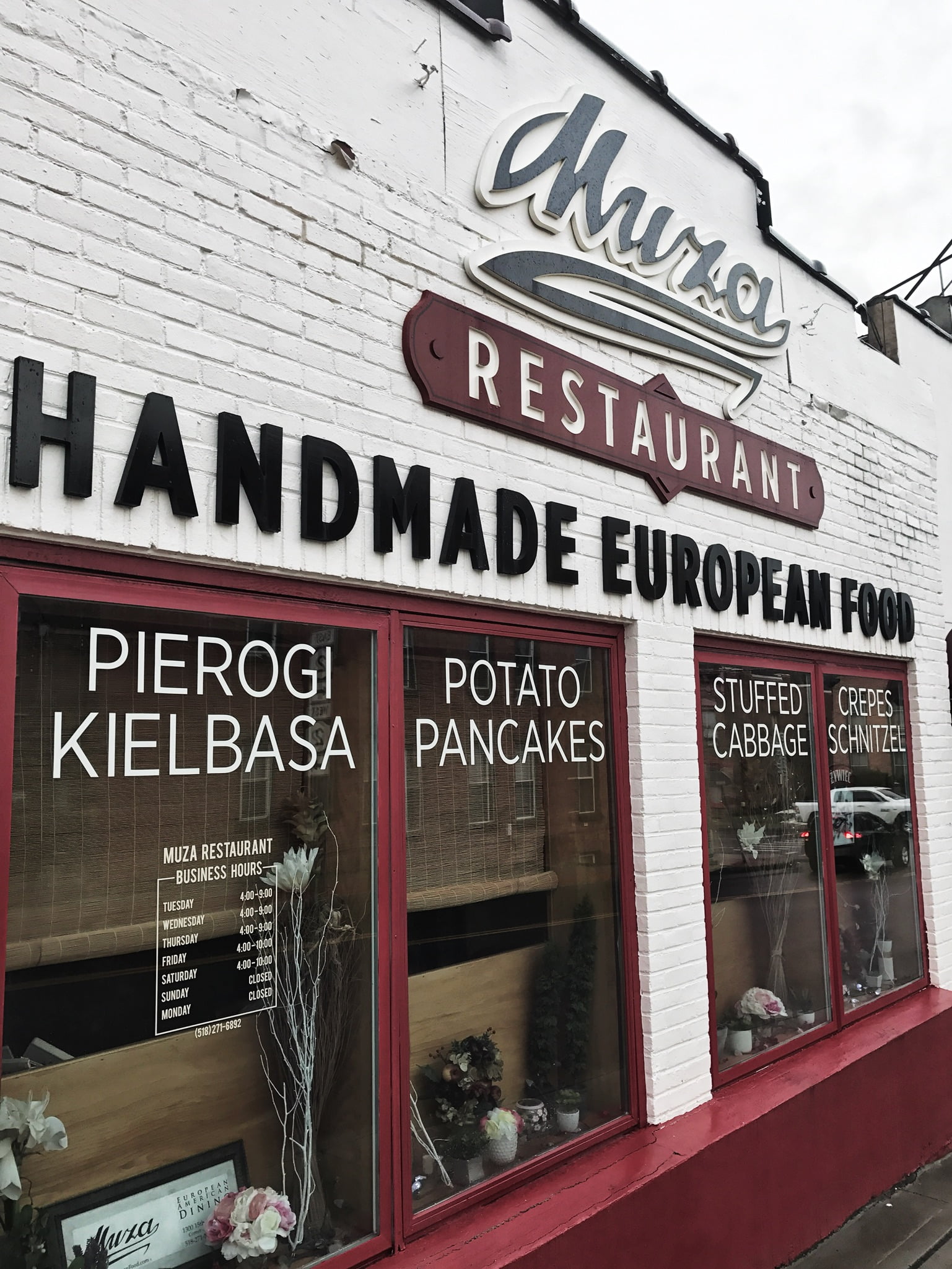
Muza: You know when you’re super hungry and you don’t want to risk going somewhere you might be disappointed, so you have your standby restaurant that you know is going to hit the spot every single time? That’s Muza. Every. Single. Time. This place is a Polish feast that I would eat at every night if not for pesky things like heart disease. The food is incredible — kielbasa, pierogis, and crepes. Oh my. They’ve recently opened up a Biergarten called the Hill that is for the fancy folks. And while I love grabbing a Zywiec porter and a mushroom toastie up there, it’s the original Muza that has my heart.

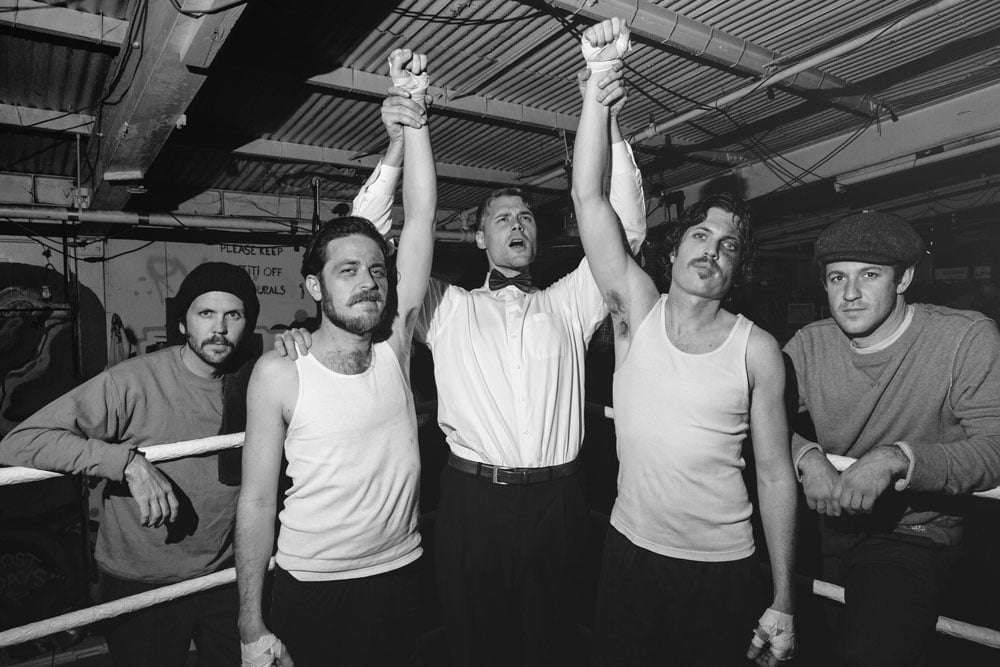
LISTEN: The Brothers Comatose, ‘Tops of the Trees’

Artist: The Brothers Comatose
Hometown: San Francisco, CA
Song: “Tops of the Trees”
Album: City Painted Gold
Release Date: March 4
Label: Swamp Jam Records

In Their Words: "'Tops of the Trees' is a reimagining of an unrecorded, old song of ours, brought back to life for our third album. It's a song about using nature to escape the trappings of a city." — Ben Morrison


Photo credit: Zach Sumner