Many of the facets of the music industry are the way they are simply because they are the way they are, but there is one pillar of melodic and lyrical art-making that remains extraordinarily arbitrary.
Time.
Records are released on Fridays now. Except when they aren’t. Some release days are packed with albums and others are desolate. Festival season coincides with the weather-outside-is-bearable season — except when it doesn’t. Holiday records are recorded in the summer. Lead time is inflexible, though ever-changing. Deadlines are always drop-dead… until they aren’t.
Time has gone from being regarded as something that inevitably passes to being framed as a commodity that can be “spent.” Time is money, especially in this gig economy era and in creative spaces where sentiments like “If you love what you do, you don’t work a day in your life!” rapidly devolve into a workaholic culture. We’ve seen the dissolution of boundaries between professional and personal lives, and made constant comparisons to those we perceive as more productive and ambitious.
My relationship with time — from each basic, incessant twitch of the clock’s second hand to my holistic understanding of existential time — changed fundamentally and cataclysmically in August 2018 when I was diagnosed with rectal cancer. In the earliest days my doctors told me that I would “lose a year of my life” fighting the disease. Being naive, new to the realms of life-threatening illness and the omnipresent physical, mental, and spiritual alterations of such diagnoses, I believed them.
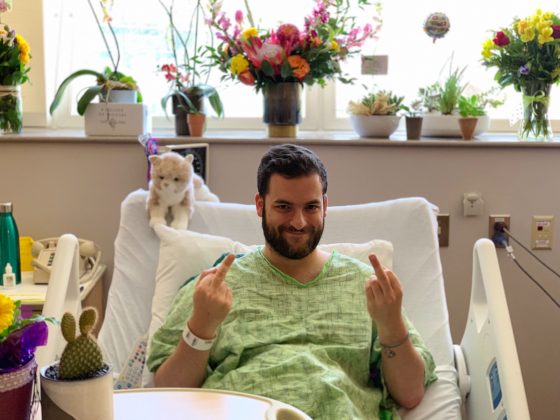
Over the months that followed, time passed not linearly, but as if it were a roller coaster operating in many more than just three dimensions, with twists, turns, and corkscrews I never considered possible. The associated cognitive impairments of cancer — from chemotherapy, an inordinate amount of prescription drugs, and the related traumas of fighting the disease — exacerbated my willy-nilly tumble through the twelve months that landed me here, writing this. Now, just over a year post-diagnosis and almost four months in remission, I am free of cancer (though not technically “cancer-free”).
Cancer is an arbitrary demon in and of itself, and as such, it’s very good at reminding: If something need not be arbitrary, perhaps it ought not to be. A rectal cancer diagnosis in an otherwise healthy 26-year-old is a perfect example. Humans cannot help trying to force such a thing to make sense, to have a direct cause and effect, but in this case and in many, many others it doesn’t. And it never will.
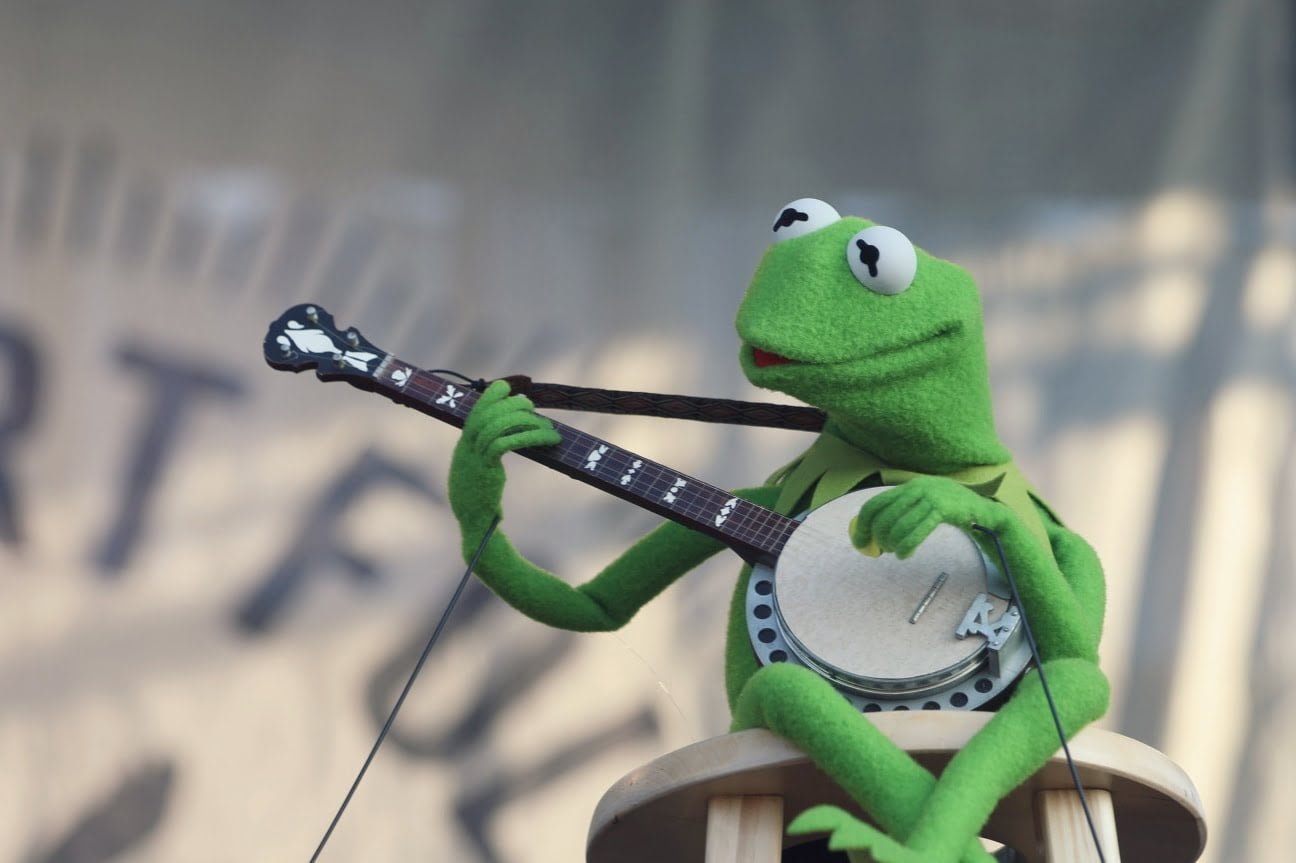
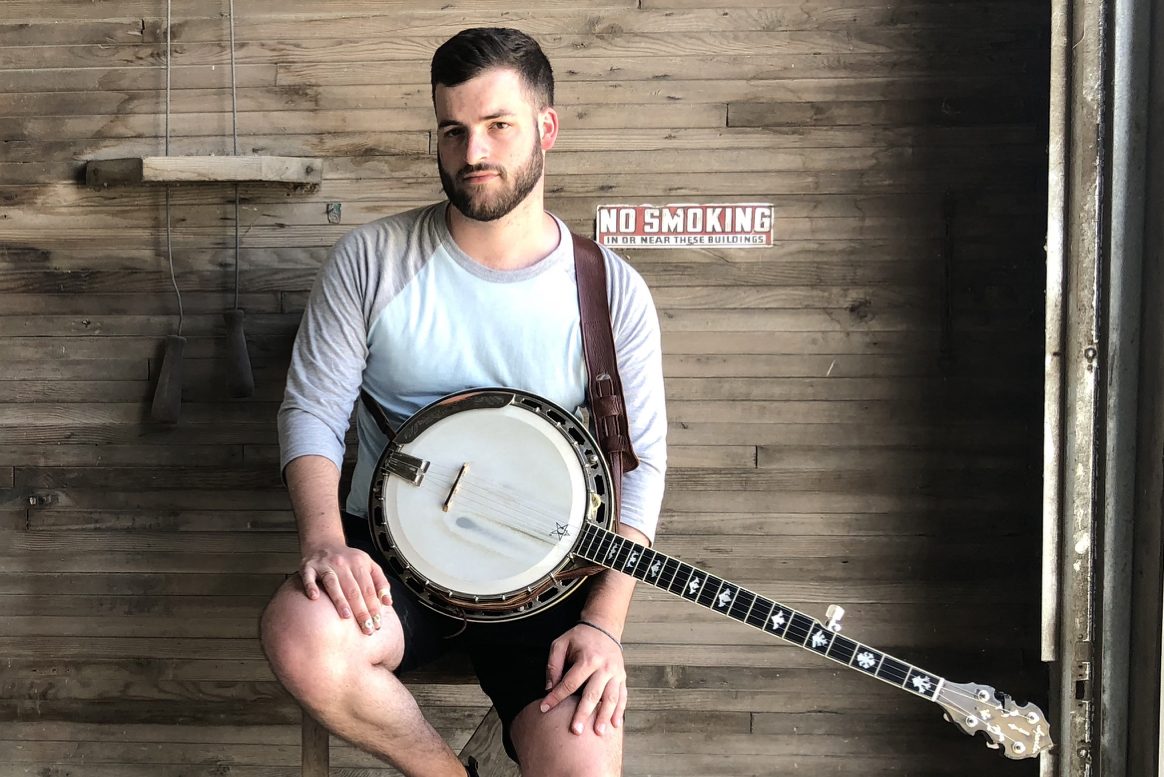
Before the final months of the 2010s elapse and we find ourselves reliving the year — and the decade — in music; while I find myself emerging from the fog of a year of pain, loss, and grief, a year fighting for my life and coming out ahead, I offer you this year-end wrap up. Not of 2019, but of a year fighting cancer. This is a soundtrack. For a few more than 365 days (and many more to come) of a queer banjo player, songwriter, and music writer holding onto life and letting go of time.
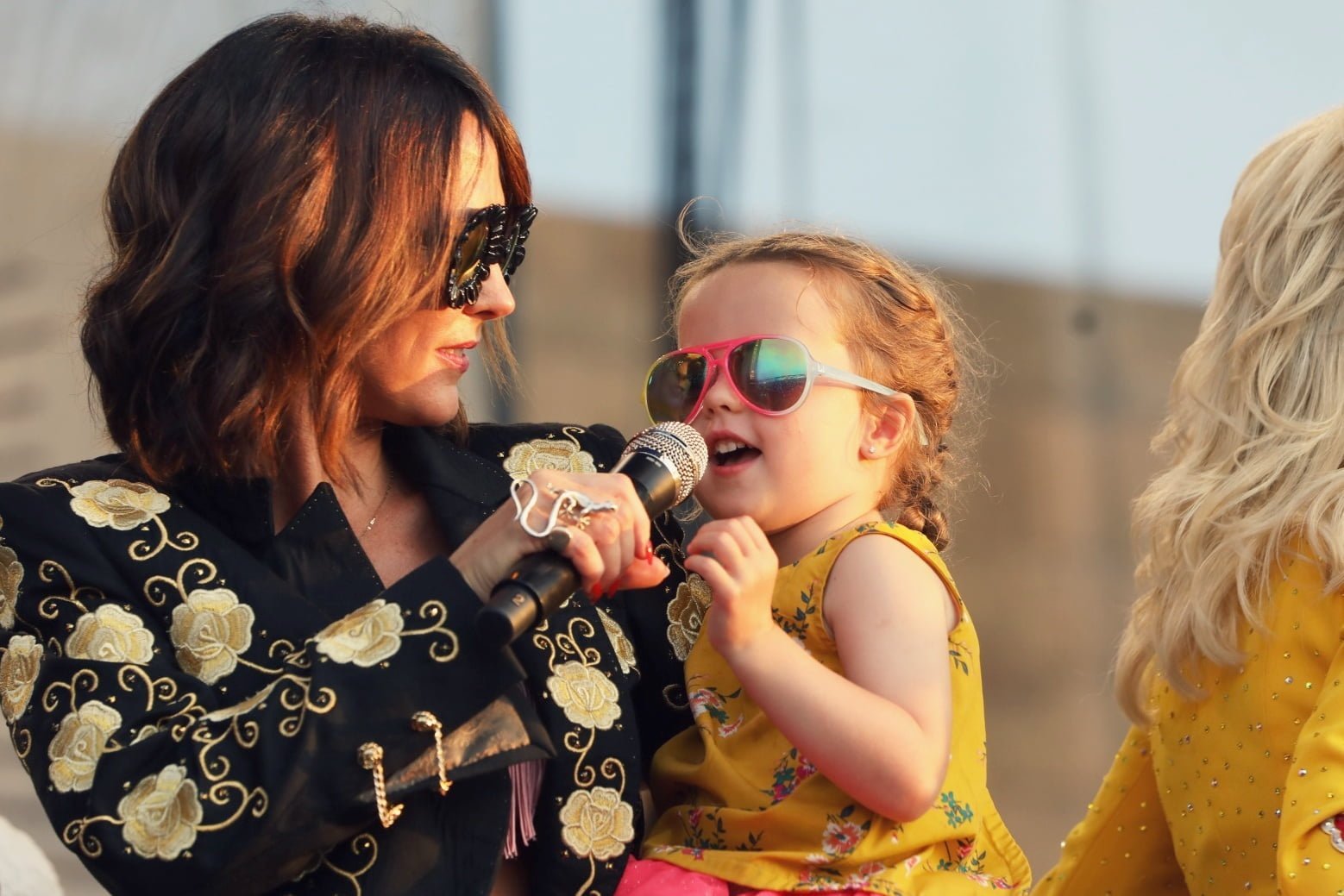
“Soon You’ll Get Better” — Taylor Swift feat. Dixie Chicks (2019)
In my eyes, the single most resonant line of any song released in the past year must be, “You’ll get better soon, ‘cause you have to.”
There’s this general, almost universal understanding of cancer, from a societal standpoint, that often does more harm than good. Almost everyone has a simplistic, rudimentary handle on what cancer is, what it means, and how to operate in relation to it. We’ve been fed countless narratives on the subject in the media, in fiction, non-fiction, through science, by the Hallmark Channel — you name it. One of the most frustrating outgrowths of this well-intentioned, though often tactless and somewhat misinformed understanding is that fighting cancer is noble. That it’s a holy war, a righteous baring of the teeth in the face of mortality and abject suffering and the quickened unraveling of existence.
But that is not how it feels. At least not to this survivor. Fighting cancer isn’t honorable. It’s necessary.
There is no choice.
It is exist or cease to exist. Because we romanticize storylines, dynamics in which “pulling the plug” seems like an actual option; because of faith systems that predicate moral truth on the existence of an afterlife; because we have heartbreaking, gut-wrenching tales of friends and family who opted for less pain, without treatment, than more time in misery with it; because there are all too many folks who shine, choosing joy against the odds, facing terminal diagnoses with bravery and aplomb, we think that the battle is wholesome, good, and virtuous.
I can tell you it is not. We get better because we have to. Sadly, there are too many who don’t. Because they can’t. Not because they are any less “noble” than those of us who “win” the fight. Not because they made a choice to give up the fight.
Choosing between being and ceasing to be is not a choice.
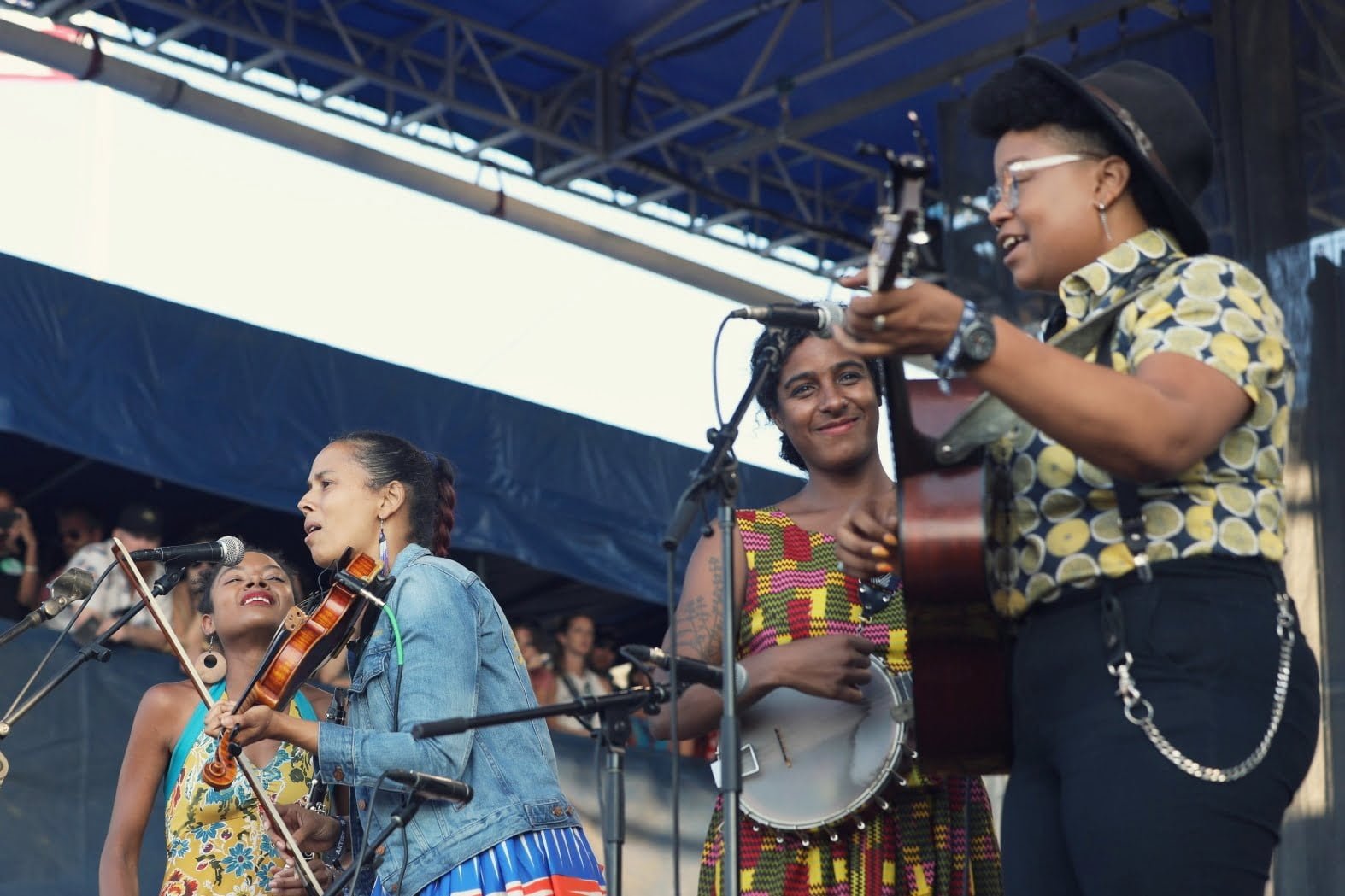
“The Capitalist Blues” — Leyla McCalla (2019)
Besides pain, discomfort, fear, and grief, the most present phenomenon to accompany cancer is bills. Piles and piles and piles of window envelopes. Emails. Push notifications chiming, “YOU HAVE A NEW STATEMENT.”
Each time my health insurance denied a claim on the grounds of some aspect of my care not being “medically necessary” — is the contrast used in my CT scans truly not necessary? — each time a prescription fell outside of coverage, often to the tune of hundreds and hundreds of dollars, my body and visage would grimace as if twisted from the pain of a 5cm mass in my colon.
To know, to see in plain daylight, that other human beings are getting rich off of my fight for life, causes such visceral anger and, in the wake of that anger, something that can only be described as the capitalist blues. Leyla McCalla’s wonky, off-kilter, Big Easy sound herein is a perfect wry smile in the face of a daunting, insurmountable task such as holding capitalism accountable. We’re all swimming with sharks and it’s a cold, cold world — even at the doctor’s.
“Anyone at All” — Maya de Vitry (2019)
As if to mock me, the electric guitar joins the band with a tick-tocking hook. Maya de Vitry’s narrator (however autobiographical) hasn’t been seeing anyone at all, hasn’t been drinking much at all, hasn’t been crying in the mornings, and she’s tired of hearing folks tell her it’s going to get harder.
Believe her. (Believe me.) It’s always been hard.
I spent the majority of a year at home, in my apartment, in bed, alone. Which is not to say I haven’t been supported throughout this journey by my friends, family, peers, colleagues, et cetera. It’s just that cancer is isolating in many, many more ways than one, and each of those sly, constituent methods of enforcing solitude conspire together to relegate us to these lonely spaces. Hearing de Vitry rejoice in them, embracing them, laughing in the face of what others, outsiders, might perceive as weakness and wallowing is not only redemptive, it’s liberating. I’ll see your “Have you been seeing anybody?” and raise you an “It’s been a couple of days since I’ve seen anyone at all!”
“Fixed” — Mary Bragg (2018)
The world teaches us how to regard ourselves, our bodies, our minds, our personhoods. We often don’t even realize this dictation is happening, but it is. Let me tell you, cancer brings out the worst in these tendencies, these trained reflexes. While Bragg’s message seems geared toward a childlike listener faced with society’s beauty standards, with dynamics of insiders and outsiders, cool and uncool, conformist and eccentric, I found myself returning to that refrain, “You don’t have to be fixed” over and over.
While my body image issues and low self-esteem run amok, fed on a glut of internalized ableism and materialism and superficiality and shame, the reminder in those lyrics that there is no one right way to be human, to be embodied, to be hurt or to be healed, was simply uncanny. Packaged with Bragg’s pristine, orchestrated arrangement and her powerfully tender voice, it’s a mantra in a song that we could all add to our quiver of weapons with which we face the world.
“Bad Mind” — Erin Rae (2018)
This song sounds like Ativan feels. Glossy and ethereal. The panned, double-tracked vocals, just distant enough in the mix, giving the impression that her voice is nearby, but out of reach. I was prescribed Ativan after being hospitalized due to complications from my first round of chemotherapy, namely that my nausea medications didn’t seem to be effective — until we brought Ativan on board.
That’s right, Ativan is prescribed for nausea. It’s also an effective anxiety medication, a strong benzodiazepine that’s often taken recreationally, but it’s a depressant. A strong, unyielding, psychoactive drug that guarantees dependency as a result of regular use. For months I was on an astronomical dose, without knowing it was considered high, to curb my incessant nausea.
I took two “cancer break” vacations during treatment. During the first, a country music cruise in the Caribbean, I cried myself to sleep every night. On the first night of the second trip, a solo getaway to the Bahamas, I wrote in my journal, through tears, “Perhaps I’m too depressed to enjoy an island paradise?”
As the lyrics in verse two reference indirectly, growing up gay in a conservative — and in my case, evangelical — family teaches you quite rapidly that your mind is bad. Very bad. Which, in quite a predictable turn, caused an anxiety disorder and clinical depression that I’ve been battling for more than a decade now. At times I was convinced that the problem of my erratic and burdensome mental health was simply due to my bad mind.
Ativan sank me to depths beyond those that I thought were possible. At its worst, beneath every word I spoke, beneath every layer of my thoughts, there was a constant suicidal hum. My prior struggles with suicidal ideation couldn’t even prepare me for the surprise of realizing, in some deep, hidden catacomb of my psyche, that I was fantasizing about taking my own life.
After chemo and radiation, when my nausea began to subside, I made getting off of Ativan my number one goal. I didn’t want to have a bad mind anymore. After seven months of three pills a day and after weeks of titrating, lowering my dose bit by bit to wean my dependent body and brain off of the potent, depressing, stomach-settling drug, I took my last Ativan in the hospital, after surgery to remove the mass.
It’s worth mentioning, for my sake and others’, there is no such thing as a bad mind.
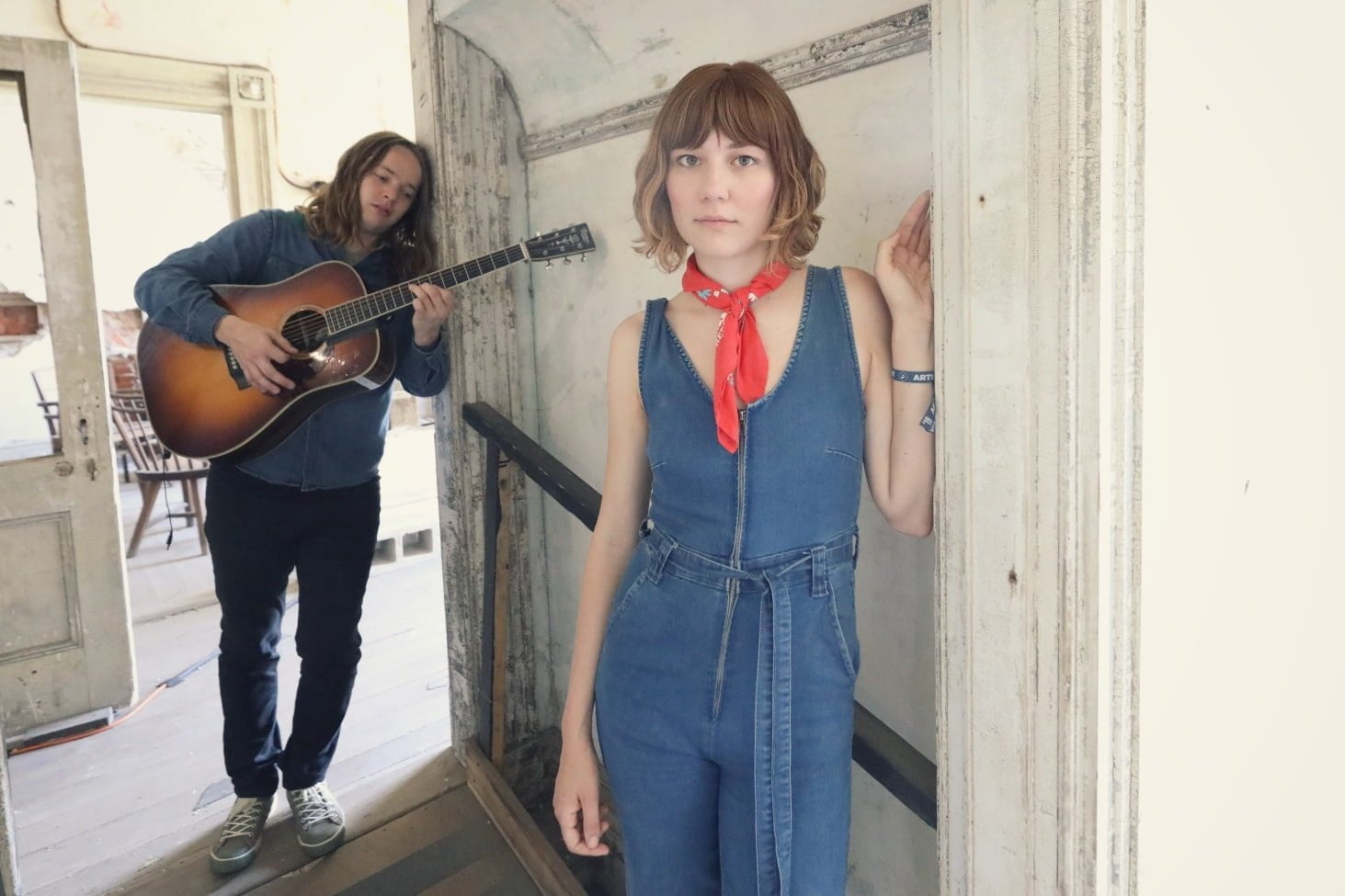
“Sleepwalking” — Molly Tuttle (2019)
This year truly felt like sleepwalking. Through a world that disappeared.
In the Bahamas, after a month of daily radiation sessions and a mere handful of weeks before my operation, I walked straight into the Atlantic until the cold, steel blue water covered my head. I pleaded, I begged the sea to carry me away. To be allowed to float away with my fears. I cried into the saltwater.
Each time, as I listen to Tuttle’s voice — not angelic, no, but cosmic — grasping for the highest altitudes of her breathy vibrato, I hear my own personal flailing. My desperation to find an anchor, to not be woken up, to be left fantasizing about drifting away on the waves and the sounds of a voice that is that anchor, that is the one thing coming in clear through the static.
Another lesson learned from cancer: sometimes, you have to be your own anchor.
“Sit Here and Love Me” — Caroline Spence (2019)
My own helplessness over the last year was somewhat expected, but I was surprised that it wasn’t simply typified by the inability to help myself. There’s a deep, despairing helplessness found when you wish you could help others help you. To alleviate their helplessness. And I couldn’t. So often all I could do to help others help me was to ask them, with all of the kindness and compassion I could muster, to just sit here and love me.
I did not anticipate the hot, searing pain of telling my mother — a kind, generous, selfless woman who would admit time and time again, “If I could take your place, I would in a heartbeat” — telling her not merely once, but time and again, “This isn’t a problem you can solve. I just need you to hear me and love me.”
I know you hate to see me cry… and to hurt, and to fade into the nothingness of a round of chemotherapy, and to face doctors telling me my life and my body will be forever changed, and to know that there’s nothing you can do to step in, to interrupt the deluge pouring over me.
… But I just need you to sit here and love me.
“Keep Me Here” — Yola (2019)
Going through cancer when you’re single is difficult and complicated, but especially so as a young, gay man experiencing colorectal cancer. In the darkest moments, in the loneliest hours, when I craved physical affection, a hand to hold, a big spoon to lull me to sleep, a shoulder in which I could hide my eyes from the world — and with them, all of my worries and cares — I had nowhere to turn. Hook-up culture and the apps that have come along and monopolized queer entry to romantic and sexual relationships aren’t built for finding a security blanket for a battle with a lethal illness.
And so, in those moments, I turned to my ex. The reasons for our relationship ending notwithstanding, I think we’d both readily volunteer that we don’t think we’re a match. At least, not with a capital M. We live in that strange, queer space of happily being more familiar than platonic friends in that precipitous, somewhat intangible realm of deep connection — predicated on almost three years together — and unspoken boundaries.
He’s an entertainer, traveling the globe for work, ducking back into my life between contracts, each time leaving me with an ex-shaped chasm in my heart. My visceral yearning for closeness, for affection physical and emotional and spiritual, is a cacophony in my head each time, defiant against being denied these needs after having them finally fulfilled. Even if by someone who was not mine, nor could be, nor really should be.
Every time he left, I would love him a little more. It’s a strange thing to give love to someone so dear without being in love with them. So, I cried along with Yola, led by her expressive, assertive, grief-stricken vocals. I shouted along with Vince’s harmony in my car, trying to drown out the maximum volume. I waited a long time, for the right time to tell my ex how much I needed him, how much I wish I didn’t have to need him, I wish cancer didn’t require me to, but it did. I’m not sure the right time has happened yet, but I’ve tried — and I’m still holdin’ on.
“You’re Not Alone” — Our Native Daughters (2019)
Context matters. Circumstances matter. Privilege matters. It’s nearly impossible to listen to the stunningly timeless music of Our Native Daughters without considering these things. Songs mined from the experiences of women of color, of enslaved peoples, of folks categorically and systematically oppressed might seem like the last place a cisgender, white man like myself could seek comfort, but the salve here is twofold. First, to see and be seen. “None of us is here for long / but you’re not alone.”
Second, even in the extreme misfortune and despondency I’ve faced through my journey back to health, I ought to be reminded — I want to be reminded — of my privilege. Of how fortunate I am. Of the ample opportunities and advantages afforded to me by my race, my income level, my geography, my access to world-class medical care, my ability to work and continue working through my diagnosis and treatment, my support system, and on and on.
Yes, we all face our own trials, our own sorrows, and they are no less valid or troublesome because someone else in the world may have had it much, much worse. But the reminder is helpful, it’s cathartic, it’s therapeutic. And, while these injustices continue, while thousands and thousands of others are left in the shadows, we mustn’t take our privilege for granted.
Our Native Daughters use their platform to remind us of this, and no set of circumstances — no, not even cancer — is such that any one of us ought not hear that message. In the process, we might just uncover something limitlessly resonant that we didn’t expect to find.
“Everything’s Fine” — Jamie Drake (2018)
Maybe tomorrow we’ll find / everything’s fine.
Maybe tomorrow…
Maybe tomorrow…
Maybe tomorrow…
For 365 days. And more. Longer. And longer. And looooooonger. But you know what, the cinematic feel of this exquisite, arty folk-pop isn’t coincidental. It’s a deliberate tease. It’s dangling the carrot, leading you toward the conclusion that this is just part of the story. There is a tomorrow. You can hear the future in the sigh of the background vocals, in the whimsical harps, and it sounds good. It sounds like we might just find that everything is fine. And if we don’t (we won’t. At least not always), that’s fine too.
I hope in that future I’m able to option the rights to this story of mine and make a movie, if not for the sake of monetizing the misery I’ve endured, at least so that we can include this stunner on the literal soundtrack. Because that’s where it belongs.
Roll credits.
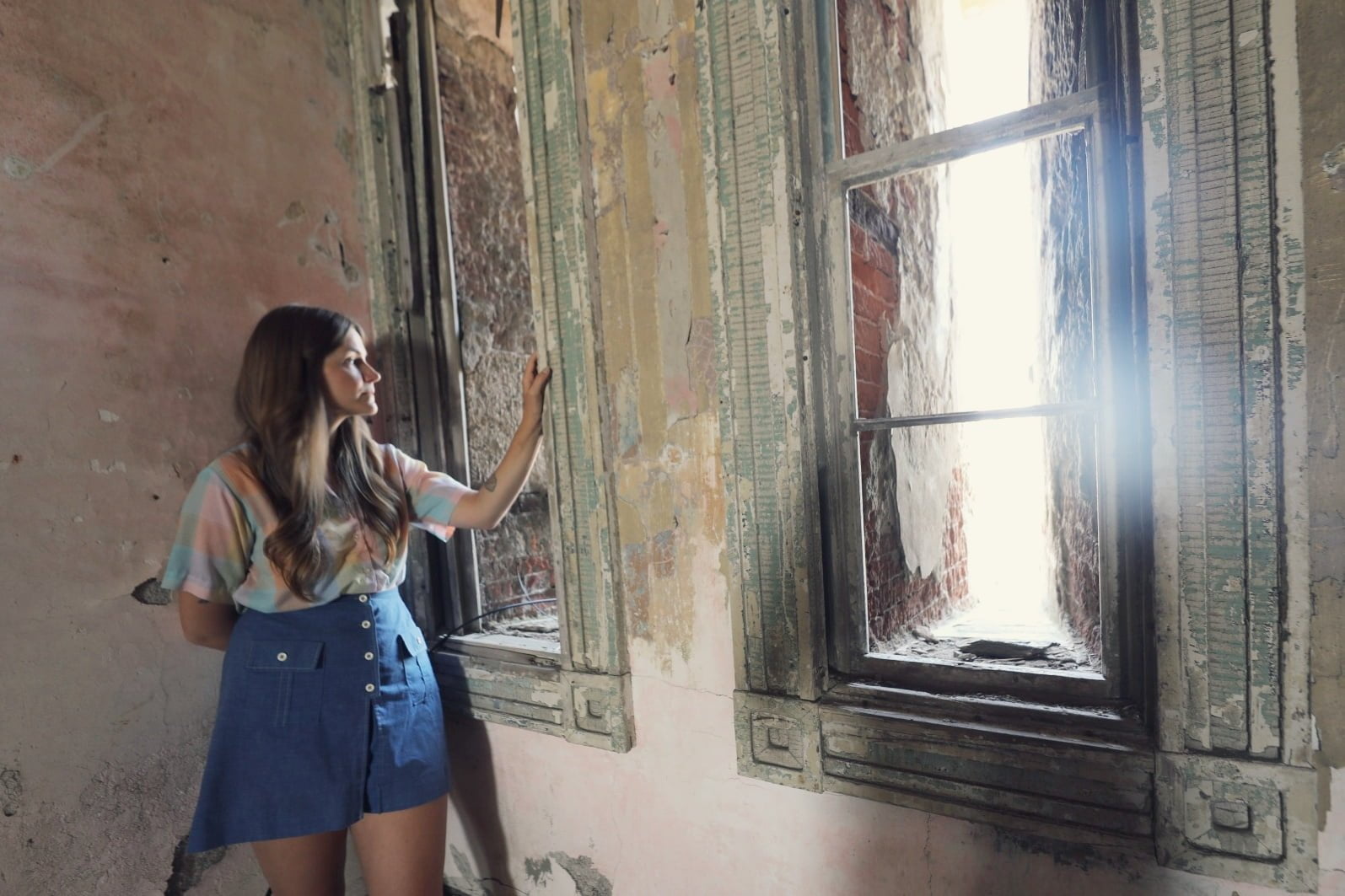
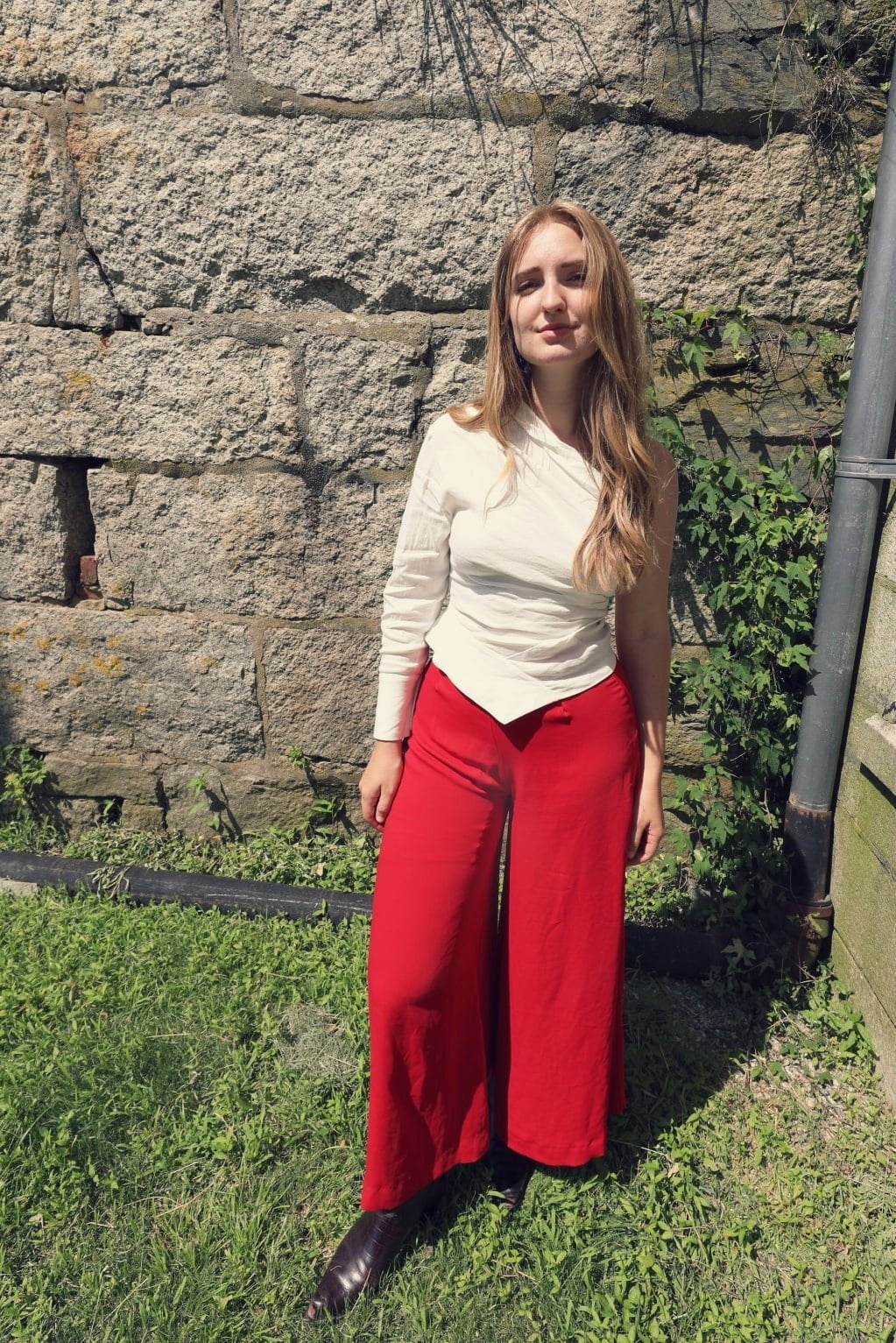
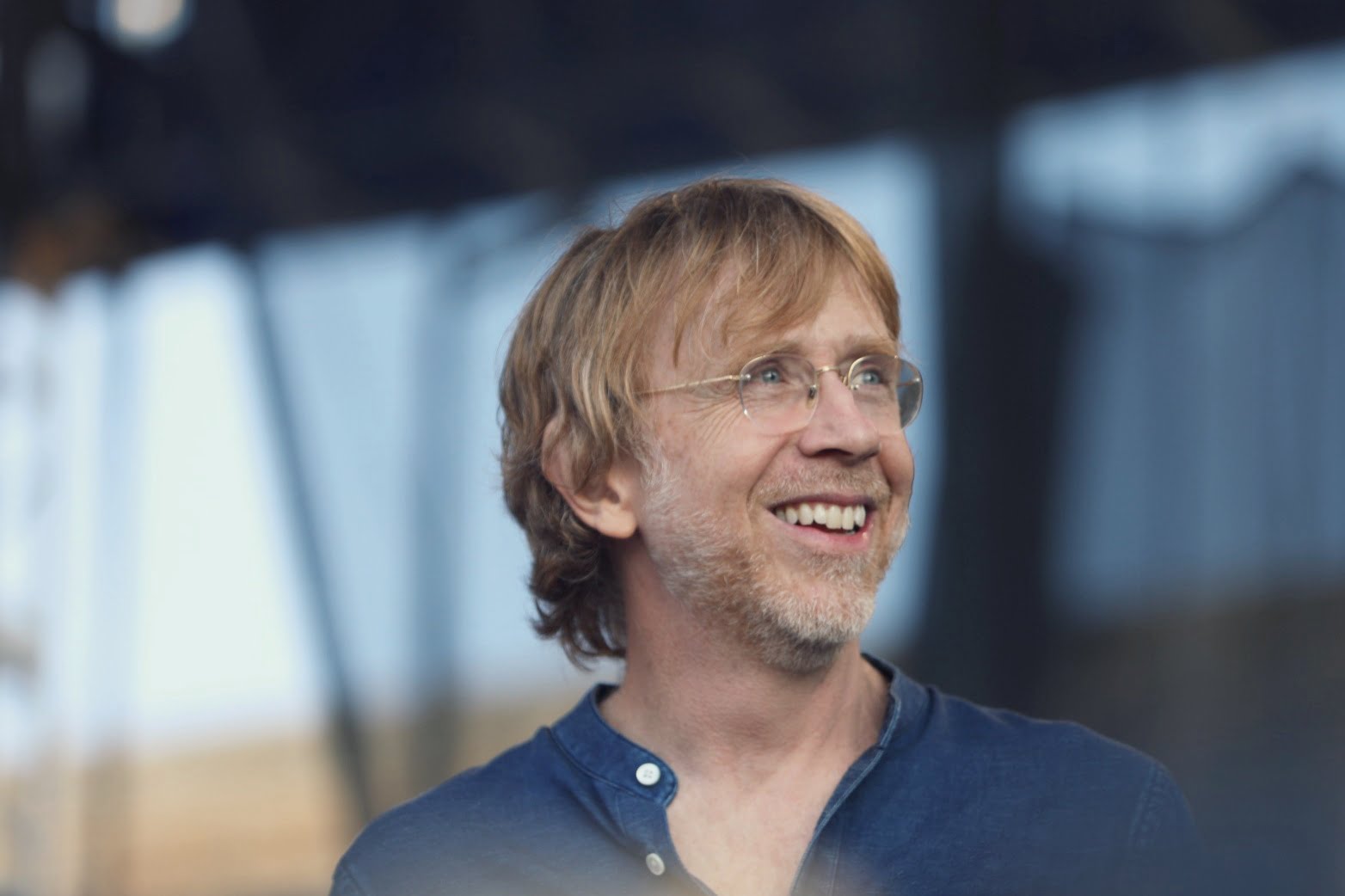
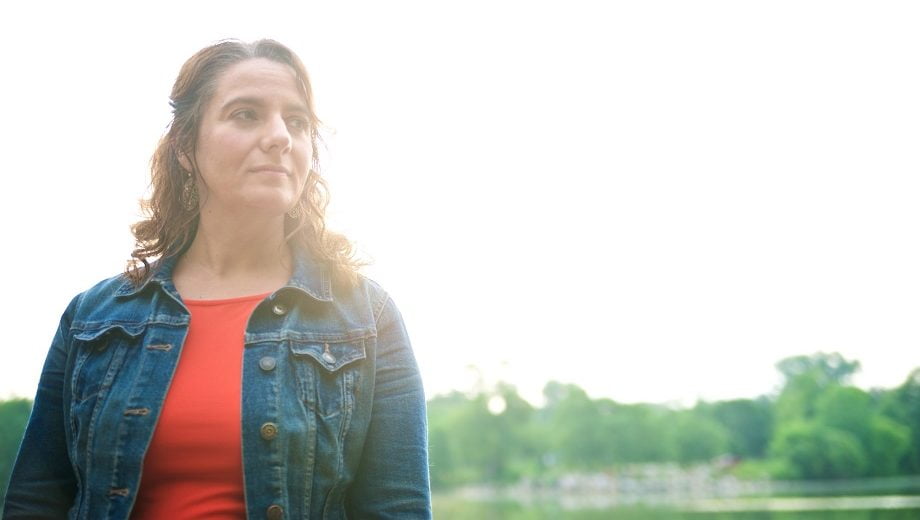
Photo courtesy of the author