From Banjo to the Blues, This North Carolina Writer Tells One Big Story

I came to North Carolina three decades ago, as music critic for the Raleigh News & Observer, knowing very little about the state’s music. Yes, I was plugged into the college-radio end of the spectrum, from Let’s Active to The Connells, and I’d at least heard of Doc and Earl (Watson and Scruggs, respectively). But there was a lot more to it, obviously, and the joy of my career was figuring out that North Carolina’s many disparate strains — old-time and bluegrass, blues and country, rock and pop, soul and r&b, jazz and hip-hop, and of course beach music — were all part of one big story.

I tried to tell that story in Step It Up and Go: The Story of North Carolina Popular Music, from Blind Boy Fuller and Doc Watson to Nina Simone and Superchunk, based on many years of reporting, researching, and listening. It’s a story that covers a lot of ground from the mountains to the coast in The Old North State and beyond, with the likes of James Brown, Bill Monroe, and R.E.M. showing up in key cameo roles at various points.

As we’ve tried to convey with the book’s subtitle, it involves a wide range of music, from the roots music of bluegrass forefather Charlie Poole and bluegrass-banjo inventor Earl Scruggs to Ben Folds Five’s “punk rock for sissies,” super-producer/deejay 9th Wonder’s hip-hop to the Avett Brothers’ post-punk folk-rock. And what ties all of it together? Glad you asked! The narrative thread running through Step It Up and Go is working-class populism, a deeply rooted North Carolina tradition that runs into the present day. The simple detail of how to earn a living is a pretty prominent feature of each chapter, starting with the four acts in the subtitle.

Fuller (whose 1940 Piedmont blues classic provides my book’s title) and Watson were both blind men who turned to music as a way to provide for their families when few other avenues were available. Eunice Waymon’s plans to be a classical pianist were derailed and she had to start singing pop songs in nightclubs for a living, taking the name Nina Simone because she knew her Methodist preacher mother would not approve. And Superchunk is a punk band known for the 1989 wage-slave anthem “Slack Motherfucker” — and also for running Merge Records, one of the most improbably successful record companies of modern times.

Across genres, the state’s musicians have a proud, idealistic pragmatism that manifests as a certain mindset in which North Carolina is “The Dayjob State.” It’s an outlook that a lot of our state’s greatest artists retain even after music stops being a hobby and they go pro. Two of the state’s best-known Piedmont blues players, Elizabeth “Libba” Cotten (of “Freight Train” fame) and master guitarist Etta Baker, had amazing careers as musicians even though they didn’t seriously pursue it until they were both in their 60s. Pastor Shirley Caesar was even older, pushing 80, when she had a viral hit with her old chestnut “Hold My Mule.”

In the modern era, Carolina Chocolate Drops alumnus Rhiannon Giddens has run her career as a lifelong learning experience, involving academic research as well as performing, bringing long-forgotten or even unknown history and ancestors to light in the 21st century. With her creative work spanning from Our Native Daughters to an original opera score, Giddens honors her musical roots while retaining a spirit of collaboration, as many North Carolina musicians have done before her.

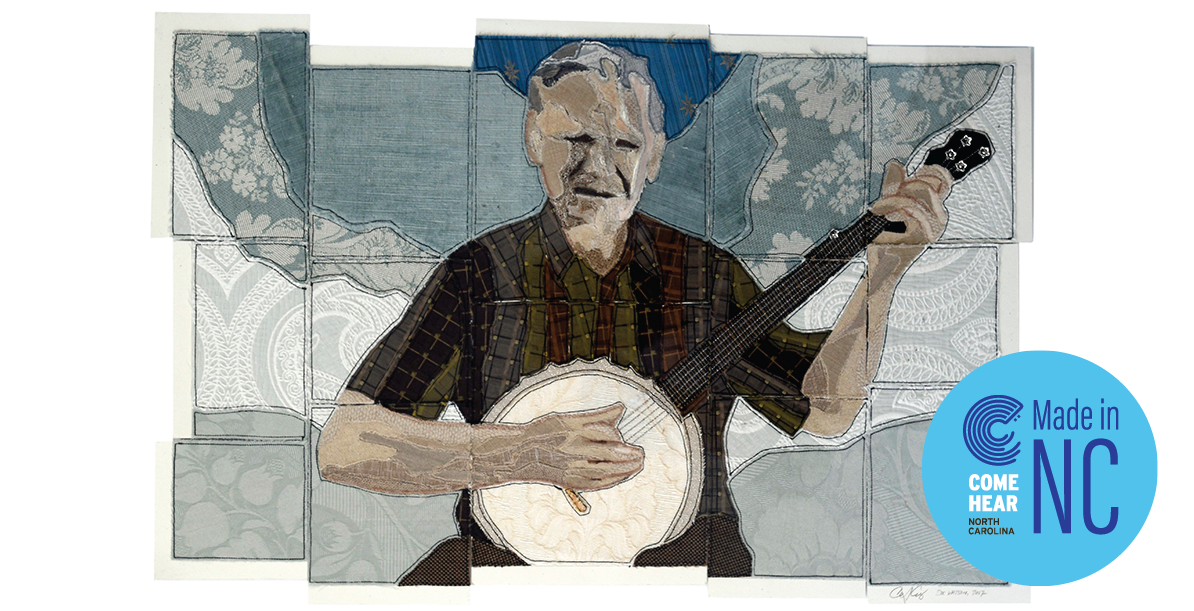
Or consider the aforementioned Doc Watson, who died in 2012 as one of the 20th century’s greatest musicians. A flatpicking legend who played guitar better than almost anyone else ever had, he nevertheless carried himself with a self-deprecating nonchalance; he just never seemed as impressed with himself as the rest of the world was. Barry Poss, whose Durham-based bluegrass label Sugar Hill Records released 13 of Watson’s albums over the years, used to express his frustration over Watson’s retiring nature and habit of deferring to other players even though there was never a time when he wasn’t the best musician in the room.

But that didn’t hurt Watson’s legacy in the slightest, and maybe it was just his way of dealing with the world. Jack Lawrence, one of Watson’s longtime accompanists, once told me that if he had been sighted, Watson probably would have been a carpenter or mechanic while picking for fun on weekends. Turns out that Doc was a homebody who would rather have spent more time at home in Deep Gap.

“Ask Doc how he wants to be remembered, and guitar-playing really doesn’t enter into it,” Lawrence said. “He’d rather be remembered just as the good ol’ boy down the road.”

Like the rest of North Carolina’s cast of musical characters, he’s remembered for that and a whole lot more.


Doc Watson needleprint, fashioned out of upholstery fabric samples by artist/musician Caitlin Cary in 2017. (Photo by Scott Sharpe.)

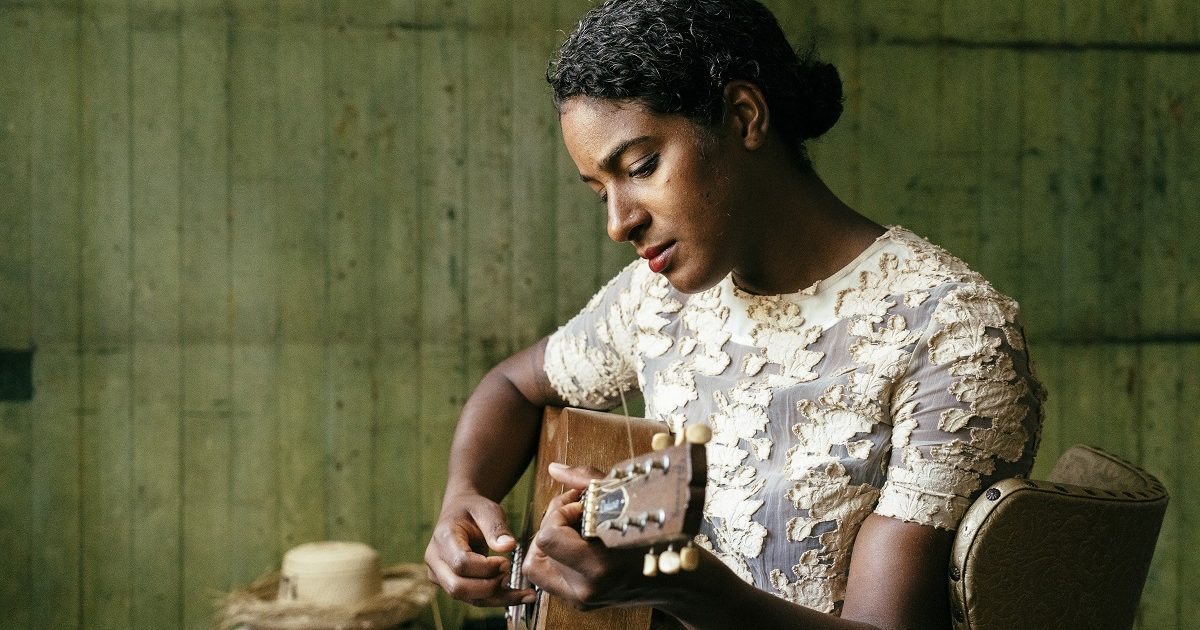
BGS 5+5: Leyla McCalla

Artist: Leyla McCalla
Hometown: New Orleans, Louisiana
Latest album: Vari-Colored Songs: a Tribute to Langston Hughes (reissue)

What’s your favorite memory from being on stage?

My favorite memory from being on stage was at the New Orleans Jazz and Heritage Festival in 2019. To be clear, New Orleans shows are always my favorite shows. People LOVE music in New Orleans and the connection you feel with the audience is transcendent. I have played Jazzfest almost every year since 2012, but 2019 was the first year that I got to play the Fais Do-Do stage. I invited Topsy Chapman and her daughters Yolanda and Jolynda to sing with me, which was a total trip, because I had never had background singers on stage with me. I also invited my friend Corey Ledet, the accordion dragon, to play on a couple of songs and the addition of accordion to the sound of my band is something that I continue to long for. We all left that stage flying high.

What other art forms — literature, film, dance, painting, etc. — inform your music?

I am deeply inspired by what I read. Something about reading words on a page and the mindfulness that it takes to absorb that information inspires me to write music. Perhaps it’s the quietness of that activity that helps me to hear music. While I really enjoy biographies, I also love poetry and the rare novel.

What was the first moment that you knew you wanted to be a musician?

I studied classical music very seriously from the age of 12 to 15 and was determined to make a career out of my cello playing. But the moment that planted the seed for the musician that I am today happened when I was 18 years old. I met my teacher and mentor Rufus Cappadocia, a phenomenal cellist who plays a self-designed five-string cello, at a party in Brooklyn. He was playing with a band called the Vodou Drums of Haiti. This experience absolutely blew my mind. Seeing the cello in that context instantly changed the direction of my musical pursuits and gave me a sense of possibility of what cello playing could be outside of the classical context.

What’s the toughest time you ever had writing a song?

The toughest time that I ever had writing a song happened with the song “I Knew I Could Fly.” I had been playing the guitar riff for the song for years, always struggling to figure out what the words, if any, should be to the song. Every path I went down felt insincere and I laid the song to rest several times before bringing it to the Native Daughters session in Breauxbridge, Louisiana. Alli Russell helped me to talk out my idea, which led to a breakthrough and we ended up co-writing the lyrics to the song and recording it the next day. I’ve always been surprised and pleased that of all of the songs on the Songs of Our Native Daughters album, that song ended up with the most plays.

If you had to write a mission statement for your career, what would it be?

I believe in the power of music as a healing force. I use the process of making music to understand the world that we live in and to direct my own healing. I share that process to connect with people and to aid in our collective healing. I am committed to understanding the role that history plays in creating our reality and how music can help us to process our emotions and increase our empathy for each other.


Photo credit: Rush Jagoe

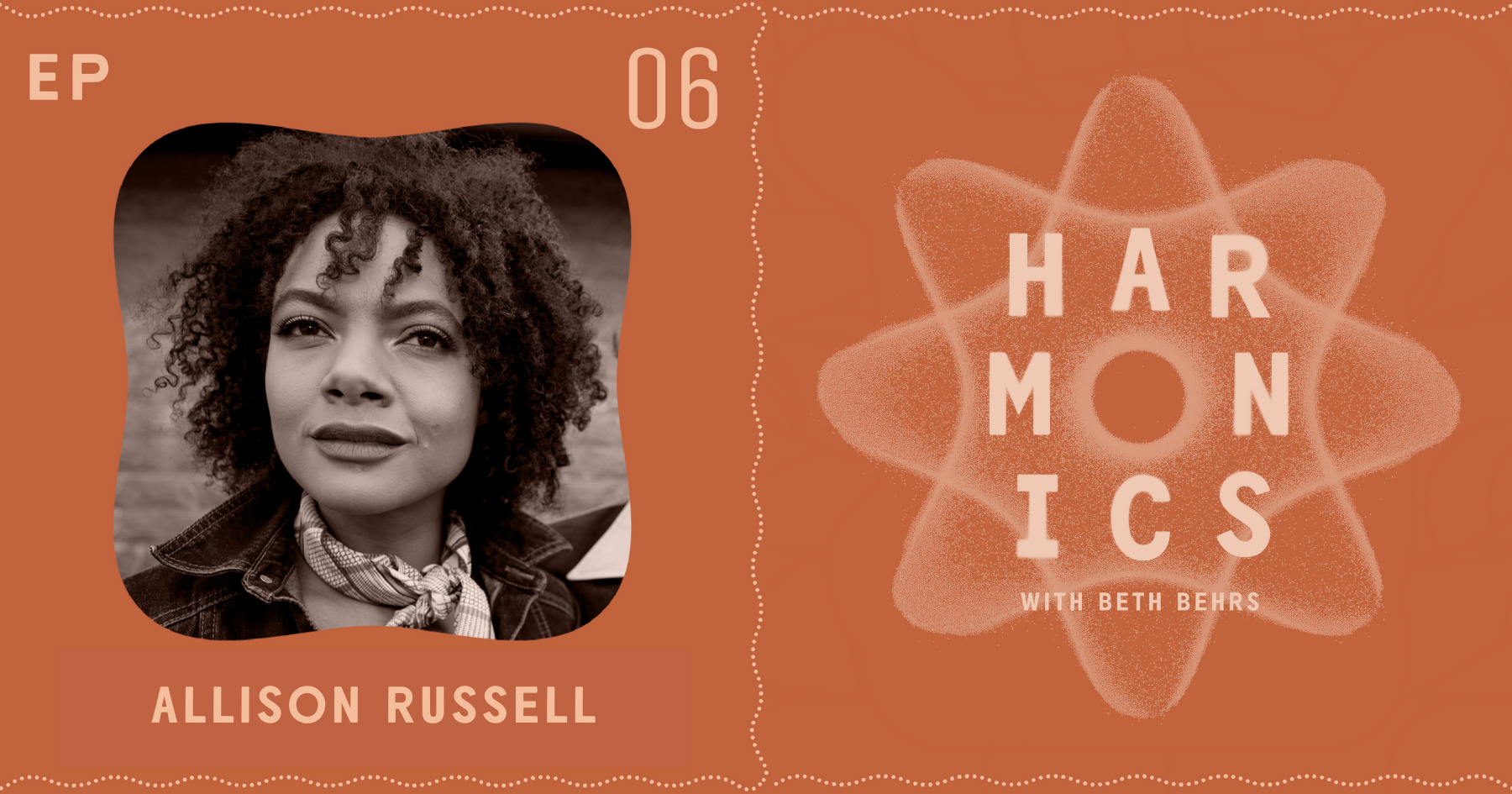
Harmonics with Beth Behrs: Episode 6, Allison Russell

Allison Russell is one half of acclaimed roots music duo Birds of Chicago, with her husband JT Nero, and a member of Americana supergroup Our Native Daughters.

Powered by RedCircle

LISTEN: APPLE • SPOTIFY • STITCHERAMAZON • POCKET CASTS • MP3

Editor’s Note: This episode contains intense and honest descriptions of trauma that may be triggering to some listeners. While there is nothing directly explicit in the content, listener discretion is advised.

Born and raised in Quebec, Allison Russell survived a traumatic childhood, teaching herself various instruments as a way to cope before eventually finding her voice within the Vancouver music scene. On this episode of Harmonics, Russell talks with host Beth Behrs about those traumas, the healing power of music and artistic community, the history of the banjo, the intersectionality of the honest conversations currently being had in our culture, and much, much more.

In addition to her career with Birds of Chicago, Russell is one quarter of Americana supergroup, the Grammy-nominated Our Native Daughters, with Rhiannon Giddens, Amythyst Kiah, and Leyla McCalla, and is preparing to release her first solo album. She and JT Nero live in Nashville with their daughter.

Listen and subscribe to Harmonics through all podcast platforms and follow BGS and Beth Behrs on Instagram for series updates!


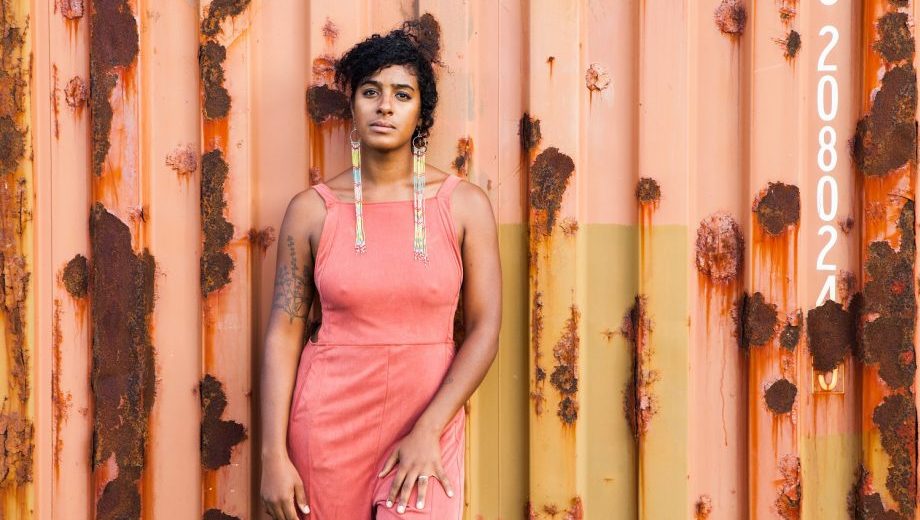
The Show On The Road – Leyla McCalla

This week The Show On The Road features a conversation with Leyla McCalla, a talented, multi-lingual cellist, banjoist, and singer/songwriter.

LISTEN: APPLE PODCASTS


Born in New York, raised in New Jersey, and McCalla is now based in New Orleans, where she raises three kids (she often tours with them in tow). McCalla often honors her Haitian heritage, bringing listeners into a vibrant world of Creole rhythms and forgotten African string-band traditions by introducing them to a new audience with her own powerful creative vision.

You may know McCalla as an integral part of two different roots supergroups: the Carolina Chocolate Drops and Our Native Daughters. But for much of the last decade, she has put out heady, ever-surprising solo projects. The latest, The Capitalist Blues, harnesses the brassy, percussive sounds of New Orleans; her previous record, A Day for the Hunter, A Day for the Prey, was also a standout, putting her gorgeous cello-work center stage while also examining powerful Haitian proverbs and Haiti’s often-overlooked, tragic history.

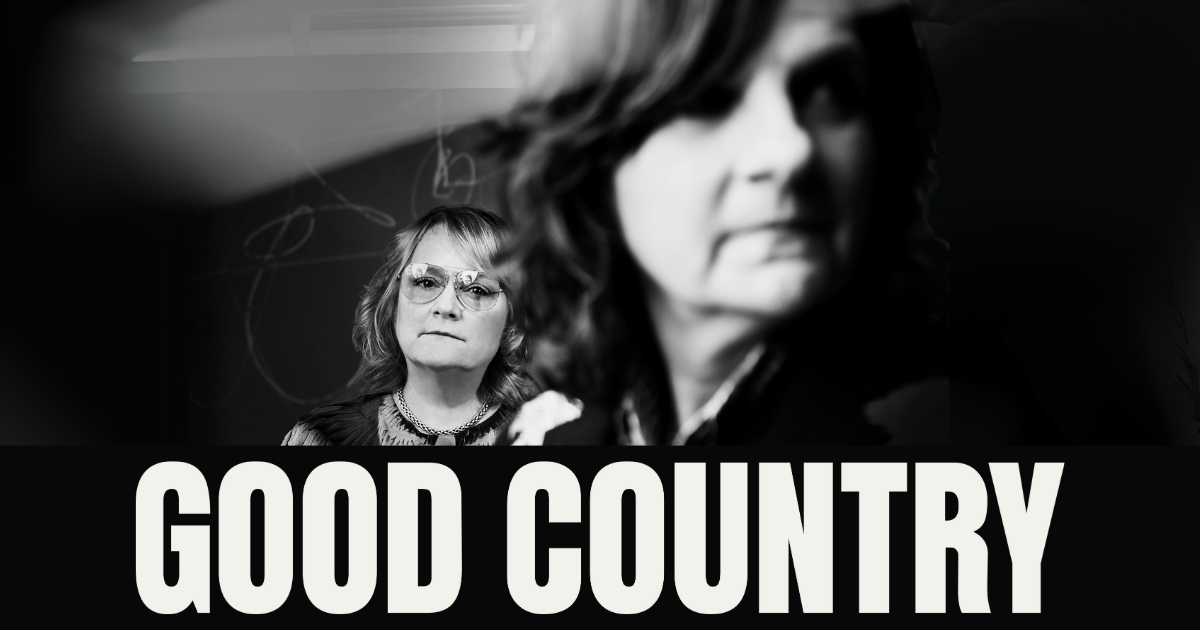
Indigo Girls Expand “Country Radio” With Black, Brown and Queer Musicians

Hollywood, the 2020 Netflix series from director-screenwriter Ryan Murphy, is a resplendent show dripping in Art Deco that does not wholly reimagine Los Angeles’ golden era, but rather subtly inserts a quintessential question: “What if?”

What if Hollywood hadn’t been as… ___-ist? (Sexist, racist, misogynist, ageist, etc.) If one happens to be born into a region, a folkway, a culture, an art form that doesn’t include you, or that doesn’t quite love you back, one often doesn’t realize it until it’s too late. And then what? Do we, the rural, country-loving queers, wait around for our Ryan Murphy to reimagine the world to better include us? Not quite.

For Emily Saliers and Amy Ray of Indigo Girls — and, for that matter, almost each and every queer who has ever loved roots music — that “What if?” question is existential, but it also doesn’t matter. What if country music loved LGBTQ+ folks? The lyrics of “Country Radio,” a track off the duo’s sixteenth studio album, Look Long, tell it plainly: “But as far as these songs will take me/ Is as far as I’ll go/ I’m just a gay kid in a small town/ Who loves country radio.”

While curating the following playlist of their favorites from country music airwaves and songs they wish were included there, Saliers and Ray offer a quite simple solution actionable in each present moment: Be who you are, listen to the music that brings you joy, love who you love — and be anti-racist.

Emily Saliers: [I began with the idea:] What are the songs that I listened to that I latched onto, that sort of gave me a feeling of “I can’t get into this song [because of its heteronormativity], but I love this song so much”? One of the first songs that came to mind is “Mama’s Song” by Carrie Underwood. 

I should preface this by saying, I don’t expect that there can’t be heteronormative country songs, or that queer life has to be explicitly represented in songs, it’s not that. It’s the feeling of the way a song moves me emotionally, but then it stops me a little bit short of being able to fully experience it because of the language or the obvious implications of man and woman.

I love Carrie Underwood’s voice and she’s taken more of a harder, pop direction since “Mama’s Song,” but she sings this so beautifully. She’s talking to her mother, “He is good… he treats me like a real man should,” and yet the beauty of her song [is in] her telling her mom that’s she’s going to be okay. 

Amy Ray: For me it’s a little different because I never had the experience of feeling like I wish I could put myself in a song. I think it’s because, gender-wise, I always just related to the male singers. I kinda have that gender dysphoria, you know? [Chuckles] I have these filters that sort of make it my own — probably out of necessity, from growing up loving the Allman Brothers, Pure Prairie League, and Randy Travis so much. [Sings] “Amie, whatcha gonna do?” Pure Prairie League!

It’s very odd — Emily’s perspective on this is something I can understand, and I agree that it’s this weird disconnect with country music. We have to kind of acclimate it to ourselves, in some way, using some kind of trick in our minds. But I’ve always had that internal translator…

ES: Another example is Brett Young’s “In Case You Didn’t Know.” Now this is a song that you can listen to and fit your own queer life into it — as far as I remember it doesn’t have any gender pronouns. Then I watched the video and of course he’s singing to a woman who comes into the audience and he plays to her, alone. It’s a love song to his girlfriend — or wife or partner or whatever — so I could live in that song and think back to relationships and apply it in my own life, but then I watched the video and that door shut a little bit.

AR: I love Angaleena Presley, the Pistol Annies. Presley is such a great writer. “Better Off Red” is one of my favorite songs that she’s written… Honestly, if I hear songs, if I like it, I just put myself in it. I don’t really think about it or worry about it. It’s a survival mechanism from my youth, not that it’s the right thing to do. It’s built inside me.

…I thought you couldn’t be a country singer if you were gay and left-wing and a complete dyke. That made me feel more alienated than the songs themselves, that idea of its inaccessibility. Or, if you went to a show and you were sitting there in that audience, in the early days before it all kind of busted open, you would feel scared. Or judged. Or uncomfortable.

ES: Think about what a splash that song by Little Big Town, “Girl Crush,” had. Just the implication of a lesbian relationship or feelings! That song was a big hit, but it got people talking. [Probably] the majority of the people in this world lean more heteronormative, so they’re representing themselves in these songs. There’s absolutely nothing wrong with that. 

I wouldn’t want to listen to just albums that are for and by queer people, oh my god. No way! But we have to have them as part. I think about what an influence Ferron was, how much Amy and I love Ferron. When her first album came out, it was like, “Oh my gosh this is one of the best songwriters in the country and she’s queer!” I can’t describe how important it was to have an artist like that.

Even Lil Nas X, who had the number one hit forever-ever-ever with Billy Ray Cyrus. It’s awesome to know that he’s queer! And a guy like Young Thug, a rapper out of Atlanta, who’s not gender normative by any stretch, to me. It’s interesting. It’s good to have a mish mosh! It’s not that the majority of songwriters out there can’t be represented in their own songwriting, we just have to have ours, as well.

AR: [We] should add Amythyst Kiah. Amythyst is amazing.

[Racism] is the pivotal struggle of the Americana scene and the roots scene. How do you honor Black and Brown folks who want to be in this scene — and maybe some of them don’t even want to be in this scene because even Americana is rooted in questionable legacy. How much do people of color want to be immersed in that scene when it still feels so racist? Even the best parts of it. It’s a huge question to unwrap and it has to do with such a long history of where country music came from.

We stole the banjo and put it in our hillbilly music in the mountains and called it our own. We forgot all the stuff we learned from “our slaves,” you know? It’s crazy to me, if you think about the racist roots of where a lot of this comes from. Merging this racist legacy with this incredible populist music — music for the people, like Woody Guthrie, like the Carter Family. You get those two things bumping up against each other constantly, how do you entangle that and make this a space where it doesn’t matter what color you are? Where it doesn’t matter what your religious persuasion, or your political party, or your gender, or your sexual preference, or anything.

I think the way we deal with it is by all of us thinking all the time and being mindful of [that racist history]. And including [Black artists] in our playlists and touring with them. Some people are like, “What does it mean if you’re forcing this integration? Is it just going through the motions?” No! No, no, no.

ES: I’ll [echo] the things that Amy said, practically: Tour with Black musicians or Brown musicians or musicians who have not been able to feel that they’re welcome and make everybody welcome. Like Amythyst or Chastity Brown. Those are artists of color who have been discriminated against, who feel other-than in the world of their genres.

I think, first, we all — we white people, we people “of no color,” we “colorless” people — should dig deep, identify our own racism and how far it goes, how much we use it. Break it down, talk about it, identify it in each other. Really start from the core of things and hopefully act outwardly as a result of what we’ve dug through, inwardly. Try to heal and fix, you know? We’ve got to ask artists of color what their experience is like and why it’s like that. I’ve got to assume that there must be some Black artists, who if they hear a song from a white, country, roots singer about the freedom of driving down a dark, country road, they’re not going to feel the same way about the history of Black people down dark country roads. A lot of it is context and, as Amy says, there’s so much to be unraveled. But we are at a tipping point.

AR: Sister Rosetta Tharpe, I feel like there’s a lot of crossover, to me from that and the beginnings of early rock ‘n’ roll. That’s kind of what Elvis Presley was doing and borrowing from. I think about that sometimes, that territory. I like old recordings, like field recordings almost, of all the Alan Lomax type stuff he would collect. Field songs, prison songs. I think a lot of country writers have taken from that stuff, you know? 

I remember an interview with Kathleen Hanna that really resonated with me. She said, when they ask you who your favorite artists are, most of us name all these male artists. That’s who we can think of, because that’s who’s archived the best. Straight men, bands, and writers. If you sit down and really think about who you love and make a list of the women and the queer folks — this is what she was talking about, she wasn’t talking about color at the time or race or the social construct of race — and you take that list to your interviews and rattle off those names, you’ll be more honest, because you’ll be talking about who you really listen to and not just trying to remember [anyone] off the top of your head. 

People are so out of the habit — and so in the habit — of white supremacy that we don’t even know how to do the right things, just in our instincts. We have to learn, write it down, so we remember to do it.


Photo credit: Jeremy Cowart

This interview has been edited and condensed for clarity.
Americana Music Association Reveals 2020 Nominees, Expands Ballot

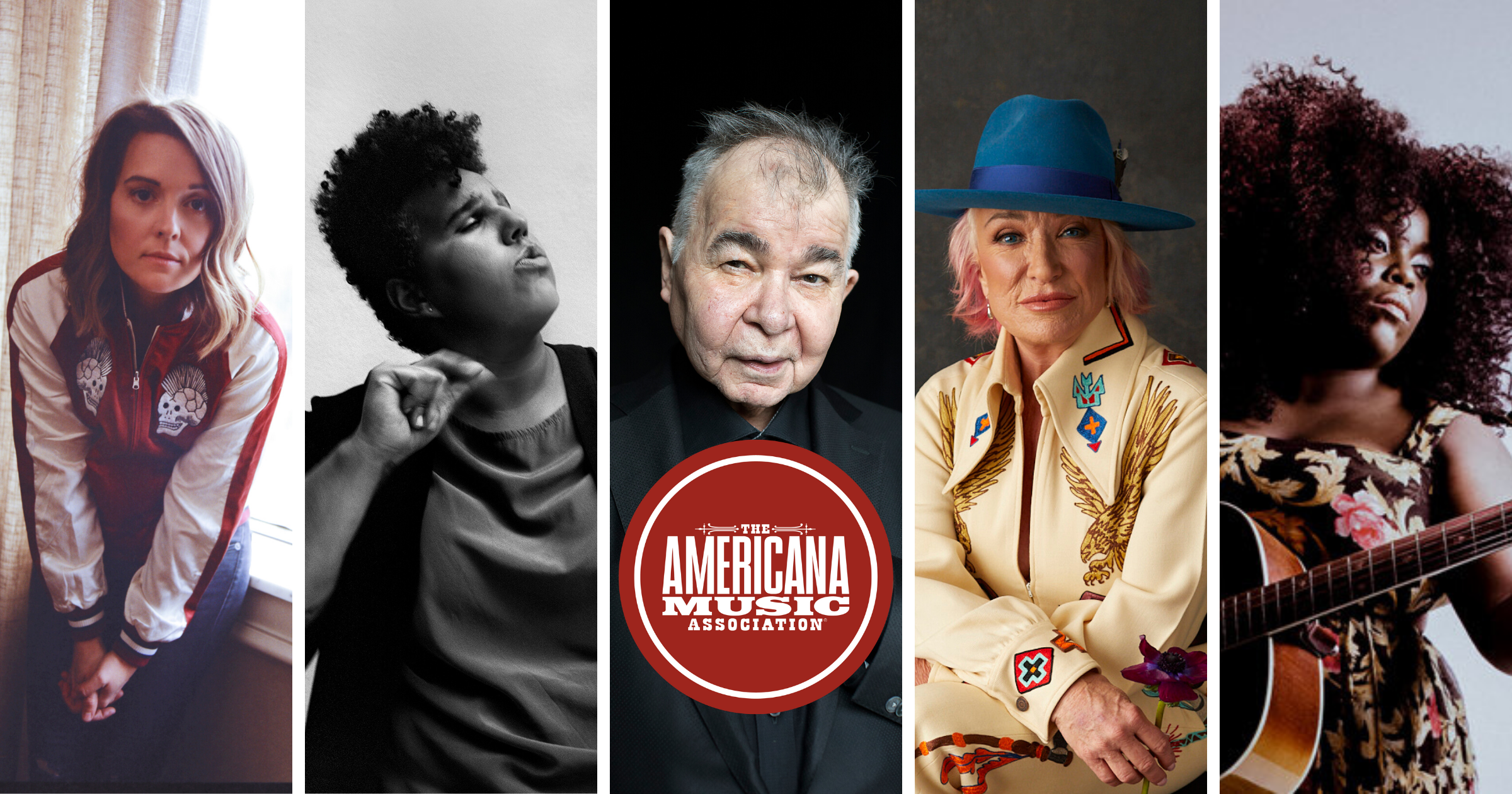
The Americana Music Association has revealed the nominees for its 19th annual Americana Honors & Awards, with Brandi Carlile, Brittany Howard, John Prine, Tanya Tucker, and Yola nominated for Artist of the Year. Nominees in the Duo/Group category are Black Pumas, Drive-By Truckers, The Highwomen, Buddy & Julie Miller, and Our Native Daughters. Nathaniel Rateliff and Aubrie Sellers received multiple nominations as well.

This year, the Americana Music Association expands its award categories to include five nominees instead of four, with the exception of Song of the Year, totaling six due to a nomination tie. The winners of each category will be announced during the Americana Honors & Awards on Wednesday, Sept. 16, 2020, at the Ryman Auditorium in Nashville.

However, a press release states that “the health and safety of the Americana music community is the association’s utmost concern, and the event organizers will continue to monitor the COVID-19 situation closely while following all national, state and local guidelines as they approach the scheduled ceremony date.” Ticketing information will be announced as plans unfold.

Here are the nominees for the 19th Annual Americana Honors & Awards

Artist of the Year:
Brandi Carlile
Brittany Howard
John Prine
Tanya Tucker
Yola

Duo/Group of the Year:
Black Pumas
Drive-By Truckers
The Highwomen
Buddy & Julie Miller
Our Native Daughters

Album of the Year:
And It’s Still Alright, Nathaniel Rateliff, produced by James Barone, Patrick Meese and Nathaniel Rateliff
Country Squire, Tyler Childers, produced by David Ferguson and Sturgill Simpson
The Highwomen, The Highwomen, produced by Dave Cobb
Jaime, Brittany Howard, produced by Brittany Howard
While I’m Livin’, Tanya Tucker, produced by Brandi Carlile and Shooter Jennings

Song of the Year:
“And It’s Still Alright,” Nathaniel Rateliff, written by Nathaniel Rateliff
“Bring My Flowers Now,” Tanya Tucker, written by Brandi Carlile, Phil Hanseroth, Tim Hanseroth and Tanya Tucker
“Crowded Table,” The Highwomen, written by Brandi Carlile, Natalie Hemby and Lori McKenna
“My Love Will Not Change,” Aubrie Sellers featuring Steve Earle, written by Billy Burnette and Shawn Camp
“Stay High,” Brittany Howard, written by Brittany Howard
“Thoughts and Prayers,” Drive-By Truckers, written by Patterson Hood

Emerging Act of the Year:
Black Pumas
Katie Pruitt
Aubrie Sellers
Billy Strings
Kelsey Waldon

Instrumentalist of the Year:
Ellen Angelico
Annie Clements
Brittany Haas
Zachariah Hickman
Rich Hinman


Photo credit: Brandi Carlile by Alysse Gafkjen; Brittany Howard by Danny Clinch; John Prine by Danny Clinch; Tanya Tucker by Danny Clinch; and Yola by Alysse Gafkjen.

AMA logo courtesy of the Americana Music Association.

The Show on the Road – Listen to These Black Voices

Something powerful is in the air. While we may have said that after similar unrest in the past — after Rodney King in LA, Trayvon Martin in Miami, Freddie Gray in Baltimore, and countless others — something about what is happening now feels deeper, heavier. Maybe it’s actually sinking in.

I normally try to put out a new episode of The Show on the Road podcast every other Wednesday. This week, that simply wasn’t possible. It was time to stop giving my endless opinions, to stop waxing poetic about harmony, to shut up about finding the meaning in every lyric and just be quiet, listen and learn.

I’ve been lucky to talk with truly amazing Black artists, songwriters, and performers in the two years I’ve been creating The Show on the Road. I ask you to go back into our archives and listen to these voices. — Z. Lupetin, host

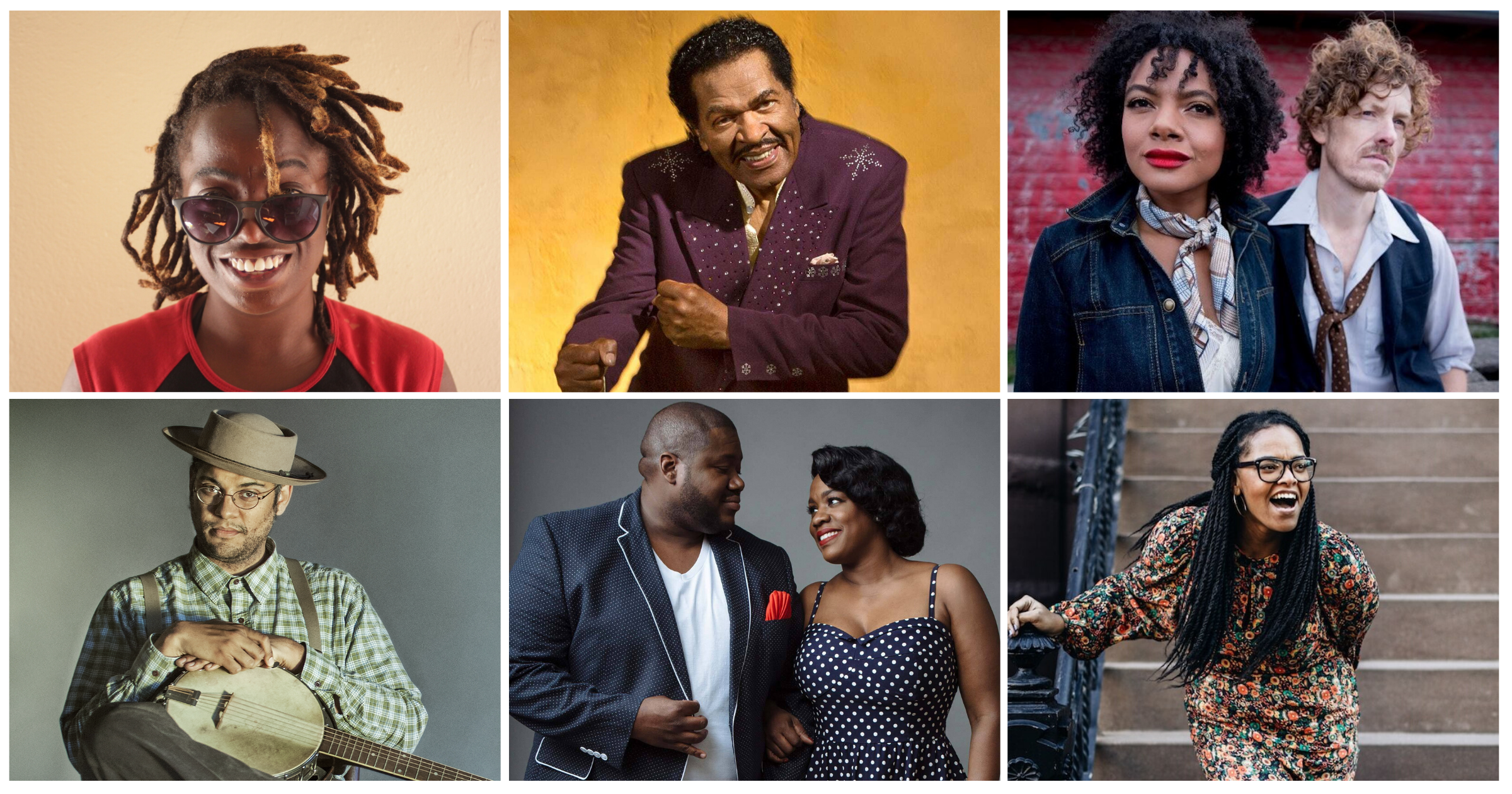
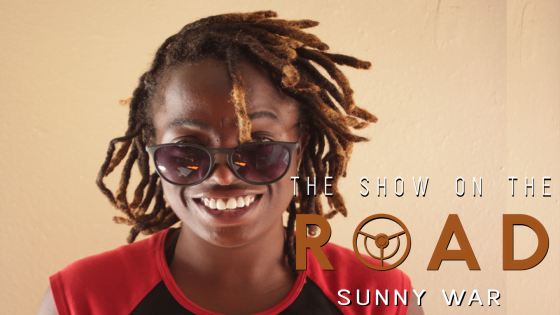
Sunny War


Discover a young, deep-voiced folk/blues artist like Sunny War, who overcame a troubled past with drugs and being unhoused in Venice Beach to create a series of critically acclaimed records that have brought her to festivals and venues around the country.

LISTEN: APPLE PODCASTS • MP3


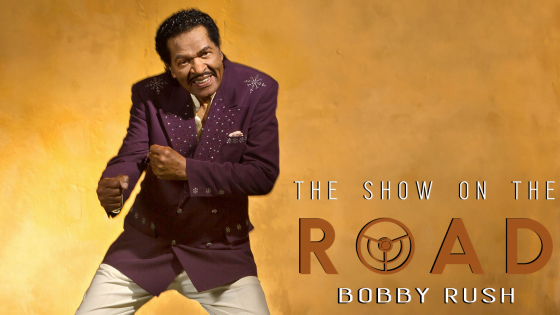
Bobby Rush


A sonic elder statesman, Bobby Rush came north from Mississippi during the great migration to work in the heyday of the Chicago blues and soul scene with Muddy Waters and Howlin’ Wolf. Rush has been making brashly funky and fearlessly sexy songs for decades, finally snagging his much-deserved first Grammy at the age of 86.

LISTEN: APPLE PODCASTS • MP3


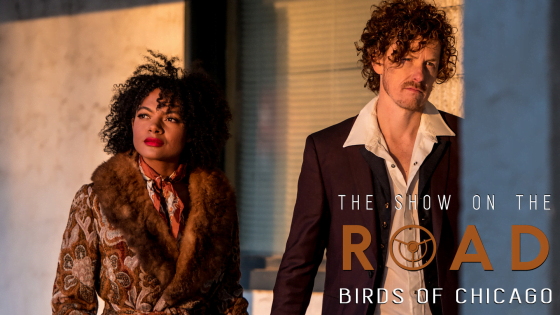
Birds of Chicago


Based in Nashville by way of Chicago by way of Montreal, Birds of Chicago are centered around the powerful chemistry of husband-wife duo JT Nero and Haitian-Canadian banjoist and clarinetist dynamo Allison Russell, who gives every audience chills when she sings about her fallen ancestors. How she is not an international star astounds me. You may have seen her newest creation as part of the African American, female banjo supergroup, Our Native Daughters with Rhiannon Giddens, Amythyst Kiah, and Leyla McCalla.

LISTEN: APPLE PODCASTS • MP3


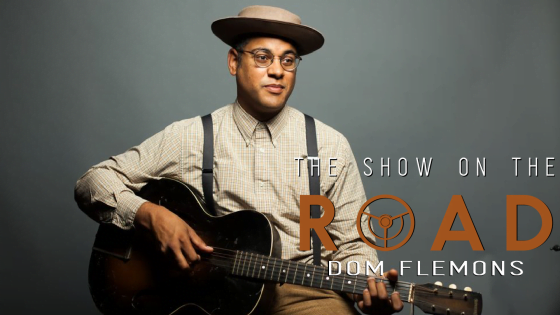
Dom Flemons


If you need to go back in time and educate yourself about Black cultural history (which you do), listen to our double episode with the great American songster Dom Flemons, who came up in the renowned Black string band Carolina Chocolate Drops. Of course, he has since struck out on his own to become a sought after, roving ethnomusicologist and music historian. His newest Grammy-nominated record brings us back into a forgotten world of Black cowboys, who don’t get the credit they deserved in helping settle the West.

LISTEN: APPLE PODCASTS • MP3

LISTEN: APPLE PODCASTS • MP3


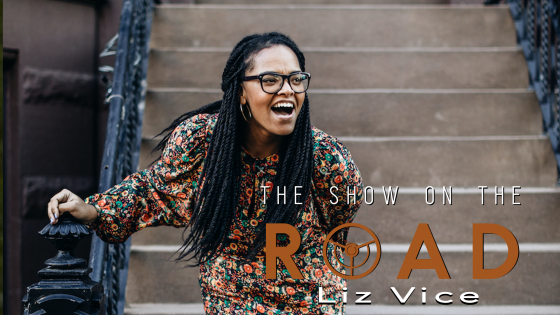
Liz Vice


If you’ve been having a crisis of faith and need a little musical medicine, Liz Vice’s episode is the ticket. Vice grew up in Oregon singing gospel music with her family and aiming to be a filmmaker. Her career as a songwriter and performer blossomed with homemade, deeply felt, deliciously soulful and social-justice-forward records (examining her faith and our ever-evolving relationship to a higher power). We recorded in an old church in LA, and her renewed version of Woody Guthrie’s “This Land Is Your Land” is haunting.

LISTEN: APPLE PODCASTS • MP3


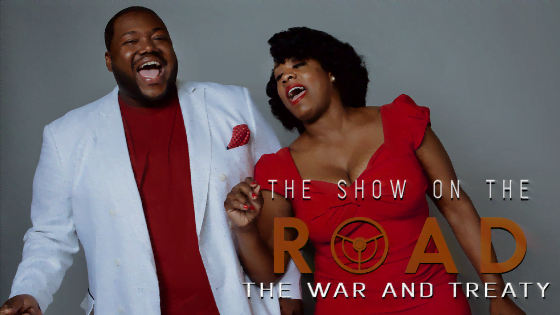
The War and Treaty


Finally, if you need a shot of pure, joyous harmony and unabashed rock ‘n’ roll spirit, our episode featuring The War and Treaty is exactly what you need. They show us how music can be a healing tide to rise all broken ships. How it can be a force for good, bringing now power-couple Tanya and Michael Trotter together against all odds after Michael came back from a trauma-filled tour of duty in Iraq and needed a way to reenter society and share the songs that had been brimming in his heart for decades. Hearing them sing together, how they complete each other totally, is all the hope I need right now.

LISTEN: APPLE PODCASTS • MP3


BGS Top Moments of 2019

If music happened in 2019, but wasn’t a “song” or an “album,” does it make a sound– er… does it warrant real estate in any of the many year-end pieces, wrap-ups, and lists hitting the internet on a daily (sometimes hourly) basis? Why, of course it does! Each year BGS notes Top Moments of roots music — whatever form they may take — as a way of reminding ourselves that the art we each consume, especially of the musical variety, is often at its best when it eschews the formats and media we expect and/or most closely associate with it. What changes about the way we view a year in music when we alter the context as such? First and foremost, we change just that — our viewpoint. Turns out that makes a world of difference.

Speaking of top moments, one of the best for the BGS team took place just last week, as we premiered a brand new look with an updated homepage and logo. A lighter color palate, clean modern lines, and updated fonts usher in a new era for the site, and hopefully a positive reading experience for you, our beloved fans and readers. Not unlike the state of roots music itself, our new look is constantly evolving, but what’s at the heart of it remains timeless. Now, read about more moments that turned our heads and caught our ears over the course of the past 12 months.

Chris Stapleton Creates LEGO Alter Ego

When Chris Stapleton’s music video for “Second One to Know” hit YouTube, I found myself musing, “What are the benchmarks we use to determine someone’s level of notoriety? What are their claims to fame? Owning a tour bus? Having your first number one hit? Being the musical guest on SNL? Having a highway named after you? Or perhaps a proclamation from your local public figures designating a [Named After You] Day?” Seriously, can you imagine getting to a point in your country pickin’ / singin’ / songwritin’ career where your Game of Thrones cameo falls into the background of your music video star LEGO-self?

I would be remiss if in this blurb I did not mention another real-ass country singer/songwriter/rabble-rouser who dabbled in alternative visual media this year, too — that would be Sturgill Simpson’s “Sing Along.” More of this oddball, non sequitur energy in country in 2020, please. – Justin Hiltner


Dolly Parton’s America Podcast Finds Common Ground

Epiphanies in the podcast series Dolly Parton’s America are too many to count, as host Jad Abumrad and his team explore the notion that the Tennessee songbird is a rare unifying force in the fractured socio-cultural universe — everyone loves Dolly! But the fourth episode, titled “Neon Moss,” finding the common ground of Dolly’s Tennessee mountain home and the Lebanon mountain home in which Abumrad’s dad (a doctor who became friends with Parton after treating her in Nashville) grew up is gripping on a cultural and emotional level. Bonus: BGS’ own Justin Hiltner and his banjo pop up as a key part of a later episode. – Steve Hochman


Duos, Duos, and More Duos

Were you seeing double this summer? Mandolin Orange, Tedeschi Trucks Band, and Shovels & Rope offered exceptional albums and sold tons of tickets. From the sweeping San Isabel from Jamestown Revival to the intimacy of Buddy & Julie Miller’s Breakdown on 20th Avenue South, roots duos were having their moment. Personal favorites included The Small Glories and Bruce Robison & Kelly Willis, but the true discovery for me was Dravus House, a Seattle duo who delivered an understated and beautiful album that blends Elena Loper’s vocal with Cooper Stouli’s soft touch on guitar to stunning effect. – Craig Shelburne


Del McCoury Turns 80

At 80 years old, Del McCoury has witnessed the rise of bluegrass while still being actively involved in it. (In fact, he’s got a gig this weekend in New York with David Grisman, Jerry Douglas, Drew Emmitt, Andy Falco, and Vince Herman.) An all-star tribute at the Grand Ole Opry provided perhaps the most musically satisfying night of music this year for me, mostly because The Del McCoury Band has still got it (and they make it look like so much fun). Check out their 2019 performance on Live From Here With Chris Thile. – Craig Shelburne


Hadestown Wins Big on Broadway

In an era when Broadway has seemingly been taken over by jukebox musicals that rehash the catalogs of legacy artists, watching Anaïs Mitchell pick up eight Tony Awards for Hadestown was a surreal triumph. For those of us who have followed Mitchell’s career over the past couple of decades, it was truly remarkable to see a grassroots musical that she first staged in 2006 reach the heights of Broadway, earning her a win for Best Musical and Best Original Score. “Wait for Me,” indeed. – Chris Jacobs


Ken Burns Digs Deep into the Roots of Country Music

Ken Burns has a long history of digging into America’s deepest roots, through documentaries like The Civil War, Jazz, Baseball, and The National Parks. In 2019 he took those roots in a more on-the-nose direction, exploring the long and varied history of American Roots Music through his PBS documentary series Country Music, which premiered in September. As the filmmaker himself said in a recent interview, “Country Music is about two four-letter words: love and loss.” Thanks to Burns, who looks unflinchingly at all of the different stories that have shaped this music, we get to see the love, the loss, and everything in between. – Amy Reitnouer Jacobs


MerleFest and IBMA, Rediscovered

After a long break, I made an effort to reconnect with two of the preeminent roots music festivals  in 2019 – MerleFest and IBMA’s World of Bluegrass. With other obligations in Nashville, it had been five or six years since I’d attended either, and both surprised me for different reasons. At MerleFest, I was struck by the caliber and diversity of artists, in particular for landing a headlining set by Brandi Carlile in her breakout year. Five months later, I returned to North Carolina to see IBMA in action, amazed by the way that the city of Raleigh has embraced the musical experience, from the Bluegrass Ramble to the StreetFest with plenty of outdoor stages. North Carolina, I’ve got you in my 2020 vision. #ComeHearNC – Craig Shelburne


“Old Town Road” Can Lead Anywhere

Is “Old Town Road” country? Like millions, maybe even billions of fans, I’m inclined to answer that question with an emphatic “Of course it is!” But I’m also inclined to ask: What else is this song? Is it roots music? Is it folk? Blues? Yes, yes, and yes. That chorus is powerful in its simplicity, and it’s not hard to imagine Doc Watson singing those lines or Geechie Wiley intoning that sentiment mysteriously from some lost B-side, accompanied by a century of acetate scratches and surface noise. Almost accidentally existential, the chorus speaks to an unnamed American melancholy, and it can mean anything you want it to mean and be anything you want it to be. – Stephen Deusner


Roots Music Don’t Need No Man

No, like literally. After 2019 we can definitively say that roots music as a whole does not need any men. From the first albums of the year (say, Maya de Vitry’s Adaptations or Mary Bragg’s Violets as Camouflage), followed by two indomitable women of the Grammys (Kacey Musgraves and Brandi Carlile), then two universally regarded supergroups (Our Native Daughters, the Highwomen), the resurgence of true legends (like Reba McEntire’s Stronger Than the Truth and Tanya Tucker’s While I’m Livin’), to a Newport Folk Fest collaboration that combined nearly all of our favorites, this year in Americana, bluegrass, old-time, and folk has been defined by women. There were pickers (Molly Tuttle, Nora Brown, Gina Furtado), there were scholars (Allison de Groot & Tatiana Hargreaves, Our Native Daughters), there were poets (Caroline Spence, Jamie Drake) — repeatedly this year I found myself in musical spaces that, if all of the men were subtracted, I would still want for nothing. #GiveWomenAmericana – Justin Hiltner


Yola’s Meteoric Rise

Co-write sessions and frontwoman-for-hire gigs aptly prepared Yola for the non-stop successes she’s had in 2019, from sharing stages with childhood heroes Mavis Staples and Dolly Parton to nabbing a whopping four Grammy nominations, including a coveted Best New Artist nod. Kicking off the whirlwind year was her Dan Auerbach-produced debut solo album, Walk Through Fire, a beginning-to-end stunner and a sure sign that Yola’s star power will only continue to rise. The ample steel guitar on “Rock Me Gently,” the countrypolitan charm of “Ride Out in the Country,” and the buoyant old-school soul of a new bonus track “I Don’t Wanna Lie” show off an eclectic roster of influences and a striking vocal range. But the album standout might be its only number written solely by Yola, “It Ain’t Easier,” a slow-burner with a hell of a bridge that pays tribute to the hard work behind even the greatest of loves. On the stage, in the studio, and in everything she does, Yola is putting in the work — and we can’t wait to see what 2020 holds. – Dacey Orr

BGS Top Songs of 2019

Here at The Bluegrass Situation, we’re always eager to hear a new song. This year it’s likely that thousands of them drifted by, each with their own charms. Yet, rather than ranking our favorites, we decided simply to pick tunes that reached out and grabbed our attention in 2019 — listed here in alphabetical order. Take a look.

Brad Armstrong, “Carry Your Head High”

Formerly of the great Alabama art-folk outfit 13ghosts and more recently a member of the impossible-to-kill Dexateens, this Birmingham singer-songwriter has in the last few years emerged as a solo artist who can bend old musical forms into brand new shapes. “Carry Your Head High,” off his second album, I Got No Place Remembers Me, may be his most stunning composition yet, a churchly acoustic hymn of self-reckoning and survival that builds to a weird, intensely ecstatic climax. It’s the sound of a man shaking loose every last burden. – Stephen Deusner


Bedouine, “Echo Park”

Carrying on a long legacy of Eastside LA troubadours, Bedouine’s standout track from her brilliant sophomore album captures the essence of lackadaisical days in the Southern California sunshine by Echo Park Lake. On repeat all year long. – Amy Reitnouer Jacobs


Dale Ann Bradley, “The Hard Way Every Time”

An exquisite singer, Dale Ann Bradley has put her stamp on countless cover songs, but there’s something special about the way she interprets this 1973 gem written and recorded by Jim Croce. More than just singing it, she inhabits it. The poignant lyrics allude to lessons learned and dreams broken, but also the insistence that the narrator wouldn’t have done it any other way. Through Dale Ann’s perspective, it’s presented as a blend of nostalgia and fortitude, delivered by one of bluegrass’ most believable vocalists. Musical support from Tina Adair, Tim Dishman, Jody King, and Scott Vestal round out the good vibes. – Craig Shelburne


Tyler Childers, “All Your’n”

It was a banner year for Tyler Childers, whose seemingly endless run of sold-out tour dates gave way to a staggering sophomore album, Country Squire, that took his snarly Appalachian drawl and quick-witted lyrics to the top of the Americana charts (and to college football fans everywhere). From the sweeping piano at the outset to the final wail of affection, “All Your’n” elevates van-tour vernacular to a kind of love language — “loading in, and breaking down / my road dog, door-deal dreams” — with a grin of a chorus that conveys a confident, just-gets-better-with-time kind of intimacy, miles between be damned. – Dacey Orr Sivewright


Charley Crockett, “The Valley”

A life story set to music, “The Valley” recounts the bumps along the way for this Texas musician, who somehow overcame the obstacles — from tough family situations to open-heart surgery — to create an exceptional album of the same name. Echoing his own experiences, the instrumentation on “The Valley” is a pendulum of highs and lows, yet sits squarely in classic country territory, thanks to Crockett’s magnetic voice and the through line of superb steel guitar. – Craig Shelburne


Maya de Vitry, “How Do I Get to the Morning”

This earworm caught me after seeing Maya de Vitry at The Basement in Nashville a few months before the release of her album, Adaptations. If you’re not familiar, The Basement is essentially that – a small club below the former location of Grimey’s Records. It’s dark, intimate, and sports a max capacity of about 50, but de Vitry lit the place up with this one. It’s funky, soulful, positive, and it’s bound to leave you humming the chorus for weeks after your first listen. – Carter Shilts


J.S. Ondara, “American Dream”

A kid from Kenya, obsessed with Bob Dylan, wings his way to Minneapolis, starts playing music and, a few years later, has a deal with Verve Records and an acclaimed, highly affecting debut album. American Dream, indeed. But his song of that title is full of unsettling images — guns, beasts, ghosts — the darkness at once belied and deepened by his sweet, accented voice and lilting jazz-folk settings, echoing Van Morrison as much as the Bard of Hibbing. If you see him perform or talk with him (read our BGS feature from February), though, his hope and optimism beam through. – Steve Hochman


Our Native Daughters, “Black Myself”

Though watching a majority-white audience gleefully shout along to this righteously vengeful, imposing, empowered anthem by Amythyst Kiah might justifiably raise an eyebrow or two, this phenomenon is a testament to those Black musicians and creators who lead the way in actively un-writing myths that claim Black experiences and Black stories — especially those of Black women — are not relatable to the mainstream and its consumers. Recorded with Rhiannon Giddens, Allison Russell, and Leyla McCalla on Songs of Our Native Daughters, this track demonstrates that talking about our shared history, telling our truths without censorship or defensive reflexes, is key to moving forward with healing and intention. And just a dash of raisin’ hell, too. – Justin Hiltner


Tanya Tucker, “Wheels of Laredo”

For an album with a largely decentralized creative process — Tucker herself has been quoted in numerous interviews describing having to warm up to the songs, the recordings, and the entire project — While I’m Livin’ is a perfect distillation of the persona, the vim and vigor, and the pure X-factor that makes Tanya Tanya. (Read our Artist of the Month feature from August.) “The Wheels of Laredo,” written by Brandi Carlile and Tim and Phil Hanseroth, remarkably sounds as if it’s been plucked directly from the subconscious and lived experiences of Tucker herself. A haunting refrain, “If I was a White-crowned Sparrow…” reminds us that the human barriers by which we allow ourselves to be thwarted are just that. Human. No one stops a sparrow at the border of a not-so-distant land. – Justin Hiltner


Yola, “Faraway Look”

You know an album is special when a deluxe edition is released in the same year of its debut. Yola’s Walk Through Fire is just that kind of record. (Read our interview.) The opening track, “Faraway Look,” sets up the album with a soaring chorus and vintage vibe, paving the way for what’s to come. And with four Grammy nominations, including Best New Artist, it’s sure to continue its relevance well into 2020. — Chris Jacobs


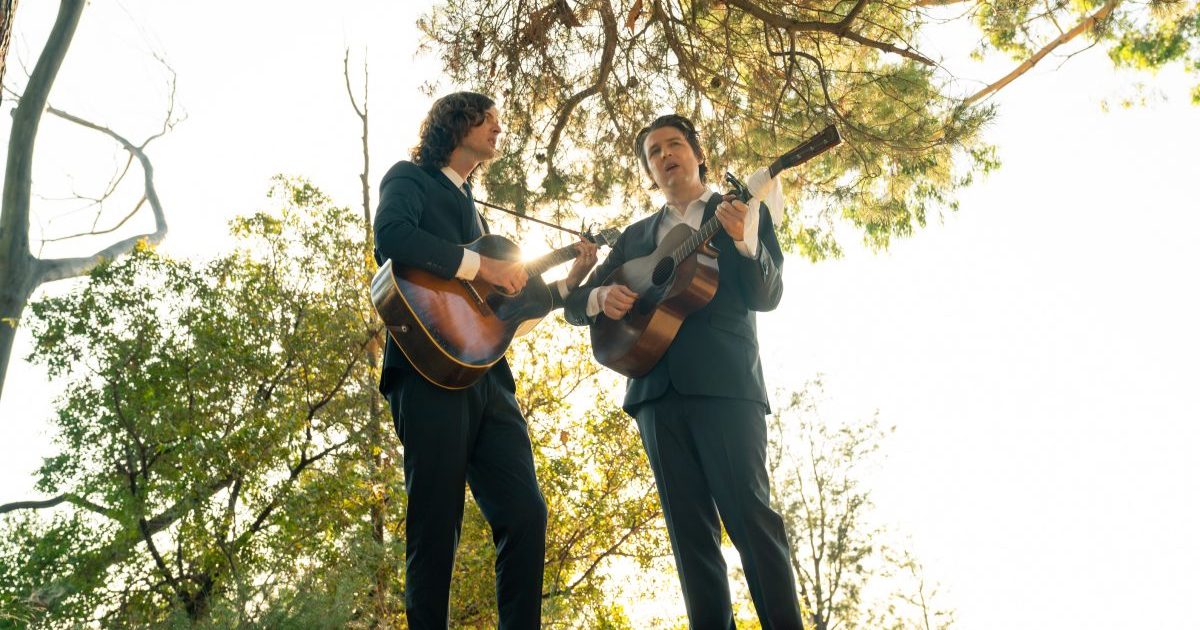
MIXTAPE: The Milk Carton Kids, In Harm’s Way

“There’s a paradox at the heart of great harmony singing: when voices combine in so elemental a way that they disappear into each other, the effect is dizzying, mystifying, disorienting, and yet by far the most satisfying sound in music. Here’s a VERY incomplete playlist, spanning a few generations, of bands defined by their harmonies, who set my mind spinning with their vocal arrangements, execution, and pure chemistry as singers.

“Full disclosure: my own band is included aspirationally and for the sake of self-promotion. Author’s Note: Sorry not sorry for naming this playlist with a pun.” — Joey Ryan, The Milk Carton Kids

The Jayhawks – “Blue”

That unison in the first few lines is so thrilling cause you know what’s about to happen, and when the parts separate it just feels so good.

Gillian Welch – “Caleb Meyer”

The harmonies and Dave’s playing are so intricate in this song you’d be forgiven for glossing over the lyrics, which tell the story of an attempted sexual assault victim killing her attacker with a broken bottle. Check out the Live From Here version with Gaby Moreno, Sarah Jarosz, and Sara Watkins, and catch the alt lyric subbing “Kavanaugh” for “Caleb Meyer” about halfway through.

Gram Parsons & Emmylou Harris – “Hearts on Fire”

Just one of the all-time great duets. Who’s singing the melody, Emmylou or Gram? Hint: trick question.

Our Native Daughters – “Black Myself”

Do all supergroups hate being called supergroups? I wouldn’t know. Our Native Daughters is a supergroup though, and the power of their four voices in the refrains and choruses of this one are all the proof I need.

Dolly Parton, Linda Ronstadt, & Emmylou Harris – “Those Memories of You”

It’s insane that three of the great singers of their generation just so happened to have this vocal chemistry. Their voices swirl together like paint and make a color I’ve never seen before.

boygenius – “Me & My Dog”

Favorite game to play when this song comes on is “try not to cry before the harmonies come in.” Very difficult. Impossible once they all sing together.

The Smothers Brothers – “You Can Call Me Stupid”

GOATS. IDOLS. Favorite line is, “That’s a pun isn’t it?” “No, that really happened.”

The Milk Carton Kids – “I Meant Every Word I Said”

My band. Imposter syndrome. We recorded the vocals on this whole album into one mic together. It helps us disappear our voices into each other’s.

Crosby, Stills, Nash & Young – “Carry On”

For me, CSNY are the pinnacle of that disorienting feeling harmonies give you when you just have no idea what’s going on. I’ve never been able to follow any one of their individual parts and I LOVE that.

Sam & Dave – “Soothe Me”

When the chorus comes around and you can’t decide which part you want to sing along with, you know they did it right.

Louvin Brothers – “You’re Running Wild”

The Louvins sound ancient to me. Primal. The way their voices rub against each other in close harmony is almost off-putting but I’m addicted to it.

The Highwomen – “If She Ever Leaves Me”

There’s probably even better examples of the Highwomen doing that crazy thing with their four voices where they become one entirely unique voice, all together, but this song is just so good I had to go with it. And the blend in the choruses is just as intoxicating as it gets.

I’m With Her – “See You Around”

Really an embarrassment of riches in modern music on the harmony front. Hearing I’m With Her perform around one microphone drives me insane with the best possible mix of confusion, jealousy, and joy.

Mandolin Orange – “Paper Mountain”

The melancholy is so satisfying when either one of them sings alone, and then they bring that low harmony and I have to leave the room.

Skaggs & Rice – “Talk About Suffering”

This whole record is a masterclass in two-part harmony. It changed my entire concept of singing. I’m Jewish, but when this song comes on it makes me sing wholeheartedly of my love for Jesus.

The Everly Brothers – “Sleepless Nights”

The absolute masters of both parts of a two-part harmony standing alone as the melody. Credit to Felice and Boudleaux for that, for sure, but the Everlys executed it better than anyone before or since.

Simon & Garfunkel – “59th Street Bridge Song (Feelin’ Groovy) — Live at Carnegie Hall, New York, NY – July 1970

This is far from my favorite S&G song, but this live version especially showcases what geniuses they were at arranging crossing vocal lines, unisons, parallel melodies, nonsense syllables and swirling harmonies. Plus the nostalgic “awwww” from the crowd gives me hope that a sensitive folk duo could one day achieve mainstream success again.

Shovels & Rope – “Lay Low”

This starts out as a song of profound loneliness with just one voice singing, then the harmony comes in and it gets… even lonelier? Harmony is magic.

Boyz II Men – “End of the Road”

I’m a child of the ‘90s, don’t @ me. I never realized at all those 8th grade slow dances that we were subliminally being taught world-class harmony singing and arranging. Good night.


Photo Credit: Jessica Perez