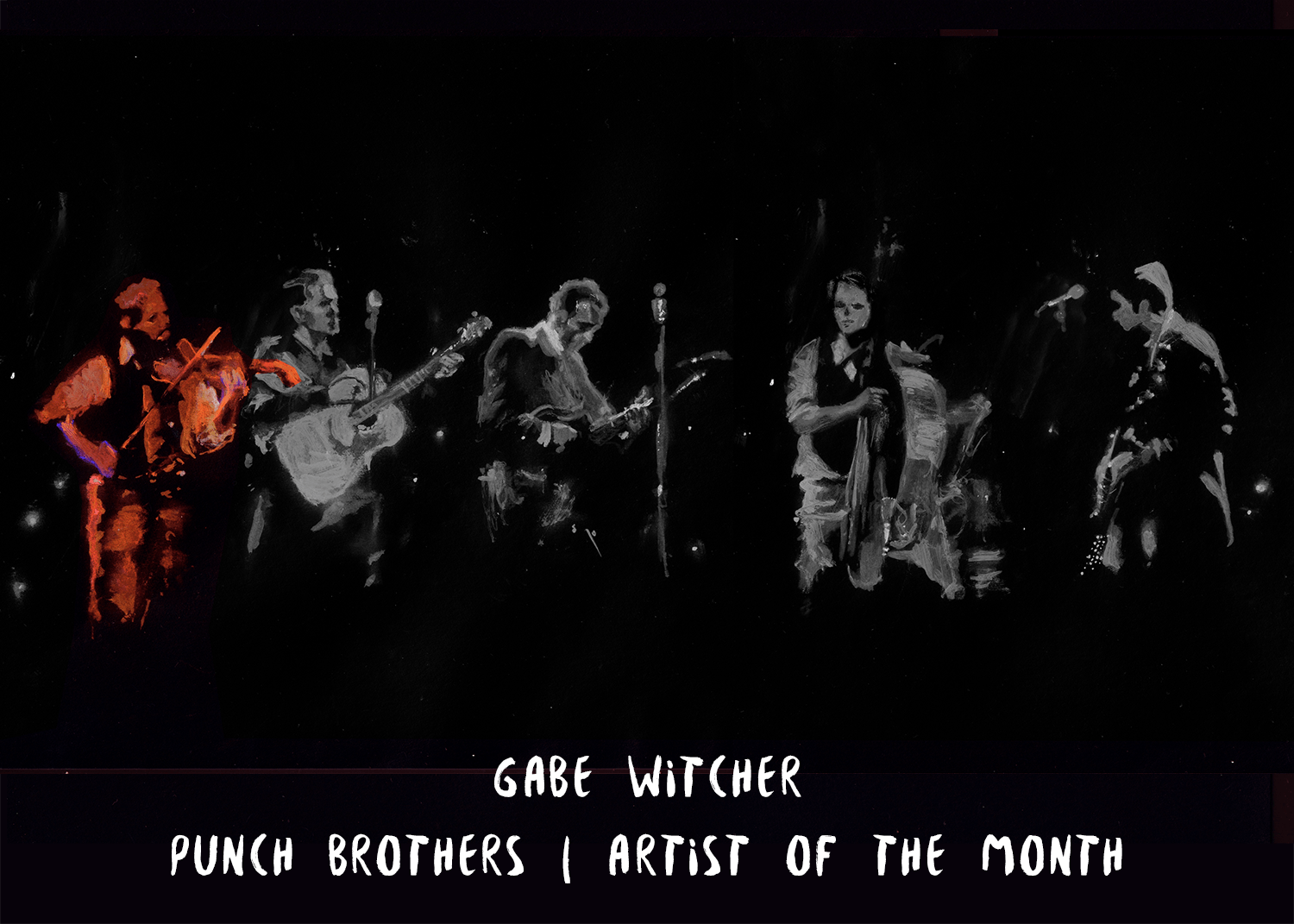
Punch Brothers’ Gabe Witcher: Finding Narratives

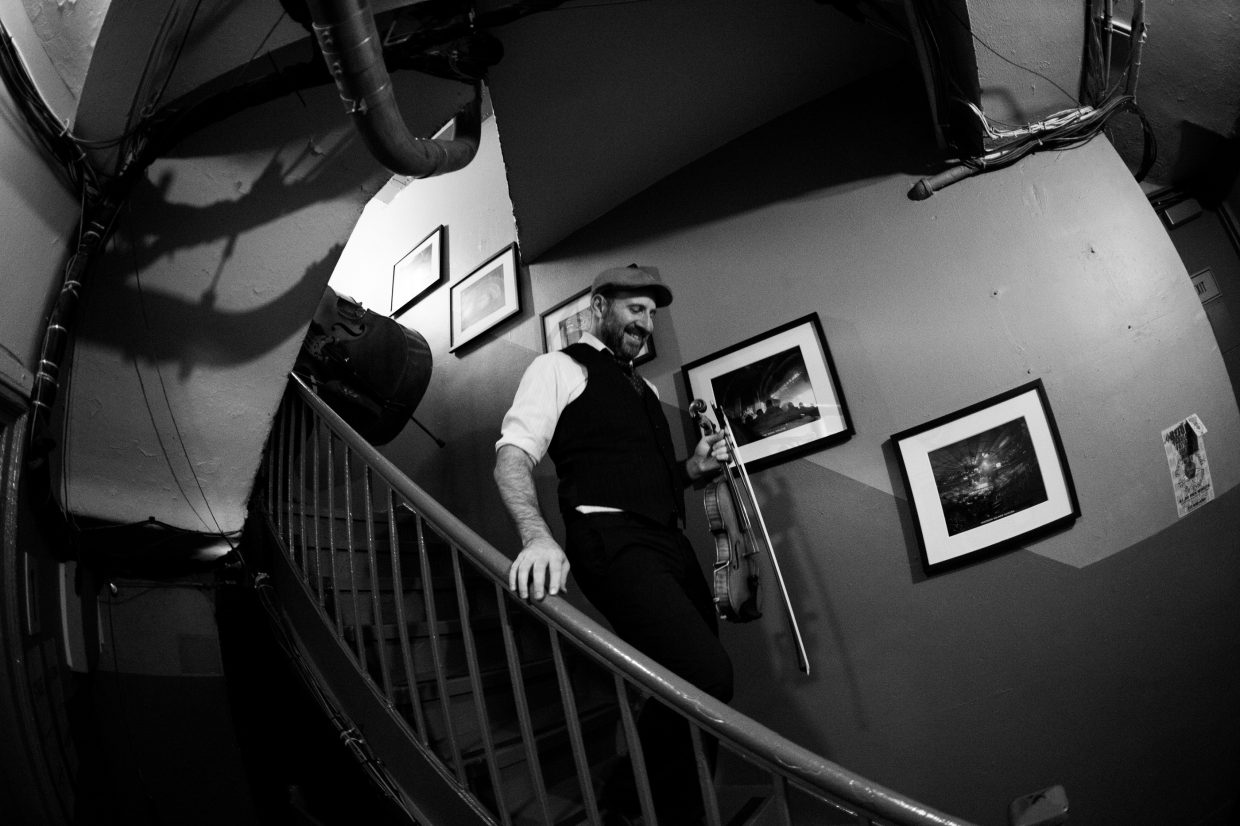
Gabe Witcher, the fiddle player – and some might say secret weapon – in Punch Brothers, has been a performer for nearly his whole life. As a kid, he toured the Southwest playing bluegrass with his family’s band; that’s how he met Chris Thile, forming a musical friendship that has spanned more than three decades. Though his stage presence is low-key, his musicianship is undeniable, playing as joyously or mournfully as a song requires. This is also true on Punch Brothers’ newest album, All Ashore.

In this interview, Witcher kicks off a five-part series as the Bluegrass Situation salutes the Artist of the Month: Punch Brothers.

I love the fiddle part you play on “Three Dots and a Dash.” I was wondering, how much of your music is arranged when you go in to record, or how much of it unfolds by feel when you’re in the studio?

Yeah, this record is a lot different than our previous records. We really had the bare minimum amount of time to get it done. Historically, there is a good deal of improvising on all, throughout our music, and so that’s always spontaneous every time we play – in the studio, out of the studio, whatever. But there is a good deal of highly-arranged stuff as well and historically that stuff would have been written and rehearsed for months leading up to getting into the studio … and we just didn’t have that luxury this time. So, while there’s a good deal of arranged things on the record, it all kind of came together in the studio anyway.

“Three Dots” is a good example where we had the form, we had the melodies, we knew “this is how the arrangement is going to unfold, this is who plays when, this is what the song’s going to do” when we got into the studio and played it a few times – and didn’t like it. So, we put the brakes on recording and went and huddled up in one of the corners of the studio for three or four hours and completely reworked the entire middle section of the song. From post-middle-solo until when the melody returns at the end.

It’s just one of those things: “This isn’t good enough yet, so let’s make it good enough.” When we did, when we finally got something we liked and went back in and recorded it, a lot of that section, I’d say it’s about 50/50 arranged and improvised. Solos are improvised, but we got something that we absolutely loved and that all happened in the moment in the studio. That is a new thing. That has never happened to us before because we had always historically gone in super prepared with, “This is the music, this is what it’s going to be.”

One of the things I love about this record is that what you’re hearing on the record is the first time any of these songs were performed to our satisfaction. You’re getting the excitement of us discovering this music and playing it for the first time. That’s always an exciting thing to hear.

Yeah. So you said bare minimum. What was the timeframe for this?

Oh, let’s see. I think we wrote the record in about four weeks. Not all together. We had three days in October, we had eight days in December and then two weeks in February to get it all situated. Then we recorded it over the course of three weeks in March. And then mixed in April.

The Phosphorescent Blues took almost three years to write. We had the luxury of writing it over the course of three years not work every day, of course. We might have worked twelve weeks total on it, but we had the chance to sit with things and revise, and change, and live with it. This one was more of a “Let’s just get it out.” And I think it worked to our benefit because everything feels super fresh on the record.

I read that you played on the score for Brokeback Mountain and Babel – and they both won the Oscar for best original score. Do you think there’s a cinematic component to Punch Brothers’ arrangements as well?

Yeah, absolutely there is. That’s a comment we get quite frequently. It’s not intentional, but I think everyone is in love with trying to find narratives that can happen instrumentally along with a lyrical narrative. We’re always trying to find textures and new ways to approach presenting musical ideas and finding interesting ways of getting you from point A to point B. I think there’s a definite classical music influence in that regard. Not only is the music supporting the lyrics in a vocal as it would in folk-based or pop music, but the music itself is also helping to create the narratives.

You in particular have a bluegrass background, from playing in your family’s band. How did that prepare you for this experience of touring with Punch Brothers?

Surprisingly enough, doing that is how Chris and I met. We met at a festival called Follows Camp Bluegrass Festival that happened in Southern California. My family would always go up and camp and play and my dad would emcee a lot of the time at that festival. There was a contest and our family band got booked to play it. I think it was the second year or the second time it happened. A 5-year-old Chris Thile just happened to be there that time. As he tells it, he saw me playing onstage with my dad and was like, “Oh my God, that’s so cool. Another kid plays!”

After we got done, we were introduced and immediately became friends. I think we played baseball in the road that ran along the campground, then spent the rest of the time playing tunes with each other. Doing that led directly, a couple decades later, to this band becoming a thing. Of course, you can’t discount the years and years and years spent learning the craft of playing, and playing in an ensemble, and performing. I didn’t know it at the time, but it’s a unique way to grow up.

The good news is, I got all the … well, not all, but a good portion of the dues-paying out of the way before I even knew I was paying any dues, so by the time I was out of high school I had a level of proficiency as a professional that most people don’t have the luxury of gaining until they are well into their 20s. I was able to hit the ground running. I went to college as well, for music, but I’ve got to say: music was there all along. The only thing that changed was that I finished school. So that went away but the music continued.
You were able to play with Bill Monroe as a kid, too, right?

Yeah, when I was 6, we were at the Strawberry Music Festival. This is the thing that launched the family band. My folks decided that we were going to go up to the Strawberry Music Festival, which at that time happened in Yosemite, California. I had been playing for almost a year at that point. We just went to camp and hang out and check it out. One of the days my dad and I were jamming at the campground, and people wandered around the campground, so people were coming in to listen. Then they’d wander off.

Monroe was playing that night at the festival. He was headlining the show that night and they had gotten him to do a workshop during the day, a mandolin workshop. My dad took me over to that. I didn’t know who that guy was. He was just some old guy up there playing. There were a couple hundred people at this workshop listening to Monroe, and right towards the end, and my dad would probably remember better than I do, but somehow, someone pointed me out and said, “Have you heard this guy play? You should pick a tune with him, Monroe.” And so Monroe got me onstage and he and I played a tune called “Gold Rush.” It’s actually one Byron Berline wrote when he was in Monroe’s band.

So Monroe and I played that tune and I got a pretty cool picture with Monroe afterwards. Then, later that day, probably because of that, the Strawberry folks asked if my dad and I would do what they call a ‘tweener set, where you go up and play two or three songs in between the main stage bands. So, Hot Rize was playing and then New Grass Revival was going to play after that. I think this was the day after Monroe played. So my dad was like, “Yeah, sure! Yeah, we’ll work up three songs.” So he grabbed a bass player and a guitar player and also asked Byron if he would sit in on the solo. And so we got up and played three songs, and Byron came out, and we played “Gold Rush” together. And it was so much fun, my dad said, “Hey, do you want to do this more?” And I said, “Sure!”


Illustration: Zachary Johnson
Photo: Courtesy of Red Light Management

A Radical Woman: A Conversation With Lindsay Lou

Lindsay Lou had some reservations about the cover of her new album, Southland, her first not to bear the name of her backing band the Flatbellys. That much is understandable, as the photo depicts the singer/songwriter/guitarist perched on a rock in the woods, nude except for a hat and her long hair.

“We woke up at 3 a.m. and snuck into Cummins Falls State Park, just outside of Nashville,” she explains. “There’s this beautiful waterfall that draws people from all over the area, people from different political backgrounds and religious backgrounds, all sharing in this common, unifying experience of submerging into nature, cooling down in the river. Everybody takes their clothes off to swim—not to the degree that I did, but what’s the difference?”

The photo stuck with her—partly because she liked how it conveyed both strength and vulnerability, or perhaps strength through vulnerability. “The thing I love about that image is the light of the sunrise coming over the waterfall and lighting up the mist. I like seeing myself as part of that beauty, as part of something much larger than myself.” But there is still a stigma attached to the nude female body, despite it being 2018 and all. So she called up her grandmother and asked her advice. “She said, if you’re not being radical, it’s a wasted life. Don’t shy away from it, because that’s what the world needs. Love is radical.”

Nancy Timbrook ought to know. Lindsay Lou says, “In 1969, after dropping out of high school to get married, she decided she wanted to be a teacher. She got her GED and went to college, all while raising eight children.” Taking a job at a school in Detroit, she heard her students routinely dropping the f-bomb, but rather than scold them, she turned it into a lesson, even writing FUCK in big letters on the chalkboard. She spent the night in jail; later, she was the subject of a Time magazine article called “Obscenity: The English Lesson.” Grandma Timbrook remains one of Lindsay Lou’s greatest influences, musical or otherwise.

“She’s a radical woman.”

That’s what Lindsay Lou aspires to on Southland: radical in every sense of the term. The album chronicles a period of great change in her life, not just the move from Michigan to Nashville and all the mixed emotions of leaving home, but an even more remarkable change in her music. Building off the bluegrass-stained acoustic pop of 2015’s Ionia, Southland is her boldest album, her most daring, with clever interpolations of pensive folk, spry rock, twangy country, high-flying jazz, old-school R&B, swampy southern soul, even a little bit of punk. Her confident synthesis of so many different styles and sounds may be the most radical aspect of Southland.

Lindsay Lou spoke with the Bluegrass Situation from her front porch in Nashville, where she occasionally jams with her neighbors (which is all the more fun when Billy Strings live across the street). “It’s elevating to be surrounded by so many people you admire and just to be part of what’s happening in the scene. Moving here felt like coming home even though we had never lived her before.”

You’re home again after a long tour of Europe and Australia.

We did a month in the UK, and then we did our first tour of Australia for another month. That was nice. I got to spend my birthday on the northern beaches in Sydney. What I found was that they’re really happy you’re there and really eager to hear you play, and I think the kind of music we play demands a certain degree of listening. We played this outdoor festival in Dorset, in southern England, and we played to this huge crowd of mostly young people. I was really floored by how everyone was engaged and listening to us, even though they were all drinking and partying. Once we started playing, they were all really engaged. And that is encouraging.

Was that the first time you’ve played some of these songs, or did you have a chance to work these songs out before recording the new album?

Even though we just released it, this album will be two years old in November. We made it and then we thought, “Let’s hang on to this and see if we can put together a proper team to release it.” I don’t know if I’ll ever do that again. The way the music industry works now, I think it’s best to release things right after you make them, when they’re fresh and they’re still real to you. So we played these songs for a year onstage before we ever released the record. But now I’ve already got a new batch of songs.

You could pull a Kanye and create the album cover on the way to the release party.

That’s basically how we did Ionia. We recorded it in October 2014 and we had it in hand for a Germany tour by November. It was a crazy feat, but it pays homage to that moment and to the realness of the music you’ve created. That’s the way to do it. But talk to me when we start the next one and maybe I’ll have a different opinion.

Southland seems to map out a period of great change. Does that protracted release schedule change your perspective on these songs?

Totally. My relationship with my songs is always changing. I find myself singing songs that I wrote years ago and feeling like, Man, this was such a truth to me at the time and now it means something completely different. But a record is a record of time. I love that when you listen to a song that you’ve been listening to since you were 10 years old, and all of a sudden you hear the lyrics for the first time. Whatever is happening in your life, your experiences—everything gives those lyrics a new context and a new meaning. I think of a song as a baby. When I write a song, it’s like, Oh, I have a new baby. And then I get to see that baby grow up and take in influence from all of the people who were part of its upbringing. It’s exciting to see a song take for from other people who aren’t me.

The title track on the new album, “Southland,” for example. We made the record in eight days in Maine with Sam Kassirer, but we felt like it needed one more track. I sent a handful of new songs to Sam, and we whittled it down to that one, “Southland.” I went back to Maine by myself and I recorded that song. I played electric bass, acoustic guitar, electric guitar, and sang lead and all of the harmonies. That track is just a bunch of me on top of myself, like those early Joni Mitchell recordings where she’s singing all her own harmonies. But I can’t do it live. The band breathed their own life into the song, so it takes a new form.

And the band continues to change, which means the songs continue to evolve.

The band has been evolving since the beginning. What happened was, the Flatbellys was this cool, traditional bluegrass band of young college kids that I met and ended up marrying one of them. Josh [Rilko], who I married, is the only original Flatbelly left in the band. When we made that first record, it made sense to tour as Lindsay Lou and the Flatbellys, since we thought people already knew who they were. So when we were getting ready to put Southland out, we didn’t feel like that name was reflecting us anymore. We were going through another lineup shift and going out into some new territory. We couldn’t think of a better name, so we just dropped Flatbellys.

It’s not a complete change, and I’m not sure it was the right time to make that change. It might have ended up causing confusion for people, because people were coming up to me asking if I’d hired a new band. Josh got a haircut and PJ doesn’t have his beard anymore, so I guess it looked like I was with a whole new group of people. And we’ve added a drummer to our live performances, which is a huge change. But the music is what it is no matter what you call it.

But the music on Southland sounds very different from anything else you’ve done. Especially with music that might be described as traditional or acoustic, is there a risk in branching out that way? Is there a chance you might alienate a portion of your audience?

I think there definitely is. But as an artist you have to do what feels like your own truth. If it doesn’t feel like honesty, if it doesn’t feel like the art that you want to create for yourself, then it’s not going to have the elements of truth that art has to have. If you’re making it only to keep certain people in your audience, then it’s going to have a certain sense of falsity to it. But I’ve been on the other side that. I listened to a lot of punk rock when I was a kid, and I always hated when a band would start to sound more polished. It’s like they’re selling out because I love what they were and I don’t love what they’re becoming. But I’ve discovered as an artist, I have to put that aside. I have to do what feels right to me.

I was just talking to Andy Falco from the Infamous Stringdusters, and he was going on about how all of us are just trying to create art that we’re proud of. That’s what we’re all working toward. I find myself listening to a lot of my peers, like the Wood Brothers and Greensky Bluegrass and Billy Strings and the Stray Birds. When I listen to their music, I feel like I’m listening to right now. I’m listening to the world through their eyes. And that’s what I’m trying to do—create something that sounds like the world I’m living in.

I don’t think you could find a more compelling or complex subject than that, especially at this particular moment in history.

I don’t want to shy away from the ugliness. It’s a part of the truth, we’re all experiencing it, so there’s desperation and there is sadness and loss and it’s all in there right alongside the beauty and the positivity. I think on this record more than any other record I’ve embraced that sadness and instead of running away from it. In my youth I wanted to sugarcoat everything. I wanted to put a positive spin on everything. It felt like that was how you make it through a tough time: You just have to be super positive about it. But as I’ve come into myself as an adult, I’ve found that you can’t run away from it.

That reminds me of the line in “Go There Alone,” the one that goes, “All we are is blind, but if we can hear the music, we’ll be alright.”

That was a cool songwriting experience writing that song. It carries a lot of weight for me as an artist. I wrote half of it, and when I got together with the guys for a musical retreat—which we do periodically—I played them as much of that song as I had. I told them that when I stop, just say the first things that come to your mind. They did that, giving me some good words and phrases to play with. When everybody else went to bed, I stayed up all night putting it all together. That was where that line came from. And I believe that’s true. Music is a way of moving forward, but also a ways of creating beauty in the face of all the roadblocks we run into. It illuminates our blind spots. Creating beauty is a radical exercise.

Don’t miss Lindsay Lou on the Bluegrass Situation Stage at Bourbon & Beyond, held Sept. 22-23 in Louisville, Kentucky.


Photo credit: Scott Simontacchi

Kittel & Co., ‘Chrysalis’

It’s hard to say if humankind will ever know exactly how a caterpillar goes about shedding its skin, digesting itself, turning into a primordial soup, and then transforming its own goo into a resplendent butterfly or moth, but the entirety of this process happens in one of two places: inside a cocoon or a chrysalis.

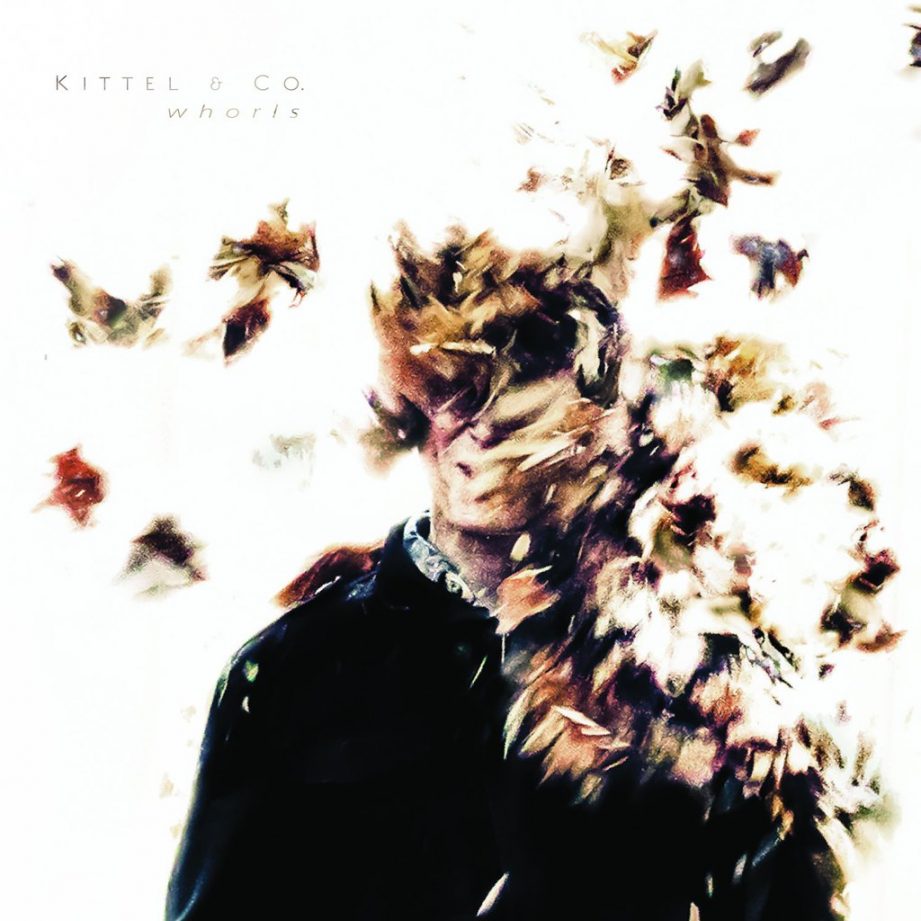
Whorls, an eleven-tune elemental soup of its own, invites listeners to envelop themselves in the cozy, metamorphic trappings that Kittel & Co. explored as they fashioned a new identity from their harlequin musical backgrounds and experiences. Led by fiddler, composer, and virtuoso Jeremy Kittel, the outfit has accomplished a feat of new acoustic, string band-rooted chamber music that isn’t simply as mind-boggling and intangible as the inner workings of a butterfly’s transfiguration; it’s as whimsical, alluring, and magnificent, too. “Chrysalis” begins with Simon Chrisman’s bounding hammered dulcimer, contemplative and exciting, while the ensemble chimes in one by one, in dialogue, building and deconstructing the silky hook together, ever dipping back into the melodic soup to transform the song into newer, grander, wilder, softer, shimmering versions of itself.

It becomes abundantly clear, as “Chrysalis” ebbs and flows, wriggling to life, that from top to bottom, Whorls is as if innumerable chrysalises were arranged like nesting dolls, with each subsequent transformation revealing a more surprising, captivating conversion building up to and succeeding each magical metamorphosis it contains.

Closer to Self-Acceptance: A Conversation with River Whyless

Bands grow. Styles evolve. Lineups shift. Genre identifiers morph to accept those changes while the music industry holds certain expectations for reinventions and reimaginations. It’s refreshing, then, when you happen across a band that isn’t bogged down by those precedents, choosing to just follow their songs and their true selves wherever they may lead.

The folk-pop outfit River Whyless finds themselves on this trajectory with their third album, Kindness, A Rebel. The product is not gratuitous, heavy-handed, or obvious, and it never stumbles or attempts to assert that “the old River Whyless is dead,” because true reinvention is never about demolition and rebuilding. It’s about finding the skeletal structure that was already there and allowing it to shine on its own, set apart. Drummer Alex Walters jumped on the phone to unpack the integral aspects of self-acceptance and self-celebration that blossomed on this beautiful testament to allowing oneself to just be.

This record seems to be as much about personal growth for each of you individually as it is about changes for the band as a whole. Why do you think those two things coincided here?

Alex McWalters: I think those things are always connected in some way. Whenever you make a piece of art, your life is always factored into that, there’s always growth. [It’s partly] because we’re now in our early 30s and feeling really lucky that we’re still able to make music and be a band. With that, there are a lot of adjustments you have to make as you head into the next phase of life. Ryan [O’Keefe] just got married, my girlfriend and I just bought some property and we’re working on building a house, and Halli [Anderson] moved to Oregon with her sweetheart. A lot of big life things are happening.

I guess this is a record about grappling with how to be a band in a different phase of your life. It’s honestly a little more challenging when you have more responsibilities outside of a band. Whereas, when we were in our 20s, it was like we were homeless. We lived on the road. Our whole lives were the band. It’s a much different way of operating professionally and creatively than it was 10 years ago. It’s exciting, but also challenging to continue doing it in this way.

How do you all feel that growth comes through the music, overtly? I hear it in “The Feeling of Freedom” and I hear it in “Another Shitty Party” — which I feel echoes my own personal growth through young adulthood — but how do you feel that perspective comes through?

I think “Another Shitty Party” is a great example. I hold this new record up against the one we did before, two years ago, in terms of the way it feels — I sort of have an inside view as to how it was made, so it’s a little hard to convey to someone who wasn’t there. It feels like we sort of embraced whatever came out of us this time and didn’t try quite so hard to be a certain way or accomplish a certain thing with the music. There were a lot more growing pains in the last record, as far as figuring out how to make three or four songwriters coherent.

This time we just went with it. We just let the songs be the songs. With that, the idea of “Another Shitty Party” is sort of connected to a bigger idea of coming a little bit closer to self-acceptance and trying to be honest with who you are in the world. The idea of going to a party and walking away from that feeling like, “There’s no reason I had to be there!” is a metaphor for the larger feeling of being in a band and trying to be cool. Let’s just stop trying to be cool and just be us.

Something that we aren’t necessarily taught as kids or teenagers is that sort of self-acceptance, that acknowledgement, is such an integral part of what we refer to as “maturity.” It’s getting to a point of being able to accept yourself as whomever you are, having been morphed by all of the factors of our lives. What brought that to the surface for you?

I’m not sure if it was conscious. Maybe it was also having reached some level of, I guess, gratification in terms like, “Oh, the last tour we did went really well.” I think part of maturity is you have to learn what works and what doesn’t. Some people aren’t as lucky to reach that point of self-acceptance to where you can say, “No, I don’t want to partake in this.” Or, “I don’t agree with that and I’m not going to do it.” It can sometimes require a lot of work to get to the point where you’re able to be mature. Some of that was just us being a little more confident than we were before.

Also, it’s just hard to avoid the elephant in the room as far as the current political situation and feeling like we didn’t say or do enough. Not that we could have done anything [specific], or that we even knew what to do, or maybe we shouldn’t have done anything, but we had that sense of, “Oh man, what just happened and how do we go forward?”

Taking responsibility of that and taking it onto ourselves is also a very mature idea.

Precisely.

And kindness really is a rebellious act right now. I think that was one of my biggest takeaways from the album. Like, “Oh shit, yeah, being just a kind human being at this point in this weird political, divisive period, is rebellious.”

Absolutely. You hit that right on the head.

I hear you reckoning with that on “Born in the Right Country.” This is something that I think about a lot right now, about how we can address these sort of personal perspectives we have while we also acknowledge our own privilege and our own complicity, too. How did you reconcile that conflict with yourselves and through that song?

The song was written by Ryan and I think it’s interesting, because, like I said, we all had a very intense reaction to the election. There’s a lot to have to work through once you realize that Donald Trump is your president. We are four white people in a band and our life has been pretty peachy and, for the most part, is continuing to be pretty peachy, so anything we say about Donald Trump or the people who voted for Donald Trump has to be self-aware. You have to go through a process of recognizing where you’re coming from when you speak and how you sound and what your actions actually say without you realizing you’re saying it.

There was a point at which that song was introduced to the band and we all wondered if we even wanted to go there. What does this mean? How will it be interpreted? What good does it really do? What is this song really going to accomplish besides sounding like four white people complaining about Donald Trump? And maybe it still does, but I think an important part of it was trying to get into that three-minute song a part about us having a certain responsibility that we have to figure out how to own, as far as being who we are and what we could or could not have done more of.

Personally, I thought 100 percent that he was going to lose, so I was very complacent and complicit in terms of the whole thing. That alone says to me that I was kind of blind. There was a whole lot I wasn’t seeing or that I was refusing to see. And what does that say about my situation and how removed I am from the pain that people are feeling?

Talking about growth and maturity as a band, there’s an expected trajectory in these roots genres for bands to go from string band into more pop-influenced sounds. You guys seem to be on that track. But your music seems to be on this trajectory because it feels like this music is song-driven first. Why do you think that is?

I don’t know if I have a very concrete answer, but I think some of it has to do with the organic evolution. On our first record, we had a different bass player, so we introduced a new player to the band and that inevitably has an effect on how it sounds. With that, there’s also a shift in the power dynamic of the band, for lack of a better way of putting it, where one lead songwriter’s vision isn’t steering the ship anymore — at least not totally. That has a lot to do with how the evolution has happened.

Again, also just letting go. Just letting what comes out come out and not trying to steer it any direction, genre-wise or sound-wise. We obviously have influences and things we’re into and that’s what influences the sound of the moment we’re in, but outside of that I think we just kind of let go of what we want to be and just let it be what it is. It’s so much easier said than done.

Another outgrowth of self-acceptance.

I would say so. I never really thought of it like that, but now that you say it…


Photo credit: Shervin Lainez

STREAM: Oliver the Crow’s Self-Titled Album

Artist: Oliver the Crow
Hometown: Nashville, TN
Album: Oliver the Crow
Release date: June 22, 2018

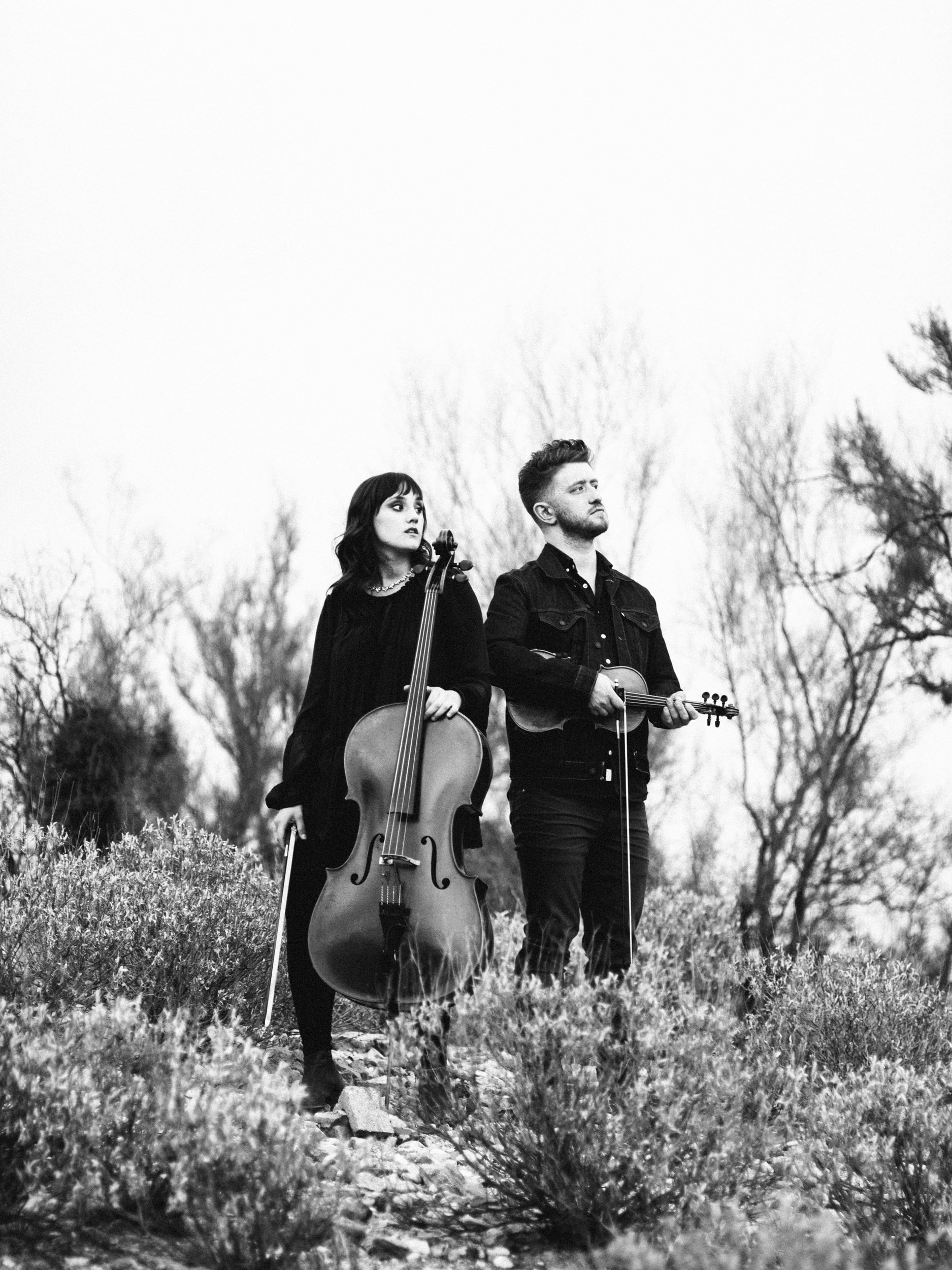
In Their Words: “This first album feels like a meeting of the future and the past for us. It is informed by the styles of music that make up both our personal pasts — a rogue classical cellist and a fiddle-jazz gun for hire — as well as the styles of music we have always so adored. Although it feels nostalgic, it also feels new. It has a modern sound of its own and we find it hard to describe its genre. Whatever it ends up being defined as, we are certainly proud of it. Oliver the Crow grew out of a love of us playing together and an urge to get outside of our comfort zone — this record is the first real product of that. When we listen to it, we smile. We hope others do, too.” -Kaitlyn Raitz


Photo credit: Taylor Noel Photography

STREAM: The Slocan Ramblers, ‘Queen City Jubilee’

Artist: The Slocan Ramblers
Hometown: Toronto, Ontario
Album: Queen City Jubilee
Release Date: June 15, 2018

In their words: “My favourite music comes from watching ‘working bands,’ bands that play all the time—they get tight musically and stay loose in spirit and approach. The music presented is a deliberate statement but there’s a real spontaneity in the details. Therein lies the aesthetic for Queen City Jubilee, the culmination of three years on the road since Coffee Creek came out. We had a ball putting this record together, writing a lot of new songs, unearthing old obscure gems, and generally trying to stay out of the way of the music. And check out the artwork! Done by our very own Frank Evans, it offers a rare glimpse into the dark mind of the contemporary bluegrass banjo player.” — Adrian Gross


Photo credit: Jen Squires

David Benedict, ‘The Golden Angle’

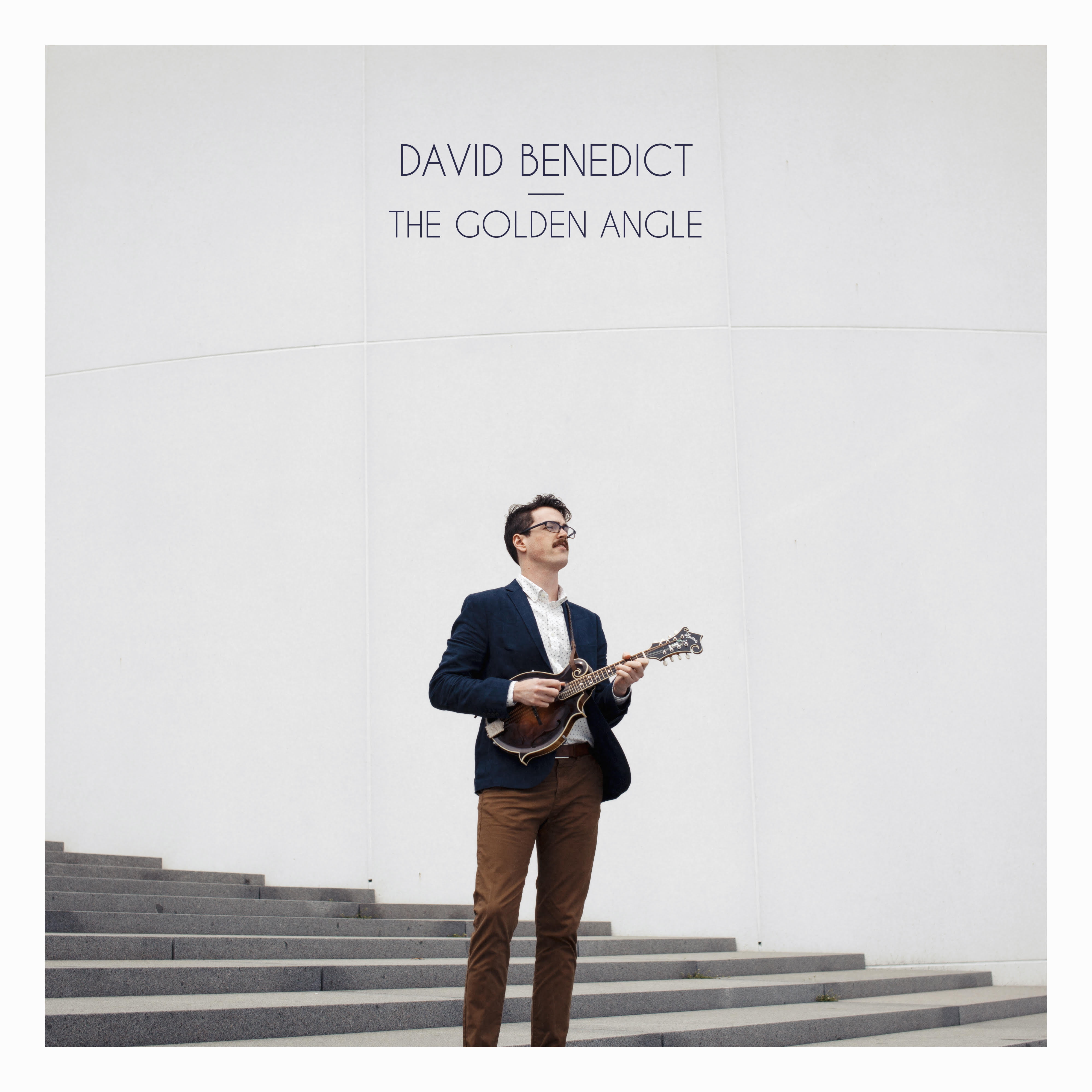
How does that old adage go? The one about “the company we keep” and all that? Based on the roster for his tune, “The Golden Angle,” it would seem mandolinist David Benedict had grown up with this principle as his cardinal rule. The title track of his upcoming album features bassist Missy Raines, the winningest bass player in the history of the International Bluegrass Music Association; Stuart Duncan, perhaps the most prolific fiddler and session player in Nashville and every bluegrass musician’s favorite musician; Wes Corbett, a former Berklee banjo instructor and one of the contemporary five-string’s most clever pickers; and Ross Martin, a flatpicker who impeccably combines the workhorse qualities of bluegrass with a more deft, subtle, jazz-flavored approach.

At the helm in the producer’s chair was another mandolin seer, Matt Flinner, whose fingerprints are found aplenty on the whimsical, Fibonacci-inspired tune. Like Flinner’s compositions, Benedict’s “Angle” is centered on a strong, cyclical melodic idea while it plays out linearly, each of the players listening intently to and building on what’s come before. It simultaneously registers as a danceable breakdown or a new acoustic chamber piece; it’s not better taken as one or the other, rather, its pliancy offers more varied perspectives on the song and its interpreters. Benedict’s voice as a composer and musician is remarkably mature and individualistic, without flirting with becoming too gratuitous — something that cannot be said for many pickers his age. It might be a safe bet to guess that these qualities are also thanks in part to the wildly phenomenal company he keeps, but either way, he should keep doing what he’s doing.

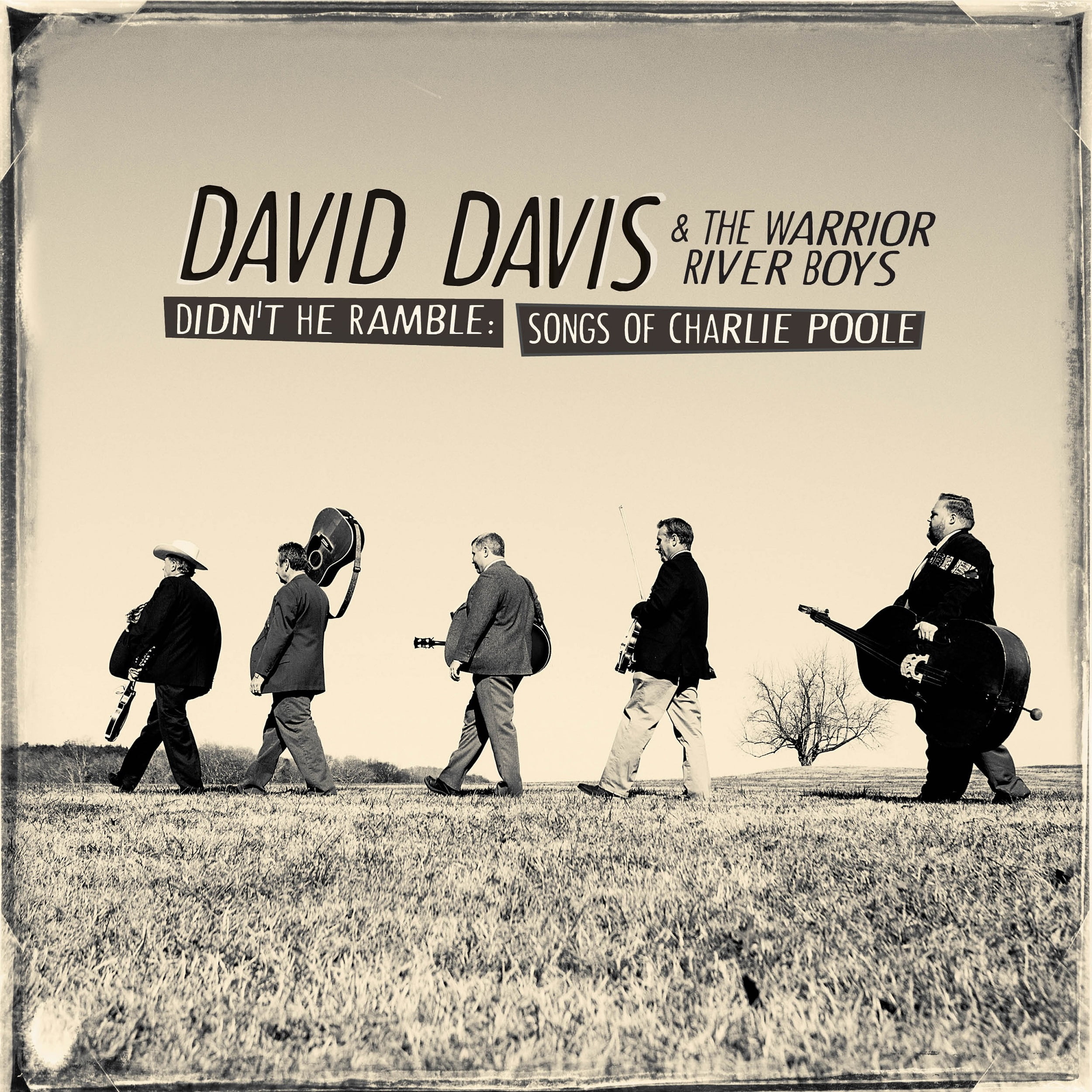
STREAM: David Davis & The Warrior River Boys, ‘Didn’t He Ramble: Songs of Charlie Poole’

Artist: David Davis & The Warrior River Boys
Hometown: Cullman, AL
Album: Didn’t He Ramble: Songs of Charlie Poole
Release Date: June 1, 2018
Label: Rounder Records

“Our goal with this recording was to take the key elements of Charlie Poole’s music and build from that, evolving the material into a more modern form of traditional music. Poole had reimagined popular songs of the day including Tin Pan Alley songs and blues songs into his own style and his treatments were widely accepted by the public. For us, when we started looking at the songs closely, they morphed just as easily into the way we play music. For a number of years we have called Charlie Poole our “Grandfather of Bluegrass Music” but really his music has influenced a much larger roots-based family.” – David Davis

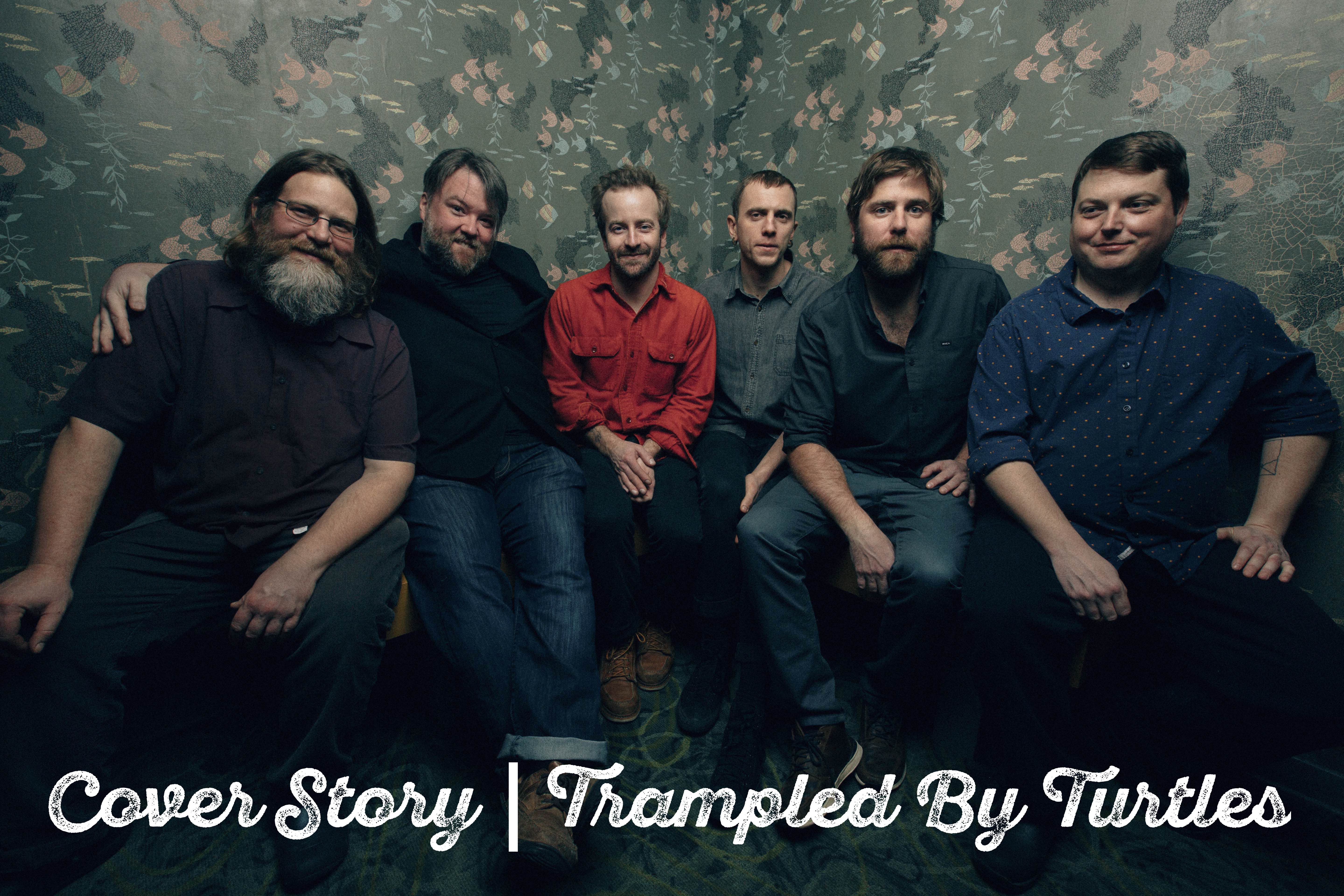
Reading the Room: A Conversation With Trampled by Turtles

Trampled by Turtles are living up to the title of their newest album, Life Is Good on the Open Road. The Minnesota-based band parked the bus for nearly 18 months after touring behind their prior album, 2014’s Wild Animals. Leading up to the new project the six-piece group gathered at a lakeside cabin and rekindled their connection forged over more than a decade of performing together. Those positive vibes carried over to the new album, which emphasizes their exceptional acoustic chops. On the afternoon of their Ryman Auditorium show in Nashville, frontman Dave Simonett and mandolin player Erik Berry visited backstage with the Bluegrass Situation.

I know you cut this new album live-to-tape, but I was still surprised to see it took just six days to record it.

Simonett: We were surprised too. We had two weeks booked in a studio, which I think for a lot of people might be fast as well. For us that’s plenty of time, usually. But we ended up mixing the whole thing while we were there too.

Berry: Yeah, there was a dinnertime meeting where it was like, “Gentleman, I think we’re done. We got one more song to record tomorrow.” “Really?”

Other than just the general efficiency, what’s the upside to that?

Simonett: I enjoy lots of parts about live recording. I like to do it quite a bit. When I produce other people, I try to get bands to do it as well. It’s always spoken about in a vague way because I think it’s really hard to describe. But you do capture some kind of energy, a vibe. People play differently, if you want to get practical about it, when they’re all playing with each other, rather than playing to something that’s already been recorded.

The rhythm is one. You’re not following anything, you’re all just kind of moving in the same direction at the same time and it’s elastic. Nowadays it might be considered risky because it’s so easy to make things perfect now. But I’ve never felt like that really benefits that many people anyway. But especially us who have been playing together for a while. When we all sit and play and look at each other and play with each other, it sounds different than if we don’t, I guess.

Berry: To add to it, we hadn’t played together for about a year, outside of the weekend retreat we did. To build on what Dave’s saying, when people are playing together live, there’s also something different when something’s happening for the first, second, third, or fourth time, than when you’re playing that tune for the 50th time. Stuff grows on it; they move together differently.

Simonett: Yeah, I’ve always loved trying to capture a song before people start to really think about what they’re doing. Before people come up with parts to play. Before it gets dissected too much. It’s cool to see what happens naturally. I’m burnt out after a fifth take. That’s as far as I want to go.

Dave, how do you introduce your new songs to the band? From what I understand, you had songs already in your back pocket when you got together to record. How do you show the band, “Here’s some songs I’ve written”?

Simonett: That’s about as simple as that. Sit down and…

Berry: I use the phrase “coffee house ready.” Dave’s got them to a point where you could go to a coffee house and play the song.

Simonett: Yeah, I can play them. Core structure, melody, lyrics are pretty much done. And then I just sit there and play it a few times, and people join in when they feel like they have the hang of it, and it’s pretty organic.

That seems cooler than recording a little demo and emailing it to everybody.

Simonett: Yeah. I do that too, just so people can get the vibe, or at least know what’s coming – maybe if I have the song done in time to do that kind of thing. That is a nice thing to be able to have. I don’t think the real learning of it happens until we are all in the same space, though.

Berry: The real benefit of having stuff in advance is like in “Annihilate,” where I have a part that I wrote on it because I had the time to think about it.

Simonett: I also don’t know how to write music down on paper, so it’s all pretty simple anyway.

You guys seem to operate a lot on instinct. Is that something you had to develop and learn?

Simonett: Oh, I think it’s the absence of learning for me. I don’t really know any other way to act.

Berry: I hate the word “easy,” but there’s been a certain easy chemistry that all of us have always had with each other. On the very early shows, I’m like, “That’s pretty good. I could see doing that again.” So there’s something like that, too, now that it’s 15 years down the road.

Simonett: There’s a lot of bands in the string band world, if you want to call it that, that are amazing at that kind of stuff. I guess I don’t want to list examples because I’ll probably leave somebody out, but I think we’re pretty comfortable being a band that’s not that. It’s maybe more song-driven than upfront-playing driven, if that makes sense. That’s just where we naturally fit, I think.

Berry: I’ll name a couple names. When we first started, I didn’t know what I was doing. So I went across the street from where I worked to the Electric Fetus Record Store in Duluth and said, “I’m just getting this bluegrass band starting. I don’t know what to listen to.” So they sold me a Bill Monroe CD and they sold me a Yonder Mountain String Band CD. They were like, “This is your basis. Here’s what’s happening right now.” That Yonder Mountain disc was Mountain Tracks, Volume 2. That’s a live one. There’s some really great stuff on there. It didn’t take me very long for me to realize I couldn’t play like that. [laughs]

You guys are good at reading the room by now, I’d imagine, after 15 years on the road.

Simonett: Yeah, I think so. It’s always kind of a mystery. You can play the same set list two nights in a row and the response could be completely different. My goal as a performer is to get as far away from caring about that as possible. Any true performer will tell you that you can’t please everybody and that’s really not your job anyway. My job onstage – I don’t view it as to be up there to make everybody in the room happy because I can barely keep myself happy, you know? But I feel like we tailor to rooms, though, with our set list.

Berry: If we were going to do a set that no one was going to watch, I think that what we would prefer to do would be like, “OK, let’s take a break with a little slower one, now. Now we’re going to kick it up again.” I think people like our tastes. We’re pretty lucky … I don’t know, I’ve had to come to grips with it, too, because people aren’t shy about letting you know they’re disappointed.

Simonett: They love it, actually.

Berry: People have been telling me after shows that it’s bullshit that we didn’t play “Song X” or “Song Y” since the year 2005.

Yeah? What do you do when that happens?

Berry: You play a 90-minute show. If you have more than 90 minutes’ worth of material, the odds of dropping a song are high. … If we played every original song we have, that’s a four-hour show. That’s not going to happen. So I could challenge any Trampled fan: “Here. Write your ideal set, 24 songs.” I know that I could read it and be like, “But you left off… Now you know how it feels.”

Simonett: A listening crowd – it’s a weird relationship, man. It feels great generally. I like performing. It took me a while to like it. I still get freaked out about getting up on stage. But I enjoy the act of it now. But you can’t go up there with the illusion that everybody in the room is going to enjoy what you do. I think if you start thinking about that too much, you start changing yourself and you’re really close to becoming a cover band.

Do you mean like a cover band of your own material?

Simonett: Of ourselves, yeah. To just go up there and try to do what you think people are going to like. That’s not the point. For me, I like to think as an artist, I want to be able to feel totally comfortable. This tour is a good example – to go up and play new music every night. That’s holding on to still being valid in some way.


When I listen to this record, there does seem to be a sense of motion in the writing and the songs. Do you agree with that?

Simonett: I agree with it, yeah. I think even the title. But all of that came about after we made it. It’s happened to me before. You write a bunch of songs and make a record and you have no clue of any kind of thread that binds them all together until you put it in order and listen to it. “I guess I was singing about traveling a lot.” [laughs] I don’t really notice it as it’s happening.

Listening to “Thank You, John Steinbeck,” I heard a reference to the book Travels With Charley. What are the literary influences you draw on for inspiration?

Simonett: Steinbeck is really high on my list. That book in particular. It’s been a couple of years since I’ve done this, but I used to read that book before every tour. Hopefully this isn’t too long-winded of an answer, but after a certain amount of time touring, maybe the traveling part of it starts to lose its sparkle a little bit, and you forget … It’s amazing how easy it is to have a life like this become predictable, which it’s not supposed to be. At least I don’t want it to be that way. [I want to] remember that it’s still an adventure. You’re still roaming around the world playing music. I think the core of that book is appreciating the adventure of a road trip. It made me want to pack my camera, you know?


Photos by David McClister

LISTEN: 3hattrio, ‘Texas Time Traveler’

Artist: 3hattrio
Hometown: Southwest Utah
Song: "Texas Time Traveler"
Album: Solitare
Release Date: September 9

In Their Words: "'Texas Traveler' is a traditional, Black string-band tune that I’ve always loved. The simple words, 'Oh, early in the morning,' slay me. They fit so perfectly. I’ve played it on the banjo for years. It was really from that traditional launch pad the Eli and Greg took the tune into the realm of time travel. Each time we play it, I feel like we get going down the runway then lift off to another time.” — Hal Cannon (banjo, guitar, vocals)


Photo credit: Regina Pagles