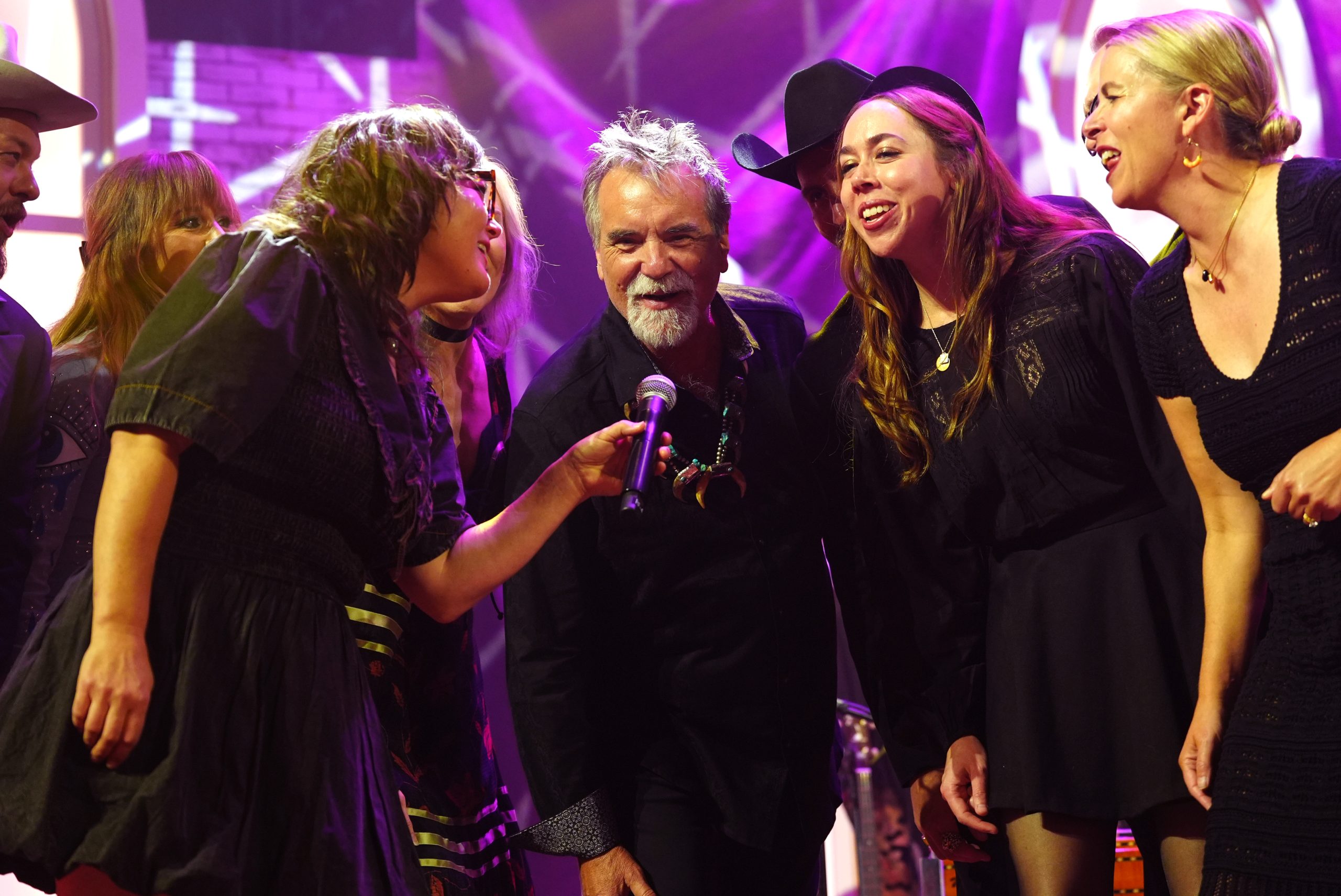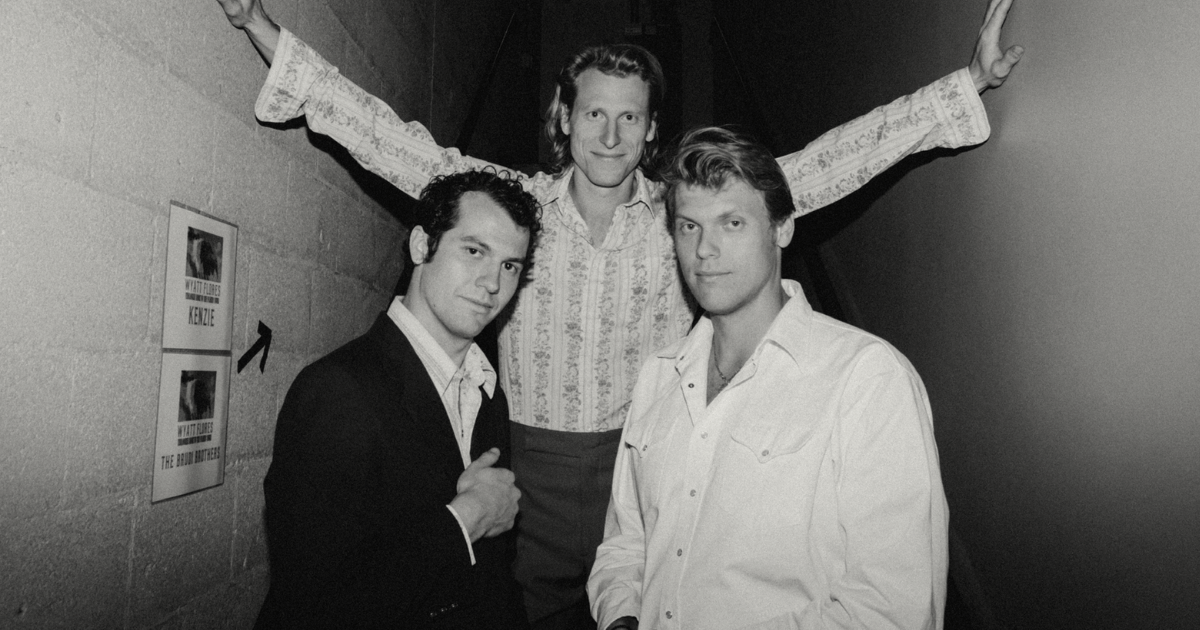
The Americana Music Association has announced the nominees for this year’s Americana Honors & Awards. The nominations include Album of the Year, Artist of the Year, Duo/Group of the Year, Emerging Act of the Year, and Song of the Year. The winners will be unveiled during Americanafest, which will return for its 26th year September 15 through 19 in Nashville, Tennessee. (See the full list of nominees below.)
Each year, the Americana Honors & Awards are a sort of “kick-off” for Americanafest, held on the Wednesday night of the conference and festival at the beloved Ryman Auditorium. This year the awards show falls on September 16; as the Americana Music Association explains via email, “Tickets to the Americana Honors & Awards are on sale now to Silver Wristband Holders. Honors & Awards tickets will be available to Festival Wristband Holders, members, and the general public at later dates.” Wristbands can be purchased here.
Nominees this year include country, roots, and Americana mainstream superstars like Tyler Childers, Brandi Carlile, and Mumford & Sons alongside newer discoveries and up-and-coming artists like Ken Pomeroy, Molly Tuttle, Mon Rovîa, Kashus Culpepper, and more. Other awards bestowed on September 16 will include Americana Lifetime Achievement Honors, the Legacy of Americana Award, and the Spirit of Americana Free Speech in Music Award.
In past years a trophy for Instrumentalist of the Year has also been announced in tandem with the “of the year” categories, this year the category was notably absent from the announcement. After outcry from musicians and members, the organization made a statement on social media a few days after the announcement stating that the Instrumentalist of the Year Award will be “presented at a later date.” The Honors & Awards host(s), house band, and musical performers have not yet been announced, but participants each year are stellar.
See the full list of nominees below and make plans now to attend the Americana Honors & Awards in Nashville, Tennessee on Wednesday, September 16, 2026.
ALBUM OF THE YEAR
Snipe Hunter, Tyler Childers; Produced by Tyler Childers, Rick Rubin, Nick Sanborn
Billionaire, Kathleen Edwards; Produced by Jason Isbell & Gena Johnson
Planting by the Signs, S.G. Goodman; Produced by S.G. Goodman, Matthew Rowan, Drew Vandenberg
Cruel Joke, Ken Pomeroy; Produced by Colton Jean, Dakota McDaniel, Gary Paczosa
Hard Headed Woman, Margo Price; Produced by Matt Ross-Spang
ARTIST OF THE YEAR
Brandi Carlile
Charley Crockett
Margo Price
Molly Tuttle
Jesse Welles
DUO/GROUP OF THE YEAR
Flatland Cavalry
I’m With Her
Mumford & Sons
Turnpike Troubadours
Gillian Welch & David Rawlings
EMERGING ACT OF THE YEAR
Boy Golden
Crowe Boys
Kashus Culpepper
Ken Pomeroy
Mon Rovîa
SONG OF THE YEAR
“Returning To Myself,” Brandi Carlile; Written by Brandi Carlile
“Snapping Turtle,” S.G. Goodman; Written by S.G. Goodman
“Wild and Clear and Blue,” I’m With Her; Written by Sarah Jarosz, Aoife O’Donovan, Sara Watkins
“Heavy Foot,” Mon Rovîa; Written by Grant Averill, Eric Cromartie, Cooper Holzman, Andrew Lowe
“The World’s Gone Wrong,” Lucinda Williams (feat. Brittney Spencer); Written by Tom Overby, Doug Pettibone, Lucinda Williams
Lead image courtesy of the Americana Music Association.
This post was updated to include mention of the Americana Music Association’s social media statement regarding Instrumentalist of the Year.
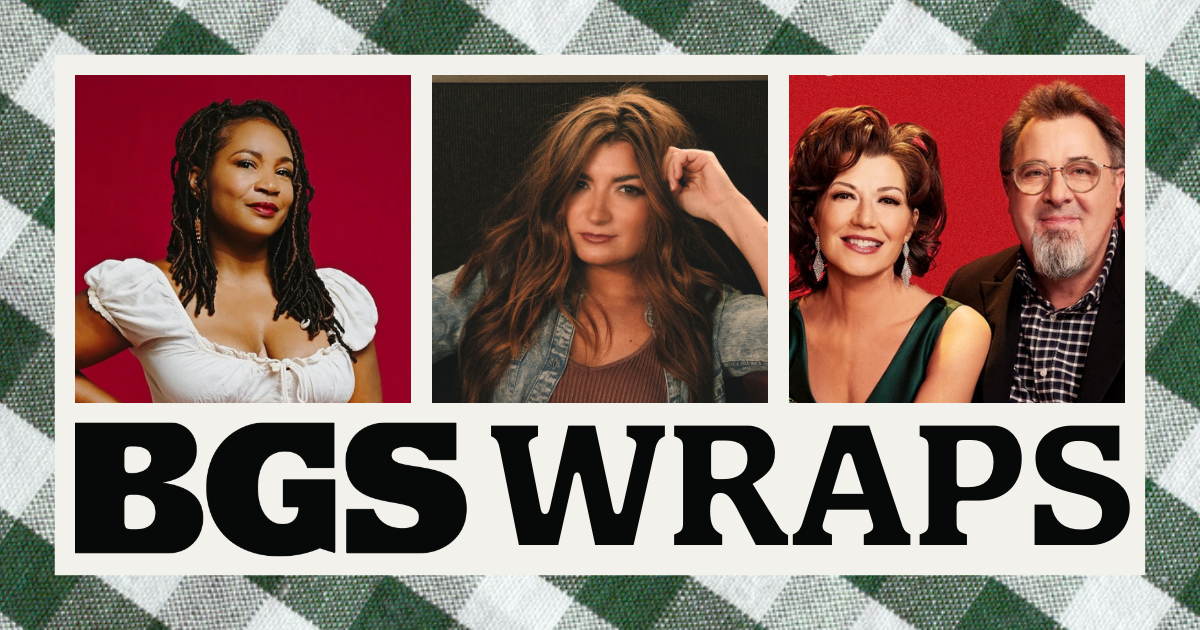
In our eyes and to our ears, there’s no better family of musical genres to usher in the holiday season than roots music. Bluegrass, Americana, old-time, country, blues, and beyond – they’re all perfectly suited for the coziest time of year, for togetherness, for parties and gift-giving and cookie icing. Whether you celebrate Christmas, Hanukkah, Kwanzaa, or Winter Solstice – or even if you feel like opting out of the ruckus altogether – there is roots music for you.
Each year, we like to share our picks for the rootsiest time of the year in BGS Wraps, a weekly collection of songs, videos, albums, shows, tours, and events that celebrate the season. We share a few of our favorites, mostly brand new but often classics and timeless selections, too. Plus, we collect all that we can into a running playlist so you’re ready when the family or party hands you the aux cable.
We hope you enjoy BGS Wraps and tune in the next week as we continue our series celebrating the holiday season. (Catch up on week one here.)
Christmas at the Ryman, Amy Grant & Vince Gill
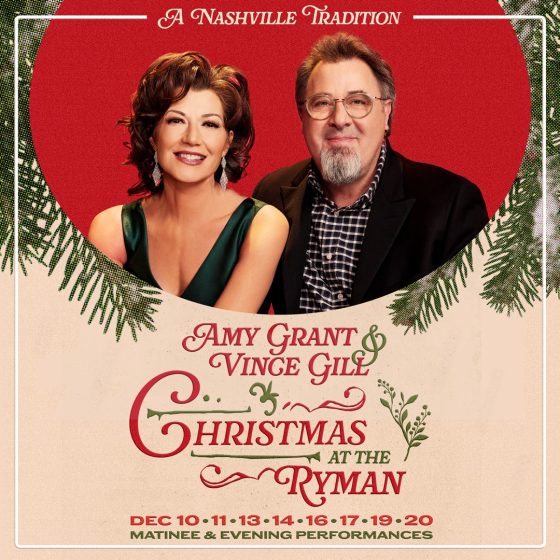
“When I Think of Christmas” I think of Amy Grant and Vince Gill holding down the holiday fort with their iconic annual Christmas at the Ryman series. This year, they’ll offer 12 performances over eight days at the lauded venue known as the most famous former home of the Grand Ole Opry and the birthplace of bluegrass. Grant and Gill epitomize Music City and how tightly knit this town and its music creators are. There are sure to be plenty of memorable and one-of-a-kind moments across their holiday residency. Limited tickets are still available, so secure yours today. The series begins today, Wednesday, December 10 and concludes on December 20.
“Joy,” Kirby Lyle
Nashville-based songwriter and multi-instrumentalist Kirby Lyle is joined by Maya de Vitry on a brand new seasonal track, “Joy.” Featuring trickling banjos, fiddles, cellos, and guitars in a cozy and grooving 6/8 time, “Joy” feels like a folk holiday mantra, with Lyle and de Vitry singing in a call-and-response style perfect for the often ecclesiastical vibes of this time of year. “Joy” centers the feelings of working class and downtrodden folks in the holiday season, finding radical hope not through toxic positivity but through intention and community. It’s both a sonic and rhetorical antidote for those weary of capitalism and consumerism masquerading as togetherness and holiday cheer.
“Merry Christmas, Baby,” Miko Marks
Does Christmas give you the blues? Well, the blues can cure your holiday blues, too – as evidenced by Oakland-based artist and singer-songwriter Miko Marks’ brand new rendition of “Merry Christmas, Baby.” With twangy resonator guitar and whining harmonica, Marks’ ensemble stomps their way through the deep-pocketed number. The classic form and chord progression are as comforting as Christmas cookies and a mug of hot cocoa, and Marks’ soaring and soulful voice is more than angelic enough for the season.
“Santa Claus Is Coming to Town,” Parker McCollum on CMA Country Christmas
Young country superstar Parker McCollum performed a quintessential classic, “Santa Claus Is Coming to Town,” on this year’s primetime broadcast of CMA Country Christmas. Flanked by thousands of twinkle lights and backed by brass, strings, and background vocalists, McCollum wore a crisp white “Fresh Western” trucker cap as he brought his trademark country energy to the beloved carol at Belmont University’s Fisher Center for the Performing Arts. If you missed the original broadcast of CMA Country Christmas on December 2 and the encore broadcast on December 9, don’t worry – you can stream CMA Country Christmas via Hulu or Disney+. The single version of the track is also available exclusively via Apple Music.
“Every Season,” MORGXN
On the opposite end of the mainstream country continuum from bro country and country trap you have artists like MORGXN innovating on the genre in similar sonic ways, but without the genre cognitive dissonance, toxic masculinity, or petty litmus testing of the other end of the spectrum. See how much fun, engaging, and innovative country can be with pop and electronic influences from other territories than what we most commonly find on the country airwaves? “Every Season” is the first holiday release from MORGXN, an original song that draws as much upon rootsy textures and tones as crisp and modern software sounds.
We always love when we find new seasonal music that’s inclusive of everyone’s faiths and traditions, too, so we’re especially excited to add “Every Season” to our holiday playlists this year.
Opry Country Christmas
Are you also devastated our Opry 100 Artist of the Month series concluded already? Here’s your solution, as mere days after the Grand Ole Opry’s special 100th Anniversary shows on November 28, Opry Country Christmas began in earnest at the Grand Ole Opry House on November 30. The festive, star-stacked shows will continue through December 23, each performance featuring Opry members the Gatlin Brothers, Riders In The Sky, Mandy Barnett, and Charlie McCoy plus varying special guests each night like Connie Smith, Marty Stuart, Maddie & Tae, the Isaacs, Ricky Skaggs, Marcus King, and many more.
If you’re nearby or traveling to Nashville this December, get your tickets and more info here. Not able to make it in person? Stream Opry Country Christmas on WSM Online and the Opry’s digital platforms, or listen like we do most often, over the good ol’ fashioned airwaves at 650 AM. When you hear Country Music Hall of Famer Charlie McCoy wail through a medley of Christmas carols on his harmonica, you’ll be glad you did.
Snow Globe Town, Brad Paisley
Brad Paisley’s brand new country Christmas album, Snow Globe Town, was inspired by him being asked by Hallmark Channel to write and record music for their brand new A Grand Ole Opry Christmas movie. Paisley has already taken his festive songs to The Tonight Show Starring Jimmy Fallon and NBC’s “Christmas in Rockefeller Center” – and the album rose rapidly to the very top of the Billboard Current Country Album chart, scoring a No. 1 while it landed on their Top Country Albums and Holiday/Seasonal Albums charts, too. With his signature croon and hearth-hot telecaster licks, Paisley offers brand new numbers and favorite classics. Snow Globe Town has been called “unmistakably Brad” and we certainly agree.
Wrapped in Paper, Sofia Talvik
We’ve enjoyed featuring Swedish singer-songwriter Sofia Talvik’s holiday songs in BGS Wraps over the years. Now, she’s collected all of her Christmas singles and tracks since 2018 into a new holiday album, Wrapped in Paper. The project also includes three brand new tracks, two originals – “Merry Christmas, Adios, So Long” and “Let Peace be the Song” – as well as her version of “Silent Night.” “Let Peace be the Song” is more than apt for the uncertain and extreme times we find ourselves living in. Seemingly a response to the attention economy of social media and the sensationalism of the news cycle, Talvik calls for peace – the true meaning of this season, regardless of faiths or traditions – while wars, conflicts, and political frays are fought all around us. If only peace could be the gift we all give each other this year.
Heart of the Holidays, Tenille Townes
A new three-song EP from singer-songwriter Tenille Townes, Heart of the Holidays, is inviting, cozy, and classic. The collection’s title track is warm and jazzy, with round hollow-body electric guitar tone that feels like a comforting hug. The drum kit shuffles along as Townes gives us an excellent track for all kinds of wintry holiday celebrations. “I love writing and singin Christmas songs,” Townes said on social media, “because it brings out all the jazzy, cozy melodies.” The project continues with “Auld Lang Syne” – preemptively add that to your New Year’s playlist now! – and a lovely three-part harmony rich version of “Go Tell It On The Mountain” featuring Caylee Hammack and Fancy Hagood rounding out the vocal trio. It’s a perfect fit for BGS Wraps!
Lead Image: Miko Marks by Karen Santos; Amy Grant & Vince Gill by Robby Klein; Tenille Townes by Robert Chavers.
In 1925, world leaders were signing the final treaties coming out of WWI; Congress authorized work on Mt. Rushmore as a national memorial; the Scopes Trial was held in Tennessee; and the first patent on radio transmission was only 28 years old.
And, in 1925, WSM first broadcast its barn dance – soon to become the Grand Ole Opry.
One hundred years later, the Grand Ole Opry is the world’s longest-running radio program. After a century that saw changes unparalleled in world history, audiences are still drawn to the Opry. Every week thousands make the pilgrimage to the Grand Ole Opry House in Nashville while others tune in around the world. The show continues to inspire new generations of performers to aspire to step “into the circle” on the Opry House stage.
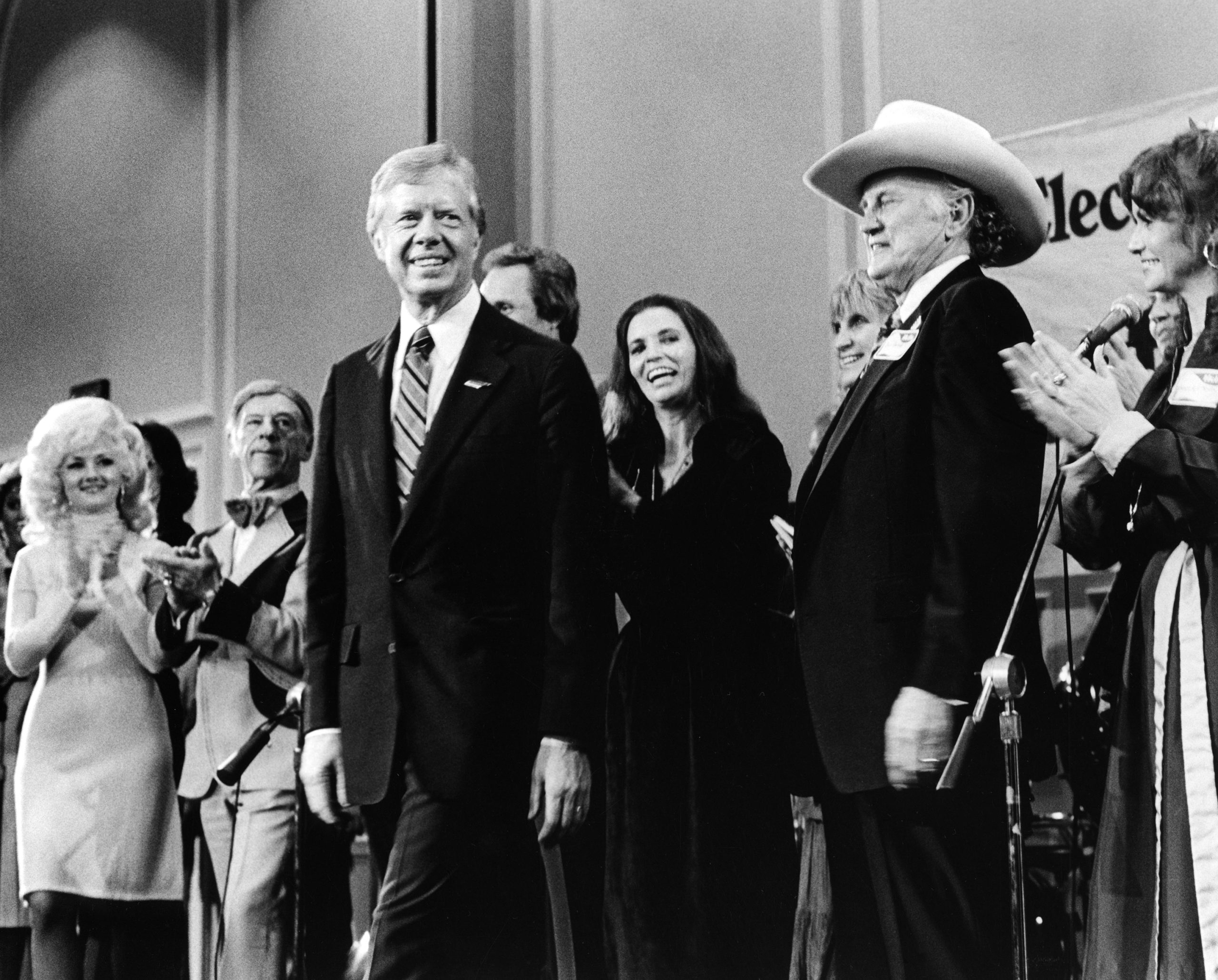
President Jimmy Carter on the Grand Ole Opry stage with Kelly Foxton, Hank Snow, Mel Tillis, June Carter Cash, Skeeter Davis, Bill Monroe, Jeannie C. Riley, and others on October 9, 1980. Photo courtesy of Ryman Hospitality Properties.
In The Beginning Was Insurance
In the 1920s, Edwin Craig was watching radio stations emerge across the nation – and seeing the money-making potential for sponsors and owners. He convinced Cornelius Craig, his father and founder of the National Life and Accident Insurance Company, that a radio station could sell a lot of insurance.
Soon, the fifth floor of the company’s downtown Nashville building held a radio studio. The call letters WSM stood for “We Shield Millions,” the company’s motto. A program that would become the lifeblood of country music started as a way to promote life insurance.
The hiring of George D. Hay away from Chicago’s WLS was the beginning of the WSM Barn Dance. The 30-year-old who called himself The Solemn Old Judge and started every show with a steamboat whistle would set the tone for much of the Opry’s 100 years – including its name.
Which all started with a clash of cultures.
Some upper-crust Nashville residents complained the only radio they could hear on weekends was string band programming from the dominant WSM station. In response, WSM began carrying the syndicated “Music Appreciation Hour.”
The Barn Dance slot followed the classical program, and Hay, not one to pass up a good line, said, “For the past hour, we have been listening to music largely from Grand Opera, but from now on, we will present ‘the Grand Ole Opry.”
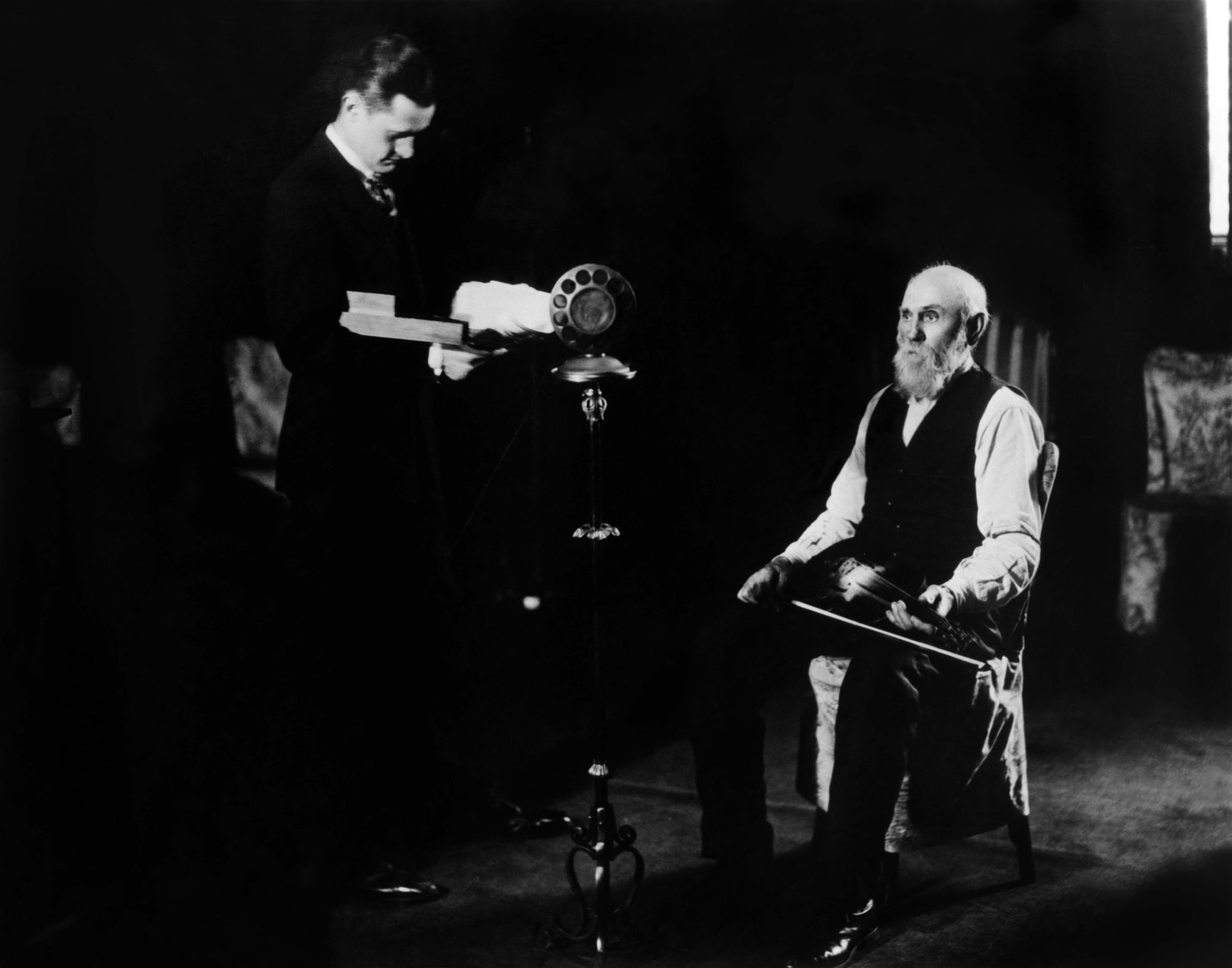
George D. Hay is pictured at microphone with a whistle and Uncle Jimmy Thompson is seated in this 1925 photograph from when the Grand Ole Opry was still the WSM Barn Dance. Photo courtesy of Ryman Hospitality Properties.
For years, the Shield Men – door-to-door National Life and Accident insurance salesmen carrying the company’s shield logo – introduced themselves as representing the Grand Ole Opry. They would even listen outside windows to see who was tuned in to the Opry – and who would be a likely customer.
The earliest WSM shows relied on local talent, running heavily toward fiddlers and string bands. But Hay would invite whoever he thought the audience would like.
DeFord Bailey, a Black musician grounded in both the blues and old-time string band music, became a regular, wowing audiences with his harmonica. Kitty Cora Cline, the first female soloist, performed on hammered dulcimer, and Fred Shriver played the accordion. Uncle Dave Macon on his banjo with Sid Harkreader on fiddle and guitar set the stage for the comedy that would remain central to the Opry’s success, with songs like, “Keep My Skillet Good and Greasy.”
A Beacon
As the recording industry grew, the variety of musicians available to the Opry grew, as well. The show began featuring brother duets, cowboy music, Western swing and solo crooners. Bill Monroe & the Blue Grass Boys were featured stars for decades.
Opry singers expressed the joys of new romance, the happiness of Sunday dinner on the lawn, the sorrow of lost love, and the loneliness of leaving home. Audiences across America listened – and related. The Opry became a focus of family life.
Dolly Parton, like many rural listeners, grew up without electricity. Her family faithfully listened to the Opry on a battery-powered radio. Waylon Jennings’ dad would hook their radio to the car battery. Jeannie Seely’s family would pile in the car and drive up a hill until they could get the signal. Opry history is filled with stories of musicians who listened as children – and dreamed of growing up to perform, like their idols, on the iconic stage.
Opry member Dierks Bentley, who gracefully moves between country and bluegrass, told BGS, “Being invited to join at all is the biggest honor – especially for me, personally. I grew up listening to all the Opry greats on the radio with my dad, so becoming a member is like having the ultimate backstage pass to see the best musicians in the world. And to be invited by Marty Stuart … hands down, it was one of the coolest nights of my life.”
Dan Rogers, the Opry’s senior vice president and executive producer, said the Opry has always been a place to celebrate the good times and be uplifted during the tough times. “Think about,” he said, “the folks who tuned in on Saturday nights during World War II. That was their only source of entertainment throughout the week.” Minnie Pearl, with her signature “How-dee,” and Roy Acuff gave them respite from war news.
On the first show after the 9-11 attacks in 2001, Rogers said, “Our background singers sang an a cappella version of ‘God Bless America.’ And one by one, the people in the audience stood and sang along. And I remember thinking, I bet everybody tuned in across the country is singing along to ‘God Bless America.’”
The Opry’s response to the COVID-19 crisis created desperately needed connection during a frightening time of isolation.
Just a week after deciding that live audience shows weren’t safe, Opry staff arranged a pared-down streaming production with no audience and a skeleton crew. Longtime cast members Bill Anderson, Jeannie Seely and Connie Smith held down the first night alongside Mandy Barnett, Michael Cleveland & Flamekeeper, and Sam Williams.
For the second weekend of restrictions, veterans Vince Gill, Marty Stuart, and Brad Paisley sat on stools spread out across the stage and pulled off what Rogers called “a beautiful, beautiful show.”
Watching from his office, Rogers started reading comments from grateful listeners. For months, people marked their calendars to tune in. They wrote, “I’m in Europe. I set my alarm. It’s 2 a.m. here, but I wanted to experience this with a community.”
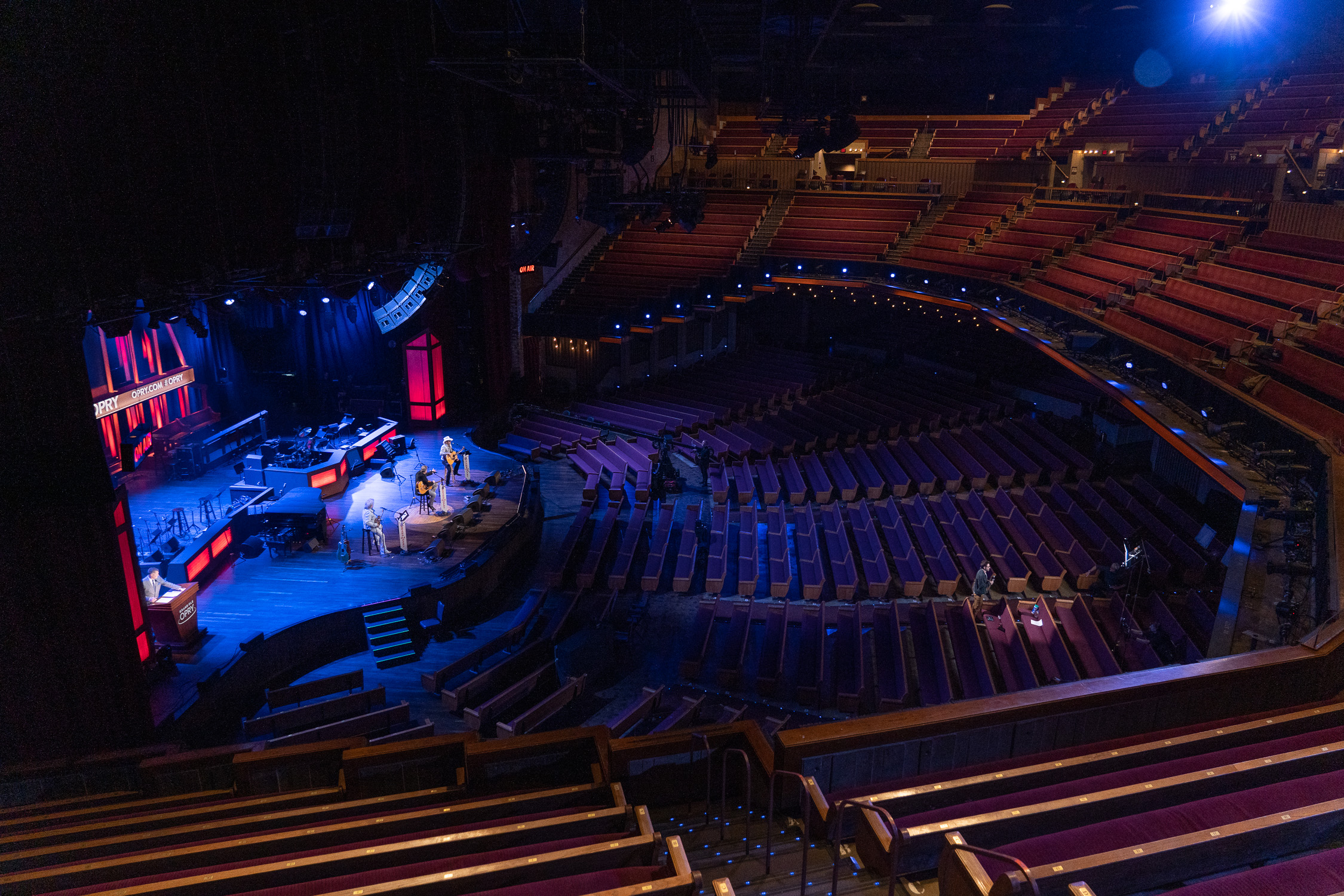
Marty Stuart, Vince Gill, and Brad Paisley perform for an empty Grand Ole Opry House during the COVID-19 lockdowns in 2020. Photo by Chris Hollo, courtesy of Ryman Hospitality Properties.
Kathy Mattea, the newest Opry inductee, feels those connections whenever she performs there.
People may have sung along to her hit “18 Wheels and a Dozen Roses” in their car or in the shower, but at the Opry, she says to BGS, “Here’s your chance to sit with an audience and sing this song that everybody knows. Nobody knows who the person next to them voted for and it doesn’t matter at that moment.”
“The Ellis Island of Country Music”
In the early days of radio, what was called hillbilly music was as limitless as the range of a 50,000 watt radio station. And the Opry remains dedicated to maintaining those wide open spaces.
Garth Brooks and Trisha Yearwood, in their forward to the book 100 Years of the Grand Ole Opry, refer to the show as the “Ellis Island of Country Music – a place where all are welcome.”
Contemporary country often has been accused of being homogenous and limited. But despite the factors that have controlled commercial country, the Opry maintains its open-arms attitude. Rogers said, “The two core tenets of an Opry show are celebrating the past, present, and future of country music, and also showcasing multiple genres under the country music umbrella.”
In any show, he said, “You might have something that’s on the top 20 of the country charts today. And you’ll have country classics. You might have a contemporary Christian song, Americana string music, or even something from outside the genre by somebody who just happens to be a country music fan or was influenced by country music.”
In 1974, the R&B-oriented Pointer Sisters included an original country song, “Fairytale,” on their second album. The cross-over hit earned them an invitation to the Opry stage, where they became the first Black group to perform.
Ringo Starr appeared for the first time in 2025 and James Taylor’s debut on November 11 will be remembered as a big part of the 100th anniversary celebration.
And, Rogers said, “Because we can do it, it’s fun to take a chance on a new artist.”
Before his first Opry appearance in July 2022, Zach Top had no hits to his name. But Rogers remembered the programming team saying, “You don’t see an artist like that every day. It sure feels to us like our audience would absolutely eat that guy up!” Today, Top’s music is everywhere.
Bluegrass has been a staple since before it had a name and it has never lost its place on the stage. Bentley and Del McCoury played “Roll on Buddy, Roll On” when the Grand Ole Opry House first reopened after the 2010 flood closed its doors for months.
Charlie Mattos is a 10-year veteran Opry announcer and longtime co-host and producer of WSM’s morning show. He said that on any given night, a portion of the Opry House audience “may truly have never seen a bluegrass band play.”
“And when Del McCoury and the boys finish with an incredible instrumental,” Mattos continued, “or Sister Sadie blisters the stage … the enthusiasm that comes out of that crowd, the immediate standing ovation for the insane musicianship that they have just witnessed …” Mattos said, “it blows their minds.”
Mattea said, “Bluegrass is front porch jazz – the virtuoso playing and the vocals and the harmonies and the trading off of licks. That’s how I fell in love with bluegrass.” And the Opry exposes millions to that brilliance.
A Good-Natured Riot
The Opry show is a complex set of acts and sets requiring precision planning, flexibility, and good nature on the part of the announcers – and commitment on the part of the performers. Rehearsals are brief or non-existent. Timing is everything.
Borrowing a phrase from George D. Hay, the Opry is still sometimes called a “good-natured riot.”
Mattos said, “When you come to see the show live, you see it all. The set changes. The artists leaving as the announcer sends them off. You can see the stage crew out there and usually in 90 seconds they can completely swap things around.”
But while reading a commercial during set changes, Mattos may notice the stage manager giving the “stretch” signal. He might have to keep talking for as long as four minutes – a millennium in radio time.
Sometimes the commercials themselves become the entertainment.
The first time Glad Wags sponsored an Opry segment, Chuck Morgan was announcing. While he stood off-stage reading the dog food commercial, house bassist Bill Linneman came up behind him and started barking. “By my last year there, there were like 20 people behind me going at it,” Morgan said. (The consensus is that Connie Smith does a great chihuahua imitation.)
A Family
Jeannie Seely – who racked up nearly 5,400 performances on the Grand Ole Opry before her passing in August 2025 – remembered it was more than the music that fueled her desire to join the Opry: “That’s hearing these people, like Mr. Acuff and Minnie [Pearl] and Jimmy Dickens and all of them, coming together every week,” she says in 100 Years of the Grand Ole Opry. “They always sounded like they were so glad to be together. They picked on each other and joked, and I thought, that’s just like a family.”
And they were family. When the plane Jim Reeves was aboard crashed in a wooded Nashville suburb, Marty Robbins and Ernest Tubb joined the search party, as did the elegant Nashville socialite Sarah Ophelia Colley Cannon – known as Minnie Pearl.
Opry star Jean Shepard was expecting her second child with husband Harold “Hawkshaw” Hawkins when Hawkins died in the plane crash that also killed Patsy Cline and Cowboy Copas. After months feeling adrift, as Shepard was quoted in the 100 Years book, “I looked down my driveway one day and here come two big black limousines full of the so-called ‘higher-ups’ from the Grand Ole Opry. They said, ‘We want you to come back to the Grand Ole Opry.’ And it really meant a lot to me.”
The family feeling is no accident. In earlier years, Opry members had to perform a specified number of Saturday nights a year. While there’s no set number today, Rogers said they look for a sense of commitment in new members. “It truly is about that relationship,” he said.
Rogers quoted Mattea, upon her invitation to become a member, saying, “These people treat you like family, no matter what.”
One of Mattea’s favorite Opry memories involves a bass player who toured with her. “He was sitting on a stool, playing and singing some old Western swing chestnut, and suddenly Riders in the Sky leaned into the dressing room in full regalia and started singing harmony.
“He was gobsmacked. He felt it was the highlight of his life,” she said.
Bluegrass performer Kody Norris’ music is influenced heavily by first- and second-generation bluegrass. But the band’s preference for flashy suits dates back to a family-friendly welcome Norris received 25 years ago.
His parents took nine-year-old Kody backstage at the Opry, “and I met Bill Anderson. And he had on a red rhinestone suit. That’s the first one I ever saw up close, where I could touch it.”
Later that day, upon meeting his equally rhinestone-clad hero, Porter Wagoner, young Kody got so excited he spit out his chewing gum. Wagoner graciously grabbed two Opry-logoed napkins, one of which the little boy used for his gum. The other one the grown Norris still keeps in perfect condition.
The Circle is Unbroken
In 1974, the Opry left its revered home of decades, the Ryman Auditorium, to move to the deliciously air-conditioned 4,400-seat Grand Ole Opry House.
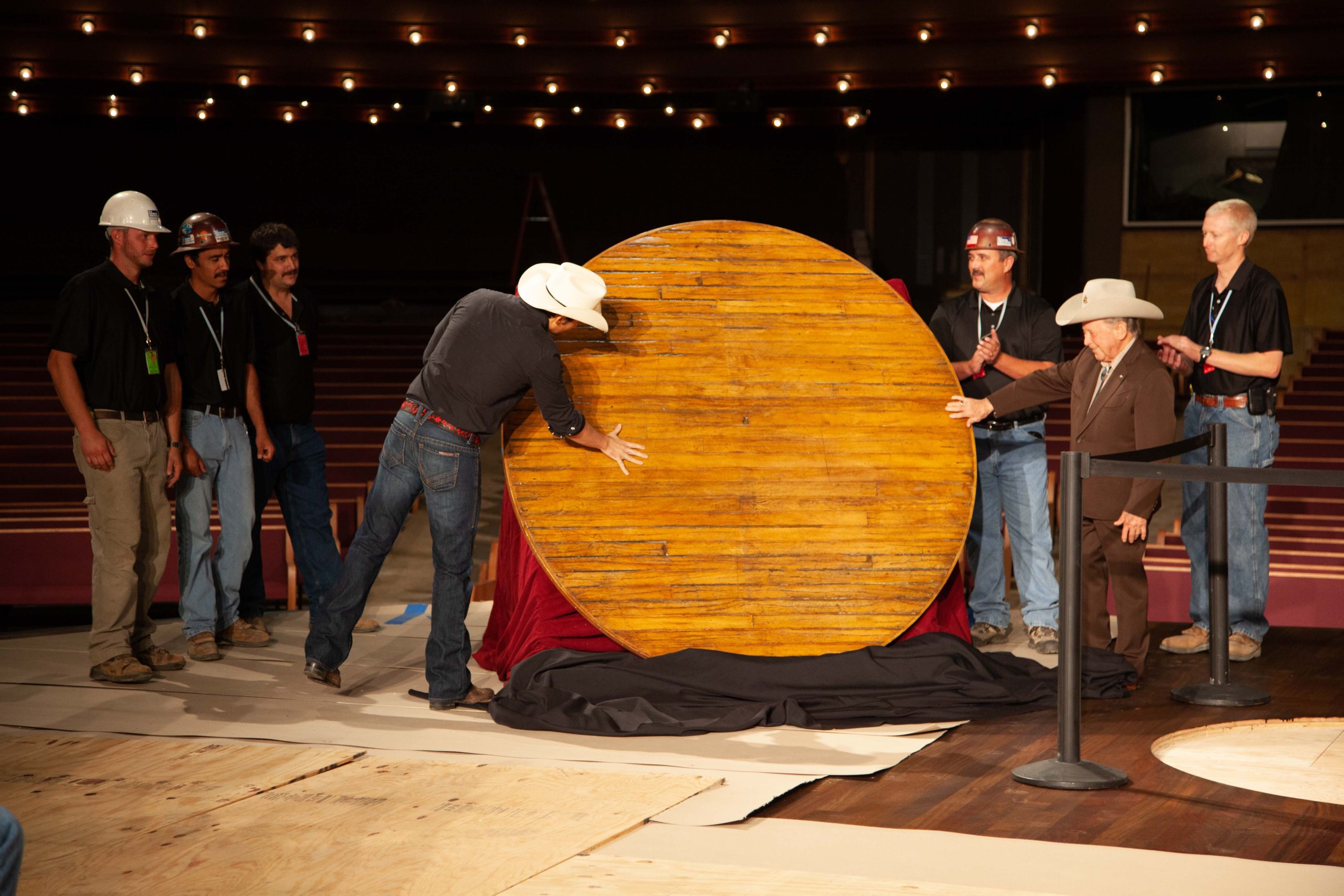
To honor its longtime home, the Opry crew cut a circle out of the Ryman stage and inset it in the new Opry House stage. The circle symbolizes the Opry’s continuity, respect for the past, and optimism for the future.
Mattea experienced that sense of a completed circle on the day she became an Opry member.
“Suzy [Bogguss] was there. We’ve toured together and sung on each other’s records. She’s my closest artist friend, and she was the only one at the ceremony who was not a member. And I thought how generous it was of her to be there.
“So, while I was overflowing with celebration, to get to invite my friend to the party publicly in the name of the Opry was the sweetest gift. It was a moment I’ll never forget, and I’m going to be there for her induction, too.” Bogguss will officially be inducted as an Opry member in early 2026.
Braid Paisley and Little Jimmy Dickens return the Circle to the Opry stage after the 2010 flood. Photo courtesy of Ryman Hospitality Properties.
Join The Celebration
There’s nothing low-key about the Grand Ole Opry – so in the classic Opry spirit, fans have had plenty of opportunity to celebrate the centennial all year long.
Earlier this year, NBC broadcast a three-hour anniversary special, with dozens of stars ranging from Reba McEntire to Jelly Roll to The War and Treaty. The Opry also took the show to London’s Royal Albert Hall for the very first time. You can stream clips of these and other Opry events on YouTube and social media.
With the Virgin Music Group, the Opry has produced the album Opry 100, Country’s Greatest Songs (released November 7). Among the unforgettable recordings are Vince Gill singing his heart-rending “Go Rest High on That Mountain,” Dolly Parton singing “I Will Always Love You,” and Ashley McBryde covering the classic “Your Cheatin’ Heart.” You can order the album from the Opry site.
Craig Shelburne, Brenda Colladay, and Opry members and employees collaborated on 100 Years of the Grand Ole Opry, a book filled with anecdotes and photos that vividly illustrate the Opry’s remarkable history. And to teach your children well, there’s also a new childrens’ picture book written by Emily Frans and illustrated by Susanna Chapman. Find them in your local bookstore.
And, on November 28, 2025, the official 100th anniversary of the Grand Ole Opry we all hold dear, the Opry is celebrating with two huge birthday party shows featuring country stars and Opry members like Vince Gill, Ricky Skaggs, Trace Adkins, Dailey & Vincent, Bill Anderson, Jamey Johnson, Marty Stuart, and many, many more. Tickets are available here.
Of course, the celebrations will continue in 2026.
“The Opry is the core and soul of country music,” Bentley said. “It’s a place where the past, present and future of our genre all come together. There isn’t anywhere else like it.”
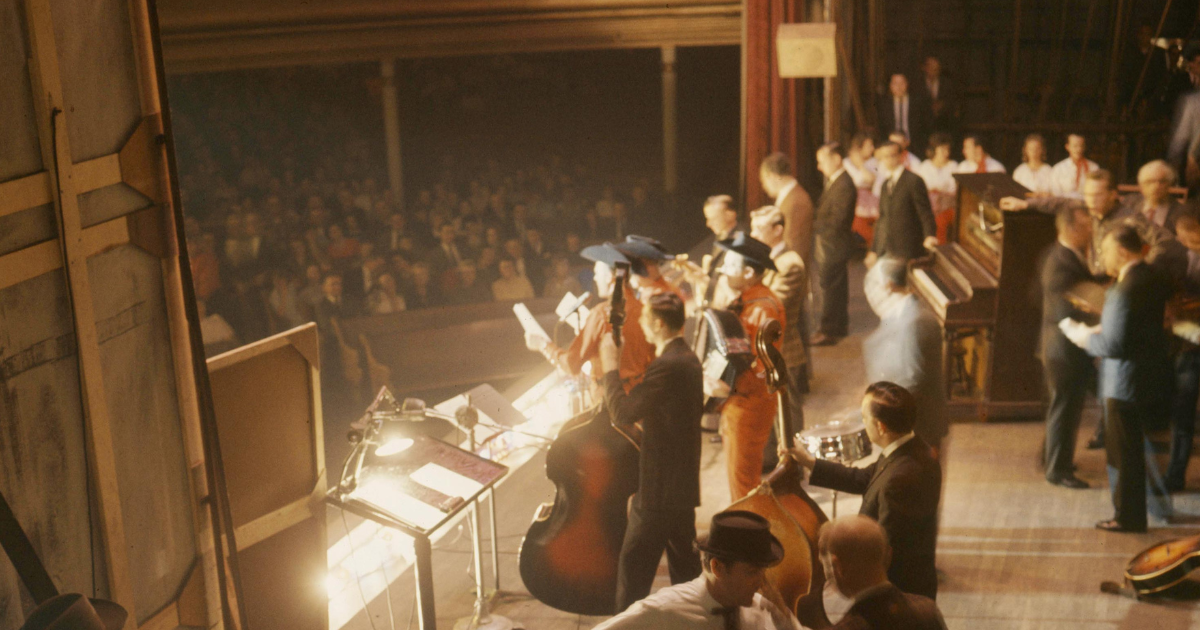
All photos courtesy of Ryman Hospitality Properties, credits and attributions as marked. Lead image: Bill Monroe & the Blue Grass Boys and the Opry Square Dancers take the Opry stage at the Ryman Auditorium in the 1960s.
This month, BGS is celebrating 100 years of the Grand Ole Opry! It would be hard to overstate the influence of the Opry on American roots music – hell, on music in general – over the past century.
From Earl Scruggs joining Bill Monroe to create the sound of bluegrass; to DeFord Bailey becoming the first Black Opry star and the first Black musician to break into the commercial music scene in Nashville; to the legendary meeting of Johnny Cash and June Carter; the Opry has been a catalyst for so many iconic moments. Below, we kick off our “Artist of the Month” celebration with our Opry 100 Essentials Playlist, which includes some of our favorite live recordings from the Opry, songs famously debuted on that legendary stage, and some of our favorite roots songs written about the Opry and its lore, too.
Did you know that Dolly Parton made her first Grand Ole Opry appearance in 1959 at the age of 13 and received three encores? To get a sense of how young Dolly might have sounded on that stage, we’ve included one of her very first singles, “Girl Left Alone,” (the B-side of the now well-known “Puppy Love”), recorded when she was just 11 years old and released the same year as her Opry debut.
Elvis famously made his Opry debut in 1954 at the age of 19, singing “Blue Moon of Kentucky” in a style that was so poorly received a manager told him to “go back to driving a truck,” or something of that nature. You can hear his rockabilly version on our playlist.
In 1969, Linda Martell was the first solo Black woman to perform on the Opry, singing “Color Him Father” for her debut. Although she faced rampant racism throughout her career, her first performance on the Opry was met with two standing ovations and she went on to perform there 12 times over the years.
The Opry has also been fodder for songwriting, inspiring many tracks over the years. Early Opry star David “Stringbean” Akeman met Bill Monroe while playing semi-professional baseball and went on to play clawhammer-style banjo in his band from 1943 to 1945. After parting ways with Monroe’s band, Stringbean became an Opry star in his own right and penned the song “Opry Time in Tennessee.”
Stringbean and his wife were tragically murdered in 1973 by thieves who had heard of him storing cash in his home. In 2009, Sam Bush released his song, “The Ballad of Stringbean and Estelle,” co-written with Guy Clark and Verlon Thompson. “The thieves laid in wait for hours/ But things didn’t go their way/ But he wouldn’t let go of his Opry pay,” sings Bush on his album, Circles Around Me.
Shortly before the Opry was moved from downtown Nashville’s Ryman Auditorium to the newly built Opry House in 1974, John Hartford released “Tear Down the Grand Ole Opry,” a scathing commentary on the commercialization of country music. “Right across from the wax museum/ They used to line up around the block/ From east Tennessee and back down home again … Broad Street will never be the same,” Hartford sings nostalgically on his legendary Aereo-Plain album.
While the Opry is known as a country music gold standard, over its 100 years as a live-broadcast radio show it has held clout across the genres and in popular culture – not just in country. This year, as part of the celebration of its 100th anniversary, the Opry has been featuring 100 Opry debuts and first-time performances. These special appearances have showcased the broad impact of the Opry, hosting the likes of pop star Sabrina Carpenter who said, “My mom raised me on the artists who have stood up here.”
Whether in country, bluegrass, Americana, or beyond, the Grand Ole Opry continues to be a musical powerhouse, 100 years after its barn dance birth. While we look ahead to the next century of Opry magic, we’re beyond excited to join the Grand Ole Opry family in celebrating Opry 100 for the entire month of November. Enjoy our Opry 100 Essentials Playlist below and relive the Opry 100: A Live Celebration television special on NBC from earlier this year here, too. You can read our primary feature on Opry 100 right here. Plus, stay tuned all month as we have brand new and archive articles, interviews, and features we’ll be sharing here and on socials all spotlighting the incredibly legacy and community of our beloved Grand Ole Opry as we countdown to November 28, 2025 – the Opry’s official 100th birthday!
Lead Image: Opening of the Grand Ole Opry House in 1974, courtesy of Ryman Hospitality Properties.
Last night, the Americana Music Association held their 24th Annual Americana Honors & Awards at the Ryman Auditorium in Nashville, Tennessee. The star-studded show, which packed plenty of magical moments into its three-hour-plus runtime, was hosted by actor/comedian/musician John C. Reilly and featured performances by John Fogerty, Emmylou Harris, Joy Oladokun, I’m With Her, S.G. Goodman, and many, many more.
Fiddler Alex Hargreaves, currently touring and recording with Billy Strings, won the first award of the evening, Instrumentalist of the Year, while Appalachian “heavy petal music” starlet-pixie Sierra Ferrell was awarded Artist of the Year. Nathaniel Rateliff & the Night Sweats’ latest LP, 2024’s South of Here, won Album of the Year and Gillian Welch & David Rawlings took home a trophy each for Duo/Group of the Year.
Nashville singer-songwriter, session playing stalwart, and community leader Buddy Miller returned yet again as the musical director of the Americana All-Star Band – including Don Was, The McCrary Sisters, Fred Eltringham, Jen Gunderman, Jim Hoke, and Larry Campbell – to supply the evening’s first-class music. Plus, the McCrary Sisters were honored by AMA and the National Museum of African American Music with the Legacy of Americana Award.
There were many more noteworthy moments, performances, and appearances throughout the proceedings, which were livestreamed via NPR Music – watch here to see all that you may have missed. Below, you’ll find a full list of the winners and honorees – with “Of the Year” awardees marked in bold. Americanafest continues through the rest of the week in Nashville, promising even more roots music magic all across Music City.
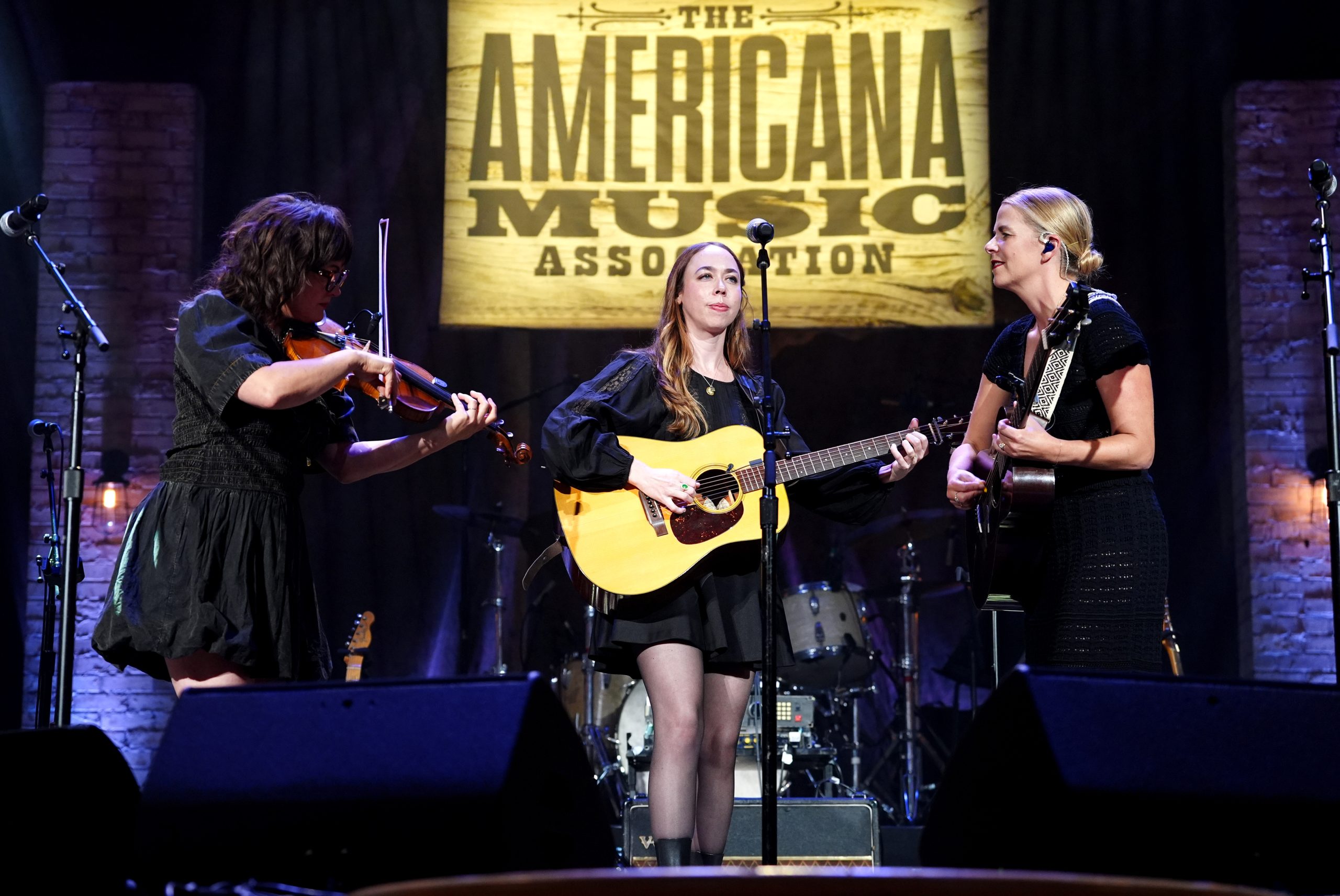
I’m With Her – Sara Watkins, Sarah Jarosz and Aoife O’Donovan – perform during the Americana Honors & Awards at which they won Song of the Year. (Photo by Erika Goldring/Getty Images for Americana Music Association.)
ALBUM OF THE YEAR
Lonesome Drifter, Charley Crockett; Produced by Charley Crockett & Shooter Jennings
Foxes in the Snow, Jason Isbell; Produced by Jason Isbell & Gena Johnson
Manning Fireworks, MJ Lenderman; Produced by Alex Farrar & MJ Lenderman
South of Here, Nathaniel Rateliff & The Night Sweats; Produced by Brad Cook
Woodland, Gillian Welch & David Rawlings; Produced by David Rawlings
ARTIST OF THE YEAR
Charley Crockett Sierra Ferrell Joy Oladokun Billy Strings Waxahatchee
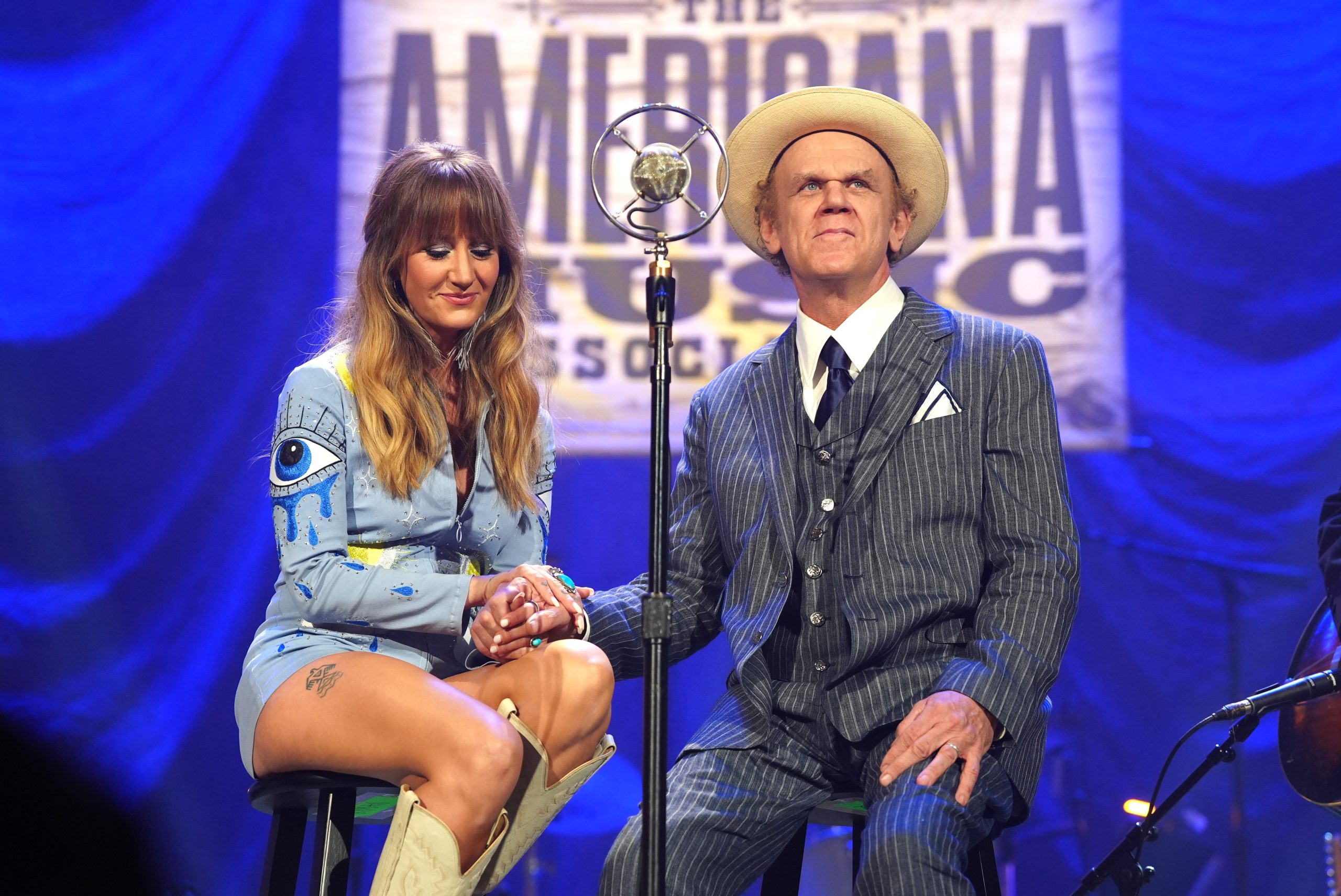
Margo Price and host John C. Reilly center stage at the Americana Honors & Awards. (Photo by Erika Goldring/Getty Images for Americana Music Association.)
DUO/GROUP OF THE YEAR
Julien Baker & TORRES Dawes Larkin Poe The Mavericks Gillian Welch & David Rawlings
EMERGING ACT OF THE YEAR
Noeline Hofmann MJ Lenderman Medium Build Maggie Rose Jesse Welles
INSTRUMENTALIST OF THE YEAR
Fred Eltringham Alex Hargreaves Megan Jane Kaitlyn Raitz Seth Taylor
SONG OF THE YEAR
“Johnny Moonshine,” Maggie Antone; Written by Maggie Antone, Natalie Hemby & Aaron Raitiere
“Ancient Light,” I’m With Her; Written by Sarah Jarosz, Aoife O’Donovan & Sara Watkins
“Wristwatch,” MJ Lenderman; Written by MJ Lenderman
“Sunshine Getaway,” JD McPherson; Written by Page Burkum, JD McPherson & Jack Torrey
“Heartless,” Nathaniel Rateliff & The Night Sweats; Written by Nathaniel Rateliff
Darrell Scott sings with I’m With Her – Sara Watkins, Sarah Jarosz, and Aoife O’Donovan – at the Americana Honors & Awards. (Photo by Erika Goldring/Getty Images for Americana Music Association.)
AMERICANA LIFETIME ACHIEVEMENT HONOREES
Joe Henry Darrell Scott Old 97’s
LEGACY OF AMERICANA AWARD
(co-presented with the National Museum of African American Music)
The McCrary Sisters
SPIRIT OF AMERICANA FREE SPEECH IN MUSIC AWARD
Jesse Welles
All photos via Getty Images for Americana Music Association, credits as noted.
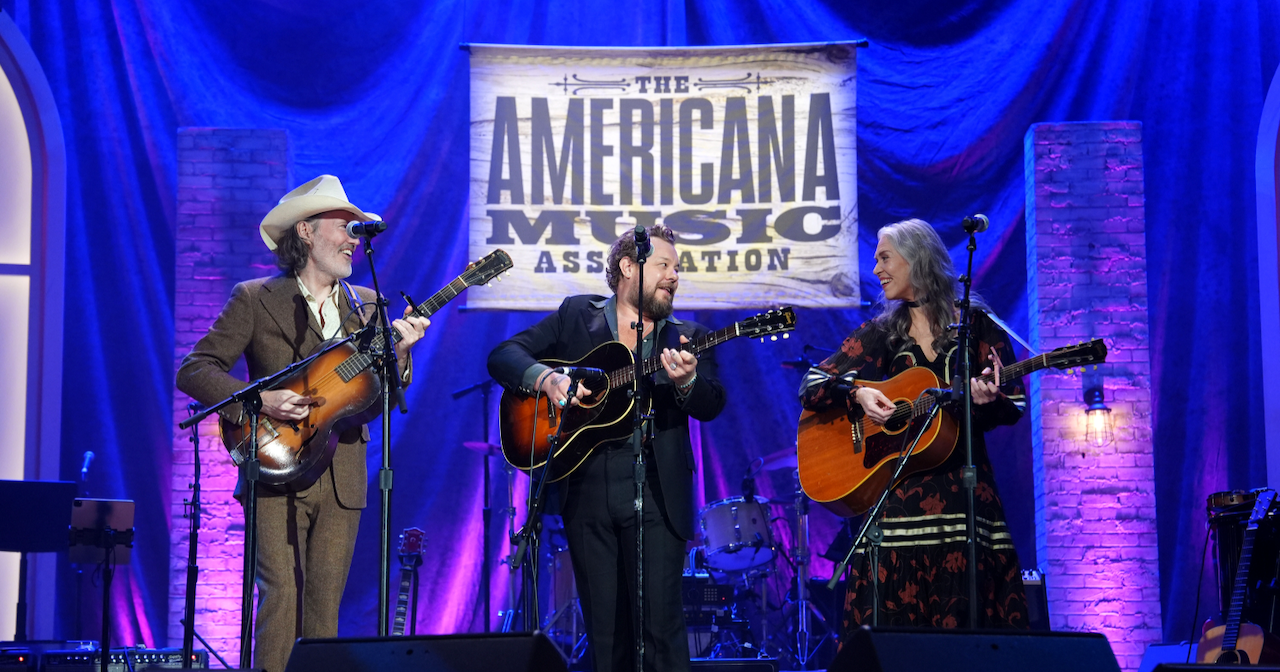
Lead image: David Rawlings, Nathaniel Rateliff, and Gillian Welch perform during the Americana Honors & Awards; by Erika Goldring. Alternate images: David Rawlings & Gillian Welch pose backstage with their award for Duo/Group of the year; by Terry Wyatt.
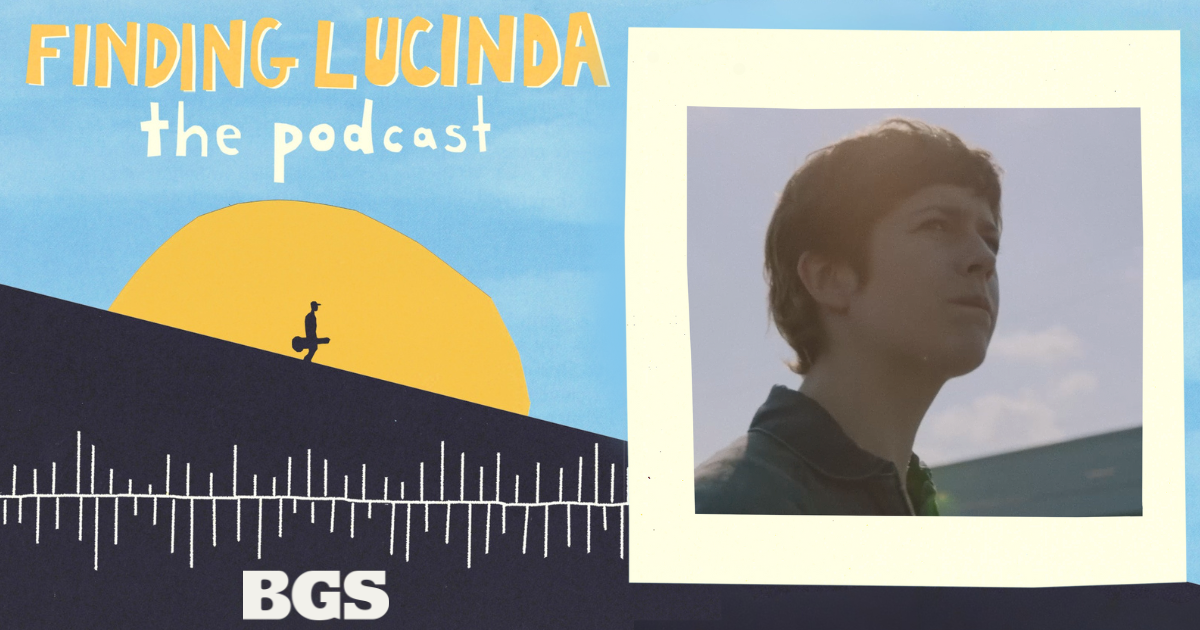
Ismay wakes up the day after interviewing Mary Gauthier ready to attend a live performance by Lucinda Williams at the Ryman Auditorium. In order to finish out their journey, Ismay hopes to interview Lucinda right before her show and find a conclusion to their road trip. However, it turns out that due to unforeseen circumstances the interview is no longer possible. So, Ismay attends the show anyway and has to make a decision about whether to continue following Lucinda or to move forward. Plus, they meet up with engineer and producer for Car Wheels On A Gravel Road, Ray Kennedy.
Produced in partnership with BGS and distributed through the BGS Podcast Network, Finding Lucinda expands on the themes of Ismay’s eponymous documentary film, exploring artistic influence, creative resilience, and the impact of Williams’ music. New episodes are released twice a month. Listen right here on BGS or wherever you get podcasts.
Finding Lucinda, the documentary film that inspired and instigated the podcast, is slated for release on September 9, 2025. Both the film and podcast showcase never-before-heard archival material, intimate conversations, and a visual journey through the literal and figurative landscapes that molded Lucinda’s songwriting.
Credits: Produced and mixed by Avery Hellman for Neanderthal Records, LLC. Music by Ismay. Artwork by Avery Hellman. Nashville Recording: Recorded at Room and Board Studio. Sound Recordist: Rodrigo Nino Producer: Liz McBee Director: Joel Fendelman Co-Director & Cinematographer: Rose Bush Special thanks to: Mick Hellman, Chuck Prophet, Jonathan McHugh, Sydney Lane, Don Fierro, Jacqueline Sabec, Rosemary Carroll, Lucinda Williams, and Tom Overby
Find more information on Finding Lucinda here. Find our full Finding Lucinda episode archive here.
Featuring Harry Clark on mandolin, James Kee on guitar, fiddler Maddie Denton, bassist/Dobro player Jeff Partin, and Cory Walker on banjo, East Nash Grass began as ragtag group of pickers blowing off steam at a honky-tonk in Madison, Tennessee, just northeast of Nashville proper. It has always been a band open to both unusual ideas and committed to the classic form. Still, their new album, All God’s Children, takes the metaphorical cake.
After winning the 2024 IBMA Award for New Artist of the Year, touring internationally, and even making their co-headline debut at Nashville’s Ryman Auditorium, All God’s Children feels like a joyful tribute to the many ways life gets good – and to bluegrass’s many salt-of-the-earth styles. With skillful traditional picking and a focus on diversity (both thematically and in the band’s tendency to share the spotlight at center stage), East Nash Grass deliver a truly spirit-satisfying album. Just don’t let its name fool you – this ain’t gospel.
“I enjoyed that it’s a little bit of a misnomer,” says Kee, with a touch of mischief in his voice. “We are a fairly traditional bluegrass band and we do some gospel music, but … anybody who knows us would know pretty immediately, it’s not a gospel album. I kind of liked that it would make somebody who doesn’t know our music take a second look.”
Out August 22 and featuring everything from good-old fashioned traveling songs to a reimagined West African folk tune, All God’s Children celebrates the coming together of worlds. James, Harry, and Maddie spoke with BGS from a Montana tour stop and explained how they reached their universally minded creative crossroads.
What’s the vibe with you guys these days? The last few years have been a bit of a Cinderella story and you’ve done so well. How are you feeling creatively?
Harry Clark: We’re in road mode right now. I feel like we were in a real creative mode around December when we were finishing the album and you kind of have to go into a different mode for … “Alright, let’s get through three weeks on the road in a van.” That’s a different kind of mindset.
But going into the album process, was there no pressure to change the way you’ve been doing things in the past – just because now there’s been a little more success?
HC: I feel like there are just ideas and things that seem to exist that we want to bring into life. That’s how the creative process has been for us. I wouldn’t call it aimless, but we kind of just let it happen on its own in terms – what songs people are bringing in and what the mood of those are. It’s just recording a record. It’s kind of like seasons of your life.
This one has a little bit of everything. You’ve got some new songs, a couple covers, and even a [modified] Liberian chant. Was this just kind of a cross section of everything the band is into right now?
Maddie Denton: I think everybody’s been getting into different stuff on their own. And everybody’s writing with other people, while we’re writing together. So I guess “cross section” is a good word for it. We just wanted to put together some songs that we liked.
How about thematically? It’s called All God’s Children and you guys say very clearly this is not a gospel record, but it does have a spiritual element, right? What do you mean by that?
James Kee: We debated a couple different titles. I was afraid that this traditional bluegrass crowd would hear that [title] and assume it was gospel, which would be an issue. And then once I kind of sunk my teeth in, I actually thought that [song, “All God’s Children,”] was the heart of the album, and it just seemed like the right title.
All the songs on it are a good showing of different walks of life. It’s not just one thought for each song. It’s not about the same person throughout each song. It’s different short stories throughout the album. It kind of goes hand in hand with “all of God’s children,” because it’s a bunch of different things. Not just one.
MD: It also came about after we had done some international travel as a band. Some of us had been to other countries, but not with the band, and then in February of last year we went to Ireland and Switzerland with East Nash Grass and this record started falling into place after that. And then later in the year we went to France. I think we got inspired by seeing some different folks and ways of life than what we were used to. There’s a small element of world music inspiration behind the record, too. So I think that comes from just traveling more.
You have always been a very inclusive-minded band, while also sticking pretty close to traditional bluegrass roots. When you started at Dee’s [Country Cocktail Lounge], was that kind of the goal?
HC: I feel like that’s where we all came from individually. Each and every one of us grew up going to these lawn chair snapping festivals where you go up and they have the same bands every year and there’s people out watching the show in their lawn chairs – sometimes sleeping [like] they’re dead. But there’s also this killer community of jamming that happens at these festivals, and you go and you jam with people and you just learn the repertoire. You get together with people you haven’t even met before, but who’ve been in the same places, and you can just all kind of speak the same language.
We were able to take it from there. We all have that same background from our childhoods of going to these places and these shared experiences. So when we got together, it was like we had been doing it for a long time. But everyone’s got new ideas, new energy coming from other places musically as well. … I think we all pull from that individually and it comes out sounding like traditional bluegrass, but at the same time, not really at all.
After winning the IBMA New Artist of the Year award, do you feel like that is more accepted in the bluegrass community nowadays?
HC: It’s art and it has to move … so it just seemed like the time to do our own thing. The most important part is always the music. I hope it stands the test of time and somebody else listening can look back 20 years from now and say it was a good guidepost throughout the evolution of bluegrass music. That is most important to us, as opposed to trying to fit into a certain box that has just been built many, many times.
You all do a really good job of sharing the spotlight. Different singers, different featured instruments. From a friendship perspective, what’s it like watching your bandmates do their thing every night?
MD: Man, it’s pretty cool. Everybody is such a good musician and such a good singer. I mean, even Cory can sing a little bit – he just doesn’t like to do it and play banjo at the same time. Everyone has a little special unique thing that makes them stand out.
HC: For me personally, everyone has something they do really well that I just can’t do. And when I get to see ‘em do that, I’m in awe. It’s inspiring when someone crushes something right in front of your face and you’re like, “Man, I dunno how they do that every time.”
JK: Also anything that’s a win for one person in the band is a win for the whole band, and that’s kind of how we’ve looked at it. It’s like it’s the sum of all parts.
The reason I ask is because you made your headline debut at the Ryman Auditorium a couple of weeks ago. What was that night like?
HC: It’s hard to describe. It’s the Mother Church. It’s truly my favorite venue to see a show, and now play a show. There’s no time like the first time … and it’s just such an honor to be up there, have our name up there, and have our own little night there.
There’s only a few places where once I get on stage, it hits me where I’m at and what I’m doing, and then I focus in on everything so close, and that never helps me out. To touch on the question you asked prior to this, one of the best parts about this band is there’s been times where I felt like I didn’t play a great show personally, but the band probably played one of its best shows, because everyone can step up and pick up weight. It really pays off when that team spirit comes out, because I do feel like that night at the Ryman I got up there and was in my head – because of this place. But as a band, the band crushed it. Once again. It was a great feeling.
Tell me a little bit about the story behind “All God’s Children.” It’s got this warm and fuzzy bluegrass feeling and then you’ve got some joyful children noises in there too. Where’s all this coming from?
MD: Well, that’s our buddy David Grier’s son Nash Grier. Nash helped us out with those joyful children noises.
JK: Yeah, Nash is seven and he’s fluent in Japanese and English.
MD: And he can play – I mean, probably any instrument, but I’ve seen him play fiddle. He’s crazy good, so everybody keep their eye open for old Nash Grier. He’s coming for everybody’s jobs in Nashville.
HC: That was a song that me and Christian Ward and Cory Walker wrote and I kind of had that phrase in mind. The idea behind the song was loosely based on real life, but at the same time, it kind of has that old-time limerick thing where you can take whatever the words are and use your imagination to make ‘em what you want it to mean.
How about “Jump Through the Window.” Is this one the Liberian chant? I think it speaks to the way you made all these songs your own that I can’t necessarily tell.
MD: Yeah! Our tour manager and my best pal, Brenna MacMillan, she grew up with some siblings adopted from Liberia, and they knew this song, this chant. It was like a thing that the Liberian kids over there knew. … Brenna came to me with this idea of like, “Hey, there’s this chant that I grew up hearing with my siblings and I think it would be cool bluegrass. Can you help me with it?”
Everybody spent time learning it because it’s kind of a weird thing, but we arranged it and everybody had really nice ideas. I think Jeff had some ideas at the end for those chord substitutions, and it just came together really nicely. Then we brought Brenna in to sing some harmony on it. There’s the part where we all are singing unison together, so Brenna is on that. The engineer of the record, Jake Stargel, also hopped on a mic and joined us in the little chant part. And James was the town elder singing the bass part.
That speaks to the inclusive nature of a set called All God’s Children, which you have done a few times here. I just wonder, what do you hope listeners take away from this batch of music?
HC: A bunch of merch. [Laughs]
MD: There’s a peacefulness to me about this record, and that comes from having seen some of the world and singing about those experiences and connectedness. For me, this record, it’s like we had to pull together to make it, and I want it to reach different types of folks and everybody feel connected.
HC: I remember when I was a teenager, I’d played bluegrass for eight years and it was becoming more and more the forefront of my life. And when I would hear something that hit me as new or fresh, it inspired me to want to do something new and fresh, and get out of the box a little bit. I hope we can do that for other young musicians. It feels good when you see a young musician that you see a little bit of yourself in, who is inspired by what you’re doing. It kind of gives it a little more gravity, and you realize, “Oh, there is reason and purpose behind this just other than fulfilling that weird urge to create art.”
JK: And to that end, with all of us being lifelong bluegrassers, we know there’s a big contingent of folks that know all these same songs that we know and won’t get outside of that box, and that is okay. There’s no problem if that’s what you want to do as a musician, is to play those same songs for the rest of your life. But I feel like this is a statement that you don’t necessarily have to do that. You can use the same traditional instrument lineup and be a bluegrass band by all norms, and create something new and do some new music, and this is kind of our offering.
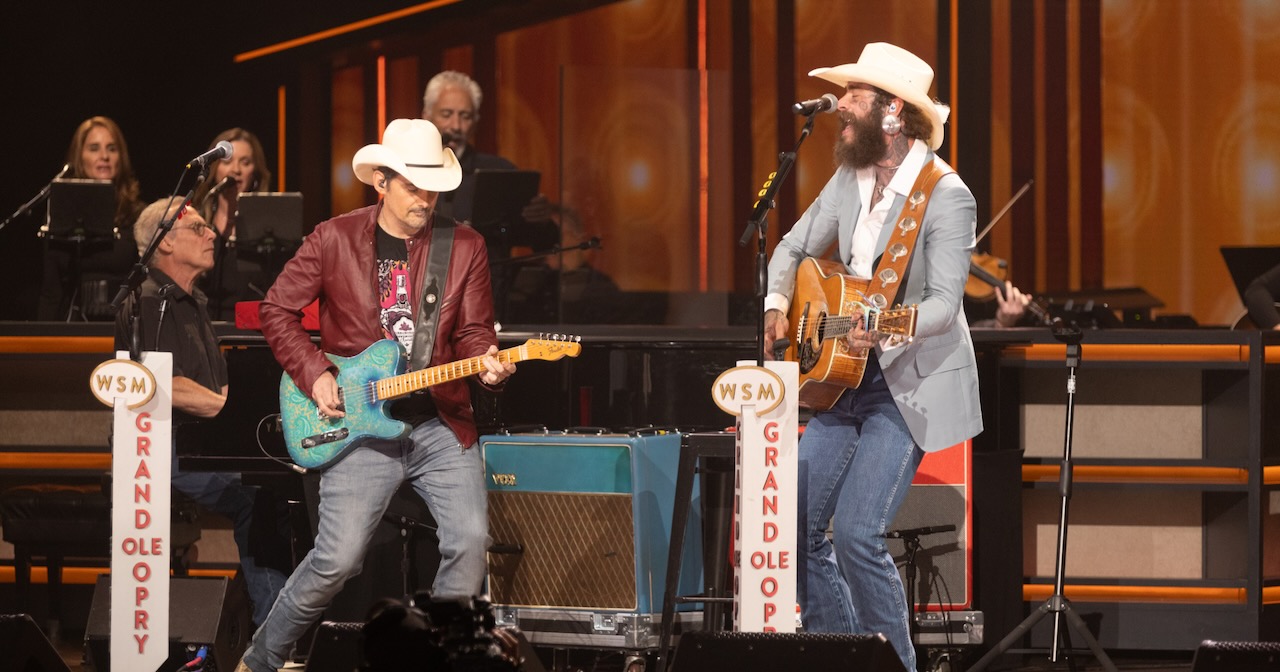
Back in August 2024, in tandem with the release of his earth-shaking country debut, F-1 Trillion, Post Malone took to the heralded Grand Ole Opry stage for the very first time. The special edition show, “Post Malone & Friends Live at the Opry,” was filmed for an Opry Live and Circle Now livestream broadcast and featured performances by Malone, Lainey Wilson, Vince Gill, Brad Paisley, The War and Treaty, and many more.
As usual, the incredible Opry content team was backstage and on hand for the momentous evening, capturing Malone’s debut as they do for each artist who takes to the stage, stepping into “the circle” – the inset portion of stage taken from the Ryman Auditorium in downtown Nashville and installed into the floorboards of the Grand Ole Opry House. Hundreds, if not thousands, of iconic artists, musicians, and celebrities have strode the hallowed circle.
“Stepping into the circle today is very much like the Super Bowl,” Malone says in the video released last week. “It’s terrifying, but it’s so exciting – and I’m ready to rock.”
And rock he did, bringing the drive and swagger of his mainstream background onto the Opry stage, packaged in rugged, honky-tonkin’, and fun F-1 Trillion vibes. The video showcases just how excited and even giddy Malone is to share in the legacy of the Opry. It’s a common, nearly universal feeling for every artist – of every level and every genre –who has stepped onto that stage.
With words and thoughts from Wilson, Gill, and Post Malone himself, the video includes sweet backstage moments, clips of once-in-a-lifetime performances, and a heaping helping of the welcome and hospitality of the Grand Ole Opry family. It’s a testament to how open and warm this genre can be to newcomers and visitors in these styles – when it wants to be.
Ten years after a band of college friends played their first show in Lubbock, Texas, Flatland Cavalry have finally stopped moving to take a look around. Released in early November, their latest album, Flatland Forever, is a 25-song chronological opus, sampling key tracks from their six acclaimed albums. But, as with most things the band does, it isn’t your typical “greatest hits” package.
Also finding space for a few unreleased gems, Flatland Forever traces the contours of a remarkable roots music rise. This Cavalry has ridden to the rescue of countless country fans, pushing an indie ethos deep into the mainstream while retaining a self-contained spirit, and the Forever project offers new listeners an easy way to get up to speed.
Their 10 years have seen Flatland gather 500 million streams and a Gold certification for the tender “A Life Where We Work Out,” while establishing their live-band cred alongside the genre’s best and brightest. 2024 alone saw them score their first ACM Awards nomination (for Group of the Year), plus high-profile Hollywood placements in Yellowstone, Twisters, and more.
They also marked their first headlining shows at iconic venues like Red Rocks Amphitheatre and Ryman Auditorium, and they made a triumphant return to Texas on December 31, headlining Fort Worth’s Dickies Arena for the first time. Then it’s on to the Flatland Forever Tour – kicking off February 7 in Atlanta – with a new setlist to match the album in scope and satisfaction.
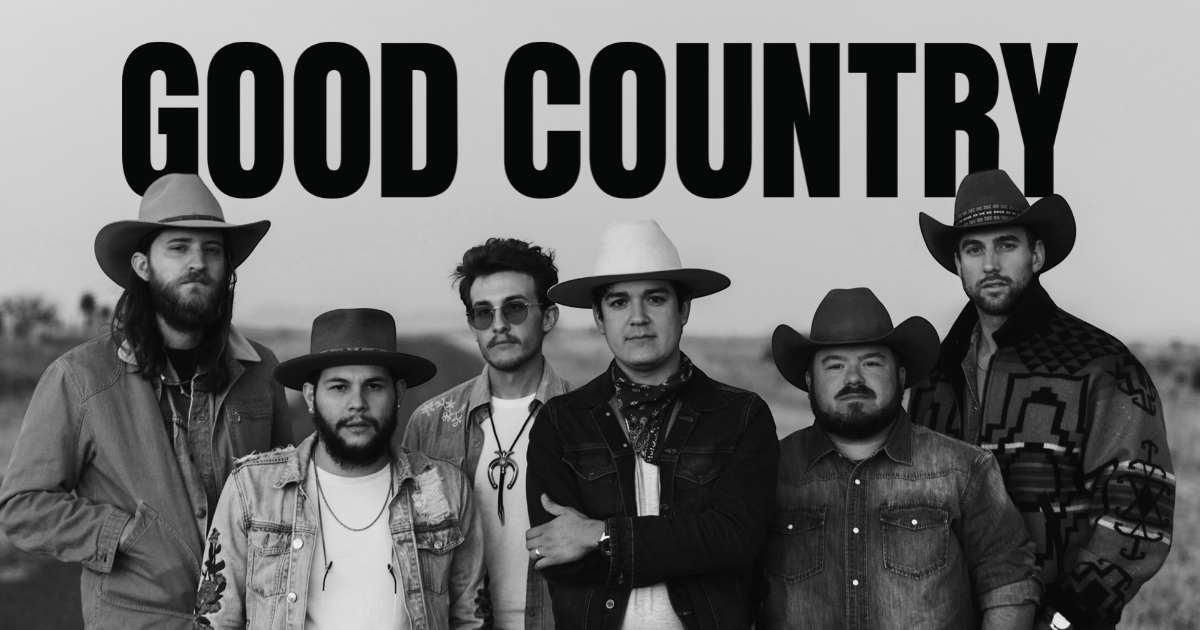
It definitely seems like a good time to take stock of how far Flatland Cavalry has come, and in a conversation with Good Country last month, lead singer and songwriter Cleto Cordero does just that. Breaking from a peaceful morning in Nashville which found him “sitting like a hippie or a cat and letting the sun hit me in the face, just breathing,” Cordero explains where Flatland Forever came from, and what it feels like to pass a true milestone.
Why don’t you start by telling me how you’re feeling these days. This is definitely a milestone that most bands never even imagined they’ll reach. So how’s it feel?
Cleto Cordero: It feels really good. It feels like a lot of hard work paying off and proof that persistence can get you where you aspire to go. It’s been a long journey, but you wake up one day and it’s like 10 years later and heck, man, you’re walking in the dream that was just in your head 10 years ago. So it feels good. It’s affirming.
That’s a beautiful thing for sure. It’s been ten years since the band started. I just wonder, are you still feeling inspired by music making?
We stay pretty busy on the road, so it is challenging to find that zen where, to me, the songs come from. But that’s why I’m seeking it. That’s why I’m sitting in the sun in my library. I just listened to a meditation last night and it was a lecture by Neville Goddard, and he’s talking about being still – it’s like the old biblical scripture, “Be still know that I’m God.” I think as much as we move and shake and hustle and bustle, that place where songs come from in my heart seems harder to hear. So I have to seek that inspiration and try to convene with it every day.
Tell me a little bit about Flatland Forever and the idea behind this. It seems like the key for you guys was to make it more than a greatest hits package, right?
The idea was initially brought to me by Matt Morris at Interscope Records, who we began working with last September. He had an idea like, “Y’all have so many great songs. And for someone that doesn’t know who Flatland is, it’s kind of a lot to chew on. Maybe there’s a way we can put all the songs in one place on a compilation.” And as he was saying that, I told him I had an idea for an album that I want to make one day called Flatland Forever. I was like, “That’s literally what I envisioned it to be.”
So his idea and mine kind of melded together and then I didn’t want it to just be stuff that we had already released. I wanted to throw in some unreleased songs or stuff that we had recorded but never shared, and it morphed into this smorgasbord of old and new.
As you were putting it together, did you notice any creative growth? As you went back through these older songs, how did they line up with the new stuff?
I mean, a [new] song called “Three Car Garage,” that’s something I could imagine myself writing last week or something. … I think if you listen to the start of the album and then you make your way on to the very end, it will be a journey hearing us evolve sonically and lyrically and all that stuff. … But I wrote that one when I was in college and I had skipped class one day and I was just sitting in my garage.
I took a look around and the books I’d been reading at the time, like, “write about what you know,” so I just took a look around and that’s literally the vantage point of me sitting in the garage. But there’s also some other meaning to it as well, because the bridge is like, “If you’re bored and got nothing to do, change your point of view.” It captures a youthful spirit. I’m glad it came out 10 years later – whenever we sing it, I’m like, “Okay, that’s young, hopeful, optimistic, enthusiastic Cleto.”
Since the album covers the band’s whole history, does it also kind of capture the spirit of a live show?
It does. The good thing about having a lot of songs to play is you have a lot of variety, but then we’ve been on this Wandering Star Tour and I really want to give those songs a chance. But yeah, the idea of Flatland Forever is this compilation thing, so our next tour will be named after that and I feel like we can play anything from the vault in any order. … It’s making me think a little bit, creatively. Like, I can start off the show with “Sleeping Alone” or it can be totally different every night and any song.
What’s it feel like to get to go to Fort Worth to Dickies Arena and headline?
A dream come true. We’ve worked really hard for 10 years to get to a place where we can fill up a room with hopefully 10,000 people. I mean, we played Fort Worth the last two years in a row, two nights each at Billy Bob’s – which is like 5,000 people [each night]. Our booking agent told me last New Year’s Eve, “Hey, the next time you play Fort Worth, it’s going to be at the arena.” And so this date has been a year in my brain. It’s been the little lighthouse on the coast. All the shows we played this year, to me it’s all like, “What have I learned? What can I apply to this big show on New Year’s Eve?” And hopefully, Lord willing, I do envision that for us – to put on an arena show and take it everywhere.
“A Life Where We Work Out” is now Gold-certified. Congratulations on that. What does that accomplishment mean to you?
I feel lucky and grateful, because that song was written about a relationship that I had messed up. Now it’s like a mistake I had made and how a mistake can turn into a Gold record is pretty ironic and kind of crazy. But I don’t say that at the expense of the other person on the other end of that relationship. It was just a dumb, young college kind of thing. But how that turned into a Gold record, meeting my wife, and our biggest song. I think God [or] the Universe has a sense of humor. You know what I mean? Even if we screw it up ourselves so badly, it still can turn into something golden. So I feel really lucky and grateful.
My favorite part of the record is what you guys end up doing with “Mornings With You.” Including the work tape and then also the fully fleshed-out version is really cool. Are you trying to show fans something with that?
Yeah, so before a song gets recorded, there’s always a work tape cut first, or else we’ll forget it. … And no one ever gets to hear that. I just wanted to share that with the fans, and there’ll be a deluxe version of the record that comes out. … It’ll have commentary about the work tapes and more acoustic versions and stuff. So it’ll be more that kind of stuff.
I will just leave you with the big picture. What do you hope your fans are going to take away from Flatland Forever?
The takeaway is that a little band made of college kids followed their dreams and, 10 years later, they have a small little pile of work that they’ve worked towards year after year. That’s the amalgamation of it. And if anything, it’s just a testament that if you pursue your dreams and work hard and don’t give up on it, then you can literally do anything that you aspire to. That’s what I hope people can take away. And the last song, “Chasing a Feeling,” talks about that.
On January 9, 2025, there will be a special performance – more so a once-in-a-lifetime celebration – of the groundbreaking music of Old & In the Way at Nashville’s famed Ryman Auditorium.
Led by the “Bluegrass Buddha” himself, Peter Rowan, the legendary singer-songwriter and founding member of the group will be backed by the Sam Grisman Project. The gathering will also feature a murderers’ row of talent: Sam Bush, Tim O’Brien, Lindsay Lou, Ronnie & Rob McCoury, and more.
“In bluegrass, you just do the beautiful grace of presenting the music, being good neighbors and all that stuff,” Rowan told BGS in an exclusive 2022 interview. “But you could hear us in the band going, ‘go, man, go.’ Go for it, that’s where we came from. That’s what Old & In the Way was – the ‘go for it’ signal to everybody.”
To preface, Old & In the Way started as impromptu pickin’-n-grinnin’ sessions in the early 1970s between Rowan, his longtime friend, mandolin guru David Grisman, and Jerry Garcia, iconic guitarist for the Grateful Dead, who reached for his trusty banjo during the gatherings at Garcia’s home in Stinson Beach, California.
“We started picking every night after supper [at Jerry’s],” Rowan remembers. “We went through old song books and learned a bunch of material.”
At the time, Garcia was searching for new avenues of creative exploration, seeing as the Dead were in the midst of taking a much-needed hiatus after years of relentless touring and recording. He was also, perhaps subconsciously, trying to tap back into his roots before the Dead, this landscape of the late 1950s/early 1960s where Garcia was heavily involved in the San Francisco Bay Area folk scene.
“And you realized that Jerry was an intergalactic traveler, just dropping in on the Earth scene for a little while, but he was totally at home,” Rowan says of Garcia’s restless penchant and lifelong thirst for acoustic music.
When Old & In the Way formed in 1973, the trio recruited bassist John Kahn, as well as a revolving cast of fiddlers (Richard Greene, John Hartford, Vassar Clements). Sporadic gigs were booked around the Bay Area, with the vibe of the whole affair casual in nature – the ethos one of camaraderie and collaboration, but without expectations or boundaries.
“I remember singing the ending of ‘Land of the Navajo’ at the first rehearsal and I looked over at Jerry,” Rowan recalls. “He kept nodding his head like, ‘go.’ It was like Jack Kerouac at Allen Ginsberg’s poetry reading at City Lights Bookstore – ‘go, man, go.’ Encouragement, encouragement.”
By 1974, Old & In the Way simply vanished into the cosmic ether, but not before capturing a handful of live performances that have become melodic sacred texts of a crucial crossroads for acoustic music. To note, Old & In the Way’s 1975 self-titled debut album went on to become the bestselling bluegrass album of all-time – until it was dethroned by the O Brother, Where Art Thou? soundtrack released in 2000.
As it stands today, Rowan, now 82 years old, is the only remaining member of Old & In the Way still actively performing. Garcia, Clements, Kahn, and Hartford have all sadly passed on, with the elder Grisman and Greene retired from touring. Grisman’s son, standup bassist Sam Grisman, is now carrying his father’s bright torch.
And although the tenure of the Old & In the Way was short-lived, the ripple effects of the band’s ongoing influence and enduring legacy remains as vibrant and vital as it was those many years ago, when a handful of shaggy music freaks kicked off a jam that will perpetuate for eternity.
In preparation for the upcoming Old & In the Way showcase at the Ryman on January 9, BGS recently spoke with Sam Grisman, who talked at-length not only about his continued work with Peter Rowan and the intricacies of Jerry Garcia, but also why a band Grisman’s father started over a half-century ago still captivates the hearts and minds of music lovers the world over.
You were five years old when Jerry Garcia passed away. You were really young, but do you remember anything that you hold onto?
Sam Grisman: Yeah, I have a very vivid memory of what our house felt like, smelled like, and just what the energy was like when Jerry was around. And I remember that sort of ease, just the way that he made people feel. It seemed like my parents were at ease when he was around.
And he probably felt at ease being around them. It was probably a safe haven at that house.
Definitely. And, you know, my parents smoked weed in the house. But, my mom was pretty strict about cigarettes. [She] wouldn’t let anybody smoke cigarettes in the house. But, when Jerry was around, he smoked cigarettes in the house. So, part of this smell in my blurry five-year-old memory is the smell of cigarettes. And Jerry would sometimes wear a leather jacket, maybe the smell of leather.
I remember the sound of his laugh. I remember all that music, and some of it I remember so vividly that I just know that part of that memory is reinforced by being there as a little toddler when they were working up [music]. Because they would often work on tunes upstairs in the living room and then take them down to the studio, put them on the mics and pull them.
You just wanted to be around it all and soak it all in.
I was a really curious kid.
With the Ryman show coming up, there’s been a lot of celebration of Old & In the Way as of late, especially with you touring with Peter Rowan and the current Jerry Garcia exhibit at the Bluegrass Hall of Fame & Museum. You’ve been around those songs your whole life. But, when you think about the context of Old & In the Way, and what you’re doing at the Ryman, what really sticks out with why that was such a special time in not only bluegrass, but in the lives of those people?
I mean, what a lightning-in-the-bottle chapter of all those people’s lives, you know? I think 1973, ’73/’74, was a particularly fertile time for Jerry. He was playing a full schedule with the Dead. He had Jerry Garcia Band stuff. He was playing in Old & In the Way. He was playing pedal steel with the New Riders of the Purple Sage. It seemed like he really had an itch to go back to where his roots were, especially when you look at [the Grateful Dead album] Workingman’s Dead [that was released a] couple years prior.
For all of us, who are looking back on it 50 years in the future, it seems like this momentous, heady time that was just meant to be. But, for those guys in the moment, it was just total serendipity. And the quintessence of just going with the flow – Stinson Beach, California, vibes. They just kind of stumbled into this reality.
“Y’all wanna play?” “Sure, why not.”
Yeah, where it would just be really fun to have this bluegrass band that they didn’t take super seriously, which I think really comes across in the recordings, you know? Because there’s all this joy in that music that might not necessarily have been there if those guys were taking it super seriously or if they needed it to pay their bills. It was a very interesting circumstance.
And for them to call their hero Vassar Clements into the mix, on a sort of whim because Peter found his number on a card in his wallet. It was sort of like a fantasy camp for these guys. Like a bunch of hippies sitting around on the beach, smoking a joint, thinking: “Wouldn’t it be great if we had the world’s greatest fiddle player just show up?” “I bet you we could book a gig.” “Hey Jerry, you got these legions of people following you around, you could probably get us a gig, right?”
And that’s kind of how it happened. Those gigs were so magical, because they happened mostly for all of these Deadheads in Marin [County, California], for like 16 months or something.
So, if you really had your finger on the pulse of it and you were going to the Keystone [music club in Berkeley, California], to see [the Jerry Garcia Band] and you loved what the Dead were doing, you knew that they were going to take this time off, but you just saw Jerry the week before and he never took his guitar off. He just finished the [Jerry Garcia Band] set and walked backstage with his guitar on and was smoking a cigarette, and then you saw him 30 minutes later talking to somebody off the side of stage, still had his guitar on — you’re thinking, “Gee, this guy’s not going to stop playing music this year, so I better keep my eyes peeled for what’s next.” And they played all these little gigs mostly around the Bay Area — they kind of captured some lightning in a bottle.
With playing these Old & In the Way melodies not only throughout your life, but also extensively nowadays with Peter Rowan, what’s been your biggest takeaway on what makes those songs and the ethos/history behind them so special to you? What about in terms of musicality, technique, and approach?
It’s hard to articulate how special it is to be exploring these beloved songs that mean so much to so many folks, myself included, with Peter and a cast of some of my best friends and favorite musicians. It’s a catalog that’s got a lot of depth.
Old & In the Way would play anything from songs by bluegrass heroes like Bill Monroe, The Stanley Brothers, Reno & Smiley, and Jim & Jesse to Vassar [Clements], Jerry [Garcia], and my pop’s instrumentals, to the tunes that Peter was writing at the time, which are some of my absolute favorite songs ever written.
Songs like “Midnight Moonlight,” “High Lonesome Sound,” and “Panama Red.” Playing these tunes with Uncle Peter makes me feel connected to the times he spent with David and Jerry in Stinson Beach in the early ’70s.
I grew up in Mill Valley and loved going to Stinson Beach with my friends, so I have a pretty vivid image in my mind’s eye. They played tunes, hung out, relaxed, took in the sea breeze, smoked a bunch of great weed, and developed a highly individuated “West Coast” approach to playing and singing this bluegrass music that they all loved and respected so much.
And then, they called one of my bass heroes, John Kahn, and their fiddle hero, the inimitable Vassar Clements and gave the world about one glorious year – I think around 50 shows – of a rare and lovable breed of bluegrass.
So much of everyone’s personality comes through in the music, and you can hear their camaraderie in the recordings. I guess my biggest take away from getting to play this music with Peter is how important it is to bring your own approach to these timeless songs that we love, while still honoring what it is that makes us love them in the first place.
You’ve known Peter Rowan since you were born. But, what has this latest endeavor together meant to you, to play the Old & In the Way catalog to not only lifelong fans, but also a whole new generation of acoustic music fans and bluegrass freaks?
It means the world to me to get to spend some time out on the road sharing space and time in service of this music with Uncle Peter. Getting to meet all of these folks who care so much about this music and feeling their appreciation and gratitude for Pete has been truly special.
There are so many people from so many different ages and different walks of life for whom this music has been the soundtrack to many fond memories, and I’m honored to be one of them. It’s also been a joy to see fresh faces in the audience and some folks taking in this music with a new perspective.
In your honest opinion, what is the legacy of Old & In the Way when you place it through the prism of the history of bluegrass and the road to the here and now, especially this current juncture where the torchbearers are selling out arenas and creating this high-water mark for acoustic, traditional and bluegrass music?
For many folks who know and love the music of Jerry Garcia and the Grateful Dead, Old & In the Way has been their first exposure to bluegrass. So many people over the years have told me how listening to Old & In the Way led them to further explore bluegrass music and its roots and branches. And others have told me how it inspired them to become pickers and start bands of their own.
I think Old & In the Way has been pivotal in bringing a wider audience with a more adventurous musical palette into the bluegrass universe. The legacy of Old & In the Way is one of exploration and preservation, and they certainly paved the way for many of us to walk a similar path — honoring the music that we love, while exploring its boundaries and finding our own voices and approaches.
It’s wonderful to see my friend Billy Strings out there playing for so many folks on such a big scale simply being himself, playing his own songs with a great group of friends, and also honoring the material that made him the musician that he is — maybe that’s a part of the legacy of Old & In the Way.
Photo Credit: Elliot Siff Poster Credit: Taylor Rushing
This website uses cookies to improve your experience. We'll assume you're ok with this, but you can opt-out if you wish.AcceptRejectRead More
Privacy & Cookies Policy
Privacy Overview
This website uses cookies to improve your experience while you navigate through the website. Out of these, the cookies that are categorized as necessary are stored on your browser as they are essential for the working of basic functionalities of the website. We also use third-party cookies that help us analyze and understand how you use this website. These cookies will be stored in your browser only with your consent. You also have the option to opt-out of these cookies. But opting out of some of these cookies may affect your browsing experience.
Necessary cookies are absolutely essential for the website to function properly. This category only includes cookies that ensures basic functionalities and security features of the website. These cookies do not store any personal information.
Any cookies that may not be particularly necessary for the website to function and is used specifically to collect user personal data via analytics, ads, other embedded contents are termed as non-necessary cookies. It is mandatory to procure user consent prior to running these cookies on your website.