Dale Watson Makes Himself at Home in Memphis

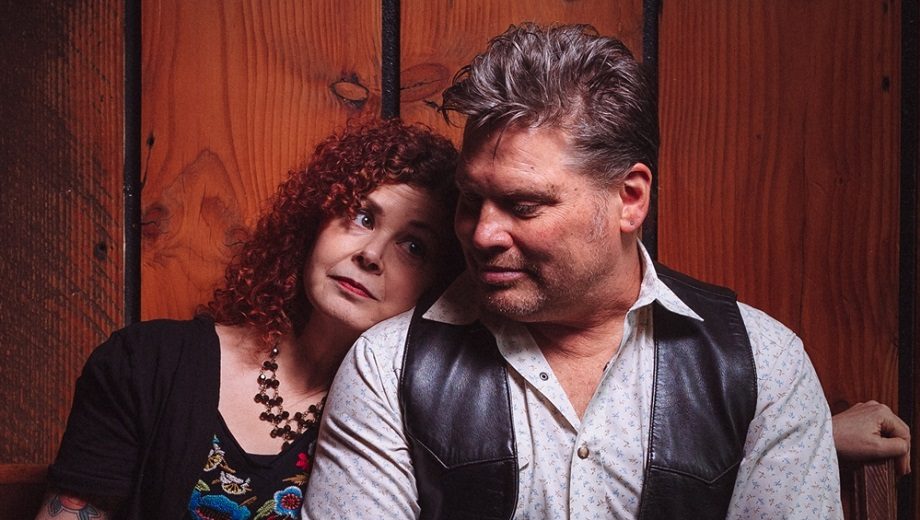
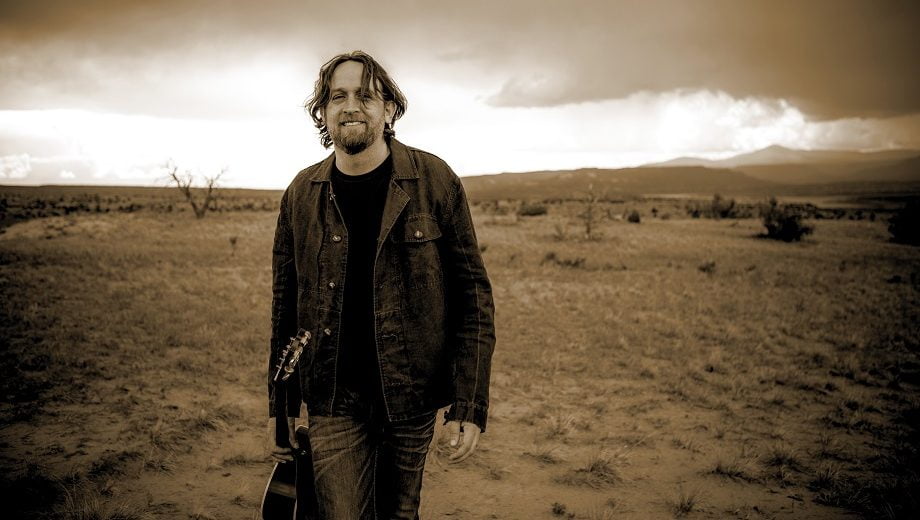
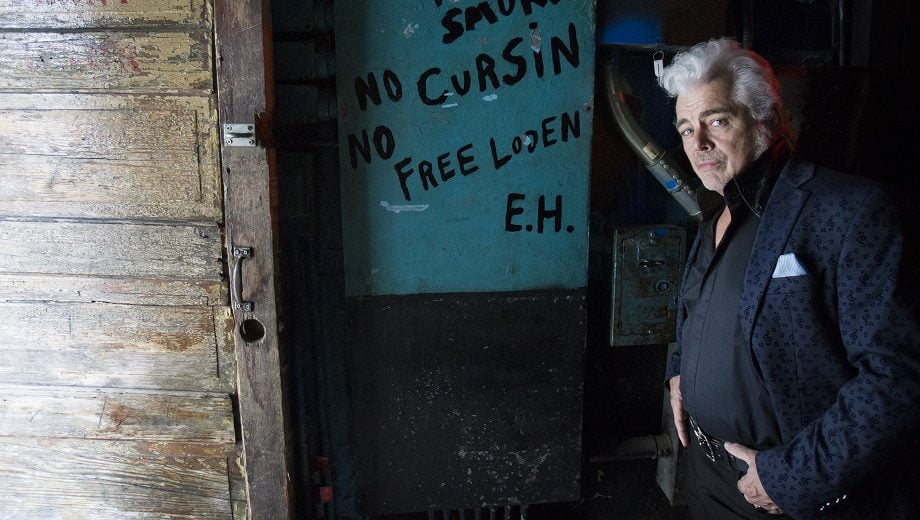
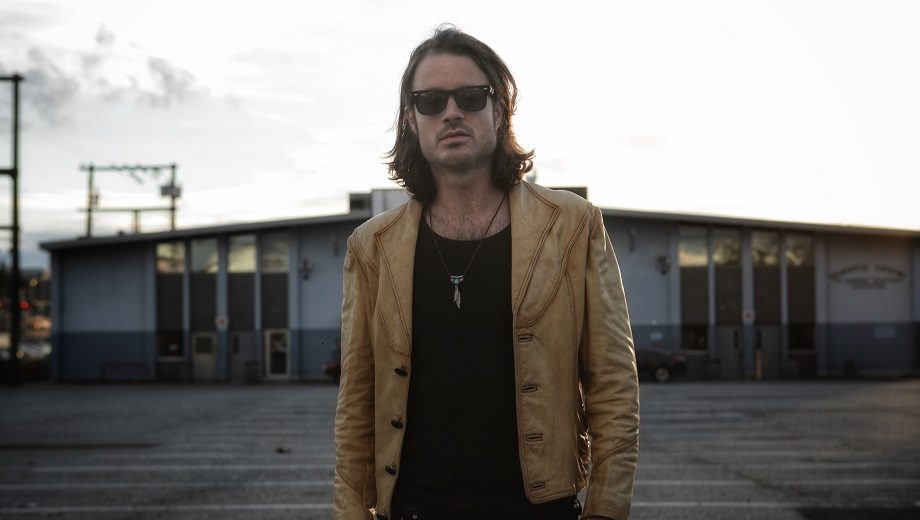
Call us lucky that Dale Watson is feeling so lucky these days. He’s recently bought a house in Memphis, the city where he recorded his new album Call Me Lucky at Sam Phillips Recording studio, purchased the famous nightclub Hernando’s Hideaway, and continues to develop his sound and to reign as the king of Ameripolitan music. Call Me Lucky includes traveling tunes, love songs, and trucking songs, all under three minutes, and featuring Watson’s signature rockabilly sound.

On the slow-burning ballad “Johnny and June,” Watson and Celine Lee, who co-wrote the song, channel Cash and Carter as they look into each other’s eyes and sing about how deeply their lives are intertwined: “you’re the cream in my coffee/you’re the grits to my gravy/you’re the wind in my sails/a lullaby to my baby.” Cash’s drummer W.S. “Fluke” Holland provides the driving beat for “The Dumb Song,” which features a galloping bass line straight out of the Man in Black’s catalog. Every track features Watson’s inventive songwriting, from the Waylon Jennings-like “Restless” to the scampering Merle Haggard-esque “You Weren’t Supposed to Feel This Good.”

BGS caught up with Watson by phone for a chat about songwriting and his new album.

BGS: You recorded this album in Memphis at Sam Phillips Recording studio. Why did you decide to record it there?

Watson: Mostly I record my albums here in Austin, either at my studio, but sometimes at Willie’s or at Ray Hubbard’s studio. A friend of mine, Matt Ross-Spang, who’s a great producer, had been working over there and I went to visit him. I became close to the Phillips family. Since the 1960s, some of the greatest American records have been made there. It felt like home, and it has this great sound, of course.

What made you decide to buy a house in Memphis?

I’ve always liked Memphis. Wherever I was going that took me in that direction, I’d stop in there. The city has grown but it’s done well in cleaning itself up. Memphis reminds me of Austin in the ‘80s. I can record where I want but I wanted to come here to do this one.

You recently purchased the fabled Hernando’s Hideaway nightclub. Is it open yet? How does owning a club help you in your own music?

We’re still doing work on the club but hope it will open up sometime later this year. Hernando’s Hideaway is the only bar where Elvis, Johnny Cash, Jerry Lee Lewis, Carl Perkins, and Charlie Rich played in, never at the same time, though. I am able to get discs from new bands, so I hear some new music. As the owner of the bar, I have to really look for these people to perform and play the kind of music I want in the bar. If I sit in the bar, though, I am going to hear some music that I really like and that I want to hear more of.

Is this album a bookend to your 2015 album Call Me Insane?

(Laughs) I never put those two things together. I never thought of that. The label wanted to go with one of songs for the title, and this is what they chose.

Who would you say are your major influences?

Merle Haggard, Ray Price, Buck Owens, Lefty Frizzell, Johnny Cash, Carl Perkins.

Can you define Ameripolitan? How did you come up with the term?

I came up with the term out of frustration, I think. (laughs) I’d be somewhere, and people would ask me what kind of music I do, and I’d say country music. They’d say, “I love Kenny Chesney.” Nothing against them, but by today’s standard of country music, they’d be disappointed with my music. If I tell them my music sounds like Hank Williams or Jimmie Rodgers or Merle Haggard, more often than not people say they’ve never heard of that.

So, it’s easier to explain what we are by using a different word, Ameripolitan, to describe original music with a prominent roots influence. It starts with Jimmie Rodgers and has a relationship to music between Rodgers and Hank Williams. We’ve been holding the Ameripolitan Awards Show now for six years and promoting the music. We held the first four shows in Austin; this year’s show we held in Memphis.

You have a knack for writing songs quickly. What’s your view of songwriting? When did you start writing songs and playing guitar?

Early on, I learned to write from my dad, who wrote songs. When I was about seven or eight years old, I started making up songs on a ukulele. A little later I wrote a song about the girl across the street. All the good ones are about the girls. (laughs) I’m not writing “American Pie.” I pick a subject or I write about people or a situation I see. You write and you write and you have an album.

I was cleaning up my place for a move a couple of years ago and I found a good song that we dusted off. The only time I wrote songs on the way to the studio to go on an album was for the Sun Sessions. I wrote about four to five songs on the way there. I started playing guitar when my brother Jim needed a rhythm guitar player in his band. He taught me how to play some chord progressions. Two years later I had my own band and I learned on the job.

You wrote “Inside View” on the spot in a club. How did you come up with it?

We were playing the Continental Club in Austin. There were these two girls near the stage and they kept screaming for me to play “inside view, inside view.” Well, we didn’t have a song called that but I said, “All right, ‘Inside View.’” I turned to my band and I wrote the song there on stage. My drummer and road manager, Mike Bernal, usually records our music; he’ll send it to me later to refine. Usually I have to go back and re-record, but I didn’t have to do that with “Inside View.” I get most of my ideas from my audience.

How did the idea for “Johnny and June” come to you?

I was driving with my daughter when the idea came to me, and she wrote it down as I told her about it. I played Johnny’s guitar on that one. It’s got that Cash vibe to it and it’s a duet between Celine and me.

There’s a song on the album called “David Buxkemper.” How did that song come about?

I never met the guy before I wrote the song. One day I got an email through my website from this guy named David Buxkemper. He told me he was a big fan of the Reverend Horton Heat, and he’d seen me on tour with Heat. He told me he was a truckin’ farmer, and he was a big fan of my trucking songs. He also told me he and his grandfather used to watch Hee Haw together and that he liked listening to trucking songs while he was farming. I was intrigued by his story, and with a name like that—you can’t make that up! So I asked him for more details about his life and ended writing this song about him. I like writing about real people.


Photo credit: Mike Brown
LISTEN: Dustin Bentall, ” If Yer Willin'”

Artist: Dustin Bentall
Hometown: Vancouver, British Columbia, Canada
Song: “If Yer Willin'”
Album: High in the Satellite EP
Release Date: March 1, 2019
Label: Roaring Girl Records

In Their Words: “This is a song about being willing to take that chance in love and those feelings you get when you’re falling in that direction. Sometimes you get on that highway blindly and hope that you can make someone’s life richer in hopes that the same thing returned back to you. And maybe that love is just returning to a place you’ve been going to since childhood.” — Dustin Bentall


Photo credit: Stefan Berrill

LISTEN: Lovers Leap, “Love Is Gonna Live”

Artist: Lovers Leap
Hometown: Nashville, Tennessee / Asheville, North Carolina
Song: “Love Is Gonna Live”
Album: Lovers Leap
Release Date: April 19, 2019
Label: Indidog Records

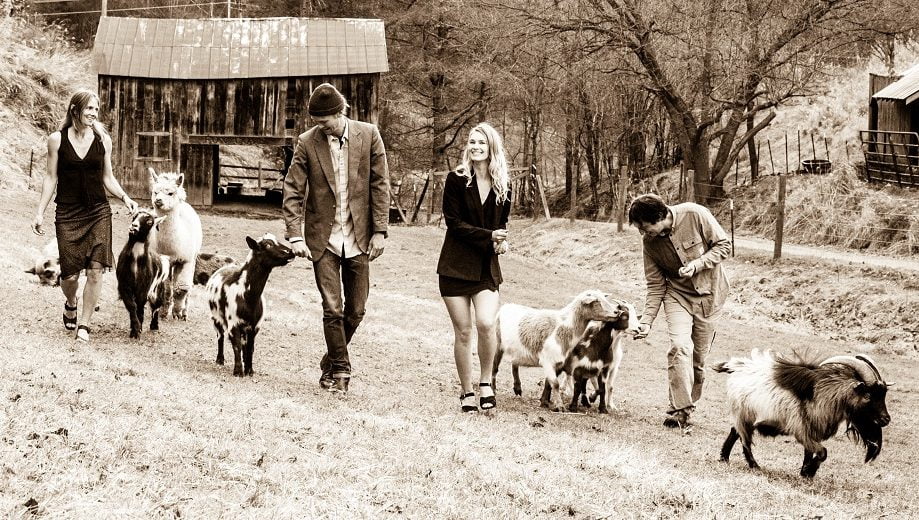
In Their Words: “This song was written by our band members Joel and Shelby during the early days of their courtship, while Joel was living on James Island, South Carolina. Joel was renting an old farm house that had fallen into disrepair, and he was noticing the similarities between his neglected home and his broken heart. The song is a hopeful plea, that love could once again inhabit that old house. The lyrics draw on a deeply personal experience, but began to feel like a political anthem during the run-up to 2018 mid-term elections, with the lonely house symbolizing our broken, loveless political system. The Lovers Leap recording captures a joyful performance with Joel and Shelby swapping lead vocals, Mary chiming in on the choruses, and Billy’s dobro taking flight during the bridge.” — Lovers Leap


Photo credit: Steve Atkins

STREAM: The Honey Dewdrops, ‘Anyone Can See’

Artist: The Honey Dewdrops
Hometown: Virginia, but now living in Baltimore, Maryland
Album: Anyone Can See
Release Date: March 1, 2019

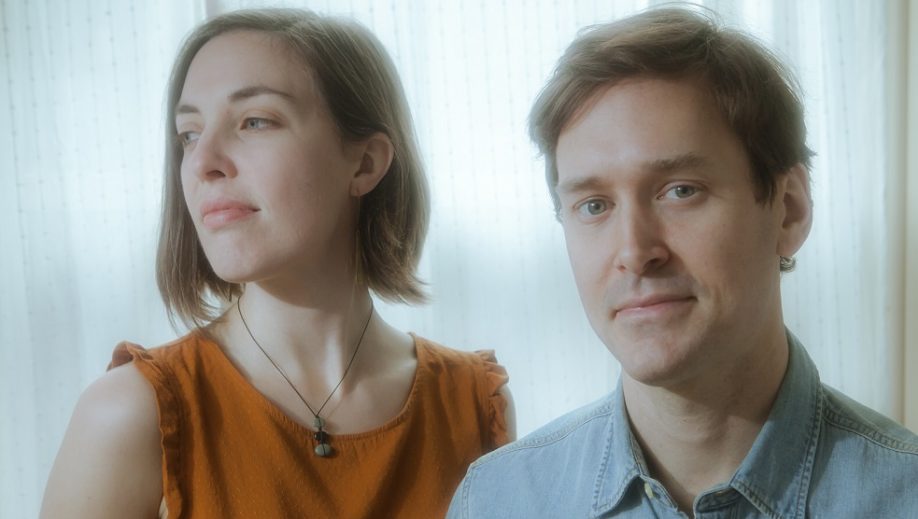
In Their Words:Anyone Can See came out of wanting to record the feeling of our live show. It’s the sound of us playing and singing together side by side and letting the songs unwind themselves down the paths they wanted to go. This is a record about what we’ve been thinking and feeling over the last few years. The songs are about what we can and cannot see, and the process of trying to see even when we’re not sure what we’re looking at.” — The Honey Dewdrops


Photo credit: Michael Patrick O’Leary

Baylen’s Brit Pick: Lonesome Shack

Artist: Lonesome Shack
Hometown: London via Seattle
Latest Album: Desert Dreams (available March 1)
Sounds Like: The Black Keys, The Reverend Peyton’s Big Damn Band, Rayland Baxter

Why You Should Listen: Lonesome Shack moved to London from rainy Seattle, so you imagine they feel right at home with the British weather. Desert Dreams, their third album, is the kind of music that promises to warm you up from the inside out: the perfect thing to listen to when Storm Erik is battering at your door and the UK papers are predicting a snowbomb. If you like a bit of blues — of the hill country or desert variety – mixed with some backwoods boogie and a dash of psychedelia, then Desert Dreams is for you. (Check out the BGS premiere of the title track at the end of the story.)

Ben Todd (the fingerpicking frontman of the trio) was clearly dreaming of warmer climes when he wrote these songs last winter. Perhaps he was thinking back to the early 2000s, when he spent four years living in a shack he’d built himself in the Gila wilderness in New Mexico. It was there he taught himself to play blues tunes from old recordings while living off the land. In the years since he’s honed his unique sound with the help of drummer (and graphic designer) Kristian Garrard and bassist Luke Bergman.

It should be said that, while honouring the past, this record sounds as bright as a new penny. That about sums up the feel of this recording: planted in yesteryear but cultivated firmly in the now. I for one will have it on standby to see me through the inevitable four months of winter we still have to come, before the London sunshine shows up for about a week. The album doesn’t drop until the 1st of March – but I can’t see springtime reaching us before then.

Speaking about the title track, Ben Todd says, “I wrote this album in sequence and ‘Desert Dreams’ was the last song I wrote. I see it as a postscript to the album, with a different feel, a dreamy lightheartedness. In the studio we had never played this song before as a band and after we ran through it a few times we recorded this live, first take. It tells the story of a dream sequence that touches on fears of ‘desertification’ that you hear about in the Southwest US where fertile land becomes useless after human impact plays its course, but in this case it’s an imagined city that fills up with sand. I worked at an adobe brick manufacturer in New Mexico and most of my job entailed shoveling sand and clay proportionately into a cement mixer to be poured into brick forms. Memories of this show up in the song: ‘I dreamed I was digging clay’ and ‘It takes sand and clay to begin to build the city up again.’ The chorus is an adapted quote from the book The Quick and the Dead by the great southwestern writer Joy Williams.”

As a radio and TV host, Baylen Leonard has presented country and Americana shows, specials, and commentary for BBC Radio 2, Chris Country Radio, BBC Radio London, BBC Radio 2 Country, BBC Radio 4, BBC Scotland, Monocle 24, and British Airways, as well as promoting artists through his work with the Americana Music Association UK, the Nashville Meets London Festival, and the Long Road (the UK’s newest outdoor country, Americana, and roots festival). Follow him on Twitter: @HeyBaylen


Photo credit: Holly Birtles

From Banjo to Opera, Rhiannon Giddens Brings History to the Stage

An interview with Rhiannon Giddens these days feels like a game show lightning round. Since winning the Steve Martin Banjo Prize in 2016 and a stunning $625,000 MacArthur Fellowship in 2017, the songwriter, singer, and instrumentalist has widened her scope and let a range of fine and folk arts projects flood into her idea-driven world. When we caught up with her in Nashville, for example, she was in rehearsals for Lucy Negro Redux, a multi-layered original ballet about Shakespeare, his purported black mistress and issues of identity and otherness. Working with poetry by Caroline Randall Williams, she composed the music with one of her latest collaborators, jazz pianist and world percussionist Francesco Turrisi. They’ve made a duo album set for release this year.

Here, Giddens speaks about her broader artistic scope and her attention on how women of color negotiate the past and present.

How different is your creative life now versus five years ago?

Oh my god. It’s like: “Who was that person?” I don’t even know. I am so grateful for that time. I was transitioning from the Carolina Chocolate Drops to my solo career. But it’s definitely become more of a creative life. I still am very much an interpreter. I’m very interested in giving old songs new life and putting them through a lens of today and I think there are a lot of things that are left on the shelf that need to be aired. But I definitely have found over the years that I’m finding more and more of my creative life to be in writing and collaborating. I’m very rarely going to sit in a room and write stuff. It’s like I write things and then I want to work with somebody and develop them or have a reason to do it.

So my collaborative opportunities have really grown since I left the band because it’s a lot easier to do things as your own person. There are all these things you have to think about when you’re in a band that I don’t have to think about any more. And it’s really allowed me to focus on the woman side of things, which is hard to do when you’re in a band full of boys, you know? Now I feel I can focus a bit more on what I’m finding is very important and front and center for me, which are women’s issues and women of color, in particular. Dealing with the history of what we’ve had to go through in this country and in other places, and what does that mean? And creating platforms for other women of color to have their voices heard, in my limited capacity.

You have background in opera, which may be the most collaborative of all the fine arts, with all its component parts. And you’ve started doing Aria Code, an opera podcast. What’s that about?

I was approached by Metropolitan Opera to be guest on this podcast and it just turned into becoming the host. And that’s been really fun. The wonderful producer Marrin Lazyan, she’s put it all together and I’m there to provide context and if there’s stuff that jibes particularly well with what I know like Otello, the Verdi opera, I can bring in my expertise on blackface and things like that. It’s been great.

And I’m going to be in my first production next year as a mature artist. I’m doing Porgy & Bess with the Greensboro Opera. It’s to open up the new arts center in Greensboro. So it’s kind of part of my involvement in my hometown. And also an opportunity to sing Bess, which I’ve never been able to do. So opera’s come back into my world in kind of unexpected ways. I’m writing an opera. I sing with orchestras on a regular basis. So it’s been really wonderful to see that come back into my life because it is something that I love so much and that I have spent a lot of my years doing. So we’ll see where it goes. I don’t know!

You produced the album Songs of Our Native Daughters, which brings you together with Amythyst Kiah, Allison Russell, and Leyla McCalla. What motivated this and how do you put these women into context?

It was an amazing opportunity. I was already working on this idea of early American musical history and speaking to it through the music of the banjo and the music of minstrelsy for Smithsonian Folkways. So it took this little turn and became a record with these really strong women of color. With my co-producer Dirk Powell, we were talking about who we wanted to be on this project, and that’s where we ended up. I was like, “Oh, this is where it needs to go.” From then on it took this slightly different path down to really talking about the woman of color’s experience in America and having a platform to respond to that in an artistic way.

And to each of the women who came in, I said, look, bring your banjo. And let’s talk about what it means to be a woman of color here and what it means to have ancestors who’ve gone through what they’ve gone through. It was an amazing experience to watch them feel like they had this space to write about these things that maybe they’ve touched on, but to have days to focus on these themes and these ideas. It was a beautiful collaborative thing. I’ve worked with each of them in various ways so I just knew it was going to work. And it worked better than I could have ever really dreamed. It went places I’d never have considered. That’s why you pick people and then you let the project do what it does instead of going, “It’s not exactly what I envisioned.” Well, usually because it’s better! So leave it alone and let it do what it’s going to do.

In this respect, do you see yourself as a mentor, or as a leader in this widening and overdue effort to infuse folk and roots music with more voices?

I’m always looking for ways to facilitate. People in these positions, like the folks putting on the Cambridge Folk Festival or at Smithsonian Folkways, they’re looking to me, and I’m like, “Hey these people, because they’re awesome.” And if that’s how I can use whatever little power I have in the world, that’s what I want to use it for. I’ve got my own career and it’s very important to me, but that’s also very important to me–creating the community of people that are doing this.

Because that was the strength of the Carolina Chocolate Drops. We were a band and we had each other. In a time where, even less than now, people were like, “Black people on banjos? What?”, we had each other and I know what that community can mean as an artist. It really gives you strength. And that was my idea with Our Native Daughters and with anything I’m (doing). Amythyst has opened for me. Leyla was part of the Chocolate Drops. JT and Ally (Birds of Chicago) — I’ve definitely championed them. I think that’s what we need to do for each other. If I’m in a position where somebody who has power asks me, I’m going to spread that around. Because I think that’s what you’re supposed to do.

They tell writers that it’s better to show than to tell. And it strikes me that roots music is moving from a phase of ‘telling’ about inclusion to a phase of showing. Is that fair to say?

I think so. I’m definitely moving that way in my own life. There was a lot of talking with the Chocolate Drops because you had to educate people. But there was also a lot of just doing. We found the balance; we’re going to contextualize this, but then we’re just going to play it. Because the facts are the facts and we’re not in a position to shame you about not knowing this. We didn’t know this. But I definitely found that over time, I’m tired. I just want to play and sing.

And the next record of mine is not a project. It’s not a mission. It’s coming out in May (I think) and Francesco and I did that together. It’s really all the worlds that I’ve been talking about and being in all together. I just want somebody to put it on and listen to it, and they don’t know anything about me, and they come away – I want them to love the record but I also want them to feel this aspect of nobody owns any sounds. Nobody owns any experiences in humanity. We’re taking all the sounds you heard in the ballet and the notion that humans have been moving since the beginning, and we’ve been affecting each other since the beginning.

So a religious trance drum from Iran works perfectly well with an Appalachian a cappella ballad. Because they’re representing universal human truths. It would be really nice for people to just experience that through sound and through the experience of the songs. And of course we’ll talk about it. But I’m kind of moving toward showing and inhabiting all the work that’s come up until now and living in that and taking that to where it needs to go.


Craig Havighurst covers music for WMOT Roots Radio. Hear the interview.

LISTEN: Silver Lake 66, “Ragged Heart”

Artist: Silver Lake 66
Hometown: Portland, Oregon
Song: “Ragged Heart”
Album: Ragged Heart
Release Date: April 5, 2019

In Their Words: “‘Ragged Heart,’ the title track on our new album, was inspired by a documentary we watched about the tragic life of the late, deeply talented Townes Van Zandt. What resonated for me were the consequences brought on by the road taken in the pursuit of the dream. The narrator in ‘Ragged Heart’ yearns to reconnect with an estranged love, even though she realizes that the sacrifices made for the pursuit of a dream demand a heavy price. She’s been through hell and back with her partner, and her heart is worn and ‘ragged,’ although there is still a hint of hope in her words. Musically, the arrangements and instrumentation are stripped down and straight ahead to highlight the vocals. I think of this tune as having a modern California country vibe with a dash of the Bakersfield sound of the ‘60s thrown in for good measure.” — Maria Francis


Photo credit: Jason Quigley

Six of the Best: Songs About Gunslingers

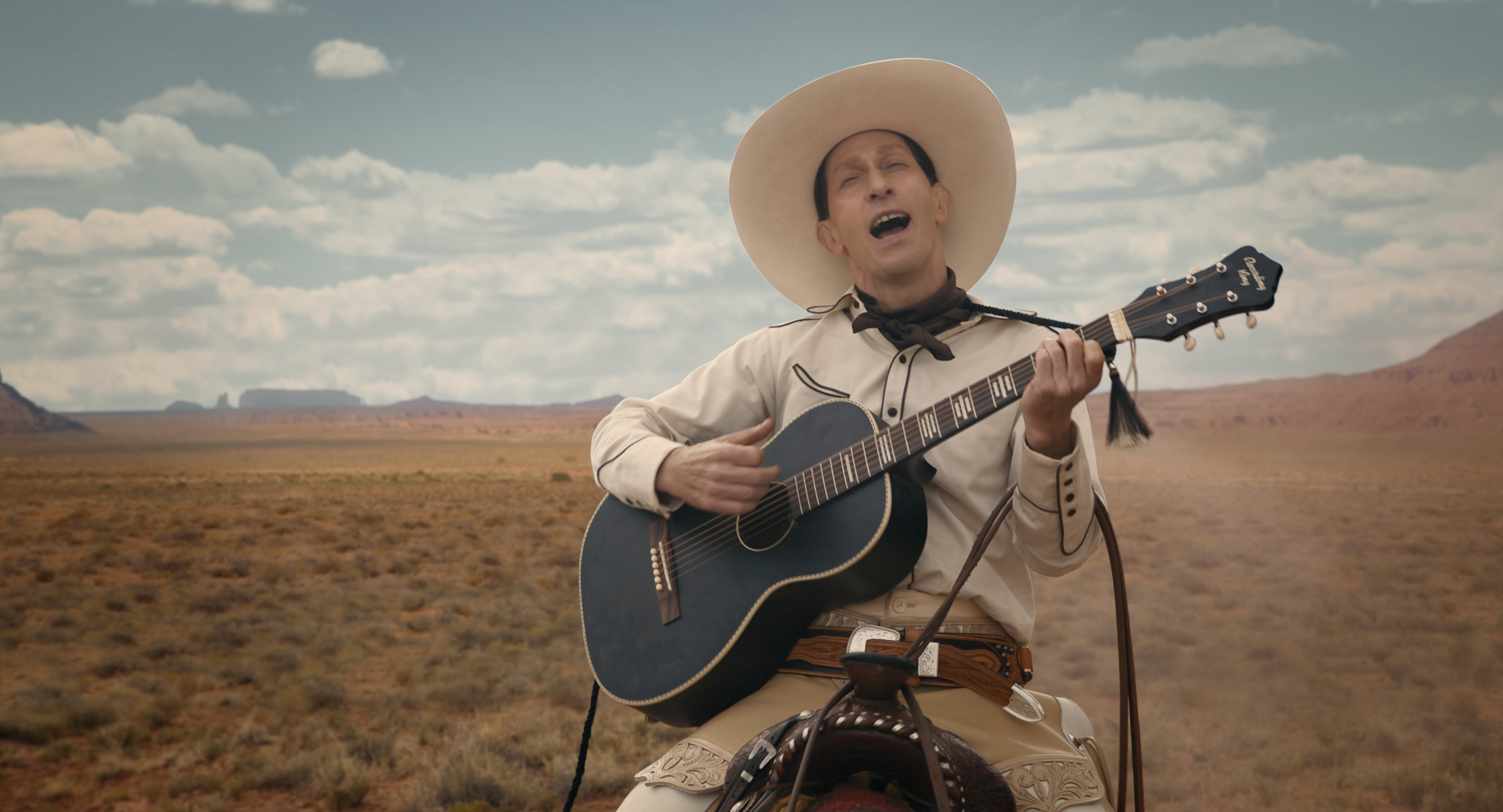
Like movies? Like yodeling? Wow, is this a big week for you. And, as it happens, for Gillian Welch and Dave Rawlings, who will be mixing it with Lady Gaga and Mary Poppins on the Oscars red carpet on Monday as Best Song nominees. If you haven’t yet seen The Ballad of Buster Scruggs, the Coen Brothers’ latest movie, then believe us that it’s worth the Netflix subscription, if only for the sight of Tim Blake Nelson singing “yippie-kay-yey” while floating through the sky with a celestial harp. Maybe it’s the fact that we’ve been bingeing on the Sergio Leone/Clint Eastwood Man with No Name trilogy this week (God bless you, Ennio Morricone), but it’s about time for a list of great songs about gunslingers. (Please note: we don’t think that shooting people is cool, or a viable alternative to an impartial judiciary.)

“Big Iron” – Marty Robbins

Robbins’s iconic 1959 album, Gunfighter Ballads and Trail Songs, is packed with sharpshooters and outlaws – from Billy the Kid, to Utah Carol, to the nameless man about to be hanged for killing Flo and her beau. Sure, it’s most famous for Robbins’s biggest hit (and Grammy winner) “El Paso.” But if you’re looking for the classic quick-draw at high-noon (or in this case, twenty past eleven), you won’t find better than the opening track, “Big Iron.” Written by Robbins himself, it’s a classic tale of good vs evil as a handsome stranger (and Arizona ranger) rides into town to bring down murderous outlaw Texas Red. If those backing harmonies – especially the incredible bass drop – don’t give you goosebumps, check your pulse. You may be technically dead.

“Gunslinger’s Glory” – The Dead South

If there’s one thing Canada’s premier punkgrassers love to write, it’s songs about Westerns. Maybe it’s because lead singer Nate Hilts’s uncle, back home in Saskatchewan, was (as he puts it) “a big ol’ cowboy”. Either way, their albums are littered with shootouts and bodies, and their high-energy, high-drama approach to performance lends itself well to the subject. This is one of their best, tackling the age-old problem of being a famed gunfighter: that everyone else wants to bring you down. Tell us about it, punks.

“The Last Gunfighter Ballad” – Guy Clark

Johnny Cash’s version – the titular track from his 1977 album – is better known than Guy Clark’s original, recorded a year earlier. But Cash’s spoken-word rendition, given with his trademark rhythmic trot, isn’t perhaps as melodious, or as affecting, as Clark’s. A simple guitar line underlies the story of an old man drinking at a bar, recalling his former life of shoot-outs in dusty streets and “the smell of the black powder smoke”, and the twist in the final chorus is a reminder that modern living isn’t without its own dangers. That’s Waylon Jennings on the harmonies in the chorus, by the way.

“When A Cowboy Trades His Spurs For Wings” – Gillian Welch and David Rawlings

Probably the best thing about the Coen Brothers’ portmanteau of short stories from the Wild West is its opening, with Tim Blake Nelson clip clopping into frame on his white horse, strumming a black guitar and singing Marty Robbins’s “Cool Water.” The second best comes seven minutes later, when Willie Watson shows up as his nemesis. The duet that Welch and Rawlings penned for the pair may be a parody of a cowboy song, but the music’s so en pointe and beautifully sung that the humour takes second place to the artistry. Also, Welch and Rawlings invented a new word – “bindling” – for the song, which has got to be worth the Oscar nom.

“Gunslinging Rambler” – Gangstagrass

There’s a fair amount of reference to guns and violence in the songs of the world’s first (and only) hip-hop bluegrass fusion band. Despite the title, and the assertion of the protagonist that “you gonna wind up another notch on my gun belt”, you realise as the lyrics progress that this one’s not actually about a gunfight, but its modern-day equivalent, the rap battle. R-SON recorded this track for their 2012 album, Rappalachia, and it contains arguably the most devastating lines on the album. “I’m not killing these guys, please let me explain/But when I’m done, there’ll be very little left of their brains.”

“Two Gunslingers” – Tom Petty and the Heartbreakers

What’s the best kind of story about gun violence? One where everyone agrees to give it up. Released in 1991 on Into The Great Wide Open, it’s a glorious moment of self-revelation that subverts both the genre and our expectations. As one of the gunslingers so eloquently puts it: what are we fighting for?


Photo courtesy of Netflix

Hayes Carll Finds His Fun Side Again on ‘What It Is’

With his new album What It Is, Hayes Carll is feeling more like his old self. … Scratch that. The Texas-bred singer-songwriter is feeling better than ever.

“I’m still trying to figure my life out and what I want to say creatively,” Carll explains, “but I got back to having fun.”

Hayes Carll admits he was working through a personal funk on his last album, the sparse and serious post-divorce project Lovers and Leavers. But calling What It Is the “culmination of everything I’ve done in the past,” he’s delighting in the surreal nature of everyday life once more – just like he has since 2002’s Flowers & Liquor – but doing so now with an element of hard-won wisdom. Co-produced by Carll with fiancée/fellow roots poet Allison Moorer and Brad Jones, the set features 12 free-spirited tracks that find him happy to be getting on with the business of living. He’s also leaning back into his sardonic wit and letting the full-band energy flow, as he explores the beautiful quirks of his own relationship, a society in upheaval, and most of all, what it means to really be present in the moment.

Your previous album, Lovers and Leavers, was quiet and contemplative, and you were thinking very seriously about your role as a singer/songwriter. What It Is feels more fun and irreverent, like it’s less concerned with being something specific. Why is that?

Well, Lovers and Leavers was a really specific moment in my life when I was trying to make sense of things personally and trying to find my voice creatively – I felt like I had sort of lost it and I wasn’t sure what I was doing anymore. … Since that record was recorded, a lot of life has been lived and I’m not quite in the same spot. I felt a little like a turtle stuck in my shell at that time, and now it’s like I’m starting to come out a little bit again and just relax.

Feeling lost creatively must be terrifying as an artist.

I think I was just not tuned into my life, and one of the themes on [What It Is] was finding that connection. The idea of life passing me by. I just turned 43 last week, and by all measurable metrics I have an incredible life. I knew that, but I wasn’t happy – I was disconnected and feeling dissatisfied. With this record, I feel like I’ve come out on the other side. I don’t have all the answers, but I’m in a much better place.

What do you think changed?

It’s just life. For me a lot of what comes out creatively has to do with what’s happening in my life, and what’s happening in my life is I’m in a solid relationship with a woman I love, who’s also at times my creative partner. Plus I’m feeling more connected in general with the world around me, and feeling able to observe and comment on it because of that.

That’s clearly the theme of the album’s title track, and I love its chorus hook – “What it is, is right here in front of me / And I’m not letting go.” When did that hit you?

I started to write a song called “What It Is, What It Was, and What It Will Be,” and it was a totally different vibe. I took it to Allison and asked her if she would help me sort it out because I just wasn’t landing it in a meaningful way, and she pointed out what now seems obvious to me – which is what we came up with in the chorus. What happened in the past is gone and you can’t change it. The future is out of your control, and what we have is what you’re experiencing right now. Going back to the dissatisfaction I was feeling, that had a lot to do with that – I think I was not present for a lot of my life and I missed a lot of it. That’s what I’ve been working on changing.

You worked closely with Allison on this – since she was not only a co-writer but also a co-producer. Can listeners hear the contribution she made in the studio?

Yeah, she co-wrote six or seven of the songs and she sings on four or five of them, so she’s all over the record in that way. But just having written these songs with Allison and having conversations all the time about where I wanted to go creatively, I thought nobody would be a better translator for that than she could be. That’s never been my comfort zone, and even speaking the language has never been something I excelled at.

It’s challenging for me, but it’s one of her strengths – being able to hone in on something she picked up from hearing me play the stuff, or even hearing me pontificate about what I want to do in a way that sounds like drivel to most people, then take it and turn it into a coherent point and set of instructions. That was one of the big reasons I wanted her to be a co-producer, and the other was I really respect her taste musically.

Has working together with Allison changed your songwriting at all?

We have different styles and strengths. She’s really disciplined and gets her work done on schedule, and is in the chair every day and gets to the point. I can take years to finish a sentence and can be all over the place, vaguely searching for some mythical feeling. She’s certainly poetic but can be really practical in getting down to the craft of the song. So I love that. When we work together I think the whole ends up being greater than the sum of the parts.

“Jesus and Elvis” has that classic Hayes Carll feel to me – it’s clever and vivid and conversational, but also built on a really poignant story. Where did you hear that story to begin with?

I wrote that with Allison and Matraca Berg, and Matraca had the title. She goes “I’ve been thinking about this title ‘Jesus and Elvis,’” and it immediately reminded me of a bar I hung out in in Austin. I’ve since found out this story is not actually the real story, but at the time I had convinced myself it was. [Laughs] This bar has Christmas lights up year-round and a jukebox in the corner with nothing on it past 1968, and I had heard it was because the bar owner’s son went off to fight in Vietnam at Christmas time. She promised she wouldn’t take the lights down until he came home, but he never did, so that’s why they’re still up all these years later.

The album starts with “None’Ya,” which is your first #1 single on Americana radio, and it seems to be very much about your relationship with Allison. It’s a tender song, but in a flirty, teasing way. Is that how you guys really are together?

[Laughs] Well, somewhat. Everything in there is pretty accurate with the exception of the first verse – I can’t remember what I asked Allison, but it wasn’t “Where have you been?” Anyway she just said “none’ya,” and that was the first time I had heard that. She’s from South Alabama and has her own language that leaves me scratching my head sometimes, and “none’ya, tend’ya, mind’ya” is one of her things, like “none of your business, tend your business, mind your business.” I thought “Man, I’ve gotta get that in to a song somehow,” but I didn’t even really think of it being about her at first.

So I spent a lot of time with it, and I had a guitar lick and verse but didn’t know where to go with it. I was sitting there at the table and she walked by and asked me what I was doing, and I said “Trying to finish this song, I think it’s about you and me.” And she just said, “Why don’t you tell them I painted the porch ceiling turquoise to keep out the spirits, and about how we pretend we don’t know each other on airplanes?” She didn’t even sit down, she just walked by and went, “You big dummy, why don’t you just tell them what we actually do?” So of course I went and did that.

You’re also doing some social commentary with tracks like “Fragile Men,” “Wild Pointy Finger” and “Times Like These,” and it’s not like you’ve never done that before, but does it feel different getting political in these hyper-polarized times?

It’s a strange place to be to question whether it’s OK to share your beliefs as an artist, because on one hand that’s your job. But on the other hand there’s a significant chance you’ll lose a portion of your audience should they not agree with you. I hate to have to think about that, but having said it, I don’t really care anymore. [Laughs]

We wrote a song called “Fragile Men” which originally was just about patriarchy, but a week after we started writing it, Charlottesville happened, so I got back together with my co-writer, Lolo, and we finished it with that in mind. Rather than shout about how angry and horrified we were about what happened with these white nationalists and Neo-Nazis and Klansmen, we figured the best way to get out what we were feeling was to make fun of them – to have this faux sympathy for how hard it must be to be a white male in America and how unfair it is that they have to NOT burn crosses.

Anyway, Lolo recorded a demo version and made a quick YouTube video, and I got I-don’t-know how many thousand comments about it, but a lot of them were attacking ME for attacking Nazis [Laughs]. It blew me away! Like, “At what point did we become a country where it’s divisive to make fun of Klansmen?”

We’re closing in on 20 years since your debut album came out. What do you think you’ve learned in that time about life, your work and just being happy? It seems like that’s what the album is getting at.

Exactly. For me this record is a culmination of the 17 years of recorded work and the 20-years plus of playing music for a living. It’s about not living in the past and not trying to control the future, but just trying to experience what’s happening. What I’ve learned is you get one pass, and I’m never gonna be younger than I am at this moment. There’s never gonna be a day where everything falls into place, it is what it is at that moment. That’s been my takeaway over all this time. … That, and too much bourbon and not enough sleep is a bad combo.


Photo credit: David McClister

LISTEN: Vandoliers, “Tumbleweed”

Artist: Vandoliers
Hometown: Dallas-Fort Worth, Texas
Song: “Tumbleweed”
Album: Forever
Release Date: February 22, 2019
Label: Bloodshot Records

In Their Words: “I wrote ‘Tumbleweed’ for my father. The poor guy’s has to watch me struggle for a dream he doesn’t really understand — I travel too much, and I know it affects my health and my family. When I get home I’m a wreck most of the time; I’m tired from the long drives, late nights, and spending a month in a different bar or festival every night. But it’s a necessary evil when you’re a mid-level band that’s still cutting its teeth. The album Forever starts with a feeling of wanderlust in the lead track ‘Miles and Miles,’ about a dream of leaving my home town in hopes that I won’t be stuck in the same place the rest of my life. ‘Tumbleweed,’ then, is my return home song — but told from the perspective of my Dad, opening the door to see his son for the first time in months, beat up, broke, and tired from a long adventure. ‘A littler older and no wiser for the wear.” – Joshua Fleming, lead singer/guitar


Photo credit: Mike Brooks