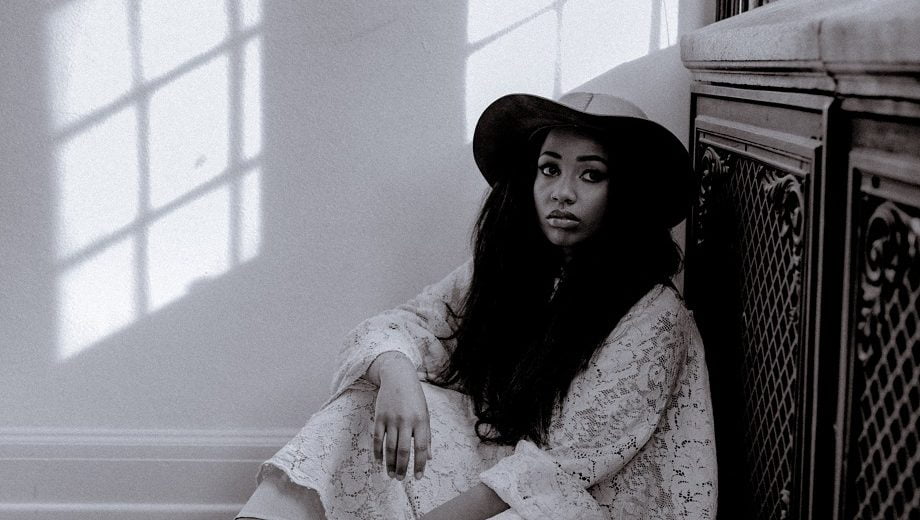
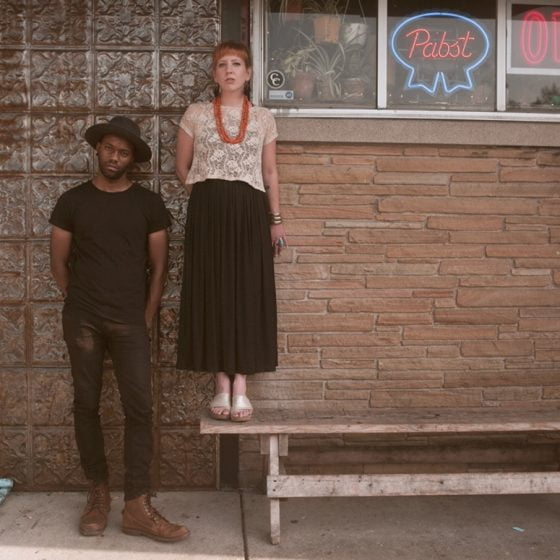
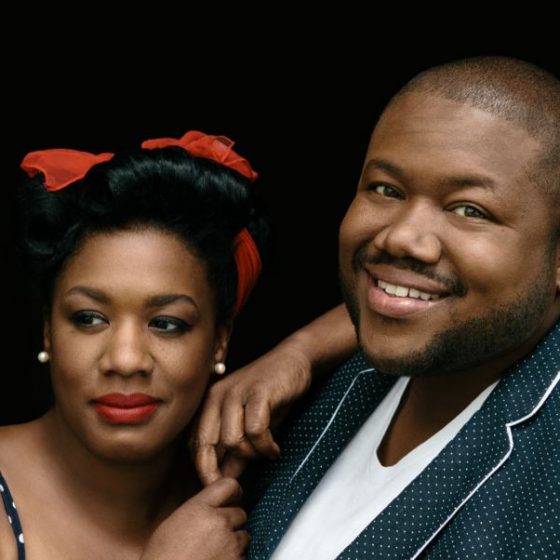
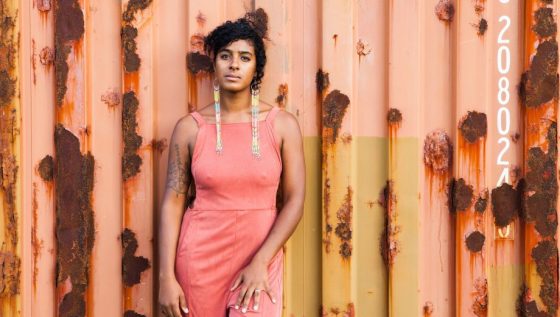
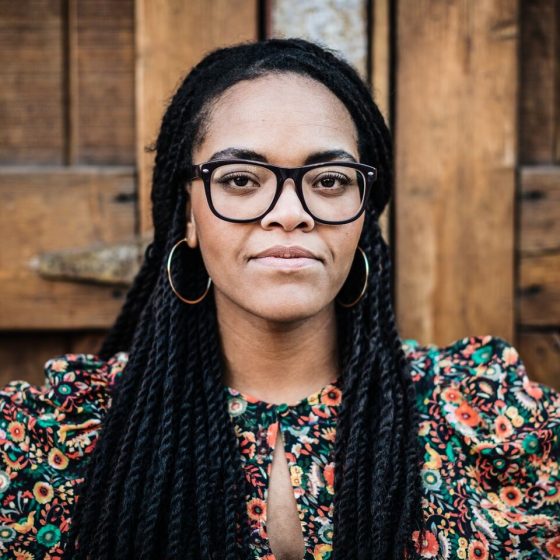
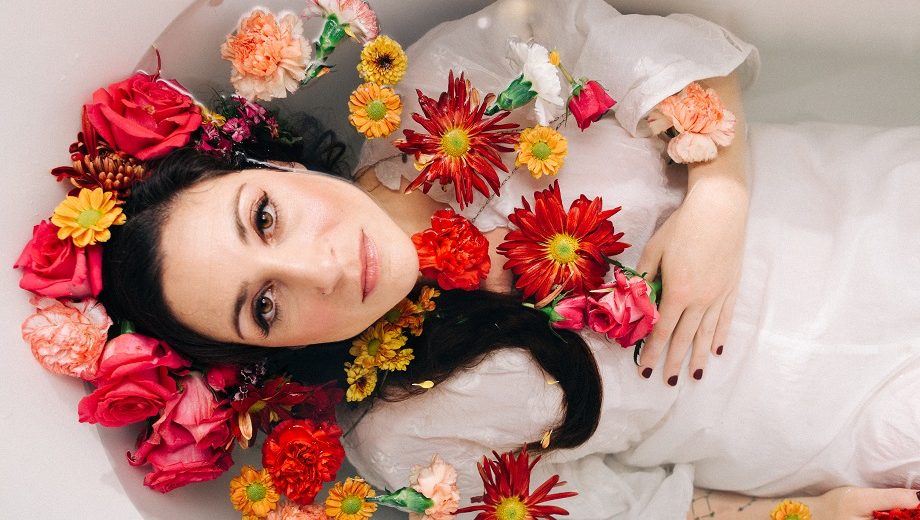
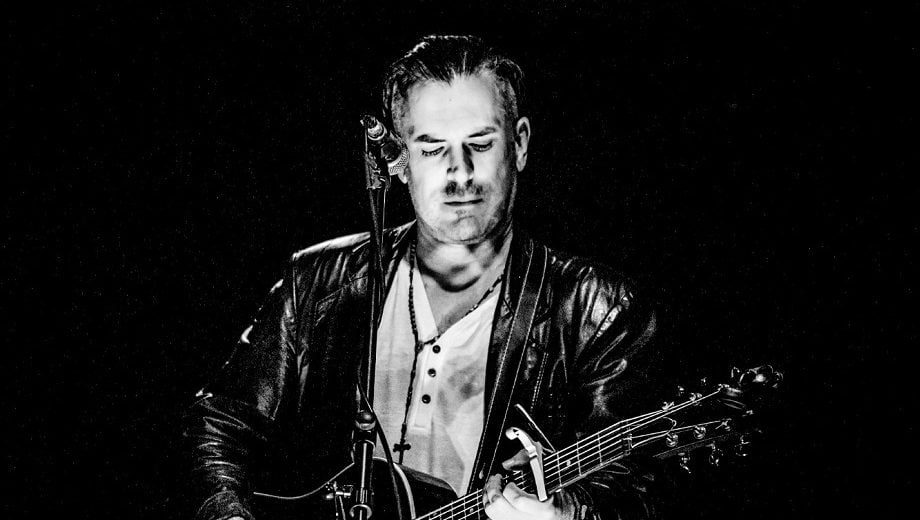
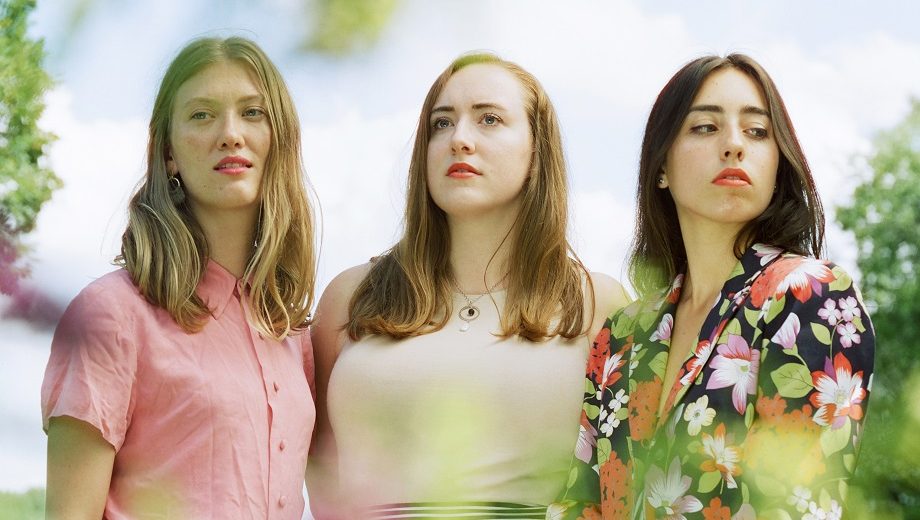
Artist: Jennah Bell Hometown: Oakland, California Song: “Green & Blue” Album:Anchors & Elephants Release Date: February 22
In Their Words: “In my early twenties, I would often find myself trying to have ‘the correct emotional response’ in confrontational situations. Smile instead of cry. Laugh instead of scream. This song was written in a moment of observing how fear was standardizing my ability to be vulnerable. Over time, I realized that one small act of bravery could be crying instead smiling, and living that truth out in the open. This song is an ode to that.” — Jennah Bell
Get off your couch and go hear some live music with Britain’s Got Bluegrass!, BGS – UK’s monthly guide to the best gigs happening in the UK and Ireland. Here are our top picks for February:
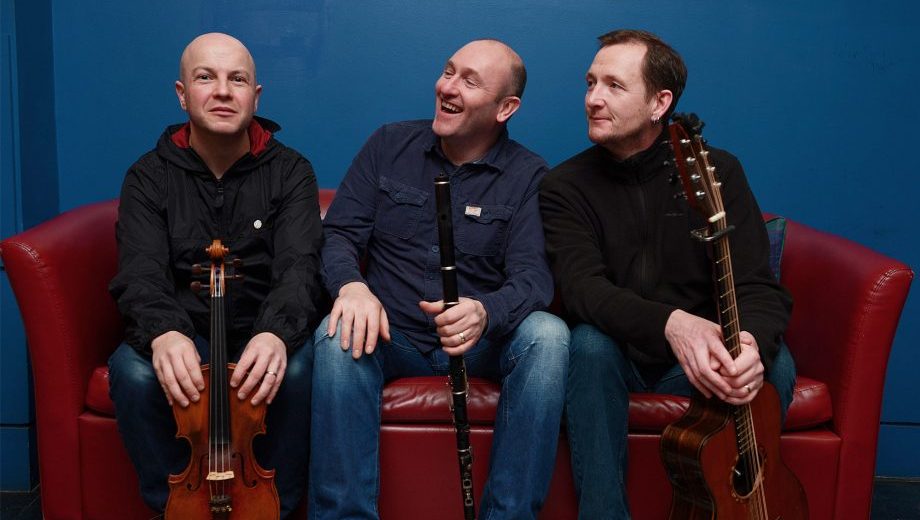
Mike McGoldrick, John McCusker & John Doyle— from 11 February, nationwide. After their sell-out shows with the Transatlantic Sessions, John McCusker, Mike McGoldrick and John Doyle take their powerhouse folk trio on the road. The Wishing Tree Tour visits 24 towns and cities across Britain until 9 March, including London (Kings Place), Liverpool and Perth.
The Dead South — 17 February, Birmingham. The Bastard Son tour has reached the UK and Saskatchewan’s superstars of bluegrass have been steamrollering their way through the UK on a series of sold out gigs, and their remaining nights in Portsmouth, Brighton, London and Cambridge are all returns only. But you can still buy tickets for their Birmingham gig, at O2 Institute3, so grab them while you can.
Whiskey Shivers— to 23 February, nationwide. The Austin punkgrass outfit are halfway through their rumbustious tour, with gigs still to come in Galway, Norwich, Nottingham, Settle and Newcastle upon Tyne. We recommend the 19 February gig at the Lexington in London, whose upstairs room should suit their energetic, anarchic spirit.
John Smith— 24 February, Royal Exchange, Manchester. The singer-songwriter’s first album, Hummingbird, combines his original songs with a deeply personal collection of traditional folk tunes. And he’s bringing his unique blend of slide and fingerstyle guitar to one of Manchester’s favourite venues.
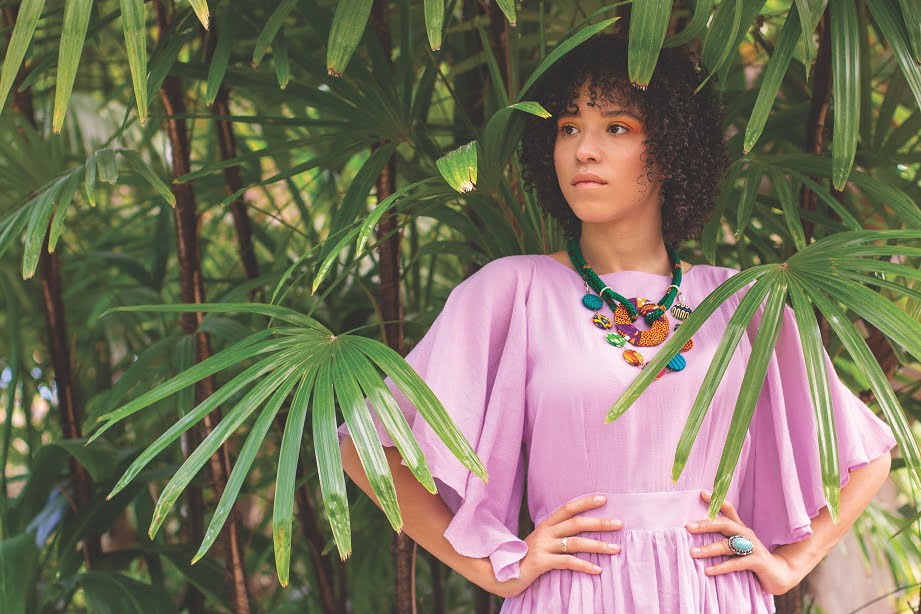
We’ve said it before, but it bears repeating: black history isn’t just American history, it’s American roots music history — they are inseparably intertwined. As such, one month out of the year simply cannot do this cause justice. To mark the occasion we’d like to travel back over a year’s worth of writing and reporting to revisit just a few of the incredible black artists, creators, and activists whose indispensable perspectives and awe-inspiring work moved us.
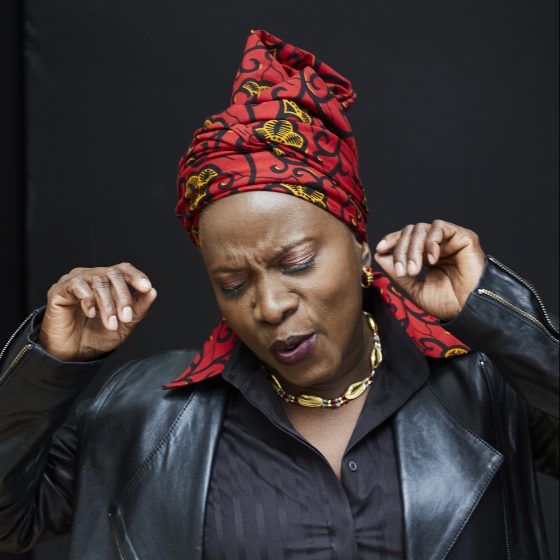
Angelique Kidjo’s reimagining of the Talking Heads’ landmark album, Remain in Light, was not only one of our top albums of 2018, it was the subject of an exhaustive deep dive for an edition of our Small World column, which points out the stunning amalgamations and consistencies that made the record a perfect vehicle for Kidjo’s singular talents and sensibilities.
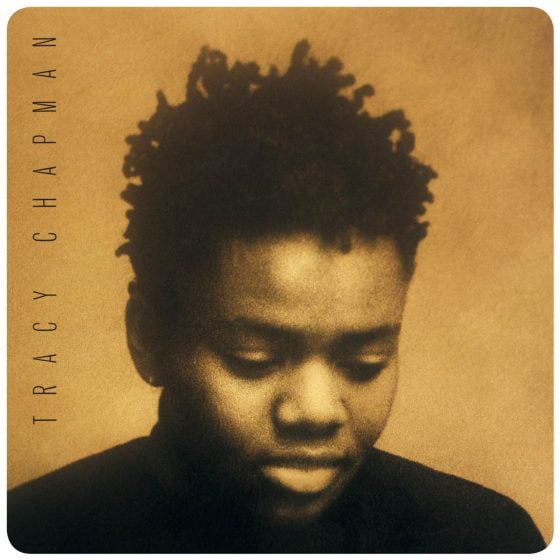
For Canon Fodder, we examined the remarkable success of Tracy Chapman’s self-titled, debut album. In 1988, Chapman appeared as the culmination of pop’s newfound social engagement, and the record captures the sound of a young artist clinging to her optimism, even in the face of so much cynicism.
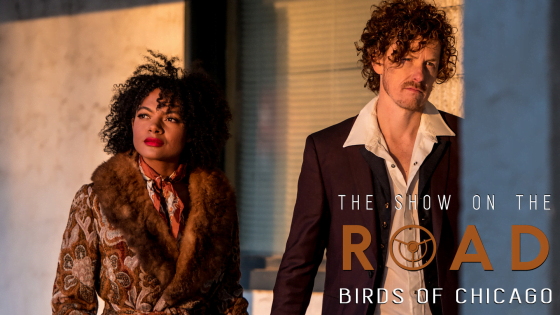
Our inaugural season of The Show On The Road, hosted by The Dustbowl Revival frontman Z. Lupetin, included many black voices, including husband-and-wife duo, Birds of Chicago. Their special brew of soulful rock and roll and goosebump-raising secular gospel is a much needed shot of pure positive energy.
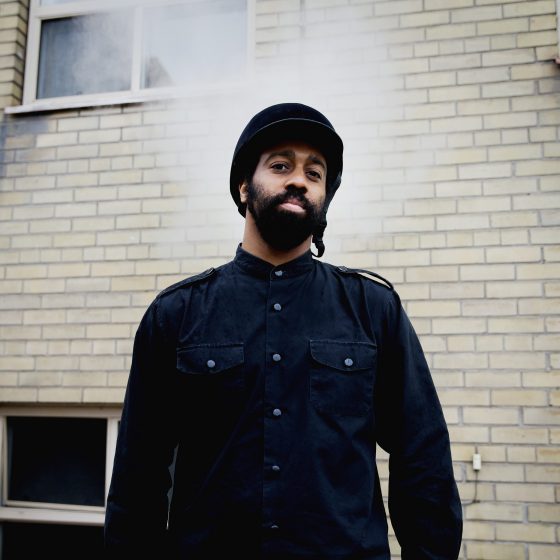
Alt-folk singer/songwriter AHI answered five questions and gave us five songs to go with them in an edition of BGS 5+5 that touches on Bob Marley, Thunder Bay, and oh so much more.
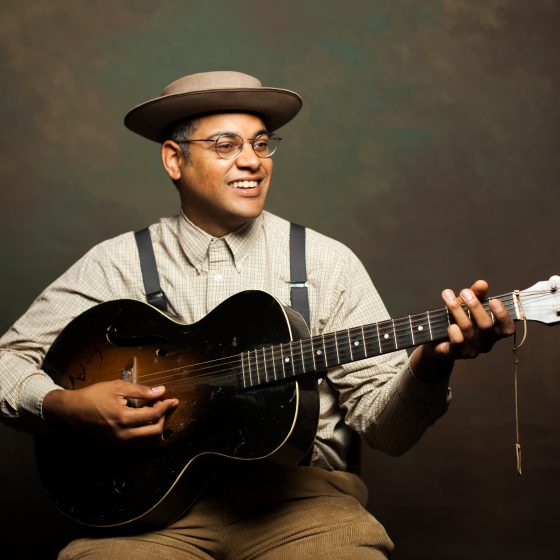
Writer, storyteller, historian, and songster Dom Flemons released Black Cowboys in 2018, an album whose depth and breadth rivals that of a museum exhibition. For our Shout & Shine interview he unpacked the forgotten histories and untold stories of black identities that shaped the American “Wild West,” and thus, the country as a whole.
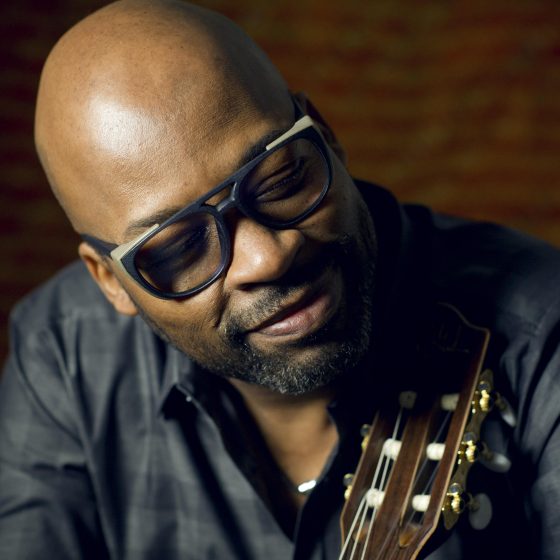
The Journey, the latest album from Benin native, guitarist Lionel Loueke, tells stories of migration historic and modern, with musical textures and flavors that demonstrate our world — musically, culturally, and otherwise — is entirely interconnected. We featured Loueke in our Small World column.
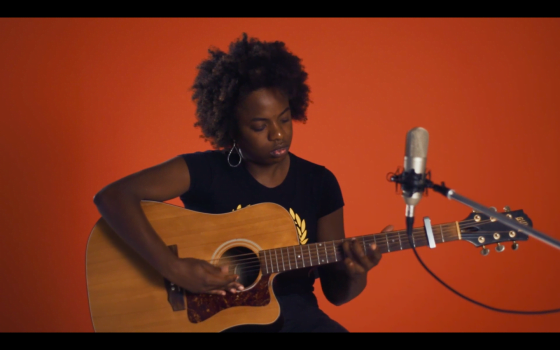
Guitarist and songwriter Sunny War gave us a stripped-down, stunning rendition of “He Is My Cell” for a Sitch Session, showcasing her unique picking approach and the complicated emotions channeled through her writing.
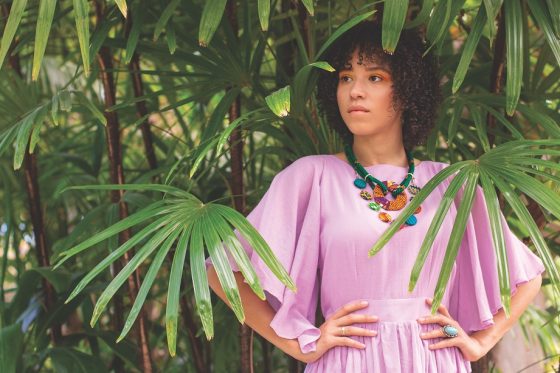
Kaïa Kater’s most recent album, Grenades, was an exercise in self-love and self-learning. Our Cover Story unpacks how the project spans generations, hemispheres, and textures, and left the singer-songwriter “swimming in her own shadow.”
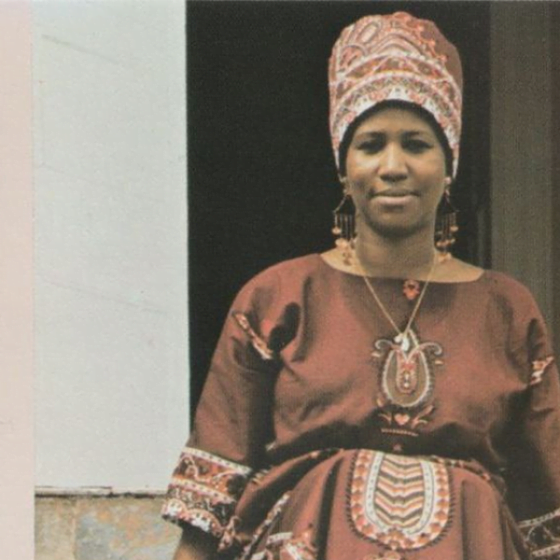
In 2018 we lost one of music’s brightest lights and most ethereal talents when Aretha Franklin passed. We did our best to tribute her everlasting legacy by diving into her best-selling album, Amazing Grace, for an edition of Canon Fodder.
Americana duo Nickel&Rose premiered their EP, aptly titled Americana, on BGS after being inspired by touring across Europe, noting the way international audiences reacted to and consumed American roots music. They offer their own personal musings on perseverance, loss, and compassion without empty promises that everything is going to be okay.
Charismatic, dynamite performers the War and Treaty (AKA Michael Trotter Jr. and Tanya Blount) told us the stories that led to the making of their latest album, Healing Tide — from the beginning, with a piano in Saddam Hussein’s palace basement, to the pair meeting at a festival, to the present, as their music and mission of love gain steam across the country.
In another edition of Small World, we take a look at cellist and songwriter Leyla McCalla’s brand new album, The Capitalist Blues, and the myriad themes and influences from around the globe that went into the writing, production, and execution of the songs and stories therein.
Gospel singer/songwriter Liz Vice balances intensely personal experiences with universal ideas like the Golden Rule on her album, Save Me, and our conversation with Vice gets into the nitty gritty of that balance and the personal growth and reckonings behind it.
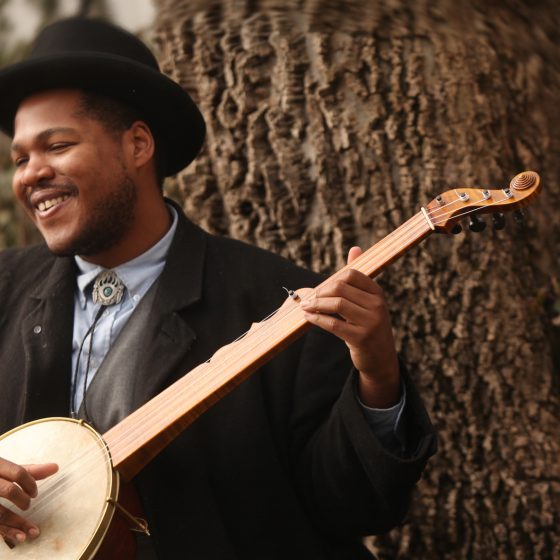
Jerron “Blind Boy” Paxton made his case for why down home blues and old-time American music are not simply relics of bygone eras in his Shout & Shine interview. He is not merely a preservationist mining bygone decades for esoteric material or works that fit a certain aesthetic or brand. He simply takes music that is significant to his identity, his culture, and his experience and showcases it for a broader audience.
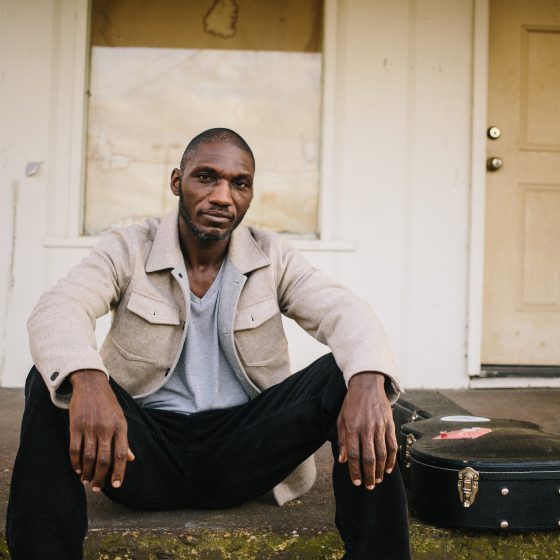
Host Craig Havighurst spent some time with Cedric Burnside on his podcast, The String, where they discuss the blues, soul, and regional folk’s growing influence and representation within the Americana community — as well as Burnside’s own commitment to the spread of Hill Country blues.
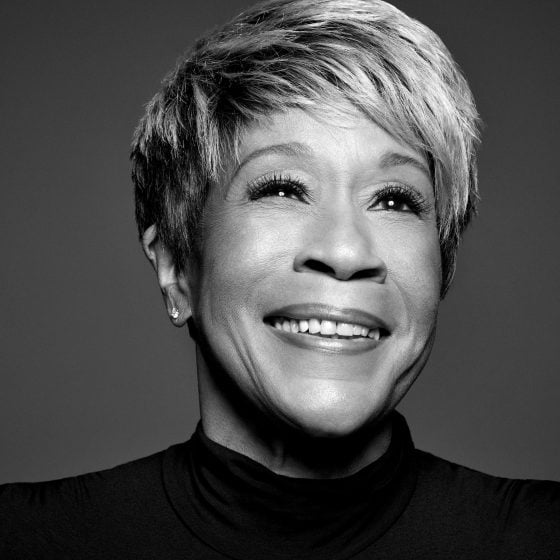
Legendary song-interpreter Bettye LaVette’s first major label release since 1982 focused on the work of one artist and songwriter, who just happens to be Bob Dylan. In our interview LaVette gives us a frank and engaging peek inside her mind: “Oh, honey, I am 72 years old. I basically don’t give a fuck. Nothing at this point wears me down. I know that all of this going on right now, either it’s going to pass or we’re going to pass.”
Artist:Seth Walker Hometown: Nashville, Tennessee Song: “Hard Road” Album:Are You Open? Release Date: February 15, 2019 Label: RPF Records
In Their Words: “I grew up in rural North Carolina on a little dirt road called Busick Quarry Rd. We had 15 acres of land surrounding our log house and I traversed, trampled and pedaled my bike all over that Carolina clay. Out beyond that dirt road was a paved one: Osceola-Ossipee Rd, and we all called it the ‘Hard Road.’ My momma gave strict orders not to go riding my bike up there by myself, as the big farm trucks would howl and unwind up there. I will never forget the day I broke that rule and rolled up on that road for the first time. The long white line, the smell of freedom and subsequent danger. Now I am up here on this hard road chasing the muse, and there is no end in sight. It is all so intoxicating, daunting and strangely comforting.
“Musically I wanted this track to roll like a wheel with little chord change. A rhythmic trance of sorts. The groove has a strong African blues influence. All to set the tone of rolling up on the ‘Hard Road.'” — Seth Walker
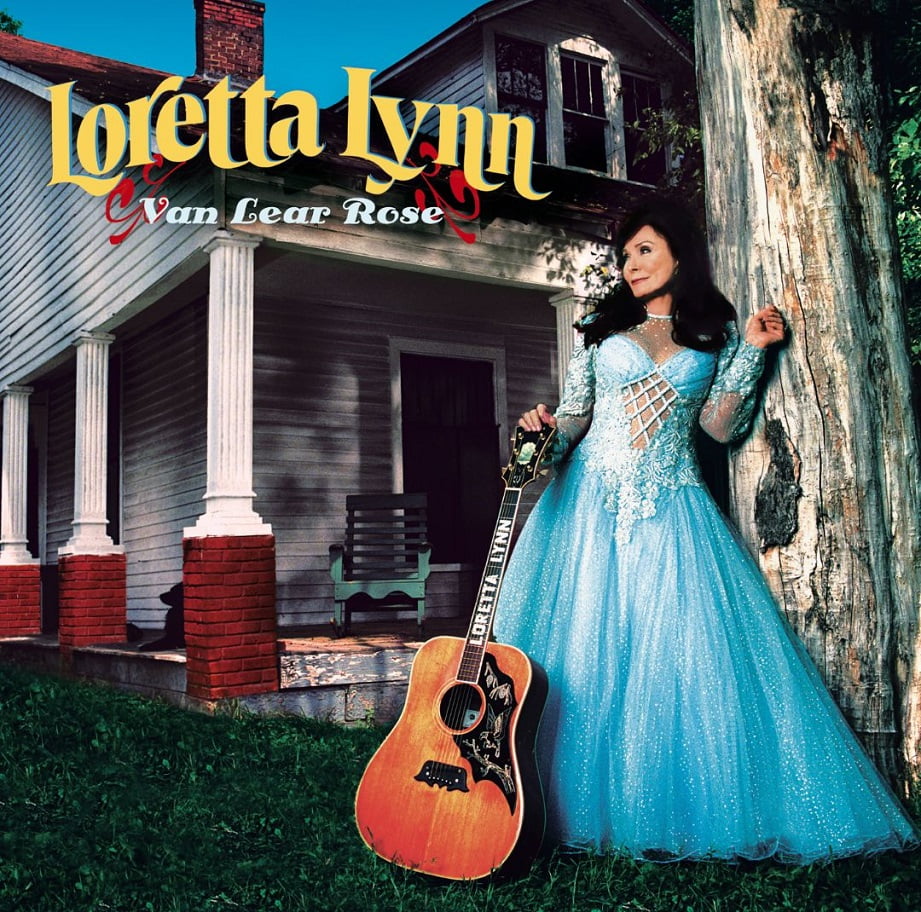
I want to tell you about one of the saddest songs I’ve heard. “Miss Being Mrs.” is a short, acoustic plaint near the end of Loretta Lynn’s 2004 blockbuster Van Lear Rose, famously produced with fanboy aplomb by Jack White. “I lie here all alone in my bed of memories,” she sings quietly, as though she had no other audience than herself. “I’m dreamin’ of your sweet kiss. Oh, how you loved me.” As White strums out a gentle and deeply sympathetic guitar theme, Lynn moves her wedding ring from her left hand to her right, confessing she misses her husband, misses the warmth of his body in the bed next to her.
Lyrically, it’s a tearjerker, with a set of lyrics as direct and as melancholy as Lynn has ever written. The predicament she describes is familiar but insoluble: something that will never change, something she must simply endure until the morning. Anyone can relate to the song, whether their partner has gone off to the great beyond or simply away on a business trip. Longtime fans, however, will easily identify the song’s subject as Oliver Lynn, better known as Doolittle or simply Doo and best known as her husband of 48 years. “Miss Being Mrs.” is a powerful bit of punctuation to their very public, very tumultuous marriage, which informed so many of her songs. The fact that she misses him so much subtly shifts the story of their marriage away from his indiscretions and underscores the many years of support and security, not to mention the large family they created together.
Mostly, though, “Miss Being Mrs.” sounds so epically sad because it’s Loretta Lynn singing it. Lyrics and backstory aside, she delivers those lines with tenacity and grace, as though she understands that her grief over Doolittle’s death in 1996 had given way to a lingering want. It’s a song about sex (a subject she never shied from addressing), about love, about security, and ultimately about the realization that all of that is gone–nothing but a memory at this point in her life. That is not necessarily a part of the song as it is written, but it is the dominant theme of the song as it is sung.
Even into her seventies, Lynn remained one of the finest vocalists ever to top the country charts, and there are so many moments that remind you what a formidable presence she is. On “Mrs. Leroy Brown” she kisses off an unfaithful husband with news of his overdrawn bank account: “”I just drawed all your money out of the bank today/ Honey, you don’t have no mo’.” It’s the way she says those last two syllables — with mock concern and very real glee — that sells the song as an empowerment anthem for wronged women everywhere. On “Story of My Life” she enumerates her sixth pregnancy with a hearty chuckle, as though she’s the gossip next door rather than the country superstar that she is.
Fan that he is, White produces Van Lear Rose to emphasize her performances over everything else. He assembles a loose band that includes members of the Cincinnati band the Greenhornes and would later record with White’s side projects the Raconteurs and the Dead Weather: Bassist Jack Lawrence and drummer Patrick Keeler prove an agile rhythm section, and of course White himself is an inventive guitarist. There are moments when that original conception of the album comes through, especially on the rockabilly rave-up “Have Mercy,” which is as much a showcase for his riffing as it is for her singing. He only sings on one song, the drunk-lovin’ story-song “Portland, Oregon,” where they play a pair of lovers who bond over pitchers of sloe gin fizz. He’s 28 and she’s 72, yet Lynn sounds like she’s about to eat him alive.
“This is gonna shake ‘em up,” Lynn would say in the studio, clutching White’s hand as they listened to a song they had just recorded together. She predicted great things for her 39th studio album, and she wasn’t wrong: It peaked at number two on the country album charts and nabbed two Grammys, including Best Country Album and Best Country Collaboration with Vocals. More than that, she knew she was doing something very different, something that her fans might not expect from her. They recorded the album in just under two weeks, recording on an eight-track recorder to keep things elemental, straightforward, “as real as possible,” White told CMT, “because that’s what Loretta Lynn is.” It was her first album of originals in decades, and it would take her more than a decade to follow it up with the underrated Full Circle in 2016 and Wouldn’t It Be Great in 2018.
Van Lear Rose did and didn’t shake ‘em up. It was Lynn’s best-selling album in decades, scoring rave reviews from publications that didn’t always cover country music. It was a bigger hit outside of Nashville than inside. It didn’t shake up the industry, but almost nothing does these days. What it did was shake up the expectations we have of older country artists. Van Lear Rose arrived exactly ten years after Johnny Cash released American Recordings, still the benchmark for late-in-life country comebacks. But each volume in that series sound grimmer and more mortally resigned than the last, such that the final albums sound like deathbed confessions. It’s a powerful series of albums, albeit a bit dreary. Lynn isn’t having any of that. She was 72 when she made Van Lear Rose, a year older than Cash when he died, yet death is barely on her mind.
Instead, her truest subject–on this and any other album she’s ever released–is life. Specifically, her own life. The coal miner’s daughter has always made hardscrabble art from her own autobiography, which nary a hint of self-pity or dread. She’s far too irrepressible a personality to let songs like “Little Red Shoes” or “Story of My Life” become grim farewells. They’re not poignant because we know they’re being sung by a woman with more years behind her than ahead. Rather, they’re poignant precisely because that’s how she sings them.
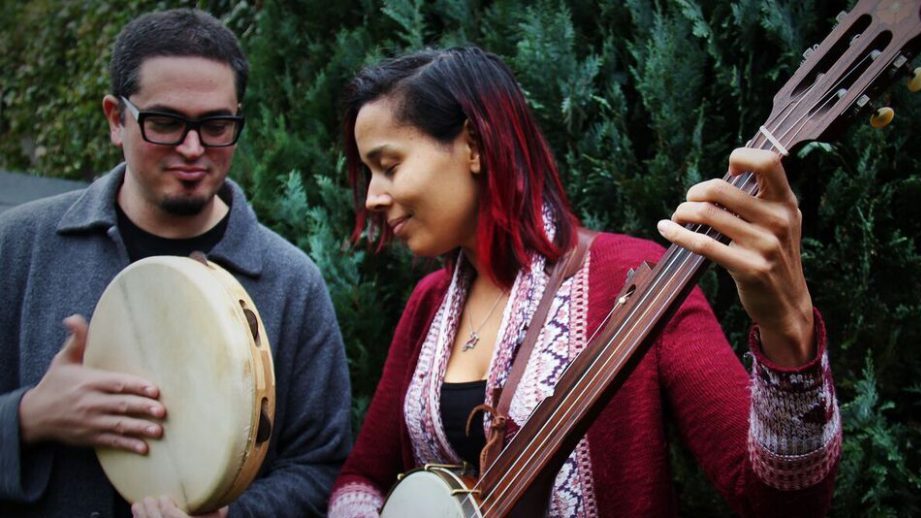
Rhiannon Giddens will reach a new milestone in her ever-diversifying career as the Nashville Ballet hosts a world premiere of Lucy Negro Redux on Friday, February 8. According to press materials, the production explores the mysterious love life of William Shakespeare through the perspective of the “Dark Lady” for whom many of his famed sonnets were written.
Giddens collaborated with jazz musician Francesco Turrisi on the score. The narrative is based on a book by Caroline Randall Williams, a Nashville-based poet who also contributes spoken word during the performance. Paul Vasterling serves as Artistic Director.
In the video below, Giddens explains, “I said yes to the ballet because it’s a really interesting story and it fits very neatly with my mission of highlighting interesting and overlooked possible connections in history, and this is a very, very intriguing one.”
She adds, “I just hope audiences will take away that you can do things in a lot of different ways. And there are so many different ways to collaborate and there are so many different ways to make a statement. I think this ballet, this collaboration, has a really great opportunity to do that – to show audiences that ballet can be this, as well as Swan Lake and some of the other things that you see. In my world, that banjos and folk music can be partnered with really a high-art dance form and it works. So, it’s like, hopefully we bring the two sides together to see each other and go, ‘Hey, you’re not that different from me actually.'”
Photo of Francesco Turrisi and Rhiannon Giddens by Karen Cox
Artist:Jane Kramer Hometown: Asheville, North Carolina Song: “Hymn” Album:Valley of the Bones Release Date: March 1, 2019
In Their Words: “This song was a kind of ‘homework’ assignment from my songwriting mentor, Mary Gauthier. She looked me in the eye and told me that all of my self-deprecation wasn’t cute or charming and asked me, ‘When are you going to drop the bullsh*t and really own your power and talent?’ She told me that only then would I write the kind of songs that were up to my full potential. She challenged me to write a song from a perspective of self-love. Like, full, real, spiritual and true self-love, and to call it my ‘Hymn,’ whatever that meant to me. I spent a few weeks after that alone, backpacking around Italy with a little travel guitar. I wrote this song in a little mountain village called Vetulonia, where I slept in a little cottage with a hammock for a bed, looking out over mountains that reminded me of home, and it sunk in then that I couldn’t really come home till I came home to myself. So I did.” — Jane Kramer
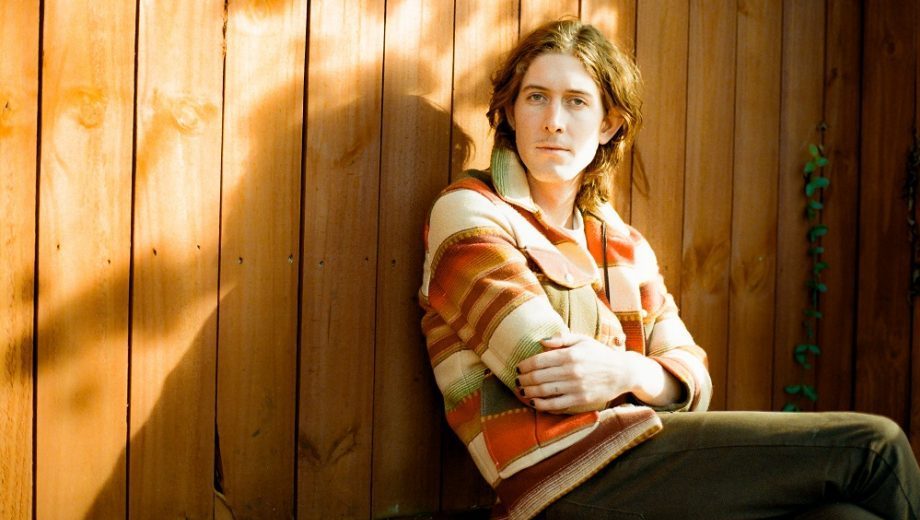
Artist:Cale Tyson Hometown: Nashville, Tennessee by way of Fort Worth, Texas Latest album:narcissist
What’s your favorite memory from being on stage?
This is going to sound self-deprecating, but my favorite show of all time was at this dumb barbecue restaurant in Kentucky. It was the first show of a three-week tour and I had assembled my favorite band of musicians. We rehearsed a ton beforehand and I was promoting the hell out of the tour for weeks leading up to it. Anyway, the barbecue restaurant was the first show. We were supposed to play for like an hour and a half, and about 30 minutes into our set, the sound guy came up to the stage and was like, “guys, no one is here…just stop playing.” So we did. I could immediately tell that the tour was going to be a major success.
What’s the toughest time you ever had writing a song?
Every single song I’ve ever written has been a tough time. I honestly have no idea how anything of substance ever comes out. Every time I sit down and write a song that I’m somewhat proud of, I’m like absolutely floored. I don’t understand how it happens. Then, I proceed to freak out and convince myself that it’ll never happen again and that was the last song I’ll ever write. Fast forward a few days, weeks, or months, and somehow it happens again…fingers crossed.
What rituals do you have, either in the studio or before a show?
Before a show, I like to drink a bunch of herbal tea and use a Neti pot, then completely counteract that with beer, tequila, and some shitty food from my rider. I’m working on getting better at this.
Since food and music go so well together, what is your dream pairing of a meal and a musician?
Obviously, this would be Mark Kozelek (Sun Kil Moon) and a nice bread bowl of tomato soup from Panera Bread. I like to imagine that Mark eats at Panera as much as he mentions it in his songs. Panera sounds really good right now actually.
How often do you hide behind a character in a song or use “you” when it’s actually “me”?
I used to do this a lot, but lately I’m pretty transparent about it. If there’s a character in my song, there’s about a 95% chance the character I’m referring to is myself…or at least shares some essential qualities with me. I think my biggest personality flaw is oversharing brutal details of my life, but I’m working on convincing myself that it’s good for my songwriting.
Artist:Michael McDermott Hometown: Chicago, Illinois Song: “Ne’er Do Well” Album:Orphans Release Date: February 8, 2019 Label: Pauper Sky Records
In Their Words: “The first time I heard the term ‘ne’er do well’ I must have been 8 or 9 years old. I heard it from my father describing his uncle who ended up dying on skid row in Chicago… That kind of stuck with me I guess. I became a sort of ne’er do well of my own, afflicted with drug and drink, who let his career go to hell and lived for the next fix and drink. Those are just external solutions for internal problems, and what they really need is love, faith, connection. I was always amazed that there was more real discussion about God and Jesus in crack houses than there was in the church I went to. One time in Wayne, New Jersey, I was checking into a hotel and they asked for my name, and I said ‘Ne’er Do Well.’ They asked me, ‘Can you spell that?’ and I just said, ‘Ne’er Do Well, it’s French.’ — Michael McDermott
Folky string band Lula Wiles’ brand new album immediately asks What Will We Do? The project’s title is the first of many thought-provoking questions and prompts sprinkled throughout the album, like tasty musical morsels that lead listeners to explore our culture’s social norms, power structures, and political realities.
But the three women — Isa Burke, Ellie Buckland, and Mali Obomsawin — aren’t being needlessly combative, pushing buttons or grinding gears to elicit equally combative and grinding responses. The goal, evident throughout the album, isn’t protest. It’s empathy. These conversations tease out the slight nuances that define each of us, rather than hiding them away for the sake of convenience and tidy generalisms.
What Will We Do has a quiet, introspective, power to provoke — or perhaps more accurately, evoke — a reality that is stripped of its normative, predictable infrastructures and replaced with person-to-person, human-to-human connection as its keystone. And without condescending even the least to offer a paramount answer to the album’s titular question, the music — and the nuances within — will guide open-minded and open-eared listeners to the answers.
BGS: In the press materials for the album, it’s described as “provocative,” but when I listen to it I don’t find it… incendiary. You aren’t necessarily just sticking a poker into the fire or fanning the flames; you’re trying to accomplish something more productive than that. In the writing process and the creative process what went into striking that balance? Was it conscious or subconscious? Was it overt or covert?
Mali Obomsawin: We had a lot of conversations about how to write political songs, or songs that capture certain elements of the political climate right now and the cultural climate in general. It is a really delicate thing to confront current issues that people aren’t agreeing on. It’s not like we’re talking about World War II. Yes, Germany was in the wrong, everybody knows that. I think we have a lot of listeners that agree with us politically, so to speak, but we still wanted to write about topics that have nuance. We didn’t want to be reductive. The most incendiary approach to talking about current issues is being reductive, deleting and erasing that nuance. We aren’t interested in doing that because that doesn’t get anything done.
“Hometown” feels like it’s painting a picture of a pretty normative, small-town America, but then you have lines like “Flip a coin and choose pride or shame” that really stick out to me. That’s the difference between a marginalized person and a privileged person growing up in the same place — it’s a coin toss whether they’ll feel that hometown pride or shame. How does that song relate to each of you? Where did that idea come from? What’s the connection or nuance in that line?
EB: First of all, “Hometown,” the whole song, is deeply personal to me. I think it was originally inspired by specific people in my family and the fact that I vote differently than a lot of people in my family, that I love. Then, as a lot of writers do, there are a lot of characters in the song that are not coming from my exact life, but come from my experience growing up in this place, going to high school with people who were using drugs and becoming addicted to drugs, girls who were having kids when they were fifteen or sixteen, and just a lot of working class people as well.
I remember thinking about the divide that people feel about being on welfare. Specifically, this idea that of the people who are so critical of welfare and feel that it is just people mooching off the government, in fact, a lot of those people would greatly benefit from welfare because they are struggling financially. But they feel a sense of pride on their own. Like, “I will pull myself up by the bootstraps. I will follow all of these sort of rules that will create. I am the American dream, I am the future millionaire.” They’re critical, they think it’s shameful to accept these benefits.
IB: Also, I think a lot of the time pride is like armor against shame. The force of pride can be, “I’m choosing to be proud of this thing, because I’ve been made to feel ashamed of it.”
MO: Right now, for instance, there’s a lot of Indian mascot drama going on in Maine. We Natives almost have a superiority complex in that we’re so proud of who we are and where we come from. We have to be, because we’re so shamed by things like mascots. I think a lot of marginalized people feel this way. It’s a form of self-protection.
I do want to spend a little time talking about Indigenous rights and issues, because it’s been a topic that through the lifespan of this column we haven’t been able to cover yet. I think that in itself is indicative of what I want to talk about, which is — and I wanted to say Indigenous rights are the “final frontier” of intersectionality, but even that is colonialism! This is how deeply entrenched colonialism is. How would you like to see the music community respond to these issues that you’ve brought up in the music and on the album?
MO: It is so entrenched in American society to be anti-Indigenous. It’s in so many of our colloquial, everyday phrases even. Like, “the final frontier” or “have a pow-wow.” Even smaller things like, “lower on the totem pole.” Natives are used as tropes… which just adds to the erasure. This is all a product of the erasure we’re taught by textbooks: “Indians are history, Indigenous people don’t exist anymore, it’s not even something you need to think about anymore.” It’s to a point that if you bring up any Indigenous rights topic, or address any issue, you instantly become the most radical person in the room. You end up disassembling the whole house of cards of social norms in which we exist.
[In] the folk scene, the songwriter scene, there are things to be done. Maybe someone wants to do a land acknowledgement in a new town. That’s fine, that’s good, I encourage it, but also just look at your colloquialisms and the tropes you use in your lyrics. There are so many! Natives are used for imagery and turns of phrase to give your lyrics a little hip touch.
Authenticity signaling.
MO: Yeah. People use it so much! And all of my favorite artists do it! Every time it happens I’m just like, it’s Tom Petty with, “Til an Indian shot out the lights” and Joni Mitchell with “Little Indian kids on a bridge.” It happens all the time, when we’re just driving in the car, like, “Oh shit, damnit. Paul Simon’s out, too?”
I want to end with “Shaking As It Turns” and make it our call to action for this column. How do we take an album like this, and a song like “Shaking As It Turns,” and help people understand that this poor fucking world has been shaking all along? We’re just at the point where we’re feeling it shake more and more and so intensely. What do we do now that we have this awareness? What do we do now that our thoughts have been provoked?
IB: What will we do?! [All laugh]
EB: What will we do? It’s almost like this is what the record is about!
IB: I feel like the last verse is the closest we get to protest music, to that galvanizing call to action type of thing. That’s the “Don’t talk about love if your love won’t burn” verse. I wrote the song in July of 2017, right after the neo-Nazi rally in Charlottesville, Virginia, where [Heather Heyer] was murdered. That verse was kind of a response to all of the “love trumps hate” rhetoric that was going around at the time. That phrase always rang hollow to me, especially when it was in response to something like murderous neo-Nazis. I think sometimes you can’t just respond by saying, “Well, just be loving to them and that will fix it.” Because it won’t fix it!
That verse is trying to say that love is a good response to hate, but it has to be the kind of love that calls you to do something. The “love trumps hate” thing always felt like a cop out. [We’re] trying to get people to not disengage, but to go deeper into these issues, get down to the very foundation of why things are the way they are. If confronting Indigenous rights means questioning the very nature of reality, then do that. Ask those tough questions. Ask them of the people that you love, ask them of people you disagree with, and do it in a way that’s honest and isn’t disingenuous.
Photo credit: Laura E. Partain
This website uses cookies to improve your experience. We'll assume you're ok with this, but you can opt-out if you wish.AcceptRejectRead More
Privacy & Cookies Policy
Privacy Overview
This website uses cookies to improve your experience while you navigate through the website. Out of these, the cookies that are categorized as necessary are stored on your browser as they are essential for the working of basic functionalities of the website. We also use third-party cookies that help us analyze and understand how you use this website. These cookies will be stored in your browser only with your consent. You also have the option to opt-out of these cookies. But opting out of some of these cookies may affect your browsing experience.
Necessary cookies are absolutely essential for the website to function properly. This category only includes cookies that ensures basic functionalities and security features of the website. These cookies do not store any personal information.
Any cookies that may not be particularly necessary for the website to function and is used specifically to collect user personal data via analytics, ads, other embedded contents are termed as non-necessary cookies. It is mandatory to procure user consent prior to running these cookies on your website.