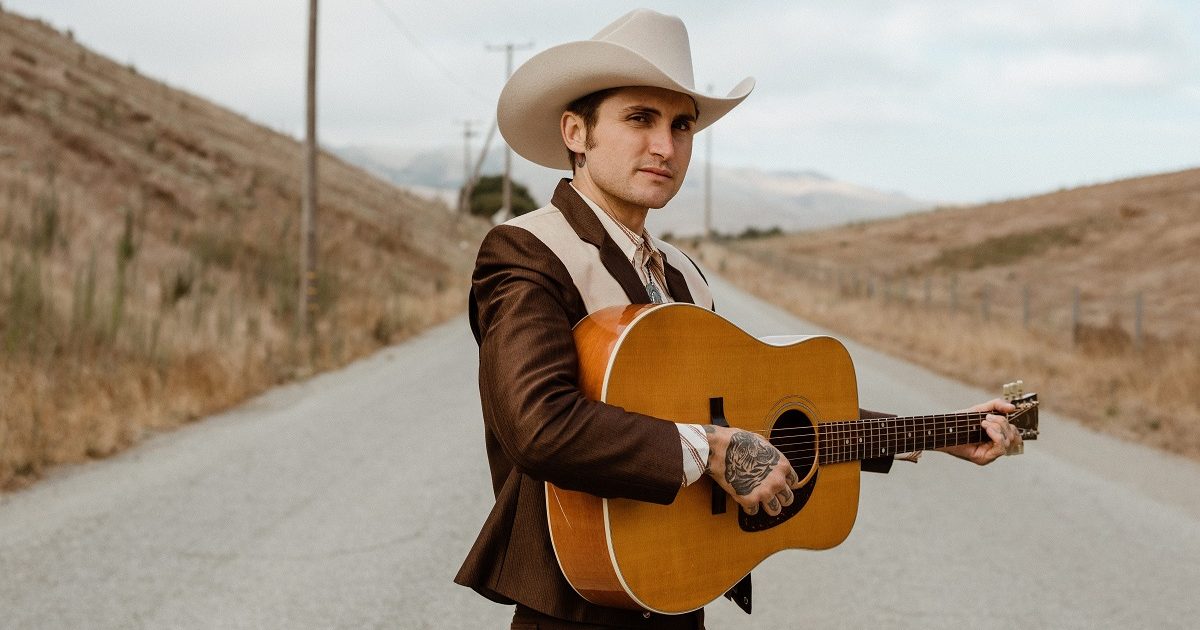
WATCH: Charley Crockett, “Run Horse Run”

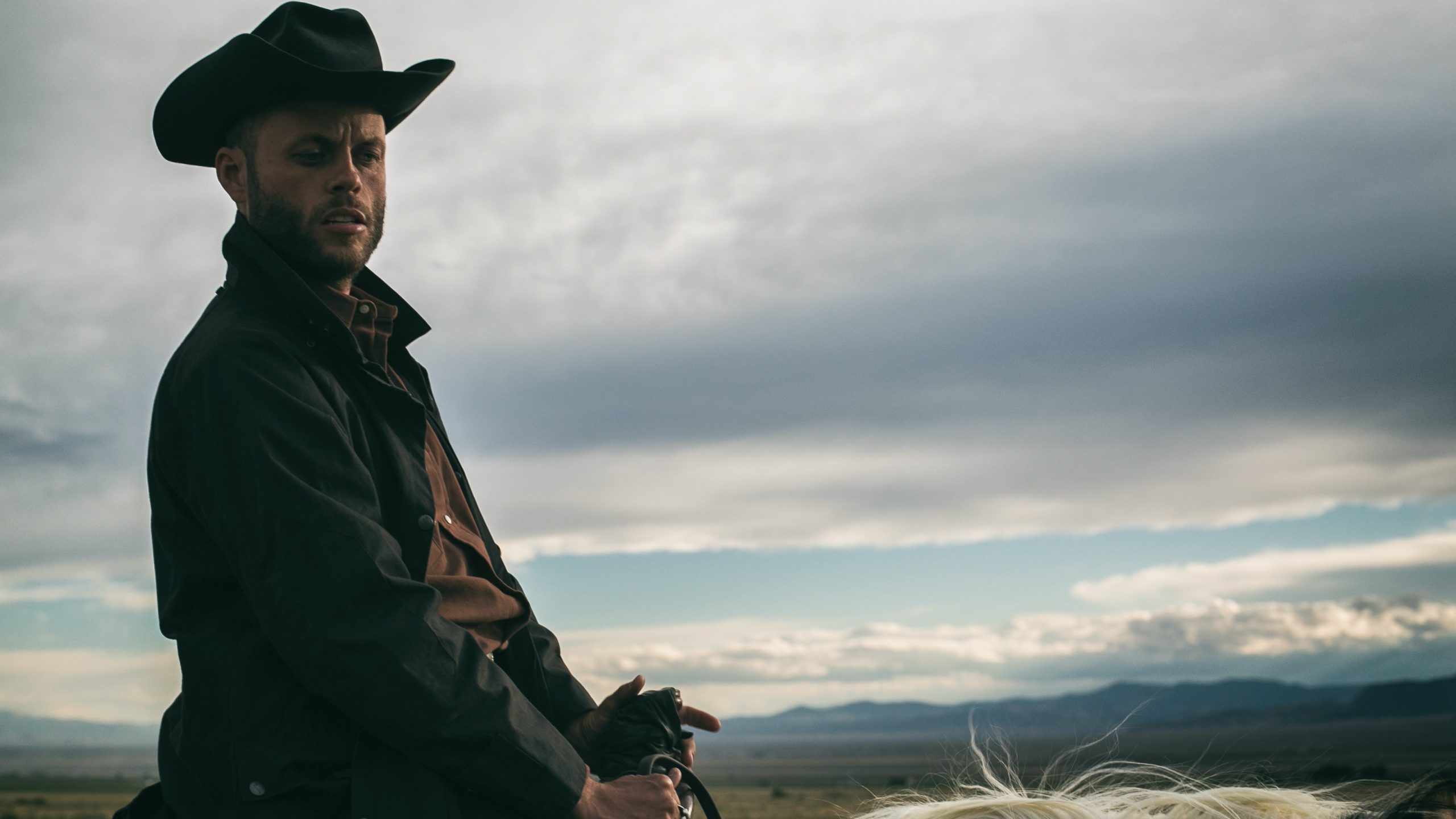
Artist: Charley Crockett
Hometown: San Benito, Texas / Austin, Texas
Song: “Run Horse Run”
Album: Welcome to Hard Times
Release Date: July 31, 2020 (album)
Label: Son of Davy/Thirty Tigers

In Their Words: “I remember seeing the races at Louisiana Downs in New Orleans when I was a kid. I remember the tension in people’s hands while they waited to see who would win. Like a coin flipping in the air. The dirt flying behind those horses as they ran. They looked like they were running as if they’re life depended on it. I’d say it did.” — Charley Crockett


Photo credit: Bobby Cochran

LISTEN: Monte Warden and the Dangerous Few, “Martini”

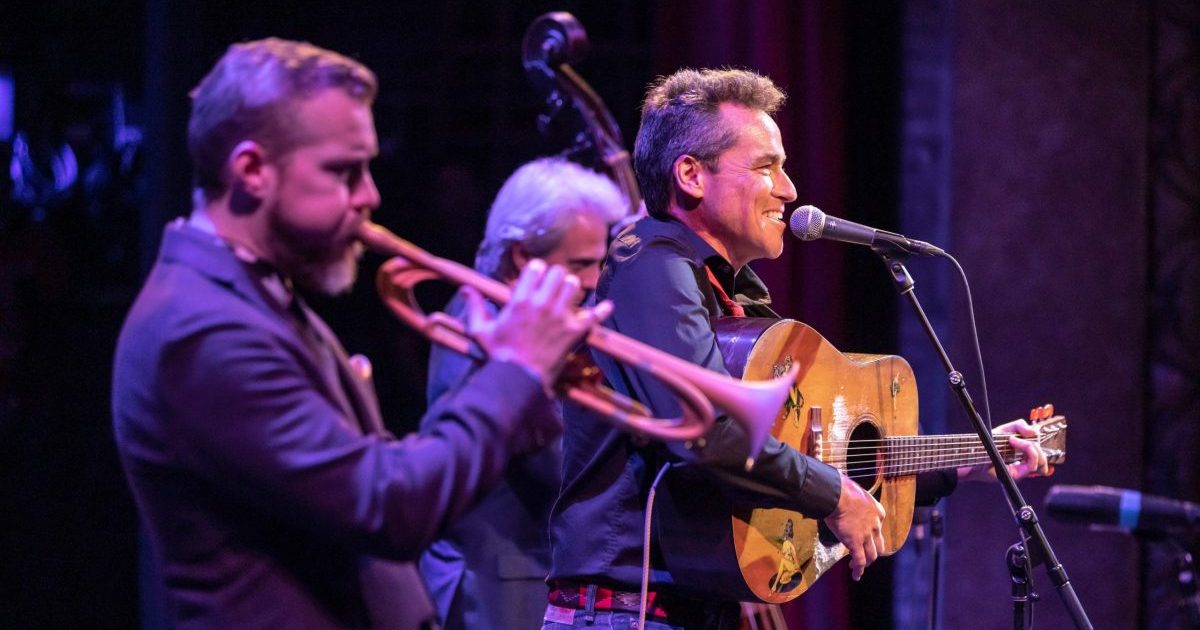
Artist name: Monte Warden and the Dangerous Few
Hometown: Austin, Texas
Song: “Martini”
Album: Monte Warden and the Dangerous Few
Release Date: June 19, 2020
Label: Break A Leg Records

In Their Words: “As we first started playing shows, new fans would come up and enthusiastically ask, ‘What do you call this music?!’ We described is as ‘martini music.’ My wife Brandi suggested we write a big, fun up-tempo ode to the martini, so we rode over to Floyd Domino’s house and all did our best to just get the hell outta this song’s way. It’s one of those rare little gems that seemed to write itself. That line ‘country club mosquitoes’ had us all goin’ nuts. I can count on this song to always deliver a musical shovel-to-the-face at any gig.” — Monte Warden


Photo credit: Sean Mathis

LISTEN: John Baumann, “Second Wind”

Artist: John Baumann
Hometown: Austin, Texas
Song: “Second Wind”
Album: Country Shade
Release Date: June 5, 2020
Label: The Next Waltz

In Their Words: “When I think of myself from ten years ago, I recall a much more naive and unaware version. Blindly ambitious, I was willing to chase a carrot as far as needed, to feel validated as an artist and writer. It was before I had taken a few licks and gotten knocked down. It was before my expectations had been tempered, before my sight had been adjusted to reality. The highs and lows, the ebbs and flows. I sometimes wonder what it would be like if I could only bottle that feeling of invincibility, and take a dose of it every day for the rest of my life. It really speaks to the power of youth and the strength that people have when they are motivated. This song is about questioning your motives, where you have gone right and wrong, remembering who you can lean on, and ultimately finding how to harness that long lost feeling of unbridled motivation to push forward and find that validation.” — John Baumann

johnbaumann · John Baumann – Country Shade – 09 – Second Wind

Photo credit: Jordan Fischels

The Shift List – Mark Buley (Odd Duck, Sour Duck Market) – Austin, TX

This week, host Chris Jacobs continues The Shift List’s feature on music and restaurants in Austin, Texas with Mark Buley, chef and partner at Odd Duck and Sour Duck Market.

LISTEN: APPLE PODCASTS • MP3

In 2009, Bryce Gilmore opened a food truck, the Odd Duck Farm to Trailer, with his brother in South Austin. The trailer featured dishes utilizing fresh and locally-sourced ingredients, which was still something of a novel idea at the time, and it became the cornerstone philosophy behind all of their endeavors moving forward, including the eventual brick and mortar version of Odd Duck and the more casual Sour Duck Market.

Mark Buley, originally from a small town in Wisconsin, journeyed to Austin in 2012 to partner with Gilmore in anticipation of Odd Duck opening as a brick-and-mortar restaurant. The pair have been working together ever since, and in the last decade, the Odd Duck collective has become a staple of the Austin food scene — fun and interesting, not too serious, and done well. Perhaps more than any of the restaurants recently featured on The Shift List, Sour Duck Market is intentionally communal. It’s a bakery, cafe, coffee shop, outdoor patio, and multi-service kind of place that’s designed for customers to stay a while.

Sour Duck and Odd Duck are both open for curbside pickup as things in Austin still move to fully open up during the coronavirus pandemic; listening to this conversation is a reminder of how much we’ve temporarily lost and have been taking for granted, but it also serves as a hopeful promise of what we’ll get back when the time is right.

In the meantime, if you want to bring the Sour Duck ethos into your own home, order a copy of The Odd Duck Almanac, a recently-released, annual cookbook/magazine-style publication that’s as true of a representation of the restaurants as you can get while we wait for everything to reopen.

BGS 5+5: Reckless Kelly

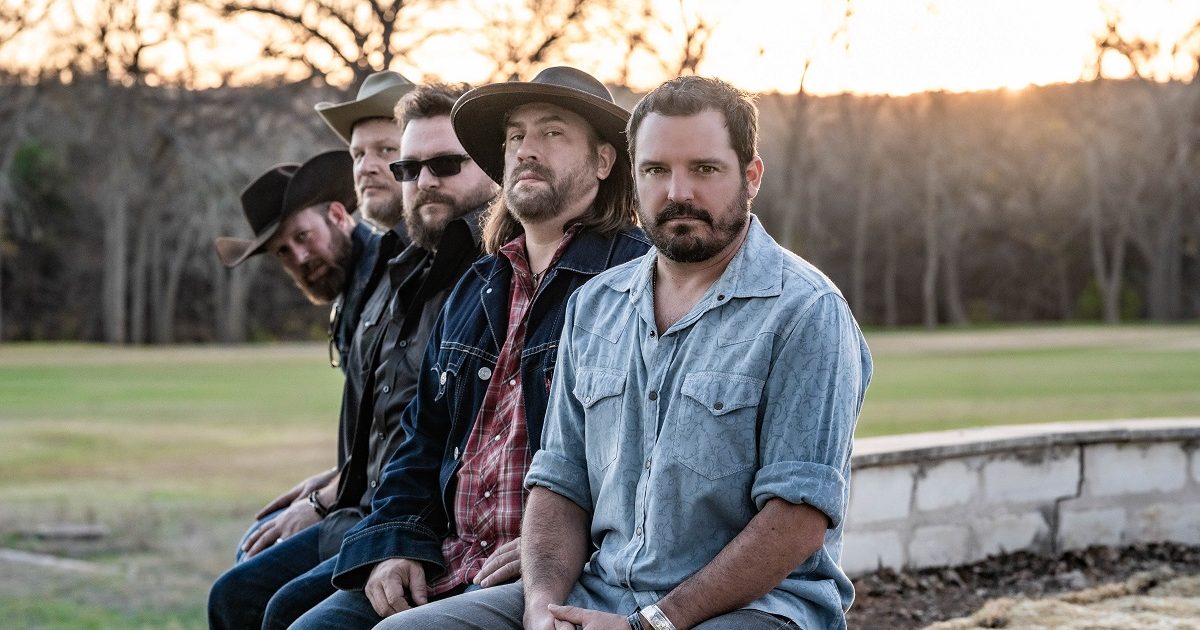
Artist: Reckless Kelly
Hometown: Austin, Texas
Latest album: American Girls & American Jackpot

Answers provided by Willy Braun

What other art forms — literature, film, dance, painting, etc — inform your music?

I get a lot of ideas from books, lines here and there, but a lot of time they’re just ideas. A theme or a mood. I get some ideas from movies as well but that’s a little more rare. I’d say most of my ideas for songs come from things people say or do in everyday life. I’m always writing things down.

What was the first moment that you knew you wanted to be a musician?

I’ve always known I was going to be a musician. It’s the family business. My dad, uncles, grandpa, brothers, cousins, etc., are all musicians. I grew up singing on stage with my dad’s band and eventually my brothers and I all joined so there was never really any question about what path we were going to go down.

However, to answer the question more directly, I remember when I was about 5 I got up and sang a song with my dad at a chili cook-off. After the show the girl at the concession stand gave me my Coke for free, and I remember thinking that was the coolest thing ever. It may have been what hooked me for good.

Which elements of nature do you spend the most time with and how do those impact your work?

I have a place in Idaho where I do the majority of my writing these days. It’s in the high desert with mountains all around so it’s really inspiring. It takes me a few days to get in a groove but once I find my rhythm I usually get a lot done. It also helps that it’s off the beaten path so distractions are at a minimum.

Since food and music go so well together, what is your dream pairing of a meal and a musician?

If I could meet one person it would probably be Sir Paul McCartney. I’m pretty sure he’s a vegetarian so I’d eat whatever he wanted to have as long as we could chat about writing and of course, the Beatles. I’m sure we’d have a couple bottles of wine to wash it all down as well.

How often do you hide behind a character in a song or use “you” when it’s actually “me”?

I use a lot of metaphors in my songs so that’s a place to hide out, ha ha. I almost always write with a caricature in mind, so even when I say “me” I’m not usually talking about myself. A lot of my stuff is fictional so I don’t worry about hiding much. The new albums are the first time I’ve really explained a lot of meaning behind the songs. Normally I let people make up their own version of what they think it’s all about. This time I felt like it was important to let people behind the curtain a bit because of the concept. I wanted them to get it.


Photo credit: Cynthia Dawn Photography

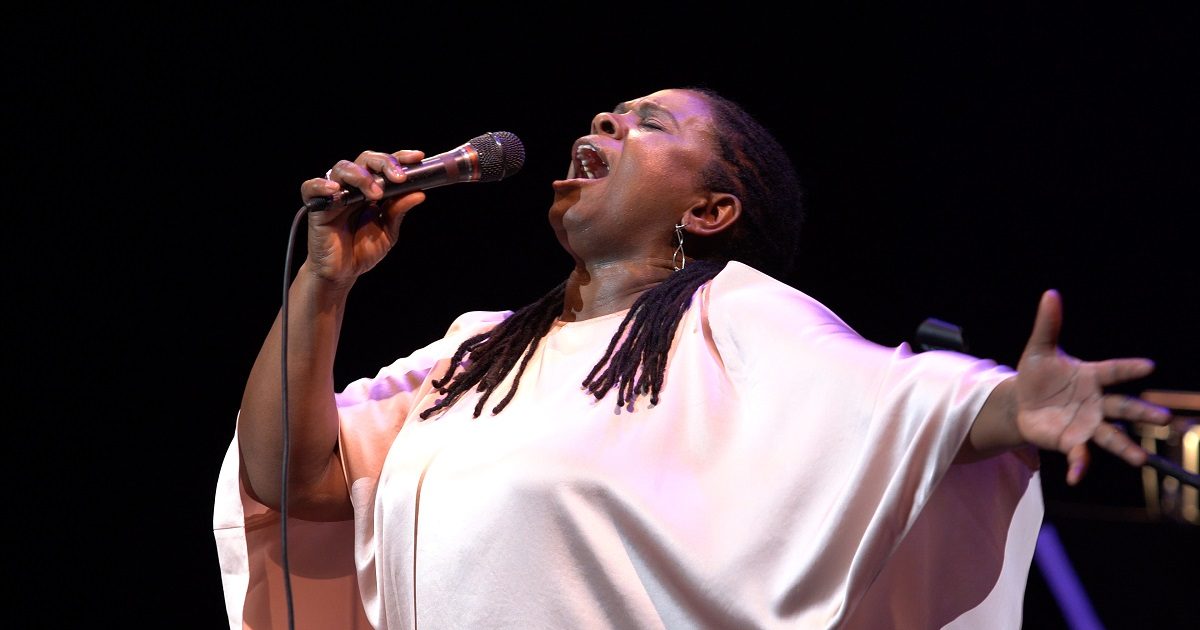
BGS 5+5: Ruthie Foster

Artist: Ruthie Foster
Hometown: Austin, Texas
Latest album: Live at the Paramount

Which artist has influenced you the most … and how?

Sam Cooke. Growing up in a mostly gospel singing family, Sam Cooke’s music was playing on the stereo all of the time. He was not only the most melodic gospel soloist I’d ever heard, but he could sing anything from popular songs to fronting a full band with horns, changing stylistically as a singer (Sam Cooke at The Copa). I’d like to think that my music brings a similar energy to the live stage, which is why I decided to record with a big band on my latest release.

What was the first moment that you knew you wanted to be a musician?

I was about 10 years old sitting on the front pew in my family’s church in central Texas watching and listening to my uncle sing a solo one Sunday afternoon. He’d sang the song many times before but this time it was different. Tears were streaming down his cheeks, his voice was shaky, and he had his hand on my other uncle’s shoulder, who was playing the piano. Visibly moved, he changed the energy in the entire congregation. Everyone was crying, me too. I knew then that singing was a true gift that can be used to elevate.

What’s the toughest time you ever had writing a song?

I have a tough time finishing songs when I’m in my head too much; I’ve had no problem starting them at all. “Singing The Blues” is a perfect example. At the time I was getting a little pressure about writing for my next album and I resisted. Touring a lot while house searching from the road and trying to write was stressful. It wasn’t until I decided to put those feelings on paper when I realized that the song was really about my life. So I was able to start and finish it, “Trying to find a new home, trying to write a new song. Trying to find a rhythm, that’ll help me get through it, singing the blues”.

Since food and music go so well together, what is your dream pairing of a meal and a musician?

I love to cook at home when I’m off the road. One of my favorites is baked fish with garlic, fresh dill, seasonal vegetables, and a good wine. I always prep and pair that dish with one of my favorite singers, Tony Bennett!

What’s your favorite memory from being on stage?

One night onstage at a festival I started to lose my voice from really bad allergies. I tried to sing but after a few songs, I was straining and in extreme pain. I stopped and apologized for not being able to continue, but someone in the audience started singing the lyrics for me, then there were more people joining in on a few more songs and before I knew it, the set was complete and sung entirely by my beautiful fans while I played guitar for them! They had lifted and carried me through the show! I was incredibly moved and grateful.

Ruthie Foster – “Singing The Blues”

I’m very proud of being brave enough to tell my own story about how I came to the blues.

Sam Cooke – “Bring It On Home To Me”

Sam was soulful and a skillful in the music business, owning all of his own publishing.

Tedeschi Trucks Band – “Midnight In Harlem”

This tune reminds me of learning to adapt to my new environment while writing songs when lived in NYC.

Bill Withers – “Grandma’s Hands”

This one captures how I felt about my own “Big Mama” and reminds me of how she still sings through me.

Sister Rosetta Tharpe – “Singing in My Soul”

The very first and baddest rocking mama on guitar ever! Huge influence on my playing.


Photo Credit: Yellow House Studios

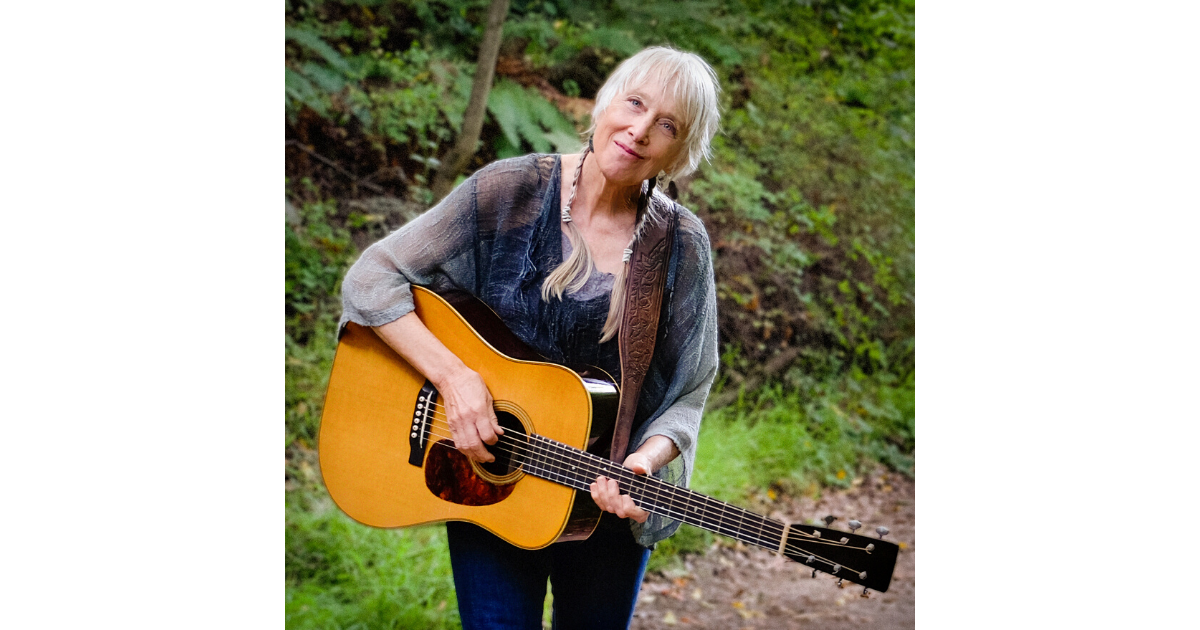
Laurie Lewis & Friends, “Dear Old Dixie (Live)”

This edition of Tunesday turned out to be an oddly circuitous task. We often take this space to highlight our Artists of the Month, pointing out instrumentals from throughout their catalogs and across their careers, but for singer, songwriter, guitarist, poet, frontwoman, and long-distance hiker Laurie Lewis, the tunes are simply in too-short supply. Not because they don’t exist, but because Lewis’ cosmic level lyricism tends to eclipse her virtuosic command of the majority of bluegrass’s titular instruments. You may most often see her with a dreadnought strapped around her shoulders, but rest a fiddle there instead and you’re bound to enjoy some of the best bluegrass fiddling — with an even sprinkling of contest style, West Coast country, and the melody-driven old-time of the Pacific Northwest throughout.
In this clip from a live performance on The Texas Connection in 1992, Lewis is joined by longtime musical partner and bandmate Tom Rozum as well as Sally Van Meter, Alan Munde, Peter Rowan, Peter McLaughlin, and Cary Black on a sleek and stupefying rendition of “Dear Old Dixie.” It’s a banjo number, naturally, so Munde kicks it off with an uncharacteristically normative, Scruggs-like play through the melody. The remaining bandmates each take a turn, but the fire’s really lit when Lewis saws out her own solo, reminding all of us that she only ends up placing herself behind the guitar more often than not because she chooses to. With slippery, deliciously dissonant double stops she capitalizes upon the signature energy and showmanship concentrated within every note, every bow stroke, and every string pluck she issues.
While a quick stroll through her catalog, especially on streaming platforms, may not immediately land you in a pile of recordings of burning Bill Monroe tunes, or contemplative waltzes, or danceable hornpipes, you’ll probably find yourself confounded by the natural imagery, tender emotion, and raw spiritual power of her lyrics instead. That’s understandable. With a little digging, though, that picture of a legendary artist’s work can be expanded to include lifelong rations of indomitable pickin’ like this, too. And it ought to.

Photo courtesy of the artist.

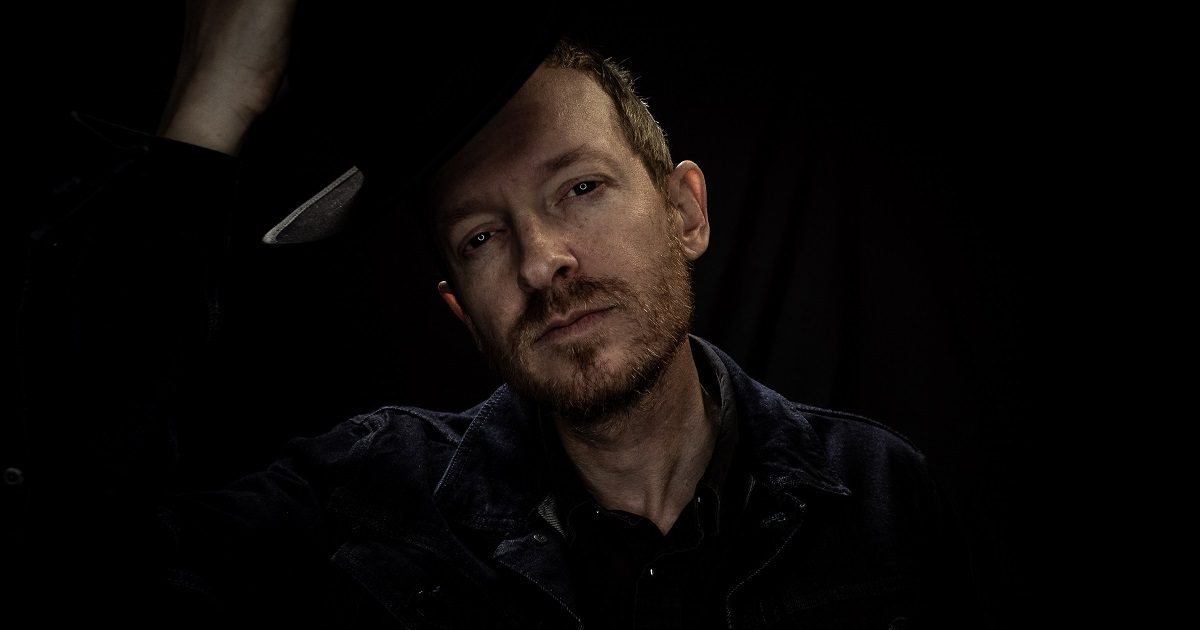
LISTEN: James Hyland, “Ghost”

Artist: James Hyland
Hometown: Austin, Texas
Song: “Ghost”
Album: Western
Release Date: May 1, 2020
Label: James Hyland Music

In Their Words: “‘Ghost’ is about how strong the past can influence our emotions that drive us to make the decisions that shape our future. This song is about writing and creating songs that my dead heroes would enjoy. I imagine they’re in the room with me as I’m writing and if the line isn’t good enough for the imaginary people there in my room, how could I possibly keep it and play it for the people who are alive? Every couplet counts. The character in the song is haunted by their dead heroes, whose unwritten songs manifest in the writings of the one they influence.” — James Hyland


Photo credit: Ty Hudgins

Jesse Daniel: ‘Rollin’ On’ After Rocky Times

To quote the title of his new album, Jesse Daniel is indeed rollin’ on, moving past the setbacks of his past and now celebrating three years sober. One thing that hasn’t changed? His dedication to classic country music. With its echoes of Buck Owens, Ray Price, and other legends of the ‘50s, Rollin’ On simply extends the traditional country sound Daniel explored on his self-titled debut album in 2018. He recorded it in San Antonio with producer Tommy Detamore.

“I’ve been telling people that the record I did before was songs that I had written over a period of years that dealt with a lot of past stuff,” he says. “This one has some of that, but it’s a lot more about moving forward, and to me, even physically driving, moving forward. It’s symbolic of that. I think it naturally fell into place with the theme of this record.”

That drive is evident in “Tar Snakes,” “The Mayo and the Mustard,” and the rousing title track. He knows something about mileage, too. Raised in a rural mountain town near Santa Cruz, California, and now living in Austin, Texas, Daniel caught up with BGS during a tour stop in Nashville.

BGS: I hear a positive attitude coming through several of these songs, like “If You Ain’t Happy Now (You Never Will Be)” as an example. Do you consider yourself an optimist, or in a pretty good place these days?

JD: Yeah, definitely. I’ve been a pessimist before in my life. I know what that’s like, but at this point, yeah, I definitely consider myself an optimist. And that song, it’s funny, the title of the song might seem almost like a slam on someone or something. When you listen to the lyrics, I wrote that song as a reminder to myself. You could have everything in the world and still be miserable if you’re not focusing on the here and now and what matters.

At what point did you begin to write songs?

I’ve been writing songs and short stories since I was a young kid in elementary school, and I would always write wild stories. You know, I had a crazy imagination as a kid, and then I got into punk rock when I was in my teen years. And country songwriting and writing in this style started as a cathartic thing because I always loved country music, but it naturally progressed.

How do you progress from punk to country? How did that happen?

I’ve seen there’s a common thread. I’ve talked to a lot of other musicians who play country music now that were into punk rock, and I think that there’s something about the spirit of it that was similar, that called me to it. …For me, I was introduced when I was really young to Buck Owens and Hank Williams and guys like that, and I always loved that music. There’s a lot of older punk rock guys that I knew that were listening to Black Flag and things like that. But they were also listening to old Hank Williams records. I got influenced by that. To me, it was almost the turning point, a maturity thing. I didn’t feel quite as angry, and even if I was, I wanted to do something constructive about it. And that, to me, was a more constructive form of expression.

Do you remember when you wrote your first country song you liked?

Mm-hmm [Affirmative]. I had been writing for a while and none of them really got completely finished. They were all ideas and things that turned into other things later on. But the first one that I finished that I remember liking was a song called “Don’t Push Your Luck.” I wrote that in a hospital bed in a rehabilitation center in Oakland, California. I was going through a lot of rough times in my life, and that was the head of everything where I decided to really start pouring myself into that. That was the first country song I was ever really proud of.

Was there a turning point where you got healthy or decided to take care of yourself?

Definitely, yeah. There was a guy who was in that program, and he worked there, and he’d come in and play guitar for us. I was sick for about a week detoxing, and I would hear him playing guitar in the other room. He’d come in playing Hank Williams songs and Emmylou Harris and all kinds of classic country songs. I went in and talked to him when I started feeling good enough to get up and walk around. I remember I said, “Man, I want to play music like you someday and do what you’re doing and play country music.” And he was like, “Why don’t you?” And he said it matter-of-fact, just like that. It really stuck with me and I always looked at that as a big turning point when he said that.

So I was sitting at a diner in Austin the other day, and I see this guy walk by, and I knew it was that guy, looked just like him. So I chased him down the street and it turned out that was the guy who told me that. He lives in Austin now, and I told him, “You changed my life, man. You really set this whole thing that I’m doing in motion.” And he is actually a musician and he’s going to sit in with us, hopefully, coming up at a couple of our shows. Pretty crazy twist of fate.

The musicianship on this record is really good. You and Tommy must’ve gotten along pretty well. What do you like about working with somebody a few generations older than you?

I’ve always had an affinity for older people and picking people’s brains, and I figured that it’s life experience. There’s something I can usually learn from those people, and with Tommy, that was definitely the case. He was full of stories and wisdom and experience. So yeah, working with him, with his age and experience, was awesome. Not to say that somebody younger wouldn’t have been great, too. My partner Jodi always jokes around that I will go someplace, and I’ll find the nearest 89-year-old person, and I’ll latch onto them. We’ll be hanging out and catching up.

Are you a bluegrass fan?

Yeah, I love bluegrass.

Tell me about how you discovered bluegrass music.

Oh, man. Actually there’s a lot of bluegrass where I grew up, up in the mountains and stuff, and there’s tons of players. But I first got my hands on a bluegrass compilation from a teacher I had, and she had a bunch of burned CDs. And one of them was a bluegrass mix. I remember she put it on one day, and my ears perked up. I was like, “I love that.” And it was Flatt & Scruggs, or something like that. I ended up borrowing it from her and taking it home and listening to it. I didn’t even know who all the artists were, but that was my intro to bluegrass. And then, over the years, I got exposed to it a lot growing up there.

How did you learn about who the artists were? Did you just start buying records?

Yeah, exactly. Buying records and finding records. I used to shop in the bargain bins a lot, and they had a bargain bluegrass section and country section at the local record shop. So I’d find a lot of stuff there. A lot of the guys that I’ve had in my bands over the years have also been bluegrass players. They’ve introduced me to a lot of that stuff. There’s also a really big old-time scene in Santa Cruz, so there’s an overlap with the old-time and bluegrass.

“Son of the San Lorenzo” is a neat way to close the record. It seems like a very personal song. What was on your mind when you were writing that?

“Son of the San Lorenzo” was really autobiographical. More than any of the other ones on the record, I think that is the most about myself and where I grew up in the San Lorenzo Valley. I didn’t mention it in the song outright, but I’ve had a lot of friends that I grew up with from that area pass away in the last four or five years. There’s a whole lot of drugs in that area, and that song was about leaving that area and leaving not those people, but those issues and past things behind. I’m glad that was the last one on the record, too. That’s why we put it there. It’s like a cathartic, moving forward type of thing.


Photo credit: Molly Gisholm
WATCH: Grace Pettis, “Landon”

Artist: Grace Pettis
Hometown: Mentone, Alabama; current residence is Austin, Texas
Song: “Landon”
Release Date: March 20, 2020
Label: MPress Records

In Their Words: I spent about ten years writing ‘Landon.’ It was a tough sentiment to get just right. Landon and I became best friends in a high school in a small town in Alabama. He came out right after graduation and I was one of a few trusted people. My job, in that moment, was to listen. Instead, I responded with a canned answer — one that was drilled into me by a devout Christian upbringing. I knew, deep down, that I was wrong. It took me years (I’m embarrassed by how many years) to confront my conscience and admit that to myself.

“In a lot of ways, my faith journey as a liberal Catholic was jump-started by these questions. It was scary. It was liberating. I felt closer to God than I ever had. By the time I’d figured out how to write the song and how to face up to it, we’d both come to a new place of understanding ourselves in the world. ‘Landon’ is an apology. When I play ‘Landon’ at shows, I like to dedicate it to anybody in the audience who’s owed an apology; one that’s many years coming. And then I dedicate it to anybody in the audience who owes somebody else an apology; one that’s many years in the making.” — Grace Pettis


Photo credit: Nicola Gell Photography