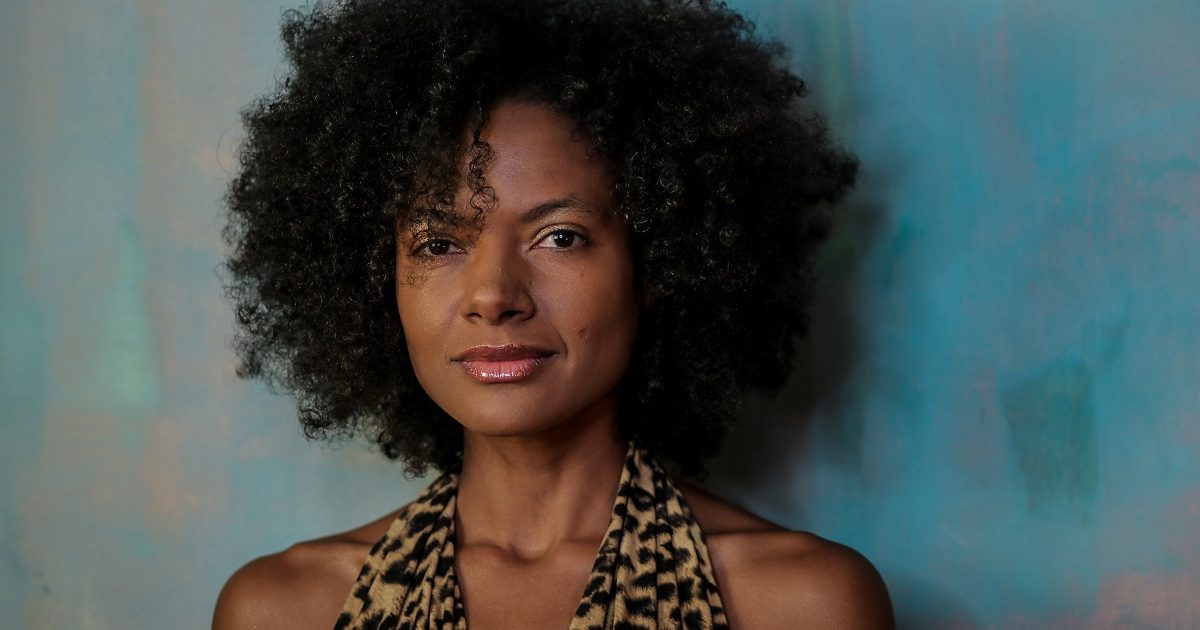
Artist:Allison Russell Hometown: Montréal, Québec, Canada Song: “By Your Side” (Sade cover) Release Date: January 29, 2021 Label: Fantasy Records
In Their Words: “An endlessly expansive and inclusive song of love — it could be the love between lovers, the love of a parent for a child, the love for an elder who is not long for this world. … It feels like it has always existed and always will — it feels like an expression of our collective unconscious. It comforts me and invokes a melancholy yearning all at once. I was singing this one to my seven-year-old daughter, Ida, like a lullaby. I couldn’t get through it without crying. This pandemic has been devastating for our little ones. I’ve returned to this song almost daily during these hard months. ‘By Your Side’ may have lost the Grammy back in 2001 but it has won the test of time. Sade lights the way for so many of us. I remember how electrified I felt the first time I heard her and saw her on television — a mixed heritage black woman like me — not fitting easily or neatly into any box, transcending them all. A living, breathing Goddess. I sing this in homage and gratitude. I hope to have the privilege of meeting her one day. Sade’s voice gives me strength and hope.” — Allison Russell
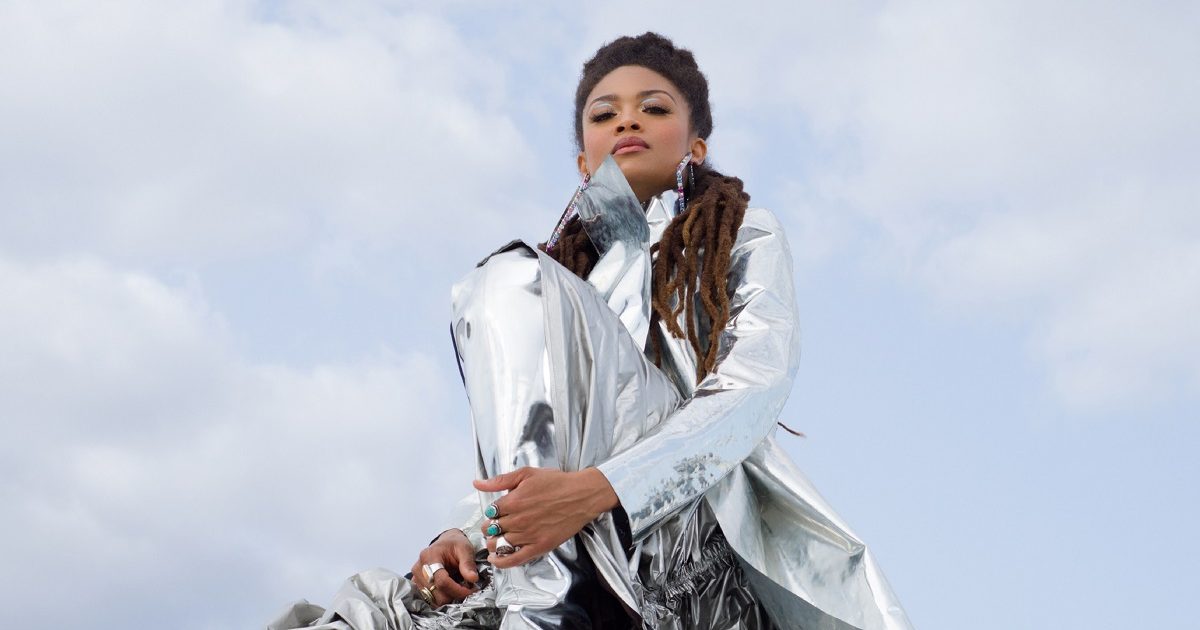
Valerie June blends her roots writing and singing styles with a markedly modern production quality in her new single, “Call Me a Fool,” giving the music a fresh yet familiar feeling. The upcoming album, titled The Moon and Stars: Prescriptions for Dreamers, was produced by June and Jack Splash, whose resume includes powerhouse names like Kendrick Lamar, Alicia Keys, and John Legend.
“With this record, it finally became clear why I have this dream of making music,” says June, who was raised in Tennessee and now lives in Brooklyn. “It’s not for earthly reasons of wanting to be awarded or to win anybody’s love — it’s because dreaming keeps me inquisitive and keeps me on that path of learning what I have to share with the world. When we allow ourselves to dream like we did when we were kids, it ignites the light that we all have within us and helps us to have a sort of magic about the way we live.”
Embracing an experimental approach, Valerie June and Jack Splash recorded the project at Los Angeles and Miami studios. She notes, “For this album I wanted to see how we could bring some modern elements into that band-in-the-room approach I’ve taken with my records in the past.” To compound that marriage between old school and new, “Call Me a Fool” features none other than the Queen of Memphis Soul, Stax legend Carla Thomas. Crisp yet warm, sleek yet comfortable, Valerie June’s new music is everything we’ve been waiting for and then some. The Moon and Stars: Prescriptions for Dreamers will be available on March 12 on Fantasy Records.
Upon releasing the video, she wrote on Instagram, “Have you ever been a fool for a dream? It might have been a little dream like a kiss from a lover or a big one like the dream of peace that Dr. King, John Lennon, and so many others have had for humanity. No matter how big or how small your dream may be, keep believing, and let the world call you a fool!”
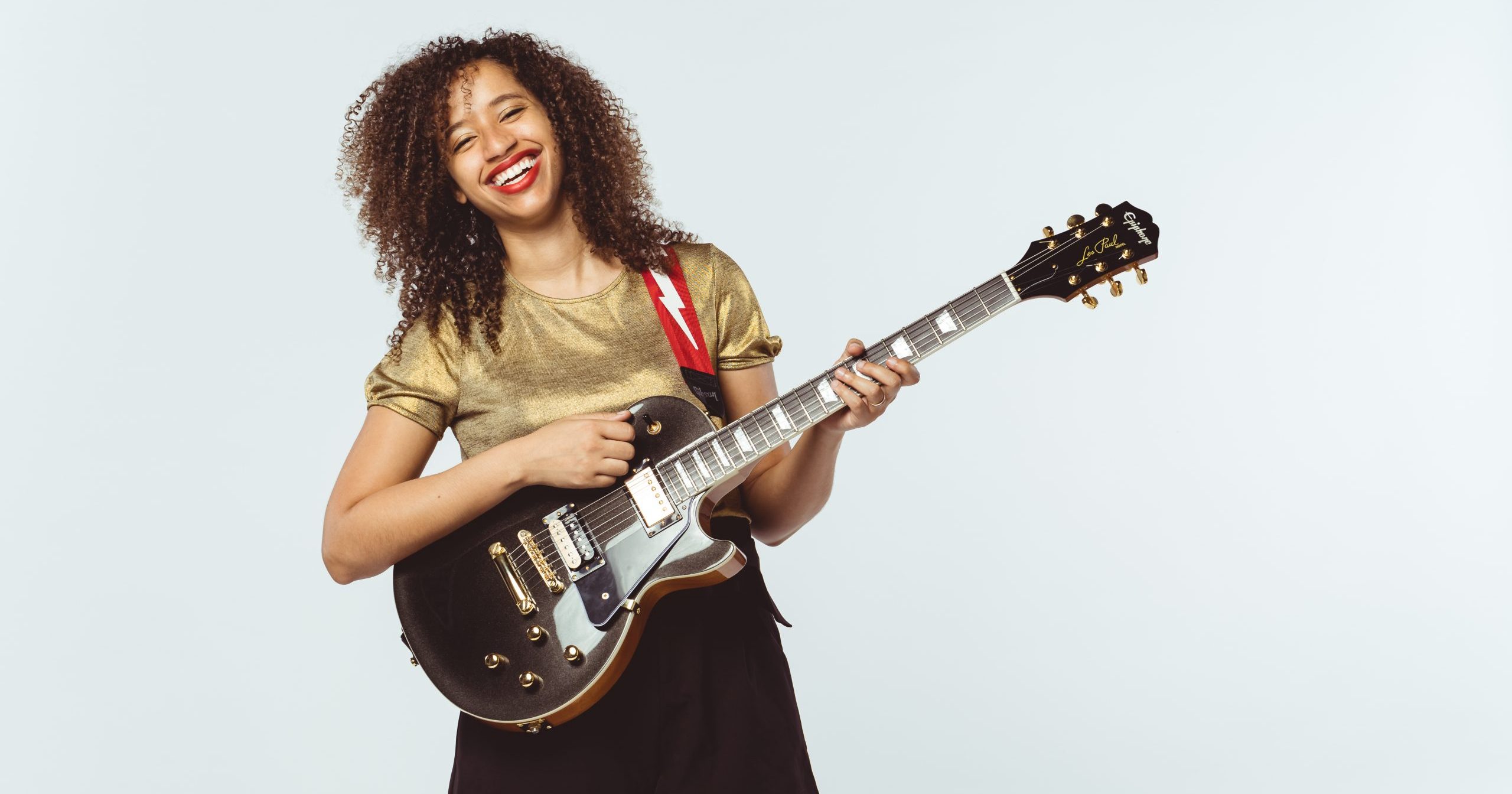
Jackie Venson, Austin, Texas’s resident singer, songwriter, guitar shredder, and joy dispenser, took a couple of months to restart the locomotive momentum of her career after it was halted by the coronavirus pandemic in March of 2020. A summer of stepping up her touring and festival appearances trashed, she had to purposefully and intentionally consider a way forward.
She chose the path less traveled, but she never trekked it alone. By the end of 2020, Venson’s totally independent team had landed her at number 10 on Pollstar’s Top 100 livestreamers chart for the entire year — higher than superstars Luke Combs, Brad Paisley, and even K-pop, heartthrob boy band BTS’s stream counts, with streams totaling more than 2.8 million viewers.
“It felt like the train stopped and then I created work for myself,” Venson admits, describing an intentional pivot to virtual, streaming shows and alternative programming that never felt like she was giving up the most important parts of her art and expression. Just the opposite. Venson is a rare example of a musician who has utilized the pandemic to not only discover a new, novel way forward in an industry that promises burnout, extractive power dynamics, and the commodification of selfhood even in the best, most profitable cases. She also grew her fan base, her community, and found enough time to release five projects in the last calendar year, as well.
Jackie Venson’s Shout & Shine livestream (viewable in the player above or here) — which highlights many of the entrancing, charming, entertaining aspects of Venson’s music, creativity, and most of all her stunning improvisation — will debut on BGS on Wednesday, February 3, at 4pm PST / 7pm EST. We began our interview talking about joy, which is not only present in every note of Venson’s playing, but is the first song of her Shout & Shine concert and the title track of her 2019 album.
I wanted to start by asking you about joy. It feels so obvious and palpable in your music, especially in your playing style. Not just in how you’re so engaging and charismatic, and not just because it’s the title of your 2019 album, Joy. On “Surrender,” for instance, you sing, “Feet are so tired, but I keep running/ Heart is so heavy, but I keep singing.” That sounds like the radical act of choosing joy, to me.
JV: Well, it’s literally what I’m feeling while I’m actually playing the music. It’s just really cool to be able to play the guitar. I worked really hard to be able to play the guitar and when I look in the mirror I see the same face who started guitar, I guess ten years ago now, except this person can play the guitar! This person can play the guitar, and everybody likes listening to this person who can play the guitar. Not only is this person having a really good time doing something she set out to do ten years ago, but everybody else is enjoying it and having a good time on a base level — and by base level I mean, often they’ve just walked in the room. [Laughs] They weren’t there ten years ago! They’re enjoying it, objectively, and I’m sitting here looking at the depths of [the music] and then I’m watching other people, who don’t even know the story, just having a good time. That is pretty awesome and actually, I’m pretty sure that’s why most people set out to play instruments. They see somebody having fun doing it and they want to have fun, too.
It sounds like gratitude is equally important to you. You’re clearly expressing so much gratitude for being able to do this thing that creates so much joy in your own life and in others’.
Well, absolutely. Gratitude is the foundation of joy. You can’t really have joy if you don’t have gratitude.
One thing that jumped out at me from your livestreams and performances is the way you sing along with your guitar lines, the way you’re constantly in dialogue with yourself and your own voice. It made me think of the age old tradition of fiddling and singing along with yourself — and of course, it makes me think of jazz and bebop solos as well — but I wondered where singing along with the line in your head came from for you?
My dad told me the best way to learn how to improv solos. I had been working on trying to improv from even the time I played piano from when I was like fifteen. I remember getting another piano teacher who knew jazz so that they could teach me how to improvise. Obviously, [Laughs] that’s the wrong angle. I was four years into playing guitar before I learned that I was approaching improvisation the wrong way. The funny thing is that my dad told me, when I was fifteen, he was like, “All you need to know about improvising is that you just think of a melody and you play it, and after you play the melody you thought of a few times, you start messing with it.” So you play it, and add a note here or subtract a note there, and he’s like, “That’s all you’ve got to do and then it’s a great solo!” Because a melody isn’t just playing notes randomly, it has purpose. You want your solos to have purpose. My dad told me that fifteen years ago and I just didn’t hear him. I wasn’t ready to hear him. It took the guitar and years and years of singing, as well, to put it all together and arrive at the destination my dad tried to usher me to.
I’m a picker and a teacher as well, and I’m sure you’ve had this happen, you’ll get students who are so intimidated by the idea of improvising, I’ve had students just cry when you say, “Can you try improvising something?”
It’s a touchy subject! It’s like singing, how people are way more sensitive about their singing. They’ll show you their drum licks all day, but you ask them to sing and they’re like, “Noooo!!”
It’s the vulnerability!
It’s a new level of vulnerability. But here’s the thing, it’s not very hard, all you have to do is just listen to a crapload of music, stuff a bunch of melodies into your brain, and then, just think about all of the melodies you know and think about them a lot. Always listen to music. Keep listening to the music you already have listened to and listen to new music. If you’re constantly listening then you’re going to be sitting on stage and everyone’s going to point to you to solo — say Cm going to F — BOOM! All of a sudden you’re playing, [Sings] “They smile in your face/ All the time they wanna take your place” on the guitar. You’re playing “Back Stabbers,” because suddenly you’re going from Cm to F7 and you know it will sound good. You know? [Laughs] Because you’ve heard that melody and it’s not very hard! A beginner could play it. [Hums line] But you’re crushing it with some tone and everybody in the audience is thinking you’re a master. When really, what you’re playing is not that hard. It’s just musical.
My jaw literally dropped when I was doing my research for this interview — you released five projects in 2020. Two double, live albums, the two volumes of Jackie the Robot, and also Vintage Machine. You also landed in the top ten of Pollstar’s livestream chart for the entire year. I hear you say “the train ground to a halt,” and I see a new train that didn’t just start up, but is roaring. I’m sure you see that, too. What does that pivot feel like now that you’ve got some retrospect.
In that moment, it felt really busy, but it also felt kind of maddening. I was busy, but I was never leaving my house. Then it felt crazy. And in the next moment after that, the numbers started to juice. For a couple of months it was full stop, for a couple of months it was maddening like, “Wow, these numbers are really rad, maybe this is the way.” A couple of months after that I knew this was definitely the way. I stumbled upon the way. I was walking along on a path and then that path had like, a giant tree fall over it and I couldn’t go down it anymore. I saw this side path — you know when you’re in the woods and you see a path but you’re not sure it’s a path or if your eyes are just tricking you?
“Is that a deer trail or is that actually a trail?”
Right. Is that really a trail? It’s like, “I don’t know… but there’s also a giant tree over the path I was on. Can’t go that way. I guess I’m going to go down this path, I hope there’s not too much poison ivy…” [Laughs]
That was the livestream path. There was maybe one creature that walked down this path, one way, one time. It appears there’s a path, but it clearly hasn’t been followed very often. That’s what it felt like, to be on this uncertain path, which then ends up opening up and it turns out I was right the whole time. The way I feel now is not the way I felt when it was all happening. The way I feel now is all because of having retrospect on my side. And the development — the direction things are going in. It’s a lot more clear than it was six months ago.
As if today couldn’t be any more extra… Y’all, I just found out I was named number TEN on @Pollstar‘s top 100 live streamers for ALL OF 2020. Completely independent, my team is small but we fight hard! ❤️❤️❤️ pic.twitter.com/d1kkaF4teX
I have found myself repeating throughout the pandemic that we should be building the world we want to exist after the pandemic while we’re in it. To me that’s what it sounds like you’re describing, finding this other path. Looking to the future, what will you be bringing with you from this time, into whatever a post-COVID reality looks like?
The thing I’m taking with me is the fact that there’s never any need to be desperate, there’s never any reason to act out of desperation. There’s no person or contract to be signed that holds the “keys to the kingdom.” There is no kingdom. We are IN the kingdom. We just exist within different perspectives of it. Maybe your perspective in the kingdom right now is that you’re a baby band, you’ve just established yourself. You’re in the same kingdom as Beyoncé! You’re just standing in a different spot than her. There are thousands of spots you can stand in this kingdom. Beyoncé’s spot isn’t the only one that’s good. There are lots of places to stand! Millions of artists, that you don’t know about, are standing in pretty sweet spots in this kingdom that we all exist within, together.
There’s no person that’s going to give you her spot. She got to her spot by her own weird, twisty trail to get there. Maybe a deer walked down it once! She took her own path. You’re not going to be able to recreate that, but she just took a path to get to a spot, not the kingdom itself. You consider that spot the kingdom, but we’re all in the kingdom already. The way we used to live had this weird illusion that we all had to climb these ladders, but really you just need to get where you want to be. You don’t need to climb that same ladder just because someone else climbed it, and they’re famous, and you’ve got to do what they did. It doesn’t make any sense, it’s completely futile, and you’re going to just be spinning in your hamster wheel, stuck in the same vantage point. There’s not one guy or gatekeeper who can unlock everything for you. There are people who will say they can, but what happens? You end up stuck at one spot, one vantage point. There’s no one person, one artist who has it all.
Welcome to the BGS Radio Hour! Since 2017, the show has been a weekly recap of all the great music, new and old, featured on BGS. This week we bring you music to provide a fresh start in 2021 and to celebrate the many roots artists nominated for Grammy Awards this year. Remember to check back every Monday for a new episode.
20 years following his death, John Hartford is still being honored by a whole world of roots musicians. The John Hartford Fiddle Tune Project, Vol. 1 just happens to be the most recent, an album of songs Hartford composed but never recorded, only to be found later by his family when sifting through his archival collection. A collaborative recording, this track is performed by Alison Brown and Hawktail (Brittany Haas, Paul Kowert, Jordan Tice, and Dominick Leslie) — and the album is up for a Grammy!
From Nashville, Carl Anderson brings us a co-write this week from his upcoming Taking Off and Landing. The single is about vulnerability, forgiving and becoming comfortable with yourself, and embracing your inescapable imperfections.
Minnesota-based singer and songwriter Luke LeBlanc brings us a new song this week! From his Better Now EP, “All My Love” is a resurrected voice memo, one that took some time to navigate but is undeniably better with age.
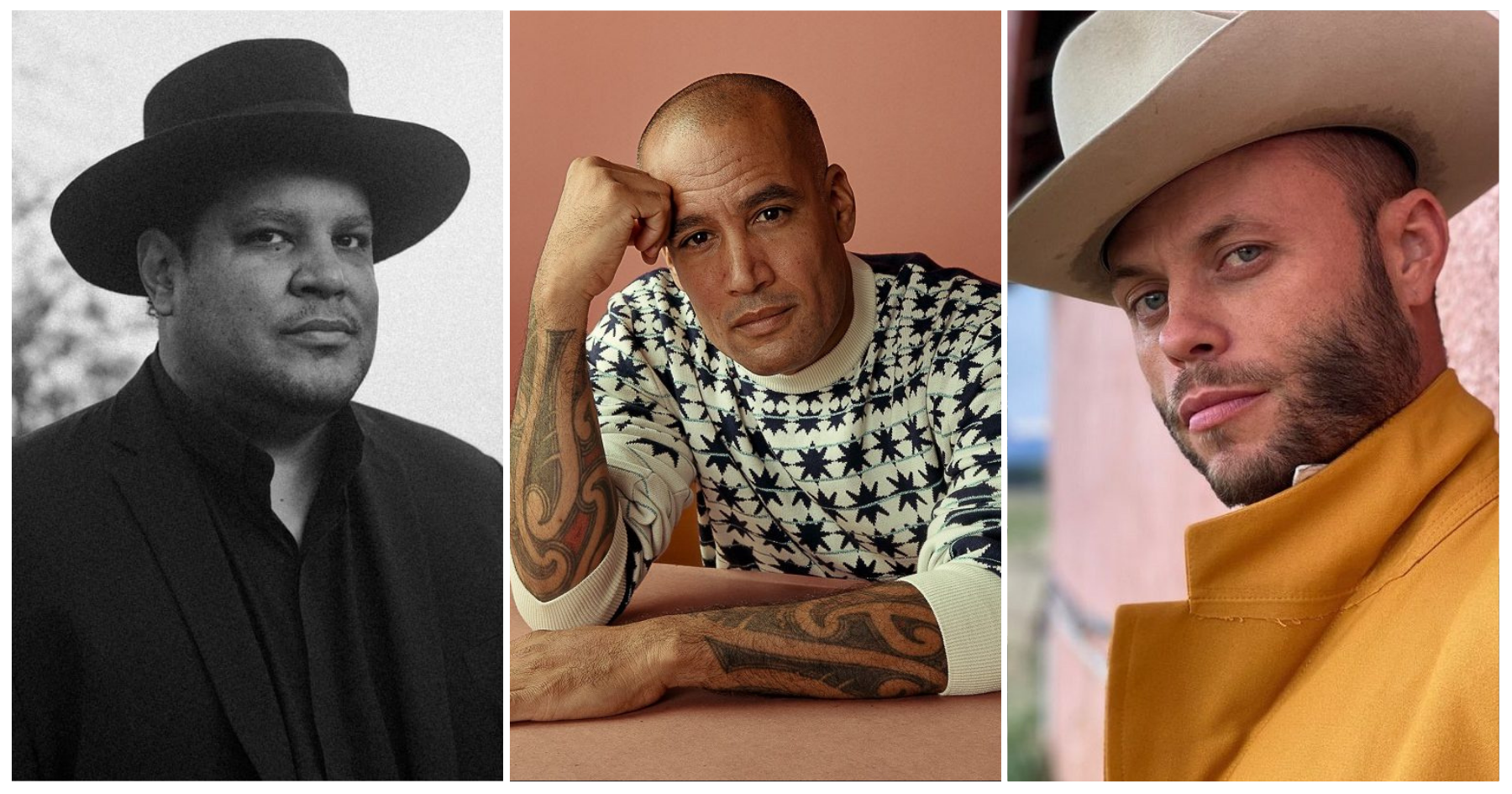
From the 2020 film Black Boys, Ben Harper brings us a song this week which he composed for the cultural documentary. The film is a timely reckoning on Black, male identity in America, through sports, education, and our broken criminal justice system.
Frequent visitor of our pages here at BGS, Texas-based Charley Crockett brings us a new single this week from The Next Waltz, Vol. 3. “I Can Help” is a Billy Swan number, one in which recording was not planned, yet somehow nailed in one take by Crockett and his band.
From Wilmington, NC, Brent and Ben of Beta Radio bring us the title track from their Afraid of Love EP. The pair sat down with BGS for a 5+5 — that is, five questions and five songs — where we went over influences, how different types of art relate to their music, and the toughest go at songwriting they’ve ever had.
An undeniable legend, Loretta Lynn brings to us this week a mountain-style recitation on her famous song (and film title) “Coal Miner’s Daughter.” The new release commemorates the 50th anniversary of the original song, as well as being part of her upcoming Still Woman Enough — Lynn’s 50th studio album.
Durham’s M.C. Taylor of Hiss Golden Messenger is back with a new single, following 2020’s Terms of Surrender, which is nominated for a Grammy. “Sanctuary” is a reflection on the past year, and the way in which we care for ourselves and those around us. Bidding farewell to John Prine — “Handsome Johnny” — who was lost in the storm of 2020, Taylor finds shelter within it.
After the collapse of their family, the Rough & Tumble borrowed a Michigan kitchen and worked through the darkness. But, the Nashville-based-but always on the road duo realized not everything had to be lost, telling BGS, “We have as much right to a family to call our own as the family that won’t call us their own, anymore.”
Silence is perhaps the most detrimental plague to justice. Los Angeles-based Chris Pierce brings us a song this week on silence, striking that if we smile and applaud for people different than us, we are responsible to fight for them too.
No matter how much we prepare in life, there is always someone or something that will catch us by surprise. From Haywood County, NC, Balsam Range brings us a song this week about stumbling, being unable to speak, completely taken by surprise when that someone comes around.
The great fall of gigs in 2020 hit young performers hard — especially those who had just broken through and had rarely seen momentum, like 24-year-old Marcus King. After his January 2020 release El Dorado, King was poised for a busy year that slowly unraveled, turning his attention to songwriting, drive-in concerts, and a performance on the Tonight Show With Jimmy Fallon. This January, King has reclaimed that momentum with a GRAMMY nomination for El Dorado!
From Boulder, CO, Cole Scheifele brings to us this week a song about chasing what invigorates you. For many, including Scheifele, 2020 was a year to revisit old ideas, providing us with a stagnant, neutral state of stillness, and giving Scheifele the answers to this previously begun, for years unfinished song.
2021 celebrates the 20th anniversary of O Brother, Where Art Thou?, the Coen Brothers’ film which ignited a modern revival of roots music. This month, we’re celebrating by making the entire soundtrack our January Artist of the Month, where all month long we’re featuring music from the film. This week’s selection is brought to us by artist Chris Thomas King, aka Tommy Johnson, the blues man that we meet at the crossroads early in the film, just after his soul was sold to the devil.
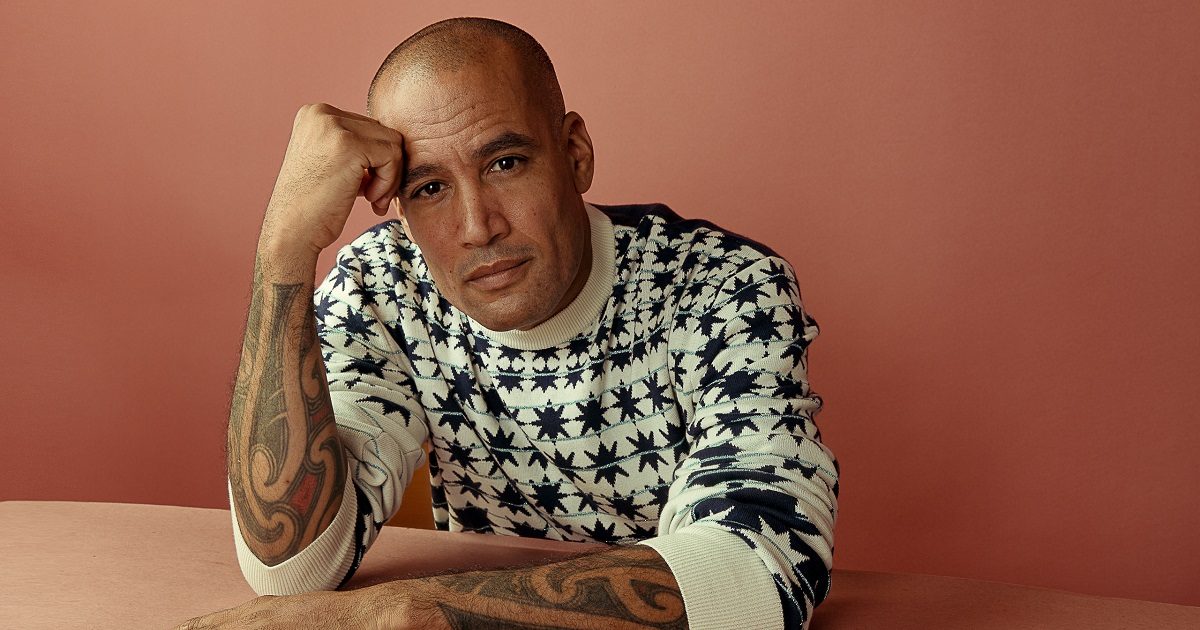
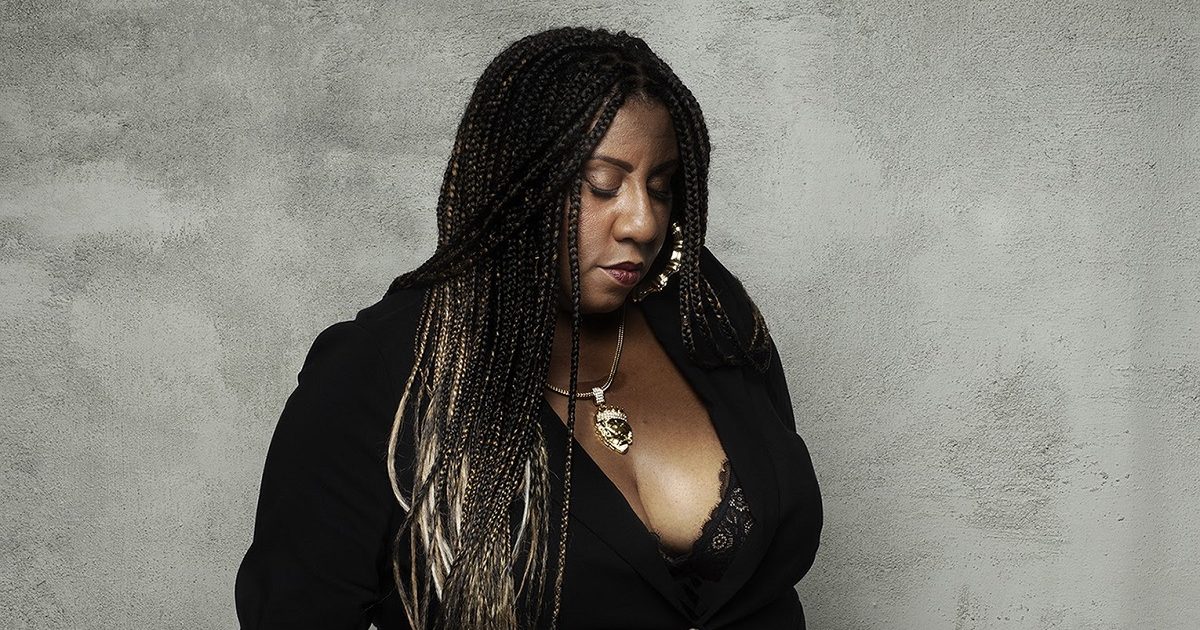
Photo credit: (L to R) Chris Pierce by Ross Kolton; Ben Harper by Jacob Boll; Charley Crockett by Taylor Grace
Artist:Ben Harper Hometown: Claremont, California Song: “Black Beauty” (from the 2020 film, Black Boys) Release Date: January 12, 2021 Label: ANTI- Records
In Their Words: “It was an honor to have been asked to write a song for this culturally vital documentary,” Harper said. “After watching Black Boys and discussing it in depth with [director] Sonia Lowman, I went immediately to work on composing ‘Black Beauty.’ I am old-school and still love getting players in a room together, so a production of this scale during a pandemic was challenging, with quarantine. I was fortunate that the incredible musicians in my circle have taken it upon themselves to become circumstantial recording engineers, and thanks to modern recording technology and some FaceTime sessions, I was able to work by sending tracks back and forth over the internet.” — Ben Harper
Artist:Annie Mack Hometown: Rochester, Minnesota Song: “Shadows of a Kingdom” Album:Testify Release Date: January 29, 2021
In Their Words: “Two years ago my daughter was fighting for her life, for her voice to be heard. No matter how much I loved her and wanted to go through it for her, this was her journey and beast to kill. And she did. I wrote this song for my daughter, but it’s really a love letter to all Black women, giving voice to the defining moments that we can use to step into our power and sovereignty.” — Annie Mack
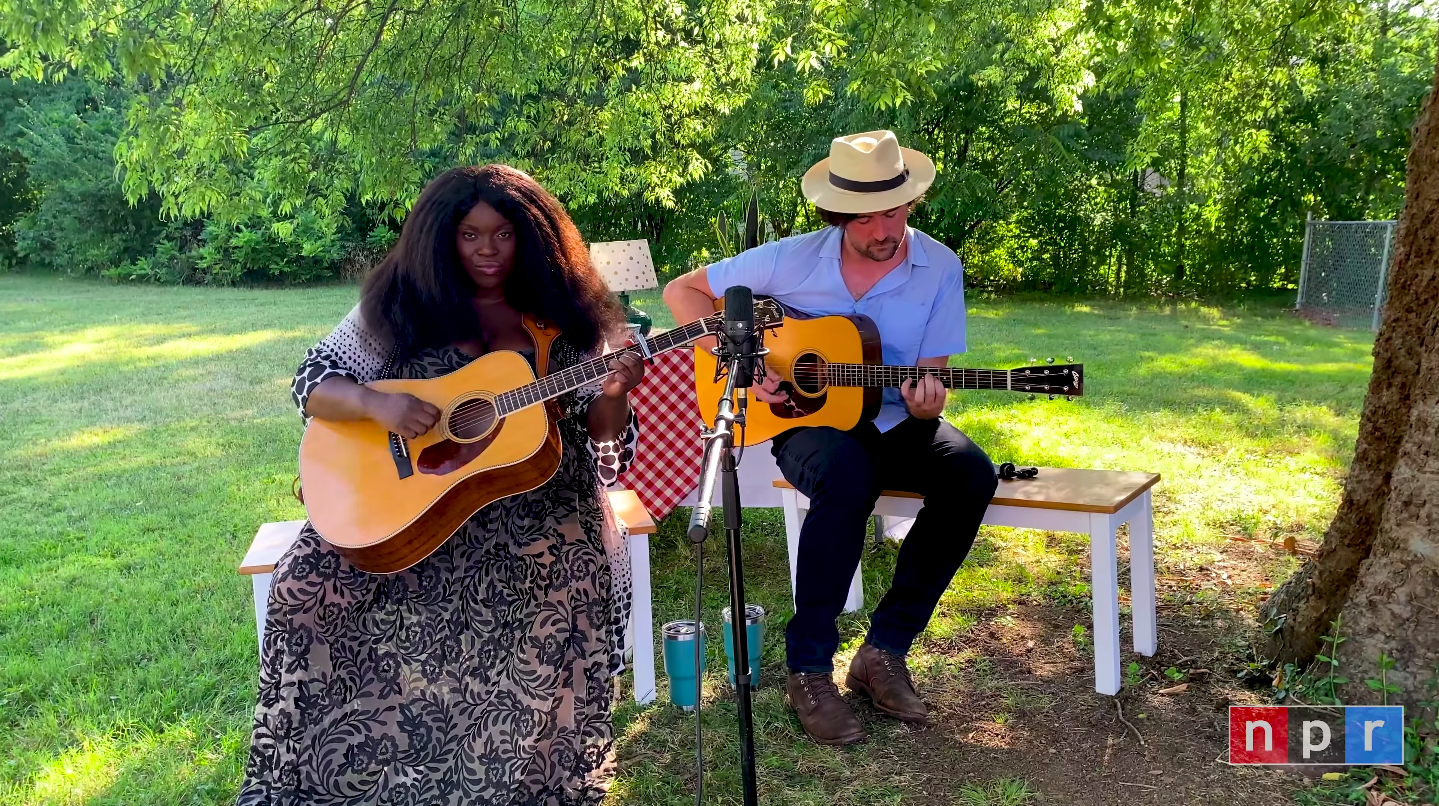
Taking NPR’s Tiny Desk (Home) Concert series to the socially distanced outdoors, much-loved artist Yola offers outstanding acoustic versions of three songs from her breakout album, Walk Through Fire, as well as a song from her debut EP. The Bristol-born (that’s Bristol, England) singer-songwriter is as vivacious as ever, yet the outdoor setting of her home concert channels a different, more personal presentation. Yola accompanies herself on guitar, joined by gifted guitarist Jordan Tice (also a member of the band Hawktail). There’s not much one can do to strip down the power and energy of Yola’s songs, but the two paint the them in a somewhat gentler light.
The second song on the docket is from Yola’s 2016 EP, and in the song’s introduction, she describes the newfound relevance of the song in light of the ever-growing Black Lives Matter movement and our nation’s struggles with the global pandemic. The song, titled “Dead and Gone,” speaks on the impossible struggle that she has felt as a Black woman in a world wrought with racism and sexism. Yola’s delivery is a powerful statement on pretense, one that needs to be heard now more than ever. Watch the full Tiny Desk Home Concert here.
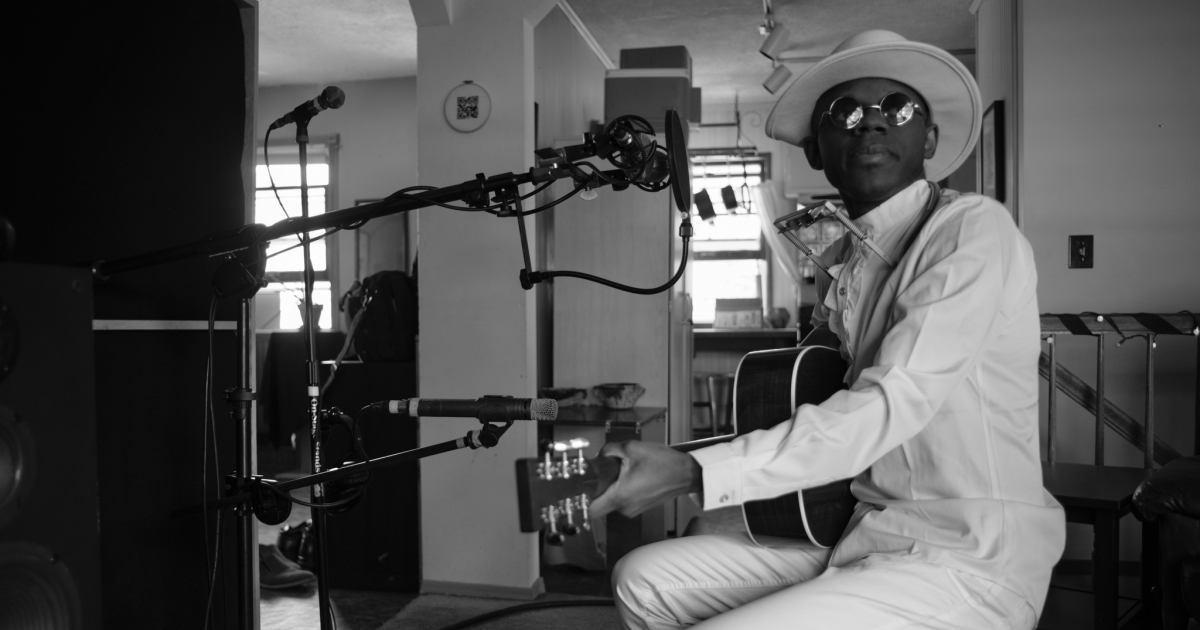
Lockdown has stolen headlines from a lot of great musical releases in 2020. One such release that maybe didn’t get its due is Folk n’ Roll Vol. 1: Tales of Isolation, an album by Kenya-born singer Ondara. Released in May, Folk n’ Roll is a spectral snapshot of the hard times that we all have felt during the global coronavirus pandemic. Ondara (formerly J.S. Ondara) uses his pure vocal tone and raw guitar-playing to communicate the incredible emotions that he and others have felt in a time of separation and uncertainty, with songs like “Pulled Out of the Market,” “From Six Feet Away,” and the tune featured in this video, “Isolation Blues.”
The steady, pulsating drive of the acoustic guitar lays a foundation for Ondara’s ghostly voice to fly over and cut right to the uneasiness that has become familiar to so many in 2020. The video depicts confusion and anxiety in a very relatable way. The first release since his debut, Tales of America, Ondara was quick to write, record, and release the album, making it a true window into the human experience in the early stages of a global pandemic. To reflect on what we’ve come through and to hear our shared human experience manifested into song, watch the video for “Isolation Blues” below.
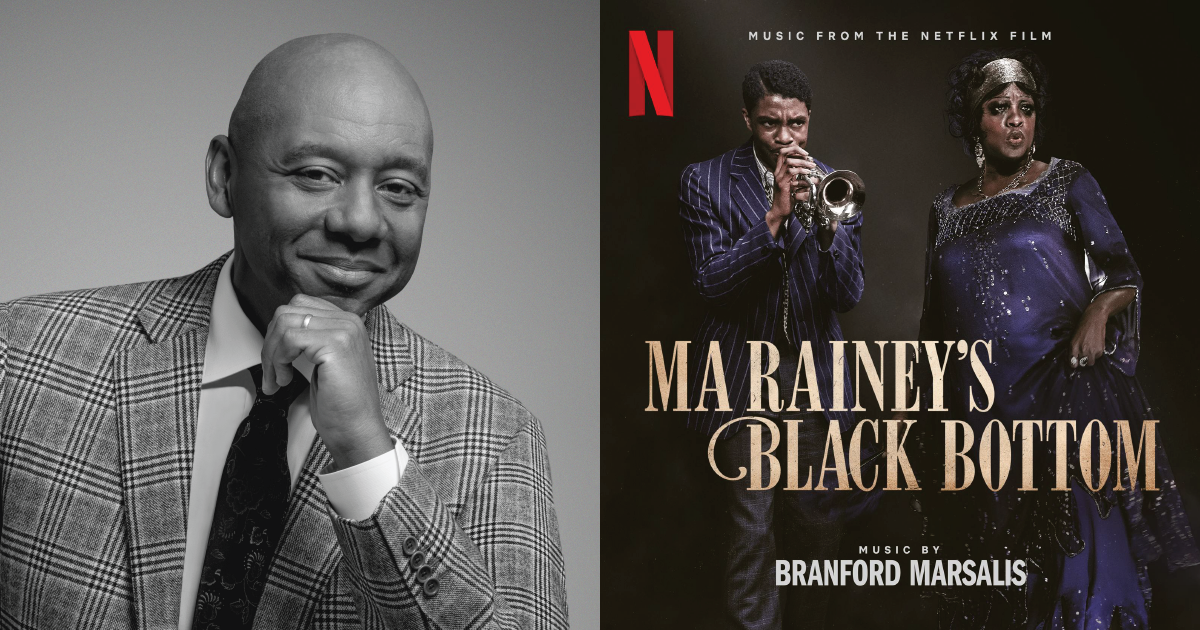
Ma Rainey wants her Coca-Cola. The microphones have been set up in the Chicago studio, her small band have rehearsed and taken their places, the two white men who run the label have the needle ready to cut the acetate, but Ma Rainey won’t sing until she gets her ice-cold Coca-Cola. Everyone pleads with her, but she won’t relent. So two musicians are dispatched to retrieve cold beverages for her while everybody else just waits. It’s a small scene in Ma Rainey’s Black Bottom, the new film adaptation of August Wilson’s 1982 play, but later Rainey (played with ferocious adamancy by Viola Davis) explains her reasons for delaying the session: If she has power, she is going to exert it. If she is going to let white men profit from her voice, she is going to exact as high a price as possible. Even if it’s just a Coca-Cola.
Despite populating its cast with musicians — including the brash trumpet player Levee (played by Chadwick Boseman in his final role) — Ma Rainey’s Black Bottom is less about music than the business of music: how white businessmen exploit and quash Black talent, how Black men and women navigate an industry and a society that saps so much from them and gives back barely anything at all. To emphasize this point, director George C. Wolfe teases musical performances only to cut away and thwart our expectations. Rainey’s band, sequestered in the basement, talk about rehearsing more than they rehearse. When they do count off a song, Wolfe cuts to a different scene, and their performance becomes the soundtrack. When Rainey finally does perform for the camera, it’s late in the film, but the scene becomes all the more electric for all the anticipation Wolfe has stoked.
It’s a fascinating dramatic strategy, but one that created some headaches for Branford Marsalis, who not only scored the film in the style of 1920s Chicago jazz, but also crafted choreography and auditioned musicians. With barely a month to prepare, he wrote nearly two hours of music for the 90-minute film, knowing that Wolfe would only use a fraction of it. In fact, altogether there is only about 20 minutes of music in Ma Rainey’s Black Bottom. Most of the film is given over to the sound of Black characters talking to one another, cajoling each other, joshing and joking, lying and pleading, delivering lengthy monologues — all of which is its own kind of music, especially coming from such an animated actor as Boseman.
Marsalis is a musician uniquely qualified to bring this era of Black music to life in a way that bridges the late 1920s and the early 2020s. He has spent his long and diverse career bringing the music of the past to bear on the present, first as a sideman in the early ‘80s for Art Blakey and Lionel Hampton and later as the leader of the Branford Marsalis Quartet. With jazz as his foundation, he has branched out into classical, Broadway, rock (Sting, the Grateful Dead), and hip-hop (Public Enemy). To each project — including music for Ken Burn’s Baseball miniseries in 1995 and The Immortal Life of Henrietta Lacks in 2017 — he brings a deep understanding of the attitudes and circumstances of previous eras of American popular music and lets them resonate in the present moment.
From his home in North Carolina, Marsalis spoke with BGS about finding a new appreciation for the music of that era, holding auditions from the other side of the globe, and re-creating 1920s jazz for a modern audience.
BGS: How did you get involved with this project?
Branford Marsalis: The director asked me to write the music and consult with the musicians, help with the choreography, and arrange the songs they were going to use in the movie. It was all pretty rapid. I was in Australia working on a project with the Australian Chamber Orchestra, and that was in early May [2019]. And we had to be in the studio recording in the first week of June! It was not the kind of scramble I like, because everything is being done by telephone or by watching YouTube to hear musicians and hear singers. Not the normal audition process.
But it worked out. I just had to start, man. I didn’t think. To me, it’s like when you play football and the coach makes you do all of these run-throughs. No sane person likes practice! I had a good coach who said, practice is the place to think, and that’s why we keep doing the same things over and over again, so that when you’re on the field, you can just react. That to me is a very cool and very sound philosophy. All of my thinking is done before the gig starts. Once the gig starts, you have the faith that you have a vocabulary that’s good enough to get the job done.
What does all that entail? What goes into a project like this?
First, I had to find a singer to facilitate the process for Viola, and I had to write a song for the end of the movie. I would up writing two songs for the end of the movie, so George would have a pick in terms of style. I had to decide where we were going to record. I quickly decided on New Orleans, because a lot of the musicians there play outside and inside, whereas most musicians don’t play outdoors, especially with acoustic instruments. The sounds of their instruments don’t have an outside sound. The sound is different than it would be if you were playing in a street band or in a parade.
I wanted to get guys that still played in the style that had a feeling reminiscent of what it felt like in the ‘20s. So I called my brother Delfeayo, because he has a big band down there, and he put together a group of musicians for me. Some of them had a great vibe, but weren’t very good at reading music. But that was good. I kind of liked that. It gave the music a certain kind of urgency. Because these guys were scrambling. And panicked! So it had a certain kind of urgency that it wouldn’t have when you have a band full of readers who can read anything.
At what point do you start working with the actors?
That was the next part. When filming started, I met with them to make sure they physically look like they’re playing instruments. As kids, we all aspired to be in pop bands. We idolized those guys, so we had already visualized what it would be like to be on stage and do those things. But no kid dreams of being a jazz musician. No kid says to his mom and dad, “I want to be a jazz musician when I grow up.” And dad says, “You can’t do both!” So we don’t always think about what it would be like to play an instrument like the saxophone.
When people talk about it, they say, Oh, the saxophone’s so sexy, it’s so suave. But it’s not. It’s a very fucking physically demanding instrument, and if you let it, it will manhandle you. There were no saxophones in this film, but it’s the same thing with all of the instruments. There’s a physicality to playing an acoustic instrument. You can’t just be up there with your eyes closed, trying to look as sexy as possible. Because those horns will kick your ass. All of the actors did a really good job of representing physically what it’s like to play those instruments.
Chadwick Boseman was really good at that. His face transforms whenever he puts the trumpet to his lips.
Well, he was actually playing. That’s the point. The trumpet is one that you can play more authentically. It has three positions — combinations of three. You can learn that. The saxophone is crazy because you’re using all your fingers and you’re moving up and down. Chadwick developed good embouchure. His face transforms because the muscles in your face change when you’re blowing air into a little mouthpiece like that.
If an actor isn’t really playing, you can tell. He had to play, and Viola had to sing. Otherwise, the larynx doesn’t vibrate and it’s clear you’re not really singing. People see that, even if they can’t articulate it, and they know it doesn’t look like she’s singing. So everybody had to play. Everybody had to bang on the instrument. They had to be a physical presence.
You’re obviously writing in a style that reflects that era, but with the character of Levee, it’s an era that seems to be changing. How did you approach that historical aspect of the soundtrack?
The music should have an authentic sound. It should sound like the ‘20s, but I wasn’t really interested in faithfully recreating the ‘20s, because then it just becomes a kind of mimicry. I think you have to spend a lot of time immersing yourself in the sound and the style, and then you write. What it becomes, that’s what it is. I’ve been listening to ‘20s music for the last twenty years or more, but in this project I was forced to do a really deep dive. I was listening to ‘20s music from May 2019 until January 2020. A lot of the things that I wrote were based on things that I heard.
Were there any artists that stood out to you during that deep dive?
I locked in on two people: King Oliver and Paul Whiteman. After a couple of months I listened a lot to their music and their bands exclusively. I already had a sense of the ‘30s, and I knew that anything that Levee was going to be doing would be pushing everybody towards the ‘30s. It wasn’t about trying to invent some new sound of music that had never been heard before. It was about recreating a style that would have not been heard in 1927. For the song “Sweet Baby Let Me Have It All,” I used the feeling and the beat of a Jelly Roll Morton recording from the ‘30s called “Jungle Blues,” from his Red Hot Peppers group. It has this beat, and I threw in some horns and all that other stuff, and it fills in around this idea.
Was there any talk about using Ma Rainey originals or trying to recreate the scratchy quality of those early recordings?
It doesn’t make any sense to have a bunch of human beings in a room and make the song sound like a recording. Having them play together in that room would have sounded like what it sounds like in the movie. It would have sounded very different from the recordings. The recordings were so primitive. Everything is mono, and the musicians had to strategically place themselves in distance to the microphones. It must have been fascinating to be in the room with musicians turned in different directions, saxophone players facing the wall. You had to have a perfect sound, because you had at best two microphones. Usually it was only one.
All of the sound from all of those instruments is going into that one mic, so you had to strategically place the musicians in the room to offset. They didn’t have gobos and baffles and all those things they would develop once the recordings became more sophisticated. I think it would be very strange to see a bunch of people in a room and suddenly the singing starts and the playing starts and it becomes a mono recording with scratches. Because it would not have sounded like that. The thing that’s most interesting about those early mono recordings is how you hear the music is not actually how it sounded.
I was limited in a lot of re-creating because of what August Wilson wrote in the play. If you listen to the original version of Ma Rainey’s “Black Bottom,” there are clarinet players, a couple of trumpet players, a trombone, a guy playing wood blocks. There are all these sounds. But this is a play, not a musical. August Wilson wrote for a band with coronet, trombone, piano, and bass. That was it. That’s all I had, so it was like writing for a string quartet rather than a full orchestra. I was limited by that reality, and the arrangements had to reflect that.
How did this project change the way you understand or appreciate the music of this era?
I didn’t really know how great it was. Everybody calls it the Jazz Age, and everything focuses around illegal booze and chicks drinking and dancing and female independence and all these things that had not existed prior to the Volstead Act [the 1919 law enforcing Prohibition]. Most drinking was done in saloons that were like Burger Kings — they were bars that were owned and operated by the people who sold the booze. They were men’s clubs. Women were excluded. Once they passed the Volstead Act, the mobsters were like, Oh, shit, everybody can drink!
So jazz was the music they chose, and that’s what people think about. When I was listening to hundreds of songs from the ‘20s, I was listening to oratorios, comedy sketches, comedy songs, small group songs, big bands songs, string quartets. It struck me as funny how when the society was more socially primitive, there were so many varieties of music and so many ways of expressing. And now as we’ve become more socially advanced, the music becomes more stratified and more limited.
Everything is so stratified now. You can listen to a radio station that only plays the shit you know. That was unheard of in the ‘20s. They played everything, and you could hear everything. That was in the middle of a period when America was in extreme segregation, but you could hear things as diverse as Paul Whiteman’s band or Ethel Waters, Louis Armstrong. There was such a variety, and there was a level of excellence, because you couldn’t overdub back in those days. You didn’t have AutoTune. So everything you heard had to be really good, because there was no way to fix it in post-production.
There’s that great scene where they’re trying to record the kid with the stutter, and they’re throwing out all these ruined acetates, one after the other. It does such a nice job of dramatizing that idea.
There was no such thing as post-production. It was just production. If the kid fucks it up, the recording is destroyed. And that’s costing [the white label owners] money, and they’re pissed off. They don’t really like Black people. Ma Rainey understands that, and in turns she doesn’t like them. And she’s determined to have it her way. At that time in our country, there were not a lot of possibilities for Black performers to play in front of a white audience, and the white audience was the target. Black people couldn’t even come into the same theater as white people.
All of these things were a part of the time that Levee lived in, and his motivation was about ameliorating the shame and the pain of the things that happened to his family when he was a boy. All of his dreams are dashed, and as so often happens in real life, people have a grievance against a thing and they often take that grievance out on the people they’re closest to. Shit, you change the accent and get rid of the swear words, and you could say that this was a Shakespeare play: conflict, rejection, anger boils over, an ending you don’t expect.
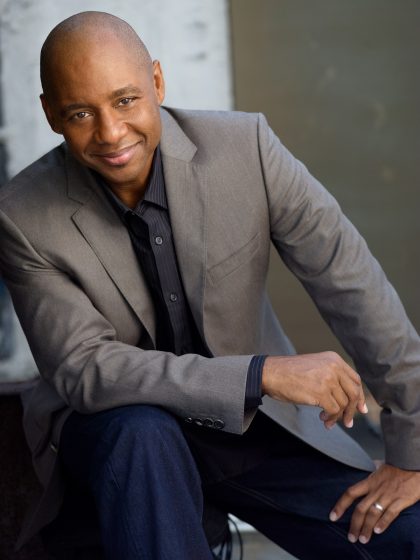
Photos of Branford Marsalis: Eric Ryan Anderson (top) and Palma Kolansky (bottom)
This week The Show On The Road is bringing you an episode from another podcast we think you’ll really like! This episode of Under The Radar features the truly fantastic Oakland-based artist, Fantastic Negrito.
Under The Radar is a monthly music podcast by host and producer Celine Teo-Blockey. She’s a music journalist who writes for the longtime indie music mag, also called Under the Radar. She interviews indie songwriters and independent artists, going deep into their childhood memories and the musical milestones that have helped shape their most recent albums.
Committed to giving voice to a diverse host of artists, her guests have included gender non-conforming, Native American singer-songwriter and Black Belt Eagle Scout, Ezra Furman (who also crafted the soundtrack for the popular Netflix show Sex Education,). Other guests include Scottish band Travis and Caroline Rose, who started with an earnest country sound and evolved to electro-pop. The whole series is sound-immersive, using archival tape, field recordings, and music from the back catalogue of these artists.
Under the Radar will be back with new episodes in March 2021 and has some great guests lined up, including Wayne Coyne from the Flaming Lips and Emmy the Great, a Hong Kong-born British singer-songwriter.
Subscribe to Under the Radar wherever you get your podcasts to catch up on their first season and get ready for what’s to come in 2021.
Photo credit: Lyle Owerko
This website uses cookies to improve your experience. We'll assume you're ok with this, but you can opt-out if you wish.AcceptRejectRead More
Privacy & Cookies Policy
Privacy Overview
This website uses cookies to improve your experience while you navigate through the website. Out of these, the cookies that are categorized as necessary are stored on your browser as they are essential for the working of basic functionalities of the website. We also use third-party cookies that help us analyze and understand how you use this website. These cookies will be stored in your browser only with your consent. You also have the option to opt-out of these cookies. But opting out of some of these cookies may affect your browsing experience.
Necessary cookies are absolutely essential for the website to function properly. This category only includes cookies that ensures basic functionalities and security features of the website. These cookies do not store any personal information.
Any cookies that may not be particularly necessary for the website to function and is used specifically to collect user personal data via analytics, ads, other embedded contents are termed as non-necessary cookies. It is mandatory to procure user consent prior to running these cookies on your website.