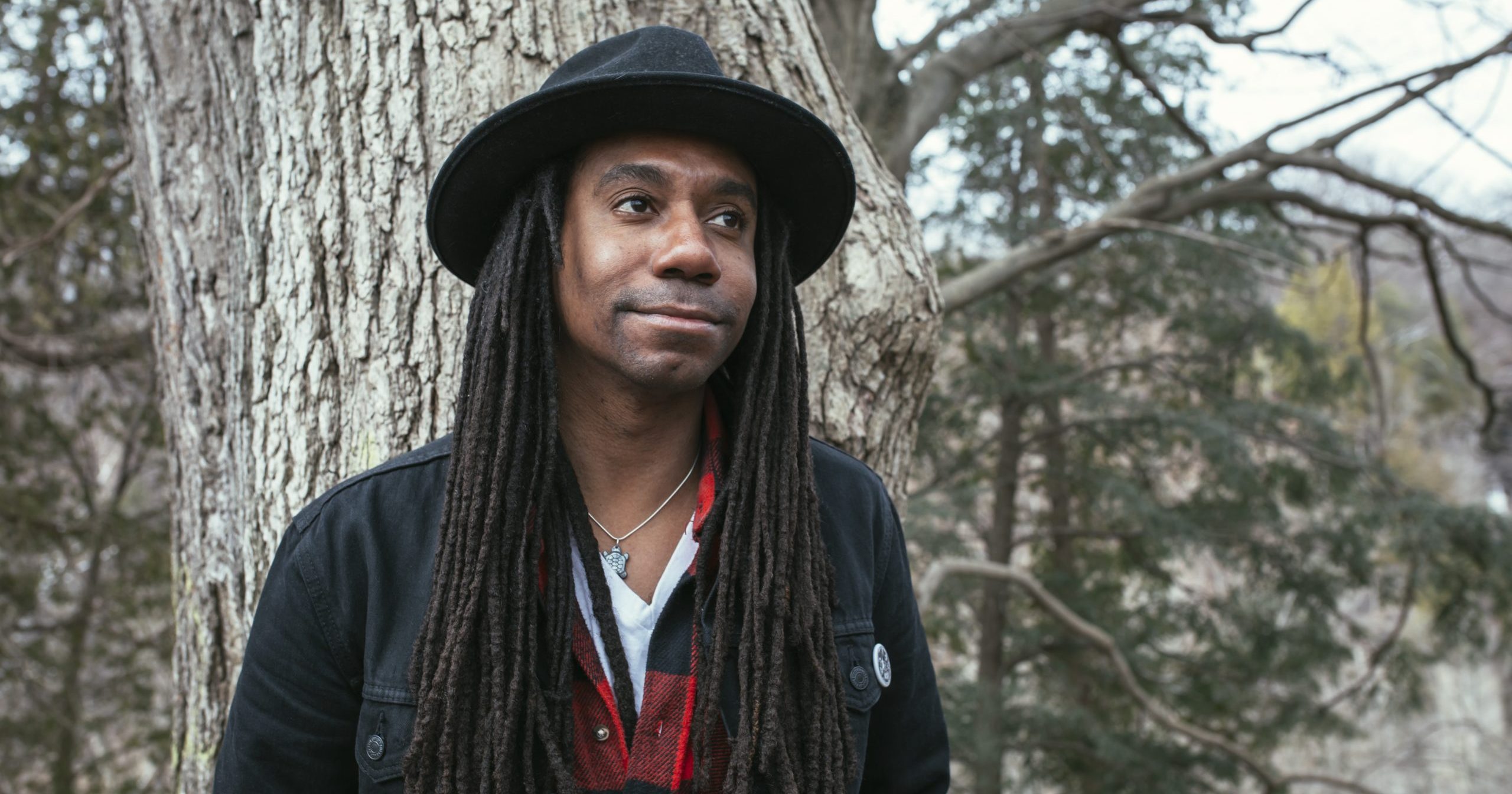
Afro-Indigenous Songwriter Julian Taylor Connects Family and Folk on ‘The Ridge’

Canadian singer-songwriter Julian Taylor didn’t set out to make a country record with The Ridge, but the album oozes with authentic tinges of the vibrant, pan-Canadian roots music scene. Based for most of his career in Toronto, it’s not surprising that the album (produced by Saam Hashemi) feels crisp, modern, and listenable, but its inextricable linkage to place — namely, the titular Maple Ridge, British Columbia, where Taylor summered on his grandparents’ farm as a child — ensures the folky, rootsy facets of the album feel entirely intuitive, raw, and perfectly placed.

Of course, Taylor is quick to point out that the pre-genre, elemental quality of The Ridge not only stems from his decades in music or geography alone, but from his family, their shared musical connections, and his Indigenous roots. His grandparents and family members feature heavily across the eight original songs’ lyrics, and cousins Gene and Barry Diabo join the band on drums and bass, respectively, literally underpinning the entire project with a sonic connection to Taylor’s Mohawk and West Indian roots. That The Ridge is a critically-acclaimed, stunning work of country-folk is due entirely to his commitment to compassion, empathy, family, and letting all of the above stand on their own merits. 

BGS connected with Taylor via phone ahead of his Shout & Shine livestream performance, available to watch live on BGS, our Facebook page, and YouTube channel on November 11 at 7pm ET / 4pm PT. 

Watch Julian Taylor’s Shout & Shine performance above.

BGS: I wanted to start by asking you about The Ridge’s connection to place, because it sounds like your story is a pretty classic, roots music/country story — spending your summers on your grandparents’ farm in British Columbia — and the title track evokes the western wild of Canada. Can you talk about the geographical spaces you’re evoking on the album and the longing I hear for them?

Taylor: When I think about Maple Ridge, BC, we’re going back now probably thirty-five years. It’s almost as if, when I close my eyes, I can see the road leading up to the house. There’s a big hill, and my grandfather used to like old cars — it’s funny, I say “old cars,” but I suppose back then they weren’t. So there’d be a big old Buick, a Mustang, and I remember taking the Buick up that hill. You’d have to get the mail way down the driveway, literally a city block’s distance, where everybody had a mailbox and you’d grab the mail, go back up the path, past these two huge trees. I don’t know if you’ve ever been to British Columbia, but I came from Toronto going to visit my grandparents, and I was always in awe of how big everything was. The trees were bigger, the mountains were there, everything was bigger. Even the slugs were bigger! [Laughs]

[My grandparents] lived in a wonderful house, a couple of wonderful places actually, one of them backed up to the Alouette River and you could see the salmon spawn. They had farmland where they had horses and a chicken coop by the horse’s stables, fields where the horses could graze, and in the basement of the house they bred boxers — the dogs. My life would’ve been composed of getting up in the morning with my grandmother, taking care of the horses, my grandfather would take me swimming because he liked to do that at the community pool in town. After that it’d be fishing, hiking, farming, and just a lot of nature. That’s what we did. 

To me, the way you’re describing it with so much imagery, it’s really clear that these memories are indelible for you. I think that comes through the music — it’s not just that you’re text-painting to check the boxes of what a country aesthetic is, you’re painting a literal picture you see in your head. 

This is true, I didn’t set out to create a country record. I didn’t, I just wrote these words and those were the melodies and arrangements that came to my mind. It was certainly, for me, more of a folk element than a country one. 

This record feels like it bridges the gap between your life in Toronto and your experiences in British Columbia, and I mean in the way it sounds, its production, its arrangements. The music is crisp and clean and feels very polished, but there’s still this raw, sort of natural element that I feel like is the mixing of rural and city. Do you agree or disagree? 

Now that you mention it, I can hear it and I know what you’re talking about. Before you had mentioned it, I didn’t. It’s a very interesting thing, because I would say the rawness of it is because these are takes that are completely right off the floor, there’s no overdubs except for when we added the fiddle, the pedal steel, and the girls’ voices. Those were the only overdubs, because we couldn’t fit everybody in the room. My cousins Gene and Barry, they’re from Kahnawake, the Indian reservation close to Montréal, so we’d go and play, jam at the campfire, jam on the back porch, jam in the garage, and we’ve been doing that for years.

So when I asked them to be part of this record, I deliberately only sent them songs that were acoustic-based, and didn’t really tell them what I wanted, because I wanted this rawness and I wanted to sing the songs as they were. That’s why I think that particular [sound is evident], it’s a family affair, there’s a conversation between the core band that’s happening anyways. Saam Hashemi, who co-produced and engineered the record, he’s from the UK originally, he’s now Canadian, and we’ve worked together before. His production style is very pristine, the way that he captured it. That’s not deliberate, but it’s a wonderful hybrid for you to pick up on it. I hope others did and after this I hope that more do!

To me, part of this record sounding so country comes out of that Western Canada, American Midwest, Great Plains tradition of Indigenous country music and country bands that come from that region. Is that a community you operate in or interact with? Was that an influence for you, pulling from the generations-long tradition of hardscrabble, garage band, Saturday-night-at-the-local-bar Indigenous country bands of the rural Canadian and American west? 

Absolutely, I wouldn’t say that it’s the West or Midwest, for me, because it directly comes from the East, actually, oddly enough! My family are East Coast Indigenous people, my mom’s family is from Kahnawake. It does come from that kitchen party, grab-your-guitar, grab-whatever-you-got — doesn’t matter if it’s a pot or a pan. It comes from that aesthetic, for sure. Absolutely! When you research that aesthetic, it’s not necessarily a country feel, either. It has elements of country and blues. Blues is very big in that, too. The way that my cousins are playing on The Ridge, there’s a gentle sort of shuffle that’s very indicative of what we’re talking about, yet it has this kind of swing to it at the same time. It’s like a country swing. That happens on a lot of the tracks where you can really feel it. On “Ballad of the Young Troubadour,” on the conga and upright bass you can feel it really strongly, as well. It’s a garage band aesthetic, for sure. 

It’s a very Indigenous thing! If you go back and watch movies like Rumble: The Indians Who Rocked the World it’s interesting because the history of American roots music — in my personal opinion, I’ve read books on this and stuff, I know others think differently — without Indigenous people and without Black people we wouldn’t have roots music at all. 

Yep. Full stop. It’s that simple. 

[Laughs] Yes! Full stop. Exactly. It’s interesting to see so many new Americana artists that are Indigenous and Black, I’m really so honored to be even considered in that group of people!

I wanted to ask you about “Human Race,” because I think that song pretty clearly lays out a framework for creating empathy and understanding and I wanted to ask you where that comes from, within you, specifically. Empathy is such an individual thing, I’m always interested in how people take it from being intensely individual and personal and turn it into something universal and relatable. What is that process like for you? Especially in writing “Human Race?” 

That empathy comes across and feels universal because I know someone who is deeply close to me that has suffered from mental disabilities and mental illness and it has affected me and my family. You learn from a very young age, even before you know exactly what it is, that you have to be quiet and patient. You have to be strong, yet at the same time very gentle. You have to allow these loved ones’ triumphs and their dreams to be bigger than anything that you can possibly imagine, just so that they have an opportunity to express themselves in a way that makes them feel important. In writing the song, my message to this particular person was that I believe in them, their strength, and their pain — and to acknowledge that I go through all of those feelings too, just like they do. That’s how that song became so universal, by allowing myself to let go and also praise someone that I absolutely adore. 

What have listeners’ or fans’ reactions to “Human Race” been like? 

When I first posted it I think people really were shocked and gravitated to it in such a way that I didn’t realize would happen. This is the song that led me to believe I had to put this record out earlier than I was intending to. It was around the time the pandemic lockdown here in Canada started, so it touched a lot of souls. I was very pleased that it did. I think the aspects of the song about inner peace and overcoming challenges resonate with people. 

It feels like “It’s Not Enough” is a song about grace, about how we all are enough, but through the opposite lens. So I wanted to ask you about the idea of applying grace to ourselves, especially right now when that feels so much more difficult. 

Applying grace to ourselves is such a difficult thing to do, but such a necessary thing to do. People who think and think a lot, other people don’t realize just how much work that is and how tiring it is to try to figure out what’s on your mind, just as simple as that. I’m a person who feels compassion for other people and myself, but I’m also extremely difficult on myself and hard on myself — as most people would say, we are our own worst critics in a lot of ways. I’m trying to be a little less critical with myself and, in turn, with others. I’m trying to accept what is. I think this song, “It’s Not Enough,” in a way is insinuating that for humans to not to believe that is kind of an insidious frame of mind. 

Can you tell me about the final track, “Ola Let’s Dance?” There’s a meditative quality to the refrain that resonates with me, the way it’s almost like a mantra, really intentional in the way you’re delivering it. Where does that song come from? 

Well, I was thinking about beats in my attic where I do a lot of my demos. The beat came first, I just held onto it forever and ever and ever and ever and ever, just sitting. When my grandmother had passed away, and my grandfather had passed years before, we had to go out and collect all of her stuff. I was the one that inherited most of it. It’s sitting in my attic as we speak. Just rummaging through memories and stuff I found poetry that was written by my grandfather. The poem I recite in “Ola Let’s Dance” was not written by me; it was written by my grandfather, John Thomas Skanks. I just loved it so much, I had to try to write it into a song. I came up with the guitar part — it was very tribal, I wanted the whole thing to feel very tribal. It’s probably the furthest thing from a country or folk song on the record, yet it comes out like that anyway. [Laughs] It’s really bizarre! 

The amalgamation of my maternal grandparents is what that song exemplifies, to me. I was trying to sing it, trying to put a melody to it, ‘til one day I just said, “Why don’t I just recite it and see what happens?” [Laughs] I did it and everyone was like, “YUP! That’s how it’s going to go.” My maternal grandmother’s name was Ola. She taught dance at the University of Buffalo for a little while. She raised four girls on her own, doing what she could to survive, and ended up teaching dance. So the song, in my heart, is both the meeting and separation of my grandparents, which brought me to life. 


Photo credit: Lisa MacIntosh

Shout & Shine is proudly supported by Preston Thompson Guitars.
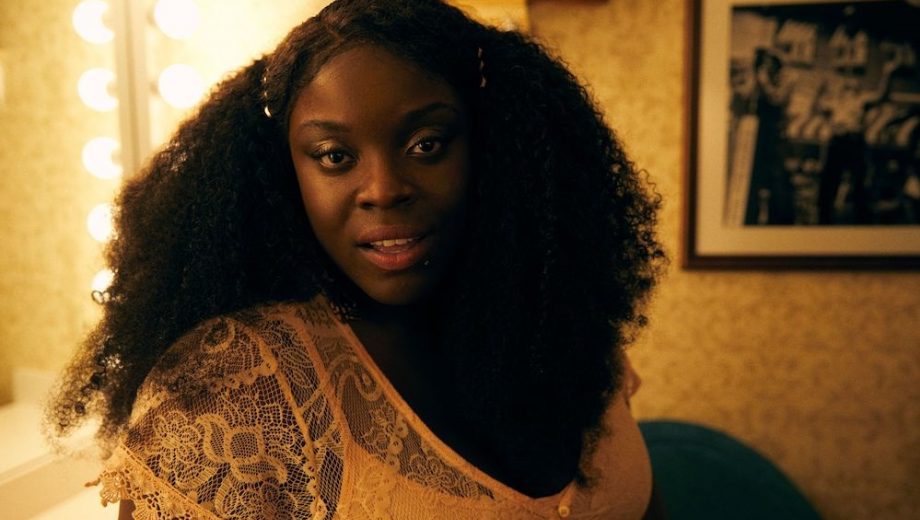
LISTEN: Yola, “Hold On”

Artist: Yola, with Brandi Carlile and Natalie Hemby on backing vocals, Sheryl Crow on piano, and Jason Isbell on guitar
Hometown: Bristol, England
Single: “Hold On”
Release Date: October 9, 2020

In Their Words: “‘Hold On’ is a conversation between me and the next generation of young black girls. My mother’s advice would always stress caution, that all that glitters isn’t gold, and that my black female role models on TV are probably having a hard time. She warned me that I should rethink my calling to be a writer and a singer…. but to me that was all the more reason I should take up this space. ‘Hold On’ is asking the next gen to take up space, to be visible and to show what it looks to be young, gifted and black.” — Yola

Editor’s Note: A portion of profits from sales of the track will be donated to MusicCares and National Bailout Collective.


Photo credit: Joseph Ross

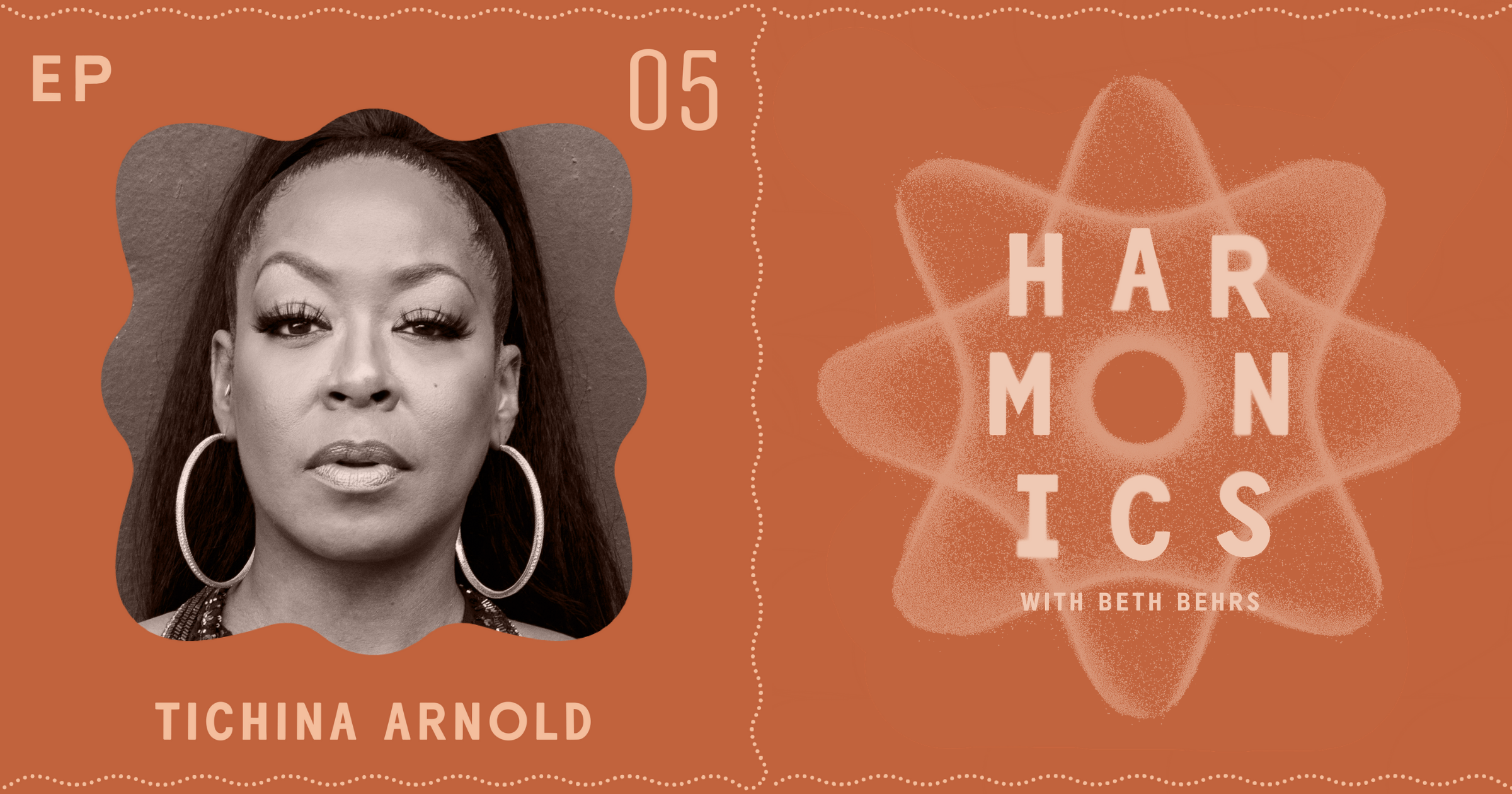
Harmonics with Beth Behrs: Episode 5, Tichina and Zenay Arnold

Harmonics with Beth Behrs is the newest show from the BGS Podcast Network. Each episode delves into the intersection of music and wellness. The podcast’s fourth week features actress Tichina Arnold, host Beth Behrs’ co-star on CBS’s The Neighborhood, along with her sister and manager, Zenay Arnold — both of whom Behrs considers her closest friends and sisters.


LISTEN: APPLE • SPOTIFY • STITCHERAMAZON • POCKET CASTS • MP3

In episode 5, the three friends discuss faith and trust in the face of life-threatening lupus, the spirituality of music and the musicality of comedy, the timeliness of The Neighborhood as well as the pure spirit on the set, the absolutely necessity of open conversation in active anti-racism, balancing professional and familial relationships, and much more.

Not only was Tichina Arnold in the original Little Shop of Horrors film, but she’s also been a part of countless other works prior to The Neighborhood, including 2019’s The Last Black Man in San Francisco, and sitcoms like Martin and Everybody Hates Chris. And her sister Zenay, through it all, has been her biggest fan and partner in show business.

In terms of spiritual coaches in her life, Behrs tells us that these two are it. “Their trust in a higher power… and their dedication to leading with kindness is something that is unparalleled in Hollywood, and it’s probably why they’ve had such an incredible career.” The sisters’ belief — that if we lead with kindness, faith, and trust, we’re all gonna make it — is a perfect message for 2020.

Listen and subscribe to Harmonics through all podcast platforms and follow BGS and Beth Behrs on Instagram for series updates!


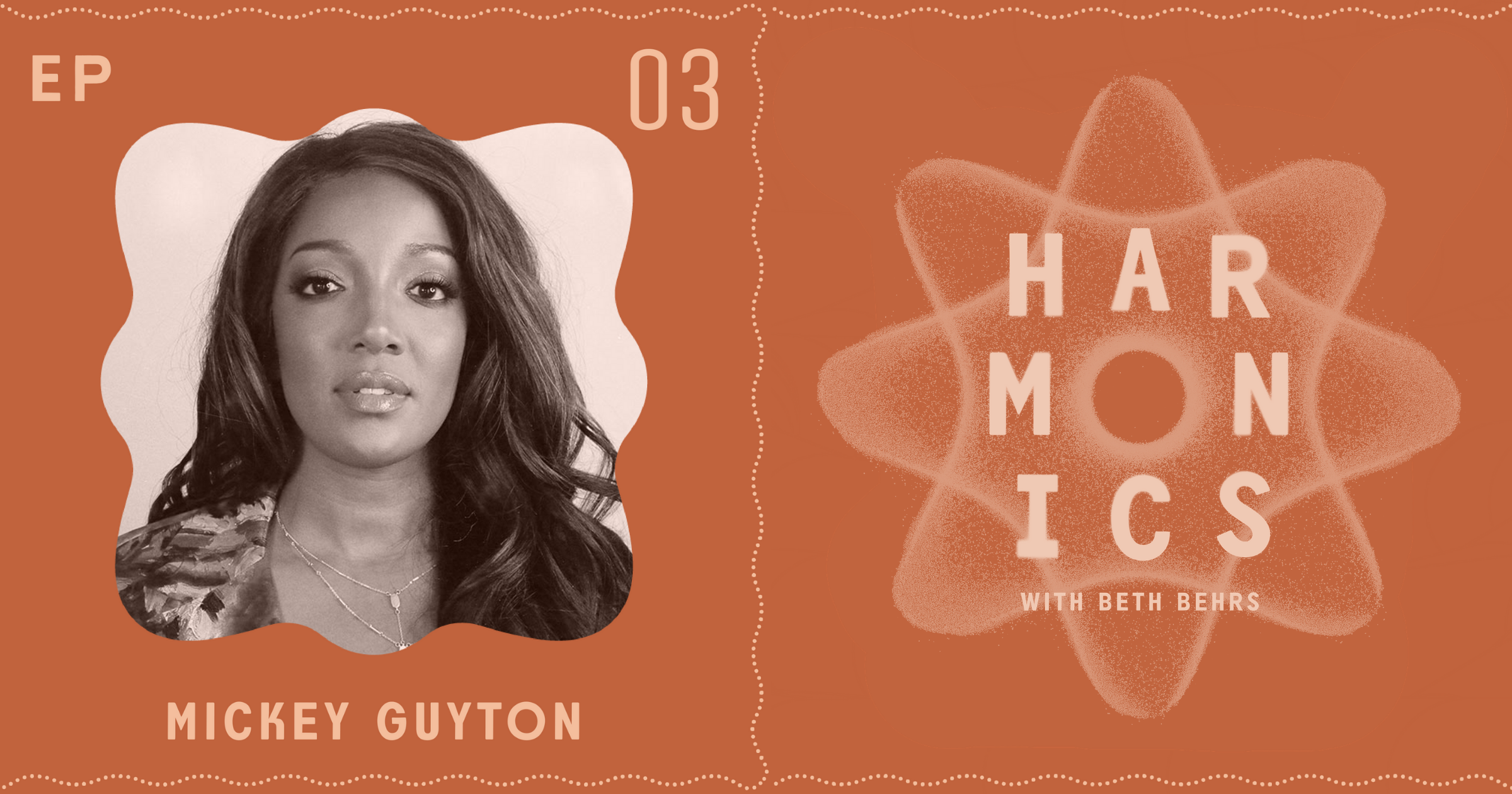
Harmonics with Beth Behrs: Episode 3, Mickey Guyton

Harmonics with Beth Behrs is the newest show from the BGS Podcast Network, which delves into the intersection of music and wellness. The podcast’s second week features country artist Mickey Guyton, who released “Black Like Me” — a song about her pain and struggles growing up as a Black woman in America — earlier this summer amidst protests against police brutality across the nation.

LISTEN: APPLE PODCASTS • SPOTIFY • STITCHERPOCKET CASTSMP3

In episode three, actor, comedian, banjo enthusiast and Harmonics host Beth Behrs talks with Guyton about country artists speaking out against racism and injustice, the power and importance of three chords and the truth in the midst of Music Row fluff, lifting other women up as a form of therapy, and, of course, Dolly Parton.

Originally from Arlington, Texas, Guyton has made a name for herself as a powerhouse vocalist and impressive songwriter, being called “one of the most promising new voices in country in recent years.” In 2015, she released her self-titled EP featuring her debut single, “Better Than You Left Me,” and the following year she was nominated for her first ACM Award for New Female Vocalist. On September 11 she released her new EP Bridges, which has solidified her as “the unapologetic voice country music needs right now.”

Listen and subscribe to Harmonics through all podcast platforms and follow BGS and Beth Behrs on Instagram for series updates!


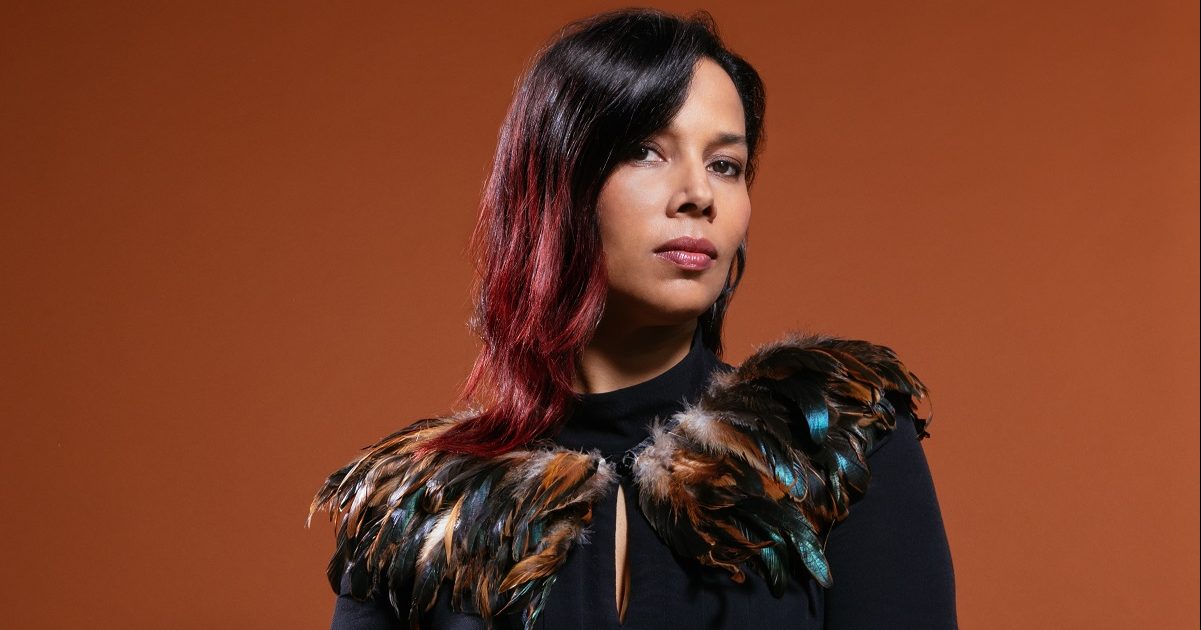
LISTEN: Rhiannon Giddens, “Don’t Call Me Names”

Artist: Rhiannon Giddens
Hometown: Greensboro, North Carolina
Song: “Don’t Call Me Names”
Release Date: August 23, 2020
Label: Nonesuch

In Their Words: “The framework in the song is a love affair, but it can happen in any kind of connection. The real story was accepting my inner strength and refusing to continue being gaslit and held back; and refusing to keep sacrificing my mental health for the sake of anything or anyone.

“I don’t often write personal songs but this one has stayed with me — it poured out then and has just sat there waiting for the right time. I got a chance to do it with some incredible musicians and a fabulous producer and I’m thrilled it’s going to be out in the world; when I listen to it, the anger that I felt then is the anger I feel [now] at my entire country being gaslit, held back, and sacrificed. We have to keep saying NO to toxic behavior, no matter how small or large the stage, and keep saying it nice and loud.” — Rhiannon Giddens


Photo credit: Ebru Yildiz

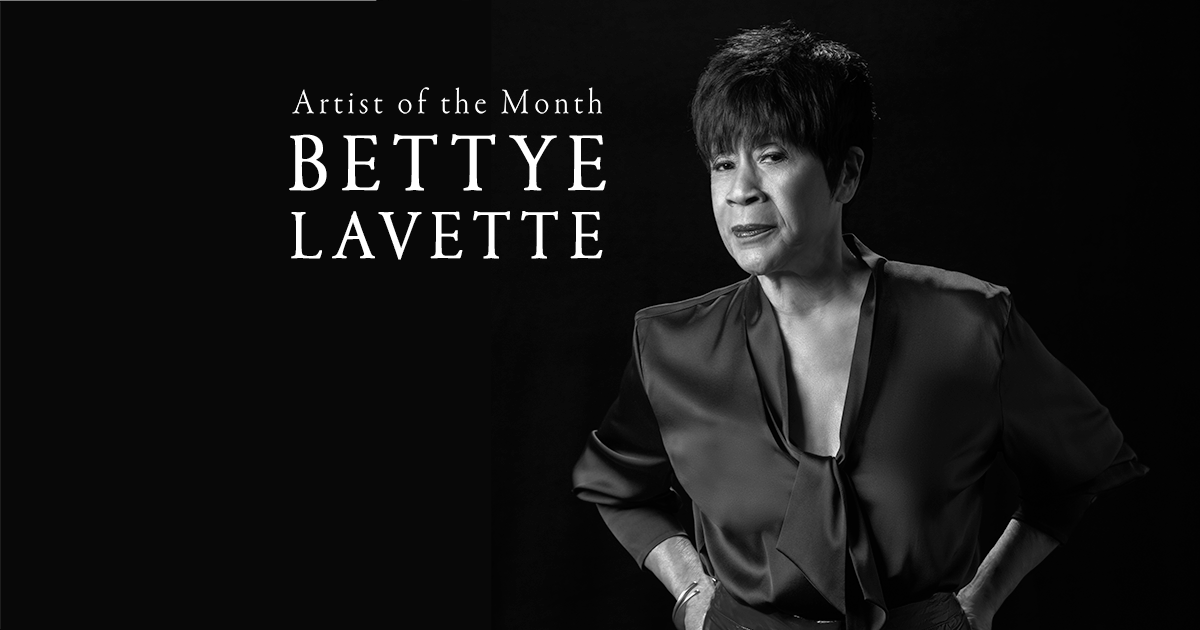
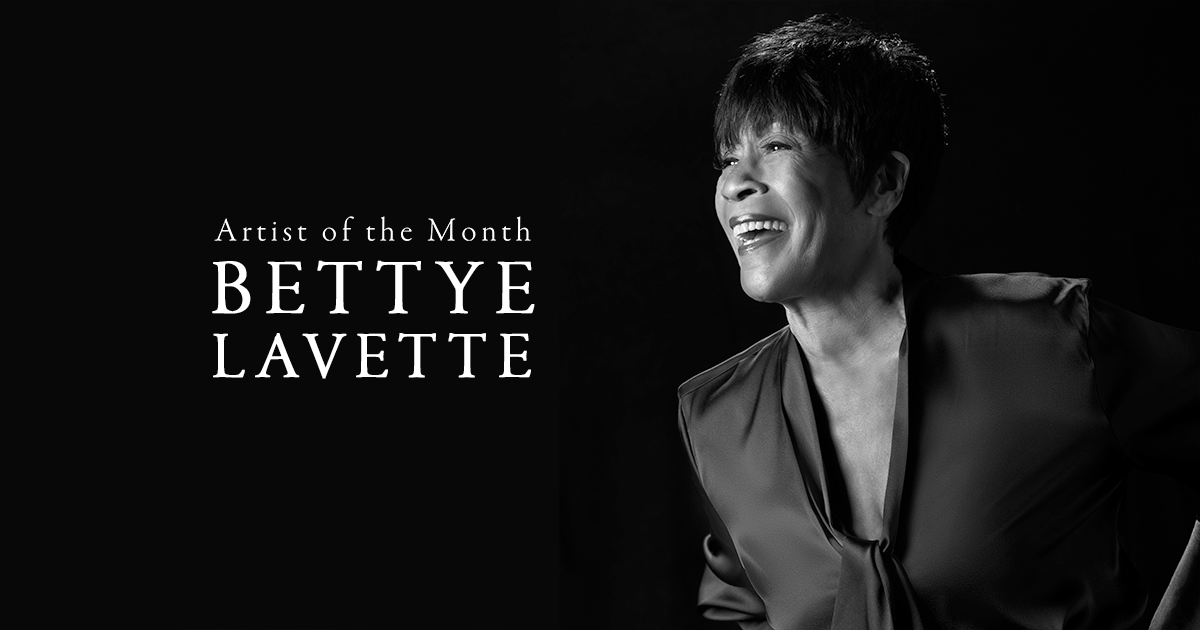
On ‘Blackbirds,’ Bettye LaVette Honors Black Women Who Inspire Her (Part 2 of 2)

When Bettye LaVette sings “I Hold No Grudge,” she brings the weight of all her years to it. The 74-year-old vocalist draws out certain notes, delivers certain lines almost in a speaking voice, as though she wants to show us how difficult, but also how essential, it can be to let things go. “Deep inside me there ain’t no regrets,” she declares, “but a woman who’s been forgotten may forgive but never, never forget.” She draws out that second “never” to underscore its harsh finality, to remind you that she’ll live with the memory of this slighting forever.

“I Hold No Grudge” has never been merely a song about romantic betrayal — not when Nina Simone recorded it for her landmark 1967 album, High Priestess of Soul, and not when LaVette recorded it more than sixty years later. This new version sounds like it’s addressed to anyone who stood in LaVette’s way so many years ago, in particular those executives at Atlantic Records who saw fit to shelve her debut album in 1972 without so much as explanation, much less an apology. That decision crushed her and thwarted her promising career. “That’s exactly what it is,” says LaVette. “I probably have some grudges, but they aren’t big enough to make me stop. I’ve not been defeated. I’m extending the olive branch once again.”

“I Hold No Grudge” opens her latest album, Blackbirds, which collects her interpretations of songs made famous by Black women in the 1940s and 1950s, including Dinah Washington, Ruth Brown, Nancy Wilson, and Billie Holiday. She calls them “the bridge I came across on,” referring to that era between big band blues of the 1940s and rhythm & blues of the 1960s, when these artists were pushing popular music in new directions.

With a small band led by producer-arranger Steve Jordan, LaVette runs through deep cuts like “Blues for the Weepers,” a song first sung by Ruth Brown (and later made famous by Lou Rawls). It’s a song dedicated to “all the soft-singing sisters and torch-bearing misters,” she sings. “They just come to listen and dream.” She understands that we go to songs now for the same reasons we did sixty or seventy years ago: to find sympathy and solace, but also to find a way forward, perhaps some promise of a better life.

The most familiar tune on Blackbirds is likely “Strange Fruit,” popularized by Billie Holiday ninety years ago at Café Society in New York City and covered by countless singers ever since. As a result it’s difficult to make the song sound new and urgent, yet LaVette manages to do just that. Against her band’s dolefully trudging rhythm, she tilts the melody forward just slightly, as though pulling us toward some horrific destination, and she shreds the syllables of the song’s climactic declaration: “Here is a strange and bitter crop.”

That middle word is frayed almost beyond recognition – “stra-ya-ange” – to make the song’s metaphor sound tragically real. LaVette recorded it nearly a year ago and was startled when it became so heavily relevant again. To hear her sing “Strange Fruit” in 2020 is to be reminded that the injustices so many Americans are protesting — the murders of George Floyd, Breonna Taylor, and too many other Black men and women — are not new or specific to the current era.

In the second installment of our Artist of the Month coverage, LaVette talks about growing up with a jukebox in her living room, giving these formative artists their due, and how Paul McCartney fits into all this.

(Editor’s note: Read part one of our Artist of the Month interview here.)

BGS: This record is rooted in the history of popular music. Can you tell me about this particular period and what it means to you?

LaVette: People — especially white people — they throw “rhythm and blues” and “blues” together a lot. And now today, they’re throwing “rhythm and blues” toward young blacks and young whites who want to sound black. When people talk about rhythm and blues, they go back about as far as Etta James, but these women are the bridge that Etta came across on as well. Rhythm and blues was a music that came from blues, of course, and from gospel. When people ask me the difference between “blues” and “rhythm and blues,” I always tell them that you can cry to blues, but you can dance and cry to rhythm and blues.

It’s a short bridge, from about 1948 or ’49 to the burgeoning of Atlantic and Motown’s rhythm and blues, which was about ’61 or ’62. That’s when I came along. We took away the saxophones and added more guitars. We took the blues guitar and sped it up and put it in our tunes. The people who took us from the late ‘40s into the early ‘60s are rarely mentioned, and that’s why I chose this group of women.

I didn’t even know there were Black women who sang, other than Lena Horne and Dorothy Dandridge. And then, hearing LaVern Baker and Ruth Brown and Little Esther, I don’t know whether it gave me hope or whatever, but it really surprised me. I didn’t know that women who sung in such a bawdy way even existed.

When did you first hear these women?

When rhythm and blues came about, that was when I was young and I was dancing. That was when I was coming up and my sister was a teenager. We had a jukebox in our living room in Muskegon, Michigan, which is where I was born, and it had all the current tunes of the day, which my sister played daily when she got out of school. They were all rhythm and blues songs. You know, they weren’t into jazz — they were either blues or rhythm and blues songs on the jukebox. And gospel and country-western, no less. At one point, my favorite singers used to be Doris Day and Dale Evans.

Wait, you had a jukebox in your living room?

My parents sold corn liquor in the ‘40s and ‘50s. Muskegon was extremely segregated, so if you wanted a drink after dinner or after work, you had to come by my house. These were homes that had been built for the soldiers returning from the Second World War. So they were theoretically projects, but they hadn’t started making them out of brick yet. They looked more like barracks, and everybody’s house was just alike.

It was living room, dining room, small kitchen, two bedrooms, and a bathroom. My parents sold corn liquor and chicken sandwiches and barbeque sandwiches. There was no gambling. Nobody could cuss but my mother. But they could get shots and pints and half pints. And the jukebox was there in the living room where most people’s couch probably was. I was about 18 months old when I learned all the songs on the jukebox — all of them.

How did you choose the songs for this record?

I keep several files. Or, I should say, my husband keeps them for me. I’ve got all kinds of files. I’ve got a country and western file. I’ve got a strictly George Jones file. What I do is, I offer my label two or three ideas based on these files, and they tell me which one they like best. So I have some ideas that I like, and that way I don’t have to take their suggestions. If they find one they believe in and are willing to spend money on, I’ve got the songs already in.

I had this file here of standards, some of which I had done when I did little gigs in places around, just me and a keyboard player. Some of them, like Nancy Wilson’s “Save Your Love for Me,” I had done in other venues that most people haven’t seen me in, because they didn’t come where I was. A song like “I Hold No Grudge, which I heard eighteen years ago, it’s been in my file since then. I thought, if I ever get a chance to do that kind of album, I will do that tune. I wasn’t going to throw it away.

When did you discover that song?

I was living in Detroit, and I was getting my hair done. Usually in Black salons, there’s a radio on that plays Black music, and this song came on. I had never heard it before! And because Detroit is one of the places where I can pick up the phone and call whoever is playing whatever it is and I’ll know them, I called them up and she told me it was Nina Simone. And I said, well, if I ever get the chance, I’m gonna record that tune. That was eighteen years ago.

Just a few years ago I performed at a party for David Lynch, the movie producer, and this gentleman came up to me and said, “I loved your performance. My name is Angelo Badalamenti, and I do all the music for David Lynch’s films.” My husband, who loves David Lynch’s films, was ecstatic. Angelo says, “I have a tune. Years ago, I used to work with Nina Simone, and I wrote this tune for her that I think would be perfect for you.” I said, “What’s the name of it?” “‘I Hold No Grudge.’” I said, “I know you aren’t going to believe this, but I’ve had plans to do that tune for the last fifteen years!” So when I got the opportunity to do this album for Verve, I got in touch with Angelo and sent it to him, and he said he could hear Nina listening to it, closing her eyes, and saying, “Yeah, she got it.” Of course that made me feel very good.

Another song I wanted to ask you about is “Strange Fruit,” which seems sadly very timely right now.

But it just became timely! When we recorded it back in August, it was one of the oldest tunes on the album. And then all of this mess broke out, and the tune became timely! But all of this wasn’t going on when we recorded it. That’s not why we recorded it. We recorded it to fill in the Billie Holiday slot. While we were waiting for the album to come out, all of this happened. And it was just timely — as if we went to look for a tune to describe what’s going on now. So it’s bad that it’s timely — it’s awful that it’s timely — but it’s timely.

I knew the tune had not lost any of its power, and I knew I had to do it completely different from Billie. I’m blessed to work with Steve Jordan because he doesn’t hear these songs the way they were originally recorded. He hears them the way I sing them, because his age is closer to mine. He was born and raised in Harlem, and he grew up with these rhythm and blues tunes. He knew that I wanted “Strange Fruit” to be terse and sad and black and dark, and when we finished recording the music, I said, “Steve! I didn’t want it to sound exactly like they’re standing by the tree playing this song,” but it does. It’s just haunting. That’s the thing that makes Steve so important to me.

The outlier on the album is your interpretation of the Beatles’ “Blackbird.” What made that song fit this project?

The reason that I chose it — and I chose it for the title — is because many Americans don’t know that Brits call their women birds, and Paul is talking about a Black girl that he saw standing up on a picnic table singing one night in a park. He’s talking about a Black girl singing and I thought that that would just be perfect for it.

(Editor’s note: Read the first half of our Artist of the Month interview with Bettye LaVette.)


Photo credit: Joseph A. Rosen


How Bettye LaVette Finally Learned to Let The Songs Sound Like Her (Part 1 of 2)

When Bettye LaVette covered “Your Time to Cry” nearly fifty years ago, she wrung every ounce of hurt and drama from the lyrics, but especially on the chorus. She stretches out the word “time” until it breaks into two syllables, implying a similar emotional break that doesn’t undercut the song’s determination, but shows what cost she has paid for it. It’s a riveting performance, a raw, southern soul slow burner that should have established her as one of the finest R&B voices of the 1970s.

During those same sessions, she also covered Neil Young’s “Heart of Gold” and John Prine’s “Souvenirs,” among other tunes, yet for reasons that were never made clear, Atlantic Records shelved the project, declining to promote “Your Time to Cry” as a single or to release her debut album. That has been a defining moment in LaVette’s long career — and one she subtly and slyly addresses on her new album, Blackbirds. She is the woman wronged, the embodiment of the music industry’s disregard for talent, especially that of Black women. For three decades LaVette continued to work, developing and strengthening her voice and expanding her repertoire. She explains, “When people say I had a resurgence, I want to say, ‘No, I never stopped. You just didn’t come to where I was!’”

Now, nearly fifty years after recording “Your Time to Cry” in Muscle Shoals, Alabama, she has become one of the finest and most accomplished singers in R&B or any other genre for that matter, with a string of albums that showcase her stylistic range as well as her deep understanding of pop history. After releasing a comeback record on the tiny Blues Express label in 2003, she caught the ear of Andy Kaulkin at Anti- Records, who signed her as a new artist at the height of the soul revival of the 2000s.

Since then, she’s covered The Who for the Kennedy Centers Honors ceremony (famously bringing Pete Townshend to tears), recorded with Drive-By Truckers (back in the Shoals, for an album appropriately titled The Scene of the Crime), and reimagined Dylan tunes so thoroughly even his own bandleader didn’t recognize them. And those original Shoals sessions did finally get an official release, first in 2000 on a small Dutch label and again in 2018 from vinyl specialists Run Out Groove.

Blackbirds is among her most powerful albums: a collection of songs by female artists active from the late 1940s through the early 1960s, including Nancy Wilson, Dinah Washington, and Nina Simone, whom LaVette refers to collectively as “the bridge I came across on.” It’s an album that celebrates these artists, but also emphasizes their shared experiences as Black women in the music industry. “Every broken promise broke my heart,” she sings on “Book of Lies,” a song made famous by Ruth Brown. Her voice is lower than it was in 1972, but no less expressive, and she makes that sentiment more than just romantic; it’s also a professional lament, addressed to the industry that derailed her career so long ago.

We spoke with LaVette about Blackbirds in our second half of the interview; here, she tells BGS about her early hopes and disappointments.

BGS: What was your impression when you were down in Muscle Shoals? Had you been there before you recorded?

LaVette: No! What would I be doing there?! What would you go there for, if you weren’t going to record? They had to win me over. I’d wanted to record in New York and Chicago. I always wanted to be very bougie. But after I had accepted how different my voice was — how un-girly-like it was — I identified more with Solomon Burke and Wilson Pickett and Otis Redding. After I was down there for a day, I was absolutely as happy as I could be. They were absolutely wonderful — and wonderful to me. When I got back to Detroit, I could not stop talking about them, especially with the way they wrote and read music.

Were you ever told why your ‘72 sessions were never released?

That has been one of the big mysteries in my career. I can think of that album and my dog Mickey, that I had when I was 11, and just burst into tears at any time. I had Brad Shapiro, who was Wilson Pickett’s producer. I had the Swampers, who I had wanted. I was at the label that I had loved. But when they told me they weren’t going to release the album, I got up under the dining room table and stayed three or four days. My friends brought me food and wine and joints. I’m telling you, I’m about to cry now. It was to be my first album, after having already had a string of singles. For years, all I had was “Your Turn to Cry.” Whenever people would come in with their latest whatever-it-is at my house or at a party, I always kept that song handy, maybe on a cassette. I’d say, “I made a record that was really, really good one time. Y’all wanna hear it?”

I just found out — when I say “just found out,” I meant in the last twenty years, maybe — that it was a split between Ahmet Ertegun and Jerry Wexler. Jerry Wexler was on my side and Ahmet was on Aretha’s side. For the longest time I never knew what happened. I had no idea, and it sounded so stupid, for thirty years, to tell people, “I have no idea.” Many people had heard “Your Time to Cry,” and they said, “If that stuff is anything like this, I can’t understand.” When Atlantic put “Your Time to Cry” out, it was just out. They didn’t mention it to anyone. They just put it out. What you wanted at a label was to have one of everything, and maybe a junior one of everything, too. So they could see where that wouldn’t work with me and Aretha. I think Diana [Ross] is probably the reason I was never at Motown. Those personalities wouldn’t have worked.

Judging by reissues from those sessions, you had already worked up a pretty diverse repertoire.

My manager, Jim Lewis, who was the assistant to the president of the musicians’ union in Detroit and a trombone player with the Jimmie Lunceford Orchestra, was a hard, hard taskmaster. When we started to work this management thing out, he said, “You’re cute. You’ve got a cute little waistline and a cute little butt, but you’re going to have to learn some songs, because there’s a possibility you may not be a big star.” That’s not a given, but you can be a singer for the rest of your life, if you will learn a lot of songs. He said, “You’re a different kind of singer, and you should learn that.”

How so?

I’ve accepted that I sound more like James Brown than Doris Day. But I used to think I had to sound the way Nancy Wilson sounds, which discouraged me from even wanting to learn how to sing. The thought that I could sing it and it didn’t have to sound beautiful didn’t even occur to me, until Jim came along. He told me, “Just let ‘em come out of your mouth. They’re gonna sound like you.” So I had to satisfy myself with the songs. I had to choose songs that I really like, and I would tell people, “Do you like the song or do you like the record? Because those are two different things.”

Jim made me learn a lot of songs. He insisted I learn “Lush Life,” which permitted me to be comfortable at the Carlyle Hotel for ten years. He insisted I learn “Sweet Georgia Brown” and “God Bless the Child,” which put me in the lead role in Bubbling Brown Sugar. He made me learn country and western. Otherwise, I would have been fighting with the local songwriters over them giving songs to Aretha and not giving them to me, you know? I was able to say, “Hey, I can go on and just be real good.” So I approach what I’m doing a little differently. I thought Jim was telling me to sing these songs like these people, but he just wanted me to sing them how they came out of my mouth. However they come out, sing them like that. Now that I’ve accepted that, I’m not so concerned about how it sounds, but how I feel about the song. That helps me present it. I’m very grateful to him.

That comes through on these sessions from 1972, where you’re covering Neil Young and John Prine and doing a song that Bowie was doing at the same time. There’s that range.

Well, it was after that that I did “What Condition My Condition Is In” by Kenny Rogers and the First Edition. And that got me another record contract. Kenny Rogers came to Detroit and Jim said, “Why don’t you take it and let him hear it?” I didn’t think he’d like it, but Jim said, “You don’t know how it’ll sound to him.” So I took it to him and Kenny loved it. His brother, Lelan Rogers, was just starting a record label called Silver Fox, and they flew me down to Nashville. I was with them for four or five years, but still no album. All these albums were set to come out and didn’t come out.

After finally breaking out in the 2000s, you established yourself as an interpreter of songs. What do you bring to a song? How do you make something familiar sound like you? Or is that even something you’re thinking about at this point?

That isn’t something that I plan or set out to do. When I hear the song and start to sing it, that’s just the way I sing it. The thing that makes it new is that it’s different. I doubt I could come up with anything new. But it is different, and so I need for people to change their attitude about it. That was one of the things with Interpretations, my British rock album. The thing that helped me the most recording that album was that I didn’t know most of the songs. I had never heard most of them. They didn’t play them a lot on Black radio. So all I did was just lift the lyrics and sing them the want I wanted to.

Michael Stevens was brilliant, and he did the arrangement of “Love, Reign O’er Me” by The Who that I did for the Kennedy Center Honors. When I went to rehearsal, they got ready to go into the tune, and I told him, “I can’t sing it like that.” And he said, “Well, sing it the way you want to sing it.” So I sang the song to him a cappella, and he took a break and after a while came back and redirected everybody. He’d been listening to this song for thirty years — since he was a teenager! — and I’d only been listening to it for three or four days.

Something similar happened on the Bob Dylan album, Things Have Changed. We had Bob Dylan’s guitarist, Larry Campbell, playing on it, and he had a ball. He said, “I’ve wanted to hear these a different way for seventeen years!” Because he knew about the inner workings of each one of the tunes, more than any of us, he started to find clever little things, probably, that he had always wanted to play, and he played them for me.

How was working with these songs on Blackbirds different?

Working on this album was intimidating, in that I didn’t want to bastardize any of the songs or cast them off. I didn’t want to do anything to them just for the sake of doing something, you know? That was kind of daunting. But that’s the thing that makes Steve [Jordan, producer] so important to me. When we develop an arrangement, what I usually do is I’ll get my keyboard player to go in the direction that I want to take the song.

When Steve hears me with the piano, singing it the way I want to sing it, that speaks to him to put something else in there. He no longer hears Billie Holiday’s interpretation of “Strange Fruit,” and he arranges what he hears in his head, not what the other record was. I’m not going to change any of the notes — I’m just going to put them in different places and say them differently, so you can’t follow that trajectory that you know from the record. It has to be different.

(Editor’s Note: Read part two of our interview with Bettye LaVette.)


Photo credit: Joseph A. Rosen

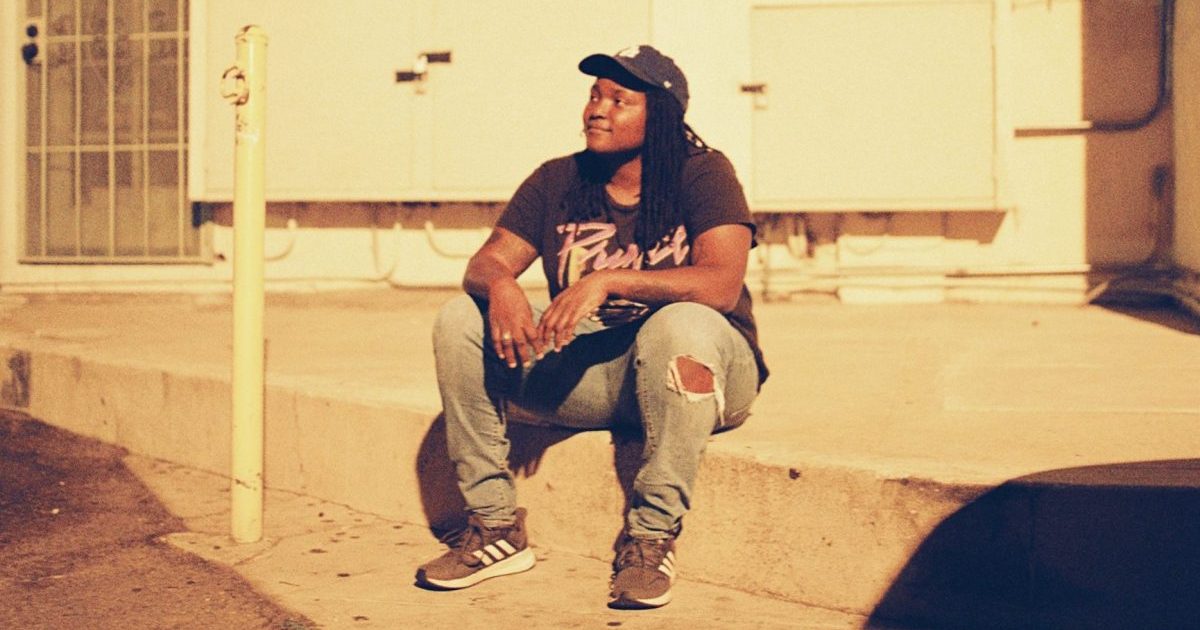
By Defending Her Own Happiness, Joy Oladokun’s Determination Pays Off

It was far from a given that Joy Oladokun would settle on her present path as a singer-songwriter of pensive folk-pop. She absorbed an array of musical models earlier in life — those that culturally linked her family to their Nigerian roots; reflected the rural pride of her peers in agriculture-rich Arizona; united her evangelical congregation in upward-aimed worship; and offered various styles of self-expression, emotional catharsis or social critique.

But on her texturally varied second album, in defense of my own happiness (vol. 1), much of which she self-produced, she sketches the distance between where she stands, sorting out her sources of pain, anxiety, and pleasure, and what she’s chosen to leave behind. Throughout, she’s exploring knotty interiority with warm yet watchful vulnerability. Oladokun paused her daily songwriting schedule to talk with BGS about how she made her way here.

BGS: After your parents immigrated to the U.S., did they maintain an attachment to traditional or contemporary Nigerian music and share it with you?

My parents came here in the ‘80s, so the Nigerian music they listened to growing up is definitely still a part of their everyday life today. I think one of my first introductions to the guitar was this Nigerian artist named King Sunny Adé, just these crazy, cascading, arpeggiated guitar riffs. They’re not as in touch with contemporary Nigerian music, but Nigeria had a pretty rich and interesting musical history.

You’ve said in past interviews that you grew up in an Arizona farming town that prized folk and country music. What role did that music actually play in community life?

There is not a music scene to speak of in Casa Grande, Arizona, that is for sure. My high school was big into Future Farmers of America. Lots of big trucks and dairy farms, that vibe is the vibe of my town. Some of the country I wasn’t very interested in, but I had a short fascination with ‘90s country. I mean, Martina McBride, Alan Jackson, Brooks & Dunn, it’s a lot, but in a good way. Everyone around me was listening to ‘90s country.

And my dad, for some reason, has an affinity for country-gospel music. He has all these records of Johnny Cash or Charley Pride, all these different people singing old country-gospel standards. So there’s this dusty, Southwestern country sound that I also grew up around that I think is the country that I gravitate to now, more than the big trucks and farms.

Along with hearing King Sunny Adé’s playing, you’ve said that seeing concert footage of Tracy Chapman with acoustic guitar in hand really caught your attention. What was it about those moments that moved you to pick up the instrument yourself?

I was always a really shy and reserved kid, and pretty smart, but had a hard time focusing or applying myself for long amounts of time. I think what I found in myself when I saw the guitar and decided to learn, and what my family saw in me, was a determination that hadn’t been applied to anything else ever.

I just know that the gift of self-expression that it’s given me has been pretty lifesaving. King Sunny Adé and Tracy Chapman, those are two very different expressions of how to use the guitar and how to make music, but they both took the inner workings of themselves and the world around them, and they expressed it through the music they made. I think that’s pretty dope and especially appealing to a kid who has a hard time talking.

Since you were so shy, how did you wind up playing music in front of a congregation?

If you wanted to get me to do anything as a kid, convince me that it would make God happy, or if I didn’t do it, God would be upset. That’s a pretty good motivator to any kid, but especially for me. I think I was so driven because I was so enmeshed in Christian culture. I was driven by this narrative of, “You need to do something big with your life and you can’t just spectate. You have to participate.” I honestly think had I been a little atheist in middle school, or had language been different, I maybe wouldn’t have ever done it or stepped on a stage. But I think it was the, “I feel this duty to use my gift for something bigger than myself.”

What did it take for you to leave behind what you thought might be a lasting career path in praise & worship music?

I often laugh at how much my adult life parallels my mother’s. Growing up, she would always tell this story about how her dad really wanted her to be a teacher. She spent a year or so teaching school and freaking hated it. So she became a nurse and she still does that to this day. I think I honored the thing that is spiritual in myself by working at a church and by falling in line and doing the thing for as long as I did. When I realized, “OK, I’m queer. There’s no getting around that. And I maybe don’t believe these things politically or theologically that I sometimes said on a day-to-day basis.”

I just got to a place where it became more important for me to live a life of integrity on all fronts than to keep up appearances or do what I thought God or my parents or my old boss wanted me to do. When I left, I made the decision pretty much on my own. And in circles like that, that is a no-no. I think the reason I did step into it by myself, though, is because I have to live this life. I would rather pursue something that feels more authentic to me. And once that decision was made, then the career decision was easy. I honestly tie it back to hearing my mom every day since I was born tell the story of how she made that decision for herself.

These days you’re signed to the Nashville office of a publishing company, operating in a world with its own customs and practices when it comes to being creative and collaborative. How’d you adjust to things like co-writing?

I honestly don’t think the worlds are that different, or maybe just people are the same. I do write a considerable amount by myself, so co-writing was maybe the biggest leap that I’ve made into discomfort. To me, even if I have a bad session, there is something that can be learned or gleaned or laughed about from it. If someone has a bad ego during a write it’s, “OK, I’m not going to work with that person again.”

You chose a loaded title for this album, in defense of my own happiness (vol. 1). What were you getting at?

Every time I post something on Instagram or Twitter or Facebook that someone from my past dislikes, I hear about it. I didn’t realize that that was a strange practice until I was talking to my girlfriend. She was like, “That’s so bizarre that people you worked with five years ago still feel the need to tell you that they’re disappointed in you, or say that they’re praying that you’ll become straight again one day.”

It is the source of a lot of my anxiety, to be honest. I don’t regret anything that I am or anything that I’m doing, but there’s this part of me that wants to defend that who I am is good. So many of the songs we ended up picking for the album speak to that. I think the idea of in defense of my own happiness is, it’s maybe an open letter to all these people.

Also it’s a letter to myself saying, “You deserve this life. You deserve to have a girlfriend who loves you and live in a beautiful house, and you deserve to be working a job that you enjoy. You’ve made mistakes, but none of that disqualifies you from what you found.” The album is literally just, “Please let me live.”

As much as I hear you insisting on your right to happiness on the album, I can also hear you sitting with your melancholy, and not hurrying past it.

I don’t know that there’s any other way to actually be happy or healthy without acknowledging how you’ve been hurt in the past, who you’ve hurt in the past, acknowledging the things that you don’t understand or the things that scare you, and sitting with them. I’ve been doing a lot of meditation, because it’s 2020 and the world’s on fire. I was reading a quote about how emotions and our thoughts, we should entertain them as friends, as opposed to treating them as these things that we can’t control. I do feel like melancholy is like a friend that I entertained on this record.

That definitely applies to your song “Who Do I Turn To?” Tell me about the choice you made to phrase the chorus as one long, uncomfortable, unresolved question.

I credit the open-endedness of it to Natalie Hemby, who I wrote the song with. I am a big fan of open-ended things, but I think I wanted an answer. I wanted to write a protest song. I think Natalie could see in my face just the heaviness and the sadness. I was, like, four months old when the LA riots happened, and the fact that we’re still marching for the same thing in 2020 is so bizarre. It’s so heartbreaking. Black people have been showing up for themselves from the beginning of time, countless Civil Rights leaders and movements.

Even to this day, you can point to people like Angela Davis that are alive and doing the work. But we are a minority group, so we cannot be the only people doing the work to protect and honor our lives, especially in this climate. It became open-ended because it’s like, “You keep saying that it’s not your fault, but you let your grandpa make racist remarks while I’m at dinner.” There’s all these little actions and behaviors that play into it. Leaving it open-ended just allows people to think and reflect.


Photo credit: Shannon Beveridge

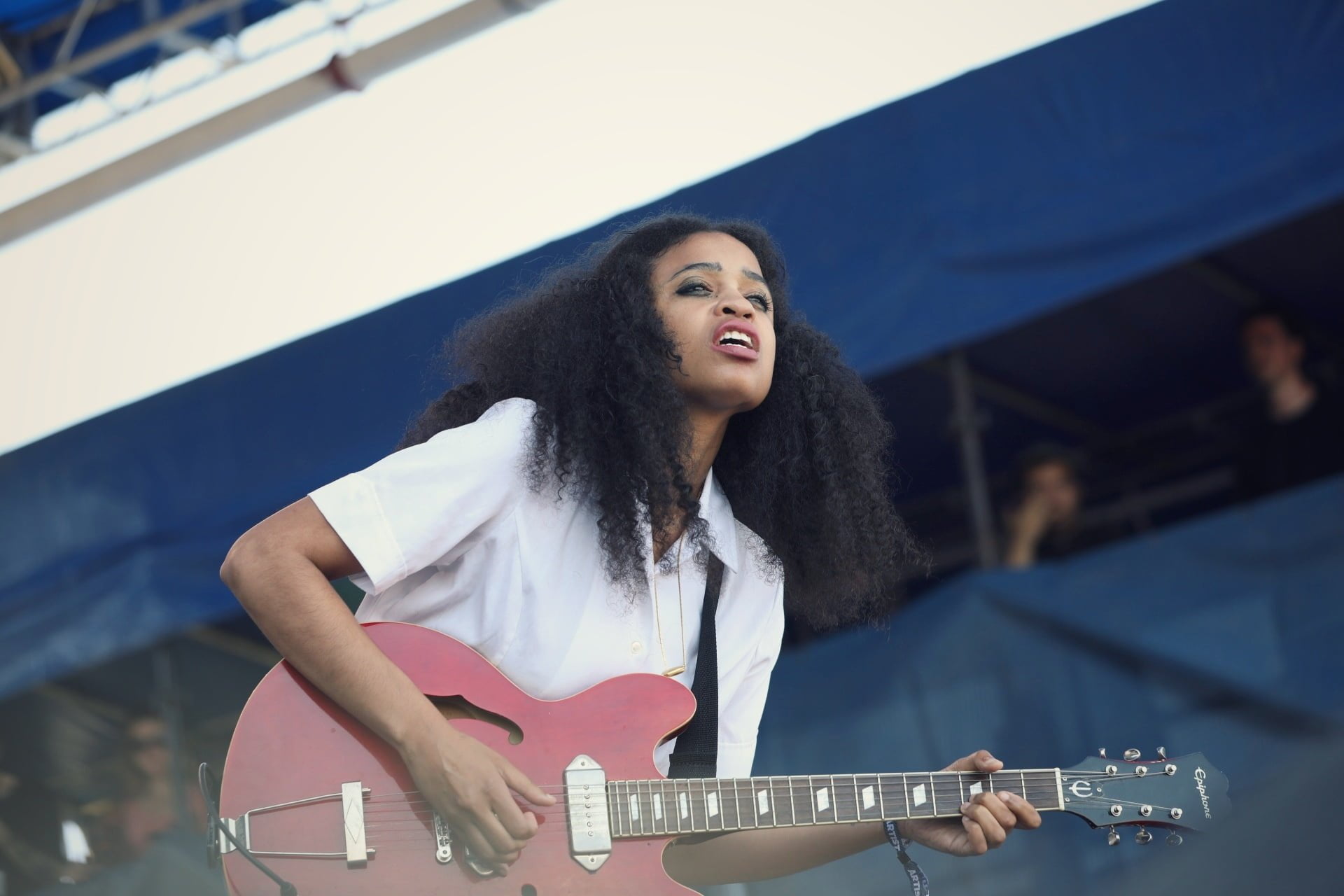
The String – Adia Victoria

Adia Victoria taps the lineage and resolve of the early Blues queens with a sound made for “the now” on her 2019 album, Silences.

LISTEN: APPLE PODCASTS

Victoria’s journey from South Carolina to Atlanta and then to Nashville reads like no other artist of recent memory. She works hard to set herself apart from the institutional trappings of the indie music business. Critically acclaimed and sharply thoughtful, this made for a fascinating and challenging conversation.


Photo credit: Daniel Jackson at Newport Folk Fest 2019 for BGS

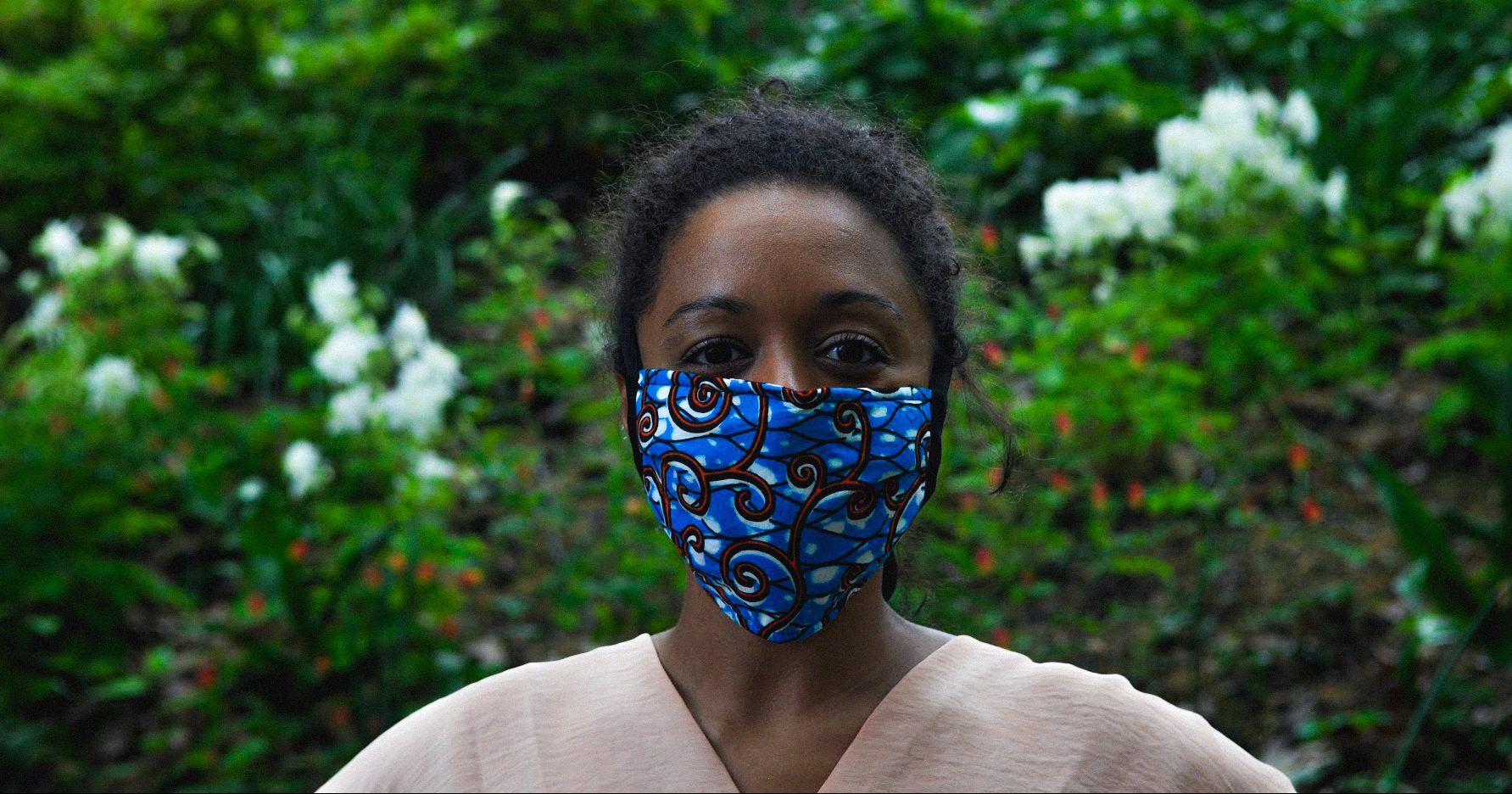
BGS Launches Shout & Shine Video Series with Black Harpist & Songwriter Lizzie No

Like many of us, Lizzie No is weary of quarantine. Yet as the New York City musician and harpist joins BGS on the phone to talk about her life in pandemic isolation, her songwriting, her creative processes, and the growing pains intrinsic to all of the above, the joy in her voice cracks through the fatigued outer layers we all wear right now. A Black creator in traditionally white genres, No brings a distinct and important perspective to help guide longtime BGS column Shout & Shine into a new era.

In 2017, Shout & Shine began as an interview series dedicated to exploring identity, advocacy, and marginalization, along with the ways these paradigms filter into music and art, especially of roots varieties. Taking today’s civil unrest and righteous rebellions into account, we’ve purposefully refocused this column’s mission with the hope of giving a platform to Black musicians in roots music specifically, because these spaces too often relegate Black, Brown, Indigenous, and Asian voices to the sidelines.

Now, in addition to interviews and an upcoming podcast, BGS is proud to announce Shout & Shine will be moving to video! Lizzie No is our debut guest for the livestream version of Shout & Shine, which comprises short-form, intimate video performances by underrepresented and marginalized artists in Americana, folk, and bluegrass.

Lizzie No’s Shout & Shine set, presented by Preston Thompson Guitars, will feature a brand new song, “Mourning Dove Waltz,” and will be streamed live on BGS, our YouTube channel, and Facebook page on August 5 at 4pm PT / 7pm ET. In the meantime, read a little more about No’s songwriting, her approach to roots-driven harp, and her thoughts on tokenism — and why white folks perhaps shouldn’t feel free to lead that kind of conversation.

Editor’s Note: You can watch Lizzie No’s Shout & Shine performance in full below:

BGS: I wanted to start — and this is a little selfish — with “Mourning Dove Waltz,” because I’m an avid birdwatcher and in shelter-in-place everyone is watching birds! This song is not only about quarantine, but also the idea of being in an old space, but with new intention. Can you tell us a little bit about that song, through the lens of isolation, and creativity in isolation?

Lizzie No: That’s a brand new song and I think you can tell I wrote it during quarantine. I was never terribly interested in birds before March of this year. My mom always loved and delighted in them and I always thought it was very cute, but they never captured my attention. Right as we were truly locked down here in New York and a lot of people were making the decision to try to go somewhere else, it felt like there weren’t any rules anymore. I decided to stay here in my apartment and I ended up having so many hours, especially first thing in the morning, where I would just sit and try to make the day’s activities stretch out over the longest period of time possible so I wouldn’t go insane. 

That’s when I started to notice a couple of Mourning Doves had nested in my plant boxes on my balcony. It felt miraculous to get to watch them every single day through the balcony door. [They] laid two eggs, we watched them hatch, we posted about them on Instagram, we took name suggestions. It was this unfolding thing I didn’t think I cared about until I had this uninterrupted time where I didn’t need to be doing anything other than staying calm. I was pretty much on these birds’ schedule. I noticed when they took their breaks in the middle of the day and when mom and dad would switch places. Of course, this is so cheesy, but I felt a real loss when the babies grew up and flew away. As a songwriter, it led me to thinking about losing people. About losing a sense of connection. That’s what led to that song. 

The harp is one of my favorite instruments, but through no fault of its own — besides maybe its complexity — it’s not common in roots genres. How did you find it, and how did you infuse it into your songwriting and artistry?

After giving up on violin as a kid [Laughs] I thought harp was one of the biggest and weirdest and coolest-looking instruments. I took lessons for all of elementary, middle, and high schools and then I hit the point in high school where friends were starting bands and I wanted to be part of it. I wanted to be able to sing and play and strum along while singing, but I didn’t play guitar and I didn’t play piano; I played harp. Basically the harp just had to catch up with my evolving interests in the Indigo Girls and Brandi Carlile. That’s where I was at when I was 16. 

I didn’t really see any examples of people who were doing that — though now I know that there are. I think I saw videos of people like Joanna Newsom and Edmar Castañeda, people who weren’t playing the classical music that I was used to. Then I tried to just treat it like a bass, then trying to pick out a few chords. The motto being, “Nothing too fancy.” I wanted to get to a point where I could play and sing at the same time. That’s when I was first starting to write songs, so the skills developed together. 

I can notice that! I notice mainly because I play banjo and songwrite on banjo, and it’s such a different beast than writing on piano or guitar. There are so many similarities in the way you’re writing and backing yourself up. Especially in the way you’re comping on harp, it reminds me so much of banjo rolls — how John Hartford or Ashley Campbell or Béla Fleck, banjoists that might have more “composed” songs, might play. Do you see those similarities? 

That’s a very kind comparison! That’s the kind of music I listen to, but it’s funny because I don’t feel like I really have any harp inspirations to my playing — which is not to say I’m not inspired by great harpists, because of course I am, but that’s not really what influences me when I’m writing songs and figuring out how the harp is going to fit into the songwriting. Someone like Béla Fleck especially, I listen to his playing a lot and those are the types of textures and rhythms that I’m hearing when I’m writing on harp. Rather than something that actually contains a harp. [Laughs]

For the remainder of the year, our Shout & Shine series will be devoted to Black artists and part of that is in response to the current rebellion against racial injustice and police brutality — and also due to the heightened awareness of how Black voices and forebears in country and roots music have been erased for so long. Do you worry about this sudden uptick in enthusiasm and awareness resulting in more tokenization of Black artists? And I have to add a quick aside, because it is intrinsically tokenizing for me to ask that question, right? It’s a hard thing to unpack, so I’d love to hear your perspective on it. 

I really appreciate that and I appreciate you acknowledging that it’s difficult to talk about. Even assuming that it’s OK to have the conversation between a white person or a white journalist or a white audience or a white editor — whomever is doing the asking — and a Black artist is one of the problems. That being said, I’m happy to have it right now because I knew we were going to come into this conversation and talk about a whole bunch of topics. I’m happy to give my two cents: I think if non-Black listeners and fans and enthusiasts of the genre are thinking about [these issues], just know that those of us who deal with this day in and day out are going to be exhausted and aren’t going to be the best people to always go to. That’s a great place to start, knowing it’s so much heavier. It’s not intellectual, for us. It’s a lived reality. 

As far as tokenization goes, I do worry about it and I worry about it because I remember when I was in high school — I went to a really competitive boarding school — college acceptance letters were coming out and everyone was on edge. This is a time when we had Honesty Box on Facebook, where you could send an anonymous message — which, in retrospect, what a horrible way to let people bully each other. I remember getting a message that just said, “Affirmative Action” after I got into Stanford. It was so hurtful to me. Intellectually I knew that Affirmative Action is a wonderful program and it helps deserving people get into schools they deserve to get into. (I also had excellent grades and, you know, I’m smart as shit. So go away!) But it was hurtful to think that my peers didn’t see that in me and what they saw was my skin color. 

That’s such a trite way of putting it, but I think a lot of people maybe subconsciously think about Black artists in Americana, in spaces where Black people are not the standard, as “diversity hires.” They may even be for that. Like, “It’s great that we have these diverse perspectives!” They don’t realize that we are a fundamental part of these spaces and we deserve to be here. Just as much as everybody else. We have roots in these geographical regions and these genres that go just as deep as white artists. We shouldn’t have to rattle off our qualifications. 

There have been so many movements of Black artists who didn’t want to be called “Black artists” for this reason. They didn’t want to be put on the “Black Feminists” bookshelf and be marginalized [further] in that way. I definitely identify with that. I’m Black and I’m proud, in a very 1970s way, so I am proud to have the label of a “Black Americana artist.” I think my Blackness informs my work just as much as my hometown, my feminism, etc. 

I do worry about the swingback of resentment! That anonymous message of, “OK, when are we going to be done giving these people a hand?” Meanwhile, [Black folks] have been working twice as much for all of our careers. If anyone was wondering, we’re not going to stop asking for the door to be opened and we’re not going to stop kicking the door down just because people get tired of the trends. If people are about to get sick of it, well… you can leave. [Laughs] 

Who would you like to see on Shout & Shine? And maybe, beyond that, who are some artists or creators right now that you’re gaining inspiration, or joy, or energy from right now?

Lately I have been listening to mostly rock and I think it has changed how I think about my folk writing, so if I could be allowed to go a little bit outside of the genre…

I have been listening to The Beths a lot. They have a great new album out, [Jump Rope Gazers], and the lyrics are fantastic and their melodies are so fantastic, I’m probably going to try to cover one of their songs. I love catchy melodies — like, I love Carly Rae Jepsen, I listen to her constantly. 

A former bandmate opened my ears to new types, new ways of being a singer/songwriter. I don’t know if you know Bartees Strange but he used to play guitar for me. He does a really good combo of like, doing a really great solo show and he’ll do a full post-punk, indie-rock show. He and all of his collaborators are great. He just invited me and another New York artist, Oceanator, onto a live stream — she’s fantastic. She also plays solo and with a full rock band. Those are New York homies I listen to a ton. 

I love Sunny War’s playing. She’s a friend and she’s the best. Her live shows are the most mesmerizing thing ever. I’ve been loving listening to her as well. 

(Editor’s note: Tune in on August 5, 2020 at 4pm PT / 7pm ET for Lizzie No’s debut performance for Shout & Shine. On BGS, our YouTube channel, and/or Facebook.)


All photos: Gabriel Barreto