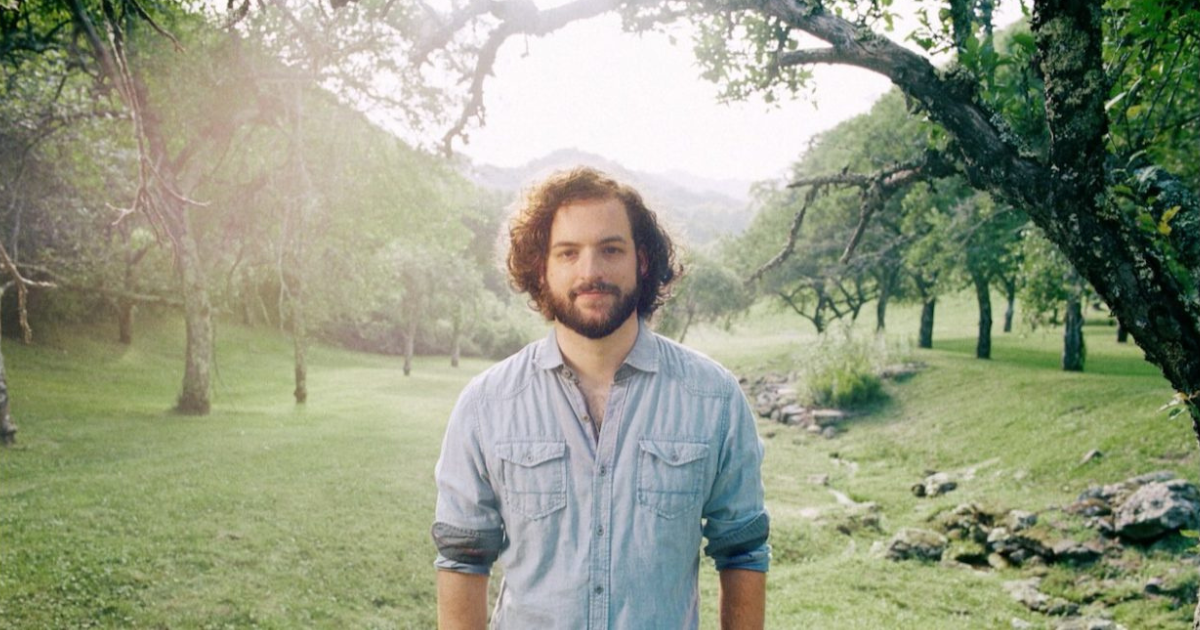
MIXTAPE: The Women in Roots Music Who Inspired Justin Hiltner’s ‘1992’

For the past eight or so years I’ve been making this joke that we (the music industry) should “Give women Americana.” As in, if we gave the entire genre — and bluegrass and country and old-time and folk, for that matter — to women and femmes and non-men, I wouldn’t so much miss the men and the music would certainly be well cared for and well set up for the future. 

My point, as I continue to make this joke year after year to many puzzled reactions, is that women and femme roots musicians have and will always be my favorite artists, creators, songwriters, and pickers. As I crafted my debut solo album, 1992 – often with incredibly talented women like producers and engineers (and pickers) Cathy Fink & Marcy Marxer, mastering engineer Anna Frick, photographer Laura E. Partain – the music that inspired, informed, and challenged me most through this release was all made by women. (Ask me sometime about my monthly Spotify playlist, Don’t Need No Man.)

When BGS approached me to make a Mixtape to celebrate 1992, I knew I had to share some of the women who helped me realize, musically, artistically, socially, emotionally, that there could be a home for me in bluegrass, largely because they had created such a home exactly for me. Here are a few of my bluegrass, old-time, and country inspirations, all of whom have filtered into this album in one way or another. – Justin Hiltner

Ola Belle Reed – “High On the Mountain”

1992 was tracked in Ashe County, North Carolina, in a little town called Lansing nestled into the Blue Ridge Mountains, right where Tennessee, Virginia, and North Carolina meet. I love it out there on the mountain, in the wind, in the clouds, on the rocky little road cuts and switchbacks through the hills. Lansing also happens to be the hometown of a legendary Appalachian musician and bluegrass forebear, Ola Belle Reed. A banjo she once owned and had signed hung on the wall beside me while I tracked every song. I definitely see my album as stemming from the lineage of Ola Belle, humbly and gratefully.

Cathy Fink & Marcy Marxer – “Hold Each Other Up”

I’ve been so lucky to collaborate with folk icons, Grammy winners, and children’s music legends Cathy & Marcy in so many different contexts and scenarios, every single one delightful and fulfilling. They’re amazing mentors and encouragers and while we recorded 1992 we had to take the chance to channel their amazing attitudes and worldviews into a COVID-inspired (or -instigated) track, “Hold Each Other Up.” I love getting to pick and sing with these two, and their engineering, production, wisdom, and guidance all made this record possible.

Laurie Lewis – “I’m Gonna Be the Wind”

Long before I ever got the chance to tour and perform with Laurie Lewis she was a hero of mine, someone I looked up to and knew would be a bluegrass legend and stalwart who could or would accept me for who I am. Turns out, often in bluegrass, it is okay to meet your heroes, because when we met and I got to work for her, it turned out I was absolutely right. Her writing style, her artistic ethos, and the way she infuses pure bluegrass energy and her personality into everything she does reminds me I can be who I am, play the music I play, and write the way I write. This song picks me up whenever I’m down and gives me self-confidence and optimism when I need it most.

Alice Gerrard & Hazel Dickens – “Mama’s Gonna Stay”

I never had the honor of meeting Hazel before she passed in 2011, but Alice Gerrard and I have become friends over the past six years and honestly, if 17-year-old Justin knew he’d become friends with this Bluegrass Hall of Famer, he’d die. We happen to share a birthday, too. Alice is a gem, a trailblazer, an unassuming and unrelenting activist and organizer and community builder. She inspires me in all of the above, but especially in her willingness, across her entire career, to write music about things no one else was writing about. This song, which Laurie Lewis turned me onto (she performs it as well), is a perfect example.


View this post on Instagram


A post shared by Justin Hiltner (@hiltnerj)


Elizabeth Cotten – “Wilson Rag”

Playing shows and recording totally solo is often terrifying. Especially as a bluegrass banjo player used to playing in five-piece lineups. It took many years and lots and lots of practice time and experimental shows to figure out how exactly I wanted to arrange songs, build shows, create and ride a storytelling arc during my shows, guide an audience, and do all of that confidently with just a voice and banjo. Artists and pickers like Elizabeth Cotten gave me frames of reference for what I was doing that felt solidly bluegrass, but still building a show and sound that feels fully realized and not lacking for being minimal.

Missy Raines – “Where You Found Me”

Missy Raines is another hero of mine that I feel so lucky to now call a friend. Despite coming from different generations and very different circumstances we have so much in common. It just sometimes astounds me that we can have seemingly endless conversations around if bluegrass (or country or roots music) are accepting and open; meanwhile one of the winningest pickers in the history of bluegrass and the IBMA – that is, Missy Raines – has always been both accepting and open. Who needs the sexist, homophobic, womanizing, problematic elements of bluegrass when you have absolute badass legends like Missy!? I once covered this song for a “Cover Your Friends” show and it continues to devastate me to this day.

Caroline Spence – “Scale These Walls”

When I first moved to town, Caroline Spence was one of maybe four or five people I knew in all of Nashville. We spent a lot of time together in those early years, back in 2011 and 2012, and pretty soon after that we wrote a song together, “Pieces.” We both loved it a lot, performed it here and there with different lineups and bands, but it never landed on a record ‘til now. “Scale These Walls,” from Caroline’s most recent album, is constantly stuck in my head. I love how it showcases her jaw-dropping skill for writing dead-on hooks that feel so organic and never corny. I love this song.

Molly Tuttle – “Crooked Tree”

Molly Tuttle and I wrote “Benson Street,” a track off my new album, together about five or six years ago. It’s a cute little number about longing told through the lens of an idyllic Southern summer. I love every chance I get to make music or write music with Molly. She’s a constant source of inspiration for me and proof positive that you can be a proverbial crooked tree in bluegrass and still carve a pathway to success. Plus, she’s another great example of a picker who can command an entire audience totally solo. Trying to steal tricks from Molly Tuttle? Couldn’t be me.

Rhiannon Giddens – “Following the North Star”

Rhiannon Giddens is the blueprint. When I think about my artistic future and the way I want to be able to glide between media, between contexts, between areas of expertise and subject matter, between pop and roots and so many other musical communities, I think of Rhiannon. The way she has built her career around her artistic and political perspective, so that no matter what she does it feels grounded in her personality and selfhood is exactly how I want to be as an artist and creator. Plus, I always want to be as big of a music nerd and as big of an old-time nerd as her. 

Maya de Vitry – “How Bad I Wanna Live”

Maya is one of those writers and musicians who just makes me feel seen and heard and understood, and I know I’m only one in a huge host of people who would say the same. The vulnerability and transparency in her writing and the emotional and spiritual availability within it are astounding. Plus, she’s almost always, constantly challenging herself to consider the ways she creates and makes music outside of consumerism and art as a commodity. I moved to Nashville to be challenged, musically and artistically, by those around me and I feel so lucky to have Maya around me and a member of my community.

Courtney Hartman – “Moontalk”

Courtney Hartman’s “Moontalk” makes me feel like every single song I’ve ever written about the moon is good and right and allowable. (We both have quite a few songs about the moon, actually.) “Moontalk” feels like Mary Oliver incarnate in bluegrass-informed picking and singing. It feels meditative and contemplative, but not timid or insular – something I’m always trying to accomplish in solo contexts. I’m constantly inspired by Courtney and the way she centers community building in her music and life. She’s another one who, though she thrives performing and making music solo, you know that music came from a multitude of folks pouring through her.

Dale Ann Bradley – “He’s the Last Thing On My Mind”

I thank a few artists who have inspired and influenced me in a huge way in 1992’s liner notes and Dale Ann Bradley is one of them. I feel like I am constantly ripping off and (poorly) mimicking her vocal runs, phrasing, licks, and delivery. I think she might have the best bluegrass voice of all time, or at least it’s very very high up on the list. When I first moved to town I worked as an intern at Compass Records and just getting to be a small part of the team that worked a handful of her records meant so much to me.

Lee Ann Womack – “Last Call”

Lee Ann Womack is another who I thank in the album’s liner notes, another who I emulate vocally as much as I can get away with. I used to wear out this track and this album, Call Me Crazy, listening on repeat over and over. When I found out this song was co-written by an openly gay songwriter, it rocked my world. I already heard so much queerness in LAW’s catalog, and this confirmation came at a time when I needed to feel like I was given permission to exist in bluegrass, country, and Nashville. I know now that no one needs that permission, but it was critical then.

Linda Ronstadt – “Adios”

During the 1992 recording session I recorded a solo banjo rendition of this song, one I’ve been performing for years at shows. It means so much to me and Linda’s performance is stunning in its power and tenderness, a combination I’m often striving for. I hope to release it some time soon as a single, then again on a deluxe vinyl edition of 1992. It will not be the last time I pay tribute to Linda and her incredible career and catalog – plus, she is a huge bluegrass fan! It just makes sense to me.

Dolly Parton, Emmylou Harris, Linda Ronstadt – “Wildflowers”

When I had the pleasure of being a guest on the hit podcast Dolly Parton’s America, I sang this song and “Silver Dagger” among a few other from Dolly’s catalog that I felt had queer under/overtones. The response to my on-air picking was enormous, and there were immediate demands to release my versions of the songs. Cathy, Marcy and I recorded “Wildflowers” together during the 1992 sessions and it’s one of my favorite tracks that resulted from that week on the mountain. It’s gotten quite a lot of play, which I’m so grateful for, and always gives me an opportunity to talk about Trio and Dolly and how the story in “Wildflowers” parallels many a queer journey. It’s the perfect track to round out this Mixtape and I thank you for reading and listening along.


Photo credit: Laura E. Partain
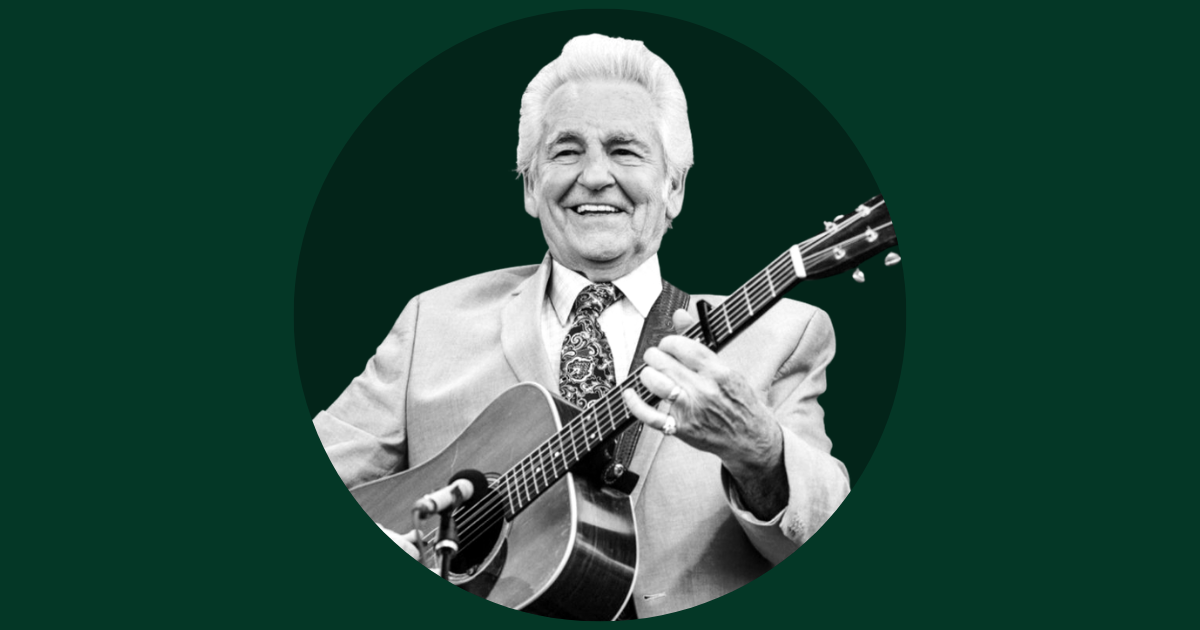
Del in December: BGS Celebrates a True Bluegrass Legend All Week Long

With a welcoming smile and an incredibly expressive tenor voice, Del McCoury has enchanted audiences since the 1960s. He’s that rare entertainer who’s both confident and humble, giving him the ability to fit in anywhere from bluegrass festivals to Bonnaroo. Every time we’ve been able to spend time with Del over the years, it’s been a privilege. In a small gesture of gratitude, we celebrate his artistic endeavors this week in a series we’re calling Del in December.

In the days ahead, look for a decade-by-decade recap of McCoury’s exceptional life and career written by North Carolina journalist David Menconi. We’ll also share one of our favorite interviews with Del about his album, Almost Proud, which just received a Grammy nomination. In addition, there’s an exclusive holiday video coming up, as well as a testimonial from Del’s inner circle who tell us what he’s really like as a boss, a father, and a friend. (No surprise: He’s a great guy!)

We’ve been fortunate to share many of Del McCoury’s most recent collaborations on BGS, including his recordings with Vince Gill, Junior Sisk, and Billy Strings. We even got an invitation to his 80th birthday party at the Grand Ole Opry. Perhaps our favorite moment, though, is this special video from The Bluegrass Situation archives of McCoury teaming up with fellow bluegrass legend Sam Bush. Stick around ’til the end and check out Del’s banjo pickin’ skills, too!


Photo Credit: Daniel Jackson

BGS Wraps: Becky Buller, “Last Christmas”

Artist: Becky Buller
Hometown: St. James, Minnesota; now Manchester, Tennessee
Song: “Last Christmas”
Album: The Perfect Gift
Label: Dark Shadow Recordings

In Their Words: “Folks react strongly to this song. They either love, love, love it or they absolutely cannot bear to hear it; there is NO in-between. So … was including it on my first-ever Christmas record a risky move? Probably. Is kicking off the album with it complete insanity? Yup! But y’all know how crazy I am by now. It’s our daughter Romy’s fault I even considered trying ‘Last Christmas’ in the first place. She was having a Wham! moment during the 2021 holiday season. I guess I just heard the song so many times, my mind started studying on how I could bluegrass it up. What my guest dream team of that day (Barry Bales, Ron Block, Sierra Hull, Todd Livingston, Stephen Mougin, and Dan Tyminski) came up with is a little bit different from the original version … But I hope you’ll give our rendition of ‘Last Christmas’ a spin and have a Totally ‘80s Christmas party while you’re listening!” — Becky Buller

“Honestly, when Becky brought me this idea, I wasn’t too sure about it. It’s a little far out — on paper. As we all started to arrange it, experimenting with different ideas, the song really blossomed into a FUN bluegrassy track. The more they played it, the more it grew. The players all really brought their ‘A’ game and turned this tune into an energetic cut that puts a unique stamp on the song.” — Stephen Mougin, Producer

WATCH: Dierks Bentley Featuring Billy Strings, “High Note”

Artists: Dierks Bentley Featuring Billy Strings
Hometown: Nashville, Tennessee
Song: “High Note”
Release Date: November 18, 2022
Label: Capitol Records Nashville

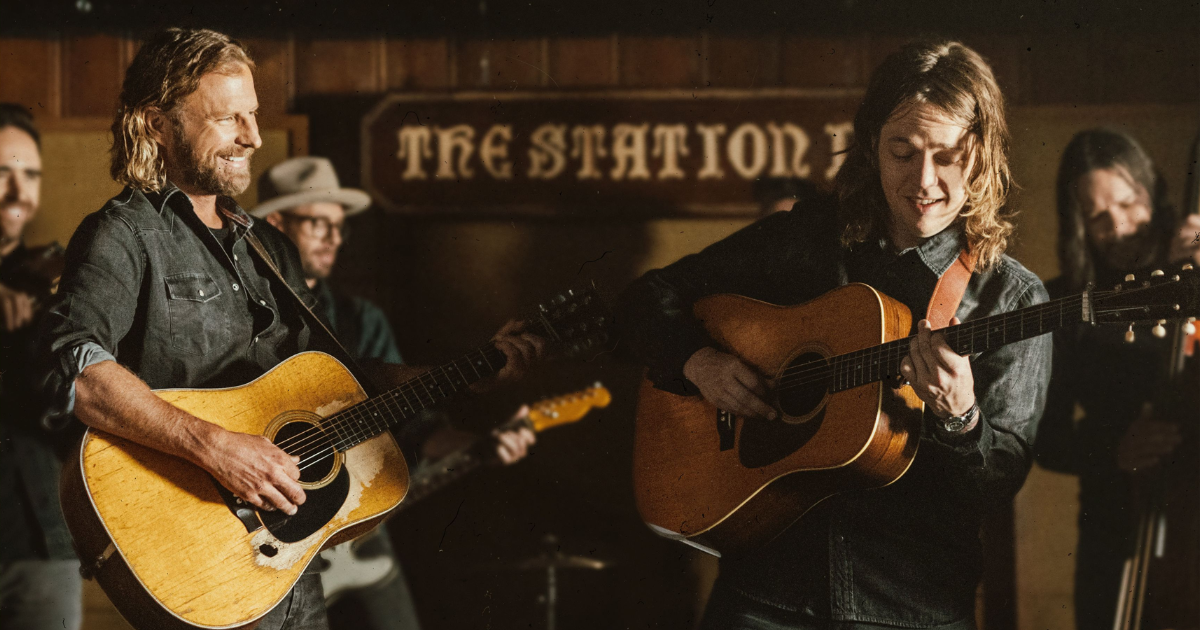
Editor’s Note: “High Note” will be on Bentley’s upcoming 10th album. The studio version of “High Note” ends with a super-jam featuring Jerry Douglas on Dobro, Sam Bush on mandolin, and Billy Strings and Bryan Sutton on guitar.

In Their Words: “Bryan Sutton first tipped me off to Billy Strings about seven years ago mentioning that the future of bluegrass was in good hands. I was totally blown away the first time I saw him. I’ve cut songs like these since my first record, and I knew I wanted to have him on this one, I’m such a huge fan. It was a lot of fun to have him, Jerry, Sam and Bryan all passing licks around — having them all on this record means a lot to me personally.” — Dierks Bentley


Photo Credit: Zach Belcher

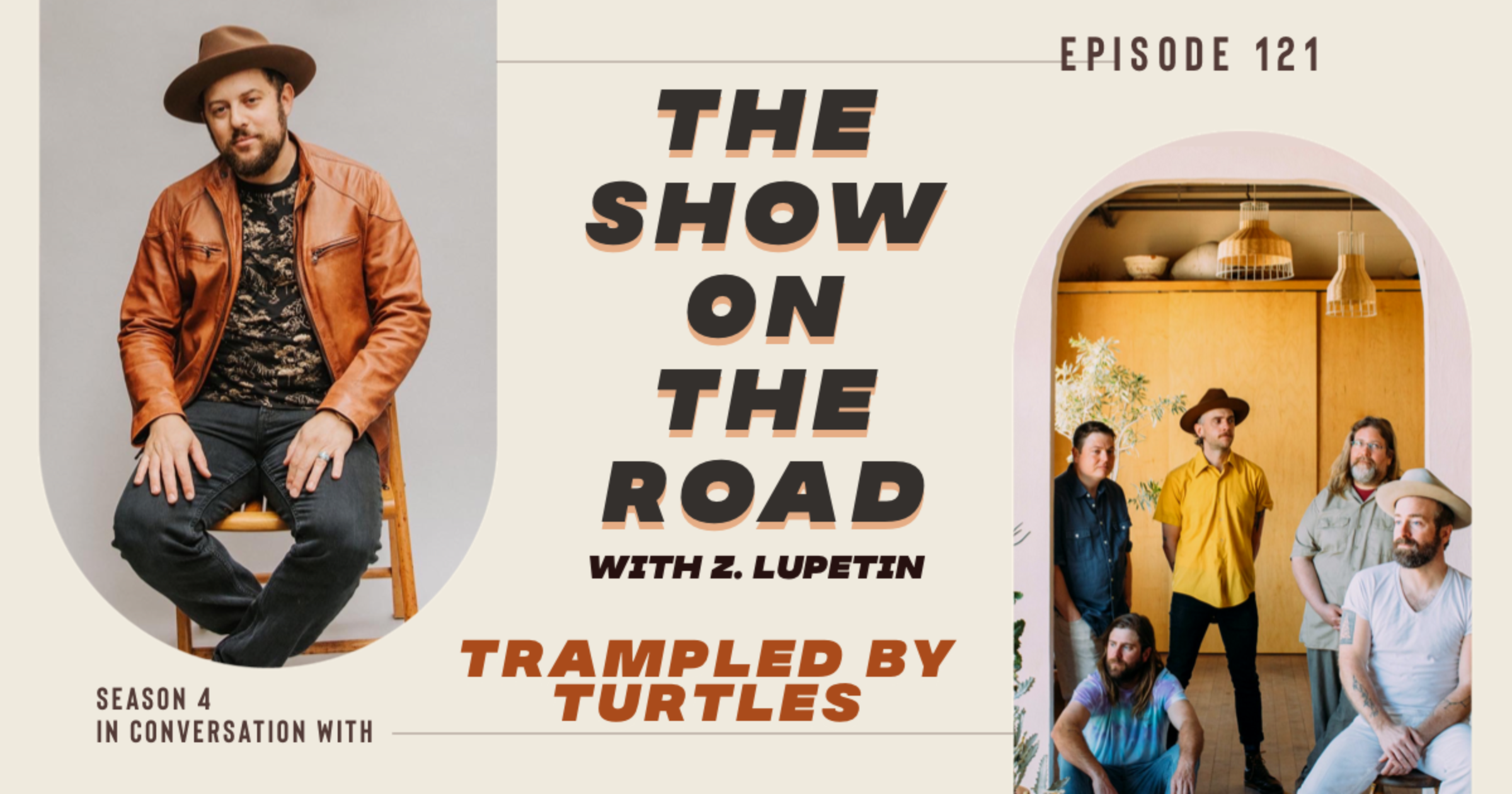
The Show On The Road – Trampled by Turtles

This week, we call into Minnesota to talk to frontman and lead-songwriter Dave Simonett of the innovative jamgrass pioneers Trampled by Turtles.

LISTEN: APPLE PODCASTS • SPOTIFY • STITCHER

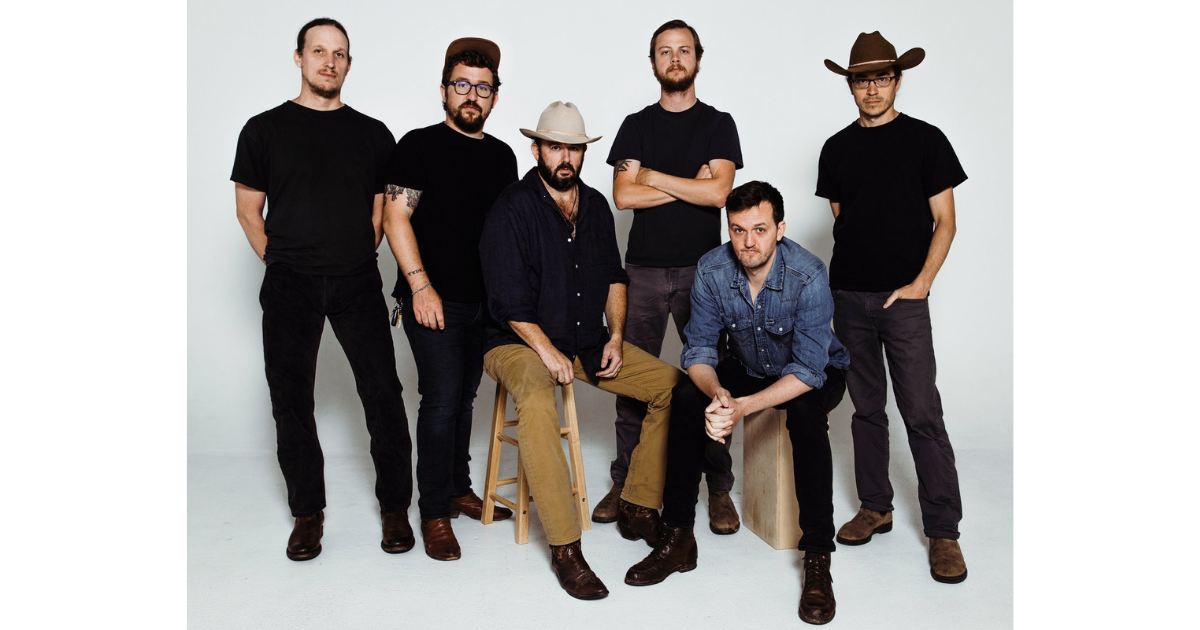
Celebrating a new record, Alpenglow, produced by Jeff Tweedy of Wilco, the six-piece band has gone from storming shaggy local bars in Duluth to playing their famously fast roots-n-roll in the biggest venues and festivals in the world.

Twenty years in, Simonett is keeping it fresh by letting masters like Tweedy bring his punky minor chord sensibility to the band’s warm acoustic camaraderie (bassist Tim Saxhaug, banjo player Dave Carroll, mandolinist Erik Berry, fiddle player Ryan Young, and cellist Eamonn McLain round out the group) with standout songs like “Starting Over” not shying away from the expectations that come from recognition and giving your art to the world — with the brightness of the banjo always leading the way.


Editor’s note: Trampled by Turtles is the BGS Artist of the Month for November. Check out our Essential Trampled by Turtles playlist and keep an eye out for more exclusive interviews and content throughout the month.

Photo Credit: Zoe Prinds

LISTEN: Nick Dumas, “We’d Go to Town”

Artist: Nick Dumas
Hometown: Sturgeon Bay, Wisconsin
Song: “We’d Go to Town”
Album: Details
Release Date: November 11, 2022 (Single)
Label: Skyline Records

In Their Words: “There is something about this song — maybe it’s the energy, the dynamics, the vocals, or the nostalgia — that will change your mood and get you smiling. Every time I hear this song, it just makes my day a little bit brighter. This song reflects the perspective of an adult reminiscing on his youth working hard on his family’s farm, and the rewards that person earned for their hard work. I think this song is relatable because many of us have memories of times where we worked hard and struggled, but the rewards made it worth the fight. I had so much fun recording this tune. Although this is a pretty straightforward bluegrass song, the band dynamics add such a creative flavor and a powerful dynamic to the song. The vocals and instrumentation are about as good as it gets in the industry, and there’s no doubt this song will get your body moving.” — Nick Dumas


Photo Credi: Hana Dumas

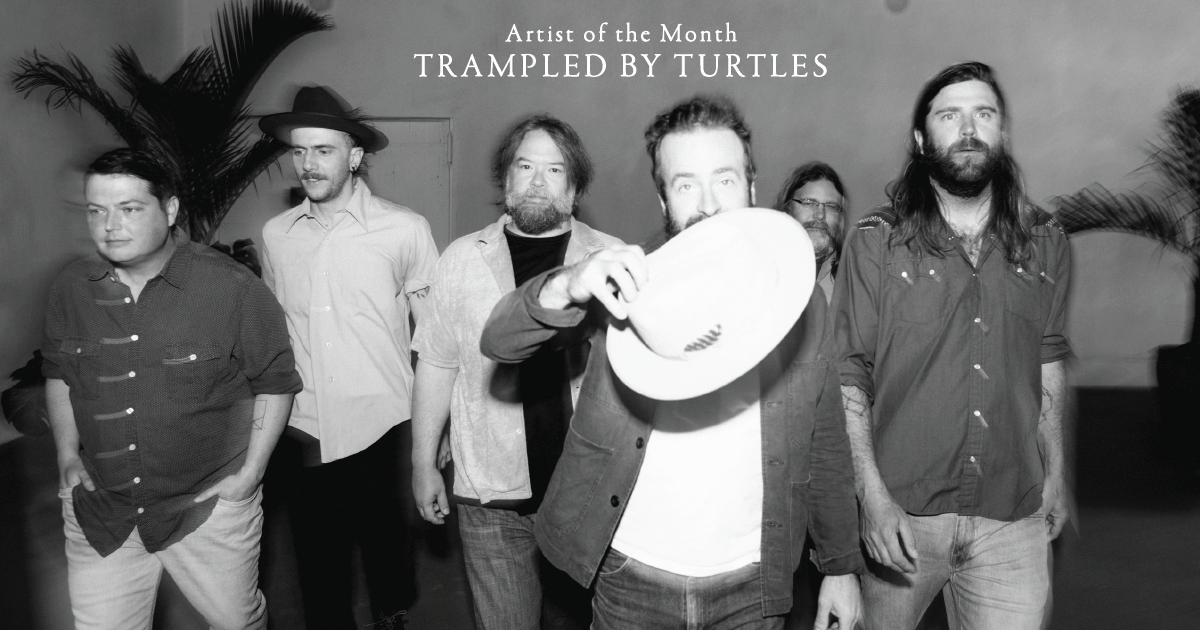
Artist of the Month: Trampled by Turtles

At a steady pace, Trampled by Turtles have built an international following for their acoustic music from their home base of Duluth, Minnesota. They have maintained a DIY aesthetic for nearly two decades, yet they opted for a new approach for their latest album, Alpenglow. Using an outside producer for the first time, the band enlisted Jeff Tweedy to helm the project, which was recorded at Wilco’s recording studio in Chicago.

“I came in with songs I thought were finished, and then Jeff was really great about taking them apart, adding something here, taking something away there,” says Trampled by Turtles frontman Dave Simonett. “He gave us fresh ears on songs and new ideas for how to present them. We all just sat in a circle and played. It’s scarier to record that way now, since it’s easy to fix everything or record everything separately so you can hear it all perfectly. But for me, it’s so much fun to just stick a few mics up and play. That’s where we’re at our best.”

Tweedy also brought one of his own songs, “A Lifetime to Find,” to the fold. Although Simonett has written a bulk of the songs recorded by Trampled by Turtles over the years, he welcomed the chance to include the composition. “It’s a really simple song, but also not simple in some ways,” says Simonett. “I love how Jeff uses language so much. It was a real honor for us to record one of Jeff’s songs. I love the story he tells and the way he tells it. A conversation with death — who hasn’t had one of those?”

Of course, Tweedy counts himself as a fan of Trampled by Turtles, too. He observes, “I enjoy TBT’s musicianship and ability to stick hard inside a genre, all the while stretching that same genre. It’s like you need to infiltrate it before you can pull it apart. They have a brotherly thing going on, too, which is always a great feel.”

Alpenglow is named for the effect of the sun setting over mountains, with the light tinting them pink and red. It’s only natural to pause and reflect at the splendor of such magnificent scenery, and the title hints at the introspection that may be found throughout the album, particularly after the pandemic put their touring plans on hold for a year or more.

Simonett says, “In your 40s with kids, not many people get to say, ‘Man, do I have the chance to do something completely different if I want to?’ I ended up finding out that I really enjoyed what I do. It was good for me to think about that and really appreciate it. So once we were back, it felt like a second go — and I think a lot of these songs came from that little feeling of renewal.”

The Bluegrass Situation is proud to reveal Trampled by Turtles as our BGS Artist of the Month for November. Look for an exclusive interview in the weeks ahead, along with some content from our archives (like this Cover Story from 2018). We’re pretty excited to see them on the Cayamo Cruise in 2023 as well. In the meantime, enjoy our BGS Essentials playlist for Trampled by Turtles.


Photo Credit: Zoe Prinds

With a Fighting Spirit, Town Mountain Branches Out on ‘Lines in the Levee’

With its latest album, Lines in the Levee, Town Mountain has justified itself as one of the most interesting and promising acts in an ever-evolving musical landscape, with the quintet purposely blurring the lines between the Americana, bluegrass, folk, and indie scenes.

Known for its raucous live antics and “good time Charlie” attitude, the Asheville, North Carolina, group is a juggernaut of raw power and boundless energy onstage and in the studio — something that’s remained at Town Mountain’s core since its inception in 2005 atop a ridge of the same name in the city of its birth.

Lines in the Levee also symbolizes a milestone for Town Mountain as its debut release for famed Nashville label New West Records. For an entity that’s remained fiercely independent amid a longtime DIY mentality — whether artistically, sonically, or in its business dealings — the signing to New West breaks the band into the mainstream arena of possibility, nationally and internationally.

While navigating an industry that tries to pinpoint just what direction a band will go in next, Town Mountain charges ahead, come hell or high water. Recorded at Ronnie’s Place studio in Nashville, the album is a snapshot of where we stand as an American society, in sickness and in health, and each selection puts a mirror up to the face of the listener. Ultimately the project poses several urgent questions, the most important of which being — where to from here?

BGS: Lately, Town Mountain is really starting to crack into this different, unknown, and exciting level for the band. From your perspective, what do you see?

Phil Barker (mandolin): This is an evolutionary period for us, where we’re kind of moving into a new realm of soundscapes, this new sound for the band. It’s just a new place for us in the world of Americana or whatever you want to call it. It’s a bigger sound and bigger expression of who we are as artists and what we are as musicians.

I feel like Lines in the Levee might be the most true-to-form album of where the band is, and what it actually is tonally.

PB: Yeah, I think you’re spot on with that. You know, maybe in the past we tried to fit our songs into a formula, or a little more of a formula, given our instruments. But now we’ve let our instruments not define our genre, even though that’s still our voice and still what we speak with. We’re using bluegrass instruments, but in our own way, and trying to make our own sound. That’s really been the focus of ours since the beginning of writing our own material and doing original music. [Lines in the Levee] is just a further example of us trying to come up with a sound that’s our own, and hoping people enjoy it.

Jesse Langlais (banjo): Bands are built around a sound, so that kind of almost makes it what it’s going to be. We’re a democratic band, and sometimes nothing gets done because of it. But everyone has an equal say. You know, there’s the three of us (Barker, Langlais, and guitarist Robert Greer) that are the “business owners of Town Mountain,” but the other guys in the band, [fiddler] Bobby [Britt] and [standup bassist] Zach [Smith], are just as equal partners as anyone else. Everybody’s voice is heard, and that’s important to have a workplace environment like that.

The last thing you want to do is to fit a song into a box of whatever you think it should be — you want to serve the song. It’s about quality songwriting.

PB: Right? And we have done that in the past, feeling like maybe we had bought into the pigeonholing of bluegrass sometimes. We’re not the first band to travel down this road of taking bluegrass instruments and doing different things with it. But it was time to branch out, as musicians and as people, and see where the road takes us.

JL: We’ve been playing bluegrass for a long time, and it’s easy to get [pigeonholed] because of the love of the music, and then you’re just kind of choosing to be pigeonholed. And that’s okay. In some genres of music, it’s about preserving the legacy of the sound and whatnot. But we know for things to progress for Town Mountain, we’ve got to keep it fresh for ourselves, fresh for our fans, and to expand the fan base. Changing up the sound, then allowing more influences to come through in our live shows and in our albums — that’s what needs to happen.

So, how does that play into your songwriting? Especially on this album, it’s very clever songwriting — commentary on the fragility of where we are as a country, and people trying to make sense of all the noise out there.

PB: For sure. This album is the most personal record we’ve ever made. A lot of the songs are super autobiographical. We’re expanding on some social commentary, and just having the time to reflect on all that as a songwriter — if it’s on your mind that much, it’s going to come out in your writing. With [“Lines in the Levee”], that song is a reflection of the changes happening around us in society, where I wanted to capture the fighting spirit of people maybe feeling disenfranchised by everything that’s going on around them.

[During the shutdown], we had a lot of time to reflect on who we are as people, where we are as a band, where we are individually as far as a career in music or our place in the music business, the struggle we’ve been through to make a living doing this. Thinking back, I ran the gamut all the way back to when I decided to become a musician and try to do it full-time. It’s a commitment — to your art, and to priorities in life. And I feel I’ve covered a wide swath of who I am as a musician, and who we are as a band.

JL: If you go back and listen to our catalog, our recorded music, you’ll see that [social commentary] has always been splashed in there to a certain degree. We’ve always touched upon certain subjects on our albums, but it was never fully realized until now. Personally, for me as a songwriter, there were other things that I needed to say, and sometimes the thing you need to say doesn’t fit inside of a box [of an album], so you let it go. And we broke out of that box because we were always trying to still bear that flag of bluegrass music. We also felt pressured by the bluegrass community to do that, because we were trying to be part of different festivals and scenes.

But with this album, everything just clicked. It evolved, it moved into this thing that was completely a subconscious move. It feels good to not have to pander to any one audience. We can now bring whatever songs we want. It doesn’t have to be what Town Mountain expected a song to be eight years ago — and that’s liberating. I think we kind of maximized our potential within that [bluegrass] scene, which is not to say we couldn’t ever go back and be part of that scene, and maybe one day record a bluegrass album. Who knows? [Lines in the Levee] is for our loyal fan base and for the potential to bring new people in, who maybe didn’t necessarily like bluegrass music, but could get onboard with the acoustic sound.

What sticks out most about those early years starting out in Asheville and starting to tour around Southern Appalachia and beyond?

PB: Well, in the early days, there really weren’t any goals. We were just excited to get out, go across the country, see new places, meet people, and have fun playing music — that’s been the genesis of it. We feel like we were doing something exciting, let’s take it to as many people as we can. In those early days, we would be sleeping on people’s floors. We couldn’t afford to get hotels. Just some of the struggles we went through financially those first years. But we have always tried to figure it out. It’s a struggle, per se, but each year has been a little bit of progress.

What does it mean for y’all that the original core of the band — Phil, Jesse, and Robert — is still together and still “doing the thing,” to look over and they’re still right there onstage after all these years?

PB: It’s just a testament to our belief in each other. We’re all on the same page with our musical vision, and we still believe we can take this thing to new heights, to make it bigger and bring more people into the fold, to connect with more people. It’s hard to keep a band together, it’s real hard. But the fact we’ve managed to keep the core together for as long as we have is a testament to our musical friendship.


Photo Credit: Emma Delevante

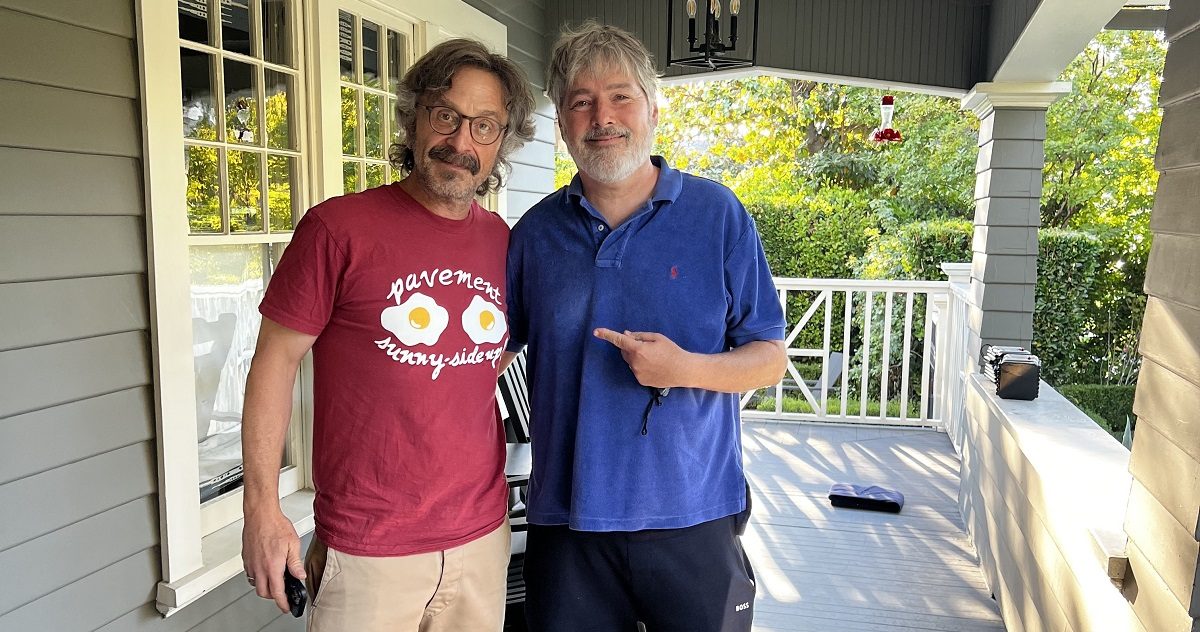
Béla Fleck Talks Banjo, Bluegrass Gatekeepers on ‘WTF With Marc Maron’

Since the 1970s, Béla Fleck has put his own mark on nearly every kind of music, from bluegrass and classical, to jazz and Latin, not to mention the exceptional albums with Indian and African roots. That can make him a hard guy to interview because there’s just so much to cover. Fortunately, accomplished podcast host Marc Maron is up for the task.

In this wide-ranging interview that lasts roughly an hour, Fleck talks about growing up in New York City, and meeting his birth father much later in life. Leaning heavily on Fleck’s origin story, the conversation explores the musician’s earliest experiences with the banjo, and as the visit continues, it’s clear that he is a lifelong advocate for the instrument, insisting since he was a child that people should take the banjo seriously. The conversation also touches on the important musicians that inspired him along the way, such as Earl Scruggs, Tony Trischka and Tony Rice. (Fleck describes playing on Rice’s album Cold on the Shoulder as “one of the greatest experiences ever.”)

In the fast-moving conversation, one fleeting moment gives further insight into Fleck’s approach to music. About halfway into their visit, Fleck addresses Maron’s self-confessed limitations on guitar. “Fast fingers is not necessarily the only goal,” Fleck responds. “It’s supposed to be an expression of you, and who you are. That’s what music is.”

Near the end, Fleck admits that he avoided bluegrass for a long time as his career progressed, reveals a couple of his upcoming projects, and talks about his family life with wife Abigail Washburn and their two kids. Whether you’re a lifelong fan or new to bluegrass, you’ll want to hear the full conversation between Béla Fleck and Marc Maron below.

Béla will be on the road throughout 2023, including a duo run in the northeast with Abigail Washburn October 14–30, and co-bills with his My Bluegrass Heart band and Punch Brothers. Dates and tickets can be found here.


Photo Credit: Amy Reitnouer Jacobs

LISTEN: Wilson Banjo Co., “Tomorrow’s Coming Fast”

Artist: Wilson Banjo Co.
Hometown: Westminster, South Carolina
Song: “Tomorrow’s Coming Fast”
Release Date: October 12, 2022
Label: Pinecastle Music

In Their Words: “When we first heard this demo we knew immediately we wanted to cut the song. It truly sums up today’s world and the ‘rat race’ that we all feel we’re caught up in from time to time. Sometimes there just aren’t enough hours in the day! We also heard Milom Williams on the lead vocal and really he tore it up! The pure drive and power in this song came together perfectly to support the lyric and we sure hope everyone enjoys it!” — Steve Wilson, Wilson Banjo Co.


Photo Credit: Brian Auburn