Carolina Calling, Asheville: A Retreat for the Creative Spirit

LISTEN: APPLE • SPOTIFY • STITCHERAMAZON • YOUTUBEMP3


Asheville, North Carolina’s history as a music center goes back to the 1920s and string-band troubadours like Lesley Riddle and Bascom Lamar Lunsford, and country-music pioneer Jimmie Rodgers. But there’s always been a lot more to this town than acoustic music and scenic mountain views. From the experimental Black Mountain College that drew a range of minds as diverse as German artist Josef Albers, composer John Cage, and Albert Einstein, Asheville was also the spiritual home for electronic-music pioneer Bob Moog, who invented the Moog synthesizer first popularized by experimental bands like Kraftwerk to giant disco hits like Donna Summer’s “I Feel Love.”

It’s also a town where busking culture ensures that music flows from every street corner, and it’s the adopted hometown of many modern musicians in a multitude of genres, including Pokey LaFarge, who spent his early career busking in Asheville, and Moses Sumney, a musician who’s sonic palette is so broad, it’s all but unclassifiable.

In this premiere episode of Carolina Calling, we wonder and explore what elements of this place of creative retreat have drawn individualist artists for over a century? Perhaps it’s the fact that whatever your style, Asheville is a place that allows creativity to grow and thrive.

Subscribe to Carolina Calling on any and all podcast platforms to follow along as we journey across the Old North State, visiting towns like Shelby, Greensboro, Durham, Wilmington, and more.


Music featured in this episode:

Bascom Lamar Lunsford – “Dry Bones”

Jimmie Rodgers – “My Carolina Sunshine Girl”

Kraftwerk – “Autobahn”

Donna Summer – “I Feel Love”

Pokey LaFarge – “End Of My Rope”

Moses Sumney – “Virile”

Andrew Marlin – “Erie Fiddler (Carolina Calling Theme)”

Moses Sumney – “Me In 20 Years”

Steep Canyon Rangers – “Honey on My Tongue”

Béla Bartók – “Romanian Folk Dances”

New Order – “Blue Monday”

Quindar – “Twin-Pole Sunshade for Rusty Schweickart”

Pokey LaFarge – “Fine To Me”

Bobby Hicks Feat. Del McCoury – “We’re Steppin’ Out”

Squirrel Nut Zippers – “Put A Lid On It”

Jimmie Rodgers – “Daddy and Home”

Lesley Riddle – “John Henry”

Steep Canyon Rangers – “Graveyard Fields”


BGS is proud to produce Carolina Calling in partnership with Come Hear NC, a campaign from the North Carolina Department of Natural & Cultural Resources designed to celebrate North Carolinians’ contribution to the canon of American music.

LISTEN: Penny & Sparrow, “Cheyenne”

Artist: Penny & Sparrow
Hometown: Florence, Alabama / Waco, Texas
Song: “Cheyenne”
Album: Olly Olly
Release Date: January 21, 2022
Label: I Love You distributed by Thirty Tigers

In Their Words: “‘Cheyenne’ is a classic murder ballad with all the fixins… We got hammocks, bathtub erotica, country music references, a nod to old trucks, and a kinky/melancholy twist-ending. Also, if you stick around for the very end, you’re gonna hear the tastiest pedal steel solo we’ve ever put on a tune. Drink deep my baby.” — Kyle Jahnke and Andy Baxter, Penny & Sparrow


Photo Credit: Jake Dapper

WATCH: Kieran Kane & Rayna Gellert, “Please Help Me, I’m Falling”

Artist: Kieran Kane & Rayna Gellert
Hometown: East Nashville, Tennessee
Song: “Please Help Me, I’m Falling”
Album: The Flowers That Bloom in Spring
Release Date: February 11, 2022
Label: Dead Reckoning Records

In Their Words: “Our mellow take on this classic country song (written by Don Robertson & Hal Blair, and probably best known from Hank Locklin) evolved gradually, as it’s one we kept returning to over and over again in recent years. This song — like the rest of the album — was recorded live, sitting across from each other in a bunkhouse in the Adirondacks. It has become our favorite room to record in. But since there’s no soundproofing, capturing something as quiet as this track means waiting for the moment after all the noises of daytime have died down, but before the nighttime insects get too cranky. The quiet intimacy of the setting and the song are echoed by Lucas Kane’s thoughtful video treatment.” — Kieran Kane & Rayna Gellert


Photo credit: Kay Francis

The Show on the Road – Brandy Clark

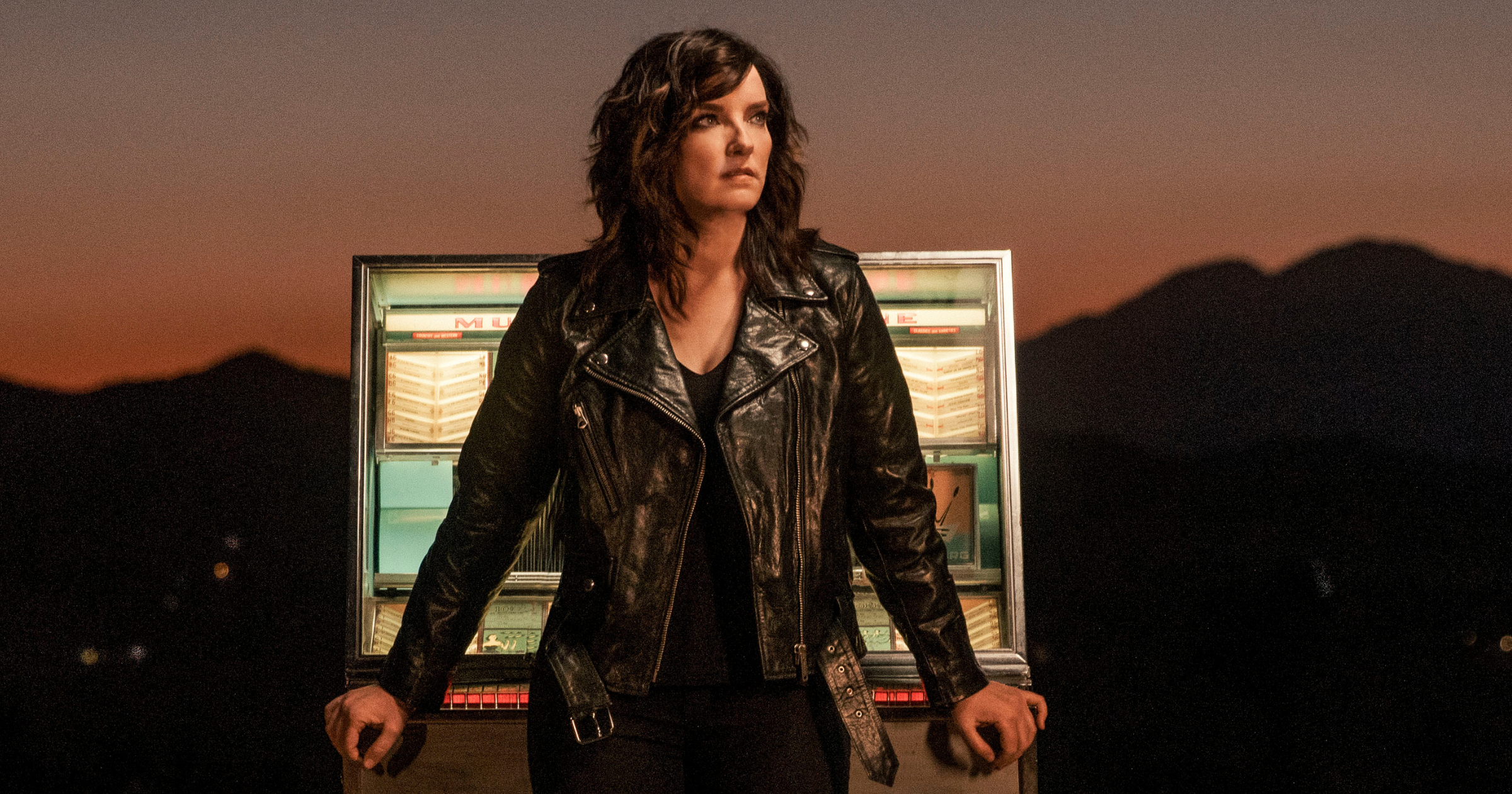
This week, we bring you a conversation with one of Nashville’s supreme songwriters: Brandy Clark.

LISTEN: APPLE PODCASTSSPOTIFYSTITCHER
 

Born in a logging town in Washington state, Clark started playing guitar at age 9 before setting it aside and getting a scholarship for basketball. Music kept tugging her back in though. Like a modern Patsy Cline, she has a knack for nailing a heartbreaker. Reba recorded two of her songs in (“Cry,” “The Day She Got Divorced”) and Brandy soon found a valuable mentor in Marty Stuart, who helped her make her Opry debut in 2012.

While you may just be learning about Clark’s stellar solo work, which mixes old school and witty new school country with some of the tightest pop hooks in the game, Clark has been co-writing for some of country and rock’s leading ladies for years, like Miranda Lambert, Kacey Musgraves, LeAnn Rimes and Sheryl Crow to name a few. But it was with her lyrically masterful, lushly-orchestrated 2020 LP Your Life Is A Record that doors started opening in a whole new way. 2021 saw an extended deluxe version drop.

In this unearthed conversation (blame a faulty hard-drive), we go through her darkest breakup songs, hear about her tastiest kiss-offs and discuss her unique perspective of Nashville’s Music Row Boys’ Club.

Don’t miss the end of the taping when Brandy discusses teaming up with her songwriting hero Randy Newman on the cheeky tune “Bigger Boat” and she plays an exclusive acoustic performance.


This episode of The Show On The Road is brought to you by WYLD Gallery: an Austin, Texas-based art gallery that exclusively features works by Native American artists. Find unique gifts for your loved ones this holiday season and support Indigenous artists at the same time. Pieces at all price points are available at wyld.gallery.

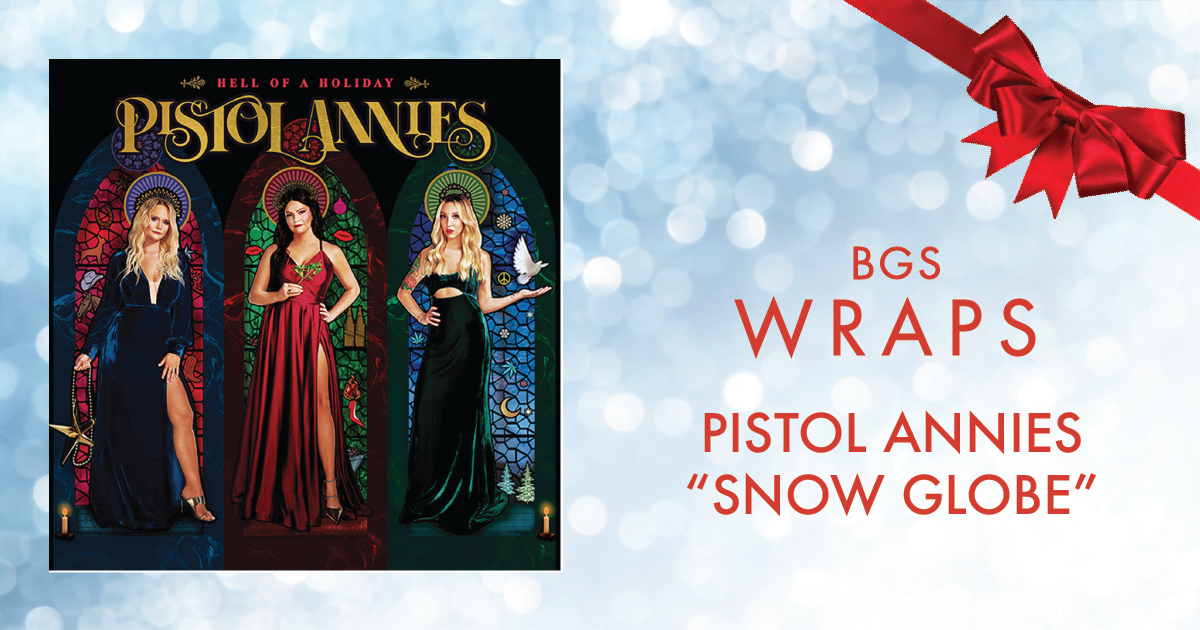
BGS Wraps: Pistol Annies, “Snow Globe”

Artist: Pistol Annies
Hometown: Nashville, Tennessee
Song: “Snow Globe”
Album: Hell of a Holiday
Label: RCA Records Nashville

In Their Words: “We couldn’t be happier we got to make a Christmas album. Once we finally surrendered and let the Christmas songwriting spirit take over, we were so inspired and felt that magic on every single one of these songs. We hope to be a part of so many people’s Christmas memories for years to come.” — Miranda Lambert, Ashley Monroe, and Angaleena Presley

Enjoy more BGS Wraps here.

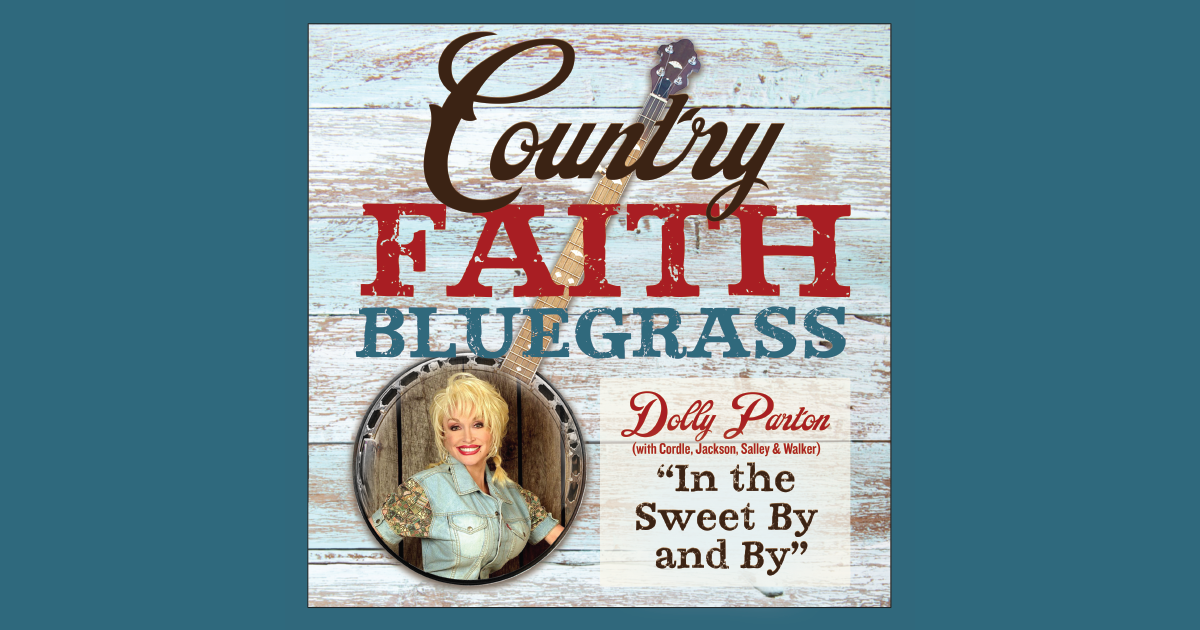
LISTEN: Dolly Parton, “In the Sweet By and By” (W/Cordle, Jackson, Salley & Walker)

Artist: Dolly Parton
Hometown: Sevierville, Tennessee
Song: “In the Sweet By and By” (with Larry Cordle, Jerry Salley, Carl Jackson, & Bradley Walker)
Album: Country Faith Bluegrass
Release Date: September 17, 2021
Label: Billy Blue Records

In Their Words: “I am so honored to be a part of such a beautiful album with all of these wonderful artists. Bluegrass has always been one of my very favorite styles of music. I sing it often. I also love the gospel part of bluegrass music and ‘In the Sweet By and By’ was always one of my favorite songs. My parents loved that song so that was the one I wanted to be a part of this album. So I hope everybody, as my mother would say, gets your blessing out of it.” — Dolly Parton

The Show On The Road – Hayes Carll

This week, we get on the horn with renowned Texas-born singer and deeply observational songwriter Hayes Carll, who is celebrating the release of his seventh LP, the atmospheric country-tinted You Get It All.

Powered by RedCircle

LISTEN: APPLE PODCASTSSPOTIFYSTITCHER
 

While some may just be discovering Hayes’ lived-in songs which are often spun with dark humor (he admits John Prine and Jimmy Buffett were early inspirations), next year marks the twentieth anniversary of his first album Flowers and Liquor, which he wrote while still in college in Arkansas. His acclaimed follow-up Little Rock (2005) remains one of the only self-released albums to make to #1 on the Americana chart.

Hard-charging years on the road and humble years before, getting by working long nights at Chili’s, Red Lobster and more, made Hayes truly appreciate when his star in the roots circuit began rising. His tongue-and-cheek country kiss off “She Left Me For Jesus” off his breakout major label debut Trouble In Mind (2008) might have shocked mainstream radio programmers, but it brought in a whole new wave of fans who have been diligently following him across the world ever since. KMAG YOYO & Other American Stories came in 2011 and pulled even fewer punches – showing his knack for a devastating hook. “KMAG YOYO” is army-speak for “Kiss my ass, guys, you’re on your own.”

Some artists may bring their wives into the studio as a cute cameo now and again, but Carll is lucky enough to have artist and sought-after producer Allison Moorer on the home team. Together with Kenny Greenberg, she helped bring out a softer, deeper side of Carll on the newest You Get It All – with the standout heartbreaker “Help Me Remember” centering on his experience watching his grandfather in Texas drift away with dementia.

Maybe the most fun on the new record comes from the rollicking opener “Nice Things” – which reveals why Carll may not be getting on right-leaning pop-country radio anytime soon, while still winning legions of listeners anyway: it’s a countrified conversation between God and her screwed up human subjects on earth … and God is a frustrated (and rightly so) lady.


Photo credit: David McClister

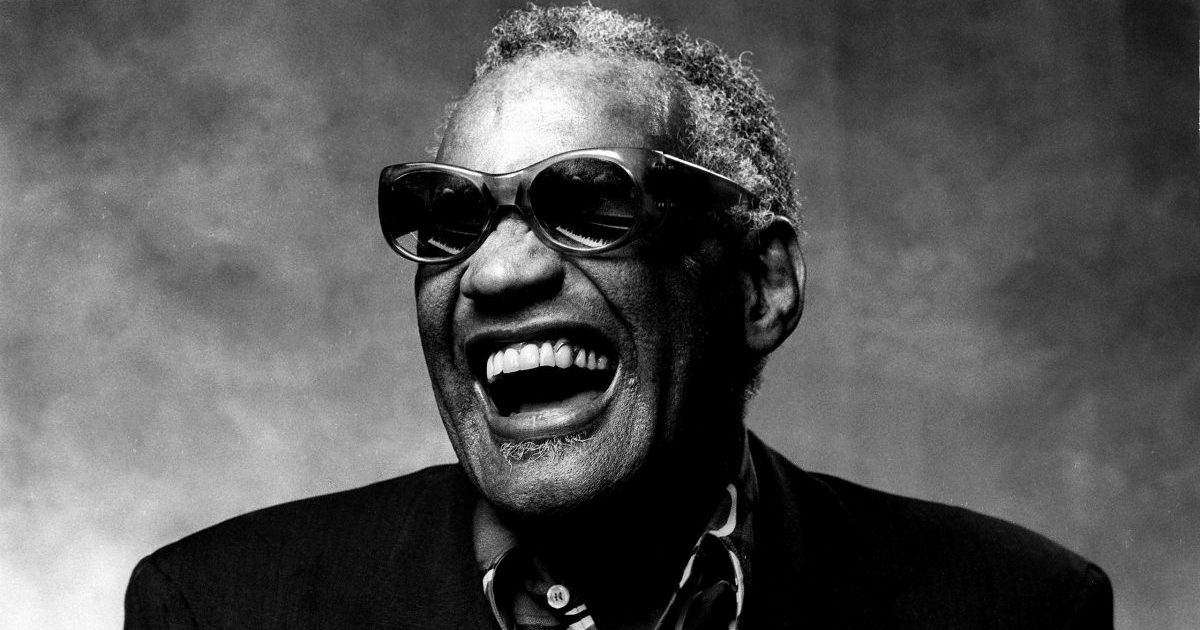
10 Old Sweet Songs That Keep Ray Charles on Our Mind

The musical and cultural impact of Ray Charles is extraordinary and spans the pantheon of American popular music. He was an outstanding multi-instrumentalist (though best known for piano and alto sax), vocalist, bandleader, songwriter and composer in the non-lyrical sense. His innovations include helping craft and popularize the secularization of gospel music, now otherwise known as soul, and bringing new attention and expanded audiences to country music, which was the earliest idiom he loved and played before blues, jazz, R&B, or soul.

Though his earliest material was heavily influenced by Charles Brown and Nat “King” Cole, Charles (full name Ray Charles Robinson) quickly developed a highly stylized, immediately recognizable singing and playing approach. He became an expressive, evocative vocalist, one of the finest interpretative singers of all time, and a skilled improviser as an instrumentalist, able to deliver intense and memorable melodic statements or energetic solos while heading either small combos or large bands.

Charles is remembered as a trailblazer on the music business side as well, signing a contract in the early ’60s that gave him creative control over his sessions, something that allowed him to record in genres that many felt Black artists should avoid. The extensive list of Ray Charles’ achievements include 18 Grammy Awards, the Kennedy Center Honors, the National Medal of Arts and the Polar Music Prize, as well as a Lifetime Grammy Achievement Award and 10 recordings inducted into the Grammy Hall of Fame. Among the 2021 inductees into the Country Music Hall of Fame, Ray Charles is finally earning his place in the Veterans Era category.

The Ray Charles Foundation released the new box set, True Genius – The Ultimate Ray Charles Collection (Tangerine), in September, roughly two weeks before what would be Charles’ 91st birthday. The six-disc, 90-song collection is unquestionably the most comprehensive sampler available of his music from 1960 until his passing in 2004. It combines vintage, familiar hits with many previously unissued gems, most notably a 1972 Stockholm concert that’s not available other than through purchase of the set. There’s also a wonderful coffee table book with rare photos and comprehensive liner notes from Ray Charles Foundation President Valerie Ervin and music journalist A. Scott Galloway. A special message from Quincy Jones concludes what’s obviously an essential collection for any serious music fan.

Here are our 10 choices for selections from the set, although if we chose these tomorrow we might easily pick another 10. Ironically, none are Charles compositions, though that wasn’t the intention, and we could certainly go back through and do a separate listing of Charles’ pieces. However I would argue none of those, even some that I’ve loved my entire life, top these 10 renditions of other songwriters’ works.

“Georgia On My Mind”

The official anthem of the Peach State, it was co-written by Stuart Gorrell and Hoagy Carmichael, and was Charles’ first post-Atlantic hit for ABC-Paramount in 1960. It also marked his first collaboration with Sid Feller, who not only produced and arranged, but conducted the recording. Besides being a huge hit, it earned Charles plenty of recognition outside R&B and soul circles while garnering four Grammy Awards.


“Hit The Road Jack”

Percy Mayfield had many immortal R&B hits, but not that many folks are aware he wrote “Hit The Road Jack.” Mayfield even sent it to Art Rupe as an a cappella demo, but Charles transformed it in much the same way Aretha Franklin did Otis Redding’s “Respect.” The song is spiced by the interaction of and exchanges with Margie Hendrix, and it soared to the top of the Billboard pop and R&B charts in 1961, though it had more staying power on the R&B side. It topped that chart for five weeks, and ultimately won a Grammy for Best Rhythm and Blues Recording.


“I Can’t Stop Loving You”

Don Gibson’s original recording from 1957 is tremendous, but Charles’ 1962 rendition introduced a host of listeners who weren’t regular country fans to the song’s lyrical and musical potency, It was also the tune that turned Modern Sounds in Country and Western Music into a powerhouse anthem. The song remained atop the Billboard pop charts for five weeks. When John Belushi did a straight-up masterful imitation of Charles’ singing that tune on Saturday Night Live years later, it cemented how much it resonated in the lives of ’60s music fans.


“You Don’t Know Me”

While Eddy Arnold did a wonderful version of Cindy Walker’s “You Don’t Know Me” in 1955, Charles enjoyed another huge crossover hit off the Modern Sounds LP in 1962. That one didn’t make it to the top as it peaked at No. 2. It also didn’t enjoy as much acclaim or praise, but it’s every bit as magnificent in terms of performance.


“Busted”

Harlan Howard saw his 1962 gem become a hit in two different, yet related styles. Johnny Cash had a country hit, then Ray Charles did a fabulous soul version that earned him the 1963 Grammy Award for Best Rhythm and Blues Recording. Interestingly, the Cash and Charles versions vocally aren’t that far apart, though the arrangements and overall performances reflect the different production approaches.


“Crying Time”

Buck Owens’ original was the B-side of his bigger single, “I’ve Got a Tiger by the Tail,” in 1964. The Ray Charles version two years later proved a much bigger hit, though not a pop chart smash in the manner of some past Charles country covers. It did earn a pair of Grammy awards, plus enjoyed Top 10 pop and R&B success. It was even a number one hit on, of all things, the Easy Listening chart. Charles would later join Barbra Streisand in a duet rendition on a 1973 TV special that wasn’t quite as memorable as the ’66 single.


“Let’s Go Get Stoned”

This song was recorded first by the Coasters in 1965, and later by Ronnie Milsap as the B-side to the single “Never Had It So Good” that same year. But the Charles version, powered by his dynamic lead vocals, soared to number one in 1966. The song actually had an ironic feel for Charles, who recorded it shortly after getting out of rehab, where he kicked a 16-year heroin addiction. This was among the earliest hits for the famed husband/wife songwriting and performing duo Nickolas Ashford and Valerie Simpson, joined on it by Josephine Armstead.


“Living for the City”

The very first album a young, fledgling artist named Stevie Wonder recorded was A Tribute to Uncle Ray in 1962. Some 13 years later, Charles would repay the honor with this glittering cover of Wonder’s valiant hit from the Innervisions album. Charles would eventually win another Grammy for his rendition, though this wasn’t as big a hit on the contemporary R&B side.


“Seven Spanish Angels”

This tune co-written by Troy Seals and Eddie Setser proved a big duet hit for Charles and longtime friend and chess partner Willie Nelson. The song featured Charles doing the first verse, first and second choruses, with Nelson singing the second verse and joining Charles on the outro. Interestingly, this became the biggest country hit Charles ever enjoyed in terms of chart position, as it spent one week at number one and remained on the charts for 12 weeks. It was initially released on Charles’ 1984 LP Friendship, and then again on Nelson’s 1985 compilation release, Half Nelson.


“I Can See Clearly Now”

This is famous more for when it was performed than the fact it was one of the few reggae tunes Ray Charles ever covered. The Johnny Nash original was the first reggae song to top the American charts in 1972, but Charles gave it new fame when he performed it as the musical guest on Saturday Night Live in 1977.


Photo Credit: Norman Seef

Joshua Ray Walker Closes Up the Honky-Tonk on ‘See You Next Time’

For the last couple of years, Joshua Ray Walker has been living out the lyrics to a down-in-the-dumps country song. The Texas-born singer-songwriter lost his father, couldn’t work due to COVID, and was displaced from his home during much of that time, after a burst pipe led to a waterfall of misfortune.

But music has always been Walker’s saving grace, and with his new album, See You Next Time, he puts one in the win column. Marking the end of a country music opus that includes three imaginative albums, fully conceived and expertly executed, the set puts the finishing touches on a true honky-tonk opera. Walker’s debut album introduced a fictional bar set in his native South Dallas — full of quirky, charismatic characters and wild adventures — and after the second built on their stories, See You Next Time finds them saying goodbye as the bar closes down for good.

All delivered with a mix of shuffling, authentic trad-country style, soul-inspired horn blasts and Walker’s sympathetic vocal, often cracking at the moment of peak emotional intrigue, that’s a bittersweet thematic arc, to be sure — and one that has been mirrored in his personal life. But after making such a grand vision a reality, and earning the admiration that came with it, Walker’s optimistic about the future.

He spoke with BGS about where the idea for this trilogy came from, what kind of mark his fictional honky-tonk left on him and what it feels like to say goodbye.

BGS: How are you feeling right now? It’s been a difficult stretch for you personally, but you’re back on the road now and this album is something special.

Joshua Ray Walker: As far as my career goes, I feel great. I wanted to make these records for a long time. I had 10 years to think about it and put a plan together. I put out three records in three years, which was my goal, and this last one puts an end to this trilogy that I had in mind.

Ten years is a long time to dream of something. Where did the idea for the trilogy come from?

I guess it started because I found a pen in my grandfather’s drawer — it said, “I rode the bull at Bronco Billy’s.” I had been writing songs for a few years and it just sparked this idea, like what that place would have been like. Who would have been there? I started writing songs about those characters, and over the years my plan got grander and grander, and it turned into this trilogy. I had the artwork and the names all picked out before we ever started cutting the first record.

Did you ever actually go to that bar?

No, that bar closed when I was a baby, but it was a real place in South Dallas that my grandfather went to, I guess. His name was Billy, so I assume he picked up the pen because it had his name on it, and that was really it. It just spiraled out of control and I kept writing songs about these characters. I had dreamed this whole world in my head.

Where did the characters come from? Did you know people like this?

Yeah, I definitely hung out with people just like the characters. I grew up in a part of Dallas that’s pretty nice now, but when I was a kid it was pretty rough, and I grew up around bars and barflies because of the work my parents did. I just like to get to know people, I really like meeting new people, so whenever I go to a dive bar, I end up striking up a conversation with strangers, and all those stories make their way into the albums.

Over these albums, have you developed a favorite character?

Yeah, a lot of them are pretty sad or dark characters, but there’s one in particular I really find funny. It’s the character for “Cupboard” on the second record, who is also the character for “Welfare Chet” on the new record. It’s a song about that guy you run into at the bar and for the first five minutes of the conversation he’s funny and wacky and entertaining, and then 30 minutes in, you’re talking about Q-Anon or whatever. There’s a line in the song about talking with a mouthful of food, but they don’t serve food here, and I just feel like that’s happened to me so many times. Like I’m talking to some guy at the bar who won’t leave me alone and he’s got like a hot dog or something, and they don’t even have hot dogs here, like “Where did you get that?” So that’s one of my favorites. It’s a lighthearted character, but I feel like we’ve all dealt with that guy at some point.

Since you started describing this bar and these people, has your view of the story changed at all? Have you ended up with a different perspective over the years?

I don’t know, that’s an interesting question. I think I was trying to paint a picture that I had in my head, so in a lot of ways it hasn’t changed much, but there’s always a kind of story arc there. Even in the titles — Wish You Were Here, Glad You Made It, See You Next Time — it’s like this coming of age and then dying out. On this last album they’re saying goodbye to the honky-tonk because it’s closing, and I don’t know if the story has changed or the place has changed, but the way that it fits into my personal life has changed. It’s taken on real meaning, by accident, because my personal life has kind of followed this story arc.

Like, I wrote “Canyon” for the first record — that was a story for my dad about our relationship, and I wrote it right after he was diagnosed with cancer. And then four years later I was about to go into the studio to record the third record, and he passed away, so I wrote “Flash Paper.” So I’m coming to terms with loss and then on the last song, actually saying goodbye. That’s what the whole trilogy is about, and it ended up being mirrored by my personal life, just by chance.

So with “Flash Paper,” you were sort of processing everything through the song?

Yeah, that’s typically how I write songs. I mean, the first song I ever wrote is called “Fondly.” It’s on my first record, and my granddad had just passed. As I was leaving the hospital, I wrote that song in the parking lot and it all came out at once, so I think when I’m overwhelmed or whatever, I turn to songwriting. Some of the more emotional songs that come out all at once, like “Canyon” or “Flash Paper,” and “Fondly,” there’s not a lot of clever end-rhymes. It’s just straight forward whatever I was feeling at the moment.

You finish up with “See You Next Time.” You’ve said this project was about saying goodbye to the bar. What about you? Are you a little sad to close this chapter?

No, I wouldn’t say I’m sad. I’m excited to see what I write after this.

Do you have any idea what that might be? This project was so big that I bet it took a lot of creative energy.

I’ve written a lot of songs that haven’t ended up on these three records, so I still have a decent amount of that catalog to put out, and I’m writing all the time, so there’s always new stuff. It will still be country, I assume. I mean, these three records have a honky-tonk vibe because they’re set in a honky-tonk, but I have other aspects of music that I like as well. I think I’ve found a sound that represents what I like as a writer, so I don’t know if the sound will change too much, but the subject matter can be about anything. Now that the world is starting to open back up again, I feel like I need to go to do some living, so I have some experiences to write about. That’s the biggest thing, because most of my songs come from going and exploring places that most people don’t always find interesting. I need to go do some of that so I have some more material.


Photo credit: Chad Windham
The Show on the Road – Asleep at the Wheel (Ray Benson)

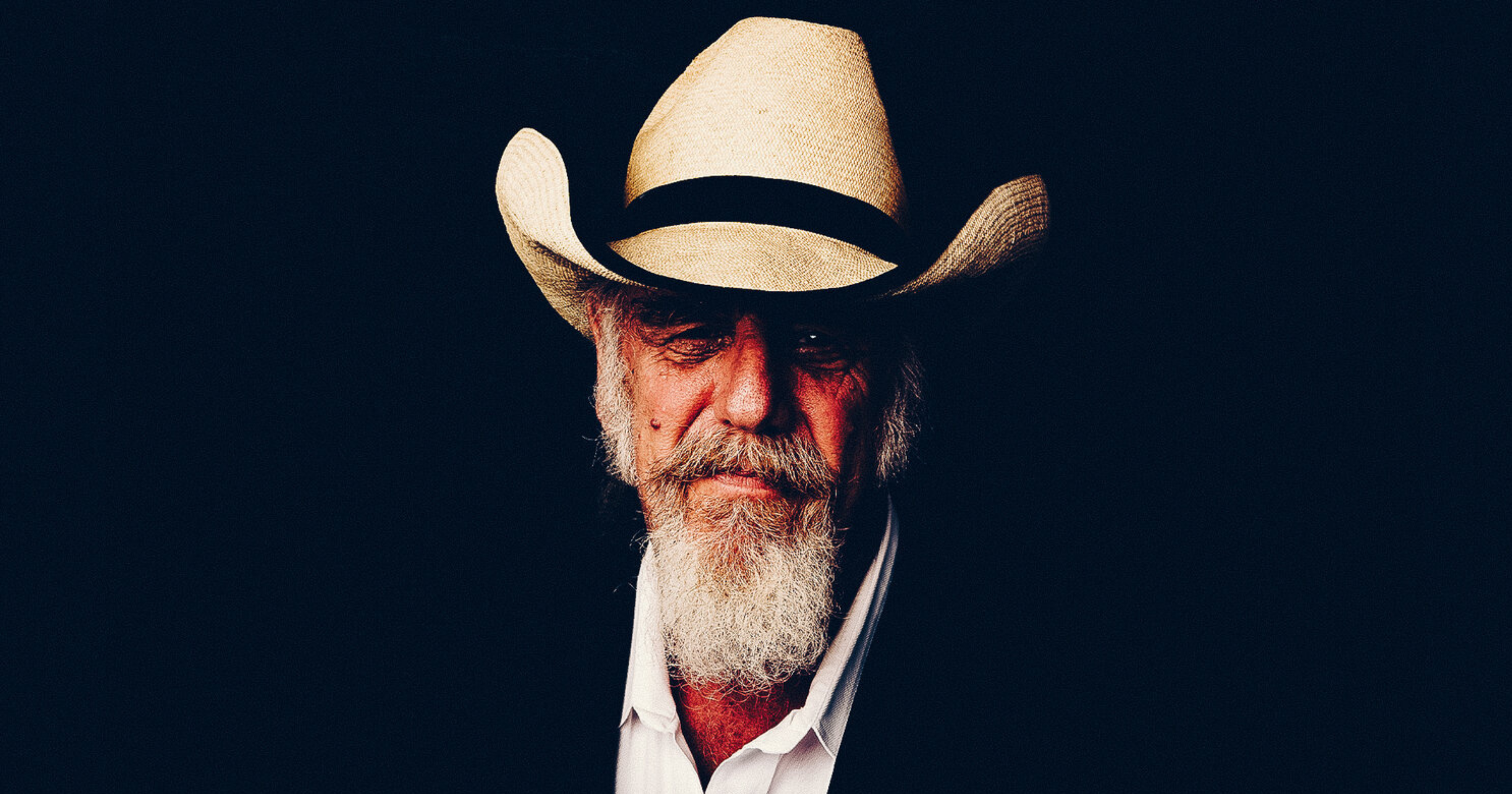
This week on The Show On The Road, we bring you a talk with the half-century-spanning, Grammy-winning ringleader of one of American roots music’s most durable and iconic bands, Ray Benson of Asleep at the Wheel. The episode is a celebration of their fifty years of diligent song collecting, Western swing camaraderie, and epic genre-spanning collaboration — and features first listens of their new record, Half a Hundred Years, which drops on October 1. The record covers old classics and tells new stories, with spritely cameos from fellow Texans Lyle Lovett and Willie Nelson.

LISTEN: APPLE PODCASTSSPOTIFYSTITCHER

Aligning behind Benson’s commanding, deep voice and impeccable song-historian’s taste, Asleep at the Wheel has managed what few bands in country music — or any genre — have: Keeping a talented, rotating band of mostly-acoustic players together from 1972 on, with little break from the road. Willie Nelson and others have long championed their work, and indeed the band has had fans in even higher places: on September 11, 2001, the group was set to perform at The White House.

Asleep at the Wheel’s story is really one of perseverance and transformation. How did a Jewish kid from the the Philly suburbs end up as a Texas cowboy music icon who toured with Bob Dylan and George Strait (just ask Bob about changing identities), wrote songs and acted in movies with Dolly Parton and Blondie, and became the foremost interpreter of the rollicking music of Bob Wills & His Texas Playboys? Only in America, you could say, but Benson would just tell you that he loves the music deep in his bones, and it’s what he wakes up every day to create and save.

One of the most forward-thinking things Benson did from the very beginning was share the mic with a myriad of talented female vocalists, which maybe confused some radio programmers (“Who is leader of this outfit?”), but made their road shows eternally entertaining and unique. That tradition continues. Also featured on the new record are lovely collabs with Lee Ann Womack and Emmylou Harris.


Photo credit: Mike Shore