It’s somehow already July (where is this year going?), so what’s better to pass those hot and lazy days than some sweet sweet banjo music? All month long, BGS will be featuring some of the very best players of the instrument, plus some special interviews, videos, and playlists. From Scruggs-style to clawhammer, whatever you want, we’ve probably got it covered.
To kick things off, we’ve assembled a playlist of our twenty-five very favorite banjo-centric SITCH SESSIONS, including Abigail Washburn & Bela Fleck, Valerie June, Joe Mullins, Noam Pikelny, Rhiannon Giddens, Tim O’Brien, and Greensky Bluegrass, with a video so epic, it deserves to be in the canon of one of our TOP 50 MOMENTS.
It was Telluride 2014, and the BGS team was on the road with the guys from Mason Jar Music to record some friends in picture-perfect settings nestled amongst the San Juan Mountains. The Greensky band was down for anything, so the whole crew shlepped up to Mountain Village and found an empty platform – typically used for weddings and the like – and started recording guerrilla style. The result is one of the most memorable – and most watched – moments we’ve ever captured. Relive it at the video link below.
Check out the full BGS Banjo Month video playlist here.
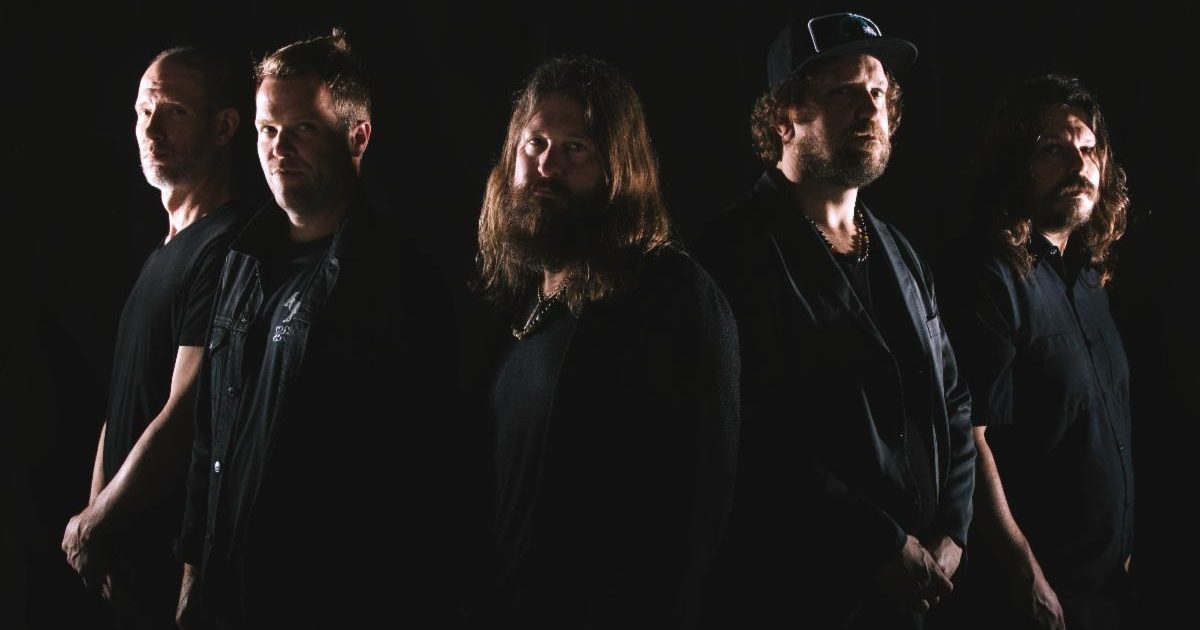
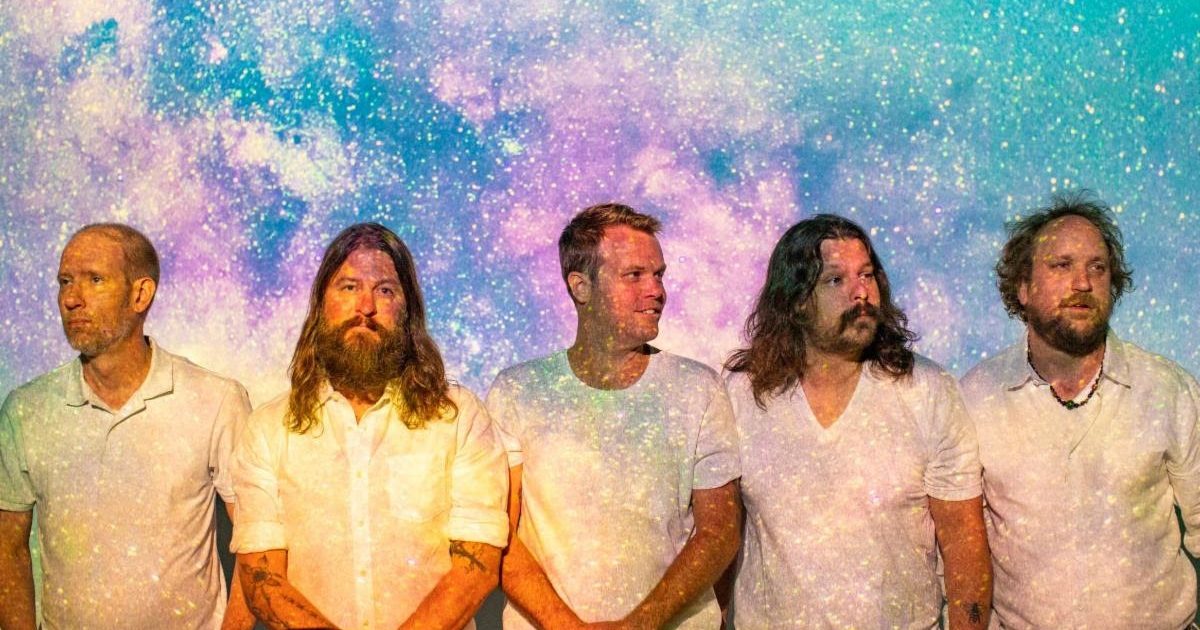
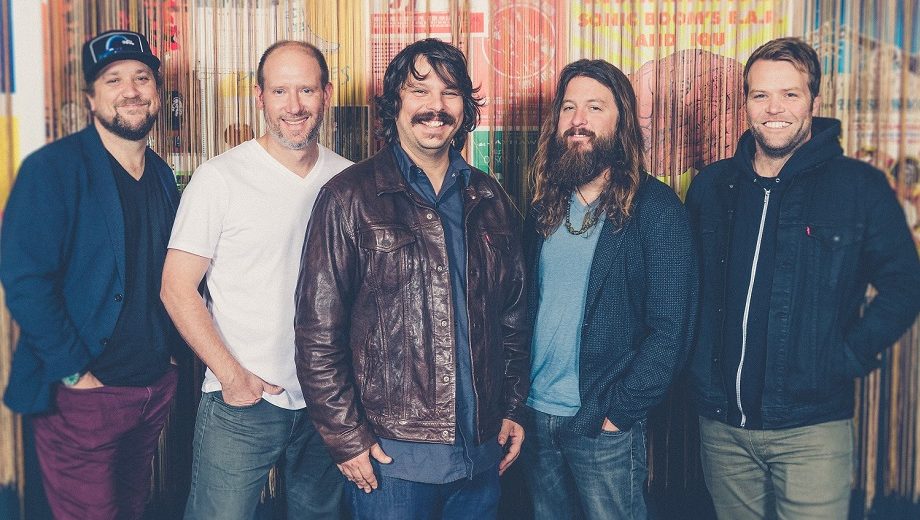
For a band as enmeshed in the live-show experience as Greensky Bluegrass, COVID-19 has been a heavy load to bear. Through cancelled shows, isolation and a two-decade milestone that came and went without proper celebration, a band notorious for letting their creative freak flag fly on hot-rod fusions of bluegrass, jam rock and Americana was cooped up … and stressed out. But not anymore.
Now back on the road and releasing that pent-up energy, Greensky Bluegrass have dropped their eighth studio album, Stress Dreams, which helps capture their difficult chapter in unique terms. For the first time, new members contributed songs to a project surely born of the moment, but not limited by it either. Fresh sounds, expansive arrangements and the most inspired storytelling of their career helped drive the group off the couch and back where they belong, with their ambition clearly intact.
“We’ve accomplished a lot,” dobro player Anders Beck tells The Bluegrass Situation. “We have an incredibly loyal fanbase. We play three nights at Red Rocks that are sold out [each year]. We’ve done it, whatever it is. But for me the idea of someone who’s never heard this band hearing this album, that’s what’s exciting to me, and I hope that happens. … We’re never gonna be [the biggest band in the world], but I hope the sincerity of our music comes through, and the sincerity of these five friends who support each other.”
Just before the album arrived, Beck called in to chat about Stress Dreams — and where the band finds itself, two decades in and one pandemic down.
BGS: You’ve just passed the 20th anniversary of the band, and this album makes it seems like everyone is still inspired by making music. How cool is to still feel that way after so long?
Anders Beck: Yeah, it’s crazy to me. It really is. It’s insane to think the band has been doing this for that long. I joined the band [13 years ago], but Dave [Bruzza], Paul [Hoffman] and [Michael Arlen] Bont, when they were living in Kalamazoo, they were literally like 19- or 20-year-olds. … The first time they played was a Halloween party at Dave’s house full of stoner crazy people, and someone asked what the name of the band was. They didn’t have one, so someone said, “You should call it Greensky Bluegrass.” It was the first time they played! To me it’s really funny.
At the time they were a traditional bluegrass band, and for the first seven years or so they played around a single mic. But the joke of Greensky Bluegrass, the pun at the heart of it, is that “Greensky” is the opposite of “Bluegrass,” right? That’s why it was funny, it was a joke. But then as we have evolved, we have become more like our name than anyone could have imagined! I was talking to someone about it the other day, and it was like “We play bluegrass, but we also play the opposite of bluegrass, and that’s what Greensky Bluegrass is.” The name that someone made up at a house party has really come to fruition.
Last time we talked, it was 2019 and All for Money was just coming out. A big part of that was capturing the passion of the live show, so what was the approach for Stress Dreams?
We had sort of planned on making a record around 2020 or so, and then, you know, a global pandemic hit. We didn’t see each other for months and everything was shut down, so I think we all started writing a little more topically. … It was weird for us, and the songs sort of evolved because of the situation we were in. It was incredibly unique, and not something I expected – and also not something I’d ever choose to do again. But to have our bass player, [Mike] Devol, for example, who has never written a song (or at least never showed us a song he wrote), all the sudden he sends us these songs that are unbelievable, like “Stress Dreams,” “New and Improved,” and “Get Sad.”
Even I wrote a song called “Monument,” and it’s the first one I’ve ever written for an album of ours. … After COVID, I just felt like I had something to write about, and that’s what “Monument” is. The reality is you spend so much time building something, and then suddenly it’s just kind of swept away. The rug gets pulled out from under you. … But we decided that we didn’t want it to be a sad song — like it should be optimistic — so we made the melody and chords and the whole vibe like, if this is the first song we play when we come back, and there’s 10,000 people in a field at Telluride or Bonnaroo or something, let’s make it feel like that vibe. So we did, and it worked! Playing that song at Red Rocks this year, after having one or two years cancelled, it was fucking emotional.
How did recording Stress Dreams work out? Was that one of the first times you could all get back together?
Totally. We did some pre-production in Winter Park, Colorado, where we went to a cabin and started sharing songs for like five days. … Then we all flew to Vermont, and this was like the height of COVID. Like, sketchy times. At the studio, we were nervous about getting COVID from the studio people, and they were nervous about getting COVID from us, so they literally just handed us the keys. It was awesome. … We were there for two weeks. Then we went home for a month or two, listening, then we go back to Asheville to Echo Mountain, where we’ve recorded before. That place feels really comfortable. We did two weeks there, then went home for a while and then came back to do two more weeks [in Asheville]. It was almost, I don’t want to say leisurely, but we had time to fuck around.
That’s not the normal pace, since you’re usually busy on the road. Did that have on any impact on how the sound evolved? I noticed a lot more classic rock-y guitars and pianos.
Well, the electric guitar sound is me on dobro, and that’s evolved from our live shows. I’ve created this thing with my dobro where I put an electric-guitar pickup on it, and Paul Beard, who builds my dobros, helped me do that. So, I can flip a switch and it goes to an amp, so it’s actually a real electric guitar. …
Like on “Grow Together,” I was playing my dobro through twin Marshall stacks, the exact year and setup that Jimi Hendrix used. Glen, our engineer, was like, “Well, you know what Jimi did,” and he flipped some cables around and I sent a video of it to Jerry [Douglas], and he texted me back like, “Did it feel like it was about explode?” [Laughs] … The piano player is Holly Bowling, who got famous by transposing the Phish and Grateful Dead jams note for note. She’s one of the two “sixth members” of our band, and Sam [Bush] is the other sixth member. [laughs]
After a lot of tension and anxiety in the album’s first few acts, it ends on a more hopeful note with “Grow Together” and “Reasons to Stay.” Did you purposely try to leave fans with that feeling?
The idea at the end, the feeling for me is that we made it through. “Reasons to Stay” was kind of a late addition to the album, and at first I was like “I don’t know,” but then two hours later I was like “This song is the shit! It’s cool and sexy.” Then songs like “Give a Shit,” which are fun songs. Paul showed me that and I was like, “Yeah buddy, good job.” Then you’ve got songs like “Get Sad,” which is one Devol wrote, and that’s just intense. I remember when he showed us that and I was like, “Jesus Christ dude, that is emotional stuff.”
Maybe this is too much, but when we record albums, there’s always a weird something weighing on you. All your favorite bands, at some point you’re like, “Man, I liked the last album better.” At a certain point that happens, and I personally don’t feel like that has happened to us yet. Every album we make, I feel like the growth is important and real. We keep creating Greensky music through this evolution of ourselves, and it’s such an interpersonal process.
We’re just being ourselves, and we used to be so nervous about “Are we playing bluegrass or not?” And all the traditional people hate us or whatever because we had the word bluegrass in our name – but they didn’t get the joke! Greensky is the opposite! We had to spend so much time explaining that “We’re like bluegrass, but we’re not,” that it was hard for a while to deal with that. I think now, it’s evolved enough that we’re just ourselves. And it feels good.
In Their Words: “I enlisted the help of my buddy Chris Gelbuda to help turn a bunch of ideas that I had had into my first lyrical venture for Greensky. This song is essentially about what it was like to have my life, career, and world slammed to a halt by the COVID-19 pandemic. It was really emotionally shocking to have everything we’ve worked for and built ripped out of our hands almost overnight. With all of that in mind, we decided that the musical vibe of the song should take on the air of the first song that we would want to play when we get back on stage in front of thousands of people dancing and partying in a field at a festival… I think we got pretty close!” — Anders Beck, Greensky Bluegrass
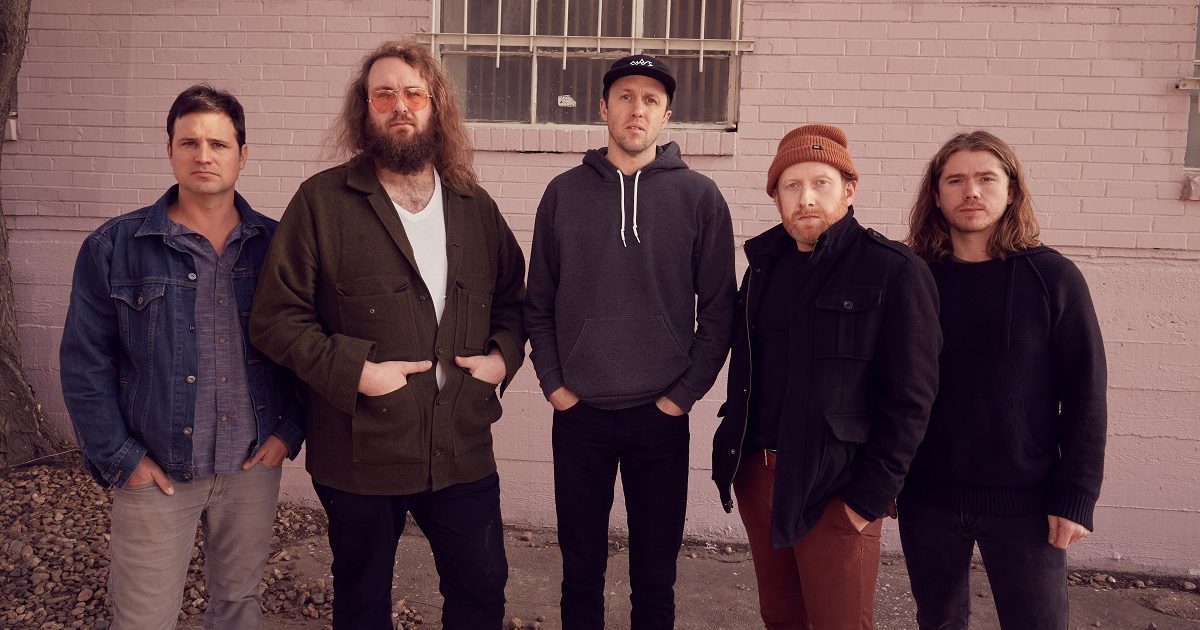
The Lil Smokies’ long-awaited album Tornillo reflects the vast openness of the Texas desert town in which it was recorded, possessing all of the energy that comes with a renewed creative spirit. In a phone interview with lead singer Andy Dunnigan, BGS discussed rule-bending, burnout, and how recording at Sonic Ranch in Tornillo, Texas revitalized the Montana-based band.
BGS: It sounds like this album is really special to you. Can you tell me about the process of making it? What’s memorable about this one?
AD: Yeah, this is a special one. We were coming off of two or three solid years of extensive touring. We were pretty road-worn and dare I say a little burnt out. When we came into this session we needed to become a little more unified than we had been while on the road. We were looking for somewhere that we could go and get outside of the box creatively.
Texas was somewhere we had never spent a lot of time. We wanted to go down to the desert and we wanted to be able to live on the compound. These were all [realities] that Sonic Ranch in Tornillo was able to provide us, so when we got down there we didn’t really leave for ten days.
We lived a stone’s throw away from the studio. We’d wake up and eat huevos rancheros and then head over to the studio. We were kind of autonomous in the fact that we could make our own hours. It really brought us back to life. We were really unified in our work and the production of this album, and I think that’s really ostensible throughout the songs.
How much does a new album like this, where you have brand-new material and are fresh off the experience of recording, help motivate you to keep going out on the road?
I think it’s just that we toured the last album for a couple years and got a little tired of some of those songs. We were playing so much that we didn’t have all that much time for writing. I found myself trying to juggle between writing, being on the road, solitude, hobbies, and having a girlfriend. I was thinking, “Man, there’s just not a lot of time.”
So now that we were able to hammer out some new songs, getting back out on the road seems so much more enjoyable. I think when we’re having fun on stage there’s a direct correlation to the audience. They’re feeding off us and the pillars of reciprocity are strong.
This album definitely sounds like you’re having fun and doing things your way. You sort of bend the rules of bluegrass, but always in a way that adds something to the music. How do you keep an open mind about trying new things without being gratuitous about it?
We wanted to think outside the box for this record, but we didn’t want to do it in a contrived way where we say, “OK, this is going to be a weird album, so we’ll just make it intentionally weird.” We wanted to cater to the songs and adhere to what each song needs.
On the title track, “Tornillo,” we had originally worked up our traditional way of doing it with the bluegrass ensemble, but when we started playing it, it sounded like something that should be on the soundtrack of Ken Burns’ Civil War documentary. We were thinking, “This just isn’t going to work.”
Then Rev, our guitar player, worked up a piano arrangement and brought it to us towards the latter part of the session and we were like, “Oh man, this is so awesome. We have to use this.” We were just serving the song, and that was the ethos. Once we had the piano foundation, we started experimenting with drums and horns and some baritone guitar.
It was really fun for us. We intentionally gave ourselves a surplus amount of time in the studio so we could tinker around a little bit. We wanted to experiment sonically, and I think the results are really fun. It opened our minds to what you can accomplish in the studio if you have enough time and patience.
This album has a clear overall sound. Big, open, and full of space. Is that something you went into the studio wanting to accomplish, or did it develop more on the fly?
It’s a little bit of both. We wanted to create something big from the get-go, but we weren’t sure how we were going to do that. We knew we wanted to record live because that adds a little more energy, we had it in mind to drench a lot of it in reverb to create sort of a Fleet Foxes vibe or something a little more alt. That’s the kind of music that a lot of us have been listening to and getting inspired by for the last few years. We’re all listening to a lot of different music and we wanted to expand outside of the bluegrass domain in the production at least.
In your bio it’s mentioned that you “draw on the energy of a rock band and the Laurel Canyon songwriting of the 1970s.” How did bluegrass become the avenue that you express those influences?
Well, I think we all started out playing bluegrass. I came to it in my latter years of high school. I went down to the Telluride Bluegrass Festival. I had gotten an electric guitar from my dad. He plays music for a living, so he gifted me a Strat, and then a lap steel. I listened to a lot of David Lindley and Ben Harper. Those were kind of the gateway into bluegrass music. Then when I went down to Telluride it blew my head open.
I think we all have our pioneer stories of how we got into the music. That’s how you meet the community of players. There’s this whole vocabulary attached to it but as you get older you expand your musical library. I think we listen to a lot of songwriters and a lot of rock. We still happen to play these bluegrass instruments, and we love bluegrass, but we’re just trying to express what we want to say while wielding bluegrass instruments.
Do you find that you’re an introduction to bluegrass music for a lot of your fans?
I do, and it’s one of my favorite remarks after shows. People say, “Man, I hate bluegrass, but I love you guys.” I hear that a lot and I think it’s funny and ironic, but it’s cool because I think there has to be somebody to pull you in and make you realize that you’ve been wrong about the stigma perhaps. I know I was that person at one time. I thought, “Man, bluegrass music? My dad plays the banjo. This is really lame.”
I think we’re seeing bluegrass kind of blossom into its adolescence and beyond, because for a while I think it was restricted by the staunch purists who were slapping everyone’s wrists for playing minor chords. Now we’re seeing Punch Brothers, Greensky Bluegrass, Infamous Stringdusters, and of course now Billy Strings, who all have obviously done their homework religiously and can pay homage to the traditional godfathers, but they’re also putting their spin on it. It’s really cool and it’s getting people excited. I think to be included in that group is really awesome and I think it’s an exciting time to be riding the wave.
How much do you rely on melody, texture, and other instrumental factors to further the meaning or story within a song?
A lot of it happens in the arranging as well, but a lot of times when I’m writing a song there will be a hook line, and that’s sort of from a rock standpoint. You have your verse-chorus and then there’s a riff or something. You know, this band was almost an instrumental band for a short period in the beginning. We were listening to a lot of David Grisman, Strength In Numbers, and a lot of that music.
We loved writing instrumental music, and then when I started singing and writing songs we kind of fused the two worlds together. Those little melody parts and arrangement parts are still so fun to incorporate in songs. In a tune like “Giant” on this album, we wanted something kind of spacy to create a dream-like state, so we tried to write something that sounded kind of spacey and sleepy.
Some of these songs are intentionally ambiguous in their origins. What is the intent behind that ambiguity?
I went to school at the University of Montana for creative writing and poetry and I love the way words sound together as much as I love melody. Sometimes the words and just the assonance, what they sound like, will dictate the melody and vice versa. Once I have a word in my head and I’m kind of ad-libbing on the guitar I try to steer away from some words and how they sound.
I like to write stories and have some ostensible narratives, but I also just love words and how they sound. “World’s On Fire” has a couple meanings in there but I also like to keep it intentionally ambiguous because I think it’s fun for people to create their own story.
You’ve said your time at Sonic Ranch “encapsulates all of the good things about being in a band and making music.” How did the band grow from the experience of making this album?
To circle back on what I said in the beginning, it’s a huge a sacrifice to be in a band. There’s the greatest ups and the greatest downs, kind of married to each other. Coming off of those past three years of touring we were all a little tired and burnt out, and maybe questioning if we were on the right path. During our studio session in Tornillo I think we were all realizing that this is why we do it.
When you make an album it’s like setting a bug in amber. It’s this fossilized preservation of your life at that point. The word tornillo literally means “to fasten” and refers to a screw. We named it after that place. The place really tightened us up together as friends and as a band. I remember leaving there and feeling really proud of what we had accomplished. I think it’s the most unified we’ve ever been as a band.
Artist:Greensky Bluegrass Hometown: Kalamazoo, MI Song: “Wish I Didn’t Know” Album:All for Money Release Date: January 18th, 2019 Label: Big Blue Zoo Records
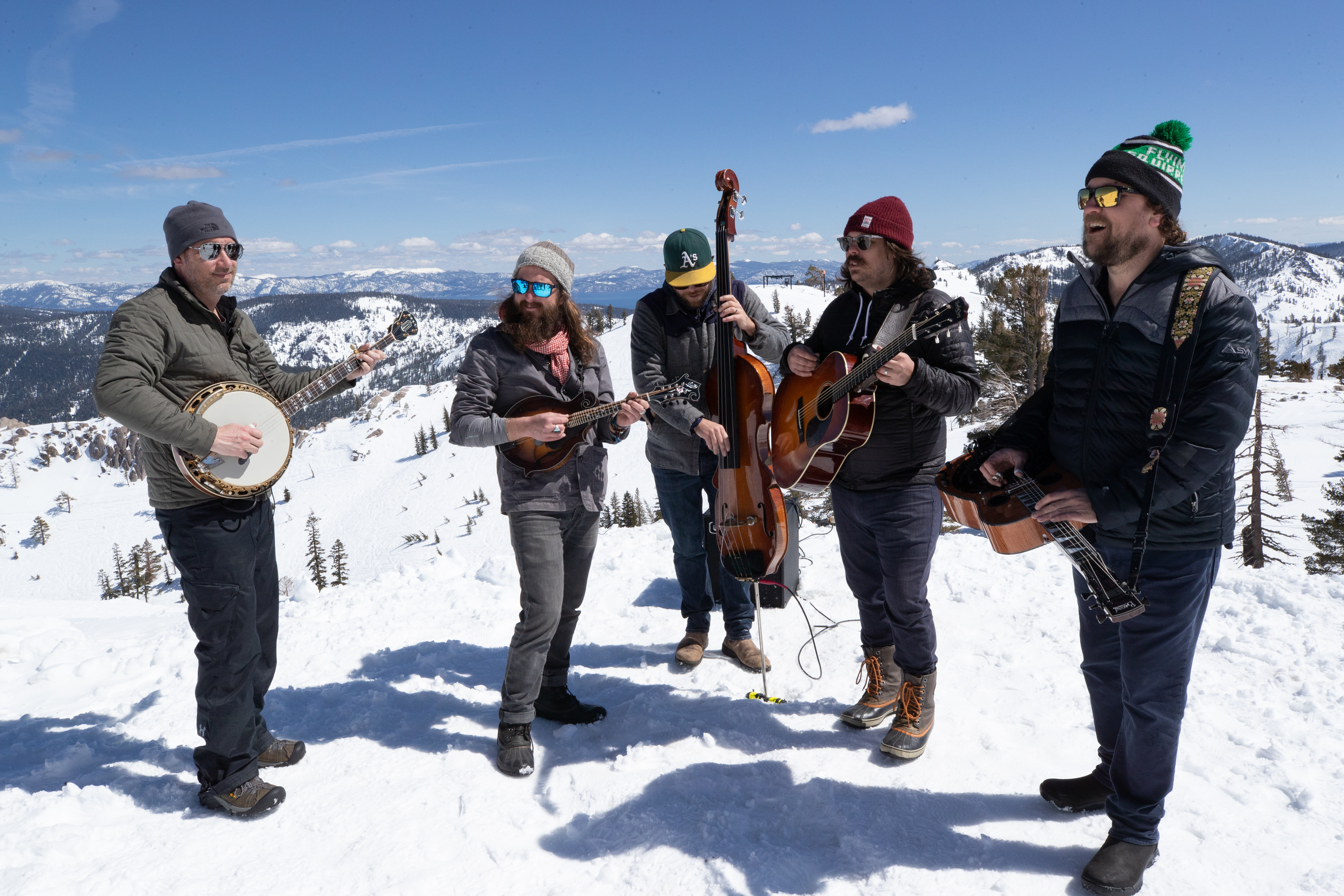
In Their Words: “I think the panoramic views inspired our playing and put us in a good mood for a relatively cold video shoot. It was gorgeous up there! We spent about three days hiking up to this spot with all of our gear for this video shoot… it was hard, but really worth it. No, I’m just kidding. We took all of our gear up in the gondola and it was pretty easy. All the folks who work at Squaw Valley were super helpful and awesome. The only hard parts were trying to keep instruments in tune in the cold and changing weather, keeping our hands warm, hearing each other while playing on top of a mountain, and looking cool in puffy coats. That’s all!” — Anders Beck, resonator guitarist
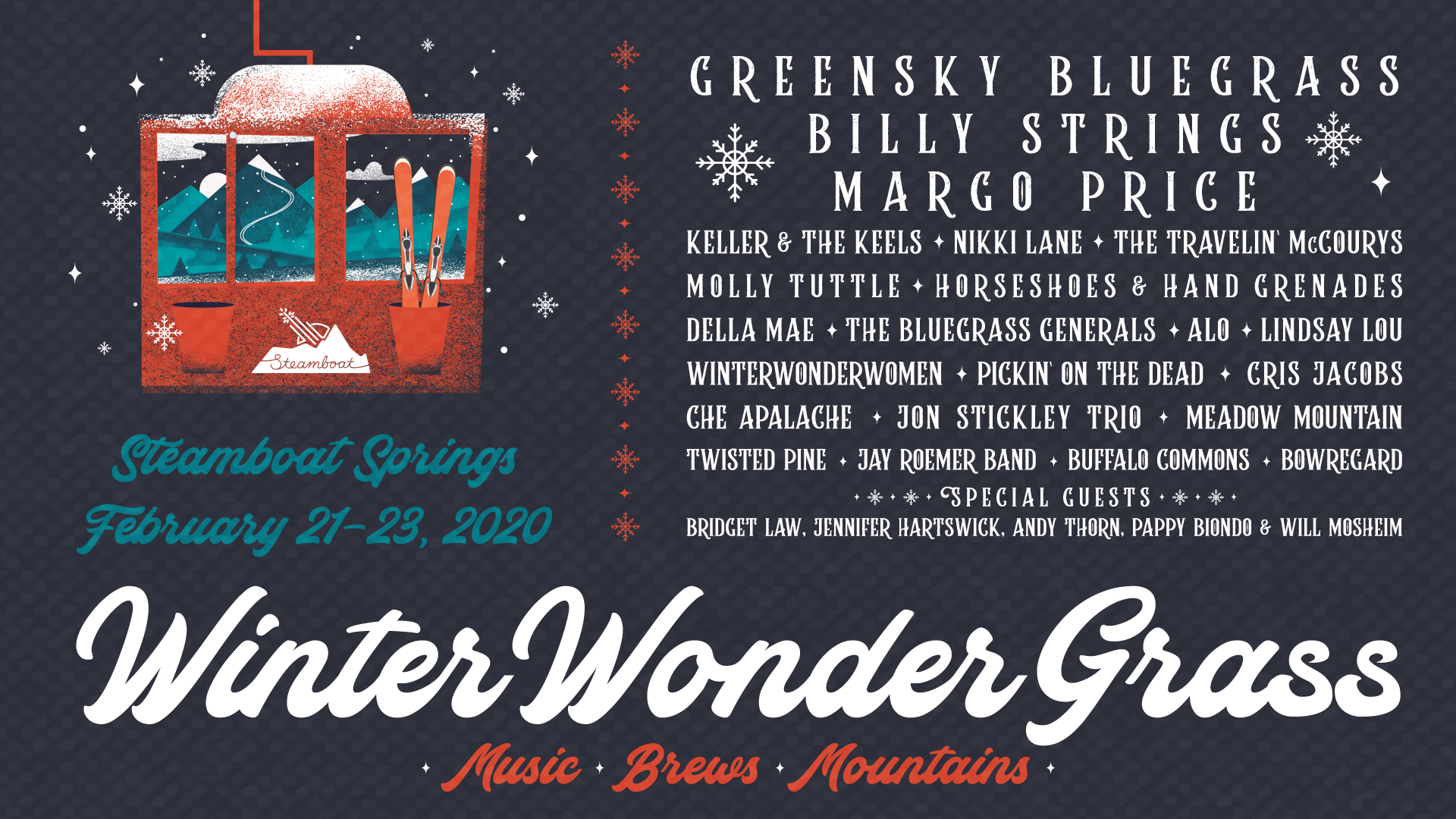
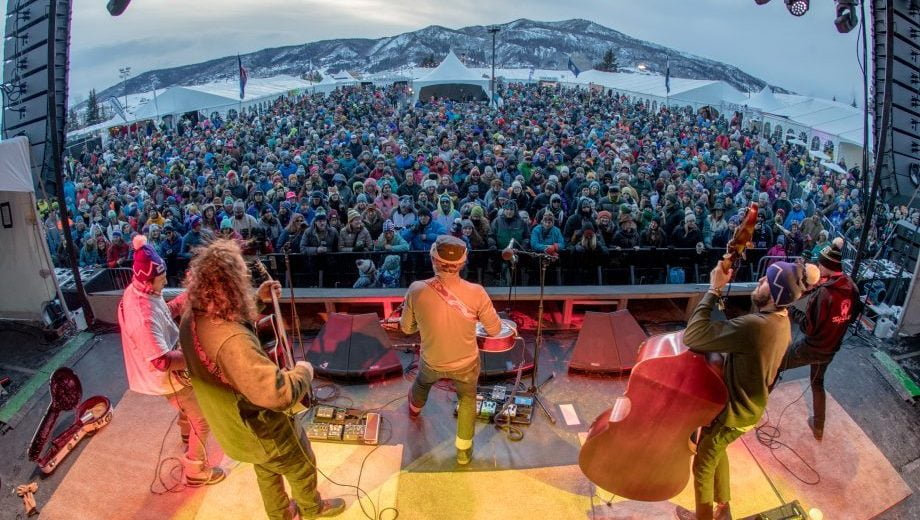
Today, the WinterWonderGrass Music & Brew Festival shares the 2020 lineup across all three of their flagship events. Taking place in Colorado from February 21-23, California from March 27-29, and Vermont from April 10-11, the traveling music festival will welcome performances from some of the hottest names currently thriving in today’s bluegrass and Americana scenes.
“It’s with a mountain of intention, huge hearts, humility, and a commitment to delivering the hottest and sweetest artists that we present to you the 2020 WinterWonderGrass landscape,” says festival founder Scotty Stoughton in a press release. “Each year, the hardest thing to do is not heed our desire to return to each and every band — and by virtue of that, friends to WWG — year in and year out. It is our sincere desire you’ll find new lifetime favorites on this lineup, have the chance to be reunited with old loves and step out of your comfort zone with open arms to new experiences.”
“WinterWonderGrass has become a home for artists, fans, staff, locals, businesses, skiers, riders, their families and all of the like,” adds festival Director of Marketing & Ticketing, Ariel Rosemberg. “We pride ourselves on creating a sustainable, safe and receptive environment, bound by the marriage of the best in bluegrass, folk and Americana, and the undefeated nature of American ski culture.”
BGS has partnered with WWG for the past two years and we are excited to once again join forces with WinterWonderGrass to create and share unforgettable experiences and world-class music across our communities and across the country.
Returning to Colorado for its eighth consecutive year, and its fourth year located in the pristine ski town of Steamboat Springs, Colorado, WinterWonderGrass presents headlining performances from Greensky Bluegrass, Billy Strings, and Margo Price over its three days this coming February.
Additional artists on the bill include: Keller & the Keels, Della Mae, Travelin’ McCourys, Nikki Lane, Molly Tuttle, Horseshoes & Hand Grenades, Bluegrass Generals (Chris Pandolfi & Andy Hall of The Infamous Stringdusters), ALO, Lindsay Lou, a collaborative set from the WinterWonderWomen, Pickin’ on the Dead, Che Apalache, Cris Jacobs, Twisted Pine, Jon Stickley Trio, Meadow Mountain, Jay Roemer Band, Buffalo Commons, and Bowregard, as well as special guests Andy Thorn, Jennifer Hartswick, Bridget Law, Pappy Biondo, and Will Mosheim.
Over March 27-29, WinterWonderGrass makes its way to the Tahoe region of California for its sixth consecutive year presenting three days of music at the base of Squaw Valley Ski Resort. Headliners for this festival stop include The Devil Makes Three, The Infamous Stringdusters, and two sets by Billy Strings.
Also joining the bill: Peter Rowan, Fruition, Keller and the Keels, The War and Treaty, The Lil Smokies, Brothers Comatose, Della Mae, Larry Keel Experience, Kitchen Dwellers, Andy Falco & Travis Book Perform Jerry Garcia, Cris Jacobs, Trout Steak Revival, Midnight North, Town Mountain, Pickin’ on the Dead, Pixie and the Partygrass Boys, Old Salt Union, TK & the Holy Know-Nothings, Rapidgrass, and Twisted Pine. As well as special guests Lindsay Lou, Bridget Law, Will Mosheim and a collaborative WinterWonderWomen set.
A Mountaintop Dinner with Keller Williams, co-presented by BGS, will kick off the festivities in both locations on Thursday, February 20, and Thursday, March 26, respectively. These events will include a ride up the gondola in Steamboat and the Tram at Squaw, a multi-course meal complete with locally-sourced ingredients from each respective region, wine and beer samplings, plus two sets by Williams during each event.
The Vermont stop of the festival takes place over April 10 and 11 at Stratton Mountain Resort in Stratton, Vermont. Previously held in December, this year’s festival stop in Vermont was scheduled to coincide with the ski resort’s closing weekend. Headliners for this iteration of the festival, billed as WonderGrass Presents: Sugar & Strings, include The Infamous Stringdusters, Cabinet, Della Mae, and Molly Tuttle.
Additional artists on the two-day lineup include: Kitchen Dwellers, Andy Falco & Travis Book Perform Jerry Garcia, Twisted Pine, Che Apalache, a special WinterWonderWomen collaboration, Saints and Liars, Dead Winter Carpenters and Damn Tall Buildings, as well as special guests Jennifer Hartswick, Bridget Law, Pappy Biondo, Will Mosheim and more.
Additionally, the Grass After Dark Series will return for post-festival programming with more details coming soon.
Greensky Bluegrass has a thing for Colorado, and who could blame them? The Michigan band filmed two concerts at Red Rocks Amphitheater last September, and — surprise! — the resulting concert films are now available, billed as Greensky Bluegrass: Live from Red Rocks and subtitled with the date of the show (either Sept. 22 or 23, 2018).
Culled from the first night of performances, check out the BGS premiere of “In Control,” which has been a fan favorite since 2014, yet takes on a new life among these magnificent surroundings. By the way, the band returns to Red Rocks for a three-night engagement on September 13, 14 and 15, with special guests The Lil’ Smokies, Rayland Baxter and Billy Strings opening each night respectively. After that, they’re headed to a September 20 show at Bourbon & Beyond in Louisville, followed by many, many other destinations.
2019 marks the third year of Bourbon & Beyond and the BGS stage. Tickets are now available — stay tuned for more information and BnB content, a festival preview, and the full schedule announce. Find out more: Bourbon & Beyond.
Full Schedule:
Friday
5:20 PM Greensky Bluegrass 3:45 PM Mipso 1:40 PM The Po’ Ramblin’ Boys 11:45 AM Amythyst Kiah
Saturday
4:20 PM The Travelin’ McCourys 2:55 PM Fruition 1:25 PM Cedric Burnside 12:05 PM Ben Sollee
Sunday
4:15 PM Dustbowl Revival 2:40 PM Birds Of Chicago 1:20 PM The Lil Smokies 11:50 AM Front Country
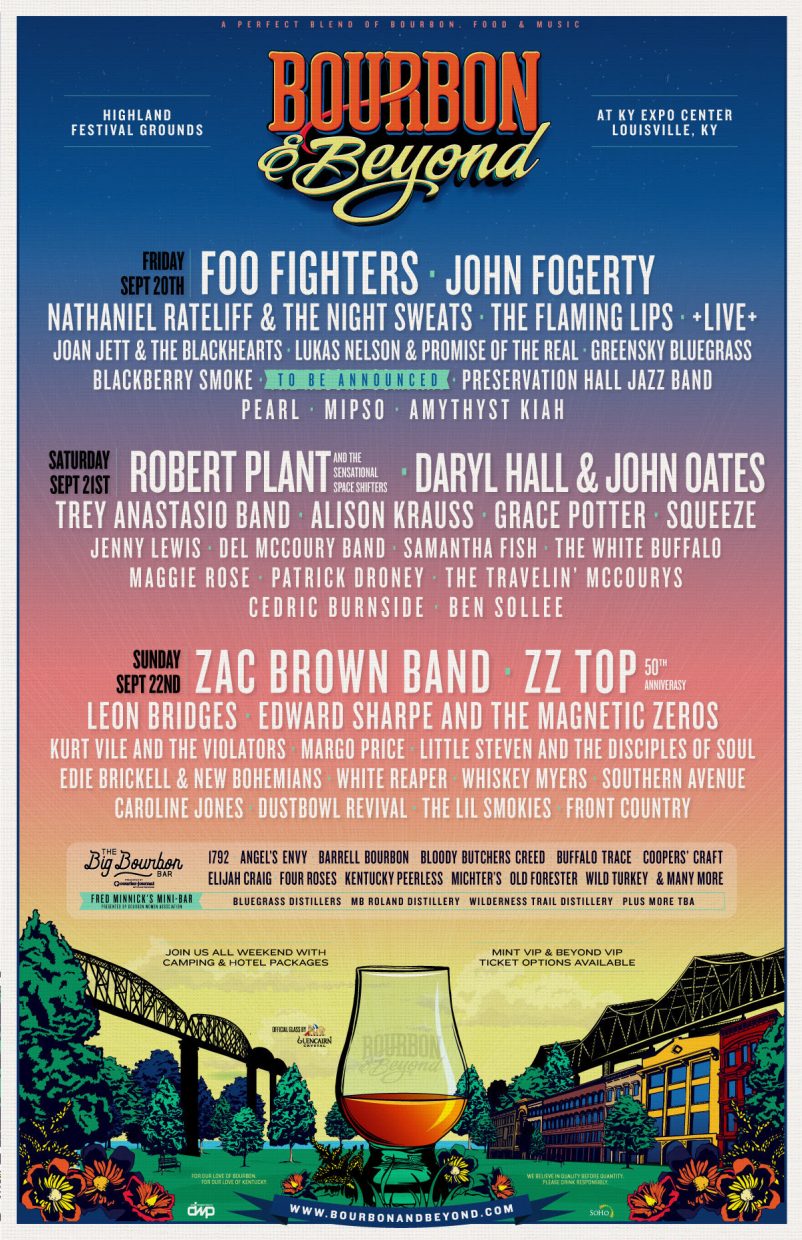
Bourbon & Beyond, the world’s largest bourbon festival, will return to Louisville, Kentucky, on September 20-22, expanding to three days full of incredible music, unique culinary events, and unmatched experiences from the region’s best distilleries at the new Highland Festival Grounds At Kentucky Expo Center.
In total, more than 45 artists will play on three stages, including Alison Krauss, Del McCoury Band, Lukas Nelson & Promise Of The Real, and Margo Price. The bluegrass stage will be curated by the genre’s leading authority, The Bluegrass Situation. The BGS lineup includes Greensky Bluegrass, Mipso, Amythyst Kiah, The Travelin’ McCourys, Cedric Burnside, Ben Sollee, Dustbowl Revival, Lil Smokies, Front Country, with more to be announced.
The event will be headlined by Foo Fighters, Robert Plant And The Sensational Space Shifters (returning after originally being scheduled to appear in 2018) and the Zac Brown Band. Additional acts include John Fogerty, Daryl Hall & John Oates, and many others.
The current music lineup for Bourbon & Beyond is as follows (subject to change):
Friday, September 20: Foo Fighters, John Fogerty, Nathaniel Rateliff & The Night Sweats, The Flaming Lips, +LIVE+, Joan Jett & The Blackhearts, Lukas Nelson & Promise Of The Real, Greensky Bluegrass, Blackberry Smoke, Preservation Hall Jazz Band, Pearl, Mipso, Amythyst Kiah
Saturday, September 21: Robert Plant And The Sensational Space Shifters, Daryl Hall & John Oates, Trey Anastasio Band, Alison Krauss, Grace Potter, Squeeze, Jenny Lewis, Del McCoury Band, Samantha Fish, The White Buffalo, Maggie Rose, Patrick Droney, The Travelin’ McCourys, Cedric Burnside, Ben Sollee
Sunday, September 22: Zac Brown Band, ZZ Top, Leon Bridges, Edward Sharpe And The Magnetic Zeros, Kurt Vile And The Violators, Margo Price, Little Steven And The Disciples Of Soul, Edie Brickell & New Bohemians, White Reaper, Whiskey Myers, Southern Avenue, Caroline Jones, Dustbowl Revival, The Lil Smokies, Front Country
This website uses cookies to improve your experience. We'll assume you're ok with this, but you can opt-out if you wish.AcceptRejectRead More
Privacy & Cookies Policy
Privacy Overview
This website uses cookies to improve your experience while you navigate through the website. Out of these, the cookies that are categorized as necessary are stored on your browser as they are essential for the working of basic functionalities of the website. We also use third-party cookies that help us analyze and understand how you use this website. These cookies will be stored in your browser only with your consent. You also have the option to opt-out of these cookies. But opting out of some of these cookies may affect your browsing experience.
Necessary cookies are absolutely essential for the website to function properly. This category only includes cookies that ensures basic functionalities and security features of the website. These cookies do not store any personal information.
Any cookies that may not be particularly necessary for the website to function and is used specifically to collect user personal data via analytics, ads, other embedded contents are termed as non-necessary cookies. It is mandatory to procure user consent prior to running these cookies on your website.