Editor’s Note: Each issue of Good Country, our co-founder Ed Helms will share a handful of good country artists, albums, and songs direct from his own earphones in Ed’s Picks.
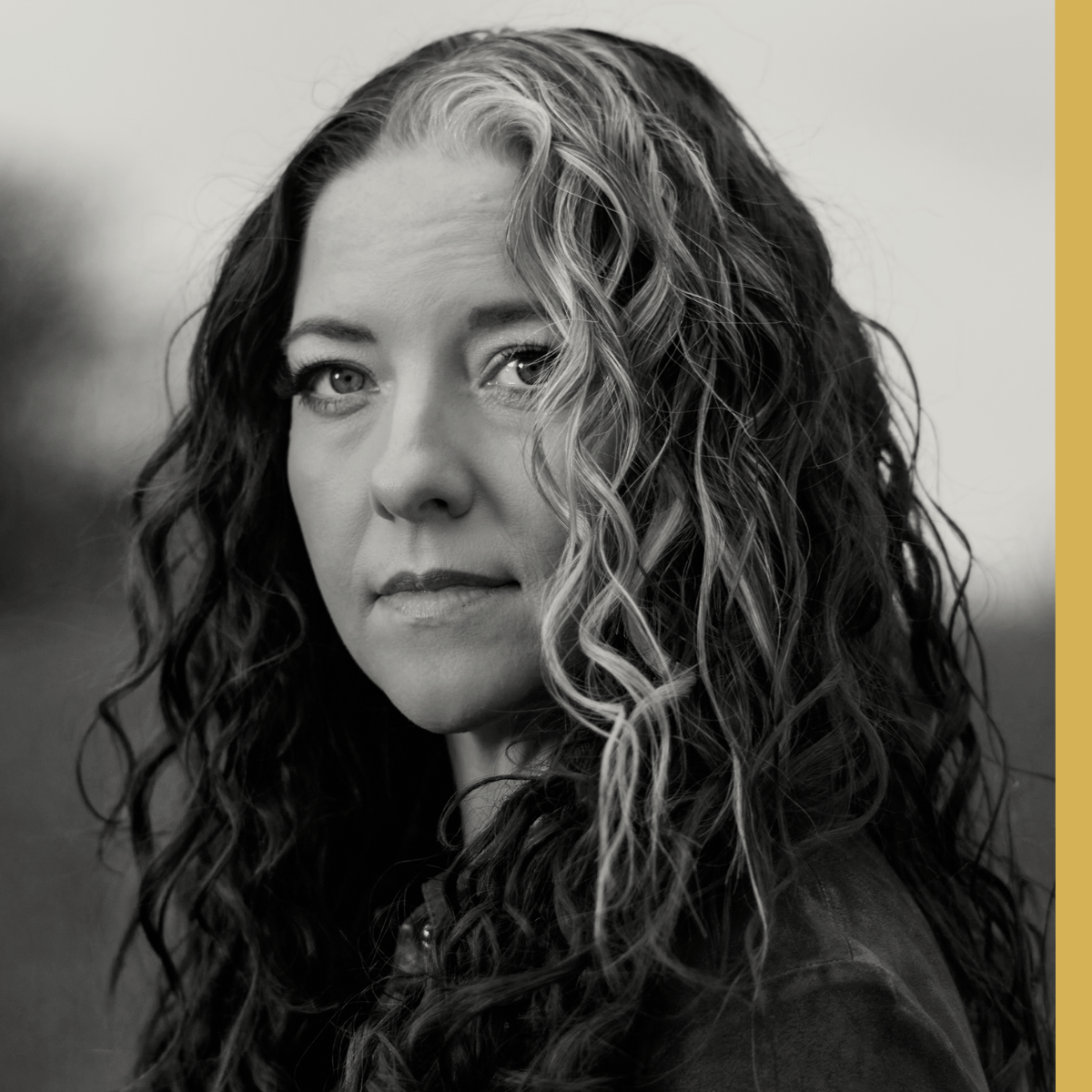
Ashley McBryde gets the year started off right with a soaring, anthemic new single. As you’ll see with “What If We Don’t,” Good Country and arena country aren’t mutually exclusive styles. Garage rock, country grit, and stadium-ready flair – McBryde is doing it better than almost anyone else out there.
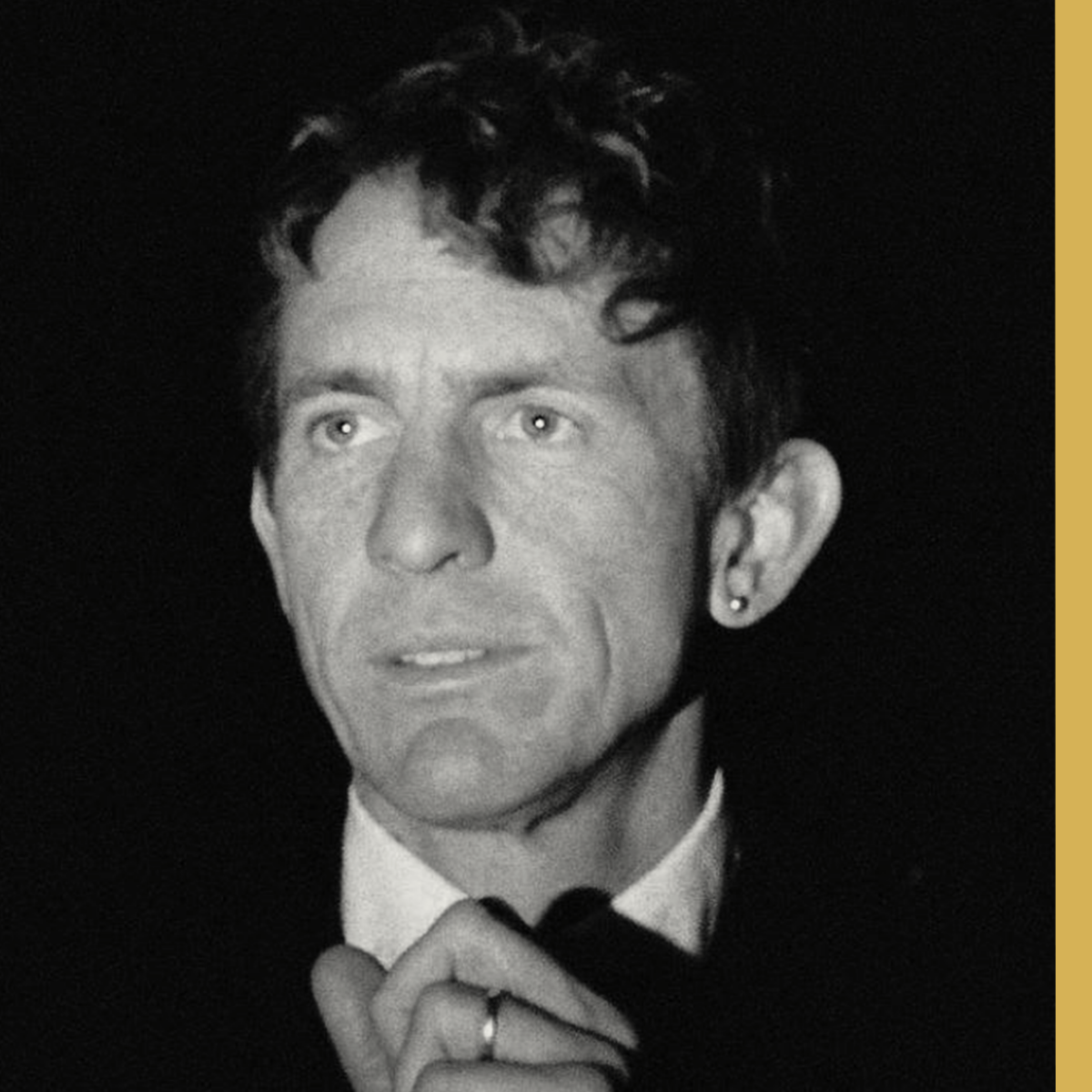
Not your mamaw’s “Ring of Fire.” Big Thief’s Buck Meek launches his upcoming solo album, The Mirror, in just a couple of weeks. Its songs were grown where alternative, indie, folk, and country overlap, though each feels just outside of reach of any single one of those terms. Featuring Adrienne Lenker on BGVs, “Ring of Fire,” like Johnny’s classic by the same name, is about love and connection – but is perhaps the flipside of the Cash coin.
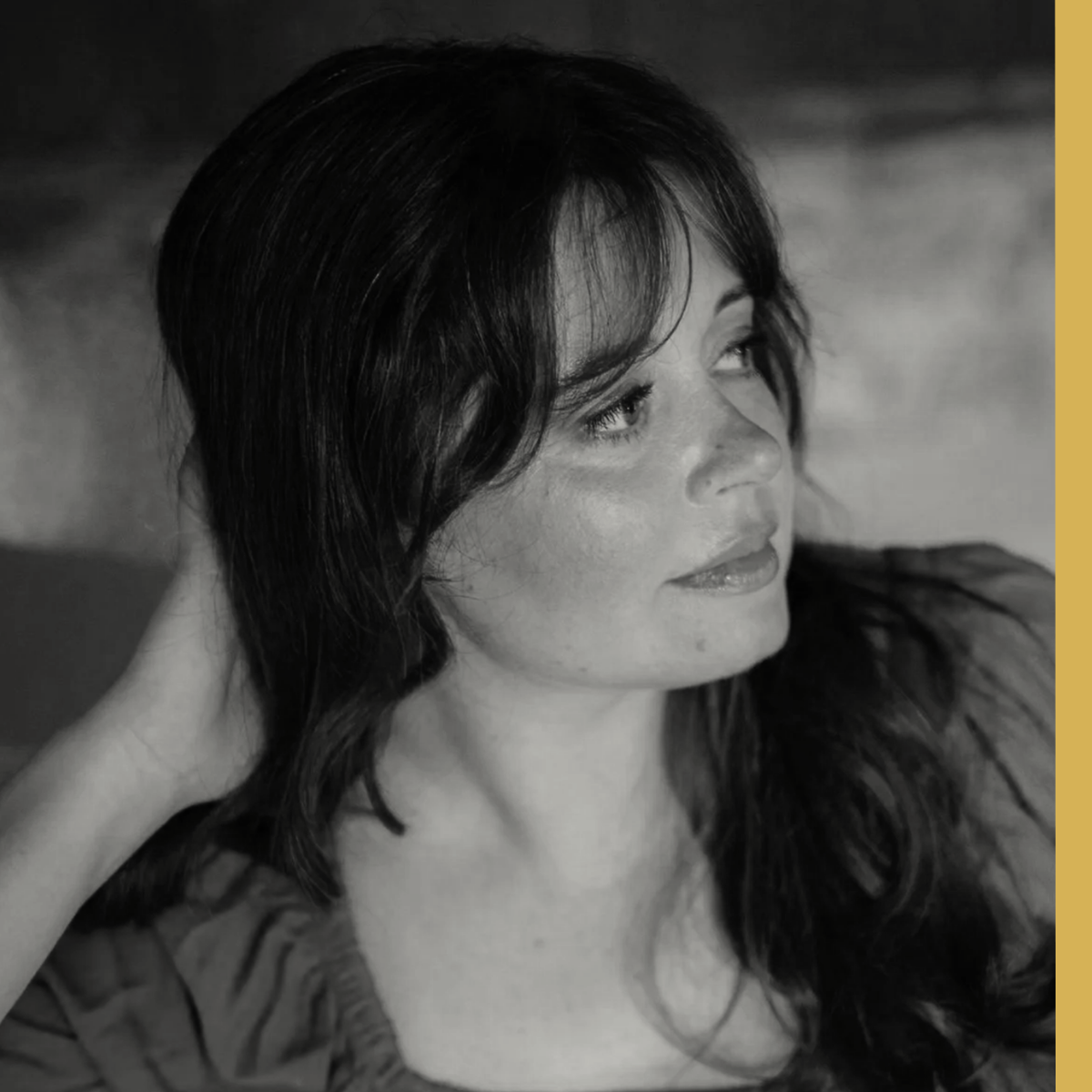
You can always trust the John Prine-founded Oh Boy Records to put out amazing music by generational songwriters. Emily Scott Robinson is certainly one. Her new album, Appalachia, embodies her heart-forward, community-minded approach to songcraft and musicmaking. Stand outs include “Hymn for the Unholy,” “The Time for Flowers,” the album’s title track “Appalachia,” and this lovely duet with John Paul White, “Cast Iron Heart.”
Read our recent interview with Emily Scott Robinson here.
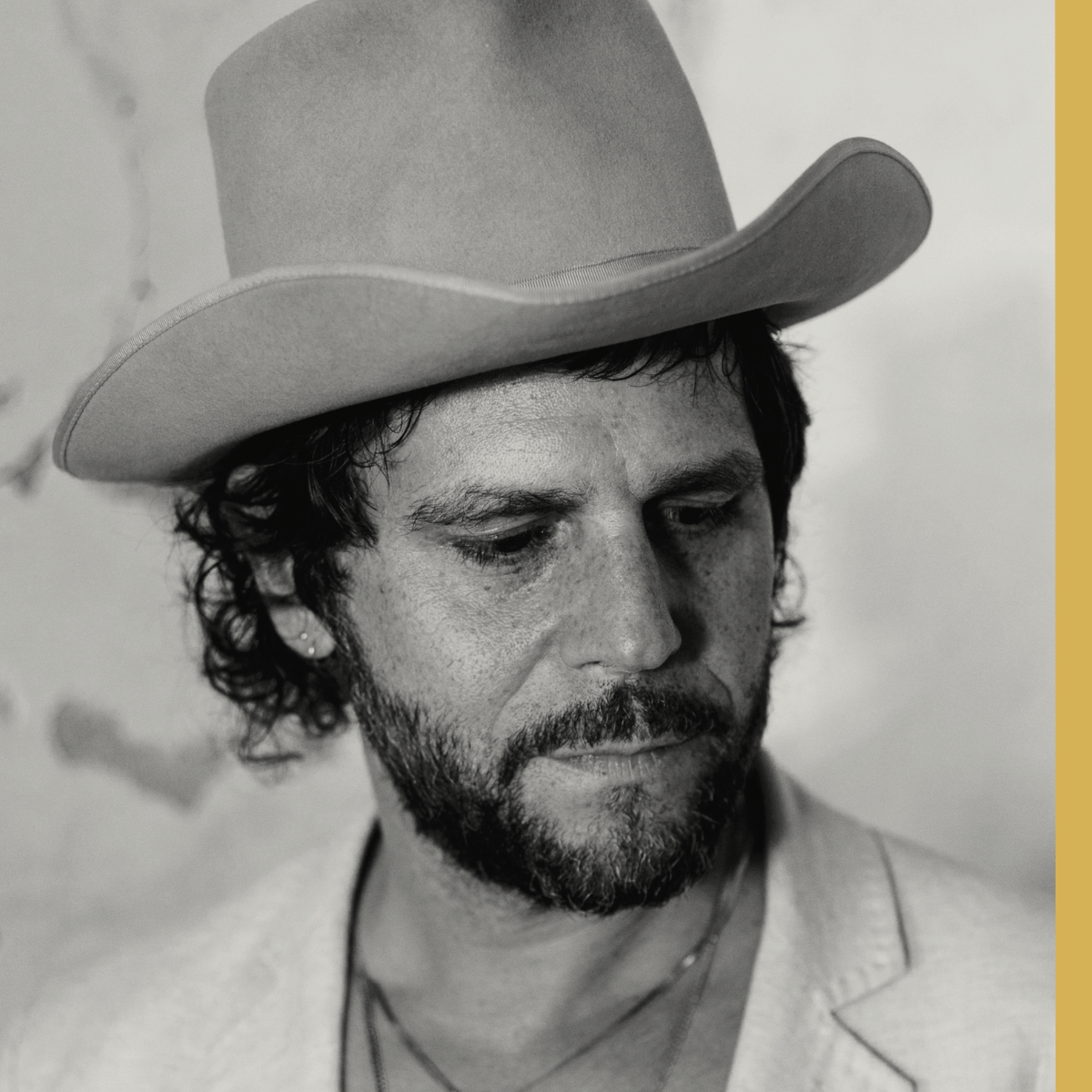
Speaking of rock ‘n’ roll, our old pal Langhorne plugs in and turns up on his new album, The Dreamin’ Kind, which was produced by Greta Van Fleet’s Sam F. Kiszka. Slim’s personality – and the signature, charming touches that made us all fall in love with his music – is front and center on the new collection, however far into rockin’ territory he brings his Americana and folk sensibilities.
Find out more about
The Dreamin’ Kind in our recent Cover Story interview.
He started as a bluegrass picker in a family band and a Keith Whitley and Tony Rice diehard. Now everyone’s favorite trad country revivalist is a GRAMMY Award winner. Top took home the trophy for Best Traditional Country Album for his sophomore release, Ain’t In It for My Health earlier this month. He’s the first awardee in the buzzed-about new category opposite Best Contemporary Country Album. Well deserved!
Want more Good Country? Sign up to receive our monthly email newsletter – and much more music! – direct to your inbox.
Photo Credits: Ashley McBryde by Nathan Chapman; Buck Meek by Germaine Dunes; Emily Scott Robinson by Angelina Castillo; Langhorne Slim by Savannah Lauren; Zach Top by Getty Images for the Recording Academy.
Through joy and sorrow – and they’ve known both in their ten years as a band – Southern Avenue do what they do best: make music. Lead vocalist/songwriter Tierinii Jackson, her husband, guitarist/songwriter Ori Naftaly, and her sisters, drummer/vocalist/songwriter Tikyra “T.K.” Jackson and percussionist/violinist/vocalist Ava Jackson, all reach into their spiritual and emotional wells to tell their stories through song.
It’s there on Family (released in April on Alligator Records), their latest and fourth album. True to its title, it’s a musical journey tracing the band’s personal and professional history. Family was recorded at Royal Studios in Southern Avenue’s home city, Memphis. GRAMMY winners John Burk and Boo Mitchell produced and mixed, respectively.
Southern Avenue write, record, and play with one goal in mind: “We’ve always been a band that speaks about peace and empowerment,” says Tierinii Jackson. “Our music is a place where we can leave the ails of the world outside. We can come together, be equal, and heal.” It’s a noble mission that comes from lived experience and presents in a unique blend of blues, funk, soul, gospel, country, and a healthy serving of guitars.
The rhythmic foundation upon which Southern Avenue is built stems in part from the guitar-and-drums pocket that Naftaly and Tykira Jackson create. “With Ori coming up with really juicy stuff and playing slide, it’s super easy for me to be inspired,” says Jackson. “I feel like what’s actually happening is we all allow ourselves to be creative and truthful to our stories, and we are connected to our ancestors, to our roots, to something much bigger than us. Within that, you get the pocket, because we are locked in.”
Naftaly seconds: “At the end of the day, nothing replaces two people that want to do right by the music, no matter what, and have almost a decade of doing it.”
First interviewed on BGS for Good Country in May 2025, the musicians reunited with BGS just weeks after learning of Family’s GRAMMY nomination for Best Contemporary Blues Album. As requested in their GC 5+5, there were no questions about “how [they] met and how the band started.” You can learn more about that here.
Congratulations on your second GRAMMY nomination. What does this mean to you, musically and personally?
Ori Naftaly: We’re very proud of ourselves, for sure. We felt that this album was special when we were writing and recording it, not just because it’s good music, [but also] because it’s coming from who we are as people. This is the most transparent we ever were. We felt that it is going to resonate. The circumstances for the album are special, and the story behind it. The [nomination] makes us proud because we’ve been so true to ourselves. It confirms our belief that you can create real music, without gimmicks, and it gets appreciated.
Tikyra Jackson: The first time we were nominated [for second album Keep On in 2019], just finding out, in that moment it does something to you that you wouldn’t expect, especially growing up watching the GRAMMYs every year. Five years later, to be nominated a second time, it feels like the first time all over again, because we work so hard.
A lot of times, when you’re the artist, you don’t take time to look at the work you’ve done. You just keep going. With this project being so personal to us, and representative also of our culture and those that came before us, it represents a lot. The GRAMMYs recognizing us also recognizes Memphis in a lot of ways. It gives us hope for the future, that we are becoming the world we live in and not just participants in it; that the world looks like us.
Tierinii Jackson: It makes me feel great. The first time we were nominated, I felt like we had something to prove. We were putting our best foot forward, trying to make everybody happy. But with this project in particular, we really wanted to embrace our roots. It had nothing to do with what people expected of us. It had nothing to do with trying to prove ourselves. It was our time to embrace our lineage, to embrace each other. This nomination is special because it came at a time where we finally found our identity in our journey of self-love. We’re being rewarded for something that’s very, very close to us. We proved we could do it while staying true to ourselves.
Ava Jackson: The previous GRAMMY nomination, I wasn’t [as] involved in the band. I would come in and record background vocals. So the nomination hit, but not as much as it does now. When we found out, my hands were shaking. I had way more involvement in this album as far as contributing to the harmonies, percussion, and fiddle. Having so much of myself involved and getting rewarded with a nomination is something I’m very grateful for. The album is so layered in who we are as individuals and as a family. It’s a triumphant thing to be rewarded and know that you did it wholeheartedly, you put yourself out there, it was authentic. There was so much effort put in even before we stepped into the studio. It’s such a privilege to get a nomination. I’m very appreciative of the process and how everyone has been receiving the album.
In an interview with Rolling Stone, you referred to yourselves as “the spirit of Memphis.” Memphis has a rich musical history … and also a “history.” In those contexts, what is “the spirit of Memphis”?
Tierinii Jackson: The music of Memphis has always reflected the story of Memphis – the struggles, the conflicts, the triumph of being resilient, all the challenges. That’s what we are as a group. We face challenges not only in Memphis, but also in the music business. As young Black women, and for Ori, as a foreigner, we face these challenges, but we turn it into something beautiful.
Our music is uplifting. Our music is positive. No matter what you hear about Memphis and the struggles the city goes through, when you walk into a store, somebody’s smiling at you. You still get that Southern hospitality. It still feels good here. That’s who we are. We are the spirit of Memphis. It doesn’t matter what we’re facing. We come through with this glorious, triumphant spirit. You dance and shout through all those troubles. We have fun. Our crowds – we make sure they’re clapping their hands, and we make it our intention to lift the spirits around us. That’s how you survive in Memphis – by being intentional with your words and how you communicate with your community. That’s how we reflect the spirit of Memphis.
The word “organic” is dreadfully overused, but it’s a bit inevitable with this album. Could you give us some insight into what happens when you create together? Maybe select one track and walk us through the process?
Tierinii Jackson: I would like to start with “Found A Friend In You.” We ladies were raised in church and that was all we knew for years. My father is from Senatobia, Mississippi, and he’s a guitar player. At some point, I wanted to know what the music was like where my father’s from, because I was looking to understand our identity in the blues genre. When I realized that the grooves we grew up playing in church was the sound of North Mississippi blues, we decided to dive in, because that came most natural to us.
“Found A Friend In You” is a Hill Country Blues groove, but it’s also a gospel groove, because blues and gospel are one and the same. That’s what we grew up playing in the church. So, foot-stomping, hand-clapping. It was the easiest to write. The lyrics flowed. The stops you hear right before the choruses – that’s organic. That’s second nature to us. When you hear that “dreadful” word “organic,” [all laugh] it means that when we’re our happiest, that’s the sound you hear, because that’s what comes from inside. That was put in us through generations of rhythms. It’s in our blood.
Tikyra Jackson: Getting into the studio, [there] came organic ideas and things. The tambourines on that song, you’ve got me playing on my hip, and Ava playing as well, and this energy of us being in a setting and worshiping in a way. We’re celebrating. You pull from your environment, and in the environment we grew up in, it was always extra instruments laying around. You just picked up something. In the studio, we came prepared, but a lot was inspired in the moment. When we talk about “organic,” we are so true to the sound and the music that we didn’t have the answers all the time throughout this process, and we trusted that we would find them along the way.
Ava Jackson: We recorded just about everything live and together. We did separate takes of our vocals with separate mics, takes with all three of us on one mic in a booth, and then we doubled all of that. It gives a very dense presence with the harmony. With this song, and in church, we’re hitting tambourines and it’s coming from the Holy Ghost, the spirit, and so you’re hitting it passionately.
What provides the drive in the song is us continuously playing that tambourine rhythm all the way throughout. Sometimes you add rhythmic ad-libs. With the harmonies, it’s like in church – you break out in song and everybody falls into place. I’ll be in the higher range, Tierinii in the mid-range, and TK in the lower range. We break out into that and it continues throughout the song, that reiteration of togetherness and the reflection of how we organically express what we’re singing.
The word “organic”– this style of music is innate for us. You weren’t taught how to do it. You were born into it. The fiddle adds another layer to the harmony and it also feels jovial. So towards the end it’s like you find your way. You’re triumphant. “Found A Friend In You” is like a foot-stomping, hand-clapping, praise type of song, and people receive it that way as well.
Ori, could you address the question from the perspective of guitars within Southern Avenue’s music?
Ori Naftaly: “Found A Friend In You” tells the story of me, Tierinii, and TK meeting and how it felt when we started playing together and finding peace. Past albums were different attempts at “What is the Southern Avenue sound?” When Ava joined full-time, I realized, “We have three singers. This is a family. This isn’t fabricated. This is who we are.” That’s the “organic” we talked about.
We doubled down on what makes us special and that also meant doubling down on guitars. I’ve been listening to Memphis music since I was 6 and I’ve been playing the blues since I can remember. The spirit of Memphis that we talked about earlier also comes from God putting me with Tony Pearson, a Black guitar player from Birmingham, Alabama, for a decade [in Israel], teaching me what it means to play the blues. Many blues purists will tell me that I am not a “blues guitar player,” but the blues is in everything I do; I can’t get away from it. It’s a feeling, not a formula. We play the blues all the time, but we don’t play traditional blues. We play original new music that ends up being blues. So the guitars are a reflection of my existence within the group.
Tierinii Jackson: For years, Ori was the blues guy and me and TK were trying to push the band to be more funk and contemporary. What we’re embracing today, Ori saw years ago. It took us a journey to get to this point where we said, “It’s time for us to embrace our roots and this sound.” We grew up very sheltered, so we were in our rebellious era. We wanted to be rock stars, funk stars, pop stars. We didn’t know who we were. We didn’t know what was special about us. Our fans saw us before we saw ourselves. When we harmonized, they heard the soul, the church, the blues. It took us a while to grow up and ask ourselves, “Who are we?”
When the pandemic set us down and we didn’t have the stage, the crew, the co-writes, and the producers, it was, “Who are we to our core and what can we do?” This is what we came up with. All the tours and festivals that we’ve been through, we haven’t heard anybody do the three-part harmony over the Hill Country grooves. Ori has always been the blues guy. He’s always been trying to get us to see what was special about ourselves. But he also respects us enough to allow us to have this journey.
Given your origin stories, the state of the world, and what you are trying to accomplish – in addition to the stressors of touring, the industry, parenthood, and life in general – how does music help protect your mental health?
Tierinii Jackson: It’s the only tool I’ve had since I was young. I grew up with six siblings. My house was chaos, and I never developed a relationship with my mother where I could talk to her about things and she could give me guiding advice. Music has always been my peace within the chaos. It was always my closest companion. Growing up, I had “friends” at school, but I never had close relationships where I could speak about things. So music has always been my only safe space. When I need to express myself, it’s music that I express myself into. When I need to be hugged, it’s music that will show up in the universe and hit me in the heart. It’s like God’s sign, letting me know I’m not alone. Music is my gift. It’s everything to do with my mental health. It’s the only thing that’s holding me.
Ori Naftaly: All of our albums, we write for our mental health. But there’s two aspects: keeping yourself sane [and] growing spiritually. We do both. We grow spiritually, and we use music as a barrier. We all used music as a gateway when we were kids and as we grew up. We do the same here. We choose to have lyrics that uplift people. If we wrote songs that don’t have messages in them, maybe we wouldn’t touch people the same way.
Ava Jackson: Being raised around music and church, it’s always been a communal thing. There’s always been people jamming and the enjoyment of making music. I think that does provide a certain amount of healing. Music provides release or relief. You hear a song, or you’re singing a song, you’re singing from your heart and soul, and what comes from the heart reaches the heart. Music is where people find true healing and where they can express whatever they’ve been holding in. Music enables you to release all of those emotions or tears. Mentally, I feel a lot better when I’m playing music. If I don’t practice my violin, or if I don’t play for a long time, I start to feel more of a depressive state. But when I do play, I feel that dopamine. I feel the rise in energy and I feel a lot more sharp. To have that at your fingertips is a privilege, and that’s something I know I’ll have forever.
Tikyra Jackson: For me, growing up, music was like drinking water. It was always there. I didn’t know how valuable it was. It was just something I could do. It was music and cinema. We watched so many movies growing up that showed me what the world could look like outside of going to church every day, because that’s really all we did. But in going to church, what did I love about it? The music. Our family was the musicians of the church. My mom was the organist. My dad was a guitar player. My big brother and me — drummers. Then you have the choir. All the girls are in the choir.
Today, music has given me experiences that let me know that as people, it doesn’t matter where you are. We’re all the same. We all want to be understood, we all want to be heard, and we all want to be loved. Music allows me to understand people without having, necessarily, a literal conversation, but a spiritual conversation. Each time you open yourself up in this manner, you evolve, you grow, you expand. Every time you play music, you create new neurological pathways. Within that, I agree with Ava. I have to do this. Music can reach you and touch you in ways that the natural world cannot. It reminds you of what’s important.
As our second year of Good Country comes to a close, we’re reflecting on another 12 months’ worth of the best in country music. Whether Americana, bluegrass, or string band, blues, outlaw, or Western swing – or any of the many styles of country we know and love – there’s been plenty of excellent picks from my ear buds directly to your inboxes and playlists.
We sampled post-modern Mississippian country from KIRBY, got funky and soulful with Memphis family band and GRAMMY nominees Southern Avenue. We celebrated Suzy Bogguss’ invitation to join the Grand Ole Opry and traveled to the remote center of the Pacific Ocean for Maoli’s particular twang.
Fiery twin fiddle by Jason Carter & Michael Cleveland had our jaws on the floor, while we were surprised – but not really – at how well Brooks & Dunn went together with the Earls of Leicester. Huge stars like Billy Strings, Warren Zeiders, Sabrina Carpenter, and Carín León were enjoyed alongside everyday working musicians like Jordan Tice, The Creekers, Nick Shoulders, Sunny War, and more.
That depth and breadth – of artists and styles, of notoriety, or approach – is exactly what we’re going for with Good Country.
Good Country isn’t any one thing. It’s a feeling. It’s a place. We’ll be chasing more Good Country feelings and places in 2026, and we’re so grateful to have you along for the ride. Look back at all of Ed’s Picks for 2025 with our master playlist.
Want more Good Country? Sign up to receive our monthly email newsletter – and much more music! – direct to your inbox.
Editor’s Note: Each issue of Good Country, our co-founder Ed Helms will share a handful of good country artists, albums, and songs direct from his own earphones in Ed’s Picks.
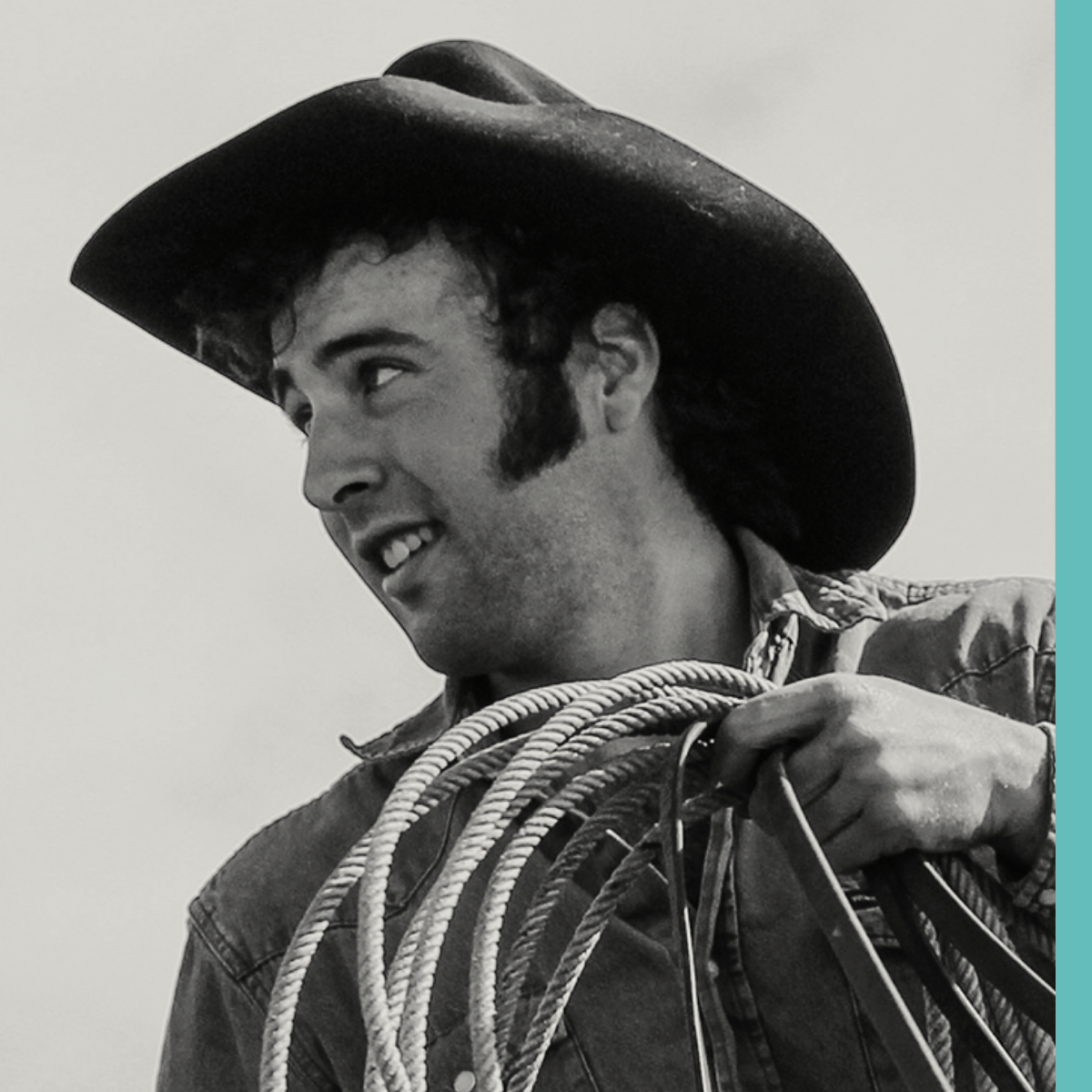
When country singer-songwriter and community-builder Luke Bell passed away in 2022, he left an enormous vacuum in the scenes that made him and adored him. But, he left an even larger legacy. His only posthumous album, The King Is Back, was released last week after being lovingly compiled by his mother Carol, sister Jane, and his team, friends, and collaborators – many of whom perform the LP’s 28 Bell-penned songs. It’s a devastating and heartfelt collection that benefits the Luke Bell Memorial Affordable Counseling Program. Learn more and donate here.
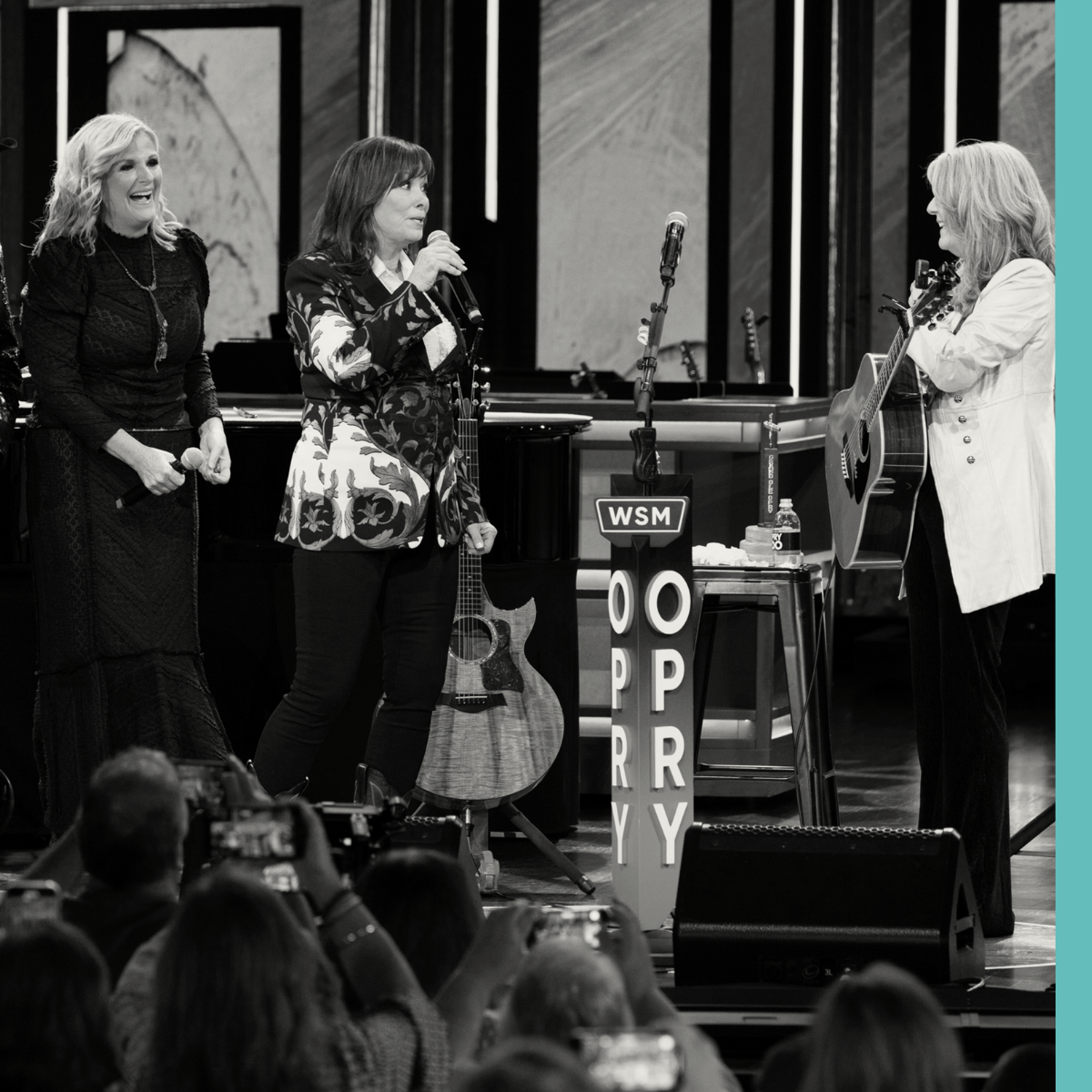
Suzy Bogguss is a country artist and singer-songwriter who’s won a GRAMMY, two CMA Awards, and an ACM award, and has had eight original songs become top 10 hits on the country charts across her career. Now, she’s adding another impressive title to her resumé: Grand Ole Opry Member! Last month, while her longtime friend Kathy Mattea celebrated her own induction into the Opry, Mattea interrupted her performance of “Eighteen Wheels and a Dozen Roses” (with Bogguss, Trisha Yearwood, and Terri Clark singing along) to surprise Suzy with her own invitation. Congratulations, Suzy! (She’ll be inducted in early 2026.)
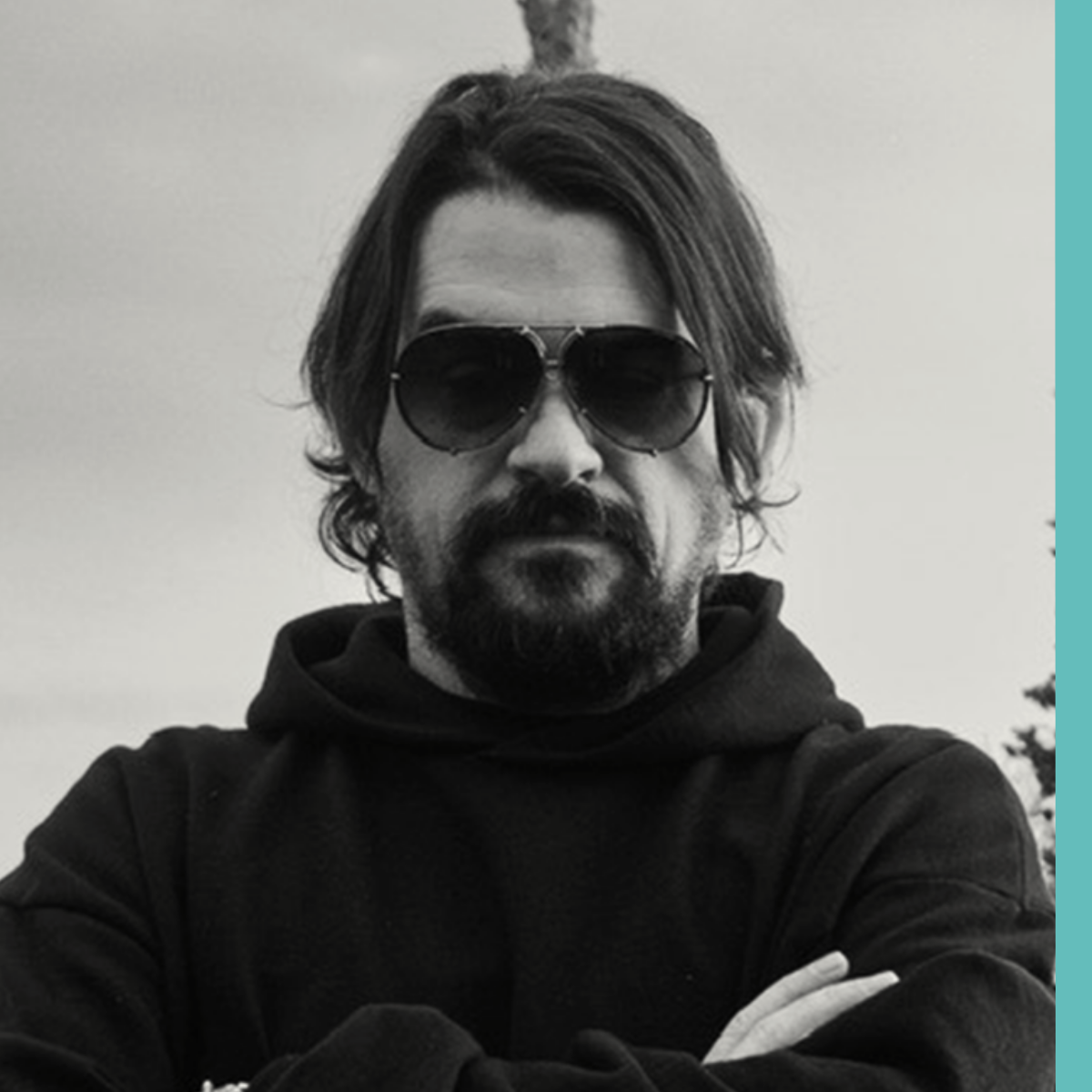
It would be hard to find a more prolific artist-producer-actor in country these days. Shooter Jennings is everywhere, producing albums for Jake Owen, Charley Crockett, Jeremy Pinnell, and the Turnpike Troubadours this year alone. In addition, he’s reached back into the archive of his outlaw father, Waylon Jennings, to release Songbird, the first in a three-album series of posthumous Waylon releases curated by Shooter. His influence is everywhere in modern country – and we’re glad about that.
Read our brand new feature on Shooter Jennings and the new Waylon project, Songbird, here.
We first heard about Memphian modern blues-Americana family band Southern Avenue way back in 2017 and now, more than eight years later, they’re nominated for a GRAMMY! Their most recent album, Family, dropped in April and gained the group their second GRAMMY nomination last week for Best Contemporary Blues Album. The band showcases how Memphis, though it’s often overlooked in favor of its nearby music city sisters, produces fascinating, genre-blending roots music dripping with personality.
Everyone’s favorite Canadian cowboy recluse is back with more of his signature raw, down-to-earth, and grizzled country & western sound. Memories and Empties, Wall’s first studio release in two years, is out today. Tracked in Nashville at the legendary RCA Studio A with his touring band, Scary Prairie Boys, and production by bandmate Pat Lyons, it’s a stellar collection of traditional, working-class, flatland-steeped country that wouldn’t even dare to try getting above its raising. Plus, it celebrates the communities and relationships often obscured or overlooked in songs and recordings that sound like this. Good Country? That’s for damn sure.
Want more Good Country? Sign up to receive our monthly email newsletter – and much more music! – direct to your inbox.
Photo Credits: Luke Bell by Mike Vanata; Suzy Bogguss, Kathy Mattea, and Trisha Yearwood at the Grand Ole Opry by Chris Hollo; Shooter Jennings by Jared Christopher; Southern Avenue by Rory Doyle; Colter Wall by Jake Zielke.
Artist:Southern Avenue Hometown: Memphis, Tennessee Latest Album:Family Personal Nicknames (or rejected band names): We don’t remember any rejected band names, but being from Memphis we definitely call everybody “mane.”
Answers have been provided by Tierinii Jackson, Southern Avenue lead vocalist and songwriter.
What was the first moment that you knew you wanted to be a musician?
It wasn’t one moment, it was the absence of one. I never imagined not being a singer and a songwriter. I grew up singing in church with my sisters and family and even when I ran away from all of that, the music stayed with me. Beale Street gave me my second education. That’s where I chose to be a full-time musician, even if the world didn’t choose it for me.
What is a genre, album, artist, musician, or song that you adore that would surprise people?
I love musical theater. It’s drama, it’s storytelling, it’s emotion on 10. I used to want to be on Broadway. Sometimes I still do. The song “Flying” on our new album is just about that. My mom actually turned the plane around mid-air so I wouldn’t fly to New York to make my dream come true. I do believe that it all connects and I have plenty of time to still do something special in that world.
What’s one question you wish interviewers would stop asking you?
People always ask how we met and how the band started. It’s everywhere online already. We just hope to get asked about new things now, go a little deeper. But it’s all good, no hard feelings at all. We love it when we have an interview where the person in front of us already has an understanding of who is in front of them.
What’s your favorite memory from being on stage?
When we toured with Willie Nelson, Bob Dylan, and John Mellencamp, it was already unbelievable. But then we found ourselves on stage at FarmAid, after two weeks on the road with them for the Outlaw Tour. I remember standing there thinking, “Am I dreaming?” It was one of those moments where everything just hits you, how far we’ve come, and how real it all is.
Genre is dead (long live genre!), but how would you describe the genres and styles your music inhabits?
We like to describe our music real simple. It’s Memphis music. That’s what raised us. We’re a mix of where we come from, how we grew up, and everything we dreamed of becoming. It all comes together in the sound.
Bourbon & Beyond, the world’s largest bourbon festival, will return to Louisville, Kentucky, on September 20-22, expanding to three days full of incredible music, unique culinary events, and unmatched experiences from the region’s best distilleries at the new Highland Festival Grounds At Kentucky Expo Center.
In total, more than 45 artists will play on three stages, including Alison Krauss, Del McCoury Band, Lukas Nelson & Promise Of The Real, and Margo Price. The bluegrass stage will be curated by the genre’s leading authority, The Bluegrass Situation. The BGS lineup includes Greensky Bluegrass, Mipso, Amythyst Kiah, The Travelin’ McCourys, Cedric Burnside, Ben Sollee, Dustbowl Revival, Lil Smokies, Front Country, with more to be announced.
The event will be headlined by Foo Fighters, Robert Plant And The Sensational Space Shifters (returning after originally being scheduled to appear in 2018) and the Zac Brown Band. Additional acts include John Fogerty, Daryl Hall & John Oates, and many others.
The current music lineup for Bourbon & Beyond is as follows (subject to change):
Friday, September 20: Foo Fighters, John Fogerty, Nathaniel Rateliff & The Night Sweats, The Flaming Lips, +LIVE+, Joan Jett & The Blackhearts, Lukas Nelson & Promise Of The Real, Greensky Bluegrass, Blackberry Smoke, Preservation Hall Jazz Band, Pearl, Mipso, Amythyst Kiah
Saturday, September 21: Robert Plant And The Sensational Space Shifters, Daryl Hall & John Oates, Trey Anastasio Band, Alison Krauss, Grace Potter, Squeeze, Jenny Lewis, Del McCoury Band, Samantha Fish, The White Buffalo, Maggie Rose, Patrick Droney, The Travelin’ McCourys, Cedric Burnside, Ben Sollee
Sunday, September 22: Zac Brown Band, ZZ Top, Leon Bridges, Edward Sharpe And The Magnetic Zeros, Kurt Vile And The Violators, Margo Price, Little Steven And The Disciples Of Soul, Edie Brickell & New Bohemians, White Reaper, Whiskey Myers, Southern Avenue, Caroline Jones, Dustbowl Revival, The Lil Smokies, Front Country
Artist:Southern Avenue Hometown: Memphis, TN Song: “80 Miles from Memphis” Album: Southern Avenue Release Date: February 24, 2017 Label: Stax Records, a division of Concord Music Group
In Their Words: “’80 Miles From Memphis’ is a song about my journey — how I left everyone I loved behind and set to chase my dream. I wrote this song coming back to Memphis from a show we had in Clarksdale, Mississippi. That lonely feeling got to me, and I felt like I had to express it with a song.” — Ori Naftaly
Photo credit: David McClister
This website uses cookies to improve your experience. We'll assume you're ok with this, but you can opt-out if you wish.AcceptRejectRead More
Privacy & Cookies Policy
Privacy Overview
This website uses cookies to improve your experience while you navigate through the website. Out of these, the cookies that are categorized as necessary are stored on your browser as they are essential for the working of basic functionalities of the website. We also use third-party cookies that help us analyze and understand how you use this website. These cookies will be stored in your browser only with your consent. You also have the option to opt-out of these cookies. But opting out of some of these cookies may affect your browsing experience.
Necessary cookies are absolutely essential for the website to function properly. This category only includes cookies that ensures basic functionalities and security features of the website. These cookies do not store any personal information.
Any cookies that may not be particularly necessary for the website to function and is used specifically to collect user personal data via analytics, ads, other embedded contents are termed as non-necessary cookies. It is mandatory to procure user consent prior to running these cookies on your website.