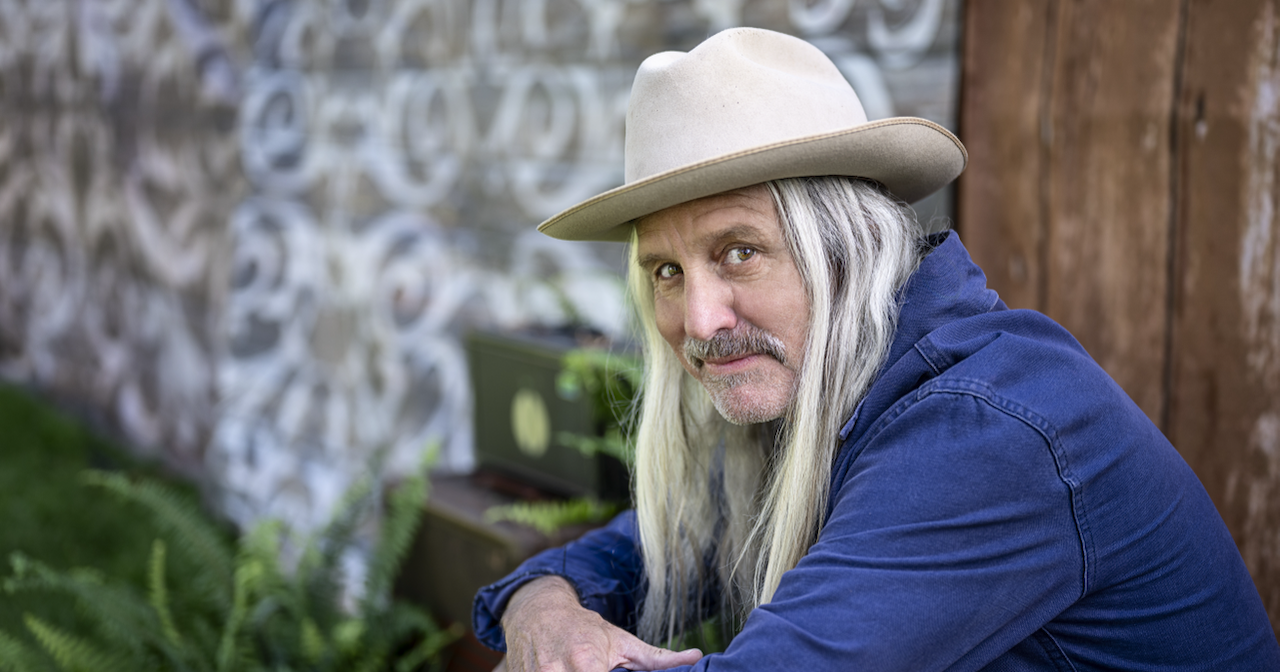
Steve Poltz Loves a Tangent

Steve Poltz has built a career by following each song wherever it wants to go. Sometimes that means a meticulously fingerpicked melody. Sometimes it means a story that veers off into comedy, confession, or absurdity before circling back to the heart of the matter. That tangential nature – equal parts songwriter, raconteur, and road-tested troubadour – has become his signature, especially onstage, where no two of his shows are ever the same.

Poltz’s new album, JoyRide (released January 30, 2026), reflects that same restless curiosity. Trim, deliberate, and capped at 10 songs, it distills decades of touring, collaboration, and lived experience into a tightly sequenced record designed to be heard in one sitting. From satirical observations about modern life to deeply personal reflections shaped by years on the road, JoyRide captures Poltz at a moment of clarity – still chasing the perfect song, still trusting instinct over plan, and still finding meaning in the long way around.

Long before JoyRide, Poltz earned his reputation the slow way – by logging miles, swapping verses with fellow songwriters, and learning how a room breathes. Founder of the San Diego-based rock band the Rugburns and co-writer of Jewel’s breakthrough “You Were Meant for Me,” he has never been defined by that early success, instead carving out a singular path marked by humor, humility, and an almost reckless openness.

In a conversation with BGS, we spoke with Poltz about the making of JoyRide, the longtime relationships that have sustained him, and the zany, unpredictable ride that has been his career. Whether sharing a bill with old friends or holding a crowd rapt with nothing more than a guitar and an improvised aside, Poltz approaches music less as a performance than as a conversation – one where the destination matters less than the unexpected connections made along the way.

Let’s start with early memories. Was there a moment when music really clicked for you?

Steve Poltz: I remember when I was in second or third grade, I stuttered, had asthma, eczema, and I didn’t hang out with many people. I started playing guitar when I was six. So I brought the guitar to school for show and tell. And I sang the song “Sloop John B” in class. And other kids brought snakes, brought their moms who were nurses or doctors or firemen, and their dads and stuff. I sang a song on guitar. I went out and sat alone. I remember I opened my lunch and I looked up and there were six girls around me. I thought, “This is all I have to do!” That was it. That was the plan.

I had a friend who was a DJ at San Diego State University [radio station] KCR, and she moved in with these roommates. They had brought this record by that had just come out by this woman named Rickie Lee Jones. It was her eponymous debut LP. And, oh my God, I listened to that record nonstop. There was a song called “On Saturday Afternoons in 1963,” which is still one of my favorite songs. It was in the movie Stripes with Bill Murray.

Man, two years ago I played Byron Bay Bluesfest in Australia and Rickie Lee Jones was on after me. Just the way the world works and the universe works, I knew her percussionist who plays the vibes, Mike Dillon. He sees me, and he’s sitting with Rickie Lee Jones, who’s like my hero. She’s one of my favorite lyricists ever. I’m a Dylanologist, and still, Rickie Lee Jones – those first two records especially – her poetry, the way she puts the songs together, I put it at the top of my whole pyramid.

[At Bluesfest] I told her I’d do a cover of “On Saturday Afternoons in 1963” and I segue into it from John Hartford’s “Presbyterian Guitar.” She loved John Hartford, too. She comes out during the song in front of 5,000 people, sings the second verse, and I just started crying. It was one of those full circle moments. These are the people that are my heroes.

You’ve become very deliberate about keeping your albums, like JoyRide, short and sweet. Why?

We’re just in such a quick world, where people don’t have the attention span. I’ve come to this conclusion that 10 songs is the perfect amount of songs to have on a record. Leave all these other ones on the cutting room floor. Put them out later on B-side compilations or something. Keep it under 33 minutes. It fits on vinyl perfectly. It doesn’t lose any of the resolution. If people are into you, it’s not too hard to give 32 minutes of your time. My hope is they go, “Let’s hear it again.” That’s my fantasy. One day I’ll get it right.

You’re known as a road warrior. What still thrills you about touring?

I feel like I’m kind of like the Grateful Dead in that I’m better experienced live than on record. Live, there’s magic. I’m still looking to make the perfect record. Maybe when I’m 80. I can’t believe Bob Weir just died, I mean he’s so young, 78. I’m like, “God, that’s like 12 years older than I am, I better get my shit together.”

I love it when things don’t work on the road. When something goes wrong, when animals attack. It took me a lot of years to get there, but sometimes things are really good when they don’t work. It messes with the audience. It’s like mental jiu jitsu.

Perhaps not surprisingly, you often reference comedy as an influence. How important is humor to your music?

I loved Andy Kaufman. I loved Richard Pryor. The early Steve Martin albums, Cheech and Chong – I memorized all that stuff. When I heard Allan Sherman sing “Hello Muddah, Hello Faddah!” I remember thinking, “Why can’t every song be like this?” Same thing with listening to the Dr. Demento [radio] show. Dr. Demento was huge. He played the Rugburns [on his show]. “Weird Al” Yankovic used to come to our shows and loved [our 1995 record] Dick’s Automotive. Because of that song, he wrote “Albuquerque.”

What are some of your earliest musical memories? You mentioned Rickie Lee Jones earlier. What are some other early prominent memories of being moved or touched by a song? Where were your first performances?

My uncle took me to see Julian Bream at the Hollywood Bowl. Classical guitar. That was it. I wanted to learn classical guitar. You know, with my left foot up on a stool, with a nylon string guitar, the way you hold it all in the proper classical way. I learned to read music. Fernando Sor’s etudes. My first gigs were in Mexican restaurants in San Diego. Four hours of classical guitar. Free meals. One night I got the courage to sing “Time in a Bottle.” The waitress said, “I didn’t know you could sing.” That night ended with me running out a window and leaving my left shoe behind. I never went back to that restaurant.

And then there was another one in El Cajon and it was called El Amigo. The El Amigo Ballroom. Then I got a job at Round Table Pizza in La Mesa. I got fired because I sang on the mic and I sang “The Rodeo Song.” One night, I got really drunk with the manager and I didn’t know the owner was in the audience. That was where I kind of learned mic control, because the manager was like, “Man, you’ve got a good voice for speaking. I want you to be the guy who says, ‘McDonald, party of four, you’ve got a large pepperoni pizza.’”

One night the manager got me really drunk. He was a younger guy. I started singing “The Rodeo Song,” which was this Canadian song that went, “Well, it’s 40 below and I don’t give a fuck, got a heater in my truck and I’m off to the rodeo.” And the chorus goes, “You piss me off, you fucking jerk, you get on my nerves.” It’s like a really juvenile song that was played on the radio in the late ‘70s. They would have all these bleeps where the cuss words were. And I sang it on the mic. Then the next morning I got a call from the manager. He’s like, “You need to come in and pick up your check.” I said, “We’re getting paid early.” And he goes, “No, you’re fired. We need pizza makers, not entertainers.”

Let’s talk about JoyRide. Tell us about the opening song, “If It Bleeds, It Leads.”

It started with a guitar riff. A major seventh chord. Then the melody. Then the words came. And the next morning when I woke up, I was kind of laughing. I always saved ideas, it’s like a junkyard of melodies, words, everything in my iPhone on my notes page, and then also in my voice memos. And I went, “Oh, this fits.” [Quotes:]

I can never watch the news with you because you yell back
You scream like they can hear you in the television set
What am I to do when all you’re doing is yelling at the top of your lungs?
You’re even scaring all the pets.
You’re scaring all, you’re scaring all, you’re scaring all the pets.

And it just worked out perfectly. You just kind of shave off syllables and fit it into this sort of Sudoku puzzle or something.

And next thing you know, it’s like you’re fishing and you have this song on the line. Like, where do I want it to go next? You can say, “I remember one time when you went and grabbed your pistol.” And so that harkens back to Elvis Presley, who I was lucky enough to meet when I was nine years old. He put me on his shoulders. I’m like, “I gotta name check Elvis in this.”

The songs comprising JoyRide seem especially quirky, even by your standards. Can you tell us about some of the ones that you have the most affection for?

“Petrichor,” which is track two, I really love because it’s really fast fingerpicking. I wrote that with Gary Nicholson, who wrote a bunch with John Prine and toured with Guy Clark. He’s just a wonderful songwriter. I went over to his house and I was like, “I have this idea for this song called ‘Petrichor.” I showed him the guitar riff, we wrote that song, and it’s a banger. I love playing that live. There’s one called “At It Again” that I wrote with Jim Lauderdale that I love playing live, and I love playing “Love a Little Bigger.”

There’s a song called “Hair Lift,” where I learned a tuning from Richard Thompson. It’s just my E string goes down to C and my A string goes down to G, and everything else is the same. He uses that tuning in “1952 Vincent Black Lightning,” but he capos it up. So I took that tuning and wrote this song called “Hair Lift.” I love singing that song because it’s got lines in it that are just so goofy, they still make me laugh. Stuff that I find funny, not everybody else does, which makes me laugh even harder.

My favorite one to do live is called “The Son of God,” and that’s because I get to play myself and Jesus. I’m having a conversation with Jesus, and that whole song came about because when I was a kid – it’s one of my fondest memories – [there] was this door-to-door salesman [that] came to our house. He was selling Funk & Wagnalls encyclopedias. Dude, it was like a new iPhone. All the answers to everything were in this set of encyclopedias, and I begged my parents to get them. I begged them and they got the Funk & Wagnalls encyclopedias for me.

My mom said, “You gotta read every one of them cover to cover.” And I did. Every day I would just read the encyclopedia, because I found all this knowledge so fascinating about everything. Words I’d never heard of and countries I’d never heard of. Niger! I mean, come on. And I’d want to read everything about it. So I was thinking when I made up this song, “The Son of God,” like, “Hey, whatever happened to all those Funk & Wagnalls encyclopedias?” I had this fantasy that Jesus called me up and he was trying to get rid of them, because you have to have a storage unit in heaven.

What came together perfectly on this record?

It’s hard to get me into the studio, so just that it happened is like a dream. I’m always on the road. But I recorded at this guy’s house in Nashville. The vibe was good. That’s everything to me. I wrote songs with Jim Lauderdale. One with Vince Herman. It all came together naturally.

You spent ten years in Nashville before returning to San Diego. What did that city give you?

From the moment I got there, it was where I was meant to be. Everywhere you go, you’re making contacts. Coffeehouses are where everything happens. People are polite. You don’t know who anyone is. Your Uber driver might get you a record deal. I remember I was at this coffeehouse and I looked over and there was Lisa Loeb, who I hadn’t seen in years because I toured and opened for her back in the ‘90s. I hadn’t seen her since that tour and she just happened to be in town and I was in this coffeehouse and she was like, “Steve?” “Lisa?” And she said, “You know, I always come here to write and hang out.” Then, the same coffeehouse, there is another amazing person just a week later. And then at a different coffeehouse, Jim Lauderdale. Then me and Jim became really close – and must have like 30 songs [written together] – and it just went on and on and on. Like wherever I went, I was just making contacts.

Circling back to where we started our conversation, some people don’t want humor or irony or banter in their music, staples and bedrocks of JoyRide and perhaps your entire career. How do you continue to approach and navigate those variables?

Luckily, there are hundreds and thousands of artists for everything. Some people want to slam dance or listen to really serious bluegrass. Some want to cry. My audience wants stories. They want to laugh and to cry. They want to hear some guitar playing. In today’s world, part of the whole thing is you got to be consistent, you’ve got to get out there, and you got to keep doing it, because nobody’s going to just tap you on the shoulder and say, “Hey, kid, I’m going to make you a star.” It just really doesn’t happen.

I like small rooms. Low ceilings. Shoulder to shoulder. Quiet listening rooms. Tangents. That’s the ultimate job.


Photo Credit: Jay Blakesburg
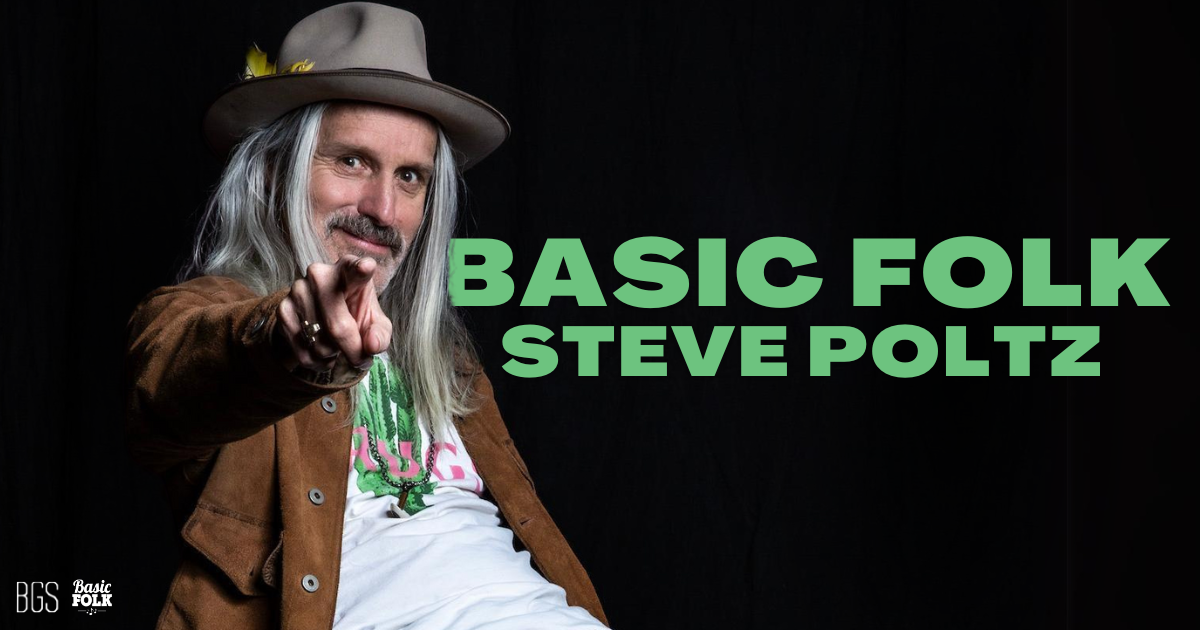
Basic Folk: Steve Poltz

If you’re looking for recommendations for desserts, might I suggest asking folk music and comedy savant Steve Poltz? This man loves gluten and carb-heavy sweets. He also loves collaborations, camaraderie, creativity and using humor in music. It all began for Poltz – or Poltzy as his friends call him – in his birthplace of Halifax, Nova Scotia, making him an official Canadian. He spent his formative years in Palm Springs and Los Angeles where due to his stutter, allergies, and asthma, he learned to talk fast to get himself out of trouble. His sense of humor was cultivated in part by his funny parents as well as radio and television. He was particularly taken with The Smothers Brothers, Laugh-In, and the novelty songs he heard on Dr. Demento’s radio program, which solidified his own aspirations for being silly as hell in his own writing. Along the way, he picked up the guitar at six years old and it’s been by his side ever since.

LISTEN: APPLE • SPOTIFY • AMAZON • MP3

After he moved to San Diego to attend college in the ’80s, he formed the cow-punk band The Rugburns with Robert Driscoll. The group, which Steve has described as “really slow speed metal,” developed a cult following across the U.S. in the early ’90s. It was at that time when Poltz met Jewel, who was a struggling musician in the San Diego scene. The two dated (they remain friends to this day) and ended up co-writing one of the biggest songs of the ’90s with “You Were Meant For Me.” After a brush with a major label (thanks to all the Jewel stuff), he remained an independent artist who developed a reputation for a singular live performance experience.

In 2014, he actually had a stroke onstage, which temporarily caused him to lose his vision, his ability to read, and also gave him a new outlook on life. Also: post-stroke, he found a late-in-life obsession with the Grateful Dead. In 2016 he and his wife, Sharon, moved to Nashville, where he discovered that he actually does like the Nashville co-writing thing. He’s written songs with people like Molly Tuttle and Billy Strings. His friend Oliver Wood (The Wood Brothers) produced his most recent record, Stardust and Satellites. Here’s to Steve Poltz!


Photo Credit: Jeff Faisano

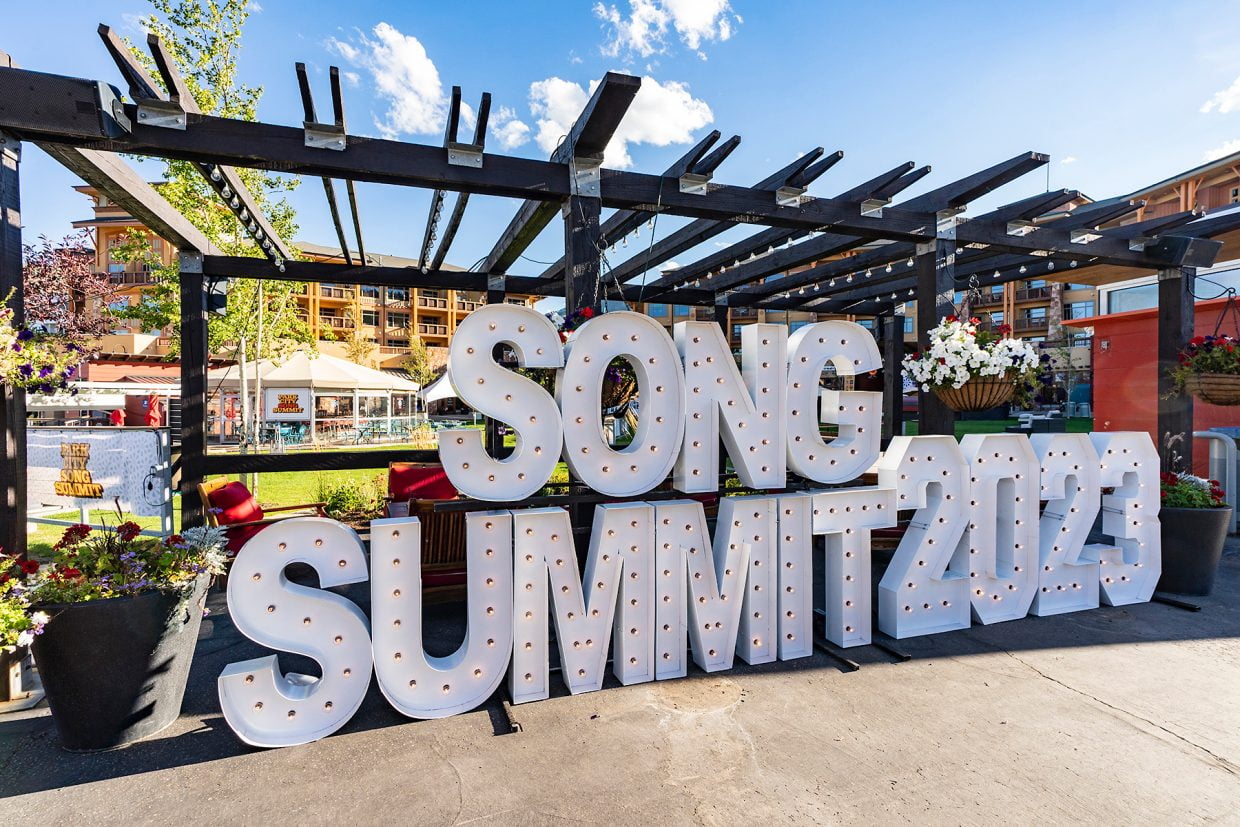
PHOTOS: Park City Song Summit 2023

[Editor’s Note: In September 2023, fine art photographer Erika Goldring (Getty Images, New York Times, Billboard) was on hand at Park City Song Summit in Utah to document the music and wellness event. Below, enjoy selections from her PCSS photographs and her reflections on this one of a kind gathering of songmakers.]

All in all, what moved me about Park City Song Summit was seeing artists and fans connect in a different way — more intimate shows, the opportunity to ask questions. We’re all just trying to make our way through this crazy world. Song Summit has created a community for those of us in the industry to have open and honest conversations about navigating personal struggles. – Erika Goldring, photographer

When I first heard about Park City Song Summit, I was like, “This is where I need to be!” It’s more than a music festival, it’s four days of music AND wellness! It’s a chance to take a deeper dive into the lives of the musicians I love, whether it’s hearing about someone’s creative process or what they do to maintain sanity on the road. No one is afraid to talk about mental health and recovery, and this is where the magic lies for me.

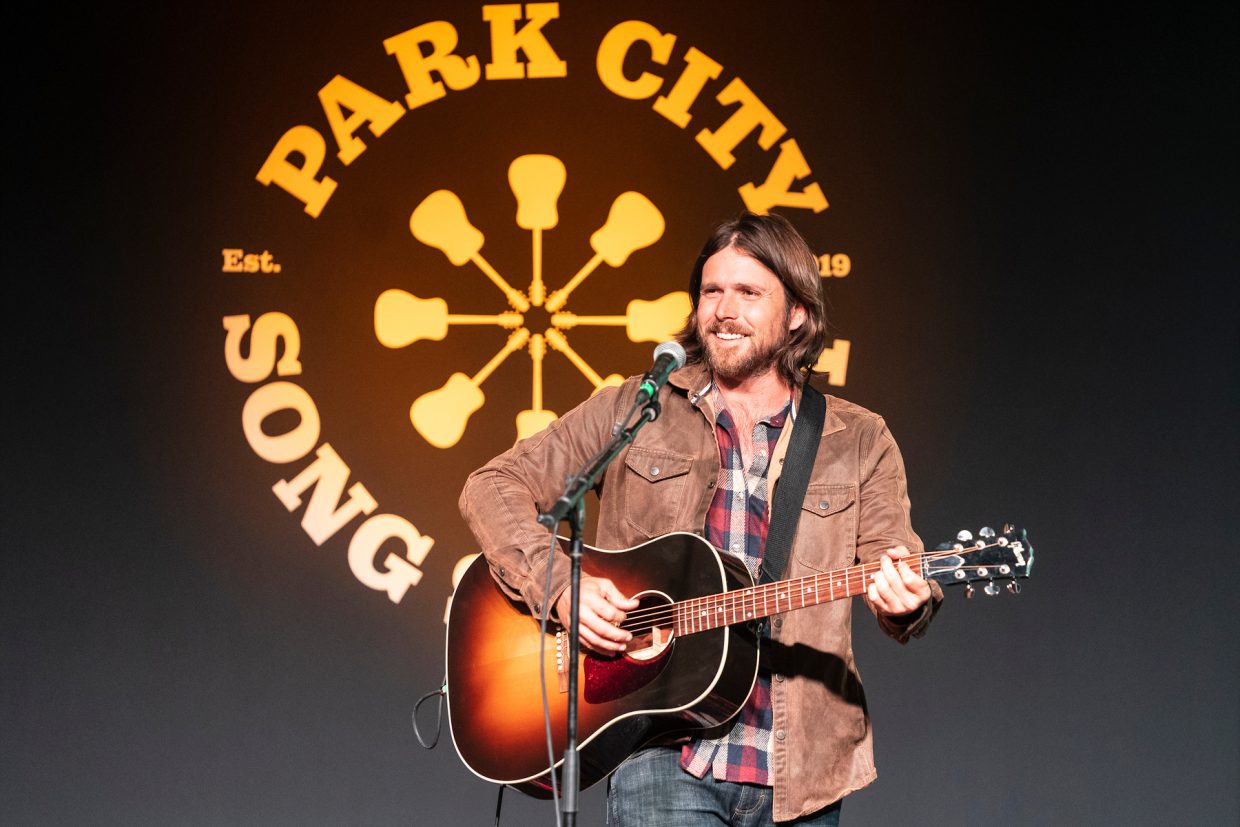
To see an artist do a solo acoustic set who doesn’t usually do that is always a treat. You know you’re getting something different. When Lukas Nelson sat down at the keyboard to do the title song of his last album, A Few Stars Apart, I got goosebumps — it felt so intimate and vulnerable. He did a few covers at the end of his set, including Pearl Jam’s “Breathe” and the Grateful Dead’s “Ripple.” I loved it, the audience loved it, we all joined in singing, and it was lovely to see him enjoying himself.

I first met Harold Owens at Imagine Recovery in New Orleans when MusiCares invited Ivan Neville to tell his recovery story. I have crossed paths with him many times since then. He’s helped a lot of people with substance abuse issues get into treatment.

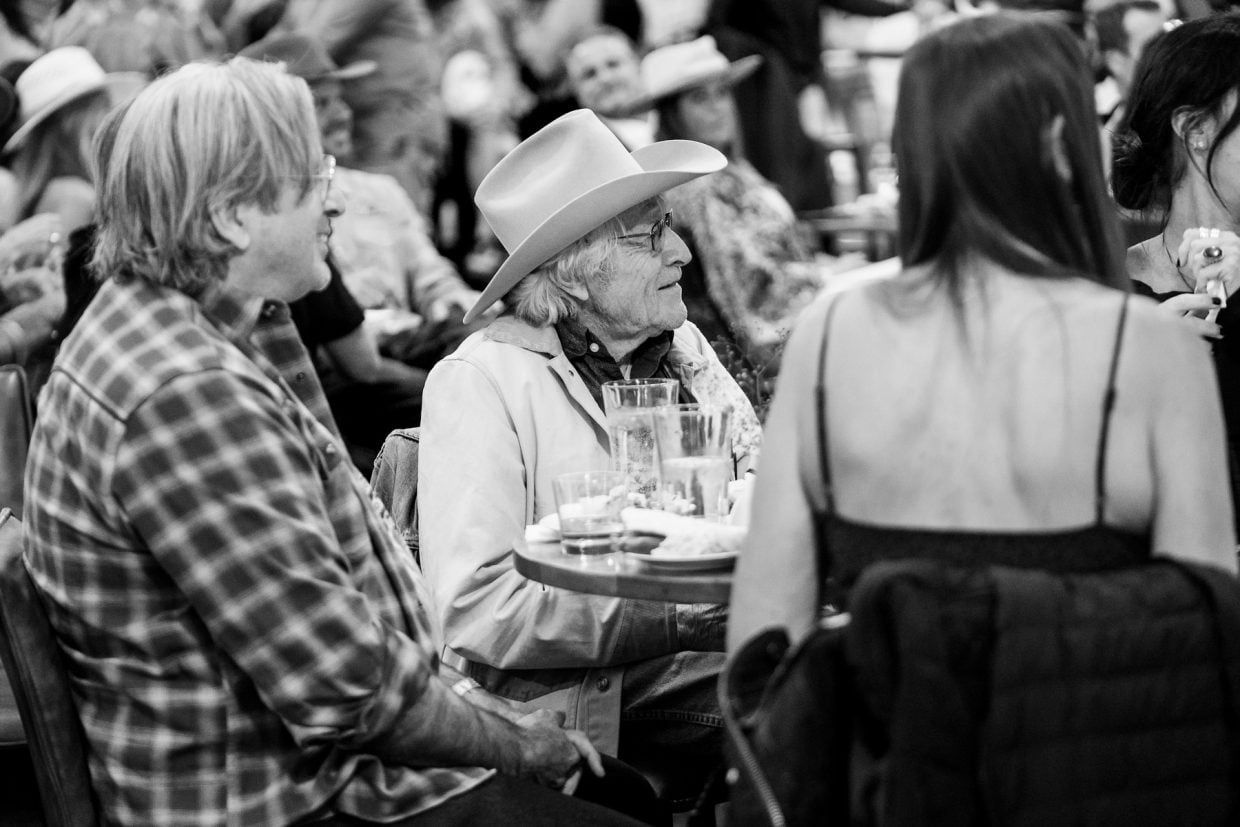
Elliott Adnopoz, aka Ramblin Jack Elliott, a cowboy folksinger. The first time I saw him was on Arlo Guthrie’s Ridin’ on the City of New Orleans tour, post-Hurricane Katrina. He’s 92 years old and still at it! He sat in with Bob Weir for a cover of Bob Dylan’s “I’ll Be Your Baby Tonight.”

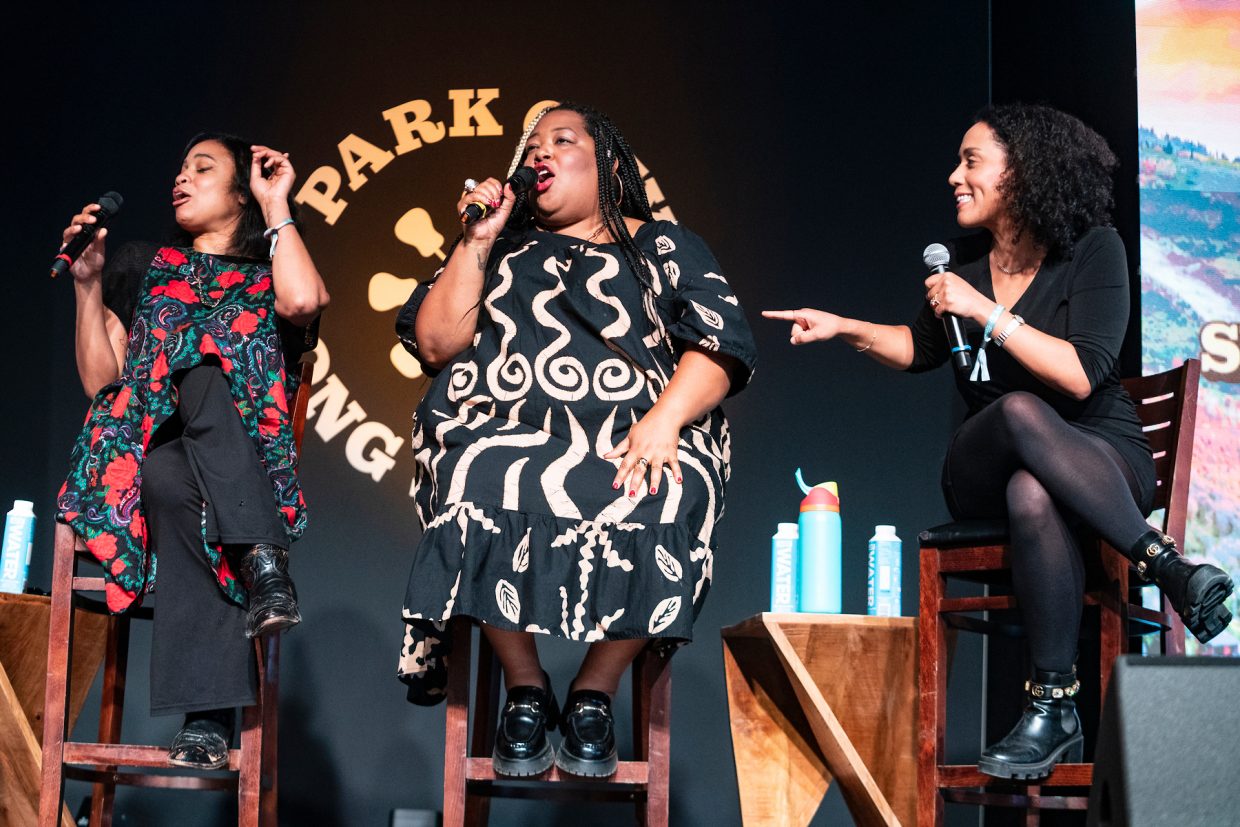
I was thrilled to see Caroline Randall Williams (right) announced as a panelist with Adia Victoria (left) and Celisse (center). She wrote a piece early on in the pandemic about Confederate monuments that really made me think in a different way. These are smart and eloquent women talking about the blues and loving every minute of it.

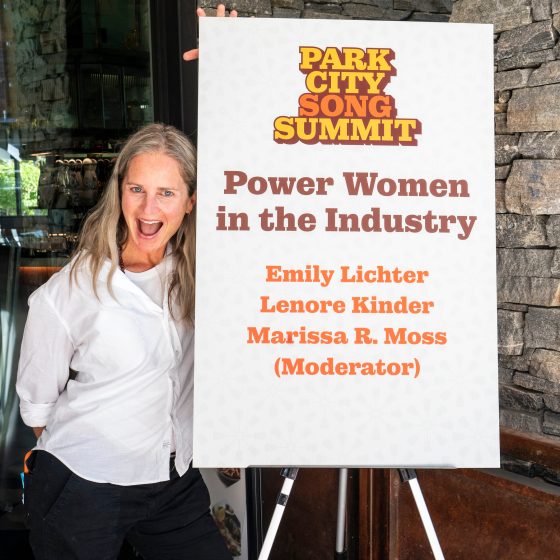
Emily Lichter has a great spirit. Not only did she speak about managing artists, but she also brought Leta Herman from Alchemy Healing Center and speaker Ruthie Lindsey to Song Summit. Hilary Saunders subbed for Marissa Moss as moderator, due to an illness, and did a great job.

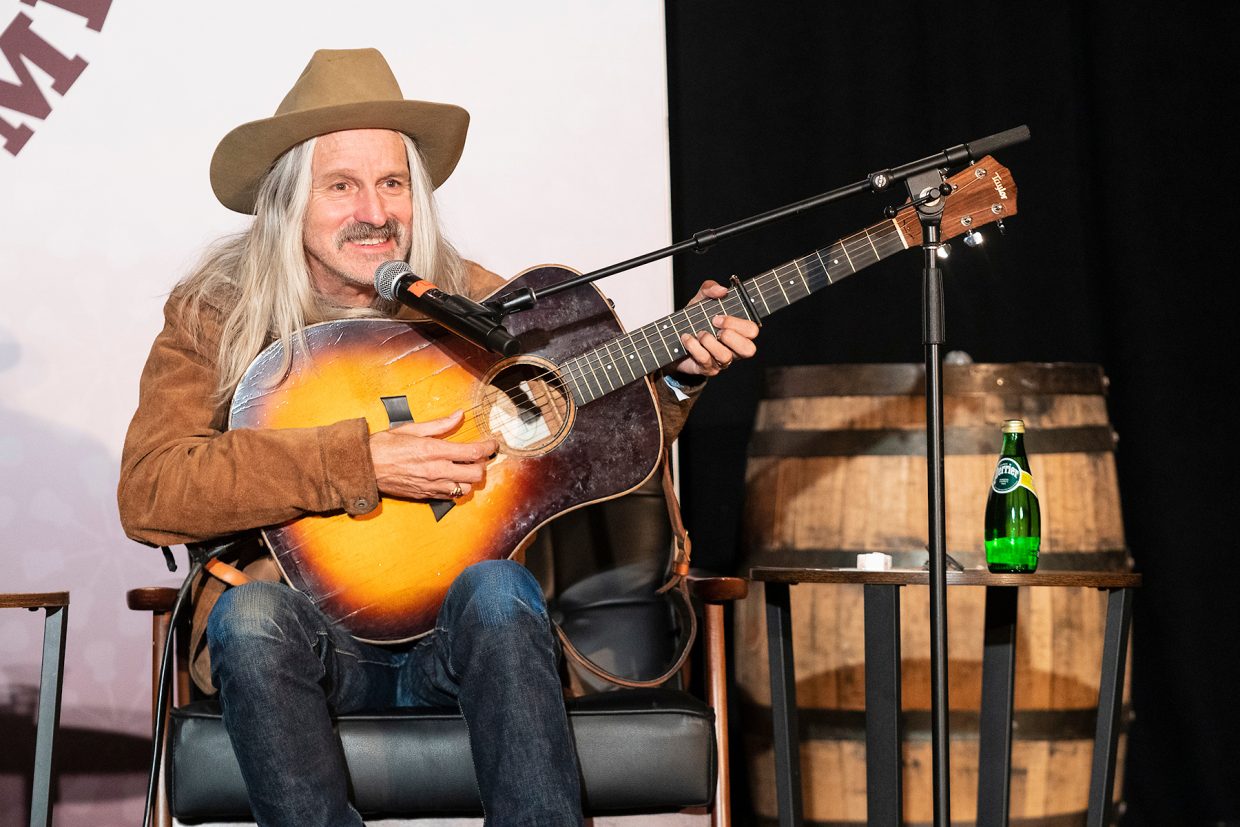
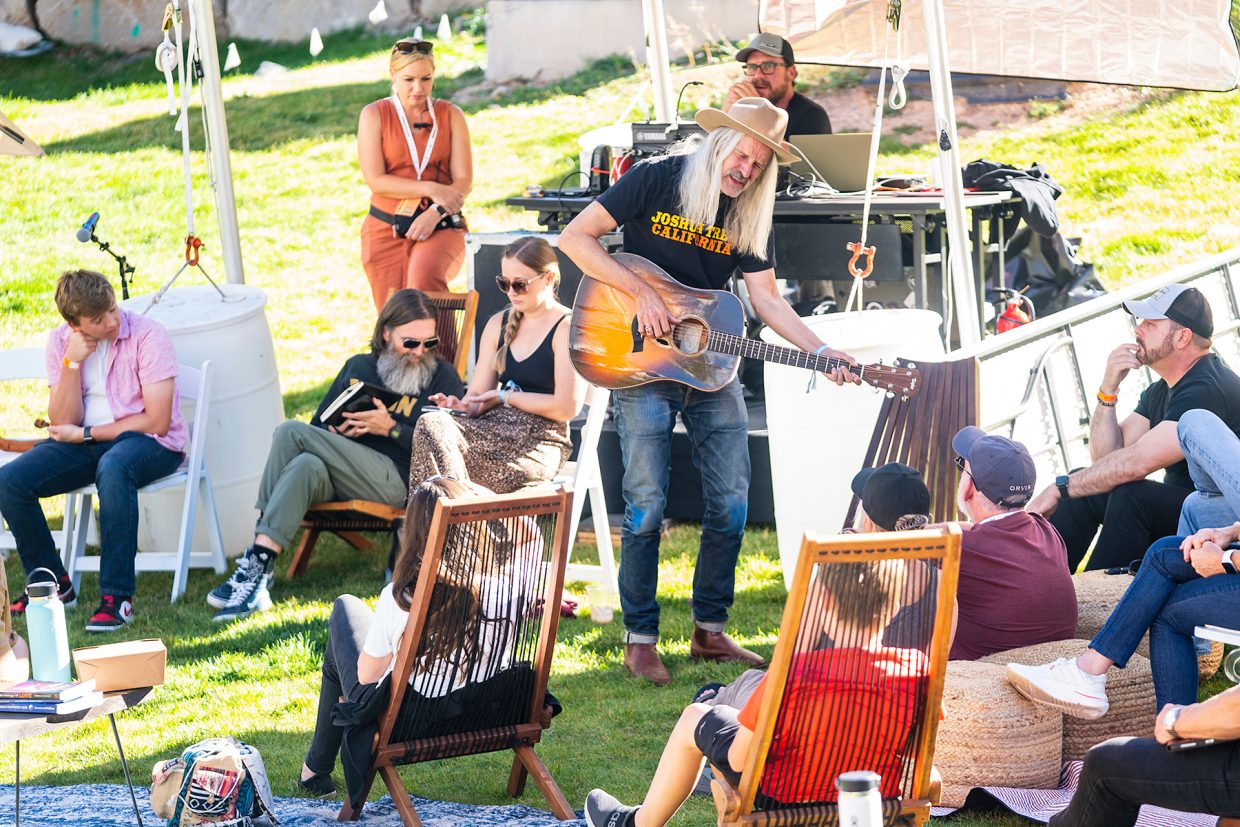
I would say Steve Poltz is a stand-up comedian first and a songwriter second. He wrote “You Were Meant for Me” with Jewel. I met him about 20 years ago when he was still drinking. He’s sober now and his stories are hysterical. I left his panel with a smile on my face and then went to watch him teach people how to write songs. I have no musical abilities. I don’t know how to play any instrument and would not even know where to begin to write a song… maybe lyrics, but definitely not music. This creative process is foreign to me even though music is my life!


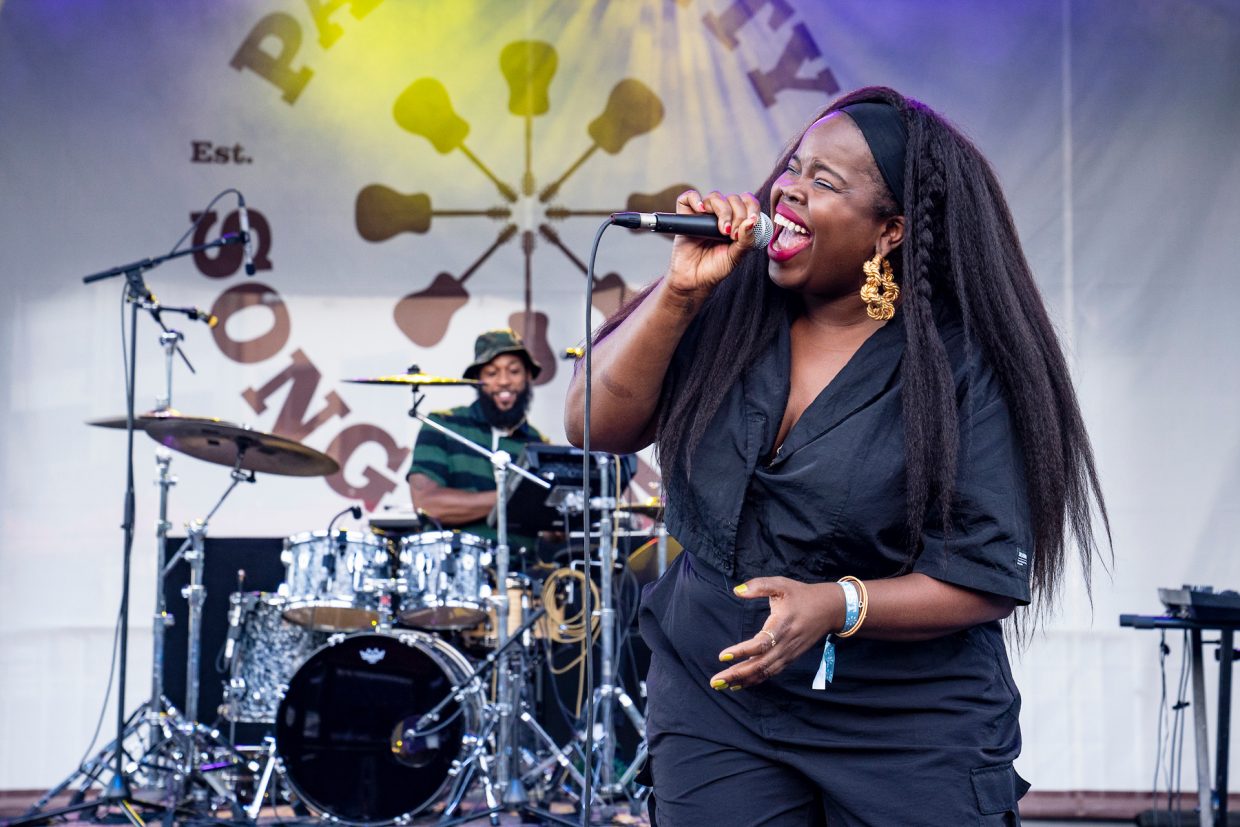
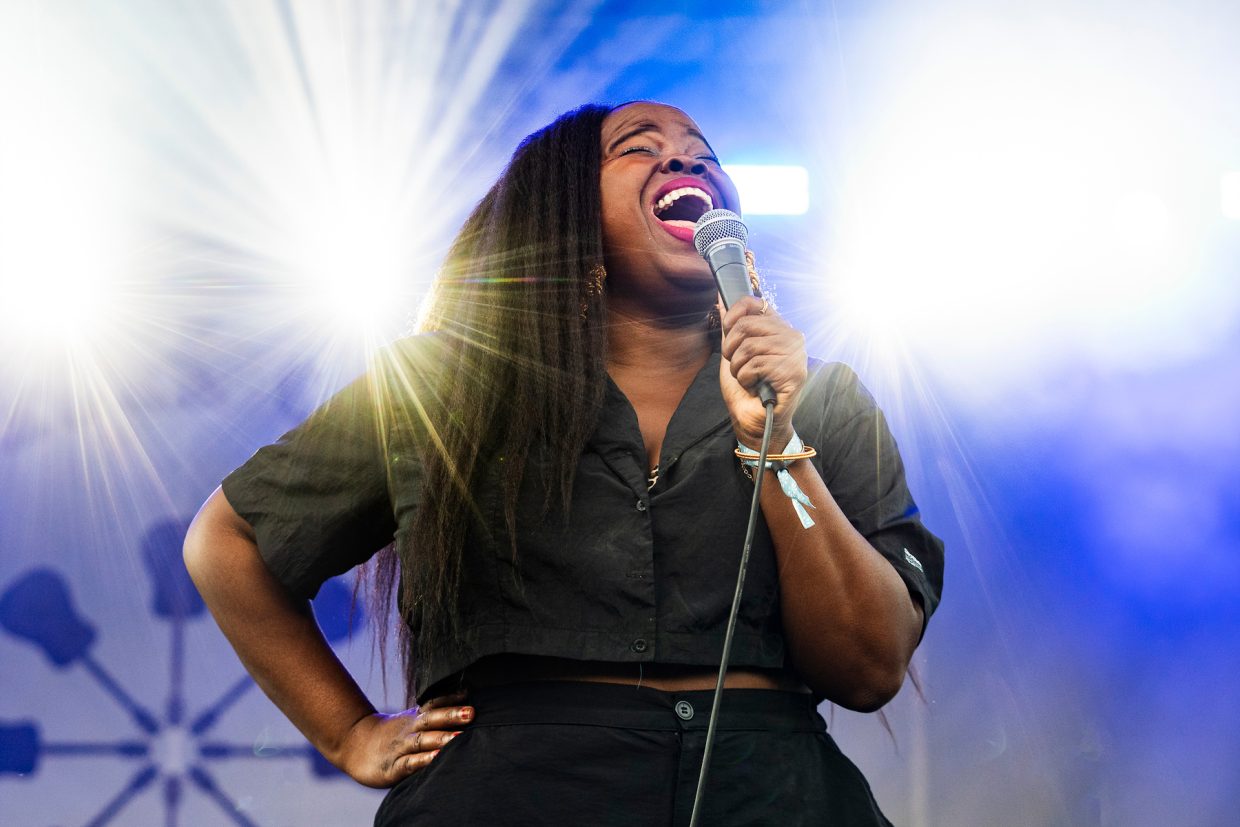
At 40, Danielle Ponder quit her job as a public defender to launch a career in music. She is a reminder to be brave and follow your dreams. She can command a crowd with her voice, sometimes delicate and sometimes roaring. While shooting the second photo, I saw this halo of light appear the very moment she belted out “Run!” during her cover of Radiohead’s “Creep” that ended her set.

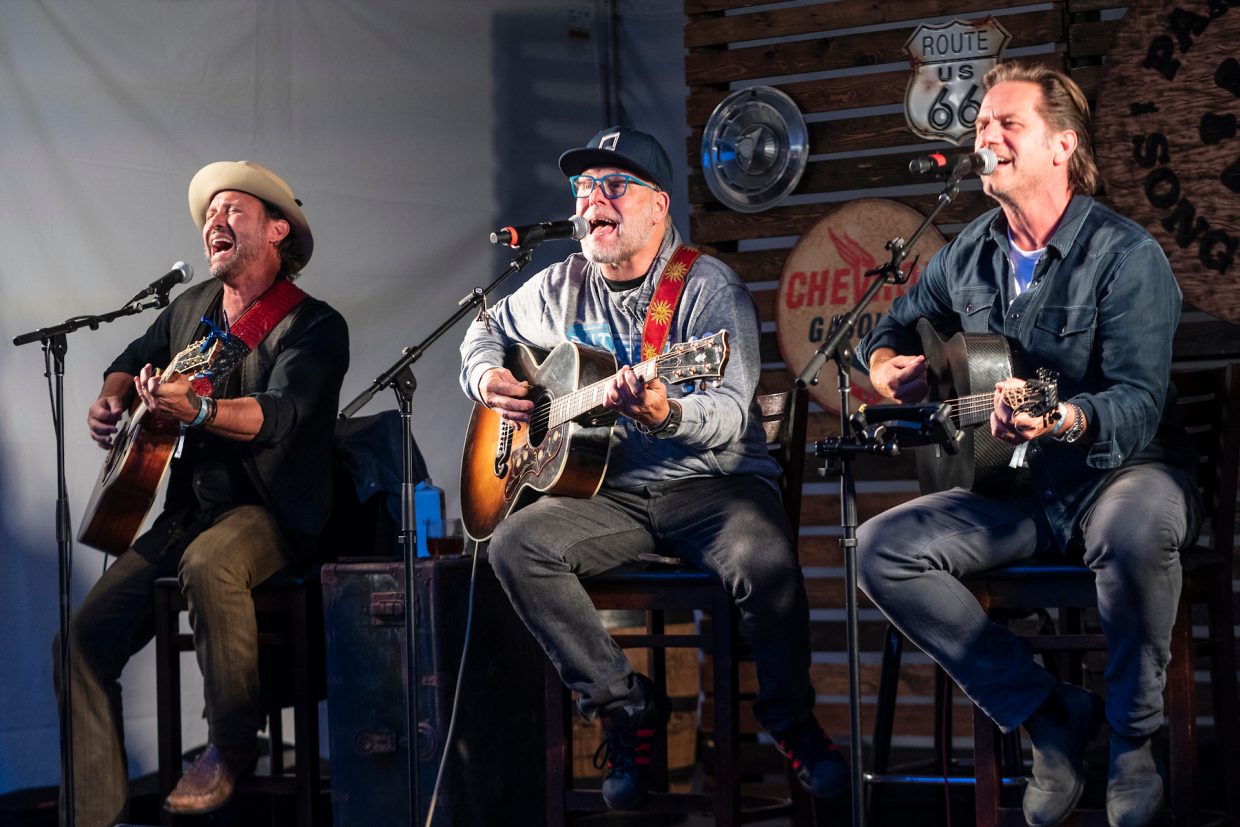
I love a songwriter round – the joy in this hootenanny was infectious! This round featured Danny Myrick, Travis Howard, Aaron Benward and Matt Warren.

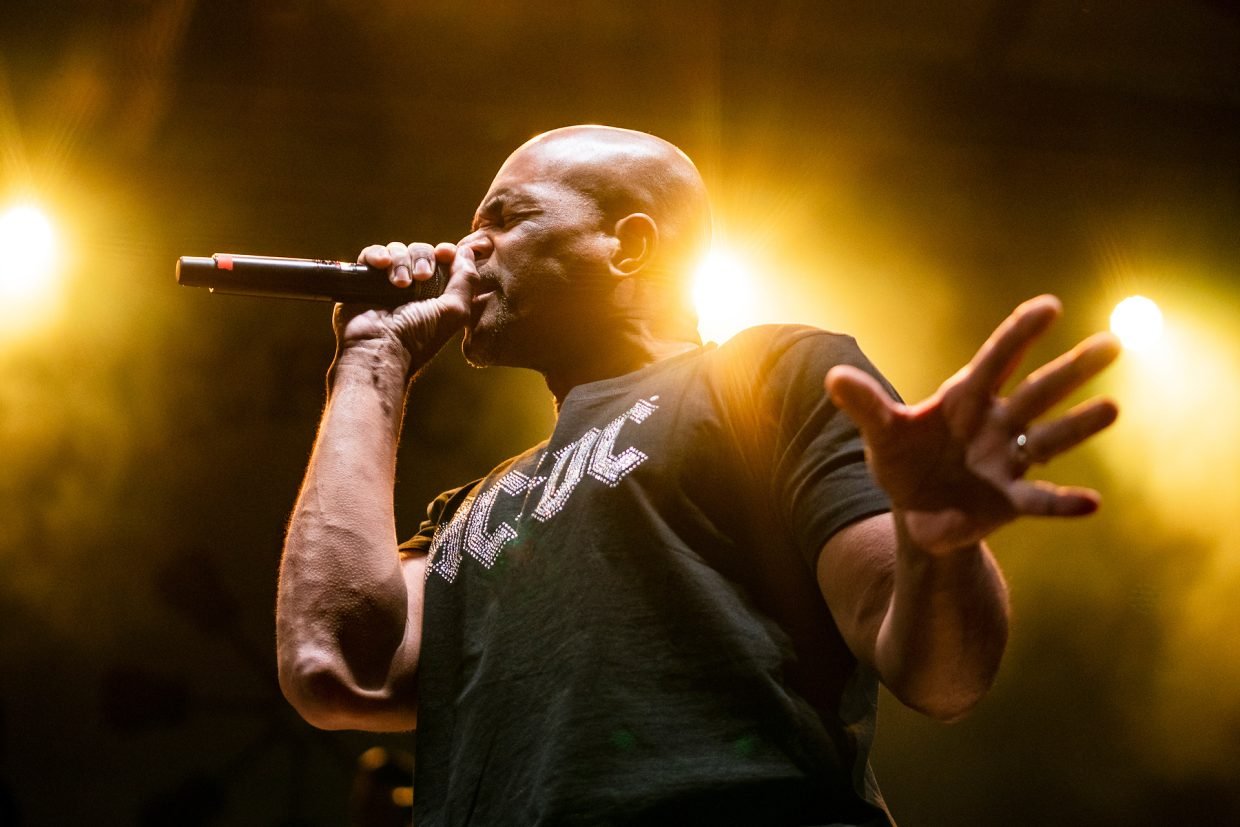
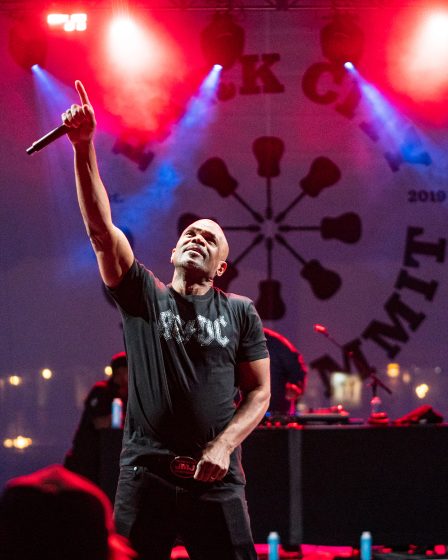
Darryl “DMC” McDaniels, half of Run DMC, was in Park City to celebrate 50 years of hip hop. While we were all watching Run’s House on TV, DMC was in rehab for addiction and depression. The first photo is another shot when I saw the light surrounding him in an intense moment of rap.

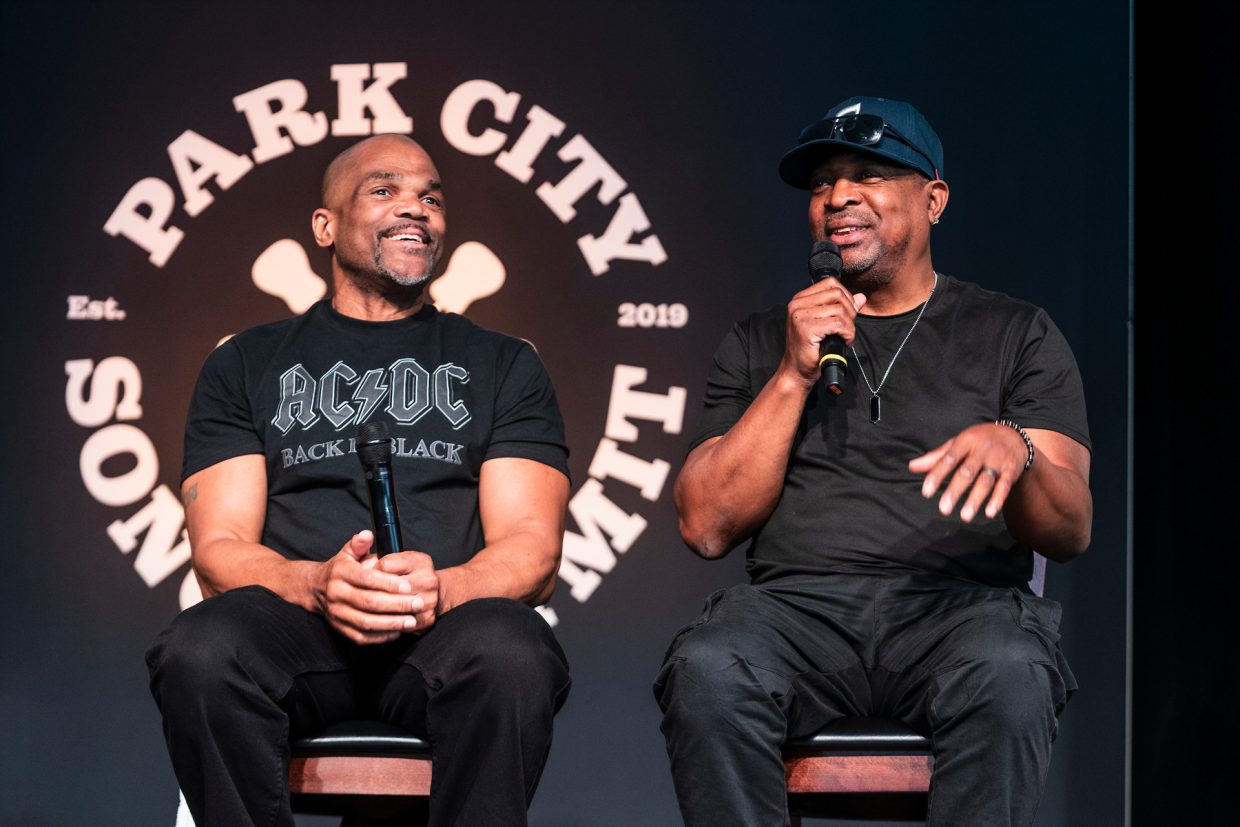
DMC and Chuck D of Public Enemy onstage discussing the first 50 years of hip hop. These two guys toured all over together in the ’80s and ’90s, so they know each other well. I loved seeing them enjoy each other’s company while talking about their hugely successful careers.

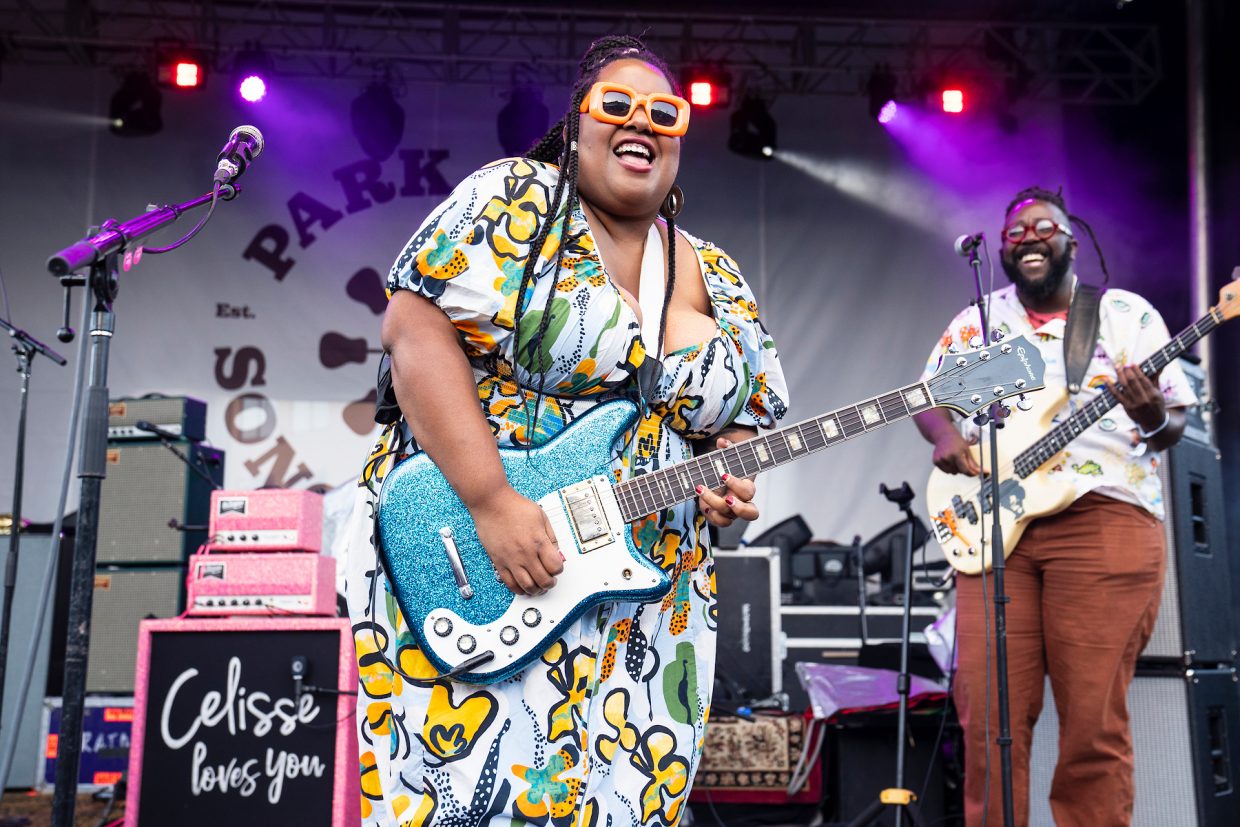
Celisse loves you. She has such a beautiful smile and she let it rip on that guitar!

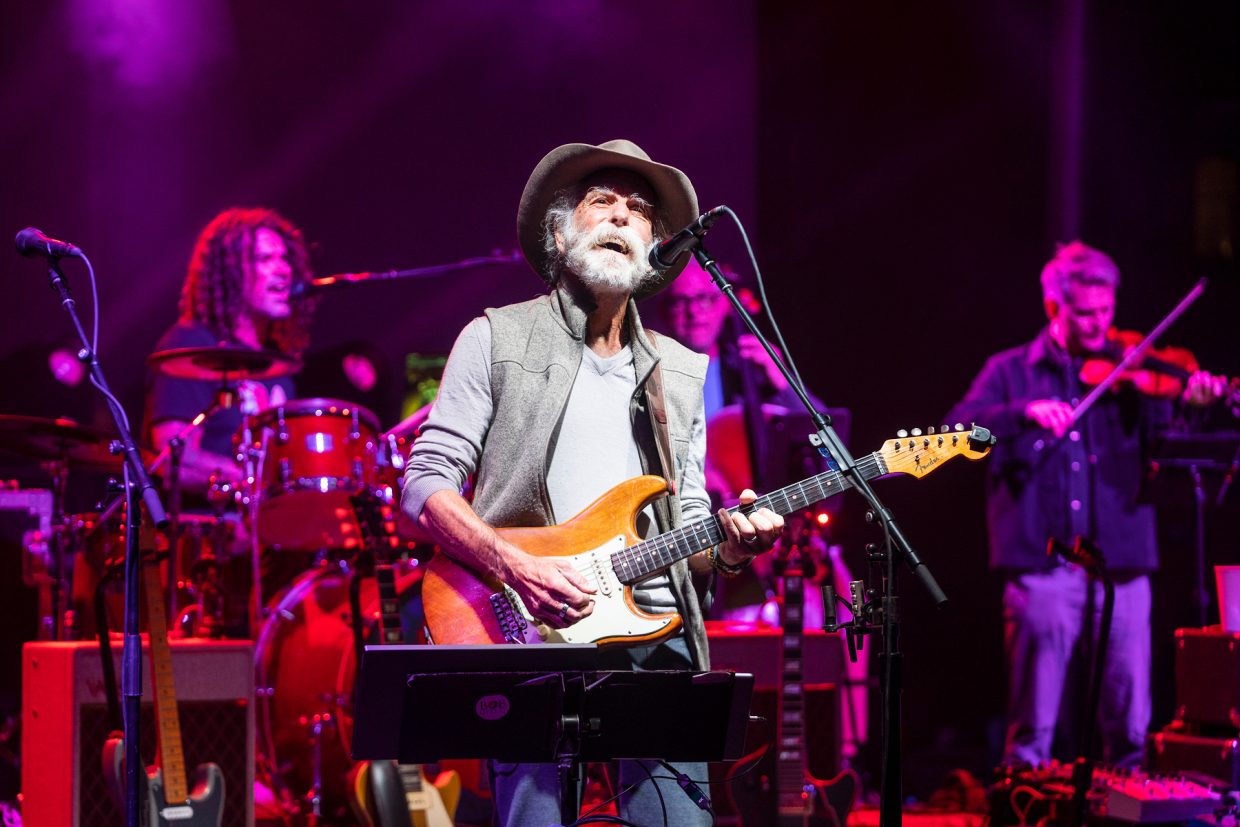
Bob Weir is the artist I was most excited to see at PCSS. The Grateful Dead were the soundtrack to my college years. I loved the album Blue Mountain and was excited to see what the Wolf Bros had in store for us on Saturday night. I love this photo, because he actually looks like he’s smiling.

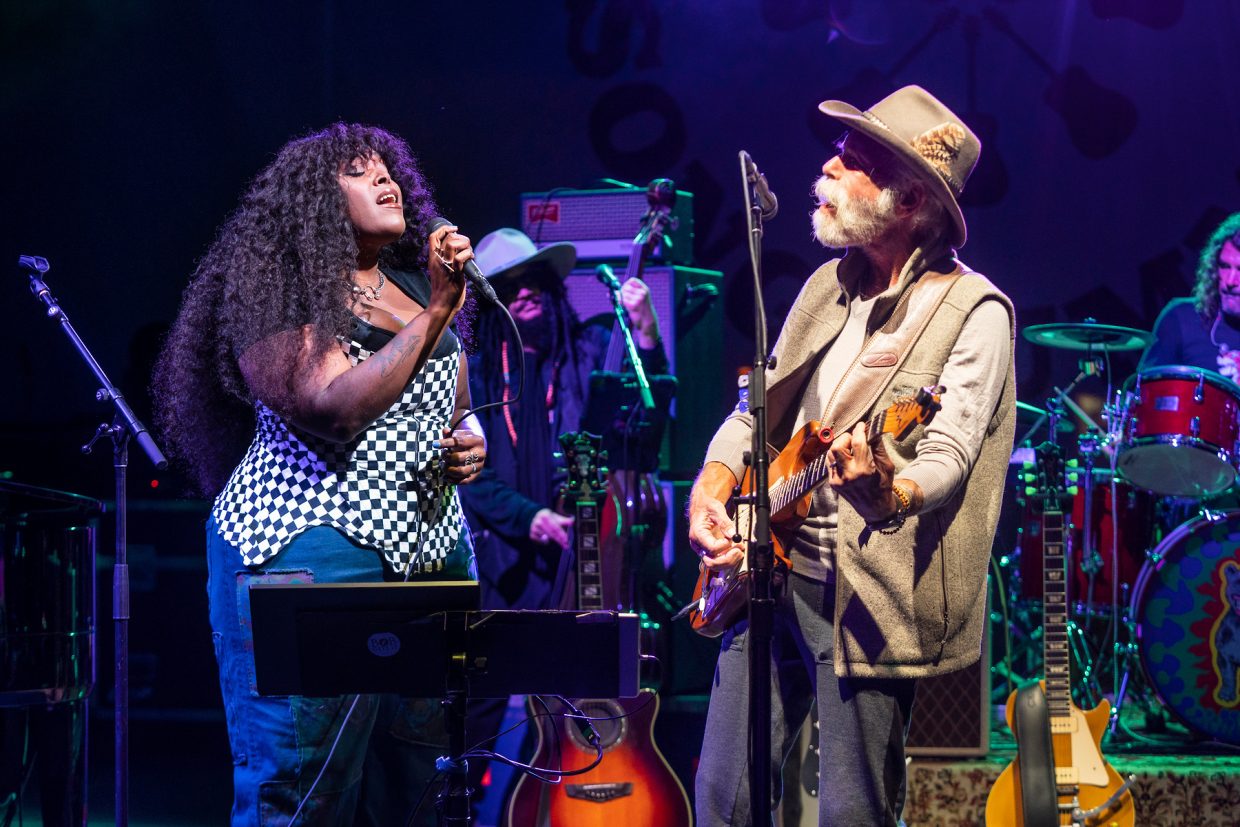
The first time I saw Brittney Spencer, she opened for Jason Isbell in Detroit, Michigan. She joined Isbell and the 400 Unit to cover the Rolling Stones’ “Gimme Shelter” and nearly knocked me on my butt. The woman is a powerhouse! She joined Bobby for “Looks Like Rain” and showed all her tender glory. It was beautiful.


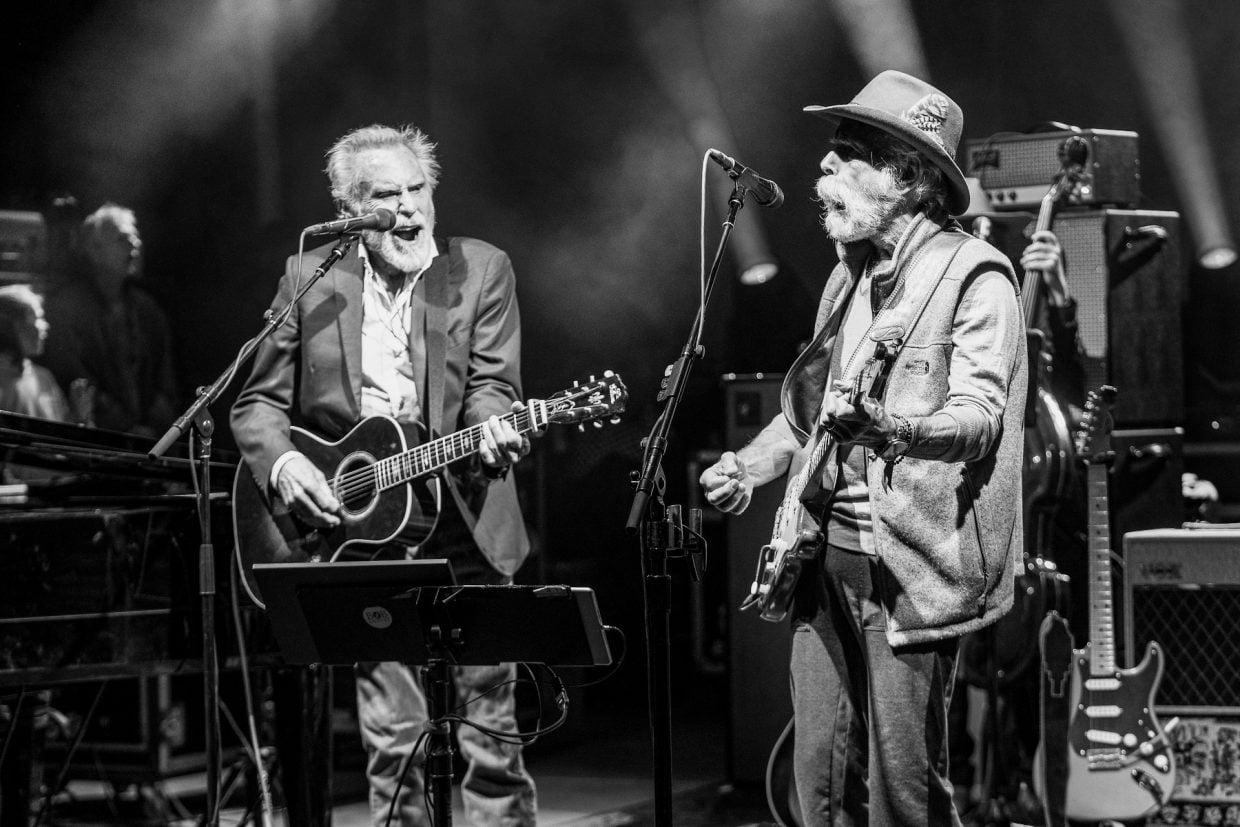
JD Souther, come on! This guy wrote or co-wrote some of the Eagles biggest hits. He also joined Bobby on stage for “Heartache Tonight.”

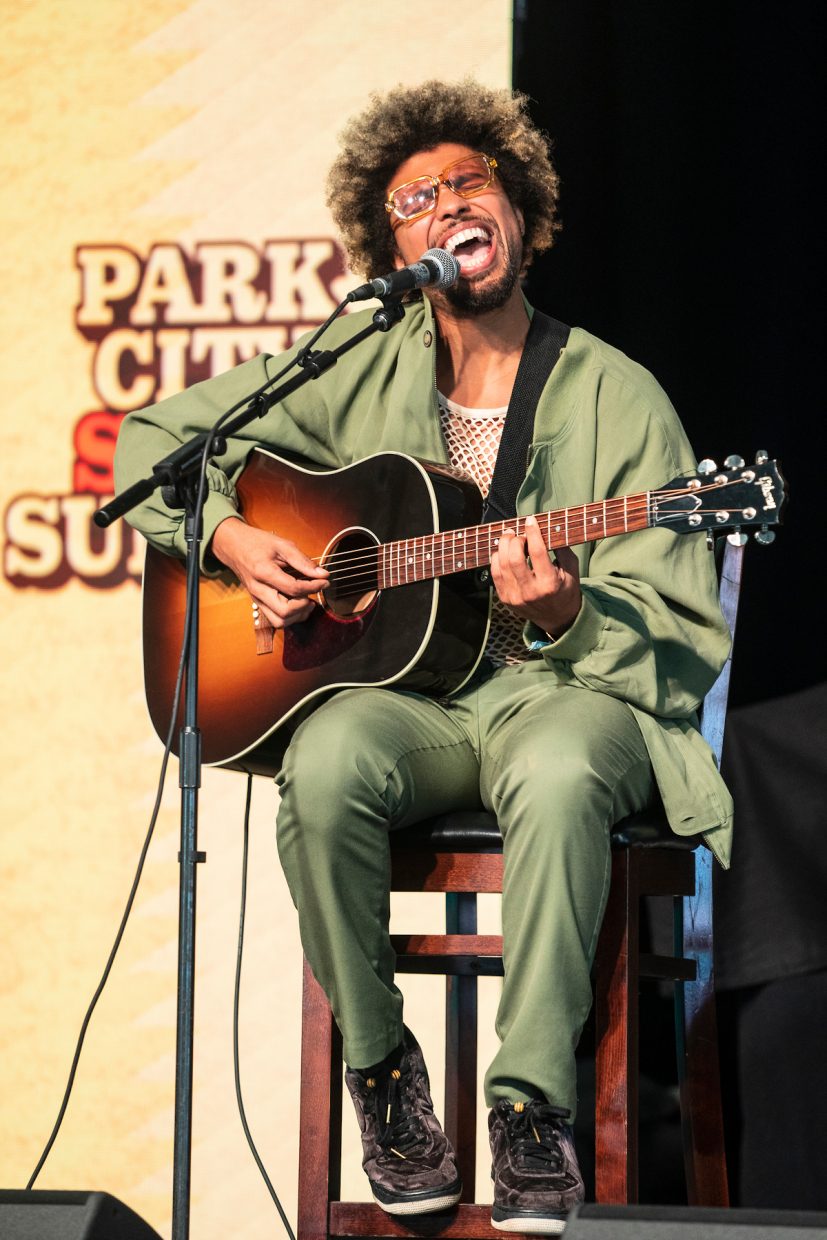
Devon Gilfillian was part of Sunday morning’s Biscuit and Jam benefitting Café Momentum, a restaurant and culinary program designed to teach teens involved in the juvenile justice system life skills so they don’t end up in jail again. Devon’s warm heart and soulful voice was a good compliment.

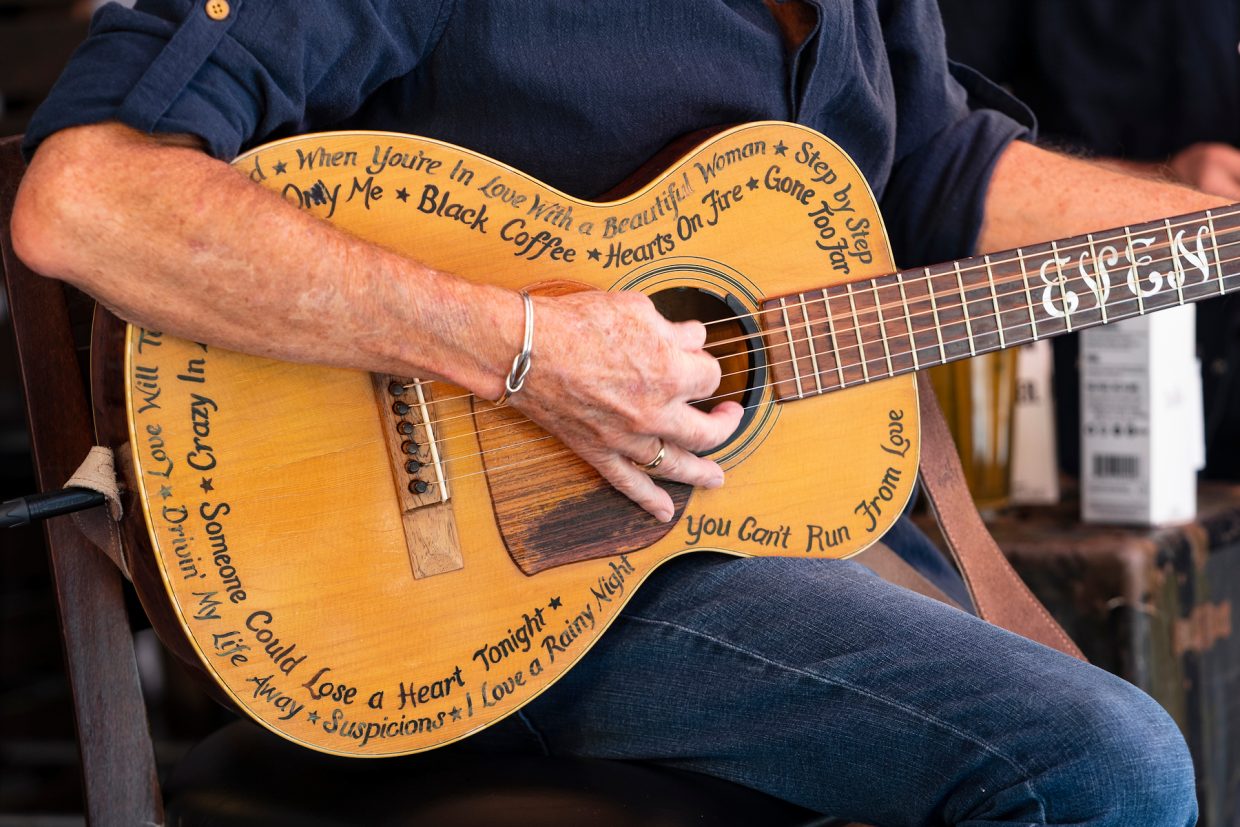
I think the only times I’ve seen Even Stevens have been in someone’s living room on a Sunday afternoon in Key West, playing hit after hit that I grew up listening to in the ’70s, many for Eddie Rabbit. “I Love a Rainy Night,” “When You’re in Love With a Beautiful Woman,” “Drivin’ My Life Away,” and “Step by Step,” to name a few. Kenny Rogers’ “Love Will Turn You Around.” Pop country classics!

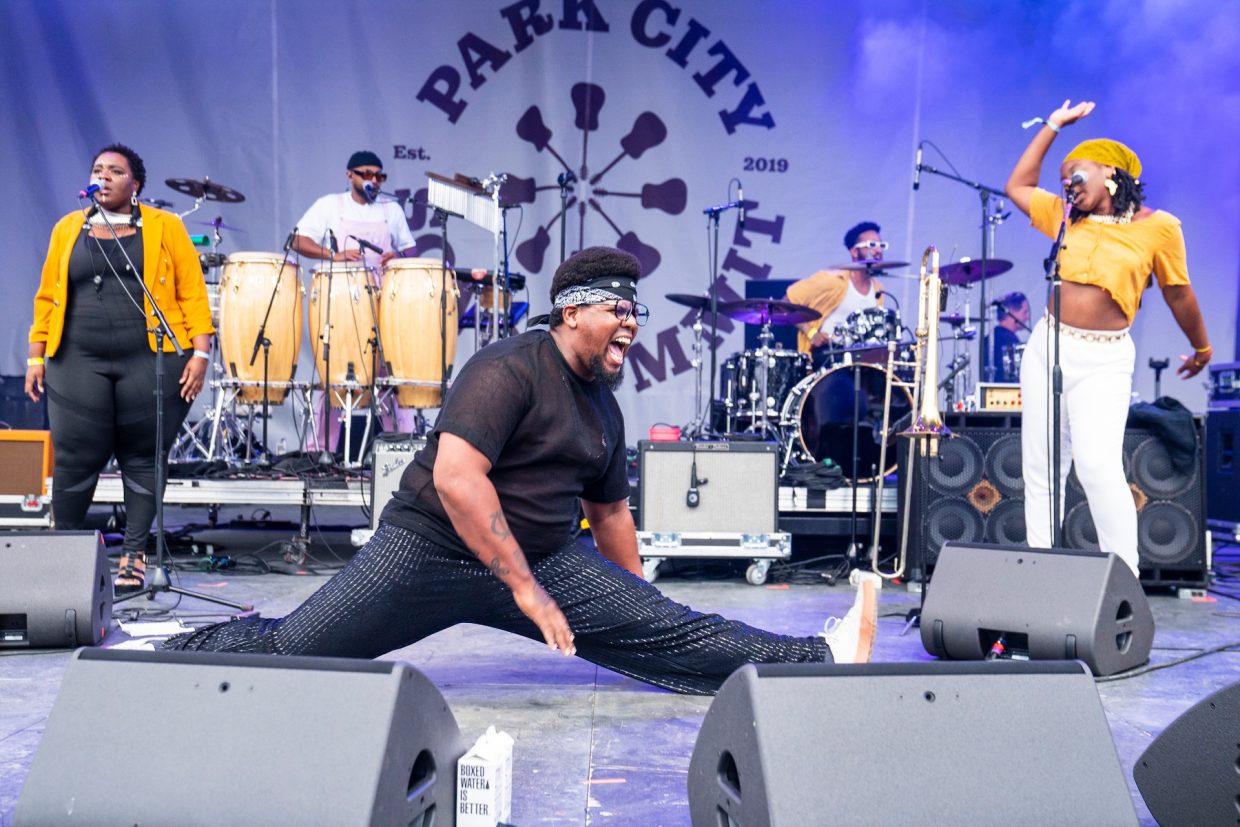
Collaboration, connection. Negah Santos plays with Jon Batiste, but ended up in Park City as the guest of another participant. They added her to the Eric Krasno show on the mountain with Dumpstaphunk and some New Orleans horn players. She fit like a glove.


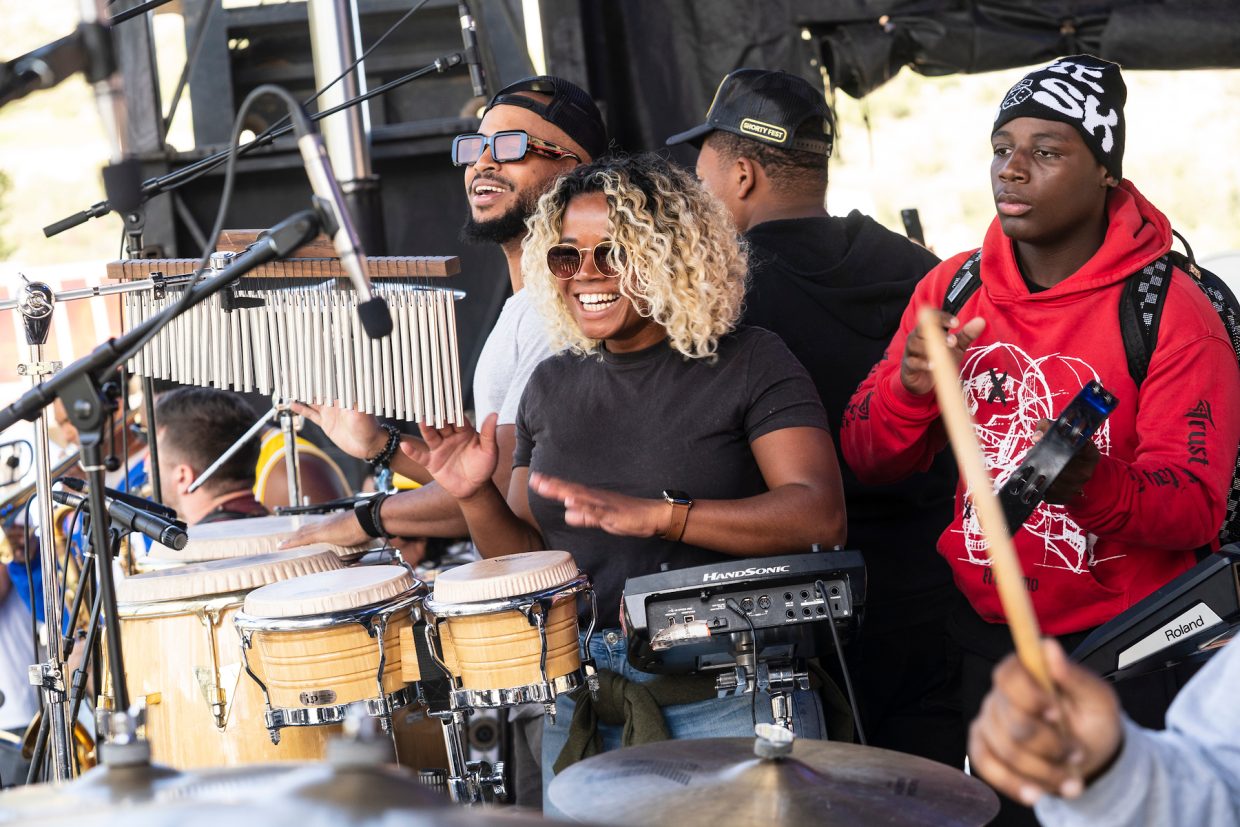
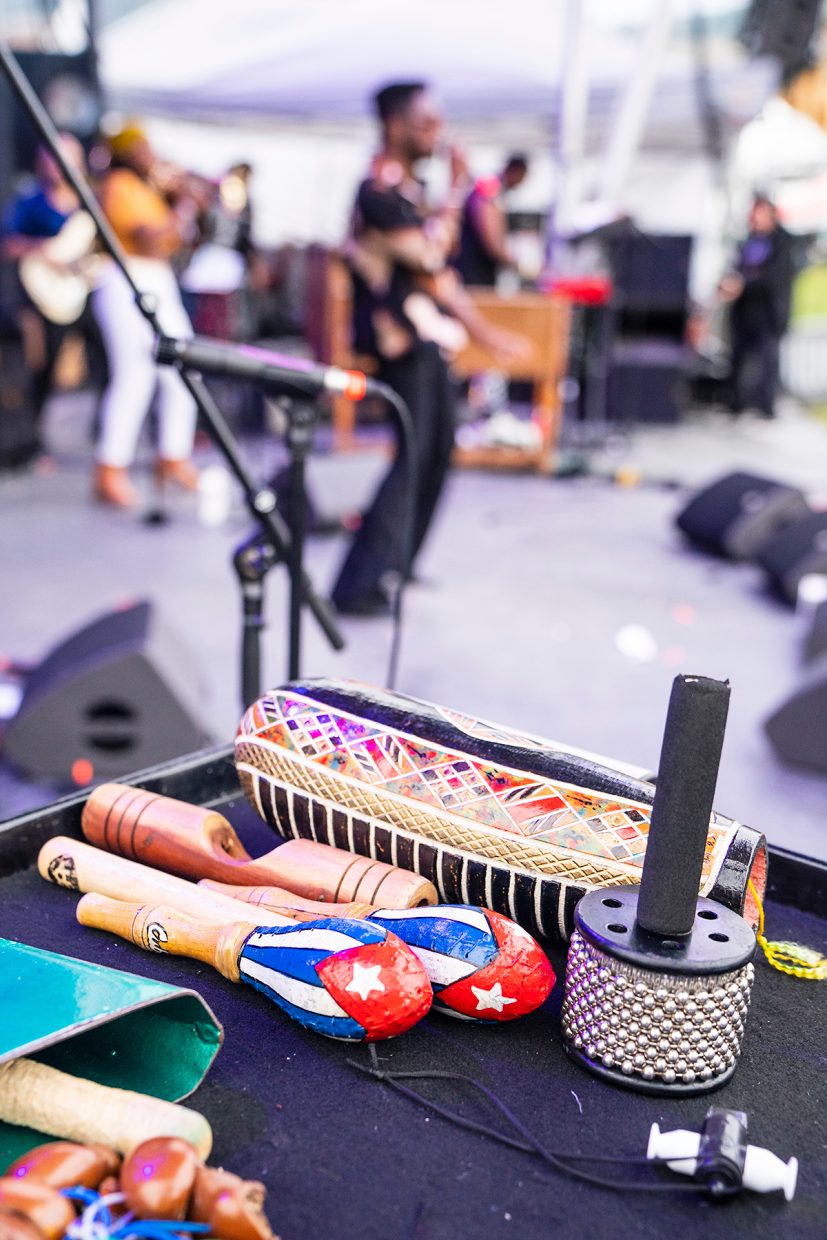
If you know me, you know I love Cuba and Cuban music. I’ve been traveling to Cuba for 20 years so I am always excited to see Cimafunk. The first time I saw Erik, the lead singer, was in Havana with an all-star band called Interactivo. It was March 2016 and I was in Havana to see the Rolling Stones. This band brings a mix of funk, hip hop, Cuban, and Afro-Caribbean music to the stage that will get you moving.

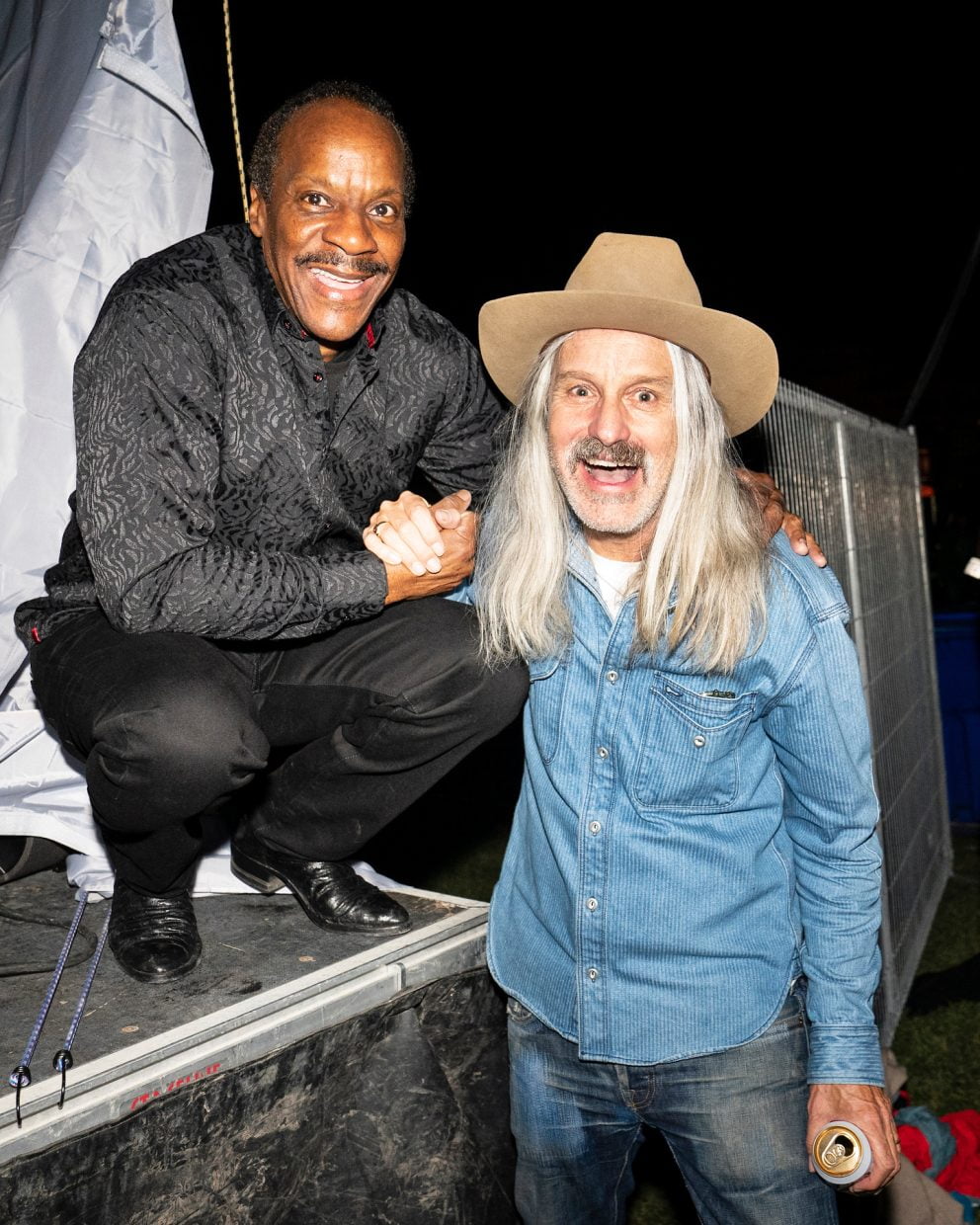
Tony Hall and Steve Poltz traveled all over the world together as part of Jewel’s band during the height of her career. Tony was performing with Eric Krasno & Friends on Saturday night of the Summit. It was mostly New Orleans musicians from Ivan Neville’s band, Dumpstaphunk, plus Anders Osborne and Negah Santos. I spotted Poltz in the crowd rocking out when Tony Hall stepped off stage to let Ben Anderson take over on bass. This photo is just a moment captured — two old friends running into each other. I honestly don’t think I’ve ever seen Tony smile like this.


All photos courtesy of Erika Goldring.
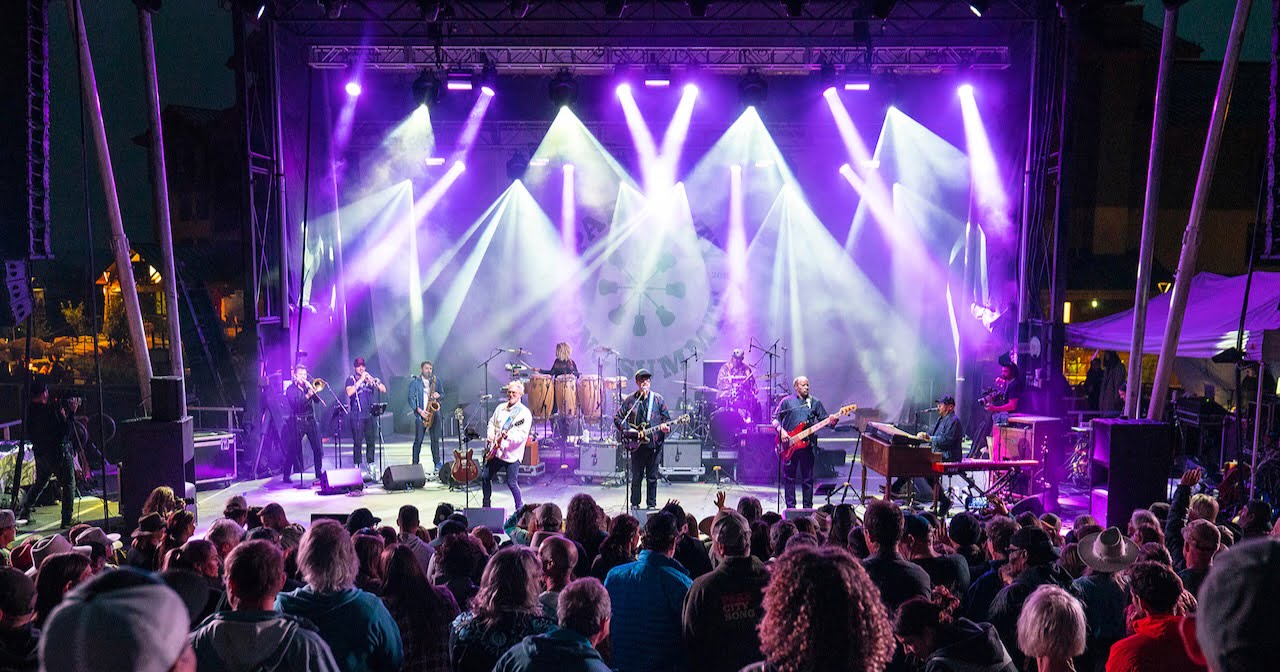
Lead Photo: Eric Krasno & Friends perform at Park City Song Summit 2023.


LISTEN: Jewel, “Long Way ‘Round”

Artist: Jewel
Hometown: Homer, Alaska
Song: “Long Way ‘Round”
Album: Freewheelin’ Woman (produced with Butch Walker)
Release Date: April 15, 2022
Label: Words Matter Music

In Their Words: “‘Long Way ‘Round’ is a song about overcoming something difficult, even if it requires getting lost or taking the longer way around. I’m celebrating some of the things I’ve overcome as well as the choices I’ve made that have brought me to where I am today. The heart and mind are powerful muscles that are always willing to adapt and grow when you let them.” — Jewel


Photo Credit: Dana Trippe

Harmonics with Beth Behrs: Jewel

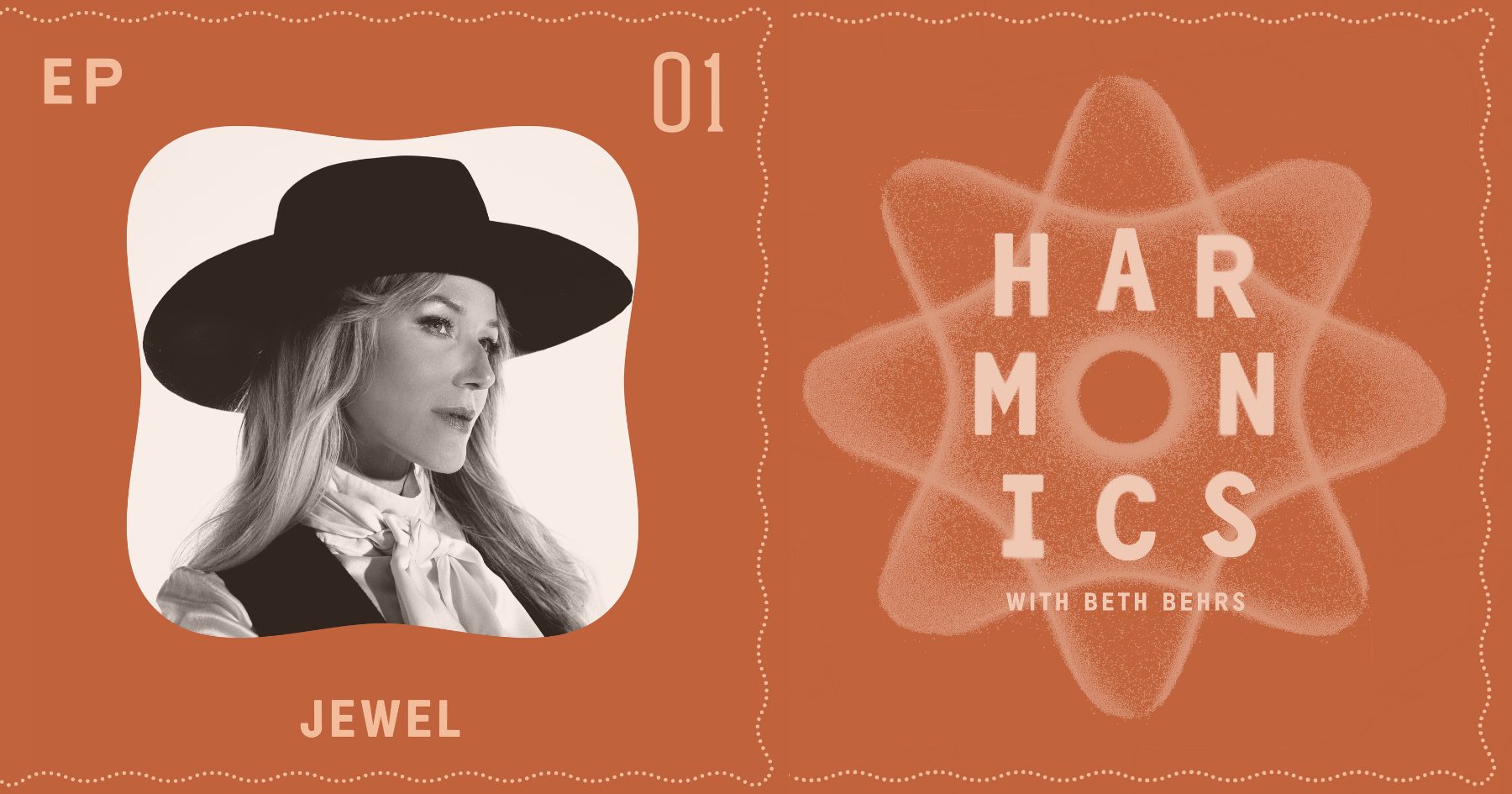
Welcome to Season 2 of Harmonics! On episode 1 of our new season, we’re kicking things off with the incredible, four-time Grammy-nominated folk singer-songwriter, Jewel.

LISTEN: APPLE • SPOTIFY • STITCHERAMAZON • POCKET CASTS • MP3

Jewel joins host Beth Behrs for an insightful conversation about her experience with mindfulness throughout her life as a response to anxiety. She presents multiple tangible skills she has developed along the way that hopefully anyone can easily apply to their own lives to expand their mindfulness.

Throughout her career, Jewel has brought these skills to struggling children as well, having been an avid advocate for mental health awareness and using her platform to lift others up. Her work through her own Jewel Never Broken program, in conjunction with the Inspiring Children Foundation, has supported so many children with mental health support resources, mentoring, education, and equipping kids with important life skills and tools to earn college scholarships, becoming forces for good in the world.

Jewel’s honesty regarding her own struggles, and how it informs her creativity, her art, and her life, is incredibly inspiring.

In case we haven’t yet convinced you of the wealth of knowledge and wisdom present in this episode — Jewel also gives Beth a personal lesson on how to yodel!!


Listen and subscribe to Harmonics through all podcast platforms and follow Harmonics and Beth Behrs on Instagram for series updates!

Photo credit: Dana Trippe

Harmonics with Beth Behrs: Beth Behrs & the Brothers Koren, ‘The Moon Will Stay’

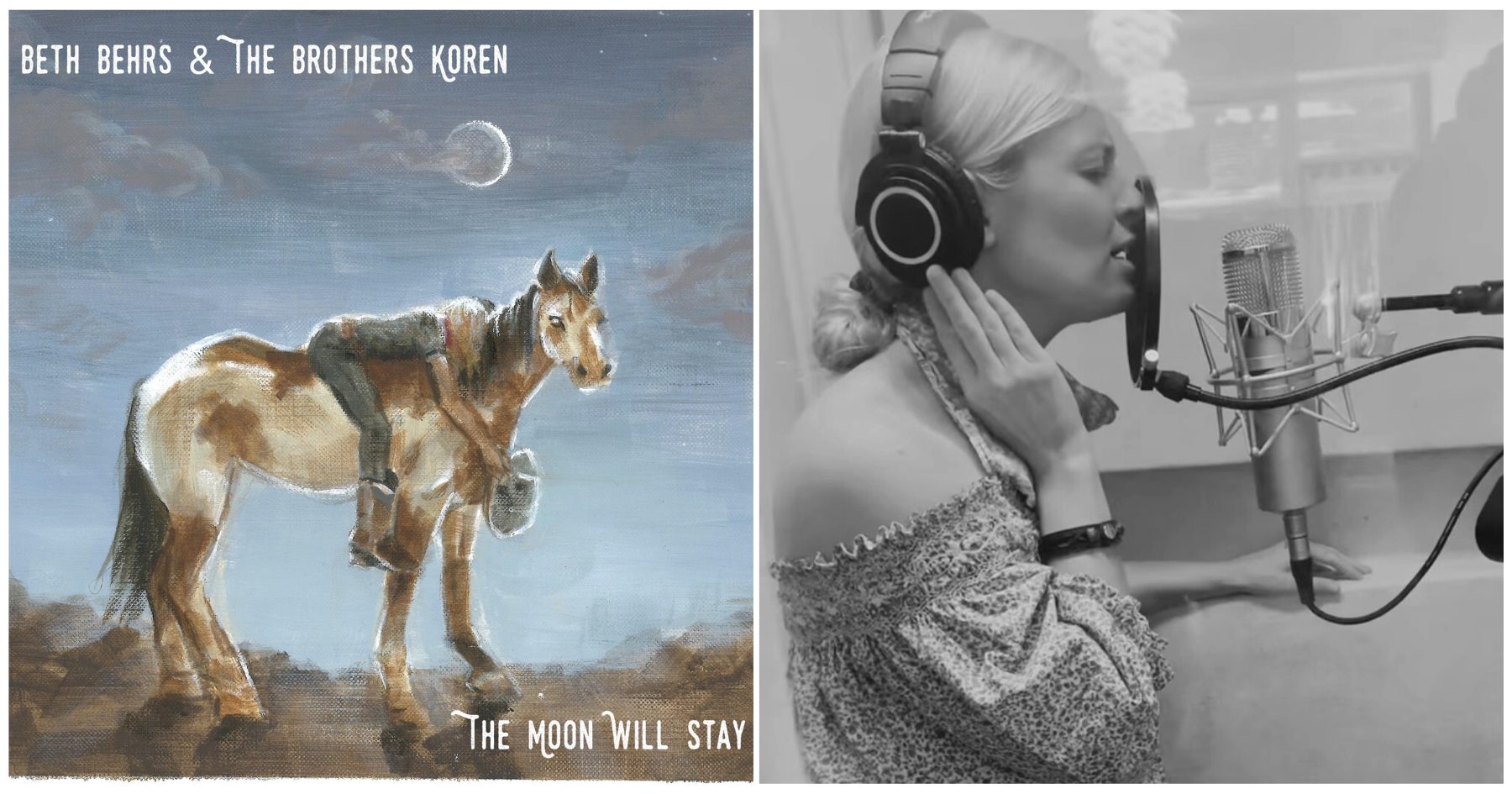
Beth Behrs, host of the BGS podcast Harmonics, is premiering her new album with the Brothers Koren, The Moon Will Stay – now available on Bandcamp.


LISTEN: APPLE • SPOTIFY • STITCHERAMAZON • POCKET CASTS • MP3

The project was originally intended to be purely therapeutic, a merging of Behrs’ personal poetry and the Korens’ music it inspired. But over time, with the growth of the Harmonics community and a decision to be more vulnerable with her listeners, Behrs decided to release the album via Bandcamp, donating the proceeds to three organizations near and dear to her heart:

Songwriting with Soldiers provides weekend retreats across the U.S. for veterans who have served in all conflicts. Since 2012, they’ve connected with hundreds of veterans and military families, and created a safe and inspiring environment to share their experiences and write with professional songwriters, like Mary Gauthier, a guest on Season 1 of Harmonics.

Jewel’s Never Broken program, in partnership with the Inspiring Children Foundation, aides struggling children through mental health support, mentoring, education, and equip them with life skills and tools to earn college scholarships. Jewel will be the first guest on Season 2 of Harmonics, premiering next week.

The Equus Foundation is the only national animal welfare foundation in the U.S. that is 100% dedicated to protecting the country’s horses, and strengthening the bond between horses and people. Their mission is to safeguard the dignity of America’s horses throughout their lives, and to share the ability that horses have to empower, teach, and heal. Equine therapy has had a huge impact on host Beth Behrs’ and her family’s lives — horses have been instrumental in her mental health and loving connection within her family.

Subscribe to Harmonics to stay in the loop for Season 2, premiering on Tuesday, March 9, featuring guests like singer-songwriter Jewel, legendary comedian and entertainer Carol Burnett, renowned singer and actress Kristin Chenoweth, and so many more incredible guests!


Follow @harmonicspodcast on Instagram for more updates on these incredible organizations, and to stay updated on the podcast.

Album Art: Hana Behrs

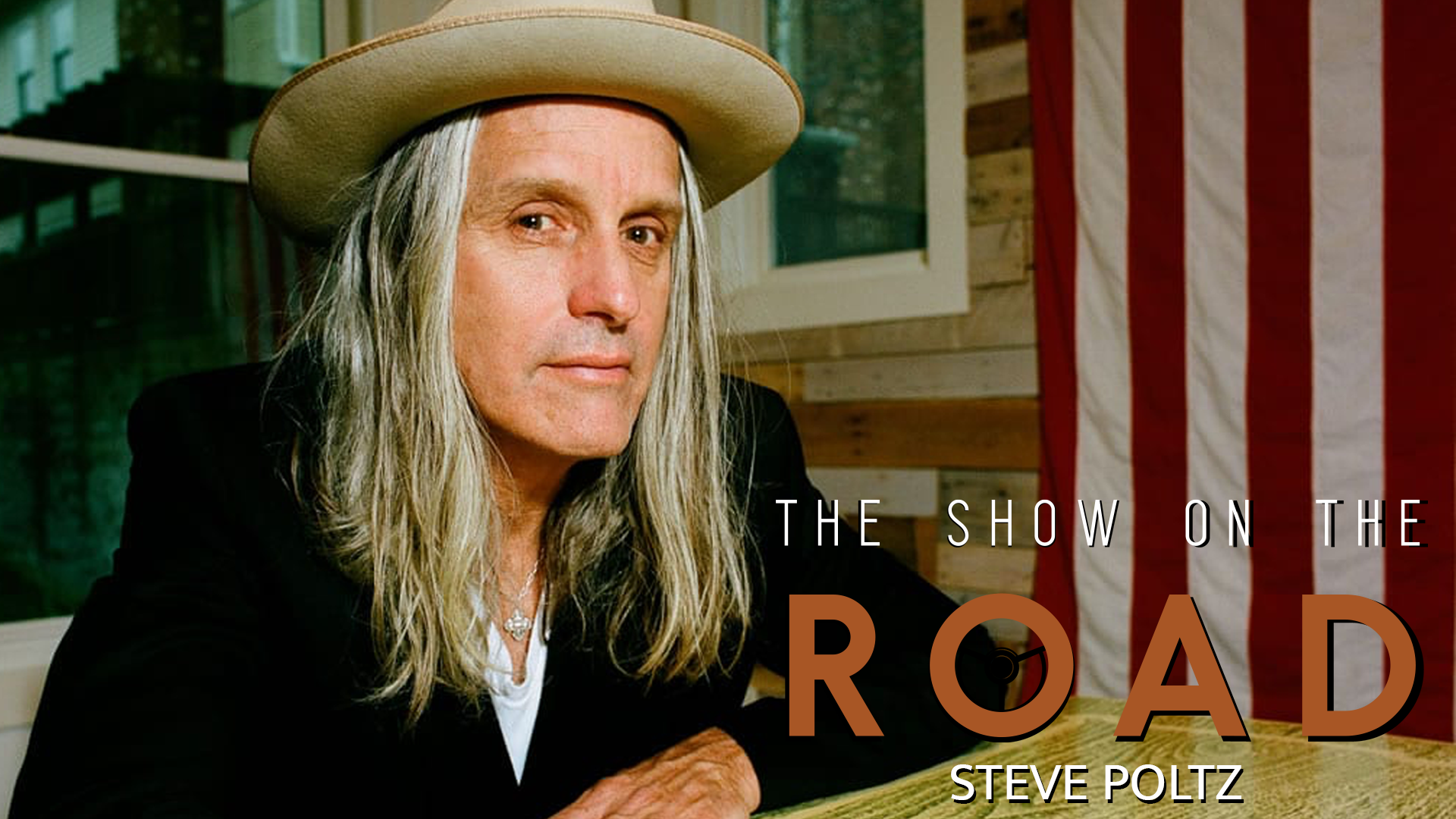
The Show On The Road – Steve Poltz

This week on The Show On The Road, we feature a conversation with a Canadian-born paraparetic prince of pop-folk singers, who has jumped through more gauntlets of the modern music industry than almost anyone in his three plus decades of making records, Steve Poltz.

LISTEN: APPLE PODCASTS • MP3

Poltz first hit the scene with the San Diego-based underground punk-folk favorites The Rugburns, then as an accidental hitmaker and MTV video heartthrob with collaborator and friend Jewel, and then as a wild-haired, two hundred shows a year internationally revered solo act. He’s put out a baker’s dozen of whacked-out, deceptively sensitive, and fearlessly personal albums that have won him devoted audiences from his ancestral home in Nova Scotia to the dance party dives of California to massive festivals across Australia and beyond.

 As we are still quite separated during the pandemic, host Z. Lupetin called up Poltz in Nashville to discuss the long and twisty road Poltz has travelled — jumping from his inspired, most-recent album Shine On back to his childhood in swinging Palm Springs (where he met Elvis and Sinatra), to making $100,000 music videos for his ill-fated major label debut in ’98, to nearly dying on stage after substance abuse problems and never-say-no-to-a-gig exhaustion took its toll.
 
We now find him in a more peaceful, purposeful existence, where he is newly married and enjoying making music at home (government orders!) for the first time in decades.

Watch Kacey Musgraves’ Tiny Desk Concert

Kacey Musgraves stopped by NPR for their Tiny Desk Concert series, performing four tracks from her stellar new album Pageant Material. She closes with "Follow Your Arrow," in honor of the Supreme Court ruling in favor of marriage equality that had passed just hours before Musgraves and her band recorded their performance. Watch it below.

Other Roots Music News:

• Hot Rize released a music video for "Your Light Leads Me On."

• Jewel is releasing an Americana album and joined the Americana Fest lineup. 

ClickHole raised enough money to buy Bob Dylan his very own Sleep Number bed. 

• Jeff Tweedy explained how Wilco titled their most recent album Star Wars

• Ryan Adams has finished recording 1989, and Wired has a complete history of the project.