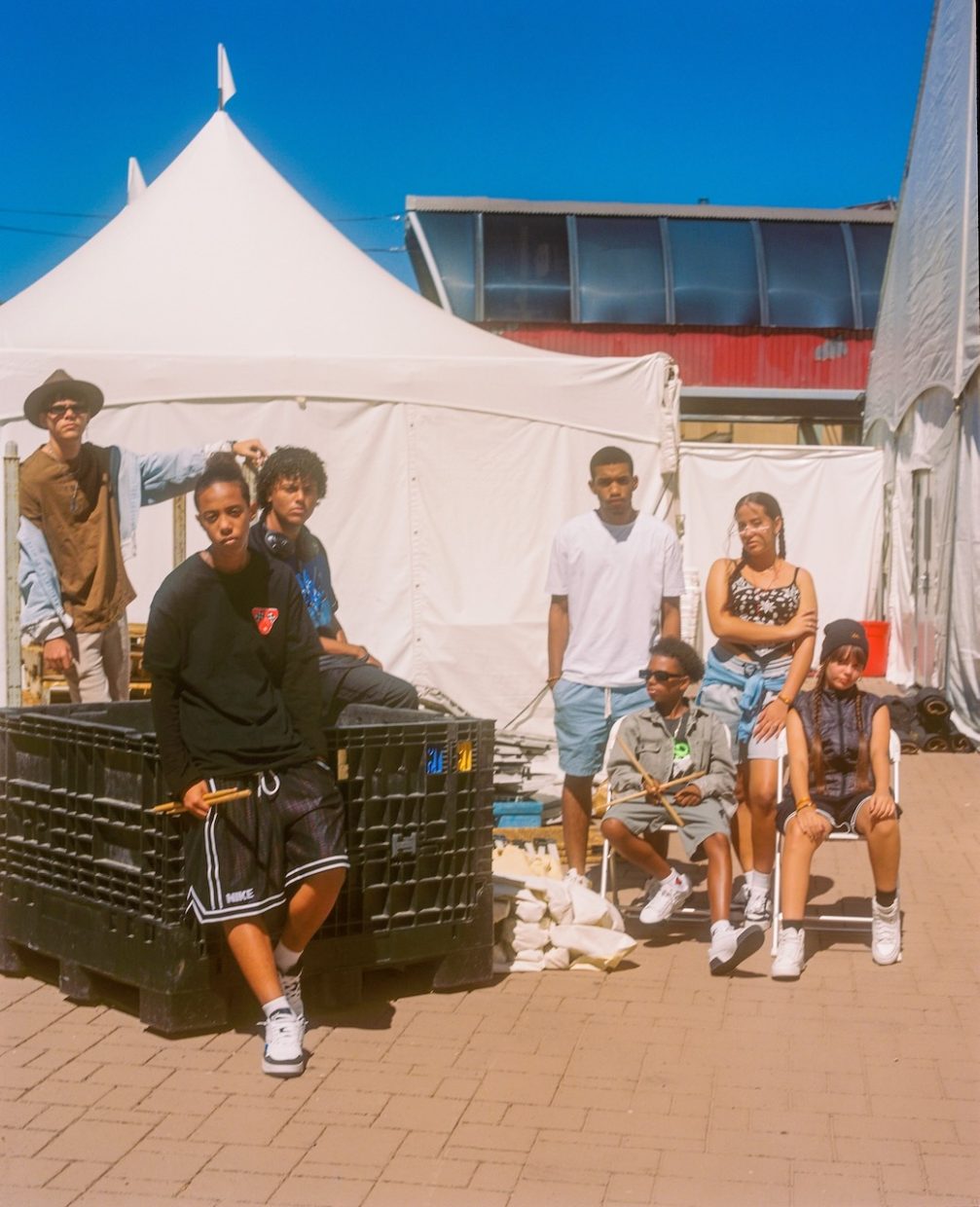
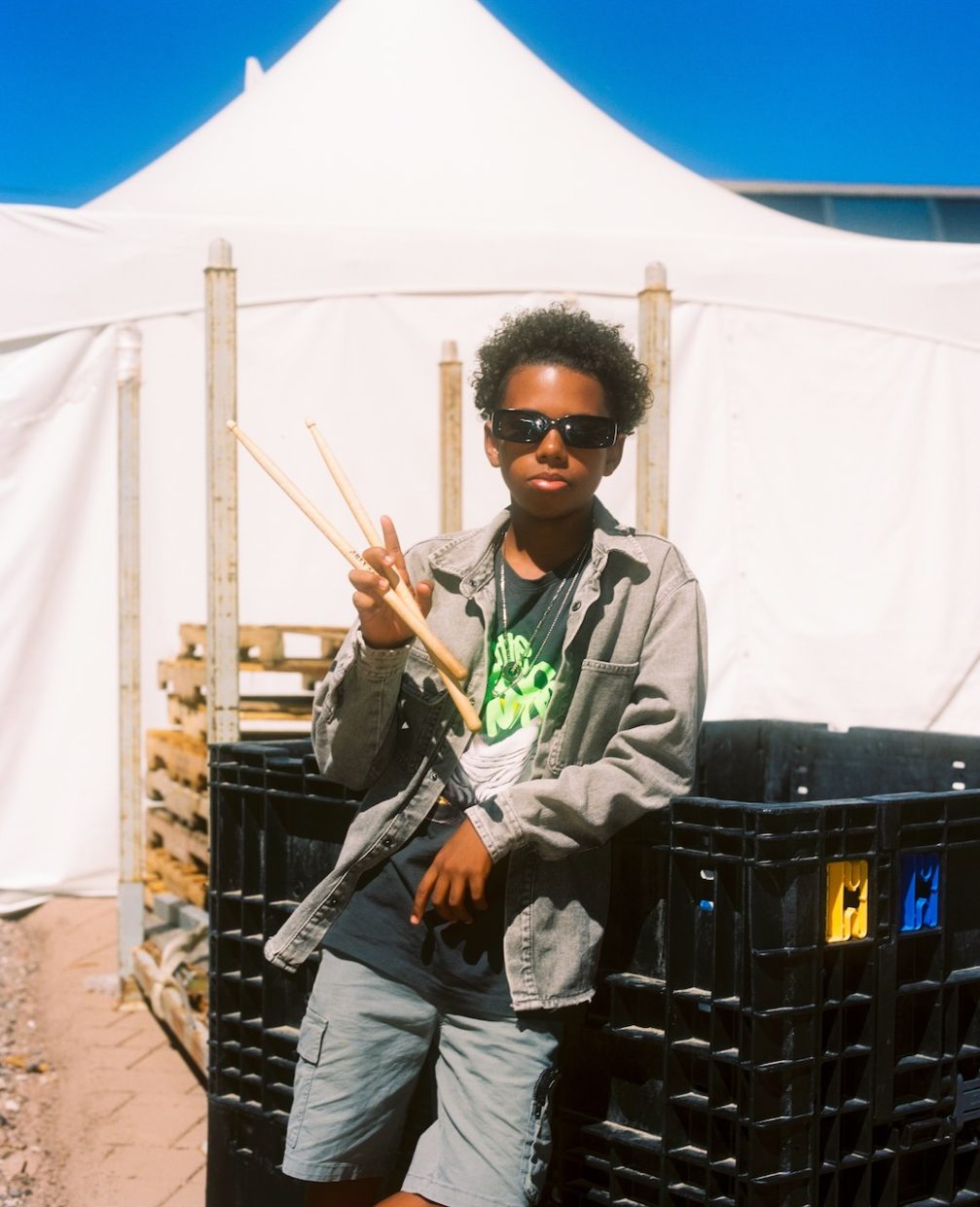
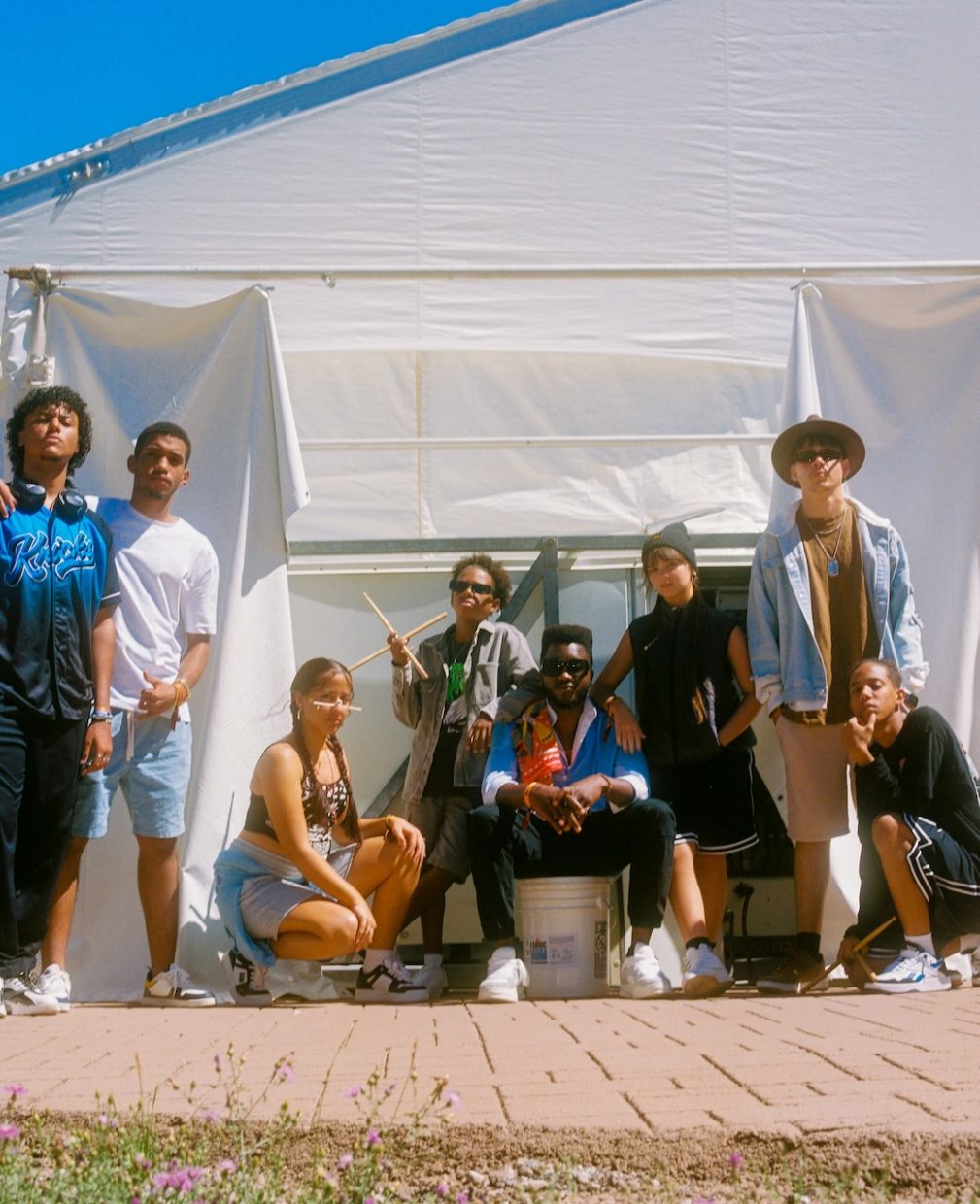
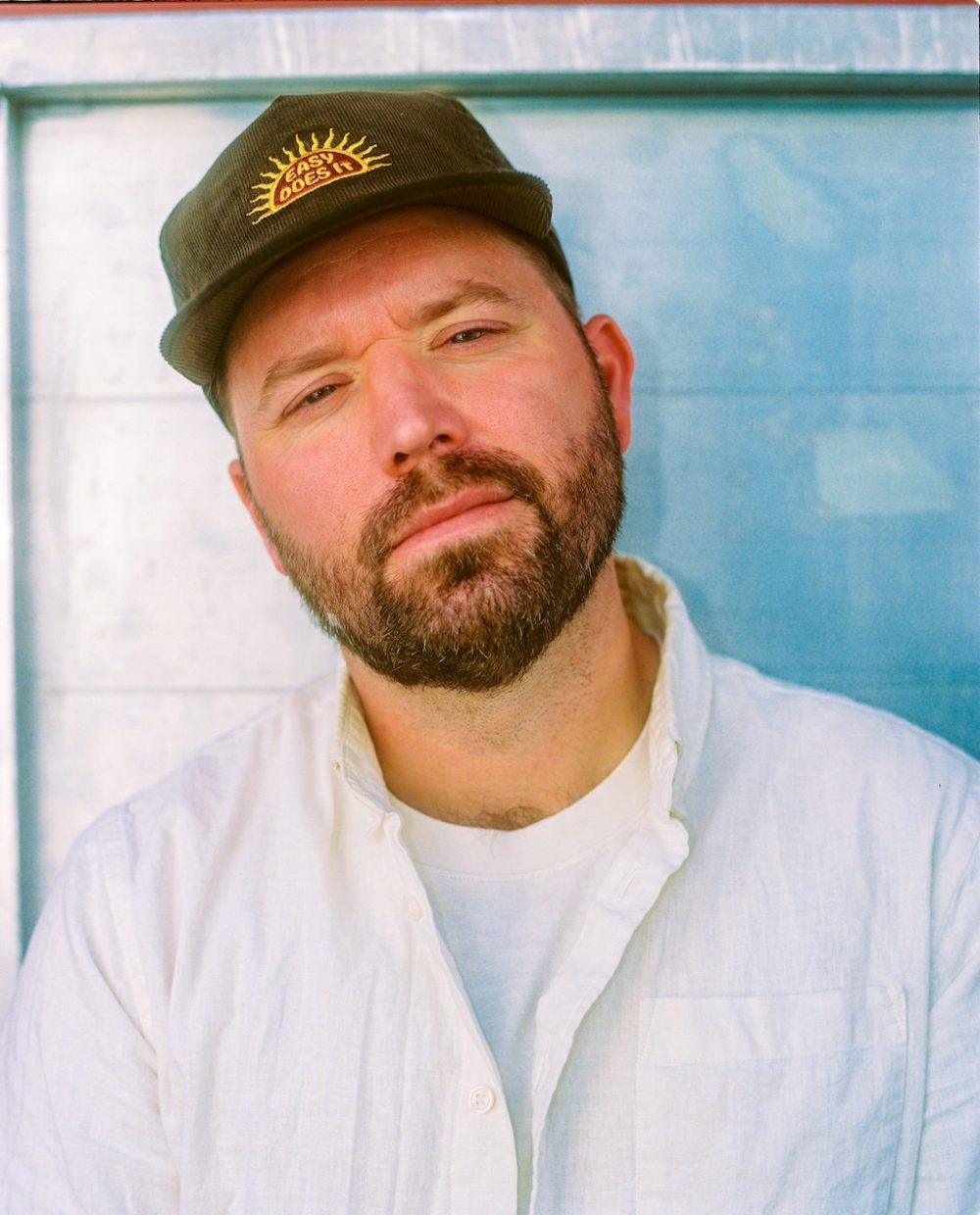
Honestly, I think the reason I am a nerd about string band music is that it offers a beautiful way of thinking about how music moves – not just through instruments traveling, but also through melodies, rhythms, and ideas making their way through people and place and time.
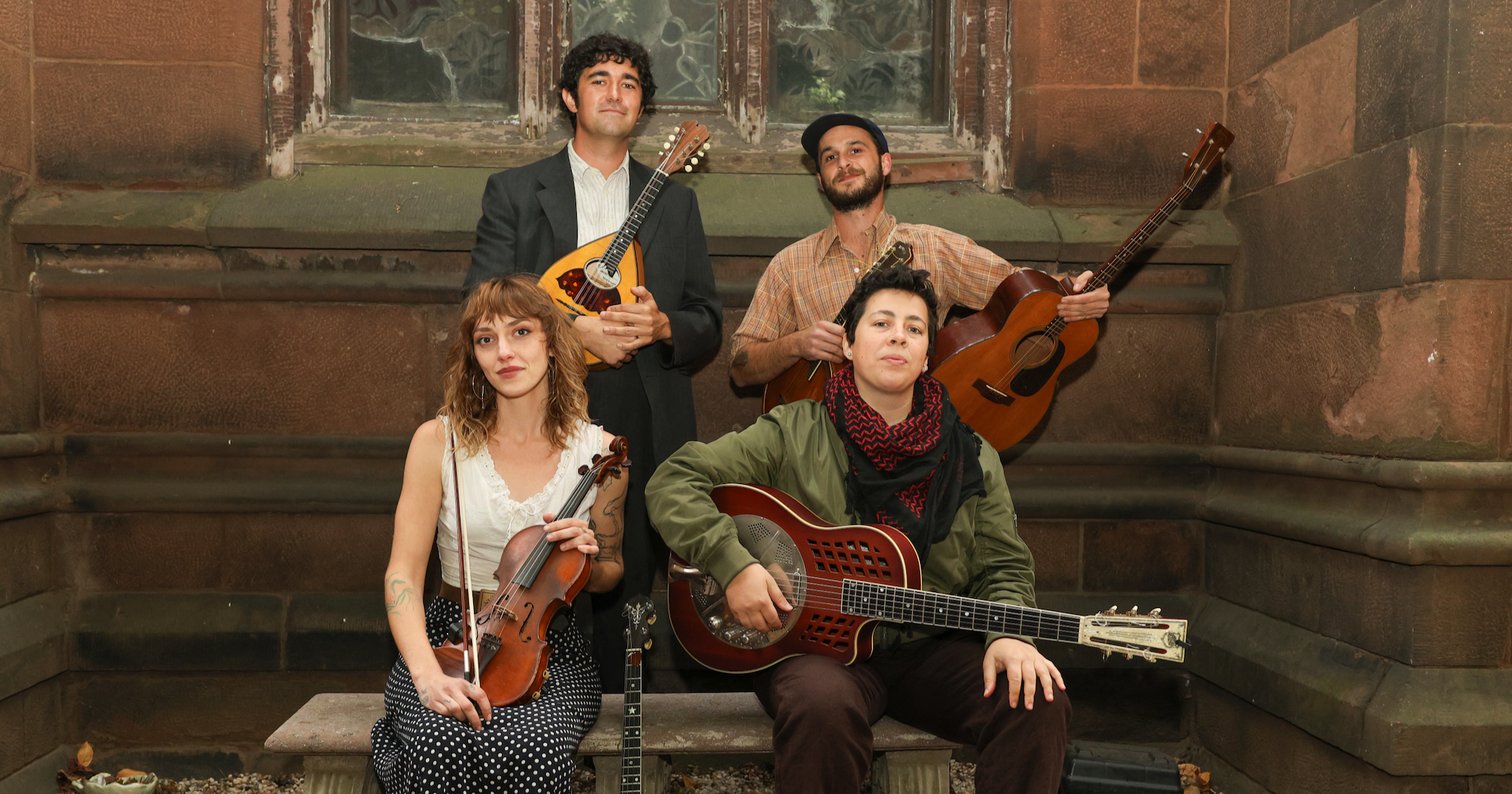
Maybe that means across the globe, but it could mean between a dining room and a basement, whatever the dialogue. The tracks in this playlist are a winding path through a tiny subsection of this sonic world. – Rachel Meirs, fiddle, Vaiano’s Paisanos
“Rosa Negra Vals Venezolano” – Orquesta De Lionel Belasco
“Rosa Negra Vals Venezolano” comes from Lionel Belasco, a Trinidadian-Venezuelan pianist and composer whose recording career spanned five decades. This waltz is a really joyous piece recorded by Belasco’s orchestra, who recorded an incredible number of sides for Columbia Records in New York City in the late ’20s and early ’30s. An iteration of a calypso band with piano, woodwinds, strings, and syncopated rhythms that all give a hint to which version of the journey this waltz form took to arrive.
“Para Mi y Para Mi Novia (Vals Foxtrot)” – El Ciego Melquiades
“Para Mi y Para Mi Novia (Vals Foxtrot)” comes from El Ciego Melquiades, “The Blind Fiddler,” who recorded in San Antonio. It sounds like a Tex-Mex fiddle tune, since that’s the way he plays it, but the most compelling thing about it is how unintuitive it is. I could never figure out why its form and melody were so strange, but a friend recently tipped me off that it’s his take on “For Me and My Gal,” a 1917 pop song (later popularized by Judy Garland), which also made the song title make more sense.
“Rolling Mill Blues” – Peg Leg Howell
Discovering the origins of “For Me and My Gal” brought to mind this Peg Leg Howell recording from 1927. I loved his recordings with Eddie Anthony on fiddle, but when I heard “Rolling Mill Blues” I remember thinking it was beautiful and strange. Instead of Eddie Anthony’s driving country-blues style fiddle, the violin’s counter-melody takes on an almost ethereal tone. I don’t know if it is a coincidence or not how much that melody calls to mind the pop song, “Tonight You Belong to Me,” which was first recorded in 1926.
On the theme of the crazy routes music takes, I think saying that this next one, “Smart (Tango Argentino)” comes from Kostas Bezos, who led a Hawaiian band in 1930s Athens, is sufficient!
“Cariño” – Cuarteto de Cuerdo de F. Facio
Orquestas de cuerdas were small string bands that played for dances and social functions in Northern Mexico. The entire Arhoolie compilation Orquestas de Cuerdas: The String Bands: The End of a Tradition 1926-1938 is worth listening to, but “Cariño” from Cuarteto de Cuerdo de F. Facio has always stood out to me for what I think is a cello or bowed bass in addition to violins and bajo sexto. This adds a significant low-end to an already dramatic song – this one goes through a lot of emotions.
This next one comes from another compilation series I recommend for anyone looking to deep dive into this music across even more territory. Check out Pat Conte’s anthology series, The Secret Museum of Mankind (now on our label, Jalopy Records, since 2021.) Another waltz, which I named this playlist for, “Valsa Continental” comes from Abrew’s Portuguese String Trio. Composer, violinist, and bandleader Augusto Abreu led this Cape Verdean trio from New England who recorded four discs for Columbia Records in 1931.
“Abrew’s Portuguese Jazz” – Vaiano’s Paisanos
It’s hard to say, but since Abrew’s Portuguese String Trio is one of my favorite bands, and because the recordings are still hard to find digitized, this next one is our band Vaiano’s Paisanos take on “Abrew’s Portuguese Jazz.” Our version keeps the violin part, but instead of guitar and cavaquinho, we have mandolin adding harmonies and rhythm, and tenor guitar playing the melodic runs that make up the tune’s backbone and bass line.
“Quisiera Olvidarte” – Pastorita Huaracina
This style of melodic accompaniment reminds me of the relationship between a country-blues fiddle line and a song’s vocal melody (for instance “Rolling Mill Blues,” on this playlist) is one of my favorite things to hear. Maybe that’s why I have listened to “Quisiera Olvidarte” by Pastorita Huaracina so many times in a row. This track comes from another great Arhoolie compilation, Huayno Music of Peru, Vol. 1.
“Il Mio Cuore E Tuo” – Giovanni Gioviale
I knew I wanted to include a track to represent some of the Italian-American music of the era. For many of the tracks on this playlist, I have been trying to decide between polkas, mazurkas, waltzes, foxtrots, and tangos, a reminder many of these groups were dance bands. The mazurka form comes from Poland, a dance in 3/4 or 6/8. This mazurka comes from Giovanni Gioviale, a mandolin virtuoso from Sicily who recorded in New York between 1926 and 1929. “Il Mio Cuore E Tuo” features Gioviale on the tenor banjo– another marker of combined musical histories.
“Black Mountain Mazurka” – Gu-Achi Fiddlers
The next tracks have us following mazurkas to the Southwest. “Black Mountain Mazurka” is Gu-Achi fiddle from the Tohono O’odham people of Southern Arizona. This Southwest fiddle sound is made even more distinct with the addition of drums and very sweet harmonies.
“Bailando en Phoenix” – Lone Piñon
Staying nearby but jumping ahead into this century, Lone Piñon (also on our label, Jalopy Records), plays New Mexican string band or “orquesta típica” music. “Bailando en Phoenix” shows both the amazing energy and musicianship of the whole band. Their whole album is a beautiful tribute to their attention to learning, playing, and performing this musical style.
“Tarantella” – Magic Tuber Stringband
One more modern band, to remind ourselves that we are all participating in the process of reimagining music across time and space. And we will be for as long as we engage with these old traditions and continue to make music. The cross-tuned fiddle on North Carolina-based Magic Tuber Stringband’s “Tarantella” so effectively calls to mind the droning sound of a zampogna (an ancient bagpipe played in southern and central Italy), and the track fades to a fitting end for this playlist.
Roots music was everywhere this year. It’s time we decide once and for all: Is roots music enjoying a “moment”? Or are these genres and sonic stylings alwaysthis foundational to popular and mainstream music?
Maybe roots is just at the center of everything we do here at BGS, but we’re inclined to the latter option. Roots music, folk music, whatever you want to call it, these styles are at the root – pun intended – of everything we love, not just in our scenes and spaces, but what we love about pop music, radio hits, and the musical mainstream, too. It’s no wonder, then, that roots shows up in albums and offerings by Bad Bunny and Sabrina Carpenter. That roots music finds its way across the globe in the fight for justice. That banjos and fiddles and the blues and bluegrass can be seeds by which entire resplendent artistic universes can be birthed, whether festivals or films or documentaries or albums or songs.
For our final year-end retrospective list of 2025, we asked our BGS contributors to reflect on the roots music and moments that stuck with them over the course of this year. Instead of setting strict criteria for what qualified as “roots music,” we did just the opposite, leaving our year-end “best” prompt as loose, open, and broad as possible. The results reaffirm our central belief that roots music isn’t a niche, it’s everything. There’s no limit to what it can touch on, impact, and transform.
We look forward to continuing to celebrate all things roots music and roots culture with you in 2026. In the meantime, enjoy our BGS Class of 2025. Roots music below, bluegrass here, and Good Country here.
Bad Bunny, DeBÍ TiRAR MáS FOToS
Last year, the most mainstream and far-reaching roots album was most certainly Beyoncé’s Cowboy Carter. The project has amassed billions of streams and listens, millions of sales, and has been certified Platinum by RIAA. This year, the most prominent roots album has received little to none of the controversial discourse of “belonging” and genre and roots-adjacency that Cowboy Carter attracted. Bad Bunny’s 2025 masterpiece, DeBÍ TiRAR MáS FOToS, is perhaps a bit sneakier in its rootsiness – or, being that it was made by a Puertorriqueño and is delivered entirely in Spanish, perhaps the same sorts of racism that put Beyoncé under the crosshairs may have relieved Bad Bunny of such targeting.
DeBÍ TiRAR MáS FOToS is jaw-dropping in its artistic and sonic accomplishments. Reggaeton and pop, hip-hop and house are grounded and contextualized by roots music, which does incredible heavy artistic lifting across the album. Interludes and intros reference many of the Latin and Caribbean folk styles that would birth the genres Bad Bunny currently inhabits. Calls of endemic frogs are mentioned alongside varied sounds of the diaspora, gentrification decried while advocating for self-determination. The album successfully does the work of so many solely folk and/or roots projects, but given its mainstream appeal and A-lister creator, that fact seems to have been lost in the glitz, glamour, and Super Bowl Halftime Show of it all. Make no mistake, though, for all the things that it is, DeBÍ TiRAR MáS FOToS is obviously roots music. – Justin Hiltner
Carsie Blanton
Singer-songwriter Carsie Blanton gave the most fun performances I saw on folk stages this year. Whether solo in the round or with frequent collaborators Sean Trischka, Joe Plowman, and Isa Burke, a Carsie show feels like a block party. People pack in corners to see what she will cook up next: a saucy tale, a power pop-influenced anthem of revolution, a quiet moment that demands reverent attention. Blanton has a gift for translating history into sing-alongs without softening any of her political edges. It takes an expert vocalist and arranger to sing “I guess America’s coming untied/ Half of my neighbors are living outside” without the audience feeling gloomy or preached at.
It helps that Blanton embodies the kind of working-class swagger that only a bad bitch from New Jersey can pull off. An outspoken feminist and member of the Party for Socialism and Liberation, this past October she brought the revolutionary hope of her songs to Global Sumud Flotilla to Gaza, where she risked her life as a member of the humanitarian coalition. Blanton, along with many of her comrades, was detained when the Israeli military intercepted their boats. Her bandmates were waiting at the airport when she got home. – Lizzie No
Brooklyn Folk Festival
Celebrating its 17th year, the Brooklyn Folk Festival is the best of the independent roots music community incarnate. Each November, the festival brings together members of the New York folk music community with musicians from across the country (and sometimes the world) for one weekend of homegrown joy, hosted in the Saint Ann and the Holy Trinity Episcopal church in Brooklyn. Musicians swap instruments and stories and audiences pack church pews and sit cross-legged on the floor to listen, intently.
The festival fosters space both for old-timers and young musicians; each year students from the Jalopy Theatre and School of Music, which hosts the event, perform. This year, the mainstage audience waited patiently, giving grace to 91-year-old folk legend Alice Gerrard (of Hazel & Alice) as she remembered the lyrics to one of her songs. Friends, lovers, and children waltzed together to Black string band New Dangerfield. And when musician Nick Shoulders invoked folk music’s long history of protest and compared old-time music to public lands – dubbing both worthy and precious resources, which should be protected and preserved as free for all – the entire room cheered. Community uplift at its purist and sweetest. – Meredith Lawrence
Sabrina Carpenter’s Sneaky Roots
They say the Germans have a word for everything. Do you think there’s one for how good it feels when roots music sneaks into the pop mainstream? Maybe… Beyoncénfreude? There should be some term for it, because it’s a special kind of satisfaction, and this year the good vibes continued with Ms. Short n’ Sweet herself, Sabrina Carpenter.
The superstar had already shown a genuine appreciation for country when she teamed up with Dolly Parton on “Please, Please, Please” (even changing explicit lyrics to better suit the mild-mannered icon) and with the dreamy country-folk of “Slim Pickins.” But in 2025 two important things happened. 1) She made her Grand Ole Opry debut in October, beaming with pride and lavishing the institution with praise. “Please, Please, Please” and “Slim Pickins” were both part of her set. And, 2) “Man Child.” Beneath the disco pulse ran an undercurrent of country twang, with a rhinestoned electric guitar hook dripping in her signature campiness.
This alone would be a prime case of Beyoncénfreude, but the best part was how Carpenter felt no need to call attention to the matter. It wasn’t a play or statement. She just wanted some country in there and knew her fans would accept it. What that says about roots music and the mainstream is definitely a 2025 highlight. – Chris Parton
Neko Case, “Winchester Mansion of Sound”
The late great Flat Duo Jets guitarist Dexter Romweber, who died at a too-young 57 last year, was an inspirational figure to generations of artists, Neko Case among them. The Americana siren repaid that debt with a cameo on Dex Romweber Duo’s 2009 LP Ruins of Berlin, and goes one better with this eulogy from her latest album, Neon Grey Midnight Green. Over spectral tack piano plinking away, Case paints a picture of kindred spirits bound together by music:
I still think of you And your wild, recurve guitar Only you can play so far out of tune And still kick me in the heart.
By the end, shortly before the full band kicks in for the outro, Case concludes, “Only music is forever.” Perfect.
This has been just one of 2025’s Romweber afterlife artifacts, including posthumous induction into the North Carolina Music Hall of fame and depiction in the teen drama TV series, The Runarounds. But this one is the best of all. – David Menconi
Chatham Rabbits, Be Real With Me
Despite its general lamenting about growing older – something I can relate to all too well – I can’t get enough of husband-wife duo Chatham Rabbits on Be Real With Me. But instead of focusing on the aches, pains, and other changes that come with the passing of time, Sarah and Austin McCombie also reflect on the wisdom that accompanies it as well.
This manifests itself in missives like “Matador,” where Sarah sings about trusting people too fast and ignoring red flags along the way, and “Gas Money,” which touches on overcommitting to relationships with others before first looking after yourself. The duo also navigate everything from falling out with longtime companions (“Childhood Friends”) to wanting freedom while also having desires to build and nurture a family (“Collateral Damage”), painting an understandably complex web of stories in the process.
The result is a very millennial-leaning record that puts a positive spin on aging as a young adult and will leave any 20-something listening ready to do what Austin describes on the album’s lead track, “Facing 29” – “Grabbing 30 by the strap of its boots.” – Matt Wickstrom
Michael Daves, Early Morning Sun
2025 has been a bang-up year for new releases and one at the top of my list is Michael Daves’ five song EP, Early Morning Sun. Daves’ music is always inspiring, but this EP differs from his past releases. Unlike Orchids and Violence, which was a two-part album with one side being bluegrass covers and the other being electric covers of those same bluegrass songs, Early Morning Sun is just Daves and his guitar.
All recorded on a low-tuned Kay guitar in an old church in Brooklyn, the EP has a rough, thrashy bluegrass and somewhat country feel. It’s an album of covers that, if you live in Brooklyn, you’ve probably heard Michael play around town, especially at the Jalopy Theatre or in the old days at Rockwood Music Hall. What’s special about this EP is that you can really feel the energy of how it was recorded. The slight echo of the church compliments the songs in a unique way, bringing a lot of oomph to the songs both in his vocals and his guitar playing. – Emma Turoff
Flock of Dimes, The Life You Save
Feeling weighed down by life? Tired of propping up others who can’t (or won’t) get their act together? Friend, have I got a record for you.
Jenn Wasner has been telling survivors’ stories through exquisite, deeply textured music for two decades. Her third Flock of Dimes LP, The Life You Save, leans into the atmosphere of Wasner’s voice over instrumental theatrics. Its songs find her in the deeply wearying role of reluctant savior, trying her best to heal her little corner of the world – or at least herself. The album’s money shot is “Long After Midnight,” which sounds like it could be about anything – from trying to save a friend from a drug problem or a parent sliding into dementia. The video shows Wasner sitting on the floor singing as every piece of furniture behind her is removed, finally directing attention to herself near the end:
I live my life among the lucky ones When things are bad I never let them know When you come from where I come from There’s only so far you can go…
But if you try some time, you just might find, you get what you need. – David Menconi
Rhiannon Giddens & Justin Robinson, What Did the Blackbird Say to the Crow
Rhiannon Giddens reunites with former Carolina Chocolate Drops bandmate Justin Robinson for what is essentially a crash course in the music of North Carolina. What Did the Blackbird Say to the Crow contains 18 songs – a healthy mix of instrumentals and tracks with lyrics. The music comes alive in the pair’s very capable hands and invites the listener to take a 44-minute stroll through Appalachia and North Carolina’s Piedmont. Their late mentor, Piedmont musician Joe Thompson, taught them all he knew, which is quite evident on selections such as “Hook and Line,” “Little Brown Jug,” and “Old Molly Hare.” Together, it’s like no time has passed between Giddens and Robinson, and they reach new heights in their work with some of the most propulsive and emotive string work of the year.
What Did the Blackbird Say to the Crow demonstrates that learning and growing never end. String work is best served when untethered to strict structures, but rather fluid and gently gliding, they evoke both a sense of whimsy and raw emotion. – Bee Delores
The History of Sound
I was in a cab going up the mountain to see Bugonia, and I was talking to another queer friend about The History of Sound. Specifically, about Josh O’Connor and Paul Mescal singing “Pretty Saro” and “Silver Dagger” to each other as a method of seduction. We talked about other versions of both songs – especially “Silver Dagger” – about how tender the song is in general, how O’Connor makes it softer, and about how his halting, half-good singing was effective in ways that, for example, Joan Baez wasn’t.
I thought a lot about the “Silver Dagger” scene, with a heat and a hunger, more than anything else in that film; a song which was too formalist to fully represent the erotic lives of the main characters. The movie made me sad and aroused, and what else can you ask for from a film? But it also made me worry about what songs we absorb from which traditions, and that the trading of these two famous songs as signifiers of a kind of melancholic, cock-blocked Appalachia only considers one kind of desire, one kind of hunger, and one kind of aesthetic. One marked by loss, and one which never completes except in death.
I wondered what it would mean, instead of “don’t sing love songs,” to sing every possible love song for every possible kind of love. In that too-short scene in the tent, Mescal and O’Connor sing to each other as a mode of seduction, but we get an incomplete song and an incomplete seduction. If we are listening to folk songs for their ardor, then the tradition must allow for all kinds of ardor – all kinds of desire. Sure, we have their version of “Pretty Saro” (the movie convinced me that nothing would be sexier than hearing that song post-coitally), but what about everything from “The Money Comes Rolling In” to “The Wanton Seed” to “The Two Magicians”? – Steacy Easton
I’m With Her, Wild and Clear and Blue
Right from the get-go, 2025 was a hard year. The Los Angeles wildfires ripped through homes and communities in January, displacing thousands of people, including many of my friends and music industry peers. Even for those of us whose homes were unscathed, everything suddenly felt untethered and dangerous, like it could disappear at any second.
For me, nothing captured that unnatural feeling quite like I’m With Her’s “Standing on the Fault Line.” “Is it when the reservoir runs out/ And the birds stop flying south/ Are we gonna know it’s time to flee?,” questions Sara Watkins. Many of us did have to flee, loading our cars with whatever we could grab; evacuating to anywhere that seemed remotely safer. But as climate change and economic and political upheaval continuously flip our world upside down, is anywhere really safe?
The rest of I’m With Her’s beautiful album, Wild and Clear and Blue, has been a soothing balm amidst these strange times. Each song captures a different aspect of womanhood, family, home, and the slipping of time – a testament to the shared songwriting duties of Aoife O’Donovan, Sara Watkins, and Sarah Jarosz. Their harmonies ring out like an old friend offering words of comfort on the other end of the line. – Amy Reitnouer Jacobs
Lilith Fair: Building a Mystery
One of the highlights of the late 1990s was Lilith Fair, a popular music festival co-founded by Sarah McLachlan and featuring the talent of such acts as Fiona Apple, Mary Chapin Carpenter, Sheryl Crow, Bonnie Raitt, and The Chicks over three years (1997-99). Director Ally Pankiw, known for I Used to Be Funny and two episodes of Black Mirror, pulls from a remarkable 600 hours of never-before-seen footage that cuts to the core of what Lilith Fair meant – and continues to mean – for women and female-identifying people. Interviews with Emmylou Harris, Brandi Carlile, and Jewel, among others, give new insight into the landmark festival and the tough-as-nails artists who stormed its stages.
Pankiw pulls back the curtain and offers the audience a peek into the blood, sweat, and tears that festival planners and the talent endured for the sake of the art and proving to the world that women artists were far more valuable than as tokens in a sea of men. Lilith Fair: Building a Mystery is raw, honest, and probing. For any casual music fan, it’s a must-watch of the year. – Bee Delores
Jess Sah Bi, Jesus-Christ Ne Deçoit Pas
Seven years ago, I worked on the reissue of Our Garden Needs Its Flowers (1985) by the West African country, folk, and afro-pop duo Jess Sah Bi & Peter One. Back in the 1980s, they were one of the most popular musical acts in Côte d’Ivoire (Ivory Coast), entertaining stadium-sized audiences at home, and later on, throughout Benin, Burkina Faso, and Togo.
When I first heard it, Jess Sah Bi & Peter One’s music was a revelation. In a sense, it offered a whole new lens through which to view country and folk music, while unlocking an entirely different set of African musical histories to learn from. Afterwards, Peter One scored a deal with Verve Records, culminating in his celebrated comeback album, Come Back to Me (2023).
Earlier this year, Awesome Tapes From Africa, the label that gave Our Garden Needs Its Flowers a second wind, reissued Jess Sah Bi’s rare early-1990s gospel, folk, and country solo album, Jesus-Christ Ne Deçoit Pas (Jesus Christ Does Not Disappoint). Written and recorded after recovering from a mystery illness and relocating from Côte d’Ivoire to the United States, the album’s seven songs, sung in French and Gouro, are soaring, transcendent, and undeniable. – Martyn Pepperell
Caroline Spence, Heart Go Wild
For me, 2025 has been typified by abject, all-encompassing grief. Singer-songwriter Caroline Spence’s past albums are certainly also heartfelt and lean towards tear-jerking and raw emotion-inhabiting, but Heart Go Wild feels particularly primed for a good, cathartic, therapeutic cry. Spence processes quite a few life and career changes within these songs, but the specificity by which these tracks and lyrics were born don’t hem them in or limit their relatability. On the contrary, by Spence opening up her own particular introspections to all of us, yet again, she enables each of her listeners to find our own healing, growth, and redemption in the same way she has. Through song.
Tracks like “Fun at Parties,” “Confront It,” “Why the Tree Loves the Ax,” and “Where the Time Goes” – really, the entire collection – have been remedies I didn’t know I would need so deeply when the album was first announced. Spence never needs to rely on tropes or platitudes to handle these sorts of topics. She rises above gratuitousness or melodrama, even while she acknowledges the sorts of grief, pain, and change she’s reckoning with aren’t aberrations from the human experience, they are the human experience. She’s reminding herself as much as each of us, and I suppose that’s where the magic of her particular skillset truly lies. – Justin Hiltner
Billy Strings at IBMA World of Bluegrass
When it comes to the International Bluegrass Music Association, two big things happened in 2025: the annual conference, festival, and awards show found new digs in Chattanooga, Tennessee, and Billy Strings finally returned to where it all began for the star. Taking home his fourth Entertainer of the Year award this year, Strings made a genuine, heartfelt effort to appear at the IBMA events. Not only to accept his recognition, but also to hang around the festivities all week.
Strings kicked off the conference with a stunning keynote address, only to then perform two shows in Chattanooga (one with his full band, one with guitar wizard and mentor Bryan Sutton). Throughout the week, Strings casually popped up all over the city, either jumping in on jam circles or merely stopping to chat with fans and fellow musicians alike, including a memorable jam with 90-year-old bluegrass icon Paul Williams. Strings’ presence was a well-received thing for a bluegrass community not only indebted to the six-string ace for what he’s brought to the scene, but also to remind everyone he hasn’t abandoned bluegrass — it’ll always be the essence of his melodic core. – Garret K. Woodward
Molly Tuttle, So Long Little Miss Sunshine
Molly Tuttle’s So Long Little Miss Sunshine actually comes loaded with sunshine and it’s evident from all angles. The empowered and fearless lyrics start on the first track, “Everything Burns,” and continue through “No Regrets” and “Story of My So-Called Life,” showing Tuttle standing proudly in feelings, intentions, and reflections that are true to this chapter in her life.
Whether she’s basking in a seemingly perfect headspace (“There’s no valley I can’t cross, or mountain I can’t climb/ I’m in a golden state of mind”) or making a messy choice and owning it without self-abasement (“Don’t try to fix it when you break my heart/ Knew when you hit me with your poison dart”), every moment is deliberate and delivered with confidence. That includes the sonic side of things, too – despite judgmental heat coming from folks who think Tuttle is trading in pickin’ parties for pop(ularity).
First: There’s plenty of Tuttle’s prodigious musicianship shining on this record. Second: take a cue from Tuttle herself and embrace what’s new as we go into the new year! Because for Tuttle, not all the personality on this album is new. It’s just new to us because she’s finally letting it out and letting it breathe. – Kira Grunenberg
Cristina Vane, Hear My Call
The Italian-born, Nashville-based singer and multi-instrumentalist Cristina Vane has long been at home playing bluegrass, country, blues and everything in between, but on Hear My Call she’s finally at home with the most important thing of all — herself.
Across the album’s 13 tracks Vane embraces the cultures and sounds that have shaped her, from finding joy in everywhere she’s been on the rock anthem, “Little Girl From Nowhere,” to relating to the stories of someone born an ocean away on the banjo ballad, “My Mountain.” While many songs on the record lean heavy into introspection and the strength that comes from it, others find power in everything from fun and sensual moments (“Shake It Babe”) to moving on from people who don’t value your presence and time (“You Ain’t Special”).
On top of Vane’s clever songwriting, I also can’t get enough of her playing on this album. Throughout, she moves effortlessly from banjo to slide guitar without skipping a beat, further reinforcing her staying power. This is someone to watch from 2026 onward. – Matt Wickstrom
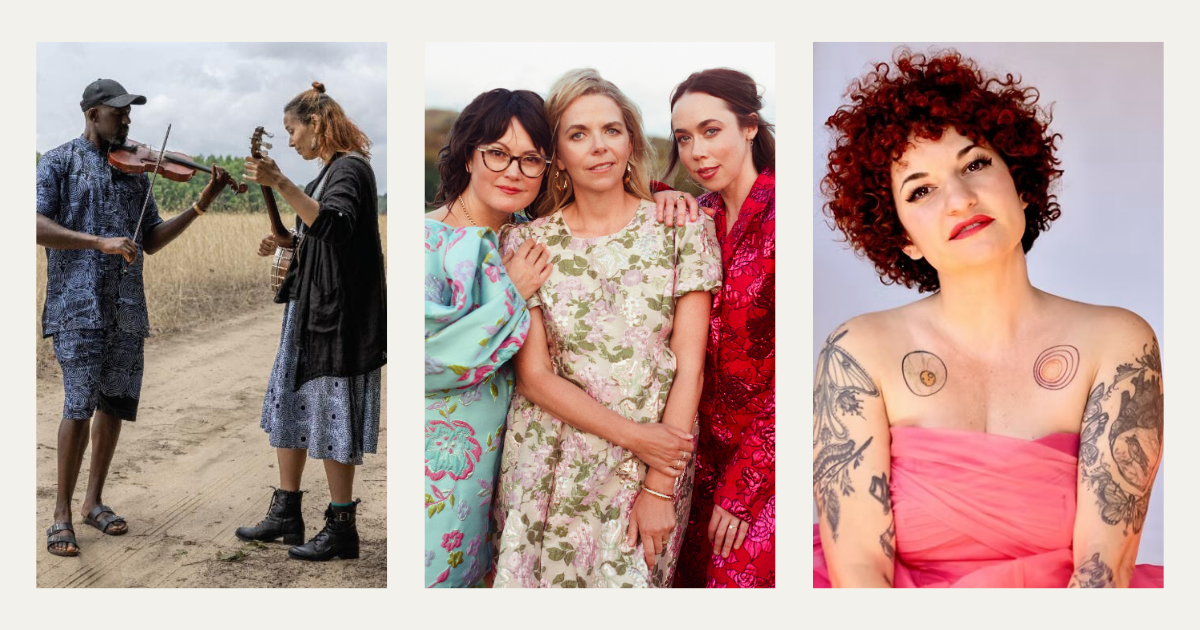
Lead Image: Justin Robinson & Rhiannon Giddens by Karen Cox; I’m With Her by Alysse Gafkjen; Carsie Blanton by Bobby Bonsey.
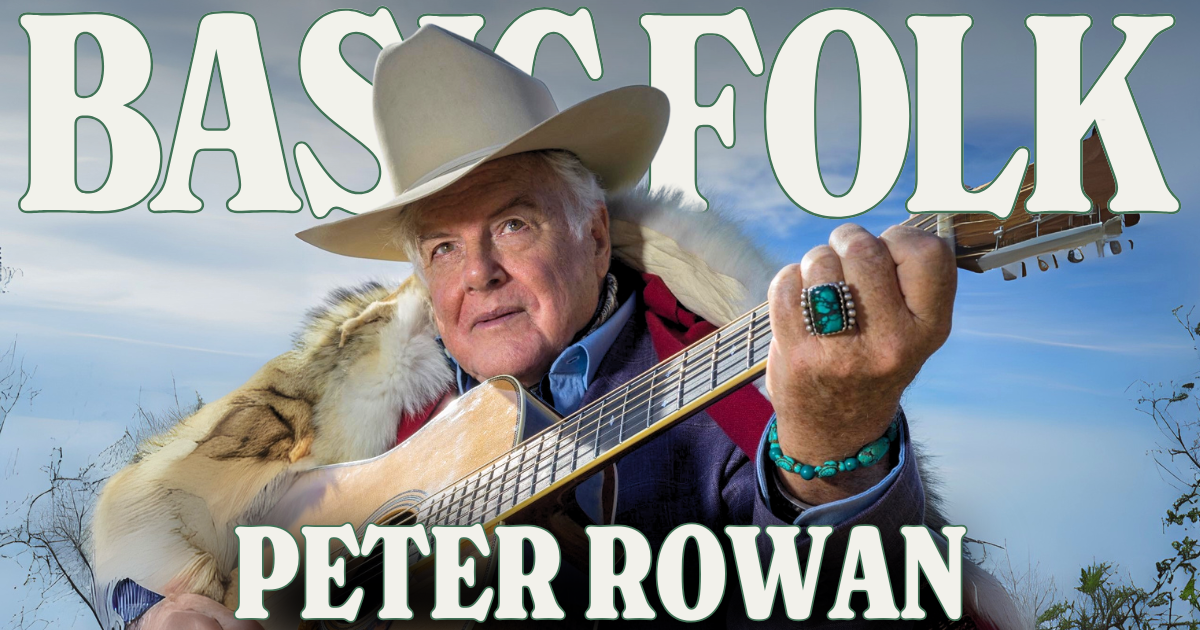
Legendary Massachusetts-born, California-based musician Peter Rowan is best known for his bluegrass roots. A practicing Buddhist, he did time in Bill Monroe’s Blue Grass Boys as well as in the short-lived and epically important Old & In the Way with Jerry Garcia and David Grisman. However, his latest album, Tales of the Free Mexican Airforce, celebrates the music of the Southwest and draws a throughline from Tex-Mex to bluegrass. Rowan has a long history with this music from his very first solo record, which includes the original recording of “The Free Mexican Airforce” as well as “Midnight-Moonlight.” Both of those classic Rowan compositions got re-recorded for the new record and feature the late great Flaco Jiménez (as did the original 1978 recordings), who passed away in July 2025.
In our Basic Folk conversation, we talk about Flaco’s enthusiasm for Peter’s music, the many collaborations they recorded, and why he included a recording of Flaco speaking on the album. Peter speaks about how immigrants and musical culture from Latin America are constantly inspiring him and keeping him patriotic. He also spoke about what keeps him aging well, what his energy and enthusiasm look like at 83 years old, and, of course, Bill Monroe’s baseball team.
You Gotta Hear This! We’ve got bluegrass, Americana, folk, and so much more for you in our weekly roundup of new music and premieres.
Kicking us off, Western North Carolina bluegrass greats Balsam Range dust off an old track, “Virginia Girl,” from member Caleb Smith’s archive solo album for their own rendition – with a special “vintage” banjo solo added in. From just down the mountains in upstate South Carolina, bluegrass and roots duo the Foreign Landers share their lovely new song, “Smell the Rose,” which reflects on the good, simple gifts we all receive while walking through life (if we’re open to receiving them!).
Elsewhere in our collection, another folk-Americana duo, Oliver the Crow, return with new music for the first time in a few years, offering a new video for “Burn It Down,” a song about finding redemption in starting over, starting fresh. And Rachel McIntyre Smith – who has been sharing a mini-series of cover song performance video collaborations on BGS over the past few weeks – unveils an impeccable cover of Kacey Musgraves’ “Slow Burn” with fellow artist Sammi Accola joining in.
Don’t miss Natalie Del Carmen singing “El Cortez,” an energetic country-folk song about spending time with her father and the rarity of still enjoying first-time experiences as an adult, when such firsts are much more common as a child. You’ll also hear singer-songwriter Jared Dustin Griffin fingerpicking and growling through “Shovel,” a new track that meditates on sacrifices and all you can gain from the labor of putting yourself aside.
Bringing us vibey indie roots rock, Liam Kazar contemplates “The Word The War” on his new single from his upcoming album, Pilot Light. You can watch the video for this musical exploration of loneliness and the journey (rather than the destination) below. And finally, from all the way across the globe, the High Street Drifters of Melbourne, Australia, introduce their down-under bluegrass to BGS with “Words for Leaving,” a song about distance, longing, and goodbyes – sweet and bittersweet.
It’s a stout collection this week and we’re excited for you to get to it. You know what we say every time– You Gotta Hear This!
Balsam Range, “Virginia Girl”
Artist:Balsam Range Hometown: Haywood County, North Carolina Song: “Virginia Girl” Release Date: September 5, 2025
In Their Words: “In 2013, I was putting together some tunes for a solo album. Patton Wages was my first call to help me with his killer banjo playing. I first met Patton at Everett’s Music Barn in Suwanee, Georgia, around 2005 and I immediately was a fan. We became friends and stayed in touch. He became Balsam Range’s first call if Marc Pruett ever needed to miss a gig and Patton always filled Marc’s great picking with greatness of his own.
“I wrote ‘Virginia Girl’ in March of 2013 and it was slated to be on my solo album along with “God Knows,” “The Touch,” a few more originals, and a few standards. Patton, Aaron Ramsey, Adam Steffey, and Nicky Sanders helped me create the album. I’ve sat on the tune and the album since 2013, frequently revisiting it when Balsam Range needed a tune to add to one of our albums, but ‘Virginia Girl’ has remained unused for 12 years… until now! Balsam Range recut the tune and I had an idea to see if we could fly Patton’s original banjo cut from 2013 to our new 2025 cut and it worked flawlessly, as if it were meant to be. Our engineer Clay Miller at Crossroads Studios in Asheville, North Carolina, worked his magic and did such an awesome job! Patton, I’m honored that you agreed to this and I’m honored to be your friend! We hope you enjoy ‘Virginia Girl.'” – Caleb Smith
Track Credits: Caleb Smith – Acoustic guitar, lead vocal Tim Surrett – Upright bass, harmony vocal Patton Wages – Banjo Marc Pruett – Banjo Don Rigsby – Fiddle, harmony vocal Alan Bibey – Mandolin
Natalie Del Carmen, “El Cortez”
Artist:Natalie Del Carmen Hometown: Los Angeles, California Song: “El Cortez” Album: Pastures Release Date: September 12, 2025 (song); January 30, 2026 (album) Label: Torrez Music Group
In Their Words: ‘”El Cortez’ was written for my dad, so I knew early on that I had to get it right. Last holiday, I gambled with him in Vegas for the first time at the El Cortez Hotel. It was such a fun time together. When you’re young, your first experiences go over your head because everything is a first. But then you become an adult and the pool of opportunity to have first experienced memories gets smaller. I have more respect for my parents now than I ever could have understood as a kid. It’s about getting familiar with all the ways you feel rich in life that really don’t involve money.” – Natalie Del Carmen
Track Credits: Natalie Del Carmen – Vocals, acoustic guitar, banjo Nick Antonelli – Bass Amelia Eisenhaeur – Fiddle Jordan Ezquerro – Organ Tanir Morrison – Drums, percussion Amelia Eisenhauer – Percussion
The Foreign Landers, “Smell the Rose”
Artist:The Foreign Landers Hometown: Travelers Rest, South Carolina Song: “Smell the Rose” Release Date: September 12, 2025
In Their Words: “‘Smell the Rose’ was written with our good friend Danielle Yother as a reflection on the good gifts we’re given in this life – things like music shared with friends, laughter around a campfire, sunsets, or driving down a beautiful highway with the windows down. Those moments are full of beauty, but they also slip away with time. In writing this song, we wanted to capture both the joy and the ache of that truth. For us, it points to something deeper: a reminder that while all good things here fade, they’re signposts that lead us to the one source of lasting love and beauty – God himself. Our hope is that this song encourages listeners to savor those fleeting gifts while also looking beyond them to the greater hope we have in him.” – The Foreign Landers
Artist:Jared Dustin Griffin Hometown: San Francisco, California Song: “Shovel” Album:The Perseverance of Sisyphus Release Date: September 26, 2025 Label: First City Artists
In Their Words: “‘Shovel’ was born in the heat of July 2020, my hands fumbling through unfamiliar fingerpicking patterns until the song unearthed itself. The melody came slow, like digging through hard earth, and the lyrics followed in a single, fevered afternoon. It’s a meditation on sacrifice – how we bury parts of ourselves for something greater and the toll that takes. In the shadow of calvary this song wields its own blade, turning over the soil of belief and what it costs.” – Jared Dustin Griffin
Track Credits: Jared Dustin Griffin – Guitar, harmonica Heather Little – Harmonies Fergal Scahill – Fiddle, mandolin Nathan Alef – Piano Matt Greco – Piano, organ Dave Campbell – Banjo Frank Swart – Bass Derrick Phillips – Drums
The High Street Drifters, “Words For Leaving”
Artist:The High Street Drifters Hometown: Melbourne, Australia Song: “Words for Leaving” Release Date: September 3, 2025
In Their Words: “‘Words for Leaving’ began its life at a lonely bus station in between where I was headed and who I was saying goodbye to. We wanted the track to carry that bittersweet feeling, balancing lyrical tenderness with the bluegrass pulse moving you down the road. Every instrument is a part of the dialogue, echoing the goodbyes we say to loved ones knowing that loving someone always carries the possibility of losing them. Being in Australia, so far from much of the rest of the world and with so much distance between places and people, gives this track a weight I think a lot of people will connect with. The push and pull between heartache and hope.” – Justin Vilchez, mandolin
Liam Kazar, “The Word The War”
Artist:Liam Kazar Hometown: Chicago-raised, Brooklyn-based Song: “The Word The War” Album:Pilot Light Release Date: November 7, 2025 Label: Congrats Records
In Their Words: “I can’t say I know exactly what the word is, what the war is. Utter loneliness at the mountain top, perhaps? Not that I’ve ever been there. Something close to knowing and loving the path, not the destination. Poor sleepless queen and her sleepless nights alone, but whatever, that’s her problem. Get me to the riff!” – Liam Kazar
Video Credits:Directed, produced, and edited by Austin Vesely. Kevin Veselka – Director of photography Featuring Emily Neale.
Artist:Rachel McIntyre Smith and Sammi Accola Hometown: Oliver Springs, Tennessee Song: “Slow Burn” Latest Album:Honeysuckle Friend (Deluxe) Release Date: September 10, 2025 (video); June 27, 2025 (deluxe EP)
In Their Words: “I have had the pleasure of sharing the stage with Sammi Accola at writers rounds over the years, but we had never hung out one-on-one until this recording. I truly felt like we became friends during this session. I think that’s evident in the video. We got lost in the groove of this Kacey Musgraves classic and had so much fun with it. This is the final video in the three-part series with BGS as part of You Gotta Hear This, but the Honeysuckle Friend Sessions continue on my YouTube channel!” – Rachel McIntyre Smith
“I love how naturally it came together – Rachel and I had a completely different song in mind, but the moment I saw the Kacey Musgraves vinyl on her living room wall and we started talking about the mutually loved album, the choice felt easy. ‘Slow Burn’ is just the best – gorgeous, full of harmonies, and somehow both light and grounding. In the middle of a hectic week, it was the perfect song to play. A reminder to slow down, appreciate the people in our life, and laugh at lines like, ‘Grandma cried when I pierced my nose,’ relishing our twenty-something years. I love collaborating with Rachel and celebrating the power and simplicity of a great lyric.” – Sammi Accola
Video Credits: Filmed and edited by Rachel McIntyre Smith.
Watch more Honeysuckle Friend Sessions on BGS here and here.
Oliver the Crow, “Burn It Down”
Artist:Oliver the Crow Hometown: Nashville, Tennessee Song: “Burn it Down” Album:A Feather in a Hurricane Release Date: September 5, 2025 (single); November 28, 2025 (album)
In Their Words: “‘Burn it Down’ is a song about starting over – a song about building something great and how that sometimes means taking down whatever’s in its place. To illustrate this point, this is my fourth rewrite of a song using this same chorus. Over many years of scratching out verses and starting over, my life itself became a bunch of fresh starts. Maybe this is what led to the final version you hear today – one of the more stripped-back and bare songs from an album of mostly larger, fuller production.” – Ben Plotnick
Track Credits: Ben Plotnick – Fiddle, songwriter Kaitlyn Raitz – Cello Anthony da Costa – All other sounds, producer
Video Credit: Kaitlyn Raitz
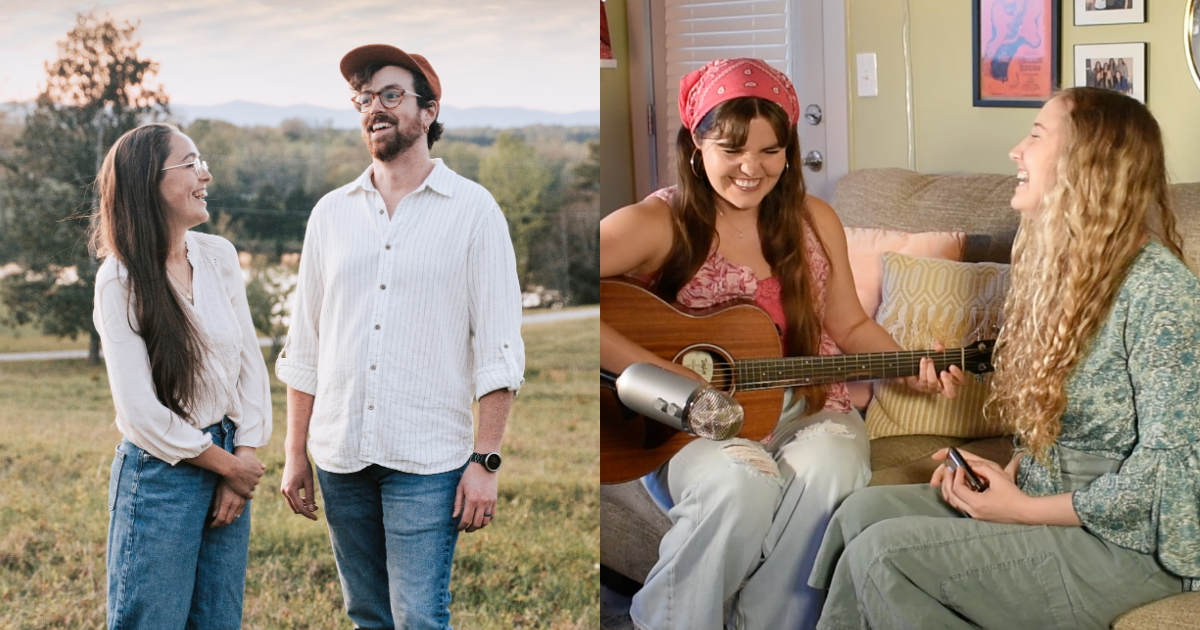
Photo Credit: the Foreign Landers by Nicole Davis; Rachel McIntyre Smith and Sammi Accola courtesy of the artists.
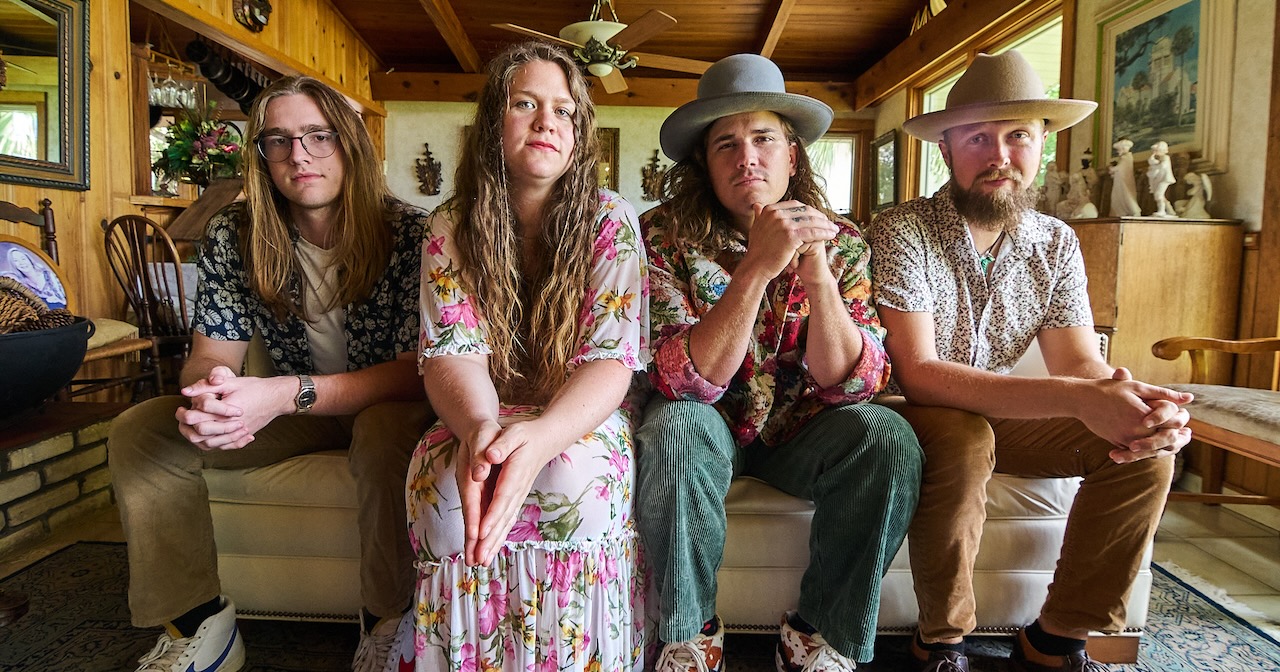
Artist:Remedy Tree Hometown: Umatilla, Florida Latest Album:Beyond What I Can See (releasing September 12, 2025) Personal Nicknames: Abigail – Abi; Gabriel – Gabi; Nathan – NayNay; Isaac – Dehydrated And Decaffeinated.
(Editor’s Note: Answers provided by Gabriel Acevedo)
What’s your favorite memory from being on stage?
2024 EMS Spring Bluegrass Fest in Brooksville, Florida, with Chris Henry and Steve Leonard. We got to open for the SteelDrivers and worked tirelessly to put on our best show and production together with props, a late night pre-show, etc. Watching it come to fruition with the perfect vibe and watching everyone dance was very inspiring.
What rituals do you have, either in the studio or before a show?
I used to not have any and it started to affect the show, coming up feeling unprepared and frantic. Nowadays I try to have about half an hour before shows to slow myself down. Laying on my back on the ground, doing vocal warmups. Also ashwagandha gummies. We all kind of just hang out and relax and try to be as chill as possible.
What’s the most difficult creative transformation you’ve ever undertaken?
Becoming a bluegrass band recognized in the industry as such. Funny enough, this upcoming album exemplifies the most difficult creative challenge: Creating a proper bluegrass album while staying true to our flavors and background. Remedy Tree was born within the old-time and folk world. Bluegrass has a formula that must be learned and perfected and that’s one reason why it’s so beautiful. Being on a bluegrass label having recorded much of the album live feels amazing. It’s been so surreal.
What’s one question you wish interviewers would stop asking you?
“So where does your band name come from?” This is unfair, I know, but it’s the most frequently asked question and I never have a good answer for them. The name came from me brainstorming names for hours and using a series of random word generators. I didn’t even like it at first, and then it stuck!
What is a genre, album, artist, musician, or song that you adore that would surprise people?
Being Puerto Rican, I think Latin elements will enter our music sometime, subtly. I don’t know when, but that’s a part of me that is bound to show itself at some point.
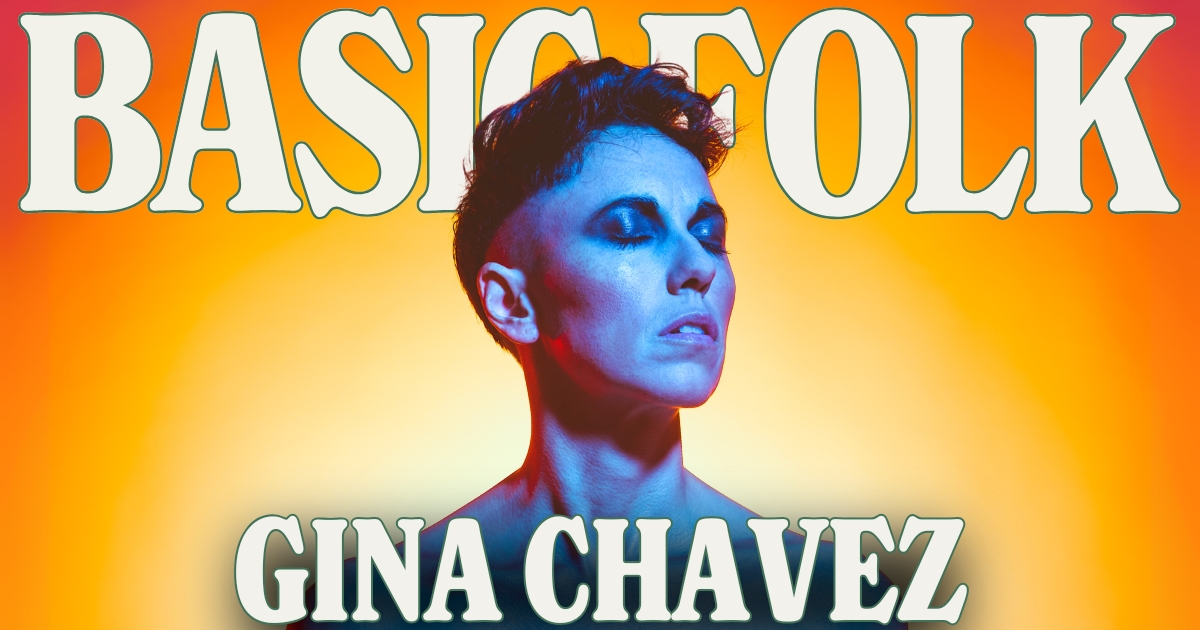
New bestie Gina Chavez speaks about her journey in music, her deep love for connecting with people, and the influence of her mixed cultural background on Basic Folk. Her parents are of Mexican and Swiss-German descent. Her father, although second generation Mexican-American, was not raised with Spanish language or any Mexican culture. Gina discusses growing up in Austin, Texas, and the role music – or the absence of it – played in her household. She talks about being a choir kid in the ’90s before it was cool, about discovering her Latin roots later in life, and how singing in Spanish feels spiritually significant to her.
Gina also shares her experiences studying abroad in Argentina, running a college fund for girls in El Salvador, and the moment she unlocked her true singing voice in the studio. We hear about how she met her wife, Jodi Granado, at the Catholic Student Center at the University of Texas. Then, we get into her complex relationship with Texas, her Catholic upbringing, her advocacy work, and the joy of performing on Olivia Travel cruises. Throughout the interview, Gina emphasizes the importance of being true to oneself and learning to embrace and express all parts of her identity.
In August earlier this year, BGS was on hand for the latest edition of Park City Song Summit in Park City, Utah. An intentional and unique event focusing on songwriting, songcraft, singer-songwriters, and more – like mental health, community, wellness, and thought leadership from a musical and artistic perspective – PCSS is a premier event. It’s certainly one-of-a-kind, and in so many ways.
This year, the lineup included artists like Nathaniel Rateliff & the Night Sweats, Mavis Staples, Larkin Poe, Tank and the Bangas, Steve Poltz, Duane Betts, and many more, as well as programming like song summits, sound baths, and panels, conversations, and dialogues.
Beautiful Park City is the perfect home for such a festival, with stunning natural surroundings, an excellent art scene, incredible food and restaurants, but a relatively cozy and small-town feel.
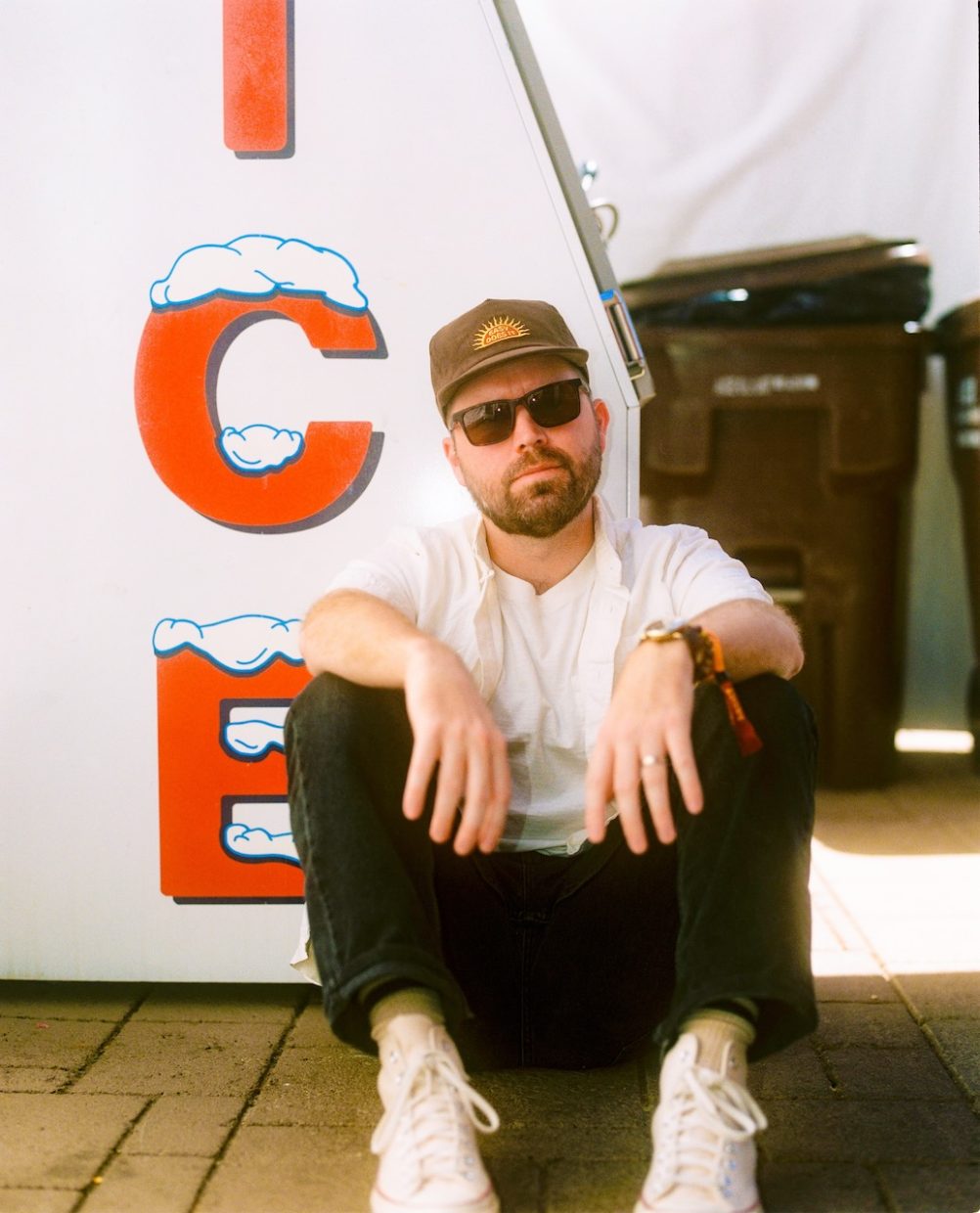
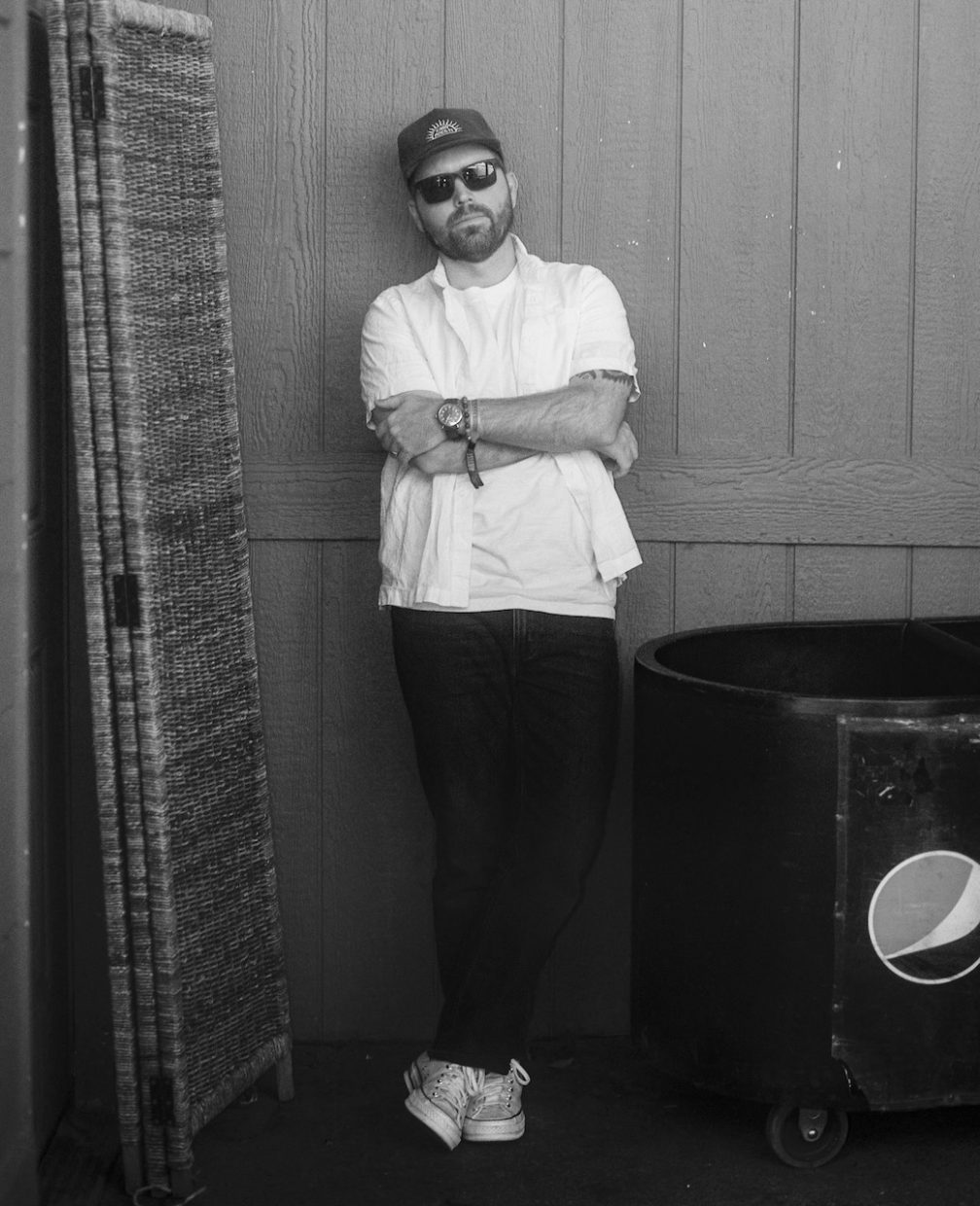
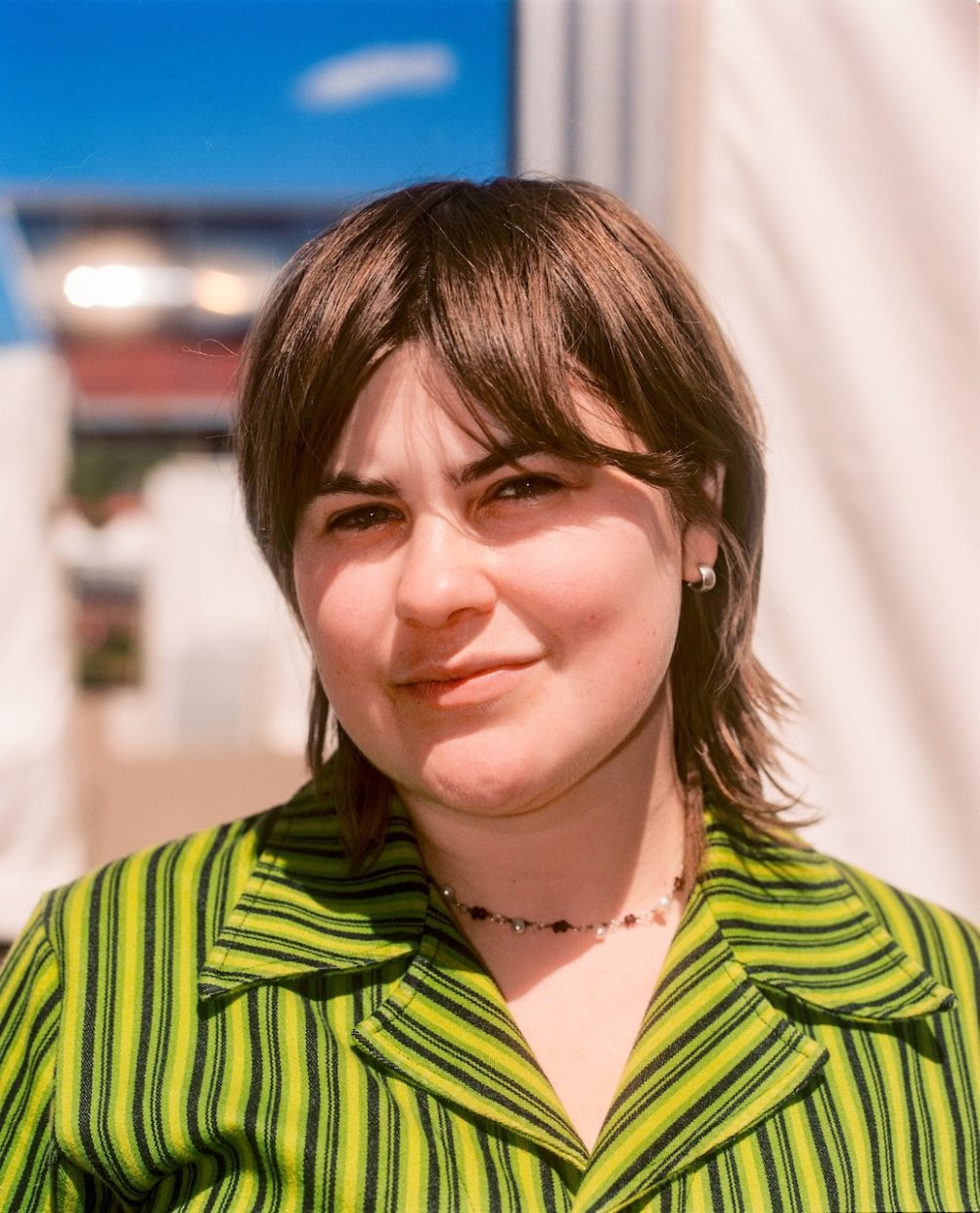
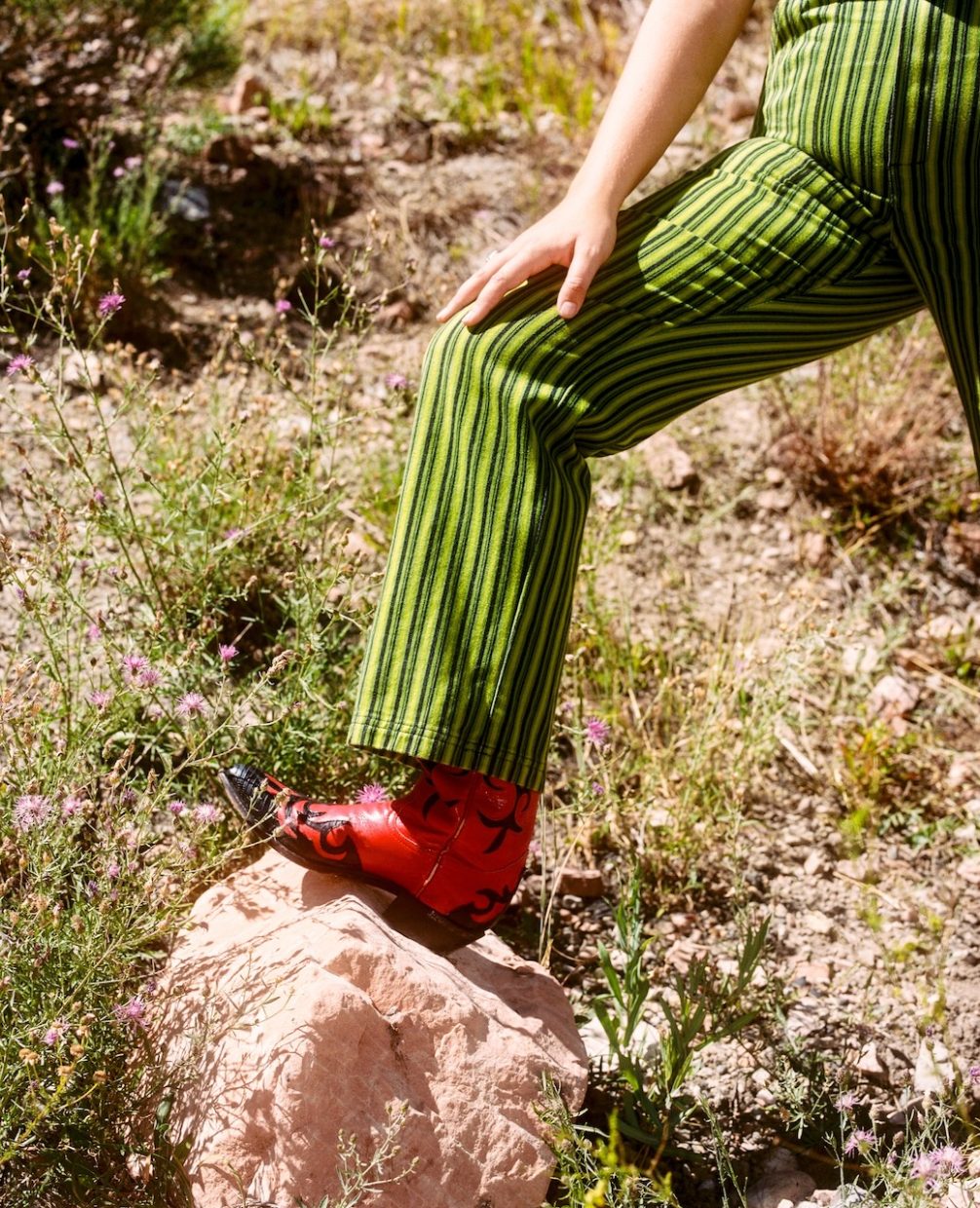
This year at PCSS, photographer Mario Alcauter shot a series of gorgeous portraits of many artists on the PCSS lineup. For BGS, Alcauter collects a handful of his favorite shots and subjects, sharing his thoughts on each.
Check out the photographs below – featuring artists and songwriters Cimafunk, Primera Linea, Sean Marshall, and Jobi Riccio – and make plans to join us in Utah for Park City Song Summit next year, August 14 to 16, 2025.
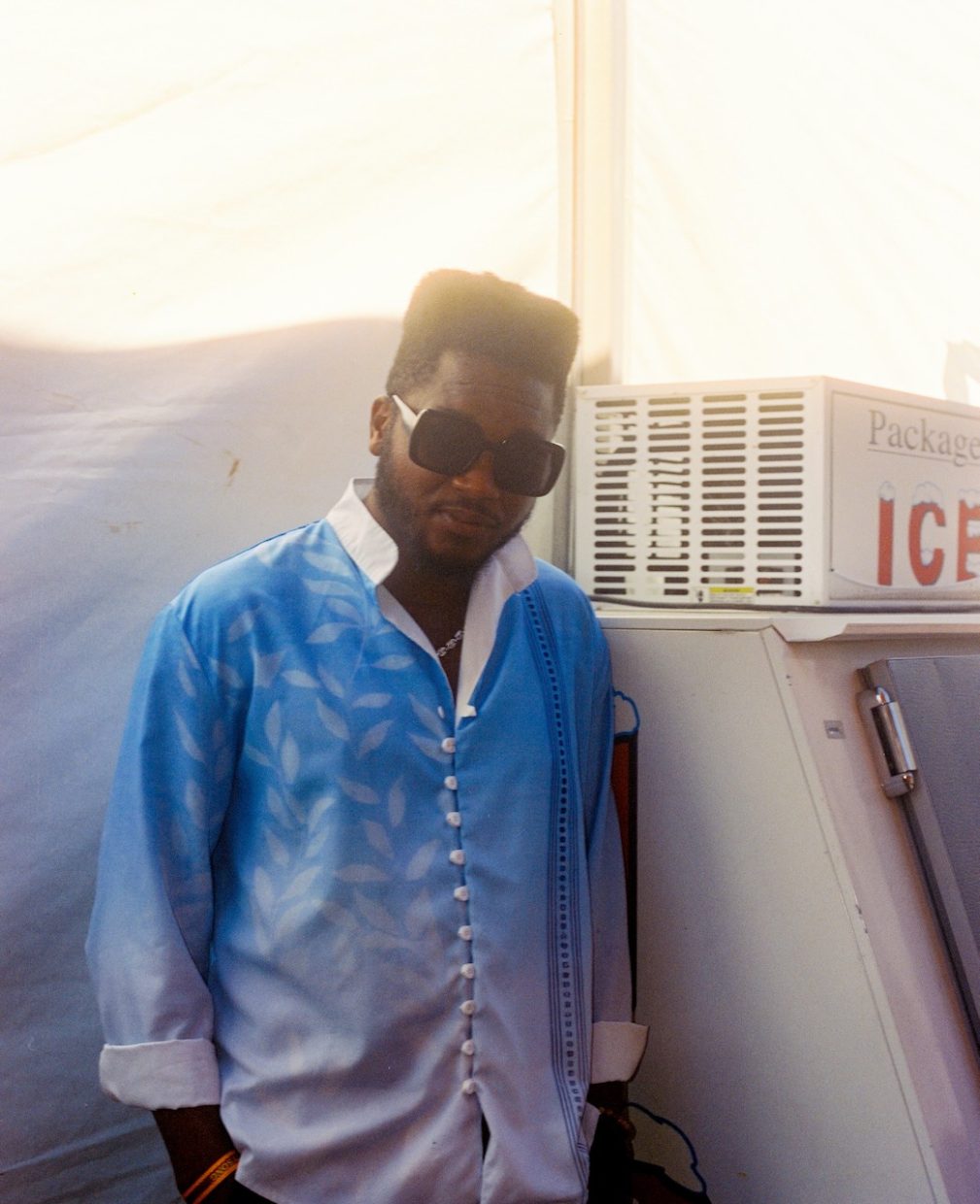
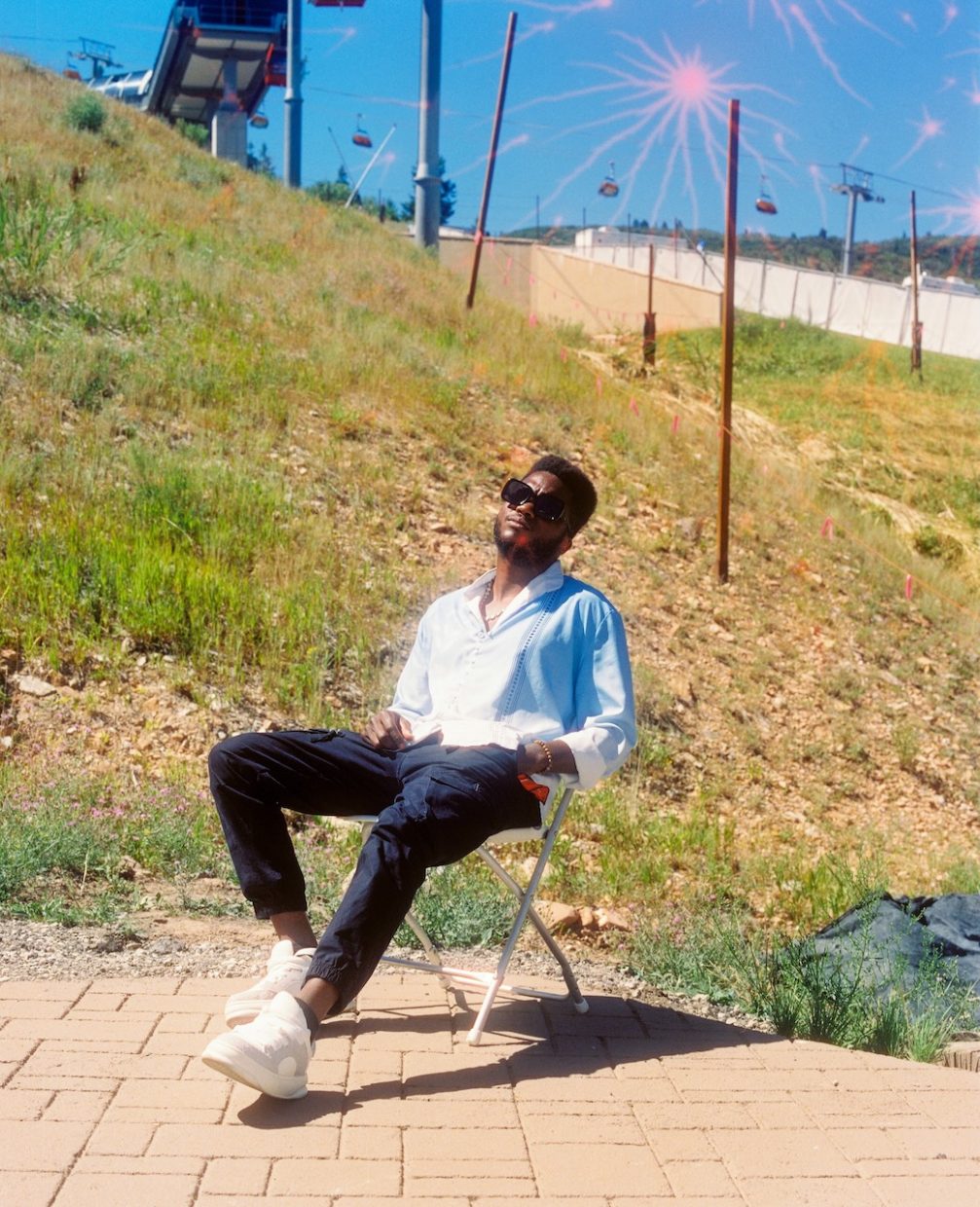
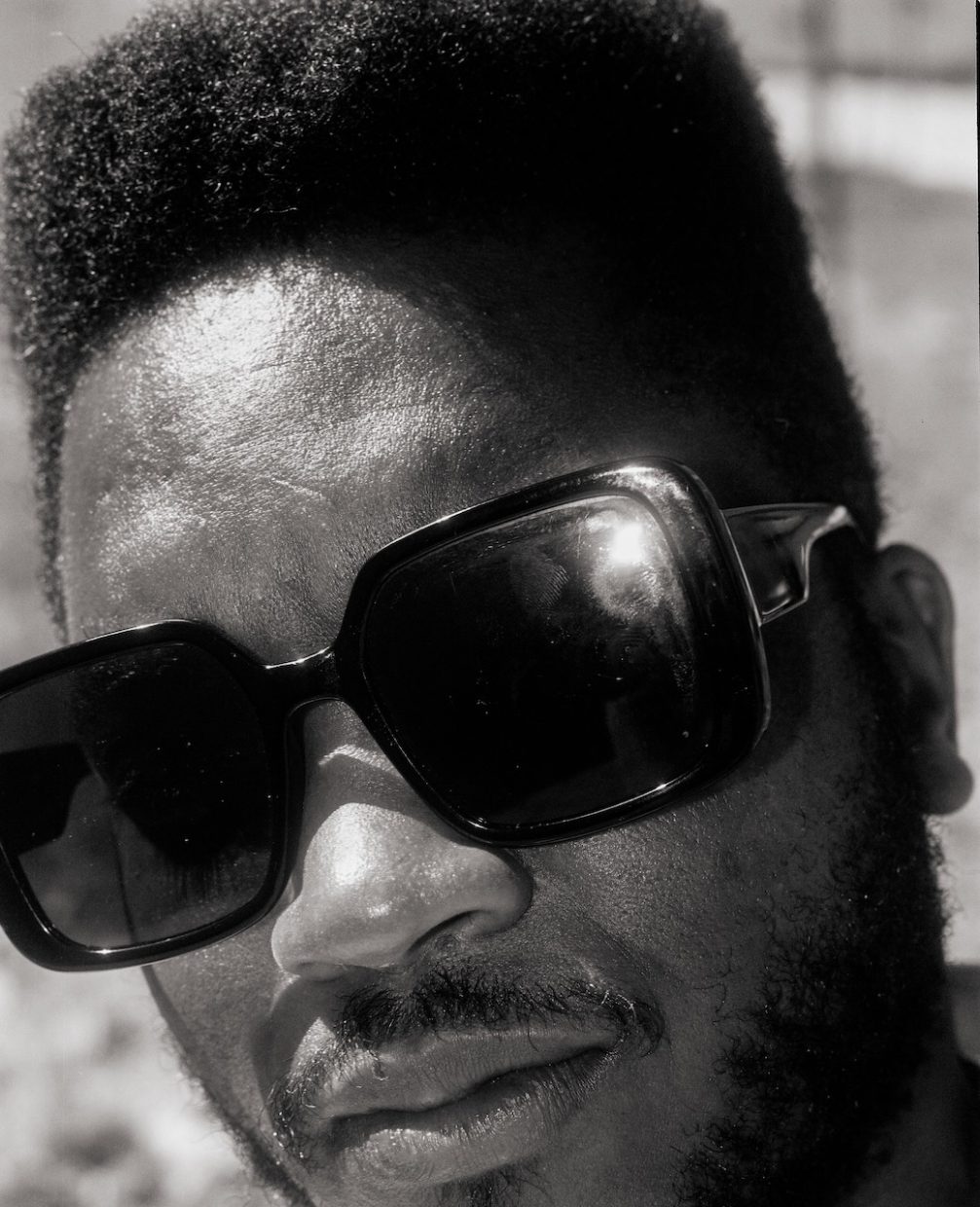
Cimafunk
Mario Alcauter: “Channeling Cimafunk’s vibe – bold, soulful, and effortlessly cool, just like those iconic shades. This is something I wanted to capture with the short time I had with him. His music isn’t just sound; it’s a whole aesthetic.”
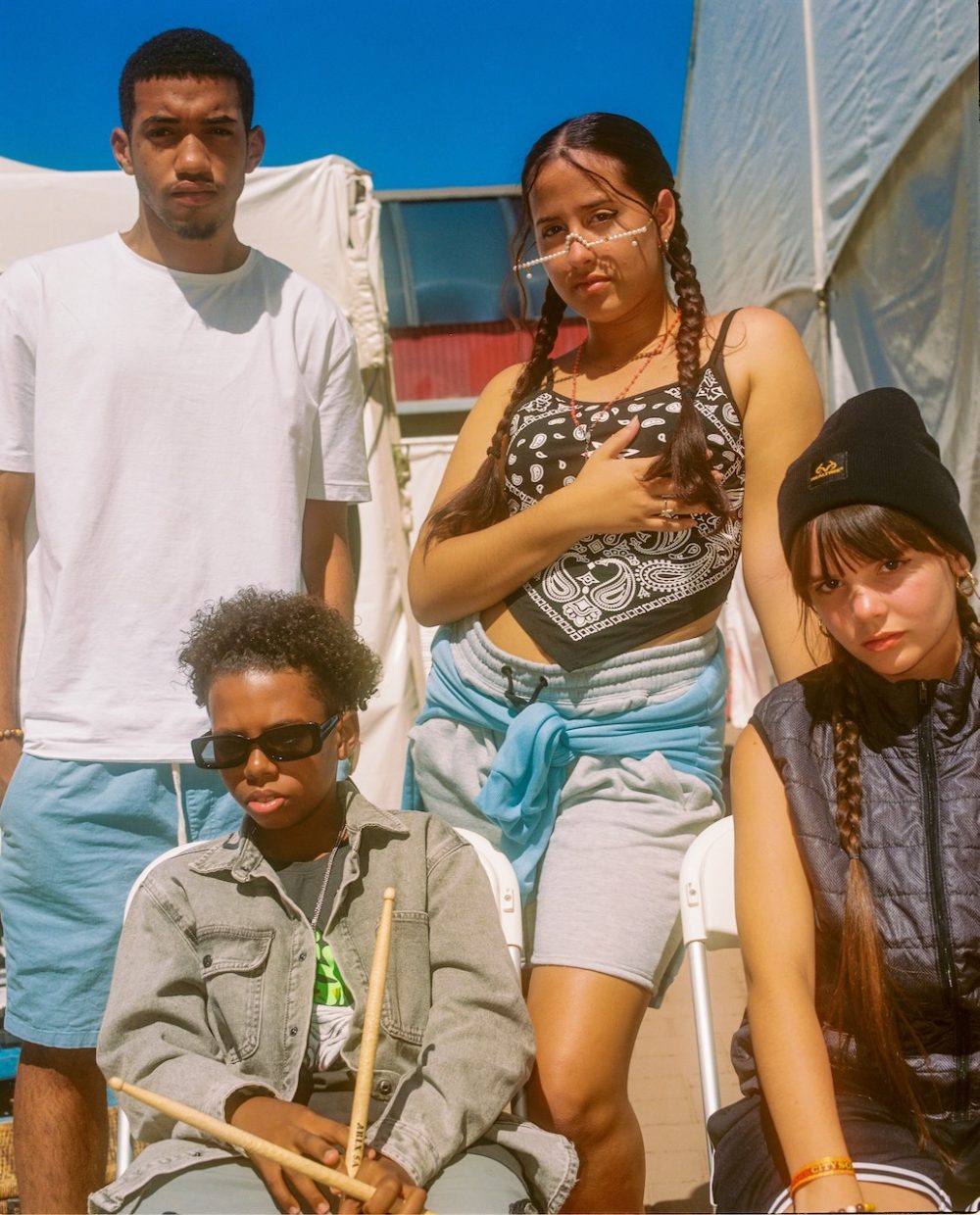
Primera Linea
Mario Alcauter: “Photographing Primera Linea, I wanted to capture their raw, collective energy – young, grounded, and proud of their AfroCuban roots, fused with New Orleans funk. Each member brings their own style, yet together they stand as a united ‘First Line’ from Havana, ready to share their vibrant sound with the world. This shot shows their casual confidence and the pride they carry as they redefine tradition.”
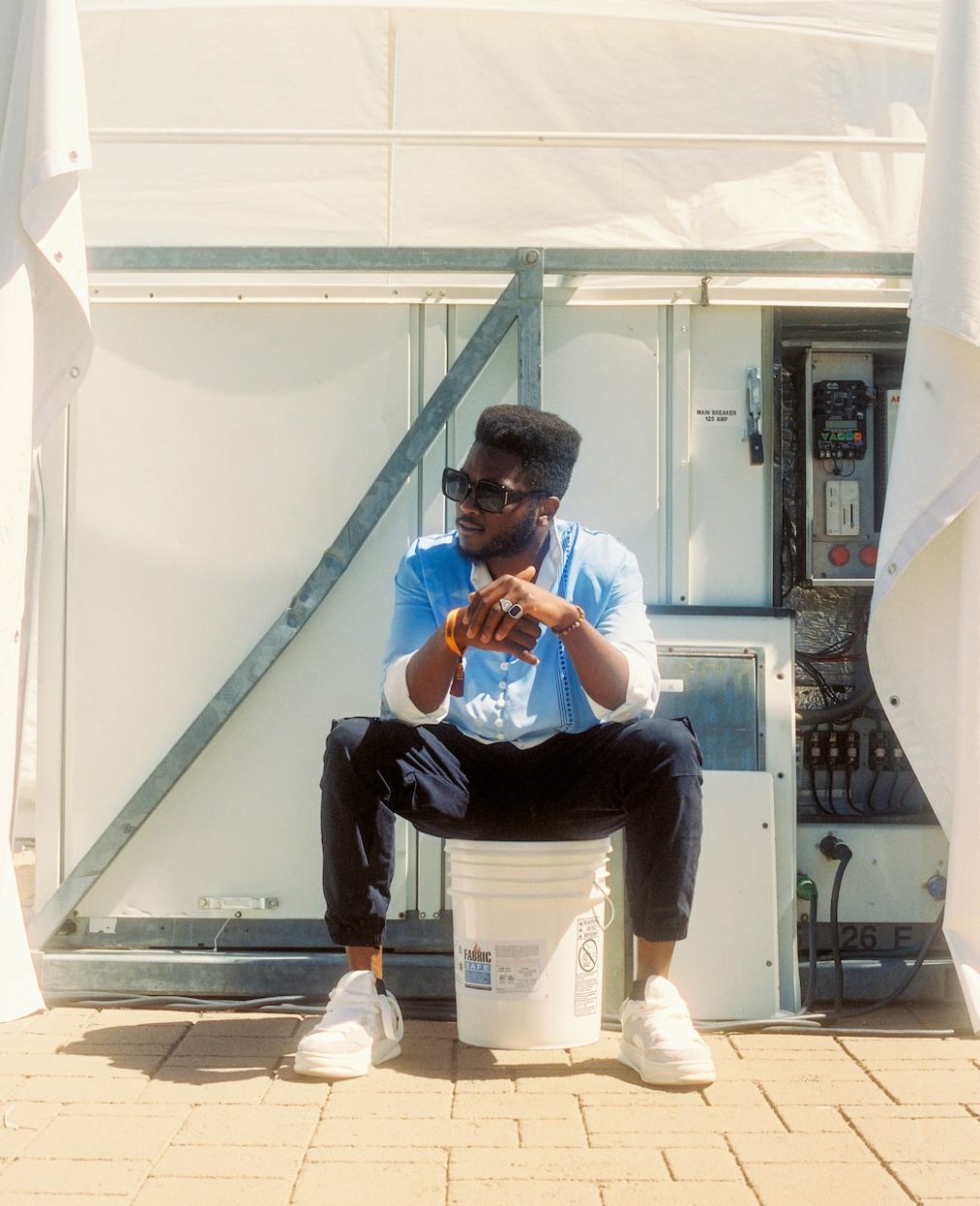
Sean Marshall
Mario Alcauter: “Shot Sean Marshall by an ice machine – low-key and real, just like his blend of folk, indie, and country. His music is as honest and I wanted to capture that in this environment.”
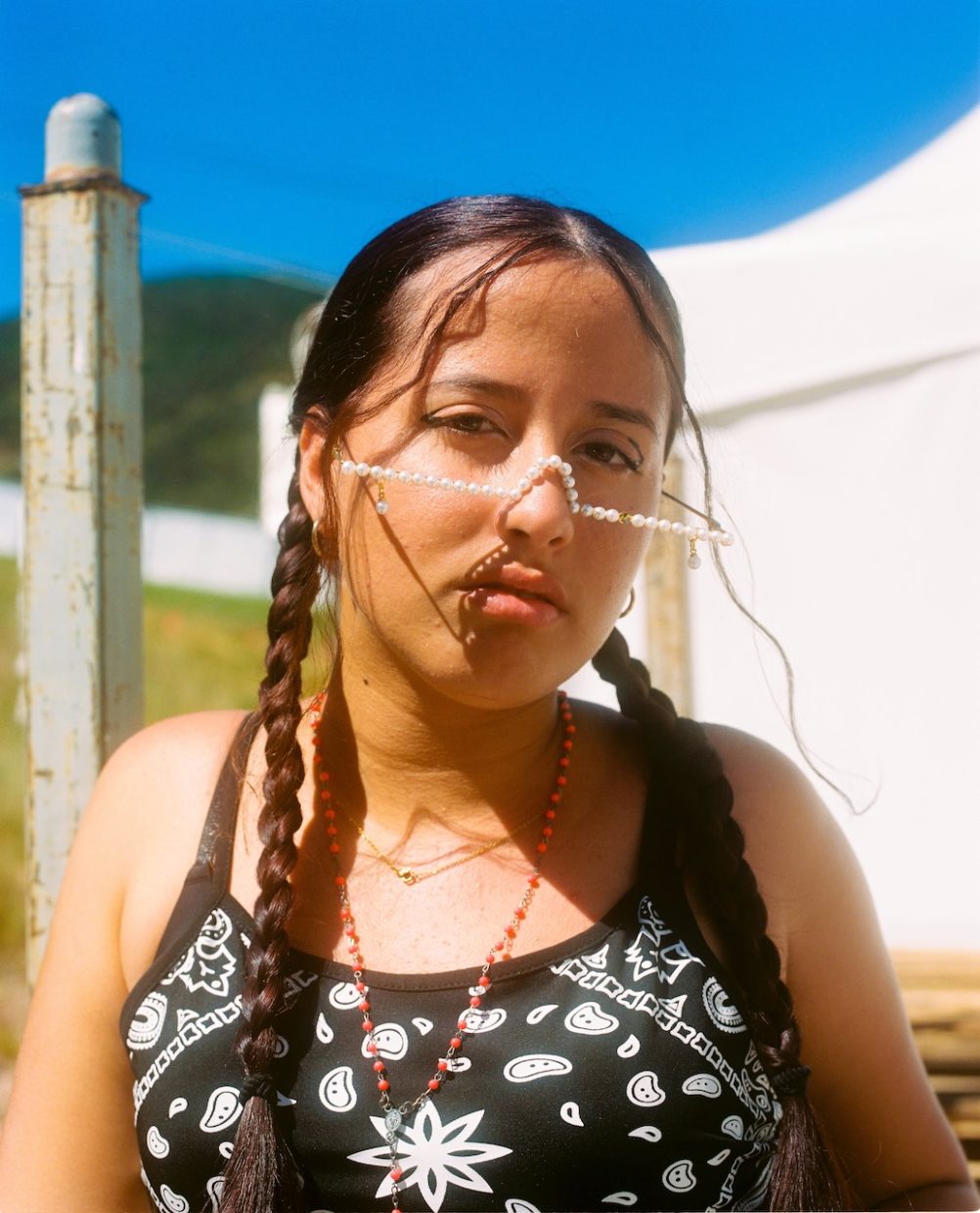
Jobi Riccio
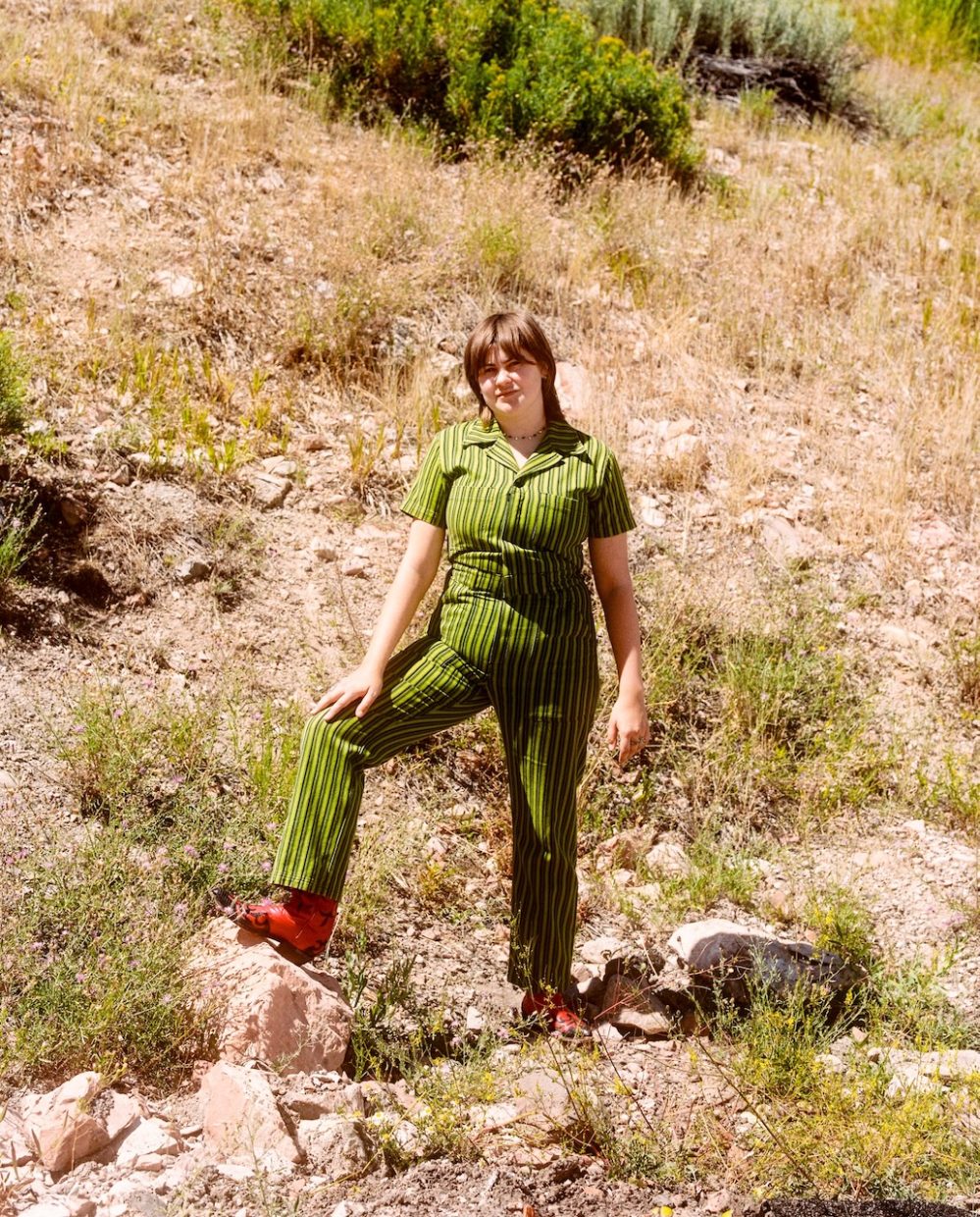
Mario Alcauter: “Capturing Jobi Riccio – authentic, grounded, and a bit rebellious, just like her music. Her songs weave together folk and Americana with a fresh, honest voice, and this outfit – bold stripes, red boots, and all – perfectly reflects that. I wanted this shot to feel like her sound: down-to-earth yet striking, with a personality all its own.”
Mario Alcauter is a Mexican photographer based in Utah who focuses on combining fashion and documentary-style images.
After getting a preview of Alisa Amador’s new album, Multitudes, I was excited to catch up with her and hear more about it. The production and strings on songs like “Nudo de raíces” and “Extraño” reminded me of the work of Brazilian artist Tim Bernades, someone I have recently been addicted to. When I brought that up in our interview, Alisa got very excited and showed me a playlist she had made on which Bernardes was the first featured artist – as it happens, she is also a huge fan!
Thus, our conversation started off with a bang of enthusiasm for Bernardes’ Mil Cosas Invisíveis – while it turns out Amador’s Multitudes string parts had been recorded before she ever heard the Bernardes record – and we continued by talking about her life as the child of touring musicians, her guitar inspirations, and how she interacts with songwriting as a bilingual musician.
Multitudes is full of wide, spacious arrangements with lyrics that shoot straight to the point: “I love my life/ But I hate it sometimes,” she sings on “Love Hate Song.” On “Milonga Accidental” she sings, “Cuando miro el agua / Cuando miro el cielo / Cuando miro el agua otra vez…” Roughly translated, this means: “When I look at the water / When I look at the sky / When I look at the water, once again.”
Through our chat, I learned the reasoning behind these direct and simple lyrics – and how her reasoning differs depending on the language she’s working in. Amador is an artist that has found a rare confidence in the way she makes music. I couldn’t help but feel inspired by her calm demeanor and rooted presence. I soon learned that she had been on a long journey to reaching that place for herself.
I want to ask you about your time growing up playing with your parents, who are folk musicians in the band Sol y Canto – what did you take from those experiences and what did you want to do differently?
Alisa Amador: My parents are Latin folk musicians who are touring to this day. They are amazing, and I would not be the musician I am without that primary education. It’s interesting to think about what I’d want to do different, I am always wondering that without being conscious of it I think.
The big thing is just trying to take care of myself better. I think the culture of the music industry is that of completely running yourself into the ground and then some. It seems that being an artist and being a human are often at odds with each other…
I just witnessed my family work so hard, and not have a lot of breaks or self care or healing factored in, we were always [in] survival mode and worrying about money constantly. Although, at the time, that part didn’t traumatize me at all, I don’t know why.
As a kid we just had such a rich life; traveling everywhere, seeing live music, being around people who really care. Getting to experience that much art from such a young age, while really taking touring life in stride, it was a fantastic way to grow up. But I do look back and realize how exhausted and how stressed my parents were and I don’t want that for myself.
So is this something that you realized more recently? Given that as a kid you didn’t feel affected by it?
I think there was a moment – because what my bio says about winning NPR Tiny Desk contest, that just at the moment I was going to give up, that is really true. I was going through the logistics of leaving music, it was terrifying and really painful, but I was at a point in my career that I had done everything for everyone else and had no idea how to advocate for myself. It had ruined me; I was playing gigs where I didn’t feel safe and not being paid wages that were sustainable. … Consequently, I felt like a life in music was not feasible for me.
When I got that call that day from NPR, I almost told them to call someone else. Eventually I decided to say yes, but I had to treat that “yes” as a total reset, a complete reimagining, almost a starting over, and this time I had to take care of myself.
With this reset, did the actual music you were making change at all, or was it only your intentions with how it would be made?
I had been in a period of writers block for two years and I didn’t come out of that for another year after winning the Tiny Desk Contest. I felt like an imposter, I was like, “Little do these people know that I don’t write songs anymore…” But I chose to relearn how to write songs and to try to meet myself where I was, instead of trying to making something perfect or good.
I just had to remember, how did I start writing? I was 15 and struggling, I didn’t know how to coexist with painful things, and I started writing because it helped me get through it. I didn’t write because it needed to be good or I needed to sell it. At that time, I had all these other creative practices, [like] journaling and dancing around my room, and I had let go of all of them during that period, and I felt like I couldn’t make anything. I wasn’t ready to process what I had been through.
When I did starting writing again, it had to come from this place of childlike curiosity and wonder and I had to tell myself every time I wrote, “It will probably be bad.” And letting it be bad is what allowed me to write anything at all.
As a bilingual writer, you have access to another tool – choice of language – that many of us don’t have. How and why do you approach your songs in one language or the other, and how does it color them?
I heard Allison Russell talk about this in an interview. I’m paraphrasing, but I think she said something like, “Writing in different languages is like accessing different channels of the unconscious …” and similarly, I feel like I don’t make a conscious choice about what language I write in, but it could come from a different place.
I have noticed that writing in English, it tends to be more conversational. I just tell what I’m feeling, literally, and try to trust that the feelings will reach people, as long I’m being honest.
When I’m writing in Spanish, even though it’s my native language, I’ve always lived in the U.S., so I just have a limited vocabulary. There was a period of time where I was only speaking Spanish at home, it was the strict language at home, so I think it’s my childlike language, but it gets used in new and poetic ways. Whatever words can capture that feeling are the ones that I’m gonna stick to, because I don’t have that many to choose from! I don’t have trick phrases or literary devices, and maybe I have a little less judgement in Spanish as well. Limitation is really a gift in that way.
That’s really interesting! So with that in mind, how do you feel about language translation with songs? Is it helpful or harmful to the meaning?
I actually love translating and when the first album review came out from No Depression about Multitudes, the headline was “…Alisa Amador is Found in Translation.” I was so happy about that. Because really, my best language is Spanglish, switching in between is where I’m most comfortable, and that in-between-ness is where I’m always existing.
In my parent’s band, they would often give a translation of the song for an English speaking audience; my dad would play the progression of the song and my mom would stand there dramatically, looking fabulous, telling the lyrics in a beautiful way, always within the frame of the chord progression.
So I really enjoy giving a translation before singing the songs now as well, and so many people have come up to tell me they love it. The translation being in time with the song makes it possible for them to even follow along while I sing it in Spanish.
There’s something so metaphorically perfect about that, because when you’re living in between you feel like you’re always missing something, but there’s something gained from that, too, because it makes it possible to give grace when someone isn’t understanding, or bring them in when they aren’t feeling heard. And that is what I’m able to do when I give a translation.
Can you tell me about your guitar style? It’s really beautiful. Who or what influences the way you play? And how did you learn?
I started because I idolized my dad. He is a classical guitarist and he’s trained in flamenco. As a kid I studied flamenco dance, too, so I used to dance while he would play. He gave me one of his old foot stools and I played nylon-string guitar for a long time, that was my first instrument. I just studied folk songs like “Monster Mash” and “Blackbird” and “American Pie.” My dad was super technical, but I didn’t study with him, and I knew I wanted to become a better guitarist.
Then in college, I saw a musician just playing solo electric guitar and singing and I had no idea an electric could sound like that. I love electric – but nylon-string acoustic will always be the origin of my playing, so I approach the electric guitar that way. Resonance is really important to me and noticing how chords feel. A lot of my writing is just simple chords and adding and taking away notes. I’m very much still learning guitar, I’m in this stage of guitar learning where I get lost in self doubt, so I practice whatever I play live so much in order to feel confident performing.
I’m sure there’s a lot of Spanish language folk music that folks in the “Americana” scene are really missing out on, myself included. What are some other artists that sing in Spanish or in other languages, that you think folks should know about?
One of my big inspirations for the overall sonic work of Multitudes was the album Domus by Sílvia Pérez Cruz. I listened to it obsessively seven years ago without realizing it was the soundtrack of a film, Circa de Tu Casa, which is about the real housing crisis in Spain. [Pérez Cruz also stars in this film.]
Something I thought Cruz did so well on this record is that she is so feelings-oriented. What she feels is what dictates how she sings the song, which is a philosophy that I share. But she also has this riveting voice, so it’s all about telling a story. The production on the record completely holds what she’s singing, but it is also musically and technically beautiful. You want to have a record you can turn to again and again and notice new things to love.
Is there anything else you want readers to know before we end?
I guess I’d like to give a gentle reminder to human listeners, to the people listening and reading, that you really matter to independent artists. Every listener is the life force behind our careers. When someone comes to a show, and then comes back with a friend or presses play on a record they’ve not heard before, those things are what make my job possible, so thank you to the individuals of the world who press play and pay attention!
This week, to help celebrate Hispanic Heritage Month, The Show On The Road brings you conversation with a rising star in folklorico-pop hailing from Veracruz, Mexico: Silvana Estrada.
Currently on her first tour of the United States opening for Rodrigo y Gabriela, Estrada has already made a name for herself in Mexico, renowned for her deft finger-picking on the Cuatro, and her ever-bending, darting vocal mastery. Songs from her first EP, including the soaring electronic-beat driven “El Guardo,” have been listened to over twenty million times and counting — and a collaboration with Mexican roots-rock hero Natalie Lafourcade came last year too.
At only 24, Estrada, the daughter of two instrument makers, is just coming into her own as a songwriter, dipping into her love affairs and private passions with a true, clear-eyed, poet’s pen. Singles off her debut album Marchita for Glassnote Records have already landed to great acclaim, and she’s the label’s first Spanish-language signing ever. Look no further than the heartbreaker “Tristeza” for a first taste of her rustic, primordial sound.
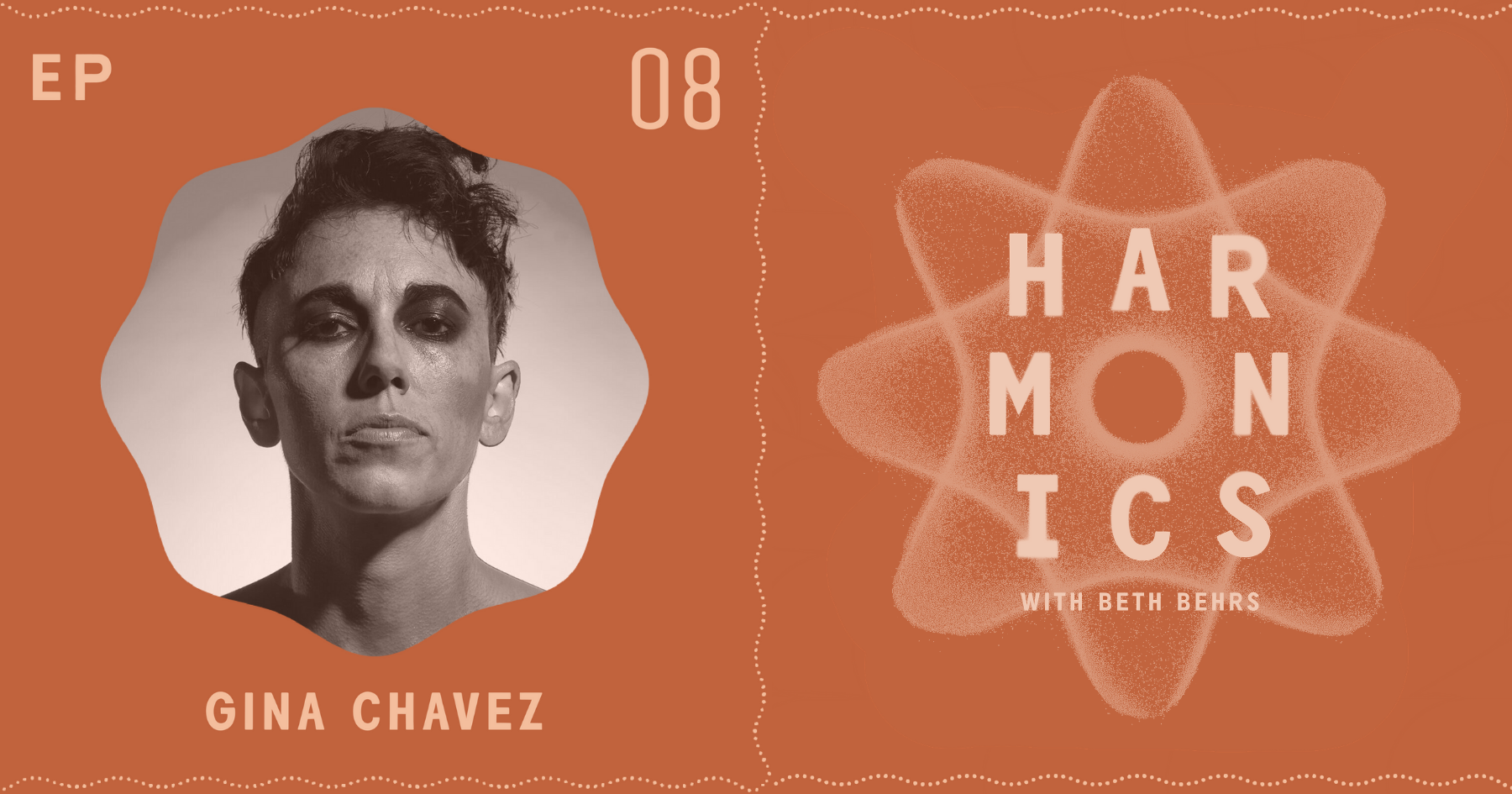
This week on Harmonics, Beth Behrs talks with Austin native Gina Chavez, a Latin Grammy nominee, queer Catholic, and an internationally acclaimed Latinx pop artist who is redefining Latin music in Texas and beyond.
A 12-time Austin Music Award winner, including 2015 Musician of the Year and 2019 Best Female Vocals, Chavez is an Austin icon. She has more than one-million views on her NPR Tiny Desk Concert, and she has done a 12-country tour through Latin America, the Middle East, and Central Asia as a cultural ambassador with the U.S. State Department. With host Beth Behrs, Chavez touches on the universality of music, growing up Catholic and coming out as lesbian in college, the ancient Latin American traditions that inform her music, and so much more.
This website uses cookies to improve your experience. We'll assume you're ok with this, but you can opt-out if you wish.AcceptRejectRead More
Privacy & Cookies Policy
Privacy Overview
This website uses cookies to improve your experience while you navigate through the website. Out of these, the cookies that are categorized as necessary are stored on your browser as they are essential for the working of basic functionalities of the website. We also use third-party cookies that help us analyze and understand how you use this website. These cookies will be stored in your browser only with your consent. You also have the option to opt-out of these cookies. But opting out of some of these cookies may affect your browsing experience.
Necessary cookies are absolutely essential for the website to function properly. This category only includes cookies that ensures basic functionalities and security features of the website. These cookies do not store any personal information.
Any cookies that may not be particularly necessary for the website to function and is used specifically to collect user personal data via analytics, ads, other embedded contents are termed as non-necessary cookies. It is mandatory to procure user consent prior to running these cookies on your website.