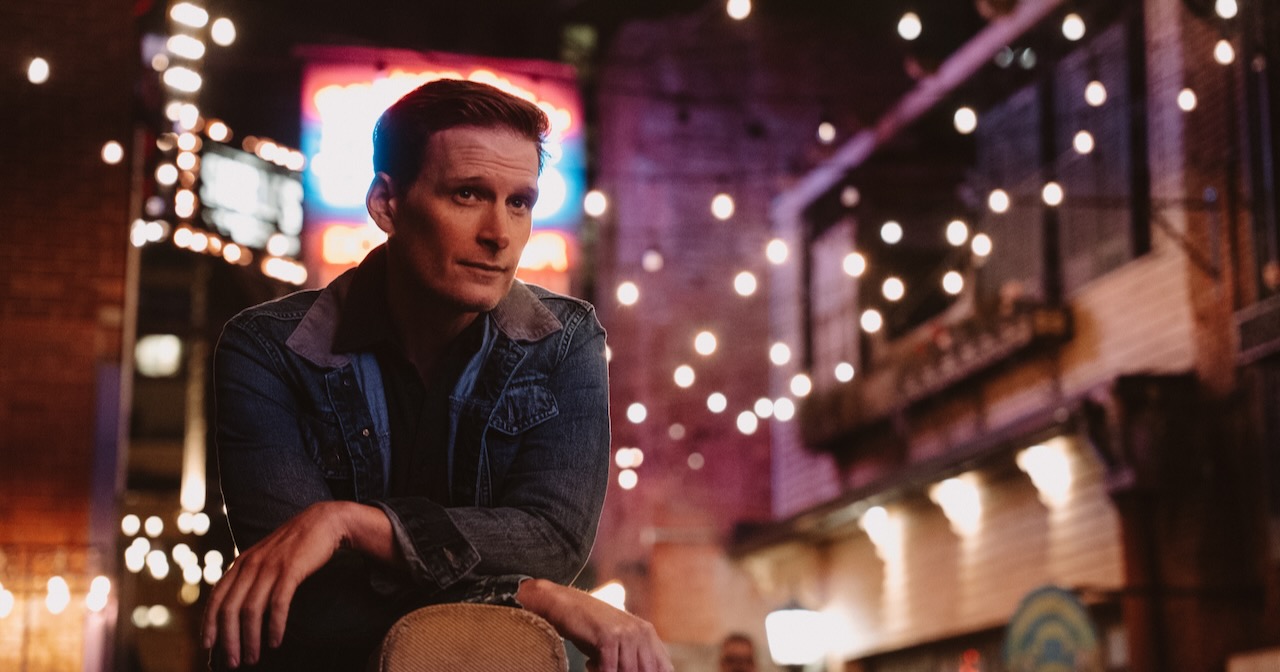
Artist:Patrick Davis Hometown: Formerly Camden, South Carolina; now Nashville, Tennessee Latest Album:Couch Covers (2020); Carolina When I Die (upcoming)
(Editor’s Note: Hear the premiere of Patrick Davis’s latest single, “Wrong Side of the Tracks,” below.)
What’s your favorite memory from being on stage?
One of my favorite memories on a stage took place 15 years or so ago, back when the great Guy Clark agreed to play a round in a small Nashville venue with me and my friend Jedd Hughes. Guy and I were writing that week and I told him about the show and then asked if he would want to join and somehow he said sure. There was no higher compliment I could have received than Guy agreeing to sit beside me and Jedd and trade songs and stories for an evening. It was like he accepted us – maybe not as equals, but at least as somehow worthy. It was, and still is, a rather incredible memory. Guy has been gone for a while now, but I will forever carry that night with me.
What has been the best advice you’ve received in your career so far?
When I first arrived in Nashville an old writer sat me down and said, “Patrick, if you have a plan B you should take it, because the music business is a harsh place and if you are not 100% fully committed you will not last.” And after 20+ years I have to say he was right. I have seen many folks come through the music world and if they have any outs, the odds of them sticking with it, which is what it takes to succeed, are almost zero.
If you had to write a mission statement for your career, what would it be?
Never give up, never ever give up. (And yes, I know this is a Jimmy Valvano quote… but it should be every musician’s motto as well.)
Since food and music go so well together, what is your dream pairing of a meal and a musician?
I would love to have simple fish & chips with a few Guinness in the corner of a proper pub in the UK or Ireland with Eric Clapton, or maybe Keith Richards or hell, Paul McCartney. Just talk and see where it goes. Those guys are the last of a dying breed and I would love to hear some stories, maybe gain a little wisdom, a song idea, or even just a good buzz.
What was the first moment that you knew you wanted to be a musician?
I heard “Tangerine” by Led Zeppelin and immediately asked my guitar-playing father if he could teach me how to play that intro. It forever changed my life – the second I realized that I too could play an A-minor and make it sound at least somewhat similar to what Jimmy Page was playing, I was hooked!!
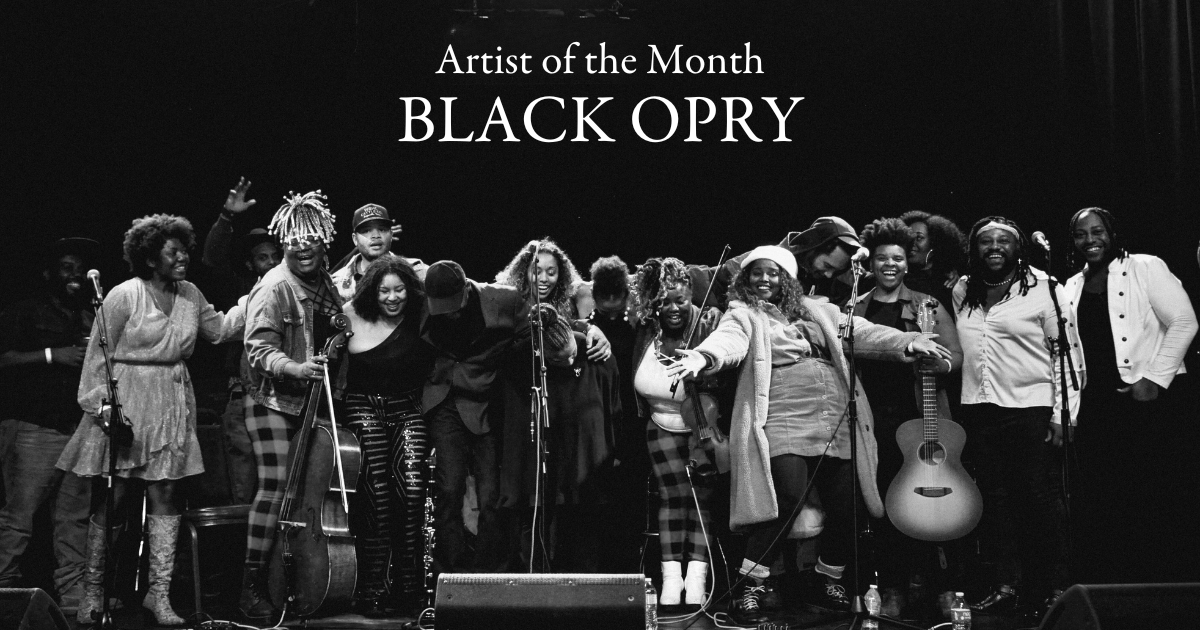
(Editor’s Note: To kick off our Artist of the Month coverage for June, we asked legendary musician, songwriter, and co-founder of the Black Country Music Association, Frankie Staton, to discuss and explore the vital work of the Black Opry.
Holly G wanted a safe place to not only go and hear ethnic country singers, but safe places for them to sing.
I first met Holly G at the premiere of the CMT Giants: Charley Pride program. Shocked that I was invited to anything in Nashville, I was pleasantly surprised to see several people of color there. It was a great tribute to the life of one of country music’s finest voices. I was there with my two friends, country singers Valierie Ellis [Hawkins] and Joe West. When it was over, we were all introducing ourselves to each other. When I said, “my name is Frankie Staton,” people were saying how happy they were to meet me, and for a moment, I couldn’t understand why. If there was anyone that felt like a failure to acquire results in Nashville, it was me.
When I co-founded the Black Country Music Association in the mid-’90s I couldn’t get anyone signed. Not to a publishing contract or a developmental deal. There were a couple artists that generated some interest, but it just all fizzled out. I am proud of the effort we put in, but wish I could’ve done more. We weren’t able to get anyone on the Grand Ole Opry. Our successes were limited to performances on BCMA showcases, or if we were hired for an event. When you have a gigantic vision, and don’t have the results to match, it can be frustrating. It is wonderful to know, even in hindsight, we made some sort of impact.
I first met the collective Holly G founded, Black Opry, at the Outlaw House during AmericanaFest in 2021. It was so awesome, so therapeutic, so cool, so now. Finally! They are true songwriters, true singers and musicians with an undeniable love for what they do and a grand respect for each other. It is as if they understand that they were built for this moment.
I had a flashback to years ago when I wanted to go to Alabama’s June Jam in Fort Payne, AL. Alabama was a band that I could listen to all day. I loved their harmonies and was just nuts over the group. It would’ve probably been alright if I attended, but I didn’t ever go. Years later, I went to an Outlaw Concert at Bridgestone Arena here in downtown Nashville. The people around me thought I was nuts to want to go see Gretchen Wilson, Montgomery Gentry, Tanya Tucker, Big & Rich, Lynyrd Skynyrd, Shooter Jennings, Jesse Colter, and on and on and on.
My friends couldn’t relate to my love for these artists, despite all of the ways each of them inspired me. Gretchen Wilson, I knew her story! Besides being very talented, and a brilliant singer, I had read about her never having lived in a house without wheels. I always thought that one of the most talented and underrated women in country music was Tanya. I once saw her at Billy Bob’s in Fort Worth, and she literally tore the place apart. What an entertainer! I have respect for her journey. I had never heard anything like Montgomery Gentry, and I loved their outlaw image. I had a tremendous respect for Jessi Colter, a real trooper, with so much experience under her belt.
Although I am African American, I was deeply influenced by country and bluegrass music. Early on it was Patsy Cline, Loretta Lynn, Dolly Parton, Tammy Wynette, and Brenda Lee, along with George Jones, Merle Haggard, Don Williams, Glen Campbell, and Willie Nelson who inspired me. I made the move to Nashville in 1981. To say I was “different” is an understatement. Nevertheless, I loved the music, wrote it, and performed all over town.
I learned, however, that there were boundaries on what I could and couldn’t do. For a long time, I wondered why this was considered “American music” when so many Americans could not sing it.
Finally, in 1997, I challenged a story that was in the New York Times about the dearth of diversity in country music. The things that the label heads said in the piece about my race made my blood boil. They said we couldn’t sing country music, that they couldn’t find credible Black country singers – while they told Black artists that they “didn’t know” what to do with them. People on Music Row would tell us to “go find Charley Pride.”
So I challenged the story. I thought, “You finally have it in print, so why not challenge the story?” I wasn’t sure how to go about it, at that point I had nothing. No Black Country Music Association. No company to promote. No foot in the door. I did it literally with just a telephone. I went to the people that I played for and asked them to sponsor musicians. I went to Jack Daniels and asked them to back me, hired studio musicians to play a show, wrote out the charts, and went to Music Row and asked the publishing houses for songs when I heard voices that were “similar” to current country stars.
I even tried to get songs that were on hold, for seemingly 20 artists, and brought them back to Black artists to sing. It was important that we had great singers, great musicians, and great songs. I worked the press, TV, radio, print media, and just pushed and pushed. We rehearsed at the Woodshed in East Nashville. We did media classes at my house. We practiced walking on stage, holding a mic, having confidence, talking to the press, and being positive. We put together an entire showcase, to be held at an iconic Nashville venue.
There we were, raising our voices for something we truly believed in at the Bluebird Café. No one was signed. There were a couple artists that had had development deals – but that was it. I was a single mom raising a son and a daughter, and for the space in my life, they had to be priority.
The Black Opry was born out of a conversation Holly started online among passionate country music fans. Holly wanted people of diverse ethnicities to be able to expound on their feelings about performing country, bluegrass, folk, and all the other idioms that we were shut out of due to race.
Black Opry entertainers are confident, but humble; moving up in this world, but still grateful. And, they complement each other beautifully. Each artist waits patiently to perform their material and receives applause with such graciousness. They are kind and supportive of each other. I have been moved by the music of Jett Holden, Joy Clark, Tyler Bryant, Nikki Morgan, Aaron Vance, Julie Williams, Roberta Lea, Kam Franklin, Leon Timbro, The Kentucky Gentlemen, Samantha Rise, Danielle Johnson, Grace Givertz and so many others.
Without a doubt, I have witnessed Black artists on the precipice of a new sunrise created by us, for us, and welcoming to all. Holly has reached out to me on several occasions to perform with Black Opry, and I have extended the invite to Valierie Ellis and Joe West, a couple of country artists of color who were here before this new exciting community of singers came along. With over 200 acts, The Black Opry has proved that we are, were, and will always be here. Now the world can see for themselves these truly gifted artists. At the first anniversary of the Black Opry in 2022, I was just stunned by the beauty of seeing them all together, excited to perform to a completely packed house at Nashville’s City Winery.
I noticed the women performing effortlessly for a huge crowd. Being that we weren’t even considered a part of this genre, this was a surreal moment for me. The memory of Linda Martell, who charted in the Top 25 on the Billboard charts, who had all the goods, the looks, the sound, and the desire to do it, and who still did not have a real career in country music, says it all. For Ruby Falls to perform at the New Faces show for the Country Radio Seminar, but not be able to tour, says it all. Or, to hear that Warner Brothers told Valierie Ellis they didn’t know what to do with a Black female country singer and that sometimes, “people hear with their eyes,” made this anniversary celebration night a full circle moment to me. To see independent artists producing their own material, not ruled by the auspices of this city and genre, is very satisfying for my soul. So many people have been blessed by the Black Opry.
I performed with the Black Opry at Exit/In in December of 2021, when we were all afforded the opportunity to meet and perform with Allison Russell, for whom there are no adequate words to describe. From seeing all the accolades and television appearances Allison has had, crossing my fingers for her Grammy nominations, and seeing her collaborate with artists – like Brandi Carlile, the musically proficient Milwaukee-born duo, Sistastrings, and the masterful, New Orleans-born guitar virtuoso, incredible vocalist, and songwriter, Joy Clark – has been a wonderful experience for me. I also just witnessed the premiere of Roberta Lea’s new video, “If I’m Too Much of a Woman” from Times Square in New York City. She was included in the 2023 class of CMT’s Next Women of Country. My introduction to all of these artists came through the Black Opry.
Black Opry serves as a place for artists, musicians, and songwriters to find in others what they may lack, which is so rich. This is a warm place to be yourself and not be ostracized for loving a music that did not love you back, historically. In its infancy, Black Opry is just beginning to break ground. In a city where there was major marginalization and gaslighting, Black Opry just walked through doors without stumbling, forging into the future without any apologies for being in the room. They will only build from here, and I know for a fact that there are no limitations, just the next opportunities.
There are moments that I can’t help but tear up at the memory of those who are no longer in it. Those who sacrificed so much for this music, but were severely shortchanged: Jae Mason, a brilliant singer, songwriter and guitarist, wrote about “Little Cowboys and Cowgirls of Color” when he asked his mom why he didn’t “see Black cowboys on TV.” Scott Eversoll, who sang the wonderful Troy McConnell song, “What Color Am I?” And, Wheels, an all-Black country band from Lanett, Alabama, that toured extensively in the U.S. before losing their lead singer, Chris, to a massive heart attack. Iconic would be the only word to describe these guys.
As a person who is blessed to witness both generations, I will always feel a sense of sadness for those who are no longer in it and a profound joy and excitement for those that are right here, right now. And I will always carry the spirit of those who tried with me.
I hope you have an opportunity to see a Black Opry concert. This is a historic, unforgettable, long-overdue celebration of some long-held trade secrets – finally here for the world to witness.
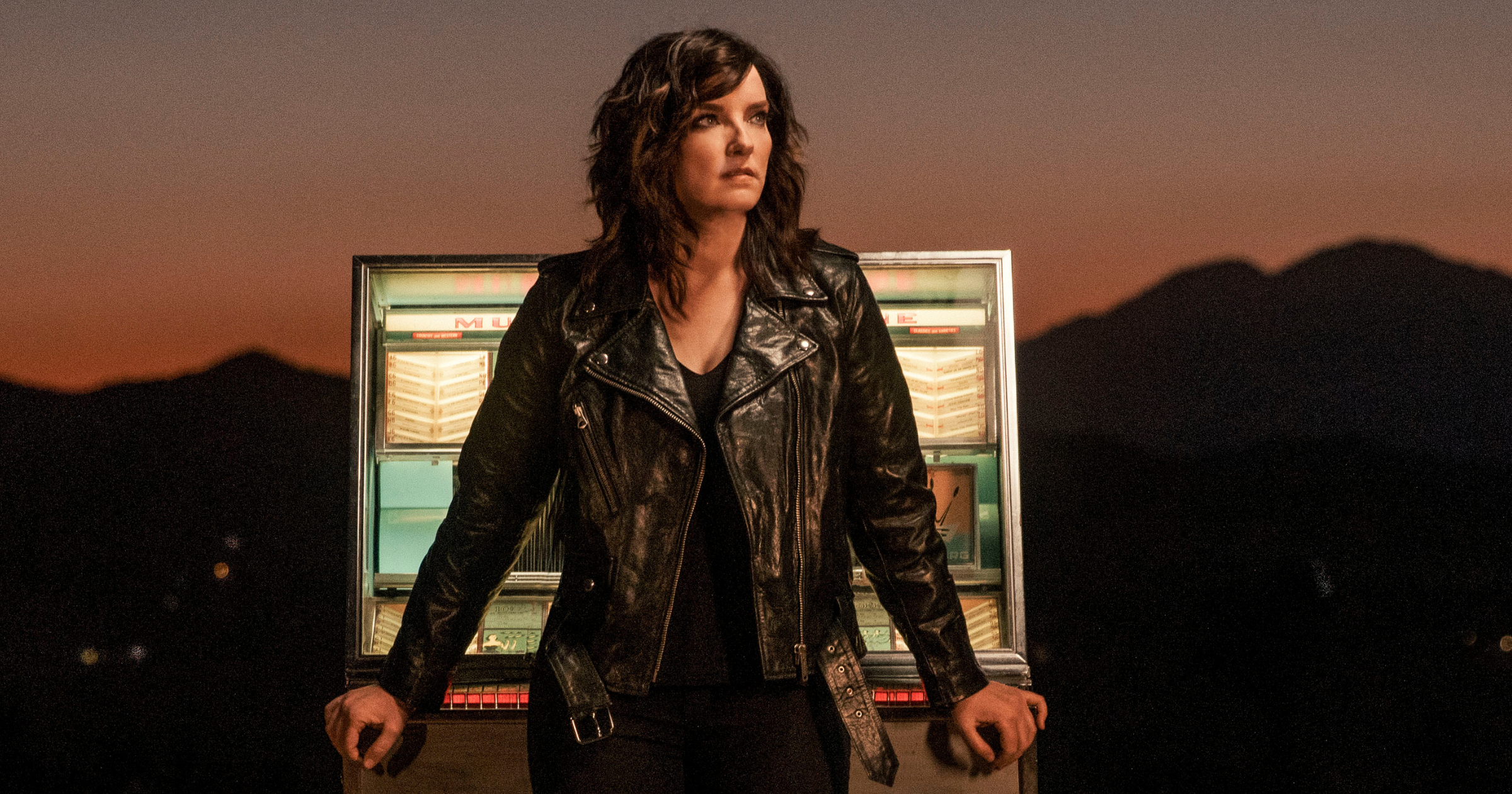
Born in a logging town in Washington state, Clark started playing guitar at age 9 before setting it aside and getting a scholarship for basketball. Music kept tugging her back in though. Like a modern Patsy Cline, she has a knack for nailing a heartbreaker. Reba recorded two of her songs in (“Cry,” “The Day She Got Divorced”) and Brandy soon found a valuable mentor in Marty Stuart, who helped her make her Opry debut in 2012.
While you may just be learning about Clark’s stellar solo work, which mixes old school and witty new school country with some of the tightest pop hooks in the game, Clark has been co-writing for some of country and rock’s leading ladies for years, like Miranda Lambert, Kacey Musgraves, LeAnn Rimes and Sheryl Crow to name a few. But it was with her lyrically masterful, lushly-orchestrated 2020 LP Your Life Is A Record that doors started opening in a whole new way. 2021 saw an extended deluxe version drop.
In this unearthed conversation (blame a faulty hard-drive), we go through her darkest breakup songs, hear about her tastiest kiss-offs and discuss her unique perspective of Nashville’s Music Row Boys’ Club.
Don’t miss the end of the taping when Brandy discusses teaming up with her songwriting hero Randy Newman on the cheeky tune “Bigger Boat” and she plays an exclusive acoustic performance.
This episode of The Show On The Road is brought to you by WYLD Gallery: an Austin, Texas-based art gallery that exclusively features works by Native American artists. Find unique gifts for your loved ones this holiday season and support Indigenous artists at the same time. Pieces at all price points are available at wyld.gallery.
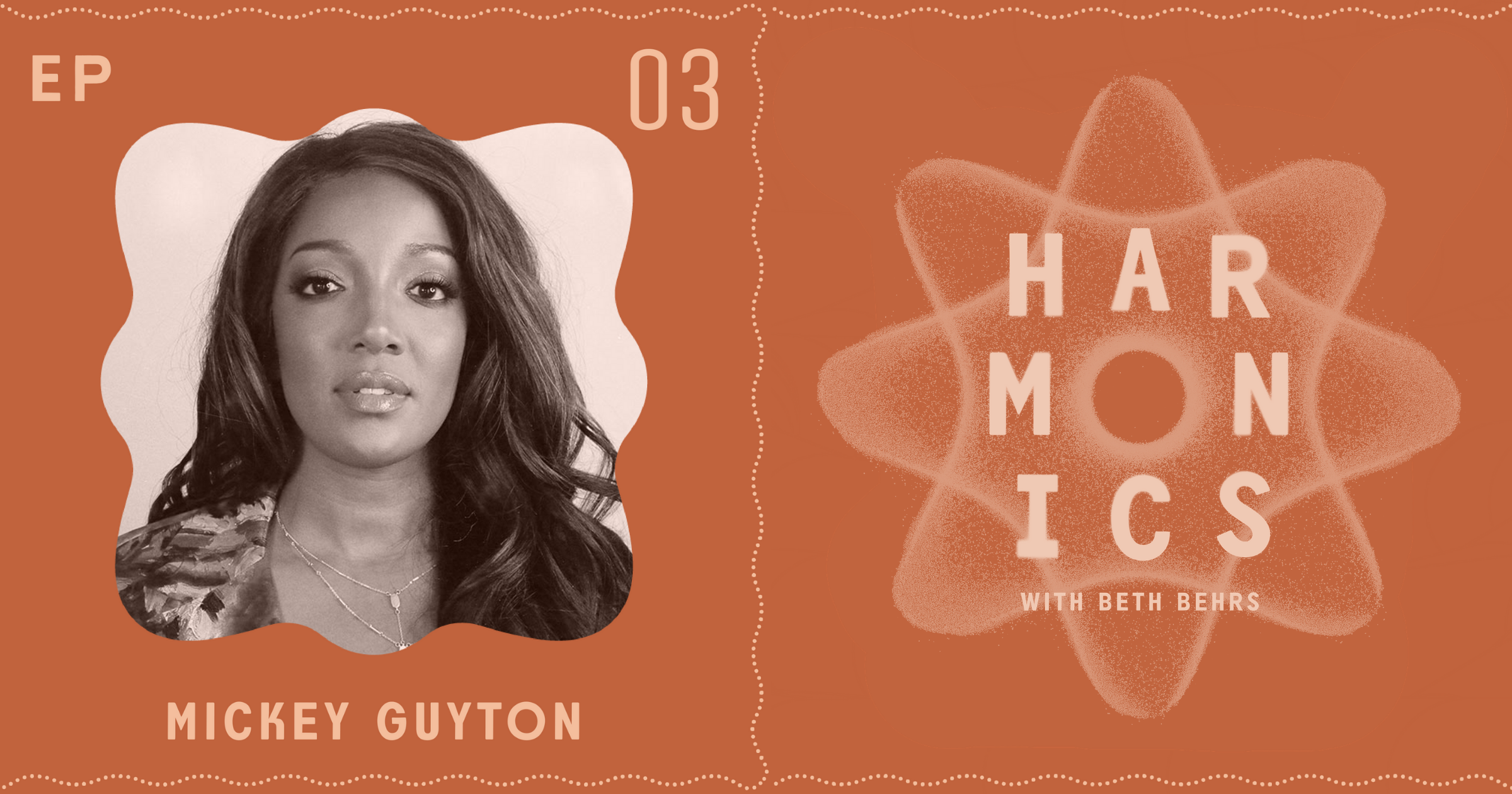
Harmonics with Beth Behrs is the newest show from the BGS Podcast Network, which delves into the intersection of music and wellness. The podcast’s second week features country artist Mickey Guyton, who released “Black Like Me” — a song about her pain and struggles growing up as a Black woman in America — earlier this summer amidst protests against police brutality across the nation.
In episode three, actor, comedian, banjo enthusiast and Harmonics host Beth Behrs talks with Guyton about country artists speaking out against racism and injustice, the power and importance of three chords and the truth in the midst of Music Row fluff, lifting other women up as a form of therapy, and, of course, Dolly Parton.
Originally from Arlington, Texas, Guyton has made a name for herself as a powerhouse vocalist and impressive songwriter, being called “one of the most promising new voices in country in recent years.” In 2015, she released her self-titled EP featuring her debut single, “Better Than You Left Me,” and the following year she was nominated for her first ACM Award for New Female Vocalist. On September 11 she released her new EP Bridges, which has solidified her as “the unapologetic voice country music needs right now.”
Listen and subscribe to Harmonics through all podcast platforms and follow BGS and Beth Behrs on Instagram for series updates!
Yes, indeed, this was a great year for music (just check out our stacked 2016 albums list) and, luckily for all the bibliophiles out there, it was also a great year for music books. Because there's nothing better than reading a good book while your favorite music plays, we've rounded up a few of our favorite books from the past year. From Whisperin' Bill Anderson's life story to a memoir from the one and only Bruce Springsteen, there's something here for everyone.
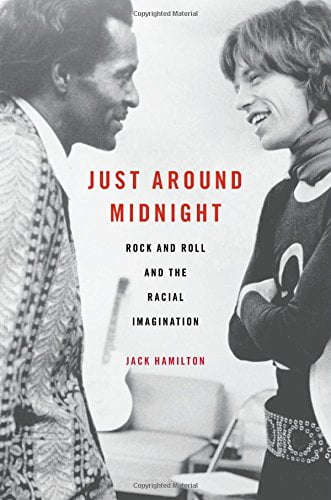
Just Around Midnight: Rock and Roll and the Racial Imagination by Jack Hamilton
Slate writer and University of Virginia at Arlington professor Jack Hamilton tackles the complex relationship between race and rock 'n' roll in the 1960s in this new book. It's an essential addition to the rock 'n' roll history canon that covers new, much-needed ground.
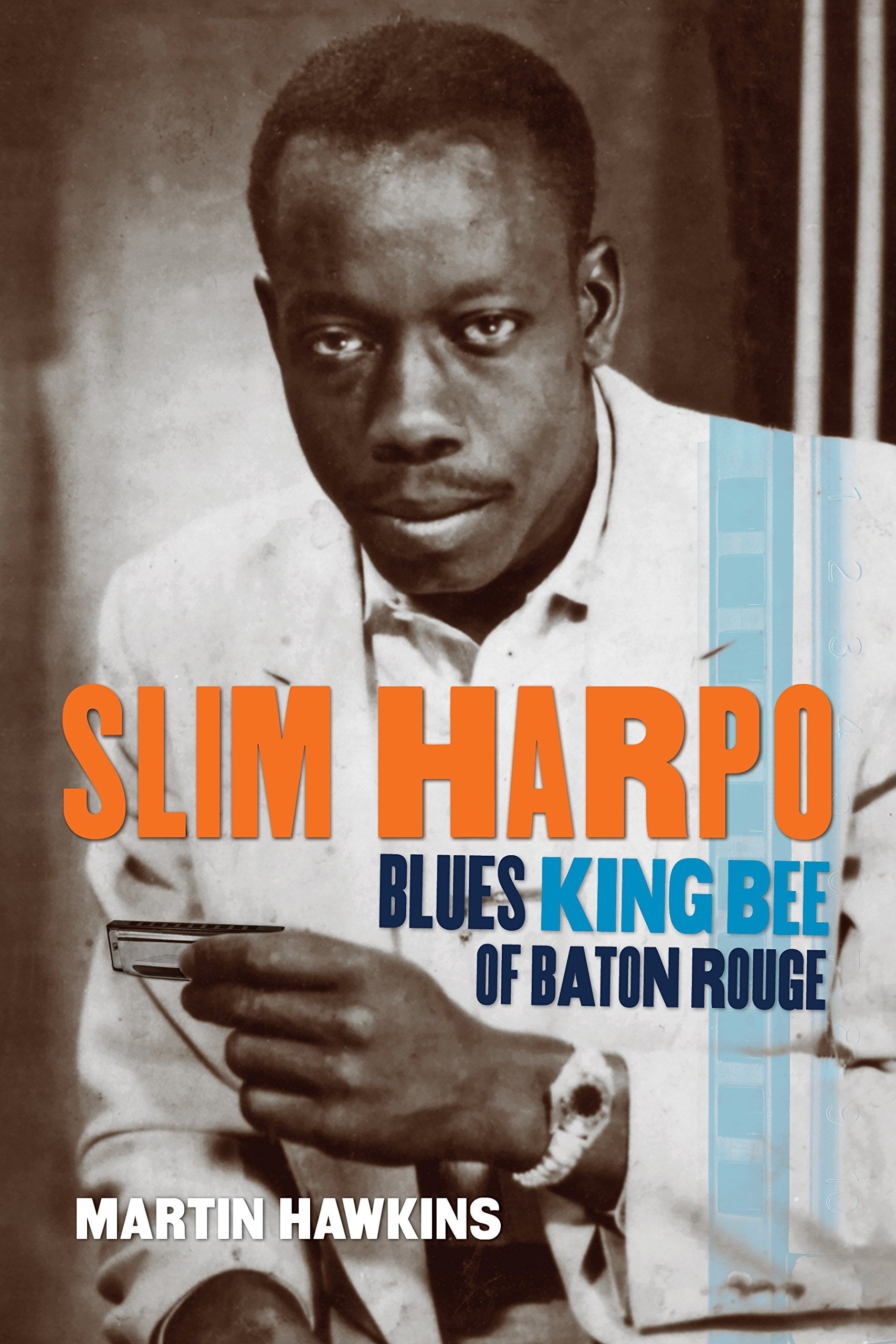
Slim Harpo: Blues King Bee of Baton Rouge by Martin Hawkins
Slim Harpo forever altered the culture of Baton Rouge, Louisiana, with his own take on blues music. The only available biography about Harpo, this book preserves the legacy of one of the genre's most important artists.
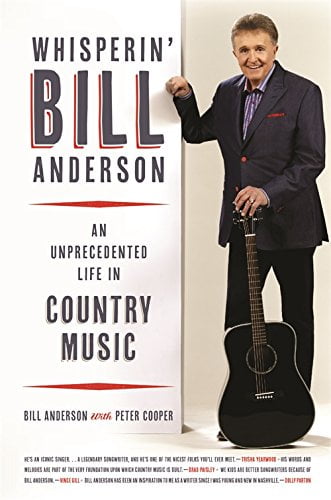
Whisperin' Bill Anderson: An Unprecedented Life in Country Musicby Bill Anderson and Peter Cooper
Whisperin' Bill Anderson is one of the most celebrated songwriters in country music, with hits for everyone from Ray Price to Eddy Arnold. In this autobiography — written in tandem with music writer Peter Cooper — Anderson offers a behind-the-scenes look at Music Row, his storied career, and the difficulties he faced as the music industry evolved.
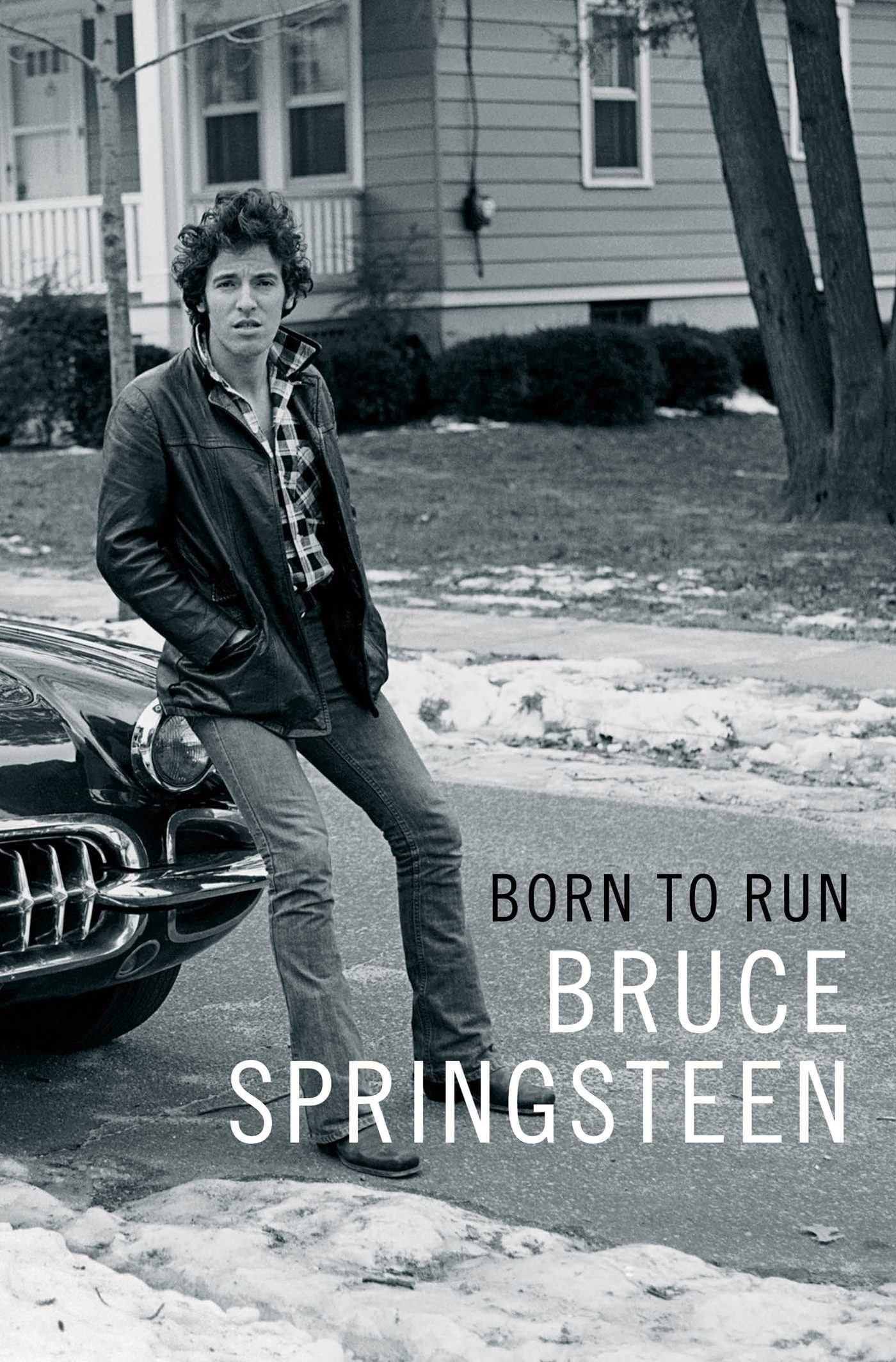
Born to Run by Bruce Springsteen
An autobiography from the Boss … need we say more?
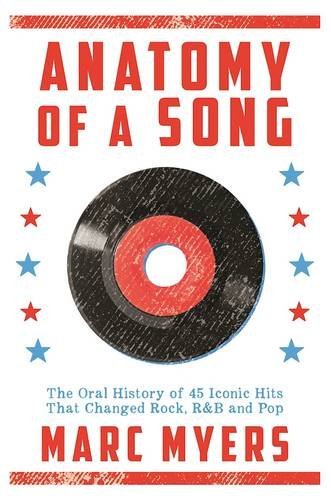
Anatomy of a Song: the Oral History of 45 Iconic Hits That Changed Rock, R&B, and Pop by Marc Myers
"Proud Mary," "Carey," "Mercedes Benz," and 42 other legendary songs get the oral history treatment in this anthology from Wall Street Journal columnist Marc Myers. It's a fascinating read for anyone, but should be especially so for anyone hoping to write the next classic song.
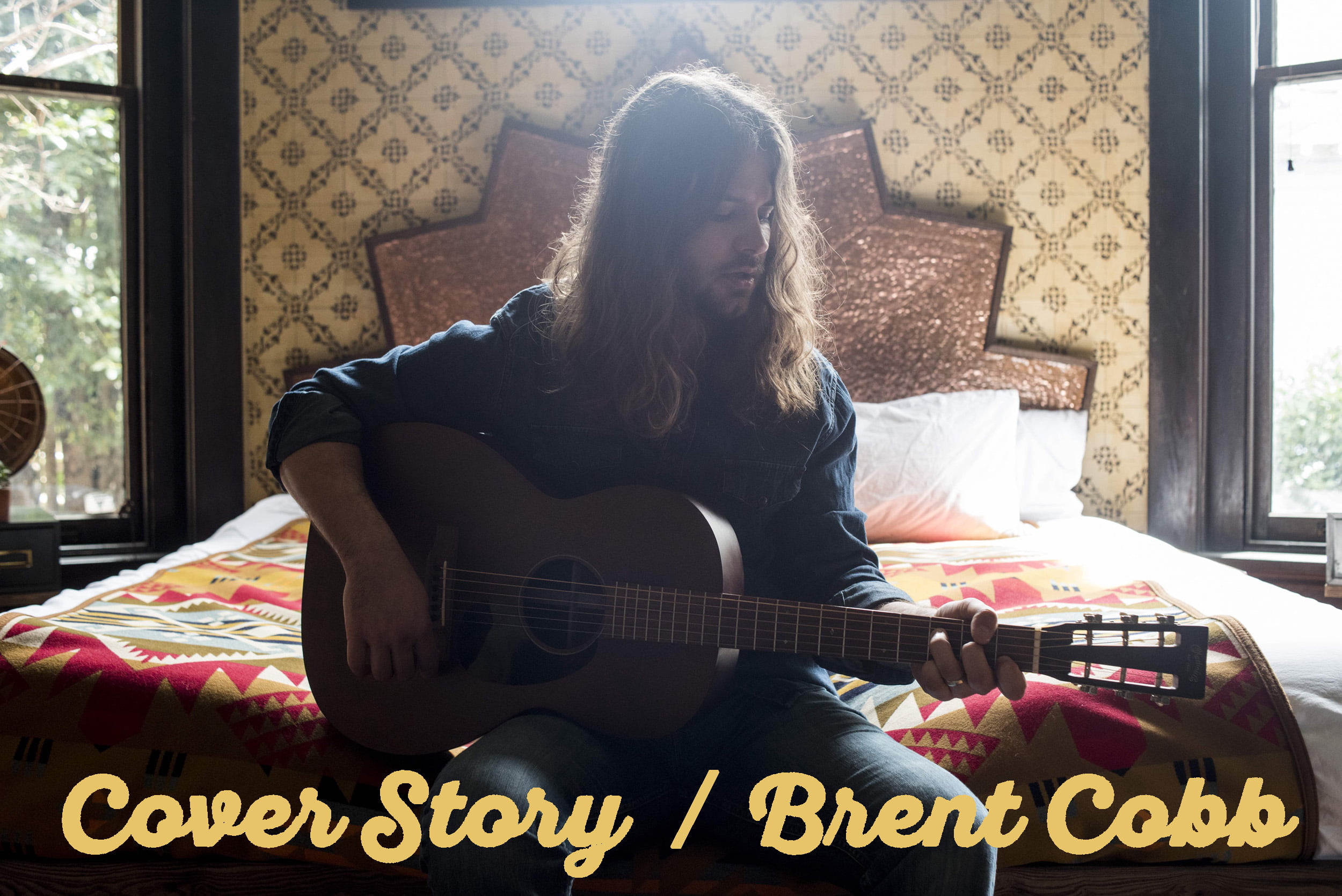
Georgia-born Brent Cobb doesn’t run from his roots. The singer/songwriter, a cousin to well-known Americana producer Dave Cobb, includes bits from his hometown and his upbringing throughout his latest full-length, Shine on Rainy Day. But this isn’t an album about a homebody or a good ol’ boy pining for old times. Rather, the record balances the comforts of homes and hometowns with the forward-moving momentum of life on the road. Songs like “Country Bound,” a number Brent borrowed from his father Patrick Cobb, is a homesick number, while “Traveling Poor Boy” shows off Cobb’s troubadour side. Shine on Rainy Day is a record for listeners with those same sensibilities, appealing to homesickness and travel and loss with an enduring message that urges its audience to see past current hardships.
Let’s start off with something basic: Can you tell me about growing up with music — your first experiences starting to write songs and also seeing songs written?
Yeah, I can still remember the first song I ever wrote … I don't know if you want to hear about that …
I do!
It was about rocks.
[Laughs]
It was walking around through the iron ore pits at my grandmother's house with my little sister. We were collecting iron ore rocks and it was a song about collecting rocks. It was "Millions and Billions and Jillions of Rocks," that was the name of my first song. [Laughs] I was 8 or 9. We just had picking parties — family picking parties and everybody played, and everybody wrote, and everybody sang.
Just to let you know what level it went to … In ’92, my dad had the opportunity — Doug Stone flew him to Nashville and took him around to a lot of publishers and with agents and record labels — and my dad was going to sign with Giant Records. He wound up not doing it because I was 7 and my sister was 3, and they kept talking about how much he would be gone on the road. So he decided to stay local, stay regional, and just play on weekends. I just always grew up around music. It was accepted as a trade and a career in my family.
“Country Bound” was the first song that I ever witnessed being written. I was 5, and we were in Cleveland, Ohio, for Christmas with my mama's folk. I was seeing snow for the first time out the window and then I would turn around and my dad and my uncle were writing "Country Bound." I remember them like it was yesterday writing "Country Bound." Every year on Thanksgiving, when my aunts and uncles would come into Georgia from Cleveland, we'd always play "Country Bound." I wanted to include it on this album because it's always been my favorite song. This album sort of has a theme of getting back home a little bit to it.
I really noticed that theme of getting back home. I know Dave Cobb produced this record, and you guys are related and you’d worked together before. How did this specific record come about?
After he moved to Nashville, we'd get together here and there and we always were just like, "Someday we'll do a record here." I toured for about four years — did 120 dates a year — and I stopped when I found out that I was fixin’ to have my first baby. I had a little baby girl, and so I took an indefinite amount of time off the road, and didn't know if I'd ever go back to making records as an artist or if I'd continue to just write songs.
In the middle of this break, Dave called me and he was making Southern Family. He said "Man, I'm putting together a concept album called Southern Family and I only thought it'd be appropriate for me to have my own Southern family be a part of the record, if you would write a song for it." And I was like, "Hell, yeah, I'll do that! That'd be great!" And so I wrote a song for Southern Family called "Down Home." I also helped … I was fortunate enough to write Miranda Lambert's song with her in "Sweet By and By."
When we were in the studio recording both of these songs, it just felt so good to be back in there with Dave. It just felt like home, and we knew that we had to make a record, but we didn't know that it was going to turn into all of this and I was going to do a deal with him or anything.
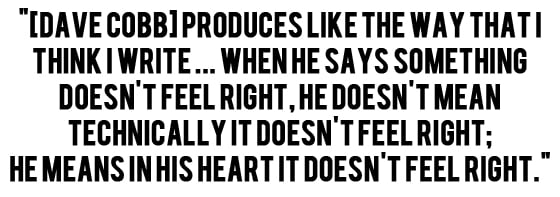
He produces like the way that I think I write. I write real spontaneously, and I write off of the muse of a moment. He's the same way as a producer. When he says something doesn't feel right, he doesn't mean technically it doesn't feel right; he means in his heart it doesn't feel right. And that's the way that I am when I write songs. It just magically happens.
Tell me a little bit more about writing songs. You’ve got the one song on the record, “Solving Problems,” that digs into the songwriting portion of your career. I think there is an interesting dynamic between this idea of being an artist versus being a songwriter when really, songwriting is an art.
I know! I never knew there was a difference! I thought they were all one and the same. But apparently, that's the first question that every publisher asks on Music Row. When I first went down there and I was checking on getting a publishing deal, they asked, "Are you more of a writer or are you more of an artist?" I just didn't know it was that different, really. And I guess it's because I like to do both — performing and writing — so much. Some people don't like the idea of going to Music Row and and co-writing in a publishing house, but I love it.
What is it that you like about it?
Well, I'll just tell you what my day is, so you can get an idea of what it's like: I get up at 6:30 with my baby and I drink coffee, and my wife gets home from work. I go in to write about 9 or so in the morning. I write till 3 o'clock in the afternoon with someone, whether it’s a co-writer or my publisher schedules a writer with me. While we write, we treat it like a regular job. It’s so cool to me because of the history of Music Row. If you read Willie Nelson's memoir — It's a Long Story is the name of it — he talks about writing "Hello Walls." That was the first song that he ever co-wrote on Music Row, and he just thought that it was such a strange feeling walking in there and not knowing a person and having to write these personal songs.
It is like that, but once you get used to it, it just becomes so much fun. It's just a bunch of collaboration … It's the best job in the world. I'm just glad to have it.
What made you decide to talk about it in “Solving Problems?”
I didn't have nothing else to write that day. [Laughs] That's the God's honest truth. I couldn't make anything else come, so … It's like, "Well, man, let's just write about exactly what we're doing right here." It's cool to be on Music Row writing songs about being on Music Row writing a song.
Speaking of co-writes, I would love to talk about "Shine on Rainy Day." That song appeared on Andrew Combs' record, and it says so much about the strength of the song that you guys can both make it your own. The title is different and I'd love to hear about why you decided to make that the title track of the album and what that song means specifically to you.
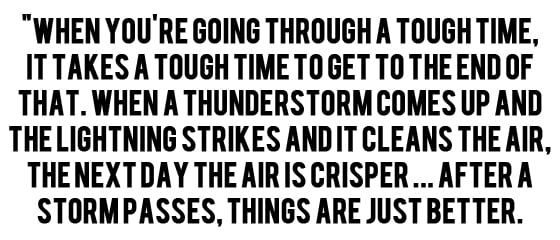
For me, that song meant a lot of things, really. It was coming from a lot of different places, so it's kind of hard to say. When you're going through a tough time, it takes a tough time to get to the end of that. When a thunderstorm comes up and the lightning strikes and it cleans the air, the next day the air is crisper, and the sky is bluer, and the trees are greener, and the grass is greener. After a storm passes, things are just better. They're new again. So that's what that meant for me, and it was from the last 10 years trying to pursue this career. Just like anything, it's got its ups and downs and it gets tough sometimes. So it's really about that for me.
I love that Andrew did it, as well. In the past, there'd be five or six different versions of the same song. I don't know how many different versions of "Sunday Morning Comin' Down" there are, but there are a ton of them that were all made back then. I love when a bunch of different artists do a song and I wish that would come back. I don't know why it doesn't exist as much anymore.
I named the album Shine on Rainy Day because I had given a pre-copy of the album to a close friend of mine, when he and his wife had just gone through a very personal family tragedy. That song was the one that really stuck out to him. It just really inspired me to name the album after it.
You write a lot about Georgia. I recognize landmarks and highways in the lyrics. How much of this was influenced by where you’re from and the idea of home?
I grew up in real rural Georgia, the southwest side of Georgia. It’s the surroundings, the wildlife, the pine trees, the red clay. It's the people down there. Growing up, you couldn't buy beer on Sundays. People are a little more cut off from the rest of the world. Their traditions and their ways — and mine, too — they're a little more old school. Everything's got a routine to it. It's just like reading a book that's been around forever. I don't know how to explain it. It's just something I've always noticed, too, and I've always studied. I guess it was a mixture of those surroundings and that environment, but then also with my family, too, being musical. I just love Georgia.
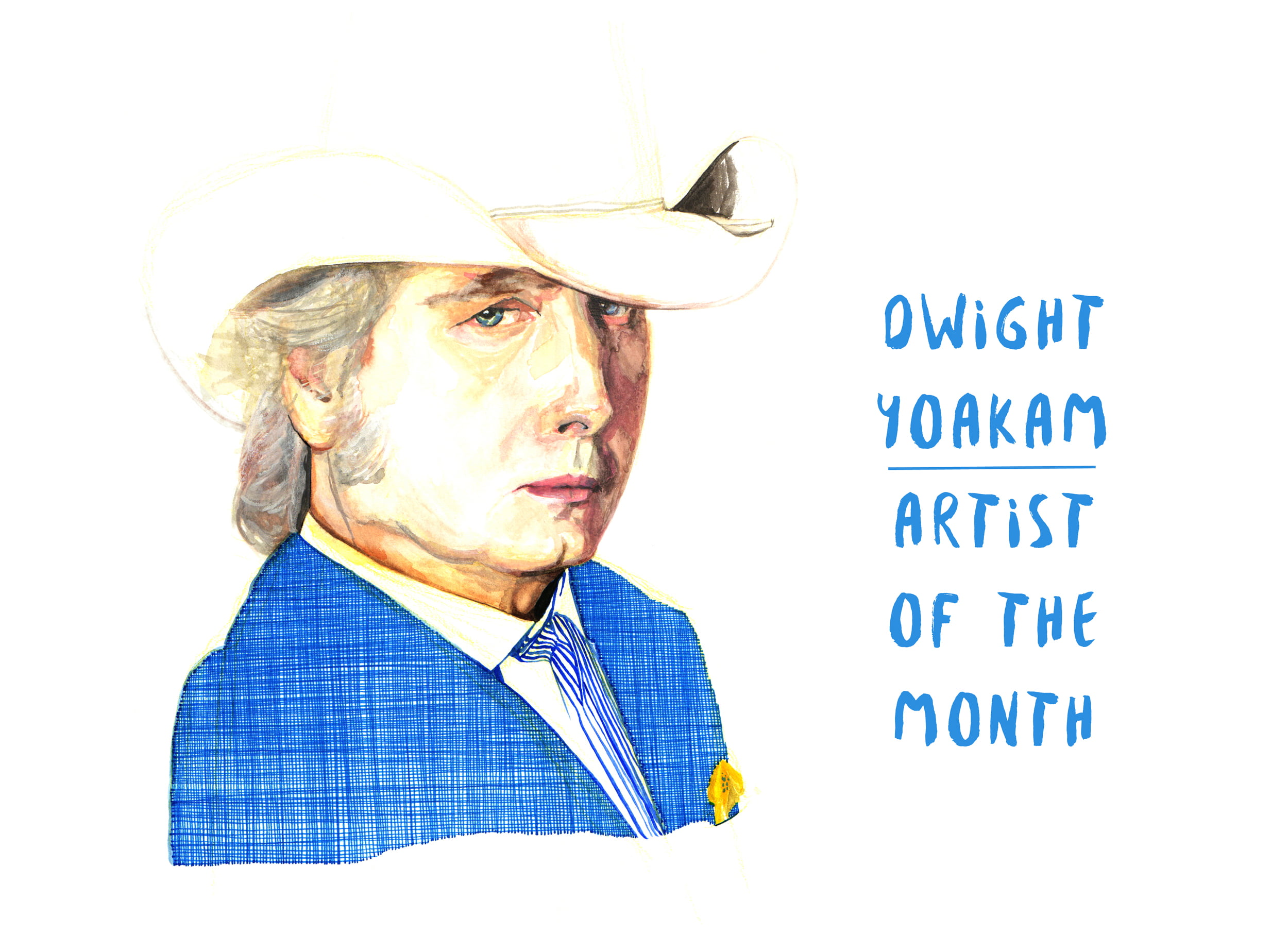
Country music got to know Dwight Yoakam through radio stations and multi-platinum records, witnessing his distinctive style cut through the Nashville machine in a way that was nearly impossible to ignore. He debuted with 1986’s Guitars, Cadillacs, Etc., Etc., landing the first of three consecutive number one country albums and, over the course of his genre-pioneering career, Yoakam has sold more than 25 million records, charted 22 Top 20 singles in Hot Country Songs, won two Grammy Awards (and been nominated for 19 more), and landed nine platinum or multi-platinum albums.
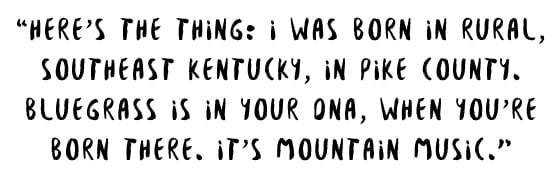
But Yoakam’s introduction to country came up through hollers and Kentucky living rooms rather than with splashy records or big best-sellers. “Here's the thing: I was born in rural, southeast Kentucky, in Pike County. Bluegrass is in your DNA, when you're born there. It's mountain music,” he says. His earliest memory of music doesn’t involve old records or radio shows, but rather Yoakam remembers traipsing up the mountain with his grandfather on Sundays after church and listening to music made alongside ‘coon hunting. “It looked like it might have been an abandoned mining site — a coal mine site that had been left to flood back into a fairly good-sized lake. There were guys walking around with their guitars, banjos, mandolins, playing in small groups, just walking up to one another and just starting to pick. They were out there playing bluegrass face to face with one another. I had exposure to that very young in an absolutely pure way.”
Yoakam’s background in traditional bluegrass and an early affinity for the classics led him to a few starstruck moments throughout the course of his career, some of which hinted that he might be suited to embrace a bit more twang in his regular rotation. Most notably, he recalls recording with Earl Scruggs on 2001’s Earl Scruggs and Friends.
“I was there in the studio in L.A., with Earl and the band were just warming up. Earl and I were playing back and forth and I started playing a melody that came to my head. Earl started answering me on the banjo. Here I am, sitting close to the Jimi Hendrix, if you will, of bluegrass banjo, right? The godfather of modern bluegrass banjo,” he says. They’d originally sat down to record a platinum Scruggs single Yoakam frequently covered, "Down the Road.” But Louise Scruggs came into the studio when they were still fiddling around with Yoakam’s melody of the moment.
“She said, ‘I believe you need to record this.’ I said, 'Louise, it's not really a song.' She goes, ‘Well we need to record it.’ By that point, I was singing some consonants and vowels, which is what I do as a writer when I sneak up on a song. It became the song, ‘Borrowed Love.’ Louise and Earl Scruggs looked at me and said, ‘Well, you're just a bluegrass singer in disguise.’ I said, ‘Probably so.’”
For a man with bluegrass in his bloodline, it’s surprising to hear Yoakam say so emphatically that his forthcoming record, Swimmin' Pools, Movie Stars — a full-length that re-imagines many of his commercial country songs as bluegrass tunes — wasn’t really his idea. It was Kevin Welk — owner of Vanguard and Sugarhill Records and eventual executive producer on Swimmin’ Pools, Movie Stars — who approached Yoakam’s team with the concept. Label obligations and release schedules got in the way, but when the timing was finally right, the label was ready: Americana super-producer Gary Paczosa and producer/songwriter Jon Randall Stewart committed to the project and had hand-picked an all-star lineup of a band to back Yoakam, too. Award-winning players like guitarist Bryan Sutton, banjo and fiddle player Stuart Duncan, bassist Barry Bales, and banjoist Scott Vestal make a convincing lineup alone and, with Yoakam on lead, the project was bound to go somewhere special. But the producers had landed on something Yoakam hadn’t planned — to re-record his old songs with a new twist.
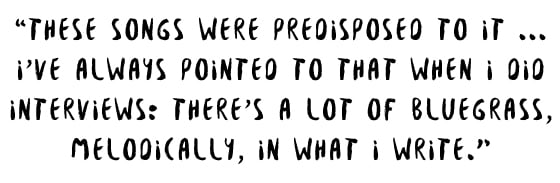
“Melodically, these songs were predisposed to it — that's what I think Gary and Jon thought,” says Yoakam. “And I've always pointed to that when I did interviews: There's a lot of bluegrass, melodically, in what I write."
Those traditional bluegrass sensibilities were just waiting to bubble to the surface, and they lend a new life to lesser-known singles like “Free to Go” and “Home for Sale.” Even casual fans of Yoakam will delight in more popular numbers like “These Arms” and “Guitars, Cadillacs” with their old-fashioned harmonies and quick instrumentals. Nuances in the vocals on Swimmin’ Pools, Movie Stars are a giveaway that Yoakam isn’t just dabbling in tradition: This is an album he was meant to record. Varying his inflection on old lyrics, his performance feels warm and complementary — at times even reverent — to the harmonies beside him and the deft picking in the backdrop. What gets Yoakam talking fastest about bluegrass music and the “bluegrass way” of doing things, though, isn’t one of his own songs — it’s the record’s album closer and lone cover, a rendition of Prince’s “Purple Rain.”
“We tracked 13 tracks in four days,” he says. “The third day of tracking, I went in and, that morning, when I was getting ready to leave to go to the studio, CNN had breaking news. I happened to look over at the TV and I was in the hotel in Nashville and saw the awful unfolding of the news that Prince had died so suddenly and so tragically, so alone.”
Get a bunch of musicians mourning a genius in one room, and you’re going to come away with some good listening. They worked through “Purple Rain” right there, testing it out and ultimately tracking it live before setting the recording aside.
“Just the moment — it was just the emotion from everybody in the room. I didn't touch the song again for about three weeks,” Yoakam says. “I didn't listen to it. I thought, ‘We're probably not going to put it on the record. It was nice to do.’”
Prodding soon came from Paczosa and Stewart, who had left Nashville before the final day of recording and simply saw the raw recording among the other audio files for the upcoming album. The two producers asked Yoakam if they could try listening to the track for the record. “We played it, put it on, and it was what it is, what you hear [on the record]. In fact, I left the scratch vocal on it. I did a harmony. It's exactly as we played it that day about four hours after everybody heard he died,” Yoakam says. “I think, because of that, it had an emotional expression that you couldn't have in any other moment.”
Many of the moments that foreshadowed Swimmin’ Pools, Movie Stars were similarly off-the-cuff experiments in the studio over the years. As Yoakam verbally picks apart the hours that built up to the “Purple Rain” cover that eventually made the album, it grows clearer that this album fusing his songs with the traditions and the twang that built him was more about him and his roots than he first implied.
“One of the things that probably seeded that moment in my mind was Ralph Stanley,” Yoakam notes. “He cut one of my songs, 'Miner's Prayer,' and I recorded one of his songs, 'Down Where the River Bends.' I had always been a fan of the Stanley Brothers. We cut it, as he would say, ‘in the mountain way,’ with Curly Rae Kline on fiddle. It was done around the microphone with a live band in a circle, playing those songs. They looked at me and said, ‘Dwight, I believe you might be a bluegrass singer.’ I said, ‘Well I guess it's somewhere in my birthright.’”
For more Artist of the Month coverage, read Dacey's profile of bluegrass phenom Sierra Hull.
This website uses cookies to improve your experience. We'll assume you're ok with this, but you can opt-out if you wish.AcceptRejectRead More
Privacy & Cookies Policy
Privacy Overview
This website uses cookies to improve your experience while you navigate through the website. Out of these, the cookies that are categorized as necessary are stored on your browser as they are essential for the working of basic functionalities of the website. We also use third-party cookies that help us analyze and understand how you use this website. These cookies will be stored in your browser only with your consent. You also have the option to opt-out of these cookies. But opting out of some of these cookies may affect your browsing experience.
Necessary cookies are absolutely essential for the website to function properly. This category only includes cookies that ensures basic functionalities and security features of the website. These cookies do not store any personal information.
Any cookies that may not be particularly necessary for the website to function and is used specifically to collect user personal data via analytics, ads, other embedded contents are termed as non-necessary cookies. It is mandatory to procure user consent prior to running these cookies on your website.