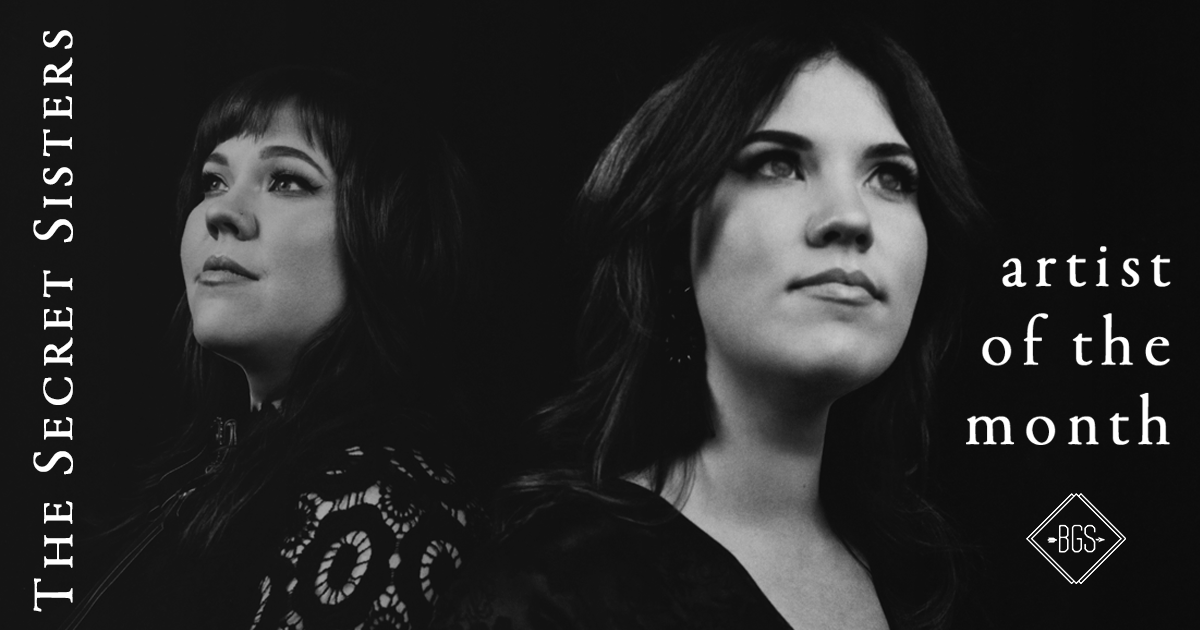
The Secret Sisters’ Laura Rogers: From Separation to ‘Saturn Return’ (Part 1 of 2)

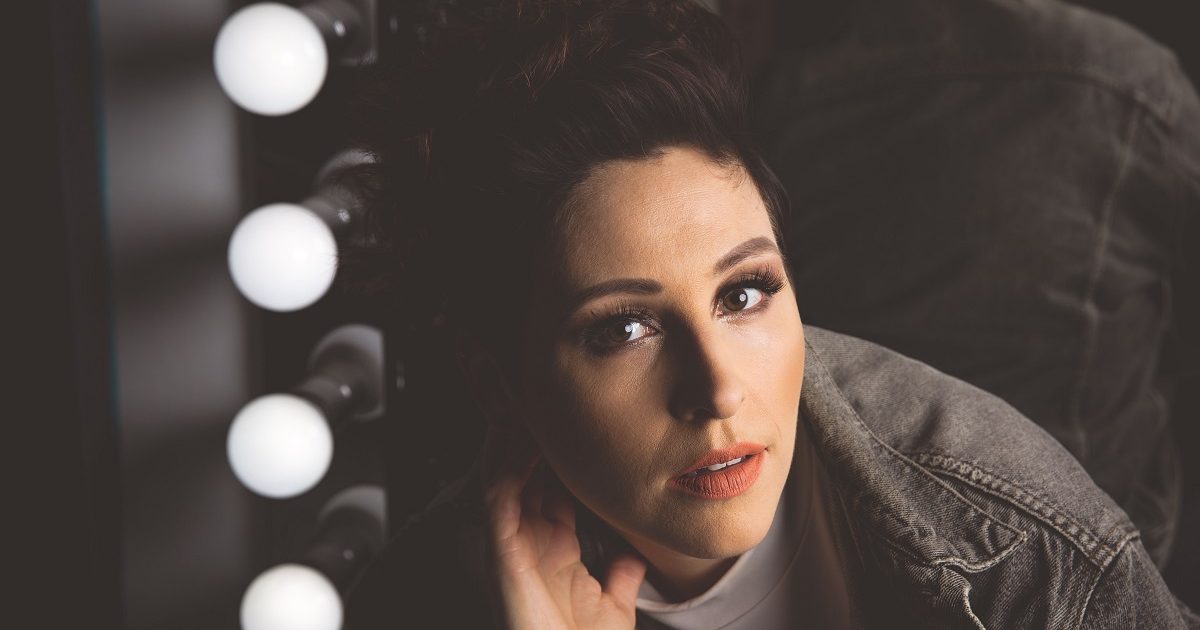
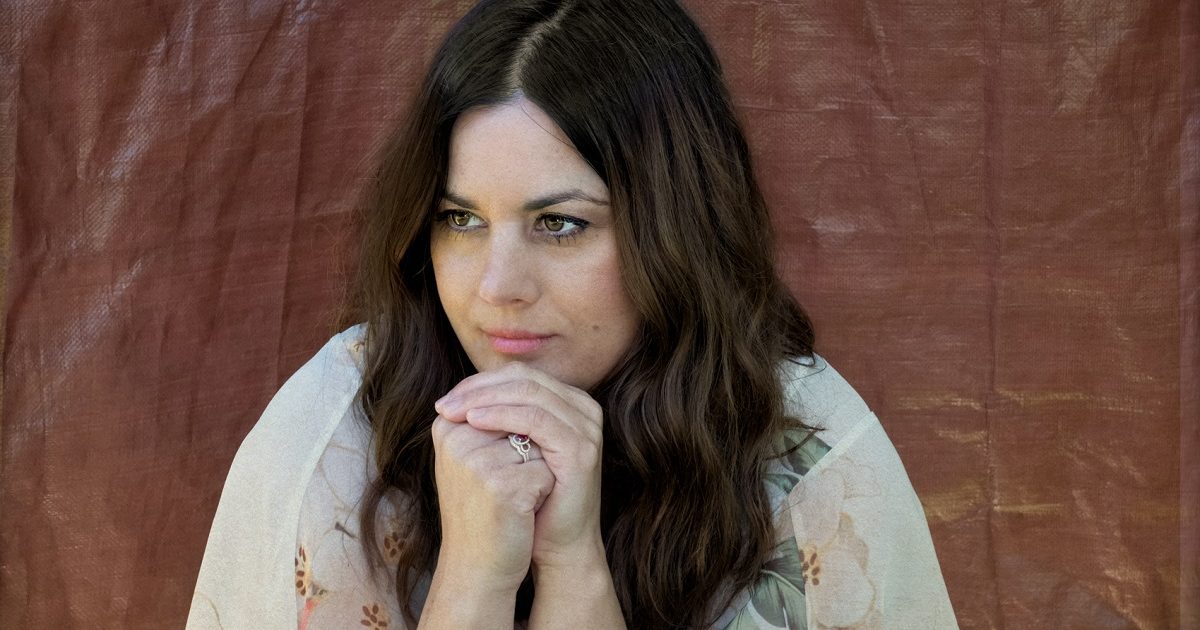
Laura Rogers and Lydia Slagle are best known for doing things together. As sisters, they’ve celebrated birthdays, graduations, and many more of life’s big milestones together. As the Secret Sisters, they’ve made a name for themselves singing together, with intuitive harmonies that lend a honeyed sheen to folk tunes, country anthems, and the occasional murder ballad, too. But for their latest album, Saturn Return, the duo tried things a little differently.

At the suggestion of Brandi Carlile (who co-produced Saturn Return with twins Tim and Phil Hanseroth), Laura and Lydia recorded their vocals separately for the first time, integrating lengthy solo segments in addition to their trademark harmonies. The resulting record reveals two women at the top of their crafts, reveling in their independence while cherishing the inimitable depth of their voices together.

In tribute to their recording individually for the first time, BGS spoke to each sister separately, too. In part one of our Artist of the Month interviews, Laura talks about the influence of her hometown, self-inflicted career pressure, and how Carlile introduced the sisters to new sides of themselves — both individually and as a group.

BGS: You sang separately from your sister on this album for the first time. What did that feel like at first, and how did your feelings about it evolve?

Laura Rogers: I was very uncomfortable about it at first. I play off of Lydia, and I choose my notes based on what Lydia chooses. We read each other so closely when we sing together. Singing without her felt like driving a car for the first time without your parent in there. But when Lydia sang by herself, even though I know she was uncomfortable, I sat there listening to her and thinking, She is so good. She’s so good. I remember thinking about how glad I was that her voice was finally going to get a chance to be heard without mine, because her voice has so much beauty to it.

I thought, It’s time for people to hear what Lydia sounds like without me distracting them. But I was super scared to sing by my self, just because I … Well, I just don’t feel like I sing as well without Lydia. I’m more critical of myself, and I don’t have her to kind of pick up the slack that I need. [Laughs] So in the moment, I remember thinking, I don’t know if this is the right thing. How are we going to pull it off live? But then of course, after the record was done, we would listen back to it, and Brandi’s theory about it was so… right. And so beautiful.

How so?

While we were recording, Lydia and I really were in really separate places for the first time in our lives. I was pregnant and Lydia was trying to get pregnant. We felt this chasm, the two of us. We felt like we were in different places. Brandi could see that, in her bird’s-eye view of our circle. She knew that she needed to capture that moment.

Lo and behold, a few months later, we found out that Lydia was pregnant too, and we were back on another path together. We had been separate for only a moment. So I’m really thankful. I feel like Brandi is a really good photographer who caught the perfect moment with the perfect light and the perfect ambiance — this really special moment that will never come again.

You’ve recorded murder ballads and darker songs, and “Cabin” on this record — which you’ve said grew out of coverage on the Kavanaugh hearings — touches on a crime that was never brought to justice. What are the challenges and nuances you have to consider when broaching topics like those?

That’s a good question. “Cabin” can really be about a pretty broad range of crime. But we were specifically writing about sexual crime: abuse, harassment, and mistreatment of people by those in places of power. We had a message that we wanted to convey, but it felt like we had to tiptoe around some things to try to avoid any sort of heavy political slant.

Lydia and I are not political songwriters. We just aren’t, and don’t want to be. But there are certain elements of that that do come up in our writing that we feel like we have to kind of carefully craft in order to express ourselves, but not isolate. That’s also true with murder ballads. It is a sensitive subject matter, and our protection — up until we wrote “Cabin” — was the fact that those songs that we had written were mostly fiction.

When [our songs] talk about getting your heart broken, or going through bankruptcy, or being done wrong by someone who is supposed to be your friend, those are actually based in truth. We would never specifically mention anyone by name, but if they hear the song, they’ll know that we’re talking to them. If you feel like we’re singing to you, we are.

That’s the way that we view our music — as therapy. The murder ballads have always been about us challenging ourselves to write songs about things that we didn’t experience. On the flip side of that coin, there are a lot of songs that we went through firsthand and had to process through writing.

You sing about the push-pull of success in “Nowhere Baby.” What does that song mean to you, and how do you fight back against the low moments?

I hope that people can find their own story in a song like that. For us, “Nowhere Baby” is about constantly feeling like we’re arm wrestling the music industry; feeling the need to say yes to everything that comes along, because you’re afraid that if you say no you’re going to set yourself back or miss an opportunity; feeling like you need to prove yourself. As artists, creative souls, and women, sometimes we put that on ourselves. We make these ridiculous schedules that we think we have to stick to. “If we don’t go do this show, what’s gonna happen? Are we gonna miss something that could be really important, could get us to the next level?”

We are so hard on ourselves about our careers. We love music, and we love that we’ve gotten to make a lifestyle of playing our songs on the road, but it’s a hard life. You sacrifice more than people on the outside ever realize. You miss the birthday celebrations and the holiday events. Through experience in the ten years that we’ve been on the road, we’ve learned that it’s OK if you need to just be a person for a minute. It’s OK if you want to just sit at home for a few weeks. Nobody’s gonna forget about you, you’re not going to lose your edge.

You’re from just outside of Florence, Alabama, and started singing harmonies with your sister at church. Did your hometown have any impact on the artist you are today?

Oh yes, 100 percent. We grew up pretty close to Muscle Shoals, which is obviously a legendary place for music. But we weren’t exposed to the music of Muscle Shoals as much as you might think. We listened to more folk music, bluegrass, gospel, and country. And where we are geographically had influence on us as musicians — I mean, it’s this weird little place that’s so perfectly located. It’s close to Nashville, so you get the country music influence. It’s close to Memphis, so you get a little bit of the blues. It’s close to the mountains, so you get some Appalachian music. You get gospel music, because we’re in the middle of the Bible Belt. It’s this perfect spot where these little genres of roots music all began.

I think living in a rural place, and growing up where there isn’t a lot to do other than hang out with your family or do sports or play music, is why we are the way that we are, and why we’ve become the musicians that we’ve become. We are so spiritually tied to our hometown. When I leave, I become a different person, and it’s almost like I have to go back to regroup and establish myself again. I come home and I’m like, oh, that’s who I am. [Laughs] I may get to go to all these great places, but when I come back, I’ve still got to scoop up chicken poop off my porch.

Read our interview with Lydia Slagle here.


Photo credit: Alysse Gafkjen
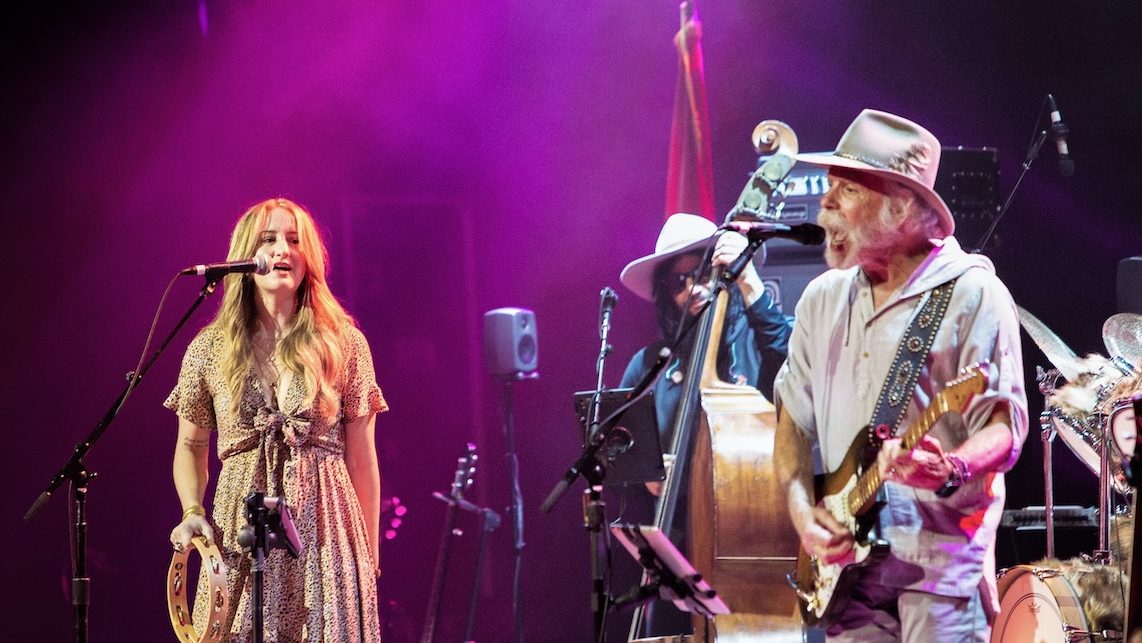
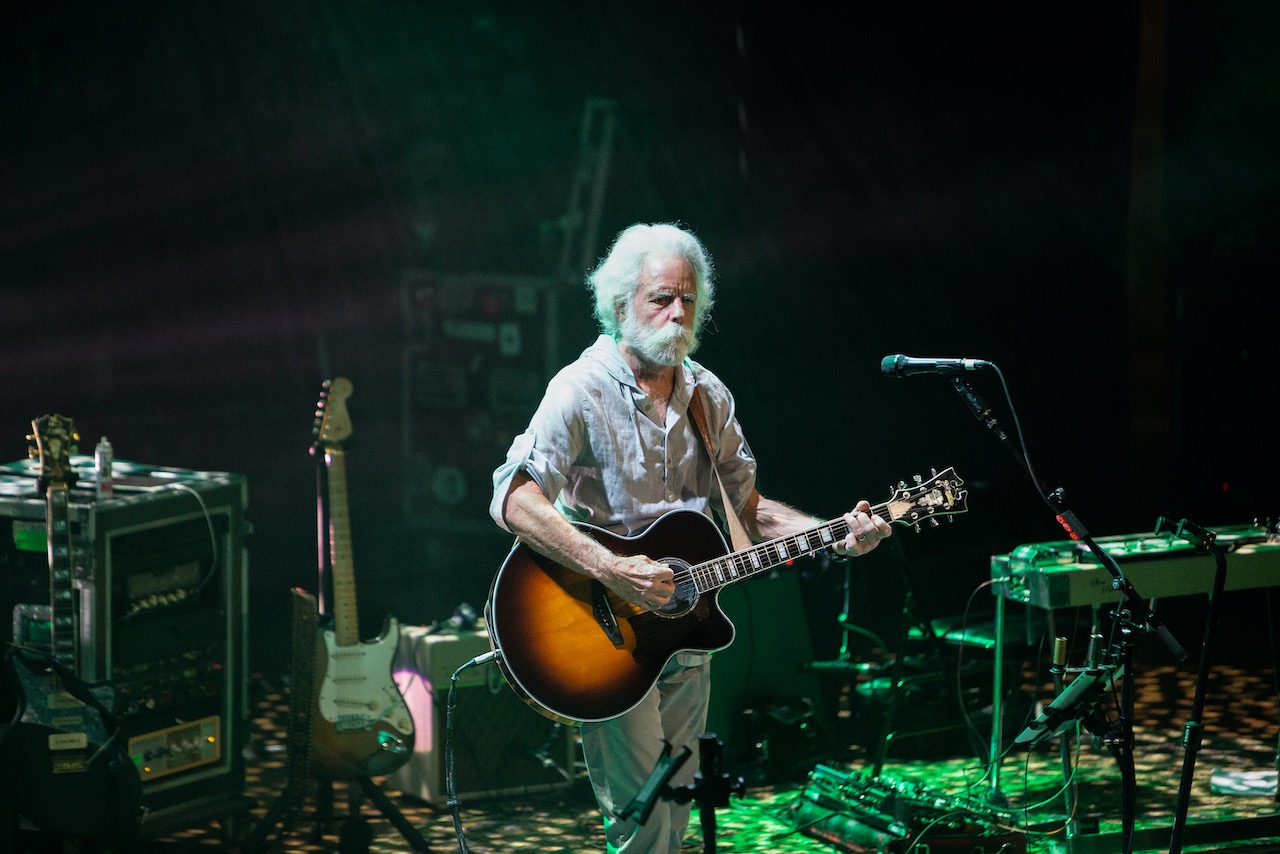
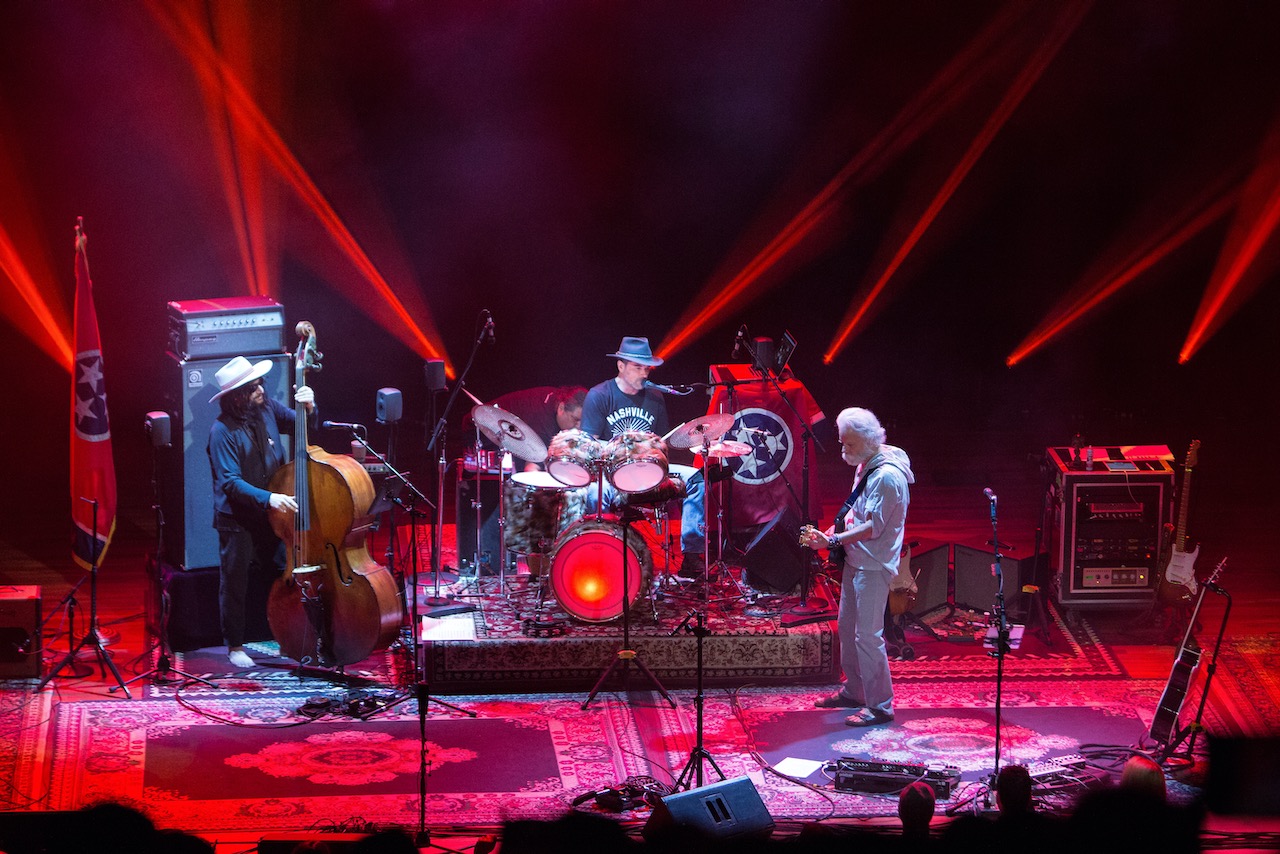
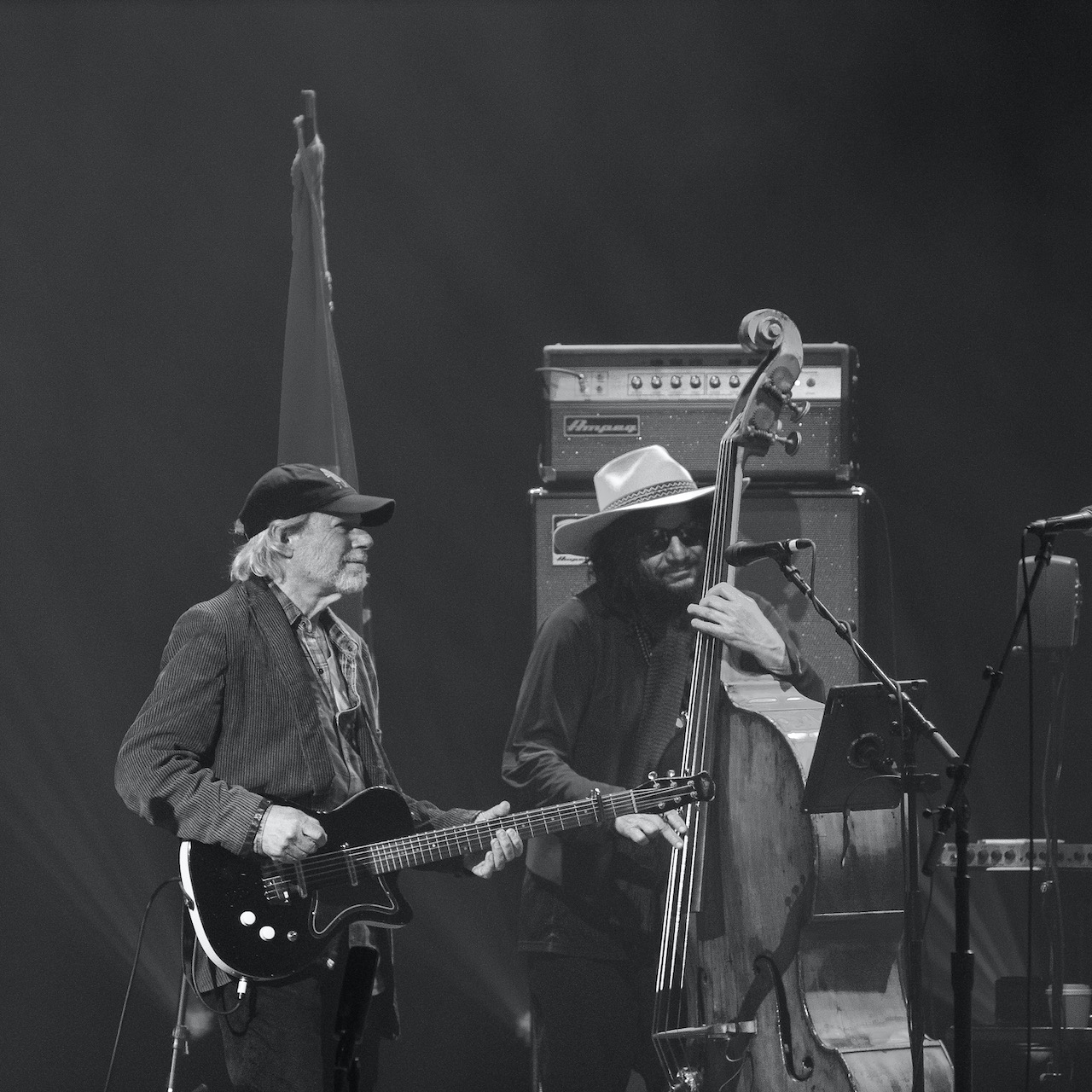
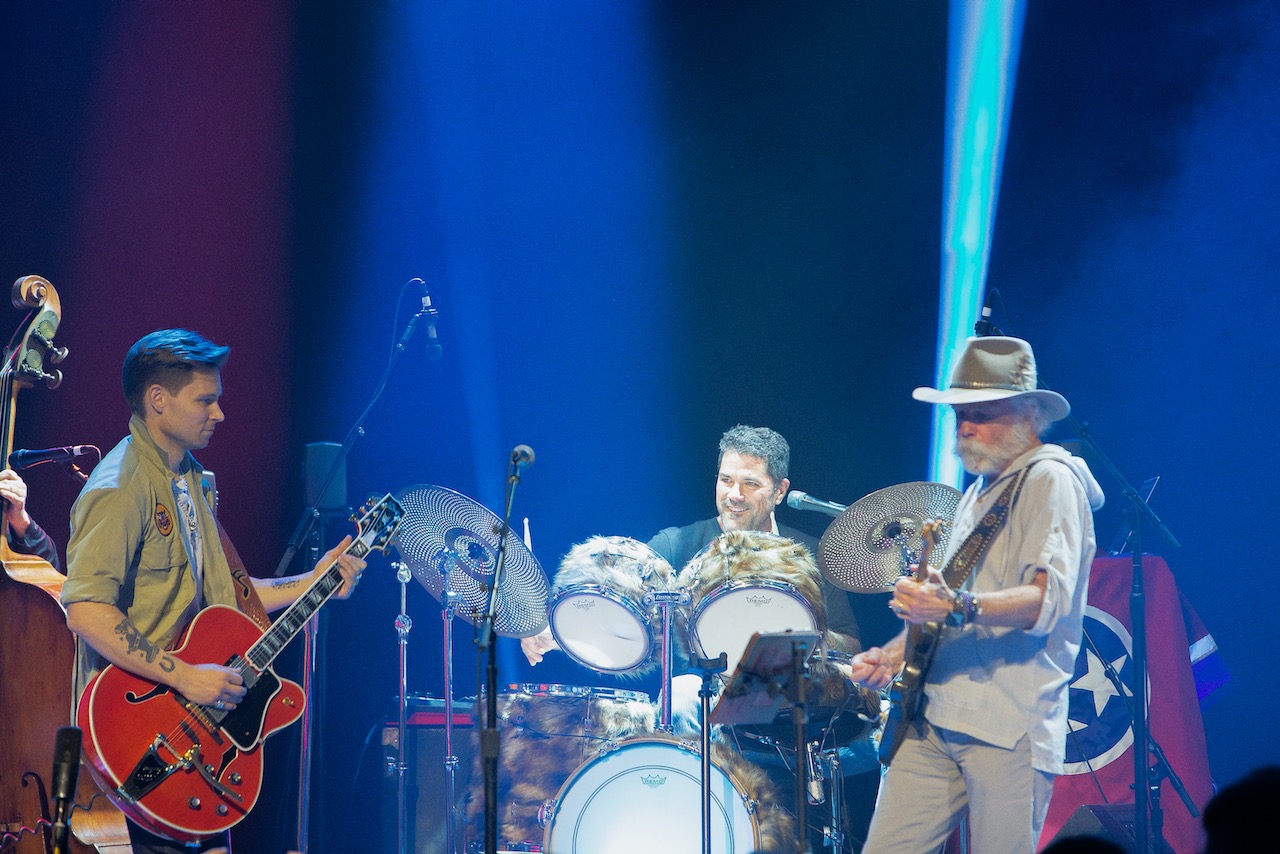
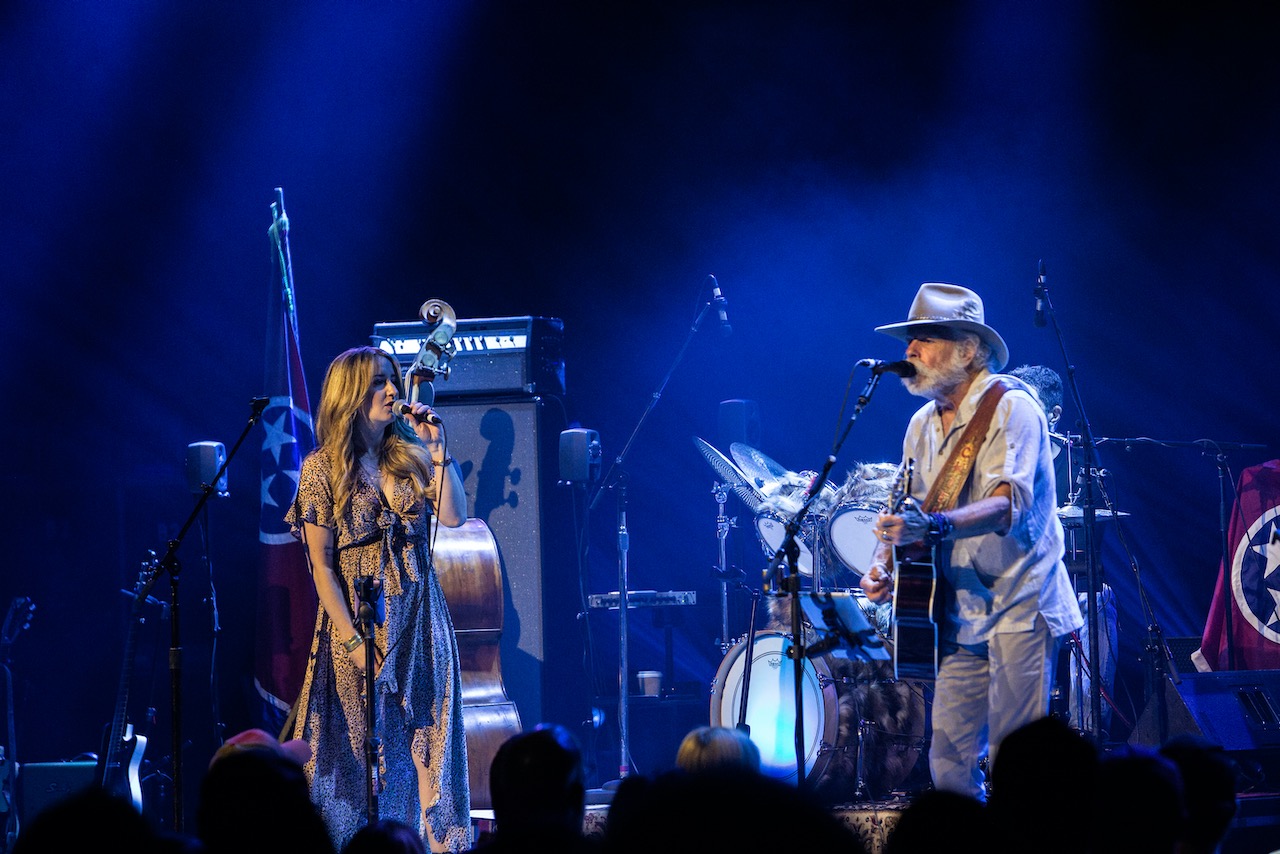
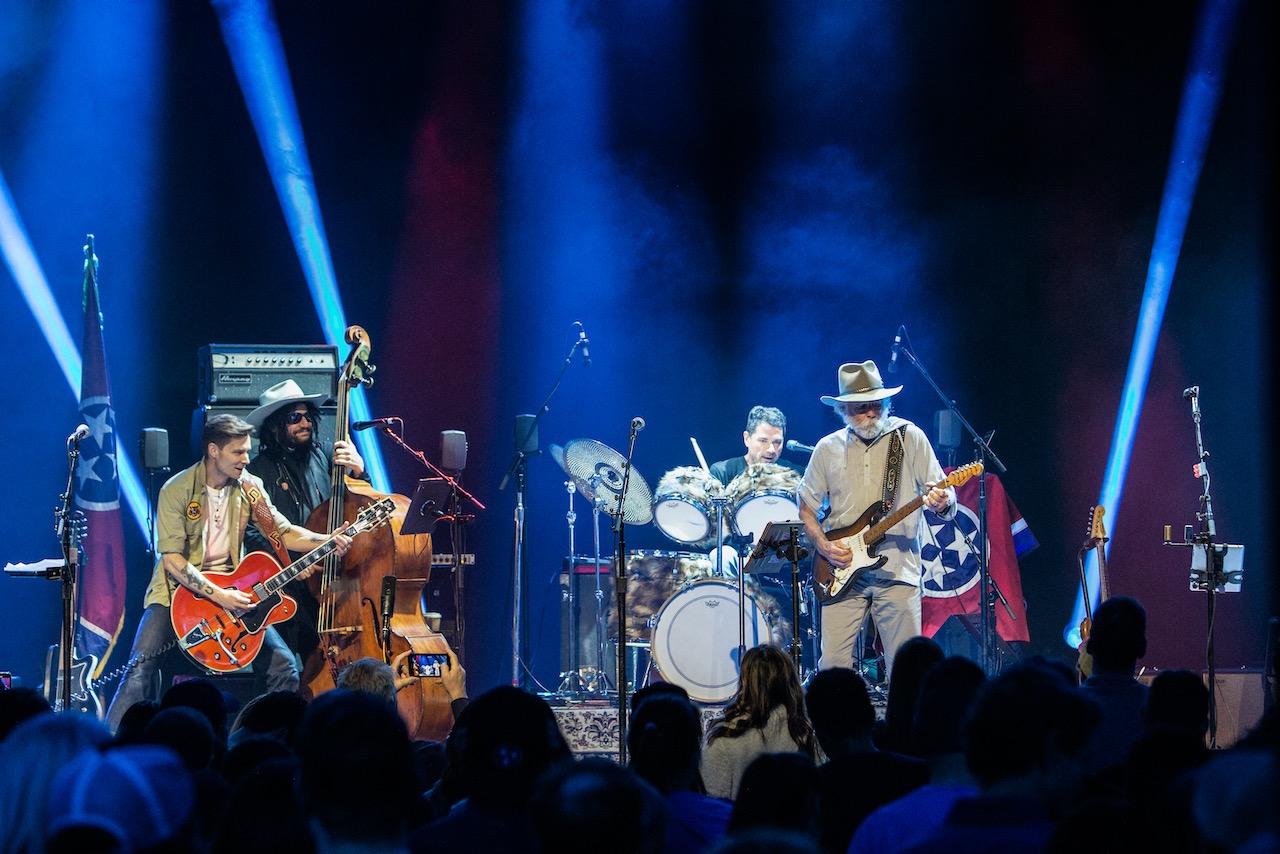
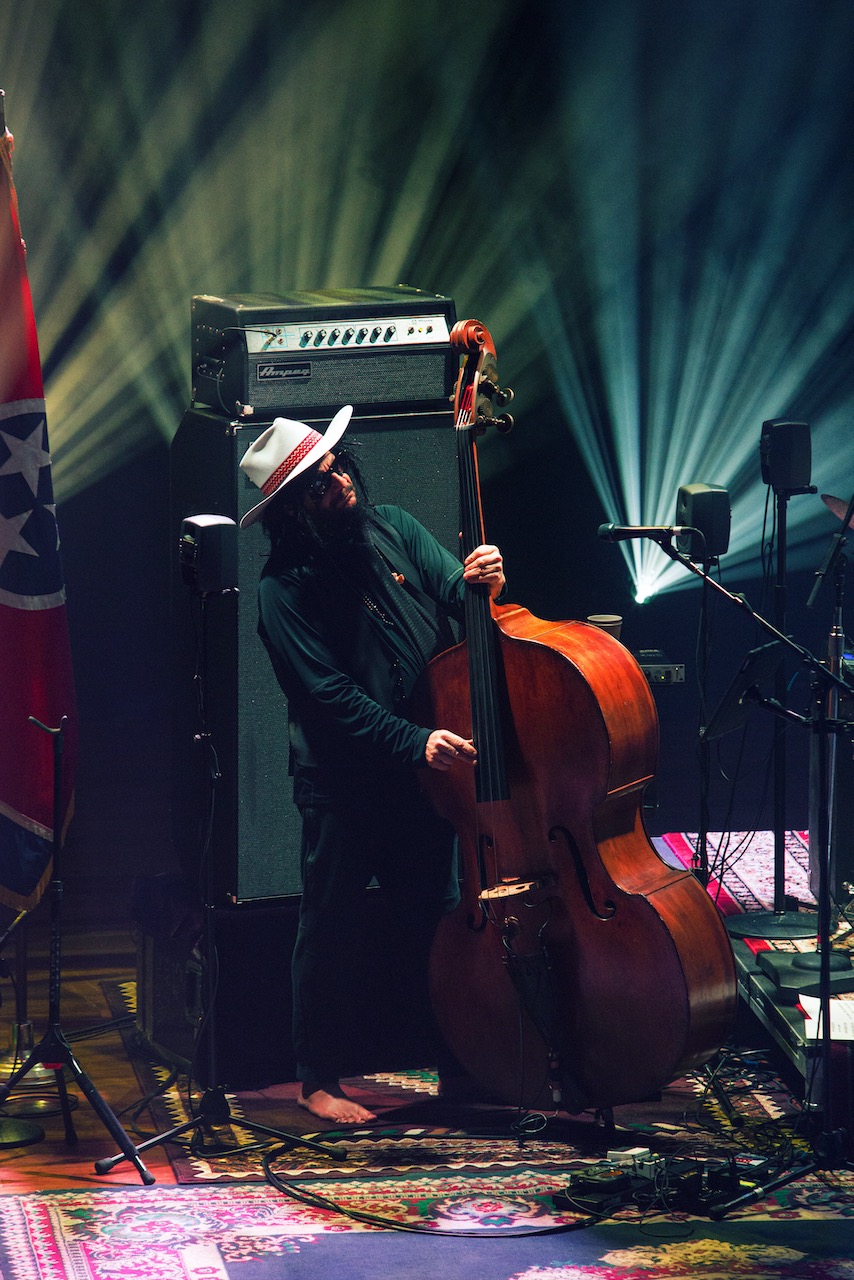
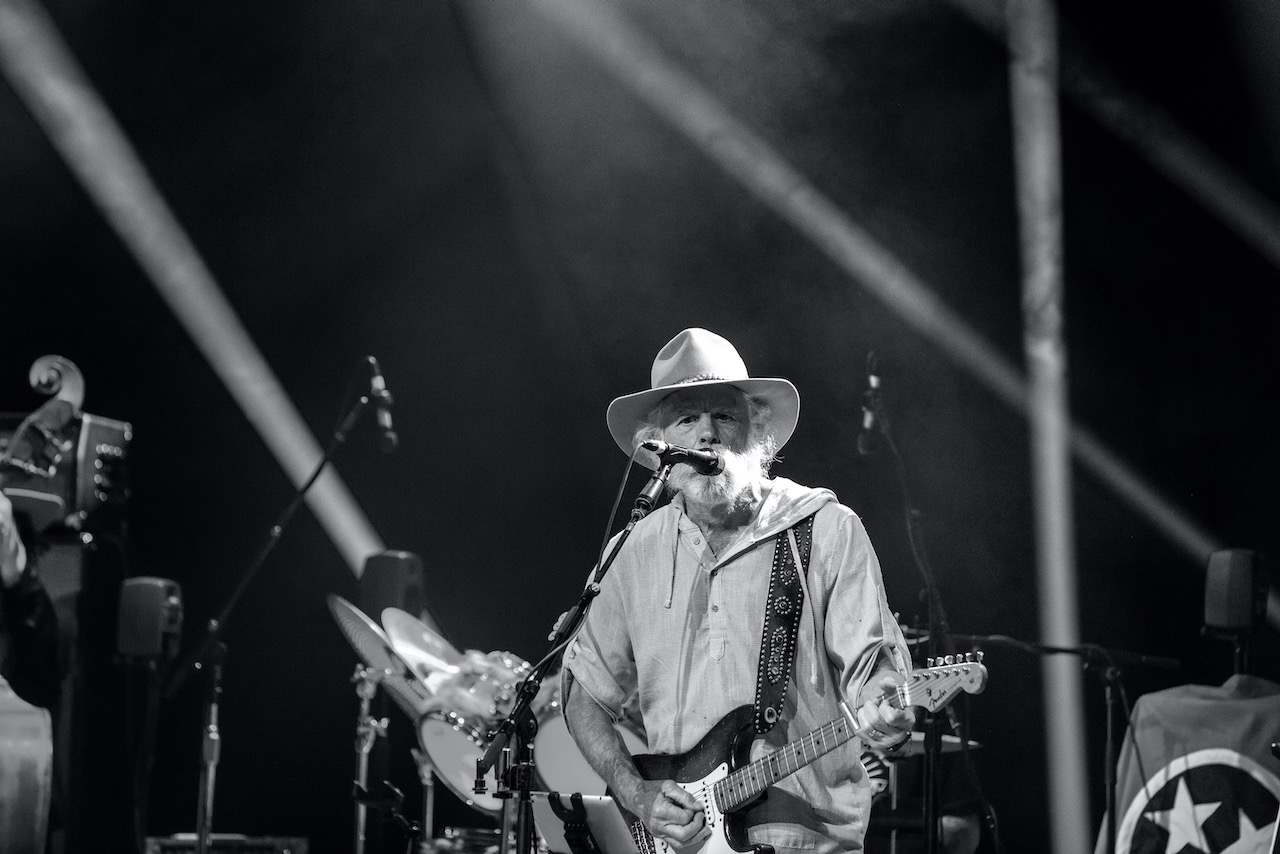
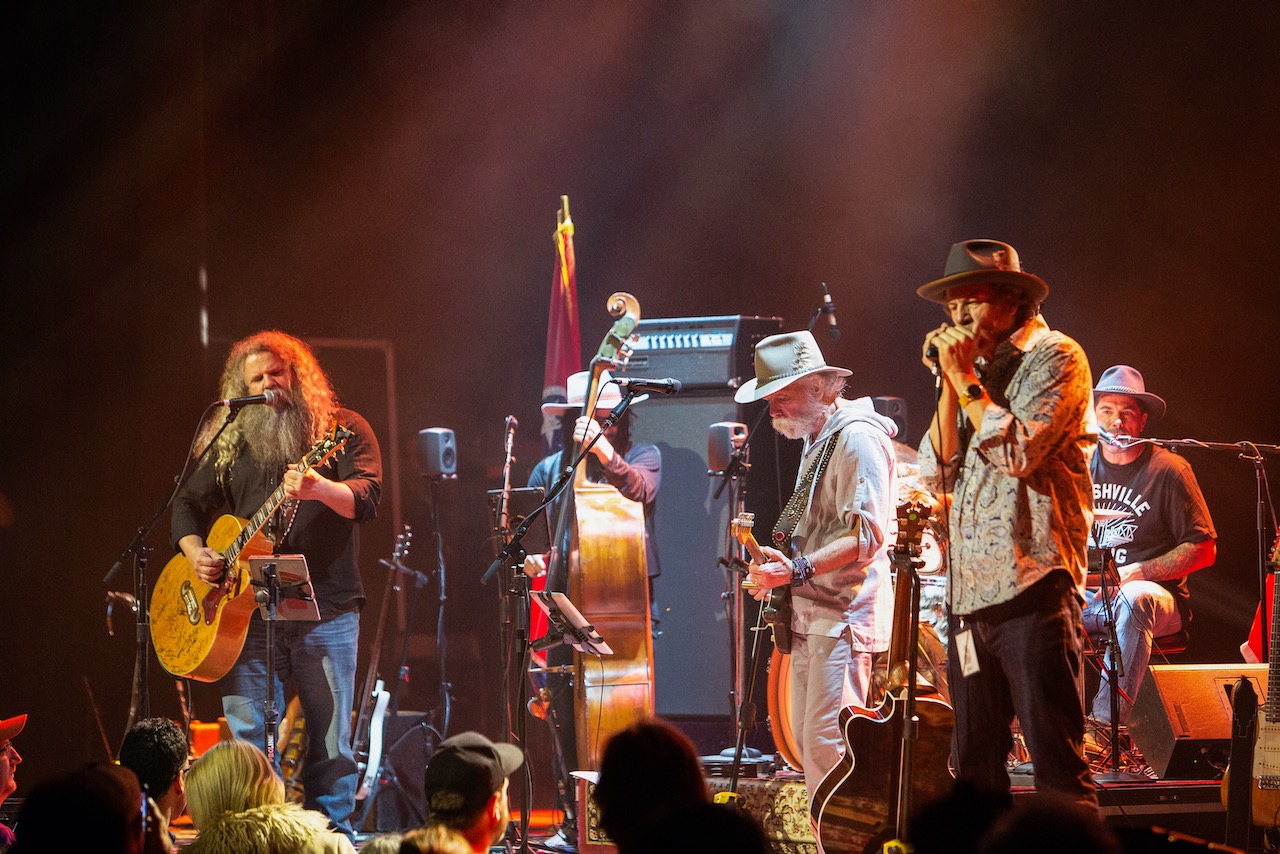
Photos: Bob Weir and Wolf Brothers Lead Tornado Relief Benefit at Ryman

Bob Weir and Wolf Brothers turned their Nashville gig into a tornado relief concert and, yes, we are grateful for it. On Saturday night, Weir welcomed many special guests to the Ryman Auditorium stage, including Frankie Ballard, Jamey Johnson, Buddy Miller, Margo Price, and Mickey Raphael.

The primary charity partner for the event is The Middle Tennessee Emergency Response Fund of The Community Foundation. The organization collected a percentage of proceeds from ticket sales and providing a text-to-donate option for all patrons. Donate now.


All photos: Chad Crawford Photography

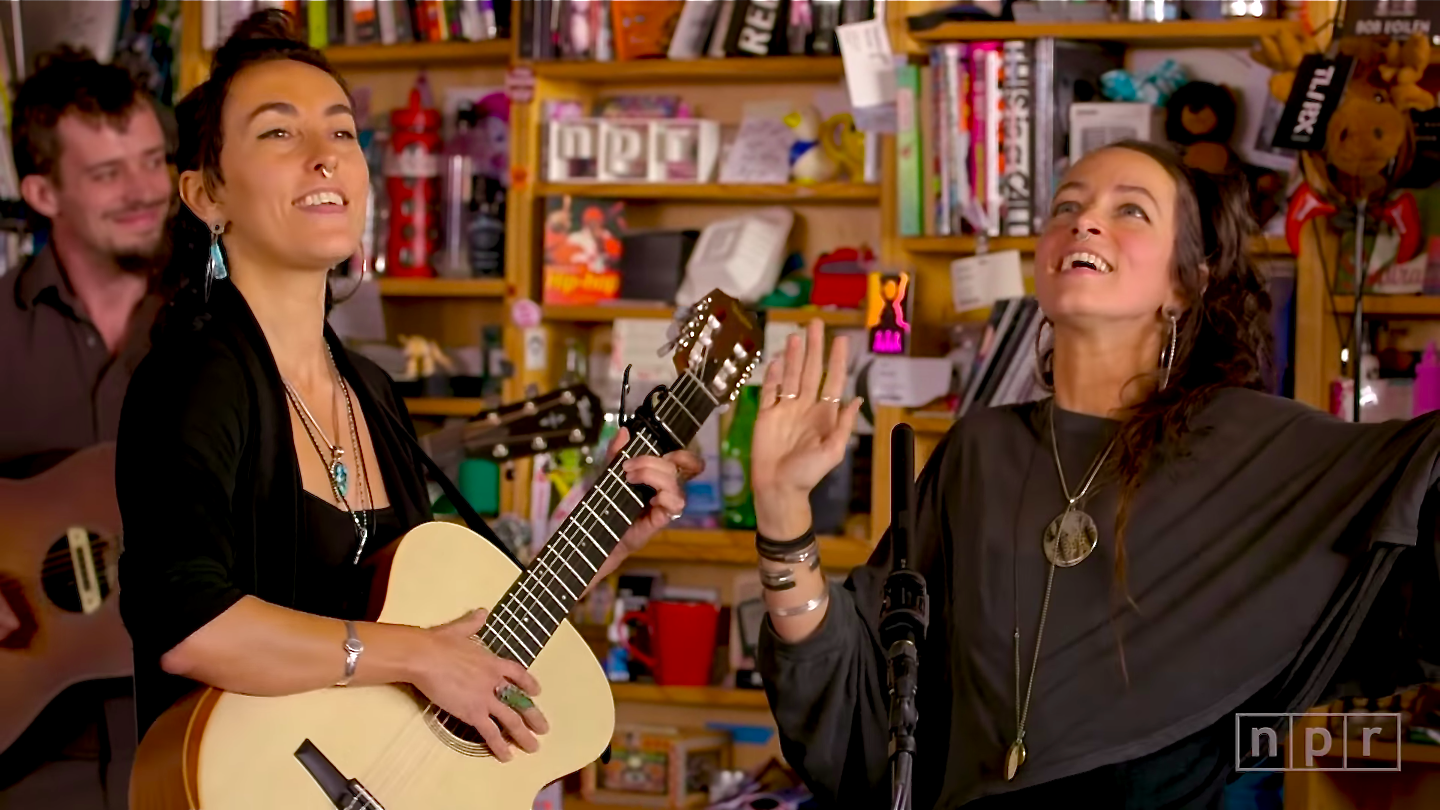
WATCH: Rising Appalachia Are Familiar and Fresh on NPR’s Tiny Desk

Atlanta-based, globally-influenced string band Rising Appalachia bring a unique flavor to American roots music. Drawing on modern styles and traditional sentiments, they craft an original take on folk. Fronted by sisters Leah and Chloe Smith, the band has a sound that is at once familiar and fresh, incorporating various world percussion instruments, reggae-esque grooves, and fluttery melodies that deliver the songs’ meanings with clarity and precision. Like many folk artists before them, Rising Appalachia are no strangers to building art around their activism. One action the band prides itself on is the Slow Music Movement, an idea aimed at creating sustainable practices for touring entertainment acts and re-framing performance as a public service. Watch Rising Appalachia on NPR’s Tiny Desk.

LISTEN: Gabe Lee, “Piece of Your Heart”

Artist: Gabe Lee
Hometown: Nashville, Tennessee
Song: “Piece of Your Heart”
Album: Honky Tonk Hell
Release Date: March 13, 2020
Label: Torrez Music Group

In Their Words: “‘Piece of Your Heart’ is a painfully honest goodbye song. The character is backhandedly apologizing to an ex-love, trying to play off a broken heart as something you can simply pawn away. He makes lists of memories, places, and mementos of their relationship serving as pieces of the heartbreak that need to be thrown out in order for them to move on. In the second verse, the ex-lover deals her own way through various forms of coping, and by the third verse the narrator finds himself almost missing what they once had, saying, ‘And I thought you should know that I’ve stitched up my soul and framed it in gold on the wall, so when the train come to town and they tear this place down there’ll be something still left to hang on.’ But sometimes you just have to sell the farm and start over.” — Gabe Lee


Photo credit: Brooke Stevens

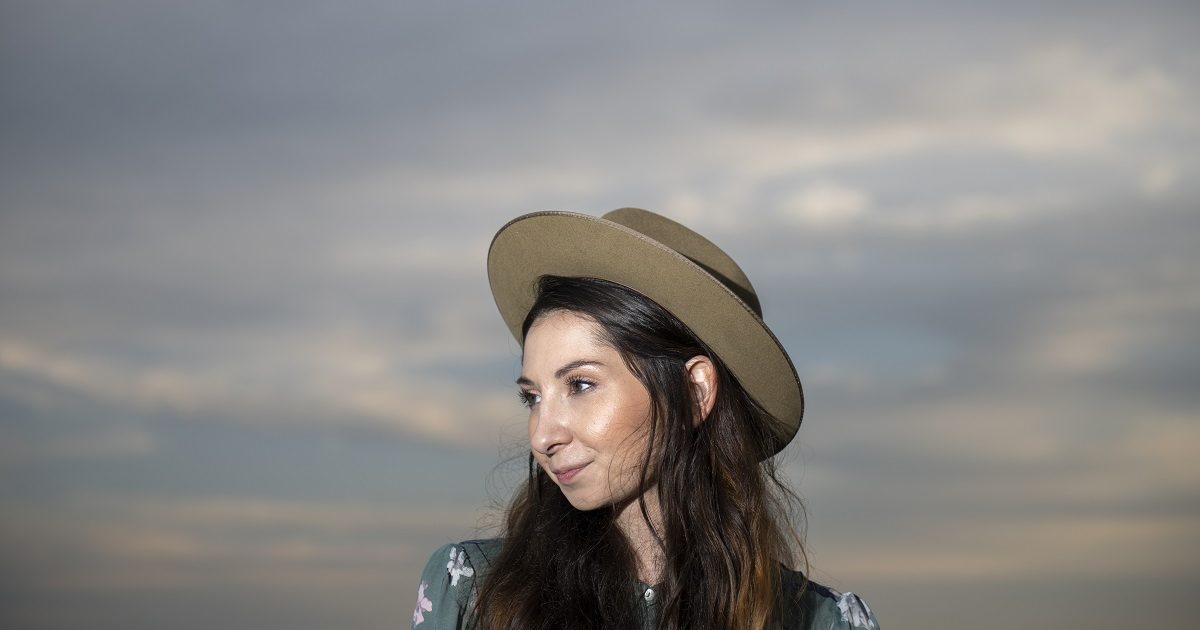
LISTEN: Sarah Peacock, “House of Bones”

Artist: Sarah Peacock
Hometown: Nashville, Tennessee
Song: “House of Bones”
Album: Burn the Witch
Release Date: March 27, 2020
Label: Road Dog Enterprises

In Their Words: “I wrote this song with my friends, Danny Myrick (‘She’s Country,’ Jason Aldean) and Megan Linville Myrick. The three of us always have a lot to connect over, having grown up in similar environments. So when we get together, the conversation always goes deep.

“‘House of Bones’ didn’t develop on the first go around. In fact, it was a different song entirely when we wrapped up our first three-hour writing session. It wasn’t until months later that we went back to the drawing board. We all felt unsettled about the song, like it wanted to tell a different story. So we went into a darker place and tried to get comfortable there. We channeled our mistakes, our regrets, losses, and death. I’m so glad we didn’t give up on ‘House of Bones.’ It’s such an authentic track, and I think it channels and exposes some of the regrets I’ve held onto from the past. It’s healing to let it out. Somehow that takes away the power of the negative energy surrounding those memories, and I’m so honored and grateful that my co-writers were able to share that space with me.” — Sarah Peacock


Photo credit: Anna Haas

LISTEN: Jess Jocoy, “Somebody Somewhere”

Artist: Jess Jocoy
Hometown: Nashville, Tennessee
Song: “Somebody Somewhere”
Album: Such a Long Way
Release Date: April 10, 2020

In Their Words: “This is the song of someone who thinks they need something more, so they run. In their running, we’re with them as they parallel themselves with ‘somebody somewhere.’ Aware that their relationship isn’t perfect on either side, as the end of the song reveals, they come to realize it’s a love worth fighting for. ‘Somebody Somewhere’ came together like a dream — from the writing process to recording. It was a gray day in Nashville and I needed a song with some bounce. The band really succeeded in giving it a good, fun vibe — it feels like a good driving song.” — Jess Jocoy


Photo credit: Patrick Sheehan

LISTEN: Rumer, “Bristlecone Pine”

Artist: Rumer
Hometown: London, England
Song: “Bristlecone Pine” (written by Hugh Prestwood)
Album: Nashville Tears
Release Date: April 24, 2020
Label: Cooking Vinyl

In Their Words: “In the song, the tree illustrates the continuity of spirituality, mortality, and the natural world. The tree has seen the rise and fall of civilizations, overcome harsh conditions, achieved a long life, and the narrator finds peace in that: ‘Now the way I have lived, there ain’t no way to tell, when I die if I’m going to heaven or hell. So when I’m laid to rest it would suit me just fine to sleep at the feet of the Bristlecone Pine.'” — Rumer


Photo credit: Alan Messer

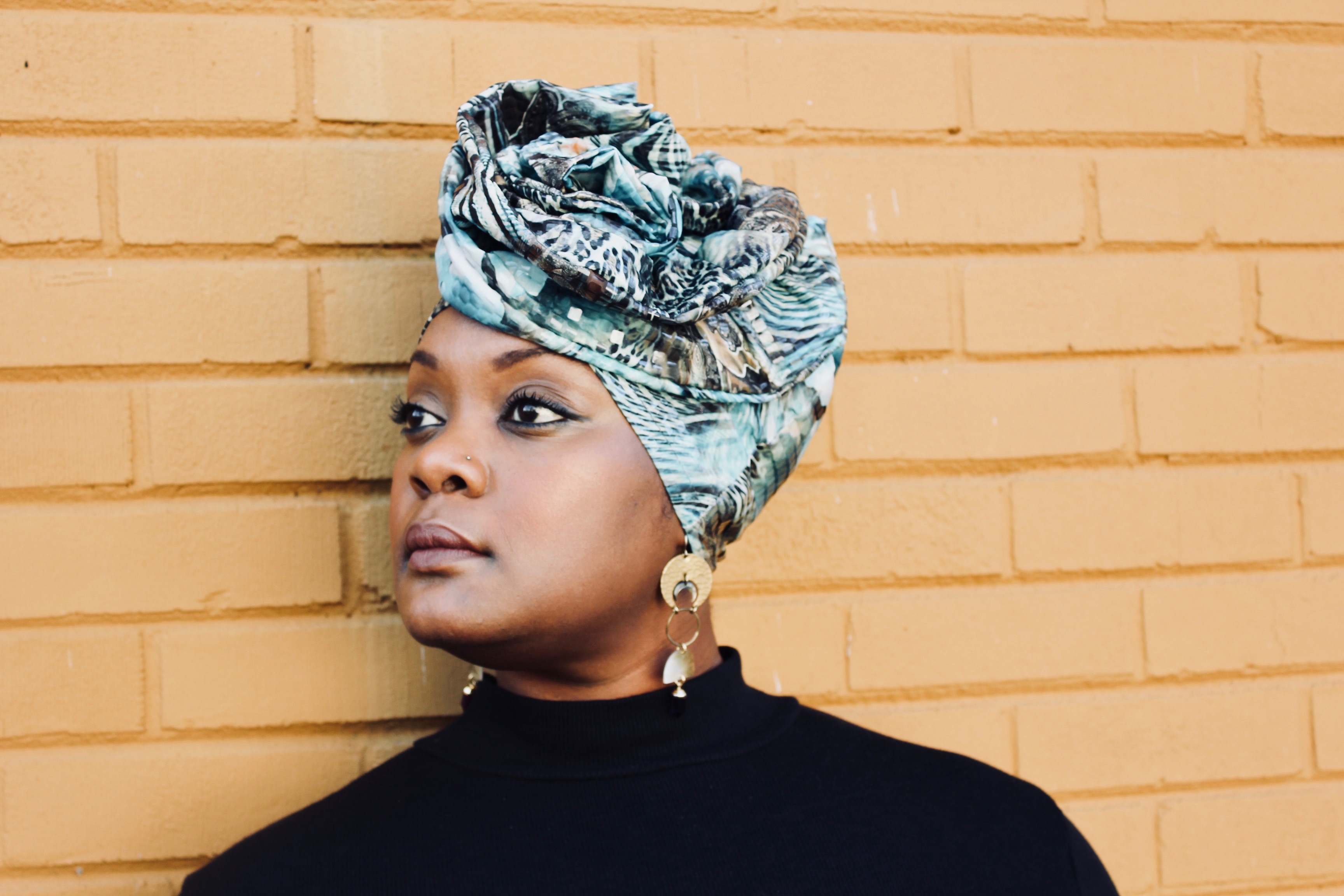
Gospel According to Kyshona: Be a Reflection

Everyone is making political records. Everyone is making albums that speak to “this moment.” Too few of them are making music that speaks to the people who inhabit this moment. 

Kyshona does. The explorations on her brand new album, Listen — which are synopsized neatly on the title track — by many other artists could have easily and offhandedly devolved into a reactionary, “woke” gasp into the void. Kyshona (surname Armstrong), though, is a deft and empathetic songwriter, a storyteller with a penchant for shameless self expression and graceful introspection. Listen is not an admonishment. It’s not an imperative, or an oracle-given ultimatum. Kyshona does not implore her audience to hear her, but each other

Over ten original and co-written songs the album carries on this mission with empathy, connection, community, and spirituality (but not proselytizing.) It’s a remarkable feat that though society systemically attempts to render her and women like her invisible, assuming that they’ll stand aside or allow themselves to be tokenized, Kyshona compassionately defies those expectations and opts to design her selfhood — and thereby, her art — to interact with the world on her terms and not the world’s. 

BGS connected with Kyshona over the phone while she created still more music and community on the road in Los Angeles in early February.

BGS: It feels like you’re trying to hold listeners to task here, but there’s also so much grace on the record and there’s so much understanding in the lyrics. How did this idea of grace permeate the album? It feels so tangible to me. 

 Kyshona: Maybe a year and a half ago I had to come up with a mission statement for myself, to help me focus on what my point and purpose is. We all get caught up in the glamor, the whole shiny music business. That mission statement was, “To be a voice and a vessel to those that feel lost, forgotten, silenced, and are hurting.” There is no “right” or “left” to that statement. Those that might feel incarcerated — even if it’s not behind bars, but by their fears, their worries, the rules that they have been taught to live by — everyone has that in common, somehow.

 What I tried to set forth in this album is just: Listen. From every corner that you look at it, we’re all just screaming at each other. Nobody’s really listening. The thing about “Listen.” is that it’s a whole sentence. It’s the most difficult thing to do. When we’re listening to someone share their story we automatically want to relate to them, “I have a story similar to that!” Or, “I know what I can do to help them!” That takes us out the moment with another person. 

Something I learned as a therapist was how to be a reflection for someone else and we’re not really doing that [enough]. A mirror doesn’t try to fix anything.  I wanted this album to be like a mirror. The icky stuff, we’ve all got fears we’re walking in. We all know life can get heavy sometimes. We’re all walking around with some sort of baggage we carry with us from place to place. We all hit moments where we can’t go on.

I’m glad you brought it up, because it felt to me like the redemptive empathy — the listening — you’re trying to inspire with these songs is definitely informed by your therapy experience. How else does the music therapy filter in here?

I teach songwriting now at a women’s jail back in Nashville and when I walk into these classes with these women, they all say, “I don’t have a voice. I don’t have a story. I can’t sing.” That’s something they’ve been told since they were young and they believe it. 

When I’m writing with someone who doesn’t consider themselves a songwriter, I remove myself from the situation. I try to put their words into it. It can be very uncomfortable if I try to put something the way I would say it in there. I’m always battling myself. I have to remember, this is their story, their words. I’m just there to be a reflection. As I learned in my practice, years ago, I was always there to lead people to finding their voice, to lead people to finding their story, and to lead them to finding how their story can help others. That they can take the torch and carry it on. 

When people say they don’t have a story, when they don’t have a voice, I wonder if your experience as a Black woman — someone who is told by society writ large that you don’t own your own story or even have one worth telling — is that what you channel to show other people that they do? Do you feel that connection at all? 

Man. Yeah… 

First, I feel as though I have to walk into a room in a very specific way, because of the way I look. Especially if I’m playing intimate rooms, like house concerts. I have to come in welcoming, as if I’m not a threat: I’m kind — I promise. I’m not going to say anything to put anyone off. When I start my shows I have to find something that all of us have in common, which for me is that we all come from someone. We come from somewhere. I talk about my grandparents and what they’ve instilled in me. I feel like a lot of people — not everyone, but a lot — can relate to that. Someone in their lives has given them guidelines to live by. 

Then, eventually, I get into incarceration, what it’s like being incarcerated, how do we bring light into the darkness. I bring in the heavy stuff. I tell stories of the places I’ve been, the people I’ve seen.

Also, as a black woman, I feel like it’s expected of me to be the “oracle” that’s telling everyone– I don’t want to say it’s a responsibility, but there’s an expectation. 

It’s almost projection, right? That black women are always strong, or magical, or spiritual guides–

Yes, and caretakers. People don’t understand even the complexity of what I’m coming in front of them with. They don’t understand all the different levels of who I am, because I can only really present this one side, which is, “I promise I’m not a threat.” It doesn’t matter where I’m walking into, even when I’m walking behind bars I have to do the same thing. “I’m not a threat. I’m not here to judge you.” 

I notice if I have a guitar on my back people do move out of the way, I get a little bit more respect. If I don’t, it’s amazing how invisible I can be and how I am perceived by others. Carrying a tool, carrying an instrument on our backs, can change or affect the way someone perceives us, off-the-bat, right away. Walking anywhere with a guitar on my back, it’s like, “Huh…” Cause that’s not common, to see a black woman with a guitar. 

It’s always expected of me too, “You must have grown up singing in the church!” No, I did not. I was not leading choirs — people have an automatic story when they see me do what I do! — I was an oboe player and I played piano. That’s what I did. 

This is actually another question I had! I wanted to ask you how gospel influences your music, but I don’t mean doctrine and I don’t just mean genre, either. Maybe the middle space between those two ideas, because that’s what I hear in your music. I hear the activist tinge of gospel, the civil rights aspect of gospel. So what does the gospel thread in the album feel like to you? I did wonder if people projected “gospel” onto you, like I did just now! 

I grew up in a house with gospel music. My dad and my grandpa played in gospel quartets, so I was hearing it all the time. But what I loved about the gospel music that I was surrounded by was the ideas that were given by it: Joy. You’re not alone. The burden is not all yours. And I loved hearing voices blend. There’s something about voices being together, creating this one sound.

My faith doesn’t come into this. My faith is in people. My faith is in the fact that we can be better. [At] shows, people walk up to me like, “You’re a believer, aren’t you?” I’m not here to point anyone to God or guide anyone anywhere, I’m here just to be a reflection.

I have faith in a higher power. That’s what gets me through. But I also know that that’s not how everybody comes at life. Not everybody has the foundation that I do. I’m just here to let people know: I see you. You’re not alone. I know it doesn’t feel good right now, but somebody is out here. You might not even know them, but they get it. And let someone else know that you see them, too. 

I’m glad you brought up being immersed in harmony, because I especially wanted to talk about your background singers on the album, Maureen Murphy and Christina Harrison. You’ve been singing with them for a while, right?

Yes! Well, Christina left us, she moved to Seattle, but yes! Christina and Maureen are who I started out with — like, if I could have a dream team that’s it. 

What I hear in the vocals is almost sibling-harmonies level tight. You’re so in sync, on the same wavelength, and so much of that to me seems like it’s stemming directly from the community you have with these singers and musicians as well. These aren’t just studio musicians to you. 

I consider these women my family. These are my sisters. These are women that I feel can read my looks, I can read theirs, we can say what we need to say and be done. I feel like they lift me up and support me — because I’m not a vocalist! I’m not a singer, I’m a storyteller. I don’t see myself as a singer. People say, “Surround yourself by people that are greater than you.” [Laughs]

Outside of that, these women believe in the message that the music carries. They also know the mission and they’re there for that. They’re ready to walk in it. And, both of these women wrote on the record. Maureen and I wrote “Fallen People” with our friend Jenn Bostic and Christina and I wrote “We the People.” It’s not only my voice, these are also [ideas] that they’ve been carrying around and feeling. 


Photo credit: Hannah Miller

Charley Crockett is Suited for Rain or Shine

I had never met Charley Crockett before, though a list of our mutual friends would be long — and would span the country.  I first heard his music on NPR a year or so back and was struck by his style and voice.

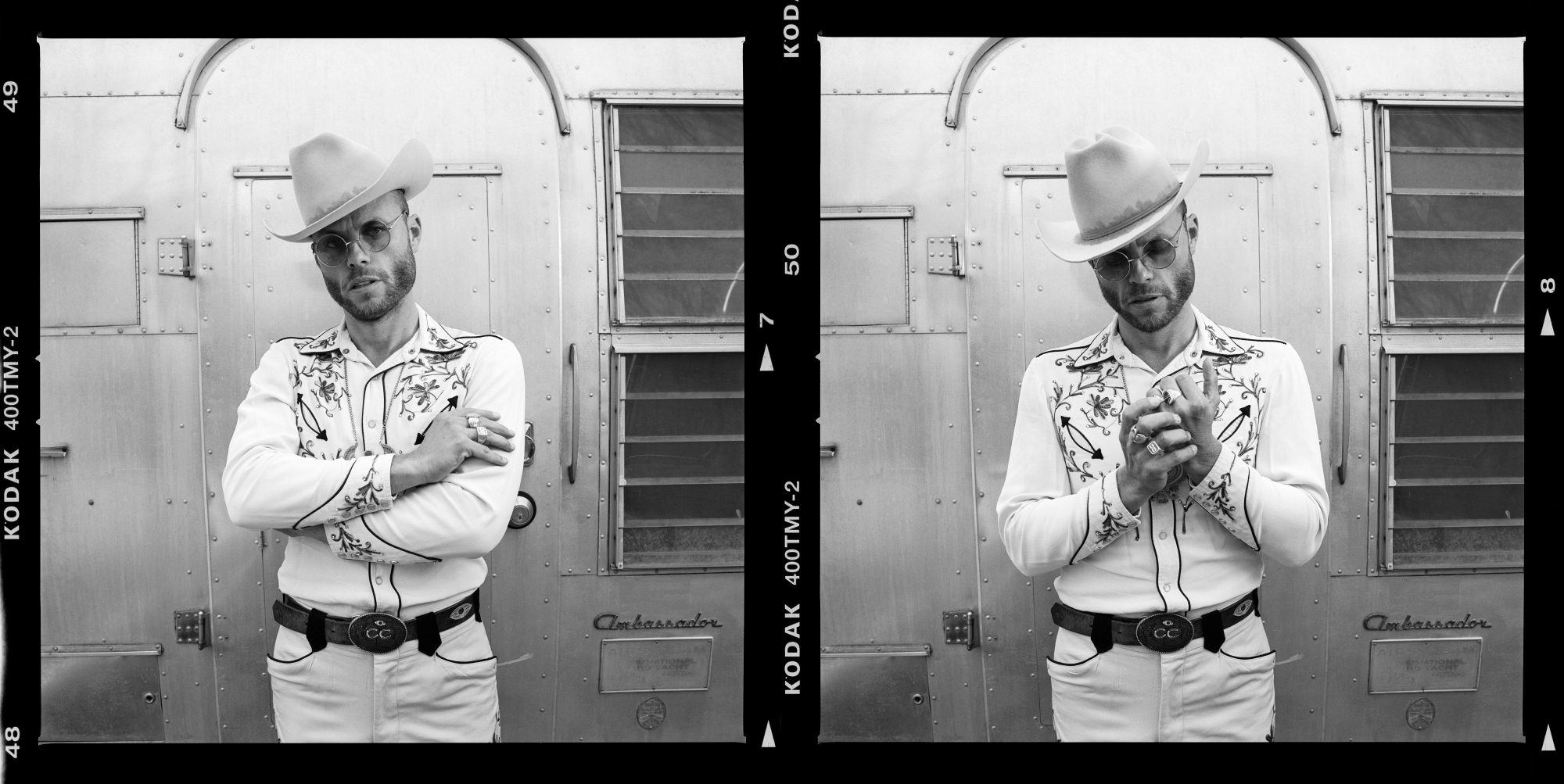
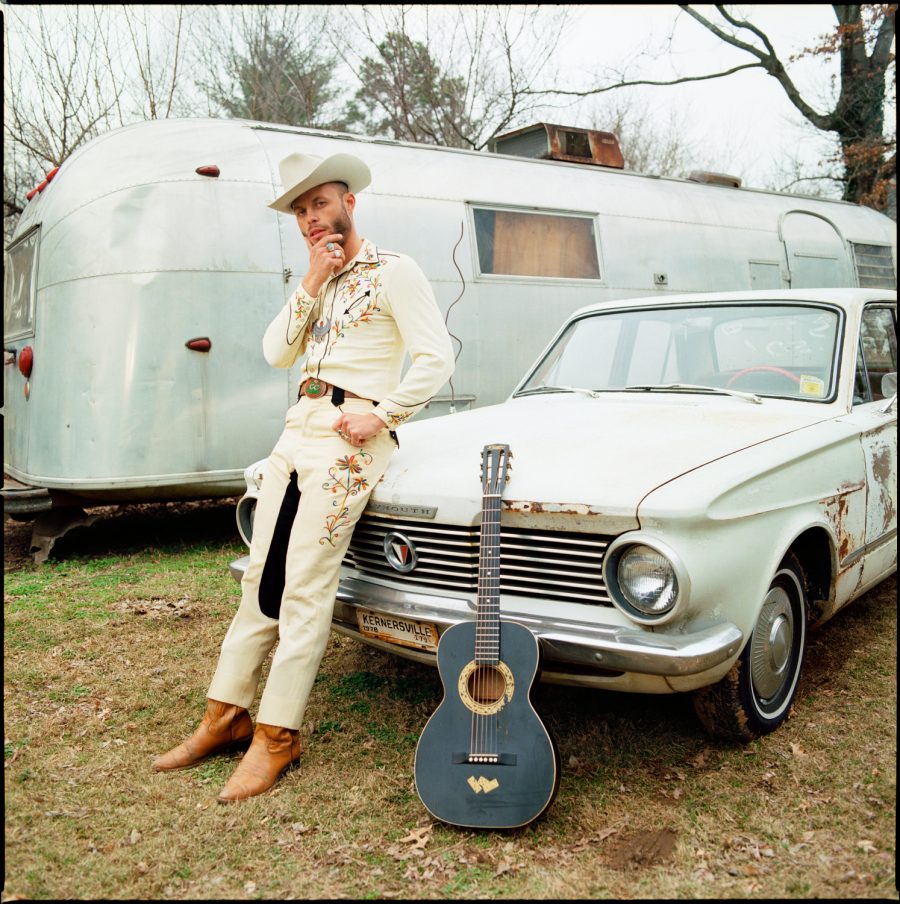
I figured I was picking up a soon-to-be new friend as I drove up to meet him at the Basement East in Nashville. Within moments we took off towards our location, knowing the rain would begin to fall at any moment. However when on tour and just passing through a town, that one day is often all you have for the photoshoot — rain or shine. Naturally, we got straight to work.

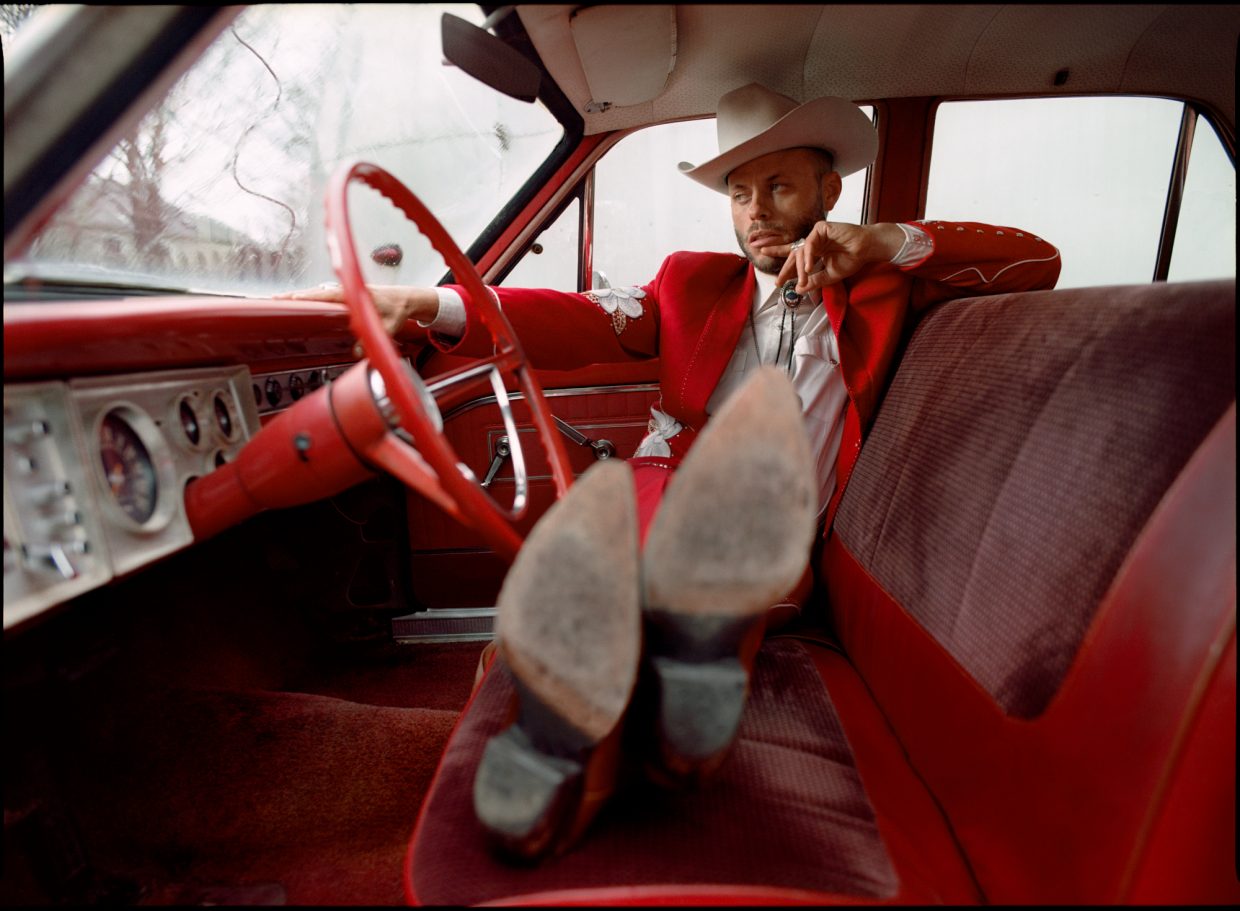
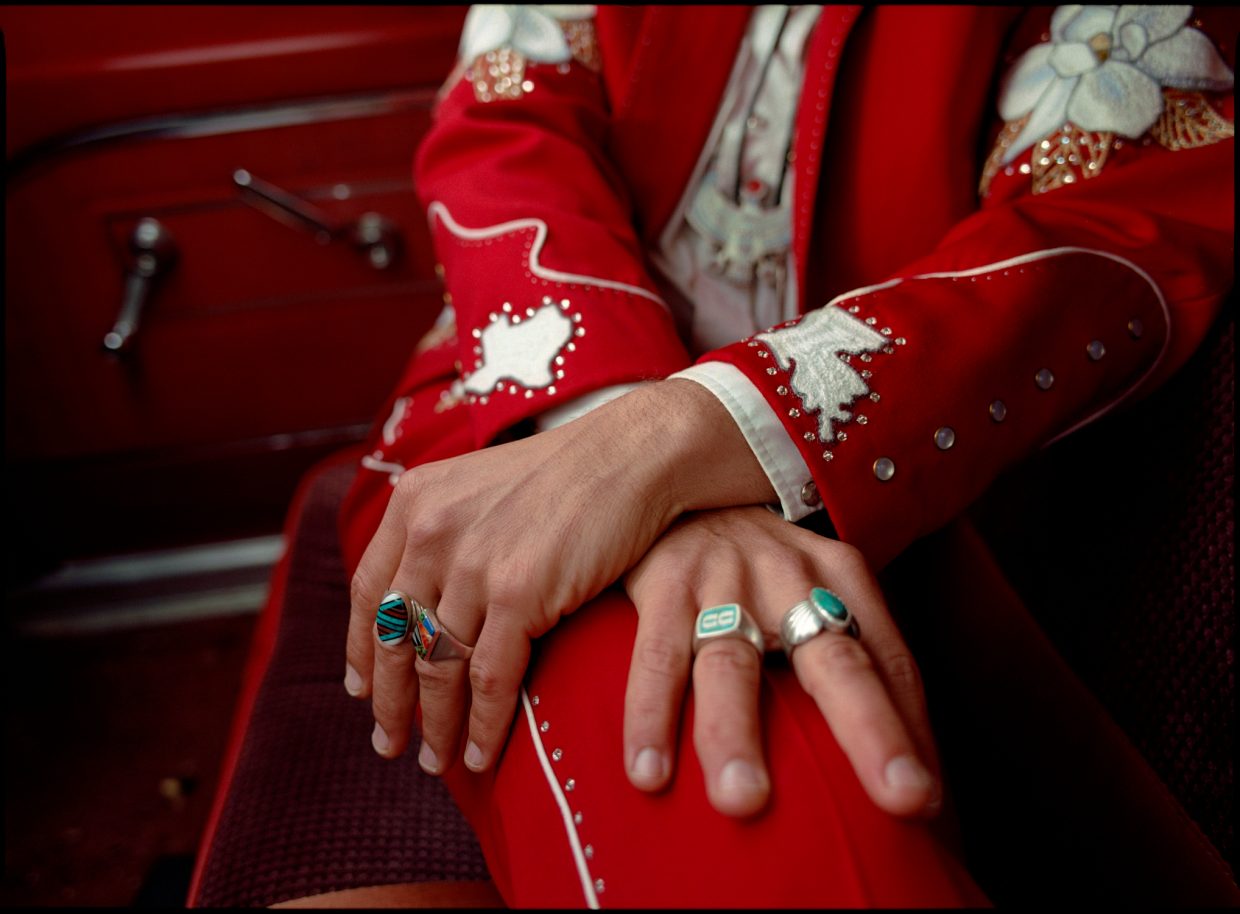
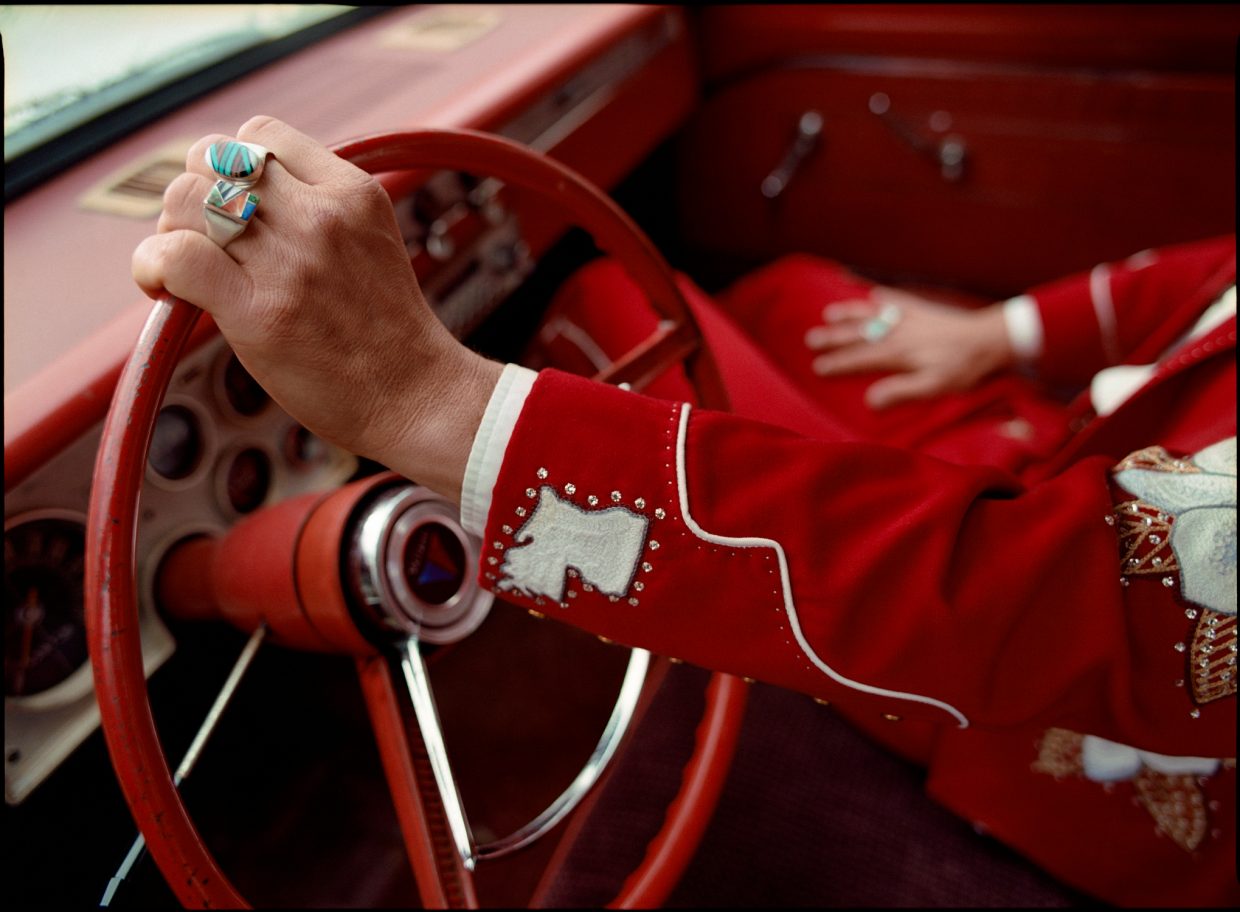
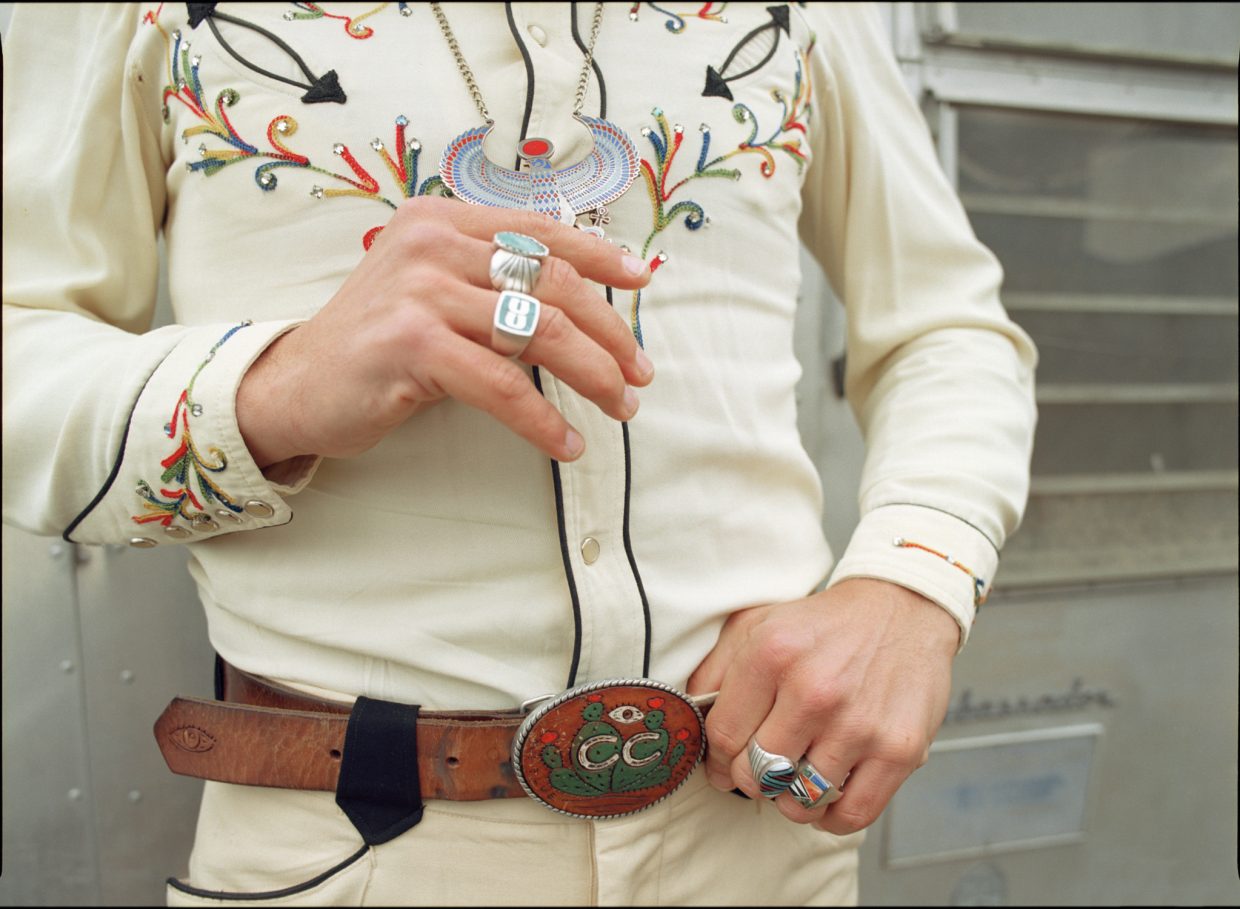
I count it a very lucky thing that Charley happened to have the perfect two suits to completely match the color palettes I was working with. We started with any shots we could outside, and then the rain fell just in time to fog the car windows for our interior shots. I most definitely had to stand in the rain and cover my gear to protect it all from the elements, but it was so worth it to make these images. We talked about photography, working hard, tour, and life. It was nothing short of a wonderful start to a new friendship. Charley is such a world-class person and artist, and it was such a pleasure to finally befriend him and photograph him for this piece. — Laura Partain

Charley Crockett

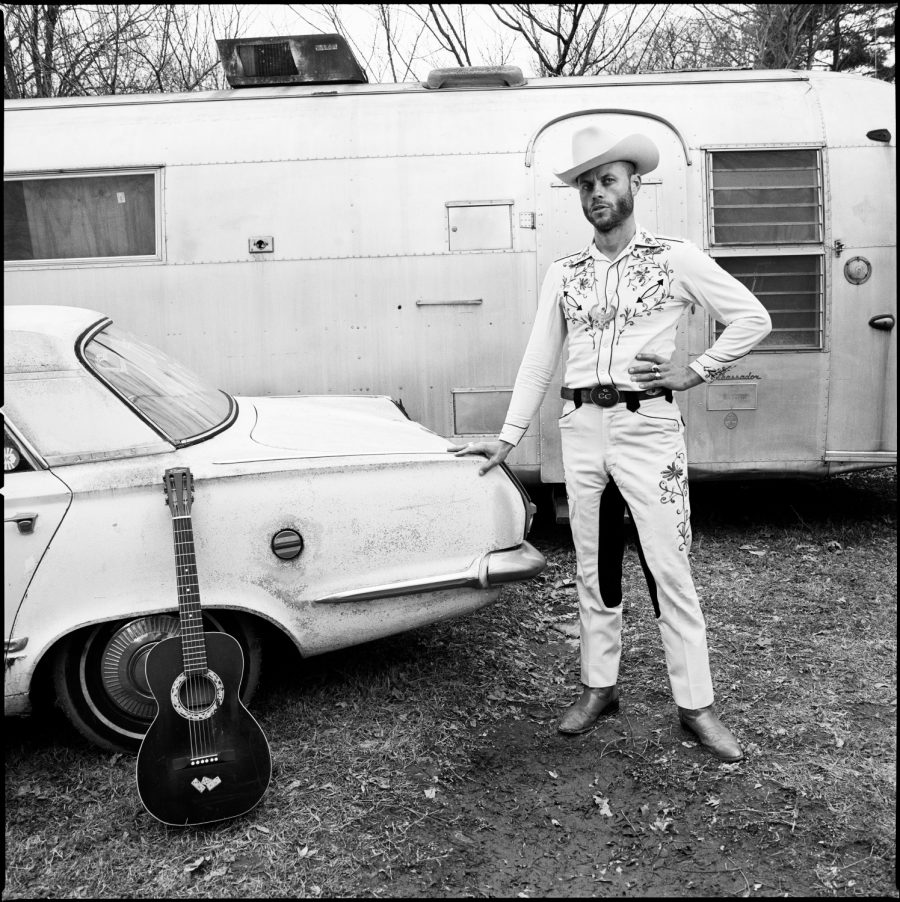
Charley pictured in a custom Fort Lonesome suit, vintage Stetson Rancher hat, vintage bolo, and ’70s era Champion boots.


Details of custom Fort Lonesome suit and custom CC ring by Scott James Jewelry.


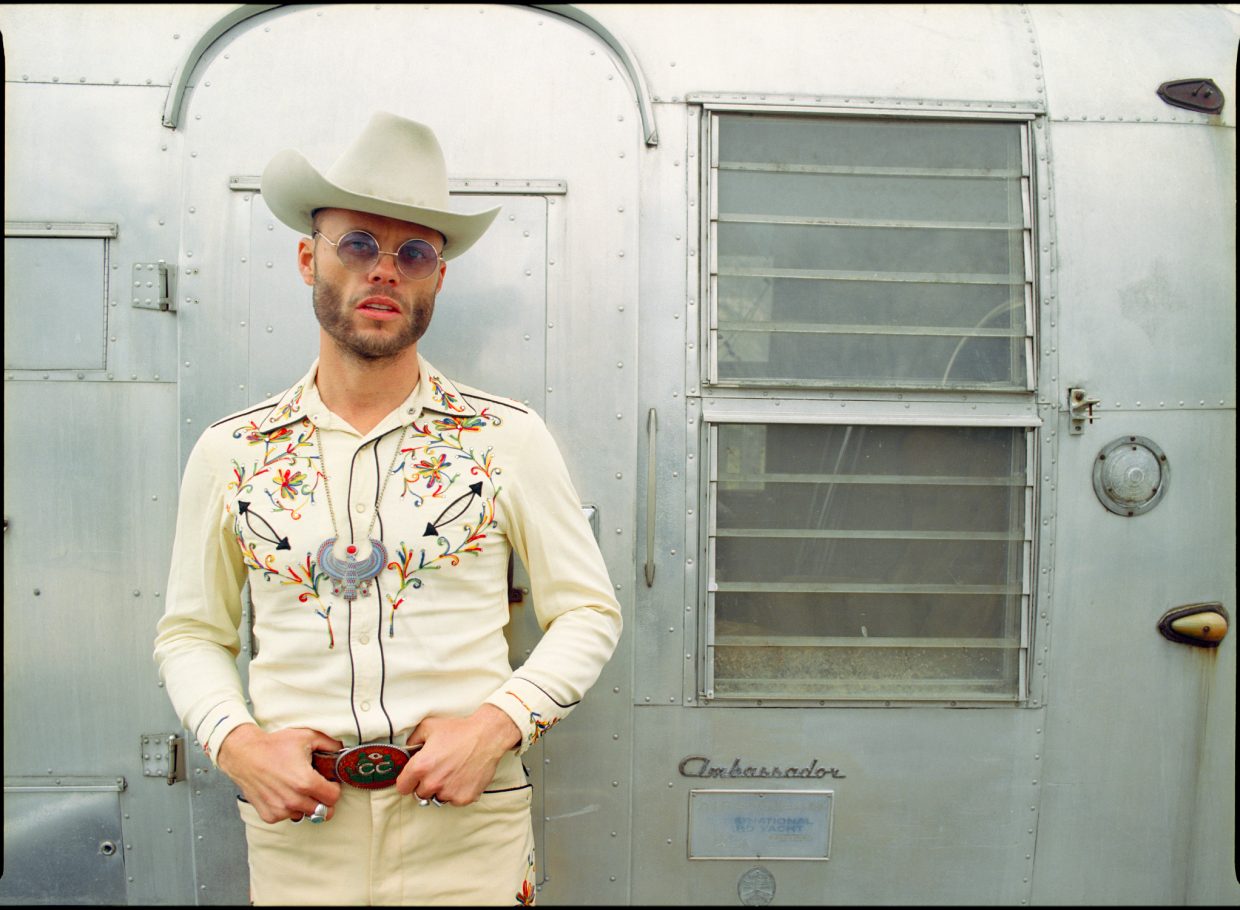
Charley pictured wearing a Rockmount custom suit from Pioneer House in Knoxville, TN, ’60s Texas Imperials cowboy boots, vintage Stetson Rancher hat, and his 1930s Le Domino parlor guitar.


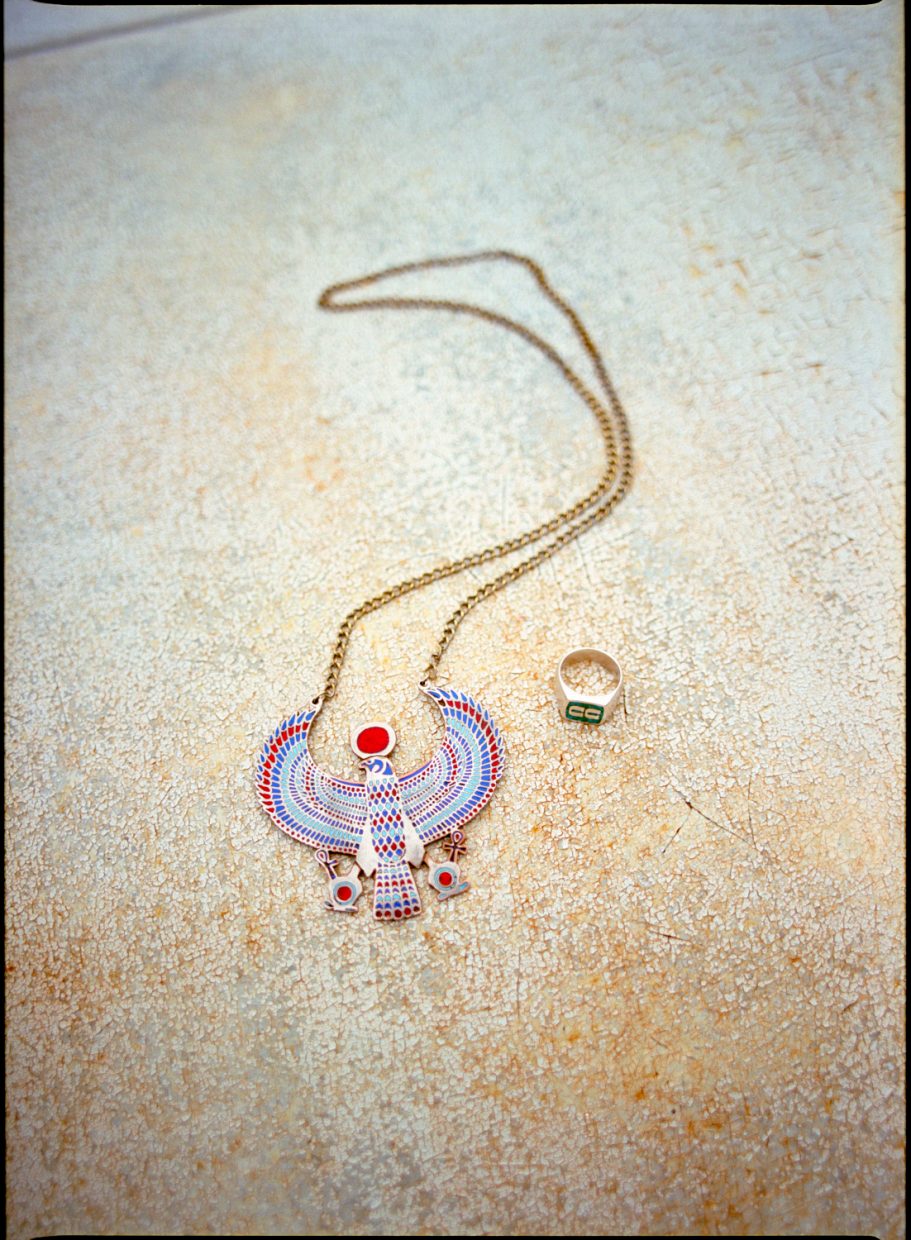
Detail of the Rockmount suit, chain stitching by Union Western Clothing. A custom belt by Vincent Neil Emerson, CC ring by Scott James Jewelry, and a vintage ancient falcon necklace from Dolly Python.


Vintage ancient falcon necklace from Dolly Python, CC ring by Scott James Jewelry.


Charley wearing the Rockmount custom suit, ’60s Texas Imperials cowboy boots, and vintage Stetson Rancher hat with his 1930s Le Domino parlor guitar.


All photos by Laura Partain

New Singer, Same Edge: The SteelDrivers Deliver on ‘Bad For You’

The SteelDrivers’ new lead singer, Kelvin Damrell, already grasps the driving force behind the band, which is marking its 12th year with a brand new album, Bad For You.

“You couldn’t play our songs if you weren’t passionate about what you were doing,” the Berea, Kentucky, native believes. “It wouldn’t sound right at all, in any position in the band. From the mid-range harmony part to the hardest-playing guitar riffs, to the hardest-playing fiddle, it wouldn’t sound nearly as good as it does if you didn’t love what you were doing, and playing with as much passion as you could.”

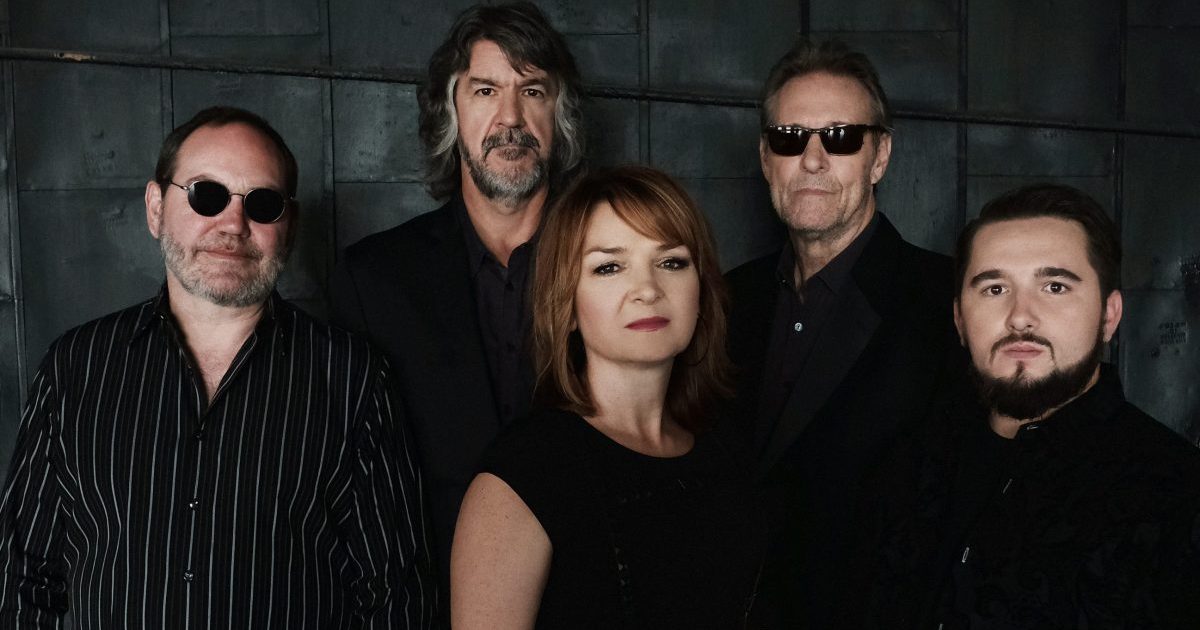
On Bad For You, Damrell steps into a role once filled by Gary Nichols and Chris Stapleton for the group’s first album since winning a Grammy with 2015’s The Muscle Shoals Recordings. All five of the SteelDrivers — Richard Bailey, Damrell, Mike Fleming, Tammy Rogers (whose daughter discovered Damrell on YouTube), and Brent Truitt — invited BGS over for a chat.

Kelvin, how long had you been in the band by the time you went into the studio?

Kelvin: Goodness, how long has it been now? I joined in October 2017. I was just so looking forward to the release date of the album that I’d forgotten when we went in.

Mike: He had to go to boot camp first. [Laughs] Bluegrass boot camp! We had to take him out of Kentucky. He had his first airplane flight. You saw the ocean for the first time, right? You left a lot of things laying around. [All laugh] You went through airports with knives when you shouldn’t have. But listen, it was good! We all got comfortable with each other, and we needed some time just to feel that, and it got to that point.

Kelvin: When I joined the band, I was really unsure about what was going on, about my position. I had made the cut as far as getting to be in the band, but Brent kept telling me we needed a couple of months to see how we jibe together. I thought that was just him saying that, but it was the truth. We switched vehicles pretty regularly and I rode with different people. We really saw how we jibed together before we made a full decision on whether we were going to keep me, or if I was going to go back to sweeping chimneys.

The song “Bad For You” has such a cool groove. You sent it out as your first single and you named the album after it. What is it about that song that is special to you?

Brent: To me it was the perfect fit for this band. It was the song that hit me right out of the chute. It encapsulates the sound. It’s really edgy, and we’re a little bit on the edgy side of bluegrass.

Mike: It was one of the strongest songs, as far as that kind of feel. It’s like a “Here we are!” kind of song. You know, “Look out!” The way Kelvin sang it, Tammy told him, “Sing it like a rock ‘n’ roll singer.”

Kelvin: I almost got emotional when we played it for the very first time. I really did, that’s the truth. The first night we debuted it, after we hit that last big note, I almost did get a little emotional because it’s like something is finally coming to fruition with my position in the band. I’d done all this other stuff that vocally belonged to Gary and vocally belonged to Chris, and now this one vocally belongs with me at the lead. And man, that three-part harmony! Everything about it was good, and it really did make me emotional.

I’m glad you mentioned harmony because that’s a really important component of this band that doesn’t get talked about enough — how well you can stack those voices.

Tammy: Thank you. But you’re exactly right, I think that’s always been a really strong facet of the band. It’s this rock ‘n’ roll lead singer with this really strong three-part harmony coming in on the chorus. From a writer’s perspective on this album, I thought about that a lot, and how that was still a big part of the sound, and to keep that consistent because I think that does set us apart.

Brent: In our live set, I’m thinking of one or two songs that end with the vocal trio by itself, doing the swell and bending into a note, and the crowd loves it every time. It’s a big part of bluegrass, period, but it’s a big part of our music too.

Brent, how would you describe the SteelDrivers’ sound?

Brent: For me, personally? It’s gritty, grind-y bluegrass. With a lot of soul.

Tammy: Think about the Rolling Stones if they were to play with bluegrass instruments. That’s us.

Mike: With a blues/rock ‘n’ roll singer. … It’s intense! I’m tired after our set. It’s a workout. We keep the emotion and the intensity going quite a bit, but we let up occasionally and do a nice song.

On this record, you do have that slower moment on “I Choose You,” which brings out another side of the band.

Tammy: Yeah, we’ve always had a song or two like that. On the first record, “Heaven Sent” has always been one of our most-requested and popular songs, and it has that great, easy, rolling feel to it. We call it the hippie dance. And when Thomm Jutz and I wrote “I Choose You,” that was definitely musically where I wanted to go with that, to have that feel to it. But it’s still a very serious lyric, even though it has a positive message, in a way. It has a lot of depth and meaning to it.

Richard, do you have a favorite track on this album?

Richard: Umm… “Forgive.”

What do you like about that one?

Richard: I like what I played on it. [All laugh]

Tammy: See, it’s all about the banjo! We joke about it but people love the banjo!

Mike: It’s got a great groove.

Brent: It’s one of my favorite songs too.

Kelvin: It’s funky. It’s like “Bad For You” is rock ‘n’ roll and “Forgive” is funky!

Kelvin, what were you listening to about three years ago, before joining the band?

Kelvin: Three years ago I was on a really big Cinderella kick. [All laugh] I’m still on the kick. I still listen to mainly rock ‘n’ roll when it’s just me in my truck, driving for hours on end.

Did the band prepare you for the honesty of bluegrass fans, and how they’ll tell you what they think?

Kelvin: I was ready for it before I started! I knew how much of a following they had. I know how much people loved Gary. I know how much people loved Chris. And I was ready for it – I prepared myself for people saying, “This guy sucks. You need to get somebody else.” [I’ve heard that] twice, I think, the whole time I’ve been with the band. It’s been great — because I was expecting it at every show!

Tammy, do you have young women coming up and telling how cool it is to see a woman on stage?

Tammy: Yeah, it’s really awesome and I appreciate it a lot. Because when I was growing up there were very few women playing, and the ones that did were usually bass players. Mama might be back there thumping on the bass or whatever. There were very few women role models for me, of that generation. There were a couple — I remember Lynn Morris was playing and Laurie Lewis was playing a few years ahead of me in those circles. Not many in the country world. I was a huge Mother Maybelle fan and part of that was because she played the guitar. That was fascinating for me as a kid.

And now in the generation after me, there’s just unbelievably talented women – not just singers, but instrumentalists. It’s phenomenal, the jump from mine and Alison Brown’s ages, to Sierra Hull, who is a genius on the mandolin, and Kimber Ludiker and all the Della Mae girls we love, and Molly Tuttle is absolutely slaying it on guitar. Sara Watkins, I’m With Her, Sarah Jarosz … it’s just on and on and on. If I in any way influenced any of those players, I am deeply honored.

What would you want bluegrass fans to know about this new record?

Tammy: We’re excited this year to get out and we’ll be playing a lot of different kinds of venues. We don’t play that many traditional bluegrass festivals anymore, but it’s my hope that people hear the music and still see the thread that’s in there. The subject matter that we choose to sing about is not as cleaned up as some other stuff, but to me it’s just another facet of the music, and I think we’re hopefully carrying it forward and carrying a torch.


Photo credit: Anthony Scarlatti