Honky-Tonkin’ Country with a Bluegrass Approach

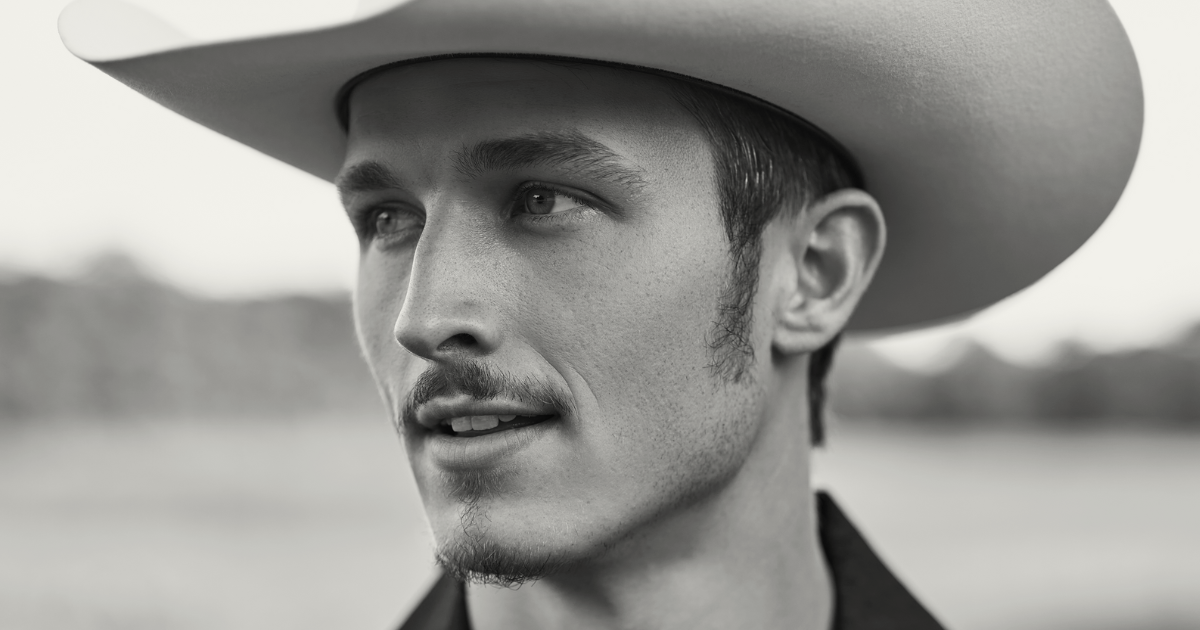
For anyone cheering on the mainstream country return of classic roots musicianship, Spencer Hatcher is a name to remember. Joining the likes of Zach Top and even Billy Strings, he’s a new country artist with some decidedly old-school tendencies and a deep foundation in bluegrass.

Having dropped his debut EP, Honky Tonk Hideaway, in November 2025, the Virginia native planted his flag for two-stepping rhythms and hot-blooded twang. Hatcher got his start in a family bluegrass band; over six tracks, his rich Shenandoah Valley vocal stands center stage, flanked by boundless barn-dance energy and timeless emotional heft. But with a thriving TikTok fanbase and a steamy, slow-dancing debut at country radio (“When She Calls Me Cowboy”), his style goes beyond nostalgia. It marks a shift in possibility, with room for roots artists in the commercial country space.

Speaking with Good Country a few weeks into his first promotional radio tour, Hatcher filled us in on his bluegrass beginnings and why they will always be his baseline. Plus, he opens up about the mainstream return of roots country, TikTok-ing back when it was “a dancing app,” and where he sees his music evolving.

Lately it seems like the foundational stuff from bluegrass and classic country is making a mainstream comeback, and you’re part of that. Do you have any sense of what is driving it?

Spencer Hatcher: I think that it’s like anything, I do believe in a full-circle moment – everything comes back into style. In this case, I’m overjoyed that the traditional sound is coming back. I’ve always called that “real country music,” and that’s just the stuff that all my heroes played. Growing up, I didn’t even know what modern country music was. I thought George Jones was modern. I thought that Johnny Cash and Waylon Jennings were modern, and then I found out that stuff was 30 years old 20 years ago.

You grew up on a farm in Virginia, right? Shenandoah Valley?

Yes, sir.

How did you get your country education?

A lot of it was just literally how I was raised. It’s what I lived by. I don’t know if everybody lives by what they sing, but I certainly do. I remember at a very early age, probably 6 or 7 years old, I learned how to drive a tractor and I’d be out in the fields every day working with my dad and running cows, and we had some goats. That’s just been my lifestyle. It’s what I love, still today. Growing up on a farm in the Shenandoah Valley right there at the Blue Ridge Mountains, and coming from a small town, that’s what home is to me. I had a lot of bluegrass around me, of course, in the Blue Ridge Mountains, and a lot of old-style country music. So that’s what we listened to, and sang, and jammed to on Friday nights.

You had a family bluegrass band. What drew you all into that music? I mean, this would’ve been in the 2000s. It wasn’t really in fashion.

It’s a fair statement to say that, in the 2000s, bluegrass was probably at an all-time low as far as popularity goes. But in my hometown, you wouldn’t really know that. There were jams, and what attracted me to it was definitely my dad. I can remember my dad sitting there watching me and my brothers play, and he’d be either playing the guitar or playing the banjo and singing. Growing up, I wanted to be like my dad, and so I picked up the banjo at 12 years old and started playing that, and I was just absorbed in it. That was the moment that music really took me over.

I just wanted to play the banjo, and so that’s what I did for three years straight. Friday night wasn’t spent with my friends at football games. It was at the local jam session where the average age was probably 75 years old. … Then my younger brother Connor decided to pick up the bass fiddle and that was history. From there, we started a band and we started playing everywhere we could.

@spencerhatcher Burnt It! #foryou #foryoupage #country #bluegrass #music #brother @connor_hatcher00 ♬ original sound – Spencer

Early on, you and Connor made bluegrass and country life seem fun on TikTok and you ended up with a pretty big following. What made you want to start posting?

I’d seen some friends do it in college and I admired their confidence. I was never into social media. I had it, but I didn’t post. It wasn’t an interest I had. But after I graduated college in 2019, I decided to move back home in March as COVID had hit, and I said, “I’m going to go back home and see about just playing country music.” I didn’t really know what I was going to do. I had a business degree. I was maybe going to be a financial advisor or something, but music was what I wanted to do. It’s what I did all through college, too. I was in four bands in college, and I just had this infatuation with becoming a country performer. I wanted to add that into my bluegrass shows.

So, I did the only thing I thought I could, and I decided to turn on a camera and sing a song. It took about six weeks for me to work up the courage to finally post that video. … And the fifth one is the one that went viral. It only took five videos and it was insane.

Wow, that’s pretty fast. And I think it’s cool that something so modern as TikTok can have so much fiddle playing and traditional lifestyle on there.

Back then in 2020, TikTok was still a dancing app, and I hadn’t seen any [country lifestyle] stuff on there yet. I was like, “Well, I’m going to show people how we live around here and just be myself.” I would oftentimes just turn the camera on and just let it roll.

Let’s talk about where you’re at now. You’ve got this country career going and it’s a little different from the bluegrass stuff, right? I mean, do you see a difference?

Yes, sir. There definitely is. But I guess you could say [I take] a very bluegrass, old-fashioned approach. I play as many shows as I can, just like the guys in bluegrass do and always have. … Of course, yes, the music is different, but I do believe that you can hear some bluegrass influence in my country music. It’s real country music. What we do in the studio, we can directly replicate on stage, and that’s how it is in bluegrass music. That’s how I wanted my country music to be.

I’ve got a fiddle, I’ve got a pedal steel, I’ve got guitars. Every single show I still play bluegrass. And maybe the difference between country music and bluegrass is that country is a little bit more polished, a little bit more produced. But I don’t like a tremendous amount of production. I don’t have anything faking my songs like bass loops or autotune or anything like that. If you come to a show, you get what you hear online.

Honky Tonk Hideaway is your debut EP. What did you want it to be like?

There was definitely a lot of thought and planning that went into the EP. And the song itself, “Honky Tonk Hideaway,” was a very exciting song. I’ve been calling it a barn burner. It’s one that makes you want to get up and dance, and that’s one thing that I hold pretty highly at my shows. I want people to just have fun and dance and have a good time. They did back in the day – you watch Urban Cowboy and everybody’s dancing, everybody’s cutting up and having fun. I don’t know if that’s been lost over the years, but I know that at my shows, a lot of people feel like they can get up and be themselves.

Did you have much of a hand in the songwriting, or are these outside cuts that you fell in love with?

All of these songs right now have been outside cuts, because basically I came to [Nashville in] July of 2024 and it was immediately like, “We need to get to the studio, let’s start getting some music.” There have been songs floating around Nashville for 30 years and they’re just stacked up – things people wrote years and years ago. There’s a song that I’ve not released yet, but it was written in 2009, so for 16 years it’s just been laying in a folder and nobody’s cut it until I came to town. And I’m like, “Man, I love this. This is country music.”

That’s a lot of what these first couple songs that people are getting to hear are. But since I’ve been in town, I’ve been doing a lot of writing and we’re very excited about the songs that I’ve gotten to write. I think we’re going to see a lot more Spencer Hatcher songs coming in the future.

There’s a lot of gold out there that’s still yet to be mined, I suppose.

Yeah, I mean, it was amazing. My producers would reach out to some of the really big companies and say, “Hey, we’ve got a new artist in town that’s looking for songs like George Strait would cut, or Joe Diffie or Keith Whitley or Merle Haggard, so send us what you got.” And we would get these folders of 50 songs and you just go through it and listen and listen.

Tell me about the single, “When She Calls Me Cowboy.” It’s got some of that Keith Whitley thing going on, in my opinion. Why did you want that to be the first single at country radio?

To me, that’s a very special song. … If anything, I compare it to maybe a Conway Twitty song, because it’s pretty intimate, but it certainly isn’t a Conway Twitty song. … It’s very country, very traditional. I love the melody, I love the words, and it’s relatable. I would say a lot of people can relate to a song like that.

I was thinking the same about “Cold Beer and Common Sense.” I feel like everybody has been saying they wish for more of that these days. What’s the sentiment behind the song?

Man, that message is just so powerful and it’s one I wish the entire world could listen to and live by – and not necessarily the cold beer part. As far as common sense and everybody getting along, regardless of what side of the fence you stand on, regardless of your political party, that’s one thing a lot of people want – to make it about politics. It’s like, “This is not a political song.” You’ve got to listen to the words. It’s about no matter what your beliefs are, everybody should be able to sit at a table and laugh and have fun and get along. I’ve always believed that there needs to be so much more of that in the world. And that’s honestly why I’m in music, is because music spreads joy. It spreads smiles.


Want more Good Country? Sign up to receive our monthly email newsletter – and much more music! – direct to your inbox.

Photo Credit: Riker Brothers

The Latest of Joshua Hedley’s Many Hats

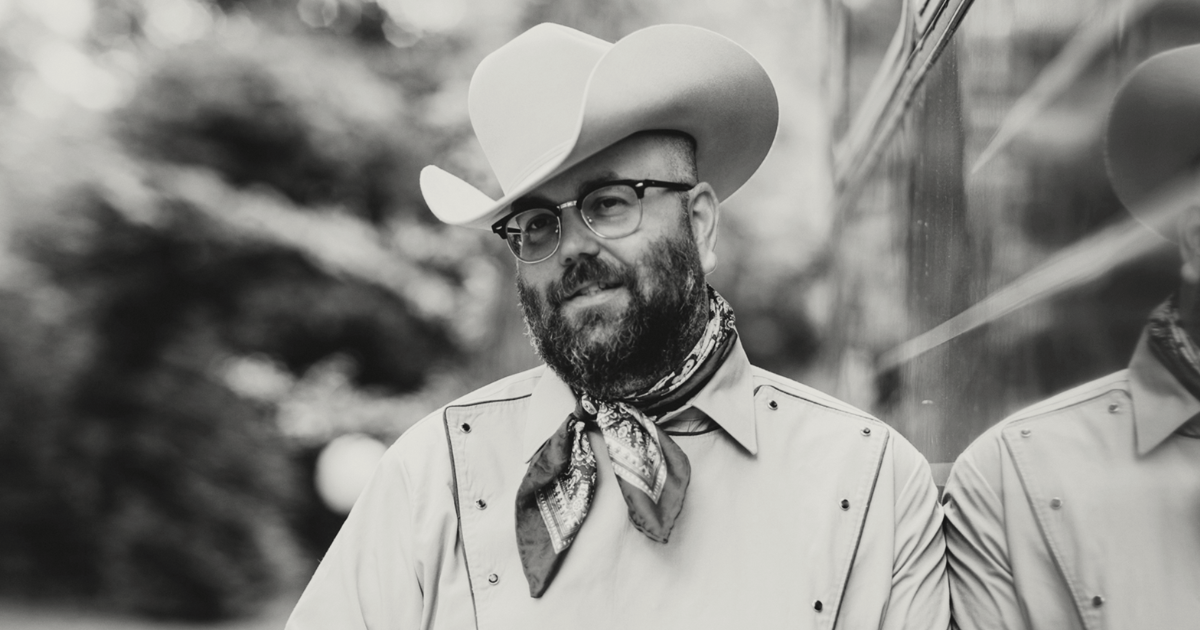
As one of Nashville’s key classic-country connoisseurs, fiddle maestro Joshua Hedley has long been a musician of many hats. In 2018 his first solo album Mr. Jukebox tapped 1960s-style countrypolitan. 2022’s Neon Blue embraced the lush warmth of the ‘90s-era format, and he regularly thrills crowds with cover sets from across time at the famed Nashville honky-tonk, Robert’s Western World. Yet with his new album All Hat, Hedley dons the metaphorical cap he’s long obsessed over – the wide-brimmed stetson of his Western Swing heroes.

A titan of twang and perhaps Broadway’s finest down-home devotee of the traditional arts, All Hat finds the lifelong Bob Wills fan going back to his roots. Produced by Western Swing icon and Asleep at the Wheel founder Ray Benson, the album captures the upbeat joy of an eminently danceable (yet often overlooked) country style, which Hedley has been loving and learning since he was 8 years old.

Over 11 tracks of old-style originals, he celebrates a genre defined by jaunty rhythms and euphoric solos meant to keep a crowd dancing long into the night. With an already-respected resumé, Hedley still calls All Hat his “pièce de resistance,” and feels Western Swing deserves its due in this era of cultural callbacks.

“It’s definitely not seen the renaissance that say bluegrass or the outlaw country sound have,” he laments.

Joshua Hedley spoke with Good Country about the new album, the differences between Western Swing and other country styles, and what it’s like to be produced by one of your heroes. Plus, he explains how “getting stoned and playing country music” is the best cure for creative burnout.

Your new album is called All Hat. But that term is famously used to describe posers – and you don’t fit that bill when it comes to country. So why are you calling it All Hat?

Joshua Hedley: Well some people disagree, man. [Laughs] I don’t know what constitutes “not a poser.” I would think playing country music since you were 8 would take care of that, but apparently not.

Really?

It is what it is. I don’t really give a shit, but it was just kind of poking fun at myself and those criticisms. I just think it’s funny. But honestly, for the album, I was working on a different album. I was writing for something else and I was on the road with Asleep at the Wheel and Brennen Leigh – we were doing a package show tour together – and I was just hanging out with Ray. He was like, “You ought to let me make a record on you.” I’ve been wanting to do another Western Swing album for a long time and I was just like, “This is it.” When Ray Benson wants to make a record on you, you make a fucking Western Swing record.

It came out really great. I’m enjoying it for sure. I wonder, how are you feeling about your craft these days? Like you said you’ve been doing this since… well, your whole life really.

Man, I’m feeling good about it these days. This album in particular has been just a joy all the way around. Writing – it was really fun. Recording – it was really fun. Playing these songs live is super fun, and it’s something I’ve been needing. You get pretty burned out when you do it this much. I come off the road and I go back to playing music just at home. When you play like that, you get burnt out hard – and I was really burnt out. This record is kind of pulling me out of the burnout.

That’s interesting. I’ve been watching you at Robert’s Western World for years and it’s always felt like you had that dialed in. I mean, you’ve earned the respect of everybody in the field, and you could probably be making a more commercial play, but it seems like you’re more inspired to make music with your friends and do small residencies. Is that a more satisfying life?

Definitely. I’ve done a lot of touring and all of that, but when I’m really having fun is when I’m down at Robert’s or Dee’s [Country Cocktail Lounge] or Skinny Dennis. I’ve been playing these solo acoustic shifts at Dee’s, it’s just two hours a week and I just sit there with my guitar and get stoned and play country songs. It’s kind of empty in there, and I get to do whatever I want. I forgot how much fun I have doing that, so I’ve been leaning more towards playing at Robert’s and doing the honky-tonk thing lately, just because at the end of the day, you got to do what makes you happy. If I was going to do something I wasn’t enjoying, then I could get a desk job and probably make a lot more money than I make doing this.

Maybe.

I wonder, do you ever feel like you know a secret that some of your peers are missing? I mean, when you talk about that burnout phase, and being able to sit down and just get stoned and play country music, is that a secret hack of the lifestyle?

I don’t know about a hack or anything like that, but for me, I am having the most fun when I am playing covers and just singing old songs that I really love. You hear a great song on the radio and the feeling that you get from hearing that song? Imagine the feeling you get from singing it. That’s my jam.

You’ve been calling All Hat your “pièce de resistance.” And I cannot speak French, so I can’t say that phrase. But how do you figure?

I love country music in all its forms – well… maybe not all its forms. But most of its forms. Western Swing has always been my very favorite thing to play and sing, and I actually made a tribute to Bob Wills when I was 15 with Buddy Spicher and his band up here in Nashville.

What? Really?

Yeah, it’s all Bob Wills covers, and a lot of ’em, I think probably I learned them from Asleep at the Wheel. … It’s just always been on my mind that I should write one of these instead of just doing Bob Wills songs, and always wanted to do it. And then getting to do it with somebody like Ray and with the players who are on the album – guys I’ve looked up to my whole life. I don’t know, it’s just the vibe was in the room and this record came out better than I could ever imagine.

Tell me a little bit about your songwriting on this one. What do you do differently when you’re writing a Western Swing tune?

Oh yeah. It is actually quite different because a lot of those melodies come out of the pop world. And when I say pop, I mean like ’30s and ’40s pop.

Like the original pop.

The original pop. Big band music and stuff like that. Country’s very structured, at least the classic kind that I do to where you’re verse, chorus, turnaround, chorus, outro, something like that. It’s real regimented and formulaic and it’s a different approach to writing Western Swing. A lot of those songs are just one verse, and then you play a bunch of solos, and then you just repeat that verse and take it home, which is a very jazz standards thing to do.

I guess I never thought of that.

Like on “Fresh Hot Biscuits.” I kind of approached that how Bob and them would approach “Ida Red” or something, which is really just a fiddle tune that he wrote words to. I leaned into borrowing old lines from old blues songs and tried to find some of those old lines. Like in “All Hat” – “I know a gal up over the hill/ She won’t do it, but her sister will.” That line’s as old as time.

Right. So the structure, is that because it’s made for dancing?

Yeah, the vocal is secondary a lot of the time, and the lyrics certainly are. It’s more about dancing and the whole thing evolved out of square dance culture and callers where there weren’t lyrics to the songs. It was just a guy telling you what to do on the dance floor. The lyrics are kind of secondary to the overall vibe, and the musicianship is really a big part of it, too.

I did want to ask you about “Stuck in Texas” because that one’s got Ray on it. It’s got that jumpy beat, and a little bit of yodeling in there, too. Where did that one come from?

I had wrote several songs that had really similar chord progressions at that time. I had written them in a row, and I was trying to get out of that. And I’m also trying to push myself on guitar to write outside of three chords, four chords. I just kind of came up with that. I was thinking about the Sons of the Pioneers when I wrote that song, wanting a real good guy, cowboy-movie cowboy. Thinking about Gene Autry and stuff. Then it was just a no brainer for Ray to step in on. Mr. Texas.

What’s it like to be produced by a guy like Ray Benson? Is it different than playing in his band?

It is different than playing in his band because his band is his brainchild and he knows exactly what he wants it to sound like. I think he recognized that this was my brainchild and we all kind of did it together. Ray, he kind of choreographed a lot of it being like, “We should throw the ensemble part here and twin this,” and “We got to have fiddle on the intro,” that sort of thing. But a lot of it was just a group of guys that play together all the time getting together and playing these songs. And what happened was just natural.

You said somewhere in your bio that you grew up playing fiddle with guys who were in their 50s and 60s, and learning from them. I just wonder, is that what you aspire to be one day?

Yeah, definitely. There’s actually this kid Nash [Grier] that comes down to Robert’s whenever Brazilbilly plays and it’s always a treat. He’s like six or seven years old and he’s a really great fiddle player. He comes up and he sings “Hey, Good Lookin'” and he plays “Orange Blossom Special” behind his back – all the little things I used to do when I was his age. Now that I’m 40 years old, I’m like, “Man, look at that little guy.” It really brings back memories. I was that kid and I love seeing a new generation embracing all this stuff. It’s really special to get to pass it on.

What you hope people take away from this one. I know it’s a labor of love for you and a lot of fun to do, but what do you hope people get from this thing? Do you want to spark a revival?

I don’t know about any revival, but I hope people have fun with it. I hope that they don’t take it too serious. Music can get so heavy these days, and I get it. But I want to remind folks that you can just keep it light and make a great record. Sometimes it’s nice to just dance, to just do some two-stepping, learn how to polka and not be so serious all the time. It’s all fun. That’s why we got into this. So I just want people to remember to enjoy themselves.


Photo Credit: Joshua Black Wilkins

Way Too Many Trees

Ian Munsick carries Wyoming with him wherever he goes. Though he’s now based in Nashville, Munsick consistently documents his affection for the Cowboy State through his music. For example, he named his new album Eagle Feather, a title that alludes to a gift he received at his honorary Crow Native American tribal adoption last year.

The closing track on that 20-song collection, “The Gate,” is bookended by the voices of his father and his son, underscoring the life lessons within the poignant lyrics. He even enlisted Buck Brannaman, an inspiration for Nicholas Evans’ 1995 novel, The Horse Whisperer, to appear in the music video for “Horses, Not Hearts.”

On a rare break from touring, Munsick chatted with Good Country about moving to Nashville as an 18-year-old, his admiration for bluegrass musicians, and his most reliable piece of advice.

Let’s start by talking about the video for “Horses, Not Hearts.” Why did you like the treatment for that video?

Ian Munsick: When it comes to everything for the eyes, my wife has a huge part in that. She’s also my manager and she’s very good at branding. The majority of my imagery comes from her, and she had that idea of going back home to Wyoming. There’s an old cowboy in Wyoming that’s one of the best horsemen in the world named Buck Brannaman. We always try to incorporate and feature real people in the West that are very good at what they do. This is a common theme for us, and he was one that we hadn’t included yet. We’re from Sheridan, and his wife is best friends with my mom, and we go way, way back. Before I was even born, they knew me, so it was cool getting to work with him and his daughter and his wife.

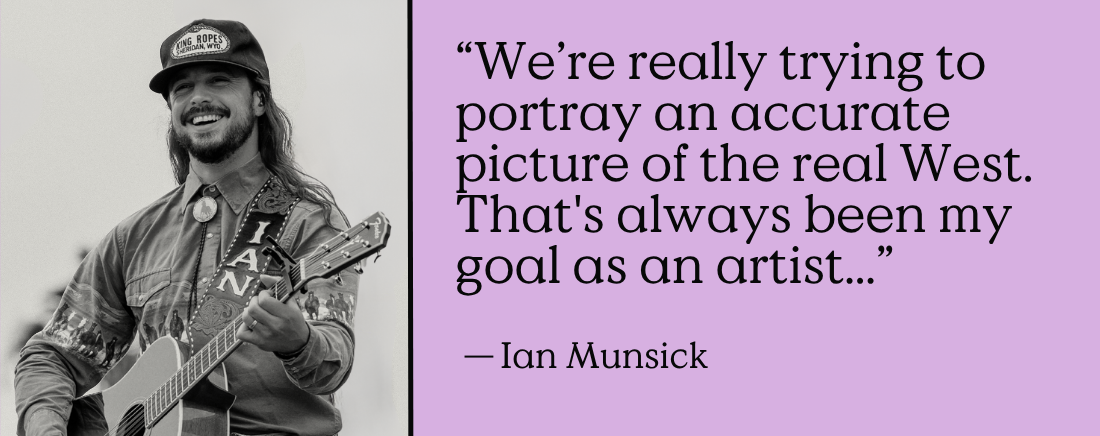
We’re really trying to portray an accurate picture of the real West. That’s always been my goal as an artist, and there’s no better way of doing that than to have world class horsemen and cowboys.

I think you’re a visual songwriter, too. “Too Many Trees” has a lot of visuals in it, and it’s a love song, but there’s also that issue of where to settle down. Is that something you and your wife talk about – thirty years in the future, where you want to be?

Oh yeah, all the time. I lucked out in that my wife loves Wyoming and I knew that that was going to have to be a precursor, because that’s where I belong. That’s where I feel most at home. She’s from North Carolina and there’s a lot of trees and hills there. I started to think to myself, “What if she didn’t like Wyoming?” That’s how that song came about. Being from Wyoming, there’s no trees there. They’re only on the mountains and by the rivers and that’s it. So, moving to Nashville when I was 18, it was a pretty dramatic geographical change.

I always had that idea and that title and then I picked up my three-year-old nephew from the airport. He flew in a couple years ago with his parents and we were riding back home in the truck back to our house in Nashville. I don’t think that he had ever left Wyoming, so it was his first time out. The first thing that he told me in the truck on the way home was, “Man, there’s so many trees out here.” I was like, “I’ve got to write that song!” That’s what sparked it.

When you thought, “All right, I’m moving to Nashville,” what was your goal?

I didn’t really have a big goal. My main goal was to play music for a living. I knew that if I was making music, then I was gonna be happy. It didn’t matter if I was writing songs or if I was playing in a band, or if I was producing songs, or if I was being an artist. I just knew that I wanted to be playing music all the time. Then slowly after I got here, I started to realize everybody that’s an artist right now is from the same area. They’re from Georgia or Tennessee or Texas and that’s it. So it’s like, maybe I have a unique outlook on what country is. That’s what inspired my whole artistry.


Photo Credit: Raul Esparza

Did you get a lot of radio stations where you grew up?

No, man! As you can imagine. There were three stations, two of them were country and one was rock. That’s it.

Wow. Did you listen to rock and roll coming up as a kid? Did you like it?

Yeah, my dad – he’s just a very good musical mind. He plays a bunch of instruments, writes his own music, so he turned me and my two older brothers on to all kinds of music when we were young. So honestly, I didn’t really listen to country radio very much, just because my dad hated it. He’s like, “Oh, this isn’t real country music.” That’s always what he would say. So we didn’t really listen to much radio country. It was like old tapes of Merle Haggard and George Jones – and the Beach Boys, Fleetwood Mac, Chris Ledoux, all kinds of music.

Did you get up on stage a lot as a kid and play with your dad?

Yeah, my dad taught my two brothers and me how to play music at a young age. By the time I was about 10 years old, we were on stage all together as a family band. That’s how I started. We’d play rodeos and after-parties, dances, just whoever would have us. That’s how I came up playing music, learning through them.

From the videos I’ve seen, and looking at your videos on social media, it seems to me like you don’t have stage fright. Did you lose that early as a kid?

Yeah, my dad knows how to engage an audience very well, so I got to learn that at a really young age. And my two older brothers already knew, from him, how to engage a crowd. So I had three people I looked up to that were already really good at that and I definitely learned from them.

I found one of your songs on Spotify called “Me Against the Mountain” and I was surprised to hear banjo on there. What was on your mind as that song was taking shape?

Like most writers, I have my voice memos on my iPhone, just hundreds of them on there. During COVID, I was writing with two people that I had never written with that would quickly become two of my favorite people to write with, Jeremy Spillman and Randy Montana. I had this little thing that was just like [imitates twangy licks] and it felt very backwoods mountain bluegrass. So I just picked up my banjo and started to play that. I did have the word “mountain,” and Randy was like, “Man, that’s just a really cool vibe. I wonder if it’s ‘me against the mountain?’” The mountain could be an actual mountain, or it could be a metaphor for an obstacle that’s between you and the one you love. So that’s how it came to be.

I recorded the whole thing in my studio and I mixed it right there. My wife and I were about to get married and I played it for her in the car. She’s like, “This needs to be our wedding song.” I was like, “All right, sweet.” So we made that music video around our wedding, which is something I feel like only happens when your wife is your manager. [Laughs]

How did you acquire a banjo?

For that one, that might have been a ganjo. Right after I made that track, I was like, “Man, you have no idea how long it took me to get that thing to sound good.” Like all ganjos do! But after that, for my birthday, my wife went to Carter Vintage and bought me a Deering banjo. It’s a beautiful banjo! It’s honestly one of the nicest instruments that I own. I just keep that bad boy in my studio. I can play “Cripple Creek” and that’s about it. But when you’re in the studio, you have the advantage of tuning it weird and making weird noises with it and fooling around until it’s good. What a cool instrument that just immediately puts you in a vibe. The acoustic guitar obviously can do a lot of things, but when you hear a banjo, it’s like you’re there. It just takes you to that place. It’s a very special instrument.

Do you remember when you got introduced to bluegrass or learned about it?

Yeah, my dad’s primary instrument is fiddle. I remember him playing all those old fiddle tunes when I was growing up. He gave me my granddad’s mandolin at a young age and he would teach me how to play those old fiddle tunes on the mandolin. So that’s my first real intro to old traditional bluegrass music.

But then, through people like Yonder Mountain String Band, Steep Canyon Rangers, Doc Watson, and Ricky Skaggs & Kentucky Thunder, I really started to navigate my own [path through] bluegrass music. I fell in love with harmonies, number one. Those were the main things that drew me in. I’ve always been a huge harmony guy. I love the Beach Boys. I love The Beatles. And bluegrass was that other thing that really played on those three-part harmonies. Being the youngest of the three brothers, that was our thing – to sing harmonies. That’s probably what drew me in, right out of the gate as a kid. And the older I get, the more I appreciate the playing. Those are some of the best musicians in the world playing bluegrass music.

On “Cheyenne,” you’re putting yourself out there with just a guitar and not much else. What stands out about that song for you?

Lyrically I really love that one. You probably know a little bit about that town, but Frontier Days obviously is when everyone comes to Cheyenne. People think that’s the big hot spot of Wyoming, through that rodeo, but really that’s the only two weeks that anything ever happens there. Other than that, it’s a total ghost town. Not a lot of action. Even though it is the state capital, nothing goes on there. I thought it was a cool idea, lyrically. I had that guitar riff going into the write and I’ve always been a huge believer in four-chord or five-chord change, back and forth, like Fleetwood Mac’s “Dreams.” How it never goes to the one, how it never resolves. That’s the vibe for that one.

I produced that with Jeremy Spillman, and him being older and much wiser than me, he’s like, “Man, this song doesn’t need much. It doesn’t need a kick drum. Just throw a little snare in there and maybe a steel guitar, and that’s it.” That’s what I’ve been liking, too. The older I get, the more I don’t like a bunch of noise, which is probably the human experience! [Laughs] I feel like overdoing it is pretty easy for producing music, and I think it can speak more if there’s less in it, and it allows the audience to have a little bit of room to imagine things.

When I was in college, I loved the song “I Can Still Make Cheyenne.” Do you like that one?

Man, I’ll tell you what. Dude, I heard that maybe not for the first time in high school, but that’s the first time I remember hearing it. It was my freshman year. Holy shit, dude, it rocked my world. I listened to it on repeat on iTunes for two weeks straight. It was like, “I can’t get enough of this.” To this day, that’s probably my favorite country song of all time. So good.

There’s a lot of life lessons in your song, “The Gate.” You probably learned some of those lessons the hard way. Especially in the music business, no doubt. When people approach you for advice, how do you handle that?

I’m always really inspired to try and help people as much as I can through my experiences. First thing I tell them is that I’m a ranch dude from Wyoming. So if I can do this, you can do whatever you want. There’s no world that’s more opposite than ranching in Wyoming to the entertainment industry. That’s as opposite as it gets. So if I can do it, then they can do it.

Man, I just try and use my mistakes, so that hopefully they don’t have to make those mistakes. I’m still young, I still have plenty more mistakes to be made. But what the main thing is, growing up in Wyoming, you’ve got to work your ass off and you want to be around people that are good people. It’s great if they can help you, or if you can profit with them, but the number one thing is just making sure you’re with good people that have your back.


Photo Credit: Cam Mackey

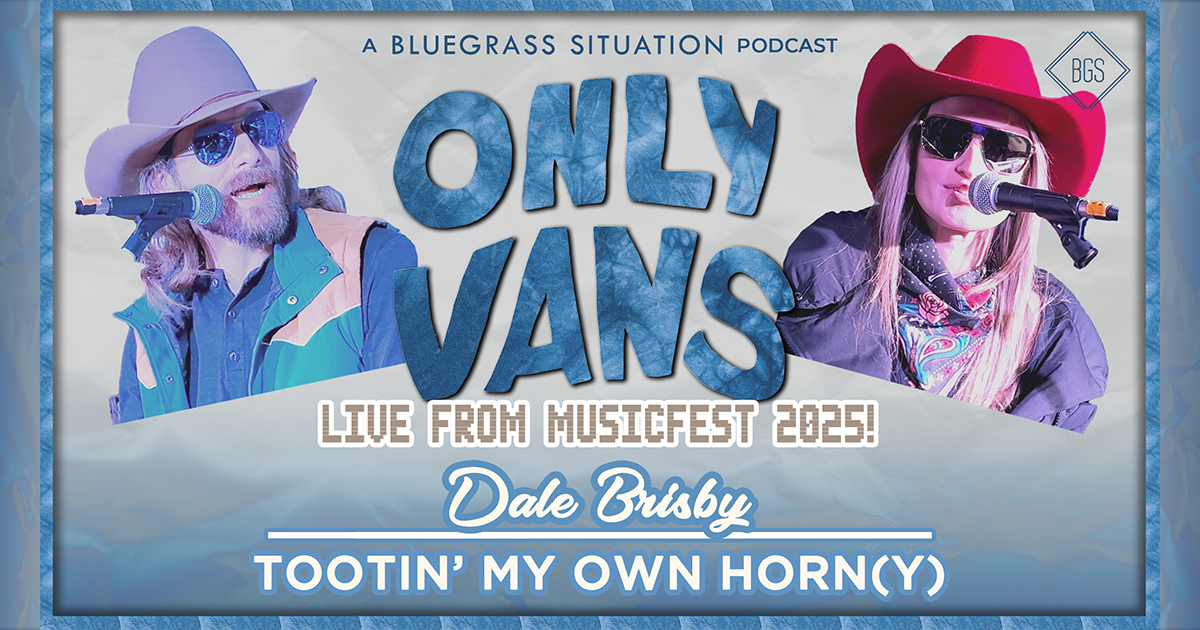
Dale Brisby on Only Vans with Bri Bagwell

Dale Brisby is a one-of-a-kind personality, entrepreneur, and real-life (actual) cowboy. In this episode of Only Vans – that was filmed live at The MusicFest at Steamboat 2025 – we talk about when Dale and I used to date, about haters, documentary-making, attitudes, and all things rodeo.

LISTEN: APPLE • SPOTIFY • AMAZON • MP3

Dale Brisby is a force of nature when it comes to building a brand and he is a master at creating fun and unique content. Dale wears sunglasses all the time and if you can’t tell, I pause to join him in sunglass-wearing for this super fun chat with a man that can not walk five feet at MusicFest (or probably anywhere) without being stopped and recognized. Dale was a hired emcee at MusicFest in Steamboat, Colorado, where we recorded this episode in front of a large live audience. (Thanks John Dickson!)

It’s hard to give a description of Dale, so I highly recommend checking out his Instagram and his YouTube channel if you’re one of the few who are not yet a fan. Also, I really loved his How To Be a Cowboy series on Netflix. You get a sense of who Dale is when he says he’s the man who invented bull riding with one hand.

When preparing for this Only Vans episode, I was wondering if I would be interviewing the character of Dale Brisby or the man behind him. Are they the same person? Could I carry on an hour-long interview with someone who claims to be the best bull rider in the world while wearing a giant fake belt buckle, but also in reality is a really amazing cowboy….? Bottom line, and you’ll see, Dale is hilarious, but also a genuine person, a good man, and actually a real cowboy. Don’t forget to check out his Rodeo Time podcasts.

I want to apologize to Amy Reitnouer Jacobs and Cindy Howes for not giving them a shoutout at the intro of this podcast, because they’re also the true force behind our partnership with BGS, Good Country, and the BGS Podcast Network! Love y’all.

Enjoy!


GC 5+5: Noeline Hofmann

Artist: Noeline Hofmann
Hometown: Bow Island, Alberta, Canada
Latest Album: Purple Gas EP

What’s your favorite memory from being on stage?

It’s nearly impossible to narrow down, but one of my favorite memories from the stage happened this October while on tour with Colter Wall. For the better part of the tour, Corb Lund – a fellow Western Canadian (like Colter and I) – was also on the road with us. I grew up listening to Corb on the radio back home and later discovered Colter as a teenager. Their songwriting resonated with and influenced me deeply as a young writer and continues to today.

Colter kindly invited us to join him in singing “Summer Wages” by Albertan cowboy legend, Ian Tyson, for his encore during tour. The first night that Corb joined us on stage, he took me by the arm for a two-step during the instrumental – much to mine and the crowd’s surprise. (Sorry about scuffing up your boots with my two left feet, Corb.) It was such a wonderful, full circle moment to be on stage beside two artists from home who had such a huge impact on me and singing a song together by a late legend from home who has impacted all of us.

Further, Patrick Lyons, the producer of my EP, Purple Gas, plays guitar in Colter’s band. Another reason that made these memories of singing “Summer Wages” special was it being the first time(s) I was lucky enough to share a stage with Pat as well as all of the other boys in the band, who I’ve come to know and love not only as musicians, but as friends.

Which elements of nature do you spend the most time with and how do those impact your work?

I love to spend time out on the prairie. It has an understated beauty that with every passing year becomes more and more striking to me. It is unforgiving. Seemingly never-ending. In tune and knowing. It’s seen my own blood, sweat, and tears and that of generations of people that I love, alike. I’ve never felt closer to God than I have out there, all alone. Being raised in a prairie town, around prairie people, the landscape and all that results due in part to it, has defined my life experience thus far in an immeasurable way – and consequently, impacted my work just as deeply.

What’s the most difficult creative transformation you’ve ever undertaken?

While I’ve been feeling incredibly inspired to write in the wake of releasing my first recording project, I think I am simultaneously in the midst of one of the most difficult creative transformations I’ve faced so far.

All of the songs on my debut EP were written during a very different time in my life; before I’d ever been on tour, or set foot in a studio, or before the music industry began revealing itself to me behind the thick veil of mystery that once clouded it from my gaze. I was working blue- and pink-collar jobs such as bartending and doing farm labor before eventually putting all of my cards on the table and giving a career in music an all-or-nothing go, starting with the regional music scene in Alberta. Those years, age 18 to 20, were raw and electric, reckless, trial by fire. I was full of piss and vinegar, stubbornly tuning out the expectations others had of me and striking out into the world for the very first times to try forging a path towards something more for myself in life. I confronted some shocking losses and also experienced those first great formative loves you do at that age. Environments and emotions that are natural recipes for songs.

My day-to-day life has pulled a complete 180 since those songs were written. I have a lot of writing to do from my new pair of boots. I haven’t been able to take them for many test drives behind the pencil while on tour this spring and summer and am waiting with bated breath for the winter, when I’ll get to sit down and really dig into writing and processing the last year. It’s in my nature to always want to step above the bar I last set for myself – it’s as nerve-wracking as it is exciting to be starting to write for the next project. Especially now that most of the surroundings and life circumstances that inspired the songs on my first project are no longer part of my daily life on the road and there is now a recorded precedent set that didn’t exist at the time I wrote the songs on my first body of work.

What is a genre, album, artist, musician, or song that you adore that would surprise people?

“Good Luck, Babe!” by Chappell Roan (of course!)

If you didn’t work in music, what would you do instead?

I would probably be a ranch hand. Ranching is humbling, creative, and requires your all – mind, body, and soul. You have to live and breathe it. I can’t do anything halfway. For two jobs that, on the outside, look as though they couldn’t be any more different from each other, I’ve found a surprising number of parallels between my experiences working on a ranch to working as an artist.

(Editor’s Note: Sign up on Substack to receive even more Good Country direct to your email inbox.)


Photo Credit: Christian Heckle

WATCH: The Doohickeys, “Rein It In Cowboy”

Artist: The Doohickeys
Hometown: Los Angeles, California
Song: “Rein It In Cowboy”
Album: All Hat No Cattle
Release Date: January 24, 2025
Label: Forty Below Records

In Their Words: “We wrote ‘Rein It In Cowboy’ after Haley got her butt grabbed in a bar… He copped a feel and we copped a song. The unsettling vibe you get from a creepy guy groping you is eerily similar to the feeling zombies evoke, which is why our video draws inspiration from our love of classic zombie films like Night of the Living Dead and Dawn of the Dead. We had a blast coming up with t-shirt pick-up lines and other visual jokes throughout the video. With the help of our friends, we crafted a visual narrative we’re truly proud of and can stand behind (and grab).” – Jack Hackett, The Doohickeys

Track Credits:
Produced and Engineered by Eric Corne.
Eugene Edwards – Lead guitar
Hayley Orrantia – Back-up vocals
Haley Brown – Vocals
Jack Hackett – Rhythm guitar
Adam Arcos – Bass
Aubrey Richmond – Fiddle
Jordan Bush – Pedal steel
Matt Tecu – Drums

Video Credits:
Chris Beyrooty – Director, producer

Jack Hackett – Director, producer
Louise Sylvester – Producer
Haley Brown – Producer
Michael Greenwood – Director of Photography


Photo Credit: Jesse DeFlorio

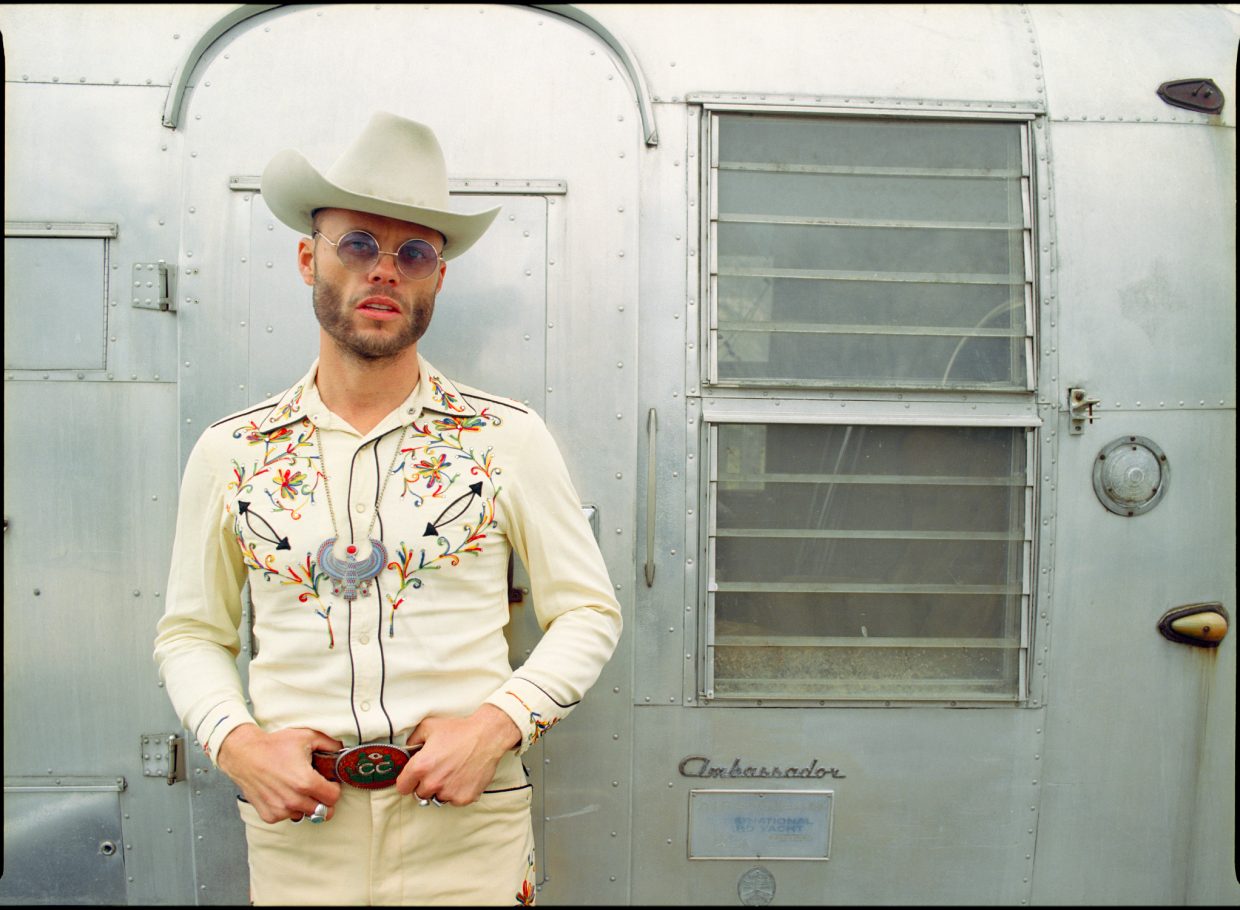
Charley Crockett is Suited for Rain or Shine

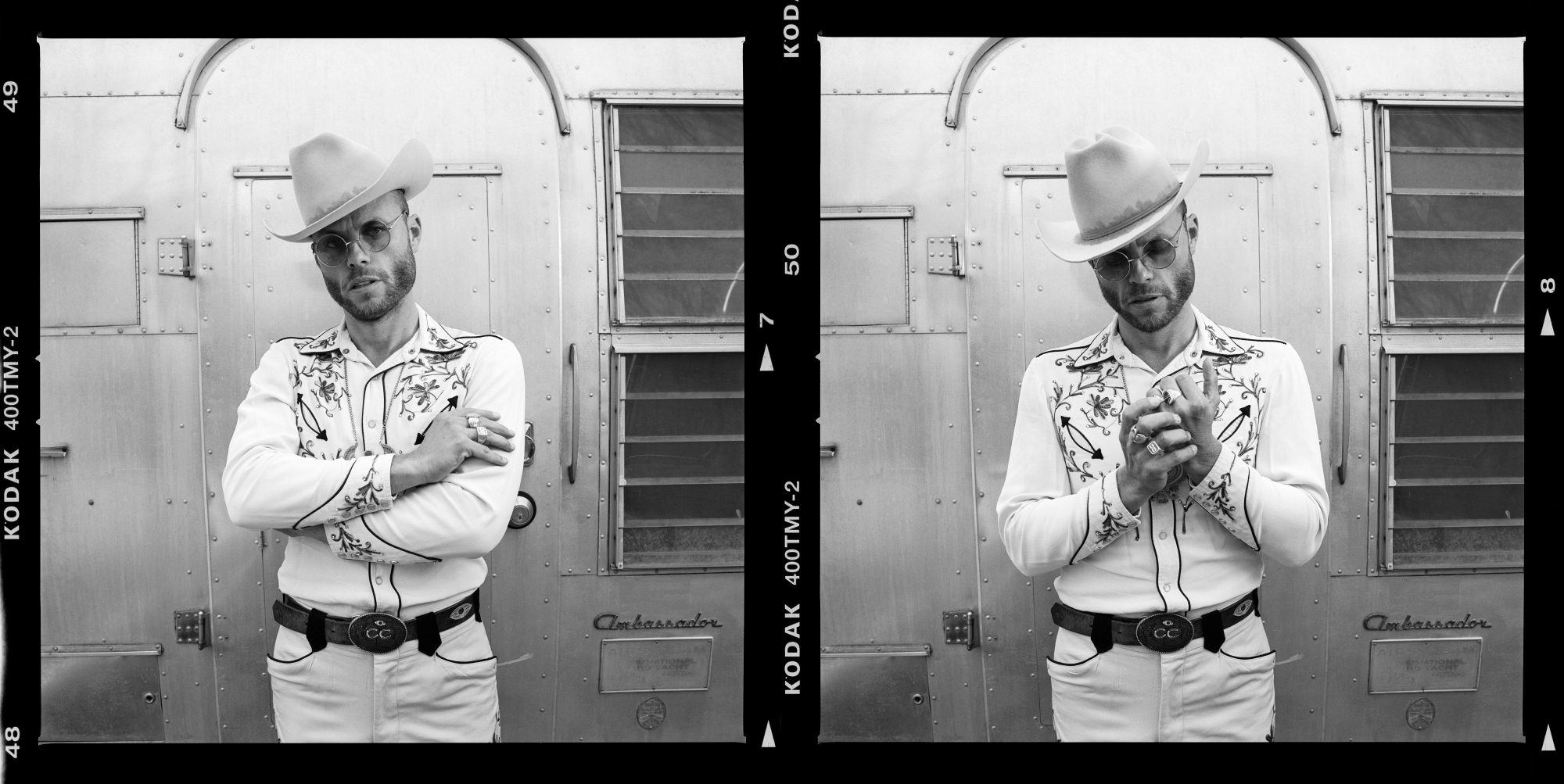
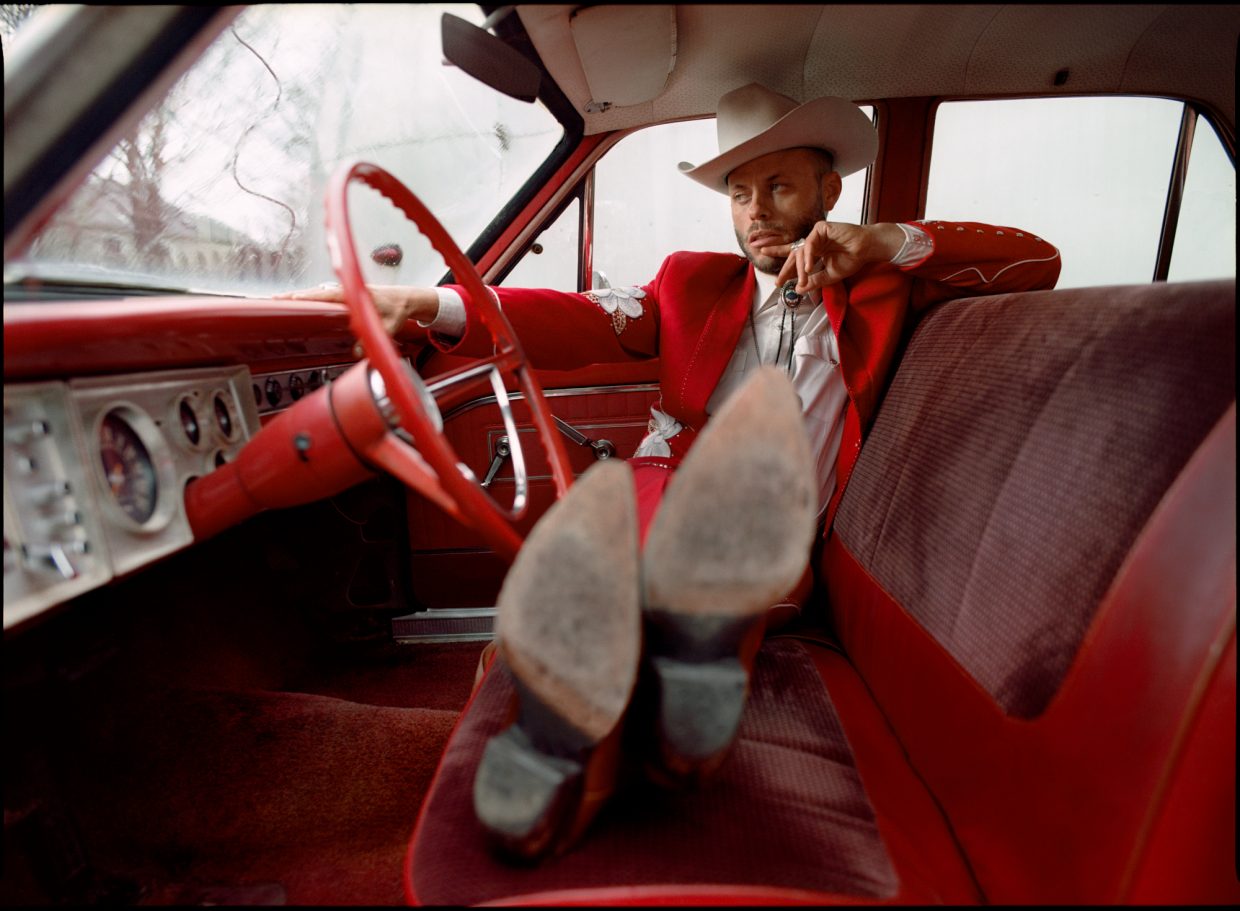
I had never met Charley Crockett before, though a list of our mutual friends would be long — and would span the country.  I first heard his music on NPR a year or so back and was struck by his style and voice.

I figured I was picking up a soon-to-be new friend as I drove up to meet him at the Basement East in Nashville. Within moments we took off towards our location, knowing the rain would begin to fall at any moment. However when on tour and just passing through a town, that one day is often all you have for the photoshoot — rain or shine. Naturally, we got straight to work.

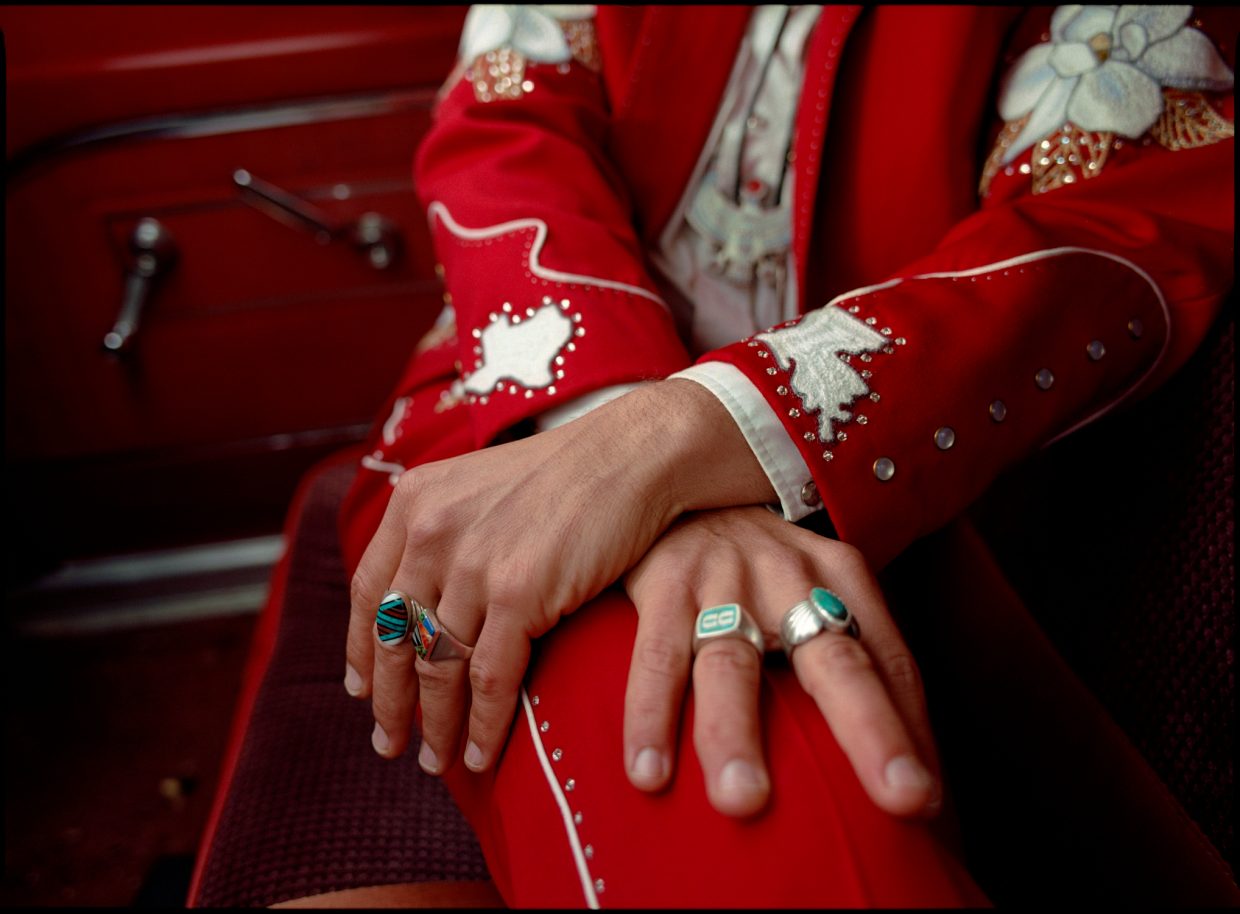
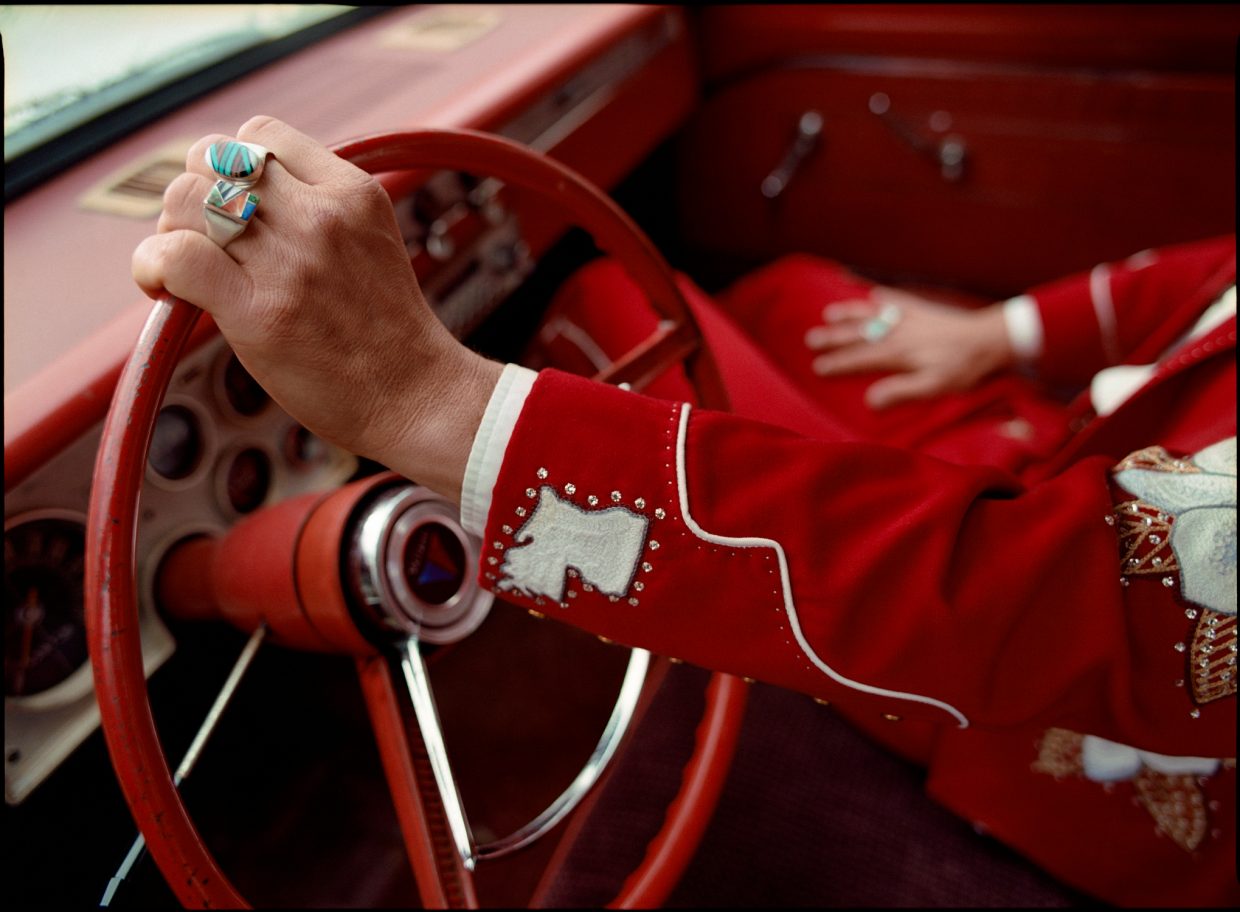
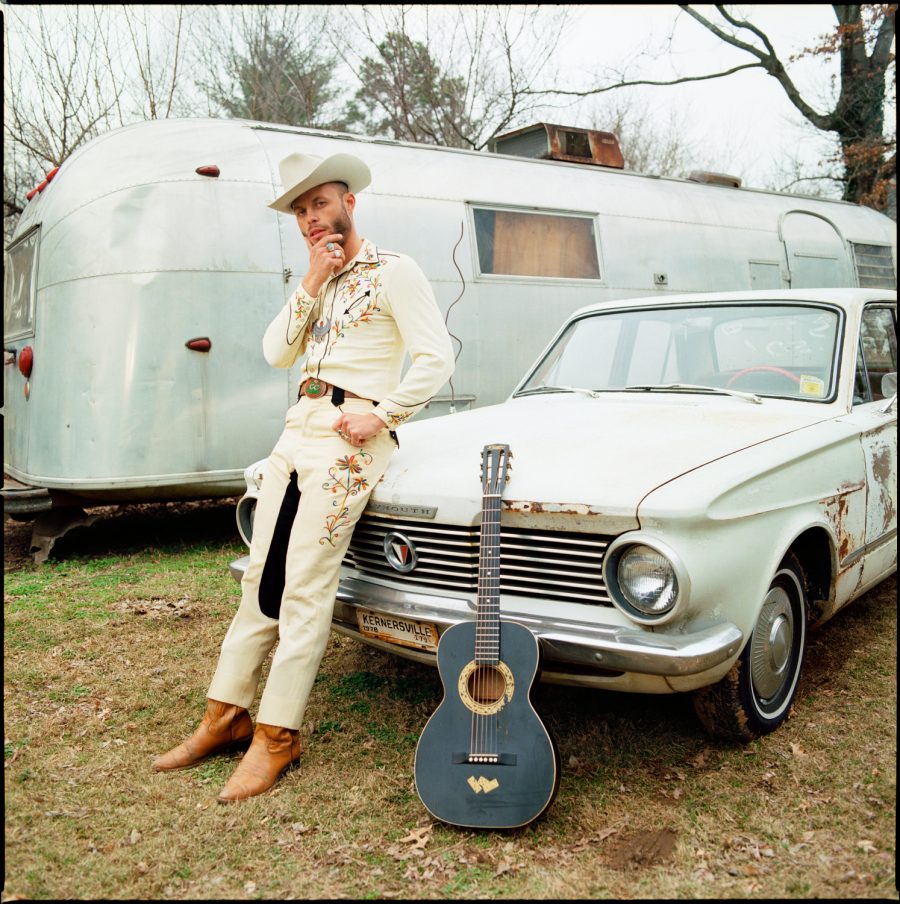
I count it a very lucky thing that Charley happened to have the perfect two suits to completely match the color palettes I was working with. We started with any shots we could outside, and then the rain fell just in time to fog the car windows for our interior shots. I most definitely had to stand in the rain and cover my gear to protect it all from the elements, but it was so worth it to make these images. We talked about photography, working hard, tour, and life. It was nothing short of a wonderful start to a new friendship. Charley is such a world-class person and artist, and it was such a pleasure to finally befriend him and photograph him for this piece. — Laura Partain

Charley Crockett

Charley pictured in a custom Fort Lonesome suit, vintage Stetson Rancher hat, vintage bolo, and ’70s era Champion boots.


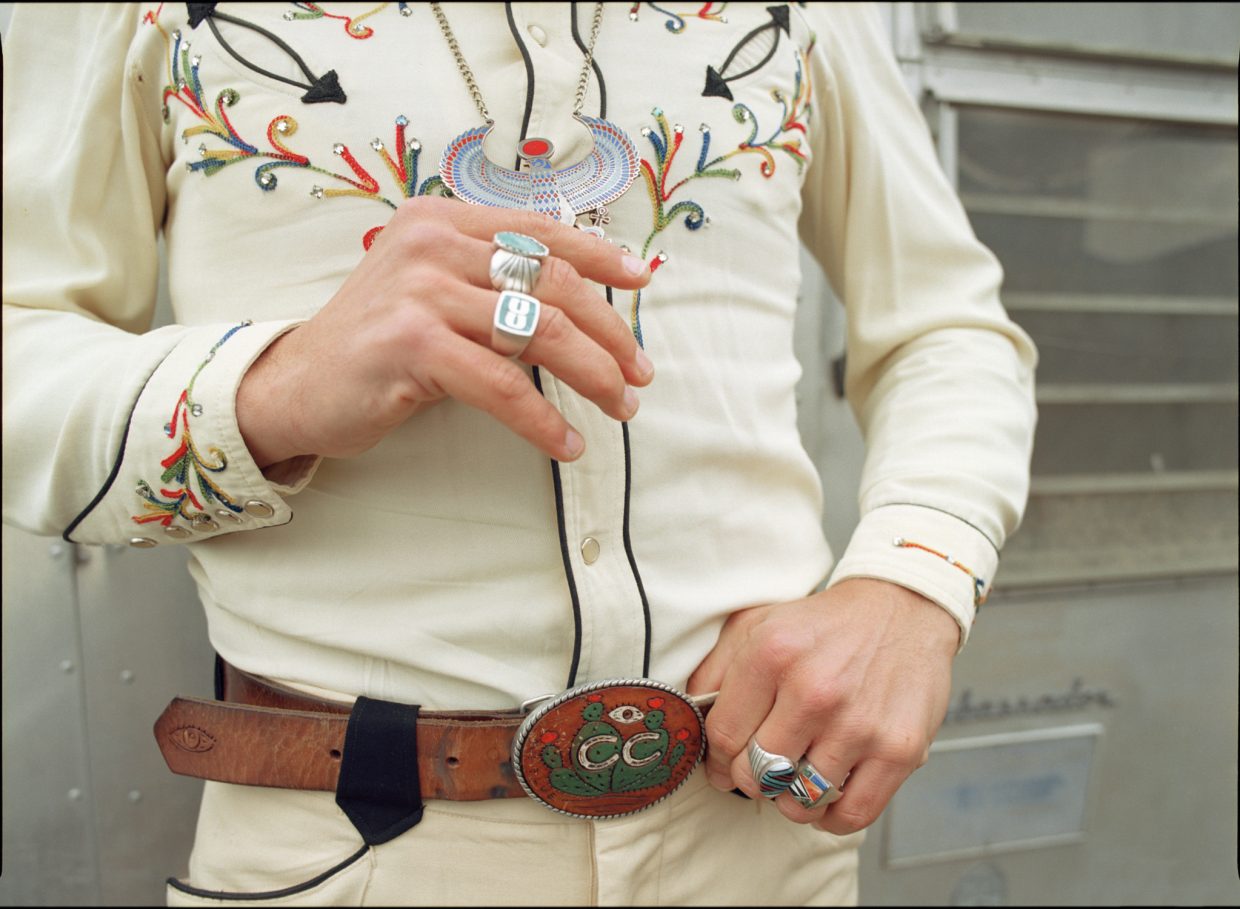
Details of custom Fort Lonesome suit and custom CC ring by Scott James Jewelry.


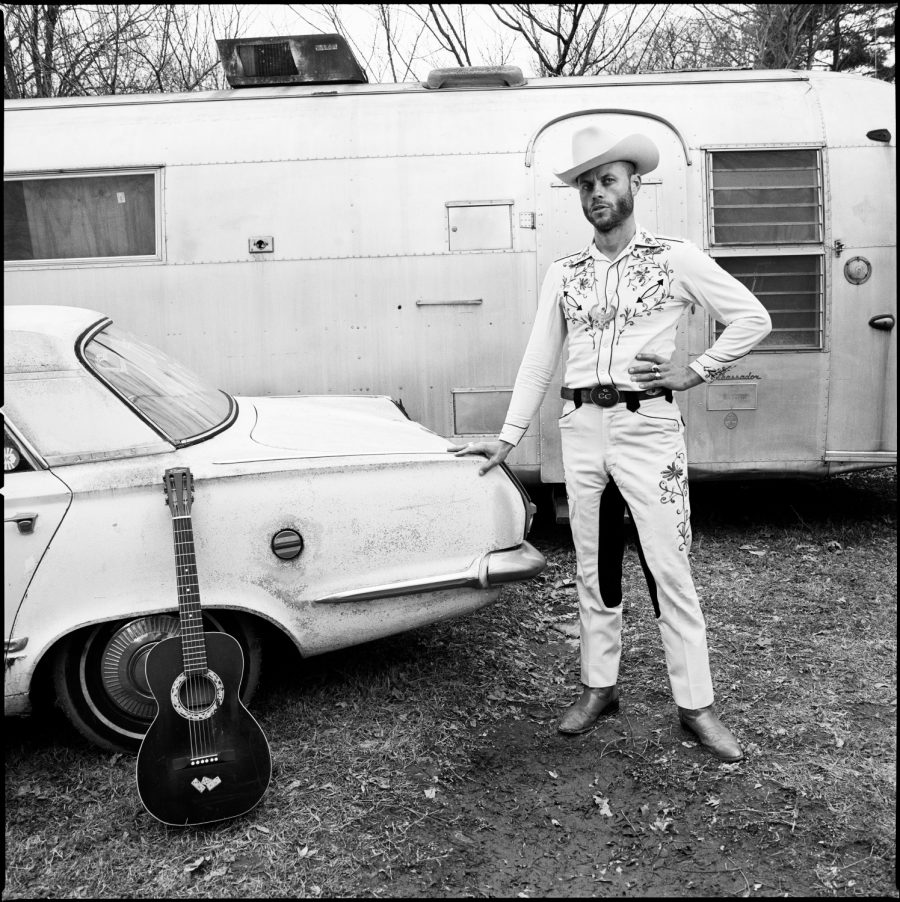
Charley pictured wearing a Rockmount custom suit from Pioneer House in Knoxville, TN, ’60s Texas Imperials cowboy boots, vintage Stetson Rancher hat, and his 1930s Le Domino parlor guitar.


Detail of the Rockmount suit, chain stitching by Union Western Clothing. A custom belt by Vincent Neil Emerson, CC ring by Scott James Jewelry, and a vintage ancient falcon necklace from Dolly Python.


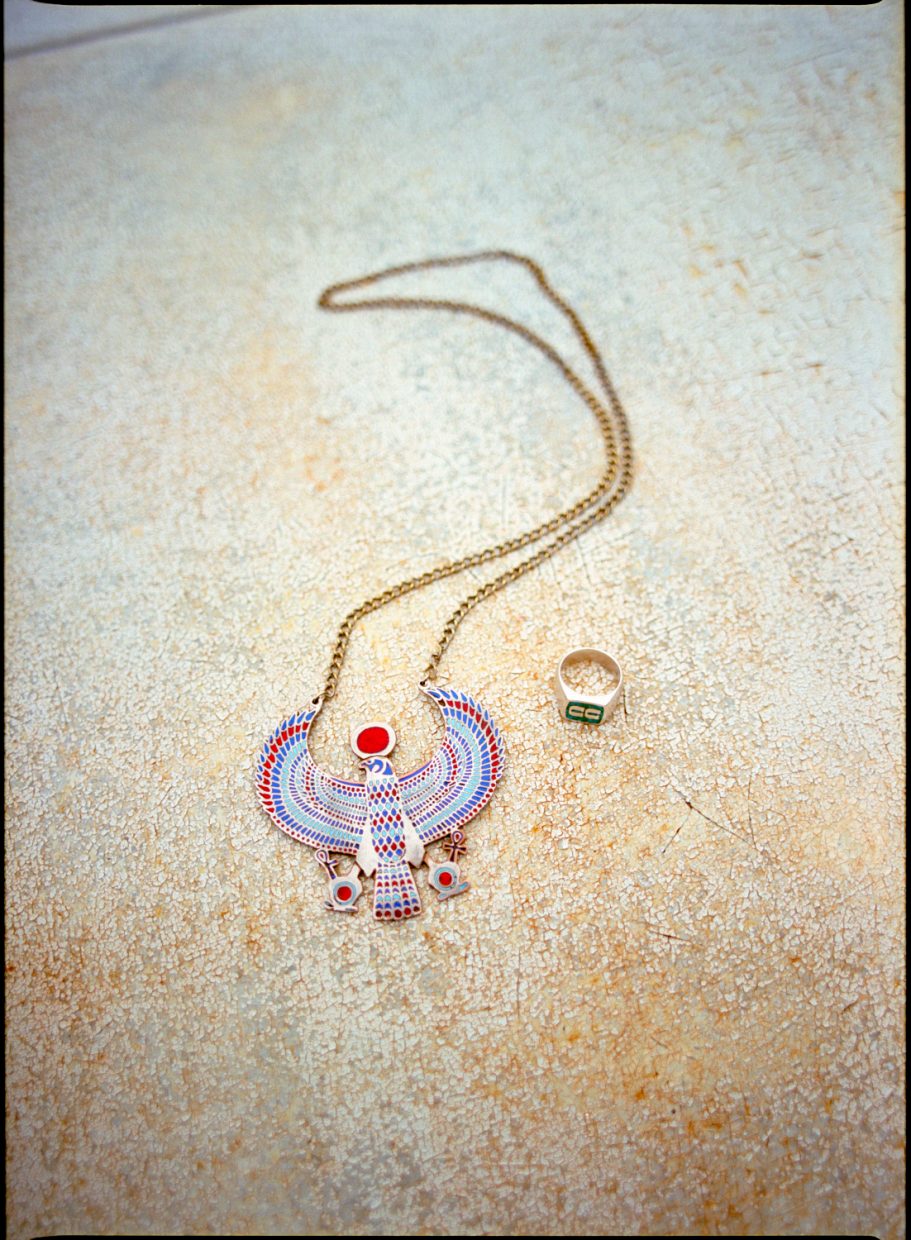
Vintage ancient falcon necklace from Dolly Python, CC ring by Scott James Jewelry.


Charley wearing the Rockmount custom suit, ’60s Texas Imperials cowboy boots, and vintage Stetson Rancher hat with his 1930s Le Domino parlor guitar.


All photos by Laura Partain

BGS 5+5: The Carolyn Sills Combo

Artist: The Carolyn Sills Combo
Hometown: Santa Cruz, California
Latest album: Return to El Paso
Personal nicknames (or rejected band names): None that are fit to print

What other art forms — literature, film, dance, painting, etc — inform your music?

Literature greatly influences my songwriting. I love the written word, love the endless possibilities of alliteration, puns, double entendres… it’s a thrill to craft a song that doesn’t give itself away on the first listen. I’ve written a few songs based on the work of authors that had an effect on me when I was younger. On our last album, Dime Stories, Vol. 2, we put e.e. cummings’ “Buffalo Bill’s” to music.

Our upcoming release, Return to El Paso, is a collection of songs written about the main characters of Marty Robbins’ “El Paso” off his Gunfighter Ballads and Trail Songs album. I’ve always been fascinated with back stories and motivation… those characters that play a role in an event, but aren’t the main focus. Like where did the horse come from that Marty steals as he runs out the back of Rosa’s Cantina? And who was the ranger that shot him down at the end of the song?

What rituals do you have, either in the studio or before a show?

I learned early on that the best ritual to have is no ritual. For a short time, I refused to eat before singing Patsy Cline, after enchilada-burping during “Sweet Dreams” one time… but then I learned if you don’t eat before the show, the kitchen will probably be closed after. In the past I’ve had some rituals like warming up, using the restroom, having a shot of whiskey, but life happens and each show is unique, so unless you’re willing to warm up while having a shot of whiskey on the can with two minutes until showtime, it’s best to just let it all happen, and not tie the success of your performance to any rituals.

Which elements of nature do you spend the most time with and how do those impact your work?

Can we consider my dog, Cowboy, an element of nature? He is a force to be reckoned with. I spend the most time with him, and he’s definitely impacted my songwriting. A lot of melodies and lyrics were written on our walks along the Monterey Bay or in the redwoods. I think we’re all having trouble these days allowing ourselves to get lost from time to time. It’s hard to resist wanting to fill a free moment by checking your phone, as we’re getting more and more trained to need constant stimulus. The best ideas pop into my head when I’m not distracted, not doing anything but being receptive to what’s around me. I used to have more of this time when I lived in a city, and walked a ton or took trains every day. Now that time is harder to come by, and Cowboy is my sherpa to those needed moments.

Since food and music go so well together, what is your dream pairing of a meal and a musician?

If there are no limits to this question, my dream pairing would be eating pasta “fazool” followed by a banana split while being serenaded by Dean Martin and Louis Prima.

If you had to write a mission statement for your career, what would it be?

My mission is to write as many meaningful songs as possible, that provide a welcome soundtrack for people, and are genuine to who I am; to always experience the collective enthusiasm of playing in a band setting, bouncing off others’ ideas and interpretations; to see as much of the world as possible with my wonderful combo through touring; to end up, in my 80s, playing 1940s country music every taco Tuesday in some small town with my guitarist husband, Gerard Egan.


Photo credit: RR Jones