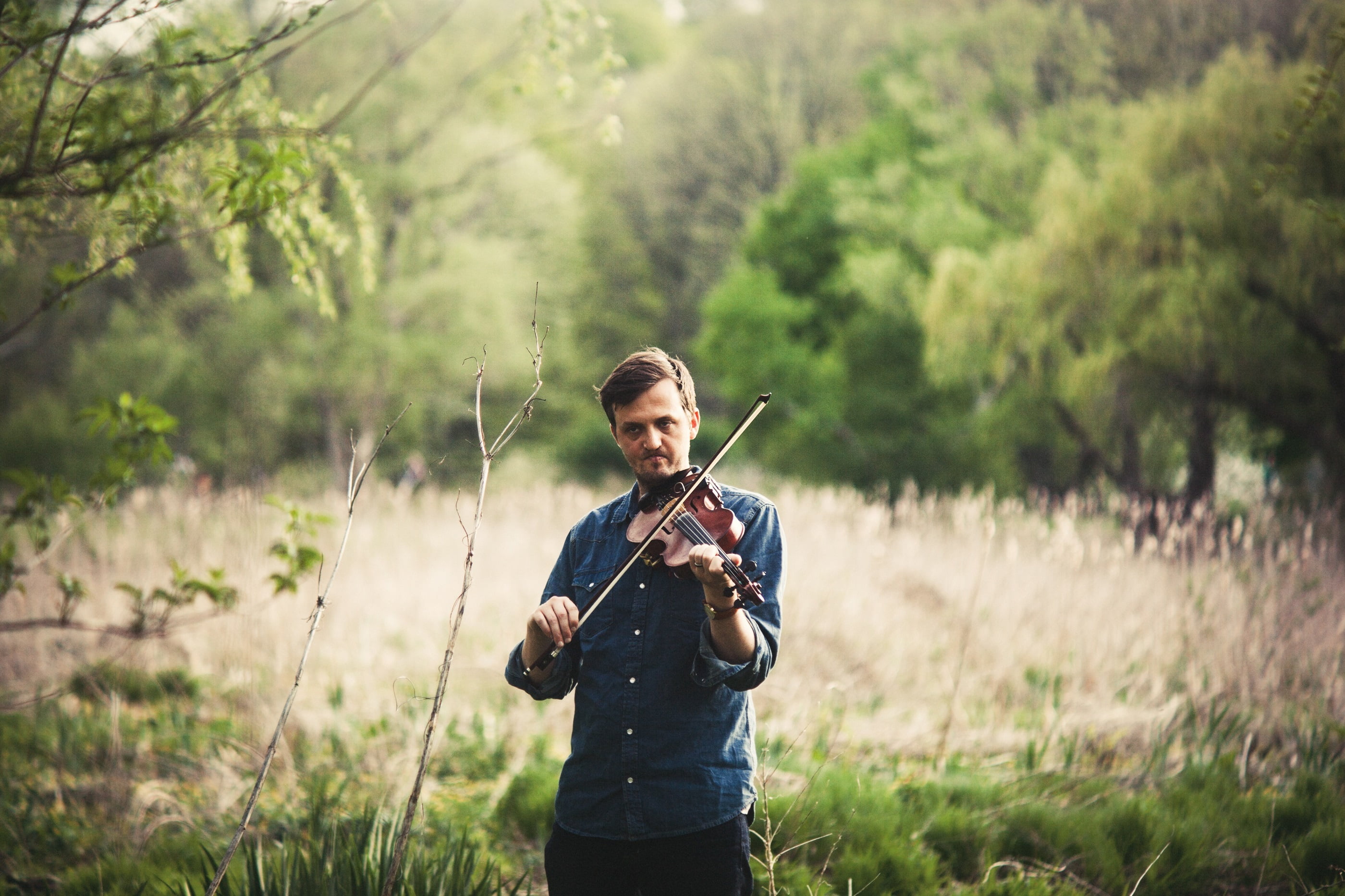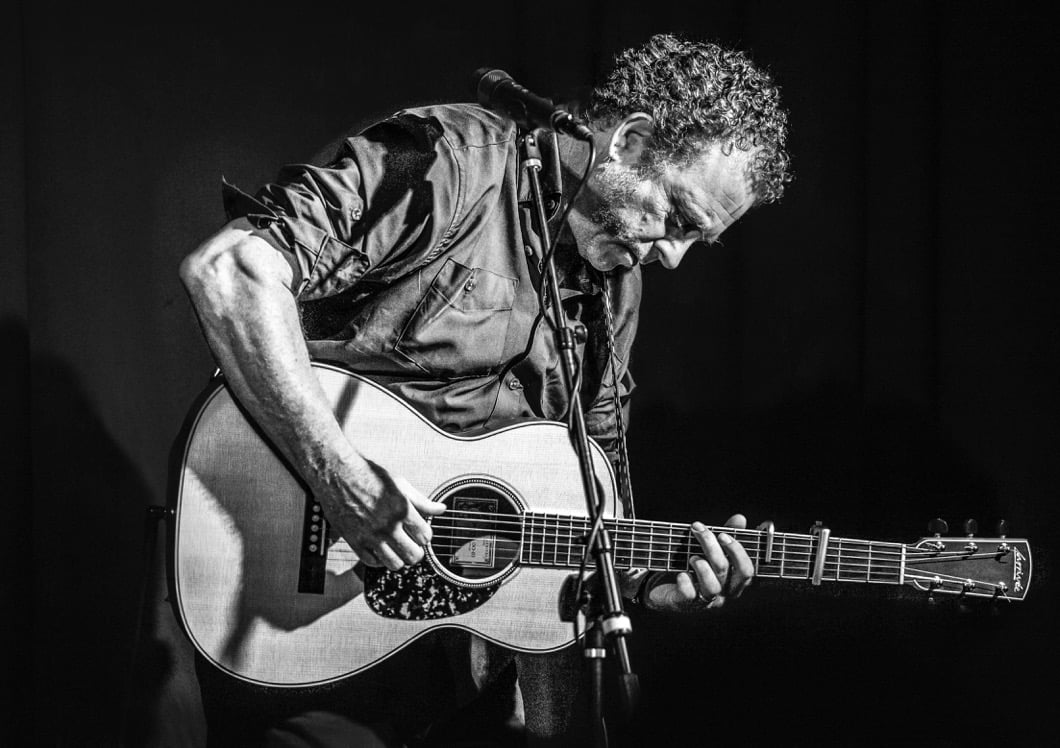
Che Apalache: Connection Through Context

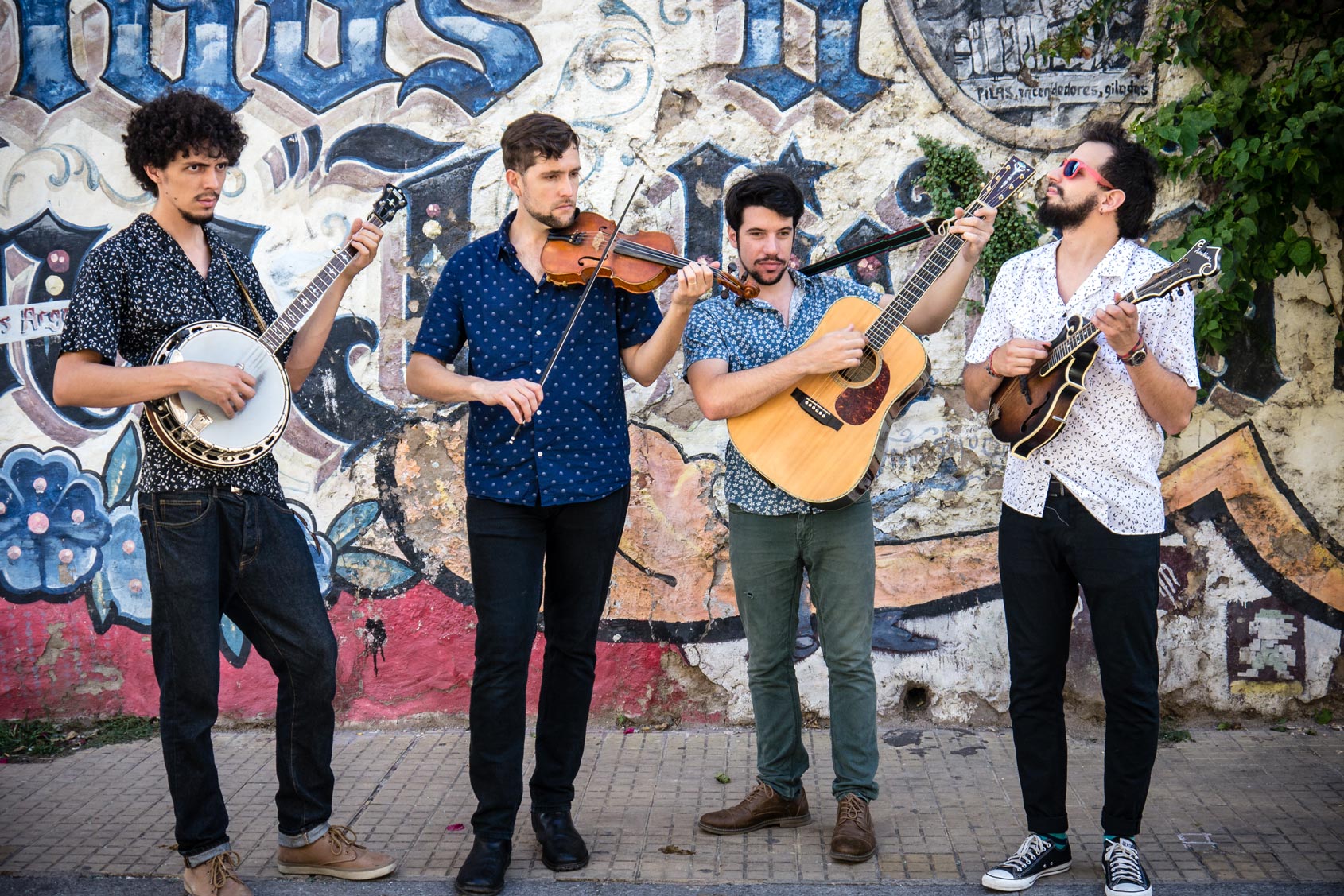
As a column, Shout & Shine tends to hinge on unpacking, refuting, and/or subverting expectations about who does and doesn’t  “own” American roots music and its constituent genres. So it’s interesting that, in a conversation with Joe Troop, frontman of Argentina-based, bluegrass-flavored, Latin-infused string band Che Apalache, not only would we come up against those sorts of expectations — and how the band refuses to fit any molds set forth by them — but also in certain cases, we realize they fit quite tidily into the norm, the tradition, and the heritage of the music. Despite however far or wide a band may stray from what we may automatically suppose these genres ought to look like, feel like, and sound, roots music will almost always demonstrate that we are more connected and more similar than we’ve been led to believe.

We connected with Troop on the phone ahead of Che Apalache’s performance headlining our Third Annual Shout & Shine: A Celebration of Diversity in Bluegrass — the namesake of this column — at the International Bluegrass Music Association’s World of Bluegrass conference and Wide Open Bluegrass festival in Raleigh, North Carolina, next week.

This whole slew of unspoken, subtle expectations about who has a claim to roots music is already being subverted by just the existence of Che Apalache, so I wonder, as you tour — especially right now, as you tour the U.S. — how have you felt yourselves coming up against those expectations with your audiences, or perhaps anyone who wouldn’t ever suppose someone from a different hemisphere would even want to play bluegrass?

I fell in love with bluegrass because it’s amazing music, really. It’s such a beautiful thing to have happened in the world. This instrumentation, this ensemble, I tend to think of it also outside of bluegrass, but bluegrass is what gave it technique, there’s a lot of evolution that came from bluegrass. Don’t get me wrong, I love bluegrass, but there are some social issues in the bluegrass world — but there are also things that are understandable, because it’s an extension of American society. As American society continues to evolve and change, bluegrass is naturally going to do the exact same thing. It’s kind of a self-evident history. Being historically accurate is something that bluegrass musicians were never good at. They took something that wasn’t an Anglo-Saxon “pow-wow” and they made it into that.

Americans are not good at historical accuracy; our culture is predicated upon the exact opposite.

America’s perhaps the most hyper-nationalized country in the world right now. That’s something that you get to reflect upon a lot when you spend years — I, personally, have been out of the country for thirteen years of my life, so I’ve thought about that a lot, how nationalism seeps into every nook and cranny of your construct of identity. It’s pretty frightening. I would say bluegrass never escaped from that. Because of advertising and marketing and corporate dominance, Americans basically just want sunshine shoved up their asses 24/7. They just want to be told how great they are.

Not only because you come from South America, but the array of backgrounds and starting points for all of you in the band, I wonder how you feel you are working to deconstruct that paradigm? Is that an active thing?

Yes. Absolutely. It’s 100 percent intentional. I’m also cognizant of the fact that I’m privileged, regardless of the fact that I’m gay. I’m a middle-class American, that puts me way ahead of almost anyone anywhere else in the world, as far as having economic ability and being able to go to college without breaking a sweat, all that. My parents were not privileged growing up. They’re baby boomers, they had this idea of what they wanted for their children, that’s what they procured for us, but that gave me a different view than most of my family, who were blue collar. I grew up between two worlds and my parents were the segue between those worlds. Back then, identity was constructed very differently and there wasn’t much wiggle room.

So why be intentional through art? Personally, I developed an empathetic point of view because I had multigenerational friendships, and bluegrass is a brilliant genre because it does — unlike almost any genre in the United States — allow you to intermingle with people of different social statuses. Bluegrass is more of a launching pad than almost anything else, contrary to the very conservative ties it may have. If not the best, it’s one of the best musical forms with which to cultivate a greater sense of empathy. Then, when you want to make a greater artistic statement, you know how to untangle that mess a little bit more. Che Apalache tries to put out things that are very intentional, to help people reflect who may not have had any exposure to certain belief systems before — and I’m referring to my own belief systems as well. I have an agenda, clearly. Mainly that’s to help this process [of breaking down these paradigms] along in some sort of way where people are obligated to think.

I want people who hate these things — immigrants’ rights and gay people — to first fall in love with us almost like someone would as a child, because art has that innocence and beauty that’s primordial. If we can hook them in with artistic prowess and then challenge them to grow, that’s social art. That’s what we’re going for.

Musically then, what are the similarities and differences in your approach to string band music coming from the perspective of Argentina and South America, rather than North Carolina or Appalachia?

So we’re in Latin America, and in the 1970s, the United States backed Operation Condor, which was an intentional ousting of and/or assassination of democratically-elected governments in the southern cone of South America. They were replaced by very violent dictatorships. American intermingling in Latin America has led to the basic destruction of young intellectuals in the ‘70s, their baby boomers, who were pressing very important social issues. All of this led to some serious bullshit down in South America. Our histories are very intertwined. Talk about Americans needing sunshine shoved up their asses — to deny the fact that America and the CIA were directly responsible for what happened in South America would be equivalent to saying that Hitler and the Third Reich weren’t responsible for the Holocaust. It’s an important thing to understand when presenting a string band in South America, because most people are going to simply reject it. A lot of people would not look favorably on anything iconically American. That’s just part of what you have to understand before you even start to understand what an Argentinian string band means. You have to have context to know what you’re doing in the world. That’s what Americans are so pitiful at, having context. The inherent symbolism of a string band in South America is something that we’re conscious of both there and here.

What I hear you saying is that you’re patently, obviously American in Argentina and Latin America, but at the same time, you’re existing in this odd middle ground where, in the U.S., folks will view you as patently foreign. How do you bridge that divide?

Through queerness! [Chuckles] That’s my guiding light. It all started because of queerness. I fell in love with bluegrass simultaneously with the recognition of my own sexuality. That was the major defining factor in the construct of my identity. Being different, while at the same time being 100 percent Anglo-Saxon, North Carolinian, banjo and fiddle player, was like trying to tame two wild, bucking mules with a rope around each, trying to pull them back together.

Something that I continually go back to is that if we, as othered folks, are able to stand in the center of disparate halves like this–

Yeah! Who else is going to do it? I think being “other” means that you’ve already had societal defeat, you’re nothing. Back when I was coming to terms with my sexuality, gay meant death. I went to Spain when I was 19 and no one gave a shit. I have to give Spain a hand, I love that place. In a personal way, queerness plus Latin culture gave me the liberty to deconstruct my own idea of my identity.

I want to be very clear in connecting all of these thoughts, for our readers, to Che Apalache’s music. Let’s talk about “The Wall.” I love how it subverts that style of song with what it talks about. I feel like it’s the perfect synergy of all of these things you’re talking about.

That song was again, very intentional. I knew it had to be about the wall. It took getting piss drunk on a bottle of whiskey and writing it all out, in my friend’s bathroom crying — it had to be exactly that. The whole mission there was to create a song inspired by Ralph Stanley and what he represented. He’s one of those luminous voices that comes once in a century, he sounded like he was a hundred years old even in his 20s. He was an amazing but also very humble guy. He campaigned for workers’ rights, unions, and workers’ syndicates. He may have fallen into the clenches of Obama, in a way — because Obama didn’t deliver on a lot of the key issues he campaigned for — but the symbolism of Ralph Stanley campaigning for Obama, that speaks for itself, regardless of what happened afterwards. The idea was to put democracy back into the hands of the people. Ralph Stanley has that legacy.

Sure, there are degrees of radicalism — it all tends to be relative.

In southwest Virginia, what he did was extremely radical. You have to contextualize it.

There’s such a history and legacy in that region of folks who would have been relegated to the forgotten pages of history being on the front lines of progressive issues.

Totally. So that song, [“The Wall,”] on a musical and ethnomusicological level, comes from that! Four-part vocal harmonies and Southern gospel unify our band. In April we even did a residency in southwest Virginia through the Crooked Road. We got to play at the Ralph Stanley Museum and his birthplace. In those regions, a lot of those folks are conservative, they identify as Trump voters. We couldn’t think of a better way besides taking that style of music and try to somehow rope them in, then when the fourth verse comes through, they’ve already fallen in love with us, but then we’re tearing their wall down.

And that act isn’t something that you’ve set out to do just because Trump is president; you’re building on what all of these artists and people have done before you, using this specific style of music to make these changes in the world.

Totally. Exactly. We performed this song at [the Old Time Fiddler’s Convention in] Galax, Virginia, and you can see a lot of people listening politely, and only a couple of folks getting angry, but most sat listening respectfully. But hopefully, when they got up the next morning, it made them think.

Once again, queer people, othered people, are the perfect example of this hot button issue of “come togetherness.” We, the othered folks, are leading the way, showing how to come together despite our differences in a way that honors ourselves and our identities, without being complicit in our own oppression. That’s the power we have, to show people what it looks like to truly come together, to start these dialogues, and conversations. Whether it’s at IBMA and Shout & Shine, or at Galax, or around the country, or in Latin America.

That’s it exactly. I made a promise to myself to fly the gay flag, the rainbow flag at Galax next year over our campsite, because it’s usually just stars and bars there. I think that it would be nice to have other folks there to be a part of that! There’s strength in numbers. I would be reticent to go in there with an overt political agenda, though. Because that’s not strategic enough. I think what people like about Che Apalache is that it’s fresh, it’s breathing new energy into something, that for a lot of people has grown stale. That’s the majority of the comments we get. There are a lot of traditional bluegrass fans that follow us because they feel that the genre is doing what it always has — a resurgence of a new kind of thing. That new kind of thing isn’t going to be tipping the hat to the past in a cheeseball, more mash sort of way. People aren’t stupid. People want symbolism. People want string band music.


Photo courtesy of the artist.  
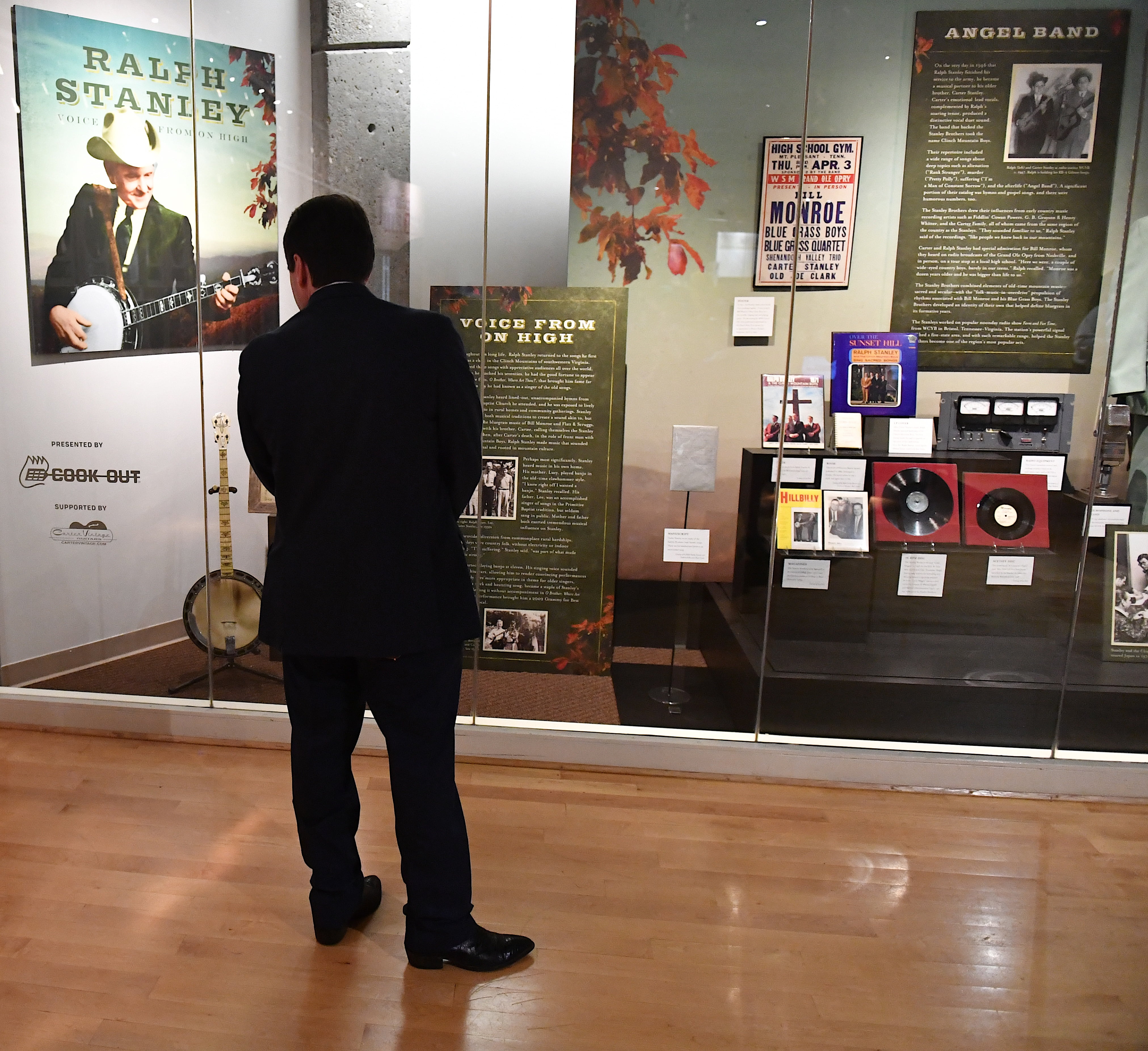
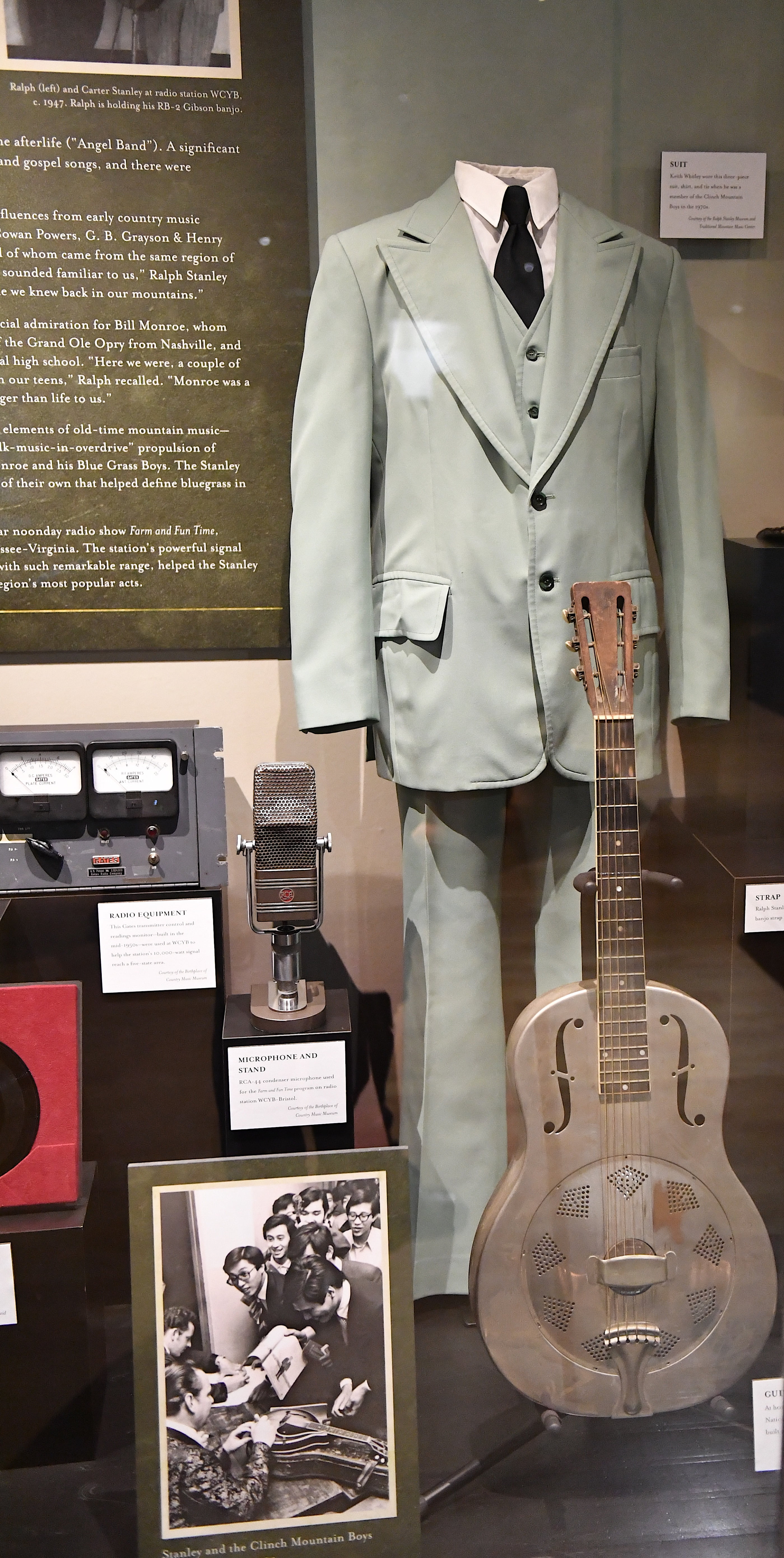
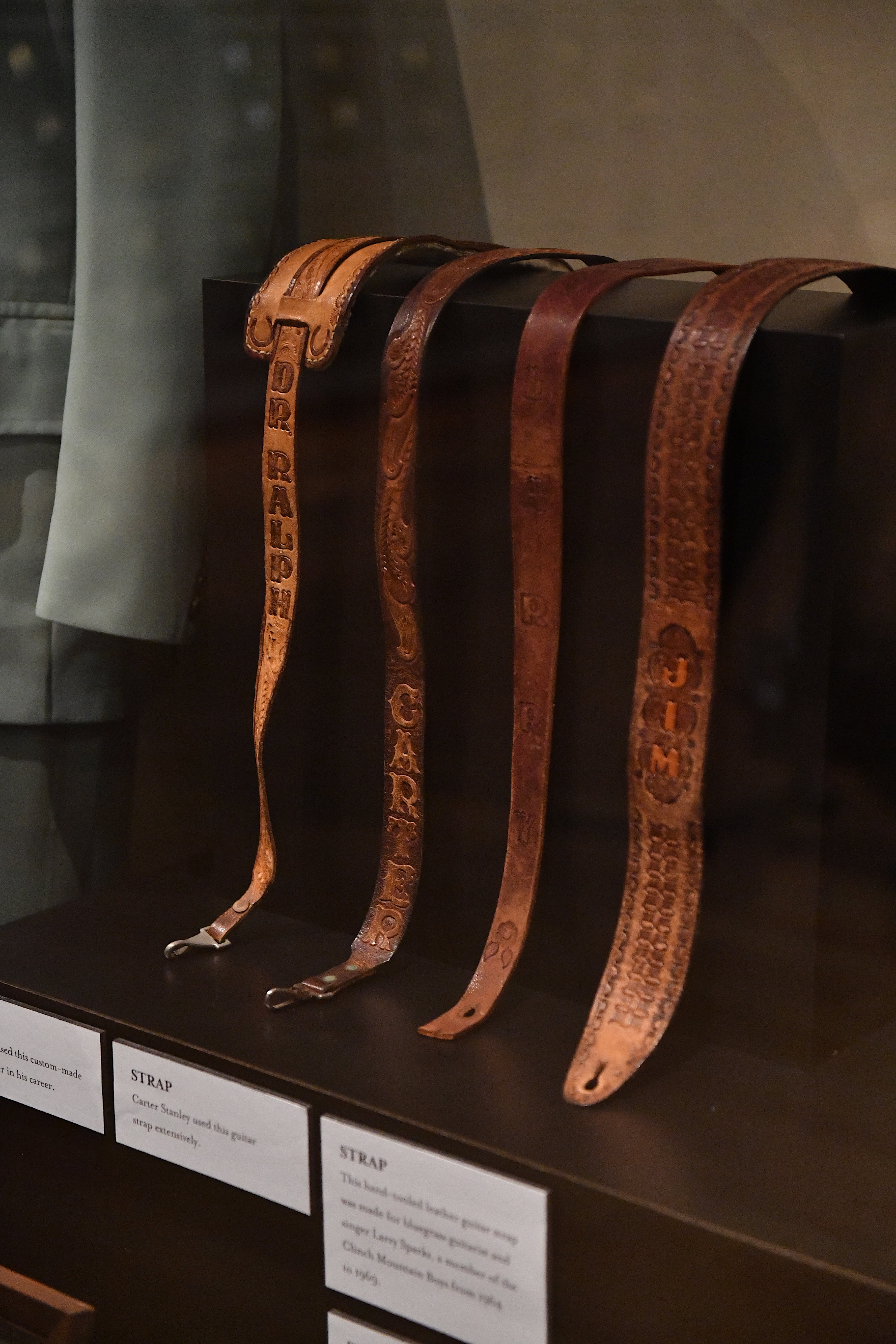
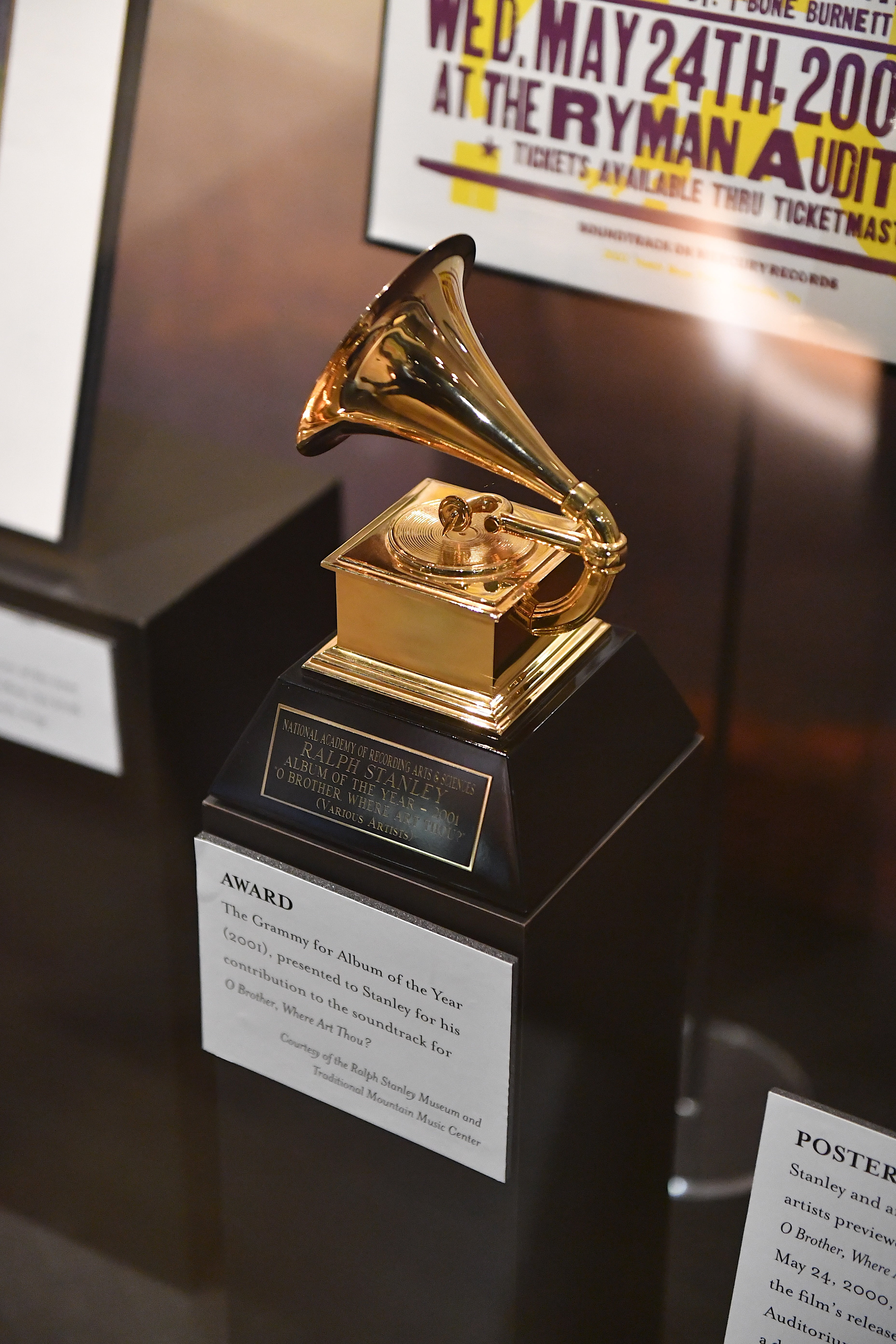
Ralph Stanley Exhibit Opens at Country Music Hall of Fame

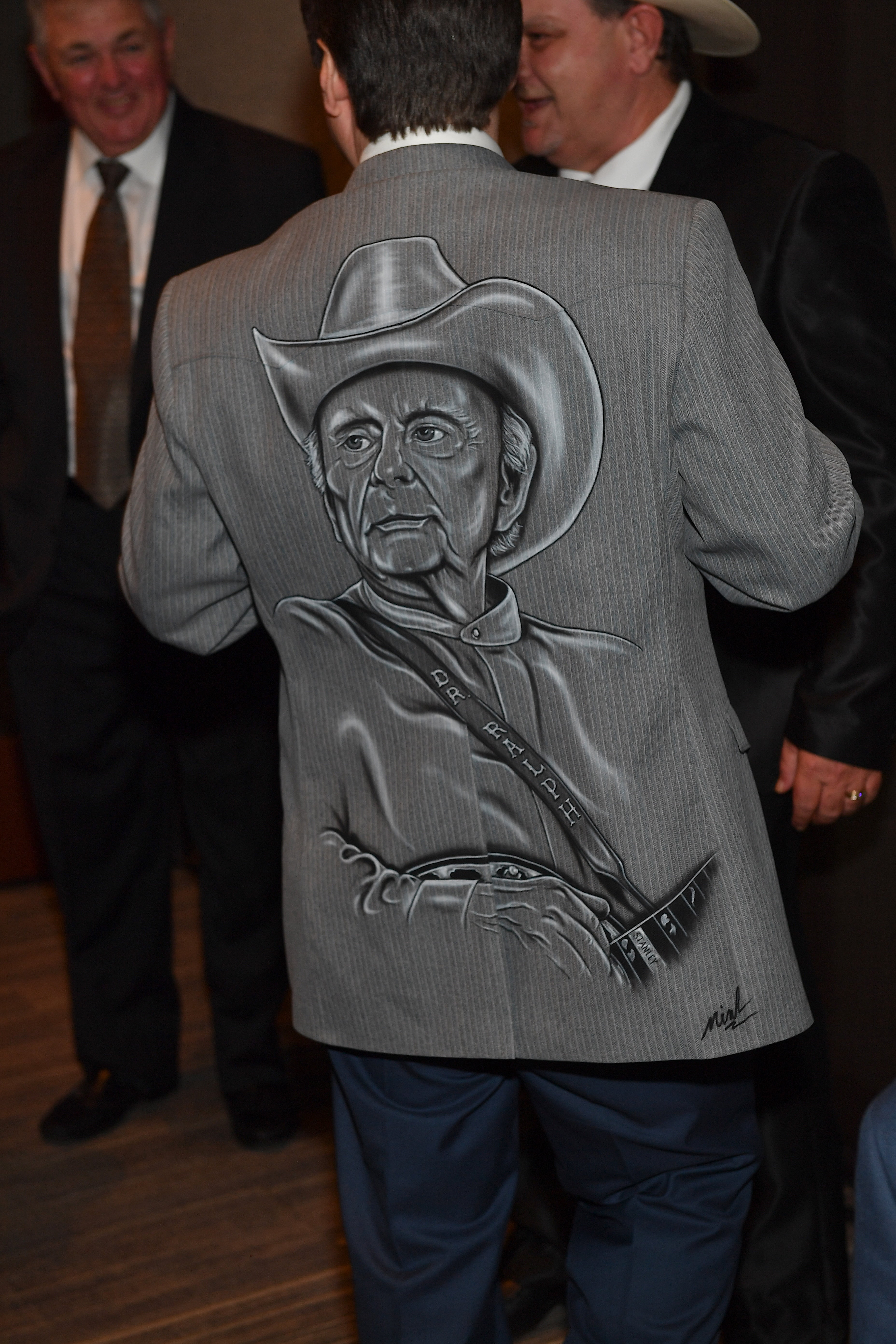
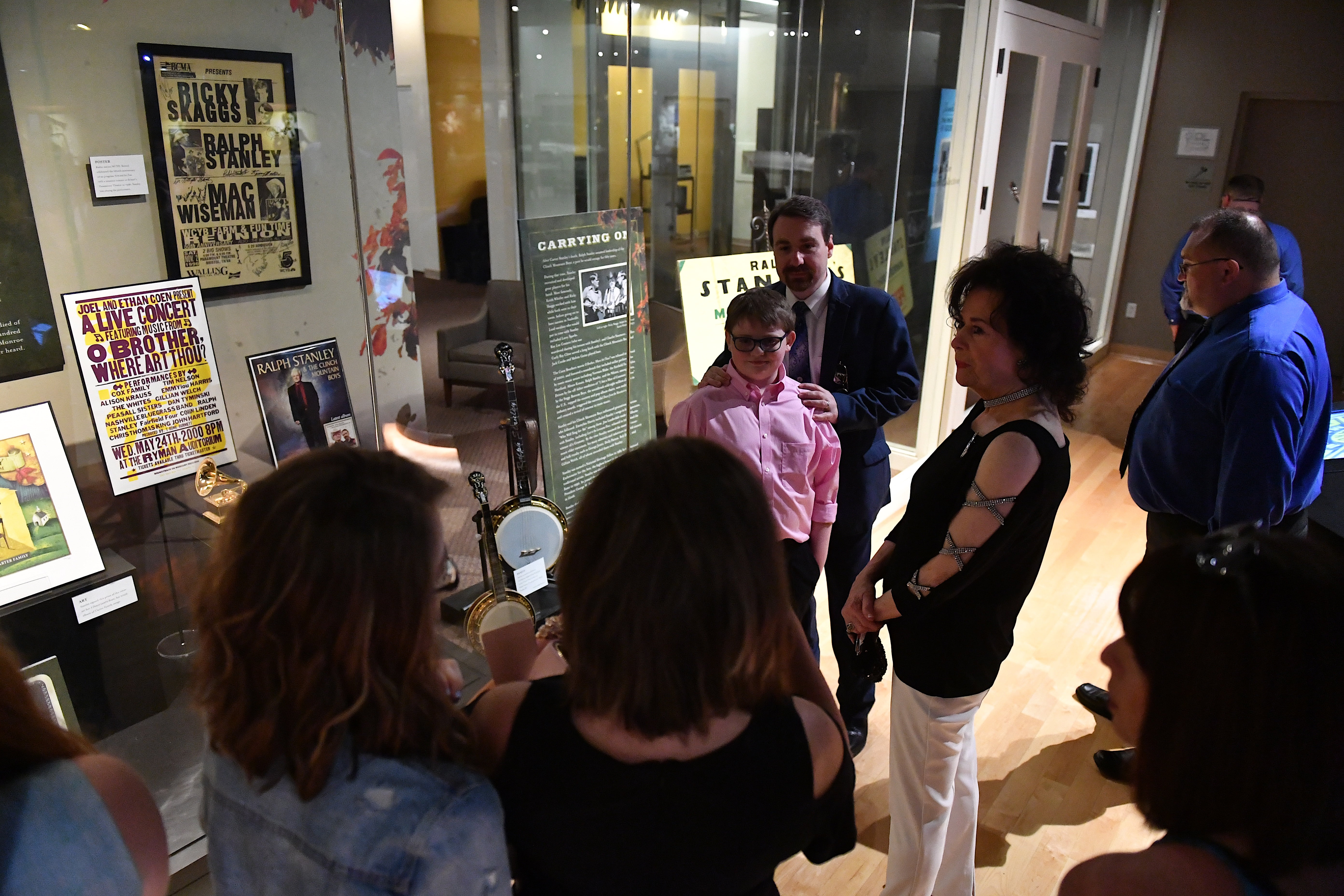
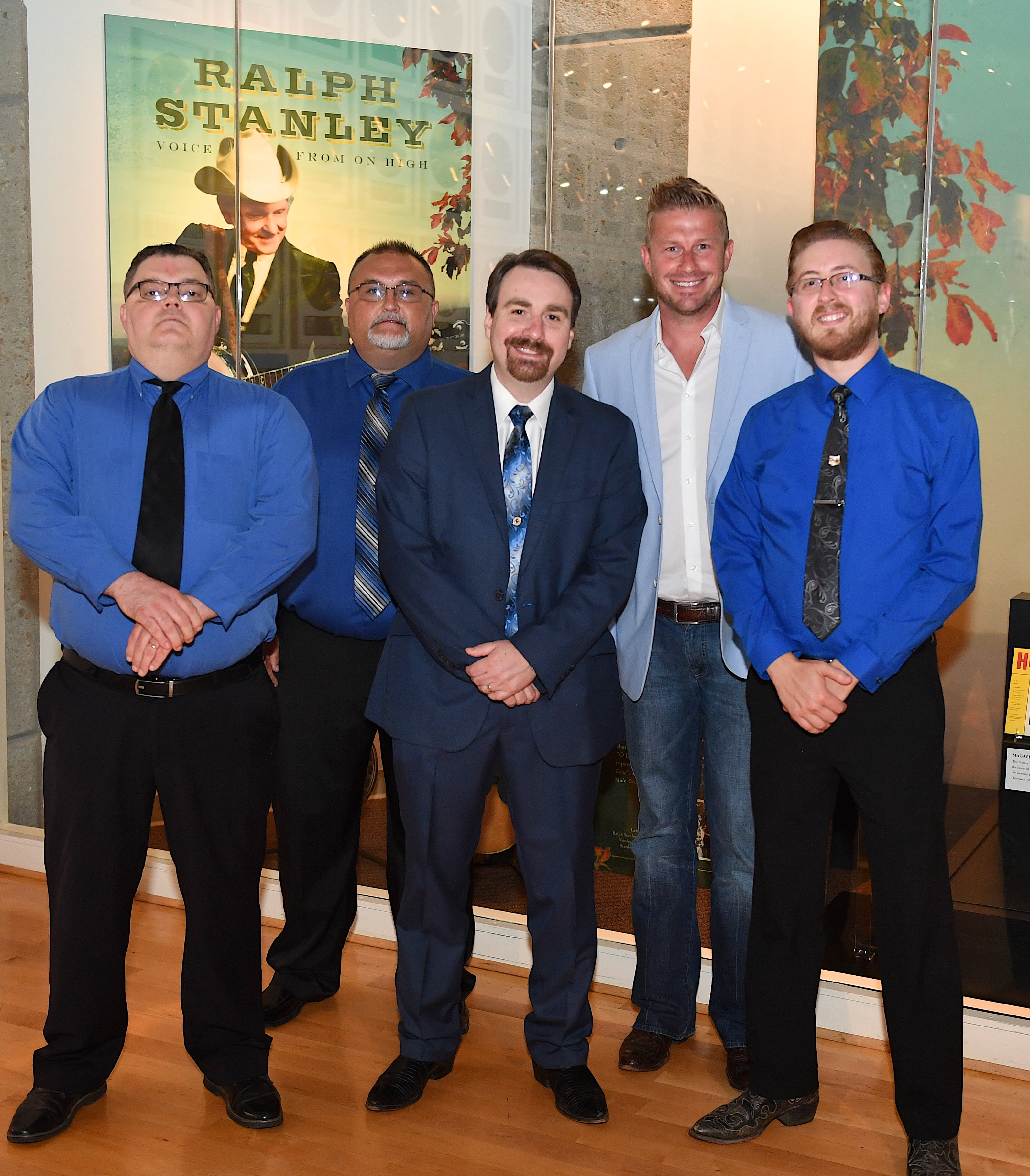
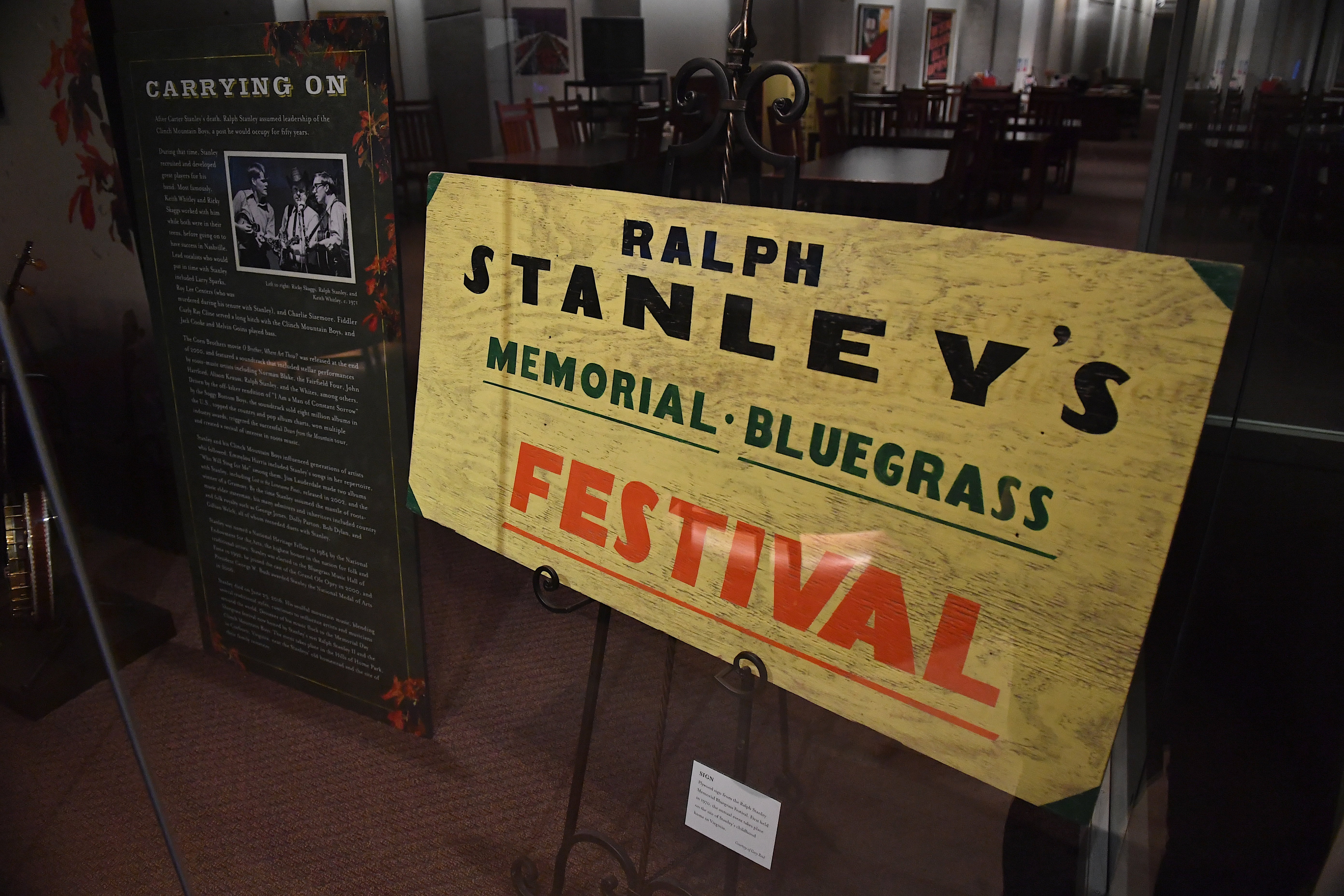
The Country Music Hall of Fame and Museum is shining a light on a bluegrass legend in the new exhibit, Ralph Stanley: Voice from on High. Presented with the participation of the Stanley family, the exhibit will remain open through January 9, 2019.

For generations, Ralph Stanley found a home in bluegrass music, starting with the influential recordings made with his brother Carter as The Stanley Brothers. Following Carter’s death in 1966, Ralph’s own journey led him to the Grand Ole Opry and the Bluegrass Music Hall of Fame, with national recognition ranging from the Library of Congress to the Grammy Awards.

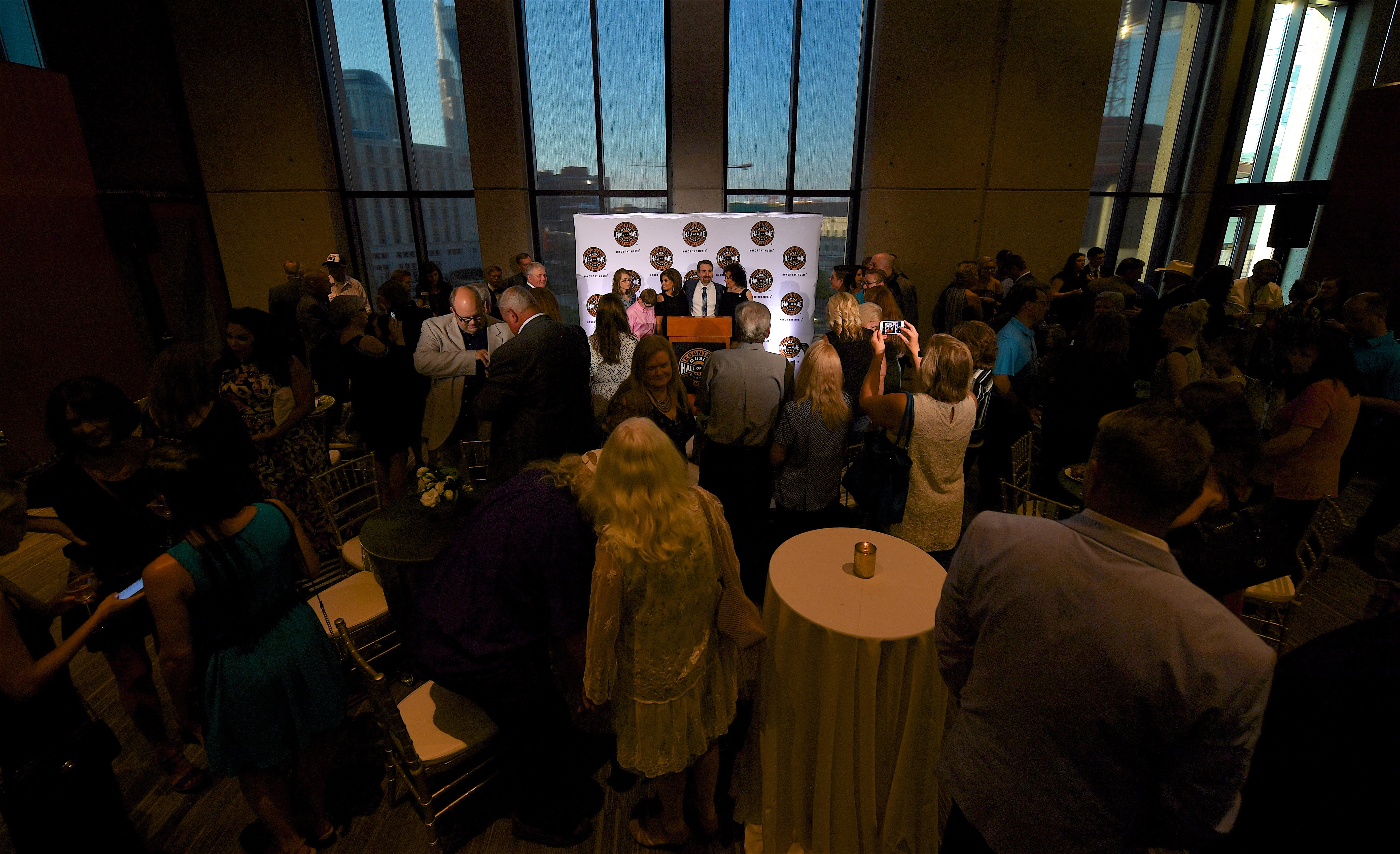
“I just want to say that I’m so glad to see this happen for Dad,” said Ralph Stanley II at the exhibit’s opening party. In his remarks, he remembered receiving a banjo from his father as a boy, although ultimately Ralph II ended up gravitating toward the guitar. Ralph II reminisced about falling asleep to the Clinch Mountain Gospel album while growing up – a ritual that led to dreams of sharing the stage with his father.

“Thanks to the good Lord, I got to do that,” he stated. “There’s been a lot of great banjo players and a lot of great singers. But nobody could play it with the emotion and feel that Dad had. That’s for sure.”


Photos by Jason Davis/Getty Images

MIXTAPE: Bobby Britt’s Songs of Hard-Won Joy

The songs and artists on this playlist evoke a sense of hard-fought, hard-won, deep and rich joy. It is not a simple, one-dimensional joy. It has the sound of being churned about, tried and tested again. And now, just maybe, the joy being properly vetted, can be enjoyed. I look up to these artists, as they convey a message of calm and confident optimism.

We are all faced with the dualities of a temporal world…birth and death, gain and loss, pleasure and pain.

These songs speak to the strength of the human spirit amidst that world, and give me courage to carry on regardless of what’s happening, good or bad. They also provide a glimpse at an eternal reality of peace and balance (that has nothing to do with time, space or duality) that is hard to see or believe in when I am churning in the opposites…fear of loss, a craving for more and more solidity, and the dread that I will never have or be enough.

We need artists for this very reason; to go beyond our normal, conditioned ways of thinking about life, and to give us a new perspective with which to test our old and sometimes outdated paradigms.

My area of expertise is bluegrass and old-time fiddle. Though I am not a vocalist or pop artist, I gain inspiration from all styles. The feeling and sound of the above mentioned “hard-won joy” is what transcends specific genres for me. A goal of mine is to take this base emotional element, and with it, transfuse my fiddle playing and songwriting.

My hope is that you can find some joy and something to relate to in these songs as I did. Thank you for listening.


Photo Credit Louise Bichan

The Golden Age of Bluegrass… The ’90s?!

With the following eleven songs, we will convince you, the bluegrass jury, that neither the ‘40s, the ‘50s, the ‘60s, nor the ‘70s were the golden age of ‘grass. Before the bluegrass gods and all these gathered here today we unabashedly assert: the ‘90s were the absolute best years for bluegrass!! Consider the following evidence:

Lonesome River Band – “Long Gone”

Remember the days when LRB was a quartet and there was a critical mass of mullets among their members? Such a small lineup and still somehow a supergroup: Dan Tyminski and Ronnie Bowman dueting the life out of it, Sammy Shelor pulling for his life, and Tim Austin demolishing the flat-top. Woof.

J.D. Crowe – “Blackjack”

The ‘90s were the golden age of bluegrass and the bluegrass supergroup. The TV show American Music Shop, which ran for three years starting in 1990, often amassed the best star-studded lineups of the time period – like this one: J.D. Crowe, Mark O’Connor, David Grisman, Tony Rice, Jerry Douglas, and Glen Worf.

Laurie Lewis & Friends – “Texas Bluebonnets”

Laurie Lewis won Female Vocalist of the Year from the International Bluegrass Music Association only twice — once in 1992 and again in 1994. We could rest our ‘90s-bluegrass-is-best case on that fact alone, but we’ll let Laurie (and Tom Rozum, Sally Van Meter, Peter Rowan, Alan Munde, et. al.) convince you with this Texas swing-flavored masterpiece.

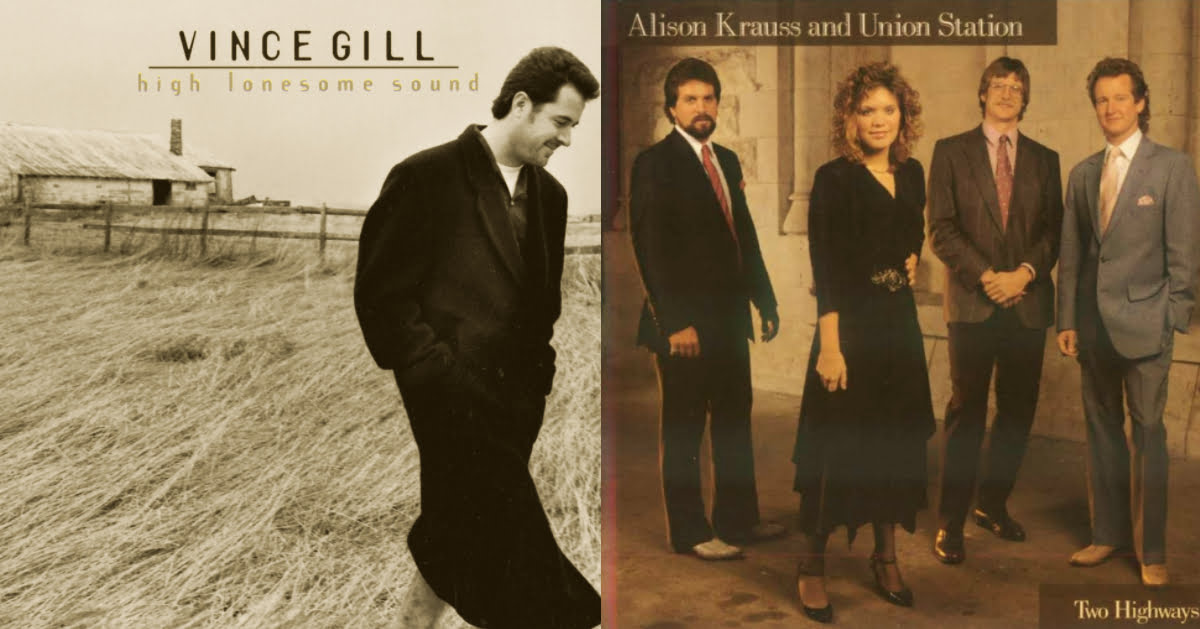
Alison Krauss & Union Station – “Two Highways”

I mean… do we even need to contextualize this one with a blurb? Alison Krauss — before she became the winningest woman in GRAMMY history — with Adam Steffey, Barry Bales, Tim Stafford, and Alison Brown (no, they aren’t sisters, even if they do have the same name) is exactly why ‘90s bluegrass never fails us. If you happened to forget that AK is a ruthless fiddler, too, just listen to any of her stuff from this decade for a reminder.

Strength in Numbers – “Slopes”

We continue with supergroups, for a moment, this time regaling in the new acoustic, esoteric instrumental, 1990s beauty of “Slopes” played by a group of folks you may know: Béla Fleck, Mark O’Connor, Sam Bush, Jerry Douglas, and Edgar Meyer. Makes you wanna time travel, doesn’t it?

Dolly Parton – “Train Train”

Everyone’s favorite songwriter, actor, country star, business mogul, theme park owner, and literacy advocate made one of the best bluegrass records in the history of the genre in 1999 — and of course the world went crazy for it. She took bluegrass places it too-rarely appears with a band that could’ve sold out a nationwide tour themselves. Iconic.

Ricky Skaggs & Kentucky Thunder with the Del McCoury Band – “Rawhide”

Del and the boys cleaned up on the IBMA Entertainer of the Year awards between 1990 and 2000, winning the organization’s top honor a total of five times during that span. Ricky never truly left, but he visibly returned to dominating bluegrass in the 1990s, touring with Kentucky Thunder. Talk about a golden age!

Emmylou Harris, Ralph Stanley, Dwight Yoakam – “The Darkest Hour”

Once again, we thank American Music Shop for bringing together a seemingly disparate yet totally seamless power collab. One of the best things about bluegrass is the shared vocabulary, the commonality of the songs. Just throw a bunch of folks up on stage and have ‘em sing one together!

Nashville Bluegrass Band – “On Again Off Again”

Best decade for bluegrass = best decade for bluegrass music videos, too. (Sure, all music videos, but especially bluegrass ones!) This one is just deliciously retro and it doesn’t hurt that the Nashville Bluegrass Band is not only freakin’ stacked with talent, but they knock out these mid-tempo, sultry, vocal-centered songs better than anybody else.

Lynn Morris Band – “Love Grown Cold”

Lynn Morris has been unconscionably underrated for her entire career. Just listen to this. She had her heyday as an artist and band leader in the ‘90s, winning multiple Female Vocalist of the Year awards and even a Song of the Year, too. That banjo pickin’ definitely deserved better recognition, though. Hell, the whole kit-and-caboodle deserved more recognition. If you take away anything from our journey back through this bygone era of great hair choices and clothes that go zip-zop it should be a never ending love and appreciation for Lynn Morris.

Vince Gill, Alison Krauss – “High Lonesome Sound”

Two roots music icons of the decade, collaborating on a song that tributes the father of bluegrass himself, it’s just too perfect. We rest our case. May 1990s bluegrass live on forever in our hearts, our ears, and our mullets.

Give Me the Wintertime: 10 Bluegrass Songs for the Cold

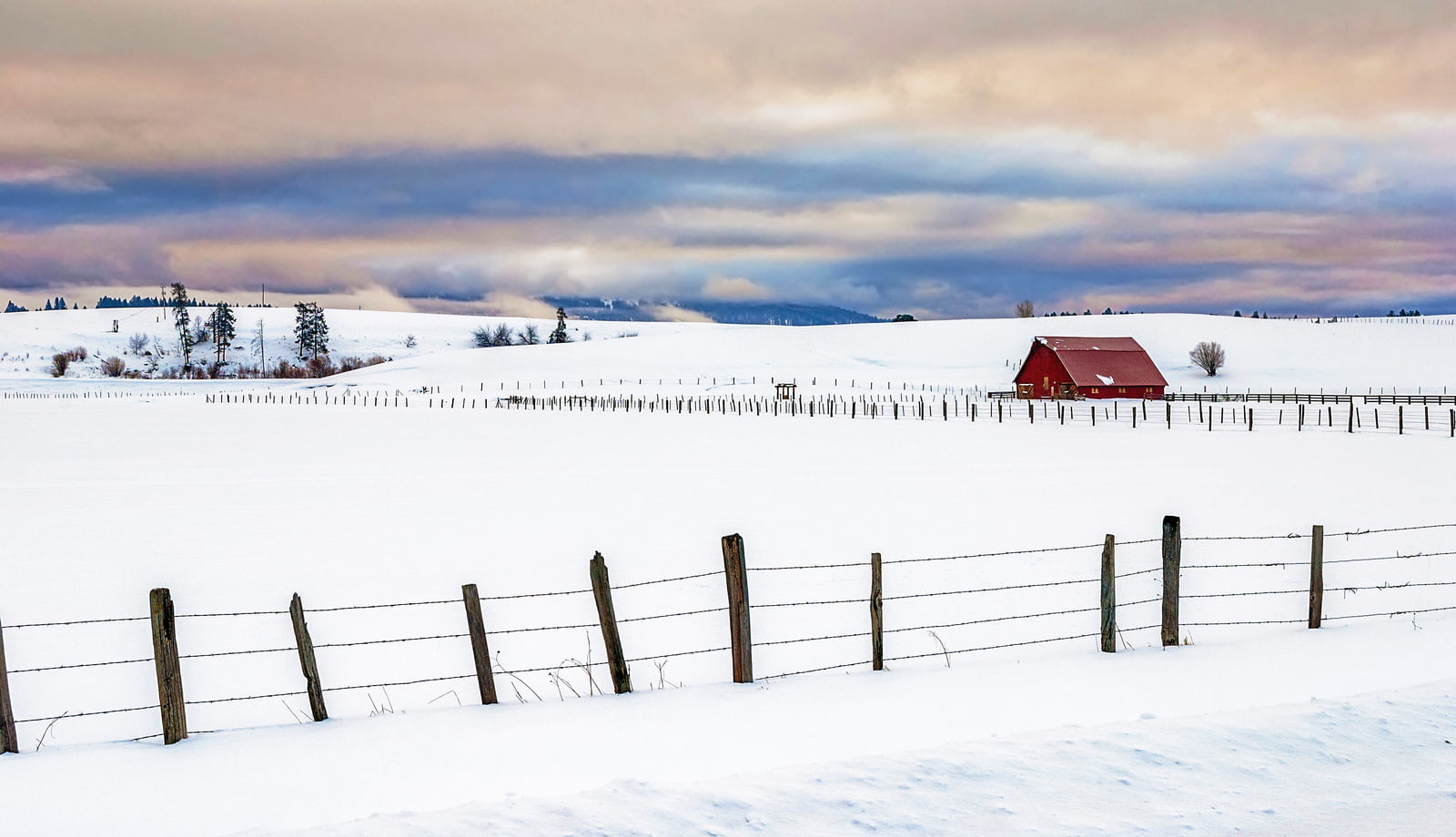
If we really have no choice but to endure winter (other than high-tailin’ it toward the equator), we might as well give in, cozy up, and spin some wintry bluegrass songs. Cold rain, cold snow, cold wind, cold hearts … some folks like the summertime when they can walk about, but wintertime … well, it’s a season that happens, too.

Tony Rice — “Girl From the North Country”

The north country = where the wind blows cold on the borderline. It feels like Tony sings about winter and its themes quite a lot. It just fits.

Emmylou Harris — “Roses in the Snow”

Not to throw around the term “iconic,” but this one is iconic. We’re familiar with the idea that love is like the seasons, but this time, love is like a greenhouse. It can grow roses in the snow! It’s a refreshing twist on a concept that usually ends up with the flower of love frozen over and wilted in the cold.

Larry Sparks — “Snow Covered Mound”

The only conscionable reason to highlight any recording of this song besides Ralph Stanley’s is … Larry Sparks. His voice captures winter and its grief perfectly. It will send a shiver up your spine.

The Osborne Brothers — “Listening to the Rain”

Some places aren’t lucky enough to enjoy the austere beauty of snow in the winter months, getting rain, and gray, and mud, and gloom instead. Of course, cold rain with a heapin’ helpin’ of lost love sounds about right.

Ronnie Bowman — “Cold Virginia Night”

IBMA’s 1995 Song of the Year leans into the cold heart metaphor. It is beautiful. And catchy. And still reverberating off the walls and in the halls of every former IBMA convention host hotel.

Jim Mills — “Sledd Ridin’”

If you gloss over the strange spelling of “sledd,” you’ll find this rollicking banjo tune feels like a day spent on the snowy neighborhood hill. Time for hot cocoa.

Reno & Smiley — “Love Oh Love Oh Please Come Home”

In a dynamic twist, the woman has left the man alone, at home, with their baby, while the snow has covered up the ground.

Del McCoury — “Rain And Snow”

It’s a murder ballad. It’s a lover’s lament. It’s sung in an astronomically high register. And it’s pretty sexist. It’s bluegrass to a T. It also happens to be a goddamn classic. Del McCoury does it right.

J.D. Crowe & the New South — “Ten Degrees and Getting Colder”

Somehow the saddest part of this song isn’t that he’s traded off his Martin. This song is a masterpiece and distillate of the troubles of a working musician: The coldest months are always the hardest months.

Bill Monroe — “Footprints in the Snow”

Once again, we are reminded that the father of bluegrass not only originated the genre, he’s responsible for a good many of its themes, too. In this case, winter isn’t an analog for heartbreak; it’s a silver lining, guiding the song’s speaker to his love via her footprints. You can’t trace footprints in the summer!


Photo by The Knowles Gallery on Foter.com / CC BY

Bluegrass Underground Takes the Genre to New Depths

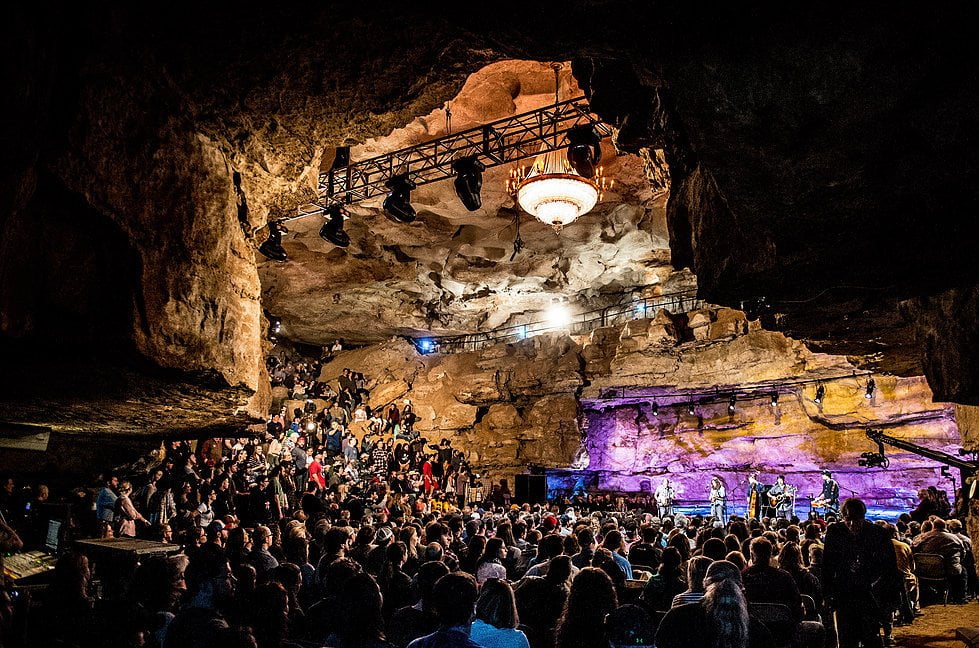
If you’re a fan of bluegrass, PBS, or both, there’s a good chance you’ve seen the Emmy-winning show Bluegrass Underground. The series, which features the biggest voices in roots music performing in an actual cave, has been on the air since 2011, with shows first taking place 333 feet below the earth in McMinville, Tennessee’s Cumberland Caverns in 2008. Since the show’s inception, it’s featured a who’s-who of bluegrass and Americana’s finest artists, including Old Crow Medicine Show, Del McCoury, and Lucinda Williams. 

New episodes for the 2017 season taped over the weekend with three days of shows that featured Conor Oberst, Parker Millsap, Rhonda Vincent, and Marty Stuart, among others. This new season — the series’ seventh on television — is its biggest yet, a lineup that had Larry Nager, who serves as the show’s resident journalist and blogger, as excited as ever to get down to the cave. 

Prior to getting involved with Bluegrass Underground, Nager worked as a journalist, musician, and bluegrass historian. His first brush with the series came in 2008, when he attended one of the very first shows — featuring the likes of Tim O’Brien, Bryan Sutton, and Stuart Duncan — at the behest of Bluegrass Underground founder Todd Mayo. He cites that lineup as inspiring him to join the show’s team, but also is quick to explain that the venue itself played a large role in getting him on board.

And it is quite a sight. After trekking down a dimly lit, winding path flanked by rock formations and crystalline pooled water, visitors descend upon a grand “room” made of rock, at once cozy and breathtaking, lit by a large chandelier that can only be described as prehistoric chic. 

“There are artists who won’t go because they don’t like the idea of being in a cave,” he says. “That, in itself, is interesting. But there’s kind of a magic that happens underground. It takes everybody out of their usual zone. For bluegrass bands or any working band, it’s gig after gig after gig and they all kind of run together, but when they come down there they say, ‘This is one we’re gonna remember.’”

Though Nager has seen countless shows over the years, there are a handful of moments from his time in the cave that rank among his favorite musical memories. One of the most treasured of those memories is his experience seeing the late Dr. Ralph Stanley perform in 2011.

“Ralph did two shows down in the cave,” he says. “To get him in the cave is just a cool thing. He did ‘O Death’ with a pin-spot on his face in the dark cave. That was one of those moments … It was transcendent. That’s definitely one of the moments I’ll remember.”

Nager noted that moments like those are made available to viewers beyond the lucky few hundred in the venue by PBS, an entity threatened by budget proposals by the Trump administration. Without the support of PBS, there likely won’t be a home on television for Bluegrass Underground or similar roots-centric shows like Music City Roots

“There really is a message there, in that PBS, for people who love roots music and love bluegrass … you’re not going to see it anywhere else, not on broadcast television. There’s also an underserved rural population that, the influence of PBS there, is not often stated, but for a lot of places that’s the alternative TV they get. Otherwise, it’s Dancing with the Stars.

“If you’re open to it, the beauty of it, the strangeness of it, the uniqueness of the experience is inspiring. It’s just old-fashioned magic.”

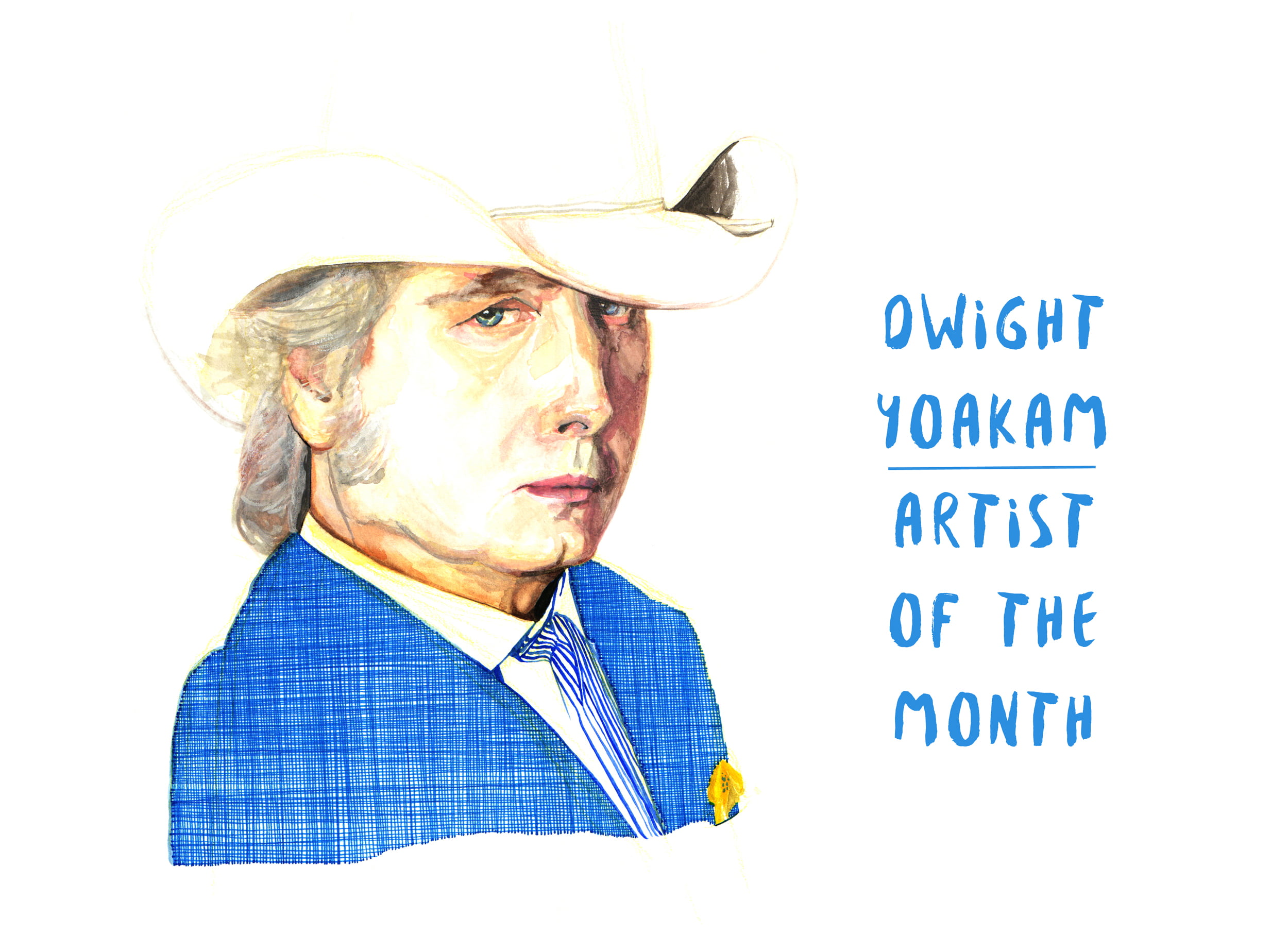
Dwight Yoakam: The Kentucky Son’s Bluegrass Birthright

Country music got to know Dwight Yoakam through radio stations and multi-platinum records, witnessing his distinctive style cut through the Nashville machine in a way that was nearly impossible to ignore. He debuted with 1986’s Guitars, Cadillacs, Etc., Etc., landing the first of three consecutive number one country albums and, over the course of his genre-pioneering career, Yoakam has sold more than 25 million records, charted 22 Top 20 singles in Hot Country Songs, won two Grammy Awards (and been nominated for 19 more), and landed nine platinum or multi-platinum albums.

But Yoakam’s introduction to country came up through hollers and Kentucky living rooms rather than with splashy records or big best-sellers. “Here's the thing: I was born in rural, southeast Kentucky, in Pike County. Bluegrass is in your DNA, when you're born there. It's mountain music,” he says. His earliest memory of music doesn’t involve old records or radio shows, but rather Yoakam remembers traipsing up the mountain with his grandfather on Sundays after church and listening to music made alongside ‘coon hunting. “It looked like it might have been an abandoned mining site — a coal mine site that had been left to flood back into a fairly good-sized lake. There were guys walking around with their guitars, banjos, mandolins, playing in small groups, just walking up to one another and just starting to pick. They were out there playing bluegrass face to face with one another. I had exposure to that very young in an absolutely pure way.”

Yoakam’s background in traditional bluegrass and an early affinity for the classics led him to a few starstruck moments throughout the course of his career, some of which hinted that he might be suited to embrace a bit more twang in his regular rotation. Most notably, he recalls recording with Earl Scruggs on 2001’s Earl Scruggs and Friends.

“I was there in the studio in L.A., with Earl and the band were just warming up. Earl and I were playing back and forth and I started playing a melody that came to my head. Earl started answering me on the banjo. Here I am, sitting close to the Jimi Hendrix, if you will, of bluegrass banjo, right? The godfather of modern bluegrass banjo,” he says. They’d originally sat down to record a platinum Scruggs single Yoakam frequently covered, "Down the Road.” But Louise Scruggs came into the studio when they were still fiddling around with Yoakam’s melody of the moment.

“She said, ‘I believe you need to record this.’ I said, 'Louise, it's not really a song.' She goes, ‘Well we need to record it.’ By that point, I was singing some consonants and vowels, which is what I do as a writer when I sneak up on a song. It became the song, ‘Borrowed Love.’ Louise and Earl Scruggs looked at me and said, ‘Well, you're just a bluegrass singer in disguise.’ I said, ‘Probably so.’”

For a man with bluegrass in his bloodline, it’s surprising to hear Yoakam say so emphatically that his forthcoming record, Swimmin' Pools, Movie Stars — a full-length that re-imagines many of his commercial country songs as bluegrass tunes — wasn’t really his idea. It was Kevin Welk — owner of Vanguard and Sugarhill Records and eventual executive producer on Swimmin’ Pools, Movie Stars — who approached Yoakam’s team with the concept. Label obligations and release schedules got in the way, but when the timing was finally right, the label was ready: Americana super-producer Gary Paczosa and producer/songwriter Jon Randall Stewart committed to the project and had hand-picked an all-star lineup of a band to back Yoakam, too. Award-winning players like guitarist Bryan Sutton, banjo and fiddle player Stuart Duncan, bassist Barry Bales, and banjoist Scott Vestal make a convincing lineup alone and, with Yoakam on lead, the project was bound to go somewhere special. But the producers had landed on something Yoakam hadn’t planned — to re-record his old songs with a new twist.

“Melodically, these songs were predisposed to it — that's what I think Gary and Jon thought,” says Yoakam. “And I've always pointed to that when I did interviews: There's a lot of bluegrass, melodically, in what I write."

Those traditional bluegrass sensibilities were just waiting to bubble to the surface, and they lend a new life to lesser-known singles like “Free to Go” and “Home for Sale.” Even casual fans of Yoakam will delight in more popular numbers like “These Arms” and “Guitars, Cadillacs” with their old-fashioned harmonies and quick instrumentals. Nuances in the vocals on Swimmin’ Pools, Movie Stars are a giveaway that Yoakam isn’t just dabbling in tradition: This is an album he was meant to record. Varying his inflection on old lyrics, his performance feels warm and complementary — at times even reverent — to the harmonies beside him and the deft picking in the backdrop. What gets Yoakam talking fastest about bluegrass music and the “bluegrass way” of doing things, though, isn’t one of his own songs — it’s the record’s album closer and lone cover, a rendition of Prince’s “Purple Rain.”

“We tracked 13 tracks in four days,” he says. “The third day of tracking, I went in and, that morning, when I was getting ready to leave to go to the studio, CNN had breaking news. I happened to look over at the TV and I was in the hotel in Nashville and saw the awful unfolding of the news that Prince had died so suddenly and so tragically, so alone.”

Get a bunch of musicians mourning a genius in one room, and you’re going to come away with some good listening. They worked through “Purple Rain” right there, testing it out and ultimately tracking it live before setting the recording aside.

“Just the moment — it was just the emotion from everybody in the room. I didn't touch the song again for about three weeks,” Yoakam says. “I didn't listen to it. I thought, ‘We're probably not going to put it on the record. It was nice to do.’”

Prodding soon came from Paczosa and Stewart, who had left Nashville before the final day of recording and simply saw the raw recording among the other audio files for the upcoming album. The two producers asked Yoakam if they could try listening to the track for the record. “We played it, put it on, and it was what it is, what you hear [on the record]. In fact, I left the scratch vocal on it. I did a harmony. It's exactly as we played it that day about four hours after everybody heard he died,” Yoakam says. “I think, because of that, it had an emotional expression that you couldn't have in any other moment.”

Many of the moments that foreshadowed Swimmin’ Pools, Movie Stars were similarly off-the-cuff experiments in the studio over the years. As Yoakam verbally picks apart the hours that built up to the “Purple Rain” cover that eventually made the album, it grows clearer that this album fusing his songs with the traditions and the twang that built him was more about him and his roots than he first implied.

“One of the things that probably seeded that moment in my mind was Ralph Stanley,” Yoakam notes. “He cut one of my songs, 'Miner's Prayer,' and I recorded one of his songs, 'Down Where the River Bends.' I had always been a fan of the Stanley Brothers. We cut it, as he would say, ‘in the mountain way,’ with Curly Rae Kline on fiddle. It was done around the microphone with a live band in a circle, playing those songs. They looked at me and said, ‘Dwight, I believe you might be a bluegrass singer.’ I said, ‘Well I guess it's somewhere in my birthright.’”


For more Artist of the Month coverage, read Dacey's profile of bluegrass phenom Sierra Hull.


Lede illustration by Cat Ferraz.

3×3: Nathan Bell on Being the Silver Surfer, a Reluctant Gypsy, and a Major League Baseball Mascot

Artist: Nathan Bell
Hometown: Signal Mountain, TN
Latest Album: I Don't Do This tor Love, I Do This For Love (Working and Hanging On in America)
Personal Nicknames: I’ve never had a nickname and it’s uncool to give yourself one (just ask Kobe Bryant), but if I could have one, I’d like it to be “Wolverine.”


Bikes and shit

A photo posted by Nathan Bell (@nathanbellmusic) on

Your house is burning down and you can grab only one thing — what would you save?
I have a signed copy of a book of short stories by Rick Bass that my wife gave me when we were first together, so I’d take that. And my wife, of course. And our kids. And three dogs. 

If you weren't a musician, what would you be?
A Major League Baseball mascot.

If a song started playing every time you entered the room, what would you want it to be? 
“Atomic Dog” by George Clinton. Or, if I’m in a thoughtful mood, “It Never Entered My Mind” by Miles Davis. If somebody just died, Ralph Stanley singing “Rank Stranger.” Maybe always “Rank Stranger.”


Mossman one and Mossman two, pre shoulder surgery stalwarts

A photo posted by Nathan Bell (@nathanbellmusic) on

What is the one thing you can’t survive without on tour? 
The default answer is my guitar. But if you are allowing the guitar to exist separate of this question, my return ticket home. I’m a reluctant gypsy. I love to play solo live shows, but I’m a family man, and when they aren’t around, I need to know I’ll be going home eventually.

If you were a car, what car would you be? 
A battered 1997 Ford F-150, with 4×4 and an 8-Cylinder engine. I’m not so fast anymore, but I get stuff done. I don’t need any girls dancing in the bed, which is full of junk as we speak.

Who is your favorite superhero?
Silver Surfer — because he’s a complete fucking loner.


Acoustic Magazine has been kind enough to print some of my work. The newest issue is out. @acousticguitarmag

A photo posted by Nathan Bell (@nathanbellmusic) on

Vinyl or digital? 
Stone tablet. That way I could have liner notes and the proof that somebody worked hard to create something. But I love recording digital. Good microphones are all you really need.

Dylan or Townes?
Terry Allen. The greatest songwriter/sculptor to walk the earth. He’s unbought and unbowed, just doing his thing, perfectly.

Summer or winter?
Winter. Although, just to be contrary, I prefer Fall. Things dying, things sleeping, everything waiting to start over. The season that looks the least hopeful, like me, but, also like me, is optimistic that life goes on.


Photo Credit: Richard Duby

Bluegrass Cocktails: Nine-Pound Hammer

With a commanding name like Nine-Pound Hammer, you might expect a stiff drink … so why something light and somewhat sweet? This tune is one in the tradition of hammer songs, which lament the struggles and grueling labors of railroad workers. In that case, a cooling cocktail seems even more necessary — the combination of Drambuie and pineapple lends the drink a delicate candied quality, and the yellow Chartreuse brings in a distinct herbal element, all for a libation that’s refreshing and easy-drinking. Add in those few dashes of absinthe, and this one is a real doozy — which anyone could use after a hard day's work.

INGREDIENTS
1 oz aged rum
3/4 oz Drambuie
1/2 oz yellow Chartreuse
1 oz pineapple juice
3/4 oz lemon juice
2 dashes absinthe
Seltzer water
Orange and brandied cherry for garnish (optional)

DIRECTIONS
Add all ingredients (except seltzer) to shaker with ice and shake vigorously until cold. Strain into a collins or high-ball glass with ice and top with seltzer water. Garnish with orange slice and brandied cherry.

Reading List: 5 of the Best Bluegrass Biographies

We've offered you plenty of options for learning about the history of bluegrass masters via streaming, but what about good old-fashioned books? For those of you who like your learning a bit more in-depth and enjoy the heft of a good book (or, we hate to say, the sleek screen of a Kindle) in your hands, we've rounded up a handful of the best bluegrass biographies (and autobiographies) out there. 

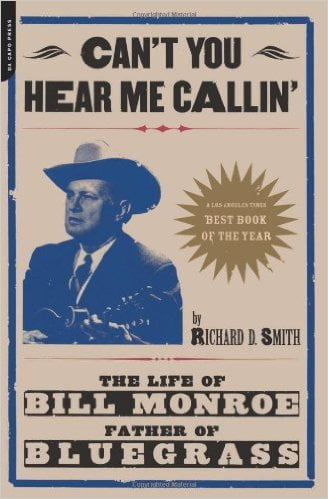
Can't You Hear Me Callin': The Life of Bill Monroe, Father of Bluegrass, by Richard Smith

Few musicians have had more influence on bluegrass than Bill Monroe, and this biography seeks to explain that influence — one that, truth be told, no book could sum up — in 352 pages of extensive interviews, thoroughly researched musical history, and rare glimpses into Monroe's personal life. There's no better lens through which to understand bluegrass than the career of Bill Monroe, and this book is as close as you can get to the man himself.

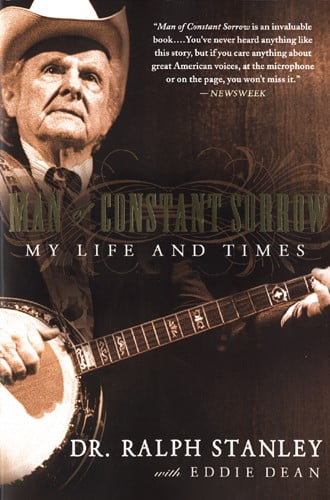
Man of Constant Sorrow: My Life and Times, by Dr. Ralph Stanley

There's nothing quite like hearing it from the man himself, and there's no man we'd want to hear "it" from more than Dr. Ralph Stanley. In this 2010 autobiography, the banjo pioneer reflects on his monumentally influential career, from his early days learning his craft in Virginia to his time touring well into his '80s. This is a must-read for any bluegrass fan.

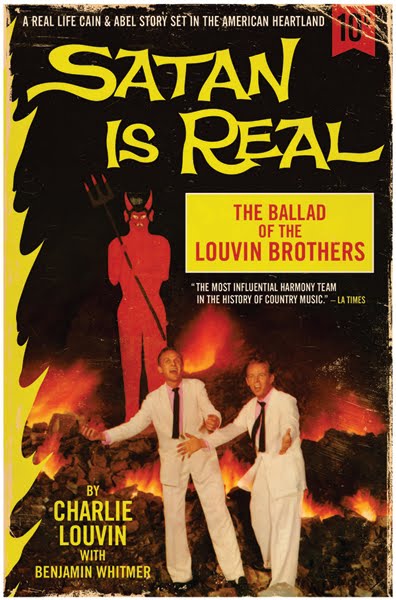
Satan Is Real: The Ballad of the Louvin Brothers, by Charlie Louvin and Benjamin Whitmer

Two of the godfathers of country harmony, Ira and Charlie Louvin traded their gospel roots for country music around the time the genre was picking up unstoppable speed in the mainstream. Devout Baptists with a handful of sinful habits (particularly in Ira's case), the brothers were a "real life Cain and Abel," as is described in this Charlie-penned autobiography. This one should appeal to fans of music and William Faulkner alike.

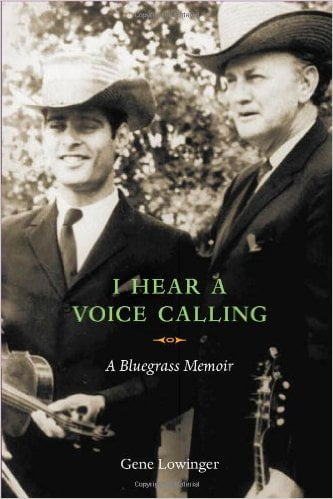
I Hear a Voice Calling: A Bluegrass Memoir, by Gene Lowinger

You may not know the name Gene Lowinger (or, hey, maybe you know enough about the genre that you should write your own book), but the New Jersey born fiddler was around for Bill Monroe's final years, and he documented the father of bluegrass in a series of intimate photographs that show the legendary musician both on and off stage. Lowinger also shares tales of brushes with other bluegrass greats, including the New York Ramblers and the Greenbriar Boys.

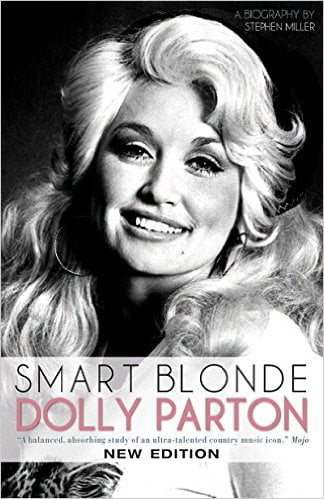
Smart Blonde: Dolly Parton, by Stephen Miller

Dolly Parton may not be a bluegrasser in the traditional sense, but her rags-to-riches tale of growing up in the mountains of east Tennessee to become one of the biggest country stars on the planet falls in line with the career trajectories of many of our grassier favorites. And while there are countless books on Parton available, this one, which will receive an updated reprint in May of this year, is often considered the definitive source.


Lede photo credit: azrasta via Foter.com / CC BY-NC-SA