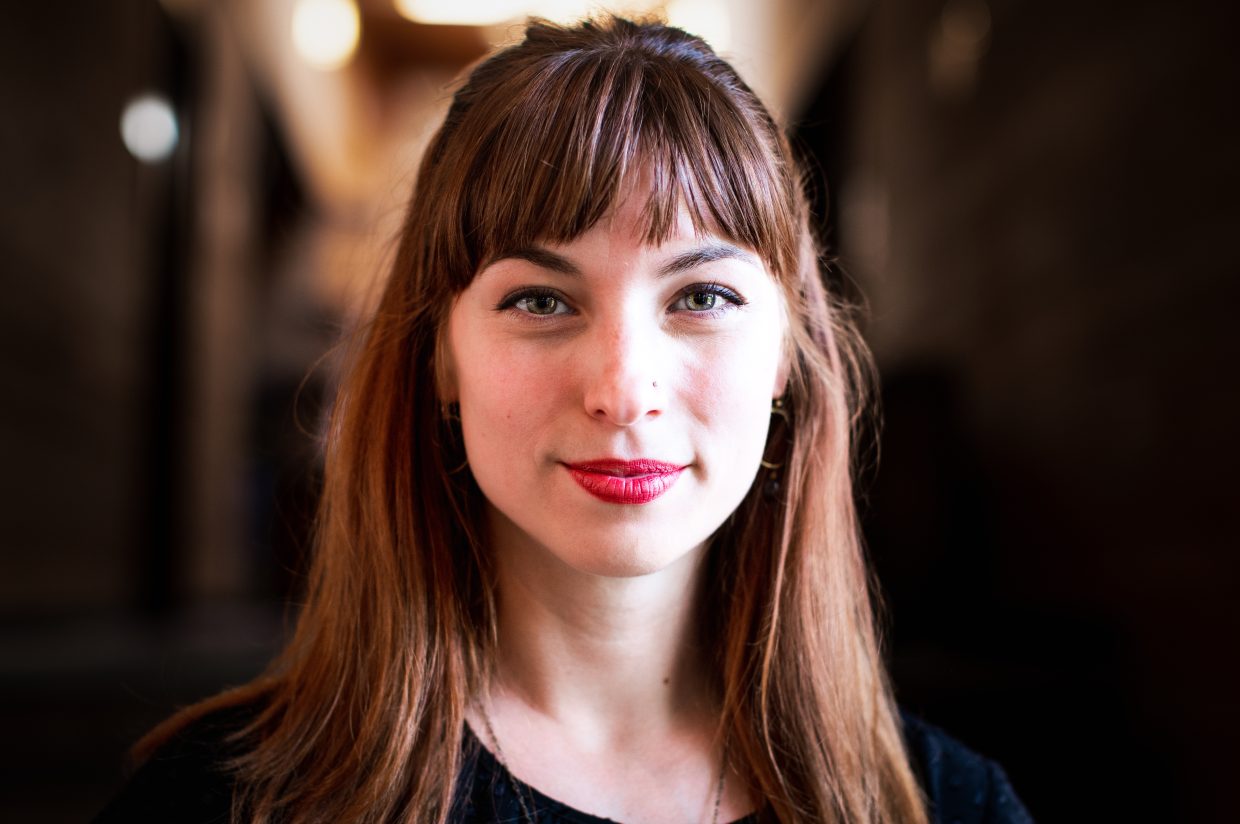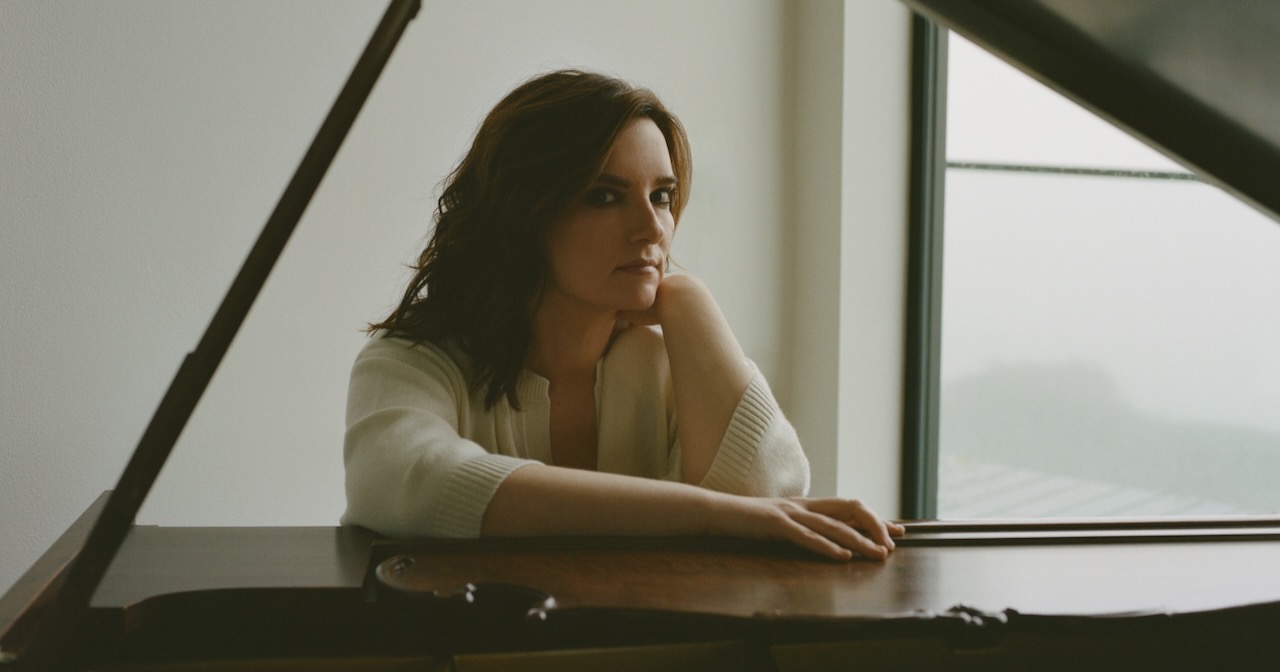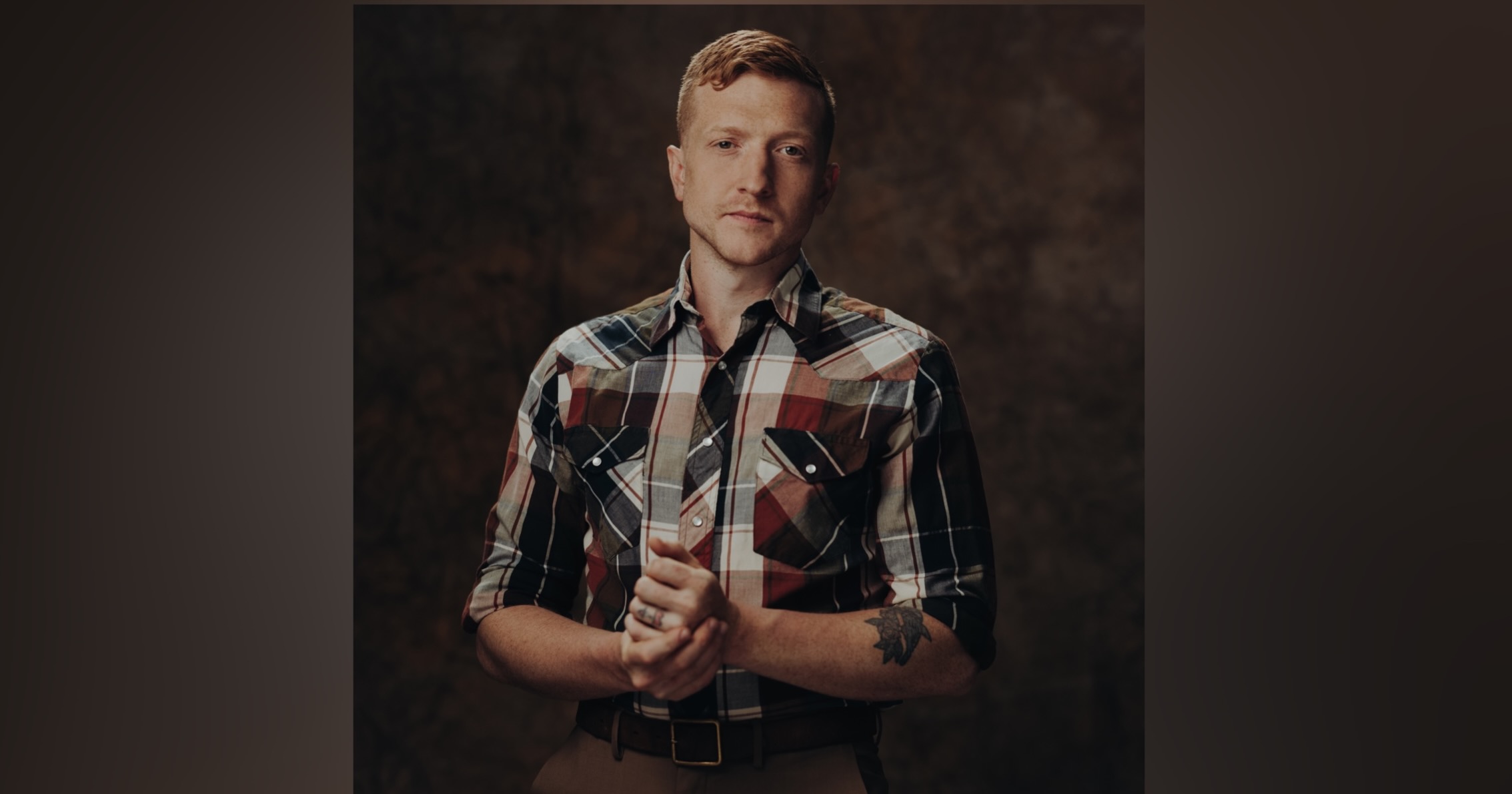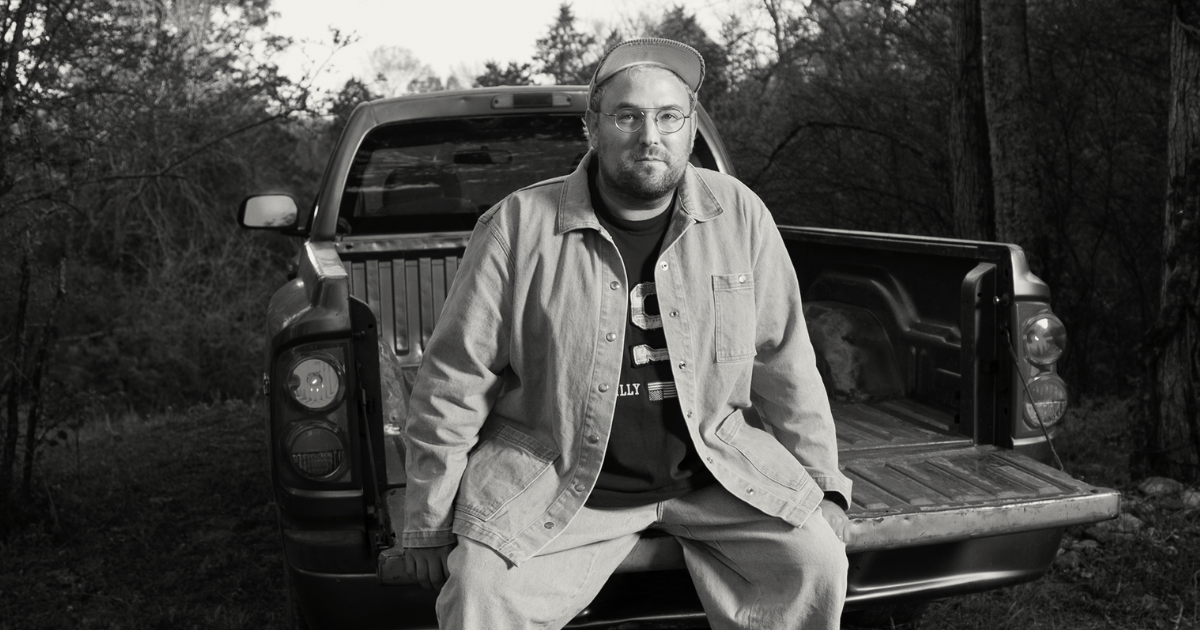
MORGXN: Home Is Where Your Heart Hangs Its Hat

“I don’t know when I became an activist,” MORGXN admits. “I’m just a human being who sings from the heart, but my heart is very broken by the world that we are currently living in.”

The singer-songwriter lived in Los Angeles for 10 years before moving back home to Nashville in 2022. “The minute I came back to Nashville, I ran into a guy once. He was like, ‘I only see you at the Capitol singing,’” he recalls. “When I moved back, they were trying to ban drag queens. They were trying to ban women’s access to health care.”

Most recently, he took to the Tennessee State Capitol to protest bills against same-sex marriage. “This is how rights get tested: one state, one bill, one ‘exception,’ and suddenly the floor moves under all of us,” he wrote on Instagram.

“I don’t even think about it as activism. I think about it as humanity. We are more alike as human beings than the media, the news, and politicians would want you to believe,” he explains. “It breaks my heart. If you have listened to this album, there are songs about love and the human experience. The album is for anybody bold enough to live as who they are in the middle of the heartland.

“That is what I hope people get from this album. I hope they feel less alone in their activism… I wouldn’t even use the word activism. I hope they feel less alone in their humanity, period.”

On March 6, MORGXN released a deluxe edition of his album, HEARTLAND, and while it pulls from country music, he wouldn’t exactly label it as such. “I don’t care what genre you tell me it is. I care that I’m speaking something that is true to me, and that’s how I make music,” he says. “I don’t make music outside in.

“I make music inside out. I find what’s inside, and I try to bring it outside,” he continues. “And the heartland is a place that is normally not reserved for people like me and you. And yet, living in the heartland, I see that everyone belongs in the heartland. The heartland is a space for everybody, and I want to reclaim the heartland for everybody.”

Good Country hopped on a Zoom call with MORGXN a week before the album’s release and chatted about collaborations with Tenille Townes and Maggie Rose, the meaning of community, the political divide in country, and the hardest lessons he’s learned since coming out as gay at 19 years old.

What are some of your favorite lyrics on the album?

MORGXN: “GOD CODED” is maybe the most important song I’ve ever written, whether or not most people hear the song – it’s not a radio song. But it is probably the most important song I’ve ever ushered into being. I have no problem with god or religion. I have a huge problem when people use god and religion as a weapon of their hate.

“WILLOW” I wrote for my friend’s daughter who has cerebral palsy, so that she knows that she is a bright light. Already that song has inspired other people, which really means that she has inspired other people. It’s hard for me to choose… “MIGRATION” is about losing my dog. I don’t have a favorite lyric – it’s like choosing a child. [Laughs]

Okay, here’s my funniest favorite line, “EVERGREENS.” The first line: “Tell me your sign/ And I’ll tell you mine/ And I’ll tell you if we’ll be okay.” I think that’s funny, because if I’m dating somebody, I will be like, “What is your sign?” And I’m going to decide right away if we’re even going to be compatible, which is maybe absolutely chaotic, but I love it.

With the deluxe edition of HEARTLAND you have several collaborators, including Tenille Townes, Ruby Amanfu, and Maggie Rose. How did you choose who you wanted, and what did they bring to the table?

Collaboration is like water to me. You know, I have many liquids here on my table. I am a gay man, so I have tons of liquid everywhere around – iced coffee is always a yes. Collaboration is also like breathing to me. When I think about making music, “the bible” to me is Willie Nelson and “On the Road Again.” The life I love is making music with my friends, and I can’t wait to get on the road again. That is how I think about music.

When I moved to Nashville, there were voices that I saw popping up that were saying really important things, like [Tenille Townes’] “Jersey on the Wall.” They were saying messages that really resonated with me inside of a space that is still not reserved for people like me.

I came here in 2022, which was 11 years after this manager told me I would never make it in music as an openly gay person. In Nashville, there was a thing bubbling up, but it was like you were reserved for this sideshow experience. You can be gay, but only during June, only when there’s a tent for you to stand under. That’s not how I believe in love or life or humanity. I reached out to several people wanting to create. Truth be told, I have people in my DMs who are massive artists, who love what I’m doing, but who can’t align with who I am because it will hurt their fan base. That’s insane. That’s 2026 for you.

But artists like Tenille Townes, Maggie Rose, Ruby Amanfu, Katie Pruitt – who’s obviously a queer beacon – and Langhorne Slim, they were people who were brave enough to collaborate outside of what is the norm for them. I’m really honored that they’re helping me create this version of the heartland where everyone gets to live.

With Tenille, “HEAVEN KNOWS” was the first song we ever wrote together. It was actually the day we met. The song has this sort of inner child: Why do we even keep trying in a world that feels so hard? Why do you love when your heart has been broken so many times? Why do you keep making music when it feels like the music industry is as crazy as ever? And why do you keep being a good person in a world that is hell-bent on trying to make you feel like you are an abomination? I try because I care. I love so deeply, you know.

Having grown up in Nashville, what did community mean to you then, before you came out at 19?

The one thing I’ll say about being queer in America – maybe anywhere in the world – is you’re forced to create community, and sometimes family, when that is not a given for you. I was very lucky that my family was… more confused and scared than they were not accepting. But my husband’s journey with his community – he grew up evangelical and his community kicked him out. He was going to be a pastor, going to seminary, and once he came out, he was kicked out of the church. I didn’t have that experience … but family to me widened the moment I came out. The idea that family was not just the people you were born into, but it is the people and friends and lovers who you collect along the way that were missing for me as a kid. Growing up here, I had a hard time fitting in, because everything I did stood out.

I played the Bluebird [Cafe] last night with Molly Tuttle, Maggie Rose, Liz Longley, and Ketch [Secor] from Old Crow Medicine Show. I’m sitting there singing “MY REVIVAL” – and I’ll cry thinking about this, but it’s like I’m sitting there singing [that song]. My husband is over here and the whole room is singing along with me. I have painted nails, singing my song at the Bluebird with legends. I’m the co-chair of the diversity committee for the Recording Academy in the Nashville chapter. I don’t know if I’ve “made it,” because I don’t think making it is even like the goal here. I want a career and a life, not a moment in time. That’s “making it” to me. For the closeted gay boy who was scared to ever reveal who he truly is, that’s my revival. There’s retribution. There’s deep healing, and there’s tons of gratitude, as well.

The divide in country music right now between people who are willing to sacrifice a fan base and those who aren’t is always widening. It’s cool to see who has come forward to make their voices heard.

Country music is three chords and the truth. That’s still the bible, but it has lost its way. There is a real ricochet happening where people are afraid to be truthful, because truth can sear and truth can be very quiet but very powerful. Nashville is at a breaking point. It’s a small town. We are growing by leaps and bounds. There’s a real deciding line between: do we make this a city for everybody or do we make this a city for the select few? That’s the same for country music, folk, Americana, and gospel.

“HEARTLAND,” the song, definitely pulls on gospel, folk, Americana, and pop, for sure, but it also pulls on country because it’s a story. I thought I’d see my name in lights. I thought that my life would be this flashy thing. It’s not. I fell in love with a man, and we have a farm, and we’re building a life together. That’s love to me. It’s a story. It’s my story. It’s real. So, it’s country; it’s folk; it’s Americana; it’s gospel. Now, will any of those genres accept me? I have no idea.

But the people on my album have accepted me for who I am and love me for who I am. And that, I think, is what the heartland is all about. You know, love thy neighbor. What happened to that?

You turn 39 this year, which happens to be 20 years since you came out. Was there any significance in releasing HEARTLAND (Deluxe Version) this year?

It’s funny. Titles of an album are like mystery buckets. I actually have a title for my next album and I’m so excited about it. Prince once said that he’s like two albums ahead of whatever’s commercially released. And I love that for him. I’m one album ahead of what is commercially released. Album titles visit me like a fever dream. Even HEARTLAND – the song, I gotta call out Josh Dorr, the co-writer on that song, who had a number one with Blake Shelton this year with “Texas.” He’s a legitimate country songwriter. Not even legitimate country songwriters would take a session with somebody like me and it takes guts to do that.

I haven’t thought about how it’s 20 years since I came out, but it makes a lot of sense. I have a song called “home.” When people were like, “Where is home?” I would be like, “Well, anywhere but Nashville, Tennessee, because that place would never accept a person like me.” Now, to be making a life here, building a farm, hosting Pride on our farm, there is something beautiful in that. It may have taken 20 years, but I’m home. It’s beautiful. I hadn’t really thought about time like that.

When we wrote “HEARTLAND,” I wrote it on the piano that I grew up on. There’s always ghosts in the bones of old instruments, but it’s safe where my heart lands. It’s the heartland, but it’s also where my heart gets to land safely. That’s the kind of love and belonging I wish for everybody. I’m not somebody who believes that you have to be in a relationship to be happy, or that you have to be married to be happy. That’s bullshit. That’s heteronormative, capitalist nonsense. You can find belonging amongst community, friends, and lovers. Does your heart have a place to hang its hat? That’s home.

What have been the hardest lessons you’ve learned over two decades?

The thing that comes up in my head is: it’s not over ‘til the fat lady sings. I’ve been a fat lady so… [Laughs] It will fall apart, and that’s okay. The true story is what happens when you pick yourself back up and keep going.

I’m far less interested in talking to somebody who’s never moved across the country once. I can’t really relate to you. If you’ve never sold all your belongings and moved somewhere at least twice, we might not have a lot of similar things to relate to. It doesn’t have to be grand moves. My husband has lived in a bunch of places in Nashville, has not left Nashville, but he’s lived a lot of life. You have to have lost everything once, probably twice, and hopefully that’s it. But it’s really about how you pick yourself back up at the bottom, and keep trying again.

Whether you think it’s good or not, it won’t last, and that’s okay. There’s beauty and grace in that. I have a friend, Kristen Griffith[-VanderYacht], who’s a [floral designer] – I think he’s now in Detroit – and he’s gone through a lot. He was on the Drew Barrymore Show, and the guest host was asking, “How do you keep flowers alive for longer?” Kristen grabbed his hand and he was like, “Here’s the thing, lean in close, I want you to hear this: they’re not meant to last. They’re meant to be beautiful for the moment that they’re there, and you’re meant to appreciate them in all their glory, and then you’re meant to let it go.”

That is really hard. That is maybe [informing] some of the themes about my next album, actually. It’s loving and letting go. Life is not linear. It’s not meant to be. Cherish all of the beauty, because nothing lasts forever. And there’s a ton of freedom in that sentence.


Photo Credit: Gabriel Starner
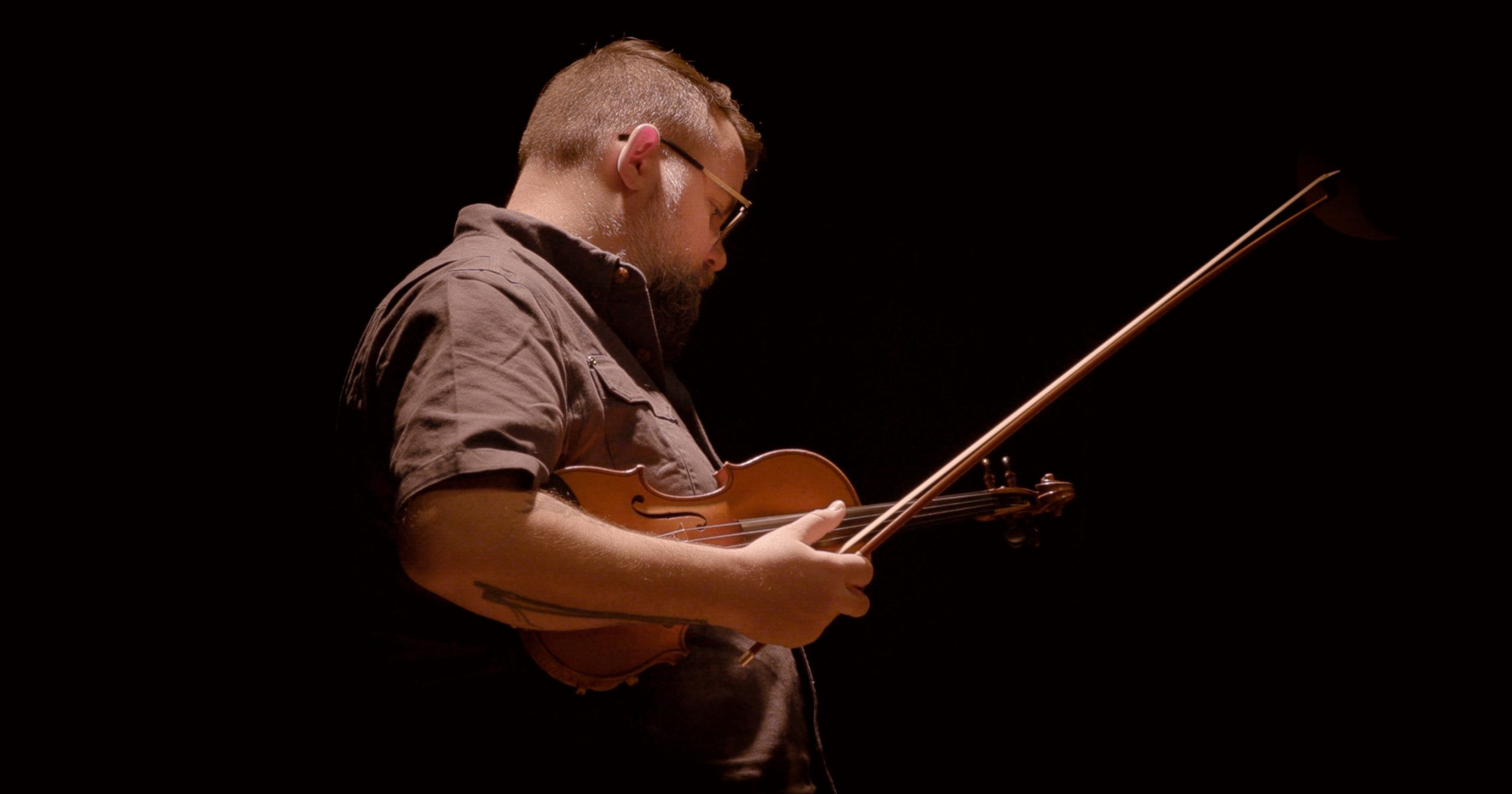
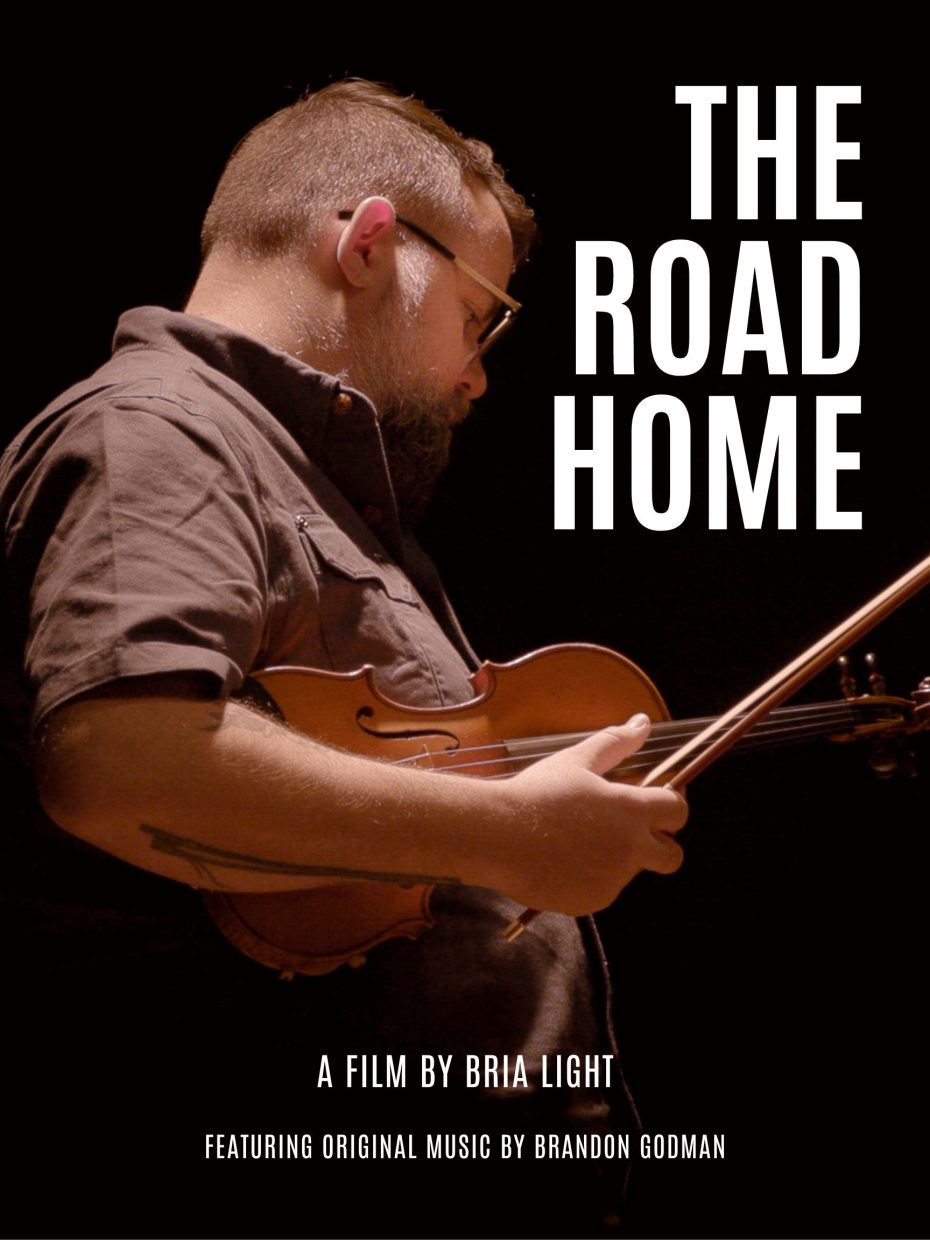
The Road Home: A Documentary Short About Fiddle, Family, and Kentucky

Bluegrass and country fans may recognize Kentucky-born, San Francisco-based fiddler Brandon Godman from touring, recording, and performing with folks like Dale Ann Bradley, Laurie Lewis, Jon Pardi, the Band Perry, the Music City Doughboys, and many more. He’s also an accomplished business owner and luthier, helming two fiddle repair and retail shops based in Nashville (The Violin Shop) and the Bay Area (The Fiddle Mercantile.) In addition, Godman helped found Bluegrass Pride and was instrumental in organizing the non-profit association’s float and marching contingent that won the coveted “Best Overall” ribbon from the 2017 SF Pride Parade.

Godman has played fiddle his entire life, beginning on the instrument as a young child in Northern Kentucky. His skills span old-time, bluegrass, western swing, country, contest fiddle, and beyond, and his career, by necessity often, has been remarkably varied, boasting stories of success, trials, tribulations, and highs and lows beyond his years. Now, filmmaker Bria Light has crafted a remarkable, heartfelt, and stunning documentary short all about Godman and his journey on and with the fiddle.

Shot and crafted in 2022 and 2023 as Light’s thesis film at UC Berkeley’s Graduate School of Journalism, The Road Home is an intimate and gorgeous look at Godman and his relationship with his instrument, his career path, and his rural home in Kentucky. The film includes lovely original music – much drawn from Godman’s acclaimed 2024 solo album, I Heard the Morgan Bell – that offers many varied samples of his expansive skillset on fiddle throughout, a perfect score and soundtrack for the 20 minute-plus documentary. Together, Light and Godman travel from California to Kentucky, visit with Godman’s family, share old memories and stories, and examine the complications and intricacies of family and community, the transient, intangible nature of “home,” and the pains and reliefs of leaving and returning.

Now, for the first time, The Road Home is available to screen online, right here on BGS and on YouTube. (Watch below.)

Light has a deft and artful touch as a filmmaker and director, utilizing the fiddle and Godman’s original compositions as an enormous character in these narratives, propelling the story forward and entrancing viewers with the sights, sounds, textures, and mythos of Northern Kentucky – as could only be delivered by a musician and creative like Godman. The end result is moving and illuminating, subverting expectations of the region, the instrument, the genres we associate with the fiddle, and the communities we expect – or don’t expect – to love these traditions and the people who keep them alive.

We spoke to Light via email about the film, its conception and making, and the twists and turns along the way that led Light and Godman to this stellar piece of visual, aural, and narrative storytelling.

Let’s begin by going back to the beginning. Can you tell us a bit of the story of how this film project came to be? What inspired you and how did you get connected with Brandon?

Bria Light: I made this film for my thesis film in the documentary film program at UC Berkeley’s Graduate School of Journalism and when it came time to look for a story that I would be spending all year working on, I knew I wanted a story that was music-related. But I also wanted to find a story that revealed something deeper about how music can help us find our way through the sometimes fraught path of being human. I eventually got connected with Brandon, who agreed to let me into his life and tell me this slice of his story.

This film tells such an expansive story in a relatively short amount of time. What was it like trying to condense such an interesting and often complicated narrative into this short film “package”?

I’ve sometimes used the metaphor that making a film feels like having the vast expanse and depth of the ocean stretching out before you and your job is to chart the best course from continent to continent. It can feel overwhelming! At every turn there are not only creative decisions to be made (What part of this person’s complex life do I focus on? Do I shoot this scene? Do I interview that person?), but also ethical ones (Who is affected by telling this story and how? Should I or should I not reveal someone’s identity? What impact am I hoping for this film to have and how is that best served?).

While you’re finding and crafting the story, it’s not always self-evident what the best, most meaningful storyline is and you want to explore a million different possible paths. You end up with hours and hours of footage (the ocean) that you have to fully explore to find the best course. And the thing is, you have to try things out to see if they work in a movie and until that golden moment where something works, it, well, doesn’t work. So it is a process of months – or years for feature docs – of trial and error, during much of which you suspect you might be terribly lost at sea and had no business becoming a sailor in the first place, to follow the metaphor… until one fine day you’re like, “Land ho!” and things start coming together and you can sleep again at night. [Laughs]

I feel like you let the music itself, and the tradition of fiddle music and roots music, do a lot of the storytelling here. What is it like translating music to a visual media like film in this way and leveraging it to help advance your narrative?

Absolutely. One of the key elements of my vision of the film from the beginning was to leverage the richness of this musical tradition and Brandon’s music within that to assist in telling his personal story. In fact, I pictured the music almost as a character itself. Music, of course, is a storyteller, even when it doesn’t have lyrics. So thinking of the music almost like the narrator of the story felt very natural.

Of course, Brandon creating his album of original tunes, I Heard The Morgan Bell, is part of the film’s narrative as well, so it all tied together organically. Additionally, since part of the film delves into the past and the creation of the album was the part of the story that was unfolding in the present, it helped provide a narrative thread to follow and to tie Brandon’s musical and personal evolution together from his past to his present.

Can you tell us a bit about what it was like traveling to Kentucky with Brandon?

It was very, very cold! Our trip to Kentucky took place over Christmas week and it just so happened to be during a cold snap that swept the entire country. It was in the single digits temperature-wise, in the negatives with wind chill, and the roads were covered in thick ice. I had envisioned going there and shooting scenes on the family farm with golden winter light sparkling in the crisp air, etc., and instead there was roaring wind so bitterly cold that you could barely be outside for two minutes before your fingers were completely numb. At one point, my camera was having some issues because it was so cold! But of course we filmed mostly inside and Brandon’s family was so warm and welcoming. I ate a copious amount of Mamaw’s famous chocolate peanut butter squares!

The music of the film is so stunning, and some of the selections went on to be included on Brandon’s 2024 album, which you mentioned already, I Heard the Morgan Bell – it was one of our favorite bluegrass albums of last year. Was there a “music supervision” process for the film? Did you leave it up to Brandon? What was it like collaborating on what would become the soundtrack and soundbed for your visuals?

Brandon was so generous in granting me permission to select music from his album, which was still in process, to use for the film. Through the course of our many hours of conversation over the year, he told me many of the stories behind the songs, of the inspiration and ideas that led to their creation. So I used that, along with the general feel and mood of the tune, to inform my choices as to which pieces to include where. Normally, you’re right, there would be a music supervision process, but in this case I had the privilege of working directly with Brandon, who was essentially also the film’s composer!

Do you have a favorite moment in the film? Or from the process of crafting it?

Hmm, there are so many memories attached to the creation of this film! I loved filming and editing the “Morgan Bell” scene in the church. The music is so gorgeous and I knew I would love filming in low light with stained glass church windows as the container for that wordless song that expresses so much emotion.

I also loved the moment in the editing process where I found the old footage of Brandon as a young teen on a local TV show. In Kentucky, his parents had given me a paper bag full of photo albums and old VHS tapes of Brandon at fiddling contests and other things to go through and see what I could use. Late one night, after a full day on campus, I headed back to the edit rooms in the journalism school to continue digitizing and going through the old VHS tapes. I got to one tape, began watching it, and it seemed to be all recorded re-runs of Days of Our Lives. After fast-fowarding through so many episodes of Days of Our Lives, I was wondering if that tape had been mistakenly included. I was about to stop when suddenly it cut to the footage of Brandon on the local TV station. It ended up becoming of my favorite scenes in the film, thanks to the very enthusiastic TV show host and a young, guileless Brandon.

Another favorite part of making the film was simply working with Brandon and getting to know him throughout our many conversations together. He’s such an old soul was a joy to work with, which is of course not always the case when making a film about someone’s real life. He was always open and willing to go along for the ride, despite the vulnerability required.

Filmmaker Bria Light, creator and director of ‘The Road Home.’

Maybe it’s an obvious question to ask, but what’s your goal? Making such an incredible and involved piece of art is goal enough, but where do you hope to take this film? How are you thinking about getting it in front of audiences? What’s next for the project?

I had several goals: I hoped some people might see a bit of themselves in the story and feel that they, too – despite having been made to feel othered in the past – belong in bluegrass and country music, that this music can be a home for everyone.

I also hoped that people would see Brandon’s story and say, “Wow, I didn’t realize there were still folks facing this type of persecution in the music industry.” This wasn’t so long ago. And unfortunately, as we all know, we are seeing today the continuation and resurgence of anti-LGBTQ laws and bigotry all over the country and the world. Another hope I have for the film is that by sharing stories that elevate the depth and humanness of the characters onscreen, folks from all sides of the political spectrum might, over time, begin to think about these issues in a new light.

What’s next? Recently the film screened to lovely and engaged audiences at the Sebastopol Documentary Film Festival and next it will play a bit farther from home at the Sound on Screen Film Festival in South Africa. I’m also hoping to show the film at music events or conferences, to continue to share Brandon’s story with audiences around the country.

What did you learn during the making of The Road Home that was unexpected? What will you take with you into future projects – whether in a similar vein or in another space entirely?

I learned so much! I learned the importance of finding that balance of pre-planning and knowing what the story is about while at the same time going with the flow of real-life, nonfiction storytelling – that is to say, you can’t actually predict how life is going to unfold, so you have to hold your preconceived ideas in one hand, while leaving room for the story to reveal itself to you as it unfolds in real time in the other. One thing I “learned” (in quotation marks because I’m still learning it…!) is to trust the creative process, with its highs and lows, self-doubts, rewarding moments, and ultimately, you find that you have gotten to the end of your creative process and survived! There are really too many things I’ve learned that I’ll be taking with me into future projects, so I’ll just leave it there for now.


Film, poster, and images courtesy of Bria Light.

BGS 5+5: Crys Matthews

Artist: Crys Matthews
Hometown: Nashville, Tennessee
Latest Album: Reclamation
Personal Nicknames (or rejected band names): Papa Bear to my future-wife, Uncle Bear to our youngest nieces, and just Bear to my chosen nephew, River.

What’s the toughest time you ever had writing a song?

Without question, the song that took me a while to get ‘right’ is my song “Suit and Tie.” This song was written in response to the drag ban being rolled out in Tennessee. Nashville is my home now, so having a front-row seat to the fallout from that bill definitely weighed on my heart. [The ban] was intentionally loosely worded so that law enforcement could have cause to harangue anyone who they saw fit, even a singer-songwriter like me who happens to dress in suits and ties more often than not.

Gender and gender expression are both deeply, deeply personal – they are nobody’s business and certainly not our government’s business. As a social justice songwriter, I take tremendous care to avoid “speaking for someone” or inadvertently appropriating something that I only meant to appreciate. In “Suit and Tie,” only one of the verses is about me directly and offers my perspective as a Butch-identified lesbian who has been wearing clothes that bucked the patriarchy since I was four years old. The other verses are about a nonbinary person, a femme-identified gay man, and a trans woman.

My friend Holly [Near] once called my songs “truth-telling journalism,” which I took as a badge of honor. The notion of being a faithful steward of the truth means a lot to a PK (preacher’s kid) like me, and so it took me about seven drafts before I felt like I had done that with this song.

If you had to write a mission statement for your career, what would it be?

My mission statement is: To amplify the voices of the unheard, to shed light on the unseen, and to be a steadfast reminder that hope and love are the truest pathways to equity and justice.

What has been the best advice you’ve received in your career so far?

Unsurprisingly, so much of the best advice I have received during my time on this planet is from my mother. One gem in particular that has seemed more and more profound is, “Babygirl, you better remember whose you are, so you don’t forget who you are.” It was (and still is) her way of reminding me that this industry and this world can try everything in its power to try to change the things about you that make you special, those things that, so often, are the very things that drew them to you in the first place.

You have to be steadfast and secure in who you are at your core. You have to remember your ancestors and your community and the people who knew and loved you before anybody who thought they could help you ‘make it big’ even knew your name. That advice from her is why I have managed to have an actual career that centers my ideals and values. And I think it is why the people in my corner seems to also reflect that ideals and values.

Does pineapple really belong on pizza?

Absolutely not! I keep telling my future-wife that, but she keeps insisting that I’m wrong.

What is a genre, album, artist, musician, or song that you adore that would surprise people?

Tchaikovsky’s “1812 Overture” – before I realized I could write songs, I was fairly certain that I was going to be a high school band director. I have a deep love for classical music. I can conduct the 1812 like nobody’s business!

I know some musicians hope they get famous enough to sing the National Anthem at a Super Bowl or play at the GRAMMYs, but I’m just hoping that I get to conduct the 1812 with a philharmonic at least once before I die.


Photo Credit: Emily April Allen

Embrace the Past,
Move Forward

Music has and continues to be a form of healing for Fancy Hagood. The Arkansas-raised singer who takes his forename from the Drake song – not the Bobbie Gentry and Reba McEntire hit – first began writing songs as a queer junior high student struggling to fit in before dropping out of school at 17 to chase his newfound dreams in Nashville.

Despite growing up listening to everything from contemporary Christian music to The Chicks, Shania Twain, Tim McGraw, Destiny’s Child, and Missy Elliott, it was choir and theatre that brought Hagood’s own creative aspirations to life.

“I really found myself in those classes,” Hagood tells Good Country. “I was dealing with a lot of bullying at the time and writing music became one of the few ways I could truly express myself.”

But upon his arrival to Nashville, Hagood was told that a career as a queer country musician was unlikely. This was followed by a move to Los Angeles, coupled with a transition to pop, that led to him to opening for the likes of Meghan Trainor and Ariana Grande as he juggled a day job at Forever 21. Those opportunities coincided with a decrease in creative control over his own work, something he’s taken back for himself on 2021’s Southern Curiosity and his most recent project, American Spirit, which released October 25.

“I was hell-bent on this album not being a breakup record, but instead one about healing, moving forward, and finding yourself,” Hagood says of American Spirit. “I don’t want to be on the road singing songs about my ex, but I do want to sing about reclaiming your story, bouncing back, and that being the most powerful thing after experiencing something like that.”

Speaking on the phone from his Nashville home, Hagood detailed his ambitious Music City move, experiences with gatekeeping, his work with Apple Music, and more.

What was it like for you moving to Nashville so young? I imagine on one hand it’s quite empowering, but it can also be overwhelming too.

Fancy Hagood: On my song “Fly Away” I sing, “You were scared as hell to take the highway/ You barely knew how to drive…” and that’s the truth. I got my driver’s license when I was 16 and I never drove on the highway until I moved to Nashville, so it was very much a culture shock. I know a lot of people don’t view Nashville as a big city compared to New York or Los Angeles, but when you’re coming from small-town Arkansas it felt like the whole world had opened up for myself. There were parts of it that were really intimidating, but for the most part I had so much enthusiasm that you couldn’t really tell me anything. I had this idea that I was going to be a country superstar and you couldn’t tell me otherwise.

I know things haven’t always been easy for you though. You’ve dealt with some gatekeeping and other hurdles along the way. What’s that been like?

Before I moved to LA, I was getting all this attention in Nashville, selling out shows on my own. A lot was going on for not having any music out in the world yet. I quickly got a publishing deal, but instead of things taking off from there I started getting a bunch of people putting their own opinions on me and putting their own stuff into my music, thus limiting me because of their own fears. That was something I never had going into all of this – fear. It’s a complicated thing when you start mixing art and commerce. The powers that be recognize you have talent, but in figuring out how to make money from it they start thinking of Middle America and who’s going to buy it, leading to a fear game rather than just letting the artist be an artist.

When I moved to LA and got a record deal, that’s where other people’s fears began sinking into my own train of thought and my delusion began slipping away. I was accomplishing all these things, from performing on Dancing With the Stars to hitting the road with Ariana Grande, but on the inside I felt miserable. I realized I’d sacrificed so much of myself and my art to get to a place where other people found it comfortable for me to be successful, but a year and a half into it I just imploded and lost all the deals.

It wasn’t until moving back to Nashville in 2016 that I was able to shake all that off. In 2018 I signed a new publishing deal and began work on my album Southern Curiosity, a slow burn that didn’t release until 2021. It was a really difficult transition having [to go from] a Top 40 hit and everyone treating you like you’re the king of the castle to no hits, no deals, and nobody wants to touch you with a ten-foot pole. It was a humbling experience that taught me that the industry in place was not set up for someone like me to be successful. Because of that, my train of thought stopped being about how do I fit into the industry to thinking about how to create my own, which is exactly what I’ve been doing since Southern Curiosity.

One way you’ve been building that community you speak of is through your role as the host of Trailblazers Radio on Apple Music. What’s that gig meant to you?

I’ve never experienced a company that puts their money where their mouth is quite like Apple. They were supportive of me and my first record before hosting a radio show was even a thought. They first came to me after I guest-hosted on the late Leslie Jordan’s Apple Radio show, which I did three or four times with him. After that, they approached me with the Trailblazers idea and threw me into the deep end. When they offered it to me in 2021 I’d never done radio before and just recently we were picked up for our fourth season. My idea is to feature artists who don’t typically get those opportunities, allowing country music to be for everyone. If you look at our playlist you’ll see all kinds of artists on there, not just what country radio suggests Nashville is.

It’s also been meaningful getting to sit across from actual legends and people who have shattered the glass ceiling in country music. Each artist that’s come through our doors has taught me that not one artist’s journey is the same, which has done a lot for inspiring, motivating, and informing me as an artist.

Are there any particular moments or guests from the show that stand out?

I’d never met Jelly Roll before he came in for his interview and his heart just blew me away. Who he is at his core is so full of joy and his philanthropic side was really inspiring to me. He had just sold out Bridgestone Arena and donated all the money to an organization that helps incarcerated youth. Even when we weren’t recording he was wanting to know more about me, my art, and what I do. He’s just a stand-up person.

A moment ago you mentioned Leslie Jordan, whose loss you touch on (along with your grandmother’s) on the song “Good Grief.” I guess that goes back to songwriting being a method of healing?

Yeah, it came about during a writing session with my friend Jeremy Lutito on a particularly solemn day. We were both in sad moods, but in typical fashion when two guys are alone in a room the last thing they’ll do is ask, “What’s on your heart?” We got to talking about a situation with his family where their dog had passed away the night before, which led to a conversation about grief and having to walk his kids through it for the first time. As he was telling me this I just fell apart thinking of how grief is such a hard thing to come to terms with and reckon with, but sometimes it’s ultimately a good thing. We’d been struggling all day, but that song came about in only an hour or so. It was pure magic.

I’ve seen you refer to this album as a “breakup record,” and I feel like one song that really captures that essence is the title track, “American Spirit.” How’d it come about?

I wrote that with Gina Venier and Summer Overstreet. It started with this idea of cigarette season or a time in your life where you’re smoking and stressed. But with Gina, who’s also a queer artist, it evolved into a song about becoming someone else’s vice. It’s not an unheard-of story in the South, people not being able to fully speak to who they are or how they feel – there’s a lot of closet cases among us. I’ve dealt with that a lot in my time in Nashville and I know others have, too. The song is mostly a nod to those experiences and being an openly queer person dealing with others who aren’t open but are addicted to your openness and freedom and not being able to let that go.

What has music taught you about yourself?

It’s taught me that I’m resilient and can get through anything along with the power of believing in yourself. I’ve gone through a lot in this industry, but I keep coming back. This is what I love and I’m never going to stop.


Need more Good Country? Sign up on Substack to receive our monthly email newsletter full of Good Country direct to your inbox. 

Photo Credit: Natalie Osborne

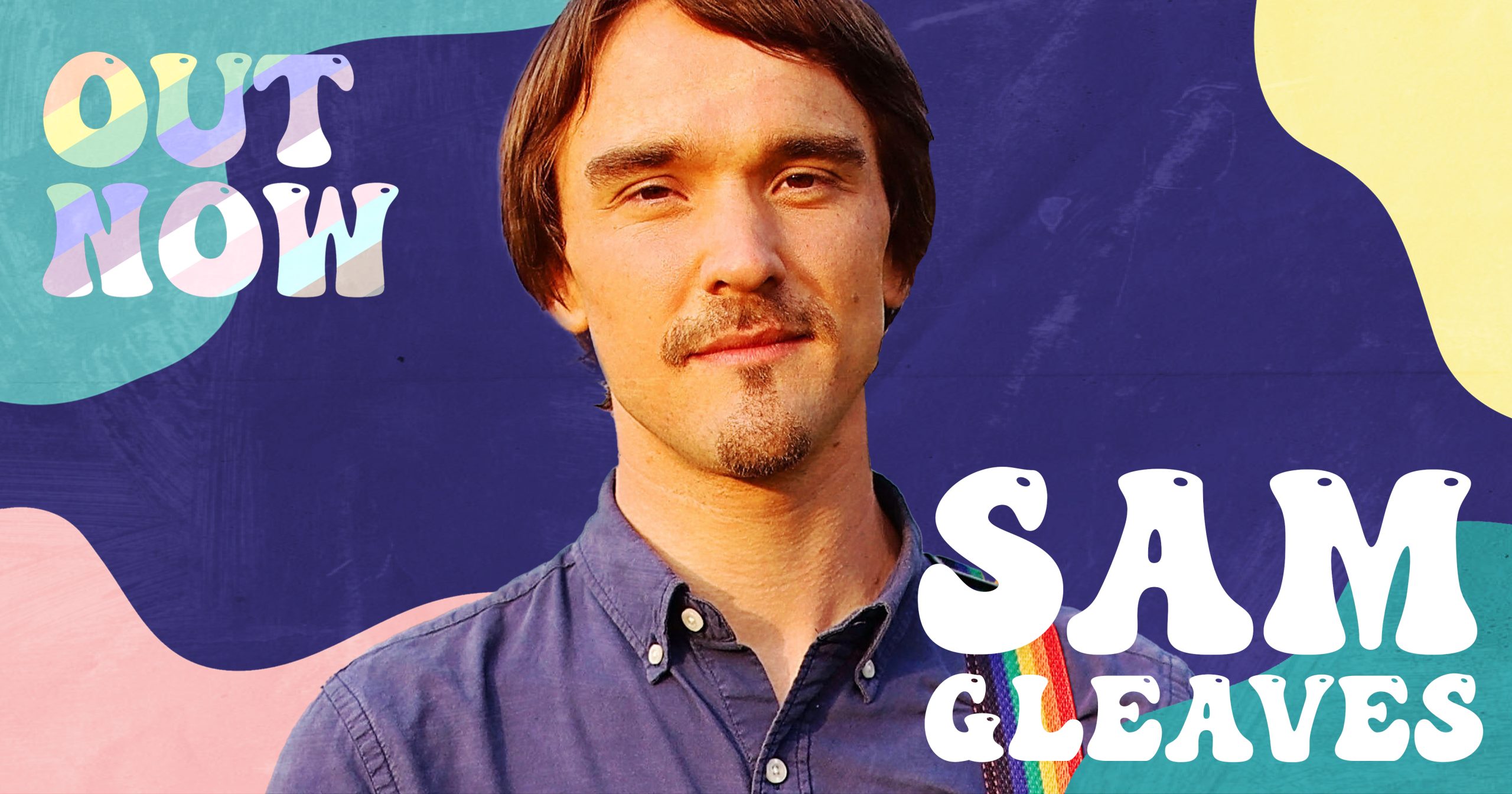
Out Now: Sam Gleaves

Last month, Sam Gleaves released his latest album, Honest, with the intention of sharing his truth. Sam was born and raised in southwest Virginia.

Songs from the project, like “Queer Cowboy” and “Fear,” were written for his partner and detail queer experiences. Lyrics like “Love is stronger than fear” point toward the challenges of being part of the LGBTQ+ community and the need for authentic love. Other songs address his parents, like “Walnut Tree,” written for his father, and “Beautiful” for his mother. Both songs feel nostalgic and share the value of simple things like gratitude and a day outside, under the trees.

In our Out Now interview, Sam shares his current state of mind, his favorite LGBTQ+ artists, the best advice he’s ever received, and more.

What is your current state of mind?

I feel grateful. After years of work, the new record Honest is out in the world! I am fortunate to have worked with a bunch of my dear friends in the creative process. They are all world-class musicians and singers. Hasee Ciaccio and Josh Goforth were the core team in the studio. We arranged the songs together and recorded most of them as a trio. Josh Goforth is a genius producer and his vision really made the songs shine. A number of my favorite musicians and singers guested on various tracks, like Carla Gover, Linda Jean Stokley, Jared Tyler, Jeff Taylor, and Chris Rosser. I’m proud of every second of music we created together.

Why do you create music? What’s more satisfying to you, the process or the outcome?

What a great question! I create music because I need it. I love storytelling. I walk through memories in my writing process. In the songs I selected for my new record, I wanted to honor the people who have shaped my journey: family, musical collaborators, and lovers. All of those people are tied to places etched onto my heart, especially southwest Virginia and central Kentucky. I process grief through my songwriting, because there is great injustice in our world and that affects the people and places that I love. Most of all, songwriting is restorative and the songs become a mode of connection.

What’s the best advice you’ve ever gotten?

To try to laugh or smile when I make a mistake. I feel that applies in my musical life and the rest of my life!

Who are your favorite LGBTQ+ artists and bands?

I have too many favorite LGBTQ+ artists and bands to name! I am grateful for friendships with my mentors, who are also pioneers, like Cathy Fink & Marcy Marxer, Peggy Seeger, and the members of Kentucky’s own Reel World String Band.

Over the past decade or so, it has been a great joy to see the many roots musicians that are celebrating their identities, folks like Justin Hiltner, Jake Blount, Jared Tyler, Tyler Hughes, Amythyst Kiah, Pierceton Hobbs, Larah Helayne, and many others. The list goes on and on!

For anyone reading this who might not be out of the closet, were there any specific people, musicians, or resources that helped you find yourself as a queer individual?

When I was in my early twenties, I met Cathy Fink & Marcy Marxer. Cathy and Marcy have been the two most generous, supportive, and loving mentors in my musical life. Cathy produced my first record, Ain’t We Brothers, and Cathy and Marcy both played on it. Their mentoring helped me to learn to believe in my art and pour myself into it. By being life partners and musical partners in the traditional music world, Cathy and Marcy created space for musicians like me to be part of the community. They are committed to celebrating diversity and advocating for social justice through their music. I think that all young LGBTQ+ people should hear Cathy and Marcy’s recordings, especially Cathy’s song “Names” and Fred Small’s song “Everything Possible.” I am one of many folks who have benefited from Cathy and Marcy’s wisdom and friendship.

Around the same time that I met Cathy and Marcy, I heard Gaye Adegbalola perform. Gaye’s music, her luminous personality, and her openness about her identities made a great impact on me. I was deeply moved to witness an artist so firmly rooted in blues traditions telling her story as a queer Black woman. At that time, Gaye had recently recorded an album called Gaye Without Shame, one of my absolute favorite records. I didn’t realize how much shame I held around my queerness until I heard Gaye sing her brilliant songs with such confidence and verve. From the moment we met, Gaye encouraged me and poured out love. As she says herself, Gaye has a whole lot of mojo to give!


Photo Credit: Erica Chambers

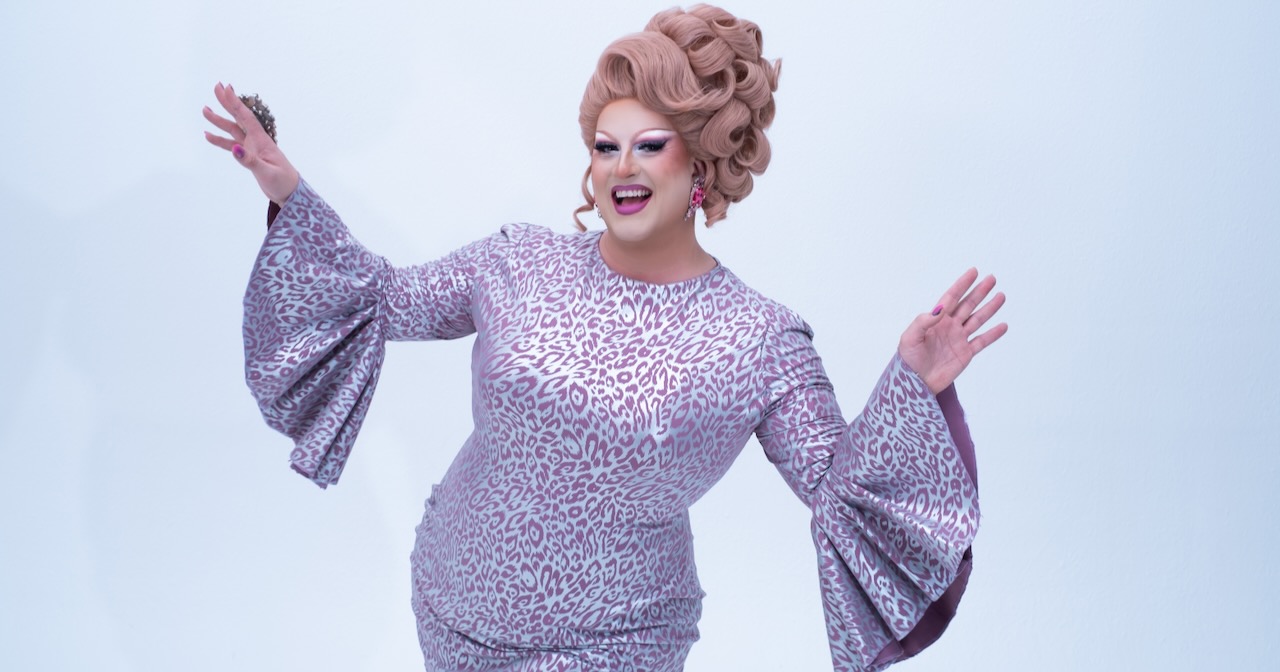
MIXTAPE: Flamy Grant’s Songs for Healing Gay Religious Trauma

Welcome to the playlist you probably didn’t have on your bingo card this year: a series of songs spanning from gospel music to ’90s folk to contemporary singer-songwriters, all curated by a drag queen with a number one Christian album under her belt. I’m Flamy Grant, and I’m honored that BGS invited me to share the songs that healed my very gay, very religious trauma.

My first record was called Bible Belt Baby, so I know a thing or two about growing up in the shadow of a religious fervor that wants boys to be boys, girls to be girls, and gays to keep it in the closet. Here are a few of the songs that helped me not only to come out, but to let this little light of mine keep shining in the faces of a lot of people who’d prefer it were hidden under a bushel. Not today, gatekeepers. Not today. – Flamy Grant

“If You Ever Leave” – Flamy Grant

Oh, hello darling. I’m a drag queen with wares to sell. Of course I’m starting off this playlist with my new single! It is, at least, very much on topic. This ballad from my forthcoming record, CHURCH, pretty much speaks for itself, but I will offer this one, brief, supplemental thought: if there’s a God demanding your worship, but as you get to know him you discover that you are capable of loving people better and more completely than he is… don’t worship that God. Girl… it’s a trap.

“Undamned” – Over the Rhine

Outside of Amy Grant, no artist has had as much of an impact on me as Ohio-based duo Over the Rhine. Karin and Linford have saved my life ten times over. “I’m not your little lost lamb, God might still get my world undamned.” This song somehow manages to be both defiant (personally, my favorite posture) and repentant. Brazenly owning your apostasy while unabashedly surrendering to a cosmic, supernatural love at the same time? Slay. (Bonus: Lucinda Williams delivers an absolutely divine featured vocal. Undamn me anyday, Over the Rhine.)

“Wrap My Arms Around Your Name” – Sarah Masen

When I was growing up, I was only allowed to listen to Christian music. Sarah Masen was always a bit of a square peg in a round Christian music industry hole, and one of the first songwriters I encountered who addressed the conflict, doubt, and dissonance inherent to the faith everyone else around her was putting such a sheen on.

From the first line, “Mystery’s walking on my head again,” I was hooked on this song about yearning to feel deeply spiritually connected. “Does hallelujah wear the same old face?” Excellent existential question, Sarah. Thanks for giving my teenage angst a place to freely ask it.

“Amy’s Song” – Matt Simons

Back in 2018, I was a worship leader for a queer-affirming church in San Diego and we decided for Pride month that year that we would put on a worship service that was 100% produced, led, and delivered by our queer members. I even wanted to make sure every song we sang had been written (or co-written, in this case) by a card-carrying member of the alphabet mafia. I found “Amy’s Song” and loved the music and the message: “Does your God really give a damn” about who I love?

The twist for me was in discovering that one of the song’s co-writers, and its namesake, Ames, and I had played a show together years before in when we were both closeted and going by different stage names. I led “Amy’s Song” at our church that Sunday and Ames and I have since reconnected online. We’ve even been talking about writing something together one of these days. “Amy’s Song 2: The Ballad of Flamy,” perhaps? (Pro tip: after you listen, go watch the music video and making-of mini-doc, both on Matt Simons’ YouTube page. Bring Kleenex.)

“breathe again” – Joy Oladokun

Honestly, it was hard to pick just one song from Joy Oladokun’s extensive repertoire of musical remedies for the religiously wronged. She is both plainspoken and poignant, capturing the heartbreak so many queer people experience when we grow up in families and cultures that suffocate us in a shame-inducing, manipulative desecration of divine love. Joy’s voice in this song just melts me, and it’s a breath of fresh air for the closeted kid I used to be when she uses it to sing, “If I hold my breath until I’m honest, will I ever breathe again?”

“Someday You’ll Wake Up Okay” – Spencer LaJoye

This is inner child work of the highest order and nobody translates the specific into the universal with such clarity as my friend Spencer. “You won’t hear me, but I’ll think it from the future.” Oof. Also, who knew healing your inner child could be such a bop?

“Holy Sunlight” – Steven Delopoulos

Something about the music of Stephen Delopoulos, who fronted the ’90s Christian band Burlap to Cashmere, just feels reverent. It’s like high-church Paul Simon. This song reminds me that even when we’re leaving, we’re really not. “Pack my luggage, fake a smile/ Don’t cry, we’re all connected like the ocean sea.”

“Faith” – Semler

No one is more emblematic of a reckoning for the Christian music industry to me than my pal Semler, who was the first out queer artist to have a number one Christian record a couple years back. In “Faith,” they are eye-level with the abusers of power in the church they’re confronting. “Don’t pretend I’m not your body.” GOOSEBUMPS, HUN. And it’s a song that somehow doubles as a powerful worship anthem of sorts for the disenfranchised? We’re here, we’re queer, and we still have faith, dear. I live.

“Shiloh” – Audrey Assad

I had stopped listening to CCM by the time Audrey got her record deal with juggernaut Christian label Sparrow Records back in 2010, so I missed most of her early career. But during the pandemic, I learned about this (wildly-talented) artist that Christian media outlets were criticizing for “backsliding.” Don’t tempt me with a good time, I said. Audrey and I have become friendly on social media since then, and she’s so much more than a good time. She’s a healer. This song in particular patches up a new part of me every time I hear it. God bless the ones who leave the church but never stop providing care for souls.

“The Way You Get Found” – Story & Tune

I’m proud to say I was the first person to ever hear this excellent song, in the basement of the San Diego house I shared during pandemic with its writers, Karyn and Ben. The line that got me then still gets me today: “I bless the way you carve your name on the gate-kept inner sanctums where they said you couldn’t stay.” Absolute pros, these two, crafting an artful turn of phrase that not only perfectly fits the demanding cadence of the song, but delivers a well-placed gut punch to folks who know what it’s like to stand up to religious bullies when they say we can’t be on their playground.

“Jacob from the Bible” – Jake Wesley Rogers

This song came through my Spotify algorithm one day and stopped me in my tracks. Of course, now Jake is a world famous colorful crooner and besties with Elton John, etc., but when this song came out, I was able to reach him online and successfully petitioned him to be on my podcast. You can still listen to that conversation. We talk about this song, where it came from, what it meant to each of us, and why Jake should definitely be our first gay president. For me, it feels like a life-giving extraction from all the oppressive weight of religious expectation. “I don’t want to be held down by a heavenly man.” Makes me think of Jacob from the Bible when he defeated the angel in an all night wrestling match. (Hot!) And honey, wrestling with God? Relatable.

“Testify to Love” – Wynonna

Okay, this might be the only bonafide CCM hit in the mix. It was originally recorded by Christian supergroup Avalon and if you were anywhere near Christianity in 1997/98, this song is In. Your. Bones. Every once in a while when I’m playing to an audience of a certain age — the ones who were in youth group about the same time as me — I’ll bust this out as a cover during my set and, well, let’s just say it’s so cute to watch half the room have a dramatic That’s So Raven-style flashback. But I propose to you that at the end of the day, it’s a gay song. I mean, the opening lyric is, “All the colors of the rainbow!” It’s all about how love wins!

What really seals the deal is Wynonna Judd’s countrified cover of the song from a very special episode of Touched by an Angel. I dare you to listen and not agree that Christianity peaked in 1997 and we should frankly just ignore everything that’s come out of evangelicalism since this song ruled the airwaves.

“House of Spirits” – Allman Brown

London-based singer-songwriter Allman Brown taps right into all of our generational trauma and father wounds with this achingly gorgeous spiritual about how it feels to sit vigil by the deathbed of a parent who “damned my soul to the fires.” As someone with a damaged and deeply strained relationship with an ultra-religious father who’s still alive, this song gives me a glimpse into the journey ahead, and I find myself praying along with Allman that one day that house of spirits “will feel like home.”

“What You Heard” – Amy Grant

An Amy Grant song on this list was inevitable, but far less likely is a song from a parent who learned better communication skills by going to family therapy with her kids. But that’s exactly what we have in this, the first new song from the Queen of Christian Pop in a decade. I saw Amy perform it last year and she told the story of how group therapy with her family helped her understand that some of the ways she thought she was communicating love to her kids weren’t exactly landing that way on their ears. It’s the kind of thing most survivors of religious trauma can only dream of: a God-fearing parent gaining perspective later in life and using therapy tools to change behavior? A better relationship through effective communication? May we all be so fortunate. But even if we’re not, my favorite diva (she would never call herself that, so someone has to) has gifted us with this beautifully-written song that shows it’s possible. Amy and amen.

“May I Suggest” – Susan Werner

I’ll leave you with the best benediction that’s ever been spoken (sung) over me. I wish someone had invited me to the Susan Werner party years ago, so I’m making it my mission to bring as many plus-ones as possible now that I’m here. Actually, in a way, I’ve been here since high school, I just didn’t know it. The first time I heard this song was as a cover by Ellis Paul and Vance Gilbert back in the late ’90s, but I just assumed it was theirs. Then about a year ago, a friend sent me a track by Susan called “Our Father,” in which she expertly/hilariously reimagines the Lord’s Prayer (“Deliver us from those who think they’re you”). I was hooked and started working my way through her catalog, but it wasn’t until I saw her live at the Kerrville Folk Festival earlier this year that I learned she was the composer of this song I loved when I was 17.

When she sat down at a baby grand and soulfully set out to convince a field full of festival-goers that “this is the best part of your life,” I openly wept. It’s tempting after you escape from oppressive, high-demand religion to fall into the trap of regret for a lost youth and years of missed chances. Susan invites us to consider the other side of that coin: thanks to the trauma you’ve survived, “Inside you know what’s yours to finally set right.” The next time Susan is anywhere near you, drag yourself (yes I said DRAG) and everyone you love to the show — and hope that she sings this benediction over you, too.


Photo Credit: Sydney Valiente

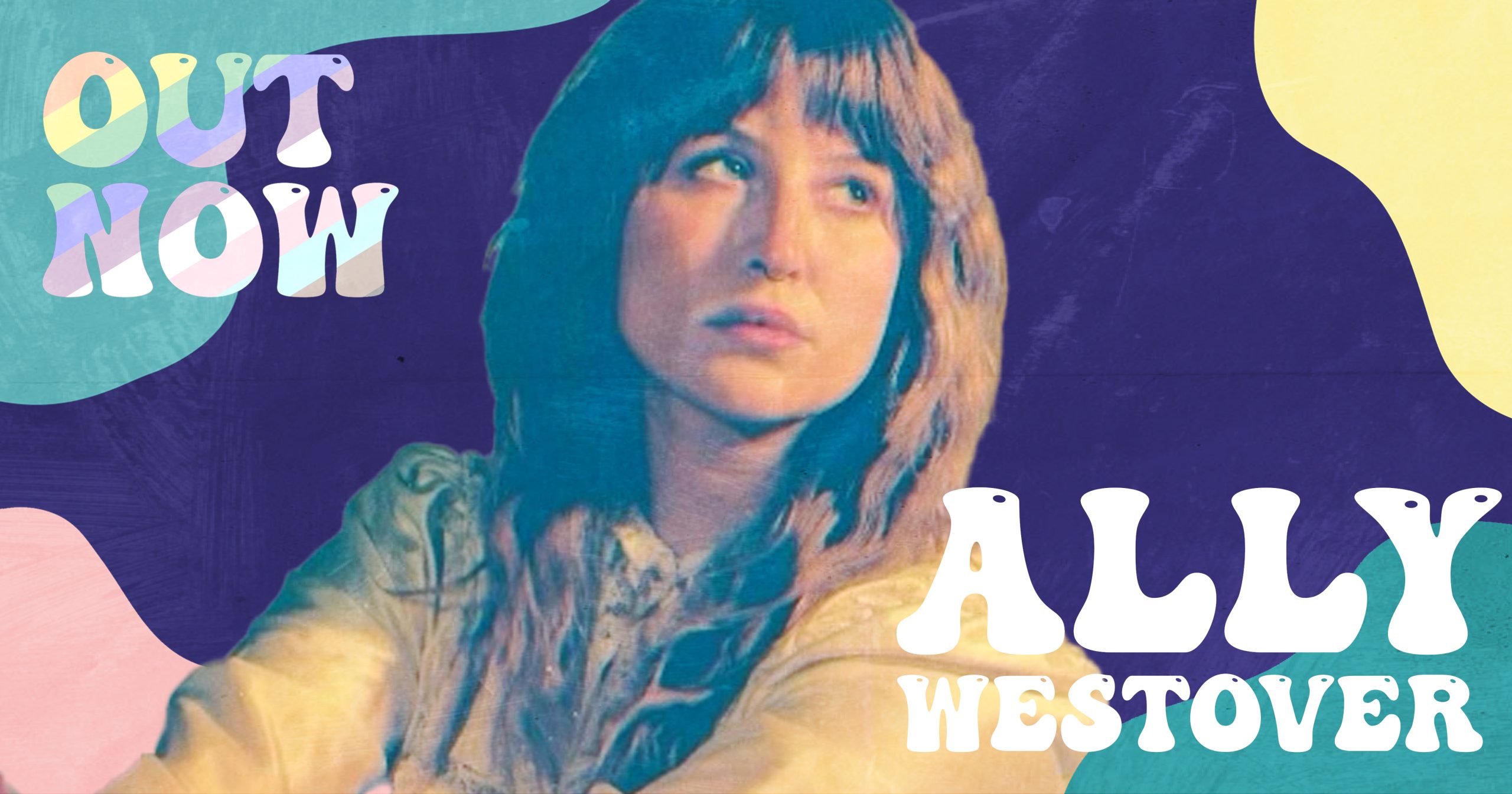
Out Now: Ally Westover

Ally Westover is a Nashville-based artist known for a blend of lullaby-like sounds and groovy indie-folk tunes, stitched together with warmth, imagery, and honesty. Her new single, “Rotten Milk” (available September 6), is an exploration of queer identity. The lyrics circle relatable themes like love gone sour and compulsory heterosexuality – a term coined by Adrienne Rich to describe societal expectations queer women face around conforming to heterosexual norms. The concept resonates with many queer women who struggle to navigate their identities.

It’s exciting to feature an artist who is opening a discussion around these ideas. Ally’s EP, Changing Room, dives further into these themes and is to be released in January 2025. In our Out Now interview, she shares her current state of mind, what it means to her to be an LGBTQ+ artist, and how she balances the business and creative aspects of being an artist.

You are releasing an EP in 2025 titled Changing Room. What was the process of creating this project? And, what do you hope listeners will take away from this collection of songs?

I created this project with my friend and musical mentor, Oliver Hopkins. He is one of the people that inspires me most in this world and to make a record with him is an absolute dream come true. I came to him with a few songs that I loved and believed in, but wanted him to help me make them sound more focussed and sonically interesting.

We wrote “Rotten Milk” in his backyard in the height of the summer heat after I had just gotten out of a relationship with a man that felt like a stranger. The track that follows is “Waterbug,” which is my absolute favorite. It encompasses queer desire and yearning. The last song is called “Digital Body” and it’s all about decompressing and slowing things down. I hope that listeners enjoy the songs and feel maybe a little more understood in their own lives. More than anything I am just happy to have the songs in the world!

Why do you create music? What’s more satisfying to you, the process or the outcome?

Songwriting itself is pure magic. The energy present during the process is what propels me to dig for more songs. I create music because I have to! It is the way that I work through my emotions and thoughts and fears. It is the time capsule for my life. It is the way that I cope with being human.

Do you create music primarily for yourself or for others?

Initially, I create music for myself. And when it is done, I look forward to sharing the songs with other people so that they may feel less alone as I believe we all have similar struggles. It’s my hope that through sharing music, we all feel more connected to each other at a soul level.

Who are your favorite LGBTQ+ artists and bands?

Courtney Barnett, MUNA, Big Thief, Chappell Roan, Katy Kirby, Arlo Parks, Tash Sultana, Cassidy Maude, Ab Lag, Molly Martin, Erin Rae, Liv Greene, Purser, Jobi Riccio, and Saltwater Baby are some of my favorites. Wow! There are so many! I am so grateful for queer visibility!

For anyone reading this who might not be out of the closet, were there any specific people, musicians, or resources that helped you find yourself as a queer individual?

The band MUNA saved me! Chanting songs about being gay and worthy of love really helped me feel empowered. I have an incredible sister, friends, and therapist who have stood by me through the hardest moments. The queer community in Nashville is amazing. Shout out to Jonda, the owner of Lipstick Lounge, for creating a safe haven for queer people. It was only when I realized that it is not my job to make other people comfortable, was I set free.

What does it mean to you to be an LGBTQ+ musician?

I would not be openly making music as a queer person had it not been for the Black lesbians and trans people of color that fought back during Stonewall riots. Thank you to Marsha P. Johnson, Sylvia Rivera, and Stormé DeLarverie for fighting for my right to exist and to love who I love. Being an LGBTQ+ musician means that “no one is free until everyone is free.” It means liberation, justice and resistance.

We’ve had a conversation before about how you left the music industry for a few years and decided you needed to return. What was that like for you? Could you share what drew you back and the importance of creating and sharing your music?

In the time that I was away from music, it was still plaguing my every thought. I tried to study fashion to explore a different creative outlet and that brought me to sustainability, as I learned about the horrors of the fast fashion industry. Because of this, I make all of my merch on thrifted clothes in hopes to be as eco-conscious as possible. Sustainability led me to an existential crisis so I switched majors to philosophy, which only dug me a deeper hole. It was during my philosophy class that I realized I must pursue my bliss – music! Coming back to music as my career focus felt like coming home.

What’s your ideal vision for your future?

When I think of “future me” I imagine myself traveling and playing shows with a small band, throwing killer dinner parties, and tending to a sprawling garden. The ideal vision of my future has much to do with “present me” leaning deeper into the things that I already do.

What is your greatest fear?

I have realized that I am the person who will ultimately affect the outcome of my life – so I would say that I am most afraid of the part of myself that harbors doubt.

What is your current state of mind?

My current state of mind is a collage of gratitude and helplessness; of joy and sorrow; of yearning and grieving. I grieve the genocide in Palestine amongst the many other humanitarian crises in the Congo, Sudan, and in the United States. I find it really challenging some days to be hopeful, but I try to find joy in the small moments and do everything I can to uplift marginalized voices.

I am hopeful about creating and sharing the project that I have been working on for over a year now. Entering into the fall season, I am looking forward to slowing down, going inward, and continuing to lean into my cozy home and my community.

How do you balance being on social media, promoting your music, playing shows, and looking after your mental health?

I tell myself that I want to do this for the rest of my life, so if it takes the rest of my life to do it then so be it. I remind myself that the long game is what matters and that slowly chipping away making good art is what counts. I lean on my community and try my best. I’ve also been trying to intentionally rest without guilt and to say yes to fun experiences that do not center around music. I have found that I create the best and most interesting art when I am living my life for myself. My partner is very organized and business focussed and they gave me some killer advice. They said, “Why don’t you focus strictly on music business for 2 hours a day, in the morning, so that you don’t have to spiral about it for the next 22 hours?” They created the term “Ally’s Office Hours” and it has helped tremendously.

What would a “perfect day” look like for you?

Soft sunlight and fresh air seep through my window. I indulge in light roast pour over coffee and fresh fruit for breakfast. I sit at the kitchen table with my journal and my mini Yamaha as ideas for songs flood my mind like a heavy summer rain. Once the rain has cleared, I walk to the grocery store and grab some fresh seafood, sharp cheeses, and Castelvetrano olives. The rest of the dinner setup will be a harvest from my garden. I pop by the local wine shop for a floral Spanish white wine and perhaps a juicy beaujolais. Friends will arrive at golden hour to a home full of fresh flowers and candle light. We eat and drink and enjoy rich conversation over a delicious meal. I fall asleep beside my lover as we count our blessings.

What’s the best advice you’ve ever gotten?

“If it is urgent, then it is not God.” I can be so impulsive about my decision making, and when a friend told me this, it blew my mind. A sense of urgency is likely never a good sign that something is right.

What are your release and touring plans for the next year?

I am releasing my second EP, Changing Room, in January and could not be more excited. The first single, “Rotten Milk,” comes out today, September 6!

Changing Room encapsulates self exploration, and more specifically queer exploration. The project begins with “Rotten Milk.” It’s about the last man that I ever dated. We were together for a few short months in the summer and much like the milk at the restaurant, the love, too, had gone sour. It was as if I was playing dress up. I couldn’t get access to my true self until I freed myself of compulsory heterosexuality.

I am opening for Louisa Stancioff, Molly Parden, and Eliza Edens in Portland, Maine on October 4 and again in Washtington, D.C. on October 15. The plan is to go on a sweet little tour in early spring to share the songs on Changing Room and then get back to creating more tunes.


Photo courtesy of the artist.

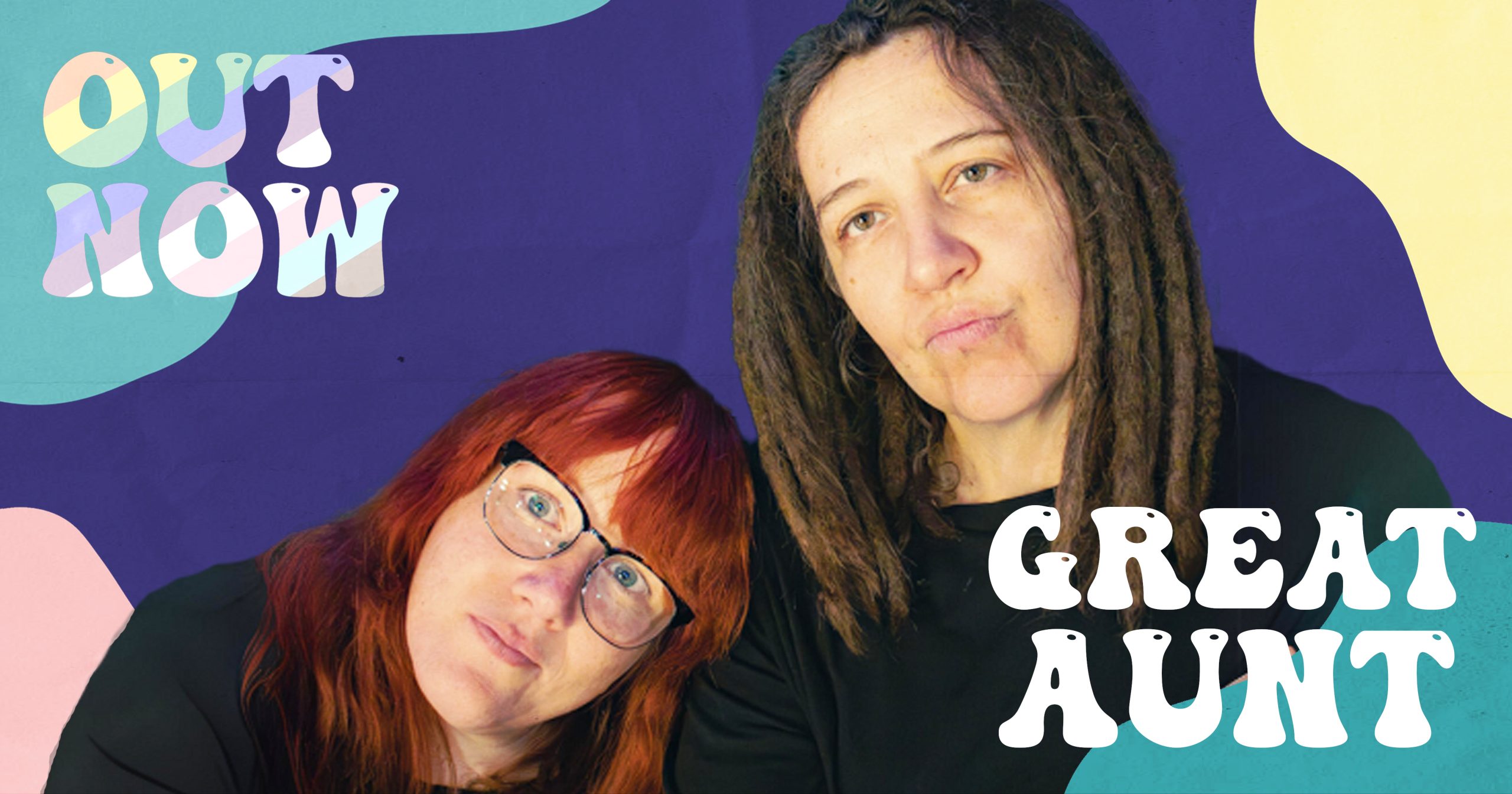
Out Now: Great Aunt

Great Aunt is an Australian folk duo composed of Megan Bird and Chelsea Allen. For a small outfit, they showcase a wide array of instruments – including mandolin, resonator guitar, acoustic guitar, double bass, percussive instruments, and vocals – with detailed harmonic arrangements.

Their music is groovy, with a foot-stomping feel as the base underlying relatable lyrics and stories, primarily drawing from Appalachian folk, bluegrass, and gospel music. Great Aunt is a duo with an impressive log of tours, festival shows, and releases that they’ve independently managed. Their most recent single, “What’s A Girl To Do Now,” covers issues around body image, identity, gender, safety, and equality.

We are eagerly awaiting the release of their debut full-length album, It’s All Downhill From Here, expected later this year. In the meantime, we are honored to highlight this incredible duo from all the way down in Australia, Great Aunt.

You just released “What’s A Girl To Do Now?” This powerful song addresses the struggles that women face around being “woman enough” – body image, identity, and more. Could you share more about the inspiration and meaning behind this song?

We started writing it when a lot of awful things were happening to women in our parliament that no man was ever held accountable for. We then spent a lot of time reflecting from our own place of privilege, as we watched First Nations women dying in [state] custody and the trans community being politicized and targeted by extreme acts of violence. We wanted to acknowledge how discrimination and acts of violence against women further intensifies at the intersections of race and gender. There’s a lot of work to do to support each other and fight for equity, where everyone feels safe, included, and as valued as any other woman. Space is infinite, there’s a place for all of us, except TERFs maybe.

You’re planning to release your debut full-length album, It’s All Downhill From Here, later this year. What has that process been like for you? What might listeners expect to hear from this much-anticipated release?

A diverse range of folk songs and a lot of personal stories to tell. We’ve been recording and mixing it ourselves with a vision to have some common themes throughout the album. Our main goal is to remain honest and sincere, and to try and translate that into the album.

As independent artists, what has the process been like for you to secure so many festival placements and shows? How do you balance the creative side of being artists with the business needs to book shows, attend conferences, and promote your music? 

We are fiercely independent! The balance is often skewed towards the business side of things with the amount of touring we’ve accomplished in the last 12 months, including three U.S. tours. The admin feels never ending, to say the least, but we both divide and conquer with festival applications, booking tours, and the PR side of things. We even do our own artwork!

Now that we’ve put in the effort, we’re starting to get invited to festivals and events around the world, which is really exciting. This year we’re balancing it in favor of writing and recording, while we start booking our next U.S. tour for 2025!

What’s your ideal vision for your future?

In the short sighted future – to continue touring the U.S., Australia, and abroad.

More importantly, we want to continue to embrace and help grow this music community so we can all thrive. We know that without the help of this community we really wouldn’t have had the incredible experiences we’ve had, so we will continue to pay it forward however we can.

What is your greatest fear?

We fear for all of us. That things don’t get better and we never find our way as humans. The feeling of being unable to make an impact or calling for change and it falls on deaf ears, is the crossroads a lot of us have been at for a while now. We see this as key as western countries enter the next round of elections.

What is your current state of mind?

Burnout and worry, yet still optimistic? Right now we make sure we find pockets of joy, away from our devices and the news.

What would a “perfect day” look like for you?

Starting off with a big pot of coffee… or two. Then sitting in our pajamas together, in our home studio, writing and recording music throughout the day, maybe sneak in a video game or two. Then we head to a show. It doesn’t matter if we or someone else we admire is on the stage, but it’s a room full of friends and heartfelt stories.

Why do you create music? What’s more satisfying to you, the process or the outcome?

It’s a form of communication and expression that is a part of both of us. Creating or writing music is a constant process of growth and exploration. When we “finish” writing a song, record it down, and release it, it still continues to grow and evolve as we perform it.

Do you create music primarily for yourself or for others?

Our songs start from personal experience, a reflection of something from our lives. While we don’t write music with an audience, we do hope that someone out there listening to it feels less alone, and can hold onto that connection.

What’s the best advice you’ve ever gotten?

That a career in music is a long journey.

Who are your favorite LGBTQ+ artists and bands?

Some of the best music out there right now is queer music, and the list is forever growing. Adeem the Artist, Jessye DeSilva, Wiley Gaby, Crys Matthews, Brittany Ann Tranbaugh, Julie Nolen, and the beacon of light that is Allison Russell! Oh my!

We also adore Flamy Grant, Karen & the Sorrows, Amythyst Kiah, Jake Blount, and some local Australian favs are Charlotte Le Lievre, Little Wise, the Double Dole String Band, Kerryn Fields, Hana and Jessie-Lee’s Bad Habits, This Way North, and the Tuck Shop Ladies.

For anyone reading this who might not be out of the closet, were there any specific people, musicians, or resources that helped you find yourself as a queer individual?

I, [Megan], was lucky enough to attend this place called Rock’n’Roll High School in Melbourne. It was a place started by Stephanie Bourke, an icon in Australian music. She created a safe space for young women, non-binary, and queer folks to start bands and taught us how to navigate the industry. On reflection, I distinctly remember I felt safe to be myself and finally found a place of belonging, where my queerness or size wasn’t singled out as an issue to fix. It was a significant turning point for me, and it came at the perfect time.

I came out when I was a young teen, and was fighting to live every day. I had the support of my family, but was constantly abused at school and even the school itself told my parents I didn’t belong. It nearly had a devastating impact. Please. Hold on. Find a space that makes you feel alive. Find people and community that don’t question or challenge your identity, and let you just be, that is your family. If you haven’t found it yet, please don’t give up. When you do find these people, the feeling of liberation will overwhelm you with joy. Great Aunt loves you, we’re rooting for you.

What does it mean to you to be an LGBTQ+ musician?

Being a musician helped me process and get comfortable within my own skin when trying to understand my own identity. We’re queer women, our music is written from our perspective, and our songs are literal stories from our lives, so it’s inherently queer music. We don’t underestimate the importance of visibility and allyship. It’s critical for us that our music is a safe space for everyone.

What has it been like for you as Australian artists touring in the US?

As folk music has such deep seated roots within American culture, we are always humbled by the breadth of the music community in the U.S. and how welcoming and supportive they have been to us. We reflect on how lucky we are to be able to do this, and the listening rooms we’ve played that have been full to the brim with people we now call friends. There’s no music scene like it.

What are your release and touring plans for the next year?

There’ll be a couple of U.S. tours, that’s for sure. Once we have this album out, we’re already thinking about another release to follow shortly after, and really want to make the most of a slightly quieter tour schedule this year.


Photo courtesy of the artist.

Out Now is presented in partnership with our friends at Queerfest. Learn more about this Nashville-based queer-centered event and collective here.

A Little Less Insecure: The Story Behind Brandy Clark’s First Grammy

Despite her well-earned reputation as one of Nashville’s strongest songwriters and nuanced singers, Brandy Clark had gotten used to not hearing her name called at Grammy Awards ceremonies. Two years ago, her friend Brandi Carlile decided to do something about that. Carlile produced Clark’s fourth studio album, Brandy Clark, which earned five of the six nominations she got this year, upping her tally to 17 — one of which turned into her first win. Clark was honored for Best Americana Performance for “Dear Insecurity,” a duet with Carlile. After her win, Clark told a backstage interviewer, “Brandi is the reason why I made this record and why this song is what it is.”

But as Clark explained in an earlier BGS interview, the catalyst for that collaboration — her most personal, affecting work yet — was one of those Grammys she didn’t win.

So how did Brandi’s involvement come about?

Brandy Clark: The label wanted me to record two more songs for a deluxe version of Your Life is a Record. I had made that record with Jay Joyce, and he couldn’t do it. Tracy Gershon, a mutual friend of Brandi and I, said, “What if Brandi produced?” And Brandi was willing to do it. It was a really good experience, mostly because Brandi really follows her gut instinct, which is so amazing. I tend to overthink. And then “Same Devil,” which was part of that, ended up nominated at the next Grammys. We didn’t win, and she leaned over to me and said I looked really devastated. I didn’t remember feeling particularly devastated, but she said I just looked really sad, so she said, “Hey, buddy, we’ll get one. I’d love to do a whole record with you.” I was like, “Really?” And she said, “Yeah, I’ve thought about it. I think these things through when I get involved in a project; I think about the artwork, I think about everything. I’d see it as your return to the Northwest, because I’m from the Northwest.”

It was such a different experience for me, because Brandi’s an artist. I think producers lead with whatever their original instrument is; if they were a guitar player, they lead with that. If they were a songwriter, they lead with that. I’ve never worked with a producer that could sing to me what they heard, and also keep me from over-singing. And she wanted as many live vocals as possible. That was different for me. And she really challenged me to get to the heart of who I am as an artist. No producer’s ever asked me to make lyric changes; she said, “I just want to believe that you believe everything you’re saying.”

What’s an example of a lyric she asked you to change?

“Buried;” the second verse used to start out, “I’ll read ‘Lonesome Dove,’ I’ll start doing yoga,” and she said, “I don’t like that yoga line.” I was thinking, “I don’t care if you like it or not.” That was my first [reaction]. I said, “Why not?” She’s like, “Well, I just don’t believe that you do yoga.” I said, “I don’t.” She’s like, “Then it shouldn’t be in the song.” And she was right.

You do heartbreak songs so extraordinarily well. Even the ones that aren’t sometimes feel like heartbreak songs, because they’re so full of emotion. “Dear Insecurity” — to hear that coming from the perspective of two women who are both stars now, and yet it’s so believable — it’s not like two women just singing “Oh, yeah, we’re insecure,” you really believe it. That’s what’s so striking about all of your songwriting, but to be able to do that, and do it well, and to know that it doesn’t matter how big you get, you still experience that …

Oh, I have massive insecurities. I think everybody does. That’s why I think that song hits; to be human is to be insecure. And the more willing you are to admit those insecurities, the less they rule you. That song came from— I had gotten my feelings hurt. A really great friend of mine says insecurity is the ugliest human emotion; it’s what makes people do mean things. So I was trying to remember that on the way to my writing appointment that morning, because I wanted to get into a good headspace to write with someone I had never written with. When I was sitting in the car, I started to think about my own insecurities, and the things that they have messed up along the way for me. I thought, “Wouldn’t that be something, to write a letter to insecurity?”

Why did you and Brandi choose to duet on that song?

Well, going in, I never heard that song as a duet. The first day we were in the studio, she said, “What do you think about ‘Dear Insecurity’ being a duet?” I loved the idea; I heard it as a duet with a guy, because men have insecurities just like women do. She really wanted Lucinda Williams. Because we hadn’t secured anybody yet, she said, “I’ll sing the scratch [vocal], and then we’ll see about getting Lucinda in here.” So she started to sing, and we really got lost in it.

Brandi had also been pretty adamant that she didn’t want to be a feature on this record, because of producing it, and because we had done that other feature, [“Same Devil”]. She just didn’t want it to look like she was trying to get featured. But when it was going down, I could just feel this magic happening. When I listened to the board mix, I thought, “Oh, God, what am I going to do? I don’t want to hear anybody but her on this now.” I loved the way that our voices battled each other and melded together. So I said the next day, “Brandi, I really want it to be you.” And she was like, “Oh, that’s all you had to say.” It was perfect because we have similar insecurities. We’re around the same age, both gay, like, there’s insecurities in that. We’re very similar, and very different. And it just worked.

In what other ways did she influence or impact this album?

There were a couple of things that I’ll take with me forever. When she was asking me to make lyric changes, that really bothered me. It felt disrespectful to the co-writers to do that on the fly, and I told her that. I said, “These songs, none of them were just slapped together, because I don’t write that way.” No offense to anyone who does, I just have to put a lot of thought into songs for ’em to be good. And it took other people to write these songs that I respect and that put their heart and soul into this, too. And I like to be in service to the song. And she said, “Well, I understand that. I think this time, you need to be in service to the artist.” It put me in a different space as an artist than I’ve ever been in. I always come at things as a songwriter first. This record, I came at it as an artist first.

The other thing – and I’m so glad that I asked her this question, and that she answered it the way she did, because it makes me think differently; I’ve never worked with a producer on a record that I was a co-writer with. So they’re always, to me, the last writer on the songs. The positive is that they’re making choices based on what they feel when they hear them the first time, like a listener. …I always give a producer probably 18 to 24 songs, then I’m just too close to pick the 10 or 12. So she picked the songs that she thought should be on this record. When she gave me her list of what she really wanted us to dive into, I said, “Why did you choose those 10?” And she said, “Well, they were all great songs; but I chose the songs that I felt like you wrote in your bedroom.” That was such a great thing… it reminded me that when all of us picked up a guitar or pad of paper the first time, it wasn’t to impress anybody. It was to just get some emotion out that we could only get out through song.

There’s another song on here, “She Smoked in the House,” that I wrote about my grandma that I never thought would be on any record. I thought I was just writing it for me. People have responded so strongly to that song, it just helps me know I need to double down on me and what I’m feeling, instead of what I think people want to hear. That sounds really simple, but it’s easy to forget that if we’re feeling something, other people are gonna feel it. And if we’re not, nobody’s gonna feel it.

You once told me your mission was to write a classic like “Crazy.” While listening to this album and Shucked [the Broadway musical for which she and Shane McAnally co-wrote the music and lyrics], it occurred to me that you have. A song like “Friends,” that’s gonna be sung at thousands of weddings and graduations, and “Take Mine” and “Up Above the Clouds” and these other tracks… I kept thinking of the great Randy Newman tearjerker songs in Pixar films.

I’ve always thought “Up Above the Clouds” should be in one of those.

Totally! Are you working on that?

Yes. It makes me feel amazing that you feel like I have written a classic song like that. I’m going to hang on to that today, and then I’m going to let it go. Because what keeps me hungry as a songwriter is to think I haven’t.

You mentioned you might do something else with Brandi. Are you already talking about that?

No, but we clearly work well together and people like what we do. She’s a little bit like Shane for me; I feel like the sum of our parts is greater than two people.

I love that you’re all part of this connected group of people, especially women. I remember Allison Russell crediting Brandi with elevating her family out of poverty, and to be able to do that for so many people …

That’s a testament to Brandi. She’s on top of the world and she’s choosing to elevate other people; she said to me when she approached me about this, “You deserve to be in the same spot as me on festival posters. That’s what I want.” A lot of people have a scarcity mindset. She has an abundant mindset and wants to raise up the music of other people that inspires her. That inspires me to do the same.

My trajectory is on a really great path right now. And then I look to someone like her and think, “OK, where do I pay it forward? Where do I lift someone else up?” Because it’s really easy when you’re just grinding and trying to get your own star to rise, to not look around and think, “Oh, how can I help someone else?” But she really inspires me to do that.


Photo Credit: Victoria Stevens

Tyler Childers Stunning “In Your Love” Music Video Was Written by Silas House

Traditional country phenom and Kentuckian Tyler Childers has announced his upcoming album, Rustin’ In The Rain (available September 8, 2023), with a brand new single and music video, “In Your Love.” Written and creative directed by New York Times bestselling author Silas House, the video tells a gay love story between two working class, Appalachian men – played by queer A-list actors and celebrities Colton Haynes and James Scully. The visuals for “In Your Love” tell one of country music’s most prominent and visible LGBTQ+ narratives to date, entering an industry landscape that has become more and more (openly) queer over the past decade.

“In Your Love” reminds of songs and albums released not just by left-leaning, more mainstream artists like Childers and Parker Millsap, but also by queer artists themselves, telling working-class stories and histories just like that constructed and depicted by House and director Bryan Schlam. In 2015, gay banjo player, singer-songwriter, and fellow Kentucky-resident Sam Gleaves released a landmark album, Ain’t We Brothers, which dripped with the exact same lived experiences and soot-tinged patina that inform Childers’ new video. In the past couple of years, releases by LGBTQ+ identified music makers like Amanda Fields, Willi Carlisle, Adeem the Artist, Amythyst Kiah, Jaimee Harris, and more trod similar ground. It’s notable still that an artist – however outlaw- or fringe-identified – as mainstream as Tyler Childers and with as broad a fanbase as his would choose to not only highlight queer, working-class storytelling, but to do so in a way that normalizes and re-centers these ways of being in Kentucky, the South, and Appalachia.

Rustin’ In The Rain will be released via RCA Records on Childers’ own imprint, Hickman Holler Records, on September 8. Via press release, Childers describes the inspiration that birthed Rustin’: “This is a collection of songs I playfully pieced together as if I was pitching a group of songs to Elvis. Some covers, one co-write, and some I even wrote in my best (terrible) Elvis impersonation, as I worked around the farm and kicked around the house. I hope you enjoy listening to this album as much as I enjoyed creating it. Thank you. Thank you very much.”

Clearly, the legacy of “The King” is merely one way drama, mystique, nuance, entertainment, and Southern-ness coalesce within this new project from one of the most exciting voices and perspectives in country.


Photo Credit: Sam Waxman