The Latest Album From Steep Canyon Rangers Showcases Fresh Sounds, New Lineup

It’s a rather warm evening in the mountains of Western North Carolina. With a sweltering sun slowly fading behind the ancient Blue Ridge peaks, Graham Sharp takes a seat at a picnic table underneath the welcoming shade of an old tree.

He takes a sip of a craft ale and gazes out upon the festive meadows of live music and fellowship behind Highland Brewing on the outskirts of Asheville. For Sharp, it’s a rarity these days for him to be able to sit back and enjoy the city he’s called home for the last 22 years.

Co-founder and de facto leader of the Steep Canyon Rangers, Sharp is at the center of one of the most enduring and cherished acts in the realms of Americana, bluegrass, and indie-folk — whether on its own merit or backing Steve Martin and Martin Short.
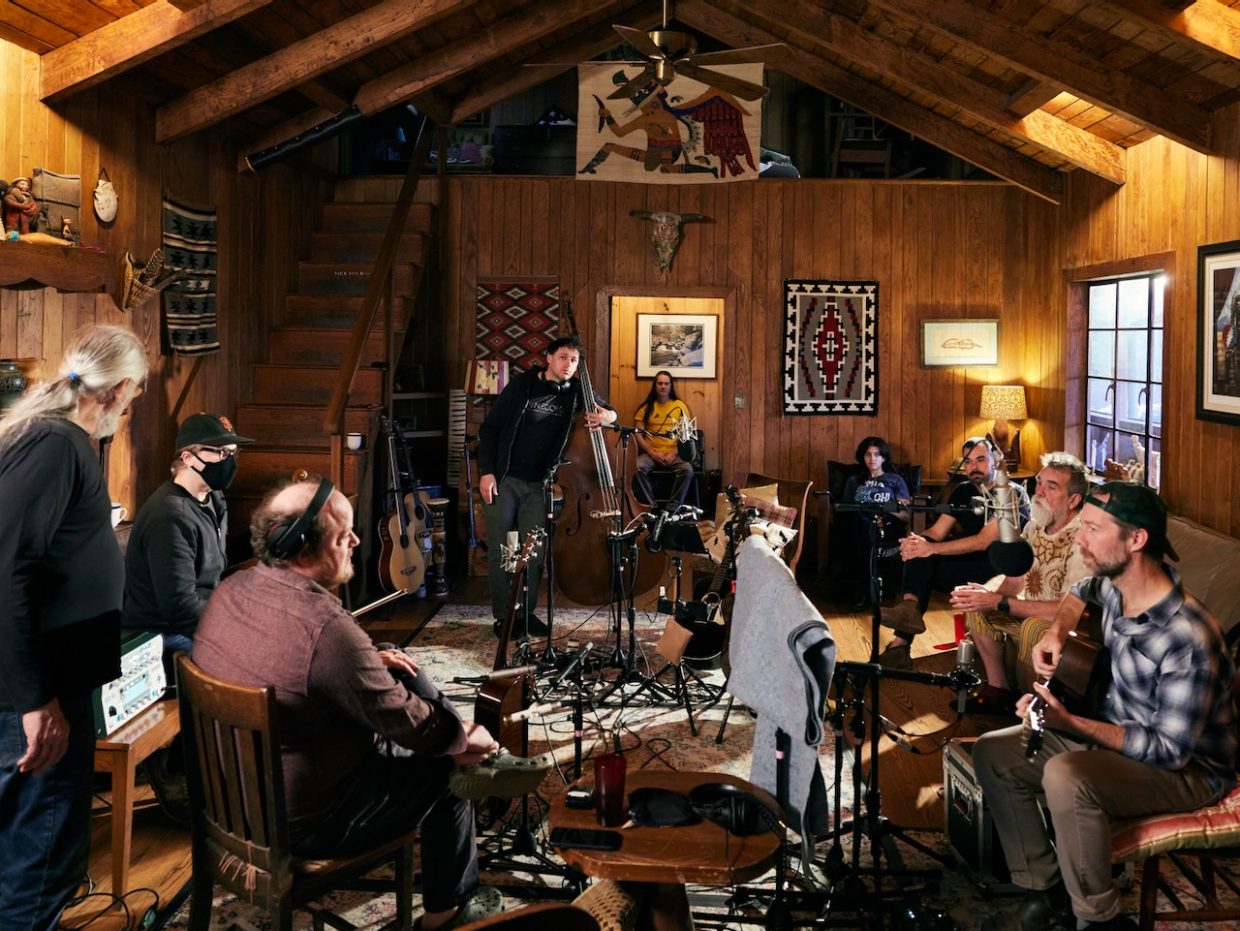
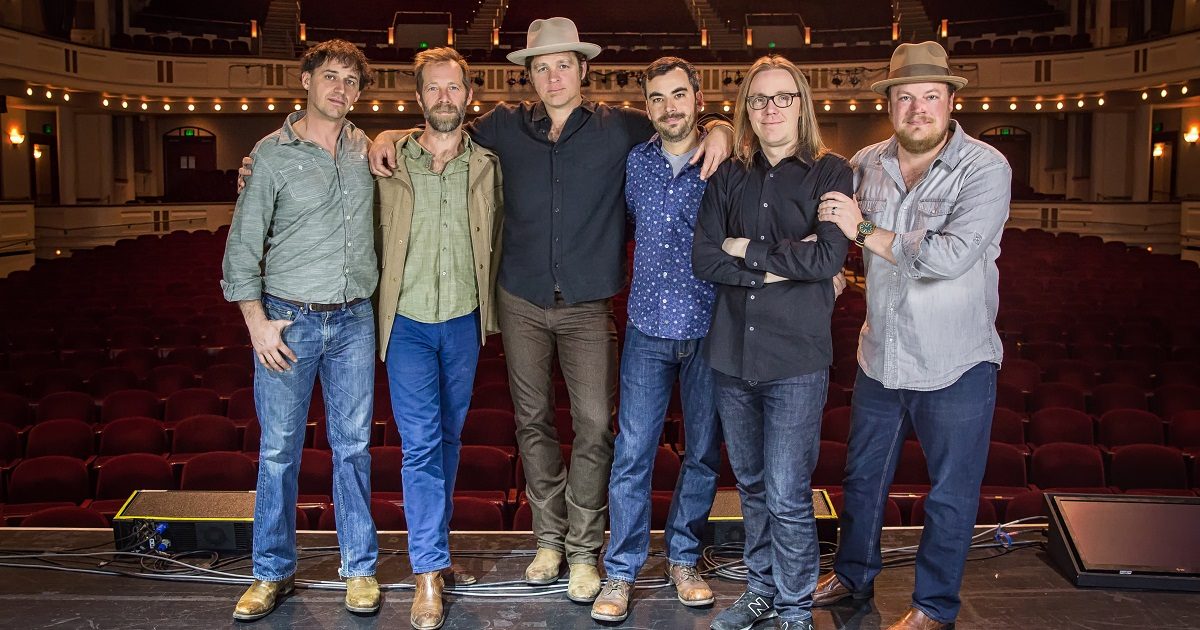
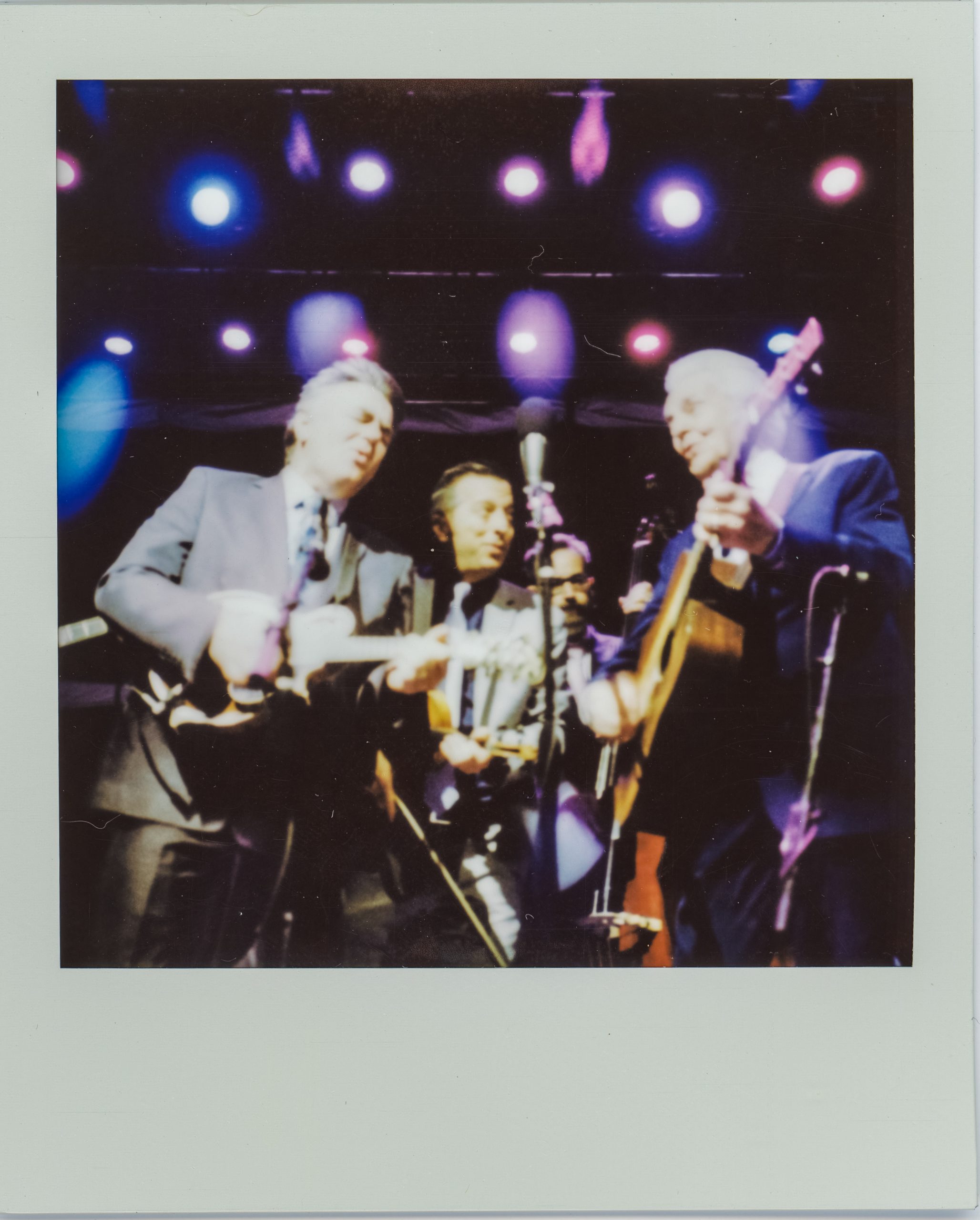
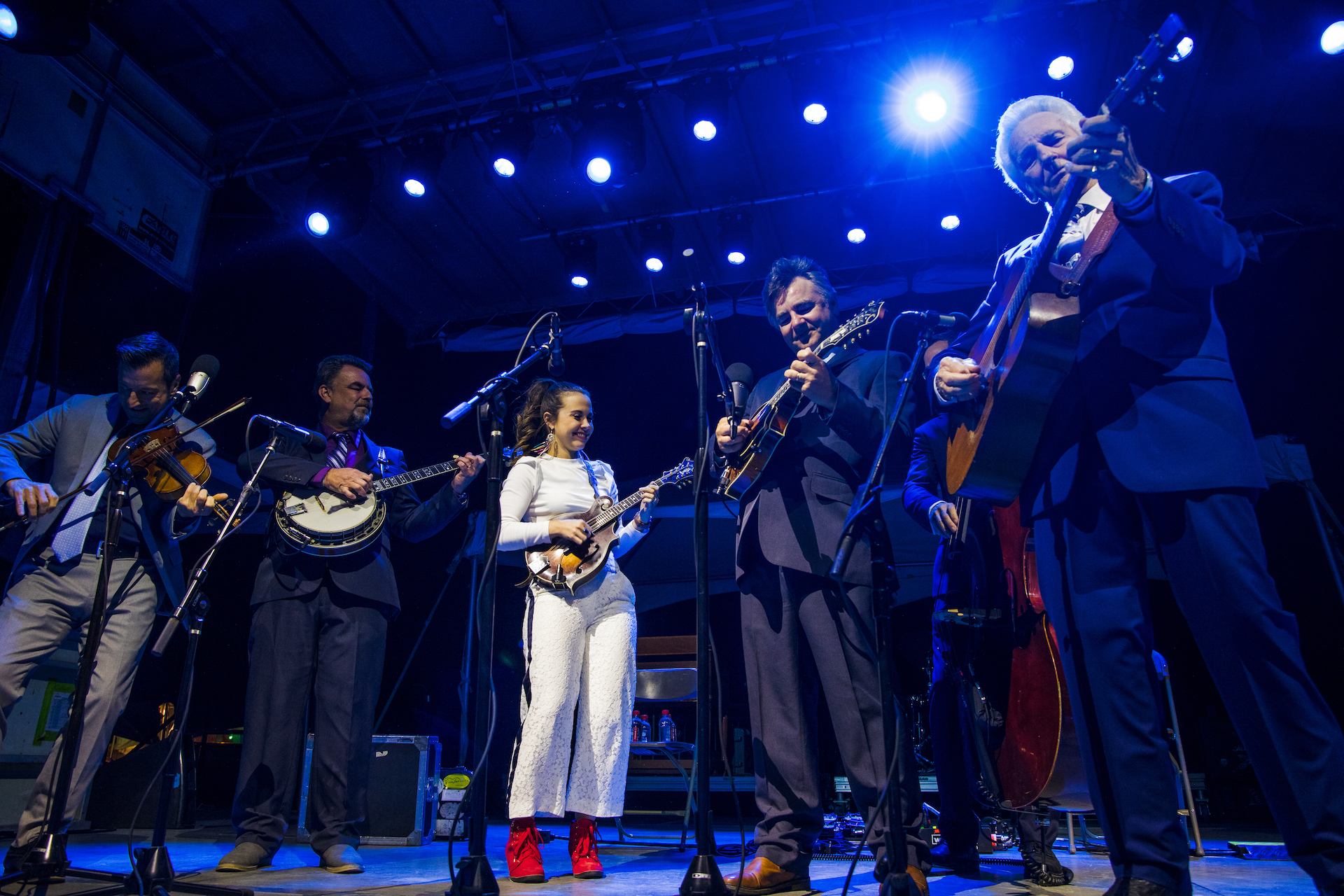
The Steep Canyon Rangers at the Western North Carolina retreat where they recorded ‘Morning Shift’ with Darrell Scott producing. Photo by Joey Seawell

At 46, Sharp has spent the majority of his adult life either on the road, onstage, or in the studio. And yet, like any endlessly restless and creatively curious musician worth one’s salt, Sharp feels like he’s just getting started.

“I’m the luckiest man on earth to be able to wake up in the morning and think, ‘I want to play banjo and write songs today,’” Sharp says. “Or am I going to get on a bus and go play some shows? That’s a good feeling to be excited about what you do — 25 years from now, I’ll probably be feeling the same way.”

What started as a rag-tag bunch of green horns jamming traditional bluegrass numbers in the dorms at the University of North Carolina at Chapel Hill, has evolved into a bonafide group selling out venues coast-to-coast.

Throughout the Rangers’ history there’ve been awards and accolades, including three Grammy nominations and one win. There’s also been big stages (Red Rocks Amphitheatre, the Ryman Auditorium, Hollywood Bowl) and even bigger crowds (Bonnaroo, MerleFest, Hardly Strictly Bluegrass).

But, the core of the group resides in its unrelenting quest to dig deeper within itself to uncover another layer of sound and sonic possibility. Most recently, the band has gone through its biggest test to date, with the departure last year of founding member and arguably the gravitational center of the act, singer/guitarist Woody Platt, who decided to take a step back from the spotlight and focus on family.

“There’s a lot of things you can’t control and Woody leaving is a pretty good lesson in that fact that there’s only so much that you have influence over,” Sharp says. “And I’ve seen that with everybody [in the Rangers]. Everybody had worked hard, stepped up and defined their roles better in the band — just buckle down and push ahead.”

Fellow Western North Carolina singer-songwriter Aaron Burdett stepped into the fold to not necessarily replace Platt, but give the Rangers a new avenue to stride down, in terms of songwriting approaches and musical interpretations.

“We really tried to bring Aaron in to have another voice in there. I love having him as another writer,” Sharp says. “We both generate our own stuff and bounce ideas off of each other, where some of it feels like going back to the beginning [of the band] in the feeling.”

And with the Rangers’ latest album, Morning Shift, the sextet now finds itself at the dawn of a new, unwritten chapter of its continued trajectory as a group as sonically elusive as it is bountiful in its melodic pursuits.

“I don’t think you’d call it a chip on the shoulder,” Sharp says. “But, it feels like there’s just a drive we all have to just get better, to have more people hear what we’re doing — and we know what it takes to get there at this point.”

Hunkering down for a week in the off-the-beaten-path, unincorporated community of Bat Cave, North Carolina, the Rangers transformed a small mountain getaway into a makeshift studio. They also enlisted the help of Darrell Scott, the musical legend being tapped to produce the record.

“Darrell isn’t going to mince words — he’s pretty decisive,” Sharp says. “And Darrell spans all these [musical] worlds. He’s a monster picker and singer, and a great writer. We felt like he also comes from that bluegrass [scene], but also is outside of it, [like we are].”


What resulted is an album of genuine depth and stoic intent, renewal amid a reinvigorated sense of self. It’s a full-circle kind of thing, with the Steep Canyon Rangers not only reflecting on the past, but, more importantly, still chasing after that unknown horizon of artistic discovery. Our BGS interview with Sharp at Highland Brewing in Asheville continued with a conversation about the group’s changing lineup and dynamic.

It’s been a big year for you guys in a lot of ways — physically, sonically. What’s the dynamic right now? What’s kind of changed?

Graham Sharp: Well, what I’ve noticed is my default method [is] when things go weird, to just work harder.

There’s more of a round-robin feel in the band than before.

GS: Yeah. I get that. That’s what people say, that the dynamic reminds them of The Band, where there’s three or four different singers. And that was part of the deal, part of the thought process of, “Let’s take this role that’s the prototypical lead singer/guitar role and de-emphasize that.” Not totally strip it of everything, but the guitar player’s going to sing 40 or 50 percent of the songs. He’s not going to sing 80 percent of the songs. And part of that plays like a little bit of a safeguard, where if something happens with Aaron two years from now, we don’t want to be back in the same boat, where it’s like we’re losing a big hole out of the middle of the band.
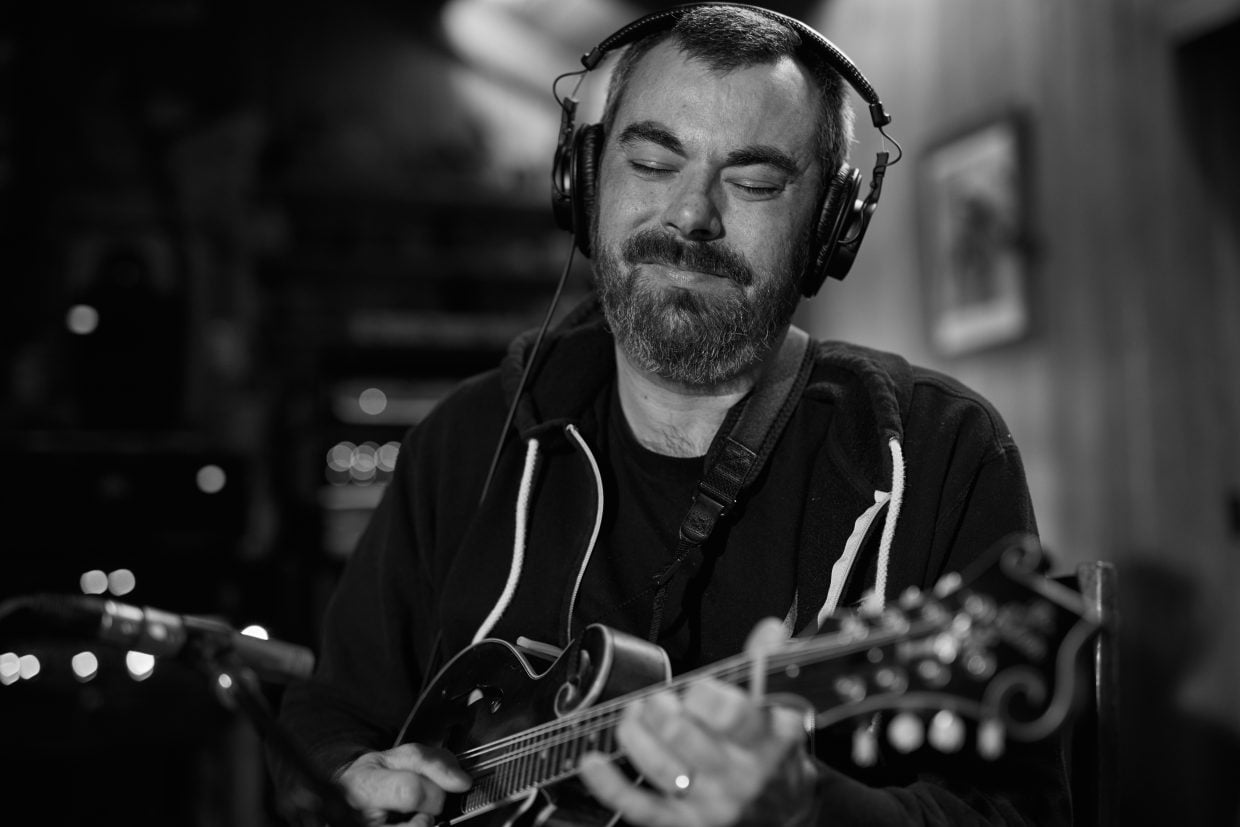
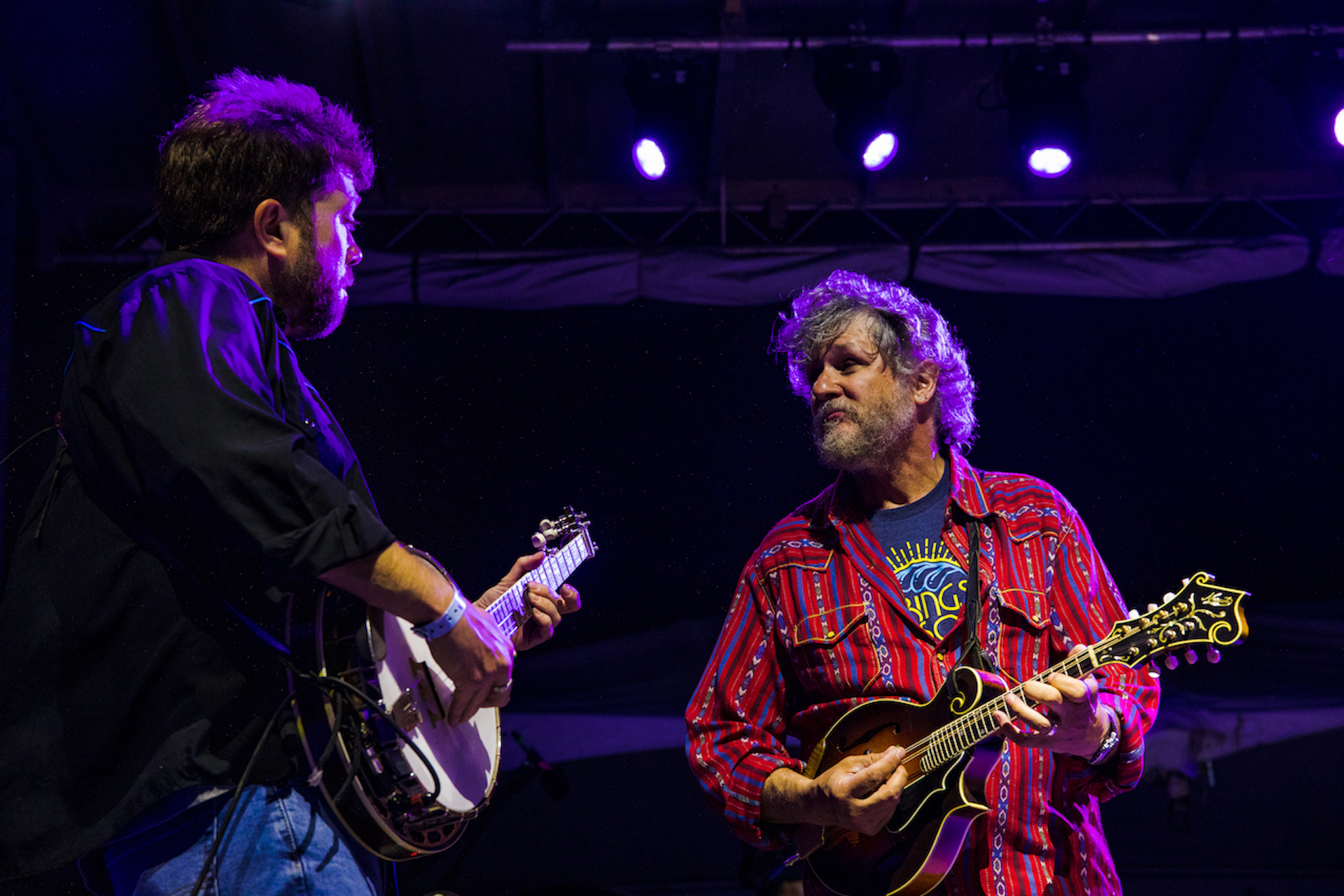
Mandolinist Mike Guggino, in the studio recording the Steep Canyon Rangers’ ‘Morning Shift.’ Shot by Joey Seawell.

Like equally distributed weight now.

GS: Yeah. That’s kind of how we want it. And I think that’s what it needs to be. There’s a lot of talent in [the band] and maybe this is a chance to uncover some of it.

Not to take anything away from Woody and his contributions, but it feels more of a cohesive unit than I’ve ever seen it before.

GS: Isn’t that crazy? And that’s what people have been saying. I don’t know what that is except to say everybody’s stepping up and also making sure everybody else shines a little bit more.

I also wonder if that plays into more camaraderie in the band.

GS: Maybe. I mean, the band is a brotherhood. You couldn’t have more camaraderie than we have. But, that said, if people are feeling like their talents aren’t being put into full use – there’s one thing about being great friends and being brothers, but also on some kind of subconscious level, if you feel like there’s stuff that’s not being utilized, then maybe there’s something else you should be doing, you know?

And there’s maybe a reaffirming of gratitude for how far you guys have come.

GS: No doubt, man. That’s definitely one of the overwhelming things that has come out of this [latest chapter], is just gratitude to still be doing it — just keep going and keep doing it. [With Morning Shift], this record feels like a jumping off point.

The album also reinforces that elusive nature that’s always resided in the Rangers, where the last thing you ever want to be is pigeonholed, musically.

GS: Yeah. But, I love to play the banjo, so I don’t want to grow away from that. And [sometimes] I feel like my writing doesn’t always lend itself to the banjo. So, a lot of my stuff on the banjo ends up being able to figure out how you play to this weird song that doesn’t really call for banjo like a bluegrass song would — that’s part of the fun of [songwriting].

Aaron has now been in the band for a year. What’s surprised you the most about what he’s brought to the Rangers?

GS: We knew he was a great singer when we hired him, so that didn’t come as a surprise. When he sent us his demos, we knew this was our guy. But, the biggest surprise has been just how far apart our musical worlds are. He’s a very different musician than anybody we’ve had in the band. There’s things that he does in his own rhythm. He just has a different touch on the rhythm guitar.
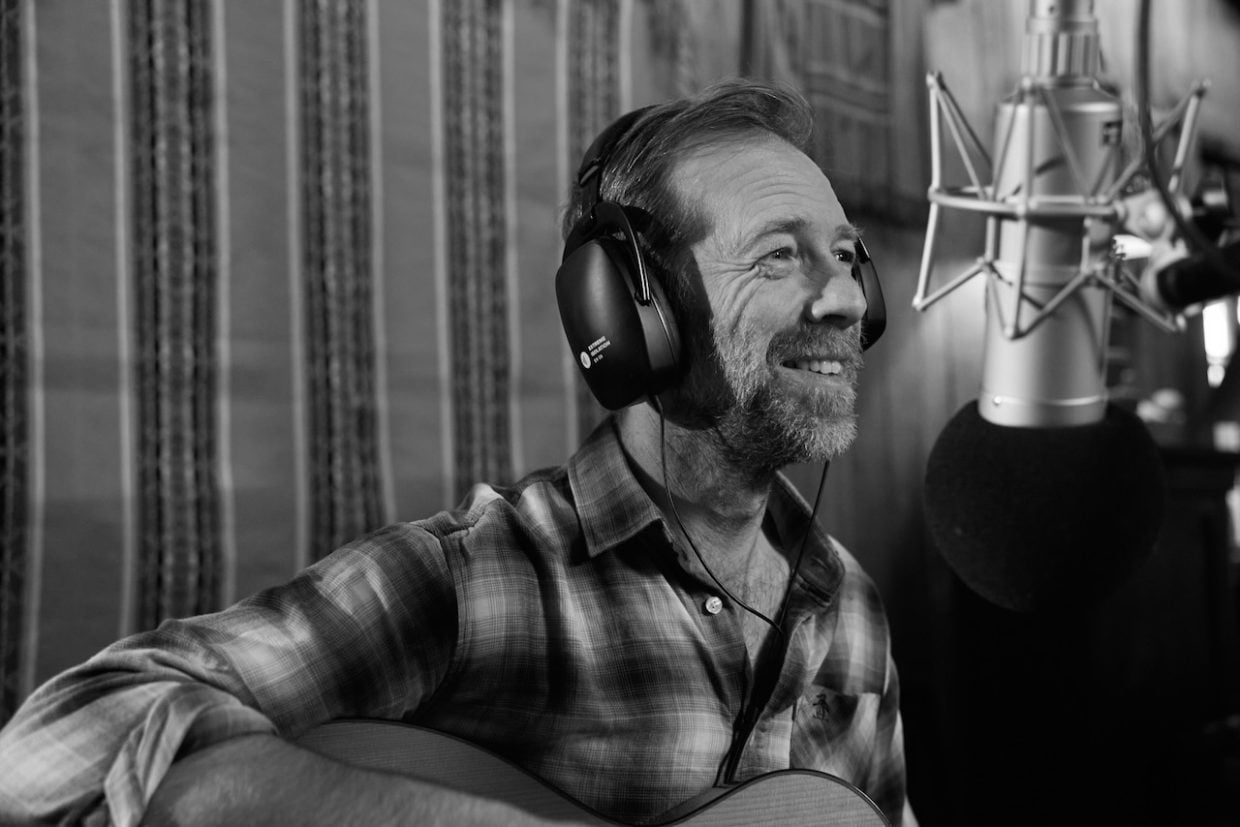
Graham Sharp of the Steep Canyon Rangers recording ‘Morning Shift’ in studio. Photo by Joey Seawell.

There’s definitely a feeling of reinvigoration within the band. Almost 25 years into the Rangers, the band is still at the top of its game. But, playing devil’s advocate, I think there’s now other mountains you can see that you may want to climb?

GS: I think you’re right. I mean, as a band, you only have one introduction to the world. Maybe we were lucky because we got two, the other with Steve Martin. But, right now, it feels more like a collective up onstage. And I think that’s invaluable. Everybody is putting in the work. For example, I’ve always played banjo for a couple hours a day. But, maybe now, I play it for three hours a day. You’re just stepping things up, bringing things up a notch.

What really sticks out when you look back at the early years of the band, this handful of college kids learning to play bluegrass music?

GS: It was 1999. Somewhere in my junior or senior in college. It was myself, [former bassist] Charles [Humphrey] and Woody. Then, [mandolinist] Mike [Guggino] showed up later because he was Woody’s friend from Brevard, [North Carolina]. There was no ambition at the time. The ambition was really, “Let’s learn to play [bluegrass] so it sounds like it does on these records.”

New Grass Revival. [Russell Moore and] IIIrd Tyme Out. We never got to where we sounded like any of those bands. We could never sound like Lonesome River Band. But, take a little bit of this, take a little bit of that and go play onstage at bluegrass festivals. Go to Sears and get some clothes that match. And [a lot of the bluegrass] legends were still around and playing those festivals. Earl [Scruggs] was still around. John Hartford. Jimmy Martin. You know, when you’re young and rising, you’ve got all the momentum, all the buzz. And when you’re established and older, it’s different. Right now, we’re in this in-between period where it’s not newer and it’s not legacy. But, we’re not Billy Strings or Molly Tuttle, either. I still just love going out [there onstage] and proving it every single time — that feeling of doing what it takes to be our best each night.


All photos: Joey Seawell
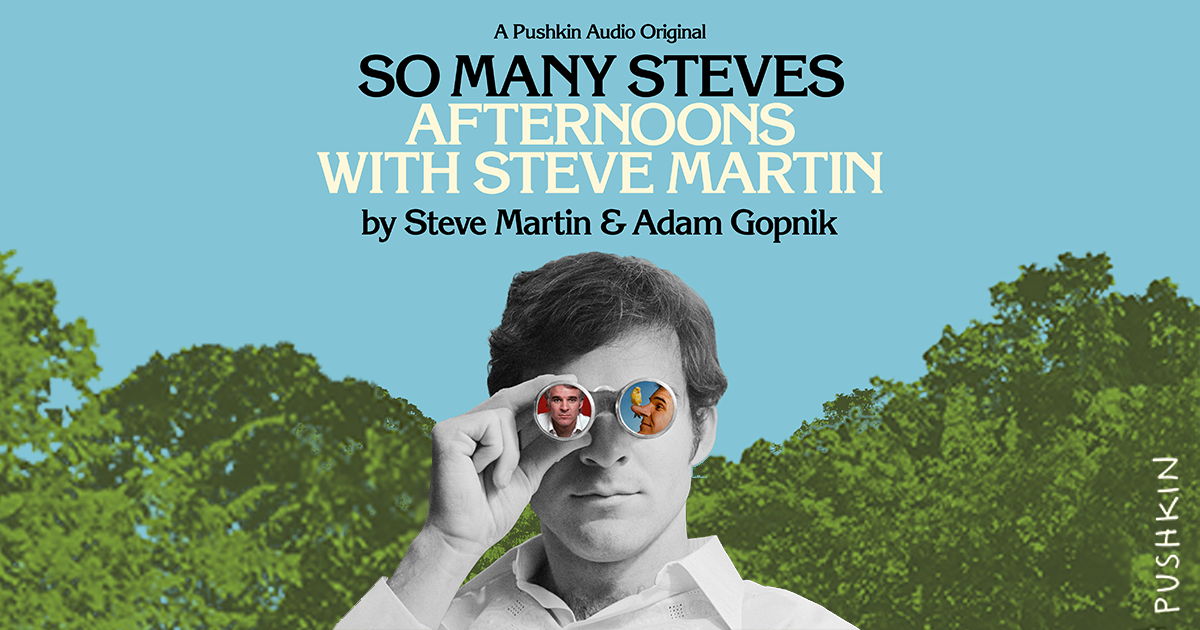
Listen to an Exclusive Excerpt From Steve Martin’s Pushkin Audiobook

It’s hard to ascribe a single title to Steve Martin. Throughout his nearly 50-year career in entertainment, Martin has been a stand-up comedian, leading man, art collector, TV star, bestselling author, and writer of a Tony-nominated Broadway musical. And then, of course, there’s his love affair with the banjo. Since childhood, Martin has been deeply connected to the instrument, and over the years he’s performed with everyone from Earl Scruggs to the Steep Canyon Rangers to Kermit the Frog.

Adding to that multi-hyphenate lineup, Martin has now released a new audio-only autobiography detailing his lengthy career with friend and co-author Adam Gopnik (longtime contributor to the New Yorker). So Many Steves: Afternoons With Steve Martin, New Yorker contains a year’s worth of conversations between Martin and Gopnik and was published in May of this year by Pushkin, a podcast and audio production company.

In ten chapters, the two men dive into a wide set of life experiences with the kind of vulnerability and humor reserved for old friends, with chapters ranging from Martin’s teenage years working in Merlin’s Magic Shop at Disneyland to selling out arenas on his stand-up tours. But perhaps most exciting to bluegrass fans will, of course, be the chapter in which Martin details playing “Foggy Mountain Breakdown.” In the early 2000s, Scruggs himself asked Martin to perform on a 75th anniversary album. When Martin showed up at the studio of his idol, however, he was at a loss. “It was so fast,” Martin proclaims, “I couldn’t believe it.”  Practicing for the record kickstarted the second chapter of his musical life, at a time when he’d almost completely walked away from the instrument. 

As a special exclusive, BGS readers can stream the an audio excerpt from So Many Steves (below) for a limited time. The full audiobook is available to download via Pushkin or stream on Audible, Apple Podcasts, and Spotify. Discover more here.


Lonnie Lee Hood and Amy Reitnouer Jacobs contributed to this writing.

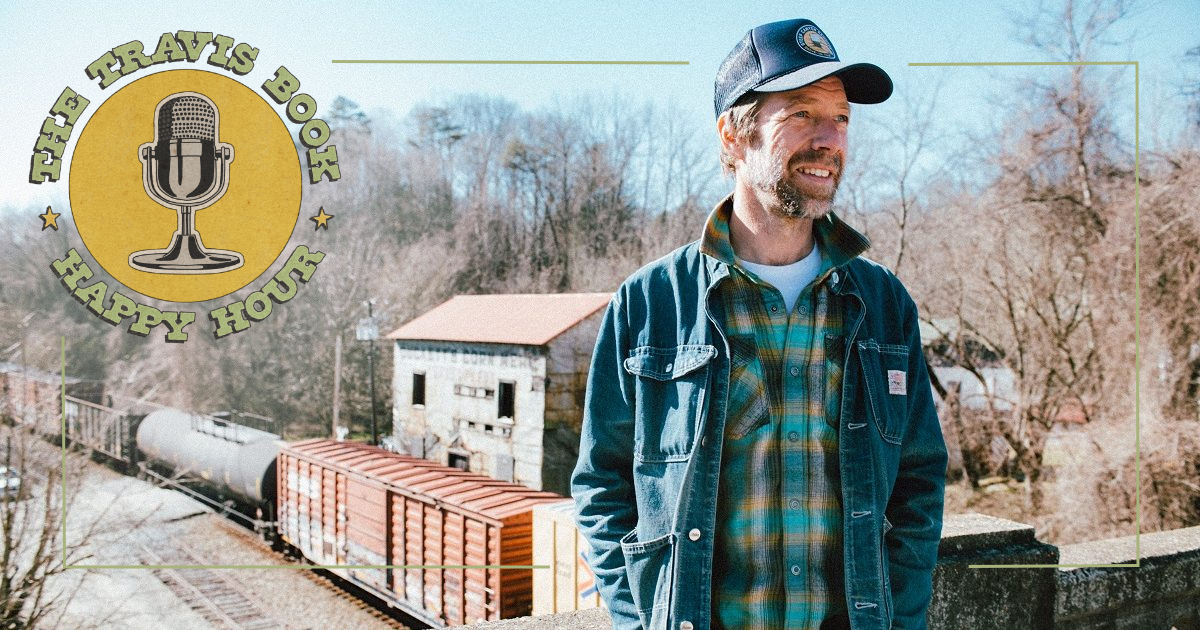
The Travis Book Happy Hour: Graham Sharp (Steep Canyon Rangers)

Graham Sharp has had the kind of career any banjo player dreams of. He started the Steep Canyon Rangers in college with a group of friends, immediately discovered he had a knack for songwriting, and the rest is history in the making. Twenty-three years, nine albums and a Grammy Award later, the Steep Canyon Rangers (behind the strength of Graham’s songwriting), have established themselves as one of the best bluegrass and Americana bands of their era. I was grateful for the chance to talk with this insightful artist, play some really beautiful music, and reminisce about our shared history. I hope you enjoy this episode of The Happy Hour.

LISTEN: APPLE • SPOTIFY • STITCHERAMAZON • MP3

This podcast is an edited distillation of the full-length happy hour which aired live on June 8th of 2022. Huge thanks to Graham Sharp and Julian Pinelli.

Timestamps:

0:05 – Soundbyte
0:34 – Introduction
2:56 – On the Carolina Guitar Celebration & Tony Rice
4:26 – “Home From the Forest”
8:46 – Introducing Graham Sharp
10:00 – Interview 1
25:54 – “Can’t Get Home”
30:06 – Interview 2
43:50 – “Coming Back to Life”
49:28 – Fiddle music!
54:35 – “Generation Blues”
58:17 – Outro


Editor’s note: The Travis Book Happy Hour is hosted by Travis Book of the GRAMMY Award-winning band, The Infamous Stringdusters. The show’s focus is musical collaboration and conversation around matters of being. The podcast is the best of the interview and music from the live show recorded in Asheville, NC.

The Travis Book Happy Hour Podcast is brought to you by Thompson Guitars and is presented by Americana Vibes and The Bluegrass Situation as part of the BGS Podcast Network. You can find the Travis Book Happy Hour on Instagram and Facebook and online at thetravisbookhappyhour.com.


Photo Credit: Sandlin Gaither Music Photography

With Dirty Laundry Piling Up Followers, Marcus Veliz Embraces the Banjo Vibe

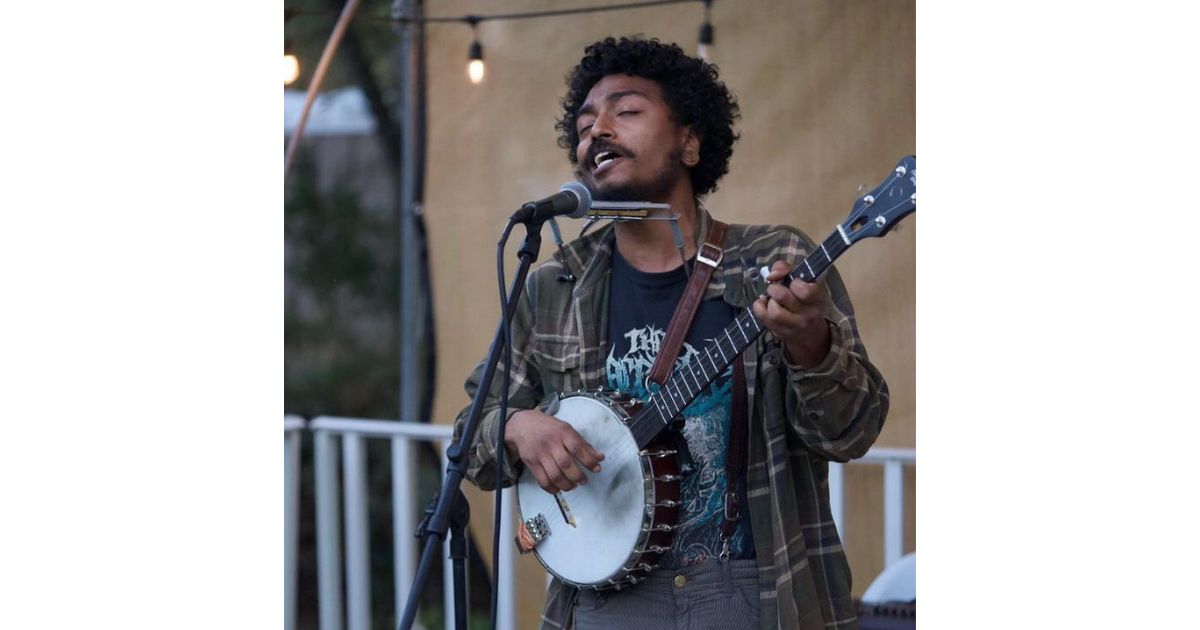
A crystalline river flows lazily over rocks, a green hillside rising just beyond it to meet the bluest sky, and Marcus Veliz is clawhammering a hypnotic lick on his banjo in the foreground. “Ever try tuning to the river?” reads the caption to this picturesque reel on his Instagram profile @dirtylaundrytheband. “It might give you a new tune.”

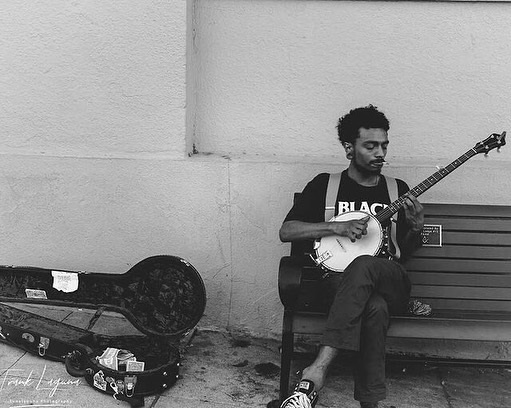
This video, like so many on Veliz’s feed, was taken on one of his “banjo walks” near Reno, Nevada. Veliz likes to go out exploring with his instrument—an RK-OT25-BR, to be exact—when he’s camping or visiting a new city, find a spot that inspires him, and start riffing. “That’s just meditation, chill vibes,” he says. “You’re just trying to kind of tap in. You never know what’s gonna happen.”

The 26-year-old banjo phenom was born in Portland, Oregon, but grew up outside Sacramento in Orangevale, California, where he still lives…sometimes. Life has become more transient these days as he roams freely, a skateboard and banjo in tow, meeting and collaborating with fellow musicians all along the West Coast. His Dirty Laundry project (which sometimes includes other musicians) has drawn nearly 24,000 followers to his Instagram page since he picked up the banjo around three years ago. A musician since childhood, Veliz says the banjo is the latest in a long line of instruments after trumpet, autoharp, fiddle, accordion, spoons, and guitar, and it’s the one that has really stuck.


“I tell most people, with the banjo, I already knew how much effort you would need to put into something that’s new. So, when I picked it up, I expected it to take a while, but it kind of just loved me back,” he says. “I probably only had one day off that whole first year. It was really easy. It showed me a bunch.”

While many artists begrudgingly use social media to do the obligatory promotion of their music and upcoming shows, Veliz has wholeheartedly wrapped his arms around it and is using it to carve out a place for himself before ever even releasing a record. In a conversation from the backseat of his car, Veliz expands on what drew him to the instrument, his DIY approach, and what’s next for his music career.

BGS: What was it that made you pick up the banjo?

Veliz: There’s a lot of different things. It was always kind of around. I had a best friend whose dad was a big influence. They’d play Flatt & Scruggs and other stuff. There’s a band called Rail Yard Ghosts, and I got into them and their lead singer—Riley Coyote—the way he plays banjo made me think you didn’t have to just pick, you could do something new with it. I got one and saw what happened, right away started trying clawhammer style and just didn’t take a break from it for like a year. It just kinda clicked. My first banjo was 15 bucks. I went on the letgo app and found one in a town over. They had it as a wall hanging decoration. Everything was there, I just put new strings on it.


You mentioned Flatt & Scruggs and Rail Yard Ghosts. Who have been some of your other influences?

Stringbean from Hee Haw is really big to me. Grandpa Jones. They just have a jokey-ness about them. Stringbean has these long suspenders that are way down by his ankles and a long shirt, so he just looks super weird, but it’s on purpose. Grandpa Jones has funny banjo songs, too, but they’re both clawhammer style. Then there’s this dude Dock Boggs, he’s like two-finger-style picking, but his playing is just completely rhythmic and different.

In the first year [I was playing banjo], I conveniently got to see Steve Martin, and the Steep Canyon Rangers were with him, so that was a big gnarly experience. All those clawhammer players and seeing old videos of it and stuff, and just the history of it. I started dipping into the gourd banjos in Africa, you got the Caribbean roots and stuff. There’s just too much there for me to leave alone.

You’ve been playing music since middle school. Were you in any bands?

There were probably two, but we never did anything at all. It was just going to a friend’s house and playing and stuff. Then I fell into a whole thrash metal, death metal thing for a long time and got really technical on guitar. And I was doing folk around the same time as kind of an outlet, and then that just kinda took over.


So, thrash metal, punk, folk music, bluegrass, African and Caribbean—are you pulling from these influences when you’re writing or even just noodling, or are you trying to create your own sound?

I feel like I’m making my own lane in a way. I’ll listen to others saying I’m making a new sound, but I won’t say that I’m making a new sound. It’s refreshing and cool to hear, but I also know anybody that picks up a banjo and plays like clawhammer or two-finger style isn’t gonna sound the same, so it’s hard for me just listening to myself to be able to say anything like that. When I pick it up, I let it do its thing now.

How do you describe your style?

The best way I can describe it is, it’s a vibe. It gives you a mood. I’ve heard other people say it and I think it’s just the easiest way to explain it. It’s all over the place. There’s a lot of songs on guitar that don’t have bridges, but it works better without it. I hate bridges. When it stays like this verse-little thing-verse-bigger thing, but no bridge, it becomes just a vibe, like a lo-fi beat. It doesn’t change, it just keeps going. Dirty Laundry, I always tell people, it’s an idea of sound and vibe. It’s this living entity that I serve. I would just like to please “it,” this idea of sound.

Guided by feeling more than technical prowess?

Yeah, it’s all feels.


What does Dirty Laundry mean?

Dirty Laundry is kind of my outlet for shit, stuff you’re working through in life, just growing.

You’ve used Instagram and social media to build your audience. How organic or strategic was that?

For the Dirty Laundry project, as far as Instagram, I think I was on there in 2016 even, but it was all guitar-oriented and small. Then [a few years later], Charlie Marks—he’s a banjo player in Reno—we hit each other up and decided to get together and play, so I finally went out there. And I was asking him, “How are you blowing up on Instagram?” and he was like, “Dude, just start posting reels.” It was also a good time for that, so I started doing it. Just every other day, go post something. Then after a while it just started snowballing. It’s been wild.

It’s algorithmic stuff, too, cause if you’re gonna post something in a certain area and tag the place, it’s gonna work with the [other stuff for that tag]. I always wanna put my print that I’ve been here, played in your park. It’s gonna show up on everyone’s feed. There’re people that will post the updates of the algorithm and how it’s gonna work, so you can get smart around that stuff. But it’s kind of more a scavenger hunt in places I’ve been. I’m definitely trying to do some album work in the future. Right now, it’s just kinda been a blessing because I’ve been able to play all these places and not have an album and open for people with nothing.

You’re sort of subverting the traditional process in favor of a truly independent approach, while also subverting assumptions or expectations about what the banjo has to be.

There are definitely some fools watching, managers reaching out. It’s cool, but it’s also like, who else is looking? Makes you want to be hungrier for it.


How do you feel about TikTok?

I had one and I deleted it because it didn’t feel right. TikTok feels like you post something for it to be seen, but no one really goes to see more of it… I feel like there’s more incentive with Instagram to go to a page and see all the videos, to sit on a page and look at everyone’s content. TikTok’s just built to scroll and leave. I already feel like I have too many people where I’m just their pocket banjo guy.

Is there a scene you’ve experienced on your travels that you want to carve out space for yourself in, or is it more important to you to hang back and establish a stronger one where you already are/where it’s maybe more needed?

A bit of both. Everyone needs to leave their hometown to do something or become something. But definitely New Orleans, with artists like Rail Yard Ghosts and other folk punk, I definitely want to go out there and see if I can even hang with all the other musicians out there that are making a living out of playing on the street. I would like to earn my badge out there. And go to the East eventually and just play everything over there that I can.

I’m more Sacramento area, and there’s still a whole bunch of indie sounds going on. It’s like indie hardcore, and like dad rock bands. It’s not bad for the banjo folk scene. You’re definitely going other places for it, traveling to see better parts of it. But I see it coming up again because of Billy Strings and Sierra Ferrell.

All the heavy hitters I’m definitely watching and observing, taking notes. There’s also this small group in this area, like Charlie Marks, Two Runner, Bar Jay Bar, Water Tower Band. This is all California area. There’s just a bunch of local folk people that are on this side of the coast. It’s funny how we’re lumped in with each other, like we’re all just different corners of the same cloth and we’re all representing folk on the West Coast.

Stone and Sue, they’re like a moving picture from the 1920s. I’m kind of waiting for them to take over. They’re in Oregon. They just play super old-style stuff. I’m so happy to see a band like them. I feel like I have my hands full with so much old stuff. I’m researching still, from ‘20s or ‘30s, so it’s hard to keep an eye on all the stuff going on. I’m still trying to meet Matt Heckler, people like that. It’s all gonna happen eventually.


Photo Credit: Ryan Joseph Moody

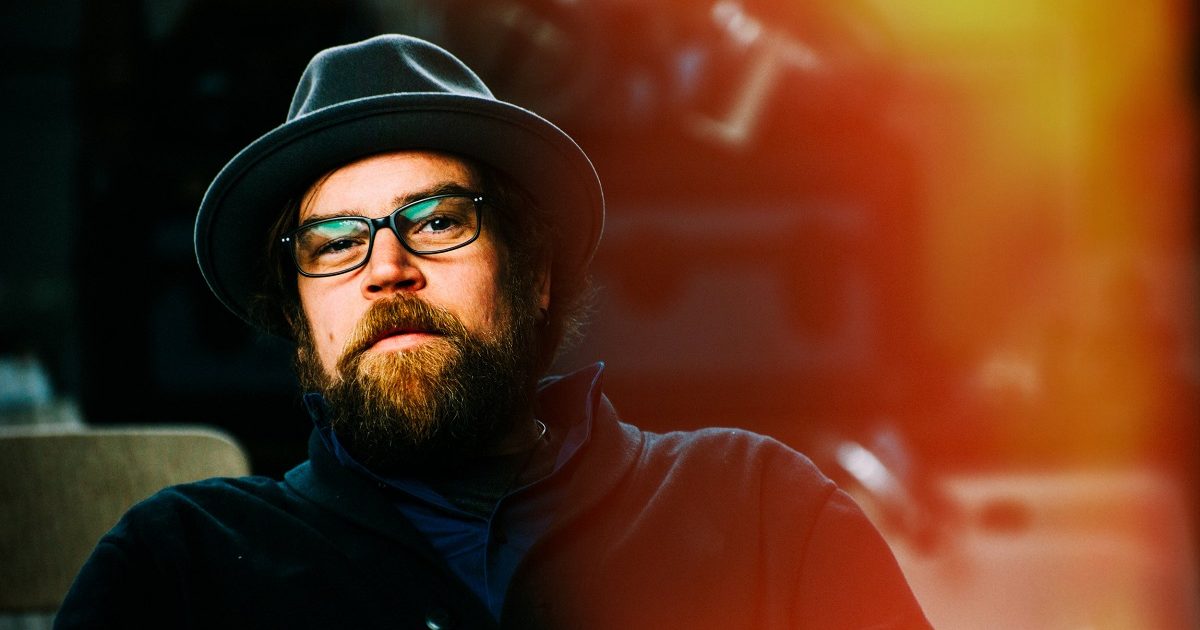
LISTEN: Aaron Burdett, “Denver Plane”

Artist: Aaron Burdett
Hometown: Saluda, North Carolina
Song: “Denver Plane”
Release Date: October 14, 2022
Label: Organic Records

In Their Words: “In August of 2019 my band was flying out to Colorado to play some shows. And we found ourselves traveling alongside the Steep Canyon Rangers, who were doing the same. We had a really tight connection at Charlotte, and I remember running between terminals for about 20 minutes alongside Graham Sharp, songwriter and banjo player for their band. Both of us were lugging heavy instruments and backpacks, and we were not optimistic we’d get to the gate in time. Fortunately we did get there just as the plane doors were closing, and I made a note during the flight with a song idea about ‘running with the Rangers.’ As often happens, it took me a year or two to flesh out the full song, and we finally recorded it in the spring of 2022. Here’s where the story gets interesting, though. In June of 2022, quite unexpectedly, the Rangers contacted me about the possibility of joining them, and now, as I write this in the fall of 2022, I’m actually a full member of the band, ‘running with the Rangers’ on a weekly basis. You can’t make this stuff up!” — Aaron Burdett

Crossroads Label Group · Denver Plane – Aaron Burdett

Photo Credit: Sandlin Gaither

LISTEN: Steep Canyon Rangers, “Sweet Spot”

Artist: Steep Canyon Rangers
Hometown: Asheville, North Carolina
Song: “Sweet Spot”
Release Date: June 3, 2022
Label: Yep Roc Records

In Their Words: “I had the tune and a few verses for ‘Sweet Spot’ for a couple months, just a simple JJ Cale sort of deal that I had tucked away for the next album. When Woody told us he was leaving we figured we’d like to record one last song to kind of tell the story a little bit and this one seemed like a great fit. We thought it’d be nice for different guys in the band to write about where they find peace or joy or inspiration. I’m glad the swan song for Woody wasn’t mopey and down because that’s not at all how we’re leaving things with him and that’s not how we’re moving forward. Instead, it just feels right.” — Graham Sharp, Steep Canyon Rangers


Photo Credit: Shelley Swanger

Seeking Bluegrass in LA, Ed Helms & Amy Reitnouer Jacobs Made a Scene With BGS

To commemorate the 10th birthday of the Bluegrass Situation, co-founders Ed Helms and Amy Reitnouer Jacobs are taking it all the way back to the beginning. In the first installment of an ongoing interview series, the enthusiastic bluegrass fans reveal how they first met, their shared vision for a modern aesthetic, and the meaning behind the unexpected (yet appropriate) name.

Amy: As we’re looking back on 10 years of The Bluegrass Situation, it occurred to me that you and I have never really reflected on how all of this started and how this thing kind of built up. So I wanted to get our own take on it and… reminisce, stroll down memory lane a bit, and think about it.

Ed: We need a little oral history for the archives! [laughs] And for our own… ’cause it’s exciting to reminisce a little bit.

Amy: I’ll kick it off and ask, what was your intro to bluegrass? Why do you care about this music to begin with and what drew you into it?

Ed: The earliest I can trace back would be growing up in Atlanta, Georgia. My mom’s from Nashville, so we would take road trips from Atlanta to Nashville all the time. In addition to that, I spent many, many summers at a summer camp in the Smoky Mountains in North Carolina. That’s another road trip that’s about a three or four-hour drive from Atlanta.

So, on those drives, we’re always pulling off at truck stops and whatever, and we would pick up cassette tapes at the checkout counter. And my dad, who grew up in Alabama, was always a big fan of opera and classical music. He would grab these string band tapes for some reason. And I started listening to these very generic, early string band tapes when I was 8 years old in the car. They didn’t resonate with me as artists, but the music connected with me somehow. And I associated it with those places — Nashville and the North Carolina mountains.

Then as I got older, I was one of those kids that kind of thought everybody was fake, you know, like Holden Caulfield. Just distressed by all the artificiality of our world and of the people around me and like, “Oh, everyone at school, everything is so performative. Like, who’s real? Who’s the real deal?” And that kind of drew me, musically, into older and older music. I got obsessed with authenticity and where are the roots of things. … I think it scratched some itch that I had for authenticity-seeking, and probably allowed me to feel superior to all my classmates in junior high.

Then when I could actually get to a record store, I remember the very first bluegrass album that I bought was the Bluegrass Album Band. I didn’t know who J.D. Crowe and Vassar Clements and Jerry Douglas were, but all I knew was that on the cover of this CD at Turtle’s Records & Tapes in Atlanta was guys holding banjos and guitars and mandolins. So I bought that album and to this day it’s one of my favorite albums. I’ve never asked Jerry Douglas about this, I should, but it felt like the intention of those albums was to kind of just be the ultimate catalog of, you know…

Amy: I mean, it’s called the Bluegrass Album Band.

Ed: Right. They just called themselves the most generic name. And it’s almost like they were just trying to create a library of excellent bluegrass artists playing the canon or something. Or maybe they were really ahead of their time with like meta irony and they were just like, “We’re going to call ourselves the Bluegrass Album Band, ’cause it’s hilarious.”

And of course Tony Rice’s guitar playing on that – I was very much into guitar at the time, I later picked up a banjo – Tony’s guitar playing was so magical to me. I could not understand how human hands could play what he was doing. I would just pour over these solos. I remember the solo to “Your Love Is Like a Flower,” it just was like, how the hell is that being played? I could not wrap my head around it. And I listened to it a million times, and I didn’t have the technology to slow it down, so I couldn’t do that.

Amy: That album and that band really represent a generational shift. It’s not newgrass. It’s playing the canon, but with this mix of the new guard and some folks with some real cred from the second generation.

Ed: You’re right. It isn’t an old sound, what they’re doing. It’s a new sound at that time, because no one was doing Tony Rice licks before Tony Rice. But the harmonies are timeless and the structure of the songs is very traditional. That album means so much to me and I listen to it to this day and I’m still blown away! I actually can play that solo from “Love Is Like a Flower” now, but only at about half speed. And it’s one of the proudest things, when I finally found – someone had transcribed it in tablature, and I was like, “This is string theory explained. This is like if you had Carl Sagan sit you down and explain the mysteries of the universe.” I was like, “Holy shit, I got it! The holy grail!”

Amy: Yeah. To me, it’s still magic. ‘Cause I am not someone who can play an instrument, at least very well, so when I first heard bluegrass, I was just like, “How does that happen? How do you even get the notes from your brain to your fingers and do it so well, and in a way that I’ve just never heard before?” It still kind of blows me away.

Ed: Can I ask you the same question? Where did you first connect to bluegrass music?

Amy: I grew up in rural Pennsylvania, and there was a lot of country and bluegrass around there. Admittedly, I didn’t like it because to me it represented… I mean, I was really busy listening to showtunes and learning Sondheim lyrics and stuff. I was that kid. And I just thought country and roots music was inherently uncool and representative of this place that I felt like I was stuck in.

It wasn’t until I went to college in North Carolina… It was probably the first few weeks of school, one of my housemates who is still a very dear friend of mine invited me to a show, and it was Nickel Creek. I had never heard of them. I had no idea what I was going in to and Erin said, “I just think you’re going to like this. Just come with me to the show. I’ll drive. We’ll go.” And I can honestly say, that show changed my life. I can still remember the whole show so clearly.

Ed: What year are we talkin’?

Amy: 2005? Somewhere around there. I was kind of reeling from it, because it had been a really long time since I felt like I had been challenged by music that was being played by young people, that I really connected with, but also was just kind of flummoxed by. From there it became a deep dive. I was really fortunate going to school where I did, that there was great bluegrass around. I mean, there was this bar about 30 minutes away called The Cave in Chapel Hill, and we used to go see the Steep Canyon Rangers play there every month. And I mean, this is a tiny underground basement bar, maybe holds 50 people, and they would just have bluegrass jams.

Ed: How close were you to Asheville?

Amy: It was about three hours from Asheville. Asheville is where we went for, like, fall break and our little weekend trips and stuff. We would go to Boone and Asheville, and even Mount Airy had a bluegrass fest that we went to. So that’s when I really started getting into it. And I could say, I think my first significant album purchase was pretty soon after that first concert. It was Why Should the Fire Die? by Nickel Creek. I played that into oblivion and had it in my car for like, 10 years, back when we kept stacks of CDs in our cars.

From there it kind of fell into the background, because I was studying film and I moved to New York. I was working all the time and didn’t really make space in my life for music. By the time I moved out to LA, I was working for a producer and I had one or two friends out here that I knew. Again, working a lot, not making any money and trying to find my place in the city, and not really connecting with a lot of the other assistants that I was meeting at the agencies. And I remember going to see the Get Down Boys at some bar on the west side of LA and having this thing reignited in me that I had felt back in college and was like, “OK, I think these are my people.” There was this momentum happening in LA at that particular time. And that’s how I started getting to know the scene out here and had the idea for the BGLA blog.

Ed: Tell us about BGLA.

Amy: I admittedly was a little bored at work. I was working at the Academy of Motion Pictures at this point, which was exciting, especially for three months of the year around the Awards, but the rest of the time was kind of slow. So I started this Blogspot and wrote about what was happening on the scene in Los Angeles. And then people started pitching me, cause I don’t think anybody was really covering it out here. So suddenly I was getting inquiries to interview these people… I mean, I started going really deep in the music and the history and background and getting to know the scene out here. But I remember getting connected to Sean Watkins (of Nickel Creek), and it was this beautiful, full-circle moment. It was the first time I met Sean and got to talk to him, and we became friends and kind of opened a whole other door to the roots music scene and what it could be. And then I think I met you pretty soon after that.

Ed: So when did we meet? I cannot remember.

Amy: Well, I remember when we first met, but I doubt you remember when we first met. I remember this because it was probably the most nervous I’ve been in my whole life. I saw you at a Sarah Jarosz show at Hotel Cafe. And I walked up to you and gave you one of my business cards for Bluegrass LA. And I was like, “I think you’ll like my blog.” That was it! And I don’t imagine you remember that, but that is technically the first time I met you.

Ed: At some point we had a cup of coffee to talk about possibilities.

Amy: Yes, that’s true.

Ed: But then maybe we bumped into each other… I assumed it was Largo, but I have the vaguest memory of getting a business card from you. So yeah, that part tracks.

Amy: Why don’t you talk about the LA Bluegrass Situation, because that predates me.

Ed: You weren’t even a part of the first LA Bluegrass Situation?

Amy: No. I was there. I went one night. But we didn’t know each other at that point. I just went as a fan.

Ed: The first time I ever went to Largo was when John Krasinski took me to see Aimee Mann playing at the Fairfax Largo. We went in through the back and I just was like, “Whoa, what is this incredible vibe?” This whole place is just so, so cool. And eventually Flanny (the owner of Largo) invited me to do stand-up on some people’s shows, and one night he said, “Why don’t you do a show?” And I thought, “OK, cool. It’d be fun to mix music and comedy.” So I think the first show that I did at Largo was called “Hams and Jams.” [Laughs] The idea was like, “Oh, it’s hams, like comedy people, and jams, music people!” And I just mixed up some comedians and musicians with a terrible name that Flanny was so gracious about rolling with.

We really loved that combination, but I was really struggling to wrap my head around the LA bluegrass scene. It just was so disparate, but somehow we managed to get excited about trying to cultivate the scene and coalesce things a little bit more. And I think that was the idea… that was the sort of original inertia behind the first LA Bluegrass Situation. The name literally just came from Flanny talking about it before we named it. He just kept talking about it as the bluegrass situation that we were dealing with. So then when it came time to be like, “What are we going to call it?” I was like, “Well, you’ve been saying this awesome thing because there’s something a little cheeky about a ‘situation.'” Like, it feels like, you know, “We got ourselves a situation, here!” Like it just kind of has some irreverence built into it.

So that’s what we named it, and Flanny and I both pulled as many strings as we could with whatever relationships we had at the time and put a totally magical lineup together. Like I still can’t wrap my head around it. I mean, it was Dave Rawlings and Gillian Welch and Steve Martin and Steep Canyon Rangers and Nickel Creek and Punch Brothers and the Infamous Stringdusters… Oh, and of course the Lonesome Trio, my crew, with my friends Ian and Jake. We were sort of the hosts.

Amy: I remember I got an email from you not long after that, which was pretty shocking. What was the impetus of that, do you remember?

Ed: Yeah, I think that I was feeling pretty heady after that first LA Bluegrass Situation and probably getting over my skis a little bit and being like, “We can create the ultimate hub of bluegrass for Los Angeles and it will be this Tower of Babel that everyone will flock to!” I had so many ideas. There were so many things that I found lacking in Los Angeles that I had taken for granted in New York. There are just so many website resources. “You want a banjo teacher? Look here, there’s tons in New York City. You want to see what shows are happening? Look here!” You could just find stuff in New York City and you couldn’t find stuff in Los Angeles.

Amy: I look at the branding of that initial site and that first logo — I think DKNG did our first logo in Santa Monica — and I remember being really proud of the fact that we didn’t look stereotypical of the era.

Ed: You’re so right. And I give you so much credit for that because the very first LA Bluegrass Situation, Hatch Show Print did a bunch of posters for us. And they were so cool. I still have a bunch and I’m really proud of that, but it was also leaning really hard into a very conventional, stereotypical bluegrass aesthetic. It was a funny wake-up call for me – that plus your input. It helped me realize that what we wanted to do and where we wanted to go as fans and supporters of this idiom was not retro, like it was…

Amy: Forward-thinking.

Ed: Forward. And that artists like Chris Thile were doing that musically, right? But there was a little bit of a reckoning of “What’s our brand going to feel like? What do we want it to evoke? And who do we want to connect with? Do we want to connect with young people who are finding this stuff for the first time and finding it really fresh and exciting?”

Amy: That was always the crux of it for me. To a large extent, that aesthetic is still very alive and well within the roots music community. I had an inkling that there was an audience that had different tastes, but still could love this music and that it didn’t all have to look the same way. I could have never predicted where it went and what we’ve worked on since, but I think at the beginning we were very “of the moment.” It was the same time that Mumford & Sons and the Lumineers were on the top of the charts, and there was this kind of “authenticity” movement taking place.
Ed: I remember going to business meetings with Hollywood producers and one guy had a banjo in his office. And I was like, “You play the banjo?” And he’s like, “No, no, but I want to learn!” But you’re right. It was a moment. I’ve felt like an old fuddy duddy since I was 12 years old, but I was like, “Was I ahead of the curve here?”

Amy: Yeah, similarly, I’ve kind of always felt like an old soul; I never really felt like I truly fit in to my time, so I think there was something that really drew me in to that zeitgeist, but what amazed me was that once we really got into it, it was so much more complex and modern and exciting than I ever expected.

Editor’s Note: Look for the next part of this conversation with Ed Helms and Amy Reitnouer Jacobs in the weeks ahead.

At Old Settler’s, Roots Music Gathers in Central Texas

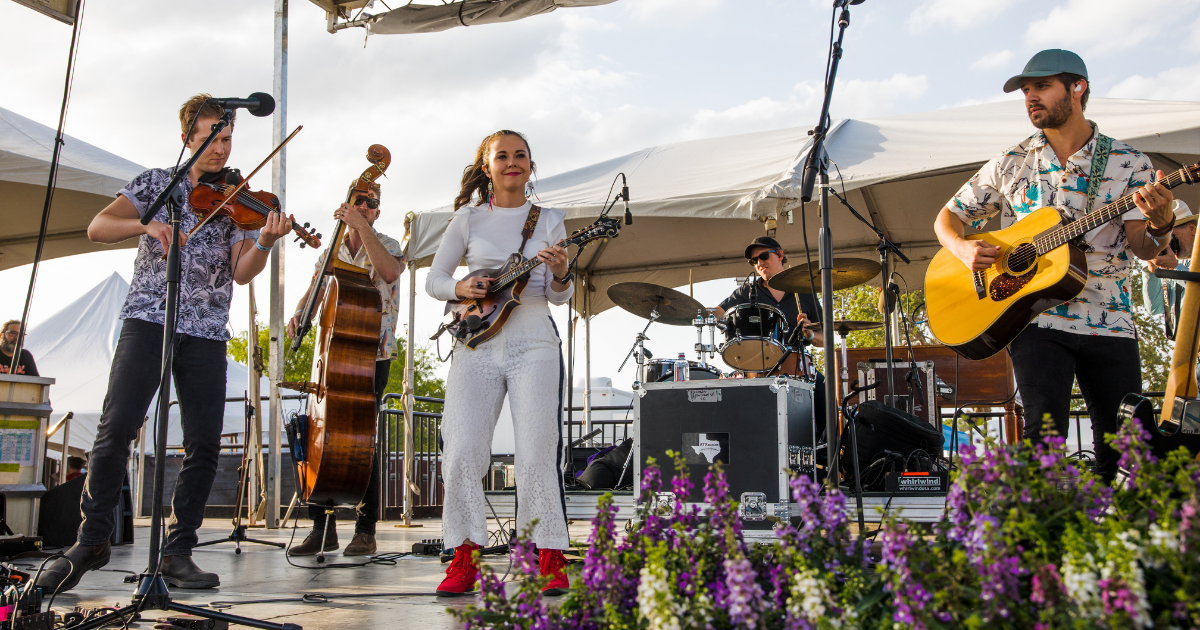
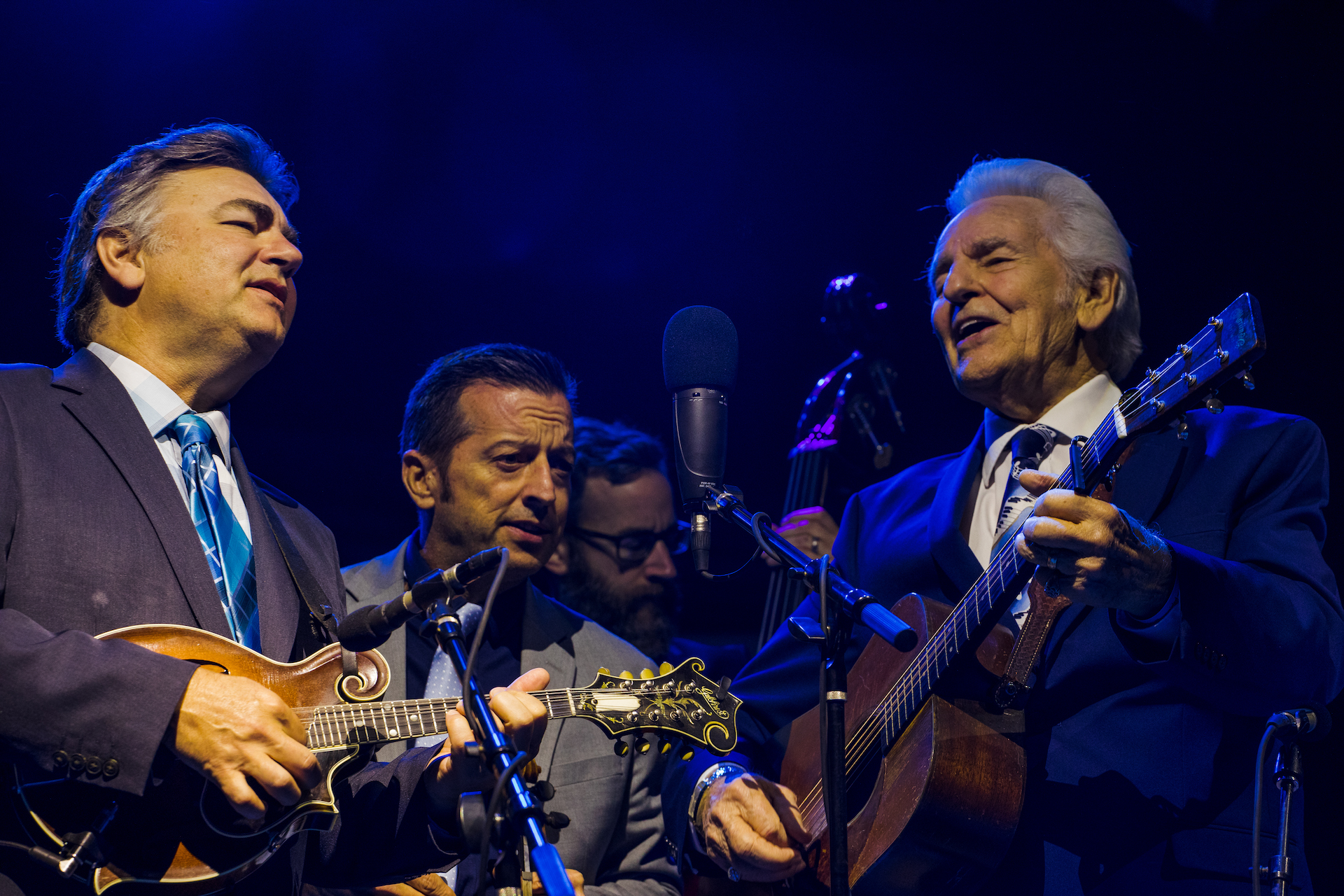
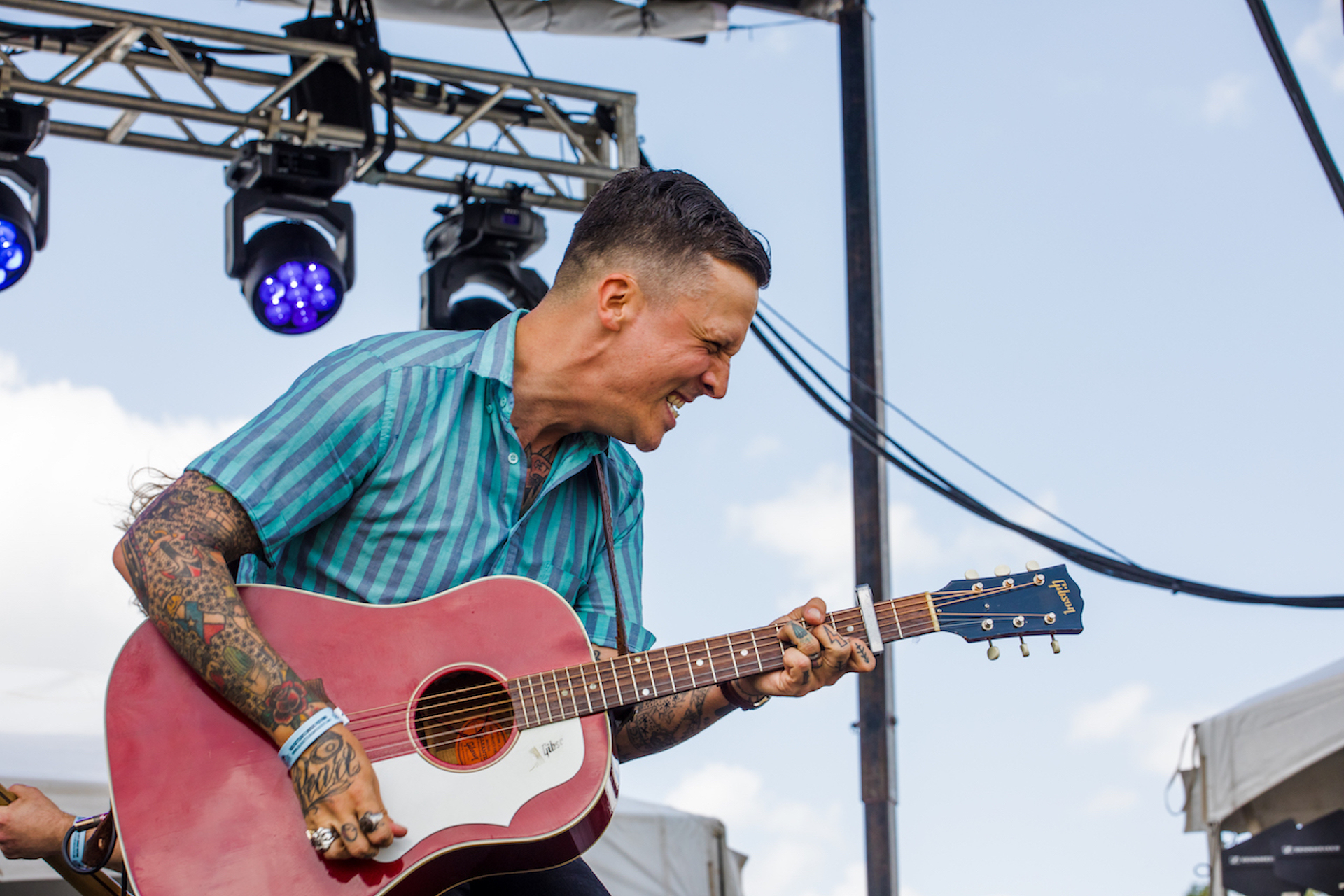
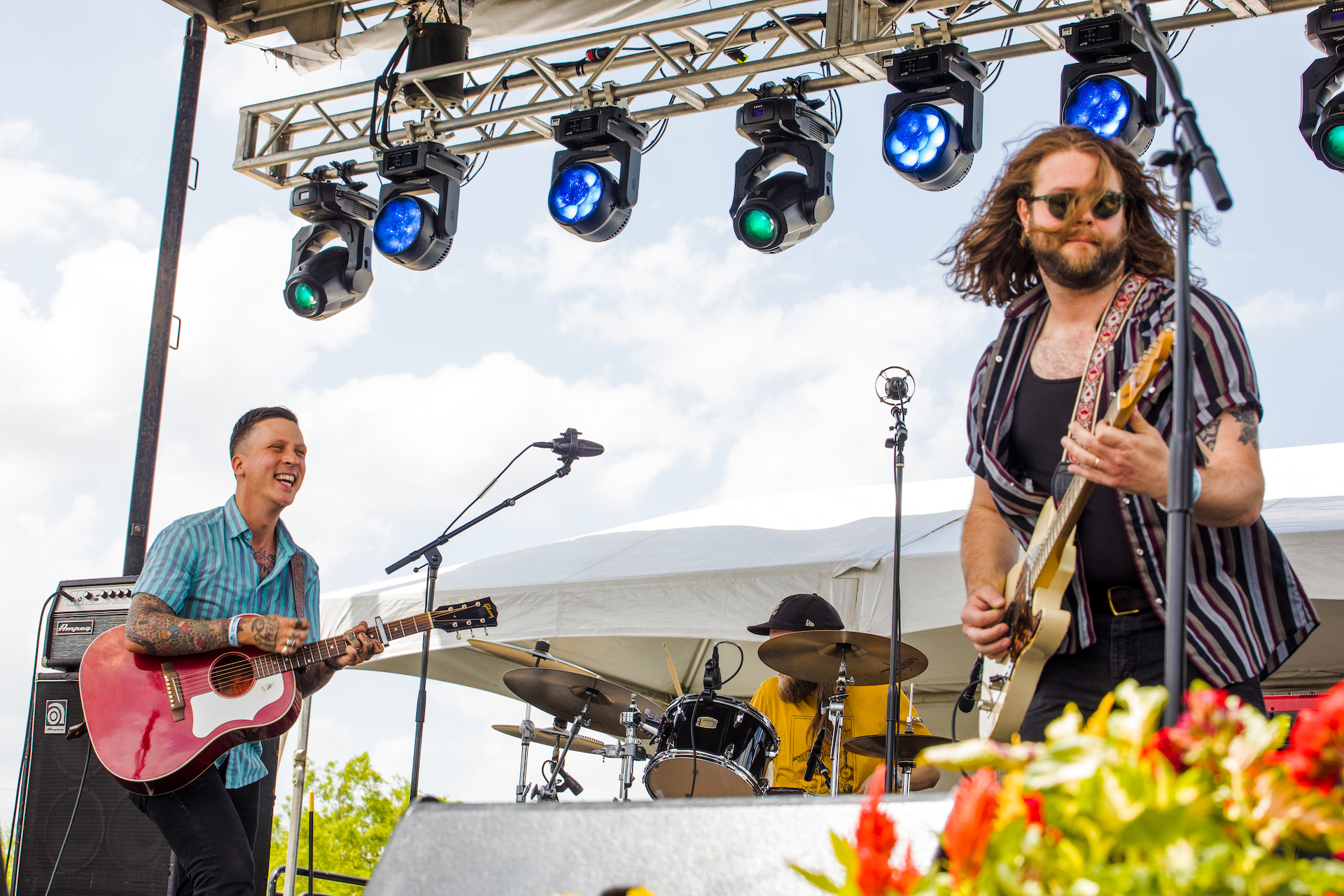
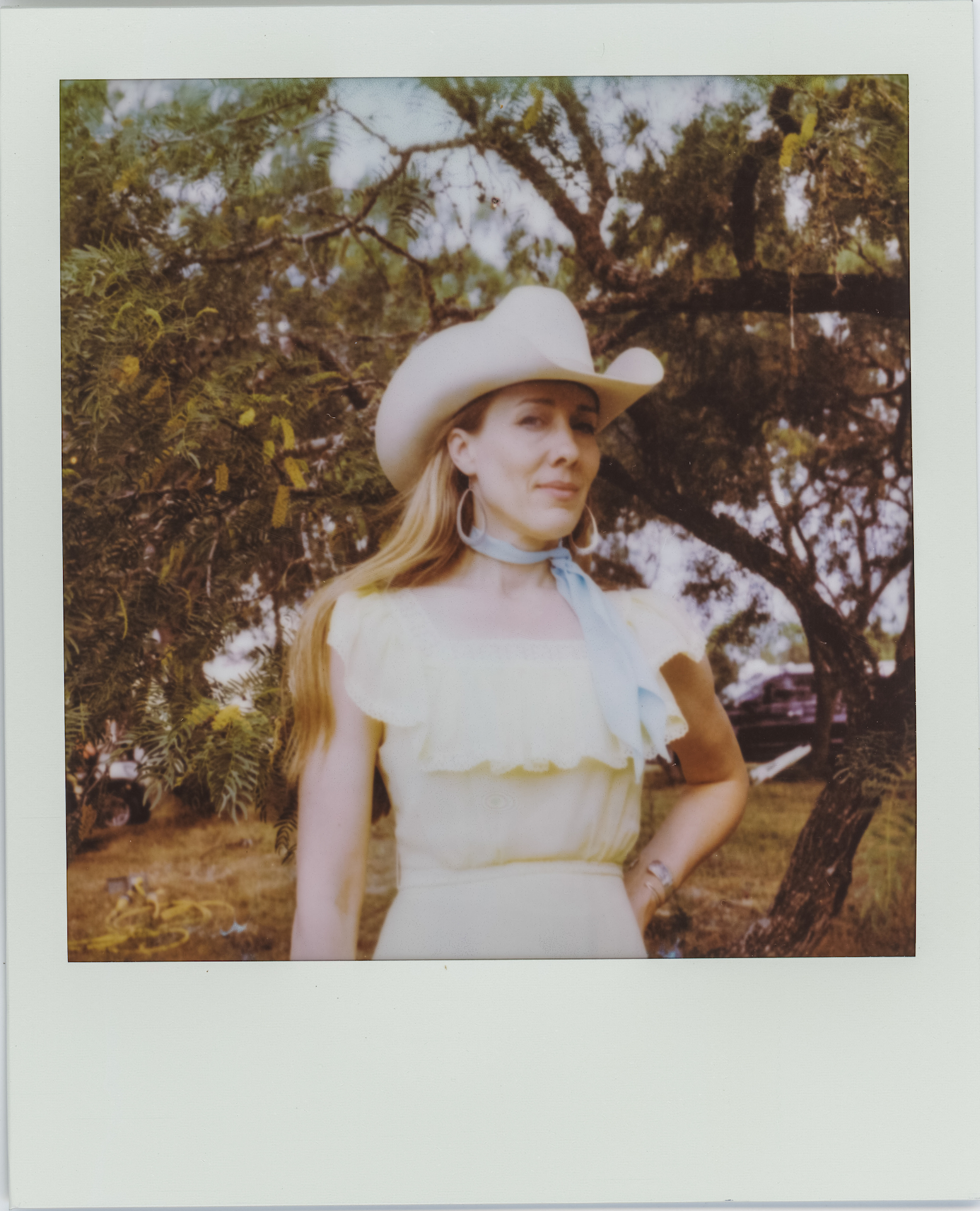
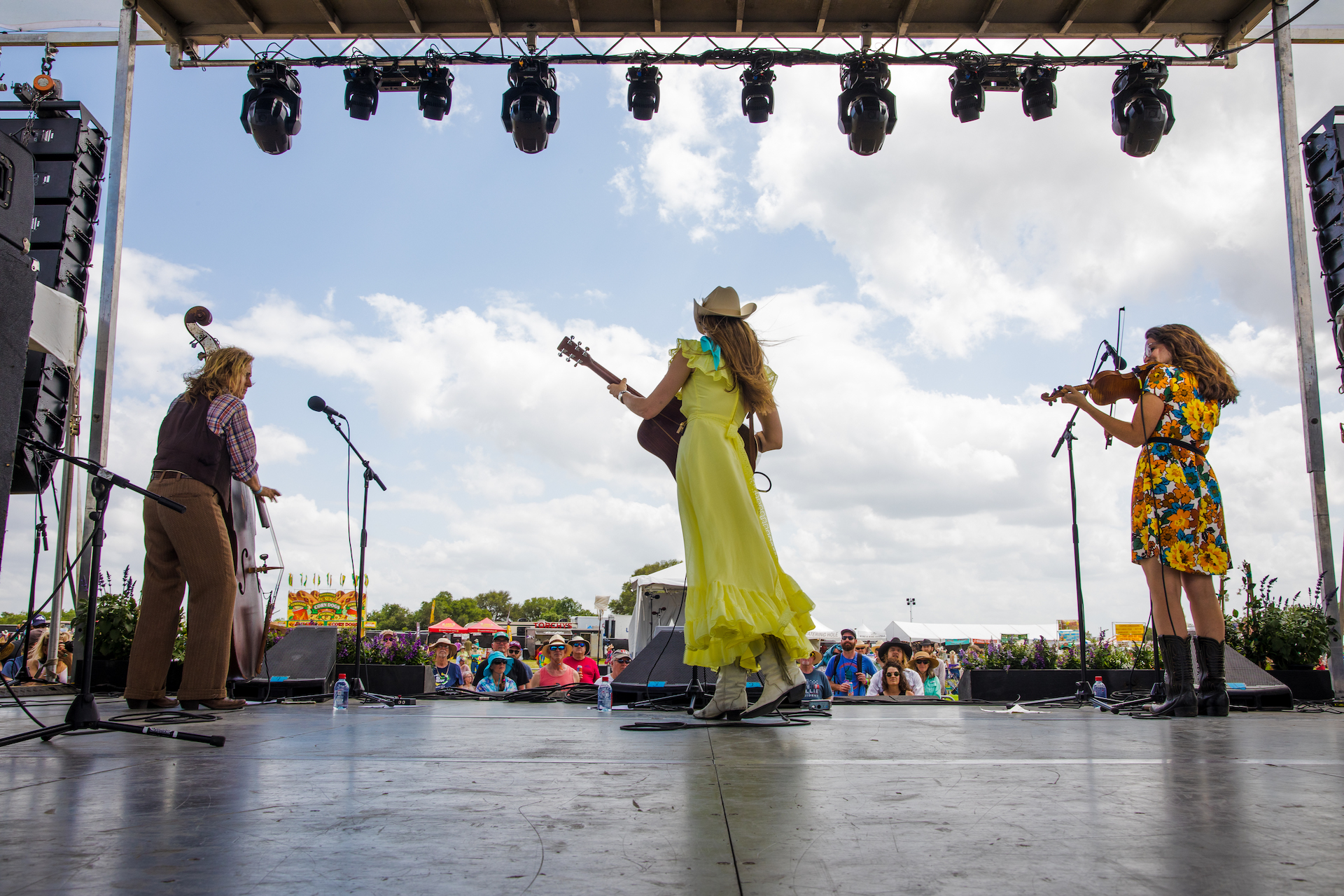
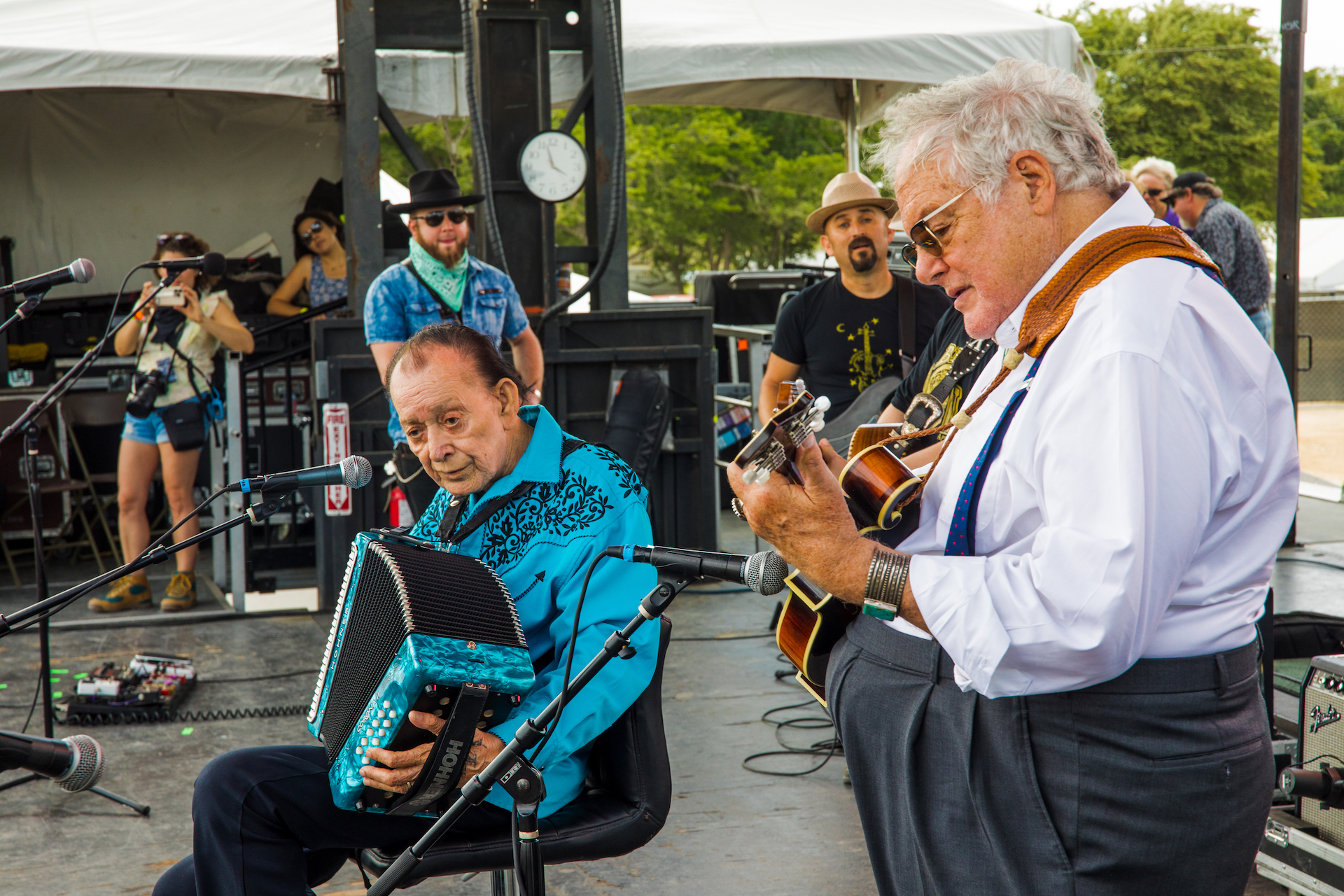
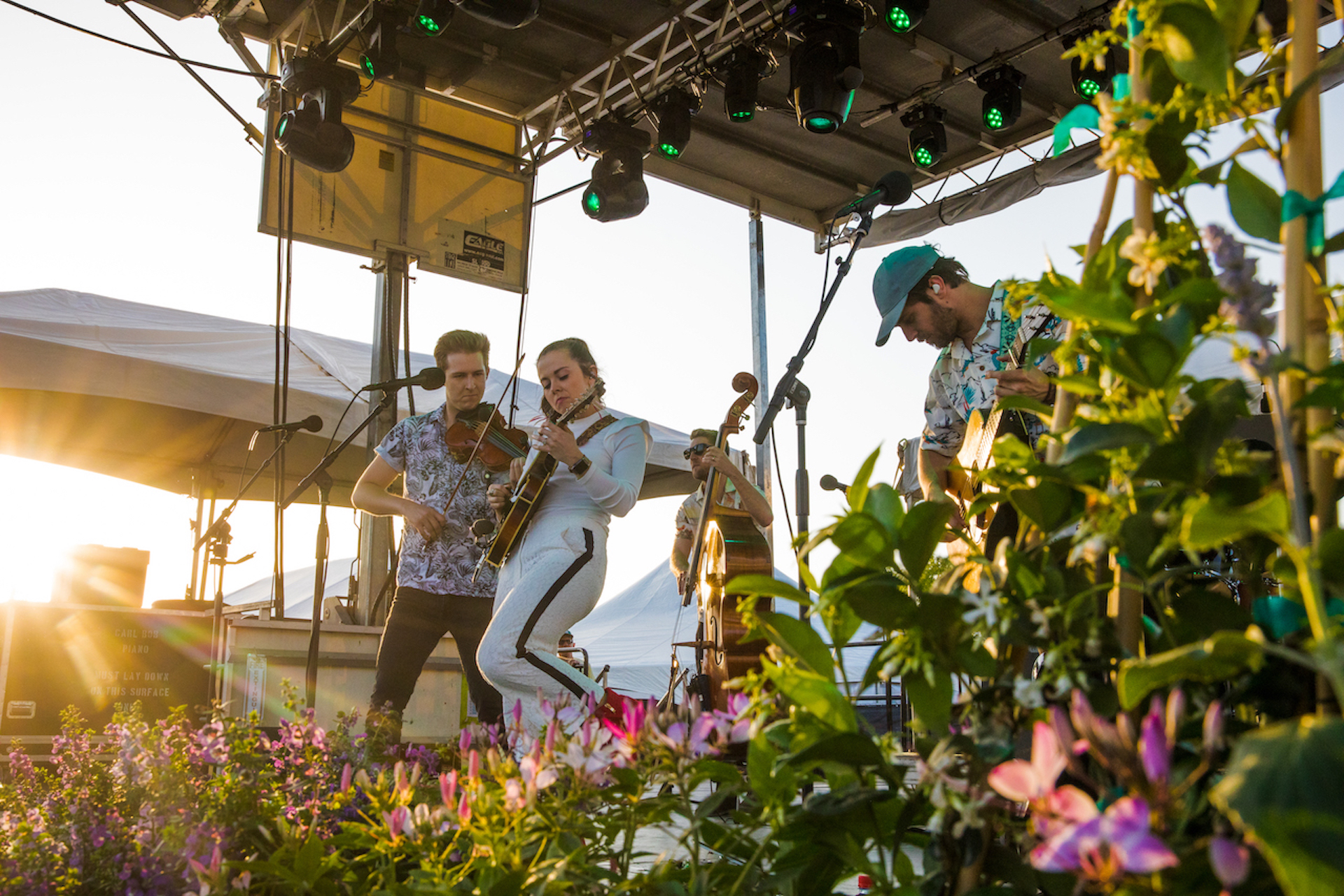
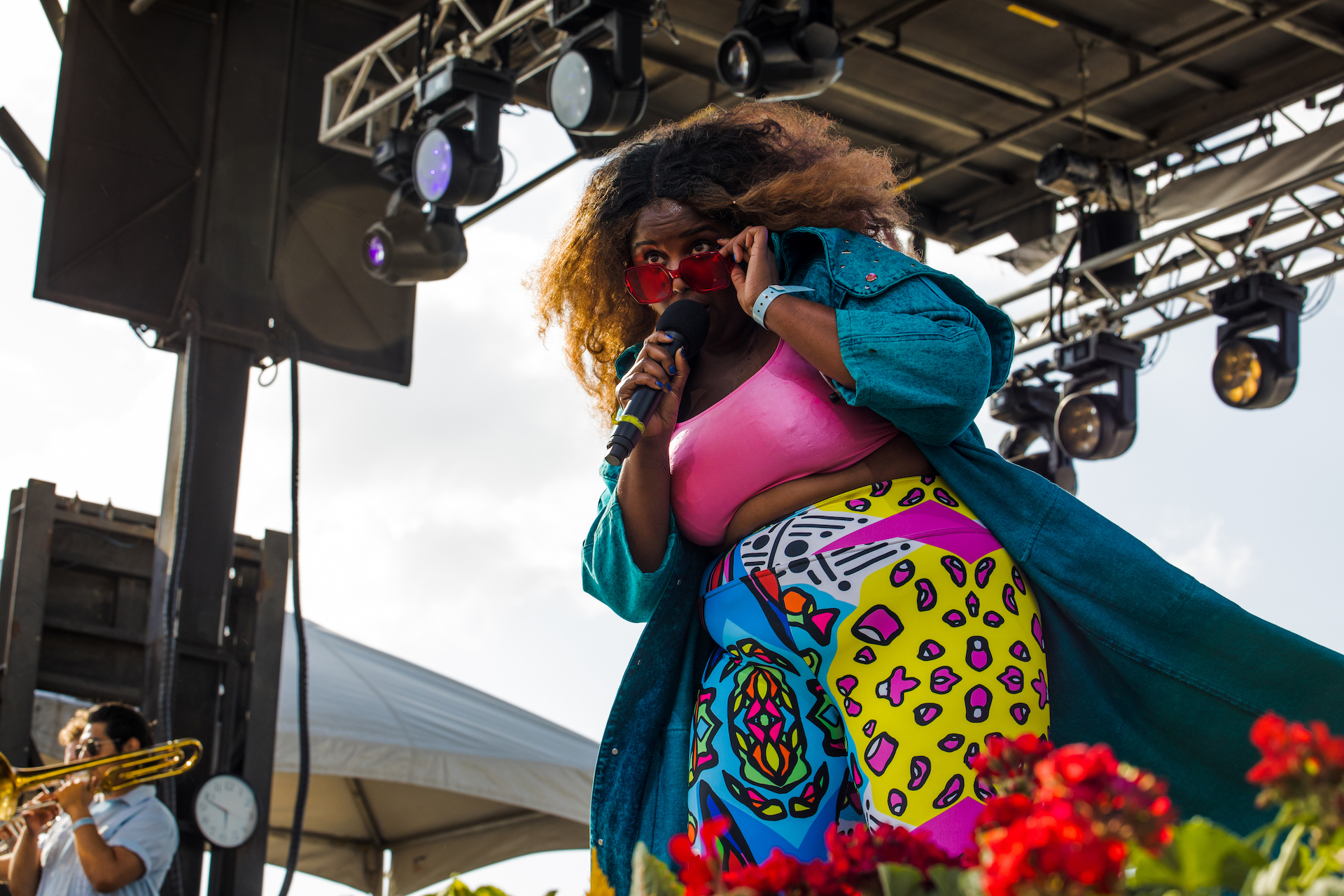
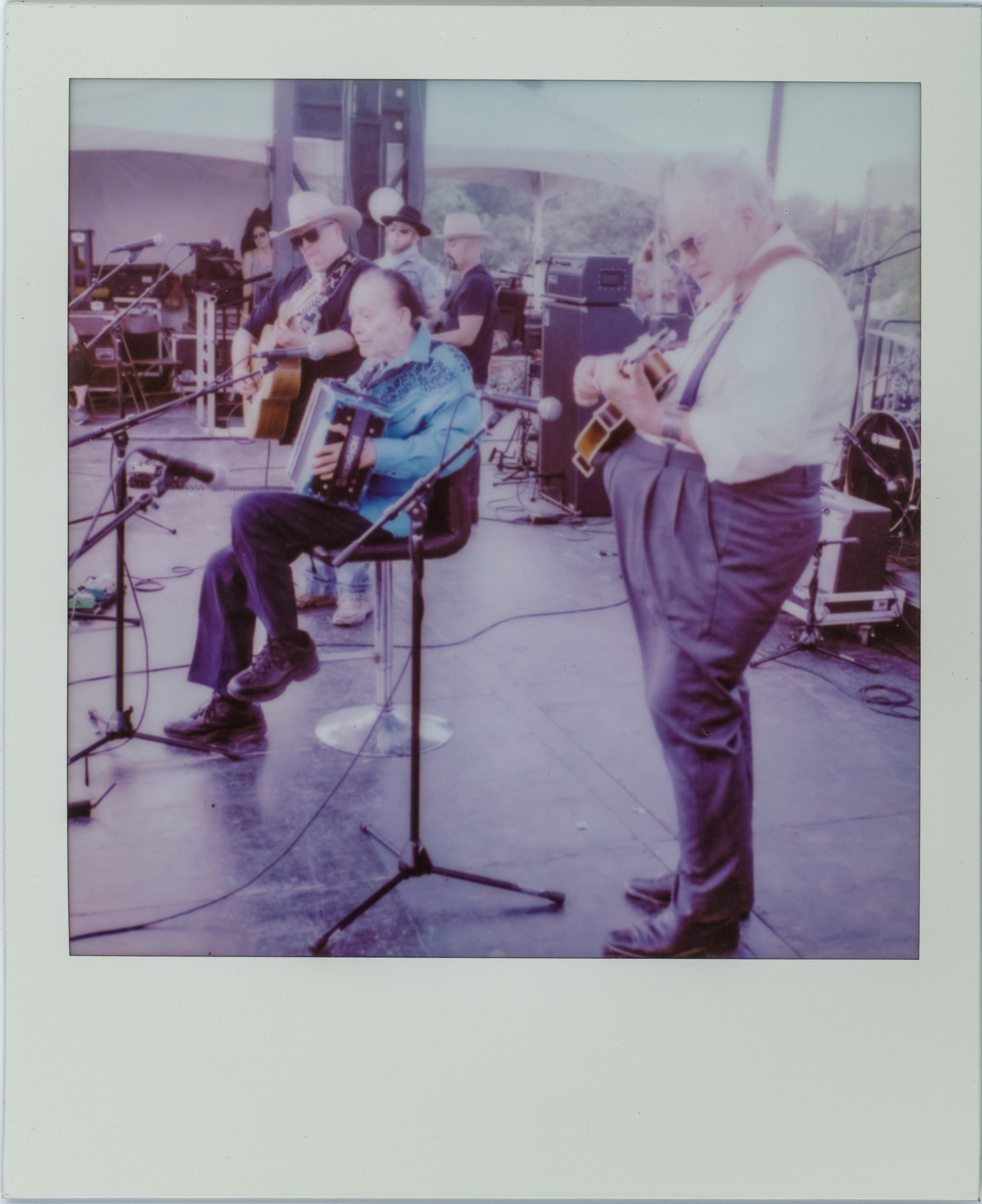
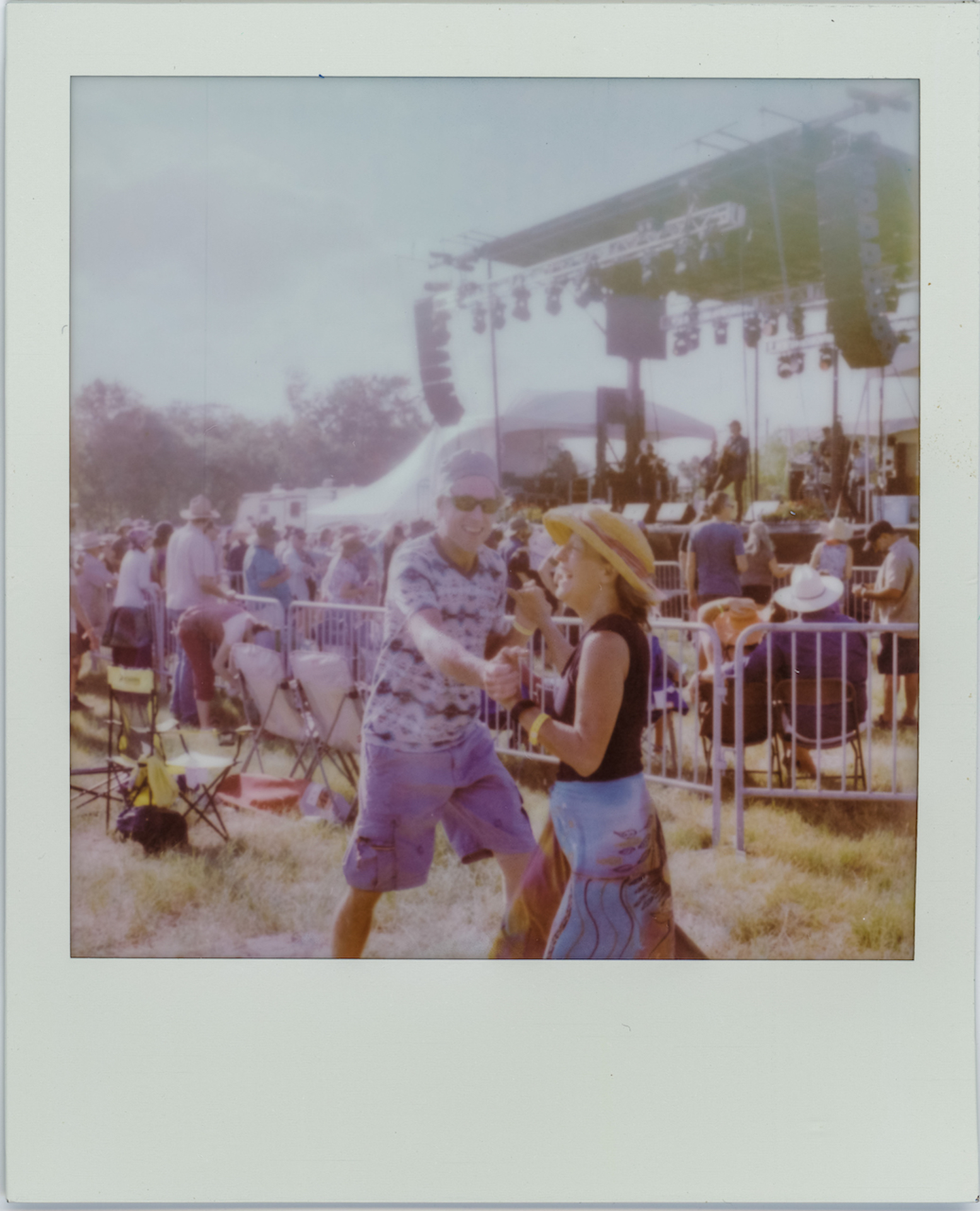
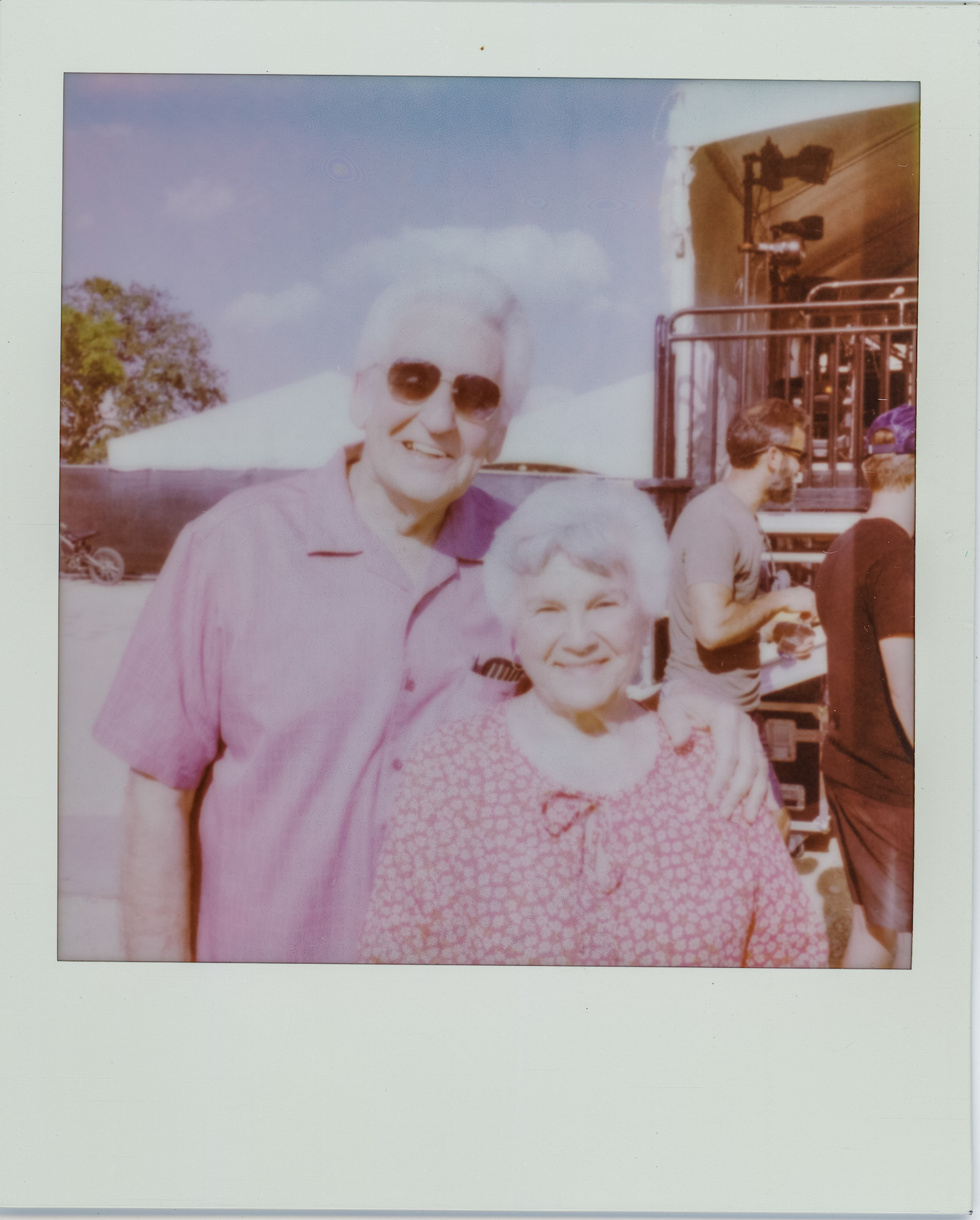
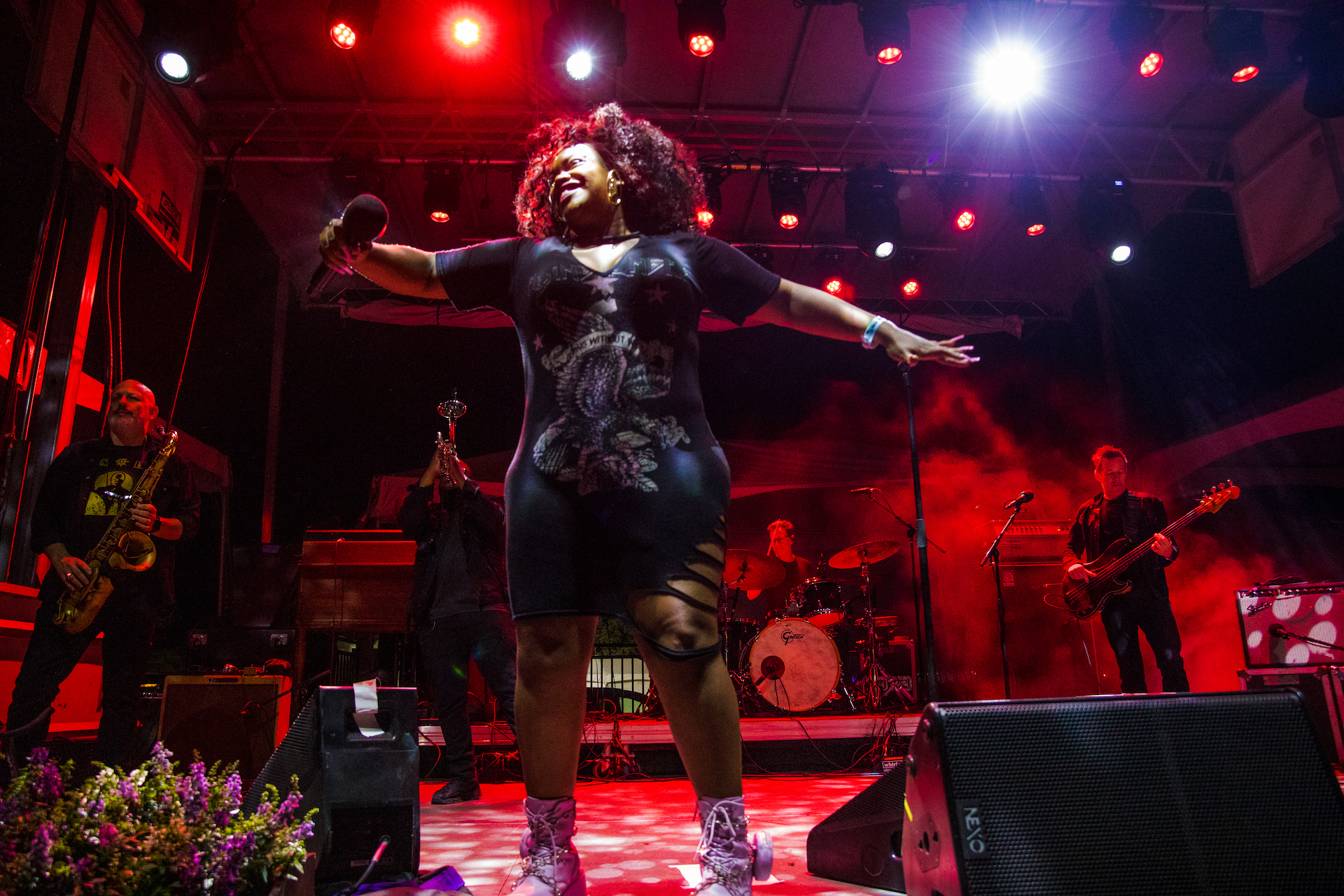
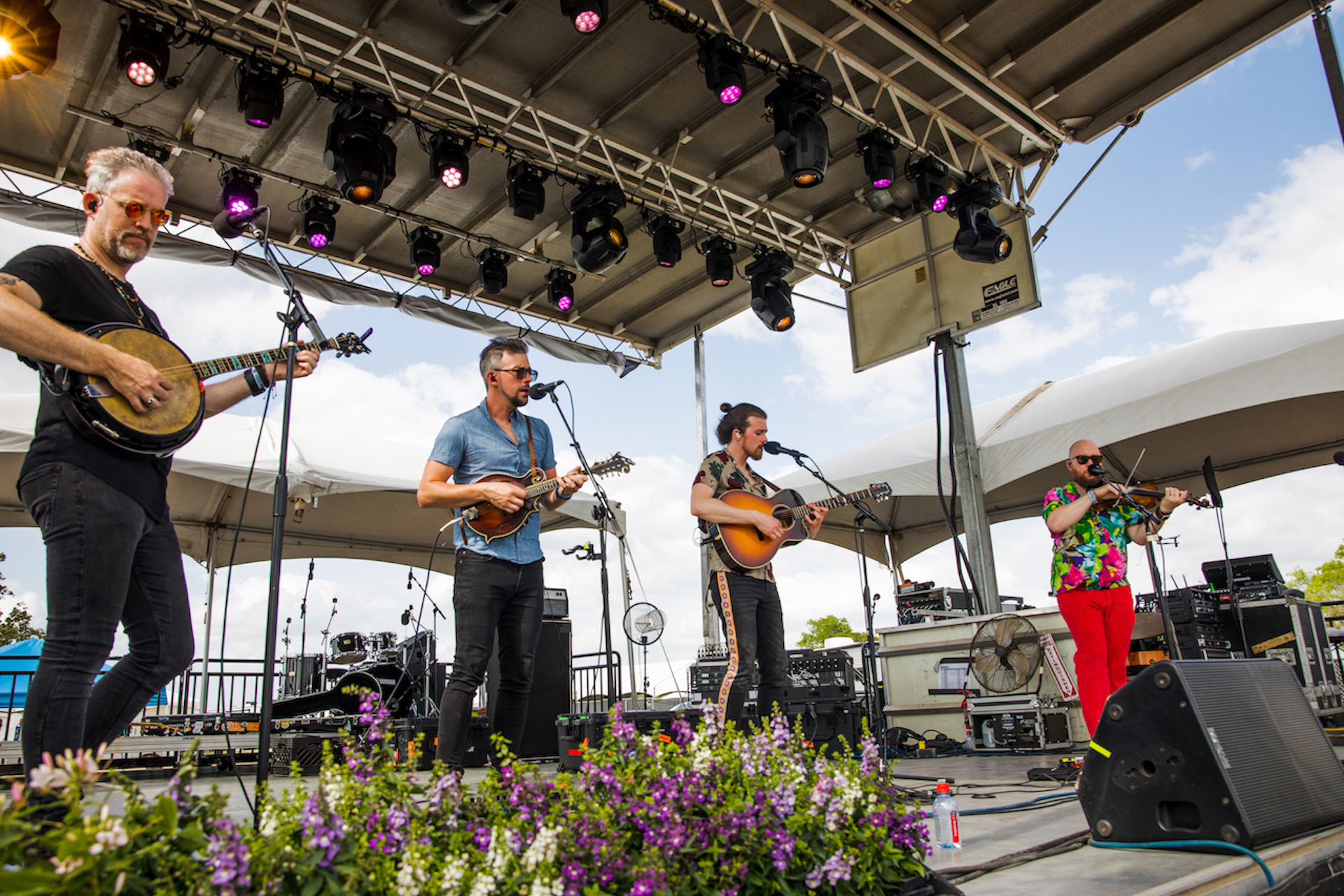
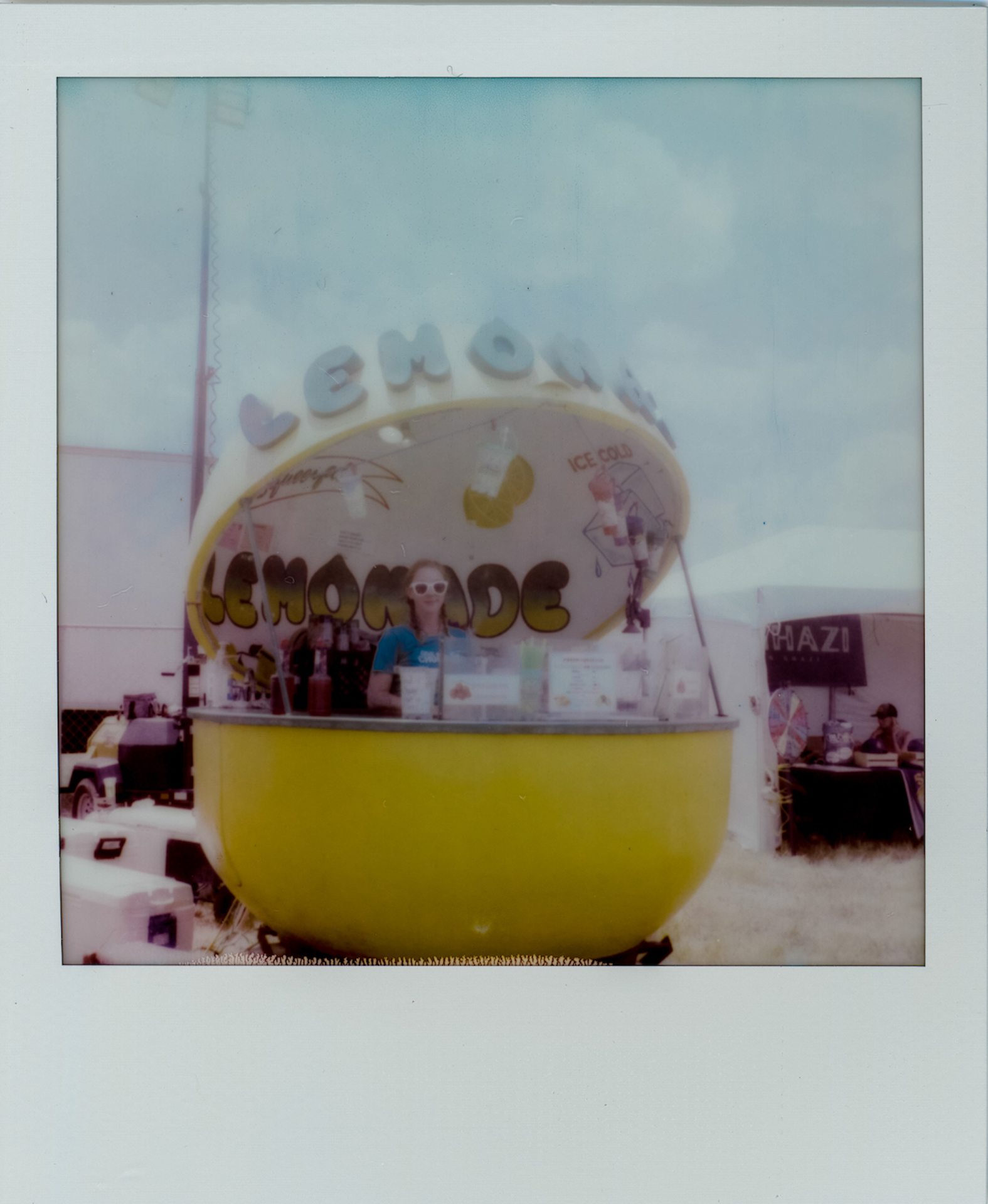
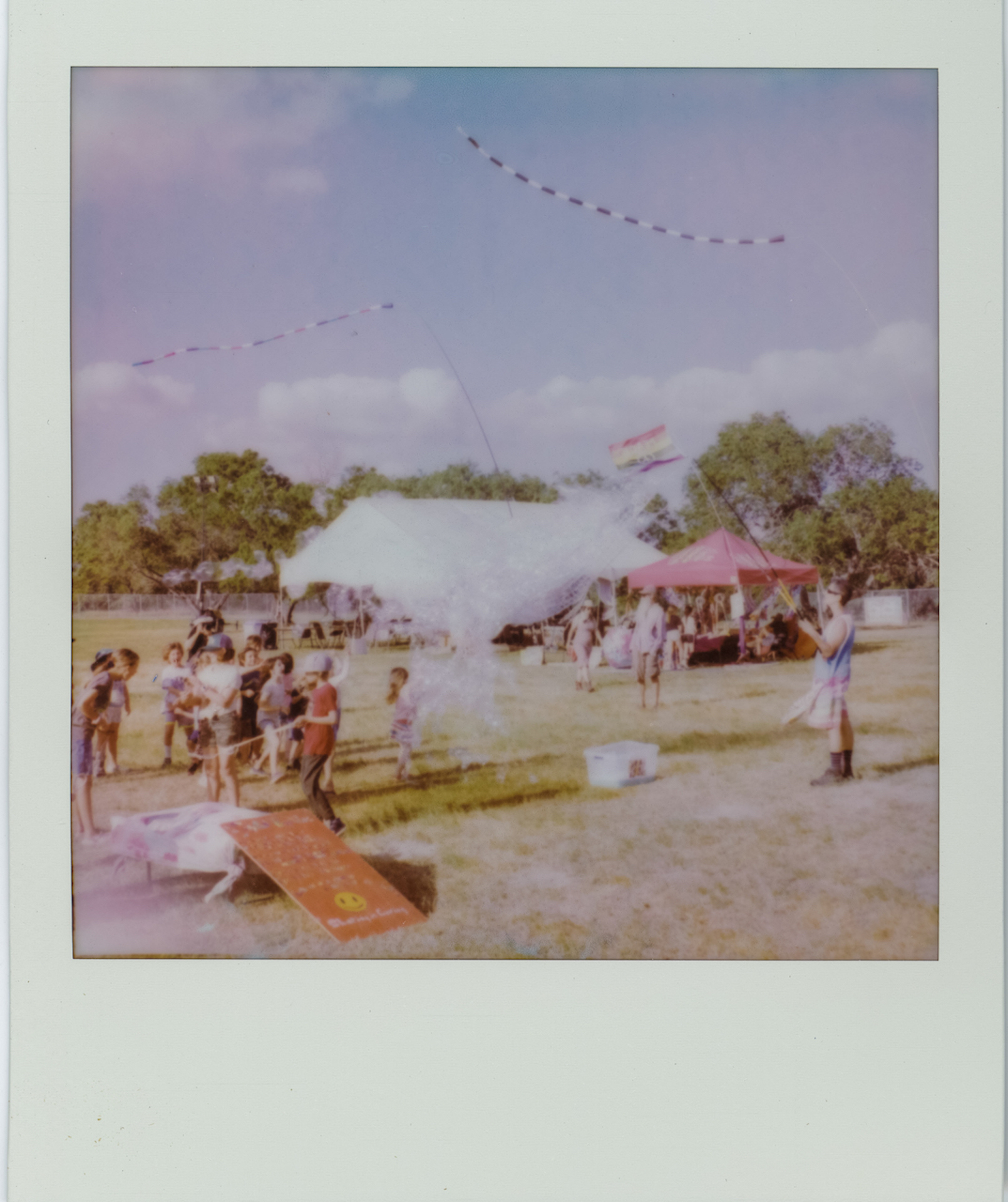
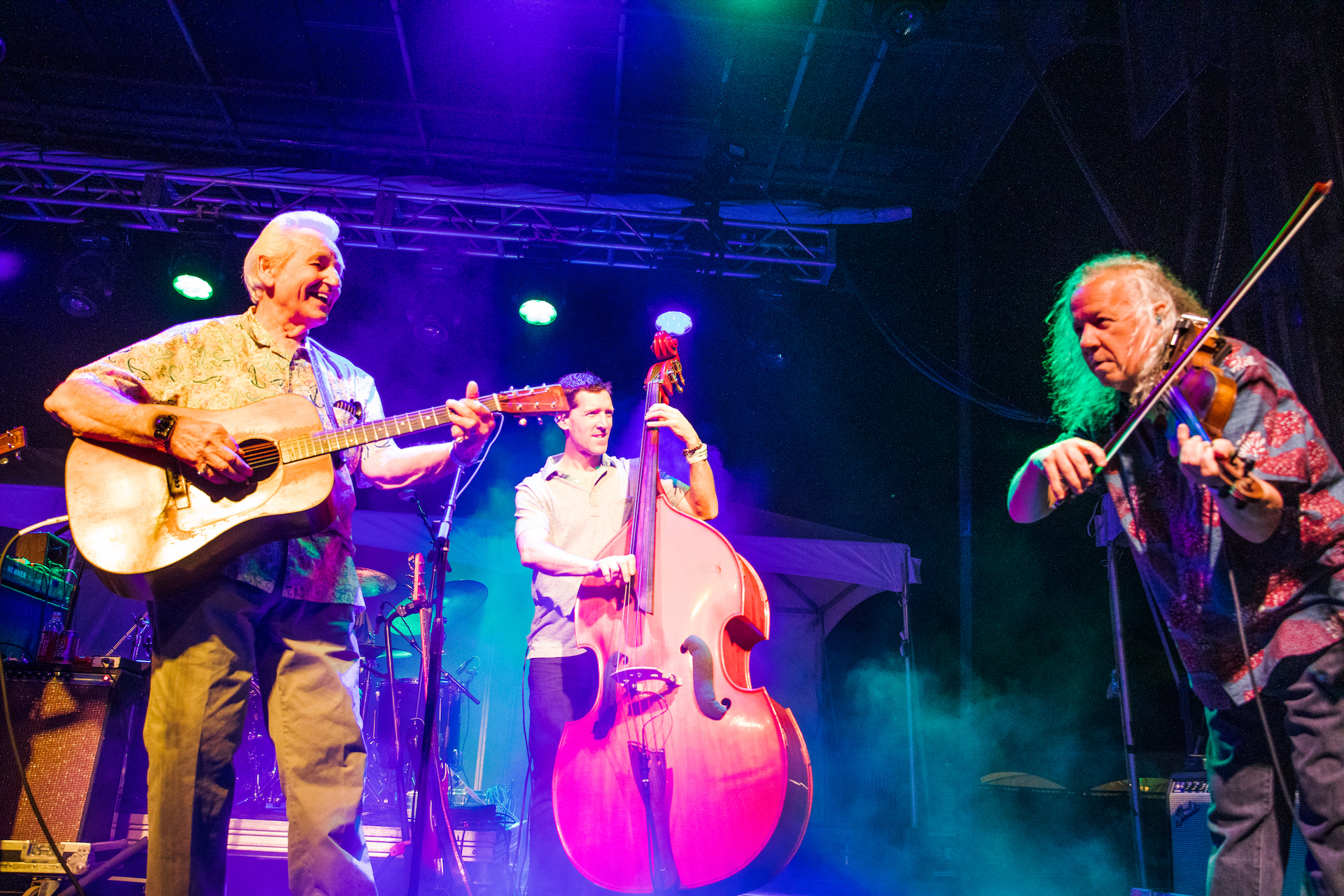
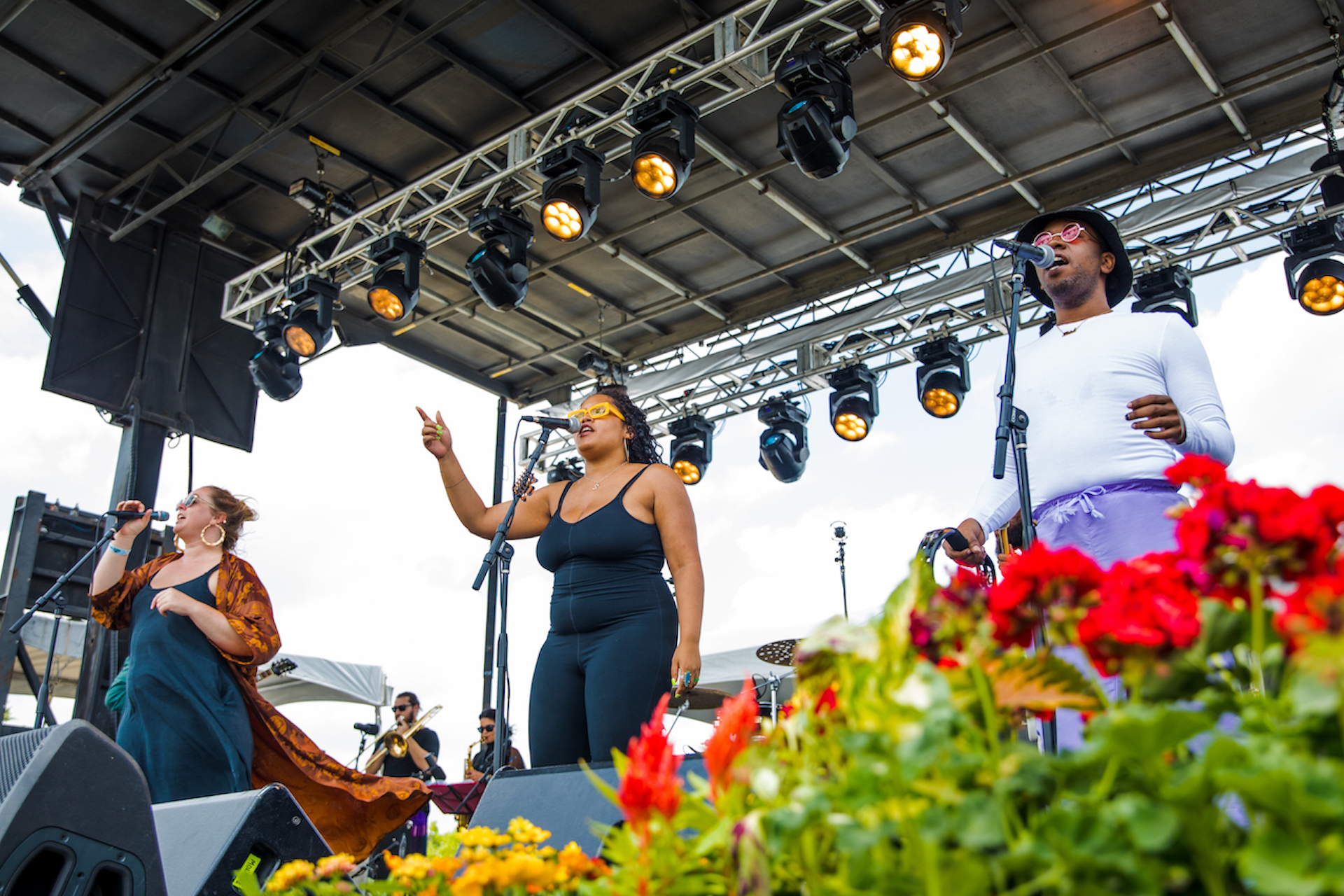
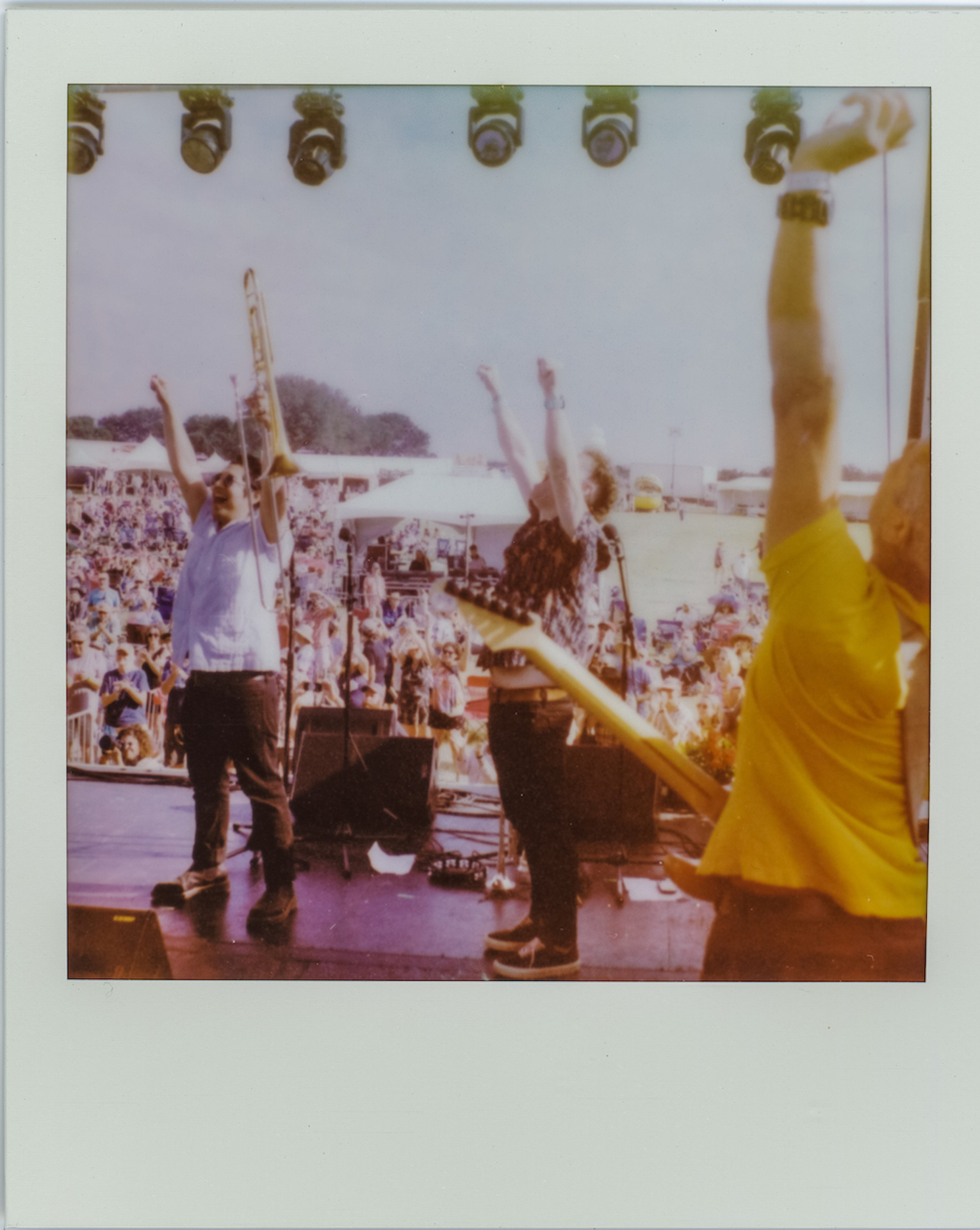
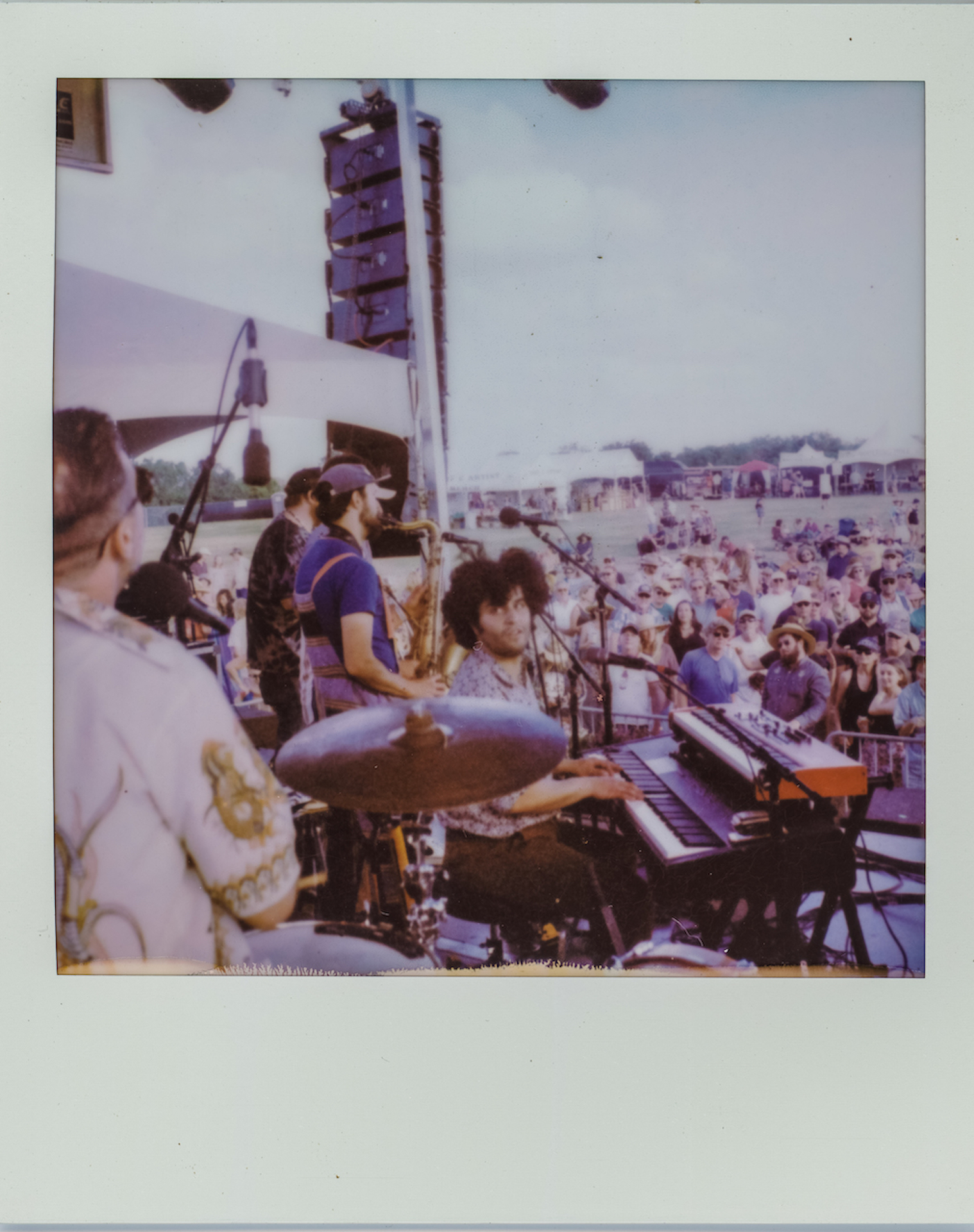
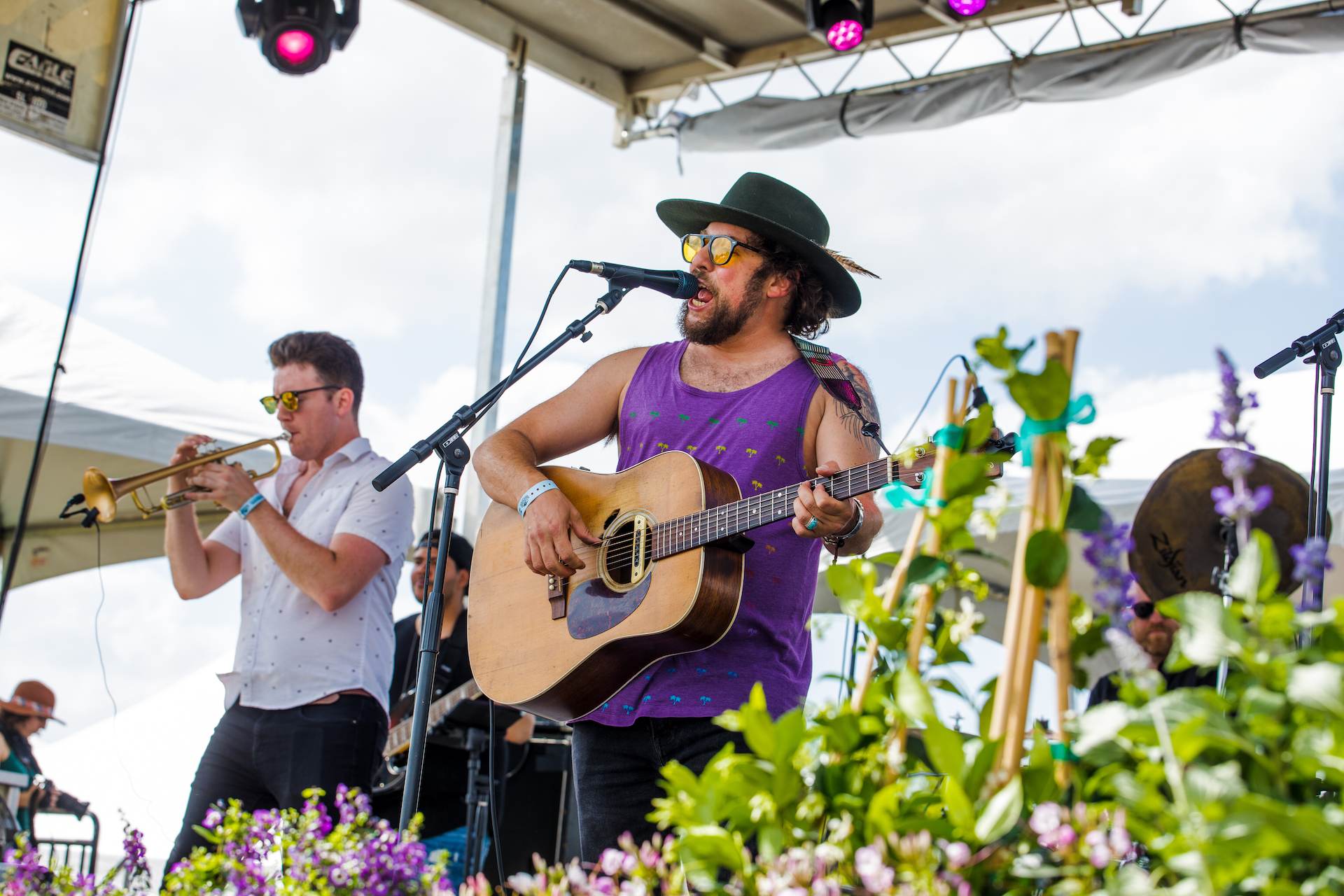
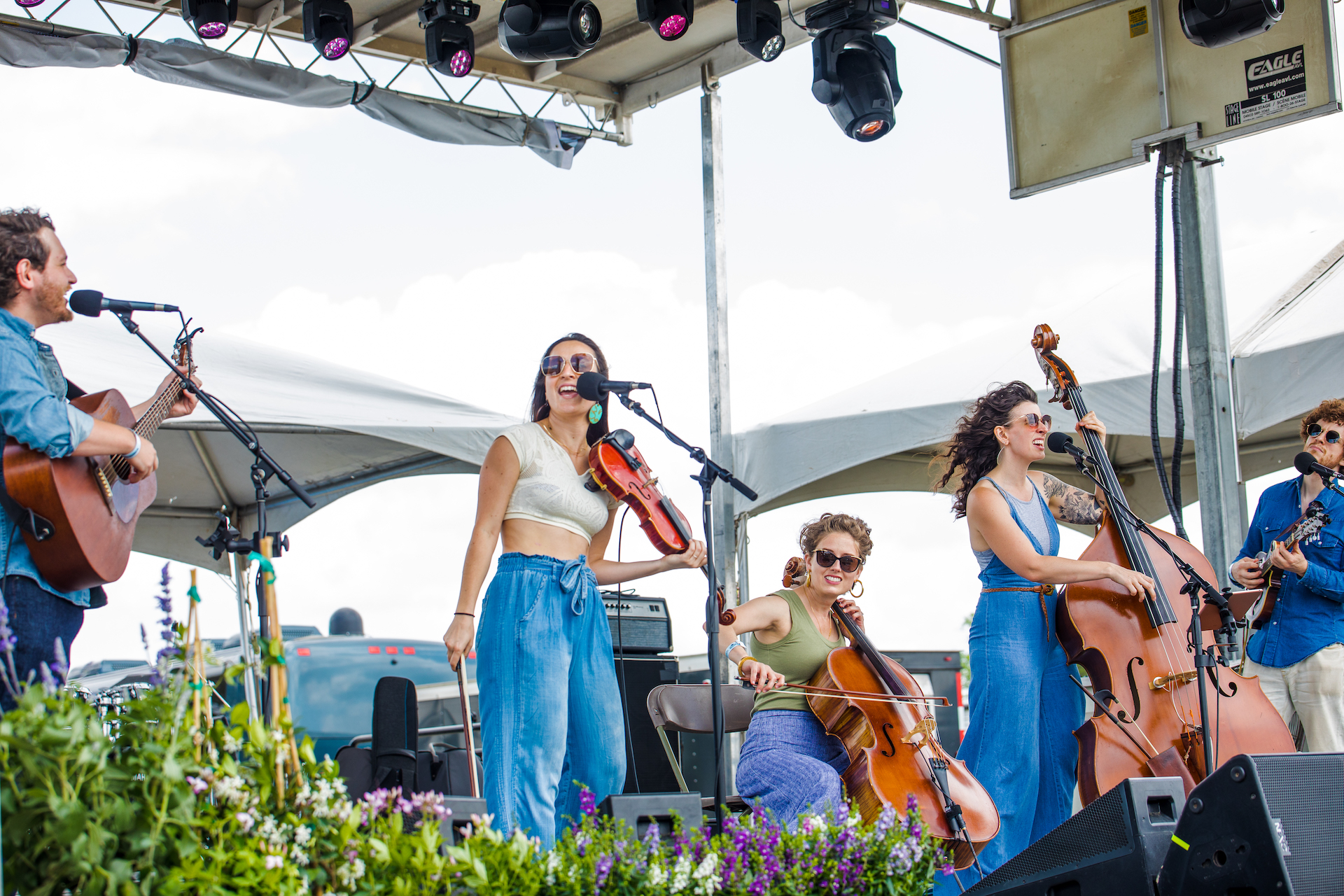
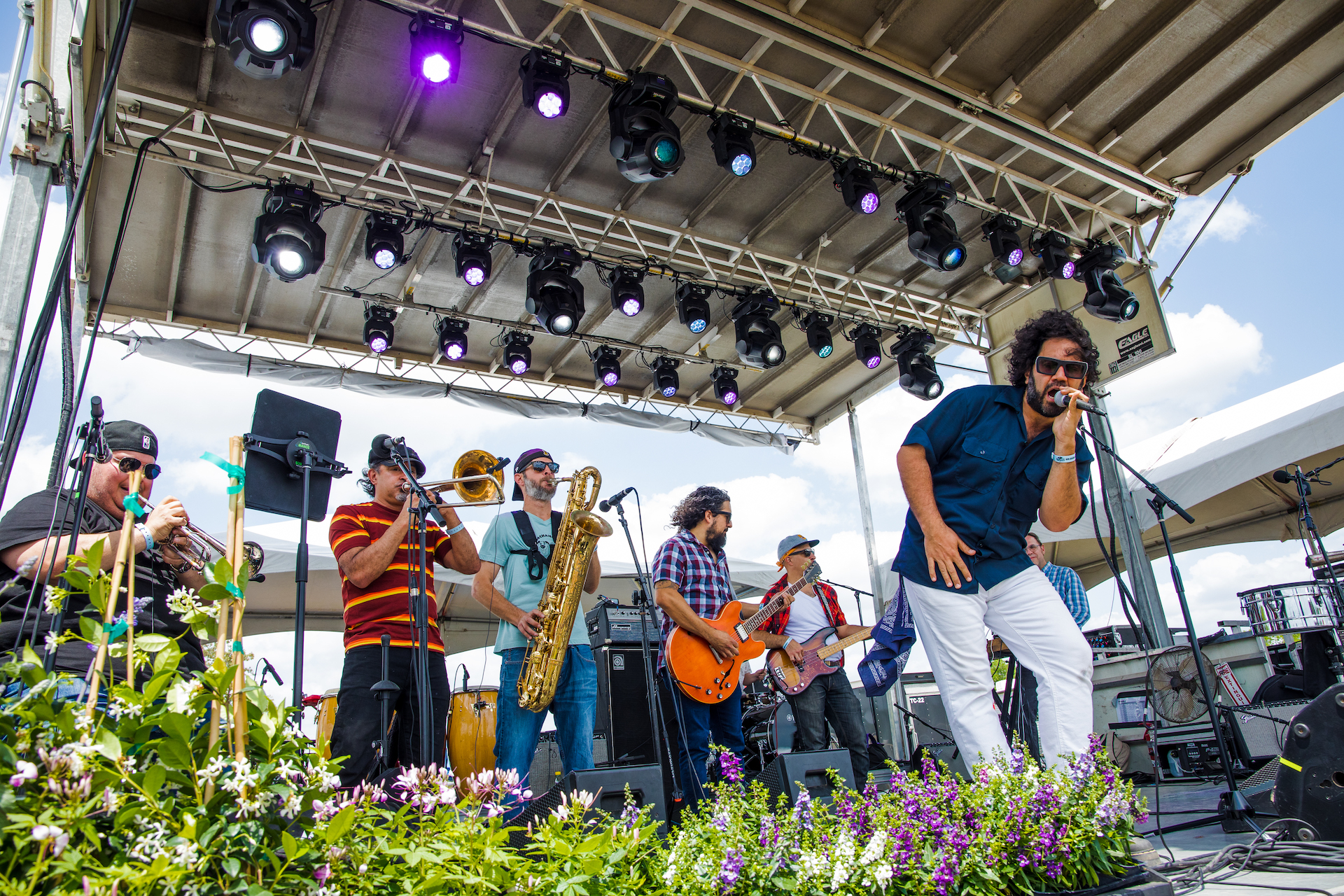
This past weekend in Tilmon, Texas, not too far from Austin, legends, up-and-comers, and local artists alike gathered for the Old Settler’s Music Festival, a celebration of roots music of all stripes that’s been happening since 1987. The Del McCoury Band, Flaco Jimenez, Peter Rowan, and other greats were joined by the likes of Sierra Hull, The Suffers, Brennen Leigh, American Aquarium, and so many others. Take a look at our photo recap below.


All photos by Daniel Jackson

BGS Top 50 Moments: BGS On Deck – Our First Music Cruise

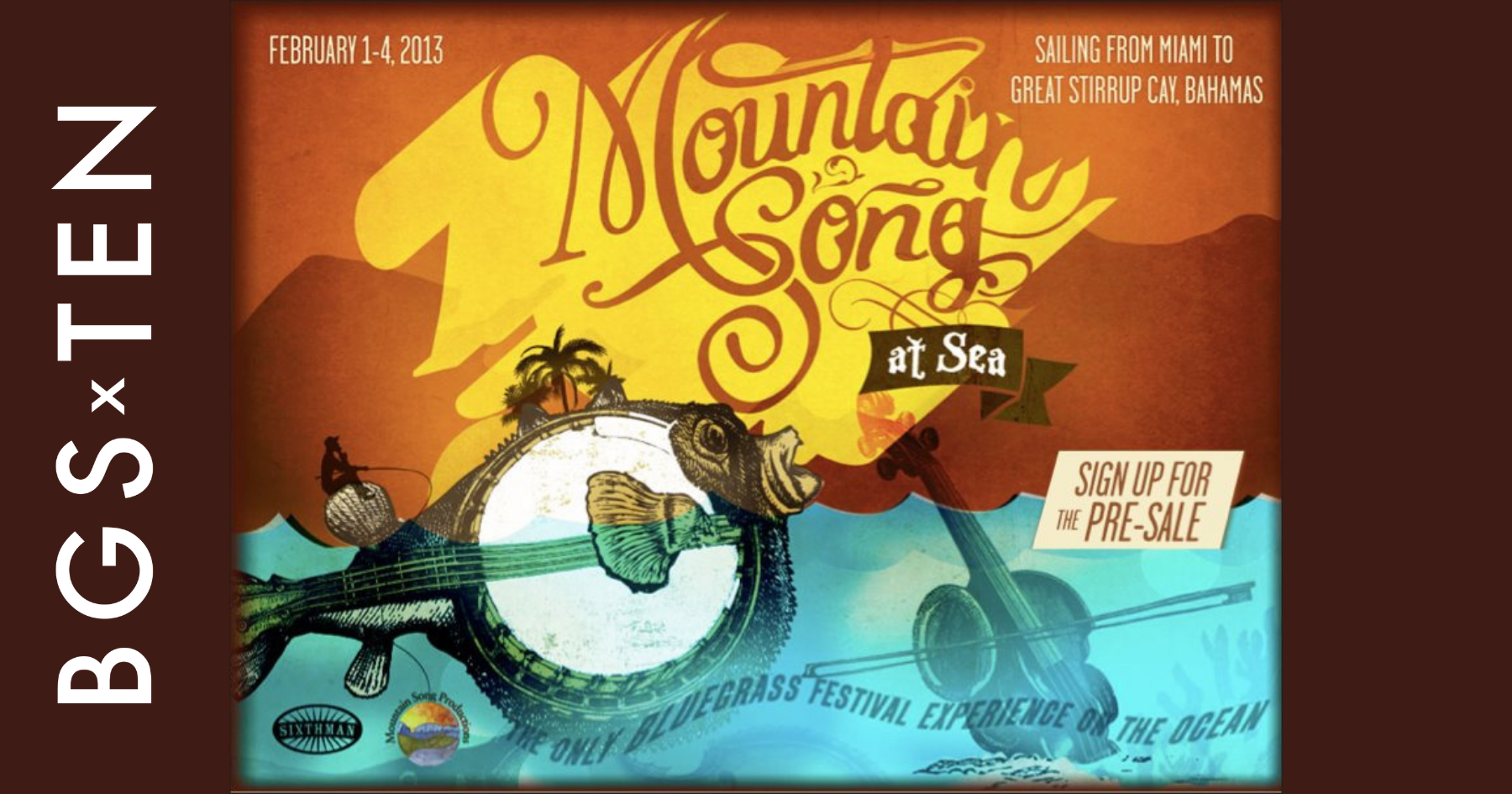
It’s been over nine years since we first boarded the Norwegian Pearl to set sail with some musical friends. Back in 2013, BGS joined the team at Sixthman as well as host band, the Steep Canyon Rangers, on the first Mountain Song at Sea cruise, sailing from Miami to the Bahamas alongside the Punch Brothers, David Grisman, the Del McCoury Band, Tim O’Brien, Della Mae, Bryan Sutton, and Peter Rowan.
You can get a glimpse of the riotous fun that was had onboard that first cruise here.

This month, BGS returns to the high seas on board Sixthman’s Cayamo cruise. While onboard, we’ll be hosting the Party of the Deck-Ade, our kickoff birthday event celebrating ten years of BGS. The jam will be hosted by Sierra Hull and Madison Cunningham, and backed by our house musicians Hogslop String Band.


Get your sunscreen ready, and we hope to see some of you in Miami very soon!

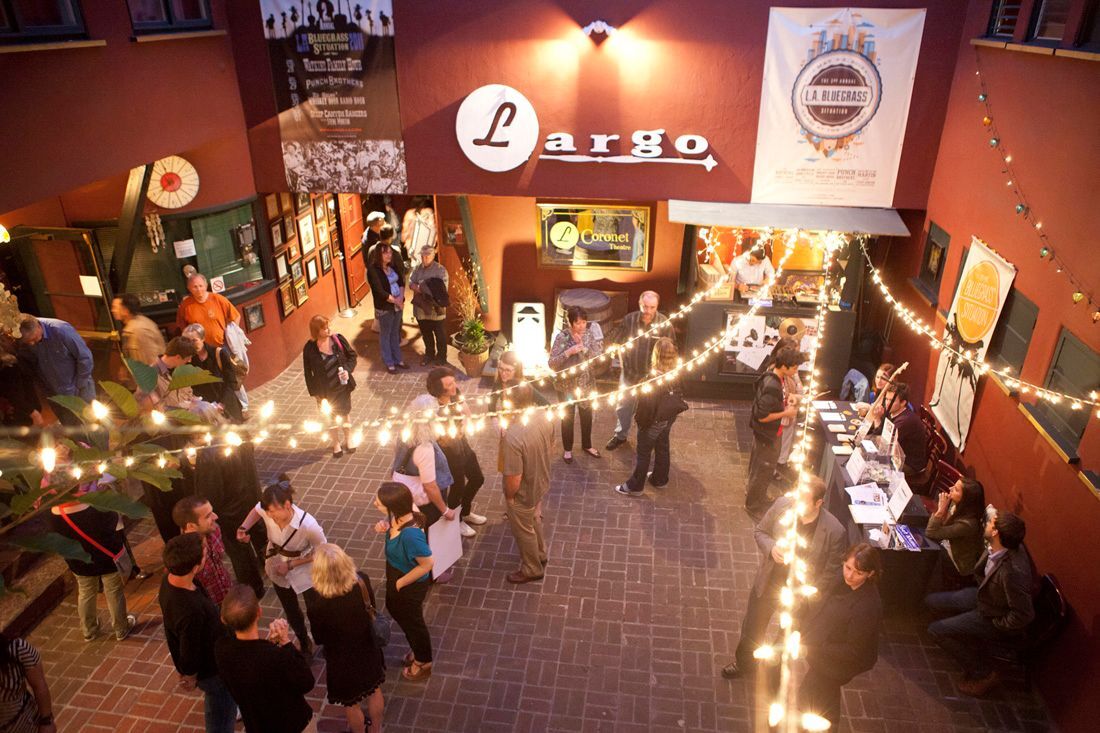
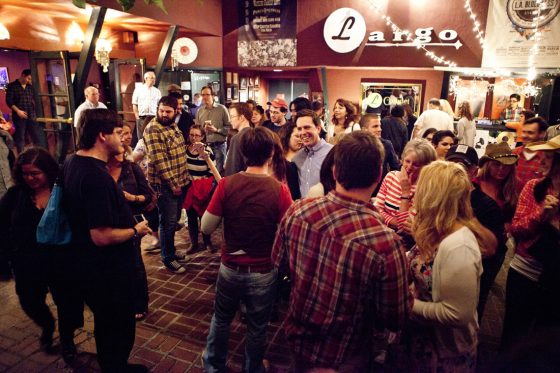
BGS Top 50 Moments: The LA Bluegrass Situation at Largo

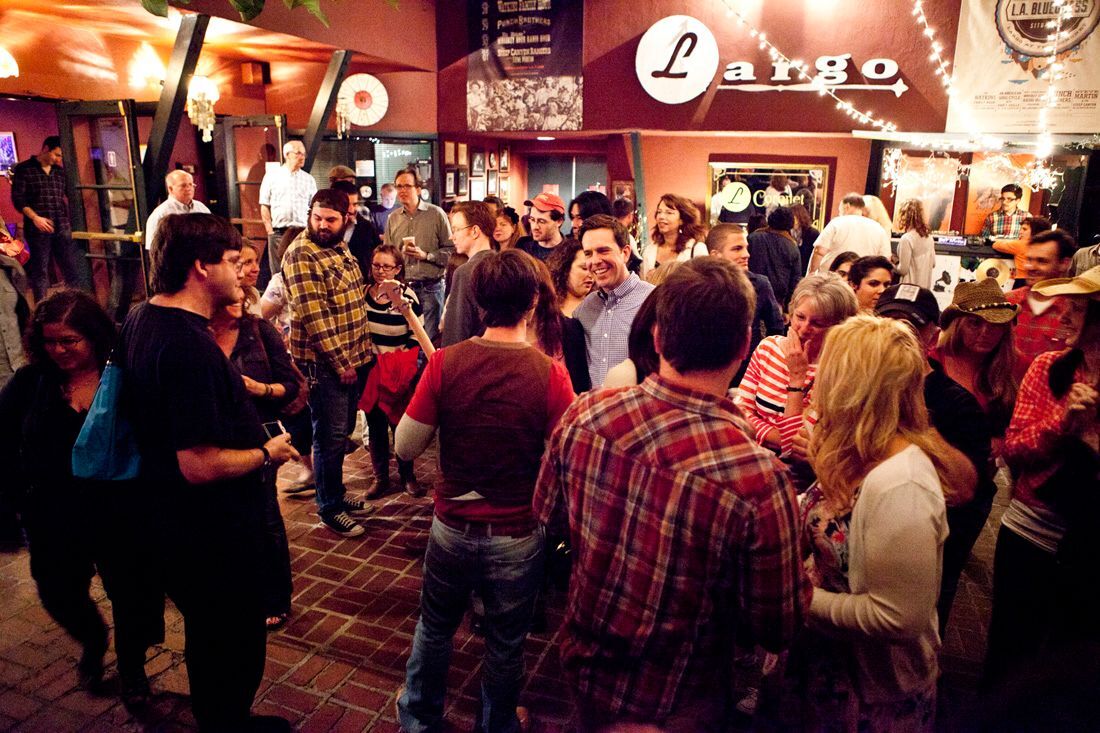
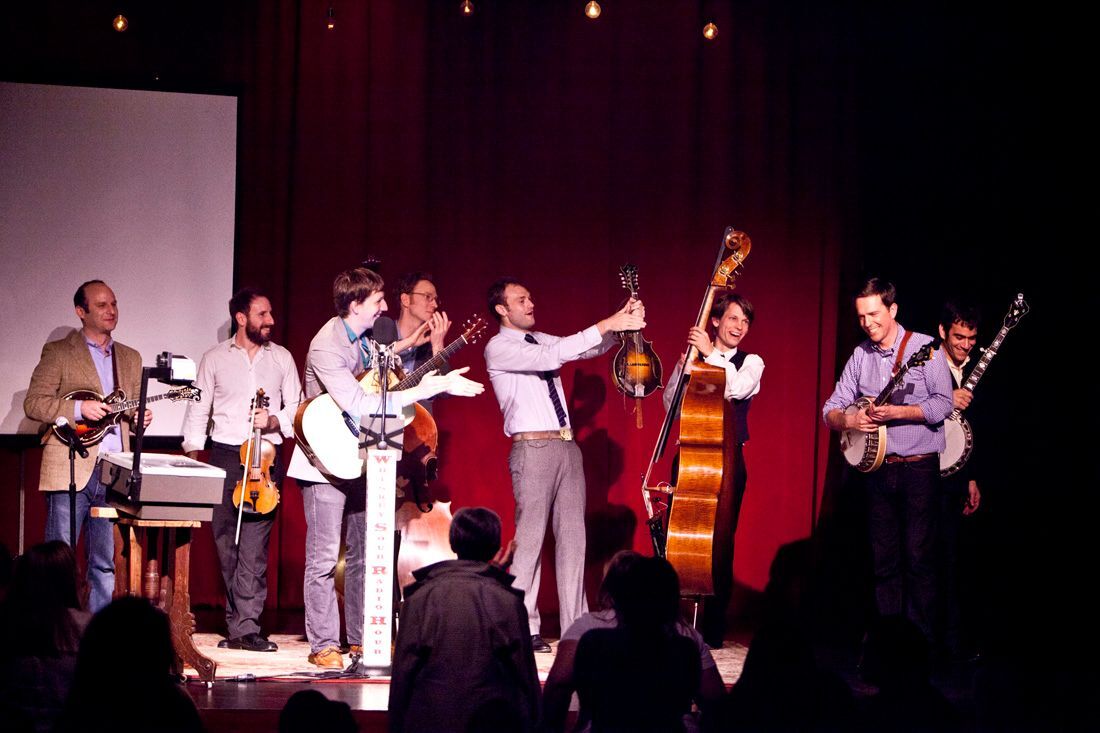
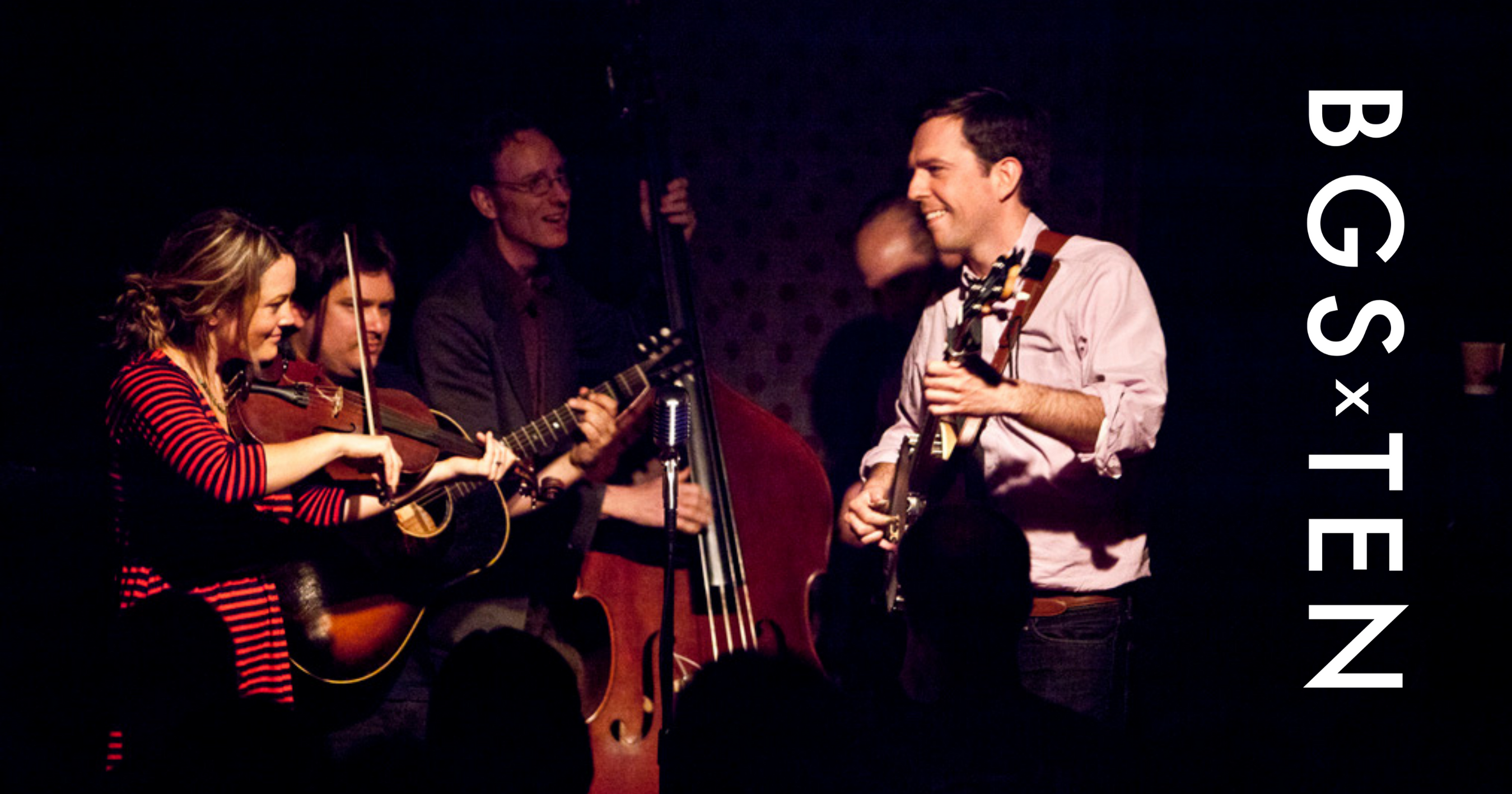
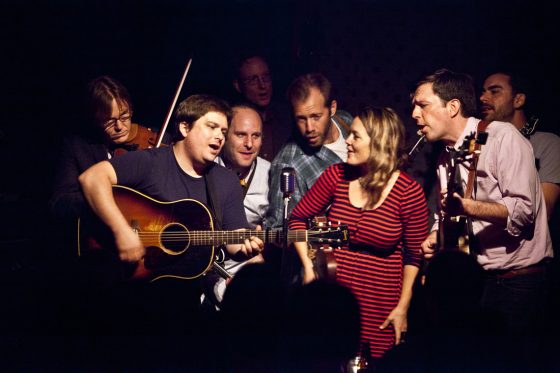
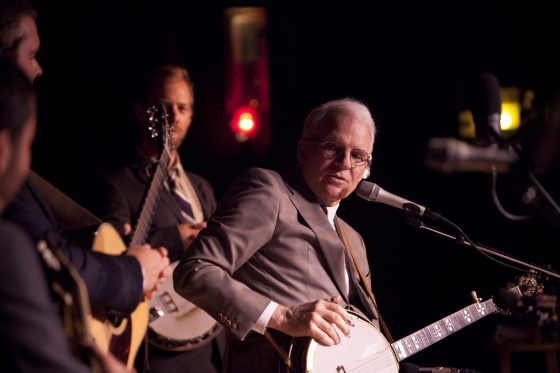
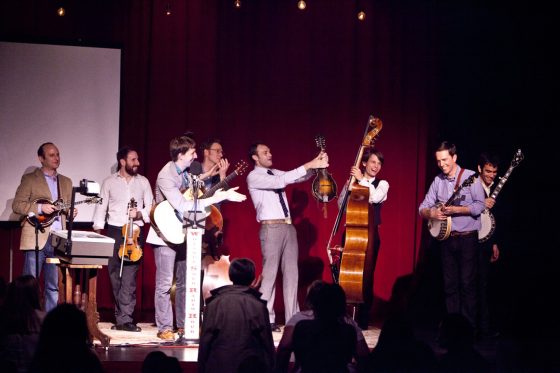
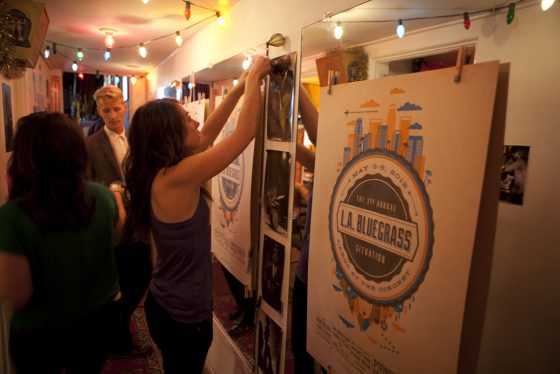
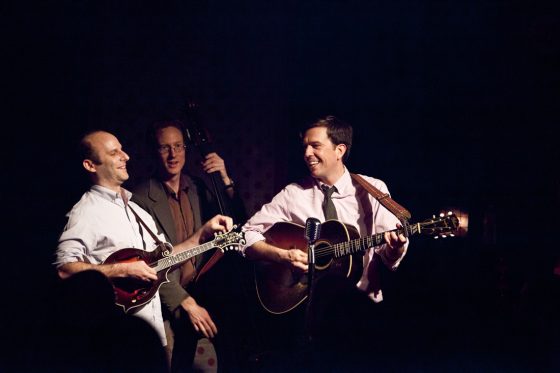
It was 2010 when the true origins of “The Sitch” first materialized.  For five days in May, BGS founder Ed Helms congregated a lauded lineup of roots artists at the storied Largo at the Coronet Theatre in Los Angeles.  That first annual LA Bluegrass Situation festival included the likes of Steve Martin and the Steep Canyon Rangers, The Watkins Family Hour, Gillian Welch, Will Ferrell, Jackson Browne, The Infamous Stringdusters, and Ed’s Whiskey Sour Radio Hour variety showcase.

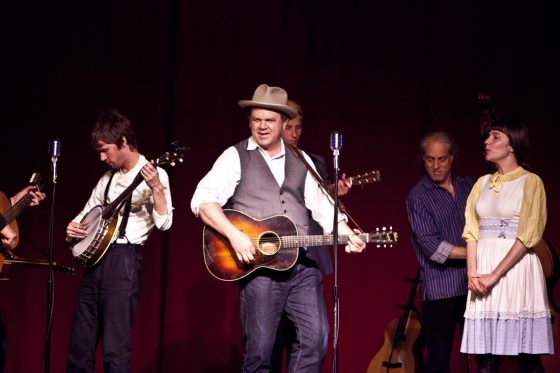
In the festivals that followed, LABS brought in the likes of Nickel Creek, John C. Reilly, the Punch Brothers, Willie Watson, and many others before broadening to bigger venues across Los Angeles.  The online iteration of “The Bluegrass Sitch” wouldn’t come to fruition for another two years, but the heart of it was all there, on stage at Largo, from the very start.


Photo Credit: Lincoln Andrew Defour