I love a great fiddle tune as much as the next person, but sometimes their names simply do too much. It’s not hard to imagine how these titles might have been changed and twisted over the years, in the game of telephone that inevitably exists in oral traditions. Some tunes, like “Shove That Pig’s Foot a Little Closer to the Fire,” have multiple rumored explanations for their names. Clawhammerbanjo.net discusses some of these possibilities in this lengthy explanation. We may never know for sure where these names come from, but here are 10 tunes that exhibit old-time at its most absurd:
“Jaybird Died of the Whooping Cough”
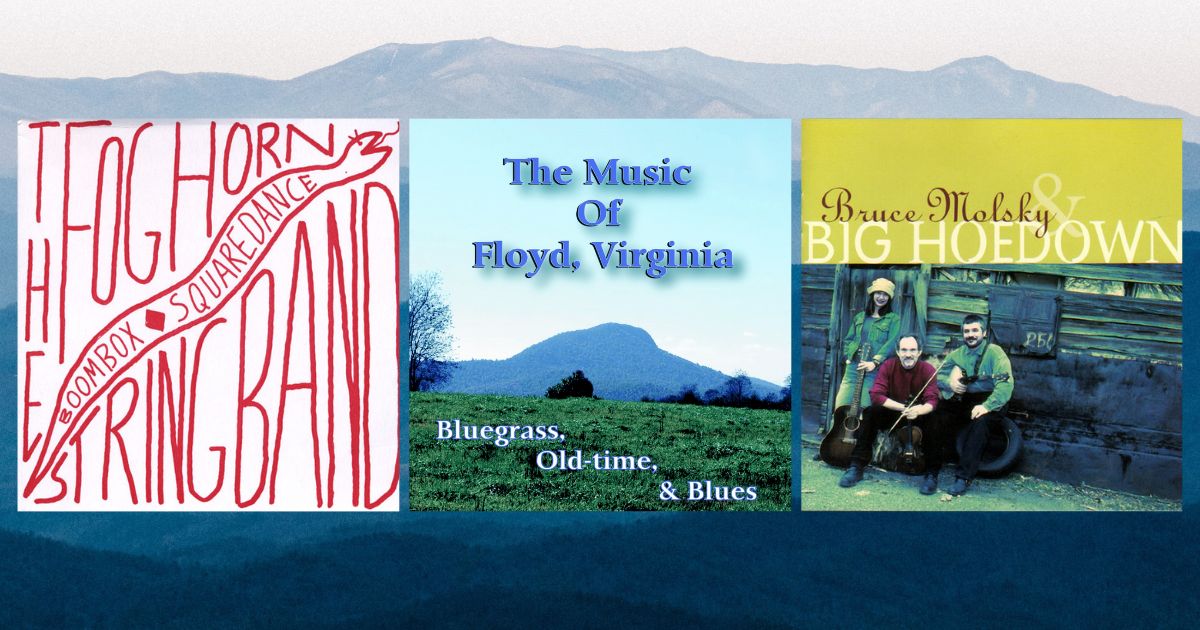
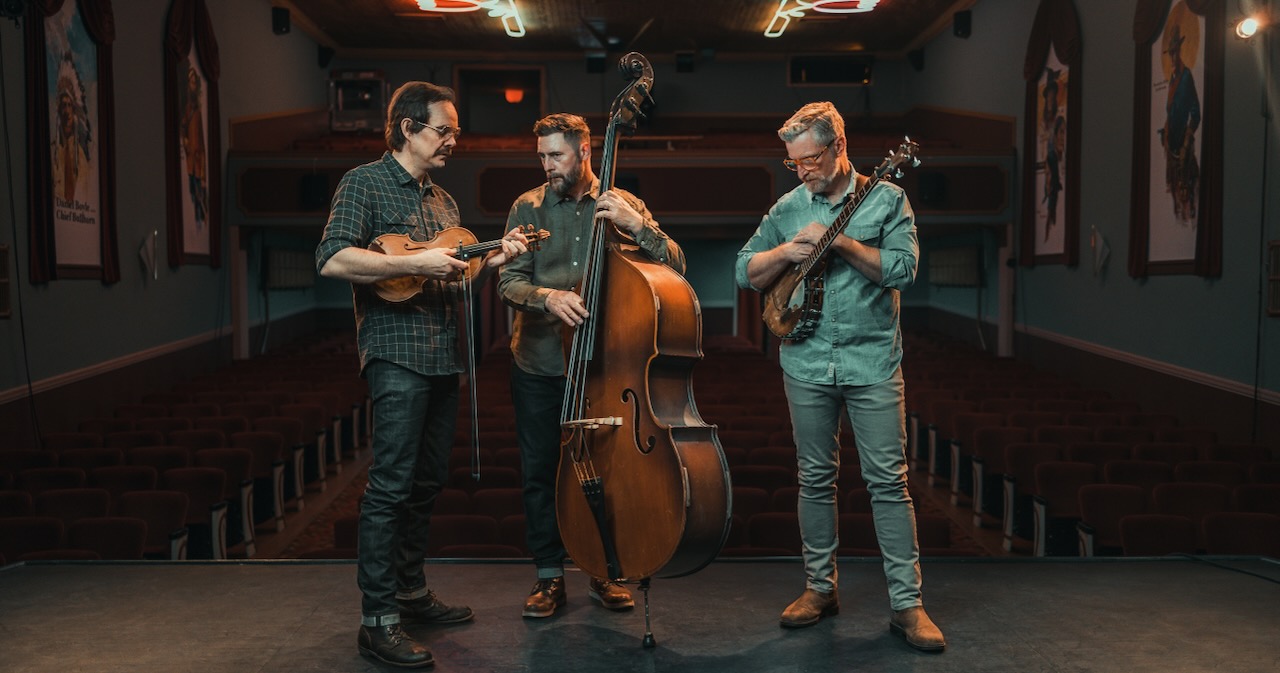
This may be a slightly traumatizing title for a post-pandemic society, but it’s still scientifically interesting. Can a jaybird, indeed, contract whooping cough? Here, the fabulous Foghorn Stringband research the situation.
“Dick’s Handspike”
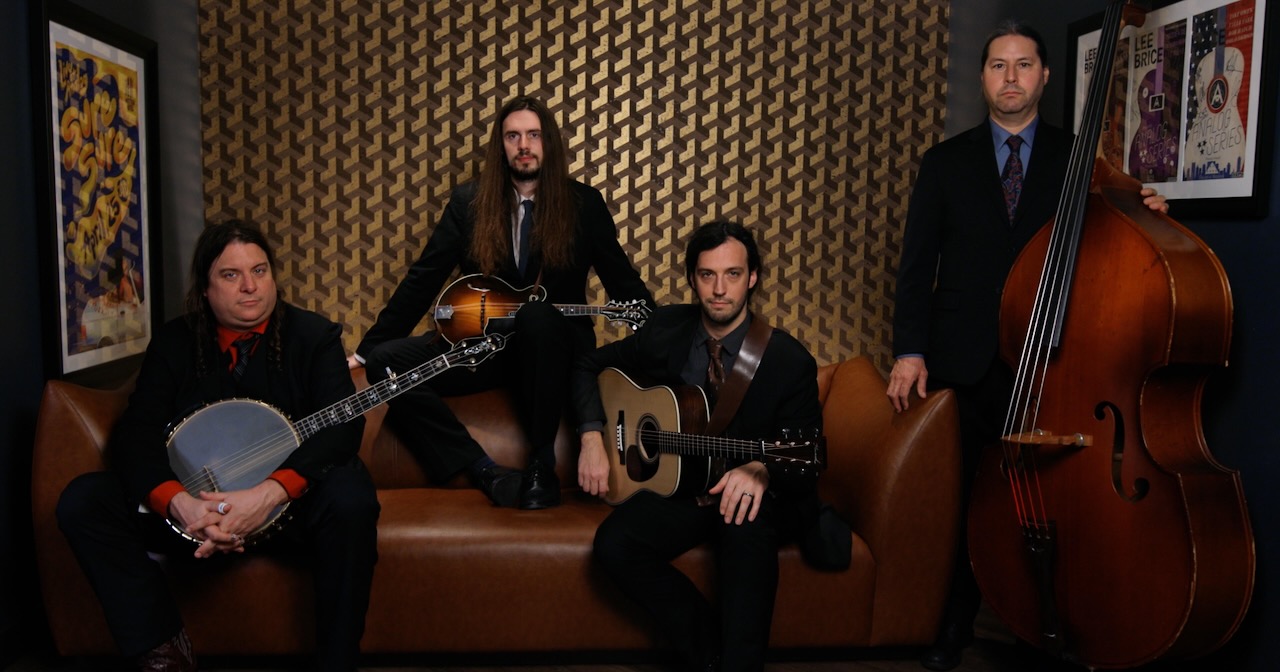
What exactly was “Dick’s Handspike”? Do we even want to know? Hilary Burhans demonstrates, with a beautiful tune undeserving of such a blunt (or sharp?) name.
“Bullfrog on a Puncheon Floor”
Reportedly from the fiddling of Estill Bingham, Mark Gilston plays this lovely tune on mountain dulcimer. According to the University of South Carolina, a puncheon is an Appalachian term meaning “A split log or rough timber having one face smoothed by an adze, used for flooring, benching, siding of log buildings, etc.”
“Sal’s Got a Meat Skin”
In addition to meaning a literal meat skin, the term can also be used as an insult, according to Urban Dictionary. If you want to know more, you’ll have to Google it. Here, the Snake Hollow Stringband from old-time hot spot Floyd, Virginia, performs “Sal’s Got a Meat Skin.”
“Soapsuds Over the Fence”
Taking its place in a longstanding tradition of “naming the tune whatever is actively happening within eyesight at the time of writing” we have “Soapsuds Over the Fence.” Played in this video by the equally wonderfully-named renowned fiddler, Harry Bolick.
“I’m a Nice Old Man”
Nothing says “I’m not a nice old man” more than proclaiming, “I’m a nice old man.” This tune is credited to the playing of Melvin Wine. No shade on Melvin! He just played the tune, and allegedly was a nice old man. Here we have it reimagined on Leicestershire smallpipes by Moira Bracknall.
“Don’t Drink Nothin but Corn”
I feel that this tune’s title is missing its last word – “liquor” – but as a Midwesterner, I can’t put it past folks to drink straight corn. Nevertheless, this tune somehow made its way all the way to Sweden, here we have the Hot Corn Band performing it.
“Shove the Pig’s Foot a Little Closer to the Fire”
Perhaps the best-known of these outrageous tunes, “Shove the Pig’s Foot” has become a classic. Here is old-time royalty Bruce Molsky’s recording of the tune.
“Big Footed Man In the Sandy Lot”
This tune sounds like a clue in a murder mystery. Why exactly was that big-footed man in the sandy lot? Here’s a beautiful rendition from Lukas Pool.
“Hell and Scissors”
What is it about Hell and scissors, they just go together like bread and butter! Here we have The Moose Whisperers featuring BGS favorite Jake Blount playing a great version at Clifftop.
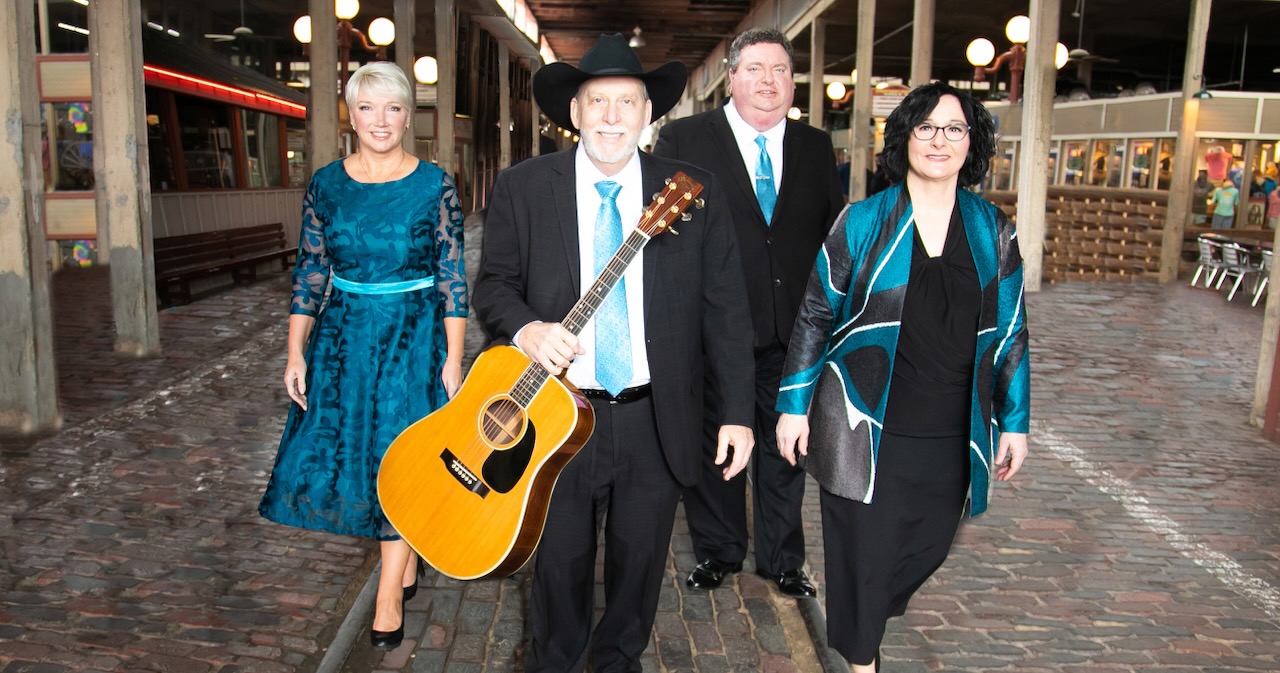
Artist:The Chuck Wagon Gang Hometown: The current members are pretty scattered, but The Chuck Wagon Gang originated in Fort Worth, Texas Song: “I Will Not Cry Today” Album:Come Go With Me Release Date: June 30, 2023 Label: Mountain Home Music Company
In Their Words: “Our main focus for this Chuck Wagon Gang recording was to find new songs. We had received several from writer Tami Pockstellar, who had written ‘Two Gardens’ from our previous project. Tami’s lyrics and melodies capture the freshness we were searching for, and ‘I Will Not Cry Today’ is a perfect example. It was challenging but fun to add this exciting bluegrass-styled song. I really believe these lyrics will be uplifting to listeners because they encourage us to keep pressing on, no matter the situation we find ourselves in.” – Shaye Smith, The Chuck Wagon Gang
“’I Will Not Cry Today’ was a great opportunity to feature The Chuck Wagon Gang as a trio and bring in some bluegrass-styled accompaniment, which the group wanted to feature on this album. The bluegrass world has always had a kinship with the music of the original Chuck Wagon Gang and it was special to be able to blend the two worlds together on this new song for the Gang.” – Jeremy Stephens, producer
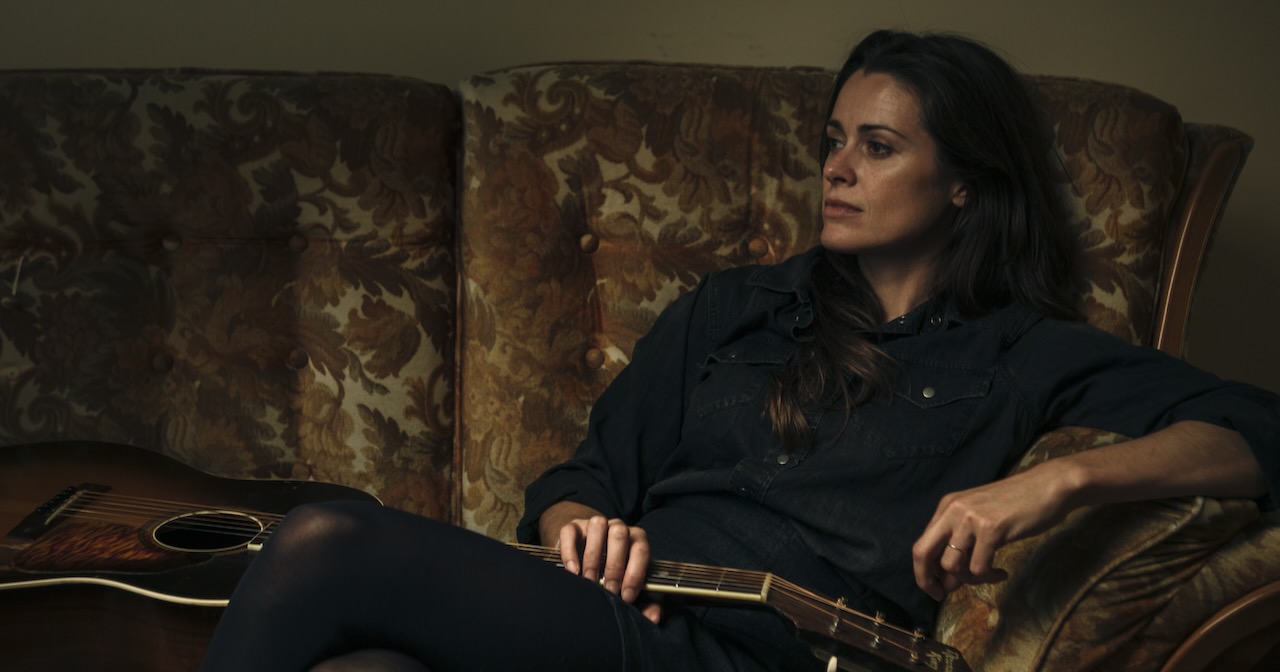
Caitlin Canty is in the middle — in the middle of moving houses (behind her when we connected on Zoom this spring is a Jenga tower of bankers boxes) and in the middle of prepping an album release, which we’re in the middle of talking about when she isn’t in the middle of pushing a pair of overeager dogs from her lap (“These dogs!”), all of which is taking place in the middle of her toddler’s nap.
The moving, the music, and the motherhood are taking place in the middle of her life (Canty turned forty-one in January) and the middle of her career: Quiet Flame, her latest record, is her fourth.
Oceans of ink have been spilled on beginnings and endings, on best new artists, and lifetime achievements. We rarely think about the middle, write about it, or sing about it. But Caitlin Canty does.
Quiet Flame is a dispatch from — and a celebration of — the middle; it is a testament to the in-between, to the precious spaces between day and night, birth and death, here and home. It is also a rallying cry, a call not to run from middle moments, but to revel in them. “Breakneck boy goes speeding by / In a hell-bent race to some finish line,” Canty sings on the album’s opening track, “Blue Sky Moon.” “I ain’t going with him… Gonna take my time in the middle of the road.”
This is a new message for Canty, one that asks the listener not to “get up before the road pulls you under,” as Canty sang on 2015’s Reckless Skyline, but to accept the road as it is, accept that it may pull us under, and enjoy the ride. “If the pandemic and [2020 Nashville] tornado taught me anything,” Canty says, “It’s all the things I thought I could control are out of my control. The natural world is beautiful. It’s also terrifying,” she exclaims with a half laugh, “it can just crush you in a second.” (That tornado missed her house by thirty feet.)
This new vision, however, hasn’t diminished Canty’s optimism. With a heightened sense of all that is lost and lose-able, Canty offers not less hope, but more. “Let it roll, let it ride / Let your sweet heart open wide,” she sings on “Pull the Moon.”
“I let go of a lot of things I thought were my fault, or my responsibility, things I thought I could do everything about, or take care of, or succeed at,” she explains. “And what I found was an ability to be happy in devastating moments in time. Even when it gets dark and troubled, to find a way not to ignore that — to address it — but to stay buoyant.”
It is this clear-sighted courage — what amounts to Canty’s profound musical and lyrical authenticity — that not only sets Canty apart, but draws so many of the acoustic world’s greatest artists into her corner. “Caitlin just has such a magnificent view of the world,” Grammy Award-winning guitarist and Quiet Flame producer Chris Eldridge says. “It’s so strong and true and clear and honest. You just believe it.”
Among those drawn to Canty’s vision — to her clarity, honesty, believability — are some of the greatest artists in contemporary music, making the Quiet Flame band a bona-fide acoustic supergroup: on banjo, mandolin, and harmony vocals you have singer-songwriter Sarah Jarosz (another Grammy winner); on bass, Paul Kowert of Punch Brothers and Hawktail (yet another Grammy winner); and on fiddle, Brittany Haas (also of Hawktail and the newest member of Punch Brothers), who is widely considered the greatest fiddler of her generation.
“Every artist has a vision,” Kowert says, “But I specifically would say I believe Caitlin. I believe her about what she’s seeing in the songs.”
“There’s such conviction,” Haas adds. “It’s so clearly from the heart.”
For Jarosz, Canty’s super-distinction is the totality of her authenticity and an unusual ability for Canty to “sound like herself” in every domain of her artistry. “Her ability to be herself within her songs has always been very obvious to me, before I even knew her,” Jarosz says. “My favorite singers sound like themselves when they’re talking — their singing voice is a genuine extension of them, their personality. Tim O’Brien has that, Gillian Welch has that, Caitlin has that. It’s almost like Caitlin’s voice is so true —it’s like it’s not an option for her to be anyone but herself. And the songs are also that way.”
The songs of Quiet Flame mark not only a musical achievement, but an achievement of spirit. “It takes a very self-assured, fully realized human being to be able to make a record that’s this exposed,” Jarosz continues. “The record takes its time. It takes a very mature musician — and person — to have the courage to let these songs unfold the way they do.”
It is no small feat that Canty manages to make this deliberately slow journey, this taking our time in the middle of the road, so arresting. Such is a testament, of course, to the music as music; to Canty’s voice (“Caitlin, in her way, is as good a singer as exists,” Eldridge says); to her effortless melodic sensibility; to what Haas calls the unusual “variety and diversity of what [her] songs are like, what they allow and make room for texturally.” It is also a testament to the production vision of Eldridge, who Canty calls the perfect “co-pilot,” and to his attention to the “big picture.”
Each member of Canty’s bandoffers a tour de force on their instruments. In Canty’s words, Kowert is a “Multi-instrumentalist on his instrument… essential, the strongest foundation… my favorite bass player I’ve ever played with”; Haas is a “Flamethrower! Her fiddle is an electric guitar! It’s grit and mournfulness — not sad, defiant; not sorrowful, defiant”; Jarosz is “Just insanely good — insanely good singer, insanely beautiful instrumentalist — the most solid partner; she held it down!”
In turn, the band is quick to praise the rare musical freedom Canty affords them. “She makes so much space for other musicians in her music,” Haas says. “She’s really good at being like, ‘I hired you to be you,’ instead of, ‘I want you to do this very specific thing that involves only playing these four notes.’”
The result? The band gets to see their true selves in the work — even their best selves. “‘Odds of Getting Even’ is one of my favorite performances I’ve ever played,” Kowert remarks. “My playing on that song is really exemplary of something that I am uniquely able to do, which is bowing the bass that way, driving the rhythm with the bow.” Multi-instrumentalist Noam Pikelny (still another Grammy winner), who is featured on “I Don’t Think of You,” says much the same: “[It’s] easily one of my favorite examples of my playing captured on record.”
Most of all, however, the success of Quiet Flame’s slow burn is owed to the trust Canty engenders in her audience. It is a trust natural to Canty, but made all the more affecting by her decision, for the first time in her career, to make an entirely acoustic record. “Intimacy is just kind of baked into the nature of acoustic music,” Eldridge explains. “You just intuitively understand that what you’re hearing is what can happen in somebody’s living room. So when you commit to doing a string band record, you’re committing to a certain kind of intimacy. It casts the artist, and the songs, in a different light—in a light that asks the listener to lean in a little bit more, asks the listener to be a part of a moment.”
It is with the listener leaning in close, grounded in the moment with Quiet Flame, that Canty offers a vision both audacious and convincing, that she shares the unmistakable and unshakeable sense that all will be well; that even in the face of so many black holes, we too will be okay; that we, like Canty, will arrive “by the highway home” – a lyric after Robert Frost.
“They all told me love could feel this way,” she sings. “I never thought I would see the day.”
It is the peculiar gift of Caitlin Canty that when she says love can feel “this way” – or even that “nothing’s gone, only changed” – one can’t help but think she’s right.
If you were to try to typify bluegrass as being about any one singular thing, that one thing might be family. Not just biological family, but musical family, chosen family, and the way the music survives generation to generation, passed down as a folkway and aural tradition. Often, though not always, this music is a family tradition, passed along family trees like an heirloom or like more typical family businesses.
John Cloyd Miller and Natalya Zoe Weinstein, bluegrass duo and band leaders of Zoe & Cloyd, have made a brand new album that, on the surface, might just seem like a standard bluegrass album paying homage to the folks who came before them, their forefathers. But Songs of Our Grandfathers is so much more complicated and nuanced, wrinkling a format that’s as old as these genres themselves: the tribute album.
On the new record, released in May on Organic Records, John and Natalya pull songs from the catalogs of their musician grandfathers. Miller’s grandpa, Jim Shumate, was a renowned Western North Carolina fiddler who played a stint in Bill Monroe’s Blue Grass Boys and can be accurately credited with helping get Earl Scruggs the banjo gig that made him famous. Natalya’s grandfather, David Weinstein, was a working klezmer musician who fled unrest in Russia, moving to the U.S.
The artful way this pair of musicians and life partners combine the styles of their families, of their youths, and of their present lives together, as touring, professional musicians, feels expansive, rich, and bold, like newgrass that’s never been newgrassed before. But, there’s a timelessness here, a patina, that speaks to the greater tradition this record can lay claim to perpetuating. (Thank goodness.)
Songs of Our Grandfathers isn’t just nostalgia, heritage, lineage, legacy- and canon-building. It’s not just carrying on tradition for tradition’s sake. It’s effortlessly and wholly bluegrass because it innovates, it complicates, and it challenges its listeners to think outside of preconceived notions of what bluegrass, string band, and old-time music are. Because that’s exactly what bluegrass’s grandfathers, grandmothers, and grandparents were doing as they invented this music.
We began our phone chat about the new album discussing each of their grandparents and their musical idiosyncrasies.
Can we start by talking about Jim Shumate? His presence is throughout the record and he’s influenced you both, can you tell us a bit about him and his music making?
John Cloyd Miller: He was born in 1921 in Wilkes County, North Carolina, on a mountain called Chestnut Mountain. He started playing fiddle as a young boy, as a teenager. His older brother Mac, who was 10 years older – the same age as Bill Monroe – got him his first fiddle, which is a fiddle he kept his entire life and we actually have, now. It’s an old Sears & Roebuck Strad copy, but he played some tone into it! His Uncle Erby played fiddle so he heard him a lot growing up and then he got into Arthur Smith and all that kind of stuff. He moved to Hickory when he got older, when he was a young man, and was playing on the radio down there when Bill Monroe heard him and asked him to be in the Blue Grass Boys. That was the time that Stringbean was in the band and Sally Ann Forrester, too.
When Stringbean decided to leave the band and go off with Lew Childre, Bill needed a banjo player and it’s now a pretty well known story that Jim knew a banjo player – he knew Earl Scruggs – and really pushed, begged him really, to audition for Bill. Earl was pretty reluctant to do it, but he did, and the rest is history. Later on, when Flatt & Scruggs broke off [from the Blue Grass Boys], Jim was their first fiddler, as you know. He recorded on their Mercury sessions. But he didn’t like touring, he wasn’t a touring kinda guy at all. He had four kids at home – three at the time, when he was younger, and one later.
Natalya Zoe Weinstein: He liked Mama’s cookin’.
[both laugh]
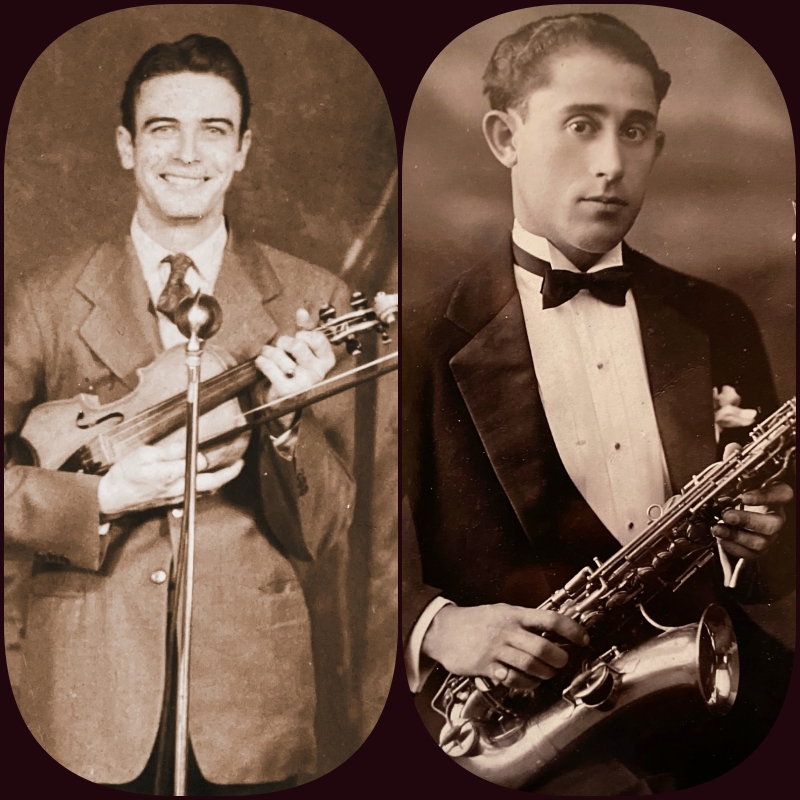
Jim Shumate, L (John Cloyd Miller’s grandfather); David Weinstein, R (Natalya Zoe Weinstein’s grandfather)
JCM: He did! He liked his own bed and grandma’s cooking, for sure. He liked to go up on the mountain. He worked in the furniture industry pretty much his whole life, but he also had his hand in the music. He ran a place called “Cat Square,” kind of a small town sort of Hickory Opry, a music show. He was always playing. I have photos of him through the late ‘40s and through the ‘50s with all sorts of people, Don Reno – all those guys. He made records and he had his own band called Sons of the Carolinas, which had George Shuffler in it and some other guys. He was always playing. He played with Dwight Barker and the Melody Boys; he did some sides with Don Walker, who he played with before he met Bill Monroe. He was always making music.
After Flatt & Scruggs it was largely regionally, because he wasn’t out touring, but he said people would always come by. Any time guys like Lester and them were in town they would always drive the bus and park it right in the yard. He was always in the music, but his influence was not felt as widely later on, I think because he wasn’t out [touring]. He did come back to recording in the ‘90s and made five cassettes for Heritage Records and those got disseminated kind of regionally. Michael Cleveland cut one of the songs that was on one of those tapes a year or so ago. People know his music, but we enjoy getting his legacy out there a bit more. He’s got such a unique style and certainly was influential.
He was a great songwriter, too! He was my main musical influence. I heard him play a ton growing up. He was so bluesy and slidey, he was a real master of syncopation, which is something that got ingrained in me. People always forget about his songwriting, but the way I grew up, I always thought that being a musician meant that you sing stuff, you write songs. You pick, too, but you do all of it. It was just part of being musical and I think that came from him as well.
It makes me think of, well, I talk a lot about how the most “bluegrass” someone can be is being innovative and being themselves, whether that comes across as “traditional bluegrass,” genre-wise or not.
JCM: That’s really insightful and it’s so true, when you look at those early players – everybody always looks at the first generation and, that’s good, that can be very grounding, but those guys were all unique! They were all unique artists, they had their own styles – sure, they were listening to one another, but Lester Flatt doesn’t sound like Bill Monroe who doesn’t sound like Carter Stanley. They don’t sound like each other!
Natalya, I wanted to ask you about your grandfather, too. If you could tell us a bit about the musical influences that represent him on this record, as well.
NZW: He passed away when I was fairly young, my dad had me when he was fifty-one, so my grandfather was quite older than me – I think I was eleven when he passed away. [My father and he] had an interesting relationship; he wasn’t always a well-liked man. He escaped a lot of violence and poverty in Russia, so he wasn’t a very kind man and my dad didn’t have a very close relationship with him. I don’t have any audio recordings of his music, I have a couple of audio interviews that my dad and uncle did with him, but I don’t have any recordings of his music.
My dad was moving a few years back and found all these old music notebooks from my grandfather. He asked me, “Do you want these old, handwritten, junky notebooks?” And I was like, “Yes!! Please give those to me!” [Laughs] That was the source, for me, for my grandfather’s music. I didn’t have one-on-one experiences with him, I didn’t have recordings of him, so these notebooks are really the only link to his music that I have. We have about five or six notebooks that have songs in them – they’re pretty hard to decipher, they’re forty or fifty years old. They have all different kinds of material in them, from klezmer to mambos and tangos even to “Tennessee Waltz,” which shows up in one of them as a jazz standard. He also played some classical music, he didn’t do just one singular thing. Klezmer players were like the wedding band musician of their time, where they had to play a bunch of different styles based on who their audience was.
JCM: We definitely got a little bit of a sense of who he was from these audio interviews that her uncle and dad had made with him. We got to hear his voice, you know he didn’t speak English very well so it’s mostly in Russian and Yiddish. You get a sense of some of the stuff he saw, in these interviews. You can tell it hardened him.
NZW: He had a tough life for sure, he struggled a lot and music was really the only thing [he did]. He wasn’t really educated. He talked about how when he came here [to the U.S.] he tried to be a plumber and he tried to be an electrician, but he kept making mistakes. He said, “I couldn’t do anything except play music.” He felt almost like he was stuck with it. He loved it and he was passionate about it, but I got the sense that it was his only option.
There’s a similar energy from both grandfathers around being musicians, but not just in a traditional touring, “road dog,” sort of lifestyle.
NZW: You’re right, and they were both kind of skeptical of the past.
JCM: They both came from very humble beginnings. My grandfather didn’t have any education, either. Natalya’s grandfather, apparently, escaped the Bolshevik revolution on a hay wagon. He was a teenager and they were trying to conscript him into the army to fight – it’s crazy stuff!
Bluegrass is always considering lineage and tradition and how those things are passed along. One of the things that I think is really interesting about it is there aren’t a lot of marginalized identities represented in the historical record of bluegrass, but there are Jewish identities represented. There’s not a whole lot of representation as you go back through the years, but it’s there. How do you connect the music you’re making, that’s infused with Jewish influences and has that cultural identity, to past Jewish music makers in bluegrass and string bands? You’re clearly thinking about lineage and family with this record, and that’s so bluegrass, but through a different lens with your Jewish identity and the other cultural music styles on the album, too.
NZW: David Grisman was one of my biggest musical influences early on, he was a big bridge, for me, between my dad – who plays jazz – and the bluegrass connection as well as the Jewish connection. We talk about how this album was inspired by Songs of Our Fathers, the 1995 album by David Grisman and Andy Statman. Andy Statman, who played on the record, is another one – one of the first shows that John and I went to see when we met in Asheville in 2005 or 2006 was to see Andy Statman at the Black Mountain Center for the Arts, which is this tiny little listening room. It was an incredible show, I remember just being blown away. I remember thinking, “Wow! What a cool fusion.”
JCM: That was the first time we heard that fusion with klezmer music. He was also playing clarinet, he was playing mandolin. He is the bridge between these kinds of music. David doesn’t do as much klezmer, but those two guys together for sure.
NZW: John and I both came into bluegrass through the Grisman/Garcia connection then I kind of worked my way back from there. Someone gave me a burned CD of Bill Monroe and I was like, “Oh my God, what is this!?” [Laughs]
JCM: So many people have stories like that. That Old & In The Way album was such an influential record, it was like the number one selling bluegrass record for a long time.
NZW: Yeah, the way I got into bluegrass, I was out in Tacoma, Washington, for an anthropology conference in college and somebody at my hotel was like, “I’ve got an extra ticket for Wintergrass, which is happening right next door.” I said, “Okay, cool!” So we go and I saw Old & In The Gray there [Peter Rowan, Vassar Clements, Grisman], it was an incredible experience. I didn’t really know what I was seeing at the time, because I was so new to bluegrass, but that was my “Ah ha!” moment. Someone handed me a fiddle and I dunno, I played “Angeline the Baker” and that was it! [Laughs]
JCM: When I first heard Grisman play mandolin, his tone and everything, that was like sinking a hook into me. That’s why I even wanted to play mandolin. I wanted to work on getting tone like that! He was a huge influence on so many of us.
Going back home one time, when I had been living out West or whatever, I was listening to Old & In the Way or something and I asked, “Grandpa, do you know this stuff, like ‘Pig in a Pen,’ and all this?” And he was like, “Oh yeah! I know everything on this record!” And he would play them, and that was so cool to me. I hadn’t quite made the connection before. He asked me, “Who’s playing fiddle on that record?” And I said, “Vassar Clements!” He says, “Oh yeah, that’s a good friend of mine!” I was like, “WHAT!?”
[both laugh]
JCM: I was just this stupid, deadhead college kid – I mean, I’m still a deadhead – but it really clicked. This is a bridge between grandpa’s world, which had always seemed like something in the past, to my world as a young, coming-of-age musician, realizing, “Oh, it’s all the same stuff!”
To an uninitiated listener, they might hear your record and they might hear the influences that aren’t “traditional bluegrass” as modern cross-pollinations, as something that’s coming from you both and your generation and your own creativity. But, I really wanted to unpack the lineage of the music, because I can sense even in the playing on this album that colors “outside the lines,” it’s clearly part of this bigger tradition in bluegrass of being a bridge between these kinds of disparate parts. Even this “nontraditional” album you’ve made is based on so much tradition – familial tradition, cultural tradition, musical tradition.
NZW: I think we wanted to honor those traditions and where these songs came from, but we also wanted to put our own spin on it. We hope our grandfathers would have liked that!
JCM: [Jim Shumate] was very much a traditional musician, but he was always innovative at the same time. Some of the things he did in the ‘50s were very jazzy, with electric guitars playing with him. And he always loved Natalya’s playing. You know, Natalya came from a classical background and anytime she would play something classical for him–
NZW: Or a waltz.
JCM: He just loved to hear her play. They didn’t sound like each other, they had very different styles, but he was always very open and he loved everything.
NZW: I think he would like [the album]. John’s mom texted us yesterday as she was listening to it and said, “I think grandpa would’ve enjoyed that!” So hopefully our grandparents aren’t rolling over in their graves.
Ever since I started making music, it’s been in this sort of folk-infused soundtrack sort of style. When I was little, I would imagine that I was in a film constantly. I would hear music in my head supporting the emotions I may be feeling. It sort of helped me express my feelings to myself and figure out what sort of character I want to be in this life. My brother is famous for his excellent mixtapes and he introduced me to most of my favorite contemporary artists, many of whom make music in this way; fusing together modern attitudes and techniques with personal impressions of roots music.
There’s something about traditional sounds that really resonate with me. I grew up in a rural place and spent my childhood playing the fiddle. Folk music has always been connected to nature and the sounds that go along with it. Nature is where I do my best self-reflection. The hypnotic rhythm of an acoustic guitar line repeated. The rich, molasses drones of the violin.
On my debut album Black Cloud, I intentionally challenged myself to produce in a more edgy, alt-rock style. However, I could not escape many of the musical sensibilities I grew up with. You can hear undertones of trad music in my guitar playing, in the song forms, vocal inflections, and choice of vocabulary. This playlist starts off with the first track on my new record and ends with a song from my folk duo with Emily Mann, Paper Wings. Both are songs I wrote and feel very close to my heart. The songs in between have all been inspirations to me over the years and demonstrate of the cinematic quality realized when folk techniques are fused into modern creations and vice-versa. Hope you enjoy. – Wila Frank
“Tonight” – Wila Frank
I wrote Tonight over a rolling guitar line inspired by traditional banjo techniques. While the rest of the production is quite contemporary, you can hear elements of folk influence in my singing. Especially in the line “It’s a long and lonesome road” — a reference to lyrics you would hear in a bluegrass song.
“Fire Snakes” – Laura Veirs
This has been a favorite song of mine forever. I love the beautiful and unusual contradiction of the acoustic guitar line with the artificial beat. To me, it makes the song feel more emotionally vital and critical. The strings at the end are a luscious bonus.
“Desert Island Disk” – Radiohead
This song reminds me of the trance-like quality of a lot of traditional Malian guitar playing such as Ali Farke Toure who I’m also obsessed with. The simplicity of the production on this song is essential and perfectly supports the beautiful message of the lyrics.
“Walkin’ Boss” – Sam Amidon
This is the only trad American folk song on the playlist. Sam Amidon has a really neat way of taking old Appalachian songs and bringing them into a new contemporary light. The rhythm of the banjo and drums together make you wanna groove and bring out the power of the lyrics.
“Psyche” – Massive Attack
I included this one because the repeating artificial guitar line reminds me of the banjo and is a cool example of the magic achieved when electronic artists sample natural sounds. This particular song was an essential inspiration for me in coming up with the guitar line on my song “Tonight.” When it comes to cinematic music and transporting the listener to a new world, you can’t get any better than Massive Attack.
“Imitosis” – Andrew Bird
I was obsessed with Andrew Bird when I was a kid for his witty lyrical style, use of the violin as a support instrument for his songs, and the unapologetic quirkiness of his music. On this album, he fuses all kinds of music and makes something completely unique.
“Ecstasy” – Crooked Still
I grew up going to a lot of music camps and owe much of my musical development to various members of Crooked Still. Aoife was one of the first singers I learned from and I was lucky enough to spend a lot of time around this music. I love this album in particular and how this song fuses Appalachian fiddle tones with classical string parts.
“The Weekend” – Dave Rawlings Machine
This song features pop chords, but has Dave Rawlings signature guitar style all over it. It’s a fun Americana-style story of a song. I like how the violin parts sound almost like they’re imitating synthetic strings. A cool example of folk music imitating pop music.
“Dog Walkers of the New Age” – Breathe Owl Breathe
One of my favorite albums ever. Completely unique and vibey. The lyrics are quirky and witty, and somehow get at an essential emotion of feeling less alone.
“Grizzly Man” – Rockettothesky
The shimmering acoustic guitar in this track brings this beautiful and spooky song to life. This is the only song I really know from this band, but the haunting, witchy vocal style in this song has stuck with me through the years and has an essence of woodsy appeal.
“Dyin Day” – Anaïs Mitchell
Anaïs Mitchell does a really nice job of innovating within the structure of a song itself. There are elements of traditional call and response in this song, religious references and images of nature, but somehow it still feels relevant and potent.
“Carrie & Lowell” – Sufjan Stevens
This was an incredibly influential album for a lot of people I think. Stevens’ swirling guitar style paired with the vocal effects and simplistic percussive elements make it feel like a pop song without any overly artificial elements. There’s even banjo on this song, but used almost like you would use an arpeggiated synth.
“Middle Distance Runner” – Sea Wolf
To me, this is a perfect pop song with a folk song structure. I love the natural guitar tones and the use of real sounds as percussion.
“The History of a Cheating Heart” – Damon Albarn
One of my favorite artists, producers, and songwriters of all time. Damon Albarn released this solo record in 2014 upon which he plays this song paired down with acoustic guitar. There’s very minimal production featuring dry and stark strings along with a chorus of harmonies on the bridge. It’s rare to hear such a minimal song recorded at such a high level and the result is beautiful.
“Clementine” – Paper Wings
I wrote Clementine on a writing retreat we went on in Big Sur. Emily and I spent the week sitting in the sun amongst the trees and flowers overlooking the ocean. This is really a simple pop love song, but we paired it down and sang it in harmony over fiddle drones. Arranged this way, it became stark and vulnerable and the essence of the song revealed itself. The imagery of nature became more vivid, and the emotions came across as more sincere.
Artist:The Lonesome Ace Stringband Hometown: Toronto, ON / Horsefly, BC Song: “Crossing the Junction / Deer River” Release Date: June 2, 2023
In Their Words: “The Junction is the neighborhood in Toronto that John and I live at either end of. In the early days of the pandemic, one of us would have to cross the Junction every time we wanted to get together to play music. There was such an uncertain and ominous vibe to everything at that time, even something as simple as walking across your own neighborhood seemed fraught and uncertain. I think you can feel that tension in this tune we wrote together.
“The second tune in this medley is named after a river I grew up fishing in Eastern Ontario. There are lots of waterfalls, and plunge pools as the river runs from pool to pool – I think you can hear it tumble along, especially in the first part of this tune.” – Chris Coole
Artist:Henhouse Prowlers Hometown: Chicago, IL Song: “Lead and Iron” Album: Lead and Iron Release Date: May 26, 2023 (single) Label: Dark Shadow Recording
In Their Words: “I wrote this song from the perspective of a parent who has lost a child in a school shooting. I found myself thinking about the quote that no parent should have to bury their child. That quote always hit me hard and I couldn’t imagine the pain of losing a child, especially from a school shooting, a place meant for peace and learning. I wrote this one at the end of last summer, I wonder if it was a way for myself to mentally preparing for the next school year and the potential of another deadly shooting (the potential which seems to come true every year).” – Jake Howard, mandolin
“I realized what this song was about halfway through listening to it on a rough demo Jake sent us in October last year and it immediately gave me chills. There’s something about the perspective of it all that continues to rock me when we are rehearsing it. That line about ‘first words spoken and tying shoes’ hits hard.” – Ben Wright, banjo
Artist:Annie Bartholomew Hometown: Juneau, Alaska Song: “All for the Klondike’s Gold” Album:Sisters of White Chapel Release Date: June 16, 2023 Label: Muskeg Collective
In Their Words: “Sisters of White Chapel is a historic songwriting project inspired by narratives of women who came north during the Klondike Gold Rush to my home state of Alaska and the Yukon Territory in the 1890s. For the past several years, I’ve been researching the lives of Victorian sex workers and women involved in the entertainment industry in these boomtowns, pairing their stories with string band traditions in search of the emotional truth and legacy of this history that persists today.
“The lyrics to ‘All for the Klondike’s Gold’ were adapted from a 1900 miner’s poem published in Dawson City’s Daily Klondike Nugget which describes three women left behind in the Northland after the deaths of their male companions. These were common tragedies in the backcountry and left women with few choices, forcing some to turn to sex work as a means of survival.” — Annie Bartholomew, Alaskan songwriter
Known as the Gate City, Greensboro, North Carolina is a transitional town: hub of the Piedmont between the mountain high country to the west and coastal Sandhill Plains to the east, and a city defined by the people who have come, gone, and passed through over the years. As a crossroads location, it has long been a way station for many endeavors, including touring musicians – from the likes of the Rolling Stones and Jimi Hendrix at the Greensboro Coliseum, the state’s largest indoor arena, to James Brown and Otis Redding at clubs like the El Rocco on the Chitlin’ Circuit. Throw in the country and string band influences from the textile mill towns in the area, and the regional style of the Piedmont blues, and you’ve got yourself quite the musical melting pot.
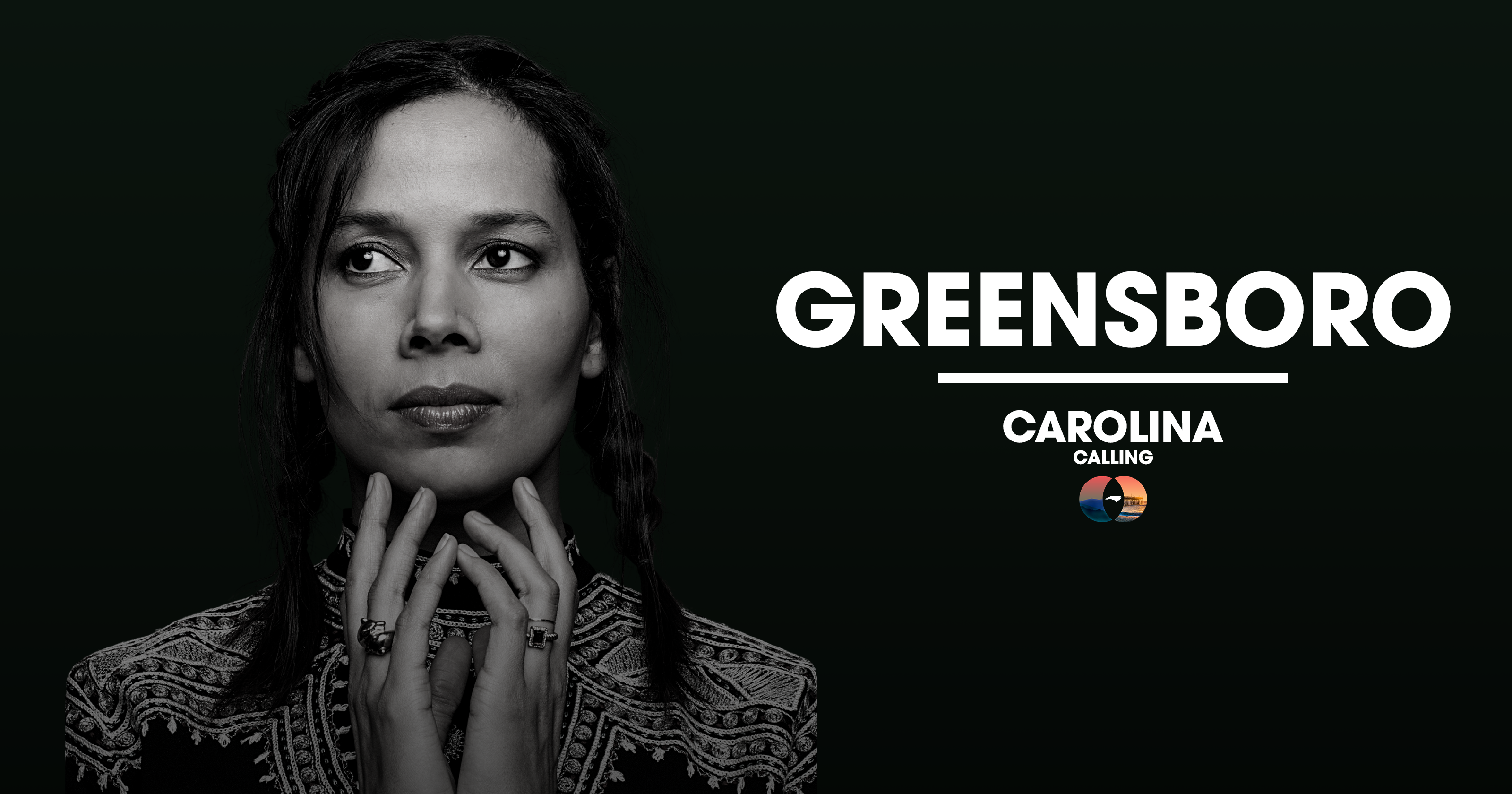
This historical mixture was not lost on one of Greensboro’s own, Rhiannon Giddens – one of modern day Americana’s ultimate crossover artists. A child of black and white parents, she grew up in the area hearing folk and country music, participating in music programs in local public schools, and eventually going on to study opera at Oberlin Conservatory in Ohio. Once she returned to North Carolina and came under the study of fiddler Joe Thompson and the Black string band tradition, she began playing folk music and forged an artistic identity steeped in classical as well as vernacular music. In this episode of Carolina Calling, we spoke with Giddens about her background in Greensboro and how growing up mixed and immersed in various cultures, in a city so informed by its history of segregation and status as a key civil rights battleground, informed her artistic interests and endeavors, musical styles, and her mission in the music industry.
Subscribe to Carolina Calling on any and all podcast platforms to follow along as we journey across the Old North State, visiting towns like Durham, Wilmington, Shelby, and more.
Music featured in this episode:
Rhiannon Giddens – “Black is the Color” Andrew Marlin – “Erie Fiddler” Carolina Chocolate Drops – “Cornbread and Butterbeans” The Rolling Stones – “Rocks Off” Count Basie and His Orchestra – “Honeysuckle Rose” Roy Harvey – “Blue Eyes” Blind Boy Fuller – “Step It Up and Go” Rhiannon Giddens, Francesco Turrisi – “Avalon” Carolina Chocolate Drops – “Snowden’s Jig (Genuine Negro Jig)” Barbara Lewis -“Hello Stranger” The O’Kaysions – “Girl Watcher” Joe and Odell Thompson – “Donna Got a Rambling Mind” Carolina Chocolate Drops – “Country Girl” Carolina Chocolate Drops – “Hit ‘Em Up Style” Our Native Daughters – “Moon Meets the Sun” Rhiannon Giddens, Francesco Turrisi – “Si Dolce é’l Tormento”
BGS is proud to produce Carolina Calling in partnership with Come Hear NC, a campaign from the North Carolina Department of Natural & Cultural Resources designed to celebrate North Carolinians’ contribution to the canon of American music.
Photo Credit: Ebru Yildiz
Enter to win a prize bundle featuring a signed copy of author and Carolina Calling host David Menconi’s ‘Step It Up and Go: The Story of North Carolina Music,’ BGS Merch, and surprises from our friends at Come Hear North Carolina.
In Their Words: “I enlisted the help of my buddy Chris Gelbuda to help turn a bunch of ideas that I had had into my first lyrical venture for Greensky. This song is essentially about what it was like to have my life, career, and world slammed to a halt by the COVID-19 pandemic. It was really emotionally shocking to have everything we’ve worked for and built ripped out of our hands almost overnight. With all of that in mind, we decided that the musical vibe of the song should take on the air of the first song that we would want to play when we get back on stage in front of thousands of people dancing and partying in a field at a festival… I think we got pretty close!” — Anders Beck, Greensky Bluegrass
Photo credit: Dylan Langille
This website uses cookies to improve your experience. We'll assume you're ok with this, but you can opt-out if you wish.AcceptRejectRead More
Privacy & Cookies Policy
Privacy Overview
This website uses cookies to improve your experience while you navigate through the website. Out of these, the cookies that are categorized as necessary are stored on your browser as they are essential for the working of basic functionalities of the website. We also use third-party cookies that help us analyze and understand how you use this website. These cookies will be stored in your browser only with your consent. You also have the option to opt-out of these cookies. But opting out of some of these cookies may affect your browsing experience.
Necessary cookies are absolutely essential for the website to function properly. This category only includes cookies that ensures basic functionalities and security features of the website. These cookies do not store any personal information.
Any cookies that may not be particularly necessary for the website to function and is used specifically to collect user personal data via analytics, ads, other embedded contents are termed as non-necessary cookies. It is mandatory to procure user consent prior to running these cookies on your website.