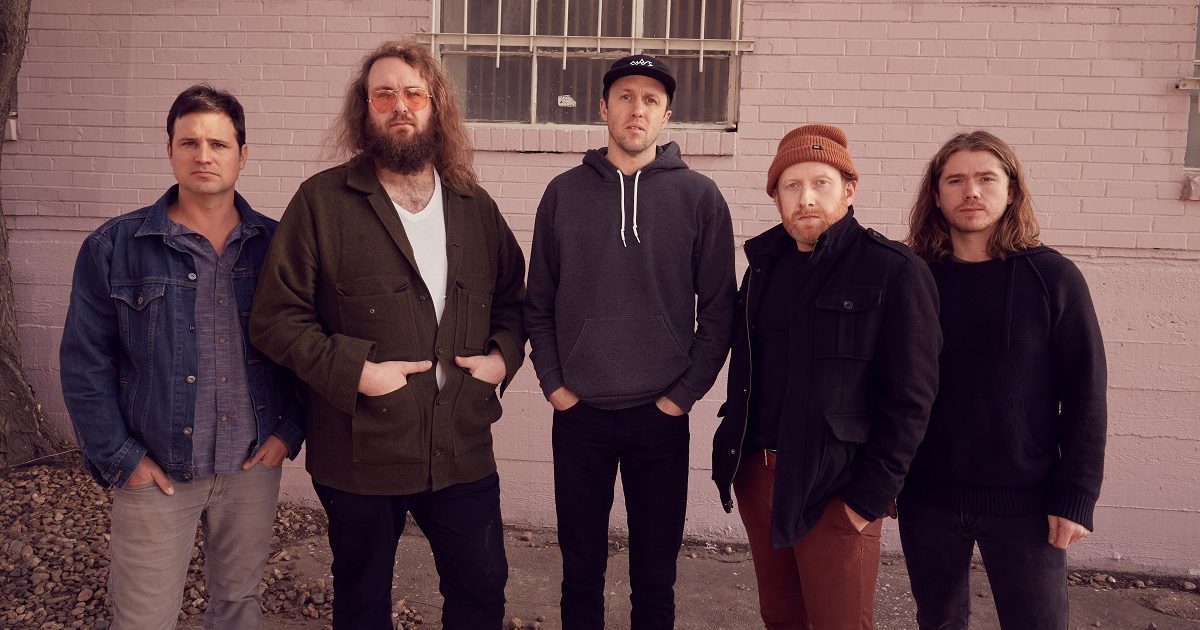
WATCH: The Lone Bellow, “Count On Me”

Artist: The Lone Bellow
Song: “Count On Me”
Album: Half Moon Light
Release Date: February 7, 2020
Label: Dualtone Records

In Their Words: “After singing ‘Count On Me’ together in the studio we walked outside and couldn’t help but think about the sense of camaraderie and kindness that seems to happen at our shows. Like strangers becoming neighbors wrapping their arms ‘round each others necks and saying ‘I got ya.’

“[For the lyric video] I had this vision of a figure skating routine, but we wanted to bring it a little closer to home. Instead of a poised athlete on ice, we hopped into a dirty old muscle car and while doing donuts in a field, we got to be Burt Reynolds for a day! I’m so thankful I was finally able to reap some of the skills from my redneck upbringing.” — Zach Williams, The Lone Bellow


Photo credit: Shervin Lainez

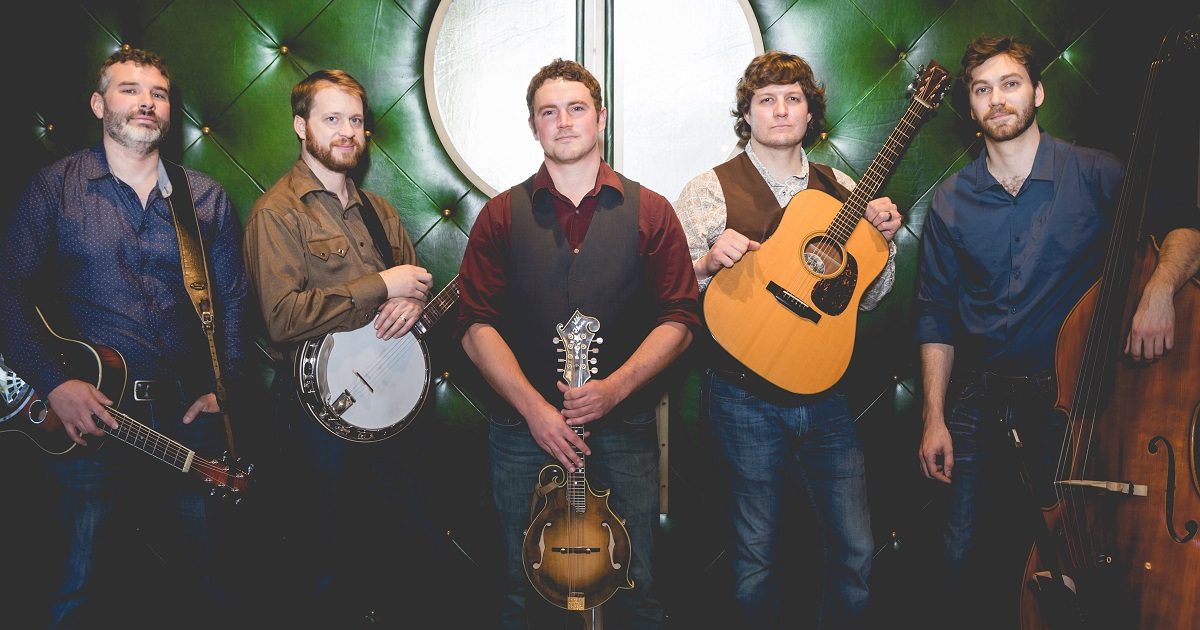
The Lil Smokies Tighten Their Bond with ‘Tornillo’

The Lil Smokies’ long-awaited album Tornillo reflects the vast openness of the Texas desert town in which it was recorded, possessing all of the energy that comes with a renewed creative spirit. In a phone interview with lead singer Andy Dunnigan, BGS discussed rule-bending, burnout, and how recording at Sonic Ranch in Tornillo, Texas revitalized the Montana-based band.

BGS: It sounds like this album is really special to you. Can you tell me about the process of making it? What’s memorable about this one?

AD: Yeah, this is a special one. We were coming off of two or three solid years of extensive touring. We were pretty road-worn and dare I say a little burnt out. When we came into this session we needed to become a little more unified than we had been while on the road. We were looking for somewhere that we could go and get outside of the box creatively.

Texas was somewhere we had never spent a lot of time. We wanted to go down to the desert and we wanted to be able to live on the compound. These were all [realities] that Sonic Ranch in Tornillo was able to provide us, so when we got down there we didn’t really leave for ten days.

We lived a stone’s throw away from the studio. We’d wake up and eat huevos rancheros and then head over to the studio. We were kind of autonomous in the fact that we could make our own hours. It really brought us back to life. We were really unified in our work and the production of this album, and I think that’s really ostensible throughout the songs.

How much does a new album like this, where you have brand-new material and are fresh off the experience of recording, help motivate you to keep going out on the road?

I think it’s just that we toured the last album for a couple years and got a little tired of some of those songs. We were playing so much that we didn’t have all that much time for writing. I found myself trying to juggle between writing, being on the road, solitude, hobbies, and having a girlfriend. I was thinking, “Man, there’s just not a lot of time.”

So now that we were able to hammer out some new songs, getting back out on the road seems so much more enjoyable. I think when we’re having fun on stage there’s a direct correlation to the audience. They’re feeding off us and the pillars of reciprocity are strong.

This album definitely sounds like you’re having fun and doing things your way. You sort of bend the rules of bluegrass, but always in a way that adds something to the music. How do you keep an open mind about trying new things without being gratuitous about it?

We wanted to think outside the box for this record, but we didn’t want to do it in a contrived way where we say, “OK, this is going to be a weird album, so we’ll just make it intentionally weird.” We wanted to cater to the songs and adhere to what each song needs.

On the title track, “Tornillo,” we had originally worked up our traditional way of doing it with the bluegrass ensemble, but when we started playing it, it sounded like something that should be on the soundtrack of Ken Burns’ Civil War documentary. We were thinking, “This just isn’t going to work.”

Then Rev, our guitar player, worked up a piano arrangement and brought it to us towards the latter part of the session and we were like, “Oh man, this is so awesome. We have to use this.” We were just serving the song, and that was the ethos. Once we had the piano foundation, we started experimenting with drums and horns and some baritone guitar.

It was really fun for us. We intentionally gave ourselves a surplus amount of time in the studio so we could tinker around a little bit. We wanted to experiment sonically, and I think the results are really fun. It opened our minds to what you can accomplish in the studio if you have enough time and patience.

This album has a clear overall sound. Big, open, and full of space. Is that something you went into the studio wanting to accomplish, or did it develop more on the fly?

It’s a little bit of both. We wanted to create something big from the get-go, but we weren’t sure how we were going to do that. We knew we wanted to record live because that adds a little more energy, we had it in mind to drench a lot of it in reverb to create sort of a Fleet Foxes vibe or something a little more alt. That’s the kind of music that a lot of us have been listening to and getting inspired by for the last few years. We’re all listening to a lot of different music and we wanted to expand outside of the bluegrass domain in the production at least.

In your bio it’s mentioned that you “draw on the energy of a rock band and the Laurel Canyon songwriting of the 1970s.” How did bluegrass become the avenue that you express those influences?

Well, I think we all started out playing bluegrass. I came to it in my latter years of high school. I went down to the Telluride Bluegrass Festival. I had gotten an electric guitar from my dad. He plays music for a living, so he gifted me a Strat, and then a lap steel. I listened to a lot of David Lindley and Ben Harper. Those were kind of the gateway into bluegrass music. Then when I went down to Telluride it blew my head open.

I think we all have our pioneer stories of how we got into the music. That’s how you meet the community of players. There’s this whole vocabulary attached to it but as you get older you expand your musical library. I think we listen to a lot of songwriters and a lot of rock. We still happen to play these bluegrass instruments, and we love bluegrass, but we’re just trying to express what we want to say while wielding bluegrass instruments.

Do you find that you’re an introduction to bluegrass music for a lot of your fans?

I do, and it’s one of my favorite remarks after shows. People say, “Man, I hate bluegrass, but I love you guys.” I hear that a lot and I think it’s funny and ironic, but it’s cool because I think there has to be somebody to pull you in and make you realize that you’ve been wrong about the stigma perhaps. I know I was that person at one time. I thought, “Man, bluegrass music? My dad plays the banjo. This is really lame.”

I think we’re seeing bluegrass kind of blossom into its adolescence and beyond, because for a while I think it was restricted by the staunch purists who were slapping everyone’s wrists for playing minor chords. Now we’re seeing Punch Brothers, Greensky Bluegrass, Infamous Stringdusters, and of course now Billy Strings, who all have obviously done their homework religiously and can pay homage to the traditional godfathers, but they’re also putting their spin on it. It’s really cool and it’s getting people excited. I think to be included in that group is really awesome and I think it’s an exciting time to be riding the wave.

How much do you rely on melody, texture, and other instrumental factors to further the meaning or story within a song?

A lot of it happens in the arranging as well, but a lot of times when I’m writing a song there will be a hook line, and that’s sort of from a rock standpoint. You have your verse-chorus and then there’s a riff or something. You know, this band was almost an instrumental band for a short period in the beginning. We were listening to a lot of David Grisman, Strength In Numbers, and a lot of that music.

We loved writing instrumental music, and then when I started singing and writing songs we kind of fused the two worlds together. Those little melody parts and arrangement parts are still so fun to incorporate in songs. In a tune like “Giant” on this album, we wanted something kind of spacy to create a dream-like state, so we tried to write something that sounded kind of spacey and sleepy.

Some of these songs are intentionally ambiguous in their origins. What is the intent behind that ambiguity?

I went to school at the University of Montana for creative writing and poetry and I love the way words sound together as much as I love melody. Sometimes the words and just the assonance, what they sound like, will dictate the melody and vice versa. Once I have a word in my head and I’m kind of ad-libbing on the guitar I try to steer away from some words and how they sound.

I like to write stories and have some ostensible narratives, but I also just love words and how they sound. “World’s On Fire” has a couple meanings in there but I also like to keep it intentionally ambiguous because I think it’s fun for people to create their own story.

You’ve said your time at Sonic Ranch “encapsulates all of the good things about being in a band and making music.” How did the band grow from the experience of making this album?

To circle back on what I said in the beginning, it’s a huge a sacrifice to be in a band. There’s the greatest ups and the greatest downs, kind of married to each other. Coming off of those past three years of touring we were all a little tired and burnt out, and maybe questioning if we were on the right path. During our studio session in Tornillo I think we were all realizing that this is why we do it.

When you make an album it’s like setting a bug in amber. It’s this fossilized preservation of your life at that point. The word tornillo literally means “to fasten” and refers to a screw. We named it after that place. The place really tightened us up together as friends and as a band. I remember leaving there and feeling really proud of what we had accomplished. I think it’s the most unified we’ve ever been as a band.


Photo credit: Bill Reynolds

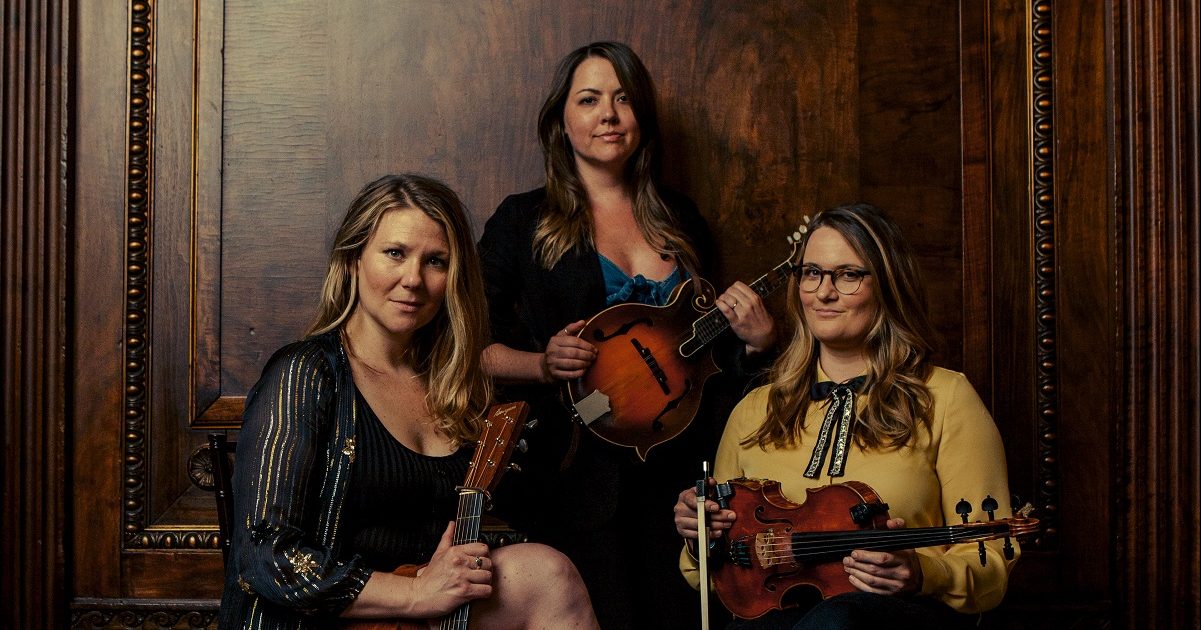
LISTEN: The Barefoot Movement, “At the End of the Day”

Artist: The Barefoot Movement
Hometown: Based in Nashville, Tennessee
Song: “At the End of the Day”
Album: Rise & Fly
Release Date: February 7, 2020
Label: Bonfire Music Group

In Their Words: “’At the End of the Day’ is one of those songs I needed to write for myself. Growing up I was taught a lot about ‘turning the other cheek,’ which I think is a beautiful ideology and I still try to embrace it, but the lesson I think I missed was how to stand up for myself, to express frustrations, and to do it in a loving way. It’s one I’m still learning. I tend to avoid conflict. But as the song says, ‘the truth is all we have’ and I’ve realized that one of the most kind things you can do is to be honest. Even when your honesty might sting a bit.” — Noah Wall, The Barefoot Movement


Photo credit: The Barefoot Movement

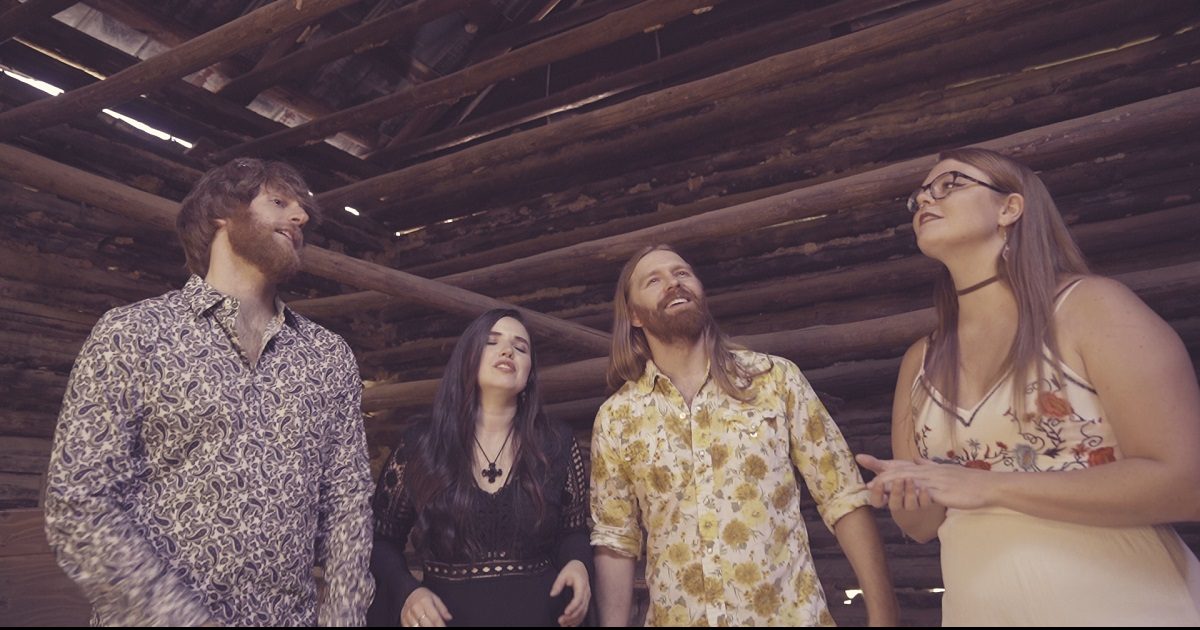
WATCH: Wood Belly, “Can’t Get Behind”

Artist: Wood Belly
Hometown: Denver, Colorado
Song: “Can’t Get Behind”
Album: Man on the Radio
Release Date: January 31, 2020
Label: Belly Up Records

In Their Words: “This is a tune about the basic need for acceptance. We’ve all had a moment questioning ourselves, ‘Is it me? Or is it you?’ I relate with these struggles, which can be taxing on a person’s mind. It’s sometimes challenging to arrive at acceptance before we process with our own coping mechanism. No matter how we get there, we usually come to realize we always had the answer within — but not before a little self-torment.” — Craig Patterson, Wood Belly

“James Armington really made this vision come to life. We all knew and loved James from the bluegrass community and he was a fellow Telluride band competition winner. When it came time to cast our hero, I remembered standing on the main stage at Telluride watching the tarp-run next to James decked out in suit, cape and mustache. We had no idea just how perfect he would be for the role. James had the cast and crew in stitches scene after scene and we can’t thank him enough for the wonderful performance and memories.” — Chris Weist, Wood Belly


Photo credit: Emily Sierra Photography

WATCH: Hawktail’s Wintery Ride, “The Tobogganist”

Bluegrass instrumental music is being reimagined by one of the buzziest bands in Nashville. Hawktail is an assemblage of four exquisite instrumentalists with a collective prowess for composition like no other. Brittany Haas, Paul Kowert, Jordan Tice, and Dominick Leslie just released their highly anticipated sophomore album, Formations on Padiddle Records. Co-produced by Chris Eldridge, the record is a gem whose songs transport the listener to another place, one filled with familiar sounds built in unique structures. The Current caught onto the dream that is Hawktail, bringing in the group to capture videos of their new music. Here’s Hawktail performing “The Tobogganist” from their new album Formations.


Photo credit: Dylan Ladds

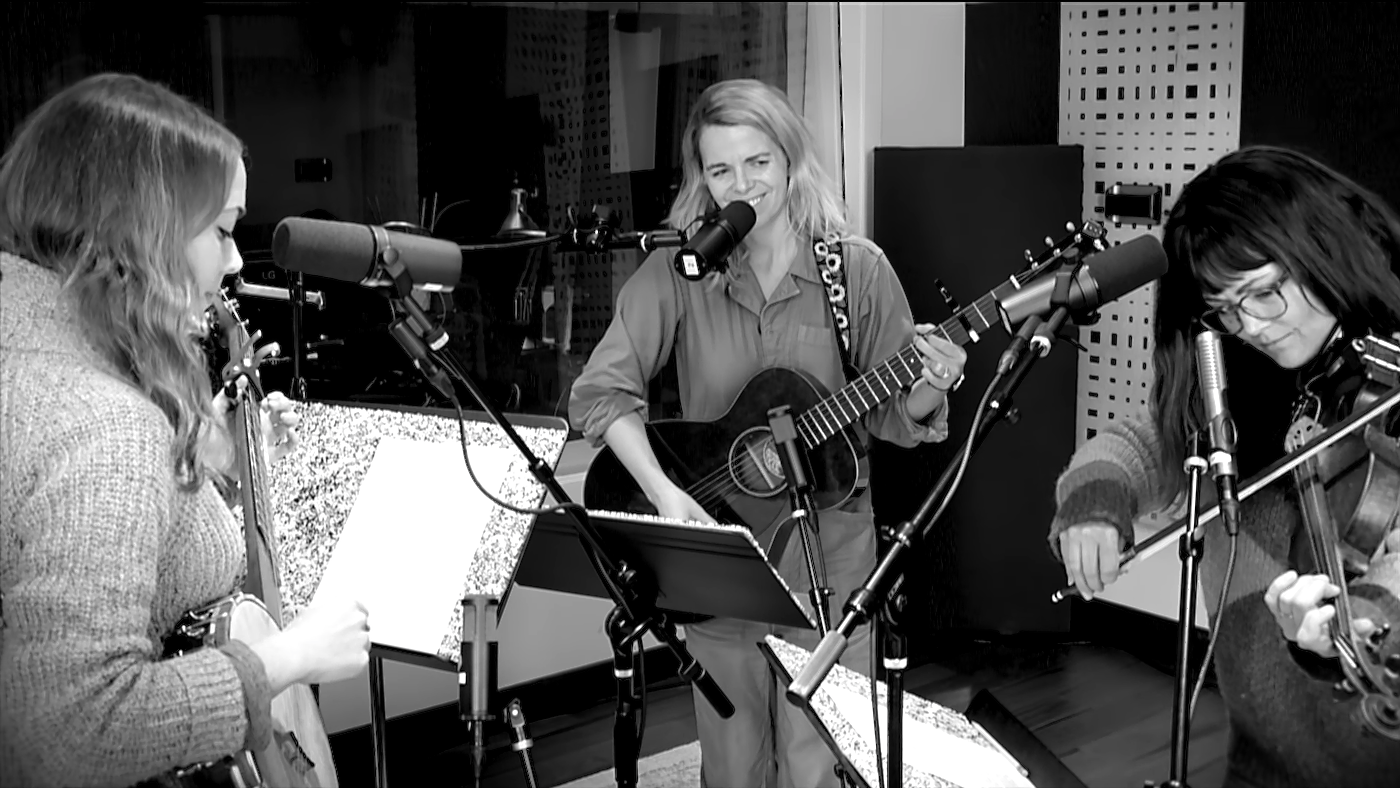
WATCH: I’m With Her Celebrate Dolly Parton, ‘Trio II’ with “Lover’s Return”

The beautiful voices of I’m With Her paid special tribute to the illustrious icon Dolly Parton in their latest visit to the studio for Live from Here. In an intimate performance, I’m With Her sing “Lover’s Return,” originally a Carter Family song, which Dolly, Emmylou Harris, and Linda Ronstadt revived only a few years before the turn of the century on Trio II. Now as a new decade is settling in, I’m With Her look back and remember, breathing new life into music that inspired so many — including Sarah Jarosz, Aoife O’Donovan, Sara Watkins, and of course, Dolly herself.

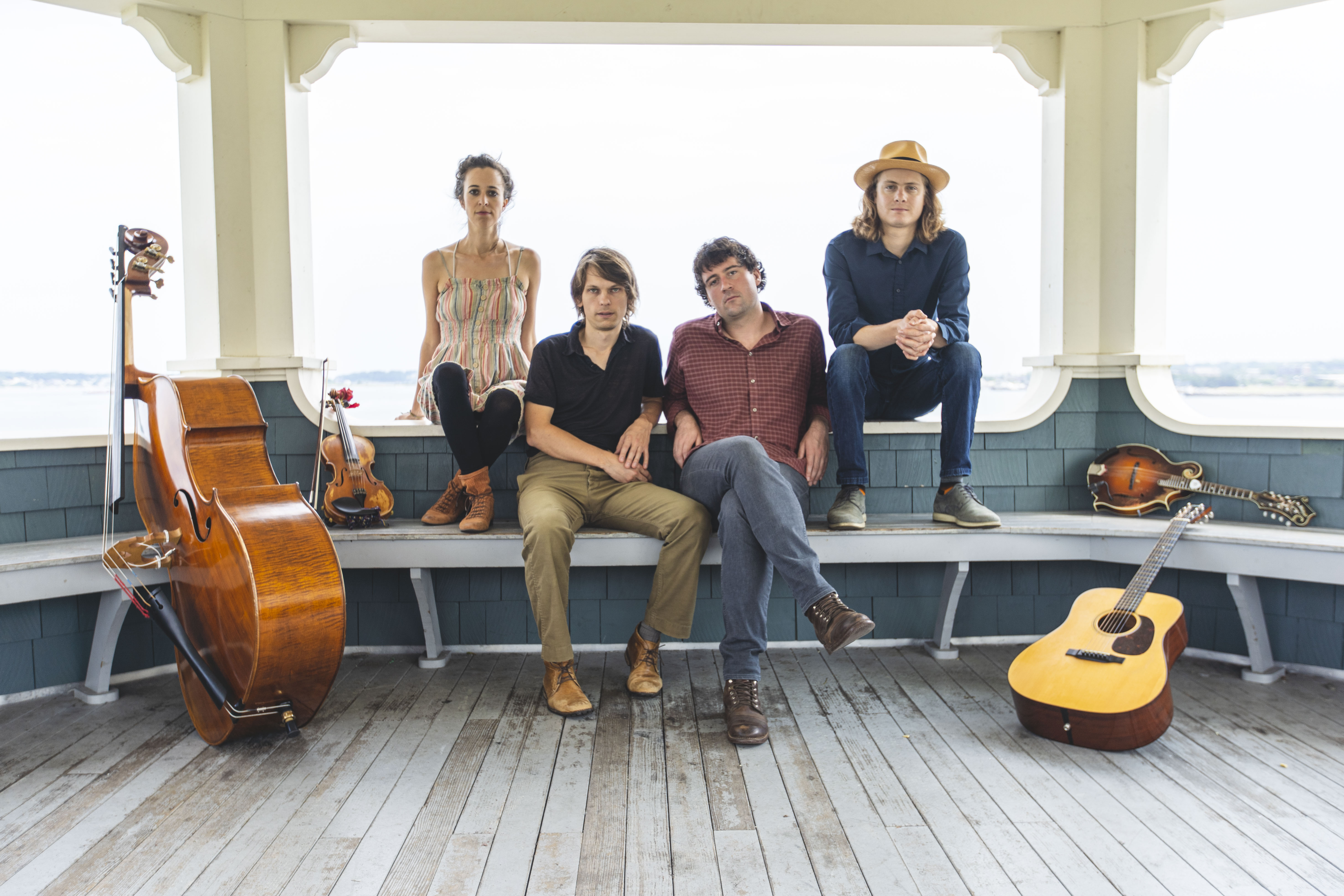
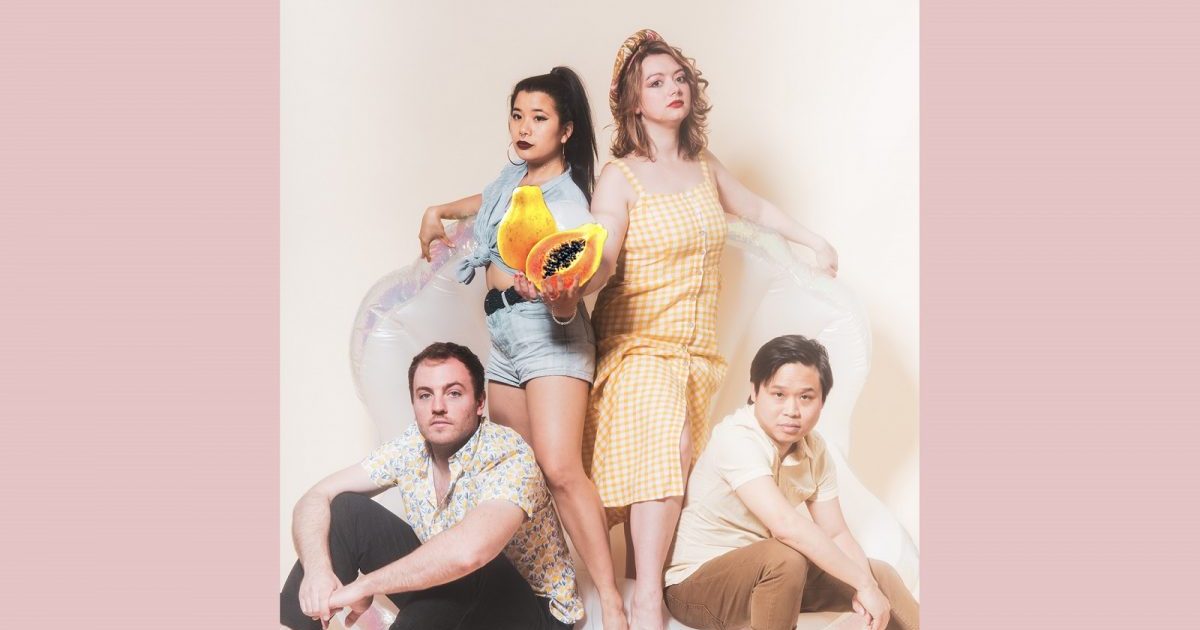
WATCH: Twisted Pine, “Papaya”

Artist: Twisted Pine
Hometown: Boston, Massachusetts
Song: “Papaya”
Release Date: July 10, 2020 (album)
Label: Signature Sounds

In Their Words: “We call this Americana funk. Chris [Sartori, bass & vocals] was playing this groove in NYC one time during a sound check, and then later at a gig in California when the chorus melody came flying out of me. We decided the song would be about a papaya. We figured, ‘Everybody loves a good fruit song, right?’ The song’s about the chase for someone, the wait. The idea that they won’t give into the fact that you two are a natural fit.

“I wasn’t really writing about love. You know how when you’re waiting for an avocado, you just want to eat it right now, but it’s not ready? That annoyed feeling, the fear of someone else getting to it first. Another day and this thing isn’t ready?! By the time it’s ripe, it’s already gone or you have to toss it out. It’s about a fruit relationship and the perfect timing for love. Don’t tell anybody, but I’ve never had a papaya. We’re putting it on the rider. I just hope I’m not allergic.” — Kathleen Parks, fiddle and vocals, Twisted Pine


Photo credit: Joanna Chattman

Della Mae Offer Encouragement and Illumination on ‘Headlight’

Della Mae have shaken up bluegrass and old-time stages for the better part of the last decade, with a mile-long resume that even includes a stint as cultural diplomats with the U.S. State Department. With Headlight, the Boston band’s first full-length album in five years, they’re providing their most powerful statement yet.

Written primarily on retreat at MOXE, a women-owned creative retreat outside of Nashville, the band taps into a more overt kind of activism than we’ve seen from them before, with lyrics that lift up victims of abuse, lend solace to the weary, and offer a single directive in the fight for change: to always keep moving forward.

Produced by Dan Knobler and recorded at Sound Emporium Studios in Nashville, the album features vocal powerhouses like the McCrary Sisters alongside instrumental heavyweights such as keyboardist Jen Gunderman and guitarist Molly Tuttle. Its tracks boast the fast picking and sublime harmonies that Della Mae fans have come to expect. BGS caught up with lead singer and songwriter Celia Woodsmith, discussing the new music and the band’s long record of working for equality in bluegrass and beyond.

BGS: The album opens with “Headlight,” a powerful song about standing up in the face of abuse. What drove you to write it?

Woodsmith: “Headlight” was definitely a hard one to write but it came out really quickly. I had been trying to write a song that could capture this feeling, the #MeToo movement feeling, and nothing was coming out. It really was after Christine Blasey Ford testified in front of Congress that it happened — the song came out in about twenty minutes, a very quick thing. I think I’d finally just had it.

As we [the band] have gotten older and more mature as human beings and as women and as musicians, it’s been easier and easier to not really care what other people think of us. [Laughs] It’s easier to say what we want to say, without fear that we might “ruin our career” or that the backlash will be too hard to handle. Truly, I didn’t write it as a political song, and I didn’t write it as something to divide people. I wrote it as an anthem, an ode to all the women in my life and the women I’ve seen all over the world who have stood up and been brave and been ridiculed for it.

Are there ways that you feel like your fans and your listeners could be “headlights” in their communities?

One of the lyrics is, “No need to be rude, just sit back and listen.” I think right now, especially, we really don’t listen to one another; we don’t want to listen to one another. There are a lot of takeaways that I hope people can grab from this song, but if standing up for women’s rights is beyond them, then I hope that they can just get through the song, just listen to it, just think about it. That’s all I can hope for.

As a listener yourself, what’s something in music in the last year or two that has made you particularly hopeful about what’s to come?

The first thing that comes to mind is the album by The Highwomen — Brandi Carlile, Maren Morris, Amanda Shires, and Natalie Hemby. That album, that project, really made me happy. First of all, that these women were badass enough to stand up and say, ‘This is a problem in country music. You don’t play our songs and you don’t play our albums, and we are absolutely going to stick this in your face.”

You have people constantly, your whole life, telling you that you’re “pretty good for a girl.” Believe me, Della Mae has gotten plenty of that. And it’s so frustrating. But when these high-profile women stand up for the rest of us, it elevates all of our voices. To have an album like The Highwomen do so well, be so well done — and by these four powerhouses — made me so hopeful for the future, hopeful that other young women are going to see this same thing and say, yeah, you know what? You should play our music. We are good enough.

Della Mae has been a presence like that for women all over the world, working with the State Department, performing in countries where women might not always see other women on stage. In your travels, were there times when you encountered a bluegrass community in places where people might not expect to find it?

Yeah, absolutely. We have found really amazing bluegrass musicians in Russia, and we’ve found them in the Czech Republic, and we’ve found them in France. Bluegrass is everywhere. It’s quite amazing to me, actually. We met a really amazing three-finger-style banjo player in Uzbekistan. This woman just learned how to do it from YouTube, and we were the first bluegrass musicians she’d ever jammed with.

Another time, these young Russian bluegrass musicians we sat down to pick with asked us to play [one of our songs] “Sweet Verona,” and they played right along with us. It was truly astonishing. That goes to show how small the world is. If you have an internet connection, you can listen to just about whatever you want, and you can learn. Bluegrass is a global thing, it’s everywhere. But it’s everywhere because it’s folk music, and I think that people can really relate to it.

I’ve seen quotes where Della Mae describe Headlight as the album you’ve always wanted to make. What were you enabled or empowered to do here that you haven’t been able to do in the past?

I think that kind of ties back into the “not-giving-a-crap-anymore” thing. We had always been afraid to have drums on an album, we’d always been afraid to plug in, use effects. [Because] we were in bluegrass, and kind of cornered into that genre, it felt like we couldn’t expand our musicianship, because we didn’t want to anger our fans.

We obviously care a lot about our fans, but [now] we think that we can take our fans with us, take them along for the ride. We’ve been playing for ten years. Our fans know that we can play a fiddle tune, and that we can play bluegrass standards. But we can also plug in and rock out and really perform songs that have meaning behind them, and do it with a lot of flair.

Do you think the pressure to adhere to tradition can be an obstacle for bluegrass musicians today?

I think that’s a problem being faced by bluegrass musicians, I think especially young musicians, but I think it’s getting better. Alison Brown, an absolute legend on the banjo, said it last year in her IBMA keynote speech: Change is coming to bluegrass, whether or not they want it. We have to start opening our arms more to different expressions of bluegrass.

There can be traditional bluegrass — that’s fine — but if someone has drums, or someone plugs in, or someone plays in an untraditional way, that doesn’t mean that we have to eliminate them completely from the genre. If we do that, then bluegrass music will slowly start to die. People won’t want to play it when they can’t play around with it, when they can’t give to it their own expression and their own creativity.

Recently I think there’s more openness to what bluegrass is, as opposed to what it isn’t. People will always say, “Well, that’s not bluegrass, they don’t have a fiddle,” or, “That’s not bluegrass, they don’t have a banjo.” More often lately, though, it’s been more like, “Oh, these musicians can play bluegrass, but they can also play a bunch of other stuff.” It’s better to celebrate that than to distance yourself.

Your new song “The Long Game” tackles the idea of temporary sacrifice for an ultimate goal. What are some of your challenges in playing the long game, and what keeps you looking forward?

We’re very lucky that this is our career, that we can travel around the world, meet people, write songs. But the day-to-day stuff is really hard. You’re kind of coaching yourself — “Just drink another cup of coffee and you’ll be fine.” When you’ve been a band for ten years, a lot of interpersonal stuff comes up. You may lose members over the years. We’ve had members turn over, and each time it’s difficult. It’s always the closing of a chapter, and then moving on a new way of thinking about Della Mae.

I love this band, and I love the women I play with, and I feel so grateful that we’re able to do this together. We’re really a family and a team, so I think that’s part of the long game, too — accepting change and learning to deal with it in a positive way, as opposed to a negative way. You’re always going to have surprises along the road, and you’ve just got to, well, keep playing the long game.


Photo credit: David McLister
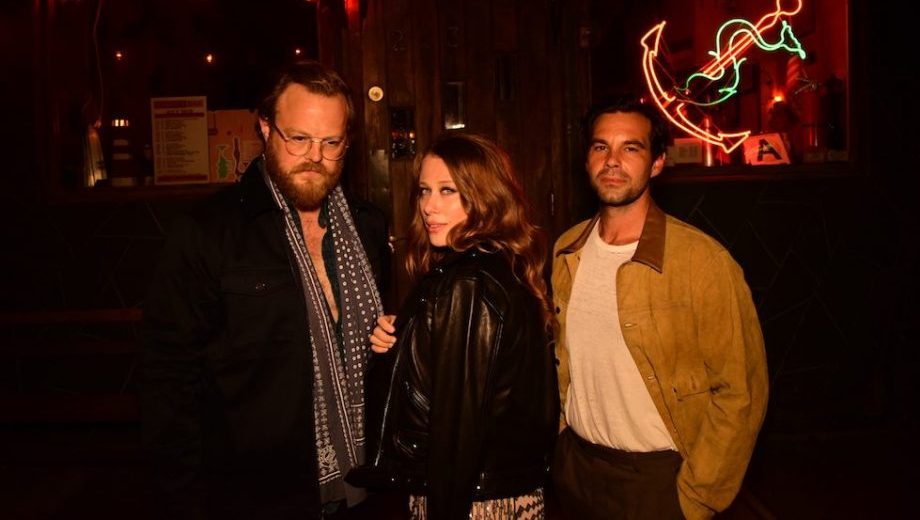
STREAM: Alan Barnosky, ‘Lonesome Road’

Artist: Alan Barnosky
Hometown: Durham, North Carolina
Album: Lonesome Road EP
Release Date: January 17, 2020

In Their Words: “I typically have a less-is-more approach when it comes to writing music. My first record from 2017 definitely reflects that, it was a stripped-down songwriter album with all songs performed solo or as a duo. However, when it came to recording again I felt that six of my songs really worked best in more of a full-band arrangement, so I pulled together some of my musical collaborators and good friends and we recorded this EP to showcase those songs specifically. The focus of this record is still very much on the song, but it also features musical aspects that are harder to achieve as a solo or duo, like instrumental solos, some three-part harmonies, and an instrumental tune that highlights the individual players. Although there are more musicians on this record than my last, it is still very simple in terms of production.

“Since the EP compiles a variety of songs that I felt would work best with a band, not all of these songs are new to me. In fact, one, in particular, is pretty old. I wrote ‘Might Be a Call’ over 10 years ago using my mom’s old Gibson Hummingbird guitar that has long since been sold at a garage sale. I sat on the song knowing that it would only sound right if it was on a full-band recording. Other songs were written within months of recording, including the third track ‘Ain’t It a Shame’ and the instrumental ‘Sawtooth Ridge.’ Though the timeline of these songs spans a wide period of my life, the themes are actually pretty consistent. They carry imagery of weary traveling and a search for something better.” — Alan Barnosky


Photo credit: Mick Schulte

Hawktail, “Padiddle”

Impossible combinations. Hawktail makes them seamlessly, time and again, with their effortless-while-labyrinthine brand of instrumental string band music. Their brand new album, Formations, is their first conceived and executed wholly as a four-piece. Mandolinist Dominick Leslie joined the lineup of Paul Kowert on bass, Brittany Haas on fiddle, and Jordan Tice on guitar after Hawktail developed most of Unless, their debut, as a trio. Confidence and ease permeate the new record, along with a palpable sense of intense listening and a feeling of space, openness, and synchronization. With virtuosos such as these it’s hard to imagine that they could possibly grow closer, become tighter, more enmeshed — but it would seem after little more than a year these four certainly have.

 Tice introduces “Padiddle,” Formations’ penultimate track, combining a bouncy, folk-rock inflected melodic hook with a smoldering, bluegrass-born conviction. An all too rare pairing in string band music, these modern, impetuous musical ideas don’t always emulsify with age-old, dyed-in-the-wool techniques. With each of the six originals on the record (and, of course, the Väsen cover, too) Hawktail are, as always, daringly inventive. But on Formations they’re distinctly proud to be catchy as well, flirting playfully with pop while still constantly reinforcing the deep roots of their collective pedigrees in fiddle music, old-time, bluegrass, and plain ol’ pickin’. An overarching impossible combination coloring the entire collection of tunes must be this: That something so timeless is also remarkably contemporary.