LISTEN: Dylan McCarthy, “Mosquito”

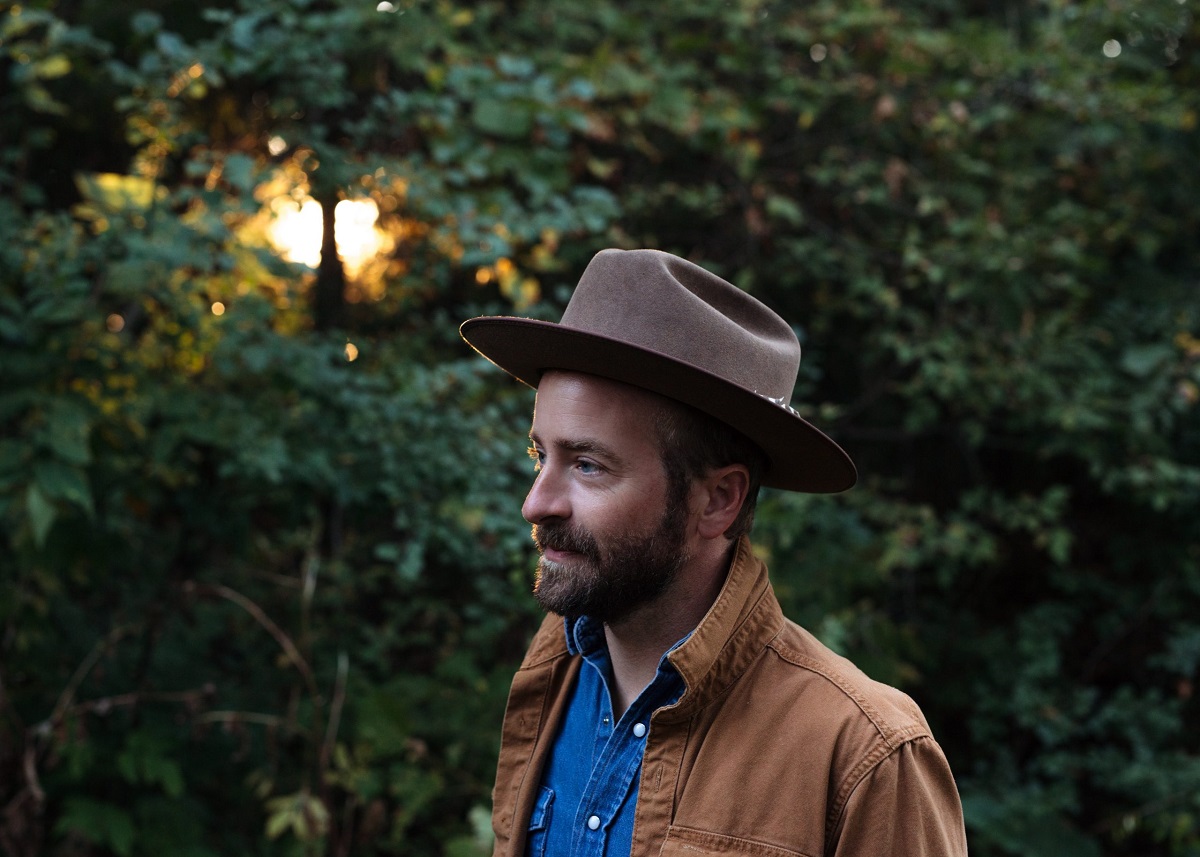
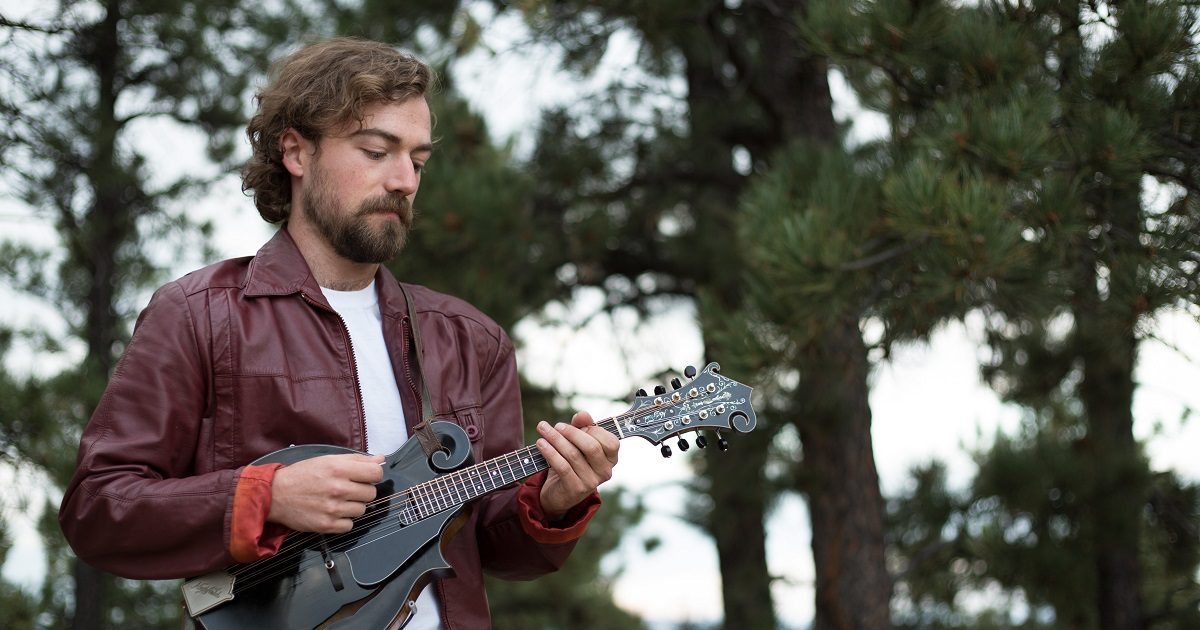
Artist: Dylan McCarthy
Hometown: From Boulder, Colorado; currently living in Lyons, Colorado
Song: “Mosquito”
Album: Lost & Found
Release Date: May 1, 2020

In Their Words: “‘Mosquito’ was one of the first tunes I had selected for the project and in many ways it was the catalyst for the whole thing. The tune got its name from the mosquito bite I received while writing the tune on my front porch in Lyons, Colorado. The overall approach to this tune was inspired in part by the opening track of Béla Fleck’s Drive, ‘Whitewater.’ I’ve always loved the way they start off that tune and I wanted to try to capture that energy on ‘Mosquito.’ The track features Eric Wiggs on guitar, Bradley Morse on bass, Sam Armstrong-Zickefoose on banjo, and Justin Hoffenburg on fiddle.” — Dylan McCarthy


Photo credit: Kyle Ussery, Flat Nine Design

BGS Long Reads of the Week // March 27

If you’ve got the time, we’ve got the reading material! Our brand new #longreadoftheday series looks back into the BGS archives for some of our favorite reporting, videos, interviews, and more — featured every day throughout the week. You can follow along on social media [on FacebookTwitter, and Instagram] and right here, where we’ll wrap up each week’s stories in one place.

Check out our long reads of the week:

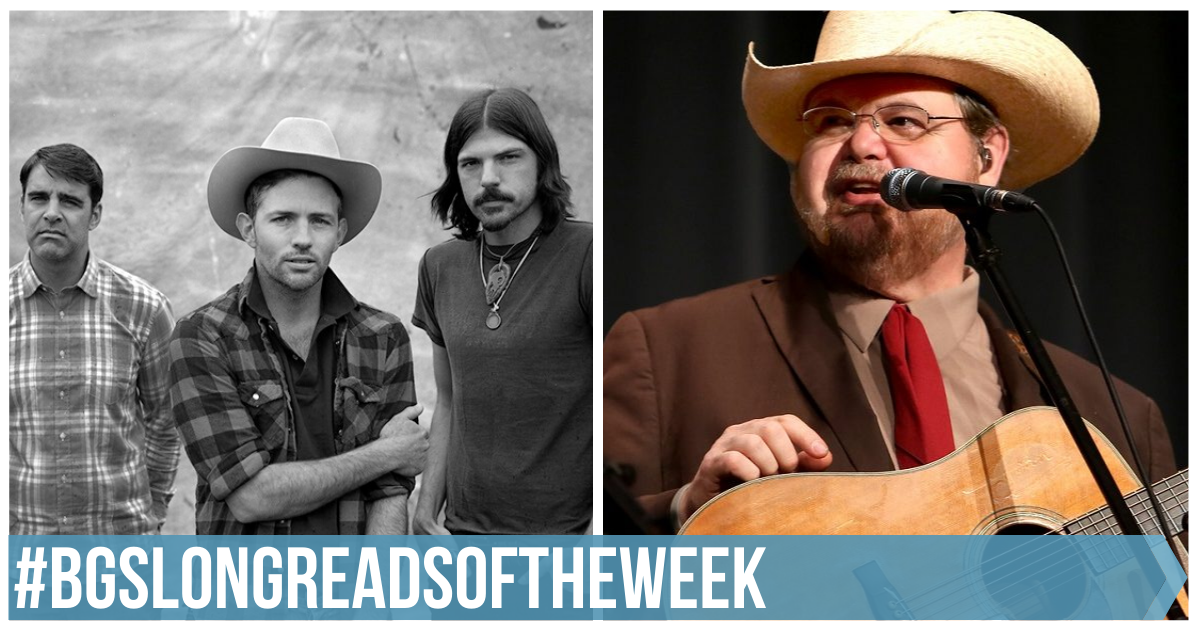
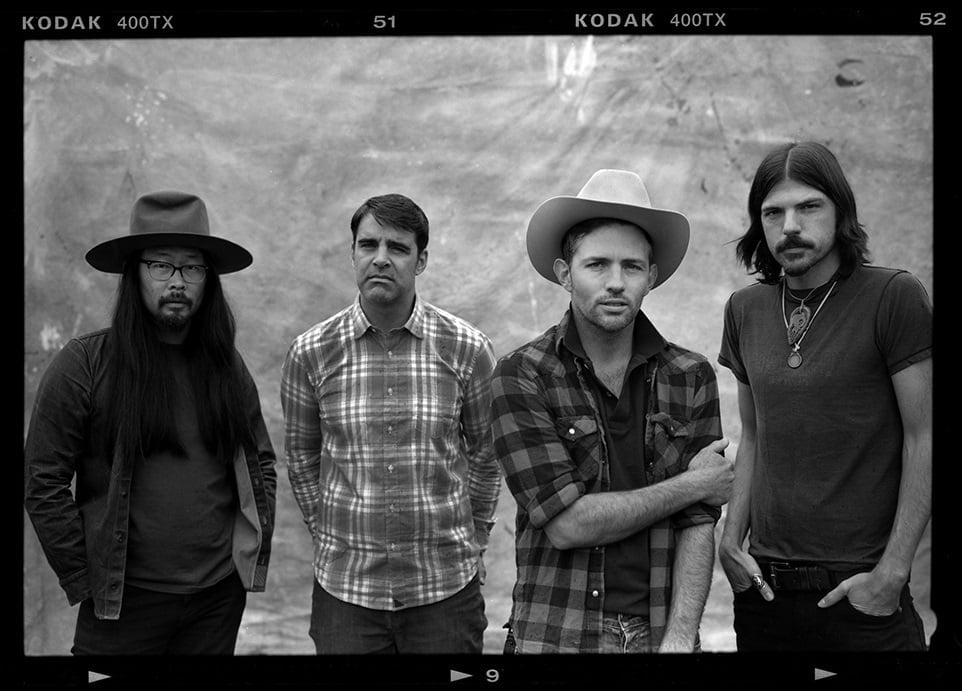
Avett Brothers Film Captures the Power of Character

A long read pick that can also be your TV choice pick! Available for streaming on YouTube and Amazon Prime Video, May It Last: A Portrait of the Avett Brothers is an intimate documentary made by Judd Apatow and Michael Bonfiglio that tells the story of the famed North Carolina string band. In 2017 we spoke to Scott, Seth, and Bonfiglio about the making of the film and its premiere at SXSW and on HBO. [Read our feature in preparation for your movie night!]


Alice Gerrard: Unearthed Tapes and Unintentional Activists

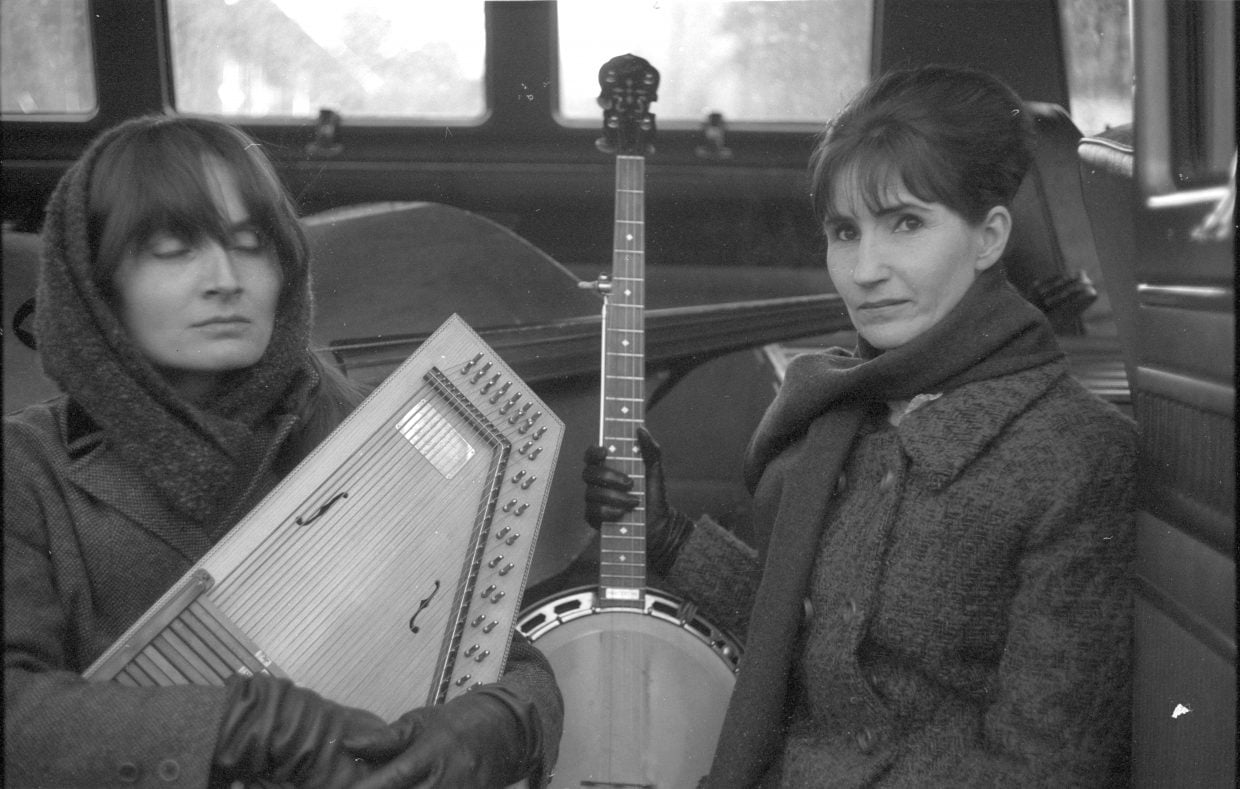
None of us at BGS require any sort of excuse to return to one of our favorite duos of all time, Hazel Dickens & Alice Gerrard, but mining for long reads is definitely pretense enough! For this pick, we bring back an impeccable interview with the Bluegrass Hall of Famer herself, Alice Gerrard. She speaks about almost literally tripping over the forgotten practice tapes that became the 2018 Free Dirt Records release, Hazel Dickens & Alice Gerrard Sing Me Back Home: The DC Tapes, 1965-1969. Another great choice for a Women’s History Month wrap up, as well. [Read our conversation with Alice Gerrard]


Nitty Gritty Dirt Band: An Unbroken Circle

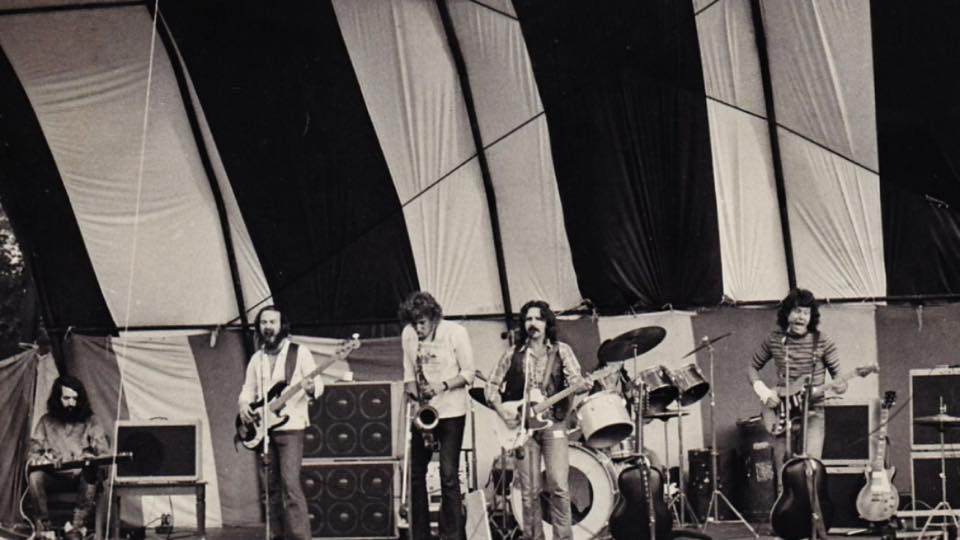
One of our most popular features in BGS history, this long read pick dives into the cross-generational impact of this iconic string band — a group that embraced “Americana” before that genre even had a name. The Nitty Gritty Dirt Band remains relevant to this day, not only in Nashville but around the world; their Will the Circle records will remain in the indispensable American roots canon forever. [Read our 2016 feature]


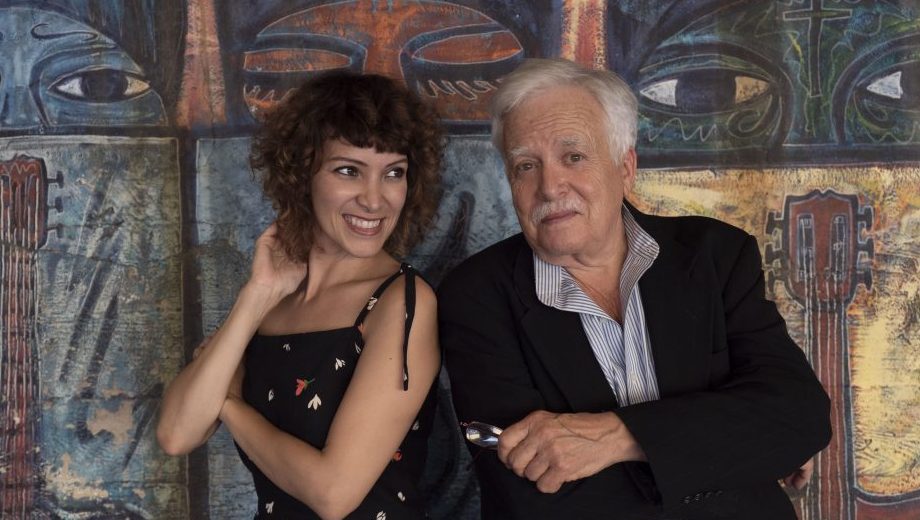
Gaby Moreno and Van Dyke Parks Take a Vibrant Trip Across the Americas

Plenty of albums have been released since… let’s say 2016… that attempt to reckon with the tumultuous times we’re in politically and otherwise. Not many do so in a way that acknowledges these problems are not new, and have been festering and stewing for ages. Van Dyke Parks and Gaby Moreno’s ¡Spangled! does just that. It’s a welcome perspective, and directly tied to the combination of the duo’s disparate experiences — and the commonalities that tie them together. [Read this edition of Small World]


Junior Sisk Hitches His Wagon to the Stars of Traditional Bluegrass

To wrap up the week, how about a heavy dose of dyed-in-the-wool, traditional, straight up and down bluegrass!? Junior Sisk is carrying the banner for keeping the history of this music alive and well — and with one of the best voices in the biz, too. In our interview, Sisk relates how he regards himself as being in the direct line of artistic descendants from Bill Monroe, the Stanley Brothers, and Flatt & Scruggs. Even the most casual fans of his music will know that it’s true. [Read more about Junior Sisk]


WATCH: The Golden Age, “Weirdo”

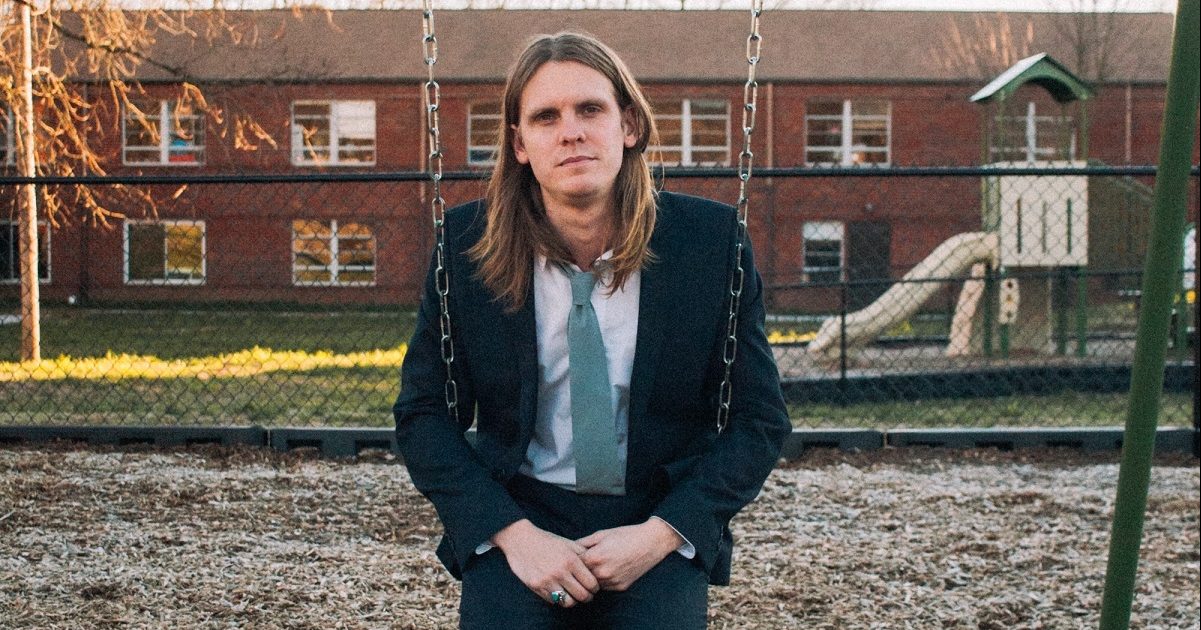
Artist: The Golden Age
Hometown: Nashville, Tennessee
Song: “Weirdo”
Album: I’m Sure It’ll Be Fine
Release Date: February 21, 2020
Label: Poke the Bear Records

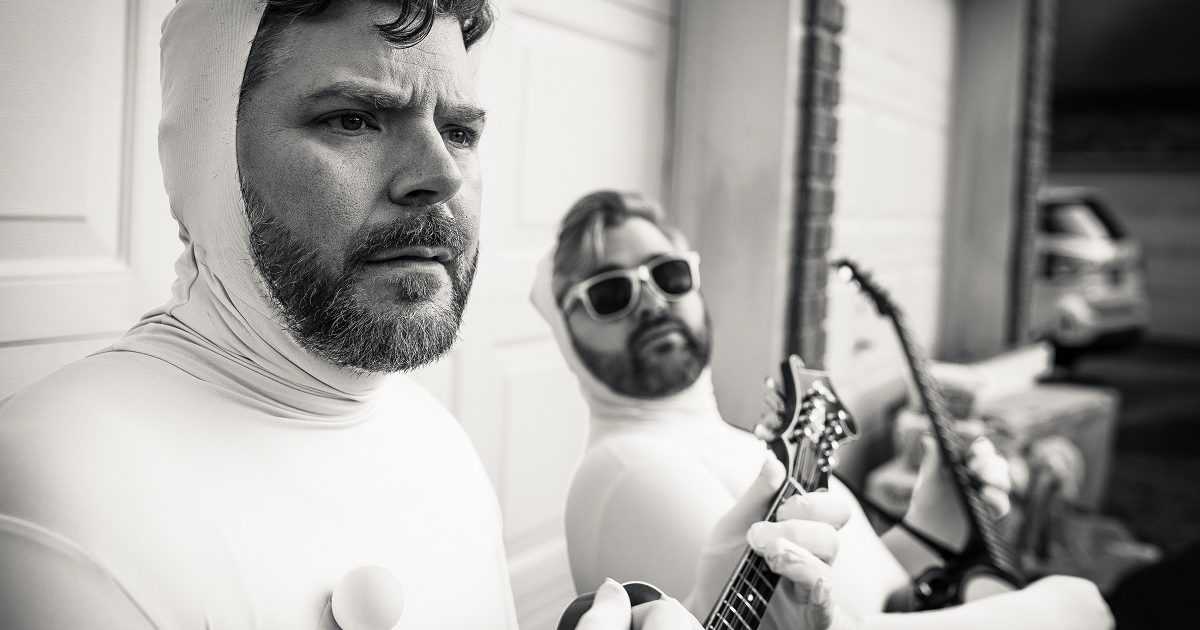
In Their Words: “This video was made by those wild guys from Neighborhoods Apart, Joshua Britt and Neilson Hubbard. Josh had this concept he’d always wanted to do that ‘Weirdo’ seemed to fit nicely. Ultimately the video/song is a quick prick to the balloon that suggests that in order to connect with other people we need to present these shiny-flawless images socially and hide our odd nuances under a bushel… But what all that green-screen, horse-hockey magic really does is make us feel isolated. And like little worms that don’t measure up. The video is a trumpet’s call to embrace the fact that, at our nitty gritty, we’re all just a couple of strange brained-lumpy bodies in skin-tight suits plucking on banjos and mandolins in front of someone’s garage in the middle of the afternoon. More or less.” — Bryan Simpson and Matt Menefee, The Golden Age


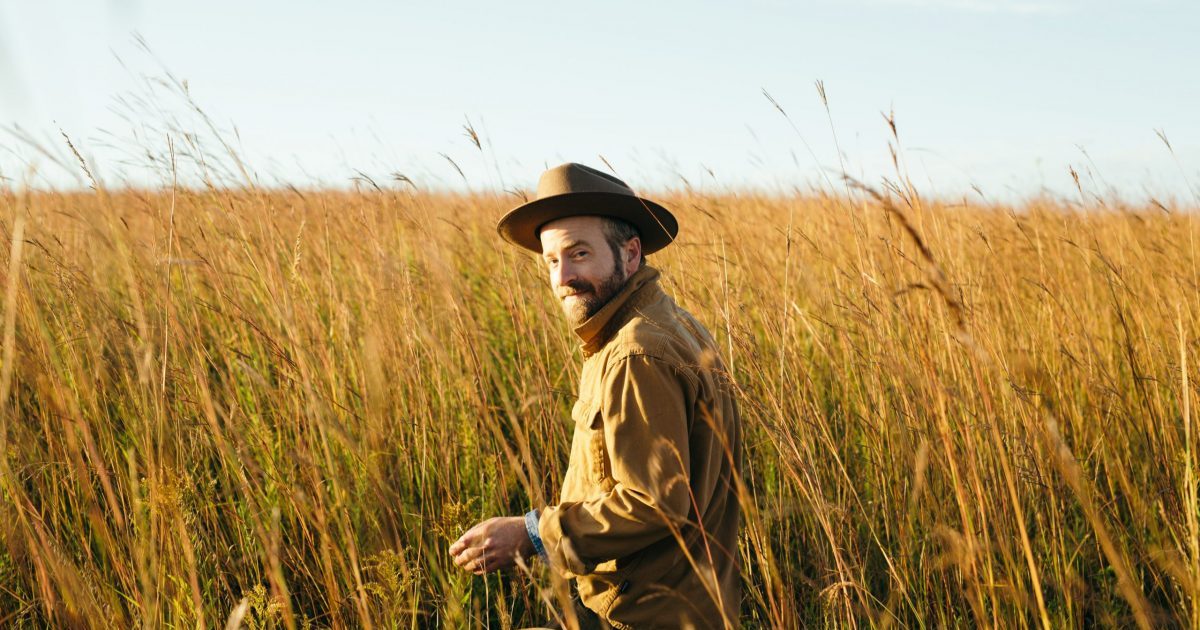
Dave Simonett Offers Clarity and Community on Solo Debut, ‘Red Tail’

Dave Simonett has proven himself to be a man no genre can hold. Some days the Minnesota-based singer/songwriter is fronting prominent Duluth string band, Trampled by Turtles. Some days he’s playing with a full rock band behind him as Dead Man Winter. Now his latest project comes in the form of his first full-length solo album, Red Tail. In a phone conversation with BGS, he discussed his freedom from expectations, the project’s emotional clarity, his love of musical diversity, and more.

BGS: Tell me about making this album. What’s memorable or special about it for you?

DS: Well, I started out just making it by myself. That was kind of what I had in mind for the whole thing, initially. I have a studio in Minneapolis and I was working there. I recorded pretty much all of the songs that ended up being on the record and thought I was done, but at the end of that process I thought I’d like to expand a few of them with some other players.

So I ended up going down to Pachyderm Studios outside of Minneapolis with a small band and re-recorded about half of it down there. Still used some of the stuff from my studio, some from Pachyderm, and just kind of smashed it together. This happens to me pretty often. I’ll have what I think is a concrete idea of what I want to do at the beginning of a project, and then it evolves from there. I’ve learned over the years to let that process happen.

You mention that Red Tail benefited from a freedom from expectations because you recorded it without really knowing if anyone would ever hear it. How do you think that freedom helped flavor the album?

I do think there’s a freedom to that and I think it’s the first time I’ve ever done that. Normally when I started to record anything there was an end product in mind: “We’re going to go make a Trampled by Turtles record,” or something like that. That carries with it a certain amount of pressure, which this didn’t really have. I just had these songs and I wanted to record them. I didn’t know what it would be, I just wanted to record them. So I had a little bit of time on my own doing it, and then I thought, “Well, let’s see what they sound like with the other people and a little bit of time in the studio.”

The whole time I was thinking, “You know, this could be something or not. Maybe this is just demos for another band.” But as the process went on, it started to fuse together into something that felt like a record to me. It ended up being a really easy and natural feeling, and that came from the thought process at the outset when I thought, “This doesn’t have to be anything.” I didn’t have a deadline. I didn’t have anything like that. It was really open, and in a weird way it took away a lot of stress.

From the point that you realized this album was something that you’d be releasing, did the songs change in any way from an arrangement or textural standpoint?

Yeah, definitely. Both of those. They even changed from a lyrical standpoint, and I think that a lot of times when I’m working on a record it will do that throughout the process. It’s something as simple as adding some different people in there. That in and of itself just changes it so much.

We recorded everything pretty much live, which is how I generally like to work, so there wasn’t a whole lot of forward thinking in that way. It was more like, let’s get these guys in a room and see what happens when they play the song however they feel like it. And then maybe a couple little adjustments, but that was really all of the arranging we did. Just the fact that there were other people contributing stuff from their own creativity was enough to change it quite a bit.

You say that recording this album was the best you’ve ever felt in your personal life while recording. Do you think that helped give you the clarity to better examine some of the darker subject matter on the album?

Yeah, and I generally get the same vibe from other writers that I’ve talked to. I think that maybe depression, or hard times in general, get a little bit romanticized in music. It might be like the whole Townes Van Zandt myth or something like that; that you have to be super messed up to write music. In my life, in periods where I’ve been like that, I can’t make anything. I feel like creativity and the drive to go make something are at their peak when I’m feeling good.

I think that’s a pretty simple equation when you think about it. Sometimes it’s hard to get out of bed, let alone go to a studio and write all day, along with all of the stuff that goes into making a record. I do think that “clarity” is a good way to put it. Everybody has rough patches in their life. Being at a point to look at some of those and examine them, I think the best way to do that is from a different place. For me it is.

A healthy mindset keeps you from being sucked down an emotional rabbit hole that can end up impacting the entire album and recording process.

Yeah, that’s a good point. You can look at it and almost have a sense of humor about it instead of taking it, and yourself, too seriously in that subject matter.

You talk a lot about how special it is when the listener can apply a song to their own life. At the same time, this is your solo album and sort of a vulnerable look into your life. How do you write in a way that’s specific enough for these songs to mean something to you, but also broad enough that any listener can apply it to their own lives?

I have no idea. [Laughs] I don’t think it’s very intentional. I feel like most of the time I’ll just write, and once in a while I’ll see a line and recognize that from some experience in my life. Instead of thinking about an experience and writing towards that, I just write and then I can look back on it and say, “Oh, I know what that was about.” Most of my work has been that way. It starts like that for me. It starts kind of ambiguous.

It all comes from inside. All the stuff that’s jumbled up in my brain comes out as this, so it’s by its own nature personal. I’ve never really been good at writing stories about things that didn’t happen to me. Some other people are really good at that, but I can’t do that. It all comes from me, but very rarely does it get very specific, and I think that’s just my general style. Maybe a comfort level thing.

“There’s a Lifeline Deep in the Night Sky” strikes me as one of the purest representations of the community and fellowship that surrounds roots music. For somebody who may not know anything about this music, what would you want them to know about the community that surrounds it?

I don’t know if I can think of anything that specifically applies to roots music. This might be a roundabout way to say it, but when I started playing music in Duluth with Trampled, and a couple other bands before that, the music community was really tight. It was also really diverse. There wasn’t another string band in that town. The scene was small and creative enough to sort of only allow for one or two bands who sounded similar, and then nobody else would want to start something like that because it’s already being done. So my sense of musical community comes more from the diversity of the scene.

[Trampled by Turtles] didn’t really start out in an Americana scene. We’ve grown in that world since then, but I think community applies to music in general. I think a lot of people divide stuff up into genres a little too harshly. The people who came down and sang with me on “There’s a Lifeline Deep in the Night Sky” were just a gathering of people who happened to be at the studio. These were people, a lot of them musicians and a lot of them not, who were from all over the place musically. It was more like, let’s all get in a room together and sing a song. I feel like you could probably find that in hip-hop, metal, or anywhere. I hope so, anyway.

I felt really lucky to grow up musically in Duluth in the early 2000s. Every show we played would be with two or three bands. It would be us and a punk band, a hip-hop band, a straight-up rock ‘n’ roll band, but we were all friends. It was celebrated that we were all different from each other, and that’s why we were all doing this together. That’s one of my favorite things about local music scenes across the country. Finding that stuff. You’re right, we do have a great roots and Americana scene around here in the Midwest, but there’s great everything. When people get too caught up in one thing it can get a little poisonous. I feel like music itself brings communities together.

Recording a song like “There’s a Lifeline Deep in the Night Sky,” we recorded it with one microphone onto a cassette player. It was about as informal and unrehearsed as it gets. It was just fun. Nowadays, especially with the modern recording process, it’s easy to make a perfect song. You can make the tempo perfect, the pitch perfect, and everything. Still nothing compares to getting a bunch of people in a room and playing a song live. Embracing the little imperfections that happen as part of the uniqueness of the recording.

Playing with punk bands and metal bands, how does coming from a place like Duluth impact your scope? Does coming from a scene with so many different types of music open your borders and give you some freedom to explore new ideas?

Absolutely. If nothing else, it helped me get out of my own head. If I wanted to go see some live music I would see so many different kinds of music. It wasn’t like it is in some places, where I could go see a folk act every night. I can’t go see a bluegrass band every night in Duluth. It forced me, and hopefully a lot of other people, to celebrate all these different bands.

To me, the genre doesn’t matter at all. A song could be on a banjo or a laptop, but if the song connects with me then I’m into it. I don’t really give a shit which instruments are played. It’s about the song, or if you can see some kind of art in the performance that you really connect to. To me, that’s the most important part. That’s what I want to celebrate. When I record, this is how I like to do it, but that doesn’t mean I don’t want to go see Atmosphere some time. Just because I can’t play that music myself doesn’t mean I don’t love it.

I try to be honest with myself in the recording process, where if something comes up that I want to try I’ll give it a shot. Sometimes it works and sometimes it doesn’t. But to your question, I really am thankful for that diversity in my music growing up. That’s helped me keep an open mind. I feel like the older people get, and the older I get, it’s even more important to keep your mind open.


Photos: Zoe Prinds
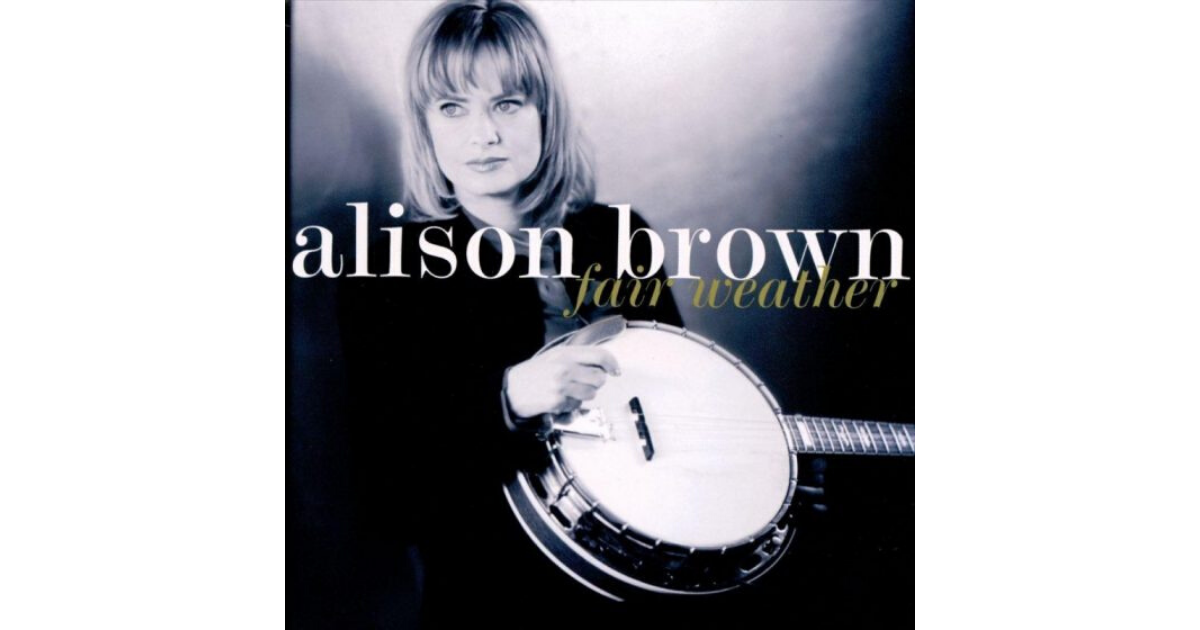
Alison Brown, “Poe’s Pickin’ Party”

Watching the movement for equity and inclusion in roots music grow and expand over the last decade or so, especially in the last few years, has been particularly gratifying in bluegrass. As a community, bluegrass is often stereotyped as backwards, hillbilly, conservative, evangelical, and so on. As the genre becomes more representative, and as musicians, artists, and scholars unpack the factors that have led to this cause gaming steam, it’s essential that we give credit where it’s due. Namely, to women.

Pickers like Alison Brown, truly one of the most adept and creative banjo players alive today — and holder of an MBA from Harvard — and women who went before her carved the paths by which so many other underrepresented or categorically excluded folks have found places for themselves in this music. Women, having much less to lose in bluegrass (by having much less access to gains in bluegrass), could actively advocate for inclusion in ways many men in the same spaces had never considered. Infrastructure and communities fashioned by these women exist still today, providing a point of coalescence around which these more broader, zoomed out missions can gather.

“Poe’s Pickin’ Party,” an instrumental penned by Brown, seems the perfect tune by which to tie together this legacy with Women’s History Month and Tunesday Tuesday. The bouncy, hornpipe-y number is a playful jab at an actual pickin’ party of the same name, which Brown stumbled upon advertised in a now vintage volume of Bluegrass Unlimited. In the ad, women were welcomed to attend Poe’s party, but not participate. It’s a humorous story, when told on stage to introduce the piece, but also a pointed reminder that active, overt exclusion of women in bluegrass happened so very recently (and persists today) and we have plenty of work to do in order to include so many others in this life-altering, enriching genre.

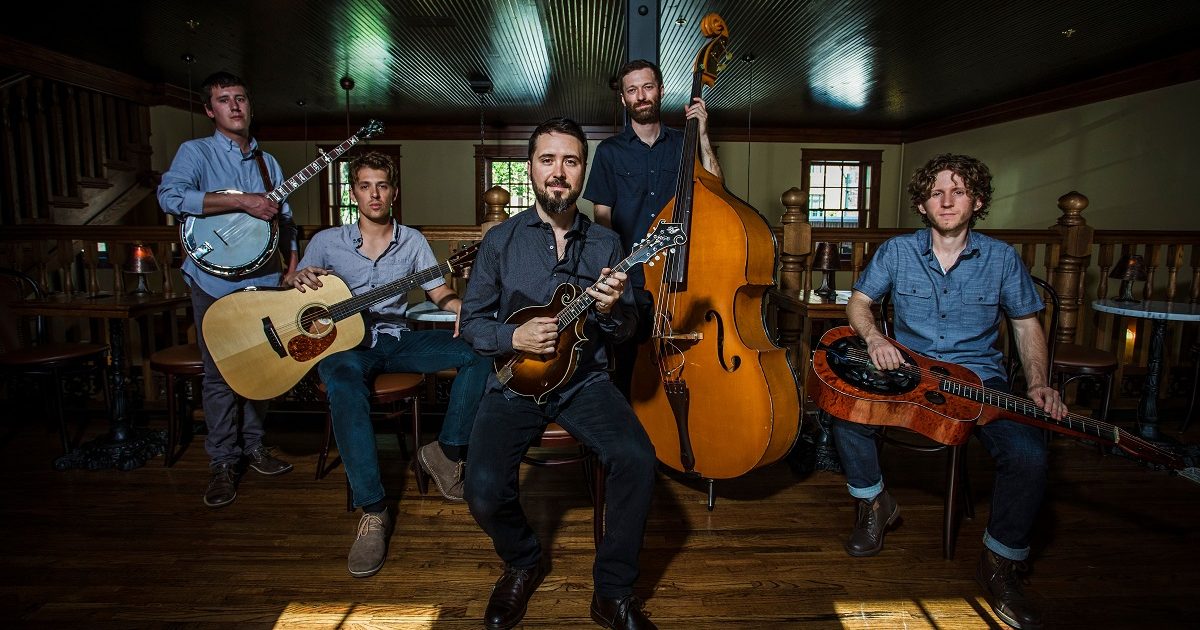
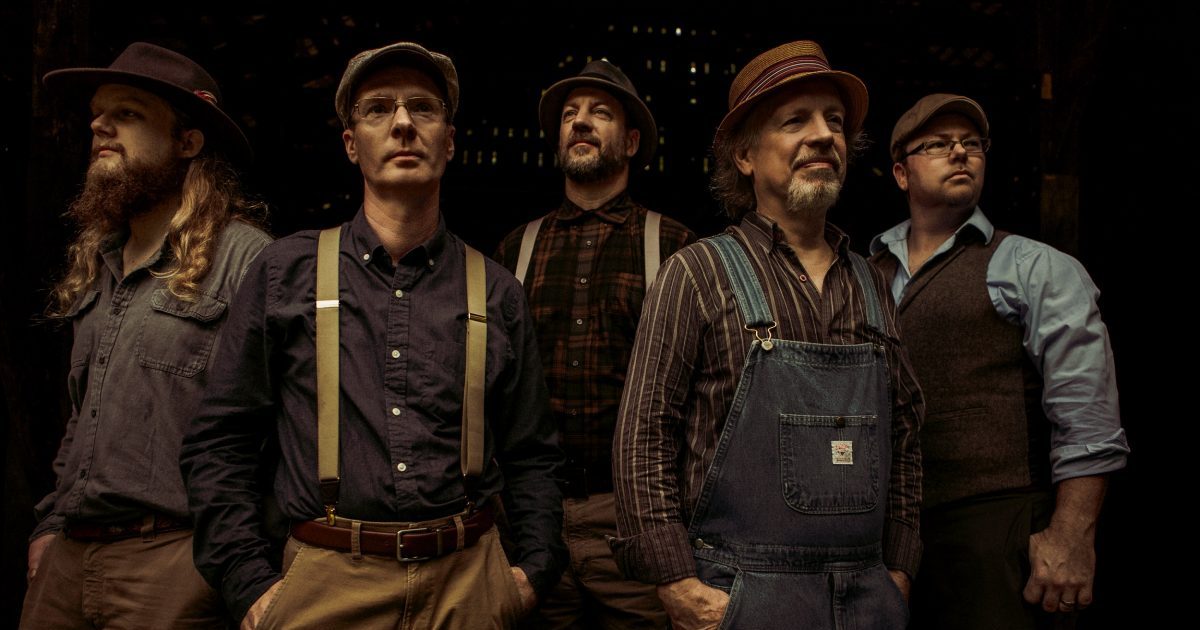
LISTEN: Fireside Collective, “Bring It on Home”

Artist: Fireside Collective
Hometown: Asheville, North Carolina
Song: “Bring It On Home”
Album: Elements
Release Date: March 20, 2020
Label: Mountain Home Music Company

In Their Words: “We love all genres, especially funk. Getting to show that side of our band is always fun and a nice break from bluegrass, which we also love. Carson and Jesse worked a lot on getting the bass line as groovy as possible and I think they succeeded in making this one extra funky!” — Tommy Maher, dobro

“‘Bring It On Home’ is a great example of what can be done with bluegrass instruments outside of the bluegrass groove. The song begins with a unison riff before branching out into a funky groove with tight harmonies and tasty fills and solos to match. While it doesn’t land in the bluegrass groove, this song is a great example of where the genre is heading.” — Alex Genova, banjo


Photo credit: Heather Hambor

LISTEN: Chris Moyse, “Pueblo Dust”

Artist: Chris Moyse
Hometown: Nashville, Tennessee
Song: “Pueblo Dust”
Album: Bitter Ballads & Cynical Prayers
Release Date: March 20, 2020

In Their Words: “It’s a road trip song and a kind of love letter to a friend. And the first song in history about a pretty girl in a vintage car, right? It’s also a jinx — the 1980 El Camino died a few months later. But, I still got the memory and this song.” — Chris Moyse


Photo credit: J.R. Wyatt

WATCH: Rising Appalachia Are Familiar and Fresh on NPR’s Tiny Desk

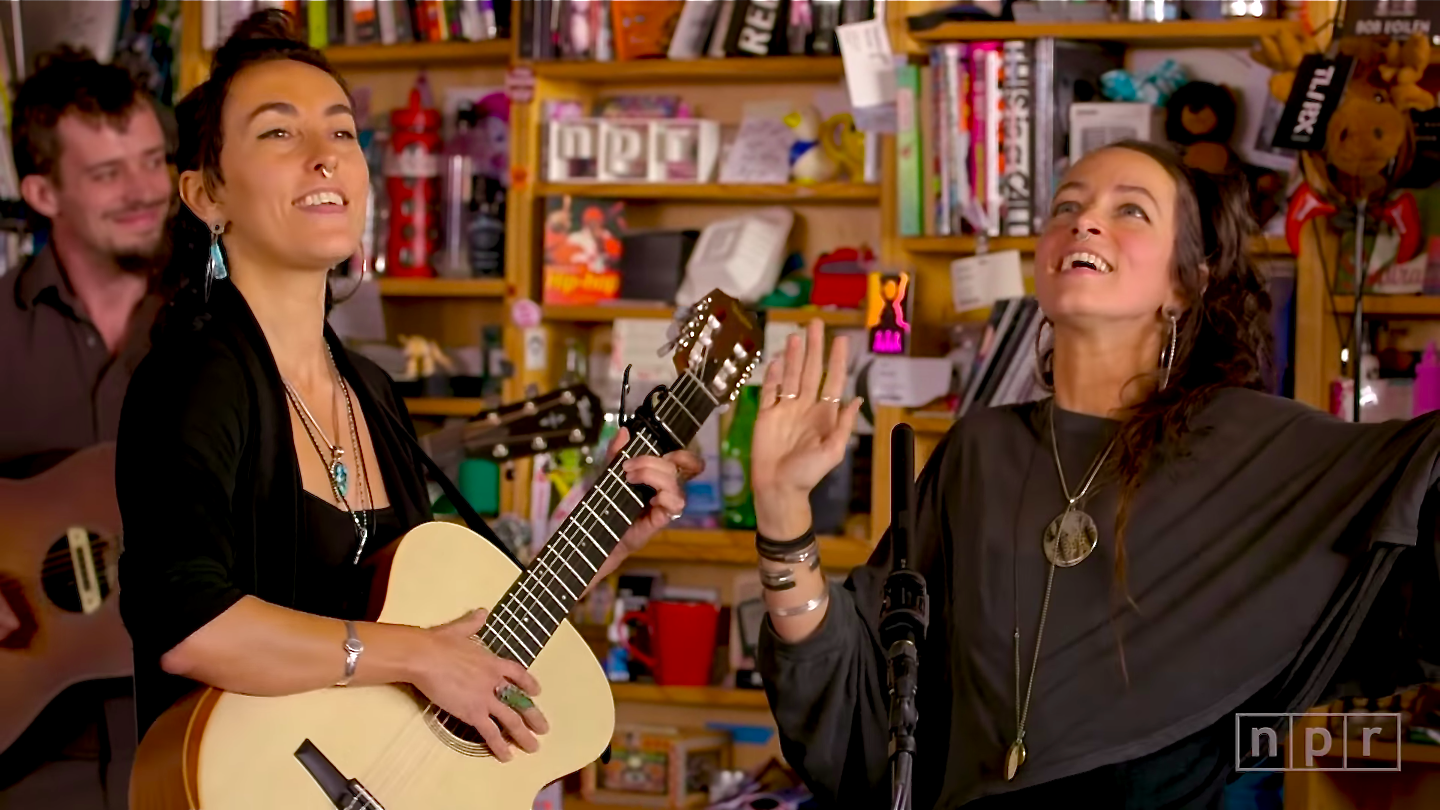
Atlanta-based, globally-influenced string band Rising Appalachia bring a unique flavor to American roots music. Drawing on modern styles and traditional sentiments, they craft an original take on folk. Fronted by sisters Leah and Chloe Smith, the band has a sound that is at once familiar and fresh, incorporating various world percussion instruments, reggae-esque grooves, and fluttery melodies that deliver the songs’ meanings with clarity and precision. Like many folk artists before them, Rising Appalachia are no strangers to building art around their activism. One action the band prides itself on is the Slow Music Movement, an idea aimed at creating sustainable practices for touring entertainment acts and re-framing performance as a public service. Watch Rising Appalachia on NPR’s Tiny Desk.

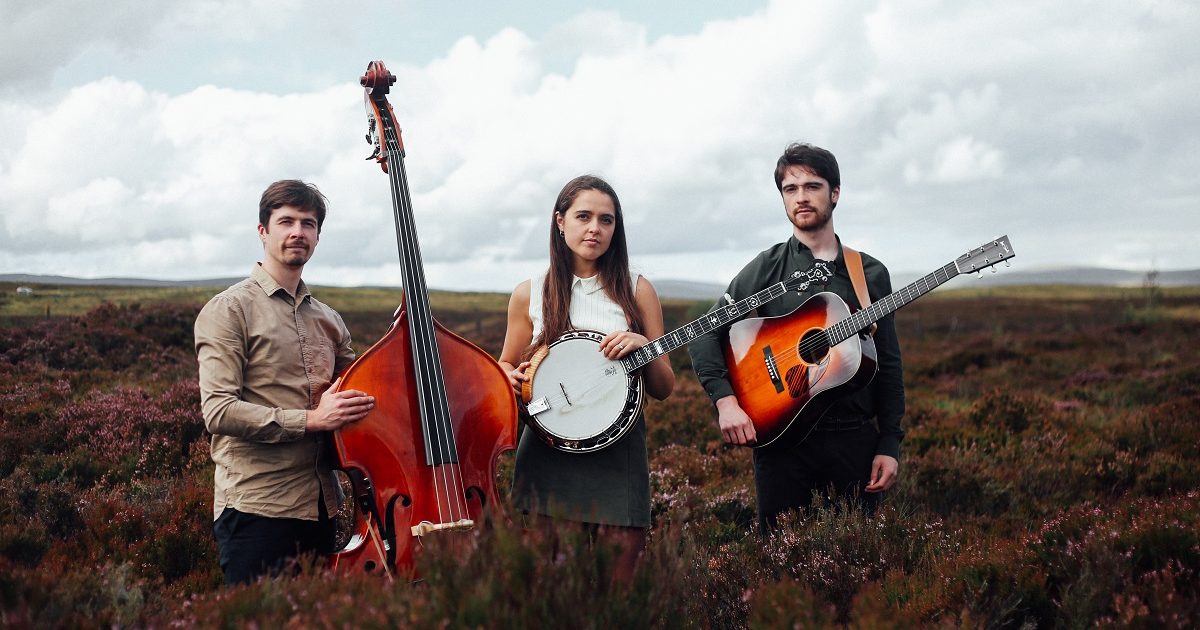
BGS 5+5 Cup O’Joe

Artist: Cup O’Joe
Hometown: County Armagh in Northern Ireland
Latest album: In the Parting
Personal nicknames (or rejected band names): Mug O’Tay

Answers provided by Tabitha Agnew

Which artist has influenced you the most … and how?

I would have to say that it would be Alison Krauss! Her solo recordings and recordings with Union Station have been some of the most impactful recordings for me. The first introduction to bluegrass music that I remember hearing was “Every Time You Say Goodbye” from Now That I’ve Found You: A Collection. Her releases have swayed within the bluegrass/country/gospel realms and I’ve been enjoying her music for years.

What’s your favorite memory from being on stage?

One of my favourite moments being on stage with COJ was probably getting to play at IBMA in North Carolina back in 2017 in a lineup with our good friend Niall Murphy on fiddle. It was a hoot! Glancing around on the workshop stage representing the international scene and trying to not get too nervous when we saw legends and some other top pickers walking by!

What rituals do you have, either in the studio or before a show?

I try to have had at least one cup of sharp black coffee before a show and lots of water! (Both are definitely needed!) Yep, I know it sounds like a cliché, but I definitely run on coffee!

Which elements of nature do you spend the most time with and how do those impact your work?

This question has really made me stop and think, but I think I can safely say that trees are a big source of inspiration that impact our songwriting. Two songs off the new album refer to the concept of change happening as quickly as the changing of the leaves on the trees in each new season. Currently living in the countryside of County Armagh is a big source of inspiration in general, with rolling green hills and plenty of apple trees (County Armagh is “orchard county”).

Since food and music go so well together, what is your dream pairing of a meal and a musician?

Oooh! What a tough tough question! After getting to know Mr. Ron Block, I would have to say that I would pair him with a Scottish Cheese board (with Rough Scottish Oatcakes). I think that’s a pretty 10/10 combo in my opinion and I think he would totally be okay with that!


Photo credit: Katie Loughrin Photography

LISTEN: Appalachian Road Show, “Goin’ to Bring Her Back”

Artist: Appalachian Road Show
Hometown: Appalachia
Song: “Goin’ to Bring Her Back”
Album: Tribulation
Release Date: March 27, 2020
Label: Billy Blue Records

In Their Words: “‘Goin’ to Bring Her Back’ tells the tale — in quite a humorous way — of a mountain boy who has fallen in love. Unfortunately, he doesn’t realize that the girl he loves might not feel the same way, seeing as how she has run off and caught the train across ‘them yonder mountains!’

“I wanted to create a piece that made the album more dynamic and this chorus jumped into my head! An hour later, the song was complete. I felt pretty confident it was something that Darrell Webb and Barry Abernathy would play and sing the daylights out of. We felt that this song fit right into the Appalachian aesthetic and into the overall narrative we’ve been developing within this band and especially this project. It feels ‘classic’ to us, but the ink has barely dried, and we love that!” — Jimmy Van Cleve, Appalachian Road Show


Photo credit: Micah Schweinsberg