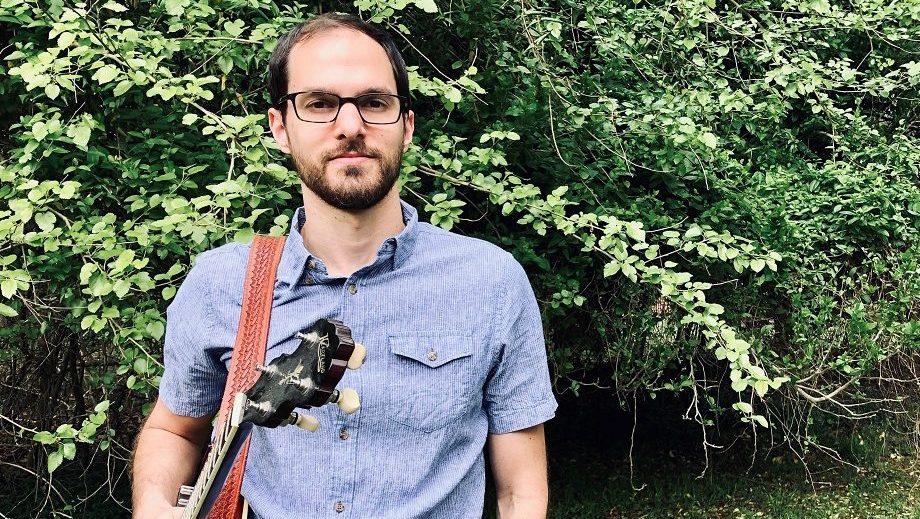
WATCH: The Dead South Sing “Black Lung” at OurVinyl Session

Acoustic music gets a little tougher north of the Canadian border, thanks in large part to the Dead South. Originally hailing from Saskatchewan, the Dead South is a true success story of a grass roots musical endeavor that’s blossoming into a wide-reaching, iconic acoustic group. Since their formation in 2012 they’ve built success on relentlessly energetic live performances and genuine person-to-person connection with their fans.

In October of 2019 they released Sugar & Joy, their third full-length album on Six Shooter Records. Words aren’t quite enough to describe the grit and scruff that the Dead South bring to string band music, so watch as they perform their song “Black Lung” on OurVinyl.


Photo credit: Brandon White

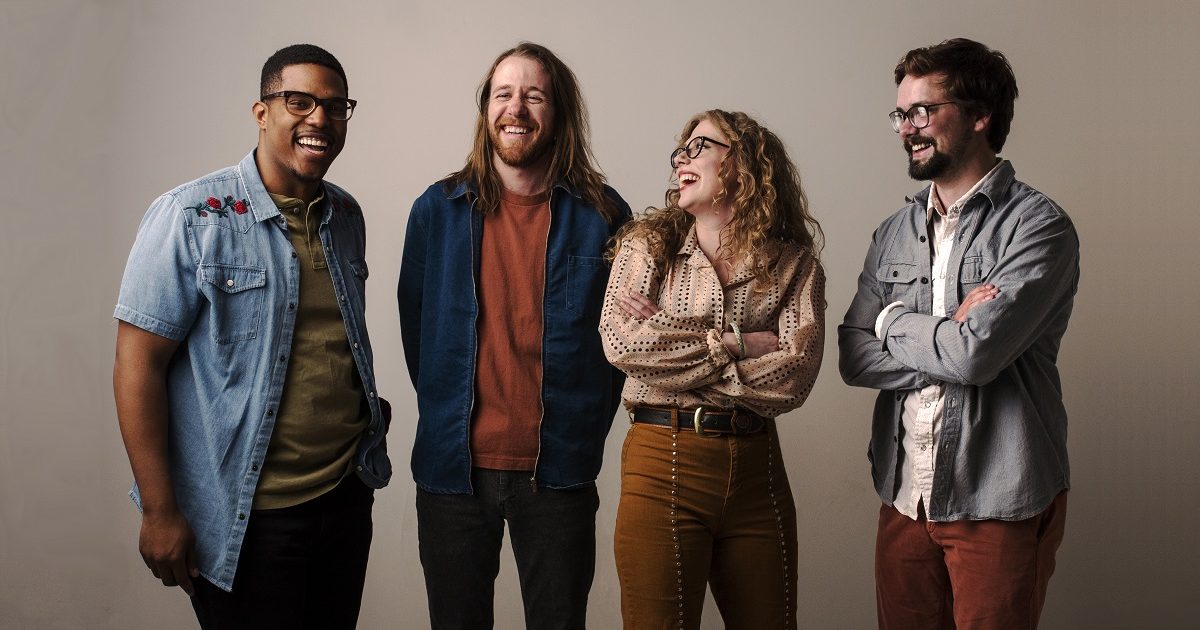
Barbaro Brighten the Midwest Bluegrass Scene

Barbaro’s first full-length studio album, Dressed in Roses, stands as a true testament to their musical identity and the sound that has launched one of the Midwest’s most in-demand acoustic acts. In a phone interview with Kyle Shelstad, the Minnesota group’s guitarist and lead singer, BGS discussed the arranging process behind these songs, how the band has grown, and the current state of the Midwest bluegrass scene.

BGS: You’ve released singles and an EP in the past, but tell me a little about this album. What was the impetus for making Dressed in Roses?

Kyle Shelstad: In general, I feel like the album is a good testament to our sound right now, and also to where we’re hoping to go. We recorded this with the unit being together for about a year. Some of the songs Isaac [Sammis, on banjo] and I had for a couple years prior, before Rachel [Calvert, on fiddle and vocals] and Jason [Wells, on bass] joined the band. After they joined the band these songs kind of had a new life and developed their own sounds.

You re-recorded the songs “Barbaro” and “Loathe.” Did that experience shine a light on how you’ve developed as a band in the past few years?

Exactly. While the arrangement was pretty similar, I think the way we play it as a group has definitely changed. So I think our goal in doing that was to pay homage to the sound we have now and the work we’ve been doing on it.

I think this is your most consistent album yet. When the band first came together did you have an idea of what you wanted the sound to be like, or has that organically grown over the years?

It’s definitely organically grown, but I’ve also always had an idea of what I wanted to do. Isaac and I started playing together as just a guitar and banjo duo, and we had to find ways to make that… well, not super annoying. So we tried to focus on texture and arrangements.

I’m glad to hear that you think it has a consistent sound because part of it, for me, I was concerned. It has a lot of different thoughts and ideas thrown at it. In that sense I think this album is a lot about us trying to figure out our sound. Developing it that way.

Some of your songs seamlessly turn from folk ballads to sections of straight-up funk. How much discussion was there in arranging these songs that are so texturally complex?

I think it’s twofold on that. A lot of these songs I come into with an idea of how I want them to progress and where I hear the song going. But adding Jason on the bass throws some of these ideas on their heads, because he had literally never listened to bluegrass before we got him to play with us. He’s done a lot of studying and research on his own to figure out how that sound works, but at the same time that’s not necessarily what he wants to play. There will be times where I’ll say, “Hey dude, maybe you should just play the root note four-on-the-floor,” and he’ll say, “I don’t know, man, I don’t really like that.”

He really brings a different flavor. When I think the song is going one way he’ll take it a completely different direction. I’ll come in with the ideas and the direction of the tune. That main idea and where I want it to go. But sometimes how we get to that point changes because of the players we have, with Rachel and Jason having such a classical background. These songs moving in all these different directions is part of us trying to figure out our sound and how to cohesively bring these ideas that we enjoy together.

Also, I listen to a lot of jazz trios, and while there’s form there, it’s not like it’s verse-chorus-verse-chorus-bridge-chorus-out. I guess part of me feels like I can’t write that kind of stuff very well. Or when I do it sounds too corny to me or something. I enjoy that certain jazz music goes somewhere. There’s always a little thing thrown in there to catch your ear or catch you off-guard.

One thing I’ve noticed when seeing you live is that, while you do have these very cerebral arrangements, you have no problems engaging the audience and taking them with you through these songs.

Yeah, that’s our goal and what we’ve always been trying to figure out. How to write a set list that can put forward what we’re trying to accomplish with these songs but also keep people engaged. I think that took us a little while to figure out. Unfortunately we can’t play songs that we want to play all the time. It depends on the crowd and we need to figure out how we’re going to best get these songs across to this crowd or that crowd.

Did you have any epiphanies or learning experiences in the course of making this album?

As far as epiphanies go, I used to play with Kitchen Dwellers, which is a completely different type of music from what I’m playing now, but a lot of it was based on improvisation and free-flowing. So when you bring in people like Jason and Rachel who are very classically-focused — that’s sometimes an uncomfortable place for them to be. That’s something where we’ve figured out how to work together. We can still have some solid structure, but then find opportunities where we can open up and allow the music to flow in whatever direction that might be.

Speaking of different types of music, what was it like working with your producer Adam Gruel? Horseshoes & Hand Grenades [Gruel’s band] is such a different sound from what you play. How did he influence you as a producer?

I’ve known Adam and the Horseshoes guys for a while. I first met them when we were in the Telluride band competition years back, so he’s always been a buddy of mine. He heard that we were recording an album and reached out to let us know that he had done some producing work and would be super interested in working with us.

That was kind of my first thought, too: “The kind of music you do is completely different from what we’re doing.” But I thought about who Adam is as a person and I thought having that type of energy in the studio would really help us out. Sometimes we’ll sit in rehearsal and spend four or five hours on one section of a song and just beat it to death. To the point where we hate each other and we hate the song.

So bringing Adam in there was a good idea because he knows when to move forward and he has this incredible energy and positivity that allowed us to not fall into that dark hole. After two takes he’d be like, “All right, we got it, let’s move on.” I think that really helped us accomplish what we needed to accomplish in the amount of time that we had.

The Midwest is a hidden gem for bluegrass music with bands like yours, Barbaro and Horseshoes & Hand Grenades. What do you wish people knew about the bluegrass scene in the Midwest?

I think there’s a lot of different bands and a lot of people who are passionate about the music. I moved out here because of the scene. I moved to Minneapolis because of Pert Near Sandstone and what they’d done here. I think that knowing there’s a lot of really great music up here and a lot of big music fans.

There are amazing local bands that play really good tunes and bring people out and keep it full at the bar until the end of the night. It’s a lively scene and it’s only growing. One of our goals is to bring more diversity to the scene and open people up to the idea that this music spreads really wide. There’s lots of different ways that this music can be interpreted. We’re just trying to grow and build this scene even more.


Photo credit: Jeff Mateo

The Show On The Road – The Steel Wheels

This week on the very first episode of The Show On The Road in 2020, we welcome The Steel Wheels, a Virginia-based band of harmony masters and savvy string band experimenters who have quietly put together an impressive body of work over the last decade, corkscrewing their way across the country supporting seven diverse, acoustic-based albums. Along the way they’ve gained gangs of devoted fans of their big-hearted, peace-promoting songs.

LISTEN: APPLE PODCASTS • MP3

Taped live at historic Mccabe’s Guitar Shop in Los Angeles, Z. Lupetin gathered the boys around the mic to dive into their boundary-pushing 2019 release, Over The Trees, how they once toured on bicycles to spread climate change awareness, and how they survive 15-hour drives to strange shows in Iowa. They end the episode with their gorgeous acapella song, “This Year”.

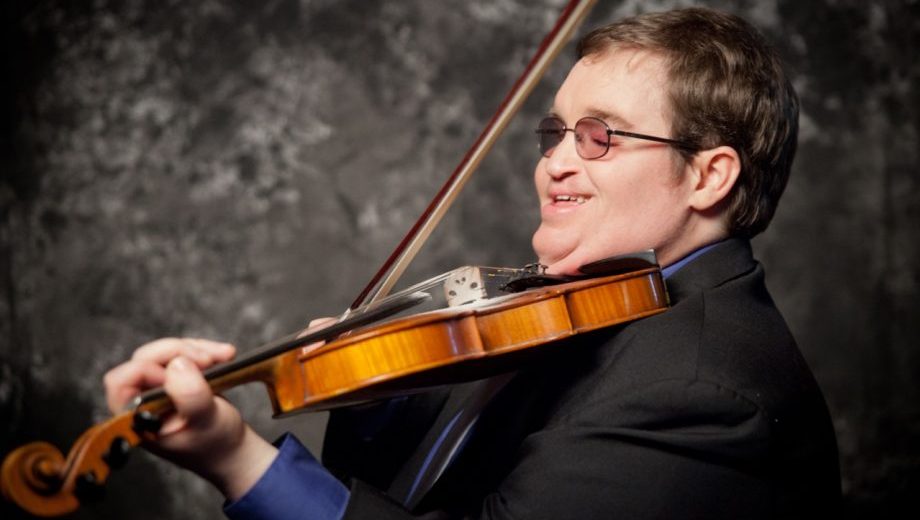
Michael Cleveland Grabs Grammy Nom for (Not Quite) Solo Album

Michael Cleveland is one of the defining fiddlers of his generation, known for his incredibly quick licks, deep groove, and shiver-inducing double stops. His virtuosity has been recognized by artists from many different genres and their thoughtful collaborations have proven that Cleveland is much more than just a flashy fiddler.

His talents were recognized at a young age by many of bluegrass music’s biggest stars and as a teenager he appeared as their guest in such settings as the Grand Ole Opry and A Prairie Home Companion. As one of the most-awarded musicians in IBMA history, Cleveland invited many of his heroes to collaborate on his 2019 album, Tall Fiddler. The project will compete for Best Bluegrass Album at the Grammy Awards on January 26.

Unlike many solo albums, Tall Fiddler features Cleveland’s band Flamekeeper throughout. Half of the record features selections from their popular touring show while the other half features Cleveland and band playing with masters such as Tim O’Brien, Béla Fleck, and Tommy Emmanuel. The origin of many of these collaborations were explored in Flamekeeper: The Michael Cleveland Story, a documentary detailing his journey, from being born blind to forming Flamekeeper.

Cleveland spoke to BGS by phone from his home in Indiana.

BGS: I wanted to ask you what it feels like to be nominated for a Grammy, but I have to imagine it feels pretty good! What does it mean to you?

MC: Well it’s pretty exciting! The last time I was nominated I thought I’d go through the list just to see who’s actually won and who’s been nominated in the past and it is mind-blowing for me to be considered.

And then to be nominated with the Po’ Ramblin’ Boys — I’ve known Jeremy Brown since he was probably a baby. None of my family ever played music, but my grandparents had a bluegrass association in Henryville, Indiana, which is just across the river from Louisville, Kentucky. So we got a lot of bands come out of the Louisville area and from other parts of Indiana. Jeremy’s dad, Tommy Brown, used to play with a band called Jim Simpson and the Kentucky Mountain Grass and it was one of the best bands in the area. Whenever they came to Henryville it was an event.

When they broke up Tommy formed his own band called Tommy Brown and the County Line Grass and I would see Jeremy playing on stage with his dad when he was a little kid. I’ve known all those guys for a while and have a connection with them so it’s really cool to be nominated at the same time as them and all the other artists.

Tall Fiddler is your eighth album. What makes this album stand out from the others?

This album was a little different because it wasn’t strictly a solo album or a band album. I wanted to do something where I could collaborate with other people, but I wanted my band to be on the album as well. It’s just a killer band, they’re who I tour with all the time, and I wanted to hear what they would do with the guests. So the band is on half the album and then there’s special guests on the other half.

We did the title cut, “Tall Fiddler,” with Tommy Emmanuel. That was especially cool because we got to do that live in the studio. Tommy came in and we had never played with him. We’d just worked this up based on a recording of his called Live! at the Ryman where he had played it. So Tommy comes in the studio and I think we knocked that out in just a few takes. It’s a dream come true for me, because I want to see my band collaborate with people like that.

Like Josh [Richards] singing with Del McCoury and getting to play with Tommy, and Dan Tyminski, and Jerry Douglas. The guys in my band are great players and deserve to play with people like that. That’s always been a goal of mine and for my career — to get to collaborate with as many great musicians and heroes of mine as I can. And that’s been possible because of this album and the Flamekeeper documentary, you know? Like, I’ve gotten to record with Béla Fleck.

Yeah, tell me about “Tarnation” and how that track came about.

When we made the Flamekeeper documentary we did some of the filming in Nashville. We got Del, Sam [Bush], Béla, Todd Phillips, and some other people that I’ve worked with in the past to be a part of it. John Presley, the producer of the documentary, said “I think it’d be cool to hear you play some of these guys’ music,” and I said “Yeah, that’d be great!”

We had just got done filming a lot of stuff and I was messing around and started playing a little bit of one of those tunes and Béla’s like, “Oh, you learned that? Let’s play it!” and after that he asked if I liked learning tunes and I told him I love learning new stuff and he said, “I’ll give you a call and maybe we can do something together.”

So then, when I was working on this record I reached out to him and I asked if he’d be interested in collaborating on something and I said “I would love for it to be something that you and I could write together.” He agreed, so we sent stuff back and forth for a while, like voice memos of ideas, and then he came up with that slow part in the beginning — which I really liked, it’s really bluesy. He asked if I could come down to his house to finish working on it.

To be able to go to Béla Fleck’s house and write a song with him. I mean, that’s something I would never dream that I would be able to do. But it’s cool for me to get to be around all these people that we worked with on this album. The thing that strikes me is not only that they’re incredible musicians — needless to say — but their whole [personalities]. They’re great people. They’re just having fun playing music, you know?

You’ve always struck me as a versatile musician because of your ability to collaborate with so many different artists and complement the style while still sounding like yourself. Like how you play on Andy Statman’s Superstring Theory album, for example.

See, that’s the thing. I’ve loved traditional bluegrass for a long time and would mostly just listen to that. But there’s so much music out there that I still haven’t heard that’s classic stuff to other people. I just started listening to Boston and they are awesome! My girlfriend says I live under a rock. But a lot of the music I play in places like Nashville, I don’t really have a whole lot of chances for experimentation. With someone like Andy [Statman] there’s no holds barred. Whenever Andy plays a song it’s going to be different every time.

I have noticed in your live shows that it seems like you’ve been experimenting with having a song or two with an extended solo section that’s a little more open ended than traditional bluegrass might be.

Yeah we’re trying to incorporate more of that because I think the audience like to see something and think, “Oh, this is not what happens every day.” And it’s a fine line because I’ve always been of the mind that you practice, you know the arrangements, and that’s what you play. Maybe you don’t play what’s on the record the whole time but you play it pretty close and you play that every day and that makes it good. And it does.

I always like to hear live recordings for the differences. Like when someone plays a different solo or somebody misses a note but it’s OK; it’s alive. It’s authentic. And it’s sometimes hard for me to remember that it’s music. It’s not supposed to be perfect. When we do the extended solos, that’s when I really pull out stuff and think of things that I would never play. If all you did was just play that arrangement every time and make it as perfect as possible, you might never be able to experience that.

I went to MerleFest one year and I came away thinking [about] all these guys like Sam [Bush], and the McCourys, and Béla, and Tim O’Brien, and Doc Watson. All these people are great instrumentalists and great old-time bluegrass players but they all do so much more than that. And just because somebody’s plugged in, and turned up loud, and improvises, that doesn’t mean they don’t know their stuff when it comes to traditional bluegrass.


Photo Credit: Stacie Huckeba
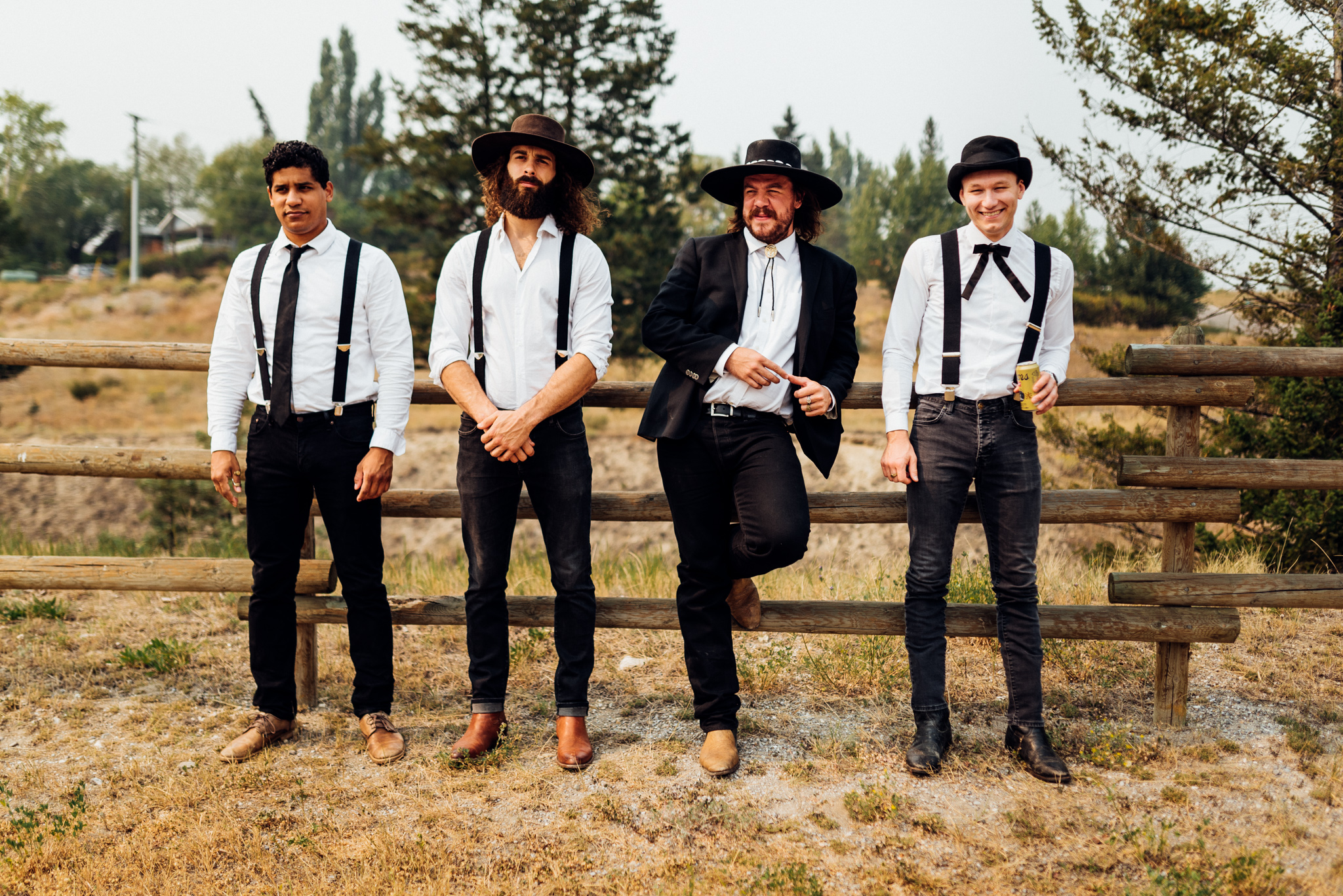
LISTEN: Thunder and Rain, “Two Ships”

Artist: Thunder and Rain
Hometown: Golden, Colorado
Song: “Two Ships”
Album: Passing in the Night
Release Date: January 3, 2020

In Their Words: “I wrote a poem based off the old saying ‘two ships passing in the night.’ It seemed to perfectly sum up a fragile but fun relationship I was in at the time. When we started arranging it as a band, we cranked up the speed and started passing speedy licks between the dobro and mandolin. Being one of the grassiest songs on our record, we had our engineer, Aaron Youngberg, rip some banjo on it. This song sets the tone of the record, describing the moments in relationships that are meaningful but don’t last very long.” — Erinn Peet Lukes, Thunder and Rain


Photo credit: Scott McCormick, McCormick Photos and Design

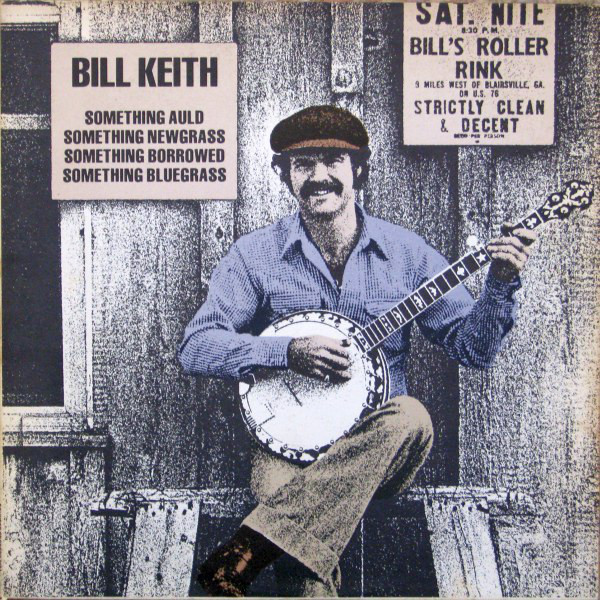
Bill Keith, “Auld Lang Syne”

Before we turn out the light on 2019 — and the 2010s — let’s celebrate one last Tunesday Tuesday. This column began in 2018 as our instrumental answer to our now-dormant Song of the Week feature, with an understanding that roots music (especially bluegrass, old-time, and country) wouldn’t exist without virtuosic pickers, and that most outlets, by nature being centered on more commercial forms of music, tend to overlook the incredible offerings of instrumentalists.

As we look ahead to more tunes, more breakdowns and waltzes and jigs and polkas, in 2020, it’s a fitting time to visit “Auld Lang Syne” as recorded by Bluegrass Hall of Famer and banjoist extraordinaire Bill Keith in 1976 on Something Auld, Something Newgrass, Something Borrowed, Something Bluegrass. (Please, on behalf of the tenor of this column, ignore the sung verse by Jim Rooney — or simply treat it as a once-hollered refrain line in an old-time tune that doesn’t negate the tuney-ness of it all. Everybody good?)

Joined by Tony Rice, David Grisman, Vassar Clements, and Tom Gray, this version of the truly ubiquitous, ingrained melody begins with a jazzy, ragtime flair, circa the late 1800s and banjo’s golden age. Then, as most bluegrass covers of non-bluegrass tunes go, it kicks into time with the chord progression massaged towards diatonic simplicity and the tempo dialed into ideal banjo range. Keith utilizes his namesake tuners and signature melodic style to capture the song in a way that oozes traditional bluegrass, but is still fresh and innovative — even forty plus years on. It’s a perfect banjo-y, bluegrassy way to bring in a new year and say goodbye to the old, too.

Happy 2020!

Pet Yeti Bring Bluegrass (And a Michael Bolton Ballad) Into UK Music Scene

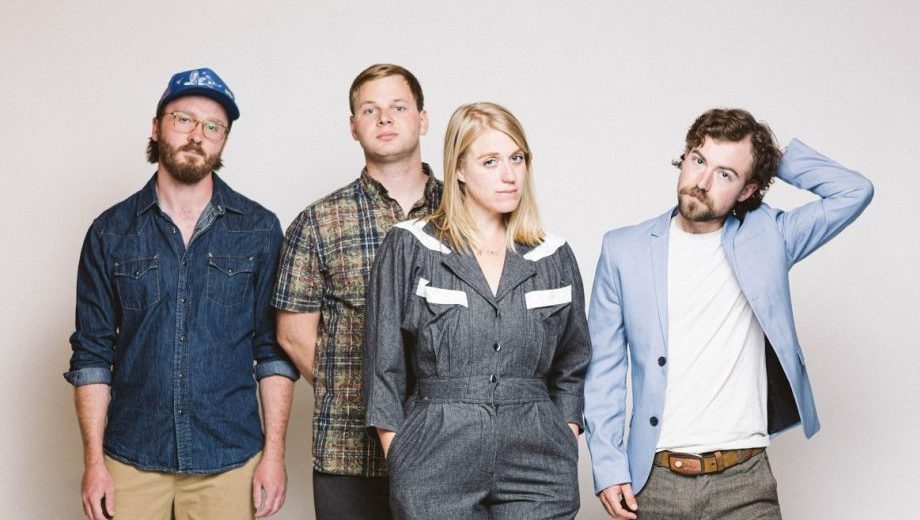
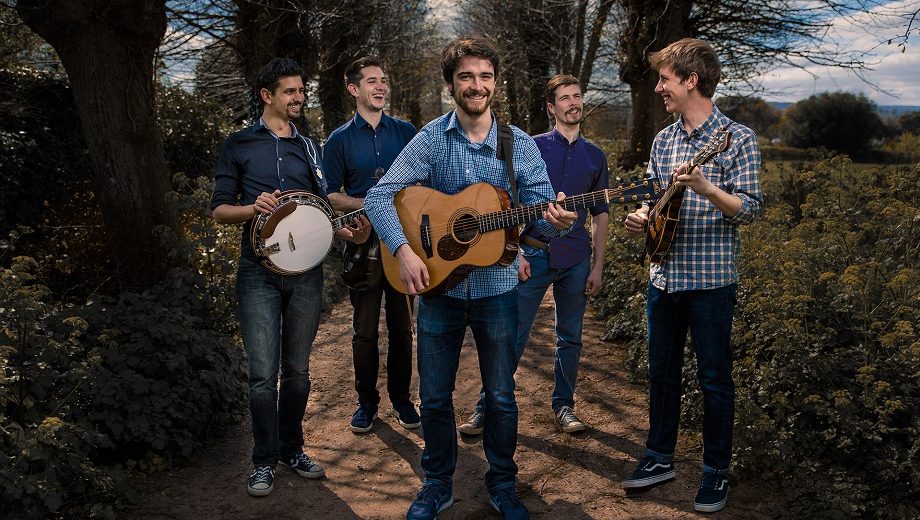
Pet Yeti is a UK-based bluegrass band made up of some of England and Northern Ireland’s finest pickers. Their debut album, Space Guitars, is a collection of original tunes and reimagined takes on classics like Michael Bolton’s “Said I Loved You…But I Lied” and Ola Belle Reed’s “I’ve Endured.”

The band includes Benjamin Agnew on bass, Reuben Agnew on guitar, John Breese on banjo, Kieran Towers on fiddle, and Joe Tozer on mandolin. In an email interview with we learned more about the group, what they hoped to achieve with this album, and where they’re headed.

BGS: Was there anything particularly memorable or special about making this album? What was the experience like?

Pet Yeti: The most memorable thing about recording this album was probably recording the Michael Bolton cover “Said I Loved You…But I Lied.” The decision to record that track was very last minute but everyone jumped into it with enthusiasm. Seeing it come together was surprising because we had not really known what a bluegrass cover of such a track would sound like. The result had us really satisfied, such to an extent that I think it suits the album nicely and we would really miss it if it was not included.

It was also a real privilege to record with Josh Clark of Get Real Audio. Not only as a friend of ours but also because he brings a finesse and professional ear for bluegrass music that is hard to find, even with comparisons to great recording engineers from the US. He also took a lead production role in the making of the album, which by itself would usually be big undertaking, so that we can say the album really has been shaped by him.

What was your goal with this album, musically speaking?

The original goal of the album was to be a voice for what Pet Yeti could do to authenticate ourselves in the bluegrass scene. However, it turned into a representation of all the band members’ individual tastes and interpretations. It is not often that a song like “Space Guitars,” based on the story of Doc from the Back to the Future movies, is on the same album as Michael Bolton covers and old-time music! I think the goal became the enjoyment of playing music and trying to put that across in every track that we could.

Do the five of you come from differing musical backgrounds? If so, how do you think those differences influence the overall sound of Pet Yeti?

Every band member in Pet Yeti comes with an appreciation of bluegrass music and we have all been followers of bluegrass growing up, though we all have our own genres that we enjoy delving into — whether that be the likes of old-time to Oasis to gypsy swing. I think it’s a really healthy mix to have a core interest but also to bring in the diverseness of individual interests because it means everyone in the band has a voice, even if we are not all singing. I think it’s this mix that separates Pet Yeti from a lot of other bluegrass ensembles.

You cover a lot of ground with this album, from carefully crafted gems like “I’m Turning Away” to high energy barn-burners like “Drinking Since the Day I Was Born.” Has that wide array of sounds added a new dynamic to your live shows?

While I do think the dynamic of Pet Yeti set list shows off the diverseness in our musical ability, a big aim of the set is that the audience enjoys the music. Not only with the energetic numbers, but also with lighthearted back stories of the originals.

Did you have a plan or idea of how this album should come together, or did it come together more organically while recording?

The album really is a product of a very organic process. We came together shortly before recording and developed how all of us would like the album to be recorded. However, a lot of the best parts of the album came during recording and because of the input of our excellent sound engineer. I think you need to allow this sort of organic process to keep things fresh.

You all have experience playing in other musical projects (Cup O’ Joe, Cardboard Fox, Kieran Towers & Charlotte Carrivick, etc.). What are some ways Pet Yeti is unique and different from your other projects?

Elaborating on an earlier question, Pet Yeti gives everything that you would expect from our other musical projects but with a lot more of each band members’ individual personalities and experience. Not one member of Pet Yeti is the “front man”, which is clearly seen in the album, giving each track in Space Guitars some other member the spotlight. Every band needs teamwork but Pet Yeti really relies on each member to create the overall sound of the band.

How has this album challenged you to grow as musicians?

The album has given us the opportunity firstly, as friends, to develop a unique sound together and have fun doing it. It also let us enjoy recording on a level that’s not as stressful and serious as other projects while maintaining musical integrity and making production enjoyable. Perhaps one challenge we have gone away with is how to put that enjoyment into all the music we produce and play from now on.

If you could perform this album at any venue, where would it be? Why?

While playing at any bluegrass festival in the UK, the US, or otherwise would be a privilege, the possibility to play as part the wider Glastonbury Festival would be a great opportunity and more ideal space for our unique flavour of bluegrass.

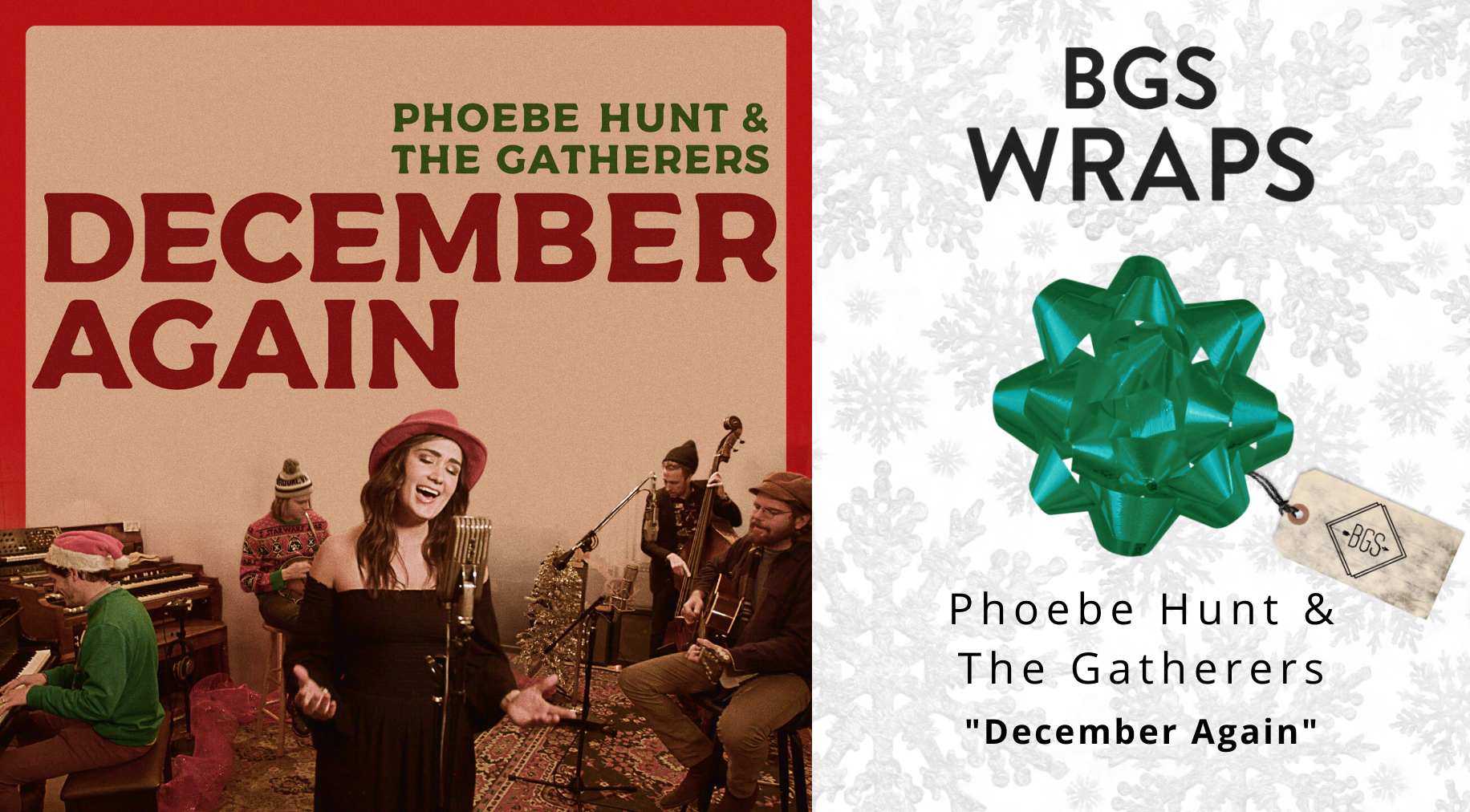
BGS WRAPS: Phoebe Hunt & The Gatherers, “December Again”

Artist: Phoebe Hunt & The Gatherers
Song: “December Again” (single)

In Their Words: “When we made the video for ‘December Again’, all I wanted to do was send it out the very next day. It’s so odd to know a piece of art exists and to not be able to share it. Alas, it was already almost January at that point and I figured it would come around again.

“To be completely honest, I never even thought this song would leave my journal. I love writing and have tons of nameless songs that just pop out and then never see the light of day. But, then something happens that sparks enough creative spirit to write out a chord chart and teach it to the band… Sometimes that part is the hardest because it takes a lot of vulnerability to open up your diary and share it.

“Felt like if we were gonna add to the shuffle of what is played in the airwaves at this time of year, it was important to include everyone, but still honor the profound spiritual connection that is brought out this time of year. Music is that thread. It’s what holds us all together.” — Phoebe Hunt

Steep Canyon Rangers Salute Their State on ‘North Carolina Songbook’

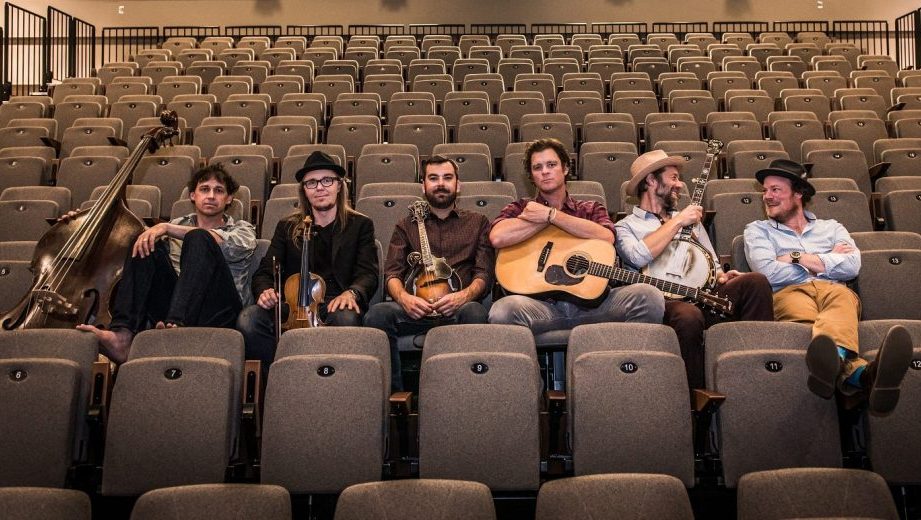
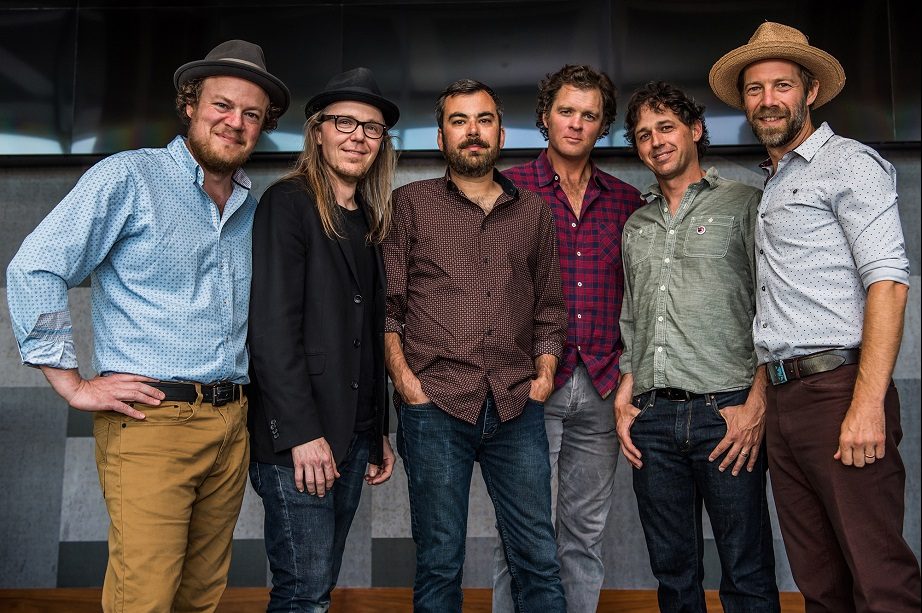
Steep Canyon Rangers have been musical ambassadors of North Carolina for nearly 20 years, and during this year’s set at MerleFest, they presented a wide-ranging performance drawing on their home state’s diverse contributions to American music. That feel-good Sunday afternoon show is now available as an eight-song live album, North Carolina Songbook.

The collection covers inspirations from jazz musician Thelonious Monk, folk/blues hero Elizabeth Cotten, and enduring acoustic legends such as Doc Watson and Flatt & Scruggs. Replying by email, mandolin player Mike Guggino answered these first five questions, with singer/guitarist Woody Platt rounding up the remainder.

BGS: The music of North Carolina can be an overwhelming subject. What was the audition process, so to speak, when it came time to deciding which songs you wanted to include in your set?

Guggino: We all tried to come to the table with songs that we thought might work for the set. We knew we needed not only good songs, but also songs that worked well together to make the set flow. We needed the set to have some diversity, some highs and lows dynamically. We also wanted to feature different members of the band throughout the show.

These songs are familiar, of course, but how much did you rehearse the set list before singing at MerleFest?

We starting working on the tunes a few months before the show. We tried to incorporate many of the tunes into our shows leading up to MerleFest to get an idea of how they worked within the set.

Naturally it’s important to have Doc Watson and Rosa Lee Watson represented. How often did you cross paths with them, and what do you remember most about them?

We all started going to Merlefest in our college years and Doc would perform every year. Seeing him play live was always a highlight of the festival for us. His was some of the first bluegrass/Americana music many of us in the band were ever exposed to. We starting learning many of Doc’s tunes for our shows early on as a band. Many years later, Doc played our festival (Mountain Song Festival) in Brevard. He was one of the nicest musicians I have ever met. It was an honor to meet him and none of us will ever forget that experience!

“Don’t Let Your Deal Go Down” is a bluegrass staple. Do you remember how you all first heard that song?

That was one of the first Flatt & Scruggs tunes we ever heard or tried to learn. I’ve always loved the ragtime-like chord changes in that tune. Also, Earl played it open and the tune is in F major. It definitely gives it a unique sound on the banjo. I think Graham played the heck out of that one on the record!

What were the conversations like as you were deciding what kind of arrangement you wanted to give “Stand by Me”

We all agreed we wanted to feature that beautiful string solo section in the middle. This required a few extra fiddlers to make it happen and it came off so nicely. Woody really sings it with a lot of passion and that is really what makes the song work, in my opinion. We didn’t end up straying too far from the original arrangement in the end. It’s a simple song and we didn’t want to overthink it.

True to its name, “I’ve Endured” has been around a while. What pulled you toward this song?

Platt: This song was a natural fit — not only was Ola Belle Reed a clawhammer banjo player from Grassy Creek in Ashe County, North Carolina, but this song and several of her others have been pulled into the bluegrass genre. We have heard several versions of “I’ve Endured” and we are proud to now have our own.

This album is coming out on vinyl on Record Store Day. Who is the biggest vinyl collector among you?

Everyone in the band has an interest in vinyl and has a nice collection. Without doing an exact count I’d have to say Graham [Sharp, on banjo] is the biggest collector.

“Sweet Baby James” is a highlight of this album. Who is the biggest fan of James Taylor in the band?

James is from Chapel Hill, North Carolina, where the band was originally formed. All of us have connections to his music in some way or another. I’d guess Barrett [Smith, on bass] is the biggest fan. He did a great job channeling James’s vibe and delivery on this version.

North Carolina Songbook provides a chance for you to share part of your state’s musical heritage with the world. What do you hope fans will take away from the experience of listening to this album?

The takeaway is North Carolina’s incredibly rich and diverse musical history! Also, we have recorded nearly 100% of our own original music throughout our career — so it’s fun to show a different side of the band and how we can interpret other songs and deliver them in the SCR style.

What lies ahead for the Steep Canyon Rangers in 2020?

We have a few new projects coming up in 2020. A collaboration with the Asheville Symphony will be released in early 2020. Later in the year we will be releasing a new project of all original SCR material. Other than that we plan to continue to tour and play theaters, clubs, and festivals all over the country and abroad. There will also be some touring with our banjo buddy Steve Martin.


Photo Credit: David Simchock

LISTEN: Ben Krakauer, “Heart Lake”

Artist: Ben Krakauer
Hometown: Black Mountain, North Carolina
Song: “Heart Lake”
Album: Heart Lake
Release Date: December 17, 2019
Label: Blue Hens Music

In Their Words: “I wrote ‘Heart Lake,’ along with the rest of the tunes on this album, with these particular musicians in mind. ‘Heart Lake’ was my attempt at a fiddle tune, which morphed into something different by the time I finished writing it. Like John Hartford’s string band records, it shifts in texture every 16 or 32 bars. It’s named for one of my favorite places, near Mt. Shasta, California. Featuring Duncan Wickel on fiddle, Nick Falk on drums, and Dan Klingsberg on bass.” — Ben Krakauer


Photo credit: Laura Ogburn